Letter from the Audemars Piguet Foundations | Spring 2026
EDITORIAL
2–4 Headline Combating inequality around the world
5–7 Perspective Education in Africa: challenges and solutions
8–9 Story from the field Kenya: immersion in the Kaya Connect project
10–11 Snapshots Glimpses of our real-life impact
12 Find out more Resources and links to take it further
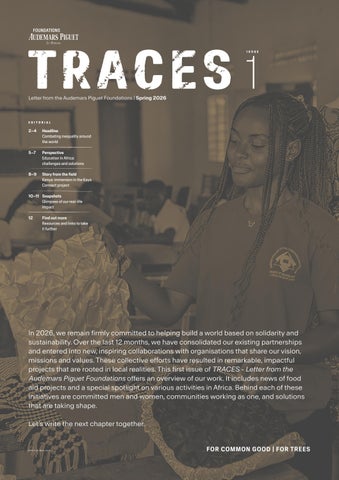
In 2026, we remain firmly committed to helping build a world based on solidarity and sustainability. Over the last 12 months, we have consolidated our existing partnerships and entered into new, inspiring collaborations with organisations that share our vision, missions and values. These collective efforts have resulted in remarkable, impactful projects that are rooted in local realities. This first issue of TRACES - Letter from the Audemars Piguet Foundations offers an overview of our work. It includes news of food aid projects and a special spotlight on various activities in Africa. Behind each of these initiatives are committed men and women, communities working as one, and solutions that are taking shape.
Let’s write the next chapter together.
HEADLINE SOCIAL EQUITY
Putting a stop to food waste
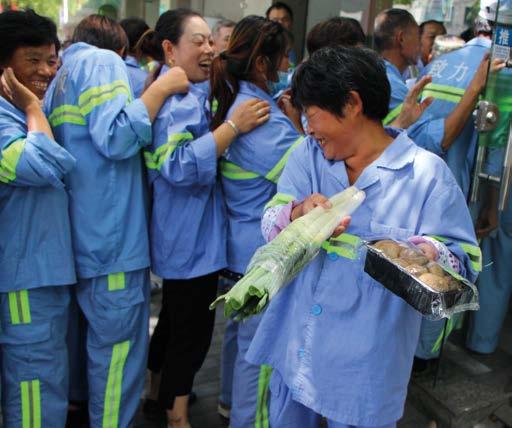
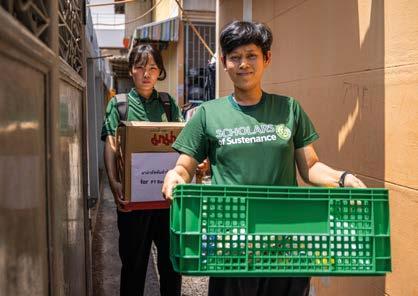
Every region has its benefactors. Green Food Bank, China’s largest food bank, based in Shanghai, combats food waste by collecting unsold and surplus stock and redistributing it to vulnerable households. And demand is constantly rising. With the support of the Audemars Piguet Foundations, this year, the organisation is accelerating its development:
500 m² more warehouse space for better storage and refrigeration.
Improved logistics to extend distribution to suburban areas.
A digital platform to optimise donations.
A new lorry to deliver faster and further.
COMBATING HUNGER IN CHINA: MORE SPACE, MORE RESOURCES, MORE IMPACT
OBJECTIVES
30% more foodstuffs saved 20% more beneficiaries Food waste reduced to: 1%
“With the support of the Audemars Piguet Foundations, we have been able to extend the scope of the assistance we provide and offer additional support to people in need. This contribution also allows us to raise awareness among businesses and citizens about the importance of financial and food donations, highlighting the often invisible reality of urban hardship, and to help struggling families overcome their difficulties and preserve their dignity.”
Bing Li | Director, Green Food Bank
HEADLINE SOCIAL EQUITY
A far-reaching impact
In Shanghai, the country’s largest food bank is developing its activity to meet the huge increase in demand.
WHEN FOOD BANKS FROM ALL OVER THE WORLD COMBINE THEIR EFFORTS
Two billion meals in the space of one year: The global union against hunger reached a new milestone.
Like several of the Audemars Piguet Foundations’ partners, Green Food Bank is part of the Global FoodBanking Network (GFN), an international network that supports food bank development and professionalisation.
What is the underlying principle? Joining forces. All over the world, local organisations are swinging into action to combat hunger and food wastage. The GFN brings them together and provides them with training and the means to act more effectively.
In 2025, the network had a considerable impact:
38 million people received food aid from a GFN structure.
More than 2 billion meals were distributed in just the space of one year, i.e. +17% compared to 2024.
59,000 social bodies (schools, associations, community centres, etc.) were given help to develop their activities locally.
The redistribution of surplus foodstuff made it possible to avoid the production of 1.9 million tonnes of CO₂e, which will have a direct impact on the battle against climate change.
By connecting local initiatives with global expertise, the GFN helps food banks become more resilient, allowing fairer, more sustainable food systems to progress.
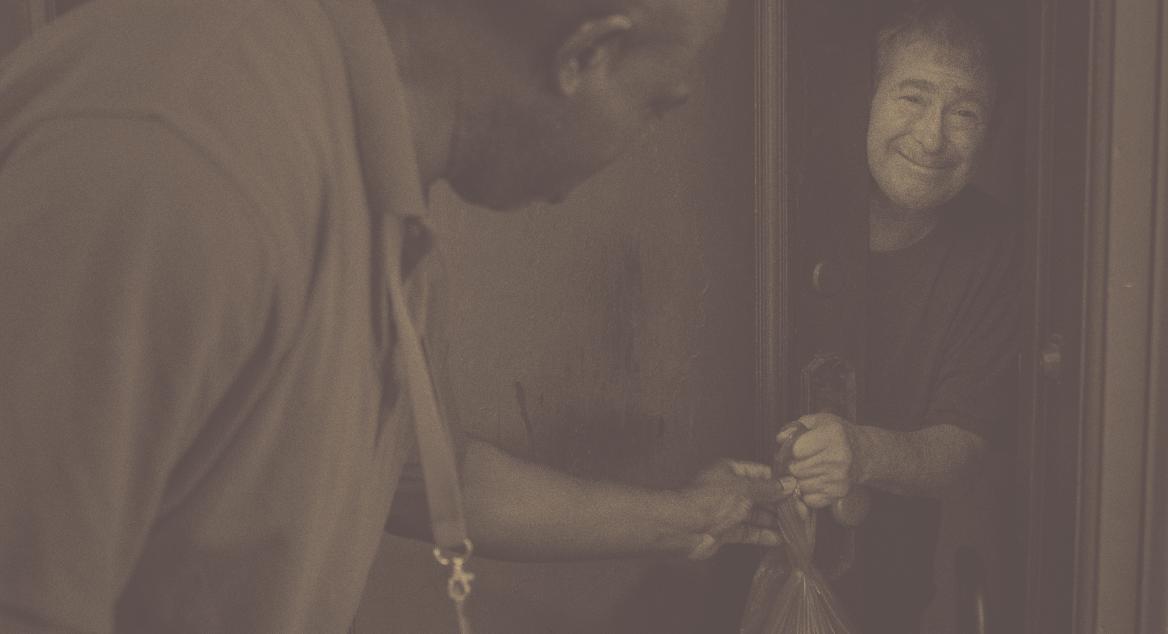
In New York, Citymeals on Wheels cares for elderly people who can no longer leave their homes. For more than 40 years, the organisation has been doing much more than just providing meals; it offers practical, human assistance that is essential in a city where many people slip through the cracks.
In November 2025, with the help of the Audemars Piguet Foundations, 32,000 weekend meals were distributed to 3,200 elderly people living alone in Manhattan, in addition to the meals distributed by Citymeals during the week.
Over two years, the partnership has distributed 60,800 meals – a simple but crucial gesture for thousands of vulnerable New Yorkers.
These concerted efforts came at a particularly crucial time. On 1 November 2025, the SNAP’s (Supplemental Nutrition Assistance Program, the American equivalent of state-funded food assistance) budget was cut, which hit the elderly particularly hard.
MEALS THAT ARE CHANGING THE LIVES OF ISOLATED ELDERLY PEOPLE IN THE USA
More than 60,000 meals distributed to thousands of vulnerable New Yorkers.
HEADLINE ENVIRONMENT
When an island takes action
SAINTE-MARIE, MADAGASCAR: THE ISLAND WORKING TO PROTECT NATURAL TREASURES
In Sainte-Marie, conservation decisions are no longer made in government offices, but in the villages themselves.
On the island of Sainte-Marie, to the north-east of Madagascar, biodiversity has become everyone’s responsibility. Despite being classed as a key biodiversity area and a designated priority site for protection since 2008, the island continues to be ravaged by deforestation and human destruction, which is eating away at its forest, mangroves and lagoons.
In response, the Tsara Kobaby project proposes a model that shakes up traditional approaches and brings together conservation, economic development and local governance. Led by the French NGO Gret and PCADDISM (Consultation and support platform for the sustainable development of Sainte-Marie island) with the support of the Audemars Piguet Foundations, the initiative reached a major milestone at the start of 2026, with the adoption of a temporary protection order covering an area of 265,000 hectares.
This constitutes decisive progress for the new Sorkay protected area, designed as a cohesive territory, connecting land and sea with the same preservation goals.
This success is, first and foremost, down to the island’s residents. On Sainte-Marie island, protecting nature is no longer decreed by the authorities; it is organised in the villages, where they are combining
ancestral know-how and modern management rules to respond to the environmental emergency. The first results are already visible: More than 200 families have been trained in agroecology, nurseries are flourishing, mangroves are being brought back to life, sustainable ecotourism is growing in popularity.
“This order at last allows the community to manage its resources sustainably,” says Clodio Travouck, environmental supervisor at the Gret.
The next step is to improve the economic resilience of households whose activities will have to adapt to the new rules of the protected area. This is both a challenge and an opportunity to prove that it is possible to work to a different model.
For the people of Sainte-Marie, protecting nature means protecting the future. The island could even become a laboratory that inspires the entire region.
CREATING HUMAN CONNECTIONS THROUGH CORPORATE VOLUNTEERING IN TAIWAN HEADLINE VOLUNTEERING
Serving and supporting
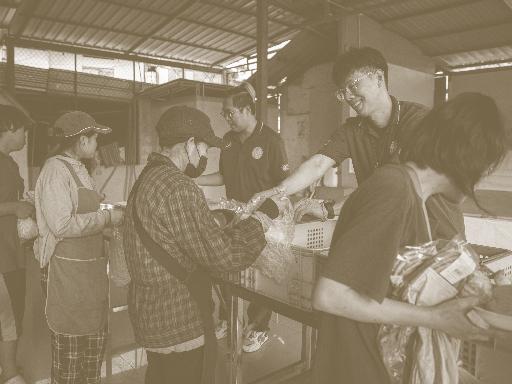
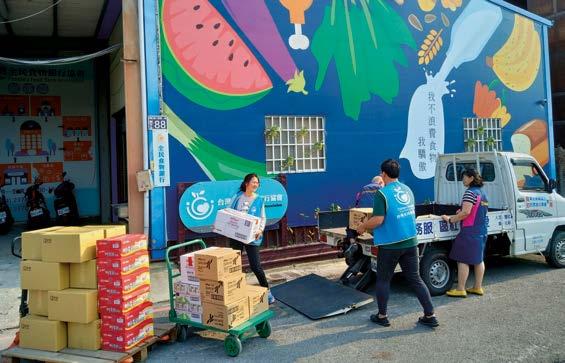
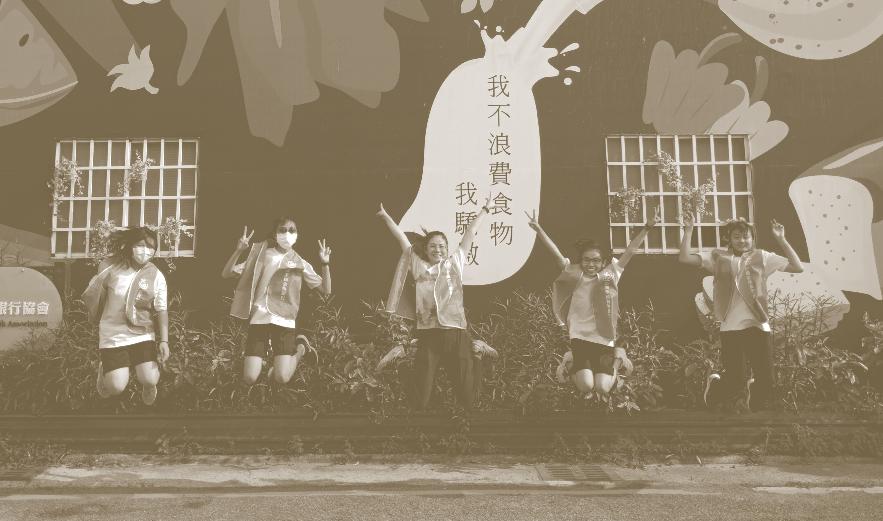
Just a few days before the 2025 festive season, solidarity at Audemars Piguet Taiwan made its way into the kitchen. On 11 and 12 December, around forty employees pulled on gloves and aprons to assist the Taiwan People’s Food Bank Association.
The purpose was to cook, package and deliver hot meals to those most vulnerable.
Over two days, 425 boxes of raviolis – i.e. 127.5 kg of food – were prepared and distributed to 10 local organisations supporting low-income families, isolated elderly people and residents in specialised institutions. In total, 425 beneficiaries received a hot meal, made with care and hand-delivered.
But the impact went far beyond these figures. By making the deliveries themselves, the volunteers were confronted with the reality on the ground. Behind each box was a face. Behind each delivery, an urgent need. It was an eye-opening immersion in the daily challenges of food aid distribution.
For the Taiwan People’s Food Bank Association, these efforts highlight the power of corporate volunteering.
“This activity created a genuine human connection. Through their contact with the social bodies, volunteers were able to see the challenges of food aid distribution firsthand. This experience increases our shared desire to nurture a sustainable cycle of solidarity.”
Jacko Tsai | Manager, Taiwan People’s Food Bank Association
CORPORATE VOLUNTEERING: A BORDERLESS COMMITMENT
Due to their international presence, the Audemars Piguet Foundations allow Audemars Piguet employees all over the world to stand alongside the organisations they support.
In Taiwan, corporate volunteering is taking on its full meaning. In addition to the meals distributed, human connections are being made, demonstrating the power of a practical, shared commitment.
Designed as a practical extension to financial aid, the corporate volunteering programme focuses on leveraging employee talent: support on the ground, operational support, skill transfer, individual or team missions.
After five years of success in Switzerland, in 2025, the programme was rolled out on a global scale to mark the 150th anniversary of Audemars Piguet. And the figures for 2025 speak for themselves:
+4,800 hours of volunteer work +900 participants +30 partners supported
This international dynamic proves that every minute counts.
Africa is at a turning point. Its population is one of the youngest in the world – three out of five Africans are under the age of 25 – and, now more than ever, education seems to be the key driving force for development. However, despite undeniable efforts, the challenges remain huge and structural.
Education, a path fraught with obstacles
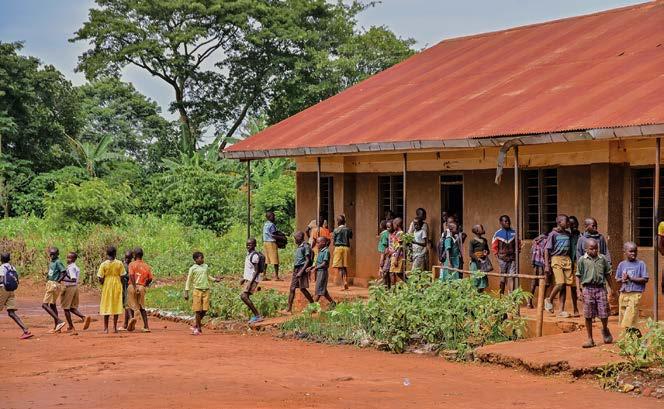
Around half of the 244 million unschooled children in the world live in Sub-Saharan Africa. And these children are still far from the classroom. There are many reasons for this, including insufficient infrastructure, poverty, humanitarian crises and conflicts. And even for those who go to school, the path remains fragile. Only 10.8% of pupils achieve the minimum reading and maths level by the end of primary school.
A number of initiatives are leading the way in response to this reality. In 2024, in Liberia, the Audemars Piguet Foundations’ partner, Luminos Fund, launched an accelerated learning programme for young unschooled people aged 15 to 25. With remedial classes, practical skills and employment support, the objective is to offer 5,000 young people a second chance to continue their education or find a job by 2028.
A system under pressure and still unequal access to school
According to UNESCO data, millions of children remain out of school, in particular in rural and disadvantaged areas. And for those that do make it into a classroom, learning conditions are often difficult, for example due to overcrowded classes, lack of equipment and teachers with insufficient training.
An additional 17 million teachers are required by 2030 in order to meet needs.
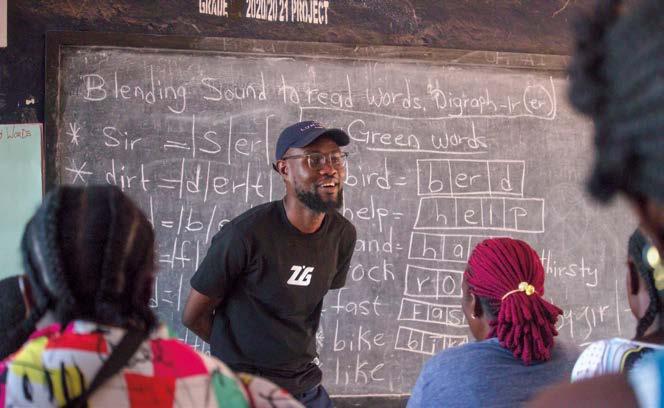
In this context, the Audemars Piguet Foundations are supporting initiatives promoting equality in education. These include, the Teach For All network, and more specifically Teach For Uganda, which trains and then places young teachers in rural schools in need. Their presence is changing the everyday life of children who are often left on the fringes of society.
Girls are the first to suffer from inequalities Disparities in education remain significant. In SubSaharan African regions, 9 million girls aged 6 to 11 do not attend school, compared to 6 million boys. These inequalities often continue into adolescence: Around 60% of young people that do not have a job, training or school education are young women.
The Girls Opportunity Alliance – supported by the Audemars Piguet Foundations – is working with local organisations involved in training and empowering teenagers in an effort to combat these inequalities. More than 4,000 community leaders are sharing resources, best practices and concrete solutions to offer new perspectives to young African girls.
Around half of the 244 million unschooled children in the world live in Sub-Saharan Africa.
An additional 17 million teachers are required by 2030 in order to meet needs.
Positive hopeful signs
Despite the obstacles, inspiring initiatives abound in Africa. EdTech is making great progress, with estimated growth of 10% per year, driven by mass mobile use. Education reforms are increasing and technical and professional teaching is finally starting to take the place it deserves.
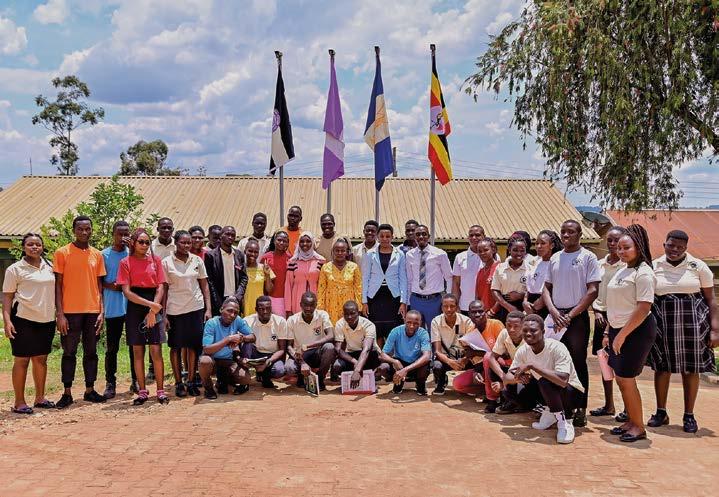
That is where Wezesha Impact, the Audemars Piguet Foundations’ partner in Uganda, comes into it. Faced with millions of young people with no training or job, the NGO launched the W.I.S.E programme in more than 80 professional training centres. On the agenda: practical skills, entrepreneurship, intensive support, and even a reward programme to encourage innovative ideas.
More than 20,000 young people have already benefited from this springboard to employment or to start their own company.
A future we can write together UNESCO’s analyses are clear: the challenges remain huge. But the innovations, local dynamics and philanthropic commitments show that a more inclusive, more sustainable future is within reach. Investing in education today will help shape the Africa of the future, making it stronger, more equitable and powered by the potential of its youth.
A MORE INCLUSIVE, SUSTAINABLE FUTURE WITHIN REACH
Preserving sacred forests
ENVIRONMENT
KENYA: IMMERSION IN THE KAYA CONNECT PROJECT
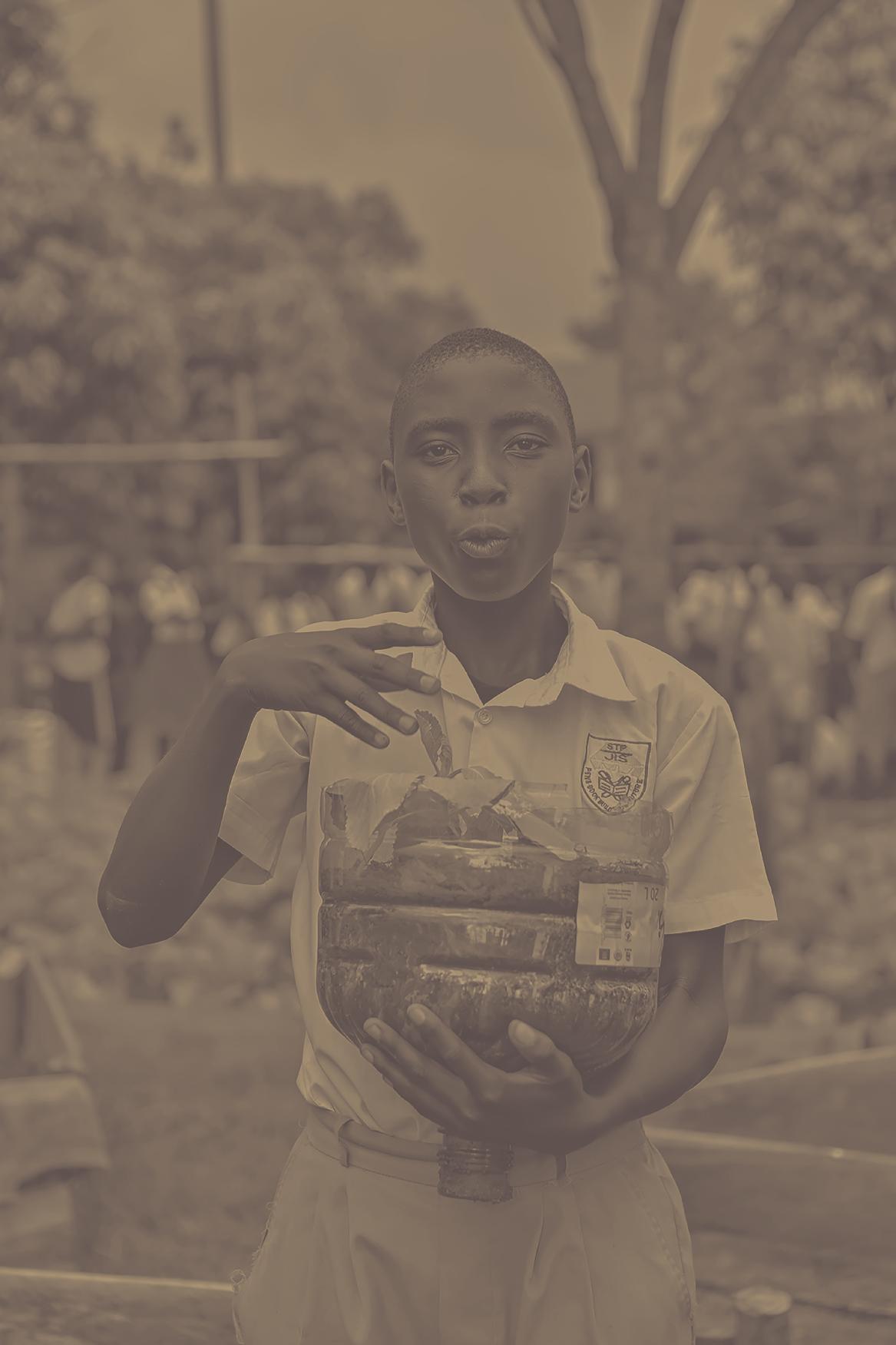
n remote areas along the East African coast, where the last fragments of the primary forest are a place of memory home to rich biodiversity, the Kaya Connect project is bringing together local communities, ancestral know-how and restoration efforts. Launched by BGCI Africa and supported by the Audemars Piguet Foundations, this initiative places communities at the heart of the conservation process, drawing on the unique cultural heritage of the sacred Kaya forests. We interviewed Roniance Adhiambo, Conservation Manager in the organisation in Kenya, to gain a better understanding of the ambitions of the project, the methods used and the impact already visible on the ground.
Can you tell us about the Kaya Connect project and its main objectives?
Kaya Connect is a programme that focuses on preserving biodiversity and improving livelihoods, placing the community at the heart of forest restoration. It aims to reconnect the last fragments of East Africa’s coastal forests, starting with the counties of Kilifi, Kwale and Tana River in Kenya. Its main objective is to reinforce the ecological integrity and social and economic resilience of communities living in proximity to these forests, through local restoration initiatives. The plan is to restore 2,000 hectares of smallholder farmland and 400 hectares of degraded forests using over 250 native tree species, improve the joint management of an additional 1,500 hectares, recreate ecological corridors and help more than 3,000 inhabitants improve their livelihoods.
Why are the sacred Kaya forests so important on a cultural and environmental level?
The Kaya forests are foundational sites for the Mijikenda people. Once fortified villages and spiritual centres, today they remain places of memory where the elders continue to pass on their cultural heritage.
These forests are home to exceptional biodiversity – rare and endemic plants, birds and insects –, as well as traditions that have limited their exploitation, turning the forests into naturally protected conservation areas. Some are UNESCO world heritage sites, others are recognised as national monuments or forest conservation areas.
They perfectly illustrate the way in which traditional know-how and spiritual values can preserve both culture and an ecosystem.
How is BGCI Africa and its partners working with local communities to protect the Kaya forests?
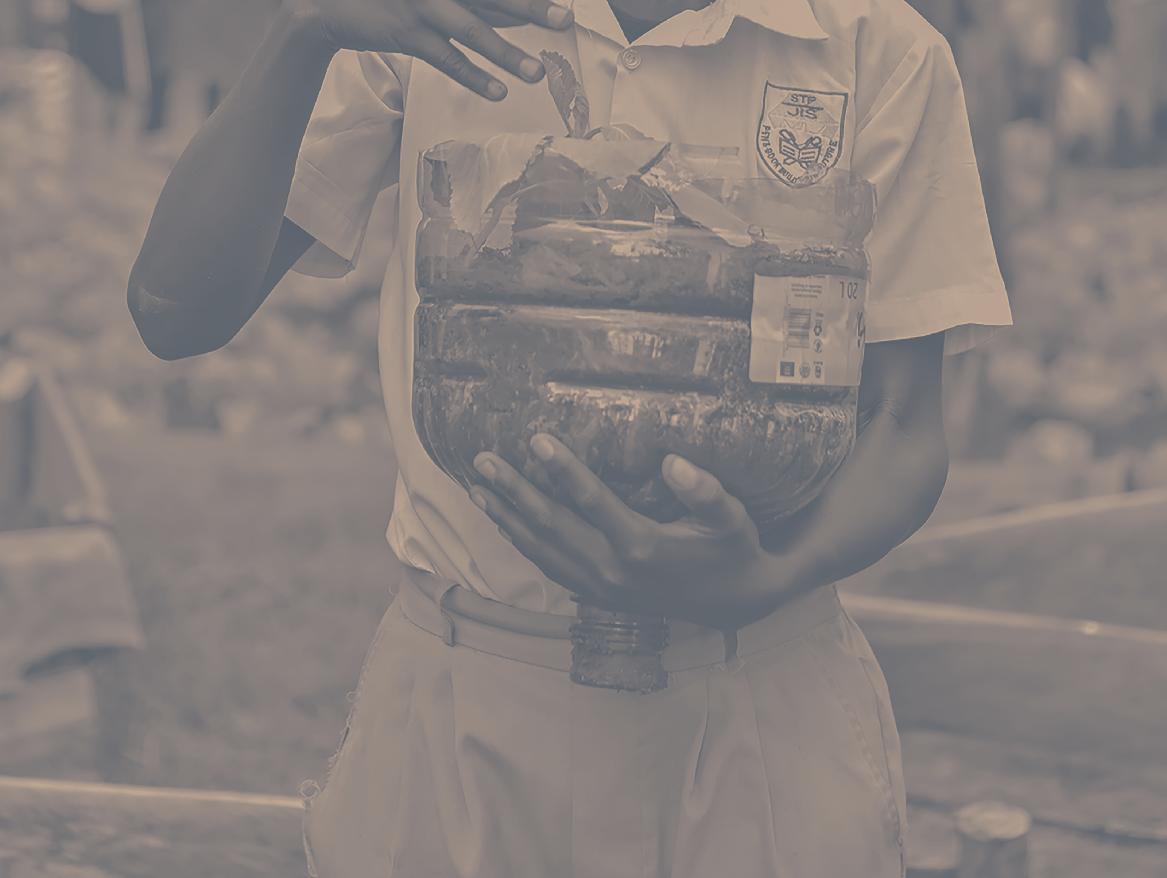
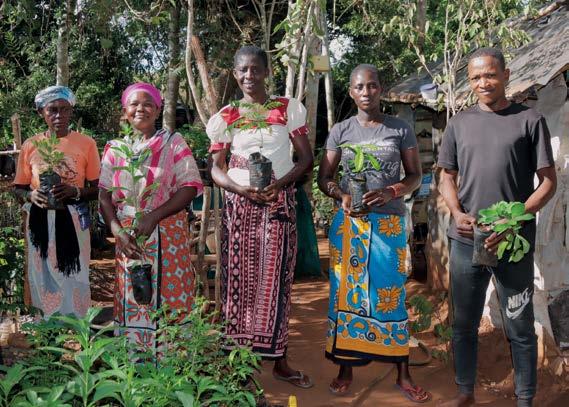
We place communities at the centre of forest restoration efforts and help develop their expertise throughout the process, from seed to tree: identification of indigenous species, phenological monitoring, collection of seeds, proliferation, production of high-quality seedlings and planting techniques.
This approach allows them to restore their forests using their own resources. We also work with the young people to promote the planting of indigenous trees on farms, reduce pressure on forests, and improve the health of exploitations.
How is the traditional know-how of the Mijikenda incorporated into forest management?
We combine traditional know-how and scientific knowledge to better understand local species, their uses and their cycles. Certain species have medicinal properties that are known only to the communities, which makes them even more important.
This knowledge helps us to identify conditions that are favourable to species growth and guides our restoration practices. Kaya elders play a key role in passing on this know-how and their traditional knowledge has been instrumental in managing forests and restoration sites.
What are the main accomplishments since the project was launched?
Since 2022, Kaya Connect has brought 204 hectares of degraded forests and 2,865 hectares of smallholder farmland under restoration, mobilising 203 native tree species, 50 of which are rare or threatened. The project has produced more than 435,000 seedlings,
supported 11 nurseries, trained 174 people, created 141 jobs, and improved the living conditions of more than 1,300 inhabitants.
It has also contributed to amending Kilifi county’s forest
is essential for restoration that is focused on native species. We will also work on improving protection and governance of forest fragments: improving joint management, supporting Kaya
From Somalia to Mozambique, Kaya Connect is injecting life back into Africa’s most precious biodiversity hotspots.
management policy, increasing the protection of biodiversity and native tree species.
How do you assess the project’s impact on biodiversity and cultural heritage?
We conduct socio-economic and ecological baseline studies to monitor the evolution of the project.
Regarding biodiversity, we measure species richness, the survival and growth of the trees planted and the composition of both planted and naturally regenerating species.
Regarding social and cultural aspects, we are assessing community engagement, the passing on of know-how from one generation to the next, and the evolution in attitudes towards forests and traditional conservation practices.
What are the next priorities for Kaya Connect?
The next three years will be dedicated to the next phase of the project in the Kwale and Tana River counties. We would like to strengthen the local seed and nursery network, which
elders, encouraging intergenerational exchanges, and combining traditional practices with local forest management policies.
Can this model be reproduced in other endangered forests in East Africa?
Yes. The Kaya Connect model demonstrates that bringing together community leadership, cultural values and ecological stewardship is an effective strategy for protecting endangered forests. The model is based on local know-how and
traditional governance, which means it can be adapted to other regions where nature and culture are closely connected.
The first phase made it possible to document a model that can be reproduced; the second rolls it out in two new counties; and a regional extension is already being contemplated. The project’s overall objective is to restore the biodiversity hotspot of East Africa’s coastal forests, which stretch out over Somalia, Kenya, Tanzania and Mozambique. Many of these forests are small areas that are extremely rich in biodiversity but which are subject to a lot of pressure including conversion of land, logging and climate change. Like the Kaya forests, some are closely tied to local traditions and traditional governance systems.
By combining conservation, community commitment and cultural preservation, this model offers a promising way to preserve ecosystems and cultural heritage along the East African coast.
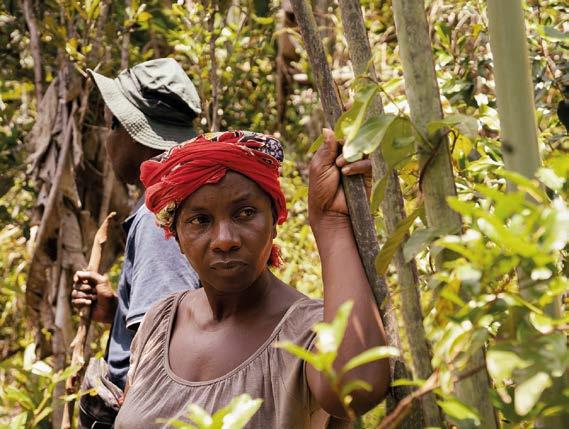
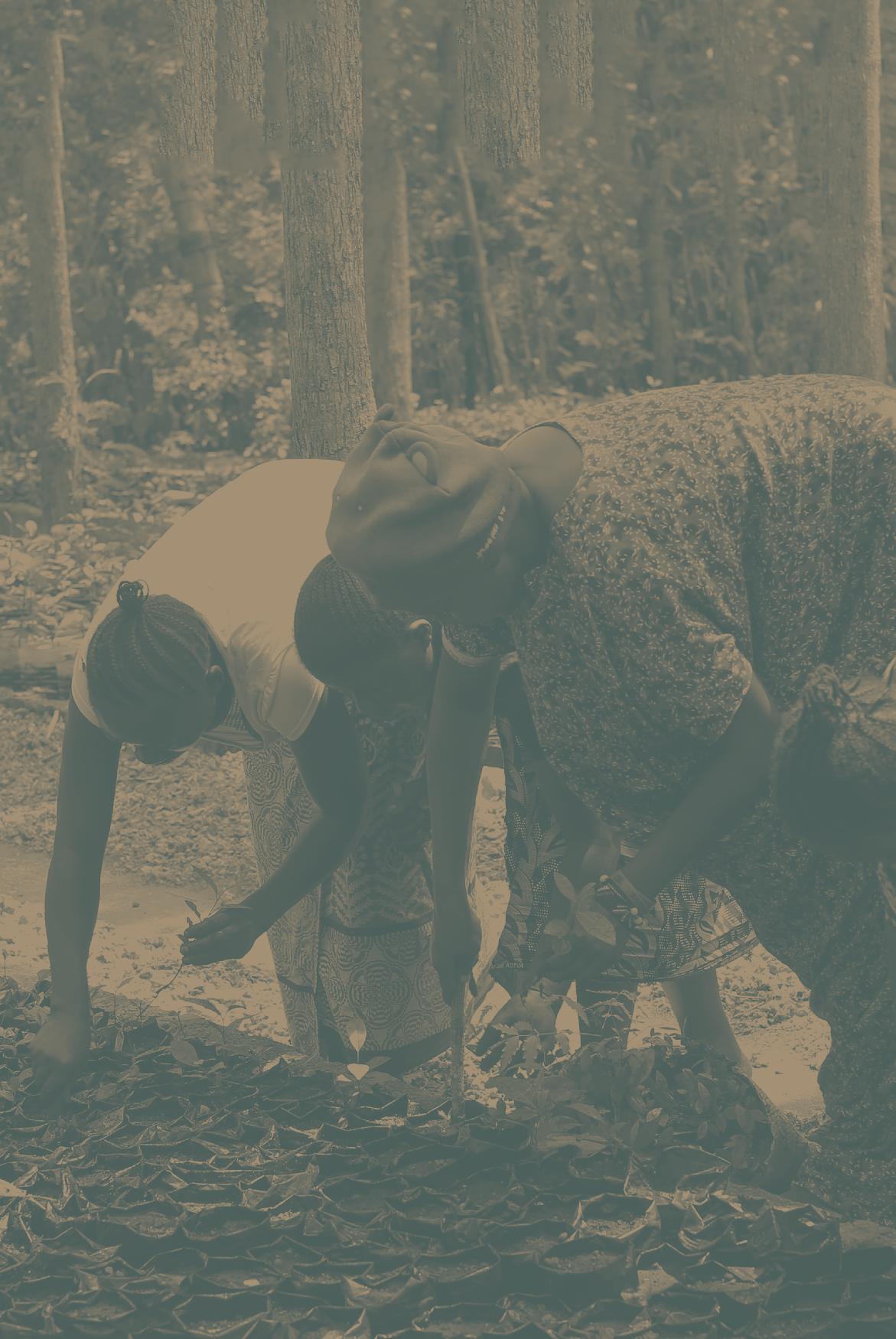
In the heart of the sacred Kaya forest, traditions and spirituality come together to preserve a unique ecosystem and cultural heritage.
In the snapshots, you will discover snippets of stories from a variety of projects: figures, key events, quotes and anecdotes. For this first issue, we decided to highlight our favourite testimonials in order to share the moments that truly embody the impact of our efforts.
SOCIAL EQUITY | FIGHTING PRECARIOUSNESS
“The food parcels delivered each month are much more than just food. They have helped me in the most difficult moments. I’m 71, I’m a widow, I have a severe disability that significantly restricts my movement, and I look after my elderly mother who has cognitive difficulties. Life isn’t easy, but I try to find joy in studying traditional Chinese medicine, painting and learning computer skills. The Green Food Bank and its volunteers remind me that I’m not alone. Their support fills my tummy, but most importantly my heart.”
Cui Shan | Beneficiary of the Green Food Bank food aid programme (China)
EDUCATION | TRAINING EDUCATORS AND TRAINERS
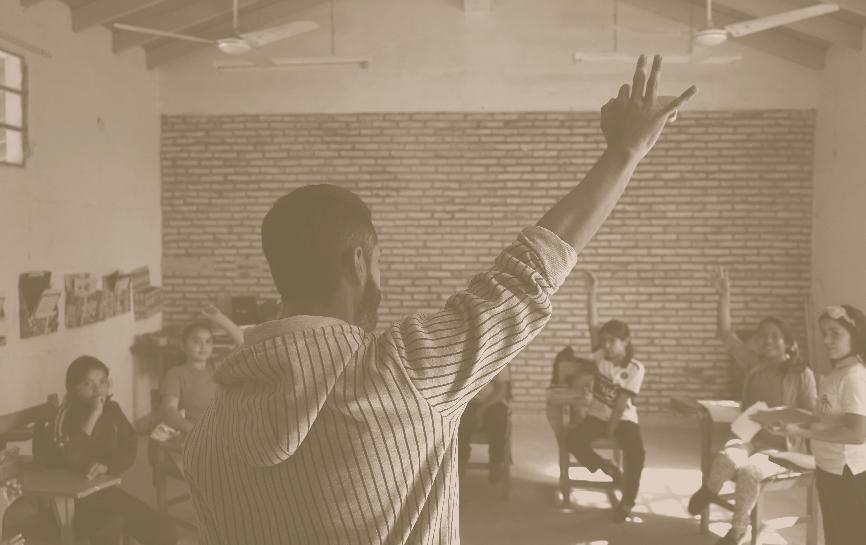
“Being part of this group of incredibly committed, passionate, sharp-minded leaders was a real source of inspiration. As a young headmaster in Uruguay, working in a small community confronted with vulnerability, this experience heightened my conviction that big changes can happen when they are built on networks, a collective vision and shared learning. I’m going back home with new ideas, new challenges and newfound energy to continue working, at my level, to make education fairer and more meaningful.”
Santiago Chitaro di Lorenzo | Enseña Uruguay alumni, member of the international Teach For All network (Uruguay)
SOCIAL EQUITY COMBATING SOCIAL ISOLATION
SOCIAL EQUITY
FIGHTING PRECARIOUSNESS
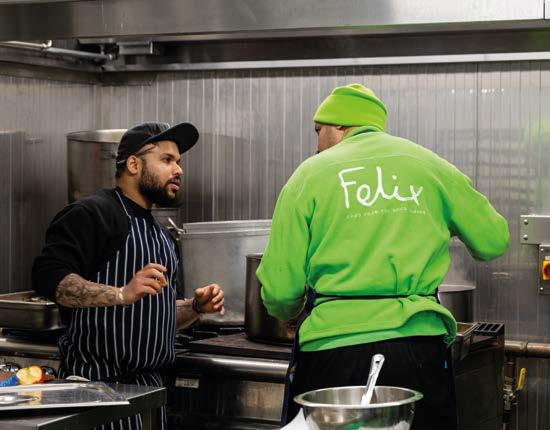
“We sometimes hear about parents who don’t eat so that they can feed their children. They simply can’t afford to. That is the reality for many people, and we do everything we can to help. This service, and the foodstuff that we receive from Felix Kitchen, make a big difference: Families are able to save money, and what they no longer spend on food they can use to pay for electricity or even to treat their children. We see really devoted parents. That means that there is something in the fridge when their children get home from school, and that, in winter, they are sure to have a simple, comforting hot meal. We simply make these resources accessible.”
Manager in a social body benefiting from Felix Project’s meal deliveries (United Kingdom)
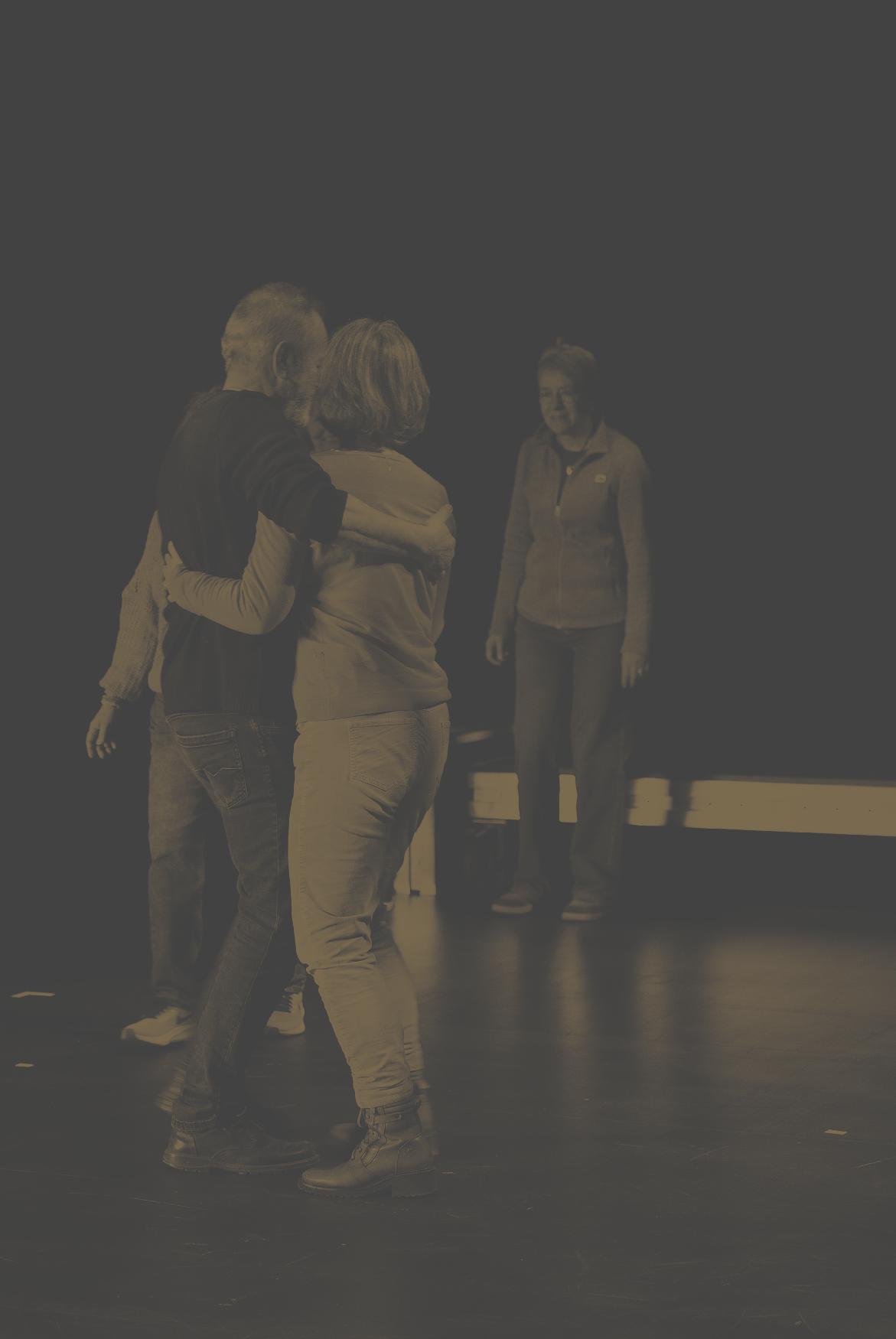
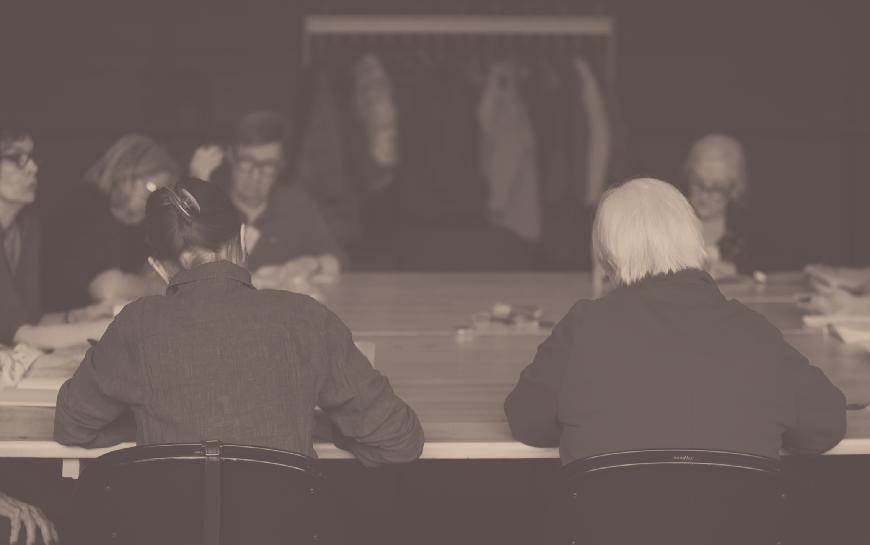
“It took me a few days to digest and finish savouring the delightful week of theatre you treated me to. At 78, I still can’t believe it. I moved; I was shaken; grabbed; hugged; people looked at me; I focused; I acted with others; I was young and in love as I recited my lines. I was as though I was starting to exist again, rather than letting myself go and using age as an excuse! And all of this under the guidance of two very kind, very real, very demanding people(!). Fantastic.”
Camille | Participant of Printemps Mirandolina, a theatre-based mediation pilot project for elderly people at Théâtre de Carouge (Switzerland)
“It’s like a dream for us to see the regeneration of our forest that we thought was lost forever, using simple solutions that we had never even thought about.”
Clément Nzobansina Mbuela | Traditional chief and landowner benefiting from the agroecological practices of Actions Communautaires pour la Protection de l’Environnement (Democratic Republic of the Congo)
ENVIRONMENT | RAISING AWARENESS OF ENVIRONMENTAL ISSUES AMONG YOUNG PEOPLE
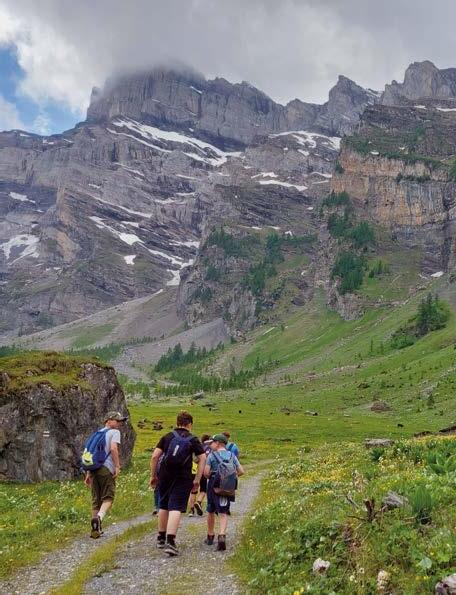
“Schools are shaped by the changes in society. The young people we work with today in compulsory schooling are growing up in a world where consumerism reigns, in a dematerialised age filled with screens, TikTok videos and other digital content. Their attention span when it comes to traditional tasks, like a worksheet or a text, is decreasing, which can make it more difficult to arouse their curiosity. Outdoor activities allow us to step outside the classroom and bring pupils back into direct contact with their environment. Weeding not only gives us the opportunity to broach biology topics, but also to promote civic awareness in our young people, while allowing them to discover their natural environment. ”
Pierre Fumeaux | Science teacher and sustainability coordinator at Bex Secondary School, participant in the Alpes vivantes nature education programme (Switzerland)
We could not have produced this issue without the commitment of our partners and every single contributor. Their availability and enthusiasm demonstrate the power that lies in working together. To find out more and keep up to date with our news, visit our website and LinkedIn page.