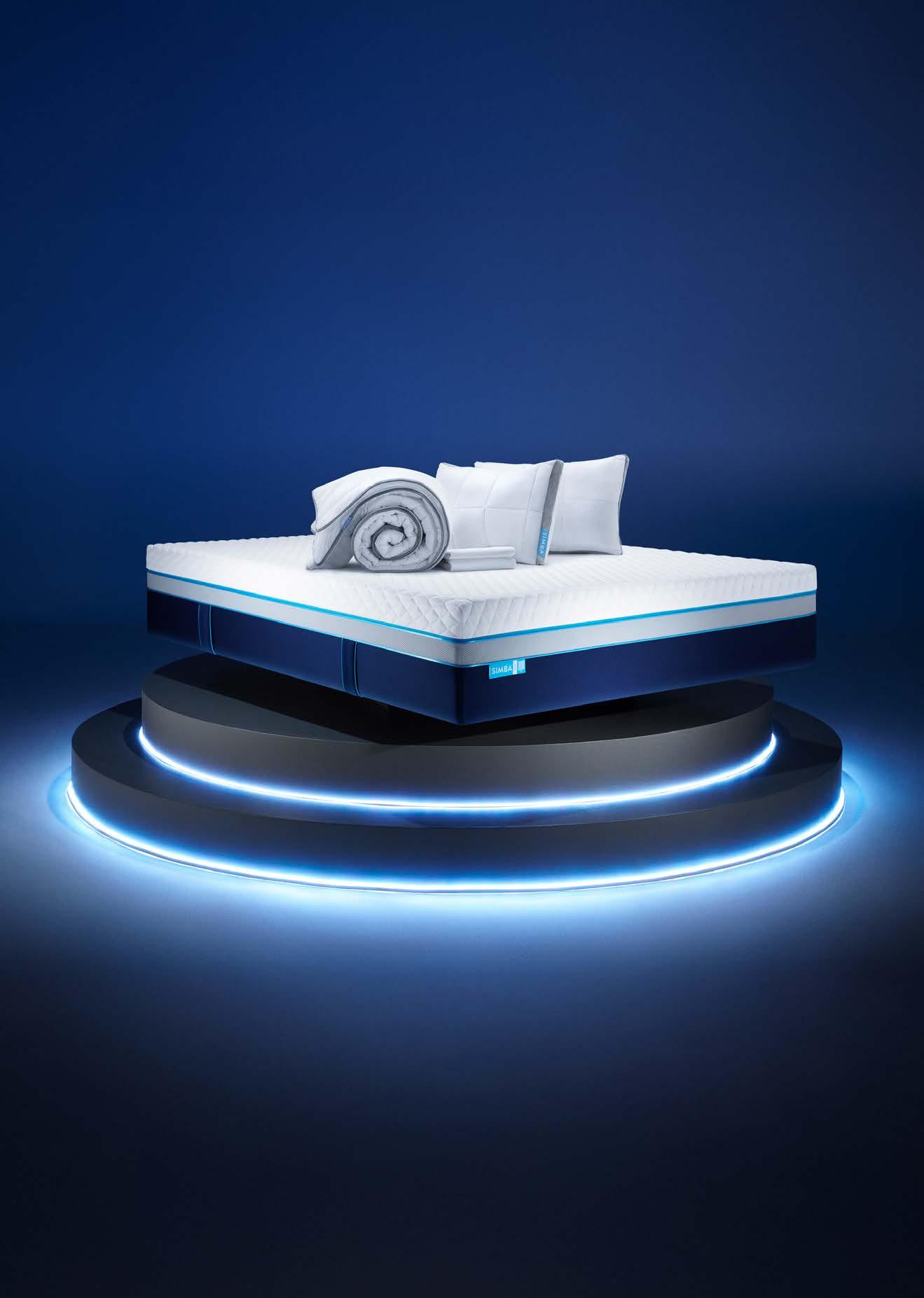
Simba’s

Simba’s
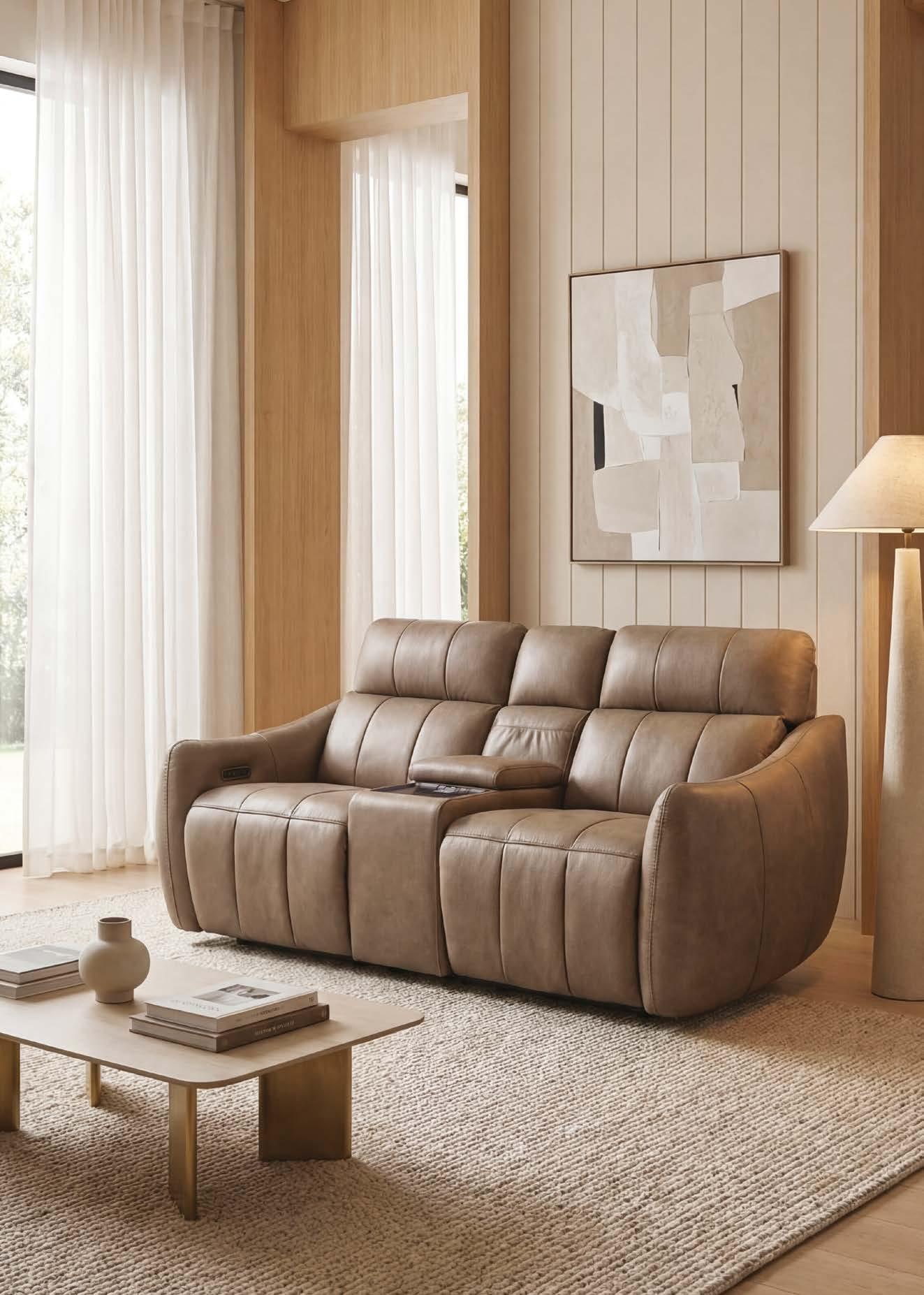
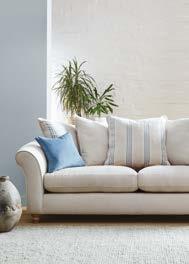
After a standout debut at the January Furniture Show, Hydeline presents its latest collection at the Minerva Spring Show.
With a refreshed look, expanded range, and new Lounge Chairs, the collection brings together contemporary sofas and elegant recliners, including Sirocco, Brook, and Riva.
Each piece is defined by refined detailing, modern styling, and exceptional comfort, marking an exciting new chapter for Hydeline.
20th & 21st May 2026

01424 776101
paul.farley@lewisbusinessmedia.co.uk
@FurnitureNewsED
@Furniture News
www.furniturenews.net
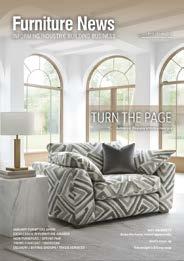
“I invite you to look on the brighter side, in an issue packed with optimism and promise
It seems spring has sprung. As I write, the sun is shining, the trees brim with blossoms, and it feels like those wet, grey days are behind us.
There’s still a crisp breeze in the air, a reminder that things aren’t really all that rosy – but I’ll shelve that for now and invite you to look on the brighter side, in an issue packed with optimism and promise.
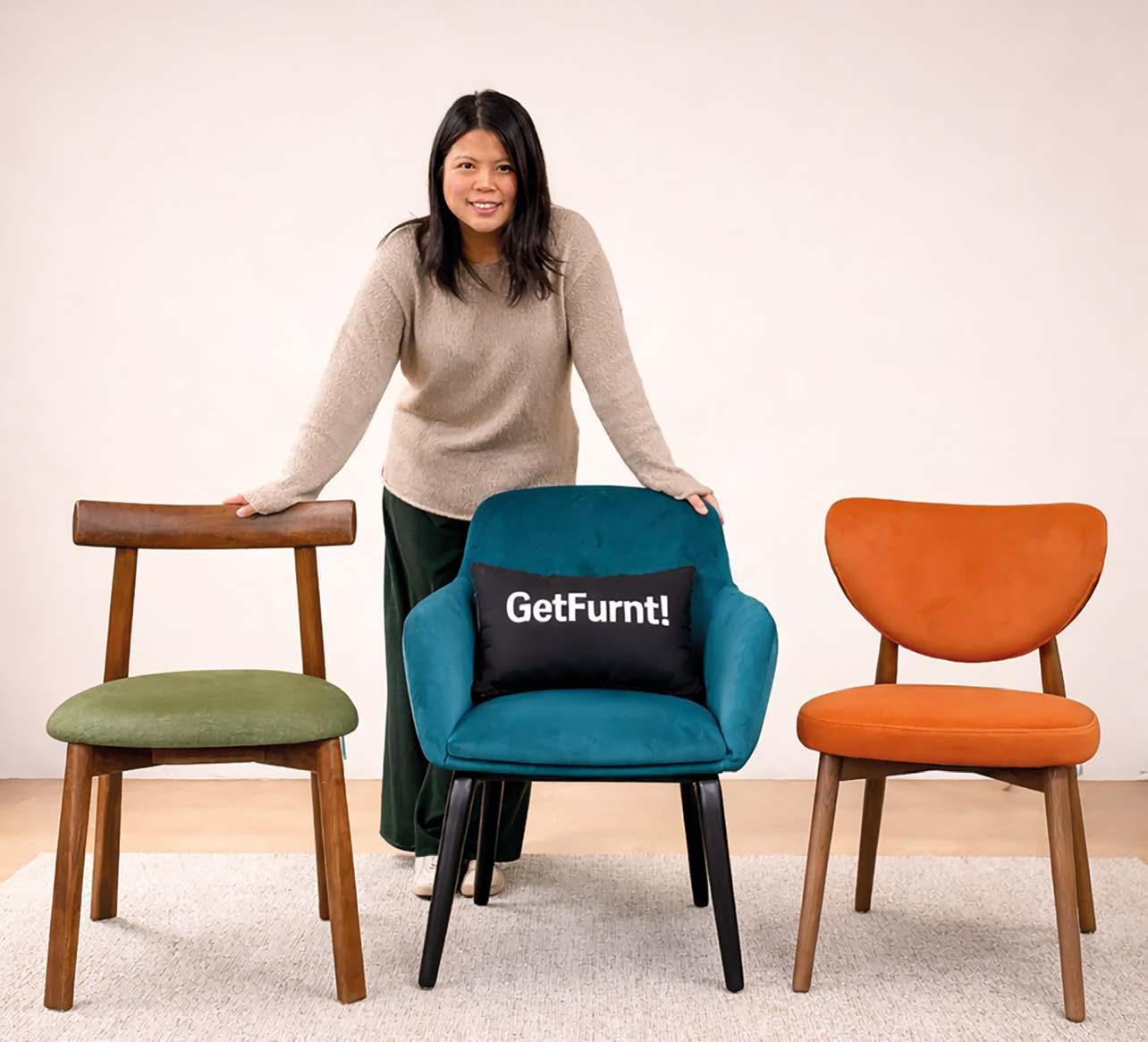
We kick things off by talking to Joyce Cho, the founder of Furnt (p8). An inspirational entrepreneur whose business spans the globe, Josie is trying to bring a more informed and streamlined approach to furniture imports, all while keeping the needs of younger consumers in mind.
Gen Z (roughly, born between 1997 and 2012) are also the subject of Retail Champion Clare Bailey’s column this month (p56), in which she reminds traditional retailers that looking at the here and now is not enough – real success will only come from knowing what’s next.
“Here’s the uncomfortable bit,” she writes. “Much of furniture retail is still set up for someone else.”
Meet Clare Miles, an experienced designer with an unquenchable passion for upholstery (p12), and catch up with long-time Furniture News columnist Steve Pickering, the ‘unorthodox’ CEO of Sussex Beds, and one of the trade’s more progressive thinkers (p20).
Alongside reports from this year’s Far East show circuit and a look ahead to Minerva’s Spring Furniture & Bed Show in Telford this month (p34), Inventive sleep solutions are in the frame, as GNG Group (Komfi), Highgrove and newcomer syncsleep talk newness and differentiation in our annual Innovation in Bedding feature (p42), while cover hero Simba looks at the progress its Dreamspace initiative is making to help tackle child sleep poverty (p16).
Later in the magazine, Gordon Hecht suggests what retailers can learn about customer service from the hospitality sector (p58), Andrew Goodacre calls for more sustained and considered support for the high street (p57), and Buckles Law’s Janine Harris explains what furniture businesses can learn from Asda’s £568m sale-and-leaseback deal (p61).
I also urge you to read Tim Hudson’s take (p54) on how Poltronesofà’s arrival threatens to shake up the great British sofa retail market (in the other corner, DFS).
“The market they operate in is shifting beneath their feet,” he says. “Not dramatically. Not overnight. But shifting.”
Accompanying this month’s issue, you’ll find our latest Long Eaton: Furniture Hub supplement, which sees us return to the UK Centre of Quality Upholstery Manufacture to uncover what’s new, what’s old, and how the best businesses are managing to bridge these extremes. The supplement features an in-depth preview of spring’s Long Point show, but you’ll also find a summary here on p32.
While I have your attention, don’t forget to cast your votes in our Readers’ Choice Awards, by visiting bit.ly/fn-readers-choice-awards-2026 – tell us which suppliers never fail to brighten up your day!
I hope the sun shines on our trade this month (but not so much so that the shoppers find something else to do). I’m always wary of framing my writing with the weather, as chances are it’ll be tipping down again by the time you read this. I guess it just goes to show – we can’t control our circumstances, but we can control the way we react to them. All the best.
Paul Farley


Paul Farley 01424 776101 paul.farley@lewisbusinessmedia.co.uk
SALES AND MARKETING DIRECTOR
Sam Horscroft 07764 650655
sam@lewisbusinessmedia.co.uk
COO
Emma Sharp emmas@lewisbusinessmedia.co.uk
PRODUCTION
COPY ADMINISTRATOR Steve Merrick steve@lewisbusinessmedia.co.uk
DIGITAL MANAGER Nyall McCurrach nyall@lewisbusinessmedia.co.uk
ART EDITOR Sarah Crowhurst sarah@lewisbusinessmedia.co.uk
DESIGNER Tony Godwin
PRODUCTION EDITOR Allan Norbury allan@lewisbusinessmedia.co.uk
SUBSCRIPTIONS
Kay O’Brien kay@lewisbusinessmedia.co.uk
PUBLISHER AND CEO Simon Lewis
SUBSCRIPTIONS
(UK-£65, Europe-£85, RoW-£95)
REPRO, PRINT AND DISTRIBUTION Stephens & George
LEWIS BUSINESS MEDIA (ARTS) LTD
Suite A, Arun House, Office Village, River Way, Uckfield, East Sussex TN22 1SL, UK 01825 983105
info@lewisbusinessmedia.co.uk
WWW.FURNITURENEWS.NET




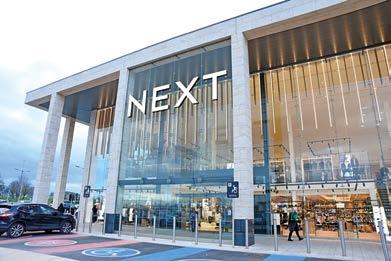
In the retail group’s latest results report, Next chairman Michael Roney describes the 12-month period ended January 2026 as “very good year”, which saw group PBT of £1,158m (up 14.5%) due to better-than-expected sales in January, along with improved clearance rates in its end-of-season sale.
Full-price sales were up 10.9%, and total group sales (including subsidiaries) up 10.8%. Next says these successes are thanks to the continued improvement and broadening of its product offer (own-brand, other wholly owned brands, and third-party brands), and growth in its international business. Total online sales (including markdown sales) were up 10.2%, and sales from stores up 2.4%. As of January 2026, home furniture accounted for £9m of Next’s full-price sales.
Guidance for full-price sales growth this year has been maintained, at 4.5%, and group pre-tax profit guidance has been increased to £1,210m, up 4.5%.
“Sales in the first eight weeks of the year were encouraging in the UK – they were also strong overseas up to the point the conflict began in the Middle East,” Next explains.
“Looking forward, we have not yet reached the period of unusually strong UK trading we experienced last year and, perhaps more importantly, instability in the Middle East – which represents around 6% of our total turnover – may continue to restrain growth in that region. It is also likely to have knock-on effects on costs, selling prices and consumer demand in the rest of the business.
“We have accounted for £15m of additional costs that are likely to arise from the conflict, such as fuel and air freight, on the assumption that the disruption lasts for three months. These costs have been offset by savings elsewhere, so do not affect our guidance. Beyond the next three months, if we see these costs persist, then we will begin to pass costs through as higher pricing – but for today that remains a contingency, not a plan.”
Next plans to open eight new store locations and five standalone Bath & Body Works stores this year, while two stores will be re-sited.
Mobus Fabrics, a UK designer and supplier of upholstery fabrics, has completed a management buyout (MBO) that transitions ownership to its senior leadership team.
The buyout sees the company’s working directors assume full control of the business, ensuring continuity of operations “while positioning Mobus Fabrics for future growth, innovation, and continued service to its global customer base”.
The MBO was led by MD Lee Paxman, sales director Sam Thornber and FD Elliot Moody, who together bring decades of combined experience within the organisation.
Lee says: “This is an exciting new chapter for
Mobus Fabrics. The management buyout not only secures the company’s future but also reinforces our commitment to our employees, customers and partners. We are immensely proud of our heritage, and this transition allows us to continue building a strong, forward-looking business.”
Founded in 1994, Mobus Fabrics supplies bespoke and stock-supported fabric collections to wholesalers, manufacturers and retailers across the UK and internationally. The new ownership structure promises stability for the company’s workforce and strengthens its capacity to invest in new products, sustainability initiatives and expanded market opportunities globally.
The Government is seeking final views on the reform of the Furniture and Furnishings (Fire) (Safety) Regulations 1988, which regulates the fire safety of domestic upholstered furniture.
It follows the Government’s policy paper, ‘The fire safety of domestic upholstered furniture’, published in January 2025, in which the Office for Product Safety and Standards and Department for Business and Trade committed to “move forward with reform plans and work with stakeholders to find resolutions to some of longstanding challenges in this sector”.
The proposals reflect the policy’s aim to maintain a high level of fire safety while meaningfully
reducing chemical flame retardant use, and reflect “the large volume of stakeholder engagement and evidence gathering that has taken place over a number of years”.
The Government plans to: introduce new furniture fire safety requirements based on a smoulder test, put in place “pragmatic testing solutions to facilitate innovation”, and make proportionate scope adjustments.
The proposed policy remains subject to review and may change as a result of the evidence and views provided in response to this consultation, which closes on 23rd June.
Very is expanding its own-brand home proposition by 26% YoY with the launch of The Very Collection Home.
Gillies’ sales director Alistair Philp has retired, after spending almost 46 years in the trade.
The Furniture Industry Research Association (FIRA) has appointed Chris Hayward, who boasts extensive experience across retail, shopper marketing, manufacturing and trade associations, as GM.
Arighi Bianchi has launched the latest iteration in its travelinspired Postcards From campaign, Postcards From Rio, supported by new products, live events and a competition to win a Rio de Janeiro city break.
Harrison Spinks is set to expand into China from the end of this year through manufacturer and retailer Sleep Comfortably (Shanghai) Technology Co.
The Cotswold Company has opened a showroom in Kingston upon Thames, and revealed plans to open its 16th showroom at Redbrick, West Yorkshire.
The Sleep Group, which owns Silentnight Group and Sleepeezee, has acquired Bradford-based contract bed and mattress manufacturer Wow Sleep.
Kyoto Futons has appointed Mark Ballard (ex-CEVA Logistics) as GM.
Harvey Norman opened its fourth UK store last month, at The Gracechurch Centre in Sutton Coldfield.
Bensons for Beds has implemented frontline operations platform WorkJam to digitally connect its team across retail, manufacturing, distribution and support.
OKA has entered a partnership with John Lewis that will see it launch its first concession in the latter’s Liverpool store, and online. It has also opened a concession at Fenwick’s store in Kingston.
Purecare has acquired bedding manufacturer Norfolk Feather.
Connollys of Moy has extended its flagship by opening an Express store in Portadown.
Loaf opened a 5,500ft2 store in Chelmsford last month.
Sharps Furniture Group delivered a revenue increase of 8.6% in the FY ended 28th September 2025, while underlying EBITDA increased by 12.8% YoY to £27.9m.
Whitemeadow has acquired the exclusive IP and design rights for the full portfolio of independent product ranges previously produced by Westbridge Furniture, in the wake of the latter’s liquidation.
IKEA has appointed David McCabe, currently global fulfilment and core services manager for Ingka Group, as its new country retail manager and chief sustainability officer (CSO) for the UK and Ireland, effective 1st July.
Qualita is taking over the distribution of several of Kesterport’s dining collections following the latter’s closure.
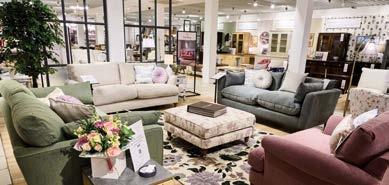
Lifestyle brand Laura Ashley says it is entering its next phase of growth following a “landmark year” under the ownership of Marquee Brands: “2025 marked a decisive turning point, with strong commercial performance, expanded retail presence and a clear roadmap for future growth across categories and territories.
“As the first quarter of 2026 draws to a close, UK sales growth continues with an impressive set of figures across home and womenswear.”
Laura Ashley’s UK revival, rooted in its British heritage and modernised for today’s consumer, is fuelled by an enhanced partnership with Next which expands the brand’s retail footprint, increases awareness and accelerates distribution across
an expanding range of product categories and wholesale channels.
Laura Ashley says its Thurrock store (pictured), which opened last September, has demonstrated strong customer engagement, validating the brand’s return to the high street: “This momentum has paved the way for further store presence over the coming year, supporting a seamless omnichannel experience that connects in-store discovery with online convenience.”
Laura Ashley describes performance across its sales channels as “robust”: “Sales rose 15% YoY, with Q4 delivering a particularly strong trading period across both bricks-and-mortar and online, reflecting the success of a joined-up retail strategy.”
The retailer says Q1 2026 saw strong momentum in key big-ticket areas such as upholstery and lighting, while new lines across furniture and bedlinen were also well received. It adds that category growth remains a core strategic priority, with new brand collaborations, expansion of current key categories for the home and new product ranges in the pipeline.
Dunelm Group has published a trading update for the 13-week period ended 28th March 2026, reporting sales growth of 2.1% to £472m in Q3, with digital participation up 2ppts to 43%. Total sales were up 3.1% to £1,398m in the year to date.
However, Dunelm now expects FY26 PBT to be towards the lower end of expectations (£213m, with a range of £210m-£217m). The company says it remains “very confident” in its ability to control the controllables, and in its long-term growth prospects, adding that it has a strong set of assets, all of which present further opportunities.
The full launch of the mobile app in Q3 has also given Dunelm a new digital platform, with the
opportunity to drive greater customer engagement, loyalty and enhanced experiences. Building on this, Dunelm says it is capitalising on the opportunity it sees to accelerate growth through the store footprint, with a “significantly stronger” pipeline of new openings expected in its next FY, including the Kingston-uponThames store it plans to open in the summer.
CEO Clo Moriarty says: “We saw further sales growth in Q3, against an uncertain backdrop for both customers and businesses. Although the external environment is not helpful in the short term, we continue to focus on the areas within our control – strengthening our proposition while operating efficiently and effectively.”
In the US, Somnigroup International Inc has signed a definitive agreement to acquire Leggett & Platt in an all-stock transaction valued at approximately $2.5b. The transaction is anticipated to close by the end of 2026, subject to the satisfaction of closing conditions including approval by Leggett & Platt’s shareholders and receipt of regulatory approvals.
Following the close of the transaction, Leggett & Platt is expected to operate as a separate business unit within Somnigroup, similar to Tempur Sealy, Mattress Firm and Dreams, and to maintain its offices in Carthage, Missouri. Leggett & Platt’s chairman and CEO, Karl Glassman, will continue to lead the business and will assist with the transition to a new CEO.
Somnigroup and Leggett & Platt have collaborated for nearly 50 years to drive innovation in the bedding market, and expect the combination
to further strengthen their ability to deliver innovative bedding products.
Together, they generated net sales of approximately $11.2b in 2025. The combined company is expected to operate 175 manufacturing facilities across 36 countries, supported by a global workforce of more than 36,000. The combined company says it will continue to honour Leggett & Platt’s existing supply agreements with customers in the bedding industry.
Somnigroup chairman and CEO Scott Thompson says: “This combination is consistent with our vertical integration strategy, which drives innovation and value for customers while also enhancing shareholder value. By bringing a successful supply partner into our group, we accelerate our ability to deliver differentiated, consumer-centric innovation.”
How did Furnt come about?
Furnt is a deeply personal experience. My husband and I moved quite frequently during the early years of our careers – almost annually for eight years. Each move meant repeating a process of deciding what furniture to keep, what to leave behind (gift or donate), and finding new pieces that would fit the next place we’d call home.
Joyce Cho wants to challenge the status quo. Seeing a market full of uninspired yet costly products, Joyce drew on a blend of familial Chinese manufacturing ties and her lived experiences in UK homes to create Furnt, a quality-assured wholesale service for smaller homes that’s fast making its presence known …
“I learned early on that staying close to quality is the toughest yet most rewarding aspect of crafting furniture
We quickly realised that every space is different! Some homes had smaller living rooms, others had awkward layouts, different lighting, atmosphere and colour schemes. Finding furniture that fit well into these compact and varied spaces was surprisingly stressful.
At the same time, we felt the UK market offered limited choice. Many collections looked very similar –the same styles, the same neutral colour palettes, and often very similar shapes. It was difficult to find pieces that were practical for smaller homes and a bit more expressive in design.
Through these experiences, we saw an opportunity to create well-designed, high-quality furniture that
is thoughtfully made for compact living, whilst still accessible in price – and available quickly. The ideas started flowing and things began to move quite naturally. We started discussing product concepts, names and brand identity, and most critically, leveraging our existing manufacturing network. And just like that, Furnt was born.
What exactly about the market are you attempting to disrupt?
At Furnt, we’re challenging the traditional approach to furniture by focusing on how many people – particularly the younger generation – actually live today. Firstly, design and scale. Much of the furniture on the market is still designed for larger homes. This contrasts with many younger homeowners and renters in the UK that live in small- to medium-sized houses and flats. Our pieces are focused on smarter proportions to work comfortably in compact spaces without compromising on design and aesthetics. Secondly, natural materials. We firmly believe that
furniture needs to feel warm, honest and timeless, which is why we focus on solid wood elements. Solid wood brings durability and, combined with the right finishes, brings much character to a home.
Finally, expressive colours and hand feel. Personal and vibrant spaces are more readily achievable with a range of hues and tones. By combining natural wood with less neutral colour palettes and wonderfully inviting textiles, we create pieces that suit today’s contemporary living spaces.
Can you outline your company’s structure and supply chain, and explain what makes it unique?
Our structure is actually quite simple – although the air miles between the UK and China would suggest otherwise!
All of our design happens in the UK, drawing direct inspiration and experience from the market we live in. The size of our spaces, styles that resonate and price points all need to make sense. We must be tightly connected with our customers.
Production takes place in China due to its signature strengths in complete and efficient manufacturing. Materials, craftsmanship and specialist skills are all present, resulting in an incredible level of expertise that contributes significantly towards global furniture supply chains.
We’re very hands-on and highly selective with who we partner with – I’m constantly flying back to China to ensure that each step of production receives its due diligence. Each one of our partners must have experience with UK companies, ensuring that they truly understand UK market standards and expectations.
One detail I want to spotlight is that Furnt has its own QC team. We do not outsource any of our inspections to third parties – I learned early on that staying close to quality is the toughest yet most rewarding aspect of crafting furniture.
In many ways Furnt sits between two worlds –British design thinking and Chinese manufacturing expertise. The UK gives us the understanding of the customer, and China gives us the capability and efficiency to bring those ideas to life. The long-haul flights reveal their worth when you see a meticulously crafted piece in someone’s home!
What is your UK connection? Do you know the territory well?
Absolutely! The UK is very much home for me. I’ve been here for more than two decades, so I’d like to think I know the place pretty well.
My husband and I are both immigrants, which makes for quite an interesting combination – he’s from America and I’m from China. Between the two of us we bring strongly diverse perspectives, but that’s actually been incredibly helpful in understanding how people live here.
Over the years we’ve moved homes so much and experienced first-hand the room sizes, the layouts, and the compromises one must make with space. All of it has contributed towards a better understanding of what furniture means in the UK market. You’ll never
forget the sofa(s) that need to take the stairs because the lift just won’t fit them!
We’re also fortunate to have built a strong network within the UK real estate world, which gives us another direct lens into how homes are designed and lived in.
What advantages does being a Chinese national give you when trading from China?
As the founder of Furnt, and as someone who grew up in China within a family involved in manufacturing, I believe being a Chinese national brings several important advantages when sourcing and trading furniture from China.
Communication and cultural understanding are fundamental strengths. Many factories across China operate primarily in Mandarin or local dialects. My ability to communicate directly with factory owners and production teams allows me to discuss design intent, technical details and quality expectations with clarity. This allows me to quickly foster strong ‘guanxi’ – a deep level of trust that goes past the typical business relationships of transactional engagements. Growing up in China, it’s an organic strength for longterm partnerships.
China’s furniture manufacturing is highly regionalised. Foshan and Shunde in Guangdong are major hubs for modern furniture and upholstery, while other regions specialise in office seating, metal furniture or solid wood craftsmanship.
Understanding these regional strengths allows us to source from the right area for the product, ensuring both quality and efficiency.
Many Chinese factories are going through an important generational transition from the first generation of founders to the second generation. I personally have close networks that are now stepping into leadership roles in their family businesses. Similar to myself, they are often internationally educated and have first-hand experience alongside their customer audience, which pairs well with a strong manufacturing infrastructure. Our stories help each other to strengthen our collective ability to elevate standards, quality and ultimately the experience of our customers.
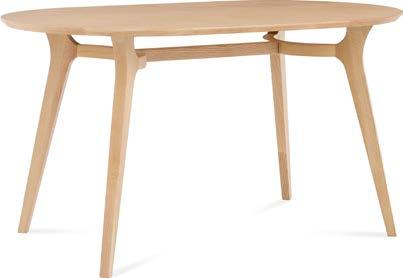
Please summarise your product offer, and share details of a few of your best-performing models … Our initial collections were derived from our personal needs – essentially, all sorts of furniture for a home.
“Furniture is a heavy and expensive industry
“Being a Chinese national brings several important advantages
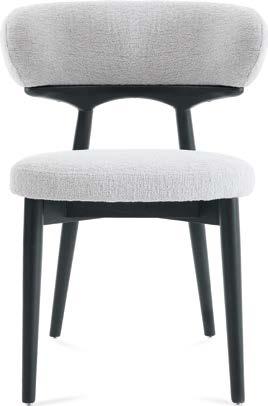
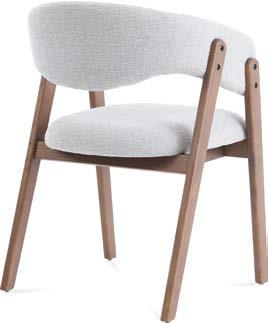
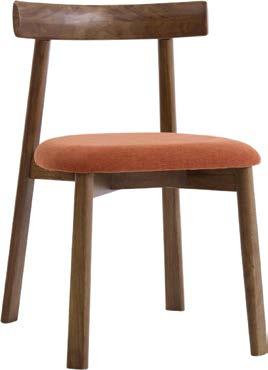
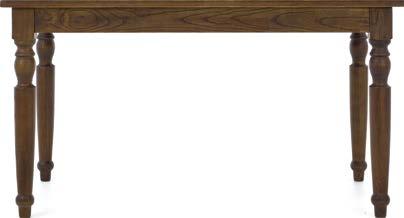
The most sought-after pieces were bedsides, and dining tables and chairs. In particular, our rattan collection highlighted traditional craftsmanship and hand-woven techniques – pieces that incorporated rattan quickly sold out. Solid wood furniture and pieces with bold colour palettes are also in strong demand.
What lines are coming next?
This is my favourite question! I’m always on the lookout for what’s next – not just for the business opportunity, but for the ability to take action on past learnings.
Rattan and dining tables and chairs, will remain core elements of our collections. The upcoming wooden dining chairs will have stronger details – you’ll see more concealed fixings and shapely silhouettes.
We’ve also done a bit more discovery into upholstery options and are anticipating excitement all-round for some richer colours and warmer tones that will enable more individualised spaces. Sofas will also play a major role at Furnt this year. We’re close to finalising at least two new designs and making strides towards practicality with sofas that you’ll want to sleep in!
As Furnt matures, I expect to continue refining our offerings and iterating on all of the things we encounter along the way. Bold choices and fresh perspectives are what we want the UK furniture market to experience!
How did your presentation go down at this year’s January Furniture Show?
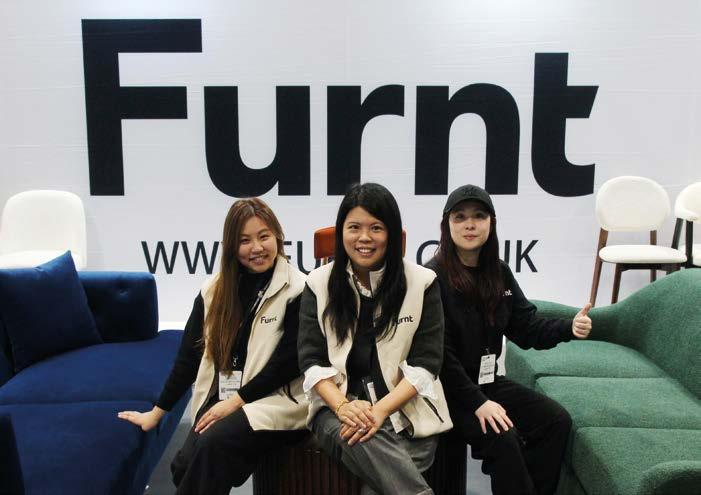
JFS 2026 was a very special moment for Furnt. It was our first public showing, and as a young brand, it was amazing to be part of such an important industry event. Personally, the most rewarding part was connecting with long-standing trade clients and meeting some truly heart-warming individuals. We received honest and candid advice, thoughtful suggestions for future shows, and really useful feedback about our products. JFS 2026 gave us a great chance to personally understand what our customers and clients need and want from their furniture.
I’m so happy to have had the opportunity to
showcase Furnt as a brand – our designs, our values, and the passion behind what we do. For our first year, the response was incredibly encouraging and it made us even more excited about the future.
How do you plan to promote Furnt to across the rest of the year?
We have a really exciting year ahead for Furnt. There are a number of new collections and products due for launch, and JFS 2026 has inspired us to go on a road trip. I’ll be travelling across the UK to visit our trade clients and new customers in-person.
Much like how we’ve developed robust partnerships within our manufacturing, building relationships has always been at the heart of Furnt. I’m very much looking forward to spending time with our partners, understanding their needs, and sharing new pieces with them.
We’re also making efforts to strengthen our presence in the furniture industry. Collaborations, social media, trade and new marketing partnerships are just a few of the areas we’re exploring to share the story behind Furnt. Our goal is to stay close to our customers and grow authentically.
What are the biggest challenges and opportunities of being a furniture entrepreneur in the current economic climate?
Let’s be honest – furniture is a heavy and expensive industry to be in. The costs involved in materials, logistics, storage and production are significant, and in the current economic climate both businesses and consumers are understandably more cautious about spending. These are significant challenges, but we’ve found our niche by focusing on furniture designed for small- and medium-sized homes.
The UK demands well-designed, practical, and thoughtfully proportioned furniture. For Furnt, that means creating furniture that is versatile and attractive without compromising on design. Customers continue to be more and more conscious about what they invest in – furniture that is durable and genuinely useful.
Please sum up in one line why UK retailers should work with you …
Our personal experiences lead to thoughtfully designed, well-crafted furniture that suits those seeking to define the next ‘contemporary’ with a bold, expressive palette.
www.furnt.co.uk
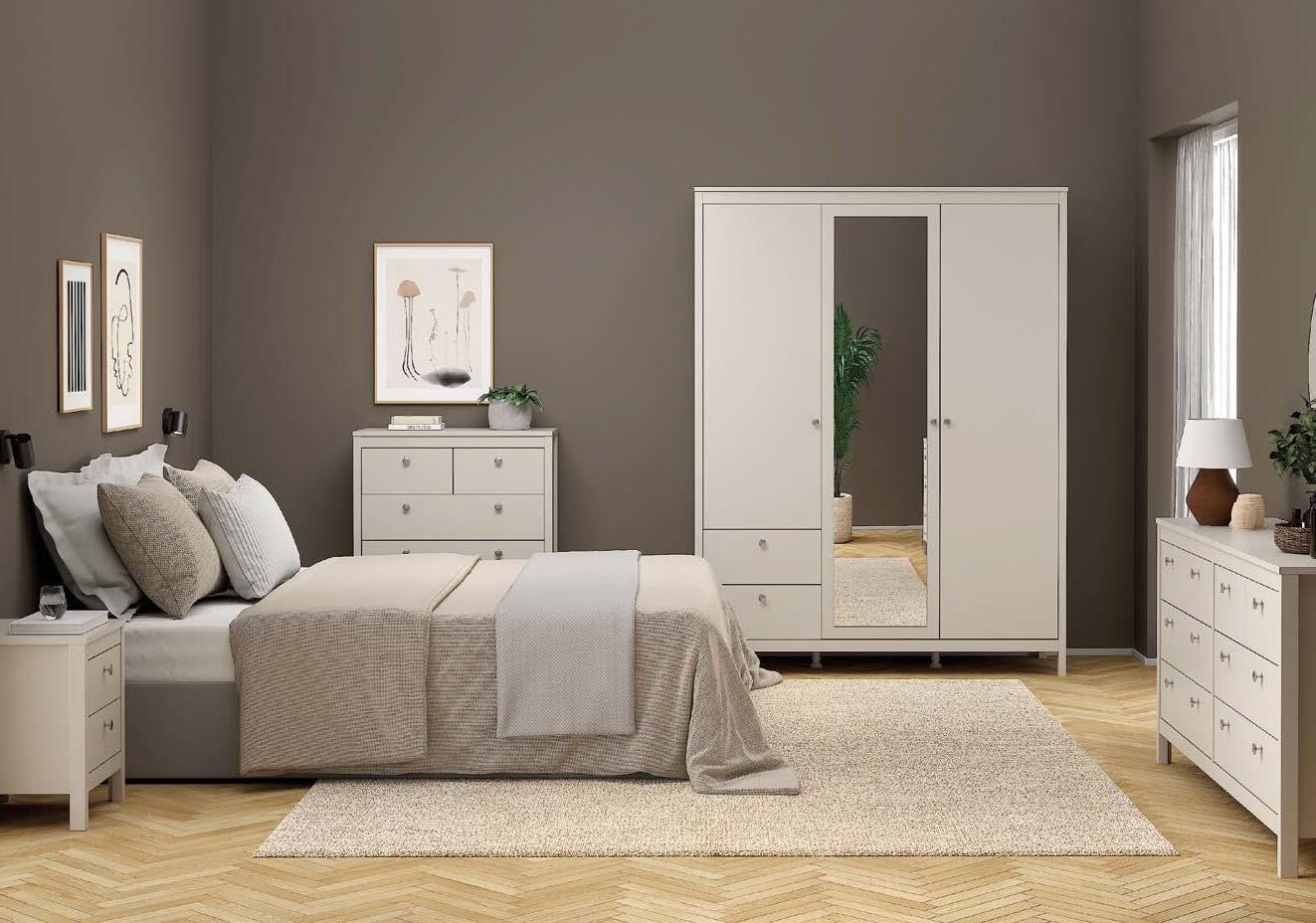
Discover our latest cashmere and cloud dancer tones – inspired by nature’s calm palette. Create harmonious interiors with on-trend, easyto-style collections. A wide range of contemporary looks designed for today’s customer.
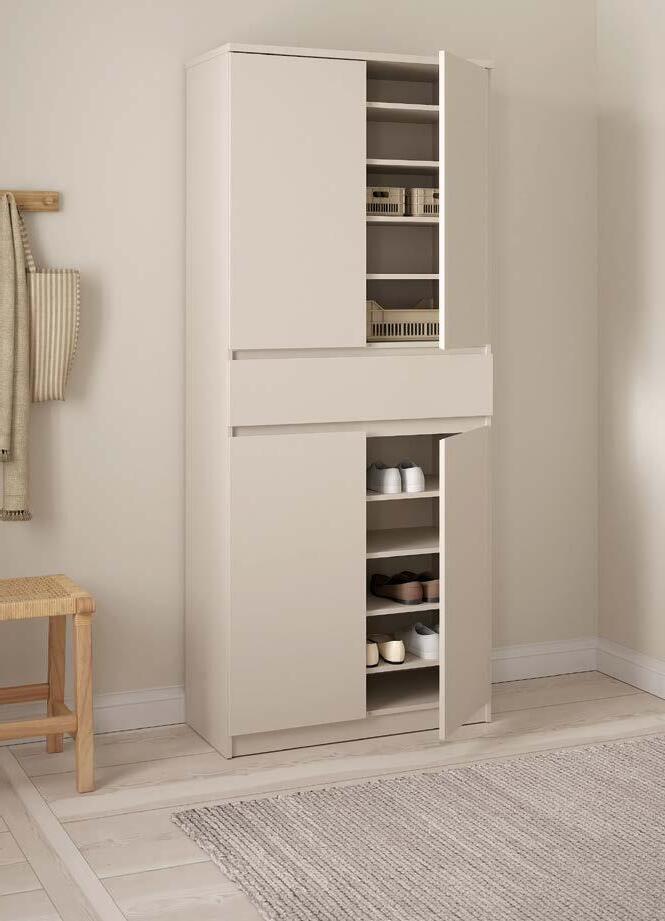
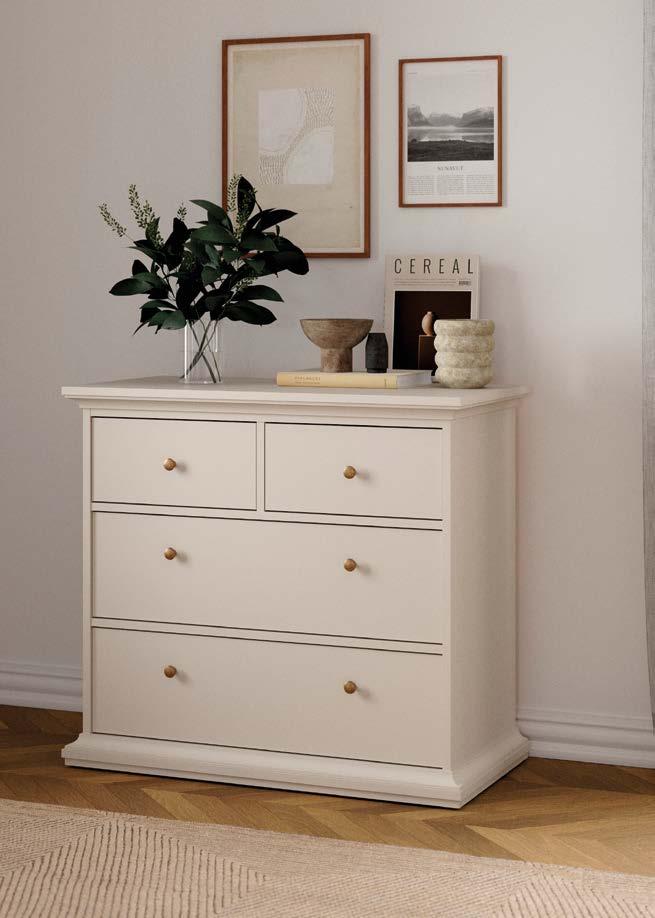
FTG is your one-stop shop, with high-quality, best-selling furniture pieces. All in stock for next-day delivery. No MOQ.

Call us at 02380 517067 - Let’s see how we can help. sales@furniture-to-go.co.uk | www.furniture-to-go.co.uk

Clare Miles lives and breathes upholstery design. Having collaborated with heavyweights including QFC, Siren, Alpha Designs, Westbridge, Meridian and Buoyant, creating pieces for the likes of DFS, John Lewis, Next, Argos/Sainsbury’s and Laura Ashley, Clare has been “flying the freelance flag” since 2019, specialising in domestic upholstery through Clare Miles Sofa Design. Furniture News takes a seat to hear her story of a passionate profession …
Where did you study?
I studied Furniture & Product Design at Nottingham Trent University.
What was the most valuable part of your education?
Without a doubt, it was my placement year. I struck gold with a position at the Wade Furniture Group in Long Eaton. That’s where my romance with upholstery truly began. I loved it so much I kept working there one day a week during my final year and stepped straight into a permanent role the moment I graduated.
What was your first design job?
My ‘real world’ breakthrough was my second design role working alongside the brilliant Andy Doherty. As a freelance designer, he threw me into the deep end of upholstery design. It was a whirlwind – easily some of the most joyful, challenging and formative years of my professional life.
Where might we have heard your name before?
If you move in furniture circles, we’ve likely crossed paths. I’ve spent years building relationships across the industry. I think some of the most important relationships I have are with fabric agents. I specialise in sofa shapes but it’s always a good idea to know where exactly to find the perfect complementary fabric.
Any key achievements/award wins you’d like to share?
Honestly? My biggest badge of honour is a thriving 30-year career dedicated to the UK furniture industry. Staying passionate and relevant for three decades is a marathon I’m still enjoying.
What are you working on right now?
I’m currently crafting a brand-new portfolio launching this June. Expect a mix of calm classics, elevated vintage vibes, and friendly contemporary styles. I’m also embracing the future by integrating AI renders – they’re a total game-changer for helping clients visualise and fall in love with a design before it even hits the factory floor. I love the opportunity to show my portfolio to new and existing clients, or answering more specific briefs.
How do you mentally prepare yourself for work each day?
It’s a three-step ritual – caffeine, a tidy ship, and a realistic plan. Once the desk is clear and the coffee kicks in, I’m ready to go. If I need a mid-day brain reset, nothing beats a brisk stroll through Wollaton Park near where I live to let the ideas breathe.
A blank sheet of paper can be daunting – what inspires you to fill it?
When I’m dreaming up a new portfolio design, I often take a time machine back to the 1950s and 60s –the golden era of upholstery shapes. If I’m working to a specific client brief, I become a bit of a design
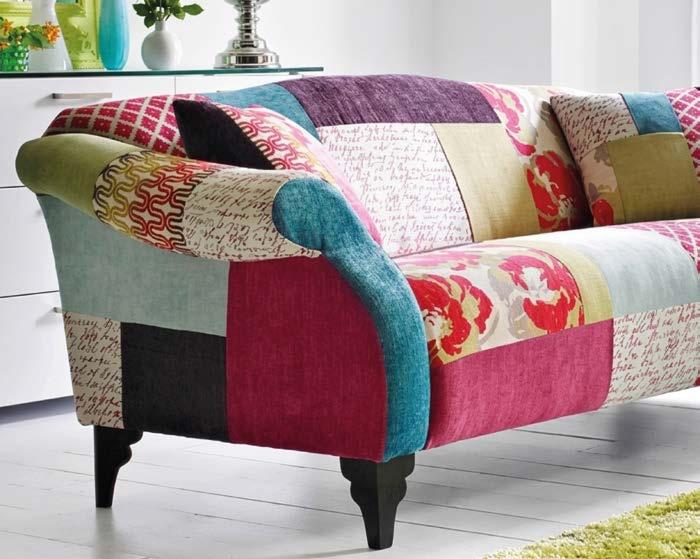
detective. I deep-dive into the retailer’s current range, understanding their customer base and finding those ‘missing pieces’ and product gaps that a new design could fill perfectly.
Designs are often compromised to make them commercial – how do you maintain your quality despite such pressures?
I have a weird superpower – I actually love a limitation! It’s why I shop at Lidl or Aldi. There’s a specific thrill in designing ‘entry-level’ products – the challenge is making something look expensive and high-end while using budget-friendly materials. It’s all about the proportions.
Of course, when a client gives me the green light for a ‘no-compromise’ luxury piece with highbracket fabrics and intricate details, that’s when the imagination has more freedom.
Which area of your work do you enjoy most – and least?
The ‘most’ list is long because I genuinely love the process, from initial design to the first product coming off the production line. The ‘least’? That’s easy – the ‘good enough’ cutoff. It’s heartbreaking when a prototype needs one or two last tiny tweaks to be ››
“I often take a time machine back to the 1950s and 60s – the golden era of upholstery shapes
“I actually love a limitation! It’s why I shop at Lidl or Aldi
perfect, but the production clock or the budget sheet says, “Time’s up.”
Please describe one of your favourite designs, and explain why it inspires you …
The Standard Sofa by Edra. Don’t let the name fool you – it is anything but standard! I saw it at the Salone del Mobile in Milan back in 2013 and was genuinely amazed. It took over two decades to develop, and seeing Francesco Binfaré’s original rough pencil sketches huge on the wall was a reminder that great things take time (and a lot of heart).
Which is your favourite designer retailer, and what is it doing right?
I currently have three. Barker and Stonehouse are the gold standard for presentation and range. Their stores feel like a carefully curated experience.
I love Zofa’s discipline – they’ve nailed specific shapes and fabric offering while giving the customer flexibility without overwhelming choice. I particularly like their modular designs.
And Schplendid. These guys are legends for going ‘back to the old ways’. High-build quality and ditching the plastic for 100% natural fabrics. That’s the kind of future-thinking the industry needs. We need genuine USPs to differentiate between sofas, otherwise it’s just a sea of ‘me toos’.
Pick three words that sum up UK domestic furniture design today … Choice, classic, considered.
What aspects of it make you despair? And, conversely, hopeful?
It’s with real sadness seeing iconic UK names like Ashley Manor, Alexander & James and Westbridge
close their doors, leaving a gap often filled by uninspired imports. It feels like we’re losing our homegrown soul!
But what keeps me smiling? Seeing earth-friendly construction and high-build quality finally taking centre stage. I’m hopeful for a future where we value how a sofa is made as much as how it looks.
Do you feel that the industry adequately supports designers?
Honestly, we could do better. The ‘gold dust’ placement years that launched my career are becoming so rare, making the wall much harder to climb for fresh talent.
What’s the last design that really caught your eye?
This changes every week, but currently it’s the Rochester at Barker and Stonehouse. I’m usually not a fan of motion furniture, but this one changed my mind. It’s sleek, cool, and would look amazing in our snug – no plumping of cushions required!
What’s the future of furniture design?
We’re moving away from ‘disposable’ culture. I see a shift toward longevity and flexibility. I’m obsessed with the idea of reinventing the loose cover concept – giving people the freedom to refresh their style without throwing away a perfectly good frame. In fact, I’ve got a design concept ready to go that does exactly that – I’m just looking for the right manufacturing partner to bring it to life!
Which industry event or platform gives a designer the best step up?
The NEC furniture show in January is the most important UK trade show – which hasn’t always been great, but in the last couple of years has seen a resurgence. But it also sadly represents the shrinking of the UK manufacturing base.
I know it’s the done thing to visit Milan and the USA for inspiration, but I think that you can gain as much inspiration as you need from a screen – although not as fun, it’s decidedly cheaper. I think that UK upholstery design is strong, but with the reduced number of manufacturers designers are having to venture further afield.
What design website do you visit most often?
1stDibs. I can get lost for hours there. It’s the only place where even the ‘ugliest’ 1970s couch can spark an idea.
What’s the biggest challenge you face?
I had a major ‘life happens’ moment in January this year when I broke my right wrist whilst walking on an icy day. As a designer, that’s the most important limb! It was a massive wake-up call, but three months later, I’m officially back, although slightly bionic. It actually gave me the downtime to dive into AI capabilities and reconnect with the incredible clients who supported me through this ‘tricky time’.

How do you think the industry views designers?
After 30 years, I’ve seen the pendulum swing. Some people think AI will replace us, but I believe the opposite. AI is just a tool – it needs a human with ‘sofa soul’ to give it direction. It’ll be a very long time before you can sit comfortably on a sofa that was built without a human heart!
What advice would you give to young designers just starting out in the industry?
Find the magic. I still remember the first time I saw a sofa being built – the wooden frame, the foam, the fabrics … it felt like alchemy. When you realise that such simple materials can come together to create something so beautiful and essential to a home, that’s when you know you’re in the right job.
Where can interested parties find out more?
You can find my latest inspirations on Instagram at @the_sofa_designer. It’s a bit of a cheeky handle, but when you’re one of many Clares in a friend group, you end up with a nickname – mine just happens to be ‘Sofa Clare.’ It’s a title I wear with pride, since I’m obsessed with all things upholstered!
“I’m hopeful for a future where we value how a sofa is made as much as how it looks
When Simba first launched Dreamspace, its research showed that more than one in 10 children in the UK were living in bed poverty, meaning a good night’s sleep was far from guaranteed –and sleep poverty remains a silent crisis today, with families facing financial hardship often resorting to sofas, shared beds, or even the floor, the bed brand reports …
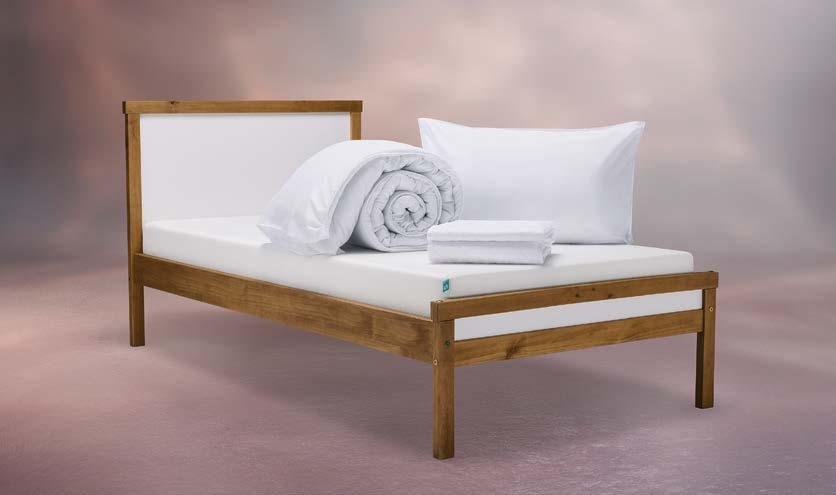
Recognising how vital quality sleep is to children’s health, learning and emotional wellbeing, in June last year Simba launched Dreamspace, an initiative dedicated to giving children in need a safe, comfortable place to sleep.
Now approaching its first anniversary, Simba Dreamspace has already made a meaningful difference to hundreds of children across the UK. Working through trusted frontline partners including Barnardo’s, Buttle UK, Zarach and Saracens High School, the programme has so far delivered 471 highquality bed bundles directly to some of the families that need them most.
Each bundle, designed by Simba, includes a sturdy bed frame, mattress, soft bedding and pillow, creating “a warm, safe place to sleep and a renewed sense of comfort and stability”.
Real impact, real change
Dreamspace places dignity at its core, with highquality bed bundles designed to give children a comfortable space of their own.
Simba’s wider commitment to responsible business underpins the initiative. As a certified B Corp business, the company is renewing its certification under new, more rigorous standards, reinforcing and continuing to centre its focus on people, planet and purpose.
And this support is also growing through customer contributions. Donations at checkout have already raised £16,630, helping fund an additional 111 bed bundles.
“What’s been most encouraging is seeing the difference that makes to families day to day
Behind every delivery lies a story of transformation. In one recent Barnardo’s-supported case, a mother had been struggling to provide the basic bedding for her daughter while managing long-term financial strain. Despite her efforts, a proper bed remained out of reach.
When they received a full Dreamspace bundle through Barnardo’s Child Poverty Fund, complete with bedding, mattress, frame and even a teddy bear, the difference was immediate. Her daughter finally had a space of her own, a quiet, warm spot to rest, read, dream, and simply be a child. The mother expressed heartfelt gratitude: “I am absolutely overwhelmed by how much this fund has helped us as a family.”
The support eased financial pressure and stress in the home. The mum felt she could finally provide the basics her daughter deserved, improving the family’s wellbeing, and helping create better conditions for learning and confidence at school.
As Dreamspace approaches its first anniversary, Simba is reflecting on the progress made and looking ahead to how the initiative can grow. Through close collaboration with frontline partners, Dreamspace is now delivering an average of 15-20 bundles each week. Simba’s focus now is on growing Dreamspace and supporting more children who need a proper place to sleep.
Simba CEO Steve Reid says: “We’re incredibly proud of what Dreamspace has delivered in its first year, supporting hundreds of children with a proper place to sleep. What’s been most encouraging is seeing the difference that makes to families day to day. Our focus now is on building on that progress and reaching more and more children with the support of our charity partners.”
Dreamspace is also helping raise awareness of sleep poverty. The initiative was recently featured in The Guardian, highlighting growing calls for bed poverty to be recognised as a national issue.
To learn more about Simba Dreamspace and how to support the initiative, visit its dedicated website.
www.simbasleep.com/pages/dreamspace






















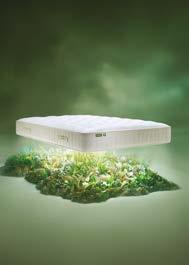
With 11 layers of our most advanced tech, our highest spring count ever & luxurious natural materials, this really is our dream mattress.













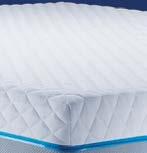









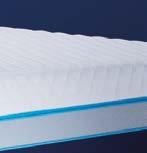




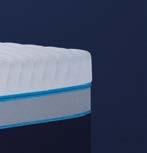













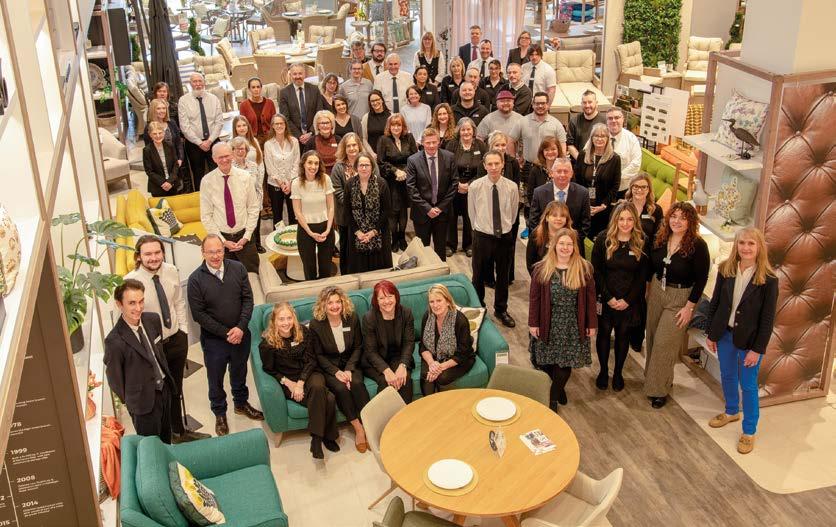
East Anglian department store Glasswells, which is celebrating its 80th anniversary with special events and exclusive birthday savings across every department to mark the milestone year, reflects on how it came to be …
Eighty years ago, in a modest shop on Brentgovel Street in Bury St Edmunds, Jerry Glasswell and his son Leslie began selling secondhand furniture with a simple promise – quality, care and an unwavering commitment to their customers.
Today, that small family venture has grown into East Anglia’s largest home department store that remains rooted in the same values that defined it in 1946, the retailer says.
Now led by Jerry’s grandson, MD Paul Glasswell, the business continues to champion craftsmanship, choice and that all important personal touch. As Paul puts it: “We’ve grown, but we’ve never lost sight of what is important. Our team goes above and beyond for our customers, that’s the heart of everything we do.”
“We’ve grown, but we’ve never lost sight of what is important
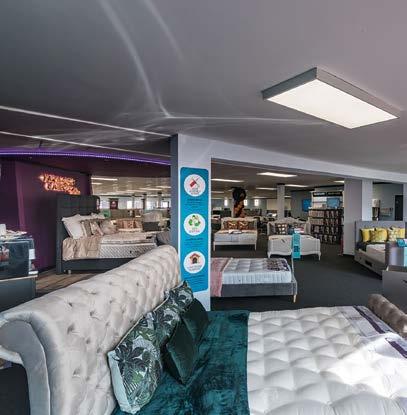
From exhibiting at local trade fairs in the 1950s to opening high street stores across West Suffolk, Glasswells has evolved alongside the homes it helps furnish. Its branches in Haverhill and Saffron Walden still anchor the business to its town centre roots, while flagship home department stores in Bury St Edmunds and Ipswich offer a “modern, immersive shopping experience”.
“Walk through their expansive showrooms today and you’ll find everything under one roof, from sofas and dining ranges to flooring, lighting and bespoke soft furnishings,” says the retailer. “With thousands of products available both in store and online, Glasswells is the go-to destination for homeowners looking for stylish pieces built to stand the test of time.”
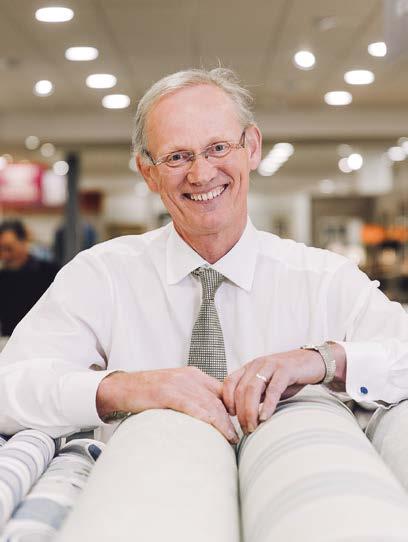
The Place to Eat restaurants in Bury St Edmunds and Ipswich offer shoppers freshly prepared dishes using local produce and afternoon teas. Private dining rooms, seating up to 14, add a touch of exclusivity. For those seeking expert guidance, Glasswells’ professional interior design service offers a personalised, creative approach. And Glasswells’ story extends beyond living


rooms. With decades of expertise in removals and self storage, the company has become a partner for families on the move, while its commercial division supplies contract flooring and specialist furniture to businesses across the region, along with third-party storage from its purpose-built warehouse off the A14.
“This blend of domestic and commercial success is part of what makes Glasswells unique – large enough to offer comprehensive and competitive services, yet family-run values ensure they care deeply about every detail,” says the retailer.
Reflecting on the anniversary, Paul says: “We’re enormously proud of our heritage. When we started, we were the newcomers among well-established stores, but we worked hard to earn our customers’ trust. We’re still a local, family-run business, and it’s thanks to our loyal staff and customers that we’ve reached this incredible milestone.”

“We’re enormously proud of our heritage
Regular Furniture News contributor Steve joined the family bed retail business in 1989. Since taking the lead at Sussex Beds in 2014, the ‘unorthodox’ CEO (now with a podcast of the same name) has cultivated one of the UK’s best-regarded independent furniture chains.

“The challenge is modernising without losing the values and personal service that made us strong in the first place
How might a child describe what you do?
“He helps people sleep better by selling comfy beds ... and also talks on the phone a lot.” They’re not wrong.
What’s the biggest long-term challenge you face?
Keeping a traditional industry moving at the pace customers expect. Retail – especially in beds – can be slow to evolve. The challenge is modernising without losing the values and personal service that made us strong in the first place.
If you had 10 x your working budget, what would you spend it on?
I’d invest in our people, our shops, and our customer journey – making every touchpoint easier, warmer, and more memorable. And I’d make sure the team had something unforgettable in return. Without them, we wouldn’t be here.
What would be the title of your autobiography?
Mind the Gap: Between Sleep, Sales and Sanity.
What does ‘work/life balance’ mean to you?
It’s not about hours – it’s about presence. Being fully engaged where you are, whether that’s in a team meeting or at home with family. Balance, to me, means living with intention, not exhaustion.
Who’s been your most influential professional mentor?
On reflection, in 2014, we started working with a business coach. The impact of the coaching transformed us from technicians within a business to leaders of it. Our business would not be here today without it. Thank you, Lucy Cameron.
What advice would you give your younger self?
Don’t wait for everything to be perfectly lined up. Start, adjust, learn. And trust your instincts – they’re usually better than you think.
What’s been your best day in business to date?
There have been big wins, of course, but some of the best days are when I step back and see the team thriving, supporting each other, and making great
decisions without needing me. That’s when you know you’ve built something that lasts.
What’s the biggest myth about our industry?
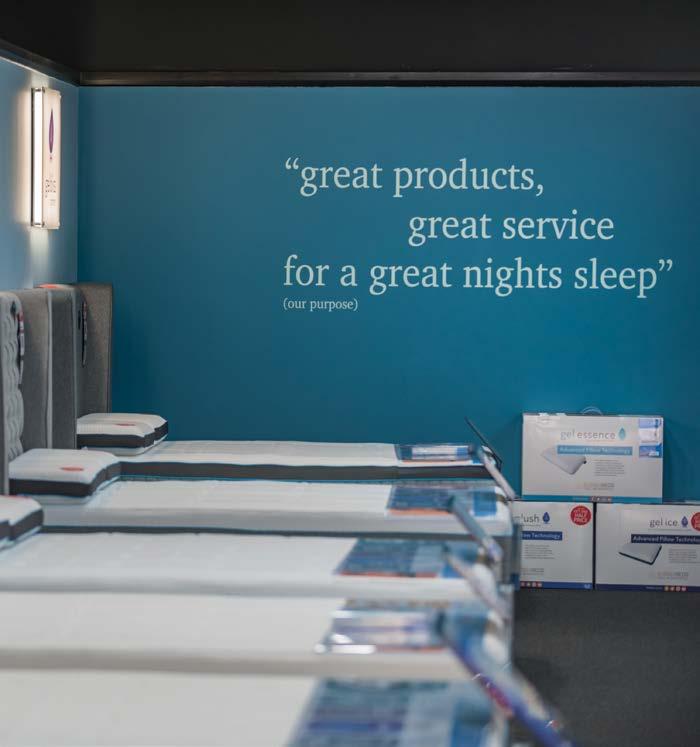
That it’s just about furniture. We’re in the business of comfort, wellbeing, and helping people get better sleep – something that affects every part of their life.
What should everyone in our industry either stop or start doing?
Stop saying, “It’s always been done this way.” Start listening more to your team, your customers, and the changes around you. We need to evolve if we want to stay relevant.
Where do you see the industry going in the next 5-10 years?
Personalisation, sustainability and service will define the future. Retailers who stay human, agile, and connected to real customer needs will lead. Those who don’t may struggle – even if they’ve been around for generations.
What question do you wish we’d asked? How would you have answered?
Q: What keeps you motivated after all these years?
A: The people. My family, our team, our customers. Business is never just about the bottom line – it’s about relationships, trust, and the impact we have, day in and day out.
“It’s not about hours – it’s about presence
From timely acquisitions to bold expansions, Furniture News puts today’s issues in perspective, looking back at what happened in the industry five and 10 years ago today …
Five years ago (May 2021) In the news, retail’s postCovid reopening delivered a predictably huge footfall boost ahead of hospitality’s reawakening, yet the release in pent-up demand failed to dent the continued growth of online sales.

“The BFM reported a bounceback in furniture demand as stores and the wider economy reopened
The BFM reported a bounceback in furniture demand as stores and the wider economy reopened, while the NBF reflected on the pivot to online spend seen in previous months –and a snap poll of the Federation’s members revealed the threat of extended delivery times and higher prices due to ongoing volatility in raw material costs.
In retail, IKEA launched its Buy Back service in the UK, enabling customers to exchange used products for brand vouchers, BoConcept opened in Cardiff, and John Lewis revealed its refurbished Edinburgh store. Further afield, Timothy Oulton signed a lease on its New York City flagship, and JYSK opened its 3,000th store, in Rome.
In acquisitions, US group Tempur Sealy announced that it was buying Dreams from Sun European Partners for £340m, while Steens Group was acquired by fellow Danish flatpack business, Tvilum.
Clarion Events, the event specialist behind January Furniture Show, revealed plans to host the Manchester Furniture Show in Harrogate alongside its Home & Gift exhibition, and launched Reveal, an online trading platform it described as “a hub of product discovery”.
Meanwhile, Made.com announced its intent to float shares on the LSE, and Furniture News paid tribute to industry veteran Martin Griffiths.
In the magazine, we looked at what had changed since the pandemic broke – and which developments might last. We quizzed the people behind the industry’s online shows to assess screen-to-screen sourcing, celebrated the return of face-to-face exhibitions in our Long Point preview, and looked at voice commerce and interior design.
We also looked at how pandemic pressures prompted retailers and suppliers to explore their sourcing options, met the innovators taking the bed
industry in new directions, and interviewed Wayfair’s Martin Reiter. This month also saw the launch of our annual Readers’ Choice Awards, in recognition of the manufacturers, suppliers and service providers which came through for the trade when it truly mattered.


10 years ago (May 2016)
In the news, Parker Knoll’s state-of-the-art 100,000ft2 purpose-built premises in Castleford were opened by Stephen McPartland MP, then chair of the All Party Parliamentary Furniture Group, while PM David Cameron praised Silentnight’s apprenticeship scheme in the House of Commons.
Britain’s shop vacancy rate fell to its lowest level since 2009. New stores opened this month included four from contemporary furniture retailer Dwell (in Chester, Speke, Preston and Bolton), Natuzzi opened on Brent Cross Retail park, while AHF announced a new opening at Lakeside, and IKEA lined up its first Collection & Order Point, at Westfield Stratford City, “designed to bring the IKEA home furnishing range and expertise closer to more customers”. Meanwhile, Sofology received an investment of £10m from the Business Growth Fund.
Ben Burbidge was installed as the new master of The Furniture Makers’ Company, while British brands Ercol, Gascoigne Designs and Duresta presented successful exhibits at I Saloni.
Bedroom furniture manufacturer Kingstown invested in a prototype shop as part of the wider expansion of its Hull factory, and children’s furniture vertical Aspace announced its return (in a more streamlined format) following a CVA in January.
In the magazine, Furniture News went on location at Sharps’ Baker Street flagship and explored Nathan’s purchase of the Morris Furniture Group brands. In events, we looked ahead to Long Point, Clerkenwell and Manchester, and reported from MIFF and IFFS. Designer Rob Scarlett interviewed Ian Archer, and our Building a Brand series concluded with an exploration of marketing on foreign soil.

Summer’s near, and fittingly we’ve a plethora of bright, fresh features in June’s issue!
Fabrics and Fabric Upholstery – discover the latest trends and offerings
Outdoor Furniture – fresh new ranges for outdoor spaces
Machine-Washable Rugs – boasting so much more to offer the savvy consumer, be part of this unique round-up
Flam Reg Reform in Focus – as the deadline for feedback nears ahead of upcoming regulatory changes, we’re asking the industry for its opinions and possible solutions
Plus, as always, there’s the latest in Living, Dining, Bedroom and Trade Services
Be part of the industry’s favourite read this summer!
BOOK BY FRIDAY 8TH MAY


“A YEAR’S TURNOVER IN THREE WEEKS!”
“IT WAS FANTASTIC AND WE ARE ABSOLUTELY DELIGHTED!
We all agree that we could not have achieved such extraordinary sales results [over a year’s turnover in three weeks] by doing it ourselves.
We were all so very impressed with the extremely professional coordination of the marketing plan – especially the digital work.
The way you do the whole thing has moved on tremendously since our first sale with Greenwood back in 2006.
The showrooms and warehouses are virtually empty, we’re all exhausted, but we’re also buzzing from the whole experience and very glad we employed you to assist with our special sales event. Hats off to you and your team.
Well done and thank you!”
BRECK STOCKTON, M.D., STOCKTONS FURNITURE, MANCHESTER
Grow your business, build your order book and win future market share with a Greenwood Promotional Sale or, realise the enormous value of your brand using a Greenwood Business Closing / Retirement strategy. Either way you can generate record-breaking sales and profits. Greenwood Sales work. To find out more, call me, Bernard Eaton, now on 07771 700247, and I’ll explain the exciting options and possibilities for your Greenwood Sale without obligation.
2027 CALL TODAY - 07771 700247

UK & Ireland’s Leading Experts in Retail Sales Promotion sales@greenwoodretail.com www.greenwoodretail.com
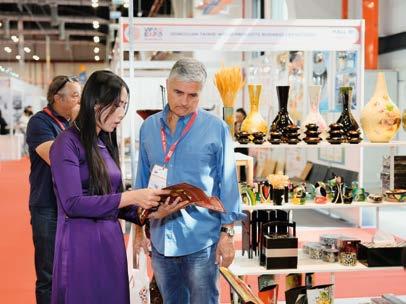
The 17th Vietnam International Furniture and Home Accessories Fair (VIFA Expo 2026), held from 8-11th March across exhibition centres in Ho Chi Minh City (WTC Expo and Sky Expo), marked a significant milestone in the brand’s near-two-decade journey, reports show organiser Lien Minh Company …
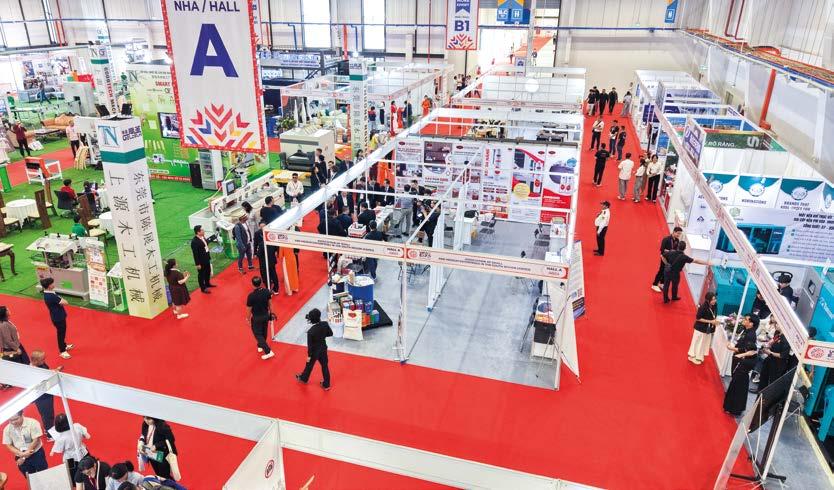
“The Vietnamese wood and furniture industry is increasingly demonstrating its powerful influence on the global market, thanks to optimised production capacities and impressive export turnover,” states Lien Minh Company, revealing an impressive set of figures for this year’s VIFA Expo.
“The
Vietnamese wood and furniture industry
is increasingly demonstrating its powerful
influence
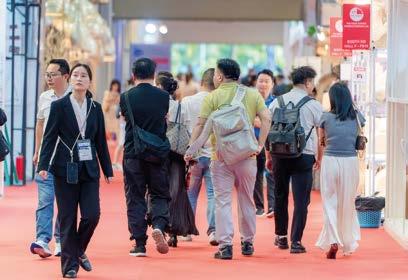
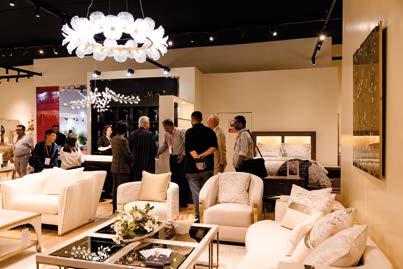
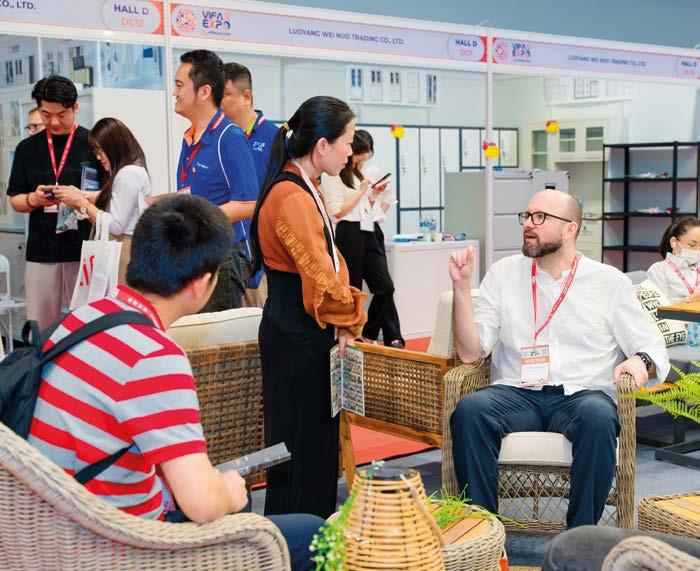
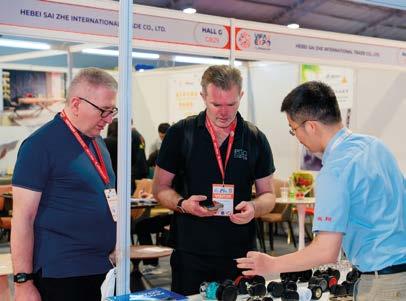
Despite international travel disruption, this year’s edition continued to break records, covering a total are of 45,000m2 across the two venues and featuring 650 exhibitors – 338 Vietnamese enterprises and 312 international companies from 19 countries and territories.
The product structure remained diverse: indoor and outdoor furniture accounted for the lion’s share, at 79% of total displayed products; handicrafts accounted for 8%; and accessories, machinery and supporting services for 13%.
Throughout the four-day exhibition, VIFA Expo
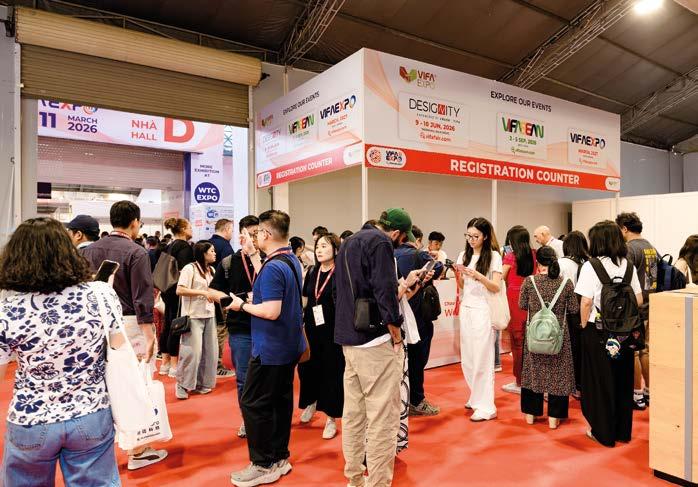
welcomed 17,215 visitors, reports Lien Minh Company: “Notably, there were 6,360 international buyers from 110 countries and territories, primarily from key markets such as China, the USA, India, Japan, Malaysia, South Korea, Taiwan, Australia, Canada and the UK, as well as emerging potential markets like Mexico, Brazil and the UAE.”
The show organiser adds that the event also proved a success in driving business connections, its surveys revealing that 26% of buyers expressed an intention to place orders, 27% of buyers were seeking new products and services, 21% of visitors aimed to expand their professional networks and, notably, 11% of surveyed customers expressed interest in orders valued at over US$1m.
According to preliminary reports from exhibitors, contracts and memorandums of understanding worth approximately US$190m were signed during the fair, while 80% of surveyed businesses successfully secured contract agreements at the event.
With a legacy dating back to 2008, VIFA Expo has cemented its status as a Vietnam’s best-established furniture exhibition, and a valuable stop within Asia’s furniture-sourcing circuit each March.
Beyond trade activities, the fair offers industry seminars, free shuttle buses, official hotels, complimentary accommodation for VIP buyers, factory tours, and exclusive networking events including business lunches and gala dinners.
At this year’s show, the Mascot Design and Creative Furniture showcases took centre stage, highlighting Vietnam’s strategic shift from traditional OEM models to proactive, in-house design.
“By honouring Vietnamese-made products that align with sustainable global trends, the event provides a vital platform for businesses to strengthen their international brand presence,” Lien Minh Company explains.
On to VIFA ASEAN
From 2nd-5th September 2026, Ho Chi Minh City will again bring together South East Asia’s furniture industry as it hosts the 4th Vietnam International Furniture and Home Accessories Fair ASEAN (VIFA ASEAN 2026) at the SECC – a specialised event which is set to feature over 1,000 booths from 350 enterprises across Vietnam and the wider ASEAN region.
“VIFA ASEAN serves as a strategic bridge and a direct trade platform connecting the South East Asian furniture-manufacturing community with thousands of international importers, investors and contractors involved in diverse projects – from residential apartments to restaurants, hotels, resorts and airports – both in Vietnam and globally,” explains the show’s organiser.
The fair will showcase modern and versatile products across four sectors: indoor and outdoor furniture; home decor, stationery and handicrafts; machinery, equipment, accessories and tools; and interior design, architecture, construction and trends.
As a key event in Asia’s autumn furniture fair circuit, VIFA ASEAN is poised to attract an influx of international buyers. Alongside Kofurn (South Korea), MFFM (Malaysia), Maison Shanghai, CIFF Shanghai, Furniture China (China) and IFFINA (Indonesia), VIFA ASEAN promises to be a suitable launchpad for autumn’s sourcing activities.
“The resounding success of VIFA ASEAN 2025 –which welcomed over 230 enterprises and 8,926 visitors from 67 countries and territories – has reaffirmed Vietnam’s leading role in regional furniture production and exports,” Lien Minh Company concludes. “By joining VIFA ASEAN 2026, businesses can leverage Vietnam’s strategic position to expand their market reach and strengthen their global brand presence.”
www.vifaasean.com www.vifafair.com

“Businesses can leverage Vietnam’s strategic position
Despite geopolitical tensions disrupting international travel and the usual flow of buyers to Asia’s annual furniture fair circuit, Vietnam’s furniture industry still managed to capture global attention at HawaExpo 2026, reaffirming the country’s growing role in the global supply chain and hinting at new directions for the market.
“The situation inevitably impacted the usual influx of buyers
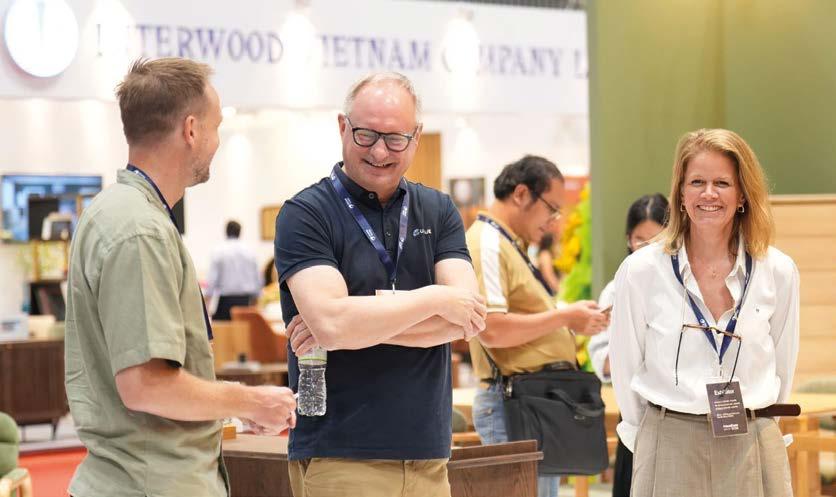
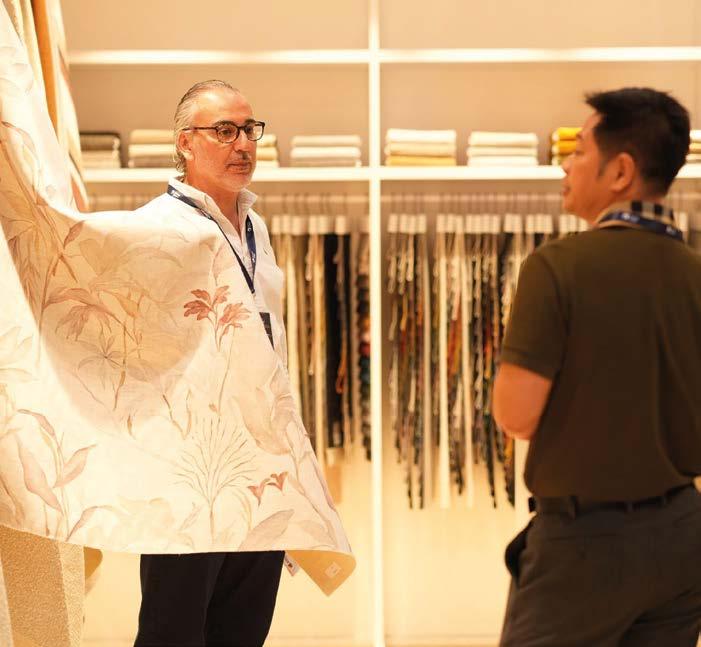
Held from 4-7th March at SECC in Ho Chi Minh City, the fair once again served as “a gateway to Vietnam’s furniture prowess” says organiser Viforest Fair, gathering some 450 exhibitors, nearly 87% of them Vietnamese, and still attracted “thousands” of international buyers seeking sustainable alternatives and diversification in a volatile global environment.
“The outbreak of conflict between Iran and Israel in early March created unexpected logistical disruptions across global aviation,” says Viforest. “More than 21,000 flights were reportedly cancelled across seven major international airports as airspace restrictions
affected hubs in Dubai, Abu Dhabi and Doha, key transit gateways for travellers heading to Asia.
“The situation inevitably impacted the usual influx of buyers from Europe and North America attending the series of Asian furniture exhibitions in early spring. However, exhibitors at HawaExpo reported that Vietnam remained firmly on the radar of international sourcing teams.”
According to participating companies, although total visitor traffic showed some decline compared to previous years all over the region, the quality and diversity of buyers remained strong, with many exhibitors meeting new markets and potential partners. India emerged as one of fair’s rising visitor powers.
“Compared with other manufacturing options in Asia, Vietnam is often perceived as offering greater predictability in trade conditions due to their diplomatic strategy,” says Viforest.
The event welcomed a reported 16,449 visitors, including 3,284 international buyers from 83 countries and territories.
Beyond market expansion, industry observers noted a significant improvement in design and brand presentation, Viforest adds. Across the halls, companies invested more heavily in professionally designed displays, signalling a mindset shift from basic product showcasing to strategic brand storytelling and experiential marketing.
“Despite geopolitical headwinds and logistical disruptions, HawaExpo 2026 ultimately reinforced Vietnam’s status as one of the most dynamic furniture sourcing hubs in Asia,” the fair organiser concludes.
“The fair demonstrated not only the resilience of Vietnam’s export-oriented furniture sector, but also its ongoing transformation, from cost-competitive manufacturing toward design-driven sustainability.”
www.hawaexpo.com
The organiser of the Malaysian International Furniture Fair (MIFF) says the show proved its resilience this year in the face of global uncertainty, underlining its status as South East Asia’s leading exportoriented furniture trade fair …

MIFF’s 32nd edition, held from 4-7th March at the World Trade Centre Kuala Lumpur (WTCKL) and the Malaysia International Trade & Exhibition Centre (MITEC), generated an estimated total of US$1.24b in on-site sales, reports event organiser Informa Markets.
This year’s event hosted 643 exhibitors from 11 countries and regions, attracting 18,402 visitors from 123 countries and regions, Informa adds. This edition again featured MIFF’s signature ‘1 Fair, 2 Venues, 17 Halls’ concept, spanning 100,000m2 of exhibition space.
“Buyers were committed to ensuring the success of their sourcing missions
“This year’s event also drew attention to the stability and allure of Malaysia’s furniture industry,” says Informa, “with buyers overcoming global travel challenges to ensure they were a part of the platform.”
MIFF 2026 unveiled The Muse Hall, catering to lifestyle and decor, as well as other new initiatives including designs talks, industry seminars and the ENERtec roadshow focused on renewable energy, aligning with the show’s long-term commitment to support furniture manufacturers and the industry with sustainable environmental, social and economic practices.
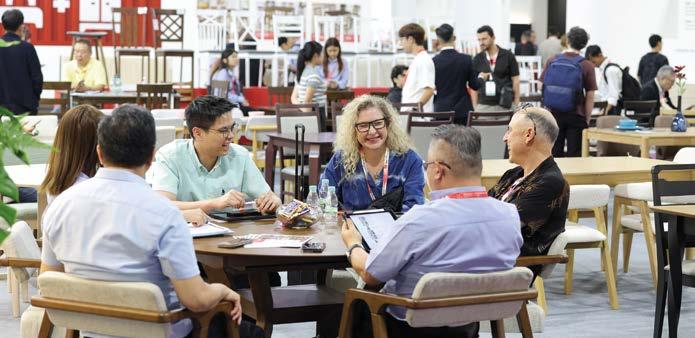
In line with its vision to sustain and develop the growth of Malaysia’s furniture industry, MIFF also engaged its audience with relevant content. The event’s winning Furniture Excellence Awards creations and exhibitors, applauded for their designs, craftsmanship and innovation, were highlighted and commended for their inclusion of smart tech, modular concepts and multipurpose usage – while Malaysia’s up-and-coming designers were showcased at The SELECTS: Origins 1.0, a new collaboration between creators and local manufacturers.
“MIFF 2026, as with its previous editions, has always played a crucial role as Asia’s definitive and not-to-be-missed sourcing event in March, and this was again demonstrated by the continuous business discussions and deals sealed on the show floors,” says GM Kelie Lim.
“Despite the current situation in the Middle East, our buyers were committed to ensuring the success of their sourcing missions, and we hope that our new initiatives and offerings, including the launch of The Muse Hall, provided them with rewarding trade opportunities and an enhanced MIFF experience.
“Based on the overwhelming reception to this year’s edition, MIFF 2027 looks poised to be a blockbuster event, one that reinforces the platform’s standing and expands on its long-established role of linking the global market with Asia’s leading furniture makers.”
The 33rd edition, taking place from 1st-4th March 2027, is scheduled to be held once again at WTCKL and MITEC.
Buyers that were unable to attend this year’s edition can continue sourcing through the show’s online platform MIFF Furniverse, at www.mifffurniverse.com.
www.miff.com.my
The 57th China International Furniture Fair (CIFF Guangzhou 2026), which took place in March, has reported record international attendance, “consolidating its position as the world’s leading platform for the global furniture industry”.

Held at the Canton Fair Complex in Pazhou across two phases (18th-21st and 28th-31st March), the exhibition spanned 850,000m2 across 90 halls, bringing together over 5,100 brands from 36 countries and regions, reaching a record high in exhibitor participation.
The fair reportedly welcomed 353,106 professional visitors from 185 countries and regions, including 64,291 overseas attendees, marking a significant 13.2% YoY increase and setting an all-time high.
“At a time marked by geopolitical complexity and global market uncertainty, this growth in international attendance sends a clear signal – CIFF Guangzhou is increasingly recognised as the global hub of the furniture industry and a must-attend event for its key players worldwide,” the fair states.

“This growth in international attendance sends a clear signal
“Its strength lies not only in scale, but in its ability to bring together a complete ecosystem of resources, enabling business development, industry exchange and innovation across the entire furniture value chain.
The participation of 1,582 new exhibitors (31.8% of the total) reflects the dynamism of the platform and its growing capacity to attract new market players alongside established international brands.”
This year’s edition emphasised emerging lifestyles and evolving consumer needs. Within the Home Furniture exhibition, new thematic zones – Healthy

Aging, Pet Home, Massage Chairs/Function Sofas and New Retail – highlighted key directions shaping the market, while the CIFM/interzum guangzhou launched the Global Debut Gala, collaborating with 10 equipment manufacturers to debut 24 new products.
Through its three major exhibitions – Home Furniture (430,000m2), Office & Commercial Space (240,000m2) and CIFM/interzum guangzhou (170,000m2) – CIFF Guangzhou once again demonstrated its ability to present a complete and integrated picture of the furniture supply chain.
Design continued to play a central role, with 227 design brands (9% more YoY) featured, while 15 themed design exhibitions fostered crossdisciplinary exploration.
“The success of CIFF Guangzhou 2026 reflects a broader transformation of the furniture industry towards a more design-driven, technology-enabled and globally connected ecosystem,” the fair concludes. “With record international participation and continuous evolution, CIFF Guangzhou confirmed its role as the platform where the future of the furniture industry is actively taking shape.”
Next year’s show will take place from 18th-21st and 28th-31st March.
www.ciff-gz.com
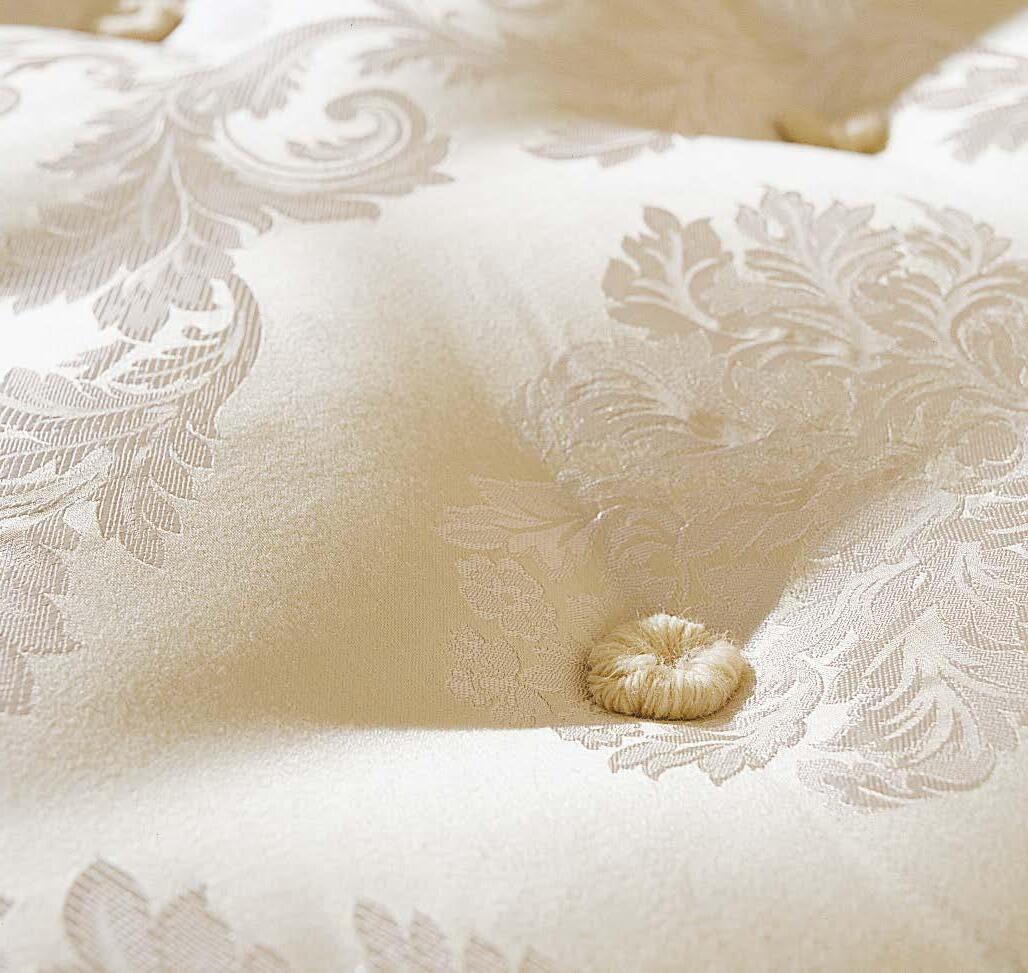
the ONLY place to see the largest gathering of leading components, fillings and service suppliers to the UK and Irish bed industry side by side with bed manufacturers.
Build relationships, share ideas and discover cutting-edge technology and fillings in the world of beds.
• A must attend event for those in mattress purchasing, production, and new product development
• Source with confidence from NBF supplier members • Prime networking opportunities
• Latest innovations, offers and promotions in one place
• Free entry and parking
Registration is now open for Manchester Furniture Show 2026, returning to Manchester Central on 5-6th July for two days of “serious sourcing and relaxed, high-value networking” …
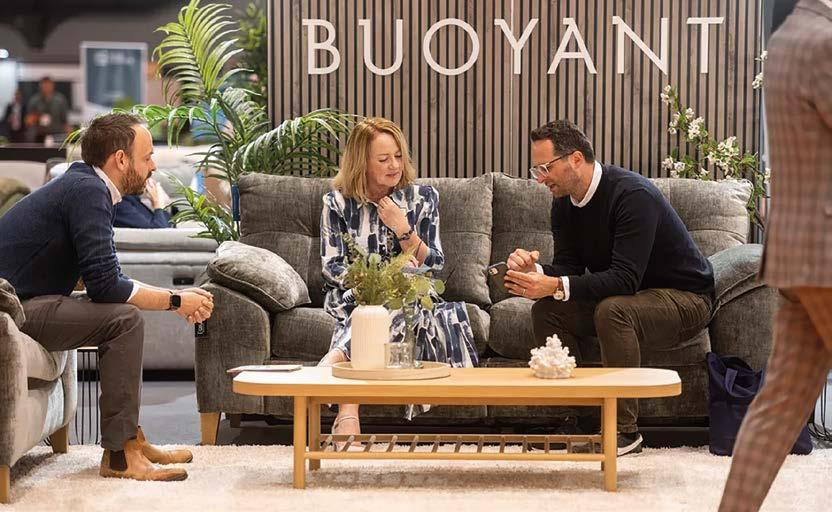
Manchester Furniture Show (MFS) is an essential mid-year checkpoint for the UK furniture industry –an opportunity to step back, take stock, and refocus buying strategies for the months ahead, says organiser Clarion Events: “At MFS, you’ll discover the latest launches, reconnect with trusted suppliers, meet new partners, and secure the products that will define your Q3-Q4 offering.”
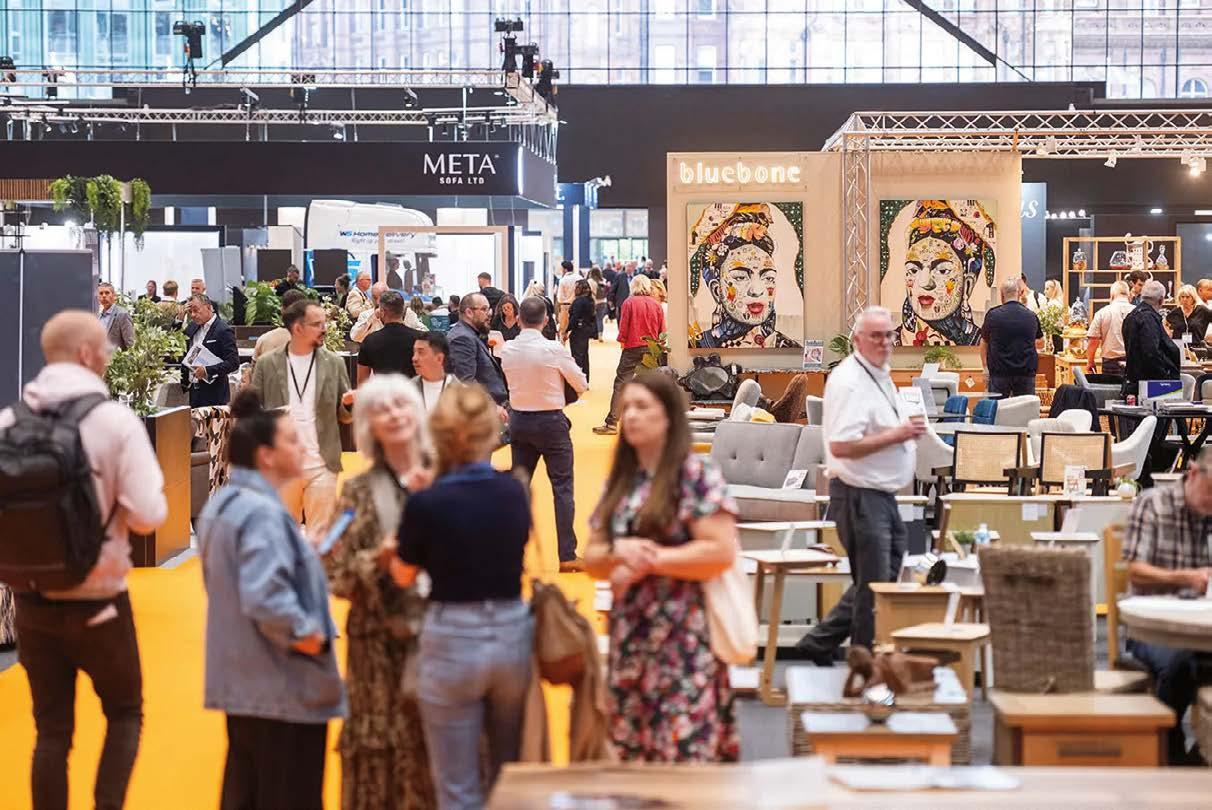
This year’s show promises even more opportunities to connect, refresh and restock, all in one place. Visitors will find more than 150 furniture and homeware brands including Lebus, Whitemeadow, Buoyant, La-ZBoy, Sofa Source, Baker, Ashwood, Image Furnishings, Meta Sofa, Alpha Designs and many more, including established favourites and new exhibitors
A true one-stop destination to refresh your ranges
That means in excess of 25,000 products to explore, “from timeless bestsellers to contemporary new designs”, says Clarion, including “exclusive launches and on-site-only offers you won’t find anywhere else”.
The event also promises high-quality networking opportunities, both on the show floor and during
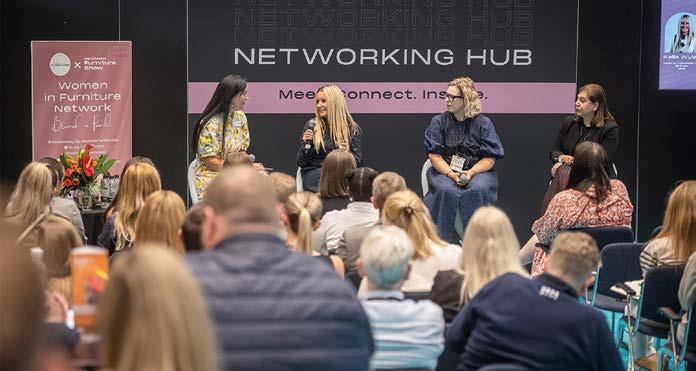
the popular show party on Sunday 5th July. And, on Monday 6th July, back by popular demand, the Women in Furniture Network (WIFN) brunch will give attendees a chance to hear from a panel of leading female voices in the industry as they discuss common challenges and how to overcome them.
“From upholstery and cabinet to bedroom, dining and accessories, every category is covered at MFS, making it a true one-stop destination to refresh your ranges,” says Clarion.
“MFS is a pivotal moment in the calendar where buyers, suppliers and brands come together at the same time – reviewing the year so far, responding to demand, and shaping the season ahead.
“What sets MFS apart is its atmosphere.
Professional yet relaxed, it’s an easy, enjoyable show where catching up with the industry feels effortless. With everything under one roof, business gets done efficiently, and decisions for your Q3-Q4 buying are made with confidence.”
As Housing Units’ director puts it: “The Manchester Furniture Show is a no-brainer for us. Buying is a 365day affair, and we tend to work six months in advance.”
To attend this year’s show and get ahead for H2, register online to attend for free today.
www.thefurnitureshows.com


4000+
150+
25,000+
This month, the trade shifts its focus to Long Eaton, as spring’s Long Point show, taking place from 11-13th May across a network of 15 showroom locations (14 of which are in or within close proximity to the Derbyshire town), returns …
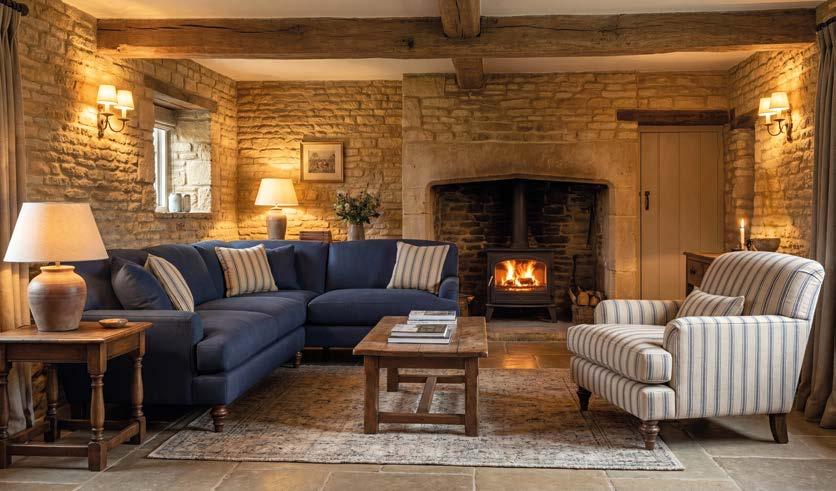
The event will see more than 30 exhibitors unveil a wide spectrum of designs, demonstrating the strength and diversity of British furniture today, alongside a range of high-quality imports.
Among the members of the Long Eaton Guild of Furniture Manufacturers, which organises the biannual event, Artistic Upholstery will introduce its Mythos show-wood collection, which is crafted entirely in-house, while sister company Iain James Furniture – the roster’s only UK-made cabinet company – will showcase new occasional furniture alongside including a striking media unit in burr oak.
“Demonstrating the strength and diversity of British furniture
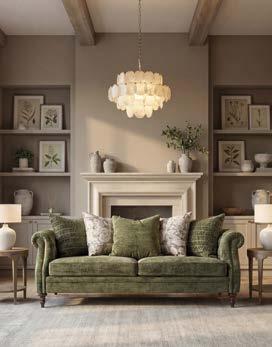
David Gundry Fine Furniture will present its highend collections, reinforcing the enduring appeal of British craftsmanship at the premium end of the market, while Gascoigne Designs will showcase a diverse range of luxury furnishings, from Italian handcarved show-wood designs to timeless traditional pieces, alongside a bespoke service.
Luxury upholstery remains a defining theme of the show. This year, Duresta, Parker Knoll and G Plan will share their latest collections at Parker Knoll’s HQ in Sutton-in-Ashfield, offering visitors a dedicated destination to experience some of the UK’s most recognised upholstery brands. Across their collections, visitors can expect “new models, refined comfort technologies, and a continued focus on craftsmanship and design evolution”.
Siren Furniture will present recently introduced designs alongside some of its most established models. The newest additions draw inspiration from their designer’s Irish homeland, “where landscape and heritage inform soft forms, relaxed comfort and a grounded character,” says Siren, “bringing warmth and individuality to contemporary upholstery”.
Buoyant Upholstery continues to focus on thoughtful design and reliable manufacturing, with collections developed to appeal to a broad spectrum
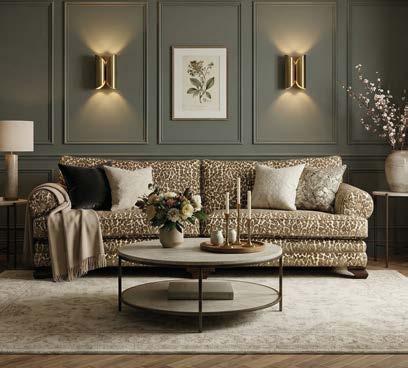
of tastes while maintaining consistent standards of comfort, durability and functionality. Building on strong feedback from earlier launches, including the Prestige and Ashley Manor collections, the company is looking ahead with a clear pipeline of newness to support its retail partners.
Meridian Upholstery will introduce two new models developed specifically for the show, featuring on-trend fabrics aimed at the retail market. These sit alongside existing designs shown in a variety of configurations, reflecting the brand’s direction this year.
Elsewhere, Tamarisk will showcase its newest bench-made upholstered furniture, including enhanced seat interiors designed to deliver increased comfort and support. Carefully selected fabrics and finishes, alongside new sales support materials, underline the brand’s focus on craftsmanship, durability and bespoke UK-made quality.
Cabinet and dining furniture also feature strongly this season. Hartmann will introduce the Vala and Audra collections, combining solid wood craftsmanship with contemporary finishes, while Wiemann will deliver new bedroom ranges including
the Macao VIP series, incorporating integrated lighting and architectural detailing.
Carlton Furniture and The Vintage Sofa Company continue to evolve their distinctive patchwork aesthetic with the Toffee Patchwork range, while Michael Tyler Furniture will mark its 50th anniversary with new models and fabrics.
New exhibitors and fresh perspectives
Spring Long Point will also welcome several new exhibitors, bringing fresh energy and perspectives to the event. These include: Paulus & Brown, a Long Eaton-based manufacturer specialising in handcrafted furniture for bespoke, retail and contract projects, with a strong focus on design-led production;
Bradbery & Cooke, showcasing handcrafted furniture that blends traditional methods with contemporary design; Covercraft, unveiling a new showroom concept focused on versatile upholstery solutions; and Wallace & Howe, a Long Eaton-based upholstery manufacturer that creates handcrafted sofas, chairs and bespoke pieces, combining traditional British craftsmanship with a contemporary design approach – following the acquisition of Steed Upholstery and Peter Guild last year, the company now offers an expanded portfolio across classic and contemporary styles.
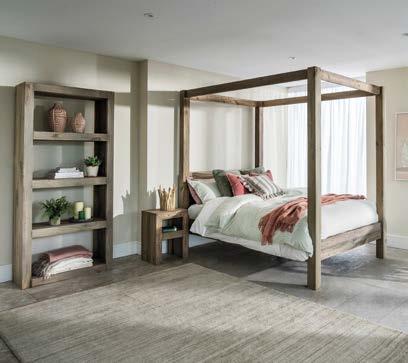
Returning guest exhibitors also play a key role in broadening the offer. Bluebone will present a characterful mix of furniture and accessories, including reclaimed teak dining tables, statement room dividers and oversized coffee tables, alongside new additions such as Hardwick oak dining and Lille cabinetry in smoked oak and rattan. The collection extends into bedroom and home accessories, with design-led woven beds, weathered pine four posters, and a selection of kiln-fired pots, baskets and wooden homewares.
Abode continues to build on over a decade of design and development, evolving its collections to offer a complete in-store story. Alongside the established success of Placid and Lille Bedroom, the introduction of Lille Living & Dining expands the brand’s cohesive lifestyle offer, supported by upholstery and accessories and underpinned by reliable lead times.
Violino will unveil a fully refreshed showroom concept, with every sofa group new for the show. The
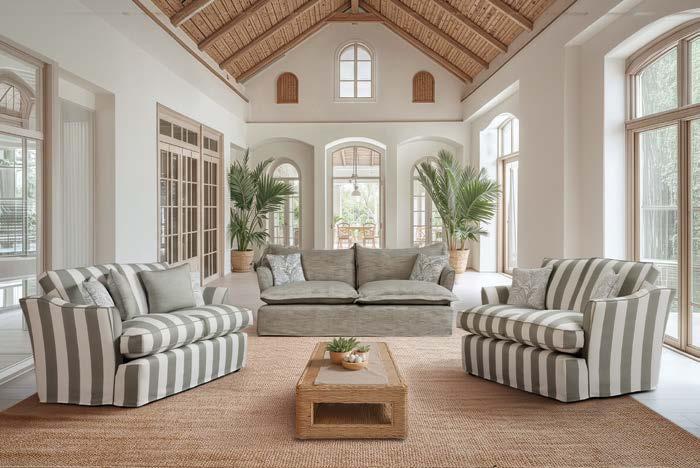
collection spans a wide range of UK-focused designs across both static and power models, complemented by new fabrics and leathers, as well as promotional lines designed to offer retailers flexibility and strong commercial appeal.
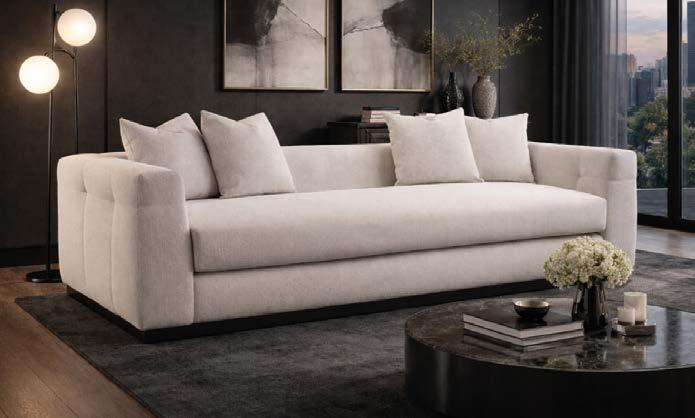
At The Helm and Hydeline promise a curated spring show, bringing together signature At The Helm styles – from classic chesterfields to relaxed contemporary forms – with a strong stock-led programme designed for quick delivery. Hydeline, meanwhile, will build on the momentum of its recent launch with a confident upholstery offer across a wide choice of leathers and fabrics, creating “a cohesive, lifestyle-led presentation focused on accessibility and immediate appeal”.
Supporting the wider industry, companies including Peter Cook (components and machinery), Warwick Fabrics (textiles), and WEBS Training (skills and apprenticeships) reflect the full ecosystem behind furniture manufacturing, from supply chain to future talent development.
The full list of exhibitors and showroom locations can be found at bit.ly/48YHCke. Attendance is free of charge and registration is essential. Find out more in Furniture News’ dedicated Long Eaton supplement, which accompanies this month’s issue.
“Luxury upholstery remains a defining theme
The Spring Furniture & Bed Show, hosted by the Minerva Furniture Group, will return to Telford International Centre on 20th-21st May, and promises to be a valuable buying opportunity …
The sold-out event is set to showcase a cross-section of the market, from established brands to innovative newcomers, all presenting their latest collections, ideas and developments for the season ahead. It will also welcome an array of service providers, many of which will share insights into profit-focused initiatives through a series of group seminars.
“We warmly encourage retailers and industry professionals to register,” states the buying group behind the show, which is open to all trade visitors.
“The event has grown YoY to become one of the key highlights of the furniture industry calendar,
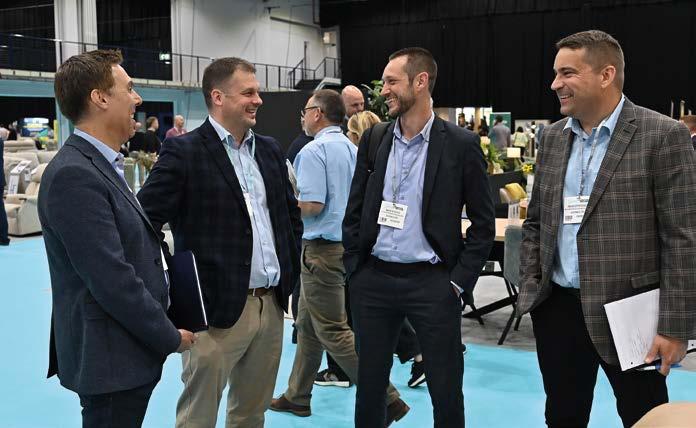
www.sherborneupholstery.co.uk
Sherborne says it is looking forward to welcoming its retail customers to the Spring Furniture & Bed Show. Having just launched two new riser-recliner ranges in both fabric and leather, this will be the first time the manufacturer can show its customers the tweaks it has made and how, moving forward, the company aims to offer more choice at an affordable price, while maintaining the high quality levels the industry has come to expect.
These two new ranges will be shown alongside the successful products launched at the January Furniture show. “It will be great for anyone who missed the opportunity in January to see and sit in the exiting new Dakota range with cloud on the power recliners, and the Newbury range of riser-recliners in four sizes,” says Sherborne.
Both Chester and Ryedale come in standard and knuckle variants, and in both fabric and leather, with lumbar support and head adjustment available.
offering valuable opportunities to discover new products, meet suppliers, exchange ideas, place important new display orders and strengthen longstanding relationships.
“With exhibitor space now fully booked and excitement building across the sector, this year’s spring exhibition at the Telford International Centre is set to be our most vibrant and successful yet.”
Visitors enjoy free entry, parking and lunch. Read on to discover some of this year’s exhibitor highlights …
www.springfurnitureshow.co.uk
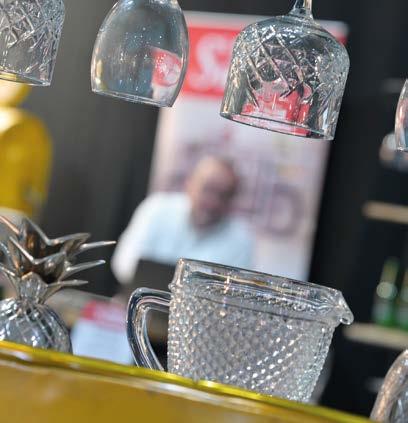
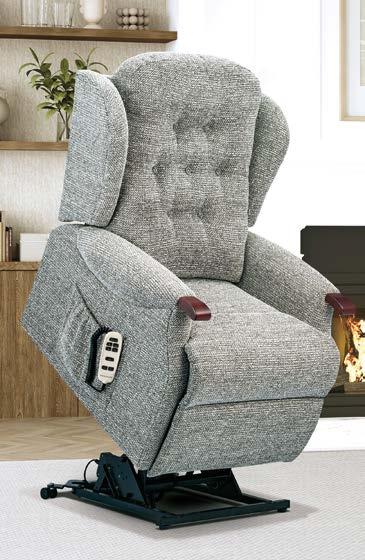
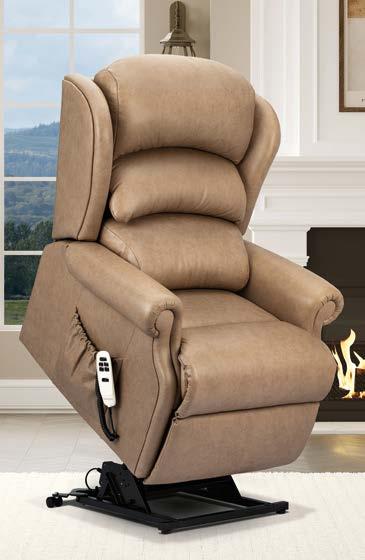
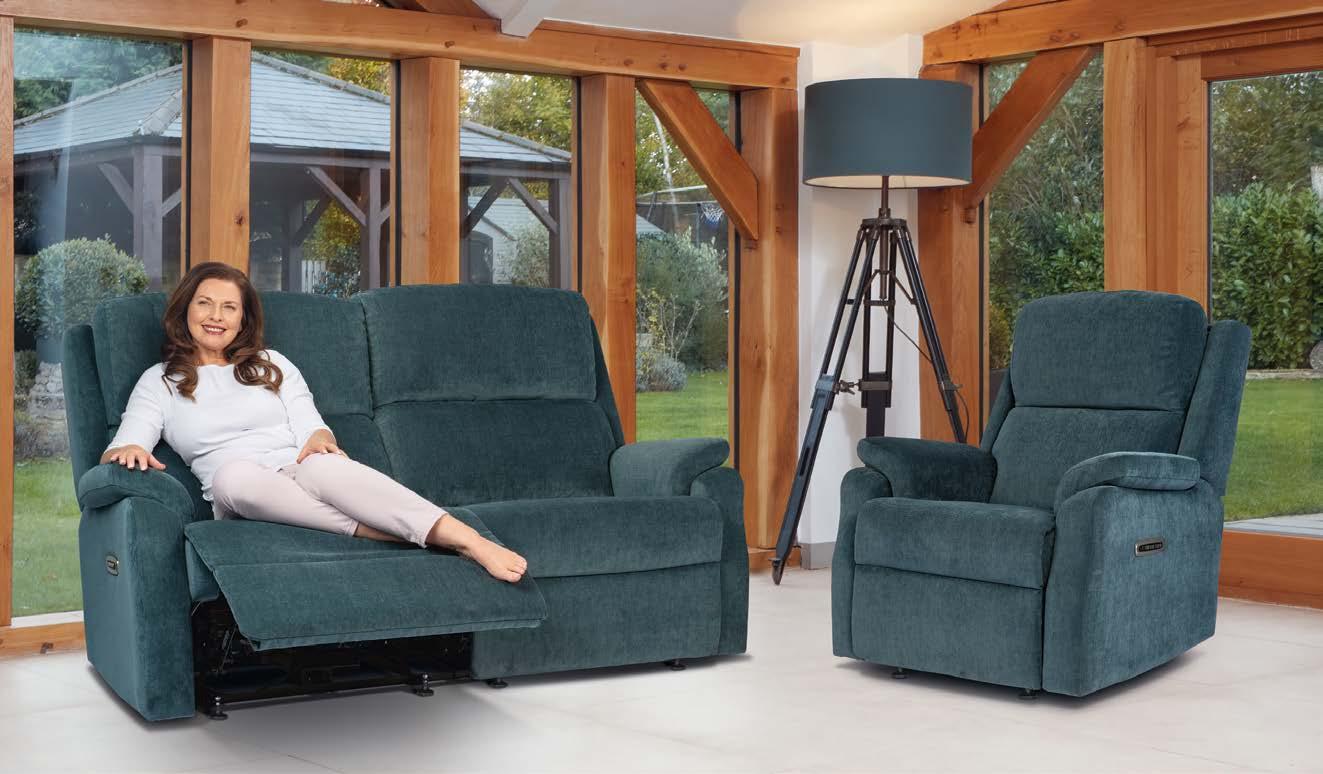
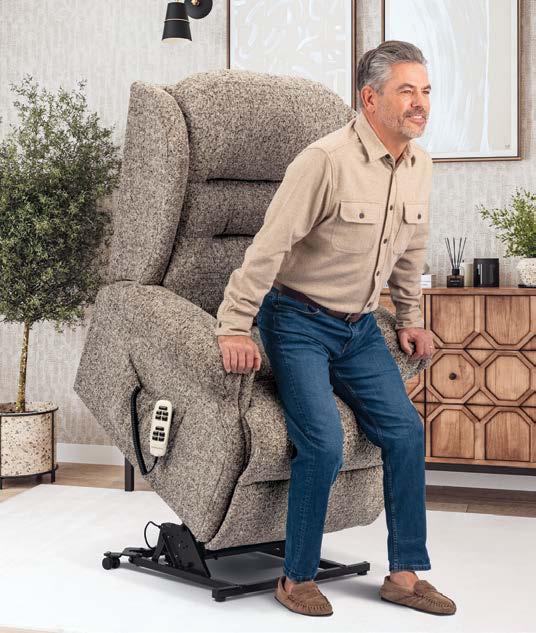

New for 2026, the contemporary Dakota range in fabric only has a soft padded arm and comfortable seating. Launched in a standard size, we have also included the popular 2 ½ seat lounger and two riser recliners to enhance the range.
The cost-effective Newbury riser recliner which provides supportive posture comes in four sizes in both Knuckle and scroll arm versions, these are available in both fabric and leather. Sherborne Upholstery Limited Pasture Lane, Clayton, Bradford, West Yorkshire, BD14 6LT, England. Telephone: 01274 882633 sales@sherborne-uph.co.uk www.sherborneupholstery.co.uk
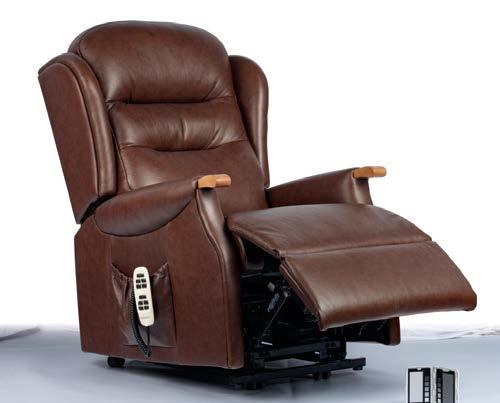


For over 20 years, Staingard Ltd has been driven by a simple but powerful belief: “The things we use every day deserve to last”. Founded with a focus on protecting and prolonging the life of furniture, the company has grown into a trusted name in complete furniture care, supporting both trade partners and consumers with solutions that combine performance, practicality and value.
From the outset, Staingard identified a clear gap in the market. While furniture was designed with comfort and style in mind, its aftercare was often overlooked, it says – spills, stains and everyday wear could quickly diminish even the highest-quality pieces.
Staingard set out to change that, developing a comprehensive range of products designed to clean, protect, and maintain furniture – placing innovation firmly at the heart of its growth.
“Protect6 not only enhances customer outcomes but also gives retailers greater control, offering a smarter, more effective aftercare solution,” says Staingard.
Staingard’s commitment to innovation is reflected in the launch of its latest new product, the Cool Pillow Collection. Created with comfort and wellbeing in mind, the range “combines thoughtful design with advanced materials to enhance sleep quality”.
“A smarter, more effective aftercare solution
Over the past two decades, the company has continuously refined and expanded its range to meet evolving customer needs and modern lifestyles. Whether tackling everyday spills in busy family homes or preserving the finish of premium furniture, Staingard says it has built a reputation for delivering solutions “that truly work”.
Today, that original vision has evolved into a complete range of care products and care plans. This progression is exemplified by the introduction and success of Protect6, a “revolutionary” six-year care plan designed for furniture, cabinets, beds and carpets.

As the importance of restorative sleep becomes increasingly recognised, Staingard has extended its expertise into this growing category. The Cool Pillow Collection features three expertly engineered pillows, each designed to regulate temperature and promote a cooler, more comfortable night’s sleep. By combining breathable materials with supportive construction, the range adapts to different sleeping styles while maintaining consistent comfort, says the supplier: “The result is a collection that not only improves rest but also reflects the same attention to detail and quality that defines the Staingard brand.”
Staingard will be showcasing the Cool Pillow Collection alongside its complete range at the Spring Furniture & Bed Show (stand 16, hall 1) at Telford International Centre on the 20th-21st May.
“Staingard combines product excellence with retail performance,” the supplier continues. “Known for its leading solutions in furniture care and healthy living, the company has also invested heavily in systems that support retailers beyond the PoS. This approach equips partners with best-in-class products and the tools to improve efficiency, strengthen customer service, and grow sustainably.
“By aligning innovation with real-world retail needs, Staingard helps drive stronger margins while maintaining high standards of regulatory compliance – delivering value for both retailers and their customers.
“Our mission – ‘caring for you and your customer’ –is more relevant than ever.”
Visit Staingard’s website or call 01244 888658 to learn more about how its comprehensive furniture care plans and care products can enhance both customer experience and margins.

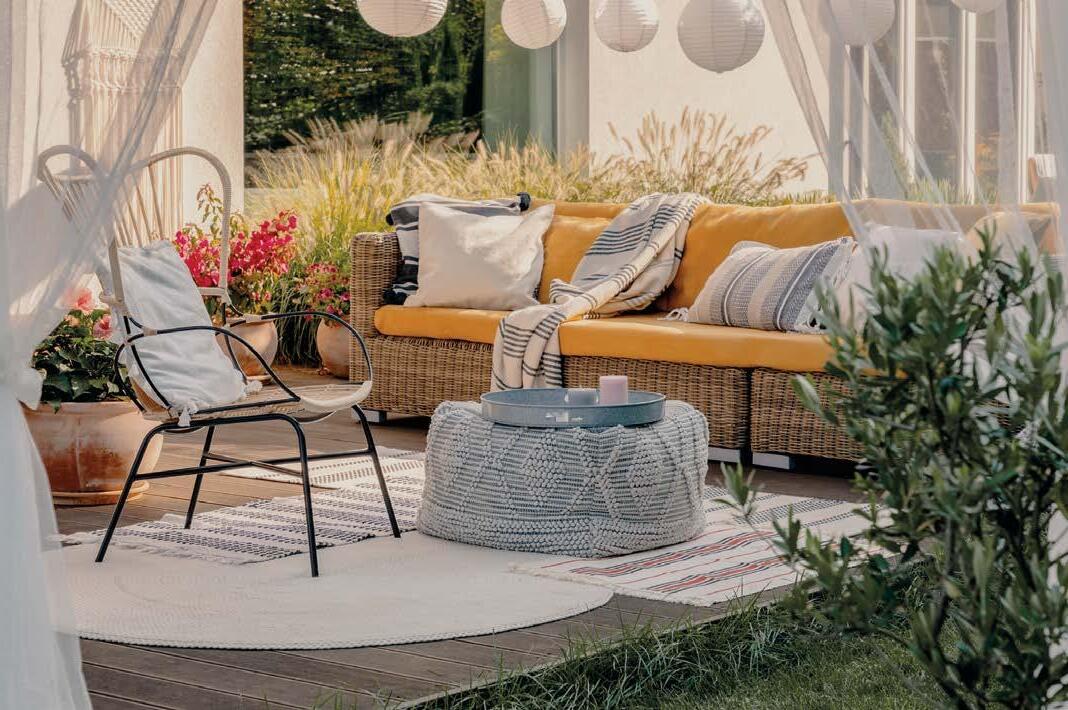



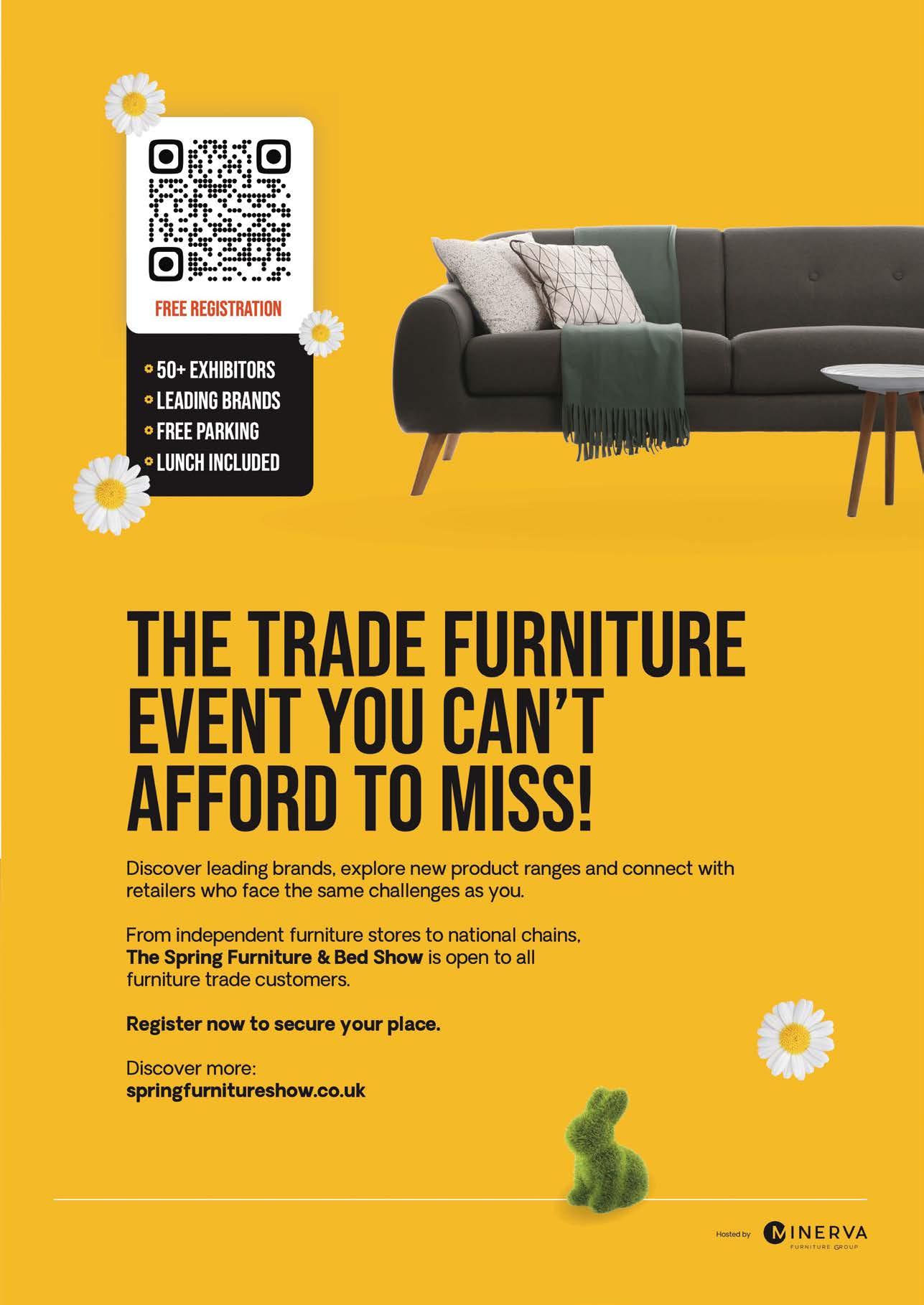

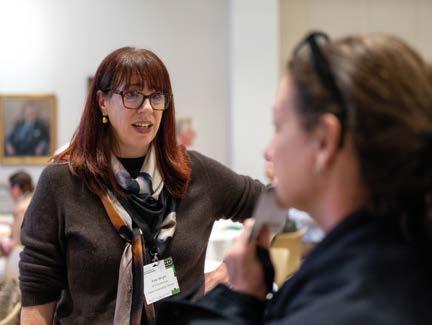
Making Commercial Sense of Sustainability
The latest climate change event organised by The Furniture Makers’ Company’s Climate Change and Sustainability Committee focused on turning environmental responsibility into commercial opportunity, bringing together more than 70 business leaders, sustainability experts, manufacturers, designers and specifiers to examine how sustainability can be embedded into business strategy in a way that supports growth, resilience and long-term profitability.
The day included discussions on transitioning to more sustainable practices (featuring representatives from DFS Group, Colebrook Bosson Saunders, Simba Sleep and Panaz), climate risks, legislation, certification schemes, the circular economy and wider commercial opportunities. Other participants included SATRA Technology, the Furniture Industry Sustainability Programme, Design Conformity, the UK Sustainable Flooring Alliance and Oakdene Hollins.
www.furnituremakers.org.uk



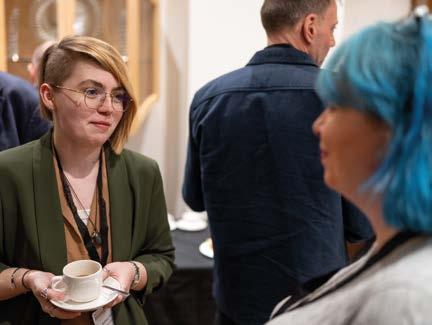


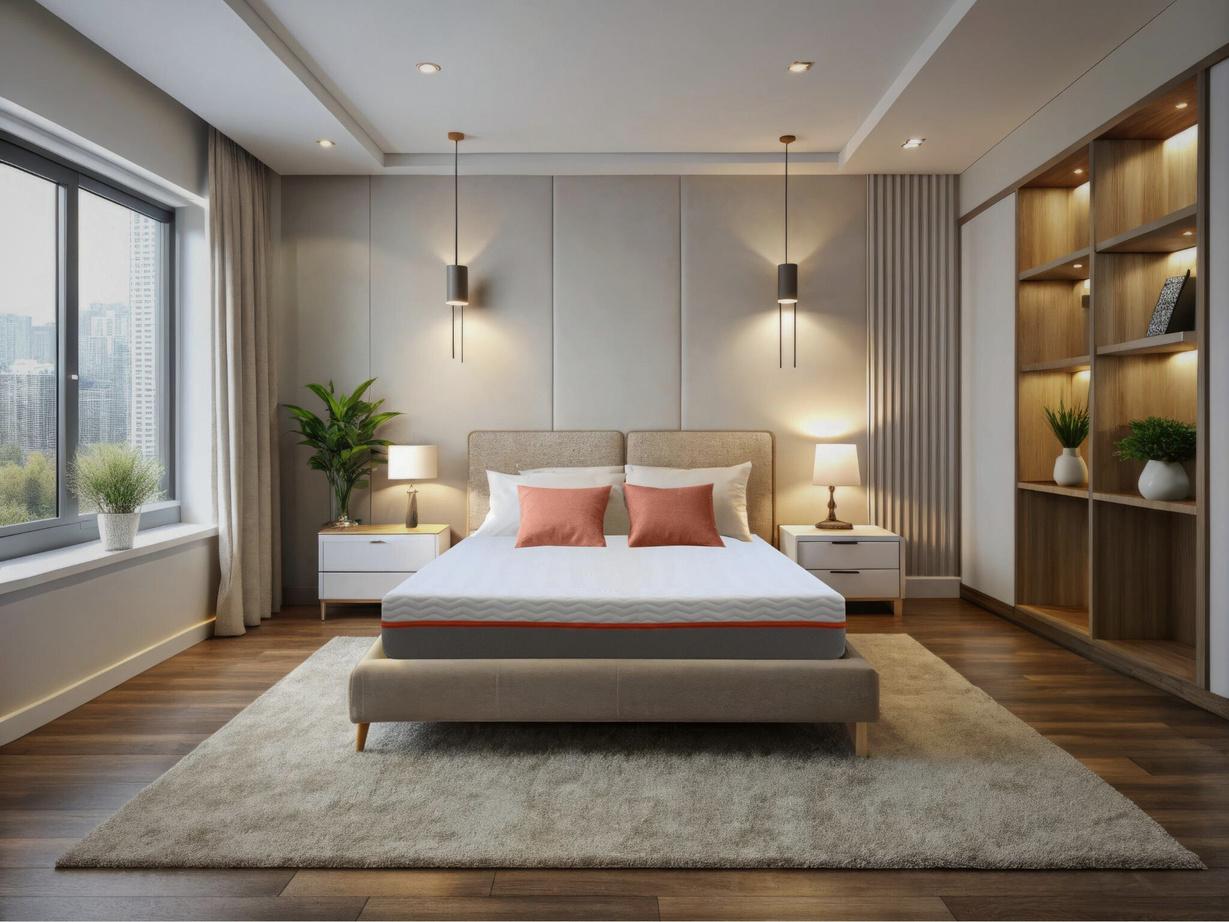













Performance foam specialist GNG Group, based in Normanton, West Yorkshire, is known for its Komfi mattress brand, sustainable processes and links to the medical and sport sectors. It is also a consummate innovator, driven by the market’s constant demand for differentiation –and it does so with integrity, explains commercial director Richard Gretton …
What are GNG Group’s philosophy and capabilities when it comes to R&D?
It’s a constant for us – we are always looking at innovation and ‘what’s next’. We have a strong and experienced internal team that bring knowledge not just from the mattress sector but also upholstery and, indeed, varying contract environments.
We are also in a very fortunate position because of our market presence and relationships that we have, many suppliers coming to us with newness and their latest developments first, and often exclusively.
Can you share some of the latest developments from your mattress division?
“The mattress market in the UK needs constant differentiation
Now that would be telling – safe to say that we will have some exclusive ranges and materials that we plan to introduce at or before the Bed Show this year, as well as some important and exclusive environmental and sustainability credentials that others can’t achieve.
To what degree does demand for greater sustainability drive the business?
It’s simply fundamental in today’s marketplace and is here, rightly, to stay. We use fully circular materials with such things as Ecofoam. We are a Carbon Neutral business, but to be honest that should just be a given for any manufacturer.

So, the demand does indeed come from consumers and our retail partners, but we try to be ahead of it, and it is a competitive advantage for us that we hold as part of the DNA of the business. Obtaining ISO 14001 across our entire business last year shows our commitment and the standards that we adhere to.
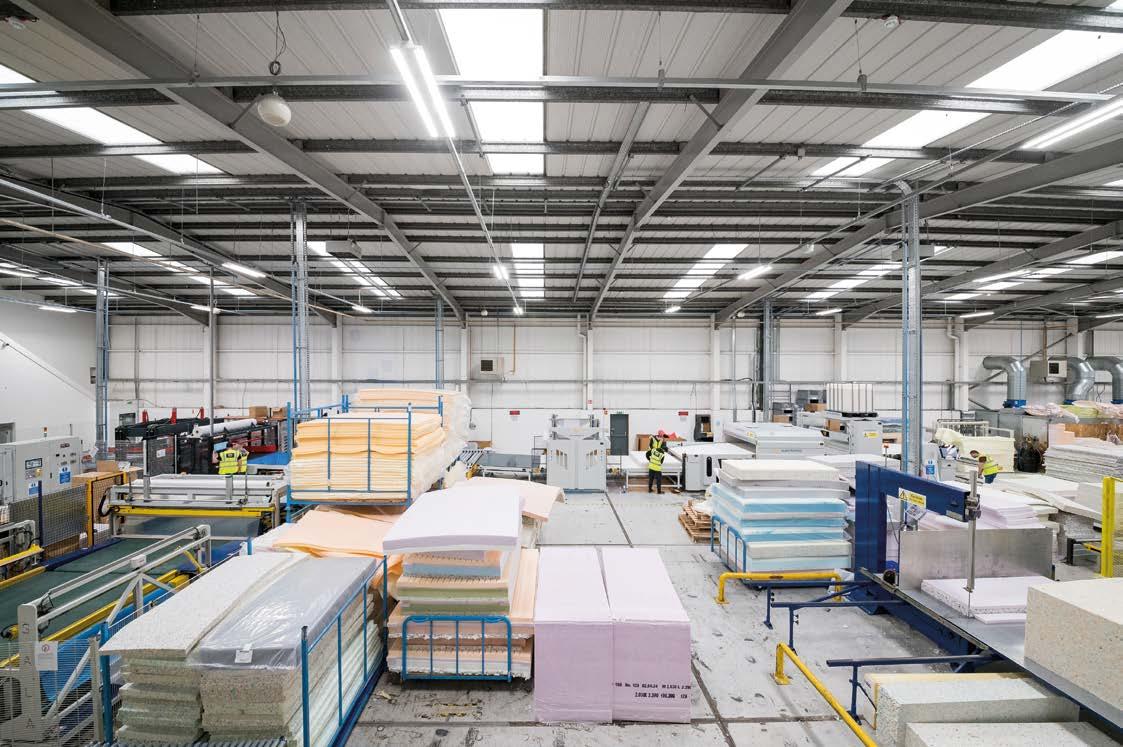
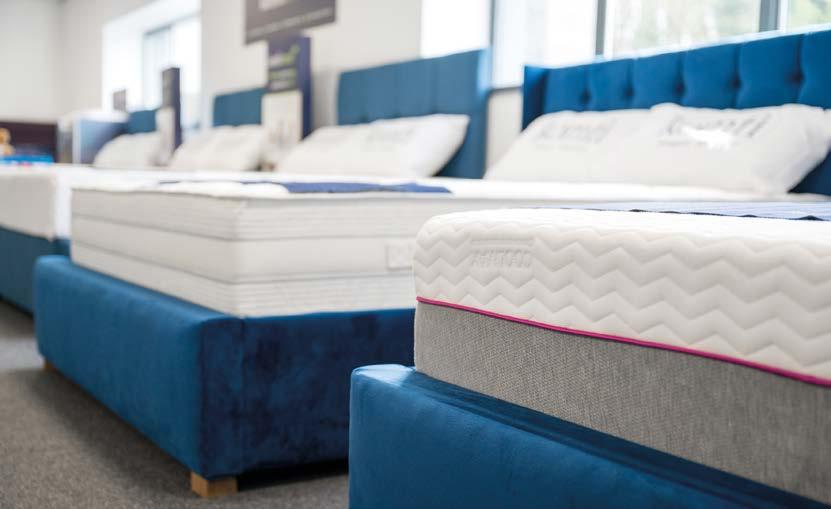
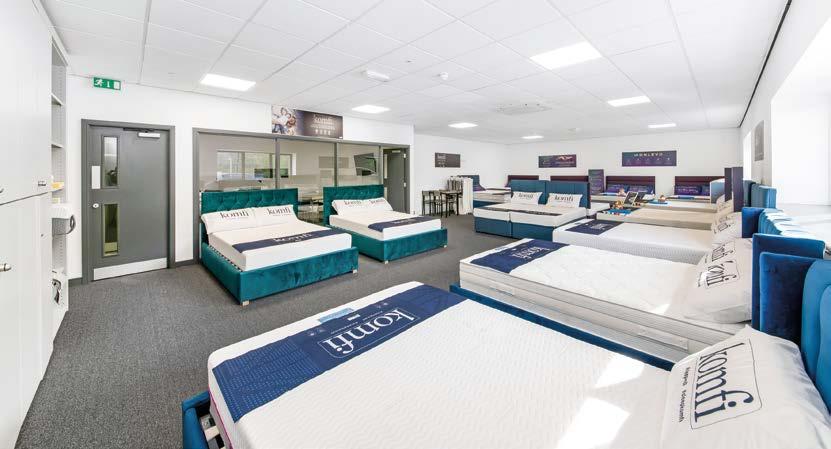
What drives your need to innovate?
The mattress market in the UK needs constant differentiation, particularly as it is so competitive. There is always the need to stand out, and that drives all that we do, from product inception to launch to marketing. It never stops – but that’s what makes it exciting to be part of.
How do you balance the delivery of innovation and commercial reality/pricing?
We are fortunate that we have a great sales and marketing function that allows us to gauge ideas around innovation and sustainability first hand – so our ideas are tested with that team and with our customers as part of our new product development process, making sure we balance new ideas with what will sell.
How do you communicate these developments to your stockists/end customers?
As I mentioned, we have great internal teams, but also a strong field-based sales team that can quickly and effectively get the message out. Having
strong long-term relationships with the vast majority of our customer base means we can quickly turn ideas into reality.
Would you agree that there is a lot of ’newness for newness’ sake’ in the bed industry? How does GNG Group differ, if so?
I think that there are often a lot of statements about ‘newness’ and innovation that often confuse the consumer, and as such we try to define what is credible, tested and proven, drawing from years of experience in the retail sector, but also with our decades of supply into the medical sector.
Where/how can interested parties find out more? They can always contact me directly at richard.gretton@gng-group.co.uk, but as the trade knows we have a highly respected field-based sales team that are always available also – we welcome questions and ideas at any time.
www.komfi.com
www.gnggroup.co.uk
“It never stops – but that’s what makes it exciting to be part of!
As consumers place increasing value on how they live, recover and perform, sleep has become a central pillar of modern wellbeing – yet for many retailers, the category still lacks clear, compelling innovation that cuts through on the shop floor and converts into confident purchasing decisions, says Syncsleep, which aims to bridge that gap, aligning sleep science, design and performance to unlock fresh commercial opportunities for trade customers …
Luxury Tencel knitted cover with natural fibres for heat regulation
Gel cooling layers and advanced finishes deliver superior comfort
1500 Cell Pocket with seven isolated zones which delivers motion stabilisation
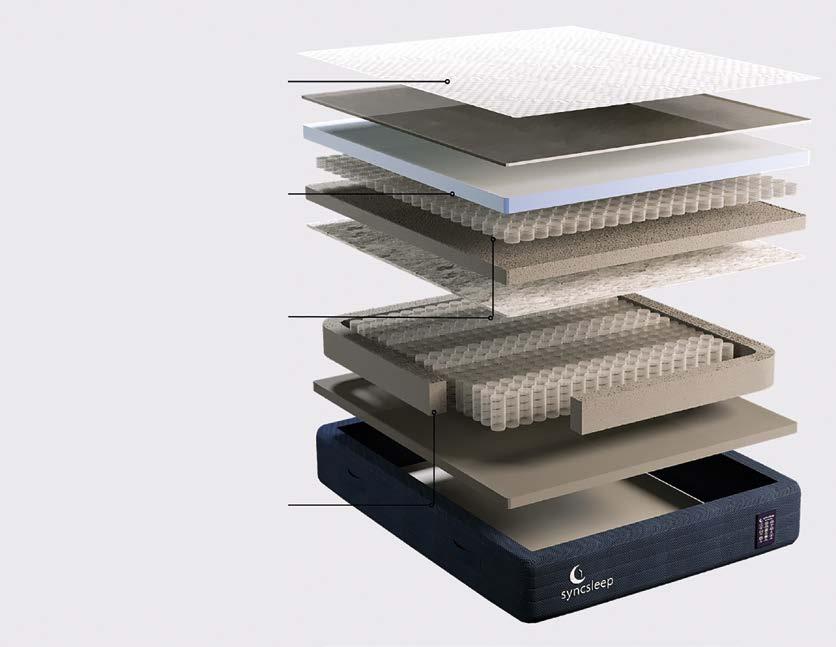
Foam encapsulation gives edge-to-edge support to prevent ‘roll off’
Built with “the realities of retail in mind”, syncsleep aims to be more than just a product range, delivering a “considered, retail-ready proposition”. From structured price protection to a forward-planned promotional calendar, the brand is designed to support consistent trading, giving retailers clarity, protecting margins and removing the uncertainty that can often challenge mattress sales throughout the year
“syncsleep provides a clear, future-facing proposition
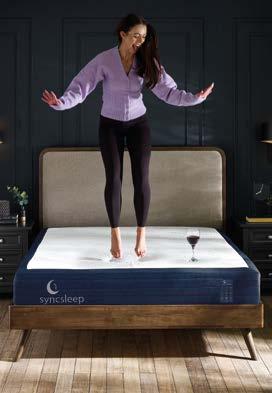
At its core, syncsleep is driven by a simple but powerful belief – that when sleep works in harmony with the body, everything works better.
“This philosophy translates into a clear and compelling in-store story – one that is easy for sales teams to communicate and easy for customers to understand,” says the brand. “For trade partners, that clarity is key to driving engagement and improving conversion at the PoS.”
A stand-out feature across the range is full foam encapsulation. This delivers “true” edge-to-edge support, maximising usable sleep space and creating a noticeably more stable surface. It is also a highly demonstrable benefit on the shop floor – and of particular appeal to couples – giving retail staff a tangible feature to showcase, helping to build customer confidence quickly.
Beneath the surface, engineered comfort layers combine adaptive memory foam, responsive pocket springs and zoned support systems. Together, these elements promise targeted pressure relief, tailored support and effective temperature regulation – all key purchase drivers for today’s informed consumer.
For retailers, this means a product story that aligns directly with what customers are actively seeking.
The range spans multiple price points, enabling trade customers to confidently target a broad audience, from first-time buyers to those looking to upgrade their sleep experience. This flexibility allows retailers to build a cohesive offer across their floor, while maintaining a consistent brand narrative that feels premium and considered.
Practicality is also central to the syncsleep proposition. All mattresses are rolled and compressed, making them easier to transport, store and handle – an important advantage for both retail operations and supply chain efficiency. A five-year warranty further reinforces the product’s quality, offering reassurance to both consumers and stockists alike.
“Ultimately, syncsleep taps into a significant cultural shift,” the brand concludes. “Sleep is no longer viewed as a passive necessity, but as an active contributor to health, productivity and overall lifestyle. For trade customers, this presents a valuable opportunity – a category with growing relevance, supported by a product that delivers both in performance and retail execution.
“As the sleep market continues to evolve, syncsleep provides a clear, future-facing proposition – one that supports retailers not just in selling beds, but in selling better sleep.”
To find out more about becoming a syncsleep stockist, contact info@sync-sleep.co.uk.
www.sync-sleep.co.uk
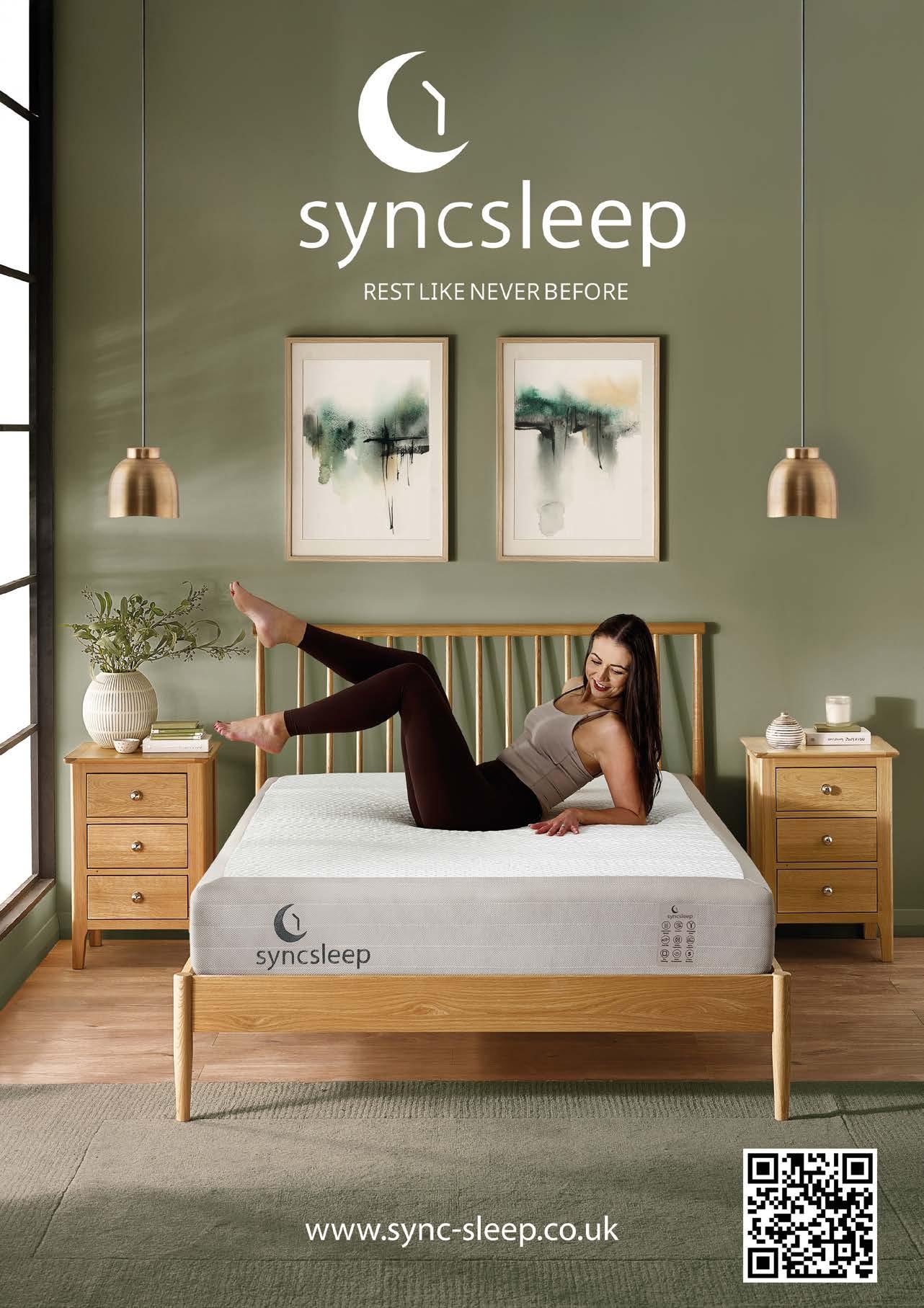
Highgrove Beds is broadening its retail offering with the launch of the Elements Collection, a technologically advanced range designed to give consumers everything they need for a great night’s sleep, night after night …
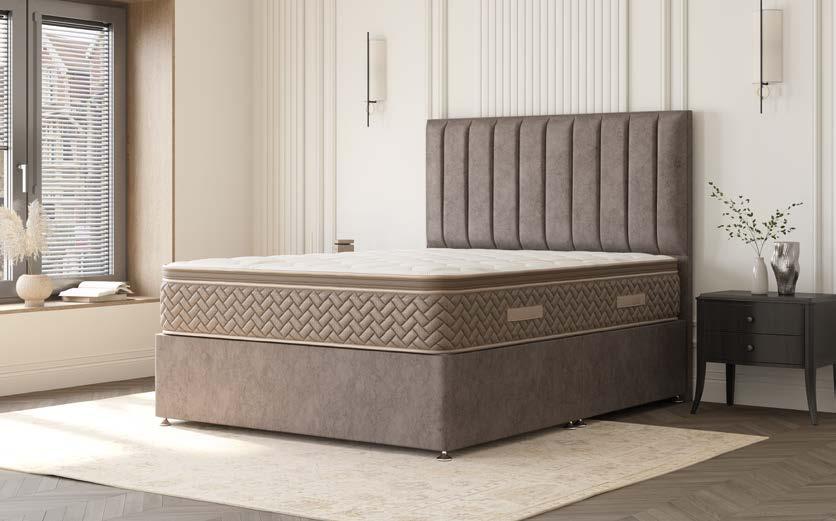
Spanning three distinct sub-ranges – Elements, Elements Hybrid, and Elements Hybrid Pro – the collection gives retailers a clear, tiered portfolio to suit a wide variety of sleepers and price points, all underpinned by Highgrove’s commitment to quality and innovation.
A strong proposition for retailers looking to trade customers up
At the core of every model sits NeoCoil, a responsive, body-conforming spring system engineered for enhanced support and correct spinal alignment, paired with a foundation of multiple CoreLux Foam layers for lasting durability and comfort. ElastoTech Fibre adds foam-like feel with “excellent” recovery, and, being fully recyclable, speaks to the growing demand for more sustainable product choices.
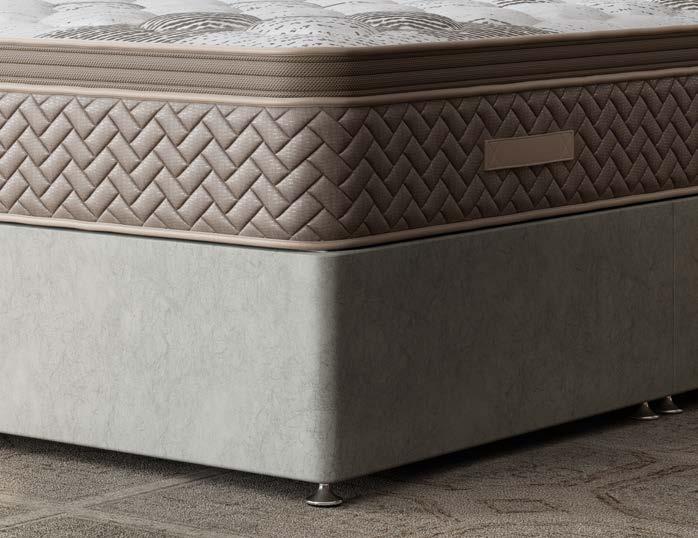
Temperature regulation is addressed comprehensively. GraphiteTech draws excess heat away from the body, CoolFlow fabric treatment wicks moisture from the sleep surface, and CopperTech keeps things fresh with natural antibacterial and antimicrobial properties. PureGuard rounds things off with a naturally derived allergen-reducing fabric treatment, while EdgeLock delivers reliable perimeter support to prevent roll-off across the full mattress width.
The Elements Hybrid range builds on these foundations by introducing MicroNeo+, a layer of 2,000 high-density micro-pocket springs that meaningfully enhances pressure relief and weight distribution. The Lumen Comfort and Lumen Support models carry all the core technologies alongside this additional spring layer, for a noticeably elevated feel.
At the top of the range, the Elements Hybrid Pro takes things further still. The Solace Comfort and Solace Support models combine both MicroNeo and MicroNeo+ into a combined 3,000 micro-pocket spring system, engineered to maximise pressure relief, reduce partner disturbance and deliver premium support.
“It’s a strong proposition for retailers looking to trade customers up without stepping into luxury price territory,” says Highgrove.
Across all six models, the collection is no-need-toturn, UK manufactured, and backed by Highgrove’s 10-year guarantee and warranty. With a logical threetier structure and a compelling technology story, the Elements Collection promises to be a versatile and commercially attractive addition to any retail floor.
For further information, contact a local Highgrove sales representative or email sales@highgrovebeds.co.uk.
www.highgrovebeds.co.uk

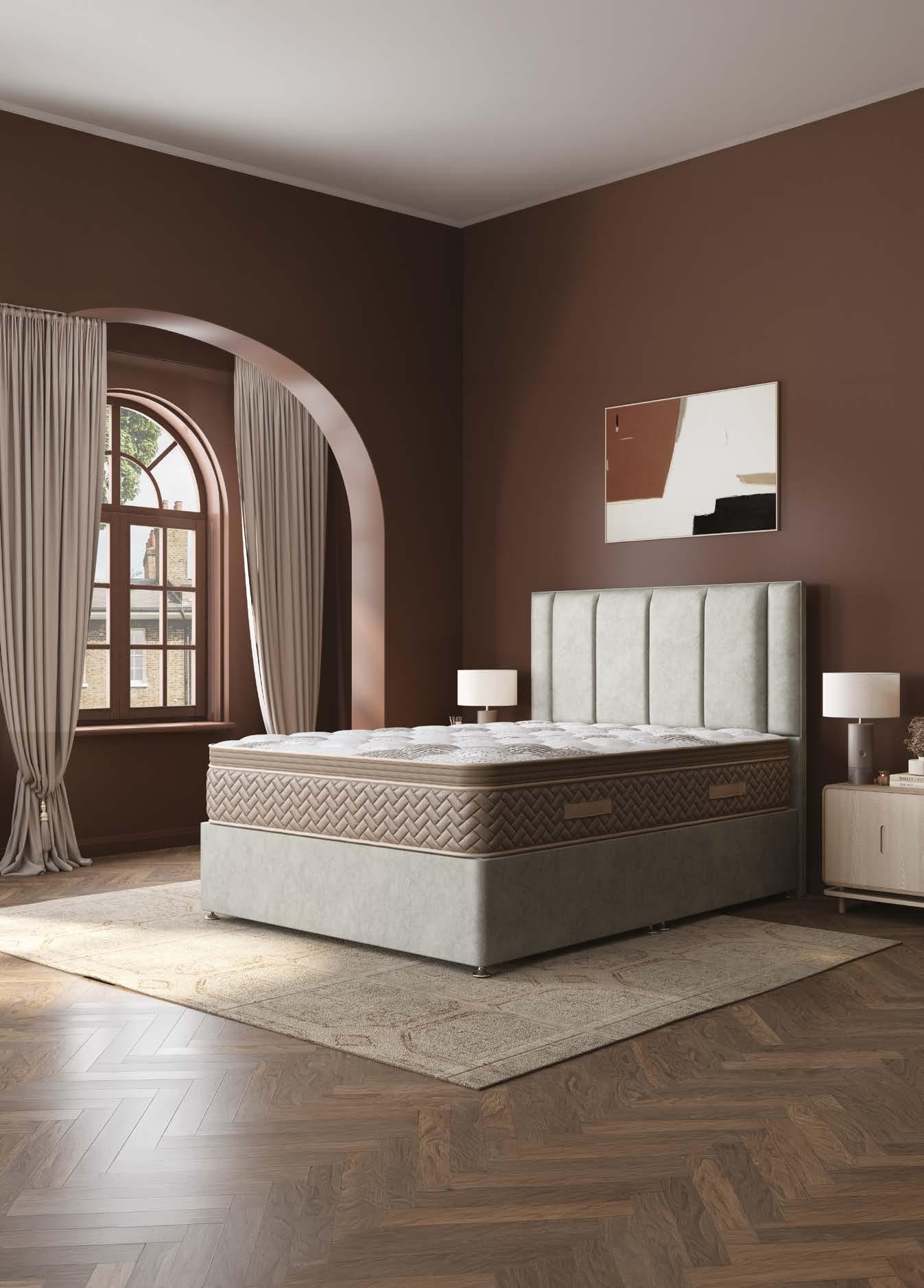


www.louisdepoortere.com
Introduced last year, the Meditation Ecorugs series from Louis De Poortere has been expanded for 2026 and is now offered in six designs.
With designs inspired by gradients, strokes and transitions that take on “a mesmerising quality”, the Meditation rug series now enjoys six designs inspired by culture and art. Made with 100% polyester (70% recycled), recyclable, washable and suitable for outdoors, these new styles are available in eight standard sizes. Selected designs are also available in circular and new ‘peanut’ shapes.
Joining 2025’s Coral – the first in the series – comes Sendai, Drop, Kanji, Aquarelle and Lagoon. Finding
inspiration in traditional Indian fabric dyeing techniques, Sendai sees colours melt into each other, creating delicate gradients, while the Indian cultural festival of Holi, celebrating rebirth and renewal through colour, is the influence for Drop. For Kanji, meanwhile, Louis De Poortere has looked to Japanese calligraphy in a design that evokes the intention behind every brushstroke.
Available exclusively in the organic ‘peanut’ shape in two sizes, Aquarelle takes its design from watercolour painting, where pigments settle and dilute across a subtle and nuanced palette.
The final new design is Lagoon, inspired by the ink blots of the Rorschach projective psychological test.
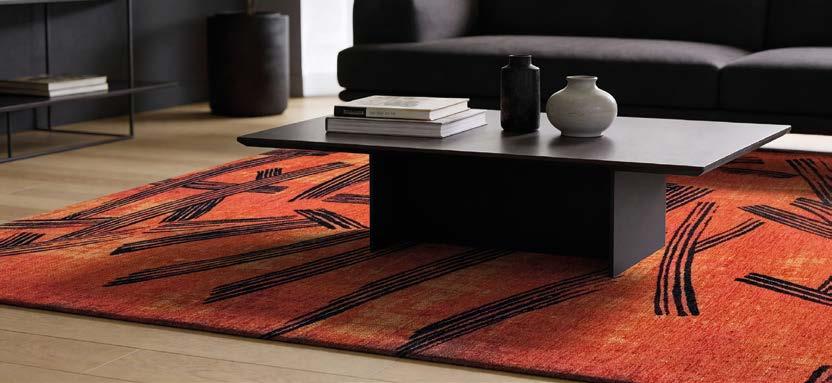
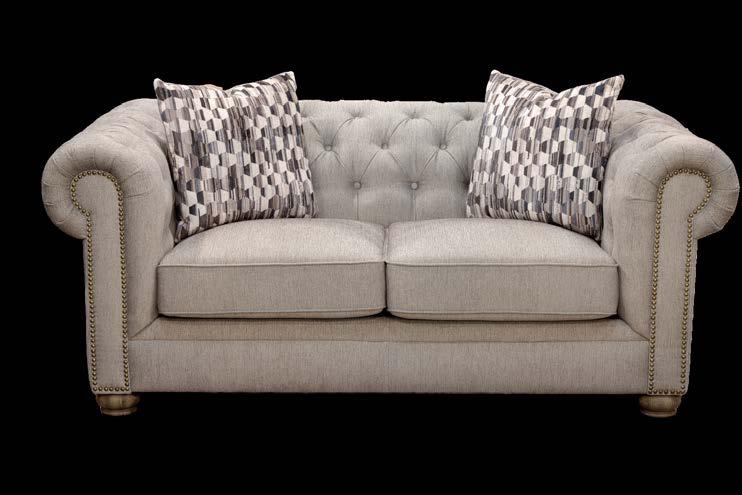
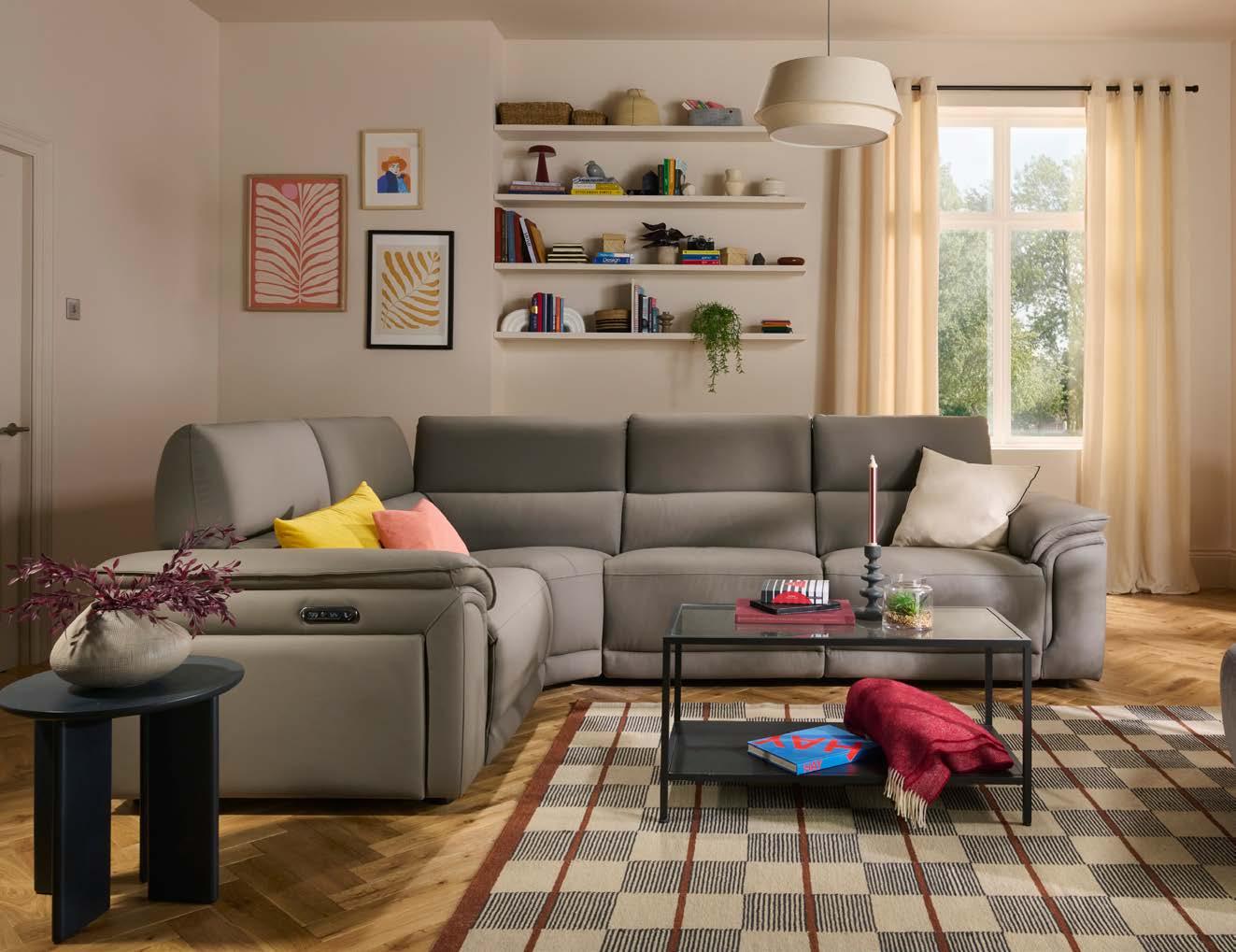
www.edmondsonfreight.co.uk

F Edmondson & Sons, a family business founded by Fred Edmondson that spans three generations, has delivered furniture for over 75 years, and today specialises in fulfilment throughout the UK, Ireland and Europe.
“It has been a difficult few years with Brexit, Covid and the war in Ukraine, all of which have presented their own distinct challenges,” states the Morcambebased delivery and storage specialist, “but these have forced us to become more efficient, which has only served to improve our service.
“Notwithstanding the difficult economic climate, we believe there is always a market for high-quality

furniture. We deal with many reputable furniture manufacturers whose brands are synonymous with quality, and we aim to ensure that their level of quality and service is reflected in our delivery service.
“We firmly believe in building relationships with our customers, some of whom we have worked with for over 40 years. Good relationships enable good communication and a clear understanding of our customers’ requirements. As we move forward together, we look to enhance our service through an online portal and barcode scanning, providing greater visibility of orders.
“Our strength is in our staff, who take pride in what we do, handling furniture with care and professionalism. This means customers can focus on their business, knowing that their product is in safe hands, being delivered on time and in perfect condition,” F Edmondson & Sons concludes.

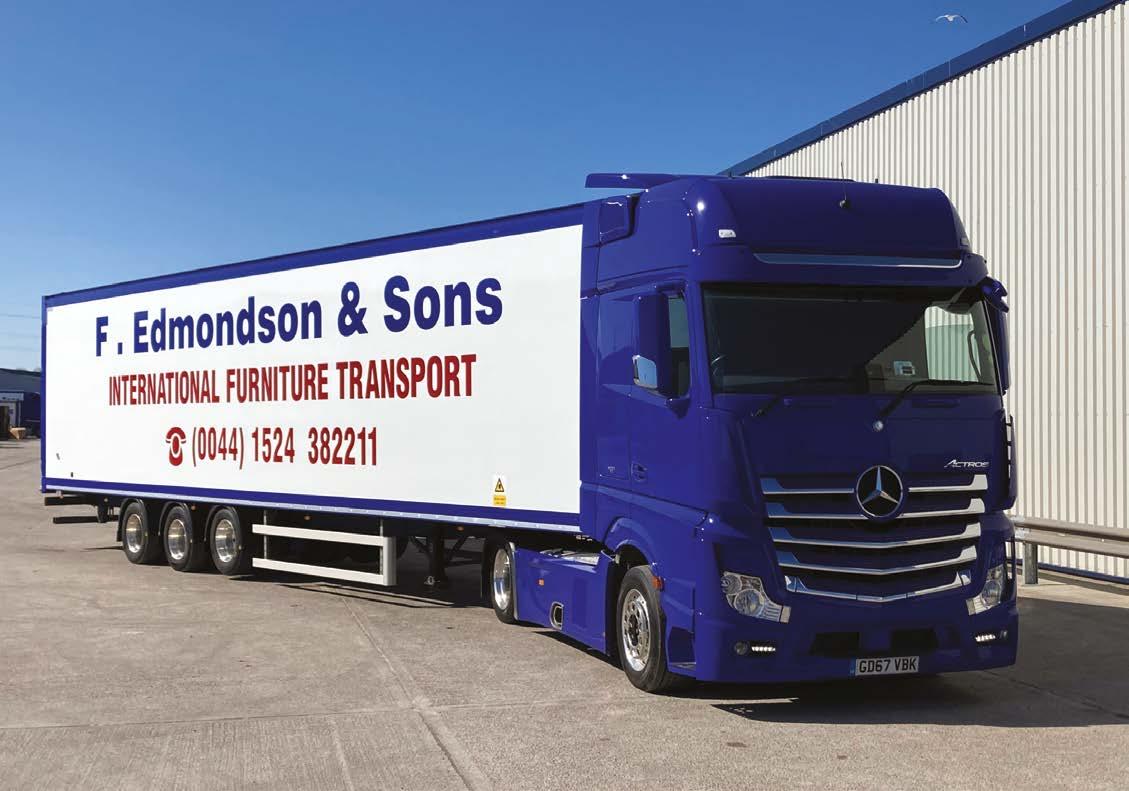
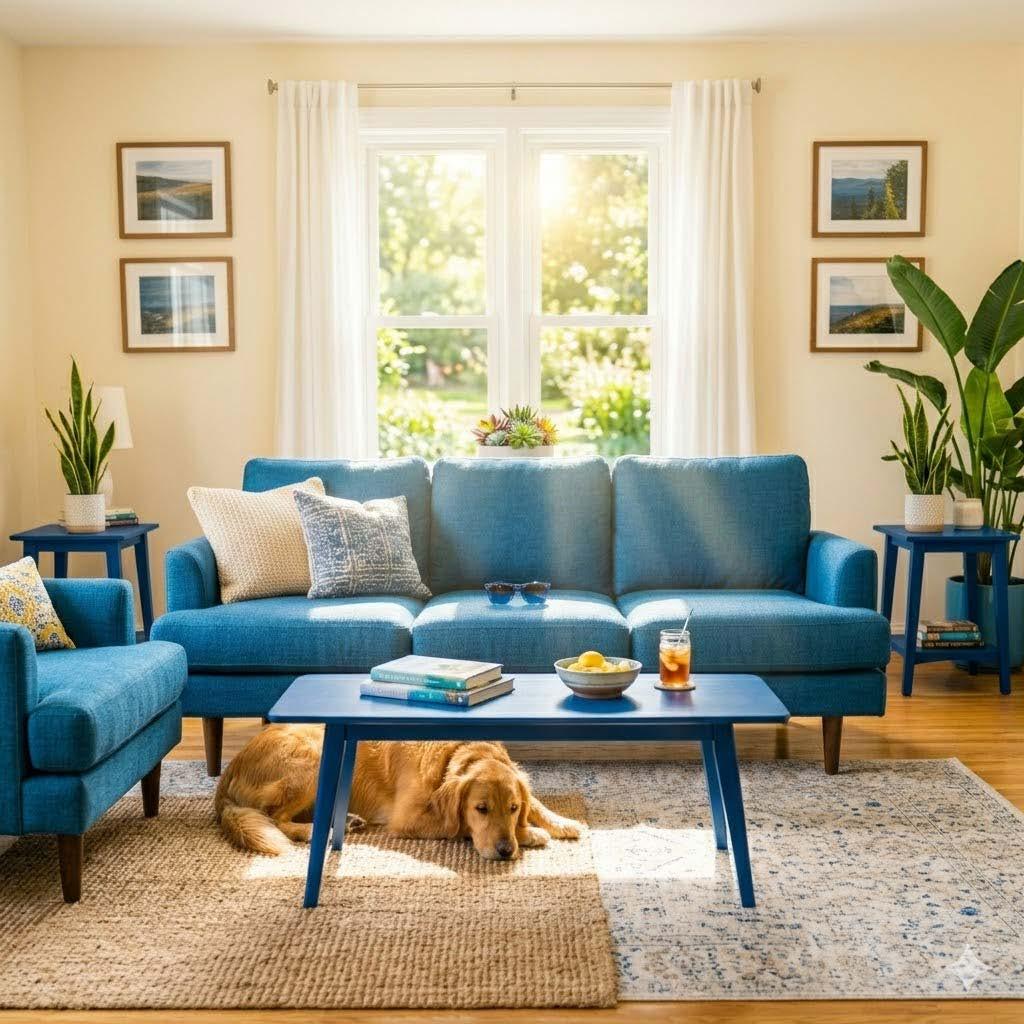

Fabric & Leather Upholstery
Cabinets & Wooden Furniture
Beds & Mattresses
Electric & Motion Furniture
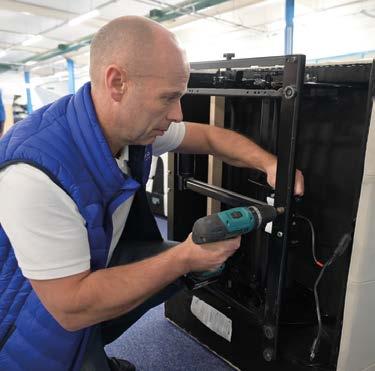

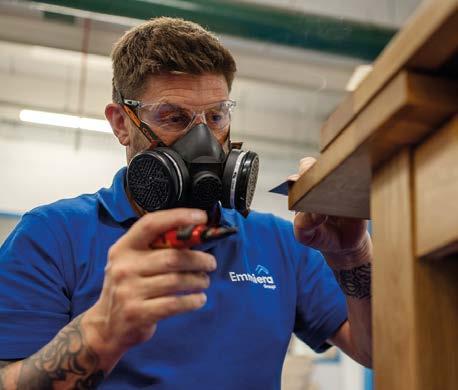
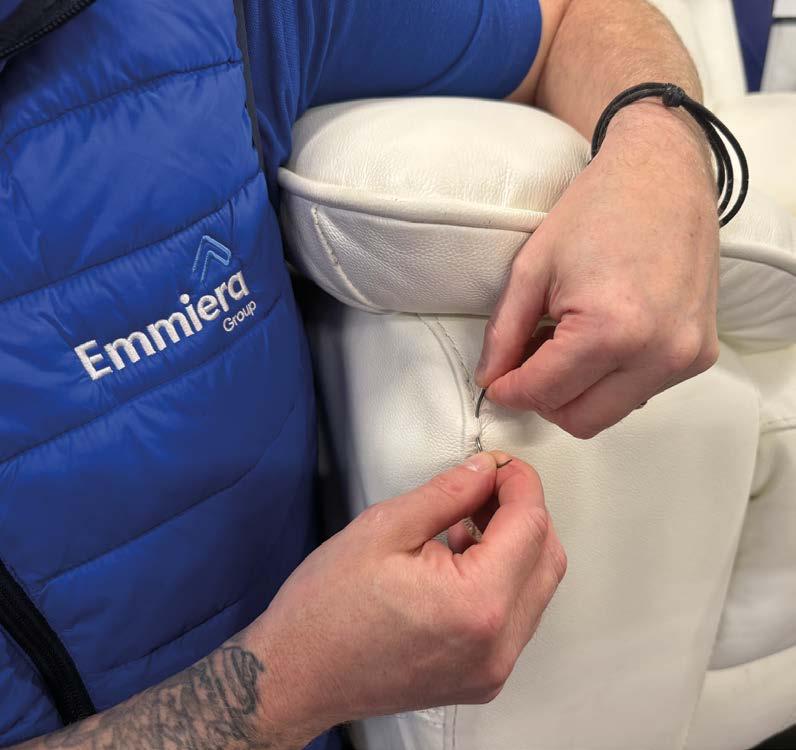







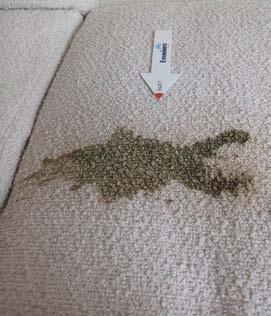

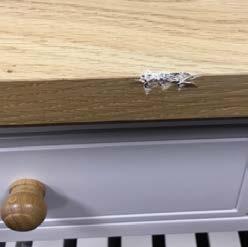





Poltronesofà has arrived on the British high street, prompting a re-evaluation of what’s inside the nation’s sofas, writes Tim Hudson, UK representative for Italian furniture mechanism suppliers CIAR and Nisi. Is the trade ready?
By Tim Hudson

In the early 1960s, Britain had a problem. Two tribes of young men – both passionate, both certain they were right – were fighting over the same territory. The Mods rode Italian scooters. Lambrettas, Vespas. Sleek, modern, engineered in a country that understood style as a functional value. The Rockers rode British iron – BSA, Triumph. Powerful, characterful, and rooted in a tradition that had served them well for decades.
They fought on beaches. They fought in the press. They fought because they represented two genuinely different ideas about what the future should look like.
Sound familiar?
In 2026, the battle has moved indoors. The territory is the British high street. The combatants are Poltronesofà – 96 stores, Italian ownership, Italian component philosophy – and DFS, the undisputed British champion of the sofa market. One arriving with continental confidence. The other defending ground it has owned for decades.
And somewhere in the middle, on a shop floor in Solihull, a 70-year-old woman is trying to decide which side she’s on.

The date was 12 March 2026. Overnight, 96 ScS stores became Poltronesofà. New fascias, new energy, new philosophy.
But the most interesting changes weren’t on the
walls – they were inside the furniture.
I walked the floor the following day with a specific mission – find out what’s actually in there.
Four Nisi sofa bed mechanisms – products I represent in the UK market, as part of my role supplying CIAR and Nisi mechanisms to the British trade. Right there, in plain sight, on a British high street. Clean Italian engineering, built around the designer’s vision, rather than the other way around. And among the motion furniture, some recognisably Italian thinking.
This wasn’t a rebrand. It was a statement of component intent.
The component conversation
For most UK retailers, the component conversation happens behind closed doors – between buyers and suppliers, in trade shows like the Furniture Component Expo, away from the shop floor. The consumer never sees it. The salesperson rarely understands it.
That’s changing.
Italian ownership brings Italian component thinking. Higher standards. More technical rigour at the point of specification. And an expectation – built into the culture of manufacturers like Nisi – that the mechanism isn’t a commodity to be value-engineered down to the lowest acceptable price. It’s the architecture of the experience.
“The combatants are Poltronesofà – 96 stores, Italian ownership, Italian component philosophy – and DFS, the undisputed British champion of the sofa market

The question for every UK sofa manufacturer and retailer watching this unfold is straightforward – is your supply chain ready for a market that’s starting to care what’s inside?
Know what’s inside?
What surprised me most wasn’t the mechanisms. It was the people.
The staff knew their product. Not in the vague, brochure-learned way that passes for product knowledge in much of UK retail furniture. They could articulate movement, function, comfort. They understood what they were selling from the inside out.
That doesn’t happen by accident. Poltronesofà runs what it calls Poltronesofà University, a formal training programme designed to ensure consistent sales expertise and technical product knowledge across every store, in every market. Italy, France, Belgium, Switzerland and now the UK.
Think about what that means on the ground. A sales consultant in Solihull, trained to the same standard as one in Milan. Understanding dual-motor systems, zero-wall technology, lift-and-rise functions. Able to have a genuine conversation about ergonomics with a customer who simply wants to be comfortable.
That’s a Mod move. And it raises an uncomfortable question for the rest of the UK market – when did you last train your staff to explain what’s inside the sofa?
Rocking the boat
And so to the Rockers. DFS is not a company in crisis, let’s be clear about that. It is a brilliantly executed British retail machine – decades of brand equity, massive consumer recognition, and a financing model that has put sofas into millions of British homes. You don’t build that without doing something fundamentally right.
But the market it operates in is shifting beneath its feet. Not dramatically. Not overnight. But shifting.
The Italian competitor arriving on the British high street isn’t just bringing different sofas. It’s bringing a different philosophy – one that starts with the component, invests in technical training, and asks the sales consultant to understand what they’re actually selling.
That’s a challenge for the whole UK market, not just one retailer. The manufacturers, the agents, the retailers, everyone in the supply chain needs to ask the same question – are we ready to have a more technically informed conversation with a consumer who is being educated, store visit by store visit, to expect one?
The Rockers built something real and enduring. The question now is whether they’re ready to evolve it.
Ready for change?
I was still thinking about all of this when I noticed her. A woman, somewhere around 70, shopping alone. She was standing in front of three brightly coloured armchairs, talking to a sales consultant who was explaining them with quiet confidence and genuine product knowledge.
She had one question that told the whole story.
“So, is everything in here Italian?”
“Yes,” he said.
She nodded slowly. She liked what she saw. But she needed to think about it. Maybe she’d come back. Maybe she’d walk down to DFS.
I don’t know what she decided. Nobody does. But here’s what I do know. She walked into an Italian store, drawn by a promotion, and found herself seriously considering it.
That couldn’t have happened two years ago. It couldn’t have happened two months ago.
The Mods have arrived. The Rockers are still in the room. The battle for the British sofa has only just begun.
www.furnituremechanisms.co.uk
“Is your supply chain ready for a market that’s starting to care what’s inside?
Think you know your customer? When it comes to the sharp, sceptical, digital-first shoppers of Gen Z, furniture retail’s traditional model is dangerously wide of the mark, writes retail expert (and mother of two) Clare Bailey …
By Clare Bailey

Let me start with a slightly uncomfortable truth – even as the mother of two Gen Z children, I don’t fully understand them.
Mine are turning 20 and 22. I live alongside their world, hear their conversations, watch how they shop, what they ignore, what they value. And still, there are moments where I think, ‘That’s not how I would do it.’
Part of that is generational crossover. I’m Gen X by birth, Millennial in mindset, and I’ll happily adopt Gen Z behaviour when it suits me. But true Gen Z? They are wired differently.
They question everything. They skip traditional routes. They don’t follow the patterns retail has relied on for decades. To many in our industry, they can feel inconsistent, even contradictory.
They’re not – they’re just operating by a different rulebook.
And that matters, because while much of furniture retail is still focused on a ‘core customer’, Gen Z is already shaping the market. Not just as buyers, but as influencers, researchers and decision-makers within households.
They might not always pay. But they are very often deciding what gets bought.
Here’s the uncomfortable bit. Much of furniture retail is still set up for someone else. Showrooms, sales processes and brand language are built on assumptions that worked brilliantly for Gen X and older Millennials.
They don’t always land now.
Gen Z starts their journey on a phone, not a shop floor. They are fast, informed, and highly sceptical of anything that feels too polished or too sales driven.
They don’t just want to know what something looks like. They want to know where it came from, how it was made, and whether your brand stands for something beyond shifting product.
This is not about ignoring price. They are commercially sharp. They want great design, strong value and pieces that fit their life. But they are making decisions through a wider lens. Ethics, transparency and purpose sit alongside price.
And loyalty? It works differently. Furniture retail has long relied on relationships, repeat purchase and promotions. Gen Z doesn’t follow that script. They will engage with brands they trust, but the second something feels off, they walk. Trust is built slowly and lost quickly.
For a category built on considered, higher-value purchases, that shift is significant. The fundamentals – trust, reassurance, service – still matter. But the way
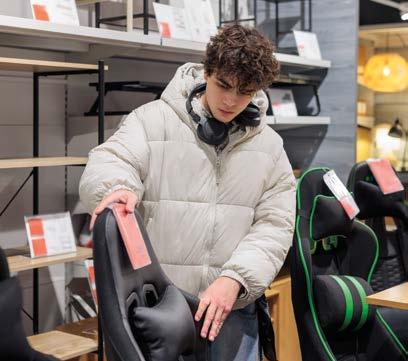
you build them has changed.
A beautiful showroom and a good sales team are no longer enough on their own. Gen Z expects to meet your brand long before they ever step through the door. They have researched you, compared you and formed an opinion. So, if your website says one thing, your social shows another and your in-store experience feels disconnected, they notice. And they judge. That’s the gap many retailers are still underestimating.
So, what needs to change?
First, transparency. Not buried, not vague, not dressed up. If your sourcing is strong, show it. If your materials are better, explain it. If your pricing reflects quality, own it.
Second, experience. Yes, they want speed and ease. But they also want real. Not scripted selling, not polished theatre. A genuine conversation.
Third, alignment. This is not a marketing tweak. You cannot social media your way into relevance. Product, pricing, sourcing, service and messaging all must stack up. Because they will join the dots faster than you think.
None of this means abandoning your existing customer. But it does mean recognising that the next wave of influence is already here, reshaping expectations from the inside out.
Spending time watching my own children has made one thing very clear – Gen Z is not a future customer, they are already changing how retail works. The question is simple. Are you evolving with them, or still optimising for a customer who is slowly ageing out of the market?
Subscribe to Clare’s Retail Reckoning podcast at https://bit.ly/3MEqSXR. www.retailchampion.co.uk
“Gen Z is not a future customer, they are already changing how retail works
This month, Bira’s CEO Andrew Goodacre welcomes new Government investment in the high street – but argues that for furniture and home retailers, the structural barriers to survival run deeper than any single funding announcement can fix …
By Andrew Goodacre

The Government’s announcement of £319m for high street revitalisation is welcome news, and I want to acknowledge that genuinely. The vision of town centres reimagined as mixed-use spaces – combining retail with homes, health services and community hubs – is one that makes sense. Done well, it could bring more people into town centres and give independent retailers the footfall they need to flourish.
For furniture and home retailers in particular, footfall is everything. These are businesses built on the browsing experience – on customers being able to sit in a chair, feel the quality of a fabric, see how a piece looks in three dimensions. That is something no website can replicate. When people are in town, they come into stores. When town centres empty out, these businesses feel it first and hardest.
So the prospect of high streets becoming more vibrant, more mixed-use and more community-focused is one our members should cautiously welcome.
But cautiously is the right word, because the structural problems facing independent retailers will not be solved by regeneration funding alone.

Business rates remain the most pressing issue. For a furniture retailer, the shop floor is everything – and shop floors are large. The rates burden on a mid-sized furniture or homewares store can be crippling, falling with no regard for whether that business is thriving or barely surviving. Until we see wholesale reform of the
rates system, many of our members will continue to face an impossible calculation every month.
There is also the question of competition. The growth of low-value imports flooding through online marketplaces – often from overseas sellers who pay little or no duty – creates a distortion that British retailers simply cannot compete with on price alone.
Independent furniture and home stores offer something those channels cannot – expertise, service, provenance and the ability to see and touch before you buy. But they need a fair trading environment to make that proposition sustainable. A handling fee on low-value imports, with the revenue directed towards business rates reform, would be a meaningful step in the right direction.
I genuinely believe in the future of the independent high street. The desire to shop locally, to support businesses rooted in communities, has never been stronger. What our members need is for Government policy to match that public appetite – with reform that reduces the cost burden, levels the competitive playing field, and gives independent retailers a real chance to build on the investment now being made in their town centres.
The money is welcome. Now let us see the structural change to match it.
www.bira.co.uk
“The rates burden on a mid-sized furniture or homewares store can be crippling, falling with no regard for whether that business is thriving or barely surviving
The best hotels have nailed the guest experience – so why don’t retailers take a few tips from their playbook? This month, our US correspondent Gordon Hecht, writing for trade magazine Your Source News, explains how to set your store apart with a few simple upgrades …
By Gordon Hecht

The hotel and hospitality industry have surely changed since the start of the 20th Century. One hundred years ago, when people checked into their room, that was what they got. A room with a bed.
No fancy furniture. People travelled with steamer trunks that served as closets and dressers. They’d share a bathroom and shower with all the other guests and clean themselves with shampoo and soaps that they brought from home. It was like staying on Gilligan’s Island. No phone, no TV, not a single luxury.
Then some smart hotelier got the idea of giving every guest a private bath. They added storage furniture as trunks gave way to suitcases. Phones and radios were added in step with the technology of the time. Later, television sets were placed in rooms as an extra attraction.
You may remember when hotels added street facing signage announcing they offered COLOUR TV. Later they touted Free HBO. That was surpassed by High-Speed Internet, and again by Wi-Fi.
Check into a modern hotel today with the keyless entry. You’ll find an abundance of power outlets, smart TVs, in-room coffee, bottled water, luxury bathing products and more. You won’t find phones. Everyone has their own. Or pay-per-view movies. Everyone streams their own.
The changes in amenities and the experiences they provide change often (about every two years on average). Successful hotels move ahead of their guests’ needs, anticipating ways to make the travel adventure better.
Their customers are your customers. Retail has been a rocky road for all of this century. We’ve seen the giants of the past disappear from the landscape, and toss in the number of malls that have closed and the evaporation of downtown shopping.
You already know the reason for these changes. Shoppers crave a new experience. Sears, Kmart, Radio Shack, Rhodes Furniture, Circuit City and others couldn’t (or wouldn’t) keep up. Our buying public flocked to the stores that delivered a unique or pleasurable shopping experience.
It’s hard to stay fresh. You probably have planned to upgrade your website, store signage, window dressing and delivery trucks (or already have done it). But if you do everything you can to drive traffic to your door, and then present a 2015 path to purchase, you’ll lose the sale.
Once they arrive, you’ve got to wow them. Show and
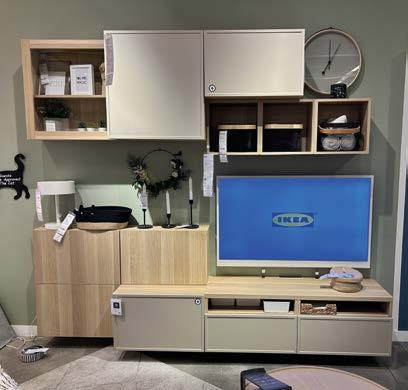
tell your products in ways the shopper never imagined.
Appliances: Frigidaire introduced an electric range that can actually produce a decent pizza. It can heat up to 750°F, about the right temperature to get the crust, cheese and toppings to taste great.
I’ve heard about retailers who are inviting the public in for Saturday afternoon pizza parties. No purchase is necessary. Stop by and enjoy a slice. Can you picture how great the showroom smells after baking a few pies? And how many couples decide they can’t live without this range (which sells for about twice as much as a basic stove and oven). Even if you don’t sell that brand, you can still duplicate the effect with fresh bread, cookies or pies.
Mattresses: Sleep shops do a lot of things well. Generally, that does not include reproducing shoppers’ in-home sleeping experience. It’s a sure bet that the couple coming into your store don’t sleep with their shoes on, or without a blanket. And with all the lights on.
You can remedy most of these and give them a remarkable test rest that the mega-retailers can’t match. Start by providing disposable slippers, the kind you’d find in hospitals or hotels. It’ll cost you less than a buck a pair. They are more likely to fully stretch out on your mattress, and their feet will feel great!
Next, grab blackout sleep masks. This will block out your store’s overhead lighting and create a more serene environment. Buy these in bulk. At the end of the demonstration, the masks and slippers are a gift to your customers.
“If you do everything you can to drive traffic to your door, and then present a 2015 path to purchase, you’ll lose the sale
The final part of the sleep experience is the blanket. While that may get messy, you can provide a bed sheet to cover your guests. It will make the mattress extra cosy. An extra bonus is that your shopper will lose that feeling of having you watch them as they rest in bed. Work with your top-of-bed supplier for a few samples at a good price. Five or 10 should handle your needs. Bring them home to wash and fold as needed.
Furniture: With so many categories in your store, there are tons of opportunities. Consider serving coffee, water and snacks at a dining room or dinette set. Or having a live working PC or laptop in your home office area.
But if your store is typical, half your sales come from living and family room furniture. These present you with a winning advantage.
It will seem like a Pleasant Valley Sunday when you have a TV in every room. Since most of your shoppers will have a television in front of their sofa or recliner, shouldn’t you have one too? Fifty-inch smart TVs are under two bills, so cost shouldn’t be an issue. It’s a sure bet that the people in your store will double their time sitting in that leather reclining sectional if the game of the week is on the tube. Or a cooking show. Or a kid’s movie.
Savvy retailers will create their own YouTube video loop with promotional announcements and set up the TVs to show that. Number and hide the remote

controls, and you’re in charge of what they watch. Creating an enhanced experience will separate you from everyone else in your marketplace. There’s a slight investment in time and money, but the payoff will be in the additional revenue you generate. Be sure not to keep it a secret. Shout it on social media and in every advertisement. The public will remark about your store, and that makes you remarkable.
This article was originally published by Your Source News. Gordon can be reached at gordon.hecht@aol.com.
“Creating an enhanced experience will separate you from everyone else
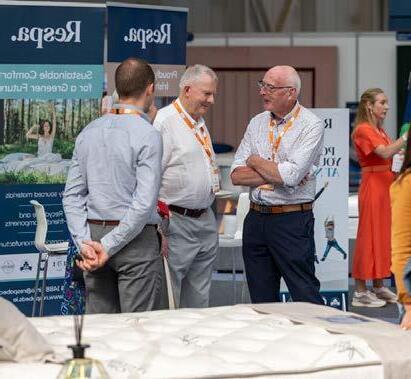

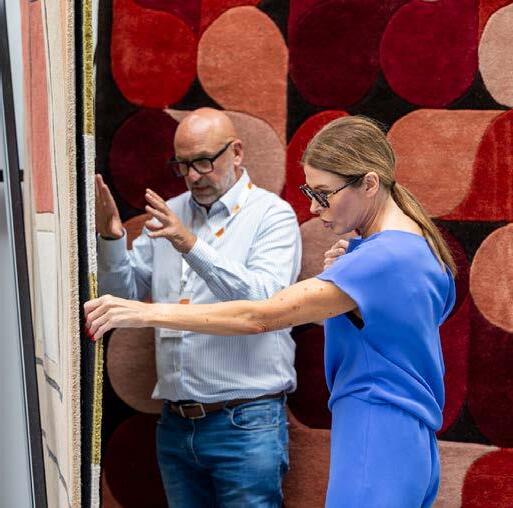

In the final instalment of our series from her new book The Science of Shopping, consumer expert Kate Hardcastle explains why promotions, if employed correctly, are so important in modern retail …
By Kate Hardcastle
Promotions are far more than simple tools for driving sales – they are an opportunity to build trust, deepen relationships and create emotional connections with consumers.
The world of promotional strategies is multifaceted, from limited-time discounts to loyalty programmes and compelling giveaways. At their core, promotions are about more than financial incentives – they are about tapping into human psychology and fostering a sense of value, urgency and delight.
In the modern retail landscape, successful promotions go beyond short-term gains. They are crafted to amplify brand equity, align with consumer values and provide memorable experiences. Whether it’s the thrill of an exclusive launch, the comfort of a personalised reward, or the excitement of a gamified campaign (like McDonald’s Monopoly), promotions are a critical avenue for turning transactions into lasting connections.
Scarcity and urgency are key drivers – limited-time offers, exclusive product launches and ‘only while supplies last’ messaging leverage FOMO to drive immediate action, while also enhancing brand desirability.
Promotions tied to sustainability or ethical causes resonate deeply with modern consumers, who seek alignment with their values. Brands that use promotions to support social or environmental initiatives create goodwill and long-term loyalty – and AI and data analytics allow retailers to tailor promotions to individual consumers, offering rewards, discounts and messaging that feel personal and relevant.
However, the power of promotions must be wielded carefully. Overuse, such as an over-reliance on discounts and flash sales, can lead to diminished trust and perceived value, while thoughtful execution can elevate a brand’s standing and earn consumer loyalty.
As retailers navigate the future, the emphasis will shift towards holistic promotional ecosystems that integrate sustainability, personalisation and transparency, ensuring consumers feel not only rewarded but respected.
Turning transactions into connections
Promotions are no longer just about driving traffic or boosting sales figures – they are a bridge between

brand and consumer, an invitation to build trust, spark joy and create shared value. The most impactful promotions combine human emotion with ethical transparency, ensuring consumers feel respected, rewarded and connected.
As the competitive retail landscape continues to evolve, retailers must embrace promotions as a strategic tool to foster loyalty, reinforce brand reputation and create meaningful connections. By aligning promotions with consumer values and leveraging innovative tools, brands can transform oneoff transactions into enduring relationships that drive growth and loyalty in the long term.
Excerpt from The Science of Shopping, courtesy Kogan Page. To buy a discounted copy, visit bit.ly/3Jo5xQb and enter code KOGANPAGE25 at checkout.

“Promotions are no longer just about driving traffic or boosting sales figures – they are a bridge between brand and consumer, an invitation to build trust, spark joy and create shared value
With Asda’s recent £568m saleand-leaseback deal pushing this financing strategy back into the spotlight, Janine Harris, a partner at Buckles Law, looks at how furniture businesses could benefit from taking the same approach …
By Janine Harris

In Asda’s case, the supermarket giant sold 24 stores and its Lutterworth distribution depot to institutional investors, then immediately leased them back on 25-year agreements. For furniture manufacturers and retailers facing debt pressures or seeking to unlock capital tied up in property assets, the move raises an important question – could a sale-and-leaseback arrangement benefit your business?
A sale-and-leaseback transaction is straightforward – a business sells a property it owns to an investor, who then immediately leases it back to them. This allows the company to continue operating from the premises without disruption, whilst converting a fixed asset into the working capital it needs.
Facing the current economic headwinds including elevated interest rates, inflation pressures and heightened debt servicing costs, the market is seeing renewed interest in this financing mechanism.
The economic landscape makes sale-and-leaseback arrangements particularly relevant. Like Asda with its £3.8b debt pile, many businesses are seeking to strengthen their balance sheets. Sale-and-leaseback provides immediate capital to pay down expensive debt whilst preserving operational continuity. With borrowing costs remaining elevated, traditional bank financing has become more expensive, which makes sale-and-leaseback more attractive as an alternative source of capital without further extending any bank debt. Meanwhile, institutional investors continue to seek stable, long-term income streams from quality commercial properties with creditworthy tenants.
From a business perspective, sale-and-leaseback offers several compelling benefits:
Immediate liquidity: The most obvious advantage is the quick injection of cash for debt reduction, working capital, or growth initiatives. Crucially, this doesn’t dilute ownership or impact management control.
Simplified capital structure: Selling property can eliminate secured charges and reduce interest obligations. Lease payments may offer greater certainty and potentially more favourable cash flow treatment. Lower transaction costs: Traditional propertybacked lending typically attracts higher fees, including valuation costs, legal fees and arrangement fees. With sale-and-leaseback, each party typically bears its own costs, which often results in a more efficient process overall.
Operational continuity: Unlike a forced property sale, the business maintains its operational presence. For retailers with established locations or manufacturers with bespoke facilities, this continuity is invaluable.
Sale-and-leaseback isn’t suitable for every business. Selling property assets reduces your overall asset base and potentially the future sale value of your business. However, if the transaction prevents insolvency or enables strategic growth, the trade-off may be justified.
Crucially, sale-and-leaseback shouldn’t be viewed as a last resort. Investors need confidence that their new tenant can meet rent obligations. The strongest deals occur when a fundamentally sound business needs capital for strategic reasons rather than survival.
It’s increasingly common for part of the sale proceeds to be held in a rent deposit deed. This provides the investor with security, whilst potentially giving the seller-tenant a period of effective rent-free occupation if financial pressures arise. The length of the lease, rent review provisions, repairing obligations and break clauses all require detailed attention. These terms will govern your occupation for potentially decades and must align with your business strategy.
Property investors seek stable, long-term income streams with creditworthy tenants. They prefer businesses with strong operational track records and clear reasons for needing capital beyond mere survival.
Established retail locations with strong footfall or purpose-built manufacturing facilities that would be difficult to relocate are particularly attractive. Most investors recognise that current market conditions are creating opportunities to acquire quality properties with reliable tenants.
Sale-and-leaseback transactions involve several critical workstreams – property due diligence, commercial negotiation of purchase price and lease terms, security arrangements, corporate approvals, tax planning, and accounting implications.
Each area requires specialist input. Attempting to navigate a sale-and-leaseback deal without proper legal and financial advice can lead to unfavourable terms or a failed transaction. With the right advice and careful structuring, a sale-and-leaseback can provide the capital your business needs whilst maintaining operational continuity and positioning for future growth.
www.buckles-law.co.uk
“If the transaction prevents insolvency or enables strategic growth, the trade-off may be justified
With traditional credit models struggling to keep pace with changing financial behaviours, UK retailers face a growing challenge – lost conversions at checkout, writes Andy Smith, CEO of Snap Finance UK, who explains how AI and smarter data models are rapidly changing retail finance …
By Andy Smith

As retail evolves, the role of finance is no longer just transactional – it is increasingly central to unlocking demand. In the furniture sector, where purchases are high value and often carefully planned, a declined finance application rarely leads to a delayed purchase. Instead, when customers cannot access finance, they typically abandon the purchase altogether, making it the difference between completing a sale and losing it entirely.
This challenge is not only about conversion, but also financial inclusion. Approximately 20 million UK adults are financially under-served due to low credit scores, limited credit histories or fluctuating incomes, leaving them excluded by traditional PoS finance. For retailers, this creates lost sales and missed opportunities to serve a broader customer base.
At Snap, this has led to a focus on rethinking how retail finance lending decisions are made beyond traditional credit score-based assessments. Supported by advanced AI and machine learning capabilities, there’s an opportunity to enable more dynamic customer journeys when accessing credit, which is better aligned with real-world affordability. The result is expanded access to finance in a more inclusive and responsible way.
Achieving this means ensuring decision-making models are timely. Most traditional credit models are updated annually, which made sense when financial behaviours were more predictable. Today, however, many consumers are more exposed to income volatility, changing spending patterns and cost of living pressures.
Consequently, models trained on data from 12 months ago, or longer, may not accurately reflect a consumer’s current affordability. Recognising and being able to adjust to this creates a significant advantage as it allows more accurate, responsive lending decisions better aligned to how customers actually manage their finances. This underpins why Snap retrains and redeploys its models every few weeks, not every 12 months.
Complementing improved lending decisions to drive conversions at the checkout is speed, which is critical to maintaining customer momentum and completing the sale. Snap combines AI with open banking and multi-bureau data across the decisioning process as an integrated solution. Income and expenditure data is assessed in real time to streamline decisions, automate verification and improve risk evaluation.

This reduces friction at the PoS, with fewer documents, fewer delays, and fewer customers abandoning their basket. The result is a faster, more efficient process, and a measurable increase in approval rates for consumers often declined by mainstream lenders.
This has direct advantages for furniture retailers. More accurate, real-time decisioning means more customers can access finance at the moment of intent, reducing drop-off at checkout and converting demand that might otherwise be lost. In a category where finance is often the deciding factor between browsing and buying, this uplift can have a material impact on a retailer’s weekly sales performance.
As retail continues to evolve, financial services must adapt alongside it. The combination of machine learning, rapid model iteration, integrated open banking and multi-bureau data, and advanced credit decisioning, is enabling a more responsive and inclusive model of retail finance.
For furniture retailers, this shift is becoming a clear differentiator. Faster, smarter and more adaptive finance is no longer a back-end function – it is a key driver of growth. In a market where customer finances are changing faster than ever, there is a clear opportunity to create a more inclusive lending environment to support financially under-served customers. The real question for retailers is whether their finance partner can adapt at the same pace.
www.snapfinance.co.uk
“As retail continues to evolve, financial services must adapt alongside it


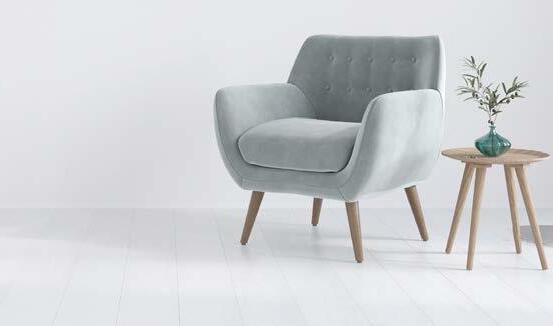
P
P








The International Alliance of Furnishing Publications (IAFP) comprises 17 of the world’s leading industry trade publications.
As the IAFP’s UK representative, Furniture News can offer exporters and importers market information, contacts and reach through the most effective B2B channels.
www.iafp.info








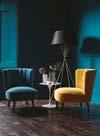
Back in December, the Government published its revised 2025 Environmental Improvement Plan, a wide-ranging strategy that covers many aspects of how it will promote nature and protect the environment. However, specific actions have been identified for chemical management and for preventing exposure of people and releases into the environment, explains John Hubbard, sustainability expert at the Furniture Industry Research Association …
By John Hubbard




These specific commitments in the plan could have potential impacts on the UK furniture industry and compliance within the supply chain.
The Government will reform the UK Registration, Evaluation, Authorisation, and Restriction of Chemicals (REACH) to enable protections against chemical pollution to be applied more quickly, efficiently and more closely aligned with our closest trading partners (especially the EU) by December 2028.
To deliver this, the Government has promised to: “Take regulatory decisions made by other trusted jurisdictions as the starting point for UK regulatory decisions to enable new protections to be applied more quickly and more efficiently, and to align regulation more closely with our closest trading partners unless there are compelling reasons to diverge.”
This could mean that aspects of EU REACH implemented post-Brexit may be incorporated into UK law. Examples include: the Substances of Concern in Products (SCIP) database; and annex VII entry 77 on the emission of formaldehyde from treated timber products.
The Government has committed to publishing a PFAS (per- and polyfluoroalkyl substances) plan during 2026, setting out a range of measures, both regulatory and non-regulatory, to address harmful PFAS releases and protect people and the environment from exposure.
This is not currently expected to be a comprehensive ban, as proposed under EU REACH.
In addition, legislation will be updated to align with changes to the Stockholm Convention on Persistent Organic Pollutants (POPs). The Government will also undertake compliance campaigns on waste materials to ensure that those containing POPs are sent for incineration rather than being sent to landfill or diverted back into the supply chain.
As upholstered furniture has previously been identified as a potential source of these chemicals, it

could reasonably be expected to be targeted by such compliance campaigns.
likely outcomes
At this stage, these proposals are commitments to take action, with delivery expected through to 2030. As further details become available, FIRA will provide training, resources and advice to help members manage compliance within their supply chains.
The complete Environmental Improvement Plan can be found on the UK Government website, while a range of chemical, environmental and sustainability training modules covering substances controlled by REACH and POPs regulations are available from the association’s service provider, Fira International, all at discounted rates for FIRA members.
You can also get in touch with me directly, at john.hubbard@element.com.
www.fira.co.uk
“Specific actions have been identified for chemical management and for preventing exposure of people and releases into the environment







Garry Preston, TR Hayes
The Long and Winding Road by Paul McCartney
Wayne Robbins, Iconography
If I had to sum up my business life in titles, it’d be Survivor by Destiny’s Child (because yes, I’ve seen some things), Lean In by Sheryl Sandberg (because I rarely sit back), and Moneyball (because navigating business often feels like building a winning team with spreadsheets, instinct, and sheer willpower). It’s a mix of resilience, strategic risk-taking, and occasionally wondering why I didn’t just open a beach bar instead
Steve Pickering, Sussex Beds
The Pursuit of Happyness
Bernard Eaton, Greenwood Retail
Probably ‘The Black Album’ (Metallica) by Metallica – like the band, a lot of good stuff laid the foundation for commercial success
Gareth Mayhew, Roundhill Consultancy
Don’t Stop Believin’ by Journey – because running a family business means holding onto belief in your people, customers and purpose, no matter how the market swings!
Kathryn Lukehurst, Lukehursts
The Travelling Wilburys’ classic
End of the Line has some extremely pertinent lyrics – as well as being a great tune to yell along to when alone in the car!
Ian Priestley, Baker Furniture
The Show Must Go On, Queen. After 22 years of morphing my business to match the economy and customer expectations, that line sums it up. The show always goes on – just not always the same version of the show!
Clare Bailey, The Retail Champion
Things Can Only Get Better by D:Ream, because when like-minded people work together it does get better!
Jan Duckworth, Cox & Cox
People Are Strange, The Doors
Paul Groves, sales agent
• Follow Furniture News on LinkedIn
• Join us on X @FurnitureNewsED
• For editorial enquiries, email paul.farley@lewisbusinessmedia.co.uk
• To advertise email sam@lewisbusinessmedia.co.uk
• For anything else, see p5