



PALM BEACH COUNTY MASTER PLAN




“Florida Statute 125.0104 authorizes counties to levy a local option tourist development tax (“bed tax”) on short-term accommodations to fund tourism-related initiatives that drive economic impact. The statute outlines allowable uses of these revenues, including destination marketing and advertising, convention and visitor bureau operations, beach and shoreline maintenance, cultural and sports event promotion, and the development, maintenance, and operation of tourist-related facilities. It also establishes governance requirements, including the creation of a Tourist Development Council to advise the Board of County Commissioners on the use of funds, ensuring expenditures align with promoting tourism and increasing overnight visitation.”
March 24, 2026
PALM BEACH COUNTY
BOARD OF COUNTY COMMISSIONERS
OFFICE OF THE MAYOR
OFFICE OF THE COUNTY ADMINISTRATOR
OFFICE OF THE TOURIST DEVELOPMENT COUNCIL
Re: Formal Acceptance of the Palm Beach County Tourism Master Plan

To Whom It May Concern,
On behalf of the Palm Beach County Board of County Commissioners, we are pleased to formally acknowledge the receipt and acceptance of the Palm Beach County Tourism Master Plan.
At its duly noticed public meeting on March 24, 2026, the Board of County Commissioners voted to receive and file the Tourism Master Plan, recognizing it as a comprehensive and forward-looking framework to guide the County’s tourism development, management, and investment priorities over the coming decade. The Plan reflects extensive stakeholder engagement, data-driven analysis, and alignment with the County’s broader economic, community, and environmental objectives.
The Board acknowledges the significant effort and collaboration undertaken by County staff, The Tourism Development Council and Partner Agencies, The Tourism Master Plan Steering Committee, industry stakeholders, municipal partners, and the consulting team from CSL International in the preparation of this Plan.
The recommendations contained within establish a clear roadmap to enhance Palm Beach County’s position as a premier global destination while ensuring that tourism growth continues to support resident quality of life, workforce stability, environmental stewardship, and long-term economic resilience.
The Tourism Master Plan will serve as an essential guiding document for policy direction, strategic decision-making, and coordinated implementation among County departments and partner organizations. The Board looks forward to working collaboratively with all stakeholders to advance the Plan’s priorities and realize its vision.
We extend our appreciation to all who contributed to this important initiative and reaffirm our commitment to its successful implementation.
Sincerely,
Sara
Baxter Mayor
Palm Beach County Board of County Commissioners
Joseph Abruzzo
County Administrator
Palm Beach County
Patrick
Rutter Chief Deputy County Administrator
Palm Beach County
Jonathan B. Brown
Deputy County Administrator
Palm Beach County
Approved and accepted by action of the Palm Beach County Board of County Commissioners on March 24, 2026.
Emanuel J. Perry
Executive Director
Tourist Development Council

District 6 – Mayor Sara Baxter
District 4 – Vice Mayor Marci Woodward
District 1 – Commissioner Maria G. Marino
District 2 – Commissioner Gregg K. Weiss
District 3 – Commissioner Joel G. Flores
District 5 – Commissioner Maria Sachs
District 7 – Commissioner Bobby Powell Jr.
County Administrator – Joseph Abruzzo
Chief Deputy County Administrator Patrick Rutter
Deputy County Administrator – Jonathan B. Brown
Chair – Mayor Sara Baxter
Vice Chair – Jim Mostad
Donald P. Dufresne, Esq.
Mabel Melton
Davicka N. Thompson
Daniel Hostettler
Commissioner Christina Lambert
Elena Peroulakis
Mayor Tom Carney
Emanuel J. Perry
Dave Anderson
Davicka N. Thompson
Katherine Griffin
Donald P. Dufresne, Esq.
Michelle Hillery
Deborah Drum
George Linley
Dave Lawrence
Milton Segarra
Atlantis
Belle Glade
Boca Raton
Boynton Beach
Briny Breezes
Cloud Lake
Delray Beach
Glen Ridge
Golf
Greenacres
Gulf Stream
Haverhill
Highland Beach
Hypoluxo
Juno Beach
Jupiter
Jupiter Inlet Colony
Lake Clarke Shores
Lake Park
Lake Worth Beach
Lantana
Loxahatchee Groves
Manalapan
Mangonia Park
North Palm Beach
Ocean Ridge
Pahokee
Palm Beach
Palm Beach Gardens
Palm Beach Shores
Palm Springs
Riviera Beach
Royal Palm Beach
South Bay
South Palm Beach
Tequesta
Wellington
West Palm Beach
Westlake
The Palm Beach County Tourism Master Plan (TMP) serves as a market-leading, 20-year strategic roadmap that guides the long-term growth, positioning, and stewardship of tourism across Palm Beach County. The Plan articulates a clear, shared vision for tourism development that balances economic vitality, community well-being, environmental sustainability, and visitor demand, while strengthening Palm Beach County’s competitive position within Florida, the nation, and the global tourism marketplace.
At its core, the Tourism Master Plan aligns and unifies a complex tourism ecosystem, including the Tourist Development Council (TDC), its contracted agencies, County departments, municipalities, industry partners, and community stakeholders, around a common framework for decision-making, investment, and action.
The Plan builds consensus across Palm Beach County’s 12 tourism regions and 39 municipalities, ensuring that tourism growth is coordinated, complementary, and reflective of the County’s diverse communities, assets, and identities.






The TMP functions as a practical, implementation-oriented guide that:
● Identifies opportunities to enhance and diversify tourism products, experiences, and programming;
● Anticipates future market trends, development needs, and opportunity segments;
● Aligns tourism marketing, branding, sales, and development strategies across agencies and jurisdictions; and
● Prioritizes investments in infrastructure, attractions, cultural and sports assets, events, and public spaces that elevate both the visitor experience and resident quality of life.
Importantly, the Tourism Master Plan is not a marketing document, it is a destination development and management framework. It closes the gap between visitor and resident expectations (demand) and the policies, assets, programs, and experiences delivered by public and private stakeholders (supply). In doing so, the Plan provides clarity to investors, developers, municipalities, and partners regarding where and how tourismrelated energy, resources, and capital are focused over the next two decades.
The Plan also explicitly advances transformational outcomes for Palm Beach County by:
● Improving the lives of residents through sustainable economic opportunity and workforce development;
● Supporting destination-enhancing infrastructure and catalytic projects;
● Elevating arts, culture, sports, and signature events as defining elements of the County’s brand; and
● Championing Community First, responsible, and sustainable tourism practices as guiding principles for future growth.
Ultimately, the purpose of the Palm Beach County Tourism Master Plan is to provide the County, the Tourist Development Council, and community leadership with a shared vision, clear priorities, and actionable strategies that ensure tourism remains a powerful, positive force, one that drives economic prosperity, enhances quality of life, protects community character, and positions The Palm Beaches as one of the most compelling and competitive destinations in Florida and beyond.

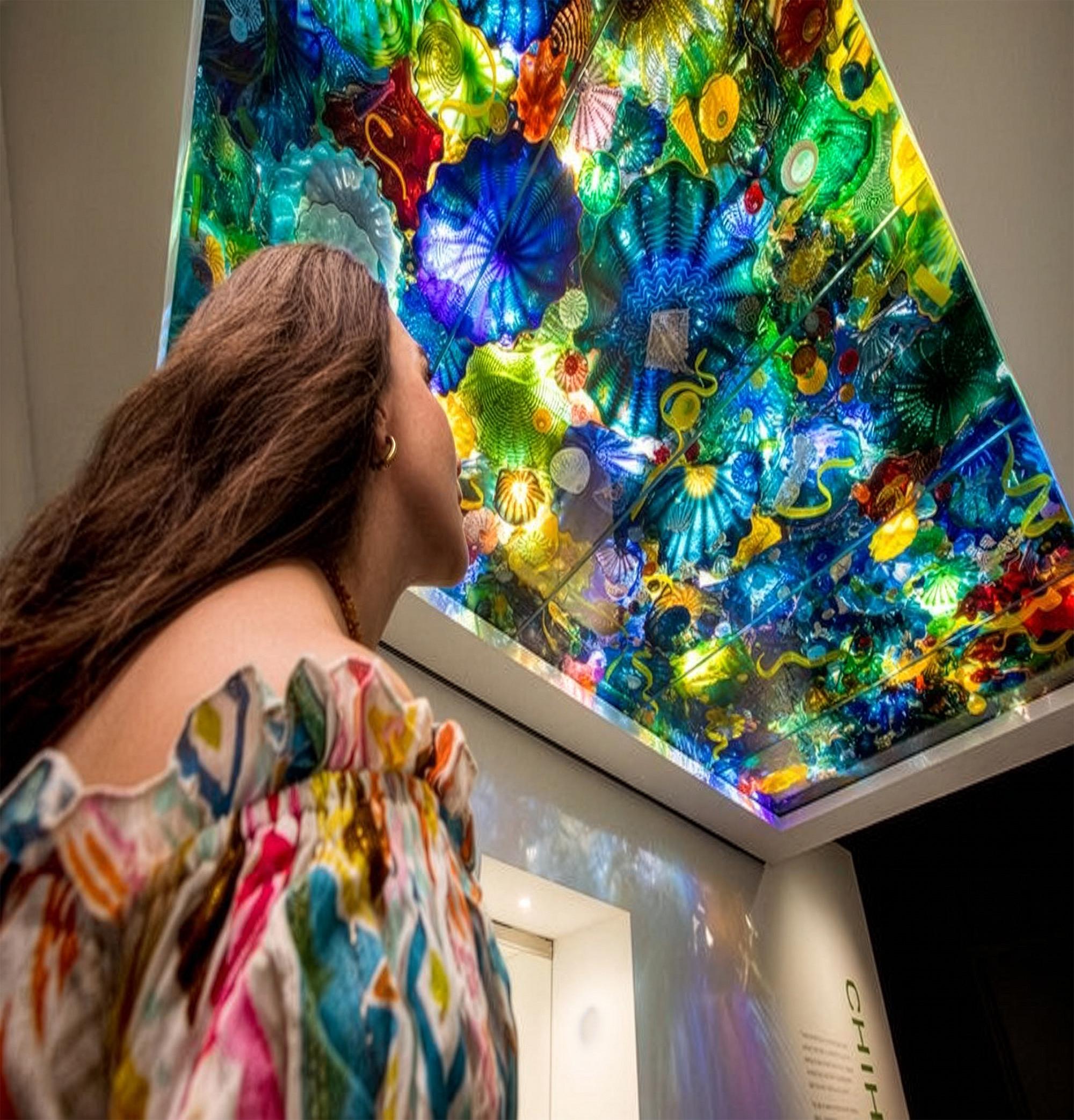
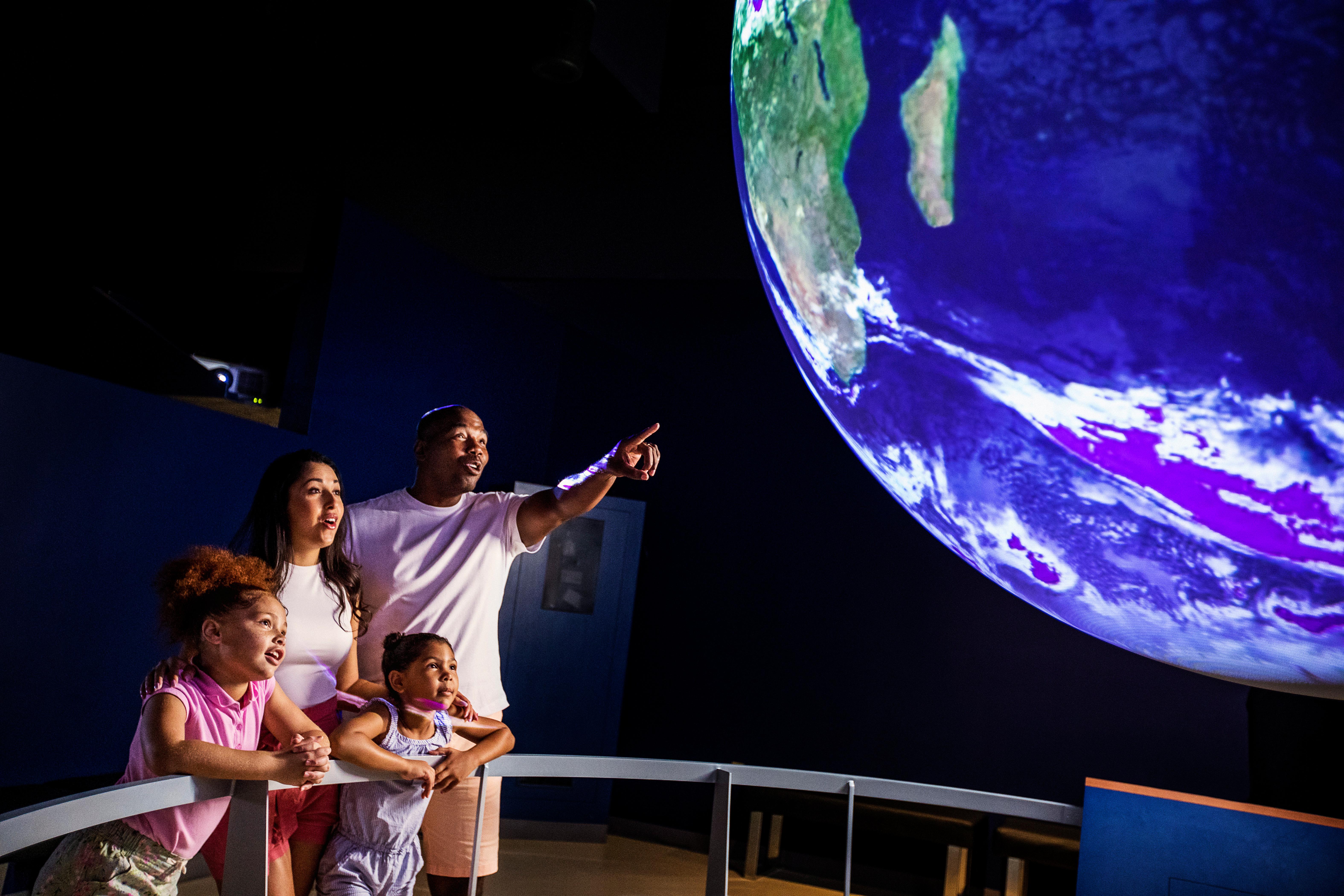
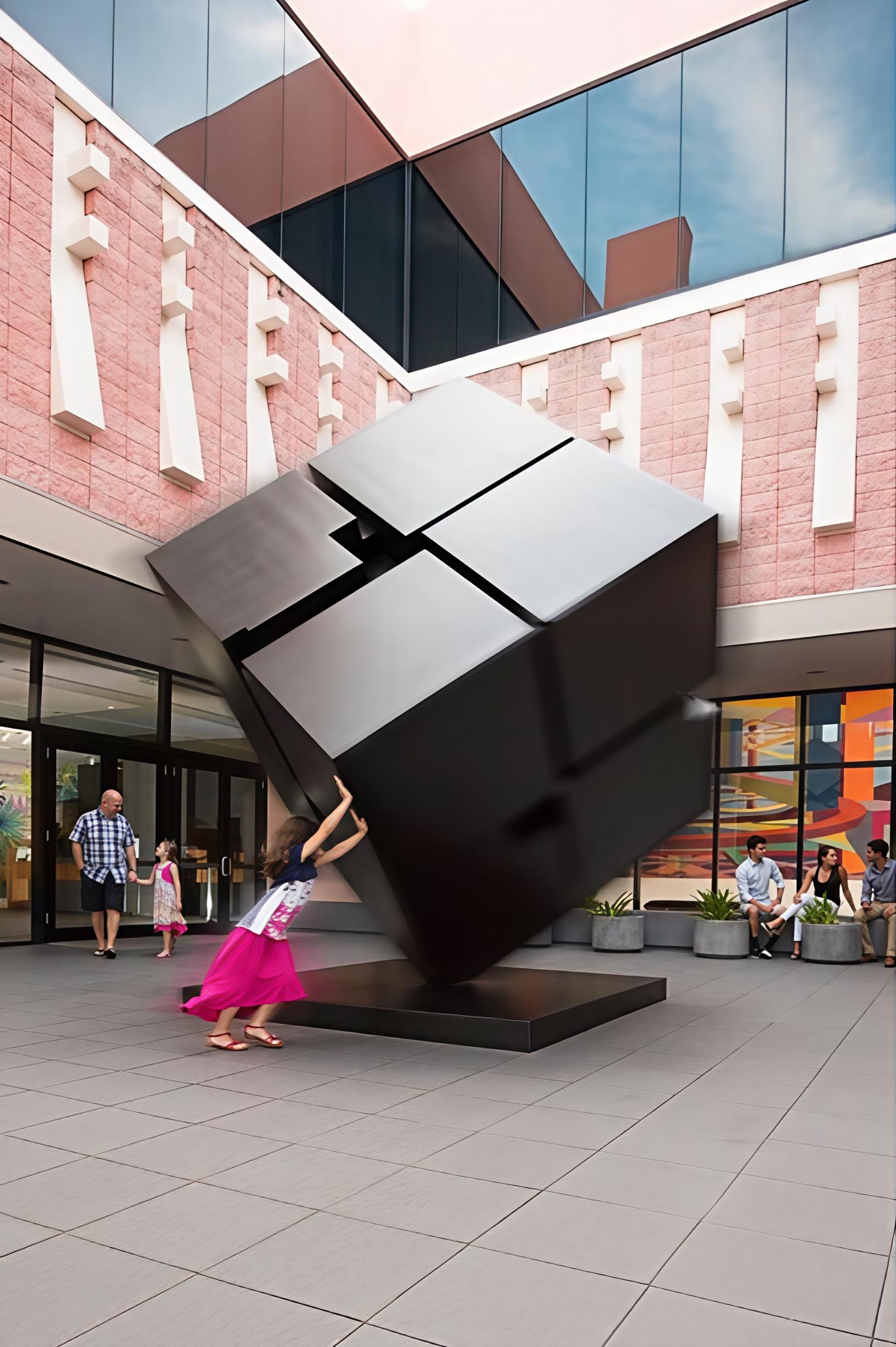
Cox Science Center & Aquarium

The following principles will guide the Tourism Master Plan vision into a clear decision-making framework for investments, policies, partnerships, and programming. Together, they reflect the essence of the Plan’s Strategic Recommendations and Big Ideas and provide a shared foundation for implementation across all 39 municipalities.






Position Palm Beach County as a multidimensional, year-round destination by prioritizing culture, wellness, sports, nature, events, and immersive experiences alongside its iconic coastal assets. Tourism growth should expand the story of the County, not narrow it.

Focus on high-value, experience-driven visitation rather than volume-based growth. Success is measured by length of stay, visitor satisfaction, economic return, and positive community impact, not just arrivals.
Ensure tourism enhances quality of life for residents by investing in assets, programs, and infrastructure that serve both visitors and the community. Tourism should strengthen local identity, support small businesses, and deliver visible, lasting community benefits.

Reduce seasonality and increase economic stability through indoor attractions, sports facilities, conventions, festivals, and programming that activate the destination across all seasons and weather conditions.
Align all 39 municipalities under a shared vision and coordinated strategy while honoring the distinct identities of coastal, urban, inland, and Glades communities. Collaboration and co-branding are essential to telling a compelling, countywide story.

Embed environmental responsibility, climate resilience, and resource conservation into all tourism planning and development. Long-term destination success depends on protecting natural assets and preparing for future challenges.

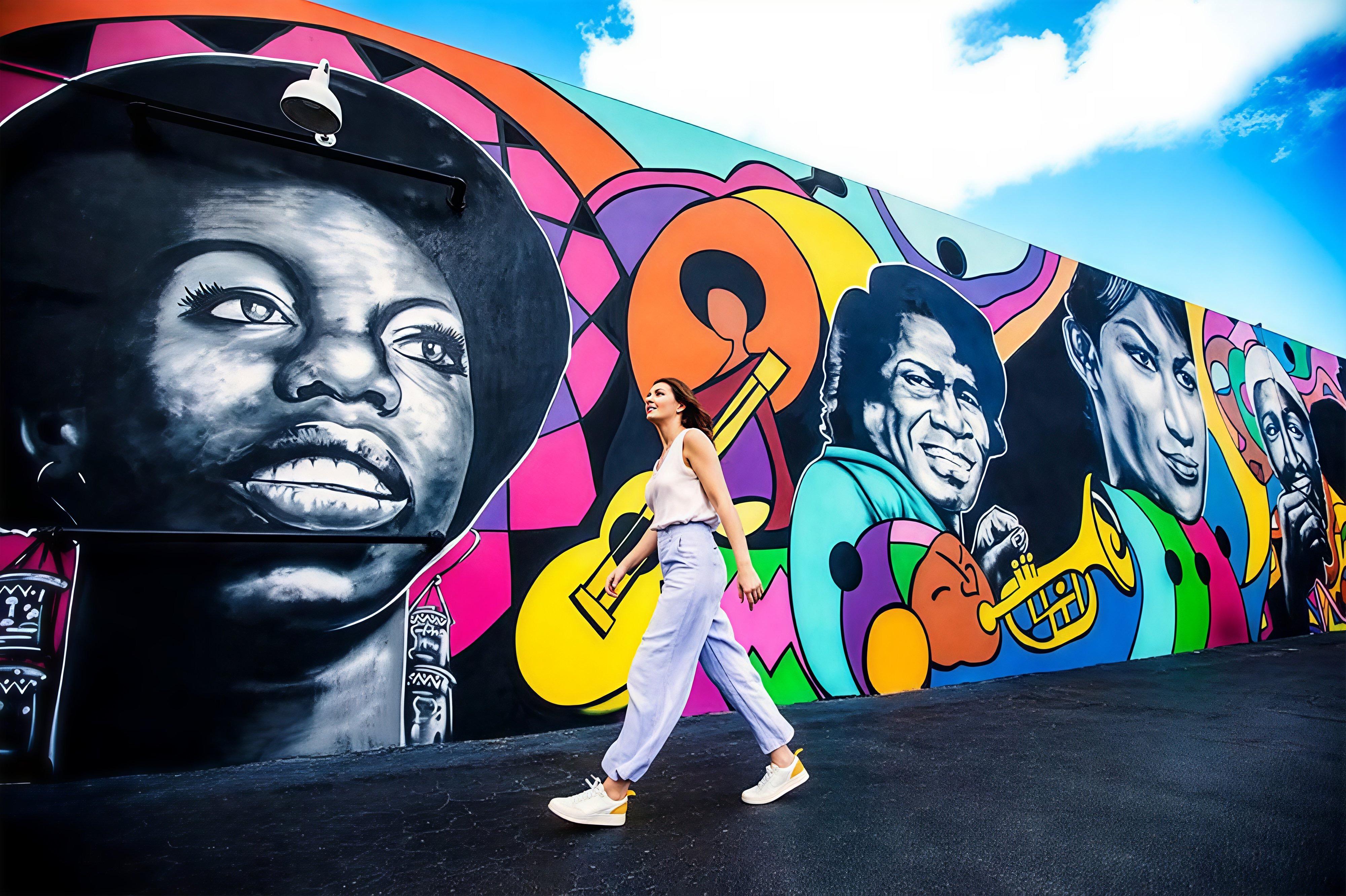
Celebrate what is uniquely Palm Beach County by elevating local culture, heritage, arts, agriculture, and natural environments. Tourism development should feel rooted, genuine, and reflective of the people and places it represents.

Leverage public-private partnerships, regional collaboration, and cross-sector alignment to deliver transformative projects and experiences. No single entity can achieve the vision alone.
Pursue bold, well-designed, and futureoriented investments, from iconic landmarks to immersive experiences, that differentiate the destination globally and encourage repeat visitation, creativity, and media visibility.

Treat tourism as a managed system, using data, performance metrics, and continuous improvement to guide decisions, monitor impacts, and ensure the destination delivers consistently high-quality experiences.

Palm Beach County’s future target markets are defined less by age or income and more by how visitors want to experience a destination. Guided by the Strategic Recommendations and Big Ideas, the County is positioned to attract high-value, experience-driven travelers who seek authenticity, wellness, culture, and year-round engagement rather than seasonal, singlepurpose visits. These markets share a desire for destinations that are distinctive, thoughtfully designed, and aligned with values of sustainability, quality, and community connection.
Sports and event travelers represent a critical year-round market, including youth, amateur, and professional participants and their families. This segment values high-quality, climate -resilient facilities and multi-day events that combine competition with entertainment and leisure opportunities, helping stabilize visitation during off-peak periods. Cultural explorers and authenticity seekers are equally important, drawn to arts, heritage, agritourism, and community-based experiences that reflect the County’s full geographic and cultural diversity, including inland and Glades communities. These travelers tend to stay longer, spend locally, and align
These Strategic Recommendations are designed to ensure that Palm Beach County’s approach to tourism is strategic, balanced, and community-centered, supporting long-term economic vitality while protecting the quality of life, environmental assets, and distinct identities of its municipalities. Collectively, they advance a vision for Palm Beach County as a globally competitive, high-value destination that delivers year-round economic benefits, elevates resident pride, and responsibly manages growth across diverse coastal, urban, and inland communities.
The recommendations focus on strengthening Palm Beach County’s tourism ecosystem through targeted destination development, diversified visitor experiences, enhanced mobility and connectivity, refined governance and coordination, and a more sophisticated branding and marketing approach. Together, these actions are intended to increase visitor yield rather than volume alone, extend visitation beyond peak seasons, stimulate investment in cultural, recreational, and nature-based assets, and ensure that tourism benefits are equitably distributed across communities and districts. By aligning policy, partnerships, and investment priorities, the recommendations position tourism as a tool to support local businesses, workforce development, environmental stewardship, and community well-being.
The following material presents summary statements for the Strategic Recommendations. Detailed Action Plans outlining implementation steps, timelines, responsible parties, and performance measures are provided in Section 5 of the complete document.



A1. Implement, Manage and Deliver a Unified CountyWide Tourism Strategy
Deploy and administer an integrated tourism strategy (the Tourism Master Plan) that aligns all 39 municipalities under a shared vision, ensuring cohesive branding, investment coordination, and destination management.
A2. Utilize TDC Agency Staff for TMP Implementation aka Tourism Master Plan Working Group (TMPWG)
Utilize TDC agency staff for implementation of the Tourism Master Plan.
A3. Utilize the TDC Board to Oversee TMP Implementation
The TDC Board, which includes government, tourism businesses, cultural institutions, environmental groups, community leaders, and more, will oversee implementation of the Tourism Master Plan.

A4. Continue / Expand InterMunicipal Tourism Communication and Policy Updates

Continue to coordinate tourism policy updates among all 39 municipalities to align regulations, zoning, infrastructure priorities, and messaging consistent with the Tourism Master Plan.
A5. Align Local, State and Federal Advocacy with the Tourism Master Plan Objectives
Ensure Tourism has a clear voice in local, state and national tourism policy discussions through coordinated lobbying, grant applications, and shared strategic priorities of the Tourism Master Plan.
A6. Continue / Expand Florida Tourism Partnerships
Recommendation: Continue to coordinate with the State and counties throughout Florida to develop, promote, and deliver state -wide and multi-county travel routes and packages, especially for international and long-haul travelers.

A7. Expand the Annual “State of PBC Tourism and Agencies Report” to Include the TMP and Tourism Impact

Expand the annual State of PBC Tourism Report to include progress on the Tourism Master Plan and tourism’s impact.
A8. Review and Align TDC and Partner Agency Personnel Structures
Conduct an organizational review of job titles, pay grades, role definitions, and inter-agency synergies across Palm Beach County TDC and all TDC partner agencies to align structures and enhance consistency, efficiency, and collaborative capacity.



Maintain a Distinct and Cohesive Destination Brand
Continue to revitalize Palm Beach County’s brand to clearly differentiate it from competitors and reflect its dynamic and full ecosystem of offerings, from eco -adventure and sustainability, to cultural and entertainment richness, to luxury and wellness experiences.
B2. Advance Inclusive and Multilingual Marketing Campaigns and Visitor Services Programs
Continue to ensure that tourism promotions and services reflect the county’s diverse communities, feature small businesses, and provide content in multiple languages.


B3. Support Artificial Intelligence– Driven Visitor Services
Continue to provide 24/7 digital visitor assistance via web and mobile platforms, using AI to deliver personalized recommendations, mapping, directions, and local insights.
B4. Launch a Palm Beach County Tourism Information Exchange & Annual Tourism Expo
Create an annual tradeshow and coordination platform where: attractions, arts organizations, event planners, and hotels share calendars; travel advisors and media preview offerings; and emerging tourism businesses connect with investors and partners. Use the annual gathering to deliver trainings and certifications, host international tourism readiness programs, and convene futurists to discuss trends, forecasts and emerging technologies. Showcase tourism startups, academic research, technology pilots, and new cultural experiences.




C1. Maintain the Tourism Resilience and Emergency Preparedness Plan
Continue to support a county-wide tourism crisis management and recovery plan to prepare for hurricanes, pandemics, economic shocks, and other emergencies.
C2. Launch a Destination Stewardship Program in Partnership with Local Communities
Empower communities to lead placebased tourism planning, focusing on cultural preservation, resident benefits, and visitor management.

C3. Encourage “Sustainable Palm Beach” Practices
Encourage sustainability practices for tourism businesses.

C4. Encourage Regenerative Tourism Pilots in Sensitive Areas in Concert with ERM
Encourage regenerative tourism practices in concert with ERM that restore natural or cultural assets, such as mangrove replanting tours, citizen science activities, or historic building restorations. Discourage tourism activity in degraded natural or cultural areas while implementing restoration and community-based management.


DD1. Foster and Champion Destination Accessibility and Community First Initiatives Tourism Strategy
Encourage and support tourism investment in underserved communities, small tourism businesses, and ensure equitable access to tourism benefits through inclusive programming and marketing. Encourage and support standardized accessibility protocols, create an inclusive visitor experience guide, and launch cultural competency training for all tourism operators.
D2. Support a Coastal Access Strategy
Assist in Identifying gaps in public beach access, prioritizing equityfocused acquisitions or partnerships, and improving amenities in underserved coastal areas.


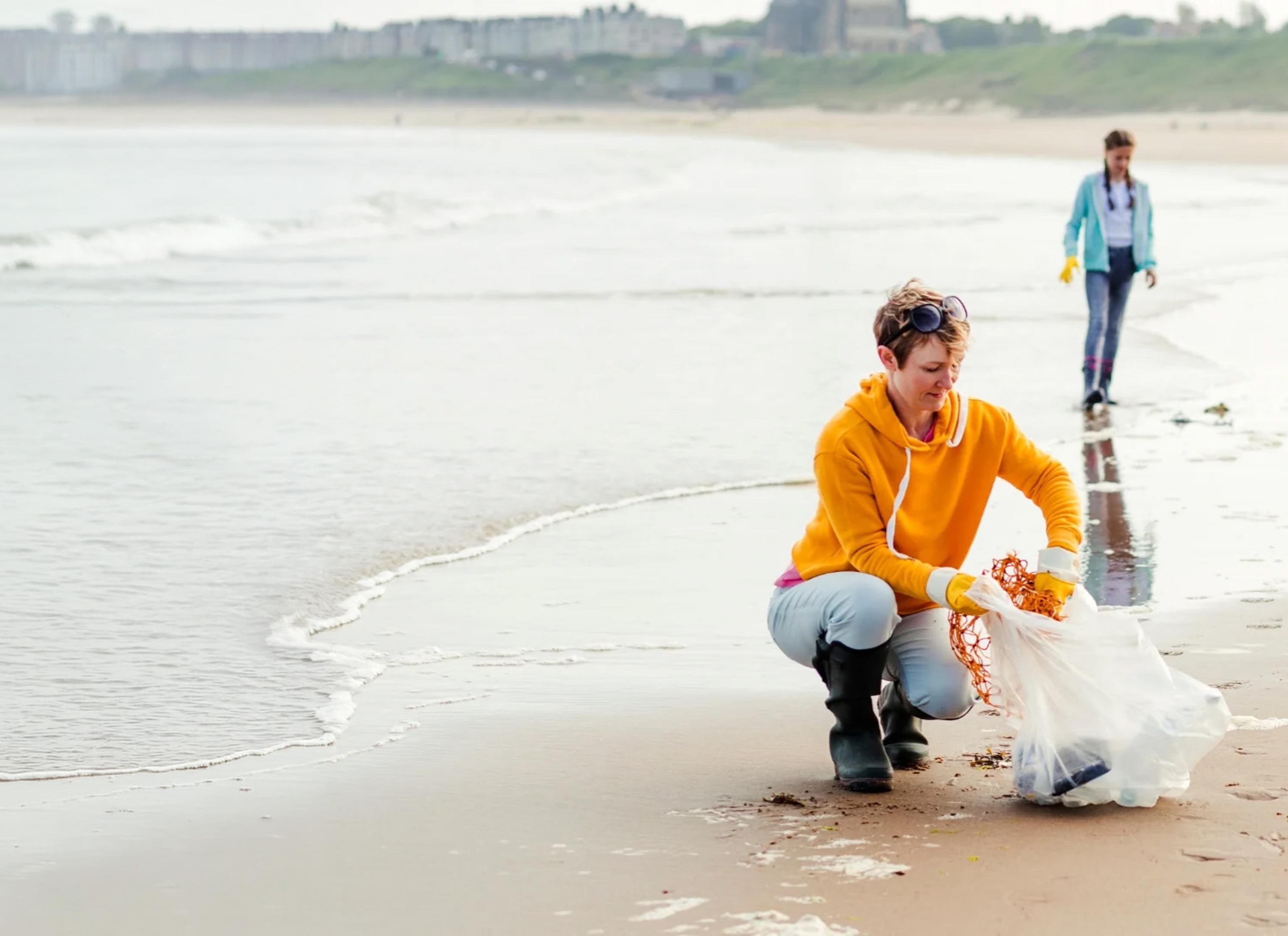
D3. Continue to Develop Palm Beach County “Tourism for Good” Programs
Promote voluntourism and give -back tourism options, including environmental cleanups, cultural preservation efforts, and community engagement experiences.
D4. Continue to Provide an Inclusive Tourism Business Accelerator Program
Maintain tailored business development support, mentorship, and capital access for emerging entrepreneurs from historically underrepresented communities.




E1. Modernize and Expand Convention and Group Tourism Infrastructure
Expand and transform the Convention Center into an elite high-value facility, develop a headquarters hotel adjacent to the Convention Center and invest in nearby pedestrian-friendly amenities, meeting spaces, and smart tourism infrastructure to make the Palm Beach County a mid-sized global leader for high-impact events.
E2. Expand and Strengthen Cultural, Heritage, and Arts Tourism
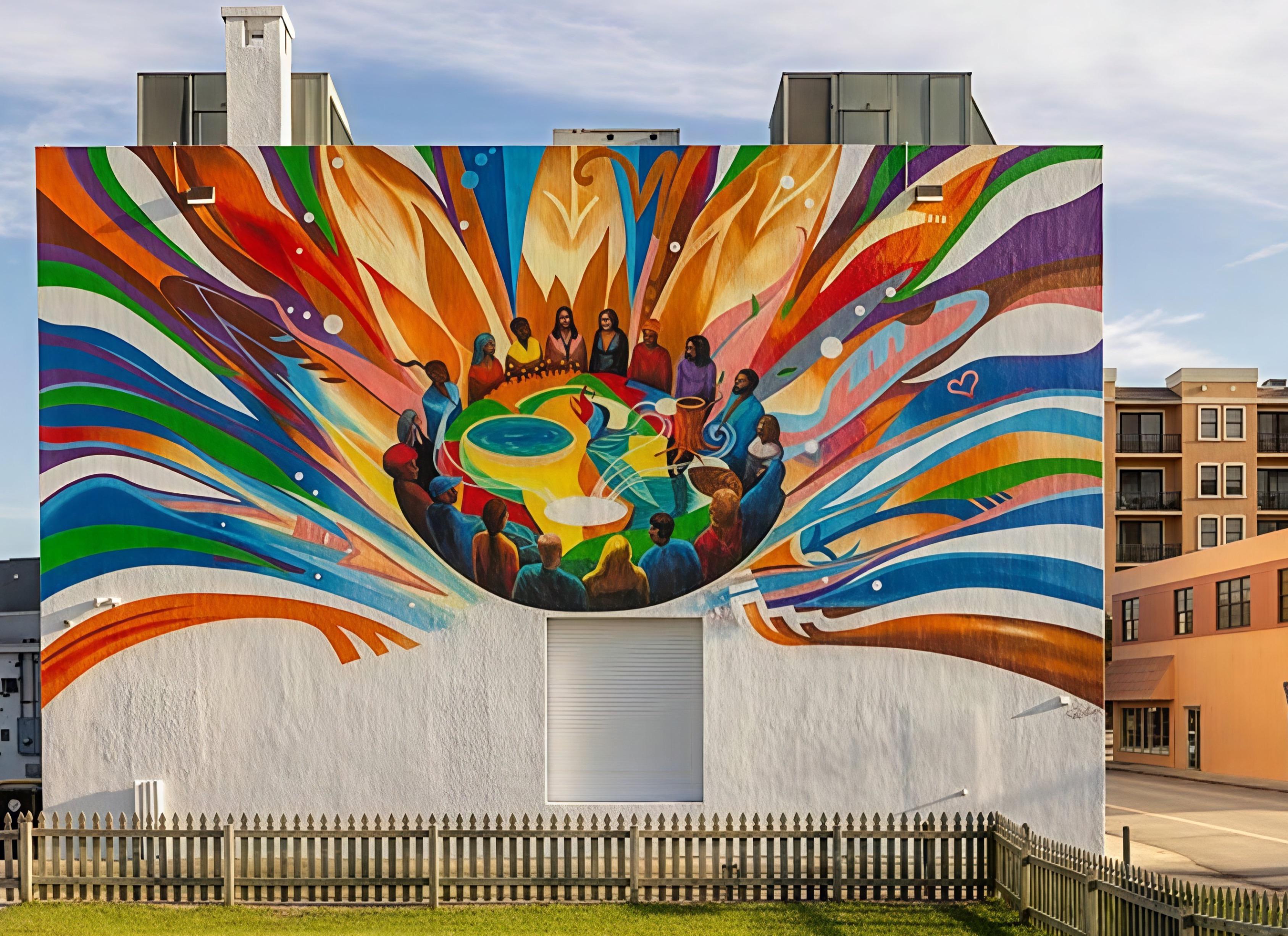
Champion and support Palm Beach County Arts & Culture spaces, areas, districts and communities, expand support for museums, festivals, and local artists, and integrate immersive storytelling and heritage experiences into tourism marketing.


E3. Capitalize on and Further Develop Events and Festival Tourism
Create a county-wide strategy, onestop-shop and operations to develop, attract, facilitate, and grow a diverse portfolio of events and festivals, ranging from large-scale signature celebrations to community-based cultural activations, by investing in venues, streamlining permitting, and offering strategic support for marketing, production, and publicprivate partnerships. Create a flagship event celebrating Palm Beach County’s identity through arts and culture, sports, culinary, nature, and innovation. Encourage large public events (sports, music, cultural) to leave behind a positive local legacy, e.g., youth training, infrastructure, or environmental investment.
E4. Help Reimagine and Advocate Commercial and Mixed -Use Tourism Districts
Help reimagine and advocate for redevelopment of struggling malls, shopping centers, and retail districts into vibrant, tourism -friendly mixeduse environments that blend retail, entertainment, dining, and lodging. Advocate place-making and walkability plans for these districts to make them more inviting, entertaining, and engaging.
E5. Focus on Off-Season Tourism Offerings to Reduce Seasonality



Focus on off-season events, activities, and experiences; champion indoor / shaded / temperate infrastructure; and target international and younger / family domestic travelers for offseason visitation.
E6. Promote Agritourism and Rural Tourism Innovation
Work with sugar producers and agritourism stakeholders to develop experiential tourism products in inland and agricultural regions, including farm tours, culinary trails, eco -lodges and more. Collaborate with urban farms and community gardens to offer agriexperiences, chef partnerships, and local food tastings for visitors.
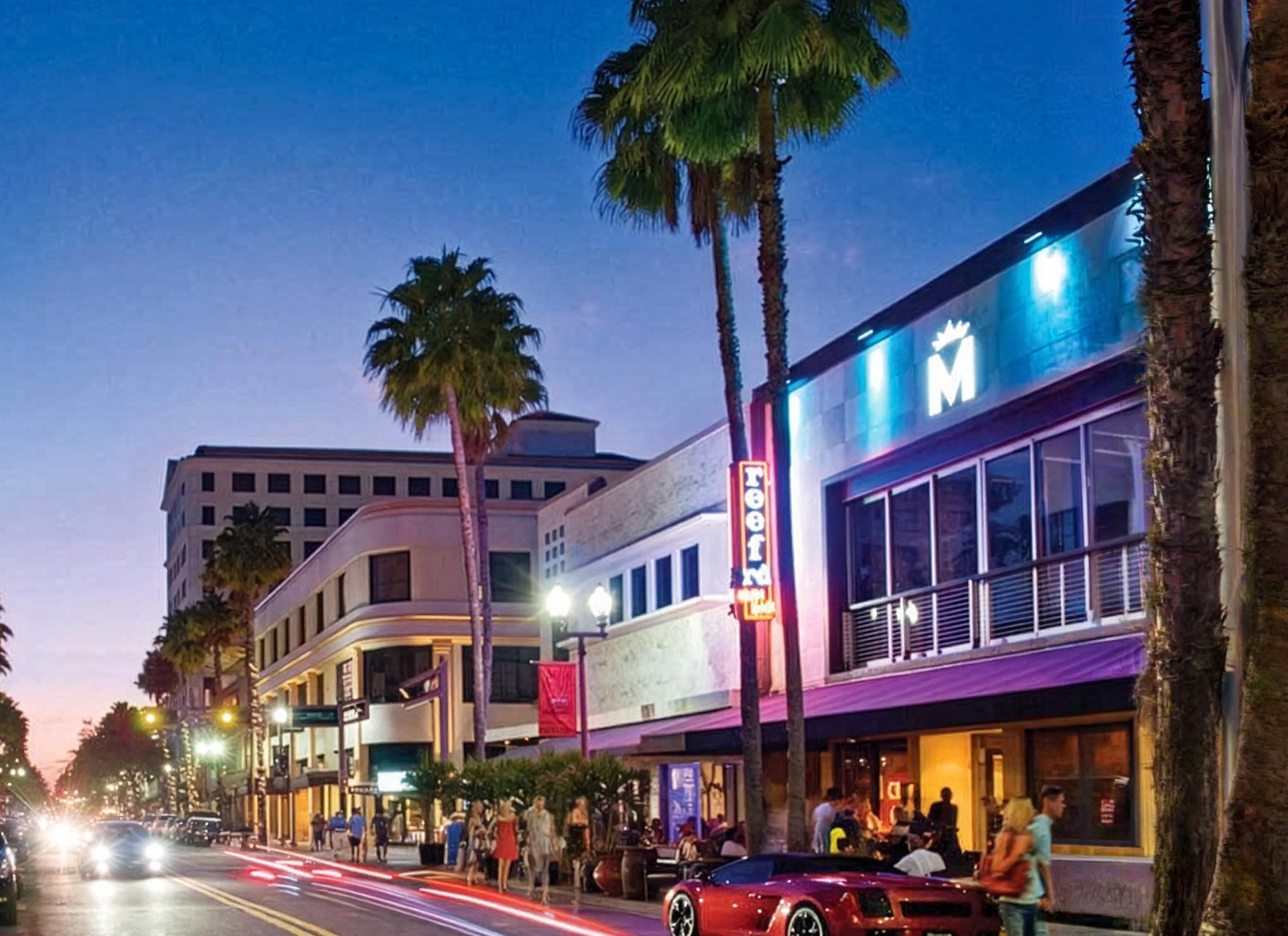
E7. Enhance Nightlife and After-Hours Tourism Programming
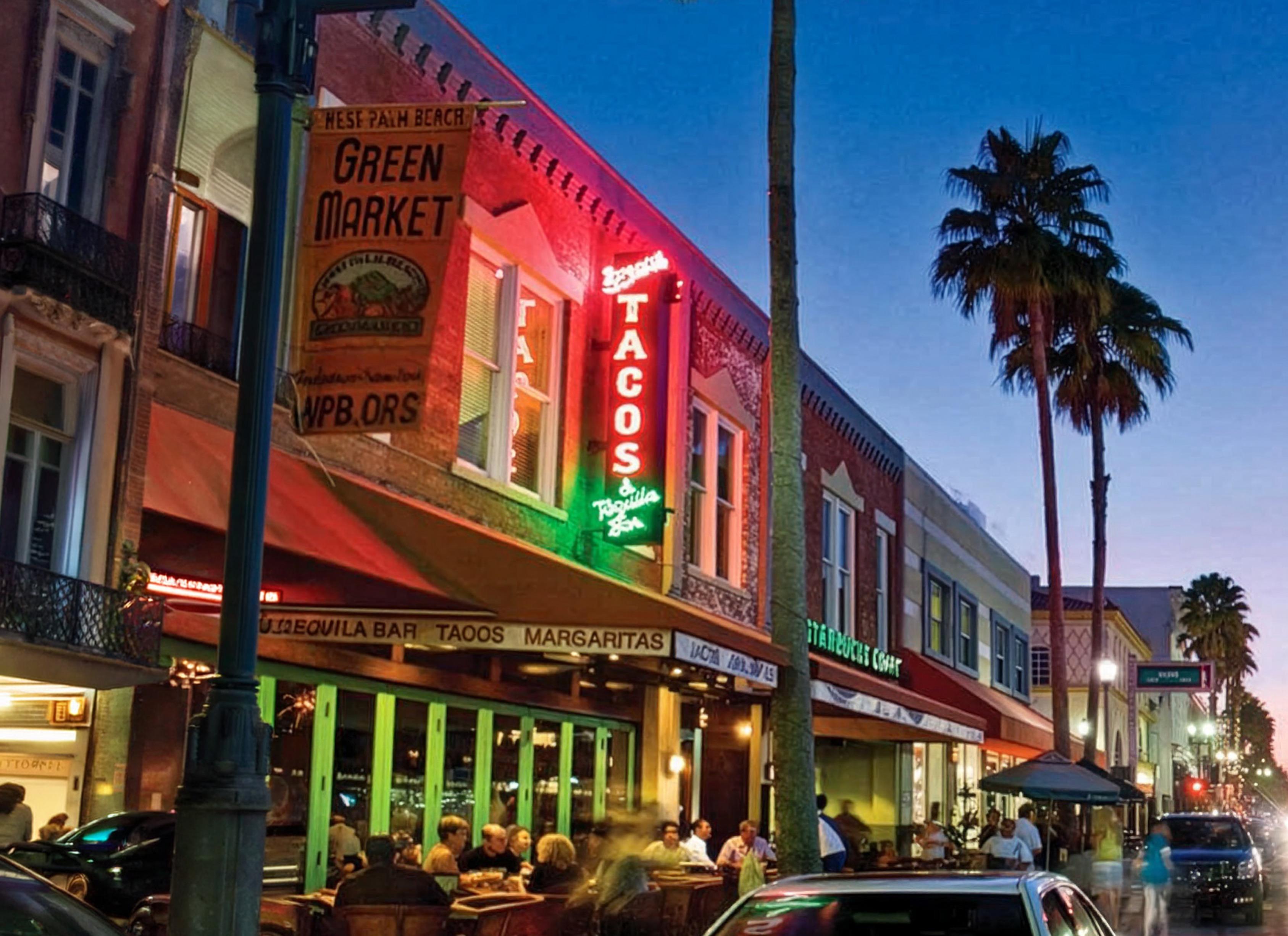
Champion, advocate, and promote safe, diverse, and vibrant nightlife offerings, including evening art events, food markets, rooftop venues, extended museum hours, and more.


E8. Activate Underused Spaces for Tourism Events and Pop -Up Experiences
Identify vacant buildings, land / lots, and places / spaces that could host seasonal events, night markets, art installations, temporary attractions and more; advocate and facilitate the same.
E9. Advance a Palm Beach County Signature Trails Network
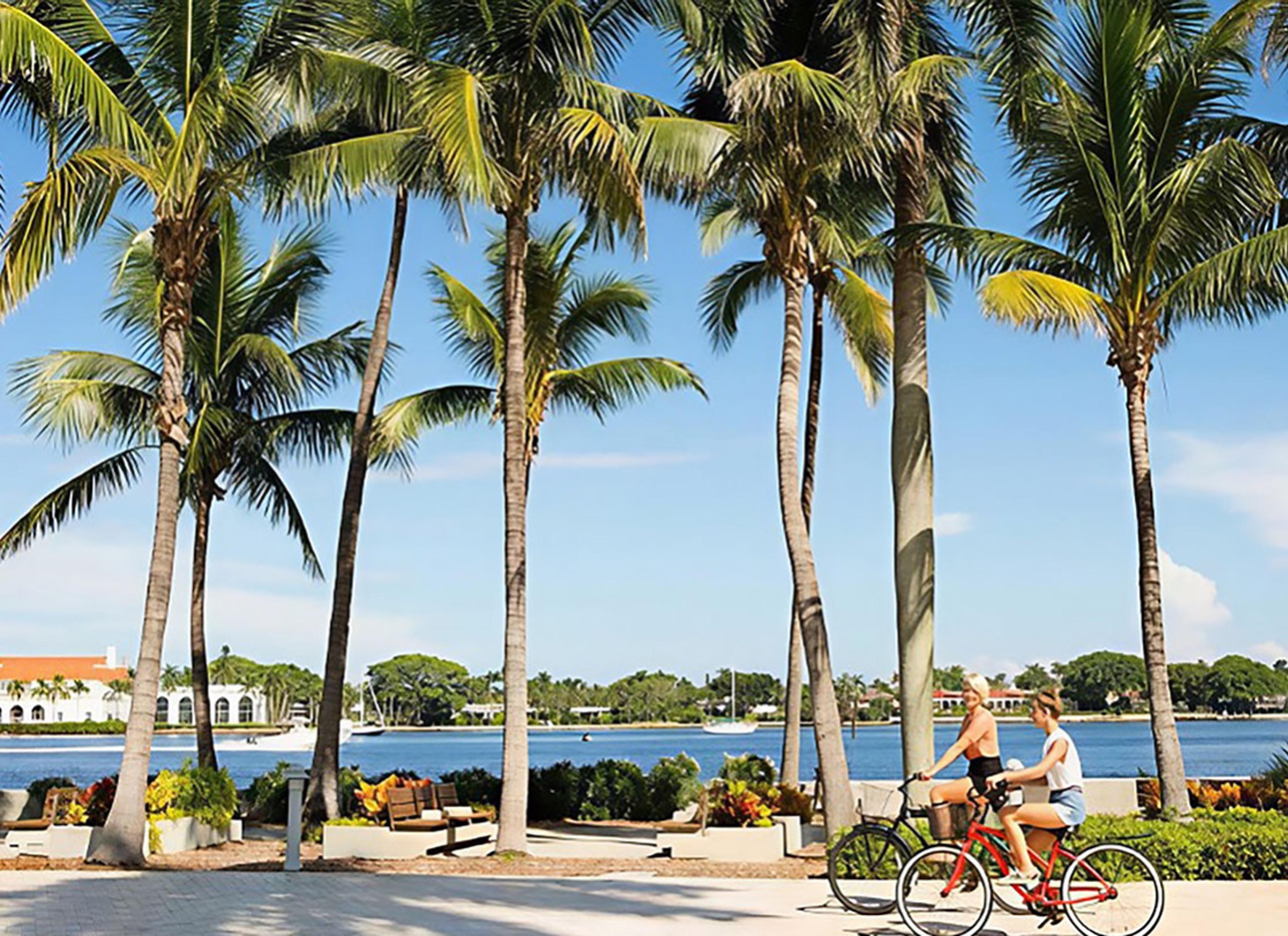
Champion and advocate a comprehensive network of walking, biking, paddling, and equestrian trails that connect natural, cultural, venues, and commercial destinations throughout the county. Linking Jonathan Dickinson State Park, the Arthur R. Marshall Loxahatchee National Wildlife Refuge, and Broward’s Treetops Park would position Palm Beach County as a toptier ecotourism destination. This taps into rising demand for: nature-based travel, wellness experiences, and sustainable recreation.
E10. Promote “Slow Tourism” Experiences and Itineraries
Encourage longer, deeper travel by promoting local immersion, low-impact transport, extended stays, and cultural exchange experiences.

E11. Establish a Coastal Culture Trail Featuring Indigenous and Maritime Heritage

Create a branded interpretive trail along the coastline, telling the story of the county’s coastal communities, marine ecology, and Indigenous history.
E12. Expand and Advance an Artist-in-Residence Program for Tourism Districts
Expand and advance programs that support local artists to create public works, run workshops, and engage with visitors in hotels, museums, transit hubs, parks, and more.
E13. Expand Palm Beach County “Tourism Health & Wellness” Programs
Expand partnerships with public health agencies and wellness providers to offer visitor health services, safety certifications, and travel wellness education (e.g., sun safety, food hygiene, heat stress).
E14. Deliver More Experiential and High -End Dining Concepts
Continue to attract, support and celebrate the development of high-end, chef-driven, and experiential dining establishments through targeted incentives, enhanced promotion, events and festivals, culinary district enhancements, and awards / honors.


E15. Align Sports Tourism and Parks and Recreation Master Plan
Prioritize, champion and advocate capital improvements and programmatic recommendations from the 2035 Parks and Recreation Master Plan that support the development of sports tourism infrastructure and programming, including indoor and outdoor facilities, multi-sport complexes, and support amenities capable of hosting local, regional, and national tournaments and events.
E16. Identify and Advocate Unique, Signature, Thematic and VIP Experiences
Collaborate with cultural institutions, natural attractions, entertainment venues, tour operators, and events and festivals to identify and advocate unique experiences, signature experiences, thematic experiences, premium experiences, behind-the -scenes experiences, personalized VIP experiences, and more tailored to high-value travelers.
E17. Further Develop Underwater Experiences for Tourism
Advocate and champion artificial reefs and other underwater experiences off the coast of Palm Beach County that serve as both a natural and a sustainable experience for scuba divers and snorkelers.





F1. Support and Advocate for County -Wide Tourism Infrastructure and Transportation Improvements
Champion destination-specific seamless multimodal connectivity, convenience, accessibility and affordability to all visitor attractions, services and places of tourism employment through expanded public transit, pedestrian and bike infrastructure, and transit-oriented hubs.
F2. Implement a County-Wide Wayfinding and Visitor Signage System
Standardize and modernize visitor information signage over time, across county and municipalities with multilingual, ADA-compliant, digital, and branded wayfinding elements.

F3. Continue to Support Regional Visitor Welcome Centers and the “Tourism Ambassadors” Program

Maintain branded welcome centers in strategic locations (airport, downtowns, beaches, transit hubs) and train community members as volunteer ambassadors. Prioritize recruitment of younger tourism ambassadors to help promote and advocate for assets and experiences that cater to young, affluent visitors and residents.
F4. Investigate a Water-Based Mobility Tourism System (e.g., Water Taxi Network)
Pilot and test a water taxi system connecting coastal communities, downtowns, marinas, and waterfront attractions.


G1. Enhance Data Collection, Monitoring, and Decision -Making
Continue to develop and enrich the tourism performance dashboard to track visitor trends, sustainability metrics, and economic impact in real-time.


G2. Enhance and Expand Dynamic Visitor Flow Management Tools
Implement real-time visitor tracking and crowd management systems using geolocation, sensors, and dashboards to prevent overcrowding and spread visitation across locations. Deploy AI and sensor-based tools to monitor crowd density and trigger alerts or management actions when thresholds are exceeded.




G3. Create a Destination Experience Quality Index (DXQI)
Develop a proprietary performance scorecard to evaluate the overall quality of visitor experience in areas like service, safety, cleanliness, and accessibility.



H1. Promote and Champion Tourism Talent and Resilience Programs, including Workforce Housing
Advocate and champion employment programs, upskilling, flexible work solutions, career pathway and resilience initiatives for tourism, hospitality, and cultural sector employment, including coordinated workforce housing strategies and partnerships that improve affordability and stability for tourism workers, including leadership development for underrepresented groups.



H2. Continue to Support a Tourism Education Curriculum and Leadership Academy in Local Schools and Colleges, and Apprenticeship Programs with Local Employers
Enhance partnerships with educational institutions to develop a tourismfocused curriculum and career pathways in hospitality, event management, and sustainable tourism. Offer summer programs for middle and high school students focused on tourism careers, destination stewardship, and cultural appreciation. Continue to partner with tourism employers and schools to help deliver structured, paid apprenticeships in operations, sustainability, tech, and destination management.

H3. Foster a County -Wide “Friends of Tourism” Volunteer Program
Engage residents as event-specific tourism volunteers to support one -off festivals, sporting competitions, cultural celebrations, and other major events by assisting visitors, providing on-the -ground information, and showcasing local attractions.




I1. Promote Use of Local Materials and Craftsmanship in Tourism Development
Support design guidelines and development incentives for projects that incorporate locally sourced building materials, art, and design.


I3. Explore International Tourism Readiness


Explore opportunities for tourism businesses to be better prepared to serve international guests, including currency practices, cultural norms, and visa/travel trends.
The Big Ideas outlined below represent bold, transformative concepts with the potential to shape Palm Beach County’s long-term tourism identity and reinforce its position as one of the nation’s most distinctive and competitive destinations. These concepts move beyond incremental enhancements to envision signature places, landmark investments, and catalytic experiences that can redefine how visitors and residents engage with Palm Beach County’s coastal, cultural, recreational, and community assets.
While many of the Big Ideas will require significant capital investment, complex public–private partnerships, regional coordination, and multiyear planning horizons, they are firmly grounded in the County’s diverse municipal identities, environmental stewardship priorities, and quality-of-life values. Each Big Idea is intended to deliver shared value, enhancing resident amenities, supporting workforce and business growth, strengthening cultural expression, and protecting natural resources, while also expanding the County’s ability to attract highvalue visitors, major events, and new tourism-driven investment.
Collectively, these Big Ideas provide a visionary yet pragmatic roadmap for elevating Palm Beach County’s tourism economy. They are designed to diversify demand beyond traditional peak seasons, unlock underutilized assets, strengthen global visibility, and position the County as a leader in innovation, sustainability, arts and culture, sports, and waterfront experiences.
At their March 2026 Tourism Master Plan Workshop, the Palm Beach County Board of County Commissioners (BCC) asked that each of these 10 Big Ideas undergo a detailed feasibility analysis to assess their viability. This effort is expected to take approximately 18 months, after which the BCC will revisit the discussion and decide on next steps.
The following section presents summary statements and the strategic rationale for each of the Big Ideas. Initial Action Plans outlining implementation pathways, partnerships, phasing, and performance considerations are included in Section 6 of the complete document.
4th on Flagler

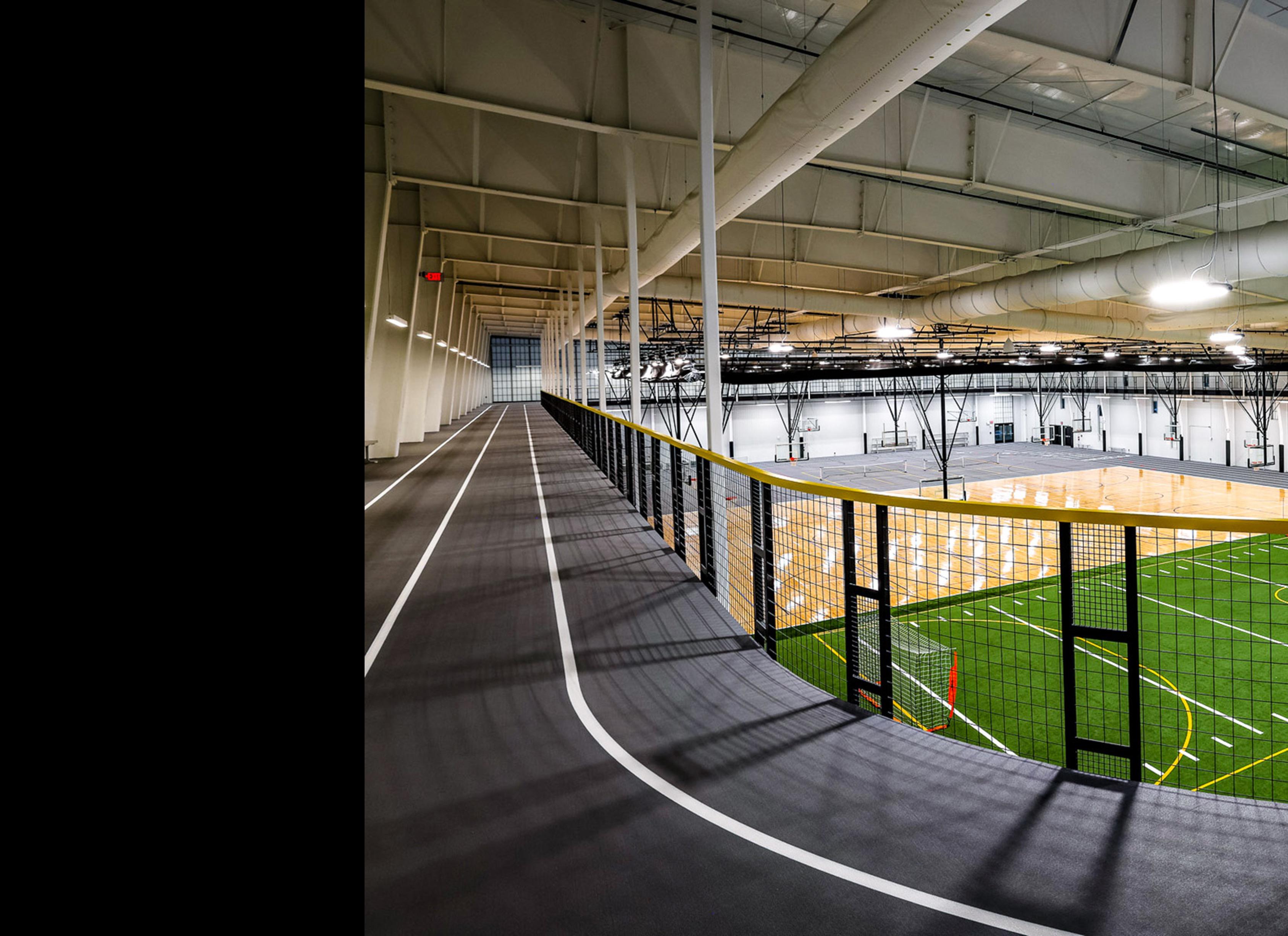
Construct a large, multi-use indoor sports complex capable of hosting regional, national, and international youth and amateur tournaments across a variety of sports, including:
● Volleyball, basketball, futsal, wrestling, gymnastics, pickleball, and cheerleading
● Climate -controlled facilities for year-round use
● Integrated with nearby hotels and restaurants
This would support sports tourism during Florida’s hot and stormy seasons, provide a consistent tourism boost outside of peak months, and make Palm Beach County a top destination for families traveling for youth sports.
Youth and amateur sports represent one of the fastest-growing segments of the tourism economy. Palm Beach County is wellpositioned to capitalize on this trend with a state -of-the -art, multi-sport indoor complex. A facility capable of hosting regional, national, and international tournaments, across sports like volleyball, basketball, futsal, wrestling, gymnastics, cheerleading, and pickleball, would fill an important year-round need for families and teams seeking top-tier venues, especially during Florida’s hot and rainy seasons.


Expanding the Palm Beach County Convention Center and developing its surrounding assets would elevate West Palm Beach into a vibrant, pedestrian-friendly hub for meetings, tourism, and cultural experiences.
Anchored by a larger convention facility and a second full-service headquarters hotel, the area would feature seamless connections to The Square (CityPlace), the Kravis Center, and downtown attractions. Surrounding development could include chef-driven dining, outdoor gathering spaces, boutique retail, and public art, creating a lively, walkable environment that stays active day and night.
Enhanced connectivity through Brightline, trolleys, bike share, and airport shuttles, combined with sustainable urban design and green infrastructure, would make the convention area a model of modern mobility and climate -conscious planning. Together, these improvements would position West Palm Beach as a premier national and international destination for conventions, corporate meetings, and leisure travel.
The Palm Beach County Convention Center has firmly established itself as a key economic driver, but additional capacity and surrounding amenities are needed to reach its full potential. Expanding the convention center and developing adjacent assets, particularly a second headquarters hotel, would enable West Palm Beach to host larger conventions, multi-day corporate events, and national association meetings.
This investment would also activate the broader urban core, connecting existing assets such as The Square, the Kravis Center for the Performing Arts, and nearby restaurants and shops through improved pedestrian corridors, outdoor plazas, and cultural programming. A comprehensive approach that blends meetings, entertainment, and community spaces would transform the area into a destination in itself, supporting tourism growth and long -term downtown vitality.

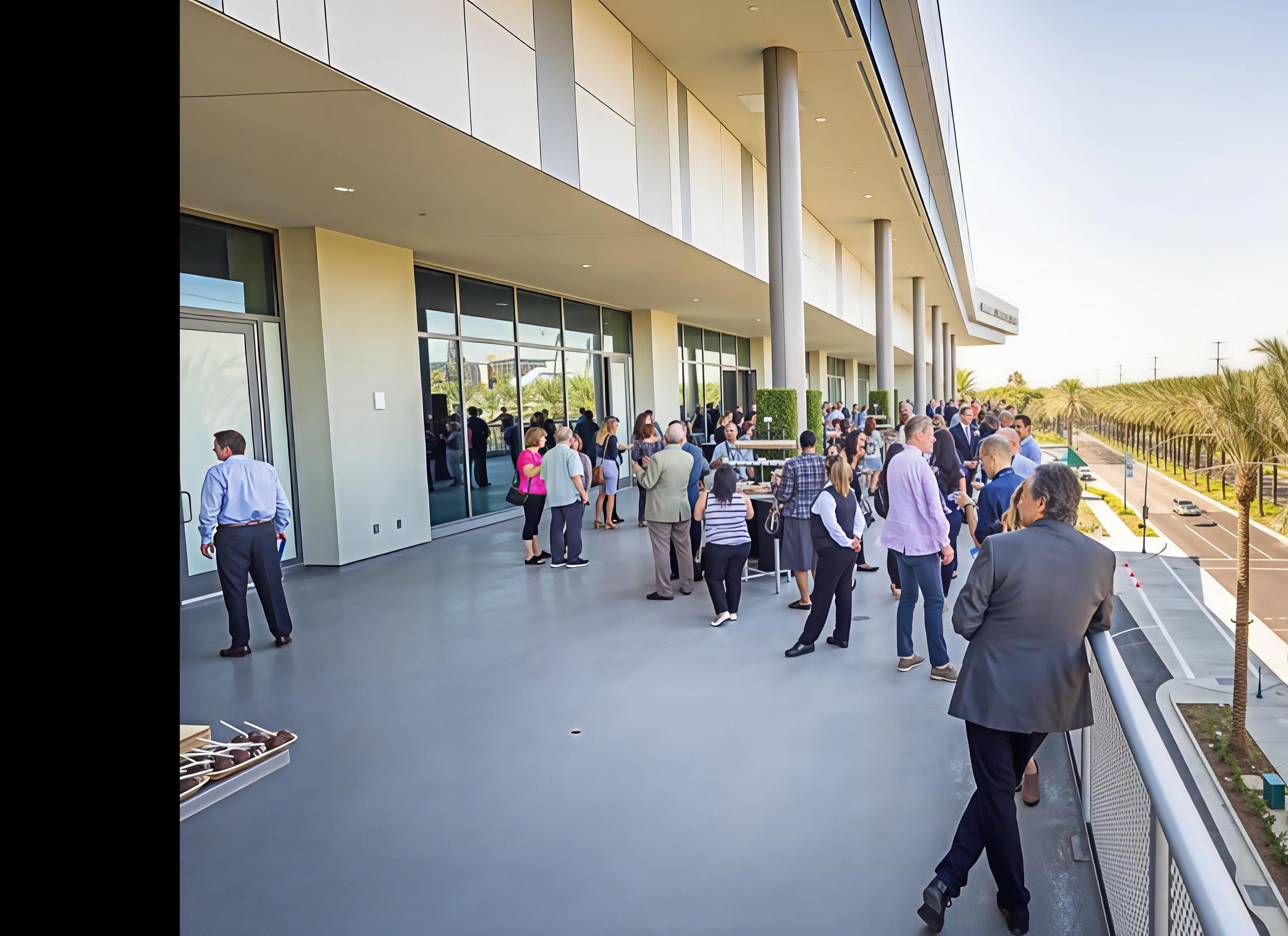
By partnering with Miami and Broward, Palm Beach County can position itself as the ideal overflow, training location, and venue for mega-events such as the FIFA World Cup, the Super Bowl, or the Olympic Games. This strategy would:
● Attract infrastructure investment
● Build global visibility
● Ensure long-term tourism benefits through legacy planning
Large -scale international events such as the FIFA World Cup, Super Bowl, and Olympic Games generate extraordinary tourism, media attention, and long-term economic benefits. By collaborating with neighboring counties like Miami-Dade and Broward, Palm Beach County can serve as an ideal support hub, offering niche venues, training facilities, team accommodations, media staging, and overflow lodging. This cooperative approach allows Palm Beach County to share in the benefits of hosting without bearing the full infrastructure burden.



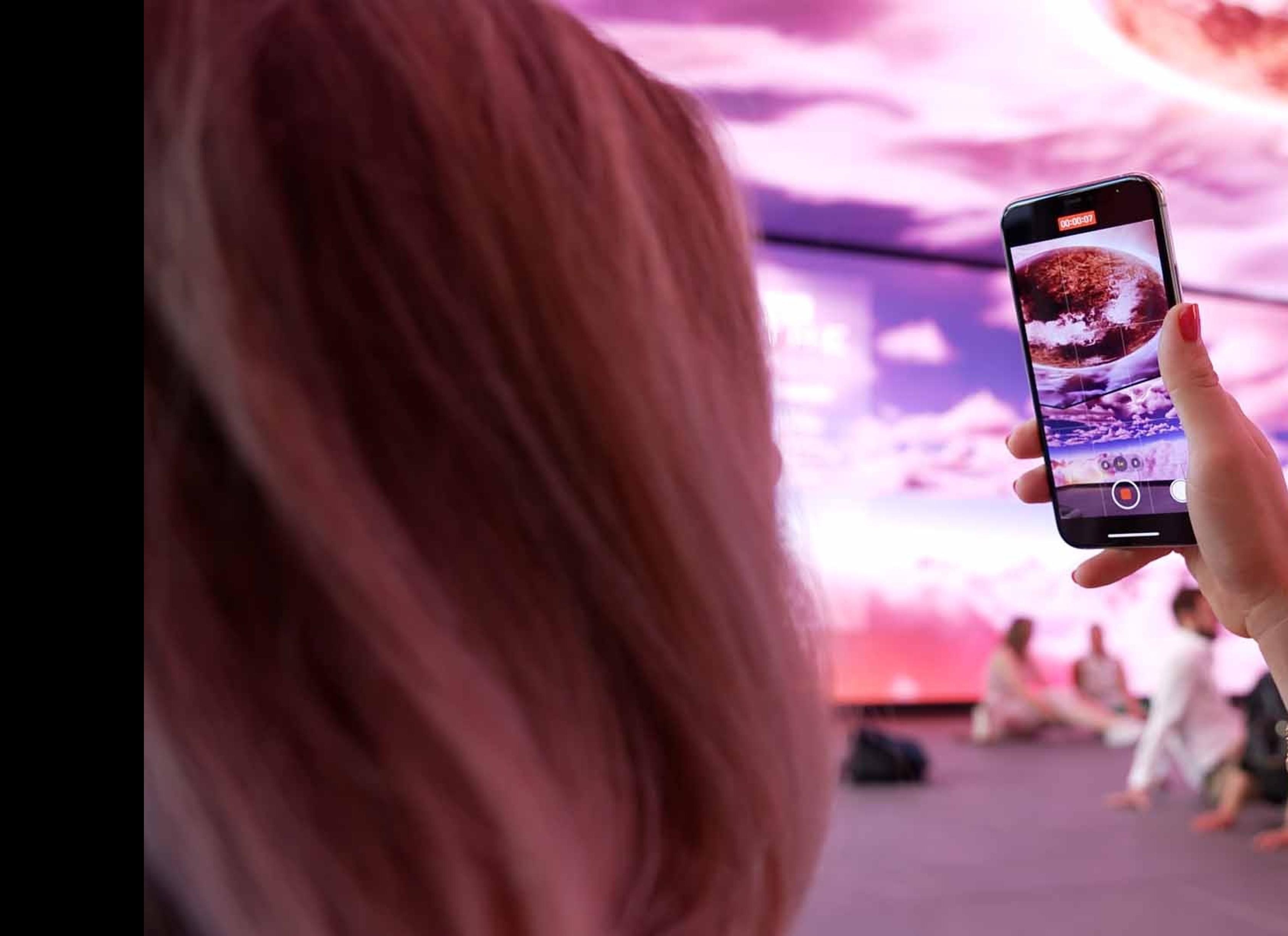
Create a one-of-a -kind digital art or immersive entertainment venue inspired by the Las Vegas Sphere or COSM that leverages:
● Advanced projection, AR/VR, and sound
● Rotating shows or environmental themes
● Day and nighttime programming
● Opportunities for local creative tech talent
This type of experience could become a signature indoor attraction for all ages, especially during inclement weather or offpeak seasons.
A state -of-the -art immersive venue, inspired by attractions like the Las Vegas Sphere, COSM, or Meow Wolf, would position Palm Beach County at the cutting edge of digital arts and entertainment. This flagship attraction would combine projection mapping, AR/VR, sound, and interactive storytelling to deliver rotating shows and multi-sensory experiences for all ages. As a signature indoor destination, it offers strong appeal during offpeak seasons, inclement weather, and day-to -night programming, while creating a platform for local creative tech talent.

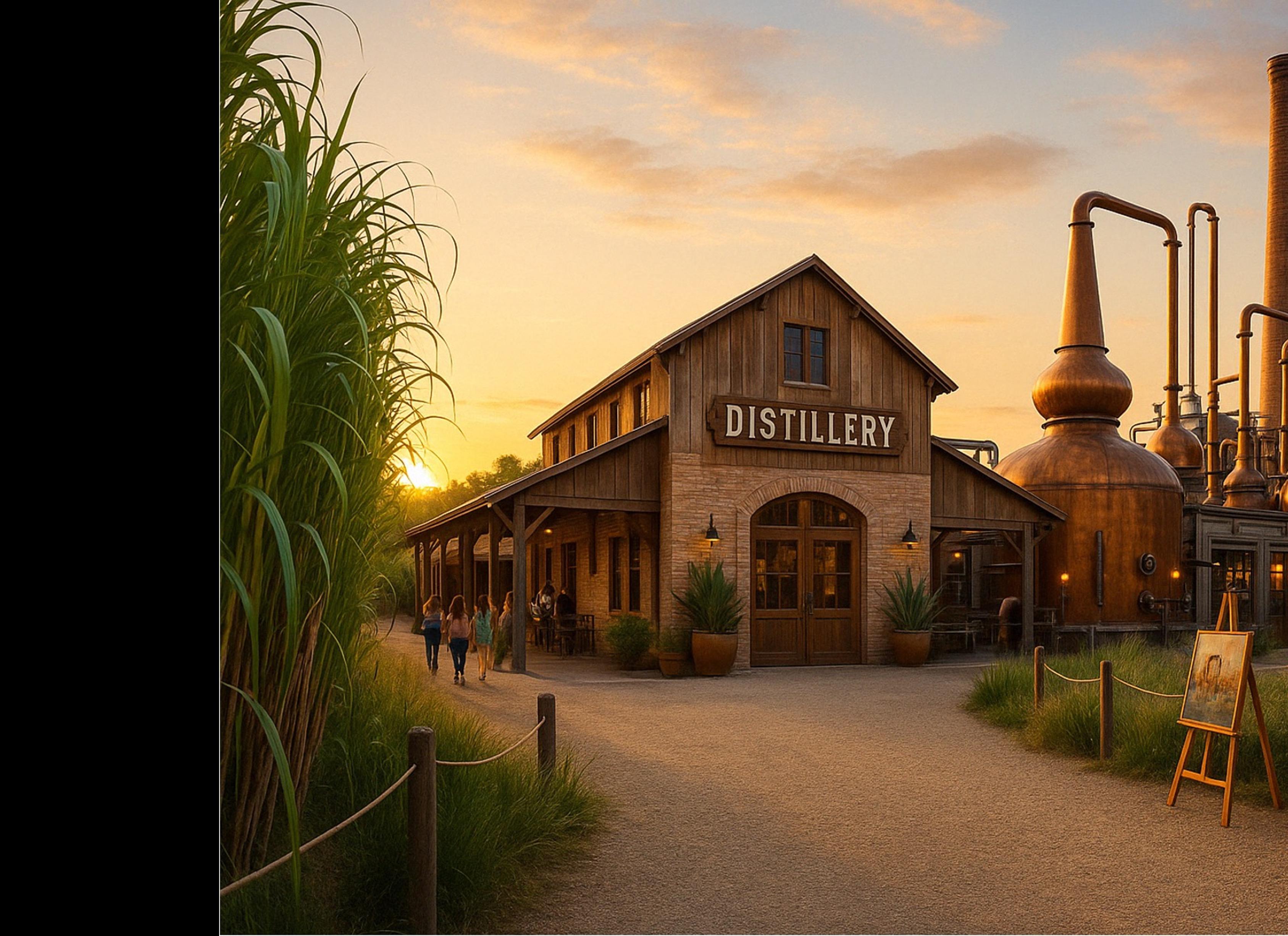
As part of the Other Land Society initiative, a high-profile, architecturally significant venue or experience could:
● Serve as a cultural and economic centerpiece for rural tourism
● Celebrate the region’s agricultural, ecological, and cultural identity
● Offer immersive visitor experiences such as performances, exhibitions, or culinary events
● Draw regional, national, and international media attention
● Prioritize local partnerships and creative entrepreneurship
This concept aligns tourism development with rural revitalization, placemaking, and job creation objectives.
As the signature attraction of the Other Land Society initiative, a high-profile venue in the Glades region would showcase the area’s distinctive culture and landscape through an innovative, design-forward experience. The concept could take the form of a performance and cultural center, experiential museum, artist retreat, or nature -based architectural landmark, something that sparks curiosity and media attention while deeply rooted in local identity.
This destination would highlight the creativity, ecology, and agricultural heritage of the Glades, offering a platform for storytelling, education, and community engagement. By blending art, architecture, and local culture, it would position the region as a must-see destination for visitors seeking authentic, place -based experiences.

Attract and develop a large-scale, world-class wellness destination in Palm Beach County, similar to Therme USA, that blends thermal baths, spa amenities, fitness, water-based recreation, immersive art, and health-focused dining. This indoor-outdoor destination would appeal to locals and tourists seeking relaxation, rejuvenation, and holistic experiences, and serve as a year-round anchor attraction that integrates wellness, sustainability, and cultural programming.
Wellness tourism is a rapidly growing global market, driven by travelers seeking experiential, health-centered, and natureconnected destinations. A large -scale wellness resort or complex, modeled after destinations like Therme in Toronto, Bucharest, or the upcoming U.S. projects, would uniquely position Palm Beach County as a top-tier health and wellness destination. The facility could offer thermal pools, spa treatments, immersive art installations, saunas, yoga studios, wellness workshops, and family zones, with a focus on sustainable design and inclusive pricing models.



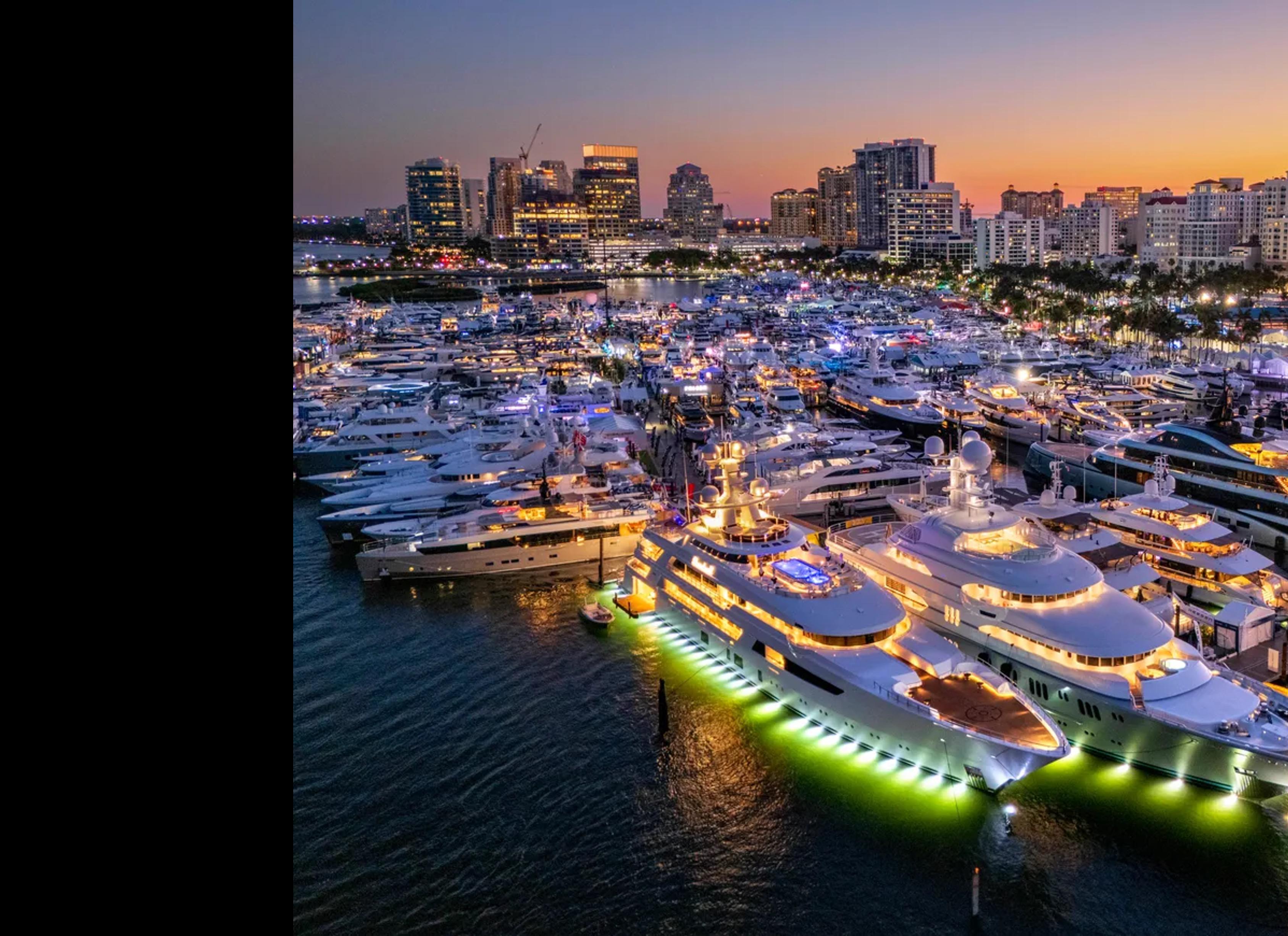
Palm Beach County’s waterfronts offer one of the most exceptional stages in the world for large -scale, world-class events. With its vibrant marine industry, international reputation, and year-round climate, the county can position itself as a global leader in signature waterfront events, from international regattas and luxury lifestyle showcases to major music, culinary, and cultural festivals.
These events would not only highlight the county’s natural beauty and maritime heritage but also elevate its global profile, attract high-value visitors, and drive tourism across all seasons. By leveraging public spaces, marinas, and coastal venues, Palm Beach County can deliver experiences that rival Monaco, Miami, and Sydney, without requiring large -scale new development.
Palm Beach County’s coastline is one of its defining assets yet remains underutilized as a platform for global-scale experiences. A focused program of signature waterfront events would transform the area into a year-round showcase of sport, culture, and creativity. These events could include international sailing competitions, boat shows, beach concerts, art installations, culinary festivals, and wellness gatherings, each designed to celebrate the region’s connection to the ocean while generating broad community and economic benefits.
By prioritizing design excellence, sustainability, and inclusivity, Palm Beach County’s waterfront events can embody both sophistication and local authenticity, offering something distinctive from nearby destinations while enhancing civic pride and international visibility.

Design and construct an iconic, visually striking, and instantly recognizable structure in Palm Beach County, comparable to landmarks like The Bean (Chicago), High Line (New York), the Eiffel Tower (Paris), Big Ben (London), or the Sydney Opera House. The goal is to create a signature attraction that defines the county’s identity, draws visitors from around the world, and becomes a magnet for photography, social media, events, and civic pride.
Around the world, signature landmarks have helped transform cities into global destinations. These structures not only anchor tourism but also symbolize the spirit and aspirations of a place. Palm Beach County, while rich in natural beauty and lifestyle appeal, lacks a single architectural or sculptural feature that is immediately recognized worldwide. An iconic, instagrammable structure, designed by a world-class architect or artist, would fill this gap, creating an enduring destination asset that connects residents and visitors to a shared identity and offers constant engagement opportunities.

Palm Beach County remains Florida’s largest county without a major indoor sports or entertainment venue capable of hosting large-scale professional events. Developing a world-class, multi-purpose arena with sustainable design and flexible operations would:
● Establish Palm Beach County as a premier destination for indoor sports, concerts, and live entertainment
● Drive year-round visitation through professional sports, family shows, touring acts, esports, and cultural events
● Serve as a catalyst for surrounding mixed -use development, including hotels, dining, and retail
● Create a community hub through youth sports academies, educational programs, and local partnerships
Positioned strategically near major transportation corridors and supported by a public-private partnership, the arena would strengthen the county’s economic diversification, brand identity, and visitor economy.
Developing a major sports and entertainment arena would fill a critical gap in Palm Beach County’s tourism and event infrastructure. The facility would be designed to host professional and semi-professional sports (e.g., NBA G -League, ECHL hockey, WNBA, or indoor soccer), large touring concerts, family entertainment, esports tournaments, and cultural performances.
The venue would also support community engagement through youth leagues, graduations, expos, and charitable events, ensuring continuous use and broad public benefit. Strategically located near key population centers and transportation networks, the arena would enhance the county’s competitiveness in attracting high-profile events while stimulating investment in nearby hotels, retail, and entertainment districts.

Motorsports attract massive audiences and have a proven record of creating economic ripple effects across hospitality, retail, and transportation sectors. A venue capable of hosting high-profile events like NASCAR or Formula 1 would:
● Drive national and international visitation
● Create seasonal signature events
● Introduce new demographics to Palm Beach County
Auto racing is a globally popular sport that drives significant tourism, media coverage, and economic activity. Developing a world-class racetrack in Palm Beach County capable of hosting national and international events, such as NASCAR, Formula 1, or IMSA, would position the region as a premier motorsports destination. Beyond marquee races, the venue could also host driving experiences, car shows, corporate events, and festivals year-round.



The Palm Beach County Tourism Master Plan establishes a clear, disciplined set of priorities to guide decision-making, investment, and implementation over the next decade. These priorities are designed to ensure that tourism growth delivers strong economic returns while enhancing resident quality of life, protecting cultural and environmental assets, and reinforcing Palm Beach County’s long-term competitiveness as a high-value, community-first destination. Rather than advancing initiatives in isolation, the Plan emphasizes sequencing, coordination, and accountability, recognizing that time, funding, staffing capacity, and political bandwidth are finite.
At the heart of the prioritization framework is a transparent, evidencebased evaluation process. Each Strategic Recommendation was assessed using a consistent, weighted set of criteria that balance economic performance, feasibility, governance realities, and community benefit. These criteria include economic impact, total capital and operating costs, return on investment timeframe, political will, opportunity for Tourist Development Council (TDC) influence, ease of implementation, cultural and historic value, resident quality of life impact, and community support. The weighting of these criteria, established by the Tourism Master Plan Steering Committee, ensures that final priorities reflect local values and policy context, not just technical merit. The result is a practical framework for phasing, budgeting, and resource allocation that supports informed judgment rather than a rigid, linear ranking.
The highest-priority initiatives emphasize governance, coordination, and execution capacity. Early priorities focus on using existing TDC staff and Board structures to oversee implementation, aligning personnel and organizational structures across tourism -related agencies, and managing the Tourism Master Plan as a unified, countywide strategy. These actions represent low-cost, high-impact “enablers” that allow Palm Beach County to move quickly, demonstrate early wins, and build momentum for more complex initiatives.
A second tier of priorities centers on maintaining a cohesive destination brand, advancing inclusive and multilingual marketing, and deploying technology, particularly artificial intelligence and data-driven tools, to enhance visitor services and decision-making. These initiatives strengthen Palm Beach County’s ability to compete for high-value visitors, improve visitor experience quality, and support more efficient, responsive destination management.
Equally important are priorities that invest in product development and place -based experiences that differentiate the destination while benefiting residents. These include expanding cultural, heritage, and arts tourism; advancing signature trails and coastal culture initiatives; promoting slow tourism, wellness, agritourism, and experiential dining; and activating underutilized spaces for events and pop-up programming. Collectively, these priorities emphasize geographic balance, off-season visitation, authenticity, and quality over volume.
Larger-scale, capital-intensive initiatives, such as modernization of convention and group infrastructure, major transportation and wayfinding investments, and catalytic destination assets, remain important long-term priorities but are intentionally sequenced later in the implementation horizon. These initiatives require additional feasibility analysis, multiagency coordination, and sustained political and financial commitment. By placing them within a phased roadmap, the Plan ensures that Palm Beach County builds the organizational capacity, data foundation, and stakeholder alignment needed to maximize return on investment and manage risk.
Taken together, the priority framework positions the Tourism Master Plan as an actionable roadmap rather than a static wish list. It enables Palm Beach County to advance multiple high-value initiatives in parallel, align investments with community values, and adapt over time as market conditions and opportunities evolve, ensuring tourism remains a powerful, positive force for the County’s economy, communities, and quality of life.
“Prioritize tourism initiatives that balance ECONOMIC IMPACT, FEASIBILITY, & COMMUNITY BENEFIT to ensure sustainable growth over the next decade.”
Implementation of the Palm Beach County Tourism Master Plan is intentionally designed to move the Plan from vision to action through a structured, phased, and accountable approach. Recognizing the County’s scale, diversity, and decentralized governance environment, the implementation framework emphasizes coordination, prioritization, and adaptability, ensuring that tourism initiatives deliver measurable economic value while enhancing resident quality of life, protecting cultural and
Performance measurement and adaptive management are embedded throughout implementation. Annual implementation work plans, quarterly performance dashboards, and an expanded State of Palm Beach County Tourism report provide transparency, track return on investment, and support data-driven decision-making. Regular monitoring, stakeholder engagement, and periodic plan updates ensure the Tourism Master Plan remains responsive to market conditions, community priorities, and
The 10 Big Ideas outlined in the Tourism Master Plan are intended to function as a strategic portfolio of opportunities, not a fixed set of projects to be built. If advanced, each Big Idea would move forward through a disciplined, phased implementation framework designed to manage risk, ensure community alignment, and protect public resources while maximizing long-term economic and branding benefits.
As previously reported, all Big Ideas will undergo a rigorous feasibility analysis and early-stage validation before any capital commitments are made. This includes market demand and competitive analysis, site and infrastructure screening, high-level financial modeling, and initial community and stakeholder engagement. Projects that do not demonstrate clear, incremental value, or that face unresolved land, infrastructure, or community constraints, would not advance.
For concepts that pass this stage, the County would focus on differentiation and partnerships, defining how each Big Idea uniquely positions Palm Beach County relative to peer destinations and identifying the appropriate public, private, or nonprofit delivery structure. In most cases, success will depend on securing experienced operators, anchor events, or development partners and clearly assigning long-term operating risk.
Implementation would begin with strong portfolio -level governance, establishing clear decision-making authority, financial guardrails, and go/no -go criteria. This framework ensures that each Big Idea is evaluated consistently and that only those with demonstrated strategic fit, market demand, and feasible delivery models advance.
Across all Big Ideas, community benefit, sustainability, and resilience are treated as core requirements rather than secondary considerations. Projects would be expected to demonstrate public value through job creation, workforce development, equitable access, environmental stewardship, and integration with existing infrastructure and neighborhoods.
Finally, the Big Ideas would advance on a phased and selective basis, with clear decision points and the flexibility to pause, rescope, or defer concepts as conditions evolve. Some Big Ideas may emerge as near-term catalysts, others as mid-term investments, and others as long -term or aspirational opportunities. This approach ensures the Tourism Master Plan remains adaptable, fiscally responsible, and aligned with Palm Beach County’s long-term vision, allowing the County to think boldly while investing strategically.
“All 10 Big Ideas will under go a rigorous FEASIBILITY ANALYSIS including STRATEGIC PARTNERSHIPS and DEMONSTRATED COMMUNITY BENEFIT. Only those projects that prove FINANCIAL VIABILITY, STRATEGIC VALUE and ALIGNMENT with the County's long-term vision will advance to the next stage.”