The Art of Tasting
A Beginner's Guide to Wine, Beer & Whiskey

Prepared by Stones River Total Beverages – Murfreesboro, TN
Why Tasting Is an Art
Every sip tells a story — from grapes to grains, revealing the craftsmanship and tradition behind each beverage. True tasting goes beyond drinking; it's about sensing, identifying, and appreciating the complex layers of flavor.
The goal is to enjoy responsibly and discover your personal palate through mindful exploration.
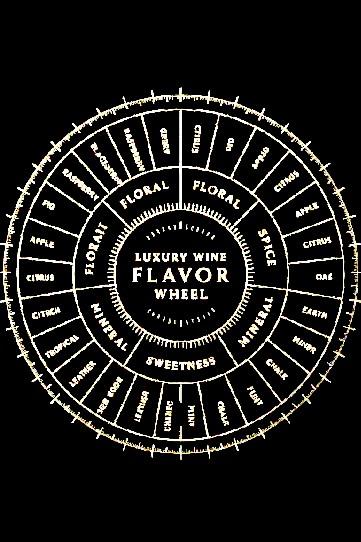
Understanding Flavor Notes

Five Basic Tastes
Sweet, sour, bitter, salty, and umami form the foundation of all flavor experiences we perceive.
Aroma Power
Your nose contributes 70% of what we perceive as taste — making the sniff just as important as the sip.
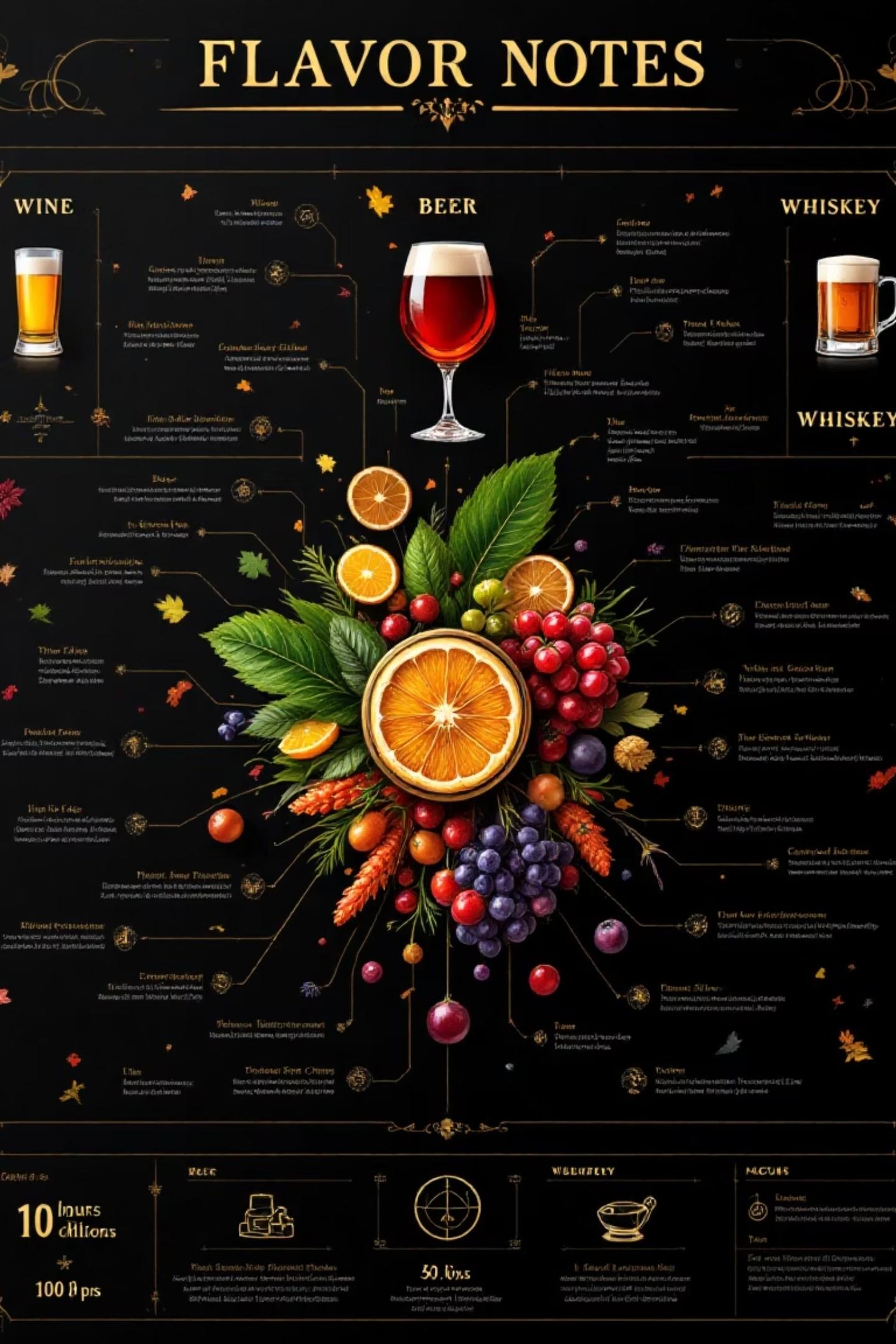
Flavor Examples: Red wine reveals berry and spice notes | IPA beer brings citrus and hop character | Whiskey offers oak and vanilla warmth
The 5-Step Wine Tasting Method
Look Observe clarity, color intensity, and viscosity by holding the glass against a white background. 02
Swirl Gently rotate the glass to release aromatic compounds and oxygenate the wine. 03 Smell Inhale deeply to identify fragrance notes — fruits, flowers, spices, or earthiness. 04
Sip
Take a small amount, let it coat your tongue, and breathe in air to enhance flavors.

05 Savor Reflect on the finish, balance, and overall impression as flavors linger and evolve.
How to Taste Beer Like a Pro
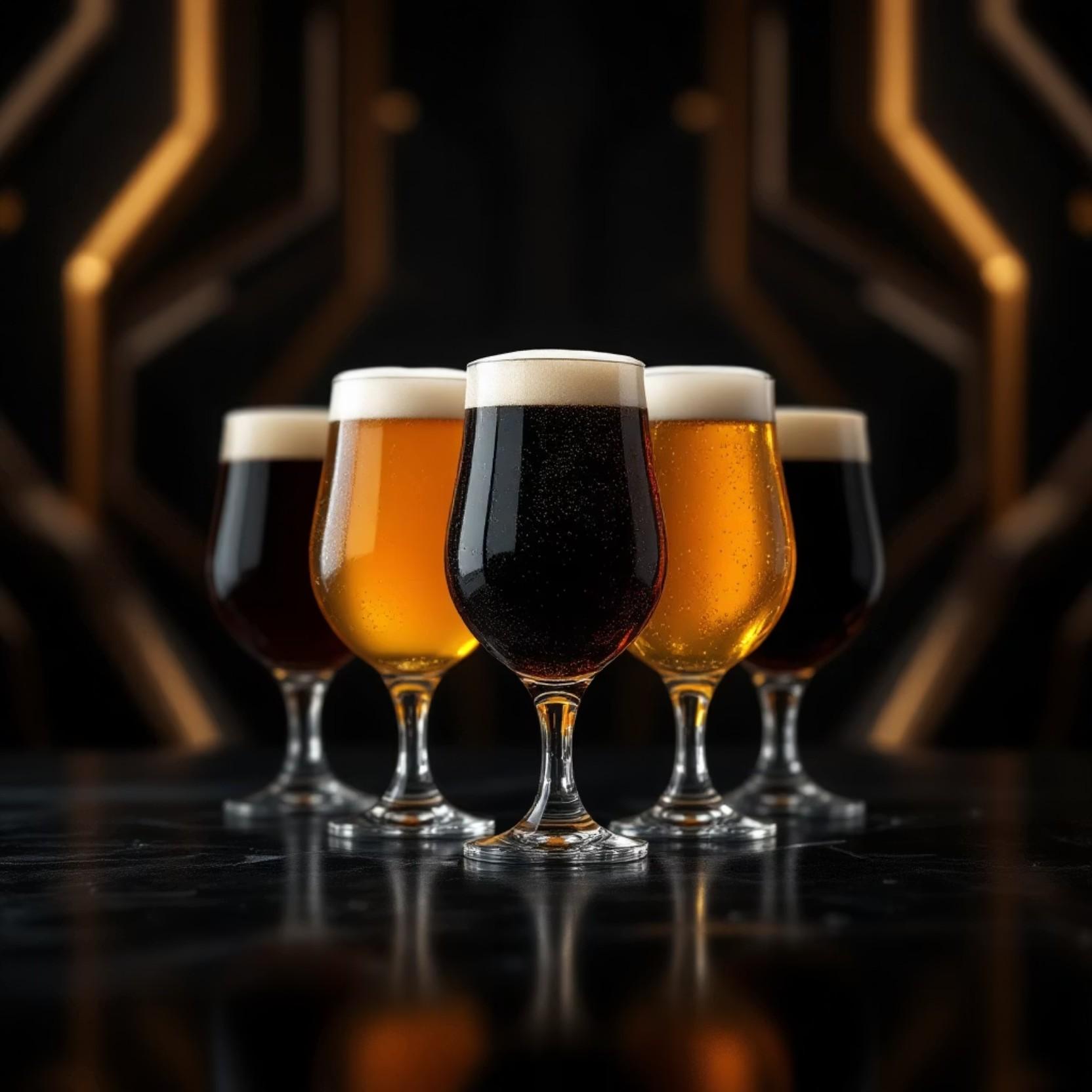
• Examine the foam head, clarity, and color depth in proper
• Inhale deeply before your first sip to capture the hop and malt aromas
• Focus on the balance of hops, malt sweetness, and carbonation levels
• Note how temperature affects flavor and consider the aftertaste length
Pro tip: Let the beer warm slightly as you taste — new flavors will emerge at different temperatures.
The Whiskey Tasting Experience



Pour & Observe
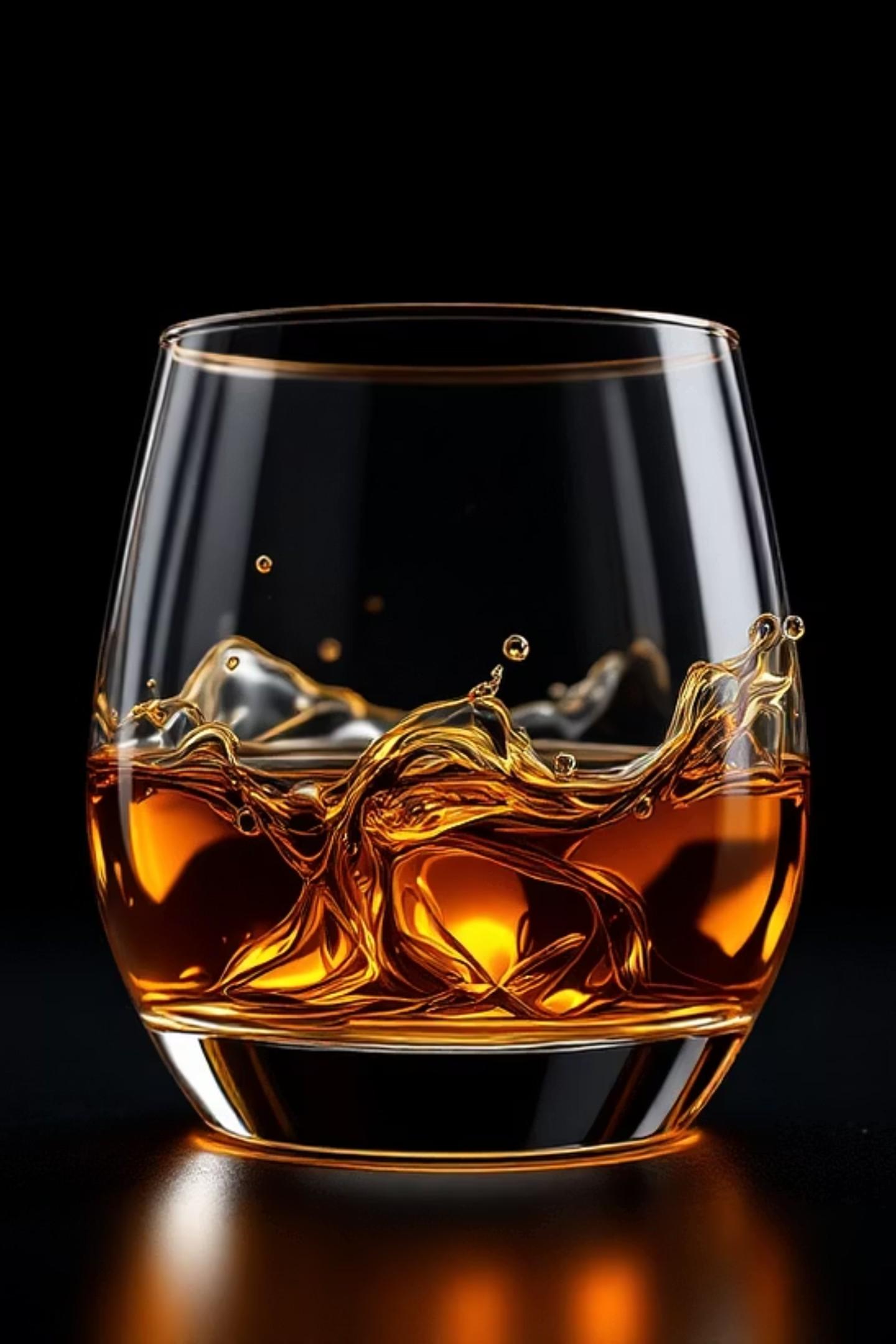
Pour a small neat sample and swirl gently to observe viscosity patterns called "legs" on the glass.
Nose First
Smell for caramel, oak, vanilla, or spice notes before tasting — the aroma tells half the story.
Sip Mindfully
Take small sips to feel the warmth, texture, and finish. Add a single drop of water to open hidden flavors.
Common Tasting Mistakes
Rushing the Process
Drinking too fast without taking time to properly note aromas and flavor development.
Ignoring Temperature
Not considering how temperature and glass shape dramatically affect taste perception.
Wrong Glassware
Using heavily scented or soap-residue glassware that interferes with true flavors.
Palate Interference
Overpowering your palate with spicy food, mints, or strong flavors beforehand.
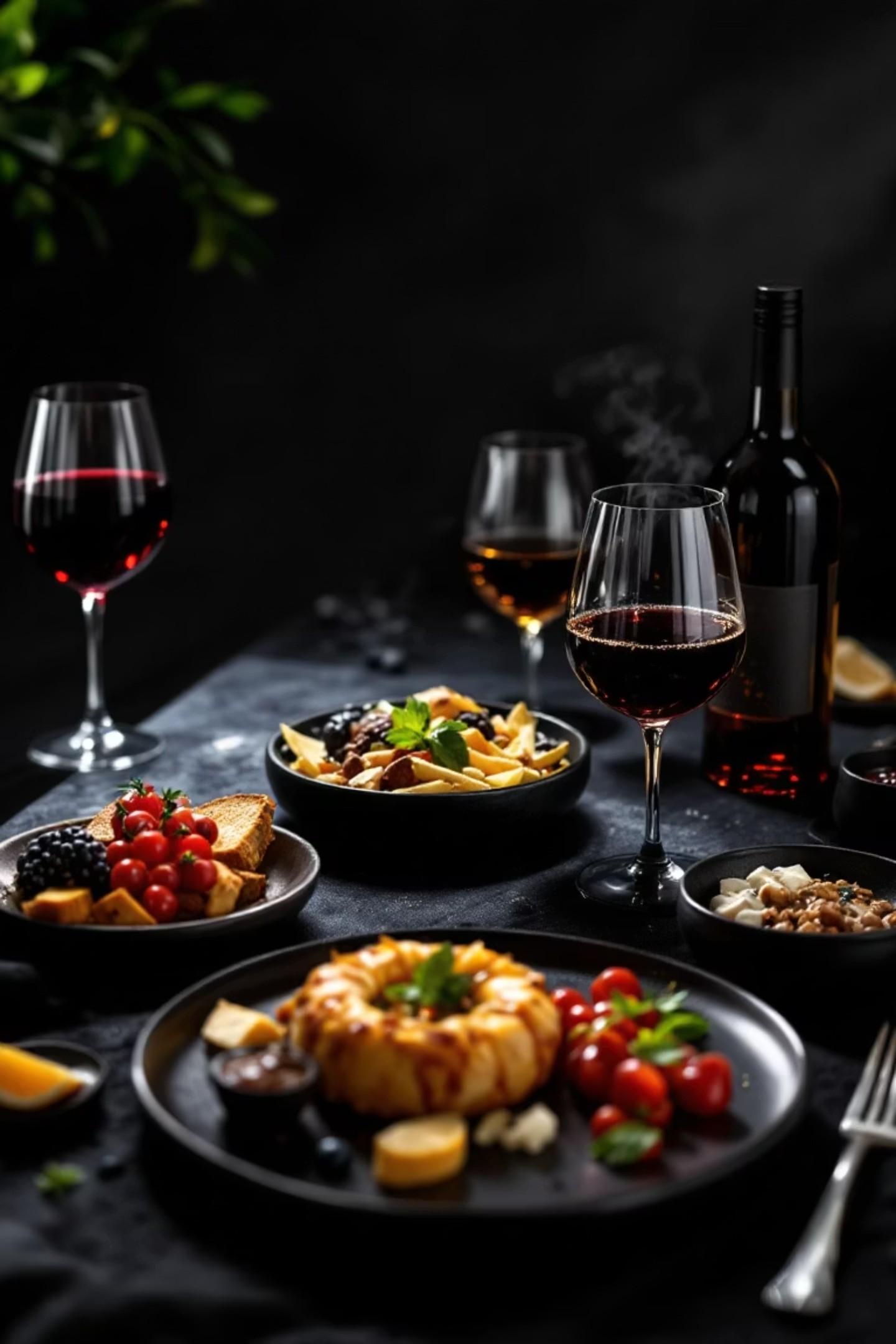
Pairing Flavors with Food
Wine Pairing
• Pinot Noir + salmon
Match intensity levels — light wines complement delicate dishes, while bold wines stand up to rich meals.
• Chardonnay + lobster
• Cabernet + steak
• IPA + spicy tacos
Beer Pairing Complement or contrast flavors — IPA cuts through spicy heat while stout enhances chocolate desserts.
• Wheat beer + salads
• Stout + chocolate cake
Whiskey Pairing
Pairs beautifully with smoked, roasted, or caramelized dishes that echo the barrel-aging process.
• Bourbon + BBQ ribs
• Rye + dark chocolate
• Scotch + smoked salmon
Responsible Enjoyment
Sip, Don't Gulp
Take time to appreciate each taste rather than focusing on consumption. Quality over quantity always wins.
Stay Hydrated
Drink water between tastings and eat food to maintain your palate and overall well-being.
Know Your Limits
Respect local laws, your personal tolerance, and always have a safe way home planned.
Explore Responsibly.Enjoy the Craft.
Prepared by Stones River Total Beverages
Encouraging appreciation for fine beverages in Murfreesboro and beyond
Continue your tasting journey with knowledge, respect, and a sense of adventure.