Velocity Brands

Why Some Brands Are Breaking Through Faster Than Ever


EACH YEAR, THE NATIONAL ASSOCIATION OF CHAIN DRUG STORES ANNUAL MEETING REMINDS ME WHY THIS INDUSTRY REMAINS SO RELATIONSHIP-DRIVEN.
It continues to be one of mass retail’s most important gatherings, bringing together retailers, suppliers and industry leaders sharing where the business is headed next. It is most certainly my favorite event of the year! In an environment where so much communication happens digitally, there is still real value in getting people in the same room. You’ll find highlights from this year’s meeting in our photo recap on page 10.
Those conversations often lead back to a common theme: where is consumer demand heading next, and which categories are creating real growth opportunities for retailers?
Right now, two categories continue to stand out, hydration and protein.
Hydration has moved well beyond traditional sports drinks and into everyday wellness. Consumers are looking for products that support energy, recovery, immunity and daily performance, creating opportunities for brands across multiple retail categories.
Protein is seeing similar momentum. What was once primarily associated with fitness enthusiasts has become increasingly mainstream as consumers prioritize convenience,
Both categories reflect broader consumer shifts toward wellnessfocused lifestyles, and both represent meaningful discovery opportunities for retailers looking to stay ahead of demand.
nutrition, and healthy aging. Innovation continues to expand across powders, beverages, bars and functional products.
Both categories reflect broader consumer shifts toward wellness-focused lifestyles, and both represent meaningful discovery opportunities for retailers looking to stay ahead of demand.
In this issue, we take a closer look at both categories through dedicated coverage including insights from our friends at Circana. Coverage appears in our Vitamin, Mineral & Supplement and HBC sections.
At Retail Brand Discovery, that remains our focus: helping retailers discover what’s next while creating meaningful visibility for the brands driving innovation.
Thank you for reading.
Chris Stanton Editor & Publisher chris@themosaicgroup.org

Walk the front end today in any mass retailer and you’ll see a new generation of brands changing the conversation in HBC, OTC and Vitamin, Diet & Nutrition
Walk through the beauty aisles like I did last week leading my own retail safari through stores like Target, H-E-B and Walgreens and one thing becomes obvious; mass beauty is no longer just about basics. The
Hydration is no longer confined to the sports drink aisle where Gatorade was the dominant choice for many consumers.
Protein has officially moved beyond its traditional role in sports nutrition.
From Initiative to Imperative: Sustainability’s Expanding Role in CPG and Wellness Growth



May 31 - June 3
June 1 - June 3
June 2 - June 4
June 2 - June 4
June 3 - June 5
June 8 - June 10
July 19- July 21
3 -
August 15 - Aug 17
15 -
August 24 - August
Sept 14 - Sept
Sept 14 - Sept 17

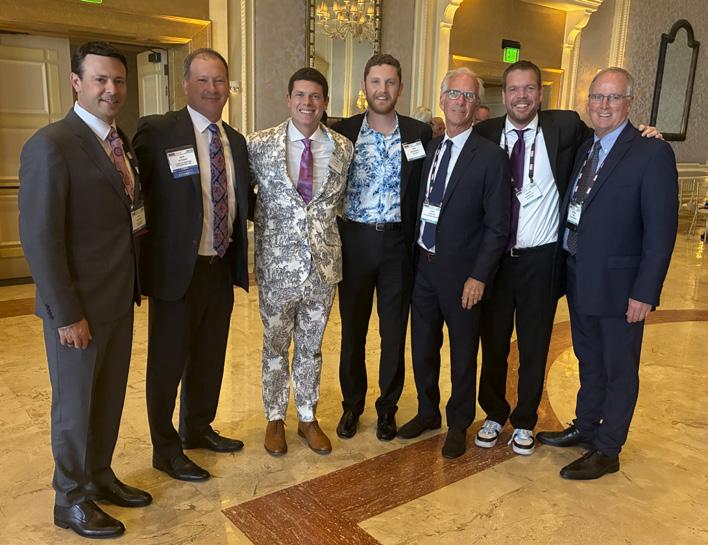

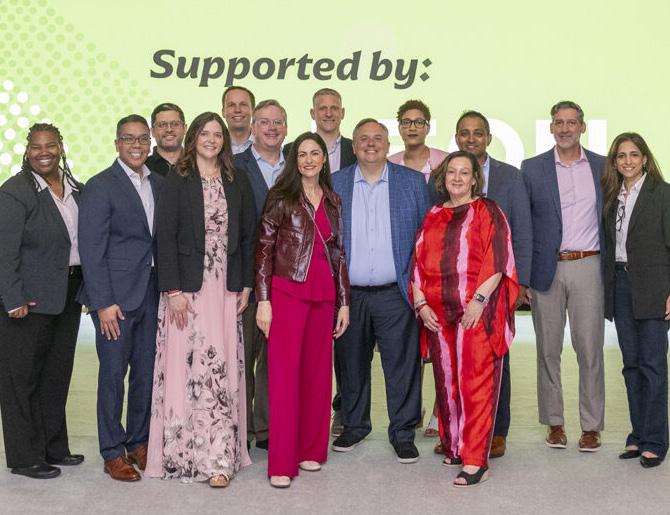




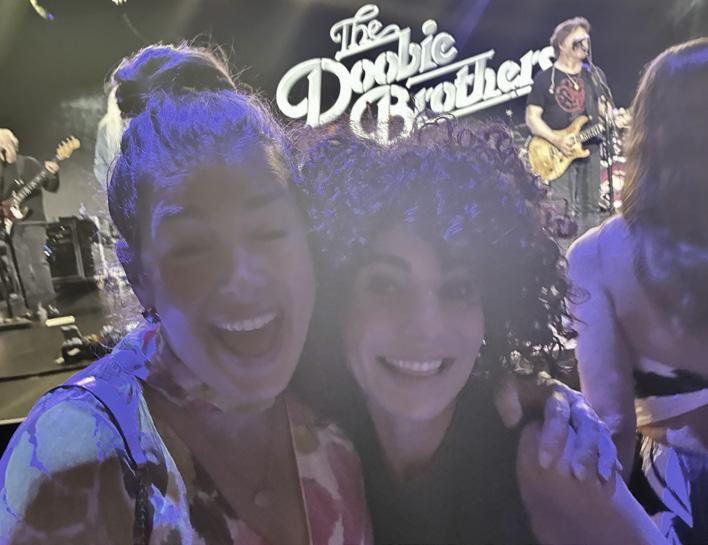
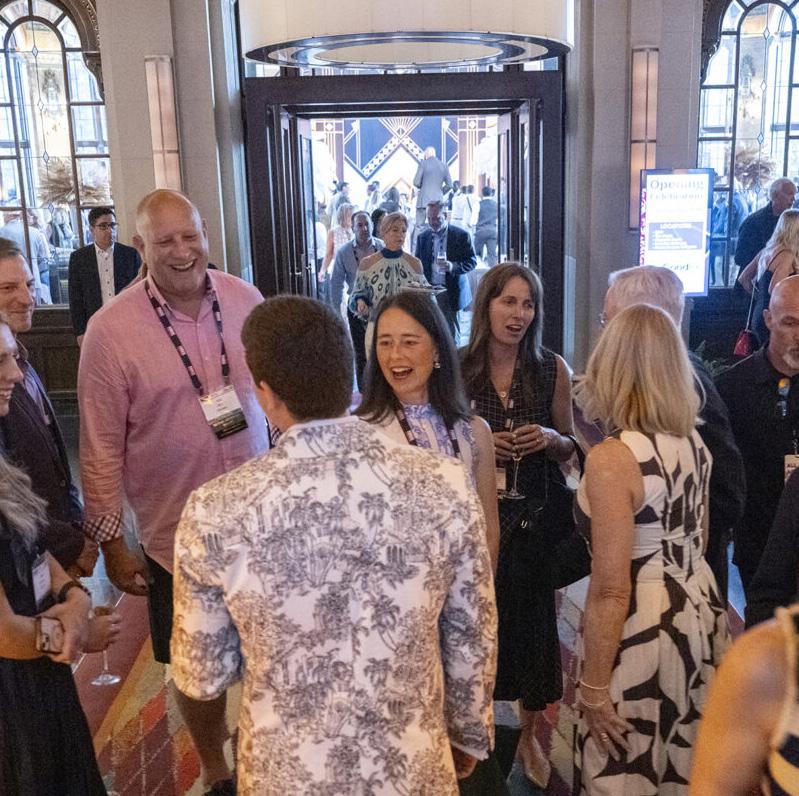
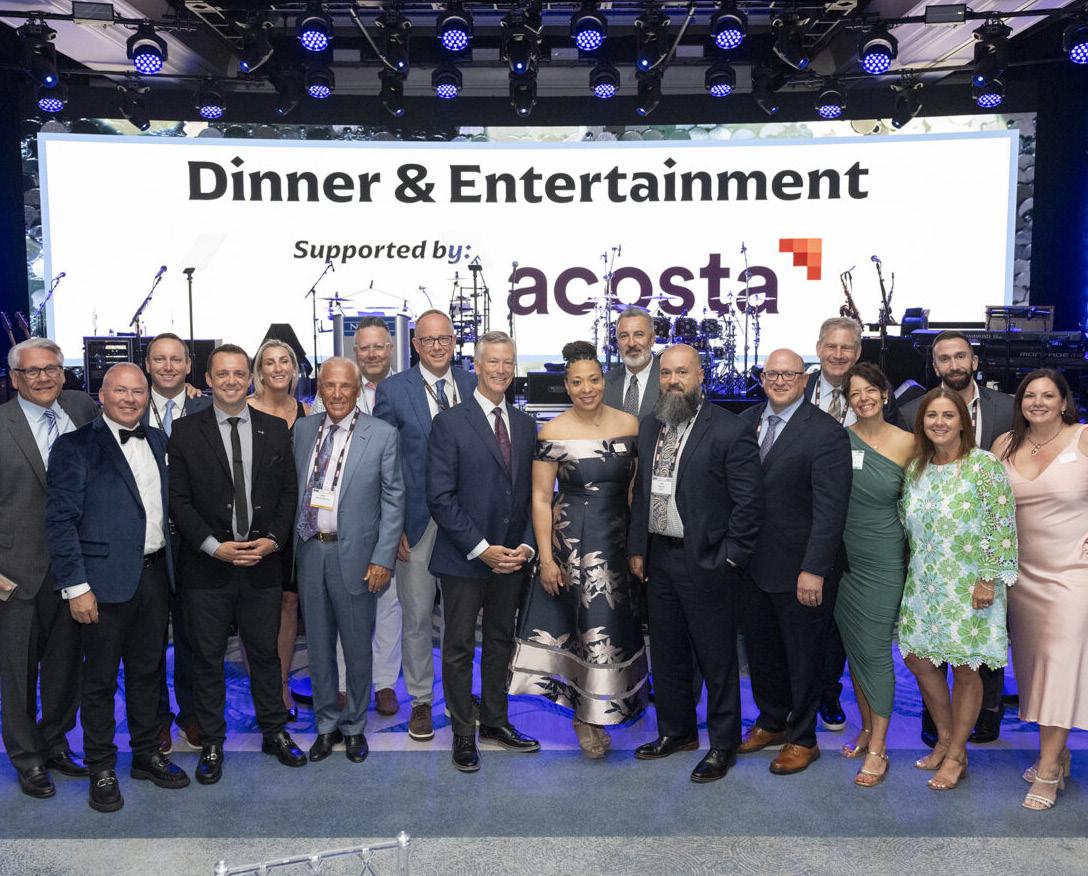
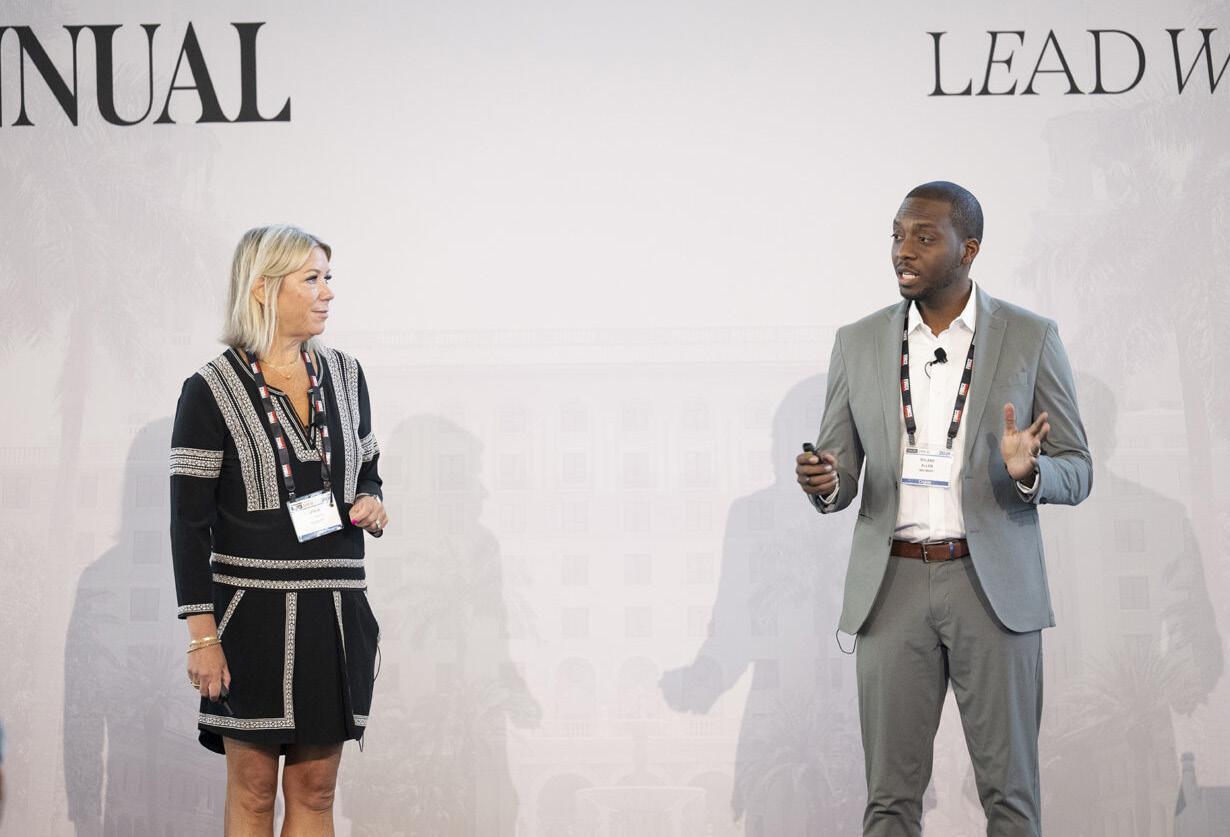
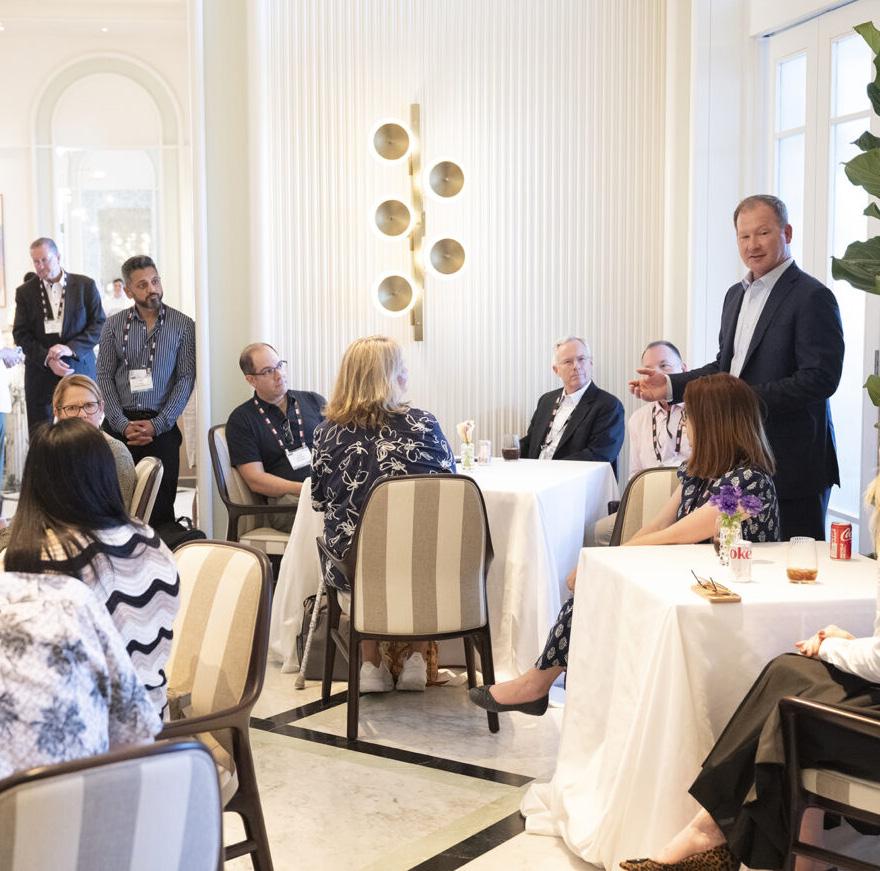
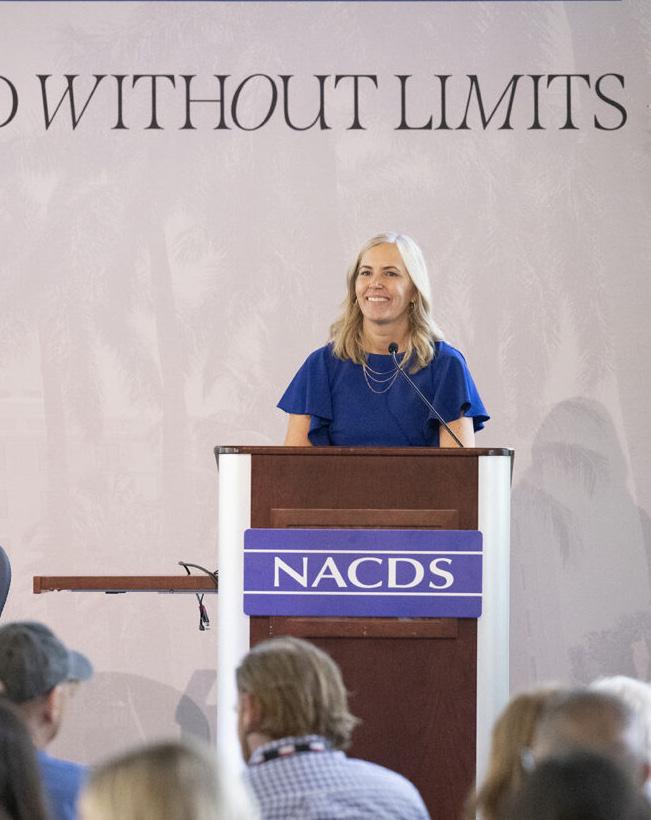
The recent NACDS Annual Meeting once again showed why collaboration, conversation and shared goals remain as important as ever across the retail and consumer products industry. From meetings between retailers and emerging and traditional brands to conversations with longtime industry partners, the event reflected an industry still driven by relationships, innovation and the search for what’s next. Just as important were the hallway conversations, evening receptions and introductions and the idea sharing that continue to make industry gatherings like the NACDS Annual Meeting so valuable. Retail Brand Discovery enjoyed spending time with retailers, suppliers and brand partners while capturing moments from another productive and energetic annual meeting.



BY CASSANDRA PETERS
Brands emerging in hydration, protein, women’s health & sexual are connecting with consumers in ways that traditional brand-building models often struggle to replicate. They’re moving faster, often launching on ecommerce platforms first, where they can build loyalty earlier and create momentum well before they reach mass scale.
At Retail Brand Discovery, we call them Velocity Brands.
These are brands that understand today’s consumer isn’t simply shopping for products. They’re shopping for relevance, social cause & identity and products that fit naturally into everyday life.
For years, growth in CPG was largely driven by distribution. More stores. More SKUs. Bigger marketing budgets. Less selection.
Today, many emerging brands are building signal before scale. They’re entering the market with a clear point of view, strong founder energy, easy-to-understand benefits and products that fit naturally into modern lifestyles. The best of them feels approachable, current and human which is often what captures retailer connec5tion.
Consumers respond to brands that feel authentic and easy to incorporate into their routines. In many cases, these brands are making retailers expand product mix in their category offerings
That shift is happening across multiple areas of the store.
In HBC, hydration has evolved far beyond traditional sports drinks. Consumers are now seeking everyday hydration solutions tied to wellness, energy, recovery and lifestyle, creating opportunities for brands that bring innovation, functionality and personality to the category.
In Vitamin, Diet & Nutrition, protein has officially moved beyond the gym. Today’s consumers have made protein a part of their daily routines incorporating shakes, powders, bars and even chips, into their lifestyles.
Meanwhile, in OTC, women’s health and sexual wellness continue to evolve into more open, modern and solution-oriented categories. Consumers increasingly expect products that combine functionality, education, wellness and empowerment, creating opportunities for brands willing to approach the category differently.

Velocity Brands often perform best when retailers move beyond traditional merchandising approaches and create opportunities for storytelling, discovery and trial.

What many of these Velocity Brands share is clarity. They are not trying to be everything to everyone. They are typically driven by passion and arrive with a focused point of view, distinctive positioning and products designed to reduce friction for consumers. Whether through format, messaging, or lifestyle alignment, these brands make decision-making easier and discovery more engaging. Retailers are seeking out these founder-led brands through meeting request and Open Call days that invite companies out to pitch. Together, brands and retailers will better understand how consumers discover brands today. For retailers, this creates both opportunity and challenge.
Velocity Brands often perform best when retailers move beyond traditional merchandising approaches and create opportunities for storytelling, discovery and trial. Endcaps, curated wellness sets, sampling programs and solution-based merchandising can help consumers connect with emerging brands faster and more meaningfully.
The brands driving today’s innovation are not always the largest brands in the category. But increasingly, they are the brands shaping where the category is headed next.
BY BROOK MILLER
Consumers still want value and the traditional beauty “must-haves,” but they also want discovery and an experiential environment that feels current and a little bit elevated. In my opinion, that is one of the biggest reasons beauty continues to outperform expectations at retail.
What I find especially interesting is how broad the audience has become. Beauty is no longer driven by one age group. Younger consumers may influence trends and social buzz, but older shoppers are every bit as engaged, especially in categories tied to wellness, self-care and daily routines. Retailers that think beauty is only about Gen Z are missing the bigger opportunity.
Sun care is a perfect example. Years ago, SPF at mass retail was mostly a seasonal purchase. Now consumers are treating it as part of their everyday skincare routine. Facial SPFs, tinted formulas and skin-friendly protection products are becoming part of daily life, not just beach trips. In warmer climates (like here in Austin), retailers are merchandising sun care in its own department. And across the U.S., sun care now shows up year-round in the skincare aisle. That’s a message to sun care brands. Retailers are no longer treating SPF like a temporary seasonal business.
Lip care is another area that keeps evolving. Consumers want products that hydrate, protect and still feel fun to use. The line between treatment and cosmetics keeps get-
ting blurrier. What stands out to me is how universal the category has become, both demographically and in-store. Teen shoppers, busy moms and older consumers are all buying lip products, just for different reasons. One report I found shows lip care purchases are impulse driven nearly 40% of the time. That kind of broad appeal matters in mass retail. This is also a difficult category to break into, with most innovation still coming from established brands like ChapStick, EOS and Carmex.
Nail care also deserves more attention than it sometimes gets. At-home nail products continue to improve, and consumers clearly like the convenience and affordability. Press-ons, strengthening treatments and easy-touse color systems are giving shoppers a way to experiment without committing to pricey salon visits. One of the more interesting brands we came across recently at the
Retailers that keep beauty fresh, easy to shop and connected to wellness and social media trends will continue to separate themselves in a highly competitive marketplace.
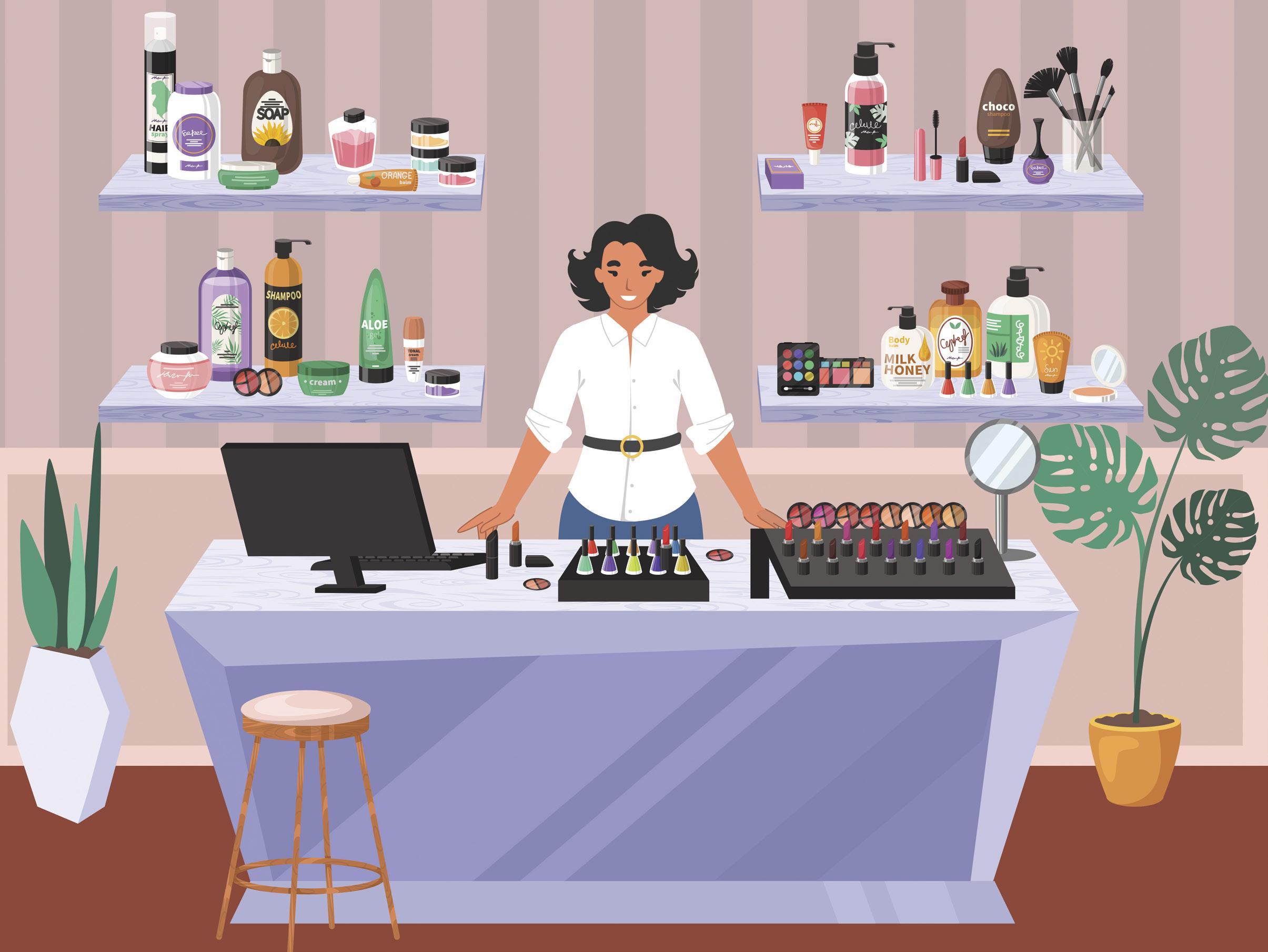
NACDS Annual Meeting was iPolish, a technology-driven concept featuring digitally customizable press-on acrylics connected to an iPhone or Android platform. Nail care is one of those categories that quietly overdelivers because it combines trend, self-expression and value all at once.
The bigger story here is that brands must continue to innovate while retailers need to create environments of
discovery. Consumers want to find something new when they walk the aisle. They want products that feel relevant to their lifestyle, whether they are 16 or 60. Retailers that keep beauty fresh, easy to shop and connected to wellness and social media trends will continue to separate themselves in a highly competitive marketplace. And in today’s retail environment, that matters more than ever.
BY CHRIS STANTON
Unlike impulse-driven categories where shoppers may be willing to delay a purchase or experiment with alternatives, baby care purchases are often highly planned and need-driven. Parents shop this aisle with specific products in mind, and when they cannot find what they need, retailers risk losing both the immediate sale and long-term consumer trust.
Trusted essentials such as Huggies and Pull-Ups from Kimberly-Clark continue to anchor the category, but parents are increasingly seeking more specialized solutions for specific wellness needs.
Rather than relying on one-size-fits-all products, many parents are looking for targeted solutions that address concerns such as congestion relief, pain management, cough support, feeding discomfort and sensitive skin.
That shift continues to create opportunities for innovation.
As Retail Brand Discovery continues to track emerging CPG innovation, baby wellness remains a category where both established and emerging brands continue to introduce more specialized solutions. Several brands currently on RBD’s radar reflect how targeted the category has become.
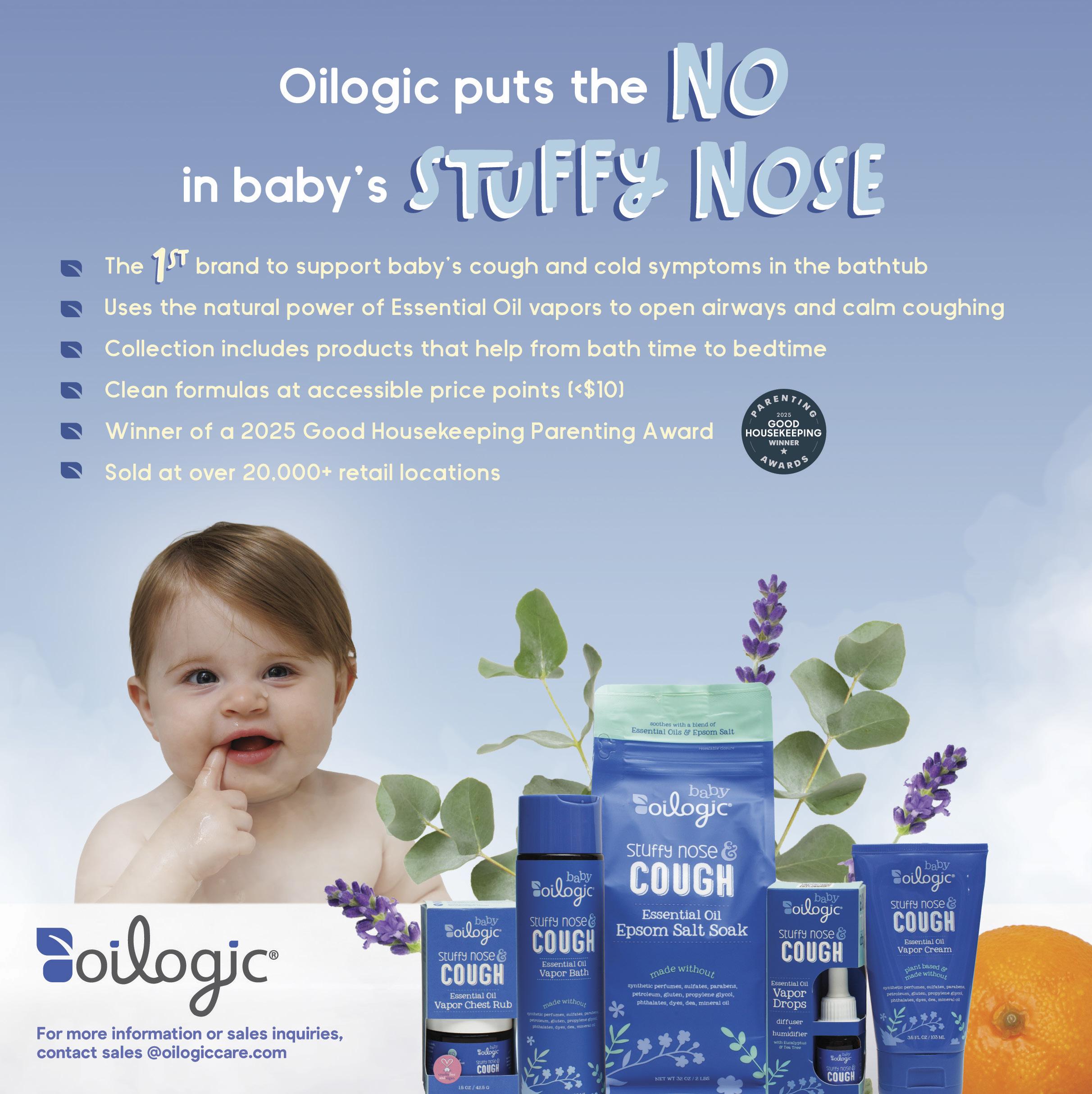
Oilogic has built awareness with plant-based wellness products designed for babies and children. Sun Pharmaceutical continues to serve parents through products such as Bebe Bottoms (cremes, wipes and sprays to prevent diaper rash) and FeverAll (acetaminophen) while HoneyWorks addresses cold and cough concerns.
In feeding and maternal care, Dr. Brown’s continues expanding solutions tied to infant wellness, while Lansinoh remains a key player supporting nursing mothers through breastfeeding and postpartum care products.
For retailers, the challenge is balancing trust in core essentials with growing demand for more specialized solutions that address specific parenting needs.
As innovation continues to reshape even smaller retail categories, staying informed has become increasingly important. Industry events such as ECRM Baby Care Session provide retailers with opportunities to discover emerging brands, evaluate product trends and identify solutions aligned with evolving consumer expectations.
In a category built on trust, retailers that maintain dependable core assortments while staying ahead of innovation will be best positioned to meet the needs of today’s parents.

THE BRANDS FEATURED THROUGHOUT THIS ISSUE MAY COME FROM DIFFERENT CATEGORIES, HYDRATION, PROTEIN, WOMEN’S WELLNESS AND BEAUTY-FROM-WITHIN, BUT MANY SHARE SOMETHING IMPORTANT IN COMMON.
BY CHRIS STANTON
They represent a new generation of velocity brands redefining how products reach consumers and retailers alike.
Many built momentum online through TikTok, Amazon, or influencer channels before approaching mass retailers. Buyers are now seeing digital brands migrate into physical retail, often with consumers already familiar with the brands before discovering them in-store.
For emerging brands, and I’ve seen plenty, getting placement is not the finish line. As overused as the phrase may sound, it still rings true: getting a brand onto retailer shelves is not the success. What happens next, getting it off the shelf and sustaining growth, is the goal.
Retailers hear plenty of founder stories about sacrifice and 20-hour days. While admirable, buyers ultimately ask a simpler question: what problem does your brand solve, and why will shoppers come back for it?
That is where many emerging brands either separate themselves or disappear.
The strongest velocity brands are not simply chasing trends. They are listening to retailers, understanding shelf realities, identifying white space opportunities and creating products that solve real consumer needs. One retail-
er shared with RBD, “I encourage brands to listen, not debate. Buyers are your partners. We’ve been there many times before.”
Retail is not just about innovation. It is about repeatability, turns, margin opportunity and consumer connection. Emerging brands that understand that early collaboration often position themselves for longer-term success.
One retailer also shared with RBD that many emerging brands entering stores today arrive with something legacy brands sometimes struggle to create quickly: built-in curiosity. Consumers may already know the packaging, the founder story or the product benefits before ever seeing the item in-store.
Digital traction alone is not enough. Mass retail demands execution. Packaging must communicate quickly. Supply chains must scale. Merchandising must support discovery. And increasingly, brands must prove they can live beyond a viral moment.
Retailers also continue to remind emerging brands about the fundamentals. Listen early. Buyers understand category realities, shelf pressures and shopper behavior in ways many founders have not yet experienced. Retailers are looking for products that answer a consumer need, create differentiation or bring incremental growth to the category.
Another common mistake is confusing social engagement with retail readiness. A strong online following does not automatically translate into sustainable in-store turns. Packaging matters because shoppers make decisions quickly at shelf.
For mass retail buyers navigating crowded categories, velocity brands offer both opportunity and challenge. Some of tomorrow’s biggest retail brands are likely still emerging today, building momentum online, gaining consumer attention and looking for the right retail partners to help scale what comes next.
Increasingly, retailers are not simply stocking products. They are searching for the next thing, the next new and innovative brand or product that connects with consumers. I’d like to think RBD is part of that discovery process.
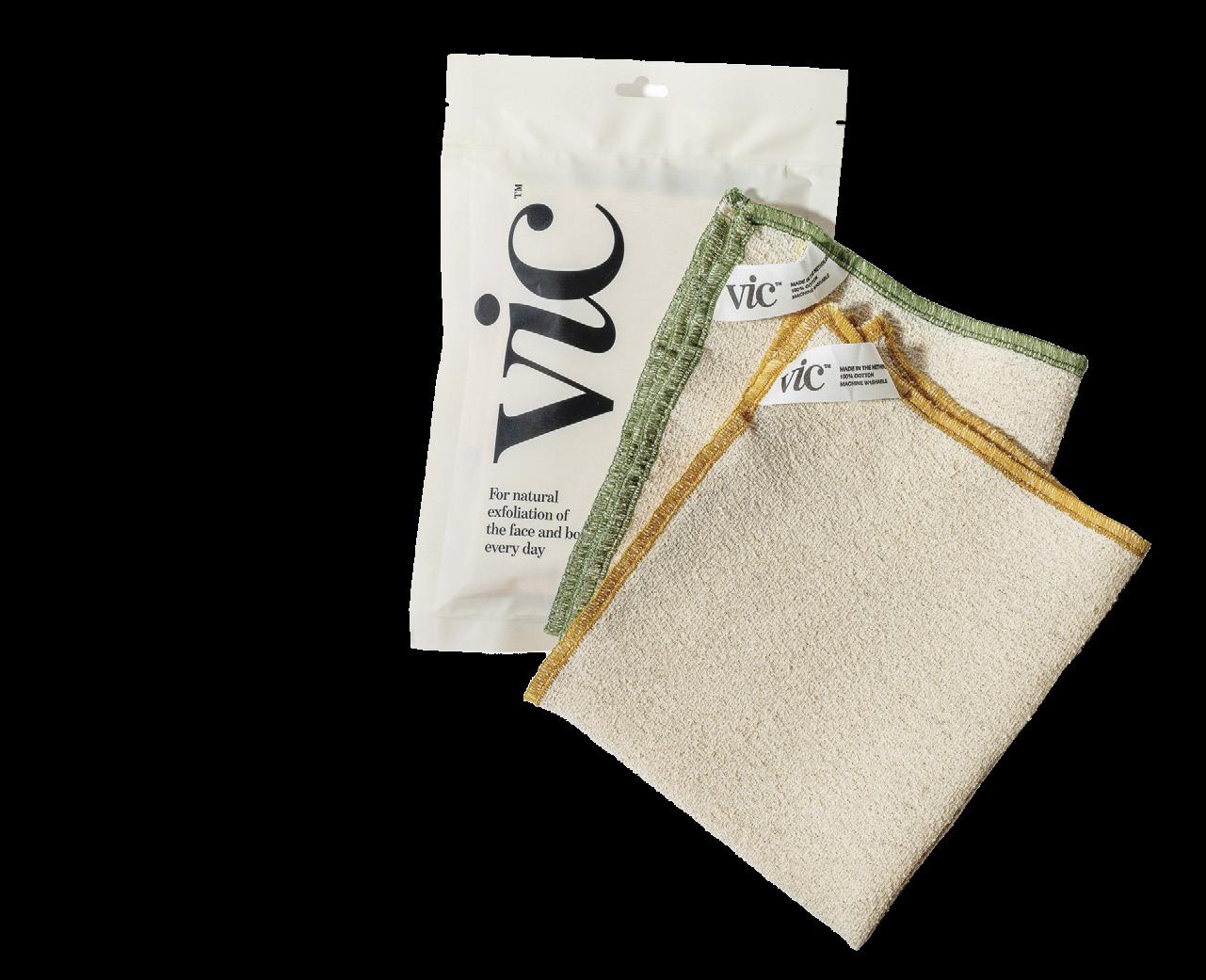
VIC Cotton Company revives a European beauty essential with the VIC Exfoliating Cloth—artisan-crafted in the Netherlands from 100% natural organic cotton. Designed for daily face and body exfoliation, it transforms cleansing into a simple ritual. A portion of proceeds support The Ida Impact Fund, named for Founder Ted Peterson’s daughter, who died of AML leukemia in 2024, for blood cancer research.
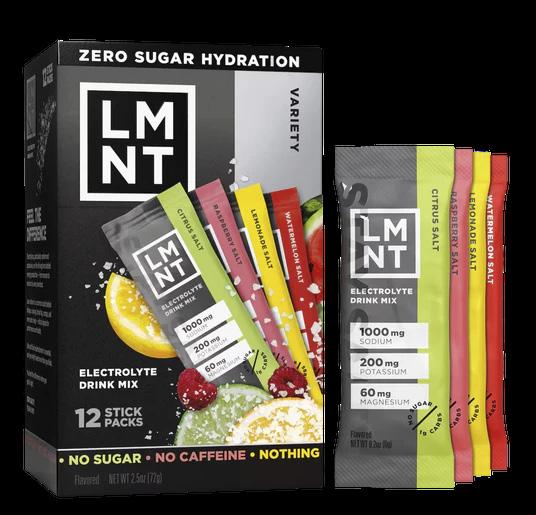
LMNT has carved out a distinctive position in hydration by leaning heavily into performance, low-sugar functionality and a direct, unapologetic brand voice. Popular among fitness-focused consumers and wellness enthusiasts, the brand reflects growing demand for electrolyte products positioned around lifestyle and metabolic health rather than traditional sports marketing. Its rapid rise also highlights how community-driven brands continue influencing discovery and loyalty across the hydration category.
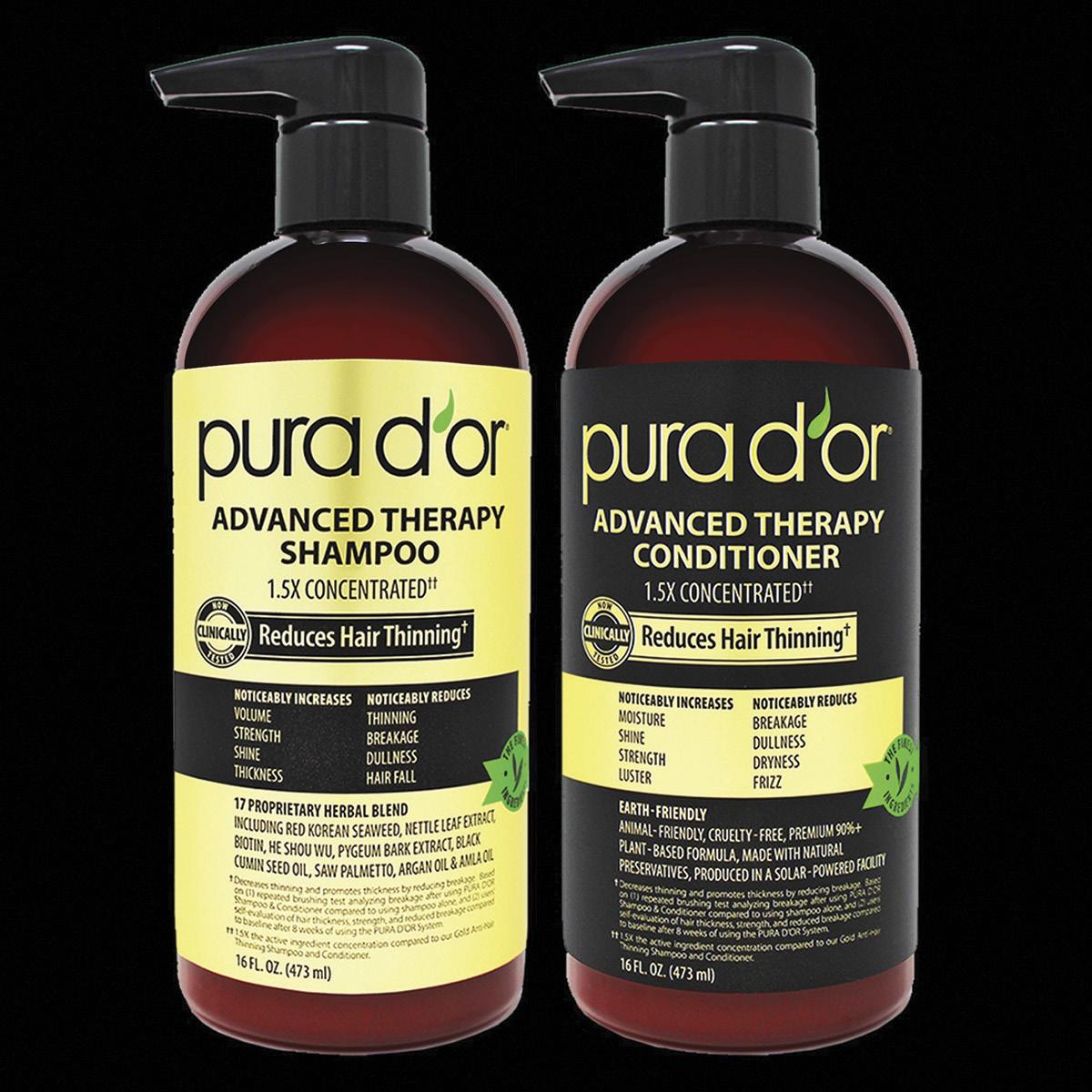
PURA D’OR’s Advanced Therapy Collection brings science-backed hair wellness to the mass market. The clinically proven Shampoo and Conditioner system helps reduce hair thinning and hair loss due to breakage while supporting fuller, healthier-looking hair. Trusted by celebrity hairstylist Clyde Haygood, the collection delivers accessible, effective solutions for fragile, thinning strands.
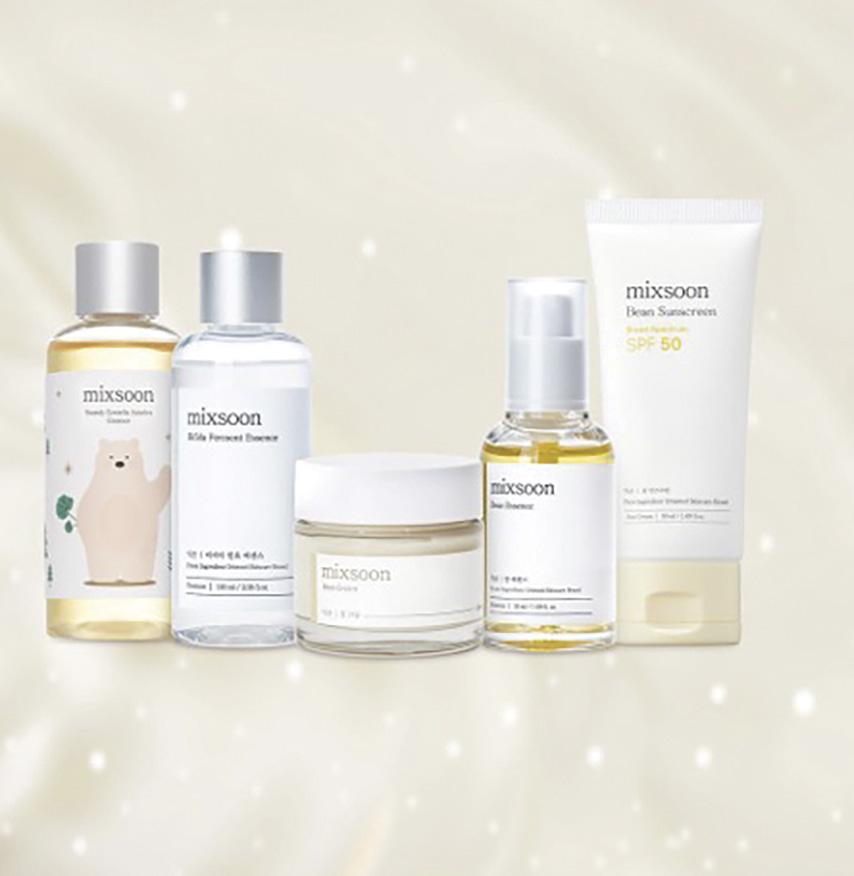
As mass retailers continue looking for beauty brands that feel new, relevant and socially connected, Mixsoon is one of the Korean beauty names gaining momentum in the US. Its Bean line taps into the growing interest in proteininspired skincare, using fermented soybean extract to support hydration and smoother-looking skin. The clean aesthetic, strong TikTok buzz and approachable price point make Mixsoon a brand buyers may want on their radar.

HYDRATION IS NO LONGER CONFINED TO THE SPORTS DRINK AISLE WHERE GATORADE WAS THE DOMINANT CHOICE FOR MANY CONSUMERS.
BY RBD STAFF
Once primarily associated with athletes, endurance training and post-workout recovery, hydration has evolved into a broader wellness category driven by changing consumer habits and growing awareness around everyday health needs.
Today’s consumers are reaching for hydration products for reasons that extend well beyond exercise, including energy support, travel, immunity, recovery, convenience and overall wellness. Across virtually every consumer de-
mographic, hydration has become part of daily routines for a much wider audience.
Retailers are responding placing greater expectations on brands to innovate and protote as the category continues to accelerate, bringing new opportunities for product discovery. End caps at Walmart and Target, expanded sections at H-E-B, single-serve stick packs at Duane Reade and coolers throughout FDM retailers all point to growing demand.

Traditional sports drinks remain major players, led by Gatorade and Powerade, but some of the most notable growth is happening in newer segments including electrolyte drink mixes, hydration powders, functional beverages and portable on-the-go formats designed for modern lifestyles.
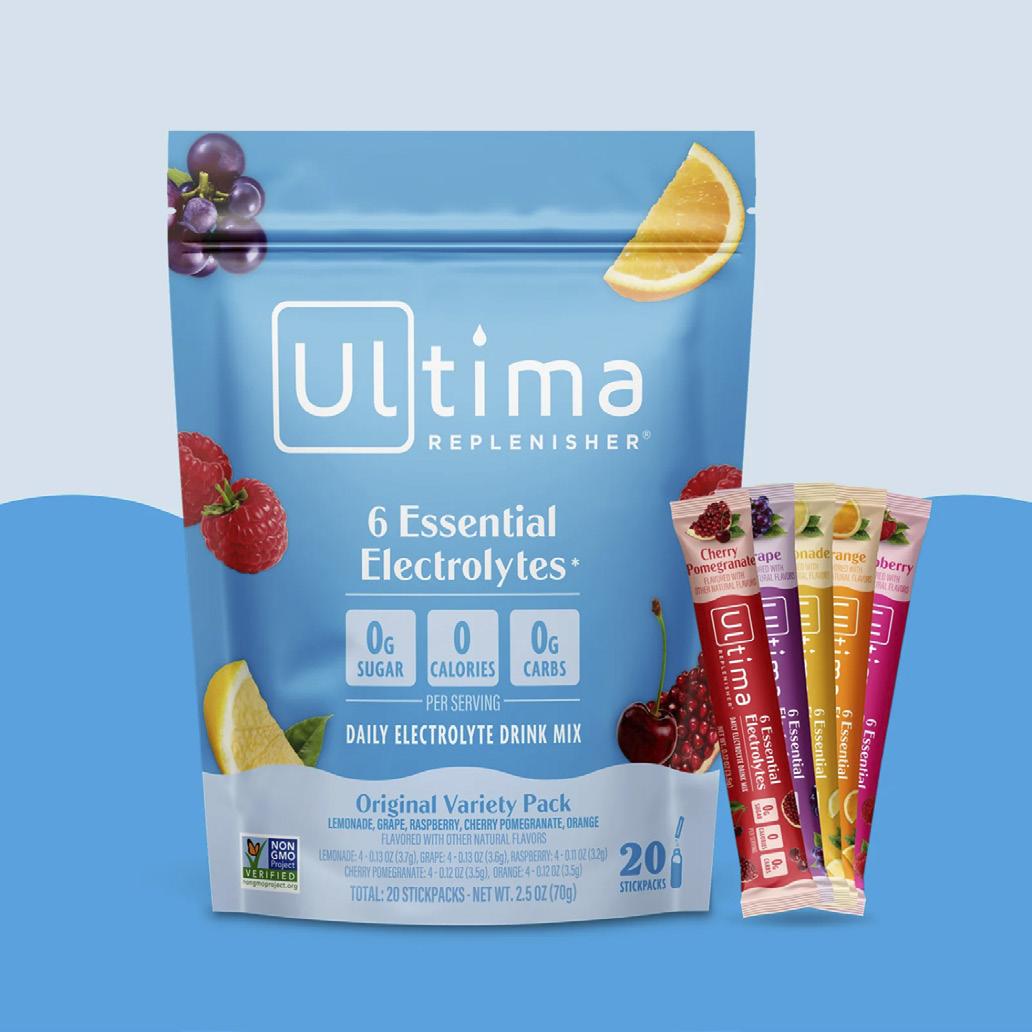
Brands such as Liquid IV, Ultima Replenisher, Waterboy and NatureWins are helping reshape expectations around hydration by positioning products around convenience, wellness benefits and lifestyle relevance. Not all brands are chasing the same consumer need—and that’s exactly what makes the category so compelling for retailers. Some, like Ultima Replenisher, lean into a gentler, everyday “sippable” hydra-
tion position, while Waterboy promotes itself as premium, sugar-free and “FUNctional” (their words, not mine).
For retailers, hydration represents more than a seasonal category tied to summer weather or athletic performance. It has become a year-round wellness opportunity that increasingly overlaps with vitamins, nutrition and personal care.
In a category moving this quickly, brands can’t assume retailers will discover them on their own. Consistent visibility and clear communication have become critical parts of growth.
As innovation continues to expand, hydration is quickly becoming one of retail’s most active discovery categories.
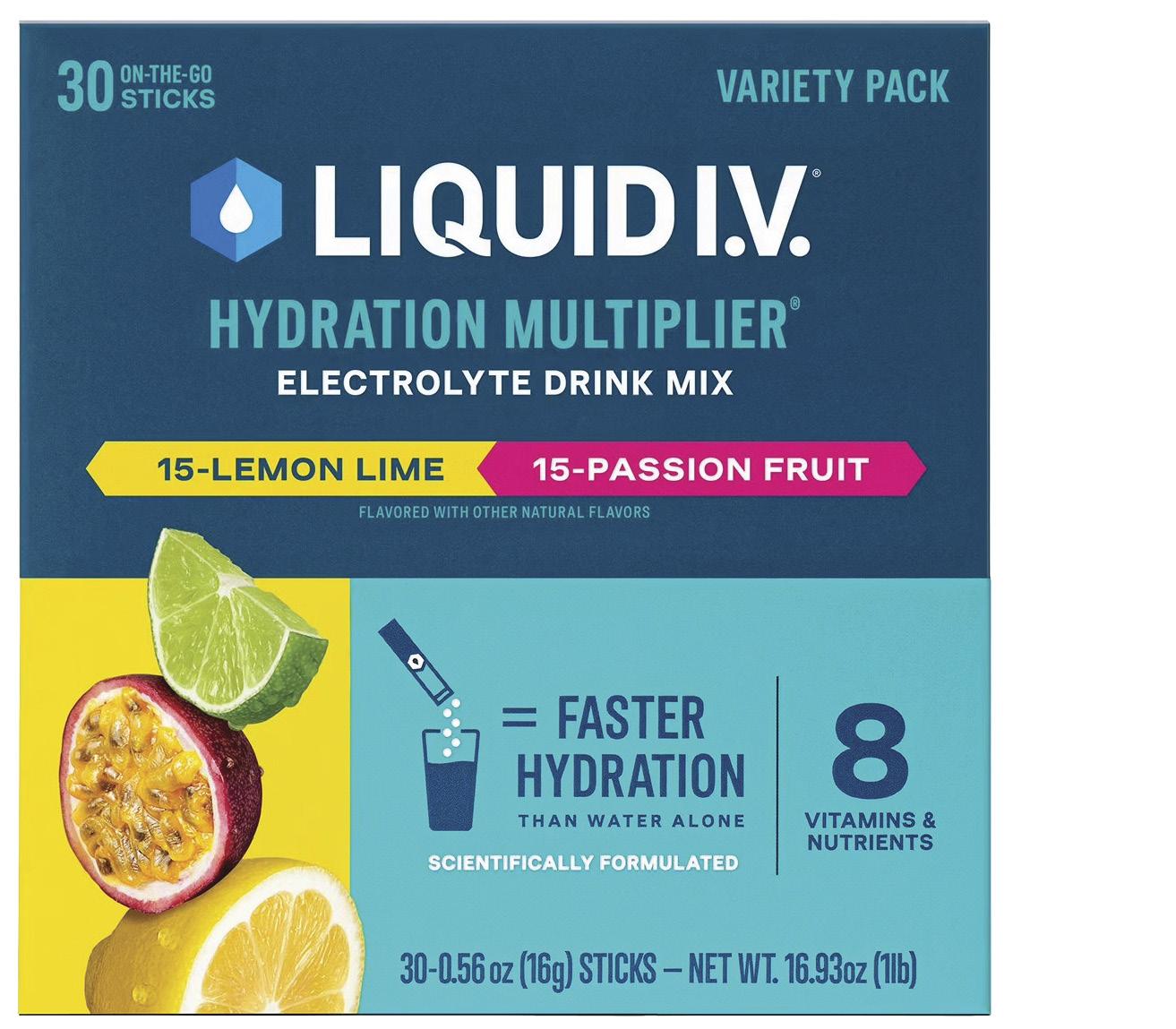
Liquid I.V. helped move hydration beyond traditional sports positioning and into mainstream wellness, creating one of the category’s most recognizable lifestyle-focused brands. Known for its electrolyte multiplier platform and strong consumer marketing, the brand continues expanding across everyday hydration occasions including travel, fitness, recovery and general wellness. Its broad retail distribution and high consumer awareness reflect hydration’s growing role in daily health routines.
Ultima Replenisher has built a loyal following by positioning hydration as part of an approachable, everyday wellness routine rather than a highperformance sports occasion. Known for its sugarfree formulations, broad flavor variety and cleanlabel positioning, the brand continues resonating with consumers seeking gentler, lifestyle-oriented hydration support. Its growth reflects how hydration is increasingly being integrated into broader daily wellness and self-care habits.
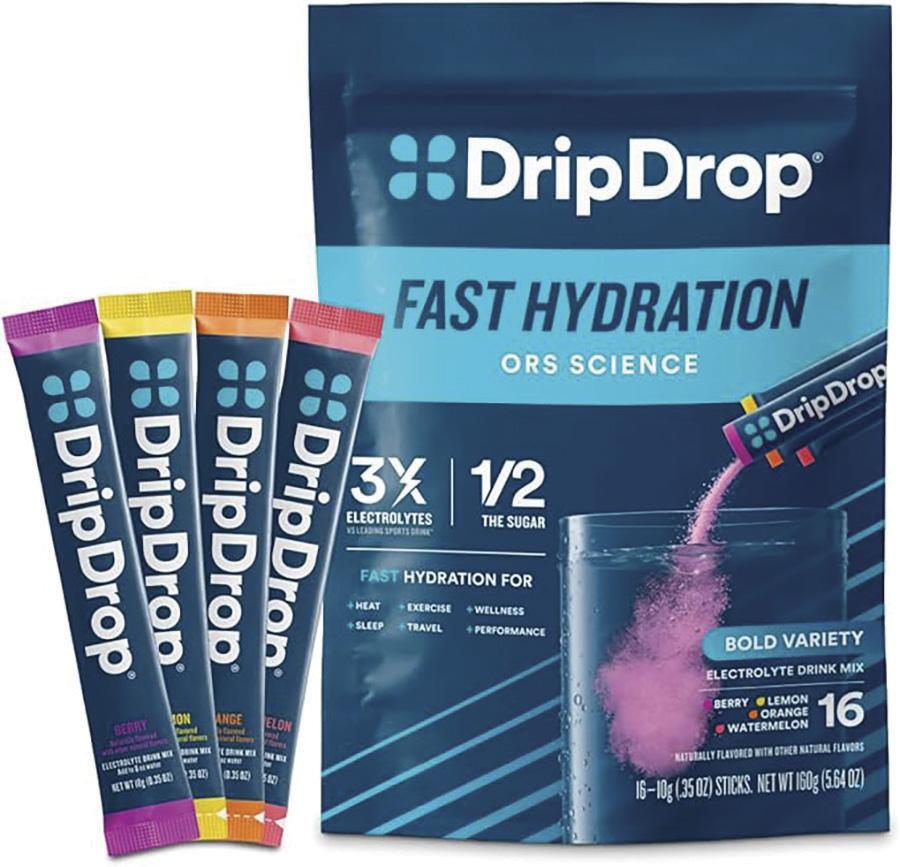
DripDrop has helped elevate the hydration category through a science-driven approach rooted in medicalgrade electrolyte technology. Originally developed to address dehydration more effectively than traditional sports drinks, the brand has expanded into mainstream wellness as consumers increasingly seek functional hydration solutions for travel, exercise, recovery and everyday health. Its growing retail presence reflects continued consumer demand for convenient, performance-oriented hydration support.
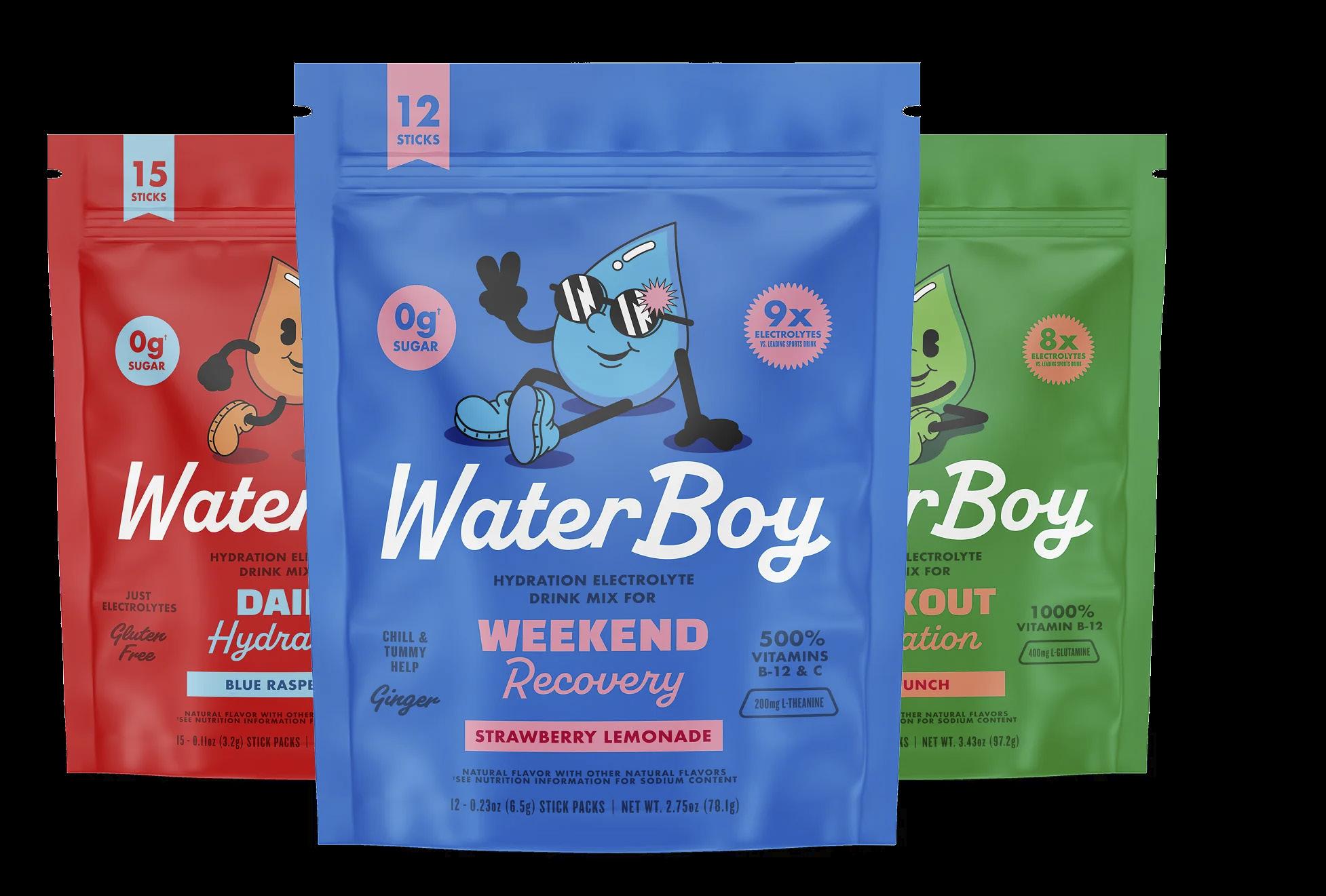
WaterBoy is helping reshape hydration through a recovery-first approach that blends functionality with modern branding and approachable wellness.
Positioned beyond traditional sports drinks, the brand has built traction with consumers looking for convenient electrolyte support tied to everyday lifestyles, travel, recovery and social occasions. Its clean design, clear positioning and strong digital presence reflect how younger consumers increasingly discover and engage with hydration brands today.

BY RBD STAFF
Once largely associated with bodybuilders and serious fitness enthusiasts, protein has become a mainstream wellness category driven by a much broader consumer base. Women now represent 51% of consumers seeking protein, reflecting how far the category has moved beyond its traditional sports nutrition roots.
Today’s shoppers are incorporating protein into their daily routines for reasons that extend far beyond muscle building, including satiety, weight management, healthy aging, energy support and overall nutrition.
Retailers are responding to this shift as innovation across the category continues to accelerate, creating new opportunities for product discovery.
Protein is now showing up in formats designed for convenience-driven consumers. Traditional powders remain strong, but some of the most exciting growth is happening in newer formats including ready-to-drink beverages, snack bars, meal replacements, high-protein snacks like chips, and functional products that continue to reshape the category.
Brands such as Premier Nutrition Corporation’s Premier Protein, The Simply Good Foods Company’s Quest and Atkins brands, and Protein2o which recently introduced its P2x Advanced Hydration platform continue to expand shelf presence as established players and emerging brands compete for consumer attention.
The category is also benefiting from broader health trends. GLP-1 users are increasingly focused on maintaining muscle mass and managing nutrition intake. Older consumers are prioritizing protein as part of healthy aging strategies, while younger shoppers continue to gravitate toward innovative brands like Jocko Fuel that combine convenience, performance and strong lifestyle branding.
For retailers, protein represents far more than a legacy nutrition category. It remains one of the most dynamic areas in wellness today, creating opportunities to identify emerging brands, new formats and products that align with rapidly evolving consumer habits. From functional beverages to lifestyle-driven snacks, protein innovation shows little sign of slowing.
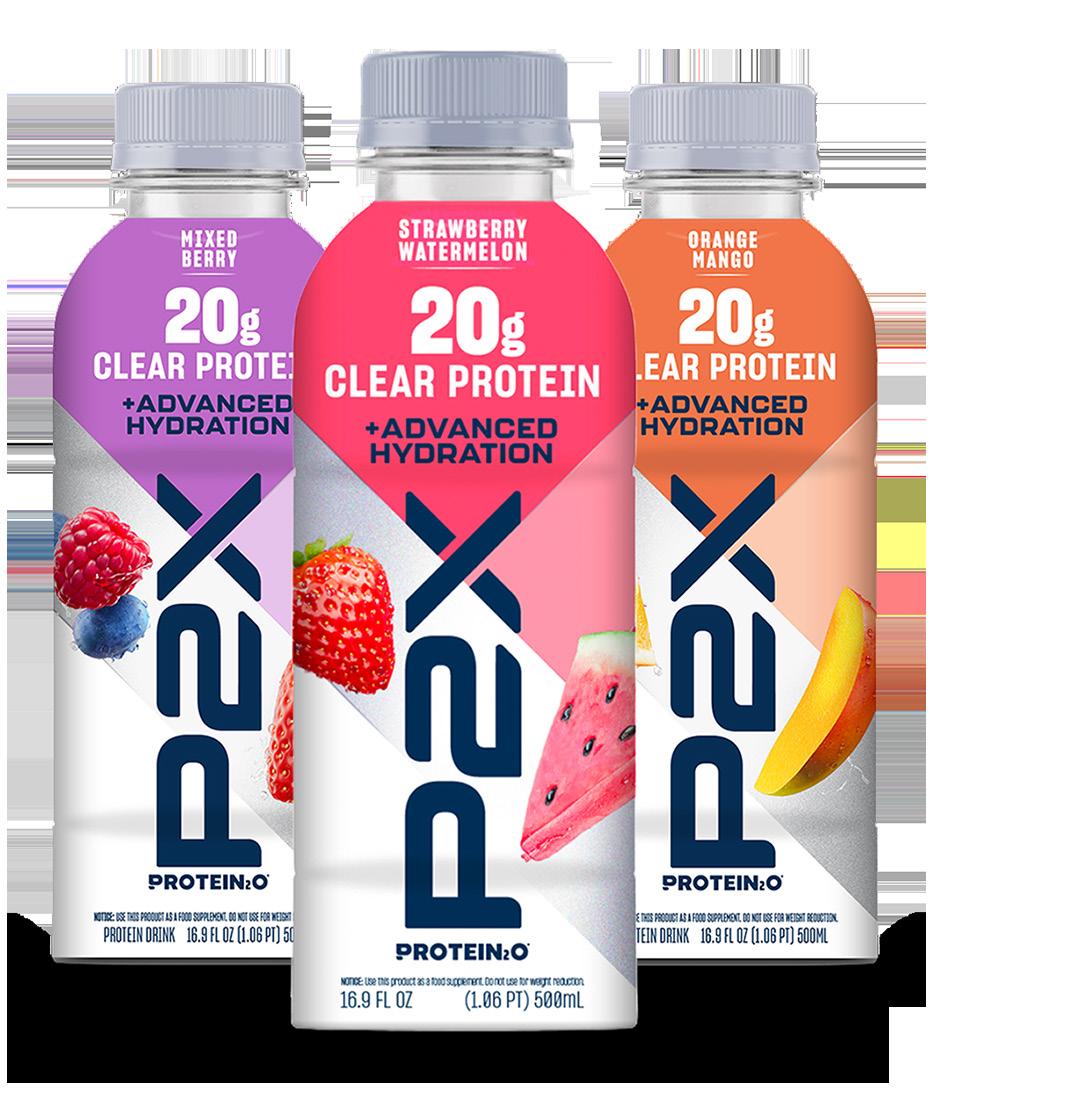
Protein2o is building on its early leadership in protein-enhanced hydration with the launch of P2X, a platform designed to further blur the lines between hydration, performance and functional wellness. As consumers increasingly seek products that combine protein, electrolytes and convenience, brands like Protein2o are helping redefine how protein is merchandised beyond traditional powders and shakes. The launch also reflects continued innovation within one of wellness retail’s fastest-evolving categories.
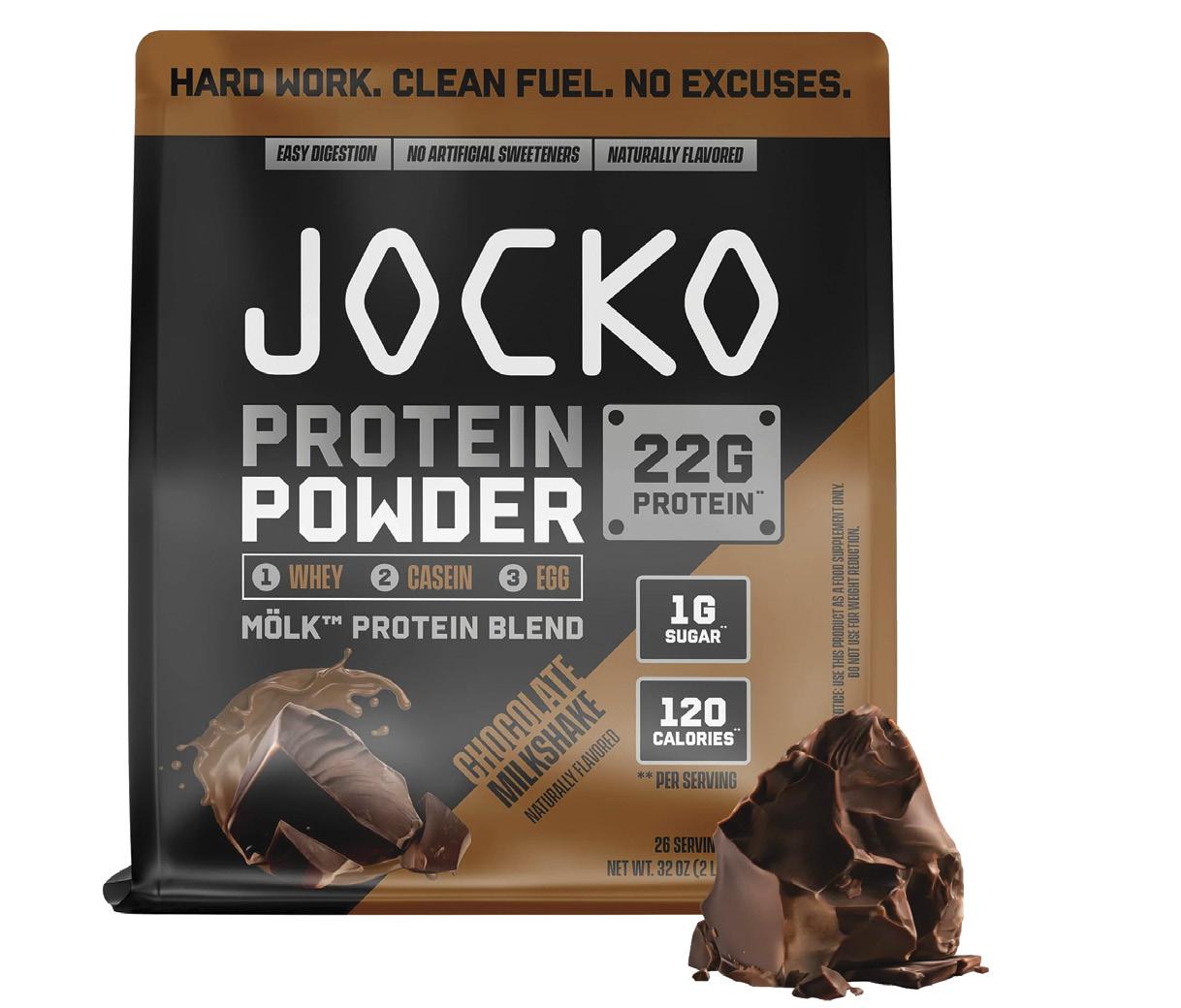
Jocko Fuel approaches protein with a performancedriven identity rooted in discipline, recovery and functional nutrition. Its chocolate protein offerings reflect continued demand for ready-to-drink products that combine convenience with clean-label positioning and strong brand personality. As protein continues moving into mainstream wellness routines, brands like Jocko Fuel demonstrate how authenticity, community and lifestyle positioning can help drive consumer loyalty in an increasingly crowded category.
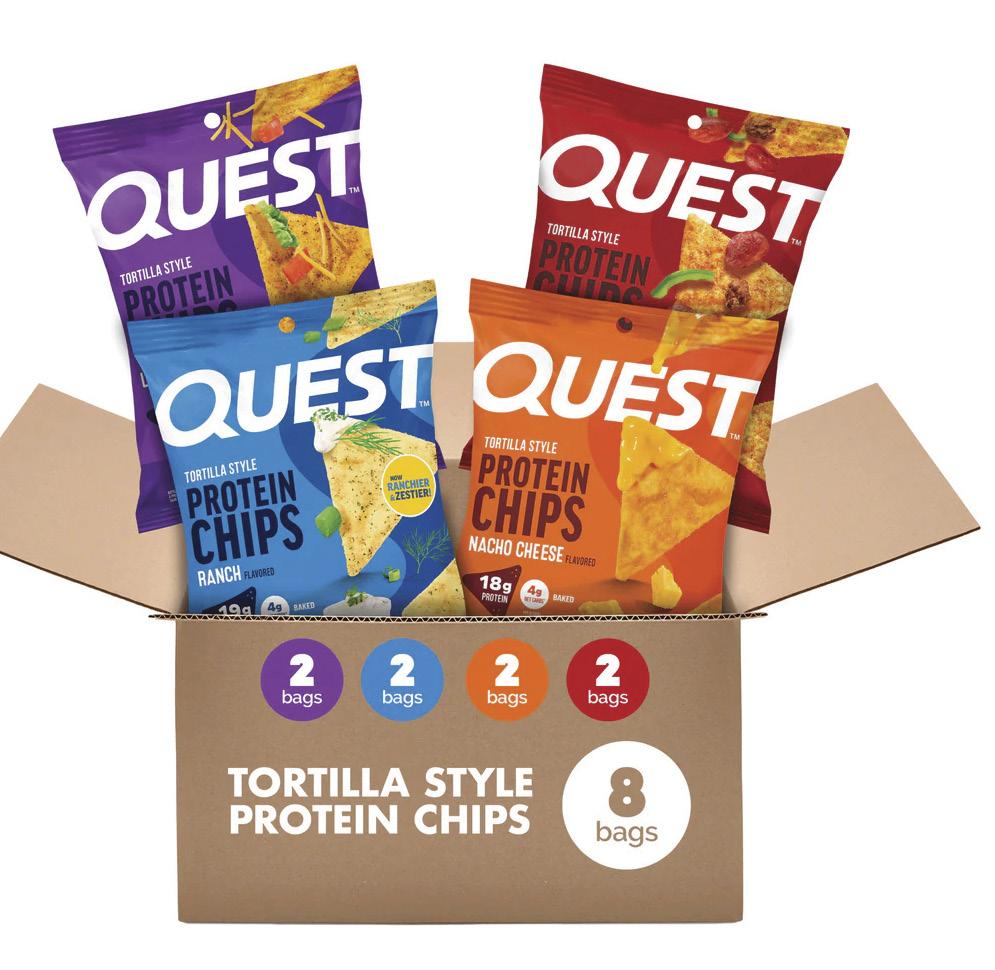
Quest Nutrition continues expanding protein beyond traditional shakes and bars with products like its protein tortilla chips, reflecting how the category is increasingly moving into familiar snack formats. The appeal goes beyond fitness-focused consumers, tapping into broader demand for convenient, highprotein everyday snacking. Doritos may not be losing sleep yet, but protein is clearly moving deeper into mainstream snack aisles and reshaping consumer expectations along the way.
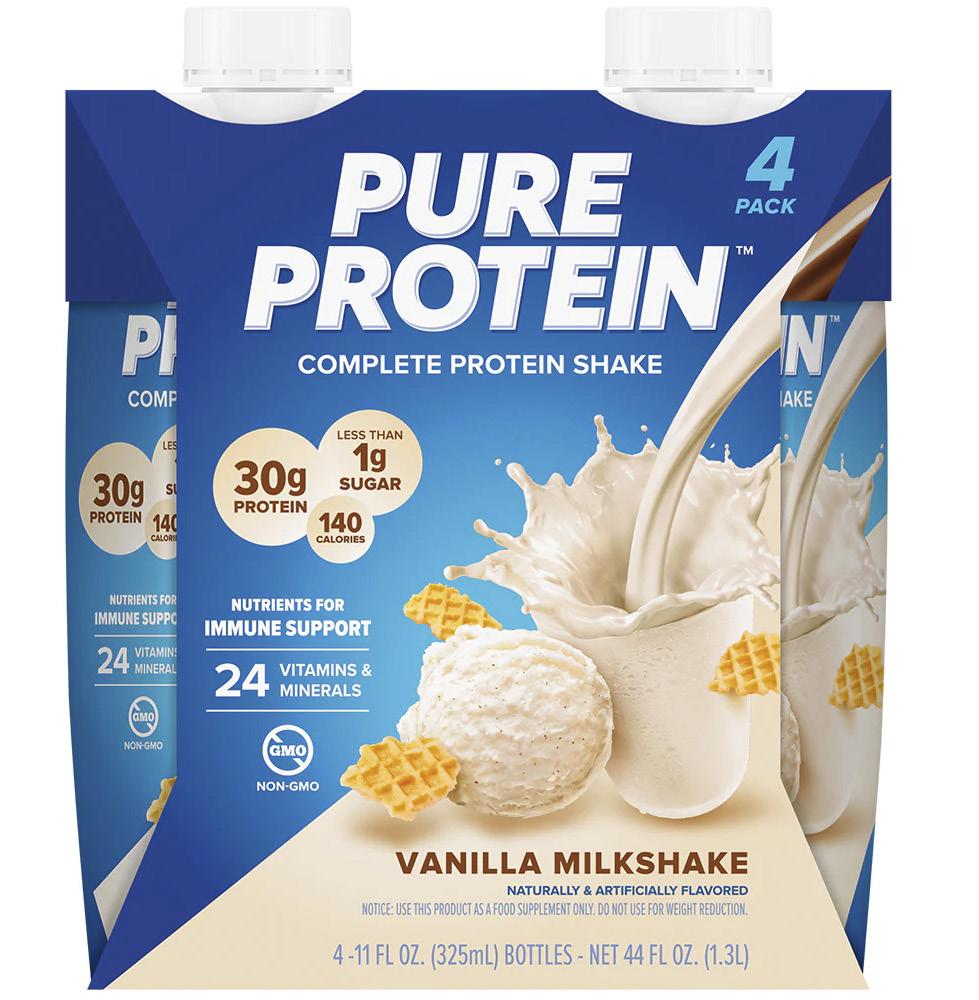
Pure Protein reflects how protein has evolved from a specialty sports nutrition category into a mainstream consumer wellness habit. Widely distributed across mass retail, convenience and drug channels, the brand’s 30-gram ready-to-drink shakes appeal to consumers seeking convenient nutrition tied to satiety, energy and everyday wellness. Its continued retail presence also highlights the staying power of high-protein products as functionality increasingly drives purchasing decisions across multiple categories.
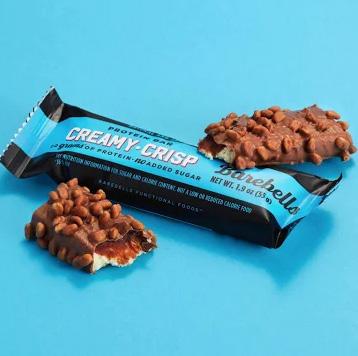
Barebells has helped modernize the protein bar category by focusing as much on taste and lifestyle positioning as functional nutrition. Known for indulgent flavors and candy-bar-like textures, the brand reflects how protein products are increasingly being designed for mainstream consumers rather than strictly fitnessfocused shoppers. Its growth also highlights the continued convergence of better-for-you snacking, convenience and everyday wellness within the evolving protein category.
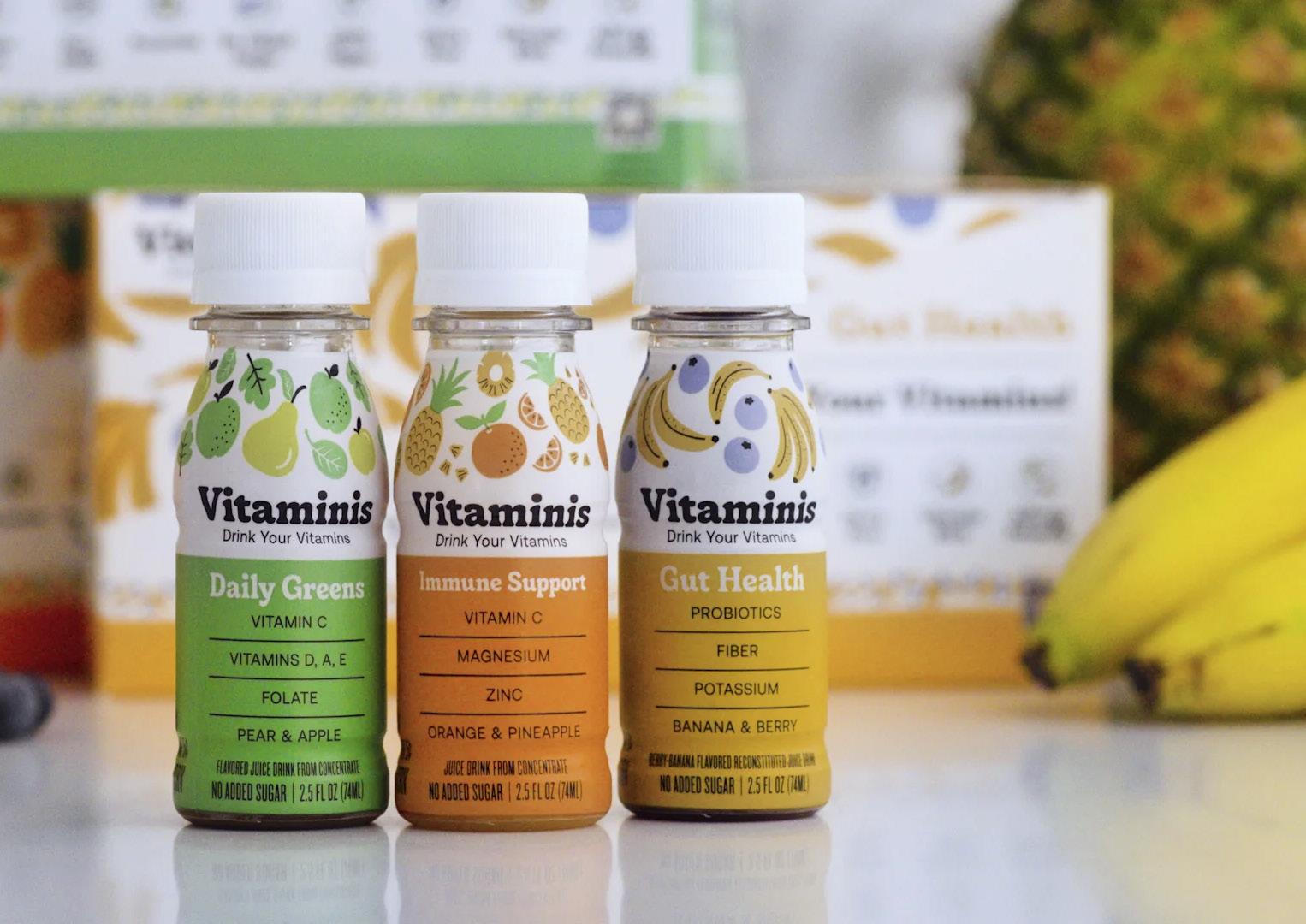
Vitaminis is a clean-label functional beverage brand redefining vitamins as convenient, great-tasting “mini drinks” made with real-food ingredients and no added sugar. With expanding retail traction — including launches at Sprouts and 400+ Walmart stores — Vitaminis represents a fast-growing intersection of functional wellness, preventive health, and modern consumer demand for foodbased nutrition over pills and gummies.
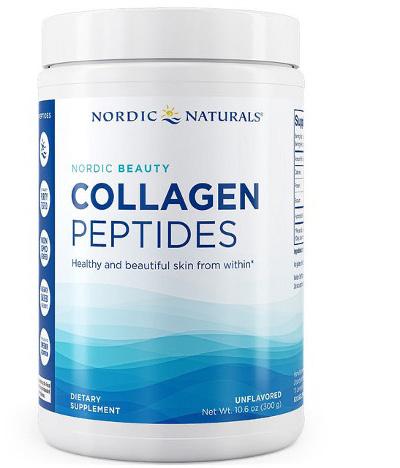
Beauty from within continues gaining momentum, and collagen, especially formulas featuring peptides is becoming a larger part of the everyday wellness conversation. Nordic Naturals brings a trusted, science-forward reputation to the category with collagen products designed for today’s better informed consumer. As retailers continue expanding beauty-from-within assortments, collagen peptides are helping drive interest by connecting nutrition and skin wellness in a more approachable way.
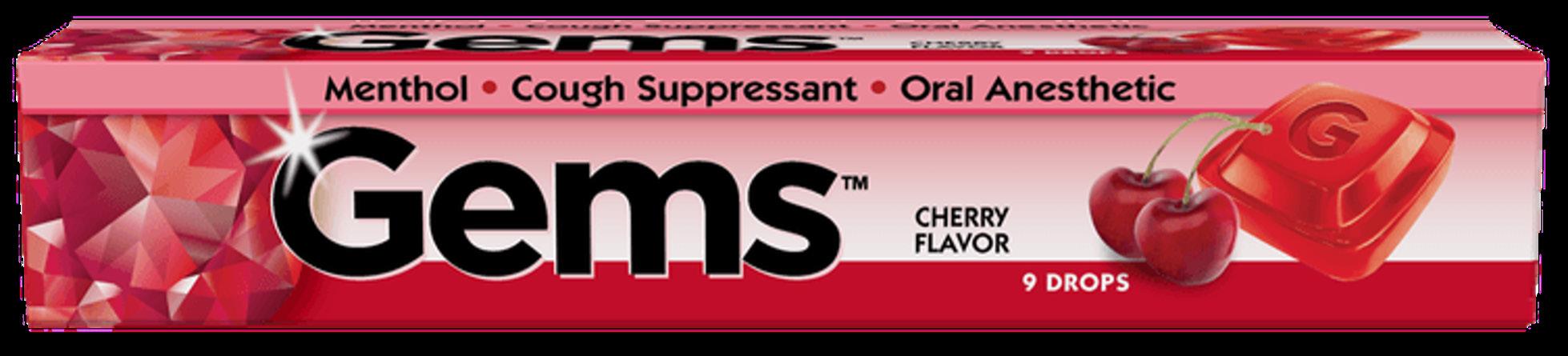

Gems is bringing a more contemporary feel to the cough drop category. Available in Honey Lemon and Cherry, the drops combine menthol cough suppression with an oral anesthetic in sleek, modern packaging that helps differentiate the brand in a long-established category.”
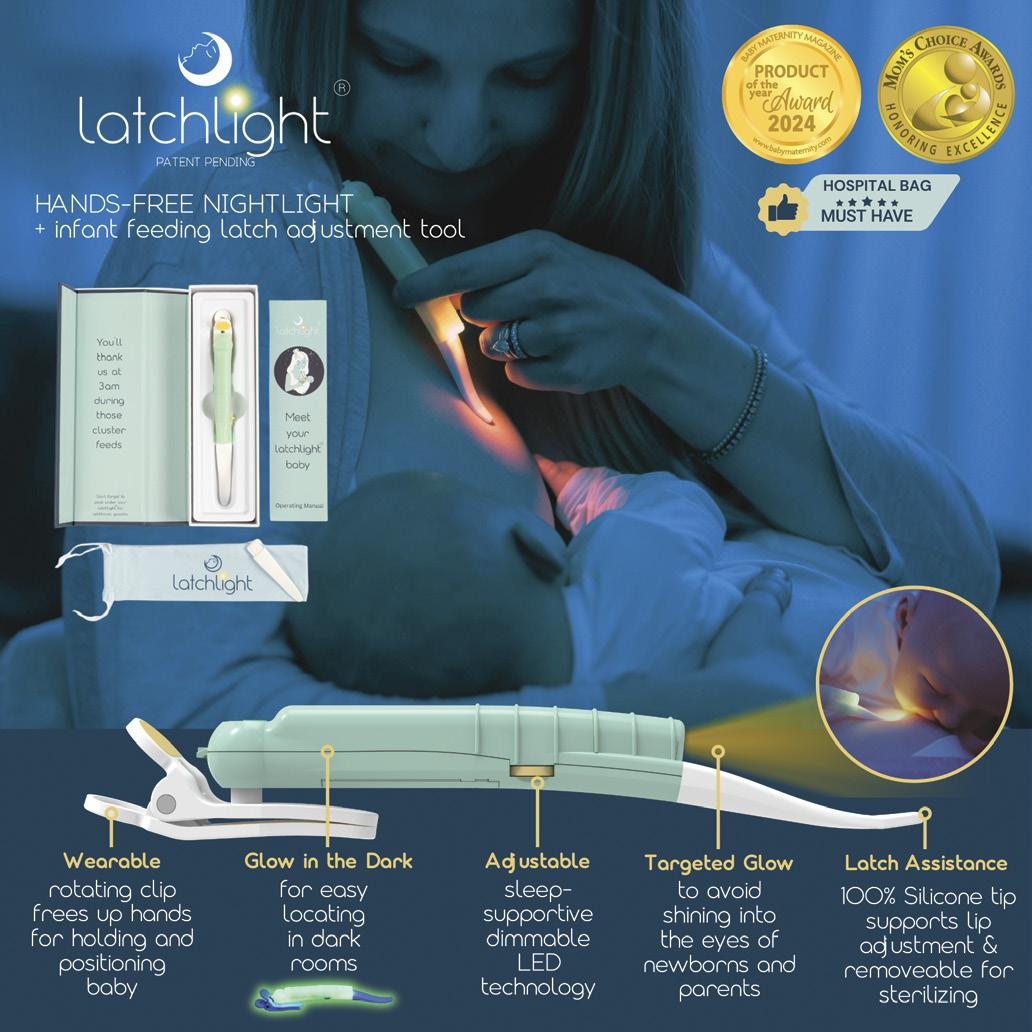
Night feeds made easier. LatchLight® is a wearable, glow-in-the-dark nightlight for nursing and bottle feeding, featuring a soft tip developed with lactation experts for gentle lip adjustments and optimal latch support. With amber and pure red light options that protect melatonin, it supports nighttime care when hands are full and every moment of sleep counts.
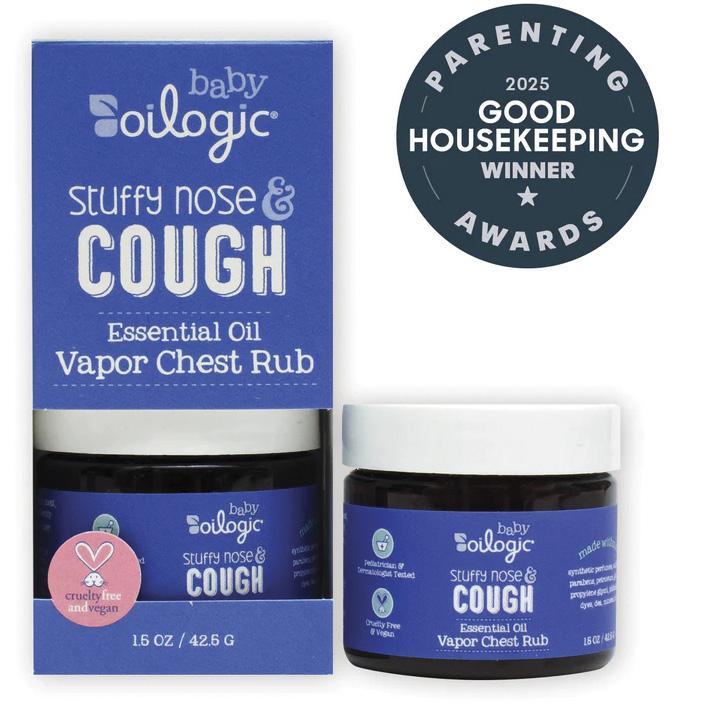
Oilogic continues to bring a thoughtful, parent-friendly approach to baby wellness with its Stuffy Nose formula. Designed with plant-based ingredients and essential oils, the product reflects growing consumer demand for gentler alternatives in everyday baby care. Earning the prestigious Good Housekeeping Seal adds another layer of credibility for parents seeking trusted wellness solutions for little ones.
WITH THE MAY/JUNE ISSUE COINCIDING WITH WOMEN’S HEALTH MONTH, WOMEN’S HEALTH AND WELLNESS IMMEDIATELY CAME TO MIND FOR INCLUSION IN OUR VELOCITY REPORT: BRANDS AND CATEGORIES FUELING GROWTH. WOMEN’S HEALTH CONTINUES TO EMERGE AS ONE OF THE MORE DYNAMIC AREAS ACROSS HEALTH, BEAUTY AND WELLNESS RETAIL.
BY RBD STAFF
What was once largely confined to traditional personal care products has evolved into a much broader category spanning hormonal wellness, digestive health, nutrition, intimacy, self-care and overall well-being.
For retailers, the continued expansion of women’s wellness is creating new opportunities for category growth, cross-merchandising and product discovery as both established companies and emerging velocity brands continue introducing innovation across multiple departments. For RBD, providing new & innovative products for mass retail discovery in categories like women’s wellness underscores the importance of retail vibrancy and relevance.
women’s wellness category thru innovation and leadership. Industry captains like Kimberly-Clark and their diverse brands drive category growth with consumer campaigns that support all brands in the category.
There is also a wave of innovation coming from modern wellness brands like The Honey Pot Company and O Positiv who bring a new energy into the category and attract a more informed wellness-focused shopper looking for, transparency and discovery.
At the same time, sexual wellness is becoming part of the broader wellness conversation as consumers look for products centered around comfort, confidence, intimacy and selfcare. Retail assortments today often place sexual wellness products adjacent to the women’s wellness section, reflecting how closely connected the categories have become in the minds of both consumers and retailers. That evolution is creating new opportunities for brands across lubricants, condoms and feminine wellness solutions. Brands such as Good Clean Love, WET from Trigg Laboratories and condom manufacturers including Lifestyles and Wink from Okamoto USA reflect how intimacy and self-care are increasingly being positioned within broader health and wellness merchandising strategies.
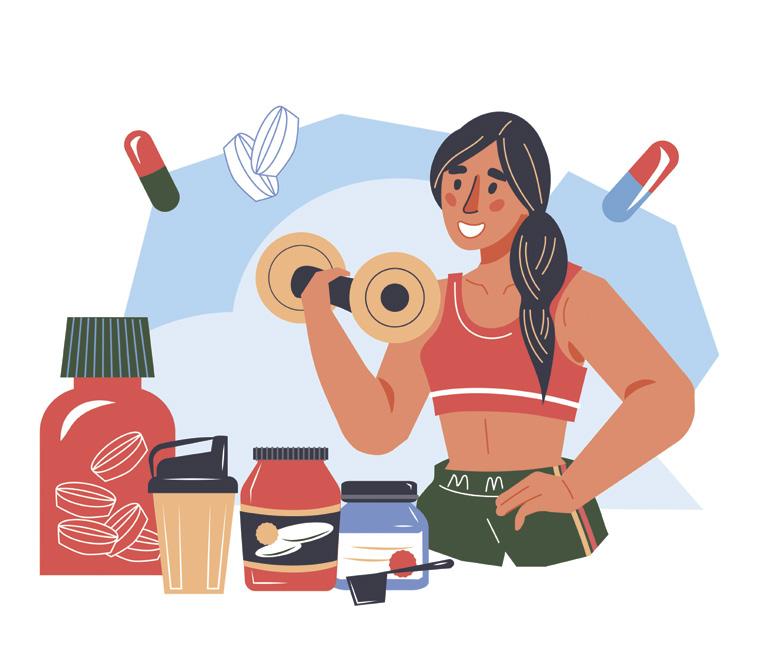
As wellness continues to blur the lines between beauty, nutrition, personal care and self-care, women’s wellness is becoming less of a niche category and more of an everyday consumer conversation. For retailers, that creates opportunities not only to expand assortments, but also to better align with the evolving priorities of today’s wellness-focused shopper.
Established OTC brands like AZO and Culturelle from DSM-Firmenich, and Plan B from Foundation Consumer Healthcare, remain trusted brands helping shape the
Like hydration and protein, women’s wellness remains a category where continued innovation, consumer education and product discovery will attract new shoppers and continue to shape long-term growth opportunities across retail.


BY KRISTIN HORNBERGER, EVP,
This is based on recent figures published in the CSB Sustainable Market Share Index™ – an annual report from The NYU Stern Center for Sustainable Business (CSB) and Circana LLC, which offers an analysis of the latest national purchasing data for CPG products marketed as sustainable. Accounting for 25% of CPG dollar share in the U.S. – up 1.6 percentage points versus 2024 – sustainability-marketed products have, furthermore, contributed to nearly half of all total CPG market growth since 2013. These trends highlight sustainability as a key driver of both consumer choice and overall market growth.
Consumer expectations are shifting rapidly alongside this market expansion: 85% of consumers believe it is important that name-brand
product manufacturers practice sustainability, representing a five-point increase from 2024. Younger generations routinely factor sustainability into their brand evaluations, signaling a lasting generational shift in purchasing decisions. And despite financial pressures, consumers continue to value sustainability and are willing to pay an average 9% premium for sustainability features. With current market premiums still higher on average, this gap presents an opportunity for brands to unlock growth by aligning sustainability with clear consumer value.
Sustainable share varies widely by category, but clear patterns emerge across the portfolio. Categories tied to everyday consumption, health, and household essentials— including vitamins, skincare, and personal
care such as soap and deodorant — have all surpassed 20% sustainable share, reflecting strong consumer alignment with wellness and environmental impact. Meanwhile, a sizeable middle tier including categories like toothpaste, energy drinks, and weight control sits in the 5-20% market share range, signaling meaningful progress but also untapped potential. In contrast, more indulgent or cost-sensitive categories, including snacks, beverages, and pet-related products, continue to lag, suggesting higher barriers around price, performance expectations, or shopper awareness. Together, these dynamics suggest that while category starting points differ, the pathway to higher sustainable share is consistent once credibility, visibility, and scale are established.
Sustainability is rooted in fulfilling the needs of current generations without compromising the needs of future ones. These practices have been expanded to not only have an environmental lens, but a social one. CPG and wellness companies spanning health, personal care, and beauty are effectively addressing sustainability in the following ways:
ENVIRONMENTALLY-FRIENDLY:
A focus on developing products and solutions that maintain an ecological balance. This includes efforts in
Sustainability is no longer a peripheral initiative for manufacturers, but a strategic imperative that shapes brand relevance
packaging, encouraging recyclable or reusable options, raw materials sourcing, and clean manufacturing and transportation processes.
Consumers and especially younger cohorts with families are more ingredient-conscious. A behavior initially stemming from health and safety concerns has evolved to encompass sustainability and ethical practices. Companies are focused on using recognizable, easy to pronounce ingredients and publishing “freefrom” lists while limiting added dyes and preservatives. In the beauty market, sales of clean beauty products sold in prestige retail grew by 4% in 2025, versus the prior year. Circana also found that half or more of consumers report that they actively seek clean options across all beauty categories (skincare, makeup, fragrance, and hair care).
Companies are not only focusing on practicing fair business, being responsible along a global supply chain, and exercising philanthropy, but also having a positive impact on social systems such as their local communities, employees, and consumers, and shining a light on culture and diversity.
Sustainability is no longer a peripheral initiative for manufacturers, but a strategic imperative that shapes brand relevance, trust, and long-term growth. Whether built organically through thoughtful sourcing, cleaner formulations, and operational efficiencies, or accelerated through acquisition of another company or brand with a sustainable portfolio, the most successful approaches embed sustainability into the core of the business rather than treating it as an extension. A holistic, multi-pronged strategy that spans product innovation, packaging, supply chain, and community impact allows companies to meet rising consumer expectations while engaging employees and creating durable value. Those manufacturers that clearly communicate their efforts, prioritize better-for-you and environmentally responsible choices, and align sustainability with brand purpose will be best positioned to differentiate themselves in an increasingly conscious marketplace.
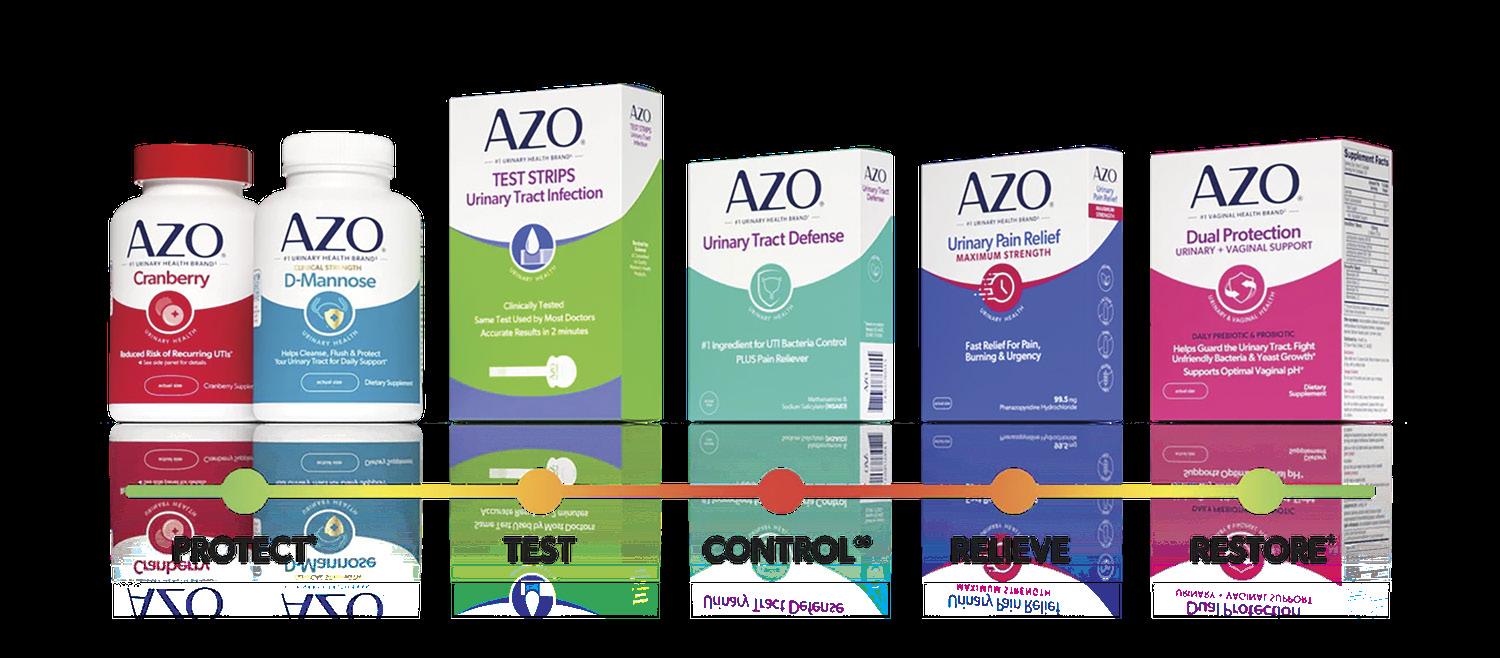
AZO shows how established category leaders can continue evolving alongside changing consumer needs. Long recognized in urinary and feminine wellness, the brand keeps expanding through innovation, education and more approachable self-care solutions that resonate with today’s shoppers. For retailers, AZO demonstrates how trusted legacy brands can still drive growth by keeping women’s health relevant, visible and increasingly mainstream across mass retail, drug and wellness aisles.

Good Clean Love is helping reshape the personal care conversation with intimate wellness products designed around clean ingredients, pH balance and women’s health. The brand’s lubricants, washes and vaginal care products are now showing up at major retailers including Target and Walmart as consumers continue seeking wellness-driven personal care with a more modern, science-backed approach.
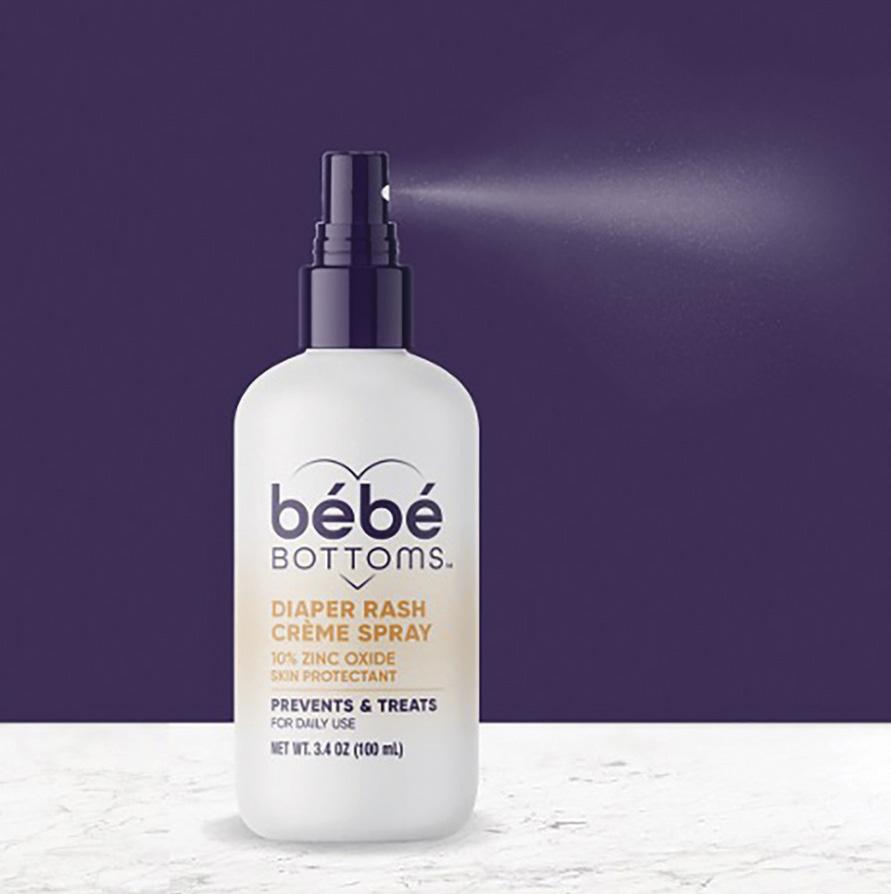
Parents continue looking for simpler, less messy baby care solutions, and Sun Pharma’s Bebe Bottoms brings a fresh twist to diaper rash care with a non-aerosol spray application. The easy-to-apply format helps eliminate the rubbing and mess often associated with traditional creams while delivering targeted skin protection. For retailers, Bebe Bottoms reflects the continued opportunity for innovation inside everyday baby care essentials. Click on any ad to find out more!
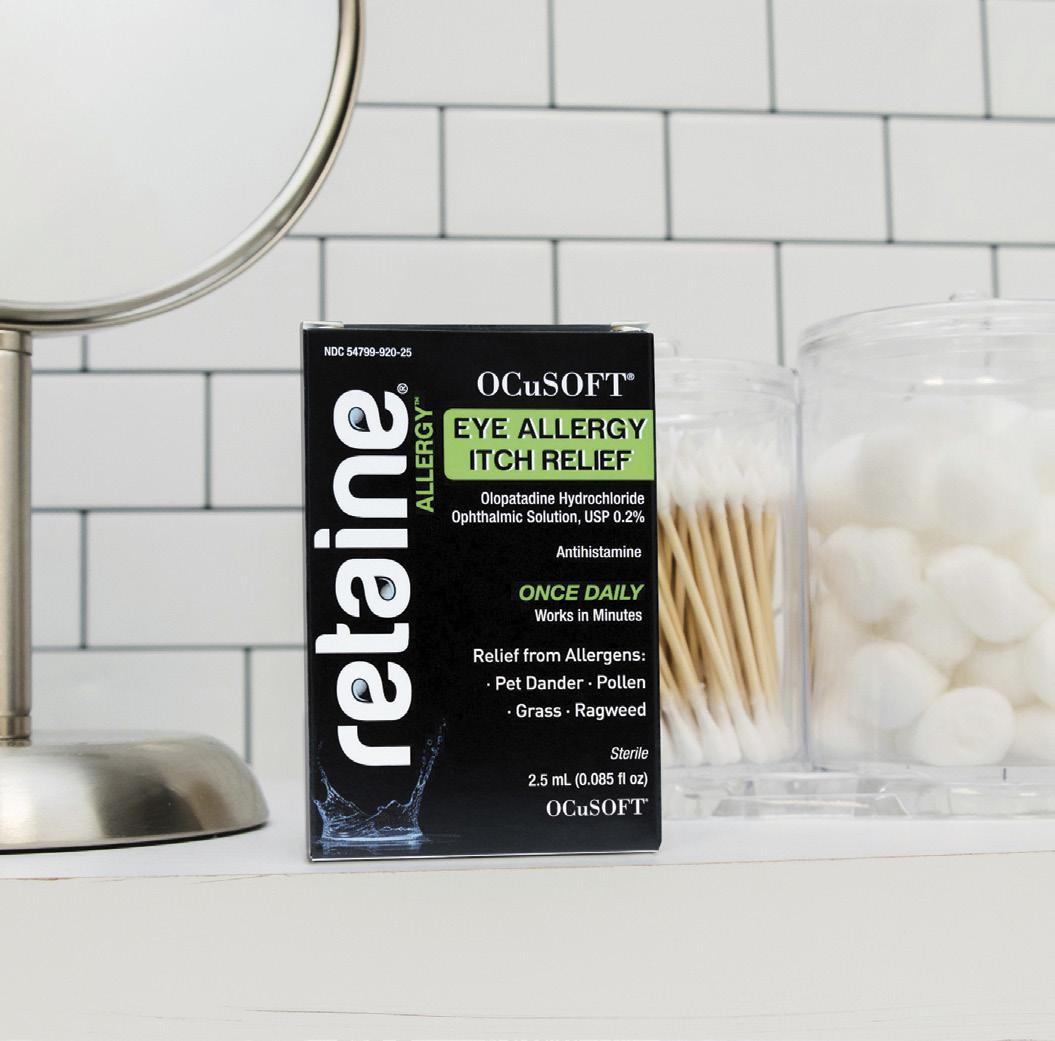
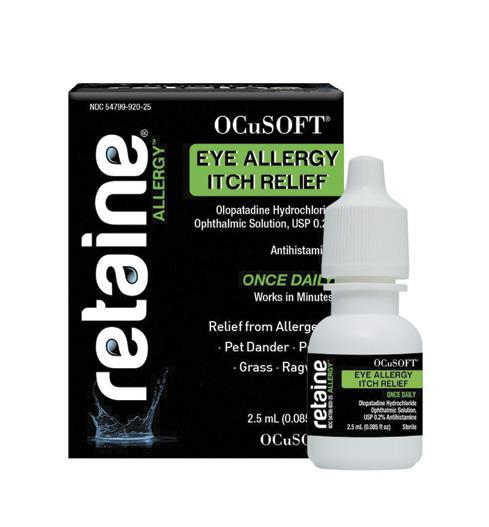
OCuSOFT® Retaine® Allergy™ original prescription strength antihistamine drops only need to be used once daily and work in minutes to provide relief from pet dander, pollen, grass, ragweed, and other contaminants. Each multi-dose bottle contains a 30-day supply that works directly on the cells that make eyes itch for long-term support of allergy eye symptoms.
BY CHRIS STANTON
First off, two days at Expo West is not nearly enough. That said, among the conversations with retailers and CPG brands, the categories generating the most discussion were hydration and protein. Interestingly, one area that generated less conversation than expected was readyto-serve, alcohol-free beverages.
Walking Expo West this year, it became increasingly clear that both established brands and emerging velocity players are competing not simply on efficacy, but on merchandising appeal, true innovation and discovery potential.
Several retailers attending Expo West shared with RBD that brands combining recognizable consumer appeal with meaningful innovation continue to stand out. Other categories attracting retail attention included beauty-from-within products and condition-specific supplements because they create incremental opportunities
throughout the store, not just inside the traditional vitamin aisle. One prominent Midwest retailer noted that consumers are increasingly drawn to products that feel approachable and lifestyle-driven rather than overly clinical.
That evolution was visible throughout the show floor. Gummies, powders, stick packs and functional beverages continue to reshape how brands present wellness solutions to both retailers and consumers. Protein was particularly visible across multiple categories, with suppliers positioning products less around hardcore sports nutrition and more around everyday wellness, satiety and healthy aging.
Hydration also continues to evolve rapidly. What was once largely associated with sports performance has become part of a broader wellness conversation tied to energy, recovery and daily routines. Several suppliers exhibiting at Expo West emphasized portability, flavor innovation and merchandising flexibility as key drivers behind new product development.

For retailers, the category’s continued evolution creates opportunities for discovery, cross-merchandising and innovation storytelling. Increasingly, the vitamin department is becoming less of a standalone destination and more of a platform connecting wellness, beauty, hydration and functional nutrition together.
In RBD’s frontline CPG and retailer audience, one thing remains clear: brands that combine innovation, accessibility and strong merchandising potential are capturing the most attention across today’s evolving wellness landscape.
HAVING LED MAJOR RETAIL ORGANIZATIONS ACROSS BOTH EUROPE AND THE U.S., WHAT KEY DIFFERENCES DO YOU SEE IN HOW RETAILERS ARE ADAPTING TO TODAY’S CONSUMER? IN STORES AND ONLINE?
I see more similarities than differences, customer data, trends and insights are followed closely by all retailers in all markets, Ai is making this lower cost and much faster. The best retailers in my experience focus on their customers in their categories and take at least a mid-term view from an investment point of view. Probably the one significant difference is speed of execution or risk taking, in my experience this happens much quicker in USA. My view is its cultural and built into management incentives.
AS YOU LOOK AHEAD IN 2026, WHAT MAJOR SHIFTS DO YOU BELIEVE WILL MOST IMPACT RETAILERS GLOBALLY?
The trend to resale in apparel is a significant one. While eBay continues as the biggest resale site globally, Vinted
In my experience staying power comes from doing what you and brand does best and investing in it.
which specifically targets apparel has seen explosive growth both in UK and USA. This I suspect is driven by both cost of living across the globe and younger consumer attitudes towards planet resources. Interesting to see how this trend develops. Even bigger I suspect is the move away from Ultra Processed Foods. Grocery and Big FMCG brands globally are seeing less calories being consumed in critical categories like confectionery, soda, Alcohol, chips. This is having a direct and fast impact on convenience retailers like the Front End of Drugstores. This will change forever the food people eat, You are what you eat, or food is medicine is accelerating in the consumers mind.
HEALTH AND WELLNESS CONTINUE RESHAPING CONSUMER PURCHASING HABITS GLOBALLY. HOW DO YOU SEE WELLNESS IN RETAIL EVOLVING OVER THE NEXT SEVERAL YEARS, AND ARE CONSUMER PRIORITIES LARGELY UNIVERSAL ACROSS MARKETS?
The Global and massive growth of Wellness is driven by consumers increasing awareness of Lifespan and Heathspan (how many active years of life you can achieve). It was happening pre pandemic, but I suspect history will confirm that this explosive trend in people taking responsibility for taking care of themselves is both here to stay and driven by digital and data, the more informed consumer. Linking back to “Food is medicine“GLP1 (Peptides) This new mass Pharmaceutical is being adopted at historic rates globally. It plays directly to the human desire to look good, and it works primarily on the brain according to experts. Reducing the addictive effects of Ultra Processed Food, sugar, salt and Alcohol.

For retailers and brands this is both a massive threat and a massive opportunity. These drugs will only get more affordable and accessible, likely micro dosing and more convenient formats (pills not injections) will become the norm.
Looking forward the interest in how to stay healthy while on these life and habit changing drugs will only accelerate. Opportunities in healthy food, VMS, trackers, testing, sports etc. is significant.
RETAILERS ARE CONSTANTLY EVALUATING NEW PRODUCTS, TRENDS, & EMERGING BRANDS. WHAT SEPARATES MEANINGFUL INNOVATION FROM SHORT-TERM NOISE AND HOW SHOULD RETAILERS IDENTIFY WHAT TRULY HAS STAYING POWER?
In my experience staying power comes from doing what you and brand does best and investing in it. Meaningful innovation comes from never being satisfied with how well your products and services are doing. Being constantly on the lookout for better solutions and hiring top talent to do this. It’s also about targeted risk usually through pilots and tests and importantly being patient with these pilots/ innovations’ performance, looking out for the “green shoots”.
WHAT ROLE DO PHYSICAL STORES NEED TO PLAY IN A WORLD WHERE CONVE-
... building your customer base in a sustainable way is so important rather than staying safe and running what you have today.
SHOULD BE PREPARING FOR TODAY THAT MANY MAY STILL BE UNDERESTIMATING?
NIENCE AND DIGITAL EXPECTATIONS CONTINUE TO RISE?
Community/ Human relationships (experience) and convenience are the two core reasons why in my view physical stores remain invaluable. It’s been the same since the very start of trading goods; you are much more likely to buy products and services from someone you know and trust. Also, in today’s world when so many of us have our eyes glued to the screens of our mobile devices, human interaction, relationships and community is becoming more important emotionally, that’s what great service and care in a store can give you. Digitally /data driven supply chains make the convenience of a stores network invaluable for the “I need /want it right now” consumer.
WHAT DO YOU BELIEVE RETAIL LEADERS
The even more informed consumer/ customer. Ai makes everything easier, faster and ultimately better for consumers. Their shopping behavior will in major categories be much more informed than ever, as previously mentioned in apparel, food, health/wellness /beauty in particular this means traditional search and marketing will see yet another big change.
WHAT LEADERSHIP LESSON FROM YOUR CAREER HAS SHAPED HOW YOU VIEW RETAIL TRANSFORMATION TODAY?
Customers across the globe have so many choices and as previously mentioned their needs are shifting quickly in core categories. In retail you must plan to win, growth mindset is so important, building your customer base in a sustainable way is so important rather than staying safe and running what you have today.
So, my lesson has been grow your leadership capacity and capability listen to everyone around you. Grow the capabilities of your team, hire the very best you can. Be nice and respectful to everyone all the time and never ever be satisfied with your own performance, there is always something you could /should have done better. Leadership is a privilege.