








“Men’s mental health is not just depression, and it is not just suicide. It is the hidden ways men survive pain when they have been taught that vulnerability is weakness, silence is strength, and suffering is simply part of being a man...”


“Men’s mental health is not just depression, and it is not just suicide. It is the hidden ways men survive pain when they have been taught that vulnerability is weakness, silence is strength, and suffering is simply part of being a man...”
A concrete wall in St. Catherine, Jamaica, and exactly two seconds to arrange a face into a smile that was not there. This is the visceral anchor of Shiemara Hogarth’s latest work; a childhood photo of a quiet, forced performance. For Shiemara Hogarth, the 2026 Brampton Artist in Residence, memory is a strange and textured thing; it is a series of flashbacks attached to people and specific, often uncomfortable, feelings. In her studio, the act of creation is a cinematic interrogation of these warped memories. She is the curator of the narrative, using the haptic feedback of fiber to say what words cannot.
The doctrine of her upbringing was as rigid as that of a concrete wall, “You can’t make a living making art.” In the survivalist logic of the Caribbean diaspora, creativity was a dangerous luxury, a dead end that led away from the academic safety of becoming a doctor or a lawyer. She followed the script, arming herself with a history degree and mastering the analytical rigors of research, but the inner life is persistent. While she spent years working full-time in research and data analysis, she felt a profound disquietude; that internal signal Nir Eyal identifies as the engine of progress. She was achieving her goals, but she was suffering under the weight of an identity that was not her own.
Then came her emancipation. In an act of what she calls “Showing up for yourself,” Shiemara walked away from the safety of a full-time research career to return to art school. To her conservative community, this was a rejection of the viable life they had sacrificed to give her. It was a risk that mirrored the immigrant experience itself, a leap into the unknown with only your skills as a safety net. She was boldly reclaiming the silent, domestic creativity of the women who came before her. Her mother meticulously sewed school uniforms and her grandmother crafted doilies with the precision of a master artisan, yet these women never dared to call themselves artists. Their creativity was hidden behind the label of utility, a quiet molding of the soul that Shiemara is now bring-
ing into the light of public institutions. She realized that her lineage was full of design-thinkers who used material to solve the problem of living. By embracing textiles, Hogarth is mending a broken legacy, transforming women’s work into a powerful language of preservation and resistance.
In Shiemara’s hands, textiles become a tool for processing data through the fingertips. Words can be edited and reread, but the haptic experience of fiber is radically honest. When she weaves, she enters a flow state where the material itself dictates the story. There is a strategic power in this forced deceleration. In a world obsessed with hacking success and pushing autopilot buttons, Shiemara’s work is a lesson in the fragility of adaptation. She describes the technical heartbreak of working with linen: in the dry air of Alberta, the thread becomes brittle and snaps; in the humidity of Ontario, it softens. You have no choice but to be patient with the work. This is the diaspora experience distilled into a single strand: the constant, exhausting work of adapting to a climate that was never built for your survival.
Her current obsession lies in the interruption of nostalgia. She is no longer content with the roses and fantastic version of Jamaica that outsiders expect. Instead, she is experimenting with the friction of opposites, weaving delicate fiber into the harsh, cold reality of concrete. It is a metaphor for the identity of the diaspora: soft, pliable memories meeting the hard walls of displacement. She is solving the problem of belonging by recognizing that it is not a place you find, but something you fabricate out of the brittle threads of your own history.
Shiemara’s legacy is not a solitary pursuit; she is a strategic community educator building a knowledge command center for those who have been systematically overlooked. By organizing “Canadian Women in Craft: A Conversation,” she intentionally cracked open the door for African Caribbean and racialized women in the Canadian art space. She understood that the assumptions of public institu
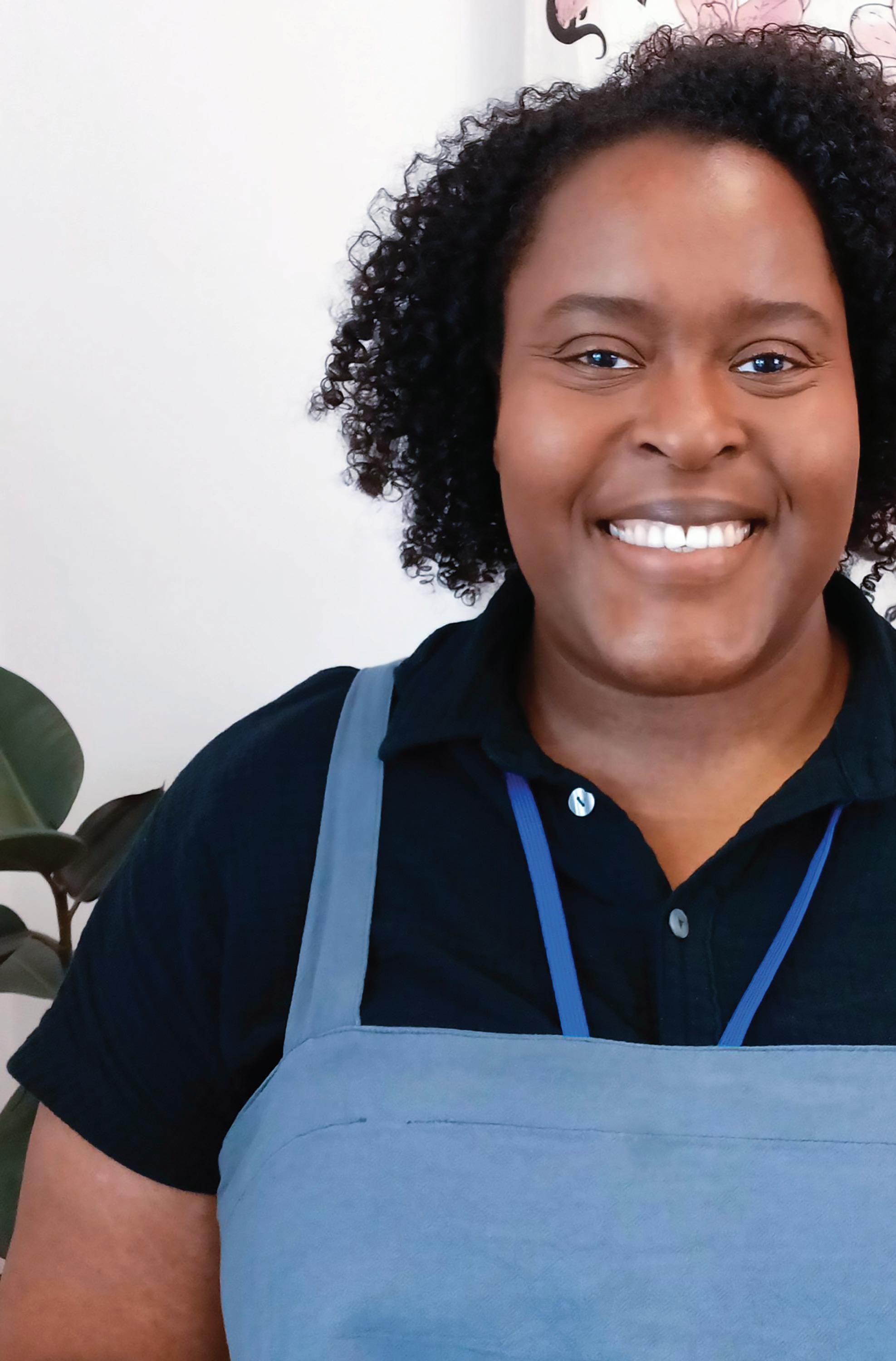

tions often cloud how African Caribbean women’s work is read. She wants the “Young Black girl” to see herself as an inheritor to the craft world. Her visibility is a tool for community empowerment, ensuring that the next generation understands that making is a valid way of claiming space.
She is a designthinker who uses art as a shared practice rather than an individual one. During her residency, she invites the public into her process, hoping they leave with the understanding that they can be creative without it being a career, or a money-making venture. She wants to relax the brain and express the soul in a way that is not capitalist related. This is her quiet rebellion against a world that demands every second be productive and every hobby be monetized.
As she moves into her next chapter, Shiemara is looking back to move forward, planning to connect with untapped craft practitioners in Jamaica. She recognizes that her work has outlived the limiting beliefs of her childhood. She has replaced the “You can’t make money as an artist,” mantra with a liberating belief: that she can use her research background to amplify her art, and her art to heal the divisions of her own history. She is teaching us that beliefs are tools, and the most powerful tool we have is the ability to look at a concrete wall and see the possibility of a thread.
Ultimately, you, the reader, are the silent beneficiaries of Shiemara’s courage. Her narrative arc is a reminder that belonging is a work in progress, a cumulative process of testing materials and memories until they speak clearly enough to be heard. Her legacy is in motion, a testament to the fact that when you stop performing for the camera, you can finally start weaving a future of your own design. Shiemara Hogarth is mending the soul of the diaspora, one patient stitch at a time.




The lakeshore was a mirror, reflecting a sky that belonged more to the shores of Negril than the concrete edges of Toronto. On this particular Saturday, the air was thick, charged with a rhythmic, pulsing energy that demanded attention. I should have been there, notebook in hand, capturing the heartbeat of my community, but fate had other plans. A severe bout of food poisoning had me sidelined, silenced at a moment when the story was screaming to be told. Yet, in the spirit of the very community I serve, a hero emerged from the wings to carry the torch.
Lubica Kucerova, a Slovakian-born designer whose soul is firmly rooted in the tropics of Jamaica, stepped into the gap to represent the “Simone Effect.” Her presence at the 2026 Jam-Walk 5K & Brunch was a psychological bridge between worlds. Lubica, known for her elegant resort wear and signature flower appliqués, brought a designer’s eye to a cultural movement. She walked into the Palais Royale alone, her nerves a quiet hum against the backdrop of registration tables and early morning chatter.
“I was a little nervous about going alone,” Lubica admitted during our conversation, “But from the moment I arrived, everyone was incredibly welcoming.” This is the unspoken power of the Helping Hands Jamaica Foundation (HHJF). Why should you care about this moment? In a world increas-
ingly fractured by digital distance, the 20th anniversary of HHJF proves that collective empathy is still our most potent currency.
The energy of the day was nothing short of Caribbean heaven in Toronto. Reggae music provided the pulse, while the scent of fresh sugar cane juice and the vibrant display of Jamaican colours turned a Toronto patio into a sanctuary of Caribbean heritage. Lubica described it as “A little piece of the Caribbean right here in Toronto,” a sentiment that resonates with anyone who has ever felt the ache of a home far away. Beneath the vibes provided by SPEXDABOSS and the celebratory brunch, there was a stark reminder of what is at stake.
This event happens every year, a staple of Toronto culture, but 2026 felt different. The foundation has its sights on a School Building Fund that will transform educational outcomes in under-resourced communities. Having lived in Jamaica for over 12 years, Lubica understood the gravity of the mission. She saw the Path to Education initiative as a lifeline. “I think it’s easy to underestimate how important things like proper nutrition, educational support, and a safe learning environment can be,” she noted. These are the variables that change the trajectory of a child’s life.
What happens if this fails? The gap widens. Literacy rates, which HHJF has worked tirelessly to improve through the construction of 27 schools, would plateau. Children in communities like St. Elizabeth, recently devastated by hurricanes, would remain in the shadows of demolished classrooms. The stakes are, quite literally, the future of a generation. Lubica felt this impact clearly through the stories shared and the video presentations that moved the crowd.
The walk itself was a scene of movement and texture. Despite running on very little sleep after a grueling Fashion Week,
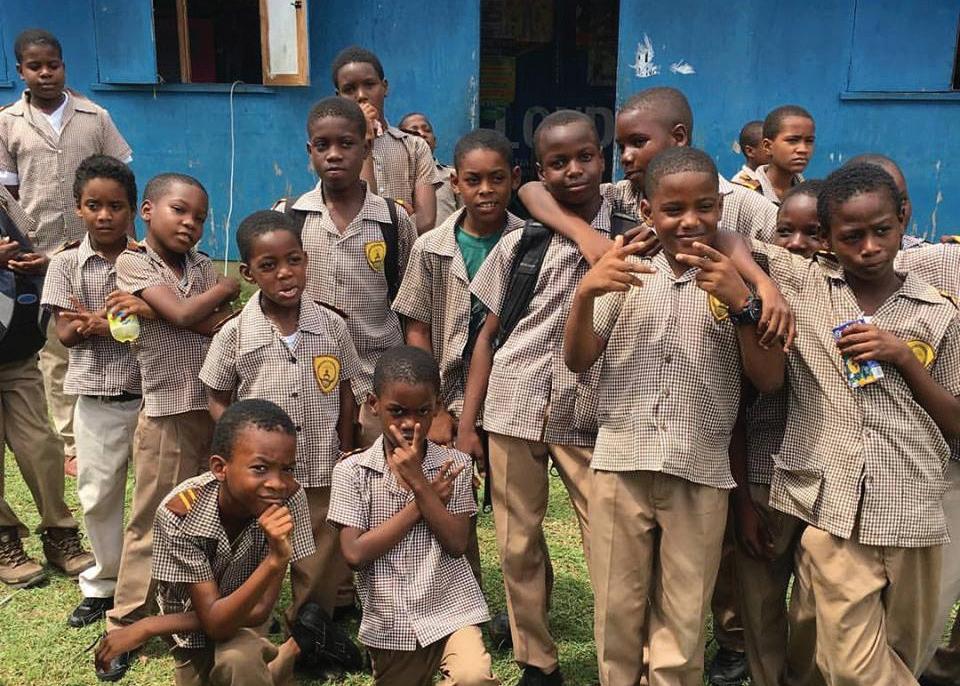
Lubica completed the entire 5K. This moment matters later because it signals a future where Toronto becomes an even greater hub for global talent and fashion events, where young designers are recognized for their heart.
As the event concluded, having raised a staggering $50,000, the takeaway was clear. Effective writing, and effective living, requires us to begin with the end in mind. The end here is a Jamaica where every child has a desk, a meal, and a dream. Lubica’s journey from a nervous attendee to an inspired advocate mirrors the transformation HHJF seeks for every student it serves.
Events like Jam-Walk matter beyond the fundraising. They allow us to connect with a mission in a way that makes the impact feel real. It is about people from different backgrounds: Afro/Indo Caribbean, Slovakian, Canadian, coming together to strengthen a community they love. It is a reminder that we are at our best when we are vulnerable enough to care and bold enough to act. Jamaica will always hold a special place in the hearts of those who stood by the lakeshore that day, and for those of us who could not be there, the message remains: every contribution has the potential to make a meaningful difference in a child’s future




EMPOWERING YOUTH, STRENGTHENING COMMUNITIES, BUILDING A BETTER TOMORROW
For more than two decades, the Citizens for the Advancement of Community Development (CACD), based in Mississauga, has worked to empower youth and strengthen communities through education, mentorship, leadership development, and community engagement
Today, CACD is entering a new phase of growth and transformation shaped by the realities of the 21st century and the evolving needs of young people Youth today are navigating increasing mental health pressures, rapid technological change, questions of identity and belonging, social fragmentation and an evolving workforce increasingly influenced by digital transformation, artificial intelligence, and the changing nature of work
INTENTIONALLY EVOLVING FOR GREATER IMPACT
INTENTIONALLY EVOLVING FOR GREATER IMPACTFROM PROGRAMME DELIVERY TO PLATFORM BUILDING FROM SERVING YOUTH TO DEVELOPING LEADERS FROM ENGAGEMENT TO LONG-TERM COMMUNITY INFLUENCE FROM SUPPORT TO TRANSFORMATION
THE YERCS FRAMEWORK: BUILDING STRONGER FUTURES
At the centre of this new direction is CACD's YERCS framework Youth Engagement, Resilience and Capacity Strengthening which integrates academic and career readiness, leadership and mentorship, civic engagement, mental health and well-being, and social-emotional development.

ACADEMIC & CAREER READINESS
LEADERSHIP MENTORSHIP CIVIC ENGAGEMENT & AWARENESS MENTAL HEALTH & WELL-BEING SOCIAL & EMOTIONAL DEVELOPMENT
INTEGRATED PROGRAMMING FOR REAL-WORLD SUCESS
CACD further sstrengthens this work through integrated programming in:
FINANCIAL LITERACY & ENTREPENEURSHIP STEM & DIGITAL LITERACY
PHYSICAL FITNESS & WELLNESS
LEADERSHIP & CIVIC ENGAGEMENT
ANTI-HATE, ANTI-RACISM & COMMUNITY SAFETY INITIATIVES
A FUTURE-FOCUSED COMMUNITY PLATFORM
CACD is increasingly positioning itself not only as a youth-serving organisation but also as a future-focused community platform that connects youth, schools, employers, institutions, and community partners in meaningful and transformative ways
CACD recognises that youth development cannot be separated from broader community realities. Rising concerns surrounding hate, discrimination, violence, exclusion, and social polarisation continue to impact many young people and families.
As part of its broader programming direction, CACD launched the CACD Anti-Hate, Education, Prevention, Resilience & Community Safety Initiative bringing together schools, mental health organisations, law enforcement agencies, violence prevention organisations, and community stakeholders to promote prevention, inclusion, resilience, and safer communities
initiative includes youth workshops, community dialogue sessions, staff and volunteer training, and a Community Safety & Anti-Hate Forum involving organisations such as Peel Regional Police, Peel Crime Stoppers, Safe City Mississauga, PDSB, DPCDSB, CAMH, CMHA, and Embrave


Working

There is no question that many families are feeling the pressure right now.
Whether it is the cost of groceries, rising household expenses, mortgage payments, rent, insurance, or simply trying to keep up with everyday life, it seems like every conversation lately includes concerns about affordability. Across the Greater Toronto Area and throughout Canada, people are making difficult decisions about where their money goes and what can wait until another day.
For many within our Caribbean community, those challenges come with an additional layer of responsibility. We are not only supporting ourselves and our immediate families here in Canada, but many of us are also helping parents, grandparents, siblings, and loved ones back home. It is a reality that has been part of our culture for generations. We understand the importance of family, and when family needs help, we do what we can.
As summer approaches, many families are beginning to think about travel plans. Some are hoping to visit relatives they have not seen in years. Others are looking forward to spending time with children and grandchildren, reconnecting with loved ones, and enjoying the warmth and familiarity of home. Yet for many, the rising cost of travel has made those plans more difficult than ever.
At the same time, the start of hurricane season serves as a reminder of how quickly life can change throughout the Caribbean. While we all hope for a quiet and uneventful season, many families are already thinking ahead, preparing emergency plans, checking in with relatives, and making sure loved ones have the support they may need if challenges arise.
In moments like these, it becomes easy to focus on what we lack. The bills. The uncertainty. The stress. The constant feeling that there is always one more expense waiting around the corner.
But perhaps this is also an opportunity to focus on what we still have.
The Caribbean community has always been built on resilience. Long before social media, before smartphones, and before technology connected us instantly across borders, our communities were built through relationships. We checked on our
neighbours. We helped family members who were struggling. We shared meals, offered encouragement, and found ways to support one another even when resources were limited.
Those values remain just as important today.
Sometimes support is financial. Sometimes it is a phone call. Sometimes it is offering a ride, sharing information, supporting a local business, volunteering at a community event, or simply taking the time to ask someone how they are doing. Small acts of kindness often have a bigger impact than we realize.
As Carnival season approaches and community events begin filling calendars across the GTA, we are reminded that our culture is about more than celebrations. It is about connection. It is about bringing people together. It is about creating spaces where individuals feel seen, valued, and supported.
In a world that often feels increasingly divided, disconnected, and fastpaced, those connections matter.
This week, I encourage all of us to take a moment to reach out to someone we have not spoken to in a while. Call a parent. Check on a neighbour. Visit a family member. Support a local community initiative. These simple actions help strengthen the bonds that have always been at the heart of our community.
The challenges we face today are real, and no one should pretend otherwise. But history has shown us that the Caribbean community has never been defined by the obstacles placed in front of us. We have always been defined by how we come together to overcome them.
While we cannot control the economy, global events, or the rising cost of living, we can control how we treat one another. We can choose compassion. We can choose unity. We can choose community.
And sometimes, especially during uncertain times, that is what matters most.
Until next time, take care of yourselves, take care of one another, and never underestimate the strength that comes from a connected community.




SIMONE SMITH
simone@carib101.com
TC REPORTER
Toronto is once again arguing about taxes, but the bigger story is what those decisions mean for rent, housing, transit, and the cost of staying afloat in the city. What is confirmed is that Toronto has raised property taxes, increased development charges, adjusted the hotel tax, and kept relying on user fees and levies to fund city services and growth-related infrastructure.
The criticism aimed at Mayor Olivia Chow is rooted in real policy moves: Toronto approved a 9.5% property tax increase for 2024, with a city-building levy added on top of the base tax, and later
home rose to $143,409 effective May 1st, 2025, compared with $12,366 in 2009, though the exact policy path includes changes over multiple budgets and bylaws rather than one single jump. That is the verified starting point, and it matters because when city taxes rise, the cost often gets passed down into housing prices, rents, and business expenses.
These tax hikes prove Toronto is being run without discipline and that taxpayers are getting nothing in return. That is interpretation, not fact. It is also an advocacy frame that links tax increases to wasteful spending, pointing to examples such as the raccoon plaque, World Cup supplies, and SmartTrack overruns as proof of a larger pattern. Those examples may support a critique of fiscal judgment, but they do not by themselves prove that every tax increase is unnecessary or that every spending decision is reckless.
What remains open is whether Toronto’s rising charges are mostly the result of poor restraint at City Hall or the consequence of deeper pressure: infrastructure backlogs, housing shortages, transit costs, and long-standing demand for services in a growing city. The city says development charges help fund roads, transit, sewer, parks, emergency services,

STEVEN KASZAB
steven@carib101.com
sense of separation, however distant, is real.
Death is the final step in every life, marked by uncertainty, fear, and,
and other growth-related needs, which means those fees are also part of the financing structure for new development. That is why a serious reader should ask not only, “Why are taxes going up?” but also, “What exactly is being funded, who pays, and who benefits?”
Toronto has used tax hikes and levies before, and the pattern is not new to Mayor Chow’s administration. The city has a history of leaning on property taxes and development-related charges when budgets tighten, and the debate over whether that is responsible stewardship, or lazy governing has repeated across mayoral terms. That history matters because it shows this is not an isolated controversy. It seems to be part of Toronto’s long-running struggle to pay for itself without making the city less affordable.
This debate connects directly to housing because development charges can influence what it costs to build new homes, which affects supply, prices, and eventually rents. It also connects to transit, because stalled projects and overbudget station plans like SmartTrack reveal how public money can disappear into delay, duplication, and political promises. It connects to everyday safety and education because when the local
often, a deep need for compassion. I have witnessed hundreds of end-of-life moments. Among the elderly especially, emotions vary widely: serenity and peace for some, fear and distress for others. The same questions arise again and again: What happens next? Where am I going? Will it be painful, or peaceful?
Belief systems surface sharply in these moments. Some who never held faith begin searching for it. Others who believed all their lives find themselves facing unexpected doubt. The promise of eternal life, so often spoken of, becomes intensely personal, and uncertain.
I once knew a remarkable man who was entirely alone in the world. His health was failing, and he faced a question many of us avoid: how would his life end? Would it be in unbearable pain, or through medically assisted peace? When he explored Canada’s MAID program, he made a deliberate choice about the course of his final days, one he felt was rooted in dignity, clarity, and control.
I also knew a small, frail woman nearing the end of a long life shaped by
multiple health challenges. I held her hands as she began her final journey. Her senses had narrowed to sight and touch. For three hours, I spoke to her: about her family, her life, and the countless people she had impacted. When I told her how deeply she was loved, she smiled softly, closed her eyes, and passed.
Death comes for us all. It is the only true equalizer. Wealth, status, and power offer no exemption. What death leaves behind, however, is a question we must each answer: how will we be remembered?
Legacy is often misunderstood. It is not merely possessions, wealth, or even memory. Time erodes all things: names fade, monuments crumble. Legacy is something more enduring. It lives in the impact we leave behind; in the energy we contribute to others’ lives. It asks: were you guided by love, or by harm? Were you a force for justice and peace, or a source of division?
Philosophers, spiritual leaders, and thinkers have long wrestled with this idea. For some, legacy is built through service, education, and compassion. For
government is under fiscal pressure, the same budget fight shapes police staffing, recreation programs, library hours, school-adjacent services, and neighbourhood maintenance.
This is really a story about who absorbs the cost of city life. Developers, tourists, homeowners, renters, and small businesses all get hit differently, but the burden often lands hardest on people with the least room to maneuver. The political spin says higher taxes are necessary to sustain the city; the opposing spin says City Hall is using ordinary people as the backstop for bad management. The deeper truth is that both can be partly true, which is why the public deserves transparent accounting instead of slogans.
Toronto voters should watch for one question above all: which candidate can explain where the money goes, what it buys, and how to keep the city functional without making it harder to live here. The real issue is whether the burden is fair, the spending is disciplined, and the results are visible in people’s lives. That is the test City Hall keeps asking residents to pay for, and voters should demand a better answer.
others, it is shaped by ambition, greed, or self-interest. Both may achieve success, but the outcomes are not the same.
A priest once told me that the person with the most people at their funeral “wins.” Not as a measure of popularity, but of presence. Those who gather do so out of genuine love and respect. They come to honour a life that mattered to them.
We are all flawed. We carry regrets, weaknesses, and moments we wish we could undo. Yet none of these define us entirely. What defines us is what we choose to do next.
Death is not the final curtain. Being forgotten is. That is why legacy matters, and why it is never too late to shape it. History is filled with people who changed course, who sought redemption, and who became something greater than their past.
The greatest challenge any of us will face is not death itself, but our own reflection: our judgments, our doubts, our unwillingness to forgive ourselves. Do not let that become your legacy.

simone@carib101.com
TC REPORTER
The room hummed with the sound of the steelpan as we stood at the buffet about to eat what looked to be an incredible feast. Someone laughed at a memory; someone else shared a memory. At the Old Mill, the One Caribbean Canada Media Awards Luncheon felt like a homecoming for me: writers, editors, photographers and tourism officials gathered to witness a long‑overdue reckoning of voice and visibility.
I was there as a judge, and I will tell you what surprised me: the tenderness. These pieces were careful, stubborn acts of atten tion, essays that held elders’ names, features that let market stalls speak, dispatches that refused the tourist’s gaze. Some of these sto ries stayed with me long after I had read them, some over and over again; after the luncheon ended; they carried the islands in their sen tences.
The heroes of the day were all the writers who are the Caribbean storytellers that refuse to let their writing be flattened into postcards. The newest villain was familiar: creative writers’ invisibility. For decades, our islands have been framed by other people’s appetites. The result is a tourism narrative that sells sunsets and erases labour, history, and nuance. One Caribbean Canada’s awards changed that frame for a morning. They said, plainly: the stories belong to the people who live them.
What made submissions stand out?
Precision and risk. The winners: Melaya Hor sten, Adam Waxman, Vawn Himmelsbach, did two things at once: they wrote with craft, and they wrote with care. They avoided the recycled language of “paradise” and instead gave us texture: the sound of a market vendor calling names, the smell of a kitchen at dawn, the way a community rebuilds after a storm. Judges (including me) noticed the work that lingered, the pieces that refused to be decora tive. That is the bar we set.
There was a moment during the awards when the room shifted, when Nancy Drolet took a moment to read what I had written about the winner of the competition. The room went quiet in the way a congrega tion goes quiet when a truth is spoken. That silence was recognition of my words. “This
piece stood out for its exceptional craft and sensory immersion. It avoids the lazy, recycled language of typical travel writing, opting in stead for vivid, distinctive imagery.
“The writer creates a tangible atmo sphere by weaving in the folklore of Manman D’lo (Water Mother) and Manman Tè (Mother Nature). It offers a sobering and awe inspiring look at La Savane Des Esclaves, respecting the ingenuity and botanical knowledge de veloped by islanders following the abolition of slavery. The structure is excellent, moving from the lush rainforest to the sophisticated terroir of Rhum Depaz and ending with the powerful image of the Yole boat, an expres sion of the island’s soul, which truly makes the reader feel they have arrived.”
The Travel Trade Expo that evening extended the conversation into business rooms and one‑on‑one meetings. It was prac tical, yes: airlines and tour operators making deals, but it was also strategic. Storytelling and commerce are partners when the story is honest and the benefits flow back to com munities. One Caribbean Canada’s new 2026 Event Calendar, seventy‑two pages of festi vals, carnivals, regattas and food gatherings, is a tool for that honesty. It refuses the sin gle‑season, single‑product view of the region and invites year‑round engagement.
As a judge, I also saw the gaps. Some submissions arrived raw and brilliant but un
der‑edited; others were polished yet timid. The message to writers was clear: bring your full voice and bring your craft. The region needs both. If you are a storyteller who almost didn’t submit, hear this: your work belongs in spaces like this. If you are a writer who wants to be on that stage next year, start now: gath er your interviews, sharpen your scenes, and tell the stories that make readers feel the is land under their feet.
This was not a one‑off celebration. It was the opening of a door. One Caribbean Canada has created a platform that amplifies nuance, rewards risk and builds professional pathways for Caribbean voices in Canada. That matters because visibility begets power: editors notice, travel advisors change itinerar ies, communities get invited into conversa tions about how tourism is built and who ben efits.
So, what should you do now? If you write, submit. If you work in travel, bring these writ ers into your briefings. If you care about the region, show up: at festivals, at panels, at the next expo. Support the calendar. Share the stories.
The awards were a cultural moment because they did something simple and radi cal: they listened. They turned attention into recognition and recognition into possibility, and if you missed it this year, remember this: the stage is waiting.
BY ADRIAN REECE
TC REPORTER
Pastors across Canada say they are not allow ing fear to silence their preaching of biblical principles, even as public debates intensify around free speech, religious expression, and LGBTQ+ rights.
Recent discussions have centered on federal legislation and evolving interpreta tions of hate speech, with some religious lead ers expressing concern that certain sermons (particularly those addressing marriage and sexuality from a biblical perspective) could be perceived as discriminatory or harmful under Canadian law.
For many churches, this creates a tension that is both legal and cultural. On one hand, pastors feel a responsibility to teach scripture as they understand it. On the other, they are navigating a society that increasingly prioritizes inclusion, protection from harm, and the rights of LGBTQ+ communities.
In particular, teachings on marriage and sexuality have become flashpoints. Some
Christians maintain that biblical doctrine de fines marriage and sexual ethics in ways that differ sharply from contemporary cultural norms. Others, including many theologians and faith communities, interpret scripture dif ferently and affirm LGBTQ+ identities within their understanding of Christianity.
Despite these differences, some pas tors argue that simply expressing a traditional biblical viewpoint is increasingly framed as hate speech, even when there is no intent to harm or target individuals. They see this as part of a broader shift in which disagreement is sometimes interpreted as hostility.
Critics of this perspective push back, arguing that language (especially from posi tions of authority) can contribute to stigma or harm, regardless of intent. For them, legal protections are necessary to ensure that mar ginalized communities are not subjected to rhetoric that undermines their dignity or safe ty.
This divide reflects a deeper ques tion: where is the line between freedom of expression and protection from harm?
For centuries, many religions, in cluding Christianity, have emphasized the importance of sharing their beliefs openly. Evangelism and preaching are seen as an invi tation, one that individuals are free to accept or reject. However, in today’s cultural climate, such expressions are sometimes perceived as intrusive or as imposing beliefs on others.
Some Christians argue that this re sponse is applied unevenly, suggesting that their faith is more frequently labeled as intol erant compared to other religious traditions. Others counter that the criticism is tied to specific positions that conflict with evolving social values.
Amid these tensions, pastors who hold traditional views say they remain com mitted to preaching what they believe scrip ture teaches, even if it risks backlash. They frame this as a matter of conviction rather than confrontation.
At the same time, legal experts note that Canada’s hate speech laws are narrowly defined and typically require a high thresh old, such as the promotion of hatred against
identifiable groups, before criminal penalties apply. The practical implications for sermons and religious speech remain a subject of on going interpretation and debate.
What is clear is that the conversation is far from settled. As Canadian society con tinues to wrestle with questions of identity, inclusion, and freedom, churches are among the many institutions navigating these shift ing boundaries.
For some, this moment represents a necessary evolution toward greater equity and protection. For others, it raises concerns about the future of open dialogue and the ability to express deeply held beliefs without fear of legal consequences.
The outcome will likely depend not only on legislation, but on how Canadians choose to engage with one another across lines of difference, whether through polariza tion, or through a willingness to hold tension without silencing opposing views.


simone@carib101.com
TC REPORTER
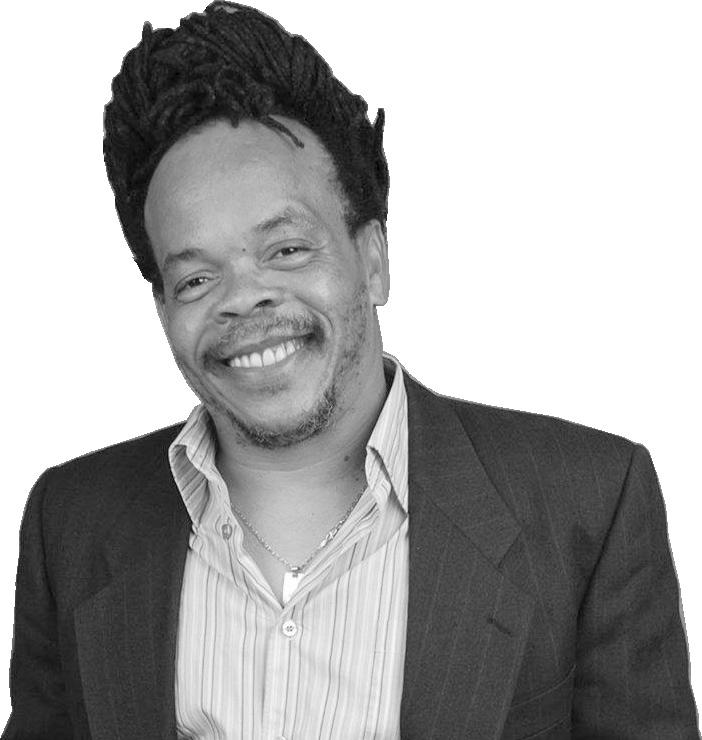
They are waking up, clocking in, carrying families, paying bills, making jokes, staying busy, lifting weights, drinking, praying, smoking, scrolling, working, and disappearing emotionally all at once. From the outside, they look functional. Inside, many are holding together a life that is far more fragile than anyone can see.
That is the story too many people miss.
Men’s mental health is not just depression, and it is not just suicide. It is the hidden ways men survive pain when they have been taught that vulnerability is weakness, silence is strength, and suffering is simply part of being a man. In Canada, the U.S., Mexico, and the Caribbean, that lesson shapes how men love, parent, work, grieve, and break. For Afro- and Indo-Caribbean men especially, migration stress, racism, church culture, family duty, and respectability pressure can make that burden even heavier.
This Men’s Mental Health Month, the question I have is, what are men using to survive what they cannot say out loud?
Some men use work. Others use alcohol, weed, gambling, pornography, sex, the gym, control, anger, or total emotional shutdown. Some become high performers, so nobody notices they are falling apart. Some become distant; distance feels safer than being exposed. Some hide pain behind productivity, because being needed is the only form of worth
MICHAEL THOMAS
michael@carib101.com
TC REPORTER
For four years, global health officials and international bodies have worked to negotiate a pandemic preparedness treaty, an agreement intended to strengthen how countries prevent, detect, and respond to future outbreaks. The effort, led through the World Health Organization (WHO), has drawn both support and sharp criticism from governments, advocacy groups, and segments of the public. There is good reason for that.
Supporters argue the treaty could improve coordination, transparency, and access to medical resources during global health emergencies. Critics, however, worry about national sovereignty, accountability, and how decisions would be made and enforced across borders.
At the center of the debate is a
they were allowed to claim.
That is why so many men are misread. A man who is irritable may be depressed. A man who is reckless may be overwhelmed. A man who seems cold may be terrified. A man who is always “good” may be carrying grief that never got language. A man who looks strong may be living one disappointment away from collapse.
Too often, society only pays attention when the pain becomes public and dangerous. We notice men when they are violent. We notice men when they are drunk. We notice men when they are unemployed, incarcerated, hospitalized, or dead, but the damage usually started long before that moment. By then, the warning signs have been there for years.
Now, I want to talk a little bit about conditioning. Boys are often taught to suppress tears, hide fear, and turn hurt into toughness. They learn early that attention comes more easily when they are useful than when they are honest. As adults, many men carry that training into fatherhood, partnership, work, faith communities, and public life. They may know they are struggling, but they have no practice naming it without shame.
For Caribbean men and men across the diaspora, the pressure can be even sharper. Many grew up with messages like “Man up,” “Hold your head,” “Don’t embarrass the family,” or “Handle your business.” Those words can become a trap. They teach endurance without repair. They teach survival without softness. They teach men how to keep going, but not how to heal, and when the system reinforces that silence: through stigma, cost barriers, long wait times, work schedules, or culturally insensitive care, men learn that help is either unavailable or unsafe.
When people talk about men’s mental health, they often reduce it to depression and suicide. That is too narrow. Men’s distress often shows up sideways. It shows up as: substance use, rage, work addiction, emotional withdrawal, control, infidelity, chronic pain, risky behavior, or the refusal to slow down. It shows up in relationships as defensiveness, isolation, silence, or explosive reactions to small things. It shows up in communities as violence, abandonment, or a man who is physically present, but psychologically absent.
That is why asking only, “Why don’t men go to therapy?” misses the point. A better question is, what has therapy failed to become for men? A place that feels safe. A place that feels relevant. A place that understands race, migration, fatherhood, trauma, masculinity, and survival without flattening a man into a diagnosis.
A real public-health response has to meet them where they already are: in barbershops, gyms, churches, sports spaces, workplaces, cultural organizations, and community networks. It has to use language men recognize and trust. It has to honour the fact that men will come for performance but stay for healing if they are treated with dignity.
The conversation usually leaves out the men who are easiest to overlook. It leaves out abused (emotional, psychological, and physically abused) men, who often feel deep shame and fear of not being believed. It leaves out immigrant men, who may be struggling with status, isolation, work insecurity, and the pressure to build a life while grieving the one they left behind. It leaves out older men, who may have lost community, purpose, or emotional language over time. It leaves out young fathers trying to be stable when they have never been taught what stability feels like. It leaves out queer men, and men who learned early
provision known as the Pathogen Access and Benefit-Sharing (PABS) system. The proposal would require countries to share data and biological samples more quickly in exchange for equitable access to vaccines, treatments, and diagnostics. While some nations view this as essential to global health equity, others remain cautious about how such systems would be governed and whether they could disadvantage lower-resource countries.
Negotiations have proven difficult. After extended talks and behindthe-scenes pressure, WHO member states agreed to continue discussions, pushing deadlines further into the future. The delay reflects ongoing disagreements over key provisions and the complexity of aligning 200 countries with different political, economic, and public health priorities.
Outside official negotiations, advocacy organizations have played an increasingly visible role. Groups such as CitizenGO and others have organized petitions, campaigns, and demonstrations aimed at influencing the outcome. Their efforts have contributed to heightened public awareness, though perspectives on the treaty vary widely across different communities.
that being visible can be dangerous. It also leaves out the Caribbean reality, where faith, family reputation, and emotional restraint can make silence feel honourable, but silence is not the same as wellness. A community can praise a man for carrying everything and still fail to notice that he is drowning. That is the cost of confusing function with health. If we are serious about men’s mental health, then we need more than awareness months and sympathy posts. We need: accessible care, culturally competent clinicians, flexible hours, low-cost services, better screening in primary care, and outreach that treats men as whole human beings, not broken stereotypes.
We also need families to stop mistaking pain for attitude. We need workplaces to stop rewarding burnout as masculinity. We need churches, schools, and community leaders to create spaces where men can speak without being shamed, mocked, or managed into silence. We need to stop waiting for collapse before we call something a crisis, because many men are not refusing help out of pride alone. They were trained to believe pain must be carried, not named, and that is exactly why men are drowning in plain sight.
This is bigger than men being better communicators. It is about whether our communities are willing to see male pain before it turns into loss. It is about whether we can build a culture where strength includes honesty, where fatherhood includes emotional presence, and where survival is no longer mistaken for healing.
The truth is uncomfortable, but it is necessary: a man who is functioning is not always well. A man who is silent is not always fine. A man who is strong is not always safe. If we want to save lives, we have to stop romanticizing the suffering that kills men slowly.
Critics of the treaty often frame their concerns around government overreach and the potential for centralized decision-making during emergencies. They argue that public trust (already strained during the COVID-19 pandemic) must be rebuilt before any new global framework is adopted. Many point to the importance of transparency, clear limits on authority, and stronger democratic oversight.
Has anyone wondered recently how the same folks are rewriting the same COVID-19 playbook, disguising it as a new virus on a cruise ship? They even had the nerve to be introducing a vaccination. This is how unintelligent they believe the masses are. They are hoping that you, the citizens, forget all they have done over the last six years. All the: blood clots, heart attacks, aneurysms, strokes, and sudden deaths you have had to endure, all because of the “Safe and effective vaccines” they threatened many into taking. This is why this time they need a pandemic treaty to finish the job. No resistance is just compliance.
Public health experts, on the other hand, emphasize the lessons learned from COVID-19: delayed responses, unequal access to vaccines, and frag-
mented communication all contributed to avoidable harm. They argue that without stronger international agreements, the world risks repeating those same failures during the next global health crisis.
The broader conversation also touches on emerging issues such as digital health systems, data sharing, and economic resilience. While some view these developments as necessary modernization, others call for scrutiny to ensure privacy, equity, and voluntary participation.
What remains clear is that no final agreement has been reached. Negotiations are expected to continue through upcoming World Health Assembly sessions, with timelines extending into the coming years if consensus remains elusive.
For now, the pandemic treaty represents both an opportunity and a challenge: an attempt to build a more coordinated global response system, and a test of whether nations can find common ground in a deeply divided landscape.
As discussions continue, one thing is certain: public engagement, scrutiny, and informed debate will play a critical role in shaping the final outcome.
simone@carib101.com
Canada’s new immigration law, Bill C-12, is now in force, and the part that matters most for many Afro- and Indo-Caribbean families is whether loved ones will still get a fair hearing before being shut out of the system. The law changes asylum eligibility, document powers, and information-sharing rules, and critics warn it could make it easier for vulnerable people to be screened out before their claims are fully heard.
For Afro-Caribbean and IndoCaribbean communities in Toronto, New York, and across the diaspora, immigration rules are rarely just about other people. They can affect spouses waiting to regularize status, children depending on one parent’s paperwork, elders relying on family reunification, and relatives trying to move through long, uneven pathways to safety. A one-year deadline or a 14-day filing rule

PAUL JUNOR
paul@carib101.com
can turn into a family-separation problem very quickly when people are dealing with trauma, unstable housing, language barriers, or confusion about the system.
According to the federal government’s March 2026 update, Bill C-12 became law on March 26th, 2026, after receiving Royal Assent. The government says the law strengthens Canada’s immigration system in four areas: asylum eligibility rules, a modernized asylum process, broader domestic information sharing, and new powers over immigration documents and applications. One confirmed change is that some asylum claims may now be found ineligible if they were made more than one year after a person’s first entry into Canada, when that entry was after June 24th, 2020. Civil society groups argue that the new rules may shut vulnerable people out before they can be properly heard. Amnesty International Canada said an earlier version of the legislation could make it virtually impossible for most people entering from the U.S. to have their refugee claim reviewed, while the Canadian Council for Refugees warned that the bill creates new ineligibility provisions that can block access to an oral hearing. The government’s framing is different: it says the changes are meant to reduce pressure on the asylum system, close loopholes, and improve pro -
cessing.
What remains unclear is how often these new rules will be applied, who will be screened out, and how many people will lose access to a hearing before the merits of their case are assessed. That matters because technical immigration rules can have very personal consequences: a missed deadline, a delayed filing, or an irregular border crossing can now shape whether a family stays together or gets pulled apart. For people in transition, the law may operate less like a policy fix and more like a gate that closes before the full story is even told.
Canada has seen this pattern before, where immigration policy is tightened in the name of system integrity and critics warn that humanitarian protection gets narrowed in the process. The same basic struggle has shown up in earlier border and refugee debates: governments argue they need speed and control, while advocates warn that speed can become exclusion. That tension is not new, but the stakes are higher now because the law is already active.
This is also part of a larger pattern that hits racialized migrants harder because they often have less margin for error. Afro- and Indo-Caribbean people are more likely to navigate mixed-status households, precarious work, transnational caregiving,
and migration routes shaped by race, class, and geography. When the state makes the process faster and stricter, the people least protected by wealth and legal support usually feel the pressure first.
The power dynamic here is simple: the government gets to call this reform, while families experience it as risk. Ottawa says the law will strengthen the system; advocates say it may shrink access to protection. Both claims can coexist, but they do not cancel each other out. A system can be more efficient and more exclusionary at the same time.
That is why community readers should ask: what Bill C-12 does, who it protects, who it filters out, and who gets left waiting outside the door? If the law speeds up processing while limiting review, then the cost of efficiency may be borne by the very people the asylum system was meant to protect.
The next question is implementation: how the rules are applied, how officers interpret eligibility, and whether legal challenges or advocacy pressure force changes in practice. For families, the safest move is to treat timelines, entry dates, and filing deadlines as urgent matters, not background details. In immigration, the paperwork is never just paperwork; it can decide who gets heard and who gets erased.
accountability, and commitment to equity.
On May 7th, 2026, several hundred Black, African, and Caribbean parents, students, advocates, and community members gathered at the United Steelworkers Hall for a town hall. Organizers said the event aimed to center student voices, address safety and equity, unpack harm, explore alternatives, and push for accountability. The turnout reflected both urgency and frustration.
Panelists pointed to broader systemic concerns beyond the incident itself.
Public reaction continues to mount following a presentation delivered by a Peel Regional Police officer to administrators at the Dufferin-Peel Catholic District School Board (DPCDSB) on April 9th, 2026. The session (attended by roughly 20 Black administrators) included a music video containing repeated use of the N-word alongside imagery associating Black youth with gang activity. For many in the room and across the broader community, the framing was not only inappropriate, but harmful.
A memo sent to principals and vice-principals, reported by the Toronto Star on April 17th, 2026, acknowledged that the presentation reinforced harmful stereotypes and deficit-based narratives that we actively work to dismantle as a system. The admission, however, did little to quell growing concern about the board’s judgment,
Charlene Grant, CEO of Parents of Black Children (PoBC), noted that the board records one of the highest rates of police calls from schools in the region, raising questions about how discipline, safety, and bias intersect in practice.
David Bosveld, a member of the board’s Black Community Advisory Council, focused on the board’s response. He criticized what he described as a retreat from an earlier apology, arguing that the reversal sent a troubling message to those directly affected and undermined trust at a critical moment.
Danielle Dowdy, a Brampton parent, widened the lens to provincial policy. She raised concerns about the speed with which Bill 33, the Supporting Children and Students Act, and Bill 101, the Putting Stu-
dents First Act, moved through the Ontario Legislature. Bill 33 was introduced in May 2025 and received royal assent in November 2025. Bill 101 was introduced on April 13th, 2026, and passed on May 7th, 2026, the same day as the town hall. Dowdy argued that both bills advanced without sufficient consultation with parents, educators, or impacted communities.
Andrea Jimenez, Director of Policy at Free Schools, underscored the implications of Bill 33. The legislation requires school boards across Ontario to grant police greater access to schools and effectively reintroduces the School Resource Officer (SRO) program. The SRO model had previously been discontinued by boards including the Toronto District School Board and the Peel District School Board following sustained public opposition and concerns about its disproportionate impact on Black and marginalized students.
The Anti-Black Racism and Systemic Discrimination Collective of Peel (ABR-SD), representing more than 50 community-based organizations, issued a press release on May 6th, 2026, calling for urgent, transparent and meaningful accountability. Co-chairs Angela Carter and Arvind Krishendeholl warned that the incident, and the response to it, raises serious concerns about
the dignity, safety, and sense of belonging of Black students and educators in Peel. They emphasized that internal investigations alone are insufficient to rebuild trust, particularly in the absence of direct engagement with affected communities.
The Collective also declined an invitation from Peel Regional Police and the DPCDSB to receive updates, signaling a lack of confidence in the process as it currently stands.
Further controversy followed remarks by Ontario’s Minister of Education, Paul Calandra, in the Legislature. Calandra described the presentation as “An accurate, unvarnished reflection of some of the challenges facing Peel schools.” Critics argue that such framing risks validating a narrative that disproportionately associates Black youth with criminality. The ABR-SD Collective posed a pointed question in response: Are only Black youth involved in gangs in Peel Region?
At its core, the issue is no longer just about a single presentation. It is about how institutions define safety, whose experiences are centered, and whether accountability is performed or practiced. Until those questions are addressed directly, and with the communities most affected, public trust will remain fragile.

BY JAY BRIJPAUL
TC REAL ESTATE REPORTER
For many Canadian couples, financial security has become the new foundation of romance. Rising housing costs and living expenses are driving a major shift, with many now prioritizing saving for homeownership over spending on lavish traditional weddings.
A recent national Royal LePage survey found that 80% of Canadians would rather ask family or friends for help with a down payment on a home, and 82% are willing to forgo or scale back their wedding to redirect more funds toward real estate. This reflects a nationwide trend. In Canada, homeownership is overtaking the desire for a lavish wedding day.
This changing mindset reflects more than shifting tastes or modern lifestyles. It reveals the growing financial pressures facing Canadians and the growing importance of real estate as both an essential need and a long-term investment.
The Royal LePage report also

paul@carib101.com
TC REPORTER
For nearly two decades, The Walnut Foundation has worked at the front lines of prostate cancer awareness, advocacy, and support within Black, African, and Caribbean (BAC) communities. Since its founding in 2007 by Dr. Isaac, the organization has grown into a vital lifeline, supporting survivors, educating families, and addressing persistent inequities in access to care.
At the heart of its mission is a clear mandate: to foster awareness, advocate for equitable healthcare access, and support the next generation of Black medical professionals. That mission shows up in monthly support meetings, mobile PSA testing clinics, an annual men’s health conference, and a Black History Month symposium that centers both education and community.
The Foundation’s 12th Annual
highlighted a striking comparison: the average Canadian wedding costs more than $45,000 CAD, about the size of a home down payment. At the same time, in cities like Toronto and Vancouver, the dream of homeownership is drifting further out of reach, leaving young couples at a financial crossroads.
Consequently, for young couples juggling rising rents, student loans and the ever-rising cost of living, the dilemma is stark: splurge on a single noteworthy night or invest in a nest egg that could shape their future. Many are choosing the latter.
A house is no longer just a place to hang your hat. For Canadians, it is a symbol of stability and a vehicle for building wealth and, according to 83% of respondents in the Royal LePage survey, the single most important purchase of a lifetime.
As priorities shift, today’s couples are rewriting the rulebook for romance. Rather than grand halls and designer centerpieces, many are exchanging vows in backyard gardens, at city hall, or in simple, heartfelt ceremonies, sometimes
postponing the celebration until their finances feel secure.
Nevertheless, it is not that weddings have lost their meaning. Rather, Canadians are getting practical, making tough spending choices in an economy where every dollar counts.
The fear of being permanently priced out of the housing market has become a powerful motivator, especially for younger Canadians. In Ontario, where affordability remains one of the country’s biggest challenges, many couples buy homes before they are formally engaged. The Royal LePage report notes that firsttime buyers increasingly use condominiums as an entry point into the housing market, building equity early with the intention of upgrading later.
Reflecting this urgency, couples are increasingly living together before marriage, jointly purchasing property, or waiting until they achieve greater financial stability before hosting their wedding.
This reallocation of resources from weddings to homeownership is a fundamental reconsideration of priori-
“Walk the Path” Walkathon, scheduled for Saturday, June 6th in Brampton, builds on that momentum. A recent outreach letter, circulated on May 24th, 2026, underscores both urgency and resolve, calling on supporters to confront ongoing disparities in men’s health outcomes.
In an interview with the Toronto Caribbean Newspaper, Foundation President Anthony Henry pointed to one of the organization’s most impactful initiatives: pop-up screening clinics across the Greater Toronto Area. Delivered in partnership with Princess Margaret Hospital, these clinics provide accessible entry points into the healthcare system, particularly for men without family doctors.
“These clinics are often the firsttime men discover underlying conditions like hypertension or diabetes,” Henry explained. “When PSA levels are elevated, there is follow-up. That continuity matters.”
Henry’s advocacy is deeply personal. His father died of prostate cancer at 68. Today, four additional family members are living with the disease. That lived experience drives his urgency, and shapes the Foundation’s approach, which blends clinical access with emotional support.
“I am reaching out to you per-
sonally, to request your support for our work, to improve education, support, screening, research and endowments to help support the next generation of Black medical students,” Henry wrote in the letter.
Beyond direct services, the Foundation is investing in long-term change. Endowments with Toronto Metropolitan University’s medical school and the University of Toronto’s Temerty Faculty of Medicine aim to increase representation in healthcare, ensuring future practitioners better understand and serve BAC communities.
The upcoming walkathon also highlights leadership and visibility. Dr. Gervan Fearon, President of George Brown College, returns as honourary chair for a second year. Having publicly shared his own prostate cancer journey since his diagnosis in 2012, Fearon has used his platform to challenge stigma and encourage early screening.
Still, the Foundation’s letter does not shy away from systemic concerns. It outlines persistent barriers, including limited government support tied to population size, debates over PSA testing versus MRI access, and inequities in who can obtain timely diagnostics.
The letter also raises a critical
ties, signaling that long-term financial security now outweighs temporary luxury for most Canadian couples.
Entering the housing market is now seen by young couples as essential to future prosperity. Especially in expensive urban centers, delaying a home purchase by several years can significantly increase the cost of ownership. This urgency is prompting couples to prioritize a down payment over luxury celebrations.
A wedding is fleeting, but homeownership shapes a lifetime. The Canadian dream is evolving young couples now view financial security and homeownership as key to their future, marking a redefinition of romance itself.
If you are envisioning a lavish wedding, complete with extravagant details, consider paring back the celebration and putting those funds toward a down payment on a home. Rather than impressing your guests with a fairytale event, you could impress yourselves by starting married life with a shared investment in real estate.
In many ways, the modern Canadian love story is about real estate.
question: what happens when community-led solutions are criticized for stepping in where systems fall short?
“What are we to do?” the letter asks. “Continue to ignore the problem while our men die at more than twice the rate of others?”
Equally pressing is the call for representation: more frontline practitioners, specialists, and researchers who reflect the communities they serve. Cultural understanding, the foundation argues, is not optional; it is essential to effective care.
The letter concludes with a clear stance: inaction is not acceptable. “We cannot sit back and allow the status quo to continue while more men die from a disease that is treatable.”
That urgency is matched by ambition. This year’s walkathon has set a fundraising goal of $150,000. In 2025, the Foundation surpassed $100,000, driven by volunteers, sponsors, and community partners across the GTA.
The work ahead is substantial, but so is the momentum. For The Walnut Foundation, the path forward is not just about awareness. It is about access, equity, and survival.
From reggae rhythms to revolutionary dance, Canada’s cultural pulse is alive with movement, music, and meaning this summer. Across cities and stages, Caribbean spirit and Black creativity are commanding space, uniting generations, and igniting joy.
Edmonton’s Reggae Festival returns with global firepower, while YENSA Festival centres the brilliance of African Caribbean women in dance. Closer to home, Luminato, Harbourfront experiences, and immersive wellness gatherings invite you to connect, reflect, and celebrate. This summer Canada becomes a living story of culture, resilience, and community.
Step in, show up, and feel the energy shaping our shared future together right now.
Edmonton Reggae Festival International Announces 2026 Festival Date and Headliner Turbulence
Date/Time: Saturday, August 15th, 2026
Location: William Hawrelak Park, located at 9330 Groat Rd. NW
Additional information: Caribbean music, culture, food, and community will take centre stage at Edmonton’s premier reggae celebration. The family-friendly event is expanding to include a dedicated children’s corner featuring youth-focused entertainment and activities for younger attendees. The addition reinforces the festival’s commitment to intergenerational celebration, cultural education, and community connection.
For 2026, Turbulence joins the distinguished list of artists who have graced the Edmonton Reggae Festival stage. Discovered and developed by the late Philip “Fatis” Burrell, Turbulence has built a celebrated career through conscious lyrics and powerful delivery. Songs such as “Notorious,” “Criminal,” and “X-Girlfriend” have remained fan favourites over the years, while recent releases including “For Me” and “Rasta Dance” continue to showcase his longevity within the reggae landscape.
Known for his commanding stage
presence, Turbulence delivers messages of love, positivity, empowerment, spirituality, and resilience, a combination that has fans anticipating an unforgettable headline performance.
The 2026 lineup will also feature performances by Montreal-based Miss Diva, Toronto-based Donna Makeda, and Empress Divine, Rammadon, Edmonton-based Knotty Royal, Shampane Di TopBanga, Saint, and The Full 100 Band.
Festival organizers say the 2026 edition will continue the Society’s mission of highlighting reggae music’s global power to unite people in a true “One Love” spirit, transcending borders, cultures, and generations through music, positivity, and shared experience.
Rooted in reggae’s enduring messages of unity, empowerment, spirituality, and cultural pride, the festival aims to create an atmosphere where families, music lovers, and communities gather in harmony.
Since its founding in 2014, the Edmonton Reggae Festival Society has grown into one of Western Canada’s vibrant celebrations of Caribbean culture and reggae music. Over the years, the festival has welcomed celebrated artists including Luciano, Capleton, Queen Ifrica, Ky-Mani Marley, Richie Spice, Warrior King, and Fantan Mojah, among many others.
YENSA Festival; 3rd Edition Celebration of Black Women in Dance
Date/Time: August 20th-23rd, 2026
Location: Betty Oliphant Theatre at Canada’s National Ballet School. 404 Jarvis Street Additional information: ENSA Festival is an international biennial festival that celebrates the work of women in dance, from African and Afro-diasporic culture. The festival will feature two Black Flames showcase performances by five Black female choreographers, three AFRICA VIBES workshops, the ATSIA Circle, and the YENKA (Let’s Talk) Social.
Under the resonant 2026 theme AS I AM, YENSA Festival honours Black women dance artists claiming space on their own terms. It celebrates emerging voices bringing forward new choreographic works, alongside established practitioners whose practices extend far beyond performance.
The Black Flames performance program returns for two powerful nights August 21st & 22nd, accompanied by preshow conversations that offer audiences a deeper connection to the works and the five Black female choreographers behind them. Black Flames features works by ex-
ceptional Black women-led artists and companies including Ayodele Drum & Dance, E.R.N In Motion, Liyah Simbulan, Holla Jazz, and Lua Shayenne Dance Company.
The energetic and interactive Africa Vibes workshops invite Black women dance artists and guest instructors to share their expertise with the community through movement practices rooted in the African diaspora. The experience continues with YENSA Festival’s ATSIA Circle, a communal dance and drum gathering where rhythm, improvisation, and collective expression come alive.
The YENKA (Let’s Talk) Social is a gathering where meaningful conversations flourish and connections deepen as the festival closes on August 23. It is an opportunity to meet the featured artists and engage discussions that spark inspiration and forge new connections.
YENSA Festival is open to women artists from around the globe who selfidentify as black. The mission is to champion, highlight and present choreographic work by women of Black, African Diaspora and African descent. Its driving principles are solidarity, sisterhood and artistic excellence. With this Festival, Lua Shayenne Dance Company wishes to highlight black women choreographers, from African or Afro-diasporic culture and the accompanying research/process which lead to developing their creative practices.
Luminato Festival
Date/Time: Saturday June 6th– Sunday June 14th
Location: Harbourfront Centre
Additional information: Aerial spectacles and inventive clowning from Quebec’s Camion d’Intervention Artistique – CIART and New Zealand’s The Air Between Us. Plus, the cheeky theatrical experience Heartbreak Hotel, Lovin’ You: the Minnie Riperton Story starring JUNO Award winner Divine Brown and The Power of the Land, a day of Indigenous-led programming curated by Duke Redbird. FREE & TICKETED
Kick Back and Snack
Date/Time: Summertime
Location: Harbourfront Centre
Additional information: From craft beer and waterfront dining at Amsterdam Brewhouse to premium coffee at Boxcar Social, there’s something for every craving. Plus, explore the new Half-Time Market featuring local makers and food vendors including Craig’s Cookies, We Burger and more, bringing fresh flavours and community favou-
rites together.
Look In
Date/Time: Until Monday August 31st
Location: Harbourfront Centre
Additional information: In this window installation, our Artist-in-Residence Khadija Aziz traces the South Asian textile traditions she carries, grounding where she comes from to where she is going. For passers-by, the window becomes a threshold, an opportunity to see themselves within a tradition that may or may not be their own. FREE
Introducing Breathtaking Gardens at Casa Loma
Date/Time: June 7th to August 30th, each Sunday from 9:00 AM–11:00 AM
Location: Casa Loma
Additional information: A new kind of Sunday begins this summer. Presented by Soul Expansion, we invite you to discover Breathtaking Gardens, an immersive morning ritual set within one of the city’s most iconic landscapes. The gardens transform into a sanctuary of breath, sound, and stillness, guided by Freddy Gervasi and The Band of Souls.
The Experience - A curated journey blending guided breathwork, meditation, and live soundscapes, designed to reset the body and sharpen the mind, all in an openair setting unlike anything else in the city. With rotating weekly collaborators, no two Sundays feel the same.
Fallsview Food and Drink Fest Dishes New Promotion and Announces Food and Drink Vendors!
Date/Time: June 5th–7th
Location: Fallsview Casino Resort
Additional information: Fallsview Casino Resort is thrilled to announce over 50 different food and drink vendors who will be in attendance on both Friday, June 5th at the Celebrity Chef Dine About and Saturday, June 6th at the Food Con. Food, drinks and the celebrity chef experiences are all included in the ticket price.
We’re also excited to share a special promotion created exclusively for Fallsview Food and Drink Fest. Fallsview Food, Drink & Fortune Trip Giveaway runs only on Saturday, June 6. Swipe your Momentum card at a Fallsview Promotional Kiosk on June 6 from 4pm – 6pm for a chance to enter and win the ultimate culinary experience at The Inn at Bay Fortune in Prince Edward Island! Prize package is worth $5,000 CAD. Draw 6:15pm at the Splash Bar.

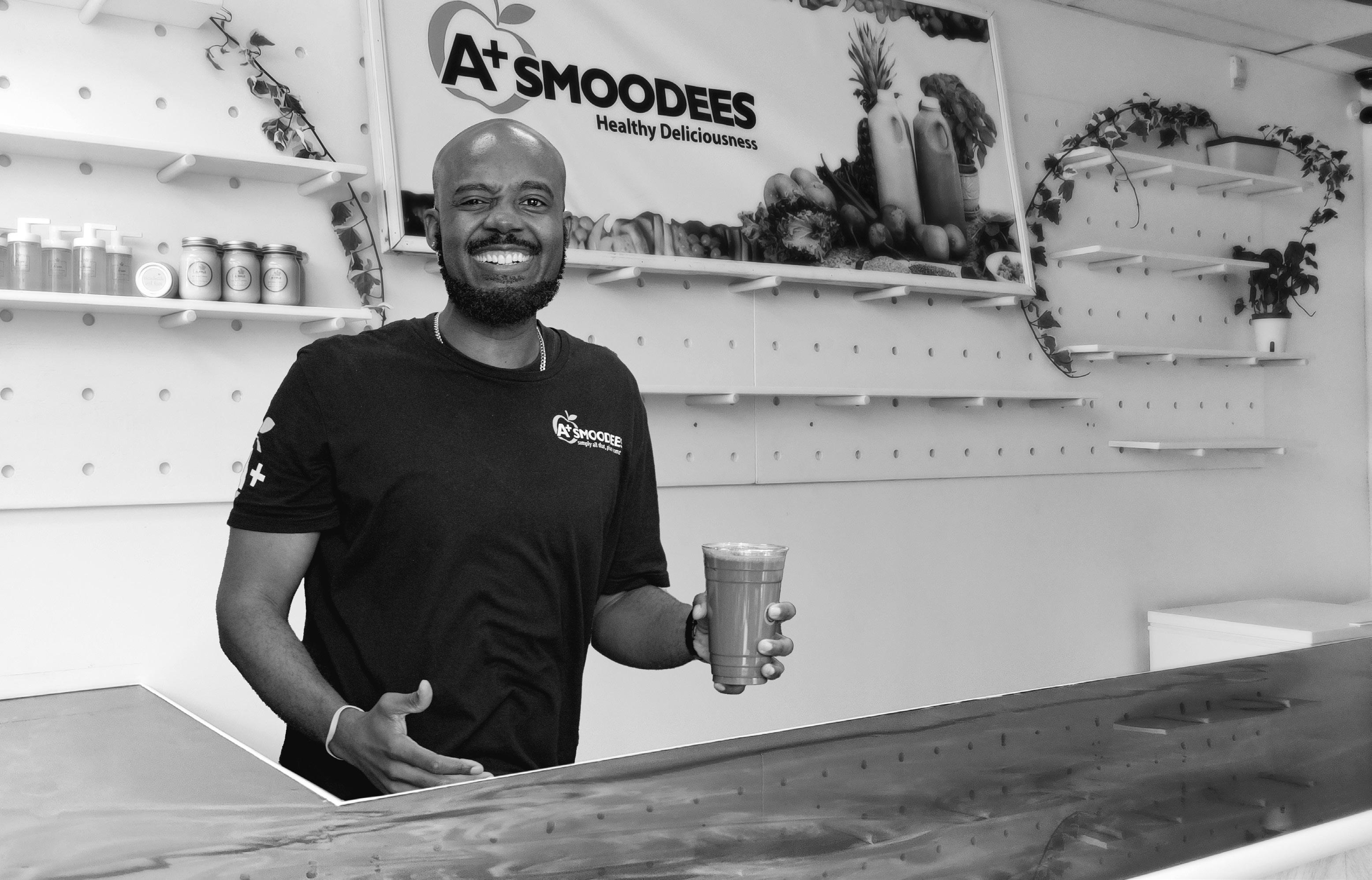
A small child stands in a neighbour’s junkyard in Trinidad, wearing nothing but Pampers, clutching a pot spoon and a pan. He is alone, but not lonely. While other children are seen and not heard, this boy is overly pensive, a retractive type who lives entirely inside his own mind, perpetually hunting for the why. He rummages through broken sets of encyclopedias for hours, seeking the mechanics of the world before he is even old enough to navigate it. This is the origin of Anthony Pereira, a man who would eventually stop looking for the why in books and start finding it in the very chemistry of human vitality.
Anthony is not just the founder of A+ Smoodees; he is a Clinical Physiologist who operates from rigorous intellect and raw, communityrooted empathy. To understand his work, one must first understand the “longa belly child,” with a bottomless appetite for goodness, who simply wanted to share what he discovered with everyone he met.
Most people encounter the healthcare system as a conveyor belt. You walk into a physician’s office, spend five minutes in a sterile room, and walk out with a prescription for pills that eventually require more pills to manage the side effects of the first. Anthony saw this convolution and recoiled. He recognized a gaping void where preventative care should have been, a space where science was being used to suppress symptoms rather than fuel existence.
His transition from clinical research to the blender was one of mission. While working in restorative
care, he watched his clients: marathon runners and pregnant women alike, struggle to heal because they were clogged up, or downtrodden by nutritional advice that felt like an obligation. The dietitians they saw were ripping away the very things that made them smile, replacing cultural identity with “Don’t eat this,” and “Stop eating that.”
Anthony realized that nutrition is the universal language of love. He saw that if you tell a man from Jamaica to stop eating the food that has sustained his culture for thirtyfive years, you are attacking his story. You are removing the emotional attachment that motivates him to live.
To bridge the gap between cold science and everyday vitality, Anthony spent three years, employed a macro-biologist, and went through seventy-five initial revisions to perfect a single standard. He discovered a truth that most health brands ignore: it is not about taste; it is about texture.
“Texture is the first thing that will tell people ‘I’m not doing that,’” he explains. Through focus groups, he mapped the sensory journey of a beverage: the consistency, the aftertaste, and finally, the taste. He was removing the friction from wellness. He was solving the psychological burp people feel when they see green grass in a glass and remember a bad experience.
The result, A+ Smoodees, is a customizable, leafy green line that is “So smooth, it can’t be called a smoothie.” It is designed to ensure a pregnant woman does not experi-
ence gestational anemia, or an aging man does not lose muscle at an expiratory rate. He is a silent beneficiary to his community, translating complex physiology into a deliciously healthy mouthful that feels like a celebratory choice rather than a medical duty.
Behind the “Classic Man” exterior, the well-dressed entrepreneur who seems to have his true north perfectly encompassed, lies a narrative of profound tension. The entrepreneurial journey chose Anthony, and it demanded a pound of flesh.
The most tumultuous moment of his life arrived with three words, “I’m pregnant.” At the time, Anthony was running two businesses seven days a week, twenty-four hours a day. As a man who grew up without a father after returning from Trinidad, he felt an intrinsic duty to provide stability. He wanted to build the business first and then have the family, but life rarely respects a timeline.
When the global pandemic approached, one of his businesses was forced to close, and A+ Smoodees was just getting out the gate. He faced an internal battle that many men suffer in silence: the pressure to be the stoic, stable provider while fighting to save a mission that was bleeding his time dry. The cost was his presence. He admits with heartbreaking transparency that he and his child’s mother had different priorities, leading to a distance that he still beats himself up over.
Anthony Pereira does not want to be remembered for a product; he wants to be remembered for
a standard of kindness. His legacy is his nine-year-old daughter. She is the living proof of his mission. At events, she grabs business cards and a backpack, walking from vendor to vendor, saying, “My daddy wants to know how you are doing. If you have problems with digestion or iron, he can help.” She speaks about his mission verbatim from her own vantage point.
He has begun to buy back his life, tier by tier, taking off Wednesday evenings, then Fridays, then Sundays, to ensure that the time he spends with his daughter is unadulterated. He is teaching her that genuine concern for others is the only currency that matters.
Anthony Pereira is reclaiming the wisdom of ancestors who knew that apples, ginger, and turmeric were enough. He is breaking down broad, contorted information into bite-sized, digestible pieces of awareness. He is a man who transitioned from the pensive solo kid with a pot spoon to a strategic storyteller who uses his own vulnerability as a tool for community empowerment. When he finally closes his eyes, he will rest knowing that he healed the divisions between science, culture, and the human heart.

Written by Simone J. Smith Toronto Caribbean News





for an in-person study of alcohol and cannabis use in individuals who have experienced a traumatic life event


You may be eligible if you: are 18 years or older
can attend a 2 5 hour in person session at York University have experienced a traumatic life event use cannabis flower have used cannabis AND alcohol together in the past month
Interested in participating?
Email: cuesam@yorku ca -OR- SCAN the QR CODE >>>


participants will be compensated:






You care for your loved ones. When one of yours needs one of ours, social workers and social service workers are ready to provide trustworthy and quality care.
We are the Ontario College of Social Workers and Social Service Workers. As the provincial regulator, we ensure all our registrants follow the Code of Ethics and Standards of Practice to protect the public, and provide ethical, effective and community-centred care.
If you or someone you love needs help, you can trust one of ours with one of yours.















































BY DIANA GIFFORD-JONES COMMON SENSE HEALTH
I grew up observing my father’s adherence to a simple rule. He never took the escalator when stairs were an option. He said, you have two of the best doctors with you all the time, your left leg and your right. Use them, and they will deliver preventative medicine better than most other doctors. Abuse them through inactivity, and the consequences will come, slowly at first, but eventually brutally, obesity, mobility decline, heart disease, and then other chronic conditions.
The legs are nothing without healthy feet. Yet the feet remain among the most neglected parts of the human body. They carry us for a lifetime, absorb enormous physical stress, and are rarely noticed until pain forces attention.
Walking around in the wrong shoes can lead to blisters, my fate on a recent trip. Upon returning home, a reflexology appointment fixed my achy feet, and I accepted assurances of fresh life to my
shoulders, liver, and stomach. My mindset certainly felt better. It was a bargain at $40, tax and tip included.
Foot care should not be an indulgence. “The human foot is a masterpiece of engineering and a work of art,” as some claim Leonardo da Vinci said. He could have added that feet can also be the beacon of serious disease, but most people are not modelling their feet for sculpture artists. If they did, the art would not sell!
Aging feet are rarely attractive, rarely seen, and rarely cared for. For many people, physically reaching them becomes a challenge with age. Arthritis, obesity, spinal problems, and declining mobility make it difficult, if not impossible. Family members are frequently unwilling or unable to help. Few adult children volunteer to trim a parent’s thickened toenails or inspect a suspicious ulcer.
Foot problems are among the first signals of poor circulation, diabetes, nerve damage, vascular disease, or chronic inflammation.
Diabetes alone has produced an epidemic of preventable suffering. Reduced sensation means people may not notice small injuries. Poor circulation prevents healing. Minor wounds become infected. Infection becomes hospitalization. It is a grim medical conveyor belt. Each year in North America, more than 150,000 people undergo lower-limb amputations related to diabetes, ranging from the loss of a toe to the loss of a leg.
Here is a fact: walking remains one of the most effective, inexpensive, and scientifically validated forms of preventive medicine. Large population studies consistently show that even moderate daily walking improves insulin sensitivity, helps regulate blood sugar, and reduces the risk of progressing from prediabetes to type 2 diabetes. Movement, quite literally, keeps the circulation system working as designed.
Walking also lowers blood pressure, reduces cardiovascular risk, strengthens muscles, preserves balance, and protects mental health. No pharma-
ceutical company profits from recommending it, which explains why it receives so little attention compared with the endless advertising surrounding drugs. Meanwhile, modern society has engineered physical movement out of daily life. We sit at desks. Sit in cars. Sit in front of screens. Then we wonder why middle age arrives accompanied by aching knees, swollen ankles, shortness of breath, and metabolic disease.
Podiatrists lament that people seek treatment only after years of avoidance, denial, or embarrassment. By then, what could have been managed with routine care has become a medical crisis. That is not merely foolish. It is dangerous. If you have persistent numbness, swelling, ulcers, pain, discolouration, or wounds that refuse to heal, do not hesitate to ask for referrals to podiatrists, chiropodists, vascular specialists, or diabetic foot clinics. Waiting while problems worsen is negligence, and always, daily, use the two doctors you have.


BY IKA WASHINGTON COMMUNITY HEALTH
Consumers care more than ever about how food gets to their tables, yet Canada routinely ignores the hands that harvest it. In fields across the country, Caribbean migrant workers face a quiet, ongoing battle with poor health and unsafe working conditions. This year marks the 60th anniversary of the Seasonal Agricultural Worker Program (SAWP), a system that continues to funnel thousands of international labourers into Ontario to sustain our agricultural sector. Yet, six decades later, the economic survival of this industry still depends on keeping these essential workers in a state of constant vulnerability, trapped by limited healthcare, substandard housing, and severe occupational risks. To attribute these health disparities simply to the dangers of farming ignores the real culprit, a web of unfair laws and systemic barriers that actively prevent these workers from getting help.
This systemic failure is highlighted by a 2023 report on Jamaican farmworkers in Southern Ontario, which connected the industry’s harsh realities directly to severe mental and physical health declines. The report identified that extended family separation, abusive work settings, severe isolation in cramped housing, racism and social exclusion, and chronic illnesses
significantly contributed to their psychological distress.
Workers described their distress as “stress” and explicitly compared their living conditions in bunkhouses to historic plantation slavery, exposing the extreme power imbalance built into the current program. Beyond the psychological toll, these packed living quarters leave workers highly vulnerable to infectious disease outbreaks, while their daily labour leaves them entirely unprotected from escalating environmental threats such as extreme heat.
These severe health outcomes are directly tied to the complex interplay of structural vulnerabilities embedded within the SAWP. Under the program, workers are issued closed work permits, meaning their legal status in Canada and their health insurance are tied to a single employer. This setup creates a culture of fear, forcing workers to delay or avoid medical treatment out of terror that they will be fired or deported.
Healthcare providers routinely witness these barriers, noting that bosses frequently breach worker confidentiality and that the constant threat of deportation stops sick or injured labourers from seeking help. The ongoing practice of medical repatriation has contributed to a cruel system where migrant workers who become ill or injured are stripped of their work status and sent back to their home
countries, terminating access to care mid-treatment and making follow-up care impossible. This deliberate feature of the SAWP shifts the responsibility of longterm care onto Caribbean nations, which often lack the specialized healthcare systems needed to sustain treatments initiated in Canada.
The root causes of these health crises are becoming harder to ignore as local advocates push for legal reform. A breakthrough came when four injured Jamaican migrant workers won a landmark 2023 legal victory against Ontario’s Workplace Safety and Insurance Board (WSIB). The board had a long-standing practice of deeming, terminating compensation after 12 weeks based on the fictional assumption that repatriated workers could earn an income in Ontario.
In a historic ruling, the Workplace Safety and Insurance Appeals Tribunal ordered the board to calculate benefits based on the realities of workers’ lives post-repatriation and significantly held that the panel may consider anti-Black racism and discrimination when weighing evidence. Yet even with this major courtroom victory, systemic roadblocks remain tightly in place. The federal government further choked off workers’ options by quietly ending the Agri-Food Pilot program early in 2025, shutting down a critical pathway to permanent residency. Although the 2026 Seasonal Agricul-
tural Worker Program contracts added new rules for worker privacy and housing security, critics argue these minor changes fail to address systemic exploitation. As the Seasonal Agricultural Worker Program reaches its 60th anniversary, Canada should consider this a moment for meaningful reflection. A more human-rights-based and compassionate approach means looking beyond the fields to ensure these essential individuals are not seen as temporary labour. Policy changes should focus on offering open work permits, expanding access to healthcare, and creating genuine opportunities for permanent residency. At the community level, we can support by connecting with regional advocacy groups such as Justicia for Migrant Workers or by volunteering with local initiatives such as Polycultural Immigrant & Community Services or The Neighbourhood Organization (TNO) Worker Support Services. A full list of organizations supporting migrant agricultural workers across Canada is available through the Migrant Worker Health Project.
As Caribbean wisdom reminds us, health is wealth and protecting the well-being of the people whose hands grow our food is a natural step toward building a healthier, more inclusive community.
BY CHE MARVILLE ASK CHE
We are living in a culture that has distorted intimacy by turning nearly everything into performance. Social media has taught us to display ourselves. Dating apps have taught us to browse human beings as if we are shopping. Popular culture tells us to be desirable, optimized, unattainable, healed, sexy, unbothered, emotionally intelligent, and somehow never inconvenient.
Then, for many people, particularly those who came of age with unrestricted internet access pornography became the first and most consistent teacher about bodies, desire, and sex. It is a devastating teacher. It presents intimacy as performance and spectacle. It removes tenderness, uncertainty, the beautiful awkwardness of being truly known. It trains the nervous system toward novelty and stimulation, and away from the slow, mutual, imperfect experience of real physical closeness. It sets expectations that real human beings with their vulnerability, their needs, their ordinary bodies cannot meet.
The result is a generation of people who know a great deal about sex and very little about intimacy. Who can perform desire but struggle to feel it fully, with presence, with another person who is also fully present. Under these conditions, many people no longer know how to simply be with each other.
To be awkward. To be curious. To move slowly. To let attraction unfold. To sit in silence without reaching for a screen. To flirt not as strategy, but as play. To touch not as conquest, but as recognition. We are in a touch famine and a trust famine at the same time, and that combination is quietly devastating.
• Ask yourself honestly: has what I have consumed online, through media, through pornography shaped what I expect from real intimacy? Are those expectations serving my actual life?
• Real intimacy is slow, conversational, sometimes clumsy, deeply personal. Practice being present in it rather than directing or evaluating it.
• Reclaim the simplicity of physical presence: longer embraces, unhurried conversation, eye contact held a moment past comfort. These are not small things.
• Evaluate your relationship with pornography feels compulsive, explore that with a professional. It is not a moral failing. It is often a response to loneliness, anxiety, or a hunger for connection that has not found another way to be fed.
Your presence is a sacred thing
This is the idea underneath all the other ideas. We have spent so much time asking what we are worth in the marketplace of love. Are we attractive enough? Successful enough? Interesting enough? Healed enough? We have forgotten something our ancestors understood in their bones: your presence, offered fully and freely, is one of the most profound gifts one human being can give another.
Not your performance. Not your curated self. Not the version of you that has everything together. Your actual presence with your history and your wounds and your laughter and your uncertainty showing up fully with another person, without armor. In the African and Indian spiritual traditions that run through Caribbean culture, there is a deep recognition that the sacred lives in the human.
To truly see another person is a holy act. That love, at its highest, is an experience: I see you. All of you, and I am not afraid.
An important question to ask after can I trust, is do I value myself and my presence with this person. Not because of what you have achieved, or how you look, or what you can provide, but simply because you are here, carrying everything you carry, and still choosing to reach toward another person. That choice, made honestly and with love, is an act of extraordinary courage in a world that has made it very easy to stay hidden.
You do not need to arrive at love already healed. You need only arrive honestly present, willing, and awake to the weight and the gift of being truly known by another person.
Real intimacy asks something increasingly rare of us. Not perfection. Not mastery. Not the absence of fear. Only presence. The willingness to be here. To listen without already composing your reply. To reveal something true. To let another person be real rather than ideal. To risk being known. To stay long enough for trust to form. To notice when you are reenacting an old wound instead of responding to the person actually in front of you.
This is where healing matters. Unexamined pain will keep writing old stories in rooms where new ones are trying to begin.
So where do we begin?
We begin smaller and more honestly than our culture tells us to. We stop asking only where love is, and we start asking whether we are truly available to it. Whether our nervous system can recognize peace when it arrives. Whether we know how to move slowly enough to tell the difference between attention and care. Whether we
have built lives with actual room for intimacy in them. Whether we are willing to be known beyond our masks.
We grieve for the village. Trusted friends. Chosen family. Wise elders. Community. Spiritual grounding. Spaces where love is witnessed, not just wished for.
We practice the small arts that intimacy requires forgiveness, which is the only thing that keeps love alive across time. Flirtation, which is not manipulation but play, the joyful act of reaching toward someone and saying, I see you, and I am glad. Touch, which is how the body learns it is not alone. Presence, which is how love becomes real.
We ask the harder questions. Not only “Why am I alone,” but ”Do I trust myself enough to be present with another human being?” Do I know the difference between chemistry and safety? Do I believe I am worthy of nourishing love? Can I be seen without performing? Can I see someone else without trying to control the outcome?
These are not easy questions, but they are the true ones, and somewhere in the honest answering of them, love becomes possible again.
If you are lonely and so many of us are, in ways we have not fully named even to ourselves the question may not simply be: where is my person? It may be: what has happened to my capacity to trust, and what would it take to begin restoring it? Not all at once. Not perfectly, but gently. Truthfully. With patience for yourself and for the long, unglamorous, deeply human work of learning to love again. You do not have to be fully healed to begin. You only have to be willing to come back to yourself so that when love arrives, it does not find a locked door.
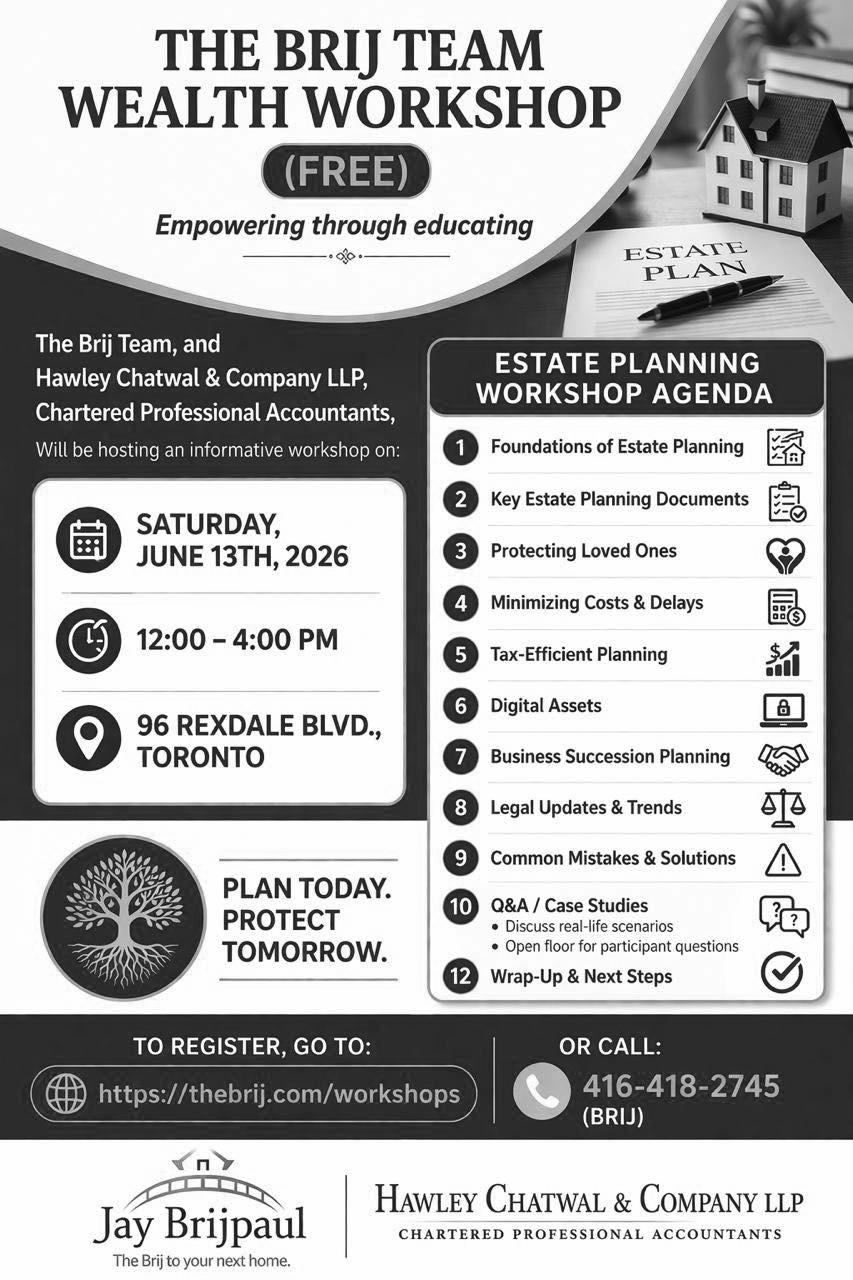
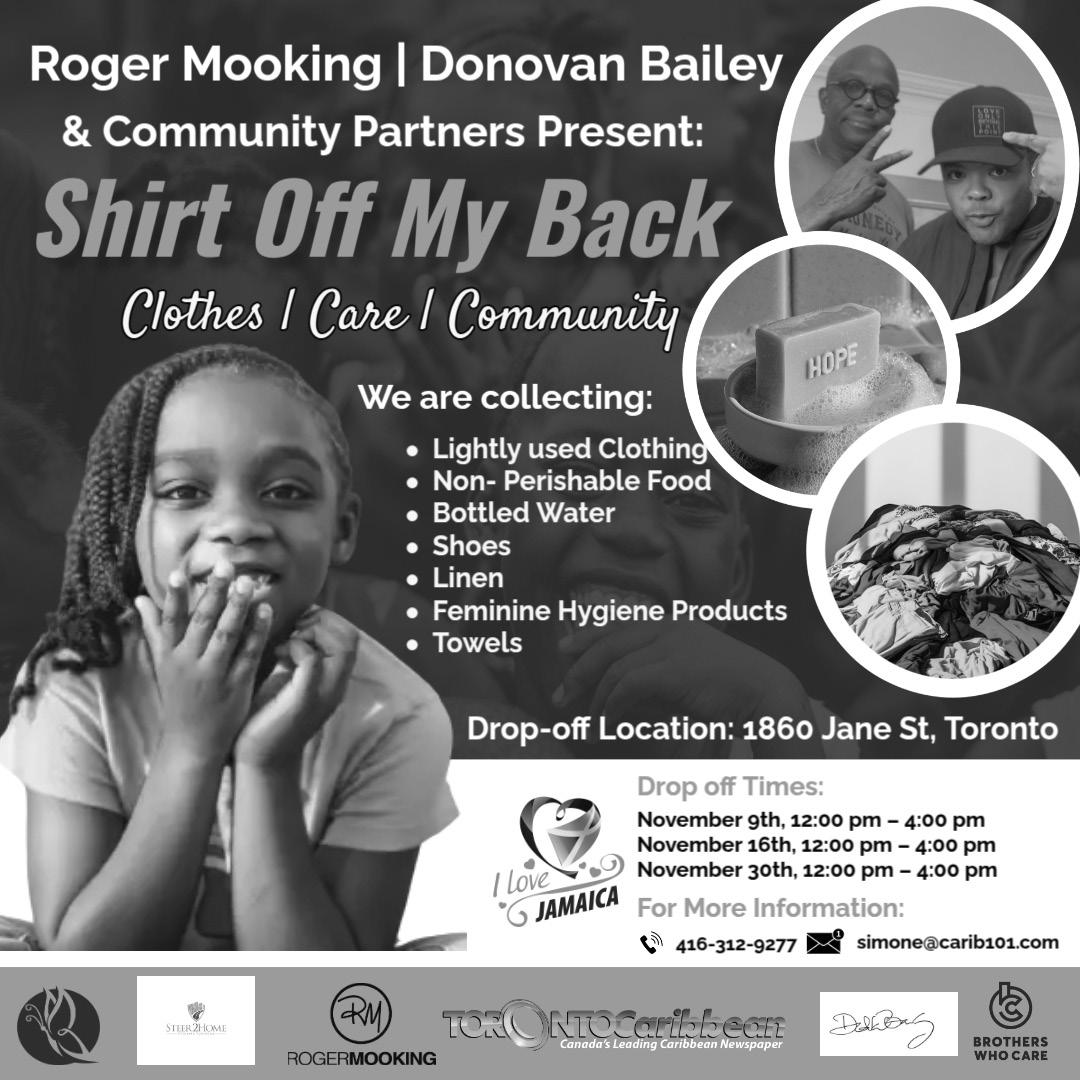

When most people think about Caribbean food, the usual names come up first. Jerk chicken, curry goat, roti, oxtail, rice and peas, doubles, bake and saltfish, and maybe a good plate of fried fish with provision on the side. Those dishes have earned their place, and there is a reason they are loved far beyond the Caribbean community. They are rich in history, heavy on flavour, and tied to generations of family kitchens, street vendors, Sunday dinners, and backyard gatherings.
But every island has those special dishes that locals know very well, even if the rest of the world has not fully caught up yet. In Trinidad and Tobago, one of those dishes is pepper shrimp. If you know, you know. It is bright, fiery, messy, addictive, and not the kind of food you eat quietly. It grabs your attention right away. Your fingers get stained, your lips tingle, your forehead might start to sweat, and somehow, even while your mouth is telling you to slow down, your hand is already reaching for the next one.
That is the beauty of a dish like pepper shrimp. It does not try to be polite. It does not sneak up on you gently. It comes with attitude, colour, heat, and flavour, which is exactly why it has become such a favourite in Trinidadian food culture. This week, we are taking that traditional flavour and giving it a backyard barbecue twist with Trinidadian Pepper Shrimp Skewers.
Now, let me say this before anybody starts correcting me. Traditional pepper shrimp is not usually served on skewers. It is often sold in containers, jars, bags, or little tubs, sitting in that bold red-orange pepper sauce that looks beautiful and dangerous at the same time. This recipe is not trying to replace the traditional version. That would be foolish, and honestly, some foods are already perfect in their original form. What we are doing here is taking the spirit of that dish and adapting it for the grill.
Food has always evolved that way. Every generation takes something familiar and finds a new way to enjoy it. That does not mean the original is forgotten. It means the flavours continue to travel, grow, and reach new tables. Caribbean food especially has always been shaped by movement, adaptation, and creativity. That is part of its story.
Pepper shrimp has long been associated with Trinidad, and especially with places like Arima, where vendors have helped make the dish famous. It is the type of food people will travel for. Everyone seems to have their favourite spot, their favourite vendor, and their own opinion on who makes it best. That alone tells you how serious Caribbean people can be about food. We do not just eat. We debate. We compare. We remember who made it better at which event, who put too much salt, who was too cheap with the pepper, and who really knew what they were doing.
That is because Caribbean food is personal. It is rarely just about the recipe. It is connected to memory, family, place, and pride. A dish like pepper shrimp is more than shrimp and pepper sauce. It carries the energy of roadside food, market food, beach food, and social food. It is the kind of thing you buy while you are out and about, then suddenly everyone around you wants “just one,” which really means half the container if you are not paying attention.
The history behind dishes like pepper shrimp is also tied to practicality. In tropical climates, long before refrigeration became a regular part of daily life, people had to find ways to preserve food and keep it safe to eat. Salt, vinegar, lime juice, herbs, spices, and hot peppers were not just used because they tasted good. They helped extend the life of food. They protected ingredients. They also created intense flavour. Over time, what began as a practical method became a culinary tradition.
That is something we see all across the Caribbean. Some of our most loved dishes were born from survival, resourcefulness, and making the best of what was available. Caribbean people have always had a gift for taking simple ingredients and turning them into something unforgettable. A little seasoning, a little fire, a little patience, and somehow the whole thing transforms.
Pepper shrimp is a perfect example of that. Shrimp on its own is delicate and sweet. It does not need much to taste good, but when you pair it with Scotch Bonnet peppers, garlic, lime, vinegar, herbs, and spices, it becomes something completely different. The shrimp absorbs the flavour, the heat wakes everything up, and the acidity cuts through the richness. The result is a dish that is sharp, bright, spicy, and deeply satisfying.
What makes Caribbean pepper-based dishes special is that they are not just about heat. Anyone can make food hot. That does not mean it is good. Proper Caribbean cooking is about balance. The pepper should bring fire, yes, but it should also bring flavour. Scotch Bonnet peppers are especially important because they are not just spicy. They have a fruitiness to them, almost a sweetness, that gives Caribbean food its signature taste. Remove them entirely, and something is missing.
Of course, not everyone can handle the same level of heat, and that is perfectly fine. Some people can eat Scotch Bonnet peppers like they are candy, while others need a glass of water just from watching somebody cut one open. This recipe gives you room to adjust. You can seed the peppers, use fewer of them, or add a mild pepper to stretch the flavour without making the dish overwhelming. The important thing is not to lose the character of the dish.
For this version, grilling is where the fusion comes in. Grilled shrimp already works beautifully because shrimp cooks quickly and picks up smoky flavour very well. When placed on skewers with bell peppers and red onion, the dish becomes colourful, practical, and perfect for entertaining. The vegetables are not just there to make it look nice either. The sweetness of the peppers and onions balances the heat from the marinade. As they char on the grill, they bring another layer of flavour that fits naturally with the shrimp.
That is why these skewers make so much sense for summer. They are simple enough for a weeknight meal, but special enough for a backyard gathering. They do not take hours to cook, but they still feel like something people will remember. You can serve them as an appetizer, place them over rice for a full meal, or make them part of a larger Caribbean barbecue spread with plantain, festival, grilled corn, coleslaw, or mango salad.
There is also something very Caribbean about cooking outside. Whether it is a proper coal pot, a drum grill, a backyard barbecue, or a beach lime with food cooking somewhere nearby, fire and food have always gone together in island culture. The smoke, the seasoning, the music, the conversation, and the smell of food in the air all become part of the experience. That is why this recipe feels right. It takes a dish known for bold flavour and puts it in a setting where Caribbean food naturally shines.
The marinade is the heart of this recipe. You want garlic, lime, vinegar, herbs, pepper, and a touch of oil to bring everything together. Paprika helps deepen the colour, thyme adds that familiar Caribbean earthiness, green onion brings freshness, and parsley brightens the whole thing. The lime juice and vinegar give the marinade that sharp edge that pepper shrimp needs. Without that acidity, the dish would feel flat.
The shrimp should not sit in the marinade too long. This is important. Because the marinade contains lime juice and vinegar, leaving shrimp in it overnight can start to change the texture. One to four hours is enough. You want flavour, but you do not want the shrimp to become mushy. Shrimp is delicate, and overmarinating can ruin it before it even touches the grill.
When choosing shrimp, go for large or jumbo shrimp if possible. Smaller shrimp can work, but they are harder to skewer and much easier to overcook. Large shrimp hold up better on the grill and give you that nice bite people expect from a good skewer. Fresh shrimp is always great, but frozen shrimp works perfectly well as long as it is properly thawed and patted dry before marinating.
That step matters more than people think. If the shrimp is too wet, the marinade
gets watered down and does not cling properly. Patting the shrimp dry helps the seasoning coat the surface and allows the grill to do its job. Little details like that can make a big difference.
The vegetables should be cut into chunks large enough to stay on the skewer, but not so large that they take too long to cook. Bell peppers and onions are ideal because they cook quickly and pair well with the shrimp. You can also add pineapple if you want a sweeter version, although for this recipe I would keep it closer to the pepper shrimp flavour and let the peppers and onions do the balancing.
If using wooden skewers, soak them in water before grilling. This helps prevent them from burning too quickly. Metal skewers are even better if you have them, but wooden ones work fine. Just do not skip the soaking step unless you enjoy watching your dinner turn into kindling.
The actual grilling process is quick. Shrimp does not need much time. Two to three minutes per side is usually enough, depending on the size of the shrimp and the heat of your grill. The biggest mistake people make with shrimp is overcooking it. Once shrimp turns opaque and firms up, it is done. Leave it too long and it becomes rubbery, and nobody wants that.
You can brush the skewers lightly with oil before placing them on the grill, and if you have extra marinade that has not touched raw shrimp, you can brush a little on while they cook. Do not use leftover marinade that has been sitting with raw seafood unless you boil it first. Food safety still matters, even when the food smells amazing.
Once the skewers come off the grill, give them a few minutes to rest. A squeeze of fresh lime at the end brings everything alive. That final hit of citrus cuts through the heat and makes the flavours pop. If you want to serve a dipping sauce on the side, a cooling lime yogurt sauce, garlic aioli, or even a mango chutneystyle dip would work beautifully. Still, these skewers have enough flavour to stand on their own.
What I like most about this recipe is that it respects the original dish while making it accessible for people who may not have grown up eating pepper shrimp. Sometimes Caribbean food can be intimidating for people who are not used to bold spice. A skewer format makes it familiar. People understand grilled shrimp. They understand barbecue. Then, once they take that first bite, they get introduced to something deeper.
That is how culture travels through food. It does not always require a history lesson, even though the history matters. Sometimes it starts with one bite. Somebody tastes something new, asks what is in it, and suddenly a conversation begins. That conversation leads to stories about Trinidad, about Arima, about family recipes, about roadside vendors, about who makes the best pepper sauce, and about why Caribbean food tastes the way it does.
That is the real power of food. It brings people into the story.
Caribbean cuisine has always carried the story of movement. Indigenous traditions, African foodways, Indian spices, Chinese influence, European ingredients, and local island creativity all came together in different ways across the region. Trinidad and Tobago especially reflects that mixture. You can taste it in curry, pelau, callaloo, doubles, chow, bake and shark, and yes, pepper shrimp. The food tells the story of a people who took many influences and created something entirely their own.
That is why I always say Caribbean food deserves to be taken seriously. It is not just “spicy food.” It is not just “island food.” It is history, survival, celebration, memory, and creativity all sitting on one plate. These recipes carry the weight of generations, even when they are served casually at a backyard barbecue.
This Trinidadian Pepper Shrimp Skewer recipe is a perfect example of that balance between old and new. It does not pretend to be the most traditional version of pepper shrimp. It is not supposed to. What it does is take the flavour profile of a beloved Trinidadian favourite and rework it into something that fits modern
home cooking. It is fun, bright, spicy, and easy to share.
And really, that is what good food should do. It should invite people in. It should start conversation.
It should make people reach for seconds before they have finished their first serving.
It should remind those who know the dish of home, while giving those who do not know it a reason to learn more.
So, if you are looking for something different to put on the grill this season, give these Trinidadian Pepper Shrimp Skewers a try. They bring the heat, the colour, the flavour, and the attitude. Just make sure you have a cold drink nearby, because once that Scotch Bonnet starts talking, it does not whisper.
Trinidadian Pepper Shrimp Skewers Ingredients
For the marinade:
• 4 Scotch Bonnet peppers, seeded if desired
• 6 cloves garlic
• Juice of 2 limes
• 1 tablespoon white vinegar
• 2 teaspoons paprika
• 1 teaspoon dried thyme
• 1 teaspoon black pepper
• 1 teaspoon salt
• 2 tablespoons chopped parsley
• 2 tablespoons chopped green onion 2 tablespoons olive oil
For the skewers:
• 2 pounds large shrimp, peeled and deveined
• 2 red bell peppers, cut into chunks
• 1 yellow bell pepper, cut into chunks
• 1 large red onion, cut into chunks
• 1 tablespoon olive oil
• Fresh lime wedges for serving Instructions
• Place the Scotch Bonnet peppers, garlic, lime juice, vinegar, paprika, thyme, black pepper, salt, parsley, green onion, and olive oil into a blender or food processor.
• Blend until the marinade becomes smooth and well combined.
• Pat the shrimp dry with paper towel, then place them in a large bowl.
• Pour the marinade over the shrimp and toss until each piece is fully coated.
• Cover the bowl and refrigerate for at least one hour. For stronger flavour, marinate for up to four hours.
• If using wooden skewers, soak them in water for about thirty minutes before grilling.
• Thread the shrimp onto the skewers, alternating with bell pepper and red onion pieces.
• Lightly brush the finished skewers with olive oil.
• Preheat the grill to medium-high heat.
• Place the skewers on the grill and cook for approximately two to three minutes per side.
• Remove the skewers once the shrimp are opaque, firm, and slightly charred around the edges.
• Let the skewers rest for a few minutes before serving.
• Finish with a squeeze of fresh lime juice and serve hot.
These skewers can be served with coconut rice, fried plantains, festival, grilled corn, mango salad, or a simple cucumber salad to cool down the heat. They also work well as part of a larger Caribbean barbecue spread. The flavour is bold enough to stand on its own, but flexible enough to pair with many different sides.
At the end of the day, this is what Caribbean cooking does best. It takes simple ingredients and turns them into something full of life. It brings heat, colour, rhythm, and personality to the table. Whether you grew up eating pepper shrimp or this is your first time trying it, this grilled version gives you a taste of Trinidadian flavour in a way that feels fresh, fun, and perfect for the season.
BY DR. NATASHA BRIDGMOHAN THE MONEY ILLUSION
A gentleman once told me he felt embarrassed every time he saw his credit card statements, even though most of the spending had gone toward taking care of family, supporting community events, helping relatives back home, and trying to maintain the appearance that everything was fine. From the outside, he looked successful. He owned a home, drove a nice vehicle, dressed well, and was respected in his community. Quietly, however, the pressure of carrying debt had started affecting his confidence and his ability to move forward financially.
When we sat down together, one thing became very clear. Not all his debt had been created recklessly. Some came from responsibility, pride, generosity, and survival. That conversation reminded me
how often debt is spoken about without enough honesty or context. Especially within communities where financial pressure is carried silently.
Tell me you have not shown up at an event smiling when you feel like your world is collapsing? Tell me you have not taken a meal to a family that’s suffering while you yourself are suffering? We are a proud community, and that is what makes us great, but too many of us are carrying the financial weight of looking successful instead of building actual financial stability.
Debt is often treated as though it is automatically negative, yet not all debt functions the same way. Some forms slowly create financial pressure and instability over time. Other forms can help build businesses, assets, opportunities, and long-term growth when managed responsibly.
BY SYDNEY WALCOTT VARIETY CORNER
While the lockdown we experienced during the COVID-19 pandemic may have given us a temporary break from the fast pace of life, we can’t forget that there was a price to pay for that temporary break.
On May 2nd, 2026, it was reported to the World Health Organization (WHO) that a cluster of passengers onboard the Dutch-operated specialist cruise ship MV Hondius fell ill with a severe respiratory illness. The virus was later confirmed to be hantavirus, a virus found in rodents that can be transmitted to humans if they are exposed to their urine, droppings, and saliva, and in rare cases, through a bite or scratch. There were 10 to 12 positive cases confirmed, including three deaths, and one positive case linked to a Canadian, a Yukon resident, who isolated in British Columbia after travelling on the cruise ship.
147 passengers and crew were on board the ship, which set sail from Argentina on April 1st, 2026, when passengers began to fall ill shortly afterwards. On April 24th, 2026, 30 passengers, including the deceased, disembarked the ship in St. Helena, while ninety-four passengers and crew disembarked the ship on May 10th, 2026, in Tenerife, Spain. All passengers on board were required to isolate and monitor their symptoms immediately, with many choosing to fly to their home countries under close monitoring by national authorities.
Although the hantavirus poses a low risk to the public, with Canada’s chief public health officer, Dr. Joss Reimer, determining the virus is not expected to spread any further, meaning the chance of a pandemic is very low, the news of the outbreak has led to some wanting another lockdown to occur.
As we all remember, our world was rocked in 2020, when countless countries across the world went into a lockdown caused by the COVID-19 pandemic. For everyone’s health, safety and wellbeing, we had to live under restrictions to help flatten the curve of COVID-19. Nonessential businesses had to either resort to curbside pickups, deliveries, take-out
High-interest consumer debt, repeated impulse spending, financing purchases that quickly lose value, or borrowing to maintain a lifestyle beyond current means can slowly create a cycle that feels impossible to escape. Interest continues growing while the original purchase often provides only temporary satisfaction or convenience. In many communities, carrying debt has become so normalized that people no longer question whether the lifestyle they are financing is actually sustainable.
Many people were taught how to work hard for money, but very few were taught how to use debt strategically to build wealth.
At the same time, there are forms of debt that can serve a vastly different purpose. A mortgage may help build equity over time. A business loan may create the ability to expand income or opportunities. Financing your education or professional development may strengthen long-term earning potential.
People who build wealth tend to approach borrowing differently. They ask questions before taking on debt:
cally or emotionally?
This way of thinking creates a quite different relationship with money. Debt becomes something that is understood, managed carefully, and used intentionally.
Another key factor is understanding the emotional relationship many people have with debt. One client was so overwhelmed by her spending habits that she avoided looking at her statements altogether. Our conversation began with awareness. She had developed an unconscious habit of using credit for purchases she did not truly need. Over time, however, we worked together to help her build healthier habits. She gained greater clarity around wants versus needs, and a much stronger sense of confidence around her finances.
For some people, the next step may involve reducing high-interest debt aggressively. For others, it may mean restructuring existing debt to create breathing room. In some cases, it may involve using debt strategically to build something meaningful for the future.
or remain closed until further notice. People with non-essential jobs either had to work remotely or rely on CERB, and students had to learn online. People had to wear a mask while running errands, and we can’t forget that social distancing was in effect, meaning we had to socialize with people outside of our households from a distance.
There were countless things people were unable to do because of the pandemic. Despite that, some people used the pandemic to their advantage to find something enjoyable to do while following stay-at-home orders. The most common thing people were doing during that period was enjoying a break from the fast pace of life and just relaxing at home. They could spend more time with their loved ones who live with them. Working remotely gave people the chance to get their work completed in the comfort of their own home, without the need to wake up early in the morning and spend time commuting to and from work. They also got to use that spare time to take on a new hobby.
While all the aforementioned may have been beneficial for some, we were still dealing with a highly contagious and deadly virus that made people very sick and has caused millions to lose their lives. Plus, people were left highly paranoid and doing whatever it took to make sure they did not test positive for and potentially lose their lives to COVID-19. This virus also affected people’s livelihoods. People living alone had to interact with loved ones from a distance. Not everyone had a job to return to post-pandemic, as layoffs and business closures took place as a result.
A break from life can be beneficial, but it’s not worth it if it involves another lockdown. Hantavirus may rarely spread from person to person, but it is still a highly deadly virus and should not be taken lightly.
Yes, not everyone had a bad experience from the COVID-19 lockdown. However, considering that life can happen to anyone, those who were lucky the first time around may not be so lucky again.
• Is this debt helping me acquire an asset or create future income?
• Will this decision strengthen my long-term financial position?
• Is this debt creating leverage, opportunity, or growth?
• Does this align with my larger financial goals and cash flow?
• Am I making this decision strategi-
Wealth is rarely built through income alone. It is built through the decisions people make consistently over time and how well they protect, direct, and grow what they already have.
In the next article, we will explore why waiting too long to start building wealth can quietly become one of the most expensive financial decisions people make.

BY SIMONE J. SMITH HUMAN SPECIALIST
There is a moment many of us know too well. You are standing in the kitchen, or sitting in the car, or lying beside someone you care about, trying to find the right words. You open your mouth, hoping this time will be different; this time they will hear you, and before the sentence even forms, the air shifts. A sigh. A raised eyebrow. A tightening in the room you can feel in your chest.
Suddenly you are defending yourself, or shutting down, or walking away wondering why something so simple feels so impossible. We were never taught how to speak love in a way that does not wound. For so many of us raised in Carib-
bean households, communication was shaped by survival. Love was cooked, not spoken. Respect meant silence. Boundaries were seen as disrespectful. Feelings were luxuries nobody had time to tend to. You learned early that talking back was dangerous, and talking honestly was complicated.
Then life brings you to North America, a place where people name their emotions with surgical precision, where therapy language floats through conversations like seasoning: boundaries, triggers, emotional regulation. A language that feels both liberating and foreign. A language you want to use, but don’t quite know how to translate. So, you end up caught between two emotional worlds: one that teaches you to swallow your feelings, and one that ex-
BY HERBERT HILDEBRANDT POLITICAL PARLEY
Ontario Premier Doug Ford ran as a conservative. He governs, too often, like a man allergic to scrutiny.
His government’s latest gutting of Ontario’s freedom of information laws should alarm every citizen in this province. Freedom of information is not a media privilege nor a partisan weapon. It is not some technical nuisance for bureaucrats to manage. It is one of the basic ways ordinary people force powerful people to show their work.
Less information in government is never a good thing. When a government makes it harder to access public records, the public is entitled to ask the obvious question: what are they hiding?
Global News has reported that the Ford government’s changes were tied to efforts to stop the release of messages involving ministers and political staff, after court fights over records connected to the Premier’s phone. The province’s transparency watchdog also confirmed that freedom of information processing was paused while new guidance was prepared. That is damage control.
The Information and Privacy Commissioner of Ontario warned that these changes would weaken the public’s right to know by excluding records held by the premier, cabinet ministers, parliamentary assistants, and political staff. That matters because political staff are not decorative furniture. They help shape decisions, communicate strategy, manage files, and influence what government does. If their records disappear from public access, then a large part of government disappears from accountability.
This is especially galling coming from a premier who claims the conservative banner. Conservatives are supposed to believe in limited government, citizen oversight, and distrust of concentrated power. Conservatives are supposed to say the state works for the people, not that the people must wait quietly while the state decides what they are allowed to know.
Yet, Ford’s instinct here is not conservative. It is centralizing and secretive. It is the instinct of a government that believes power should be protected from the citizen. That is the opposite of public service.
The numbers prove this system is not some fringe concern. In 2024, Ontarians filed 70,293 freedom of information
requests, more than a 6% increase over the previous year. Provincial institutions completed just over 78% of access requests within 30 days, while municipal institutions completed 82% within 30 days. In plain terms, tens of thousands of Ontarians are using this system, and thousands still face delay beyond the standard timeline and that is before we talk about the barriers.
Ontario requires a mandatory $5.00 application fee for an FOI request. Additional costs can apply for search time, record preparation, photocopying, and processing. In many municipal examples, manual search and preparation fees can run around $30 per hour, with printing costs added on top.
For insiders that is manageable. For lawyers, consultants, lobbyists, and journalists, it is the cost of doing business, but for ordinary citizens, the actual cost is not just five dollars. It is knowing where to apply. Knowing how to challenge a denial and knowing whether the government is stonewalling you or whether you simply asked the wrong department. That kind of system rewards sophistication. It punishes everyone else.
It especially punishes minority communities, newcomers, low-income families, and people unfamiliar with government processes. If English is not your first language, if you work two jobs, if you do not trust government, if you have never filed a formal request before, then bureaucracy becomes a wall. When access to information becomes a wall, knowledge stays with the powerful.
Ontario should move in the opposite direction. Public records should be posted online by default, searchable by department, topic, date, and decision-maker. Personal information should be protected, but ordinary public records should not require citizens to beg government for disclosure.
For resident-specific records, Ontario should use secure digital identity verification. Prove you are a resident and then access the information quickly and affordably. That is what modern government should look like.
A government that works for the people does not hide from the people. A premier who has nothing to hide does not rewrite the rules when disclosure becomes inconvenient. When politicians hide the receipts, citizens pay the price.
pects you to articulate them like a script. No wonder our conversations collapse under their own weight. I hear it all the time:
“Every time I try to talk, it turns into an argument.”
“They don’t hear me, so what’s the point?”
“I don’t even know how to explain what I feel.”
Communication is learned, and many of us inherited a language built for survival, not connection. A language that kept our families alive, but did not always teach us how to love without hurting each other.
So let us shift the frame. Communication is a system. A practice. A language anyone can learn, even if you did not grow up with it, and the simplest way to begin is with a structure that doesn’t overwhelm you or the person you love. Something you can use in real time, in real conversations, when your voice is shaking, and your heart is tired.
A gentle, memorable way to speak without setting the room on fire.
FEEL: Start with the emotion, not the accusation.
Not: “You never listen.”
But: “I feel dismissed when I’m interrupted.”
Emotion opens the door. Accusation closes it.
FACT: Describe what happened, not who
they are.
Not: “You’re always angry.”
But: “When your tone gets sharp, I shut down.”
People defend identity. They can hear behaviour.
FUTURE: Say what you need next time. Not: “Forget it.”
But: “Next time, can we slow down so I can finish my thought?”
This shifts the conversation from blame to possibility.
It won’t fix everything. It won’t erase years of silence or soften generations of emotional restraint, but it gives you a starting point, a way to speak without losing yourself.
Caribbean people were not raised to say, “That hurt me.” We were raised to say, “I’m fine,” even when we were breaking. We were raised to survive, not to articulate. When you introduce a new emotional language, one rooted in vulnerability, clarity, and honesty, it will feel uncomfortable. Maybe even disrespectful, but that is because it is new.
Your job is to evolve it. To take the strength, the pride, the resilience, and pair it with a new skill set that lets love breathe. The next time the room tightens, or someone says, “So what are you trying to say?” You might just have a language ready. A way through. A way forward.
No one has ever explained it to you like this. Hopefully for the first time, you might actually feel like you can try something different.
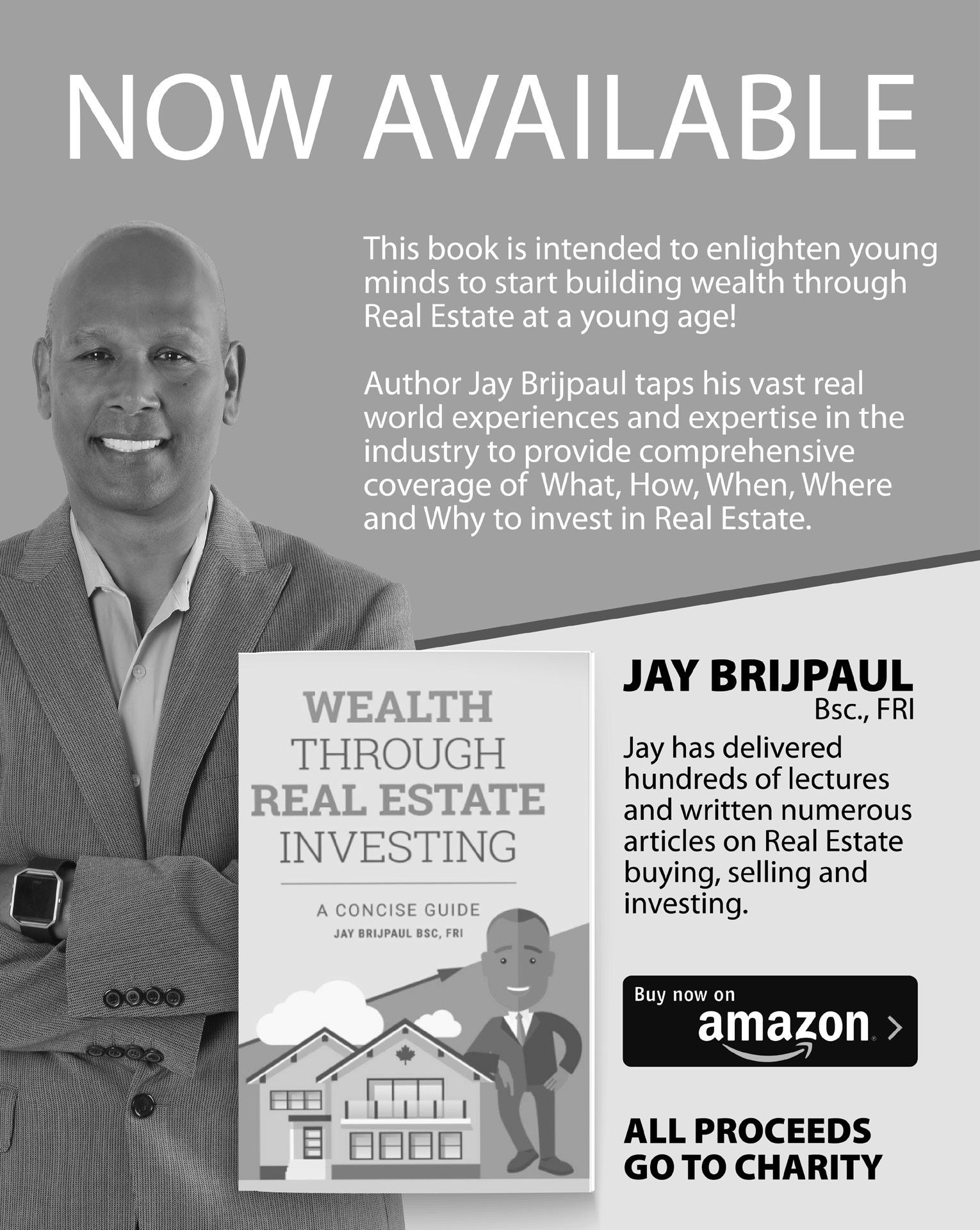
BY DANIEL COLE PERSONAL DEVELOPMENT
Human beings are not designed to navigate suffering entirely alone. Wise friendships, supportive families, compassionate mentors, and emotionally intelligent professionals can become stabilizing forces during turbulent seasons. Sometimes people do not need solutions; they need presence. They need someone willing to listen without judgment, fix nothing prematurely, and simply acknowledge the weight of what they are carrying.
Too often, society rushes to offer advice before offering understanding. Yet empathy requires humility. Unless we have walked a similar road, we should be cautious about oversimplifying another person’s pain. Judgment is easy from a distance; compassion requires proximity.
There is also a dangerous tendency for people to numb difficult transitions through unhealthy escapes: substances, compulsive distractions, denial, or destructive habits. While these may temporarily dull emotional discomfort, they rarely resolve the underlying issue. Avoidance postpones healing; it does not create it. Emotional pain ignored today frequently returns amplified tomorrow.
Reflection matters. Introspection matters. Taking inventory of how one responded under pressure matters. Difficult seasons reveal emotional patterns, unresolved fears, coping mechanisms, and hidden assumptions about life. Those who are willing to examine themselves honestly often emerge wiser than before. This is
why some people become better through suffering while others become bitter. The difference is what they allowed the experience to produce within them.
Life should therefore not be measured solely by accomplishments, but also by transformation. A person who has endured adversity with grace, maintained hope amid uncertainty, and preserved kindness despite disappointment possesses a form of success deeper than external achievement alone. Human development frequently involves mistakes, setbacks, detours, and painful recalibrations. Failure is not always evidence of inadequacy; sometimes it is evidence of participation in the arduous process of becoming.
Transitions also teach impermanence. Joy does not last forever, but neither does pain. Every season eventually changes. The person grieving today may one day laugh again. The struggling entrepreneur may rebuild stronger. The student overwhelmed by uncertainty may eventually flourish. The newly married couple will evolve. The grieving parent will slowly rediscover meaning. Human beings are remarkably adaptive creatures.
This is why hope remains essential. Hope is the refusal to believe difficulty is final.
One of the greatest mistakes people make is becoming prisoners of their past. While the past shapes us, it does not have to imprison us. There comes a moment when responsibility becomes more powerful than blame. At some point, healing requires ownership: ownership of one’s choices, mindset, recovery, and future di-
rection. Complaining endlessly about what cannot be changed only deepens paralysis.
The challenge, then, is not merely to endure transitions, but to grow through them. Every season asks something different from us. Some seasons ask for courage. Others require patience, surrender, discipline, reinvention, faith, or endurance. Each phase of life carries lessons inaccessible through comfort alone.
In hindsight, many people eventually realize that certain painful experiences, though deeply unwanted at the time, became turning points that refined their character, clarified their priorities, deepened their humanity, or redirected them toward a better path. This does not mean suffering is inherently good. Rather, it means human beings possess the extraordinary capacity to derive wisdom, meaning, and growth even from suffering.
So whatever transition one may currently be facing, whether joy or grief, expansion or loss, achievement or uncertainty, the essential task remains the same: remain open to growth. Celebrate moments of triumph without arrogance. Learn from failure without shame. Accept life’s unpredictability without surrendering hope.
Do not merely pass through life’s transitions mechanically. Allow them to shape your wisdom, deepen your compassion, strengthen your character, and refine your understanding of what truly matters. For in the end, the measure of a meaningful life is not how skillfully one avoided hardship, but how courageously one transformed through it.
BY ANYA NICOLA
I got the call the same day I finished my final class of my degree. Ms. Millie was gone. My first thought was not grief; it was confusion. A world without Ms. Millie did not make sense.
Thirty years ago, I met Millicent Spencer through her eldest daughter, terrified of this strong Jamaican woman who commanded respect in Rockfort, Kingston. Ms. Millie broke through my fear the way Caribbean mothers do: with food, with questions about my wellbeing, with the kind of love that does not ask for permission before it takes root.
Here is what made it complicated: I was the adopted sister of the man who almost took her firstborn away from their family. They had every reason to hate me. Instead, Ms. Millie loved me harder, as if my association with trauma meant I needed extra care, not less.
That is Caribbean healing in action; loving people not despite their wounds, but because of them.
As I sat in that Portmore church just days after my final exam back in Toronto, watching hundreds of people gather to celebrate her life, I realized something profound about community care. Every person in those pews had their own Ms. Millie story. The woman who ran financial services by being the banker of the neighbourhood pardna (partner) draw, while running her own restaurant and local grocery store as a single mother raising three children and then grandchildren had somehow found time to nurture entire communities throughout the island.
She was the neighbour who connected every Canadian-bound Jamaican with me, ensuring no one traveled alone to
a foreign country. She was the mother who would not let me leave Jamaica without suitcases full of cultural blessings: mangoes, pudding, freshly made juices and just all types of love from home. She was the entrepreneur who showed her children that success meant building something while lifting others.
After the burial, I watched the community transform her court into an outdoor reception. Chairs appeared. Food materialized. Neighbours who had not spoken in months worked side by side, cooking and sharing stories. This is what Caribbean grief looks like: collective, nourishing, insistent on celebration even through tears.
Sitting there, I understood why our mental health conversations often miss the mark. We talk about therapy and self-care as if healing happens in isolation, but Caribbean healing is communal. It is making sure newcomers have someone to call when they are lonely. It is creating networks of care that stretch across oceans and generations.
Ms. Millie’s three children carry her legacy differently. Her eldest, Nadine I like to call her Ms. Millie’s top general, because much like her mother she keeps the order and the balance by always doing the right thing with strength and love. Andrew, her one son, the entrepreneurial dreamer inherited her business mind and hustler’s spirit. His mother taught him that success does not require punching someone else’s clock. Her youngest, Audrey, the rebel with a cause, became a mother who moves with intentional love, understanding that family comes first. Each child took what they needed from her abundant spirit.
This is intergenerational healing;
watching parents model community care so thoroughly that it becomes second nature in their children.
Here is what struck me most, Ms. Millie was not unique. She was extraordinary, yes, but not rare. Our communities are full of women like her; the ones who remember your children’s birthdays, who cook extra because they know someone will stop by hungry, who create informal support networks that keep families afloat.
We do not celebrate these women enough while they are alive. We wait until funerals to acknowledge how their quiet acts of love held entire neighbourhoods together.
Caribbean healing happens through this kind of radical care; the decision to nurture beyond your immediate family, to create abundance from whatever resources you have, to build community even when systems try to divide us.
Ms. Millie proved that legacy is not measured in dollars and cents. It is measured in how many people feel seen, supported, and loved because you existed. It is the young woman who flies from Toronto to Kingston for your funeral because thirty years ago, you chose to love her when the world gave you reasons not to.
Tomorrow is not guaranteed, but the love we pour into our communities creates ripples that outlast our physical presence. Ms. Millie’s spirit lives in every act of neighbourly care, every mentorship connection, every time someone chooses nurturing over judgment.
That is the legacy I want to leave. That is the reminder her transition offers all of us; community love never really dies; it just finds new hands to continue the work. Rest in power, Ms. Millie. Your love lives on.



BY JAY BRIJPAUL REAL ESTATE SPECIALIST
Your decision to buy a home is one of the most significant financial and personal choices you will make. People focus on price, location, or the number of bedrooms, but there are other key factors to consider. Your home is a long-term investment that can shape your lifestyle and future. It is important to think carefully about what you need now and what you may need later.
Set a realistic budget before you start looking. Consider not only the price, but also closing costs, property taxes, insurance, utilities, repairs, and maintenance. Getting pre-qualified for a mortgage helps you plan, avoid financial stress, and shop with confidence.
Picture your home as a threelayer cake: location at the base, size in the middle, upgrades on top. Location is key; consider proximity to schools, workplaces, shops, healthcare facilities, parks, and transit. Decide whether you prefer a quiet or lively neighbourhood. Size comes next; it is easier to update a larger home than to expand a smaller one.
If you are considering a newly built home, start by touring model homes to better understand the layout and finishes, since it is often hard to picture the result. Research the builder’s reputation thoroughly and have your lawyer review all contracts before signing. Ask the builder to recommend a lender who will guarantee today’s price, as falling prices before possession could mean you need to pay the difference out of pocket.
Be aware of additional closing costs unique to new builds and clarify what is included in the purchase price versus what you will pay separately. Often, essentials such as the furnace, hot water tank, and air conditioner are rented; request copies of those agreements and review buyout policies before committing.
Have the foundation, roof, plumbing, windows, and electrical systems professionally inspected. Repairs can be costly. Check the landscaping to ensure water drains away from the foundation. Inspect the siding, driveway, and backyard privacy.
The layout matters. Ensure the kitchen is practical, provides ample storage, and suits your needs. Kitchen upgrades can be costly, so check the countertops, appliances, and finishes. Living and dining areas should be comfortable and well-lit. Consider daily use and whether the spaces suit your lifestyle.
Bathrooms should be functional, with ample counter space, outlets, and reliable water pressure. Features such as walk-in showers or en-suites add value. Bedrooms should be comfortable, with adequate space, closets, and natural light. Ensure they meet your current and future needs.
A basement adds value and provides space for bedrooms, offices, or storage. Check for moisture, flooding, ceiling height, and compliance with safety codes. For rental income, look for registered apartments or assess retrofit costs.
Ask about heating, plumbing, water heater, and sewer or septic system. Check internet, cell service, parking, and any recent renovations. Request receipts and warranties for any completed work.
Buy homes that are easy to sell. The area’s growth, schools, and home conditions affect resale, even if you plan to stay long-term. If you buy premium, you live premium and sell premium.
Buying a home can be exciting yet stressful. Make a list of what you need versus what you want and stay flexible about features you can add later. Remember, features like a swimming pool may reduce a property’s value and increase insurance costs due to the associated risk.
Your home is carrying cost should be 25–35% of your gross income to remain financially healthy. If you need a second mortgage or a private lender, consider postponing your purchase.
A home is where you build your life. Consider all aspects carefully to make a smart choice. If you are buying your first home or curious about the process, check out my book The Road to Homeownership: A Canadian Blueprint, on Amazon. All proceeds support The Caribbean Children Foundation, which funds children’s surgeries.

for the week of May 31 – June 6, 2026
THE LUCKIEST SIGNS THIS WEEK: TAURUS, LEO, AQUARIUS
ARIES: A challenge you’ve been avoiding may finally need your attention. Handle it directly and you’ll clear the path for new opportunities ahead.
TAURUS: Patience pays off this week. Something you’ve been working toward begins showing results, even if progress feels slower than you’d like.
GEMINI: Conversations take centre stage. Listen carefully, ask questions, and don’t assume everyone sees things from the same perspective you do.
CANCER: Focus on your home and personal life. A small adjustment could create more balance and help reduce unnecessary stress moving forward.
LEO: Your confidence attracts attention this week. Use it wisely, but remember that leading often means listening as much as speaking.
VIRGO: Details matter now. Taking extra time to doublecheck plans, paperwork, or commitments could save you from frustration later.
LIBRA: Balance becomes important as competing priorities demand your attention. Stay organized and avoid overcommitting yourself to keep everything manageable.
SCORPIO: Trust your instincts. If something doesn’t feel right, take a closer look before making decisions involving money, partnerships, or long-term plans.
SAGITTARIUS: A new idea or opportunity may spark excitement. Take time to evaluate the details before rushing ahead with both feet.
CAPRICORN: Hard work continues to move you forward. Others are noticing your efforts, even if recognition hasn’t arrived quite yet.
AQUARIUS: A fresh perspective helps solve an ongoing problem. Keep an open mind and be willing to consider solutions outside your usual routine.
PISCES: Take time to recharge your batteries. A little rest and reflection now will help you approach upcoming challenges with renewed focus.
Fill in the grid so that every row, every column, and every 3x3 box contains the numbers 1 through 9 only once.
Each 3x3 box is outlined with a darker line. You already have a few numbers to get you started. Remember: You must not repeat the numbers 1 through 9 in the same line, column, or 3x3 box.