“Medical breakthroughs change what is possible — but it is infrastructure, safety, and data that determine whether those breakthroughs can truly change the world.”
— Dr. Suzie Robertson



“Medical breakthroughs change what is possible — but it is infrastructure, safety, and data that determine whether those breakthroughs can truly change the world.”
— Dr. Suzie Robertson
C60 has been characterized as the most powerful antioxidant known. It’s hundreds of times more powerful than conventional antioxidants.
Crossing the blood-brain barrier, C60 works at the cellular level to support mitochondrial function. C60 fights inflammation, lifts the oxidative burden, and neutralizes toxic free radicals.
Unlike conventional antioxidants, C60 won’t interfere with any other supplements, vitamins, or medications. It can reset itself, again and again. Take it before your other supplements to boost your morning routine supplement stack.
Most users note an increase in ENERGY and MENTAL CLARITY within 30 days when incorporating C60 Power into their morning routine. Many users note FASTER RECOVERY and IMPROVED PERFORMANCE within this same time frame.



Publisher: John Highland
Editor In Chief: Hannah H.
Editorial Assistant: Jillian Fast
Graphic Designers: Laura Poyner, Dylan R-N
Contributing Authors: Coleman H. Davis, Evelyn Flaharty, Riley George, Michele Hughes, Ashleigh Quint
Vice President of Development: Mark Carvalho
Fractional Marketing Officer: Craig Handley
Advisory Board: Dr. Arthur Katona, Dr. Francisco Cabal, Dr. Kianor Shah

Our mission and purpose at TopDoctor Magazine is to foster connections within the health and wellness community and empower our readers to make wellinformed healthcare and lifestyle decisions. We pride ourselves on being the ultimate resource for interviews with health and wellness leaders, trending medical news, and healthy living topics.
We understand that choosing a healthcare provider is a crucial decision. Our in-depth interviews with esteemed doctors and medical professionals aim to bridge the gap between them and their clients. By providing our readers with personal insights, philosophies, and areas of expertise, we facilitate a deeper understanding of the individuals responsible for your health and well- being. We also strive to highlight our outstanding practitioners, showcasing their dedication to their patients and contributions to the medical community.
The field of medicine is constantly evolving, with new practices, therapies, and technologies emerging at a rapid pace. At TopDoctor Magazine, we strive to keep you updated on the latest advancements in the medical world. Our comprehensive coverage of trending medical news equips both doctors and patients with the knowledge they need to make informed choices about healthcare options.
Building strong connections within the medical community is essential for enhancing patient care and driving medical progress. Our magazine serves as a bridge, connecting medical companies with doctors and vice versa. By facilitating these connections, we aim to catalyze collaborations that can lead to innovative solutions and improved healthcare outcomes for everyone.
It is our firm belief that well-informed individuals make better decisions about their health. By providing you with insights into established and emerging medical trends and technologies, we empower you to take an active role in your healthcare choices. Whether you are a healthcare professional seeking to stay updated on the latest advancements or a patient eager to make informed decisions about your well-being, TopDoctor Magazine is here to support you.
In every issue, we strive to uphold the highest standards of journalistic integrity, accuracy, and relevance. Our dedicated team of writers, editors, and medical experts work tirelessly to bring you well-researched and compelling content that is both educational and engaging. Moreover, our graphic design team is committed to delivering an aesthetically pleasing reading experience where captivating design seamlessly merges with informative content, ensuring each issue becomes an engaging journey of discovery.
As we embark on this mission to serve as your trusted source of medical information and insights, we encourage you to join us on this exciting journey. Your feedback and suggestions are invaluable to us, and we look forward to hearing from you.
Thank you for being a part of the TopDoctor Magazine community. Together, let us embrace knowledge, forge connections, and make informed decisions to lead healthier lives.
With warmest regards, Hannah
H.

12 22 34 44 52
SMART INSOLES, SMARTER ATHLETES: HOW PLANTIGA
TECHNOLOGY IS TRANSFORMING BIOMECHANICS, INJURY PREVENTION, AND YOUTH ATHLETIC DEVELOPMENT
THE SECRET TO FLAWLESS SKIN
REDEFINING THE MATRIX: HOW SUZIE ROBERTSON AND HER TEAM ARE ENGINEERING FOR THE FUTURE
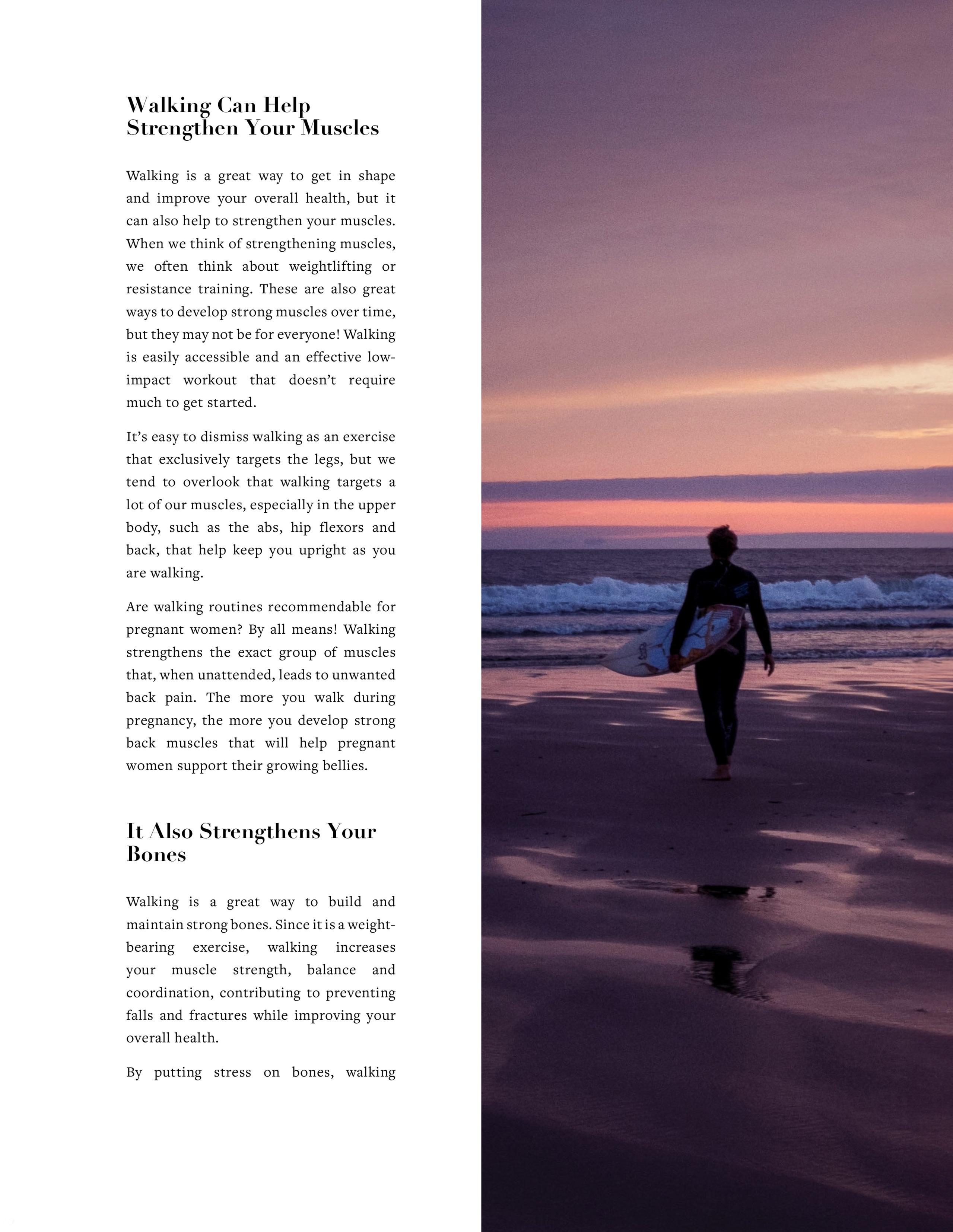
HOW DOES WALKING BENEFIT YOUR HEALTH?
THE BIOLOGICAL SEESAW: NAVIGATING HORMONAL HARMONY THROUGH SEASONAL SHIFTS

“Where medical expertise meets real human stories.”
TopDoctor Magazine is expanding to television! Introducing TopDoctor Channel, a 24/7 streaming, cable, and broadcast platform dedicated exclusively to healthcare. This visionary channel connects doctors and patients in a whole new way – faceto-face through inspiring medical documentaries and interviews. Backed by the acclaimed TopDoctor Magazine brand, TopDoctor Channel launches with immediate recognition and credibility in the medical community. Our mission is to bridge the gap between healthcare experts and the public, turning complex science into conversations built on trust and empathy.
• Global Reach & Diverse Audience: Share your story with everyone in the healthcare community and beyond. TopDoctor Channel delivers unparalleled insights to both medical professionals and the public alike. Whether it’s physicians, hospital executives, or engaged patients, our audience spans across the spectrum. As a multi-platform network (streaming on Amazon Fire TV, Roku, Apple TV, Android TV, mobile, and more), your innovations gain worldwide visibility.
• Immediate Credibility & Scientific Storytelling: Align yourself with a platform that champions medical innovation with integrity. As an official partner of TopDoctor Magazine, we start with a legacy of excellence – ensuring your work is presented with authority and trust. Our content is evidence-based and expertly crafted to celebrate true breakthroughs in medicine. You’ve worked hard on your research and products; we’ll spotlight them in a professional, highly scientific narrative that resonates with peers and instills confidence in the public.
• Cross-Promotional Power: Enjoy the benefits of our unique magazine–TV synergy. TopDoctor Channel works hand-in-hand with TopDoctor Magazine, creating a powerful cross-promotional platform for your innovations. An appearance on our channel can be featured in print and digital articles, social media, and more – amplifying your reach across multiple media. It’s a one-of-a-kind opportunity to boost your profile through multiple trusted channels.

If you’re a doctor, researcher, or healthcare company with something new, we want to feature it. On TopDoctor Channel, you can present:
• Breakthrough Treatments & Medications: Share new therapies, novel procedures, or groundbreaking medications that are poised to improve patient care. Demonstrate the efficacy of your latest clinical trial or the success of an innovative treatment protocol.
• Advanced Medical Technologies: Demonstrate cutting-edge medical devices, diagnostics, AI health tech, or biotech solutions. We highlight transformative breakthroughs in medical devices and technology – and the visionary individuals and companies behind them. If you’ve developed a game-changing device or app, let us help you show how it works and why it matters.
• State-of-the-Art Facilities & Services: Take viewers on a tour of your new hospital wing, research center, or specialized clinic. TopDoctor Channel can spotlight state-of-the-art healthcare facilities implementing futuristic techniques (imagine a field report from your operating room or lab). Showcase how your institution’s services and infrastructure are pushing the boundaries of patient care.
• Research Results & Clinical Outcomes: Present significant research findings or patient outcome data. Whether it’s a breakthrough clinical trial result or compelling public health study, our programs dive into the data and discuss its impact. By sharing your results, you’ll educate a global audience and potentially attract collaborators, investors, or patients interested in your work.
• Professional Achievements & Innovations: Highlight your personal achievements – from performing a landmark surgery to receiving a prestigious award. Appear in an expert interview segment to discuss your work and vision as a medical leader. This is your chance to cement your reputation as a pioneer in your field, inspiring colleagues and the next generation of healthcare professionals.
TopDoctor Channel is now booking interviews and feature segments for upcoming shows. Don’t miss the chance to be part of this groundbreaking platform that stands at the intersection of hope and truth, innovation and accountability. Join us in shaping the future of healthcare media – and let the world know about your cutting-edge contributions to medicine. Contact us today to schedule your feature. Visit our website at TopDoctorChannel. us for more information, or call our 24/7 team at 305-Topdoc (305-486-7362). Elevate your reach, educate the community, and let your medical innovations shine on TopDoctor Channel!

By Ashleigh Quint, MIM, PICP-SCC, in collaboration with Ava Quint, a Division I high school basketball athlete
In sports performance and sports medicine, one fundamental truth remains constant: every movement begins with the foot. Whether sprinting down a basketball court, cutting on a soccer field, or landing from a jump, the interaction between an athlete’s foot and the ground determines how force travels through the body.
For decades, coaches and clinicians have relied on observation, strength testing, and laboratory-based biomechanics assessments to evaluate movement quality. While these tools remain valuable, they often fail to capture how athletes actually move during real training sessions and competition.
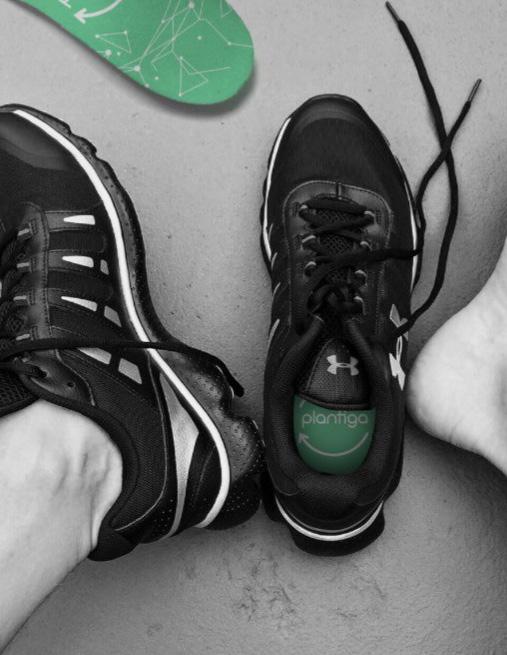
A new generation of wearable technology is beginning to close this gap. Among the most promising innovations is Plantiga, a smart insole system designed to measure real-world biomechanics during sport-specific movement. For developing athletes, whose bodies are still growing and adapting, this technology offers a powerful new way to monitor movement patterns, reduce injury risk, and optimize performance.

Traditionally, biomechanical analysis has been performed using force plates and motion capture systems inside specialized laboratories. While these systems provide highly accurate data, they also come with limitations. Most importantly, they measure movement in controlled environments rather than in the dynamic, unpredictable settings where athletes actually compete.
Plantiga’s smart insoles solve this problem by embedding sensors directly inside an athlete’s shoe. Once inserted, the system collects movement data in real time during running, jumping, cutting, and acceleration.
The insoles track a range of biomechanical metrics, including:
• Ground contact time
• Impact loading rate
• Force distribution through the foot
• Acceleration and deceleration forces
• Symmetry between left and right limbs
• Movement patterns during sport-specific actions
The data is then transmitted to a mobile platform where coaches, clinicians, and sports scientists can analyze trends over time. This approach allows performance teams to observe how athletes actually move during training sessions, conditioning drills, and competition — providing insights that were previously unavailable outside of research settings.
The human foot contains 26 bones, 33 joints, and over 100 muscles, tendons, and ligaments, making it one of the most complex biomechanical structures in the body. During athletic movement, the foot acts as both a shock absorber and a force transmitter. When an athlete lands from a jump, the foot must dissipate impact forces safely. When sprinting or accelerating, it must efficiently transfer force into the ground to generate speed.
Subtle inefficiencies in this system can have cascading effects throughout the kinetic chain. Excessive ground contact time, asymmetrical loading, or poor force absorption can place increased stress on the ankles, knees, hips, and spine. Over time, these mechanical inefficiencies may contribute to overuse injuries or ligament damage. This is particularly relevant in youth athletics, where growth spurts can temporarily disrupt coordination, mobility, and neuromuscular control. Technology that allows practitioners to monitor these changes in real time offers a valuable new tool for athlete development.
Injury prevention remains one of the most important challenges in modern sports medicine.



Adolescent athletes today are training more intensely and specializing in sports earlier than previous generations. While this increased commitment can improve performance, it also raises the risk of repetitive stress injuries and ligament tears.
Female athletes are especially vulnerable to injuries such as anterior cruciate ligament (ACL) tears, which occur at significantly higher rates in sports like basketball, soccer, and volleyball. Research has shown that many of these injuries are influenced by biomechanical factors, including landing mechanics, force distribution, and asymmetrical movement patterns. Plantiga’s smart insole technology can help identify these patterns before injury occurs.
For example, the system can detect:
• Excessive loading on one limb during running or jumping
• Inefficient braking mechanics during deceleration
• Increased impact forces during landing
• Changes in movement efficiency associated with fatigue
When these patterns appear, coaches and clinicians can intervene early by adjusting training loads, refining technique, or implementing targeted strength and neuromuscular training. Rather than reacting to injury, performance teams can shift toward a more preventative model of athlete care.
One of the most challenging periods in athletic development occurs during adolescence. Rapid growth can alter limb length, joint angles, and muscular coordination. Athletes who previously moved efficiently may temporarily lose balance, control, or stability as their bodies adapt to new physical dimensions. During these phases, objective movement monitoring can be particularly helpful. By tracking biomechanical metrics over time, practitioners can observe how an athlete’s movement patterns evolve during growth spurts. If asymmetries or inefficient force patterns begin to appear, training programs can be adjusted accordingly. This approach helps ensure that strength and conditioning programs support the athlete’s changing biomechanics rather than unintentionally reinforcing faulty movement patterns.
For young athletes with long-term competitive goals, this type of monitoring may play an important role in both performance development and injury resilience.
The concept of biohacking is often associated with longevity medicine, advanced recovery tools, and performance optimization strategies. At its core, however, biohacking
simply refers to using technology and science to better understand and improve human physiology. Plantiga represents a unique example of this concept in the athletic world. By transforming everyday movement into measurable data, the technology allows athletes and practitioners to understand better how the body interacts with the ground during sport.
Instead of relying solely on visual assessment, training decisions can now be informed by objective biomechanical feedback. This shift toward data-informed coaching aligns with the broader trend toward precision performance medicine, where interventions are tailored to the individual athlete rather than based on generalized training models.
For young athletes growing up in a technology-driven world, integrating data into training is becoming increasingly natural.
“As an athlete, it’s really interesting to see what your body is doing during practice and games,” said Ava Quint, a competitive basketball player and co-author of this article.
“Sometimes you think you’re moving one way, but the data shows something different. It makes you more aware of how you land, how you push off the ground, and how your body moves.”
For many athletes, this awareness becomes a powerful learning tool.
“When you start seeing the numbers, you want to improve them. It makes you focus on moving better, not just training harder.”
Wearable technology is rapidly reshaping the way athletes train, recover, and monitor performance. From GPS workload tracking to heart rate variability and sleep monitoring, the sports world is increasingly embracing data-driven insights. Smart insoles represent an important next step in this evolution because they measure the most fundamental aspect of athletic movement: how the body interacts with the ground.
As technology continues to advance, systems like Plantiga may become standard tools for athlete monitoring programs in youth, collegiate, and professional sports. For physicians, performance specialists, and coaches, the ability to analyze real-world biomechanics may provide one of the most valuable new tools in the pursuit of athletic health and longevity. Because, in the end, every sprint, jump, and cut begins the same way.
With a single step.
For more expert-backed training tips and everyday wellness strategies, follow @up_lift_ gym and @ash_leigh_quint on Instagram.





By Evelyn Flaharty
When it comes to skincare, it’s easy to get lost in the multitude of products in the market, the trends, and the complicated routines. From serums to exfoliants to 10-step regimens, you may have seen influencers posting on social media, which can feel overwhelming. But the truth is, great skin doesn’t have to be complicated. In fact, the secret to healthy, glowing skin is more straightforward than you think; it’s all about nourishment, listening to what your skin needs, and consistency in your skincare routine.
Skincare is more than just a routine. Skincare is an investment in your health, confidence, and overall well-being. Our skin is the body’s largest organ and serves as a protective barrier against the elements while also reflecting our inner health and lifestyle choices. From hydration and nutrition to the right products and daily habits, caring for your skin is a journey that evolves with time.
Whether you are aiming for a radiant glow, maintaining youthful elasticity, or simply embracing self-care, a smart and effective skincare routine can make all the difference. Understanding what your skin needs and treating it with intention can unlock the secret to a healthy, ageless complexion.
Your skin is constantly communicating with you. When it feels tight and flaky, it’s crying out for moisture. When it’s breaking out, it might be reacting to stress, diet, or an imbalance in your routine. It could be asking for more hydration, exfoliation, or a little extra sleep when it looks dull. The key is to pay attention and then take the appropriate action.
Caring for your skin at home doesn’t have to be complicated or expensive. Maintaining a consistent at-home skincare routine is key to keeping your skin healthy, youthful, and radiant. You don’t need a bathroom full of fancy or expensive products; just a few basic steps to be consistent with your skincare routine. A skincare routine can be simple and effective without feeling overwhelming. Sticking to a few essential steps can make a huge difference in your skin’s health. The best place to start is with the basics.
The first and most crucial step is cleansing. Washing your face is the foundation of skincare. Cleansing removes dirt, oil, sweat, makeup, and pollutants that can clog pores and cause breakouts. Use a gentle cleanser that suits your skin type, and avoid products that can strip your skin of its natural moisture and lead to dryness and irritation.
Hydration is key for all skin types. Even oily skin needs moisture to stay balanced. A good moisturizer helps lock in hydration and maintain your skin’s barrier. Moisturizer keeps your skin soft and smooth while protecting you from premature aging. This is where I would make an investment. Find a good moisturizer that works well for your skin type. Look for ingredients like hyaluronic acid for hydration or ceramides for barrier support.
Protection
Sunscreen is often overlooked, but it is the most crucial step in preventing premature aging. Think of it as the most powerful anti-aging product you can use daily. UV exposure leads to premature fine lines and wrinkles, dark spots, loss of elasticity, and even more serious skin conditions. Apply an SPF of at least 30 every morning, even on cloudy days, to protect your skin from damage. Applying sunscreen is a must for all skin complexions.
Once you have the essentials down, you can add a few extra steps to target specific skin concerns.
Exfoliation:
Removing dead skin cells helps brighten your complexion and allows skincare products to work better. Use a gentle exfoliant 2-3 times weekly, like a mild chemical exfoliant or a soft scrub.
Serums:
If you have concerns like dryness, wrinkles, or dark spots, serums with ingredients like vitamin C, retinol, or niacinamide can help. Serums penetrate deeper than moisturizers and deliver targeted benefits.
Face Masks:
A great way to give your skin an extra boost. Hydrating masks, clay masks, or sheet masks can be used weekly to address different concerns like dryness, oiliness, or dullness.


A few minutes of gentle massage while applying products can boost circulation, reduce puffiness, and promote a natural glow.
Despite all the hype around elaborate skincare routines, the fundamentals of healthy skin have always remained the same. A simple, consistent routine will always be more effective than an overloaded one.
Skincare isn’t just about what you apply to your face; it’s also about how you take care of yourself. Your skin reflects your overall health, so the choices you make in your daily life can have a significant impact. While using the right skincare products is essential, what you put into your body matters just as much.
Hydration and nutrition are crucial in maintaining healthy, glowing skin from the inside out. While skincare products help nourish and protect your skin externally, proper hydration and a nutrientrich diet provide the essential building blocks your skin needs to repair, regenerate, and maintain its natural glow.
Water is essential for every cell in your body, including those that make up your skin. When your skin is well-hydrated, it looks plumper and more radiant. On the other hand, when your skin is dehydrated, it will appear dull, dry, and more prone to fine lines and wrinkles. Drinking enough water throughout the day helps flush out toxins, maintain elasticity, and support overall skin function.
Your diet also plays an essential role in the health and appearance of your skin. Nutrient-rich foods provide the vitamins, minerals, and antioxidants necessary to fight inflammation, boost collagen production, and protect
against premature aging. Foods high in omega-3 fatty acids like salmon, walnuts, and flaxseeds help strengthen the skin barrier and reduce dryness. Vitamin C-rich foods like oranges, strawberries, and bell peppers promote collagen synthesis, keeping skin firm and youthful.
Antioxidants found in leafy greens, berries, and green tea help combat free radical damage, which can contribute to wrinkles and dullness. On the other hand, excessive consumption of processed foods, refined sugars, and unhealthy fats can lead to inflammation and breakouts and give your complexion a dull, uneven appearance. Focusing on a balanced diet filled with whole, nutrient-dense foods can support your skin’s natural ability to heal and maintain a radiant glow.
Your skin repairs itself while you sleep. During deep sleep, your body goes through a period of repair and regeneration, producing collagen, repairing damaged cells, and replenishing moisture levels. A lack of sleep can lead to increased cortisol levels, which can break down collagen and elastin, leading to premature aging, dullness, and even breakouts. Dark circles, puffiness, and a dull complexion are common signs that your skin isn’t getting a good night’s rest. This is why you should strive for 7-9 hours of quality sleep each night.
Lack of sleep isn’t the only thing you need to worry about. Managing stress is just as crucial for your skin’s health. Chronic stress triggers inflammation and increases oil production, which can contribute to acne, redness, and sensitivity. High stress levels also weaken the skin’s barrier, making it more prone to dehydration and environmental damage.
Finding ways to relax can help balance stress hormones and improve overall skin clarity. Relaxation techniques such as meditation, deep breathing, and yoga can help reduce stress and promote overall well-being. Additionally, activities like taking long walks, exercising, engaging in a hobby, or practicing mindfulness can positively impact both your mental health and the appearance of your skin.
By prioritizing rest and stress management, you’re giving your skin the best environment to heal, restore, and maintain its natural radiance.
Great skin doesn’t happen overnight; it’s the result of small, daily habits that add up over time. As with everything else, the key to seeing real results is consistency. Even the best products won’t work if they are only used occasionally. Sticking to a simple but effective daily routine will keep your skin looking and feeling its best.
There are ways to enhance your at-home skincare routine. One option is to get a professional facial from a qualified esthetician who can assess your skin’s needs, provide expert care, and even recommend products specific to your skin type. Professional facials offer deep cleansing, exfoliation, and hydration that go beyond what everyday products can achieve. They can help address concerns like acne, dryness, or signs of aging while promoting overall skin health. Regular treatments, combined with a consistent daily routine, can keep your skin looking its best.
For many, facials are seen as an occasional indulgence, something to treat yourself to before a big event or as part of a spa day. The truth is, professional facials are much more than just a luxury. A professional facial can offer deep, long-term benefits for your skin that go beyond what you can achieve with your at-home routine. It also complements the care you already give your skin, enhancing and supporting your efforts for even better results. Regular facials can help improve skin health, prevent aging, and enhance your overall well-being.
Even with a consistent skincare routine, dirt, oil, and environmental pollutants can build up deep in your pores over time. Professional facials offer a deeper level of cleansing beyond what you can do at home, similar to how a professional dental cleaning provides a deeper clean than daily brushing and flossing.
Estheticians use specialized products and techniques to remove impurities, unclog pores, and eliminate toxins, helping your skin breathe and function optimally. This deep cleansing process can prevent breakouts, reduce blackheads, and give your skin a fresher, healthier appearance.
One of the most significant benefits of facials is professional exfoliation. Over time, dead skin cells build up on the surface of your skin, leading to a dull, uneven complexion. While athome exfoliators help, professional treatments use advanced techniques like chemical peels, microdermabrasion, or enzyme treatments to gently remove dead skin cells, revealing brighter, smoother skin underneath. Regular exfoliation also helps improve the effectiveness of your skincare products, allowing serums and moisturizers to penetrate more deeply.
Keeping your skin hydrated enhances its appearance, strengthens its ability to withstand environmental damage, and slows down signs of aging. When your skin is hydrated, it looks youthful, plump, and radiant.
During a facial, estheticians use high-quality masks, serums, and moisturizers tailored to your skin type to hydrate and replenish your skin deeply. Professional treatments can help restore moisture balance, especially for those with flaky or dehydrated skin. One popular type of facial is the HydraFacial.
A HydraFacial is a non-invasive skincare treatment that deeply cleanses, exfoliates, hydrates, and nourishes the skin in one session. It uses a specialized device with a vacuum-like tip to remove dead skin cells, extract impurities, and infuse the skin with hydrating and antioxidant-rich serums. Alternating professional facials between anti-aging treatments and a HydraFacial for balanced skincare benefits is a great approach. In my experience, a 2-to-1 ratio works best for my oily, mature skin.

Facials can be an excellent tool for maintaining youthful skin and preventing premature aging. Many professional treatments incorporate anti-aging techniques such as collagenboosting massages, peptides, LED light therapy, or microcurrent stimulation, which help improve skin elasticity and reduce the appearance of fine lines and wrinkles. Additionally, regular facials stimulate blood circulation, promoting cell regeneration and keeping your skin fresh and firm over time.
Skincare is not just about physical appearance; it’s also about well-being. The gentle massage techniques used during facials help relax facial muscles, release tension, and even promote lymphatic drainage, reducing puffiness and improving circulation. The experience itself is incredibly soothing, making facials a great way to relieve stress and practice self-care. Taking time for a facial can be a moment of relaxation in a busy world, benefiting your skin and mental health. You’ll feel refreshed and rejuvenated afterward.
One of the best things about professional facials is that they are tailored to your specific skin concerns. Unlike store-bought products that take a one-size-fits-all approach, estheticians analyze your skin and customize treatments based on its unique needs, whether acne, dryness, sensitivity, or signs of aging. They can also provide expert advice on which products and routines will work best for your skin type, helping you build an effective at-home routine.

While a single facial can leave your skin looking and feeling amazing, the real benefits come from consistency. Regular facials, ideally once a month, can help maintain skin health, prevent common issues like breakouts and dullness, and support long-term anti-aging efforts. Over time, you’ll notice improved texture, better hydration, and a more youthful glow.
Professional facials aren’t just about pampering; they’re a powerful tool for maintaining healthy, glowing skin. From deep cleansing and exfoliation to hydration and anti-aging benefits, facials provide results that go beyond what you can achieve with at-home skincare alone. Plus, the relaxation and stress relief that come with a facial make it an investment in your skin and overall well-being. If you’re looking to take your skincare to the next level, regular professional facials are a worthwhile addition to your beauty routine.
But skincare isn’t one-size-fits-all. Our skin changes over time due to age, environment, and lifestyle, meaning that what worked in the past may not be what your skin needs today. The key is tuning in, understanding what your skin craves, and giving it the love and attention it deserves. When you care for your skin, you’re not just enhancing your outer glow but investing in long-term health and confidence.
Skincare isn’t just about looking good. It’s also about feeling good. Our skin works hard for us every single day, protecting us against the elements and reflecting our overall health and lifestyle. It also reflects what’s happening inside our bodies, from hydration levels to overall health and well-being.
That’s why taking care of it isn’t just another step in your daily routine. It’s a way to invest in yourself! It’s self-love. Proper skincare habits can do more than just enhance your appearance. It can boost your confidence, promote relaxation, and even serve as a form of self-care.
The right habits and products can make all the difference. Whether you are aiming for a radiant glow, trying to keep your skin youthful and healthy, or simply taking a few moments to pamper yourself, a thoughtful skincare routine makes all the difference.
The secret to beautiful skin isn’t found in expensive treatments or endless products; it’s found in simple, consistent care and a little bit of self-love. There’s no one-size-fits-all approach, and your skin’s needs may change over time.
The key is to stay patient, listen to your skin, and give it the care it deserves. When you focus on maintaining healthy habits, both inside and out, your skin will naturally reflect that effort. And remember, skincare isn’t about perfection; it’s about embracing and taking care of the skin you’re in.

Written by Riley George
Medicine is entering a new era — one in which the goal is no longer simply to treat disease, but to restore function, regenerate tissue, and reimagine the healthy lifespan and limits of the human body.
However, revolutionary therapies alone do not transform medicine. What truly changes healthcare is infrastructure: the systems, safety frameworks, technologies, and data intelligence that propel innovation from isolated breakthroughs into scalable clinical practice.
Few leaders understand this distinction better than Dr. Suzie Robertson, Pharm.D., founder and CEO of Matrix Biologics.
While many pioneers in regenerative medicine are focused on the therapies themselves, Dr. Robertson has taken on a far more ambitious challenge: building the operational and technological architecture that will allow regenerative medicine to mature into a trusted, scalable discipline within modern healthcare.
Through Matrix Biologics, Dr. Robertson and her executive leadership team are building an integrated ecosystem that unites biological innovation, clinical safety systems, and provider enablement platforms. Central to this vision is developing and deploying a platform designed to bring data-driven intelligence, safety guardrails, and scalable clinical precision to regenerative

“Medical breakthroughs change what is possible — but it is infrastructure, safety, and data that determine whether those breakthroughs can truly change the world.”
— Dr. Suzie Robertson
medicine. Their goal is not simply to participate in the regenerative medicine revolution; it is to establish a robust foundation that enables regenerative medicine to advance responsibly into broad, mainstream clinical adoption.
Dr. Robertson’s perspective on regenerative medicine is shaped by more than two decades inside one of healthcare’s most disciplined environments: hospital pharmacy.
Throughout her career as a clinical pharmacist, compliance officer, medication safety leader, and clinical informaticist, Dr. Robertson has led the development of advanced systems and safety frameworks designed to prevent medical errors and safeguard patient lives.
She leads the design of clinical protocols, implements rigorous compliance frameworks, and deploys cutting-edge health information technologies that enable physicians to make safer, datadriven decisions.
Regenerative medicine inspired her to investigate how cutting-edge science could transform patient outcomes.
What she discovered was both exciting and concerning.
“Regenerative therapies have enormous potential to support the body’s natural healing processes,” Dr. Robertson explained. “But the industry lacks the infrastructure that modern healthcare depends on — standardized protocols, safety intelligence, and measurable outcomes.”
These experiences revealed a critical truth: if regenerative therapies were to reach patients responsibly, the industry needed structure, oversight, and measurable outcomes. That insight became the guiding vision behind the founding of Matrix Biologics.
Rather than simply distributing regenerative solutions, Dr. Robertson set out to build something far more ambitious: a technology-enabled provider ecosystem designed to support the widespread adoption of regenerative medicine.
For Dr. Robertson, the decision to pursue this mission was not purely professional — it was also deeply personal.
Her husband, a Marine veteran, had endured debilitating back pain for more than two decades. Despite access to top specialists, surgical consultations, and a long list of conventional treatments, his quality of life continued to deteriorate.
One day, she found him collapsed on the floor, unable to move.
“We were in our early 40s, and we were forced to ask ourselves what the next 30 years of our lives were going to look like,” she said.
After extensive research, Dr. Robertson pursued regenerative therapy using exosome-based biologics.
The results were remarkable.
Within weeks, her husband, who had been immobilized, was back in the pool playing with their four daughters. Five years later, he continues to enjoy a full recovery.
A second experience soon followed.
A close friend was suffering severe respiratory complications from long-haul COVID. After months of emergency room visits and consultations with multiple specialists, his symptoms continued to worsen.
That’s when Dr. Robertson stepped in and brought him to Scottsdale for regenerative therapy.
Less than 24 hours later, he reported that his symptoms had disappeared.
“The experience made one thing crystal clear: regenerative therapies can only reach patients safely and effectively when the industry is built on rigorous structure, oversight, and measurable outcomes,” Dr. Robertson said.
That insight became the blueprint for Matrix Biologics: How can we change lives, change outcomes?
Matrix Biologics was founded on a single principle: Innovation without safety and infrastructure cannot transform healthcare.
To address this challenge, Matrix Biologics developed a comprehensive platform that enables healthcare providers to implement regenerative medicine programs within existing clinical workflows.
The platform integrates:
• Product access
• Certified patient education and engagement tools
• Accredited physician training and continuing medical education
• Clinical program implementation within existing workflows
• Electronic data capture and longitudinal patient monitoring
• Real-world outcomes analysis and safety reporting
The result is a new operational model for regenerative medicine that emphasizes clinical excellence, transparency, and continuous learning while empowering providers and distribution partners to expand responsibly.
“Our goal is to empower providers to deliver regenerative therapy safely and effectively, while upholding the highest standards of oversight and patient safety,” Dr. Robertson said.
A defining feature of Matrix Biologics’ platform is the integration of technologies designed specifically for regenerative medicine.
The platform serves as a digital co-pilot for physicians, interpreting imaging, guiding patient evaluations, and analyzing treatment outcomes across a growing network of providers.
By aggregating real-world clinical data, the system empowers physicians to identify patterns and refine protocols in ways that were previously impossible.
Robertson describes this convergence as the intersection of biology and intelligence, ultimately changing outcomes.
“Biology restores and data redefines,” she said. “When you combine regenerative science with advanced analytics, you create the safety guardrails and outcome visibility that modern healthcare requires.”
As regenerative medicine continues to expand, she cautions that the field’s rapid growth must be accompanied by greater transparency and accountability.
Her extensive background in pharmacy, compliance, clinical informatics, and patient safety makes her particularly vocal about the need for standardized dosing, validated sourcing, and measurable outcomes.
“How can we be certain of the sourcing and potency of every manufacturer?” she proposed. “If providers don’t have clear measurement and real-world data, they’re essentially practicing in the dark.”
We’ve taken the guesswork out of the process by thoroughly vetting the sources behind every product we distribute, so our providers can feel confident they are receiving Matrixcertified products.
For Dr. Robertson, the transformation of regenerative medicine is not simply about new treatments. It is about building the systems that allow those treatments to reach patients safely and responsibly.
Through Matrix Biologics, they are engineering the infrastructure that will allow regenerative medicine to mature into a trusted, scalable medical discipline — poised to be fully integrated into mainstream medicine.
Dr. Lauren Beardsley, NMD, is the Chief Medical Officer for
Matrix Biologics and possesses an intimate understanding of the fragility inherent to the biologics landscape, having navigated the largely unregulated frontier of regenerative medicine for nearly two decades. Under her leadership, Matrix Biologics has built its reputation at the intersection of heart and precision—pairing a genuine commitment to patient outcomes with the kind of data-driven rigor and safety biologics distribution demands.
By bringing together biological innovation, data analytics, and clinical safety frameworks, Matrix Biologics is reshaping how regenerative treatments are delivered, studied, and ultimately adopted across modern healthcare.
Within the healthcare ecosystem, Dr. Robertson and her team are reimagining modern medicine; regenerative medicine is no longer a fragmented frontier. It will be a structured, datadriven platform for the future of medicine.
“The future of medicine belongs to leaders who combine science, compliance, data, and heart,” Dr. Suzie Robertson concluded.
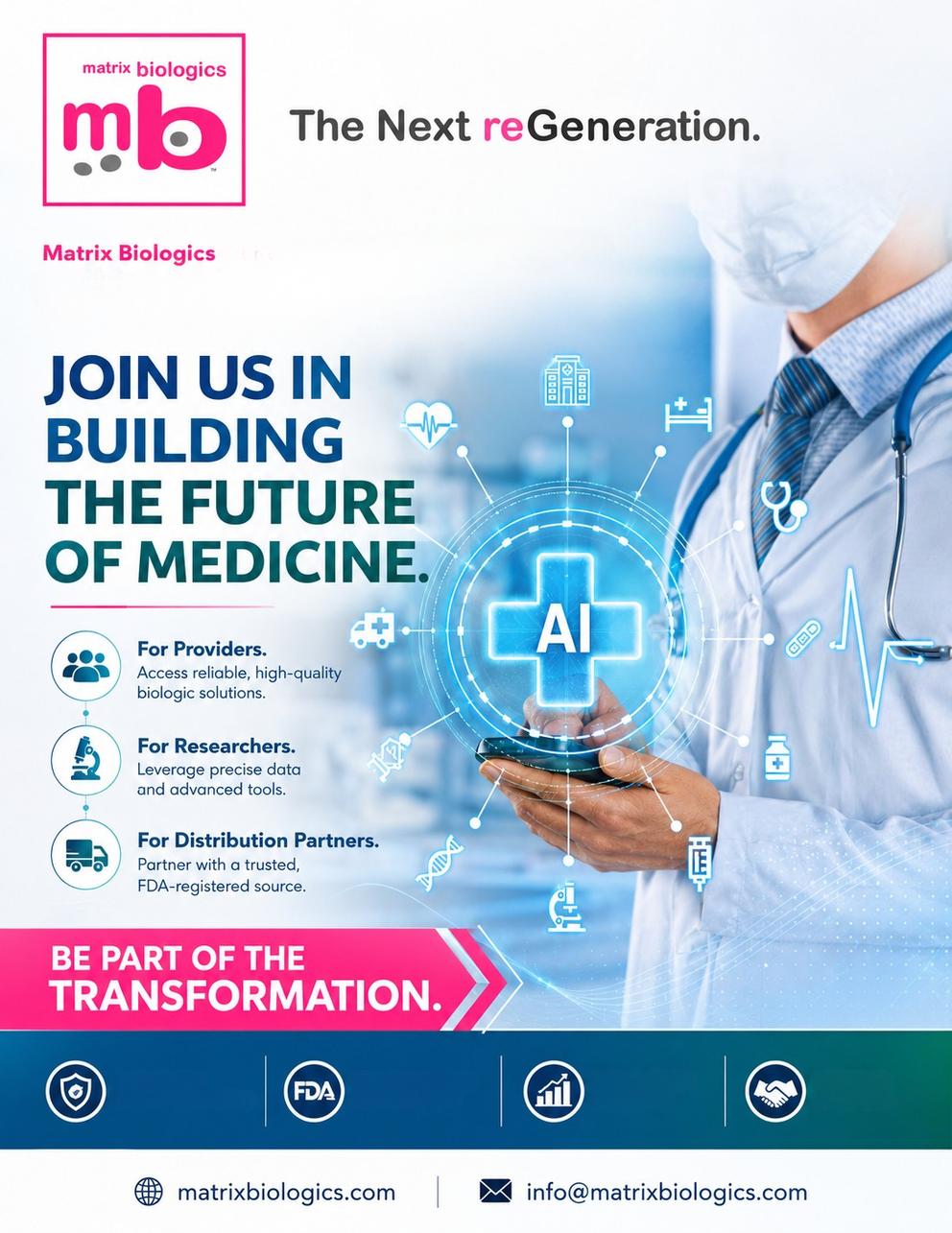
To learn more about Matrix Biologics and their mission to improve patient outcomes while advancing the future of regenerative medicine, visit MatrixBiologics.com.

“Every healthcare provider wants the same thing—to help more patients heal and improve their quality of life. Our role at Matrix Biologics is to equip providers with the trusted solutions, education, and support they need to deliver exceptional care with confidence.”
— Dr. Lauren Beardsley, NMD, Chief Medical Officer




















By Riley George
As the leaves turn or the first buds of spring emerge, most of us attribute our shifting moods to the simple beauty or gloom of the scenery. However, beneath the surface, our bodies are undergoing a complex chemical recalibration that rivals the complexity of the changing landscape. Transitions between seasons, particularly the shifts in light exposure and temperature, act as a biological reset button for our endocrine system.
This internal machinery governs everything from the clarity of our morning thoughts to the depth of our midnight slumber. Understanding these transitions is the first step toward maintaining steady energy and a resilient mood year-round, moving beyond the idea that we are merely "weather-sensitive."
The most significant driver of hormonal change during seasonal transitions is the photoperiod, or the duration of daylight. Our circadian rhythm, the internal clock that dictates our sleep-wake cycle, relies on light signals to regulate the production of melatonin and cortisol. During the transition into winter, the shortened days can cause the pineal gland to begin producing melatonin earlier in the evening and continue later into the morning. This often results in what researchers call winter hypersomnia, in which the body feels a persistent, heavy grogginess despite a full night's sleep.
In contrast, the surge of light during the summer transition can suppress melatonin production to a degree that interferes with restorative rest. According to research summarized by the Sleep Foundation, these disruptions are a primary trigger



for Seasonal Affective Disorder (SAD).¹ The body struggles to sync its internal clock with the external environment, leading to a state of "social jetlag" where our biological timing is permanently at odds with the sun.
Though commonly labeled a vitamin, vitamin D functions more like a pro-hormone with receptors located throughout the brain and body. It is a critical component in the synthesis of serotonin, the neurotransmitter responsible for mood stability and feelings of well-being. As we transition into autumn and winter, the angle of the sun changes, and UV exposure drops significantly, particularly in northern latitudes.
A summary of studies from the Mayo Clinic indicates that lower vitamin D levels can lead to a significant dip in serotonin.² This chemical drought often manifests as irritability, intense carbohydrate cravings, and a lack of motivation. When you feel your mood plummeting in October, it is often a lag in your body’s ability to convert sunlight rather than a personal failing or a lack of willpower.
Our thyroid gland is essentially the body's thermostat, responsible for regulating metabolic rate and heat production. As seasons shift toward colder temperatures, the thyroid must increase its production of T3 and T4 to stimulate thermogenesis.
This metabolic ramp-up requires more fuel and micronutrients, which explains why many people experience a natural uptick in appetite during the transition to winter. According to Endocrine Web, supporting the thyroid through these shifts requires a delicate balance of iodine, selenium, and iron.³ If the thyroid cannot meet the increased demand for heat production, the result is often profound cold intolerance, brittle hair, and a sense of "brain fog" that persists regardless of caffeine intake.
To support hormonal health during these shifts, one must adopt a proactive approach to light management and nutrition. Within the first 30 minutes of waking, seeking out natural light is essential because it triggers an early cortisol spike. This "wake-up" hormone simultaneously sets the timer for melatonin production fourteen hours later.
As evening light lingers in the summer months, using amber-tinted glasses or dimming indoor lights can signal to the brain that the day is ending. Nutritional support also plays a role; shifting toward complex carbohydrates like oats and sweet potatoes can help transport tryptophan to the brain, aiding serotonin production. Furthermore, magnesium serves as a vital tool for regulating the nervous system during hectic seasonal changes, as noted by Healthline, which cites its ability to improve sleep quality by regulating neurotransmitters and calming the adrenal glands.⁴

Ultimately, our hormones are not static measurements but a rhythmic response to the world around us. By acknowledging that your energy levels and sleep patterns are tied to the earth’s cycles, you can move away from fighting your biology and toward supporting it.
Whether it is adjusting your bedroom temperature to facilitate the core cooling necessary for deep sleep or increasing your intake of healthy fats to support hormone synthesis in the winter, small shifts can mitigate the stress of seasonal transitions. Our bodies are designed to adapt, but in a world of artificial light and climate control, we must be intentional about providing the signals our endocrine system needs to stay in balance.
To make these hormonal transitions more manageable, here is a breakdown of the essential facts and actionable steps you can take:
• Prioritize Morning Sunlight: Aim for 10–30 minutes of natural light shortly after waking to anchor your circadian rhythm and trigger essential cortisol release.
• Monitor Vitamin D Levels: Since vitamin D acts as a precursor to serotonin, consider testing your levels during the autumn transition and supplementing if necessary to prevent the "serotonin dip."
• Adjust Nutritional Fuel: Support your thyroid’s increased winter workload by consuming foods rich in selenium (such as Brazil nuts) and iodine (such as seaweed or iodized salt).
• Manage Evening Blue Light: Use blue-light-blocking technology or dim your environment two hours before bed to protect melatonin production, especially during long summer days.
• Cool Your Sleep Environment: Recognize that your body must drop its core temperature to sleep; use fans or specialized bedding to counteract summer heat that might spike cortisol at night.
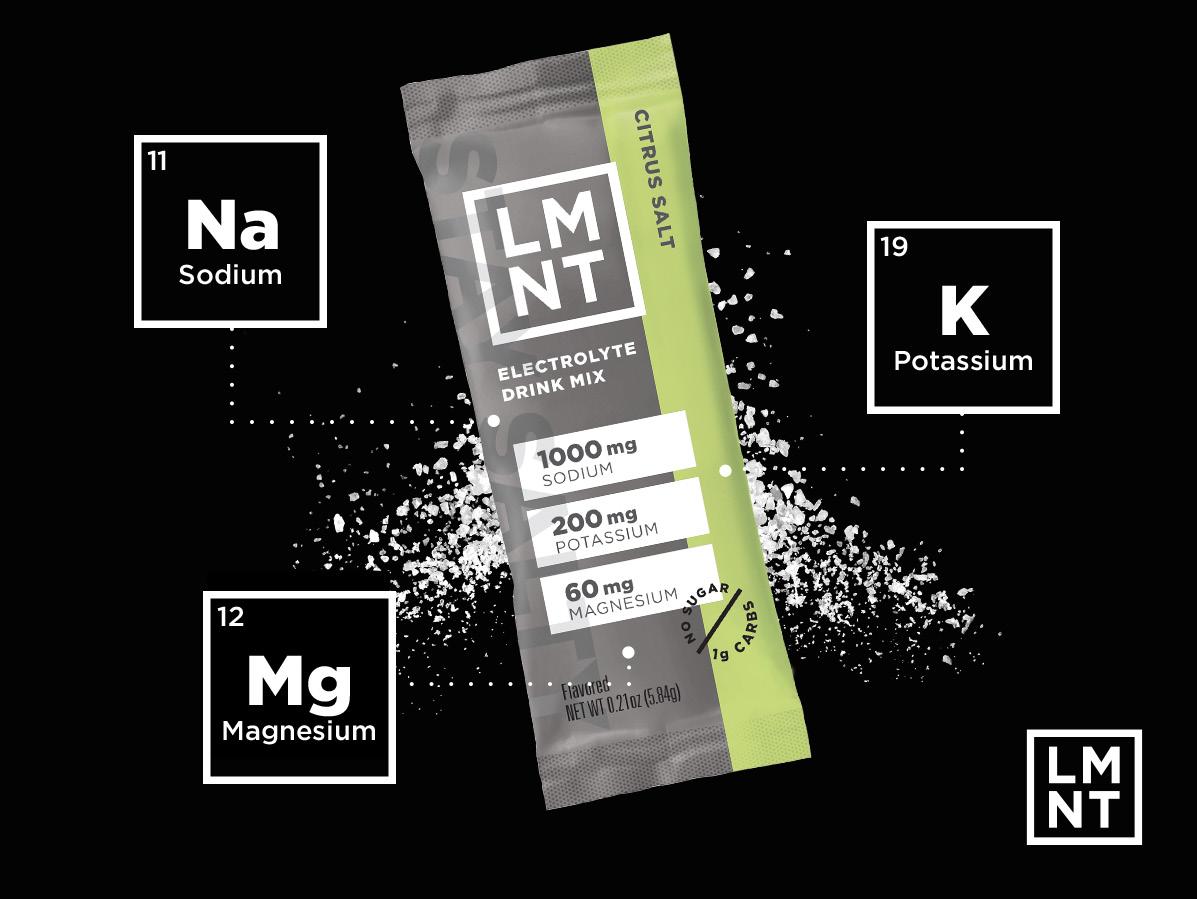
• Lean into Magnesium: Incorporate magnesium-rich foods like leafy greens and seeds, or consider a supplement to help stabilize the nervous system during high-stress seasonal shifts.
As the world outside transforms, it is only natural that we feel a corresponding shift within ourselves. We are not meant to operate at the exact same frequency in the depths of January as we do in the peak of July. By viewing our energy, sleep, and mood through the lens of hormonal biology, we can replace frustration with a sense of informed adaptation.
Whether it is by seeking out that vital morning light to anchor our circadian



rhythm or adjusting our nutrition to support a hardworking thyroid, these small, intentional acts of self-care bridge the gap between our modern lifestyles and our ancestral biology. Ultimately, seasonal transitions are an invitation to tune in and listen to what our bodies need most. When we honor these natural cycles rather than fighting them, we don't just survive the changing seasons; we learn to thrive alongside them.
1. For more expert-backed training tips and everyday wellness strategies, follow @up_lift_gym and @ ash_leigh_quint on Instagram.
You can find more from Evelyn through her website or social media channels:
1. Website: EvelynFlaharty.com
2. YouTube: Evelyn Flaharty
3. YouTube: Workouts With Evelyn Flaharty
4. Instagram: ffmusclesandcurves
5. TikTok: @evelynifbbpro
6. Facebook: Evelyn Flaharty
1. To join the movement of changing lives and changing outcomes, visit Matrix Biologics - FDA-Approved Distribution | Built for Providers.
1. Murtagh, Elaine M, Marie H Murphy, and Janne Boone-Heinonen. “Walking: The First Steps in Cardiovascular Disease Prevention.” Current Opinion in Cardiology 22, no. 5 (September 25, 2010): 490–96. https://doi.org/10.1097/hco.0b013e32833ce972.
2. Ibid.
3. White, Daniel K., Catrine Tudor-Locke, Yuqing Zhang, Roger Fielding, Michael LaValley, David T. Felson, K. Douglas Gross, et al. “Daily Walking and the Risk of Incident Functional Limitation in Knee OA: An Observational Study.” Arthritis Care & Research 66, no. 9 (September 1, 2014): 1328–36. https://doi.org/10.1002/acr.22362.
4. Chertoff, Jane. “What Muscles Does Walking Work? We Asked Certified Trainers.” Byrdie, September 10, 2021. https://www.byrdie.com/what-muscles-does-walking-work-5101488.
5. Le, Dr. Anna. “The Benefits of Walking during Pregnancy.” Annandale OB-GYN. Accessed October 22, 2024. https://www.annandaleobgyn.com/news/the-benefits-of-walking-during-pregnancy/.
6. Krall, Elizabeth A., and Bess Dawson-Hughes. “Walking Is Related to Bone Density and Rates of Bone Loss.” The American Journal of Medicine 96, no. 1 (January 1994): 20–26. https://doi. org/10.1016/0002-9343(94)90111-2.
7. Ibid.
8. Barbara J. Campbell. “Exercise and Bone Health.” OrthoInfo, July 2020. https://orthoinfo.aaos.org/ en/staying-healthy/exercise-and-bone-health/.
9. NIEMAN, DAVID C., DRU A. HENSON, MELANIE D. AUSTIN, and VICTOR A. BROWN. “Immune Response to a 30-Minute Walk.” Medicine & Science in Sports & Exercise 37, no. 1 (January 2005): 57–62. https://doi.org/10.1249/01.mss.0000149808.38194.21.
10. Hijikata, Yasuyo, and Seika Yamada. “Walking Just after a Meal Seems to Be More Effective for Weight Loss than Waiting for One Hour to Walk after a Meal.” International Journal of General Medicine, June 9, 2011, 447. https://doi.org/10.2147/ijgm.s18837.
11. Physiopedia. “Synovium & Synovial Fluid.” Physiopedia, 2021. https://www.physio-pedia.com/Synovium_%26_Synovial_Fluid.
1. Rd, Kerri-Ann Jennings Ms. “Does Magnesium Help You Sleep Better?” Healthline, April 30, 2017. https://www.healthline.com/nutrition/magnesium-and-sleep.
2. Sargis, Robert. “How Your Thyroid Works.” HealthCentral, October 21, 2019. https://www.healthcentral.com/condition/thyroid/how-your-thyroid-works?legacy=ew.
3. Mayo Clinic. “Seasonal Affective Disorder (SAD) - Symptoms & Causes - Mayo Clinic,” December 14, 2021. https://www.mayoclinic.org/diseases-conditions/seasonal-affective-disorder/symptoms-causes/syc-20364651.
4. Summer, Jay Vera. “Seasonal Affective Disorder: Sleep Tips to Beat the Winter Blues.” Sleep Foundation, July 23, 2025. https://www.sleepfoundation.org/circadian-rhythm/seasonal-affective-disorder.

Wild caught by hand. Delivered to your Wild caught by hand. Delivered to your door. Ready to steal the show. door. Ready to steal the show.
When it comes to dinner, subtlety has its place. When it comes to dinner, subtlety has its place.
This is not that place. This is not that place.
This is the kind of lobster tail that earns silence at the This is the kind of lobster tail that earns silence at the table—followed by applause. table followed by applause.
Caught by hand off the coast of the Nor th Atlantic.
Caught by hand off the coast of the Nor th Atlantic. Flash-frozen the day it's landed. Flash-frozen the day it's landed. We don’t


“L arge Study Links Gum Disease With Dementia”

“Periodontal disease may increase the risk of diabetes& heart disease”

“More
Evidence of Link Between Severe Gum Disease and Cancer Risk”


Clinically Proven to Reduce Biofilm 112x Better Than Brushing Alone
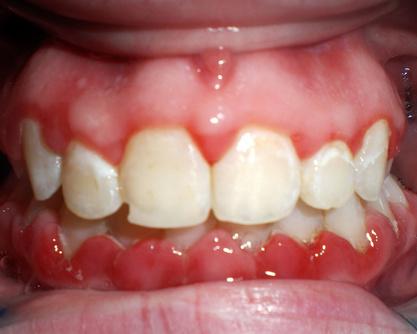
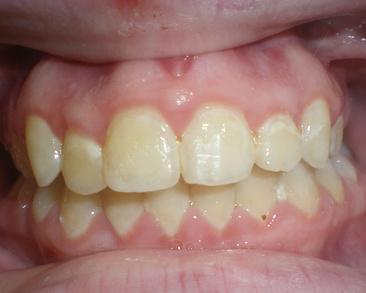
Inflammation in the mouth can affect the rest of the body Heart disease, Alzheimer's, pancreatic cancer and many more diseases are linked to gum disease To fight gum disease, you must fight biofilm (dental plaque) and with up to 70% of adults having some form of gum disease, brushing and flossing are not enough OraCare has been clinically proven to remove biofilm 112x better than brushing alone.