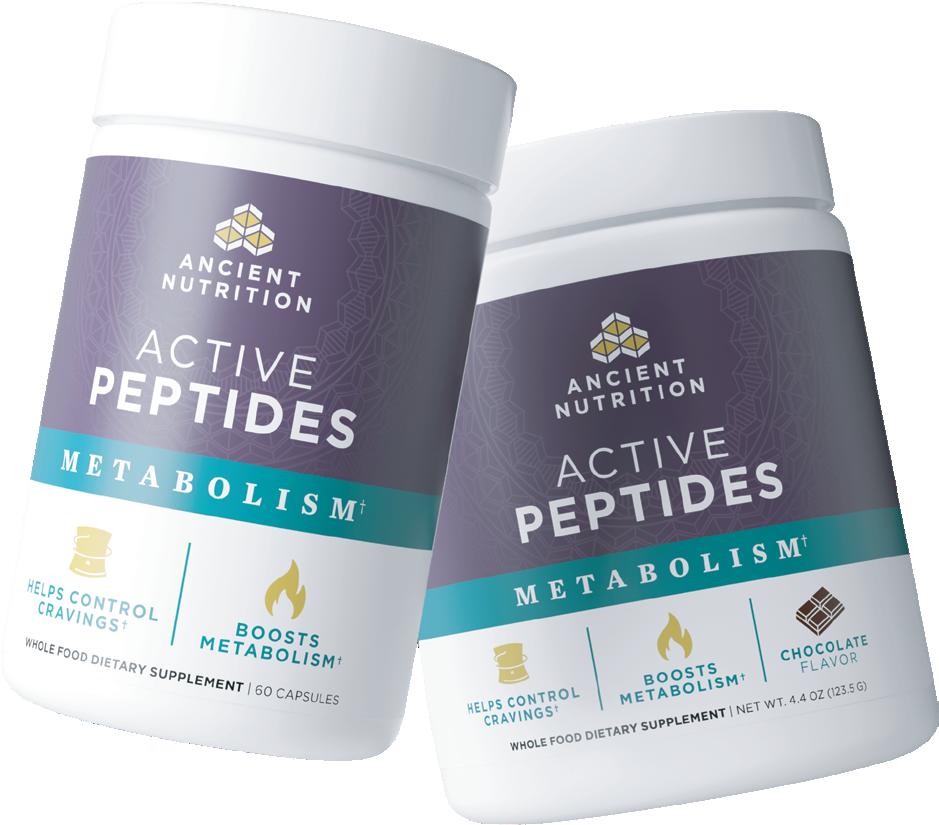
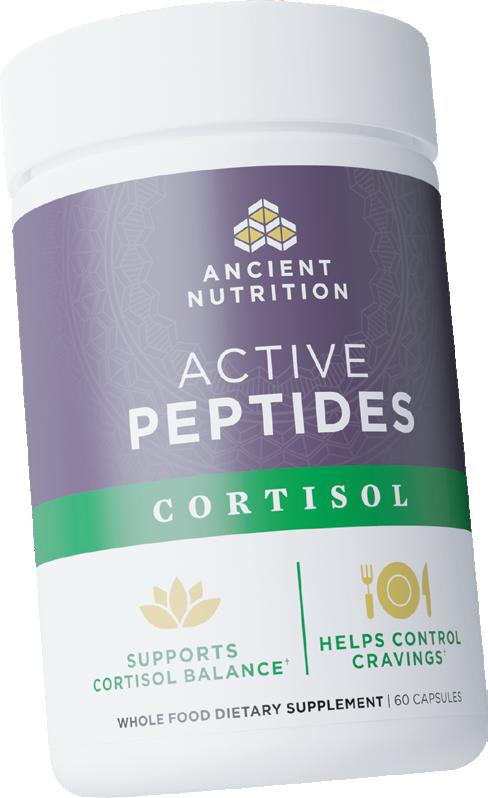
THE JOURNEY OF JORDAN RUBIN



THE JOURNEY OF JORDAN RUBIN
"At Ancient Nutrition, we have a clear goal: inspire people to take charge of their health with history's most powerful ingredients. We unite time-tested methods with cutting-edge research to create effective formulas that deliver real results for your health - and the health of the planet."

Our mission and purpose at TopDoctor Magazine is to foster connections within the health and wellness community and empower our readers to make well-informed healthcare and lifestyle decisions. We pride ourselves on being the ultimate resource for interviews with health and wellness leaders, trending medical news, and healthy living topics.
We understand that choosing a healthcare provider is a crucial decision. Our in-depth interviews with esteemed doctors and medical professionals aim to bridge the gap between them and their clients. By providing our readers with personal insights, philosophies, and areas of expertise, we facilitate a deeper understanding of the individualsresponsible for your health and well-being. We also strive to highlight our outstanding practitioners, showcasing their dedication to their patients and contributions to the medical community.
The field of medicine is constantly evolving, with new practices, therapies, and technologies emerging at a rapid pace. At TopDoctor Magazine, we strive to keep you updated on the latest advancements in the medical world. Our comprehensive coverage of trending medical news equips both doctors and patients with the knowledge they need to make informed choices about healthcare options.
Building strong connections within the medical community is essential for enhancing patient care and driving medical progress. Our magazine serves as a bridge, connecting medical companies with doctors and vice versa. By facilitating these connections, we aim to catalyze collaborations that can lead to innovative solutions and improved healthcare outcomes for everyone.
It is our firm belief that well-informed individuals make better decisions about their health. By providing you with insights into established and emerging medical trends and technologies, we empower you to take an active role in your healthcare choices.
Whether you are a healthcare professional seeking to stay updated on the latest advancements or a patient eager to make informed decisions about your well-being, TopDoctor Magazine is here to support you.
In every issue, we strive to uphold the highest standards of journalistic integrity, accuracy, and relevance. Our dedicated team of writers, editors, and medical experts work tirelessly to bring you well-researched and compelling content that is both educational and engaging. Moreover, our graphic design team is committed to delivering an aesthetically pleasing reading experience where captivating design seamlessly merges with informative content, ensuring each issue becomes an engaging journey of discovery.
As we embark on this mission to serve as your trusted source of medical information and insights, we encourage you to join us on this exciting journey. Your feedback and suggestions are invaluable to us, and we look forward to hearing from you.
Thank you for being a part of the TopDoctor Magazine community. Together, let us embrace knowledge, forge connections, and make informed decisions to lead healthier lives.
With warmest regards,
Hannah H. Editor in Chief TopDoctor Magazine

Publisher: John Highland
Editor in Chief: Hannah H.
Editorial Assistant: Jillian Fast
Senior Graphic Designer: Laura Poyner
Graphic Dessigner: Dylan R-N
Biohacking & Longevity Expert: Lindsey O'NiellO'Keefe
Contributing Authors: Luke Argue, Riley George, Ashleigh Quint
Chief Digital Content Officer: David Lee
Vice President of Development: Mark Carvalho
Fractional Marketing Officer: Craig Handley
Advisory Board: Dr. Arthur Katona, Dr. Francisco
8
22 32 38 46
Collagen for Healthy Younger Looking Skin
The Biological Seesaw: Navigating Hormonal Harmony Through Seasonal Shifts
Healing the World with Ancient Wisdom: The Journey of Jordan
Rubin
The Herbal Medicine Cabinet
Building Muscle Over 60


By Evelyn Flaharty
Have you ever noticed that some women’s skin looks so radiant and youthful? Is this due to genetics? It could be, but not everyone is blessed with great genes. What other factors play a role in maintaining healthy, youthful skin as we age? Several key factors include diet, lifestyle, skin care regimen, and collagen.
Genetics: Some individuals naturally produce and maintain collagen better than others.
Healthy Diet: Eating collagen-rich foods, antioxidants, and healthy fats supports skin elasticity and hydration.
Consistent Skin Routine: Regular use of moisturizers, serums, sunscreens, and anti-aging ingredients like retinol and vitamin C helps protect and repair skin.
Hydration: Drinking plenty of water keeps skin plump and radiant.
Sun Protection: Avoiding excessive sun exposure and using sunscreen prevents premature aging and collagen breakdown.
Avoiding Harmful Habits: Not smoking and limiting sugar intake help preserve collagen and prevent skin damage.
Collagen Supplementation: Some women take collagen supplements to support skin health and reduce wrinkles.
Collagen is the most abundant protein in the human body, playing a crucial role in maintaining the structural integrity of various tissues, including skin, bones, muscles, tendons, and ligaments. It acts as a scaffold, providing strength and elasticity to the body’s connective tissues. This natural protein type makes up more than 80% of the skin on our bodies. It is a compound made up of long chains of amino acids, just like all other proteins. The best way to understand collagen is to picture a Jell-O salad.
Gelatin, the main ingredient in Jell-O, forms from cooking and drying collagen. You can imagine that it plays a similar role in our bodies as Jell-O, primarily providing our skin with plumpness and shine. Collagen consumption can increase skin elasticity and help your body’s skin repair process, encouraging your body to form new collagen.
The body naturally produces collagen by breaking down dietary proteins into amino acids, which are then used to synthesize new collagen fibers. This process relies on key nutrients such as vitamin C, proline, glycine, and copper. Unfortunately, collagen declines with age, leading to visible signs of aging, such as wrinkles, sagging skin, and joint discomfort.
How do we leverage these health benefits? It's all about recognizing what lifestyle choices benefit you versus damaging you. Things like age, too much sun, being overweight, and drugs or alcohol suppress some natural production of collagen in your body. On the other hand, eating a healthy, balanced diet, staying hydrated, and decreasing stress will only increase collagen production.
When it comes to the benefits of collagen, most people immediately think of skin, hair, and nails, but the benefits cover so much more, including:
Skin Health: Enhances elasticity, hydration, and overall appearance by reducing wrinkles and dryness, promoting a youthful complexion.
Joint Support: Reduces joint pain and stiffness by improving cartilage integrity, potentially benefiting individuals with osteoarthritis or joint degeneration.
Bone Strength: Helps maintain bone density and reduces the risk of osteoporosis, supporting overall skeletal health.

Muscle Mass: Supports muscle growth and recovery, particularly when combined with strength training, making it beneficial for aging adults and athletes.
Gut Health: Aids in gut lining repair, potentially benefiting conditions like leaky gut syndrome and improving digestive health.
Hair and Nail Health: Promotes stronger hair growth and reduces nail brittleness, contributing to overall aesthetic wellness.
Heart Health: Some research suggests collagen may help support arterial structure and flexibility, reducing the risk of heart-related conditions.
FACTORS THAT DECREASE COLLAGEN LEVELS
Unfortunately, when it comes to aging, there’s nothing we can do to combat that. That’s why having a handle on what we can control is so important. Several lifestyle and environmental factors can accelerate collagen breakdown in our bodies. Factors that decrease our collagen levels include:
Aging: As we age, collagen production has a natural decline.
Excessive Sun Exposure: Harmful UV rays damage collagen fibers.
Smoking: Reduces collagen synthesis and leads to premature aging.
High Sugar Intake: Excess sugar can cause glycation, which weakens collagen fibers.
WHAT ARE THE SOURCES OF COLLAGEN?
Collagen can be obtained from both natural dietary sources and supplements. Consuming a diet rich in collagen components is a must, but how you go about that is up to you. The easiest way to boost your collagen naturally is to eat foods high in vitamin C and antioxidants like brightly colored fruits and vegetables. Let’s take a closer look at these sources.
Animal-Based Sources: Bone broth, chicken skin, fish skin, beef, pork, and connective tissues.
A word of caution regarding chicken skin: most of the fat in the chicken skin is unsaturated fat, which can be beneficial for heart health WHEN consumed in moderation. However, it also contains saturated fat, which, in excess, may contribute to higher cholesterol levels and an increased risk of heart disease.
As a bodybuilder, I eat chicken almost daily without the skin. I also have issues with high cholesterol as a result of my thyroid cancer. My recommendation
is to weigh the pros and cons. You certainly don’t want to address one issue (increase your collagen levels) at the expense of creating a different problem (high cholesterol).
Eggs: Egg whites, especially, contain proline, a key amino acid for collagen synthesis.
Dairy Products: While not direct collagen sources, they provide proteins and nutrients that support collagen production.
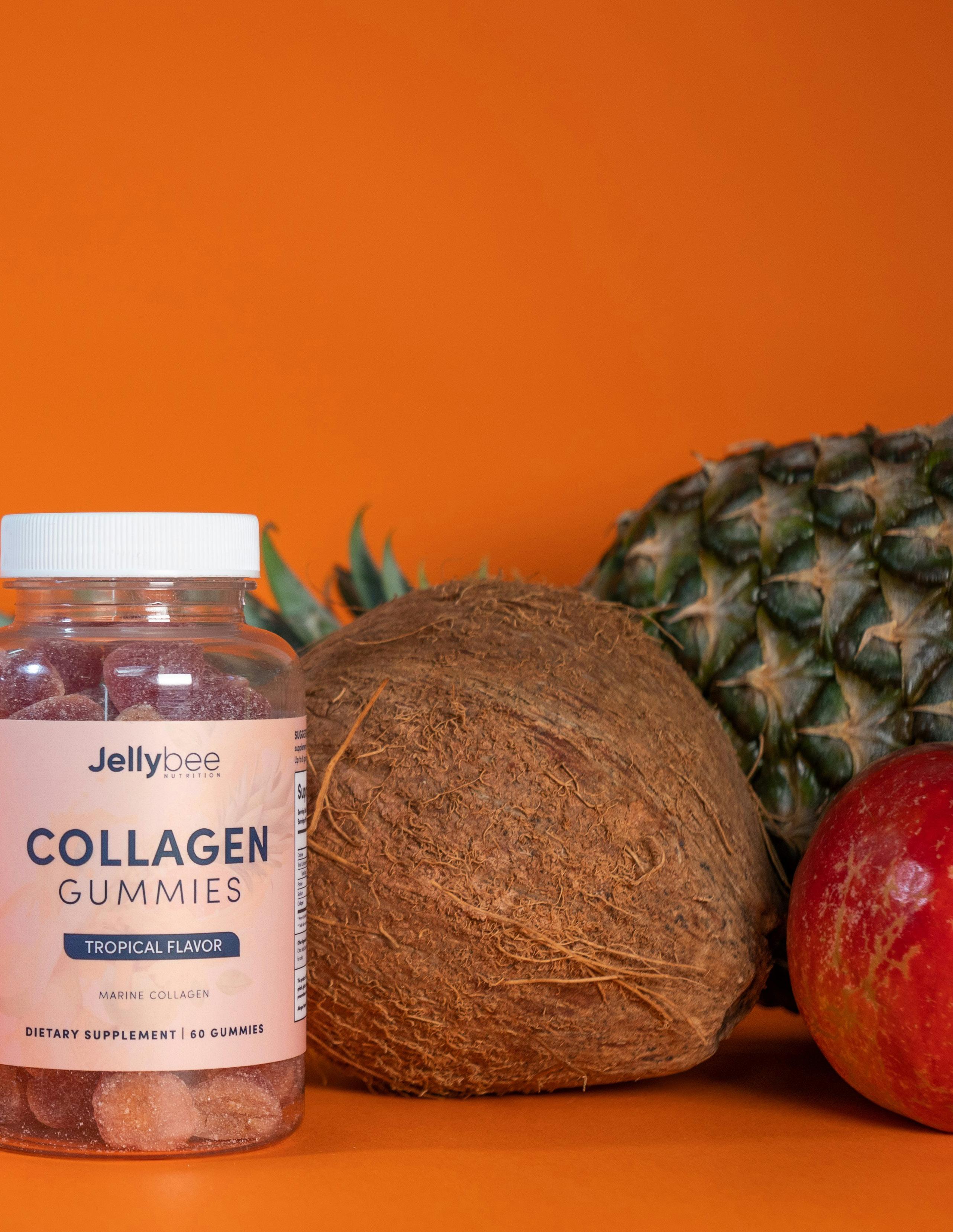
Supplemental collagen is always an option. Collagen drinks and powders have been shown to have antioxidant properties, and antioxidants protect skin by limiting the production of free radicals, which can damage skin cells. It’s what gives essential power to tissues and organs, with the elastin supplying the stretching capabilities.
Powdered collagen supplements can be easily added to smoothies and soups to give you that extra collagen boost. Every morning without fail, I add a scoop of collagen to my BCAAs. It’s that simple and doesn’t change the drink's flavor when you add the collagen supplement. Organic and grass-fed animals are recommended when searching for collagen supplements. Another option is collagen in capsule form. The body easily absorbs both options.
HOW TO BOOST COLLAGEN PRODUCTION
We previously stated that our collagen levels decline as we age. You may see signs of aging or want to stay ahead of the decrease by boosting your collagen intake. To maintain healthy collagen levels, consider these strategies:
Consume Collagen-Rich Foods: Include bone broth, fish, and eggs in your diet. Salmon is an excellent source of collagen. Eating salmon with the skin intact can help

boost collagen intake. Additionally, salmon contains omega-3 fatty acids, which support skin hydration and elasticity.
Take Collagen Supplements: Hydrolyzed collagen is an effective way to boost your levels. Hydrolyzed collagen, also known as collagen peptides, is a form of collagen that has been broken down into smaller amino acid chains through a process called hydrolysis. This makes it easier for our body to absorb and use compared to regular collagen. Personally, I take a hydrolyzed collagen peptide. It’s important to note that non-hydrolyzed collagen supplements are less common and are primarily targeted toward joint health rather than skin or hair benefits.
Take Collagen Supplements: Hydrolyzed collagen is an effective way to boost your levels.
Increase Vitamin C Intake: Found in citrus fruits, bell peppers, and leafy greens, vitamin C is essential for collagen synthesis. You can also take a vitamin C supplement.
Stay Hydrated: Water helps maintain skin elasticity and can reduce dryness and wrinkles. I drink a gallon of water, but am also highly active with strength training and daily cardio. You may not need to drink a gallon. Listen to your body and drink when you’re thirsty. Remember, drinking water has many benefits.
Protect Your Skin: Use sunscreen to prevent UV-induced collagen breakdown. This is an important step that is often
overlooked. Why go through all the steps to boost your collagen levels if you don’t protect your skin from the sun's harmful rays?
EFFECTIVENESS OF COLLAGEN SUPPLEMENTS
Higher Absorption Rate: Hydrolyzed collagen (also known as collagen peptide) is broken down into smaller amino acids, making it easier for the body to absorb and utilize.
Presence of Vitamin C: Collagen synthesis requires vitamin C, so pairing supplements with vitamin C-rich foods enhances the effectiveness.
Convenience: Supplements provide a concentrated source of collagen without the need for food preparation. Most studies show benefits after 8-12 weeks of regular use.
Specific Benefits: Some supplements are fortified with additional nutrients like vitamin C, hyaluronic acid, and zinc, enhancing collagen synthesis.
Scientific Support: Studies suggest collagen supplements improve skin elasticity, hydration, joint health, and muscle recovery.
EFFECTIVENESS OF NATURAL SOURCES
Whole Nutrients: Foods rich in collagen, such as bone broth, fish, and egg whites, provide additional nutrients that support overall health.
Slower Absorption: Natural collagen requires digestion and breakdown before the body can use it for collagen synthesis.
More Comprehensive Benefits: Consuming a collagen-rich diet often includes other essential vitamins, minerals, and proteins that promote overall well-being.
Collagen supplementation and natural sources both contribute to collagen production, but they differ in effectiveness based on absorption, bioavailability, and overall health benefits. Therefore, when it comes to collagen sources, it’s not a question of one or the other; instead, you should be looking for a combination of both sources.
• For faster results, collagen supplements are more effective due to higher bioavailability.
• For long-term health, a balanced diet with natural collagen sources supports overall well-being and provides a broader range of nutrients.
Collagen supplements are generally safe for most people and can provide significant health benefits. However, they may not be necessary for everyone.
Recommended for:
• Individuals experiencing joint pain and reduced mobility.
• Those looking to improve skin health and elasticity.
• Athletes and individuals engaging in tense physical activity.
• People recovering from injuries or surgeries involving connective tissues.
Not Recommended for:
• Individuals with allergies to collagen sources (e.g., fish, eggs, or beef)
• Those with dietary restrictions that prohibit animalderived products.
• People with specific medical conditions should consult a healthcare provider before supplementation is advised.
Collagen is an essential protein that supports the body’s structure and overall health. While natural production declines with age, maintaining a healthy diet, using supplements, and adopting a collagen-friendly lifestyle can help preserve and boost collagen levels, promoting youthful skin, strong joints, and overall vitality.
Collagen is generally safe and beneficial for most people, but it may not be necessary or recommended for everyone. Individuals with specific dietary restrictions, allergies (such as fish or egg allergies), or medical conditions should consult a healthcare provider before taking collagen supplements. Additionally, while collagen supports skin, joint, and bone health, those with balanced diets rich in protein and collagenboosting nutrients may not need additional supplementation.


“Where medical expertise meets real human stories.”
TopDoctor Magazine is expanding to television! Introducing TopDoctor Channel, a 24/7 streaming, cable, and broadcast platform dedicated exclusively to healthcare. This visionary channel connects doctors and patients in a whole new way – faceto-face through inspiring medical documentaries and interviews. Backed by the acclaimed TopDoctor Magazine brand, TopDoctor Channel launches with immediate recognition and credibility in the medical community. Our mission is to bridge the gap between healthcare experts and the public, turning complex science into conversations built on trust and empathy.
• Global Reach & Diverse Audience: Share your story with everyone in the healthcare community and beyond. TopDoctor Channel delivers unparalleled insights to both medical professionals and the public alike. Whether it’s physicians, hospital executives, or engaged patients, our audience spans across the spectrum. As a multi-platform network (streaming on Amazon Fire TV, Roku, Apple TV, Android TV, mobile, and more), your innovations gain worldwide visibility.
• Immediate Credibility & Scientific Storytelling: Align yourself with a platform that champions medical innovation with integrity. As an official partner of TopDoctor Magazine, we start with a legacy of excellence – ensuring your work is presented with authority and trust. Our content is evidence-based and expertly crafted to celebrate true breakthroughs in medicine. You’ve worked hard on your research and products; we’ll spotlight them in a professional, highly scientific narrative that resonates with peers and instills confidence in the public.
• Cross-Promotional Power: Enjoy the benefits of our unique magazine–TV synergy. TopDoctor Channel works hand-in-hand with TopDoctor Magazine, creating a powerful cross-promotional platform for your innovations. An appearance on our channel can be featured in print and digital articles, social media, and more – amplifying your reach across multiple media. It’s a one-of-a-kind opportunity to boost your profile through multiple trusted channels.
If you’re a doctor, researcher, or healthcare company with something new, we want to feature it. On TopDoctor Channel, you can present:
• Breakthrough Treatments & Medications: Share new therapies, novel procedures, or groundbreaking medications that are poised to improve patient care. Demonstrate the efficacy of your latest clinical trial or the success of an innovative treatment protocol.
• Advanced Medical Technologies: Demonstrate cutting-edge medical devices, diagnostics, AI health tech, or biotech solutions. We highlight transformative breakthroughs in medical devices and technology – and the visionary individuals and companies behind them. If you’ve developed a game-changing device or app, let us help you show how it works and why it matters.
• State-of-the-Art Facilities & Services: Take viewers on a tour of your new hospital wing, research center, or specialized clinic. TopDoctor Channel can spotlight state-of-the-art healthcare facilities implementing futuristic techniques (imagine a field report from your operating room or lab). Showcase how your institution’s services and infrastructure are pushing the boundaries of patient care.
• Research Results & Clinical Outcomes: Present significant research findings or patient outcome data. Whether it’s a breakthrough clinical trial result or compelling public health study, our programs dive into the data and discuss its impact. By sharing your results, you’ll educate a global audience and potentially attract collaborators, investors, or patients interested in your work.
• Professional Achievements & Innovations: Highlight your personal achievements – from performing a landmark surgery to receiving a prestigious award. Appear in an expert interview segment to discuss your work and vision as a medical leader. This is your chance to cement your reputation as a pioneer in your field, inspiring colleagues and the next generation of healthcare professionals.
TopDoctor Channel is now booking interviews and feature segments for upcoming shows. Don’t miss the chance to be part of this groundbreaking platform that stands at the intersection of hope and truth, innovation and accountability. Join us in shaping the future of healthcare media – and let the world know about your cutting-edge contributions to medicine. Contact us today to schedule your feature. Visit our website at TopDoctorChannel. us for more information, or call our 24/7 team at 305-Topdoc (305-486-7362). Elevate your reach, educate the community, and let your medical innovations shine on TopDoctor Channel!

By Riley George
As the leaves turn or the first buds of spring emerge, most of us attribute our shifting moods to the simple beauty or gloom of the scenery. However, beneath the surface, our bodies are undergoing a complex chemical recalibration that rivals the complexity of the changing landscape. Transitions between seasons, particularly the shifts in light exposure and temperature, act as a biological reset button for our endocrine system.
This internal machinery governs everything from the clarity of our morning thoughts to the depth of our midnight slumber. Understanding these transitions is the first step toward maintaining steady energy and a resilient mood year-round, moving beyond the idea that we are merely "weather-sensitive."
The most significant driver of hormonal change during seasonal transitions is the photoperiod, or the duration of daylight. Our circadian rhythm, the internal clock that dictates our sleep-wake cycle, relies on light signals to regulate the production of melatonin and cortisol. During the transition into winter, the shortened days can cause the pineal gland to begin producing melatonin earlier in the evening and continue later into the morning. This often results in what researchers call winter hypersomnia, in which the body feels a persistent, heavy grogginess despite a full night's sleep.
In contrast, the surge of light during the summer transition can suppress melatonin production to a degree that interferes with restorative rest. According to research summarized by the Sleep Foundation, these disruptions are a primary trigger



for Seasonal Affective Disorder (SAD).¹ The body struggles to sync its internal clock with the external environment, leading to a state of "social jetlag" where our biological timing is permanently at odds with the sun.
Though commonly labeled a vitamin, vitamin D functions more like a pro-hormone with receptors located throughout the brain and body. It is a critical component in the synthesis of serotonin, the neurotransmitter responsible for mood stability and feelings of well-being. As we transition into autumn and winter, the angle of the sun changes, and UV exposure drops significantly, particularly in northern latitudes.
A summary of studies from the Mayo Clinic indicates that lower vitamin D levels can lead to a significant dip in serotonin.² This chemical drought often manifests as irritability, intense carbohydrate cravings, and a lack of motivation. When you feel your mood plummeting in October, it is often a lag in your body’s ability to convert sunlight rather than a personal failing or a lack of willpower.
Our thyroid gland is essentially the body's thermostat, responsible for regulating metabolic rate and heat production. As seasons shift toward colder temperatures, the thyroid must increase its production of T3 and T4 to stimulate thermogenesis.
This metabolic ramp-up requires more fuel and micronutrients, which explains why many people experience a natural uptick in appetite during the transition to winter. According to Endocrine Web, supporting the thyroid through these shifts requires a delicate balance of iodine, selenium, and iron.³ If the thyroid cannot meet the increased demand for heat production, the result is often profound cold intolerance, brittle hair, and a sense of "brain fog" that persists regardless of caffeine intake.
To support hormonal health during these shifts, one must adopt a proactive approach to light management and nutrition. Within the first 30 minutes of waking, seeking out natural light is essential because it triggers an early cortisol spike. This "wake-up" hormone simultaneously sets the timer for melatonin production fourteen hours later.
As evening light lingers in the summer months, using amber-tinted glasses or dimming indoor lights can signal to the brain that the day is ending. Nutritional support also plays a role; shifting toward complex carbohydrates like oats and sweet potatoes can help transport tryptophan to the brain, aiding serotonin production. Furthermore, magnesium serves as a vital tool for regulating the nervous system during hectic seasonal changes, as noted by Healthline, which cites its ability to improve sleep quality by regulating neurotransmitters and calming the adrenal glands.⁴

Ultimately, our hormones are not static measurements but a rhythmic response to the world around us. By acknowledging that your energy levels and sleep patterns are tied to the earth’s cycles, you can move away from fighting your biology and toward supporting it.
Whether it is adjusting your bedroom temperature to facilitate the core cooling necessary for deep sleep or increasing your intake of healthy fats to support hormone synthesis in the winter, small shifts can mitigate the stress of seasonal transitions. Our bodies are designed to adapt, but in a world of artificial light and climate control, we must be intentional about providing the signals our endocrine system needs to stay in balance.
To make these hormonal transitions more manageable, here is a breakdown of the essential facts and actionable steps you can take:
• Prioritize Morning Sunlight: Aim for 10–30 minutes of natural light shortly after waking to anchor your circadian rhythm and trigger essential cortisol release.
• Monitor Vitamin D Levels: Since vitamin D acts as a precursor to serotonin, consider testing your levels during the autumn transition and supplementing if necessary to prevent the "serotonin dip."
• Adjust Nutritional Fuel: Support your thyroid’s increased winter workload by consuming foods rich in selenium (such as Brazil nuts) and iodine (such as seaweed or iodized salt).
• Manage Evening Blue Light: Use blue-light-blocking technology or dim your environment two hours before bed to protect melatonin production, especially during long summer days.
• Cool Your Sleep Environment: Recognize that your body must drop its core temperature to sleep; use fans or specialized bedding to counteract summer heat that might spike cortisol at night.
• Lean into Magnesium: Incorporate magnesium-rich foods like leafy greens and seeds, or consider a supplement to help stabilize the nervous system during high-stress seasonal shifts.
As the world outside transforms, it is only natural that we feel a corresponding shift within ourselves. We are not meant to operate at the exact same frequency in the depths of January as we do in the peak of July. By viewing our energy, sleep, and mood through the lens of hormonal biology, we can replace frustration with a sense of informed adaptation.
Whether it is by seeking out that vital morning light to anchor our circadian



rhythm or adjusting our nutrition to support a hardworking thyroid, these small, intentional acts of self-care bridge the gap between our modern lifestyles and our ancestral biology. Ultimately, seasonal transitions are an invitation to tune in and listen to what our bodies need most. When we honor these natural cycles rather than fighting them, we don't just survive the changing seasons; we learn to thrive alongside them.
Written by Riley George
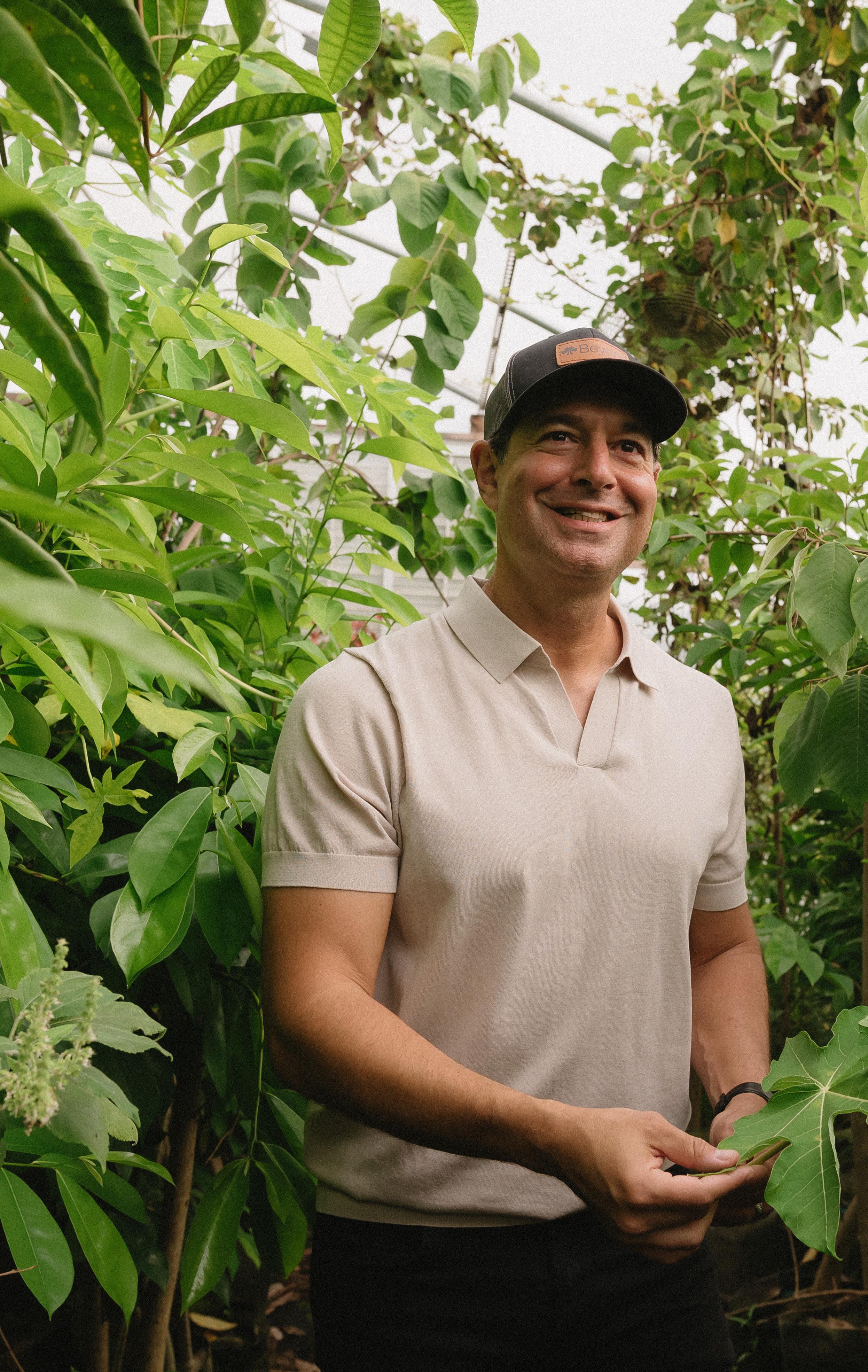
Jordan Rubin’s journey to becoming a leader in the natural health movement is one of cultivation, perseverance, and faith. Today, as the co-founder of Ancient Nutrition, Rubin is on a mission to bridge the gap between historical wellness practices and modern scientific rigor. In a recent interview, Rubin shared how his battle with a debilitating illness led to the creation of a supplement empire rooted in "real food" and regenerative principles.
Following his recovery, Rubin transformed his personal triumph into a professional mission, authoring the New York Times bestseller, The Maker's Diet, to chronicle the 40-day health experience that saved his life. His career has since been defined by a commitment to regenerative agriculture and the development of whole-food nutrition, leading him to acquire farmland and eventually co-found Ancient Nutrition in 2016.
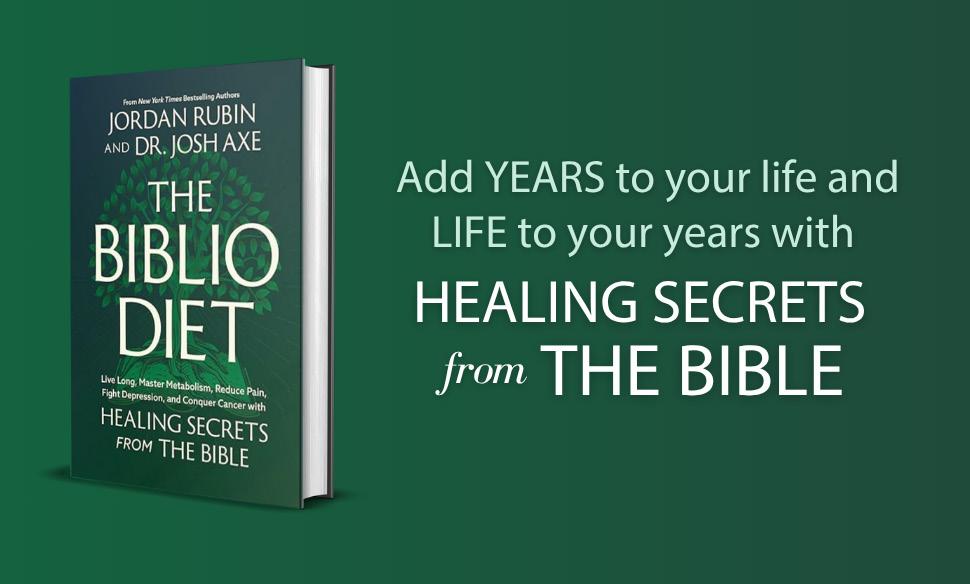
Even after facing and overcoming a subsequent diagnosis of metastatic cancer in 2008, Rubin has remained steadfast in his pursuit of health freedom, recently releasing The Biblio Diet to share healing secrets that integrate biblical wisdom with modern wellness strategies.
Raised in a household centered on natural health, Rubin was introduced early to the concepts of clean eating and holistic living. However, despite this healthy upbringing, he faced a catastrophic health decline as a teenager following a diagnosis of Crohn’s colitis. The condition was relentless, and Rubin sought answers from the most prestigious medical minds available at the time. After visiting 70 medical experts worldwide and finding no relief through conventional medications or emerging functional and integrative medicine, Rubin reached a breaking point. He described a period of profound physical suffering where he was plagued by chronic pain and a digestive system that had essentially shut down.
“I was down to 104 pounds and in a wheelchair at a height of 6’0”,” Rubin said. “I was literally wasting away.”
The turning point came when he encountered a mentor who suggested a lifestyle based on historical dietary principles – what Rubin described as a diet "proven through history and confirmed by science."
This approach focused on whole, unprocessed foods that aligned with his personal faith and biological needs, and moving away from the toxic chemicals and processed items that have become commonplace in the modern diet. Within 12 weeks of adopting this real-food regimen and incorporating specific supplements to help restore his microbiome, Rubin experienced a radical transformation that defied his previous prognosis.


"I literally felt like a different person," he recalled. "For the most part, I feel like I healed in just 40 days."
This recovery was more than a personal victory; it was the catalyst for a lifelong commitment to health advocacy and formulation. Having looked death in the face, Rubin committed his life to sharing a message of "health and hope" with the world, specifically targeting those suffering from serious, chronic conditions. He noted that the experience of combining a real-food diet with products that support gut health completely changed his course, leading him to start his first nutrition company at just 22 years old.
After founding Garden of Life at age 22 and becoming a regenerative farmer, Rubin launched Ancient Nutrition in 2016 alongside Dr. Josh Axe. The brand was built to address what Rubin identified as a deficiency in the modern food supply: depleted soil and highly processed ingredients.
“The real idea here is to bring ancient nutrition to the modern world,” Rubin said. “We want to provide what’s missing back into the diet and create products that are both scientifically validated and historically proven.”
Ancient Nutrition distinguishes itself through rigorous standards, including cGMP compliance and FDA-audited facilities. Rubin emphasized the importance of third-party verification to avoid "greenwashing," noting that the company developed the first-ever Regenerative Organic Certified® supplements.
Beyond the laboratory, Rubin’s commitment to health extends to the very earth that produces his ingredients, reflecting a philosophy where the quality of a supplement is inseparable from the soil in which it was grown.
Through Ancient Nutrition’s R.A.N.C.H. Project (which stands for Regenerative Agriculture, Nutrition, and Climate Health), Rubin is spearheading a movement to transform the supplement industry from a purely extractive model into a force for environmental restoration.
By managing thousands of acres of certified regenerative organic farmland in Tennessee and Missouri, he has shifted his role from a messenger of health to an active steward of the land. This transition into regenerative farming was born from a realization that even the most wellformulated supplements are limited by the nutrient density of their source materials.
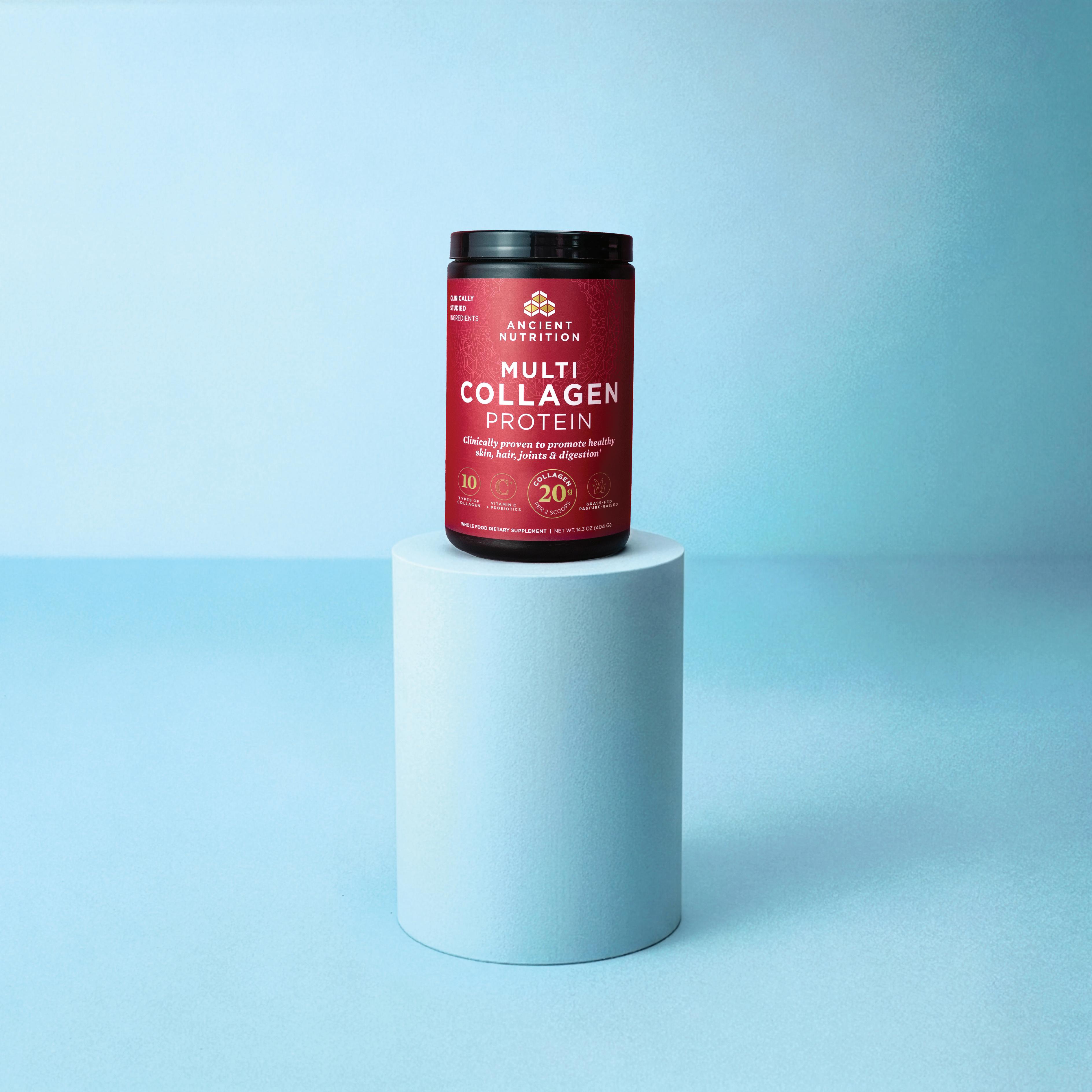
Rubin’s formulation philosophy focuses on the synergy of ingredients from across the animal, plant, fungal, and bacterial kingdoms. A key focus for the brand has been the development of Multi Collagen Protein and Bone Broth Protein, which offer different types of collagen.
“If the body has several types of collagen, why not introduce those?” Rubin asked.

He noted that while other formulations might use just one or two types, some of Ancient Nutrition’s formulas incorporate 10 types of collagen to support whole-body health, particularly the gut.
"You’re not what you eat, you’re what you digest," he added.
Looking ahead, Rubin sees a significant shift toward "source-verified" food and regenerative agriculture. He believes consumers will increasingly vote with their dollars for products that benefit both personal health and the planet. Despite the rise of ultra-processed foods and socioeconomic barriers to nutrition, Rubin remains optimistic about the movement toward high-protein diets and resistance training.
To those just beginning their health journey, Rubin suggests starting with fundamental, "free" behaviors before investing in expensive supplements or equipment.
“You can get sunshine, and it’s free. You can go to bed earlier and sleep longer. It’s free,” Rubin said. “Your health is not up to anyone else. It’s not up to your doctor. You have to take control of your health and make the decision that will impact you for a lifetime.”
With a new book, The Biblio Diet, and the continued expansion of Ancient Nutrition, Rubin continues to champion the integration of faith, nature, and science. His goal remains as ambitious as it was 30 years ago: to transform global health by returning to the foundations of nutrition.
“There is tremendous hope no matter what health condition you’re facing,” Rubin said. “It’s more than just you; it’s about others that count on you and care about you.”
This article was published in partnership with Ancient Nutrition. To learn more about Jordan Rubin and Ancient Nutrition, visit ancientnutrition.com.






WRITTEN BY: JILLIAN FAST
As flu season approaches, it is not unexpected that people are eagerly getting ready to prevent sickness and boost their immunity. However it's crucial to understand exactly what we're employing to "protect" our bodies. Over-the-counter cold and flu medications, many of which are neon syrups and pills packed with artificial dyes, chemical fillers, and sweeteners, cost billions of dollars each flu season. Red 40, Blue 1, artificial flavorings, synthetic sweeteners, and other chemicals are frequently used purely for taste and appearance rather than for medicinal reasons. Yet, when their immune systems are weakest, individuals turn to and trust in these products.
These common dyes and chemicals have been connected to sensitivity or inflammation in some people, which can put additional strain on the body while it is already attempting to heal. Instead of strengthening or fortifying your immune system, these products might worsen the situation by slowing the healing process and trapping you in a vicious loop of treating symptoms rather than promoting real healing.
A holistic approach provides a radically different worldview in this situation. Holistic wellness seeks to boost the immune system, lower systemic inflammation, and provide the body with the resources it needs to effectively and fully recover from illness rather than concentrating on muting symptoms.
Elderberry is an herb that should always be included in flu-season toolkits. Rich in antioxidants and flavonoids, elderberry has been widely studied for its ability to support immune response and help the body fight viral infections.
Unlike most drugstore syrups, quality elderberry syrups or capsules are designed to support the immune system’s actual fight against the virus. Many people take elderberry at the first sign of symptoms, and some use it preventatively during high-exposure periods like travel or peak winter months.
Oil of oregano is often referred to in herbal and integrative medicine as a “natural antibiotic”, not because it behaves exactly like pharmaceutical antibiotics, but because it contains powerful antimicrobial compounds, especially carvacrol and thymol. These compounds have been studied for their ability to inhibit certain bacteria, viruses, and fungi.
Unlike antibiotics that indiscriminately wipe out both good and bad gut bacteria, oil of oregano is typically used short-term to help the body control microbial overgrowth while the immune system does the deeper work of clearing the infection. It is commonly used at the first sign of a cold or flu, during sinus or throat infections, and during travel or high-exposure periods.

Due to its extreme concentration, oil of oregano should be used carefully and for short durations, preferably in enteric-coated capsules or properly diluted formulas.
Where many conventional medicines attempt to shut symptoms down, echinacea is traditionally used to activate immune response, especially in the early stages of illness. It is most effective when taken at the first hint of a sore throat, fatigue, or sniffles.

Rather than overriding the body’s signals, echinacea helps the immune system respond faster and more decisively, which may reduce both the severity and duration of illness.
It can be taken via tinctures, teas, or capsules (usually short-term at symptom onset).

One of the most time-tested ways to use garlic medicinally is garlic infused in raw honey. This simple remedy combines two powerful natural medicines:
Garlic provides antimicrobial and immune-stimulating compounds (especially allicin). Raw honey has natural antibacterial properties and acts as a soothing carrier for the throat while also helping preserve the garlic.
Together, they create a potent, but gentle, remedy that is often used at the first sign of a sore throat or cold, during flu season for daily immune support, and to calm coughs and throat irritation while still supporting immune activity
Unlike many commercial cough syrups, this combination contains no artificial dyes, flavors, or chemical suppressants and it doesn’t simply silence symptoms. It supports the body’s immune response while also soothing irritated tissues. A teaspoon of the infused honey (with or without a small piece of garlic) once or several times per day during illness or daily during high-risk periods is most effective.
Onion syrup is similar classic, folk remedy. It has been used for generations to calm coughs and support respiratory health, as onions are known to contain sulfur compounds and quercetin, both known for their antimicrobial and anti-inflammatory properties.

When in combination with honey, this syrup becomes a gentle and effective alternative to commercial cough syrups. Take a spoonful as needed to aid with coughing, chest congestion, or throat irritation.
Thyme has long been used in herbal medicine for coughs, bronchitis, and upper respiratory infections. It contains thymol, a compound known for antimicrobial and antispasmodic effects on the respiratory tract.


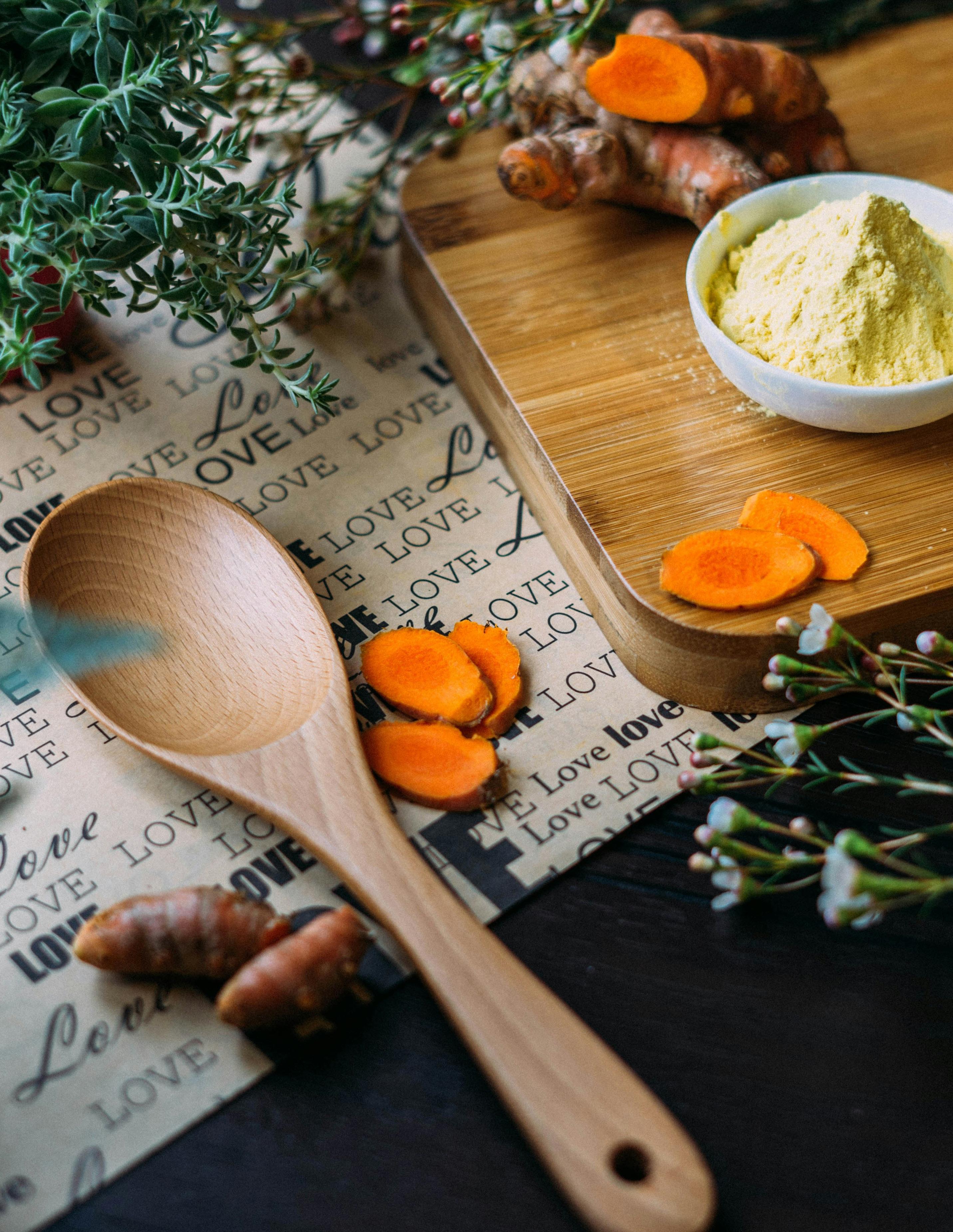



Thyme is especially useful when coughs are tight, spasmodic, or lingering. Incorporate it into a tea, tincture, or infuse it into honey for a soothing cough remedy.
Licorice root is one of the most effective herbs for soothing irritated mucous membranes in the throat and lungs. It is demulcent, a coating and soothing substance, and also has antiviral and anti-inflammatory properties.
It is particularly helpful for dry, painful coughs or sore throats. It can be consumed as tea or in herbal blends (note: not for long-term daily use or for people with certain conditions like high blood pressure).
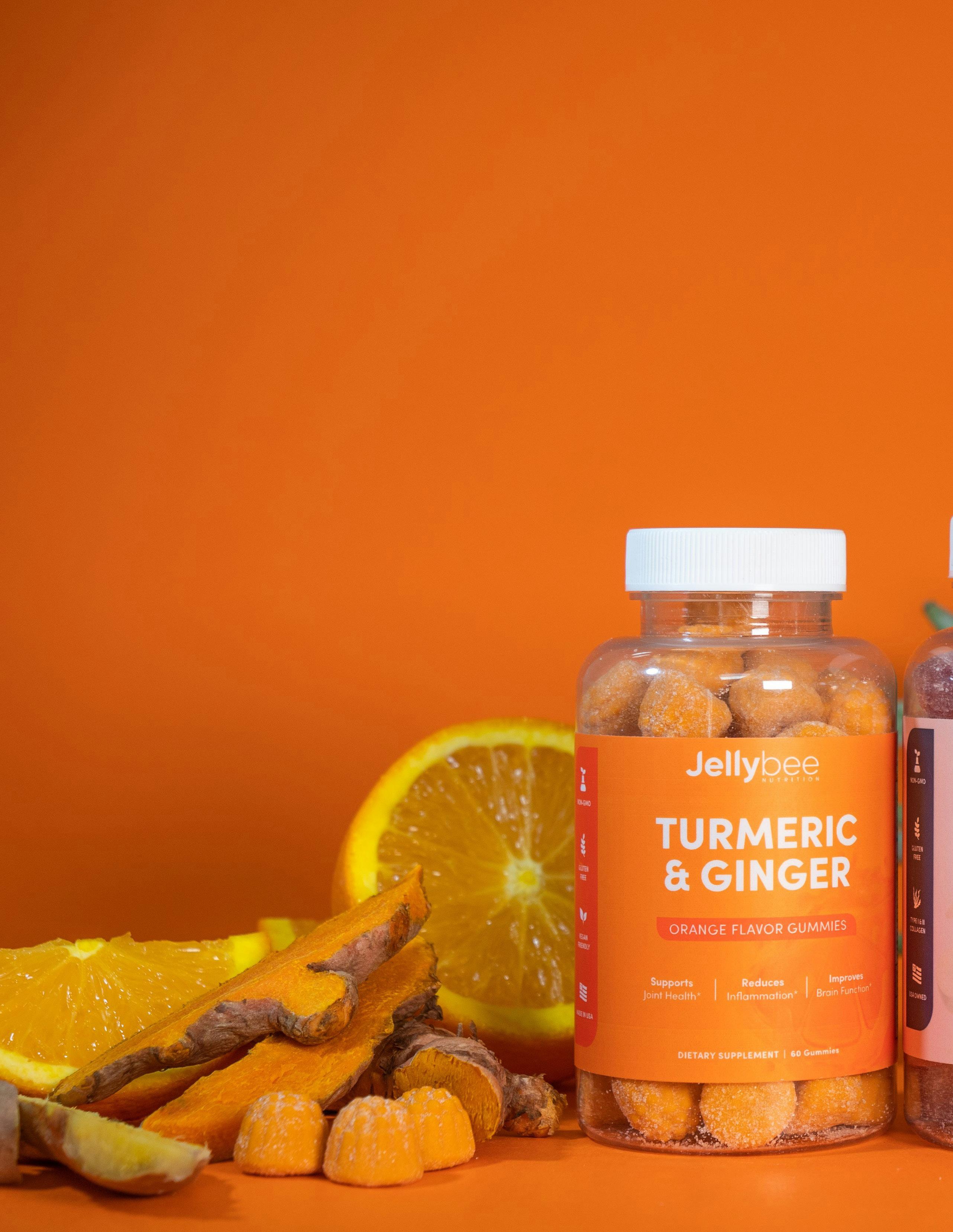
Ginger and turmeric are not just effective as kitchen spices, they are also potent antiinflammatory medicinal plants.
Ginger aids in circulation support, helps soothe sore throats, eases nausea, and helps break up congestion.
Turmeric, through its active compound curcumin, helps calm systemic inflammation and supports overall immune balance.
Instead of relying on synthetic pain relievers that stress the liver and digestive system, these herbs offer whole-body, gentle support during illness. Teas, capsules, broths, or generously seasoned food are all effective methods of use.

Fever, mucus, fatigue, and inflammation are not design flaws of the body, but part of the immune system’s strategy. Where many drugstore products aim to dry up, shut down, or override these processes, herbal remedies aim to support and optimize them.
Herbal medicine does not promise you will never get sick, but rather aims to reduce severity, shorten duration, and support deeper recovery, without burdening the body with unnecessary chemicals, dyes, and fillers.
In a culture fixated on quick fixes, herbal medicine offers something more sustainable: a way to build resilience, respect the body’s intelligence, and support healing from the inside out.

Treat Attention, Anxiety & Cognitive Decline Without Medication
Equip your clinic with Brainmark’s neurofeedback EEG device and cognitive performance enhancing platform.
Areas Brainmark focuses on Cognition
Focus
Calmness
Regeneration
Sensory processing
Creativity (indirect)
Service Includes:
EEG device
Gamified training platform
Clinical protocols
Staff onboarding




By Evelyn Flaharty
As we age, it’s normal to experience loss in muscle mass, strength, and flexibility. This process can begin as early as in your 30s and 40s. However, there are several things we can do to slow down this process and even build muscle as we age.
Maintaining muscle mass as we age is crucial for overall health, mobility, and independence. Muscle strength supports daily activities, such as walking, climbing stairs, and carrying groceries, which are essential for a good quality of life. It also helps protect against falls and injuries, which become more common with age due to decreased balance and bone density. As we age, we must consider how we want to live in our 70s, 80s, and even 90s. Personally, I want and plan to maintain my independence, which is why we all need to start as early as possible to take care of our health.
Many people begin to experience bone loss after age 50. Bone density loss refers to a decrease in the mineral content of bones, called osteopenia. Osteopenia often develops silently, with no noticeable symptoms until a fracture occurs. Factors contributing to osteopenia include aging, a sedentary lifestyle, inadequate intake of calcium and vitamin D, smoking, excessive alcohol consumption, and certain medications or medical conditions.
While it is not as severe as osteoporosis, osteopenia is a significant warning sign, highlighting the need to take proactive measures to improve bone health. Early detection through bone density tests can help manage osteopenia effectively and prevent its progression to osteoporosis.
Therefore, this would be a good time to discuss getting a bone density baseline test with your healthcare provider. A bone density baseline test is a non-invasive procedure for assessing bone health. Establishing a baseline is particularly important for individuals at risk of osteoporosis, including postmenopausal women, older adults, and those with a family history of bone diseases. A bone density test is no different than establishing a baseline mammogram.
The results provide a benchmark for future comparisons, enabling early detection of bone density loss and guiding preventive measures. A bone density test can help healthcare providers recommend interventions to maintain or improve bone strength and reduce the risk of fractures.
Unfortunately, our health care system typically recommends you take your bone density baseline at 65. That’s 15 years after you begin to lose bone density. As a cancer survivor, I am a firm believer in advocating for my health. I had my baseline taken at 40 for my mammogram and 50 for my bone density. If something is not moving in the right direction, the sooner we know, the sooner we can take corrective action.
Because of the possibility of early detection, it’s crucial that you establish a strong relationship with your healthcare provider and constantly advocate for your health. You can’t afford to outsource your health to someone else. Your body and health are your responsibility; no one else will ever be as invested in your wellbeing as you.
Osteoporosis is a severe condition in which bone density is significantly reduced. This condition makes bones weak and even brittle, increasing the risk of fractures. While osteoporosis is more common in older adults, especially postmenopausal women, it can affect anyone. Men need to be concerned about osteoporosis, even though it is often viewed as a condition primarily affecting women. While women are at higher risk due to hormonal changes after menopause, men are not immune to bone loss.
Men typically experience a gradual decline in bone density as they age, with significant bone loss often beginning after age 70. Risk factors such as low testosterone levels, smoking, excessive alcohol consumption, poor diet, sedentary lifestyle, and certain medical conditions or medications can further increase their risk. Men are also more likely to remain undiagnosed until they suffer a fracture, as men are less frequently screened for osteoporosis.
Maintaining strong, healthy bones is essential for overall well-being and mobility throughout our lives. Calcium and vitamin D play a crucial role in our bone health.
Calcium is the primary mineral found in bones and is vital for maintaining their structure and density. Almost all of our bodies’ calcium is stored in our bones and teeth, providing the strength they need to withstand daily activities. Think back to when you were a small child, and your mother told you to drink your milk so you would have strong bones. Well, she was right.
Calcium also supports vital functions such as muscle contraction, nerve transmission, and blood clotting. When dietary calcium is insufficient, the body draws from its calcium reserves in the bones, weakening them over time.
Just before my cancer diagnosis, I noticed that my nails would constantly break or split down the middle. It was the first warning sign of my calcium deficiency. In addition to having my thyroid removed because of cancer, I also had two of my parathyroid glands removed, which led to me having ongoing issues with low calcium levels.
Good sources of calcium include dairy products like milk, cheese, yogurt, leafy greens, almonds, fortified plantbased milk, and tofu. The recommended daily calcium intake for adults is about 1,000–1,200 mg, depending on age and sex.
You can also take calcium in supplement form. However, be cautious, particularly if you don’t know your current calcium levels. I can tell you from personal experience that too much calcium is just as bad as a deficiency. As I am tested regularly, it’s easy to identify when my calcium levels are in excess from taking too much calcium, enabling my healthcare provider and I to take corrective action. Know your numbers! Always consult with your healthcare provider before taking any supplements.
Vitamin D is just as critical as calcium for bone health because it facilitates calcium absorption from the digestive system into the bloodstream. Without sufficient vitamin D, the body cannot effectively utilize dietary calcium,



no matter how much is consumed.
Vitamin D is unique because the body can synthesize it through exposure to sunlight. However, factors like limited sun exposure, aging, darker skin tones, and geographic location can hinder vitamin D production. In addition, we know that too much exposure to the sun can lead to skin cancer. Therefore, we must rely on other methods to obtain the appropriate amount of vitamin D our bodies require.
Foods such as fatty fish (e.g., salmon, mackerel, and sardines), egg yolks, and fortified products can help provide vitamin D. Many individuals also benefit from supplements to meet the daily recommended intake of 600–800 IU for most adults. Again, know your numbers before taking any supplements.
Vitamin D and calcium work hand in hand to build and maintain bone density. Vitamin D ensures calcium is absorbed efficiently, while calcium provides the structural material for bone strength. A deficiency in either can lead to compromised bone health, increasing the risk of osteoporosis, fractures, and other complications.
Vitamin D and calcium are the cornerstone of strong, healthy bones. By prioritizing these nutrients through diet, lifestyle, and supplementation when necessary, you can protect your skeletal system and reduce the risk of bone-related disorders. A proactive approach to bone health ensures greater strength, stability, and independence as you age.
- Consume a Balanced Diet: Include calcium-rich foods and those fortified with vitamin D to meet daily requirements.
- Get Regular Sunlight: Spend 10–30 minutes outdoors in sunlight several times a week, depending on your skin tone and location. Make sure you apply sunscreen.
- Exercise Regularly: Weight-bearing and resistance exercises stimulate bone formation and improve bone density.
- Consider Supplements: If dietary intake or sun exposure is inadequate, consult a healthcare provider about taking calcium and vitamin D supplements.
- Avoid Bone Depleters: Limit smoking, alcohol, and excessive caffeine, as these can negatively impact bone health.
Strength training is a workout routine focusing on building muscle strength using light weights, resistance bands, or just your body weight. It’s a powerful tool in building bone density and muscle mass. It also strengthens the muscles around the bones, improving balance, posture, and stability, which reduces the risk of falls and fractures. Therefore, it is essential for both men and women to prioritize bone health through regular weight-bearing and strength-training exercises.
It’s also worth noting that muscle plays a vital role in metabolism, aiding in weight management and reducing

the risk of chronic conditions like type 2 diabetes and heart disease. Preserving muscle mass can improve energy levels, enhance posture, and promote mental well-being, allowing older adults to stay active and engaged in their communities. Regular strength training and a protein-rich diet are key to maintaining muscle health as we age.
Weight training strengthens muscles and stimulates bone growth, helping to counteract the natural decline in muscle mass and bone density that occurs with aging. Additionally, it supports joint health, improves metabolic function, and enhances cardiovascular health, contributing to a better quality of life. Before starting a weight training program, consult a healthcare provider or fitness professional to ensure safety and proper technique. Focus on exercises that target major muscle groups and use proper form to prevent injury.
It is essential to begin gradually to minimize the risk of injury. Recovery from an injury as we age takes time. Start with light dumbbells or utilize your own body weight to perform exercises. As you build strength and confidence over time, you will be able to progress safely to heavier weights.
Women should not hesitate to incorporate weight training into their fitness routines. Contrary to common misconceptions, lifting weights will not result in a masculine appearance. Women naturally have significantly lower levels of testosterone compared to men, and these levels tend to decrease further with age.
As a professional bodybuilder, in my 70s, I can attest to the fact that lifting weights will not negatively transform your physique. To the contrary, weight training helps improve muscle tone, enhances strength, and promotes a leaner physique by increasing calorie expenditure during and after training. Embracing resistance exercises can lead to improved health, confidence, and overall well-being.
Focus on exercises that target major muscle groups and use proper form to prevent injury. Below are a few suggestions.
- Squats & Step-ups: Targets quadriceps, hamstrings, glutes
- Pushups: Targets chest, shoulders, triceps
- Seated Rows with bands: Targets back, shoulders, biceps
- Overhead Shoulder Press: Targets shoulders, triceps
- Planks: Targets core
Start slowly: Start with light weights or resistance bands. When I first started lifting, I thought 5 lbs was heavy. That’s a bag of sugar. Remember, Rome wasn’t built in a day. Be patient. As you built strength, gradually increase the weight.
Focus on form: This is so important and cannot be stressed enough. Proper form is key to avoiding injury and ensuring you are training the muscle correctly. Ever wonder why there are mirrors everywhere at the gym? Use them to check your form.



Rest and recovery: Allow 48 hours between sessions targeting the same muscle group to promote recovery and growth.
Building muscle after 60 is a vital component to maintaining health, mobility, and independence as we age. Strength training and a diet rich in protein, calcium, and vitamin D will help combat age-related muscle loss, enhance bone density, and support joint health.
Starting training gradually and focusing on proper technique to ensure safety and effectiveness, while progressively increasing resistance builds strength over time. Regular weight training not only improves physical function but also boosts metabolism, enhances balance, and reduces the risk of falls and injuries. By committing to a consistent and well-rounded fitness routine, adults over 60 can enjoy greater vitality, resilience, and quality of life.
1. You can find more from Evelyn through her website or social media channels:
2. Website: EvelynFlaharty.com
3. YouTube: Evelyn Flaharty
4. YouTube: Workouts With Evelyn Flaharty
5. Instagram: ffmusclesandcurves
6. TikTok: @evelynifbbpro
7. Facebook: Evelyn Flaharty
1. Rd, Kerri-Ann Jennings Ms. “Does Magnesium Help You Sleep Better?” Healthline, April 30, 2017. https://www.healthline.com/ nutrition/magnesium-and-sleep.
2. Sargis, Robert. “How Your Thyroid Works.” HealthCentral, October 21, 2019. https://www.healthcentral.com/condition/thyroid/how-your-thyroid-works?legacy=ew.
3. Mayo Clinic. “Seasonal Affective Disorder (SAD) - Symptoms & Causes - Mayo Clinic,” December 14, 2021. https://www.mayoclinic.org/diseases-conditions/seasonal-affective-disorder/symptoms-causes/syc-20364651.
4. Summer, Jay Vera. “Seasonal Affective Disorder: Sleep Tips to Beat the Winter Blues.” Sleep Foundation, July 23, 2025. https:// www.sleepfoundation.org/circadian-rhythm/seasonal-affective-disorder.
1. To learn more about Jordan Rubin and Ancient Nutrition, visit ancientnutrition.com.
1. Website: EvelynFlaharty.com
2. YouTube: Evelyn Flaharty
3. YouTube: Workouts With Evelyn Flaharty
4. Instagram: ffmusclesandcurves
5. TikTok: @evelynifbbpro
6. Facebook: Evelyn Flaharty
1. Ansary, Johura, Tamara Yuliett Forbes-Hernández, Emilio Gil, Danila Cianciosi, Jiaojiao Zhang, Maria Elexpuru-Zabaleta, Jesus Simal-Gandara, Francesca Giampieri, and Maurizio Battino. “Potential Health Benefit of Garlic Based on Human Intervention Studies: A Brief Overview.” Antioxidants 9, no. 7 (July 15, 2020): 619. https://doi.org/10.3390/antiox9070619.
2. Iftikhar, Noreen, MD. “What Are the Uses, Benefits, and Side Effects of Garlic and Honey?” Healthline, January 7, 2026. https://www.healthline.com/health/garlic-and-honey.
3. Key, Alyson Powell. “Health Benefits of Thyme.” WebMD, October 28, 2024. https://www.webmd.com/diet/health-benefits-thyme.
4. Masaudi, Saad & Albureikan, Mona. (2012). Antimicrobial Activity of Onion Juice (Allium cepa), Honey, And Onion-Honey Mixture on Some Sensitive and Multi-Resistant Microorganisms. Life Science Journal. 9.
5. Morgan, Kendall K. “Oregano Oil: Is It Good for You?” WebMD, February 16, 2026. https://www.webmd.com/diet/oregano-oil-good-for-you.
6. Rd, Rachael Ajmera Ms. “Can Echinacea Help You Fight the Common Cold?” Healthline, December 6, 2019. https://www. healthline.com/nutrition/echinacea-for-colds#effectiveness.
7. ———. “Can Ginger and Turmeric Help Fight Pain and Sickness?” Healthline, February 26, 2026. https://www.healthline. com/nutrition/turmeric-and-ginger.
8. Ren, Yulin, Gunnar Meyer, Andrew T. Anderson, Kaitlyn M. Lauber, Judith C. Gallucci, Gary Gao, and Alan Douglas Kinghorn. “Development of Potential Therapeutic Agents From Black Elderberries (the Fruits of Sambucus Nigra L.).” Molecules 29, no. 13 (June 22, 2024): 2971. https://doi.org/10.3390/molecules29132971.
9. WebMD Editorial Contributor. “Health Benefits of Licorice Root.” WebMD, November 29, 2022. https://www.webmd. com/diet/health-benefits-licorice-root