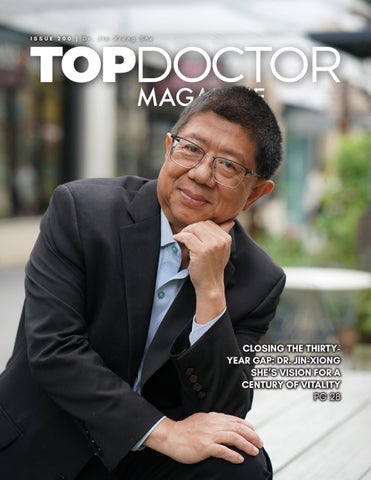
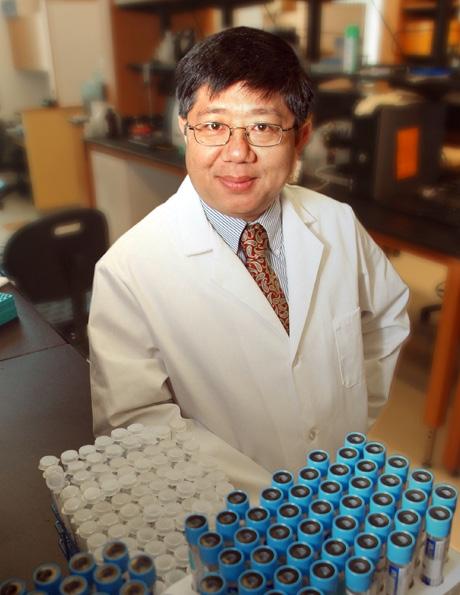
CLOSING THE THIRTYYEAR GAP: DR. JIN-XIONG SHE’S VISION FOR A CENTURY OF VITALITY
28
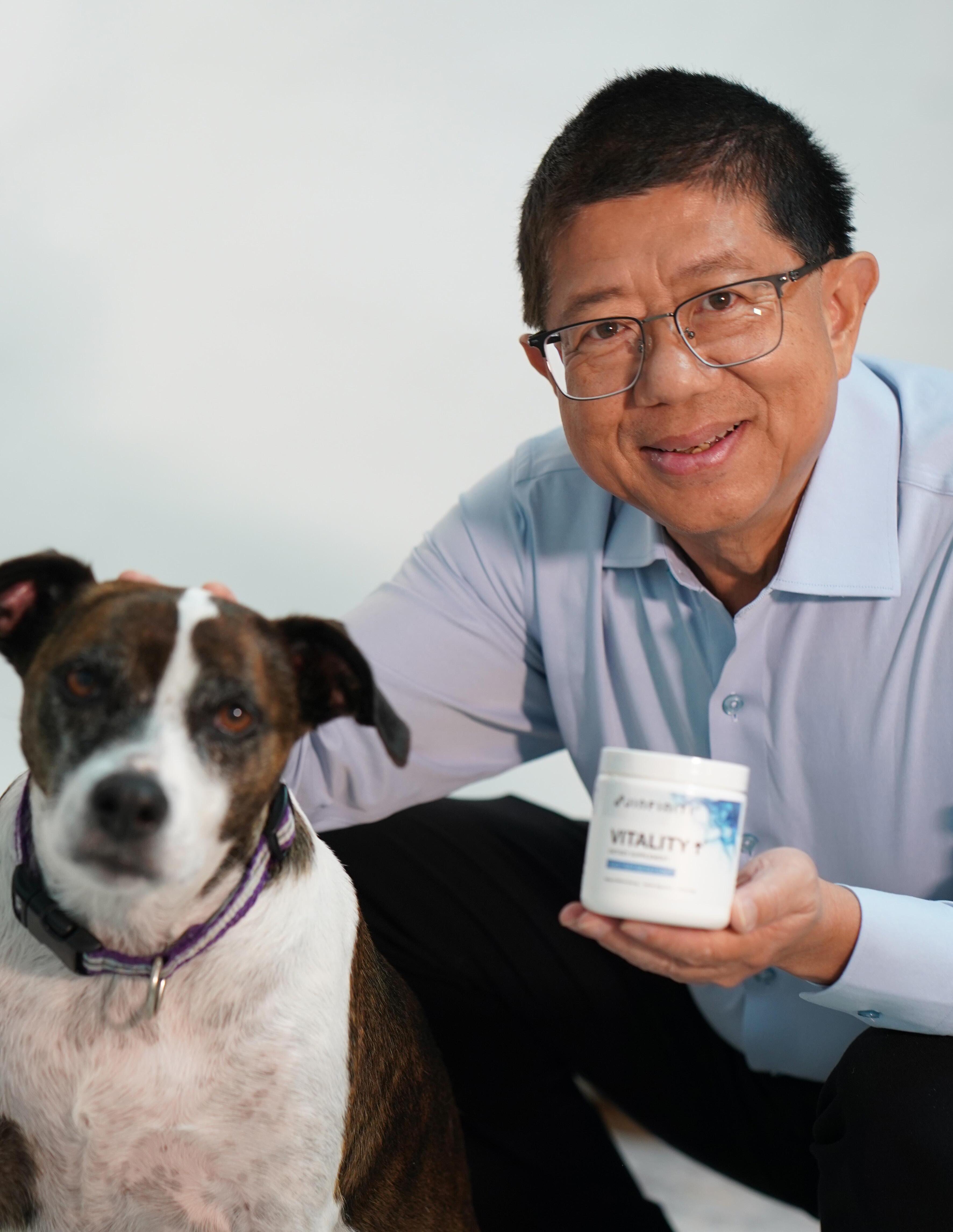
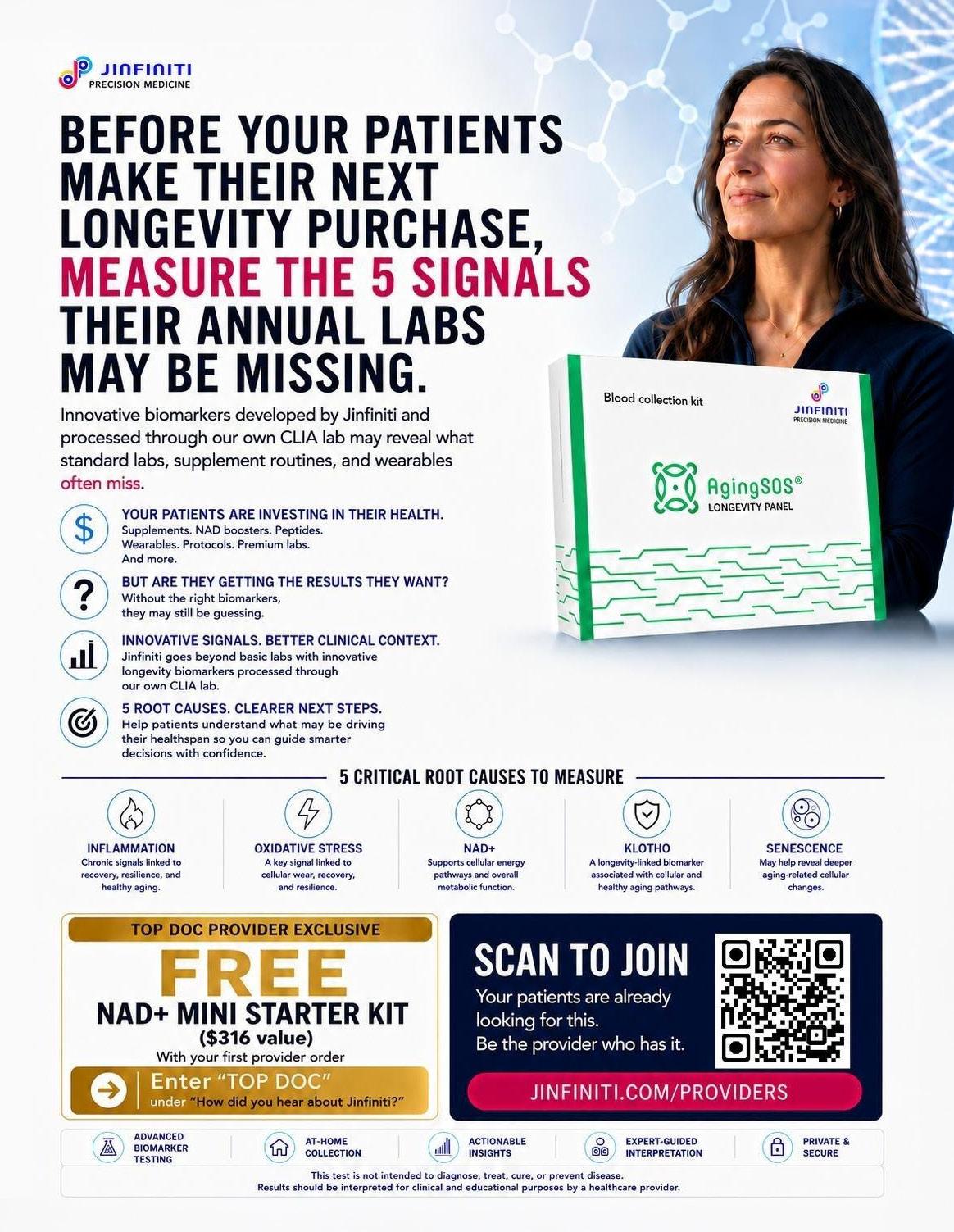
Jinfiniti’s three core offerings empower health optimization: actionable biomarker testing, patented nutraceuticals with personalized efficacy, and data-driven coaching for balanced nutrition, exercise, sleep, stress management, and toxin avoidance.
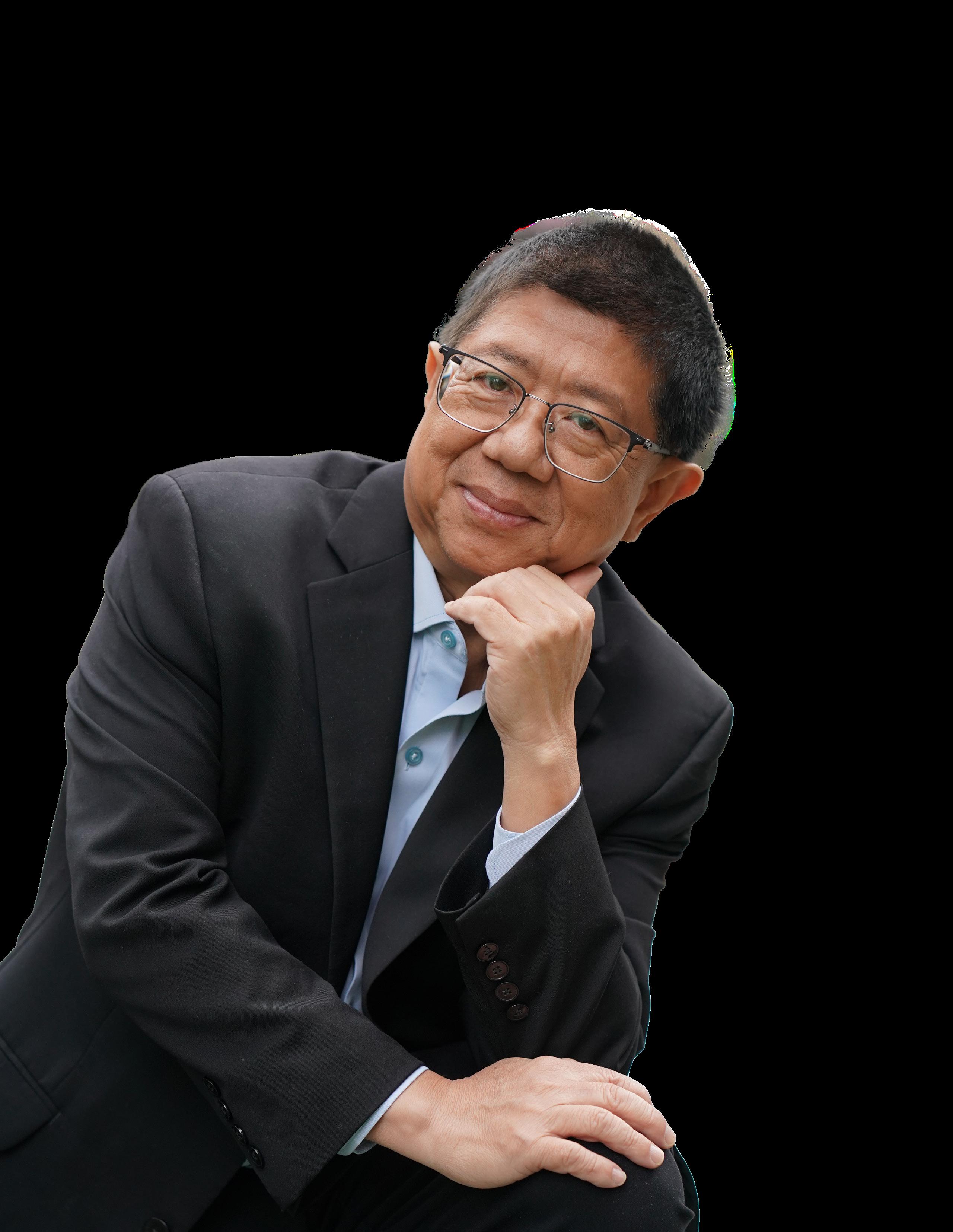
-Dr. Jin-Xiong She, PhD, Founder, CEO & Chief Scientific Officer of Jinfiniti
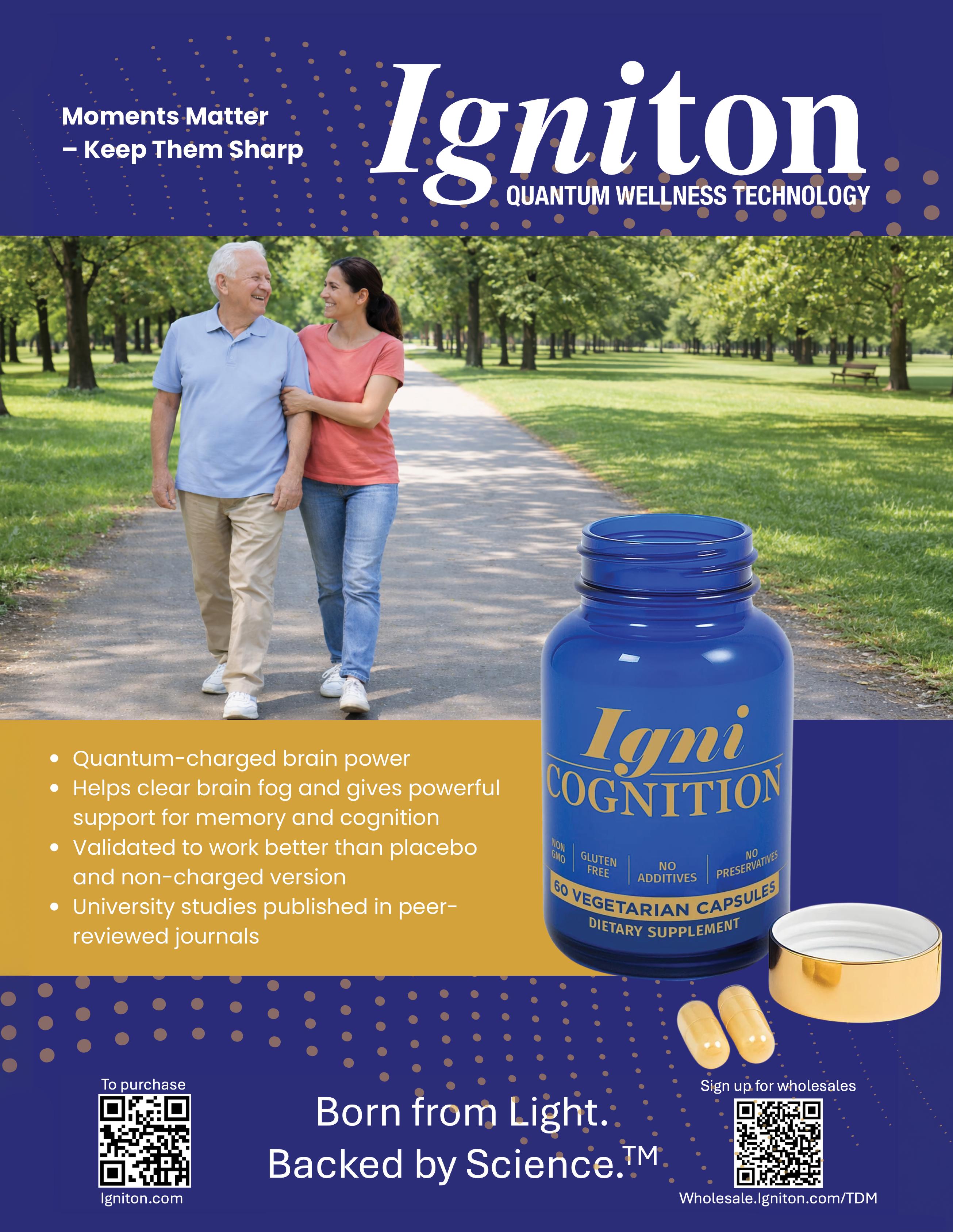
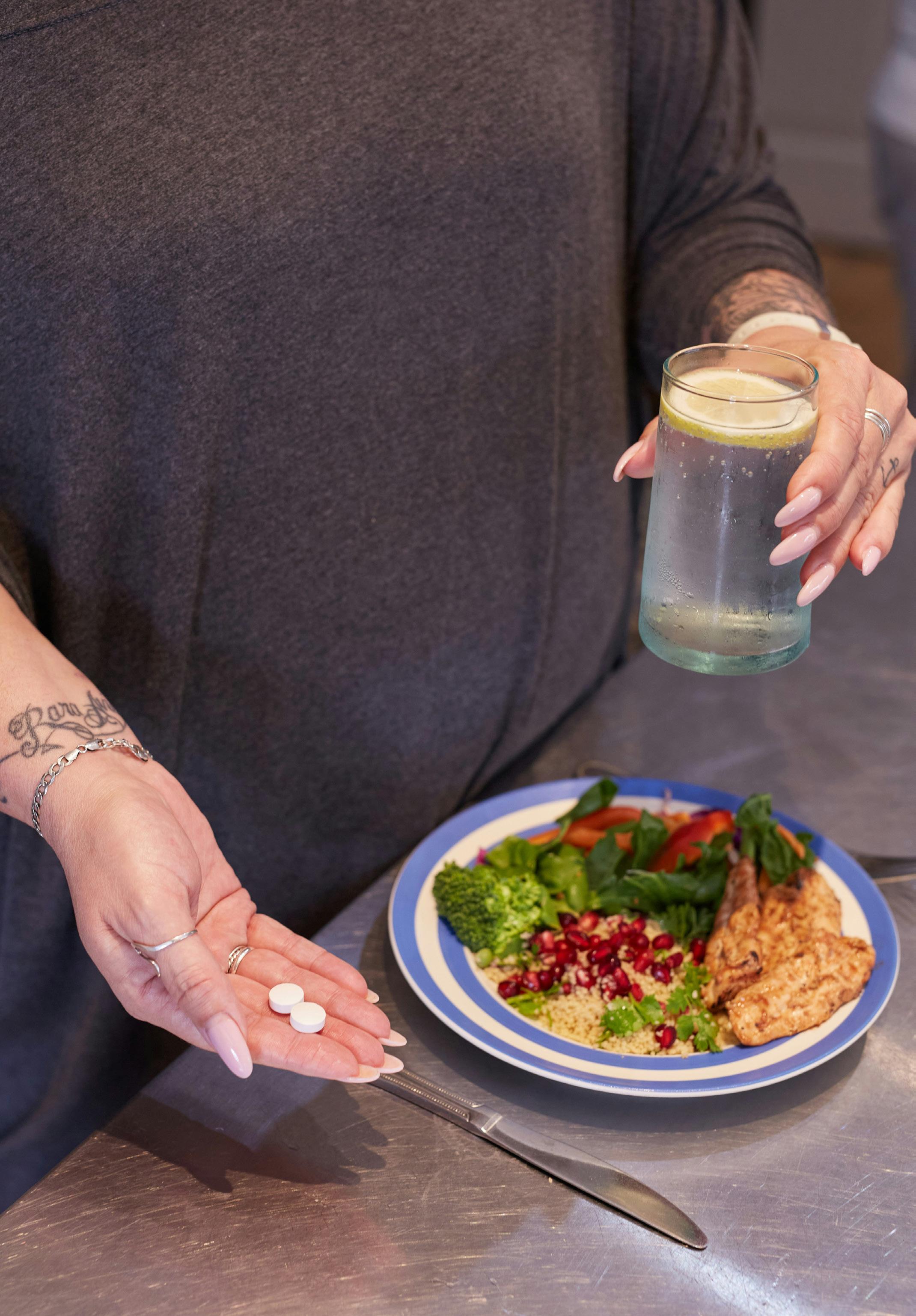
OPTIMIZE YOUR WELLNESS WITH CARBON 60 (C60).
C60 has been characterized as the most powerful antioxidant known. It’s hundreds of times more powerful than conventional antioxidants.
Crossing the blood-brain barrier, C60 works at the cellular level to support mitochondrial function. C60 fights inflammation, lifts the oxidative burden, and neutralizes toxic free radicals.
Unlike conventional antioxidants, C60 won’t interfere with any other supplements, vitamins, or medications. It can reset itself, again and again. Take it before your other supplements to boost your morning routine supplement stack.
Most users note an increase in ENERGY and MENTAL CLARITY within 30 days when incorporating C60 Power into their morning routine. Many users note FASTER RECOVERY and IMPROVED PERFORMANCE within this same time frame.
Contributing Authors: Luke Argue, Riley George, Ashleigh Quint
PUBLICATION TEAM EXECUTIVE TEAM
Chief Digital Content Officer: David Lee
Vice President of Development: Mark Carvalho
Fractional Marketing Officer: Craig Handley
Advisory Board: Dr. Arthur Katona, Dr. Francisco Cabal, Dr. Kianor Shah
CONTRIBUTORS MAGAZINE
A LETTER FROM THE EDITOR
Our mission and purpose at TopDoctor Magazine is to foster connections within the health and wellness community and empower our readers to make wellinformed healthcare and lifestyle decisions. We pride ourselves on being the ultimate resource for interviews with health and wellness leaders, trending medical news, and healthy living topics.
We understand that choosing a healthcare provider is a crucial decision. Our in-depth interviews with esteemed doctors and medical professionals aim to bridge the gap between them and their clients. By providing our readers with personal insights, philosophies, and areas of expertise, we facilitate a deeper understanding of the individuals responsible for your health and well- being. We also strive to highlight our outstanding practitioners, showcasing their dedication to their patients and contributions to the medical community.
The field of medicine is constantly evolving, with new practices, therapies, and technologies emerging at a rapid pace. At TopDoctor Magazine, we strive to keep you updated on the latest advancements in the medical world. Our comprehensive coverage of trending medical news equips both doctors and patients with the knowledge they need to make informed choices about healthcare options.
Building strong connections within the medical community is essential for enhancing patient care and driving medical progress. Our magazine serves as a bridge, connecting medical companies with doctors and vice versa. By facilitating these connections, we aim to catalyze collaborations that can lead to innovative solutions and improved healthcare outcomes for everyone.
It is our firm belief that well-informed individuals make better decisions about their health. By providing you with insights into established and emerging medical trends and technologies, we empower you to take an active role in your healthcare choices. Whether you are a healthcare professional seeking to stay updated on the latest advancements or a patient eager to make informed decisions about your well-being, TopDoctor Magazine is here to support you.
In every issue, we strive to uphold the highest standards of journalistic integrity, accuracy, and relevance. Our dedicated team of writers, editors, and medical experts work tirelessly to bring you well-researched and compelling content that is both educational and engaging. Moreover, our graphic design team is committed to delivering an aesthetically pleasing reading experience where captivating design seamlessly merges with informative content, ensuring each issue becomes an engaging journey of discovery.
As we embark on this mission to serve as your trusted source of medical information and insights, we encourage you to join us on this exciting journey. Your feedback and suggestions are invaluable to us, and we look forward to hearing from you.
Thank you for being a part of the TopDoctor Magazine community. Together, let us embrace knowledge, forge connections, and make informed decisions to lead healthier lives.
With warmest regards, Hannah
H.
TABLE OF CONTENTS
12 20 28 38 46
WHEN OPTIMIZATION BECOMES DYSREGULATION: WHY PATIENTS MUST ESTABLISH BASELINE PHYSIOLOGY BEFORE BIOHACKING
THE CLEAN COFFEE REVOLUTION: DR. POMPA’S UNEXPECTED LOVE AFFAIR WITH WHAT’S IN HIS CUP
CLOSING THE THIRTY-YEAR GAP: DR. JIN-XIONG SHE’S VISION FOR A CENTURY OF VITALITY
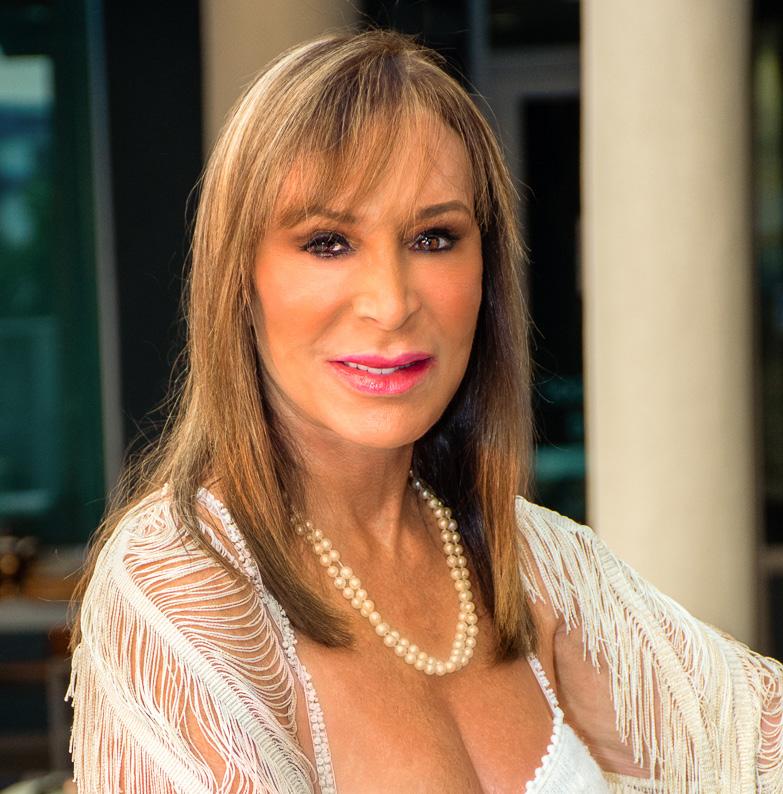
THE SUPPLEMENT MOST WOMEN IGNORE AND WHY I TAKE IT EVERY DAY AT 70+
THE SCIENCE OF LONGEVITY REIMAGINED: HOW DR. VALTER LONGO IS TRANFORMING AGING, NUTRITION, AND DISEASE PREVENTION
Be Featured on TOPDOCTOR
CHANNEL
SHOWCASE YOUR MEDICAL INNOVATIONS
“Where medical expertise meets real human stories.”
A New Era in Healthcare Media
TopDoctor Magazine is expanding to television! Introducing TopDoctor Channel, a 24/7 streaming, cable, and broadcast platform dedicated exclusively to healthcare. This visionary channel connects doctors and patients in a whole new way – faceto-face through inspiring medical documentaries and interviews. Backed by the acclaimed TopDoctor Magazine brand, TopDoctor Channel launches with immediate recognition and credibility in the medical community. Our mission is to bridge the gap between healthcare experts and the public, turning complex science into conversations built on trust and empathy.
Why Appear on TopDoctor Channel?
• Global Reach & Diverse Audience: Share your story with everyone in the healthcare community and beyond. TopDoctor Channel delivers unparalleled insights to both medical professionals and the public alike. Whether it’s physicians, hospital executives, or engaged patients, our audience spans across the spectrum. As a multi-platform network (streaming on Amazon Fire TV, Roku, Apple TV, Android TV, mobile, and more), your innovations gain worldwide visibility.
• Immediate Credibility & Scientific Storytelling: Align yourself with a platform that champions medical innovation with integrity. As an official partner of TopDoctor Magazine, we start with a legacy of excellence – ensuring your work is presented with authority and trust. Our content is evidence-based and expertly crafted to celebrate true breakthroughs in medicine. You’ve worked hard on your research and products; we’ll spotlight them in a professional, highly scientific narrative that resonates with peers and instills confidence in the public.
• Cross-Promotional Power: Enjoy the benefits of our unique magazine–TV synergy. TopDoctor Channel works hand-in-hand with TopDoctor Magazine, creating a powerful cross-promotional platform for your innovations. An appearance on our channel can be featured in print and digital articles, social media, and more – amplifying your reach across multiple media. It’s a one-of-a-kind opportunity to boost your profile through multiple trusted channels.
What Can You Showcase?
If you’re a doctor, researcher, or healthcare company with something new, we want to feature it. On TopDoctor Channel, you can present:
• Breakthrough Treatments & Medications: Share new therapies, novel procedures, or groundbreaking medications that are poised to improve patient care. Demonstrate the efficacy of your latest clinical trial or the success of an innovative treatment protocol.
• Advanced Medical Technologies: Demonstrate cutting-edge medical devices, diagnostics, AI health tech, or biotech solutions. We highlight transformative breakthroughs in medical devices and technology – and the visionary individuals and companies behind them. If you’ve developed a game-changing device or app, let us help you show how it works and why it matters.
• State-of-the-Art Facilities & Services: Take viewers on a tour of your new hospital wing, research center, or specialized clinic. TopDoctor Channel can spotlight state-of-the-art healthcare facilities implementing futuristic techniques (imagine a field report from your operating room or lab). Showcase how your institution’s services and infrastructure are pushing the boundaries of patient care.
• Research Results & Clinical Outcomes: Present significant research findings or patient outcome data. Whether it’s a breakthrough clinical trial result or compelling public health study, our programs dive into the data and discuss its impact. By sharing your results, you’ll educate a global audience and potentially attract collaborators, investors, or patients interested in your work.
• Professional Achievements & Innovations: Highlight your personal achievements – from performing a landmark surgery to receiving a prestigious award. Appear in an expert interview segment to discuss your work and vision as a medical leader. This is your chance to cement your reputation as a pioneer in your field, inspiring colleagues and the next generation of healthcare professionals.
Ready to Share Your Story, Invention, or Discovery?
TopDoctor Channel is now booking interviews and feature segments for upcoming shows. Don’t miss the chance to be part of this groundbreaking platform that stands at the intersection of hope and truth, innovation and accountability. Join us in shaping the future of healthcare media – and let the world know about your cutting-edge contributions to medicine. Contact us today to schedule your feature. Visit our website at TopDoctorChannel. us for more information, or call our 24/7 team at 305-Topdoc (305-486-7362). Elevate your reach, educate the community, and let your medical innovations shine on TopDoctor Channel!
Why Patients Must Establish Baseline Physiology Before Biohacking WHEN OPTIMIZATION BECOMES DYSREGULATION
Written By Ashleigh Quint
The current biohacking movement is built on a fundamental misunderstanding: more intervention does not equal better outcomes. Patients often assume they are observing their baseline simply because they have not yet introduced any interventions. In reality, baseline physiology is not defined by the absence of intervention, but rather by the presence of measurement. Without structured observation, there is no reference point. The moment tracking begins after a protocol is introduced, the data no longer reflects the baseline; it reflects adaptation. This is where the system begins to break down, both clinically and physiologically. The issue is not that these tools are ineffective; it is that they are being applied without context. Biohacking, in its true form, requires precision, sequence, and interpretation. Without that foundation, it becomes nothing more than trial and error disguised as optimization, intervention without understanding, and outcomes driven by assumptions rather than measurable physiology.
What is missing in both clinical practice and patient behavior is not awareness but sequence—and, more importantly, education about that sequence. Patients are not being taught to establish a baseline before introducing interventions because the current model prioritizes action over understanding. The system rewards doing, prescribing, and optimizing, rather than observing and interpreting. Clinicians are often constrained by time, reimbursement structures, and a reactive care model that focuses on symptom resolution instead of physiological mapping. At the same time, the biohacking industry markets solutions faster than it teaches context, encouraging patients to adopt protocols without understanding the systems they are influencing. As a result, no one is stopping to ask the most fundamental question: what is the body doing before we attempt to change it? Until this step becomes standard, both patients and practitioners will continue operating without a true reference point, making precision nearly impossible.
Baseline physiology is the stable, repeatable state of how a patient’s systems function at rest, without external manipulation. It is not defined by a single lab value or isolated metric, but by the integration of multiple systems working together. This includes autonomic nervous system regulation, metabolic stability, hormonal rhythm, and movement efficiency. These systems do not operate independently; they are deeply interconnected and
constantly influencing one another. When one becomes dysregulated, it creates downstream effects that alter the entire physiological landscape. Understanding baseline physiology allows clinicians to see how these systems behave in their natural state. Without this understanding, intervention becomes guesswork rather than strategy.
At the center of this system is the autonomic nervous system, which regulates nearly every physiological process in the body. Heart rate variability (HRV) has emerged as one of the most reliable markers of autonomic function, reflecting the balance between sympathetic and parasympathetic activity. Higher HRV is associated with adaptability, resilience, and recovery, while lower HRV reflects stress, rigidity, and decreased physiological capacity.¹ This makes HRV an essential tool for understanding baseline regulation rather than momentary performance. However, its value lies in patterns over time, not isolated readings. Research consistently demonstrates that longitudinal HRV trends provide far greater insight into physiological state than singleday measurements.² Without establishing these patterns, patients often misinterpret normal fluctuations as dysfunction.
The relationship between the nervous system and metabolism further reinforces the need for baseline assessment. Metabolic health is often evaluated through static markers such as fasting glucose or HbA1c, yet these fail to capture real-time physiological regulation. HRV has been shown to correlate with glucose variability and metabolic control, highlighting the neurological influence on metabolic processes.³ This means that unstable blood sugar patterns are not always a dietary issue, but may reflect underlying autonomic dysregulation. Patients who attempt to “fix” metabolism through restriction or supplementation without addressing nervous system stability often see inconsistent or temporary results. The system is being manipulated without addressing its control center. True metabolic optimization cannot occur without first stabilizing the underlying regulatory mechanisms.
Hormonal health presents a similar challenge, particularly when evaluated through isolated lab values. Hormones operate within rhythms, not static levels, and these rhythms are essential for proper function. Cortisol, for example, follows a diurnal pattern, rising in the morning and declining throughout the day.
Disruptions in this rhythm are associated with chronic stress, fatigue, and long-term health consequences.⁴ A single cortisol measurement may fall within normal range while masking a dysfunctional pattern across the day. This creates a false sense of normalcy that can delay appropriate intervention. Without assessing rhythm and timing, clinicians are left treating numbers rather than physiology.
One of the most overlooked components of baseline physiology is movement, which serves as the external expression of internal function. Movement patterns reveal how the body organizes itself under load, how it distributes force, and where compensation occurs. These patterns are not purely mechanical; they are neurologically driven and reflect system-wide coordination. A patient can present with normal labs and no diagnosable pathology while still demonstrating significant dysfunction through asymmetry, instability, or inefficient movement strategies. These are often early indicators of system breakdown, long before clinical markers appear. Ignoring movement removes a critical layer of assessment that bridges physiology and performance. Without it, clinicians miss the opportunity to intervene before dysfunction becomes pathology.
When patients engage in biohacking without establishing a baseline, three consistent patterns emerge. First, data can become misleading, as metrics reflect the influence of interventions rather than the true physiological state. Second, patients begin to overcorrect, layering additional protocols in response to perceived issues that may not actually exist. Third, the system becomes increasingly dysregulated, as multiple interventions push the body further from equilibrium. This creates a feedback loop in which more effort yields less clarity. What
appears to be optimization is often a progressive loss of regulation. The body is not being supported—it is being overridden.
This is precisely why patients begin to believe that certain modalities “do not work,” when in reality, they were never applied in a way that allowed them to work. Interventions fail not because they lack efficacy, but because they are introduced without alignment to the body’s current physiological state or sequence of need. The body does not respond to what is popular or suggested—it responds to what is appropriate based on its level of regulation and capacity. When a modality is applied out of sequence, it is either ineffective or creates additional stress on an already dysregulated system. Patients are often told that a protocol should “fix” an issue without consideration of how long the dysfunction has existed or how many systems are involved. As a result, when the expected outcome does not occur, the intervention is blamed rather than the lack of context in which it was applied. What is perceived as failure is often a mismatch between the intervention and the physiological readiness of the individual.
Establishing a true baseline requires a deliberate shift away from intervention and toward observation. A 10 to 14-day period without introducing new variables allows for consistent data collection across multiple systems. During this time, patients should maintain their normal routines while tracking key metrics, including HRV, resting heart rate, sleep patterns, glucose variability, and subjective energy levels. Movement assessments should also be included to identify asymmetries and compensation patterns. This process provides a stable reference point from which all future interventions can be evaluated. It transforms data from noise into meaningful information. More importantly, it allows clinicians to match strategies to the individual rather than applying generalized protocols.
The future of medicine will not be defined by access to more tools, but by the ability to interpret what those tools reveal. Patients do not need additional input; they need a framework that helps them understand their own physiology. Biohacking, when applied correctly, is not about doing more in the health and wellness realm; it is about doing what is appropriate, at the right time, for the right system. This requires patience, observation, and a willingness to step back before moving forward. Without this process, even the most advanced interventions lose their effectiveness. Optimization without understanding is not progress—it is interference.
You cannot optimize what you have not measured, and you cannot measure what you have never allowed to stabilize. The role of the clinician is not to override biology, but to interpret it with precision and intention. When baseline physiology becomes the starting point, everything else becomes more effective, more predictable, and more sustainable. This is where biohacking shifts from a trend to a true clinical application, not as a collection of tools but as a system of understanding. And that is where real health optimization and transformation begin for the long term.
By Lindsay O’Neill-O’Keefe
For years, Dr. Daniel Pompa had a rule most people in the wellness space quietly live by but rarely admit: coffee was a compromise.
Not because he didn’t love it. But because what most people call “coffee” is rarely clean.
Even in functional medicine circles, coffee has long sat in a gray zone. It fuels performance, sharpens cognition, and anchors morning rituals. Yet it often comes with hidden variables most consumers never consider: mold contamination, mycotoxins, heavy metals, and one of the least-discussed compounds of all, acrylamide.
Acrylamide is a chemical that forms naturally when coffee beans are roasted at high temperatures. According to the U.S. Food and Drug Administration, acrylamide forms in many foods during high-heat cooking processes such as frying, baking, and roasting, and has been shown to cause cancer in laboratory animals at high exposure levels.
At one point, this issue became so prominent that under California Proposition 65, coffee sold in California was subject to legal action requiring cancer warning labels due to acrylamide exposure concerns, highlighting just how widespread and misunderstood the compound is.
For someone like Pompa, whose work has centered on cellular health, detoxification, and environmental toxin exposure, that gray zone mattered.
And yet, he didn’t give it up. Instead, he went looking for something better.
THE MOMENT EVERYTHING CHANGED
Pompa had tried dozens of “clean” coffee brands over the years. Organic. Shade-grown. Specialty roasted. All claiming to be better.
None were enough to make him switch.
That changed when he encountered Truista Coffee.
“My wife and I have used the same organic shade-grown
coffee for years and have tried many others, but I’ve never switched until Truista,” Pompa shared. “Not only is it cleaner without acrylamides, but we both liked the taste better.”
That statement is more significant than it sounds.
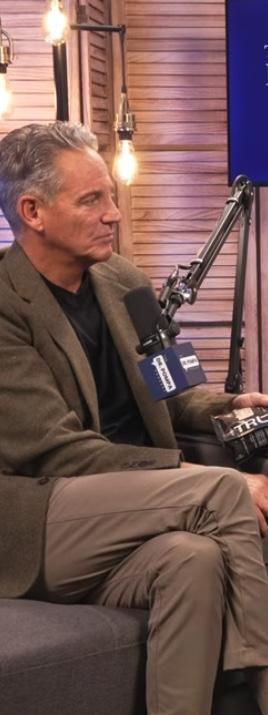
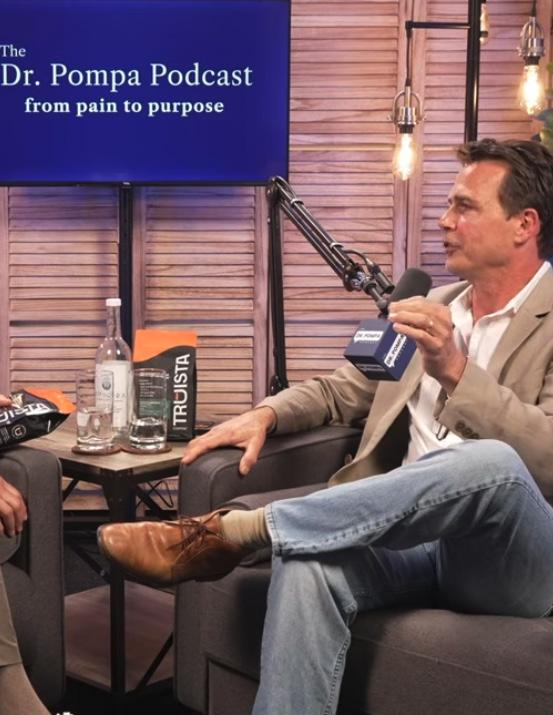
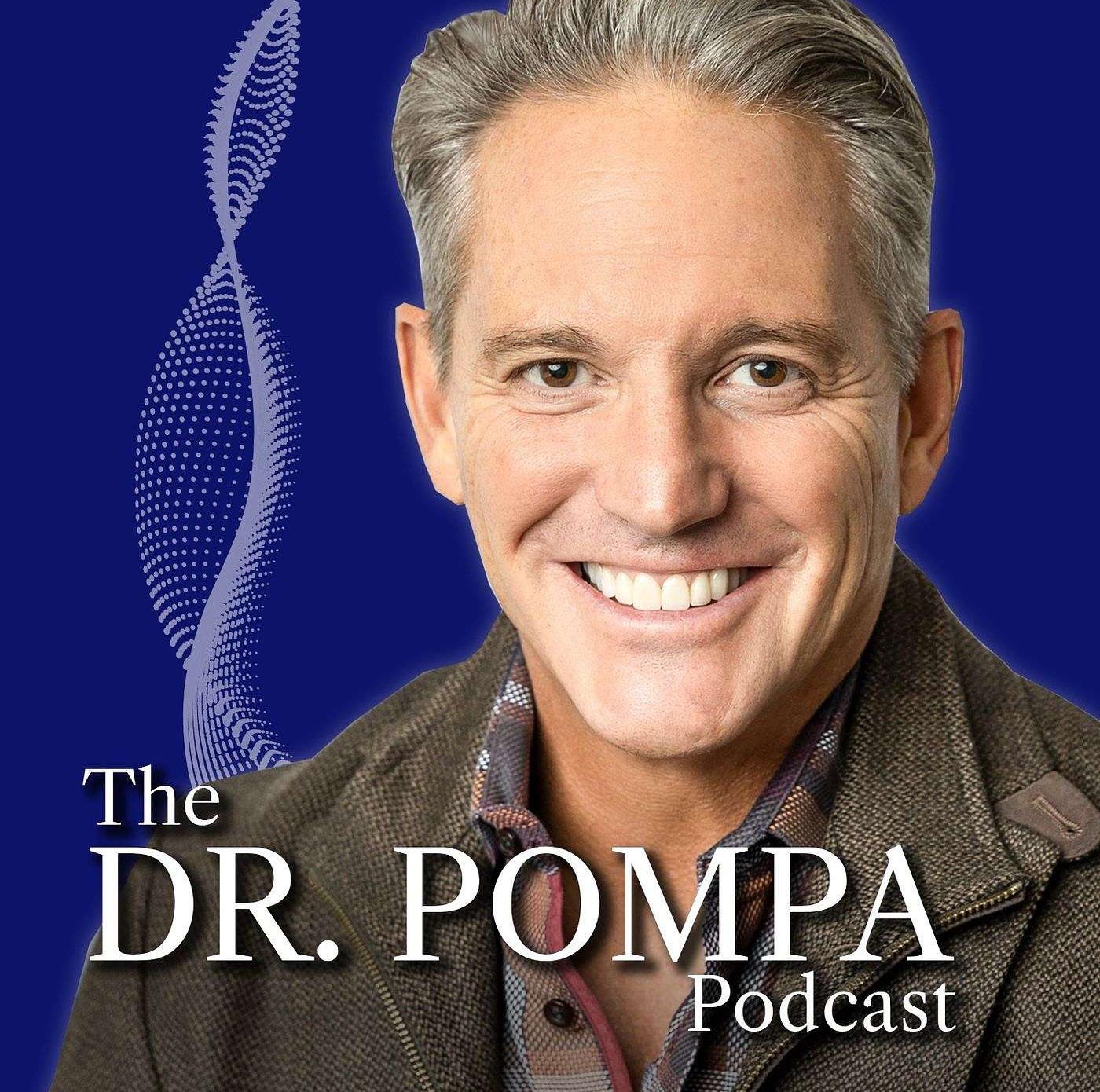
In a category built on habit, switching coffee is rare. For someone who has tested nearly everything, it signals something fundamentally different. That difference was explained on the Dr. Pompa Podcast - in his interview with world-renowned coffee expert Joey Chase.
WHAT IS CLEAN COFFEE
Clean coffee refers to coffee that has been tested and verified for common contaminants that can occur during growing, processing, and roasting - before it’s packaged and delivered.
This typically includes:
• Mold and mycotoxins
• Heavy metals such as lead and cadmium
• Pesticide residues
• Acrylamide levels formed during roasting
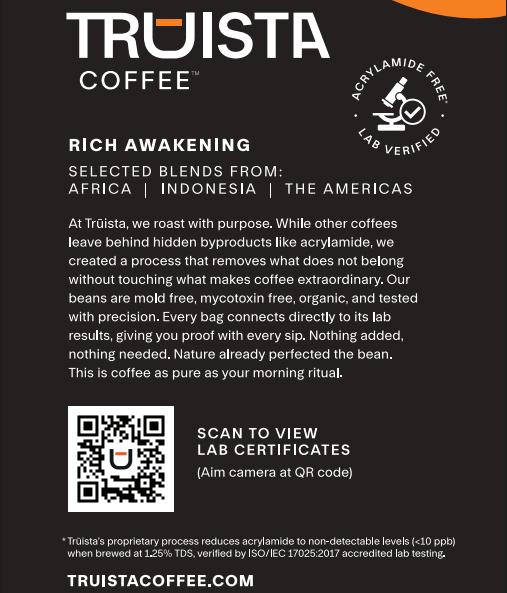
Some companies, including Truista Coffee, conduct thirdparty lab testing for over 380 toxins in every batch and provide traceable results (via a QR code on every box or bag) tied to specific roast profiles.
Many brands claim to have clean, organic, mold- and toxinfree coffee, but consumers should note that testing standards,
detection limits, and verification practices vary by company, and not all claims are independently validated.
If lab reports are not publicly accessible, you cannot confirm the extent of verification. Truista is the only coffee that puts its lab results on every bag or box delivered. No wonder Dr. Pompa fell in love with it.
WHY ACRYLAMIDE MATTERS
Acrylamide is not unique to coffee. It is also found in foods like potato chips, bread, and cereals when cooked at high temperatures.
The concern comes from long-term exposure. According to the National Cancer Institute, studies in rodents have shown that high doses of acrylamide can increase cancer risk, but evidence in humans remains limited and inconclusive.
This creates a nuanced but important reality:
• Acrylamide exposure exists in everyday foods
• Risk depends on dose and long-term exposure
• Regulatory bodies continue to monitor, but have not banned coffee
This is why the conversation has shifted toward reduction rather than elimination.
FROM RITUAL TO BIOLOGICAL INPUT
Pompa’s work has always centered on one core idea: what you do consistently matters more than what you do occasionally.
Coffee is not occasional. It is daily.
That makes it biologically relevant.
Most people think about food as their primary exposure point for toxins, but beverages often fly under the radar. Coffee, consumed every day, becomes a repeated input into the body’s environment.
The question is no longer whether coffee is good or bad.
The question is what kind of coffee you are drinking every single day.
WHY THIS MATTERS NOW
The wellness industry is entering a new phase.
Consumers are no longer satisfied with labels like organic or natural. They are asking for proof, data, and verification.
That demand is reshaping entire categories, including one of the most established in the world.
Coffee.
Brands like Truista Coffee are positioning themselves around lab testing, transparency, and contaminant awareness. At the same time, practitioners like Dr. Pompa are bringing attention to the unseen variables that have always existed in everyday products.
The intersection of those two forces is where change happens.
THE BIGGER TAKEAWAY
This is not just a story about coffee.
It is a story about standards.
For decades, consumers accepted what was available. Now they are beginning to question it.
What is in it? How is it made? What does it do over time?
Pompa did not stop drinking coffee.
He raised the bar for what coffee needed to be.
And in doing so, he highlighted something far bigger than a morning ritual.
Not eliminating the things we love…
But upgrading them!
CLOSING THE THIRTY-YEAR GAP
PROFESSOR JIN-XIONG SHE’S
VISION FOR A CENTURY OF VITALITY
Written By: Riley George
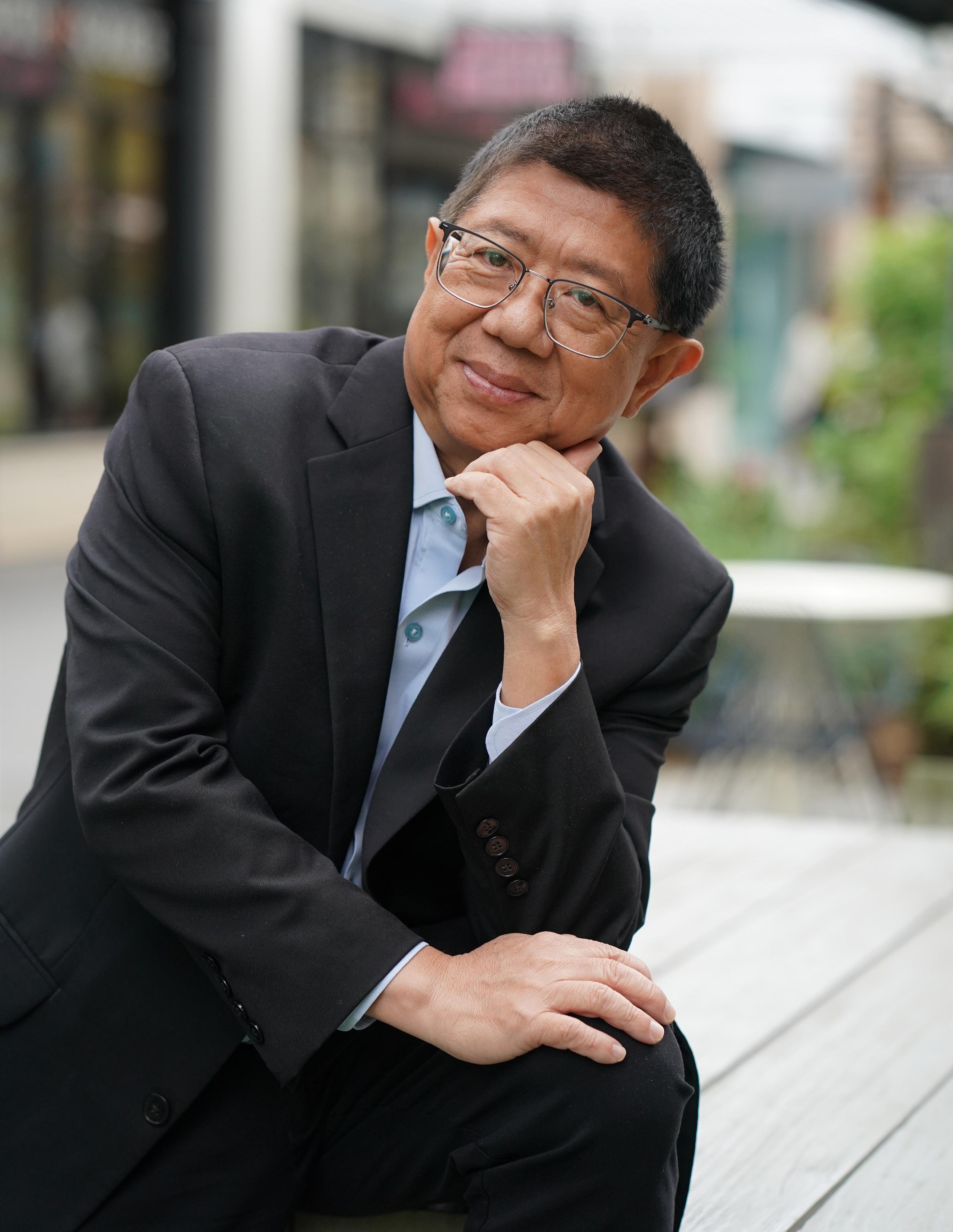
For Professor Jin-Xiong She, PhD, the pursuit of longevity is not a theoretical academic exercise; it is a mission forged in the crucible of personal loss and a rural upbringing where medical services were a luxury. Growing up in the Chinese countryside, Dr. She witnessed firsthand the devastating impact of preventable illness.
The early passing of his sister and his father’s near-death left an indelible mark on his career path. After earning his PhD in molecular and population genetics in France and spending over three decades in top-tier American academia, including a long tenure at the University of Florida and the Medical College of Georgia, Dr. She realized that elite research alone wasn’t enough to change the world.
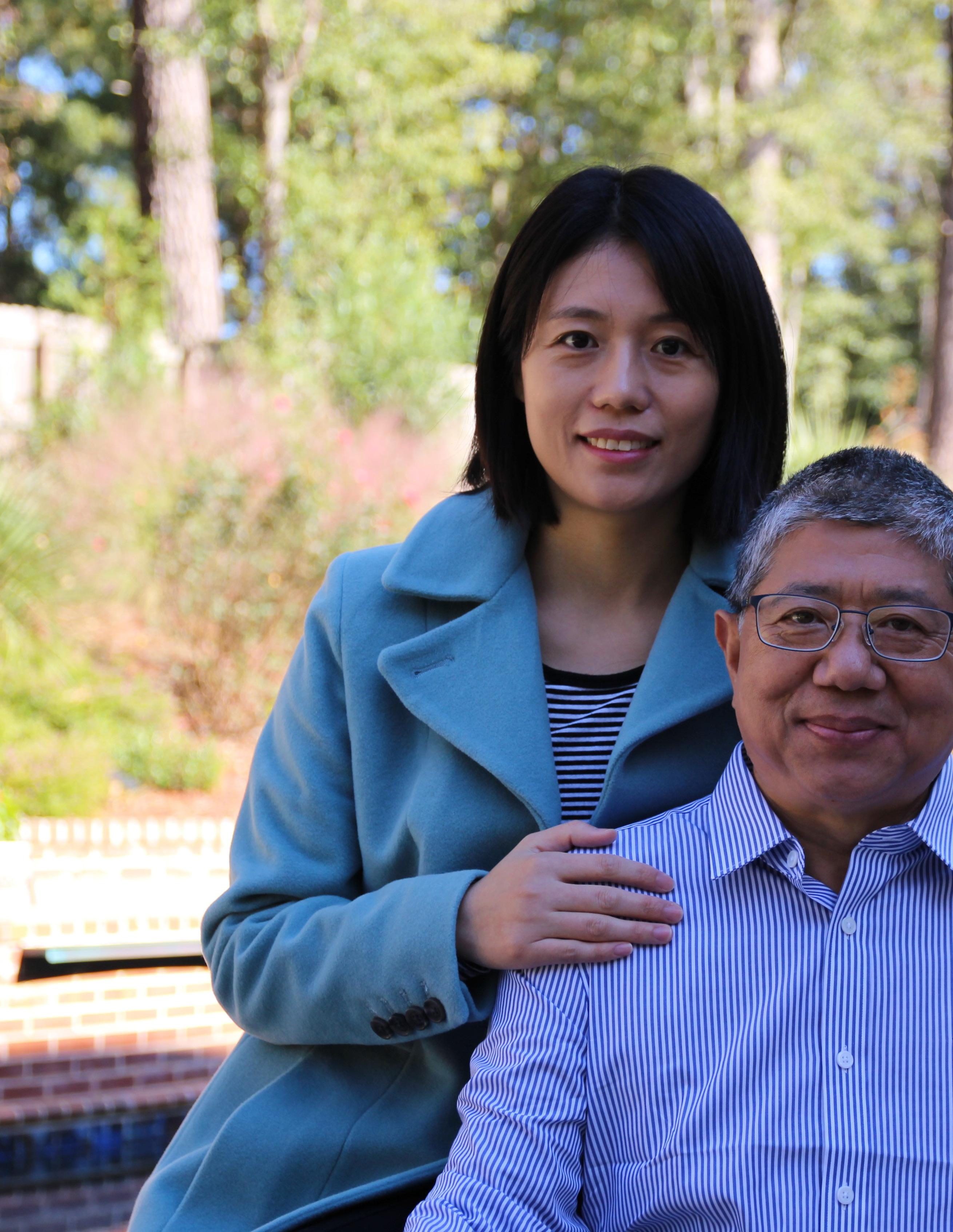
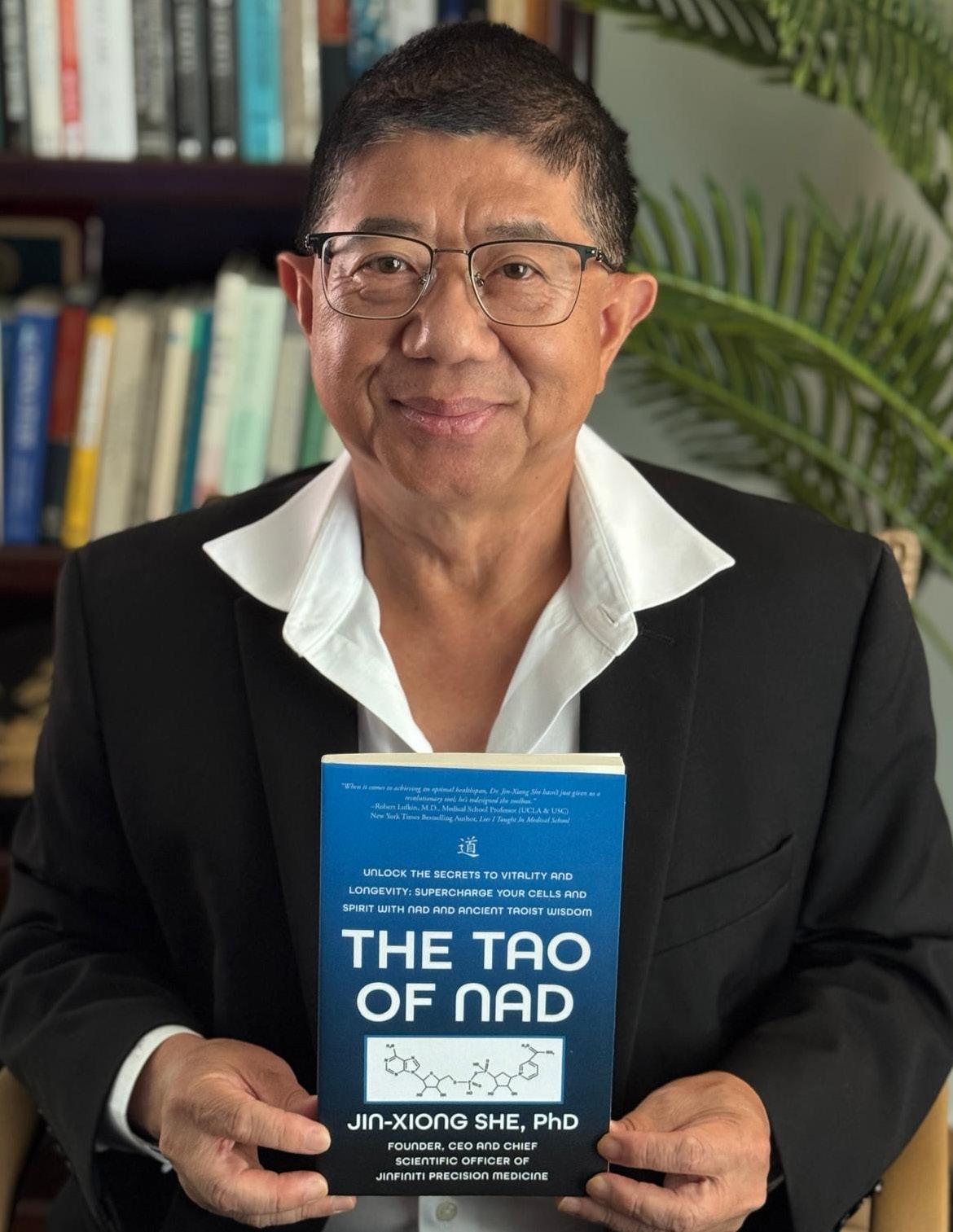
Six years ago, Dr. She made the pivotal decision to transition from the ivory tower of medical school professorship to the front lines of health technology. This shift led to the founding of Jinfiniti, a company dedicated to translating complex biochemical discoveries into accessible tools for the general public.
“The primary goal that I have is how we can give people 30 extra, healthy years back,” She said.
His focus is not merely on extending the number of years a person lives, but on ensuring those years are characterized by vibrant health and the ability to engage fully with life and family.
Bridging the Healthspan-Lifespan Divide
The core of Dr. She’s philosophy lies in addressing the discrepancy between “lifespan”, how long we live, and “healthspan,” how long we live without chronic, debilitating disease. While modern medicine has successfully pushed life expectancy into the late 70s and early 80s,
the average healthspan often plateaus in the mid-50s. This creates a 30-year window where individuals may be alive but are suffering from multiple chronic conditions that prevent them from enjoying their later years or contributing to society.
Dr. She believes this gap is entirely solvable with the right tools and commitment. By optimizing cellular health and intervening before symptoms manifest, he argues that humans can remain active well into their 90s and beyond.
“We can stay vibrant. We can stay healthy. We can do the things that we want to do if we commit to healthy actions to achieve this goal,” Dr. She noted.
For him, the goal of a hundred-year life is only desirable if it is accompanied by the physical and mental autonomy to enjoy it.
The Essential Role of NAD+ and Cellular Energy
At the heart of Jinfiniti’s scientific approach is NAD+ (Nicotinamide Adenine Dinucleotide), a coenzyme found in all living cells and essential for life. Dr. She describes NAD+ as one of the most fundamental molecules in biology, involved in over 400 different enzymatic functions. Its most critical role is the production of Adenosine Triphosphate (ATP), which serves as the primary “energy currency” for every cell in the human body. Without sufficient NAD+, cells simply cannot produce the energy required to survive or repair themselves.
“Without NAD+, you cannot produce ATP and your cells cannot survive,” Dr. She explained.
As we age, our natural levels of NAD+ decline, leading to a cascade of cellular dysfunction that contributes to the aging process and the onset of age-related diseases. By focusing on maintaining and optimizing these levels, Dr. She aims to provide the foundational energy required for the body to maintain its own resilience. This focus on the “molecular currency” of the body represents a shift from treating symptoms to supporting the core machinery of life.
Navigating the Information Gap in Longevity Science
While interest in “anti-aging” has exploded in recent years, Dr. She warns that the field is currently plagued by a massive influx of misinformation. He identifies two major camps: a small group seeking “immortality,” and a much larger community simply looking to regain vitality. The challenge for both groups, and even for medical professionals, is discerning scientifically sound data from marketing-driven “fake information.” Dr. She views this knowledge gap as one of the most significant hurdles to public health today.
“It’s very hard, even for health professionals, to know what is working, and what is medically sound information versus what is fake information for marketing purposes,” Dr. She said.
He expressed concern that the financial incentives of the commercial market often lead to the spread of unverified claims. To combat this, he is positioning Jinfiniti as a trusted platform
where individuals can access information that has been rigorously evaluated for efficacy, bridging the gap between cutting-edge research and consumer safety.
The “TAO” of Precision Medicine: Test, Act, Optimize
To move beyond the guesswork of traditional wellness, Dr. She has developed a proprietary methodology he calls the “TAO” process. This acronym stands for Test, Act, and Optimize.
The philosophy emphasizes that every individual’s biochemistry is unique, and therefore, their health interventions must be equally specific. By starting with comprehensive biomarker testing, Jinfiniti identifies “sub-health” conditions – biochemical and physiological imbalances that haven’t yet become clinical symptoms but are the root causes of future decline.
“Testing will give us the data we need to come up with a personalized precision action plan,” Dr. She stated.
This data-driven approach allows for the monitoring of the success or failure of any given intervention, ensuring that a protocol is actually helping rather than potentially causing harm. This iterative process is supported by his “8P” principles: proaction, prediction, prevention, precision, personalization, parallel (holistic), prioritization, and persistence.
For Dr. She, the ultimate success of longevity science depends on moving away from a “onesize-fits-all” model and towards a persistent, data-backed lifestyle.
The Future of Longevity and the Role of AI
Looking toward the next decade, Dr. She envisions a world where “longevity medicine” becomes synonymous with “standard medicine.” He sees a future in which advanced technologies such as stem cell therapies, exosomes, and gene editing are integrated into routine care.
However, he remains cautious about the role of artificial intelligence. While he has utilized AI tools in his research for decades, he warns that AI is only as good as the data it is fed. In an era of rampant misinformation, the risk of AI amplifying incorrect health advice is a major concern.
“I don’t think AI is quite ready to replace expert opinion,” She cautioned.
He believes the most effective approach will always be a combination of advanced technology and human expertise. As he looks toward the upcoming year, Dr. She is focused on expanding partnerships to evaluate the efficacy of various health products and services. His advice for the public remains simple yet urgent: take action now.
“What you do now determines how you’re going to do in years and decades ahead,” Dr. She said, emphasizing that the best time to start optimizing health is always today.
The Mandate for Proactive Longevity: Closing the Gap
Ultimately, Dr. She’s vision for Jinfiniti represents a fundamental shift in the power dynamic of modern medicine. By moving away from a reactive “sick-care” model that only intervenes once a diagnosis is reached, he is advocating for a world where individuals have the tools to maintain their own biological machinery at peak performance.
This democratization of high-level scientific data, once reserved for elite research institutions, allows the average person to map their internal health with the same precision as a professional athlete or a medical researcher. The goal is to redefine “old age” not as a period of inevitable decline and withdrawal, but as a vibrant chapter of continued contribution, wisdom, and connection.
Whether through the optimization of NAD+ levels to restore cellular energy, senolytics to eliminate senescent or “zombie” cells, boosting the longevity hormone Klotho, engaging in data-backed health coaching, or committing to the “TAO” philosophy of regular testing and refinement, the path to a hundred-year healthspan is built on the deliberate choices made today.
As Jinfiniti expands its international reach and refines its AI-driven diagnostic tools, Dr. She remains steadfast in his original mission: ensuring that the 30-year gap between being alive and being truly well is finally closed for good.
To learn more, visit www.jinfiniti.com.
The Supplement Most Women Ignore
And Why I Take It
Every Day at 70+
By Evelyn Flaharty
Creatine is one of the most researched, misunderstood, and honestly underrated supplements in the fitness world. Despite decades of science backing it, there’s still a surprising amount of confusion around what it actually does, who it’s for, and whether it’s safe for women, especially older women. I want to change that mindset because, as a bodybuilder in my 70s, I don’t just talk about creatine – I use it every single day and have experienced firsthand how powerful it can be.
Let’s start with the basics. Creatine is a naturally occurring compound found in your body, primarily stored in your muscles; your body makes it on its own from amino acids. It’s also found in small amounts of foods like red meat and fish. Here’s the catch: the amount you get from food and natural production is limited. Supplementing with creatine allows you to saturate your muscles fully, and that’s where the real benefits begin.
Creatine is part of a substance that our body uses called creatine phosphate. Its purpose is to generate energy. I know this may seem far away for most of us, but back in high school biology, we learned about adenosine triphosphate, or ATP.
ATP is the energy that our cells use, and creatine is an essential part of that. So, if you don’t have enough creatine, you’re likely making less ATP. Which means your cells aren’t generating as much energy.
Creatine is stored in your muscles. If you have less muscle mass, you’re going to have less creatine, and your body will produce less ATP. Lower ATP levels can lead to fatigue. So that’s a potential mechanism behind some of the benefits of taking creatine as a supplement.
At its core, creatine plays a critical role in energy production. More specifically, it helps regenerate ATP, which is your body’s primary energy currency. Every time you lift a weight, sprint, or push through a tough set, your body relies on ATP.
The problem is that ATP gets depleted quickly, usually within seconds, during high-intensity activity. This is where creatine steps in. Increasing your body’s stored phosphocreatine helps replenish ATP faster, allowing you to perform better, push harder, and recover quicker between sets.
So, what does that actually mean in real life? When your muscles have more readily available energy, you can lift heavier weights, complete more reps, and maintain intensity throughout your workout. Over time, this leads to increased strength, improved muscle mass, and better overall performance. And no, this isn’t just for athletes or bodybuilders. This applies to anyone who wants to maintain or build muscle, particularly as we age.
There’s a lot of talk on social media about creatine supplementation being beneficial for women as they age. So you may be wondering: why is creatine supportive during perimenopause and menopause?
That’s an interesting part of the evidence, and it has to do with estrogen. As women age, estrogen levels naturally decline. Creatine has also been shown to decline. As a result, this decline in estrogen is associated with muscle loss, and where you have muscle loss, you’ll also have less creatine and bone mass as well. Insufficient estrogen levels likely reduce the amount of creatine available to women as they age.
One of the biggest misconceptions I hear is that creatine is only for men or for “bulking up.” That couldn’t be further from the truth. Women benefit tremendously from creatine, and not just in terms of muscle. As we age, we naturally lose muscle mass, a process known as sarcopenia. This loss of muscle impacts everything from strength and balance to metabolism and independence. Creatine helps counteract that decline by supporting muscle preservation and growth. For women in their 70s like myself, that’s not just about aesthetics, it’s about quality of life.
Beyond muscle, creatine has been shown to support brain health, cognitive function, and even mood. Your brain, like your muscles, requires a significant amount of energy. By improving cellular energy availability, creatine may help with mental clarity, focus, and even reduce fatigue. There’s also emerging research suggesting benefits for bone health and for reducing the risk of falls, which is incredibly important as we age.
Now let’s address safety, because I know that’s a big concern. Creatine is one of the most extensively studied supplements available, and the consensus is clear: it is safe for healthy individuals when taken at recommended doses. The old myths about kidney damage or dehydration have largely
been debunked in healthy populations. Of course, if you have pre-existing medical conditions, it’s always wise to consult your health care physician, but for most people, creatine is not only safe – it’s beneficial.
When it comes to how to take it, simplicity is key. You don’t need complicated loading phases or cycling protocols. A consistent daily dose of 3-5 grams is all it takes to maintain optimal levels. Timing isn’t critical, but many people prefer taking it post-workout or with a meal. The most important thing is consistency, as creatine works by building up in your system over time, not from a single dose.
Now, let me share what I personally use. I take creatine every day, and my go-to is Thorne – for good reason. When it comes to supplements, quality matters, especially as we get older. We need to be mindful of what we’re putting into our bodies. Thorne is known for its rigorous testing standards, clean formulations, and commitment to transparency. Their creatine is pure, free from unnecessary additives, and NSF Certified for Sport – which means it’s been independently tested for quality and safety. That level of trust is important to me, and it should be to you.
Another thing I appreciate about Thorne is that their creatine is micronized, which improves solubility and absorption. That means it mixes easily, doesn’t sit heavy in your stomach, and is less likely to cause any digestive discomfort. It’s simple, effective, and reliable – exactly what I want in a supplement I take daily.
Let’s talk about one of the most common concerns: water retention. Yes, creatine can cause your muscles to hold more water, but this is intracellular water, meaning it’s stored within your muscle cells, not under your skin. This actually contributes to a fuller and more toned appearance, not bloating. It’s part of the reason your muscles look and feel stronger when you’re consistently using creatine.
Another benefit that doesn’t get talked about enough is recovery. Creatine helps reduce muscle damage and inflammation following intense exercise. That means less soreness, quicker recovery, and the ability to train more consistently. And if you’ve been in this game long enough, you know that consistency is everything.
For those who are new to strength training or returning after a break, creatine can be especially helpful. It gives your body the extra support it needs to adapt, build strength, and stay motivated. Because, let’s be honest, when you feel stronger and see progress, you’re more likely to stick with it.
Now, I want to speak directly to the women reading this, especially those who may be hesitant. There’s this outdated belief that lifting weights or taking supplements like creatine will make you bulky. That’s simply not how our bodies work. What creatine will do is help you build lean muscle, improve strength, and support your overall health. It’s about becoming stronger, not bigger. It’s about feeling capable, confident, and empowered in your own body.
And for those in their later years, this is where creatine becomes even more valuable. Maintaining muscle mass isn’t just about looking good; it’s about staying independent, preventing falls, and continuing to live life on your terms. At 71, I’m living proof that age is not a limitation – it’s an opportunity to take even better care of yourself.
Let me be clear, this isn’t about chasing youth. It’s about owning your strength at every stage of life. I train because I want to stay strong, capable, and independent. Creatine supports that goal. It allows me to push harder in my workouts, recover faster, and maintain the muscle I’ve worked so hard to build. And the truth is, the older we get, the more we need support, not less.
Creatine is one of the simplest, most effective ways to give your body the support it needs.
Incorporating creatine into your routine doesn’t require a complete overhaul of your lifestyle. It’s a small, simple addition that can have a significant impact over time. Pair it with regular strength training, proper nutrition, and adequate hydration, and you’ve got a powerful foundation for long-term health and performance.
If you’ve been on the fence about creatine, consider this your sign to give it a try. Not because it’s trendy, not because everyone is doing it, but because it works. It’s backed by science, supported by real-world results, and trusted by athletes and everyday individuals alike.
I’ve spent several years in this industry, and I don’t recommend anything lightly. Creatine is one of the few supplements that truly delivers on its promises. And as someone who is still lifting, still training, and still pushing boundaries in my 70s, I can tell you this: taking care of your body is a lifelong commitment. Creatine is just one of the tools that can help you do it better.
Strong doesn’t have an age limit, and neither does your potential!
AGELESS TIMELESS AND
THE SCIENCE OF LONGEVITY REIMAGINED
How Dr.
Valter Longo
Is Transforming Aging, Nutrition, and Disease Prevention
BY MICHELE HUGHES CEO OF AGELESS AND TIMELESS AND HOST OF THE AGELESS AND TIMELESS PODCAST
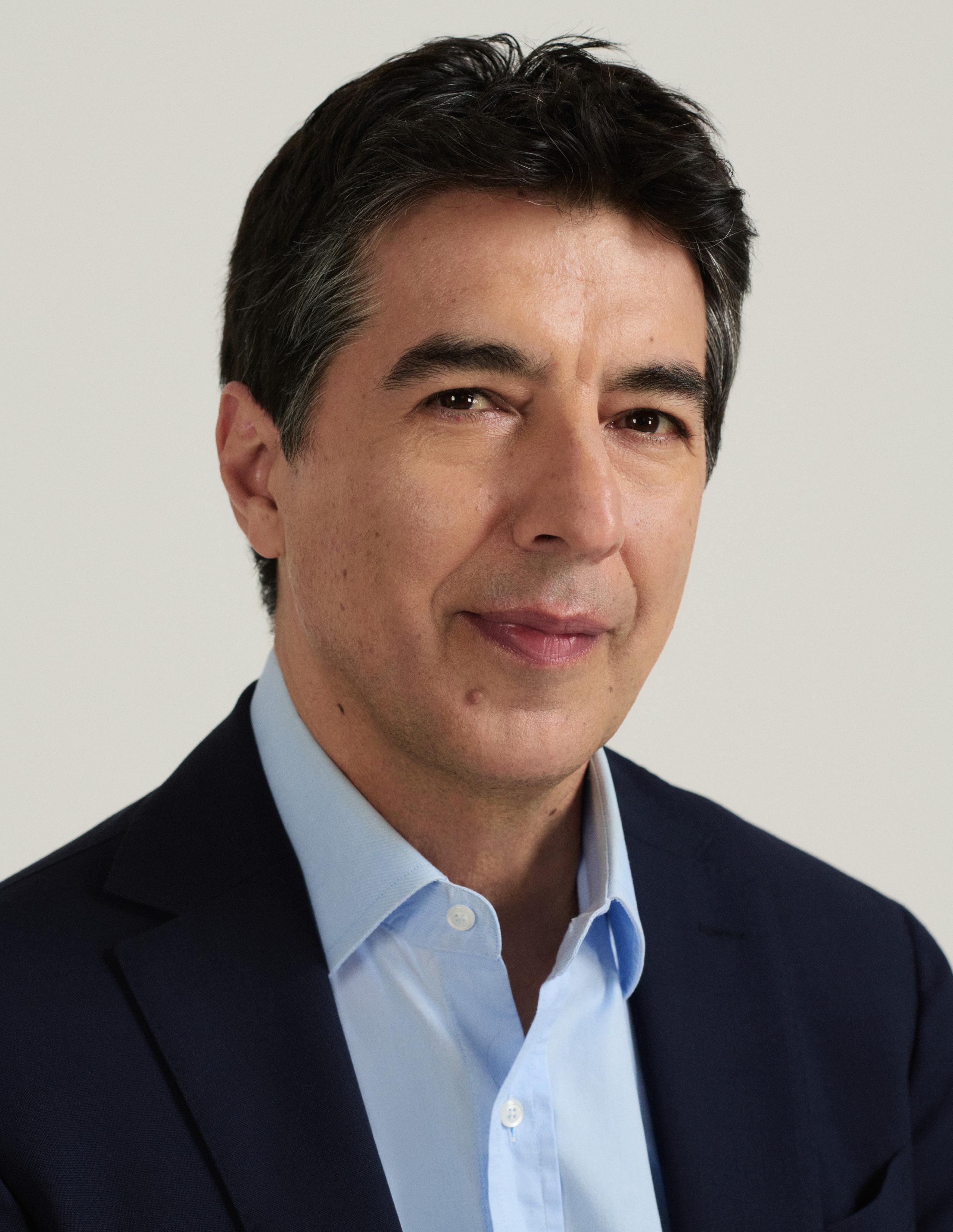
Few scientists have influenced the modern understanding of longevity as profoundly as Dr. Valter Longo. As a professor of gerontology and biological sciences and director of the Longevity Institute at the University of Southern California, Dr. Longo has spent decades at the forefront of aging research, bridging the gap between basic science and clinical application.
Internationally recognized for his pioneering work on the fasting-mimicking diet (FMD) and the biological mechanisms of aging, Dr. Longo’s research has reshaped how physicians and patients approach nutrition, disease prevention, and healthspan optimization. From early discoveries in cellular biology to large-scale human clinical trials, his work continues to define a new paradigm where targeted nutrition becomes a
powerful, evidence-based medical intervention.
THE ORIGIN OF A LIFELONG PURSUIT
Dr. Longo’s journey into longevity science began early in his academic career, when he developed an interest in biochemistry and aging during his undergraduate studies. That curiosity deepened during his PhD at UCLA, where he worked under Dr. Roy Walford, a leading authority in aging and caloric restriction.
While those early experiences provided a strong foundation, his research quickly expanded beyond traditional calorie restriction models. His work in cellular systems, from bacteria to yeast, laid the groundwork for understanding how
nutrient signaling pathways influence aging, resilience, and regeneration.
These formative years established the central theme that continues to guide his work today: Aging is not simply a passive process but one that can be actively influenced through targeted biological interventions.
THE DEVELOPMENT OF THE FASTINGMIMICKING DIET
One of Dr. Longo’s most influential contributions is the development of the fasting-mimicking diet, a scientifically engineered nutritional protocol designed to replicate the biological effects of fasting while maintaining safety and compliance.
The concept originated from two key hypotheses. First, that specific nutrients could be strategically limited to trigger the body’s fasting response even while food is consumed. Second, that cyclical exposure to this state could produce a dual effect: the breakdown of damaged cellular components during the fasting phase, followed by regeneration and repair during refeeding.
This approach marked a critical shift in the field. Rather than relying on prolonged water-only fasting—which can present safety and adherence challenges—the FMD offers a controlled, clinically applicable alternative that activates many of the same protective mechanisms. But more importantly, Longo’s laboratories discovered that these fasting re-feeding cycles could lead to multi-organ repair and regeneration.
THE BIOLOGY BEHIND FASTING AND LONGEVITY
At the core of Dr. Longo’s work is a deep understanding of the biological mechanisms activated during fasting and fasting-mimicking cycles. His research identifies four primary processes that contribute to improved healthspan:
• Metabolic reprogramming, leading to reductions in blood glucose, cholesterol, and blood pressure while preserving lean mass
• Stem cell activation, enabling tissue repair and regeneration
• Cellular reprogramming, including the activation
of Yamanaka factors and pathways associated with rejuvenation
• Autophagy, the body’s internal system for clearing damaged cells and components
Together, these mechanisms create a coordinated response that not only addresses symptoms but targets the underlying drivers of aging and disease.
FROM LONGEVITY RESEARCH TO CLINICAL IMPACT
While Dr. Longo’s early work focused on fundamental aging processes, his research naturally evolved into clinical applications. Beginning around 2010, his team initiated human trials, translating promising results from animal models into therapeutic strategies for disease.
Today, the fasting-mimicking diet has been studied across a wide range of conditions, including cancer, diabetes, autoimmune disorders, and inflammatory diseases. These collaborations—spanning institutions such as Stanford, the University of Leiden, and USC—have demonstrated the broad potential of nutrition-based interventions in modern medicine.
This transition from laboratory discovery to clinical utility represents one of the most significant contributions of Dr. Longo’s career.
FASTING, CANCER, AND A NEW THERAPEUTIC FRONTIER
Among the most compelling areas of Dr. Longo’s research is the relationship between fasting and cancer biology. His findings suggest that fasting-mimicking cycles may help differentiate between healthy and cancerous cells, making cancer cells more vulnerable to treatment while protecting normal cells.
Preclinical studies have shown that combining FMD with therapies such as chemotherapy, immunotherapy, and radiation can enhance treatment efficacy while reducing toxicity. Early human trials are beginning to confirm these effects, signaling a potentially transformative approach to cancer care.
Importantly, Dr. Longo emphasizes that these benefits are specific to controlled fasting-mimicking protocols, not unsupervised water-only fasting, particularly in vulnerable patient populations.
BRINGING SCIENCE TO THE PUBLIC: FASTING CANCER
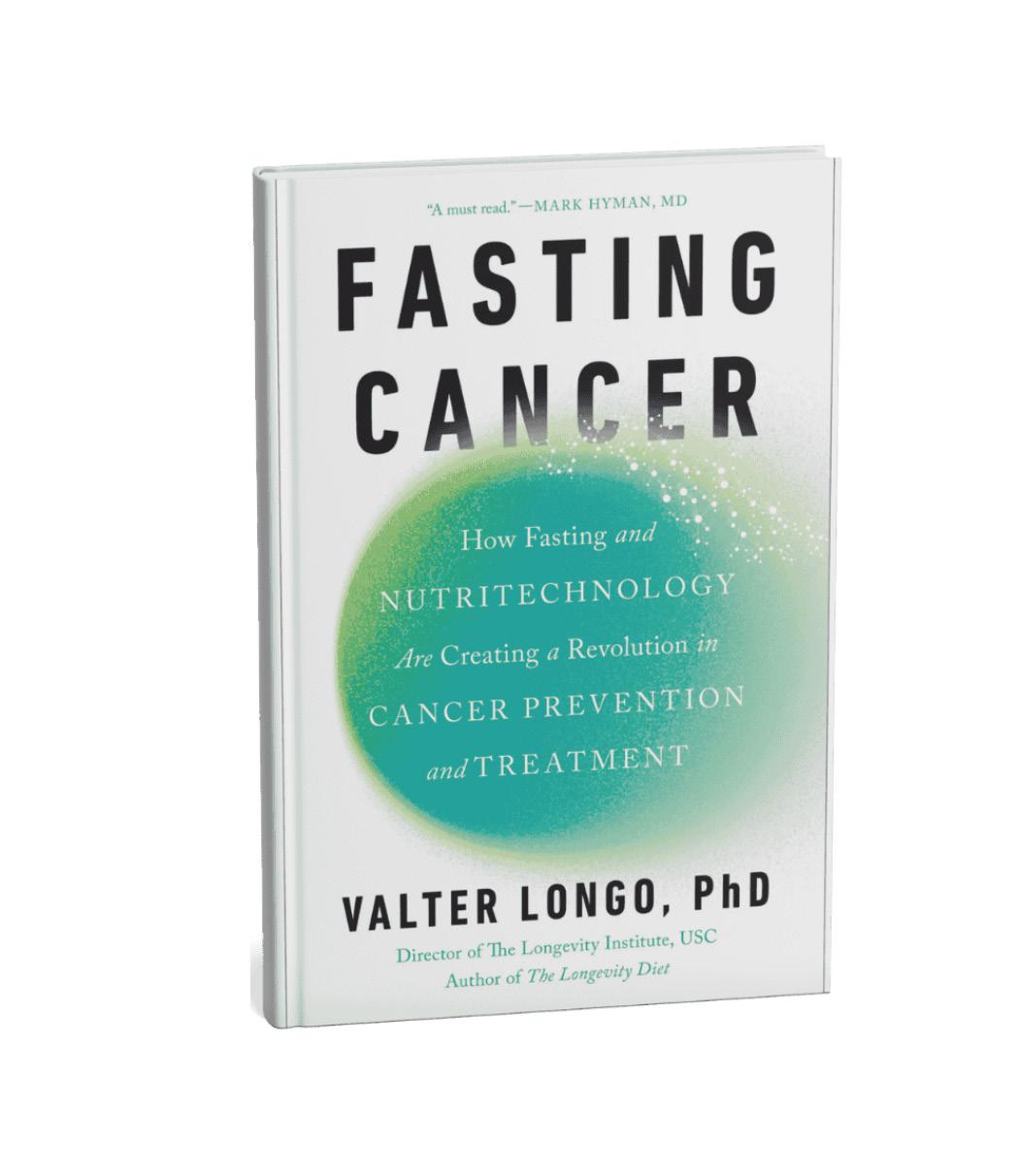
Driven by both clinical experience and growing scientific evidence, Dr. Longo recently authored “Fasting Cancer”, a book designed to make this research accessible to a broader audience.
Inspired by the thousands of patients treated through foundation-supported clinics and informed by collaboration with leading oncologists worldwide, the book reflects a convergence of laboratory science, clinical trials, and realworld application.
Its goal is not only to educate but to challenge conventional thinking about how nutrition can be integrated into cancer treatment strategies.
RETHINKING THE ROLE OF NUTRITION IN MEDICINE
Despite decades of evidence supporting the role of nutrition in health outcomes, it remains underutilized in clinical practice. Dr. Longo is direct in his assessment: meaningful integration will require systemic change.
This includes specialized training for physicians and scientists, updated reimbursement models, increased public and private investment, and a shift in the positioning of nutrition within medical education and care delivery. In his view, nutrition should not be considered supplemental but foundational to modern medicine.
THE FUTURE OF LONGEVITY AND PREVENTIVE MEDICINE
Looking ahead, Dr. Longo envisions a future in which longevity science becomes central to healthcare, with nutrition and fasting-based interventions playing a critical role.
While advanced technologies will continue to evolve, he emphasizes that dietary strategies already have the power to significantly influence lifespan and healthspan, potentially extending life expectancy by over a decade when applied correctly.
Fasting-mimicking cycles, performed periodically throughout the year, represent a practical middle ground: a scalable, evidence-based intervention that bridges the gap between pharmaceutical treatments and comprehensive lifestyle change.
As the field continues to mature, Dr. Longo’s work stands as a defining example of how science, when translated effectively, can reshape not only how we treat disease but how we age.
ABOUT DR. VALTER LONGO
Dr. Valter Longo is a globally recognized leader in longevity research and age-related disease prevention. He is a professor of gerontology and biological sciences and director of the Longevity Institute at the University of Southern California, one of the world’s leading centers for aging research.
Dr. Longo is best known for pioneering the fasting-mimicking diet, a clinically studied nutritional approach shown to promote cellular regeneration, reduce biological age, and support the treatment of conditions such as cancer, diabetes, and autoimmune diseases. His work has led to over 30 clinical trials and has significantly advanced the role of nutrition as a therapeutic tool in modern medicine.
A highly cited scientist and author of “The Longevity Diet”, Dr. Longo has received numerous prestigious awards and was named one of Time magazine’s most influential people in healthcare. He also serves as president of the Create Cures Foundation, supporting research, education, and access to nutrition-based therapies worldwide.
ABOUT MICHELE HUGHES
Michele Hughes is the visionary founder of Ageless and Timeless and the dynamic host of the Ageless and Timeless podcast. As a monthly contributor to TopDoctor Magazine, she offers powerful insights on wellness, longevity, and living fully at every stage of life. With a deep passion for health and vitality, and serving as a role model for timeless elegance,
Michele empowers audiences to embrace their highest potential and live with purpose and grace. Michele’s podcast, Ageless and Timeless, was one of 20 Inaugural Podcasts selected for the Muscle and Fitness Plus platform that began in 2023.
For more information, please reach out to express interest in being a potential guest on the Ageless and Timeless podcast or to be featured in the TopDoctor Magazine Ageless and Timeless column with Michele Hughes. For podcast collaborations or to have Michele Hughes on your show, please contact her at:
Ageless and Timeless podcast, on YouTube, iTunes, Spotify, and wherever podcasts are available.
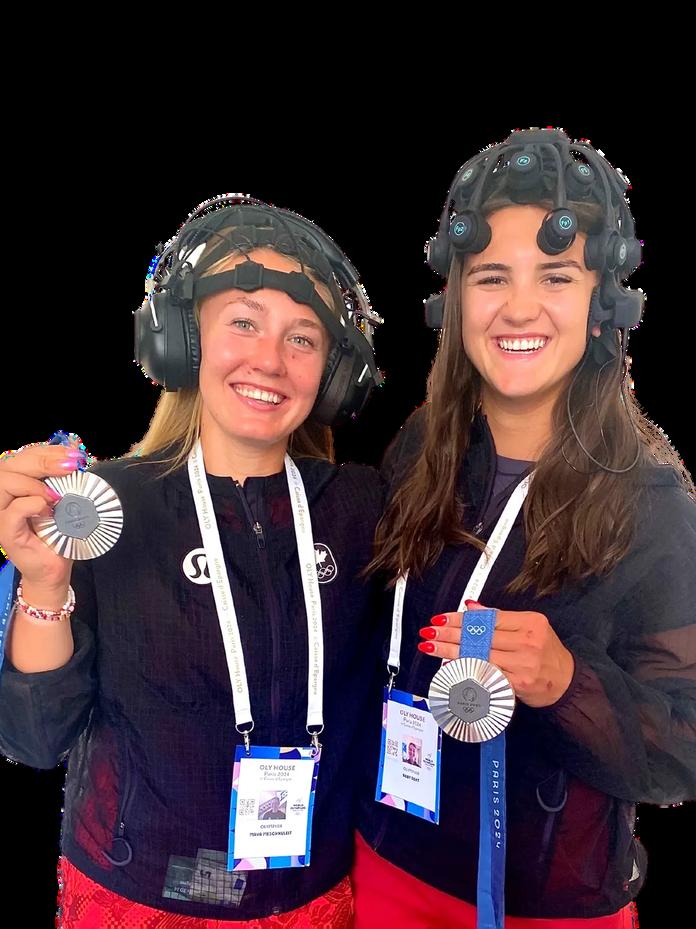
Treat Attention, Anxiety & Cognitive Decline Without Medication
Equip your clinic with Brainmark’s neurofeedback EEG device and cognitive performance enhancing platform.
Areas Brainmark focuses on Cognition
Focus
Calmness
Regeneration
Sensory processing
Creativity (indirect)
Service Includes:
EEG device
Gamified training platform
Clinical protocols
Staff onboarding
REFERENCES AND RESOURCES
WHEN OPTIMIZATION BECOMES
DYSREGULATION: WHY PATIENTS MUST ESTABLISH BASELINE PHYSIOLOGY BEFORE BIOHACKING
For inquiries regarding speaking engagements, health, wellness, and strength, please contact Ashleigh Quint at IG @up_lift_gym or via email at Ashleigh@uplift-gym.com.
1. Shaffer, F., & Ginsberg, J. (2017). An Overview of Heart Rate Variability Metrics and Norms. Frontiers in Public Health.
2. Thayer, J. F., et al. (2012). A meta-analysis of heart rate variability and neuroimaging studies: Implications for heart rate variability as a marker of stress and health. Neuroscience & Biobehavioral Reviews.
3. Ibid
4. Stalder, T., et al. (2017). Assessment of the cortisol awakening response: Expert consensus guidelines. Psychoneuroendocrinology.
5. Laborde, S., et al. (2018). Heart rate variability and health: A systematic review. Frontiers in Psychology.
THE CLEAN COFFEE REVOLUTION: DR. POMPA’S UNEXPECTED LOVE AFFAIR WITH WHAT’S IN HIS CUP
1. U.S. Food and Drug Administration, “Survey Data on Acrylamide in Food,” accessed May 18, 2026, https://www.fda.gov/food/process-contaminants-food/survey-data-acrylamide-food
2. https://oag.ca.gov/environment/prop65
3. You can watch Dr. Pompa’s podcast by visiting https://youtu.be/EwDYzfE8sf0?si=zciTvh2qheMoVuKz.
4. Visit truistacoffee.com to learn more about THE CLEANEST BEAN THE WORLD HAS SEEN®
CLOSING THE THIRTY-YEAR GAP: DR. JIN-XIONG SHE’S VISION FOR A CENTURY OF VITALITY
1. Data-driven, holistic health optimization. To learn more, visit www.jinfiniti.com.
THE SUPPLEMENT MOST WOMEN IGNORE AND WHY I TAKE IT EVERY DAY AT 70+
You can find more from Evelyn through her website or social media channels:
1. Website: EvelynFlaharty.com
2. YouTube: Evelyn Flaharty
3. YouTube: Workouts With Evelyn Flaharty
4. Instagram: ffmusclesandcurves
5. TikTok: @evelynifbbpro
6. Facebook: Evelyn Flaharty
THE SCIENCE OF LONGEVITY REIMAGINED: HOW DR VALTER LONGO IS TRANSFORMING AGING, NUTRITION, AND DISEASE PREVENTION
A highly cited scientist and author of “The Longevity Diet”, Dr. Longo has received numerous prestigious awards and was named one of Time magazine’s most influential people in healthcare. He also serves as president of the Create Cures Foundation, supporting research, education, and access to nutrition-based therapies worldwide.
1. Find out more about “The Longevity Diet” by visiting Dr. Longo’s website at valterlongo.com.
For more information, please reach out to express interest in being a potential guest on the Ageless and Timeless podcast or to be featured in the Top Doctor Magazine Ageless and Timeless column with Michele Hughes. For podcast collaborations or to have Michele Hughes on your show, please contact her at: