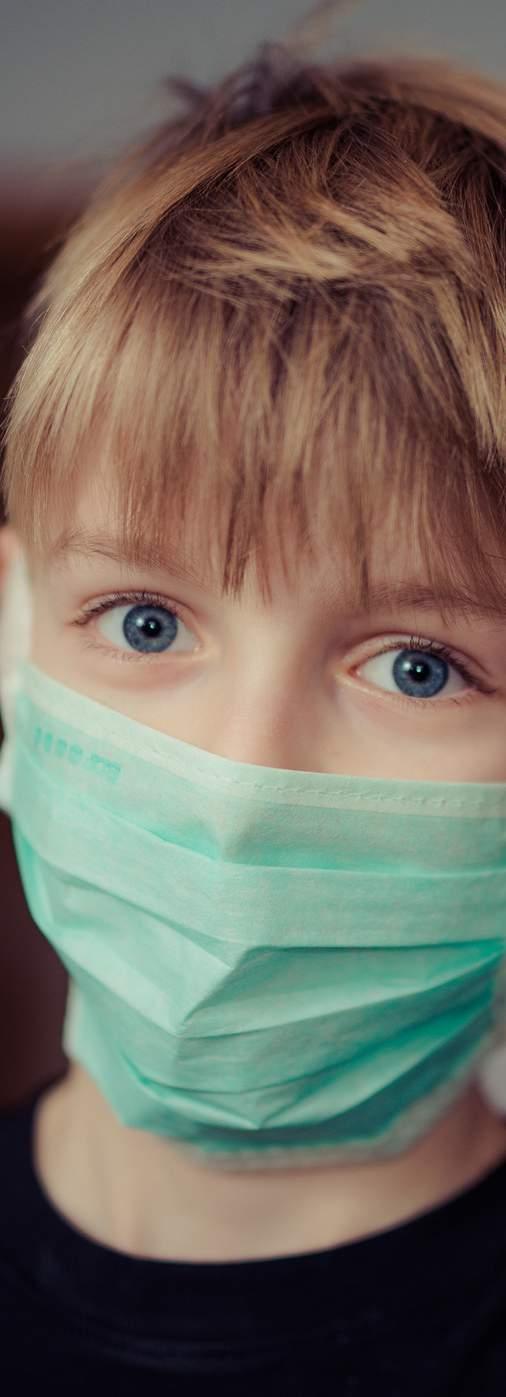
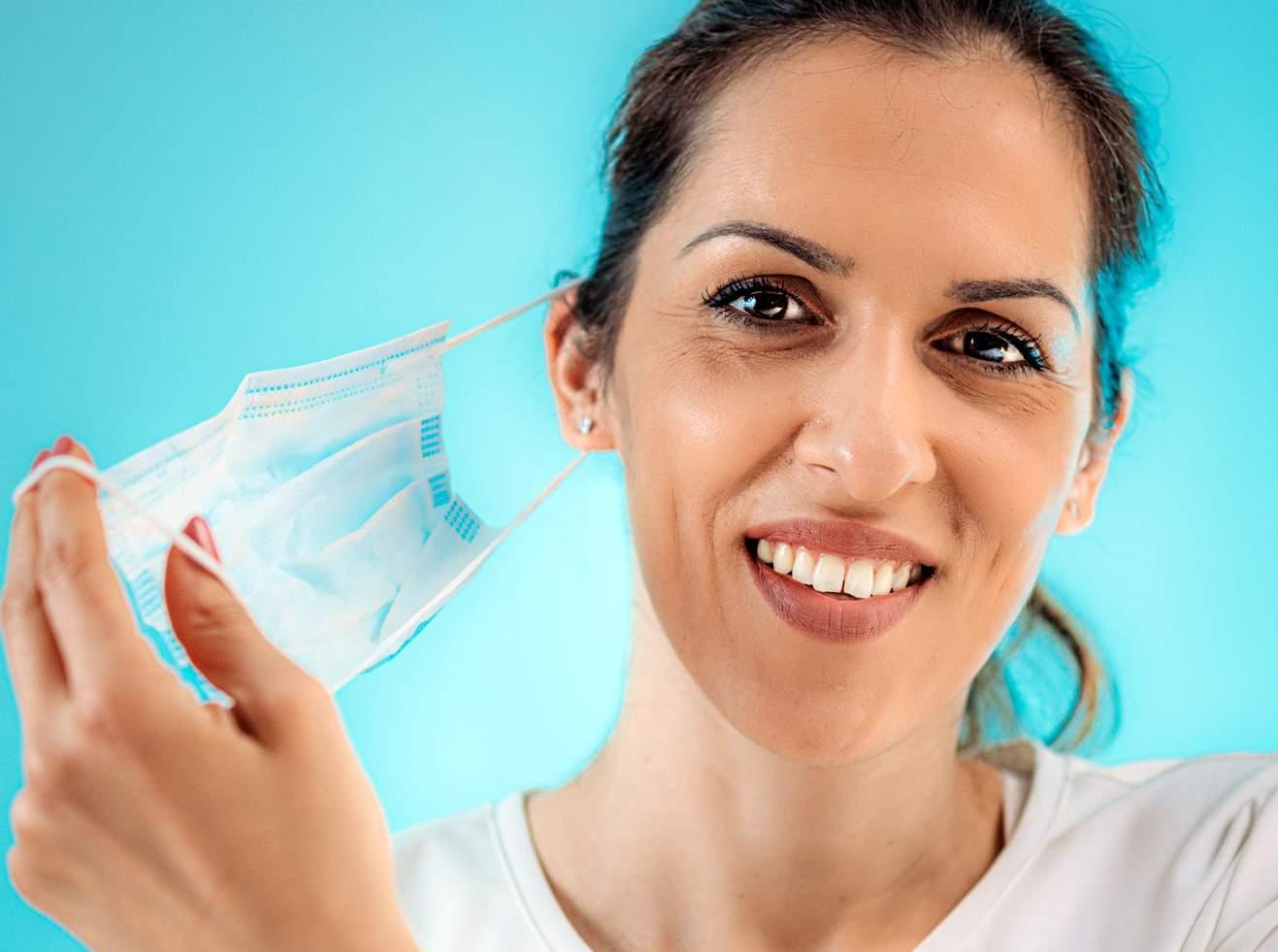
Politicians Demand It People Hate It ... But Does It Actually Help?
Everything you need to know from latest studies and why politicians have a doublestandard when it comes to mask-wearing. Pg. 05
01 A TALE OF TWO CRISES: THE PANDEMIC OF COVID-19 AND STRUGGLING PRIMARY CARE
05 TO MASK OR NOT TO MASK
12 A BETTER WAY TO HEALTH, HAPPINESS, AND LONGEVITY
19 WHAT DOES THANKFULNESS LOOK LIKE IN A PANDEMIC?
How being thankful during a pandemic can actually keep you healthy
25 WHAT’S YOUR FEVER NUMBER?
62 66
BUILDING SUSTAINABLE SYSTEMS AND GIVING A SPARK OF HOPE TO HELP VULNERABLE POPULATIONS IN AMERICA
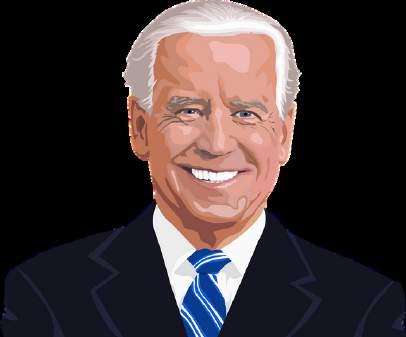
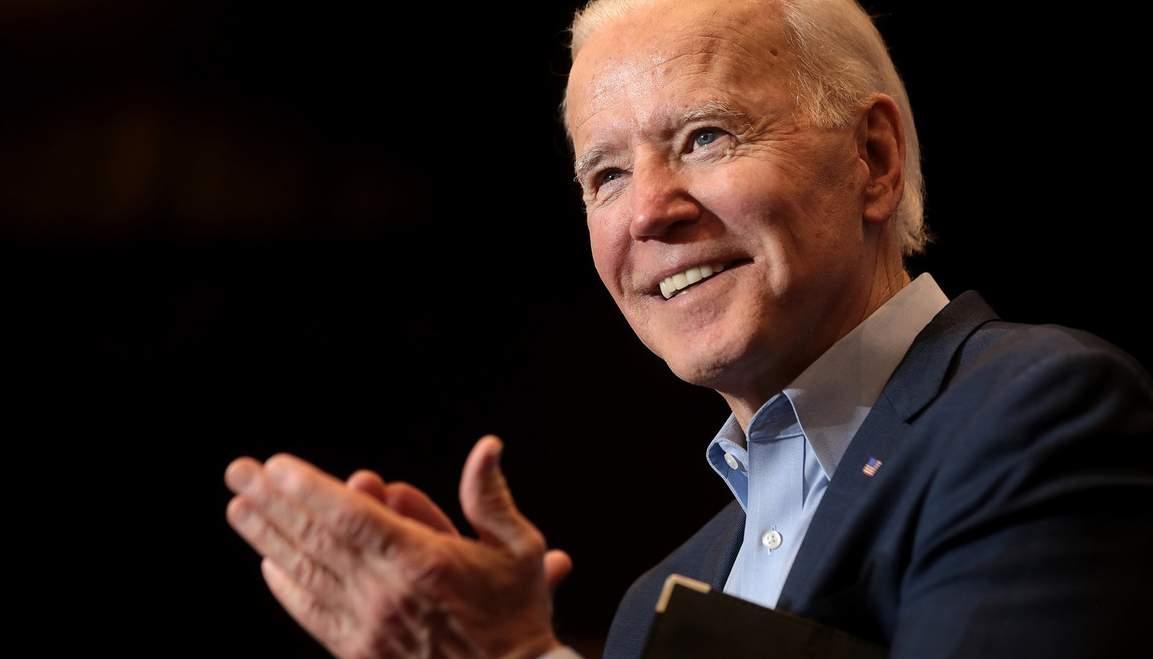
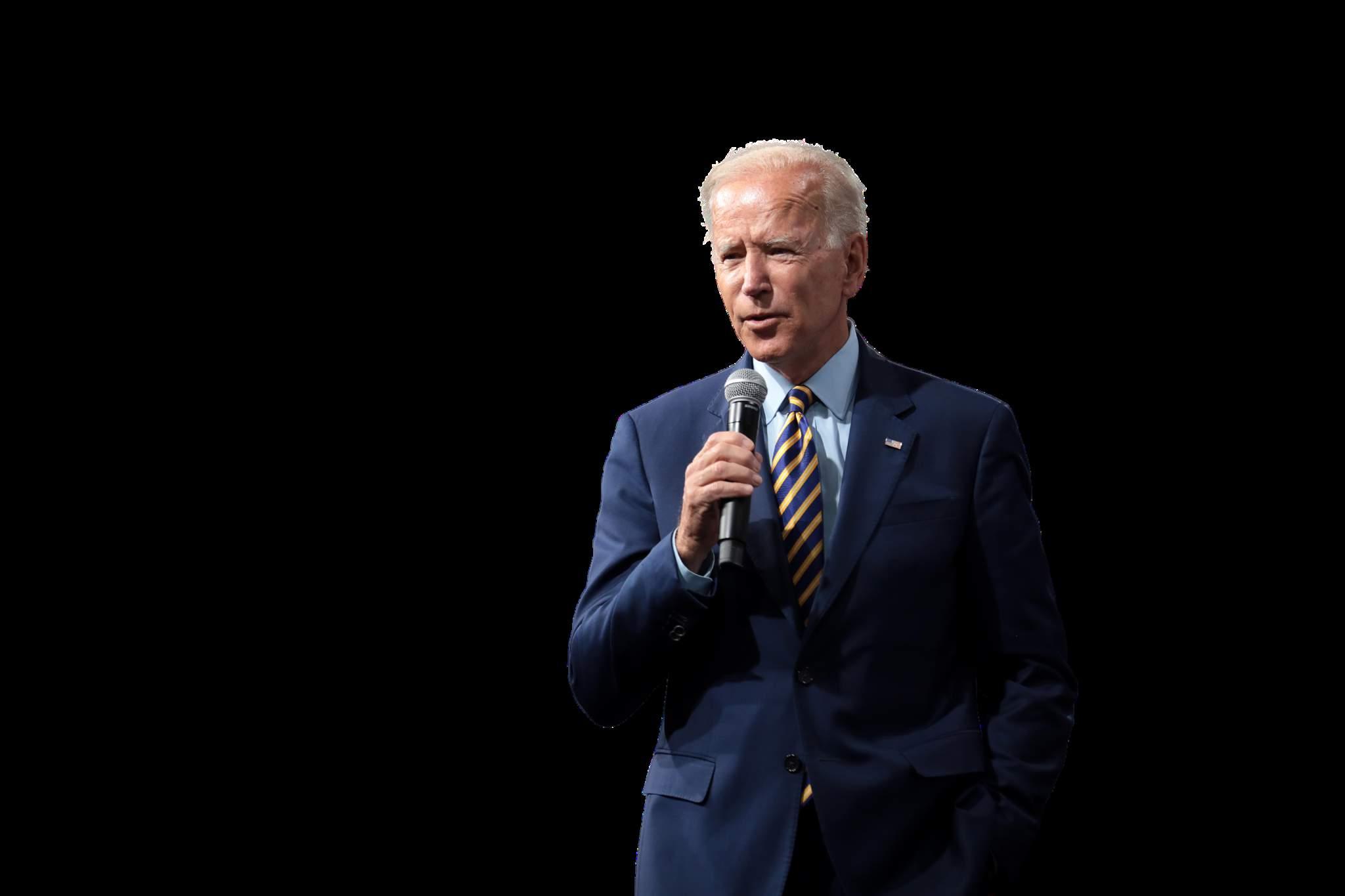
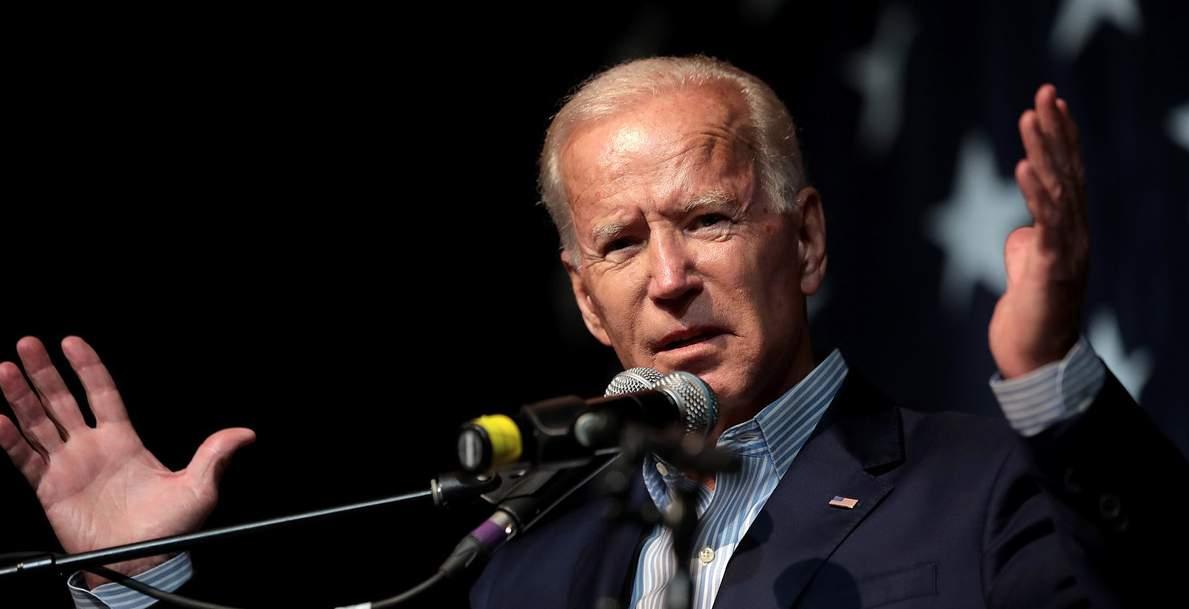
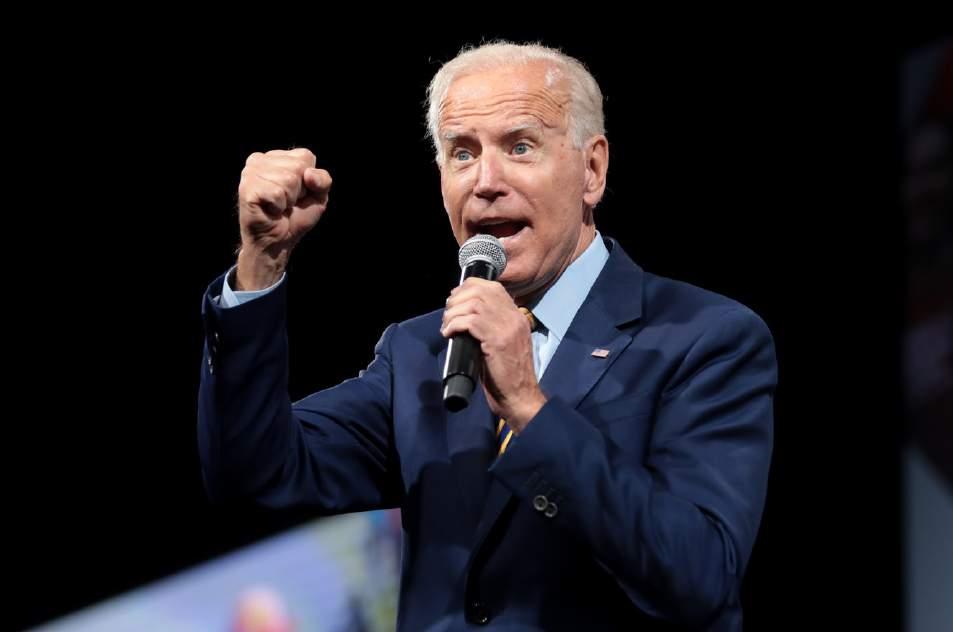
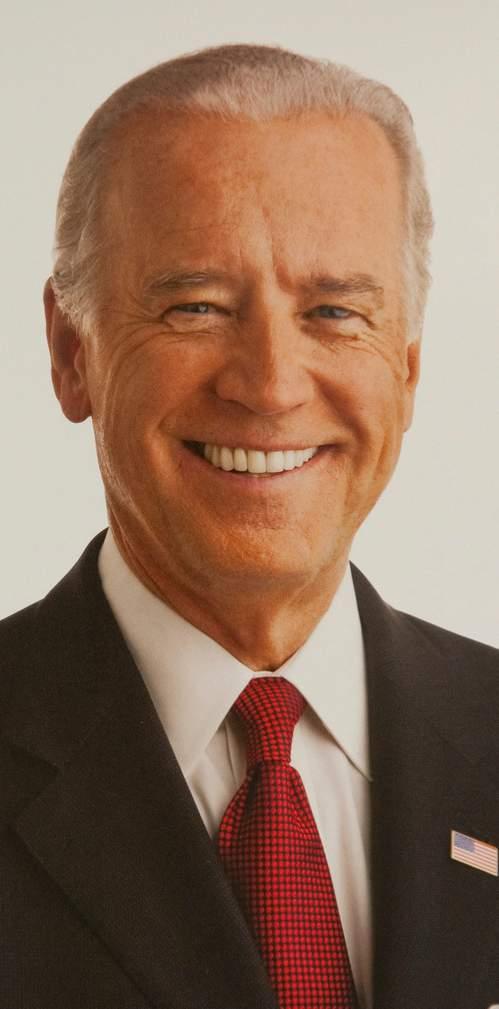
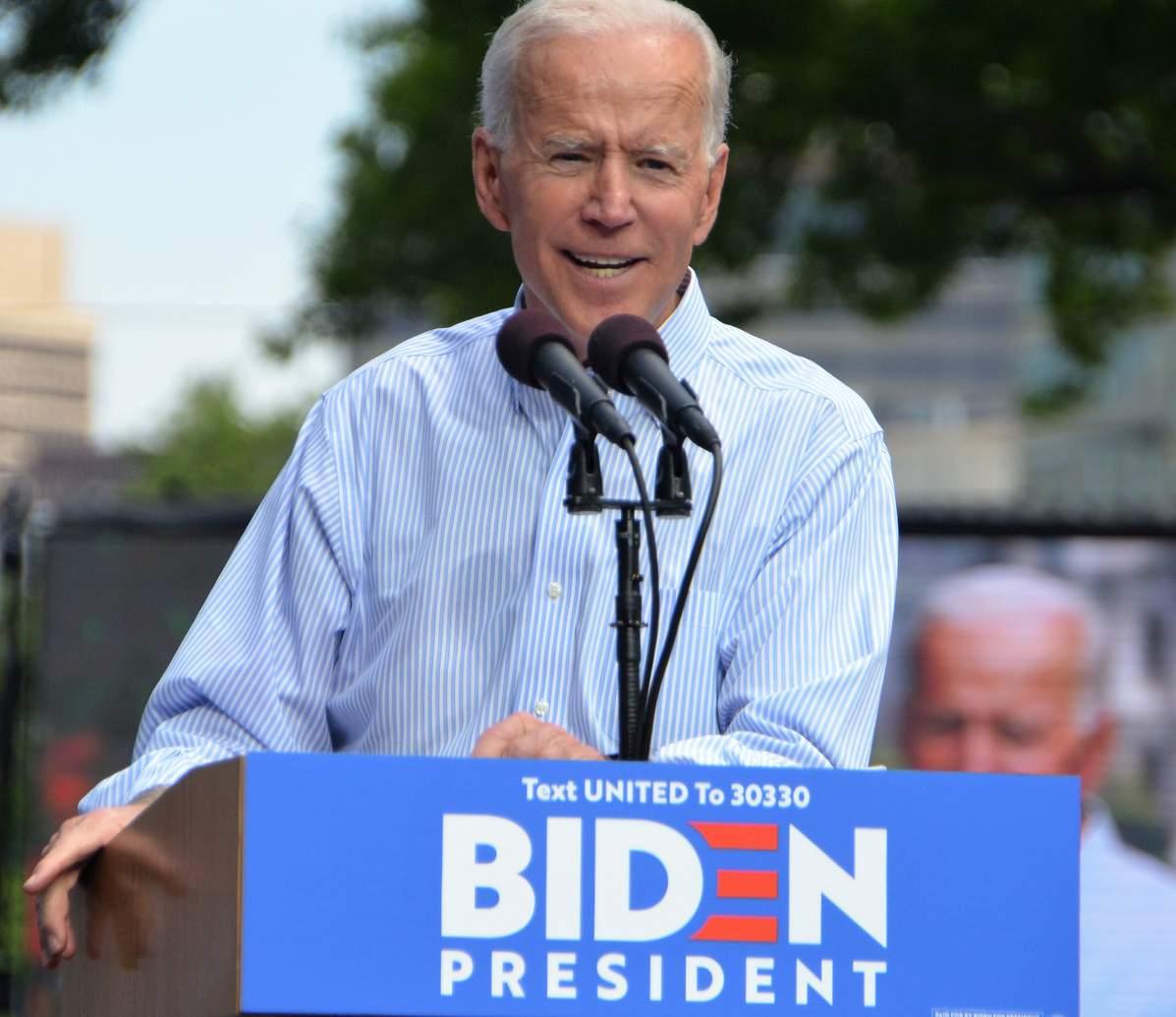
JOE BIDEN, THE SELFPROCLAIMED PRESIDENT-ELECT
12 WAYS TO CELEBRATE THE HOLIDAYS DURING COVID
70 IS THE NEW VACCINE WORTH ($) TO YOU?
71
A TALE OF TWO CRISES: THE PANDEMIC OF COVID-19 AND STRUGGLING PRIMARY CARE
BY JUSTIN MILLER
Small businesses across America are struggling Amid lockdowns and COVID-19 fears, it’s easy for people to forget that many of those small businesses are primary care practices. The irony is not lost on the doctors, nurses and office workers who strive to keep America healthy. While they weigh risks to their own health in order to keep us well, the orders designed to prevent the spread of the coronavirus may in fact hinder the livelihood for the very people who are there in our defense. The economic impact of the systems that are designed to protect us may well have a lasting effect on those valiant heroes of the health care system.
SMALL PRACTICES FACE THE CONCERN OF HAVING TO CLOSE THEIR DOORS
As a protection against COVID-19, primary care and specialists alike are asking patients to postpone routine care indefinitely, and while there’s a rise in telehealth as a supplement, regular doctor visits are at less than 20% of their regular numbers.
These are staggering numbers that can affect us all. That actual figures mean that more than “8 percent of the doctors reported closing their offices…” which is believed to be in excess of 16,000 practices. This is expected to exceed another 4 percent in coming months. Many doctors and nurses are choosing early retirement over the risks to their own health, thinking of their future with their families over family practice 59% of physicians anticipate COVID-19 to reduce the number of independent physician practices in their communities.
The CDC, the Centers for Medicare & Medicaid Services (CMS), and the American Medical Association have all created guides for small health care practices to utilize in an effort to keep their doors open, while protecting the health of patients and staff. This includes input for following government compliance, handling infected staff, transitioning to telehealth, tele-triage, scripts for staff to follow, coordinating with local hospitals, limiting patient visitors, handling legal issues and more. While small practices try to comply with the same processes as large facilities, many are unable to sustain reduced costs, having to resort to closing their doors permanently.
More than 30% of primary care physicians worry that they don’t have the funds to keep their practices open beyond a single month of continued lockdowns, leaving as many as 60,000 primary care practices in the U S that will likely close or experience dramatic staff cuts.
While these numbers are devastating system-wide, losses in income are likely to be worse for specialists than primary care. 43 percent of physicians have reduced their staff, while over 100,000 “have switched to a primarily telemedicine practice” For those practices that don’t close, there is a high expectation of laying off more staff amid the uncertainty.
WE’RE HERE FROM THE GOVERNMENT, AND WE’RE HERE TO HELP
Some believe that the fragility of primary care is that “most of these practices, and much of our health care system, rely on an outdated payment model: Each inperson visit with a patient generates a payment Without in-person visits, there is little to no revenue.”
These fears for the small, independent health care business lead many to suggest a global budget where “primary care practices would be paid a monthly fixed fee to care for their patients…” with bundled payments for everything from “surgical and cancer care to populationbased global budgets for health care delivery systems.”
The Paycheck Protection Program has helped rescue most practices for now, but the call for large, sweeping shifts in the economic structure of the health system seems to be the only remedy people believe will rescue small practices from becoming a thing of the past
LARGE HOSPITAL FACILITIES ARE THE WINNERS
The coronavirus has changed health care on all levels, and in all areas, but large hospitals have a direct connection to government, and that comes with economic and systemic benefits, training, and protocols that all but guarantee they will be absorbing a large percent of future business from closing small practices. These independent family care and specialist practices have to fight for protective supplies like gloves and masks that are more readily available to large hospitals. While they are to follow the same procedures to protect the public health, they are treated the same as any small business when it comes to fending for themselves. It seems that even with technologies that are readily available for all, the large facilities are going to see an increase in governmental connectivity and protections to keep their systems entact, and thus keeping their employees on the payroll.
TELEHEALTH IS THE FUTURE OF SMALL PRACTICE
For those independent practices that intend to fight to remain open until the bitter end, telehealth is the gateway from now into the future It almost seems like an intentional push towards the future of medicine, but it took a global pandemic to make it obvious that it is time to lean heavier on technology. Telehealth is paid to small practices similar to inperson visits, and while Medicare covers telemedicine sessions, doctors are paid roughly half what they earn for meeting with patients in person. With families staying home, telehealth is a solution, but one with many side effects of its own. More than 70 percent of physicians don’t believe that telehealth can continue without a rise in reimbursement
The truth is, that physicians are facing some hard times ahead Telehealth is a clear direction they will all need to consider, but there are no guarantees that they will be paid what is needed from this alone It may be a combination of government intervention, future technologies and the success of vaccines that help the small practices to survive, but there is a strong possibility that the shift will be more severe, and more permanent.
For some, the inevitable may be that in order to remain in practice, they will have to join larger facilities to reduce uncertainty.
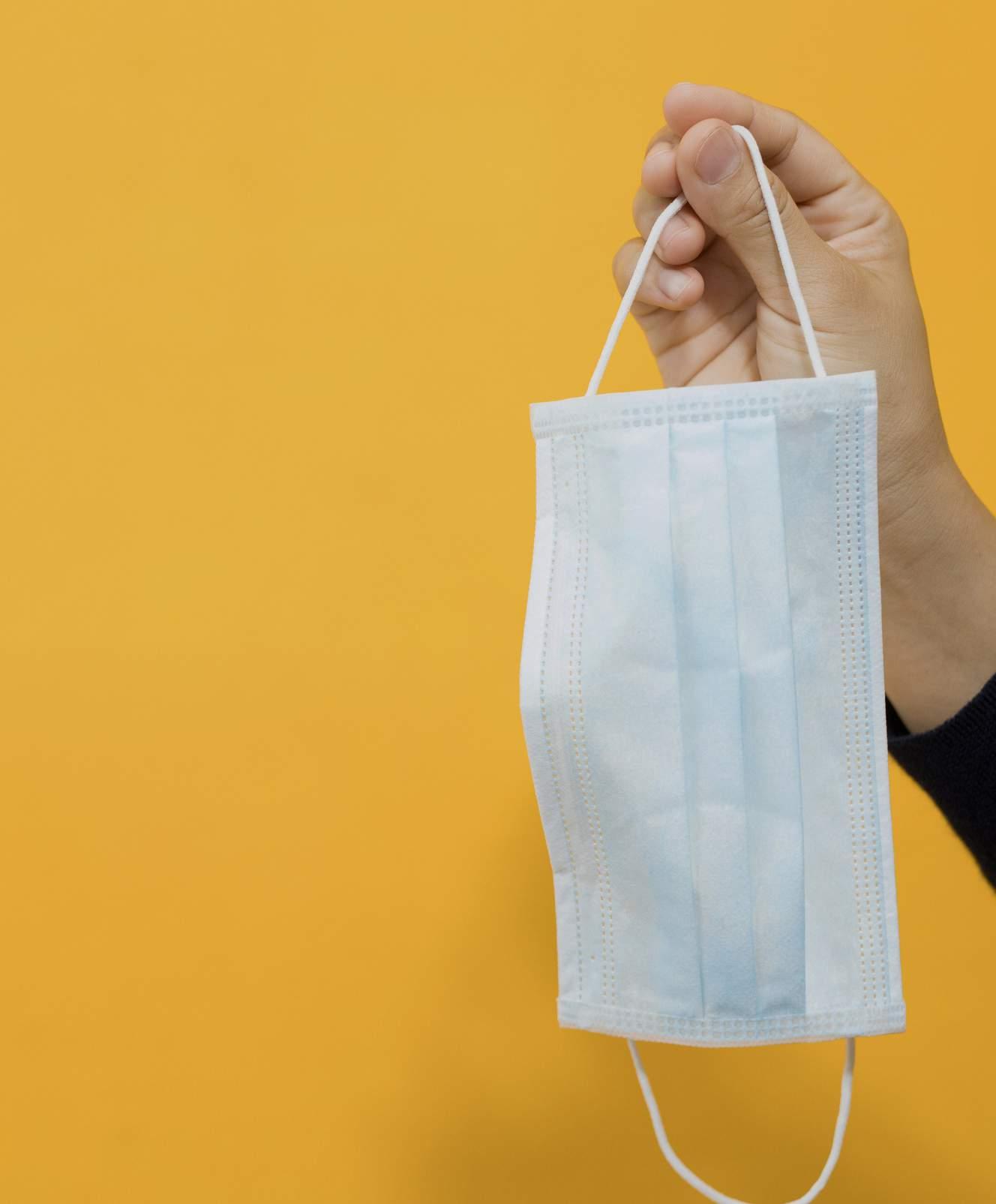
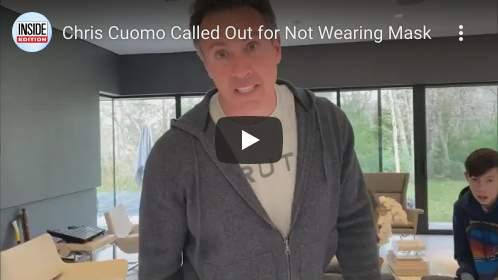
01 CHRIS CUOMO SEEMS TO WORSHIP MASKS... WHAT GIVES?
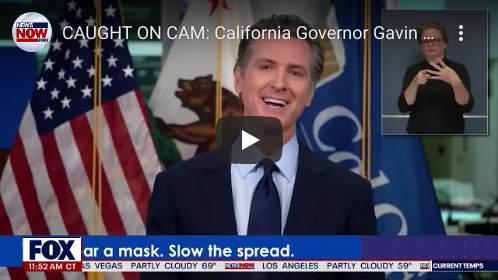
02 CALIFORNIA GOVERNOR GAVIN: IF YOU PREACH MASKS, WHY NOT WEAR ONE?
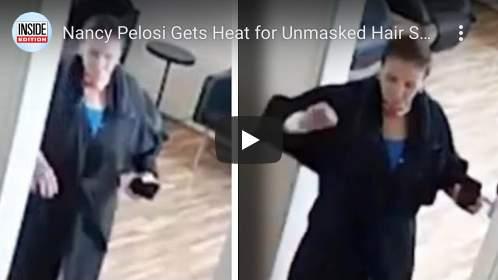
03 HOUSE SPEAKER NANCY PELOSI DECIDES MASK WEARING IS FOR THE "COMMON FOLK"
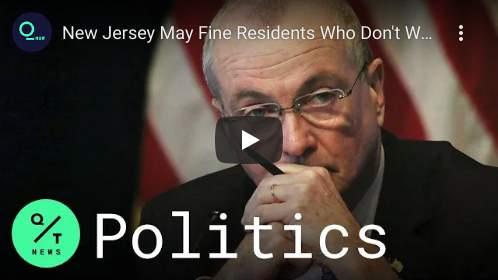
04 HEAR WHAT NEW JERSEY GOVERNOR PHIL MURPHY THINKS EVERYONE SHOULD DO
05 SEE WHAT NEW JERSEY GOVERNOR PHIL MURPHY ACTUALLY DOES
SO IF THE VERY PEOPLE WHO ARE TELLING US TO WEAR MASKS AND HOW IMPORTANT IT IS FOR THE GENERAL SAFETY AND WELL-BEING OF THOSE AROUND US, DON'T WEAR THEMWHAT DO THEY KNOW THAT WE DON'T?
WE'LL TELL YOU FROM A FEW NEW STUDIES ON THE NEXT PAGES
TO MASK OR NOT TO MASK
BY JUSTIN MILLER
INTRODUCTION
Could the use of masks jeopardize your health and put you at further risk of contracting COVID-19? What does the data show regarding mask effectiveness? The answer boils down to whether face masks really work or not, and if not, then why mandate it? The controversy of face masks has gone on long enough Will you be brave enough to face the facts or continue to submit to a proposed false narrative?
ABOUT THE FACE MASK MANDATE
As of November 2020, numerous governors are urging constituents to wear masks each time they go outdoors, enter stores, and even within their own homes when hosting guests. They are also attempting to order new quarantine mandates, business shutdowns, and strict public activities monitoring Essentially, this new mask mandate would require that all constituents wear a mask at all times However, these leaders are quoting statistics and facts that do not equate to a need for the level of response that they are enforcing Also, there is no logical reason why people are being forced to live in fear of something that is not likely to cause serious harm. Currently, there is a .01% COVID-19 mortality rate in the United States Globally, that number would resemble around 023% That means 99% of those infected recover quickly and with no complications.
With numbers such as these, why are the governors mandating masks and quarantines? Also, how are they going to enforce such mandates on a national level? Many object to the mask mandate and have given clear evidence of why masks are detrimental to a person's health.
SHOULD YOU WEAR A FACE MASK
Health officials around the world have also been urging the public to stop buying facemasks. The purchase of masks is depleting the supply for medical professionals who actually need them. In February, The Surgeon General said in a tweet that the best way to protect yourself from the virus is to wash your hands regularly and to stay home if you are feeling ill. Surgeon General Adams also said, "They are NOT effective in preventing the general public from catching #CORONAVIRUS, but if health care providers can't get them to care for sick patients, it puts them and our communities at risk!". Also, a few days after his tweet, Adam's said, "You can increase your risk of getting it by wearing a mask if you are not a health care provider" Coming straight from the Surgeon General's mouth, again, masks are not effective in preventing the general public from catching COVID-19.
The only reason healthcare professionals are saying to wear masks, despite other advice, is to prevent the spreading of the virus through droplets. However, there are limits to how this protection works
What has been said regarding the effectiveness of wearing masks solely revolves around the idea that the virus spreads from droplets and that the masks do a well enough job of preventing the spread of those droplets. A Danish study reported that "1 8% of the people wearing masks had been infected, while 2.1% of the people in the control group had tested positive". The study also concluded that the results did not indicate a large increase in protection using masks. It should be noted that the test group was small, and because of this, the results do not pertain to large group settings. With this in mind, medical specialists have stated that masks are not effective for general public use Early on in the pandemic, Dr. Anthony Fauci said, "There's no reason to be walking around with a mask. When you're in the middle of an outbreak, wearing a mask might make people feel a little bit better, and it might even block a droplet, but it's not providing the perfect protection that people think that it is.
And, often, there are unintended consequences people keep fiddling with the mask, and they keep touching their face " This is in part, as quoted by Dr Fauci, due to user error, counterfeit masks, false hope in cloth masks, and a general lack of mask effectiveness Dr Michael J Ryan, Executive Director of The Health Emergency Program at the World Health Organization, said during a February briefing, "Not having a mask does not necessarily put you at an increased risk of contracting this disease". Three times now, prominent medical leaders have said that wearing masks does little to prevent contracting the virus, and the lack of wearing masks does not increase your risk of contraction either.
However, Fauci went back on his word and said, "Well, if people are not wearing masks, then maybe we should be mandating it " So, which is it; is Dr. Fauci for or against masks and if there are so many outspoken individuals regarding the effectiveness of masks, why would he support it? Despite Dr Fauci's conflicting beliefs, evidence reveals that wearing a mask is unnecessary and may be detrimental to your health.
THE SCIENCE BEHIND "WHY NOT?"
The chances of catching COVID-19 from quick passing interactions in public spaces is low. To contract COVID-19, you would have to have constant face-to-face contact with an individual for a minimum of 10 minutes. Also, the person whom you are conversing with would have to be symptomatic As stated before, wearing a mask changes very little, with few exceptions (i e , the Danish study), such as wearing one on a plane or other similar situations Is it not outrageous to have a mask mandate when the requirements for infection are so specific? COVID-19 is a unique virus because most of those infected experience no illness or little sickness, and a minimal number of people face the risk of serious outcomes
No in-depth studies have been conducted to demonstrate whether a cloth mask or N95 mask affects the transmission of COVID-19. This means that recommendations, especially governmental, must be based on studies of Influenza transmission. Why are government leaders pushing for a mask mandate when there is not enough evidence to support one? This means that governors are making mandates based on information that pertains to an entirely different illness, with no real empirical evidence to prove the effectiveness of prolonged mask use. However, what there is scientific evidence of are the risks of prolonged mask use.
Prolonged mask use has been correlated with headaches, increased airway resistance, hypoxia, carbon dioxide accumulation, and serious life-threatening health issues The N95 mask is most commonly associated with headaches because they restrict breathing to a much higher degree than other masks Dr Russel Blaylock, MD of Technocracy News, covered a study where 47 males and 165 females were asked about headaches with their N95 mask use. What was found was that one-third of the workers reported headaches with the use of the mask, and preexisting headaches were worsened. 60% of those surveyed required pain medication after the study was conducted. Regarding this, Dr. Blaylock said, "the bulk of the evidence points toward hypoxia and/or hypercapnia as the cause. That is, a reduction in blood oxygenation (hypoxia) or an elevation in blood C02 (hypercapnia)" Hypoxia can also inhibit the main immune cells that are used to fight viral infections This means that wearing a mask that causes hypoxia significantly increases your chances of catching Covid-19 and increases your risk of a serious version of the virus. Research has also shown that the longer a mask is worn, the greater the fall in blood oxygen levels. A reduction in oxygen can increase inflammation, which may promote the growth and spread of cancer. Not to mention, repeated cases of hypoxia can cause heart attacks and strokes. Another study that was conducted using cloth and surgical masks had the same results.
However, what is being said regarding a new type of N95 mask? Apparently, researchers are working on a new N95 mask that is electrostatically charged and can be recharged after a few uses. To recharge the mask, it must be placed between two plate electrodes and an application of a strong electric field. Unfortunately, this mask is still under development, and medical professionals are debating the practicality of it. Critics say that it is unlikely that healthcare workers will want to dismantle their masks after each use for a recharge. As for health benefits, the electrostatic N95 is supposed to work the same as a regular N95, except it can be recharged. So, it should be assumed that it proposes the same health risks as other N95 masks.
Interestingly enough, those most at risk of COVID-19 are also most at risk of serious illness from prolonged mask use. Individuals with emphysema, pulmonary fibrosis, COPD, and those who have had lung surgery are at risk of worsening their lung function by wearing masks.
When a person has been infected, every breath that they release expels the virus into the air. When wearing a mask, this expulsion is somewhat trapped within the mask and breathed in again. By repeatedly breathing in the virus, they increase the concentration of the virus in their lungs and nasal passages Those who have had the worst cases of COVID19 were those who had the worst concentrations of the virus in their system. Therefore, by wearing a mask while infected, you increase your chances of developing a life-threatening case of COVID-19.
CONCLUSION
There is a substantial lack of evidence supporting wearing a mask of any kind, and imposing such a mandate puts more people at risk than it helps. The whole idea surrounding the efficacy of mask-wearing hinges on the absolute compliance of the people. Regardless of the evidence against wearing masks, Dr Fauci wants forced mandates, "There's going to be a difficulty enforcing it, but if everyone agrees that this is something that's important and they mandate it, and everybody pulls together and says, you know, we're going to mandate it but let's just do it. I think that would be a great idea to have everybody do it uniformly " However, if the American people have shown anything, compliance is not something that they are comfortable with. With all of this in mind, are you going to support the prolonged use of masks or stand against it? Because at the end of the day, the evidence says all; and what the evidence says is that masks hurt more people than they help
BIBLIOGRAPHY
Author, A. (2020). Blaylock: Face Masks Pose Serious Risks To The Healthy. Retrieved from https://www technocracy news/blaylock-face-masks-poseserious-risks-to-the-healthy/
Axios. (2020). Fauci says if people won't wear masks, maybe it should be mandated Retrieved from https://www axios com/fauci-arent-wearing-masksmandate-c67c3388-942f-48d1-90dd-24a7ca4f642a.html
Coldewey, D. (2020). N95 masks could soon be rechargeable instead of disposable Retrieved from https://techcrunch com/2020/09/14/n95-maskscould-soon-be-rechargeable-instead-of-disposable/
Coronavirus Cases:. (n.d.). Retrieved from https://www worldometers info/coronavirus/
Cramer, M , & Sheikh, K (2020) Surgeon General Urges the Public to Stop Buying Face Masks. Retrieved from https://www nytimes com/2020/02/29/health/coronavirus-n95-face-masks html
Ellis, R. (2020). Fauci Says Nationwide Face Mask Rule May Be Needed. Retrieved from https://www.webmd.com/lung/news/20201024/fauci-says-nationwide-facemask-rule-may-be-needed
Garcia, C. (2020). Republican Maryland governor says no one has a 'constitutional right to walk around without a mask'. Retrieved from https://www.theblaze.com/news/larry-hogan-constitutional-mask-mandate
Perrett, C. (2020). The US Surgeon General once warned against wearing face masks for the coronavirus but the CDC now recommends it. Retrieved from https://www.businessinsider.com/americans-dont-need-masks-pence-says-asdemand-increases-2020-2
Staff, R. (2020). Danish study finds face masks provide limited protection to wearer Retrieved from https://www reuters com/article/us-health-coronavirusfacemasks/danish-study-finds-face-masks-provide-limited-protection-to-weareridUSKBN27Y1YW
To Mask or Not to Mask (2020) Retrieved from https://afa net/thestand/culture/2020/11/to-mask-or-not-to-mask/
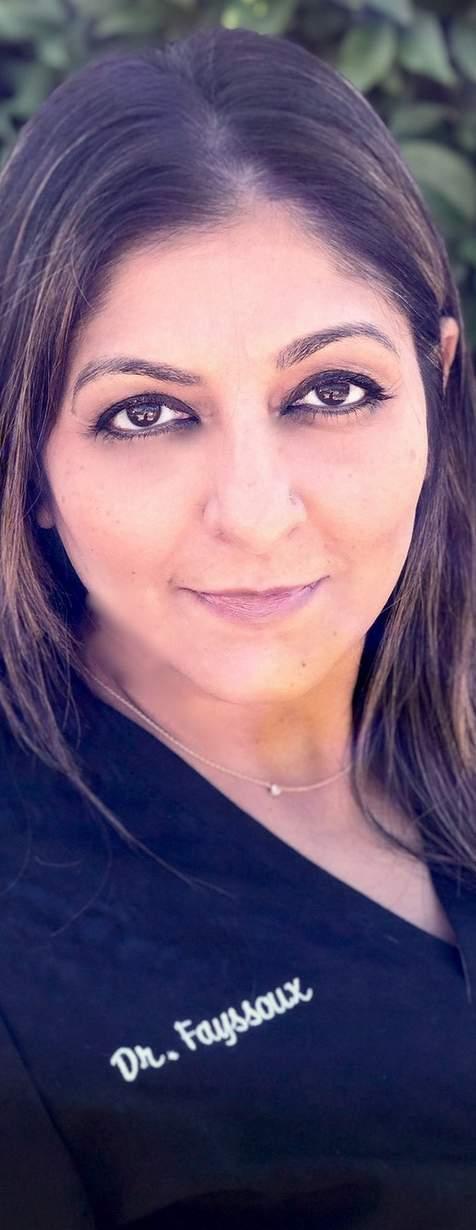
Dr. Kinder Fayssoux SPOTLIGHT
A BETTER WAY TO HEALTH, HAPPINESS, AND LONGEVITY
BY BRIANNA CONNORS
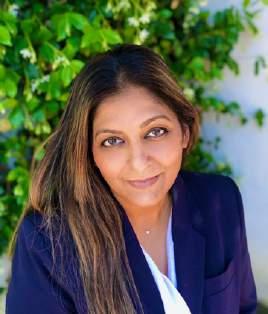
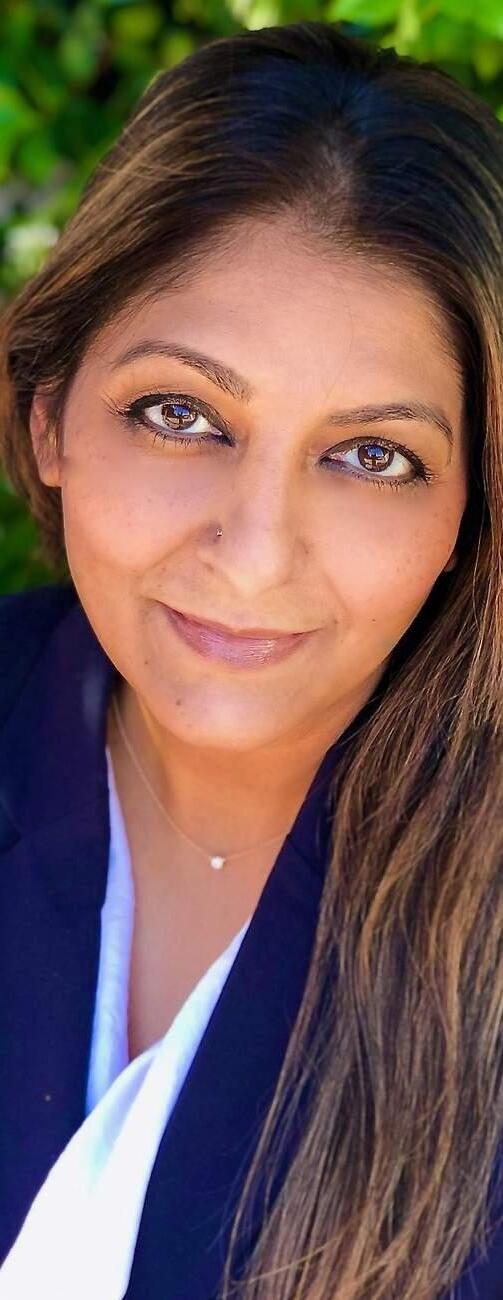
Dr. Kinder Fayssoux is a family medicine practitioner with Board Certifications in both Family Medicine and Integrative Medicine She is also one of only 900 doctors worldwide who have a certification in Functional Medicine, which she received from the Institute for Functional Medicine With thirteen years in the medical field under her belt, Kinder is currently practicing and teaching at Eisenhower Medical Associates and in her own private practice, Ohm and Oot Medical Wellness Kinder’s passion is teaching and sharing her unique perspective on incorporating conventional medicine with a full-body, holistic approach for longevity
Growing up in Northern California, Kinder was raised by her parents, who immigrated from India to the United States. They instilled in all five of their children the importance of getting a good education. As a result, school was always a priority in the household.
Kinder’s interest in the medical industry began at a young age, influenced by two uncles, both family practice practitioners, and her own mother, who was trained as a nurse While her mother did not actively practice nursing at a clinic, she was the full-time caretaker of her husband, who was diagnosed with ALS when Kinder was 12 years old Additionally, Kinder recalls her mother being very conscious about what her family was eating, doing for exercise, and looking after their health overall Speaking to Top Doctor Magazine, Dr. Kinder reminisces that this was perhaps her first true introduction to Functional Medicine.
After graduating cum laude with a Bachelor of Science degree in Biology and a Minor in Theatre from Santa Clara University, Kinder applied to get into medical school. When she was not accepted, she considered furthering her newfound love and interest in theatre. But when she presented the idea of trying her luck in Hollywood to her parents, they were quick to advise her that: “Good Indian girls don’t go to Hollywood, please stick to your smart plan go to medical school.”
She applied a second time to medical school and was accepted to Saint Louis University School of Medicine in St Louis, Missouri
In the year between applying to medical school the first and second time, Kinder attended a postbaccalaureate program to better prepare for medical school A former investment banker, Reginald Fayssoux, looking for a major career shift in which he could truly help people was also in the same post-bac program Reggie and Kinder became fast friends and then began dating When they were both accepted to medical schools, they remained committed to the relationship even though it was longdistance. Dr. Kinder believes that it was because they were both in medical school that they stayed together as most students end their relationships within the first year of training. Both understood the busyness and pressure the other was undergoing.
During her medical studies, Kinder gravitated toward specializing in family medicine, following in her uncles’ footsteps. This choice ended up being the perfect field of expertise for her. The diversity and ability to treat people anywhere from babies to grandparents is something Dr. Kinder loves.
“[Family medicine] is so fun and so diverse! You really get to know and see everything. To be able to see kids and adults and women and men is really cool.” - Dr. Kinder Fayssoux
While at the University School of Medicine in St. Louis, Kinder’s father passed away. His years-long battle with ALS and her mother’s devoted care for him are two factors that fueled Dr Kinder’s desire to go into the medical industry. And after his passing, only strengthened her decision. In fact, after his passing, she briefly considered going into Neurology to help people and families going through what her father and their family had gone through. However, this proved to be a little too painful for her, and she stayed with family medicine Upon graduation from medical school, Dr. Kinder completed her residency at Crozer Keystone Family Medicine Residency in Springfield, Pennsylvania.
During her residency, two important things took place that would shape Kinder’s life and career. First, she was introduced further to and found her love for the functional approach to medicine. And second, she and Dr. Reginald Fayssoux were married
At Crozer Keystone Family Medicine, one of Dr. Kinder’s attendings (a supervising physician to whom a resident must present their cases) was a woman she describes as ahead of her time and very much into lifestyle medicine. Unlike some of the other attendings, this woman would want her residents to find out what a patient was eating, how many greens or how much exercise they were getting, among other unconventional diagnosing questions. As a joke, the attending was referred to as the “dancing lettuce lady ” But as the attending proved - there are other ways to treat and help patients. In hindsight, Dr. Kinder now laughingly admits that she has turned into a slight version of the dancing lettuce lady as she has seen the benefits of lifestyle medicine even though she didn’t fully appreciate it during residency.
At the end of her residency, Dr. Kinder was pregnant with twins, and her husband, Dr. Reginald Fayssoux, was starting his Fellowship. They moved around for the Fellowship for a while before moving back to California
Upon moving back, Dr. Kinder went to work as a Faculty member at the Eisenhower Health Residency Program. For the first four years there, she was involved in building the program and is now one of the attending physicians training residents in family medicine. Her niche is in teaching the residents to see outside of the box of conventional medicine. With her Board Certification in Integrative Medicine and certification in Functional Medicine, Dr. Kinder has extensive knowledge and a passion for helping people who want to shift their lifestyles and change their habits to improve their lives and health.
Like many other medical students and beginning doctors, Dr Kinder remembers the advancement to when she could finally prescribe medications as a big, exciting moment. But after a while, that feeling gets old
“It [medications] doesn’t make people better. Often, one medication leads to another medication, especially with things like hypertension and diabetes.
The people who truly want to shift and change… that’s where you can really help people.” - Dr. Kinder Fayssoux
There are not many nutritional, lifestyle, or functional medicine approaches taught in conventional medical training in the States. This is not altogether a bad thing Conventional medicine is criticalantibiotics and other standard treatments save many lives. The problem is that, as Dr. Kinder remarked, there is no balance with the preventative side of medicine where functional medicine can step in efficiently.
At the beginning of this year, Dr Kinder started her personal practice Ohm and Oot Medical Wellness in Palm Desert, California. It is a continuation of what she has been doing for years with the Eisenhower Health clinic. Now, she can further her treatment plans to include peptides, IV nutrition, and supplements that may not necessarily be covered or approved by traditional medicine clinics. Additionally, she specializes in bioidentical hormones, weight management, longevity, genetic medicine, and the full spectrum of functional and integrative medical care. Her goal for the practice is to provide very customized and personal approaches that everyone can use. For her, it is all about optimizing your health in the future.
“I truly believe that my biggest responsibility as a physician is to build relationships with my patients so that they can teach me about who they are and where they want to be with respect to their health so that I can help them figure out how to get there with as few medications as possible. If they are willing to put in the work and change their lifestyles, together, we can change their diseases.” - Dr. Kinder Fayssoux
Dr. Kinder’s passion for teaching and Functional Medicine is combined in a multitude of ways. First, through her private practice. And second, with her teaching endeavors. One of her goals for the near future is to create online courses and webinars that can help people realize the benefits and possibilities that holistic lifestyle treatments can have on a person’s health. She believes that functional medicine should truly be the medicine of the future and hopes that it will one day be covered by insurance and available to the masses.
One of the ways in which she believes this can be accomplished is through RPM (remote patient monitoring) As the field of healthcare continues to ebb and flow for years to come, one thing will remain the same: people will need medical attention and care. Through RPM, many hurdles faced in medicine can be overcome, especially for chronic diseases and illnesses. In some chronic illnesses, Dr. Kinder says that many patients have more than one making optimization difficult.
“If we can provide a way for patients to keep their numbers under control, get access to the care they need, and monitor their symptoms, we can prevent things from happening in the future. Which keeps the patient healthier and saves everyone money.” - Dr. Kinder Fayssoux
RPM, like other Telehealth options, offers the highest caliber of quality for care. With remote patient monitoring, doctors can diagnose faster, monitor more efficiently, and with more assurance, enabling preventative care, not just reactionary. Access and availability are also increased as a patient can connect with a doctor practically anywhere, globally. All RPM devices are wireless and track a patient’s vitals in real-time. With this type of technology, it is possible to see when a patient is taking their medications, if the proper dosage is achieved, and watch the results. Of course, in some cases, person-to-person interaction is essential for healthcare needs RPM can help facilitate appointment scheduling and provide the most accurate readings for a doctor to review.
WHAT DOES THANKFULNESS LOOK LIKE IN A PANDEMIC?
How being thankful during a pandemic can actually keep you healthy
BY BRIANNA CONNORS AND LILLIAN MYERS
Traditionally, November is a time of thankfulness, of gathering together with individuals we care about For years to date, many have approached November with hearts filled with a little extra joy because no matter what happened the day before, we could come together and enjoy good food, fellowship, and hopefully a day of rest. Something everyone requires. However, this year, our festivities look much different.
For most of this year, we have faced never before seen conditions due to the global spread of COVID19. There is not one household that has not felt the touch of COVID or the effects of pandemic restrictions. Families lost loved ones, individuals lost jobs, and, as a whole, society lost much of what it took for granted As a result, it has been, for many, one of the hardest and strangest years to live through And there is no doubt that this has affected us in more ways than one, especially when it comes to the spirit of thankfulness However, as many medical industry experts have pointed out, it is important now more than ever before to focus on being thankful for what we do have.
Not only does this help calm rampant feelings of stress or uncertainty, but it has also been proven to boost one's physical and mental health That's right Being thankful is good for your health!
According to the American Heart Association, feelings of negativity and worry can lead to depression and are connected to poor heart health, inflammation, and a weak immune system.
On the other hand, research shows that exercising a spirit of gratitude (or thankfulness) can have long-term effects on one's life. Lowering blood pressure or improving the immune system, for example The National Alliance on Mental Health reports that not only does gratitude lessen depression and boost self-esteem, but that it can also help reduce anxiety and substance abuse. With this in mind, here are some helpful ways in which to begin practicing a spirit of thankfulness as we approach a holiday season that will unsurprisingly feel much different than previous holidays.
Write Down Things You're Thankful For Count Blessings Instead of Sheep
Enjoy The Little Moments
Stay Connected
WRITE DOWN THINGS YOU'RE THANKFUL FOR
While it may seem like there aren't many things to be thankful for right now, this exercise can be greatly illuminating in recognizing those you do have You can start by sitting down and beginning to list things such as:
Something to do with your health: Even if you are struggling with an illness or physical disability, were you able to walk today? Are you able to wiggle your toes or fingers? Can your ears hear music? Can your eyes watch the sunset?
Something to do with money: Despite the financial strains this year has delivered to many peoples' doorsteps, there are still financial aspects to be thankful for. Were you able to eat today? Did you splurge a little and buy a Starbucks coffee? Are you able to buy a Christmas present for a loved one?
Something to do with relationships: Social interaction is integral to our wellbeing, as many studies and research have proven. Even though we may not have spent as much quality time with our loved ones as in previous years, we can still find reasons to be thankful for relationships. Did you talk on the phone with a friend today? Did you get a text from your mom, dad, or sibling?
Something to do with technology: Due to lockdowns and social distancing, many families, friends, coworkers, and peers have been forced to isolate themselves and forego social interaction, at least in person.
However, these limitations have given rise to innovations such as Zoom, Facebook, and Parler, helping us stay connected, continuing in online education, or even working remotely
Something that you are looking forward to: This year will not last forever, and neither will lockdowns or strict social distancing. As a result, it is imperative that we look ahead as both individuals and as a society As George Burns, comedian, actor, singer, and writer, famously said, "I look to the future because that's where I'm going to spend the rest of my life "
Something that you are looking forward to: This year will not last forever, and neither will lockdowns or strict social distancing. As a result, it is imperative that we look ahead as both individuals and as a society As George Burns, comedian, actor, singer, and writer, famously said, "I look to the future because that's where I'm going to spend the rest of lif "
COUNT BLESSINGS INSTEAD OF SHEEP
Researchers at the University of Manchester in England conducted a study looking at how gratitude may affect a person's sleep. The study concluded that gratitude was linked to more positive thoughts and falling asleep faster for a longer, better sleep period.
ENJOY THE LITTLE MOMENTS
While there is no doubt that people find great joy in the extraordinary moments of life, it is important to find value within the smaller, more ordinary moments Research has shown that as people age, they tend to find more happiness from these little ordinary experiences. This suggests that while big accomplishments and other extraordinary experiences contribute to our overall satisfaction with life, we find more value from the everyday joys. Therefore, why wait to find happiness in the little things? As our lives continue to be rocked by the pandemic's effect, it is the perfect opportunity to turn our focus to the minor joys. By training ourselves to enjoy the little moments in life, we are ultimately setting ourselves up to find more happiness
Which, in turn, will prevent illnesses and increase longevity By increasing our ability to enjoy the simplicities of everyday life, we are ultimately increasing our ability to enjoy our overall life.
We must use what we have to sustain connections through this greatly separated time. When it comes to staying connected, here are a few different ways you can engage across any distance:
STAY CONNECTED
One of the joys of the holiday season is connecting with family and friends; it is something we look forward to with the winter months' approach. However, as social distancing continues, we are all facing heightened feelings of loneliness and separation.
A meta-analysis covering seventyseven thousand cases discovered the implications of loneliness on an individual's mortality. It found that our loneliness can ultimately decrease our lives' length, similar to that of already well-established risk factors for mortality This is why staying connected during such a period of separation is vital to our overall well-being and longevity
Connection is made possible because of all the different platforms we have at our fingertips. Various social media sites, forms of digital communication, and apps like Zoom are all tools that we can use to push loneliness away
Use social media platforms: We truly are living in a world of innovation and opportunities. A mere fifty years ago, it was not possible for someone to upload a picture onto social media and instantly receive comments on it from people around the world Through platforms like Facebook and Parler, it is possible to stay up-to-date on friends, family, and people of interest in real-time - a great way to remain actively connected to community.
Venture beyond social media: While it is possible to form meaningful and long-lasting connections through the various social media platforms, it is incredibly important to move valued relationships past this stage. Move on to phone calls or video calls where you can hear the tone of voice and inflection of words, a crucial part of communicating that is lost online Social media is great, but connections are better sustained over calls.
Venture beyond social media: While it is possible to form meaningful and longlasting connections through the various social media platforms, it is incredibly important to move valued relationships past this stage. Move on to phone calls or video calls where you can hear the tone of voice and inflection of words, a crucial part of communicating that is lost online Social media is great, but connections are better sustained over calls
Plan family or friend zoom nights: Because we cannot gather together in large groups, we should be using the tools we have to replicate gatherings to the best of our ability Fun activities, book clubs, or even traditional holiday events like Thanksgiving Dinner can all be moved onto places like Zoom and still shared.
Take the time to write snail mail: A fun and relaxing way to end the day or week is to take the time to write a letter. When was the last time you sat down with pen and paper and actually wrote to someone you loved? There's something so beautifully personal about receiving a letter.
As we enter into this Thanksgiving and Holiday season, set aside time to find a quiet spot with your favorite chair and write out what you are thankful for. Put down on paper the things that have kept you going during the pandemic. Start with the smallest thing you can think of, such as the comfort of fuzzy socks or the way leaves crunch under your feet, and then keep going.
While it might be hard to look for the good in a life filled with so much confusion, it is vital to find at least one thing you can be thankful for every day As the studies and research listed above have shown, thankfulness is good for your health and, as a result, should be a necessity for daily life. While we may not be able to celebrate Thanksgiving in the ways we normally do, we can still celebrate this holiday season by internalizing the spirit of thankfulness and finding joy in the simplicities. COVID may have taken over much of our lives this year, but we cannot allow it to take over our spirit and trap us within bitterness or negative thoughts. We might be stuck in a global pandemic, but we will always have something to be thankful for.
ocial relationships and Journal of health and S66. 501 , SOCIAL NETWORKS, A NINE-YEAR FOLLOW-UP ENTS, American Journal of ebruary 1979, Pages 186–rnals.aje.a112674
Gratitude influences sleep cognitions. J Psychosom psychores 2008 09 002 mit Bhattacharjee, Cassie nd Extraordinary search, Volume 41, Issue 1, 1 10.1086/674724 ts of happiness on physical ventive health care. 9–469. 42-1
María N, Cabello M, Ayusoloneliness with all-cause E 13(1): e0190033. 90033 ., Harris, T., & Stephenson, on as Risk Factors for rspectives on 52
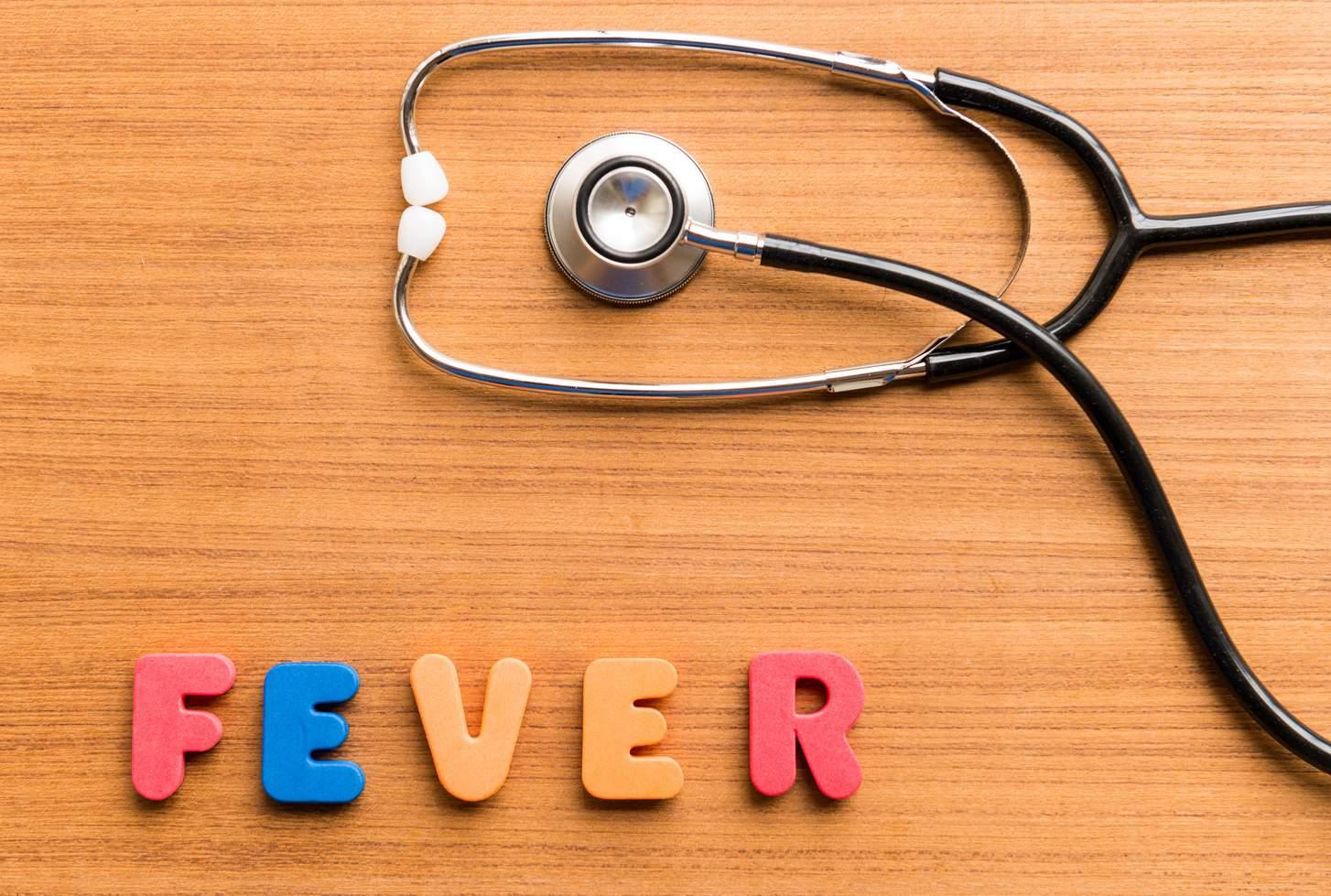
WHAT’S YOUR FEVER NUMBER?
BY JUSTIN MILLER
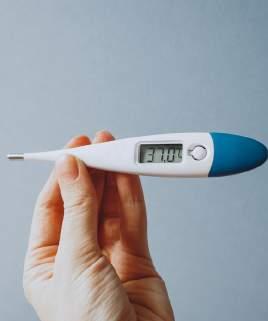
Coughing, sneezing, chills, something is wrong You are feeling miserable and reach for the thermometer. Upon taking your temperature, the device flashes with a number, 100 4 You have a fever and should consider seeking medical attention Throughout the week, you already were not feeling well, but your temperature was a low 99. Because of this, you were not concerned. However, what if you were suffering from a fever the whole time and could have prevented your situation if you had taken 99 more seriously?
In 1868 a man named Carl Reinhold August Wunderlich set the usual temperature standard used today, 98 6 He believed that number was the proper temperature for all people. However, when he placed this number, the people of his time were very different from today During the 19th century, people were much skinnier and dealt with various volatile illnesses. These illnesses, such as Pneumonia, Typhoid, Malaria, and the Plague, were prone to increasing temperatures to dangerous levels. These illnesses led to the fever classification of 100.4 which continues to be the standard today.
During the 19th century, people were much skinnier and dealt with various volatile illnesses. These illnesses, such as Pneumonia, Typhoid, Malaria, and the Plague, were prone to increasing temperatures to dangerous levels. These illnesses led to the fever classification of 100.4 which continues to be the standard today
However, why in 2020 are we still using a standard set nearly 150 years ago, especially one that applies to a vastly different people group? There must be reform, and scientists, alongside entrepreneurs, are answering the call to find a solution.
In today's world, people are much heavier, and the base temperature runs lower than 98 6 Haussman (2018) said, "The assumption is that the normal temperature is 98.6 degrees and fever begins at 100 4 But we found that the average temperature is more like 97.7," he says "And by defining a 'fever' as temperatures above the 99th percentile of normal, we found fever typically begins at about 99.5 degrees".
Essentially, 99 to them is what 100.4 is to another, and society could have many feverish individuals on the streets and in businesses.
This is because people have slower metabolic rates due to increased weight Our bodies use energy to keep organs functioning, which increases temperature.
But, with a society of people who move less and burn less energy, temperatures decrease. There is also a lower rate of infection at this time, which goes in hand with how the centuries' changing plays into lower temperatures One of the simple answers for lower temperature readings is new accurate thermometers. Unfortunately, authorities still refuse the research and hold firm to their belief in the 100 4 standards.
The overarching point is that people need to monitor themselves and determine their normal range Not everyone will have the same temperature norms, which will extend into variations of fever standards. As for the global crisis, many individuals may be carrying the virus who believe they are not ill or contagious because of the current standard This is serious and could be one of the leading causes for the continuation of mass infection rates If the usual standard were to adjust to 99.5, there would be a sudden surge in fever cases
The national standard of 100 4 should remain. However, somebody should institute an open standard for those who know their average temperature rates. Perhaps use 99.5 as the base model for warranting a physician visit, but nothing beyond that. So, take time to monitor your temperature for a week, discover your baseline, and recognize what temperature is an indication of sickness. One man is doing just that, and his name is Bob Kocher, the CEO of Ideal Innovations Incorporated Bob and his team are leading the charge to gain awareness regarding temperature norms He and his team believe that the key to ending quarantine and reducing infection rates is recognizing 99 as the "soft" fever standard. The national average should not be changed to refrain from mass confusion. If the regular "soft" standard were to change, people would catch their illnesses much quicker.
TO FURTHER EXPLAIN HOW THIS WOULD WORK:
Imagine you wake up one morning not feeling well and check your temperature; it reads at 99 degrees, and you know that something is off Because you've heard that you should get checked for "the virus" at that temperature, you go and get a test. The test reads negative, but since you consider 99 a fever, you quarantine. A few days later, your temperature hasn't changed, so you go and get tested again This time, it reads positive, and you initiate your two-week quarantine. Because you quarantined the first time due to the 99 degree fever, you reduced your infection rate and helped slow down the spread of "the virus."
Unfortunately, because authorities don't recognize the importance of 99 degrees, this situation isn't happening. Instead, people who have fevers of 99 that receive a negative test continue to live their lives as usual, not quarantining, and spreading the virus even further It is imperative that the 99-degree standard gains awareness and serious consideration This may be the defining moment in the fight against "the virus," It is up to you to fight and advocate for the change that we so desperately need Will you heed the call?
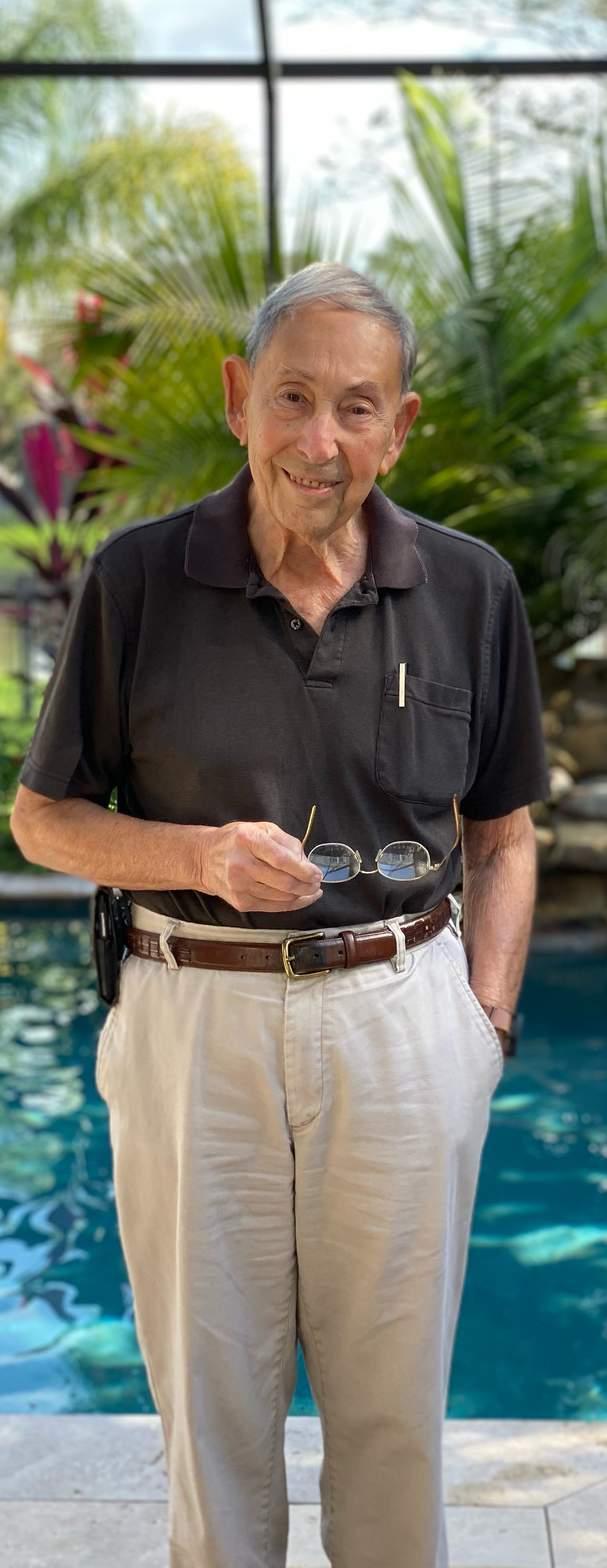
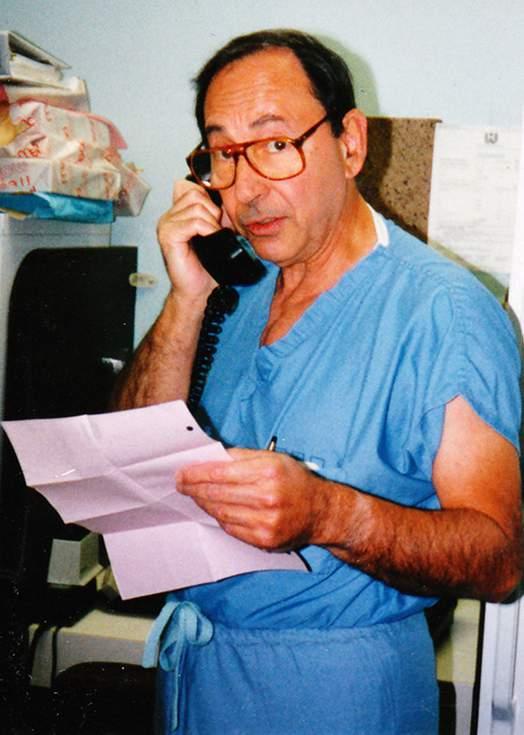
Dr. Louis Pierucci
DR. LOUIS PIERUCCI SPOTLIGHT
BY BRIANNA CONNORS
Born in 1928, Louis Pierucci was raised and spent most of his life in the Philadelphia, Pennsylvania area. His father, Dr Pierucci, describes a real-life testimony to the American dream - having come from an Italian immigrant family, Mr. Pierucci was able to start a business and own his own home by the time Louis was born. Through this entrepreneurial spirit, the Pierucci family avoided excessive hardships that many others faced in the Great Depression of the 1930s. Dr. Pierucci remembers no excessive hardships as his family could afford adequate and fulfilling vacations to the New Jersey Shore or Poconos Mountains with his father’s fairly decent income. He was also given the advantage of a good, basic education, although, at the time, Dr Pierucci confesses to not being a good student
“All of the hardships I experienced, I created on my own. For instance, I was not a good student, as I never studied. I never flunked and would always pass, but I never studied.”
As he got older, Dr Pierucci’s mother played a significant role in influencing his career path She told him that he should either be a minister or a doctor Believing that he would never qualify as a minister, Louis chose to be a doctor and enrolled in Juniata College in Pennsylvania to take his pre-med courses. It was here too that Dr. Pierucci admits to not truly studying as even the pre-med and mathematics courses he took came easily to him.
After graduating from Juniata College with a degree in mathematics, Dr. Pierucci enrolled in Jefferson Medical College It was during this time that two important things happened. First, Dr. Pierucci had the realization that being a doctor was to be his occupation for the rest of his life and that he better be good at it. As a result, he began studying and considers that this was the moment he became a true student. Secondly, while looking across the room one day, Dr. Pierucci saw a student nurse he instantly fell in love with.
This nurse, Donna, would later become his wife of 67 years and the mother of their 6 children, grandmother of 15, and great-grandmother of 8. Speaking of their relationship, Dr. Pierucci relayed that their love affair was intense and lasting.
During his residency, Dr. Pierucci had the privilege of being trained by Dr. John H. Gibbons, Jr. and later working as a part of his group practice. Dr. Gibbons was the inventor and first user of the Heart-Lung machine in open-heart surgery.
A junior in medical school at the time of the first Heart-Lung machine procedure, Dr. Pierucci would have the opportunity to operate the machine only a few years later. More of a research man than a thoracic surgeon, Dr. Gibbons, who had a worldwide reputation and was usually out lecturing, gave Dr. Pierucci the chance to meet some of the most outstanding surgeons in the country. Men such as Dr. Cooley and Dr. DeBakey piqued an interest in heart surgery, but eventually, Dr. Pierucci’s interest in vascular surgery won out, and for the majority of his career, this is where he functioned
In addition to working with Dr Gibbons for his residency, Dr. Pierucci went into the Air Force on the surgery team at Wright-Patterson Air Force Base in Ohio. As he recalls, it was two of the most interesting years of his life Not only was it a hugely instructive period in his career, but also fascinating as the base came alive with the examining and approval of the Project Mercury astronauts
Taken under the wing of the Chief of Surgery at the time, Dr. Pierucci was permitted to be part of the surgical team and operate despite being low-ranking.
For instance, shortly after arriving, the Chief of Surgery told him: “I’ve done well over a thousand hernia repairs, and I’m going to show you how I do it, Lou, because I don’t want to do them anymore and you’re the man ” Dr Pierucci admits that even though he was still in his residency, he had seen many things that happen in thoracic surgery while the men he was with at the time had not seen much at all. This made him a valuable member of the surgery team and paved the way for recognizing his own skills and opportunities to gain prized experience.
At the age of 43 in 1972, Dr. Pierucci underwent his first open-heart procedure. And in 1986, in his own surgical group’s expert hands, he underwent two more procedures. Because of these surgeries, at the age of 65, he felt it wise to retire and enjoy life after 35 years of practice in the Philadelphia area.
A lover of horses and student of dressage, Donna Pierucci requested that their next home be a farm similar to the one they had in New Jersey. And in 1998, at an auction in the small town of Altavista, Virginia, one particular farm caught their eye. It wasn’t just a farm, but rather a beautiful little piece of everything. There are two high points on the acreage from where you can view the Blue Ridge Mountains. There is also a pond and stream, bottomland, cropland, and a river that encircles the property for about a mile and a half. They were able to have horses, and for 27 years, it was home for the Pierrucis.
In October of 2019, Donna Pierucci passed away from Alzheimer’s, and in the coming period of months, Dr Pierucci had no real idea what to do with the property When General Bob Dees and the National Center for Healthy Veterans approached with an offer and the plan for turning the Pierucci horse farm into a wellness center and equestrian therapy for Veterans, it seemed like a perfect fit During their talks about buying the farm, General Dees related to Dr Pierruci that one of the primary problems veterans face is suicide
Through the various programs and activities, Valor Farm will present to the Veterans living and working there, those who actively seek betterment and self-respect will have the opportunity to find hope. For some of the same reasons, the Pierruci family loved the farm; Dr. Pierucci believes that the Veterans who live and work on the soon-to-be Valor Farm will love it and find healing there
Dr Pierucci is now living with one of his daughters and her family in Florida.
“When I think of the Veterans who are going to be there [on the farm], I think the one thing they really have to seek is self-respect. General Dees said that one of their primary problems throughout the country is suicide, and when you think about it, who is it that commits suicide? It’s someone who has low self-esteem. You can create good self-esteem. You have to think you’re worth something. And this applies to both men and women.” - Dr. Pierucci
Donate Today to Support the National Center for Healthy Veterans: https://newhorizonsfoundation.com/waystodonate?pid=2280-national-center-forhealthy-vete&Itemid=105
INTRODUCING THE NATIONAL CENTER FOR HEALTHY VETERANS
BY JUSTIN MILLER
GENERAL BOB DEES
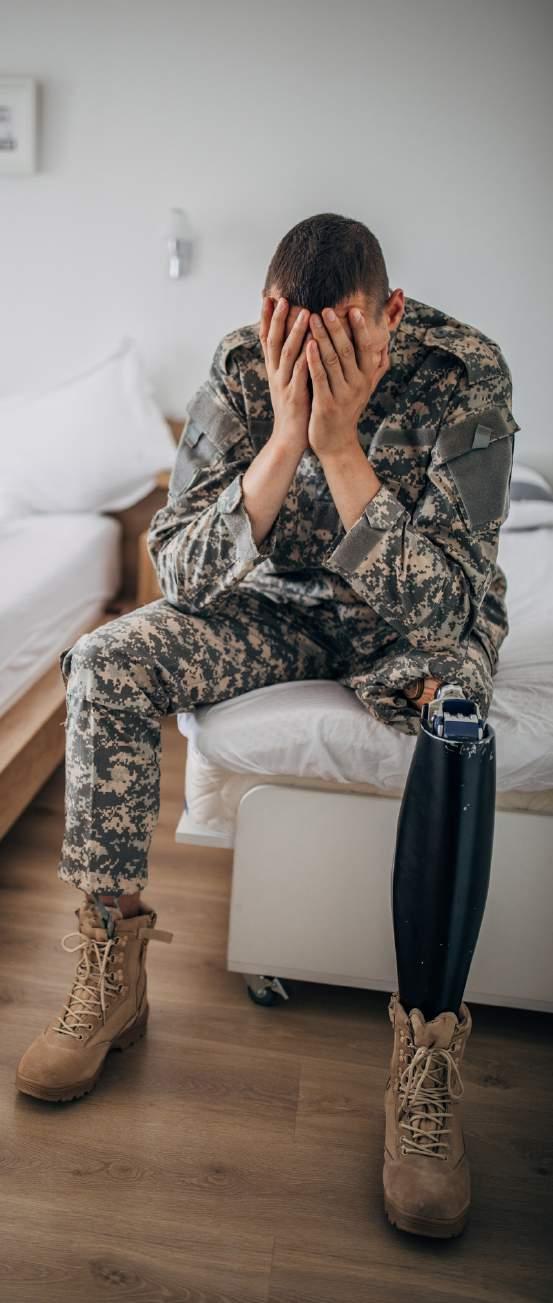
Lurking in the shadows of our communities is a hidden enemy. It creeps into the mind, poisoning it, convincing those who once stood strong that their strength has faded away. This enemy is suicide, and it has come for our veterans.
Suicide is on the rise among America’s veterans, with more taking their lives than active service military and civilian populations. Statistics show that roughly 22 veterans commit suicide a day, which is an alarming issue
Regardless of the great work being done to combat this, the statistics remain too high. At least, that was until one man decided to do something unique about it.
Thus enters Major General Bob Dees
Retired General Dees studied at Westpoint and served in the U.S. Army. While in the Army, he served as a General Officer Assistant Division Commander for the 101st Airborne Division. He then went on to Command troops in Korea with the 2nd Infantry Division and served as the Europe Deputy Commander 5th Corps in Europe, an organization of over 50,000. He finished his career as the US/Israeli joint task force missile defense commander and retired to Microsoft
During his time in the service and after, General Dees struggled with the thought of veteran suicide. The numbers were far too high, and nothing seemed to be working to reduce them. So, he embarked on a journey to pioneer a way to create solutions for veterans.
Faith has always been a part of Major Dees’ life, and he recognized that it needed to be integrated into veteran programs.
This is why he joined camp crusade ministry for 5 years, wrote 3 books called the Resilience Trilogy, became vice president for military outreach at Liberty University, and founded the Liberty University Institute for Military resilience
What General Dees discovered was that there needed to be a comprehensive solution to proven best practices. This endeavor exists under the name of the National Center for Healthy Veterans. On his journey, he found a narrative regarding veterans: that they were broken, risky, dangerous, and never enough However, this is a false narrative that does both the veterans and the nation an injustice But, the fact of the matter is, veterans have tremendous talents and are a national treasure.
The goal of the National Center for Healthy Veterans is to produce healthy veterans. Healthy means physically, mentally, spiritually, emotionally, relationally, and overall wellness. Contrary to popular opinion, the VA is not the answer, but rather the private sector is To achieve this, Bob Dees, along with partners, have founded Valor Farm.
So, what is Valor Farm? Valor Farm is a property containing 390 acres that will serve as a rehabilitation and learning center for at-risk veterans.
General Dees’ goals for the property are not to keep the veterans permanently stationed but rather to aid them on their journey back into community life.
There are a few key factors that play into this:
1. There needs to be a community notion one of the primary factors in suicide and behavioral issues in isolation. Valor Farm will build tiny home villages with 20 tiny homes in each, with a small community center. This affords them a dignified place to live However, the goal is not to have them be too comfortable because they need to learn to prize community The community center will be a hub where they can cook meals, do laundry, play ping-pong, and other recreational activities. This will allow them to relax and meet one another while simultaneously healing.
2. The second factor is dignified work and economic opportunity. There will be plenty of work around the 390-acre property. Such work may include building and painting fences, growing vegetables, herding cows, woodworking, and caring for the horses. This work will give veterans a sense of purpose and dignity, which is needed on their path to better mental health
3. Faith-based trauma recovery and life skills programs will be available to the veterans at Valor Farm. The faith-based trauma recovery, also known as REBOOT, is part of the best practice recovery programs; it’s also a curriculum taught at Liberty University The life skills programs are empirically based and will focus on resilience. These will essentially teach them how to prepare for and navigate the storms of life. However, the most important aspect of this is to provide the training, coaching, and mentoring that will help them achieve their full God-given potential.
4 When entering programs such as The National Center for Healthy Veterans, participants are often in their situations due to financial issues. Valor Farm wants to offer economic opportunity to its visitors. Veterans will receive aid in the form of mentoring for future employment and entrepreneurship There will also be a school that helps them become employed and start a business, where they are taught Dave Ramsey’s Financial Peace University.
5. Because of the size and value of the property, there will be faith-based equine therapy. As the saying goes, the horse has a brain the size of a walnut but a heart the size of a basketball
So, horses can sense you, and you can feel the horse sensing you. These horses particularly understand when people are stressed, have trauma, and need healing. They will encourage and nudge at the right time to help calm the spirit and heal from the inside out. These ingredients combined will help return healthy veterans into American society
A lot of the mentoring will come from working on the trails and sharing life, but they won’t be alone along the journey. Missionals will be living alongside the veterans These men and women will include pastors, chaplains, and many others who will have a double occupancy signing home in the villages to minister to the veterans.
It should be noted that within the next 3 years, there will be no medical staff at the farm. However, veterans will have access to veterans’ choice, which is a program where if there is no VA facility within 120 miles, the veterans may choose to visit this facility or any other local facility for help
What people need to get out of this is awareness. Most people don’t understand the full breadth and depth of veteran issues and veteran potential Unfortunately, people believe that the VA takes care of all the veterans and their needs Facts dictate that the VA only touches about 30% and doesn’t even help all of that percentage. So, the key point is that 70% of all veterans are in the woodwork of communities and are unhealed.
As stated before, the goal is not to have veterans stay permanently, although some will, but rather to have them balanced in life, be skilled, be able to get and keep a job, and to fulfill their full potential not just at work but as a citizen and contributors of society Above all, America needs them. They follow well, lead well, possess great skills, and be inspiring role models, coaches, team members, and business professionals Veterans also thrive in community and like the idea of teamwork
Veteran suicide is a tragedy in America that is multifaceted We owe it to them and America to accomplish these initiatives because many hands make light work. Valor Farm is roughly a 6-year build that will cost around 39.5 million dollars to complete. This includes the wellness center, which will resemble a combination of a YMCA and a counseling center on steroids This facility will use state of the art technology to aid pain, sleep, and other issues It can also be used as a conference center. But how does this impact the overall community?
The economic impact assessment predicts that there will be a 60 million dollar economic impact over the next decade. Yet, there is more to it than monetary value. General Dees, in an interview, said, “Frankly, in our days of racial discord in the United States, the military is the greatest meritocracy that understands racial equality more than any other institution in America. When you go through basic training or are in combat, you quickly find that we all bleed the same red blood With the folks on your left and right, you build trust and confidence that goes far beyond race, color, and creed, building human relationships.”
Veterans understand that in unique ways and are valuable to our nation at large for that very reason They will leave this facility positively impacting everyone and the communities around them.
Veterans are one of America’s greatest treasures. We owe it to them and ourselves to extend a branch of goodwill, offering a second chance at a better life. General Dees and Valor Farm will be key players in today’s economic climate to combat veteran suicide and produce real results for this epidemic.
Donate Today to Support the National Center for Healthy Veterans: https://newhorizonsfoundation.com/waystodonate?pid=2280national-center-for-healthy-vete&Itemid=105
DR. SCALISE
BY JUSTIN MILLER
Dr. Scalise had a lifelong dream stemming from the Gemini and Apollo missions, to be an astronaut Through his father's diplomatic connections, he could have easily gotten a letter from the Vice President's office to help pursue his dream. However, at the last minute, he changed what he felt interested in.
Son of a diplomat, born in Cyprus, Dr. Scalise, is no stranger to the international world. He lived in Singapore, Bolivia, Germany, and Iceland throughout his life, finishing his international journies in the United States for his high school years. Having traveled much and experienced the diplomatic world, Dr Scalise fostered a special international-awareness.
Like most people, Dr Scalise was unsure of what his focus degree in Psycho fascination with behavior, when h and attending W second-oldest ca After graduation couldn't do a lot alone, and decid in counseling. Fo a post-masters in and a doctorate leadership.
Throughout his c different mental separate from hi has been in the h y now and has been involved in both inpatient and out-patient academia and some ministry-based organizations. During his time at Eastern State Hospital (the first mental health hospital in the country, back when they were called asylums), he worked as a child and adolescent director, dealing with patients between ages 4 and 17. He stayed in hospital work and served with an organization in Houston He was overseeing ten to eleven psychiatric programs at once In the '80s, when managed-care hit the scene, Dr. Scalise saw "the writing on the wall" that doing treatment programs in the hospitals would not be covered by health benefits. Due to this realization, he decided to switch to private practice.
Dr. Scalise started his own practice for 15 years, owning two offices and employing 25 therapists under him. He started to adjunct teach and became the program department chair for counseling programs at Regent University. Dr. Scalise then went to work for a faithbased organization in the mental health field until he landed where he is now, a smaller organization with programs and resources from what he would consider being "lay counseling" up to clinicians.
Some highlights of his career were when he got his first license, obtaining his doctorate, and jumping into the adventure of starting his own practice. Getting his first license was a highlight because it invested time and money into getting an education and opening the state's letter, welcoming him as a licensed therapist. Before getting a doctorate, there are courses and the doctorate exams while getting your ABD to write a dissertation. He remembers getting the email and not opening it all day, which felt more exciting than getting the degree itself. And jumping into the adventure of starting his own practice was a good experience and entrepreneurial. He feels that his current environment allows him to incorporate many of his life experiences. Regarding whether there are misconceptions with his field, he believes there are none. "No one is perfect, and perhaps not everyone would agree with my position on something, but that's not necessarily a misconception," Dr. Scalise said during his interview. Yet there is one thing in his field that truly concerns him.
What concerns Dr. Scalise is the suicide rate among veterans. Suicide is the biggest crisis facing veterans right now that has many tentacles void of a singular issue Roughly 22 veterans commit suicide a day Many things are attached to veteran suicide, such as PTSD or TBI, the hidden wounds of war. Dr. Scalise says, "the things that veterans bring back from combat zones that are under the surface, which go unsaid, manifest into suicidal gestures or completion."
"Suicide is a permanent solution to a temporary issue."
"We who are in the medical professions, especially mental health, need to help destigmatize mental health and mental illness
There seems to be a lot of shame, guilt, and confusion because people often believe they should be able to control their thoughts and feelings at any given time, with other factors going on that they wrestle with." Scalise continued, "Because we as a society have not destigmatized mental health efficiently, it has created isolation and conditions that people then suffer from and isolate." Isolation is a big risk factor for suicide and substance abuse. However, they are not alone; they are not the only ones with certain experiences that have led to this.
The statistics right now would say that one in every three girls and one out of every five boys would have experienced some form of abuse before graduating high-school. If you walk into any place, roughly a fourth of everyone there has had some level of abuse in their background.
People often feel ashamed and wonder if others feel what they have been feeling. With veterans, there is the power of community and support systems to help them. No one person can do it all. As a mental health professional, when Dr. Scalise used to train clinicians, he used to say, "listen, you're going to see your patient or client one ere are 168 hours in ople will need more couragement than e in an hour. We all ng to bring in others offer support and rosses every ocioeconomic level, an equal stroyer.
having skin in the o military sons adds private practice for
Sometimes, there is a level of dignity that comes when you feel like you're independent enough to work and take care of yourself and have a purpose again, especially for veterans with physical abilities. Capturing that sense of dignity is huge. The practical side of things of having a trade or income-producing field is also huge.
Above all, the community is important. The military is all about the community They may not always agree with the reason that they are fighting, but they willingly serve. What mattered most to them was their unit, squad, and platoon, which they served within those foxholes. The comradery is baked into military cultures Because of mental health issues, veterans suffer in silence, but having a community will help create a healing culture This will help strengthen the narrative to destigmatize that these veterans are not damaged people for life.
People with trauma are not ticking time bombs Although there are isolated cases, that's not the general thing. Destigmatizing the notion is good and showing that people can be reintegrated into society is huge.
The faith-based program General Bob Dees is doing, The National Center for Healthy Veterans will be a sort of active learning lab to integrate the faith component and show that faith makes a difference There is an element within the bureaucracy that you can't always talk about faith But, the research and studies show overwhelming evidence that faith makes a difference. What Dr Scalise likes most about the center is that faith matters and shows that it makes a significant difference in recovery.
Dr Scalise sees his field moving more towards the digital world because the technology now supports that Months ago, the department of health and human services relaxed its telehealth guidelines because people were sheltered in place. Six months ago, no one really knew what a Zoom call was, let alone how to use it, but now everyone has grown comfortable with it. Dr. Scalise would argue that there are benefits from sitting 6 feet away from your client. Also, Zoom calls still allow clinicians to see the non-verbal and verbal cues from a patient.
Many counselors have begun adding life coaching to their repertoire of services Since life coaching is not regulated, Dr. Scalise says he could be a life coach across the state or international lines, allowing some significant impact. Also, it seems in this day and age that everyone is a specialist in something, reducing the amount of all-in-one medical professionals.
Dr. Harold Koenig is a psychiatrist at Duke Medical Center and director of the center for religion, spirituality, and health. He has done more research on the connection between faith, health, and wellness. He confirms that faith should be involved in holistic orientation At the National Center for Healthy Veterans, they will be tending to the physical, emotional, mental behavior, using faith
When asked about what advice Dr. Scalise would give to the next generation, he said, "As a balance to what I said about technology, we live in the most technologically connected world that we have ever lived in, but the most relationally disconnected. Healthcare is not just an academic process. When physicians take the Hippocratic oath, it is because they genuinely care about the wellbeing of people This coming generation cannot dismiss the relational component of people helping in health care, even though you have this whole area of technological tools at your disposal now Don't abandon the relational component" He also says to commit yourself to be a lifelong learner. Information, research, and technology are rapidly changing.
If people don't stay current with what's out there, it will diminish their work capacity. Essentially, don't throw all your eggs into the technological basket.
As for what's next for Dr. Scalise, he says that he is ready for another grandchild or two, but professionally he is pleased where he is at The research shows that lay counseling is just as effective as licensed therapy The quality of the relationship increases between the one receiving and the one giving the counseling. Therefore, he feels he would be happy to finish out his career in such an environment
Donate Today to Support the National Center for Healthy Veterans: https://newhorizonsfoundation.com/waystodonate?pid=2280-national-center-forhealthy-vete&Itemid=105
WHAT BIDEN’S
WIN WILL MEAN FOR HEALTHCARE/ MEDICARE
With the 2020 Presidential Election now over and Joe Biden declared the 46th PresidentElect of the United States of America, what does this mean for healthcare and medical practices and hospitals and insurance premiums all across the nation? Honestly, with a divided government, it means really stable times ahead for everyone as the government won’t be able to effect too much change. The stock markets are already reflecting this newfound stability from predictability
BY GORDON FREEMAN
This also gives our nation time to heal and focus on what matters most: true positive help and growth where American’s find and give it most: at the local level. Real doctors; real patients; real solutions Let small business and community America have a chance to heal and reunite and the American people will once again show that they call the shots and produce the backbone of resilience that make us all Americans.
Surprisingly, both candidates have shared this common goal and to reduce prescription drug prices. Former Vice President Joe Biden has also made clear his intention to reduce prescription drug costs, by creating an independent commission to regulate drug costs and simultaneously removing tax breaks being given to pharmaceutical companies.
The similarities end there though, as Biden plans not on removing and repealing the Affordable Care Act, but rather reinforcing and enlarging it. He plans to add a public option plan that would allow all Americans to have premium-free healthcare that is similar to Medicare, regardless of any other insurance options available to the individual Biden has mentioned that undocumented immigrants will be given access to this public option plan as well
When it comes to healthcare, there are a few things we’ll be watching here at Top Doctor Magazine and let’s start with where the two campaigns saw common ground in this past election cycle: according to Trump’s campaign site, he also is envisaging a future in which the individual, whether patient or doctor, is in charge of their healthcare, “surprise billing” is banned, and veterans are protected and provided with “world-class” healthcare and services.
His administration would also be removing the income cap that determines eligibility for a tax credit that assists in paying for insurance premiums.
While Trump has taken steps to separate government funding and abortion, Biden plans to resume financial support of Planned Parenthood, and allow federally funded abortions. Biden has shared a 775 billion dollar plan for child and elder care that will shorten waitlists for patients requiring home care, and allocating tax breaks for caregivers of elderly family members. Finally, Biden intends to create a public health jobs corps that would employ hundreds of thousands of American healthcare workers to serve in prevention of diseases in communities that are currently understaffed, care for veterans, and combat addictions.
With President-Elect Joe Biden looking to claim the Oval Office come January, we can expect he will attempt big changes in the healthcare world But with a Republicancontrolled Senate, it will be very hard for any sweeping changes to be effected. Some may see this as a bad thing, but usually the less the government can do and the more small businesses and community leaders can do, the better for you and me across the nation One such bottom-up innovation that is and will continue to make sweeping changes and advances to healthcare no matter what is Remote Patient
Monitoring With the advent of Covid-19, huge advances have been made in the world of telehealth. RPM uses digital technology to collect health information from patients and electronically transfer that data to their health care providers, who are then able to assess needs and make prescriptions for care. This ability to care for and monitor patients remotely has been an amazing asset in reducing the amount of in-person doctors appointments and ongoing visits required by doctors.
STAYHOME STAYSAFE
OUTSOURCE YOUR TELEHEALTH SERVICES FOR EASY, PASSIVE INCOME WHILE INCREASING YOUR MIP SCORE AND PATIENT CARE OPTIONS
Medicare Annual Enrollment Period: What You Need To Know
Medical emergencies are always unwanted and often surprising. So it is important to be prepared for whatever situations may lay ahead. Medicare is one such tool that you should consider when evaluating your options for health care. If you qualify, Medicare could save you hundreds of thousands in professional medical care and prescription fulfillment
What is Medicare? Medicare is for those 65+, younger with disabilities, and ESRD. It works with your existing insurance to figure out who pays for your medical bills first Medicare grants qualifying individuals access to affordable medical insurance Almost everyone gets part A for free, but access to parts B and C premiums must be paid So, what exactly does it cover?
"Medicare provides benefit payments for three broad categories of medical treatment: hospital (emergencies and surgeries), medical (doctors and treatments), and pharmaceutical (medicines)."
MEDICARE PLAN A:
Plan A covers hospital insurance This includes expenses such as room and board, inpatient services, limited stays in nursing facilities, and helps cover hospice expenses. Even though Plan A covers hospital expenses, it should be noted that it does not cover all facets, and there may be a deductible in the end.
MEDICARE PLAN B:
Plan B covers doctor services, outpatient services, and particular medical supplies. It can also help cover certain occupational and physical therapies, as well as at-home care On average, the amount that you pay for Plan B comes from your social security benefits
MEDICARE PLAN C:
Plan C is known as the Medicare advantage and covers both A and B benefits plus plan D's prescription drug coverage Through this plan, you are choosing to receive benefits from a private healthcare company
MEDICARE PLAN D:
Plan D is primarily focused on your prescription drug coverage To help manage these medications' costs, usually, Plan D needs to be added on with the others.
ENROLLMENT PERIODS
Three months before you tu become eligible to enroll in d i d h f
Lastly, a good thing to do before joining medicare is to evaluate your options. It's imperative that the medical help you receive lines up well with what you desire. You don't want to be caught in a situation where you can't get your preferred doctor because you didn't read the fine print. Like all things, there are limitations, and knowing these limitations will save you much hurt down the road.
Check your eligibility and see if you qualify before the coming deadline this season
Medicare helps many people, and it could help you. Before worrying about where your next medical bill will come from, enroll in Medicare, and remove the unknown's stress.
In the end, only you know what you need. The right tools have been put into place if you choose to take advantage of them. So, what will you choose today?
JOIN OUR MARKETING SCHOOL FOR DENTISTS
SO YOU WENT THROUGH MANY YEARS OF SCHOOLING AND MEDICAL INTERNSHIPS TO GET WHERE YOU ARE AND ONLY TO REALIZE NO ONE REALLY TAUGHT YOU HOW TO BUILD A SUCCESFUL PRACTICE AND ATTRACT ENVIABLE AMOUNTS OF NEW PATIENTS LET'S GROW TOGETHER WE HAVE YOU COVERED
Telehealth in Medicare & Medicaid:
The Hidden Hero Keeping Us Connected to Our Doctors even in a Pandemic
“The genie is not going back in the bottle!”
As of October 14th, the CMS added eleven new services to the growing list of telehealth services that Medicare will reimburse during the COVID-19 public health emergency Since March 2020, Medicare has added more than 135 services via telehealth that it will pay for, including emergency department visits and nursing facility visits Seema Verma, the administrator of CMS, said of the additions: “Responding to President Trump’s Executive Order, CMS is taking action to increase telehealth adoption across the country… This revolutionary method of improving access to care is transforming healthcare delivery in America. President Trump will not let the genie go back into the bottle (CMS.gov, 2020).”
In the past three years, CMS has been working to modernize Medicare as part of the Fostering Innovation and Rethinking Rural Health strategic initiatives. It has unleashed innovation in the private sector, improving access to telecommunication technologies and services to beneficiaries. Starting in 2019, Medicare began paying for virtual check-ins where a patient can connect with doctors via phone or video chat. These check-ins were done as a preliminary way to assess whether the patient needed to come in for an in-person visit. However, in response to the COVID-19 pandemic, CMS rapidly expanded its payment for telehealth services. This allowed Medicare beneficiaries living in all parts of the country access to high-quality care from the comfort of their own home where they could avoid unnecessary exposure to the virus or other illnesses
“Before the COVID-19 pandemic, only 14,000 beneficiaries received a Medicare telehealth service in a week while over 10.1 million beneficiaries have received a Medicare telehealth service during the public health emergency from mid-March through early-July” reports CMS.gov.
TELEHEALTH IN MEDICARE: WHAT DOES IT LOOK LIKE?
As the healthcare industry has had to rush to fill the gaps in coverage during the COVID-19 pandemic, CMS has made keeping people safe and avoiding unnecessary exposure to the virus a priority. Providing a fact sheet on the various telehealth services now allowed through Medicare, patients, and healthcare providers alike can seek guidance on the best options for personalized care. This historic effort has been made possible by new policies implemented in both 2019 and 2020.
For a beneficiary, these services can look like an inquiry call to their doctor if they are experiencing symptoms During this call, it can be assessed whether a physical exam is needed or merely remote monitoring to see if symptoms worsen If the beneficiary worsens, a virtual check-in allows the doctor a chance to make recommendations without making a patient step into the office or hospital.
TELEHEALTH IN MEDICARE: HERE TO
STAY?
Telehealth services and the technologies needed for such procedures are nothing new. They were already in progress and en route to being widely accepted before the start of this year and the COVID-19 public health emergency. However, due to the PHE, telehealth became the premier source of care - being widely accepted and, in many cases, the only avenue through which medical attention could be accessed. As we have no real way of knowing the PHE’s end, there is no approaching end date for telehealth and its services Not to mention, with its proven track record thus far, it may very well become the preferred method of care for many patients. Medicare and Medicaid beneficiaries, especially
While telehealth will never replace the gold-standard of an in-person doctor’s visit, it serves as an important addition of access. Its rapid explosion in recent months has raised the question of whether returning to the status quo will turn back the clock on innovation and a new level of care. Remote patient monitoring (RPM) is one such innovation under question should Medicare revert to pre-pandemic telehealth service limitations.
TELEHEALTH IN MEDICARE: WHAT IS RPM, AND WHY IS IT THE BACKBONE OF TELEHEALTH?
Remote patient monitoring (RPM) is a delivery method for healthcare that uses the most advanced technologies to gather and analyze patient data, which is then used to develop and manage a treatment plan tailormade or related to a chronic illness or health condition RPM is about moving conventional healthcare delivery outside of the box for better patient care and outcomes
These technologies are the latest and greatest, emphasizing today’s consumer-friendly personal tech items Leveraging Bluetooth and smartphones or tablets, these data collection devices are used specifically to make patients comfortable monitoring and aiding in their own care As a result of this comfort, engagement levels between patients, their monitoring devices, and ultimately the doctor are increased.
Naturally, higher engagement levels correlate to improving the overall quality of care. Not only is the patient incentivized to be involved in his or her own health due to the comfort of quality RPM devices, but clinicians are equally better equipped to understand and manage their patients’ health situations. This is extremely important in the prevention of deteriorating health or worsening conditions.
RPM is the backbone of Telehealth because it enables clinicians to actually see what their patients are doing daily. Never before has this level of care been accessible to the public.
As witnessed in recent months, without Telehealth - without RPM - the mode of most healthcare delivery systems would have been cut off for weeks on end With Telehealth services and RPM, where a patient can interact with their doctor via technology and have their situations monitored 24/7, it is possible to diagnose, treat, assess, and prevent. It is more convenient than conventional doctor or hospital visits It is more accessible to demographics of the public And it is an essential part of limiting unnecessary exposure to the more vulnerable.
In conclusion, without the advances of technology, especially in the medical field, the COVID-19 virus would be able to spread much faster and further like the H1N1 Influenza Pandemic of 1918 where social distancing wasn’t a thing between doctors and their patients nor even in medical wards. 50 Million people are estimated to have perished just a hundred years ago from a similar virus compared to the 1 14 million people who have died from COVID19 No one should ever die from a horrible disease and our hearts go out to all those suffering from COVID-19 (it has touched our own office as well) It is our dream at Top Doctor Magazine and among the doctors we serve to continue the exponential growth in medical advances over the past century so that mankind can be much closer to realizing a world virtually free from life-ending diseases in the not-todistant future
Citations:
Gilman, M., & Stensland, J. (2013). Telehealth and Medicare: payment policy, current use, and prospects for growth. Medicare & medicaid research review, 3(4), mmrr.003.04.a04. https://doi.org/10.5600/mmrr.003.04.a04
CareInnovations. (2020). What Is Telehealth? What Is Remote Patient Monitoring? How Are They Different? Retrieved from https://news.careinnovations.com/blog/what-istelehealth-what-is-remote-patient-monitoring-how-are-they-different
CMS. (2020). President Trump Expands Telehealth Benefits for Medicare Beneficiaries
During COVID-19 Outbreak. Retrieved from https://www.cms.gov/newsroom/pressreleases/president-trump-expands-telehealth-benefits-medicare-beneficiaries-duringcovid-19-outbreak
CMS. (2020). Proposed Policy, Payment, and Quality Provisions Changes to the Medicare Physician Fee Schedule for Calendar Year 2021. Retrieved from https://www.cms.gov/newsroom/fact-sheets/proposed-policy-payment-and-qualityprovisions-changes-medicare-physician-fee-schedule-calendar-year-4
CMS. (2020). List of Telehealth Services. Retrieved from https://wwwcmsgov/Medicare/Medicare-General-Information/Telehealth/TelehealthCodes
Foley & Lardner, LLP (2020) Top Ten Medicare Remote Patient Monitoring FAQs for 2021 Retrieved from https://www.foley.com/en/insights/publications/2020/08/ten-medicareremote-patient-monitoring-faqs-2021
CMS. (2020). Trump Administration Announces Historically Low Premiums and New Insulin Benefit as Medicare Open Enrollment Begins Retrieved from https://www.cms.gov/newsroom/press-releases/trump-administration-announceshistorically-low-premiums-and-new-insulin-benefit-medicare-open
CMS. (2020). Telehealth Benefits in Medicare are a Lifeline for Patients During Coronavirus Outbreak Retrieved from https://wwwcmsgov/newsroom/pressreleases/telehealth-benefits-medicare-are-lifeline-patients-during-coronavirus-outbreak
Building Sustainable Systems and Giving a Spark of Hope to Help Vulnerable Populations in America
BY BRIANNA CONNORS
Joe Basel is the farm manager of Valor Farm for the National Center for Healthy Veterans He attended the University of Minnesota, during which he was the Director of Sustainability at one of the largest dairy partnerships in North America. This opportunity opened the door for him to start looking into profitable and sustainable farming systems - something that he is planning on utilizing to benefit Valor Farm and its programs dedicated to veteran health.
Along with his wife, an investigative journalist, Joe was a part of a 500 staff organizational firm that worked with groups, people, and communities nationwide to improve and heal their communities. Through this, he recognized that every mid-to-large city needs the same thing: implementable plans to build affordable housing for vulnerable populations in the community To fill this need, Joe and the firm began advising on the structure and building of tiny homes, which are 80% more affordable than the "affordable housing" commonly found in America
Not only is it more affordable, but as Joe and his firm found out, the design of tiny homes can actually facilitate healthier relationships amongst a community.
"Every single part of what we are building [here at the farm] is under the idea of healthy relationships promoting a healthy community. Little things add up. Little things like no backdoors on the homes, but front porches that face each other and have space for multiple rocking chairs."
The current housing situation in the United States has been escalating since World War II when the common design for modern houses began. They no longer face each other or are oriented to where people get to see and know their neighbors. This is an extremely isolating system; however, for decades, it seemed that all was well. Then, at the beginning of this year, when COVID-19 hit and reality became digital and remote commuting, the situation was exacerbated to show just how detrimental it has become for society
"You don't need neighbors if you're okay," says Joe Basel. "You don't need neighbors if you're healthy or you have a great marriage. You don't need neighbors if your job is great and you have enough money. You need neighbors when you don't have a job or can't put groceries on the table. The bottom line is, you need other healthy relationships if you're going to be healthy in every part of your life."
Addressing the social dilemma at hand, Joe explains that the housing arrangement and its destructive effects on relationships in communities is an American problem, not just a veteran one. But because of the dignity and respect owed to the men and women who have served our country, the National Center for Healthy Veterans has chosen to focus its efforts at Valor Farm, specifically on veterans
Through the building of 100 tiny homes in four community groups of 25 each, Joe and those at Valor Farm hope to start readdressing this societal and relational issue They plan to do this through two avenues: first, by arranging the homes to allow for interaction between neighbors without violating personal space; and second, putting communal activities such as doing laundry or watching TV in the community centers to promote healthy group interchanges.
"We
all suffer from less healthy relationships than the age of our grandparents. We may think we have more relationships because of things like social media, but we actually have less healthy, less trust-based relationships. But we also want to make sure each person [at the farm] still has dignity and the assurance of their private spaces in which belongings are safe and can take time for themselves. Both parts, community and dignity, are essential to the process of healing."
Valor Farm is a prototype for what the National Center for Healthy Veterans wants to see built for other people, other communities, and other vulnerable populations across the nation.
All of the individual programs and processes they are implementing have been done before in separation. And all have been based on scientific research and proven successful However, this is the first time they will be combined.
The biggest difference the National Center for Healthy Veterans hopes to make in veterans' lives is providing a residential, on-site recovery program that can last as long as each individual needs A big problem with intensives or counseling is that this is still a concept of isolation, and true healing is never done alone Joe Basel and those at Valor Farm are promoting the atmosphere in which a veteran can take a break, breathe, and get healthy through their own personalized development plan, all the while surrounded by people who will support and help them get healthy.
"When these veterans are ready and truly want to put in the work [of recovery], we will be here with all of the proven principles, a world class equestrian center, many diversified opportunities for dignified work onsite, and a tiny home for them to live in."
Valor Farm will be a valuable asset to the community, providing a safe and restoring environment for veterans, and establishing a precedent for helping vulnerable populations across the nation. And with Joe's vast experience in sustainable farming processes, it will be producing fresh agricultural products that will benefit both those living on the farm and local customers. Personally overseeing the construction of the tiny homes and all farm operations, Joe's goal and vision for Valor Farm is to see it give all who stay there or visit hope. The National Center for Healthy Veterans and, consequently, Valor Farm is about saving lives. While it might not look the same or function identically, Joe and his team want to inspire and encourage others to commit to helping people directly in a tangible way
J O E B I D E N , T H E S E L F -
R O C L A I M E D P R E S I D E N T -
L E C T
BY JUSTIN MILLER
Joe Biden, the supposed President-Elect gave his victory speech last weekend promising unity and a more connected America. To enact his vision, he believes he must undo everything that President Trump established, especially in the health care scene. What exactly does Joe Biden’s vision for the medical world look like and how will it affect you?
Joe Biden’s healthcare vision has been widely criticized by conservatives and progressives alike. What he calls Medicare for all, most see as a mere stepping stone to true “Medicare for all” The presumed President-Elect believes that his plan will provide 97% of Americans with health coverage, through a Medicare esque program and increase the Affordable Care Act through bolstered subsidies.
Biden’s plan strives to alter prescription drug pricing and raise taxes for his healthcare agenda According to an analysis from the Committee for a Responsible Federal Budget, Biden’s plan would incur a total cost of $2.25 trillion and $800 billion in deficits for over a decade.
The first plan the presumed PresidentElect would like to enact is reducing the qualifying age for Medicare from 65 to 60. In order to make such a proposition a reality, funding would have to come from tax revenues, rather than the Medicare trust fund (which is slated to run out out of money in six years). Lowering the Medicare age may reduce hospital costs and increase private insurance risk pools. However, Biden’s plan could also result in significantly lower reimbursements for hospitals, because Medicare pays far less than private insurance. Losing funding such as this could prove to be disastrous, killing vital revenue streams for healthcare providers; not to mention how damaging the increase of taxes and premiums may be for American families.
The next thing that Biden is proposing is the end of “surprise billing”. Last year Congress failed to pass legislation that would bar healthcare providers from billing customers out of the blue for surprise expenses. Presumed PresidentElect Biden says that he will bar providers from charging any extra expenses when the individual has no choice of care during an emergency or ambulance services.
Surprise billing will continue to be a prevalent issue during this trying season because many Americans will be filing for unemployment. Keep in mind however that Biden has been extremely vague on how he would do this, but if he succeeded, it would save upwards of $40 billion.
As stated before, Biden has a plan to boost the Affordable Care Act. He would like to see the removal of the current cap limiting subsidies for those making 400% of the national poverty level, translating to Americans paying no more than 8 5% of their income towards premiums. However, during Obama’s presidency, when the ACA was promised to reduce such premiums, they increased upwards of 40%. There is no reason, nor security that this won’t happen again. Providers see this as an opportunity to increase their operating rates and make marketing plans more tempting to beneficiaries.
Lastly on Biden’s list is his prescription medication reform
Prescription drug prices have skyrocketed over the last few years, making it difficult for Americans to pay for the medications they need. Roughly 1 in 4 Americans say that it has become increasingly difficult for them to purchase their medications, and it has become a bipartisan goal to reduce the costs of such medications. Biden’s solution involves following the democrat’s plan of removing the exception for drug corporations to negotiate with medicare on prices.
Essentially, drug corporations are in charge of acquiring prescription medications in part D of the Medicare plan Biden would also like to limit the launch prices of drugs that don’t face generic competition, through the establishment of an independent review board. This review board would watch prices in other countries, through external reference pricing.
Biden’s plans look beneficial on the surface, however if you look deeper you will find that it will cause more harm than good The financial future of America and her people is not something that should be handled flippantly. If the President-Elect were to succeed in enacting his plans, there is no telling what kind of irreparable damage America’s economy may sustain.
DURINGCOVID
ATTEND A SOCIALLY DISTANCED OUTSIDE EVENT
Check your town's newspaper or website to find a list of local holiday happenings You might be able to visit an outdoor Christmas tree or holiday market
SCHEDULE A HOLIDAY MOVIE WATCH PARTY
Watching a movie is the perfect way to spend the time between presents and dinner or to unwind after the festivities end
For a lot of families, cooking together is a cherished holiday tradition Thanks to video communication apps, that can still happen this year
HOST A VIRTUAL PARTY
Just because you can't get together in person doesn't mean you can't see your friends and family on Christmas Send everyone a Zoom link and host your party online Make sure you've got a few games and conversation starters ready too
You can use websites to draw names, Secret Santa style Send gifts leading up to the holidays and open them together on camera Leave clues in each package as to who you are but don’t put a return address on them See how many gifts it takes to guess who the gifter is!
You don't need to be
HOSTAPICNIC
Outdoorgatheringsareconsideredtobelowerrisk thanindoorgatherings especiallyifsocial distancingisobservedandmasksareworn For thisreason manyfamiliesareconsideringmoving theirholidaymealsoutside
Early data reports show that the Moderna vaccine has a 94.5% efficacy rate against Covid-19, making it the second vaccine in the U.S. to have a high rate of success. They are leading Pfizer, who announced last week that their vaccine had a 90% efficacy rate against the disease. Moderna had received the results of their 30,000-person vaccine trial during a conference call Sunday afternoon that included members of the Data Safety and Monitoring Board.
Dr Anthony Facui had this to say regarding the news: "These are obviously very exciting results" and "It's as good as it gets - - 94 5% is truly outstanding". Vaccinations are predicted to be released during the second half of December. Americans who are "high risk" will receive doses first, then the general population this coming spring.
In Moderna's trial, 15,000 were part of the placebo group and received a saline shot that had no effect. 90 of these individuals caught Covid-19, with 11 who developed severe forms of the disease. The other 15,000 participants received a controlled dose of the vaccine. Only five from this group contracted Covid-19. As for side effects, Moderna has said that there are no severe side effects beyond muscle pain at the injection site and headache.
In the future, Moderna hopes to get the vaccine FDA approved after accumulating more data. Initially, there will not be enough vaccines available for everyone. This is why those most at risk will receive the initial doses. Those who fit the "at-risk" parameters are healthcare workers, the elderly, and people with underlying conditions.
Both Moderna and Pfizer's vaccines are so effective because they use a similar technique that activates the body's immune system The vaccine uses mRNA that is coded to make the coronavirus spike protein Using mRNA, especially in this manner, has never been done before. If a person comes into contact with the virus, their body will have a proper immune response due to the production of antibodies that recognize the coronavirus spike protein from having been immunized.
While both vaccines appear to do well in action, Moderna's has the edge over Pfizer's. Pfizer's vaccine must be kept at a low temperature of minus 75 degrees Celsius. Such a temperature is too low for most doctor's offices and pharmacies to house the vaccine because their refrigeration devices can't get that cold. Alternatively, Moderna's vaccine must be kept at a temperature below minus 20 Celcius, the same for chickenpox This means that Moderna's vaccine can be kept at a readily available doctor's office or pharmacy. Infrastructure is key, and choosing Moderna over Pfizer helps maintain that available infrastructure.
Through federal operation Warp Speed,
Moderna was awarded a $1 5 billion contract in August to increase manufacturing and prepare 100 million vaccine doses, which is enough for 50 million people It is estimated that Moderna will have enough doses available for 20 million people by the end of 2020. Next year, Moderna should have 500 million to 1 billion doses available worldwide.
Whether or not you should take the vaccine remains up to you. Even though testing has shown good results, it is still too early to determine the vaccine's long-term side effects. Moderna and Pfizer's vaccines are not time tested and are being rushed due to necessity. A vaccine does not promise immunity, evidenced by the five who still became infected regardless of taking the vaccine. Statistically, the majority were not infected. Regardless, it may be safer to reject the vaccine and face the virus head-on when compared to taking a rushed vaccine that has not been time tested for long term safety and efficacy.
As for me, I will not be taking the vaccine because it is not time tested. There are too many questions marks for me to feel safe in the decision to take it. I would much rather deal with the virus than end up with serious consequences down the road from an experimental vaccine
A Word from the Editors
Top Doctor Magazine is a magazine from doctors for doctors and patients. We cover everything from cutting edge medical techniques and procedures to enterprising doctors, dentists, surgeon, naturopaths, chiropaths, orthodontists and more who are thought leaders within their own medical practice and changing the way we all experience medicine for the better.
We wish to be your one-stop digest for inspiration by other professionals in your field who are making waves and setting trends and if you too are a trend-setter, reach out to us so that we can interview you for your own spotlight within an upcoming Top Doctor Magazine issue!