

Coach Hugo Broos
The man behind Bafana Bafana’s revival


Hon. Inkosi Mzamo Buthelezi, Minister of Public Service & Administration

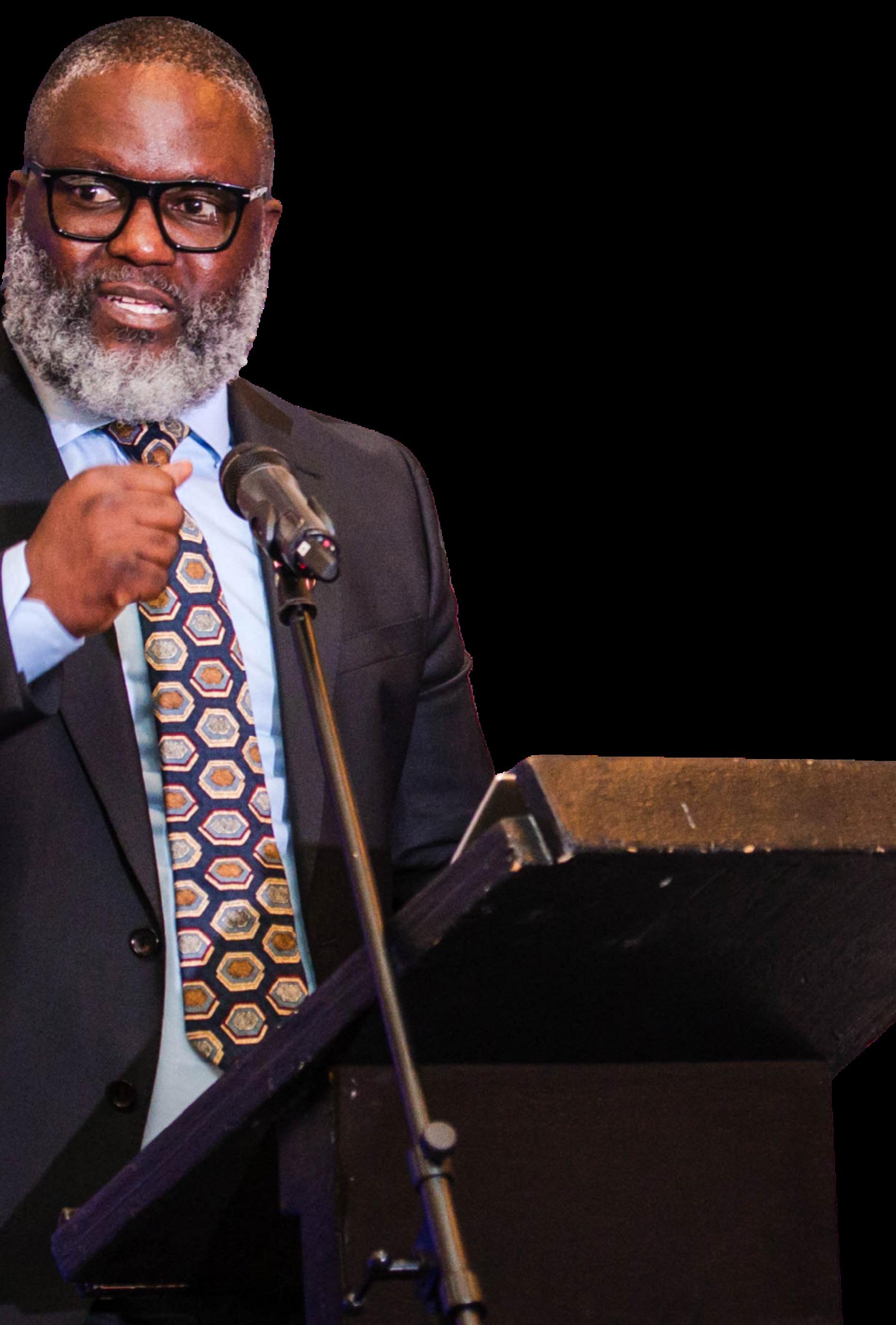
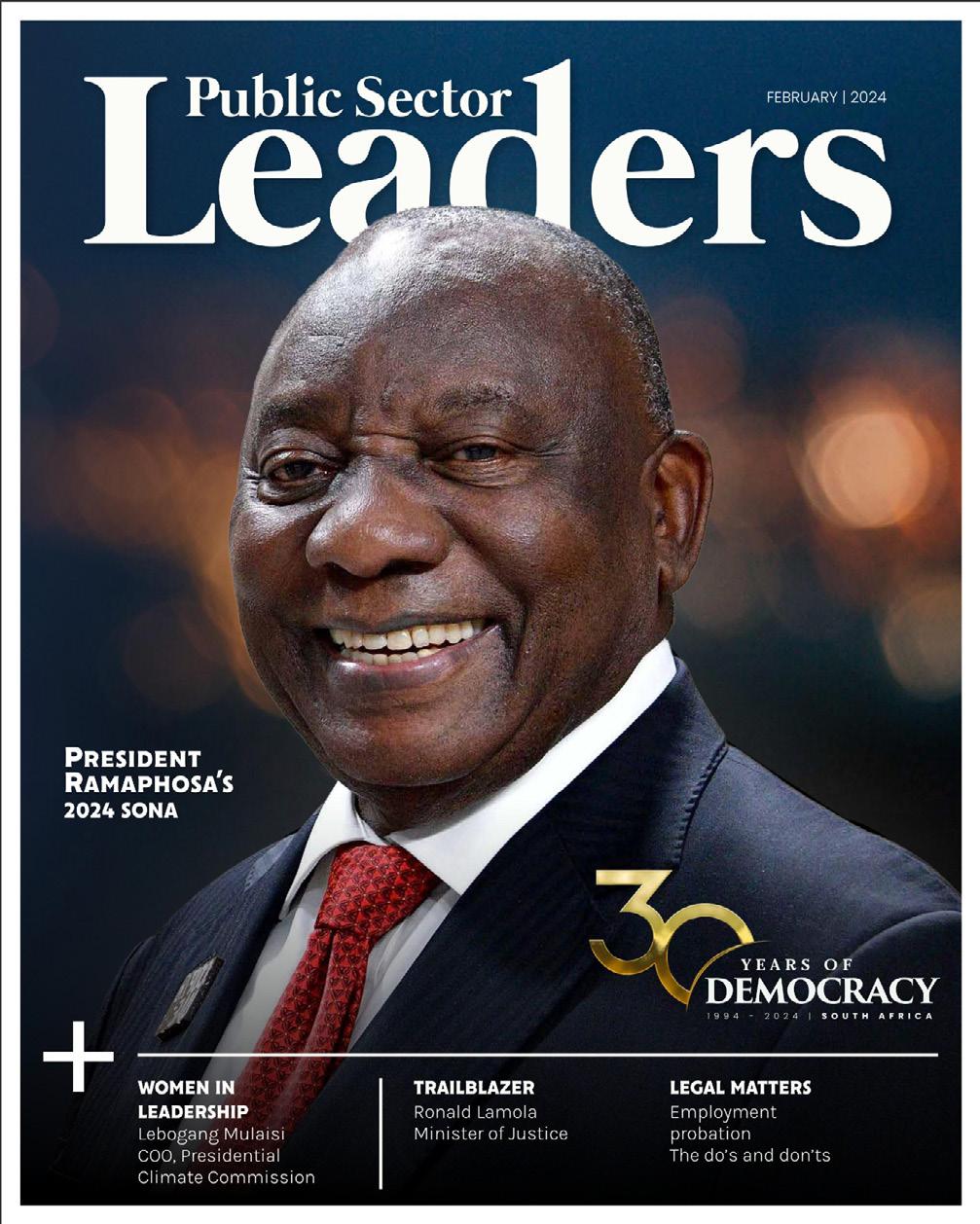


The Public Sector Leaders Summit is a premier platform that celebrates the contributions of organisations and individuals, across both the public and private sectors, who continue to invest in South Africa’s growth with resilience and optimism.
The 2nd Annual PSL Summit will provide the ideal environment for engaged networking, collaboration and knowledge sharing between stakeholders who are committed to building a thriving and inclusive economy.
For more information Contact: emlyn.dunn@topco.co.za marketing@topco.co.za
22 | National Orders
President Ramaphosa honours individuals who have helped to shape a democratic South Africa
28 | Youth Month
Walking in the footsteps of 1976
32 | Understanding El Niño
Why preparation matters more than panic
36 | Why ISO 27001 matters
Protecting information in a digital age
38 | The last exit
What the end of section 12J means for the investors who backed it
44 | Fetakgomo-Tubatse
Special Economic Zone
The boost Limpopo needs
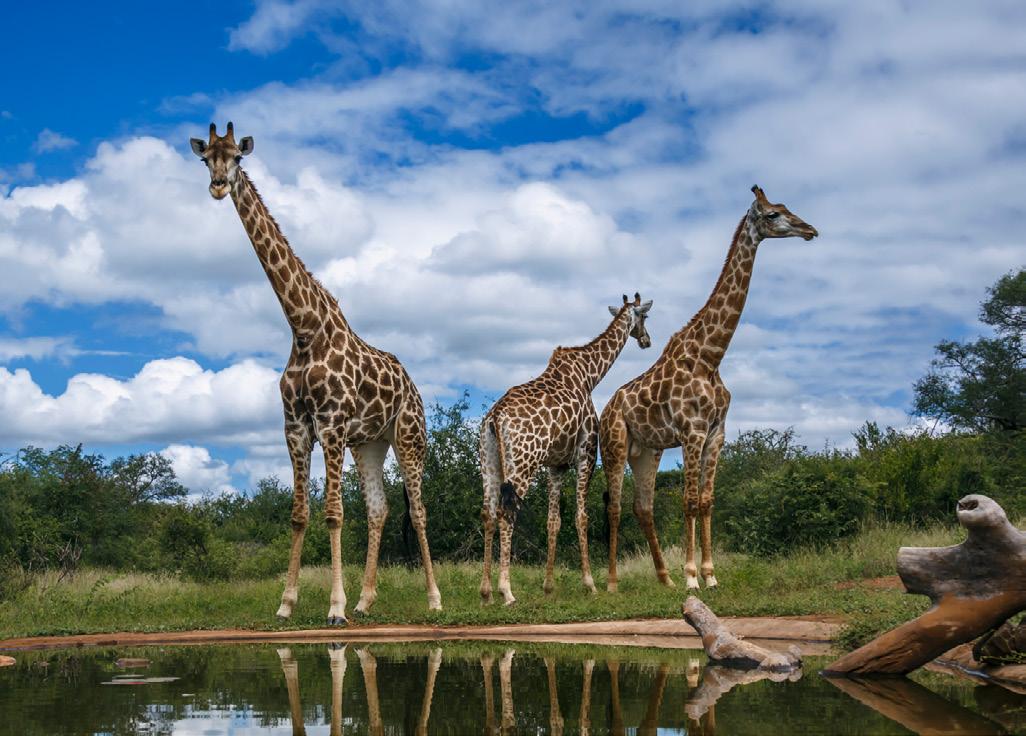
46 | The Kruger National Park turns 100 “Our Heritage, Our Future”
30 | Agriculture
The State moves to release land with title deeds for farmers
50 | Legal Matters
| Addressing the Nation
Young people opening the doors of learning, work and opportunity
12 | Cover Story
Empowering Africa’s digital generation
18 | Women in Leadership
Prof Debra Meyer ushers in a new chapter for Sol Plaatje University
20 | Trailblazer
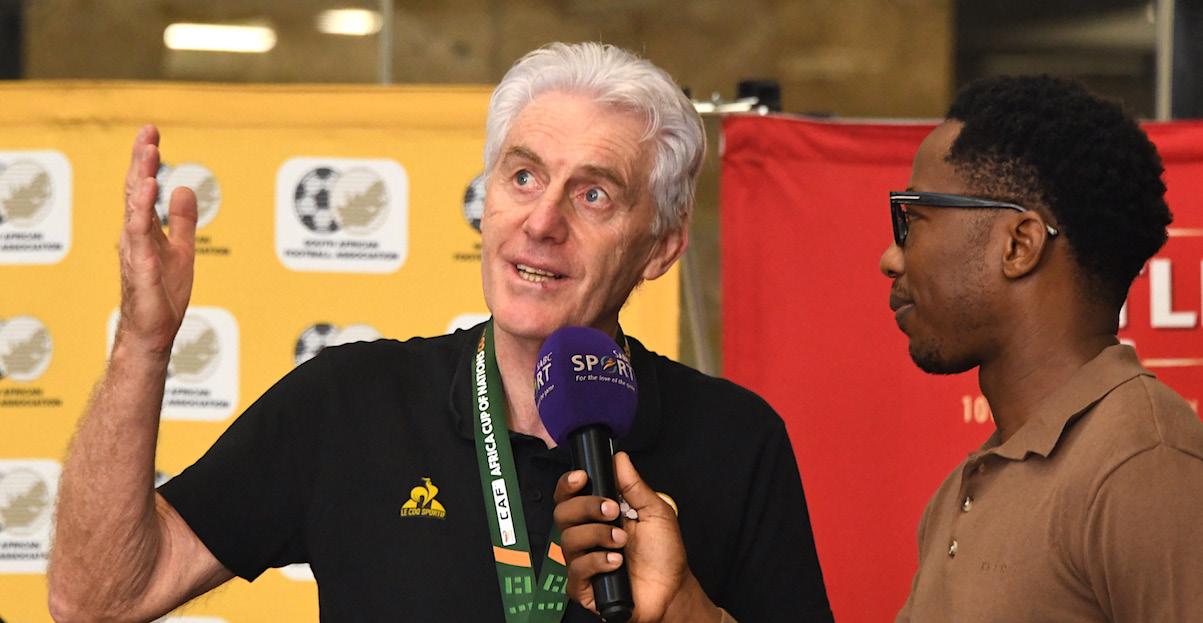
Hugo Broos: The trailblazer behind Bafana Bafana’s revival
34 | Tech
Why phishing awareness is still cybersecurity’s strongest defence
40 | In Other News
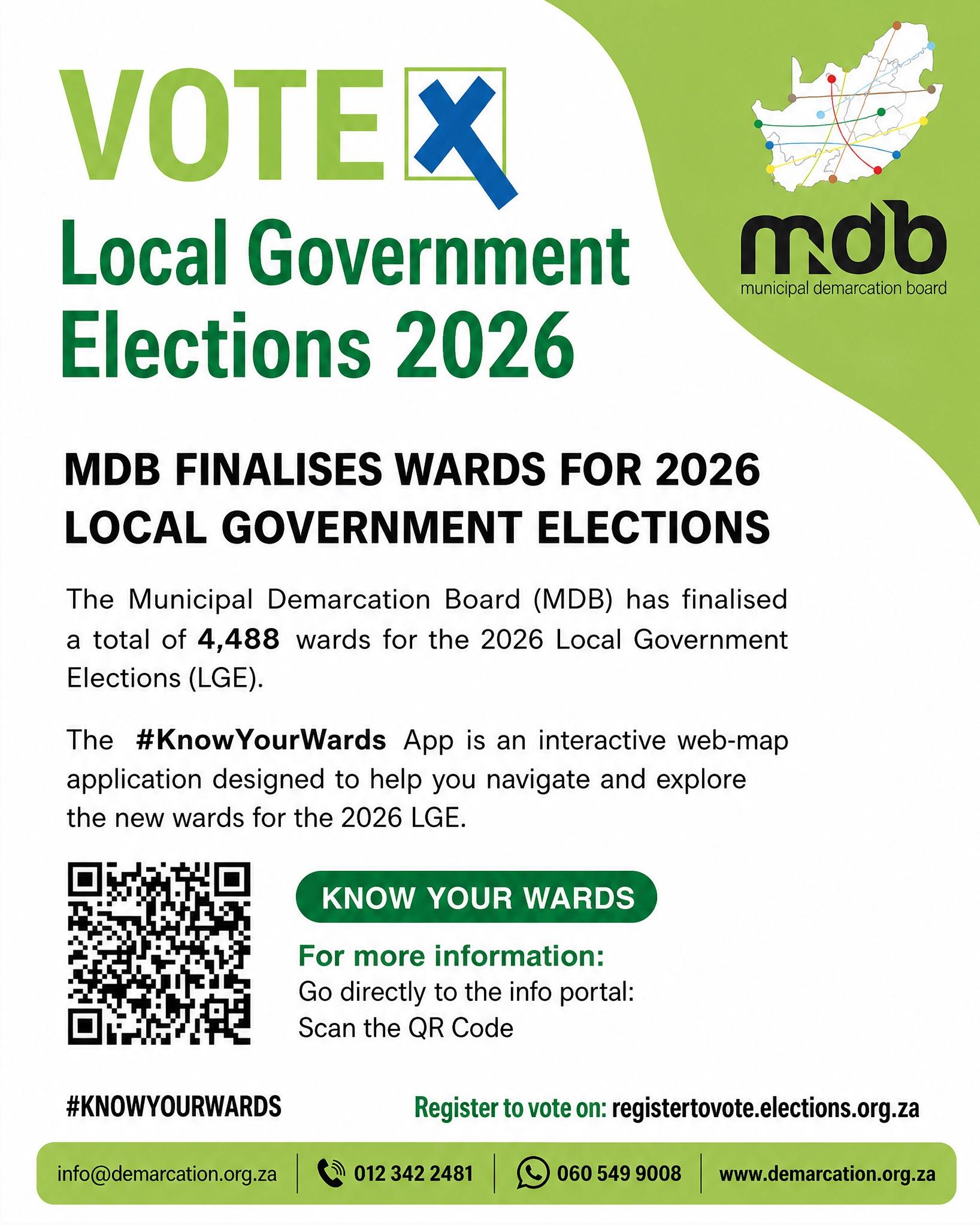
Building participation ahead of the 2026 Local Government Elections
42 | Regional Focus
Driving growth from the ground up
48 | Financial Fitness
What you need to know for the 2026 tax season
New merger thresholds set to ease business transactions
52 | Health & Wellness
Why HR managers need to think like physiologists this winter
54 | Sporting Action June/July sports calendar
56 | Upcoming Events
June calendar

a GEMS member

Switch to the Emerald Value Option (EVO) before 31 October 2026 and save! As an EVO member, you receive the same benefits as Emerald, subject to care coordination rules. By switching from Emerald to EVO, you may save up to *16% on your monthly contribution. *This is based on comparative calculations of the GEMS Scheme Rules








PUBLIC SECTOR LEADERS
The Digimag For Leaders In The South African Public Sector Fully Accredited Member of ABC

Advertising Sales, Distribution and Subscriptions
Top Media & Communications (Pty) Ltd
Tel: 086 000 9590 info@topco.co.za | www.topco.co.za
CEO Ralf Fletcher
TOPCO STUDIO
Production Director
Van Fletcher van.fletcher@topco.co.za
Group Editor
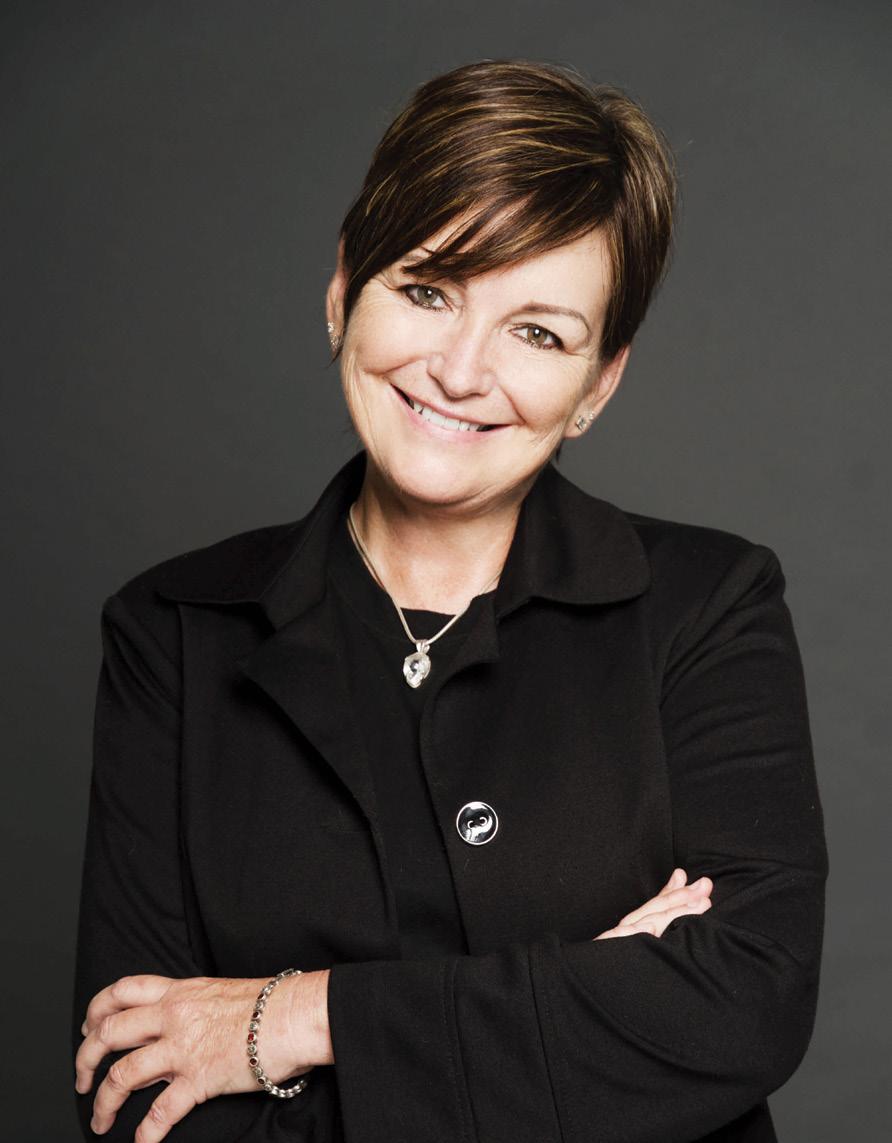
Fiona Wakelin fiona.wakelin@topco.co.za
Deputy Editor
Koketso Mamabolo koketso.mamabolo@topco.co.za
Assistant Editor
Shumirai Chimombe shumirai.chimombe@topco.co.za
Contributors
Jessie Taylor
Wandile Sihlobo
Thulani Dube
Lance Collop
Dr Khumo Merafe
Kumar Vaibhav
Cover Design
Nasreen Emeran
Design
Tashwell Brown
Traffic Manager
Daniël Bouwer artwork@topco.co.za
SALES
National Project Manager
Emlyn Dunn Tel: 072 1263962 emlyn.dunn@topco.co.za
Brand Coordinators
Sidney Phiri sidney.phiri@topco.co.za
Printers LAW Print Images iStock / Unsplash / GCIS | Flickr
Digital Publishing Platforms Issuu Magzter Media Carrier
Head Office
Top Media & Communications (Pty) Ltd T/A Topco Media Elkay House, 186 Loop St Cape Town
Tel: +27 86 000 9590
Fax: +27 21 423 7576
Email: info@topco.co.za Website: www.topco.co.za (ScanQRcodebelowtoviewwebsite) 46

DISCLAIMER
All rights reserved. No part of this publication may be reproduced, stored in a retrieval system or transmitted, in any form or by any means, electronic, mechanical, photocopying, recording or otherwise, without the prior written consent of Top Media & Communications (Pty) Ltd T/A Topco Media. Reg. No. 2011/105655/07. While every care has been taken when compiling this publication, the publishers, editor and contributors accept no responsibility for any consequences arising from any errors or emissions.
Subscribe to Topco Media’s official Weekly newsletter as we keep you up-to-date with the latest business blogs and articles.

In his letter penned to the nation on 15 June, His Excellency, President Cyril Ramaphosa focused on our youth, Youth Day and Youth Month:
“Much work remains. The scale of the challenge demands that we sustain and deepen these efforts. Every company, every department, every organisation and every South African who is able to open a door for a young person must do so. Your country sees your potential and will work with you to ensure that you realise it. Let us together build a South Africa in which every young person finds their place in an inclusive economy and in a thriving society,” - President Ramaphosa.
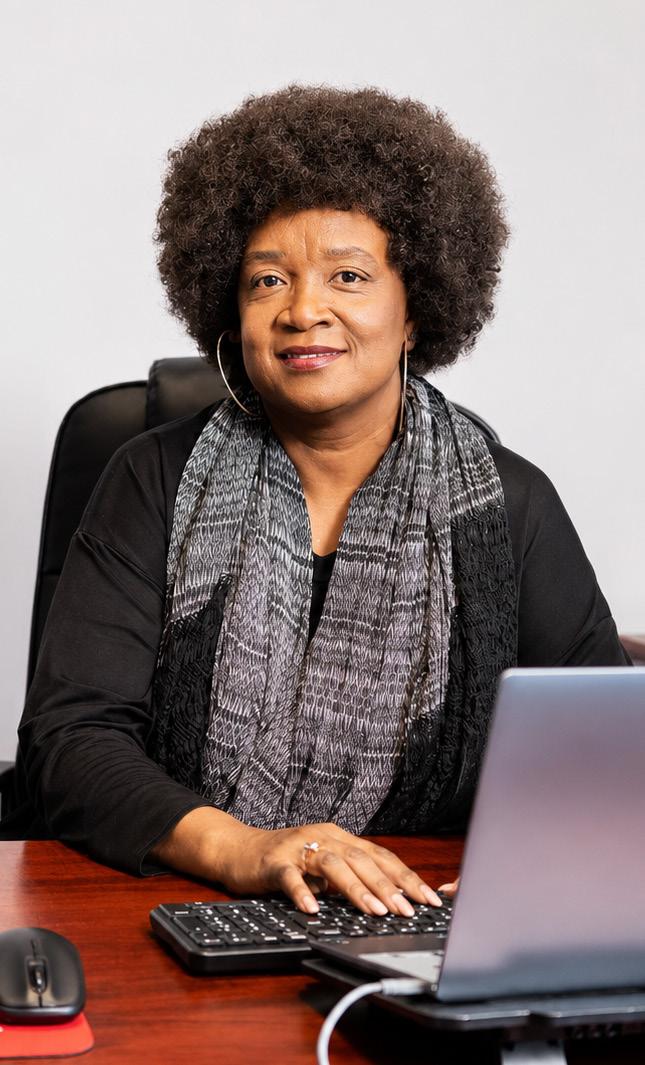
Our front cover reflects this focus with the lead story taking a deep dive into Youth and Tech – Empowering Africa’s digital generation. We also bring you an article on the 50 years since the
June 16th uprising and some suggestions on how to celebrate Youth Day.June puts the spotlight not only on our youth, but also our environment, so we grabbed the opportunity to bring you 3 environmentally focused pieces – one on Kruger Park’s centenary; secondly we take an in depth look the El Niño event - the ramifications for us and the continent when the boy child wreaks havoc - and lastly what it means to celebrate National Environment Month.
June’s Trailblazer is Bafana Bafana coach Hugo Broos and our Women in Leadership is Prof Debra Meyer, new VC and Principal of Sol Plaatje University .
Have you noticed some bedecking of lampposts recently? IEC has launched the local government elections 2026 campaign:
“As the sixth instalment, the 2026 Local Government Elections take place amid notable changes in domestic and global political landscapes. The announcement of the 4 November 2026 election date by His Excellency, President Cyril Ramaphosa, has provided the Electoral Commission and all stakeholders with clarity and certainty for planning,” - Electoral Commission Chief Electoral Officer, Sy Mamabolo.
Chartered Tax Adviser Lance Collop has written an important article on the end of Section 12J, SA’s R14-billion tax incentive scheme and what this means for the investors who backed it:
“June 2026 marks a quiet milestone in South African tax history. Section 12J of the Income Tax Act - the most
BY FIONA WAKELIN
generous investment incentive National Treasury ever offered ordinary taxpayers - reaches its true conclusion this month. Not the end of the deduction; that came and went on 30 June 2021. This is the end of the five-year holding periods that came with it. By the end of June, every rand invested under section 12J will have crossed the line that makes its tax benefit permanent,” – Lance Collop. In a similar vein Legal Matters takes a look at new merger thresholds and Financial Fitness zooms into tax season 2026.
Wandile Sihlobo brings us up to speed on the State’s moves to release land, with title deeds, for farmers and an important new SEZ has been declared in Limpopo.
Contrary to the Game of Thrones’ tagline, winter is here and our Health and Wellness article brings a refreshing take on absenteeism during these cold, dark months.
From myself and the amazing team, we hope you enjoy the winter feast!
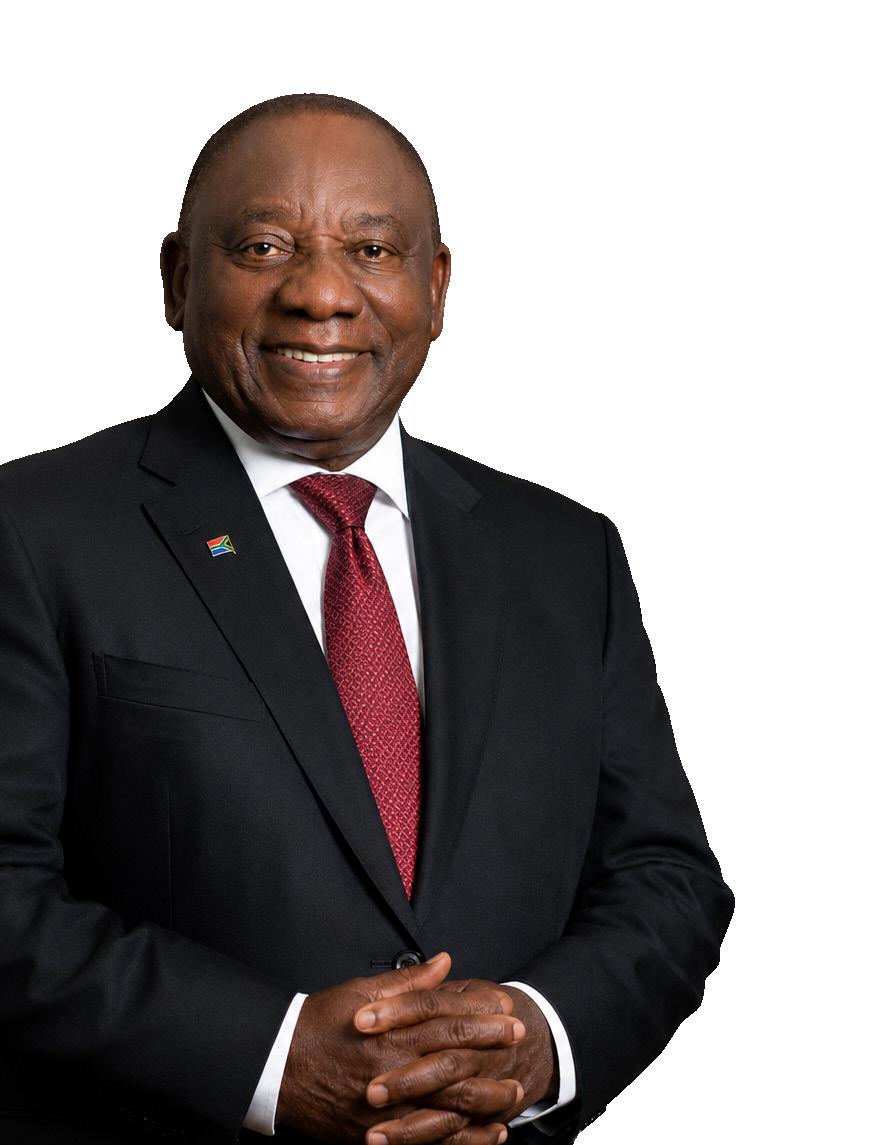
Young people opening the doors of learning, work and opportunity
On June 15, His Excellency penned his weekly letter to the nation – and given that it was written the day before commemorating June 16th, it was appropriate for it to be addressed to our youth.
President Ramaphosa reflected on the history of Youth Day when, fifty years ago, a generation of young South Africans changed the course of our history. Their courage helped open the doors of freedom, rejecting an education system that kept them subjugated.
“Exactly 50 years later, as young South Africans, you face a different challenge: finding your place in an economy that has for too long kept its doors closed to you. We know that for many young South Africans, the promise of democracy can feel distant when jobs are scarce, when opportunities seem out of reach and when qualifications do not always lead to employment. Many of you are working hard, applying for jobs, pursuing training and seeking opportunities, only to face disappointment. We hear these frustrations, and we understand that they are real,” – H.E. Ramaphosa
His Excellency went on to state that inclusive economic growth is essential in order to tackle youth unemployment in a meaningful and lasting way –and he referenced the fact that the state is investing in a massive infrastructure programme and undertaking reforms to make the economy more competitive, with the second investment drive having raised R890billion in new pledges in the last year; however, these initiatives will take time to translate into jobs hence the focus on programmes that provide access to learning and work opportunities, skills, experience and an income:
“One of our most successful programmes has been the Presidential Employment Stimulus, which was launched at the height of the COVID-19 pandemic. Today, that stimulus has created in excess of 2.5 million work and livelihood opportunities. More than eight in ten of these opportunities have gone to young people, and two-thirds to women. It has enabled the most rapid expansion of public employment in our history. While these numbers are impressive, what really makes this initiative stand out is the impact that it has on the prospects of those involved and the contribution it makes to the areas in which they work.
“Last year, through the Basic Education Employment Initiative, 200,000 unemployed young people provided
valuable support to nearly 22,000 schools in remote villages, townships, dense inner cities, special needs classrooms and farm schools. The programme is giving young people their first foothold in the world of work while strengthening the foundations of learning in the schools that need it most.
“The Social Employment Fund, another successful programme, offers part-time work for young people in social development programmes in areas like education, food and agriculture, health care, environmental improvement and safety. Because it is part-time, participants get regular and predictable income while spending the rest of their time looking for work, exploring business opportunities or improving their skills,”-
H.E. Ramaphosa.
President Ramaphosa also listed the Presidential Youth Employment Intervention - through the SA Youth online platform, more than 5.7 million young people are now able to search for opportunities; the revitalised National Youth Service which has placed more than 132 000 young people in paid service to their communities; and the Jobs Boost Outcomes Fund that pays for training for young people when they are placed in a real, quality job.
“Behind every one of these numbers is a young person whose dignity has been restored, whose confidence has been renewed and whose horizon has broadened. Although these opportunities are mostly short-term, there are thousands of stories of young people who have used them as a stepping stone towards finding a permanent job, starting a small business or studying towards a new career. The value of these opportunities can be measured not merely by what young people earn while they’re in the programme, but by what they leave with: skills, experience, selfesteem and a sense of purpose.
“Much work remains. The scale of the challenge demands that we sustain and deepen these efforts. Every company, every department, every organisation and every South African who is able to open a door for a young person must do so. Your country sees your potential and will work with you to ensure that you realise it.
“Let us together build a South Africa in which every young person finds their place in an inclusive economy and in a thriving society,” – President Ramaphosa.
BY THULANI DUBE

As South Africa commemorates Youth Month this June, the Continent finds itself at a defining crossroads. The historic legacy of 1976 symbolised a generation demanding access, dignity, opportunity, and inclusion.
Nearly five decades later, a new generation of African youth is engaged in a different but equally significant struggle. That struggle is the fight for digital inclusion, economic participation and relevance in an increasingly technology driven world.
Africa is currently home to the world’s youngest population, with nearly 60% of its people under the age of 25. While this reality represents one of the continent’s greatest strategic advantages, it also presents one of its greatest risks. Without
meaningful investment in digital empowerment, skills development, innovation ecosystems, and inclusive technological infrastructure, Africa risks widening existing socio-economic inequalities instead of solving them.
Digital transformation is no longer a future conversation. It is now deeply intertwined with governance, education, employment, entrepreneurship, communication, and social mobility. Across the continent technology is reshaping how societies function. Technological advances are reshaping how economies compete as well as how individuals create opportunities.
However, for Africa in particular, while the promise of digital transformation is immense, the
pathway toward meaningful inclusion remains uneven and deeply complex.
Research on digital transformation in Africa highlights that while digital technologies hold transformative potential, challenges such as infrastructure deficits hinder progress. This is further exacerbated by digital divides, skills shortages, and limited policy implementation. These realities are particularly visible among young people living in resource constrained environments where access to connectivity, devices mentorship and digital opportunities remains inconsistent.
Young people using innovation to shape the continent’s digital future Despite these challenges, Africa’s youth continue to demonstrate extraordinary resilience and

adaptability. Across cities, townships, rural communities, universities as well as innovation hubs young Africans are actively building solutions that respond to local realities. Young people are moving beyond being consumers of technology to becoming creators of economic opportunity. This innovation is seen through initiatives such as developing fintech solutions that expand financial inclusion, building AI powered platforms that address local challenges, launching e-commerce ventures, creating digital content for global audiences, designing innovative software applications or driving social enterprises that tackle community needs. Africa’s youth are playing an increasingly influential role in shaping the continent’s digital future and emerging knowledge economy.
The continent’s greatest innovation asset is not technology itself. It is its young people.
The impact of digital empowerment initiatives and gig platforms The impact of youth focused digital empowerment initiatives across Africa demonstrates the transformative potential of investing in the continent’s young people. Through programmes such as YES Microsoft AI Skills Initiative as well as a growing network of innovation hubs and startup incubators, many young Africans are gaining access to advanced digital skills and entrepreneurial support.
These initiatives are creating pathways for young innovators to develop solutions that address pressing socioeconomic challenges while contributing to economic growth and technological advancement. Such initiatives aim to shift the reality of Africa’s youth simply being beneficiaries of digital transformation towards being its architects. They create environments that allow the youth to leverage technology to create opportunities, solve local problems and position the continent as an emerging force within the global digital economy.
The rise of Africa’s creator economy illustrates this transformation vividly. Digital platforms are enabling a new generation of entrepreneurs, influencers, designers, coders and storytellers to monetise talent and build global audiences from local communities. Technology has lowered traditional barriers to entry thereby allowing young people to participate in economic activity without relying solely on conventional employment systems.
The rapid growth of gig platforms continues to reshape youth livelihoods across the continent. Digital platforms provide flexibility, lower barriers to entry as well as alternative pathways to employment for young people navigating difficult economic environments. However, the risk is that digital employment opportunities often prioritise job quantity over job quality thus exposing many young workers to instability and inconsistent income streams. This tension reflects one of the central paradoxes of Africa’s digital transformation journey. Technology creates opportunity, but it can also deepen exclusion if access and structural support systems are not addressed simultaneously.
The future of work in Africa
The future of work in Africa will undoubtedly be digital. Artificial intelligence, automation, cloud computing, data analytics, robotics and platform economies are already reshaping industries globally. The question is no longer whether Africa will participate in this transformation, but whether its youth will be adequately
BY THULANI DUBE
prepared to lead within it. For many young Africans, the challenge is not a lack of ambition. It is a lack of access.
Encouragingly, several global technology companies have recognised this challenge and are investing in Africa’s future workforce. Microsoft for instance, through various initiatives, aims to equip millions of Africans with competencies in artificial intelligence, cybersecurity, cloud computing and data analytics. In South Africa, the company has committed to training youth in AI related skills. Through its Elevate programme, Microsoft is also taking a step towards transforming learning through empowering the Educator community and subsequently the youth. Such initiatives demonstrate the critical role that industry partnerships can play in preparing young people for the opportunities and demands of the Fourth Industrial Revolution. Youth perspectives on digital transformation in South Africa have revealed that young people in resource constrained environments possess strong motivation to participate in the digital economy. However, infrastructure designed to support digital inclusion often remains constrained.
The vital role of leadership in advancing inclusive digital transformation
This reality exposes one of the greatest leadership responsibilities facing governments, Higher education institutions and the private sector today. This is ensuring that digital transformation becomes inclusive rather than extractive. Leadership in Africa’s digital era cannot be passive. It requires strategic collaboration between governments, academia, industry leaders, entrepreneurs, civil society and youth themselves. The continent’s digital future cannot be built in silos.
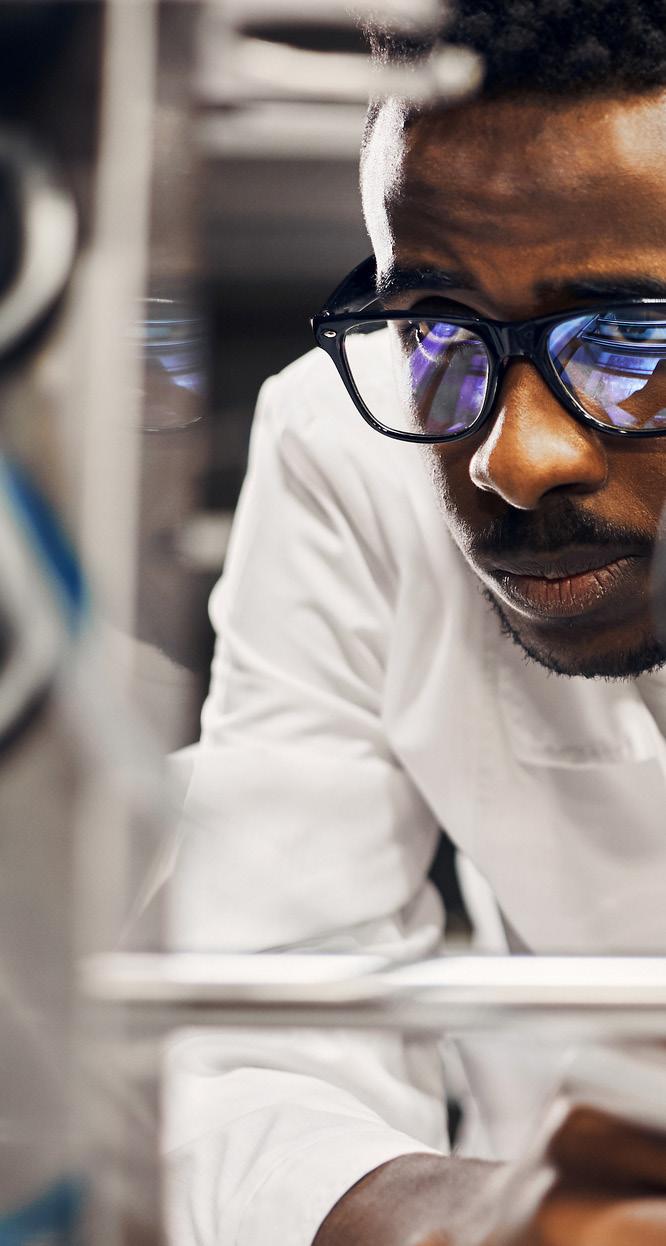

BY THULANI DUBE
The African Union’s Digital Transformation Strategy (20202023) recognises this reality by identifying digital infrastructure and enabling policy environments as some of the foundational pillars for Africa’s digital future. Implementation however remains one of the continent’s most persistent challenges. Too often, policy ambitions outpace execution. While many African governments have developed ICT strategies and digital economy roadmaps, significant portions of the population remain excluded from meaningful participation in digital ecosystems. In South Africa specifically, the persistence of unequal access to devices, affordable connectivity and digital skills continues to reinforce broader socio-economic disparities. This is where ecosystem collaboration becomes critical. Digital transformation is not solely a technology issue. It is also a socio economic and leadership issue.
Technology adoption alone does not automatically lead to societal transformation. Instead, meaningful transformation depends on the existence of favourable economic, organisational, political, social and cultural environments that allow technology to realise its full potential. In other words, smartphones and internet access alone are insufficient. Sustainable digital progress requires coordinated action across multiple sectors of society.
Reimagining education in empowering young people
This includes investing in education systems that are future focused rather than outdated. Reimagining education systems that are agile to respond to the rapidly changing environments. It means embedding digital literacy, critical thinking, innovation, entrepreneurship and problem solving into curricula from an early age. It also means strengthening partnerships

between universities, industry and innovation ecosystems to ensure that learning pathways align with evolving labour market demands.
Many higher education institutions in South Africa have expanded initiatives focused on digital learning, innovation, entrepreneurship, artificial intelligence and Fourth Industrial Revolution competencies. These efforts reflect a growing recognition that higher education institutions must evolve beyond traditional teaching and learning models to become active contributors to economic development, innovation ecosystems and workforce readiness. Higher education institutions in particular have a significant role to play in shaping Africa’s digital future. They are no longer simply centres of academic
instruction but are increasingly becoming catalysts for innovation, entrepreneurship and research commercialisation. Institutions that successfully integrate digital transformation into teaching, learning, research, and community engagement will become critical contributors to economic growth and youth empowerment. This also helps ensure that graduates enter the workforce with both academic qualifications and industry relevant competencies that improve employability.
The role of tech hubs as gateways to opportunities for youth
The growth of Africa’s tech hubs highlights the importance of collaborative ecosystems in driving youth innovation. Spaces such as Stellenbosch University’s LaunchLab,

Johannesburg’s Tshimologong
Digital Innovation Precinct, and Kenya’s iHub provide young entrepreneurs with mentorship, networks and resources to transform ideas into impactful solutions. These innovation centres are gateways to opportunities that help young Africans solve local challenges and contribute to the continent’s digital transformation. For many young people, digital access represents more than connectivity. It represents visibility into a new world of possibility. However, innovation ecosystems themselves require sustained support. Many tech hubs and youth focused innovation initiatives struggle with financial sustainability as well as infrastructure limitations. Without long term investment and strategic partnerships many promising initiatives risk stagnation.
Young people - Africa’s greatest innovation asset Youth Month offers an important opportunity for reflection. The youth of 1976 fought for educational access and human dignity under oppressive systems. Today’s generation faces a different struggle that involves navigating economic uncertainty, technological disruption, unemployment, and unequal access within rapidly changing global systems. Africa’s digital transformation cannot succeed if its youth are treated merely as beneficiaries of innovation. They must be recognised as co-creators and strategic partners in shaping the continent’s future. Youth empowerment is no longer a social development conversation alone. It is now
an economic imperative, a leadership priority and a strategic necessity for Africa’s long term competitiveness. As Africa continues navigating the Fourth Industrial Revolution, one reality remains clear, the continent’s greatest innovation asset is not technology itself. It is its young people.
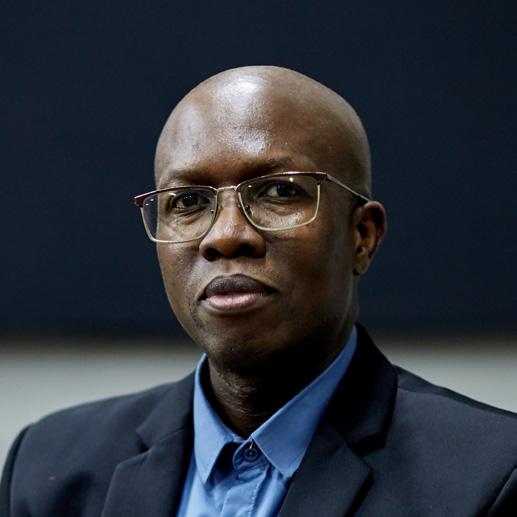
BY JESSIE TAYLOR
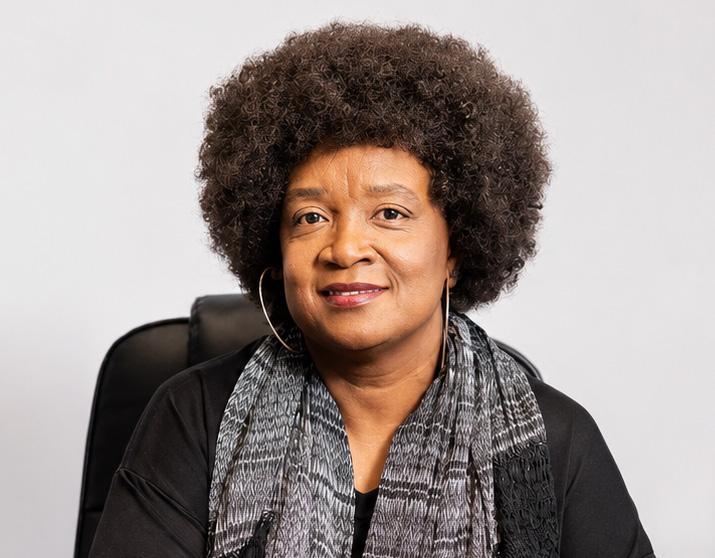
When Professor Debra Meyer officially assumed office as Vice-Chancellor and Principal of Sol Plaatje University (SPU) on 1 January, it marked the beginning of a new chapter for one of South Africa’s youngest universities. Her appointment is the culmination of a distinguished academic career spanning nearly three decades.
Having served as SPU’s Deputy Vice-Chancellor for Research, Innovation and Postgraduate Studies, Prof. Meyer is no stranger to the institution she now leads. During her tenure in that role, she played a pivotal part in strengthening the university’s research profile, advancing postgraduate education and positioning SPU as a growing centre of academic excellence in the Northern Cape.
For Prof. Meyer, leadership is about more than managing an institution. It is about building a culture of collaboration, accountability and shared purpose. In one of her first messages to the university community, she pledged to lead with integrity, openness and a collaborative spirit while focusing on strengthening teaching, advancing research and consolidating the university’s academic foundations. She described 2026 as an opportunity for discovery, achievement and unity, emphasising the importance of working together to shape the future of both the university and the region it serves.
Her appointment comes at an important time in SPU’s development. Established in 2014, Sol Plaatje University is one of South Africa’s two newest public universities and the first university ever built in the Northern Cape. Named after renowned intellectual, journalist, author and political activist Solomon Tshekisho Plaatje, the institution was founded with a mission to expand access to higher education in a province that had historically lacked a university of its own. Over a little more than a decade, SPU has evolved from a fledgling institution into a respected centre of learning and research, serving thousands of students while contributing to the province’s social and economic development.
The university’s growth has been noticeable. It has steadily expanded its academic offerings, developed modern infrastructure and strengthened its engagement with local communities. Under successive leadership teams, SPU has earned a reputation for innovation and responsiveness to regional needs. The institution has increasingly focused on research that addresses pressing societal challenges, including education, sustainability and inclusive development. Recent initiatives, such as the Centre for the Advancement of Rural and Inclusive Education and Research, demonstrate the university’s commitment to ensuring that research has a tangible impact on communities within the Northern Cape and beyond.
Prof. Meyer has been closely involved in this evolution.
She holds a PhD in Biochemistry from the University of California and an MSc in Biochemistry from the former Rand Afrikaans University, now the University of Johannesburg. Throughout her career, she has built a reputation as an accomplished researcher and scholar, receiving numerous awards and recognition for her contributions to science and higher education. Her multidisciplinary work has included HIV/AIDS research, as well as extensive involvement in public education and community engagement initiatives.
Source: Noordkaap Bulletin | Sol Plaatje University | Universities South Africa
Yet Prof. Meyer’s influence extends beyond the laboratory and lecture hall. She is also known as an author, poet and science communicator who has successfully bridged the gap between academia and the broader public. Many South Africans recognise her from her years presenting weather forecasts on SABC2, while others know her through science-focused media initiatives aimed at making complex scientific concepts accessible to everyday audiences.
When announcing her appointment, SPU’s Council highlighted her vision for the institution and her understanding of the university’s unique geographical and socio-economic context. The Council noted that her leadership would be instrumental in ensuring financial sustainability, enhancing student success and strengthening the university’s impact both locally and globally.
The significance of her appointment also extends beyond SPU itself. Women remain underrepresented in senior leadership positions across higher education globally, despite increasing numbers of women entering academia. Prof. Meyer’s appointment contributes to a growing cohort of female vicechancellors leading South African universities and serves as a powerful example of what is possible for women pursuing careers in science, research and university leadership.
Prof. Meyer inherits a university with strong foundations, but also one with significant opportunities for growth. Her focus on strengthening research, enhancing teaching excellence, expanding postgraduate education and increasing the institution’s national and international visibility positions SPU to continue its upward trajectory. At the same time, her emphasis on collaboration, integrity and community engagement reflects a leadership approach that values people as much as performance.
BY JESSIE TAYLOR
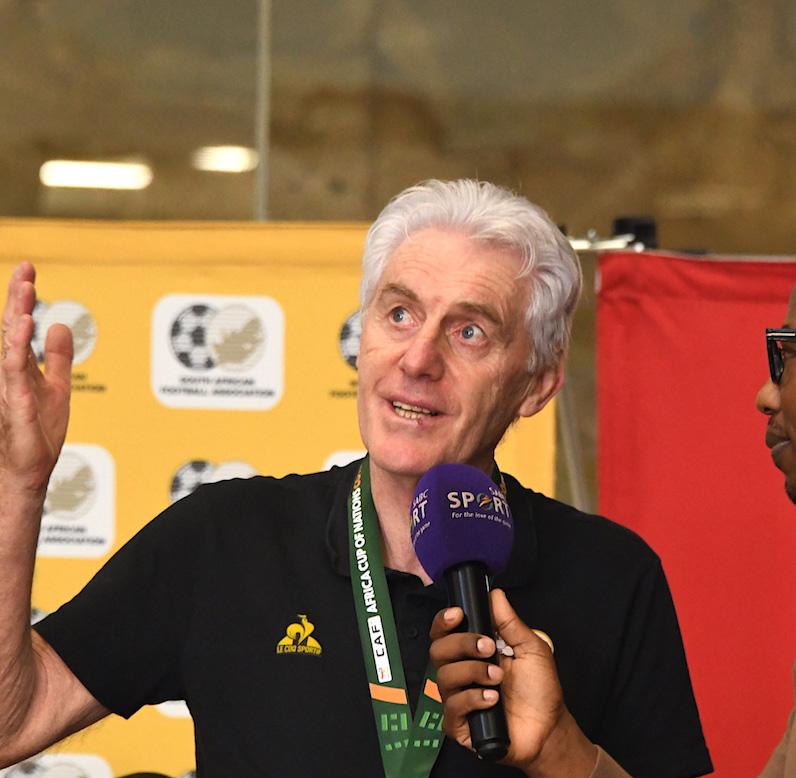
Few coaches have transformed the fortunes of a national football team as dramatically as Hugo Broos has done with South Africa’s Bafana Bafana. When the veteran Belgian arrived in 2021, expectations were modest. The national team had struggled for consistency, major tournament appearances had become increasingly rare, and many supporters questioned whether a foreign coach could reignite South African football.
Five years later, Mr Broos has emerged as one of the most influential figures in South African sport. Through disciplined leadership, a clear vision and an unwavering belief in local talent, he has helped restore confidence in Bafana Bafana and guided the team back onto the continental and global stage.
From Belgium to AFCON
Mr Broos enjoyed a distinguished playing career long before becoming one of Africa’s most respected coaches. As a defender, he represented some of Belgium’s biggest clubs, including Club Brugge and Anderlecht, earning numerous domestic honours and making more than 20 appearances for the Belgian national team. His playing career exposed him to elite football environments and laid the foundation for a coaching philosophy centred on discipline, organisation and teamwork.
After retiring from playing in 1988, Mr Broos quickly moved into coaching. Over the following decades, he built an impressive résumé. He won multiple Belgian league titles and domestic cups with leading clubs such as Anderlecht, Club Brugge and Genk, earning four Belgian Coach of the Year awards along the way. His reputation as a tactically astute leader who could build competitive teams from limited resources became one of his defining characteristics.
His greatest achievement before arriving in South Africa came in 2017 when he led Cameroon to victory in the Africa Cup of Nations. Entering the tournament as underdogs, Cameroon defied expectations to lift the trophy,
showcasing Mr Broos’ ability to unite teams and inspire players to outperform predictions. The triumph cemented his standing as one of the continent’s leading football coaches.
When the South African Football Association appointed Mr Broos as Bafana Bafana head coach in May 2021, the decision was met with mixed reactions. Critics questioned whether a coach in his late sixties could connect with a new generation of players. Others doubted his unfamiliarity with local football structures. Yet Mr Broos remained unfazed.
Rather than relying on established stars, he began rebuilding the squad around players he believed possessed the right mentality and commitment. He prioritised attitude, work ethic and tactical discipline above reputation. This willingness to trust emerging talent would become a hallmark of his tenure.
Start of a new era
Under Mr Broos, Bafana Bafana developed a clear playing identity characterised by organisation, resilience and collective effort. The team became increasingly difficult to beat and began competing confidently against some of Africa’s strongest football nations.
A major breakthrough came at the 2023 Africa Cup of Nations in Côte d’Ivoire, played in early 2024. South Africa exceeded expectations, reaching the semi-finals and ultimately securing third place. The bronze medal represented South Africa’s best AFCON performance in nearly a quarter of a century and signalled the country’s return as a force in African football.
Mr Broos has often attributed this success to a shift in mentality. Speaking about the team’s development, he highlighted the importance of self-belief and professional standards. Under his
leadership, players have embraced a culture of accountability and confidence, allowing the squad to compete without fear against higher-ranked opponents.
Perhaps even more significant was South Africa’s successful qualification for the 2026 FIFA World Cup. The achievement marks the country’s first World Cup appearance since hosting the tournament in 2010 and reflects the remarkable progress made under Mr Broos’s stewardship.
For many years after 2010, qualification for major tournaments became increasingly challenging. The national team struggled to maintain consistency, and periods of promise were often followed by disappointment. Mr Broos has helped reverse that trend by creating stability and a long-term vision.
One of the most notable aspects of his leadership is his commitment to developing locally based players. While many African national teams rely heavily on footballers competing in Europe’s top leagues, Mr Broos has demonstrated confidence in players from the domestic Premier Soccer League. This approach has strengthened pathways between local clubs and the national team while reinforcing the quality of South African football.
Beyond results, Mr Broos’s impact can be measured in the renewed enthusiasm surrounding Bafana Bafana. Stadium attendances have improved, public confidence has grown, and the national team once again occupies an important place in South Africa’s sporting conversation. What was once a team struggling to find direction has become a symbol of resilience, discipline and possibility.
For South African football, his tenure represents far more than a successful coaching appointment - it marks the beginning of a new chapter filled with renewed ambition and hope.
BY SHUMIRAI CHIMOMBE
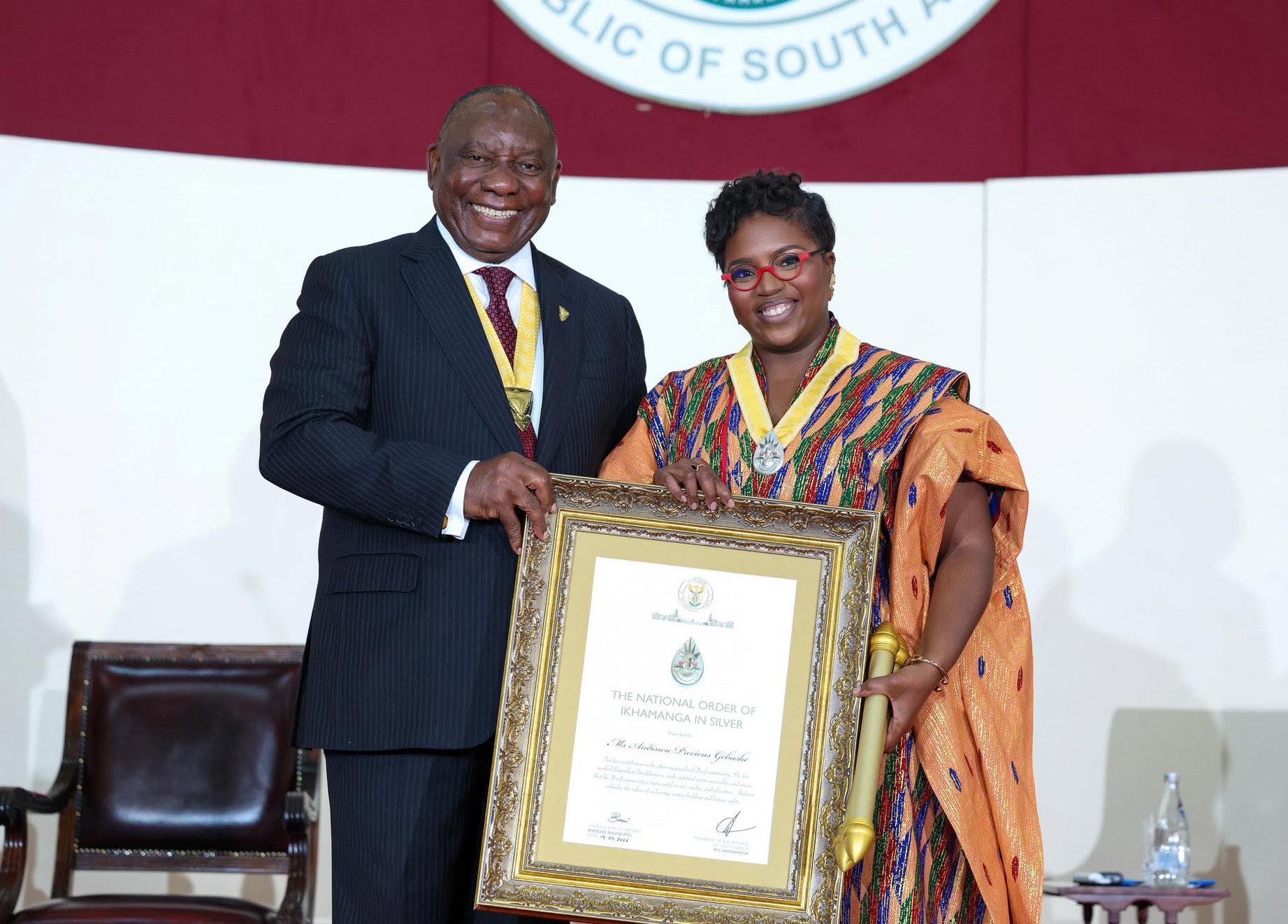
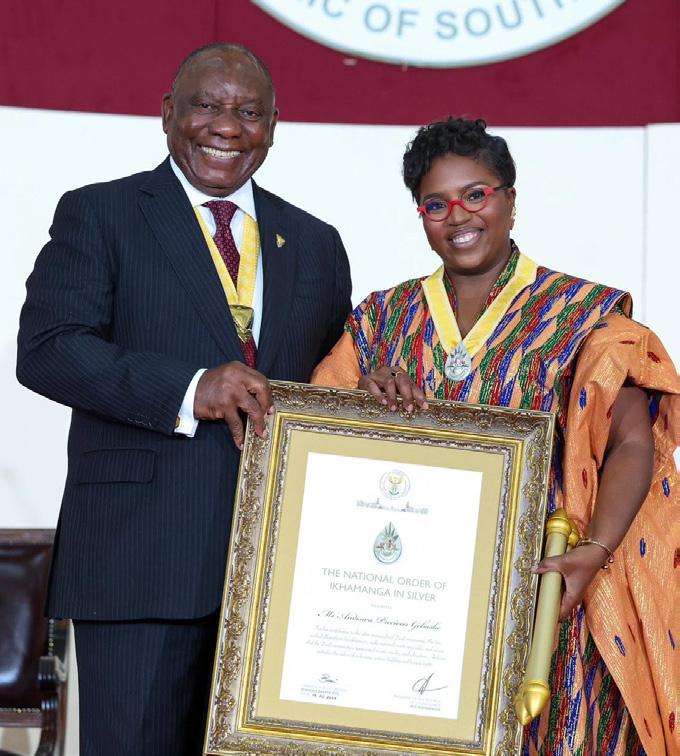
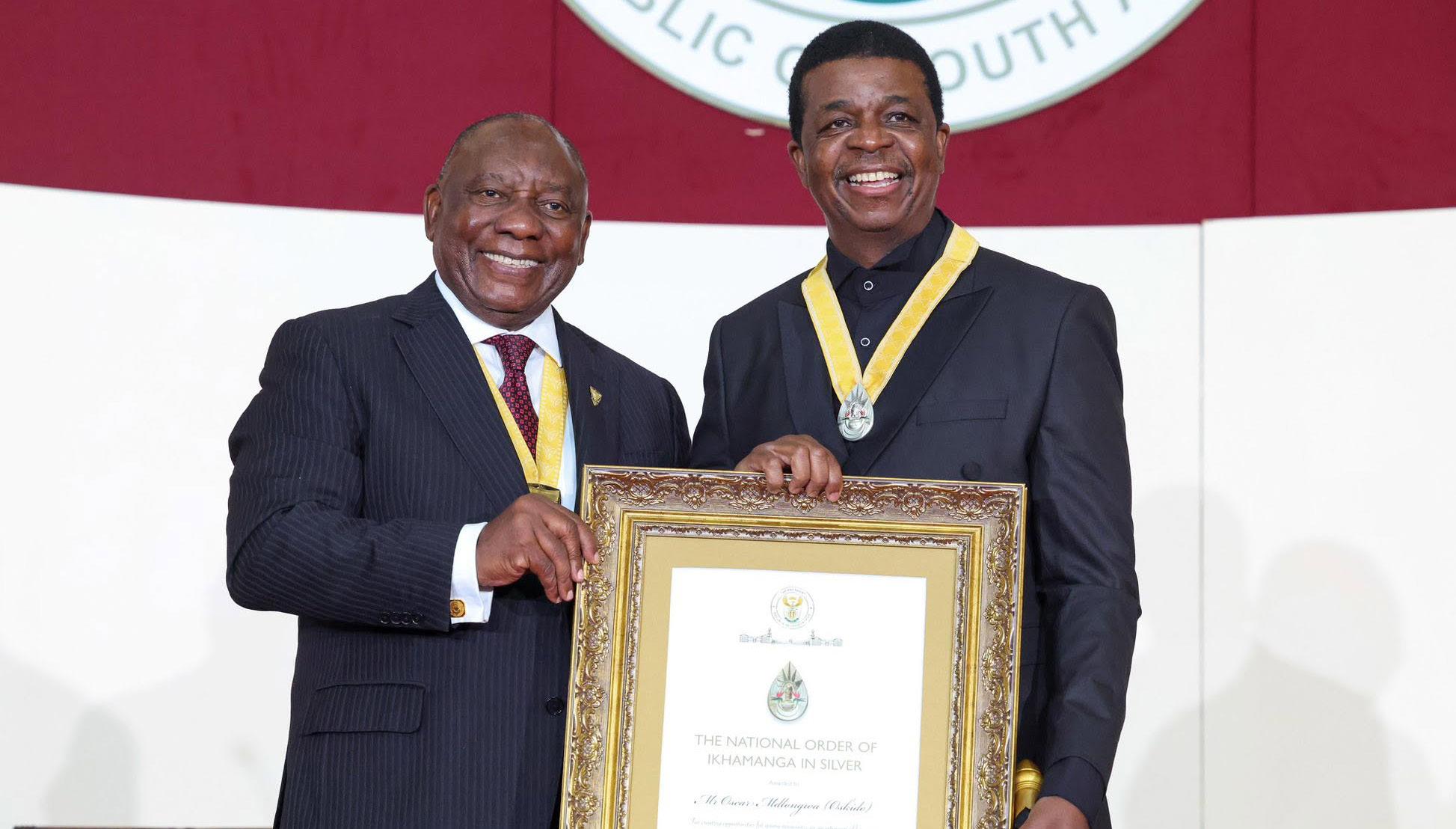
On 19 May President Cyril Ramaphosa presided over the 2026 National Orders Awards ceremony at the Sefako Makgatho Presidential Guesthouse in Pretoria.
National Orders are the highest awards that South Africa, through the President, bestows on its citizens and eminent foreign nationals who have contributed to advancing democracy and made a significant impact on improving the lives of South Africans.
In his oration at the ceremony His Excellency described the occasion
as a day when “we honour men and women who have lifted to the sky our greatest aspiration to build a democratic South Africa founded on equality, justice and dignity for all.”
He highlighted that this was an aspiration carried by the country’s forebears long before democratic South Africa was born.
“When the first democratic Constitution of South Africa was signed into law 30 years ago, this aspiration became the cornerstone of an edifice that had been built by generations of patriots. Like those
patriots, the people that we honour today have helped to give life to the dream of a free and just South Africa.
“Their activism has extended to music, politics, sports, literature, culture, medicine, science, education and the advancement of human rights that we so cherish. In their many fields of endeavour, they have made an invaluable contribution to our national life. By honouring them today and celebrating them, we are recognising that the pillars of our democratic order are deep. They are firm and unshakeable because
of the many great South Africans who have helped to build our country and its stature.”
The Order of Ikhamanga is awarded to South Africans who have excelled in the fields of the arts, culture, literature, music, journalism and sport. President Ramaphosa indicated that the fact that so many of the recipients of National Orders this year are musicians, filmmakers, authors, playwrights and athletes reflects the enduring ability of sports, arts and culture to capture the hopes and triumphs of a nation.
“It is a testimony also to the diversity and richness of the South African experience and the many ways in which the life of our nation is interpreted and expressed.”
The Order of Mapungubwe recognises South Africans who have accomplished excellence and exceptional achievement to the benefit of South Africa and beyond.
On this award His Excellency said the achievements of all the recipients this year speak to South Africa growing international standing as a global centre of scientific and medical best practice.
“Their achievements remind us that scientific endeavour is inseparable from the pursuit of human progress and well-being. We seek knowledge not for its own sake, but to protect lives, to improve health and to build a better life for all.”
The Order of the Baobab recognises South African citizens who have contributed to community service, business and the economy, science, medicine and technological innovation.
“This year’s recipients have made their mark across a range of fields that were the building blocks for the society we have today.”
The Order of Luthuli recognises dedication to a non-racial, nonsexist, and democratic South Africa.
“It recognises the men and women whose activism lit the path to our
We seek knowledge not for its own sake, but to protect lives, improve health and build a better life for all.
freedom and to those who continue to keep that flame burning. Though the passage of time has robbed us of many of the brave men and women who were at the forefront of the struggle for liberation, we celebrate those who are still here: to tell their stories and to impart a living legacy to the next generation.
“By bestowing this award, we affirm once more that the story of our freedom should not pass into distant legend but should continue to be carried by successive generations into the future.”
The Order of the Companions of OR Tambo recognises eminent foreign nationals for friendship shown to South Africa.
“We did not win our freedom alone. We were carried by a great tide of human solidarity that stretched across our continent and the globe. We owe a great debt to the many leaders, peoples and nations who supported us. By honouring them with National Orders we reaffirm our enduring commitment to peace and friendship with all nations, based on our shared values of equality and dignity.”
- H.E. Ramaphosa
Each year, the Presidency invites South Africans to nominate outstanding members of the public for
National Orders, to identify persons nationally and globally who have served the nation or attained personal achievements in exceptional ways. The Advisory Council on National Orders, which is appointed by the President, processes the nominations and advises the President. At the awards ceremony His Excellency explained that just as the Constitution was written from the contributions of millions of South Africans, it is the people of South Africa who decide who is bestowed with a National Order.
“In a land of innumerable heroes and heroines, the South African people have decided that it is these men and women they will lift to the sky.”
Recipients of the Order of Ikhamanga
Mr Johan Rassie Erasmus: For his inspirational leadership in national and international rugby that has propelled the Springboks to repeated Rugby World Cup Championships.
Mr Wouter Kellerman:
For his outstanding personal achievements as a flautist, composer and arranger and his contribution to community development by leveraging music as a means to motivate young people to flourish through musical expression.
Mr Todd Matshikiza (Posthumous): For his contribution to the liberation and cultural enrichment of South Africa through his multidimensional creativity as a journalist, composer, jazz pianist and music educator.
Prof. Khabajane (Khabi) Vivian Mngoma (Posthumous):
For his contribution to music as a scholar, conductor and teacher who established the Music Department at the University of Zululand in 1975.
BY SHUMIRAI CHIMOMBE
Mr Jeremiah Kippie Morolong Moeketsi (Posthumous):
For his contribution to the development and popularity of jazz in South Africa and its integration into the genre internationally.
Ms Queeneth Maria Ndaba (Posthumous): In recognition of her outstanding support for established performers and nurturing of emerging artists from Dorkay House, the creative community’s refuge amid the onslaught of apartheid.
Mr Molefe Pheto (Posthumous):
For his contribution to multiple areas of performative art from drama to music and literature. During repression, he went to exile in Britain where he became a founder member of the Black Consciousness Movement of Azania and continued to engage in the struggle for the freedom of the people of South Africa.
In Silver
Mr Jonathan Kenneth Butler: For his contribution to the arts and music in particular, as a jazz, R&B and gospel singer, songwriter and producer.
Mr Jonny Mbizo Dyani (Posthumous): For his outstanding contribution to musical arts as a jazz double bassist, vocalist and recording artist, notably with The Blue Notes jazz band who fled South Africa in 1964 to perform around the world as free artists
Ms Andiswa Precious Gebashe: For her contribution to the oftenmarginalised Deaf community. She has worked diligently to break barriers, make national events accessible, and ensure that the Deaf community is represented in arts, media, and education.
Mr Norman Hlabane: For his contribution in the sport of boxing. He mentored many and inspired young men to train and enter the ring.
Dr Trevor Jones: For his contribution to musical arts and cinema through his composition of highly acclaimed scores for internationally successful films, and for opening his home in London as a place of refuge for many comrades of the liberation movement.
Dr Oliver Kgadime Matsepe (Posthumous): For his contribution to the storytelling of South Africa. His prose reflects ongoing events in human relations and dynamics, simultaneously promoting and preserving cultural heritage.
Mr Oscar “Oskido” Mdlongwa: For creating opportunities for young musicians, as an extension of his own success as a DJ, record producer, entrepreneur and kwaito pioneer.
Prof. Deuteronomy Bhekinkosi Zeblon Ntuli: For his enormous contribution in the preservation of language through his incomparable translations from English to isiZulu. His notable translation works include Nelson Mandela’s Long Walk to Freedom, which he retitled Uhambo Olude Oluya eNkululekweni, and Kahlil Gibran’s The Prophet, which he retitled Mphulopethi.
Mr Benjamin John Peter Tyamzashe (Posthumous): For his significant contributions to South Africa’s cultural heritage and the inspiration he provided to generations of musicians and music lovers alike.
Mr Gavin James Krastin: In recognition of his outstanding contributions to performance art, curation and arts education in South Africa.
Ms Dalene Matthee (Posthumous): For her excellent contribution to South African literature and cultural heritage. While she recognised the importance of using accessible
language, she also encouraged the use of mother-tongue for full expression and nuance in her storytelling.
Mr Samuel Mhangwani: For his excellent contribution in the arts and culture. His dedication to promoting jazz music has made South Africa a destination for jazz enthusiasts globally. He not only concentrated on art but also played a significant role in the antiapartheid movement, using music as a powerful tool to speak truth to power.
Recipients of the Order of the Baobab
In Gold
Professor Chabani Noel Manganyi (Posthumous): For his contribution as a thought leader and intellectual activist in terms of Black Consciousness and Black identity.
In Silver
Prof. Kubedi Patrick Mokhobo: For leaving an indelible mark on the academic and medical communities. His trailblazing work in cardiology is a testament to his resilience and passion for medicine.
In Bronze
Prof. Pumla Gobodo-Madikizela: For her contribution to the field of social cohesion through her powerful work on conflict resolution and the concept of unsolicited forgiveness. Her corpus of work on the psychology of forgiveness has been recognised internationally, bridging public ideology and deeply personal introspection.
Recipients of the Order of Luthuli
In Gold
Mr Jack Simons (Posthumous): For his brave and relentless fight for the liberation of all South Africans. Simons and his wife were advocates for the liberation movement and contributed immensely to the peaceful transition to democracy.
Ms Ray Alexander Simons (Posthumous): For her brave and relentless fight for the liberation of all South Africans. Simons and her husband Jack were advocates for the liberation movement and contributed immensely to the peaceful transition to democracy.
Ms Mmagauta Molefe: For her contribution to the struggle against the apartheid regime. She is a former detainee of the notorious John Vorster Square and producer of the documentary about the women detained there titled: “Surviving John Vorster Square”.
Mr Caiphus Nyoka (Posthumous): For his contribution to the struggle against the apartheid regime. He selflessly paid the ultimate price for standing up against inhuman and unjust laws. Beyond the grave he inspired the quest for justice, which resulted in his murderers being convicted four decades later.
In Bronze
Ms Adele Kirsten: For her contribution to the advancement of peace and community safety. She was a founding member of the End Conscription Campaign, supporting young white men who refused to serve in the apartheid army. She was also a founding member and longtime director of Gun Free South Africa (GFSA) – an organisation committed to creating a safer, more peaceful country by reducing gun violence.
Recipients of The Order of Mapungubwe
In Gold
Professor Tulio De Oliveira: For his contribution in the field of scientific research with a groundbreaking discovery of the Omicron variant of COVID-19. His discovery put South Africa on the international stage with cutting edge research and a swift response to prevent infection and possible deaths
Professor Salim Abdool Karim: For his contribution to medical science and public health,
particularly in respect of HIV/Aids and tuberculosis research, and health policy development which is placing South Africa on the international stage.
Prof. Keertan Dheda: For his contribution in scientific research, specifically pulmonology, that has enabled improved management globally of tuberculosis and other respiratory infections.
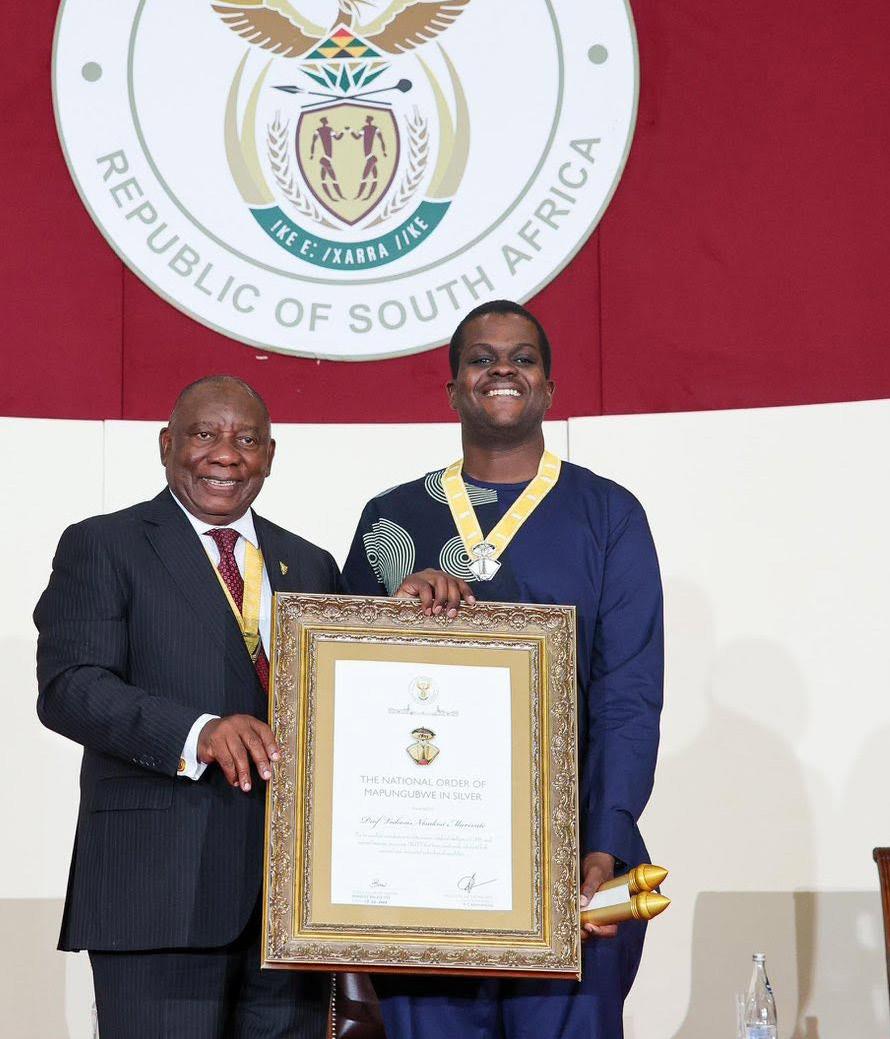
Prof. Vukosi Ntsakisi Marivate: For his excellent contributions to data science, artificial intelligence (AI), and natural language processing (NLP) that have significantly advanced both national and continental technological capabilities.
Bronze
Prof. Priscilla Baker: For her contribution to scientific research. She is well recognised internationally as a scientific leader and knowledge advocate for science and technology.
Prof. Karen Sliwa-Hahnle: For her contribution to global understanding of cardiovascular diseases, including cardiac disease in pregnancy. As a cardiologist, her pioneering research has deepened international understanding of cardiovascular conditions that are common in Africa and induced policy changes in many countries.
Recipients of the Order of the Companions of OR Tambo In Silver
Ms Teresa Hillary Clarke (USA):
For her contribution as a friend of South Africa. She has dedicated her life’s work to helping South Africans, most importantly through founding and leading the Student Sponsorship Programme of South Africa.
Mr Pierre Magnee (The Netherlands): For being a loyal and active ally to the liberation movement, who risked life and limb while working for the liberation struggle inside South Africa.
Mr Antonio Da Silva Gomes Cordeiro (Mozambique) (Posthumous): For his contribution as a loyal friend to the liberation movement, who supported anti-apartheid activists while he faced significant risks.
Prof. Cherif Keita (Mali): For his preservation of the life story and legacy of South Africa’s historical figure Nokuthela Dube. Ms Dube was an outstanding woman who in the 1890s played a pioneering role in the formation of the African National Congress and in education and journalism, including raising funds in the United States.
Ms Naomi Kleinfeld (The Netherlands): For being a loyal active ally to the liberation movement who risked life and limb by working inside South Africa for the liberation of the oppressed majority of citizens.
The full citations can be found on the Office of the Presidency website
BY JESSIE TAYLOR
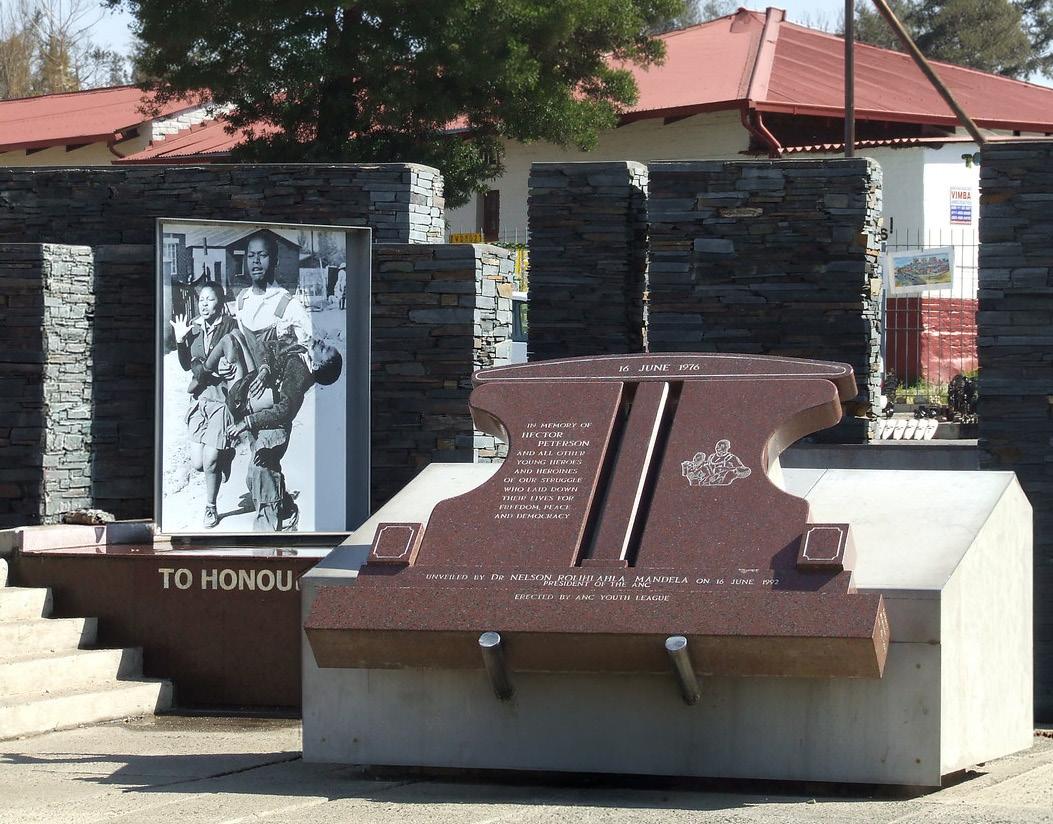
Every year on 16 June, South Africans commemorate Youth Day, a public holiday that honours the courage, sacrifice and resilience of the young people who helped shape the country’s democratic future. The day marks the anniversary of the 1976 Soweto Uprising, when thousands of school learners took to the streets in protest against the apartheid government’s decision to impose Afrikaans as a medium of instruction in schools.
The peaceful protest was met with violence, resulting in the deaths of many young people, including 12-year-old Hector Pieterson, whose image became an enduring symbol of resistance against injustice. The events of 16 June 1976 sparked widespread opposition to apartheid and drew international attention to the struggle for freedom and equality in South Africa. Today, Youth Day is both a commemoration and
a celebration. It is an opportunity to remember the sacrifices made by previous generations while recognising the role that young people continue to play in building the nation. Across the country, South Africans can engage with this history by visiting significant heritage sites, attending commemorative events and participating in activities that inspire reflection, learning and active citizenship.
1 2 3 4 5
Each year, the national government hosts an official Youth Day commemoration, bringing together young leaders, government representatives, community organisations and citizens to reflect on the legacy of 1976 and discuss opportunities for youth development. The annual event typically features keynote addresses, cultural performances, exhibitions and discussions focused on issues affecting young South Africans, including education, employment, entrepreneurship and social inclusion. The official celebration, held in Soweto, provides an opportunity to engage directly with the national conversation about the future of the country’s youth and to honour the generation that helped secure democracy.
Visit the Hector Pieterson Memorial and Museum, Soweto
No Youth Day journey is complete without visiting the Hector Pieterson Memorial and Museum in Orlando West, Soweto. Located near the site where Hector Pieterson was fatally wounded during the Soweto Uprising, the museum tells the story of 16 June 1976 through photographs, personal testimonies, historical documents and multimedia exhibitions. Visitors gain a powerful understanding of the events that unfolded that day and the broader role that young people played in the anti-apartheid struggle. The museum serves as both a memorial and an educational resource, ensuring that future generations understand the significance of the uprising and its contribution to South Africa’s liberation.
Reflect at Freedom Park, Pretoria
Situated on Salvokop Hill in Pretoria, Freedom Park is a national heritage site dedicated to honouring those who contributed to South Africa’s freedom and development. The park combines history, culture, spirituality and remembrance through monuments, exhibitions and memorial spaces. Visitors can learn about key moments in the country’s history while reflecting on the sacrifices made by individuals from diverse backgrounds. Its peaceful setting makes it a fitting place to commemorate Youth Day and consider the role of active citizenship in shaping the future.
Visit the Steve Biko Centre, Ginsberg, Eastern Cape
Youth Day is also an opportunity to learn about the leaders who inspired generations of young activists. The Steve Biko Centre, located near Qonce (formerly King William’s Town) in the Eastern Cape, celebrates the life and legacy of anti-apartheid leader Steve Biko. As the founder of the Black Consciousness Movement, Biko encouraged young South Africans to embrace dignity, self-confidence and empowerment. The centre’s exhibitions explore his life, philosophy and enduring influence on South African society. A visit offers valuable insight into the intellectual foundations of youth activism during the apartheid era.
Experience the Robben Island Museum, Cape Town
Robben Island remains one of South Africa’s most recognisable symbols of resilience and freedom. The island served as a prison for political activists, including Nelson Mandela, who spent 18 years of his 27 years of imprisonment there.Today, guided tours led by former political prisoners offer visitors a unique, deeply personal perspective on South Africa’s democratic journey. While Robben Island is not directly linked to the events of 16 June 1976, it forms an essential part of the broader story of resistance, sacrifice and eventual liberation.
Youth Day is about more than remembering history. It is about recognising the power of young people to drive change and shape the future of South Africa. Whether attending an official celebration, exploring a museum, visiting a heritage site or engaging in community activities, South Africans have many opportunities to honour the legacy of the youth of 1976.
BY WANDILE SIHLOBO

The Presidency’s Budget Vote speech delivered by President Cyril Ramaphosa earlier this month carried vital messages for the long-term growth of South Africa’s agriculture. Amongst other things, the President stated that: “Access to productive land is essential to grow our agricultural output further, create jobs and lift people out of poverty. Over time, the government has acquired around 2.5 million hectares of land under the Proactive Land Acquisition Strategy programme.”
He further stated that: “This land has generally been leased to beneficiaries on a short-term basis, which limits their ability to borrow money, invest in the land, grow agricultural production and contribute to the rural economy.”
We concur with this message and believe that the lack of title deeds has been the major constraint to the progress of inclusive growth in South Africa’s agriculture. With the President now signalling the start of the title deeds release process, we may start to see some positive action to grow the sector.
The President further stated that: “As part of our efforts to revitalise rural economies, to strengthen land rights and support the inclusion of black farmers in commercial agriculture, we have embarked on a concerted programme to release this land with title deeds to deserving beneficiaries. The Minister of Land Reform and Rural Development will outline the details of the programme to convert agricultural leases to title deeds.”
Essentially, the step South Africa is taking now is fundamental to achieving the goals that have long been
outlined in Chapter Six of the National Development Plan and, thereafter, in the Agriculture and Agro-processing Master Plan. Both documents indicated the possibility of growing the sector and creating new jobs. In fact, the National Development Plan indicates that the sector and its value chain have the potential to create close to a million new jobs. Part of the prerequisites for those jobs was through strengthening land rights and allocating the land in the government’s books to the deserving beneficiaries.
Over time, South Africa’s primary agriculture sector delivered jobs, from 718 000 at the end of 2012, when the National Development Plan was published, to 960 000 in the first quarter of 2026. The sector’s value chain also created employment during this period.
Still, these job gains were far below the nearly million jobs the National Development Plan envisaged in the sector and its value chain. Part of the constraints on job gains was the slow progress in releasing land with title deeds. Now that the President has issued a directive to release this land with title deeds, we see greater opportunities for growth and job creation in the sector.
The land will be primarily used for commercial farming. This means the financing and training of the new beneficiaries are among the considerations that will be reflected when the Minister of Land Reform and Rural Development releases the details of this process in the coming weeks and months. Essentially, releasing the land will be a powerful step to
boosting inclusive growth in agriculture. This land is also key to ensuring we finally make progress in implementing the Agriculture and Agro-process Master Plan (AAMP). Importantly, organised agriculture, labour, and agribusinesses, among other key stakeholders, will continue to play a role in boosting inclusive growth in the sector, as they have been involved in drafting the AAMP.
Overall, agriculture remains one of the sectors of our economy with potential for growth and job creation. The President’s important step to strengthen land rights is key to realising this vision and supporting the rural economies. Importantly, this is also a crucial signal that property rights are intact in South Africa and that investment in farming is protected.

BY JESSIE TAYLOR

With the World Meteorological Organisation (WMO) warning that El Niño conditions are likely to develop in 2026, governments, businesses, and communities are being encouraged to prepare for potential impacts in the months ahead.
While the prospect of a strong El Niño has prompted concern among climate scientists, experts stress that the focus should be on preparedness rather than alarm. Advances in climate forecasting mean that countries now have far greater ability to anticipate risks, strengthen resilience and protect lives and livelihoods before severe impacts occur.
A high probability of El Niño conditions
El Niño is part of a larger climate cycle known as the El Niño–Southern Oscillation (ENSO). It occurs when ocean surface temperatures in the central and eastern tropical Pacific Ocean become warmer than normal. These temperature changes alter atmospheric circulation patterns, affecting rainfall, temperatures and storm activity across many parts of the world. El Niño events typically occur every two to seven years and can last for nine to 12 months.
According to the WMO, there is currently an 80% likelihood of El Niño developing between June and August, with the probability rising to more than 90% that conditions will persist through at least November. While uncertainty remains about
the event’s ultimate strength, most forecasting models suggest it could be moderate to strong.
El Niño is not a new phenomenon. Some of the most significant climate events in modern history have been linked to particularly strong El Niño episodes. The 1997/98 El Niño, often regarded as one of the strongest on record, contributed to devastating floods, droughts and economic losses across multiple continents. More recently, the 2023/24 El Niño was among the five strongest on record and played a role in the record global temperatures observed in 2024.
What makes the current situation particularly noteworthy is the interaction between El Niño and climate change. Scientists emphasise that climate change does not necessarily cause more El Niño events. However, a warmer atmosphere and warmer oceans can amplify their impacts. Higher baseline temperatures increase the likelihood of heatwaves, while warmer air can hold more moisture, potentially intensifying heavy rainfall events and flooding.
This is why some climate commentators have raised concerns about the possibility of a so-called “Godzilla” El Niño. Although the WMO does not officially use terms such as “super” or “Godzilla” El Niño, there is growing scientific
discussion about the potential for an unusually strong event if current ocean warming trends continue. Experts caution that forecasting intensity remains challenging, but agree that preparation is prudent regardless of whether the event reaches record-breaking levels.
A global phenomenon with a local impact
For South Africa, El Niño is particularly important because it is often associated with drierthan-normal conditions across large parts of the country, especially during the summer rainfall season. Reduced rainfall can place pressure on water resources, agricultural production and food security. Previous El Niño events have contributed to drought conditions that affected farming communities, water supply systems and economic activity. However, impacts can vary from one event to another, and regional differences remain significant.
Agriculture is one of the sectors most closely monitored during El Niño years. Reduced rainfall and higher temperatures can affect crop yields, grazing conditions and livestock health. For a country where agriculture remains an important employer and contributor to food security, seasonal forecasting plays a critical role in helping farmers make informed decisions regarding planting schedules, irrigation and risk management.
Water management authorities are also paying close attention.
Lessons learned from previous droughts, including the Western Cape’s widely publicised water crisis several years ago, have reinforced the importance of proactive planning. Investments in water conservation, infrastructure maintenance, alternative water sources and demand management can significantly reduce vulnerability to future climate shocks. Preparing before a crisis emerges is far more effective than responding once shortages occur.
Despite the challenges associated with El Niño, there are reasons for optimism. Advances in climate science have dramatically improved forecasting capabilities. Scientists can now detect developing El Niño conditions months in advance, providing valuable lead time for preparation. This allows governments, businesses and communities to take practical steps to reduce risks and strengthen resilience before impacts are felt.
For South Africa, this presents an opportunity as much as a challenge. By using scientific forecasts to guide policy, strengthen infrastructure and support vulnerable communities, the country can continue building resilience in the face of an increasingly complex climate future. El Niño may influence the weather, but preparedness and good governance will play a critical role in determining its ultimate impact.
BY KUMAR VAIBHAV

Cybersecurity has always been a game of cat and mouse. Attackers evolve their tactics quickly while defenders improve their safeguards. In recent years, however, the balance has shifted. Phishing, one of the oldest forms of cybercrime, has become a sophisticated, AIpowered threat that can bypass both technical controls and human judgment.
The days of easily identifying phishing emails by poor grammar, suspicious formatting, or obvious spelling mistakes are over. Today’s attacks look increasingly like legitimate business communications. This makes it harder than ever for employees to tell genuine requests from malicious tricks. As cybercriminals use artificial intelligence (AI), organisations must rethink how they tackle one of cybersecurity’s oldest challenges.
AI is making phishing smarter
AI has greatly improved the effectiveness of phishing attacks. Cybercriminals can now use generative AI to create highly convincing emails that mimic the tone, writing style, and communication patterns of colleagues, executives, suppliers, or customers. By pulling information from company websites, social media profiles, and publicly available data, attackers can
craft personalised messages that seem authentic and relevant. The threat goes beyond email, with voice phishing (vishing) and deepfake technologies enabling criminals to impersonate trusted individuals using realistic audio and video.
This has led to a new wave of phishing attacks that are scalable, credible, and designed to exploit human trust. Even experienced employees can have trouble spotting these increasingly advanced attempts.
Turning employees into defenders Despite significant investments in cybersecurity technologies, phishing remains one of the most common causes of successful cyber breaches. The problem isn’t just a lack of security tools; people can make mistakes.
Employees under pressure, juggling multiple tasks, or working remotely often have to make quick decisions. A convincing email asking for urgent payment, a password reset, or document review can easily result in an accidental click on a malicious link.
However, calling employees the “weakest link” in cybersecurity ignores a crucial reality. With the right training and support, they can be one of the strongest layers of defence. Unlike automated systems, people can notice unusual context, question unexpected requests, and spot subtle warning signs that technology might overlook. The key is creating a culture where employees feel encouraged to verify, question, and report suspicious activity without fear of consequences.
Why phishing simulations work
Traditional cybersecurity awareness programmes usually rely on annual presentations or generic online training
modules. While these may fulfil compliance requirements, they seldom lead to lasting behaviour change.
More organisations are now using phishing simulation exercises that mimic real-world attack scenarios in a safe environment. Employees receive simulated phishing emails aimed at testing their ability to identify threats. If they engage with the email, immediate feedback explains what warning signs they missed and how to recognise similar attacks in the future.
These exercises help build practical skills and instinctive responses rather than just raising awareness. Over time, employees grow more confident in spotting suspicious activity and are more likely to report potential threats before damage occurs.
Regular simulations also offer valuable insight into organisational weaknesses, allowing businesses to improve training efforts where they are needed most.
Security is both a technology and people challenge
Effective phishing awareness offers benefits beyond just preventing a single cyberattack. It helps create a culture of shared responsibility where employees understand their role in protecting company information, customer data, and business operations.
This cultural change is crucial as organisations face stricter regulatory and compliance requirements. Showing ongoing security awareness training is often key to proving that reasonable security measures are in place.
Yet awareness training alone isn’t enough. Phishing defence needs a combination of informed users, strong security technologies, and continuous
monitoring of emerging threats. Specialist cybersecurity partners can provide significant value in this area. External experts offer access to advanced technologies, threat intelligence, AI-driven detection capabilities, and ongoing training programmes that reflect the latest attack methods. They help organisations combine human vigilance with technical controls, creating a more resilient security posture.
Shared vigilance is the new normal Phishing isn’t going away. As AI continues to lower the barriers for cybercriminals, attacks will become more convincing and harder to detect.
Cybersecurity is a shared responsibility. The most effective defence isn’t just technology but a mix of informed employees, intelligent security systems, and expert guidance. When businesses empower their people, strengthen their technology, and partner with experienced experts, they build a strong defence against even the most sophisticated phishing attacks.


Source: SAnews
BY JESSIE TAYLOR

In an increasingly digital world, information has become one of an organisation’s most valuable assets. From employee records and financial information to customer data and strategic plans, organisations rely on vast amounts of information to operate effectively. At the same time, cyber threats are becoming more sophisticated, frequent and costly, placing pressure on both public and private sector organisations to strengthen their security practices.
Against this backdrop, ISO 27001 has emerged as one of the world’s most widely recognised cybersecurity and information security standards. Once viewed as a specialist certification for technology companies, it is increasingly becoming a strategic requirement for organisations across all sectors, including government departments, municipalities, stateowned entities and public institutions.
A holistic approach to managing information security risks
ISO 27001 is an international standard developed by the International Organization for Standardization (ISO) and the International Electrotechnical Commission (IEC). It provides a framework for establishing, implementing, maintaining and continually improving an Information Security Management System (ISMS).
Rather than focusing on individual technologies or software solutions, ISO 27001 takes a holistic approach to managing information security risks across people, processes and technology.
The standard is designed to help organisations identify which information needs protection, understand the risks to that information, and implement appropriate controls to reduce vulnerabilities. In simple terms, it provides a structured roadmap for protecting information assets and building resilience against cyber threats.
One of the reasons ISO 27001 has gained global prominence is that it recognises a simple reality: no organisation can eliminate all cyber risks. Instead, the goal is to establish a systematic process for identifying, assessing and managing those risks. This risk-based approach ensures that security measures are aligned with an organisation’s specific circumstances rather than relying on generic, one-size-fits-all solutions.
The current version of the standard, ISO 27001:2022, includes 93 security controls organised into four broad categories: organisational, people, physical and technological controls. These controls address a wide range of security issues, including access management, data protection, incident response, business continuity, physical security and cybersecurity governance. Organisations are not required to implement every control; instead, they select those most relevant to their risk environment.
Implementing ISO 27001 helps create a culture of information security throughout an organisation. Rather than treating cybersecurity as solely the responsibility of the IT department, the standard promotes accountability at every level. Employees receive training, leaders become more engaged in security governance and information protection becomes embedded within everyday operations.
The importance of this approach has grown as cybercriminals increasingly target human behaviour. Phishing attacks, social engineering schemes and credential theft often exploit people rather than technology. By emphasising awareness, training and clearly defined responsibilities, ISO 27001 helps organisations strengthen one of their most important lines of defence: their workforce.
Another significant advantage is improved resilience. Cybersecurity is no longer solely about preventing attacks. It is also about ensuring that organisations can respond effectively when incidents occur. ISO 27001 requires organisations to develop processes for incident management, risk monitoring and continual improvement. This enables faster responses to security events and reduces the likelihood of prolonged disruption.
For organisations handling personal information, ISO 27001 also supports broader regulatory compliance objectives. In South Africa, the standard aligns closely with requirements under the Protection
of Personal Information Act (POPIA) and complements the Cybercrimes Act. While certification does not automatically guarantee legal compliance, it provides a structured framework that supports responsible information governance and data protection practices.
Increasingly, ISO 27001 is also becoming a business enabler. Organisations are finding that clients, partners, insurers and suppliers want greater assurance that information is being managed securely. In many industries, certification has evolved from a competitive advantage into an expected baseline requirement. Organisations seeking contracts, partnerships or access to international markets often discover that demonstrating strong cybersecurity governance is no longer optional.
This trend is particularly relevant as supply chains become more interconnected. A security weakness in one organisation can create vulnerabilities for multiple partners. As a result, many organisations now require suppliers and service providers to demonstrate compliance with recognised security frameworks such as ISO 27001 before doing business together.
As cyber risks continue to evolve, standards such as ISO 27001 provide a practical framework for navigating complexity and uncertainty. They help organisations move beyond reactive security measures towards a proactive, risk-based approach that supports resilience, trust and long-term sustainability.

June 2026 marks a quiet milestone in South African tax history.
Section 12J of the Income Tax Act — the most generous investment incentive National Treasury ever offered ordinary taxpayers — reaches its true conclusion this month. Not the end of the deduction; that came and went on 30 June 2021. This is the end of the five-year holding periods that came with it. By the end of June, every rand invested under section 12J will have crossed the line that makes its tax benefit permanent. For the roughly R14-billion that flowed into the regime, that changes everything.
income in that year (s 12J(2)).
For a taxpayer at the top marginal rate of 45%, the State effectively funded nearly half the investment. The deduction was later capped at R2.5-million per year for individuals and trusts, and at R5-million per year for companies (s 12J(3C)), and it ended for shares acquired after 30 June 2021 (s 12J(11)).
The catch was the fence. Sell within five years, and the deduction is recouped — added straight back to taxable income. Hold for more than five years, and the recoupment falls away entirely (s 12J(9)).
Why June 2026 matters
The deal investors signed up for The pitch was simple and, by tax standards, spectacular. Invest in a SARS-approved venture capital company (“VCC”) and deduct the full investment from your taxable
The last qualifying investments were made in the rush before the June 2021 sunset. Five years on, those final holding periods now expire. By the end of this month, every 12J investor sits on the right
side of the fence: the deduction is permanent, and an exit triggers no clawback. Fund managers know it. Expect wind-ups, asset disposals and capital returns across the industry over the next 12 to 24 months.
The sting in the tail
Clawback-free does not mean taxfree — and this is the point too few investors priced in at the start.
Because the full investment was deducted upfront, the base cost of the VCC shares for capital gains tax purposes is nil: paragraph 20(3) of the Eighth Schedule strips out of base cost any expenditure already allowed as a deduction. On exit, the entire proceeds are therefore a capital gain, not just the growth. An individual at the top marginal rate pays an effective 18% of gross proceeds; a company, 21,6%.

The arithmetic still favours the investor — deduct at up to 45% going in, pay up to 18% coming out. But it means a R1-million exit carries a tax bill of up to R180 000, even where the fund merely returned the original capital.
What investors should do now Three things. First, understand that the timing of your exit is largely not your choice. A VCC can only return capital once it sells its underlying investments, and exit horizons differ sharply by fund type: asset-backed portfolios — hospitality, student accommodation, renewable energy — can generally return capital in an orderly way, while early-stage and growth portfolios may stay locked up well past the tax maturity, until a genuine buyer arrives. Ask your fund manager for the realisation plan, the expected timeline and the anticipated proceeds — in writing.
Second, plan for the tax. A large capital gain must be brought into your provisional tax estimates for the year of the exit, and underestimating attracts penalties. The gain lands in the year the disposal occurs, not the year the cash arrives, so confirm the disposal date with the fund. Third, take advice before you exit — not after. How you hold the investment, where the proceeds will be reinvested, and the sequence of the steps can change the outcome materially; in the right circumstances, much of the exit tax can legitimately be deferred. Be equally wary of products marketed as a cure: anything promising to make the 18% disappear deserves a cold read before you sign. Planning that works is built on your facts, not bought off a shelf.
The lesson for policymakers For public sector readers, 12J leaves a useful lesson in incentive design. It proved that private capital will follow a well-built tax incentive — R14-billion of it, much of which would otherwise have gone offshore. It also proved that capital follows the path of least risk: too much flowed into low-risk, asset-backed ventures rather than the highimpact small businesses the incentive was meant to reach, which is largely why Treasury let it lapse. The pandemic then exposed the cost of that clustering: hospitality-heavy portfolios took the strain, and many investors are still carrying it into their exits. The next incentive — and the SME funding gap argues there should be one — should keep the first lesson and fix the second.
For investors, the message is shorter. The deduction is yours for keeps. The exit, whenever it comes, is now simply a taxable event. Plan it like one — because that is exactly what it is.

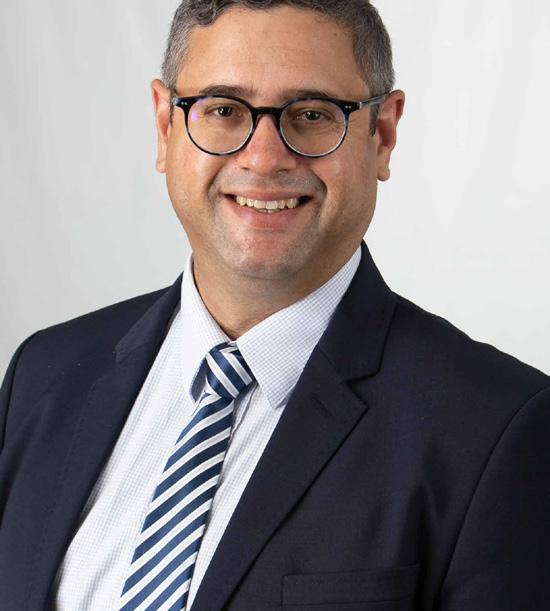
BY JESSIE TAYLOR

The Electoral Commission has officially launched the 2026 Local Government Elections, scheduled for November.
This will be the country’s sixth local government election since the start of democracy. The launch paves the way for political parties and voters to begin preparations for the polls.
The Commission’s Chief Electoral Officer, Sy Mamabolo, highlighted that each of the five local government elections since 1994 has marked a significant milestone in the evolution of local democracy and the consolidation of municipalities as theatres of civic engagement.
“As the sixth instalment, the 2026 Local Government Elections take place amid notable changes in
domestic and global political landscapes. The announcement of the 4 November 2026 election date by His Excellency, President Cyril Ramaphosa, has provided the Electoral Commission and all stakeholders with clarity and certainty for planning,” Mamabolo said.
Mamabolo said that plans are firmly in the execution phase for delivering an election that meets the standard envisioned in the Constitution.
The Commission intends to roll out a national campaign across multiple platforms, including television, radio, digital, and social media, to ensure broad reach and accessibility. This powerful call to action is aimed at motivating all
eligible voters, particularly young people, to actively participate in the electoral process.
Preparing for voter registration
Mamabolo said the launch marks the beginning of intensified public awareness ahead of the national voter registration weekend on 20 and 21 June 2026. Just under 24 000 registration stations across 4 488 municipal wards will open over the two days to enable citizens to register, verify their personal details and ensure correct registration.
“Preparations are well advanced, with the Department of Home Affairs ensuring that offices will be open nationwide to

facilitate citizens’ applications for identity documents, which are a prerequisite for voter registration,” he said.
“The Commission has deployed over 800 Municipal Outreach Coordinators, including persons with disabilities, across the country to drive voter education and awareness, reinforcing inclusive participation ahead of the elections.”
Mamabolo said since the beginning of the year, more than 62,336 community events have been conducted across 99% of municipalities (212 out of 214).
“The Commission’s voter education and registration programmes continue to yield strong results. The Tertiary Institutions Campaign has reached 97 894 students across 1086 activations in all nine provinces, with 45 757 students successfully registered – demonstrating its impact in promoting youth participation,” he said.
“The Schools Democracy Programme, implemented in partnership with the Department of Basic Education, continues to build awareness by educating learners on democratic principles and electoral processes, while encouraging eligible learners aged 16 and older to pre-register.”
Mamabolo said the Electoral Commission recognises that the pervasive use of social media is a double -edged sword.
“The Commission has previously mitigated disinformation through, among others, collaboration with civil society and the use of the Real411 platform for flagging and reporting misleading content. This work has been strengthened through policy development,” Mamabolo said.
He added that, guided by the Constitution and other relevant prescripts, the Commission will issue a draft Code of Conduct on Misinformation for public comment. The draft seeks to embed safeguards against fraudulent and manipulated content to preserve information integrity during the elections,” he said.
GOVERNMENT ELECTIONS AT A GLANCE:
South Africa’s 2026 Local Government Elections will take place on Wednesday, 4 November, when voters across the country will elect representatives to serve in 257 municipalities, including metropolitan, district and local councils.
To vote, citizens must be South African citizens aged 18 years or older and registered in the voting district where they ordinarily reside. The IEC has urged voters to verify and update their details, particularly if they have moved since the last election. Registration can be completed online or at designated registration events and IEC offices.
The voter registration weekend is scheduled for 21 and 22 June 2026, providing eligible voters with an opportunity to register for the first time or update their information ahead of election day. More than 200 000 new voters had already registered through the IEC’s online portal by early 2026, reflecting growing engagement with the electoral process. The total number of registered voters currently stands at 27,912,415, exceeding the figures recorded at the time of the 2024 general elections.
• Get your identity document ready and register or check your address details online at: registertovote.elections.org.za
• Find your correct voting station to visit on the registration weekend at maps.elections.org. za/vsfinder
• Visit your local Electoral Commission offices on weekdays between 8am and 5pm. Source:
BY JESSIE TAYLOR

For more than a decade, the Eastern Cape has been recognised as one of South Africa’s key automotive manufacturing hubs. Yet beyond the production lines and export achievements that have made the province a cornerstone of the national economy, another success story has been unfolding – one centred on entrepreneurship, enterprise development and inclusive economic growth.
who may otherwise have struggled to access opportunities within the formal economy.
A catalyst for regional economic development
In May, Volkswagen Group Africa (VWGA) and business development specialist Raizcorp celebrated a significant milestone: 15 years of the Volkswagen Business Support Centre in Kariega. During that time, the incubator has helped Eastern Cape businesses generate an impressive R733 million in turnover, while creating hundreds of jobs and opening doors for entrepreneurs
The achievement highlights the growing importance of business incubators as catalysts for regional economic development. In a province that continues to grapple with high unemployment and economic inequality, initiatives that support entrepreneurs and small businesses have become increasingly important in driving sustainable growth.
Established in April 2011 through a partnership between VWGA and Raizcorp, the Volkswagen Business Support Centre was created with a clear objective: to develop a centre of excellence for entrepreneurs in the Eastern Cape. Rather than focusing solely on financial assistance, the
programme was designed to provide practical business development support, mentorship, skills development and access to networks that enable entrepreneurs to build sustainable enterprises.
Fifteen years later, the results speak for themselves. The incubator has supported 178 entrepreneurs, whose businesses have collectively generated R733 million in turnover within the province. These companies employ almost 2 000 people and have created 680 new jobs since joining the programme. In addition, 30 of the businesses have successfully become suppliers to Volkswagen Group Africa, with VWGA procuring goods and services worth R93.9 million from these enterprises.
The programme’s success demonstrates the value of long-term investment in entrepreneurship.

Unlike many short-term development initiatives, the incubator focuses on building business resilience and equipping entrepreneurs with the skills needed to navigate challenges, manage growth and create lasting economic value.
According to VWGA, the company has invested more than R95 million in the Business Support Centre over the past 15 years as part of its broader enterprise and supplier development strategy. The investment reflects a recognition that economic transformation requires more than direct employment opportunities. It also requires the development of local suppliers, service providers and entrepreneurs who can participate meaningfully in value chains and contribute to regional economic growth.
Supporting small and mediumsized enterprises
The impact extends well beyond the businesses formally enrolled in the programme. Over its 15-year history, the centre has provided business advice to more than 5 000 walk-in visitors from the community, helping aspiring entrepreneurs gain access to information, guidance and support. This broader ecosystem approach has enabled the incubator to become an important resource for enterprise development in the region.
For many participants, the programme has been transformative. Entrepreneurs have reported significant improvements in business performance, profitability and operational capability after completing the incubation process. Several businesses have expanded their workforces, improved governance structures, and secured larger contracts as a result of the support they received.
These success stories are particularly important in the Eastern Cape, where small and medium-sized enterprises (SMMEs) play a critical role in economic development. SMMEs are widely recognised as key drivers of job creation, innovation and local economic activity. However, many face challenges including limited access to finance, skills shortages, market barriers and constrained business networks.
Business incubators help address these challenges by providing structured support and reducing some of the risks associated with entrepreneurship. Through mentorship, training and access to opportunities, incubators enable businesses to move beyond survival mode and focus on sustainable growth.
The Volkswagen Business Support Centre also aligns with broader transformation objectives within South Africa’s automotive sector. By supporting emerging enterprises and integrating successful
What sets great organisations apart is not their ability to avoid challenges, but their ability to respond to them.
participants into supply chains, the programme contributes to supplier diversification and economic inclusion.
VWGA has complemented these efforts through its involvement in the Automotive Industry Transformation Fund, which seeks to expand opportunities for blackowned businesses within the sector. According to the company, its support has contributed to more than R1.7 billion in market access opportunities for participating businesses.
As South Africa continues to pursue economic transformation and job creation, the lessons from Kariega are clear. Successful regional development depends not only on attracting investment but also on nurturing local entrepreneurs who can create opportunities within their own communities.
Fifteen years after its establishment, the Volkswagen Business Support Centre stands as a powerful example of how strategic partnerships can drive meaningful impact. As the Eastern Cape continues to build its economic future, initiatives that support entrepreneurship, innovation and enterprise development will remain critical to unlocking the province’s full potential.
BY KOKETSO MAMABOLO

It’s been over a year since the Minister of Trade, Industry, and Competition, Hon. Parks Tau, gazetted his intention to designate the Fetakgomo-Tubatse Special Economic Zone (FTSEZ) in Limpopo’s Sekhukhune District. After extensive planning and public consultation, Cabinet announced that it had given its support and approval for a move that is expected to impact the lives of millions.
“This land holds in its belly not only the pain of struggle but also the promise of prosperity,” said Limpopo Premier Dr Phophi Ramathuba, speaking at a public participation session for the country’s new special economic zone (SEZ), which will cover 1 000 hectares of land in an area dominated by heavy industry and large-scale mining.
“Its mountains particularly with the Eastern Limb of the Bushveld [Igneous] Complex are known for its [sic] rich deposits of platinum group metals including platinum, and palladium and rhodium, along with chrome, vanadium and other minerals; its valleys echo with the pulse of a people determined to reclaim their place in the economic mainstream of our country.”

To say the deposits are rich is an understatement. The Steelport Valley is home to the largest reserves of platinum group metals in the world, 70% of the country’s chrome reserves, and 75% of the world’s ferrochrome. The new SEZ, which will follow the model tested in the successful Tshwane Automotive Special Economic Zone
(TASEZ), will focus on mining, mineral and agricultural beneficiation, agricultural inputs manufacturing, logistics, and renewable energy.
“The SEZ will further support small business development, job creation, skills development, and technology transfer in the previously marginalised area of the country,” said Minister Tau in a statement following the announcement. “It will also catalyse development by providing support systems for innovation, enterprise development, and local economic development, which will include vulnerable groups.”
Benefits for all
Along with close proximity to large mining operations, some of the advantages of investing in the SEZ include access to carbon credits, reduced carbon tax incentives, VAT and customs relief, employment tax incentives and reduced corporate income tax.
There are 46 companies already in the investment pipeline with investments totalling R52.6-billion. The expectation is to create 8 000 jobs in the short term and more than 20 000 over the next ten years but the SEZ could impact the lives of many more by stimulating economic activity in the region.
Phase one will involve the formation of the northern boundary, between the R555 and the Steelport River, a section focusing on light to medium industries. Phase two will focus on the centre, south of the R555 while phase three will complete the southern
boundary. Both the provincial and local government have pledged funds for the infrastructure needed to support the SEZ. The SEZ forms part of the Limpopo Development Plan and is being presented as a perfect opportunity for businesses to participate in the just transition by investing in an area with great potential for clean energy production.
The new SEZ model calls for greater collaboration between all three spheres of government while partnering with the private sector. The Fetakgomo Tubatse SEZ involves the dtic, provincial government, Limpopo Economic Development Agency, the Sekhukhune District Municipality and the Fetakgomo-Tubatse Municipality. The numbers from the Tshwane Automotive Special Economic Zone provides a picture of what could be in store for the FTSEZ: R5.9-billion in private sector investment; R2-billion contributed to the economy; 3 400 permanent jobs created; 10 000 jobs supported in the automotive sector. Overall the SEZ programme, which features 12 special economic zones, has created 30 000 jobs with R24.2billion spent.
“To our people, I say: this is your moment. The Fetakgomo-Tubatse SEZ is not a government project. It is your project,” said the Premier in her closing remarks. “It is your opportunity to start businesses, to gain skills, to find employment, and to uplift your families. Let us prepare our youth to take advantage of the opportunities that will emerge.
“Let us encourage local entrepreneurs to get ready to become suppliers, service providers, and investors. Let us ensure that this SEZ is inclusive, transformative, and sustainable.”
BY KOKETSO MAMABOLO
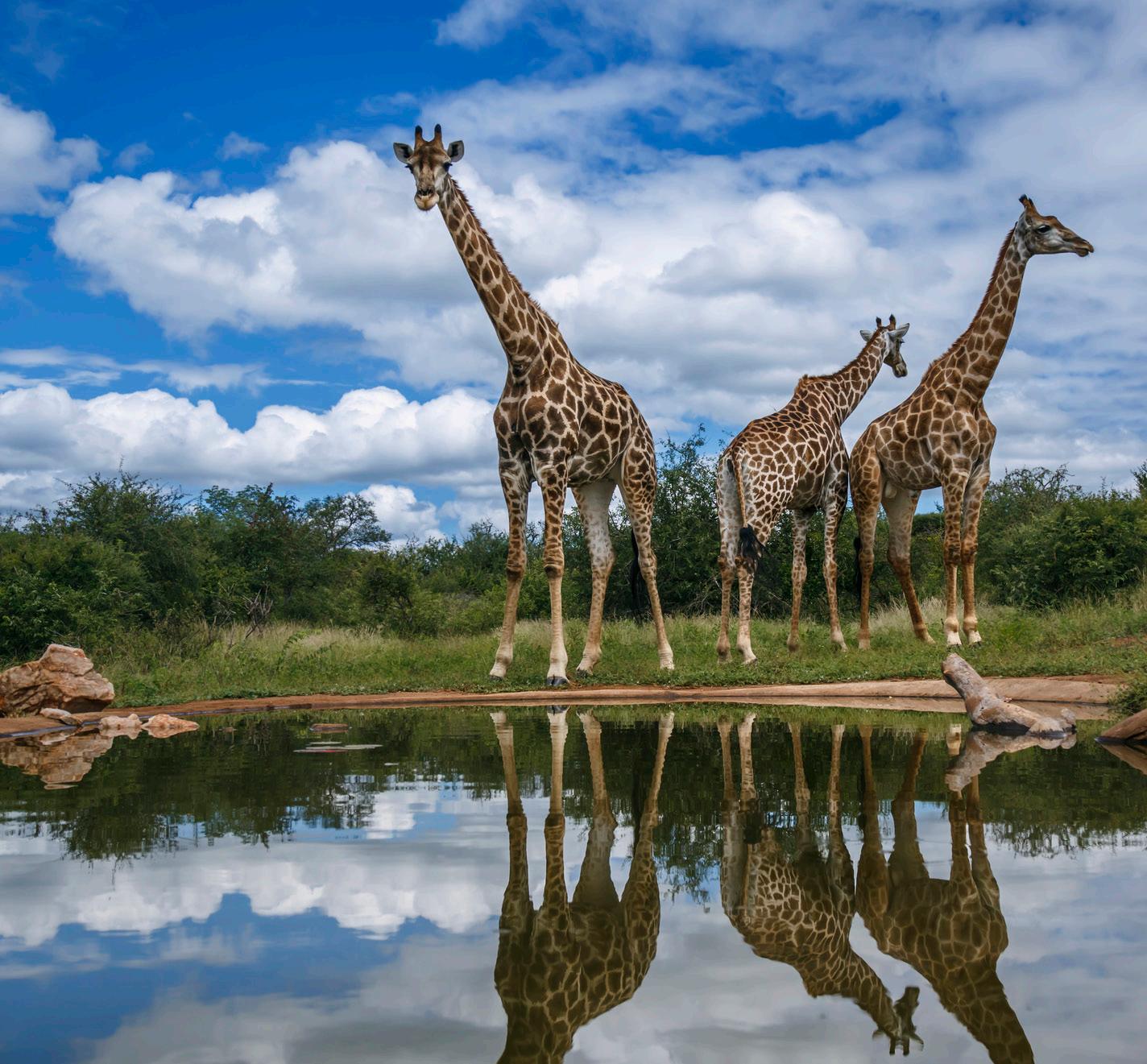
Reflecting on the one hundred year anniversary of the Kruger National Park, Managing Executive Oscar Mthimkhulu explained that the “Our Heritage, Our Future” theme for this year’s celebrations is a focus on what we as the current generations are doing to preserve the biodiversity of this national treasure for future generations.
SANParks CEO Hapiloe Sello described the Kruger National Park as a “centre of excellence” – in terms of how it has conserved the region’s cultural heritage – and as a pioneer in eco-tourism and a global leader in conservation. At the launch of the centenary celebrations she highlighted how the country’s biodiversity is comparable only to Brazil and Indonesia, and the fact that
we don’t appreciate and share enough. “The Kruger is a symbol of South Africa’s commitment to managing its natural and cultural heritage and at the same time it remains a space that continues to evolve,” said Hapiloe. “This evolution has required a deliberate shift in how we understand conservation. We are shifting away from isolation towards partnership; from exclusion towards inclusion,
and a shift towards a model grounded in shared stewardship.”
She emphasised the need to ensure that conservation contributes to people’s lives and strengthens the relationship between communities and the environment.
Mpumalanga Premier Mandla Ndlovu paid tribute to the people
who make the park a success: the rangers who protect wildlife from poachers, the scientists and conservationists preserving the ecosystem, the surrounding communities and the indigenous knowledge which they carry.
The signing of beneficiation agreements with claimants –from the local communities whose bond with the area predates the founding of the park – prior to the start of celebrations, it is clear the Kruger National Park has entered a new phase in its history. As the Minister of Forestries, Fisheries and the Environment said: “We are changing the history of this park for generations to come.
Back to the Stone Age
Stretching across the Limpopo and Mpumalanga provinces, the Kruger National Park is 350km long and 60km wide - roughly the size of Waleswith Mozambique to the east and the Limpopo River to the north, which also runs through it along with the Letaba, Sabie and Umgwenya.
An outbreak of rinderpest in the region 1896 made a bad situation worse, killing thousands of animals in a population that was already under threat from overzealous hunting. To stem the tide Paul Kruger, the president of the Transvaal, an area which covered present-day Gauteng, Limpopo and Mpumalanga, proclaimed the area a game reserve sitting between the Umgwenya (Crocodile) and Sabie rivers.
A second reserve was proclaimed between the Shingwedzu and Luvuvhu rivers. Combined with the 70 privately owned farms which were bought by the government. Along with the Big Five, the park is home to more than 500 bird species and almost 150 mammal species.
The earliest evidence of humans roaming the plains dates back to 20 000 years ago in the Stone Age but it was just over a hundred years ago when the region saw its first game reserve, the Sabie Game Reserve, and it was not until 1926 that it was expanded to its current boundaries in 1926 to become the Kruger National Park.
In the early 2000s its borders expanded and conservation areas merged with those of the neighbouring Gonarezhou National Park in Zimbabwe and the Limpopo National Park in Mozambique, to form the Greater Limpopo Transfrontier Park.
While the park is named after Paul Kruger it is James StevensonHamilton who had the vision of making it into the tourist destination it is today, after coming out on top in a battle against hunters, poachers, farmers and mining companies. It was not a popular destination at first with only three cars entering in the first year but by the late 60s several thousand kilometres of roads had been built, the park was surrounded by over 18 000km of wire, and featured several camps.
By the start of the 21st century the visitor numbers had reached over a million per year. In the last financial year the park saw a record 1 949 757 visitors.
BY JESSIE TAYLOR

For many South Africans, tax season can feel overwhelming. However, with the South African Revenue Service (SARS) continuing to modernise its systems and expand its digital services, the 2026 tax season is expected to be more streamlined, efficient and accessible than ever before.
Whether you are a salaried employee, public servant, pensioner, freelancer or business owner, understanding the key dates, requirements and changes for the 2026 tax season can help you avoid unnecessary stress, ensure compliance and potentially maximise any refund due to you. The 2026 tax season relates to income earned between 1 March 2025 and 28 February 2026. SARS is expected to officially open filing season in July 2026, with auto-assessments once again playing a central role in simplifying the process for millions of taxpayers.
The continued rise of auto-assessments
One of the most significant developments in recent years has been the increased use of auto-assessments by SARS. Through information received from employers, retirement fund administrators, medical schemes, banks, and other third-party institutions, SARS can pre-populate many taxpayers’ returns and automatically calculate their assessments.
Auto-assessments are expected to begin rolling out from around 21 July 2026. Taxpayers who qualify will receive notifications via SMS or email directing them to review their assessments on SARS eFiling or the SARS MobiApp.
For many individuals with straightforward tax affairs, including salaried employees with a single source of income, the process may require little or no action. If the assessment is accurate, taxpayers can simply accept it. Refunds are generally processed quickly once banking details have been verified.
However, experts continue to encourage taxpayers to review every assessment carefully before accepting it. While SARS receives extensive third-party data, deductions, additional income streams, or changes in personal circumstances may not always be fully reflected. Accepting an inaccurate assessment could result in missed deductions or future penalties.
Manual filing for individuals is expected to open shortly after the auto-assessments commence. Non-provisional taxpayers will likely have until late October 2026 to submit their returns, while provisional taxpayers are expected to have until January 2027.
Missing filing deadlines can result in administrative penalties and interest charges. Tax practitioners, therefore, advise taxpayers to begin gathering supporting documents early and avoid last-minute submissions.
Before filing opens, taxpayers should ensure they have access to key documents, including IRP5 certificates from employers, medical aid tax certificates, retirement annuity contribution certificates, investment income statements and records relating to any additional income earned during the tax year.
Those claiming deductions should also keep supporting documentation readily available.
SARS has increasingly focused on verification and data matching. As a result, discrepancies between taxpayer declarations and
third-party information can trigger delays or audits. Ensuring that all records are accurate and complete can help minimise these risks.
Digital services continue to evolve SARS’s digital transformation remains a major feature of the 2026 tax environment.
The SARS eFiling platform and MobiApp continue to provide taxpayers with access to tax services from virtually anywhere.
Taxpayers can submit returns, review assessments, upload supporting documents, update personal information and track refunds without visiting a branch.
The ongoing shift towards digital service delivery forms part of SARS’s broader strategy to improve compliance while making it easier for taxpayers to meet their obligations.
Taxpayers should also remain aware of broader tax developments introduced through Budget 2026.
Among the notable changes are adjustments to certain capital gains tax exclusions, revised VAT registration thresholds for businesses and updates to fuel levies and carbon taxes.
While these changes may not directly affect every individual taxpayer, they form part of the broader fiscal environment that shapes household finances and business operations.
Financial experts continue to encourage taxpayers to view tax planning as an ongoing process rather than a once-
a-year activity. Regular reviews of retirement contributions, investment structures and allowable deductions can contribute to better financial outcomes over time.
SARS has continued to strengthen its compliance and enforcement capabilities through improved data analytics and enhanced information-sharing arrangements.
As a result, taxpayers are increasingly expected to declare all income, regardless of its source, accurately. The revenue service now has access to significantly more third-party data than ever before, making it easier to identify discrepancies and undeclared income.
At the same time, SARS has emphasised that its goal is not only enforcement but also making compliance easier for honest taxpayers.
While tax season is often viewed as an administrative requirement, it can also serve as an opportunity to assess broader financial well-being.
Reviewing income, expenses, savings and retirement contributions can provide valuable insights into long-term financial goals. For many households, tax season offers a useful checkpoint for strengthening financial fitness and improving money management practices.
As the 2026 tax season approaches, preparation, organisation and awareness will remain the keys to success. By understanding the process, keeping records up to date and taking advantage of SARS’s increasingly sophisticated digital services, taxpayers can approach filing season with greater confidence and peace of mind.

BY JESSIE TAYLOR
South Africa’s competition law landscape has undergone one of its most significant updates in nearly a decade, with new merger notification thresholds taking effect from 1 May. The changes are designed to reduce regulatory burdens on smaller transactions, improve efficiency within the competition regulatory framework and support a more investment-friendly business environment.
The revised thresholds represent an important legal and economic development. While the Competition Commission will continue to scrutinise mergers that could substantially affect competition or public interest outcomes, the new framework seeks to ensure that regulatory resources are focused on larger, more complex transactions where oversight is most needed.
Updating figures to account for inflation, economic growth and changing markets
The amendments were introduced by the Minister of Trade, Industry and Competition following consultation with the Competition Commission and industry stakeholders. The revised thresholds replace figures that had remained largely unchanged since 2017, despite years of inflation, economic growth and changing market conditions.
According to the Competition Commission, the previous thresholds had gradually captured an increasing number of smaller transactions that posed little risk to competition. This resulted in additional compliance costs, filing fees and approval delays for businesses undertaking mergers and acquisitions. The revised framework aims to address this challenge by ensuring that only transactions above higher financial thresholds require mandatory notification.
Under the new rules, an intermediate merger must now be notified when the combined annual turnover or asset value of the acquiring and target firms equals or exceeds R1 billion, while the target firm’s turnover or asset value must be at least R200 million.

Previously, these thresholds stood at R600 million and R100 million, respectively. For large mergers, the combined turnover or asset value threshold has increased from R6.6 billion to R9.5 billion, while the target firm’s threshold has risen from R190 million to R280 million.
These adjustments are expected to remove a substantial number of smaller and mid-market transactions from the mandatory notification process. As a result, businesses may experience reduced transaction costs and shorter timelines when pursuing acquisitions, partnerships or strategic restructuring initiatives. This is particularly relevant for small and medium-sized enterprises seeking growth opportunities in an increasingly competitive economic environment.
Importantly, the amendments do not eliminate competition oversight. The Competition Act continues to empower the Competition Commission to investigate and, where necessary, require notification of small mergers that may raise competition or public interest concerns. Parties may also voluntarily notify transactions that fall below the thresholds
if they believe regulatory certainty would be beneficial. The changes form part of a broader effort to modernise South Africa’s regulatory framework and create conditions that support investment and economic growth. By reducing unnecessary administrative requirements, regulators hope to encourage business activity while maintaining appropriate safeguards against anticompetitive conduct.
The revised framework also aligns with broader government efforts to improve the ease of doing business in South Africa. For investors, certainty and efficiency are important considerations when evaluating opportunities. A merger control system that focuses resources on higher-risk transactions can contribute to a more predictable and effective regulatory environment.
Alongside the new thresholds, filing fees for mergers requiring notification have also increased. The filing fee for intermediate mergers has risen from R165 000 to R220 000, while the fee for large mergers has increased from R550 000 to R735 000. Although the higher fees may increase costs for larger transactions, the overall impact is expected to be offset by the
fact that fewer transactions will require mandatory notification. Another notable aspect of the amendments is their retrospective application. The revised thresholds took effect from 1 May 2026, meaning that transactions entered into before this date but not yet notified must be assessed against the new thresholds. Organisations currently involved in mergers or acquisitions should therefore seek legal advice to determine whether their transactions remain notifiable under the revised framework. The amendments arrive at a time when South Africa is seeking to stimulate investment, support business confidence and drive economic recovery. Effective competition regulation plays a critical role in balancing these objectives. On the one hand, regulators must safeguard competitive markets and protect consumers. On the other hand, they must avoid imposing unnecessary administrative burdens that may discourage investment or delay beneficial business transactions.
The revised merger thresholds reflect an effort to strike this balance. By focusing regulatory attention on transactions with the greatest potential impact on competition and public-interest outcomes, the Competition Commission can deploy its resources more effectively while enabling lower-risk transactions to proceed with greater efficiency.
BY DR KHUMO MERAFE

With winter comes an increase in absenteeism, flu cases, and declining employee morale.
The response is often predictable: flu vaccine campaigns, reminders to wash hands, and wellness newsletters encouraging healthier lifestyles. These initiatives are important, but they assume that winter is primarily a behavioural challenge; it isn’t. Winter is a physiological event.
As Stanford neuroscientist Dr Andrew Huberman observes, “Morning daylight synchronises gut motility, glucose control, appetite hormones and sleep. The most underrated metabolic tool we have.” Yet during a South African winter, many employees leave home before sunrise, spend the day indoors, and return home after sunset. Long before someone develops the flu, their biology has already begun responding to seasonal change.
The later sunrise, colder temperatures, reduced sunlight, and changes in human behaviour all influence how the body regulates sleep, mood, immunity, appetite, cardiovascular function, and energy. In other words, winter changes how employees think, feel, and perform long before they become ill. Understanding this allows HR managers to move beyond reactive wellness initiatives and instead build workplaces that work with human biology rather than against it.
The first change happens before employees even arrive at work. Human beings operate on an internal 24-hour clock known as the circadian rhythm, regulated primarily by light exposure. Researchers consistently identify light as the strongest external regulator of the human circadian clock, influencing melatonin release, alertness, and sleep-wake timing. Morning sunlight
tells the brain that it is daytime, suppressing melatonin and increasing alertness. During winter, however, the sun rises later and many people begin their commute before receiving adequate natural light. The result is delayed wakefulness, slower morning cognition, and the familiar feeling of “brain fog”.
The employee struggling to get going at 8 AM is not necessarily unmotivated. Their biology is responding to a seasonal change. Encouraging morning outdoor breaks, allowing flexibility where operationally possible, and promoting healthy recovery habits can help employees align with these natural rhythms.
Winter also affects moods. Reduced sunlight influences serotonin pathways involved in motivation, emotional regulation, and overall wellbeing. At the same time, longer periods of darkness extend melatonin production, contributing to fatigue and sleepiness. Employees may appear withdrawn, less engaged, or less productive when they are, in fact, experiencing the biological effects of reduced daylight.
Seasonal mood changes are well documented, with reduced energy, social withdrawal, and fatigue among the recognised features experienced by many people during darker months. What HR may interpret as disengagement or poor attitude may, in some instances, be physiology interacting with the environment.
Mental health support during winter should therefore be viewed as preventative healthcare rather than crisis management. Regular check-ins, manager awareness, and opportunities for employees to spend time outdoors during daylight hours can make a meaningful difference. Another commonly overlooked change is appetite. Many people become frustrated with themselves during winter because they crave bread, pasta, sweets, and other comfort foods. In fact, increased appetite—particularly for carbohydrates—is a recognised feature of winter-pattern seasonal mood changes. While personal choices remain important, biology also plays a role.
Changes in serotonin signalling and evolutionary energy-conservation mechanisms can increase the drive for high-calorie foods during colder months. Historically, this may have served as a survival advantage. In today’s workplace, however, those same biological tendencies meet office birthday cake, vending machines, and convenient takeaways. Unfortunately, modern workplaces often compound the problem by surrounding employees with convenient
but unhealthy options. HR managers can support healthier habits by making nutritious choices more accessible in the organisational canteen, rather than relying solely on willpower.
Winter also places additional strain on the cardiovascular system. Cold temperatures cause blood vessels to constrict, increasing vascular resistance and raising blood pressure, placing greater demand on the heart, particularly for employees living with hypertension or other chronic conditions. Workplace wellness initiatives should therefore include preventative health screenings, blood pressure monitoring, and education around medication adherence during winter months.
Finally, winter changes how people move. Colder weather, darker mornings, and shorter days naturally reduce physical activity, contributing to lower energy expenditure, poorer metabolic health, and worsening fatigue. Rather than expecting employees to find motivation after hours, organisations can design movement into the workday through walking meetings, step challenges, or scheduled activity breaks.
The most effective HR departments understand that employees do not leave their biology at the office door. Winter influences how people sleep, move, eat, recover, and think. It influences mood, cardiovascular health, appetite, energy, and ultimately workplace performance. Organisations that recognise these physiological realities will not only have healthier employees but also more resilient teams and stronger organisational performance.
Winter is not simply a season. It is a biological event.


BY KOKETSO MAMABOLO
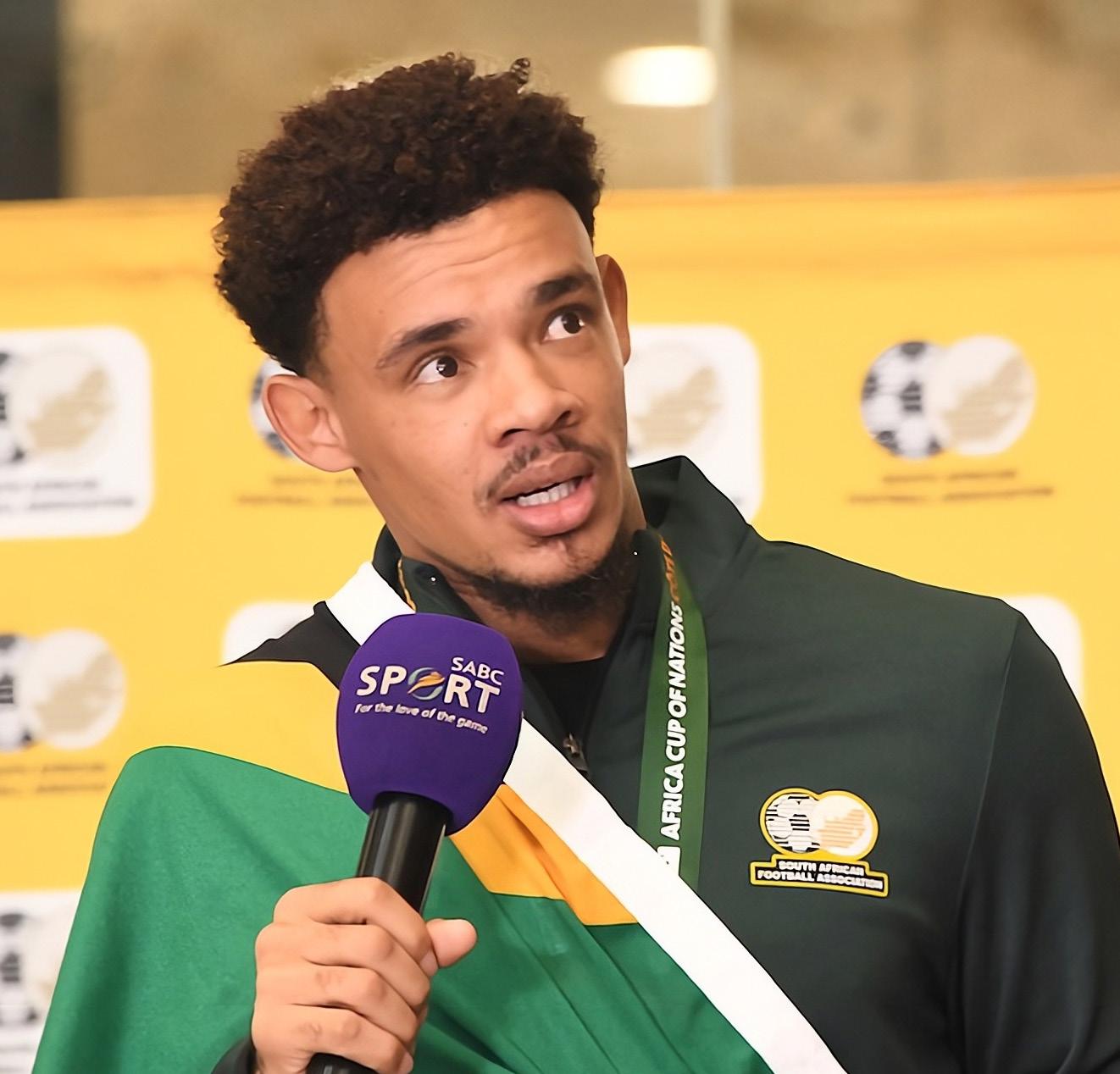
Bafana Bafana vs Czech Republic 18 June
Scotland v Morocco 19 June
Tunisia v Japan 20 June
Uruguay v Cabo Verde 21 June
New Zealand v Egypt 21 June
Norway v Senegal 22 June
Jordan v Algeria 22 June
England v Ghana 23 June
Colombia v Congo DR 23 June
Morocco v Haiti 24 June
Bafana Bafana vs South Korea 24 June
Curaçao v Côte d’Ivoire 25 June
Tunisia v Netherlands 25 June
Croatia v Ghana 27 June
Algeria v Austria 27 June
Congo DR v Uzbekistan 27 June
URC Grand Final: Leinster vs Bulls 19 June
South Africa ‘A’ vs Zimbabwe 20 June
Springbok Men vs Barbarians 20 June
South Africa U20 Men vs Uruguay U20 Men 27 June
South Africa U20 Men vs Georgia U20 Men 2 July
Springbok Women vs USA Women 4 July
Springbok Men vs England Men 4 July
South Africa U20 Men vs Wales U20 Men 7 July
Springbok Men vs Scotland Men 11 July
Springbok Men vs Wales Men 18 July Senegal v Iraq
June
Egypt v IR Iran
June
Cabo Verde v Saudi Arabia
June

BY FIONA WAKELIN
In South Africa, Youth Month is celebrated in June, and National Youth Day is celebrated on June 16.
The month of June is celebrated as Youth Month to honor the role young people played in the fight against apartheid and the Soweto Uprising of 1976. The Soweto Uprising was a turning point in the struggle for liberation in South Africa. After democracy was established in 1994, June was declared Youth Month and June 16 was declared National Youth Day.
The 2026 commemoration is held under the theme “RESET@50 – The Future Calls”, with the slogan “Our National Commitment to the Future, for Freedom Lives in Every Generation”, and is further anchored by the focus “Mapping the Barriers: Auditing Access for Economic Inclusion”.

1
National Environment Month is celebrated in June, with the South African government and captains of industry leading the way by stimulating awareness on environmental issues and challenging all to become agents for change.
World Environment Day is the United Nations Environment Programme’s (UNEP) biggest annual event commemorated on 5 June, with an aim of galvanising positive environmental action. It was adopted by the United Nations General Assembly in December 1972, and was first celebrated in 1974 with a view to deepening environmental awareness and address concerns such as the depletion of the ozone layer, toxic chemicals, desertification and global warming.
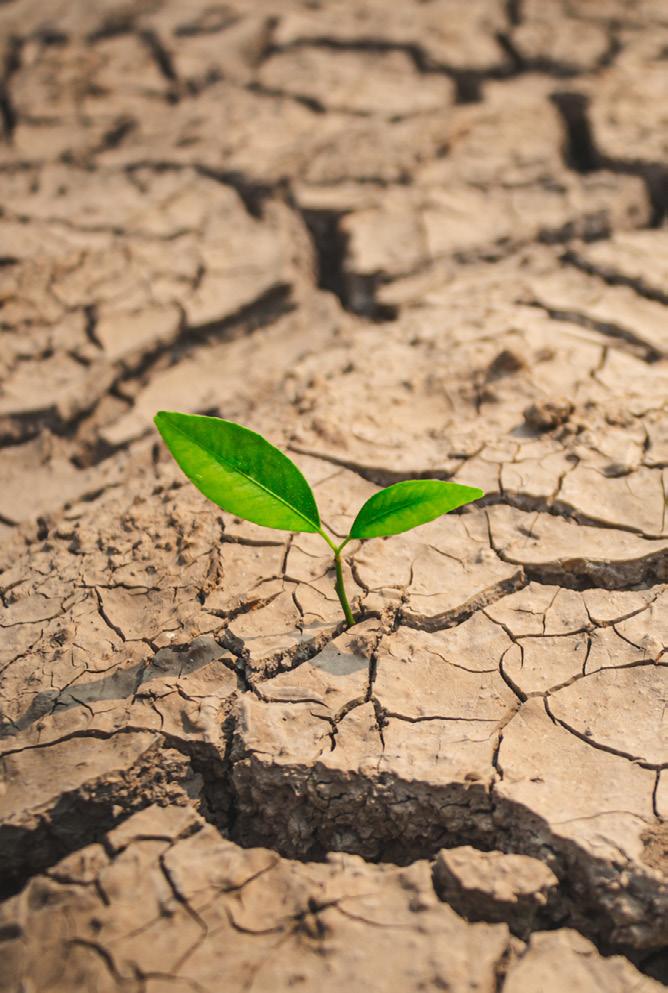
South Africa celebrates World Environment Day on June 5, 2026, marking the beginning of National Environment Month. The national campaign ran under the theme “Inspired by Nature. For Climate. For Our Future,” focusing on climate resilience, combating extreme weather, and ecosystem restoration.
National & Regional Highlights
• National Drive: The Department of Forestry, Fisheries and the Environment (DFFE) urged citizens and industries to shift from warnings to active climate adaptation, particularly addressing the destruction caused by floods and droughts.
• Western Cape: The provincial government and the Western Cape Environmental Educators Forum (WCEEF) held flagship awareness events at locations like the Soetwater Environmental Education Centre in Kommetjie, emphasizing ocean protection and waste management.
• Eastern Cape: The DEDEAT focused heavily on municipal climate support, wetland restoration, and strengthening environmental compliance.

Youth Day in South Africa is an official public holiday celebrated annually on June 16 to commemorate the 1976 Soweto Uprising and honor the youth who fought against apartheid.
This 2026 commemoration marks the Golden Jubilee (50th Anniversary) of the historic protests against the apartheid government’s mandate to make Afrikaans a compulsory language of instruction in schools. The Official Theme is “RESET@50 – The Future Calls”
Location: The official national commemoration is being held at the FNB Stadium Open Field in Nasrec, Johannesburg.

World Refugee Day is held every year on 20 June. It is a special day when the world takes time to recognise the resilience of forcibly displaced people throughout the world.
World Refugee Day is celebrated annually to honour the courage, strength and determination of women, men and children who are forced to flee their homes under threats of persecution, conflict and violence. On this day, the international community seeks to draw attention to the plight of refugees and celebrate their courage and resilience.
Around the world more than 50 million people have fled their homes. Each day thousands more follow.
On 4 December 2000, the General Assembly noted that 2001 marked the fiftieth anniversary of the 1951 Convention relating to the Status of Refugees, and that the Organisation of African Unity (OAU) had agreed to have International Refugee Day coincide with Africa Refugee Day on 20 June.
Africa Public Service Day is an event entrenched in the African Union calendar. It originates from the conference of African Ministers for Public or Civil Service held in Tangier, Morocco in 1994.
It was agreed at this conference that 23 June should be celebrated annually as Africa Public Service Day to recognise the value and virtue of service to the community. It is also a platform to reflect and share practical recommendations on women empowerment in public service nationally and across the continent.
The Pan-African Ministers agreed that the 23rd June of every year should be celebrated as APSD through annual national and biennial continental events as part of the continental strategy to boost public administration programmes, public sector performance and governance as well as recognise the value and virtue of service to the community.
The APSD is driven within Agenda 2063 which is Africa’s blueprint and master plan for transforming Africa into the global powerhouse of the future. The Department of Public Service and Administration (DPSA) is the custodian of the day in South Africa.
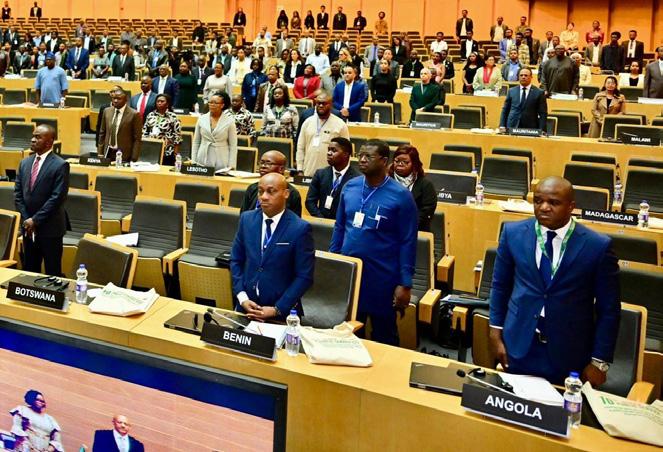
In South Africa, many young people face violence, poverty, and inequality. The resulting toxic stress, compounded by limited support, harms brain development, health, learning, and future opportunities, with its impact passing to future generations.
Founded in South Africa in 2009, Waves for Change (W4C) is a non-profit company that supports adolescents growing up in high-stress environments. From five beach sites across the Eastern and Western Cape, W4C has created safe, joyful “third spacesˮ where young people can practise coping skills, build resilience, and connect with caring peers and coaches.
Through research and collaboration with global partners, W4C created the Take 5 Model to extend the reach of Surf Therapy and strengthen youth mental well-being support worldwide.
Together, Surf Therapy and Take 5 advance one mission: empowering adolescents to thrive.
Surf Therapy fuses the rush and therapeutic benefits of surfing with the Take 5 routine to create a structured, evidence-based programme
How it works:
Adolescents are referred through schools, hospitals, and child and youth care centres.
They attend weekly sessions for 10 months at one of five beach hubs
Each session combines surfing with the Take 5 five step routine: Energiser, Check in, Breathing, Play, Reflection
After 10 months, participants graduate into weekend Surf Clubs, maintaining lifelong connections with coaches, peers, and the ocean
Since 2011, Surf Therapy has supported more than 10,000 adolescents, trained 215 local coaches, and provided over 100,000 nourishing meals annually
Developed and rigorously refined within Surf Therapy, Take 5 is a teaching framework that helps organisations scale physical activity and play-based mental health programmes with confidence and ease
How it works:
Coaches and facilitators learn nine essential protective coaching skills for working with vulnerable youth
Coaches learn to integrate the Take 5 routine into their existing work.
Waves for Change is working with the Department of Arts and Culture to integrate Take 5 into after-school programmes across the Western Cape. The partnership will reach over 800 coaches and 100,000 children in the coming year Outside of South Africa, Waves for Change is working in partnership with UNICEF to integrate Take 5 into government-led after-school and in-school mental health programmes in 5 countries across the African continent
Peer-reviewed studies show that Surf Therapy improves stress management and social behaviour outcomes for youth. Where W4C has a presence, Surf Therapy programmes are now integrated with city-wide health referral systems
A Case Study with the Western Cape Government shows that Take 5 makes coaches more effective at building resilience with vulnerable youth There is increased demand from government ministries and civil society partners to use the Take 5 model in 2026
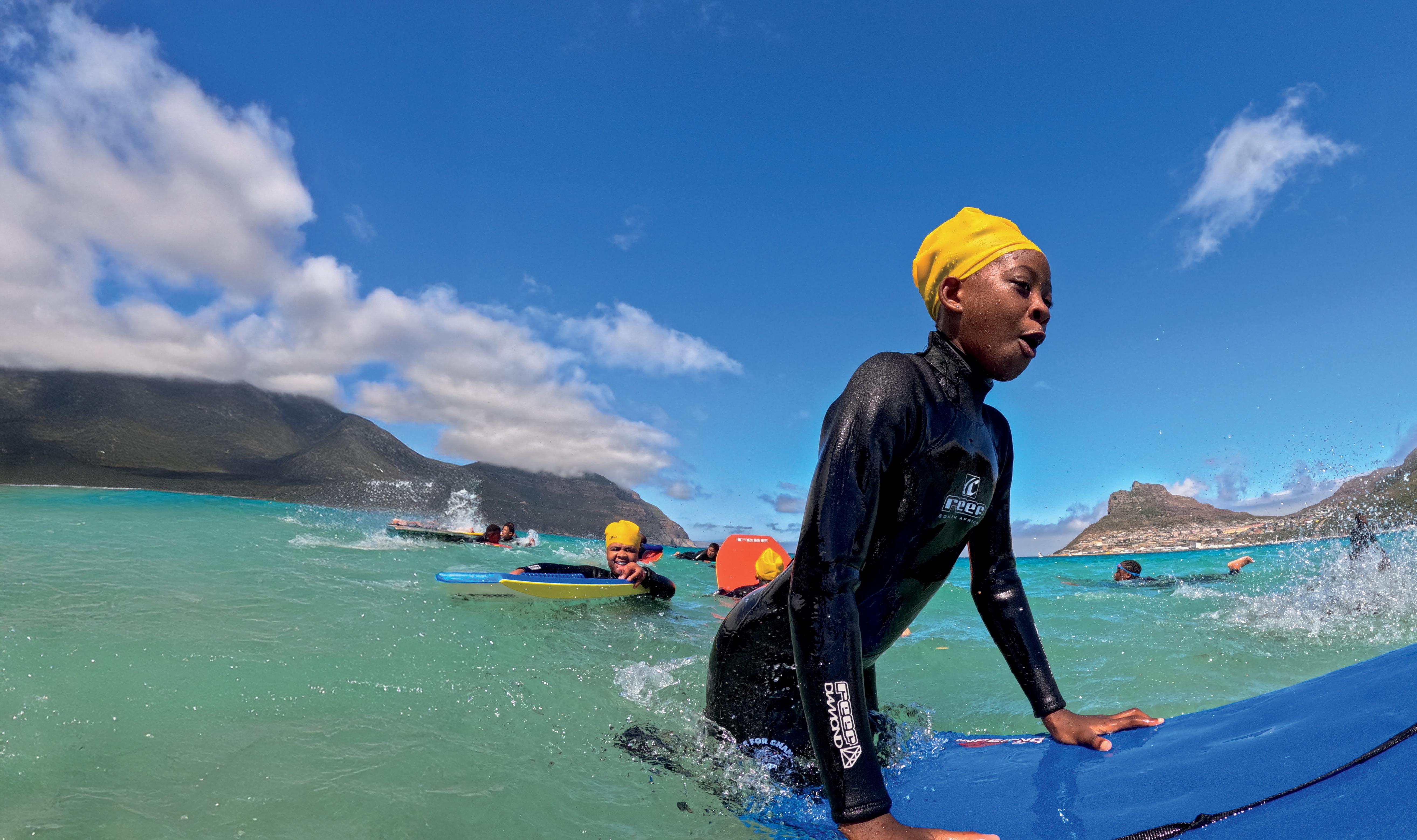
How can you help?
Sponsor a Surf Therapy site and connect hundreds of vulnerable children to the power of the ocean: R2,000,000 per year.
Sponsor the training of a partner to use the Take 5 model: R250,000

REDEFINING THE STANDARD OF SUCCESS
Master the art of leadership and digital innovation with Ralf Fletcher, CEO of Topco Media, as he interviews and gains exclusive access to high-impact conversations with influential business leaders, politicians, and innovators redefining the future of business.