The
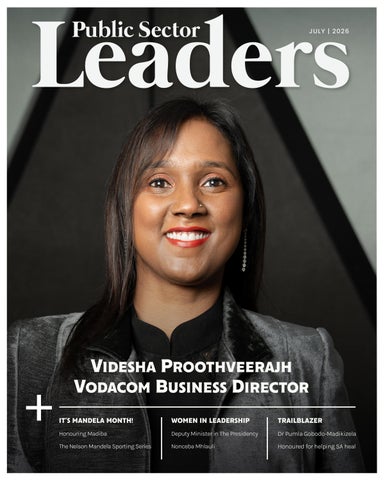
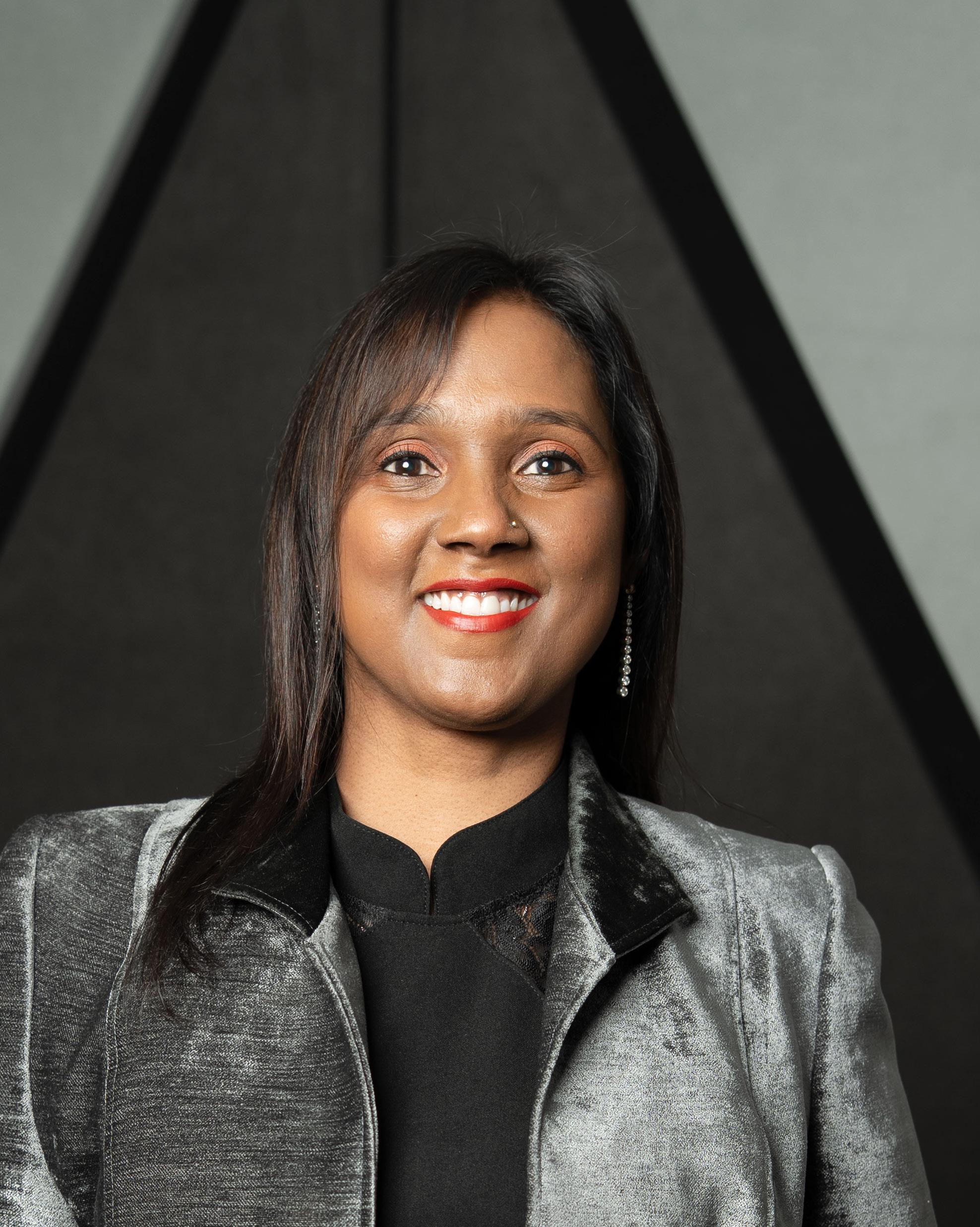
Videsha Proothveerajh Vodacom Business Director
Deputy Minister in The Presidency
Honoured for helping SA heal
Honouring Madiba
Nelson Mandela Sporting Series
WOMEN IN LEADERSHIP
Nonceba Mhlauli
TRAILBLAZER
Dr Pumla Gobodo-Madikizela

C-SUITE DELEGATES |
Hon. Inkosi Mzamo Buthelezi, Minister of Public Service & Administration


CORPORATE SHOWCASE COUNTERS

SUMMIT 2026

Celebrating excellence across government.
The Public Sector Leaders Summit is a premier platform that celebrates the contributions of organisations and individuals, across both the public and private sectors, who continue to invest in South Africa’s growth with resilience and optimism.
The 2nd Annual PSL Summit will provide the ideal environment for engaged networking, collaboration and knowledge sharing between stakeholders who are committed to building a thriving and inclusive economy.
For more information Contact: emlyn.dunn@topco.co.za marketing@topco.co.za
24 | Nelson Mandela Children’s Fund
Thirty years of championing South Africa’s children
26 | Sporting Series
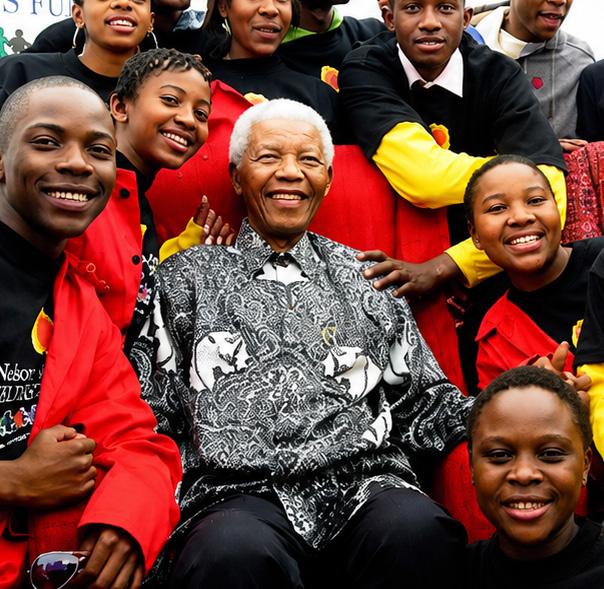
Nelson Mandela Sporting Series carries Madiba’s legacy forward
28 | Madiba Month
Seven meaningful ways to celebrate Mandela Day this month
38 | 9th SACU Summit
Heads of State and Government meet in Cape Town
40 | Rare earth mining
A major technological breakthrough for South Africa in rare earth beneficiation
42 | Fitch Ratings upgrades SA How did we get here?

10 | Addressing the Nation
The power to tackle poverty and inequality is in our hand
12 | Cover Story
Videsha Proothveerajh, Vodacom Business Director
20 | Trailblazer
Dr Pumla Gobodo-Madikizela: Honoured for helping South Africa heal
22 | Women in Leadership
Nonceba Mhlauli, Deputy Minister in The Presidency
32 | Tech
The strategic imperative for institutional reinvention in the age of Artificial Intelligence
36 | Agriculture
Will El Niño drought hit food prices in South Africa?
44 | In Other News
Lenacapavir rollout marks a new chapter in South Africa’s fight against HIV
46 | Regional Focus
Mpumalanga invests in infrastructure to drive inclusive growth
48 | Financial Fitness
What you need to know about tax-free savings
50 | Legal Matters
What the Fair Pay Bill could mean for businesses
52 | Health & Wellness
How leaders can build a culture of mental wellbeing
54 | Sporting Action July/August sports calendar
56 | Upcoming Events

Government Employees Medical Scheme (GEMS):
2026 Annual General Meeting (AGM) Notice
All GEMS members have been sent the draft 2025 GEMS Annual Integrated Report and Financial Statements containing the official notice of the 2026 GEMS Annual General Meeting (AGM) taking place virtually via the Zoom platform on Friday, 31 July 2026 at 15:00.
In accordance with GEMS Rule 29.6, the GEMS Board of Trustees require members wishing to attend the AGM to register online by 15:00 on Friday, 31 July 2026. Please note that online registration will close at 15:00. No registration to attend the AGM will be allowed after 15:00. Accordingly, if you wish to attend the AGM, kindly go to www.gems.gov.za, click on the relevant link embedded in the 2026 GEMS AGM section and:
Complete the online registration form by 15:00 on Friday, 31 July 2026 It is important to note that only members who have registered will be admitted to the meeting; Acquaint yourself with the Zoom user guide, which details Zoom’s functionality; and Download the Zoom software for an enhanced Zoom/AGM experience, should you prefer this to the standard Zoom/AGM web experience.
Should you be unable to attend the AGM, you may appoint a proxy to attend, speak and vote on your behalf by completing the proxy form. When returning your proxy form, kindly mark it for the attention of the Principal Officer with the reference 2026
GEMS AGM Proxy
It is important to note that your proxy form must reach us by 16:00 on Friday, 24 July 2026 to be considered.
Proxy forms may be sent to:
• Email: enquiries@gems.gov.za;
• Fax: 0861 004 367; or
• Post: GEMS, Private Bag X782, Cape Town, 8000
For copies of the following AGM meeting documents, kindly go to www.gems.gov.za and click on the relevant link embedded in the 2026 GEMS AGM section:
• 2026 GEMS AGM Member Guide;
• 2026 GEMS AGM Agenda;
• 2026 GEMS AGM Proxy Form;
• 2025 GEMS AGM Minutes (draft);
• 2025 GEMS Annual Integrated Report;
• 2025 GEMS Trustee Remuneration Report; and
• GEMS AGM Action List
We thank you for your ongoing support and look forward to seeing you at the AGM.
0800 00 4367 (toll-free)
www.gems.gov.za enquiries@gems.gov.za






CREDITS
PUBLIC SECTOR LEADERS
The Digimag For Leaders In The South African Public Sector Fully Accredited Member of ABC

Advertising Sales, Distribution and Subscriptions
Top Media & Communications (Pty) Ltd
Tel: 086 000 9590 info@topco.co.za | www.topco.co.za
CEO Ralf Fletcher
TOPCO STUDIO
Production Director
Van Fletcher van.fletcher@topco.co.za
Group Editor
Fiona Wakelin fiona.wakelin@topco.co.za
Deputy Editor
Koketso Mamabolo koketso.mamabolo@topco.co.za
Assistant Editor
Shumirai Chimombe shumirai.chimombe@topco.co.za
Contributors
Jessie Taylor
Wandile Sihlobo
Thulani Dube
Sam Condon
Cover Design
Tashwell Brown
Design
Tashwell Brown
Traffic Manager
Daniël Bouwer artwork@topco.co.za
SALES
National Project Manager
Emlyn Dunn Tel: 072 1263962 emlyn.dunn@topco.co.za
Brand Coordinators
Sidney Phiri sidney.phiri@topco.co.za
Printers LAW Print
Images iStock / Unsplash / GCIS | Flickr
Digital Publishing Platforms Issuu Magzter Media Carrier
Head Office
Top Media & Communications (Pty) Ltd T/A Topco Media Elkay House, 186 Loop St Cape Town
Tel: +27 86 000 9590
Fax: +27 21 423 7576
Email: info@topco.co.za Website: www.topco.co.za (ScanQRcodebelowtoviewwebsite)

DISCLAIMER
All rights reserved. No part of this publication may be reproduced, stored in a retrieval system or transmitted, in any form or by any means, electronic, mechanical, photocopying, recording or otherwise, without the prior written consent of Top Media & Communications (Pty) Ltd T/A Topco Media. Reg. No. 2011/105655/07. While every care has been taken when compiling this publication, the publishers, editor and contributors accept no responsibility for any consequences arising from any errors or emissions.

BEYOND THE BOARDROOM
REDEFINING THE STANDARD OF SUCCESS
Master the art of leadership and digital innovation with Ralf Fletcher, CEO of Topco Media, as he interviews and gains exclusive access to high-impact conversations with influential business leaders, politicians, and innovators redefining the future of business.
Letter from the Editor
Welcome to the July edition of Public Sector Leaders (PSL) EDITOR’S LETTER

In his letter to the nation, written on Monday 13 July, His Excellency, President Ramaphosa focused on celebrating Nelson Mandela International Day – both its meaning and its purpose. This global day of action, July 18, is Madiba’s birthday and is a call to end poverty, inequality and injustice.
Every year since 2009, when Mandela Day was declared a global day of action by the United Nations General Assembly, South Africans have dedicated 67 minutes of their time to acts of service.
BY FIONA WAKELIN
It’s Nelson Mandela Month!
“Madiba was clear that overcoming poverty is not an act of charity, but an act of justice. So on this Mandela Day, let us also recommit ourselves to the difficult task of ending poverty and inequality in our country and in our world,” – H.E. Ramaphosa.
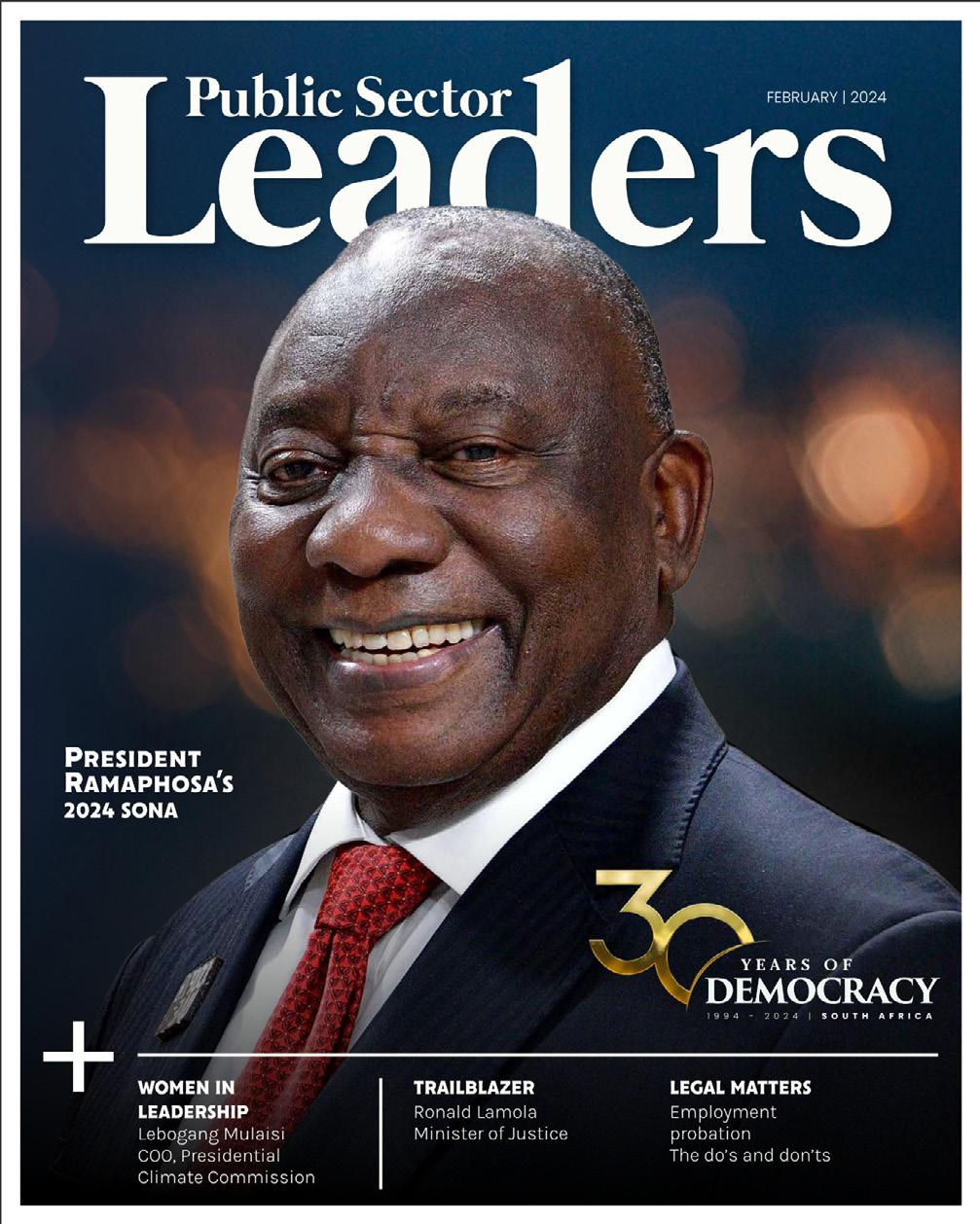
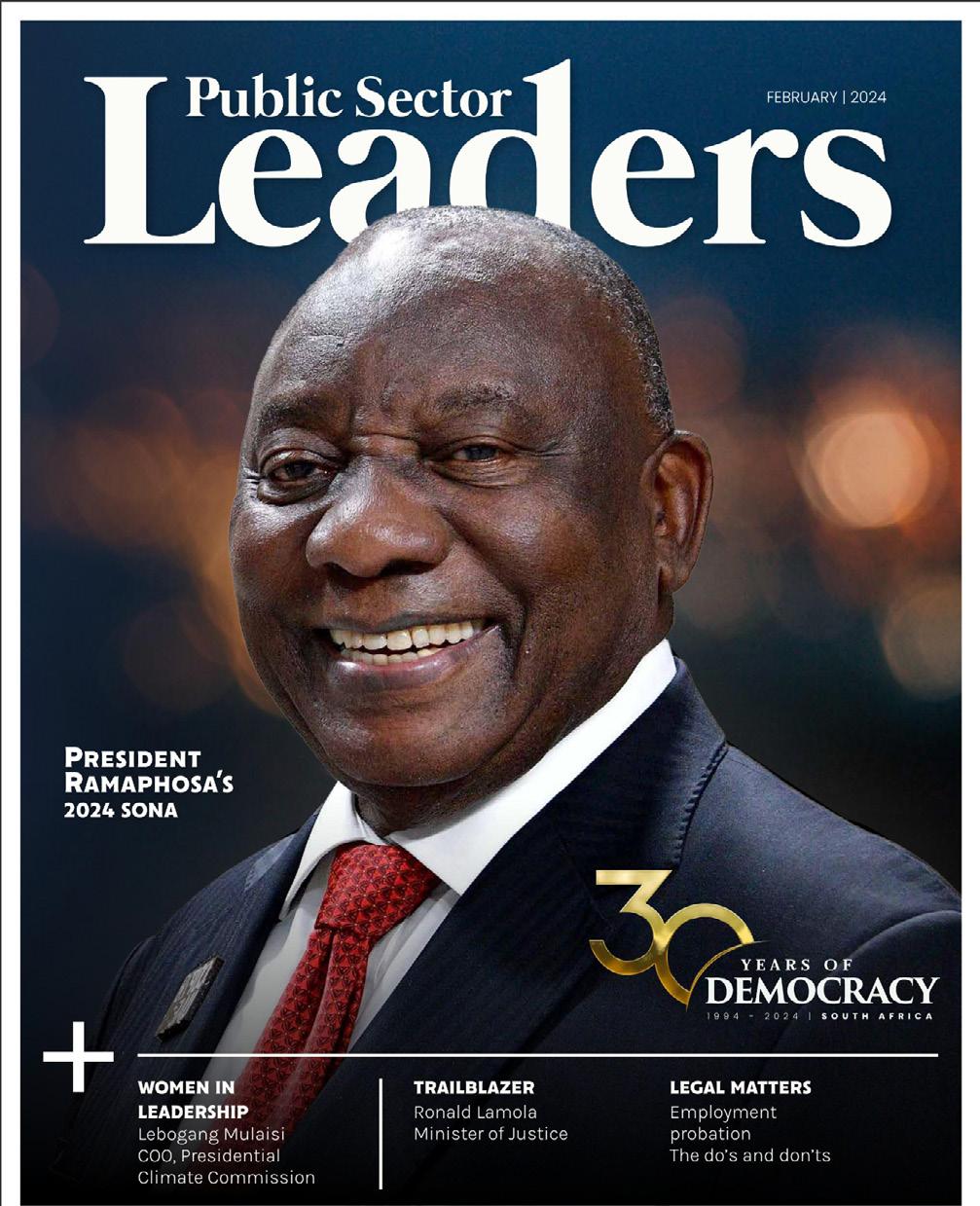
Our cover icon this month is Videsha Proothveerajh, Director of Vodacom Business, who spoke to us about integration, service delivery, business transformation and meaningful impact:
“The biggest opportunities lie in creating what we call a Digital Utility Layer. An integrated ecosystem that connects energy, water, infrastructure and citizen engagement,” - Videsha Proothveerajh.
Inside, we continue with the Madiba theme, focusing on the 30th anniversary of the Nelson Mandela Children’s Fund and the Nelson Mandela Sporting Series.
The Women in Leadership slot is filled by Deputy Minister in The Presidency, Nonceba Mhlauli, whose leadership of the Presidential Youth Employment Intervention (PYEI) has helped strengthen pathways that connect young people to work, entrepreneurship, skills development and economic participation. Our Trailblazer is Dr Pumla Gobodo-Madikizelain 2026, her decades of groundbreaking work were recognised with one of the country’s highest
civilian honours when President Cyril Ramaphosa bestowed upon her the Order of the Baobab in Bronze.
With all that is going on in the world at the moment, some good news back home is to be found in the articles on rare earth mining, the Fitch rating credit upgrade, and In Other News Lencapavir launches in South Africa - marking a new chapter in our fight against HIV.
In Legal Matters you find out what the Fair Pay Bill could mean for businesses, and Financial Fitness unpacks what you need to know about tax free savings. The Tech article takes a fascinating deep dive into AI and tertiary education and how it will redefine higher education leadership.
Before I go, may I say: “Felicitaciones a España.”
From myself and the amazing team, we hope you enjoy everything Public Sector Leaders has to offer!

FIONA WAKELIN | GROUP EDITOR
BY FIONA WAKELIN

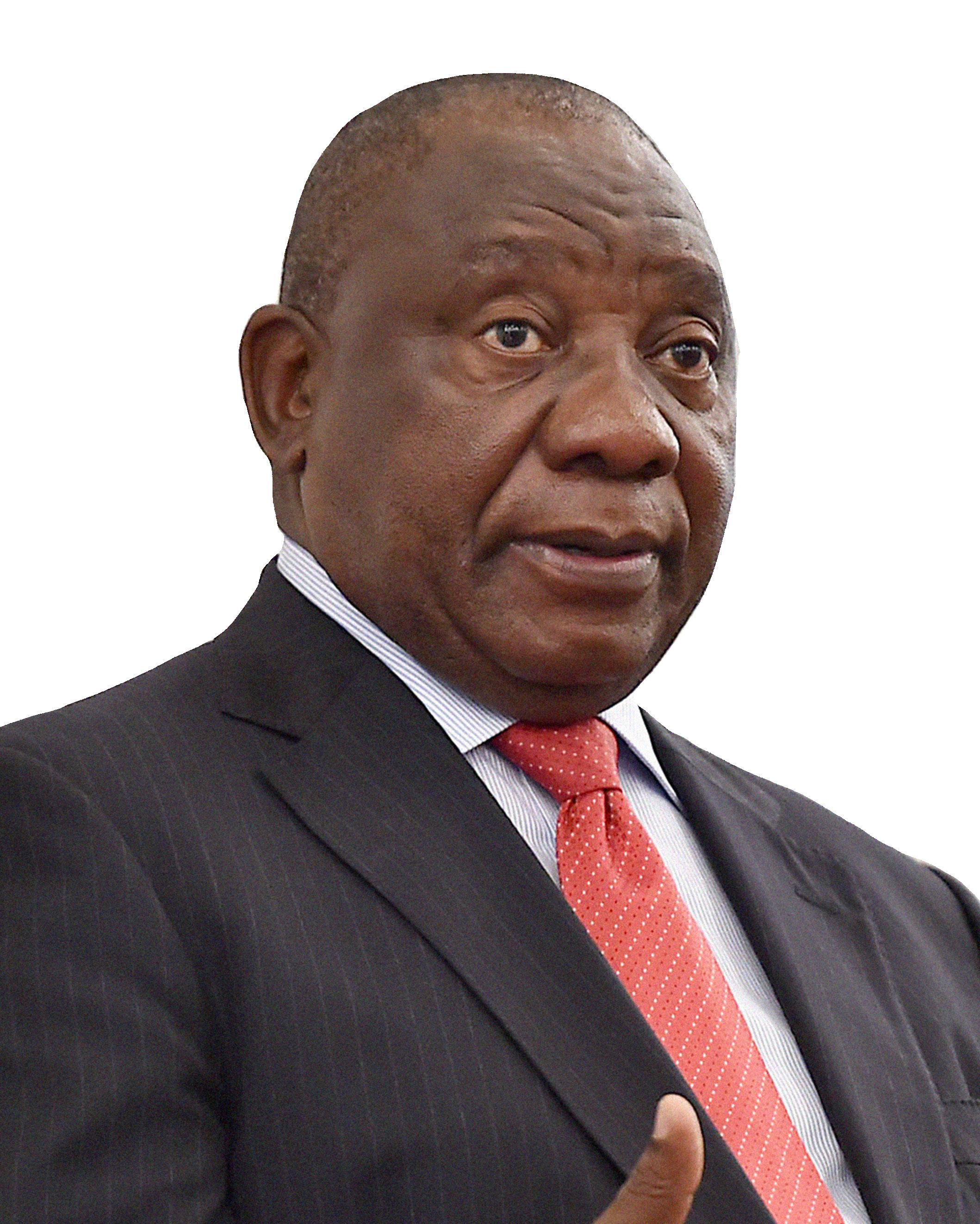
The power to tackle poverty and inequality is in our hands
In his letter to the nation, written on Monday 13 July, His Excellency, President Ramaphosa focused on celebrating Nelson Mandela International Day – both its meaning and its purpose. This global day of action, July 18, is Madiba’s birthday and is a call to end poverty, inequality and injustice.
Every year since 2009, when Mandela Day was declared a global day of action by the United Nations General Assembly, South Africans have dedicated 67 minutes of their time to acts of service.
“Madiba was clear that overcoming poverty is not an act of charity, but an act of justice. So on this Mandela Day, let us also recommit ourselves to the difficult task of ending poverty and inequality in our country and in our world. Among other things, this means transforming the rules and institutions that govern the world’s finances so that they serve the needs of developing economies, not only the wealthiest. It means ensuring that the commitments made to the countries bearing the heaviest burden of climate change are honoured and strengthened.
“Through our G20 Presidency last year, we placed the issue of inequality firmly on the global agenda. We are now working with other countries and institutions to establish an International Panel on Inequality to monitor global inequality, assess its causes and consequences and recommend the policies needed

to reverse it. No nation can overcome inequality alone; we need coordinated multilateral action, rooted in solidarity and shared responsibility,” – H.E. Ramaphosa.
His Excellency went on to affirm that to tackle poverty and inequality, we must ensure that our laws and policies protect workers and that South Africa’s regulatory environment encourages investment; he also emphasised that the acts of service we perform on Saturday 18 July are not merely symbolic gestures, disconnected from the harder business of building institutions, driving investment, and changing systems and policies - they are part of the same effort.
“So this Mandela Day, as we serve our communities, let us also renew our resolve to tackle the poverty and inequality that make such service necessary in the first place.
Madiba taught us that building a just, caring and inclusive society is not the work of governments alone. It is the work of ordinary people performing extraordinary acts of compassion, courage and service. As Madiba said: “It is now in your hands.” Let the acts of service that we undertake this week be part of the foundation on which we build a better country and a better world for all,” – President Ramaphosa.
Technology for good
Videsha Proothveerajh, Director of Vodacom Business

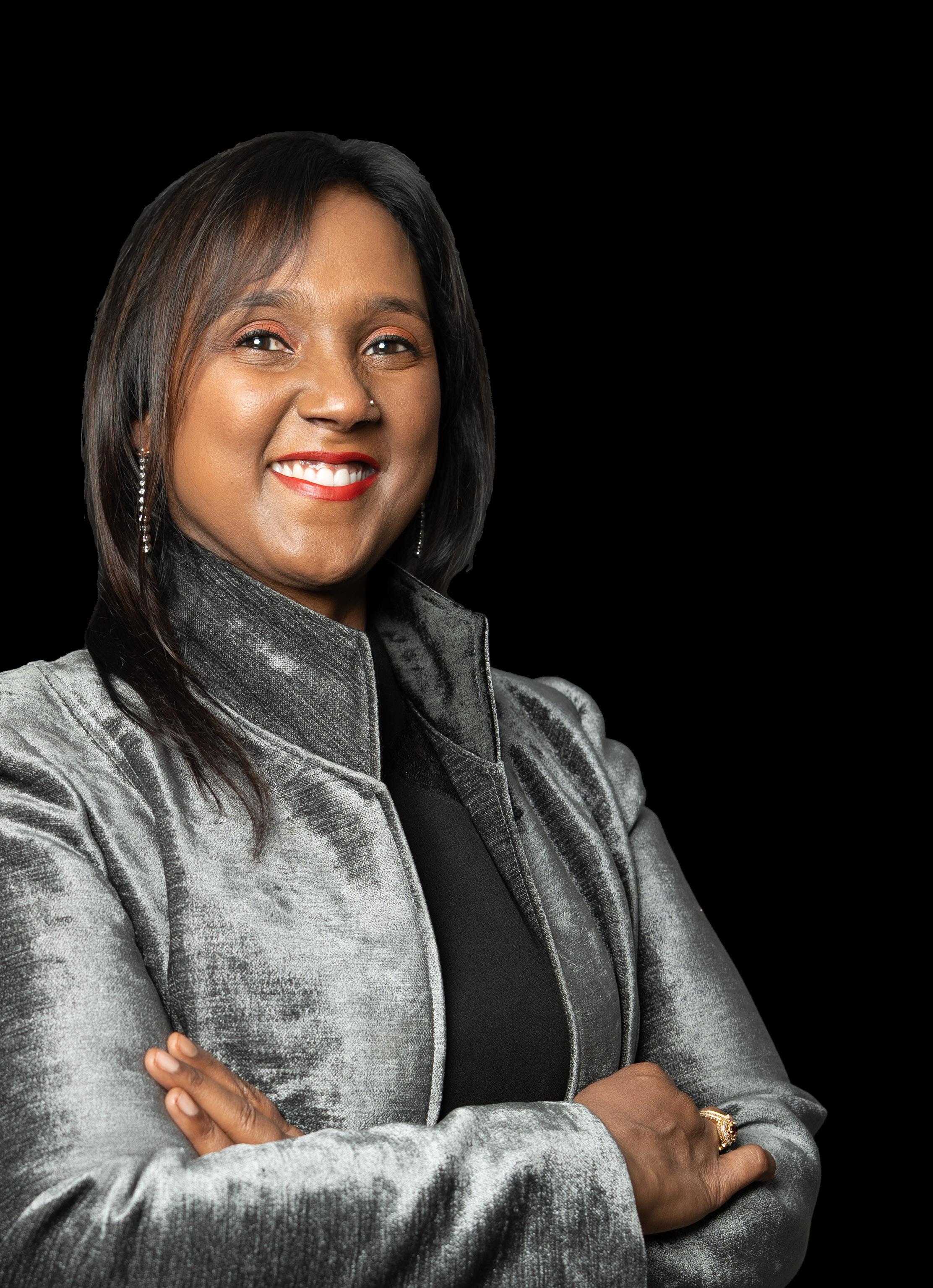

Vodacom Business provides a comprehensive suite of connectivity services, tools, products, and solutions designed for small, medium, and large enterprises, which also encompasses government. But what differentiates the organisation is that they don’t see themselves as a vendor and you as a customer. They see themselves as integrated partners committed to helping your business succeed.
We spoke to Videsha Proothveeajh, Director of Vodacom Business to find out more about integration, service delivery, business transformation and meaningful impact:
We deliver everything from mobile and voice products to managed network services, business internet, and fixed-line voice services. We offer converged solutions across multiple industries—fintech, education, manufacturing, and government segments—alongside wholesale services. Our cloud, hosting, and security offerings provide the digital backbone organisations need to operate confidently at scale.
What truly sets us apart is our commitment to integration. Rather than leaving you to manage multiple disconnected vendors, we can deliver connectivity, cloud services, cybersecurity, IoT solutions, and emerging capabilities like data analytics and artificial intelligence working together seamlessly through a single trusted partnership. This unified approach means you gain one integrated platform rather than fragmented systems.
We’ve deployed specific solutions at scale: Corporate Liable for mobile workforce management, Digital Water Tower for integrated municipal water systems, smart metering infrastructure reducing losses and
improving revenue collection, and Citizen Engagement apps enabling two-way communication between communities and government. We offer Device-as-a-Service enabling organisations to transform device lifecycle management, and IoT security solutions like Peacemaker for critical asset tracking.
Our team brings a unique blend of industry knowledge, innovative thinking, and unwavering dedication to your success. Through us as your partner, you benefit from unparalleled expertise, proven reliability, and genuine commitment to achieving your business goals. We’re not simply selling services; we’re enabling your transformation and growth.
Service delivery transformation opportunities
The biggest opportunities lie in creating what we call a Digital Utility Layer. An integrated ecosystem that connects energy, water, infrastructure and citizen engagement into a single intelligent system. For too long, these have operated in silos with reactive decision-making based on incomplete data. This fragmentation has undermined both efficiency and trust. Over the next five years, I see technology fundamentally transforming how municipalities and organisations operate. Smart metering at scale will provide realtime consumption data, enabling proactive management instead of crisis response. We’re already seeing this with Naledi Municipality, where smart meters reduced electricity losses from 26% to below the 5% norm and dramatically improved revenue collection. The Digital Water Tower initiative consolidates meter readings and network maps
into single platforms, allowing municipalities to detect leaks proactively rather than losing nearly 40% of supply through inefficiency and theft.
Beyond utilities, virtual wheeling platforms will enable transparent energy settlement and competitive markets. Citizen engagement apps create two-way communication, restoring trust between government and communities. IoT infrastructure transforms how we monitor assets and predict maintenance needs. The common thread is platform thinking, which focuses on coordinating systems to work together effectively. When energy, water, infrastructure and citizen engagement operate as an integrated ecosystem rather than disconnected projects, outcomes shift from incremental to transformative. This is how we address South Africa’s most pressing challenges in service delivery while building resilience for the future.
“Driving business transformation, innovation and growth by unlocking potential” For me, this phrase means recognising that every organisation has latent potential constrained not by ambition or capability, but by outdated infrastructure and fragmented technology choices. Unlocking that potential requires partnerships that simplify complexity rather than add to it.
I’ve observed that transformation fails most often not because strategies are wrong, but because organisations are burdened with managing multiple disconnected vendors, integrating disparate systems, and troubleshooting integration gaps instead of driving their core business.
A manufacturing company optimising production. A healthcare provider expanding digital health offerings. A municipality improving revenue collection. None of these can focus on their core mission when teams are consumed managing vendors.
Driving business transformation means providing integrated solutions where connectivity, cloud services, cybersecurity, and emerging capabilities like IoT and AI work together seamlessly. It means offering organisations unified visibility across their entire digital infrastructure through a single trusted partnership, so internal teams can focus on strategy rather than vendor management.
Growth emerges when organisations operate with infrastructure confidence. An SME that knows its systems will scale securely makes bolder expansion decisions. A municipality with real-time data visibility can manage resources proactively. A healthcare provider with embedded security can confidently launch digital innovations. Unlocking potential specifically means removing the infrastructure barriers that prevent organisations from pursuing their most ambitious goals. When digital infrastructure becomes an enabler rather than a constraint, transformation accelerates, innovation flourishes, and growth becomes sustainable.
Digital inequality
Digital inequality isn’t just an access problem but an outcome of historical inequity and fragmented infrastructure investment. Organisations like Vodacom Business have a fundamental responsibility
to democratise access to enterprisegrade digital infrastructure, not as corporate charity, but as recognition that SME success is national economic success.
For decades, sophisticated connectivity, cloud services, cybersecurity, and IoT solutions were reserved for large corporations with deep pockets. This created a two-tier economy where smaller businesses and communities operated at inherent disadvantage. We’re deliberately shifting this dynamic. SMEs in rural areas now access the same security protocols, cloud capabilities, and real-time analytics as multinational corporations, because infrastructure constraints shouldn’t determine competitive potential. Our approach in rural and underserved areas combines physical infrastructure investment with inclusive service models. For example, we’re invested in ensuring frontline workers—healthcare professionals in remote clinics, technicians across distributed sites, municipal teams in outlying areas— have consistent connectivity and digital tools. This isn’t about offices but about every employee in an organisation having the technology to perform effectively regardless of geography.
But connectivity alone is incomplete.
True digital inclusion means connecting communities to actionable opportunities such as market access for farmers, financial services for entrepreneurs, or skills development for young people. When young entrepreneurs in rural towns access enterprise-grade infrastructure and platforms they can scale their ideas nationally. When communities lead in defining
their own digital futures rather than having solutions imposed, adoption is genuine and sustainable. Digital innovation only benefits communities equitably when the infrastructure is accessible, affordable, and designed with communities as partners.
Artificial intelligence
Artificial intelligence is not a distant consideration, but a tool that can drive efficiency and customer insights from inception, but only if underlying infrastructure is built to support it responsibly. For us at Vodacom Business, the question isn’t whether organisations should implement AI, but how they do it ethically and effectively, and how we can assist them with that.
From an efficiency standpoint, AI enables organisations to extract genuine intelligence from vast datasets. Smart utility systems use AI to predict infrastructure failures before they occur. Healthcare platforms use AI to identify patterns in patient data, improving diagnostics and care. Logistics companies use AI to optimise routes and reduce waste. These aren’t theoretical benefits; they’re operational realities we’re deploying at scale today. However, efficiency without ethics creates risk. We’re deliberately embedding responsible AI principles into our solutions from inception. This means ensuring data used to train AI models is representative and unbiased, particularly critical in a country with South Africa’s historical inequities. It means maintaining human oversight over algorithmic decisionmaking, particularly where outcomes affect vulnerable communities. It means transparency about how AI recommendations are generated so organisations can maintain accountability.
Cybersecurity
Cybersecurity becomes particularly critical in AI implementation.
As organisations rely more on algorithmic decision-making, the risk of sophisticated attacks targeting these systems increases. We embed security into AI infrastructure from inception rather than bolting it on later. This requires trusted partnerships with advisors who understand both the technology and the broader context where it operates. Ultimately, responsible AI implementation means balancing innovation with impact by advancing efficiency while ensuring that technological capability serves human benefit rather than concentrating advantage or creating new forms of inequality.
The cybersecurity landscape has fundamentally shifted. We’ve moved beyond isolated attacks on single organisations to coordinated threats targeting critical infrastructure and interconnected ecosystems. Public and private institutions face unprecedented vulnerability precisely because they’ve become more digitally sophisticated without always ensuring that security is embedded proportionally to their digitisation. The most significant risks emerge from fragmentation and delay. When organisations piece together disparate cybersecurity tools from multiple vendors, gaps inevitably appear between these disconnected systems. Threat actors exploit these seams. Data travels across multiple platforms without consistent protection protocols. When something is breached, determining which vendor is responsible consumes critical response time while threats propagate. Critical infrastructure
faces particular risk. Energy systems, water utilities, healthcare networks, and government services now operate digitally, making them targets. A successful attack on a utility’s Supervisory Control and Data Acquisition system, an industrial control system used to monitor and manage critical infrastructure and physical processes remotely, doesn’t just affect that organisation but can cascade through communities. Financial services institutions face increasingly sophisticated threats as cybercriminals evolve alongside defences. SMEs are particularly vulnerable because they operate with limited security resources despite holding valuable customer data.
Building genuine resilience requires three dimensions.
First, architecture: embedded security from inception rather than retrofitted solutions. Second, partnership: 24/7 monitoring and advanced threat detection impossible to build internally, requiring trusted advisors with cutting-edge expertise. Third, culture: security literacy across the entire organisation, not just IT departments, because human vulnerability is often the entry point. This mindset shift, from security as cost to security as competitive advantage, determines resilience in today’s threat landscape.
Technologies which will have the greatest impact on South Africa’s public sector over the next decade I think three technologies will reshape the public sector: cloud computing, advanced data analytics, and intelligent automation. Together, they fundamentally change how government operates and serves citizens.
Cloud computing delivers immediate impact. Municipalities and government departments can move from capital-intensive infrastructure investments to operational models where they pay for capacity used. This flexibility is critical in a fiscally constrained environment. Cloud enables rapid deployment of citizen-facing services without requiring each municipality to maintain expensive data centres. Rural government offices gain access to sophisticated applications previously available only to large metro councils.
Key with the data centre services that Vodacom Business provides, particularly if we are talking about it in the sense of personal information the public sector needs to hold onto to service citizens, is data sovereignty, which can only be achieved by ensuring data stays within South African jurisdiction. Vodacom’s on-soil infrastructure gives customers greater control over data residency while streamlining network operations. Data sovereignty is built into architecture turning local residency into a competitive advantage with regulators, auditors, customers, and citizens being able to trust in infrastructure that provably stays home, under South African law.
Data analytics is transformative because it moves government from reactive to predictive. Real-time visibility into energy losses, water supply challenges, revenue collection patterns, and citizen service requests enables proactive intervention. The Digital Water Tower and smart metering initiatives demonstrate this.
Intelligent automation addresses the public sector’s chronic capability gap. Routine processes such as permit approvals,
benefit administration, or compliance monitoring consume disproportionate resources. Automation frees government professionals to focus on complex decision-making and citizen service. This doesn’t mean job displacement but rather redirecting limited talent toward higher-value activities where human judgment matters most.
The multiplier effect emerges when these operate together through integrated platforms rather than isolated projects.
A municipality using local cloudhosted systems, analysing water consumption data intelligently, and automating routine maintenance alerts can operate more effectively with existing budgets. Over the decade, this transformation creates space for government to invest resources in key areas such as service quality, citizen satisfaction, and development impact rather than consuming budgets maintaining technology.
Leaders in successful transformation organisations
The organisations that successfully navigate digital transformation share remarkably consistent leadership qualities, regardless of sector or size. The most critical is courage to genuinely reimagine how they operate rather than simply automating existing processes. Leaders in successful transformation organisations view technology as a means to reshape their business model, not a way to do old things faster. Second is the partnership mindset. The most successful transformations I’ve observed involve leaders who deliberately seek integrated partners rather than managing multiple vendors.
They recognise that transformation complexity is too substantial for command-and-control approaches. They create environments where internal teams and external partners collaborate genuinely, share risk proportionally, and invest in mutual success rather than transactional relationships.
Third is patience combined with urgency. Transformation isn’t quick, but hesitation creates competitive disadvantage. Successful leaders commit multiyear vision while moving decisively in current initiatives. They celebrate milestones without losing sight of the broader journey. Finally, and perhaps most importantly, successful transformation leaders maintain unwavering focus on purpose over profit.
They ask not “How do we cut costs with technology?” but “How do we serve our stakeholders better?”
A municipality focused on restoring citizen trust rather than simply improving billing systems approaches transformation differently. A mine manager that views digital innovation as enabling safer working environments rather than operational efficiency alone creates fundamentally more sustainable change. This clarity of purpose becomes magnetic, attracting partners and talent that want to be part of something meaningful.
Collaboration between government and the private sector South Africa faces challenges of unprecedented complexity; water systems losing nearly 40% of supply, energy demand outpacing supply, citizens unable to access
government services conveniently, municipalities struggling with revenue collection. These aren’t problems any single entity can solve alone.
The question is not whether we need public-private partnerships (PPPs), but how we can ensure they deliver lasting value. Traditional PPPs have often been structured around clearly defined roles, with government identifying priorities and the private sector providing solutions. While this approach can deliver important outcomes, the most transformative results are often achieved when both parties work closely together throughout the process. By combining technological expertise with a deep understanding of operational realities, public and private sector partners can adapt to changing circumstances, align on shared objectives, and drive more sustainable impact.
Traditional PPPs often follow a transactional model: government identifies need, private sector provides solution, both parties move separately. This rarely produces transformation because the private sector deploys technology without understanding operational constraints, while government lacks the partnership needed to adapt as circumstances change.
Authentic partnerships operate differently. They begin with honest conversations about real challenges, followed by collaborative problemsolving where both parties share expertise, risk, and commitment to outcomes. Purpose comes before profit and trust precedes contracts. The Naledi Municipality smart metering project in the North-West Province exemplifies this approach.
Transformation fails most often not because strategies are wrong, but because organisations are burdened with managing multiple disconnected vendors instead of driving their core business.
Rather than simply installing meters, we genuinely partnered withd the municipality, getting to understand its constraints, then co-designing solutions, finally training local community members to build sustainable capability. Electricity losses dropped from 26% to below 5%, revenue improved dramatically, and the municipality gained confidence to manage the system independently.
Through Vodacom Business’ fiveyear partnership with the National Treasury, we’re implementing an integrated digital layer across municipalities which will see smart utilities management, citizen engagement platforms, and digital water systems operating as coordinated ecosystems rather than isolated projects. This model survives budget cycles and leadership changes because it’s embedded in operational practice. Effective partnerships recognise that trust is equally critical infrastructure as technology. When government and private sector work authentically, guided by shared purpose and built on trust, results reshape how societies function and create foundations for sustainable progress benefiting all.
Skills development
Skills development is no longer corporate social responsibility, but fundamental to economic sustainability. Young South Africans lacking digital competencies face structurally limited opportunity in an increasingly digital economy. Business has both an obligation and a strategic interest in addressing this gap.
Business brings three critical capabilities. First, we understand what skills the job market actually needs rather than what education systems assume. Second, we can deploy resources at scale rapidly, complementing government education infrastructure rather than replacing it. Third, as the organisations offering career pathways, we have credibility with young people so when we say these skills matter, young people listen.
Effective skills development requires partnership between business, government, and educational institutions. Business must translate market needs into curricula alongside educators who understand pedagogy. Government must create enabling policy environment and potentially co-fund at-scale programmes. Educational institutions bring teaching expertise and reach into communities.
Most importantly, skills training must connect to economic opportunity. A young person learning digital skills is only meaningfully equipped if pathways exist to employment, entrepreneurship, or further study. This means business must ultimately hire, mentor, and invest in young people we’ve trained. It means supporting young entrepreneurs with infrastructure, advisory, and access
to markets. When business views skills development as investment in its future workforce and customer base rather than extractive activity, transformation accelerates.
Sustainability
Digital solutions reduce environmental impact not through gestures but through fundamentally changing how organisations operate, using fewer resources to deliver more value. This creates the paradox where technology-intensive businesses often have smaller environmental footprints than less digitally sophisticated competitors. Smart utilities management exemplifies this. When municipalities deploy IoT sensors and real-time analytics, they detect infrastructure failures immediately .
That saved water represents genuine conservation. Smart electricity metering enables efficient grid management and transparent virtual wheeling, reducing energy generation needed to meet demand. Digital platforms replace physical travel with citizen engagement apps reducing trips to municipal offices, and logistics optimisation reducing fuel consumption and emissions. Data centre efficiency has become increasingly important. Cloud computing consolidates computing resources into highly optimised facilities using renewable energy, advanced cooling systems, and efficiency standards impossible for organisations to achieve independently. Migration to cloudbased solutions often reduces an organisation’s overall environmental footprint despite appearing more energy-intensive at first glance. We’re embedding environmental responsibility throughout our operations. Our solutions support
eSIM deployment reducing plastic waste. We offer refurbished device options and recycling programmes aligned to Vodacom’s ESG commitments.
Critically, organisations focusing on digital efficiency often discover that sustainability initiatives improve operational efficiency simultaneously. A water utility reducing losses through smart metering simultaneously improves financial sustainability. A municipality reducing energy through digital optimisation extends grid stability while lowering costs. This alignment where environmental responsibility and operational excellence reinforce each other create genuinely sustainable business cases rather than sustainability initiatives dependent on charitable mindset.
Valuable leadership lesson
The most valuable lesson I’ve learned is that genuine transformation emerges not from what leaders know but from what leaders listen to. Early in my career, I believed leadership meant having all the answers, directing teams toward predetermined outcomes. Experience has taught me that the most profound challenges require collective intelligence; perspectives from implementers closest to problems, from communities we serve, from partners we work alongside. I’ve witnessed transformative outcomes when leaders stopped asking “How do I solve this?” and started asking “What am I missing? Who needs to be part of this solution?” The Naledi Municipality smart metering success emerged not from Vodacom imposing technology but from genuine collaboration where municipal teams, local
partners, technology providers, and community representatives shaped the solution together. That collective intelligence produced sustainability we could never have achieved alone. To the next generation of leaders, I’d offer three pieces of advice. First, lead with purpose rather than position. Your title gives you authority, but your conviction about why the work matters gives you influence. The best teams are built by leaders who inspire purpose, not compliance.
Second, stay curious about diverse perspectives. Your career success will increasingly depend on navigating complexity that no single discipline, industry, or experience can fully illuminate. Leaders who remain intellectually humble and curious, who genuinely listen to viewpoints different from their own, adapt faster and see opportunities others miss.
Third, invest in trust relationships before you need them. Trust is the infrastructure of genuine partnership. It takes years to build and moments to destroy. Invest consistently in relationships, honour commitments even when inconvenient, and assume good intent from people you work alongside.
Finally, remember that leadership is ultimately stewardship. You’re temporary custodians of institutions and communities that existed before you and will persist after you leave. Lead with that perspective.
A Vision for the Future
South Africa stands at a critical inflection point. We have the infrastructure foundation, the technological capability, and most importantly, the talent and determination to build something genuinely transformative. But only
Digital inclusion is ultimately about dignity. It’s about ensuring that a person’s postal code, family background, or access to capital doesn’t predetermine their opportunity.
— Videsha Proothveeajh, Director of Vodacom Business
if we choose authentic collaboration over silos, and purpose over quick profit.
I’ve witnessed what becomes possible when we move beyond seeing technology as a cost to manage or a tool to extract value, and instead recognise it as a platform for liberation. A young person in a rural community accessing digital skills training isn’t just getting a job but gaining agency over their future. A farmer accessing agricultural data and financial services through a digital platform isn’t just increasing yield but moving from subsistence to sustainable prosperity. A citizen seeing real-time updates on municipal services isn’t just receiving information but being an active participant in our democracy.
Digital inclusion is ultimately about dignity. It’s about ensuring that a person’s postal code, family background, or access to capital doesn’t predetermine their opportunity. It’s about creating societies where technology amplifies human potential rather than concentrating advantage. The work ahead requires bold
partnership. Government, business, civil society, and most importantly communities themselves must cocreate the digital future rather than having solutions imposed. It requires leaders willing to listen as much as direct, willing to share control as much as exercise it, willing to invest in long-term transformation rather than short-term extraction.
But I’m genuinely optimistic because I see this shift happening across South Africa. I see municipalities embracing smart utilities. I see young people embracing digital skills training. I see businesses recognising that their future depends on serving all communities, not just wealthy segments. I see leadership recognising that authentic success is collective.
We have an extraordinary opportunity to build something rare: a truly inclusive digital society where technology serves everyone’s potential. The infrastructure exists. The partnerships are forming. What’s required now is collective will and sustained commitment. Together, we can build the connected, digitally enabled, inclusive South Africa our young people deserve.
BY JESSIE TAYLOR
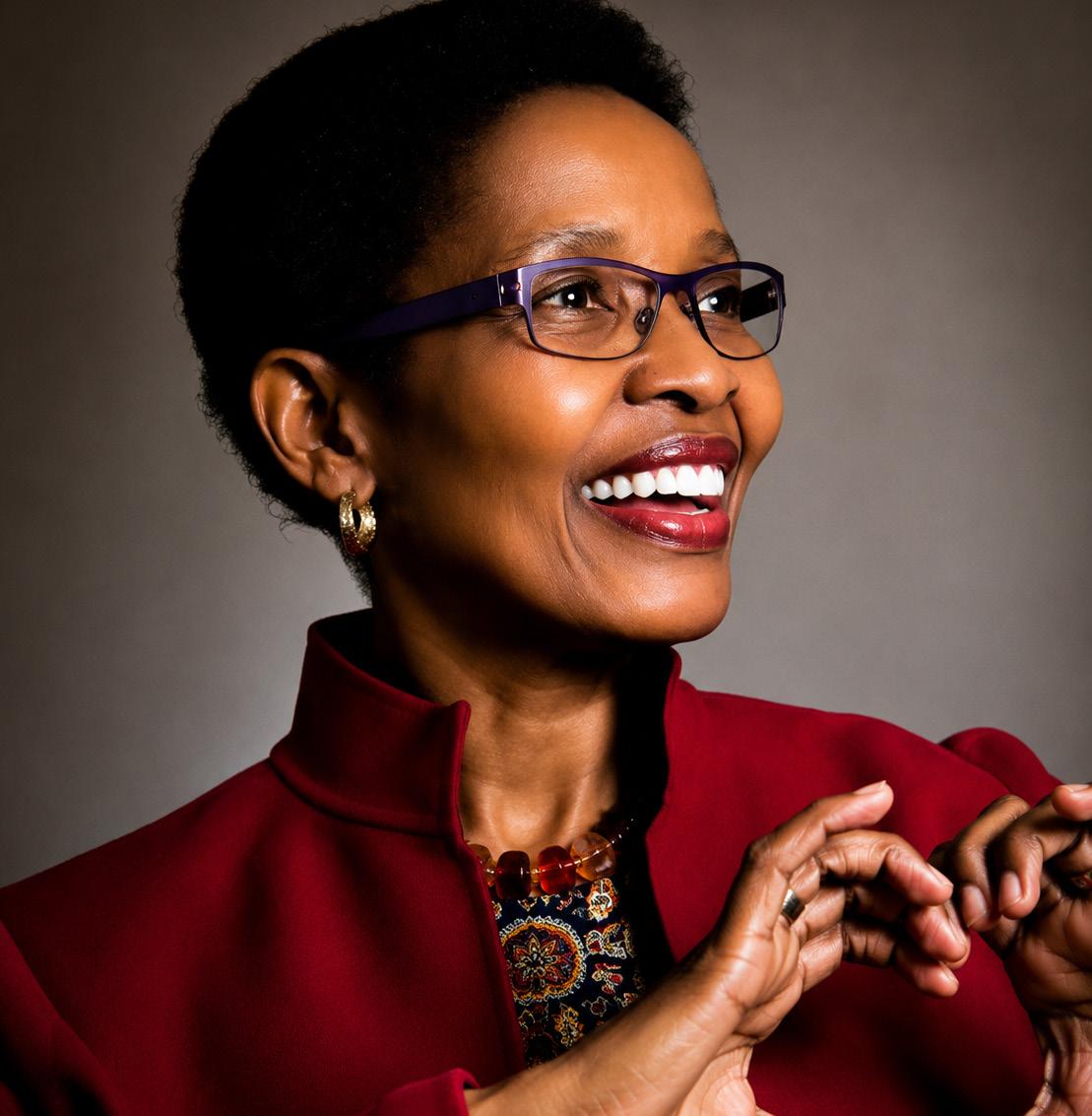
Few South Africans have done more to deepen the world’s understanding of forgiveness, trauma and reconciliation than Dr Pumla Gobodo-Madikizela. In 2026, her decades of groundbreaking work were recognised with one of the country’s highest civilian honours when President Cyril Ramaphosa bestowed upon her the Order of the Baobab in Bronze. Awarded for her exceptional contribution to psychology, social justice and nation-building, the honour acknowledges a career dedicated to helping South Africans confront the painful legacy of apartheid while demonstrating how empathy and dialogue can pave the way towards healing.
A legacy of learning
For more than three decades, Prof Gobodo-Madikizela has been at the forefront of research into the psychological impact of violence and historical injustice. Through her work as a clinical psychologist, academic and author, she has challenged conventional thinking about reconciliation, arguing that lasting peace requires more than political agreements. It also demands an understanding of the human experiences that shape conflict, suffering and recovery.
Her contribution to South Africa’s democratic journey became particularly significant during her work with the Truth and Reconciliation Commission (TRC). Serving on the Human Rights Violations Committee between 1995 and 1998, she worked alongside survivors of apartheid-era violence and those responsible for the human rights abuses. The experience gave her an unparalleled insight into the emotional complexity of truth-telling, accountability and forgiveness, themes that would define much of her future scholarship.
Rather than viewing reconciliation solely as a political process, Prof GobodoMadikizela explored its psychological dimensions. She examined how trauma
affects individuals and communities across generations and how acknowledging the humanity of both victims and perpetrators can contribute to rebuilding fractured societies. Her work has helped shape international thinking on restorative justice, with lessons extending far beyond South Africa’s borders.
Her international reputation was cemented with the publication of A Human Being Died That Night: A South African Story of Forgiveness. Based on a series of conversations with apartheid death squad leader Eugene de Kock, the book confronted one of society’s most difficult questions: whether it is possible to recognise the humanity of someone who has committed unimaginable crimes without diminishing the suffering of victims.
Serving society with knowledge Prof Gobodo-Madikizela’s influence extends well beyond her writing. Throughout her academic career, she has pioneered interdisciplinary research that brings together psychology, philosophy, ethics, and history to better understand the long-term effects of collective trauma. Her work examines how societies remember painful histories, how violence can leave psychological scars that endure across generations, and how communities can begin the difficult process of repair.
As the holder of the South African Research Chairs Initiative Chair in Violent Histories and Transgenerational Trauma at Stellenbosch University, she leads research into the enduring consequences of historical violence. She also directs the Centre for the Study of the Afterlife of Violence and the Reparative Quest, where scholars investigate the psychological, social and ethical dimensions of healing after conflict.
In 2024, Prof Gobodo-Madikizela received the Templeton Prize, one of the world’s most prestigious honours recognising individuals whose work advances humanity’s understanding of life’s deepest questions. The award celebrated her pioneering research into forgiveness, moral imagination and the human capacity for empathy, reinforcing her standing as one of the world’s leading thinkers on reconciliation.
The Order of the Baobab in Bronze builds on this remarkable legacy. Reserved for citizens who have made distinguished contributions to South Africa through business, science, medicine and community service, the award reflects not only Prof Gobodo-Madikizela’s academic achievements but also the profound public value of her work. Her research has influenced public discourse, informed peacebuilding initiatives and helped generations of South Africans better understand the emotional legacy of apartheid.
Throughout her career, Prof GobdoMadikizela has remained committed to the belief that knowledge should serve society. Whether engaging with students, policymakers or international audiences, she consistently advocates for dialogue rooted in compassion, accountability and human dignity. Her work demonstrates that confronting painful histories is not about remaining trapped by the past, but about creating the conditions for a more just and inclusive future.
The Order of the Baobab in Bronze recognises not only a distinguished academic career, but a lifetime spent helping South Africa—and the world— discover that reconciliation begins with understanding our shared humanity.
Sources: Stellenbosch University | Rhodes University | The Presidency of South Africa | Templeton Prize | Centre for the Study of the Afterlife of Violence and the Reparative Quest | National Research Foundation
BY JESSIE TAYLOR
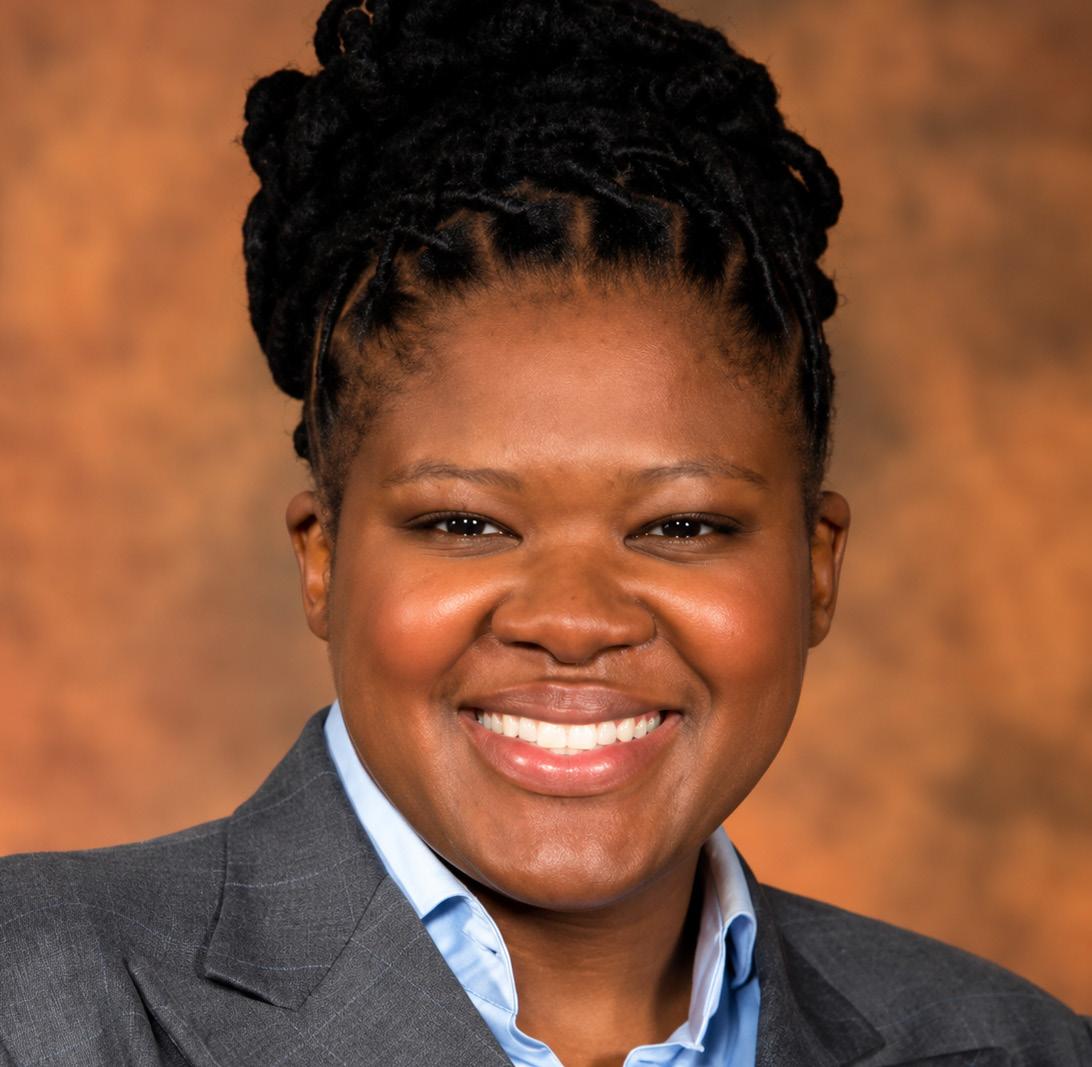
Nonceba Mhlauli, Deputy Minister in
The Presidency
Championing opportunities for South Africa’s youth
South Africa’s youth unemployment challenge remains one of the country’s most pressing socio-economic issues, demanding innovative leadership and collaborative action across government, business and civil society. At the forefront of this effort is Deputy Minister in The Presidency Nonceba Mhlauli, whose leadership of the Presidential Youth Employment Intervention (PYEI) has helped strengthen pathways that connect young people to work, entrepreneurship, skills development and economic participation. Through her commitment to expanding opportunities and fostering partnerships, Ms Mhlauli is helping shape a future where more young South Africans are equipped to build meaningful careers and contribute to the country’s growth.
Advocating for youth participation Appointed Deputy Minister in The Presidency in June 2024, Ms Mhlauli brought to the role a wealth of experience in public policy, strategic communications and youth development. Having previously served as a communications strategist and youth leader, she has consistently advocated for greater youth participation in decision-making and economic development.
One of Ms Mhlauli’s key responsibilities is overseeing the Presidential Youth Employment Intervention, the government’s flagship initiative aimed at tackling youth unemployment through coordinated action across multiple sectors. Rather than operating as a standalone programme, the PYEI serves as a national framework that brings together government departments, the private sector, educational institutions and civil society organisations to create sustainable pathways from learning to earning.
In June, Ms Mhlauli presented the fourth-quarter progress report on the PYEI, highlighting significant achievements made during the 2025/26 financial year. The report demonstrated the continued growth of South Africa’s
National Pathway Management Network, which connects young people with employment opportunities, training programmes, entrepreneurship support, and work-readiness initiatives. It underscored the government’s ongoing commitment to building a coordinated ecosystem that helps young people navigate the often-complex transition into the labour market.
Among the most notable achievements was the continued expansion of the SA Youth platform. More than 5.9 million young South Africans are now registered on SA Youth, while over 5.3 million have registered on the Employment Services of South Africa (ESSA) platform. Together, these systems enable young people to access employment opportunities, skills programmes and support services more efficiently while helping employers identify suitable candidates.
Ms Mhlauli said the PYEI is South Africa’s comprehensive strategy for addressing youth unemployment by creating practical pathways from education into economic participation. Rather than duplicating existing programmes, the intervention strengthens coordination across sectors, ensuring that resources, partnerships and opportunities reach young people more effectively.
Partnering to creating employment
The fourth-quarter report also highlighted the value of partnerships in delivering results at scale.
Ms Mhlauli has consistently emphasised that government alone cannot solve the youth unemployment challenge and has called for greater collaboration with business, non-profit organisations and educational institutions. This partnership-driven approach has become a defining feature of the PYEI, enabling innovative programmes to reach more young people while leveraging the expertise and resources of multiple stakeholders. One of the strongest examples of this collaborative
model is the Youth Employment Service (YES), which has become an important contributor to the broader PYEI ecosystem. Ms Mhlauli praised the initiative for creating more than 228 000 quality work opportunities for young South Africans through partnerships with over 2 000 sponsoring companies and thousands of host businesses.
Another important pillar of the intervention is the Revitalised National Youth Service, which combines paid service opportunities with practical skills development and work experience. During the Presidency’s 2026/27 Budget Vote debate, Ms Mhlauli announced that more than 132 000 young people had already participated in the programme, with a further 100 000 opportunities available through the SA Youth platform. By linking community service with employability, the programme enables participants to develop valuable workplace skills while making meaningful contributions to their communities.
Throughout her leadership, Ms Mhlauli has consistently advocated for a shift in how South Africa approaches youth employment. Rather than viewing young people simply as beneficiaries of government programmes, she has positioned them as active participants in economic growth, innovation and social development. This perspective recognises the immense potential of South Africa’s young population and the importance of investing in their capabilities to unlock long-term national prosperity.
As South Africa continues to pursue inclusive economic growth, initiatives such as the PYEI will remain critical to reducing unemployment and expanding opportunity. Under Ms Mhlauli’s stewardship, the programme continues to strengthen the systems, partnerships and platforms that enable young people to move from education into meaningful work.
BY JESSIE TAYLOR
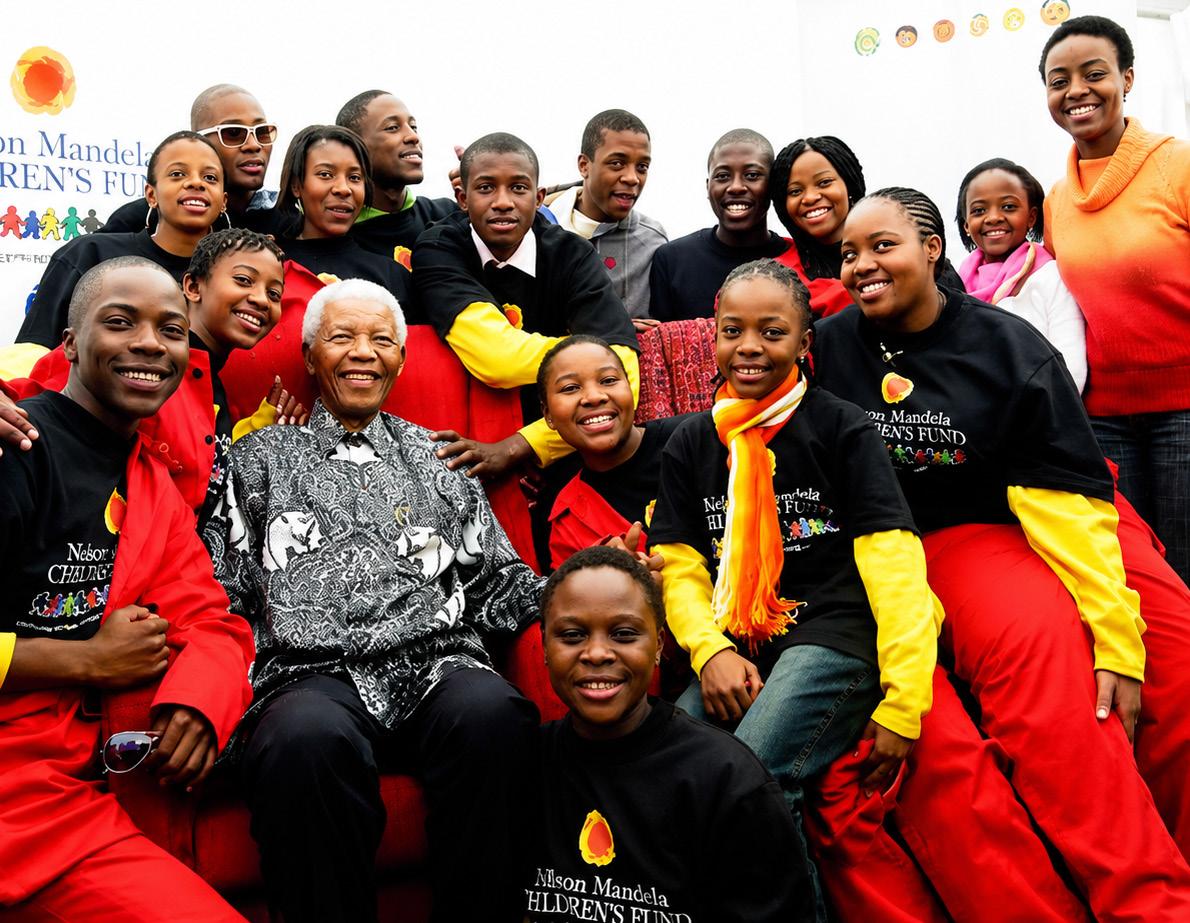
Thirty years of championing South Africa’s children
For three decades, the Nelson Mandela Children’s Fund (NMCF) has been guided by a simple but powerful belief: a nation is judged by how it treats its children.
Founded by President Nelson Mandela soon after South Africa’s first democratic elections, the Fund has spent the past 30 years advocating for children’s rights, amplifying young voices and helping create opportunities for children to
survive, thrive and reach their full potential. As the organisation celebrates this important milestone, it is not only reflecting on an extraordinary legacy, but also renewing its commitment to ensuring that every child has the opportunity to grow up in a safe, healthy and nurturing environment.
Child-focused advocacy
The establishment of the Fund reflected Madiba’s deeply held
conviction that children should be placed at the centre of South Africa’s development agenda. Shortly after becoming President, Mr Mandela pledged one-third of his presidential salary to support the organisation, signalling that investing in children was not simply charitable work but a national priority. Since then, the Fund has evolved into one of South Africa’s leading child-focused
organisations, working across advocacy, health, education, child protection and youth leadership to improve the lives of children throughout the country. Over the past three decades, the Fund has consistently promoted a rights-based approach to child development. Rather than focusing solely on service delivery, it has sought to influence policies, strengthen communities, and ensure that children’s voices are included in decisions that affect their lives.
One of the Fund’s most enduring achievements is the creation of the Nelson Mandela Children’s Hospital. Long before his passing, Madiba envisioned a world-class specialist paediatric hospital that would provide advanced healthcare to children across southern Africa. That vision became reality when the hospital opened its doors in Johannesburg in 2017. Today, it stands as one of the continent’s leading specialist children’s hospitals, providing highly specialised care in fields such as cardiology, oncology, neurology, nephrology, and intensive care.
Beyond healthcare, the Fund has invested heavily in programmes that strengthen families and communities. Its work addresses some of the most pressing challenges facing South Africa’s children, including violence, abuse, poverty, malnutrition and unequal access to education. Communitybased initiatives support parents and caregivers, improve child protection systems and promote safe environments where children can develop physically, emotionally and socially.
Through initiatives such as the Nelson Mandela Children’s Parliament and, more recently, the Africa Children’s Summit,
young people have been given meaningful platforms to share their perspectives on issues ranging from education and climate change to violence, digital inclusion and mental wellbeing. These initiatives recognise that children are not passive recipients of policy decisions but important contributors to shaping the future of their communities and the continent.
Children are not passive recipients of policy decisions but important contributors to shaping the future of their communities and the continent.
Shaping the future for South Africa’s children
The Fund’s 30th anniversary celebrations have focused not only on looking back but also on looking ahead. Speaking during the anniversary celebrations, Chief Executive Officer Dr Linda Ncube-Nkomo reflected on both the organisation’s achievements and the work that remains. While acknowledging important progress in child health, education and participation, she also noted that poverty, violence and inequality continue to affect far too many South African children. The anniversary has become an
Source:NelsonMandelaChildren’sFund | News24 | IOL | Bizcommunity
opportunity to renew national conversations about placing children at the heart of policy making and development.
Throughout its anniversary year, the Fund has also highlighted the importance of play, creativity and belonging in childhood. One of the flagship celebrations saw more than 200 children from diverse communities enjoy a day of learning, recreation and entertainment at Gold Reef City.
The organisation continues to adapt its work to emerging challenges. In recent years, it has expanded its focus to include children’s rights in the digital environment, recognising both the opportunities and risks presented by rapidly evolving technologies. The Fund has also contributed to discussions around artificial intelligence, online safety and digital inequality, ensuring that children’s rights remain protected as society becomes increasingly connected. At the same time, programmes addressing gender-based violence, mental health, early childhood development and youth leadership continue to evolve in response to changing social realities.
Thirty years after its establishment, the Nelson Mandela Children’s Fund remains deeply connected to Madiba’s enduring vision of a society where every child is valued, protected and empowered. Its work reminds South Africans that investing in children is not only a moral responsibility but also one of the most effective ways to build a more prosperous, inclusive and resilient nation.
BY JESSIE TAYLOR
Nelson Mandela Sporting Series carries Madiba’s legacy forward
Sport has long been recognised as a powerful force for bringing people together, transcending differences and inspiring positive change. Few people understood this better than Nelson Mandela, whose belief that “sport has the power to change the world” continues to resonate across South Africa and beyond.
Now, more than a decade after his passing, the Nelson Mandela Foundation is harnessing that enduring philosophy through the newly launched Nelson Mandela Legacy Sporting Series –an initiative that seeks to transform participation in sport into a catalyst for social impact, community development and active citizenship.
Encouraging active citizenship
Officially launched in Johannesburg in May, the Nelson Mandela Legacy Sporting Series unites four major sporting events under a single platform inspired by Madiba’s values of dignity, equality, justice and collective action. The series encourages South Africans to become active participants in building stronger communities while honouring the life and legacy of the country’s first democratically elected president.
The launch is particularly significant as it coincides with two important milestones in South Africa’s democratic journey. This year marks 27 years since Nelson Mandela established the Nelson Mandela Foundation and 27 years since he stepped down as President
after serving one term in office, mirroring the 27 years he spent imprisoned in the struggle for freedom. Against this symbolic backdrop, the sporting series extends the Foundation’s ongoing work of preserving Mandela’s legacy while encouraging practical action to address the social challenges that remain.
Rather than viewing sport purely as recreation or competition, the Foundation has positioned physical activity as a platform for
mobilising communities around shared values and meaningful social change. Participants are encouraged not only to walk, run, or cycle, but also to contribute to programmes that promote education, community upliftment, and social justice.
At the heart of the series is the belief that everyone can contribute, regardless of age or athletic ability. The Foundation has deliberately designed the events to be accessible
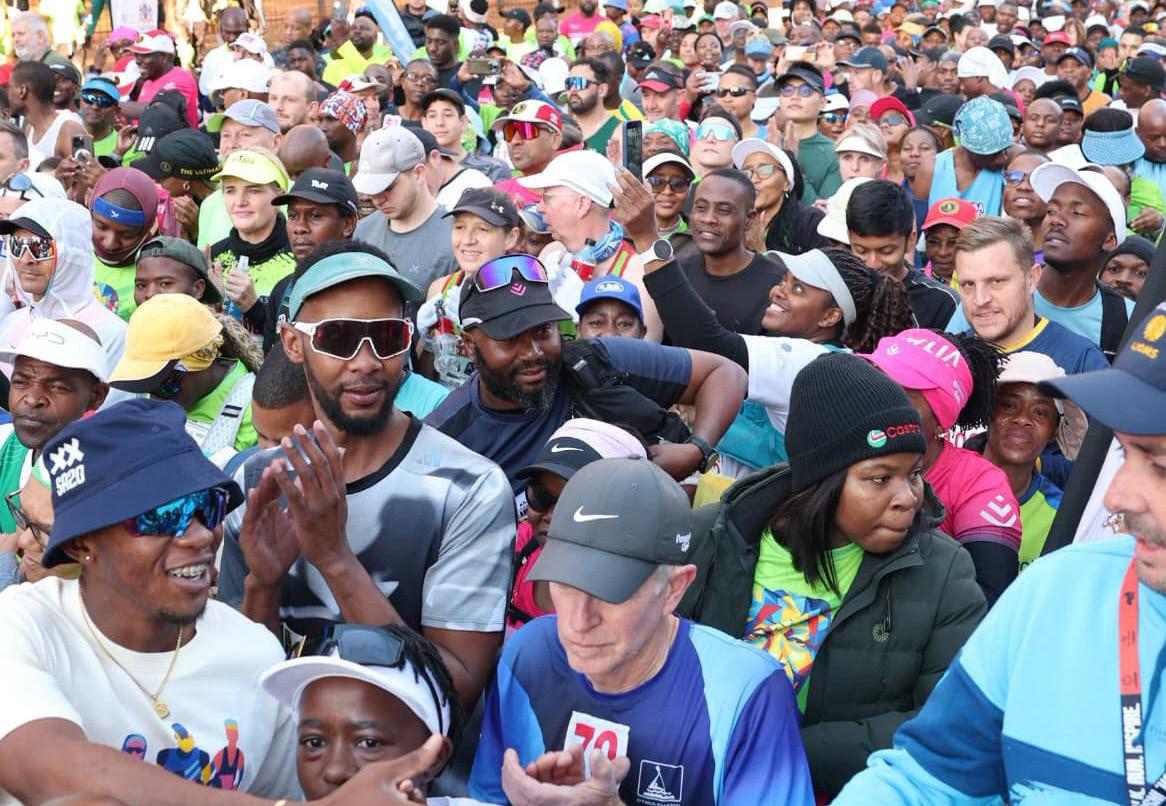
to seasoned athletes, casual participants, families and community groups alike. This inclusive approach reflects Mandela’s conviction that meaningful change is achieved when ordinary people work together in pursuit of a common purpose.
A series of sporting celebrations
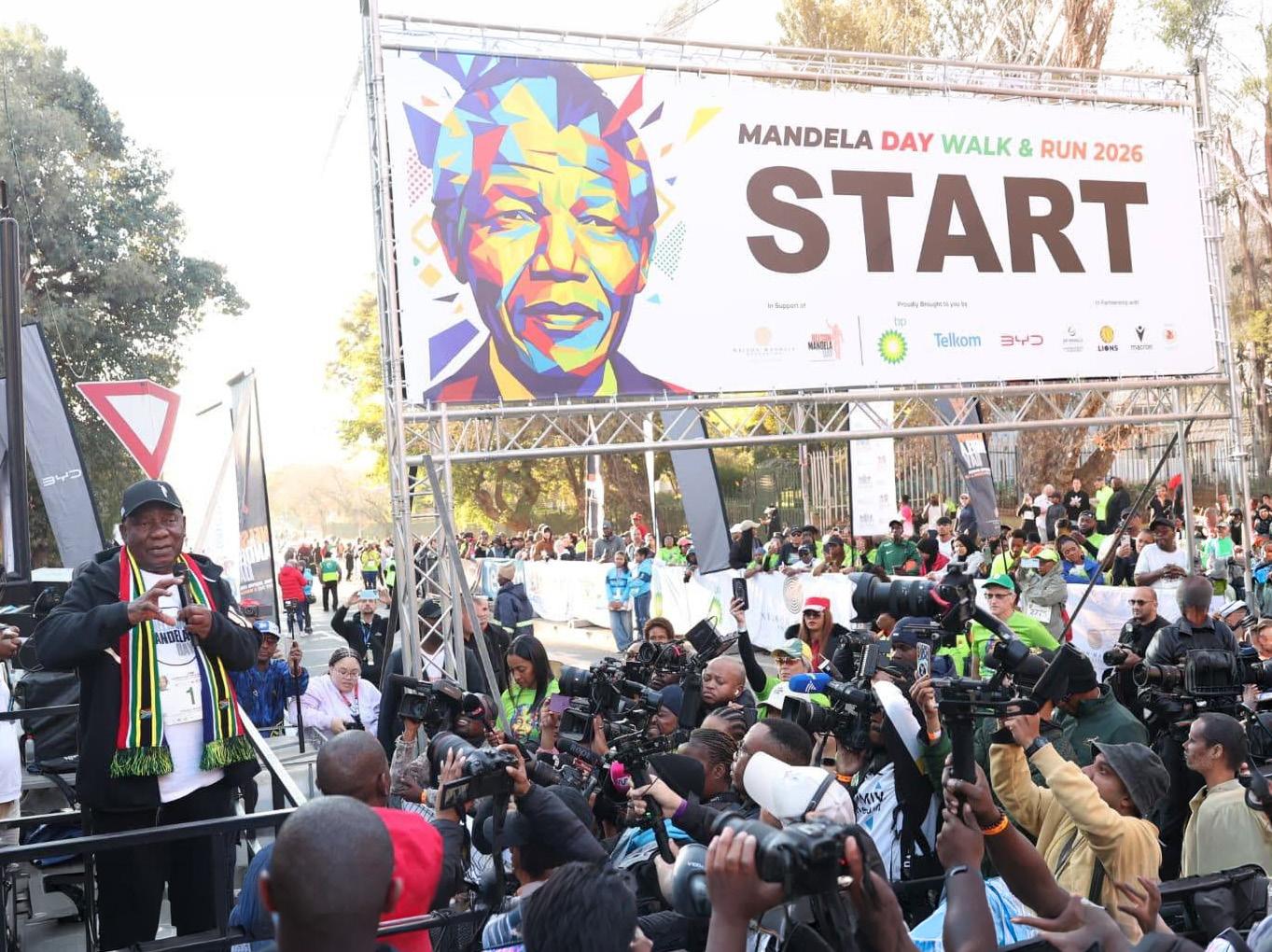
The first event in the series is the Mandela Day Walk & Run, taking place on 19 July at Johannesburg’s DP World Wanderers Stadium. Inspired by Mandela’s well-known daily walks through Houghton, the event offers a five-kilometre walk, a 10-kilometre race and a half-marathon, enabling participants of varying fitness levels to take part.
In September, attention turns to the Legacy Ride4Hope, a crossborder cycling initiative that begins in Maputo, Mozambique, before concluding at the Nelson Mandela Capture Site in Howick, KwaZulu-Natal. What initially focused on donating school uniforms has expanded into broader education support,
Source: Nelson Mandela Foundation | Cape Towner | Golazo
including the construction of more than 40 classrooms and, in 2026, the renovation of a school in Maputo. Perhaps the most exciting addition to the programme is the inaugural Nelson Mandela Marathon, which will take place in Cape Town in October. The marathon is being positioned as the world’s first values-based marathon centred on human rights.
The series concludes in December with the Nelson Mandela Remembrance Walk & Run in Tshwane, held to commemorate the anniversary of Mandela’s passing. Designed as both a memorial and a celebration of his enduring influence, the event creates a space for reflection while reinforcing the importance of carrying his values into everyday life. Walking and running together becomes a symbolic expression of unity, remembrance and shared responsibility for South Africa’s future.
Speaking at the launch, Nelson Mandela Foundation Chief Executive Dr Mbongiseni Buthelezi
described the initiative as far more than a collection of sporting events. Instead, he characterised it as a platform that brings together established initiatives while creating new opportunities for participation, solidarity and active citizenship.
Funds generated through the events will support programmes aligned with the Foundation’s mission to advance dialogue, social justice, education and community development. In this way, every registration, every kilometre completed and every partnership formed contributes to initiatives that seek to improve lives long after the finish line has been crossed.
The initiative also highlights the growing role of sport within South Africa’s broader development agenda. Sporting events stimulate local economies by attracting visitors, supporting hospitality businesses and creating temporary employment opportunities. At the same time, they promote healthier lifestyles, strengthen social cohesion and encourage volunteerism. By linking these economic and social benefits to community development projects, the Foundation has created a model that delivers value well beyond the sporting arena.
More than thirty years after South Africa’s democratic transition, Mandela’s vision of unity through shared purpose continues to inspire. The Nelson Mandela Legacy Sporting Series transforms that vision into practical action, inviting people from every community to walk, run and ride not simply for personal achievement, but for the collective good. n
BY JESSIE TAYLOR
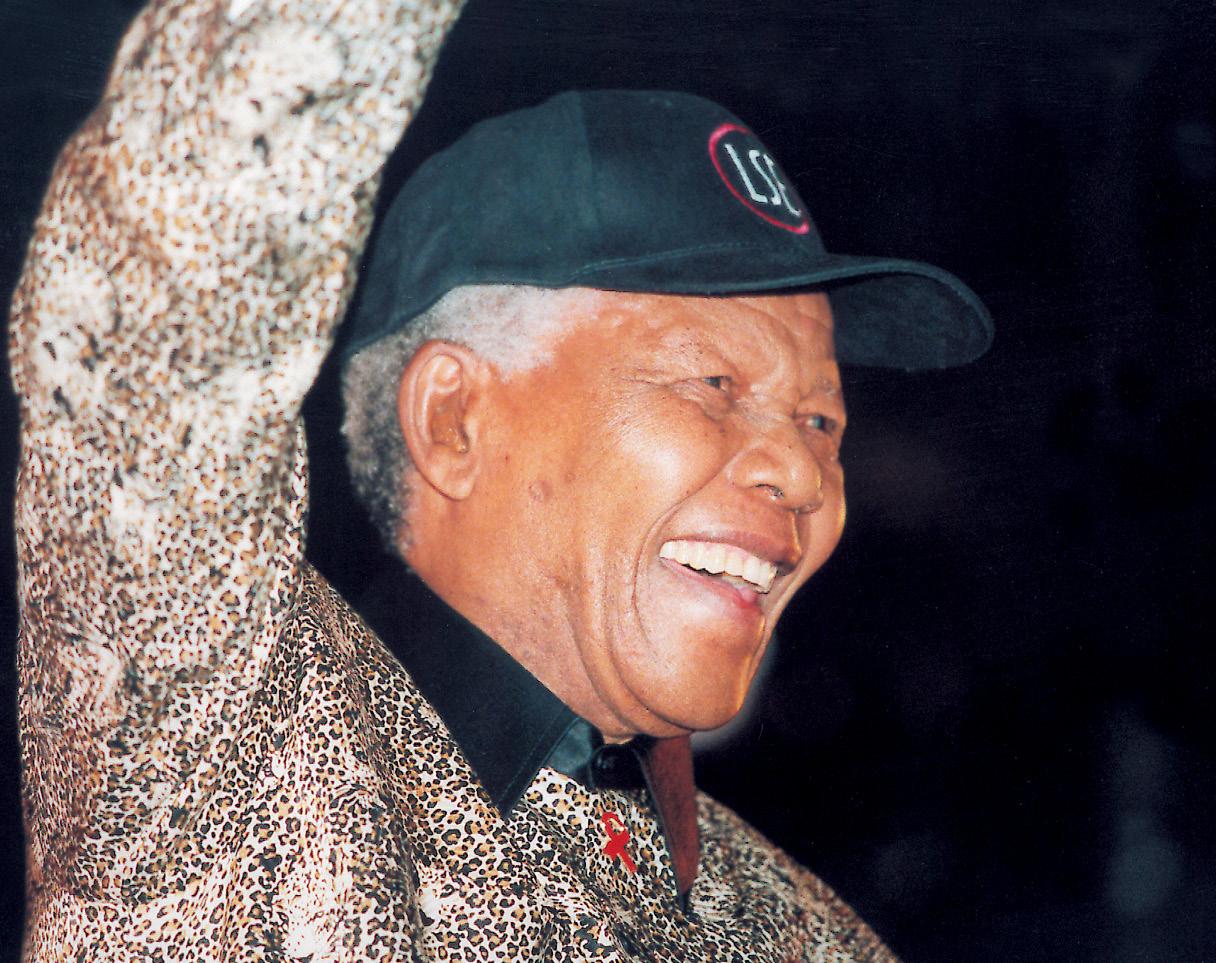
Mandela Day
Seven meaningful ways to celebrate Mandela Day this month
Every year on 18 July, South Africans and people around the world honour the life and legacy of former President Nelson Mandela by dedicating 67 minutes to making a positive difference. The annual observance commemorates the 67 years Madiba spent fighting for freedom, equality and social justice, while
reminding us that everyone has the power to create change through small acts of kindness and service.
This year’s Mandela Day theme, “It’s still in our hands to combat poverty and inequality,”encourages citizens, businesses and public institutions to turn compassion into
action throughout the month of July, not only on Mandela Day itself.
Whether you are looking to volunteer, learn more about South Africa’s history or simply give back to your community, there are many meaningful ways to celebrate Mandela Day.
MANDELA DAY
1
Volunteer your 67 minutes
The most recognised way to celebrate Mandela Day is by giving 67 minutes of your time in service of others. Volunteer opportunities range from packing food parcels and serving meals to painting schools, cleaning community facilities, reading to children or helping with environmental clean-up projects. Organisations across the country host structured volunteer events during July, making it easy for individuals, families and corporate teams to participate. Even a simple act, such as helping a neighbour, donating groceries, or spending time at a local shelter, reflects the spirit of Mandela Day.
2
Join a Mandela Day community event
Many organisations organise large-scale Mandela Day initiatives that combine volunteering, team-building, and community engagement. Events hosted by organisations such as Ladles of Love, FoodForward SA, and other non-profit organisations bring together thousands of volunteers to prepare food, assemble care packages, and support vulnerable communities. Participating in these organised activities is an excellent way to make a tangible impact while connecting with others who share a commitment to active citizenship. Many events welcome individuals as well as corporate and government teams.
3
Visit South Africa’s Mandela heritage sites
July is an ideal time to explore the places that shaped Nelson Mandela’s life and South Africa’s democratic journey. A visit to the Nelson Mandela House in Soweto offers an intimate glimpse into the home where Mandela lived before his imprisonment. Other meaningful destinations include Constitution Hill, the Apartheid Museum, the Nelson Mandela Capture Site, and Robben Island Museum. These sites preserve South Africa’s history while encouraging reflection on the values of democracy, justice and reconciliation.
4
Support a local charity
Making a financial or in-kind donation is another meaningful way to honour Mandela’s legacy. Food banks, children’s homes, animal welfare organisations, literacy programmes and community development organisations all rely on public support to continue their work. Donations do not have to be large to make a difference. School stationery, blankets, non-perishable food, toiletries and winter clothing remain among the most-needed items during the winter months. Many organisations also welcome skilled volunteers who can offer professional expertise in areas such as finance, legal services, communications or mentoring.
BY JESSIE TAYLOR
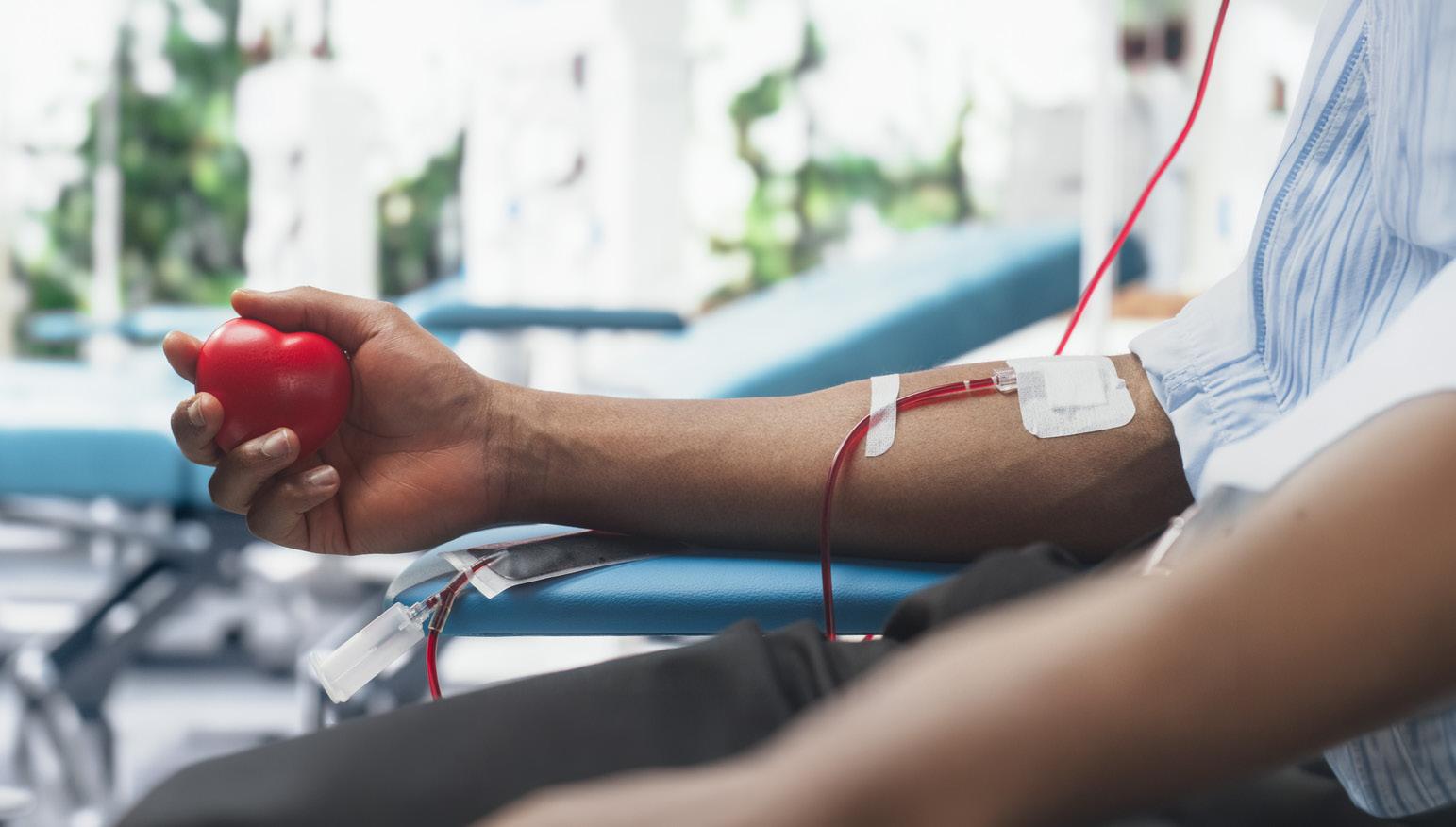
Donate blood and help save lives
One of the simplest ways to make a lasting impact is by donating blood. A single blood donation can help save multiple lives, making it a fitting way to honour Mandela’s lifelong commitment to serving others. The winter months often place additional pressure on national blood supplies, making Mandela Day an important opportunity for eligible donors to contribute. Blood donation takes less than an hour and provides a practical way to support South Africa’s healthcare system while giving back to your community.
Take part in the Mandela Day Walk & Run
If you’re looking to combine healthy living with community participation, consider joining the Mandela Day Walk & Run. Part of the newly launched Nelson Mandela Legacy Sporting Series, the event welcomes walkers, runners and families of all fitness levels. Inspired by Mandela’s daily walks, the event encourages participants to celebrate his legacy while supporting initiatives that advance education, social justice and community development. It demonstrates how sport can become a platform for nation-building and active citizenship.

Inspire the next generation
Mandela believed that education is one of the most powerful tools for changing the world. July provides an excellent opportunity to share his story with young people through books, documentaries, museum visits or conversations about South Africa’s democratic history. Schools, libraries and community organisations often host Mandela Month activities that encourage reading, dialogue and civic participation. Helping young people understand Mandela’s values of compassion, integrity and public service ensures that his legacy continues to inspire future generations.
Mandela Day is ultimately about recognising that meaningful change begins with ordinary people choosing to make a difference. Whether through volunteering, supporting a local charity, visiting a heritage site, or participating in a community event, every act of kindness contributes to building a stronger, more inclusive South Africa.

AI will not replace universities, but it will redefine higher education leadership
The strategic imperative for institutional reinvention in the age of Artificial Intelligence
Artificial Intelligence is no longer a distant technological possibility being discussed in boardrooms and research laboratories. It is already reshaping the global higher education landscape in profound and irreversible ways. Across the world, universities are integrating AI into teaching, learning, research, student support, governance and operational systems. From intelligent tutoring systems and predictive analytics to AI enabled assessment tools and personalised learning platforms, higher education institutions are rapidly entering a new era of digital transformation.
Yet amid the growing excitement surrounding AI, one uncomfortable reality is becoming increasingly clear. AI itself is not the greatest threat facing universities. The greater threat lies in institutional resistance to change, outdated leadership models and the inability of institutions to strategically reinvent themselves in response to rapidly evolving educational, technological and societal realities.
The universities that will thrive in the future will not necessarily be those with the oldest traditions, the largest campuses or the strongest historical reputations. They will
be the institutions led by visionary leaders who understand that the AI era requires a fundamental rethinking of what higher education is as well as how learning happens. Artificial intelligence is set to redefine higher education leadership itself.
Artificial Intelligence should not be viewed merely as another digital innovation to be adopted but as a catalyst for institutional transformation. Much like the internet fundamentally reshaped teaching, learning, research and knowledge dissemination, AI is compelling higher education institutions to rethink governance models,
TECH
THULANI DUBE
organisational structures, academic delivery and research ecosystems. The institutions that emerge as leaders over the next decade will be those that recognise AI not as a technology project but as a strategic institutional capability that informs decision making as well as organisational management.
AI driven systems are transforming teaching and learning by enabling adaptive learning pathways, personalised educational experiences, real time student feedback and intelligent virtual assistance. These developments are challenging long standing assumptions about the role of educators as well as the purpose of assessments. Universities can no longer rely on rigid academic systems designed for industrial era learning environments while expecting to remain competitive in a knowledge economy shaped by intelligent technologies and continuous innovation.
Implementing AI in South African higher education institutions This challenge is particularly significant within the South African higher education context where institutions are simultaneously navigating issues of inequality, access, employability, digital infrastructure, transformation and global competitiveness. When it comes to AI implementation in South African higher education institutions, universities are increasingly under pressure to integrate emerging AI tools such as ChatGPT and other generative AI systems into the educational ecosystem while still addressing historical structural inequalities and resource limitations.
South African higher education institutions have already begun responding to this transformation in various ways from AI driven
transformation, embedding artificial intelligence, digital innovation and entrepreneurship within their institutional strategy. These initiatives aim to go beyond just interdisciplinary programmes in Artificial Intelligence, Blockchain Technology and Digital Transformation. Institutions such as the University of Johannesburg are striving to strengthen innovation ecosystems that translate research into societal and economic impact. Meanwhile, the University of South Africa has expanded digital learning ecosystems and strategic partnerships to strengthen open and distance learning models capable of serving large student populations within increasingly digital environments.
South African universities are demonstrating that meaningful AI transformation extends far beyond introducing new technologies into classrooms. Increasingly, institutions are positioning themselves as national innovation partners, policy contributors and conveners of dialogue on the ethical and societal implications of AI.
The University of Johannesburg has emerged as one of the country’s leading conveners of national AI discourse. Its recent Executive Roundtable on Artificial Intelligence, policy, ethics and innovation brought together leaders from government, industry, academia and regulatory bodies to explore how South Africa can responsibly harness AI for inclusive economic growth, ethical governance and economic transformation. Significantly, the dialogue reinforced that AI leadership is no longer solely the responsibility of computer scientists or technology specialists. It has become a strategic imperative for executive leadership, institutional governance and public policy.
The roundtable identified six interconnected priorities that should shape South Africa’s AI future. It set a focus on capacity and talent development, AI for inclusive growth and job creation, responsible governance, ethical and inclusive AI, cultural preservation and AI sovereignty as well as human centred deployment. These themes provide a practical framework for higher education institutions seeking to develop AI strategies that balance innovation with accountability and technological advancement with social responsibility.
The University of Pretoria continues advancing AI applications in agriculture, veterinary sciences and engineering through interdisciplinary research addressing food security and sustainable development. Stellenbosch University is strengthening digital learning ecosystems while expanding research into responsible AI, digital transformation and educational innovation. These initiatives, that are but a few examples, demonstrate that South African higher education institutions are increasingly positioning themselves not merely as adopters of AI technologies but as architects of the country’s digital future.
Similarly, University of the Witwatersrand has strengthened AI research and innovation through the Wits MIND Institute which focuses on machine intelligence, ethical AI governance, interdisciplinary AI research and African centered approaches to AI development. These examples demonstrate that AI transformation in higher education is no longer theoretical. It is already shaping institutional strategy, curriculum development, research priorities and importantly leadership agendas.
Leadership in the AI era: The need for deeper institutional reinvention However, while many institutions are adopting digital tools, far fewer are undertaking the deeper institutional reinvention required for long term sustainability in the AI era. This is where leadership becomes critical. Leadership in the AI era is no longer measured by an institution’s ability to digitise existing processes. Rather, it is measured by its capacity to cultivate institutional resilience, foster innovation ecosystems while creating organisational cultures capable of continuous adaptation. Executive leaders must become architects of transformation rather than custodians of legacy systems.
This represents a profound shift in leadership philosophy. Universities have traditionally excelled at preserving knowledge and institutional continuity. However, future success will increasingly depend upon leaders who can balance academic tradition with strategic experimentation thereby ensuring institutions remain globally competitive while remaining deeply connected to their societal purpose.
For decades, universities operated within relatively stable systems where institutional structures, curriculum models and academic delivery methods changed extremely slowly over time. AI has disrupted that stability. Students now have immediate access to information, AI generated explanations, personalised tutoring systems and digital learning support at unprecedented scale.
Employers increasingly prioritise adaptability, creativity, problem solving and AI fluency rather than
traditional credential accumulation alone. The result is that universities are no longer competing only against one another. They are competing against alternative learning ecosystems, EdTech platforms, workplace based learning models and AI enabled knowledge systems. This changing environment demands more than incremental adaptation. It requires strategic reinvention and repositioning. Leaders of institutions of higher learning must become systems thinkers capable of navigating the complexity of AI transformation while avoiding policy traps and institutional stagnation. Leaders can no longer treat AI as a standalone technology initiative delegated to IT departments or innovation units. AI transformation must become integrated into institutional governance, strategic planning, curriculum reform, student success frameworks as well as organisational culture.The challenge is not simply technological adoption. The challenge is institutional agility.
Universities have often functioned as guardians of established knowledge systems and conservative academic structures. While this historical role has preserved intellectual integrity and academic rigor, it has also created institutional rigidity that can slow transformation efforts during periods of rapid technological change.
Redefining the role of educators
The AI era requires university leadership to rethink longstanding assumptions about learning, assessment and institutional relevance. Traditional assessment methods are increasingly being disrupted by generative AI systems capable of producing essays, solving problems, generating code and
assisting with research tasks. As a result, universities must move away from education models centered primarily on information reproduction and memorisation.
Academic institutions must prioritise the development of deeply human competencies such as critical thinking, ethical reasoning, creativity, adaptability, complex real time problem solving and collaboration. These are the competencies that AI cannot easily replicate and the skills most likely to remain valuable in an AI augmented economy. This shift will also fundamentally change the role of educators. Educators must therefore evolve with the changing times to become facilitators of enquiry, mentors of intellectual development, designers of authentic learning experiences and most importantly guides for ethical and responsible AI use.
Contemporary scholarship on responsible Artificial Intelligence emphasises that higher education institutions must move beyond developing technical AI competencies alone. Future graduates must also acquire the ethical reasoning that will form a foundation for governance literacy and critical analytical capabilities necessary to understand the broader societal implications of AI.
Leaders in academia must ensure that institutions do not merely produce graduates who can use AI tools, but graduates capable of critically engaging with AI systems in ways that are ethical, socially responsible and aligned with human values.
This responsibility becomes particularly important within African contexts where questions of inclusion, digital inequality, data governance
THULANI DUBE
and technological dependency or lack thereof remain highly relevant. For Africa, this means universities must continue to emphasise the importance of ensuring that AI adoption addresses local realities rather than simply importing external technological models into African educational systems. Higher education leaders therefore face a dual responsibility. They must ensure their institutions remain globally competitive while simultaneously ensuring that AI transformation remains locally relevant, ethically grounded and socially inclusive.
Within Africa, this transformation carries an additional responsibility. Higher education institutions must ensure that AI development reflects African languages, cultures, knowledge systems and developmental priorities. AI sovereignty must therefore be prioritised. Higher education institutions therefore have a critical role to play in shaping AI that is locally relevant while remaining globally competitive.The future ready university leader must become technologically informed, ethically grounded, strategically agile and deeply human centered. Importantly, AI transformation also demands cultural transformation.
One of the greatest barriers to institutional reinvention is not technology itself, but organisational resistance to change. Faculty concerns about job displacement, academic integrity, workload changes and pedagogical uncertainty are legitimate and must be addressed through inclusive leadership approaches. Leaders must therefore position faculty readiness and professional development as critical factors in successful AI adoption within
higher education institutions. This means that institutional leaders must actively cultivate cultures of innovation and continuous learning. Universities cannot expect staff to embrace transformation if institutions fail to provide the support, resources and strategic clarity required to navigate change effectively. There must be an intentional shift from compliance driven leadership towards adaptive and collaborative transformation leadership.
At the same time, leaders must also confront the ethical and governance implications of AI adoption. The higher education environment must build trustworthy AI ecosystems by stressing the importance of transparency, accountability, fairness, privacy and ensuring human oversight within AI systems.
The role of governance as a strategic imperative
As universities increasingly integrate AI into admissions, student support, assessment and institutional decision making, robust governance is no longer optional. It is a strategic imperative. Higher education leaders must establish proactive frameworks that ensure ethical AI use, data privacy, transparency, accountability and institution wide AI literacy. In the AI era, effective governance requires Boards, Senates and executive leadership teams to view AI literacy as a core leadership competency to ensure innovation advances, institutional integrity, public trust and importantly student success.
The future of higher education will ultimately not be determined by technology alone. It will be determined by the quality of leadership guiding institutions through this transformation. The
universities that succeed in the AI era will not necessarily be those with the most advanced technologies. They will be the institutions capable of preserving the deeply human purpose of education while embracing the opportunities of intelligent technologies. Education has never simply been about information transfer. It has always been about human development. AI may reshape how learning occurs, but it cannot replace the human need for meaning, mentorship, critical reflection and social connection.
The AI era is not signaling the end of universities. It is signaling the end of outdated institutional models and leadership approaches that are no longer sufficient for a rapidly changing world. Universities that embrace strategic reinvention and repositioning will define the future of higher education itself.
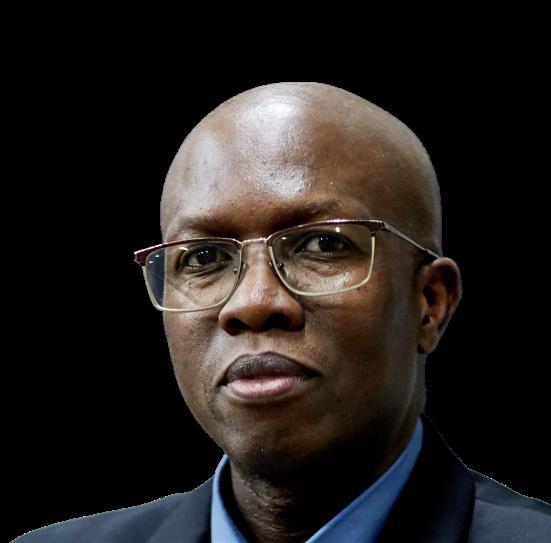
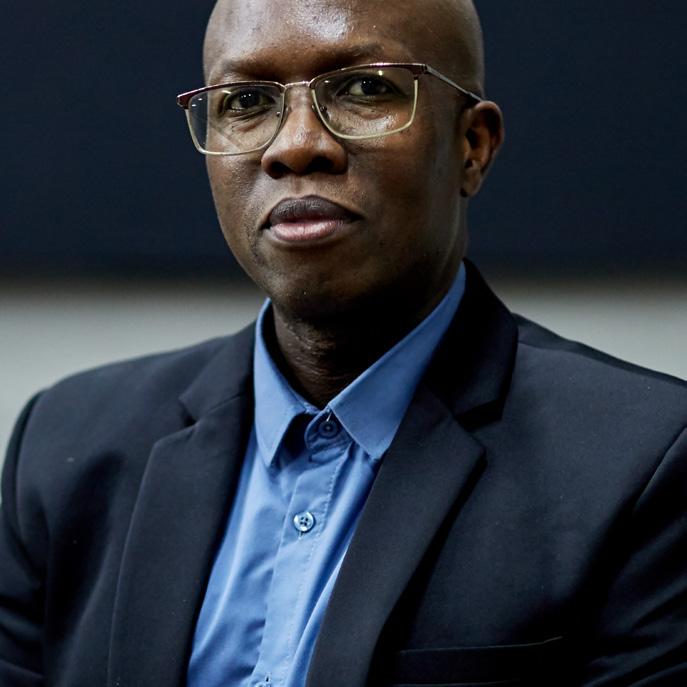
Thulani Dube, Head of Innovation and Advancement, Cornerstone Institute
BY WANDILE SIHLOBO

Will El Niño drought hit food prices in South Africa? Earlier rains and grain stocks offer hope
The likely impact of the expected El Niño on South Africa’s agriculture and food prices in 2027 is a major point of discussion among analysts and economists in the country.
By mid-2026, weather forecasts were signalling that the world was heading towards a severe El Niño. The El Niño
weather phenomenon tends to have varying impacts on the many regions of the world. For southern Africa, it typically presents drought, which is negative for agricultural production. The arrival of the likely drought is due to coincide with South Africa’s 2026-27 summer crop season. In my work as an agricultural economist and visiting
various farming regions across South Africa, I believe that in examining the likely impact of this El Niño on crop production and, subsequently, on consumer food price inflation, two major factors need to be considered. First, unlike in the most recent droughts, South Africa will enter the 2026-27 summer crop season with
higher soil moisture, because there were excessive rains in the 2025-26 season which lasted far longer than usual. South Africa received rains through to May 2026, which is unusual; the summer rains typically end around March. The rains improved the water levels in the dams for irrigation, and also the soil moisture and water tables. This places the country in a better position ahead of the 2026-27 crop season.
Second, South Africa has ample grain supplies, and carries over a high stock of grain, which may soften some of the drought impact on food prices and therefore inflation.
Food is an important component of South Africa’s inflation basket, with a weighting of about 16.8%. A rise in food price inflation therefore tends to influence the overall inflation trend. Still, it’s likely that 2027 may not be the same as previous droughts that led to a notable increase in food price inflation, and then the headline (overall) inflation figure.
The impact of previous droughts South Africa’s staple grain is maize. In past drought events, South Africa saw notable losses in maize production, and a broader impact on other agricultural activities. For example, one of the most memorable droughts in South Africa occurred in the 2014-15 and 2015-16 seasons. The maize harvest in that period fell to around 8.9 million tonnes on average. (For comparison, at the current 2025-26 season, South Africa is expecting a maize harvest of 17.3 million tonnes.)
South Africa’s annual maize consumption is about 12.0 million tonnes, and a smaller harvest meant the country had to import. This led to a surge in food price inflation, which averaged 10.8% in 2016. (It averaged 3.2% in the first five months of 2026.)
The impact was not only on maize, but across the field crops: maize, wheat, soybeans, sunflower seed and sugarcane, among others. Roughly 20% of South Africa’s field crops are under irrigation, with the rest rainfed. All production of fruits and vegetables is under irrigation, and will benefit from the higher water levels in dams this year.
This time, things are different.
What’s different this time
First, South Africa has benefited from a prolonged La Niña, a weather pattern which makes the region wetter. This has supported the agricultural sector over the past few years. The rains place farming in a better position ahead of the 2026-27 season.
In the 2024-25 season, the summer rains continued through April 2025; they normally end in March. In the 2025-26 season, they went on to May 2026.
Ordinarily, such long rainfall periods would raise concerns about crop quality. But in the areas that harvested the 2025-26 crops, the country hasn’t seen many quality issues. In fact, the Crop Estimates Committee’s latest projections were revised higher and still point to a record summer crop harvest for 2025-26.
The longer rainfall season improved soil moisture and the water table. The planting period starts in October 2026. There may be sufficient soil moisture to support seed germination and crop development even as El Niño conditions likely result in below-normal rainfall. That said, the timing of the rain is what will matter most for crop development. In the irrigation areas, such as the fruit and vegetable growing regions, the La Niña rains over the past few years have improved dam water levels and the overall water table.
Field crops will depend mostly on available soil moisture and the timing of showers going into the 2026-27 season. For the livestock industry, grazing across the country is in a fair condition, having benefited from the longer rainy periods. The improved water table will continue to support pastures.
The second key factor is that South Africa has its largest-ever summer grain and oilseed crop in the 2025-26 season. The Crop Estimates Committee places the 2025-26 summer crop at a record 21.49 million tonnes, 5% up year-on-year. Notably, zooming in on the major grains, the 2025-26 maize production estimate is 17.25 million tonnes, up 4% from last season, and the largest harvest on record. This ample grain harvest adds to large carryover stocks from the previous season.
The path ahead is better
The drought that’s being forecast is not ideal and may impose costs on farmers. But any upcoming drought shouldn’t be viewed in the same way as previous dry spells. There are clear factors here that may shape this upcoming season better than the last droughts.

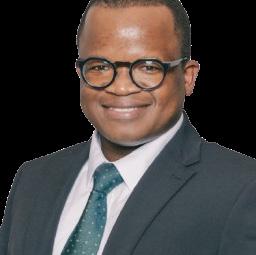
Wandile Sihlobo is the Presidential Envoy on Agriculture and Land. He is also the chief economist of the Agricultural Business Chamber of South Africa, and a senior research fellow in the Department of Agricultural Economics at Stellenbosch University.
BY KOKETSO MAMABOLO
The 9th Southern African Customs Union Summit
There are not many institutions that have survived the test of time the way the Southern African Customs Union (SACU) has with its history dating back to colonial times in the late 19th century. As President Cyril Ramaphosa said in his opening remarks at the SACU’s 9th Summit of Heads of State and Government, “SACU has lived through empire, two world wars, the Great Depression, the struggle against colonialism, and apartheid, the birth of independent African states and the transformation of our own region.”
The world’s oldest customs union has evolved with the times and is a far cry from the 1910 agreement which saw South Africa, the dominant economy, solely responsible for tariff management, and revenue administration and distribution.
The 2002 agreement instituted joint decision-making and a common negotiation mechanism between member states and third parties. The members – South Africa, Botswana, Namibia, Lesotho, and the Kingdom of Eswatini – form a single customs territory where goods move freely without tariffs and other barriers.
Imports from third parties are subject to a Common External Tariff (CET) and member states coordinate excise and customs policy. The revenue collected from excise and customs duties is shared
among the member states in a system which sees the net importing ‘beln’ countries –Botswana, Eswatini, Lesotho, and Namibia – taking a higher share of the revenue.
In the 2022/23 financial year, trade between the member states increased by 14.9% from the previous year to R271.3-billion. The 2024/25 financial year saw R171.2-billion being distributed among member states, another
increase, but geopolitical tensions and a volatile global trade relationships will likely see a drop for 2025/26.
The Summit
The 9th summit of the SACU’s Heads of State and Government took place in June in Cape Town where officials received an update on the implementation of the 2022 - 2027 strategic plan which sets out five priorities:
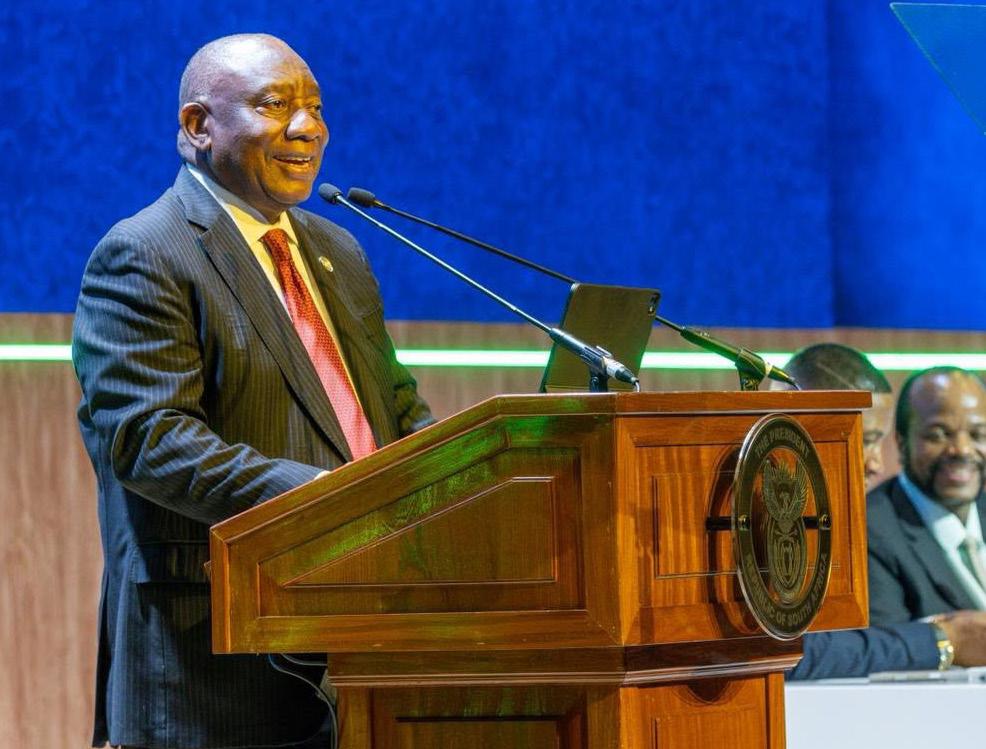
His Excellency, President Cyril Ramaphosa, delivering the opening address
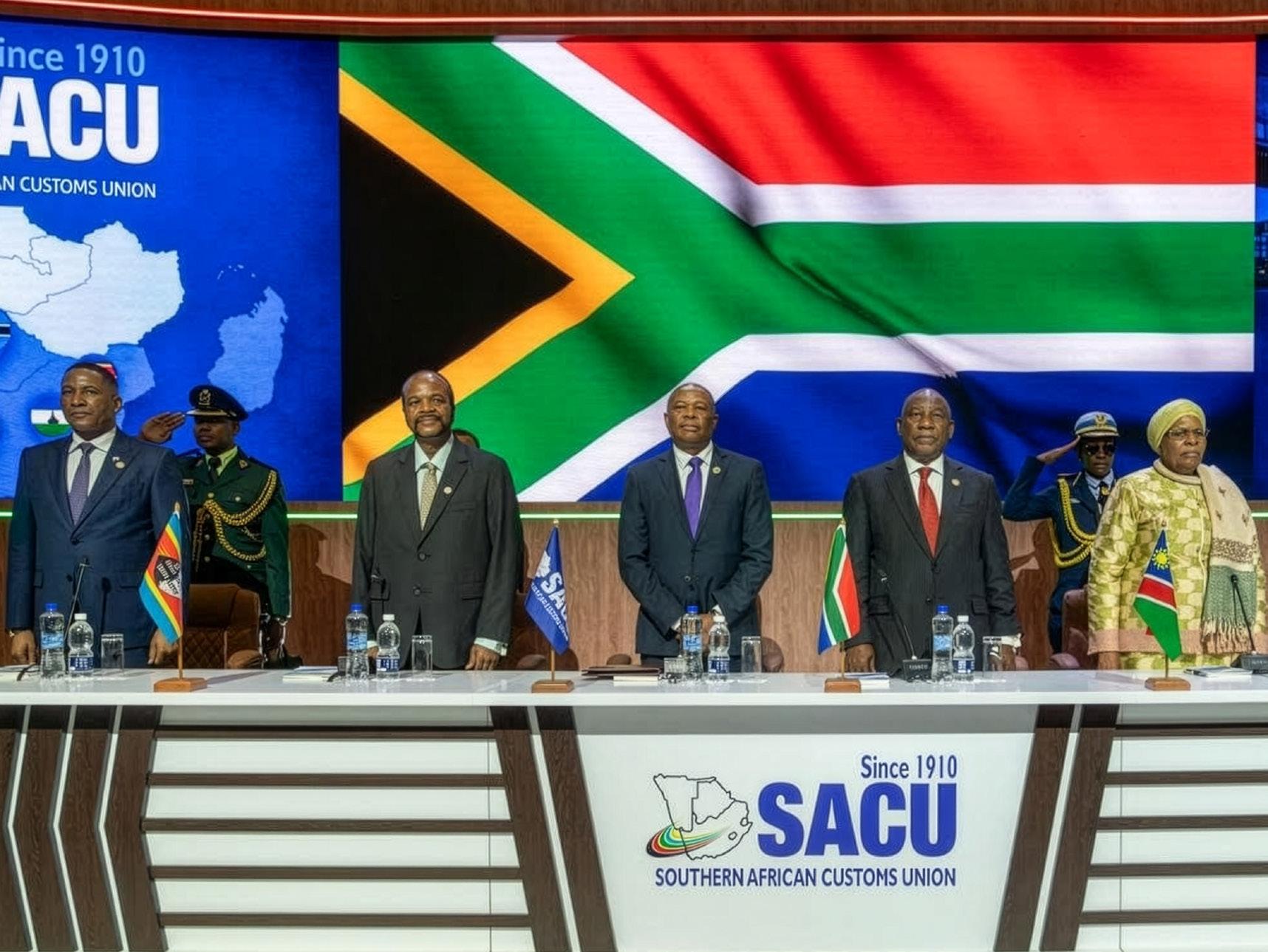
• Industrialisation, export and investment promotion
• Trade facilitation and logistics
• Implementation and leveraging of AfCFTA opportunities
• Trade relations/unified engagement with third parties
• Finance and resource mobilisation
While the member states rotate the chairmanship of the SACU, the Council, Commission, and the Secretariat are behind much of the SACU’s work. The Council consists of the member state’s Ministers of Finance, and Trade & Industry, who give policy direction, make decisions, approve revenue shares and set negotiation mandates between the SACU and third parties.
The Commission is responsible for implementing the 2002 agreement and Council decisions, and overseeing the Common Revenue Pool (CRP). It consists of member states’
permanent secretaries, directorgenerals, and other officials of equivalent rank. The day-to-day operations and record-keeping of CRP transactions is done by the Secretariat, which also assists in negotiations with third parties.
This year’s summit saw member states deliberating over the “the rise of protectionism and unilateralism” saying in its communiqué following the summit that the “economic ramifications of these developments include disruptions in supply chains, elevated energy and food prices, and a subdued global growth outlook.”
But the story is not all bad, as President Cyril Ramaphosa noted in his opening remarks:
“The SACU economies have, however, proved resilient against external shocks, supported by stronger regional integration, the diversification of export destinations and effective risk-mitigation measures. It is through regional integration
that our regime will continue to strengthen economic sovereignty.” This does not mean that the SACU is aware of the importance of solid agreements with the rest of the world, particularly with the US, whose decision to extend AGOA was commended by the SACU which called for a 15-year extension of the programme.
The Summit approved a R5billion “fund for funds” which will support development projects in the region and acknowledged that industrialisation, export and investment promotion are key to the long-term growth and relevance of the SACU. In the economic climate the SACU finds itself in, what is needed is what President Ramaphosa referred to as a “reimagined” SACU.
“It is time to move away from the traditional role of SACU as a customs arrangement and towards being the premier platform for regional economic resilience and self-reliance,” said President Ramaphosa. “This is essential because institutions ultimately become custodians of the past rather than architects of the future.”
“In the end let history record that this generation of African leaders transformed the world’s oldest customs union into one of its most dynamic engines of regional development.”
Source: SACU | The Presidency
9th Summit of SACU: Heads of State and Government
BY SHUMIRAI CHIMOMBE
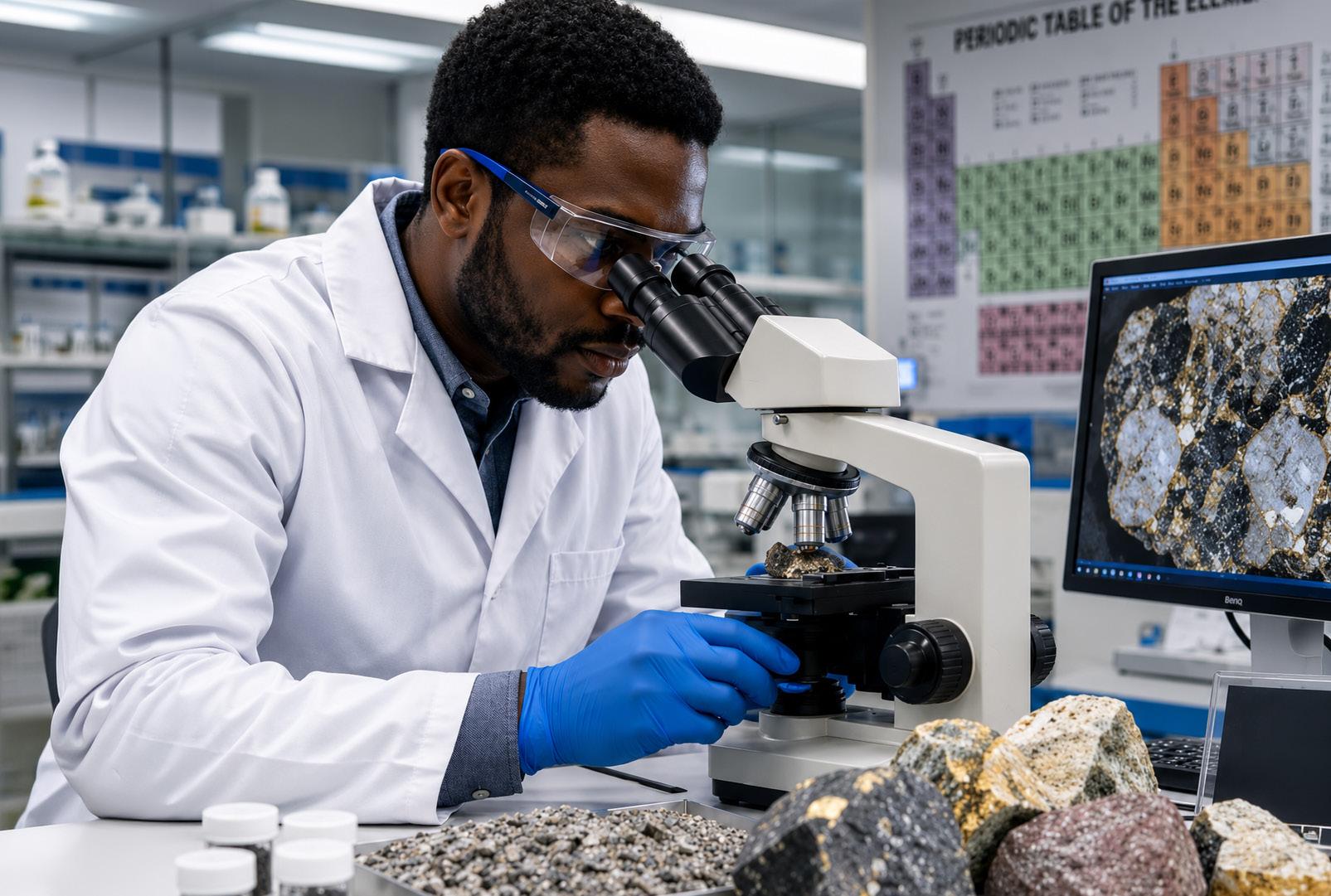
A major technological breakthrough for South Africa in rare earth beneficiation
Steenkampskraal Monazite Mine (SMM) and Mintek, South Africa’s national mineral research organisation, together with the South African Nuclear Energy Corporation (Necsa) have announced a landmark achievement in the country’s critical minerals sector: the successful production of high-purity mixed rare earth products at Mintek’s laboratory facilities.
According to Mintek, the successful production of high-purity mixed rare earth products represents a significant milestone, supplying critical feedstock for global megatrends in the energy transition, digital technologies, and advanced medical applications.
This groundbreaking milestone, achieved through a longstanding collaboration between Steenkampskraal and Mintek, has
positioned South Africa as the first African country to accomplish this through a partnership between a mining company and a national research institution.
Located in Western Cape, Steenkampskraal has the highest concentration of rare earth elements (REEs) and thorium in the world. REEs are a group of 17 chemically similar metals that are critical for producing many
advanced technologies. Contrary to their name, REEs are relatively abundant but they are rarely found in concentrations that can be economically extracted. Thorium is a naturally-occurring, slightly radioactive metal, which is gaining global attention as a potential nuclear fuel source due to its abundance and improved safety characteristics.
The mine contains significant deposits of monazite, a mineral rich in REEs that are essential for various industries including advanced electronics, digital applications, renewable energy, electric vehicles, wind turbines, and defence tech.
In a joint statement on 23 June, the three organisations indicated that this breakthrough has created the foundation to begin commercial production of rare earth products in South Africa before the end of 2026.
Dr Enock Mathebula, Executive Chairman and shareholder of Steenkampskraal said this victory demonstrates the country’s ability to develop world-class technologies, create local beneficiation opportunities, and participate meaningfully in global critical mineral supply chains.
Speaking at the celebratory event and site visit at the mine, Dr Mathebula said: “Today we mark another important milestone in our journey to position Steenkampskraal as a strategic contributor to South Africa’s industrial growth. This achievement that we are celebrating today is the result of true collaborations between mines and scientists, industry and regulators and South Africans working together.”
Dr Molefi Motuku, CEO of Mintek indicated that this milestone is a powerful demonstration of what South Africa can achieve when our
research institutions and industry partners unite around a shared vision of value addition and local beneficiation.
“Mintek’s expertise, combined with Steenkampskraal’s world-class resource, has proven that South Africa possesses not only the minerals but also the scientific capability to compete globally
South Africa
possesses not only the minerals but also the scientific capability to compete globally.
— Dr Molefi Motuku, CEO, Mintek
in critical minerals processing. We are proud to partner with Steenkampskraal in building a competitive, value-adding minerals economy for our country.”
Loyiso Tyabashe, Group CEO at Necsa called the partnership between Steenkampskraal and Mintek a game changer in the area of rare earth minerals, as this development serves as the foundation for longer-term beneficiation plans.
He added that Necsa is ready to collaborate on the back of its expertise to capture the opportunity presented in the highend value chain of rare earth and thorium products as part of their mandate in nuclear technology development for general industry and medical applications.
On what he had observed during the site visit Loyiso said: “I am blown away by the extent of work that has been done here. Going down the mine shaft and seeing
Source:Steenkampskraal|DailyMaverick|AfricanDevelopmentBank|NSN
the amount of ore that is there and the deposits is really very exciting. I believe that a lot of the work that is happening here can be taken much further leading to us being one of the leading companies in rare earth in South Africa, and as Necsa we are looking forward to collaborating with Steenkampskraal to actually beneficiate most of the minerals that they have.”
Beneficiation and what this means for Africa
Speaking to the digital media platform NSN, Steenkampskraal CFO Tyrone Searle explained that rare earth concentrate from around the world predominantly goes into China for processing. So it will be very satisfying for South Africa to be at the forefront of being able to process rare earths locally for facilities in Africa and the West.
“Depending on our upscaling and growth, we are considering being able to be a hub for the African continent in that we could receive concentrate products from mines around the continent that ultimately could use our facility. This is because we have a CORthe right to handle, store, produce and transport radioactive materials on our site which is quite unique.”
He highlighted Dr Mathebula as the pre-eminent force behind this ambitious and enthusiastic approach to developing the African continent and to the benefit of all stakeholders.
“Our vision is not simply to mine resources but to beneficiate them, process them, and create greater value within South Africa and become a rare earth processing hub in Africa for the benefit of society from local communities through to Africa as a whole.”
- Dr Mathebula - Executive Chairman and shareholder, Steenkampskraal.
BY KOKETSO MAMABOLO

Fitch Ratings SA’s much-needed upgrade
How did we get here?
In June, for the first time in over two decades, Fitch Ratings upgraded South Africa’s Long-Term Issuer Default Ratings taking the country from ‘BB-’ to ‘BB’ with a stable outlook.
“The upgrade primarily reflects South Africa’s record of prudent fiscal management and progress on fiscal consolidation despite weak economic growth and domestic and external shocks,” said Fitch Ratings analysts. “Together with GDP revisions, this leaves debt/GDP well below levels anticipated when we downgraded it to ‘BB-’ in 2020.”
This follows the one-notch upgrade from S&P Global Ratings at the end of last year and a positive rating outlook from Moody’s. While National Treasury still is focused on the long journey towards regaining its investment grade credit rating, the recent successes are significant and reflect the work which has been done to improve the country’s prospects.
“For the first time in more than a decade we are seeing a clear turnaround in the downward ratings trend,” said Treasury Director-General Dr Duncan Pieterse in a statement
following the announcement of the Fitch upgrade. “The turnaround is especially notable because it comes at a time when the global sovereign credit trend is overwhelmingly negative.”
Why the upgrade?
The constraints facing the country are significant: Low real GDP growth, high poverty and inequality, high debt to GDP and more. Yet Fitch Ratings sees the government’s debt structure as favourable, with a “credible” monetary policy framework and strong institutions. The progress is clear:

From March 2012 to 2019 fiscal primary surpluses languished at 0.6% of GDP –that is now up to 1% over the last four years and strong revenue collection is expected to bring it up by 0.5% next year.
The energy and logistics crises dragged growth down in recent years but the structural reforms under the umbrella of Operation Vulindlela are having tangible effects and could contribute to slightly higher growth in the coming years, which Fitch estimates will be 1.4% in 2027.
Source:Fitch|NationalTreasury|UNDP|BLSA
While the country’s debt remains alarmingly high, the government’s efforts to stabilise it are bearing fruit. The National Treasury expects debt/ GDP to stabilise at 78.9%, not far off from Fitch’s figure of 80%.
“Debt stabilisation is due to improved fiscal performance and stockflow adjustments with drawdowns on deposits and lower discounts at issuance, the latter reflecting improved market sentiment,” said Fitch.
They however disagree on the outlook for 2028. Fitch expects debt/GDP to rise again due to low real GDP growth while National Treasury is more optimistic.
What could go wrong?
If the country fails to stabilise debt/ GDP, suffers sustained shocks and sees growth weakening, there is a high chance the rating will be downgraded. In its 2026 Budget Review, National Treasury outlined the risks to the positive fiscal outlook:
“The main risks to the fiscal outlook are weaker-than-expected global and domestic economic growth; commodity price volatility; the financial health of state-owned companies; and higher borrowing costs due to geopolitical risks, adverse global monetary conditions or changes in investor sentiment.”
Sovereign credit ratings raise the cost of borrowing leading to higher taxes, poorer public services, higher tax and interest rates, and a general higher cost of living. As noted in a 2025 United Nations Development Programme report, a bad credit rating denies countries access to development funding and aid.
The
upgrade primarily reflects South Africa’s record of prudent fiscal management and progress on fiscal consolidation despite weak economic growth and domestic and external shocks.
—
Fitch
Ratings
“Countries with higher ratings have more favourable terms and larger financing volumes – either lending or foreign direct investment (FDI) – boosting their development prospects.”
The UN used South Africa’s approach to credit ratings as an example of best practice citing policy transparency, targeted reforms and “proactive” communication as excellent strategies for pushing for upgrades and for mitigating the risks from downgrades. National Treasury’s dedicated credit rating liaison team engages with the agencies, gathers data, compiles reports, monitors feedback, and works with other government stakeholders to align policy and communication.
If the country continues to find success with its strategy, a return to investment-grade may be a couple years in the future as opposed to the two decades it took to get here.
BY JESSIE TAYLOR

Lenacapavir rollout marks a new chapter in South Africa’s fight against HIV
South Africa has taken another significant step in its decades-long fight against HIV with the launch of lenacapavir. This groundbreaking long-acting injectable medicine has the potential to transform HIV prevention. Officially launched by President Cyril Ramaphosa in Mpumalanga in June, the rollout positions South Africa among the first countries in the world to introduce the innovative medicine through its public healthcare system. The milestone reflects the country’s continued leadership in responding to one of its greatest public health challenges while reinforcing its commitment to ending HIV as a public health threat by 2030.
Years in the making
Unlike traditional HIV prevention methods that require daily medication, lenacapavir is administered only twice a year. This six-monthly injection offers a new prevention option for people at substantial risk of contracting HIV, making it significantly easier for many individuals to remain protected. Health experts believe the medicine has the potential to overcome some of the biggest barriers associated with daily oral pre-exposure prophylaxis (PrEP), including missed doses, stigma and treatment fatigue.
The launch follows years of scientific research and clinical trials that demonstrated lenacapavir’s exceptional effectiveness in preventing HIV infection. International studies showed that the medicine provided near-complete protection when administered correctly, generating widespread optimism among public health specialists. For South Africa, which continues to carry the world’s largest HIV burden, the arrival of this new prevention tool represents a major advance in expanding prevention choices and strengthening the country’s

comprehensive HIV response.
President Ramaphosa described the rollout as a turning point in South Africa’s fight against HIV, emphasising that the country’s response has consistently been driven by science, innovation and partnership.
The Department of Health has positioned lenacapavir as part of a broader package of integrated HIV prevention services rather than as a replacement for existing interventions. Condoms, HIV testing, counselling,
treatment, voluntary medical male circumcision and oral PrEP will all continue to play essential roles in preventing new infections. By expanding the range of prevention options, healthcare providers are better able to meet the diverse needs and preferences of individuals and communities.
Phased approach
The initial rollout is focused on people who face the highest risk of HIV infection, including adolescent girls and young women, sex workers, men who have sex with men and other vulnerable populations. The first phase is being implemented through approximately 360 public health facilities across high-burden districts, where healthcare workers have received specialised training to administer the medicine and provide ongoing support to patients. As implementation expands and additional supplies become available, the government intends to extend access to many more South Africans.
One of the most significant advantages of lenacapavir is its potential to improve adherence. Daily medication can be difficult for many people to maintain because of busy lifestyles, fear of stigma or concerns about privacy. Receiving a single injection every six months removes many of these challenges while offering sustained protection against HIV.
The rollout comes at a time when South Africa has made considerable progress in expanding access to HIV treatment and reducing AIDS-related deaths. Millions of South Africans are now receiving life-saving antiretroviral therapy through one of the largest treatment programmes in the world. However, preventing new infections remains essential if the country is to achieve its long-term public health goals. By complementing existing prevention
programmes, lenacapavir provides another important tool that can help reduce the number of new HIV infections in the years ahead.
As South Africa works towards the goal of ending AIDS as a public health threat by 2030, lenacapavir offers a powerful reminder that innovation remains central to public health progress. Combined with continued investment in prevention, treatment, education and community engagement, the new injectable has the potential to accelerate the country’s progress while improving the lives of future generations. The launch is not the end of South Africa’s HIV journey, but it is undoubtedly one of its most promising milestones.
South Africa’s HIV epidemic in numbers
South Africa remains the country with the largest HIV programme in the world, reflecting both the scale of the epidemic and the significant progress made in responding to it.
An estimated 7.8 million people are living with HIV, while approximately 5.9 million receive life-saving antiretroviral treatment through the public health system. Continued investment in testing and treatment has led to a substantial decline in AIDS-related deaths over the past decade, enabling more people living with HIV to enjoy longer and healthier lives.
Despite this progress, new infections continue to pose a significant challenge. Around 170 000 people acquire HIV each year, with adolescent girls and young women remaining disproportionately affected. KwaZulu-Natal, Gauteng, Mpumalanga and the Eastern Cape continue to carry some of the highest HIV burdens in the country.
Source:SANews | ThePresidency | DepartmentofHealth | APNews | Spotlight | GileadSciences
REGIONAL FOCUS
BY JESSIE TAYLOR

Mpumalanga invests in infrastructure to drive inclusive growth
Infrastructure has long been recognised as one of the most powerful catalysts for economic growth, job creation and improved service delivery. In Mpumalanga, the provincial government is placing infrastructure at the centre of its development agenda, committing billions of rand towards projects that aim to strengthen transport networks, expand access to essential services, stimulate agriculture and tourism, and create sustainable employment opportunities.
As outlined during the province’s 2026 Budget Vote presentations, these investments reflect a coordinated vision to build resilient communities while unlocking the province’s considerable economic potential.
Investing inclusive growth
Roads, healthcare facilities, schools, housing, water infrastructure and agricultural projects all feature prominently in the province’s plans, reinforcing the understanding that modern infrastructure is fundamental to attracting investment and enabling inclusive growth.
Road infrastructure remains one of the province’s highest priorities. Mpumalanga serves as an important economic gateway, linking South Africa with neighbouring Mozambique and Eswatini while supporting major mining,
agricultural and tourism industries. Well-maintained road networks are therefore essential not only for local communities but also for facilitating regional trade and economic activity.
The Department of Public Works, Roads and Transport has committed significant funding towards road upgrades, rehabilitation and maintenance across the province. These projects are expected to improve mobility for residents, enhance road safety and reduce transport costs for businesses operating in both urban and rural areas. Better transport infrastructure also
supports tourism by improving access to many of Mpumalanga’s renowned attractions, including the Panorama Route, the Blyde River Canyon and the southern gateway to the Kruger National Park.
Housing development is another cornerstone of the province’s infrastructure programme. The Department of Human Settlements has prioritised the construction of new housing opportunities while continuing to upgrade informal settlements and improve access to basic municipal services.
Alongside housing, investment in water and sanitation infrastructure remains critical. Expanding reliable access to clean water not only improves quality of life but also supports agricultural production, industrial development and public health. Provincial government continues to work with municipalities and national departments to strengthen bulk infrastructure and improve the sustainability of water supply systems in communities across Mpumalanga.
Other key development plans include:
• The Department of Health has allocated funding for the construction, refurbishment, and maintenance of hospitals, clinics, and other healthcare facilities to improve access to quality healthcare services.
• The construction of new classrooms, school maintenance programmes and upgrades to educational facilities aim to create learning environments that better support both learners and educators.
• The province has committed resources to irrigation systems, agricultural support programmes, and rural development initiatives that aim to improve productivity while creating employment opportunities.
Creating employment through infrastructure
One of the defining characteristics of Mpumalanga’s infrastructure programme is its strong emphasis on job creation. Construction projects generate direct employment opportunities while stimulating demand for local suppliers, contractors and service providers. Once completed, the infrastructure creates an enabling environment for private sector investment, supporting sustainable employment well beyond the construction phase.
Provincial leaders have also emphasised the importance of empowering local businesses through infrastructure delivery. Procurement strategies that encourage participation by small, medium and micro enterprises (SMMEs), youth-owned businesses and women-owned enterprises help ensure that the economic benefits of public investment are widely shared. Skills development and contractor development programmes further contribute to building local capacity within the construction sector.
The province’s integrated approach to infrastructure planning recognises that economic development depends on multiple sectors working together. Investments in transport support agriculture and tourism. Improved healthcare and education strengthen human capital. Housing and municipal infrastructure enhance the quality of life while making communities more attractive for investment. This coordinated model seeks to maximise the impact of every rand invested by creating interconnected systems that support sustainable development.
The province’s focus on long-term planning reflects an understanding that infrastructure is an investment in future generations. Roads, schools, hospitals and water systems built today will continue serving communities for decades to come, supporting social development alongside economic progress.
Mpumalanga’s infrastructure investment at a glance
Mpumalanga’s 2026/27 Budget Votes outline substantial investment across key sectors aimed at improving service delivery, stimulating economic growth and creating employment opportunities. The province has prioritised infrastructure that delivers both immediate benefits for communities and long-term economic value.
• The Department of Public Works, Roads and Transport has allocated R6.2 billion to upgrade, rehabilitate and maintain the provincial road network and other public infrastructure.
• The Department of Health will invest approximately R1.8 billion in hospital upgrades, clinic improvements, medical equipment and healthcare infrastructure to strengthen access to quality healthcare services.
• The Department of Human Settlements has committed R1.4 billion towards housing delivery, informal settlement upgrading and bulk infrastructure to improve living conditions across the province.
• The Department of Agriculture, Rural Development, Land and Environmental Affairs has earmarked around R1.2 billion to support agricultural infrastructure, rural development initiatives, irrigation schemes and environmental sustainability projects.
Further investment is directed towards education infrastructure, municipal services, water and sanitation, and economic development initiatives, ensuring that infrastructure spending supports multiple sectors simultaneously.
BY JESSIE TAYLOR

Building long-term financial security is about more than simply putting money aside every month. It also involves choosing savings and investment products that allow your money to grow as efficiently as possible. One of the most effective tools available to South Africans is the Tax-Free Savings Account, a government-backed initiative designed to encourage a culture of saving while allowing investors to keep more of their returns. Introduced in 2015, tax-free savings accounts have become increasingly popular for South Africans looking to build wealth over the long term.
What you need to know about tax-free savings
Creating a culture of savings Unlike an ordinary savings account or investment portfolio, a Tax-Free Savings Account is not a specific investment product. Instead, it is a tax-efficient wrapper that can hold a range of qualifying investments offered by authorised financial institutions. Depending on the provider, investors can choose between cash deposits, unit trusts, exchange-traded funds (ETFs), shares or fixed-income products.
The biggest attraction of a tax-free savings account is exactly what its name suggests. Any interest earned, dividends received or capital gains generated within the account are completely exempt from income tax, dividends tax and capital gains tax. This means that every rand of investment growth remains invested, allowing returns to compound over many years without being reduced by taxation. While the tax savings may appear modest in the early years, they become increasingly valuable over decades of consistent investing.
While the tax benefits are generous, there are important contribution limits that investors need to understand. Following the 2026 National Budget, the annual contribution limit increased from R36 000 to R46 000 per tax year, while the lifetime contribution limit remains R500 000. These limits apply across all taxfree savings accounts held by an individual, regardless of the number of providers used. Exceeding either limit attracts a 40% tax penalty on the excess contribution, making it important to keep accurate records of all deposits.
One of the most common misconceptions is that withdrawals create new contribution room. They do not. If an investor contributes R46 000 during a tax year and later withdraws R10 000, they cannot replace that R10 000 without it counting as a new contribution. Similarly, withdrawals permanently reduce the remaining lifetime contribution allowance. For this reason, financial advisers generally recommend viewing a Tax-Free Savings Account as a long-term investment rather than an emergency savings account.
Saving towards the future
Another important advantage is accessibility. Unlike certain retirement products, taxfree savings accounts do not impose restrictions on when money can be withdrawn. Investors may access their funds at any time if circumstances require it. However, because withdrawn amounts cannot be replaced without affecting annual and lifetime contribution limits,
withdrawing money should be carefully considered. Preserving the investment for as long as possible allows compound growth to work more effectively and maximises the long-term tax advantage.
Tax-free savings accounts should be viewed as one component of a broader financial plan rather than a replacement for retirement savings.
Tax-free savings accounts should also be viewed as one component of a broader financial plan rather than a replacement for retirement savings. Retirement annuities remain valuable because contributions qualify for tax deductions, while employer pension and provident funds continue to play an important role in retirement planning. Many financial planners recommend using both retirement products and tax-free savings accounts together, allowing investors to benefit from the different tax advantages each provides at various stages of their financial journey. Parents may also open tax-free savings accounts on behalf of their children, creating an
opportunity to begin investing from an early age. Starting young allows investments to benefit from decades of compound growth before adulthood, potentially creating substantial financial resources for education, entrepreneurship or other future goals.
A tax-free savings account may not provide instant wealth, but over time it can become one of the most valuable building blocks in a well-rounded financial plan.
Tax-free savings by the numbers Tax-Free Savings Accounts (TFSAs) have become increasingly popular among South Africans since their introduction in March 2015. An early National Treasury study found that within the first two years of the initiative, nearly 460 000 accounts had been opened, attracting R5.17 billion in investments. The study also revealed that 41% of these were new savings accounts, while around 6% belonged to first-time investors, suggesting the incentive was encouraging more South Africans to begin investing.
While the government no longer publishes regular industry-wide uptake figures, major financial institutions continue to report strong growth. Standard Bank recorded a 40% compound annual growth rate in new TFSA accounts and 45% annual growth in customer balances between 2015 and 2024. FNB has also reported a 21% year-on-year increase in TFSA balances and an 18% increase in customer numbers, reflecting growing awareness of the product’s long-term benefits.
BY JESSIE TAYLOR

What the Fair Pay Bill could mean for businesses
South Africa’s proposed Fair Pay Bill has sparked an important conversation about transparency, fairness and equity in the workplace. Although the Bill is still progressing through Parliament and is not yet law, it has the potential to reshape how employers recruit, negotiate salaries and communicate remuneration. If enacted, businesses across the country will need to review their hiring practices, remuneration policies and human resources procedures to ensure compliance with the new requirements.
Promoting equity among employees
Introduced as a Private Member’s Bill by Build One South Africa (BOSA), the proposed legislation seeks to amend the Employment Equity Act to address practices that supporters argue contribute
to persistent wage inequality. At its heart is the principle that employees should be paid according to the value of the role, their skills and experience, rather than what they earned in previous jobs. The Bill also aims to improve pay transparency by giving job seekers and employees greater access to remuneration information and strengthening the principle of equal pay for work of equal value.
One of the most significant proposed changes is a prohibition on salary history enquiries during recruitment. Under the Bill, employers would no longer be allowed to ask candidates about their current or previous remuneration or require them to submit payslips or other salary
records before making an offer of employment. Employers would also be prohibited from using a candidate’s salary history to determine remuneration or other terms and conditions of employment.
The Bill also proposes introducing mandatory pay transparency. Employers would be required to determine remuneration or remuneration ranges for positions and disclose these in job advertisements. In addition, applicants and employees would be entitled to request the remuneration or salary range for a position they currently hold or one for which they wish to apply. This represents a significant shift from the common practice of advertising positions as offering a
“market-related” or “competitive” salary without providing further detail. Another important proposal is the protection of employees’ right to discuss remuneration. Many employers currently discourage or prohibit staff from sharing salary information with colleagues. The Fair Pay Bill would explicitly protect employees who choose to discuss remuneration, making pay secrecy clauses difficult to enforce.
An opportunity for transparent employers
For businesses, greater transparency could offer several advantages. Clearly communicating salary ranges may help attract candidates whose expectations align with the available budget, reducing lengthy negotiations and improving recruitment efficiency. Transparent remuneration practices can also strengthen an organisation’s employer brand by demonstrating a commitment to fairness, accountability and good corporate governance. As employees
increasingly value openness and trust, organisations that embrace transparent pay practices may find themselves better positioned to attract and retain skilled talent.
Should the Bill become law, businesses are likely to place greater emphasis on developing structured remuneration frameworks. Organisations may need to undertake comprehensive job evaluations, establish salary bands for different positions, and ensure that pay decisions are objectively justified.
Human resources departments would also need to review recruitment processes. Employment application forms, interview questionnaires and recruiter training materials may require updating to remove salary history questions and ensure that hiring decisions are based on objective selection criteria. Importantly, the Fair Pay Bill complements South Africa’s existing legal framework rather
Wage inequality in South Africa
South Africa remains one of the most unequal countries in the world, with income and wage disparities continuing to shape the labour market. According to the World Bank, South Africa has a Gini coefficient of approximately 0.63, ranking among the highest globally. While many factors contribute to this divide, wage inequality remains a significant driver.
Data from Statistics South Africa’s Quarterly Employment Statistics shows that the average monthly earnings for formally employed South Africans were approximately R29 300 in the fourth quarter of 2025. However, this average
than replacing it. The Employment Equity Act already prohibits unfair discrimination in remuneration and promotes equal pay for work of equal value. The proposed amendments seek to strengthen these principles.
Although the Bill has generated considerable discussion, it remains a proposed piece of legislation. Parliament will consider public submissions and may amend the Bill before deciding whether it should become law. Businesses therefore have time to monitor developments and assess how any final legislation could affect their operations.
Ultimately, the Fair Pay Bill reflects a broader international movement towards greater pay transparency and equitable remuneration. Whether or not every aspect of the proposal is adopted in its current form, the conversation it has sparked is already encouraging employers to re-examine how pay decisions are made.
masks significant differences across sectors, occupations and skill levels. Highly skilled professionals often earn several times more than entry-level or low-skilled workers.
The World Inequality Database estimates that the top 10% of earners receive more than 60% of the country’s total income, while the bottom 50% receive less than 6%. Women also continue to earn less than men on average, with Statistics South Africa reporting a persistent gender pay gap across many industries, particularly in senior management and professional occupations.
: Moonstone | Cliffe Dekker Hofmeyr
& WELLNESS
BY SAM CONDON

How leaders can build a culture of mental wellbeing
We often measure business success by productivity, profitability and growth. We rarely ask whether the people delivering those results are quietly paying the price.
As a South African leader in business, I have worked across organisations, led complex projects, supported teams through change and helped businesses improve how they operate. Those experiences, together with motherhood and difficult personal seasons, have shown me that leadership is not only about achieving results. It is also about understanding the human beings responsible for delivering them.
People arrive at work carrying far more than their laptops. They may be dealing with grief, anxiety, family responsibilities, financial strain, long commutes, health concerns or the pressure of supporting extended
families. Many continue to perform while silently struggling because they fear honesty will be seen as weakness.
In South Africa, these realities are particularly important. A single employee may be a professional, parent, caregiver, breadwinner and source of support for an entire family or community. We cannot build healthy organisations without acknowledging the full reality of the people within them. This is why the business impact is also significant.
The business impact is also significant. Stellenbosch Business School reported in 2024 that health economists estimate unaddressed mental health conditions cost the South African economy R161-billion a year through lost workdays, presenteeism and premature mortality. Presenteeism is easy to miss: the
employee is physically present but lacks the mental or emotional capacity to contribute fully. For too long, mental health has been treated as a private matter. Employees are encouraged to remain professional, stay strong and continue delivering, even when they are emotionally exhausted. Women, in particular, are often expected to carry enormous responsibility while remaining calm, capable and available to everyone around them.
Mental health is not separate from performance. It is one of the foundations of sustainable performance. A culture of wellbeing cannot be created through a wellness day, a motivational talk or an employee assistance programme alone. These initiatives are valuable, but they must be reinforced by leaders’ everyday behaviour. That support begins with the climate people experience day to day.
The real test of workplace culture is whether an employee feels safe enough to say, “I am not coping,” without fear of judgement, exclusion or career damage. Leaders do not need to become therapists. They do, however, need to become better listeners. Sometimes leadership begins with a sincere question: “How are you really doing?” The more important part is being willing to hear the answer without immediately dismissing, fixing or minimising it. This is a practical way to move from concern to action.
Creating a culture of wellbeing also requires leaders to examine the systems within the business. Burnout is not always an individual resilience problem. It may result from unrealistic workloads, unclear roles, constant urgency, poor planning, insufficient resources, or a culture that rewards working beyond healthy limits. These conditions shape how people experience work. We cannot tell people to prioritise their wellbeing while expecting them to be permanently available.
Uncertainty and poor communication also take a toll. When people do not understand what is changing, what is expected of them or whether their role is secure, anxiety increases. Clear communication, defined responsibilities and realistic expectations are not only operational requirements. They are part of responsible mental health leadership.
As leaders, we have an opportunity to lead differently. This does not mean lowering standards or avoiding accountability. Empathy and accountability can exist together. We can expect excellence while recognising when someone is struggling. We can address poor performance while staying curious about what may be contributing to it. This balance strengthens both trust and results. Leaders must model the behaviour they
want to see. SADAG’s 2024 Working Life Survey found that 75% of its 963 respondents think about work even when they are not working. When leaders never rest, send messages at all hours and glorify exhaustion, employees learn that wellbeing is something the organisation talks about but does not truly value. When leaders take leave, respect boundaries, receive support and acknowledge pressure, they give others permission to do the same. In that way, their behaviour sets the tone.
South Africa has a strong spirit of ubuntu, the understanding that our humanity is connected. In the workplace, ubuntu should be more than a word used in presentations. It should be reflected in how people are treated during difficult seasons, how leaders respond when employees speak honestly and how commercial demands are balanced with human dignity.
This principle gives practical shape to wellbeing at work. The strongest workplace cultures are not those where nobody struggles. They are those where people do not have to hide their struggles to remain respected and valued.
Prioritising mental health is not a soft leadership choice. It is a courageous and commercially responsible one. Healthy people build healthier teams. Healthier teams make better decisions, collaborate more effectively and deliver more sustainable results. That is why this work matters for performance as much as for people. Leaders must act on this by making mental health part of everyday leadership.
The question for South African business leaders is no longer whether mental health belongs in the workplace. It is whether we are prepared to create workplaces where people can succeed without losing themselves in the process.

Sam Condon is a Business Success Consultant, executive leader and founder of RBTL Success and Good Receiver. She helps leaders and organisations simplify complexity, strengthen operations and turn ideas into sustainable results.
BY KOKETSO MAMABOLO

Pumas vs Sharks 17 July
Springboks Men vs Wales Men
17 July
Cheetahs XV vs Lions 19 July
Boland Kavaliers vs Bulls 19 July
Cheetahs XV vs Sharks XV
24 July
Lions vs Pumas
25 July
Griquas vs Bulls
25 July
Boland Kavaliers vs Western Province
26 July
Griquas vs Cheetahs XV
31 July
Western Province vs Sharks XV
1 August
Lions vs Bulls 1 August
Boland Kavaliers vs Pumas
2 August
Stormers vs New Zealand Men
7 August
Argentina Men vs Springboks Men
8 August
Griquas vs Lions
8 August
Bulls vs Pumas
8 August
Western Province vs Cheetahs XV
9 August
England U19 Men vs Proteas U19 Men 17 - 21 July
Belgian GP 19 July
Hungarian GP 26 July
United Kingdom GP 9 August
The 154th Open 16 - 19 July
Corales Puntacana Championship 16 - 19 July
3M Open 23 - 26 July
Rocket Classic 30 July - 2 August
Wyndham Championship 6 - 9 August
FedEx St. Judged Championship 13 - 16 August

CRICKET
FORMULA 1
MOTO GP
GOLF
RUGBY
BY FIONA WAKELIN
1-31
JULY
Nelson Mandela Month 2026
During Nelson Mandela Month we can all play a part by raising awareness and expanding the reach of Mandela’s values which include fighting injustice, helping people in need and advancing reconciliation.
We can restore our nation by helping one person at a time. Every action we take has a knock-on effect, which will soon snowball into rebuilding our nation. It is through this united front that we can build stronger communities and stronger societies.
Government encourages citizens to donate their time to make a difference in their communities this Nelson Mandela Day. Through our actions we can help make sustainable and long-term interventions in combatting climate change and food insecurity.
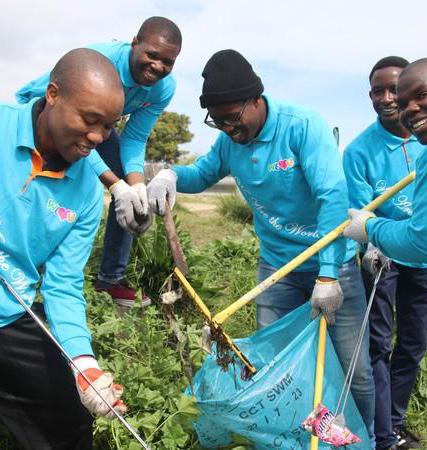
1 JULY
President Cyril Ramaphosa officiates
Google Cloud Summit and investment
The Google Cloud Summit brings together global technology innovators, African policymakers and industry captains.
The event is designed to showcase the transformative potential of cloud computing and artificial intelligence (AI).
The Summit is convened under the theme “Google Cloud is building for Africa”, which will encompass launching new investment announcements in South Africa. Google’s investment announcements are designed to directly support South Africa’s investment drive, advance
The Presidency’s Digital Public Infrastructure (DPI) agenda, and reinforce collaborative publicprivate efforts around AI skilling and national policy development across Sub-Saharan Africa.

14-17 JULY
SADC Ministers for Energy and Water convene Joint Meeting to advance Regional Energy Security and Water Sustainability
SADC Ministers responsible for Energy and Water will convene a Joint Meeting from 14 to 17 July 2026 in Pretoria in a hybrid format to deliberate on strategic issues aimed at strengthening regional energy security, improving water resource management, and accelerating sustainable socio-economic development across the SADC region.
The meeting will bring together Ministers, Senior Officials, representatives of the SADC Secretariat, Regional Institutions, Cooperating Partners and other stakeholders to review progress in implementing regional programmes and projects in the energy and water sectors, while providing policy direction on emerging priorities.
The Republic of South Africa, as Chair of the relevant SADC Sectoral Committees, will host the meeting.

Calendar of events
17 JULY
18 JULY
The Department of Trade, Industry and Competition (the dtic) will host the South Africa – Namibia Business Forum on 17 July 2026 at the Gallagher Convention Centre in Midrand, Johannesburg.
The Forum forms part of the programme of the Bi-National Commission between South Africa and Namibia. The Forum will bring together government and business representatives from both countries, to engage and collaborate on efforts that will strengthen trade and investment under the theme “Driving Regional Industrialisation, Investment and Sustainable Growth Through Strategic South Africa –Namibia Partnerships” Trade, Industry and Competition hosts South Africa – Namibia Business Forum

This year’s Nelson Mandela International Day on 18 July will be celebrated under the theme: “It’s still in our hands to combat poverty and inequity.”
Nelson Mandela, in addressing the scourge of poverty, suffering and deprivation, said: “It is in your hands to make our world a better one for all, especially the poor, vulnerable and marginalised.”
These profound words by our global icon are at the heart of our actions this Nelson Mandela Day in tackling poverty, fighting inequality and building a society based on justice.
The day is an opportunity for citizens to recognise their individual power to change the world for the better.
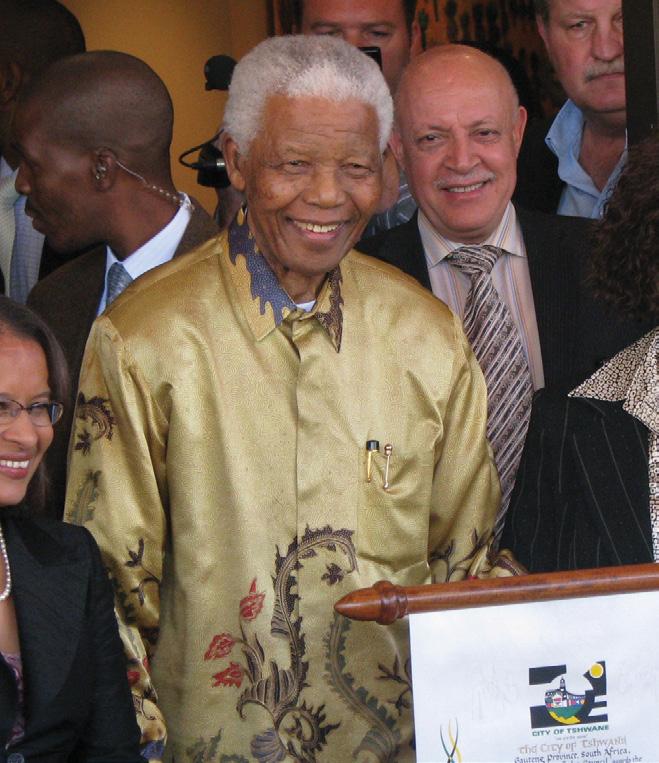
South Africa hosts SADC Industrialisation Week 27-31 JULY
The Government of South Africa, in collaboration with the Southern African Development Community (SADC) Business Council and the SADC Secretariat will host the 2026 Annual SADC Industrialisation Week on 27 – 31 July 2026, at the Durban International Convention Centre in KwaZulu-Natal, South Africa.
Hosted under the theme, “Resilient, Sustainable and Inclusive Industrialisation through Infrastructure Development, Agricultural and Critical Minerals Transformation in Pursuit of a Just World”, the event is being held as a high-level precursor to the 46th SADC Summit of Heads of State and Government, and is widely regarded as the largest public-private platform for advancing industrial development in the SADC region.
The SADC Industrialisation Week (SIW) is a week-long programme that brings together policymakers, business leaders, investors, academia, researchers, development finance institutions from across the SADC region and beyond to advance regional industrial development. It is the premier regional platform dedicated to advancing industrialisation, regional integration, investment promotion and economic transformation within the SADC region.

Stay informed about environmental, social, & governance trends, strategies & best practices. Feature in our publication to join us in shaping a better tomorrow.






Subscribe to Topco Media’s official Weekly newsletter as we keep you up-to-date with the latest business blogs and articles.