
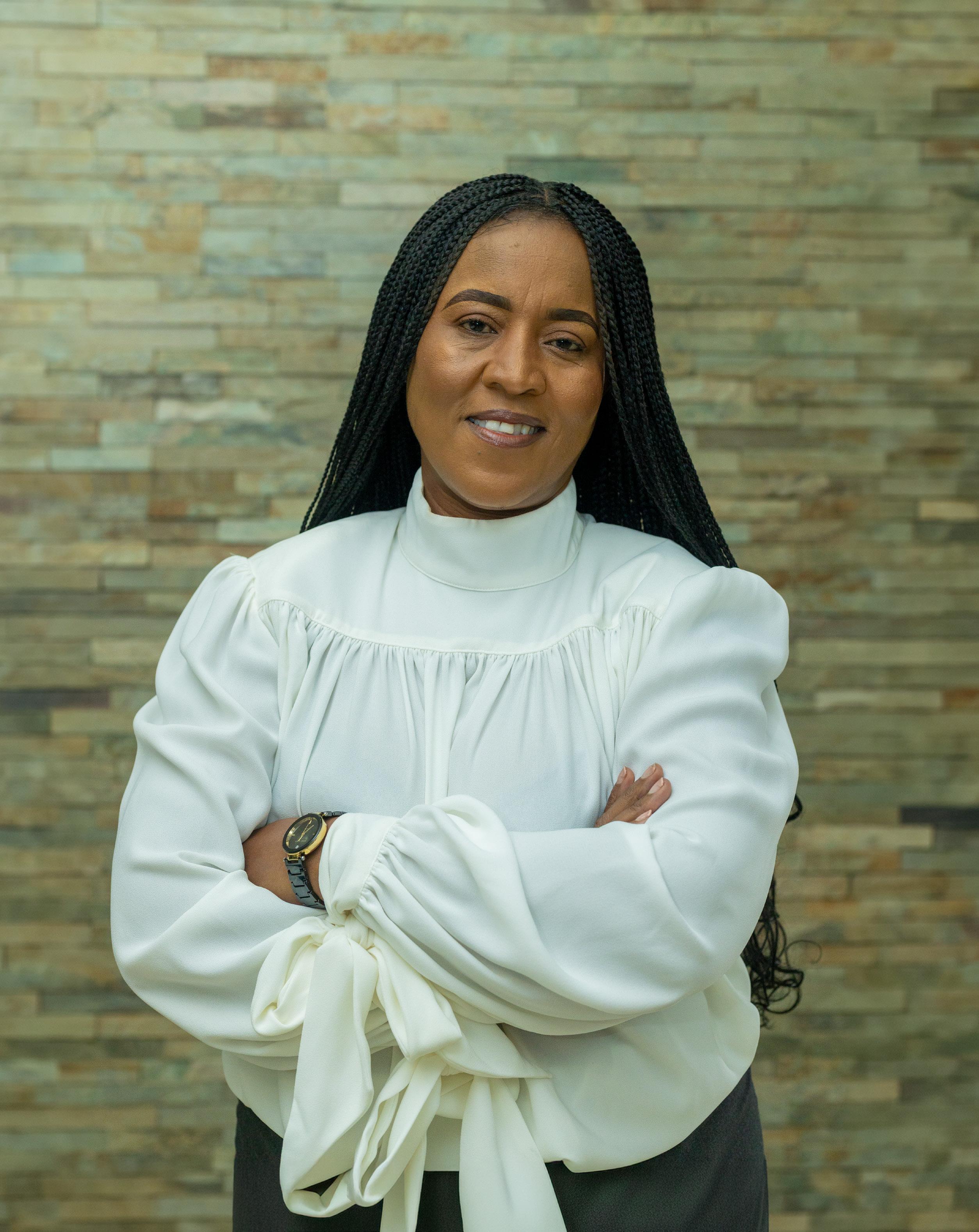
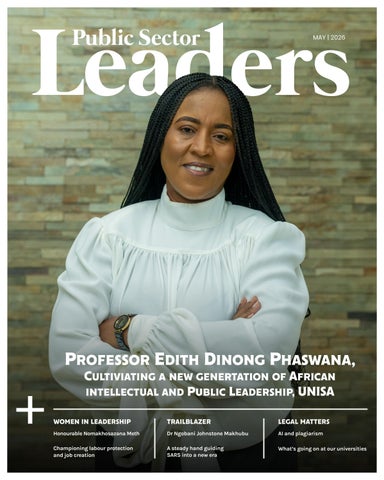
Cultiviating a new genertation of African intellectual and Public Leadership, UNISA
WOMEN IN LEADERSHIP
Honourable Nomakhosazana Meth
Championing labour protection and job creation
TRAILBLAZER
Dr Ngobani Johnstone Makhubu
A steady hand guiding SARS into a new era
LEGAL MATTERS
AI and plagiarism
What’s going on at our universities

Hon. Inkosi Mzamo Buthelezi, Minister of Public Service & Administration


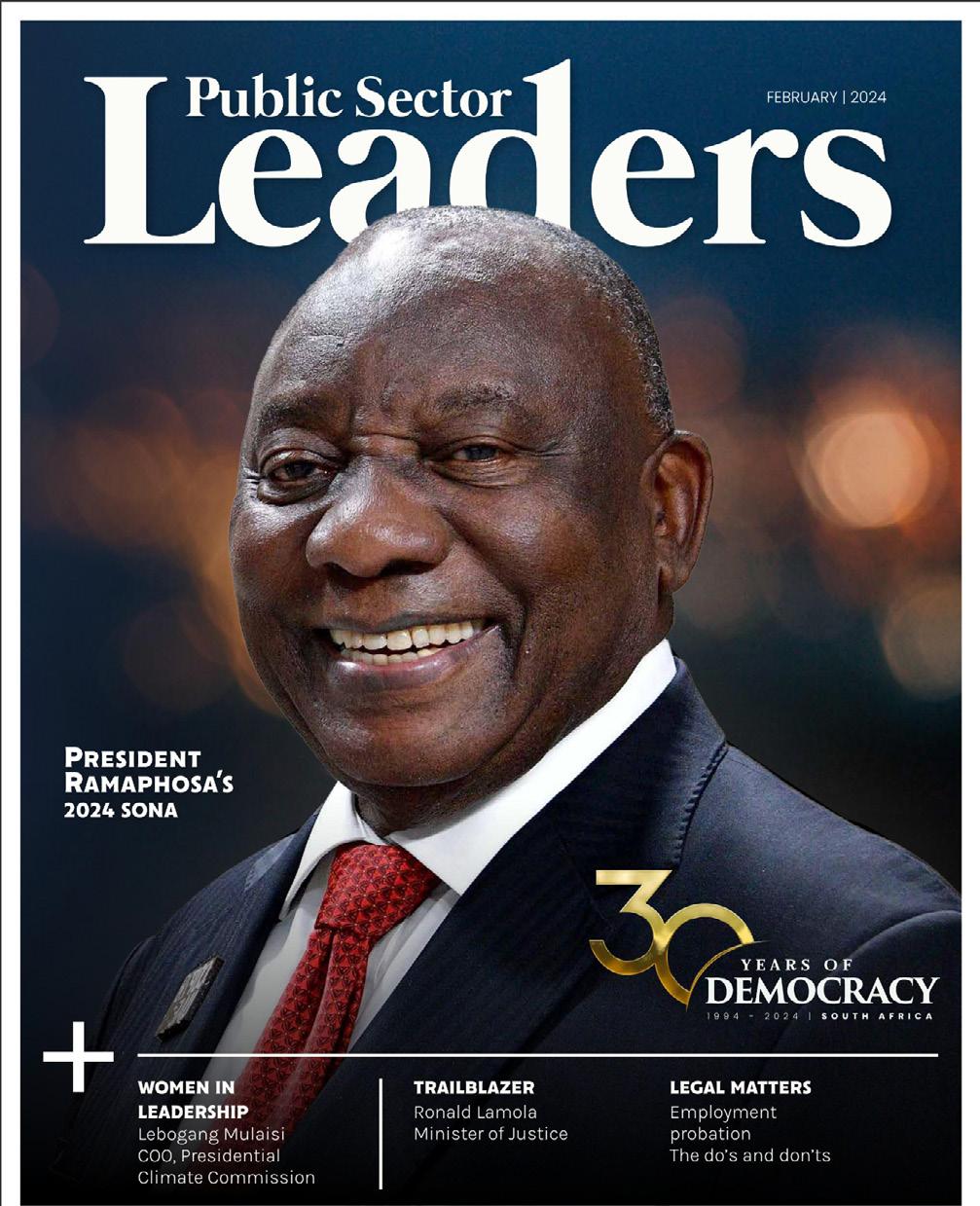


The Public Sector Leaders Summit is a premier platform that celebrates the contributions of organisations and individuals, across both the public and private sectors, who continue to invest in South Africa’s growth with resilience and optimism.
The 2nd Annual PSL Summit will provide the ideal environment for engaged networking, collaboration and knowledge sharing between stakeholders who are committed to building a thriving and inclusive economy.
For more information Contact: emlyn.dunn@topco.co.za marketing@topco.co.za
28 | AGENDA 2063
Africa’s blueprint for a prosperous and integrated future
30 | RESEARCH CHAIRS
Minister Blade Nzimande launches 41 new Research Chairs
38 | WESGRO
Wesgro’s tourism strategy helps position the Western Cape as a global travel powerhouse
40 | ROELF MEYER
Veteran negotiator Roelf Meyer starts work as ambassador to the US
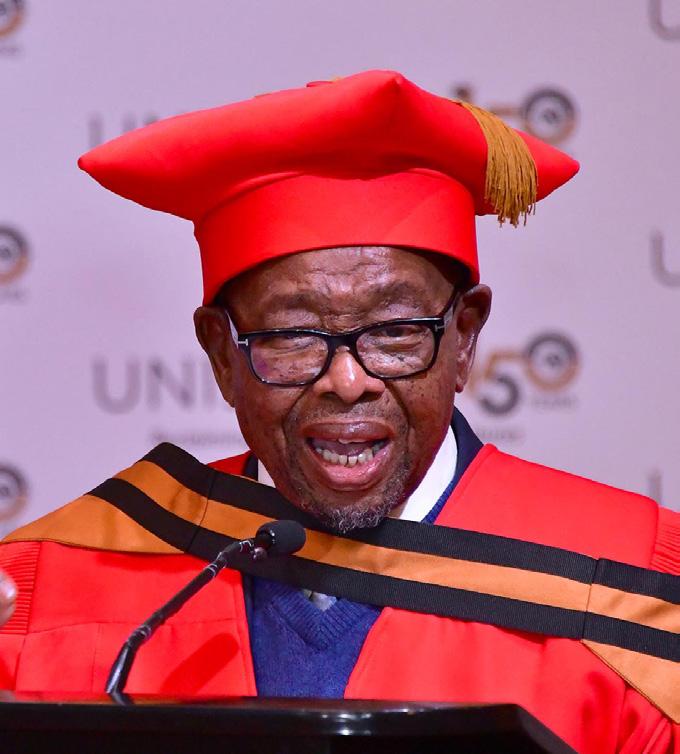
42 | CAPE NATURE RESERVES
Boosting the province’s conservation efforts and safeguarding its rich biodiversity
46 | NATIONAL RAIL MASTER PLAN
Rebuilding the backbone of South Africa’s economy
48 | DATA CENTRES
The hyperscalers are coming to a city near you
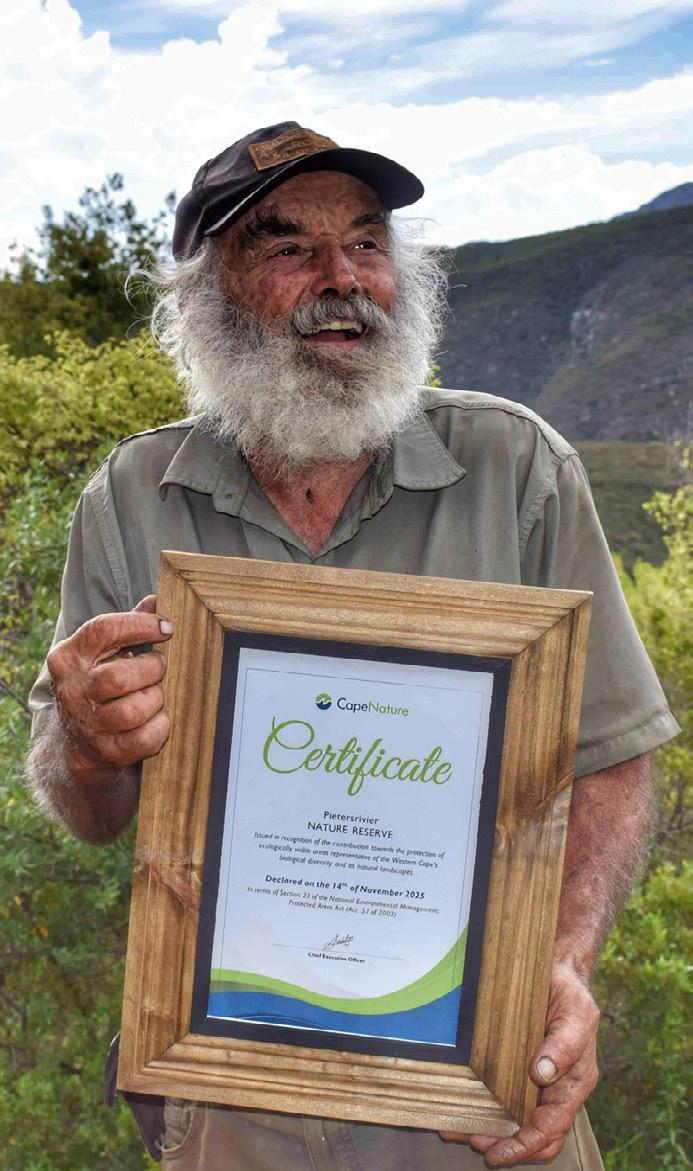
26 | TRAILBLAZER
New SARS Commissioner Dr Ngobani Johnstone Makhubu
34 | TECH
Celebrating 30 years of our Constitution through popular
Leading digital transformation in the public sector
36 | AGRICULTURE
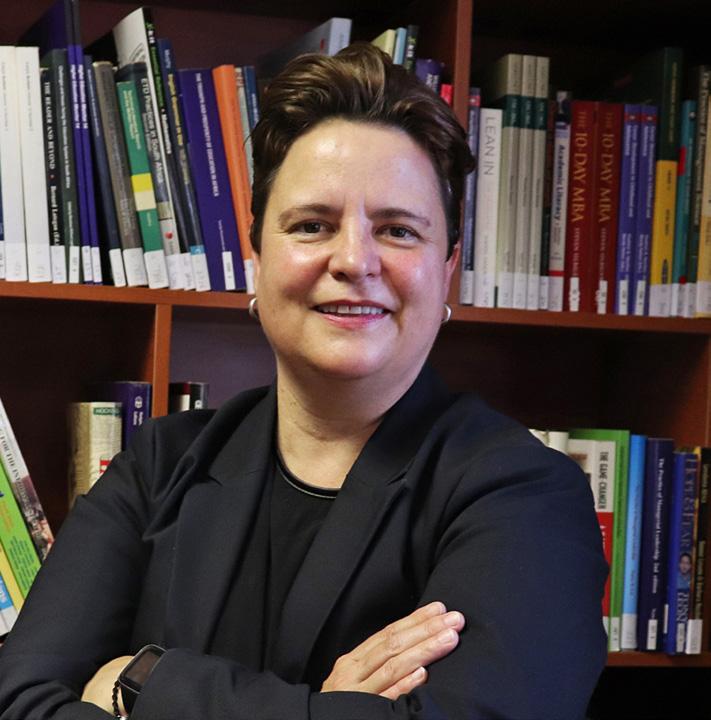
Professor Edith Dinong Phaswana, Acting Executive Dean of the Thabo Mbeki African School of Public and International Affairs, UNISA
24 | WOMEN IN LEADERSHIP
Honourable Nomakhosazana
Meth, Minister of Employment and Labour
South Africa’s agricultural sector 32 years into democracy
44 | IN OTHER NEWS
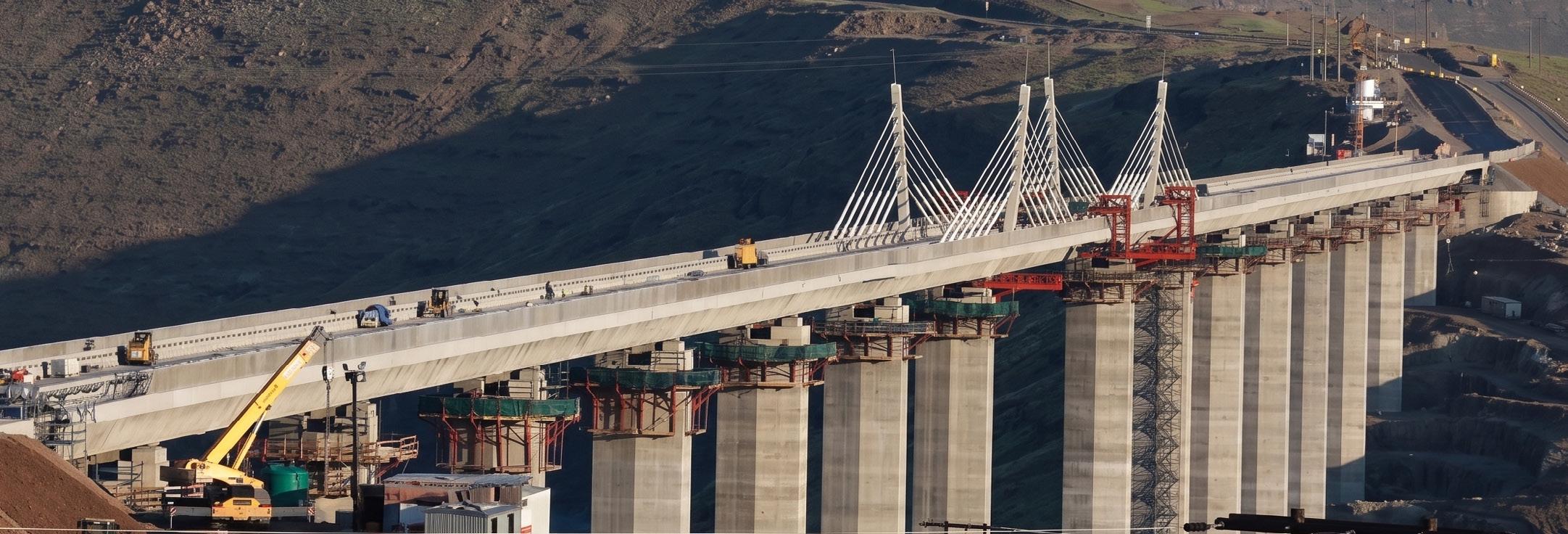
Senqu River bridge project
50 | REGIONAL FOCUS
Gauteng intensifies efforts to tackle school overcrowding and modernise education infrastructure
52 | FINANCIAL FITNESS
Understanding what South Africans pay at the pump
54 | LEGAL MATTERS
Plagiarism and AI at South African universities
56 | HEALTH & WELLNESS
Why business need to start thinking about ‘human sustainability’
58 | SPORTING ACTION May/June sports calendar
60 | UPCOMING EVENTS May calendar

a GEMS member

Switch to the Emerald Value Option (EVO) before 31 October 2026 and save! As an EVO member, you receive the same benefits as Emerald, subject to care coordination rules. By switching from Emerald to EVO, you may save up to *16% on your monthly contribution. *This is based on comparative calculations of the GEMS Scheme Rules








PUBLIC SECTOR LEADERS
The Digimag For Leaders In The South African Public Sector Fully Accredited Member of ABC

Advertising Sales, Distribution and Subscriptions
Top Media & Communications (Pty) Ltd
Tel: 086 000 9590 info@topco.co.za | www.topco.co.za
CEO Ralf Fletcher
TOPCO STUDIO
Production Director
Van Fletcher van.fletcher@topco.co.za
Group Editor
Fiona Wakelin fiona.wakelin@topco.co.za
Deputy Editor
Koketso Mamabolo koketso.mamabolo@topco.co.za
Assistant Editor
Shumirai Chimombe shumirai.chimombe@topco.co.za
Contributors
Jessie Taylor
Wandile Sihlobo
Professor Linda Meyer Diana Rodrigues
Design Tashwell Brown
Traffic Manager
Daniël Bouwer artwork@topco.co.za
SALES
National Project Manager
Emlyn Dunn Tel: 072 1263962 emlyn.dunn@topco.co.za
Brand Coordinators
Sidney Phiri sidney.phiri@topco.co.za
Printers LAW Print
Images Freepik
Digital Publishing Platforms Issuu Magzter Media Carrier
Head Office
Top Media & Communications (Pty) Ltd T/A Topco Media Elkay House, 186 Loop St Cape Town
Tel: +27 86 000 9590
Fax: +27 21 423 7576
Email: info@topco.co.za Website: www.topco.co.za (ScanQRcodebelowtoviewwebsite)

DISCLAIMER
All rights reserved. No part of this publication may be reproduced, stored in a retrieval system or transmitted, in any form or by any means, electronic, mechanical, photocopying, recording or otherwise, without the prior written consent of Top Media & Communications (Pty) Ltd T/A Topco Media. Reg. No. 2011/105655/07. While every care has been taken when compiling this publication, the publishers, editor and contributors accept no responsibility for any consequences arising from any errors or emissions.
BY FIONA WAKELIN

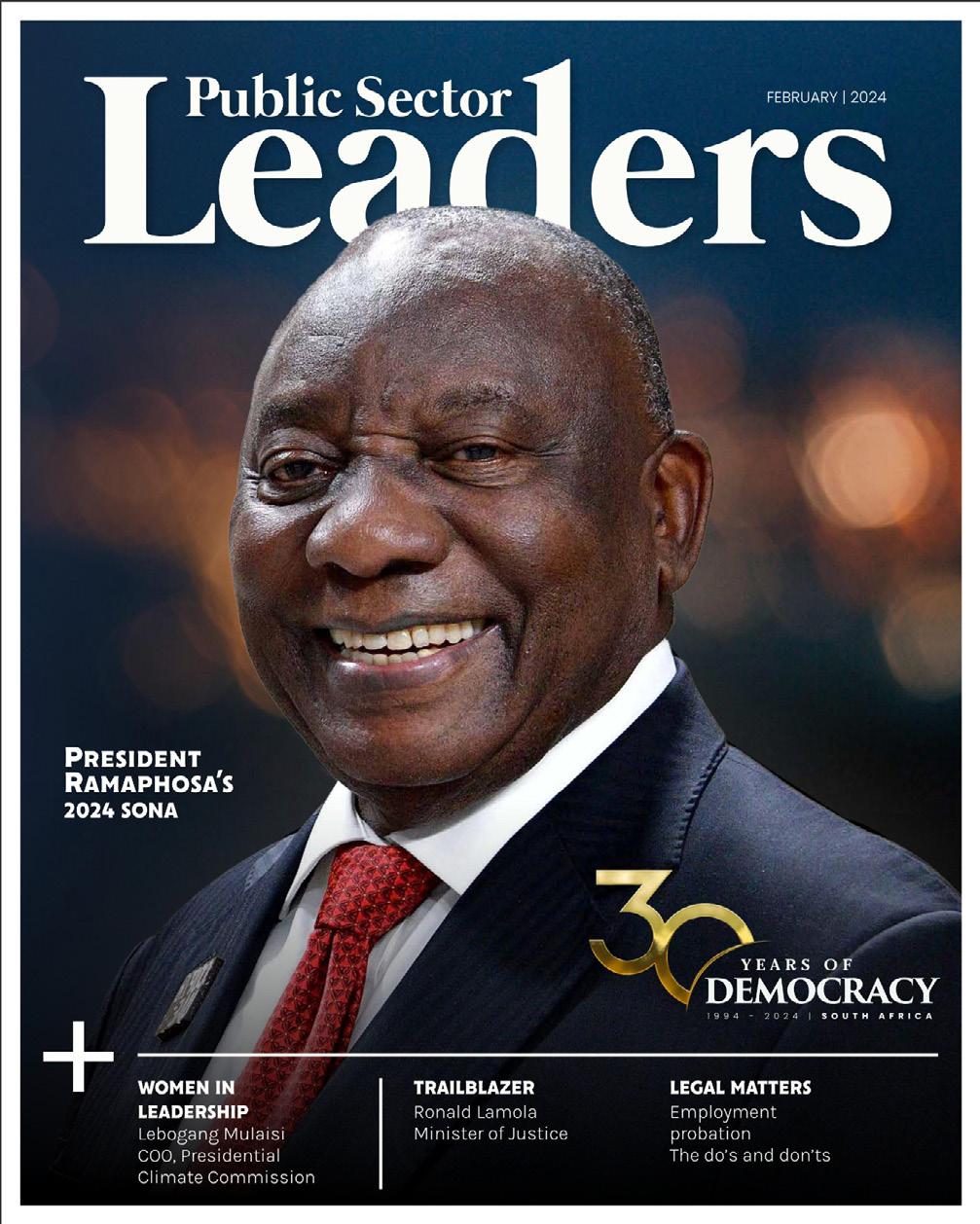
In his letter penned to the nation on 25 May, H.E. President Cyril Ramaphosa, focussed on our Constitution, and the continued importance of democracy in our country:
“The participatory approach that produced our Constitution continues to guide our efforts to transform South Africa. Members of the public participate in law-making through public hearings. They are able to comment on draft policies, regulations and environmental decisions. Through the annual Taking Parliament to the People programme
convened by the National Council of Provinces, people are able to interact directly with their electedrepresentatives,” – His Excellency Cyril Ramaphosa.
Given that we are celebrating Africa Month, it is fitting that our front cover icon is Professor Edith Dinong Phaswana, Acting Executive Dean of the Thabo Mbeki African School of Public and International Affairs, UNISA – cultivating a new generation of African intellectual and public leadership:
“Ultimately, this is about producing graduates who can think, lead, and solve problems from an African perspective and beyond,” - Professor Edith Dinong Phaswana.
We continue with the African theme in the article on the continent’s primary development plan, Agenda 2063, which remains one of the most ambitious long-term development frameworks ever undertaken on the African continent. Often described as “The Africa We Want”, the plan represents a 50-year strategic vision designed to guide economic growth, social development, political integration and global influence from 2013 to 2063.
The Trailblazer this month is Dr Ngobani Johnstone Makhubu, the new SARS Commissioner, filling in the big shoes left behind by Edward Kieswetter and our Women in Leadership is Honourable Nomakhosazana Meth, who, since taking office as South Africa’s Minister of Employment and Labour in 2024, has positioned worker protection, fair labour practices and employment creation at the centre of her leadership agenda.
South Africa’s roads have become extremely logistically heavy with long haul trucks making up the primary means of goods transportation in the
country – so if you are interested in unclogging our transport system, the piece on the Nation Rail Master Plan is well worth a read.
Roelf Meyer - who has had a fascinating career, from being at the heart of the negotiations that brought us to democracy, to using his skills and the lessons he learned from the transition to assist other countries, has begun his next big challenge as he returns to public office as Ambassador to America – currently a portfolio like no other –we wish him well.
Two good news stories reflecting abundance in our country stretch from conservation to education. Western Cape has added 25 nature reserves to our beautiful natural heritage and Minister Blade Nzimande launched 41 new Research Chairs, enhancing the research capacity of historically disadvantaged institutions. The Chairs are distributed across 16 universities and span a wide range of disciplinary areas aligned with national priorities.
The not so good news is that it’s nearly time to queue for hours at the petrol pumps again before the next increase; in Financial Fitness, in an effort to try and sweeten the pill, we delve into a fuel levy explainer.
From myself and the amazing team, we hope you enjoy everything Public Sector Leaders has to offer!

FIONA WAKELIN | GROUP EDITOR
BY FIONA WAKELIN
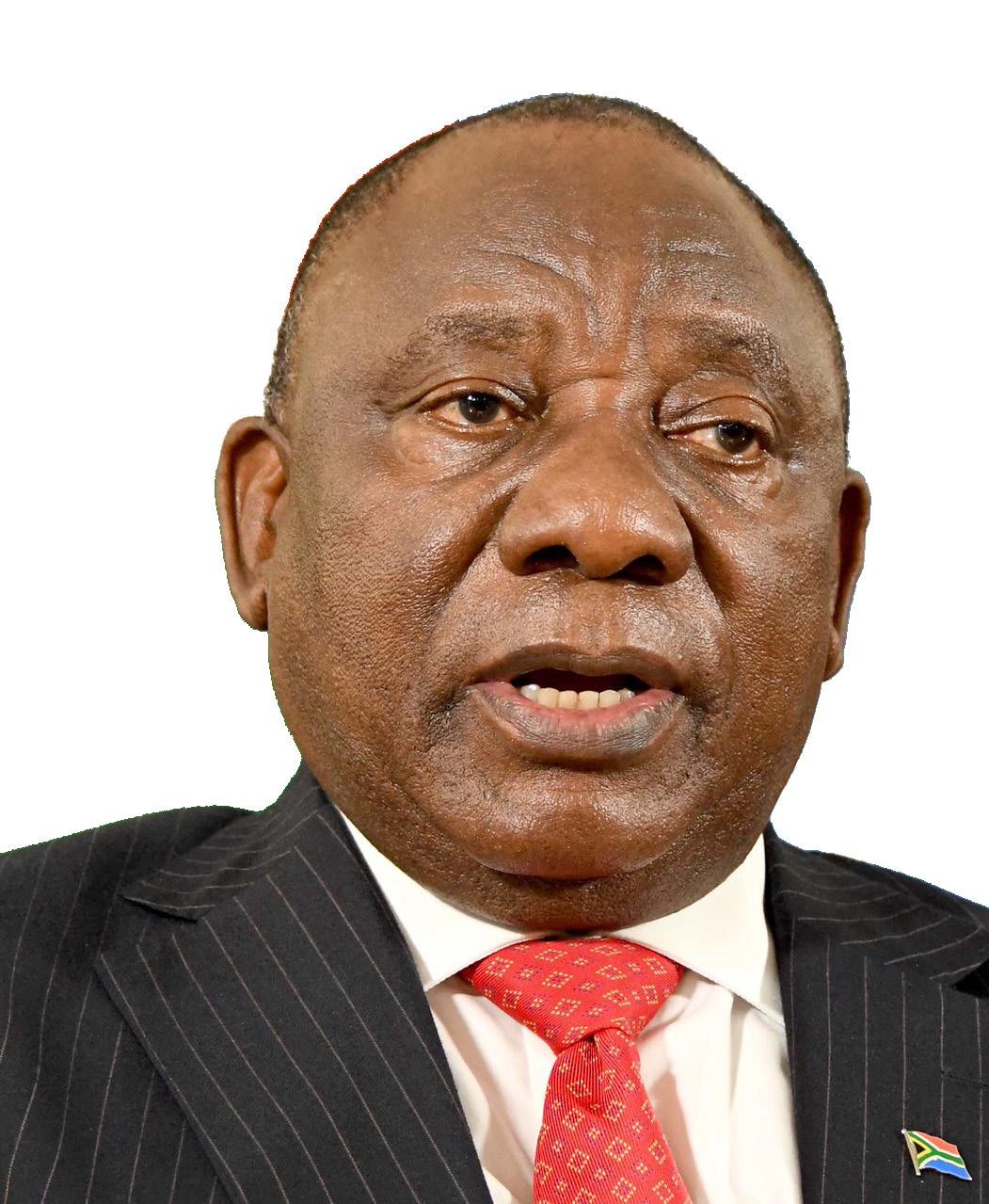
In his letter to the nation on 25 May, His Excellency, President Cyril Ramaphosa focussed on the constitutional order we have built over the last three decades - one that is robust, participatory, continuously evolving and firmly anchored in democratic values.
President Ramaphosa referred to our vibrant and resilient civil society and how the Constitution safeguards freedom of conscience, thought and expression, whilst entrenching media freedom as one of the cornerstones of democracy. His Excellency also noted that our courts provide recourse for ordinary South Africans, political actors and organisations, with no individual or institution beyond accountability and that it is this commitment to constitutionalism, transparency and the rule of law that sustains public confidence in our democracy.
His Excellency recalled that the Constitutional Assembly was determined that all South Africans should participate meaningfully in drawing up our first democratic Constitution.
“For nearly a year and a half, we criss-crossed the length and breadth of the country to get people’s

inputs on the type of constitution they wanted to see as the supreme law of the land. Citizens of all races, ages and classes participated…
“The participatory approach that produced our Constitution continues to guide our efforts to transform South Africa. Members of the public participate in law-making through public hearings. They are able to comment on draft policies, regulations and environmental decisions. Through the annual Taking Parliament to the People programme convened by the National Council of Provinces, people are able to interact directly with their elected representatives.
“South Africa ranks amongst the leading countries in the world for an open, transparent and participatory budget process. Through the annual parliamentary budget hearings that are currently underway, the budgeting process is open to public scrutiny and Parliamentary oversight,” – H.E. Ramaphosa.
President Ramaphosa drew a link between our Constitution-making process and the National Dialogue Steering Committee which has announced that between June and August this year, they will be holding up to 195 pilot dialogues across the nine provinces, including ward-based engagements, digital engagements and sectoral dialoguesprioritising direct community participation.
“As we look with optimism to this new phase in the life of our nation, I call on all South Africans to come together once more and be part of crafting a new vision for South Africa that both speaks to our contemporary challenges and lays the groundwork for the South Africa we want to be,”
– President Ramaphosa.
BY FIONA WAKELIN
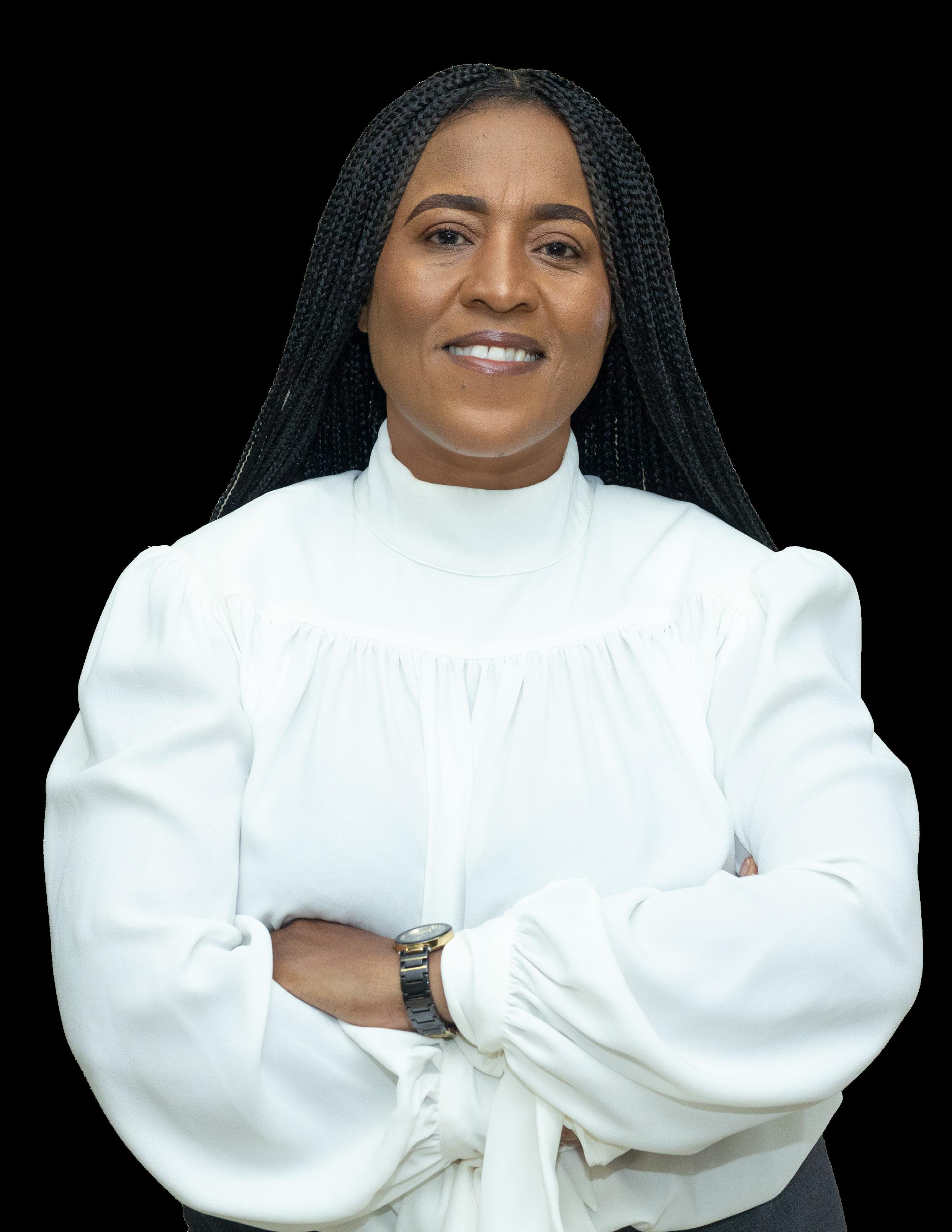
The Thabo Mbeki African School of Public and International Affairs (TM-School) was established at the University of South Africa to cultivate a new generation of African intellectual and public leadership capable of responding to the complex and evolving challenges facing the continent. The School is a graduate institution offering Master’s and Doctoral programmes in Public and International Affairs, structured across nine thematic areas: Public Leadership; Peace and Conflict Studies; International and Diplomatic Studies; Natural Resource Management and Sustainable Livelihoods; Government Affairs; Simulation and Futures Studies; Security and Intelligence Studies; and Urban and Rural Affairs. Through these focus areas, the School seeks to address Africa’s developmental, governance, and policy challenges in a comprehensive and transdisciplinary manner.
In addition, the School offers six-month Short Learning Programmes designed to reskill and upskill leaders across the public sector, private sector, academia, and civil society. Complementing these offerings is a suite of Executive Education programmes, tailored to meet the specific needs of institutions and organisations, thereby ensuring relevance, impact, and responsiveness to contemporary leadership demands. Professor Edith Dinong Phaswana serves as Acting Executive Dean of the
School, where she provides strategic, academic, and institutional leadership. Her role focuses on positioning the School as a leading African voice in public policy, governance, development, and international affairs. In this in-depth interview, we asked about her career path, the strategic intent of the School, trends in enrolment and what is on the horizon to look forward to:
I oversee governance, research and knowledge production, stakeholder engagement, and financial stewardship, while advancing human capital development, social impact, and public leadership. I am committed to strengthening academic excellence, institutional transformation, and enhancing the student experience within a dynamic and globally engaged African intellectual environment. I am also privileged to serve under the visionary progressive feminist leadership of Prof Puleng Lenkabula who challenges us to fight inefficiencies and corruption at all costs. One of the most defining moments in my academic journey was my transition from a historically white university to the Thabo Mbeki African Leadership Institute (TMALI) at the University of South Africa. It was more than a professional move - it was an intellectual and
personal reorientation. For the first time, I found myself in a space that deliberately centred African philosophies, epistemologies, and ways of knowing as part of its transformation agenda.
When I joined, TMALI was still a relatively small institute, but it carried a powerful vision - to nurture thought leaders and change agents committed to Africa’s renewal. We worked through short learning programmes and executive education, but the ambition was always much larger than the structure we occupied.
In 2018, I was entrusted with the responsibility of leading the Institute. What began as a leadership role soon evolved into something far more profound: becoming part of a bold initiative by UNISA and the Thabo Mbeki Foundation to establish a School grounded in the legacy and vision of Thabo Mbeki. It was a Council-driven mandate, inspired by the impact TMALI had already begun to make.
For me, this was not simply an institutional project, it was deeply personal. It spoke to questions of identity, dignity, and intellectual
sovereignty. Which African would not want to be part of an initiative that seeks to restore the dignity of African people and advance selfdetermination on the continent?
In many ways, my journey has been about contributing, in my own small way, to a much larger vision - the realisation of the African Renaissance. It is a journey that continues to shape not only my work, but also my sense of purpose as a scholar and leader.
Shaping strategic direction to respond to Africa’s governance challenges
To address governance challenges in Africa, we have to position it as a continental leader in governance reform, policy influence, and public leadership development.
My approach is anchored on four priorities:
• Align our academic programmes with Africa’s most pressing governance challenges including state capacity, ethical leadership, accountability, and policy implementation and ensuring that we produce graduates who are equipped to operate effectively within complex public systems.
• Reposition the School as a policy-engaged institution, strengthening our research to produce actionable outputs such as policy briefs and advisory reports. The goal is to establish the School as a trusted partner to governments and regional
bodies, including SADC and the African Union.
• Expand our executive education platform to reskill current public leaders, recognising that many governance failures are, at their core, failures of leadership and institutional capability.
• Institutionalise high-level dialogue platforms, deepen strategic partnerships, and ensure that our work is grounded in African intellectual traditions and governance frameworks.
Ultimately, my objective is to ensure that the School operates not only as an academic unit, but as an institution that shapes governance practice, influences policy, and contributes meaningfully to Africa’s development trajectory.
Integrating African perspectives and indigenous knowledge systems into the public and international affairs curricula
Integrating African perspective and indigenous knowledge requires moving from the inclusion of African content to the reconfiguration of knowledge systems, ensuring that African realities, experiences, and intellectual traditions shape both what we teach and how we teach it. This is at the core of Unisa’s transformation agenda.
It is important to start with an epistemic audit trying to find whose knowledge dominates the curriculum; whose voices are absent in the curriculum; whose language matters etc. We are serious about African intellectual sovereignty. We deliberately promote the use of African sources, African case studies and African pedagogies such as dialogue, storytelling and collective learning as authentic African epistemologies.
We engage critically with colonial legacies and analyse power and knowledge production because we want to produce graduates who are critical African thinkers in their own right. Ultimately, this is about producing graduates who can think, lead, and solve problems from an African perspective and beyond.
Over the past five years, the School has recorded a number of significant milestones that speak to both its growth and relevance.
We are proud to have secured full accreditationofourMaster’sandDoctoral programmes by the Department of Higher Education and Training, the Council on Higher Education, and the South African Qualifications Authority - an important affirmation of the academic rigour of our offerings. Within the first three months of opening applications, we received an overwhelming 364 applications for Masters and PhDs, a clear indication of the demand for, and relevance of, our curriculum, further strengthened by a robust postdoctoral programme.
We have also expanded our Short Learning Programmes from six to seventeen, including the introduction of advanced programmes at NQF Level 8.
Our research footprint continues to grow, with new focus areas aligned to the University’s catalytic niches, including maritime studies, the Fourth Industrial Revolution and digitalisation, as well as feminist, womanist, and Bosadi theorisation.
In advancing intellectual dialogue, we have institutionalised flagship platforms such as Conversations with the Patron, the Africa Day Lecture, the International Women’s

Our goal is to produce graduates who can think, lead, and solve problems from an African perspective and beyond.
BY FIONA WAKELIN
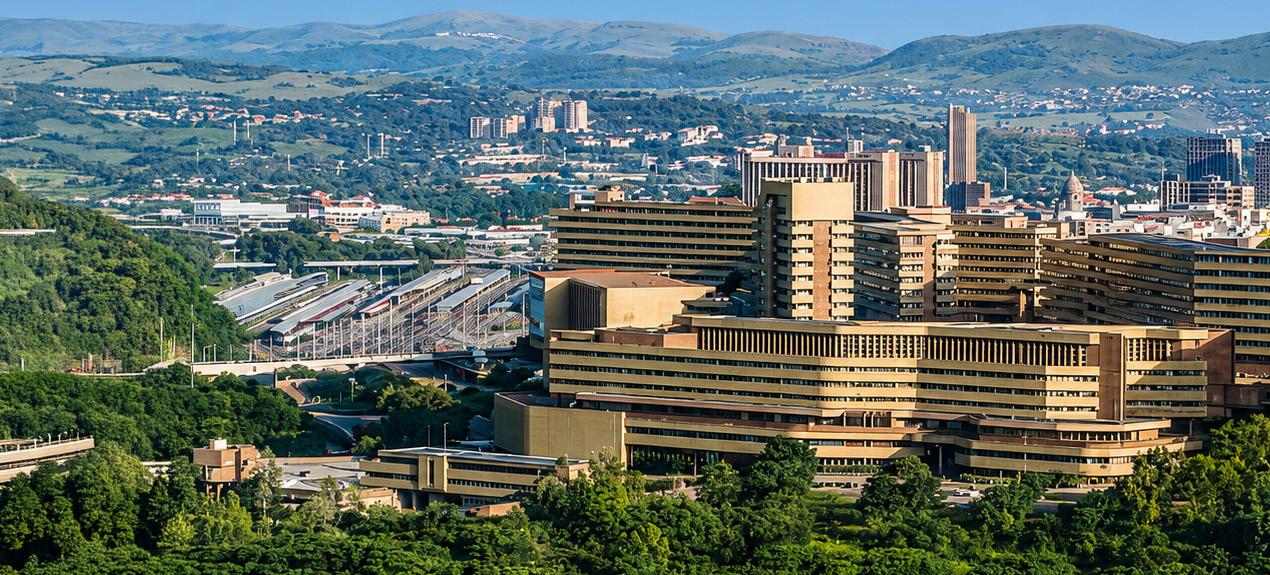
Day Lecture, and the Miriam Makeba Lecture. We are honoured to host the UNESCO UNITWIN Chair on the General History of Africa, in collaboration with twelve leading universities across the continent and the diaspora. Our partnerships with sister universities on the continent and beyond continue to deepen, fostering meaningful knowledge exchange, while our highlevel seminars and conferences, convened in collaboration with government, the diplomatic corps, and both local and international organisations, have strengthened our position as a convenor of critical discourse. Importantly, our community engagement initiatives continue to make a tangible impact, with projects such as Lekgotla la Batho receiving consistent recognition and awards since the inception of the School.
trends in the development of offerings and enrolments
The future of higher education is clearly shifting towards flexible, multi-, inter-, and trans-disciplinary, and practice-oriented programmes. We are moving away from traditional degrees towards transdisciplinary offerings that are more policyrelevant and aligned to societal needs. There is also growing demand
for postgraduate and executive education, driven by lifelong learning.
We are increasingly receiving nontraditional students in the form of working professionals and midcareer leaders. This affirms Unisa’s strong history of offering parttime and online learning as an appropriate modality of learning relevant for these types of students. This helps us to expand our reach globally.
At a foundational level, government defines policy priorities and developmental goals. However, without the intellectual capital of academia and the innovation, efficiency, and resources of the private sector, these priorities often remain under-realised. Effective partnerships therefore create a triangular ecosystem of knowledge, practice, and implementation. Building state capacity is about building capable people, capable institutions, and capable systems. This can only be achieved when government, academia, and the private sector work in deliberate, structured, and value-driven partnership to serve the broader developmental agenda.
The impact of technology
Technology is at the core of our programme delivery at Unisa. The institution’s strategic vision to become fully online by 2030 is not only aspirational but already well underway. At the Thabo Mbeki African School of Public and International Affairs, we have embraced this direction from inception. Launched during the COVID-19 lockdown, the School was designed as a fully online academic environment. All key milestonesfrom programme development and accreditation processes to teaching, learning, and student supporthave been successfully achieved through the effective use of digital technologies. This experience has positioned the School as a pioneer within the institution, demonstrating that high-quality, accessible, and impactful postgraduate education can be delivered entirely online, while reaching students across geographical boundaries.
exciting way forward Research
In advancing its academic mandate, the School is strengthening its curriculum through the development of responsive, policy-relevant, and

globally attuned programmes. Central to this effort is the introduction of a taught Master’s degree in Public and International Affairs, designed to equip graduates with advanced analytical, leadership, and policy-making capabilities. The programme will adopt an interdisciplinary approach, integrating public policy, governance, diplomacy, and international political economy, while remaining firmly grounded in African realities and development priorities. It will cater not only to traditional postgraduate students but also to mid-career professionals and public sector leaders, aligning with the growing demand for flexible, practice-oriented and fully online learning.
Complementing this is the development of a Postgraduate Diploma in Maritime Studies, a strategic offering that responds to the increasing importance of Africa’s blue economy, maritime governance, and ocean-based development. The programme will engage critical issues such as maritime security, trade routes, port governance, environmental sustainability, and regional cooperation, positioning the School to contribute to continental priorities, including the African Union’s Agenda 2063.
In 2026, the School will convene a series of high-level dialogues anchored in significant historical milestones that continue to shape South Africa and the African continent. The Africa Day Colloquium, held in collaboration with the National Assembly, will commemorate the 30th anniversary of the South African Constitution - a moment to critically reflect on constitutionalism, democratic consolidation, and the evolving challenges of governance, equity, and justice three decades into democracy. In partnership with the University of the Witwatersrand (Wits) and the University of Johannesburg, the School will also co-host a conference marking the 50th commemoration of the Soweto Uprising. This engagement will revisit the legacy of 1976 as a defining moment of youth resistance, while interrogating contemporary questions of education, inequality, and youth agency in Africa.
In August, the School will convene a Women’s Dialogue to commemorate the 70th anniversary of the 1956 Women’s March—a historic act of collective resistance that continues to inspire struggles for gender justice
across generations. This dialogue will foreground the enduring role of women as agents of transformation in political, economic, and social spheres.
Building on these milestones, the School seeks to launch a PanAfrican Dialogue Series on Women and Feminist Thought. This platform will create space for African women, scholars, activists, and practitioners to pitch ideas, shape discourse, and propose solutions on pressing issues affecting women across the continent. The series will prioritise intergenerational engagement, decolonial feminist perspectives, and actionable policy pathways that respond to the lived realities of African women.
At its core, the Dialogue Series aims to position the School as a convening hub for thought leadership, policy innovation, and engaged scholarship, advancing conversations that are historically grounded, intellectually rigorous, and socially transformative.



Every major policy failure has one thing in common: nobody modelled what came next. Africa is navigating a convergence of pressuresdemographic shifts, climate stress, digital disruption, and geopolitical realignment - at a pace that leaves little room for reactive governance. The question is no longer whether governments need foresight. It is whether they are equipped to act on it.
At the Thabo Mbeki African School, the focus area of Simulation and Futuristic Studies addresses precisely this gap. It is a transdisciplinary field, rare on the Continent, that fuses econometrics, systems modelling, and futures studies into a single, coherent analytical framework. Rather than treating quantitative and qualitative evidence as opposing traditions, it integrates them. The
By Prof. Charlotte Buitendag, Professor of Simulation and Futuristic Studies, at the Thabo Mbeki African School of Public and International Affairs
result is something more honest than a forecast and more rigorous than intuition: interactive, transparent scenario planning that places stakeholder voices alongside structural data.
Critically, this is not a field reserved for economists or data scientists. Pre-developed toolkits lower the threshold of entry, enabling practitioners, policymakers, and academics from across disciplines, regardless of quantitative or economic background, to participate meaningfully in the analytical process. A public health specialist, an urban planner, or a governance scholar can engage with the same rigour as a trained modeller. That inclusivity is not a concession; it is by design.
The methodology moves across public affairs, environmental policy, technology governance, and social systems, examining how these domains interact, locally and globally, before decisions are made rather than after consequences are felt. The vision is unambiguous: decisionmaking with impact. Africa does not need more data. It needs decisionmakers who know what to do with it — and institutions courageous enough to simulate the futures they would rather not inherit.
“Simulation and Futuristic Studies equips researchers and policymakers with the tools to understand emerging trends and address the challenges of our rapidly changing world.”
By Anthoni van Nieuwkerk, Professor of International and Diplomacy Studies at the Thabo Mbeki African School of Public and International Affairs and Director of Research, Thabo Mbeki Foundation
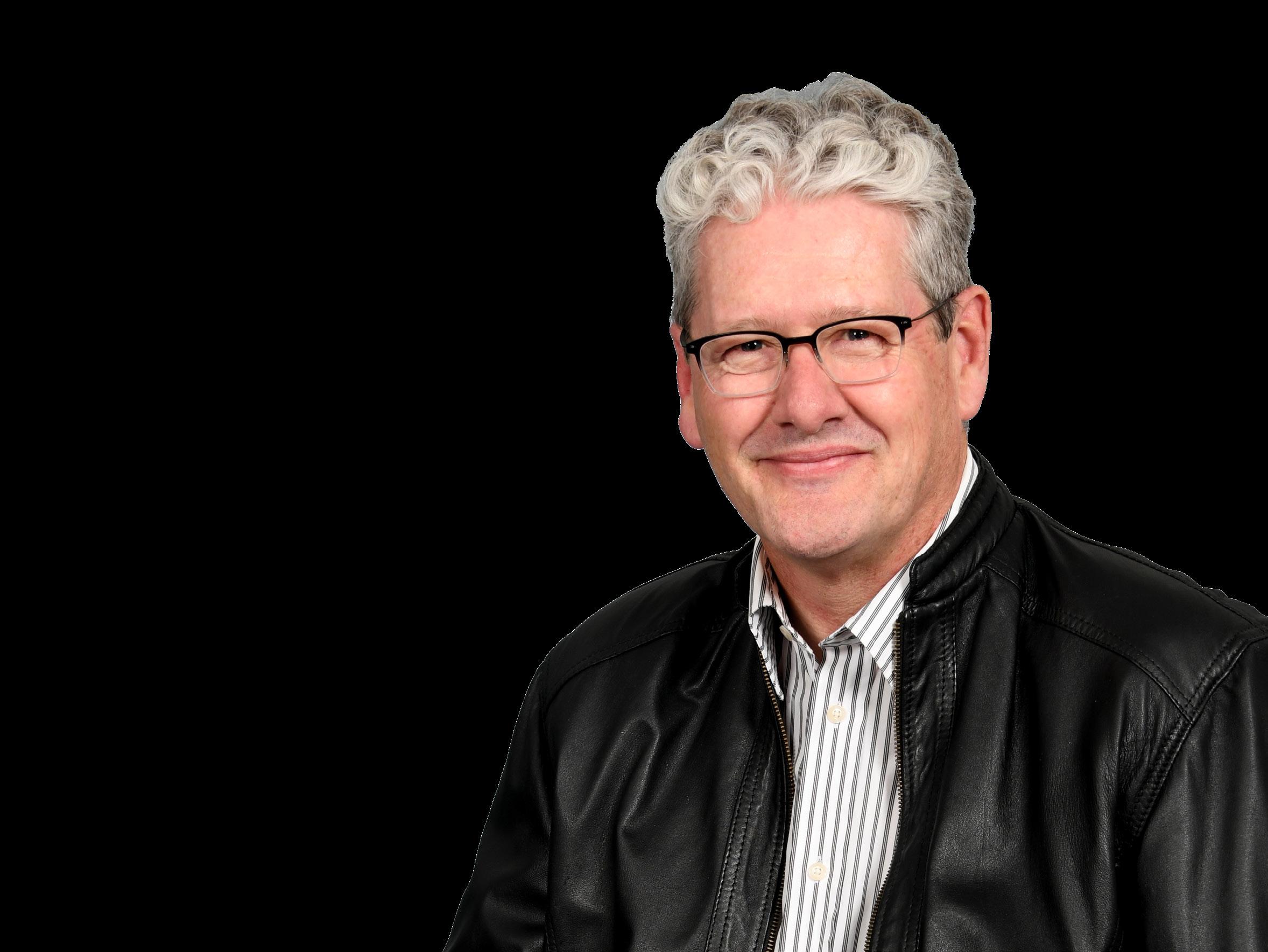
The international system is undergoing a deep structural shock characterised by rising geopolitical volatility, weakening multilateral institutions, and the re-emergence of raw power politics. Several realities now define the global environment:
• Unipolarity has ended, but USA centrality endures
• Multipolarity is real but uneven
• Normative order is collapsing
What is the impact of this uncertain future on Africa’s prospects for peace, security, development and democracy? Can diplomacy - the art and practice of building and maintaining relationships - be a tool to revive the fortunes of the Continent, and build the African Renaissance? Africa’s attractiveness – natural resources, young and innovative population, geostrategic location between competing superpowers
– invites all manner of exploitation. It must contend with new rules of trade and fend off ruthless arms dealers and resource exploiters. It struggles to silence the guns and to promote democracy and development. African countries find it difficult to adjust to the escalation of the conflict in the Middle East with serious implications for energy, food security, and economic resilience. The African Union (AU) attempts to address these crises with its Agenda 2063 initiative of which the African Peace and Security Architecture, the African Governance Architecture, and the African Peer Review Mechanism are key crisis management tools. However many analysts question the effectiveness, efficacy and relevance of the AU.
A deep understanding of International Relations and the intellectual tool of analysis will enable the diplomats of tomorrow
to address Africa’s two key global challenges:
Challenge 1: Africa sits at the centre of global competition but is a marginal global power actor. The continent’s resources, corridors, demographics and markets have become strategic, yet African agency remains weak and fragmented.
Challenge 2: Africa is frequently treated as a theatre for geopolitical competition rather than as a set of sovereign actors with agency, which perpetuates instability and dependency, breeding the next cycles of inequalities, resentment and conflict.
The study of International Relations and Diplomacy at the School will equip the diplomats of today and tomorrow with the skills to act with agency: protecting and advancing Africa’s interests on the world stage.

Security and Intelligence Studies is a transdisciplinary and dynamic field focused on understanding and addressing national, Continental and international security threats through intelligence gathering, analysis, and strategic decision-making. In addition, the security of critical infrastructure is its core focus.
In an increasingly complex global landscape, the need for professionals skilled in security and intelligence is more critical than ever. This field plays a vital role in protecting national interests, ensuring public safety, and addressing emerging threats such as digital espionage, cognitive warfare and transnational terrorism.
A degree in security and intelligence studies opens doors to various career opportunities and positions students to pursue career paths across government departments and agencies, private industry, defense contractors, law enforcement sectors and multilateral organisations such as the United Nations and the African Union, particularly in areas of human security.
By Prof. Josiah Lebakeng, Professor of Security and Intelligence Studies at the Thabo Mbeki African School of Public and International Affairs
The field combines elements of political science, criminology, economics, environment, health, cybersecurity and international relations to equip students with the skills necessary to navigate complex security challenges and identify opportunities. In this regard, students understand how intelligence is collected, analysed, disseminated and utilised to inform policy decisions and national security strategies based on intelligence assessments focused on national and geo-political considerations.
Considering the background of academic staff teaching the course in the short learning programmes and supervising both masters and doctoral candidates, students will gain skills in critical thinking, analytical writing, and effective communication, which are essential for careers in intelligence and security. Studying security and intelligence is not just an academic exercise. Its utility is central in the advancement of the African Renaissance in various ways.
By providing policy advice that is steeped in well-thought information, protecting critical infrastructure which is needed to advance the Continent, anticipating threats and risk to peace and security, and identifying opportunities for investments, the focus area has an important role in supporting and directing Africa’s development trajectory.
In this sense, the significance of security and intelligence studies for the African Renaissance lies in their ability to provide a comprehensive understanding of the Continent’s challenges and opportunities.
By focusing on these aspects, security and intelligence studies contribute to the African Renaissance by empowering African nations to define and protect their own security interests and capabilities. As an academic focus area the field helps identify the role of African intelligence services in shaping the Continent’s security landscape, as they are often influenced by both internal and external factors.
By David Mello, Acting Director of Academic Programmes at the Thabo Mbeki African School of Public and International Affairs.
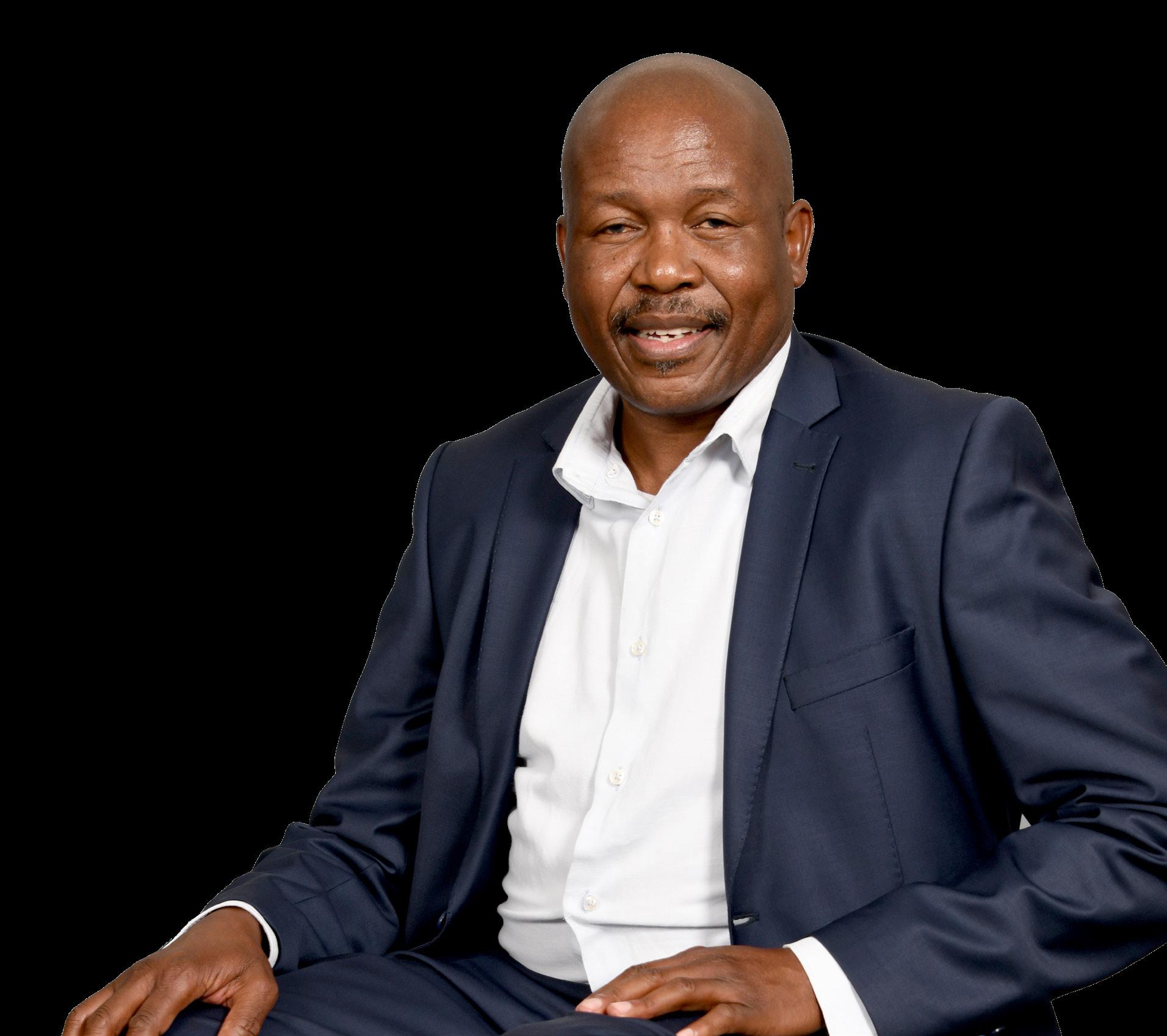
African states are known for governance challenges which have a negative ripple effect in most sectors of their societies. The Study of Government Affairs was conceptualised to be a catalyst for meaningful and lasting change in governance process and the improvement of the quality of lives of Africans. This vision is pursued through education, training, and research. The Study of Government Affairs focus area at the TM-School is led by Prof David Mello, a scholar rated C3 by the National Research Foundation. Prof Mello is also the leader for the Policy Science and Digitalization catalytic niche area.
This catalytic niche area is responsible for pioneering research that helps the African public sector to leverage the benefits of the fourth industrial revolution while
mitigating adverse consequences of developments associated with digital transformation. The Study of Government Affairs has its roots in Public Administration and Management. This emerging field of study is, however, broader than Public Administration and Management. The Study of Government Affairs as a focus area emerged due to the growing realisation of the need for transdisciplinary approaches to solving complex public sector problems and to widen scope beyond the public service to include non-governmental organisations (NGOs), non-profit organisations (NPOs) and state-owned entities (SOEs).
The Study of Government Affairs focus area has strategically positioned itself as a change agent in improving governance
in Africa through a variety of educational offerings. To make the envisaged change a reality, the Study of Government Affairs offers the following five short learning programmes online on a sixmonthly basis:
1. Course in Policy Making for Africa’s Development
2. Advanced Programme in Policy Making & Analysis for Africa’s Development
3. Course in Good Governance in Africa
4. Advanced Course in Good Governance in Africa
5. Management of Democratic Elections in Africa
The above list of courses and programmes can be customised for delivery as week-long programmes according to public sector client’s needs to groups of 20 to 40 delegates.
By Prof. Vuyisile Msila, Professor of Public Leadership Studies at the Thabo Mbeki African School of Public and International Affairs.
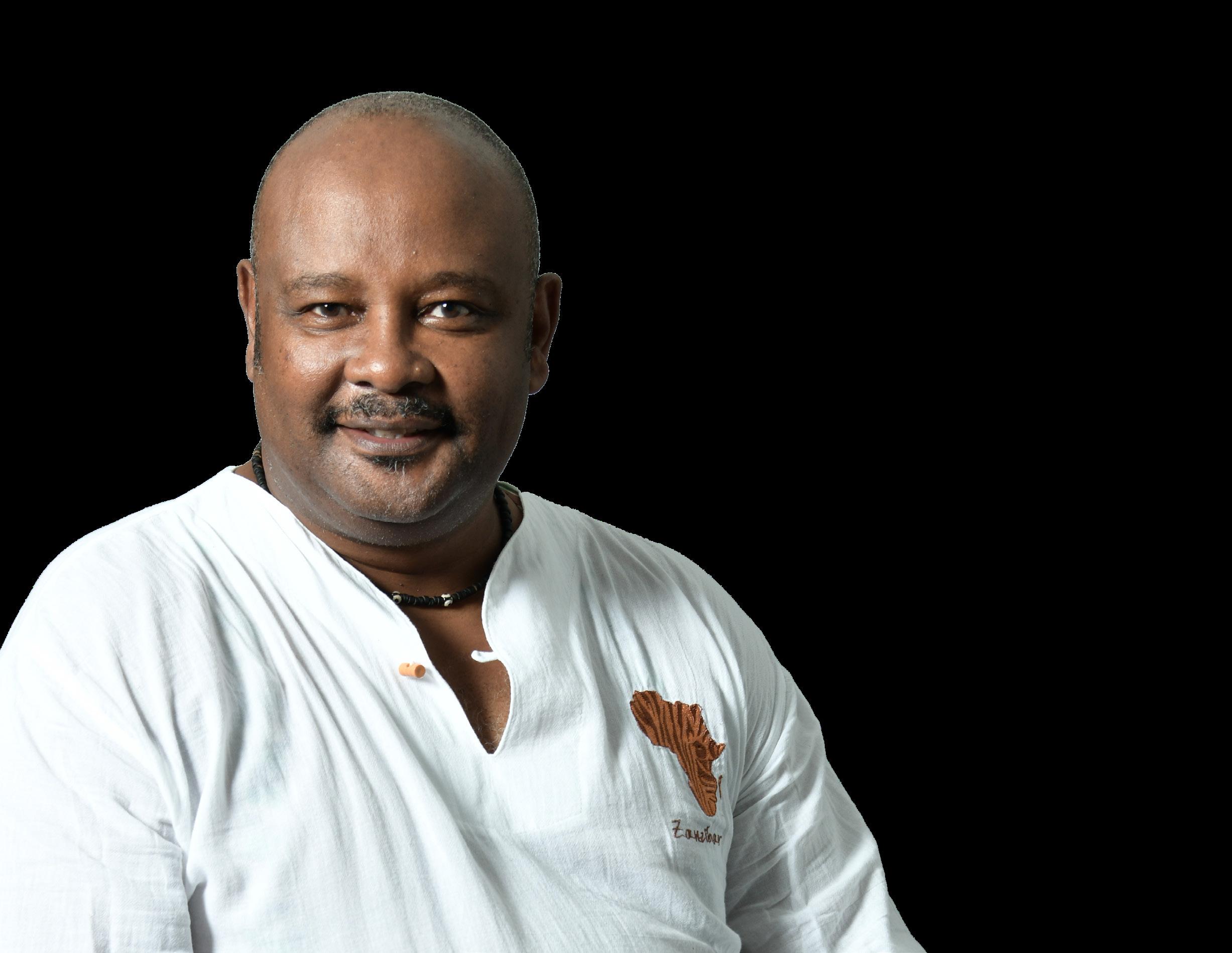
Leadership is among the critical elements in ridding the Continent of the enduring legacies of colonialism and apartheid. In a society that aspires to Afrocentric philosophies, effective leadership must entrench humanising approaches that are ethical and inclusive, and that uphold the tenets of the African Renaissance. The Public Leadership Studies area embraces these humanising principles, seeking to advance self-determination and to unify Africans through leadership grounded in conscience and Pan-African ideals.
The Thabo Mbeki African School of Public and International Affairs is committed to cultivating innovative and responsive leadership, instilling a strong work ethic and a focus on service delivery within society. This area also emphasises the humanising
dimensions of leadership that pursue the public good while addressing organisational challenges to enhance public value. In a rapidly changing global context, shaped in part by new technologies, public leadership must develop the capacity to formulate policies and steer organisational transformation effectively.
The learning area does not merely engage with traditional leadership theories; it fosters approaches that employ innovative and collaborative methods to address governance challenges and respond to shifting contexts. Furthermore, it emphasises leadership in the public interest, moving beyond theory to prioritise application. Core values include
Ubuntu and other Afrocentric perspectives, sound governance, and the role of contemporary organisations and institutions, as well as innovation and creativity in a dynamic world.
The learning area also offers a Master’s coursework programme, which includes modules such as Africa Rising and Research Methodologies. It is suitable for individuals in leadership roles across the private sector, communities, government, and independent institutions. The learning area promotes social justice leadership and develops strategic, analytical, and sustainability-oriented skills to address inequality and contemporary societal challenges.
By Prof. Sifiso Mxolisi Ndlovu, Acting Director: Academic Research and Knowledge Hub at TM-School.
The South African Education Trust was established in the year 2000 after President Thabo Mbeki indicated his concern about the paucity of historical material and publication of original research about the arduous and complex road to South Africa’s peaceful political settlement after decades of violent conflict. Hence, SADET’s original mission and objective is to study, examine and analyse historical events leading to the negotiated peaceful political settlement and democracy in South Africa. Later, this was expanded to researching the ‘pre-colonial’ and colonial history of South Africa.
Following discussions with the private sector, MTN and the Nedbank Group provided core funding for SADET. In 2004, the National Lottery Distribution Trust Fund provided SADET with a grant for additional research. SADET is overseen by the Thabo Mbeki Foundation and the University of South Africa Board, co-chaired by Geraldine Moleketi-Fraser (Chair of the TMF Board) and Professor Puleng LenkaBula (V.C. of Unisa). The SADET project team consists of Professor Sifiso Mxolisi Ndlovu. This explains the location of the SADET project at the Thabo Mbeki African School of Public and International Affairs. Through the production of new forms of knowledge and conducting original research, Professor Ndlovu is responsible for conceptualising and editing SADET’s flagship multivolume book series entitled The Road to Democracy in South Africa. This long-enduring collaborative research
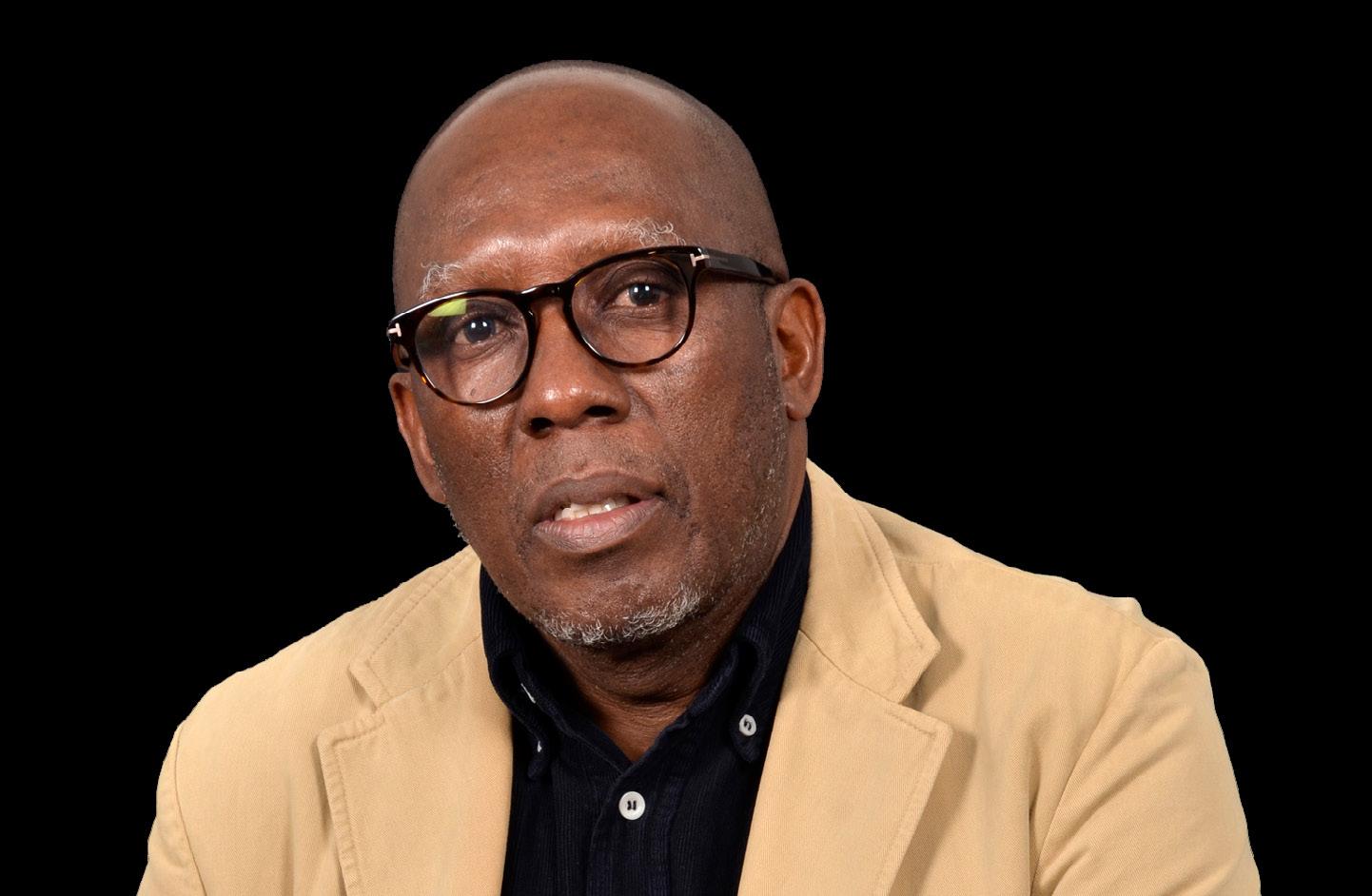
project manned by more than 100 members belonging to a network consisting of scholars, academics, struggle veterans and activists from all corners of the world has produced more than 200 book chapters and collected multiple oral testimonies of struggle veterans on behalf of the SADET Oral History Project. Thus, since its establishment, SADET has published the following 10 volumes of its flagship project, The Road to Democracy in South Africa:
• South African Democracy Education Trust, The Road to Democracy in South Africa, Volume 1, 1960-1970 (Cape Town: Zebra Press, 2004).
• South African Democracy Education Trust, The Road to Democracy in South Africa, Volume 2, 1970-1980 (Pretoria: Unisa Press, 2006).
• South African Democracy Education Trust, The Road to Democracy in South Africa, International Solidarity, Volume 3 Part 1, (Pretoria: Unisa Press, 2008).
• South African Democracy Education Trust, The Road to Democracy in South Africa, International Solidarity, Volume 3 Part 2, (Pretoria: Unisa Press, 2008)
• South African Democracy Education Trust, The Road to Democracy in South Africa, Volume 4, 1980-1990, Part 1, (Pretoria: Unisa Press, 2010).
• South African Democracy Education Trust, The Road to Democracy in South Africa, 1980-1990, Volume 4 Part 2, (Pretoria: Unisa Press, 2010).
• South African Democracy Education Trust, The Road to Democracy in South Africa, Volume 5, Part 1, African Solidarity (Pretoria: Unisa Press, 2013).
• South African Democracy Education Trust, The Road to Democracy in South Africa, Volume 6, Part 1 (Pretoria: Unisa Press, 2013).
• South African Democracy Education Trust, The Road to Democracy in South Africa, Volume 6, Part 2 (Pretoria: Unisa Press, 2013).
• South African Democracy Education Trust, The Road to Democracy in South Africa, Volume 5, Part 2, African Solidarity (Pretoria: Unisa Press, 2014).
• South African Democracy Education Trust, The Road to Democracy in South Africa, Volume 7, Soweto Uprisings: New Perspectives, Commemorations and Memorialisations, (Pretoria: Unisa Press, 2017).
• South African Democracy Education Trust, The Road to Democracy in South Africa, International Solidarity, Volume 3 Part 3, (Austin: Pan-African University Press, 2018).
• South African Democracy Education Trust, The Road to Democracy in South Africa, Volume 4 Part 3, (Austin: Pan-African University Press, 2019).
• South African Democracy Education Trust, The Road to Democracy in South Africa, Volume 8, Part 1, South African Diaspora in pre-colonial times in southern and eastern Africa, (Austin: Pan African University Press, 2020).
• South African Democracy Education Trust, The Road to Democracy in South Africa, Volume 9: The Power and Authority of African women in southern Africa and the African diaspora during ‘pre-colonial’ and colonial times, (Johannesburg: Skotaville Academic Publishers, 2021.
• South African Democracy Education Trust, The Road to Democracy in South Africa, Volume 10: Africans and the anti-colonial struggles in the African continent, the Caribbean and the Americas, (Johannesburg: Skotaville Academic Publishers, 2022).
• South African Democracy Education Trust, The Road to Democracy in South Africa, Volume 8, Part 2: Southern African migrant labourers in South Africa from the late nineteenth century to the twentieth century, (Johannesburg: Skotaville Academic Publishers, 2023).
In addition to the Road to Democracy multi-volume series, academic research and writing continue unabated. It involves multiple projects on books, book chapters, and journal articles produced by SADET staff members as highlighted below.
B.M. Magubane, Race and the Construction of the Dispensable Other (Pretoria: Unisa Press, 2008).
B. M. Magubane, My Life and Times (Pietermaritzburg: University of KwaZulu Natal Press, 2010)
S.M. Ndlovu and M. Strydom (eds.), The Thabo Mbeki I Know (Johannesburg: Picador Africa, 2016).
A.K. Hlongwane and S.M. Ndlovu (eds.), Public History and Culture in South Africa: Memorialization and Liberation Heritage Sites in Johannesburg and the Township Space (New York: Palgrave Macmillan, 2019).
S.M Ndlovu and A.K. Hlongwane (eds.), Public History, Heritage and Culture in South Africa: The Struggle Continues (Johannesburg: Skotaville, 2021).
S.M. Ndlovu, Public Violence, Riots and ‘Faction fights’ in Rural and Urban South Africa, 1913-1957 (Johannesburg: Skotaville Academic Publishing, 2022).

S.M. Ndlovu, The History and Geopolitics of Soviet phobia and anti-communism in South Africa (Johannesburg: Skotaville, 2021).
S.M. Ndlovu, The Union of South Africa and the Soviet Union: Fractured Solidarity between the African Nationalist Movement, the Trade Union Movement, the Third Communist International and the Communist Party of South Africa, 1910-1961, (Johannesburg: Skotaville, 2020).
S.M. Ndlovu (ed) ANC Today Letters: The Ideas and Thoughts of President Thabo Mbeki, Volume 1, 2001-2004, (Johannesburg: Skotaville Academic Publishing, 2023).
S.M. Ndlovu and V. Shubin (eds.), Solidarity in the Struggle against Apartheid: Memories in Russia and South Africa (Johannesburg: Skotaville Publishing, 2024).
The SADET team and network of collaborators plan to continue with their agenda of producing new knowledge from various corners of the world and remain the top contributors of the TM School’s research output.
For more information Scan the QR Code

Take a journey away from short termism and start looking at a better future. Meet the interesting people changing Africa – and the way we work, think and live.
BY JESSIE TAYLOR
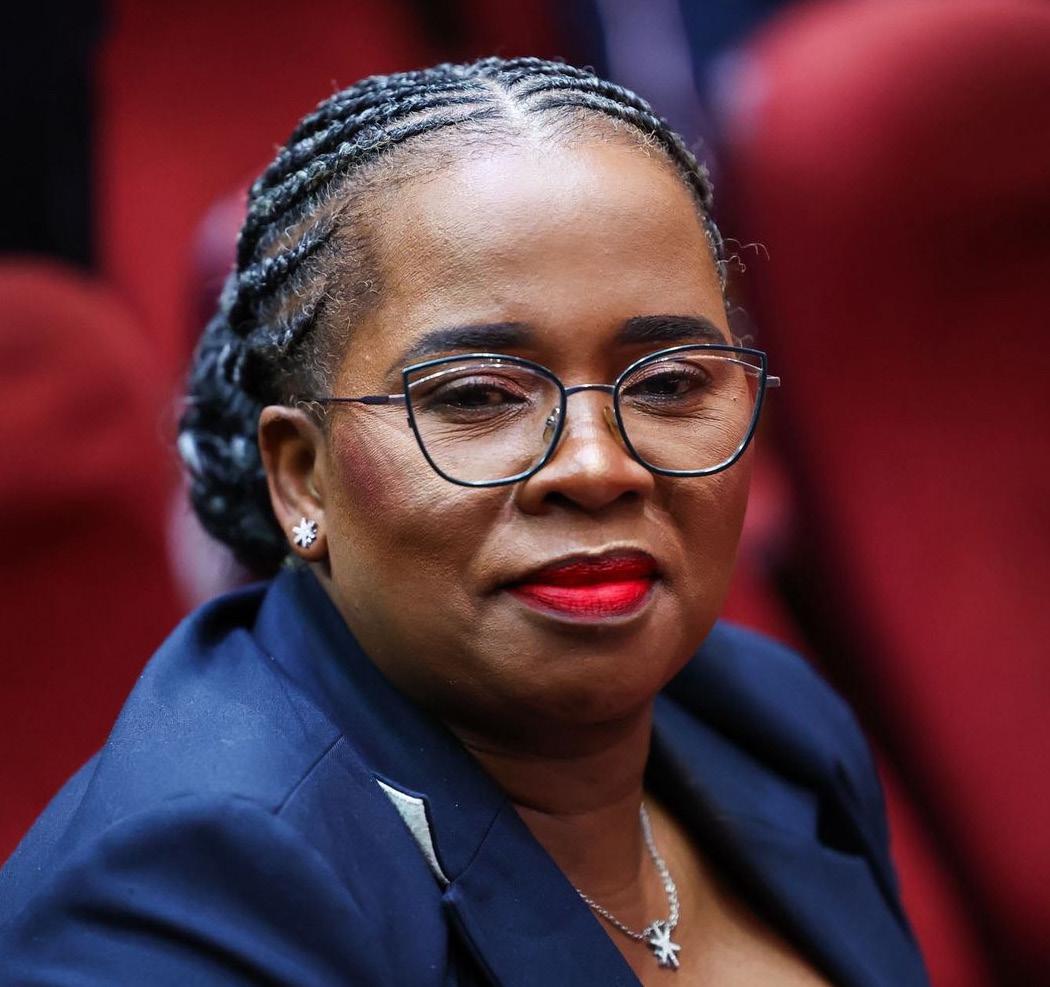
Honourable Nomakhosazana Meth, Minister of Employment and Labour
Championing labour protection and job creation
Since taking office as South Africa’s Minister of Employment and Labour in 2024, Nomakhosazana Meth has positioned worker protection, fair labour practices and employment creation at the centre of her leadership agenda. One of the department’s most ambitious interventions to date is the expansion of the country’s labour inspectorate, planned through the recruitment of thousands of additional labour inspectors and interns. The programme aims to strengthen workplace compliance while simultaneously creating meaningful employment opportunities.
Importantly, the initiative aligns with the department’s broader focus on strengthening labour protections in a rapidly changing economy. Under Minister Meth’s leadership, the Department of Employment and Labour has intensified efforts to modernise labour regulation, improve employment equity compliance and expand worker protections. Proposed amendments to labour legislation, currently undergoing consultation, are intended to strengthen job security, modernise parental leave systems, and improve protections for vulnerable workers.
Minister Meth’s leadership style has been shaped by extensive experience across local, provincial and national government structures. She built her political career through years of public service and local government leadership. Before entering national government, she served in several senior roles, including Executive Mayor of the OR Tambo District Municipality, Eastern Cape MEC for Rural Development and Agrarian Reform, and later Eastern Cape MEC for Health.
Her professional background is rooted strongly in public administration and community development. Throughout her career, she has maintained a strong focus on social justice, public service delivery and inclusive development.
Her rise through local government structures provided firsthand exposure to the employment and socio-economic challenges facing communities, particularly in rural and underdeveloped areas. These experiences continue to inform her emphasis on labour dignity, fair employment and worker protection. The initiative forms part of a broader national effort to improve labour law enforcement, protect vulnerable workers and ensure safer and more equitable working environments across the economy. At the same time, the programme is expected to create new pathways into public service and labour regulation for thousands of young South Africans entering the workforce.
Minister Meth has repeatedly stressed that labour market stability depends on balancing economic growth with worker protections. In her public messaging, she has highlighted the importance of ensuring that economic participation is accompanied by dignity, fairness and legal compliance.
The inspector recruitment drive gained national attention following President Cyril Ramaphosa’s announcement during the State of the Nation Address that the government would significantly increase the number of labour inspectors nationwide. Minister Meth has since emerged as one of the key drivers behind the implementation process, framing the initiative not only as an enforcement intervention but also as an important employment and skills development opportunity.
Speaking during recent public engagements, Minister Meth emphasised that the expanded inspectorate would strengthen the government’s ability to enforce labour legislation, occupational health and safety standards and compliance with the National Minimum
Wage. The programme is particularly important in sectors where vulnerable workers often face exploitation, unsafe working conditions or wage violations. At the heart of the initiative is the planned appointment of 10,000 labour inspectors, supported by a broader internship and training programme to build long-term enforcement capacity. The department has also referenced Project 20 000, an inspector internship programme intended to create additional opportunities for young people interested in labour regulation, compliance and workplace governance.
The labour inspector programme also reflects growing recognition that enforcement plays an important role in economic development. Labour inspectors are responsible for monitoring compliance with workplace laws covering wages, health and safety standards, working hours, employment equity and UIF registration. Strong enforcement systems help ensure that workers are treated fairly while supporting more stable and sustainable labour markets. In sectors such as construction, agriculture, hospitality, retail and security, inspectors play a particularly important role in protecting vulnerable employees who may be exposed to exploitative working conditions. By increasing inspection capacity, the government hopes to improve compliance rates while encouraging better workplace practices across the economy.
Beyond the direct employment benefits, the programme may also contribute to improved workplace safety outcomes. Occupational injuries and unsafe working conditions remain a concern in several sectors, particularly in high-risk industries. Additional inspectors could improve oversight, strengthen compliance with safety regulations and reduce workplace accidents over time.
Sources: Business Report | MSN South Africa | South African Government | Parliament of South Africa | Department of Employment and Labour
BY JESSIE TAYLOR
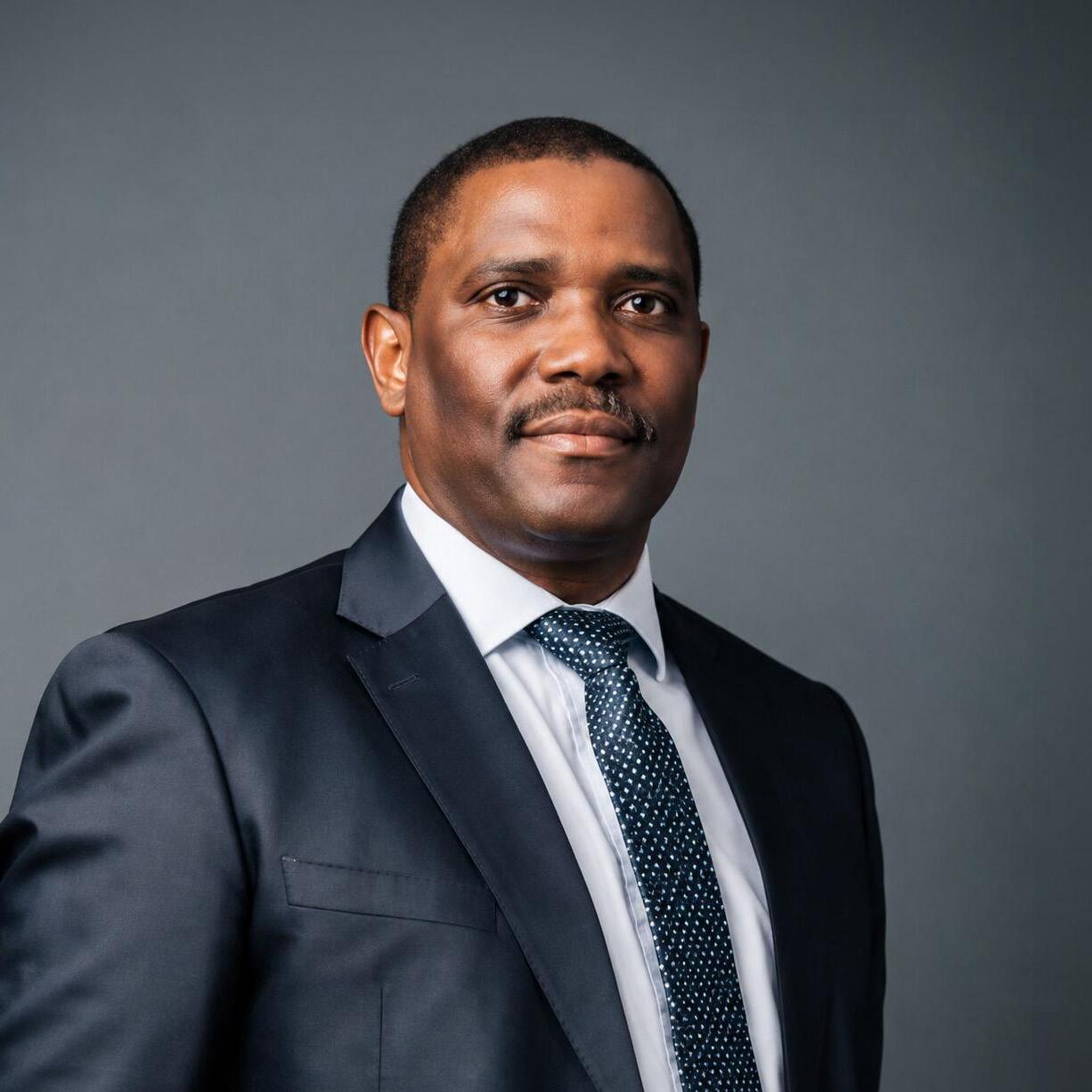
Dr Ngobani Johnstone Makhubu
A steady hand guiding SARS into a new era
Dr Ngobani Johnstone Makhubu steps into one of the most consequential roles in South Africa’s public sector as the new Commissioner of the South African Revenue Service (SARS). Dr Makhubu will be tasked with safeguarding revenue collection while advancing institutional integrity. Dr Makhubu assumes leadership at a pivotal moment. SARS has recently achieved record-breaking revenue collection, surpassing R2-trillion in the past financial year, underscoring its critical role in stabilising the country’s finances. His leadership will be central to the government’s broader ambition of reducing debt as a proportion of GDP.
Dr Makhubu is distinguished not only by his technical competence but also by the breadth of his journey. His career began far from boardrooms and policy discussions, delivering coal in townships – an experience that he credits with instilling discipline, humility and a deep understanding of people. This early exposure to the realities of everyday South Africans continues to inform his leadership philosophy, grounding it in empathy and practicality. Academically, Dr Makhubu exemplifies lifelong learning. He holds an electrical engineering degree from the University of KwaZulu-Natal, complemented by a Bachelor of Economics from the University of South Africa, a Master’s in Business Leadership, and a PhD in the same field from the University of Pretoria.
Before joining SARS in 2016, Dr Makhubu built a robust career across both the private and public sectors. His early professional years included roles at Unilever and Tiger Brands, followed by experience in contract management at Anglo Platinum. He later joined Eskom, where he held senior management responsibilities in commercial finance, governance and supply chain risk. This cross-sector exposure has equipped him with a holistic understanding of
operational complexity, risk management and organisational governance.
Within SARS, Dr Makhubu’s trajectory has been marked by steady progression and increasing responsibility. He has served in various senior roles since 2016, including as chief revenue officer and deputy commissioner. His familiarity with SARS’s inner workings ensures continuity at a time when stability is essential.
One of Dr Makhubu’s key priorities will be the continued modernisation of SARS. The integration of advanced technologies, including artificial intelligence and data analytics, is expected to play a central role in enhancing efficiency, improving compliance and identifying revenue leakages. Under his leadership, SARS is likely to accelerate its digital transformation, ensuring it remains agile and responsive in an increasingly complex global tax environment. Equally important will be investment in human capital, with a renewed focus on training and equipping SARS employees to meet evolving demands. Crucially, Dr Makhubu’s appointment also represents continuity in SARS’ post-state capture recovery journey. The institution has made significant strides in rebuilding capacity, restoring credibility and enhancing revenue performance. Dr Makhubu inherits this momentum and is well-positioned to build on these gains, leveraging his institutional knowledge and strategic insight to deepen reforms and drive further progress.
As South Africa navigates a complex economic landscape, SARS’s role extends beyond revenue collection. It is a critical enabler of public service delivery, funding essential programmes that impact millions of lives. In this context, Dr Makhubu’s leadership carries profound significance. His blend of technical expertise, operational
experience and values-driven leadership positions him as a trailblazer capable of steering SARS through both immediate challenges and long-term transformation.
South Africa’s tax authority delivered a historic performance in the 2025/26 financial year, reinforcing its central role in supporting the country’s fiscal stability. The South African Revenue Service (SARS) collected R2.010-trillion in net revenue, marking the first time the R2 trillion threshold has been exceeded in the democratic era.
This represents year-on-year growth of approximately 8.4%, with collections outperforming earlier budget estimates and demonstrating resilience despite a constrained economic environment.
The result follows steady gains over recent years, with SARS maintaining a compound annual growth rate of about 5.8% in revenue collection.
Key structural indicators further underscore the strength of the tax system. South Africa’s tax-to-GDP ratio stands at roughly 25.9%, reflecting a relatively high level of revenue mobilisation compared to many emerging markets. Compliance efforts remain a significant contributor, generating hundreds of billions of rand through improved enforcement, debt recovery and the closing of revenue leakages.
The tax base also continues to expand, reaching around 34 million registered taxpayers, driven largely by growth in individual registrations. Personal income tax remains the largest contributor to total revenue, followed by value-added tax and corporate income tax.
Sources: Daily Maverick |
BY JESSIE TAYLOR
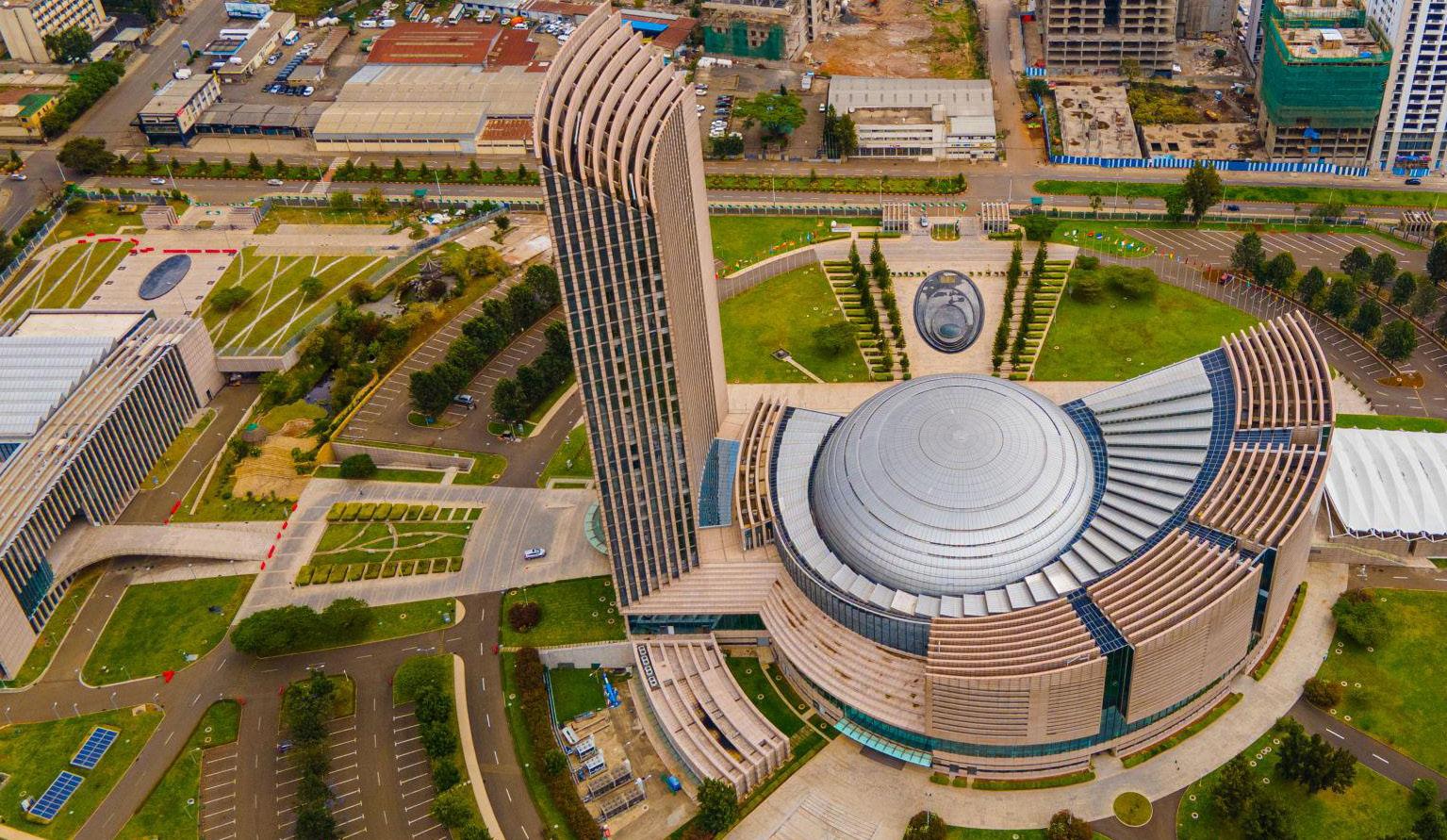
More than a decade after its adoption by the African Union (AU), Agenda 2063 remains one of the most ambitious longterm development frameworks ever undertaken on the African continent. Often described as “The Africa We Want”, the agenda represents a 50-year strategic vision designed to guide Africa’s economic growth, social development, political integration and global influence from 2013 to 2063.
Adopted during celebrations marking the 50th anniversary of the Organisation of African Unity – the predecessor to the African Union – Agenda 2063 was developed as a response to the continent’s changing priorities. After decades focused primarily on liberation struggles and political independence, African leaders recognised the need for a long-term development strategy centred on inclusive growth, industrialisation, regional integration, governance, peace and human development.
At its core, Agenda 2063 seeks to transform Africa into “an integrated, prosperous and peaceful Africa, driven by its own citizens”. The framework is built around the principles of Pan-Africanism, self-reliance, sustainable development and collective prosperity. Rather than functioning as a single policy document, it serves as a broad continental blueprint intended to guide national governments, regional bodies and development institutions towards shared long-term objectives.
The strategy is organised around seven broad aspirations that collectively define the AU’s long-term vision for the continent:
• Economic development
• Political unity
• Governance
• Peace
• Cultural identity
• Youth empowerment
• Africa’s role in global affairs
The framework prioritises inclusive economic growth, industrialisation, infrastructure, healthcare and innovation, while promoting stronger regional integration through initiatives such as the African Continental Free Trade Area.
It also emphasises democracy, good governance, human rights and accountable institutions. Peace, security and conflict prevention remain central goals, alongside preserving Africa’s cultural identity and heritage.
Agenda 2063 further focuses on empowering women and youth through education and economic participation, while strengthening Africa’s voice in global trade, diplomacy and international decision-making.
To translate these aspirations into practical outcomes, the AU introduced a series of 10year implementation plans
containing measurable targets and flagship projects. These projects are intended to drive largescale transformation in infrastructure, trade, technology, education and industrial development.
Among the most significant achievements linked to Agenda 2063 over the last decade has been the launch of the African Continental Free Trade Area (AfCFTA). Operational since 2021, the AfCFTA aims to create the world’s largest free trade area by the number of participating countries. The agreement is expected to increase intraAfrican trade, strengthen regional value chains and support industrialisation across the continent.
The agreement brings together 54 African countries, creating the world’s largest free trade area by number of participating states. According to the World Bank, the AfCFTA could lift 30 million Africans out of extreme poverty by 2035.
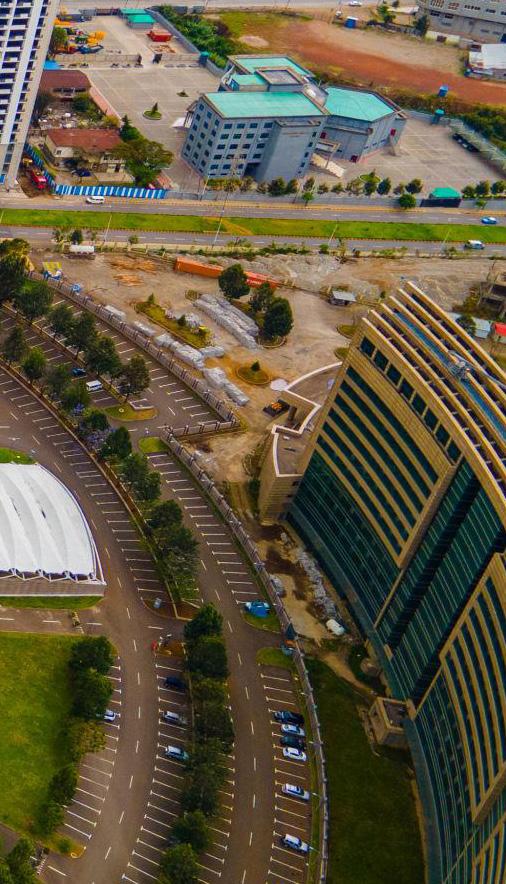
have also advanced under the Agenda 2063 framework. Multiple countries have expanded rail, port, and road infrastructure to improve continental connectivity and facilitate trade. Projects such as the Ethiopia–Djibouti railway, Kenya’s Standard Gauge Railway and improvements in regional transport corridors reflect broader continental efforts to modernise infrastructure and support economic integration.
has similarly gained momentum as part of efforts to liberalise air travel across the continent. The initiative seeks to improve connectivity between African countries, reduce travel costs and stimulate tourism, trade and investment.
has emerged as another increasingly important pillar of Agenda 2063 implementation. African countries are investing more heavily in digital infrastructure, fintech innovation, e-governance systems and technology ecosystems. Progress has also been visible in financial integration and institutional cooperation. Continental
institutions continue exploring frameworks for stronger financial coordination, capital markets and regional investment mechanisms intended to reduce dependence on external financing and strengthen Africa’s economic resilience.
The AU and development experts continue to emphasise that Agenda 2063 was always designed as a long-term generational project rather than a short-term policy intervention. The framework’s phased implementation structure recognises that continental transformation requires sustained investment, institutional coordination and political commitment over several decades.
Africa’s population is projected to reach approximately 2.5 billion people by 2050, making investment in infrastructure, education, industrialisation and job creation central to Agenda 2063’s goals. The continent already has the world’s youngest population, with around 70% of its population under 30.
As Africa’s population, urbanisation and economic influence continue to grow over the coming decades, Agenda 2063 is likely to remain one of the continent’s most important strategic frameworks. While implementation will continue to face challenges, the agenda provides a shared vision around which governments, institutions and citizens can align longterm development priorities.
BY SHUMIRAI CHIMOMBE
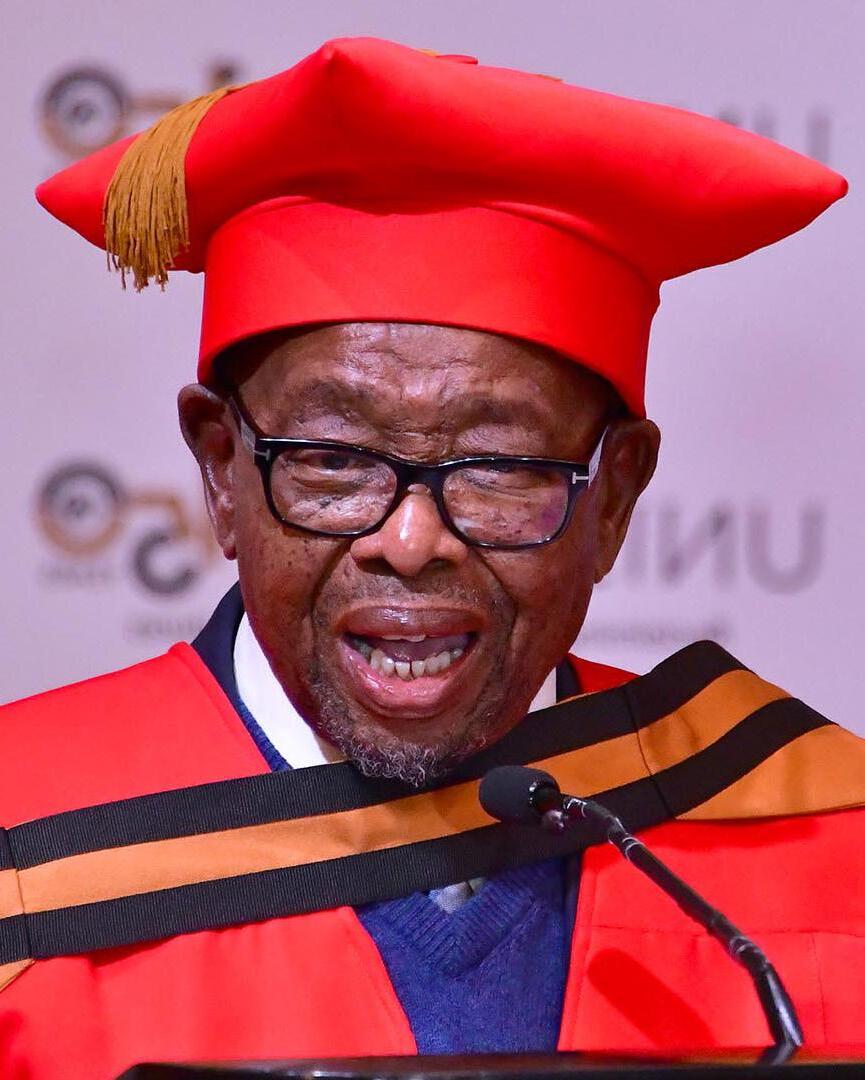
The chairs are distributed across 16 universities and span a wide range of disciplinary areas aligned with national priorities.
CAPE PENINSULA UNIVERSITY OF TECHNOLOGY
• Prof Jennifer Case - Research Chair in Engineering Education
• Prof Tiko Iyamu - ICT for Development: Innovation for Smart and Sustainable Development
• Prof Zayd Waghid - Education, Social Justice and Society
CENTRAL UNIVERSITY OF TECHNOLOGY
• Prof Kanzumba KusakanaSmart and Sustainable Energy Systems
DURBAN UNIVERSITY OF TECHNOLOGY
• Prof Sheena Kumari Kuttan Pillai - Wastewater treatment and reuse
• Prof Rendani Wilson Maladzhi - Smart Manufacturing Technologies
• Prof Pfano Mashau - Future-Fit and Inclusive Entrepreneurship for a Pan-African Society
• Associate Professor Tabitha Grace Mukeredzi - Education, Social Justice and Society
• Prof Kugen PermaulBiovalorization
• Prof Olive Stumke - Digital Transformation, Governance, SME Innovation, Education & Skills
NELSON MANDELA UNIVERSITY
• Prof Alastair Potts - Chair in Thicket Ecosystem Services for Climate and Community
• Prof Rasheed AdelekePhytomicrobiome and circular agriculture. Host Institution: North-West University
• Prof Adeyemi O. AremuIndigenous Knowledge-Driven Medicinal Plants utilisation and Conservation Strategies for Human, Animal and Crop Health (IK-Medplants4HAC)
RHODES UNIVERSITY
• Prof Sonwabile MnwanaSustainable Rural Futures
SOL PLAATJE UNIVERSITY
• Prof Boitumelo Molebogeng Diale
- Inclusive Rural Education and Early Childhood Development
TSHWANE UNIVERSITY OF TECHNOLOGY
• Prof Shengzhi Du - NextGeneration Telemanipulation and Teleoperation Platforms for Multiple Sectors: Education, Training, and Production
UNIVERSITY OF FORT HARE
• Prof Anthony I Okoh - Water Quality and Environmental Genomics
• Prof Amon Taruvinga - Circular Economy: Leveraging smart technologies for sustainable ecologies, food security and climate resilience
UNIVERSITY OF LIMPOPO
• Prof Tebogo Maria Mothiba
- Prevention, Control and Management of NonCommunicable Diseases (NCDs)
• Prof PE Ngoepe - Computational Modelling of Energy Materials
• Prof Kgothatso Shai - Liberation Heritage and Politics
BY SHUMIRAI CHIMOMBE
UNIVERSITY OF SOUTH AFRICA
• Prof Ilunga Kamika - Water and The Environment
• Prof Mookgo Solomon Kgatle - Welfare and Social Development in Informal Settlements
UNIVERSITY OF THE FREE STATE
• Prof Sandy-Lynn SteenhuisenTrophic Ecology
UNIVERSITY OF THE WESTERN CAPE
• Prof Fiona Anciano - Democracy and Urban Governance
• Prof Christopher Arendse - LowDimensional Materials for Solar Energy Conversion (LDMSEC)
• Prof Jennifer ChippsDigital Health
• Prof Admire Dube Chair - Nanomedicine and InfectiousDiseases
• Prof Russell Kaschula - Forensic Linguistics and Multilingualism
• Prof Marshall Keyster - Plant Improvement for Regenerative and Sustainable Agriculture (PIRSA)
• Prof Louise Leenen - Chair in Artificial Intelligence and Cybersecurity
• Prof Mervin Meyer ChairSustainable Nanotechnology
• Prof Tamara Shefer - Blue Humanities and Gender Justice
UNIVERSITY OF VENDA
• Prof Pascal Obong BessongCommunity Antimicrobial Resistance (CAR)
• Prof Michael ChimonyoLivestock Science for Society
• Prof Ademola Oluborode Jegede - Climate Change and the Rule of Law (CCRL)
Sources: National Research Foundation (NRF)
“There is absolutely no question that today is a profoundly historic moment for South Africa’s National System of Innovation. A moment that holds immeasurable significance for our department’s strategic goal of ensuring that we build a transformed and socially responsive national system of innovation.” The Minister of Science, Technology and Innovation Prof Blade Nzimande was speaking in his keynote address at a prestigious event held at the National Research Foundation (NRF) on 16 April, where he announced 41 new Research Chairs.
The chairs fall under the South African Research Chairs Initiative (SARChI). Established in 2006 by the Department of Science, Technology and Innovation (DSTI) and implemented by the NRF, SARChI aims to attract and retain
excellence in research and innovation at South African public universities with a long-term investment of up to 15 years. Highlighting the strategic significance of this milestone, Minister Nzimande indicated that these Research Chairs have been deliberately awarded to Historically Disadvantaged Institutions (HDIs), Universities of Technology (UoTs), and new universities, including the Sol Plaatje University in the Northern Cape province, which was awarded a Research Chair for the first time in its history.
To date a total of 331 Research Chairs have been awarded with over 200 currently operational. These posts have played a pivotal role in increasing PhD production, with 52.5% of permanent academic staff
• Prof Hlanganipai NgirandeEntrepreneurship SARCHi Chair
UNIVERSITY OF ZULULAND
• Chairholder: Prof Innocent Moyo - Borders and the African Continental Free Trade Area
• Prof Neerish RevaprasaduFunctional Materials for Green Energy
WALTER SISULU UNIVERSITY
• Prof Constance Rufaro Sewani Rusike - Rural Health Systems Research and Development
in the country now holding doctoral degrees. The Minister added: “As you may be aware, historically, Research Chairs were concentrated at a handful of research-intensive and mainly previously advantaged universities in South Africa. Today’s event signals a deliberate change of this disparity. By awarding 32 of these 41 chairs to Black researchers, we are not just changing who does research; we are also changing where that research is done and for whom.”
A SHIFT TOWARDS EVIDENCEBASED RESEARCH THAT PROVIDES SOLUTIONS OF CRITICAL SOCIAL VALUE
The Minister emphasised that the newly unveiled cohort of Research Chairs are deliberately aligned to the priority areas of the DSTI’s
Decadal Plan for Science, Technology and Innovation (2022-2032) and represent a deliberate shift towards building equitable research capacity, enhance excellence, and broaden impact across the country’s public universities. The Decadal Plan is centred around advancing a coordinated, whole-of-government - and ultimately a whole-ofsociety - approach to innovation in South Africa. Its core pillars include fostering an inclusive and coherent National System of Innovation (NSI), creating an enabling environment for innovation, increasing and transforming human capabilities, expanding and transforming the research system, and significantly increasing funding for science, technology and innovation.
“While our traditional universities may focus on discovery-led research, these new research chairs are specifically aligned to the societal challenges and priorities of our decadal plan. Your research must provide evidence-based solutions for food security, water sanitation, and the energy challenges that are facing our communities and our country.”
“We expect our chairholders to work together to solve the many critical problems that we face in our era. Structural poverty, spatial segregation, and the impacts of climate change, including this new pandemic, gender based violence.” Minister Nzimande underscored the importance of the DSIT understanding the role and impact of the Research Chairs - to know exactly how this investment in such chairs has touched the lives of women youth and those in the most disadvantaged communities.
“Our expectations for these new 41 research chairs is to help us enhance the research capacity of our historically disadvantaged institutions,
universities of technologies and our new universities. We also expect them to be deliberate about the development and mentoring of young black and women researchers. Most importantly, we have a duty to ensure that the knowledge that is produced by our public universities enables our strategic mission of placing science, technology and innovation at the center of government, education, industry and society to be realised.”
“A number of these universities are located in rural areas and we also hope that some of these chairs are also going to address matters relating to rural development - to do research, to assist government, to assist NGOs, to assist other policymakers to be able to be informed about the challenges facing our people especially in rural areas.” - Minister Nzimande
PROF BOITUMELO MOLEBOGENG
DIALE - CHAIR: INCLUSIVE RURAL EDUCATION AND EARLY CHILDHOOD DEVELOPMENT, SOL PLAATJE UNIVERSITY
“This Chair is not about an individual’s achievement, it is about building a collective research endeavour that serves children, educators, and communities and contributes to both national and international scholarship. My vision is to develop a research profile that is rigorous, inclusive, and responsive, one that contributes meaningfully to knowledge, practice, and policy, particularly in rural contexts that are often underrepresented.”
PROF RENDANI WILSON MALADZHI - CHAIR: SMART MANUFACTURING TECHNOLOGIES, DURBAN UNIVERSITY OF TECHNOLOGY
‘The Chair provides a strategic platform to advance applied research, strengthen SME
competitiveness, build advanced manufacturing skills, and contribute meaningfully to South Africa’s industrialisation, productivity growth, and broader socioeconomic development.
Being appointed as a SARChI Chair at the Durban University of Technology is both a humbling honour and a significant milestone in my academic journey. It affirms a research vision shaped over many years, focused on making research meaningful and responsive to the real challenges facing South Africa’s manufacturing sector and SMEs. This recognition reflects not only my own efforts but also the collective contributions of colleagues, students, mentors, and industry partners”
DR THEMBINKOSI MABILA, DIRECTOR OF THE DEPARTMENT OF RESEARCH ADMINISTRATION AND DEVELOPMENT, UNIVERSITY OF LIMPOPO
“Just as a butterfly emerges from egg to larva to chrysalis before taking flight as a vibrant, resilient pollinator, so too has UL transformed. We have moved beyond simply building a research culture in isolated pockets. Our focus has shifted squarely towards science that solves realworld problems. As a university, we are cementing our position as a pivotal node for science-generated solutions, impact and social value for our communities. This development marks a decisive break from our past, with empirical and innovative solutions now taking centre stage in our research agenda.”
Sources: Department of Science, Technology and innovation | National Research Foundation (NRF) | World University News | University of Limpopo | Sol Plaatje University | Durban University of Technology
BY PROF. LINDA MEYER

When a government digital project fails, the postmortem rarely points to the software. It points to the people — or more precisely, to the absence of decisive, visionary leadership at the helm. Across the public sector, from municipal councils to national agencies, a pattern has emerged: organisations that successfully harness technology to better serve citizens aren’t necessarily those with the largest budgets or the most sophisticated tools. They are the ones led by individuals who understand that digital transformation is, at its core, a human endeavour.
THE LEADERSHIP IMPERATIVE
It has become fashionable to frame digital transformation as a technology problem. Procurement cycles are scrutinised, platforms are debated, and vendors are evaluated with painstaking rigour. Yet the uncomfortable truth is that most public sector digital initiatives don’t stall because of the wrong software, they stall because of the wrong leadership posture.
Effective public sector leaders in the digital age are not administrators who happen to oversee technology budgets. They are strategists who understand how to align
technology with public value, ethical accountability, and long-term societal outcomes. They ask not, “what can this system do?” but “what do our citizens actually need, and how does this get us there?”
This distinction matters enormously. The public sector operates under constraints that private enterprise rarely faces: political scrutiny, limited budgets, entrenched legacy systems, union agreements, and a mandate to serve everyone — not just the digitally literate. Navigating this terrain requires leaders who are as comfortable in the boardroom as they are in the community hall.
One of the most significant leadership contributions to digital transformation is articulating a compelling, user-centred vision. Too many public sector technology projects are sold internally as efficiency drives, cost-cutting exercises dressed in digital clothing. While efficiency matters, it is rarely sufficient motivation to carry an organisation through the inevitable turbulence of large-scale change.
Leaders who succeed in digital transformation frame it differently. They connect technology adoption to a broader mission: faster access to social services, more transparent governance, better health outcomes, safer communities. When staff understand why the change is happening, and can see themselves as participants in something meaningful, resistance softens, and momentum builds.
This is not idealism. It is a strategy. Purpose-driven change management is consistently more effective than top-down mandate alone, particularly in public institutions where staff are often mission-motivated rather than incentive-driven.
Even the most visionary leader cannot transform an organisation single-handedly. One of the most underrated leadership skills in digital transformation is the ability to identify and cultivate internal champions, the mid-level managers, frontline workers, and IT staff who become advocates for change within their own teams. These champions serve as cultural translators, bridging the gap
between strategic ambition and operational reality. They surface the friction points that leaders in senior roles never see, and they carry credibility with colleagues who might be sceptical of directives from above. Smart leaders don’t just appoint champions, they create the conditions for champions to emerge naturally by fostering psychological safety and rewarding experimentation over compliance.
Executive sponsorship is not a formality, it is a lifeline. Digital transformation projects in the public sector face a unique set of institutional pressures: budget cycles that don’t align with technology timelines, ministerial changes that reset priorities overnight, and procurement rules written before cloud computing existed.
Leaders who maintain visible, active sponsorship of digital initiatives signal to the organisation and to external partners that this work matters and will not be quietly shelved when things get complicated. Without that signal, projects drift. With it, teams push through.
Research from the OECD and the UK’s Government Digital Service consistently shows that the single biggest predictor of digital project success in government is sustained senior leadership commitment. Not the technology stack. Not the vendor. Leadership.
Finally, no digital strategy survives contact with a workforce that lacks the skills to execute it. Leaders must make deliberate, often difficult
decisions about where to invest not just in platforms and infrastructure, but in people. This means budgeting for digital skills training, recruiting specialist talent, and, critically, creating career pathways that make the public sector competitive with private industry.
It also means being honest about what the organisation can build internally and what it needs external expertise to deliver. That judgment call, made well or poorly, can define the outcome of a transformation programme.
Digital transformation in the public sector will always involve technology. But it will always be decided by leadership — by the clarity of the vision, the courage to champion change, the discipline to sustain momentum, and the wisdom to invest in people as much as platforms. Governments that grasp this will build services their citizens deserve. Those who do not will continue buying technology they cannot use.
Prof. Linda Meyer, MD at Rosebank College
BY WANDILE SIHLOBO
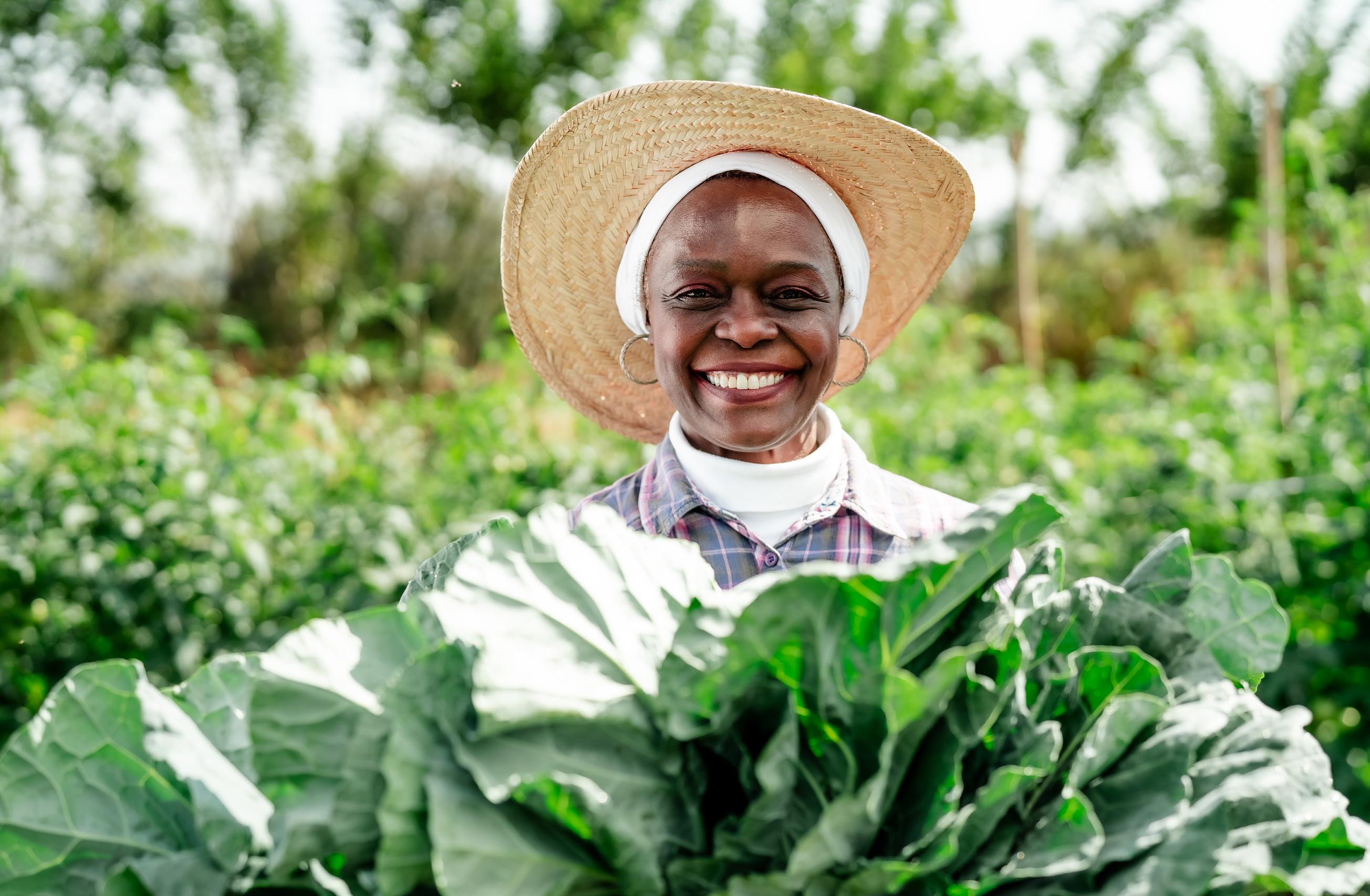
On April 27, 2026, we celebrated Freedom Day in South Africa. We are now roughly 32 years into South Africa’s democracy, and many have written extensively¹ about the country’s progress since the dawn of democracy. It is sufficient to say that, while daily challenges can often leave one feeling despondent, as a collective, we have made significant progress in improving the country’s economic conditions. As individuals, we are, on average, better off by roughly one and a half times in monetary terms. Of course, the gains would have been much better had we not been hobbled by state capture, among other things . The agricultural sector, which today struggles with foot-and-mouth disease in the cattle industry, African swine fever in pigs, and lower commodity prices for wheat and sugar, has also made enormous progress. The challenges I highlight are real and impose immense costs on the farming sector. If we don’t tackle them speedily, they can reverse the growth gains
we have made. If we take a long-term view of South Africa’s agricultural sector, there is much to be proud of - it has more than doubled in value and volume terms since 1994. This expansion was broadly shared across all major subsectors of the South African farming economy, including horticulture, field crops, and livestock. (For those interested in the details, my colleagues at the Bureau for Food and Agricultural Policy have done a neat analysis of the sector’s progress accessible here .)
Among other interventions, two major catalysts drive the sector’s progress: First, South Africa has adopted technological advancements in agriculture as a means to drive productivity. This entails improved genetics, seed cultivars, vaccines, agrochemicals and fertilisers, amongst
other interventions. Better farming skills also help immensely. Second, the growing emphasis on agricultural trade has been a key driver of progress. South Africa has seen growth in its agricultural exports over time, reaching a record US$15.1-billion in 2025. South Africa is now ranked the world’s 32nd-largest agricultural exporter, the only African country in the top 40 by value.
The boom in exports was facilitated by the range of trade agreements the South African government secured over the past decades, the most important being those with African countries, Europe, the Americas, and some Asian countries. The African continent and Europe now account for approximately two-thirds of South Africa’s agricultural exports, while Asia is also becoming an increasingly important market.
The increase in agricultural output over time is also a major contributor to South Africa’s ranking of 59th out of 113 countries in the Global Food Security Index, making it the most food-secure country in sub-Saharan Africa.
Admittedly, boasting about this ranking when millions of South Africans go to bed hungry every day may ring hollow. We have a serious food insecurity challenge⁷ at the household level in South Africa.
The lack of access to food many South Africans face is primarily due to income poverty, rather than a lack of availability resulting from low agricultural output, as is the case in other parts of Africa.
In essence, we need to ensure employment and that households have sufficient income to purchase food, or implement interventions to support them, while being cognisant of the fiscal constraints the country faces.
Even with the adoption of technologies that have catalysed agricultural productivity improvements, employment in South Africa’s agriculture has remained robust. For example, there were about 922 000 people employed in the industry in 1994, according to Stats SA data, including both seasonal and permanent labour.
While the share of seasonal and regular labour changed over time, broad employment conditions remained vibrant. As of the last quarter of 2025, approximately 950 000 people were employed in primary agriculture, according to Quarterly Labour Force Survey data from Statistics South Africa. We have seen more encouraging employment conditions also within the value chain. Notably, the wages have also improved over time.
The agricultural progress of the last 32 years is admirable and provides a solid foundation for further expansion, with a
clear focus on enhancing inclusivity. As I argued in my book, A Country of Two Agricultures:
“Nearly three decades after the dawn of democracy, SA has remained a country of ‘two agricultures’. On the one hand, we have a subsistence, primarily non-commercial and black farming segment; on the other, we have predominantly commercial and white farmers.”
In the book I add that:
“The democratic government’s corrective policies and programmes to unify the sector and build an inclusive agricultural economy have suffered failures since 1994. The private sector has also not provided many successful partnership programmes to foster the inclusion of black farmers in commercial production at scale. It is no surprise that institutions such as the National Agricultural Marketing Council estimate that black farmers account for less than 10%, on average, of commercial agricultural production in SA.”
This lacklustre performance by black farmers in commercial agriculture cannot be blamed solely on historical legacies. The democratic government has a lot to account for in this failure.
Notably, black farmers account for approximately 10% of South Africa’s commercial agricultural output. Still, as I argued in the book:
“What we can also not ignore is the anecdotal evidence pointing to a rise of black farmers in some corners of SA. We see this in field crops, horticulture and livestock in provinces such as Free State, Western Cape, Eastern Cape and other regions.”
I have decided to revisit these points because, amid the current climate where some argue that the South African farming sector is under siege, it is easy to fall for such narratives and lose sight of the progress South Africa is making in this critical sector of the economy.
As I highlighted in A Country of Two Agricultures, South Africa has great potential to increase the “agricultural pie” by bringing in more new entrant farmers, utilising, as a starting point, much of the government’s underutilised agricultural land of roughly 2.5 million hectares. This land will be released with title deeds to appropriately s elected individuals. This will be paired with blended finance support and leaning on the training and support of commodity associations.
The expansion of agricultural activity would bring much-needed jobs in rural South Africa, while also improving the economic vitality and inclusivity. This could be an essential step for this decade to close the gap between the current two agricultural sectors in South Africa.
Again, while this long-term growth prospect is promising, we cannot achieve it without a serious effort to address the present-day challenges of foot-and-mouth disease and African swine fever, amongst other issues. These are issues that colleagues in the Department of Agriculture and organised agriculture are focused on, and we should accelerate our efforts on them, as they remain key to engaging the long-term growth issues of the sector.
References:
1. How South Africa has changed 30 years after apartheid | The Economist
2. Economic Policy Paper (2019) | National Treasury
3. Agriculture In South Africa In The Democratic Era, 1994-2024 | BFAP
4. Embrace science in farming | Wandile Sihlobo
5. Global Food Security Index 2022
6. Food Security in South Africa in 2019, 2022 and 2023: Evidence from the General Household Survey
7. Ibid
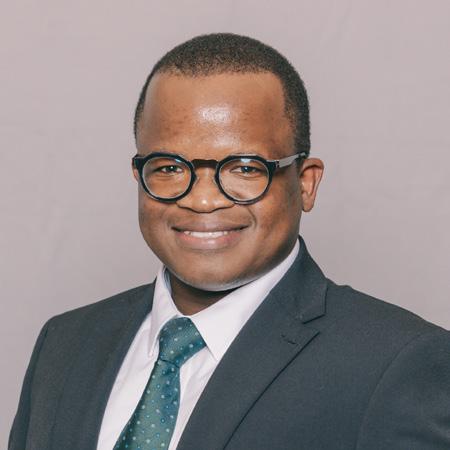
BY JESSIE TAYLOR
The Western Cape’s tourism sector continues to gain momentum as international connectivity, strategic partnerships and destination marketing drive strong visitor growth across the province. At the centre of this success is Wesgro, the official tourism, trade and investment promotion agency for Cape Town and the Western Cape, which has emerged as a critical player in strengthening global tourism links and positioning the province as one of Africa’s most competitive destinations.
Wesgro recently announced a major new partnership with Emirates to increase inbound tourism to Cape Town and the broader Western Cape. Signed at the World Travel Market Africa, the memorandum of understanding will see the airline and Wesgro collaborate on destination marketing campaigns, trade engagements, and promotional initiatives targeting key international markets, including the Gulf region, India, the Far East, and Europe.
The partnership is the latest example of how Wesgro is leveraging air access and global connectivity to grow tourism numbers and stimulate economic activity across the province. By working closely with airlines, tourism operators and government stakeholders, the agency has helped transform Cape Town into one of the best-connected cities on the African continent. Tourism remains one of the Western Cape’s most important economic sectors. According to the provincial government, international tourists

spent approximately R25.9 billion in the Western Cape during 2025, underlining the sector’s significance to the regional economy. Tourism supports thousands of businesses across accommodation, restaurants, retail, transport, events and attractions, while also sustaining employment opportunities in urban and rural communities alike.
Wesgro’s approach recognises that air connectivity is one of the strongest drivers of tourism growth. The easier it becomes for travellers to access Cape Town and the Western Cape directly, the more competitive the destination becomes internationally. Through its Cape Town Air Access initiative, powered by Wesgro, the agency has spent the past decade securing new international routes and expanding airline partnerships to boost visitor arrivals.
The results have been substantial. Cape Town International Airport recorded a historic 11.1 million two-way passengers during 2025, the highest total ever achieved by the airport. International passenger growth continued to accelerate, with December 2025 alone recording almost 364,000 international two-way passengers, reflecting year-on-year growth of 10%. These increases are translating directly into higher tourism activity and broader economic participation across the province.

Wesgro’s strategy extends far beyond simply increasing flight numbers. The organisation has focused on identifying high-value source markets that can deliver long-term tourism growth. The Emirates partnership, for example, provides the Western Cape with enhanced exposure to the airline’s extensive global network spanning more than 140 destinations. This creates opportunities to attract travellers from rapidly growing outbound tourism markets such as the Middle East, India and Asia, while strengthening existing European visitor flows.
While international arrivals remain a major focus, the agency also supports initiatives aimed at dispersing tourism benefits more widely across communities and regions. By encouraging visitors to explore smaller towns, cultural experiences and nature-based attractions, tourism growth can contribute more directly to local economic development.
The success of the Cape Town Air Access initiative has increasingly attracted international recognition. Over the past decade, the programme has helped secure dozens of new routes and route expansions, strengthening connectivity with North America, Europe, South America, the Middle East and Africa. These achievements reflect strong collaboration between Wesgro, the
City of Cape Town, Airports Company South Africa, the Western Cape Government and private sector partners.
Ultimately, the agency’s success demonstrates the importance of strategic collaboration in building a globally competitive tourism economy. Through initiatives such as Cape Town Air Access and partnerships with leading international airlines, Wesgro is not only bringing more visitors to the province – it is helping unlock investment, create jobs and strengthen the Western Cape’s position as one of the world’s leading travel destinations.
WESGRO’S SUCCESSFUL AIR ACCESS PARTNERSHIPS
Over the past decade, Wesgro has transformed international connectivity to Cape Town and the Western Cape through its Cape Town Air Access initiative. Working alongside government, airports, and airline partners, the programme has secured numerous international routes, significantly boosting tourism and economic growth. Among the most notable successes has been United Airlines’ expansion of flights, which launched direct seasonal
services between Newark and Cape Town, dramatically improving connectivity between the Western Cape and North America. The route helped stimulate high-value tourism from the United States, one of the province’s fastest-growing international markets.
Delta Air Lines also strengthened connectivity through direct flights linking Atlanta and Cape Town, while Air France expanded services from Paris to Cape Town, increasing European access to the destination.
Cape Town Air Access also supported the announcement of a new direct LATAM Airlines route between São Paulo and Cape Town, scheduled to launch in 2026. Collectively, these partnerships have contributed to record passenger growth at Cape Town International Airport, which handled more than 11.1 million two-way passengers during 2025.
The expanded connectivity has strengthened tourism, supported exports, increased conference tourism and enhanced Cape Town’s position as one of Africa’s leading international gateway cities.
BY KOKETSO MAMABOLO
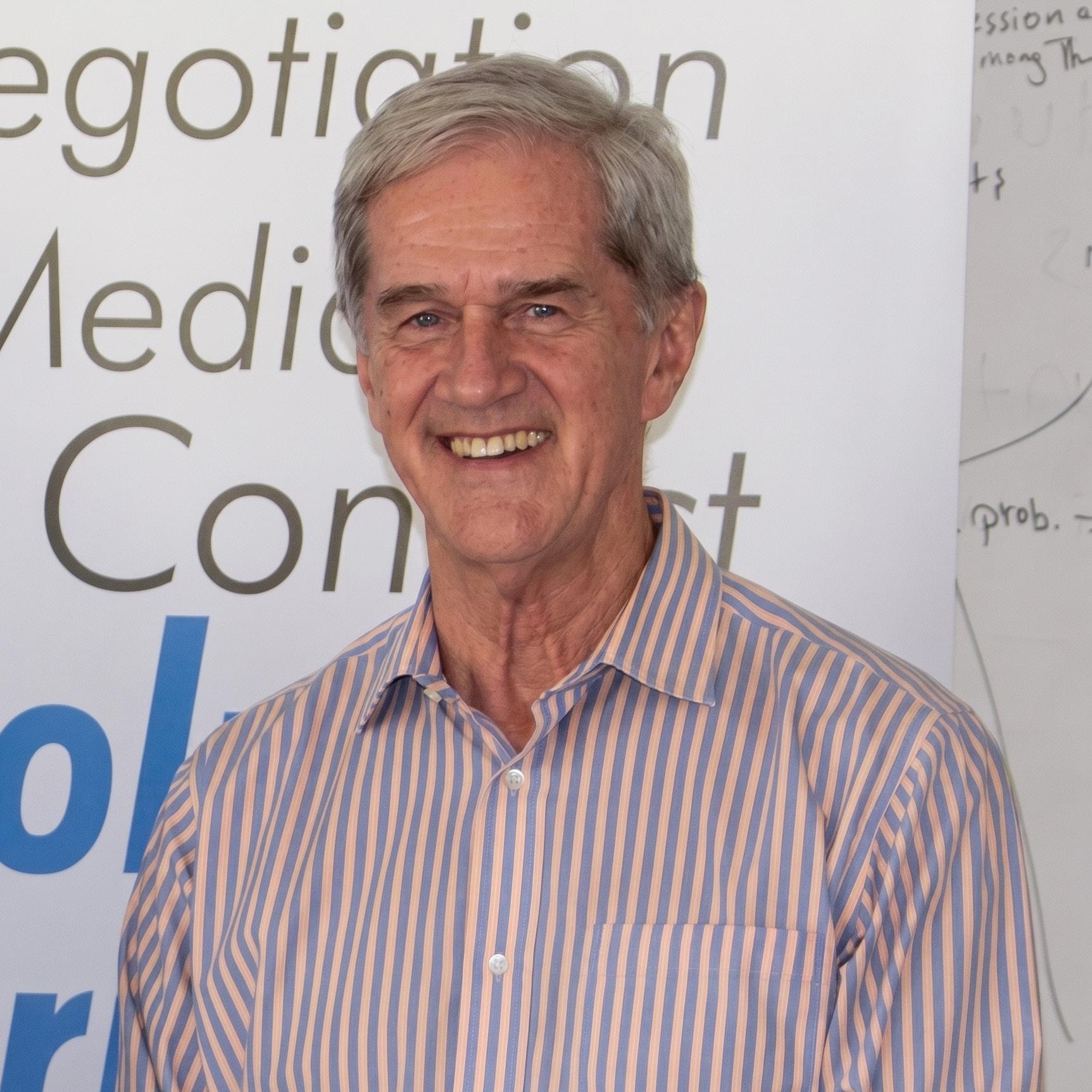
“The work starts now.”
Veteran negotiator Roelf Meyer starts work as ambassador to the US
From being at the heart of the negotiations that brought us to democracy, to using his skills and the lessons he learned from the transition to assist other countries, Ambassador Roelf Meyer has begun his next big challenge as he returns to public office.
Earlier this month President Cyril Ramaphosa announced that Ambassador Meyer would take over the void left by Ebrahim Rasool in the US. He will add to his decades of public service which began as Minister of Defence, then Minister of Constitutional Affairs in FW De Klerk’s administration. The latter post brought him to the fore as the National Party’s chief negotiator in the discussions which drove South Africa’s transition to a democracy.
After the 1994 elections he served as Minister of Constitutional Development and Provincial Affairs under President Nelson Mandela’s government of national unity.
During the negotiations the rapport between him and the ANC’s chief negotiator, current President Cyril Ramaphosa, was integral in ensuring that a negotiated settlement was reached and peace ensured. More than three decades later President Ramaphosa has placed his trust in a man who gained his respect during some of the darkest times in the country’s history to mend the US-SA relationship, which has been fraying at the edges in recent times.
Reports suggest that he’s expected to continue Pretoria’s current ‘rightsbased’ approach in relations with the Trump administration by leveraging the connections he has on both sides of the political spectrum. Since leaving politics the veteran politician, who received the Order of the Baobab in
Silver from President Kgalema Motlanthe for his contributions, has been taking his skills around the world through the In Transformation Initiative (ITI).
Established in 2013 by four veterans of the transition to democracy, the NPO has leveraged the lessons learnt in South Africa to assist other countries which are experiencing conflict or going through their own transitions. The services they offer include facilitating dialogue and providing technical support.
“Over the years, the diverse contexts that ITI has and continues to support include: Central African Republic, Colombia, Cyprus, Democratic Republic of Congo, Sri Lanka, Madagascar, Zimbabwe, Kenya, Sudan, South Sudan, Yemen, Iraq, Spain (in the Basque region), Bahrain, Myanmar, India (on the Naga question), to name but a few,” reads the ITI’s website.
Ambassador Meyer was the Tip O’Neill Chair in Peace Studies at the University of Ulster, and served as chair of the Defence Review Committee from 2011 to 2014. He has been a member of the NPO founded by former Deputy President FW de Klerk, the Global Leadership Foundation, since 2022 and will be an inactive member while he’s back in public office. He is also part of the Eminent Persons Group which the Presidency has tasked with driving the National Dialogue.
A TOUGH ROAD AHEAD
Trade is top of the agenda with a further extension of AGOA past December this year hanging in the balance. With the threat of tariffs still looming, it has been up to senior ministers, career diplomats, and even one of the President’s advisers, to drive discussions.
Dr Alistair Ruiters, the President’s international investment adviser, has been leading the charge from Pretoria and is said to have built solid relationships with Washington. Over a decade spent as the Director-General for Trade and Industry, and time spent as a Commissioner at Competition Commission, will have provided him with the skills to pave the way for Ambassador Meyer.
In Washington the ambassador will be assisted by his deputy, Thabo Thage (an experienced diplomat who is essentially a chargé d’affaires) who had been acting as the de facto ambassador in the absence of a permanent appointee. For the last four years he has been the acting chief director for North America in the Department of International Relations.
Speaking to the SABC soon after arriving in the states, the ambassador said he received a warm reception when he presented his credentials to US authorities alongside 11 other ambassadors from different countries.
He acknowledged that in order to overcome the stumbling blocks that have strained trade relations they will need to make an assessment of the five demands given by the new US ambassador to South Africa,
“The work now starts,” he said.
With less than half a year until the end of the AGOA extension – and many people relying on him to bring back the kind of relationship the two countries had in the 90s when Al Gore (then US Vice President) and Thabo Mbeki (then SA Deputy President) formed the US-SA Binational Commission – this will be his most important task in decades.
BY SHUMIRAI CHIMOMBE
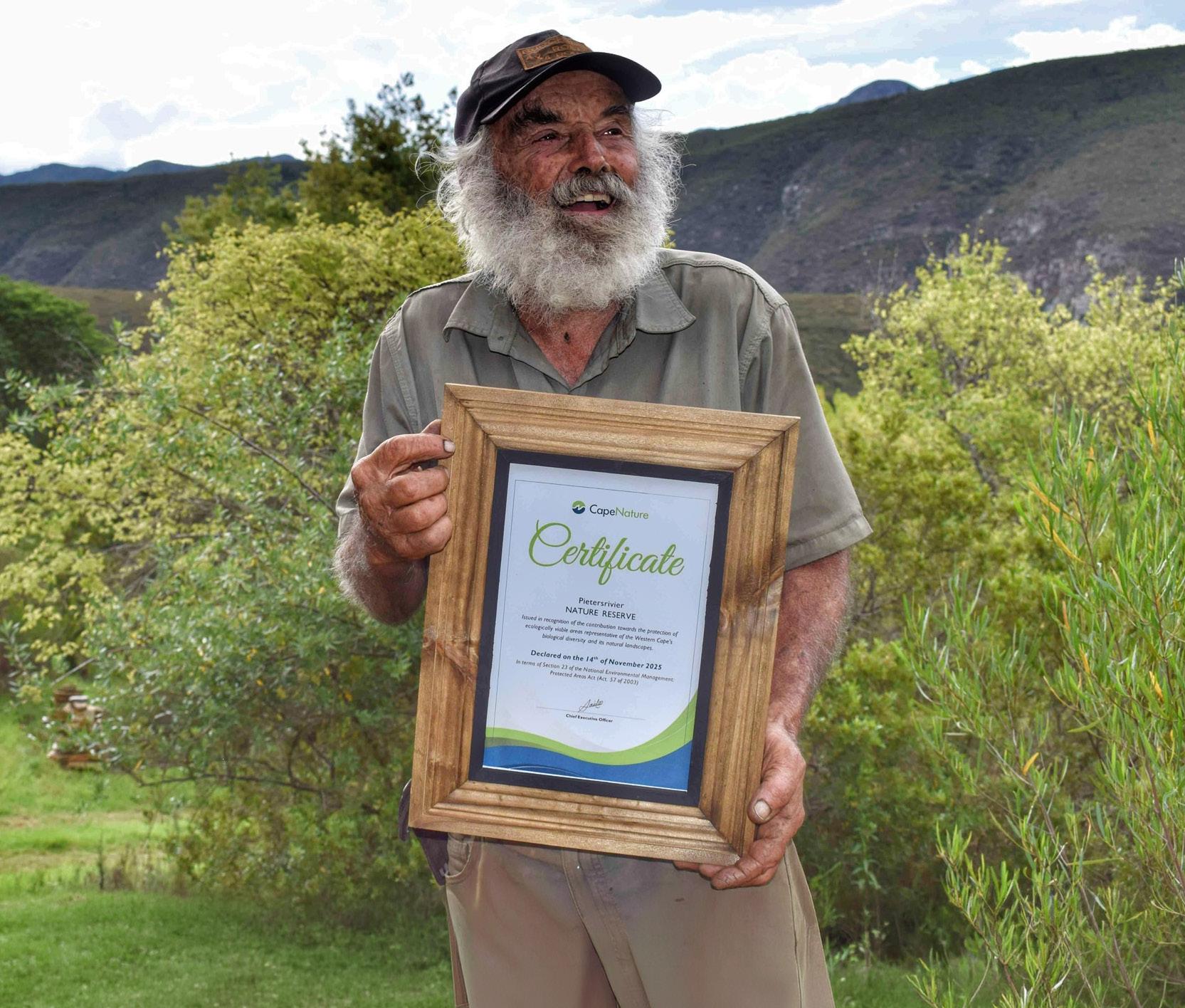
In a significant milestone for biodiversity, the Western Cape has added over 25 new nature reserves to its Protected Area network. This represents more than 81 902 hectares of ecologically significant land that has now been secured for long-term conservation. These new reserves, which were declared in the last financial year (April 2025 to March 2026), will play an essential role in the province’s efforts to protect important landscapes, species, and vegetation types.
Anton Bredell, Western Cape Provincial Minister of Local Government, Environmental Affairs and Development Planning indicated
that the Cape Floristic Region is one of 36 recognised global biodiversity hotspots. These hotspots are regions that have high levels of biodiversity, but that are also the most threatened reservoirs of plant and animal life on earth.
“Healthy and resilient ecosystems are essential to sustain livelihoods and economic growth and must be actively protected, managed, and restored. Our ability to declare these additional reserves is made possible through partner organisations and landowners, working with CapeNature.”
According to CapeNature, the reserves span diverse regions, including the Cederberg, Agulhas Plain, Little Karoo, and Garden Route, and range from small properties to expansive mountain and lowland areas. Most of these reserves are privately owned, while Anysberg Nature Reserve and Knersvlakte Nature Reserve are managed by CapeNature and have been expanded. Public access will be determined in line with land-use and conservation requirements.
Through CapeNature’s Biodiversity Stewardship Programme, landowners can voluntarily commit to having their land formally declared as a Protected Area and nature reserve. Each declaration contributes to the province’s longterm environmental commitments aligned with the Global Biodiversity Framework 30x30 goals – an initiative, which was adopted by Parties to the Convention on Biological Diversity in December 2022. The framework is aimed at formally protecting 30% of the planet’s land and oceans by 2030 through protected areas and other conservation methods.
The South African Biodiversity Institute (SANBI) explains that biodiversity stewardship, which is led by conservation authorities in South Africa, involves entering into agreements with private and communal landowners to protect and manage land in biodiversity priority areas,
“It recognises landowners as the custodians of biodiversity on their land.”
Dr Ashley Naidoo, CEO of CapeNature expressed his appreciation for the commitment by the landowners.
“Their commitment ensures that important natural areas receive formal protection, and together we are taking steps toward securing a healthier, more resilient environment for decades to come.”
According to Wesgro, the official tourism, trade and investment promotion agency for Cape Town and the Western Cape, these new reserves not only safeguard unique species and ecosystems but also protect landscapes shaped by centuries of human–nature interaction.
“Through declaring and managing such areas, CapeNature ensures long-term ecological resilience, preserves South Africa’s natural heritage, and maintains vital ecosystem services for communities across the Western Cape.”
Summary of newly declared Nature Reserves
Source: CapeNature
Source:CapeNature|SouthAfricanBiodiversityInstitute(SANBI|Wesgro
BY JESSIE TAYLOR
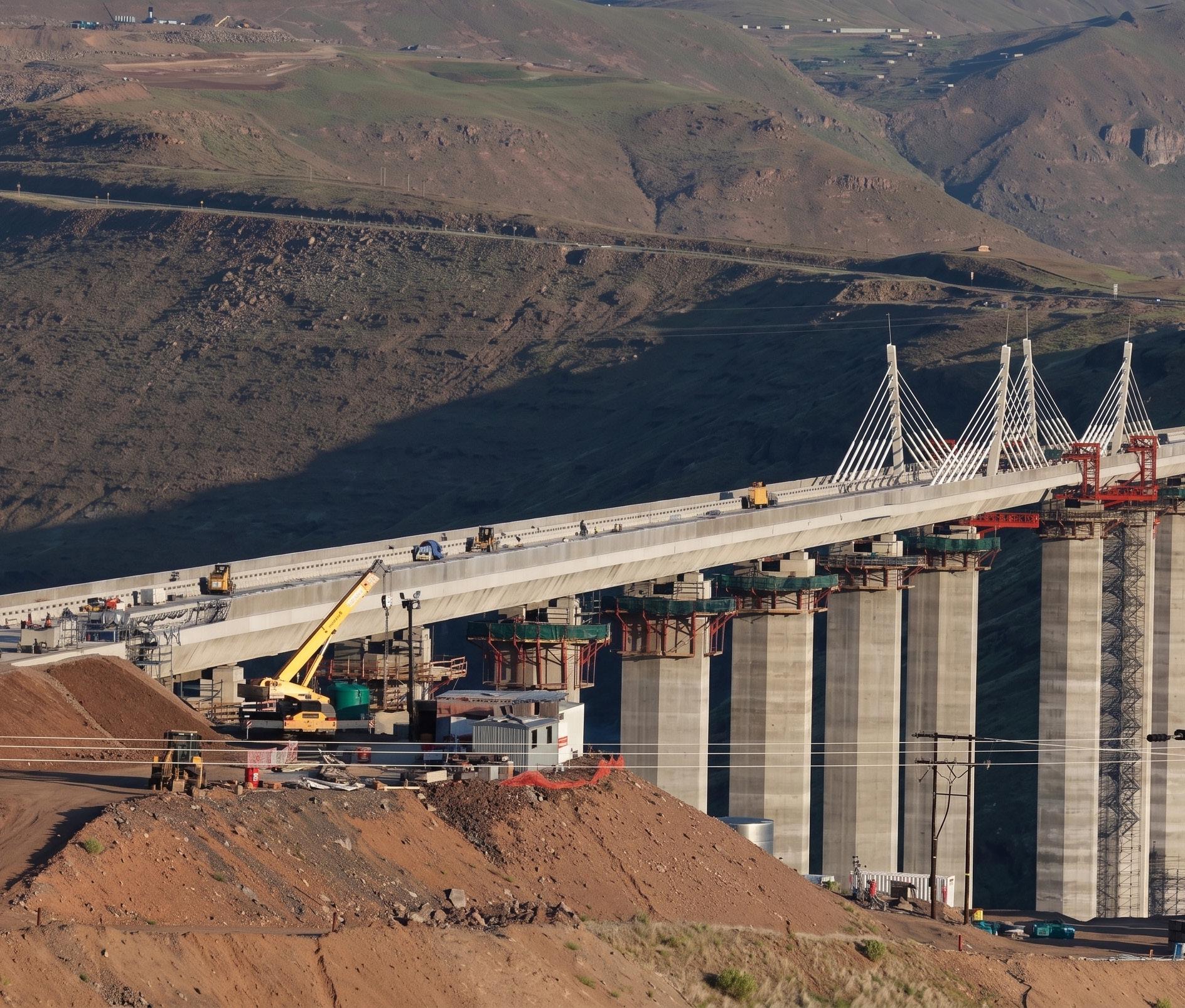
In April 2026, a landmark moment in Southern Africa’s infrastructure development unfolded with the official opening of the Senqu Bridge, a key component of Phase II of the Lesotho Highlands Water Project (LHWP). Jointly inaugurated by Cyril Ramaphosa and King Letsie III, the bridge stands not only as an engineering achievement but also as a powerful symbol of cooperation, resilience, and shared development between South Africa and the Kingdom of Lesotho. Located in the mountainous Mokhotlong district of Lesotho, the bridge spans the Senqu River valley and forms part of the extensive infrastructure network supporting
the Polihali Dam and broader LHWP Phase II works. Its completion marks a critical milestone in one of Africa’s most ambitious cross-border infrastructure initiatives, designed to address water security, energy generation and regional economic development.
The LHWP is a decades-long partnership between South Africa and Lesotho, rooted in a 1986 treaty that recognised the mutual benefits of harnessing water resources from Lesotho’s highlands. Today, Phase II of
the project is significantly expanding this vision. Once completed, it will nearly double the volume of water transferred to South Africa, increasing supply from approximately 780 million cubic metres to over 1.27 billion cubic metres annually.
This enhanced capacity is vital for supporting Gauteng, the country’s economic hub, while simultaneously strengthening Lesotho’s hydropower capabilities and energy independence. The LHWP is widely regarded as one of the largest and most successful transboundary water
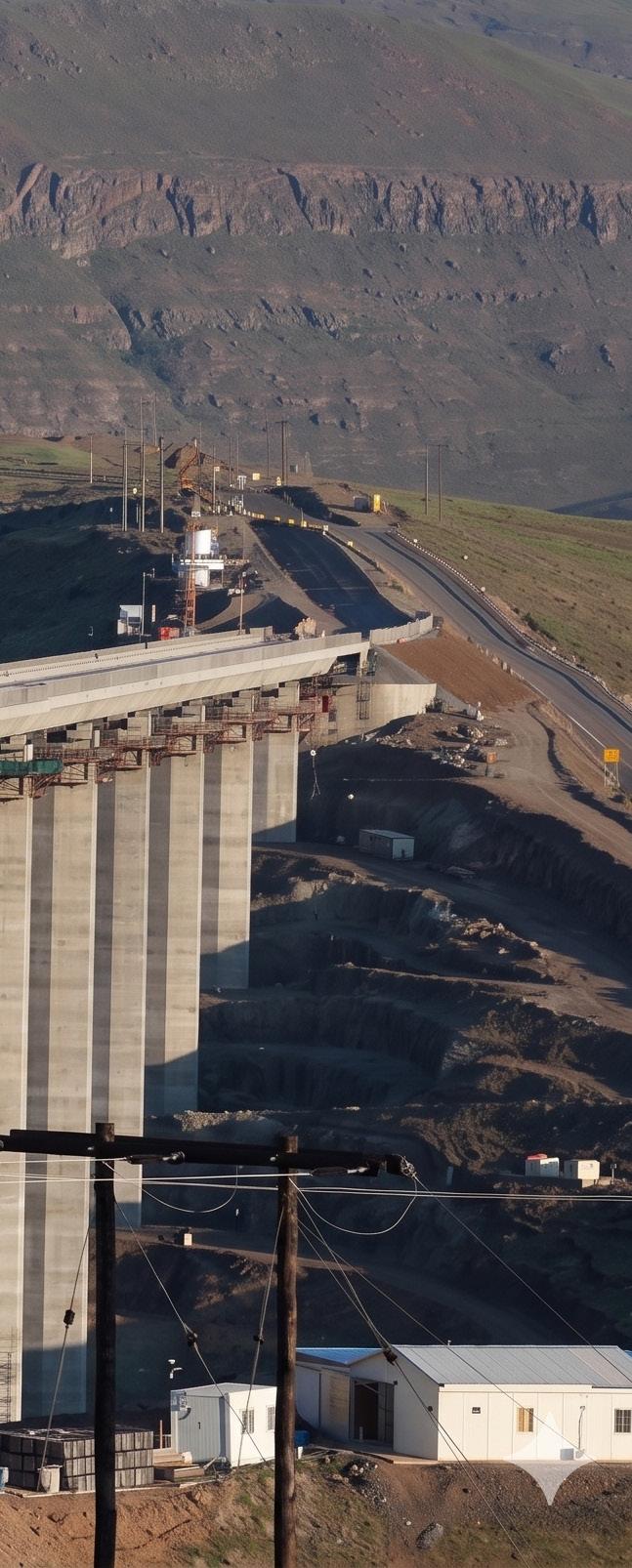
projects in the world, representing the largest investment South Africa has made outside its borders. Its continued progress reflects strong bilateral collaboration, effective project management and a shared commitment to sustainable development.
The Senqu Bridge plays a pivotal enabling role. As the Polihali reservoir fills, existing transport routes will be submerged, potentially isolating communities and disrupting
economic activity. The bridge ensures uninterrupted access across the valley, maintaining vital connections between Mokhotlong and the national A1 route that links the district to the capital, Maseru. In doing so, it safeguards mobility, supports trade and ensures continued access to essential services such as healthcare, education and markets.
The construction of the Senqu Bridge reflects both technical ingenuity and human determination. Built in one of Southern Africa’s most challenging terrains, the project required innovative engineering solutions to navigate high altitudes, steep mountain passes and complex geological conditions.
The project has also delivered meaningful socio-economic benefits. The construction phase created employment opportunities for approximately 1,200 people, many of them local residents, contributing to skills development and income generation in a region where economic opportunities can be limited.
The Senqu Bridge also underscores the importance of regional integration. The project facilitates the movement of goods and people, enhances trade corridors and supports broader economic cooperation. It is a tangible demonstration of how infrastructure can act as a catalyst for inclusive growth, bridging not only geographical divides but also economic opportunities.
The environmental and developmental impact of the project is equally significant. By augmenting water supply to South Africa, the LHWP supports industrial activity, urban growth and overall economic
resilience. At the same time, the expansion of hydropower generation in Lesotho contributes to cleaner energy production and reduced reliance on imports. The Senqu Bridge, as part of this integrated system, enables the infrastructure required to deliver these outcomes, reinforcing its importance beyond its immediate function.
The completion of the Senqu Bridge signals momentum for the remaining components of Phase II, including the Polihali Dam and transfer tunnels. With the project already well advanced, the bridge serves as both a milestone and a motivator, demonstrating tangible progress and reinforcing confidence in the delivery of large-scale infrastructure.
The Senqu Bridge is one of the most significant infrastructure components of Phase II of the Lesotho Highlands Water Project, combining scale, complexity and strategic importance. Constructed at an estimated cost of R2.4 billion, the bridge represents a major investment in regional infrastructure and connectivity. The structure spans approximately 825 metres in length, making it the largest of three major bridges being developed under Phase II, and rises around 90 metres above the Senqu River valley, offering a critical crossing over the future Polihali Reservoir. Built in the high-altitude Mokhotlong region, the bridge sits in terrain exceeding 2,000 metres above sea level, where extreme weather conditions and challenging access routes added complexity to construction.
BY JESSIE TAYLOR
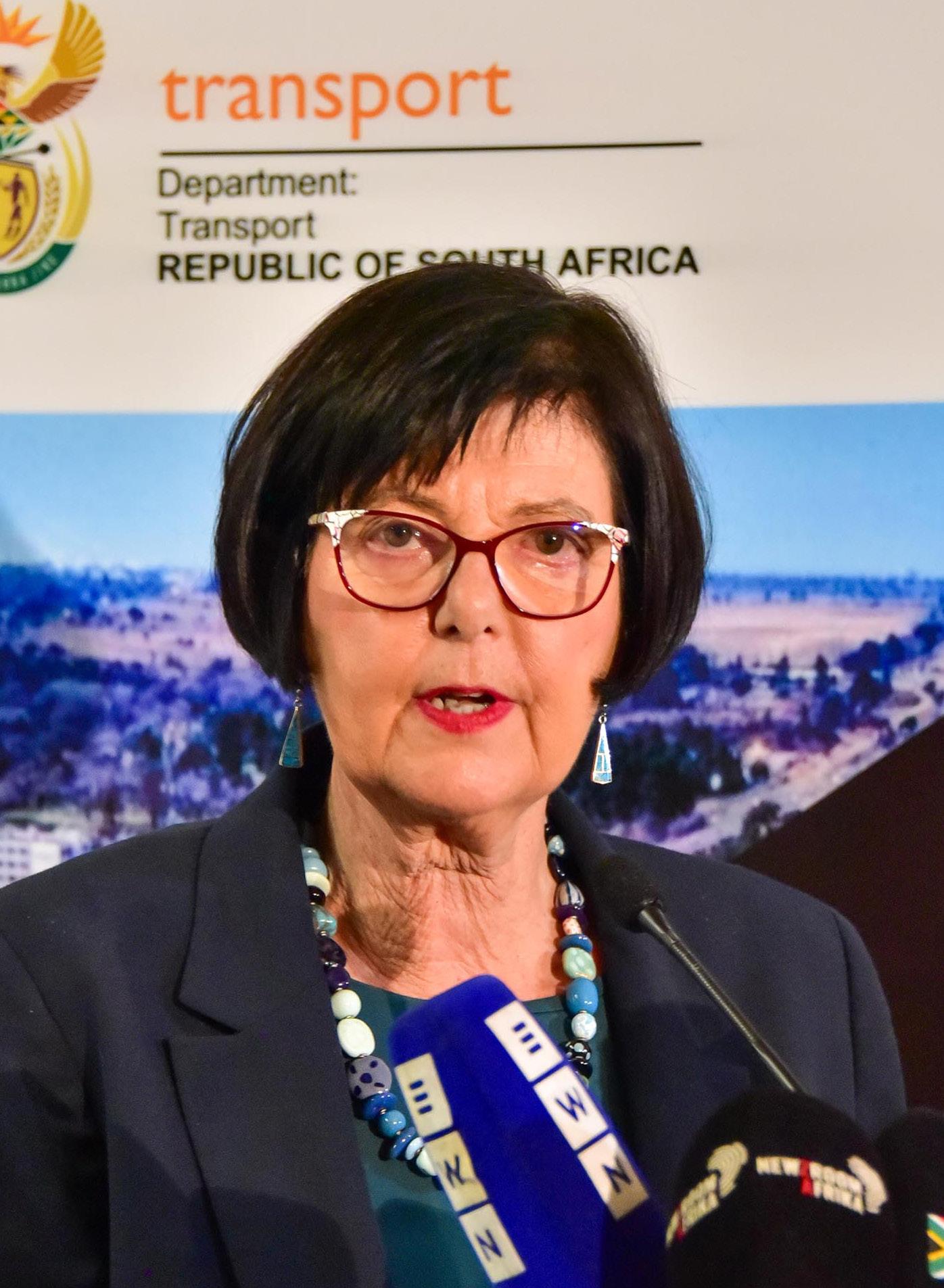
WHon. Barbara Creecy, Minister of Transport
ith the unveiling of the Draft National Rail Master Plan (NRMP), the South African government is charting an ambitious path to restore rail as a catalyst for economic growth, industrialisation and regional integration. Launched for public consultation by Transport Minister Barbara Creecy in April, the NRMP presents a long-term strategic vision extending to 2050. At its core, the plan aims to modernise, expand and integrate South Africa’s freight and passenger rail systems while positioning rail as the preferred mode of transport for bulk freight and commuter mobility. The government estimates that full implementation of the plan will require close to R2 trillion in combined public and private investment over the next three decades.
The NRMP seeks to rebuild rail capacity and shift more freight from road to rail. This is expected to significantly reduce transport costs, improve export competitiveness and relieve pressure on the country’s road infrastructure. Freight rail volumes are projected to increase substantially, with the government targeting annual freight movement of around 250 million tonnes by 2030. Improved rail reliability could support export growth and strengthen confidence in South Africa’s logistics network.
One of the plan’s most important pillars is the revitalisation of freight corridors. The master plan proposes prioritising strategic economic corridors that connect mines, industrial hubs, ports and agricultural regions. By improving freight efficiency, the rail network can support faster movement of goods, reduce fuel consumption and lower carbon emissions associated with long-distance trucking.
Passenger rail forms another critical focus area. For millions of South Africans, especially lower-income households, commuter rail once provided an affordable and reliable mode of transport. The NRMP seeks to rebuild and modernise commuter services through improved infrastructure, signalling systems and rolling stock. Importantly, the plan recognises that an effective commuter rail system has broader socio-economic benefits beyond transport itself. Affordable rail services reduce household transport costs, shorten travel times and improve access to employment opportunities, healthcare and education.
The NRMP also places strong emphasis on public-private partnerships and institutional reform. The government has acknowledged that restoring rail infrastructure on this scale cannot be achieved solely through state funding. The plan, therefore, opens the door to greater private-sector participation in freight operations, infrastructure investment, and corridor management.
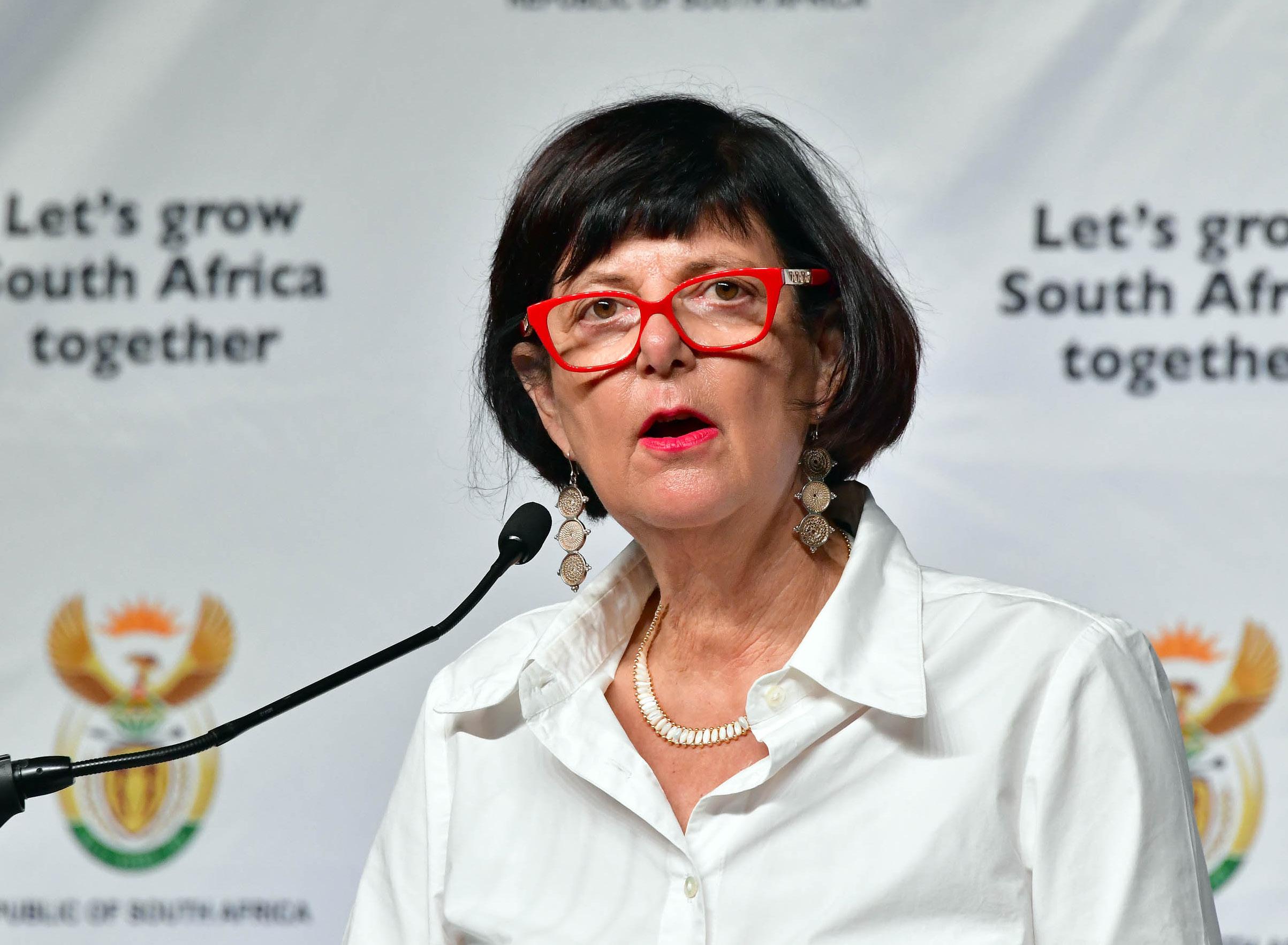
This collaborative approach could stimulate significant investment in associated industries such as steel, cement, engineering, manufacturing and logistics. Economic modelling cited in discussions around the plan suggests that largescale rail investment could deliver significant multiplier effects across the broader economy.
The plan also acknowledges the importance of skills development and rebuilding technical expertise within the rail sector. Historically, South Africa’s railways served as a major training ground for artisans, engineers and technical specialists. However, the sector has experienced significant skills losses in recent years. The NRMP identifies the need to strengthen vocational training, technical education and workforce development to support
long-term rail modernisation. While the ambition of the NRMP is considerable, the government has been candid about the realities facing the sector. The draft document acknowledges that some sections of the current rail network have limited economic viability and may require strategic rationalisation. At the same time, priority investment will focus on corridors and systems with the greatest socio-economic return.
If implemented successfully, the NRMP could mark the beginning of a new era for South African rail – one in which modern infrastructure once again powers economic development, connects communities and reinforces the country’s position as a leading logistics hub on the African continent.
South Africa possesses one of the largest rail networks in Africa, with approximately 23,540 kilometres of rail infrastructure spanning freight, passenger and export corridors. Historically, the network played a central role in transporting minerals and agricultural products.
According to the Draft National Rail Master Plan, nearly 40% of the current network has limited or uncertain economic utility, while around 20% consists of dedicated export systems, including coal and iron ore lines that continue to perform relatively well.
Freight rail currently moves approximately 165 million tonnes annually, significantly below the estimated market demand of around 280 million tonnes.
BY KOKETSO MAMABOLO
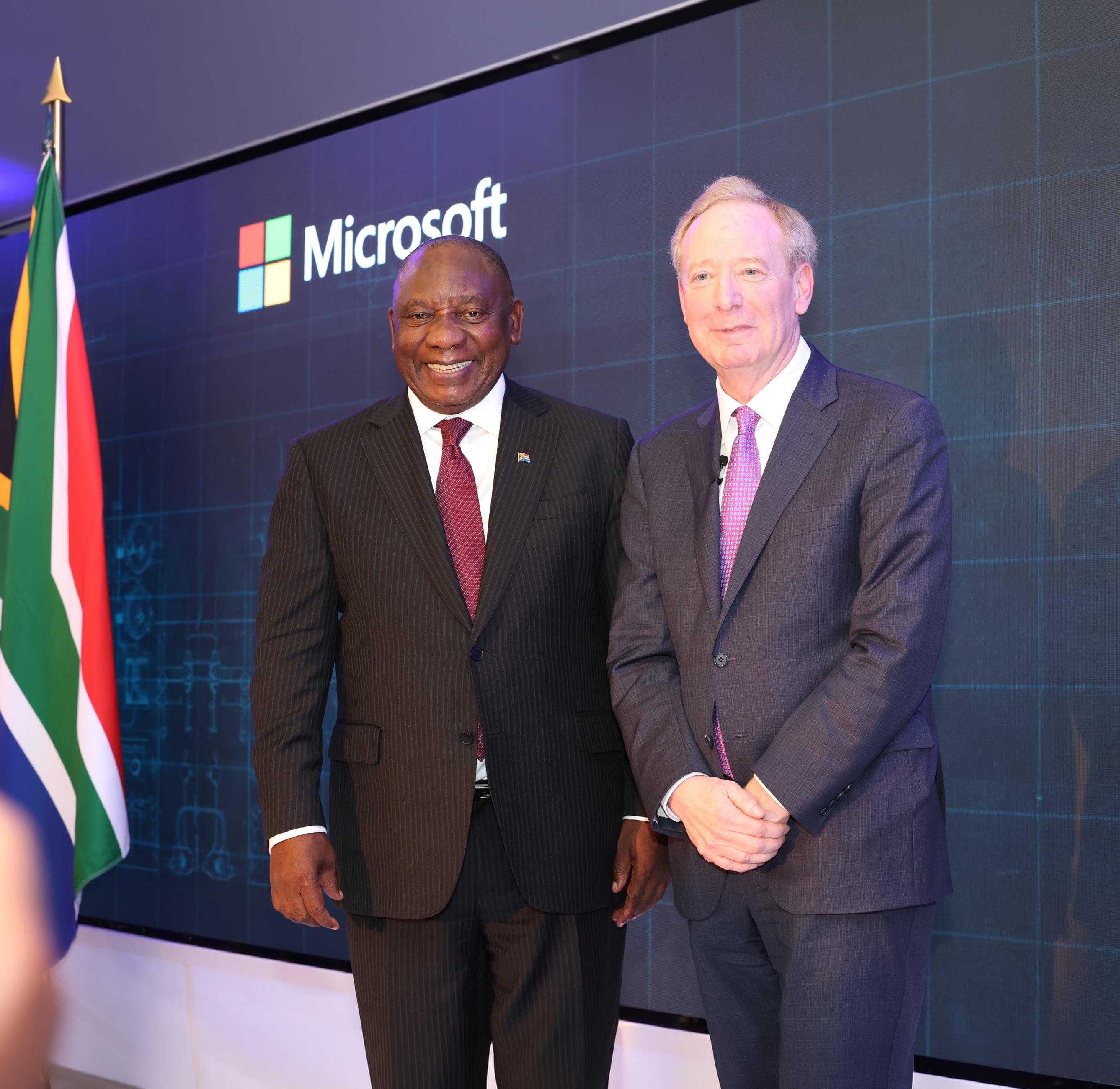
President Cyril Ramaphosa and Microsoft President Brad Smith after announcing investment in data infrastructure in 2025
The hyperscalers are coming to a city near you
While the focus for the last few years has centred on large language models (LLMs) themselves, and how they’ve transformed the world, the infrastructure behind them has quickly come into the spotlight. Whether it be how Nvidia has become one of the most valuable companies in the world by producing the chips that drive artificial intelligence, or how LLMs require enormous amounts of water and electricity to function, the inputs are now as important as the output.
With large amounts of data constantly being processed the need for data centre capacity to match demand is a major topic for discussion and the big tech companies, also known as hyperscalers, are moving aggressively all over the world.
At the moment there are roughly 12 000 data centres and according to the International Energy Agency these power hungry facilities account for 1.5% of the world’s electricity consumption - a figure which will go up to 4.4% in the next decade. While data centres have been around for a while, AI has been the catalyst for the rapid growth in the last couple years.
Research from Mckinsey found that in the next four years the demand for data centre capacity will go from the current 0.4 GW to between 1.5 and 2.2 GW with as much as $20-billion in investment. In Africa, over 200 facilities across 38 countries account for only 0.6% of the world’s capacity.
Much of the capacity is concentrated in South Africa, Egypt, Kenya and Nigeria but not enough to cater to the continent’s needs. As a result, Africa relies on offshore hosting in Europe and North America which raises issues of data sovereignty, governance and economic independence, according to the African Data Centres Association (ADCA).
This is pushing governments to consider how to shape policy and attract the investment needed to reduce the reliance on offshore hosting. In this year’s budget speech, the Minister of Finance, Hon. Enoch Godongwana sent out a signal to the industry that the state understands its importance.
“The use of data and artificial intelligence has become critical for the future development of economies worldwide. As such data infrastructure should be considered as critical as electricity, ports and transport networks. “This year we will be exploring options to help data centres and related infrastructure to expand these investments in South Africa and solidify our role as a regional hub for these technologies.”
There are 56 data centres in South Africa with a load capacity of 350 MW. The biggest player in the country is Teraco Group which also has the biggest expansion plans, followed by newcomer Cavaleros Group. They’re competing with Cassava’s African Data Centers, NTT Data, and Vantage Data Centres, among others. Along with the likes of Microsoft and MTN, the expansion plans are enough for us to ask the question of whether or not we have the infrastructure to support the growth.
The chips (CPUs and GPUs) generate enormous amounts of heat and that requires large volumes of water to prevent overheating.
The energy needed to power these facilities means greater pressure on electricity grids which already rely heavily on fossil fuels. There are many who have emphasised the need to keep data local but this is clashing with the lack of resources and reliable electricity supply. As Africa Practice’s Caleigh Plaatjes wrote:
“Africa’s path to harnessing artificial intelligence (AI) and other emerging technologies is fundamentally constrained by a single physical truth: the exponential demand for power and water.” However, this is not a challenge which is unique to the continent. The United States, which accounts for around 40% of global data centre capacity, has seen ongoing disputes between communities, local governments and hyperscalers over the construction of data centres. The concerns over the effect on the demand for electricity and water, and how that could translate into higher power costs and constraints on already fragile water supplies.
The challenge is how to eliminate t he risks hyperscaling is placing on communities and resources because data centres have become a foundation layer of economic development.
“Sustainability is now a central consideration for the sector,” said Faith Waithaka, the chairperson of ADCA, in The Economic Report: Data Centres in Africa 2026.
“Improving energy efficiency and integrating renewable energy sources are essential to the viability of data centre operations. Africa is uniquely positioned in this regard, with vast untapped potential across solar, wind, hydro and geothermal resources. Leveraging these assets can support greener data centres while strengthening energy security and long-term competitiveness.”
Data centres are here to stay - the question is how do we make room for them without compromising our future?
BY JESSIE TAYLOR

As South Africa’s economic powerhouse and most populous province, Gauteng continues to attract thousands of families each year seeking employment, opportunity and improved living conditions. While this sustained population growth has strengthened the province’s economic importance, it has also placed increasing pressure on public infrastructure –particularly schools. In response, the Gauteng Department of Education has outlined a set of interventions aimed at reducing overcrowding, expanding educational infrastructure and improving learning environments across the province. Gauteng MEC for Education
Lebogang Maile has outlined short-, medium-, and long-term interventions to address mounting capacity challenges in the province’s public school system. The plans form part of a broader provincial effort to ensure that every learner has access to safe, dignified and quality educational facilities despite rapidly increasing enrolment numbers.
Gauteng currently has more than 2.8 million learners enrolled across approximately 2,111 public schools, making it the largest provincial
education system in South Africa. Learner numbers have more than doubled since 1995, when the province accommodated roughly 1.4 million pupils. According to the department, enrolment continues to grow by around 50,000 learners annually, driven largely by urbanisation and migration into Gauteng from other provinces and neighbouring countries.
This sustained growth has resulted in severe overcrowding in many communities, particularly in highpressure urban and township areas.

Recent estimates indicate that nearly half of Gauteng’s public schools are operating beyond their intended capacity, with more than 1,000 schools experiencing significant overcrowding. In some schools, learner-to-teacher ratios have risen well above recommended levels, placing additional strain on educators and resources.
The provincial government says that major infrastructure investment and strategic planning are underway to address the issue. According to Mr Maile, Gauteng requires approximately 200 additional schools to accommodate current and projected learner demand. The province has already allocated billions of rand towards school construction, maintenance and infrastructure upgrades as part of a
long-term expansion programme. Among the department’s key priorities is accelerating the construction of new brick-and-mortar schools in rapidly growing communities. New school capacity is expected to be prioritised in high-pressure districts, including parts of Johannesburg and Tshwane, where overcrowding levels are among the highest. These projects are intended not only to increase classroom capacity but also to improve access to modern educational facilities equipped with libraries, laboratories, sports infrastructure and digital learning resources.
In the short term, the department is also implementing interim solutions to ease overcrowding while permanent infrastructure is developed. This includes the use of mobile classrooms, the expansion of existing school facilities and the reconfiguration of underutilised spaces. According to recent reports, at least 107 schools in Gauteng are currently using mobile classrooms to help accommodate rising learner numbers.
Technology and data-driven planning are also becoming increasingly important in Gauteng’s education strategy. The department has expanded the use of online admissions systems and spatial planning tools to predict enrolment trends better and identify future infrastructure needs. By analysing migration patterns, housing developments and population growth, authorities hope to improve long-term planning and reduce the annual placement pressures that have become common at the start of the school year. The province has also acknowledged the need to recruit more
teachers, strengthen learner support services and improve overall school management systems. Overcrowding impacts not only classroom space but also learner wellbeing, teacher workloads and educational outcomes.
The province’s infrastructure expansion plans are also expected to deliver wider socio-economic benefits. School construction projects create employment opportunities across construction, engineering and maintenance sectors while supporting local suppliers and small businesses. In many communities, new schools also become important social assets, providing safe spaces for sports, cultural activities and community engagement.
Gauteng’s education infrastructure drive is part of the province’s broader development priorities aimed at improving public services in response to population growth. Financial constraints remain a challenge, however. The Gauteng Department of Education has estimated that it requires approximately R35 billion to address overcrowding and associated infrastructure backlogs fully.
The province’s long-term vision is ultimately centred on creating a more equitable and resilient education system capable of meeting the demands of a fast-growing population. As learner numbers continue to rise, the province’s ability to expand and modernise its school infrastructure will remain central to its broader development agenda. Through ongoing investment and strategic intervention, Gauteng is working to ensure that every learner has access to safe, inclusive and quality educational environments that support both personal growth and future economic participation.
BY JESSIE TAYLOR

Fuel prices affect nearly every aspect of the South African economy. From household transport costs and food prices to logistics, manufacturing and inflation, fluctuations at the petrol pump are felt across the country. While global oil prices and the rand-dollar exchange rate often dominate public discussion, taxes and levies also make up a significant share of the final fuel price motorists pay. Among these, the fuel levy remains one of the most important –and often misunderstood – components.
In recent months, the fuel levy has attracted renewed attention following the government’s decision to extend temporary fuel levy relief measures in response to surging global oil prices linked to instability in the Middle East. The intervention aims to cushion households and businesses from sharp increases in fuel costs while limiting broader inflationary pressure on the economy.
At its simplest, the fuel levy is a tax charged on every litre of petrol and diesel sold in South Africa. The largest component is the General Fuel Levy (GFL), collected by National Treasury and contributing directly to government revenue. Unlike some taxes that are ringfenced for specific purposes, the General Fuel Levy is paid into the national fiscus and helps fund a wide range of public services and infrastructure programmes.
Alongside the General Fuel Levy is the Road Accident Fund (RAF) levy, which is specifically used to support the RAF. The RAF compensates people injured in road accidents and supports families affected by fatal crashes. Additional smaller charges also contribute to the final fuel price, including the carbon fuel levy, customs and excise duties, wholesale and retail margins, transport costs and slate levies.
As a result, the price motorists see at service stations is made up of multiple components. The Basic Fuel Price (BFP) reflects the international cost of purchasing refined fuel products, adjusted for freight, insurance and other import-related costs. South Africa imports a substantial portion of its refined fuel, making local prices highly sensitive to global oil markets and exchange rate movements. Taxes and levies are then added to the BFP, along with regulated margins and transport costs.
The fuel levy has historically been an important source of government revenue. In the 2026 Budget, Treasury initially announced increases to both the General Fuel Levy and the RAF levy. From April 2026, the General Fuel Levy was set to increase by 9 cents per litre for petrol and 8 cents per litre for diesel, while the RAF levy rose by 7 cents per litre for both fuels.
However, escalating geopolitical tensions and supply disruptions in global oil markets led to a sharp surge in international fuel prices, placing significant pressure on South African consumers and businesses. In response, the government introduced temporary relief measures to soften the impact of rising prices. Initially implemented in April 2026, the relief reduced the General Fuel Levy by R3 per litre on both petrol and diesel. This lowered the levy to approximately R1.10 per litre for petrol and 93 cents per litre for diesel during the relief period. Before relief was applied, the April 2026 fuel levy component was set at 429 c/l for petrol and 416 c/l for diesel, while the RAF levy increased to 225 c/l. Under Treasury’s relief schedule, the General Fuel Levy is expected to return to R4.10/l for petrol and R3.93/l for diesel from July 2026.
As global oil prices continued to rise, the National Treasury announced an extension of the relief measures into May and June 2026. Under the revised arrangement, petrol levy relief of R3 per litre was extended until early June, while diesel received even greater temporary relief, effectively reducing the General Fuel Levy on diesel to zero during May 2026. According to Treasury, the temporary relief measures are expected to cost the government approximately R17.2 billion in foregone revenue between April and June 2026. However, officials indicated that the intervention would be funded through higher-than-expected revenue collections and underspending elsewhere in the budget framework.
The decision to intervene reflects the broader economic importance of fuel pricing. Higher fuel costs contribute directly to inflation because transportation costs influence the prices of goods and services across the economy. Rising diesel prices, in particular, have a major impact on agriculture, freight transport and food production. By temporarily reducing fuel levies, the government hopes to ease pressure on consumers and help stabilise inflation expectations. The fuel pricing system itself is also under review. The Department of Mineral and Petroleum Resources has initiated a broader examination of the fuel price formula to assess how fuel pricing can be made more efficient and responsive in future. Industry stakeholders have welcomed the review, arguing that greater transparency and more efficient fuel pricing could improve affordability and competitiveness in the long term.
BY JESSIE TAYLOR

Artificial intelligence is rapidly transforming higher education worldwide, and South Africa’s universities are no exception. From research support and academic writing assistance to personalised learning tools and administrative efficiencies, generative AI platforms such as ChatGPT, Google Gemini and Microsoft Copilot are increasingly becoming part of student life. Yet alongside the opportunities presented by these technologies, universities are also grappling with growing concerns around plagiarism, academic dishonesty and the misuse of AI-generated content.
South African higher education institutions are now navigating one of the most significant shifts in academic assessment since the rise of the internet itself. Universities are being forced to rethink how assignments are structured, how originality is measured and how academic integrity can be protected in an era where AI tools can generate essays, summaries, coding solutions and research assistance within seconds.
Earlier this year, the University of South Africa (Unisa) warned of a growing integrity crisis linked to the misuse of
generative AI tools. University leadership acknowledged a marked increase in AI-assisted submissions and rising levels of suspected academic misconduct linked to online assessments and assignments.
Unisa has experienced an increase in disciplinary cases linked to AI-generated assessments, particularly in written assignments, coding tasks, and online evaluations. The university’s leadership stressed that the issue is not unique to South Africa, but rather part of a global challenge confronting higher education institutions. South African institutions are now aligning their responses with

broader international developments. UNESCO and global higher education bodies have encouraged universities to develop clear governance frameworks for AI use while promoting digital literacy and ethical awareness.
Importantly, universities are increasingly emphasising that AI itself is not the problem. Rather, the challenge lies in distinguishing between ethical and unethical use. Many institutions now acknowledge that AI can be a valuable educational tool when used transparently and responsibly. Problems arise when students submit AI-generated work as their own original effort without disclosure or proper attribution.
This distinction is shaping how universities are responding to the issue. Instead of banning AI outright, many institutions are developing clearer guidelines governing acceptable use. University of Cape Town, University of the Witwatersrand and Unisa are among the institutions revising assessment frameworks, updating academic integrity policies and redesigning assessments to reduce opportunities for AI misuse.
Universities are increasingly moving away from traditional take-home assignments towards more interactive,
application-based and orally assessed evaluations. These methods make it more difficult for students to rely entirely on AI-generated responses while encouraging deeper engagement with learning material.
At the same time, institutions are investing in AI literacy and student education rather than relying solely on punishment. Unisa, for example, has developed guidelines around transparency, disclosure and ethical AI use, while also reinforcing its longstanding academic integrity policies. The university has repeatedly stressed that responsible AI use must include proper acknowledgement and citation practices.This evolving approach reflects the reality that AI is likely to remain a permanent feature of higher education and the future workplace. Rather than attempting to eliminate these tools entirely, universities are increasingly focusing on teaching students how to use them responsibly and critically.
Historically, universities have used plagiarism detection systems to identify copied or improperly referenced material. These systems compare student submissions against extensive databases of academic texts, journals, websites and previously submitted assignments. However, generative AI has complicated this process because
AI-generated content may be original in wording while still not reflecting genuine student authorship. This has led to increased use of AI-detection software, although experts continue to debate the reliability of such systems.
At the same time, universities are increasingly recognising the potential educational benefits of AI. Generative AI can support research, assist with language barriers, provide study guidance and help students organise information more efficiently. For students from under-resourced educational backgrounds, AI tools may also help bridge certain academic support gaps when used appropriately.
Within South Africa, institutions are increasingly formalising these approaches through updated policies and guidance documents. Unisa’s evolving AI framework, for example, emphasises principles such as transparency, accountability and fairness while encouraging students to disclose AI usage appropriately.
As generative AI becomes increasingly embedded in academic and professional life, South Africa’s universities are working to ensure that innovation strengthens, rather than undermines, the quality, credibility and future relevance of higher education.
BY DIANA RODRIGUES

Organisations are beginning to recognise that wellness is no longer about offering support after employees are depleted - it is about creating environments where people do not have to lose themselves to succeed.
Across South Africa, businesses are operating in sustained uncertainty. Economic pressure, organisational restructuring, digital acceleration, and hybrid work models have placed employees in a constant state of adaptation. While performance expectations have continued to rise, many employees are silently navigating emotional fatigue, fear of instability, and the pressure to remain productive regardless of personal cost.
Corporate wellness must now move beyond programmes and policies and begin addressing the human experience of work itself.
WELLNESS BEGINS WHERE PSYCHOLOGICAL SAFETY EXISTS
Why business need to start thinking about ‘human sustainability’
Employees cannot thrive where they feel they must hide their struggles, silence their ideas, or perform strength while internally overwhelmed. Psychological safety has become one of the most powerful wellness interventions available to organisations - and it costs very little to implement, yet requires courageous leadership.
When leaders create environments where vulnerability is not punished but understood, trust expands. When trust expands, engagement, creativity, and accountability naturally follow. Wellness is not built through
motivational talks alone; it is built through daily leadership behaviours that allow employees to feel seen, heard, and valued beyond their output.
BURNOUT IS NOT AN INDIVIDUAL FAILURE
One of the most damaging myths organisations are beginning to confront is the belief that burnout reflects a lack of personal resilience. In reality, burnout often reveals systems that demand sustainability from people without offering sustainability in return.
True corporate wellness in 2026 requires organisations to examine workload design, unrealistic availability expectations, and performance cultures that reward exhaustion rather than effectiveness. Resilience is powerful, but it should not become a survival strategy within unhealthy systems. Organisations that are thriving are those redefining productivity to include rest, recovery, and emotional regulation as performance multipliers rather than weaknesses.
THE RISE OF WHOLE-HUMAN WELLNESS
Employees do not leave their personal lives at the office door - nor do they leave workplace stress at the office when working remotely. South African employees, in particular, often carry additional socio-economic pressures that significantly influence workplace performance and mental health. Effective wellness strategies are therefore becoming deeply holistic. Financial wellbeing support,
Burnout often reveals systems that demand sustainability from people without offering sustainability in return.
mental health accessibility, leadership development, career growth opportunities, and family support initiatives are increasingly recognised as interconnected elements of employee wellness.
When organisations support the whole human being, loyalty, engagement, and discretionary effort increase organically.
Digital wellness platforms, AI-driven support, and virtual counselling services are expanding access to wellness resources. However, the future of corporate wellness will not be determined by technology alone. Employees are not only seeking convenience; they are seeking connection. Belonging, meaningful relationships, and authentic leadership remain the strongest protective factors against workplace disengagement and emotional exhaustion.
CORPORATE WELLNESS AS ORGANISATIONAL TRANSFORMATION
The most progressive organisations are no longer asking how to help employees cope with pressure. They are asking how to build cultures where people can grow through pressure without breaking under it.
Corporate wellness in 2026 is about human sustainability. It is about recognising that organisations cannot rise beyond the emotional and psychological capacity of their people. When businesses invest in rebuilding resilience, restoring trust, and creating psychologically safe environments, they are not only protecting employees - they are strengthening the long-term adaptability and performance of the organisation itself. Because when people are supported to rise, organisations rise with them.


BY KOKETSO MAMABOLO
England Lions vs South Africa A 22 - 25 May
England Lions vs South Africa A 29 May - 1 June
Bafana vs Nicaragua 29 May
Canadian GP 24 May
Mexico vs Bafana Bafana 11 June Monaco GP 7 June
Roland Garros 24 May - 7 June
Sunbet Challenge 20 - 23 May
DNi Chairman’s Classic 24 - 27 May BETWAY Big Easy Tour 3 2 - 5 June KLM Open 4 - 7 June
BETWAY Big Easy Tour 2 26 - 29 May
Catalan GP 17 May

UPCOMING EVENTS
BY FIONA WAKELIN
The month of May is recognised as Africa month – a time when the continent of Africa commemorates the founding of the Organisation of African Unity (OAU).
The establishing the Organisation of Africa Unity (OAU) in 1963, the African continent became a pioneer in being the first continent to focus on continental unity and to encourage nation building through unity and freedom from oppression. It is in celebration of this milestone of the OAU and its successor, the African Union, that the Department of Sport, Arts and Culture will host a series of events to celebrate Africa Day on 25th May and throughout May for Africa Month.
Yet even before 1963, many initiatives were taken by Africans – both from the continent and in its diaspora – for Africa to regain its rightful place in the world. South Africans are also found amongst those earlier generations who made enormous contributions towards this effort. The speech of Pixley Ka Isaka Seme in 1906, on the “Regeneration of Africa”, would be echoed by the generations that followed, and enhanced through a number of initiatives aimed at the decolonisation and regeneration of the continent.
Africa Month also seeks to increase the appreciation and demand for arts and culture goods and services, and to stimulate competitive markets for trade among African countries.
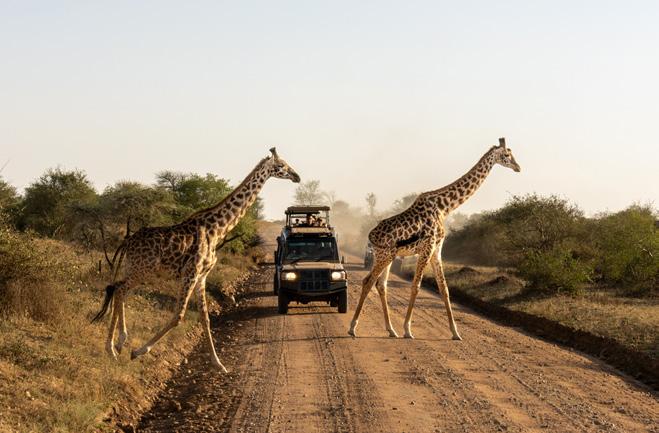
1 MAY
Workers’ Day in South Africa is a public holiday on May 1st that commemorates the country’s labor movement, celebrates workers’ rights, and honours the role of trade unions and the working class in the fight against apartheid.
It is rooted in the global International Workers’ Day movement but has particular significance in South Africa for its connection to the struggle for democracy and social justice during the apartheid era.
It was first celebrated in South Africa as early as 1895 but was only officially declared a public holiday following the nation’s first democratic elections in 1994.
Today, the South African government uses this day to highlight its commitment to protecting labour rights through progressive legislation. Key legal frameworks that protect the rights of South African workers include:
• The Labour Relations Act (LRA)
• The Basic Conditions of Employment Act (BCEA)
• The Employment Equity Act (EEA).

World Press Freedom Day was proclaimed by the UN General Assembly in December 1993, following the recommendation of UNESCO’s General Conference. Since then, 3 May, the anniversary of the Declaration of Windhoek is celebrated worldwide as World Press Freedom Day.
It is an opportunity to:
• Celebrate the fundamental principles of press freedom;
• Assess the state of press freedom throughout the world;
• Defend the media from attacks on their independence;
• Pay tribute to journalists who have lost their lives in the line of duty.

International Day of Families falls on 15 May every year and highlights the importance of families as basic units of society.
The United Nations General Assembly proclaimed that 15 May of every year shall be observed as the International Day of Families. The day reflects the importance that the international community attaches to families as basic units of society as well as its concern regarding their situation around the world.
How it is observed
• Advocacy & Awareness: Governments and civil society organizations host seminars, workshops, and policy discussions to address the challenges faced by modern family units.
• Community Engagement: Communities often hold local fairs, recreational activities, and school projects designed to bring families together and celebrate the diversity of family structures.
• Family Time: On a personal level, people use the occasion to spend quality time with relatives, organize family get-togethers, and appreciate their loved ones

The purpose of World Telecommunication and Information Society Day (WTISD) is to help raise awareness of the possibilities that the use of the Internet and other information and communication technologies (ICTs) can bring to societies and economies, as well as of ways to bridge the digital divide. 17 May marks the anniversary of the signing of the first International Telegraph Convention and the creation of the International Telecommunication Union (ITU).
In November 2005, the World Summit on the Information Society was called upon the UN General Assembly to declare 17 May as World Information Society Day to focus on the importance of ICT and the wide range of issues related to the Information Society raised by WSIS.

In 2001, UNESCO adopted the Universal Declaration on Cultural Diversity and in December 2002, the UN General Assembly, in its resolution 57/249, declared May 21 to be the World Day for Cultural Diversity for Dialogue and Development. Bridging the gap between cultures is urgent and necessary for peace, stability and development.
The day provides us with an opportunity to deepen our understanding of the values of cultural diversity and to advance the four goals of the UNESCO Convention on the Protection and Promotion of the Diversity of Cultural Expressions adopted on 20 October 2005:
• Support sustainable systems of governance for culture
• Achieve a balanced flow of cultural goods and services and increase mobility of artists and cultural professionals
• Integrate culture in sustainable development frameworks
• Promote human rights and fundamental freedoms.

In South Africa, many young people face violence, poverty, and inequality. The resulting toxic stress, compounded by limited support, harms brain development, health, learning, and future opportunities, with its impact passing to future generations.
Founded in South Africa in 2009, Waves for Change (W4C) is a non-profit company that supports adolescents growing up in high-stress environments. From five beach sites across the Eastern and Western Cape, W4C has created safe, joyful “third spacesˮ where young people can practise coping skills, build resilience, and connect with caring peers and coaches.
Through research and collaboration with global partners, W4C created the Take 5 Model to extend the reach of Surf Therapy and strengthen youth mental well-being support worldwide.
Together, Surf Therapy and Take 5 advance one mission: empowering adolescents to thrive.
Surf Therapy fuses the rush and therapeutic benefits of surfing with the Take 5 routine to create a structured, evidence-based programme
How it works:
Adolescents are referred through schools, hospitals, and child and youth care centres.
They attend weekly sessions for 10 months at one of five beach hubs
Each session combines surfing with the Take 5 five step routine: Energiser, Check in, Breathing, Play, Reflection
After 10 months, participants graduate into weekend Surf Clubs, maintaining lifelong connections with coaches, peers, and the ocean
Since 2011, Surf Therapy has supported more than 10,000 adolescents, trained 215 local coaches, and provided over 100,000 nourishing meals annually
Developed and rigorously refined within Surf Therapy, Take 5 is a teaching framework that helps organisations scale physical activity and play-based mental health programmes with confidence and ease
How it works:
Coaches and facilitators learn nine essential protective coaching skills for working with vulnerable youth
Coaches learn to integrate the Take 5 routine into their existing work.
Waves for Change is working with the Department of Arts and Culture to integrate Take 5 into after-school programmes across the Western Cape. The partnership will reach over 800 coaches and 100,000 children in the coming year Outside of South Africa, Waves for Change is working in partnership with UNICEF to integrate Take 5 into government-led after-school and in-school mental health programmes in 5 countries across the African continent
Peer-reviewed studies show that Surf Therapy improves stress management and social behaviour outcomes for youth. Where W4C has a presence, Surf Therapy programmes are now integrated with city-wide health referral systems
A Case Study with the Western Cape Government shows that Take 5 makes coaches more effective at building resilience with vulnerable youth There is increased demand from government ministries and civil society partners to use the Take 5 model in 2026

How can you help?
Sponsor a Surf Therapy site and connect hundreds of vulnerable children to the power of the ocean: R2,000,000 per year.
Sponsor the training of a partner to use the Take 5 model: R250,000