
DORAH MODISE

C-SUITE DELEGATES |
Hon. Inkosi Mzamo Buthelezi, Minister of Public Service & Administration


CORPORATE SHOWCASE COUNTERS

SUMMIT 2026

Celebrating excellence across government.
The Public Sector Leaders Summit is a premier platform that celebrates the contributions of organisations and individuals, across both the public and private sectors, who continue to invest in South Africa’s growth with resilience and optimism.
The 2nd Annual PSL Summit will provide the ideal environment for engaged networking, collaboration and knowledge sharing between stakeholders who are committed to building a thriving and inclusive economy.
For more information Contact: emlyn.dunn@topco.co.za marketing@topco.co.za











42 | Mining reimagined: A call for a unified systems approach to sustainable transformation
46 | How e-freight leaders are creating sustainable transport and commerce
48 | Microplastics: We need to act now
52 | E-waste in South Africa
54 | The fading myth of the ‘Green Premium’
56 | How to navigate the evolving ESG land scape in agriculture
58 | Food security and the importance of the bioeconomy
60 | Paving the way for South Africa’s energy wheeling industry

64 | How South African organisations can strengthen their social impact
66 | De-risking human capital and South Africa’s pursuit of inclusive growth
68 | Corporate wellness in 2026
70 | How mentorship can elevate organisations
74 | Why people-centred businesses are the most diverse — and the most powerful
78 | The significance of King V
| LegalWise - A DEI case study
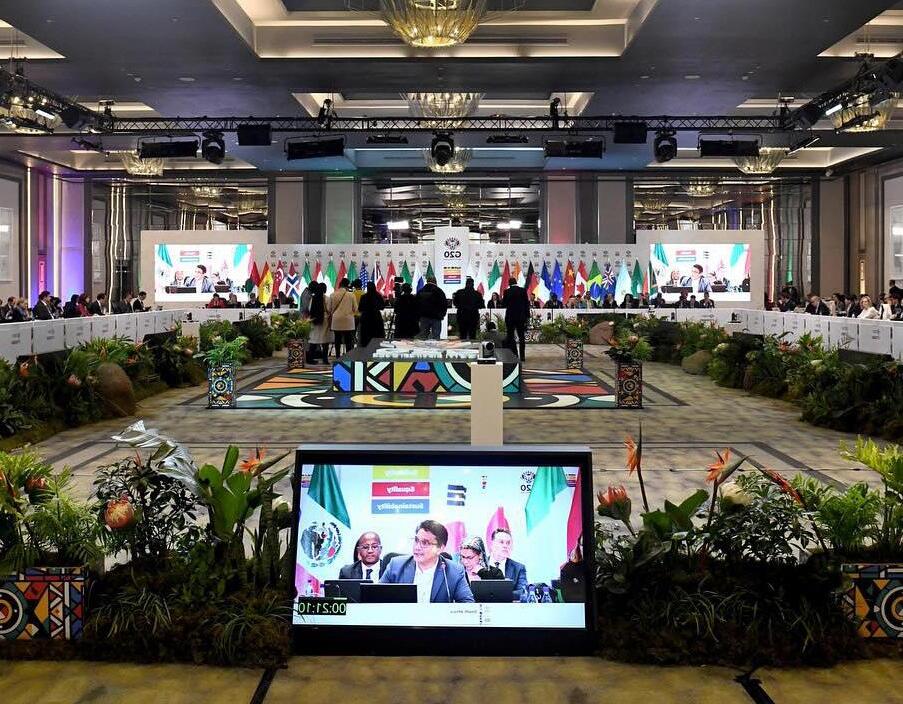
| G20 Environment and Climate Sustainability working group 84 | 11th G20 Parliamentary Speakers’ Summit
86 | How South Africa’s ESG tax laws could go further

CREDITS CONTRIBUTORS
Aishah Gire
Chief Operating Officer at Energy Exchange South Africa (EXSA)
Andre Nepgen CEO, Discovery Green
Ansie Ramalho Chairperson of the King Committee
Beulah Baduza Founder of Mellolee Children’s Fund
Brian Küsel Director, BiobiN South Africa
Charles Reed Co-Founder and Chief Executive Officer (CEO) of MycoSure
Devina Naidoo, Senior Policy Advisor: International Sustainable Developmentand Trade, DFFE
Diana Rodrigues Author, speaker and emotional resilience specialist
Felix Spies Founder and CEO of the Siyafunda Education Foundation
Francois Retief CEO of Takealot Fulfilment Solutions (TFS)
Professor Glen Nwaila Director of the African Research Centre for Ore System Science at the Wits School of Geosciences
Professor Grant Bybee Head of the Wits School of Geosciences
Jordan Epstein Founder and CEO, Good Vibes Lifestyle Agency
Kalnisha Singh Development Economist and Director of KD Strategies
Keith Anderson CEO, EPR Waste Association of South Africa (eWASA)
Kyle Durham FNB, Head of Sustainability
Lance Collop Founder of Collop Tax Collective
Mandy Hattingh Director: Energy & Environmental, NSDV
Maryann Shaw PR Strategist & Content Specialist
Dr Morné du Plessis CEO, WWF South Africa
Nicholas De Beer Director, Fortis X
Thabang Selota ESG and Impact Analyst at Sanlam Investments
Thapelo Tlailana Social Impact Analyst, Tshikululu Social Investments
CEO Ralf Fletcher
TOPCO STUDIO
Director Van Fletcher
Group Editor Fiona Wakelin
Deputy Editor Koketso Mamabolo
Assistant Editor Shumirai Chimombe
Traffic Manager Daniël Bouwer
Cover Design Nasreen Emeran
Graphic Designers Tashwell Brown Tashreeq Lasker
BUSINESS DEVELOPMENT
Head of Brand Twaambo Judy Chileshe
Project Manager Odelia Fester
Business Development Managers Amu Hlabano Charlton Mouton
Images iStock Pexels
Freepik Flickr
HEAD OFFICE
Top Media and Communications (Pty Ltd T/A Topco Media 2nd Floor, Elkay House 186 Loop St, Cape Town, 8001
Tel: +27 86 000 9590
Email : info@topco.co.za
Scan the QR code to visit our website DISCLAIMER
EDITOR'S LETTER

“Don’t it always seem to go
That you don’t know what you’ve got ‘Til it’s gone,”Big Yellow Taxi, Joni Mitchell.
Fifty six years later, these words, sung by singer/song writer Joni Mitchell in 1970, are truer and more poignant than ever before.
Bringing this message home is the beautifully made and important video, “The Plant Shepherd”, which we have included in the digi version of this 8th edition of ESG, The Future of Sustainability. It is a powerful visual record of what we have already lost in the Richtersveld due to climate change.
In 1950, the world produced more than 2 million tons of plastic per year. Currently, of the 450 million tons of plastic we are generating annually, roughly 14 million make their way into the oceans. Research has found that if no action is taken, the plastic crisis
in the oceans will grow to 29 million metric tons per year by 2040. If we include microplastics into this, the cumulative amount could reach 600 million tons by 2040 – Earth.Org
One massive Blue Whale weighs on average 100 tons, so that would mean the equivalent weight of 6 million Blue Whales in plastic polluting our oceans on an annual basis.
There is a meme doing the rounds of “me” using recyclable plastics to save the planet against a backdrop of rockets, bombs and missiles being hurled across the planet. Which begs the question, what can we do as individuals to make a difference? I think the answer lies both in individual responsibility as well as partnerships – when the private, public and NGO sectors join together, change is possible.
In this edition of ESG: The Future of Sustainability we focus on just that –making a difference. The foreword is by Dorah Modise, Executive Director at the Presidential Climate Commission, followed by an opinion piece by Deputy Minister of the Department of Forestry, Fisheries and the Environment, Honourable Narend Singh. Our thought leaders include Dr Morné du Plessis, CEO of WWF; André Nepgen, CEO of Discovery Green; Kyle Durham, FNB Head of Sustainability; Thabang Selota, ESG and Impact Analyst at Sanlam Investments; Kalnisha Singh, Development Economist and Director of KD Strategies; and Devina Naidoo, Senior Policy Advisor: International Sustainable Development and Trade, DFFE.
Following this sustainability powerhouse we have an important selection of articles falling under the three sections of ESG: In the Environment pillar we look at e-transport; e-waste; micro plastics;
sustainable agriculture and sustainable mining; as well as the importance of green buildings.
For the Social segment we ask the all-important question “How do you measure the ‘S’ in ESG?” - and no discussion on the social component would be complete without articles on training and skills development; workplace wellness; and mentorship as well as why people-centred businesses are the most powerful.
Governance is the third vital pillar for sustainability and in this section we bring you up to date on the important happenings in South Africa regarding the P20 and G20 Environment and Climate Sustainability Working Group; since 1994, the King Reports have encouraged organisations to aspire to higher ethical standards than mere compliance to legal requirements. In October 2025, the Institute of Directors launched the fifth iteration of the King Codes of Good Governance –please see our article to find out its significance for the country. South Africa’s tax incentives for ESG have made impressive strides, but as the sustainability landscape evolves, so too must the legal framework – we bring you 7 suggestions in this regard.
Having just endured a weather event of such magnitude in the Western and Eastern Cape that it was declared a national disaster, the case for sustainability and mitigation of climate change grows stronger with each passing year.
Myself and the amazing team hope you enjoy the read.
FIONA WAKELIN | GROUP EDITOR

Dorah Modise, Executive Director at the Presidential Climate Commission

Waction Foreword
The future we want - towards bold, justice-centred climate
e concluded 2025 with the world’s attention fixated on Belém, Brazil, where governments, businesses, and civil society gathered for the 30th Conference of Parties (COP30) of the United Nations Framework Convention on Climate Change (UNFCCC).
Ten years after the Paris Agreement and decades of rounds of UN summits, the litmus test is whether we can move from promises to implementation – from neat targets to real shifts in how economies grow, how capital is allocated, and how people live in a world where we urgently need adapt and mitigate against the impacts of climate change.
For South Africa, these issues are the core of our national commitment to a just transition, one that addresses climate risks while tackling unemployment, poverty, and inequality through procedural justice. This framing mirrors a broader global shift in the meaning of ESG to business and to our communities. Once treated as a narrow compliance exercise, ESG is now evolving into a system of accountability for real-world outcomes.
This means aligning metrics, incentives, and strategic decisions with the global ambition to close the gap between climate commitments and tangible action. It requires organisations to assess whether their choices are
improving livelihoods, advancing equity, and reducing climate vulnerability—not just improving disclosure scores. As the country moves towards a low-carbon economy, just transition offers a real opportunity to rebuild trust with communities and deal with practical issues relating to jobs, local economies, skills, social support, and governance. Ensuring fair access to these opportunities across all sectors and regions is central to our work. In acountry where energy and job security are deeply intertwined, economicgrowth and social justice must go hand in hand.
Our action plans to reduce emissions, be resilient to and adapt to climate impacts, as well as the National Determined Contributions (NDCs) demonstrate the link and imperative of national socio-economic development context. We advocate for a global energy transition that considers the socio-economic impact on developing countries and maintains industrial production in energy and related sectors, and we will continue to seek to accelerate financial investment to reduce carbon emissions and respond to the challenges associated with global warming in line with the Agreement. South Africa faces the inevitable consequence of climate damages; prioritisation of climate adaptation actions, including increasing the share of South African funding explicitly targeting adaptation, is not an option.
Rather, prioritisation of climate adaptation financing is essential to secure the development gains the country has achieved.
At the heart of the actions we need to take remains a single, urgent question: Will the world finally take decisive steps to safeguard the 1.5°C goal while ensuring that the transition to a low carbon future is fair and inclusive. The journey to achieving net-zero emissions is undoubtedly complex; however, it also presents a significant opportunity to redefine our national identity. We can revitalise our economy, restore dignity, and enhance resilience. As we raise ambition and reconfigure our development pathways – we appreciate the complexity of the road to a net-zero economy but equally marvel at the opportunity to reshape and grow a new economy founded on sustainability goals.
The future we want depends on all of us, together and the next decade will be defined by whether leaders—public and private—move beyond incrementalism
Dorah Modise, Executive Director Presidential Climate Commission

Rebuilding trust through coherent environmental governance
Hon. Narend Singh, Deputy Minister of Forestry, Fisheries and the Environment
The world is increasingly recognising that global challenges such as climate change, environmental degradation, unsustainable consumption and production practices and resource scarcity have a significant impact on economies, human health and well-being and can only be addressed collectively through international, national and local action.
The environmental sector is responsible for the implementation of about 70% of the Sustainable Development Goals (SDGs); which are designed to address the sustainability of natural resources. We are confronted by the reality that there are challenges in fulfilling the SDG’s, particularly in terms of financing its implementation, as development financing is being redirected to other priorities.
Over the recent years, the global geopolitical landscape has undergone profound transformations, shifting from a rules-based international order to a more fragmented, multipolar, and confrontational setting. Multilateralism is facing severe challenges posing impediments to global cooperation, with intensification of geo-political tensions and rivalries. These are the current global emerging trends, challenges and realities.
So how do we restore and reinforce from a national, local context to circumvent these shocks, risks and emerging trends.
South Africa’s Constitution recognises that everyone has a right to an environment that is not harmful to human health and well-being, and to have the environment protected for the benefit of present and future generations. These rights find expression through the legislative framework the National Environmental Management Act (NEMA), and associated regulations that focus on specific subsectors of the environment.
We are a nation blessed with unrivalled biodiversity, a vast coastline, and rich forestry resources. Yet, we are also a nation grappling with the urgent realities of climate change, addressing the triple
challenges of poverty, inequality and unemployment, and the necessity of ensuring that our natural wealth benefits all our people—not just a fortunate few.
Our success in protecting this rich natural heritage can only be measured by stronger institutional coordination, strengthened livelihoods, restored ecosystems, and trust built on strong environmental governance and accountability.
For twenty years, the People and Parks Programme has strengthened partnerships between conservation authorities and communities adjacent to protected areas. Communities are active partners shaping the future of protected areas and no longer viewed merely as beneficiaries of conservation. The Biodiversity Economy initiative has ensured that the sustainable use of our wildlife and flora directly benefits the people.
Extended Producer Responsibility (EPR) framework is a waste management strategy that holds producers accountable for the entire lifecycle of their products. Strategic partners have become drivers that influence policy development, including our EPR Regulations which shifts accountability; supports SMMEs and waste pickers to turn “trash into treasure”. These partnerships have driven job creation and local circular economy initiatives.
As part of the implementation of the Climate Change Act, the department has trained district municipalities on mainstreaming climate adaptation into planning instruments, while further advancing the development of adaptation scenarios to help protect vulnerable communities from the impacts of extreme weather. We further aim to support 44 district municipalities in developing climate change implementation plans that reflect the realities of their local communities.
Our wide-ranging consultations on the draft Carbon Budget and Mitigation Plan regulations, lays the groundwork for how major emitters will be held accountable; and serves as a precursor to the pub -
lishing of the Sectoral Emission Targets (SETs), which is a key step for sector commitments. For South Africa and Africa, industrialisation is not a choice, it is essential to our development path. Industrial decarbonisation is more than cutting emissions, it is about creating jobs, building competitive industries in steel, cement, fertilisers, and chemicals, and placing African economies in the global value chains of the future.
As part of our Just Energy Transition, South Africa is piloting green hydrogen and low-carbon steel with the support of development finance institutions and private investors.
Sound environmental governance requires modernisation of our regulatory frameworks to ensure that our systems are transparent, agile and efficient, so as to facilitate investment in our economy. As such the proposed reforms to South Africa’s Environmental Impact Assessment (EIA) system, aims to improve the efficacy of the EIA process, allowing for the removal of bottlenecks to ensure integration and alignment.
Strong institutions, both public and private, are critical for ensuring that all people live in peaceful, just and inclusive societies. Strengthening relationships and innovative public-private partnerships between government, private sector and civil society can serve as a catalyst for sustainable development, while unlocking the potential of Environmental, Social and Governance frameworks, including sustainable investment for South Africa.
We have an unprecedented opportunity to reset on a pathway towards a more equitable, environmentally sustainable and low-carbon trajectory. This requires multistakeholder coordination; collaboration to maintain the integrity of our natural assets and ecological infrastructure; thus, securing livelihoods for our people and a nation that is united in its purpose.
By focussing on the strengths of our environmental governance systems; we can restore public trust and our country’s commitment to a resilient, sustainable environment for future generations.






Pieter Van Wyk

Introduction: AI, AGI, and ESG
The South African perspective
By Mandy Hattingh, Director: Energy & Environmental, NSDV
Artificial intelligence (AI) and the pursuit of artificial general intelligence (AGI) are rapidly changing the global landscape, and South Africa cannot afford to be left behind. While AI has existed in various forms for decades, it is only recently, with advances in machine learning and the discovery of large language models, that AI has come to the forefront of societal, ethical, and governance discussions. These discussions, particularly in the context of environmental, social, and governance (ESG) considerations, are especially critical for South Africa, where energy inequality, water scarcity, and social inequality are prevalent.
Environmental impacts
The environmental implications of AI development, particularly in the South African context, are significant. The most commonly noted environmental impacts of AI and the data centres supporting its development are the substantial volumes of electricity and water they consume.
AI systems require immense data processing capabilities, driving the expansion of data centres, which, in turn, consume large amounts of electricity. In a country where energy reliability remains a pressing issue, this additional demand may exacerbate the ongoing energy crisis and increase greenhouse gas emissions, as South Africa still heavily relies on its ageing coal-fired power stations. The World Economic Forum estimates that the computational power required to sustain the rise in AI globally doubles every 100 days, highlighting the urgency of addressing energy capacity constraints, particularly where those demands are met by carbon-intensive fossil fuels.
Renewable energy presents a promising solution to power AI, but intermittency issues mean that it must be coupled with battery storage to ensure an uninterrupted power supply. As AI usage grows exponentially, large tech
companies are indicating that renewables alone may not suffice. Consequently, companies such as Google, Amazon, and Microsoft have invested in nuclear energy, recognising it as a reliable, carbon-free source capable of scaling with AI’s needs. This underscores the need for South Africa to explore both sustainable energy sources and potentially advanced solutions like nuclear energy to meet its AI energy demands.
In addition to energy, data centres consume vast amounts of water, primarily for cooling. South Africa, being a waterscarce country, faces a substantial challenge in balancing technological advancement with responsible water usage. It is difficult to track precisely how much water data centres consume, as over half of all data centre owners and operators globally still fail to track water usage. For context, Google reported that its data centres in Oregon consumed approximately 1.3 million cubic metres of water in 2021, triple its consumption in 2016 (even before the start of the AI boom).
In South Africa, where recent droughts and water restrictions have heightened concerns, ensuring AI development does not worsen the water crisis is crucial. To mitigate this, market leaders like Teraco and Africa Data Centres have adopted cooling technologies that minimise water use. However, more widespread tracking of water usage in the industry is necessary to assess and reduce the environmental footprint effectively.
Moreover, data centres generate significant volumes of electronic waste (e-waste) due to frequent hardware upgrades. The United Nations reported that 62 million tonnes of e-waste were generated in 2022 alone, enough to fill 1.55 million 40-tonne trucks, which would encircle the equator. Although
e-waste is regulated in South Africa under the Extended Producer Responsibility Programme, informal and unsafe recycling practices remain prevalent. South Africa’s reliance on informal recycling, coupled with insufficient monitoring and enforcement, poses a risk that AI-driven e-waste could exacerbate environmental and health issues unless stronger measures are implemented. To avoid compounding the e-waste problem, South Africa must aim to improve its recycling capacity, educate stakeholders, and enforce monitoring and regulations under the applicable legislation.
While AI and AGI present resource challenges, they also hold significant potential for environmental benefits. AI can enhance sustainability, resource efficiency, and climate change mitigation by optimising key industries such as energy, agriculture, and transportation. For example, AI-driven smart grids can manage energy consumption more efficiently, reducing waste and improving the integration of renewable energy sources. This helps reduce reliance on fossil fuels and lowers carbon emissions. AI also plays a vital role in predictive climate modelling, providing policymakers with tools to make informed decisions on mitigation and adaptation strategies. By analysing large datasets, AI can identify climate trends, predict natural disasters, and improve responses. Google predicts that AI has the potential to mitigate 5 to 10% of global greenhouse gas emissions by 2030 (the equivalent of the annual emissions of the EU).
AGI takes these benefits further by potentially designing new sustainable technologies, such as advanced carbon capture methods and circular economy systems that minimise waste. AGI could accelerate innovations like nuclear fusion or more efficient battery storage, speeding up the transition away from carbon-intensive fuels and supporting long-term environmental sustainability.

Social impacts
South Africa remains one of the most unequal societies globally, and AI has the potential to exacerbate this divide. On the one hand, AI is expected to revolutionise industries and create competitive advantages for countries, regions, and individuals that have the resources and education to participate in the AI economy. On the other hand, those who lack access to these tools could be left behind. There are many reasons why some segments of the population may be excluded from the AI age, including: the digital divide, where many citizens, particularly in rural areas, lack access to reliable internet and digital infrastructure; disparities in access to quality education, which enable technological literacy; and cost exclusions.
As AI tools become more advanced, their implementation could come with high price tags, making it difficult for lowerincome individuals and communities to benefit from these innovations. As a rudimentary example, OpenAI (the creators of ChatGPT) recently confirmed plans to increase its subscription fees from $20 (approximately R400) per
month to $44 (approximately R880) per month in five years. These increases demonstrate the possible exclusion of parts of the population due to socioeconomic inequalities, potentially creating a technological elite while sidelining those who cannot afford to keep up.
This issue is especially true for AGI, which, if developed, is likely to come with hefty costs due to the extensive computational power and resources required to create and maintain such systems. The cost barrier to AI and AGI could deepen social and economic divides, limiting the potential for broader societal benefits. Policymakers and industry leaders must focus on affordability and inclusive access to ensure that AI and AGI do not become tools that only serve a wealthy minority. On a positive note, the social benefits of AI and AGI are profound and widereaching, particularly in addressing economic inequality and promoting universal well-being. AI has the potential to significantly improve access to essential services by optimising the delivery of healthcare, education, and social services, making them more
efficient and accessible to underserved populations. AI could help drive economic growth by improving decision-making and providing scalable solutions to pressing societal issues like poverty and disease.
From a broader perspective, AGI could design innovative solutions such as universal basic income, which would help mitigate the social risks of job displacement due to AI automation. By reducing the need for traditional labour, AGI could help redistribute wealth more equitably, fostering a more inclusive economy and addressing social inequalities that are particularly stark in countries like South Africa. Proper governance of AI and AGI would ensure that these technologies create a future where dignity, equality, and access to opportunity are shared more broadly across society.
Governance impacts
South Africa, like many other countries, faces significant governance challenges in regulating AI, including balancing innovation with public interest. We, like most nations, have yet to fully develop a regulatory framework for AI. Creating

such a framework is challenging due to the complexity, rapid development, and varied applications of the technology. Given AI’s vast range of applications, a one-size-fits-all regulation is impractical. Instead, a sector-specific approach is more suited, although it is more timeconsuming to implement effectively. Another challenge lies in balancing innovation with risk mitigation. Overly strict regulation may stifle innovation and limit the benefits AI can offer while insufficient regulation could lead to ethical issues, including biased decisionmaking algorithms, discrimination, privacy violations, or potentially unsafe autonomous systems. AI systems can reflect and even amplify existing social biases, making it difficult to ensure fairness in decision-making without clear guidelines on data use and transparency.
Data privacy is particularly critical. As AI systems increasingly rely on large datasets, concerns arise about how personal information is collected, stored, and used. South Africa’s Protection of Personal Information Act (POPIA) provides some regulatory oversight, but challenges remain in implementing
and enforcing these laws, particularly in relation to AI systems that can generate their own data or learn from unsupervised sources, and regarding cross-border data sharing. On a positive note, AI could be a powerful tool for improving governance in South Africa by enhancing efficiency, transparency, and service delivery. AI systems can streamline bureaucratic processes, reducing delays and corruption by automating routine tasks and minimising human intervention. For example, AI can be used to monitor public spending, ensuring that funds are allocated appropriately and reducing opportunities for fraud. Additionally, AI can support data-driven decision-making, allowing the government to allocate resources more effectively based on real-time analysis of societal needs, such as healthcare, infrastructure, and social services. In regions where service delivery has historically been inefficient, AI can help identify gaps and optimise logistics, ensuring that essential services reach marginalised communities more effectively. By implementing AI, South Africa could significantly improve governance outcomes and foster greater accountability.
Conclusion
As South Africa navigates the AI age, it must carefully balance technological progress with its ESG responsibilities. AI and AGI hold immense potential to transform industries, enhance sustainability, and improve social mobility, but they also pose significant risks, particularly to the country’s energy and water resources and its most vulnerable citizens. By adopting a sustainable approach to AI development and implementing strong governance frameworks, South Africa can leverage AI to drive inclusive growth while mitigating the risks associated with rapid technological change.
References:
1. https://www.weforum.org/agenda/2024/04/howto-manage-ais-energy-demand-today-tomorrowand-in-the-future/#:~:text=AI%20and%20energy%20 demand&text=To%20achieve%20a%20tenfold%20 improvement,between%2026%25%20and%2036%25.
2. As highlighted in the 2024 Uptime Institute Global Data Centre Survey.
3. https://unitar.org/about/news-stories/press/global-ewaste-monitor-2024-electronic-waste-rising-five-timesfaster-documented-e-waste-recycling
4. https://blog.google/outreach-initiatives/sustainability/ report-ai-sustainability-google-cop28/
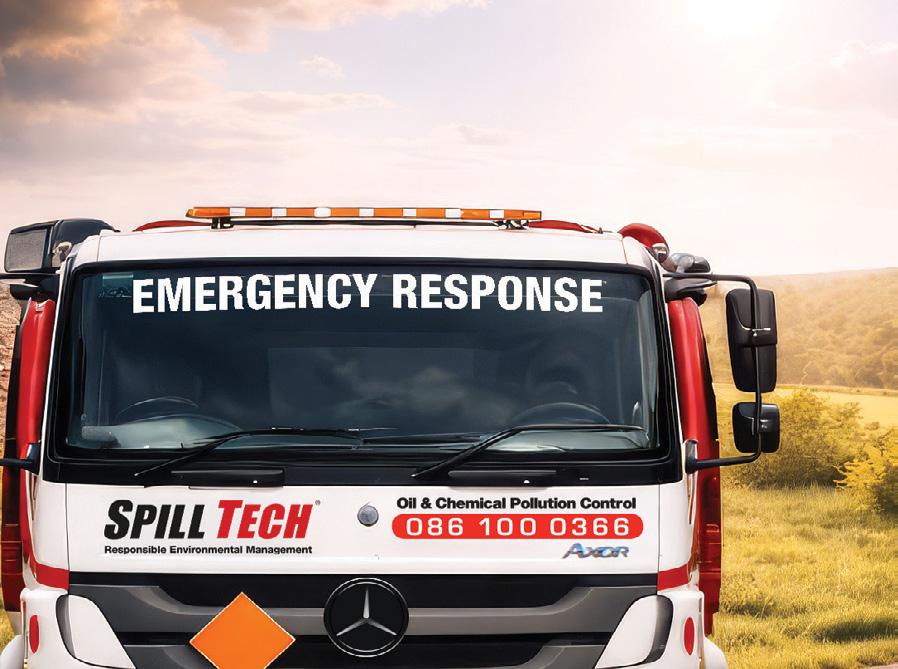





At ST Solutions , we believe waste isn’t just managed – it’s reimagined as a RESOURCE. We challenge the conventional view of waste management.Waste is Not the End. It’s the Beginning. Waste to us is simply a resource in the wrong place. Every litre. Every ton. Every stream is carefully evaluated for resource recovery and diversion opportunities.
Waste solutions are no longer optional – it’s driven by regulation, economics and market expectations. Compliance is expected when Recovery is intentional which means Sustainability is measurable. Waste is not the end process; it is the start of a new one.
We partner with our clients to understand their unique challenges. Our solutions-driven approach turns waste management into a strategic partnership – while staying true to our core commitment: when waste needs to be moved, especially in an emergency, there is never a delay.
Why Choose Us?


Compliance First
Choose
Compliance First
Compliance First
Fully aligned with South African legislation
Zero compliance risk

Fully aligned with South African legislation
Fully aligned with South African legislation
offerings include:
Zero compliance risk
Zero compliance risk
Tailored Strategies
Tailored Strategies

Tailored Strategies
Solutions designed around your specific waste challenges
Practical, fit-for-purpose implementation
Solutions designed around your specific waste challenges
High-calorific-value (CV) waste blending and alternative fuel solutions
High-calorific-value (CV) waste blending and alternative fuel solutions
Solutions designed around your specific waste challenges
Practical, fit-for-purpose implementation
Practical, fit-for-purpose implementation
Reliability & Speed
Reliability & Speed
High-calorific-value (CV) waste blending and alternative fuel solutions Resource Recovery and diversion solutions
Resource Recovery and diversion solutions
Reliability & Speed
Waste removed without delay
Waste removed without delay
Resource Recovery and diversion solutions
Waste removed without delay
Rapid response, especially in emergencies
Rapid response, especially in emergencies
Rapid response, especially in emergencies
Sustainability Focus
Sustainability Focus
Organic Waste Treatment and composting solutions
Organic Waste Treatment and composting solutions
Long-term efficiency built into every solution
Sustainability Focus
Long-term efficiency built into every solution
Resource recovery prioritised wherever possible
Organic Waste Treatment and composting solutions
Long-term efficiency built into every solution
Resource recovery prioritised wherever possible
Waste Hierarchy Approach
Resource recovery prioritised wherever possible
Waste Hierarchy Approach
All solutions aligned with the waste hierarchy
Effluent Management and compliant discharge pathways
Effluent Management and compliant discharge pathways
Waste Hierarchy Approach
Disposal always treated as a last resort
All solutions aligned with the waste hierarchy
Effluent Management and compliant discharge pathways
Disposal always treated as a last resort
All solutions aligned with the waste hierarchy
Our Resources & Capabilities
Disposal always treated as a last resort
Licensed vacuum trucks
Our Resources & Capabilities
Emergency response capabilities
Licensed vacuum trucks
Our Resources & Capabilities
Rapid mobilisation
Advanced Thermal Treatment technologies
Advanced Thermal Treatment technologies
End-to-end waste stream optimisation
Emergency response capabilities
Licensed vacuum trucks
Fully compliant transport systems
Rapid mobilisation
Emergency response capabilities
Rapid mobilisation
Fully compliant transport systems
Fully compliant transport systems
End-to-end waste stream optimisation

Please describe the goods and services offered by Citadel
Citadel is a specialist wealth management company. We secure and grow our clients’ wealth, so that they have peace of mind and the freedom to choose the size of their dreams.
Wherever our clients are on their wealth journey, we have the people and solutions in place to assist, this includes:
• Investment advice
• Family office specialist services for ultra-high-net-worth families
• Asset management
• Fiduciary services
• Foreign exchange and treasury
• Offshore structuring
• Philanthropy
• Investment administration
• Private client securities
What sets your company apart from the competition?
At Citadel it is always personal. Our investment philosophy is the same as our clients. We don’t have a fixed matrix or set of variables. Instead, we prefer to understand exactly what our clients want their wealth to achieve.
Citadel’s approach to ESG
George Herman, Chief Investment Officer of the Citadel Group
Our clients are at the centre of all we do - we’re client-led, not productdriven. Our advisors don’t earn commission, so they won’t offer you anything you don’t need.
Please share how you ensure ESG is embedded in Citadel’s praxis
As a wealth management company, which invests across asset classes and over variable periods, our portfolios touch a range of money market instruments, government and corporate bonds, hedge funds, equities, real estate, currencies and commodities. Citadel has always led from the front when it comes to adopting ESG principles as part of a portfolio construction approach. We don’t offer separate products focussing on ESG, but rather embed the principles in everything we do in an overarching manner. All Citadel funds are independently scored and assessed on their ESG metrics.
While it is our stated intention to help our clients effectively manage their wealth, it is also our goal to work closely with select South African partners and socio-economic development agencies to help each and every South African reach
their own remarkable goals. As such, our ESG impact focus areas are holistically supported by our sustainable approach to investing, which is embodied by the Citadel Philanthropy Foundation; the first donor-advised fund in South Africa. Going into the future, Citadel will continue to be a leader in ESG investing and initiatives within the financial services space. As a company, we are committed to improving the world in which we live through initiatives aimed at bettering the lives of children, communities, and the people who work with us. Investing for good continues to drive our approach to wealth management.
Website: www.citadel.co.za Follow us @CitadelSA
Citadel Investment Services Proprietary Limited is an authorised financial services provider.

Building healthier communities through care, access and responsible growth
For millions of people across southern Africa, Dis-Chem is more than a pharmacy. It is where families collect life-saving medication, where parents seek healthcare advice, where communities access affordable care and where many individuals take their first step toward healthier living. Across South Africa, Botswana and Namibia, the group continues to play a meaningful role in improving lives through accessible healthcare, community support and responsible business practices that place people at the centre of its operations.
Every clinic consultation, prescription dispensed and community initiative represents more than a business transaction. It represents care, trust and the everyday impact of healthcare
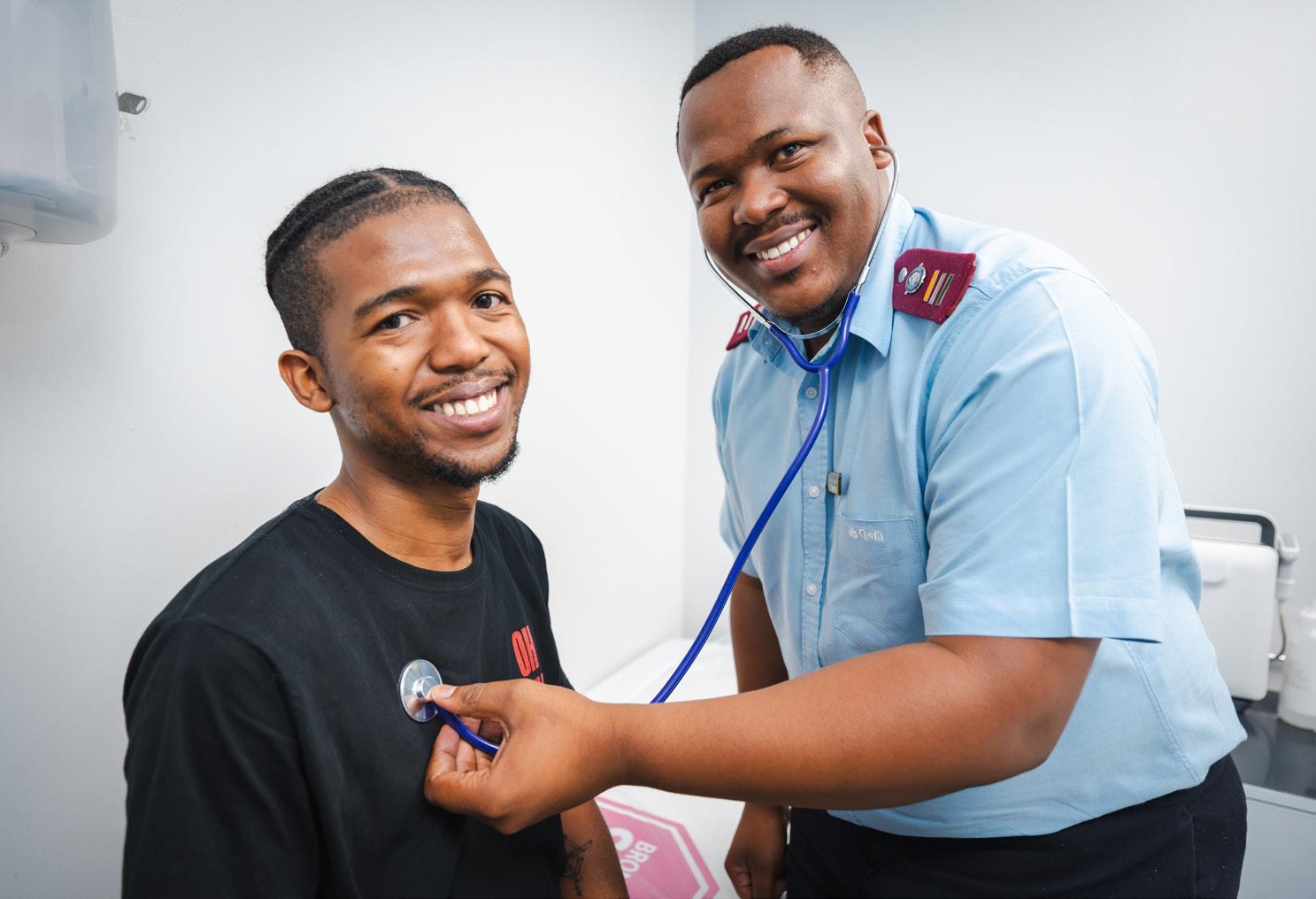
accessibility. During the reporting period, Dis-Chem delivered more than 1.4 million clinic consultations and dispensed over 80 million pharmaceutical items across its network. These figures reflect the scale at which the group continues to support individuals and families who rely on accessible, affordable and reliable healthcare services within their communities.
Dis-Chem’s commitment to care extends beyond its stores and clinics. Through corporate social investment initiatives exceeding R44 million, the group continues to invest in healthcare access, education and community upliftment programmes that create meaningful and lasting social impact. From supporting future
healthcare professionals through bursaries to delivering healthcare services through mobile clinics and awareness campaigns, Dis-Chem continues to contribute toward building healthier and more resilient communities.
At the heart of this impact are the people who drive the business every day. Continued investment in employee wellbeing, training and workforce safety reflects an organisation focused on creating a supportive and empowering working environment. The group’s ongoing progress in transformation and management diversity further reflects its commitment to building a business that is representative, inclusive and responsive to the
communities it serves. Dis-Chem also recognises that responsible growth requires long-term thinking. As businesses continue to navigate energy and infrastructure challenges across the country, the group has invested in practical solutions that strengthen operational resilience while reducing environmental impact. Solar photovoltaic installations at key distribution centres, including the Midrand distribution centre, continue to support more reliable operations and contribute toward reducing greenhouse gas emissions. These investments help ensure continuity in the distribution of essential healthcare products while supporting a more sustainable future. Responsibility also
extends throughout the supply chain. By strengthening supplier standards and aligning a high proportion of house-brand food suppliers with internationally recognised frameworks such as Global Food Safety Initiative benchmarking and Roundtable on Sustainable Palm Oil membership requirements, Dis-Chem continues to strengthen ethical sourcing, accountability and consumer confidence across its operations.
Underlying this progress is a growing commitment to accountability, transparency and responsible governance. Sustainability considerations are increasingly being integrated into operational oversight
and leadership accountability, supported by governance structures and disclosure practices aligned with recognised reporting frameworks.
Ultimately, Dis-Chem’s impact is reflected in the everyday moments that matter most, supporting healthier families, expanding access to healthcare, creating opportunities and helping communities thrive. As the group continues to strengthen its sustainability journey, stakeholders can look forward to further insights into its impact and progress in the upcoming 2026 Sustainability Report, expected to be released in the coming months.


ENVIRONMENT SOCIAL GOVERNANCE
THOUGHT LEADERSHIP

LEADERSHIP


Dr Morné du Plessis, CEO, WWF South Africa
Rethinking sustainability as reconnection
A call to action for leaders in a time of ecological emergency
By Dr Morné du Plessis, CEO, WWF South Africa
I want to start with a confession: I am tired of sustainability. Not the concept. The crisis is real, urgent, undeniable. I am tired of what we have done to the world. We have taken something that should shake us awake and turned it into PowerPoint slides. We have transformed a crisis of belonging into a checklist. We have made it boring.
A nd while we have been busy making it boring, the living world has been dying around us at an accelerating pace.
We are out of time for incremental thinking. We are out of time for pilot projects and five-year roadmaps and “by 2050” commitments. The climate is not negotiating with us. The continued suffocation of nature is not waiting for our quarterly results.
In my view, the solution does not lie in a sustainability strategy. It is a fundamental reimagining of leadership itself. One that asks: What if sustainability is not something we do but something that becomes part of us? What if it is not about managing resources, but about remembering how to belong – and then acting on that belonging with our intuition?
The checklist trap – and why business as usual is climate denial
Right now, corporate sustainability looks a little too recipe driven.
A company hires a sustainability officer. They conduct a materiality assessment. They set targets: net-zero by 2040, 30% reduction in Scope 3 emissions, sustainable sourcing for 80% of materials. They publish a glossy report. They get a decent ESG score. Everyone feels slightly better.
And the living world continues to collapse around us.
Incremental improvements to a fundamentally extractive system are a form of climate denial. It lets us feel like we are doing something while the house burns down.
Science is unambiguous. We are not tracking toward 1.5 degrees of warming— we are heading toward well over 2 degrees. We are losing species at a rate not seen since the asteroid that killed the dinosaurs. We are crossing planetary boundaries one after another. Every year of “steady progress” is a year we cannot
get back.And yet our response has been to tinker at the margins by continuing what we are doing, just slightly less destructively.
That is not leadership. That is ‘cop-out mutton’ dressed as ‘sustainabilityreporting lamb’. What is missing from all those frameworks and metrics is that nobody feels anything. Nobody stands in the parking lot before sunrise to listen to the bird dawn chorus. Few recognise the names of the trees that were cut down to build the office or ask, “What lived in this spot before it was paved over?”
We need a different kind of courage. The courage to stop pretending that optimisation is transformation. The courage to blow up the business model if that is what it takes.
The nature crisis: Why biodiversity loss is also a business crisis
Since 1970, we have lost 69% of wildlife populations globally. One million species are at risk of extinction. Around the world, we are losing forests at a rate of ten million hectares per year. That is an area the size of KwaZulu-

Natal, gone. Every. Single. Year. But the part that should give every business leader pause, is that over half of global GDP – some $50-trillion of economic value generation – is moderately or highly dependent on nature. That is a statistic acknowledged by the World Economic Forum, as well as the likes of Swiss Re, and many central banks.
Nature is not a nice-to-have. Its critical natural infrastructure underpins the very foundation entire businesses are dependent on. Agriculture depends on pollinators. One-third of global food production depends on bees, butterflies, and other pollinators, yet in many places we are fast losing them. What is our supply chain strategy when
pollination collapses? Manufacturing depends on water. The risk associated with deteriorating quality and quantity of water is real. What happens when our factories cannot access clean water? Pharmaceuticals depend on biological compounds; 70% of cancer drugs are derived from nature. What is our R&D pipeline when the species holding those compounds go extinct?
Insurance and real estate depend on stable ecosystems. Wetlands buffer storm surge. Forests regulate water cycles. Coral reefs protect coastlines. When those natural systems collapse, the losses cascade through our balance sheets.No business operates outside of nature. None. And yet, while climate has
become a standard part of enterprise risk management, nature loss is barely on the radar. This could be the blind spot that will stifle companies in the next decade. Nature loss is not an environmental issue; it is a systemic business risk. And the leaders who act on this now, who embed nature into strategy, who measure and manage their dependencies and impacts, who move beyond intention into bold implementation – they are not just protecting the planet, they are protecting their businesses.
The companies that do this will be the ones still standing in 2035.
The deepest shift is not from bad to less bad. It is from extraction to regeneration.

Sustainability, in its current form, asks: “How do we take less? How do we harm less? How do we sustain what we have?” But regeneration asks: “How do we leave this place more alive than we found it? How do we participate in the flourishing of life?”
This is what Indigenous peoples have always known. You do not just take from the forest; you tend it. You do not just use the water; you clean it. Every harvest is also a planting.
What does it mean to belong
So, let us talk about belonging – not as metaphor, but as the foundation of bold action.
To belong to a place means knowing it intimately. It means you can answer questions like: Where does your water really come from? What animals and plants share your place? Which ones are thriving; which ones are disappearing? Without checking, what phase is the moon in right now?
Most of us cannot answer these questions. And here is why that matters for leadership: You cannot lead what you do not understand. You cannot protect what remains abstract. Every leader should have or develop an intimate, attentive, responsible relationship with land akin to that which local peoples have maintained for millennia. This is the prerequisite for making decisions in the
21st century. That is the shift. From audit review to relationship. From compliance to care. As a leader, you must go first. You cannot delegate belonging. You cannot hire a consultant to feel connected to a place on your behalf. You must stand in the place that your business impacts and let it speak to you.
Transformation does not start with strategy documents. It starts with leaders who have been changed, who can no longer unsee what they have seen, who can no longer pretend that incremental change is enough.And once you have been changed, you must embed nature at the heart of your strategy. Not as a pillar. Not as a consideration, but at its very core.
We have the sun and wind – so, why are we stalling on clean energy?
Andre Nepgen, CEO, Discovery Green
There’s never been a better time to fuel the country’s economic growth through renewable energy wheeling, writes Andre Nepgen
South Africa’s electricity challenge isn’t just about keeping the lights on; it’s about growing the economy. Growth needs electricity – without reliable, affordable power, productivity slows, businesses can’t scale, and jobs don’t get created. It is widely evidenced that economic growth, and the affordability and availability of electricity, are inextricably linked. In addition, there is the challenge of competing on a global stage with the dirtiest electricity mix of any country.
And yet, the solution is literally all around us.
South Africa boasts some of the world’s most abundant solar and wind resources – an untapped advantage that could supercharge our economic growth and accelerate our decarbonisation goals. We get over 2 500 hours of sunshine annually and rank among the top 10 sunniest countries globally – far outpacing Europe, for example, which averages just 800 hours. Our wind potential is equally impressive, with consistent speeds of six to eight metres per second, placing us in the upper tier globally for onshore wind. Also, renewables are now cheaper than fossil fuels, plus the cost of renewable energy projects has fallen.
So, the question isn’t why we should transition. It’s why we haven’t done it faster?
Despite the clear economic and environmental incentives, only around 6 500 MW of installed renewable energy capacity, including solar, wind, and other renewable technologies, is connected to the national grid. Meanwhile, electricity costs have increased by over 4 times in 14 years, compared to just under 2 times for general consumer prices. This alone should have been the catalyst for rapid change, but structural challenges continue to slow progress.
The first challenge is limited grid access. South Africa has not invested in its transmission infrastructure, particularly in areas with the strongest renewable energy potential. This means that many well-developed projects simply can’t connect. While grid expansion is now a national priority and steps have been put in place, the process is complex and will take time.
The second is that most renewable energy projects aren’t making it to financial close. The 2024 South African Renewable Energy Grid Survey found that of the 133 GW of projects in the development pipeline grid access or contracted at various stages of development, fewer than 1% typically close in a year. That’s not just a grid problem; it’s a market design problem. Standard renewable contracts, which often span 15 to 20 years, do not align with how businesses operate. They are rigid, shift too much risk to the client and leave little room for flexibility. Then, on top of that, large-scale renewable energy projects are inherently complex and capital intensive. They require technical expertise, regulatory understanding and financial resourcesthings that many businesses, especially SMMEs, either do not have access to or cannot prioritise.
The third constraint is the regulatory uncertainty. We’re only in year one of a truly liberalised electricity market. While this is a critical first step, the system is still finding its footing. Rules and mechanisms are evolving and while there’s reason to be optimistic, stability will take time.
But, as we address the technical and regulatory challenges, we must acknowledge the social factors. The draft 2024 Integrated Resource Plan envisions around 44.7 GW of new wind capacity by 2042. These are bold moves towards sustainability. However, a reduction in fossil fuel use, while necessary, must be managed responsibly. Communities built around generation operations face a real risk of economic decline. That’s why the transition to renewable energy must be a just transition – we need to invest in
reskilling and supporting local economic development, so these communities are not left behind in the emerging green economy.
Electricity is an economic strategy
Beyond the climate argument, renewable energy supports the economy in three essential ways. First, it helps protect our global competitiveness. From 2026, carbon taxes, such as the European Union’s Carbon Border Adjustment (CBAM), will begin to penalise exports from high-emission countries. This will, in time, apply to the energy mix that underlies our exports, and without clean energy, we risk losing our place in global markets. Second, access to electricity is tightly linked to economic growth. A country cannot grow without power, and South Africa needs more of it to fuel business expansion, job creationand industrial development.
Third, the cost of electricity directly affects our economic competitiveness. High electricity costs make everything from manufacturing to logistics more expensive. Lower-cost renewable power is essential to creating a more productive and globally competitive economy.
Making renewables practical
At Discovery Green, we’re helping accelerate this shift by making renewable energy more accessible, practical and scalable. Although the liberalised market is new, we’ve already seen major progress. Traders and aggregators play a critical role in opening the market to businesses that were previously locked out, like SMMEs, by simplifying participation, aggregating demand, and helping manage energy risk to make renewables viable beyond just large industrial users. We’ve also developed practical solutions to reduce barriers to entry. Ampli Energy, our partnership with Sasol, is a flexible, month-to-month renewable energy solution built for smaller businesses. This is no longer about pilot projects or proof of concept – the infrastructure exists, and the appetite is growing. What we need now is scale.

Kyle Durham, FNB, Head of Sustainability
From intention to impact
How South African businesses can turn sustainability into a growth advantage
For years, sustainability has been defined by ambition, measured in targets set, frameworks adopted and commitments announced. That era is giving way to something more practical and consequential.
Today, sustainability is increasingly judged by its business, environmental and social impact, and by how effectively it shapes risk management, capital allocation and competitiveness.
This shift is reflected in South Africa’s operating environment. The Climate Change Act was formally proclaimed in March 2025, and the 2026 National Budget allocated more than R1-trillion in public infrastructure spending over the medium term, including R27.7-billion for metropolitan water and electricity reform. Performancelinked utility models for municipalities and the expansion of the carbon tax framework point to a clear direction of travel: sustainability considerations are becoming embedded in the economic system. Businesses that act early and decisively will be better positioned to adapt and compete.
The water crisis facing South Africa illustrates the types of decisions businesses now face, and the importance of moving beyond high-level commitments to practical solutions. Agriculture accounts for approximately 61% of South Africa’s annual water use, and increasing scarcity driven by climate change, population growth and ageing infrastructure managed by government poses a direct threat to productivity, food security and business continuity.
For FNB, which has a significant portion of its commercial exposure in the agricultural sector, this represents a material risk that requires a precise response. A large share of agricultural lending is concentrated in high-value crops where yield losses of 35–45%
By Kyle Durham, FNB Head of Sustainability
are projected under worsening water stress scenarios in which farmers do not invest in irrigation efficiency improvements and where public investment in water infrastructure does not materialise. In these scenarios, declining water availability translates directly into heightened production volatility, weaker borrower cash flows, and increased balance-sheet risk.
Working with DEG Impulse, FNB modelled water-availability risk across thirteen priority catchments under multiple climate scenarios. The results were compelling: investment in drip and subsurface drip irrigation efficiencies could, coupled with water infrastructure development, reduce average crop losses from 31% to 1% in favourable scenarios, and to below 8% even under severe climate stress. A second phase of this work is already under way, targeting interventions in a water catchment where, without the required investments, production losses under extreme scenarios could be as high as 30%.
This type of granular, sector-specific analysis reflects a broader approach to sustainability — one that starts with understanding the risk, then designing financial solutions that deploy capital where it delivers measurable impact. Through its dedicated sustainable finance capability, FNB Commercial provides funding across nine priority areas, including renewable energy, green buildings, climate-smart agriculture, clean transport and sustainable water management. In the 2025 financial year, the bank originated R1.17-billion in new green and transition-aligned advances supporting both climate mitigation and adaptation.
Importantly, the mix of sustainable investments is diversifying. Non-solar sustainable finance solutions grew from 8% to 25% of total sustainable finance payouts in FY2025, indicating
a maturing market where businesses are investing in electric vehicles, water capture and storage, and climateresilient production alongside renewable energy. Commercial clients realised an estimated R120.6-million in utility cost savings from renewableenergy installations in the same period. When sustainability initiatives are carefully structured, they are delivering tangible financial returns. For businesses where upfront capital remains a constraint, alternative models are playing a growing role. FNB Energy Solutions, launched in October 2024, offers renewable-energy-as-a-service through power-purchase agreements.
Under this model, FNB retains ownership of the energy infrastructure and sells electricity directly to clients, removing the need for capital outlay while improving cost certainty and energy security.
Designed for businesses with electricity spend of R200 000 or more per month, the solution is delivered in partnership with specialist providers including ACES Africa, Nuvo Energy, Rhino Energy Solutions and RenEnergy. It demonstrates how financial innovation can accelerate adoption and translate sustainability goals into real-world outcomes.
The era of well-intentioned sustainability ambition is being replaced by a sharper focus on execution and outcomes.
For South African businesses, the challenge is no longer whether sustainability matters, but how to finance and implement initiatives that deliver measurable environmental and financial returns.
FNB’s approach, grounded in data, translated into practical financial solutions and delivered at scale — is designed to help businesses move confidently from intention to impact.

Kalnisha Singh, Development Economist and Director of KD Strategies
Reinforcing the foundations
By Kalnisha Singh, Development Economist and Director of KD Strategies
Over the past decade ESG has moved steadily from the margins of corporate discourse into the centre of boardroom conversations. Sustainability reports have multiplied. Disclosureframeworks have expanded. The consulting industry is booming.
Yet within many organisations ESG is still treated as a peripheral compliance function. It sits alongside reporting obligations and regulatory requirements. In practice this often means ESG becomes a matter of measurement and disclosure. Data is collected, indicators are tracked, and reports grow thicker each year. Somewhere in the organisation a team patiently translates operational realities into the language of frameworks and scorecards.
This work is important because transparency and accountability matter. The difficulty arises when the reporting mechanism begins to look suspiciously like the purpose itself.
The original impulse behind ESG thinking was far more structural. It emerged from a recognition that markets and institutions have a tendency to become rather confident in their own brilliance. When things are going well organisations may begin to assume that their success is entirely the result of excellent judgement. Positive outcomes are attributed to strategic genius. Signals of risk are politely explained away.
Human beings, it turns out, are very good at convincing themselves that everything is under control.
The global financial crisis of 2008 remains a vivid reminder of what can happen when this dynamic goes unchecked. Financial institutions created increasingly complex instruments that were widely believed to be stable and profitable. Risk models produced reassuring outputs and
confidence expanded. Meanwhile the assumptions supporting those models went largely unexamined and were quietly eroding.
The crisis revealed deeper weaknesses in governance, risk perception and institutional discipline - perhaps even in our perceptions of truth, power and economic certainty. It reminded the world that systems can appear robust while quietly accumulating fragility, and that building upon weak foundations or unchecked assumptions can lead to collapse.
Frameworks that now fall under the ESG umbrella began to evolve in part as a way of widening the field of vision through which organisations evaluate their activities. Environmental degradation, labour practices, governance failures and community dynamics represent forms of risk that may develop slowly before revealing themselves in rather dramatic ways.
Seen through this lens, ESG functions less as a reporting exercise and more as a form of institutional self-awareness. It asks organisations to recognise that financial performance does not exist in isolation from the environmental and social systems within which economic activity takes place.
Defining sustainable development
We recognise that ESG has evolved significantly over the past decade. Yet, much like many overnight successes, the foundations were laid almost forty years ago.
In 1987 the World Commission on Environment and Development (the Brundtland Commission) published Our Common Future, a report that introduced what has since become one of the most widely cited definitions of sustainable
development. Development, the report argued, should meet the needs of the present without compromising the ability of future generations to meet their own.
The phrasing was simple. The implications were profound.
For much of the twentieth century economic progress had been measured primarily through productivity, industrial expansion and financial return. Environmental systems and social structures were often treated as external to the economic model. Their deterioration rarely appeared within investment calculations.
The Brundtland Commission reframed this relationship by recognising that economies exist within a web of interdependence. Natural systems provide the resources upon which industries depend. Social systems provide labour, knowledge and institutional stability. Governance systems create the rules that allow complex societies to function.
In other words, the economy is not a selfcontained machine. It behaves more like an ecosystem. Ecosystems are intricate, adaptive and occasionally unpredictable. They also tend to react quite strongly when key elements are pushed beyond their limits, as nature has repeatedly reminded us.
Over time this sustainability thinking began to influence policy, finance and corporate governance. Environmental regulation expanded. Institutional investors began paying closer attention to non-financial risks. ESG frameworks emerged as a practical way for markets to observe how companies manage these dynamics. Yet as ESG travelled through the machinery of financial reporting, something curious happened.

What began as a framework for understanding the deep interdependence between economic activity and the systems that sustain it gradually evolved into a collection of indicators, benchmarks and disclosure templates.
Useful tools, certainly. Yet tools alone rarely redesign systems. This is where the conversation becomes more interesting.
Redesigning the architecture of business
If sustainability thinking invites us to recognise the interconnected nature of environmental, social and economic systems, and if ESG frameworks help organisations observe these relationships, then an opportunity begins to emerge. It invites us to reconsider, and in many cases redesign, the architecture of business itself.
Many organisations treat ESG as a layer that is applied after the enterprise has already been designed. Policies are introduced, reports are prepared, and additional oversight mechanisms are installed. It is a little like painting the walls of a house and hoping the colour
will somehow strengthen the foundation. Structural integrity should be approached somewhat differently. When buildings are constructed, steel reinforcement is placed within the foundations before the concrete is poured. The reinforcement allows the structure to absorb pressure, distribute stress and maintain stability over time.
Without that reinforcement the building may still stand for a while. Gravity, however, tends to have firm opinions about structural shortcuts.
ESG, properly understood, plays a similar role within modern organisations. It functions as reinforcement within the foundations of decision-making. It shapes how risks are evaluated, how investments are prioritised, how supply chains are structured and how value circulates through the ecosystems within which businesses operate.
One might say that ESG is the rebar within the architecture of business. It does not sit on the surface where it can be photographed for the annual report. It sits quietly within the structure itself, doing the patient work of reinforcement. When ESG is embedded at this structural level
it begins to influence economic outcomes in more meaningful ways. For economies grappling with inequality and exclusion, this shift carries particular significance.
Too often ESG discussions are framed primarily around limiting harm. Companies measure emissions, manage environmental impacts and monitor social risks. These disciplines are necessary. They help organisations avoid destabilising the systems within which they operate.
Yet they represent only part of the opportunity.
When ESG informs the design of economic systems it can also expand the productive capacity of the economy itself.
Infrastructure projects can be structured to cultivate new supplier ecosystems rather than relying solely on established contractors. Procurement systems can support the emergence of local enterprises. Skills development initiatives can be aligned with long-term regional economic opportunities rather than short-term project timelines. Investment structures can enable communities to participate more directly in the value
generated within their regions. At the same time these approaches strengthen the operational environment within which projects themselves operate. Localised supply chains can create logistical efficiencies and reduce dependency on distant suppliers. A more skilled local workforce improves productivity and operational resilience. Greater employment strengthens household stability, widens the tax base and contributes to healthier local economies.
When these elements begin to reinforce one another, the result is not only social benefit. It is the development of more stable and productive economic ecosystems within which businesses themselves can thrive.
Building foundations together
No single actor redesigns an economy. Economic systems evolve through the cumulative decisions of many participants. Governments establish the regulatory scaffolding. Investors allocate capital. Businesses design supply chains, procurement systems and production networks. Communities contribute labour, enterprise and knowledge. When each
actor approaches these responsibilities with an awareness of the broader ecosystem, the structures that emerge can be profoundly transformative.
For South African businesses, and for businesses operating within the country, this represents a particularly powerful opportunity. South Africa’s regulatory environment already encourages organisations to consider the broader ecosystems within which they operate. Transformation requirements, local procurement frameworks, economic development commitments and governance standards all incentivise companies to think beyond the boundaries of their own balance sheets.
These mechanisms are often experienced primarily as compliance obligations, such as a form of taxation or a reluctant grudge purchase.
Yet with a shift in perspective they can be understood as something far more generative. They provide the scaffolding through which businesses can redesign economic systems that expand participation rather than simply reporting on outcomes. If approached
in this way, ESG becomes more than a framework for managing risk or satisfying disclosure requirements. It becomes a mechanism through which organisations can participate in imagining a different economic future. One in which the architecture of business does not simply extract value from the systems around it, but actively contributes to strengthening the ecosystems that sustain it.
Inclusive growth does not emerge from reporting frameworks alone. It emerges when the foundations of economic activity are intentionally strengthened to broaden participation and expand the creation of value.
And when those foundations are strong, we are not merely building compliant organisations. We are building the conditions under which entirely new economic possibilities can emerge.
With strong foundations, we could be building skyscrapers.


Investing in nature Why the financial sector must act before it is ready
By Thabang Selota, ESG and Impact Analyst at Sanlam Investments
The financial sector is used to waiting for certainty – perfect data, complete models, fully formed regulations – before taking action. But when it comes to investing in nature, waiting is the greatest risk of all. Nature will not wait for us to be ready.
Over $44-trillion of global GDP depends directly on nature. Yet the estimated $7000-billion annual funding gap to halt biodiversity loss is not just an environmental crisis – it is a financial, social and economic emergency. Despite growing awareness, the urgency is still not fully recognised by the financial sector. This is our defining moment as investors, asset managers, and financial institutions. The question is no longer whether we should invest in nature. It is whether we can afford not to.In our organisation we know that nature is the foundation of our economy and our society. As the first South African financial institution to commit to the Taskforce on Nature-related Financial Disclosures (TNFD), we are actively integrating nature into our financial decisionmaking – not as a compliance requirement, but as a strategic imperative.
What happens if we don’t act?
A glimpse into the future
Nature has long been treated as an infinite resource – free, abundant, and always available. But what if we are wrong? Picture a world where food prices soar because pollinators vanish. Water shortages cripple industries and cities. Extreme weather becomes uninsurable, pushing families and businesses intofinancial ruin. Global supply chains collapse as nature’s regenerative systems – forests, fisheries, farmland – break down. Economic instability and social unrest rise, driven by food insecurity, mass migration and resource conflict. This isn’t hypothetical. It’s already happening. In South Africa, we’ve lived through the 2018 Day Zero water crisis in Cape Town. We’ve seen key fisheries collapse, threatening food security and coastal livelihoods. We’ve faced rising floods and heatwaves across KwaZulu-Natal and the Eastern Cape, damaging infrastructure and disrupting port activity. Now, imagine this on a global scale. Biodiversity loss is no longer
just an environmental issue. It is a financial stability issue, a human security issue, and a n economic survival issue.
Why should the financial sector care?
History shows that the financial industry often responds too slowly to systemic risks. Climate change is one example – many institutions ignored the warnings until stranded assets and regulatory pressures forced a response. We cannot make the same mistake with nature.
Biodiversity is an asset. To lose it is a liability.
Market volatility is increasing as resource scarcity drives up operational costs. Agribusinesses are experiencing lower yields due to drought and soil degradation. Water scarcity is threatening the profitability of the beverage, energy and industrial sectors. Regulation is tightening on unsustainable supply chains, forcing businesses to overhaul sourcing strategies – or face penalties. As nature degrades, supply chains become costlier and less predictable. The fishing industry is expected to shrink by 30% by 2050. Deforestation is reducing our planet’s ability to absorb carbon, compounding the cost of climate change.The insurance and lending industries are also exposed. Rising risks are making parts of the economy uninsurable. Environmental degradation is increasing default risks across agriculture, tourism, and real estate. Meanwhile, regulators are requiring disclosure of nature-related financial risks, which will affect access to capital for non-compliant companies. If the financial sector fails to act, it will face lower margins, higher volatility and stranded assets. Ignoring biodiversity is no longer an option.
How the financial sector must respond
Nature-related risks must be treated like credit or inflation risk – factored into valuations, portfolio construction and asset pricing. First, financial institutions must assess their exposure to biodiversity loss across portfolios. Sectors reliant on natural capital – agriculture, forestry, fisheries, waterintensive manufacturing – must be evaluated for resilience. Second, financial models
must reflect the true cost of natural capital depletion. Traditional methods often ignore biodiversity impacts. By applying scenario analysis and risk-adjusted discount rates, asset managers can account better for long-term consequences.
Third, the financial sector must direct capital to nature-positive investments. This is not just risk mitigation; it’s a growth opportunity. Companies prioritising regenerative agriculture, ecosystem restoration and water efficiency are likely to outperform over the long term.
Nature is the next big investment opportunity
While biodiversity loss is a crisis, it also opens the door to economic transformation. Early movers will benefit. Late adopters will lose out.At Sanlam Investments, we are piloting solutions that deliver profitability and restore nature. From sustainable agriculture and water management to green infrastructure and biodiversity-linked insurance, we are creating financial mechanisms that support both returns and resilience. We are also exploring biodiversity credit markets, monetising services like carbon sequestration and water purification. These are not theoretical. They are real tools that will shape the future of finance.
A call to action for the financial sector
Governments cannot close the biodiversity financing gap alone. The private sector –particularly asset managers, insurers and banks – must lead. This is no longer just an ESG issue. It is a matter of financial prudence, economic stability and long-term value creation.
The financial sector must embed TNFDaligned risk assessments, develop naturepositive financial products, and engage regulators to accelerate progress.
If we fail to act now, the cost won’t just be ecological. It will be financial.The question isn’t whether we should invest in nature. The question is: Can we afford not to?

Mr
Maesela Kekana, Deputy Director-General for Climate
Change and Air Quality at DFFE
Contributors:
Climate Change Act Future - proofing implementation
By Devina Naidoo, Senior Policy Advisor: International Sustainable Development and Trade, DFFE
• Dr Mapula Tshangela, Director: Climate Change Mitigation Sector Plan Implementation, DFFE
• Ms Funanani Muremi, Director: Climate Change Adaptation, SANBI
The Climate Change Act, Act 22 of 2024, is intended to enable the development of an effective climate change response and a long-term, just transition to a low-carbon and climate-resilient economy and society for South Africa in the context of sustainable development.
As the country, much like the rest of the world, faces growing environmental and economic complexities, the Act provides a vital framework for securing a prosperous and sustainable future for all South Africans. By creating a clear framework for climate action, the Act will drive innovation, foster sustainable industries, and support job creation in renewable energy, sustainable agriculture, and eco-tourism, among other sectors.
The Department of Forestry, Fisheries and the Environment (DFFE) is actively advancing the implementation of the Climate Change Act, committed to ensuring that climate action becomes a catalyst for driving economic growth, creating jobs, and building a sustainable future for South Africa.
As noted by Mr Maesela Kekana, Deputy Director-General for Climate Change and Air Quality at DFFE, “It remains imperative to strengthen collaboration and knowledge sharing between government, academia and members of society, to achieve evidencebased solutions that will bring about practical and transformative solutions that embrace a just and inclusive approach. Crucially, the Climate Change Act mandates that climate mitigation and adaptation measures be informed by evolving scientific evidence and best available knowledge.”
As such, South Africa has thus committed to reducing greenhouse gas
(GHG) emissions through the Nationally Determined Contributions (NDC). The positive implications for the country’s NDC commitment and broader SDG 13 on climate action is that since 2016, the country has implemented the policies and regulations on the administration of industry greenhouse gas emissions reductions.
In 2017, the National Pollution Preventions Plans (now referred to as mitigation plans) regulations were published and required that companies that are emitting greenhouse gas emissions in excess of 100 000 tonnes of carbon dioxide equivalent (CO2eq), submit their greenhouse gas emissions mitigation plans for the period up to 31 December 2020. The subsequent mitigation plans were also submitted by companies for the period January 2021 to 31 December 2025; which included regulated companies from the industrial processes and product use (IPPU) sectors such as electricity, iron and steel, cement, coal mining, paper and pulp, nitric acid and ferro alloys production processes.
With the Climate Change Act 2024, DFFE and the companies are in a transition process from the Pollution Prevention Plans regulations to the Carbon Budget and Mitigation Plans regulations as required in Chapter 5, that any company allocated a carbon budget must have a mitigation plan to reduce the greenhouse gas emissions. In the last ten years there have been multiple successes and lessons for both companies and the DFFE in implementing mitigation. Importantly, DFFE has worked closely with the industry on the appropriate methodologies for calculating, tracking and reporting on the mitigation measures, while considering company specific factors and national circumstances.
DFFE has experienced a high-level of compliance from companies with regards to the submissions and reporting of the mitigation plans and annual progress reports that are due on 31 March annually; with more than 90% submissions being received
from the regulated companies.
The Department together with the South African National Biodiversity Institute (SANBI) is focused on the implementation of climate action. One such example is the “Scaling up ecosystem-based approaches to managing climate-intensified disaster risks in vulnerable regions of South Africa” (Eco-DRR) project that aims to improve the resilience of communities that are vulnerable to climate change exacerbated floods, droughts and wildfires.
This will be achieved through catchmentbased restoration activities that enhance the ability of ecosystems to protect built infrastructure and communities from these hazards; support locally led adaptation and natural resource-based livelihoods; improve community level disaster preparedness and response; and mainstream Eco-DRR considerations into settlement policy and planning.
The project will simultaneously develop the evidence base for Eco-DRR interventions, and work towards the implementation of effective Eco-DRR practices at scale. The development of pathways to enhance public sector spending and upscale private sector investments will seek to enable the expansive use of Eco-DRR measures through sustainable and scalable processes that integrate science and local and indigenous knowledge systems.
The project signifies a transformative stance on environmental and natural resource management in South Africa, advocating for the integration of climate, biodiversity, and human welfare interventions to amplify both socioeconomic and biodiversity gains through public-private partnerships. The Climate Change Act provides a unique opportunity to ensure climate action and a resilient future, with shared prosperity for all.


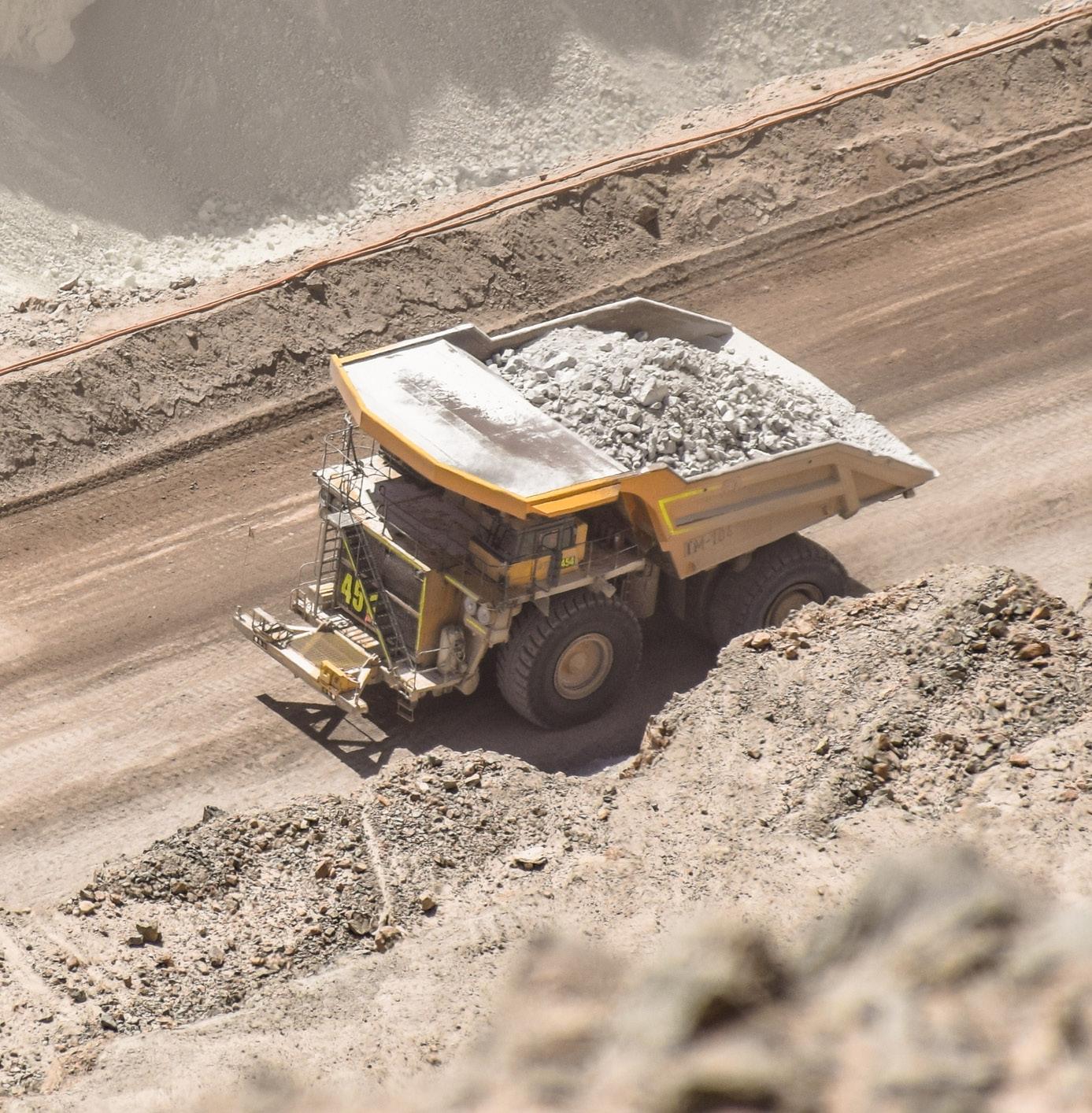
Mining reimagined
A call for an urgent, unified systems approach to sustainable transformation in the minerals and mining industry
By Professor Glen Nwaila, Director of the African Research Centre for Ore System Science at the University of the Witwatersrand (Wits) School of Geoscience and Professor Grant Bybee, Head of the Wits School of Geosciences
There are few moments in history when a common global purpose aligns so clearly: ensuring the sustainability of our planet and its people. This shared goal has created a huge demand for important minerals that are essential for the transition to a greener, leaner economy.
To help us grasp the scale of this endeavour, the International Energy Agency’s Net Zero Emissions by 2050 Scenario forecasts that aggregate demand for copper, lithium, nickel, cobalt, graphite and rare earth elements will rise from under 10 megatonnes (Mt) in 2020 to over 40Mt a year by 2050. However, persistent bottlenecks in legacy supply chains, underinvestment in exploration, shortage of skills and escalating geopolitical tensions all threaten to derail this surge.
Exploration budgets illustrate the challenge. In 2023, spending on exploration for precious and base metals fell by 3% from the previous year’s peak, while exploration allocations for critical minerals such as copper, lithium, nickel, rare earth elements and uranium increased. New discoveries and brownfield expansions must accelerate to satisfy future needs, despite continuing financial and political uncertainty.
Major corporations are responding with renewed capital and technology commitments. Deloitte’s 2024 CxO Sustainability Report found that 85% of C-suite executives had increased sustainability investments over the previous year, up from 75% in 2023, and half had deployed digital solutions to meet climate targets.
An EY survey of 353 senior mining executives identified local community impact as the foremost environmental, social and governance (ESG) risk with 64% marking it as their most pressing concern, followed by tailings and
waste management at 55%, water stewardship at 51% and achieving net-zero emissions at 46%.
Additionally, 92% of institutional investors fear that sustainability measures that are not tied to operational and market dynamics could undermine short-term returns, underscoring the need for a unified systems framework that aligns economic incentives with environmental stewardship.
Policy and governance must evolve in tandem. Nearly 48% of African nations have introduced export curbs to capture more upstream value. Zimbabwe’s government has banned the export of raw lithium from 2027, a move that has already seen a revenue increase from $70-million in 2022 to $600-million in 2023.
Meanwhile, leading voices call for an international materials agency to coordinate critical minerals governance, centralise data collation and support equitable negotiations for developing economies. Such an institution would de-risk large-scale projects and streamline the permitting process, enabling blended finance structures such as green bonds and public-private partnerships to underwrite sustainable exploration and processing.
Technological innovation and the circular economy offer powerful levers to rebalance supply and demand. Recycling and scrap recovery could meet up to 60% of cumulative demand for metals such as aluminium and copper by 2050, and about 46% for cobalt.
In South Africa, circular mining initiatives in the historic gold-producing Witwatersrand Basin are reprocessing tailings with adaptive hydrometallurgical circuits, recovering gold while reducing water consumption by 30%. In the Bushveld Complex, platinum group elements and base metals are being
recovered from legacy tailing storage facilities. Similar initiatives are being piloted in Australia and as part of the United Kingdom’s plans to revive tin mining in Cornwall.
Digital twins of mine sites (virtual replicas of physical mining assets), powered by real-time sensors and machine-learning models, optimise ore blending and energy use on the fly. Autonomous drilling rigs and haul trucks cut fuel consumption and enhance safety, while remote operations centres enable seamless integration of solar, wind and hydrogen power in highload metallurgical plants.
Early trials at the Valterra Platinum (formerly Anglo American Platinum) Mogalakwena mine in northern South Africa have shown that integrating onsite renewable power with a hydrogen battery-powered hybrid haul truck can reduce diesel-related greenhouse-gas emissions by up to 80%.
In Sweden, a hydrogen breakthrough ironmaking technology pilot at Luleå has demonstrated hydrogen-based direct reduction in a continuous‐feed furnace, producing over 5 000 tonnes of fossil-free sponge iron during 61 weeks of testing through to 2024, and removing roughly two tonnes of CO₂ for every tonne of iron produced. This represents one of the world’s first large-scale pyrometallurgical trials using green hydrogen in place of coke (a carbon-rich fuel derived from coal).
The task is urgent. With demand for critical minerals set to quadruple by 2050, piecemeal measures will no longer suffice. Mining must evolve into a circular, data-enabled ecosystem in which waste streams become secondary reserves and digital transparency underpins stakeholder trust. This requires a fundamental shift from compliance to a holistic systems framework that aligns policy, investment, technology and social
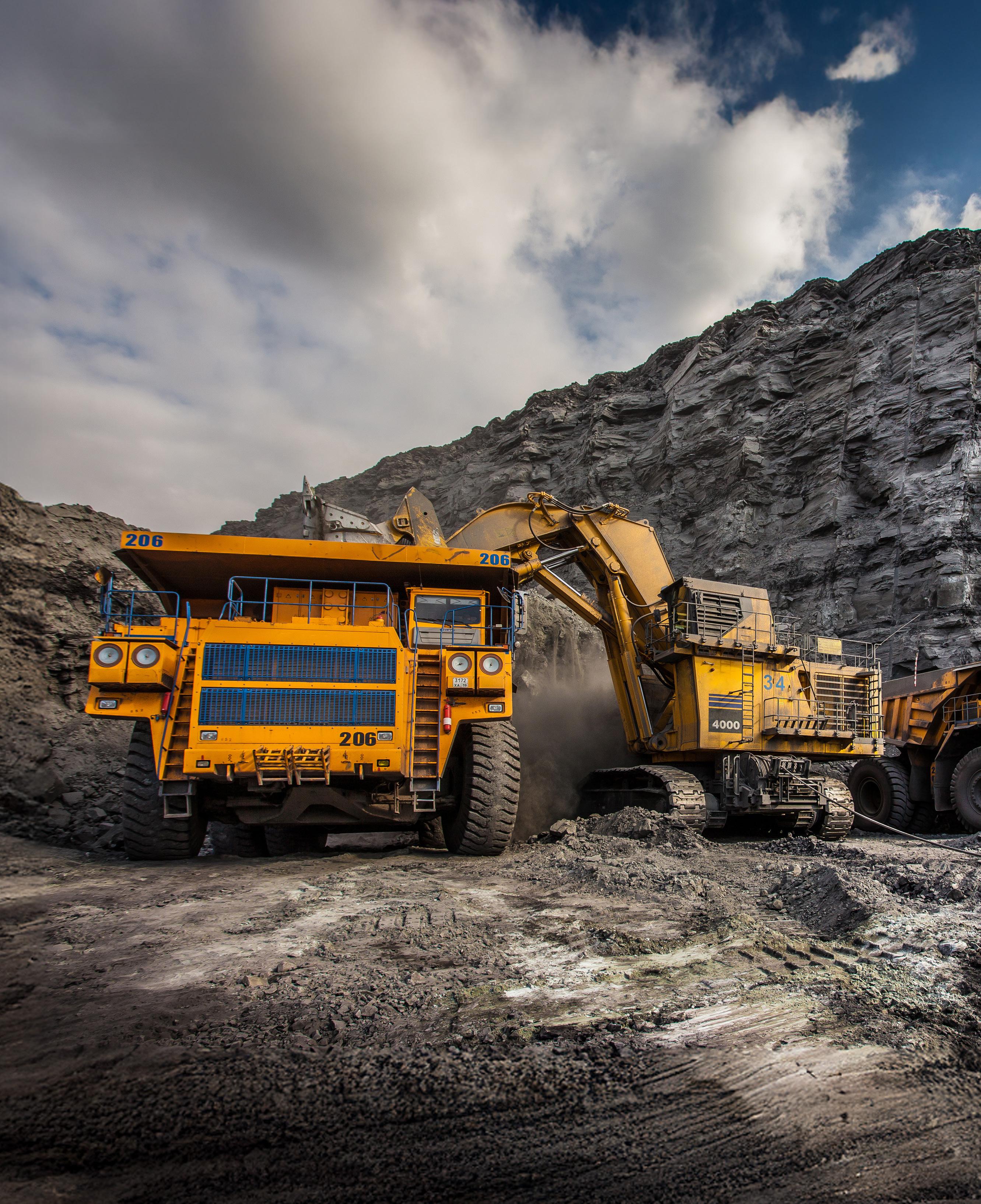

licence at every stage. Blockchainenabled traceability platforms are rapidly becoming indispensable to ethical and sustainable mining. The European Union’s upcoming transparency portal under the Conflict Minerals Regulation will require downstream importers to share duediligence data on metals and minerals, ensuring compliance with Articles 3 to 7 and providing regulators, communities and end users with real-time insights into origin and handling.
In Chile, a pilot blockchain scheme for distributed energy and carbon markets has demonstrated how linking renewable energy generation data to mineral certification can support artisanal producers, enhance local value capture and build consumer trust in clean-energy supply chains.
Meanwhile, the World Gold Council’s Gold Bar Integrity Programme, developed in partnership with the London Bullion Market Association, records each bar’s provenance and transaction history on a distributed ledger, guaranteeing ethical sourcing, fair royalties for mining communities and immutable provenance records for global investors and consumers alike.
These examples demonstrate that true sustainability reaches far beyond technical efficiency to encompass social inclusion and environmental justice.
Local communities must be partners in decision-making from exploration through to closure, beginning with transparent, culturally sensitive consultation; progressing through local procurement, skills training and employment; and culminating in rehabilitation schemes co-designed to deliver agriculture, conservation or renewable-energy hubs.
Investing in education, ranging from
vocational training in geoscience, metallurgy and mechatronics to data science, enables durable economic diversification, cultivates a pipeline of skilled professionals who have multicommodity expertise and secures the social licence on which mining’s future depends.
As we at Wits Geosciences often say, there has never been a more critical moment to empower our communities, champion geosciences as a catalyst for lasting development and inspire the next generation – reaffirming geosciences’ enduring role as an accelerator of sustainable mining transformation.




Glen Nwaila
Grant Bybee
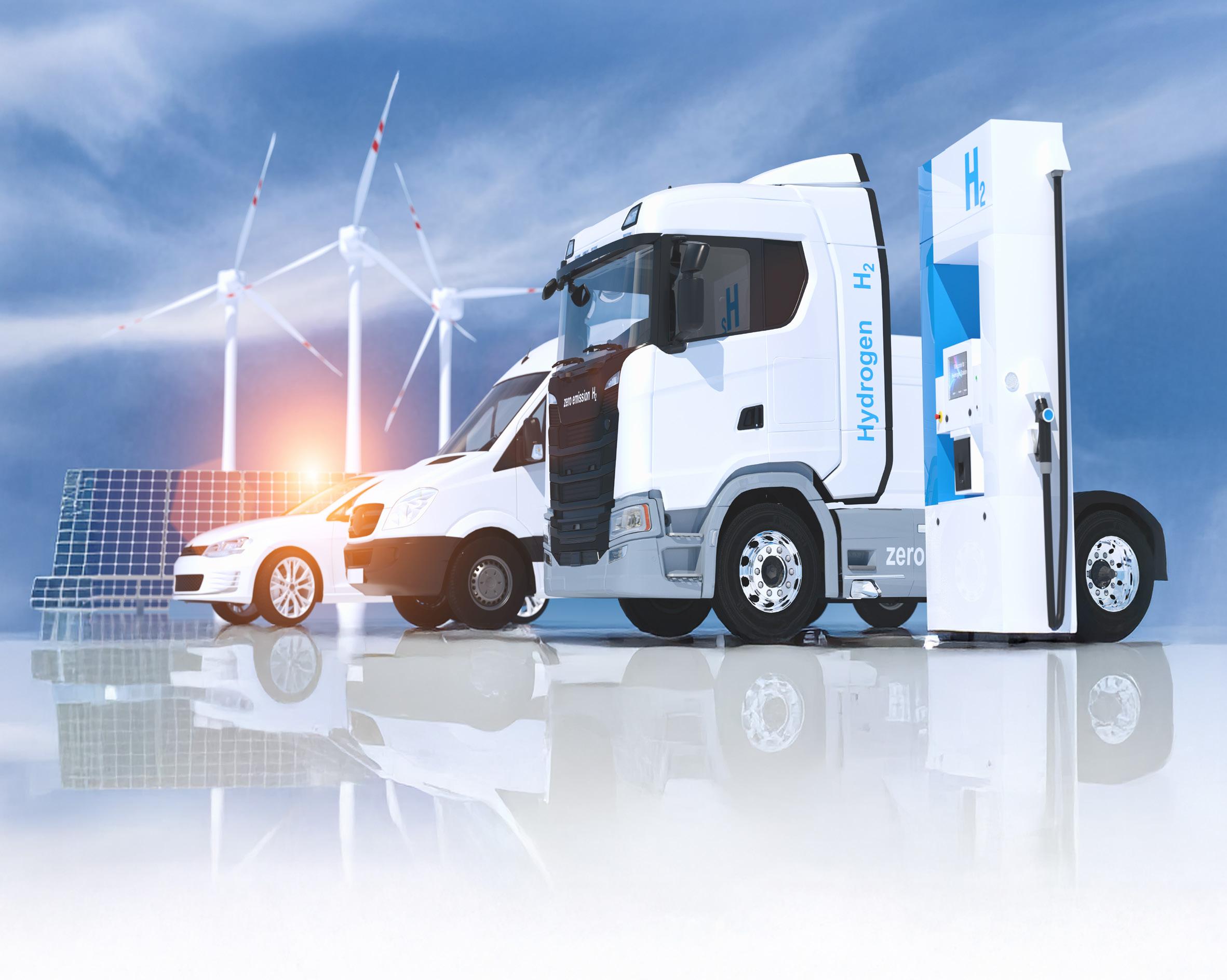
How e-freight leaders are creating sustainable transport and commerce
By Francois Retief, CEO of Takealot Fulfilment Solutions (TFS)
Whenever a shipment ships to its destination, it generates mountains of paperwork and passes through the hands of many people. This creates massive administrative challenges that the freight industry has long worked on to improve.
In the 1980s, the United Nations created a global standard for structured electronic data exchange called UN/EDICAFT, as well as UN/LOCODE, a standard code to identify locations such as ports. Digital technology is the real gamechanger, and as far back as 2006, the International Air Transport Association (IATA) proposed a digital and paperless improvement it called e-freight. Today, companies like Takealot Fulfilment Solutions (TFS) are
at the forefront of e-freight, delivering many benefits like using cargo capacity more efficiently and providing online package tracking. Electronic bill of lading standardisation and advanced cargo information (ACI) systems simplify compliance and governance. African Logistics reports that around 70% of SA’s large logistics operators use advanced digital systems, and there is a small but growing number of robotic warehouses in the country.
E-freight’s relevance
In 2014, South Africa’s freight transportation brought in revenues of around R126-billion, according to Stats SA, which in 2024 grew to R215-billion.
Mordor Intelligence projects it will grow to R340-billion by 2030. Online commerce is one of the big winners of e-freight. E-commerce giants such as Takealot and logistics pioneers like TFS provide the systems and visibility that buyers, sellers, and shippers expect. E-commerce is also growing e-freight. Online retail will represent 10% of the country’s retail by 2026 and be worth over R130-billion, says World Wide Worx. Other African regions are also showing this trend. 60% of freight operators in Kenya’s major centres use mobile-based cargo tracking to meet the expectations of a fast-growing online retail sector that is already bigger than 5% of the country’s total retail market, according to African Logistics.But reasons to use
e-freight go further than happy online shoppers. Modernising freight processes and document handling improves many freight challenges, like the visibility of transportation and cargo demand, unpredictable transport earnings, administrative delays at borders, and manual processing’s high costs.
E-freight: A sustainability champion?
The interconnected modern world needs sustainability, which is why the UN established its 17 Sustainable Development Goals (SDGs). The freight industry can support several SDGs, such as SDG 9 (Industry, Innovation, and Infrastructure) and SDG 12 (Responsible Consumption and Production). But to do so, it needs to address some problems in its operations.
The sector’s large carbon footprint is the biggest issue. Freight contributes approximately 9% of global greenhouse gases, according to the MIT Supply Chains Initiative. In South Africa, the figure is 10.8% (Department of Transport) because of a heavy reliance on road transport.
Digitisation reduces carbon by making freight operations much more efficient. For example, the International Transport Forum predicts that real-time data and integrated transport management systems will increase transportation efficiency by 10%. These will reduce dwell times between different freight modes by 20%, and just-in-time arrivals will improve fuel efficiency by 10%. The ITF expects that as e-freight matures, these benefits will double by 2050.
Fleet electrification is also helping reduce carbon emissions. The OECD reports transporting goods by road consumes roughly half of the world’s
diesel, and electrifying fleets with solar energy significantly reduces both that consumption and its associated costs.
For TFS a key strategy is to create a more sustainable supply chain by reducing environmental footprint through responsible packaging, smarter logistics planning, and cleaner delivery solutions. Part of this includes the adoption of electric vehicles (EVs) in last-mile delivery.
We’re making meaningful progress in this space. The business currently operates Africa’s largest commercial electric truck fleet. Electric vans, mopeds, and bicycles are deployed across high-density routes to reduce emissions, noise pollution, and dependency on fossil fuels. This fleet is set to double within the next 12 months, supporting the long-term goal of electrifying a greater percentage of the delivery network nationwide. Every EV deployed has an impact: each electric delivery vehicle approximately reduces operating costs by an average of 12.75% per month through the removal of diesel consumption.
This reality is excellent motivation for using electric freight vehicles. Freight companies are using digital systems to run advanced fleet management and solar infrastructure. They are using technology to also reduce fuel costs.
Supporting SA’s e-freight future
The freight industry is using innovations like paperless transactions, artificial intelligence, fleet electrification, and Internet of Things intelligence, boosting efficiency while simplifying compliance and reporting. E-freight helps combat climate change and deliver sustainable economic growth. But to keep the momentum, SA needs strong policies
such as a national digital strategy for transport. The Department of Transport’s new strategic plan centres on transportation as the heartbeat of SA’s economic growth and social development. It aims to “lead the development of efficient integrated transport systems by creating a framework of sustainable policies and regulations” and create “implementable models to support government strategies for socioeconomic development.”
E-freight is leading a wave of change ahead of fantastic opportunities. The African Continental Free Trade Area (AfCFTA) is expected to increase trade volumes dramatically. To be a part of that growth, South Africa needs to implement effective policy and improve transport infrastructure. Digital technology is a very powerful part of that change. It ensures that truck drivers no longer need stacks of paperworks, logistics teams can assign routes and deliveries with incredible accuracy, and freight arrives on time and within budget. That’s the future e-freight is creating, and that future is already here.

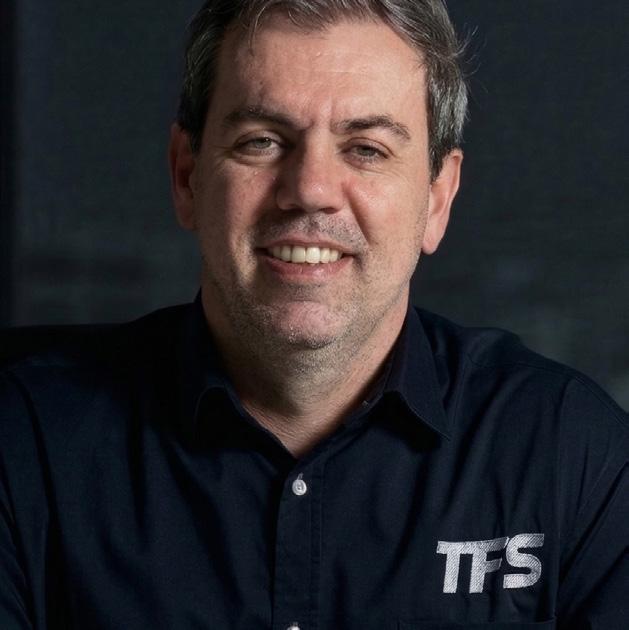
Francois Retief
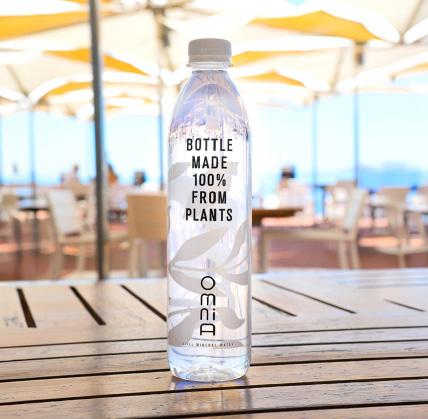
Microplastics We
need to act now
By Nicholas De Beer, Director, Fortis X
It’s become almost too easy to tune out the problem of plastic. The grocery store checkout, the beach walk, the roadside in the Karoo - all littered with familiar wrappers and bottles. We’ve stopped noticing. But the problem isn’t just what we see.
It’s what we don’t.
In South Africa, and across much of the world, the plastic pollution crisis has entered a new, far more insidious phase. Microplastics - fragments smaller than 5 millimetres - are now embedded in our rivers, floating through our atmosphere, and showing up in places they shouldn’t be: human lungs, placentas, even bloodstreams. It’s no longer a distant environmental concern. It’s a public health one.
Recent research suggests that more than 80% of our freshwater sources here in South Africa contain microplastics. Urban rivers are among the most affected. Some water samples have recorded concentrations of over 10 000 particles per cubic metre. On our coastlines, plastic dust and fibres are worked into beach sands that have never seen a recycling truck. These particles are so small that they bypass most filtration systems - and so persistent that once they’re in an ecosystem, they stay there.
For years, we’ve thought of pollution as something we can see, something we can clean up. But how do you remove particles you can’t filter out of the water or sweep off the street?
What makes microplastics especially dangerous is that they’re not inert. They’re not just floating debris. These particles can carry toxic chemicalsBPA, phthalates, heavy metals - right into the cells of living organisms. They disrupt hormones, cause inflammation,
and accumulate quietly over time. We’re only beginning to understand the longterm effects, but early findings are not reassuring. They suggest links to fertility issues, chronic inflammation, and a host of other health problems.
In South Africa’s more vulnerable communities - where access to clean water and safe food is already a challenge - the risks multiply. People who rely on boreholes, untreated water, or subsistence fishing are more likely to ingest plastic-contaminated resources directly. And because microplastics have been found in everyday consumables like salt, bottled water, tea bags, and even fresh produce, there’s no clear line of avoidance for anyone. Exposure is widespread, and cumulative.
The environmental toll mirrors the human one. Microplastics affect soil health by altering microbial activity, reducing fertility, and interfering with nutrient cycling. In agriculture, this can lead to lower crop yields and compromised food safety. In marine ecosystems, plankton, fish, and seabirds ingest plastic particles in increasing volumes, often starving with bellies full of synthetic debris. These particles move up the food chain and eventually reach our plates.
Fish stocks in parts of South Africa have already shown signs of contamination. Scientists warn that unless action is taken, marine biodiversity and food security will face mounting pressureparticularly in communities that depend on fishing for income and protein.
Of course, this isn’t a uniquely South African issue. But the intersection of limited recycling infrastructure, outdated waste systems, and rising consumption makes the problem feel more acute here. The country produces roughly 120 million
tonnes of waste annually. Plastic is a significant portion of that - and much of it is never recycled. And yet, we treat this as a background issue. There’s no daily outrage. No nationwide campaign. It’s as if because we can’t see the particles, we pretend they’re not there.
That needs to change.
We cannot recycle our way out of this. While recycling has its place, the sheer scale of the problem requires upstream solutions. That means designing packaging that doesn’t break down into harmful fragments. It means holding producers accountable - not just for the life of a product, but for its afterlife. It means rethinking our relationship with convenience and disposability.
Microplastics are not someone else’s problem. They’re not a future issue. They’re here, they’re in us, and they’re already reshaping the health of our people and our environment.
The question is not whether we’ll respond. It’s how long we’ll waitand how much damage we’ll allowbefore we do.

Nicholas De Beer

E-waste in South Africa: Hazardous or strategic resource?
Electronic waste (e-waste) is one of the fastest-growing waste streams in the world, driven by shorter product life cycles, rapid technology refresh, and rising device penetration. The UN’s Global E-waste Monitor 2024 estimates that 62 million tonnes of e-waste were generated globally in 2022, with volumes projected to reach 82 million tonnes by 2030.
South Africa is the second-largest e-waste generator in Africa, producing approximately 530 000 tonnes annually. Yet the same analysis highlights a structural paradox: despite high generation, South Africa’s formal recycling rate remains low (estimates vary around 4.35% - 12%). Poorly managed e-waste contaminates the soil and water, releases toxic substances into the air through unsafe dismantling and burning, and exposes workers and communities to hazardous chemicals - while simultaneously squandering a major resource opportunity. In 2022 alone, the UN-linked reporting on the Global E-waste Monitor estimated e-waste contained about US$91 billion in recoverable materials.
What qualifies as e-Waste
Waste Electrical and Electronic Equipment (WEEE), or e-waste, generally refers to discarded products with a plug or battery and their components, be it broken, obsolete, or simply unwanted.
In households, this includes phones, chargers, laptops, TVs, kitchen appliances, toys with electronics, routers, and lighting products. In industrial and commercial settings, the stream expands to servers, networking equipment, industrial control electronics, medical devices, and large electrical equipment — often with higher embedded material value and more complex data-security obligations.
Six waste categories (Global Reporting Standard)
International reporting frequently groups e-waste into six practical categories used to track flows and design collection systems:
1. Temperature exchange equipment (e.g., fridges, freezers, air conditioners)
2. Screens and monitors (e.g., TVs, computer monitors)
3. Lamps (e.g., fluorescent tubes, LEDs)
4. Large equipment (e.g., washing machines, large printers)
5. Small equipment (e.g., microwaves, fans, power tools)
6. Small IT and telecommunication equipment (e.g., phones, laptops, routers)
These categories matter operationally because the environmental risk profile (e.g., refrigerants, mercury-bearing lamps) and the recycling economics (e.g., circuit boards and precious metals) vary sharply by category.
South African Extended Producer Responsibility (EPR) legislation has divided e-waste into three categories and has separate regulations for lighting and portable batteries.
1. Small equipment up to 50cm in any direction
2. Medium equipment 50cm100cm in any direction
3. Large equipment greater than 100cm in any direction
Keith Anderson, CEO, EPR Waste Association of South Africa (eWASA)
Environmental impact of E-waste E-waste is environmentally distinctive because it is not just scrap. It comprises a range of metals, plastics, ceramics, glass, and chemical additives, some valuable, others harmful, many both.
Soil and groundwater contamination
If e-waste is dumped or landfilled without adequate segregation and treatment, toxic substances (notably heavy metals and persistent additives) can leach into soils and water systems. The World Health Organization (WHO) highlights lead as a common substance released when e-waste is recycled, stored, or dumped using informal activities, with significant health implications.
Air emissions from unsafe processing
Informal dismantling and open burning (used to recover copper or remove insulation) creates metal fumes, particulate matter, and hazardous by-products from burning plastics and flame retardants. WHO notes that informal recycling activities can cause multiple adverse health effects, with children and pregnant women particularly vulnerable.
Climate impacts (including cooling equipment)
Poor handling of temperature-exchange equipment releases refrigerants that can have very high global warming potential. The Global E-waste Monitor 2024 frames e-waste management as a climaterelevant intervention, not merely a waste issue, noting that mismanaged hazardous fractions carry externalised environmental costs.
Resource depletion and “urban mining” losses
Every phone, laptop, or inverter contains a concentrated mix of copper, aluminium, steel, precious metals, and critical minerals. When these are not recovered, South Africa effectively imports raw materials, uses them briefly, then discards them, shifting costs to communities and future supply chains. The UN reporting underscores that the gap between generation and documented recycling is widening globally, and the same structural risk applies locally.
South Africa’s regulatory framework
South Africa’s policy architecture has moved decisively toward Extended Producer Responsibility (EPR), recognising
that sustainable electronics waste management cannot be funded or scaled by municipalities alone.
Extended Producer Responsibility (EPR) system
1. NEMWA Legal Foundation (2008)
The National Environmental Management: Waste Act (NEMWA) established the legal foundation for modern waste governance, enabling downstream instruments, including EPR, to be implemented through regulations and notices.
2. EPR Regulations (2020–2021
South Africa’s EPR regulations and accompanying notices created enforceable obligations for producers (and, through schemes, Producer Responsibility Organisations) to finance and operationalise collection, recycling, and awareness mechanisms for priority waste streams, including electrical and electronic equipment.
3. WEEE Notice requirements
The EEE/WEEE regulatory instruments typically require defined scope, producer registration, reporting on volumes placed on the market, performance targets, and proof of environmentally sound management through accredited/value-chain compliant service providers.
eWASA’s Role as a Registered Producer Responsibility Organisation
eWASA is a leading Producer Responsibility Organisation (PRO) that has been establishing sustainable, environmentally sound waste management systems in South Africa since 2008. It is registered with the Department of Forestry, Fisheries, and the Environment (DFFE) across five key waste streams: Electrical & Electronic Equipment, Lighting Equipment, Paper & Packaging, Portable Batteries, and Lubricant Oils. Operating through a rolling multi-year action plan, eWASA’s scheme design explicitly targets both environmental outcomes and socio-economic cobenefits: job creation, SMME development, infrastructure investment, waste picker integration, and education campaigns.
The national WEEE policy framework
The intent of a national WEEE policy framework is to align the market with circular economy principles: prevent waste through design and reuse; collect efficiently; treat hazardous fractions safely; and
recover materials at scale. In practice, policy effectiveness depends on minimum technical standards, reliable reporting, enforcement that addresses free-riding, and a collection network that is convenient enough to compete with hoarding and disposal.
Collection targets and progress
EPR only works if it delivers measurable diversion from landfill. DFFE has publicly noted progress to date: almost 68,000 tonnes of e-waste diverted from landfill and recycled through EPR schemes, with retailers providing collection points across the country to enable recycling. This is meaningful progress, but still small relative to annual national generation; hence the urgency to expand collection, improve compliance, and strengthen end-to-end traceability.
South Africa’s current infrastructure and challenges
South Africa’s e-waste system is best understood as an “emerging regulated market” competing against three entrenched realities:
1. Convenience deficit: many consumers do not know where to take e-waste, and collection points are unevenly distributed.
2. Hoarding and “drawer stock”: devices with residual data and perceived value are stored indefinitely, delaying collection and depressing recycling volumes.
3. Leakage into unregulated channels: informal collection is economically rational where formal collection is inconvenient; yet unsafe processing externalises health and environ-mental costs.
eWASA solutions and services
Within an EPR system, PROs operationalise compliance into real-world infrastructure and measurable outcomes.
In practice, that means:
• Compliance enablement: simplifying producer registration, reporting, and fee administration so funding is predictable and scalable.
• Collection system design: funding and coordinating collection points (including retail take-back where feasible), logistics, and consolidation.
• Accredited treatment pathways: contracting and auditing recyclers and downstream processors to ensure environmentally sound management.
• Socio-economic integration: formal
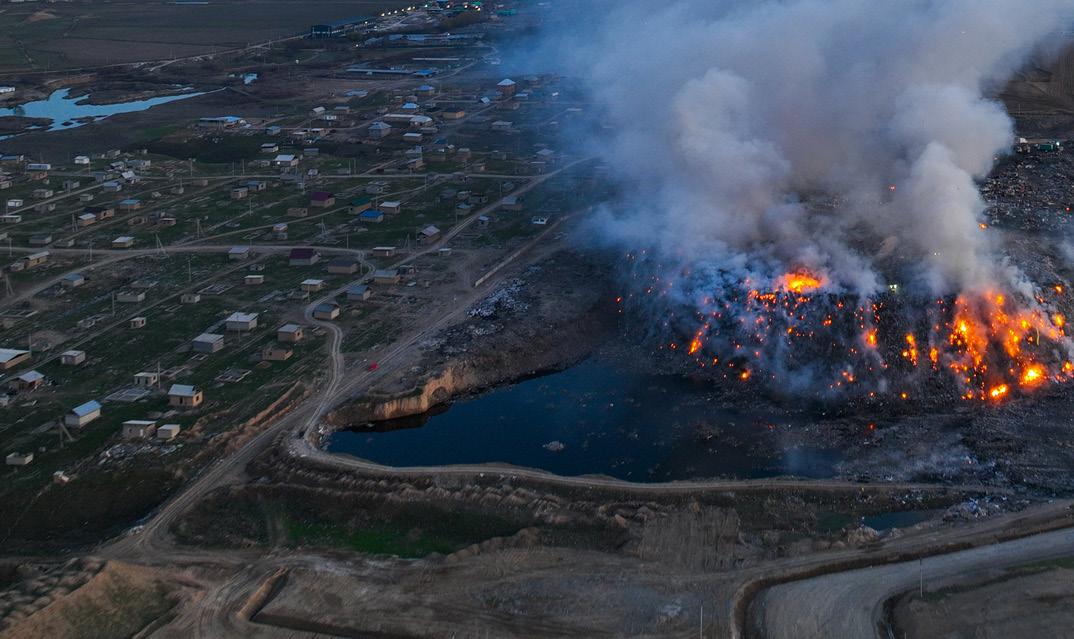
inclusion of SMMEs and waste pickers into safer collection and sorting roles—turning a risk exposure pathway into a dignified livelihoods pathway (as provided).
• Education and demand creation: sustained campaigns that move e-waste from “specialised niche disposal” to a normal household behaviour.
Mitigation strategies and best practices
1. Circular economy approaches
A South African e-waste strategy should start upstream: extend product life, intensify reuse, and reduce waste generation per unit of service delivered. This is where procurement standards, repairability requirements, and refurbishment markets become policy tools—not just sustainability ideals.
2. Advanced recycling technologies
High-value recovery (especially from printed circuit boards) increasingly relies on advanced mechanical preprocessing paired with hydrometallurgy or other controlled chemical processes. For South Africa, the
strategic priority is to develop local pre-processing capacity (collection, sorting, depollution, dismantling) and ensure downstream refining is done in compliant facilities—whether local or via controlled export—without losing traceability and value.
3. Material recovery potential
The global numbers show why this is industrial policy, not only environmental management. E-waste contains large quantities of iron, copper and aluminium, plus precious and critical metals; the global value embedded in 2022 e-waste was reported at ~US$91 billion. Capturing even a modest additional share of South Africa’s annual stream supports jobs, reduces primary mining pressure, and improves supply resilience.
4. Design for recyclability
Producers can reduce downstream costs through:
• modular design and standard fasteners (enabling disassembly),
• reduced composite plastics and additive complexity,
• clear material labelling,
• removable batteries,
• fewer glued assemblies. EPR fees and eco-modulation (where implemented) can reinforce these design choices economically.
5. Repair and reuse programmes
Refurbishment is often the highest-value circular pathway: it preserves embodied energy and delays waste generation. In South Africa, structured repair networks can also support affordability and digital inclusion, if paired with quality assurance, warranties, and safe data wiping.
6. Consumer awareness and education
Even the best infrastructure fails without participation. Education must address:
• where to take items
• why e-waste is hazardous
• how data is protected
• and what happens to material after collection (to build trust)
7. Stakeholder responsibilities
• Producers: fund and govern EPR outcomes; design for longevity and
recyclability; prevent freerider advantage.
• Retailers: normalise take-back and point-of-sale messaging; serve as convenient collection nodes.
• Municipalities: integrate e-waste into local waste planning and provide compliant aggregation support.
• Recyclers: meet technical standards, manage hazardous fractions, and provide auditable downstream proof.
• Consumers and businesses: separate e-waste from general waste, use authorised channels, and require datasecure processing.
The way forward for South Africa South Africa can position itself as an African leader in responsible e-waste management by prioritising five system shifts:
1. Scale convenient collection nationally (retail, community drop-off, scheduled take-back, business collection).
2. Enforce EPR consistently to reduce free-riding and stabilise funding for infrastructure.
3. Build traceability and data integrity across the chain (from collection
to final processing), closing leakage pathways.
4. Invest in pre-processing and depollution capacity as the job-rich segment of the value chain.
5. Treat e-waste as a resource sector aligned with circular economy and industrial development, not only as a waste compliance problem.
The DFFE’s reported diversion progress under EPR, nearly 68,000 tonnes recycled through EPR schemes to date, shows that the policy mechanism can deliver. The next phase must be about scale, convenience, and measurable outcomes against national generation.
South Africa’s e-waste crisis is not defined by a lack of policy intent; it is defined by the gap between what is generated and what is captured through documented, environmentally sound systems. Globally, e-waste generation is accelerating toward 82 million tonnes by 2030, and only 22.3% was documented as formally collected and recycled in 2022.
South Africa mirrors this pressure at national scale, with high generation, low formal recycling, and real environmental and health risks where leakage persists.
The opportunity is equally clear: e-waste is a strategic secondary resource stream with major embedded value, and EPR provides the financing and governance lever to build collection networks, grow compliant recycling capacity, integrate informal actors safely, and prevent pollution. With comprehensive action — producers funding outcomes, government enforcing rules, PROs like eWASA operationalising systems, and consumers participating — South Africa can credibly become an African leader in responsible e-waste management, proving that circular economy principles can deliver both environmental protection and inclusive economic benefit.

References:
The Global E-Waste Partnership | WEEE Forum | E-Waste Monitor | ITU | UNITAR | World Health Organization | dffe.gov.za | South Africa Government | Law Library | EPR Waste Association of South Africa (eWASA) | WEEE Are SA
Keith Anderson
The fading myth of the ‘green premium’
Green building has proved its profitability
By Maryann Shaw
For more than a decade, the notion that sustainable buildings cost significantly more to develop has shaped decision-making across the property sector. Developers have long spoken about a “green premium,” and many investors assumed that environmental performance required a financial sacrifice.
But now, the 4th edition of the internationally acclaimed research study, Green Building in South Africa: A Guide to Costs and Trends, provides a definitive business case for building sustainably. Since 2014, Green Building Council South Africa (GBCSA) has partnered with the Association of South African Quantity Surveyors (ASAQS) and the Department of Construction Economics at the University of Pretoria (UP) to produce relevant research that moves the industry forward.
The report, backed by MSCI performance data and extensive project case studies, demonstrates a very different reality: building green is no longer more expensive - and in many cases, it is demonstrably more profitable. This shift is not philosophical, but empirical. As technologies mature, sustainability-related skillsets become more mainstream and design practices improve, the additional cost of delivering a certified green building has steadily
declined. At the same time, the financial performance of these buildings - from net operating income to total return - has outpaced conventional assets. For ESG-focused investors and property owners, the message is clear: sustainability is now a core value driver, not an optional upgrade.
Cost vs Value: What the research shows
The Guide to Cost and Trends study tracks real costs of quantities from nearly two hundred certified office buildings to understand the cost implications of green measures over time. Its conclusion: the premium for building green (with the inclusion of the necessary certifications), has dropped dramatically, and for many projects is now negligible. Georgina Smit, GBCSA’s incoming CEO and current Head of Technical, outlines the trend in the report plainly: “The average green cost premium for office projects certified in the period 2022 - 2024 has positively decreased from 3.15% for the previous period 2019 - 2021, to 2.40%. The average since 2009 for the green cost premium as expressed by the median has reduced from 5.95% to 3.43%. But what is particularly pleasing is that there is now clear evidence that these green buildings are more profitable in the long run, so it is an investment that just makes
business sense.” The numbers reveal two intersecting forces: a decline in upfront additional cost and - more significantly - a measurable uplift in long-term value.
The performance premium: Sustainability that outperforms MSCI’s South Africa Green Annual Property Index 2024 provides some of the strongest investment evidence. Certified buildings are consistently delivering higher returns, stronger rental performance and greater resilience in volatile market cycles. Green-certified office space, for example, has recorded higher total returns and lower vacancy rates than comparable uncertified assets. This is not surprising to industry watchers. Efficient buildings use less energy and water, have lower operational costs, attract better-quality tenants, and retain them for longer. As utility instability and price escalation increase, the operational efficiency of certified buildings is becoming a business imperative.
Lisa Reynolds, GBCSA CEO, captures this business-first reasoning succinctly: “Property owners need to understand that certification isn’t the end goal. It’s how you prove that a building is actually performing in prac-
tice and on paper. It gives owners, investors, and tenants confidence that a building will deliver environmental and financial value over time.” Certification is not a badgeit is proof of performance. And in a world where greenwashing is under increasing scrutiny, this distinction is critical for meeting ESG expectations and accessing sustainable finance.
What green building certification actually means
For those newer to the world of sustainable building, the concept of “green building certification” can sound abstract. In practice, it is a structured, third-party verification system that measures how efficiently and responsibly a building uses resources, how it affects its occupants, and how well it performs over time.
GBCSA administers globally recognised rating systems - their own Green Star Rating system, now in its second iteration, Net Zero, and EDGE for instance. The different tools serve different, often complementary purposes and are utilised based on the overarching goals of the project. They may assess elements such as energy and water efficiency, materials, indoor environmental quality, transport access, site ecology, and resilience.
A certified building has undertaken a rigorous process, which can include: sustainable design decisions being made upfront, existing operational performance being assessed, and an audit and independent verification of the construction process. Increasingly, post-occupancy performance is measured and reported.
This makes certification a robust governance framework, not a marketing label. It is also why banks and institutional investors are now favouring certified assets: the risk profile is lower, and the performance data is transparent.
The Green Star New Build V2 Tool: Setting a new benchmark GBCSA’s next-generation Green Star New Build V2 tool marks one of the most important developments in local sustainability practice in over a decade. Developed through extensive market consultation, Green Star New Build V2 shifts the focus from box-ticking to genuine performance, integrating carbon, resilience, health, inclusivity and circularity into one unified framework. Georgina Smit explains: “Green Star New Build V2 is designed
to go beyond mere building efficiency. It provides a framework to ensure green buildings are resilient to energy insecurity, water scarcity, and rising temperatures.”
This tool speaks directly to the needs of ESG-aligned businesses: credible, comparable, and future-ready performance metrics. It also simplifies the application of green building principles across all building types, reducing barriers and making sustainable development more accessible - a crucial step as South Africa pushes towards net zero by 2050.
From perception to practice: Why the ‘Green Premium’ no longer holds The belief that sustainable buildings cost significantly more has remained stubbornly persistent. But today, it is no longer supported by data. The reasons for the declining premium are straightforward:
• Technologies such as efficient HVAC systems, LED lighting and water-saving fixtures are now mainstream
• Sustainable design is part of standard architectural practice rather than a niche discipline
• Supply chains for green materials have matured
• The cost of inefficiencyparticularly energy inefficiencyhas risen sharply
Reynolds summarises this evolution well: “The evidence is clear. Green buildings perform better than their counterparts and cost the same (or less) in the long run. They are the only viable way forward as energy and water costs rise.”
As the economic case strengthens, green building is becoming the default expectation, not an aspirational extra. For investors, this reduces risk. For tenants, it reduces bills and improves health and productivity. For developers, it supports stronger asset valuation and future-proofing.
Mainstreaming sustainable practice across South Africa
GBCSA is positioning itself at the centre of this shift - not only as a certifier, but as a driver of national policy alignment, skills development and industry education. The organisation’s Academy trained more than 500 professionals in 2025 alone, building the capacity needed for a just
and effective transition to climate-aligned construction and property management. Smit’s vision for the next chapter is unequivocal: “We have five years until the 2030 net zero deadline, and GBCSA’s next chapter will focus on making accessible tools available to businesses to ensure that their business strategies can integrate with climate goals.” This commitmentaccessible, measurable, and scalable sustainability - is exactly what South Africa’s built environment needs as infrastructure pressures intensify and ESG accountability becomes non-negotiable.
The future: Green is not just better — It’s inevitable
The conclusion for ESG-conscious role players in property and construction is unambiguous: South Africa’s most comprehensive research shows that green buildings deliver stronger returns, offer greater resilience, attract sustainable finance, and no longer demand higher capital costs. The “green premium” is dissolving. The brown discount - one of the financial consequences of owning or developing buildings that fail to meet modern expectations - is rising rapidly.
Certification, supported by tools like Green Star New Build V2, is becoming the new standard for quality, risk management and financial performance. Sustainable development is no longer a specialised niche. It is the future of investment-grade real estate. And increasingly, it is simply the way buildings should be made.

Maryann Shaw

How to navigate the evolving ESG landscape in agriculture
By Brian Küsel, Director, BiobiN South Africa
For many companies working in the agriculture and food production sector, getting to grips with the ever-changing environmental, social and governance (ESG) landscape can be daunting. There are so many different ESG standards, so how do you possibly know which ones to base your reporting around? From GRI (Global Reporting Initiative) to IFRS Sustainability Disclosure Standards, and now even the Companies and Intellectual Property Commission (CIPC) has an ESG Reporting Framework. For the agriculture sector, there is a lot of expectation placed on companies, not just for compliance, but for alignment and transparency on different ESG disclosures.
Why? Because agriculture is a resource-intensive sector, it produces a lot of waste and carries a massive responsibility to bring food to
citizens, and income into the fiscus. This inherent connection to natural resources, communities, and national well-being makes ESG practices non-negotiable for long-term sustainability and investor confidence. So, what should agricultural companies focus on under the “Environmental” sphere?
Water consumption
Measuring water consumption is paramount, especially because South Africa is considered to be a waterscarce region. This includes reporting on volumes of raw water consumed from various sources (e.g., municipal, borehole, surface water), volumes of water recirculated and reused within operations, and the efficiency of water use per unit of agricultural output. Understanding water stress in specific regions and implementing watersaving technologies like drip irrigation
or rainwater harvesting are key indicators of responsible environmental management.
Waste reduction and circularity
There is a major drive in South Africa to promote a circular economy with different waste streams. This takes pressure off South Africa’s overburdened landfill sites and presents opportunities for secondary resource creation, and ultimately, another income source. The waste sector is undergoing a fundamental shift, and there is increasing expectation placed on companies to circulate their waste streams, not only solid waste recyclables.
This is especially the case with organic waste. In the Western Cape, a 2027 organic waste landfill ban is on the horizon, forcing businesses to find alternative waste treatment

solutions for food and organic waste. In response to this, the waste sector and agricultural companies are increasingly looking at commercial composting, particularly with in-vessel composting units like BiobiN. Waste technology like this significantly speeds up waste processing, making it a viable secondary resource that can be used on-site.
While businesses explore more sustainable waste management solutions, ESG standards require companies to disclose different waste metrics, like volumes sent to landfill, volumes of solid waste recyclables, volumes of waste repurposed as a secondary resource and volumes of waste processed into a secondary resource.
Emissions management
Agricultural and food production companies should have an emissions inventory that tells the story of a company’s carbon footprint from various angles. Scope 1 covers direct emissions from on-site operations like fuel or livestock. Scope 2 accounts for indirect emissions from purchased electricity and heat. Finally, Scope 3 extends to all other indirect emissions across the value chain, from purchased goods like fertilisers to transportation and waste. For agriculture, understanding these far-reaching emissions is vital for a climate-conscious future.
Energy consumption
For agricultural companies aiming for decarbonisation, meticulously tracking energy consumption is vital. This means quantifying all sources: electricity drawn from national grids, fuel used in machinery, the adoption of renewable fuels like biofuels, and energy generated on-site from renewable sources such as solar or wind power.
Biodiversity management
The agricultural sector has a profound impact on biodiversity. Typical ESG disclosures should look at land use changes, conservation efforts, impact assessments on local ecosystems, and initiatives to protect and restore natural habitats. This can include metrics on hectares of land under conservation, use of sustainable farming practices that promote biodiversity (e.g. reduced tillage, hedgerow planting), and measures to mitigate impacts on pollinators and other wildlife.
What is measured is managed
Designing an ESG model for a company should directly depend on what data can be collected. The journey to effective ESG integration is iterative, starting with a thorough materiality assessment to identify the most significant impacts, risks, and opportunities relevant to the specific agricultural operation and its value chain. Once identified, the focus shifts to data collection, accurate measurement, and transparent reporting.
The integration of sustainable practices, supported by innovative solutions for organic waste management, is not merely about compliance; it’s about building resilient, future-proof agricultural enterprises. By embracing comprehensive ESG standards and diligently measuring their impact, agricultural businesses in South Africa can not only meet regulatory and investor expectations but also unlock new opportunities, enhance their reputation, and contribute meaningfully to a more sustainable future.


Brian Küsel

Food security and the importance of the bioeconomy
By Charles Reed | Co-Founder and Chief Executive Officer (CEO) o f MycoSure
By 2050, the global population is expected to surpass 10 billion. To feed this population, food production must increase by at least 56 percent relative to 2010 levels, according to the World Resources Institute. Achieving this within ecological boundaries is one of the defining challenges of our time. Traditional agriculture, uses over 70 percent of global freshwater and contributes nearly one-third of all greenhouse gas emissions, is not equipped to scale sustainably.
In South Africa and across the continent, sustainable agriculture has largely focused on soil regeneration, water efficiency and climate-smart farming. While critical, this framing overlooks Africa’s low agricultural productivity. According to the Food and Agriculture Organization of the United Nations Statistics, nearly 50 per cent of Africans work in the sector, yet the continent imports 50 billion US dollars in food annually, much of it nutrient-poor and
highly processed. There is growing recognition that agriculture is part of a broader food system, from smallholder farms to formal retail. The goal is not to replace existing methods but to complement them in ways that boost job creation and improve food security. For listed food and beverage companies, sustainability now includes local sourcing, transparency, product innovation, and input resilience in the face of climate, socio-economic and geo-political pressures.
The protein gap and the need for alternatives
One of the most urgent challenges in sustainable food systems is access to quality protein. The FAO reports that more than 640 million people globally remain food insecure, and Africa continues to have one of the lowest levels of protein availability per capita. At the same time, rapid urbanisation and changing lifestyles in certain regions are driving shifts in
dietary patterns. As more people move to urban centres and gain access to at least some form of income, there is a growing demand for energy-dense and protein-rich foods. This demand is also driven by increasing awareness of the importance of protein for health, growth and development.
This dual reality of widespread undernutrition alongside changing consumption patterns places significant pressure on food systems to deliver affordable, scalable and sustainable protein sources. As a result, the world faces a growing global protein gap, with the UN predicting a shortfall of 250 million tonnes of protein per year by 2050. Traditional protein sources, particularly ruminant livestock, cannot meet this demand without significant environmental damage. These systems consume large amounts of land and water and are among the most carbon-intensive forms of agriculture.
The World Resources Institute estimates that using current practices to meet future protein demand would require an additional 593 million hectares of land. This is neither feasible nor responsible amid biodiversity loss (and associated loss of eco-logical services) and planetary resource constraints.
The South African government has also indicated that the bioeconomy will be a G20 priority in 2025. In a recent statement, the Department of Agriculture, Land Reform and Rural Development called for investment in biotechnology across the agricultural value chain. Protein alternatives, agro-processing and circular waste recovery were identified as priority areas for innovation.
Fermentation and mycelium: shifting the model New forms of food production, such as microbial and fungal fermentation, are gaining traction. This “second domestication” involves cultivating highly efficient microbial species such as fungi to produce nutrient-dense food ingredients that are scalable, resource-efficient and climate-resilient.
Mycelium is the root structure of fungi. Its role in nature is to upcycle and recycle nutrients. According to the FAO and WWF, mycelium-based fermentation uses over 95 per cent less water, more than 50 per cent less energy and up to 80 per cent less land than conventional red meat production. It also produces 82 per cent fewer greenhouse gas emissions.
Global interest in fermentation has surged. The Boston Consulting Group’s Protein Transformation report projects that alternative proteins could make up 22 per cent of the global protein market by 2035. Even at 11 per cent, emissions could fall by the equivalent of grounding the aviation industry. While most investment has gone to the US, Europe and Asia, momentum is building in Africa to adapt these models for local conditions.
What does this mean for local companies
For South African corporates, particularly in food and beverage, this is more than a technology trend. It is a strategic imperative. Investors are tracking Scope 3 emissions, biodiversity risks and ethical sourcing. Consumers are demanding transparency, healthfocused ingredients and sustainability. Myco-protein and other fermentationbased ingredients allow companies to reformulate products, reduce reliance on resource-intensive inputs, while also enabling more localised production. These ingredients are especially relevant in functional foods, clean-label products and alternative protein-forward portfolios. However, at MycoSure, a purpose-driven biotechnology company on a quest to improve food systems using the power of mycelium (myco-protein), we believe the larger market opportunity lies with flexitarians: people who still eat meat but want to reduce their intake.
By incorporating myco-protein into blended and hybrid meat products, as well as health-focused and baked goods, companies can mitigate price volatility, improve nutritional profiles, and demonstrate real climate action.
Regional resilience through innovation
Alternative proteins also strengthen food sovereignty. Africa still imports most of its protein-rich inputs. Investing in modular production systems that use agricultural by-products or local feedstocks can reduce dependence, create jobs and support industrialisation. The Food System Economics Commission estimates that the sector could add 700 billion US dollars to the global economy and create over 80 million jobs by 2050.
Route to market and institutional partnerships
Yet fewer than two in ten startups survive beyond early growth. For pre-revenue ventures, public private partnerships with institutions like the CSIR (www.csir.co.za)
are essential. These collaborations localise innovation by providing access to technical expertise and specialised equipment, strengthening scientific credibility and supporting go-to-market strategies. They also enable early-stage companies like MycoSure to diversify applications, navigate regulation and build capacity to become suppliers of choice both locally and internationally.
A systems-level view of sustainability Agriculture no longer begins and ends on the farm. For food and beverage companies, a systems-level view of sustainability is essential. This includes understanding not just where food is sourced, but how it is produced, how resilient that system is, and how value is distributed across the chain.
Fermentation and microbial based food innovation essentially involves harnessing a highly efficient natural process that has evolved over millions of years – and taking this to industrial scale. These technologies are an important part of building adaptive, equitable, efficient and climate resilient food systems. For companies seeking to meet ESG targets, respond to investor expectations and future-proof supply chains, engaging with these solutions is no longer optional. It is a critical step forward.


Charles Reed

From advocacy to execution - paving the way for South Africa’s energy wheeling industry
Why advocacy and collaboration have yielded key learnings for South Africa’s energy future
By Aishah Gire, Chief Operating Officer at Energy Exchange South Africa (EXSA)
South Africa’s renewable energy industry has seen significant traction within the last ten to fifteen years, with a notable rampup in the last six months, and is poised for significant growth as new regulations seek to open a competitive wholesale market as early as next year.
Energy wheeling (wheeling) – the process of using existing transmission and grid infrastructure to deliver energy from a private energy generator to an end-user –will play a key role in driving investment to bring more renewable energy projects to fruition. If we approach it correctly.
The road to bring wheeling into the mainstream has been a long one, and still has a way to go, with the lessons
learned thus far shaping the path to scale wheeling to its full potential in the country and on the continent.
Advocacy and collaboration bring wheeling into the fold
Although third-party wheeling was approved by Eskom more than a decade ago, several legacy factors remained, which complicated the process in practice. Critically, tariff structures remained bundled. In addition to this, the concept of wheeling – although officially opened – was not widely understood among all stakeholders. As a result, there was a lack of clarity surrounding wheeling tariffs as a subset of bundled tariffs. This complicated product development for companies – especially energy traders – wanting to wheel through the South African electricity network.
In 2017, to spearhead wheeling-related advocacy across various industry forums, EXSA collaborated with several industry stakeholders in a push for the model to be opened, accessed, and accepted by all stakeholders. Significant work was done between the private sector, Eskom, municipalities, and independent advisors to understand the cost of supply components and how these are impacted in a wheeling scenario, as well as to drive knowledge sharing across municipalities. This allowed existing tariff structures to be unpacked and the future of “true” wheeling to be designed.
While tariffs largely remain bundled, this phase of advocacy, collaboration, and knowledge-building between private companies, utilities, and municipalities
enabled the clear understanding of existing tariff structures. This could then be applied to the wheeling environment to bring the model to customers in a way that made commercial sense and laid the foundations for wheeling at scale.
Electricity trading – decoding early licence requirements
The first electricity trading licence was granted by NERSA in 2009. Since then, the pace of licence issuance has been exponential, particularly in the last 12 months, with an estimated twenty-three domestic trading licences issued as of December 2025.
EXSA received its trading licence in November 2022. As one of the first energy traders to be licensed in South Africa, the application process was complex and slow to bear fruit. However, engagements with NERSA and Eskom during the period allowed for invaluable learning and understanding of the licensing requirements to support and spearhead the refinement of the Eskom license process for the industry and future applicants.
In the same vein, EXSA’s first pilot wheeling transaction, where excess power was wheeled to a customer in December 2022, allowed for testing and execution on Eskom-related wheeling and administrative processes and resulted in an understanding of how to execute in a complex and changing environment. These valuable lessons meant EXSA could start official “higher volume” trading
to five customer sites six months later. Time in the market, as well as practical experience such as these pilots, has enabled trading aggregators like EXSA to build robust relationships with stakeholders in the value chain. Understanding the execution element at this level is paramount to the successful and accurate passing of energy credits to customers on a timely basis.
Regulatory reform is on our doorstep, but the path is not smooth EXSA is currently looking to participate in the South African Wholesale Electricity Market (SAWEM), which is set to launch in 2026, and we are excited about the future it proposes for the energy trajectory of South Africa. But, as the overarching theme of regulatory shifts shows that government is contemplating a future where customers can choose their energy supplier, this enablement of choice brings hurdles which the industry must overcome. Firstly, for customers to be able to choose their own supplier, more clarity is needed on the necessary rules and guardrails for how this customer choice is enabled.
Secondly, to create the competitive market envisioned, the bundled tariff structure must be addressed to allow for transparency of understanding.
Lastly, supply and capacity are key issues. When South Africa’s aging coal plants are decommissioned, the energy gap will be large. While this is where renewable energy could provide a solution, grid capacity will need to be opened to facilitate
the number of renewable projects that need to come online. Although the path toward a liberalised South African energy market will not be without its challenges, the strides made in knowledge building, regulatory reform, and private/public collaboration over the last decade are invaluable. These lessons and partnerships provide the foundations for a future of affordable and accessible electricity that will enable a brighter, more sustainable Southern Africa.
About EXSA
Energy Exchange South Africa is a market-leading provider of grid-connected renewable energy to South African corporates and industrials. EXSA is committed to accelerating South Africa’s energy transition by delivering affordable, sustainable, and flexible energy solutions.


Aishah Gire



Measuring what matters
How South African organisations can strengthen their
social impact
By Felix Spies
In South Africa’s evolving corporate environment, measuring social impact has shifted from a compliance exercise to a strategic imperative. Investors, regulators, communities and employees are asking tougher questions about corporate social investment (CSI), ESG performance and long-term societal value. Yet despite increased reporting, many organisations still struggle to answer a simple but critical question: Is our social investment genuinely changing lives?
The difficulty does not stem from a lack of intention. Most businesses want to contribute meaningfully to society. The problem lies in how impact is defined and measured. Too often, reports highlight outputs, the number
of beneficiaries reached, workshops delivered or resources distributed. While these figures are important indicators of activity, they do not tell us whether the intervention produced lasting change. Counting laptops donated or meals provided, for example, does not reveal whether digital skills improved, employment prospects increased or economic participation shifted. In governance terms, outputs reflect effort; outcomes reflect effectiveness.
The King IV Report on Corporate Governance emphasises responsible corporate citizenship and stakeholder inclusivity (Institute of Directors South Africa, 2016). Measuring social impact meaningfully is an extension of these principles. It requires organisations
to move beyond activity reporting and focus on observable changes in behaviour, capacity or socio-economic conditions. The OECD (2019) similarly stresses that credible evaluation links interventions to measurable change rather than mere participation.
A practical starting point is clarity of intent. Before launching a programme, organisations should define the specific problem they are addressing, the change they seek to achieve, and how they will measure that change. Without this clarity, measurement becomes retrospective justification rather than structured accountability. Many CSI initiatives fail not because they lack resources, but because they lack a clearly articulated pathway between
investment and intended outcome. One of the most effective tools in this regard is a Theory of Change. Originally developed in the field of programme evaluation, it provides a structured explanation of how inputs and activities are expected to lead to outputs, outcomes and long-term impact (Weiss, 1995). For business leaders, this approach introduces discipline into social investment strategy. It forces decision-makers to examine assumptions, timeframes and risk factors. It also helps boards understand that impact is rarely immediate. Sustainable change, whether in education, health, enterprise development or youth employment, often requires multi-year commitment and progression.
Importantly, impact measurement should not be confined to CSI departments. It must form part of governance oversight. When boards receive financial dashboards but limited insight into social return, social investment remains peripheral to strategy. Integrating outcome indicators into executive reporting signals that social performance carries weight alongside financial performance. This alignment strengthens internal accountability and external credibility.
However, measurement must also remain practical. Overly complex frameworks can deter implementation, especially for organisations working with nonprofit partners that may lack extensive data infrastructure. A balanced approach combines quantitative indicators, such as progression rates or employment placement figures, with qualitative insights gathered through interviews or case studies. Research on mixedmethod evaluation confirms that combining numerical data with lived experience enhances reliability and contextual understanding (Creswell & Plano Clark, 2018). In South Africa’s
diverse and often unequal communities, qualitative insight frequently reveals systemic barriers that numbers alone cannot capture. Another critical shift involves measuring progression rather than participation. Attendance does not equal transformation. A digital literacy programme that reaches hundreds of young people may appear successful on paper, yet if few progress to advanced training or employment pathways, the long-term impact remains limited. Organisations should therefore track retention, advancement and transitions into further study, entrepreneurship or formal employment. Longitudinal tracking, even in simplified form, demonstrates sustained commitment and strengthens the credibility of impact claims.
As ESG frameworks gain prominence globally, social impact measurement must also align with broader sustainability standards. The Global Reporting Initiative (2021) provides guidance on standardised sustainability indicators that enhance comparability and transparency. When social metrics connect directly to workforce development strategies, supplier inclusion plans or enterprise growth targets, CSI becomes integrated with corporate strategy rather than isolated philanthropy. This integration strengthens competitiveness, particularly for South African firms operating in global markets where ESG scrutiny is increasing.
At the heart of impact measurement lies trust. Communities need assurance that corporate initiatives are not temporary gestures. Shareholders require confidence that funds are allocated responsibly. Regulators expect accurate disclosure. Transparency, including honest reflection on challenges and limitations, builds longterm credibility. As Reich (2018) argues in his examination of philanthropy and accountability, trust-based relationships depend on openness rather than polished narratives. Ultimately, measuring social impact is not about producing more detailed reports. It is about producing
better decisions. When organisations measure what truly changes — skills acquired, opportunities created, incomes improved, confidence strengthened — they gain insight that shapes future investment and mitigates risk. In a country facing high unemployment, inequality and educational disparities, meaningful measurement is not simply a governance requirement; it is a moral and economic necessity.
The organisations that approach impact measurement with rigour, clarity and strategic alignment will not only meet regulatory expectations. They will build resilient partnerships, strengthen stakeholder trust and contribute to sustainable socioeconomic ecosystems. In an era where corporate purpose is increasingly scrutinised, the ability to demonstrate real, measurable change may well define long-term success.


References: Creswell, J.W. & Plano Clark, V.L., 2018. Designing and Conducting Mixed Methods Research. 3rd ed. Thousand Oaks: Sage. | Global Reporting Initiative (GRI), 2021. GRI Standards. Amsterdam: GRI. | Institute of Directors South Africa, 2016. King IV Report on Corporate Governance for South Africa. Johannesburg: IoDSA. | OECD, 2019. Better Criteria for Better Evaluation. Paris: OECD Publishing. | Reich, R., 2018. Just Giving: Why Philanthropy Is Failing Democracy and How It Can Do Better. Princeton: Princeton University Press. | Weiss, C.H., 1995. Nothing as practical as good theory: Exploring theory-based evaluation for comprehensive community initiatives. New Approaches to Evaluating Community Initiatives, 1, pp.65–92.
Felix Spies is the founder and CEO of the Siyafunda Education Foundation

De-risking human capital and South Africa’s pursuit of inclusive growth The S-Factor growth
By Thapelo Tlailana, Social Impact Analyst, Tshikululu Social Investments
As South Africa navigates the final phase of the National Development Plan 2030, the ‘S’ (Social) in ESG is emerging as the country’s most material human capital risk. Our ability to unlock inclusive growth and deliver verifiable social return on investment is inextricably linked to resolving a persistent structural paradox; persistently high youth unemployment, with young people aged 15–34 seeing their employment rate drop by 2.8 percentage points in the last decade, exists alongside a critical shortage of work-ready skilled labour.
South Africa’s skills landscape: A vision confronting reality?
Government policies correctly identify technical and vocational skills as essential for productivity, yet the education system continues to deliver qualifications misaligned with market demand. The economy is transitioning rapidly into green industrialisation and digital services, but the skills pipeline lags far behind. For instance, analysis by the Council for Scientific and Industrial Research (CSIR) in the report Identification of Skills Needed for the Hydrogen Economy shows that the nascent Green Hydrogen economy
requires 138 specific occupations, yet 77 of these are not currently reflected in national frameworks, and 24 necessary degree/diploma programmes that are not offered by South African higher education institutions.
What are we doing wrong?
The persistence of this skills mismatch is rooted in four systemic flaws:
1. Output over outcome: Success is measured in certificates issued and clean audits, rather than verifiable economic impact, such as jobs created or livelihoods sustained.

2. Administrative friction: Complex, cumbersome, and excessive paperwork required to participate in learnerships, apprenticeships, and internships actively deters employers, particularly resourceconstrained micro, small, and medium enterprises (MSMEs).
3. Fragmentation and leakage: The lack of an integrated learner management information system (LMIS) across the 21 Sector Education and Training Authorities (SETAs) leads to inconsistent tracking and the inefficient allocation of resources, including instances of “double-dipping”.
4. Curriculum lag: Training content is slow to adapt to macro-economic shifts, leaving graduates unprepared for the demands of high-growth potential digital and green sectors.
The Transformation Fund: A catalyst for SROI
A proposed aggregated Transformation Fund, aiming to raise R100-billion to support majority black-owned enterprises, offers a powerful opportunity to redesign the funding model. As a leader in Social Fund Management with over 27 years of experience in South Africa, Tshikululu understands the critical factors for fund success.
It is through our own rich experience in managing and advising socio economic transformation funds worth billions that we assert a need to shift from generalised expenditure to a strategic, performance-linked investment focused on measurable social return on investment. We have
long recommended that our clients invest in youth training and placement programmes focused on occupational and vocational skills, and the results have been promising. For example, a nonprofit training centre in Stellenbosch maintains nearly a 90% placement rate for its health, beauty, and personal care students, supported by strong ties with local B&Bs, retirement estates, and nursing homes. Similarly, a national youth leadership nonprofit ran a sixmonth vocational programme for one of our mining clients, tailoring training to local demand. While many pursued employable skills like occupational health & safety, the best results came from groups trained as electricians’ assistants, both of which established successful electronics repair shops in their villages, achieving sustainable self-employment.
Another suggestion is to strategically incorporate pay-for-performance or placement-linked funding, where capital disbursement is conditional on achieving verifiable social outcomes, such as sustained job placement or enterprise survival. This approach has already been successfully validated through the Green Outcomes Fund which was established in 2020, a fund championed through the FirstRand Foundation (which was under Tshikululu’s management at the time) to incentivise local South African fund managers to increase investment in green small and growing businesses (SGBs) by paying for outcomes, such as green job creation, climate mitigation, and improved water and waste management.Building on these examples, the Transformation Fund has the potential to take such impact to scale, bridging the gap between
youth potential, skills development, and enterprise growth. Yet to realise this vision, collaboration between the public and private sectors must evolve from parallel investments into a system of shared accountability.
A blueprint for shared accountability If implemented effectively, The Transformation Fund could become a catalyst for reimagining how South Africa closes its skills gap and accelerates MSME growth. Its success, however, depends on redefining collaboration between private and public stakeholders around shared accountability; a shift from parallel efforts to a co-owned collaborative system that designs, funds and delivers a demand-driven skills pipeline. This could be achieved through some of the below initiatives:
1. Co-design of curricula;
2. Embedding work-integrated learning; and
3. Measuring outcomes, not compliance
By leveraging the Transformation Fund to drive co-ownership, placement, and measurable impact, South Africa can turn skills development from a compliance exercise into a shared national mission for inclusive growth. But achieving this vision demands collaboration. Tshikululu Social Investments, already championing innovative models in youth training, enterprise development, and outcomebased impact measurement, stands ready to partner with business, government, and philanthropy to make this transformation real. Together, we can build a skills ecosystem that not only prepares young people for the economy of today but empowers them to be a part of shaping the thriving economy of tomorrow.

Human sustainability
Corporate wellness in 2026
By Diana Rodrigues
Corporate wellness in 2026 is undergoing a profound shift. Organisations are recognising that wellness is no longer about offering support after employees are depletedit is about creating environments where people do not have to lose themselves to succeed.
Across South Africa, businesses are operating in sustained uncertainty. Economic pressure, organisational restructuring, digital acceleration, and hybrid work models have placed employees in a constant state of adaptation. While performance expectations have continued to rise, many employees are silently navigating emotional fatigue, fear of instability, and the pressure to remain productive regardless of personal cost. Corporate
wellness must now move beyond programmes and policies and begin addressing the human experience of work itself.
Wellness begins where psychological safety exists
Employees cannot thrive where they feel they must hide their struggles, silence their ideas, or perform strength while internally overwhelmed. Psychological safety has become one of the most powerful wellness interventions available to organisations - and it costs very little to implement, yet requires courageous leadership. When leaders create environments where vulnerability is not punished but understood, trust expands. When trust expands, engagement, creativity, and accountability naturally follow. Wellness
is not built through motivational talks alone; it is built through daily leadership behaviours that allow employees to feel seen, heard, and valued beyond their output.
Burnout is not an individual failure
One of the most damaging myths organisations are beginning to confront is the belief that burnout reflects a lack of personal resilience. In reality, burnout often reveals systems that demand sustainability from people without offering sustainability in return
True corporate wellness in 2026 requires organisations to examine workload design, unrealistic availability expectations, and performance cultures that reward exhaustion rather than effectiveness. Resilience is powerful,

but it should not become a survival strategy within unhealthy systems. Organisations that are thriving are those redefining productivity to include rest, recovery, and emotional regulation as performance multipliers rather than weaknesses.
The rise of whole-human wellness
Employees do not leave their personal lives at the office door - nor do they leave workplace stress at the office when working remotely. South African employees, in particular, often carry additional socio-economic pressures that significantly influence workplace performance and mental health.
Effective wellness strategies are therefore becoming deeply holistic. Financial wellbeing support, mental health accessibility, leadership development, career growth opportunities, and family support initiatives are increasingly recognised as interconnected elements of employee wellness. When organisations support the whole human being, loyalty, engagement, and discretionary effort increase organically.
Technology cannot replace belonging Digital wellness platforms, AI-driven support, and virtual counselling services are expanding access to wellness resources. However, the future of corporate wellness will not be determined by technology alone. Employees are not only seeking convenience; they are seeking connection. Belonging, meaningful relationships, and authentic leadership remain the strongest protective factors against workplace disengagement and emotional exhaustion.
Corporate wellness as organisational transformation
The most progressive organisations are no longer asking how to help employees cope with pressure. They are asking how to build cultures where people can grow through pressure without breaking under it. Corporate wellness in 2026 is about human sustainability. It is about recognising that organisations cannot rise beyond the emotional and psychological capacity of their people. When businesses invest in rebuilding resilience, restoring trust, and creating psychologically safe environments, they are not only protecting
employees - they are strengthening the long-term adaptability and performance of the organisation itself. Because when people are supported to rise, organisations rise with them.


Diana Rodrigues

How mentorship can elevate organisations Knowledge, development and career progression
By Jordan Epstein, Founder and CEO, Good Vibes Lifestyle Agency
Mentorship is a time-honoured practice that transcends generations and industries. It is a relationship where experienced individuals guide and nurture the growth of those seeking to learn and excel in their respective fields. The importance of mentorship cannot be overstated, as
it not only benefits individuals but also has a profound positi ve impact on organisations. In this article, we will delve into the significance of mentorship, explore how it can shape individuals into better leaders, and examine the far-reaching benefits it brings to organisations.
The importance of mentorship
Mentorship is a vehicle for knowledge transfer, personal development, and career advancement. Its importance can be summarise in several key points:
1. Accelerated learning
One of the primary benefits of mentorship is the accelerated learning curve it offers. Mentees gain insights, perspectives, and expertise from their mentors, enabling them to bypass common pitfalls and achieve their goals more swiftly
2. Building confidence
Having a mentor provides emotional support and encouragement, which helps mentees build confidence in their abilities. Knowing that someone experienced believes in them can be a powerful motivator
3. Expanding networks
Mentors often introduce their mentees to their professional networks, opening doors to new opportunities and connections that would otherwise be challenging to access
4. Personalised guidance
Mentorship offers personalised guidance tailored to the specific needs and aspirations of the mentee. This individualised approach allows for targeted skill development and growth
5. Long-term perspective
Mentors offer a long-term perspective that transcends day-to-day challenges. They can help mentees see the bigger picture and make decisions that align with their long-term goals
6. Knowledge preservation
Mentorship plays a vital role in preserving and passing on knowledge and expertise from one generation of professionals to the next. This ensures the continuity of skills and practices within an industry

How mentorship can make one a better leader
Effective leadership is not innate; it is honed through experience and guidance. Mentorship can play a transformative role in shaping individuals into better leaders in various ways:
1. Developing soft skills
Leadership is not just about technical competence; it also requires a robust set of soft skills such as communication, emotional intelligence, and conflict resolution. Mentors can impart these skills through realworld examples and feedback
2. Building self-awareness
Self-awareness is a cornerstone of effective leadership. Mentors can help individuals gain insight into their strengths, weaknesses, and blind spots, allowing them to make more informed decisions and lead with authenticity
3. Providing honest feedback
Constructive criticism is essential for personal growth. Mentors provide mentees with candid feedback, helping them identify areas for improvement and providing guidance on how to address them
4. Encouraging risk-taking
A mentor’s support and guidance can embolden mentees to take calculated risks and step out of their comfort zones. This willingness to take risks is often a hallmark of successful leaders
5. Instilling values and ethics:
Good leaders are not just competent; they are ethical and value-driven. Mentors can impart their ethical principles and values, influencing mentees to lead with integrity
6. Fostering adaptability
Leadership often requires adapting to changing circumstances and environments. Mentors who have weathered various challenges can help mentees develop the adaptability needed to thrive in a dynamic world
The positive effect of mentorship on an organisation
Mentorship is not limited to benefiting individuals alone; it can also have a profound positive effect on organisations. Here are some ways in which organisations can reap the rewards of a strong mentorship programme:
Mentorship programmes create a sense of belonging and investment in the organisation. When employees feel supported and see opportunities for growth, they are more likely to stay with the company long-term.
Mentored employees tend to be more engaged and productive. They receive guidance on setting and achieving goals, leading to improved performance and contributions to the organisation.
3.
A well-established mentorship programme can serve as a breeding ground for future leaders. By nurturing talent from within, organisations can ensure a steady supply of capable leaders to fill key positions.
Knowledge sharing
As mentors pass on their knowledge and experience to mentees, organisations benefit from the preservation and dissemination of institutional knowledge. This can be particularly valuable during times of turnover.
Recycling KPIs are crucial for understanding how a brand contributes to pollution reduction and waste minimisation. They measure how often materials are recycled during production and how frequently consumers recycle the packaging and products. These metrics reveal the extent to which materials are reused, reducing global waste. Recycling rates are essential for minimising waste and pollution in terms of what the company does during production and how consumers interact with the brand’s products.
Organisations with robust mentorship programmes often gain a positive reputation as employers of choice. This reputation can attract top talent and enhance the organisation’s brand image
Increased productivity 5. Diversity and inclusion 6. Positive reputation 6. Conflict resolution
Mentors can help mediate conflicts and facilitate communication between team members. This can prevent minor disagreements from escalating into larger issues that disrupt productivity
Mentorship is a powerful catalyst for personal and professional growth. It accelerates learning, builds confidence, and shapes individuals into effective leaders. Moreover, it has a profound positive impact on organisations, fostering employee retention, productivity, and leadership development. To harness the full potential of mentorship,
individuals and organisations should prioritise and invest in mentorship programmes. In doing so, they not only secure their own success but also contribute to the growth and vitality of their industries and communities. Mentorship is a timeless practice that continues to prove its relevance in our ever-evolving world.
People-centred businesses: Why
they are the most diverse — and the most powerful
By Beulah Baduza, Founder of Mellolee Children’s Fund

When profit becomes the sole compass of a business’s success, people are too often treated as statistics instead of stakeholders — their lived realities, cultural contexts, and unique identities erased.
This mindset is not only unsustainable — it’s exclusionary.
The true power of diversity lies in rehumanising business. It begins when companies look beyond compliance or representation and choose to centre the very people who make success possible: employees, communities, and customers from all walks of life.
According to a 2023 McKinsey report, companies in the top quartile for gender diversity were 39% more likely to outperform their peers on profitability. Ethnic diversity followed closely, with a 27% edge in outperformance. These aren’t abstract numbers, they prove that when people feel seen, heard, and respected, innovation flourishes.
As someone who leads a youth-driven organisation working in under-resourced communities, I’ve witnessed this firsthand. The most sustainable solutions to
hunger, education, and healing have come from spaces where women, youth, and marginalised voices were invited to cocreate. Not because they were charity cases but because they had the insight, resilience, and imagination to build what others overlook.
Yet in many business environments, diversity remains cosmetic. It’s treated as an HR metric or a one-off campaign rather than a guiding principle. Inclusion gets postponed in the name of “urgency” or “bottom-line pressure.” And that’s the irony: ignoring people for the sake of profits ultimately harms both.
Diversity is not a hurdle to overcome. It’s an accelerator of business longevity.
We are seeing a global shift, a move away from hyper-individualism and toward values long held in African philosophy like Ubuntu. Ubuntu teaches us that “I am because we are.” It is an ecosystem of belonging, empathy, and mutual accountability. These values are not soft skills, they are business imperatives.
In South Africa, a 2023 study on workplace diversity found that inclusive teams
significantly improved organisational effectiveness and employee engagement. Meanwhile, Deloitte’s Women @ Work report confirmed that inclusive workplaces led to stronger innovation and retention, especially for women leaders.
Businesses are finally recognising that success is not only about growth, it’s about how we grow and who we take with us.
To fully embrace the power of diversity, companies must:
• Stop reducing people to numbers or generic “target markets”
• Honour the cultural, economic, and social context of those they serve
• Embed human-centred values into strategy, not just PR
• Invest in leadership that reflects the diversity of the communities they operate in
We can no longer afford performative inclusion. People want to work for and buy from organisations that reflect their values. That’s not a trend. That’s the future.
Businesses that lead with empathy, dignity, and real inclusion won’t just survive. They’ll redefine what success looks like.
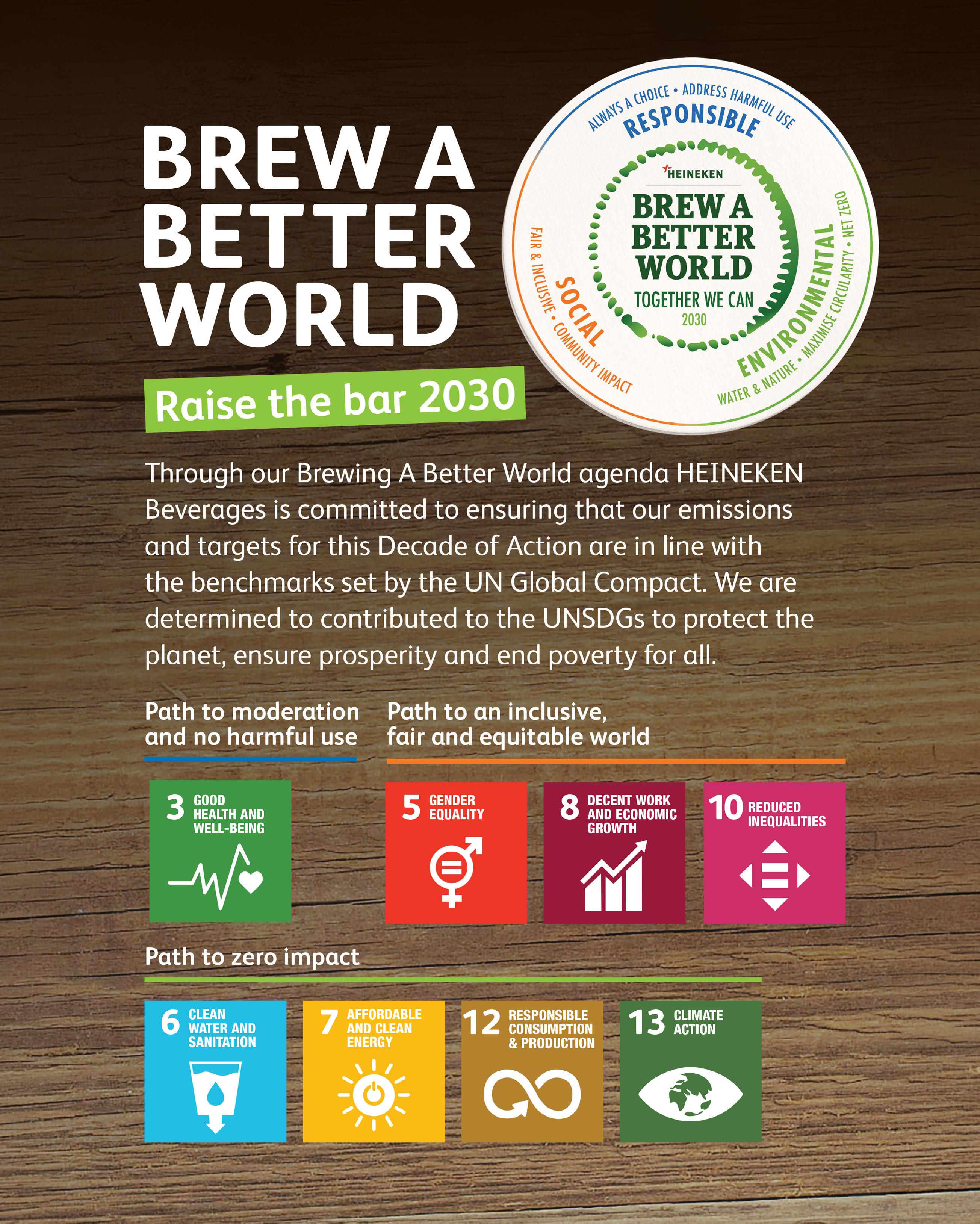
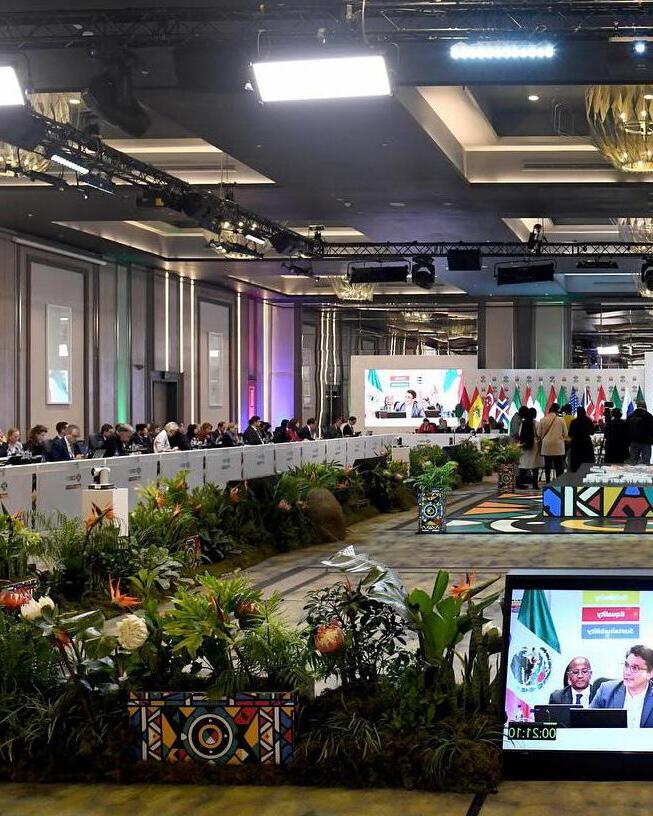
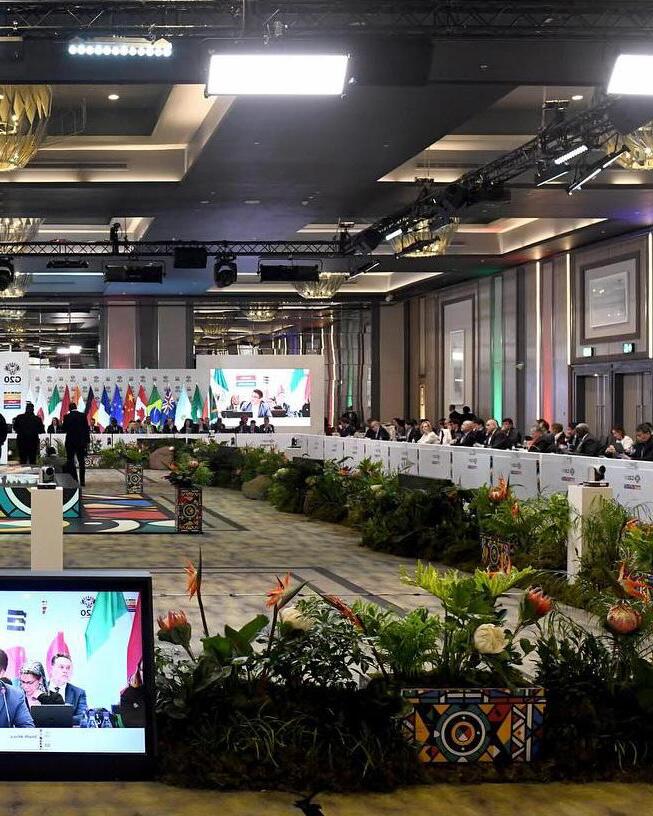

The significance of King V
By Ansie Ramalho, Chairperson of the King Committee
In October 2025, the Institute of Directors in SA launched the fifth iteration of the King Codes of Good Governance. King V is a voluntary, principles-based guidance on corporate governance, not formal law. So what is its significance for corporate SA?
Since 1994, the King Reports have mattered a great deal by encouraging organisations to aspire to higher ethical standards than mere compliance to legal requirements. They became internationally renowned for their emphasis on ethical and effective leadership and integration of sustainability long before this turned into a mainstream demand. South Africa was the first country in the world to have a governance code that dealt with sustainable development. The King principles and practices have been so influential that failing to follow them can be seen as evidence of negligence or misconduct, and have been used towards that purpose by the courts.
King V continues the evolution of the King journey. As a revised, simplified and streamlined update, it replaces King IV and makes the Code more accessible across sectors and organisational types: from private companies, retirement funds, medical schemes to state-owned entities and municipalities, public higher education institutions, civil society organisations, and SMEs. King V’s strength lies in its flexibility and proportionality that enables tailored governance solutions, rather than prescriptive one-size-fits-all rules.
Nowadays, it’s as important for board members to be sustainability and tech literate as it has traditionally been to be financially literate. Here King V matters greatly too, because it provides the governance guidance for boards to navigate emerging risks, opportunities and stakeholder expectations, while maintaining strategic coherence and adherence to ethical standards. Much has happened in the nine years since King IV was released, requiring the
King Committee to assess local and global challenges such as geopolitical conflict, artificial intelligence, and fair pay governance. Also top of mind was the climate crisis with its growing impact on companies through extreme weather risk, supply chain disruptions and rising insurance and compliance costs.
The further significance of King V is that it takes cognisance of the new sustainability reporting standards, notably by the International Sustainability Standards Board (ISSB) and the European Sustainability Reporting Standards (ESRS). It even goes beyond the ISSB standards, which follow a single materiality approach that requires companies to only report on factors affecting their financial performance and future cash flows. When King IV was drafted in 2016, the term “double materiality” wasn’t in play yet, but the Committee made it clear that organisations needed to consider not only the effect that the stakeholders and external factors have on them, but also the impact that organisations have on their natural environment, society, and stakeholders. King V now explicitly mentions and supports double materiality.
It’s been the King Committee’s ongoing objective to make the Code more accessible and easier to interpret and apply. In King V, the wording and presentation are therefore simplified, and the principles outlining the desired governance objectives are consolidated. Where King III still had 75 principles and 666 practices, King IV was down to 17 and 215 respectively, with King V streamlining these to 13 and 150. Another user-friendly aspect is the deconstruction of the King V Report into four documents (Foundational Concepts, Code, Glossary and Disclosure Framework) that can be accessed separately.
The Disclosure Framework represents the most impactful change from King IV to V. Any organisation wanting to
claim application of King now has to use the Framework and publish governance disclosures online in accordance with its specifications. Like in King IV, organisations still have to “apply” the principles and “explain” the practices, but now also require a concluding statement detailing the board’s opinion on whether it has realised the value of governance outcomes for the organisation as stated in King V.
The Disclosure Framework will boost transparency and consistency. Standardising the disclosure requirements will be helpful for regulators, shareholders and other stakeholders, as it promotes accessibility and comparability while assisting organisations with the tracking of their own implementation of King V. The Committee also expects that the Framework will solicit conversations internally at organisations around which practices are being applied.
All this is of significance, now and in future, as the Code reflects a living governance system shaped by those who interpret and apply it. King V strives to be a change agent for good corporate governance in South Africa, but can only benefit those who are prepared to implement it. And this has just become significantly easier.


Ansie Ramalho

LegalWise - A DEI case study
Championing diversity, equity and inclusion as core pillars of leadership
By Shumirai Chimombe
The legal assistance firm LegalWise prides itself in embodying the values of DEI in its organisational culture. With women comprising over 73% of its workforce, the firm remains committed to cultivating an environment where everyone can thrive.
Executive Officer: People and Culture
Shervarni Govender says that the firm is dedicated to “fostering a culture where every voice is heard, and every individual’s contribution is valued. We are proud of our efforts to drive diversity,
equity, and inclusion as core pillars of our vision and strategic intent. Our commitment to DEI has transformed LegalWise into a workplace where we feel valued, empowered and supported in our personal and professional growth.
DEI are integral to every facet of operations and employee experience - from the organisation’s core cultural behaviours to its policies and practices. Through inclusive hiring, continuous learning programmes, and comprehensive health and wellness initiatives it ensures
that each team member has the resources needed to thrive. “Our leadership has established that DEI is not merely a goal, but a fundamental, lived value that enhances our workplace and deepens our commitment to empowering both Champions (employees) and the community”, adds Shervarni.
LegalWise’s bespoke Personal Mastery Programme is an example of how it prioritises the personal and professional growth of its employees. The programme is grounded in the Time to Think methodology
as well as cherished company traditions such as Appreciation Week. In addition, the Impilo programme, an initiative created by employees for employees, celebrates life milestones such as the birth of a child or a wedding, and supports team members through difficult times. Aligned with its Goodwill policy and Employee Value Proposition, LegalWise makes it a point to offer both financial and emotional support whenever it is most needed.
Inclusive workplace policies and hybrid work for work-life integration
Recognising that over 70% of its workforce consists of women, many of whom are working mothers, LegalWise has adopted a hybrid workplace policy which has become a cornerstone of their Employee Value Proposition. This enables women to integrate their work and personal responsibilities more seamlessly, addressing one of the primary reasons many women leave the workforce: the demands of motherhood. By offering remote and flexible work options this flexible approach is helping to create a supportive environment that encourages women to remain and grow in their careers.
“We go beyond traditional DEI practices, recognising that by actively fostering a culture of unity and shared purpose within the organisation, we cultivate a true sense of belonging. Our people
initiatives embody the principles of the Circle of Courage - Belonging, Mastery, Independence and Generosity - ensuring that these values are lived through every employee experience. A standout example is the Proud Champion, Proud Fan initiative, which brings the employees together to support sporting events. These special gatherings go beyond simply supporting sports, they build camaraderie, reinforce our shared identity and foster a sense of belonging.
Investing in future leaders through bursaries and opportunities
Since 2006 LegalWise has proudly supported over 150 young South Africans with bursaries, focusing on empowering those who have historically been excluded from financial and equitable opportunities. By investing in their education and future careers, this initiative is also addressing the problem of youth unemployment. Their various internship programmes have resulted in over 50% of interns transitioning to full-time roles, many of whom are promoted within two years. This programme serves not only as an incubator for young professionals, but also as a driving force behind creating a pathway for future leaders who embrace the values of equity, inclusion and excellence.
Beyond Mentorship Programme
The Beyond Mentorship Programme was created to bridge the gap between the
world of work and educational institutions, establishing a pipeline for diverse young talent to enter the industry.Through this programme students from all backgrounds are given opportunities to gain hands-on experience and guidance helping them transition into meaningful roles either within the business or other work environments.
This programme has been highly successful, with many mentees progressing into impactful positions and it highlights LegalWise’s commitment to empowering the next generation of diverse specialist professionals and leaders.
Empowering communities through education
LegalWise also provides consumer financial education to empower people with knowledge to make informed decisions about their finances and legal rights. This commitment reaches out to the communities where the organisation works to make legal knowledge accessible. It also supports employees with regular financial awareness and budgeting training, including a programme previously run for their children, promoting financial literacy across generations.
“As LegalWise celebrates 40 years of providing legal power and protection, the organisation looks forward to continuing its mission of fostering growth, transformation, and leadership in building a diverse and supportive workplace.” - LegalWise

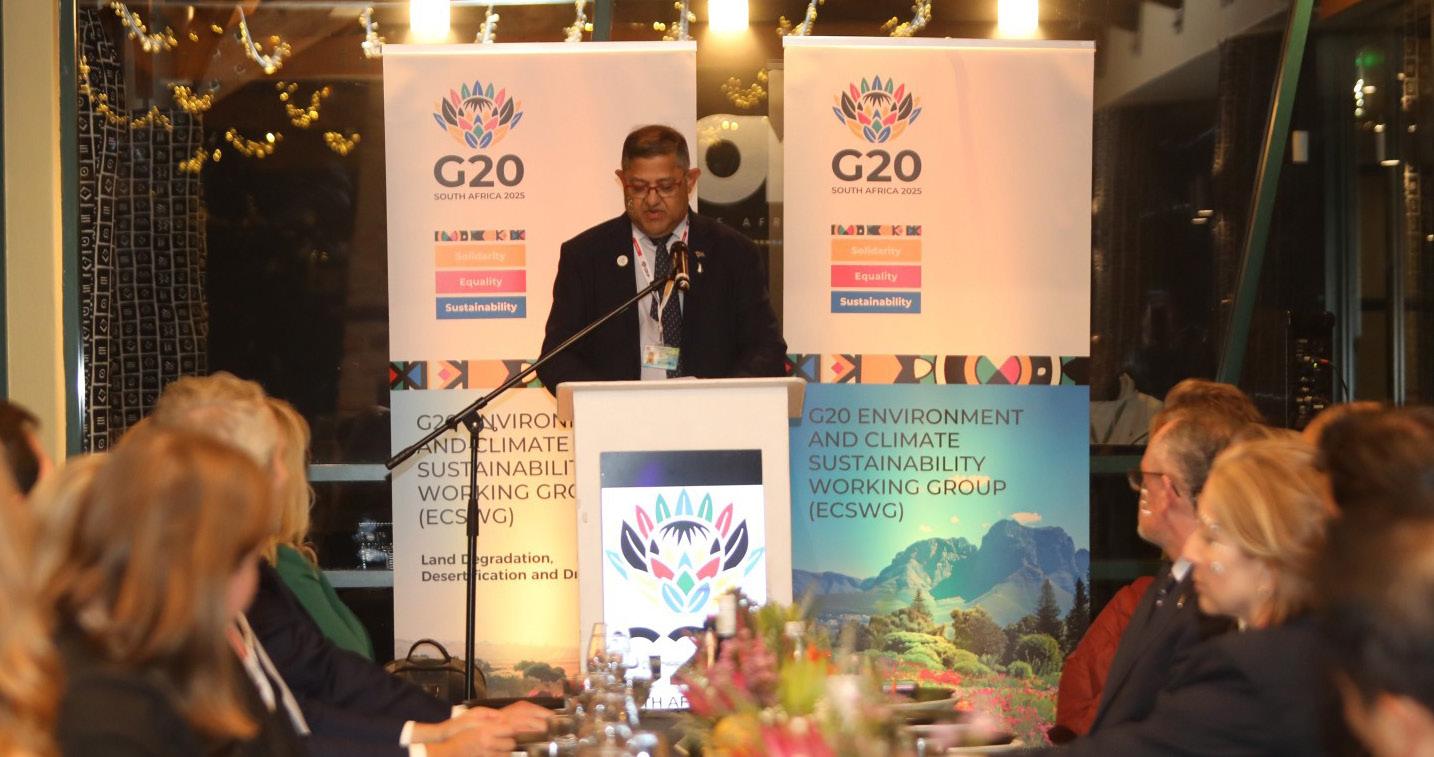
G20 Environment and Climate Sustainability working group
Marking a historic turning point in the global environmental agenda
By Shumirai Chimombe
Under South Africa’s G20 Presidency in 2025, the Environment and Climate Sustainability working group (ECSWG) had the overarching aim to enhance cooperation among all G20 members to address environmental and climate change priorities. The Department of Forestry, Fisheries and the Environment (DFFE) hosted three working group meetings during the year, bringing together delegates from G20 member states, invited guest countries, international organisations, research institutions, and other organisations to identify concrete and innovative solutions to environmental and climate challenges.
This culminated with the ECSWG Ministerial Meeting during which the
Environment and Climate Ministers adopted the Cape Town Ministerial Declaration on Crimes that Affect the Environment and the Cape Town Ministerial Declaration on Air Quality on 17 October. According to a statement by the DFFE, both issues had been placed on the G20 environmental agenda for the first time in the forum’s history, signalling global recognition of their urgency and cross-cutting impact on people, ecosystems and economies.
“They speak to the daily realities of our citizens: the air they breathe, the safety of their natural heritage, and the rule of law that protects it. Under South Africa’s Presidency of the G20 Environment and Climate Sustainability Working Group, we
brought these critical issues to the top of the global agenda, protecting our people and our environment, ensuring that justice and health walk hand in hand.”
The Cape Town Ministerial Declaration on Crimes that Affect the Environment calls for stronger global cooperation to combat illegal wildlife trade, deforestation, mining, waste trafficking and other transnational crimes that undermine environmental security, societies and economic integrity.The Cape Town Ministerial Declaration on Air Quality commits G20 members to foster synergies among different policies and sectors and mobilise all sources of financial resources, improve data and monitoring, and scale up support for communities most affected by air pollution.
Climate change and governancea significant recognition in the G20 Leader’s Declaration The effects of climate change and the urgent need for collective global action is one of the issues that featured prominently in the G20 South Africa Leaders Declaration which was adopted at the Leaders Summit in Johannesburg on 22 November.
The key issues from the Declaration include:
90. Mindful of our leadership role, we reaffirm our steadfast commitments, in pursuit of the objective of UNFCCC (United Nations Framework Convention on Climate Change) to tackle climate change by strengthening the full and effective implementation of the Paris Agreement , reflecting equity and the principle of common but differentiated responsibilities and respective capabilities, in light of different national circumstances. We reiterate our commitment and will intensify our efforts to achieve global net zero greenhouse gas emissions/ carbon neutrality by or around midcentury. We encourage each other to bring forward net zero GHG emissions/ climate neutrality commitments in a nationally determined manner, taking into account the Paris Agreement and our different national circumstances, pathways and approaches. On the occasion of the 10th anniversary of the Paris Agreement, we recognise the urgency and seriousness of climate change. We reaffirm the Paris Agreement temperature goal of holding the increase in the global average temperature to well below 2 degrees Celsius above preindustrial levels and pursuing efforts to limit temperature increase to 1.5 degrees Celsius above preindustrial levels, recognising that this would significantly reduce the risks and impacts of climate change. We underscore that the impacts of climate change will be much lower at
the temperature increase of 1.5 degrees Celsius compared with 2 degrees Celsius and reiterate our resolve to pursue efforts to limit the temperature increase to 1.5 degrees Celsius.
91. We recognise national just transition pathways as key enablers of climate action, by encompassing a whole of economy and whole of society approach in support of efforts to achieve sustainable development, equity, eradicate poverty, while fostering meaningful social and economic opportunities.
92. We stress the importance of mainstreaming adaptation into relevant public policy, and the implementation of the UAE Framework for Global Climate Resilience. We will also promote and support the development and implementation of early warning systems and action on the impacts of climate change, including extreme weather events and support disaster risk reduction solutions in line with national circumstances, needs and priorities. We recognise the need for urgent and enhanced action and support for averting, minimising and addressing Loss and Damage associated with climate change impacts.
93. We highlight the successful outcomes of the 2025 United Nations Framework Convention on Climate Change Conference (COP30) in Belém, Brazil, and welcome the COP31 Presidency in 2026.
94. We recognise the need for increased global investments to meet our climate goals of the Paris Agreement and to rapidly and substantially scale up investment and climate finance from billions to trillions globally from all sources. In this regard, it is essential to align all relevant financial flows with these objectives while scaling up finance, capacity building and technology transfer on
Sources: Department of Forestry, Fisheries and the Environment (DFFE) | DIRCO
voluntary and mutually agreed terms, taking into account the priorities and needs of developing countries.
95. We recognise the need for deep, rapid and sustained reductions in greenhouse gas emissions in line with 1.5 C pathways and call on members to contribute to the global efforts against climate change , in a nationally determined manner, taking into account the Paris Agreement and their different national circumstances, pathways and approaches. We highlight that the needs of developing countries to implement their nationally determined contributions are estimated at USD 5.8–5.9-trillion for the pre-2030 period. We note that measures taken to combat climate change, including unilateral ones, should not constitute a means of arbitrary or unjustifiable discrimination or a disguised restriction on international trade.
96. We recognise the significant risks that poor air quality poses and we welcome the Cape Town Ministerial Declaration on Air Quality adopted at the G20 Environment and Climate Sustainability Ministers’ Meeting. We recognise the urgent need to strengthen national responses to address crimes that affect the environment while respecting national legislation and welcome the Cape Town Ministerial Declaration on Crimes that Affect the Environment also adopted at the G20 Environment and Climate Sustainability Ministers’ Meeting.
The The Cape Town Ministerial Declaration on Crimes that Affect the Environment and the Cape Town Ministerial Declaration on Air Quality can be downloaded from the DFFE website
The G20 South Africa Leaders’ Declaration can be downloaded from the Department of International Relations & Cooperation (dirco) website
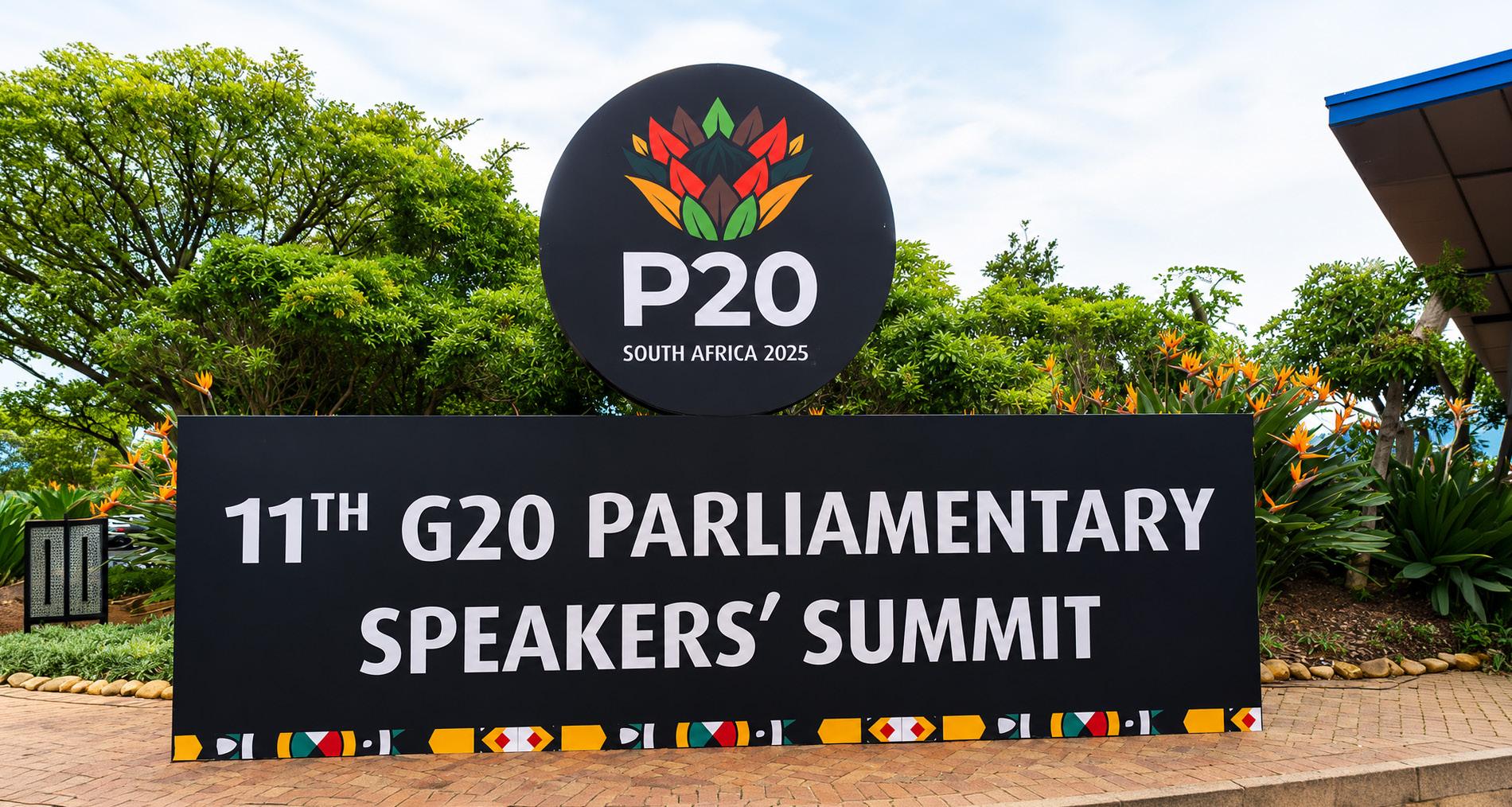
11th G20 Parliamentary Speakers’ Summit
Setting the blueprint for global action on climate change, debt and energy
By Shumirai Chimombe
Speakers from legislatures across the globe adopted and signed a landmark Joint Statement committing to urgent action on climate change, debt relief for developing nations and a just global energy transition. This was the outcome of the 11th G20 Parliamentary Speakers’ Summit (P20) which took place in Kleinmond outside Cape Town from 1 - 3 October 2025.
The event was co-hosted by the Parliament for the Republic of South Africa and the Inter-Parliamentary Union, the global organisation of national parliaments.The Parliamentary Group (P20) was established at the 2018 G20 Leaders Summit in Buenos Aires. As one of the 13 G20 engagement groups, the platform brings together civil society, parliamentarians, think tanks,
women, youth, labour, businesses, and researchers from the G20 countries.
The agreements reached in the 58-point joint statement are designed to be translated into national law, budgets, and oversight mechanisms to ensure their implementation.
These are:
1. Unwavering commitment to climate action and disaster resilience
Legislators pledged to intensify efforts by engaging in global cooperation, participating in climate activities, and promoting the submission of more ambitious nationally determined contributions. The statement “affirmed the United Nations Framework Convention on Climate Change and its Paris Agreement as the primary mechanism for the collective, multilateral response to climate change”, firmly backing a rules-based international approach. It emphasised the need for accelerated action to limit global warming to 1.5°C. Crucially, the declaration called for the faithful, balanced and comprehensive implementation” of existing climate agreements. It also highlighted the disproportionate impact of climate change on vulnerable populations and stressed the importance of gender-responsive disaster risk reduction strategies.
2. Overhauling global finance and tackling the debt crisis
Legislators sounded the alarm on the global debt crisis, recognising that unsustainable debt remains one of the most pressing structural challenges facing economies across all regions. The statement called on the G20 to address debt vulnerabilities effectively, comprehensively and systematically and highlighted the urgent need for multilateral development bank reforms. To ensure accountability, parliaments committed to strengthening oversight of public debt through “enhanced transparency and accountability mechanisms and regular debt
3. Driving a just
and equitable energy transition
Acknowledging that Africa is at the centre of the global energy transition agenda, the P20 dedicated significant attention to ensuring this shift is fair. The statement noted that despite vast renewable potential, Africa receives a disproportionately low share of energy investment. It called on G20 members to work in partnership with Africa for the mobilisation of Africa’s vast renewable energy potential, with a focus on rural and marginalised communities. The declaration encouraged investment in regional power pools, local supply chains and clean manufacturing. The statement resolved that “investing in transitional fuels may facilitate energy transitions, while ensuring energy security”, a crucial point for many developing nations. It also mandated a focus on including women and youth, who are disproportionately affected by energy poverty.
4. Harnessing critical minerals for sustainable development
Recognising that developing countries hold significant reserves of minerals essential for the energy transition, the summit advocated for these nations to reap more significant benefits. The statement supported the development of the G20 Critical Minerals Framework to promote sustainable and reliable value chains. It further advocated for policies that support expanded local processing, job creation and industrial development in resource-rich countries, name-checking initiatives like the Africa Green Industrialisation Initiative and Africa’s Green Minerals Strategy.
5. Reinforcing sustainable development and human rights
The joint statement reaffirmed strong support for the full implementation of the 2030 Agenda for Sustainable Development and the Pact for the Future. It pledged to align legislation with international human rights commitments and promote gender-sensitive budgeting and the equitable representation of women, youth and people in vulnerable situations. The legislators also reaffirmed their commitment from previous summits to promote and harness artificial intelligence responsibly for the public good, while bridging digital divides.
Parliaments as active agents of transformation
In her closing remarks, Ms Thoko Didiza, Speaker of the South African National Assembly, emphasised the critical role parliaments play. “Through our core responsibilities of representation, lawmaking, budgeting, and oversight, we are uniquely positioned to advance the shared objectives outlined in this joint statement.”
South Africa’s Climate Change Act 2024 - charting the way towards a Just Energy Transition
In a historic and pivotal moment for South Africa’s climate action response, President Cyril Ramaphosa proclaimed the Climate Change Act, 2024 (Act No. 22 of 2024) (the Act) on 17 March 2025, signaling the official commencement of the Act. According to the Presidential
Climate Commission, the Climate Change Act sets out the legal mandate for countrywide climate change response, and to enable the alignment of South Africa’s climate change response policy and actions, including mitigation and adaptation actions.
The Department of Forestry, Fisheries and the Environment (DFFE) said in a statement that the Act is intended to enable the development of an effective climate change response and a longterm, just transition to a low-carbon and climate-resilient economy and society for South Africa in the context of sustainable development. The Act lays the foundation for a green economy that is resilient, inclusive, and future-focused. By creating a clear framework for climate action, the Act will drive innovation, foster sustainable
industries, and support job creation in renewable energy, sustainable agriculture, and eco-tourism, among other sectors.
“The Act represents a critical milestone not just for environmental sustainability, but for economic development and job creation. We are committed to ensuring that climate action becomes a catalyst for driving economic growth, creating jobs, and building a sustainable future for South Africa.”
The 11th G20 Parliamentary Speakers’ Summit (P20) Joint Statement can be found on the P20 South Africa or the Inter-Parliamentary Union websites
The Climate Change Act, 2024 can be downloaded from the Department of Forestry Fisheries and Environment website

How South Africa’s ESG tax laws could
By Lance Collop, Founder of Collop Tax Collective
go further

South Africa’s tax incentives for ESG have made impressive strides, but as the sustainability landscape evolves, so too must the legal framework. The following areas in particular could be addressed to strengthen and enhance the impact of our ESG tax incentives:
1. Broader incentives for individuals and corporates
While the 2023 solar panel rebate was a step forward, it was timelimited and excluded key components like inverters and batteries. Extending such incentives—and including all elements of home solar systems— would accelerate household adoption of clean energy. The same applies to corporates who, for example, are often required to invest in infrastructure, such as roads and transmission lines. South Africa also lags behind global peers in offering tax credits for electric vehicles and energy-efficient home upgrades. Introducing these would empower more citizens to participate in the green transition.
2. Permanent and predictable incentives
Many of South Africa’s most generous incentives, such as the 125% “super deduction” for renewables, have been temporary. Businesses thrive on certainty. Making these incentives permanent, or at least providing multiyear guarantees, would encourage long-term planning and investment in sustainability.
3. Incentives for green innovation and SMEs
The lapse of Section 12J, which supported venture capital for small businesses (including green
startups), left a gap in funding for innovation. A new, targeted incentive for impact-driven SMEs—especially those developing clean technologies or social solutions—could help South Africa nurture the next generation of ESG leaders.
4. Social and governance pillars need more support
Most tax incentives focus on environmental goals. Social initiatives, like the Employment Tax Incentive, are valuable but limited in scope. Expanding tax breaks for companies investing in community development, education, or healthcare would amplify the “S” in ESG. Likewise, while good governance is encouraged through regulation, direct tax incentives for robust governance practices—such as board diversity or transparency —could set new standards.
5. Simplifying access and administration
Claiming ESG tax incentives can be complex, with certification requirements and administrative hurdles. Streamlining these processes, providing clearer guidance, and digitising applications would make it easier for both companies and individuals to benefit.
6. Aligning with global best practice
As international standards shift South Africa must keep pace. Raising the carbon tax rate, expanding offset options, and harmonising definitions of “green” investments will help local businesses stay competitive in global markets. We could also have a policy tool that aims to prevent “carbon leakage”, being the risk that
companies might move production to countries with weaker climate regulations.
7. Municipal and property-level incentives
Local governments could play a bigger role by offering property tax rebates for green buildings or retrofits. This would encourage sustainable urban development and reward those who invest in energy efficiency at the community level.
In summary
South Africa’s ESG tax incentives are a powerful foundation, but there’s room to grow. By broadening eligibility, making incentives more predictable, supporting innovation, and streamlining access, the country can accelerate its journey toward a truly sustainable future—where doing good is always good business.


Lance Collop

Leapmotor C10 REEV
The Future of the South African SUV
A brand-new contender in the luxury midsized SUV market has arrived, and it’s poised to redefine the “bridge” between petrol and electric for South Africa. The Leapmotor C10 REEV stands out as a sophisticated alternative for those wanting EV refinement without the “range anxiety.”
First Impressions & Tech
Steering away from traditional luxury, the C10 greets you with a minimalist, hightech entrance. Instead of a key, you tap an NFC card against the driver’s wing mirror. Inside, the cabin is a masterclass in clean design. The “leather” is actually a sustainable, OEKO-TEX® certified silicone—an eco-friendly, soft-touch material designed to be “baby-friendly” and easy to clean.
Buttons are almost non-existent; nearly every function is housed within the massive 14.6-inch high-definition central touchscreen, complemented by a 10.25inch digital driver’s display.
The Driving Experience
On the road, the C10 is exceptionally refined. Because it is a Range Extended Electric Vehicle (REEV), the wheels are driven exclusively by the electric motor. The 1.5L petrol engine onboard acts solely as a generator to top up the battery, meaning you get the instant, silent “kick” of an EV at all times. While the 0–100 km/h time is a claimed 8.5 seconds, the 160 kW of instant torque makes it feel much punchier in city traffic.
Five Things That Stand Out
1. The Aesthetic: Our test model in “Canopy Grey” (a classy forest green) with cream interior felt timeless. At 4.74 metres , it has a “big car” presence that punches above its mid-sized classification.
2. The Sanctuary: The cabin feels airy thanks to a panoramic sunroof with an electric sunshade. The audio experience is equally immersive, featuring a 12-speaker surroundsound system.
3. The Powertrain: Switching to Sport Mode engages the full 160 kW (215 hp) and 320 Nm of torque. It’s addictive and surprisingly agile for a vehicle of this size.

4. Range Confidence: With a total range of approximately 1,150 km (including 145 km of pure electric driving), it’s the ultimate Cape Townto-Joburg cruiser.
5. Efficiency: It offers the best of both worlds—daily commutes are emission-free on battery power, while the generator maintains an impressive combined fuel economy.
Stats at a Glance
• Total Range : ~1,150 km (WLTP)
• Pure EV Range: 145 km
• Acceleration (0-100 km/h): 8.5 Seconds
• Power/Torque: 160 kW / 320 Nm
• Price: From R799,900 ( est. May 2026)
• Dimensions: 4,739 mm (L) x 1,900 mm (W)
• Rating: 8.7 / 10

In South Africa, many young people face violence, poverty, and inequality. The resulting toxic stress, compounded by limited support, harms brain development, health, learning, and future opportunities, with its impact passing to future generations.
Founded in South Africa in 2009, Waves for Change (W4C) is a non-profit company that supports adolescents growing up in high-stress environments. From five beach sites across the Eastern and Western Cape, W4C has created safe, joyful “third spacesˮ where young people can practise coping skills, build resilience, and connect with caring peers and coaches.
Through research and collaboration with global partners, W4C created the Take 5 Model to extend the reach of Surf Therapy and strengthen youth mental well-being support worldwide.
Together, Surf Therapy and Take 5 advance one mission: empowering adolescents to thrive.
Healing through the ocean
Surf Therapy fuses the rush and therapeutic benefits of surfing with the Take 5 routine to create a structured, evidence-based programme
How it works:
Adolescents are referred through schools, hospitals, and child and youth care centres.
They attend weekly sessions for 10 months at one of five beach hubs
Each session combines surfing with the Take 5 five step routine: Energiser, Check in, Breathing, Play, Reflection
After 10 months, participants graduate into weekend Surf Clubs, maintaining lifelong connections with coaches, peers, and the ocean
Since 2011, Surf Therapy has supported more than 10,000 adolescents, trained 215 local coaches, and provided over 100,000 nourishing meals annually
OUR IMPACT
Scaling resilience through physical activity and play
Developed and rigorously refined within Surf Therapy, Take 5 is a teaching framework that helps organisations scale physical activity and play-based mental health programmes with confidence and ease
How it works:
Coaches and facilitators learn nine essential protective coaching skills for working with vulnerable youth
Coaches learn to integrate the Take 5 routine into their existing work.
Waves for Change is working with the Department of Arts and Culture to integrate Take 5 into after-school programmes across the Western Cape. The partnership will reach over 800 coaches and 100,000 children in the coming year Outside of South Africa, Waves for Change is working in partnership with UNICEF to integrate Take 5 into government-led after-school and in-school mental health programmes in 5 countries across the African continent
Peer-reviewed studies show that Surf Therapy improves stress management and social behaviour outcomes for youth. Where W4C has a presence, Surf Therapy programmes are now integrated with city-wide health referral systems
A Case Study with the Western Cape Government shows that Take 5 makes coaches more effective at building resilience with vulnerable youth There is increased demand from government ministries and civil society partners to use the Take 5 model in 2026

How can you help?
Sponsor a Surf Therapy site and connect hundreds of vulnerable children to the power of the ocean: R2,000,000 per year.
Sponsor the training of a partner to use the Take 5 model: R250,000