

MICHAEL HALL
NICOLE HAJDU



Social media is one of the newest and most powerful tools in an agent or mortgage professional’s arsenal. With just a few keystrokes, you can stay top-of-mind with buyers, sellers, and borrowers near and far, past and present. The key is knowing how to use these mediums to your advantage, working smarter instead of harder to keep the thread of professional relationships intact. With that in mind, here are a few ways you can maximize the pull and power of social media by shifting just a few of your ideas and practices for the better.
Not everything has to be about business.
While your relationship with a client or fellow vendor began over the course of business, your relationship going forward doesn’t have to be limited. One of the great things about social media is that’s it’s social. Not every comment, post, or communication has to revolve around your business, its metrics, or turning a sale. In fact, you should do your best to branch out and curate a brand and online identity that’s about who you are and
the lifestyle you’re authentically interested in living. In that vein, consider interacting with clients in an organically-driven way, encouraging them during life’s milestones, reaching out with a local event, restaurant, or news item that’s relevant to their interests or neighborhood. The goal is to be a persistent presence in their lives without feeling like a talking head. Engage as you would like to be engaged with, as a human being with interests and needs and boundaries. Keep that personal thread in mind and your dynamic will shift from past business contact to present resource.
Many Realtors are comfortable on Facebook as an interactive meeting to connect with clients, but there are several other mediums where you can connect with clients both past and present, as well as future. Particularly when courting Millennial clientele, the fastest-growing segment of the buying market, a presence on Instagram and Snapchat are key to finding new faces, demonstrating hot properties, and creating an interactive brand as an agent. Not only does this help when you’re listing a property and seeking potential buyers, but it also serves as a perusable portfolio of your work and real estate prowess. You can also use these mediums to interact with clients on an outlet they might feel most comfortable in. Liking pictures, commenting, streaming Instagram Live home tours and Stories are all ways you can build engagement by simply spreading your social media presence around. Likewise,
these photo and video driven mediums are popular for home design ideas, and before and after renovation pictures. When you expand from Facebook into these new platforms, you’ll already have plenty of visual content ready to be transferred and consumed by an expanded audience.
It’s easy enough to post a link to a new listing, or retweet a helpful article on real estate news. Creating your own organic content is a different story, but worth its weight in gold when it comes to luring engagement, ranking higher in search fields, and overall crafting an interactive presence for yourself and your business online—which is where more than 90% of homebuyers and sellers begin their process. Creating your own content can seem risky, or else like no one is listening in a digital world already crowded with information. However, original content is sure to boost personal engagement with your social media pages, guaranteed. Instead of recycling content, consider posting a video with a Q+A theme for first-time homebuyers, or perhaps posting a live tour of a new listing will perk up your clientele surfing at home.
No matter how you decide to expand your social media presence when it comes to interacting with clients, consistency is key. Find the ways that work best for you and stick to them, and you’ll watch your audience and business grow in tandem.

Perhaps the largest demographic of untapped business lies in the rental market. From major cities and suburbs to rural communities—renters across generations are opting to rent rather than own. The question is: why? For starters, many Americans are undereducated about the inventory and financing options available that might suit their budget and lifestyle. Secondly, many would-be homeowners have difficulty
visualizing the potential investment of purchasing property, and how homeownership can build wealth and security in the long-term.
As an agent, you’re always on the lookout for potential clientele. Now, to guide renters toward the real estate market, keep a few of these strategies in mind as you meet and greet this untapped demographic.
renters that purchasing a home isn’t impossible
Possibly the biggest hurdle for renters is believing homeownership is possible. Beyond saving for a down payment and boosting credit scores, there are dozen more factors to consider: affording utilities, homeowner’s insurance, renovations, property taxes, and more. Besides that, assembling pay stubs, finding an agent, arranging house tours, negotiating a price, and timing the transition are all major considerations to surmount. One way to combat this thinking is to make the process transparent and demystified. Find examples of past clients who made the leap successfully, or profile the average buyer in your marketplace and see how that renter compares. Provide evidence that it’s been done before and can be done again, then build a game plan from there.

2 Help would-be homebuyers create a road-map to ownership
It’s no secret that buying a home can feel overwhelming. Compared to signing a yearlong lease on an apartment, taking on the house-hunting process is a daunting affair. That’s where your expertise as an agent comes
into play. Consider making a checklist, or step-by-step road-map, that guides clients through the process from start to finish. This way, you’ll manage expectations and create a path to ownership that’s specific, instead of abstract. They won’t have to wonder what goes into buying a home when they can look at an interactive site or read a document and see the steps outlined before them, with you there to guide the way.

Many renters aren’t aware of the variety of mortgage financing options out there that cater to first-timers, offer low down payments, or down payment assistance. Most buyers believe that the standard 20% down is a hard and fast rule, when in reality, there’s far more flexibility out there to cater to renters where they are. There are even loan options catering to freelance workers, renovation options, and other unconventional routes to ownership. Work with a mortgage pro and find the route that suits your renter best.

One way to convince renters to make the shift is to demonstrate the savings potential of paying into a monthly mortgage, rather than throwing away rent on a property they don’t own. To do this, draw up the average rental rates in your area, then find some potential listings that would demand a similar amount in monthly mortgage payments. Sometimes placing these numbers and images sideby-side can prove to renters that what they manage to pay monthly in rent, they can
pay monthly in a mortgage—while building a lasting asset.
For most, renting isn’t the most sustainable financial option when it comes to housing. Rents rise, families grow, and retirement looms. Building a financial future and homeownership go hand-in-hand. When planned appropriately, buying a home can create a path toward retirement and position homeowners in a better place for further investment in the future. A rental has little security or investment returns to offer, while owning a home makes a renter king or queen of the castle.
Prospecting renters as potential homebuyers may seem like a time-intensive way to cultivate new clients, but logic is on your side. Keep these tips in mind as you broach the conversation with renters in your hometown. All it takes is clear-cut value proposition and a listening ear.


Michael Hall’s real estate career began with advice from his grandfather, a commercial real estate investor whose guidance changed the direction of Michael’s life. At the time, Michael was in graduate school at the University of Michigan and was unsure whether he wanted to become a college professor. When he asked his grandfather for counsel, the message was clear: to build wealth, you have to own real estate. His grandfather encouraged him to get licensed, begin selling and buying real estate, and trust that one day he would be grateful for the decision. Nearly 33 years later, Michael knows how right that advice was.
Today, Michael leads a small, dedicated team that includes a marketing assistant, a transaction coordinator, and two licensed agents who work alongside him. His office is in Lincoln Park, and he lives in Andersonville, giving him a deep personal and professional connection to Chicago’s North and Northwest Side.

Michael leads a small, dedicated team in Lincoln Park primarily servicing an area that stretches from Lincoln Park north to Edgewater, across the neighborhoods in between, and west from the lake to Logan Square and the communities north of it.
His primary service area stretches from Lincoln Park north to Edgewater, across the neighborhoods in between, and west from the lake to Logan Square and the communities north of it.
What Michael loves about the area is the energy and lifestyle it offers. From great
restaurants and cocktail bars to shopping and neighborhood character, each part of the city brings its own personality. His long history in Chicago real estate allows him to help clients understand not only the properties themselves, but also the feeling and rhythm of the neighborhoods they are considering. That combination of
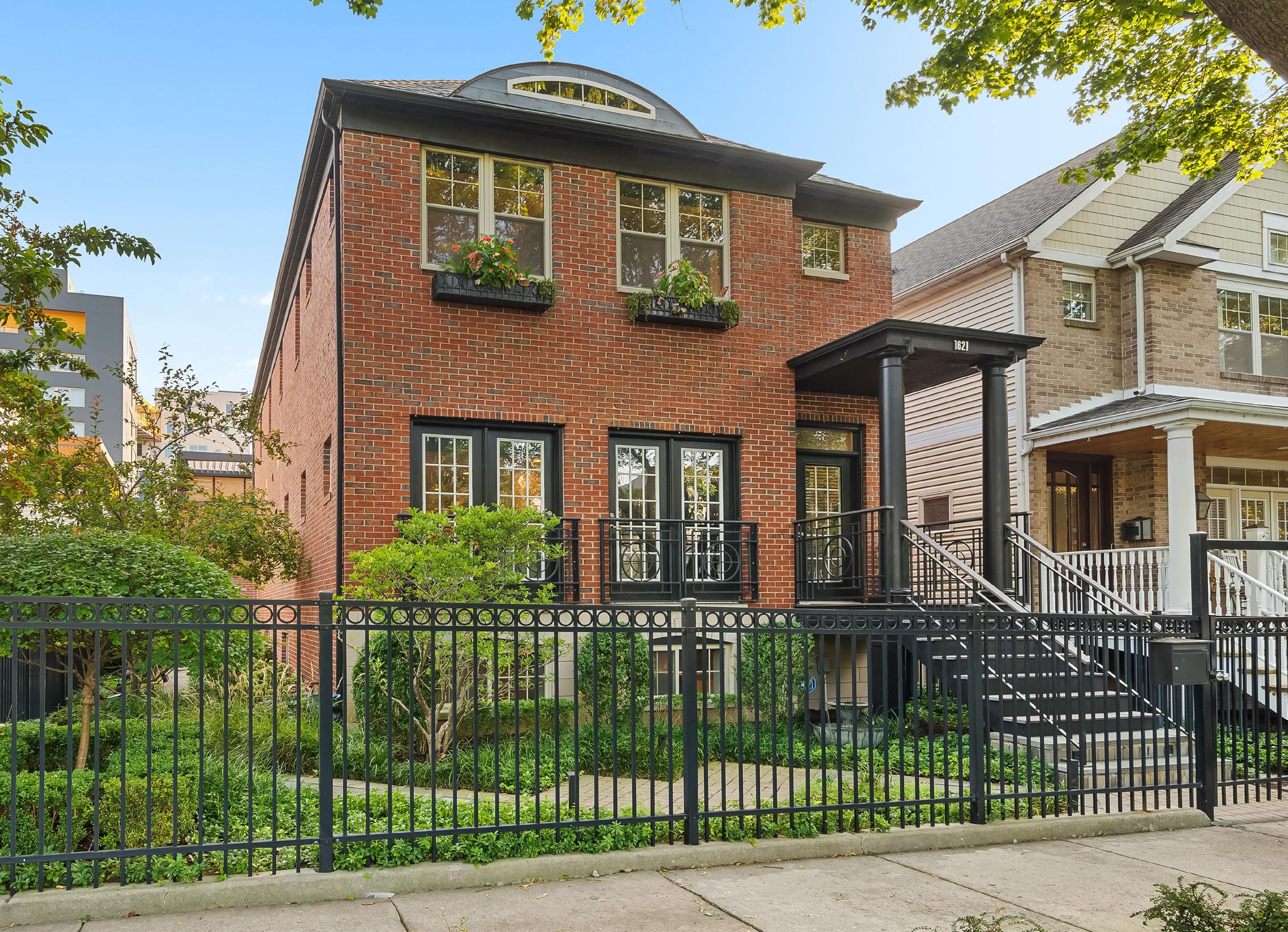
Michael’s long history in Chicago real estate allows him to help clients understand not only the properties themselves, but also the feeling and rhythm of the neighborhoods they are considering.
market experience and local perspective has become a defining part of his service.
Michael’s business has grown steadily over the years through professionalism, consistency, and the support of a capable team. While his listings receive the attention of a coordinated marketing effort through his assistant and team structure, his personal approach remains rooted in
relationships and trust. He understands that clients are making important financial and lifestyle decisions, and he brings decades of experience to help them move forward with confidence.
Staying connected with clients is an important part of Michael’s business. He keeps in touch through phone calls, texts, emails, social media, and client events
throughout the year. These ongoing touchpoints allow him to remain a trusted resource long after a transaction closes. For Michael, real estate is not limited to the buying or selling process; it is about maintaining relationships, providing perspective, and continuing to be available as clients’ lives and real estate needs evolve.
Looking back, Michael says he truly loves how his career and business have developed over the years. The only thing he might have done differently is hire help earlier, but otherwise, he appreciates the path that brought him to where he is today. He is also committed to giving back, supporting organizations
For Michael, real estate is not limited to the buying or selling process; it is about maintaining relationships, providing perspective, and continuing to be available as clients’ lives and real estate needs evolve.
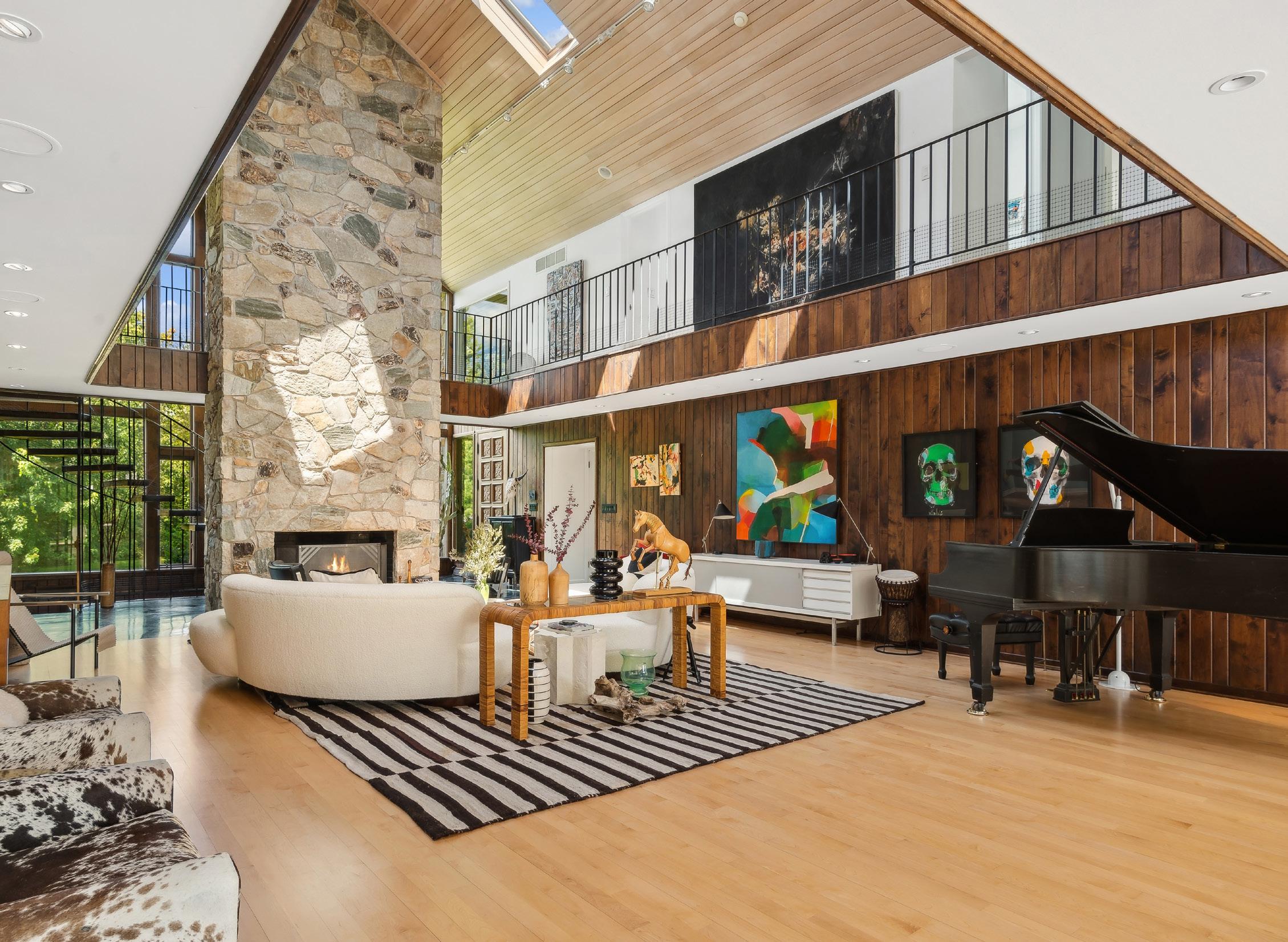

including P.A.W.S. and H.O.W., Housing Opportunities for Women. His charitable involvement reflects a broader commitment to the community and the people who make Chicago home.
First and foremost, Michael credits his grandfather, whose advice set his real estate journey in motion. He is also deeply grateful to his team, knowing he could
not do what he does without their support. He thanks the management team and front desk staff at Baird & Warner, where he feels proud to work and supported at every level. As part of the largest and oldest family-owned real estate company in Chicagoland, Michael continues to build a career grounded in legacy, service, and the belief that real estate can create lasting opportunity. For more about Michael Hall, please visit:


When mortgage rates climb and client confidence stalls, the real estate market shifts into a slower gear. Buyers put their plans on hold, sellers get nervous, and suddenly, those once-hot leads go cold. It’s a cycle every agent knows—but not all navigate it the same way.
Written by Jessica Fisher, Top Agent Magazine Publisher
The most successful agents don’t just wait out slow markets; they work them. They use downtime as runway. Because real estate, at its core, is a rollercoaster—filled with highs, lows, unexpected turns, and thrilling rebounds. And those who understand that are always preparing for the next climb, even when the ride slows down.
Here’s how top-producing agents maximize their time and mindset when the market cools and clients choose to wait.
It’s tempting to view a slow market as a setback—but what if it’s actually a setup for your next breakthrough?
Downtime allows you to do the work you often push aside during busier seasons. Think of it as your off-season training. Athletes don’t just play during game time—they condition, study, and strategize during the off-season so they’re sharper when competition returns. The same applies here.
• Revisit your business plan. What worked this year? What didn’t? Refine your goals and track your metrics.
• Organize your systems. Clean up your CRM, refresh your email templates, and streamline your listing and buying processes.
• Take a break—intentionally. Recharging your mindset is productive, too. This industry demands energy, and rest is part of resilience.
By shifting your perspective from scarcity to strategy, you’ll find that this “slower” time can actually be your most productive yet.
In uncertain markets, clients crave certainty. That doesn’t mean you have all the answers— but it does mean you can provide clarity.
Use this time to become the agent who doesn’t just show homes, but explains the market.
• Deepen your economic knowledge. Understand how interest rates impact buying power and pricing trends. Learn how sellers can use concessions or rate buydowns to create win-win deals.
• Get additional certifications. Consider designations like Certified Residential Specialist (CRS) or Accredited Buyer’s Representative (ABR®) to enhance your expertise.
• Follow local data weekly. Be able to answer: How many homes sold last month? Are prices holding steady? Where’s the inventory?
The more fluent you are in your market’s story, the more confident your clients will be in working with you—even if they’re not ready yet.
When clients feel uncertain, the worst thing you can do is push. Instead, lean into valuebased marketing. Show up as an advisor—not a salesperson.
• Create useful content. Videos, newsletters, or blog posts that break down current conditions show you’re active and informed.
• Host no-pressure events. Webinars like “What Buyers Should Know in Today’s Market” or community meetups keep your presence warm and helpful.
• Send personal check-ins. Reach out to past clients just to say hello, share a relevant tip, or see how their home is treating them.
These moments build trust. So when your client is ready to move, they’ll remember that
you stayed engaged—not just when the market was hot, but when it mattered most.
Deals may slow down, but relationships never go out of season. Use this time to deepen your network.
• Reconnect with past clients. A note, call, or coffee can spark future referrals or repeat business.
• Collaborate with vendors. Stagers, lenders, inspectors—now’s the time to build stronger partnerships and find ways to co-market.
• Give first. Recommend local businesses, highlight community events, or offer to help with homeownership questions. Being generous with your time builds loyalty.

History shows it time and again: real estate rebounds. Rates drop, confidence returns, and the clients who were waiting suddenly jump in. The question is—will you be ready when they do?
Consistency is your competitive advantage.
• Keep posting. Even if engagement dips, stay visible.
• Keep learning. Markets shift, and knowledge is your edge.
• Keep moving. Host open houses, preview listings, attend broker tours—activity fuels momentum.
Agents who retreat during slow periods have to start over when the market wakes up. But those who stay present, focused, and proactive? They’re already ten steps ahead.
Real estate is a cyclical business. Every slowdown is followed by an upswing. And the agents who succeed long-term are those who accept that truth, prepare through the pauses, and never let external conditions define their value.
High mortgage rates might slow your pace, but they don’t stop your purpose. Embrace the down-time. Improve your skills. Stay visible. Strengthen relationships.
Because when the market comes back—and it will—you won’t just be back in the game.
You’ll be leading it.


Nicole Hajdu’s path into real estate was shaped early by her father, an entrepreneur who encouraged her to own a business and consider the real estate industry. He also held a broker license while running the family business, giving Nicole an early example of independence, drive, and opportunity. With her background in marketing, remodeling, and production, real estate became the perfect place to combine her creative and analytical strengths. For Nicole, being a Realtor is both an art and a science, requiring vision, strategy, market knowledge, and a clear understanding of people.
Now 19 years into the business, Nicole works with a team that includes two agents, a stager, and an assistant. Together, they serve the Chicagoland area and surrounding suburbs, with much of their business built by referral. That referral-based foundation reflects the trust Nicole has earned over nearly two decades and the relationships she continues to build through thoughtful service, consistent communication, and strong results.
What Nicole loves most about the areas she serves is the diversity of the homes and the familiarity she has with the communities. She knows many of these neighborhoods from having lived or worked in them throughout her life, allowing her to guide clients with a grounded, personal perspective. Each client interaction tells a story, and for Nicole, the areas she serves help ground those stories in real life as clients begin their next chapter.
Nicole’s marketing approach reflects both her creative background and her strategic mindset. She believes in building her personal brand through postcards, billboards, client parties, and organized systems designed to keep relationships strong. For listings, she uses social media, Adwerx, professional photography, drone video, Top Agent Network, and additional print opportunities to help properties receive strong exposure. Her remodeling and design experience also gives her an eye for presentation, helping clients understand how a home can be positioned to make the right impression.
Staying connected with clients is an important part of Nicole’s business. She sends client appreciation gifts and reaches out on anniversaries and birthdays, while also offering real estate reviews to help clients stay informed about their property and market position. These touchpoints allow her to remain a trusted resource long after closing and continue the relationships that have helped shape her referral-based business.
Looking back, Nicole says she would have started on a team earlier in her career to learn the ropes sooner and gain support with systems. She also believes in the value of ongoing education, training, and coaching, something she invested in for a decade. Those lessons have helped her continue growing as a business owner, team leader, and real estate advisor. Outside of real estate, Nicole supports One Tree Planted, the Gladstone Chamber, and Maryville, reflecting her commitment to giving back and staying involved in the community.
Nicole is grateful for the people who help make her business possible, including her team partner, Mario Bongiorno, team agent Rebecca Kozdron, and assistant Tessa Mendoza. Their collaboration, support, and shared commitment to client service allow Nicole to continue delivering a high level of care across Chicagoland. With nearly two decades of experience, a strong marketing foundation, and a thoughtful approach to design and strategy, Nicole continues to help clients move forward with confidence.
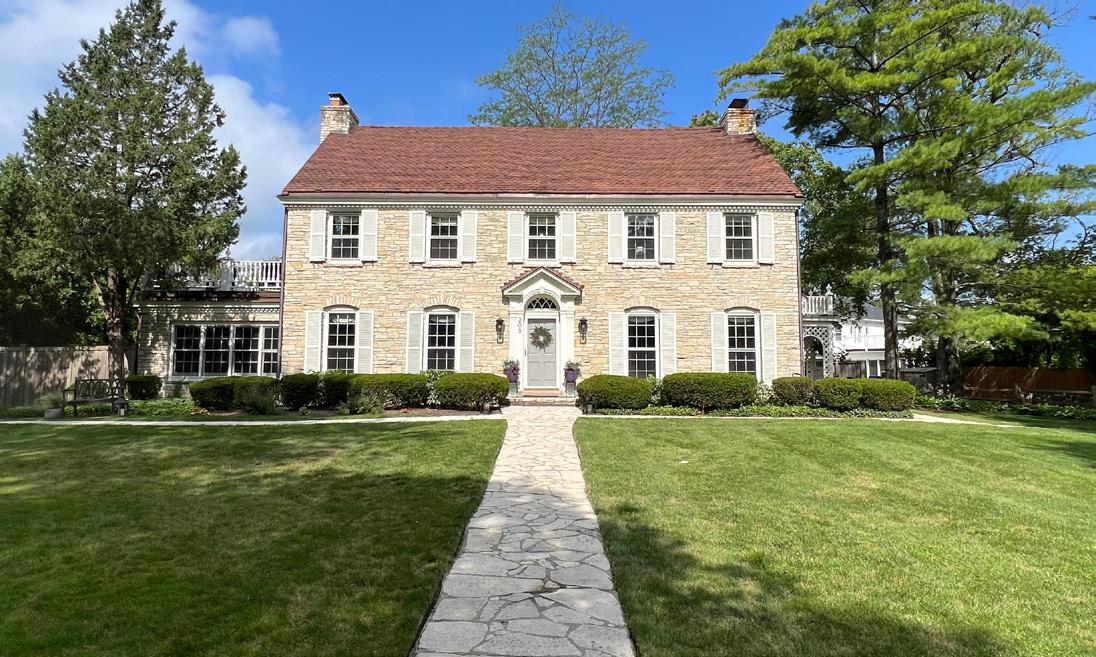

When things get busy, it’s typical to find a grab-and-go lunch and keep plugging away on the tasks at hand. While some days demand this kind of hustle, your lunch hour can be a valuable window in which to recharge and set the tone for the latter half of your day. In fact, taking a mindful break at midday can create
mental space for extended productivity and provide the morale boost necessary to take on a new task for the afternoon. But how do you maximize that hourlong reprieve amidst a busy schedule? Here are a few ideas for inspiration, no matter what your tastes or preferred habits may be.
Taking a mindful break at midday can create mental space for extended productivity and provide the morale boost necessary to take on a new task for the afternoon.

Just ten minutes of light exercise can get your blood pumping and your energy renewed. Step outside and take a brisk walk around the block, or walk to your favorite sandwich shop instead of hopping in your car. Find ways to incorporate light exercise into your lunch hour routine and you’ll not only enjoy a chance to stretch your legs and get your eyes off of screens, but you’ll also reap the health and mood benefits of endorphins. Even extended stretching or mild calisthenics can provide rejuvenating relief in short order.

Sometimes catching up with an old friend or family member can brighten your day and give you a morale-boosting outlet beyond the office. During your next lunch hour, why not combine a jaunt around the block with a call to catch up with your sibling or college buddy? Shifting your focus from work and centering instead on a comforting interpersonal relationship can really boost your mood and reinforce your personal values.

If you’re tempted to eat your lunch at your desk while staring into the same computer screen that you’ve been working on for hours—think again. Sure, a busy schedule sometimes means making that sacrifice, but when your schedule and weather permits, try to take your lunch outside and disconnect from your office setting. Soak up the sun, feel the breeze, and lift your gaze to the horizon instead of toward your phone or computer screen. The mood-boosting benefits of time spent recharging outside are well-documented, and a change of scenery can give you the boost you need to power through your afternoon to-do list.

Use your lunch hour to treat your senses. As you eat or get active, try queuing up your favorite music or the latest episode of your favorite podcast. If you focus on the same tasks and stimuli for too long, your brain will fatigue and your focus will erode steadily over time. Shift gears and treat your mind to some music or stimulation outside of your daily tasks. You’ll help yourself relax, recharge, and create a natural transition point for your ensuing afternoon workflow.
Your lunch hour isn’t just about being purely functional. If you want to maintain a steady rate of productivity and leave the office satisfied by the progress of your day—use your lunch hour wisely. As important as it is to nourish your body, also consider nourishing your mind. No matter what your chosen outlet may be, don’t overlook the power of a well-spent lunch hour and the positive benefits that are sure to follow.