ARE YOU READY FOR A MORE CONNECTED PRACTICE?
Discover the A-dec® 500 Pro. Technology should be intuitive, flexible, and expandable—and that’s what you’ll discover with A-dec 500 Pro. We’ve added more capability to the A-dec+ software that integrates advanced clinical capabilities, enhances practice-wide communications, and seamlessly connects your entire practice.
Contact your local A-dec Territory Manager for more: T: +971 (0) 585 93 1983 | E: nick.olive@a-dec.com
>> GET CONNECTED at: dental.a-dec.com/500
For complete trademark information, visit a-dec.com/legal/trademarks.
© 2026 A-dec Inc. All rights reserved.
Unique oral care solutions for your life
Follow us on social media
instagram.com/wildpharma
facebook.com/wildpharma
Unique Uniqueoral oralcare caresolutions solutionsfor foryour yourlife, life, Swiss SwissMade Madeand andWild WildMade Made
TEBODONT TEBODONT ________________ ________________
TEBODONT TEBODONT ________________ ________________
TEBODONT TEBODONT ________________ ________________
TEBODONT TEBODONT ________________ ________________
TEBODONT TEBODONT -F -F ________________ ________________
Gel Gel InIncase caseofofirritated irritated gums gumsand andoral oralmucosa, mucosa, contains containstea teatree treeoiloil
Spray Spray InIncase caseofofirritated irritated gums gumsand andoral oralmucosa, mucosa, inhibits inhibitsthe theformation formationofof plaque, plaque,cares caresforforand and regenerates, regenerates,contains contains tea teatree treeoiloil
Mouthrinse Mouthrinse Inhibits Inhibitsthe theformation formationofof plaque, plaque,cares caresforforand and strengthens strengthensthe thegums, gums, contains containstea teatree treeoil, oil, without withoutfluoride fluoride
Toothpaste Toothpaste Inhibits Inhibitsthe theformation formationofof plaque, plaque,strengthens strengthensthe the gums, gums,contains containstea teatree tree oil, oil,without withoutfluoride fluoride
Mouthrinse Mouthrinse Inhibits Inhibitsthe theformation formationofof plaque, plaque,forforthe theprophylaxis prophylaxis ofofcaries, caries,cares caresforforand and strengthens strengthensthe thegums, gums, contains containstea teatree treeoiloiland and sodium sodiumfluoride fluoride
®®
®®
®®
®®
®®
EMOFORM EMOFORM
EMOFORM EMOFORM
EMOFORM EMOFORM
EMOFORM EMOFORM
Toothpaste Toothpaste InIncase caseofofgum gum problems, problems,contains contains mineral mineralsalts salts
Mouthbath Mouthbath concentrate concentrate InIn case case ofof gum gum problems, problems, contains contains mineral mineral salts salts
Toothpaste Toothpaste InIncase caseofofsensitive sensitive gums, gums,contains contains mineral mineralsalts salts
Mouthbath Mouthbath concentrate concentrate Toothpaste Toothpaste Whitening Whitening toothpaste toothpaste InIncase caseofofsensitive sensitivegums, gums, For Forprevention preventionofofcaries, caries, For For white white and and shiny shiny teeth, teeth, contains containsmineral mineralsalts salts hardens hardensdental dentalenamel enamel contains contains finest finest diamond diamond particles particles
®®
Gum Gum Care Care ________________ ________________
®®
Gum Gum Care Care ________________ ________________
®®
Sensitive Sensitive ________________ ________________
®®
Sensitive Sensitive ________________ ________________
EMOFORM EMOFORM
®®
Protect Protect ________________ ________________
EMOFORM EMOFORM
®®
Diamond Diamond ________________ ________________
h,
SWISS
PROFESSIONAL
ORAL CARE
EMOFLUOR
®
Daily Care ________________
Toothpaste For daily care of sensitive teeth, contains stabilised stannous fluoride
EMOFORM
®
Kids ________________
Toothpaste for children From the first milk tooth, up to and including 5 years
EMOFLUOR
®
Daily Care ________________
Mouthrinse For the daily care of sensitive teeth and for the prophylaxis of caries
EMOFORM
®
Youngstars ________________
Toothpaste for children Comprehensive protection for the teeth, as of 6 years
EMOFLUOR
EMOFLUOR
®
Intensive Care ________________
®
Twin Care ________________
Gel For targeted protection against sensitive teeth and erosions, contains stabilised stannous fluoride
Toothpaste Dual protection against erosions and sensitive teeth with stannous fluoride and vVARDIS technology
DEPURDENT
®
Clean & Polish ________________
Paste for teeth cleaning Removes dental plaque and teeth discoloration, with polishing eect
DEPURDENT
®
Clean & Polish ________________
Mouthrinse Helps preserve the natural whiteness of your teeth, helps prevent caries
Follow us on
Social Media
Bahrain: Al Rabee Medical Equipment
INTERNATIONAL CALENDAR Vo l u m e X X X I I I , N u m b e r 2 , 2 0 2 6 EDITORIAL TEAM Alfred Naaman, Nada Naaman,
Khalil Aleisa, Jihad Fakhoury, Dona Raad, Antoine Saadé, Lina Chamseddine, Tarek Kotob, Mohammed Rifai, Bilal Koleilat, Mohammad H. Al-Jammaz COORDINATOR Suha Nader ART DEPARTMENT Marc Salloum SUBSCRIPTION Micheline Assaf, Nariman Nehmeh ADVERTISING Josiane Younes PHOTOGRAPHY Albert Saykali TRANSLATION Gisèle Wakim DIRECTOR Tony Dib ISSN 1026-261X
DENTAL NEWS IS A QUARTERLY MAGAZINE DISTRIBUTED MAINLY IN THE MIDDLE EAST & NORTH AFRICA IN COLLABORATION WITH THE COUNCIL OF DENTAL SOCIETIES FOR THE GCC. Statements and opinions expressed in the articles and communications herein are those of the author(s) and not necessarily those of the Editor(s) or publisher. No part of this magazine may be reproduced in any form, either electronic or mechanical, without the express written permission of the publisher.
FDI World Dental Congress 2026
September 4 – 7, 2026 Prague | Czech Republic www.2026.world-dental-congress.org
CADEX Central Asia 2026
October 13 – 15, 2026 ALMATY | KAZAKHSTAN www.cadex.kz
9th Pan Arab Endodontic Society Conference
SaudiPerio 5
DENTAL NEWS – Sami Solh Ave., G. Younis Bldg. POB: 116-5515 Beirut, Lebanon. Tel: 961-3-30 30 48 Email: info@dentalnews.com Website: www.dentalnews.com
40th Dental ConfEx 2026
November 12 – 14, 2026 Jeddah | Saudi Arabia www.arabendo.org
November 12 – 14, 2026 KSU Main Hall, King Saud University | Riyadh, KSA www.saudiperio.org
November 13 – 14, 2026 Madinat Jumeirah | Dubai, UAE www.cappmea.com
www.facebook.com/dentalnews1 www.instagram.com/dentalnews twitter.com/dentalnews
This magazine is printed on FSC – certified paper.
BIDM 2026
GNYDM Greater New York Dental Meeting
November 19 – 21, 2026 Seaside Waterfront | Beirut, LEBANON www.lda.org.lb
November 29 – December 1, 2026 Jacob Javits Convention Center New York, USA www.gnydm.com
This magazine is printed on FSC – certified paper.
W W W. D E NTA LN E WS .CO M
6
Dental News
AEEDC 2027
January 19 – 21, 2027 World Trade Center | Dubai, U.A.E. www.aeedc.com
Quarter III - 2026
ARTICLES 8
CONGRESSES
Evaluation of Current Screening Tools to Identify and Diagnose Sleep Apnea in Pediatric Patients
60
GLOBAL DIGITAL DENTISTRY COMMUNITY UNITES AT INSIGHTS 2026 Global experts gathered for education, innovation, and collaboration at exocad’s flagship event
Dental CAD 3.3 Chemnitz: 16 Exocad Split denture workflow
22 World Oral Health Day 24 The Winning Margin 42 Saudi FDA World Oral Health Day RTD Relaionship 48 Celebrating three years of "A Happy Mouth Is…" and looking ahead to 2027–2029 Oleg O. Yanushevich, Igor V. Maev, Natella I. Krikheli, Dmitrii N. Andreev , Svetlana V. Lyamina ,Filipp S. Sokolov, Marina N. Bychkova, Petr A. Beliy and Kira Y. Zaslavskaya
As the "A Happy Mouth Is…" campaign comes to a close, FDI is preparing to launch a new three-year World Oral Health Day campaign at WDC in Prague. Discover the impact of the outgoing campaign and what's ahead. Image
As the curtain comes down on one of the most successful World Oral Health Day (WOHD) campaign cycles, a new chapter is about to begin. At this year's World Dental Congress (WDC) in Prague, Czech Republic, FDI World Dental Federation will officially unveil the next three-year WOHD campaign — a moment that marks both a celebration of what has been achieved and the start of an ambitious new movement for global oral health.
ADVERTISING INDEX A-DEC 2 AEEDC 71 BELMONT 9 BIDM 68 CADEX 51 CAD/CAM 55 CURAPROX 36-37
Quarter III - 2026
DMP 1 DURR 21 EXOCAD CHEMNITZ 17 FDI 47 GNYDM 70 INTERNATIONAL MASTERS 67
ISLD 54 KENDO 72 ORODEKA 15 PROMEDICA 29 SES 66 SHINING 3D 27 VOCO 13-69
Dental News
7
Evaluation of Current Screening Tools to Identify and Diagnose Sleep Apnea in Pediatric Patients Literature Review Natalia Pinto, DMD
Introduction Obstructive sleep apnea (OSA) is a common sleep disorder in many children, particularly among younger pediatric populations. Specifically in children, OSA can result in poor sleep, behavior, and quality of life as well as a variety of other severe health conditions and complications. Children are often underdiagnosed or misdiagnosed with OSA due many other health conditions that present with the same sleep symptoms.(American Academy of Pediatric Dentistry 2021) Continuing research and effectively educating the population on the importance and severity of OSA and its consequences in children is essential (Al-Shamrani et al. 2020). Although polysomnography (PSG) is the gold standard for diagnosing pediatric OSA, limited access, cost, and logistical barriers often prevent its widespread use, highlighting the importance of effective screening tools (Umano et al., 2022; Chervin et al., 2000). Varying screening tools have been developed to facilitate early identification of OSA in children and support appropriate referral to specialized clinicians for further evaluation. Screening tools such as the Pediatric Sleep Questionnaire (PSQ), the Children’s Sleep Habits Questionnaire (CSHQ), and the Health Related Quality of Life survey (HRQL) have been developed to aid in early detection, however substantial limitations remain regarding their diagnostic accuracy that require further research (Franco et al. 2000; Owens, Spirito, McGuinn 2000). 8
Dental News
Dental professionals play a critical role in early detection of symptoms of sleep disordered breathing and OSA due to the extent of a typical intraoral and extraoral dental examination (Fagundes & Flores-Mir, 2021). Early detection of OSA symptoms is imperative for identifying children at risk or already suffering from the disease. The purpose of this review is to examine the current screening tools for diagnosing and identifying pediatric sleep apnea as well as evaluating the accuracy and reliability of those tools. Pediatric OSA and SRBD Tools Pediatric sleep apnea is a common, but underdiagnosed condition in children usually affecting those who suffer from obesity, craniofacial disorders and abnormalities, and/or tonsillary hypertrophy (American Academy of Pediatric Dentistry 2021). It is imperative that children are screened and diagnosed for OSA in order to decrease risk for comorbidities, adverse health conditions, and poor quality of life in children. Polysomnography (PSG), a multi-parameter overnight sleep study that measures apneas and hypopneas, brain activity, oral-nasal airflow, and many other aspects of a night of sleep is the current gold standard test to diagnose OSA. PSG is a diagnostic test as well as a test that determines the severity of the disease. Though PSG is the best test for a true diagnosis, there are limitations for patients who require testing to complete a PSG study including finances and inconvenience, which make alternative screening methods essential to assist in identifying children with OSA (Umano et al., 2022). The Pediatric Sleep Questionnaire (PSQ) Quarter III - 2026
Evaluation of Current Screening Tools to Identify and Diagnose Sleep Apnea in Pediatric Patients
is a 22 widely used questionnaire that is typically answered by the parent of a child suffering from symptoms like snoring, difficulty breathing during sleep, daytime sleepiness, and more. Being easy to use, free, and simple to implement into clinics, the PSQ is useful when PSG cannot be completed and can be used mostly to exclude a moderate to severe OSA diagnosis rather than be used as an accurate diagnostic tool (Umano et al. 2022). Pediatric screening tools often demonstrate limited specificity due to reliance on subjective, retrospective parent-reported responses. Questions related to snoring, sleepiness, and behavior are often nonspecific and may reflect a range of sleep-related breathing disorders rather than OSA alone (Trosman, 2013). The Children’s Sleep Health Questionnaire (CSHQ) is a useful screening tool to identify both behavioral and medically based sleep issues in children (Ownes et al., 2021). Though it can be utilized to determine if a patient has a sleep disorder or not, it cannot be used as a diagnostic test. Issues like differing definitions of sleep behaviors, varied symptom presentation, and inaccurate parent reporting create a lack of validity and sensitivity. The PSQ and CSHQ are both commonly used to screen children for sleep related problems, but PSQ was designed specifically to screen for sleep disordered breathing, including OSA, making it the most used screening tool in current literature (Chervin et al., 2000). In comparison, the CSHQ was developed to assess a very broad range of pediatric sleep behaviors and disturbances. When evaluating diagnostic ability, PSQ demonstrates greater relevance for identifying children at risk for OSA because it is specific to symptoms related to airway 10
Dental News
obstruction during sleep. Multiple studies have demonstrated the utility of the PSQ in identifying moderate to severe OSA, which can lead to referral for PSG testing to confirm a diagnosis (Umano et al., 2000). CSHQ does not share the primary purpose of screening for airway obstructive disorders and both screening tools are parent reported yielding subjective responses that limit the specificity and cannot be used alone to diagnose OSA (Owens et al., 2000). Both tools provide value in screening children for sleep related breathing disorders, and when combined along with clinical evaluations may improve early identification, but cannot replace PSG or other diagnostic testing measures (De Luca Canto et al., 2014; Spruyt & Gozal, 2011). Extensive research has been done to review the results, validity, and accuracy of the PSQ. It is difficult to create a screening tool that is accurate and able to diagnose OSA in children because many of the symptoms present are due to other conditions like ADHD, neuromuscular disorders, and craniofacial malformations (Chervin et al., 2000; De Luca et al. 2014). Snoring is one of the main symptoms of OSA and main reasons for a child to be screened, but snoring prevalence alone does not mean that a child has OSA (Carroll et al., 1995). Symptoms like snoring, mouth breathing, morning headache, attention problems, frequent waking, etc are assessed in the screening questionnaire, but are also symptoms present in a variety of sleep disorders and other medical conditions (American Academy of Pediatric Dentistry, 2021). While both the PSQ and CSHQ are widely used, the literature consistently demonstrates that neither tool possesses Quarter III - 2026
Quarter III - 2026
Dental News
11
Evaluation of Current Screening Tools to Identify and Diagnose Sleep Apnea in Pediatric Patients
sufficient sensitivity or specificity to function as a standalone diagnostic measure (Owens et al., 2000). The PSQ is useful in determining sleep and breathing problems in children, but further investigation is needed in developing a screening tool that can be used as a diagnostic tool for OSA rather than a recognition of symptoms (Spruyt & Gozal, 2020). In a study that reviewed many different screening tools developed from 2010-2020, over 100 studies were evaluated showing similarities in the objective and inaccurate results that come from these tools that assess sleep quality, daytime sleepiness, and disordered breathing during sleep. These tools are able to provide valuable methods to simply identify sleep disorders and symptoms to aid in early identification, but are not accurate enough to replace diagnostic testing like PSG (De Luca Canto et al., 2014, Spruyt & Gozal, 2020). Role of Dental Professionals in Pediatric OSA Screening: Screening tools alone cannot be used to diagnose OSA in kids, but are extremely useful in the identification of children with sleep disordered breathing symptoms and the decision to refer those in need of the confirmatory procedure of PSG to diagnose OSA (Incerti et al., 2021). Dental professionals are playing a larger role in this screening process for early identification of kids with OSA as part of routine examinations. Dental professionals frequently encounter children with craniofacial abnormalities, tonsillar hypertrophy, and syndromic oral manifestations that can contribute to upper airway obstructions (Chiang et al., 2015). At a dental visit, a clinical exam should 12
Dental News
include an evaluation of tonsil size, head and neck exam, as well as an evaluation for malocclusions, and discrepancies in the size and growth of both the maxilla and mandible. Dentists are trained to recognize these abnormalities and, when appropriate, initiate treatment and decide when to refer patients to sleep specialists, otolaryngologists, or orthodontists. Management in a dental setting includes airway treatments like rapid maxillary expansion, mandibular repositioning, and other orthodontic procedures. Orthognathic surgeries can also be done as well as adenotonsillectomy with referrals to the correct provider (Fagundes & Flores-Mir, 2021). The American Academy of Pediatric Dentistry (2025) guidelines recommend that children are screened routinely for OSA during any routine maintenance health visit and suggest that dental providers offer these screening tools paired with clinical examinations that aid in multidisciplinary management of sleep related breathing disorders in pediatric patients and correct diagnoses of OSA (Trosman, 2013). Limitations of Current Screening Questionnaires: It is clear that though screening tools are very helpful in identifying children with sleep disordered breathing and other sleep disorders, there are many limitations that require further research to make screening tools more reliable, accurate, and useful as diagnostic tools in a clinical setting. Due to the nature of the PSQ being subjective and answered by parents of the child who is suffering from symptoms, the sensitivity and specificity of the questionnaire are very low and are limited to use for ruling out disease rather Quarter III - 2026
Evaluation of Current Screening Tools to Identify and Diagnose Sleep Apnea in Pediatric Patients
of the questionnaire are very low and are limited to use for ruling out disease rather than diagnosing it (Physio-Pedia). The screening tools are best used to identify a child with symptoms and allow for proper treatment before other invasive surgeries, tests, or evaluations are done. After a screening is done, if a patient presents with anything more than mild symptoms, PSG should be performed according to the American Academy of Pediatrics( American Academy of Pediatric Dentistry 2021). Screening is also used to triage and prioritize those with moderate to severe OSA or are at a higher risk for disease to get proper treatment first. Another limitation is that the screenings are not entirely specific to pediatric patients. Many of the symptoms reported by parents in the screenings like snoring and airway obstruction causing the breathing to stop during sleep are not direct indicators of OSA and cannot accurately predict disease because they are prevalent in many different conditions that affect patients of all ages (Chervin et al., 2000). Screenings and questionnaires are also completed by a parent or caretaker, not the patient due to the young age which can cause answers to the questions to be inaccurate and different than what is actually occurring during the night. For example, in a study evaluating the reliability of the PSQ, when parents were sent follow up questionnaires 2-4 weeks after to complete again for measuring accuracy using the “test re-test” method, many parents did not finish the study, or answered the questions differently than the original questionnaire creating results that were inconclusive (Chervin et al., 2000). Questionnaire responses are inherently subjective and influenced by 14
Dental News
the respondent's literacy, recall accuracy, and potential bias, limiting their reliability as standalone diagnostic tools for OSA. Detailed instructions, guidelines and norms must be followed in creating future questionnaires that yield results accurate enough to help in the diagnosis of OSA in children. Currently, screening tools serve as valuable preliminary measures that guide appropriate referral for diagnostic testing and management of sleep-related breathing disorders, but improvement is necessary to be considered as diagnostic tools. (Spruyt &Gozal, 2011). Conclusion: This review evaluated commonly used pediatric OSA screening tools and the roles that dental providers can offer within screening for sleep related breathing disorders. It can be concluded overall that limitations and inconsistencies exist in the current screening tools causing children to be underdiagnosed, misdiagnosed, or incorrectly treated for disease. Further research and quality assessment in creating questionnaires is imperative in creating tools that will accurately diagnose children with OSA. Pediatric sleep apnea is widely prevalent in the pediatric population and can be the cause for many other health conditions and comorbidities. Future research focused on strengthening early detection, refining screening methods, and leveraging dental expertise has the potential to transform pediatric OSA detection and improve longterm outcomes for children.
Quarter III - 2026
Exocad DentalCAD 3.3 Chemnitz: Split denture workflow Split into two: Quick, simple and precise The current DentalCAD 3.3 Chemnitz release from exocad introduces a new split denture workflow, available in the Bar Module. Users can now design the bar and suprastructure in one single, streamlined workflow. For those working with All-on-X fullarch bridges, the software now splits the design into two precisely matching components. How does it work? exocad application specialist and dental technician Patricia Moreno Gil demonstrates the new workflow and shares some practical tips for users. The split denture workflow is now a routine part of many labs’ daily work. It is used for both fullarch rehabilitations and partial restorations, including bridges with multiple pontics. With the new DentalCAD 3.3 Chemnitz release, the split denture process is now significantly simpler. One key advantage: the new features are integrated directly into DentalDB. This allows users to work with the familiar Bar Module and Implant Module.
dental technicians. Thanks to the guided wizard workflow, the entire process is highly intuitive. The design process follows a backwardplanning approach, beginning with the final restoration’s design. Users can then segment the design and generate the substructure by applying the appropriate adaptation parameters to both components. Here is how it works First, you set up the case in DentalDB, as well as the parameters and options for the suprastructure. Users will already see the new option “Design bar?” in this early workflow stage. By clicking “Yes, in wizard” (Fig. 1),
They will automatically be guided into the split denture workflow in the later design process. If users choose not to enable the workflow initially, they can still activate it later using the “Design bar” option in expert mode. When setting up the case in DentalDB, users can also already select the parameters for the bar design, such as the bar material. Other parameters, like “Minimum thickness” or “Gap width of cement,” can be defined here and still be modified later in the workflow. All parameters and options set at this stage can be saved, making it more efficient to manage future cases with the same indication. After designing the suprastructure, which includes the teeth and gingiva, users proceed with bar design. The software offers a variety of options. New in this release is the “Split” tab in the bar design step (Fig. 2).
Simple in the hands of every user The split denture feature can be handled by any software user, from beginners to experienced 16 Dental News
Fig. 1: “Design bar?” option in DentalDB
Fig. 2: “Split” tab with different options to adjust the bar Quarter III - 2026
DentalCAD 3.3 Chemnitz
UPGRADE NOW!
The most intelligent DentalCAD yet! DentalCAD® 3.3 Chemnitz breaks new ground in workflow efficiency and has all the tools you’ve been waiting for. AI Design* is now available for multiple units. Enjoy enhanced abutment proposals automatically optimized for the respective tooth position, and experience our new split denture workflow—design a bar and its suprastructure seamlessly in one swift workflow. Upgrade now and join the digital dentistry revolution: exoc.ad/chemnitz *Available in selected markets. Territorial coverage of the registered trademarks is available on our webpage: exocad.com/imprint
exocad_DentalCAD_Chemnitz_PrintAd_Dental-NEWS_215x275mm_EN_260508.indd 1
08.05.2026 13:04:47
Exocad DentalCAD 3.3 Chemnitz: Split denture workflow
Users only need to add and modify the split curve (Fig. 3),
Afterwards, users can control and adjust the parameters that influence the shape of and the spacing between the two components (Fig. 5).
Fig. 3: Add/modify split curve
Fig. 6: : Preview how the software separates the bar from the suprastructure depending on the selected option.
which defines where the structure will be separated. They can then choose from various bar adapting options (Fig. 4).
Users can then free-form the bar and the adapted suprastructure (Fig. 7&8).
Fig. 7: Free-forming the bar makes it possible to keep selected surfaces fixed. Fig. 5: Control of the different parameters that affect the shape and fit.
By clicking “Apply,” the software automatically separates the bar from the suprastructure within seconds (Fig. 6). Fig. 4: Bar adapting options
18
Dental News
Fig. 8: Free-forming the suprastructure
Quarter III - 2026
Exocad DentalCAD 3.3 Chemnitz: Split denture workflow
Advantages for users Precise fit: The bar and its suprastructure fit precisely together. This can be easily verified in the split denture workflow, as DentalCAD 3.3 Chemnitz provides various parameters for dividing the structure. These options allow for more refined adjustments and improved passivity. Benefits of this type of restoration: Combining structures helps keep the esthetic advantages of zirconia and porcelain by adding the stability and passive fit of a metal bar to reduce stress on the zirconia and porcelain. Reliable esthetics with a wide range of materials: Designing the bar as part of the split denture workflow helps to reinforce and stabilize the structure, without compromising esthetics. This is possible because we control the parameters for both the bar and the suprastructure within the same workflow, allowing us to fine-tune and adjust them as needed. The split denture workflow enables users to work with a wide range of materials, from composites and ceramic composites to zirconia. The same is true for the substructure, which can be made of metal (e.g., titanium) or other materials such as PEEK, particularly in metal-free restorations.
Quarter III - 2026
Suitable for existing restorations Good to know: The DentalCAD split denture workflow can also be used to reinforce existing restorations. Users can import older restorations into the software and use the segmentation process to divide them into two parts (Fig. 9).
Fig. 9: Bar and suprastructure merged as two individual parts.
In short The split denture workflow is highly efficient, precise and fully integrated in the exocad environment, making it easy to combine with other types of restorations—for example, cemented crowns and bridges. Patricia’s personal tip I encourage users to try the new split denture workflow in DentalCAD because it’s very modern and cutting-edge. It offers many advantages and can be applied not
only to implant-based full-arch prostheses but also improves the stability of structures by reinforcing them without compromising esthetics. The exocad wiki page Bar Module Split Bar - exocad explains every workflow step and parameter in detail. I definitely recommend taking a look. Users can always access the page directly in the software by clicking the question mark icon in the wizard at the step where the splitting is performed. In general, exocad offers many resources for learning: the wiki page, our YouTube channel and personalized training. Just go for it. About Patricia, Application Specialist at exocad Patricia has been working at exocad since 2021, but her journey with exocad software began in 2010 as a dental technician in a lab. Today, she is proud to contribute to the team’s ongoing innovations. She provides third-level support and training to exocad resellers and technology partners, with a particular passion for end-user training. Patricia thrives on working directly with lab and clinic users, sharing practical insights, demonstrating workflows in exocad, and showing how digital processes can be applied in everyday practice. Dental News 19
Extra room for natural aesthetics: Grandio disc multicolor from VOCO is now also available in a new height of 18 mm Premium, durable dentures don’t just need to fulfil their function convincingly but also have to satisfy high aesthetic requirements. Frameworksupported restorations in particular require materials which permit natural colour gradients and realistic gingival integration. With Grandio disc multicolor in a new height of 18 mm, VOCO is now expanding its tried-and-tested nanoceramic hybrid material range with a version developed specially for demanding, large-span restorations. The additional height offers valuable vertical room for the use of the tried-and-tested invisible layer technology, which ensures smooth transitions between the individual layers and supports the material’s intense chameleon effect. Large restorations can be nested harmoniously, producing colour gradients with an exceptionally natural and vibrant appearance. The result: highly aesthetic restorations reproducing the shade and light dynamics of natural teeth with remarkable authenticity. Efficient workflow for complex restorations One major advantage of the new 18 mm version is the option of milling large-span restorations including gingival portions directly out of the disc. This renders time-intensive modelling by hand unnecessary, as only final veneering of the gingival portion is required – significantly simplifying lab
20
Dental News
workflows and saving valuable time. At the same time, Grandio disc multicolor impresses with excellent marginal stability, making it possible to produce precise, sharply milled margins without chipping. About Grandio disc Grandio disc is a nanoceramic hybrid material for CAD/CAM restorations with 86% filler content. It combines high strength at silicate ceramic level with antagonist-friendly properties, low abrasion and elasticity similar to that of dentine. The low overall weight is advantageous for frameworksupported restorations in particular and, together with the masticatory load behaviour similar to that of natural teeth, ensures high wearing comfort and a long-lasting, gentle restoration. The broad range of indications stretches from inlays, onlays and veneers right up to crowns, implant-retained crowns and the veneering of supporting framework constructions. Alongside the new height of 18 mm, Grandio disc is also available in heights of 12 mm and 15 mm (98 mm in diameter) and the tooth shades A1, A2, A3, A3.5, B1 and C2. In addition to the multicolor version with invisible layer technology, which replicates the natural colour gradient from the tooth neck to the incisal edge with its intense chameleon effect, there are also HT (high translucent) and LT (low translucent) versions available. Quarter III - 2026
World Oral Health Day Celebrating three years of “A Happy Mouth Is…” and looking ahead to 2027–2029
As the “A Happy Mouth Is…” campaign comes to a close, FDI is preparing to launch a new three-year World Oral Health Day campaign at WDC in Prague. Discover the impact of the outgoing campaign and what’s ahead.
As the curtain comes down on one of the most successful World Oral Health Day (WOHD) campaign cycles, a new chapter is about to begin. At this year’s World Dental Congress (WDC) in Prague, Czech Republic, FDI World Dental Federation will officially unveil the next three-year WOHD campaign — a moment that marks both a celebration of what has been achieved and the start of an ambitious new movement for global oral health.
Three Years, One Mission First launched at WDC in Sydney in 2023, the “A Happy Mouth Is…” campaign set out to make oral health relatable, urgent, and impossible to ignore. Over three successive themes, it explored the profound connections between oral health and quality of life. “A Happy Mouth Is a Happy Body” (2024) shone a light on the links between oral and general health: from the relationship between gum disease and cardiovascular disease, to the connections between oral conditions and diabetes. “A Happy Mouth Is a Happy Mind” (2025) turned attention to mental well-being, exploring how pain, tooth loss, and dental problems can shape self-esteem, confidence, and quality of life.
22
Dental News
And “A Happy Mouth Is a Happy Life” (2026) brought the threads together, championing oral health at every age and stage of life, with the message that a healthy mouth is the gateway to living life to the fullest. Each year built on the last — in ambition, in reach, and in impact.
The Numbers Tell the Story The results across the three-year cycle were remarkable. Around 220 territories participated, meaning action was taken in virtually every country in the world, with over 1,500 activities reported globally. Online, the campaign generated more than 1.19-millionpage views and nearly 105 million content views between 2024 and 2026. Downloads of campaign resources grew steadily year on year — from 40,330 in 2024, to 55,000 in 2025, to 79,000 in 2026, representing a 43% increase in the final year alone.
Quarter III - 2026
9
Social media reach expanded similarly, with hashtag reach climbing to 1.25 billion in 2026 and engagement levels consistently outperforming industry benchmarks, with the 2026 campaign achieving an overall 15% engagement rate against a typical benchmark of 1–5% for health communications campaigns of a similar scale. Central to the campaign’s creative success was Toothie, FDI’s beaver mascot, who starred in a movie-inspired trilogy across all three years, accompanied by original anthems that spread widely online. Toothie’s own Instagram following grew by over 3,600 in under three months during the 2026 campaign alone, bringing the total to 6,423 followers. The campaign also drew sustained support from the World Health Organization (WHO), which amplified WOHD messaging across headquarters, regional offices, and country accounts each year.
Why It Matters The scale of this campaign reflects the scale of the need. Nearly 3.7 billion people worldwide are affected by oral diseases, making them among the most prevalent noncommunicable diseases (NCDs) on the planet. Yet oral health remains chronically underfunded and underrepresented in global health agendas. The policy landscape has shifted considerably over the past three years. The WHO Oral Health Resolution, adopted in 2021, was followed by the Global Oral Health Action Plan 2023–2030. In December 2025, the United Nations Political Quarter III - 2026
Declaration on NCDs and Mental Health marked a landmark moment: the first-time oral diseases had been formally integrated into the NCD agenda. WOHD has served as a key platform for sustaining and amplifying this momentum — translating global commitments into action at national and local levels.
What Comes Next The Prague launch represents far more than the reveal of a new theme. It signals a new phase in FDI’s ambition for World Oral Health Day. The incoming 2027–2029 campaign will adopt a different narrative structure from its predecessor. Rather than building progressively across the oral-systemic, oral-mental health, and life-course dimensions that defined “A Happy Mouth Is…”, the new campaign will take a bolder and more distinctive storytelling approach — one designed to create a genuine movement for lifelong oral health. “We want to create a movement for lifelong oral health,” says Dr Anna Lella, WOHD Working Group Chair — one that brings together the public, dental professionals, wider healthcare providers, governments, National Dental Associations, and partners around a single shared goal: oral health at the centre of global health priorities. At the WDC launch session, attendees will be among the first to hear the new campaign theme, gain insight into its objectives and strategy, and learn how to engage with the full suite of freely available resources designed to support participation at every level. The session will also feature the announcement of the 2026 WOHD Award winners. For more information about World Oral Health Day and the 2027 campaign, visit wohd.org. For details about the World Dental Congress in Prague, visit 2026.world-dental-congress.org. Dental News
23
24
Dental News
Quarter III - 2026
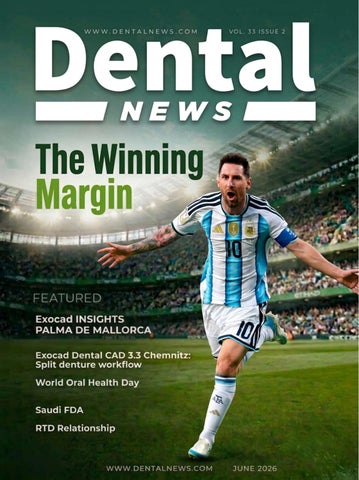
The Winning Margin How Oral Health Is Emerging as the Next Frontier in Athletic Performance From inflammation and recovery to endurance and mental resilience, emerging evidence is redefining the role of oral health in elite sport. "Champions are often separated by milliseconds, millimetres, or a single decisive moment. Increasingly, researchers believe that one of the most overlooked determinants of success may begin in the athlete's mouth." For decades, elite sport has pursued excellence through advances in training science, nutrition, biomechanics, recovery protocols and sports psychology. Every aspect of an athlete's preparation has been scrutinized in the pursuit of marginal gains—the tiny improvements that collectively make the difference between standing on the podium or finishing just outside the medals. Yet one critical factor has remained largely overlooked: oral health. While dentists have long understood the relationship between oral diseases and systemic health, only recently has sports medicine begun to appreciate how profoundly oral conditions may influence athletic performance. Emerging research suggests that poor oral health may impair recovery, increase systemic inflammation, reduce physical performance, interfere with sleep, compromise nutrition and even affect an athlete's confidence. The message is becoming increasingly clear: oral health is no longer simply about preventing cavities or preserving teeth. It is becoming an integral component of high-performance medicine. A recent report by Economist Enterprise, Winning Margins: The Impact of Oral Health on Athlete Performance, brings together leading researchers, sports physicians, coaches, elite athletes and sports dentists to explore this rapidly evolving field. Their conclusion is compelling: oral health deserves recognition alongside nutrition, strength conditioning and injury prevention as part of comprehensive athlete care.
The Era of Marginal Gains Elite sport has entered an age where improvements Quarter III - 2026
are measured in fractions rather than percentages. In Olympic swimming, sprinting, cycling and alpine skiing, victories are frequently decided by hundredths of a second. A tiny physiological advantage—better recovery after training, improved sleep quality or a slightly lower inflammatory burden—can ultimately determine championship outcomes. Modern coaches understand this reality. Training loads are monitored daily. Sleep is measured. Heart-rate variability is analyzed. Nutrition is individualized. Psychological resilience is actively developed. Ironically, despite the mouth being one of the body's largest microbial ecosystems and an important gateway to systemic health, oral health has traditionally received far less attention. Professor Ian Needleman, one of the pioneers of sports dentistry research, has repeatedly demonstrated that athletes often experience surprisingly poor oral health despite maintaining exceptional physical fitness. This apparent contradiction has become one of the most fascinating discoveries in sports medicine.
Healthy Bodies—Unhealthy Mouths At first glance, elite athletes appear to represent the healthiest members of society. They train daily. They eat carefully planned diets. They undergo regular medical examinations. They possess extraordinary cardiovascular fitness. Yet numerous investigations across Olympic sports, professional football, rugby, athletics and cycling consistently reveal unexpectedly high levels of dental disease. Researchers have documented increased rates of: • dental caries • periodontal disease • dental erosion • bruxism • temporomandibular disorders • oral trauma • dry mouth In some studies, nearly half of elite athletes required Dental News
25
The Winning Margin
urgent dental treatment despite having access to world-class medical care. This paradox raises an important question. Why should individuals who dedicate their lives to physical excellence experience poorer oral health than many members of the general population? The answer lies in the unique physiological and environmental demands imposed by elite sport.
involving the face and jaw, increasing the likelihood of dental injuries and temporomandibular joint disorders. These risks rarely occur in isolation. Instead, they accumulate throughout an athlete's career, gradually affecting oral tissues in ways that may ultimately influence overall performance.
When Training Becomes a Risk Factor
The traditional perception of oral disease has focused primarily on pain and tooth loss. Modern medicine paints a much broader picture. Periodontal disease, for example, is now understood as a chronic inflammatory condition capable of influencing systemic health. Inflammation is an essential biological process, but when it becomes persistent it places continuous demands on the immune system. Researchers have shown that inflammatory mediators associated with periodontal disease circulate throughout the body. Elevated inflammatory markers have been linked with delayed recovery, increased fatigue and impaired muscle function—all issues of obvious concern in elite sport. Recovery is one of the defining elements of modern athletic preparation. Training itself does not make athletes stronger. Adaptation occurs during recovery. Anything that delays this process may compromise subsequent training sessions and reduce long-term performance gains. For athletes who train twice daily or compete repeatedly over several days, even subtle impairments in recovery may become highly significant. Increasing evidence therefore suggests that maintaining healthy periodontal tissues may contribute not only to oral wellbeing but also to the body's overall capacity to repair and adapt following intensive exercise.
Elite training produces remarkable adaptations throughout the body. Unfortunately, several of these adaptations may also create conditions that favour oral disease. Intense exercise often leads athletes to breathe through their mouths, reducing saliva production and creating persistent dry mouth. Saliva serves as one of the body's most important natural defence systems, neutralizing acids, washing away bacteria and protecting tooth enamel. Without sufficient saliva, harmful bacteria flourish. Nutrition presents another challenge. Athletes frequently consume carbohydrate-rich energy gels, sports drinks and recovery beverages throughout prolonged training sessions. While these products optimize muscular performance, they also expose teeth to repeated acid attacks and frequent sugar intake. Rather than isolated meals, many endurance athletes consume these products continuously over several hours, preventing the oral environment from returning to a healthy pH. The result is an ideal environment for enamel erosion and dental caries. Stress represents another hidden contributor. Elite competition places athletes under extraordinary psychological pressure. Chronic stress, anxiety surrounding competition and disrupted sleep patterns all contribute to bruxism—night-time grinding or clenching of the teeth—which can damage both teeth and jaw muscles. Contact sports add yet another dimension. Football, rugby, hockey, boxing, martial arts and basketball all expose athletes to repeated impacts
26
Dental News
More Than a Toothache
Pain That Never Stops Competing Dental pain is unlike many other sports injuries. A muscle strain can often be protected or rested. Tooth pain accompanies every meal, every drink and Quarter III - 2026
The Winning Margin
often every night's sleep. Persistent discomfort affects concentration, mood and decision-making while simultaneously interfering with nutritional intake. Athletes may unconsciously avoid chewing on one side, reduce food intake or alter dietary choices to minimize discomfort. The consequences extend beyond calories alone. Optimal nutrition depends upon efficient chewing, adequate digestion and consistent dietary habits. When oral disease disrupts these processes, the effects may ripple throughout the athlete's entire training programme. Sleep suffers as well. Untreated dental infections and painful inflammatory conditions frequently disturb sleep quality, limiting one of the body's most important recovery mechanisms. For elite competitors already balancing demanding travel schedules, training camps and international competition, another source of sleep disruption can have measurable consequences. As sports medicine increasingly embraces holistic athlete care, oral health is emerging not as an isolated dental issue, but as a performance variable that deserves the same attention as nutrition, sleep and injury prevention.
From the Mouth to the Finish Line: How Oral Health Influences Athletic Performance For years, sports medicine has focused on muscles, lungs, bones and joints when searching for explanations for poor performance. Today, however, researchers are increasingly looking toward another organ system that has long been overlooked—the oral cavity. The mouth is home to one of the body's most complex microbial ecosystems. It serves as the gateway to the digestive and respiratory systems and is intimately connected to immune function, nutrition, communication and overall wellbeing. When oral health deteriorates, the consequences often extend far beyond the teeth and gums. In elite athletes, where even the smallest physiological disadvantage can influence the outcome of competition, these effects may prove surprisingly significant.
28
Dental News
Inflammation: The Invisible Opponent One of the most important links between oral health and athletic performance is inflammation. Inflammation is an essential part of the body's defence mechanism. After strenuous exercise, temporary inflammation is necessary for muscle repair and adaptation. Problems arise when chronic inflammatory conditions place the immune system under continuous stress. Periodontal disease is one of the most common chronic inflammatory diseases worldwide. Caused by bacterial infection of the supporting tissues around the teeth, it triggers the continuous release of inflammatory mediators into the bloodstream. Scientific studies have demonstrated that elevated levels of inflammatory cytokines associated with periodontal disease may contribute to fatigue, delayed recovery and impaired muscle function. For elite athletes, recovery is not simply a period of rest—it is a critical component of training. Coaches carefully manipulate recovery periods because this is when physiological adaptation occurs. If systemic inflammation slows this process, athletes may struggle to train at the required intensity or recover sufficiently before their next competition. This growing body of evidence helps explain why oral health is increasingly being discussed alongside nutrition, sleep and recovery science.
The Recovery Equation Recovery has become one of the defining concepts in modern sport. Professional teams routinely monitor sleep duration, heart-rate variability, muscle soreness and biochemical markers to determine whether athletes are ready to train. Yet oral health rarely appears on these monitoring checklists. This omission may represent a missed opportunity. Persistent dental pain can interfere with sleep quality, while untreated oral infections may increase systemic inflammatory burden. Together, these factors create a vicious cycle: poor recovery reduces training quality, diminished training affects performance, and ongoing Quarter III - 2026
30
Dental News
Quarter III - 2026
The Winning Margin
physiological stress further compromises immune function. Research cited in the Economist Enterprise report found that many elite athletes acknowledged oral health problems affecting their ability to recover after exercise. Others reported that dental pain interfered with sleep, one of the body's most powerful recovery mechanisms. The implications extend beyond individual training sessions. Over an entire competitive season, repeated interruptions to recovery can accumulate into meaningful reductions in performance.
Nutrition Begins in the Mouth Sports nutrition has become one of the most sophisticated disciplines in elite sport. Athletes receive individualized dietary plans designed to optimize energy production, muscle repair and recovery. Ironically, the first stage of this nutritional process—effective chewing—is frequently overlooked. Healthy teeth and periodontal tissues are essential for efficient mastication. Pain, loose teeth or untreated oral disease may encourage athletes to avoid certain foods, reduce food intake or choose softer, less nutritious alternatives. At the same time, the very nutritional strategies that enhance athletic performance can increase oral disease risk. Energy gels, isotonic drinks and carbohydrate supplements are indispensable for endurance athletes, particularly during prolonged training sessions and competitions. Unfortunately, these products are often acidic and rich in fermentable carbohydrates, exposing the teeth to repeated acid attacks throughout the day. Unlike traditional meals, sports drinks are commonly consumed in small quantities over extended periods, preventing saliva from restoring a neutral oral environment. The result is a greater risk of enamel erosion and dental caries. This does not mean athletes should abandon evidencebased sports nutrition. Instead, sports dentists, nutritionists and physicians must work together to minimize oral damage while preserving nutritional performance. Simple measures—such as rinsing with water after Quarter III - 2026
acidic drinks, avoiding unnecessary sipping between training sessions, using fluoride products and timing oral hygiene appropriately—can significantly reduce risk without compromising athletic preparation.
Strength, Balance and the Jaw Connection Among the most intriguing areas of sports dentistry research is the relationship between the jaw, posture and neuromuscular performance. The temporomandibular joint (TMJ) is one of the body's most complex joints. It functions in close coordination with muscles of the head, neck and upper body, all of which contribute to posture and movement. Although research in this area remains controversial and continues to evolve, several studies suggest that jaw position may influence muscular recruitment, balance and postural stability. Some investigations have demonstrated improvements in muscular strength and lower-limb performance following appropriate jaw repositioning, while others have reported enhanced balance using customized oral appliances. These findings should be interpreted cautiously. Not every study has reached the same conclusions, and researchers continue to debate the underlying mechanisms. Nevertheless, the possibility that occlusion and jaw function influence neuromuscular control has stimulated considerable interest among sports scientists. For athletes competing in sports requiring exceptional precision—such as gymnastics, skiing, diving or shooting—even marginal improvements in balance or stability may have meaningful competitive value.
Bruxism: When Stress Never Sleeps Elite sport places enormous psychological demands on athletes. Pressure to perform, international travel, intense competition schedules and media scrutiny create levels of stress rarely experienced by the general population. One common consequence is bruxism—the involuntary grinding or clenching of the teeth. Dental News
31
The Winning Margin
Beyond causing tooth wear and temporomandibular disorders, bruxism may contribute to muscular fatigue, headaches and reduced sleep quality. Recent research has also reported associations between bruxism and diminished muscular strength, endurance and reaction time. Whether these changes result directly from altered neuromuscular function or from disrupted sleep remains under investigation. Regardless of the precise mechanism, identifying and managing bruxism should form part of comprehensive athlete care.
Confidence: The Psychological Advantage Athletic performance depends not only on physiology but also on confidence. Elite athletes often speak of entering competition with complete belief in their preparation. Even minor distractions can disturb that mental state. Oral health problems are among those distractions. A persistent toothache, concern about appearance, difficulty smiling during media events or anxiety over unresolved dental treatment can all affect an athlete's psychological wellbeing. Olympic distance runner Nadia Battocletti summarized the issue succinctly when she observed that oral health problems can undermine self-confidence and ultimately influence performance. While psychological research in this area remains limited, clinicians frequently observe dramatic improvements in mood, motivation and self-esteem following successful dental treatment. For athletes, confidence is itself a performance enhancer.
disorders, screening programmes and collaboration with multidisciplinary sports medicine teams. Increasingly, sports dentists are becoming integrated members of athlete support systems, working alongside physicians, physiotherapists, nutritionists, psychologists and strength coaches. This shift reflects a broader understanding that oral health is not an isolated specialty but an integral component of overall athlete health. The goal is no longer simply to treat disease. It is to help athletes remain healthy, available for training and capable of performing at their highest level throughout their careers. As the science continues to evolve, one message has become increasingly difficult to ignore: maintaining excellent oral health is not merely a dental objective— it is an investment in athletic performance.
From Treatment to Prevention: Building a Culture of Oral Health in Sport If oral health has the potential to influence athletic performance, the next logical question is simple: What should be done? The answer extends well beyond the dental chair. Improving athletes' oral health requires a cultural shift—one that recognizes oral health as an essential component of sports medicine rather than an isolated aspect of dental care. Success depends on collaboration among athletes, coaches, dentists, physicians, nutritionists, sports organizations and governing bodies, each playing a distinct but interconnected role.
The Athlete at the Center Sports Dentistry Comes of Age Traditionally, sports dentistry has been associated with emergency management of dental trauma and the fabrication of mouthguards. Today, the discipline is expanding far beyond those roles. Modern sports dentistry encompasses prevention, early diagnosis, periodontal care, nutritional counselling, management of temporomandibular
32
Dental News
Every successful healthcare strategy begins with the individual. No matter how sophisticated a sports medicine program may be, athletes themselves ultimately determine whether preventive measures become daily habits. Brushing and flossing consistently, attending regular dental examinations, wearing properly fitted mouthguards and understanding the impact of nutrition on oral health all require personal Quarter III - 2026
The Winning Margin
commitment. Education is therefore the first and perhaps most powerful intervention. Athletes are accustomed to understanding how nutrition influences performance, why hydration matters and how sleep contributes to recovery. Oral health should be presented in the same practical context—not simply as a means of avoiding cavities, but as another tool for maximizing training capacity and competitive readiness. When athletes understand why oral health matters, they are far more likely to integrate preventive care into their daily routines. Simple measures can make a substantial difference: • Maintaining meticulous oral hygiene using fluoridated toothpaste. • Cleaning between the teeth daily. • Remaining well hydrated to support healthy saliva production. • Limiting unnecessary exposure to acidic sports drinks. • Rinsing with water after consuming carbohydrate supplements. • Using individually fabricated mouthguards when appropriate. • Seeking professional care before small problems become painful emergencies. These recommendations are neither complicated nor expensive. Yet together they may reduce the inflammatory burden, improve comfort and help athletes maintain uninterrupted training schedules.
Prevention Is the Ultimate Performance Strategy Elite sport has increasingly embraced preventive medicine. Strength programs are designed to reduce injury risk. Nutrition plans prevent fatigue. Recovery protocols aim to minimize overtraining. Oral health deserves exactly the same philosophy. Waiting until pain develops is no longer an acceptable strategy. Dental emergencies frequently occur immediately before important competitions, disrupting months— Quarter III - 2026
or even years—of careful preparation. By contrast, routine preventive care allows clinicians to identify early signs of caries, periodontal disease, erosion or temporomandibular disorders before they interfere with training or competition. Regular screening should therefore become part of the annual medical assessment performed on elite athletes. Just as blood tests, musculoskeletal evaluations and cardiac examinations are routinely performed, comprehensive oral examinations should become standard practice. The goal is simple: identify problems before they become performance-limiting conditions.
The Expanding Role of the Sports Dentist Sports dentistry has evolved dramatically over the past two decades. Once viewed primarily as the discipline responsible for treating traumatic injuries and fabricating mouthguards, it has become an increasingly sophisticated specialty encompassing prevention, performance optimization and multidisciplinary healthcare. Today's sports dentist contributes to far more than emergency treatment. Their responsibilities increasingly include: • comprehensive oral health screening; • risk assessment for dental erosion and caries; • management of periodontal disease; • diagnosis of temporomandibular disorders; • fabrication of customized mouthguards; • nutritional counseling related to oral health; • monitoring athletes undergoing orthodontic treatment; • collaboration with physicians regarding systemic inflammatory conditions; and • educating athletes, coaches and medical staff. Importantly, sports dentists are becoming valuable members of high-performance medical teams. Working alongside physicians, physiotherapists, nutritionists, psychologists and strength coaches, they contribute to a holistic approach in which every aspect of an athlete's health supports peak performance. As sports medicine becomes increasingly Dental News
33
34
Dental News
Quarter III - 2026
Quarter III - 2026
Dental News
35
The Winning Margin
interdisciplinary, dentistry is assuming a well-deserved place within this collaborative framework.
Coaches: The Most Influential Educators Few individuals influence athletes more consistently than their coaches. Coaches shape training habits, nutritional discipline and recovery behaviours. They reinforce routines that become part of an athlete's daily life. The same opportunity exists for oral health. Athletes are far more likely to value oral hygiene when coaches recognize its importance and include it within broader discussions of health and performance. This does not mean coaches must become dental experts. Rather, they should understand enough to encourage regular dental assessments, support preventive care and recognize when referral to a sports dentist is appropriate. Many experts interviewed in the Economist Enterprise report emphasized that coaches often represent the missing link between scientific evidence and behavioural change. When respected coaches promote oral health, athletes listen.
Building Multidisciplinary Athlete Care Modern sport increasingly relies upon integrated healthcare teams. Performance no longer depends on isolated specialists working independently, but on professionals who communicate effectively and coordinate care. Sports dentists should therefore be included within this multidisciplinary model whenever possible. Consider the athlete who regularly consumes carbohydrate gels during endurance training. The nutritionist understands the metabolic benefits. The dentist understands the oral consequences. Working together, they can recommend strategies that preserve both athletic performance and dental health. Similarly, physiotherapists treating temporomandibular dysfunction, physicians monitoring systemic inflammation and psychologists addressing stress-
38
Dental News
related bruxism all benefit from collaborative communication. No single professional possesses every answer. Together, however, they provide athletes with comprehensive care that addresses both performance and long-term health.
A Responsibility for Sporting Organizations The responsibility extends beyond individual athletes and teams. National federations, Olympic committees and international sporting organizations establish medical standards that influence millions of competitors worldwide. Historically, many governing bodies have focused oral health primarily through the lens of injury prevention, emphasizing mouthguard use in contact sports. While this remains essential, contemporary evidence suggests that oral health deserves a much broader place within athlete welfare policies. Routine dental screening, educational initiatives, preventive programs and inclusion of sports dentists within medical teams should become standard components of athlete support systems. Several organizations have already begun moving in this direction. The International Olympic Committee has long recognized the importance of sports dentistry, while federations such as World Rugby have incorporated comprehensive oral health resources into their educational programs. These initiatives demonstrate what is possible. The next challenge is ensuring that similar standards become commonplace across all sports and all levels of competition.
Quarter III - 2026
40
Dental News
Quarter III - 2026
The Winning Margin
Beyond Elite Athletes Although much of the current research focuses on Olympic and professional athletes, its implications extend far beyond elite competition. Millions of recreational athletes, young competitors and active adults share many of the same risk factors. Regular consumption of sports drinks, dehydration during prolonged exercise, participation in contact sports and increasing training intensity affect athletes at every level. Parents, coaches and community dentists therefore have an opportunity to introduce preventive strategies early in athletic development. Good oral health habits established during childhood often persist throughout adult life. In this sense, sports dentistry is not only about winning medals. It is about promoting healthier athletes throughout every stage of their sporting journey.
Looking Ahead Sports dentistry remains a relatively young discipline, but its growth over the past decade has been remarkable. Research continues to explore complex relationships between oral inflammation, athletic recovery, immune function, the oral microbiome, neuromuscular performance and psychological wellbeing. Some questions remain unanswered. Scientists continue to investigate precisely how oral microorganisms interact with systemic physiology, how occlusion influences athletic movement and which interventions provide the greatest performance benefits. These uncertainties should not discourage clinicians. Rather, they reflect the natural evolution of an emerging scientific field. The evidence already available is sufficiently compelling to justify greater attention to oral health within sports medicine. Future studies will undoubtedly refine our understanding, but the direction of travel is unmistakable.
Conclusion Every Winning Margin Matters Elite sport has always rewarded those who pay attention to the smallest details. A fraction of a second. Quarter III - 2026
A single stride. One perfectly timed recovery session. One better night's sleep. One more effective training session. Oral health belongs within this philosophy of marginal gains. Increasing scientific evidence suggests that healthy teeth and gums contribute to much more than an attractive smile. They support nutrition, reduce pain, promote quality sleep, limit systemic inflammation, enhance wellbeing and help athletes remain available for the consistent training that underpins elite performance. For dentists, this expanding body of knowledge presents an exciting opportunity. The profession is no longer viewed solely as treating disease. Dentists are becoming important contributors to preventive medicine, athlete welfare and performance optimization. For sports physicians, coaches and governing bodies, the message is equally clear: oral health deserves a permanent place within the athlete's healthcare ecosystem. And for athletes themselves, perhaps the greatest lesson is this: Success does not depend upon one dramatic b re a kt h ro u g h . It is built through hundreds of small decisions made every day. Brushing before bed. Scheduling a dental examination. Wearing a custom mouthguard. Managing nutrition wisely. Protecting the mouth with the same care devoted to every other part of the body. Because in modern sport, where championships are increasingly decided by the narrowest of margins, excellence begins long before the starting whistle. Sometimes, it begins with a healthy smile.
Editor's Note This feature was inspired by Winning Margins: The Impact of Oral Health on Athlete Performance, a 2026 report prepared by Economist Enterprise. The report brings together current scientific evidence and expert perspectives from sports dentistry, sports medicine and elite athletics, highlighting the growing recognition of oral health as an integral component of athlete performance and wellbeing. Readers are encouraged to consult the full report and its extensive references for a deeper exploration of this emerging field. Dental News
41
Saudi Food and Drug Administration Dental AI Rules What Saudi SFDA Rules Mean for AI-Enabled Dental Systems
attention from manufacturers, distributors and dental healthcare providers.
Artificial intelligence is becoming an increasingly important part of digital dentistry. AI software can now support the interpretation of dental radiographs, identify suspected caries or periodontal changes, assist treatment planning and improve clinical workflow. For companies seeking to introduce these technologies into Saudi Arabia, the regulatory message from the Saudi Food and Drug Authority is clear: overseas approval alone may not be sufficient. Manufacturers must demonstrate that their products are safe, clinically effective and suitable for their intended users and patient population in the Kingdom. However, several recent online reports have described new SFDA notices specifically targeting digital dental systems. Publicly accessible SFDA sources do not currently confirm the reported notice numbers, dates or immediate customs restrictions. The established regulatory framework is nevertheless significant and deserves close
When dental AI becomes a medical device
42
Dental News
Under SFDA guidance, software is regulated as a medical device when its intended purpose includes investigating, detecting, diagnosing, monitoring, treating or managing a disease or medical condition. A dental imaging platform that only stores or displays images may therefore be treated differently from software that analyses a radiograph and produces diagnostic findings or treatment recommendations. Classification is based primarily on the product’s intended use and the potential consequences of an incorrect result—not simply on whether the product contains artificial intelligence. AI-enabled dental products that qualify as medical devices generally require Medical Device Marketing Authorisation before they are commercially supplied or used in Saudi Arabia. Local validation is an important SFDA expectation Quarter III - 2026
Expodental Meeting 2026: steady growth, innovation and international reach shaping the future of dentistry Milan, May 19, 2026 – The 2026 edition of Expodental Meeting closes with results that exceeded expectations, confirming its steady growth over the years and strengthening its position as a leading event for the Italian and international dental industry. The exhibition recorded a significant increase in attendance, with more than 21,000 visitors over the three-day event and 4,000 more unique visitors compared to 2025. Particularly noteworthy was the rise in international participation, with a 40% increase in foreign visitors compared to the previous edition, further demonstrating the event’s growing global appeal. Thanks to the program organized by UNIDI in collaboration with the Italian Trade Agency (ICE) and Italian Exhibition Group, the event hosted more than 100 foreign dealers from 38 countries, facilitating around 800 B2B meetings between Italian companies and international buyers and further strengthening Expodental Meeting’s role as an international hub for the dental industry and a showcase for Italian excellence worldwide. The 2026 edition welcomed 400 exhibitors from Italy and abroad, occupying six halls of the Rimini exhibition center and offering visitors a comprehensive overview of the latest technological, digital and clinical innovations in the dental sector. The congress and scientific program was also highly successful: spread across 16 conference rooms, featuring more than 200 speakers and dozens of educational sessions, it engaged thousands of professionals throughout the three days. The thematic areas, live on-stage sessions and corporate workshops transformed the exhibition into a dynamic environment for professional development, networking and continuous education. The conference halls and exhibition areas, constantly animated by professionals and industry operators, once Quarter III - 2026
again highlighted the energy, innovative spirit and strategic role of Expodental Meeting as a benchmark event for Italian and international dentistry. Among the many events held during Expodental Meeting, particular attention was given to the conference jointly organized by UNIDI and the National CAO, which addressed the highly topical and controversial issue of Artificial Intelligence in dentistry, accompanied by an important reflection on ethics and professional conduct. “Expodental Meeting 2026 closes with results that surpass every expectation and sends a strong message of confidence to the entire sector,” stated Fabio Velotti, President of UNIDI. “The extraordinary participation of companies, professionals, speakers and international operators confirms the value of the event as a place for meeting, growth and development for the entire dental supply chain. I would like to thank everyone who contributed to the success of this edition and look forward to seeing you again in 2027, from May 13 to 15 in Rimini, to continue together on this path of innovation and collaboration.” “This edition once again demonstrated how Expodental Meeting has become an unmissable event for the national and international dental market,” commented Linda Sanin, Director of UNIDI. “The growth in visitor numbers, including from abroad, the high quality of the scientific content and the strong engagement of companies confirm the exhibition’s ability to continuously evolve, responding to the needs of the sector and creating concrete opportunities for business and professional development.”
For further information: Susi Marotti | s.marotti@unidi.it | +39 340 7496695 Dental News
43
SAUDI FDA
One of the most relevant provisions for international dental AI developers appears in the SFDA’s Guidance on Artificial Intelligence and Machine Learning-Enabled Medical Devices. The guidance states that manufacturers should locally validate AI/ML medical devices that were developed and approved in other jurisdictions. It also expects validation datasets to reflect the intended population, clinical setting and regional characteristics. Manufacturers should consider demographic variation, disease prevalence, geographic location, clinical practice settings and relevant patient subgroups. Where appropriate, studies should include data from several medical centres and demonstrate that performance remains reliable across different locations and populations. For dental AI, this means that strong performance on datasets collected exclusively in North America, Europe or another market may not, by itself, establish that the system will perform equally well in Saudi clinical practice. It is important to note that this principle is not the result of a newly identified March 2026 dental framework. It has appeared in the SFDA’s AI/ML medical-device guidance since 2023. Cybersecurity, privacy and data governance Cybersecurity is another central regulatory concern. Connected dental equipment can interact with clinic networks, cloud platforms, patient databases and third-party software. A security failure may therefore affect both patient information and the safe performance of the device. SFDA guidance expects manufacturers to address cybersecurity within the product’s
44
Dental News
risk-management process. The broader Digital Health Products guidance also emphasises data integrity, privacy, traceability, algorithm transparency, human oversight, lifecycle management and post-market monitoring. These requirements should not be interpreted as confirmation that every dental system must undergo penetration testing at a Saudi laboratory before customs clearance. No such blanket requirement was located in the publicly available SFDA material reviewed for this article. Similarly, the use of an overseas cloud server is not automatically prohibited. Processing Saudi patient information outside the Kingdom may, however, trigger obligations under Saudi Arabia’s Personal Data Protection Law and the regulations governing international data transfers. Organisations may need to document the transfer, establish an appropriate legal basis, implement safeguards and, in certain circumstances, conduct a transfer-risk assessment. Arabic and English user information Language requirements should be assessed according to the intended user and the type of device. The SFDA’s Medical Device Marketing Authorisation requirements state that electronic interfaces for devices intended for lay-person use must be available in Arabic and English. Similar bilingual-interface provisions apply to certain self-testing systems. Information supplied to lay users must also be provided in both languages. These provisions should not be expanded into a claim that every professional dental system must have a completely bilingual user interface unless the SFDA has issued a separate productQuarter III - 2026
Ani,
ri
SAUDI FDA
specific condition. Professional-use equipment may be subject to different labelling and instructions-for-use requirements based on its intended users and associated risks. What dental clinics and procurement teams should verify Before purchasing or deploying an AI-enabled dental system in Saudi Arabia, clinics and hospitals should request evidence of:
• A valid SFDA Medical Device Marketing Authorisation where required. • The product’s approved intended purpose and risk classification. • Clinical and technical validation relevant to the Saudi target population. • Cybersecurity risk management and vulnerability-management procedures. • Compliance with Saudi personal-data and cross-border-transfer requirements. • Arabic and English information appropriate for the product’s intended users. • A post-market monitoring, incidentreporting and software-update process. The SFDA’s published import rules also require imported devices and their labelling
46
Dental News
to correspond to the information previously submitted to the Authority. Depending on the circumstances, a shipment may be released, conditionally released pending corrections or rejected. A move towards evidence-based localisation Saudi Arabia’s regulatory direction should be understood as evidence-based localisation, rather than as a blanket prohibition on foreign dental technology. International manufacturers can enter the market, but they must demonstrate that their products work safely in the intended Saudi clinical environment, protect patient data, communicate appropriately with users and remain properly controlled throughout their lifecycle. For dental AI developers, localisation should therefore begin during product design—not after the equipment reaches the port. Clinical validation strategy, cybersecurity architecture, data governance, user-language requirements and post-market monitoring should all be considered before a Saudi market-authorisation application is submitted.
Quarter III - 2026
Relationship Between Intraradicular Posts and Dental Root Anatomy
Prof. Ricardo Portigliatti, DDS, PhD Department of Endodontics, School D e n t i st r y, University of Buenos Aires, Argentina
of
Introduction Endodontically treated teeth present physical and mechanical conditions that differ from those of vital teeth. Dental structures possess an architecture designed to withstand loads consistent with the integrated function of the masticatory system; however, when subjected to overload stimuli, they may develop severe wear or cracks that can progress to fractures1. The resistance properties and biological behavior of these teeth are diminished due to several factors, such as the volume of lost mineralized tissues and the modification of their structure, which results in a different pattern of force transmission2,3,4. Restoration of endodontically treated teeth may include the use of intraradicular posts according to the specific considerations of each clinical case, particularly in teeth that have suffered significant loss of mineralized tissues, especially in the anterior region 5,6,7. When intraradicular posts are selected, the literature has demonstrated that posts with the most favorable physical, optical, and functional properties are those with an organic matrix base, such as fiber-reinforced posts 8,9. However, it must be considered that these posts are manufactured in standardized forms and may differ significantly from the anatomy of the root canal in which they will be placed. Regarding the anatomical analysis of the receiving root, it is important to focus on its morphological and dimensional relationship
48
Dental News
and to consider four factors: length, curvature, canal diameter, and canal ovality. Post length is related to root length. If the operator decides to extend the preparation deeper into the canal for post placement, it is considered necessary to preserve an apical seal of endodontic obturation measuring 3 to 5 mm, which therefore represents the apical limit for post insertion 10,11. Post selection is also influenced by root curvature, since standardized posts are straight, whereas all roots present some degree of curvature in different planes of space. Depending on the severity and location of the curvature, a loss of post centricity may occur; consequently, the thickness of the dentin walls surrounding the post may become uneven, generating areas of structural weakness 12,13,14. Post space diameter depends on the original dimensions of the root canal. Frequently, the size of the post is selected based on radiographic observation. However, conventional radiographs only reveal the mesiodistal diameter, whereas the buccolingual dimension can only be accurately assessed through three-dimensional imaging studies such as cone-beam computed tomography (CBCT). The difference between the mesiodistal and buccolingual diameters determines the ovality of the canal. In round canals, all diameters are similar. When one of the diameters—generally the buccolingual—is larger than the other, the canal presents an oval shape. This ovality is typically greater in the cervical third of the root and gradually decreases toward the apical third, although variations may occur in some cases 15. The only clinical method that allows estimation of canal ovality is direct observation, ideally with magnification; the optimal approach is the use of a clinical operating microscope 16. If a post is placed without respecting the oval shape of the canal, it will contact only two dentinal walls Quarter III - 2026
while lacking contact with the others. This may result in the retention of portions of the endodontic filling material or the formation of an excessive thickness of cement.
Presentation of Prefabricated Posts A wide range of post systems is available on the market, typically supplied with their corresponding drills; however, their shapes and dimensions are not standardized. This means that each manufacturer determines the diameter and taper of its posts. It is important to emphasize that the mismatch between posts and drills may compromise the precision of post adaptation17 (Fig. 1).
Figure 1. Overlap of drill from different manufacturers and their corresponding posts, showing different degrees of correspondence between them. Microphotograph reproduced from “Correspondence between fiber post and drill dimensions for post canal preparation,” Am. J. Dent., vol. 30, no. 6, pp. 295–298, Dec. 2017.
Regarding longitudinal form, the most common presentation is double taper, which allows better adaptation to root anatomy (Fig. 2).
Figure 2. A. CBCT sections showing oval root canal crosssections in transverse slices and canal curvatures in longitudinal sections. B. Standard posts DT Light XRO Illusion and MacroLock XRO Illusion (RTD). Quarter III - 2026
From the perspective of cross-sectional design, the shape is circular in almost all cases. Post diameters may be different depending on the manufacturer and are determined by the diameter of the post tip and its taper. To compensate for the oval cross-section of some canals, oval-shaped posts have also been designed. These posts present a circular cross-section at the apical end and an oval cross-section in the coronal portion (MacroLock Oval, RTD, France), which may facilitate proper seating in canals that exhibit ovality in the cervical third 18(Fig. 3).
Figure 3. A. Macro-Lock Oval post (RTD) in longitudinal view showing its minor and major diameters. B. The same post cemented in a single-canal tooth with an oval canal cross-section. Its adaptation can be observed due to the rotated position of the tooth.
However, in some cases the canal’s oval shape, width, or taper may differ from the available commercial post designs, even when oval posts are considered. In these situations, the post can be customized by adding materials to it. This technique, known as post customization, involves the addition of accessory materials to a standard post, ideally glass or quartz fibers impregnated with unpolymerized resin. These materials are polymerized before post cementation, reducing the C-factor effect and Dental News
49
providing a post shape that better adapts to the canal anatomy 19 (Fig. 4).
Figure 4. A. Macro-Lock XRO Illusion post customized with Quartz Splint UD fibers (RTD). B. Rebilda Post GT bundle post system (VOCO GmbH).
Finally, fiber bundle post systems are also available on the market. These systems provide a set of micro-posts composed of the same material as conventional posts (Fig. 8). These bundles have an approximate diameter of 0.3 mm and are supplied in rings of different colors. Each ring color corresponds to a specific clinical indication based on the diameter of the space prepared for the post. The difference between the various presentations lies in the number of fiber bundles contained in each ring. Given the wide variety of post systems available and the anatomical variability of dental roots, this study was designed to analyze the root segment between the pulp chamber and the location of the post tip, considering the presence of canal ovality and curvature in the space that will accommodate the post. The aim of this study was to analyze the roots of dental groups commonly restored with intraradicular posts in order to determine the prevalence of ovality in the cervical third and curvature in the post space, as well as to evaluate the indication for different post systems.
50
Dental News
Materials and Methods Cone-beam computed tomography (CBCT) scans obtained with a Carestream 8100 tomograph were used for the measurements, with a voxel resolution of 76 μm. All patients whose scans were included in the study signed an informed consent form authorizing the use of their tomographic images for research purposes. All measurements were performed by a single operator. A total of 270 teeth without pathologies or previous interventions that could alter the anatomy of the pulp chamber or the root canal system were analyzed. The exclusion criteria included teeth with large coronal restorations, dentinal resorptions of any type, invasion of the pulp space, or calcified pulp chambers. The specimens were divided into nine groups of 30 teeth each: • IS – Maxillary incisors • CS – Maxillary canines • PMS1C – Maxillary premolars with a single canal • PMS2C – Maxillary premolars with more than one canal • II1C – Mandibular incisors with a single canal • II2C – Mandibular incisors with more than one canal • CI – Mandibular canines • PMI1C – Mandibular premolars with a single canal • PMI2C – Mandibular premolars with more than one canal In teeth presenting more than one root canal, the most accessible canal for post preparation was selected. Measurements were recorded using virtual sections created with CS 3D Imaging Software 3.2.13. The sections consisted of two transverse slices perpendicular to the canal axis and two longitudinal slices along the entry axis of the Quarter III - 2026
root canal. The transverse sections were obtained at 2 mm from the canal entrance (+2) and 4 mm from the apical foramen (−4). The canal entrance was determined at the level of the cementoenamel junction (CEJ). In each transverse section, the canal diameters were measured in the mesiodistal (M–D) and buccolingual (B–L) directions, as shown in Fig. 2. Differences between the M–D and B–L diameters were compared in all sections. Canals showing long ovality (LO) were recorded when the larger diameter was at least twice the value of the smaller diameter. The longitudinal sections were obtained along the entry axis of the canal selected as the recipient site for the post. A frontal section was used to observe the mesiodistal (M–D) view, and a parasagittal section was used to observe the buccolingual (B–L) view. These sections were generated using the “oblique slice” function of the navigation software and were oriented according to the anatomy of each tooth, regardless of its position in the dental arch. This approach ensured that teeth presenting rotations or positional variations would not have their anatomical morphology distorted by the cutting angle. In the longitudinal sections, the canal axis was traced from the pulp chamber toward the apical third. If this axis projected outside the canal lumen before reaching the −4 transverse section (4 mm from the foramen), the point where this occurred was recorded using a variable derived from the Schneider technique. Distances from the canal entrance to the point where the traced line deviated from the canal were recorded, and this point was considered the location of the first curvature. Detected curvatures were categorized as: • Cervical curvatures – located less than 5 mm from the canal entrance
• Deep curvatures – located between 5 and 10 mm from the canal entrance
52
Dental News
Results The results of the transverse sections are shown in Fig. 5. The frequency of long oval canals (LO) varied from 0% in maxillary incisors to 100% in the +2 section of maxillary premolars with a single canal. Regarding the persistence of LO in the −4 section, the highest values were observed in maxillary premolars and mandibular incisors with a single canal. Figure 6 shows the incidence of canal curvatures. The highest incidence occurred in mandibular incisors with two canals and mandibular premolars with multiple canals. The occurrence of early curvatures was greater in teeth with multiple canals. Figure 7 shows the combination of two variables: persistent ovality in both transverse sections and curvature. The teeth in which these combined difficulty factors were most frequent were maxillary premolars with a single canal and mandibular incisors with two canals.
Group Analysis Maxillary incisors showed canals with low levels of ovality and curvature. Mandibular incisors with a single canal showed a high index of ovality at +2 and −4, with a very low incidence of curvature. In contrast, mandibular incisors with two canals presented high ovality values in the evaluated sections, due to the random fusion and division of canals, as well as a high incidence of early curvatures. Maxillary and mandibular canines showed a high index of ovality at +2 and a low incidence of curvatures. When present, these curvatures were generally located far from the canal entrance. Maxillary premolars with a single canal exhibited a high incidence of both ovality and curvature. Mandibular premolars with a single canal presented long ovality only at +2, while showing rounded canals at −4, with a variable incidence of curvature. Quarter III - 2026
Maxillary and mandibular premolars with more than one canal presented a high index of curvature, although the presence of ovality at −4 was very low.
Statistical Analysis To analyze the presence of ovality and curvature in the different dental groups, generalized linear models were applied using a binomial distribution, logit link function, and LSD test as a post hoc analysis. Additionally, a contingency table with a chisquare test was performed to evaluate the relationship between ovality, curvature, or both variables and each dental group. To highlight the association of each variable type, standardized deviation values were used. The analyses were performed using InfoStat software, and the level of significance was set at 5%. The collected data showed the following findings: 1. The presence of ovality was significantly lower in IS (p < 0.001), whereas the highest values (>90%) occurred in PMS1C, CI, II1C, II2C, and PMI2C, with no differences among them.
2. The presence of cervical ovality was
significantly lower in IS (p < 0.001), whereas the highest values (>86.7%) occurred in PMS1C, CI, PMI2C, and CS, with no differences among them.
3. The
presence of apical ovality was significantly lower in IS and PMS2C (p < 0.001), whereas the highest values (>53.3%) occurred in II1C, PMS1C, and II2C, with no differences among them.
4. The
presence of curvature was significantly lower in IS and II1C (p < 0.001), whereas the highest values (>82.8%) occurred in II2C, PMI2C, and PMS2C, with no differences among them.
5. The presence of early curvatures was Quarter III - 2026
significantly lower in PMI1C, CI, CS, II1C, and IS (p < 0.001), whereas the highest values (>53.3%) occurred in II2C, PMS2C, and PMI2C, with no differences among them.
6. The presence of deep curvatures was
significantly lower in PMS2C, II1C, and IS (p = 0.046), whereas the highest values (>16.7%) occurred in the remaining groups, with no differences among them.
7. Each dental group showed a significant
association with the studied variables (p < 0.001). The results showed that some dental groups present a high incidence of ovality, others high curvature prevalence, while certain groups combine both anatomical factors (Table 1).
DISCUSSION When the placement of a prefabricated post is considered necessary, a space must be prepared within the root canal. This space begins in the pulp chamber and ends, at most, 3 to 5 mm from the root apex. This cavity is prepared using stainless steel drills, resulting in a straight configuration consistent with the design of prefabricated posts. For appropriate post selection and technique planning, it would be ideal to obtain a preoperative tomographic scan that allows a complete assessment of the root morphology. Cone-beam computed tomography is considered an adequate imaging modality for measuring root canal dimensions and dentin thickness [20]. Due to the curved and oval morphology of dental roots, preparation of the post space may often result in excessive dentin removal from the canal walls, creating areas of structural weakness and increasing the risk of fracture once the tooth returns to function. The findings of the present study indicated that very few dental groups exhibit a high prevalence of anatomical forms compatible with prefabricated posts. Only maxillary Dental News
53
incisors demonstrated a high degree of compatibility with traditional circular posts. In some dental groups, such as maxillary premolars with multiple canals, a high prevalence of rounded canal cross-sections was observed. However, these groups frequently exhibit multiple canals with a high prevalence of cervical curvatures, which complicate preparation and increase the risk of procedural errors and dentinal wall weakening. Conversely, certain dental groups show lower prevalence of cervical curvatures, such as maxillary and mandibular canines with a single canal. However, in these cases the prevalence of long ovality in cross-section is very high. Some dental groups, such as mandibular incisors, present high prevalence of early curvatures when more than one canal is present, and long ovality when a single canal is present, in addition to reduced dentin thickness and limited root length. These characteristics make them less favorable for post placement. Finally, certain dental groups exhibited high coincidence of both evaluated characteristics: oval canal shapes and curvatures in the post-receiving area. This was particularly evident in premolars with a single canal, both maxillary and mandibular. In this study, 100% of the maxillary premolars with a single canal presented ovality in the cervical third, while this value exceeded 80% in mandibular premolars with a single canal. These findings suggest that in dental groups where the root anatomy is more favorable, conventional circular prefabricated posts may be used without customization. In cases of oval canals, oval posts may be selected, as they correspond to a large number of anatomical configurations. In long oval canals, the use of customized techniques, such as accessory fibers or fiber bundle posts, should be considered. Finally, in the most unfavorable cases—characterized by cervical curvatures and reduced dentin thickness—the placement of intraradicular posts may be questionable.
56
Dental News
CONCLUSIONS Based on the obtained results and their interpretation, it can be inferred that root canals with anatomy compatible with prefabricated posts are primarily found in maxillary incisors, whereas canines, premolars, and mandibular incisors show a high prevalence of oval canals when a single canal is present, or curved canals in the potential post space when more than one canal is present. In cases of oval canals requiring post placement, it would be advisable to use techniques or systems that take this anatomical feature into account, such as oval posts or customized posts.
REFERENCES [1] A. Tomey and R. P. Portigliatti, “Síndrome del diente fisurado:Revisión de la literatura científica,” ENDOSELA, vol. 04, no. 04, pp. 02–10, Dec. 2025. [2] J. A. Marques et al., “Advancing Adhesive Strategies for Endodontically Treated Teeth—Part I: Impact of Endodontic Irrigation Protocols on the Chemical Composition and Structural Integrity of Coronal Dentin,” Journal of Esthetic and Restorative Dentistry, vol. 37, no. 7, pp. 1848–1864, Jul. 2025, doi: 10.1111/ jerd.13460. [3] J. A. Marques et al., “Advancing Adhesive Strategies for Endodontically Treated Teeth—Part II: Dentin Sealing Before Irrigation Increases Long-Term Microtensile Bond Strength to Coronal Dentin,” Journal of Esthetic and Restorative Dentistry, vol. 37, no. 7, pp. 1865–1881, Jul. 2025, doi: 10.1111/jerd.13467. [4] M. Ree and R. S. Schwartz, “The endorestorative interface: current concepts.,” Dent. Clin. North Am., vol. 54, no. 2, pp. 345–374, Apr. 2010, doi: 10.1016/j.cden.2009.12.005. [5] H. Selvaraj et al., “Systematic review fracture resistance of endodontically treated posterior teeth restored with fiber reinforced composites- a systematic review,” BMC Oral Health, vol. 23, no. 1, Dec. 2023, doi: 10.1186/ s12903-023-03217-2. Quarter III - 2026
[6] I. L. Aurélio, S. Fraga, M. P. Rippe, and L. F. Valandro, “Are posts necessary for the restoration of root filled teeth with limited tissue loss? A structured review of laboratory and clinical studies,” Sep. 01, 2016, Blackwell Publishing Ltd. doi: 10.1111/iej.12538. [7] J. Lukarcanin, İ. S. Sadikoǧlu, B. Yaşa, L. Ş. Türkün, and M. Türkün, “Comparison of Different Restoration Techniques for Endodontically Treated Teeth,” Int. J. Biomater., vol. 2022, 2022, doi: 10.1155/2022/6643825. [8] Jardim JS, “Is the use of an intraradicular post essential for reducing failures in restoring endodontically treated teeth? A systematic review and meta-analysis,” J Dent, vol. 159, Aug. 2025. [9] Wang X, “Evaluation of fiber posts vs metal posts for restoring severely damaged endodontically treated teeth: a systematic review and meta-analysis,” Quintessence Int., no. 50, pp. 8–20, 2019. [10] ltzhak Abramovitz, M. Tagger, A. Tamse, and Z. Metzger, “The Effect of Immediate Vs. Delayed Post Space Preparation on the Apical Seal of a Root Canal Filling: A Study in an Increased-Sensitivity Pressure-Driven System,” 2000. [11] A. P. Farina, A. L. Weber, B. de P. Severo, M. A. Souza, and D. Cecchin, “Effect of length post and remaining root tissue on fracture resistance of fibre posts relined with resin composite.,” J. Oral Rehabil., vol. 42, no. 3, pp. 202–208, Mar. 2015, doi: 10.1111/joor.12243. [12] A. G. Gegauff, R. E. Kerby, and S. F. Rosenstiel, “A comparative study of post preparation diameters and deviations using Para-Post and Gates Glidden drills.,” J. Endod., vol. 14, no. 8, pp. 377–380, Aug. 1988, doi: 10.1016/S0099-2399(88)80120-1. [13] J. Ghoddusi, A. Bagherpour, F. Mahmudabadi, M. Forghani, and M. Sarmad, “Residual dentin thickness of bifurcated maxillary premolars following two post space preparation methods.,” Iran. Endod. J., vol. 8, no. 3, pp. 94–98, 2013. [14] Huysmans, M. H. J. Klein, G. F. Kok, and J. M. Whitworth, “Parallel post-space Quarter III - 2026
preparation in different tooth types ex vivo: deviation from the canal centre and remaining dentine thickness.,” Int. Endod. J., vol. 40, no. 10, pp. 778–785, Oct. 2007, doi: 10.1111/j.13652591.2007.01286.x. [15] O. H. Ikram, S. Patel, S. Sauro, and F. Mannocci, “Micro-computed tomography of tooth tissue volume changes following endodontic procedures and post space preparation.,” Int. Endod. J., vol. 42, no. 12, pp. 1071–1076, Dec. 2009, doi: 10.1111/j.13652 59 1 . 2 0 0 9.01 63 2 . x . [16] R. Ferreira, M. Prado, A. De Jesus Soares, A. A. Zaia, and F. J. De Souza-Filho, “Influence of Using Clinical Microscope as Auxiliary to Perform Mechanical Cleaning of Post Space: A Bond Strength Analysis,” J. Endod., vol. 41, no. 8, pp. 1311–1316, Aug. 2015, doi: 10.1016/j. joen.2015.05.003. [17] R. P. Portigliatti, J. L. Tumini, A. D. Bertoldi Hepburn, R. F. Aromando, and J. L. Olmos, “Correspondence between fiber post and drill dimensions for post canal preparation.,” Am. J. Dent., vol. 30, no. 6, pp. 295–298, Dec. 2017. [18] V. Spicciarelli et al., “Influence of single post, oval, and multi-post restorative techniques and amount of residual tooth substance on fracture strength of endodontically treated maxillary premolars,” J. Oral Sci., vol. 63, no. 1, pp. 70–74, 2021, doi: 10.2334/josnusd.20-0338. [19] C. F. Silva et al., “The influence of customization of glass fiber posts on fracture strength and failure pattern: A systematic review and meta-analysis of preclinical exvivo studies,” Jun. 01, 2021, Elsevier Ltd. doi: 10.1016/j.jmbbm.2021.104433. [20] A. Y. Tan et al., “Cone beam computed tomography analysis of residual dentin thickness after virtual post placement in the palatal roots of maxillary first molars,” Journal of Prosthetic Dentistry, vol. 128, no. 4, pp. 702–708, Oct. 2022, doi: 10.1016/j. p ro s d e n t . 2 02 0.1 2 .0 0 5 .
Dental News
57
GLOBAL DIGITAL DENTISTRY COMMUNITY UNITES AT INSIGHTS 2026 Global experts gathered for education, innovation, and collaboration at exocad’s flagship event Exocad, an Align Technology, Inc. company and a leading dental CAD/CAM software provider, today successfully concluded Insights 2026, the fifth edition of its global digital dentistry event, held April 30–May 1, 2026, in Palma de Mallorca, Spain. The two-day meeting brought together dental professionals from across the laboratory and clinical spectrum under the inspiring motto “Calling all heroes.” Insights 2026 welcomed an international audience, offering a high-value educational experience focused on multidisciplinary exchange, practical learning and connection. “Insights 2026 once again demonstrated the power of bringing the global digital dentistry community together in person,” said Novica Savic, CCO at exocad. “The curiosity and collaborative spirit we experienced at Insights reflect exactly what ‘Calling all heroes’ stands for: learning from one another and sharing ideas to help shape the future of digital dentistry.” International speakers across the digital dentistry spectrum Insights 2026 featured a high-caliber lineup of internationally renowned speakers from across the laboratory and clinical spectrum. Experts from around the globe shared practical, future-focused 58 Dental News
perspectives on interdisciplinary workflows, esthetics, communication-driven treatment concepts, and the evolving digital patient. The program included contributions from Dr. Alexis Ioannidis (Switzerland), Caroline Kirkpatrick (Scotland), Dr. Zhiqiang Luo (China/USA), Seth Potter (Canada), Prof. Dr. Marco Tallarico (Italy), Lukas Wichnalek (Germany/Mexico), and Michaela Sehnert (Germany), highlighting collaborative approaches across lab and clinical environments. Exclusive Diamond partner sessions further enriched the agenda, featuring Dr. Christian Coachman (Brazil) and his presentation on the 7 steps towards modern dentistry. A dedicated session about ART (Advanced Restorative Treatment) with experts from IDI Evolution (Italy) emphasized how digital innovation and multidisciplinary collaboration can drive predictable outcomes and how exocad ART can help to enhance patient treatment. The program also featured exocad-led sessions with exocad management, including a “What’s new, what’s next” session with exocad CEO Tillmann Steinbrecher, CTO Maik Gerth, CCO Novica Savic, and Senior Quarter III - 2026
GLOBAL DIGITAL DENTISTRY COMMUNITY UNITES AT INSIGHTS 2026
Product Marketing Manager Nilou Sotouhi, alongside in-depth lab sessions led by exocad application specialists, offering attendees practical insights into workflows, innovation, and the future of digital dentistry. Innovation expo and partner engagement A central highlight of Insights 2026 was the innovation expo, where leading industry partners showcased the latest materials, equipment, and CAD/CAM solutions. Diamond, Platinum, and Gold partners also hosted dedicated sessions to share clinical cases, product updates, and integrated workflows. Complementing the main stage program, 60 targeted breakout sessions allowed dental technicians and clinicians to dive deeper into workflow optimization, practical applications, and real-world use cases with exocad software solutions.
Christine Amber McClymont, Head of Marketing and Communication
Community and global exchange Beyond the educational program, Insights 2026 emphasized connection and exchange. Attendees networked with peers, partners, and exocad experts throughout the event, including the “exoGlam night” celebration, the “Women in dentistry” lunch, and other special eventactivities. exocad also supported a charitable initiative during the event with special exocad T- shirts and merchandise sold to benefit a dental nonprofit organization and introduced its new spotlight country concept. The initiative debuted with China, reflecting exocad’s commitment to global connection, knowledge exchange and cross-border collaboration in digital dentistry.
More information is available at: exocad. com/insights2026 Quarter III - 2026
Lukas Wichnalek Explaining TruSmile for Acquiring Esthetic Patient Data Dental News
59
L. to R. Christina McClymont and the Management Panel, Till Steinbrecher, CEO, Maik Gerth, CTO, Novica Savic, CCO
Prof. Marco Tallarico An Interdisciplinary Treatment Workflow Combining exocad ART and exoplan
Dr. Christian Coachmans ART Advanced Restorative Treatment GÇö Accelerating Remarkable Transformations Together
Martin Frontull, Chief Marketing Officer at Ivoclar
Press Conference Panel
60
Dental News
Quarter III - 2026
GLOBAL DIGITAL DENTISTRY COMMUNITY UNITES AT INSIGHTS 2026
ASIGA Booth
AIDITE Booth
Dentona Booth
Amann Girrbach Booth Quarter III - 2026
DEXIS Booth Dental News
61
Picture with Prof. Marco Tallarico at the Exhibition Floor
62
Ivoclar Booth
SHINING 3D Booth
Tony Dib with Novica Savic, CCO exocad
VOCO Booth
Dental News
Quarter III - 2026
GLOBAL DIGITAL DENTISTRY COMMUNITY UNITES AT INSIGHTS 2026
Quarter III - 2026
Dental News
63
64
Dental News
Quarter III - 2026
exocad_pr
Join our visionary speakers in Mallorca, Spain, April 30–May 1, for two days of transformative learning. Discover powerful tips, and bold new approaches that will elevate your dental workflows. Feel the energy. Connect with digital dentistry pioneers from around the world —and celebrate together at our exclusive exoGlam Night. Your front-row seat to the future awaits: exocad.com/insights2026
R U O H T I W E RIS S E O R E H S T H I N SIG Dr. Alexis Ioannidis
Caroline Kirkpatrick
Dr. Zhiqiang Luo
Prof. Dr. Marco Tallarico Quarter III - 2026
exocad_printAd_Insights_Speaker_DentalNews_215x275mm_EN.indd 1
Seth Potter
Michaela Sehnert
Lukas Wichnalek Dental News
65 19.12.2025 12:40:23
Quarter II - 2026
Dental News
75
Don’t just go with the flow. Pick the right flow!
s
s
FLOWABLE YET STABLE RESTORATIVE MATERIAL
Flowables
You have the choice: • Light Flow – low viscosity Precise application thanks to the very fine cannula and therefore optimally suitable for hard-to-reach areas and small cavities
76 %*
• Flow – medium viscosity Outstanding flow behaviour, universal and precise application
81 %*
• Heavy Flow – high viscosity Increased stability, i. e. universal application and no undesirable runoff
83 %*
Also available as Caps
*Filler content by weight
VOCO GmbH · Anton-Flettner-Straße 1-3 · 27472 Cuxhaven · Germany · Freecall 00 800 44 444 555 · www.voco.dental
VOCO_DentalNewsArab_0423_GrandioSOFlowables_205x275.indd 1
25.10.2023 13:33:37
Easy application into the sulcus
Designing Technology since 1968
CE • M A
IN FRA
• FAB
• A clean product – quick and easy to spray off
E
CE
• Good visibility – contrasty to the gingiva
D
N
• Viscosity Change – paste consistency varies during application and sulcus widening
R
AN
• Thin cannula with flexible tip – easy and pinpoint application into the sulcus
VOCO Retraction Paste
IQ
THE CORD FROM THE CAPSULE
UÉ EN FR For more information please contact VOCO‘s Business Development in Middle East/Northern Africa, Mohamad El Fil (+961-3-805758 / m.elfil@voco.com).
QUARTZ FIBER POSTS • CEMENTATION & CORE BUILD-UP • SPLINTING MATERIALS VOCO GmbH · Anton-Flettner-Straße 1-3 · 27472 Cuxhaven · Germany · Tel. +49 4721 719-0 · www.voco.com
Smile. You’ve got RTD. AT THE CORE OF POST TECHNOLOGY SINCE 1968
For nearly six decades, endodontists and patients have trusted RTD for the most high-stakes restorations. In fact, we were one of the firsts to develop and bring fiber posts to market, leveraging on deep knowledge and expertise. Today, we’re one of the largest producers all over the world, with a wide range of posts designed for optimal outcomes and unbeatable peace of mind. Learn more about RTD at rtddental.com
©2025 RTD Dental. All rights reserved.