PROGRESSIVE SHIFT
The BUILDERS Party and Team CAUSA return to a consistent journey, carrying different and solid perspectives that will cultivate change for the campus and the community within it.
STRIDES OF PERSISTENCE
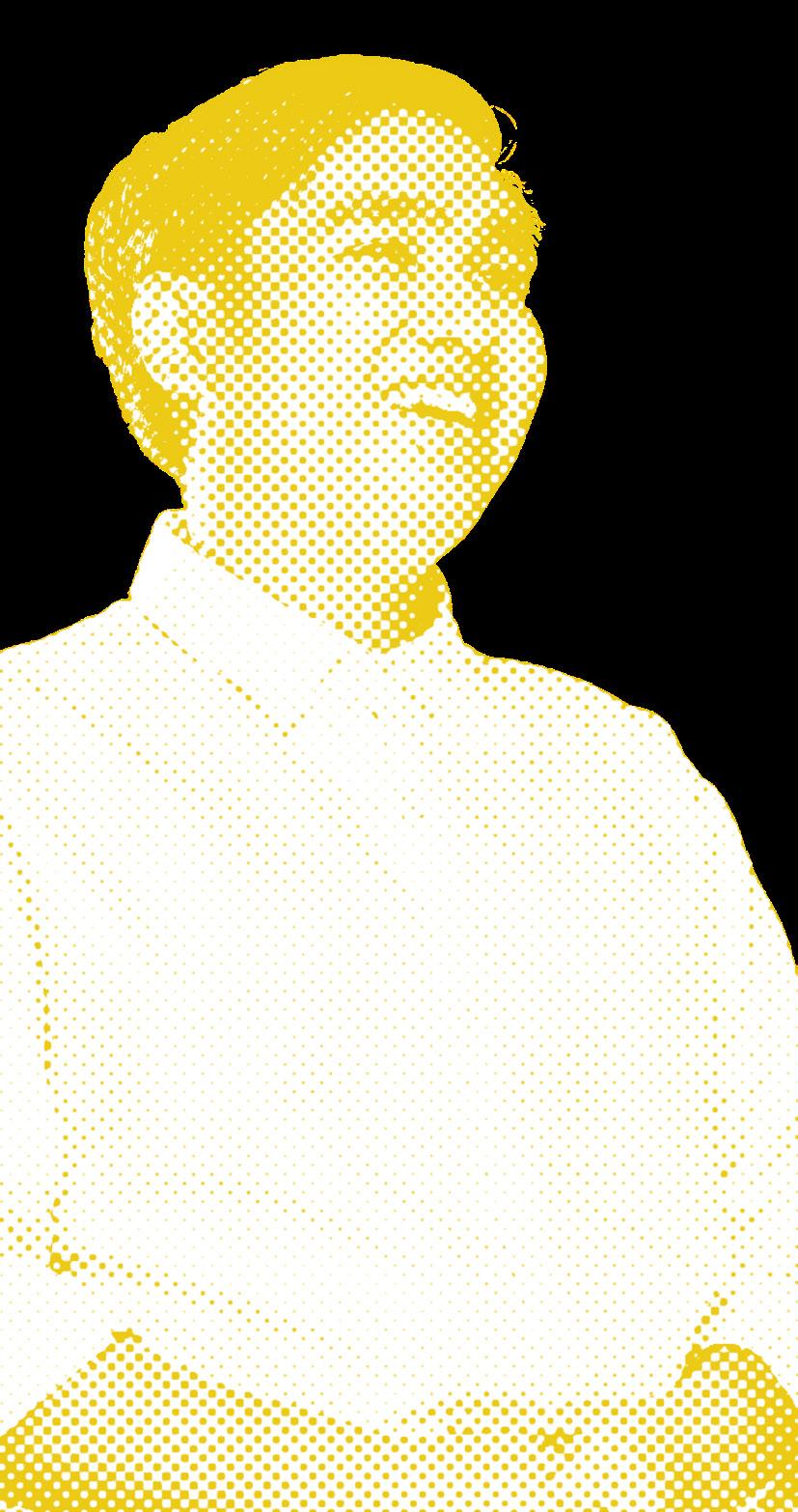
Lining their journey with the color of momentum and renewal, the Builders Party President Andre Gaviola and Vice President Jose Mari Dalisay rise, illuminating every UNO-Rian’s minds with a vision that is anchored on their BLOOM and Students First Agenda, which is committed to fostering a progressive community.
“We will establish regular, formal dialogues such as a semesterly StudentAdmin Forum to bridge the communication gap before issues escalate [...] by backing our grievances with concrete data and actionable proposals, we build trust and prove that we are equal partners in building UNORian excellence,” Gaviola said.
For the Vice President of the Builders, his advocacy emphasizes student welfare, creating initiatives that prioritize the quality of their lives and the university.
“I aim to help turn policies into real actions that benefit students. This includes building stronger systems within the student government together with Andre Gaviola to
by JEILLIANCE CLAIRE VILLARES and VALERIE GALE JAVELOSA

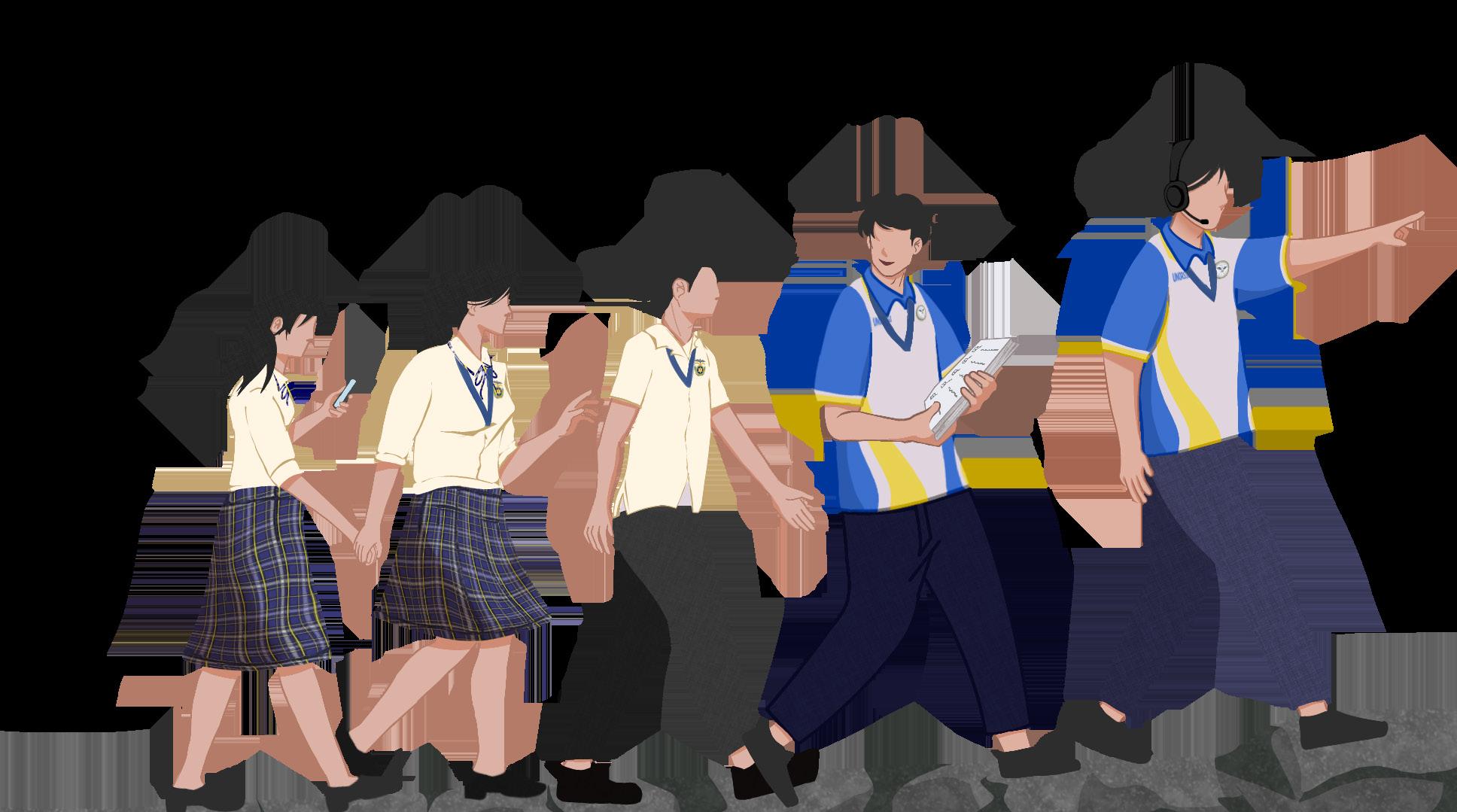
Across every corner of the campus, there are programs etched in purpose, uniting them with a symbol of progress that enlightens the student body, which signifies the nearing end of the academic year and the beginning of a new movement.
make governance more organized, efficient, and responsive to student needs,” Dalisay said.
Through their combined experiences and dedication, Gaviola and Dalisay wish to build visions for the people they serve, embodying the spirit of the BUILDERS that is driven by empathy, collaboration, and commitment to the UNO-Rian community.
BRIDGING
INCLUSION TO A NEW ERA
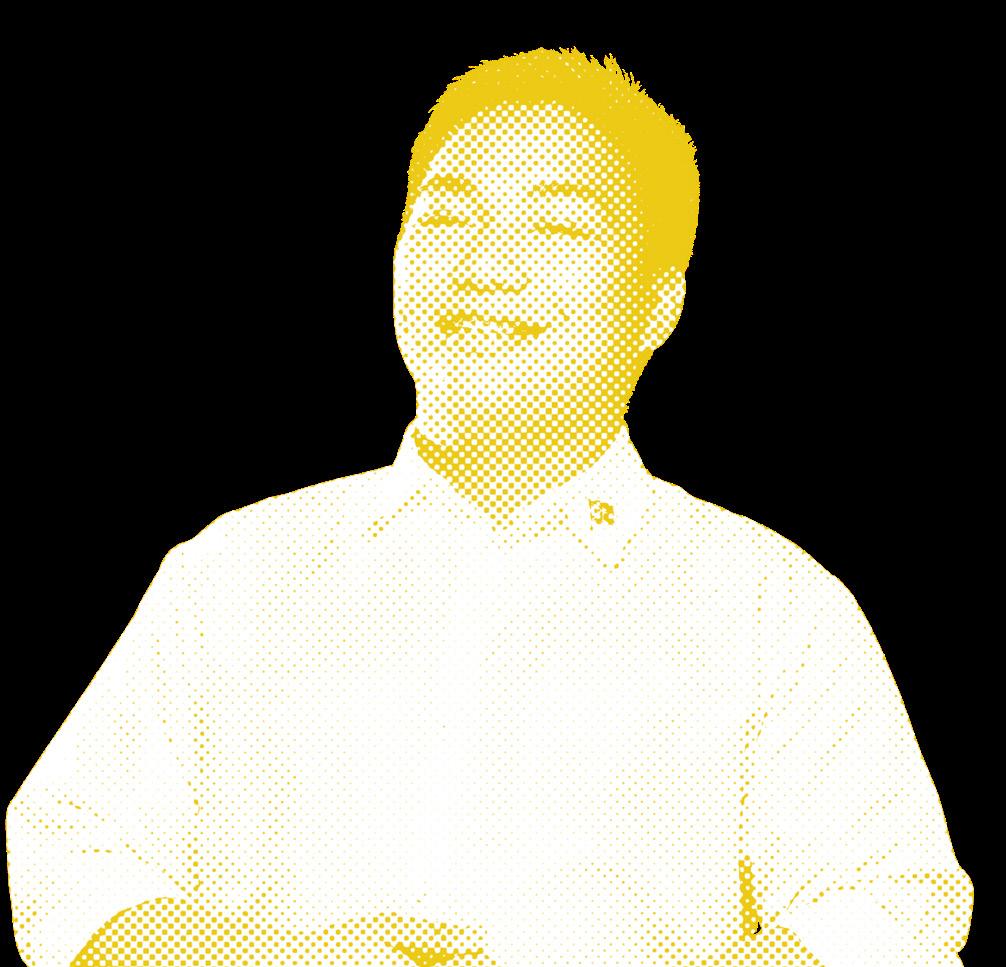
For forty years, CAUSA has served the student body with a commitment to building a community driven by an initiative to leap forward. CAUSA’s President Nelson III Lai was quick to distinguish his partylist’s platform, the CHAMPION agenda, from previous administrations, framing it as a shift toward more grounded and participatory governance.
“We are departing from the traditional student-leader approach and moving toward student-driven initiatives— championing the voices of the minority, including REED scholars, student assistants, and those who feel the SSG remains distant from their daily struggles,” Lai said.
This sentiment was echoed by Glady Mae Adeva, his vice-presidential running mate, who rejects the traditional notion of the Vice President as merely a “spare tire” drawing
from a lived understanding of marginalization; she emphasized that inclusion must be intentional and consistently practiced.
“I believe the role of the Vice President is to stand in shared responsibility with the President, strengthening the system and ensuring that transparency and visible action reach the students we are meant to serve,” Adeva said.
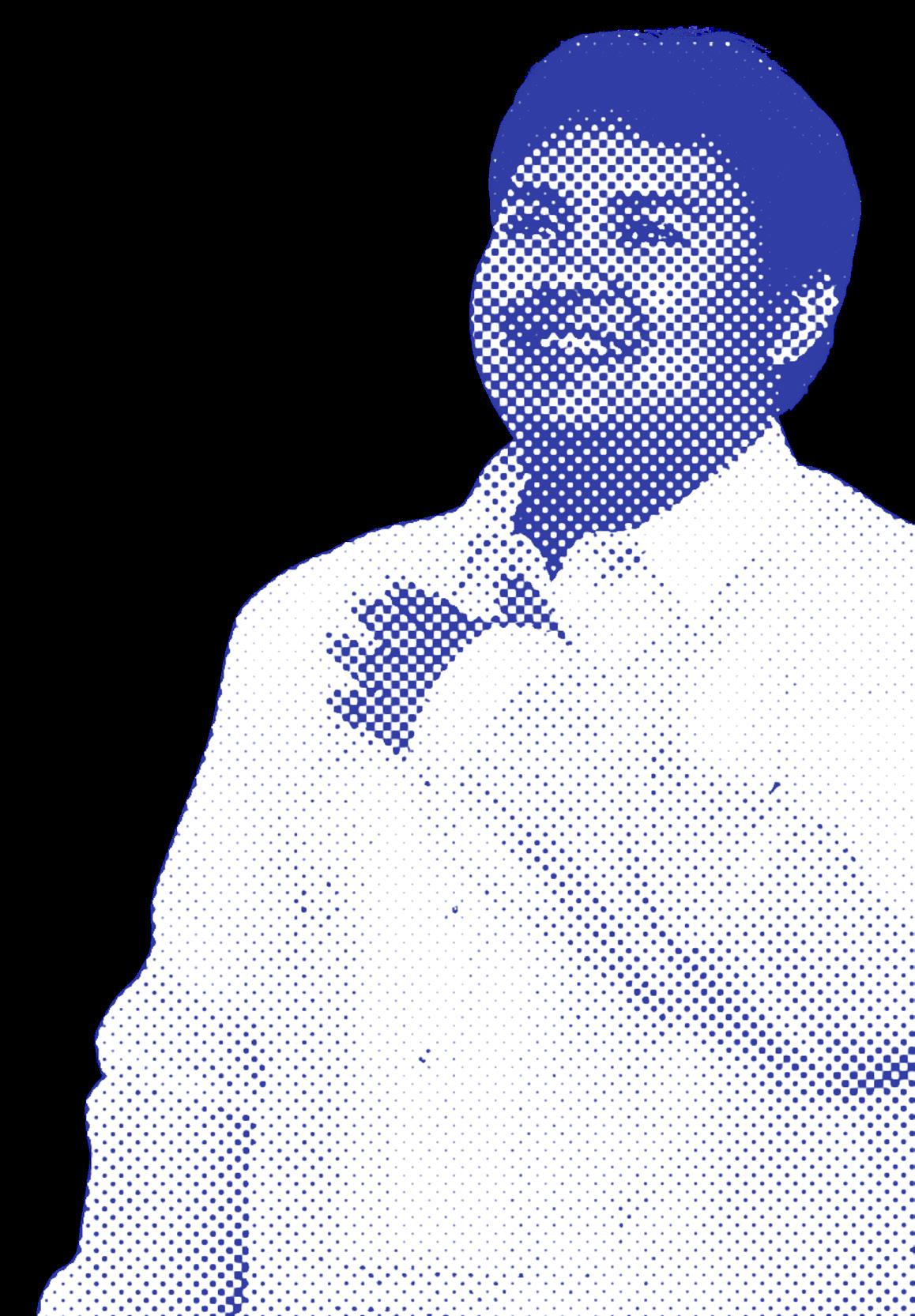
went beyond titles and positions and became one with the student body.
“If you are in the student leadership, it is not required to announce to the students that ‘This is my advocacy for my platform about transparency and accountability’ because once you are in a position, you are compulsory to have accountability, transparency, and the effort promised to all,” Lai said.
Another pivotal chapter in their campaign was written as Lai–Adeva tandem positions itself as a servant-leadership team, aiming to leave a legacy in which the SSG is no longer seen as a distant authority but as a partner who walks step by step with the student body.
EVOLVING THROUGH CREATED VISIONS
The corridors of the university once again echo with anticipation as the UNO-R Supreme Student Government elections draw near– a platform where ideas are tested, leadership is defined, and student inclusivity takes center stage.
“Leadership means serving the very people you promised to serve. To go beyond what is stated in your roles and responsibilities and to ensure that no one is left behind,” Gaviola said.
As Gaviola vies for the elections, he desires to be remembered as someone who
As the campaign season reaches its peak, the university stands at the threshold of another defining moment in its student governance journey as BUILDERS and CAUSA have both presented visions anchored in experience and advancement— redefining the notion that the elections are more than a contest of platforms, but a reflection of differing pathways toward the same goal: meaningful student representation.
The elections continue to serve as a reminder that leadership is ultimately shaped by the students it seeks to serve, and beyond the colors, names, and campaigns, what remains is the collective decision of the student body— one that will determine not just the next set of leaders, but the direction of student governance in the year ahead.
The 360 Degrees is the General Elections Special Newsletter of Tolentine Star, the Official Student Publication of the University of Negros Occidental - Recoletos, Inc.
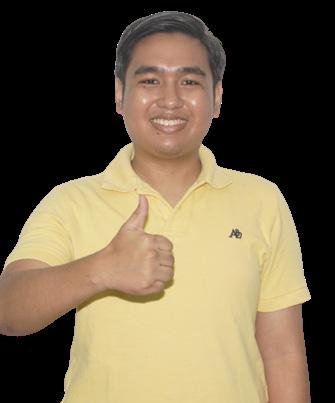
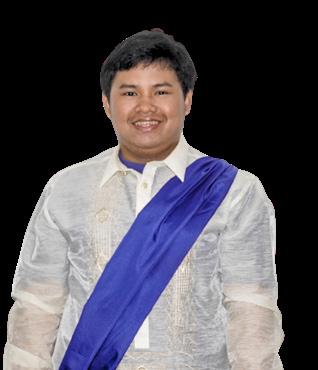
BUILDERS PARTY Senators
LILAC BARREDO
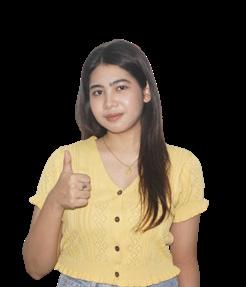
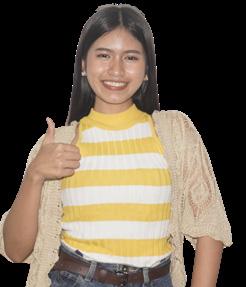
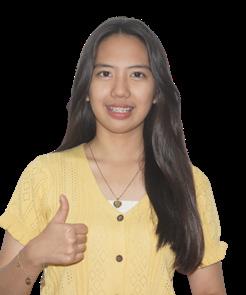
Executives
ANDRE LOUIS GAVIOLA
President
BUILDERS
Previous Position Vice President, UNORSSGO A.Y 2025-2026
Summa Virtus Award, Top Student Leader of the Student Government of the University of Negros Occidental-Recoletos Past Accomplishment
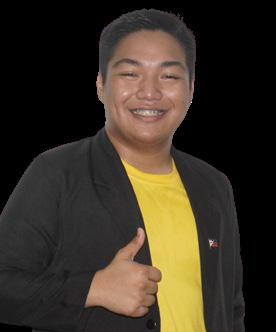
JOSE MARI DALISAY
BUILDERS Vice-President
Previous Position
Senate President, UNORSSGO A.Y. 2025-2026
Past Accomplishment
Main Author, Alternative Attendance Policies
BUILDERS Senator
Previous Position Secretary, Legislative Branch UNORSSGO Blue Ribbon Committee
Project Lead, UNORSSGO’s Stand Your Ground (Self-Defense) for Women’s Month Past Accomplishment
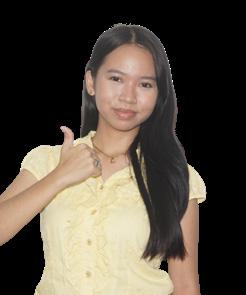
BUILDERS
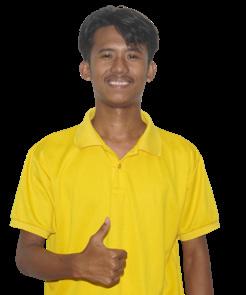
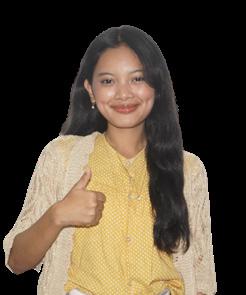
LEMWILYN BATOHANON
BUILDERS Senator
Previous Position
Two-term College Representative, College of Business and Accountancy
Co-author, UNORSSGO of the Block Master List under the Issues and Advocacies A.Y. 2024-2025 Past Accomplishment
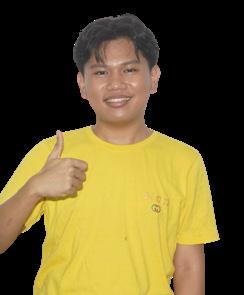
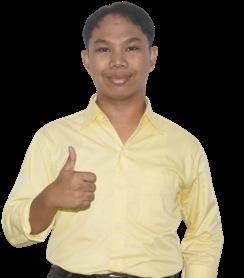
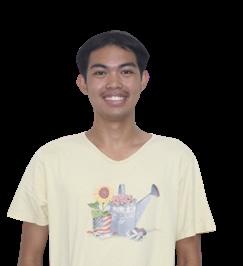
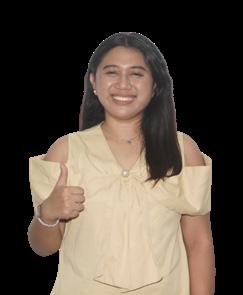
ARVEN JONN COLA
BUILDERS Senator
Previous Position House Speaker A.Y. 2024–2025
Co-Author, UNORSSGO Sectoral Support Program A.Y. 2025–2026 Past Accomplishment
TEAM CAUSA
Together Everyone Achieves More Consolidated Action of United Students for Advancement
Executives
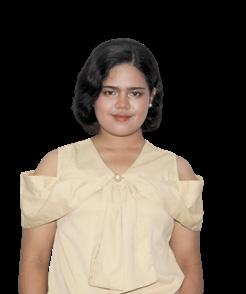
CAUSA President
Previous Position
Governor, College of Education A.Y. 2025-2026
Establishment
Senators
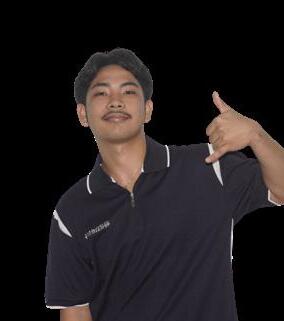
CAUSA
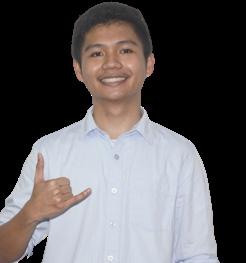
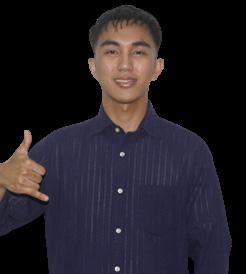
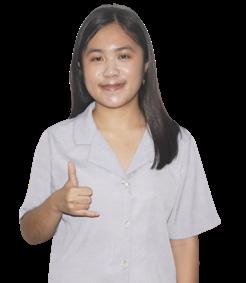
CAUSA
2nd Runner-Up, Edulympics Women’s Basketball Past Accomplishment NELSON III LAI
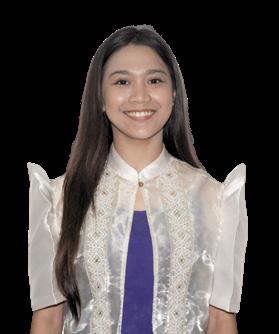
GLADY MAE ADEVA
CAUSA Vice-President
Previous Position
Outreach Program Head, College of Education Student Council
Champion, First UNO-R Beacon (2025) Past Accomplishment
Previous Position Incumbent Cabinet Secretary, UNORSSGO Department of External Affairs A.Y. 20252026
Past Accomplishment
Presenter, Exemplary Research Achievement, 7th International Josenian Research Summit (2025)
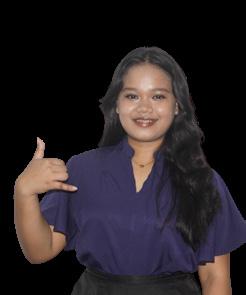
CAUSA
CAUSA
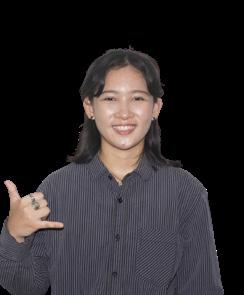
CAUSA
GEMORA
CAUSA
BUILDERS Executive President Andre Gaviola Main Platforms (BLOOM Agenda)
B - Building UNO-Rian Excellence
This initiative will focus on recognizing achievement and encouraging active participation. Through the Golden Ram Awards (University-Wide Excellence Awards) outstanding student leaders, artists, and athletes will be formally recognized for their achievements. Meanwhile, the UNORSSGO Attendance Reward System will motivate students to engage in official university town halls and events, in result, they will earn points redeemable for tangible rewards— such as academic supplies, exclusive merchandise, or priority lane access for student services.
O - Open Access to UNO-Rian Services

L - Lifting Every UNO-Rian Voice
This will focus on active listening, transparency, and representation. The student government will launch a regularly scheduled UNORSSGO Campus Conversation wherein the Executive Branch will have open-forum dialogues and conduct face-to-face visits across different colleges to hear grievances directly from the student body. The Legislative Transparency Portal program is a digital tracking system where students can monitor the progress of student congress resolutions, review approved budgets, and submit their own policy proposals.
This platform will focus on streamlining assistance and prioritizing student needs. The UNO-Rian Digital Portal will serve as a centralized platform that allows UNORians to easily apply for financial assistance, track their academic subsidies, and manage service requests online. Moreover, the UNORSSGO Printing & Borrowing Services will be expanded, as the printing services will be heavily upgraded and the borrowing system will allow UNORians to easily check out essential, high-cost, or frequently needed academic items—such as laboratory gowns, Bibles, and calculators.

M - Making Sure No UNO-Rian is Left Behind
This platform highlights absolute inclusion and broader community integration. The Enhanced UNORSSGO Sectoral Support Program (USSP) will evolve into a more robust, incentive-based financial relief initiative, tailored for specific sectors within the UNO-Rian community. This improved program will offer a 20% subsidy to cover local college council fees, student organization dues, and other related expenses for working students, scholars, athletes, and persons with disabilites. Meanwhile, the Amplified Student Representation is a program wherein the concerns and queries of the marginalized and underrepresented groups on campus will have a direct, active voice in UNORSSGO’s decisions.
O - Opportunities for Every UNO-Rian
The main focus of this platform is showcasing fair access to resources, funding, and real-world upskilling. The program, UNO-Rian Development Grants, will provide funding for students that are conducting highly relevant academic research, community projects, or innovative campus initiatives. The findings and results of these studentled projects will then be utilized by the student government to draft better, data-driven campus policies. The next program, Recoleto Enterprise Fair, is a highly organized, semesterly campus market that will give the studententrepreneurs the platform to operate concessions and showcase their businesses.

CAUSA Executive President Nelson III

C – Community Engagement and Outreach
Implementation of the TEAM CAUSA Outreach Initiative & Adopt-a-Community Program, bringing medical missions, tutorials, mental health campaigns, and life skills training directly to communities. Through long-term support such as mentoring, feeding, clean-ups, and livelihood initiatives, the platform aims to develop student leaders who actively serve and uplift communities.
H – Holistic Academic Support
Establish an Academic Support Hub featuring notes and reviewer sharing platform, alongside a Peer-to-Peer Tutorial Program and Academic Subsidy. Free printing services and school supplies will also be provided to ensure that no student is left behind academically.


A – Arts, Culture, and Campus Life
Strengthen Culture, Arts, and Campus Events through festivals, showcases, and creative collaborations that highlight student talent. These initiatives aim to promote student expression, identity, and creativity, especially within UNO-R.
M – Meaningful Inclusivity Programs
Roll out Inclusivity Programs such as Sign Language and Braille seminars and the “A Day with Special Ones” celebration. These efforts aim to build a campus that is inclusive, respectful, and accessible to all.

P – Plant and Environmental Stewardship
Carry out Environmental Programs including tree planting, clean-ups, and sustainability campaigns. These initiatives aim to promote environmental awareness and responsibility among students.
I – Information and Digital Connectivity
Launching UNO-R Connect, a centralized platform for announcements, updates, and student services, ensuring that students remain informed, connected, and engaged through accessible digital systems.


O – Opportunities for Career Development
Organize the Recoleto Job Fair to provide job access, networking, and employment preparation. With support such as resume printing, 2x2 pictures, and career assistance, the platform aims to create real opportunities for student career growth.
N – Nurturing Student-Centered Development
Prioritize student-centered development by implementing programs based on student needs and feedback, ensuring inclusive participation across all sectors. Through continuous academic, personal, and professional support, the platform aims to ensure every initiative is responsive, inclusive, and centered on student success.

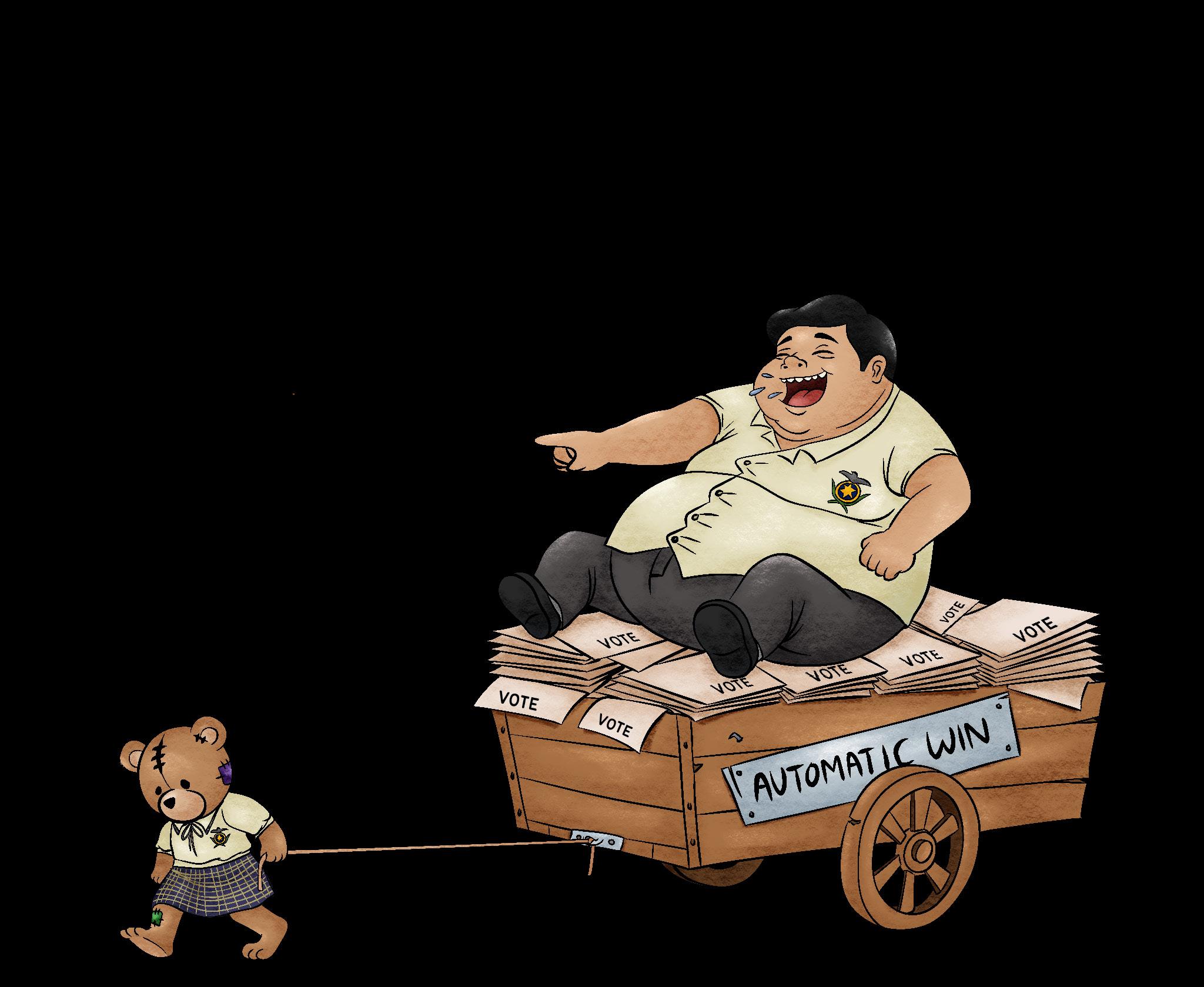
Somewhere along the way, serving stopped being something students aspired to, as positions are left unfilled and students slowly disengage from leadership and governance. If the numbers do not concern you, then what will?
In the 2025 elections, 54 electoral positions were not filled, and this year, 43 remain unfilled. While there is a slight increase in filled positions, the difference is not significant enough to signal progress, but rather reflects a pattern of consistently low participation that continues to persist year after year.
The student government is no easy environment, yet it remains a vital space for developing leadership and accountability, where leaders are expected to create an organized and inclusive environment that ensures every student is seen and heard. However, when elections result in unfilled positions, the system itself begins to weaken, as students are left without real choices. Political parties may present complete slates, but this raises a necessary question: are these candidates selected based on competence and readiness, or are they simply placed to fill every position and present the illusion of completeness? In this case, leadership risks becoming performative, a familiar pattern where intentions are stated but not consistently reflected in action.
This situation raises deeper concerns regarding legitimacy and process, particularly when a position is unopposed—does the candidate automatically win, and does the absence of opposition equate to genuine support from the student body? More importantly, what serves as the threshold for validating these wins, and is the 50% + 1 vote requirement still applied in such cases? The omnibus code exists for a reason, and it should not only be revisited but strictly followed, as elections lose their purpose when outcomes appear predetermined rather than earned through genuine participation.
Concerns on transparency further complicate the issue, especially when vote counts are not made visible to students and results are announced without detailed breakdowns, leaving only final declarations that cannot be
When Leadership is Left Unchallenged tsasks
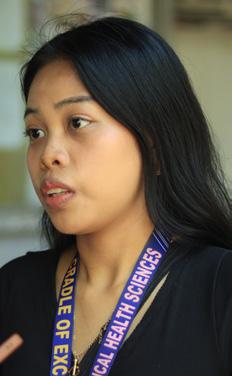
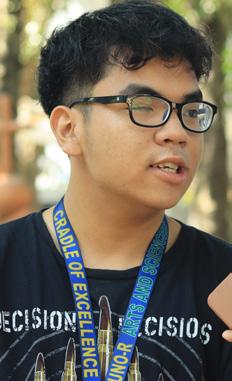
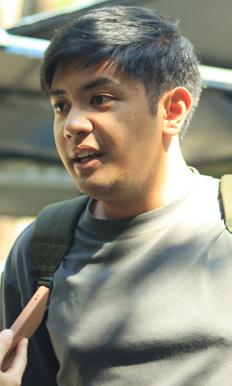
What traits are you looking for in the candidates?
independently assessed. This has been an ongoing concern, particularly after the pandemic, and without transparency, student elections risk becoming processes that rely on assumption rather than accountability.
Student government should prioritize quality, ensuring that it exists not only in form but in action, as the absence of genuine leadership discourages participation and gradually erodes student interest in governance. When students no longer see value in engaging, the cycle of disengagement continues, leaving positions filled but lacking the trust and confidence of those they are meant to represent. We are not asking for a perfect government, but for one that demonstrates passion, drive, and a clear commitment to service.
This is a call for students to engage, to participate, and to question their leaders, recognizing that these individuals will represent them throughout their stay in the university, and that choosing leaders should go beyond mere presence to actual performance. At the same time, the Commission on Elections (COMELEC) must uphold its responsibility by thoroughly scrutinizing candidates and maintaining vigilance over the
“The traits I looked for in the candidates are being a positive influence to every UNO-Rian and having effective communication skills.”
electoral process, as students place their trust in its ability to ensure fairness, credibility, and accountability. This calls for a more proactive approach reviewing policies, enforcing standards, and remaining firm in its mandate.
With 182 positions open and only 139 filled, the numbers alone reveal a system that is functioning in form but not fully in substance, and while positions may be occupied, the question remains, are they truly earned, and do they genuinely reflect the will of the student body? This is not merely a competition, but a responsibility that directly impacts the collective welfare of every student.
“For
“For me, the most important traits a candidate for the student council should have are responsibility and discipline. A responsible candidate can be trusted to fulfill their duties and represent the concerns of the students properly without bias. “
TOLENTINESTAR
“I follow through with the updates the parties post on the possible policies each candidate proposes, and it gives me an idea as to which candidates fit the traits I already prefer in mind. Charismatic, down to earth, can connect with the students they represent, on the political side, headstrong, realistic, and carries an air of pragmatism.”
ELIXY KHIEL TURLA
2nd Year BS Accountancy
“[We need] a strong candidate who needs a balance of clear vision and the ability to execute. It’s not just about having great ideas, but having the collaborative skills to lead a team and turn those ideas into reality. I’m looking for proactive leaders who know how to adapt, work with different groups in the university, and actually get things done.”
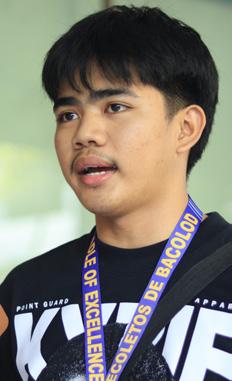
“I’m
KARL JOHNSON DEQUIÑA
1st Year BS Information Technology
“As a voter, I am looking for a candidate who is responsible and consistent, not only during the campaign. We want someone who knows to listen to the students and are approachable, not the ones who are hard to reach out to, also someone who has a clear and realistic plan. For me, actions and fairness are far more important than popularity.”


TRISHA MARIE BANDADA
ALEZA LOURDS ROBLES
CHRISTIAN GABRIEL UMADHAY
ZEDREK DALOPE
GERALD

May ara bala kamo gusto ipabutyag nga mga hinaing?
Oras na para matilawan nila ang sapnot nga hanot sang...

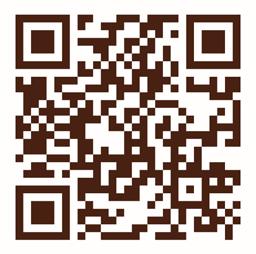
I-skan ang QR code ukon magpdala sang inyo mga mensahe pamaagi sa E-mail agud mahamtang sa sunod nga isyu.
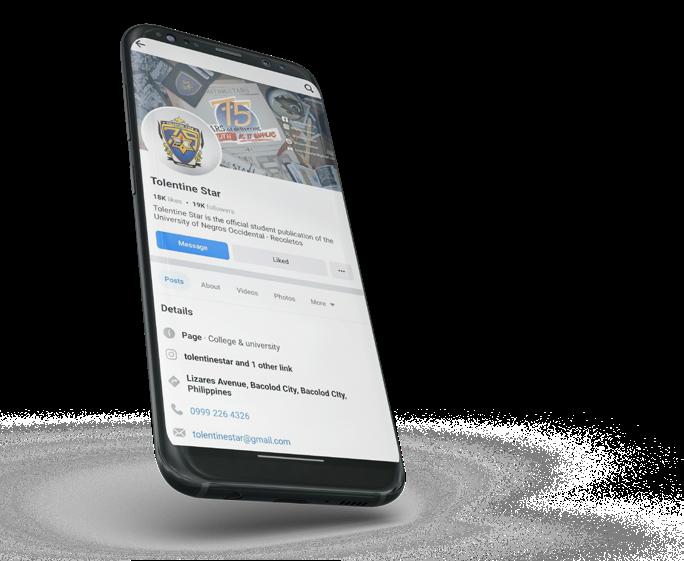
tolentinestar.buckle@gmail.com

Selective Visibility?
May mga student leaders gid ya nga visibility on demand noh? Pagwapa/gwapo galore lang, pakita lang kung scheduled appearances and major announcements.
ARTISTA YARN? Maybe true or maybe not, pero sana hindi trew kasi nakaka disappoint naman kung ganorn
Flopchella sa unorella
HEAR ME OUT. is it just me or FLOPTROPICA sang mga events this 2nd sem? there‘s always smthng nga gakatabo that turn the whole event down and it‘s honestly sooo disappointing considering ano ka dako sang mga org nga ga handle.

Daw ka un-snappy sang comelec
observation lang huh! but kadamo sg concerns wd comelec. and there presence is not felt sa totoo lg. also, kadamo concerns ka candidates pro need pa icall out before mag action. ano gd role ka comelec mn? do they have an event solely for the students to get to know the candidates? talagang never felt them this year hayzss
If you squint, It’s Leadership
Ychan766k
Ari naman ta sa pa bulag bulag sa palpak nga administrasyon. Credit grabber? Classic. Accountability? Optional. Kay kun wala gina call out sa post, as if wala lang natabo.


What programs can aspiring student leaders accomplish within 100 days?
BUILDERS Party
Launch of the UNO-Rian Digital Portal: A centralized online platform moving the UNORSSGO away from tedious paperwork, allowing UNORians to easily apply for financial assistance, track their academic subsidies, and manage service requests online.
Establishment of The Legislative Transparency Portal: A digital tracking system where students can monitor the progress of student congress resolutions, review approved budgets, and submit their own policy proposals to ensure absolute financial and legislative accountability.
Rollout of the UNORSSGO Attendance Reward System: A structured, points-based incentive program where students earn points redeemable for tangible rewards—such as academic supplies, exclusive merchandise, and priority lane access for student services—by actively engaging in official university town halls and events.
Team CAUSA
Policy Review and System Audit: A comprehensive review of existing and past policies to determine which initiatives remain effective and which require revisions or replacement— ensuring that governance is grounded in relevance, efficiency, and continuity.
Student Needs Analysis Survey: A data-driven consultation process through surveys and feedback mechanisms to accurately identify student concerns, priorities, and expectations–guiding all major decisions based on actual student needs rather than assumptions.
Completion of Government structure: Filling of all necessary positions across the executive, legislative, and judicial branches of UNORSSGO to ensure a fully functional, coordinated, and responsive student government system.
Finalization of the annual activity roadmap: Development and release of a clear, year-long calendar of programs and initiatives aligned with student priorities, providing transparency, and allowing the student body to anticipate and engage with upcoming planned activities.
Activation of core campaign platforms: Full rollout and initial implementation of key campaign promises, supported by defined timelines and measurable targets to ensure visible and trackable progress within the first 100 days.
Operational efficiency and visibility: Establishment of a working, organized, and proactive student government–where processes are streamlined, communication is consistent, and students can clearly feel the presence and impact of leadership.
Rooted in Service, Driven by Change
by JEILLIANCE CLAIRE VILLARES
The student government leads with minds filled with persistence and determination, pursuing their path in influencing the spirit of the university. As we walk through the gates, the impact left by these student leaders cannot only be seen in the corners of the halls and the vastness of the campus, but it also exists in every stride of the students, carrying the same dedication their leaders had. The UNO-R Supreme Student Government (UNORSSGO)’s foundation is centered around being the builders that connect every student, symbolizing real unity.
As the academic year nears its end, their legacy from their Level Up agenda extends far beyond the achievements they received, rooted in the deep influence they have on students and the promise they hold for the future UNORians.
More than anything, their goal of fostering a progressive campus and a reformed student body is reflected not only in the programs they built but also in the lasting influence of their actions and impact on the university.
CREATING CHANGE THROUGH INCLUSIVITY
Serving the people is often accompanied by immense pressure, yet for incumbent President Zoe Clarisse Limson, together with her team, is driven by a shared vision to elevate the student experience beyond the ordinary. While previous programs had already brought plenty of benefits to the students, that alone did not stop them from seeking out new opportunities to strengthen the school’s foundation in terms of inclusivity, innovation, and impact.
“While starting something new is always a great addition, we were equally motivated to improve and build on what previous administrations had already started, with more grit and vigor.
[..] If we were able to make students feel more heard and more connected, then I believe that’s where our real impact lies,” Limson said.
The student government addresses the needs of the students by relying on their direct engagement, feedback from previous activities, and coordination with different departments and
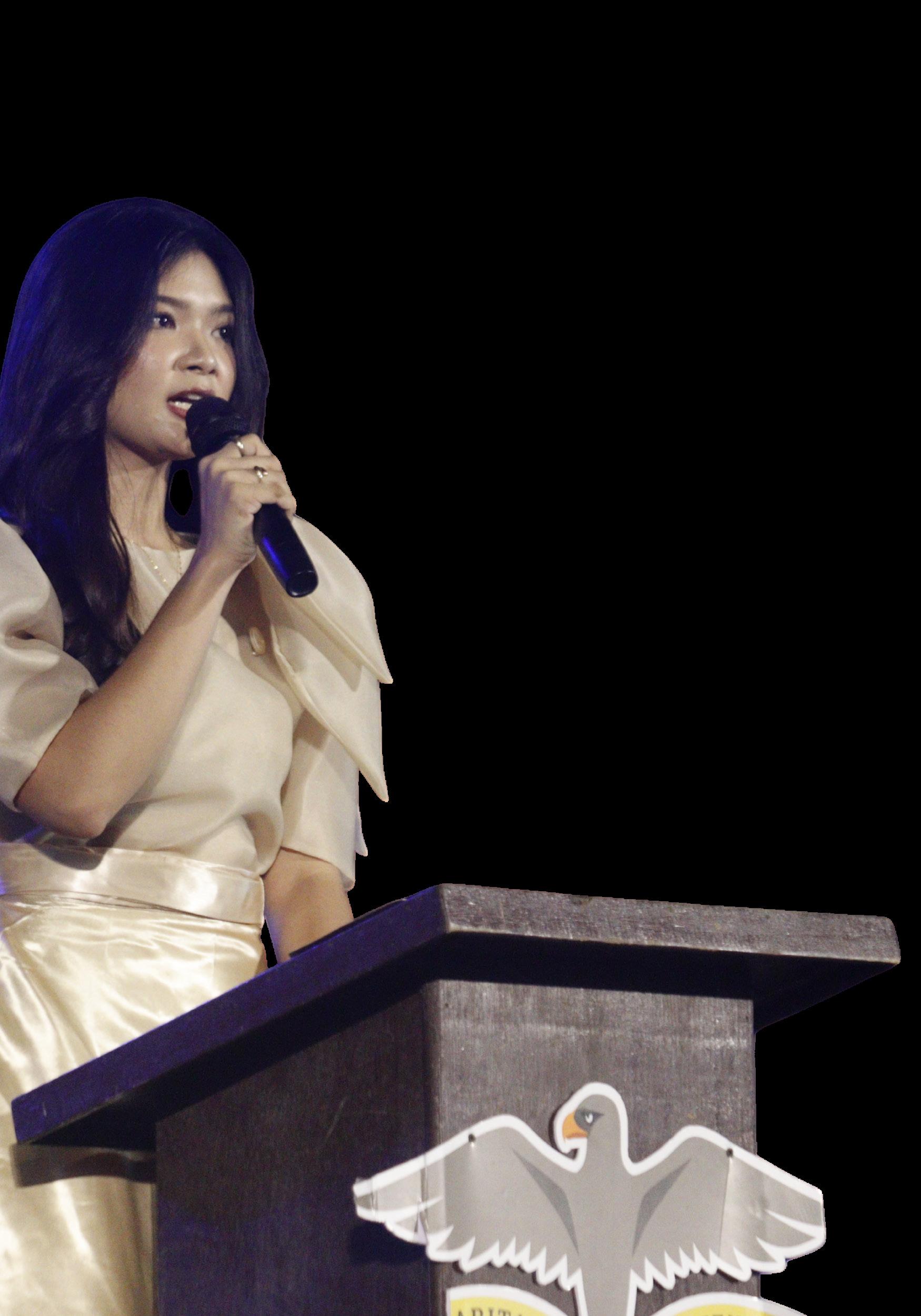
I personally found that some of the most honest insights come from those unfiltered moments. We paid attention to recurring concerns, and from there, we built initiatives that directly responded to those needs,”
organizations. Receiving some of the informal feedback was crucial for them and their future visions, as it revealed concerns that are far more direct than formal feedback channels cannot capture.
“I personally found that some of the most honest insights come from those unfiltered moments. We paid attention to recurring concerns, and from there, we built initiatives that directly responded to those needs,” Limson added.
By listening to the concerns of the students and faculty, the UNORSSGO was able to deliver well-executed programs and initiatives that helped build a more connected, engaged, and empowered student body. Their constant efforts revealed their strong dedication to improving the lives of the students and fostering the growth of the institution. Each program they envisioned and unveiled to the students carried their unwavering commitment to their work as student leaders.
LEADING WITH ZEAL
True student leaders must embody optimism and thrive on their ambition in both their role and service. For Chief of Staff Shenji Dojillo, he and his team embody it all. His driving force with his fellow members is guiding the students forward with a mindset rooted in growth and understanding. Embodying these traits as student leaders, their goals are continuously achieved with a remarkable impact on their term and the community.
“The fire and drive for service are two things that I can personally present; it’s not just putting an idea out of the cloud, but it’s with every UNORSSGO officer, driving to do it wholeheartedly,” Dojillo said.
With each program completed and each stepping stone they crossed, they carried lessons that strengthened their team in creating ideas for the growth of the students. Their drive for excellence became the spark that pushed them to reach greater heights, not just for personal growth, but to become better leaders for the future of the community.
“To work with great minds creates bridges of not just creativity but with grit and hearing one
another’s opinions creates an environment where everyone seems to be persistent in doing things with greatness,” Dojillo emphasized.
Dojillo further shared a quote from a senior and a previous UNORSSGO President: “Always do things with good intentions”. Being a student leader requires grit, but above all, the quality they must always carry is kindness because leadership is not just a voluntary work but a promise to give and serve others.
BUILT THROUGH TENACITY
Throughout the countless programs and unwavering ideas of the executives, the occurrence of setbacks and challenges is inevitable. For Undersecretary of Sports Rodnel Gelvosa, despite the challenges they faced, they never backed down— instead, they conquered the challenges with grit, motivated by the thought of pouring their energy into being of service to the student body.
“With the help of my team, I was able to stay positive no matter what challenges came our way. We supported each other and always made sure to think positively and do our best in everything we did,”
Through their trust in one another and determination in delivering the best to the students, they persevere in every challenge. They fully believed that as a team, they were united with determination and perseverance. Each setback only strengthened their willpower, proving that to serve the students means facing these challenges with courage.
“Perseverance in leadership means not giving up, no matter how hard the challenges get. It is about continuing to stand firm, pushing forward, and doing everything you can to reach your goals even when things get tough,” Gelvosa shared.
Their resilience and determination in enduring the struggles they faced were one of the reasons for their passionate service. Through their teamwork and united ideas, they can persevere— turning obstacles into opportunities for growth. Together, the UNORSSGO proved that when passion and teamwork are woven together, no challenge is too great and no goal is too distant.
Their main foundation is not defined by their titles or positions but by their willingness to serve and uplift their fellow students, faculty, and even staff. Through their actions, they have proven that compassion lies at the heart of their leadership— showing up to listen and responding to the needs of the community. As they pass the torch to the next student leaders, the influence they had on the students will continue to echo in their minds.
In serving the student body, their act of service and steadfast commitment signifies that their journey in leadership exists as a reflection of the lives they influenced and the changes they ignited, ensuring a reformed era of
LASTING LEGACY. UNO-R Supreme Student Government Executive President
Zoe Clarrise Limson outlined her plans and programs for A.Y. 2025–2026 during the inauguration at the University Gymnasium on Aug. 23.
◘ photo by RHYZA GLEN FORNOLLES
Blue and gold do more than color the campus— they blend with the quiet friction of ideas, ambitions, and voices determined to be heard. Within the University of Negros OccidentalRecoletos, student governance unfolds beyond elections, revealing a narrative shaped by conviction and change. Here, leadership is never fixed— it evolves with every voice that dares to step forward.
At the heart of this narrative is not just what past leaders have done, but what they expect from those who follow. More than accomplishments, the principles they uphold shape the blueprint for future leaders. In tracing the paths of two former UNO-R Supreme Student Government (UNORSSGO) presidents—Charles Gabriel Gelotin and Dustin Veridiano—the story of school leadership unfolds as both a platform for service and a test of integrity, revealing how leadership in campus corridors mirrors political systems.
BRIDGE OVER ADVERSITY
Gelotin, who served as the UNORSSGO President from Academic Year 2020–2021 and 2021–2022, built his leadership from early beginnings shaped by experience and reflection. From classroom chairman in Grade 1 to holding key positions in school-wide elections, his journey evolved from personal motivations to a deeper understanding of responsibility.
During his term during the COVID-19 pandemic, Gelotin led initiatives that sustained student engagement and welfare amid the pandemic’s limitations. Programs such as the Student Affairs and Services Day and CARITAS Online Concert support charitable causes through accessible digital platforms. Through semestral open forums and curated activities, his administration also secured reduced fees, implemented academic breaks, and maintained student involvement through adaptive programming.
“In moments that truly matter— tuition fee increases, policy reforms, student welfare
graphics by CZARINA GAYLE CONSTANTINO
LEGACY IN ACTION
What Former UNORSSGO Presidents Expect from Tomorrow’s Leaders
by MELISSA GEQUILLANA
concerns—that’s where student leadership shows its real purpose. We are not here just to celebrate. We are here to represent, to question, and to fight when necessary,” Gelotin said.
His administration showed that the pandemic exposed inequalities and strained student resources. Recognizing this, they pushed for fee subsidies and organized negotiations. They also extended direct support by providing essential tools such as laptop tables, headsets, and hygiene kits to students in need.
“Not everyone gets the same solution, but everyone deserves to be heard and considered. We facilitated dialogues, opened spaces for feedback, and made sure that decisions were transparent,” Gelotin said.
For Gelotin, leadership underscored the need for tomorrow’s leaders to be more responsible by grounding their decisions in fairness and a deep understanding of diverse student realities. Through this, he set a standard for leadership that responds thoughtfully and responsibly to the complex concerns of the student body.
A PARADIGM SHIFT
Veridiano, who served as the UNORSSGO President from 2023–2024, navigated leadership through collaboration. Running as an independent candidate, he initially faced challenges but eventually fostered unity by prioritizing student service. Through open communication and trustbuilding, his administration strengthened its relationship with the university, positioning student leaders as both advocates and partners.
Initiatives such as the Recoleto Bazaar, Tuition Fee Subsidy, and Sine Recoleto Film Festival promoted entrepreneurship, accessibility, and creative expression among students. Additionally, policy reinforcements like uniform exemptions for working students and the provision of free menstrual sanitary napkins for the whole academic year
reflected a focus on inclusivity and everyday student needs.
“During our term, we focused on what students truly wanted and what the times demanded. That meant overhauling existing systems, introducing new initiatives, and reinforcing school policies that had been overlooked or lacked awareness,” Veridiano said.
Veridiano described political strategy as a necessary component of effective governance within the institutional system. At the same time, he maintained that empathy and genuine connection remained at the core of leadership.
“At its core, leadership is about putting yourself in the shoes of the students, understanding their needs, their struggles, and what they truly want,” Veridiano said.
For Veridiano, sustaining programs went beyond continuity— it reflected the need for tomorrow’s leaders to be more responsible in engaging with the student body and responding to their evolving needs. He emphasized listening while urging future leaders to ensure that both new and existing initiatives remain meaningful and accountable to those they serve.
REDEFINING STUDENT LEADERSHIP
Student government exists not for glamour and events alone. But in reality, it demands extensive policy work and negotiation behind the scenes. What appears as a joyous action is often backed by hours of dialogue, advocacy, and persistence in spaces where student voices must fight to be heard.
Both Gelotin and Veridiano showed that good governance in student leadership goes beyond visible accomplishments. For Gelotin, it represents a model of leadership that is both principled and adaptive.
“I hope to see leaders with foresight, who can come up with initiatives
and actions even before the problem arises. I hope they also embody the UNO-R core values of community and excellence. I am a firm believer that the heart of public service lies within the community,” Gelotin said.
Meanwhile, Veridiano envisions leaders who are committed, proactive, and grounded in both listening and action. He underscores the importance of going beyond minimum expectations and staying deeply connected to student realities. For him, leadership must always be anchored in relevance and responsiveness.
“Always listen to what students need and want, always go back to them. What matters is relevance. So when making decisions, always consult, engage, and listen to the students. Let their voices shape the direction, not just your assumptions. Leadership isn’t about deciding for students; it’s about deciding with them,” Veridiano said.
From Gelotin’s grassroots engagement to Veridiano’s structural focus, their leadership journeys reflect different approaches shaped by challenges. Despite these differences, both presidencies reveal a shared truth: student governance extends beyond position; it demands responsibility, influence, and accountability. Their legacies serve not only as records of achievement but as guiding frameworks for those who will take on the role next.
As new leaders step forward, they are challenged to redefine campus leadership through responsibility, empathy, and action rooted in student needs. The legacy they inherit is not a burden to carry, but a duty to elevate— through accountability, courage, and purposeful change that shapes a better future for all.