




by Walter F. Wheeler, 33°, Sovereign Grand Commander
This winter, I had the privilege of spending time with Brothers at two gatherings that, in different ways, speak to the enduring heart of our Scottish Rite experience: the meeting of our Ritual Committee and our Masters of the Rite online degree enrichment program.
At first glance, these two efforts may seem quite different. One is dedicated to the careful preservation and thoughtful refinement of our ritual. The other invites Brothers to return – to study, to reflect, and to experience our degrees anew. Yet both share a common purpose: ensuring that what we have

Brothers often say that our degrees do not change. And indeed, the variations are slight. They are the product of generations of resolute men who sought to communicate enduring truths through allegory, symbol, and dramatic presentation. The lessons they impart – our Core Values of Justice, Integrity, Reverence for God, Tolerance, Service to Humanity, and Devotion to Country – remain as relevant today as when they were first conferred.
But while the degrees themselves remain constant, we do not.
The value of our Rite is not measured solely in what is presented, but in what is received, and in how it is applied.
Each time we encounter them, we do so as different men than we were before. Life has a way of shaping us – through our successes and our failures, through the responsibilities we accept, and through the challenges we endure. These experiences inevitably influence how we receive and interpret the lessons of the Rite. What may once have seemed distant or abstract can, over time, become deeply personal.


What we may have overlooked in earlier years may later emerge with clarity and urgency.
This is one of the great and enduring strengths of the Scottish Rite. It is not an experience confined to a single moment in time, but a lifelong journey – one that invites us to return, to reflect, and to grow.
Yet returning requires something more of us, especially in the world in which we live today.
We live in an age that often rewards what is new, immediate, and fleeting. Commitments are easily made, and just as easily set aside. In such a climate, there is a quiet but meaningful virtue in choosing to remain. To stay engaged. To come back, not out of obligation, but with intention.
There is, in this sense, a certain courage required to stay. To remain a student of the Rite. To revisit its lessons. To allow them to challenge us once more.
Programs such as Thursday Night at the Rite, in person Reunions, and Masters of the Rite serve as an important reminder that our journey did not conclude once we became Sublime Princes. In many respects, it has only just begun. By revisiting our degrees and by engaging with them intentionally and with an open mind, we allow their teachings to take deeper root within us. We begin to see not only what the degrees teach, but why they matter.
In a similar way, the work of our Ritual Committee is not simply an exercise in preservation for its own sake. It is an act of stewardship and safeguarding meaning. In doing so, they ensure that what has been entrusted to us remains worthy of the time, attention, and reflection of those who will follow.
And for those who have the courage to stay, to return, and to reflect, that change becomes the very source of our Craft’s enduring power.
It is not an experience confined to a single moment in time, but a
lifelong journey.
There is a quiet but important truth in all of this: the value of our Rite is not measured solely in what is presented, but in what is received, and in how it is applied.
If we approach our degrees as something completed, something checked off and set aside, we risk missing their deeper purpose. But if we return to them willing to reflect, prepared to listen, and open to seeing with new eyes, we may find that they continue to guide and inform us in ways both subtle and profound.
The degrees do not change. But we do.
I sought for the greatness and genius of America in her commodious harbors and her ample rivers, and it was not there. I sought for the greatness and genius of America in her fertile fields and boundless forests, and it was not there […] I sought for the greatness and genius of America in her public school system and her institutions of learning, and it was not there. I sought for the greatness and genius of America in her democratic Congress and her matchless Constitution, and it was not there. Not until I went into the churches of America and heard her pulpits flame with righteousness did I understand the secret of her genius and power. America is great because she is good, and if America ever ceases to be good, she will cease to be great.
— Alexis de Toqueville
— Author Unknown
Iknow. We’re not supposed to discuss religion or politics. Yet the epigraph, misattributed to de Toqueville, clearly touches on both. I’ve always been somewhat of a loophole seeker, so we’re going to discuss a little religion and politics.
I do not plan to discuss Religion, but religion. The distinction being that I have no concern with how your spirituality is practiced. I am of the opinion that you should practice it in whatever way speaks to your soul to the end that, through its practice, you become a better person.
The ease with which we can share our feelings has led us to think we are doing something real to change the world.
The same holds true for the ensuing discussion of politics. I do not plan to opine on the veracity or validity of any party, platform, politician, prerogative, or anything else that begins with the letter p. I will focus instead on how we have become so sharply divided, and what we as Masons can do to change it.
I don’t have to tell you we’re living in a weird time. Even as we celebrate the 250th anniversary of the great experiment we call the United States, an event that should certainly (and hopefully will) bring us together, we’re at odds. How did we get here? How did we allow ourselves to become so extreme, so black-and-white in our thinking?
by PJ Roup, 33˚, Editor, Active for Pennsylvania
I blame the echo chamber.
Social media has two major flaws. First, it makes us feel like we must weigh in on every issue. I am certain that most of us over the age of 30 can remember a time when we didn’t know exactly how each of our friends felt about every issue, about every candidate, every book, actor, and movie. I pine for the mystique of not knowing (or caring) how my neighbor felt about House Bill Whatever.
The ease with which we can share our feelings has led us to think we are doing something real to change the world. Armchair advocacy has replaced actual activism. I mean, sure, I feel strongly about my cause, but not strong enough to get out and do something. Besides, look at all the validation I’m getting. Likes, shares, hearts, retweets! I’m changing the world and keeping up with the Kardashians at the same time. Which brings me (finally) to my point about the echo chamber.
If we talk of Brotherly Love in the lodge, we have to love our brothers (and sisters) outside of it.
All those little thumbs (up or down), hearts, angry faces, retweets, and shares tell us who is in our corner and who is our enemy. We know who will come to our aid if someone dares to offer an opinion that counters the one we are comfortable with. We know who will help us chase away those ugly people with alternative views. And once they leave, we have ourselves a safe space. A place where we can opine and have
We aren’t changing the world. We aren’t even changing minds.
the like-minded shower us with praise for our intelligence, wit, and ability to change the world with a simple post.
And there is the second flaw. We aren’t changing the world. We aren’t even changing minds. You remember that person you blocked for having the audacity to support the other candidate, and so you just couldn’t deal with them? They did the same thing to you for pretty much the same reason. Now the two of you are sitting at home preaching to your respective choirs, all the while becoming more polarized in your views and less tolerant of those who don’t share them. It is an unfortunate cycle.
When we learn to see the good in others, we bring out the best in ourselves.
How do we get out of this cycle? I told you I was going to talk religion, so here it is: Do as you would be done by. Every religion has some version of the Golden Rule. Love thy neighbor as thyself. Whatever is disagreeable to yourself, do not unto others. In short, don’t be a jerk. If you wouldn’t say it to a family member in person, don’t type it on Facebook or share it on X.
We, as Masons, should know this. If we talk of Brotherly Love in the lodge, we have to love our Brothers (and Sisters) outside of it. When we talk about Truth, we need to acknowledge that while there may only be one Truth, there are many truths (another upper-case/lowercase distinction) that are colored by our circumstances. The sooner we learn to
empathize with others, the sooner we will be on a path to goodness again.
As we celebrate this semiquincentennial, let’s commit to elevating ourselves, practicing compassion, living our American ideals. Love your neighbor. Metaphorically walk a mile in his shoes. None of us is perfect, so forgive shortcomings, seek the good, and do your best to understand. De Toqueville – or whoever actually said this – was right: America is great because she is good. When we learn to see the good in others, we bring out the best in ourselves. When we bring out the best in ourselves, it makes it easier for others to see it.
That’s a cycle worth falling into.
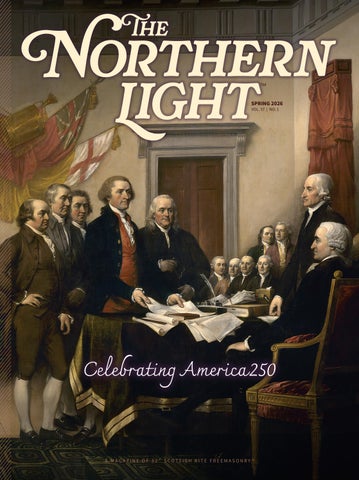
A magazine of 32˚ Scottish Rite Freemasonry Spring 2026 | Vol. 57 | No.1
SOVEREIGN GRAND COMMANDER
Walter F. Wheeler, 33°
EXECUTIVE
EDITOR
Linda R. Patch
EDITOR PJ Roup, 33°
CREATIVE DIRECTOR
Rodney E. Boyce, 33°
CONTENT MANAGER
Joann Williams-Hoxha
DIRECTOR OF DESIGN
Matt Blaisdell, 32°
COMMUNICATIONS COMMITTEE
Richard J. Powell, 33°, Chairman Donald M. Moran, 33° PJ Roup, 33° William E. Tienken, 33° Howard D. Turner, 33°
SUPREME COUNCIL, 33° Ancient Accepted Scottish Rite, Northern Masonic Jurisdiction, U.S.A.
THE NORTHERN LIGHT (ISSN 1088-4416) is published quarterly in the Spring, Summer, Fall, and Winter by the Supreme Council, 33°, Ancient Accepted Scottish Rite, Northern Masonic Jurisdiction, U.S.A., as the official publication. Printed in U.S.A. Periodicals postage paid at Boston, MA, and at additional mailing offices.
POSTMASTER
Send address changes to The Northern Light 33 Marrett Road, Lexington, MA 02421-5703
MAILING ADDRESS/EDITORIAL OFFICE The Northern Light 33 Marrett Road, Lexington, MA 02421-5703 phone: 781-862-4410 email: editor@srnmj.org
WEBSITE: www.ScottishRiteNMJ.org
@TNLMagazine
Copyright ©2026 by Trustees of the Supreme Council of the Ancient Accepted Scottish Rite of Freemasonry for the Northern Masonic Jurisdiction, U.S.A.
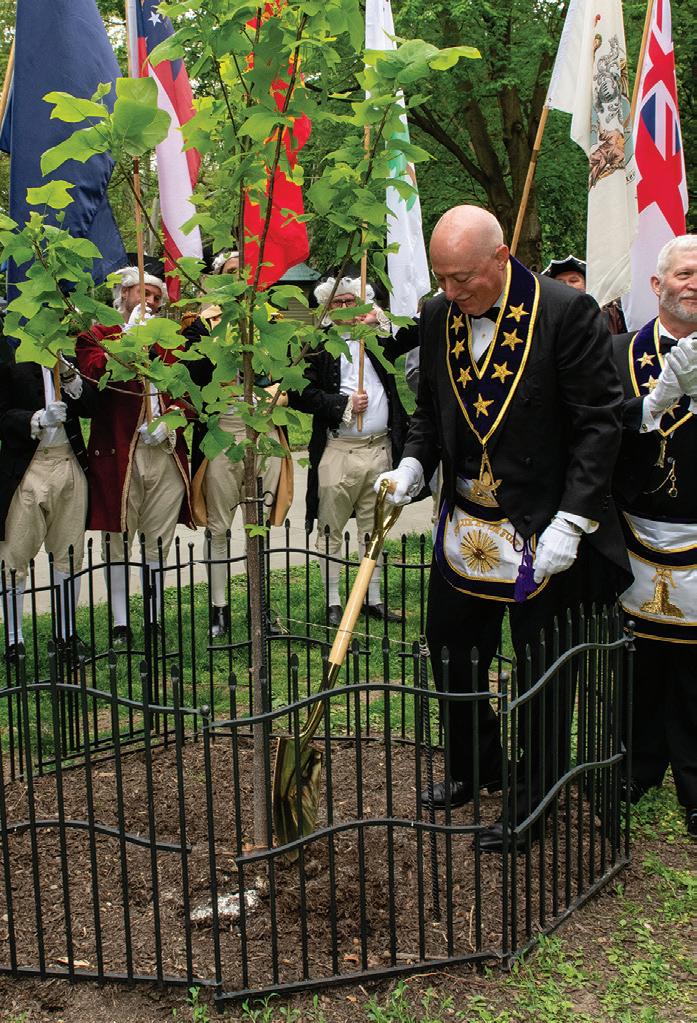
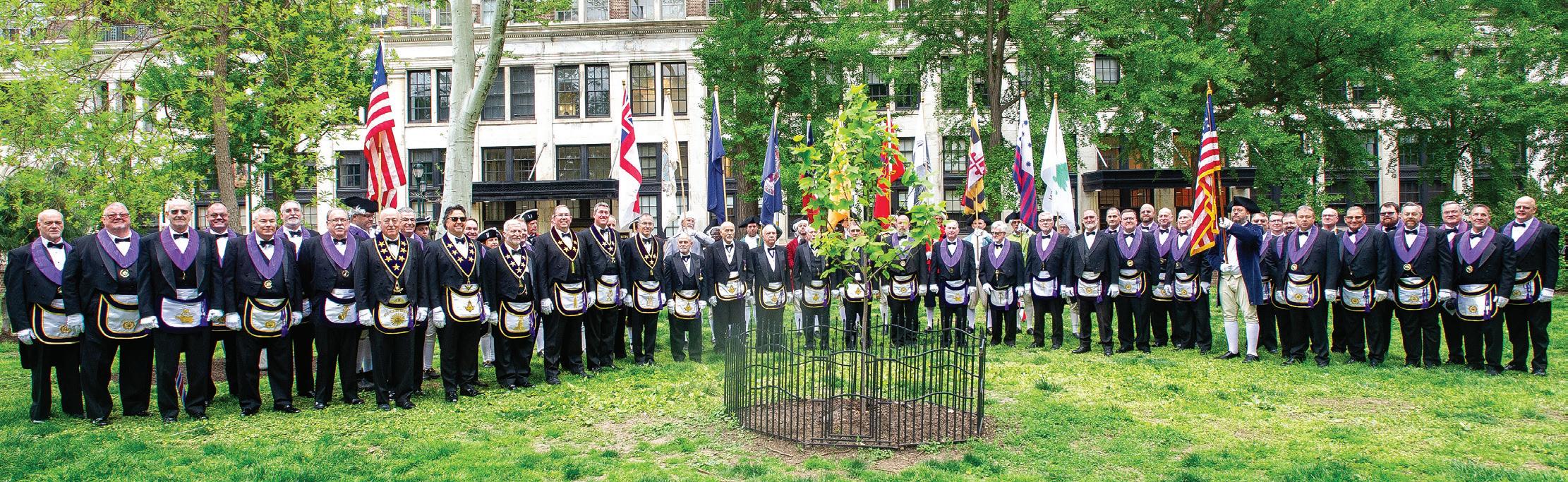
The Grand Lodge of Pennsylvania, in partnership with America250PA completed the task of planting and dedicating Liberty Trees in all 67 counties in the Commonwealth. Planted in areas significant to the counties and often having direct connections to the revolutionary period, these trees serve as living reminders of the sacrifices our forefathers took to secure our freedom.
In the years leading up to the American Revolution, large trees were used as meeting places for the “Sons of Liberty” throughout the 13 colonies, as their massive dense foliage provided cover from being easily spotted by the British. Under the limbs of these trees, soon to be known as Liberty Trees, American patriots gathered to devise their response to British tyranny. From their discussions, the seeds of revolution were sown.
The project was begun more than six years ago by then Right Worshipful Junior Grand Warden Robert Brink, 33°, with the permission of Grand Master Thomas Gamon, IV, 33°, to coincide with
Rob’s term as Grand Master during the Semiquincentennial. “We undertook this project as a way to preserve a piece of our colonial history, highlight the effect Freemasonry had on the formation of our country, and demonstrate our hope for the future,” said Brother Brink.
All 67 trees are descendants of the last surviving original Liberty Tree, a tulip poplar, which was destroyed by Hurricane Floyd in 1999.
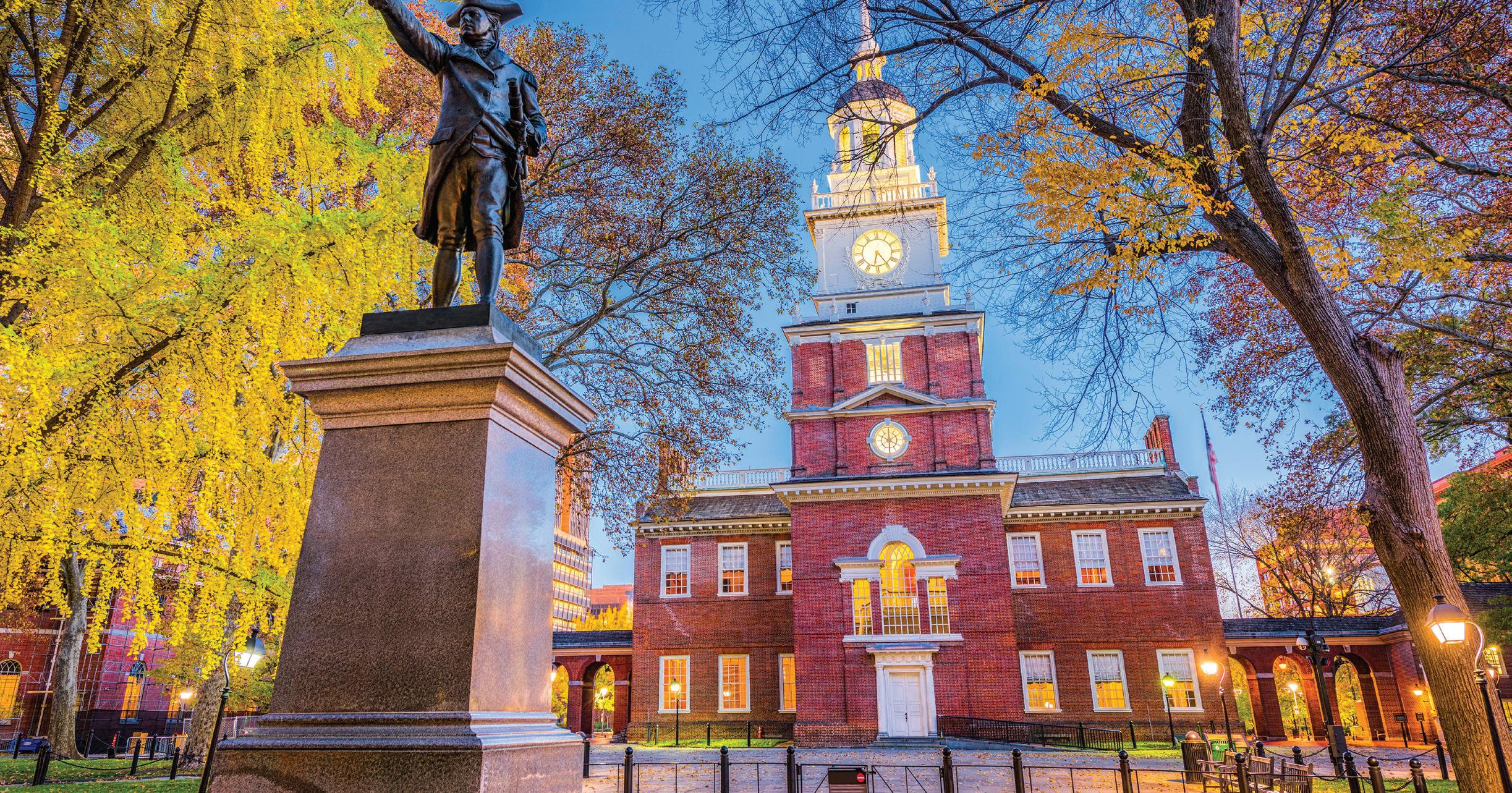
The first tree was planted in 2021, with the final tree dedicated last month in Washington Square Park in Philadelphia, just down the block from Independence Hall.
“These are fast-growing trees, and they get huge,” said Brink. “With any luck, a few years from now, this tree will stand here in the birthplace of freedom as an imposing reminder of the bravery of our founding fathers, as well as the parts that so many Freemasons played in the Revolution. We were founders then. We are leaders now.”
In 1775–1776, Colonel Henry Knox’s “Noble Train of Artillery” changed the course of the American Revolution –moving artillery over 300 miles from Fort Ticonderoga, New York, in the winter to secure Dorchester Heights and force the British evacuation of Boston. It remains one of the most remarkable feats of military logistics in American history.
Twohundred and fifty years later, Scottish Rite Masons chose not just to remember that moment – but to relive it in a way the public could see and feel.
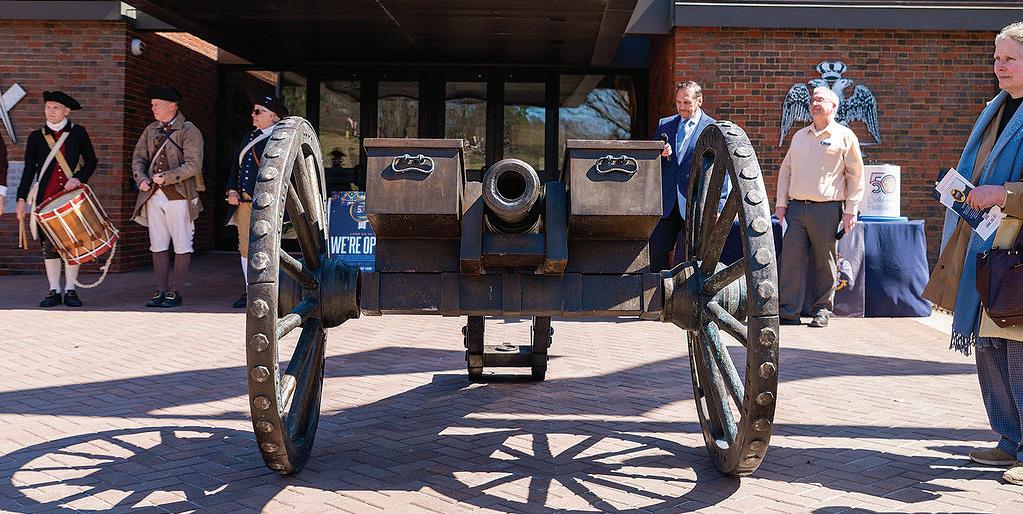
That vision began with Illustrious Brother George Hamilton, 91st Grand Master of Massachusetts and Scottish Rite Active Member. Under the leadership of Brothers John S. Mitchell, 32°, Chairman; James L. Holmes, 32°, Vice Chairman; Christopher Tourtellot, 32°, Colonel of Artillery; and Scott E. Tourtellot, 32°, Chaplain, the 250th Anniversary Committee and Noble Train of Artillery Cannoneers brought the vision to life.
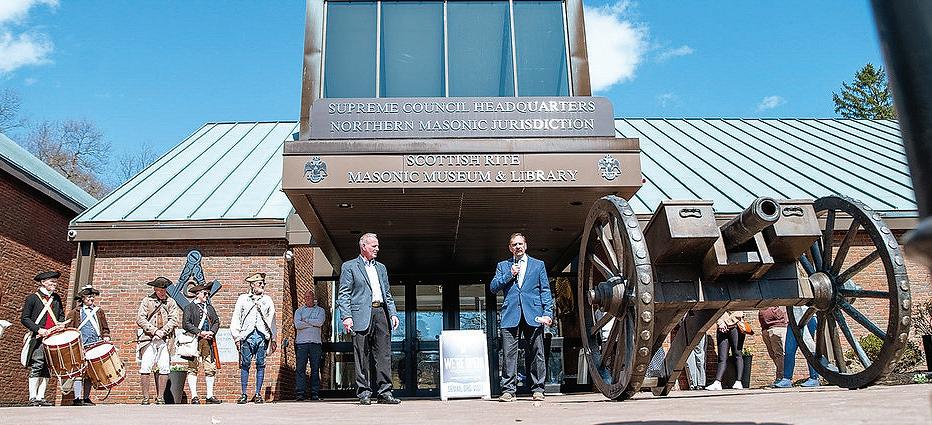
The Hamilton 250 journey retraced Knox’s route from Fort Ticonderoga to Dorchester Heights, culminating on March 17, 2026 – the 250th anniversary of the British evacuation of Boston.
But this was more than a reenactment.
Across more than 20 events and with over 40 partner organizations, our Brothers stood visibly in their communities—working alongside military units, historical groups,
civic leaders, and the public. At each stop, artillery was fired, history was interpreted, conversations were sparked, and brotherhood took its rightful place in the public square.
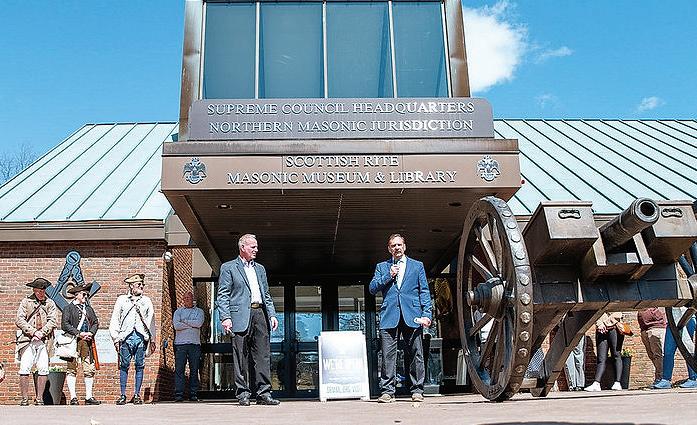
At the center of it all is the Hamilton 250 cannon, a modern symbol of that effort and of Knox’s original mission. On April 11, 2026, it was formally entrusted to the Scottish Rite Masonic Museum & Library, where it will stand as a permanent reminder that our work is not only to preserve history, but to engage with it, embody it, and share it.
Same men. Different times. Same purpose.

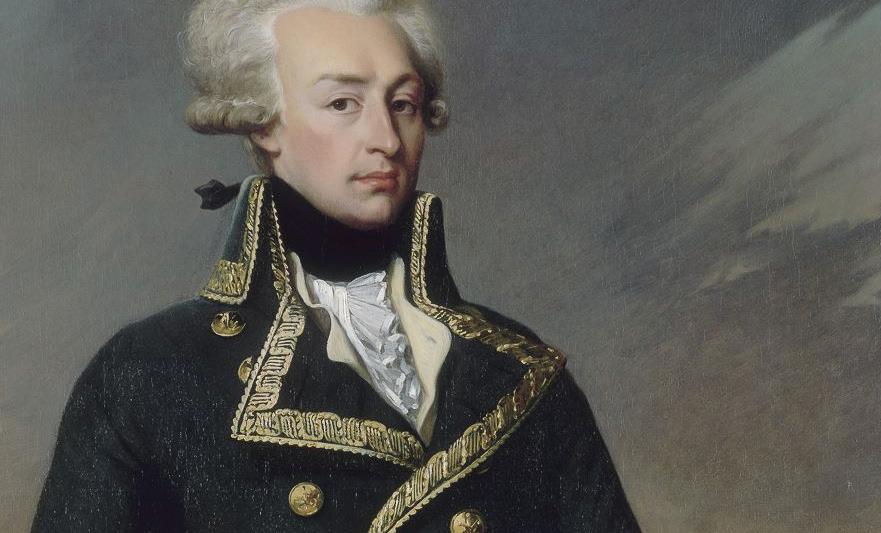
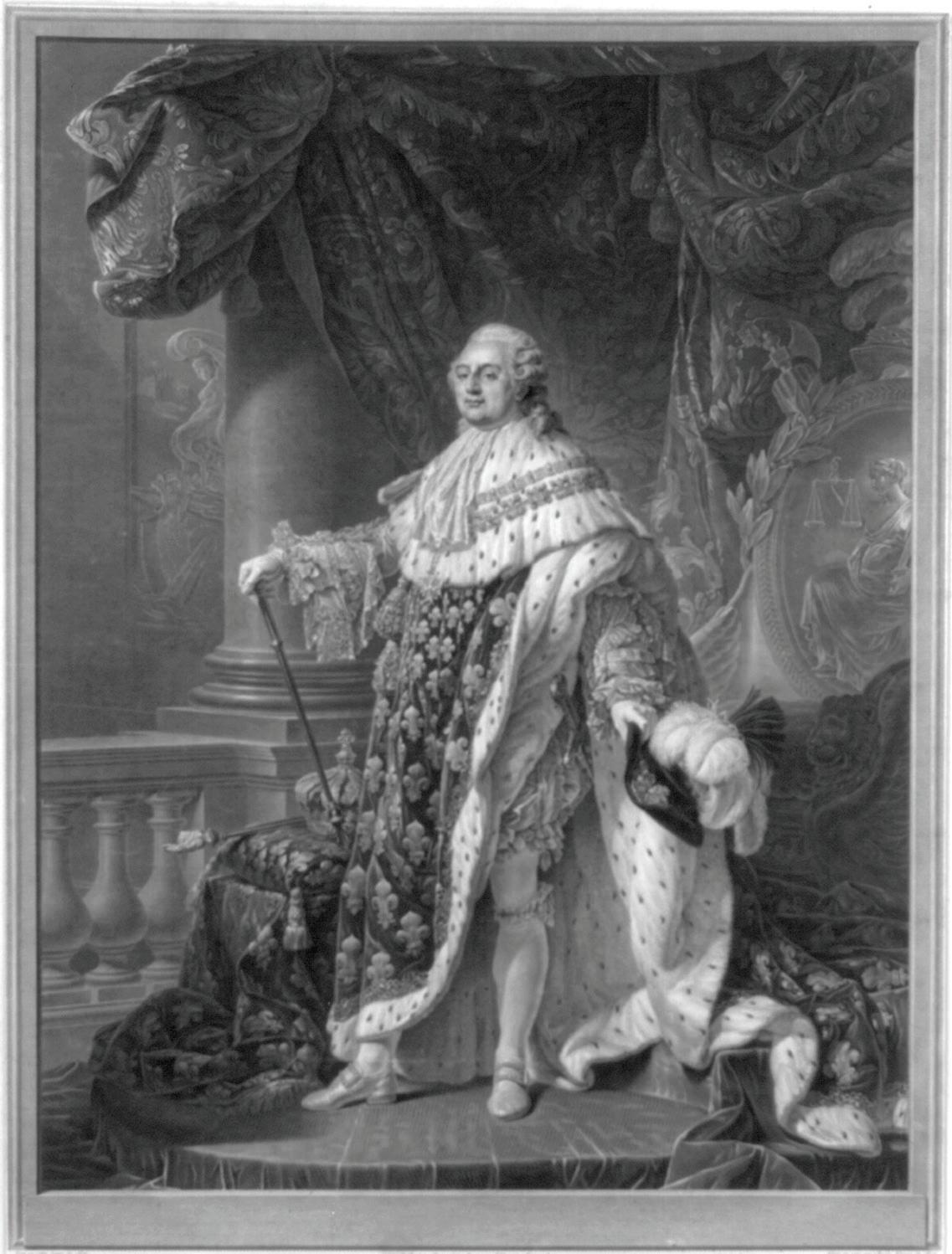
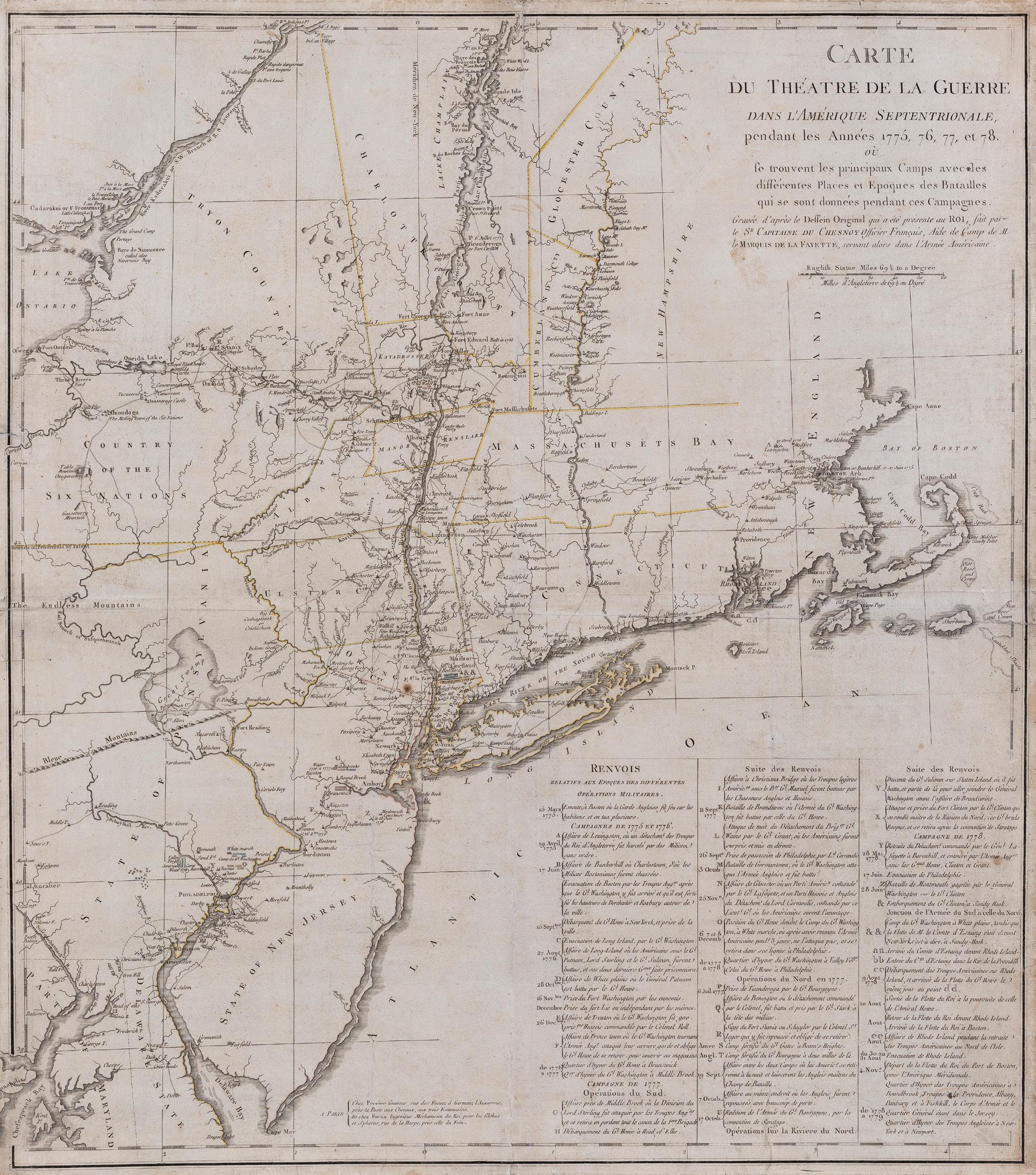
During the American Revolutionary War, from 1775 to 1783, to help satisfy public interest in the conflict, European publishers printed maps of major battles and important locations. One of Europe’s greatest supporters of the American cause, Gilbert du Motier, the Marquis de Lafayette (1757–1834), used a map created by a member of his staff to convince the French king to support the American cause. A printed version of this 1779 map is now on view in the Scottish Rite Masonic Museum & Library’s exhibition, Mapping Change in North America, 1755-1834.
Nineteen-year-old Lafayette sailed to South Carolina in 1777 to support the Americans in their war for independence against the wishes of King Louis XVI (1754-1793). Accompanying Lafayette on this
journey was experienced French cartographer Michel Captaine du Chesnoy (1746–1804). Now widely regarded as one of the finest mapmakers of his time, Chesnoy was a member of the French Royal Corps of Engineers,
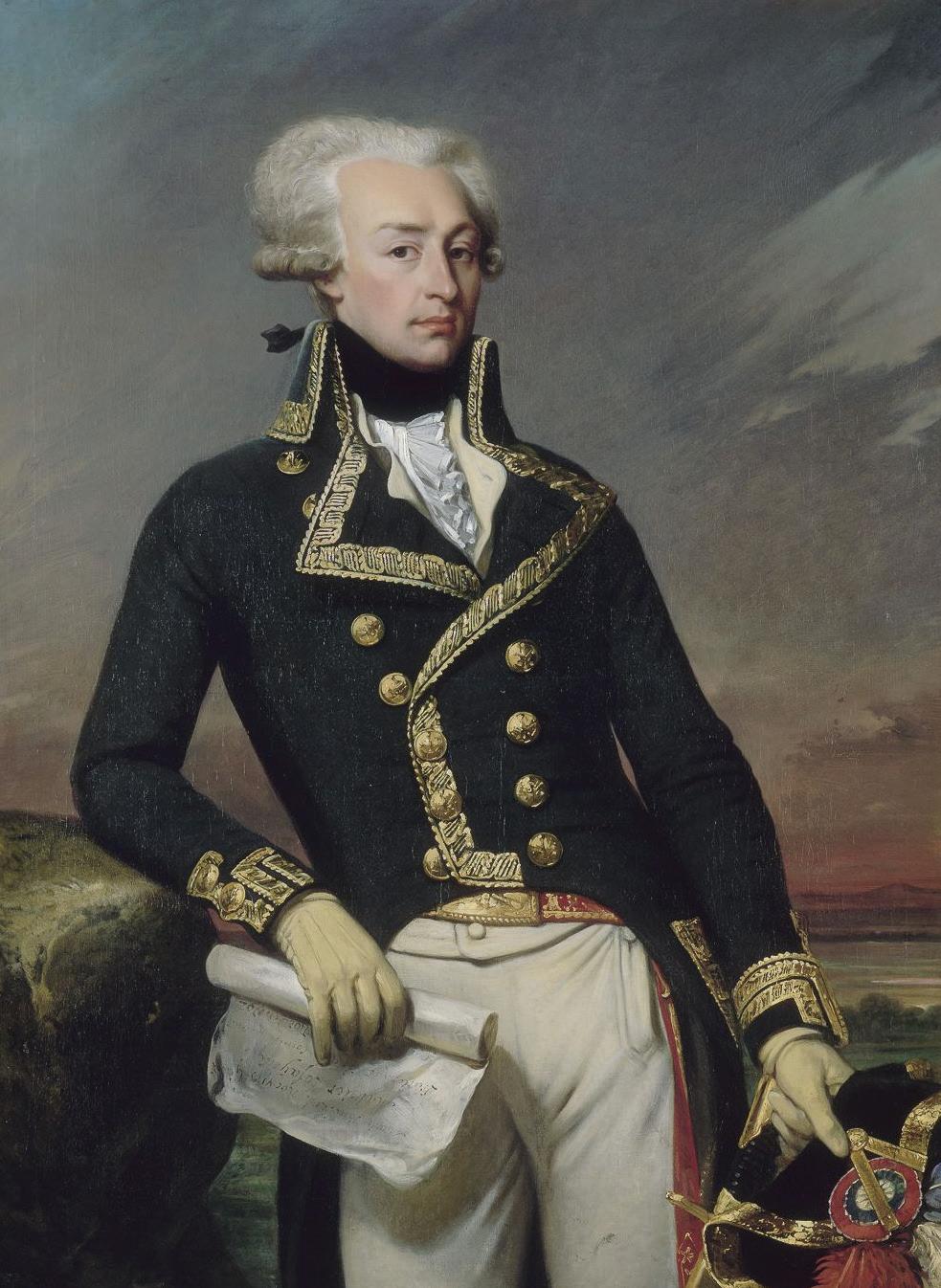
a branch of the military in which he honed his superior cartography skills.
In a July 1778 letter, Lafayette said of Chesnoy, “I will employ him to make plans of our positions and battle[s] for Washington, for me, and also for the king who will be glad to have an exact draft of Washington’s battles.” In the fall of 1778, Chesnoy sent copies of a few of his maps to Washington. Washington responded by thanking him “for the elegant plans…they appear to me to be executed with great accuracy and military intelligence—and will have a place among the papers on which I set a value.”
In the map, Chesnoy also included the LAFAYETTE’S
In January 1779, Lafayette and Chesnoy sailed back to France on a mission to request aid for the struggling Continental Army from the French government. In February, Lafayette met with French Minister of State Jean Frédéric Phélypeaux, Count of Maurepas, and Foreign Minister Charles Gravier, Count of Vergennes, to appeal for assistance for Washington and his troops.
That same month, King Louis, piqued that Lafayette had sailed to North America to join the fight against his wishes, put the young nobleman on house arrest at Lafayette’s grandfather’s home for about a week. After Lafayette apologized to Louis, they resumed cordial relations. Lafayette visited Versailles often in the spring of 1779.
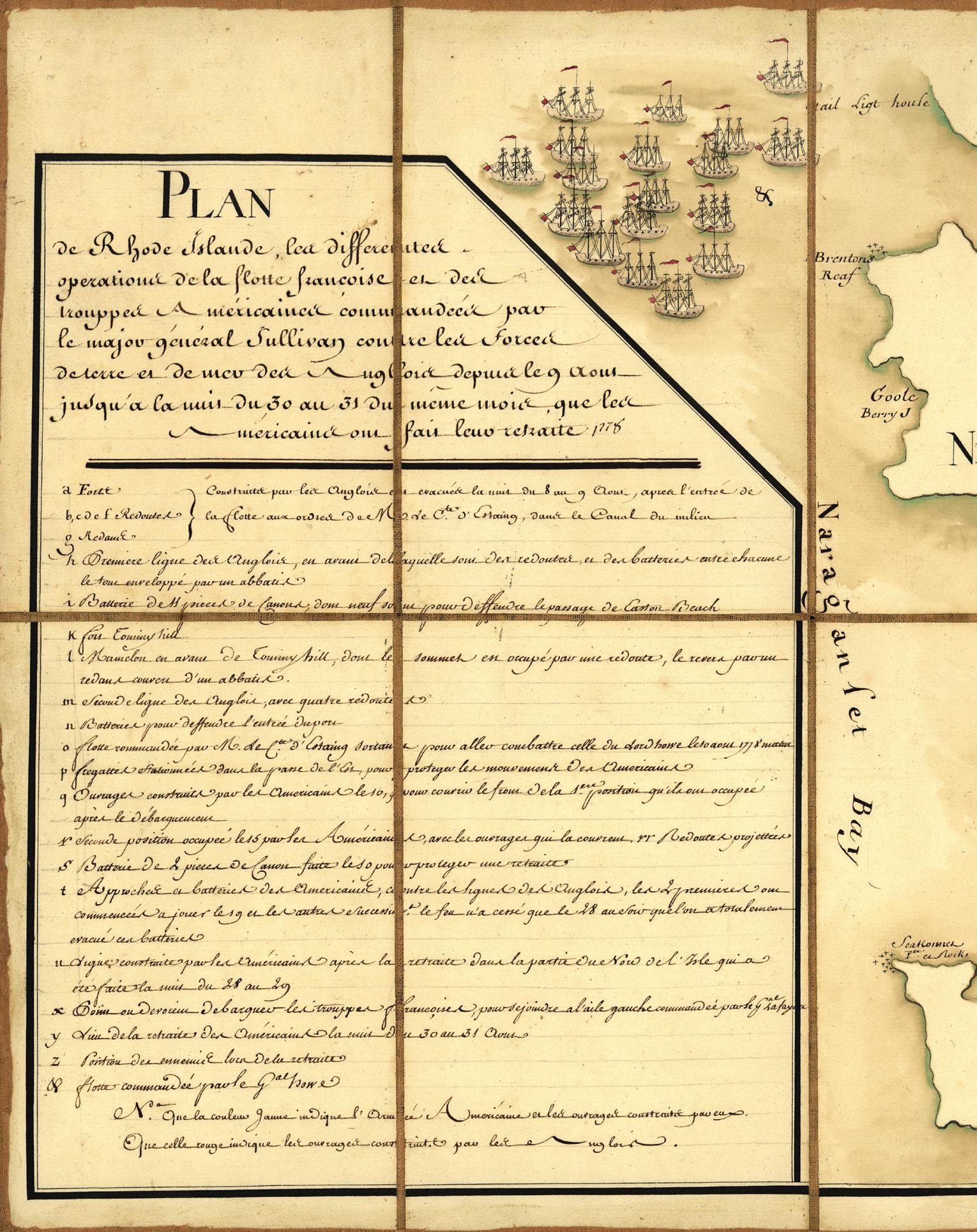
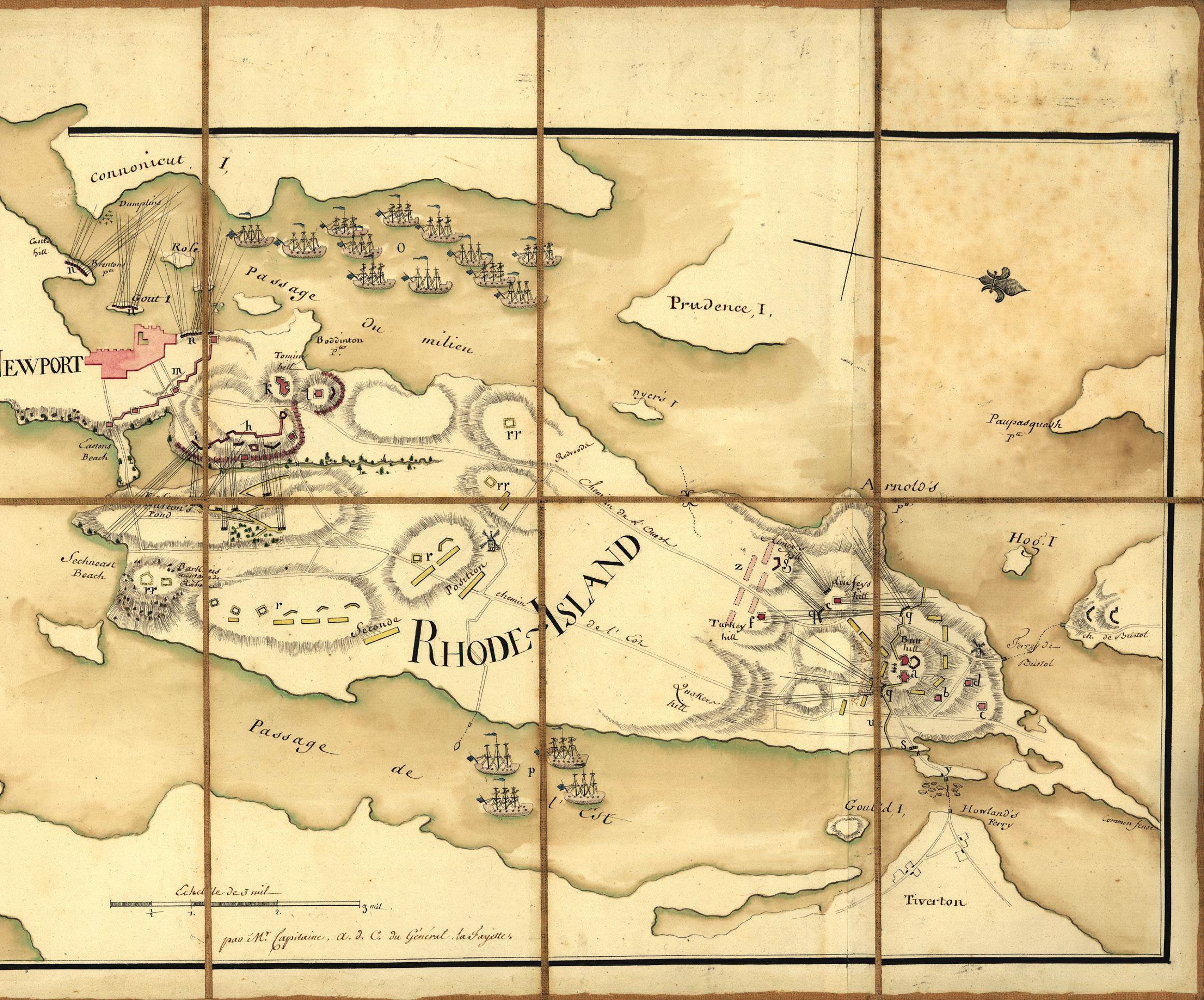
At some point during his 1779 sojourn in France, Lafayette presented the hand-drawn version of Chesnoy’s cartographic summary of the conflict in America to Louis. In the map, Carte du Théatre de la Guerre dans l’Amérique Septentrionale...(Map of the Theatre of War in North America...), Chesnoy charted significant battles, campaigns, and events that took place between 1775 and 1778. This included four battles in which Lafayette participated: the Battles of Brandywine, Barren Hill, Monmouth, and Rhode Island.
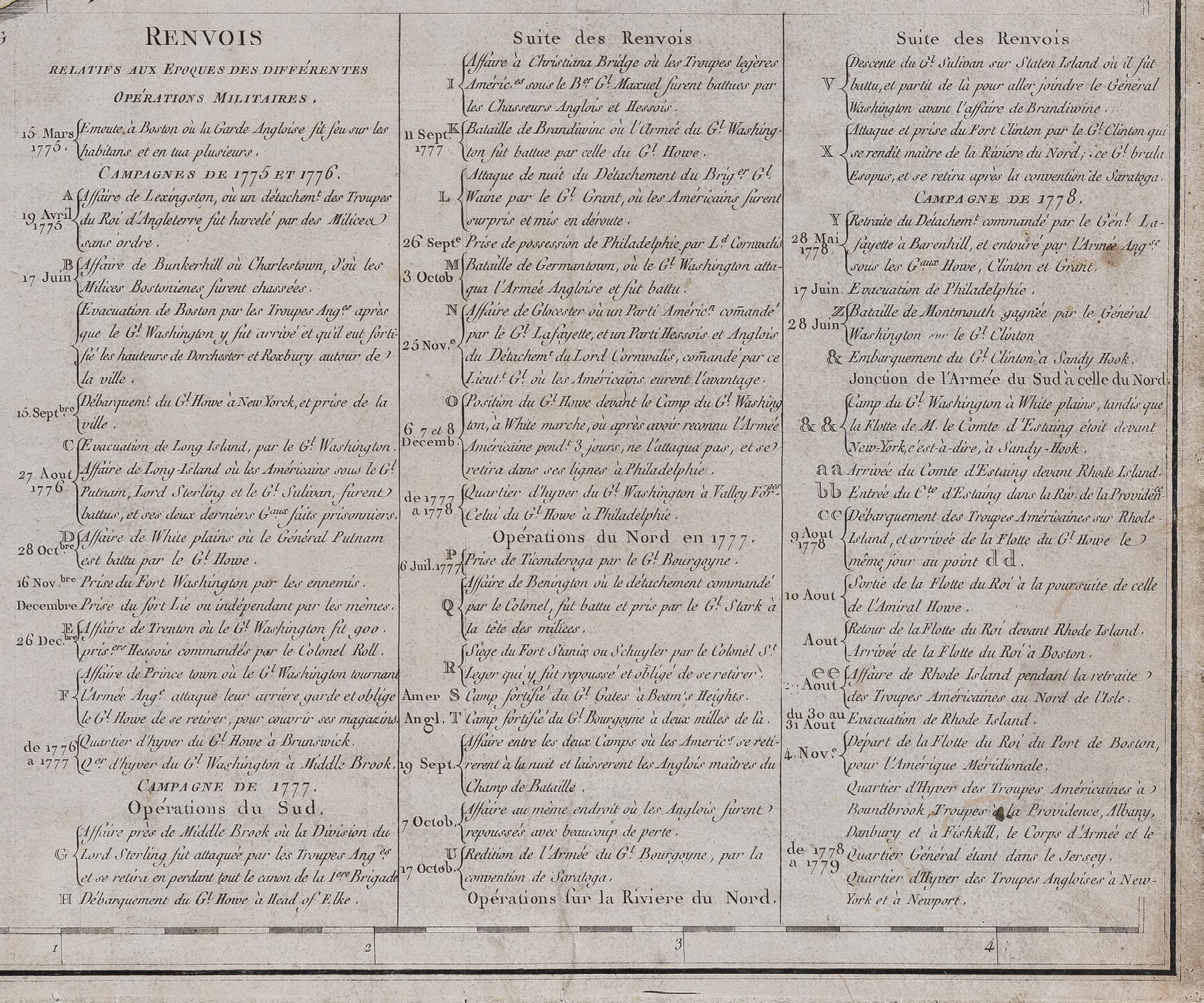
A chronology with references at the bottom right of the map helped the king and his ministers better
understand the military campaigns of the war. These references are mostly accurate, though the Boston Massacre, which happened in 1770, is listed as occurring in 1775. In a small space, this chronology includes many details and covers both the northern and southern
campaigns. In addition to this summary map, Chesnoy also created separate or additional detailed maps of some of the battles. These likely provided further context for French officials.
Interested in learning more about the Scottish Rite Masonic Museum & Library’s collections and exhibitions? Please visit srmml.org to discover more. ?
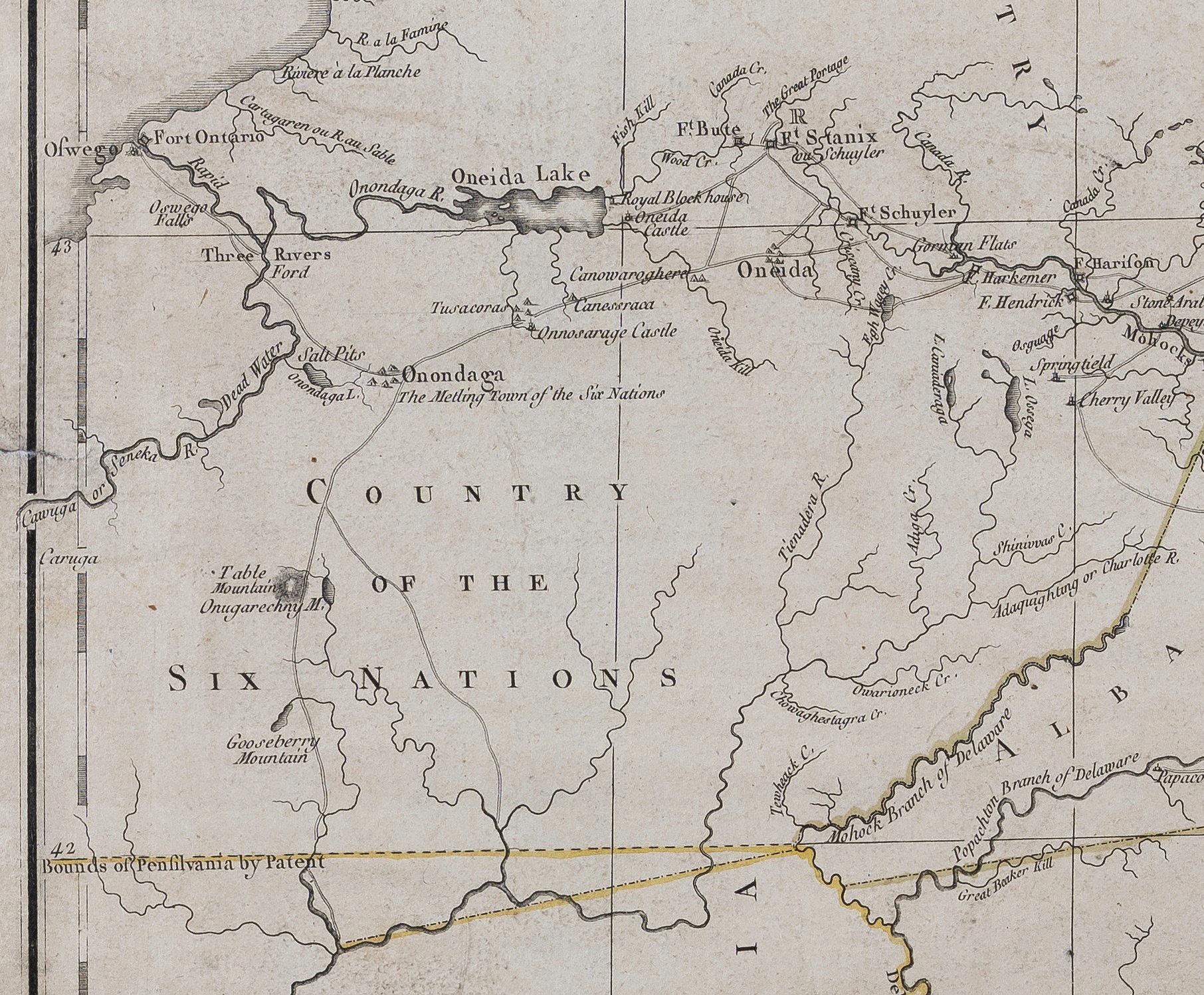
locations of indigenous territories, such as the “Country of the Six Nations” (Haudenosaunee) in upstate New York. He illustrated tribal encampments and town names, details perhaps gleaned from Lafayette’s 1778 excursion to the area to recruit Oneida warriors to fight
with the Americans. Lafayette may have requested that this information be noted on the map as a way to introduce the idea of indigenous support for the American cause to the king.
Thanks to Lafayette’s fundraising efforts,
combined with the 1779 capture of two British vessels by American naval hero John Paul Jones and France’s longstanding animosity towards Great Britain, King Louis and his government eventually decided to strengthen the Franco-American Alliance significantly.
Americans win the 1781 Battle of Yorktown. This decisive battle effectively ended the Revolutionary War.
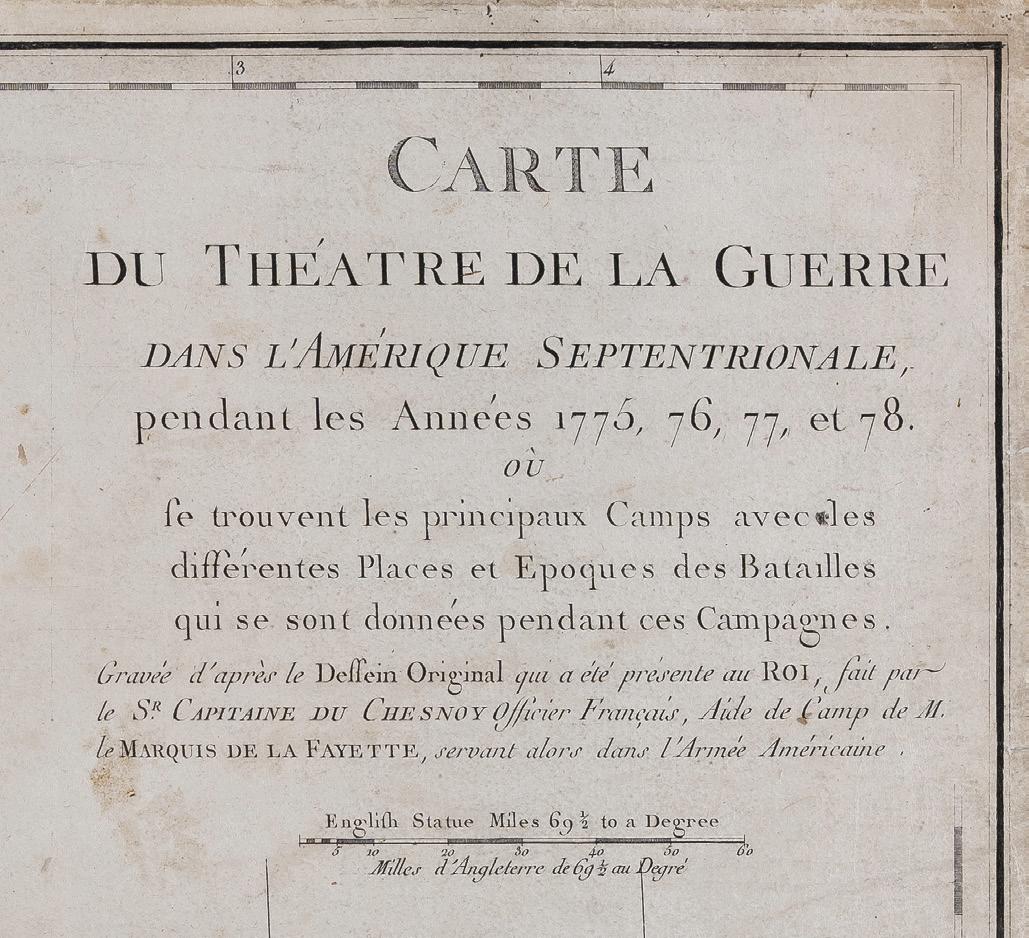
The French sent 6,000 troops under Jean-Baptiste Donatien de Vimeur, Comte de Rochambeau, in the spring of 1780. These soldiers, augmented by French naval forces, helped the and helped garner support for the American cause from the French public. The text below the title of the map notes that it was “Engraved after the Original Design which was presented to the King.” This is the only map that Chesnoy created that was reproduced in print. It played an influential role in
A Paris publisher, Jean-Baptiste Fortin, printed and sold this map beginning in 1780. The information on this map helped the public learn about the war Detail, Country of the Six Nations, Carte du Théatre de la Guerre dans l’Amérique Septentrionale…, ca. 1779. Scottish Rite Masonic Museum & Library, Van GordenWilliams Library and Archives, 029-1779.
Thinking about donating an object to the Scottish Rite Masonic Museum & Library? Please contact us at info@srmml.org.
bolstering the Franco-American Alliance and helping the United States win its war for independence. It will be on view in Mapping Change in North America, 1755-1834, at the Scottish Rite Masonic Museum &Library through September 2026.
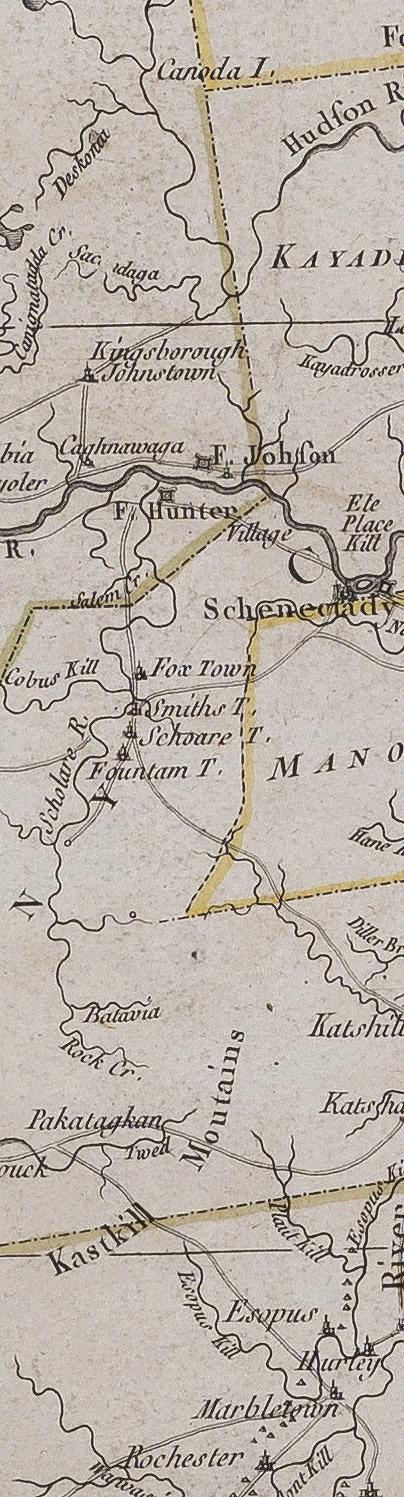
Inset, Review of Military Operations, 1775 to 1778, Carte du Théatre de la Guerre dans l’Amérique Septentrionale…, ca. 1779. Scottish Rite Masonic Museum & Library, Van Gorden-Williams Library and Archives, 029-1779.
Title, Carte du Théatre de la Guerre dans l’Amérique Septentrionale…, ca. 1779. Scottish Rite Masonic Museum & Library, Van Gorden-Williams Library and Archives, 029-1779.
by Jeffrey Croteau, Director of Library & Archives, Scottish Rite Masonic Museum & Library
Justbefore dawn on April 19, 1775, Captain John Parker and around 77 local militia members gathered on the town green in Lexington, Massachusetts, as approximately 700 British soldiers approached from Boston. Their mission was to reach the town of Concord to seize munitions stored there. Realizing that they were vastly outnumbered, Parker ordered his men to disperse. Amid the confusion, a shot rang out. It has never been clear who fired first, but by the time the skirmish was over, eight colonists were killed and ten were injured. The British troops then left Lexington and marched on toward Concord.
The alarm – news of the skirmish on the Lexington Common – spread quickly. By the time the British reached the Old North Bridge in Concord, they were met by 3,500 militia. The Battles of Concord and Lexington on April 19, 1775, marked the beginning of the military conflict between England and its thirteen North American colonies – the American Revolution.
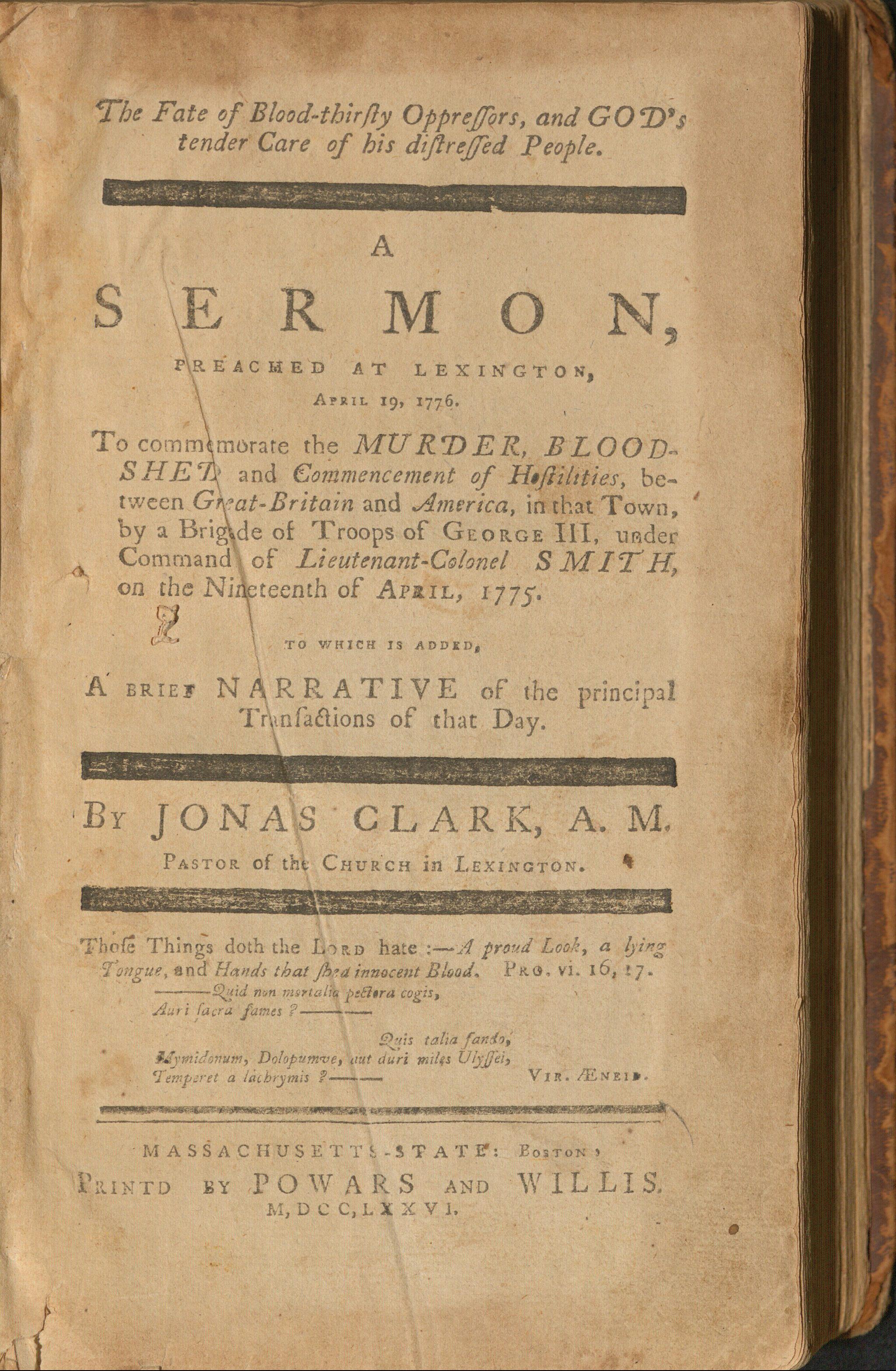
In 1775, Reverend Jonas Clarke, minister of Lexington’s sole church for the previous twenty years, delivered sermons that not only spoke to his congregants’ spiritual well-being but also propagated his political views. Clarke preached that resistance to British oppression was a moral, civic, and religious duty. He frequently visited Boston to preach, socialize, and exchange ideas. Friends with colonial leaders John Hancock and Samuel Adams, he shared their revolutionary political views.
The 1775 skirmish on the Lexington green took place just steps away from the town’s meeting house. This structure stood at the eastern end of the green and was the center of civic and religious life in Lexington. The meeting house was used for town meetings – the town’s form of government – but was also where the community’s only church congregation held services on Sundays and served as the storehouse for the town’s gunpowder. On April 19, 1775, after the Battle of Lexington, it was also the building where the town kept the coffins that held those who had been killed. Within the walls of this meeting house, Clarke delivered a passionate and partisan sermon on April 19, 1776. On this day, he marked the first anniversary of the battle, steps away from where it occurred.
With his words, Clarke sought to stir the emotions of his congregants, saying, [The British troops] approach with the morning’s light; and more like murderers and cut-throats, than the troops of a Christian king, without provocation, without warning, when no war was proclaimed, they draw the sword of violence, upon the inhabitants of this town, and with a cruelty and barbarity, which would have made the most hardened savage blush, they shed INNOCENT BLOOD! – But, O my GOD !! How shall I speak! – or how describe the distress, the horror of that awful morn, that gloomy day! – Yonder field can witness the innocent
blood of our brethren slain! – And from thence does their blood cry unto God for vengeance from the ground!
Clarke and other ministers marked the April 19th anniversary each year with a sermon about the Battle of Lexington. The Van Gorden-Williams Library & Archives’ copy of Clarke’s 1776 sermon is bound with other sermons commemorating the battle in the 1770s and 1780s. The library’s copy of this sermon came to the museum via a connection with the magazine you are reading right now.
Barbara Peirce Gove donated this item to the museum after reading her husband’s copy of the May 1990 issue of The Northern Light. An article about the museum’s exhibition about Lexington and the American Revolution had caught her eye. Gove was a descendant of Solomon Peirce (1742-1821), who was wounded during the Battle of Lexington. This volume of sermons had been passed down in her family. She contacted the museum’s director and offered the collection of sermons to the museum. We have been its caretaker ever since.
The Fate of Blood-Thirsty Oppressors is on view in “‘Nothing short of Independence’: Selections from the Library & Archives” in the Van GordenWilliams Library & Archives’ reading room through October 16, 2026. Learn more at www.srmml.org.
Have questions? Drop us a line at library@srmml.org or give us a call at 781-457-4109. ?
is located in Lexington, Massachusetts,
by Michael L. Moran, 33°, HGA and Michael Czech, 32°, MSA, HGA
The Hauts Grades Academy (HGA) is a program that focuses on developing a greater understanding of the Scottish Rite (NMJ) through immersive access to all 29 degrees. After having an opportunity to read each degree script and answer short quizzes in Level 1, the student then continues his education in Level 2. Level 2 offers him the opportunity to select nine degrees of interest and explains how the Core Values of each are applied to his own life.
Level 2 may be the most useful and lifeenhancing of the three parts of the program, as Brethren develop their writing skills and ability to concisely explain their thoughts, which translates to both personal expression and business writing. While the Level 3 research paper is a challenge that provides a capstone achievement, the Level 2 short essays help a student either reignite or develop the ability to write in very easy, two-page increments – the perfect exercise to overcome fears of writing or to exercise unused mental muscles in a measured and attainable way. The learning works in both directions: students improve their own command of the Scottish Rite, and reviewers enhance their knowledge through the many unique and valuable perspectives contained within the essays.
Some deep insights received revolve around the 23rd Degree, Knight of Valor, commonly called the Four Chaplains degree, as it is a frequent choice for
review in Level 2. While the Core Values of the degrees are important (Reverence for God, Tolerance, Devotion to Country, and Service to Humanity), some of the perspectives in the essays are very illuminating. Several student essays have noted that the 23rd degree is unique in that, unlike other degrees, it is minimally fictionalized. The point was offered that the value of allegory is not limited to members of the Craft, and that Knight of Valor was not just a title, but a charge.
The joy of the HGA program is gaining knowledge of the changes students undergo when completing it.
A number of similar perspectives were noted regarding commitment. For instance, the chaplains’ heroism showed that they were bound to duty. Additional examples regarding commitment included: True valor is a selfless determination to serve others;
the chaplains working together is an example of equality of man under the fatherhood of God. The 32nd degree mentions the sacrifice of the Knight Aspirant. This sacrifice is supported by a biblical quotation that many essays included – “Greater love has no one than this, that someone lay down his life for his friends.” (John 15:13)
The fear of failure can be a limiting factor, but like so many of the characters from the degree allegories, it must be pushed aside in the name of growth.
Some essays compared the 23rd degree to others, such as the 13th Degree, Master of the Ninth Arch, where we witness three workmen equally determined to accomplish their mission – to explore the vaults beneath the temple of Enoch at the behest of King Solomon to find the ineffable name of God. While afraid to die from malignant air in the underground spaces, like the four chaplains, they not only complete their assigned task in fear, but each of the men assumes the risk for the benefit of his Brothers.
We also learn of the contrasts between degrees from students. One example was the 26th Degree, Friend and Brother Eternal, regarding the Core Value of Devotion to Country. In the midst of the American Civil War, bonds across differences are demonstrated as Freemasons fighting for both the Union and Confederacy keep their vows to treat Brethren with respect and love, when possible, even
in the midst of battle. In the 20th Degree, Master Ad Vitam, General Benedict Arnold seeks forgiveness for his treason against the soldiers he once led. But as Freemasonry cannot cast a mantle of charity over such crimes, we see that his pleas are rejected. This deep contrast between degrees reinforces the complexity of both Freemasonry and the world, where there are not always clear answers in life.
The joy of the HGA program is gaining knowledge of the changes students undergo when completing it. Reviewers (all volunteers, just like you!) have received personal letters of pride and gratitude from graduates for being coached and encouraged to complete the program. One student was encouraged, through his work and the influence of the 23rd degree, to enroll in an academic program to become a chaplain. Others have intimated their surprise and happiness at taking on a challenge that they had little faith in completing. They feel that they achieved their potential and took great lessons – both from the degrees and in life – by looking to the East. To undertake a comprehensive educational program in this era of busyness is a special and courageous endeavor. The fear of failure can be a limiting factor, but like so many of the characters from the degree allegories, it must be pushed aside in the name of growth. There is not one Freemason who cannot complete this program by using patience, self-encouragement, and the desire to improve. For those who enjoy scholarship and writing, this program provides an outlet to be both creative and analytical. Most importantly, no
To learn more about HGA and sign up for the waitlist, visit ScottishRiteNMJ.org/ hauts-grades-academy !
student is alone; a staff of dedicated Brethren continually gives their time to each man who desires to learn and to push past his boundaries.
Level 2 short essays help a student either reignite or develop the ability to write in very easy, two-page increments.
Every Scottish Rite Freemason should take the opportunity to see The Feast of the Paschal Lamb, which is usually sponsored by a Valley’s Chapter of Rose Croix. In this celebration of the lives of those who have ascended to the Grand Lodge on High, the audience also sees the demonstration of Jesus Christ’s pronouncement:
“A new commandment I give to you, that ye love one another; as I have loved you, that ye also love one another”. (John 13:34) This declaration poignantly describes Freemasonry: Love your Brother, and help, aid, and assist him in all of his needs and endeavors. But also, love yourself enough always to try, always hold yourself to standards, and esteem your triumphs daily. We should all be like the four chaplains by striving for excellence, overcoming fear, serving our Brothers, and, if necessary, sacrificing everything we have for a Brother.
All Scottish Rite Freemasons of the Northern Masonic Jurisdiction, regardless of their experience or titles, are encouraged to participate in the learning and the sharing in the HGA program that is so beneficial to both student and mentor.
FOR THOSE WHO HAVE FOLLOWED THE JOURNEY, THIS IS THE FINAL CHANCE TO COMPLETE YOUR SET! SIX YEARS. SIX COINS.

by Alphonse Cerza,
33˚
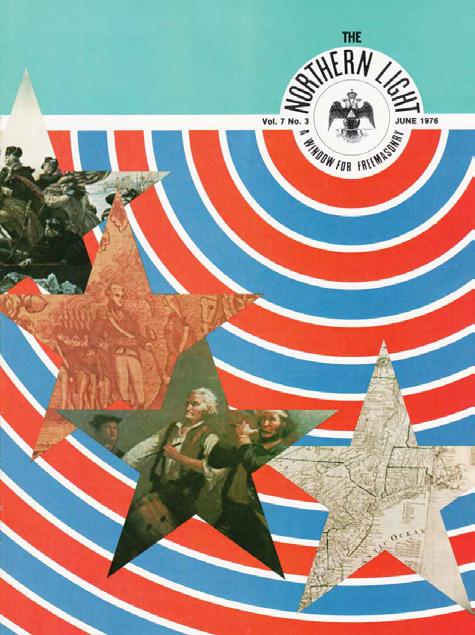
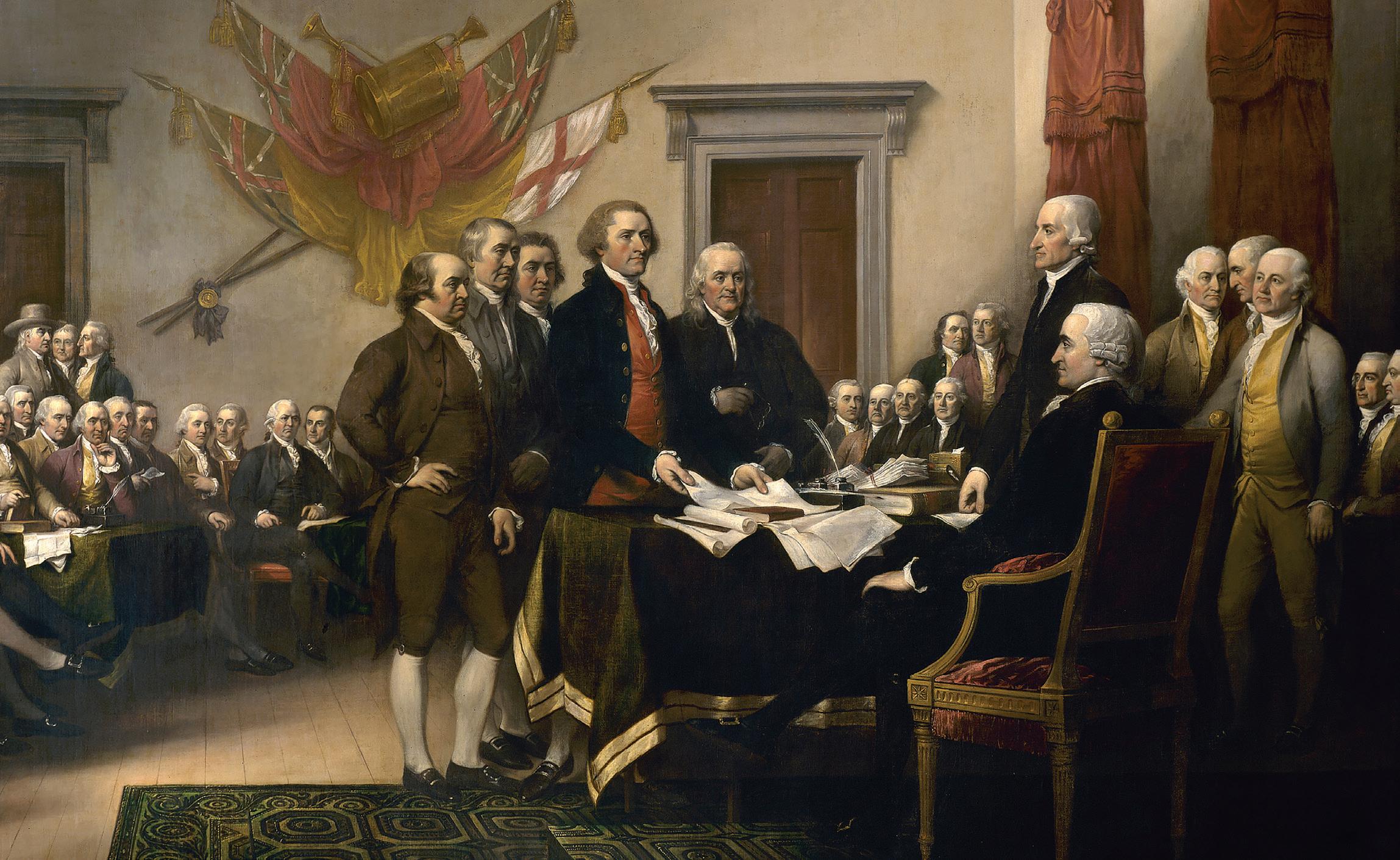
The following is a reprint of portions of an article that appeared in the June, 1976 issue of The Northern Light. As we approach the semiquincentennial celebration of this important document, it is a fitting time to remember what it says. And what it meant to the world.
As we approach the 200th anniversary of the adoption of the Declaration of Independence there is presented the occasion to read and study this first great document in our national history. Americans hold the Declaration in high regard and are familiar with some of the glowing phrases that appear in it, but few have given this document the attention which it deserves. Over the years this document has been analyzed in many books which make interesting reading especially at this time. A brief description of the Declaration will help us appreciate its true place in history. The Declaration of Independence was written by
Thomas Jefferson; it was reviewed by several members of the committee, and a few changes were made. The Continental Congress considered this first draft in detail and made many changes before it was adopted on July 4, 1776.
The Continental Congress also ordered that the Declaration be engrossed on parchment; this was done and most of the signatures were affixed to this copy on August 2. Other signatures were placed on it from time to time. The engrossed copy is the one considered official today.
A comparison of the various copies of the Declaration show a number of minor differences. The changes made by the Continental Congress together with the differences between the various copies help us understand the general language used in the Declaration. In some instances a full understanding can be had only by a consideration of existing documents that had some influence on Jefferson's thinking while drafting the Declaration.
The preamble. At the outset the Declaration states the necessity for separation from Great Britain, to “declare the causes which impel them to the separation," and that respect for the opinion of others requires that the colonists state the causes to the world. It is stated generally that the step was taken in accordance with the “Laws of Nature and Nature's God,” as justification for the action taken.
The main body of the Declaration starts with the familiar words: “We hold these truths to be self-evident, that all men are created equal, that they are endowed by their Creator with certain unalienable Rights, that among these are Life, Liberty, and
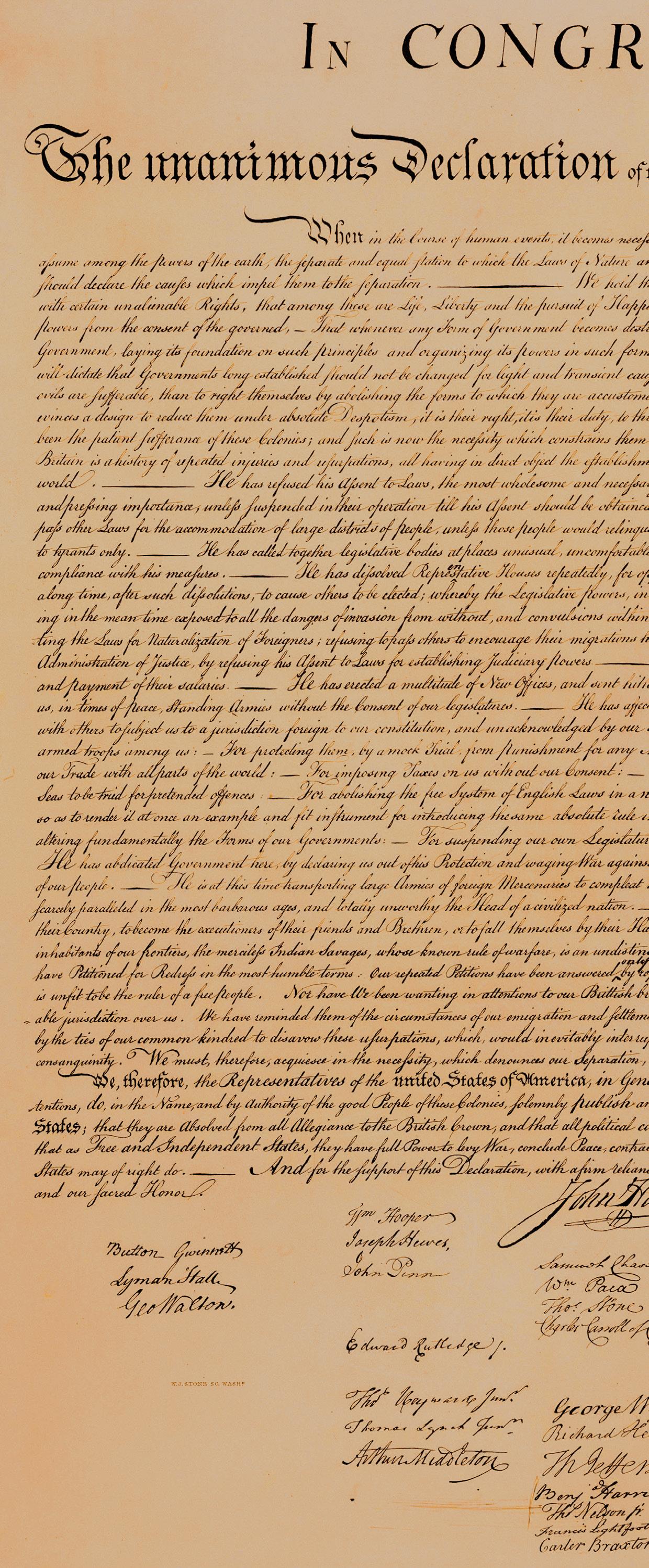
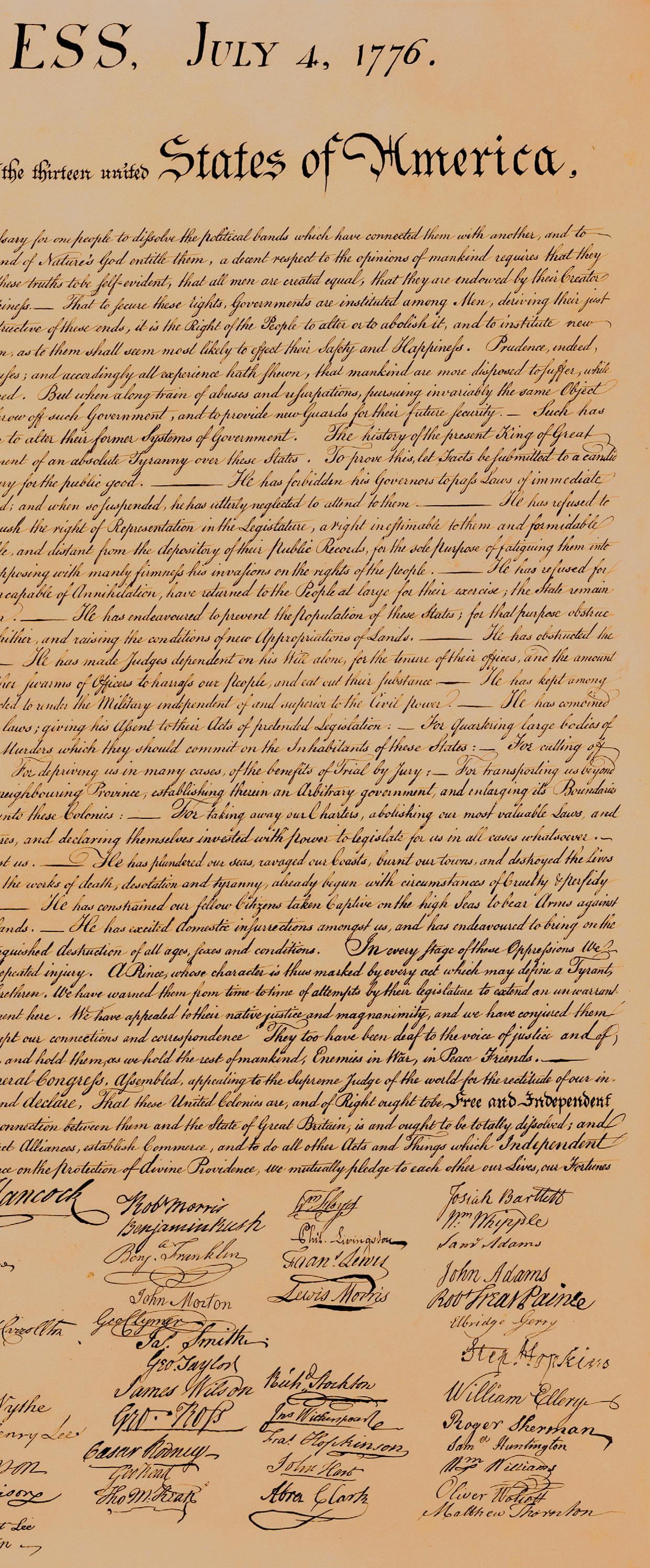
the pursuit of Happiness. That to secure these rights, Governments are instituted among Men, deriving their just powers from the consent of the governed. That whenever any Form of Government becomes destructive of these ends, it is the Right of the People to alter or to abolish it, and to institute new Government, laying its foundation on such principles and organizing its powers in such form, as to them shall seem most likely to effect their Safety and Happiness.”
The phrase “pursuit of happiness” has been misunderstood because too often the emphasis is placed on the word “happiness.”
The language is moving and eloquent, but the generality of the words calls for analysis in the light of events that existed 200 years ago.
Jefferson was charged with saying nothing new in the document. He answered that he was trying to state formally what was being said for years in the colonies and that he had not been delegated the job of stating anything new. The idea that government originated in a social contract is as old as Plato's Republic and was repeated many times down
through the ages. The idea was used by John Locke, the English philosopher, to justify the English Revolution of 1688-1699, and his books had been circulating in the colonies for over 50 years.
The language is moving and eloquent, but the generality of the words calls for analysis in the light of events that existed 200 years ago.
Let us consider some of the phrases used. How can it be said that “all men are created equal” when we know that all persons have not the same physical, mental, or spiritual characteristics? The members of the Continental Congress were chiefly men of means and of social position; they were not thus advocating the need for an egalitarian society; nor were they impractical visionaries using idle phrases. What was meant was that all persons are equal before the law and should be afforded the same opportunity in the activities of the community. The words “life and liberty” when linked together are easy to understand if one recognizes that there is no such thing as absolute liberty when one lives in a community
with others. One is free to do whatever he pleases in the ideal situation so long as he does not interfere with the similar rights of others; any other rule would lead to utter confusion.
The phrase “pursuit of happiness” has been misunderstood because too often the emphasis is placed on the word “happiness.” If it were the role of government to make each of us happy, the practical effect would be that a public official would have the power to direct our goals and our way of life. Under such circumstances, each of us could make few, if any, choices in our daily lives. We must recognize that happiness is a personal matter with each individual; to attain this state one should be free to make his own choices in how he is to utilize his abilities and his time. Clearly, proper emphasis should be in the word “pursuit” in order to fit into the entire statement.
pledge. The Declaration ends on a serious note: “And for the Support of this Declaration, with a firm reliance on the protection of divine Providence, we mutually pledge to each other our Lives, our Fortunes, and our Sacred Honor.”
Many of the men who signed the Declaration were successful businessmen, landowners, doctors, lawyers, and leaders in their communities. They had everything to lose if the break from Great Britain were a failure. But they declared a willingness to submit their all that they would be free from tyranny and oppression.
The signers. The Declaration was signed by 36 men. Nine were members of the Craft. There is inadequate evidence available at this time as to 23 signers, and it appears that 24 were not Freemasons on the basis of presentday available information. The nine who were members of the Craft are Benjamin Franklin of Pennsylvania, John Hancock and Robert Treat Paine of Massachusetts, Joseph Hewes and William Hooper of North Carolina, Richard Stockton of New Jersey, George Walton of Georgia, William Whipple of New Hampshire, and William Ellery of Rhode Island.
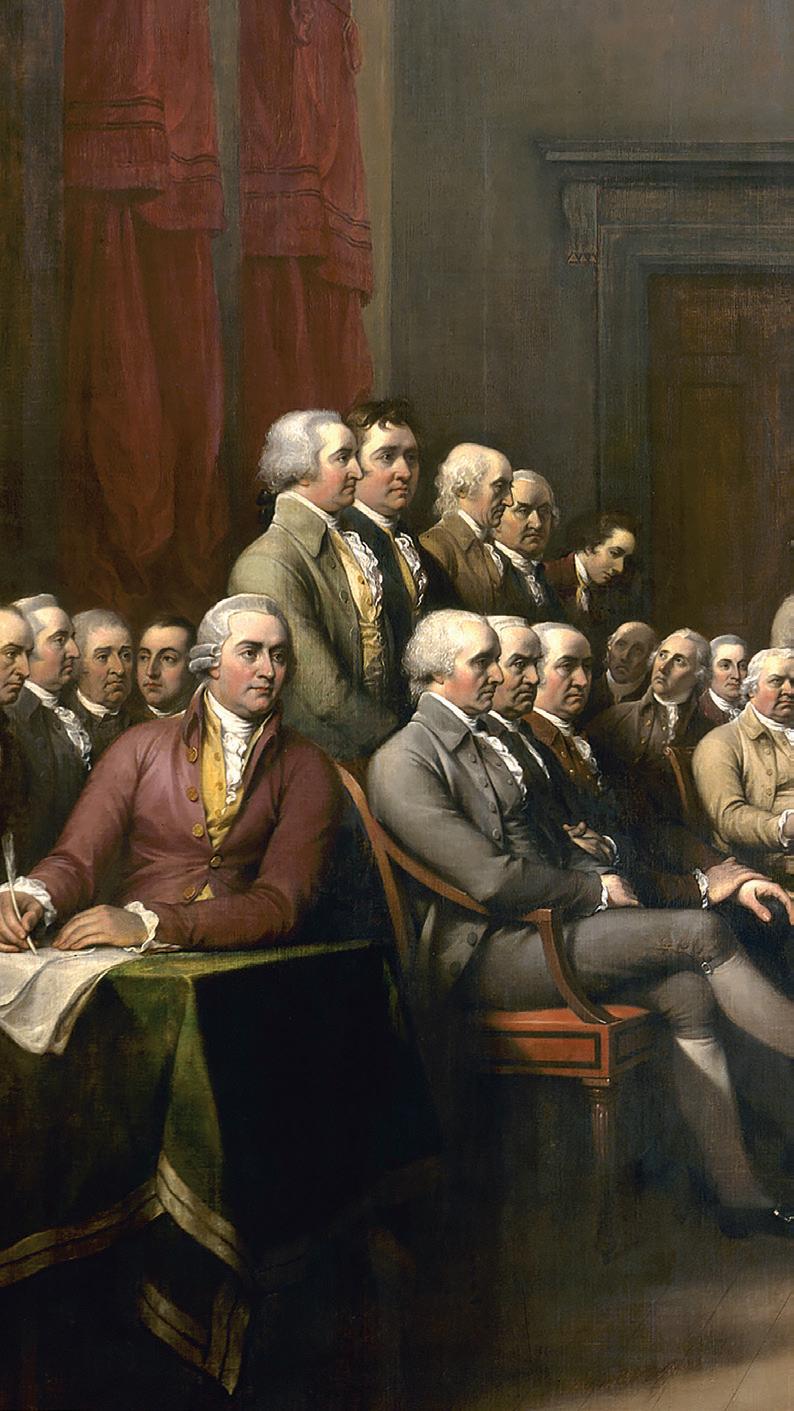
Brother Alphonse Cerza, 33°, (19081987) was an author and researcher from the Valley of Chicago. His article, written 50 years ago, serves to remind us that independence required sacrifice, compromise, and a willingness by so many to risk everything they had for the freedoms that endure to this day. May we remember these patriots and all who have helped to win and secure our freedom as we celebrate America250 this year.
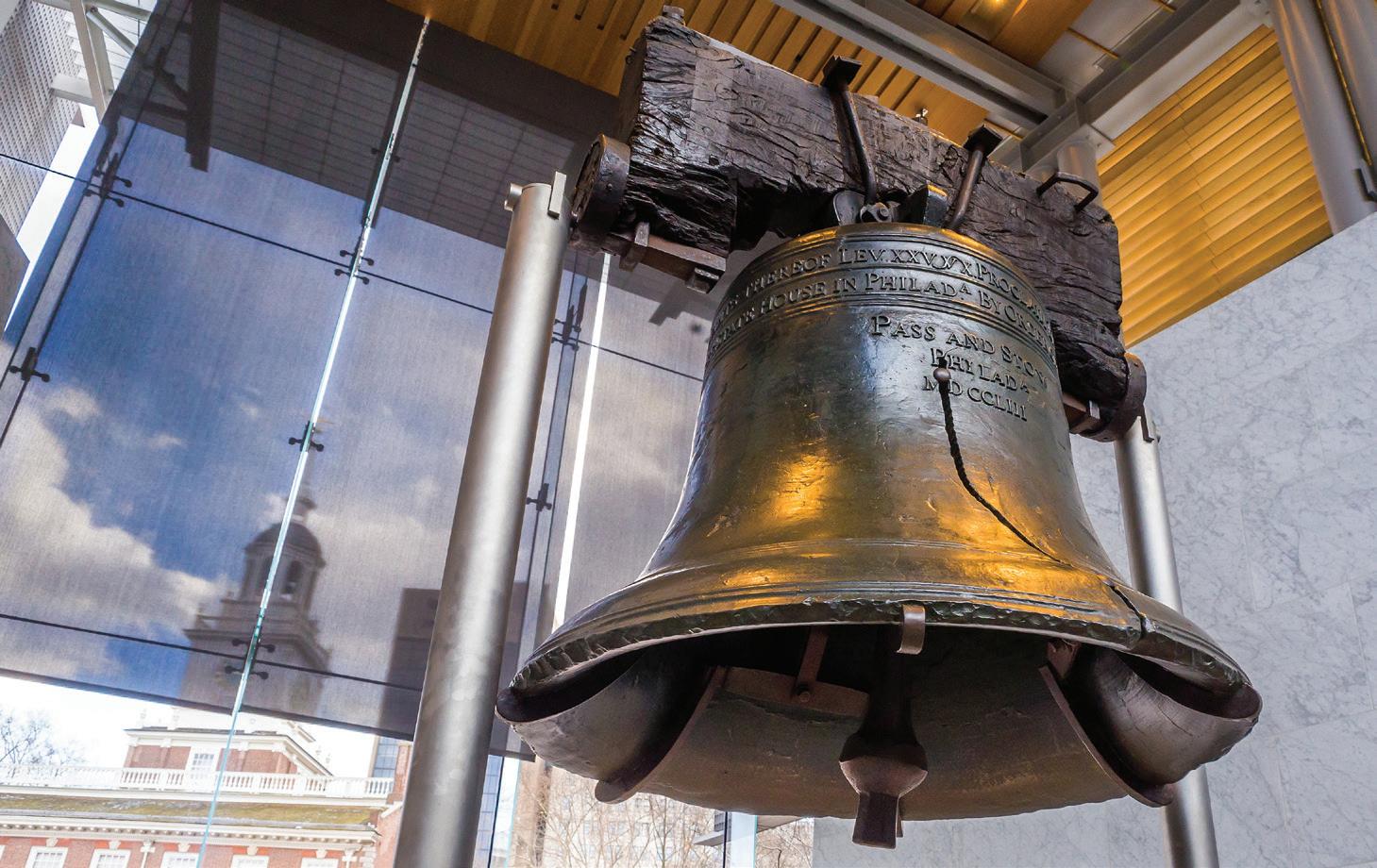
A“Bright Issue:” The March/April 2026 Scottish Rite Journal focuses on that most Masonic of themes: receiving further light in Masonry. Srimati Karuna begins the first of five articles about Light with her lyrical cross-cultural essay “Light: To See and To Know,” featuring Swami Premananda’s translation of the Srimad-Bhagavad-Gita: “Man by his very nature is a seeker after the light of truth, good, and beauty.” We “behold the Light that is forever the Light,” as Ill. Swami Premananda, 33°, so beautifully exclaimed in his own words.
Jonathan Corbett, MM, and John Bozeman, PhD, viewed Light “Illuminating from Masonic Initiation” in an appreciation of articles from our magazine from the 1980s, including “A Midrashic Inquiry into More Light.”
“Every human’s psyche bears a dark, hidden shadow.” Thus Matthew C. Lucas, 32°, sums up the view of C. G. Jung, pioneer in psychoanalysis, as Br. Lucas sheds “Jungian Light” on “the North,” traditionally a place of Masonic darkness. Then in “Finding Light in the Kadosh Degrees” of the Southern Jurisdiction, Nelson Rose, 32°, separates the importance of myth from a stubborn adherence to the dogmas of the past.
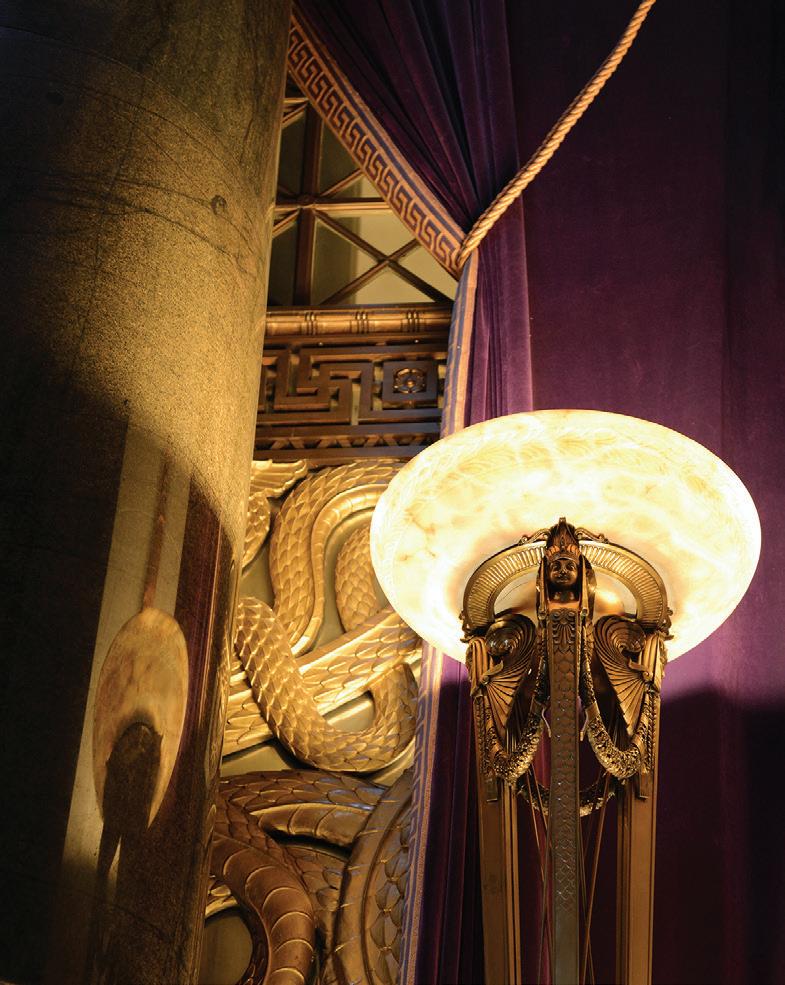
Finally, SRJ Managing Editor Mark Dreisonstok, 33°, presents the notion of Light in the Heliand, a “dynamic equivalence” translation of the Gospels. In a remarkable adaptation of Matthew 27:52, as the veil of the temple is “rent in twain,” Light emanates from the sanctum sanctorum of the Temple in medieval heroic terms in the revelation of a treasure hoard!
To receive further light in Masonry, please access these articles in more depth on our website (see link at the bottom of this page).
Mark Dreisonstok, 33°, Managing Editor, Scottish Rite Journal
To celebrate the 250th Anniversary of the United States of America in 2026, the Master Craftsman Online College (MCOC) has just released a suite of five courses all focused on the Fraternity’s connection with the founding of the USA. Students who complete all five courses will receive a commemorative 250th Anniversary pin to signify their achievement.
Whatever your areas of Masonic interest, MCOC is open to all Master Masons and has courses you are sure to enjoy.
To learn more, please visit www.mastercrasftmancollege.org —Dean Alban, 33°, Director of Membership Services, A&ASR, S.J., 33°
Want to read more of the Journal? Find it online at https://scottishrite.org, under the Education & Media tab.
As our nation commemorates 250 years of independence, Masons across the Northern Masonic Jurisdiction will be taking part in parades, festivals, and celebrations. We want to see how your Valleys, Lodges, and Grand Lodges marked this once-in-a-generation milestone.

Send your photos and stories to communications@srnmj.org for a chance to be featured in upcoming issues of The Northern Light. Submissions should include clear, high-resolution photos as well as a brief story of the event.
We look forward to hearing from you!
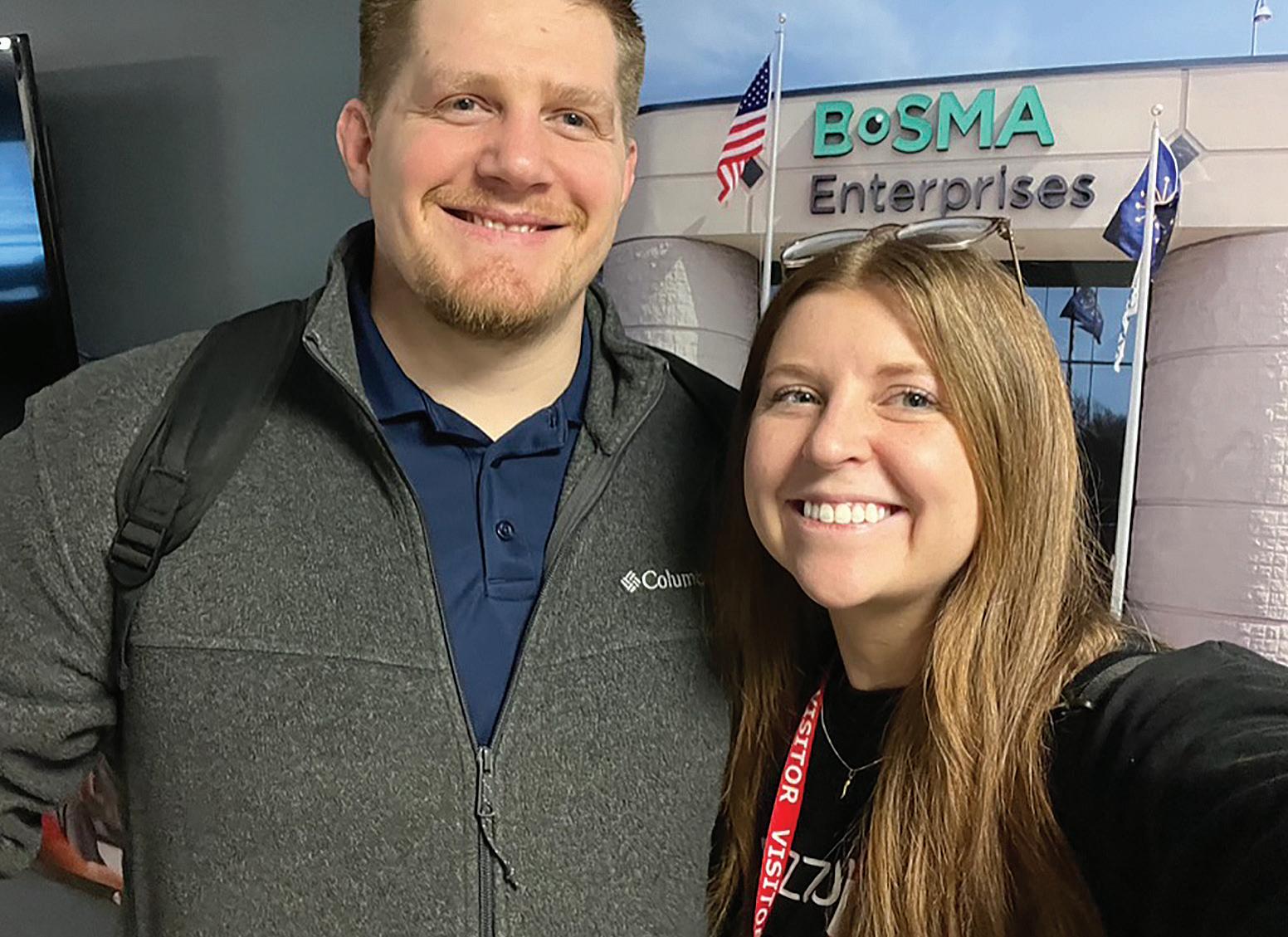
For Emma Nicoson, a simple favor for a friend became the catalyst for her life’s work.
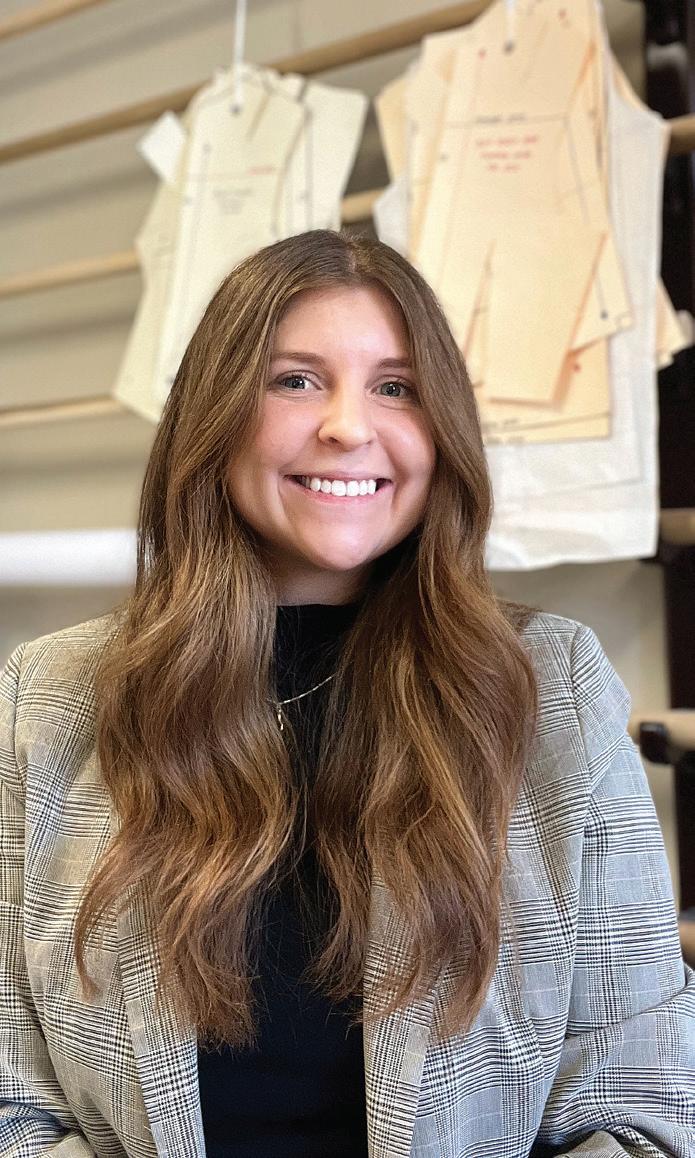
Nearlya decade ago, a friend who had been diagnosed with a rare genetic eye disorder that led to complete vision loss asked her to tag along on a shopping trip for clothing for his upcoming job interview.
“What I presumed would be a somewhat challenging but routine task transformed into a disheartening revelation,” Emma said.
What she encountered that day was not just inconvenience, but exclusion. Her friend’s experience opened Emma’s eyes to the everyday barriers faced by the blind and visually impaired (BVI) community, a population of more than eight million in the United States and 285 million worldwide.
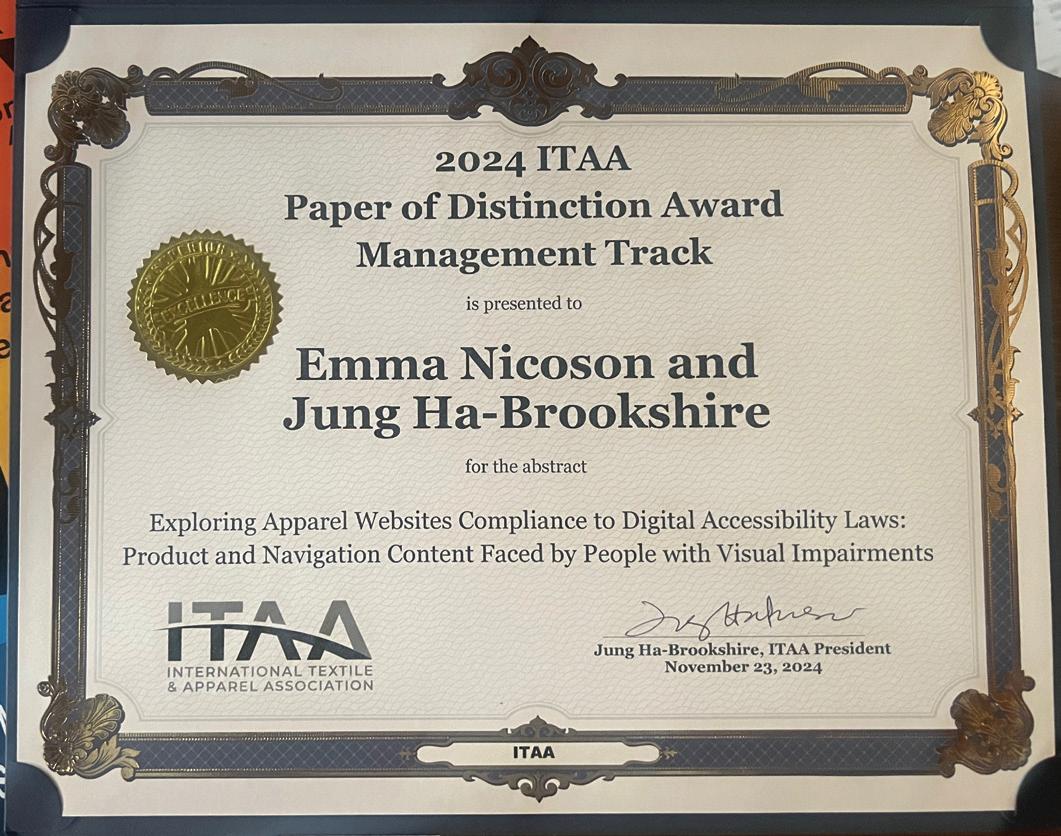
Emma’s shopping experience that day evolved from empathy into action. Today, she is a doctoral researcher at the University of Missouri and a recipient of the Leon M. Abbott Scholarship from the Scottish Rite, Northern Masonic Jurisdiction. Her work is reshaping how the fashion industry approaches accessibility for the BVI community.
“This work has transformed my perspective,” she explained. “It has become a lifelong commitment to advocating for inclusivity.”
Over the past several years, Emma has collaborated with organizations including the National Federation for the Blind, the Indiana School for the Blind, several nonprofit rehabilitation centers for the blind and visually impaired, and even the Norwegian government. These partnerships have not only advanced research but also built a global community united
by a shared mission: making daily experiences more equitable.
Brotherly Love. Relief. Truth.
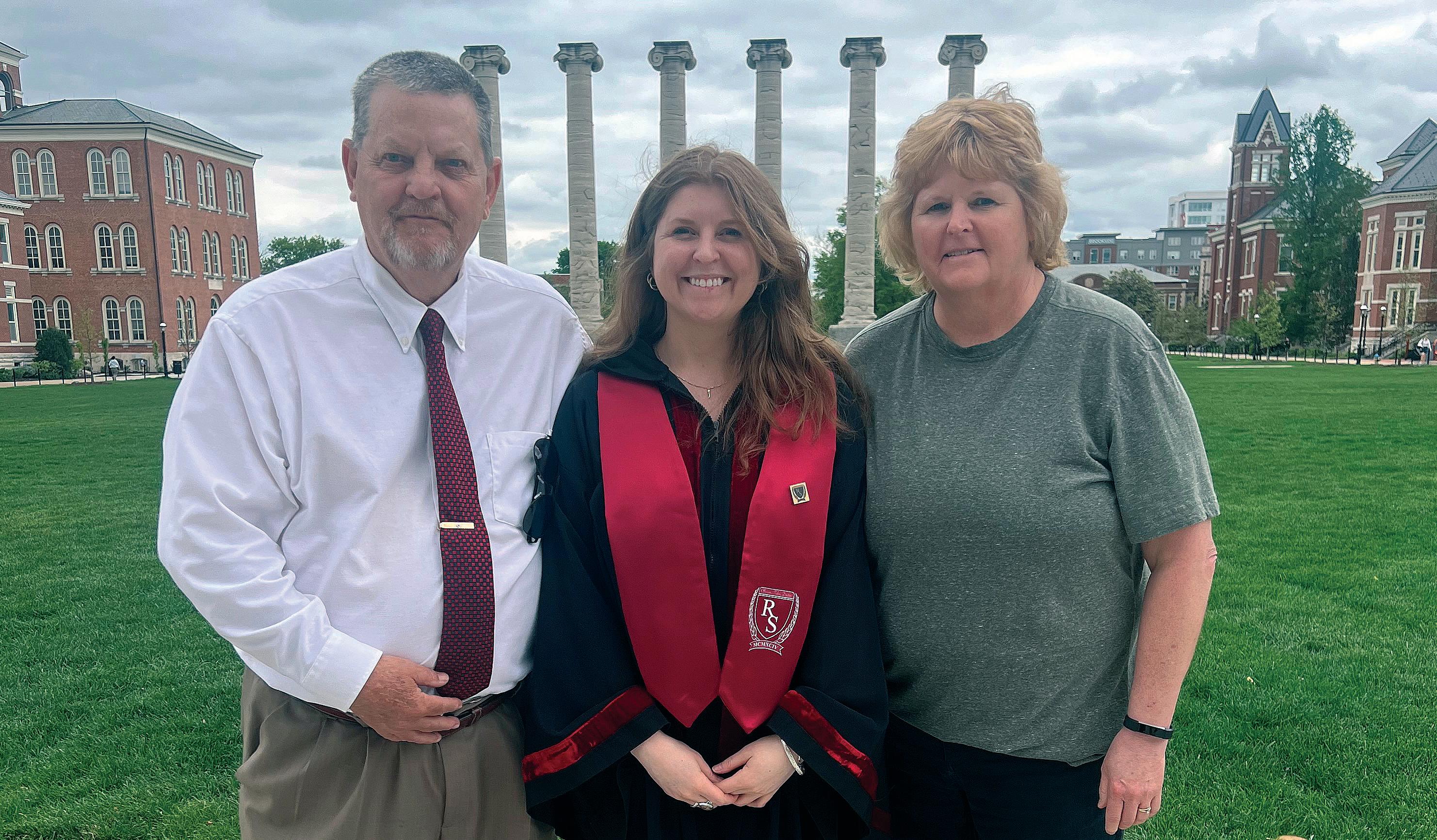
The Masonic tenets of Brotherly Love, Relief, and Truth run deep for Emma. She is the daughter of Scottish Rite Brother Jay Nicoson, 32°, a member of the Valley of Terre Haute for 44 years and counting. By dedicating herself to fashion inclusivity, Emma says she is contributing to a larger narrative of positive societal change.
“For me, it manifests itself as a deep commitment, often requiring personal sacrifice and perseverance emotionally. It means consistently showing up, even when it's challenging or heartwrenching, because you believe in the importance of the work. It means actively listening to the needs of those you serve and adapting your approach to best meet those needs. It means using your unique skills and knowledge to uplift and empower others,” she explained.
Her work is driven by the social model of disability mantra: Nothing about us without us. This principle ensures that individuals who are blind or visually impaired are not just subjects of research, but co-creators of solutions.
“Any father would be proud of a child that is well on the way of earning her Doctorate Degree, but the fact that Emma has chosen to incorporate service to others, the visually impaired, in her college career is particularly impressive. This exemplifies what the Scottish Rite is all about,” said Brother Jay.
by Joann Williams-Hoxha, Content Manager
The Abbott Scholarship Program provides financial support for the continuing undergraduate and graduate education of Scottish Rite Masons, young men and women from Scottish Rite families, and Masonic-related youth groups.
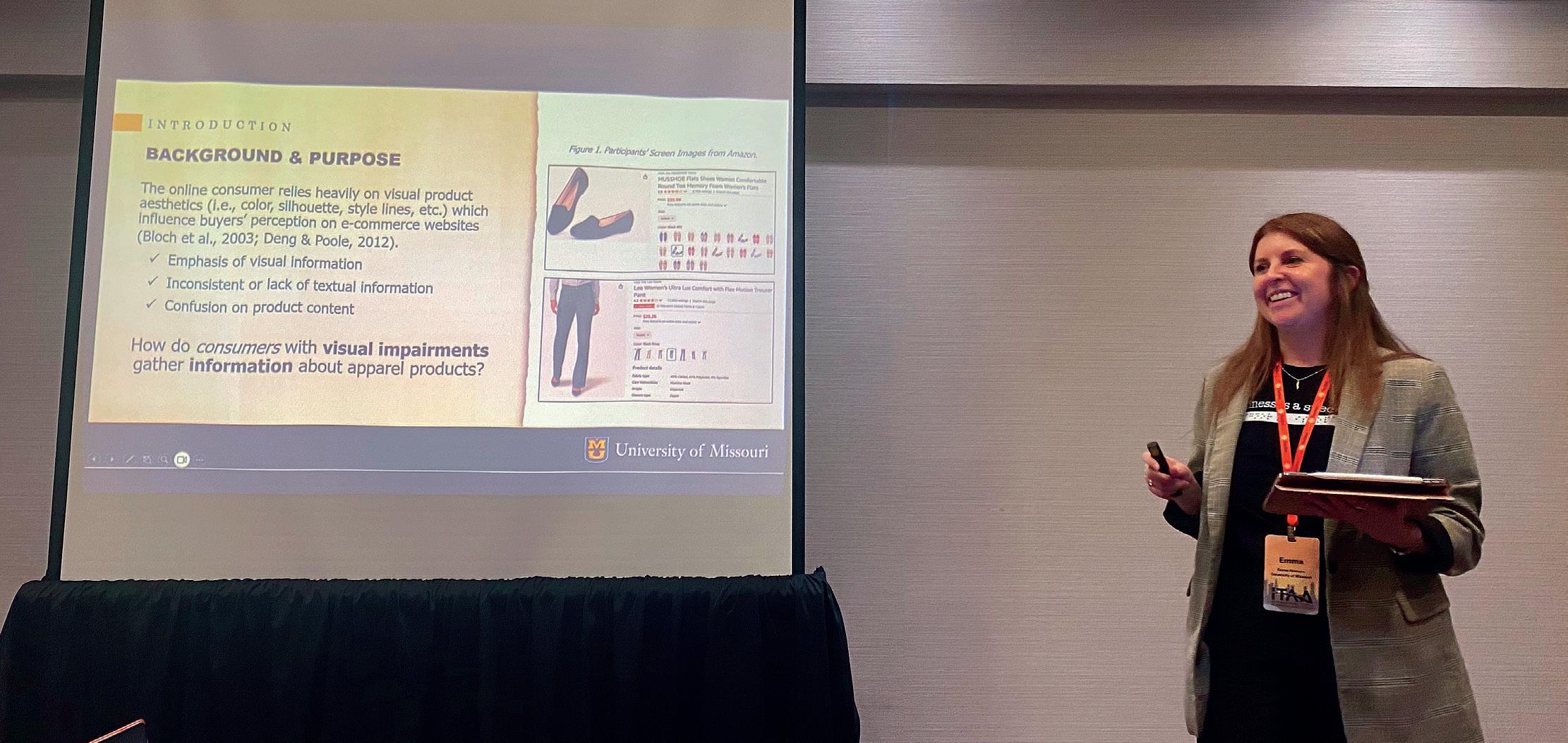
For most people, choosing what to wear is a small, daily act of self-expression. For someone with a disability, it can be anything but simple.
Emma’s research highlights the many obstacles that exist for the blind or visually impaired, particularly in today’s digital retail environment. From improperly coded websites that screen readers cannot interpret, to vague or meaningless product descriptions, the barriers are often invisible to those who don’t experience them.
Imagine navigating an online store where a product image is labeled only as “insert hyperlink here.” Or choosing between colors named bungalow
khaki, black rinse, or multi-color-3 with no meaningful description. These are not minor inconveniences. They are systemic limitations that restrict independence.
“Accessibility in fashion isn’t just about clothing— it’s about dignity, independence, and the ability to express who we are.”
”—Emma Nicoson
Emma’s work focuses on bridging this gap – developing multi-sensory descriptions, improving digital accessibility standards, and helping reshape how apparel is communicated online. And her solutions are all
informed by the BVI community to ensure their needs are met.
“By utilizing participatory design to critique and redesign digital interfaces, we aim to ensure they meet global accessibility standards like the Web Content Accessibility Guidelines (WCAG). The dialogue also highlights how educators can adapt curriculum to incorporate multi-sensory descriptions for apparel, so the next generation of merchandisers view accessibility as a core requirement and not an afterthought,” Emma explained.
One of Emma’s most meaningful experiences came through a project funded by the University of Missouri, where she co-designed a custom prom
dress with a blind teenager named Jazmine. The result was so much more than a garment. For Jazmine, it meant confidence. Independence. Joy.
Emma said moments like that help fuel her work, reinforcing the idea that accessibility is not just about compliance, it’s about dignity.
Emma’s research has already reached an international stage. As a fellow with the American-Scandinavian Foundation, she is conducting research in Norway at the University of Oslo, examining
“
I want you to know the profound impact you have had,” Emma said. “Not only on me, but on the millions of people who may benefit from this research.
”how different countries approach digital accessibility in fashion.
The contrast is striking.
While U.S. law requires nondiscriminatory access, Norway enforces strict compliance with global accessibility
standards. By studying these differences, Emma helps build a global framework for inclusive design, bridging policy, technology, and human experience.
Her work is creating a new international dialogue centered on a simple but powerful idea: accessibility as a human right.
Looking forward, Emma’s vision is ambitious, but clear.
She hopes to help dismantle the systemic barriers that prevent millions of people from fully participating
in everyday life. She envisions a future where accessibility is not an afterthought, but a foundational element of design.
Her goal is to develop tools and research that can be used globally, empowering the blind and visually impaired to shop independently and confidently. After completing her PhD, she plans to continue this work as a professor, combining research, teaching, and community collaboration to drive lasting change.
“The result was so much more than a garment. For Jazmine, it meant confidence. Independence. Joy.
For members of the Scottish Rite, Emma’s story is a powerful reminder of what our philanthropy makes possible.
The Leon M. Abbott Scholarship is more than financial assistance. It is an investment in people whose work extends far beyond themselves.
“I want you to know the profound impact you have had,” Emma said. “Not only on me, but on the millions of people who may benefit from this research.”
Through scholars like Emma, the mission of the Scottish Rite, Northern
The Abbott Scholarships began with a portion of the legacy of the late Leon M. Abbott, 33°, who served as Sovereign Grand Commander from 1921-1932. Since 1951, the Leon M. Abbott Scholarship Fund has awarded more than $10 milllion to students looking to further their education.

Masonic Jurisdiction continues to transform lives, advance knowledge, and
build a more compassionate and inclusive world.
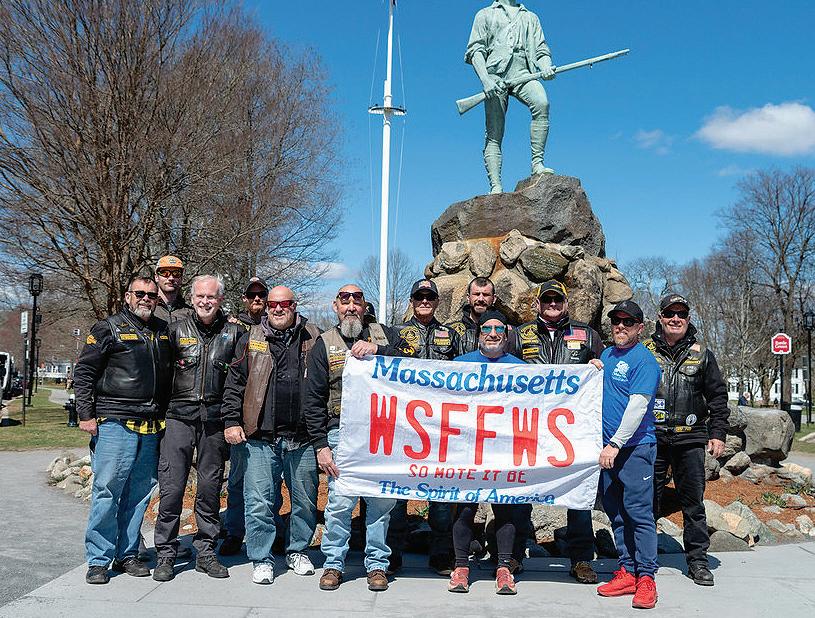
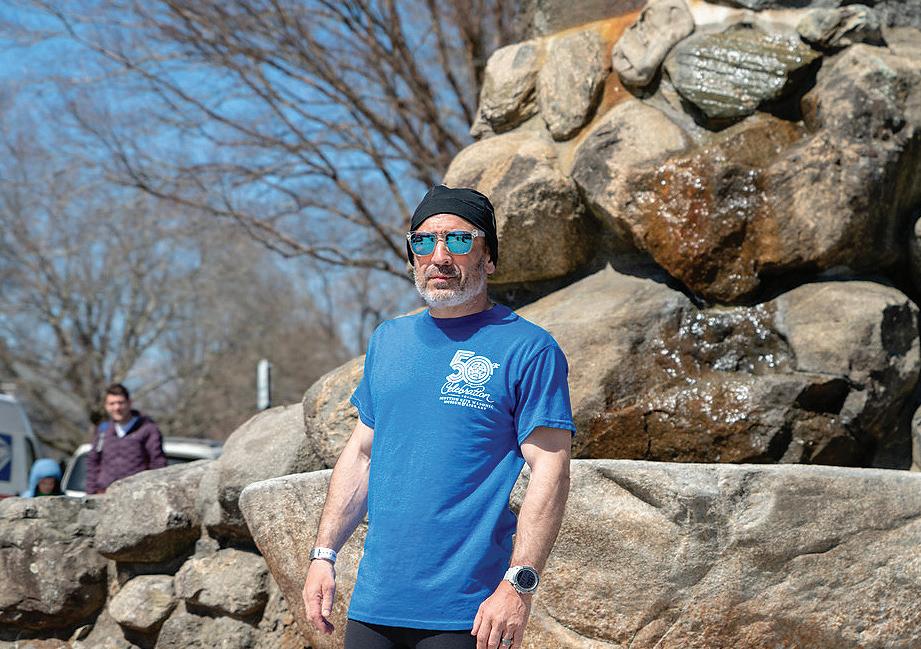
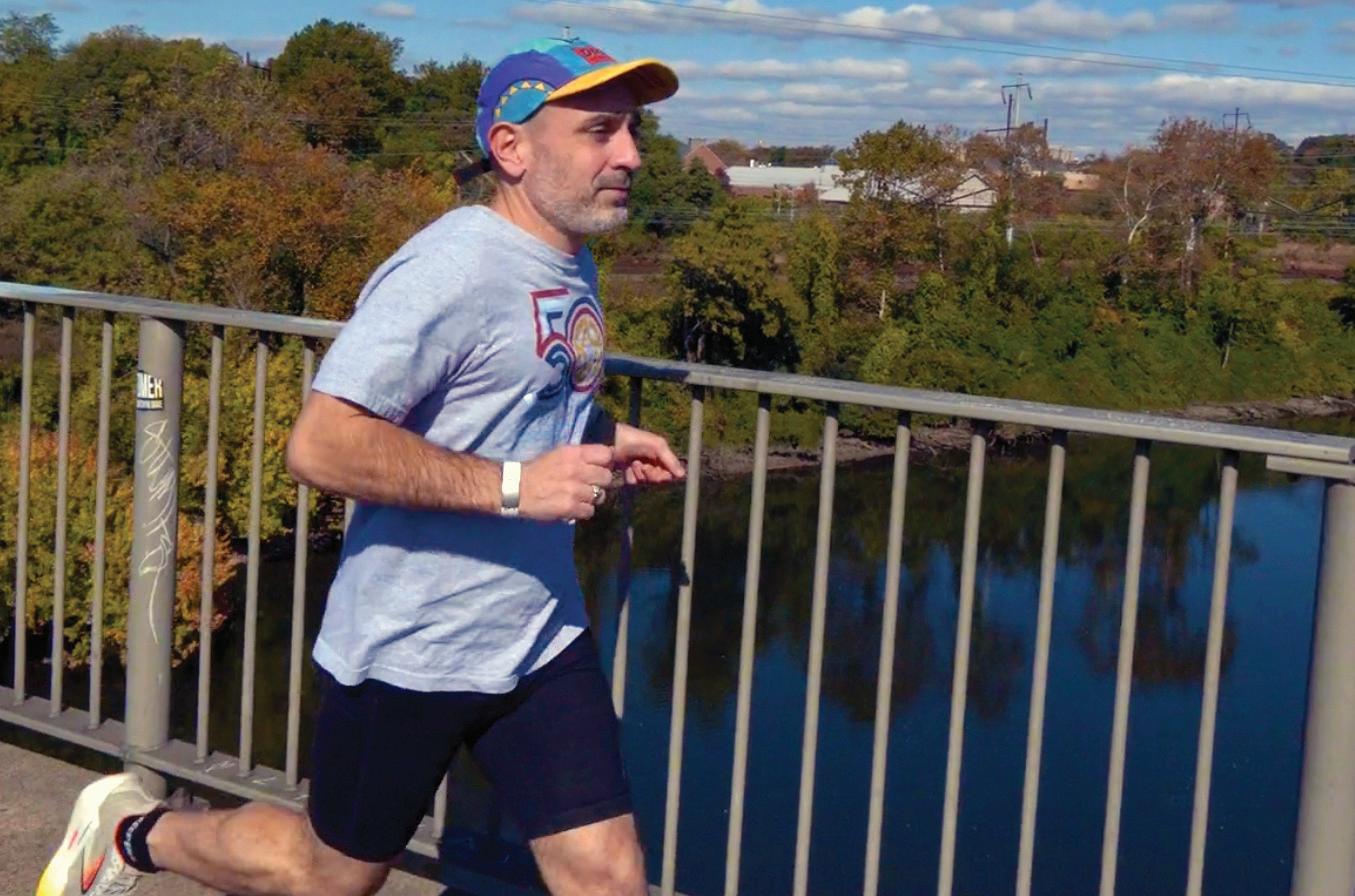
There are moments in life when we witness something extraordinary, not simply because of the physical feat itself, but because of the message carried within it. Such a moment unfolded as I witnessed Brother Patrick Atkinson, 32°, of Jackson Lodge No. 19 complete his remarkable Revolutionary Run of 333 miles, a journey stretching from Wilmington, Delaware, to Lexington, Massachusetts.
While many will rightfully focus on the magnitude of the distance, the endurance required, and the sheer determination behind such an accomplishment, I found myself drawn not to the miles, but to the man, and more importantly, to his message.
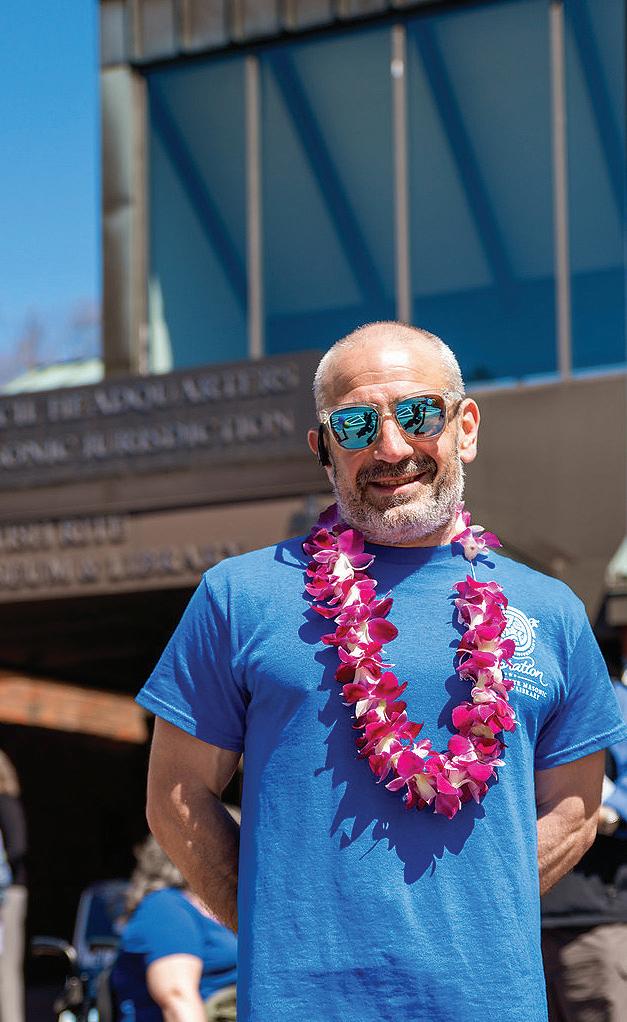
Brother Patrick’s message was not one of self-celebration, but of self-mastery.
“A 333-mile journey that reveals the power of
discipline, transformation, and purpose.
”He spoke plainly: we often do more for others than we do for ourselves, yet to truly serve, we must first become strong internally. Strength, he explained, is not measured by distance run, but by the habits we build and the accountability we accept. In the end, we are the sum of our habits. In that simple truth lies the quiet discipline that carried him forward, step by step, mile by mile.
For nearly two years, this run lived within him. It evolved, it was delayed, it was tested. And yet, through it all, one truth remained constant: this was never meant to be done alone.
“People ask me why I run, why I do what I do… and the truth is, it means something.” Patrick reflected. “It means something to me. And because it means something to me, I think it becomes a
reflection of who I am.”
That reflection revealed something far greater than endurance. It revealed a man committed to purpose, one grounded not in self-promotion, but in service.
His journey did not begin on the open road; it began in struggle. Born premature and fighting from his first breath, and later facing the challenges of dyslexia, Patrick became familiar with adversity long before he ever chose to run 333 miles.
Through injury, setbacks, and physical pain, including multiple surgeries and long recoveries, he pressed forward. Even when his body resisted, his will did not.
From the motorcycles that escorted him along portions of the route, to the crowds that gathered in support, to the countless individuals who followed his journey from afar, this became something larger than a run. It became a shared experience, a collective effort, and a living example of unity.
“Everyone has something personal in their life, something that matters. And when it matters to you, it’s going to affect other people. So, bring that to the forefront. You’re never alone. You don’t need to do anything on your own. You have all these people behind you.”
Yet even as that support surrounded him, the physical toll of the journey became undeniable, his ankle swollen, his body worn, and blisters marking every mile traveled.
by Richard M. Nadeau, 33˚, Deputy’s Representative, Valley of The Androscoggin
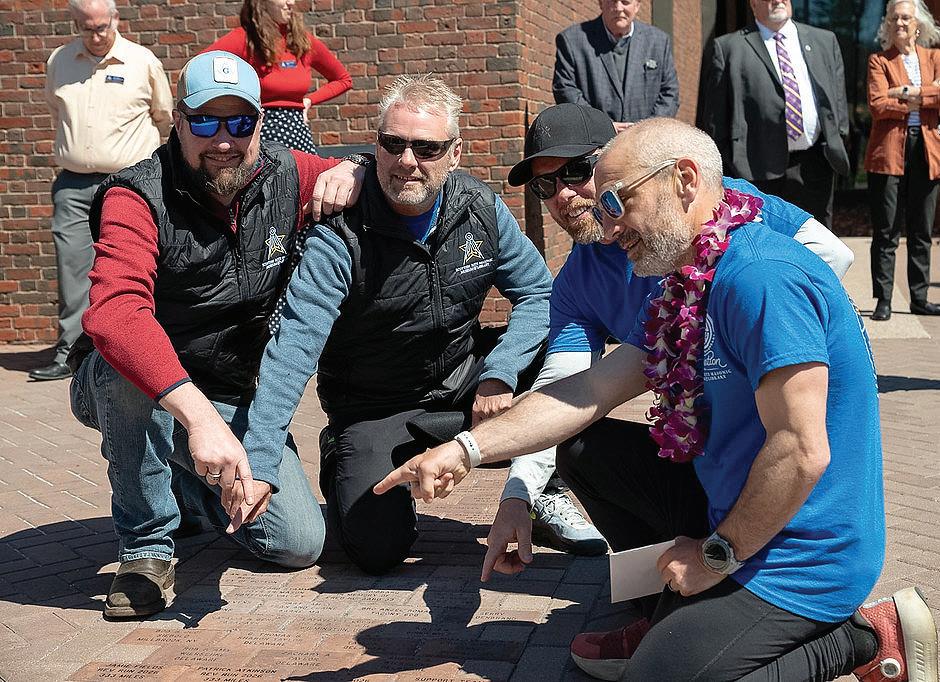
At one point, he was confronted by a simple, honest question: What would a doctor tell me to do? The answer was equally simple: quit. But for Patrick, that was not an option.
“People want to be inspired.
People want to be encouraged,” said Patrick. “And every single one of you has that ability. Believe in what you do. Please, go inspire others.
”His leg was failing. He could barely walk without pain. And yet, he continued.
That moment defines more than determination, it defines character.
It is here that we begin to understand the deeper meaning behind his journey, one that aligns so closely with the values we hold dear in the Scottish Rite.
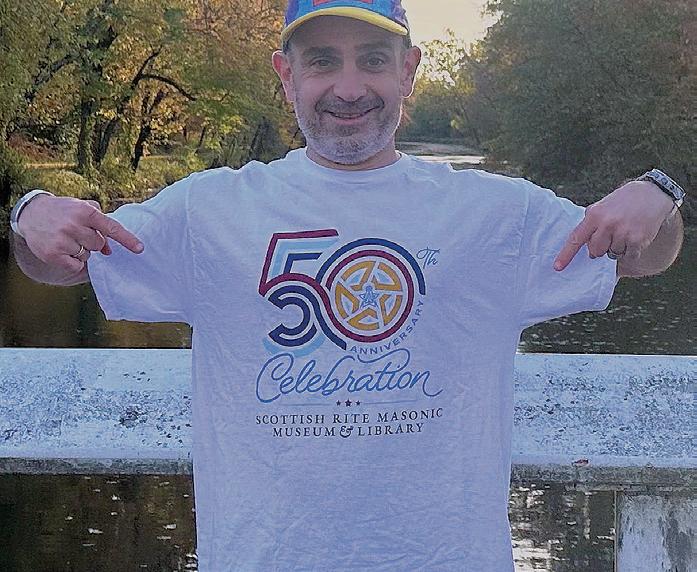
His run marked not only a personal milestone, but also a celebration of the 50th anniversary of the Scottish Rite Masonic Museum and Library and the 250th anniversary of our nation.
At the heart of his journey lies something even deeper than endurance or discipline, it’s gratitude. “This is much more than we ever imagined, and it’s because of each of you. Every single person here has given me inspiration and encouragement,” Patrick reflected. “It goes well beyond this… this everyday life.”
As Freemasons, we are taught that our work is not merely external, but internal, that we must labor upon the rough ashlar of our own lives. “People want to be inspired. People want to be encouraged,” said Patrick. “And every single one of you has that ability. Believe in what you do. Please, go inspire others.”
“For nearly two years, this run lived within him. It evolved, it was delayed, it was tested.
”As I stood witnessing this extraordinary event, I was struck not by the distance he covered, but by the depth of his humility. “You can become anything you want at any moment, you simply need the courage to decide, and the discipline to follow through,” he said.
That is servant leadership. It is not about being seen, it is about seeing others. It is not about recognition; it is about reflection.
While Patrick’s run has come to an end in Lexington, his greater journey of purpose, service, and inspiration

continues far beyond those final steps— Journey On!
The question is not whether we can run 333 miles. The question is far simpler, and far more important: Will we carry the message forward?
To donate to the Revolutionary Run, scan the QR code or visit: Run.SRMML.org
STEP BY STEP. Every contribution moves our work forward.
PERSON BY PERSON.
In addition to supporting the incredible Scottish Rite Charities at DonateRite.org, you are now able to directly donate while logged into your Scottish Rite Member Center.

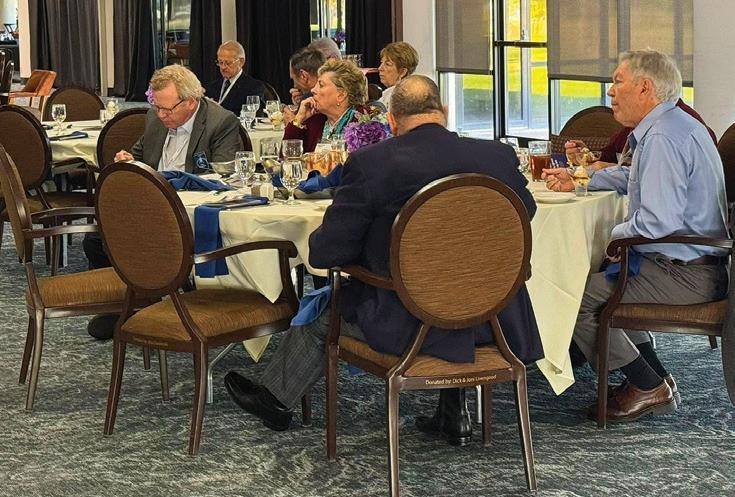
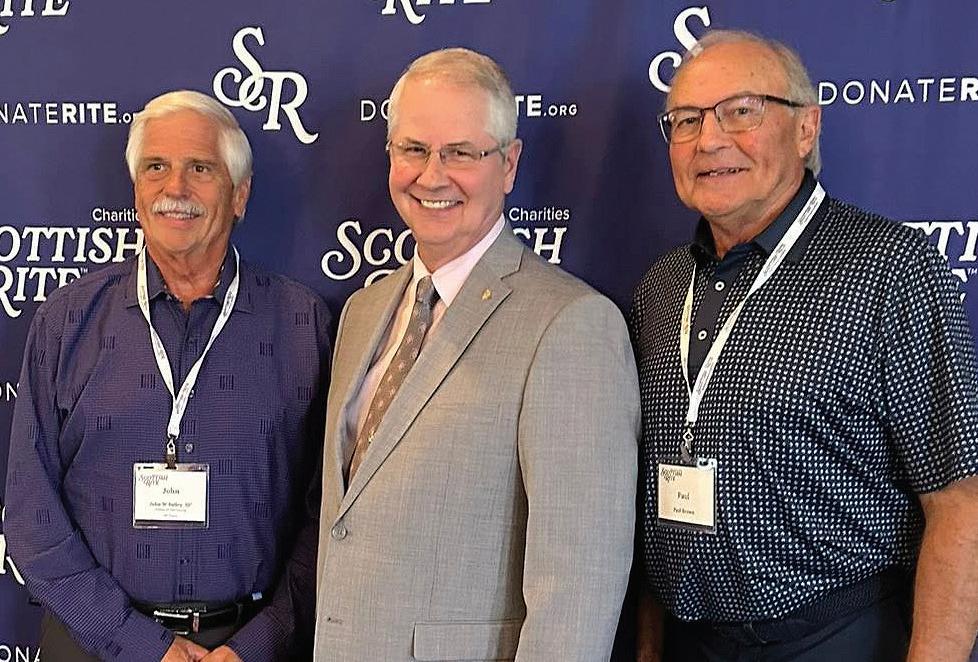
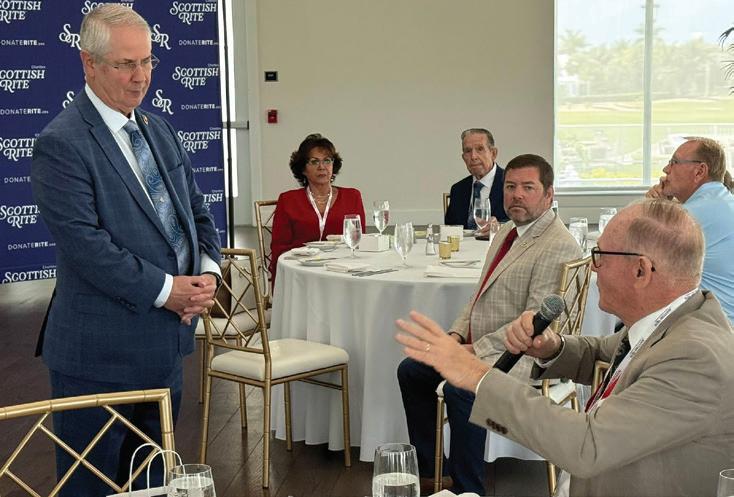
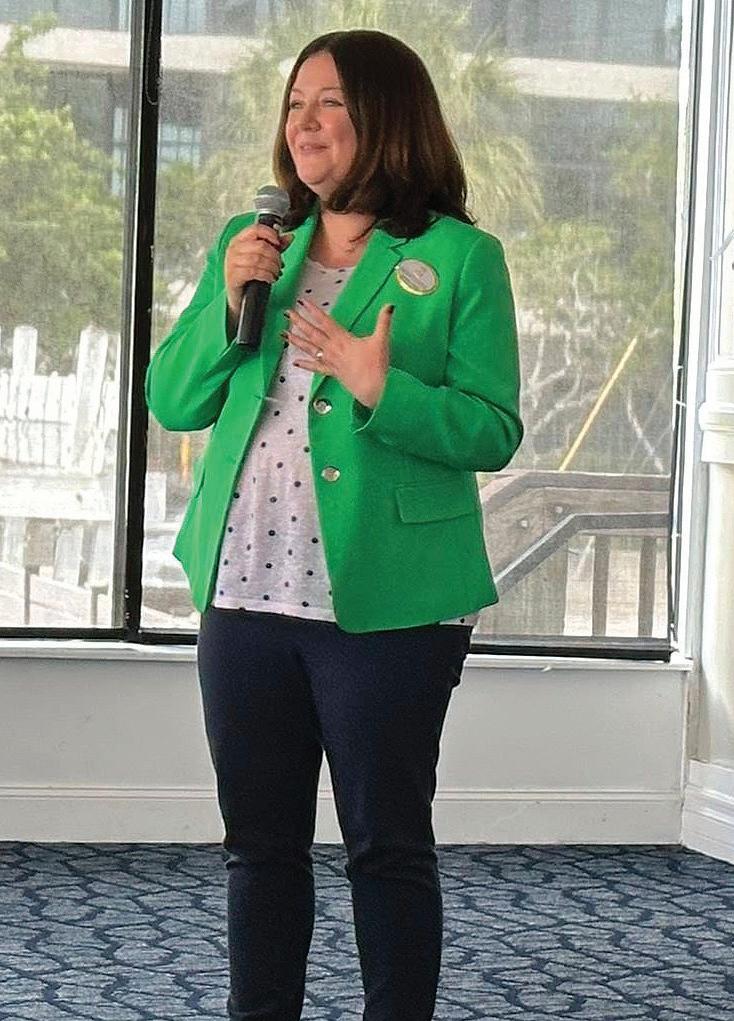
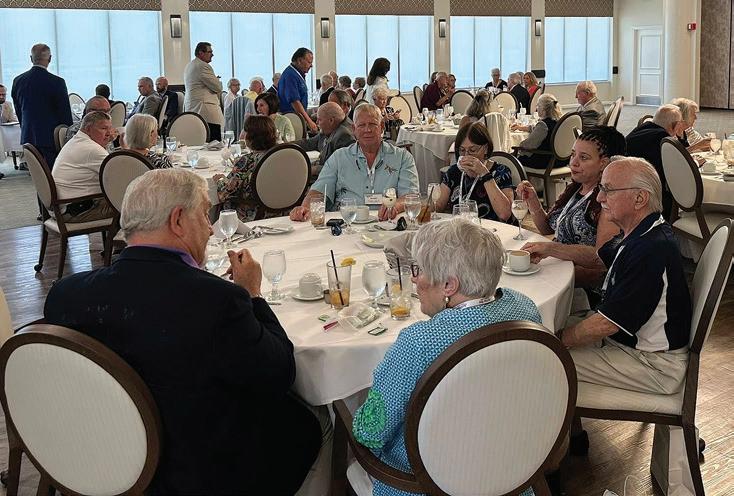
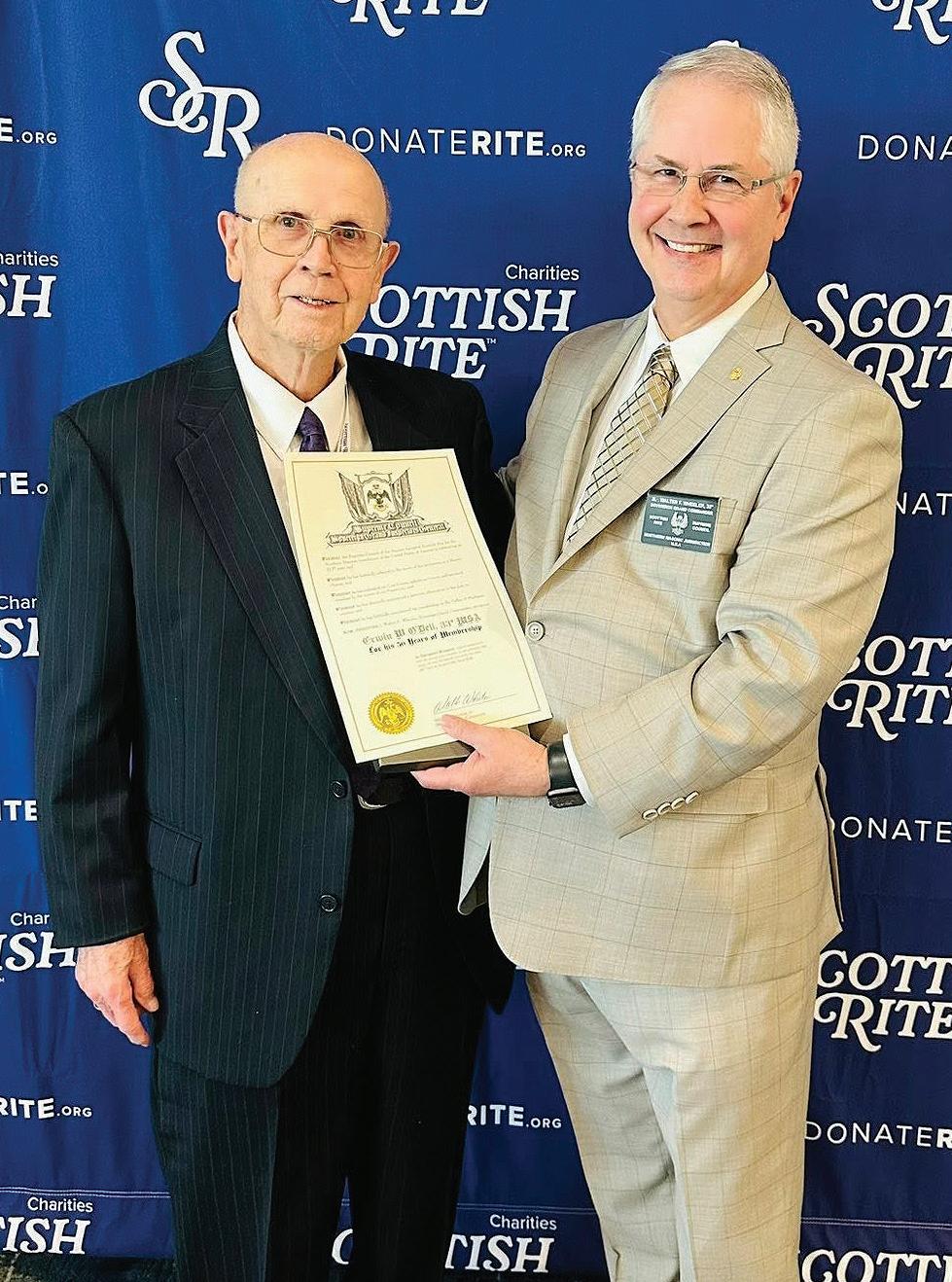
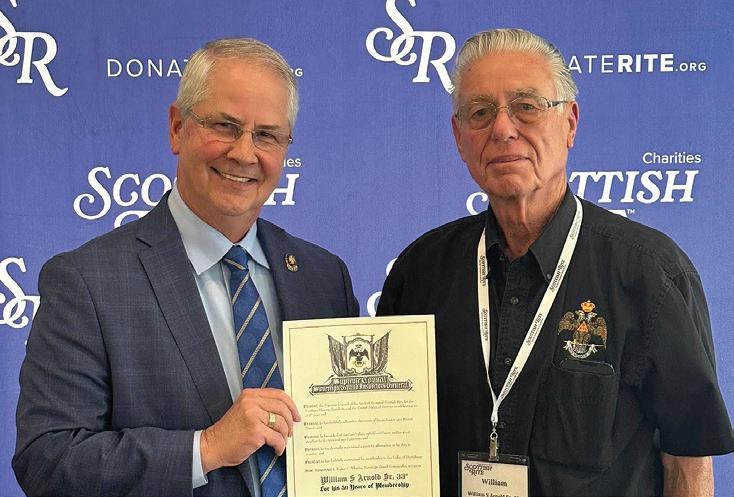
The 2026 Florida and Arizona Reunions are in the books. Commander Walt Wheeler and members of the Charities team visited our Brethren in Sun City, Arizona in January. In March, they visited The Villages, Sarasota, Bonita Springs, Tampa, and North Palm Beach on the Florida tour.
The reunions are a chance to catch up with our snowbirds and let them know about the good works our Charities department does every day.
Dates for next year are being finalized. Watch coming issues of The Northern Light for more information.

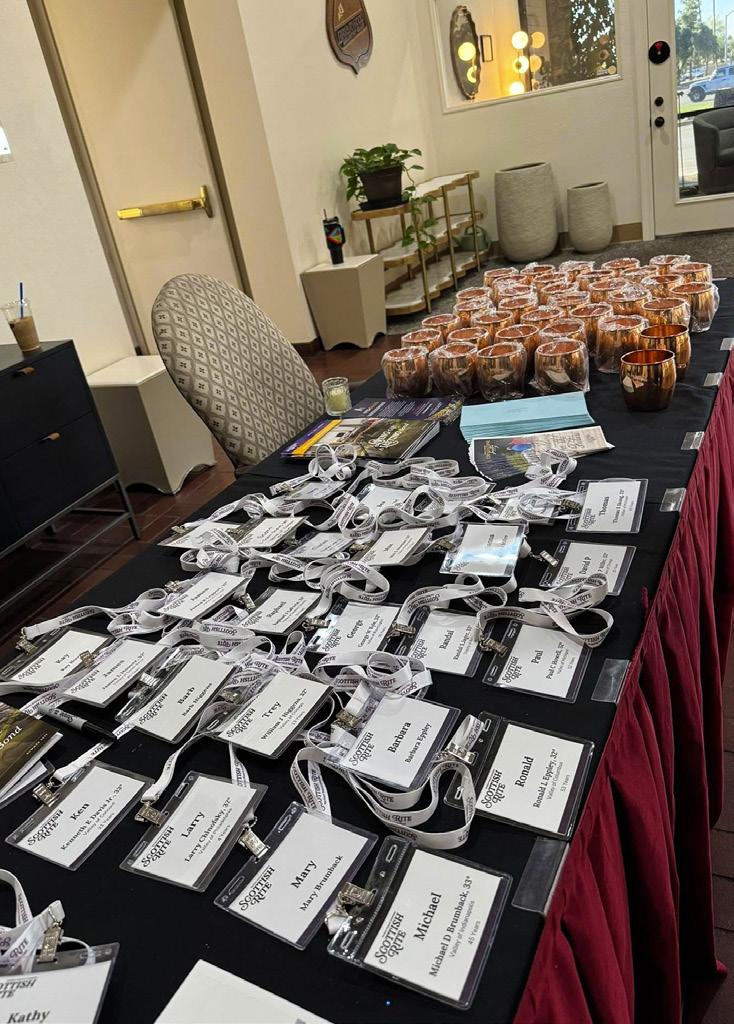
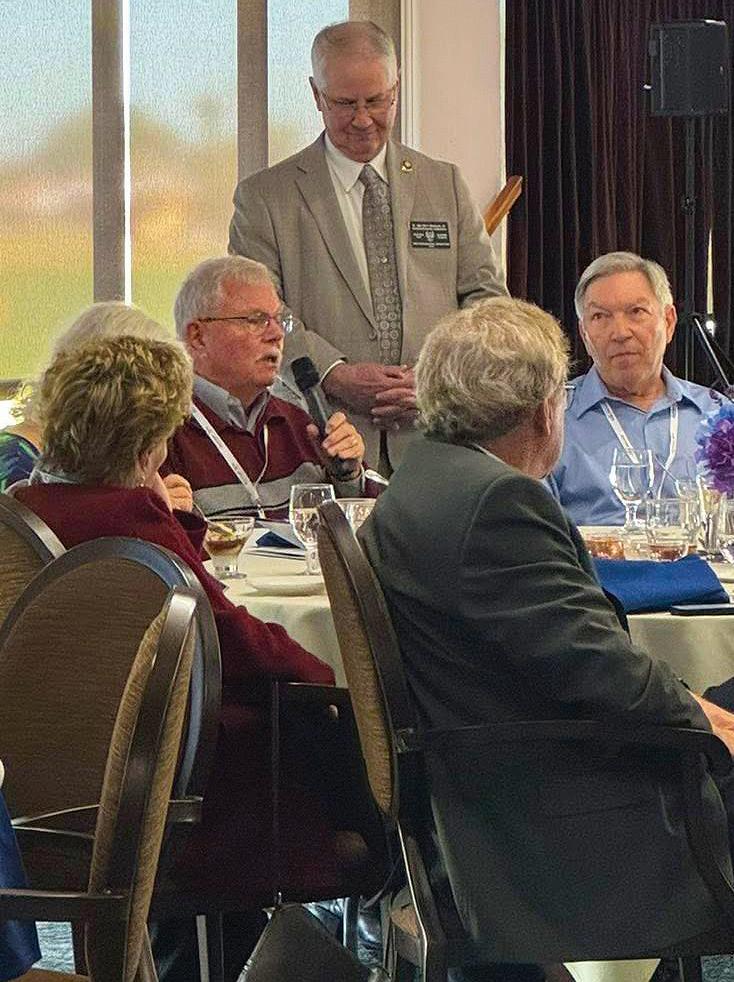
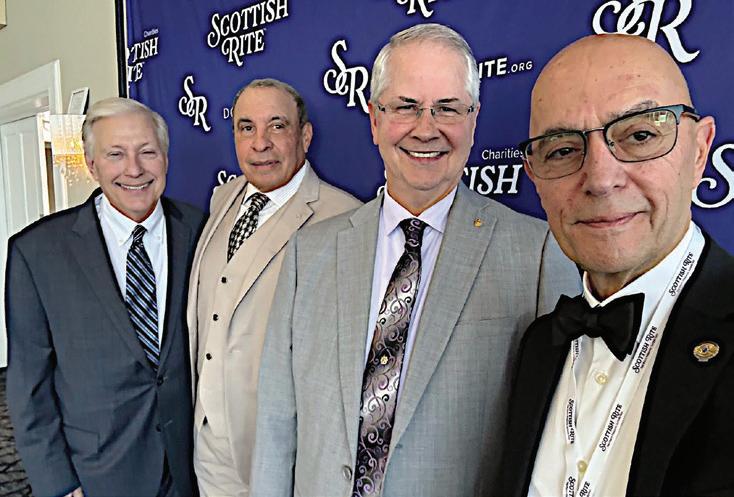

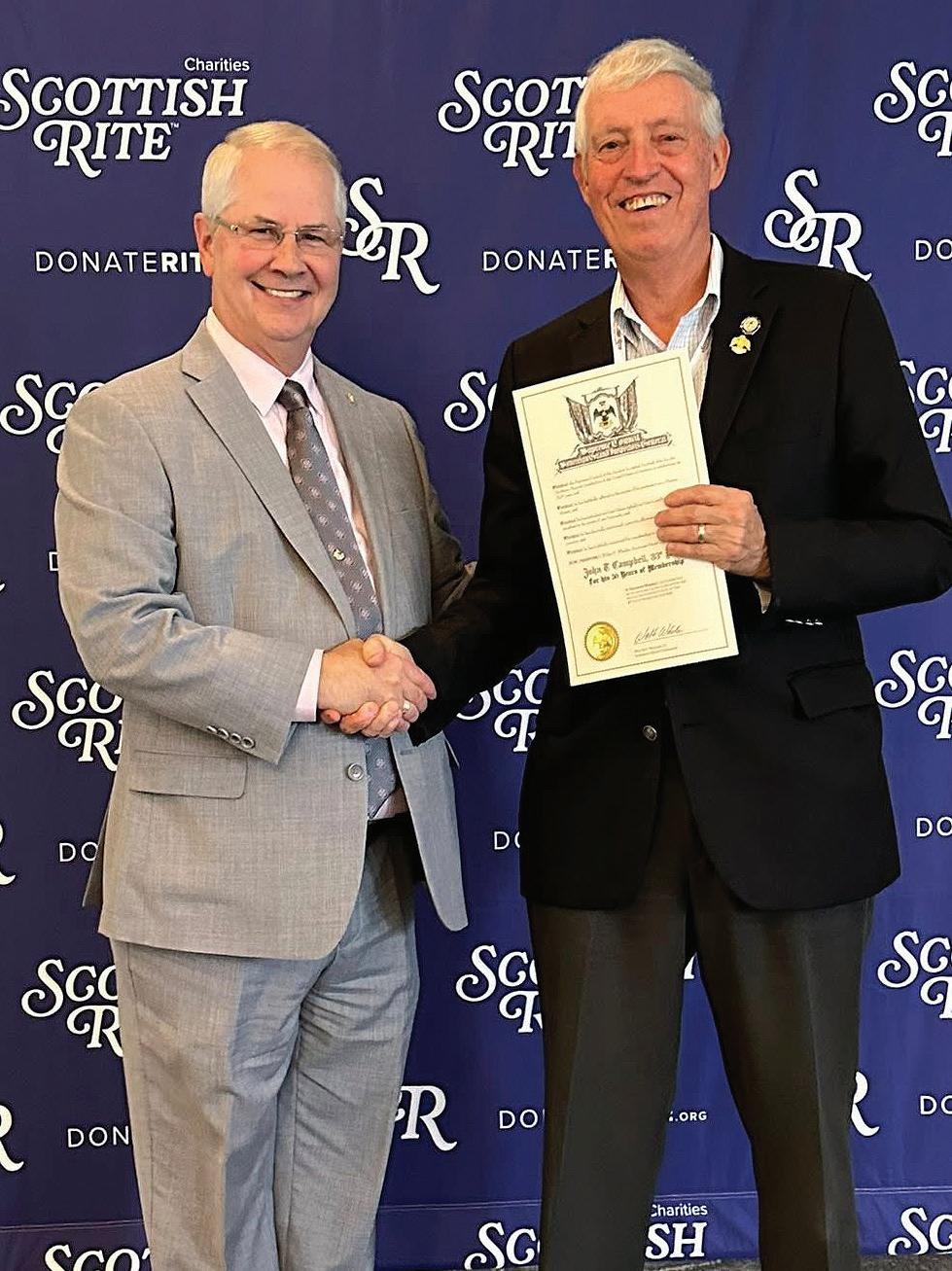
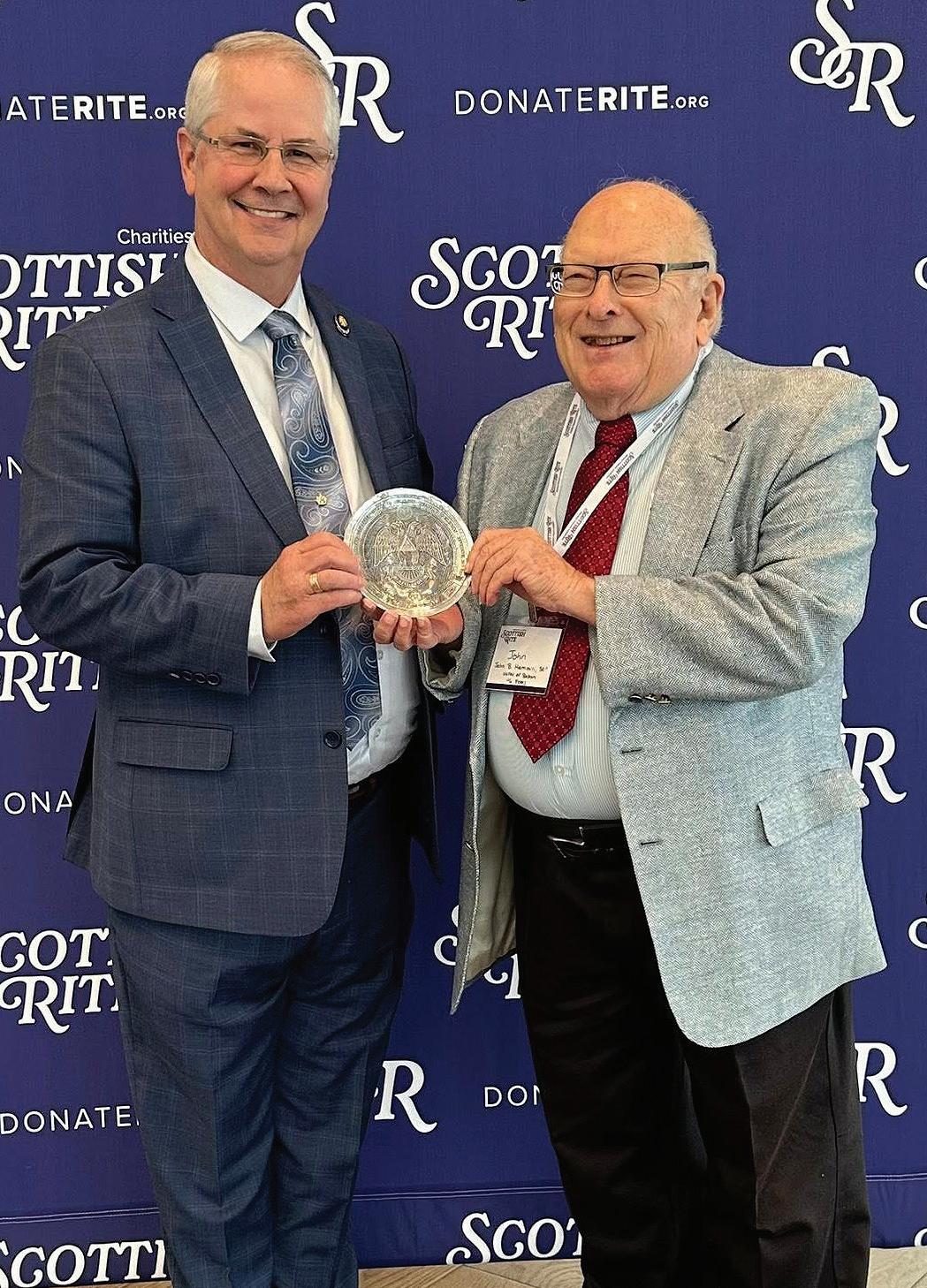
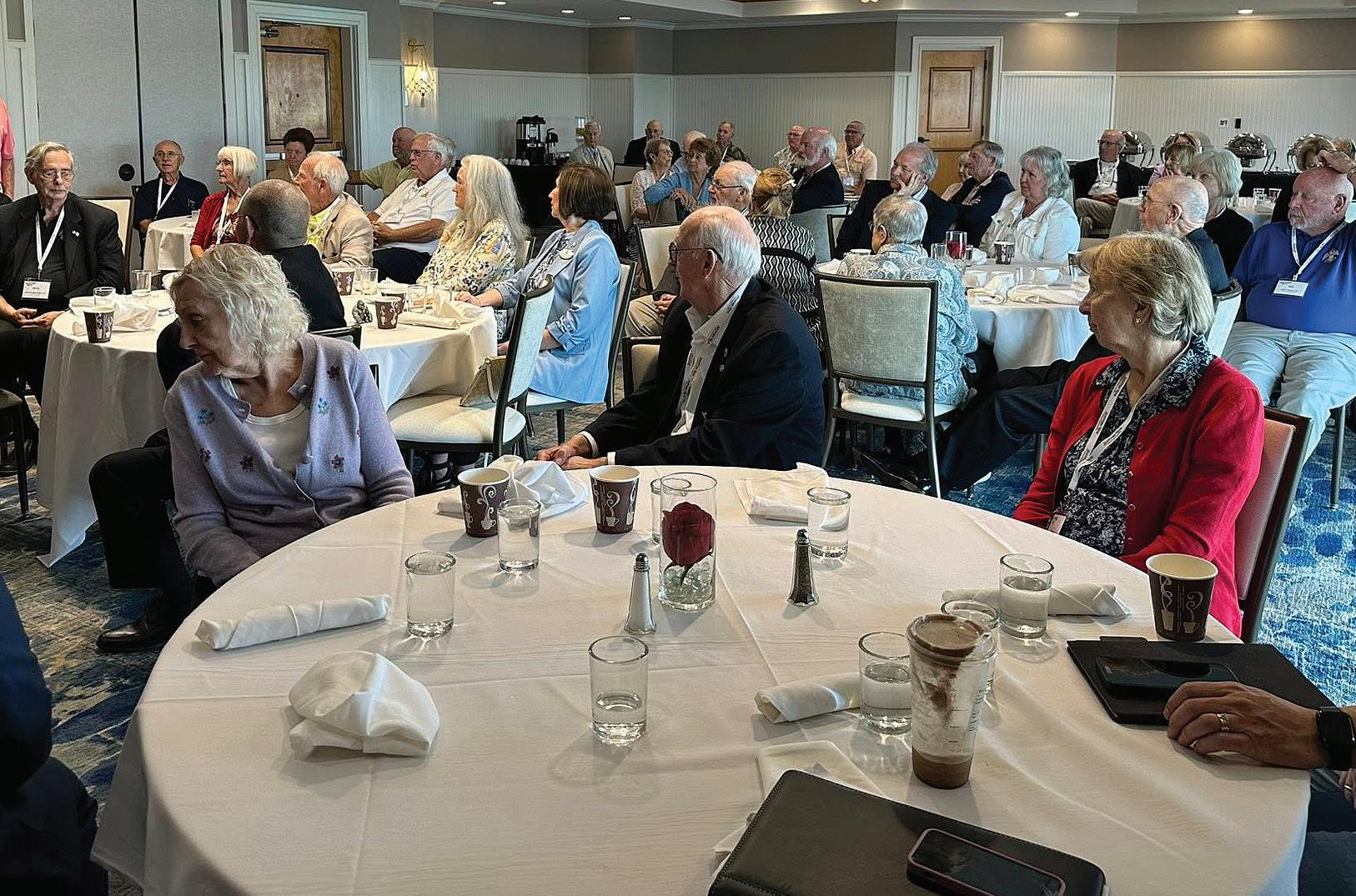
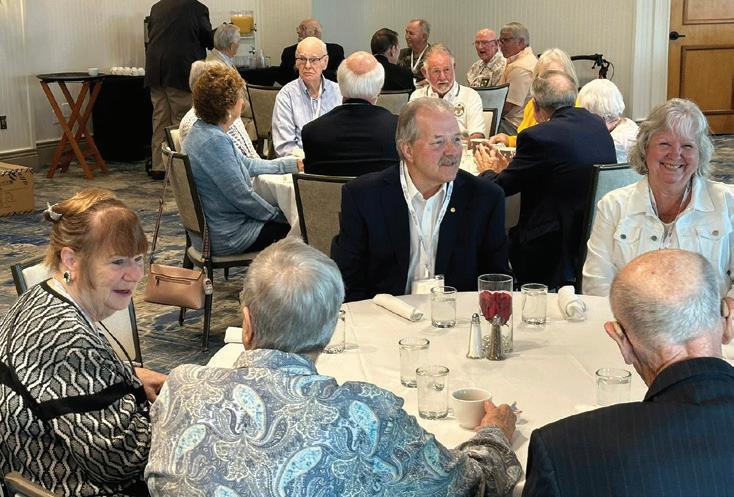
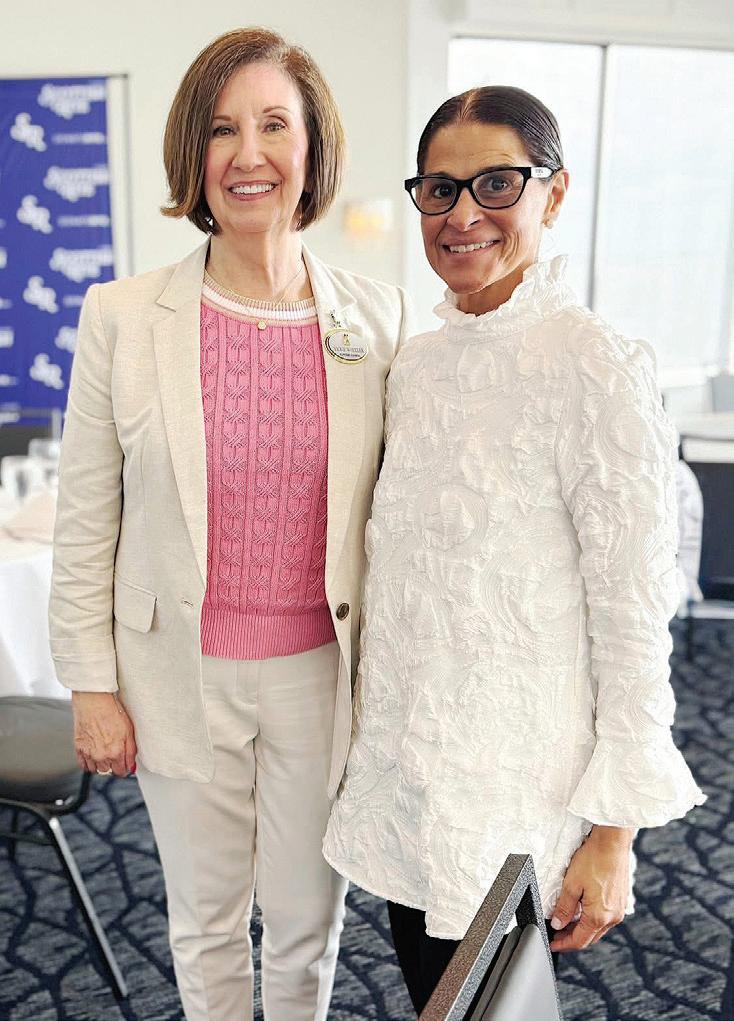
Be sure to update your seasonal or permanent address in your Member Center account or through your Valley to receive invitations to future events near you! !
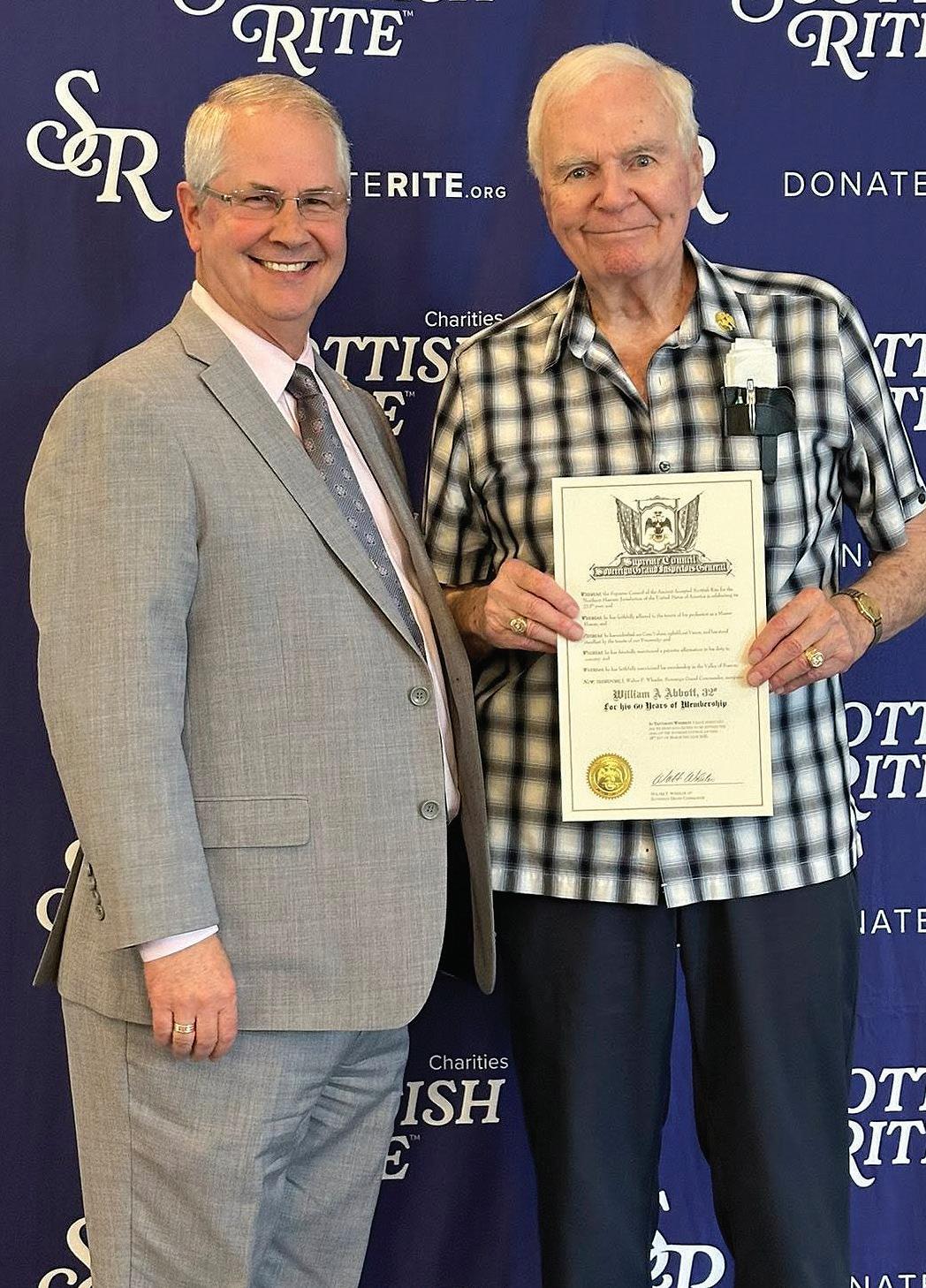

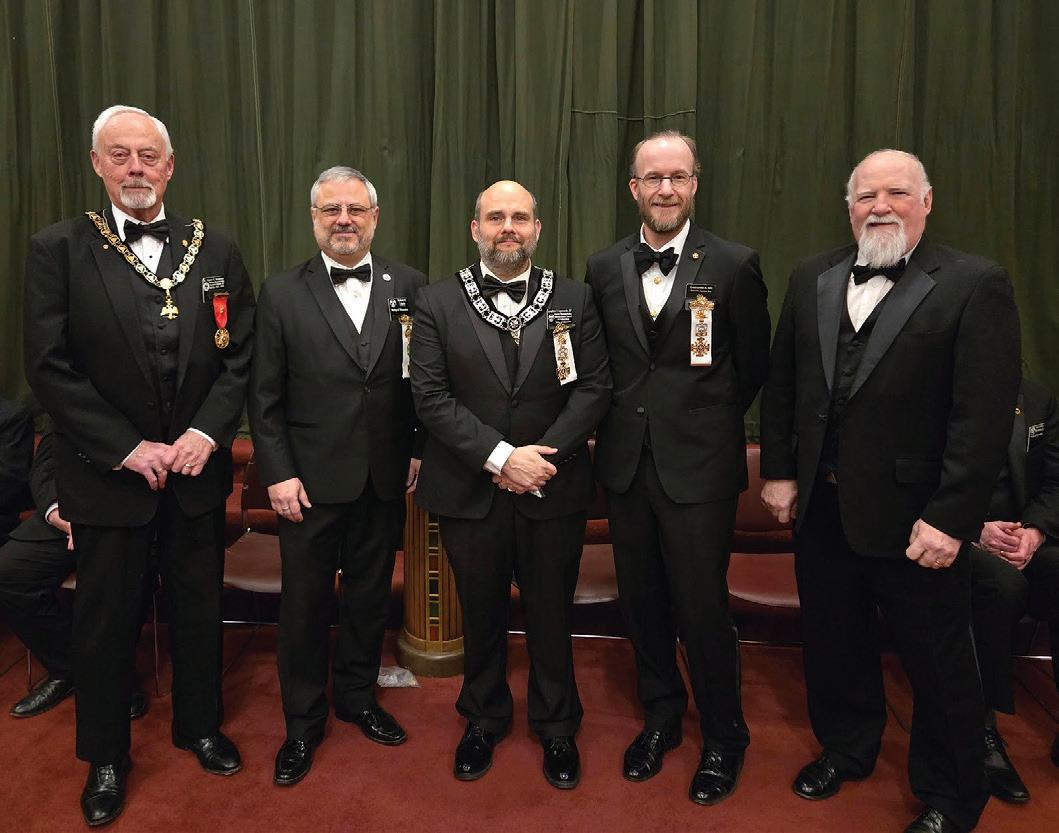
by John A. Amarilios, 33˚, MSA
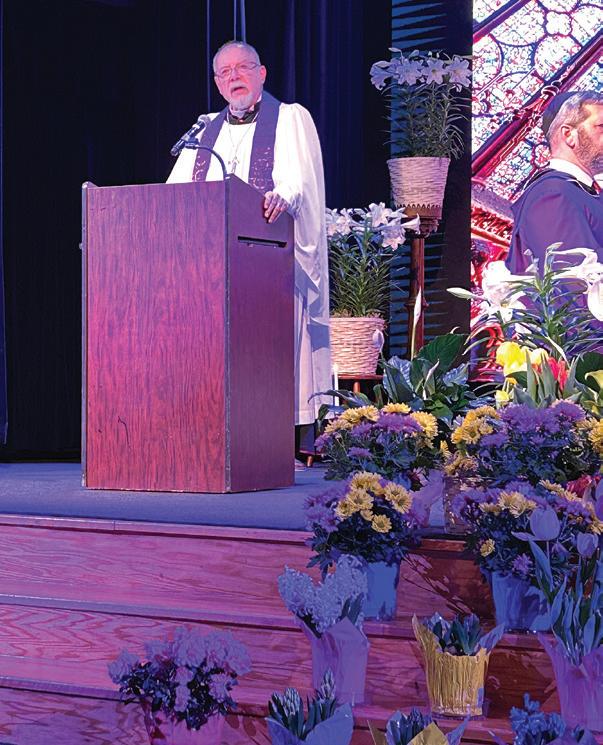
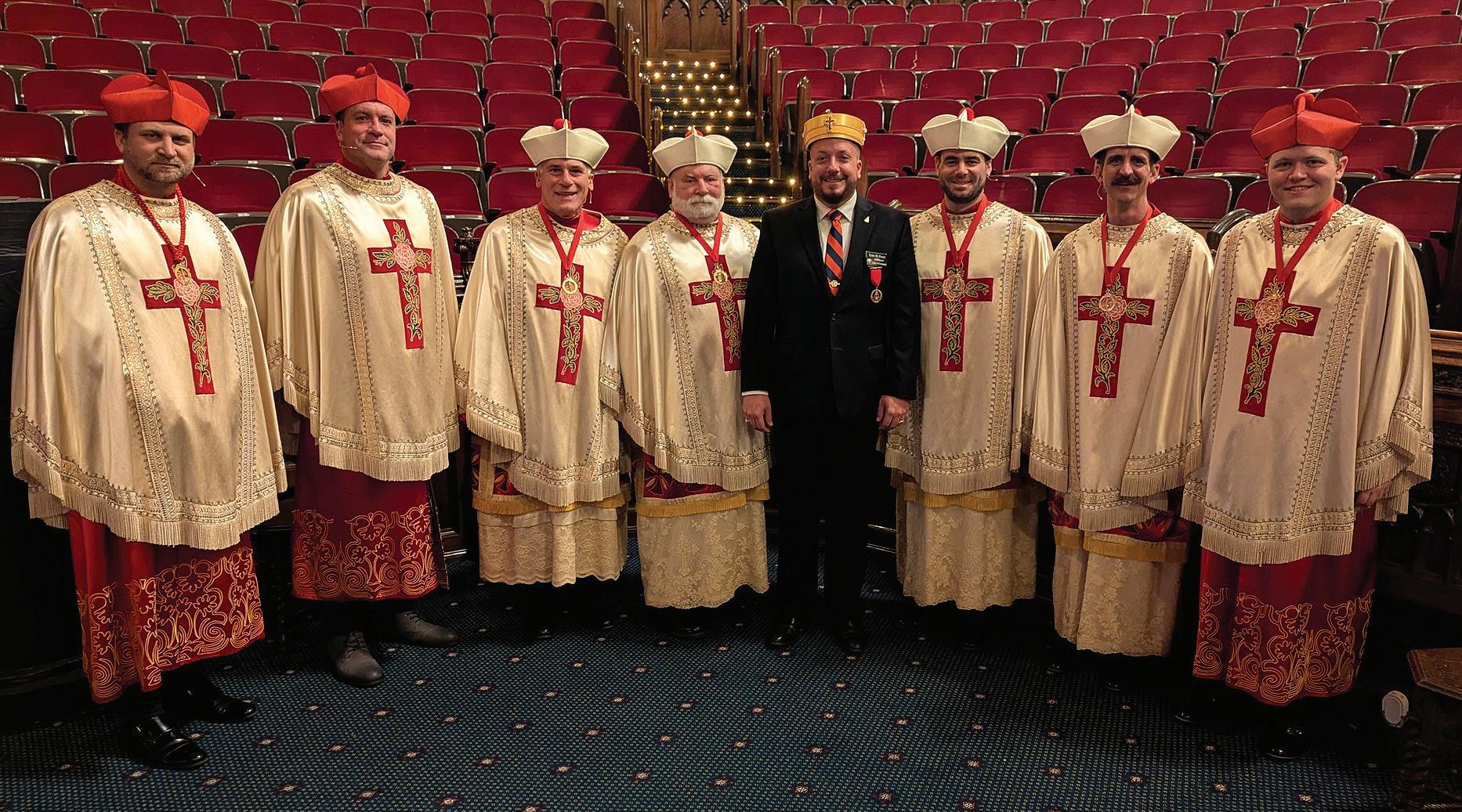
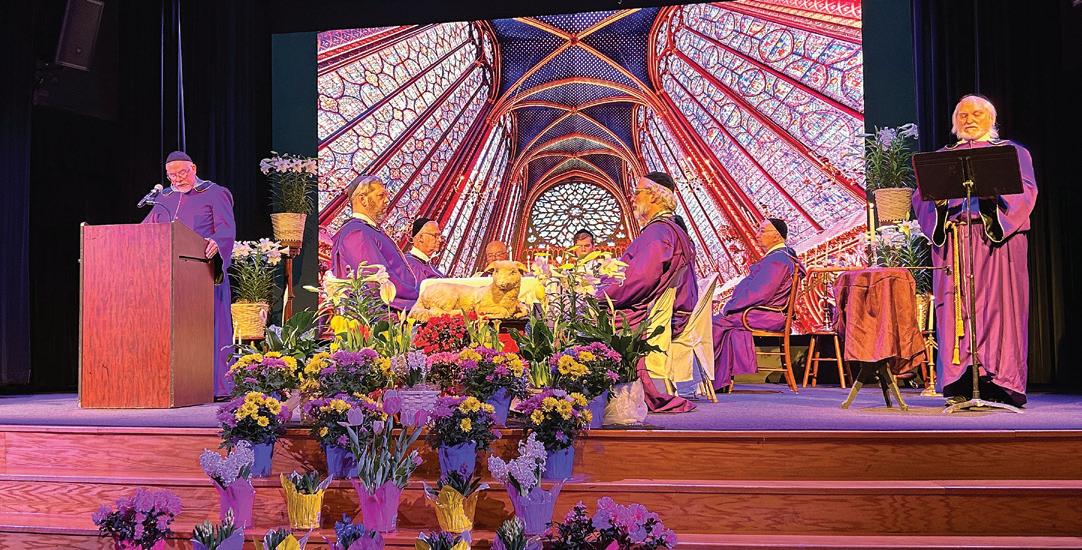
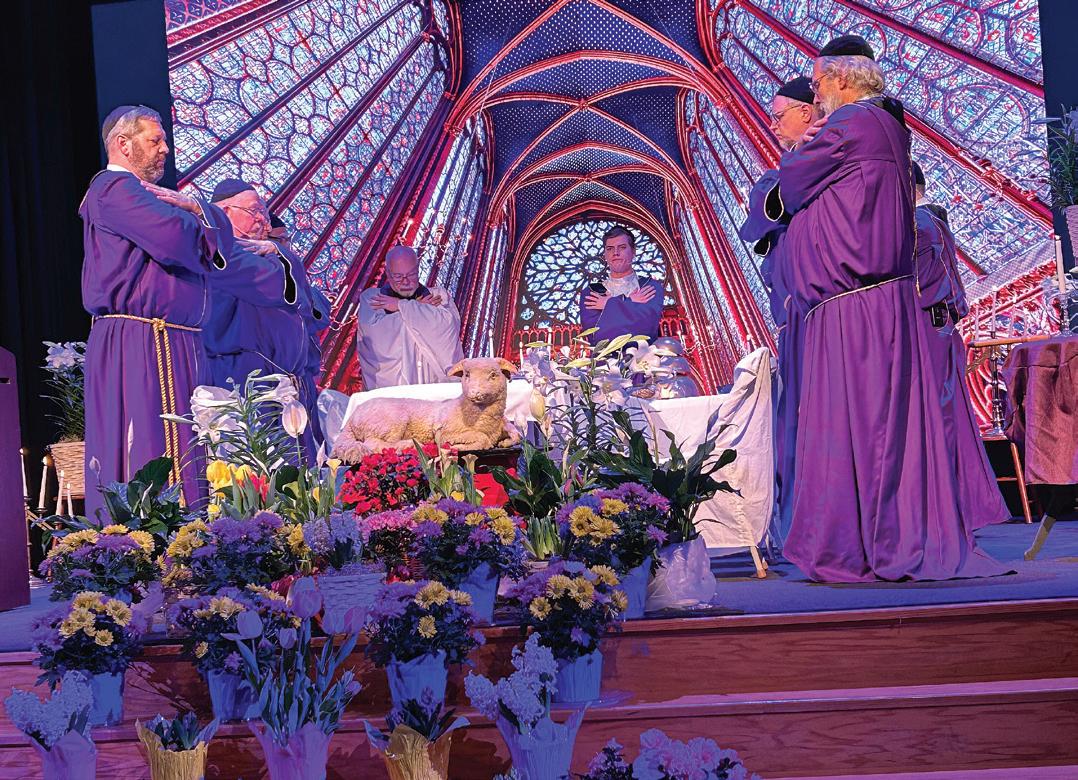
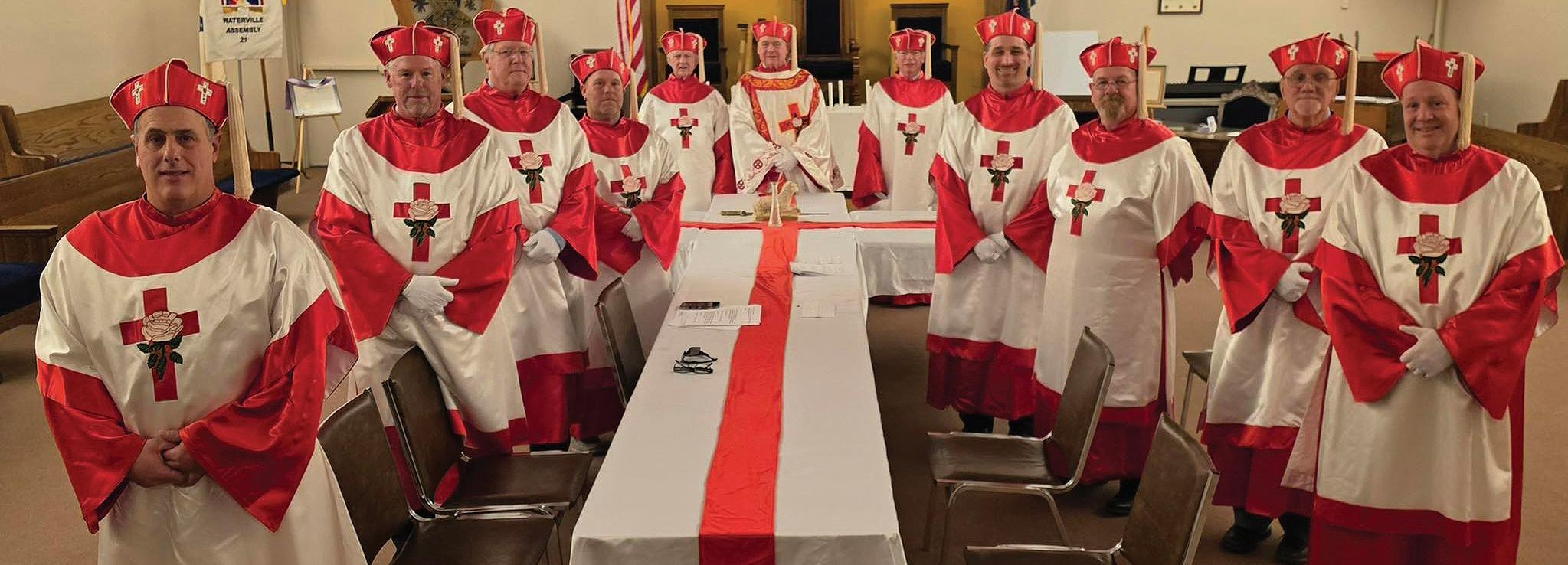
For the better part of the last decade, the Valley of Bridgeport has celebrated the transition of its members during a bi-annual celebration and presentation of the Paschal Lamb. The event is open to the families of the Masonic Community, and more especially to the widows of the Brothers who are being celebrated. The ceremony, which hearkens back to the time of the Old Testament attempts to remind all who attend that a better world can be attained if all of mankind took the instruction “ Love one Another” to heart.
During the Observance, we read the names of 59 Sublime Princes who had transitioned in the past 24 months. At the conclusion of the Observance, the audience was invited to help themselves to the floral arrangements as a way of remembering their loved ones.
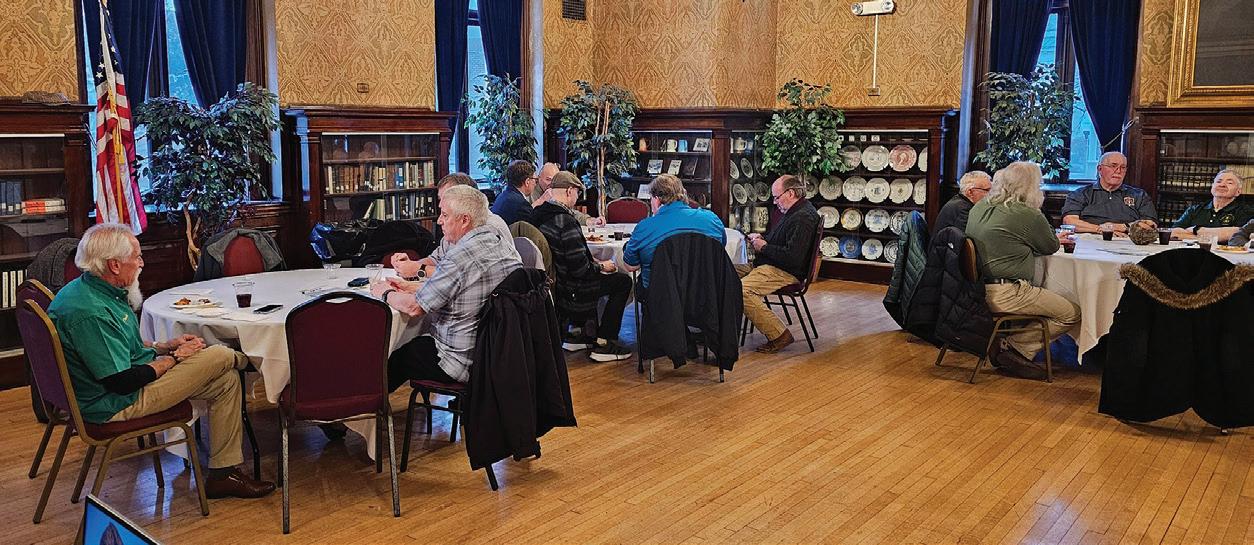
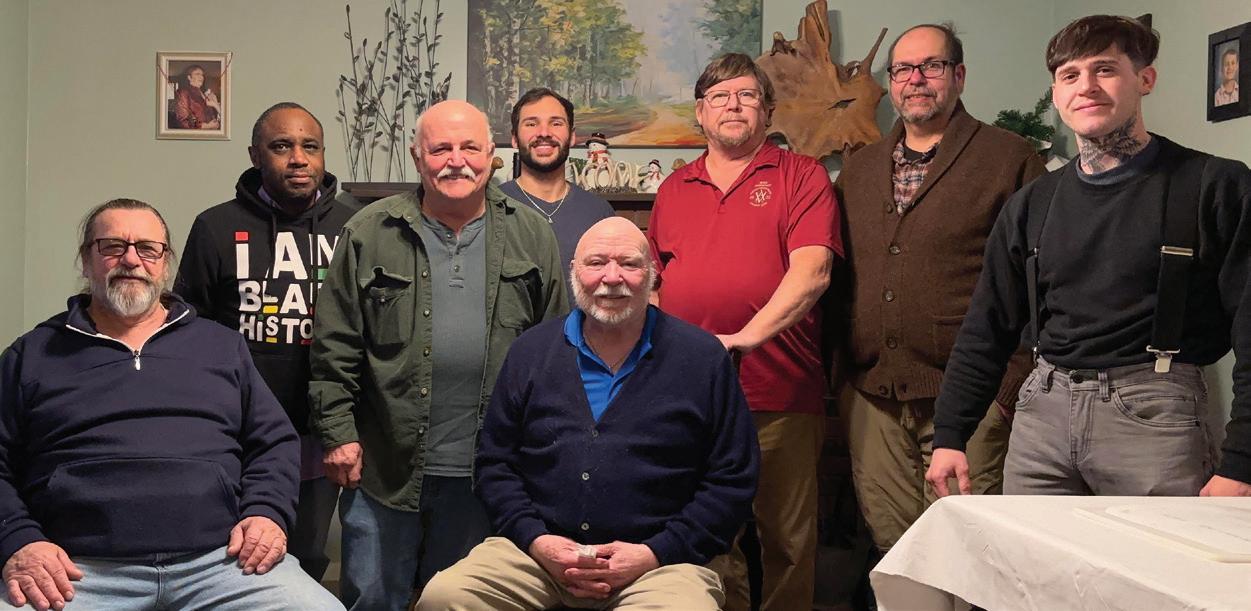
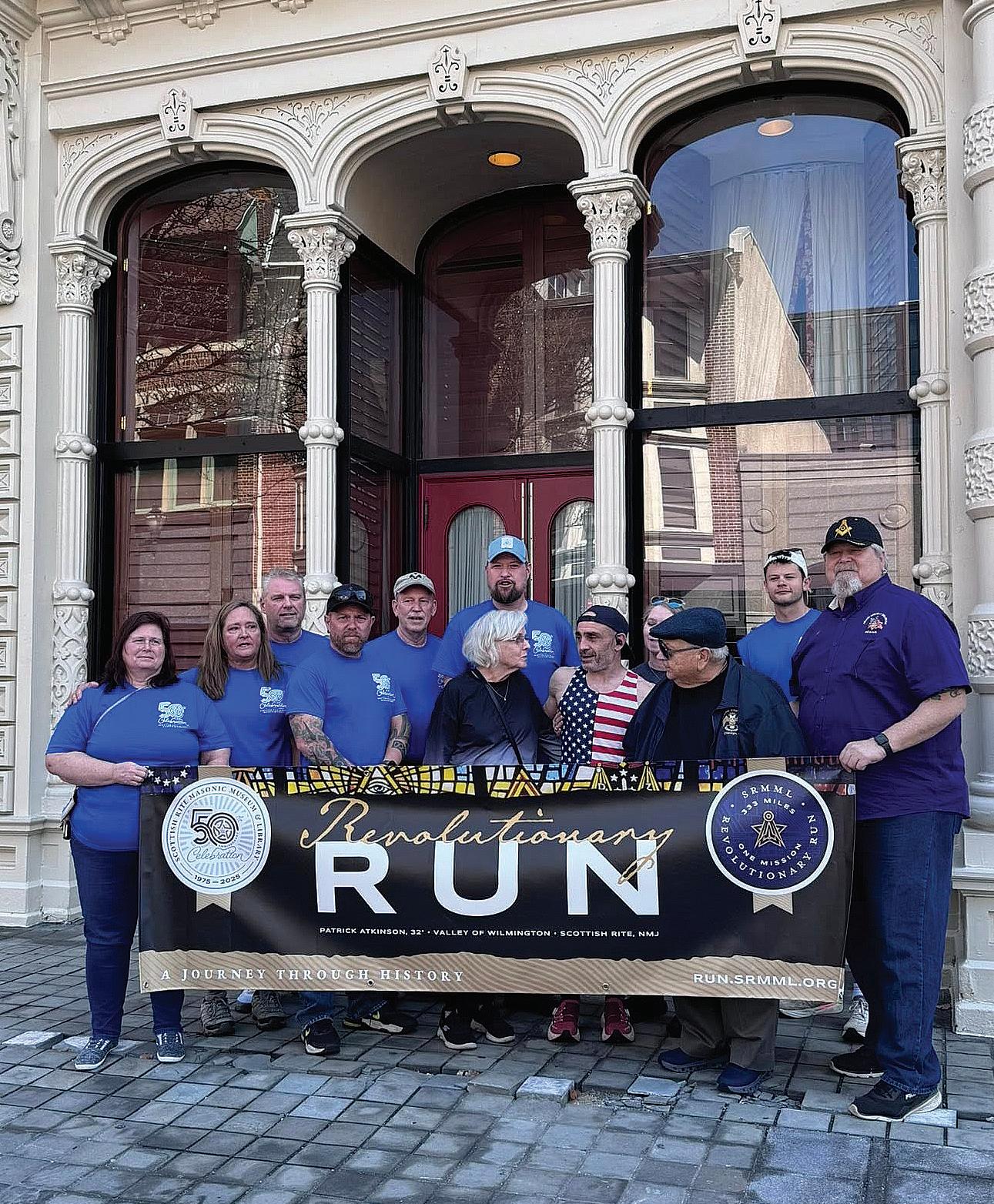
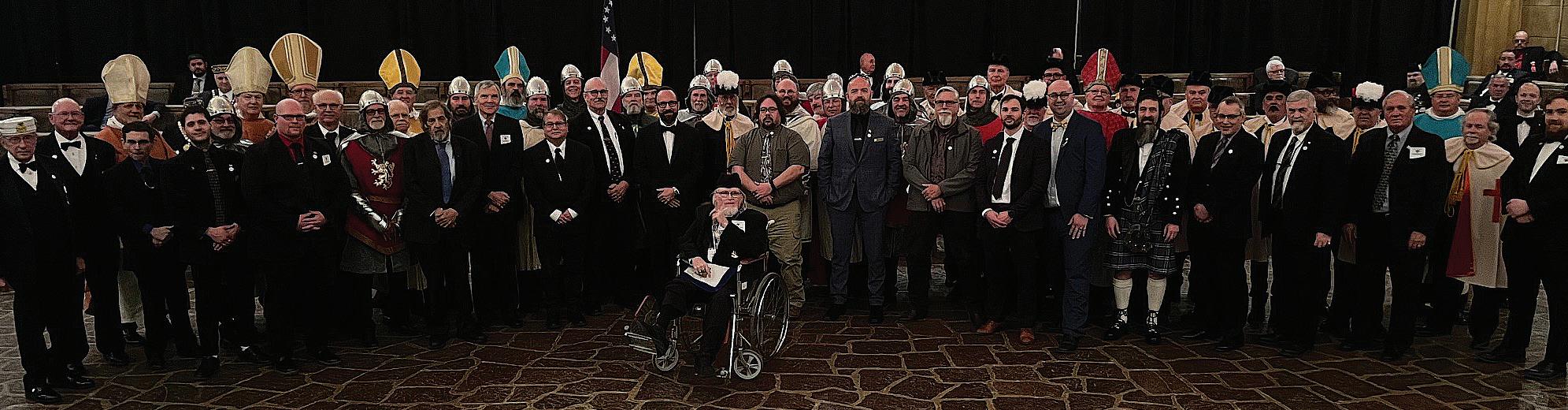
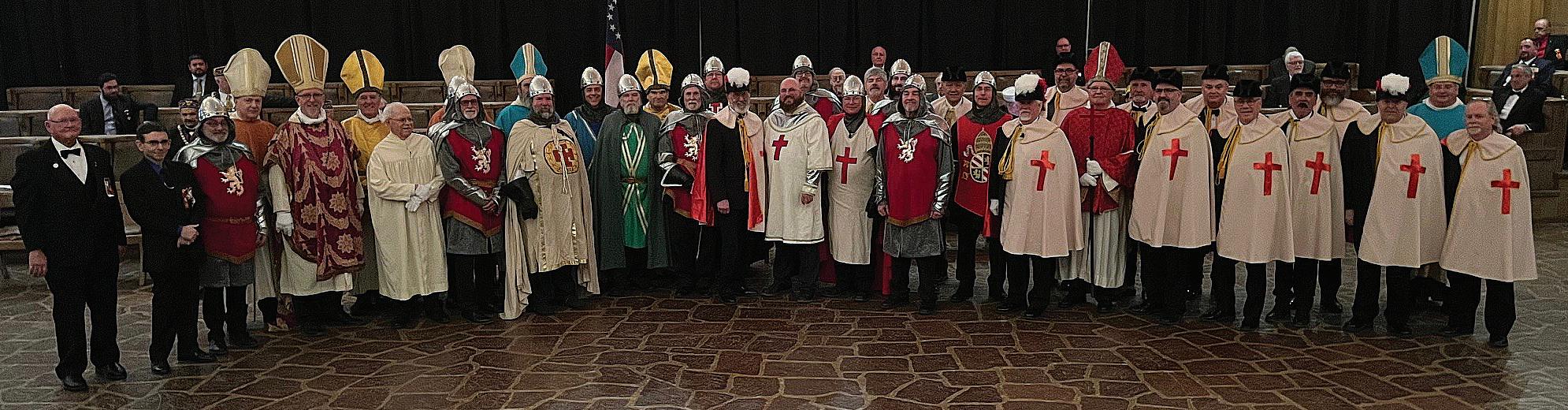
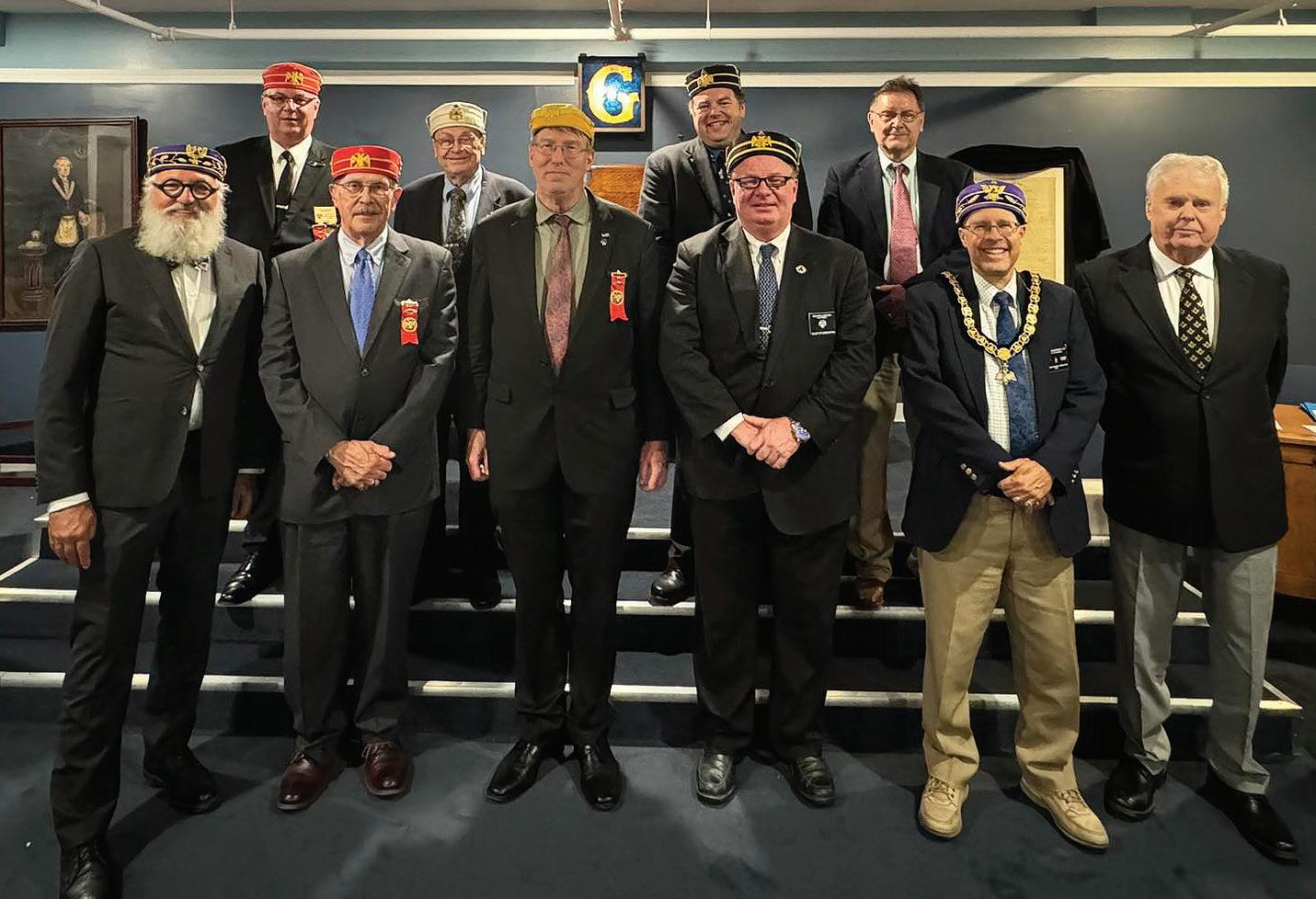
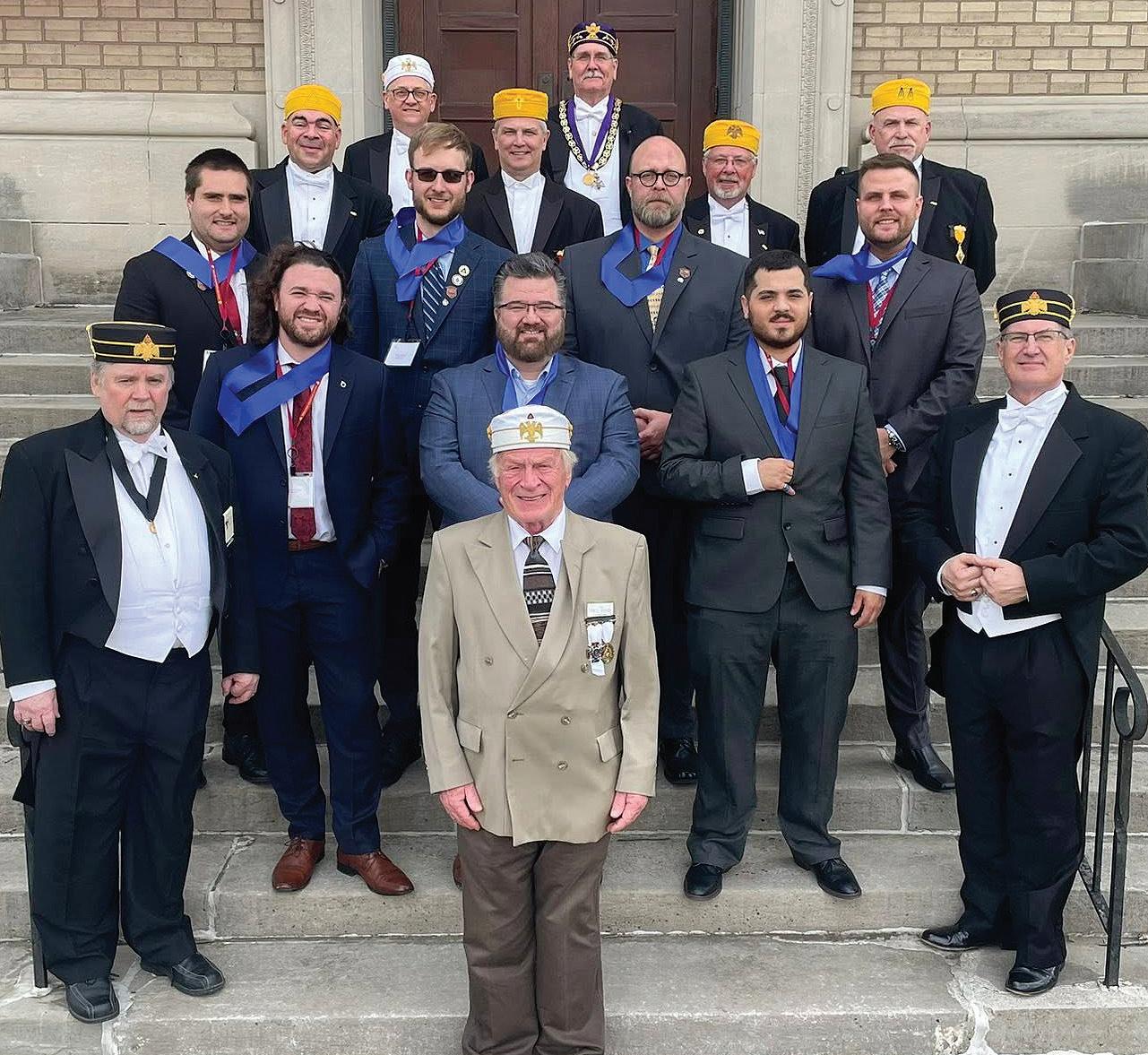
On a beautiful spring Saturday, over 100 Scottish Rite Brothers, 20 candidates, and 20 ladies gathered to help celebrate our annual Consistory Reunion. Upon arrival at the magnificent Masonic Center in Manchester, NH, the ladies boarded a bus to enjoy an off-site luncheon followed by a tour the Millyard Museum. Following the men’s luncheon, we enjoyed live exemplifications of the 20th Degree by the Valley of Portsmouth-Dover, the 26th Degree by the Valley of Nashua, and the 32nd Degree by New Hampshire Consistory. Attendees received a custom jewel
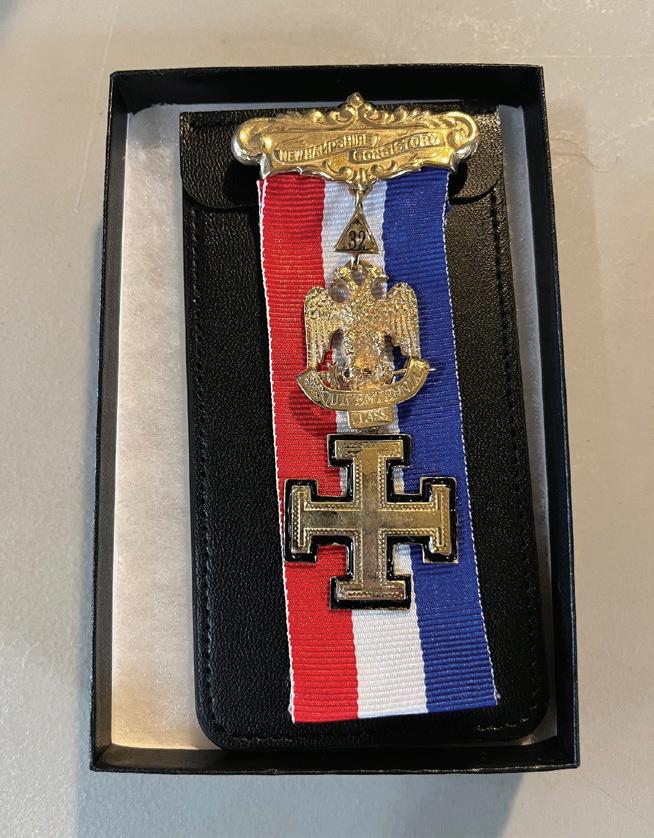
commemorating the 250th anniversary of our Nation. To conclude the day, the Brothers and their ladies ventured to the dining hall for a delightful dinner. It was a great day for Scottish Rite in New Hampshire. Journey On!
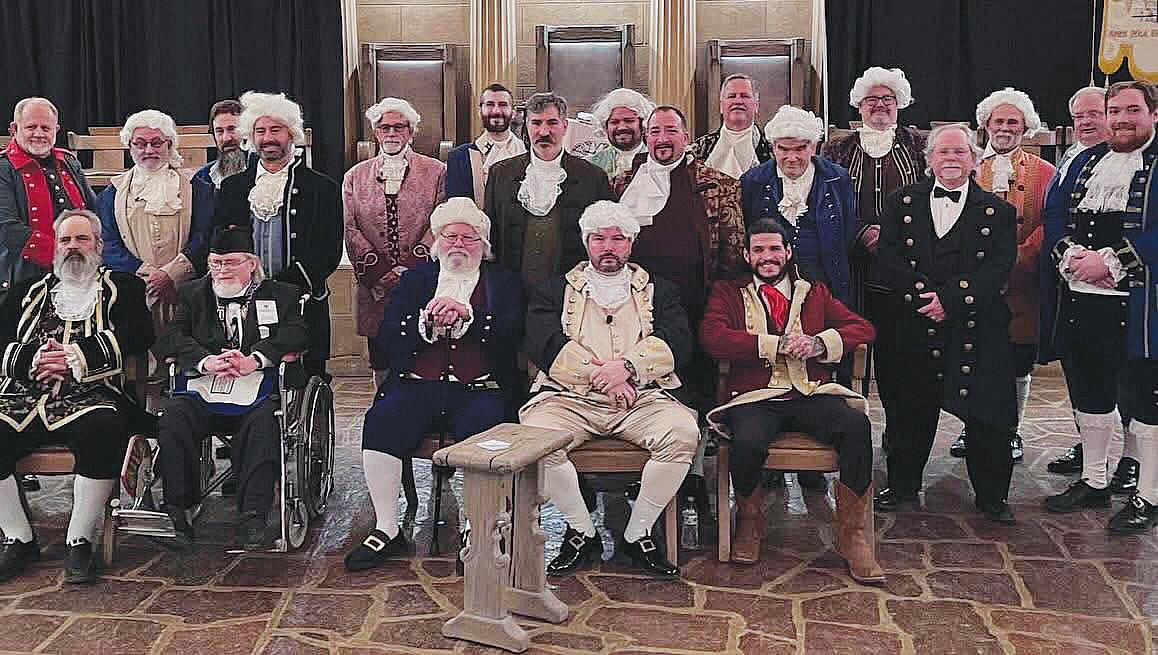
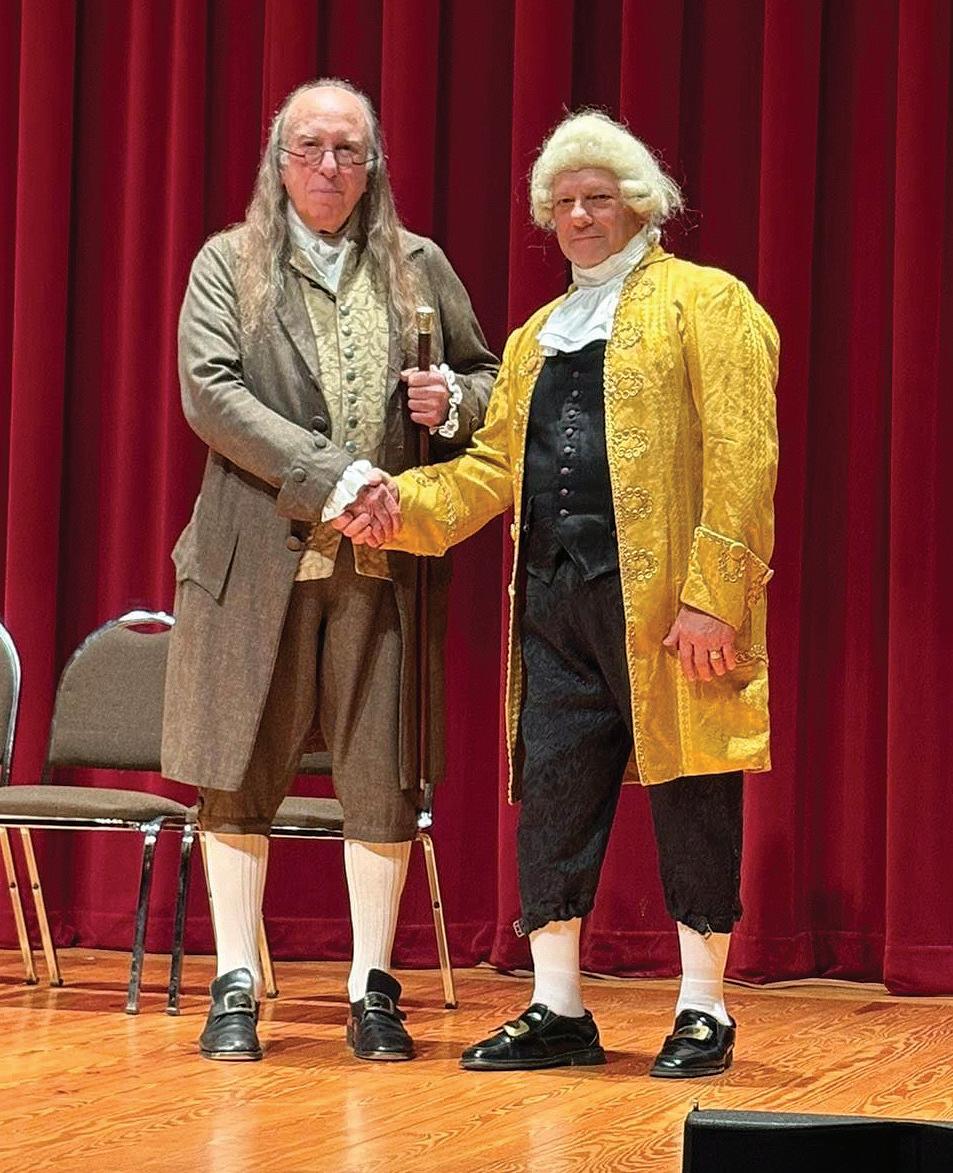
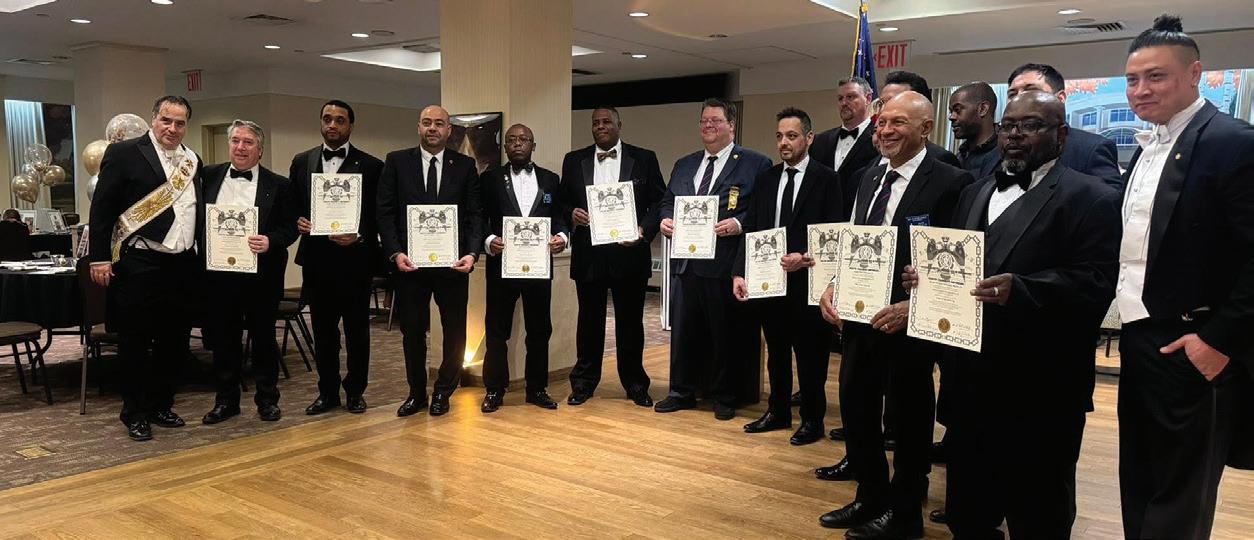
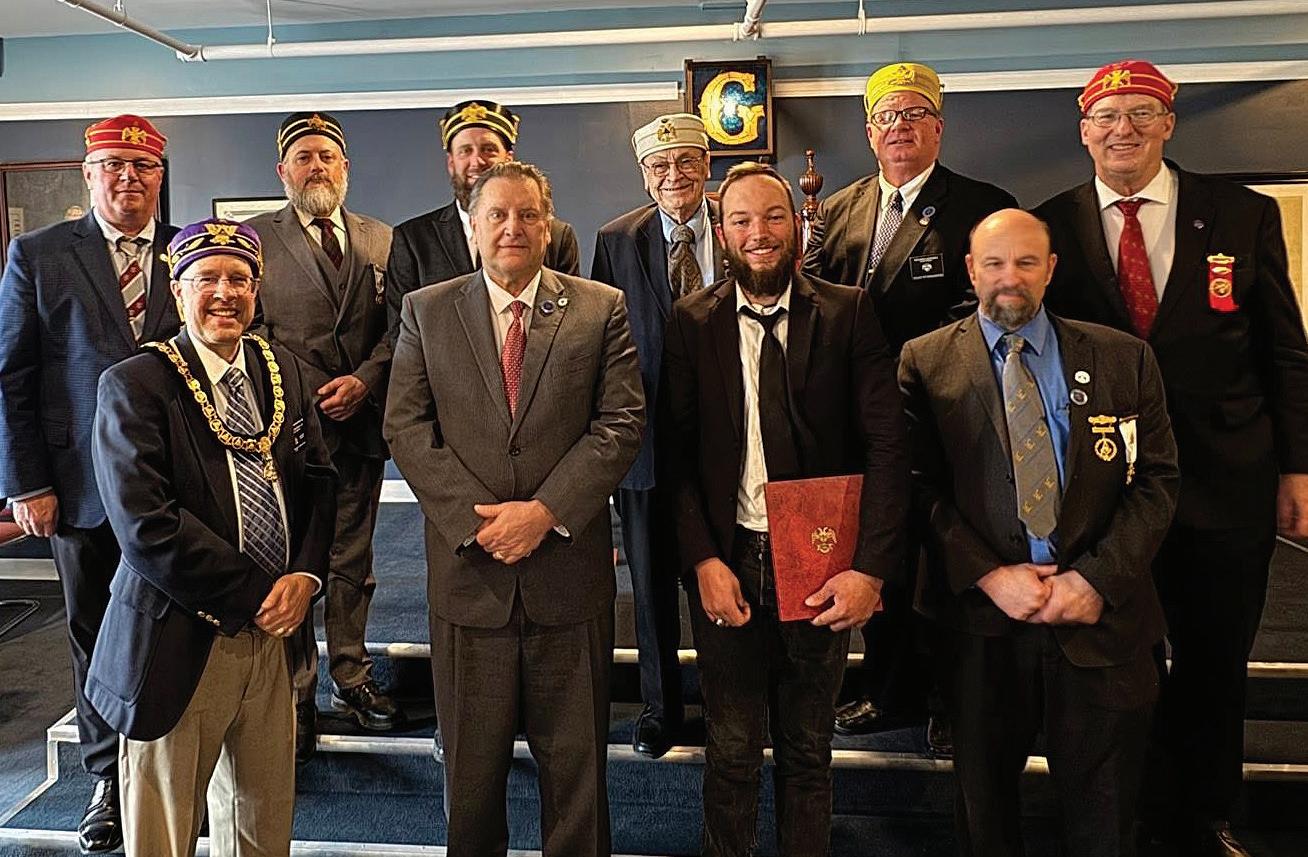
The Valley of New York City presented membership certificates to their newest Sublime Princes.
by Stacey Fraser, Assistant Curator Scottish Rite Masonic Museum & Library
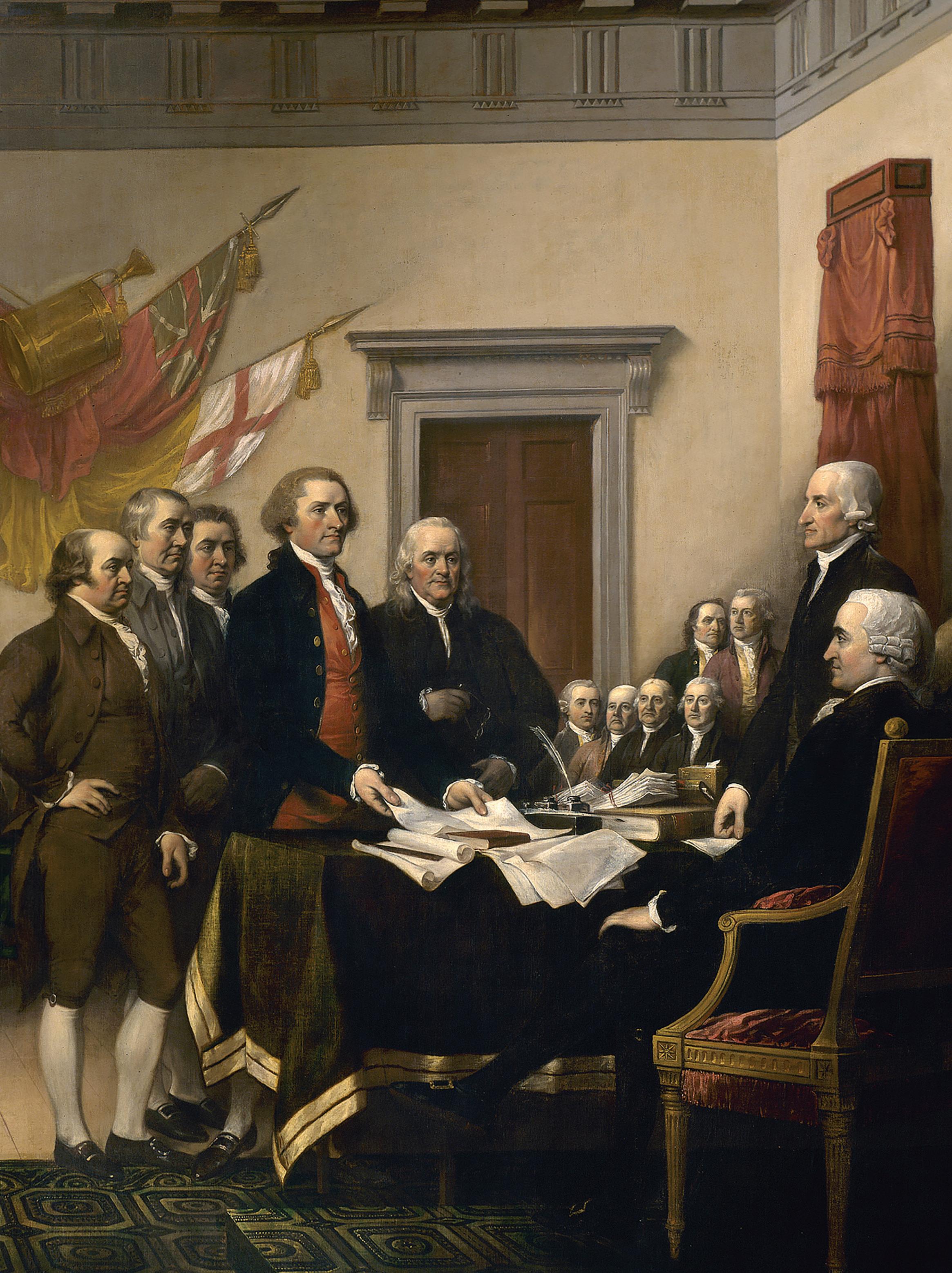
In July 2026, the United States will celebrate the anniversary of the signing of the Declaration of Independence. Two hundred and fifty years ago, these extraordinary Freemasons from New Hampshire and New Jersey signed their names on that seminal document, thereby helping found the United States.
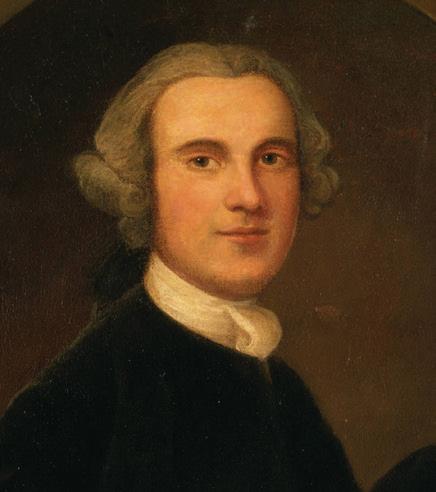
Richard Stockton (1730-1781)
BORN in Princeton, New Jersey, Richard Stockton studied law at the College of New Jersey. In 1754, he passed the bar and opened a law practice in Princeton, followed by another in Newark. Ten years later, Stockton became Master of St. John’s Lodge No. 1, the first Masonic lodge in Princeton. He traveled to Great Britain in 1766 to help negotiate the conflict between Parliament and the North American colonies over the Stamp Act.
In the early 1770s, Stockton resigned positions on His Majesty’s Council for the Province of New Jersey and the New Jersey Provincial Supreme Court. New Jersey voters elected him to the Continental Congress in June 1776. The following month, he traveled to Philadelphia to sign the Declaration of Independence.
Later that year, while he was in upstate New York inspecting Continental Army troops, the British invaded New Jersey. Stockton moved his family to safety. He was captured by loyalists, turned over to British troops, and imprisoned. Freed in 1777, Stockton returned home weakened by his ordeal. He died of cancer at age fifty and was buried at Princeton’s Stony Brook Quaker Cemetery, alongside family members. At his funeral, the President of the College of New Jersey, where Stockton was a trustee for twenty-four years, said that he was “a man who has long been foremost in his country, for power, for wisdom, and for fortune…”
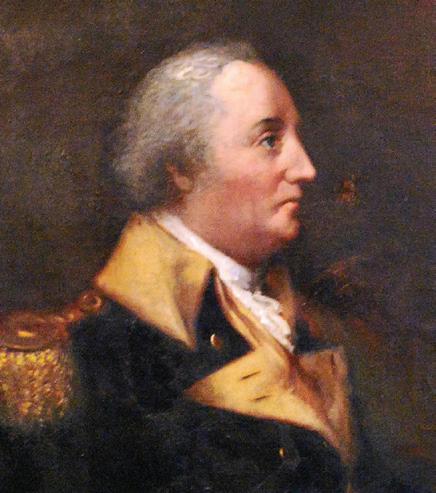
BORN in Kittery, Maine, William Whipple became a ship’s captain at age twenty-one. He became wealthy trading rum, wood, and enslaved people between North America, the West Indies, and Africa. In 1752, Whipple was raised in St. John’s Lodge No. 1 in Portsmouth, New Hampshire.
By 1774, Whipple worked as a merchant in Portsmouth and was elected New Hampshire’s delegate to the Continental Congress. The following year, New Hampshire voters elected him to the colony’s Provincial Congress. In July 1776, he traveled to Philadelphia to sign the Declaration of Independence.
In 1777, as Brigadier General of the First Brigade of New Hampshire Militia, Whipple fought at the Battle of Saratoga. He so impressed Major General Horatio Gates that Gates chose Whipple as one of two soldiers to negotiate the terms of capitulation for British General John Burgoyne. Whipple’s enslaved servant Prince (ca. 1750-1796) accompanied him and argued: “You are going to fight for your Liberty, but I have none to fight for.” William offered Prince his freedom in exchange for continued military service. Prince agreed and was manumitted in 1784.
After the war, Whipple returned to Portsmouth and served as an associate justice of the New Hampshire Superior Court. After his death at the age of fifty-five, he was buried in Portsmouth’s North Cemetery. Whipple’s epitaph mentions his service in the Continental Congress, “…particularly in that memorable Year in which America declared itself independent of Great Britain,” and notes, “In Him a firm and ardent Patriotism was united with universal benevolence, and every social Virtue.”

As we mark 250 years of American history, we take a closer look at our own.
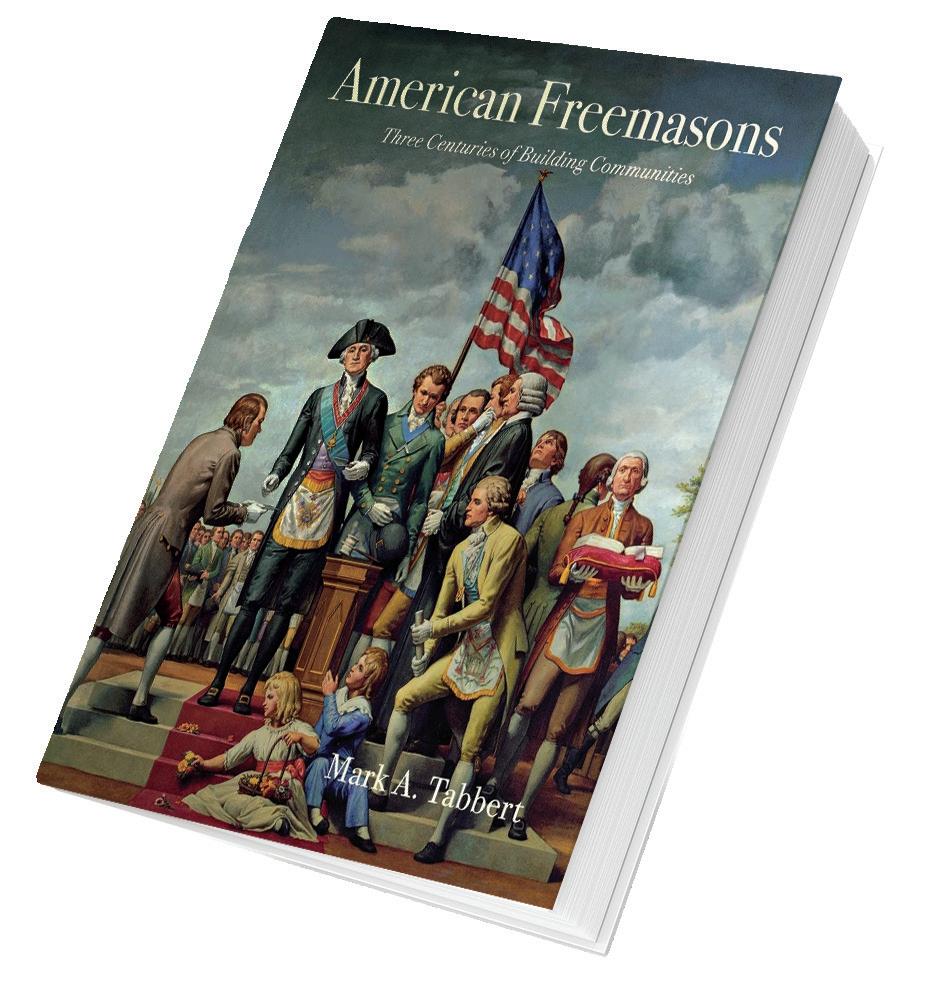
American Freemasons, Three Centuries of Building Communities brings together some of the people, places, and moments that shaped the fraternity’s role in American life, many of which most Freemason's have never seen in full.



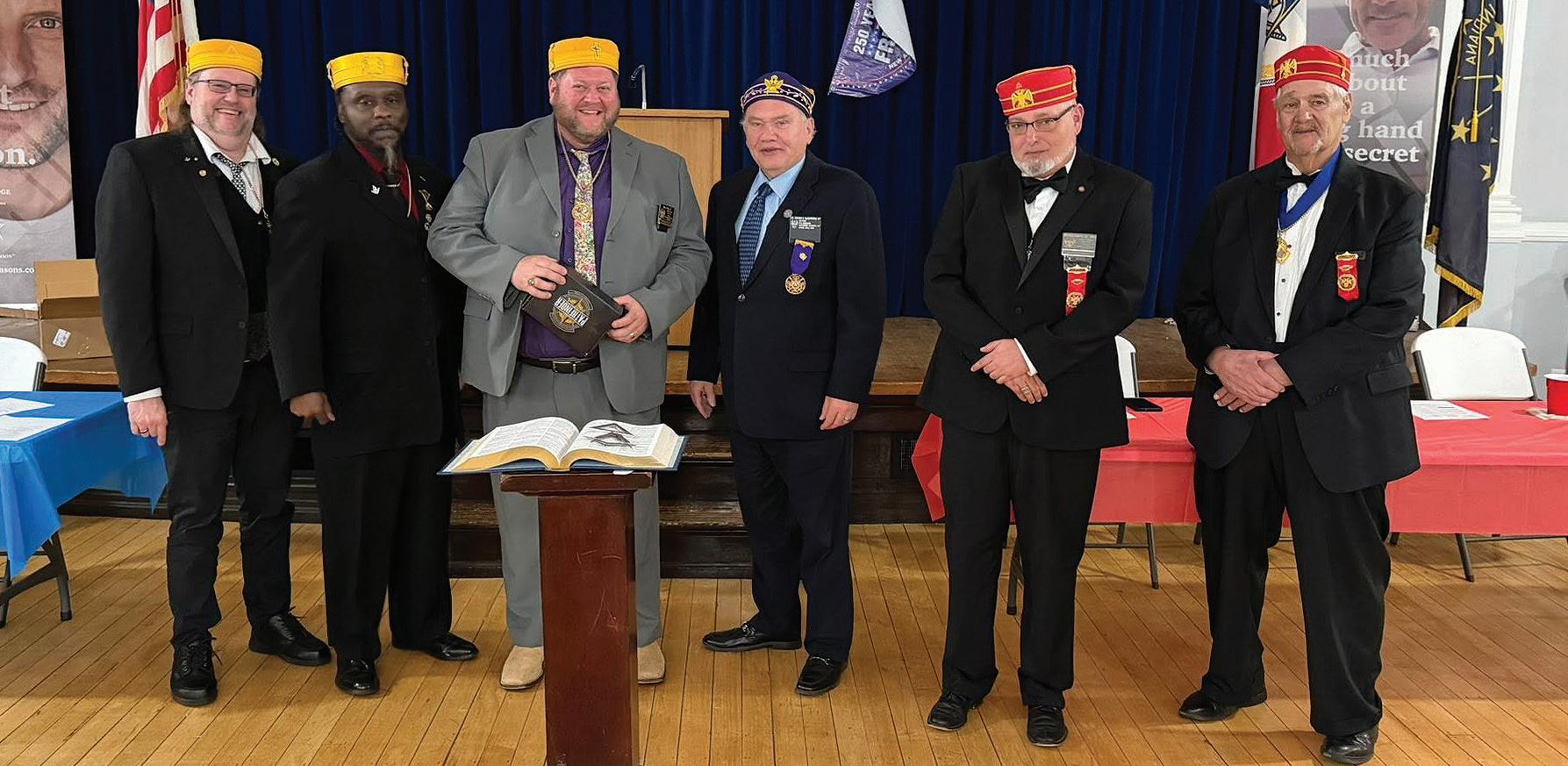
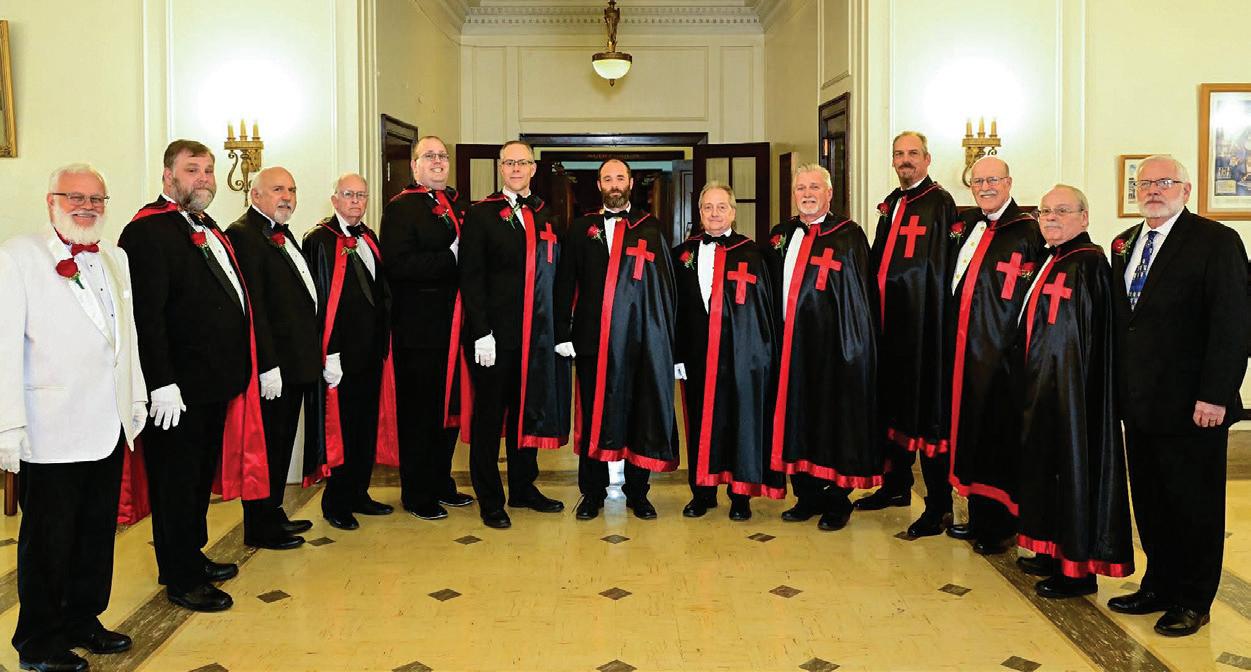
The Valley of Excellence recognizes those shaping a legacy for their members, their communities, and the future of the Rite.