State

Founded in 2010 and trading as TM Insight, TMX Transform is an Australian-founded global consultancy specialising in end-to-end supply chain, partnering with clients to optimise supply chains and transform businesses. It has clients, projects, and offices across Australia, North America, the United Kingdom, Europe, Asia, and New Zealand.
Taking the time to understand the businesses it works with, TMX implements cutting-edge, tailored solutions to transform the journey from source to end customer. Its specialist team brings years of industry experience optimising the entire supply chain, working with world-leading brands across retail, 3PL, FMCG, food & beverage, grocery, and more.
Powered by its integrated property, project management, and supply chain services, TMX implements practical and efficient solutions that deliver business outcomes.
www.tmxtransform.com
About TMX Transform Expert Panel



TMX Transform CEO and co-founder Travis Erridge, Executive Director of Supply Chain Charlotte Jordan, and Managing Director, Centre of Excellence Tom Fitz-Walter share their combined decades of expertise and insights throughout the report, alongside data drawn from 500+ supply chain leaders across Australia.



Executive Summary and Context
Our survey of 500+ supply chain leaders across Australia paints a challenging picture. Overwhelmingly, there is pressure on leaders to cut costs, while meeting the increasingly demanding requests of consumers. However, there is tension between achieving speed, reliability, and cost. This focus on cost cutting comes at the greater expense of supply chain strategy, making businesses uncompetitive and putting their survival at risk.
This industry crisis moment is set in the wider context of economic growth globally and domestically that is lack luster at best. While interest rates are at historically low levels, the rise post COVID is painful to households and business.
Inflation globally is now at or close to central bank targets in most developed countries, however, after thirty years of low and stable prices, the deep scars of the inflation outbreak have fundamentally shaken decision-makers at all levels. We are left with a ‘cost of living crisis’ mind set.
In many cases, prices for most goods and services will never return to pre-COVID levels. Controlling inflation simply means slowing the rate of price rises, not reversing them.
The real way forward isn’t about cutting back; it’s about growing into a new economic reality – which means incomes and revenues rising to match the new price levels. The key to that is ‘productivity’ – essentially doing and producing more with the labour and ‘machinery’ we have.
That takes long-term planning, innovation, and investment.
But the short-term fixation on cost-cutting dangerously limits the view of the road ahead. Our survey shows that businesses are totally focused on cost, which stifles innovation and the investments needed to drive longterm efficiency, and unlock sustainable growth.
Customer expectations dictate the supply chain landscape. In today’s market, customers expect speed, reliability, and availability, all of which hinge on supply chain performance. Despite inflation reshaping cost structure, customers don’t want to pay more, yet they still demand better. This is where smarter supply chains become a competitive differentiator.
Productivity is the only way to grow the economic pie sustainability, and supply chains are the key ingredient. In a world where customer loyalty is fragile, and supply chains are fragmented and complex, businesses that invest now in supply chain optimisation will win longterm on cost, capability, and customer experience.
This report takes the findings from our survey and uses insights from our inhouse experts to unearth and tell the story of supply chains in Australia today.
Key Findings
Our survey of 500+ supply chain leaders shows a clear picture of the landscape they are operating in and the risks that it poses to business and our economic future.
Cost isn’t just a concern, it’s the concern.



More than a third (38%) of supply chain leaders say cost is the biggest challenge they face. One in four (26%) say if they could improve only one area, it would be to reduce costs. And one in five (20%) say slashing costs is their highest priority over the next two years.
Stuck between cost and customer.
Customer experience is key, but consumer behaviour is complex and contradictory. Leaders ranked consumer behaviour as their second highest concern (12%) and second highest priority (15%) for the next two years, after cost cutting.

Long-term planning has taken a back seat.
Less than one in ten (7%) prioritise end-to-end visibility, despite its role in reducing cost and delivering superior customer experience.
Short-term tactics are dominant. One in five (20%) are not convinced their supply chain is a competitive advantage, despite believing it could withstand further disruption (75%).



Foreword by TMX Transform CEO and co-founder Travis Erridge
Over the last 15 years, we have witnessed the unprecedented challenges facing supply chains. Globally, we have seen key elements play out in ways that meant some leaders supported their companies to thrive and others were part of the business’ undoing.
The results of this survey of over 500 supply chain leaders in Australia suggest that, despite the relatively calmer economic waters, we are not at a point where this cohort of professionals can relax. They are caught in the cross hairs of their CEOs and boards – supply chains are a massive cost rump and an obvious place to start for a business leader intent on cost reduction.
The latest economic crisis phase may have passed, but the sluggish productivity growth that was emerging as a point of concern before we went into the pandemic remains. However, in business as in politics right now, the focus is still on short term survival rather than long term sustainability, let alone prosperity.
From our helicopter view of the industry, the supply chain environment is a microcosm of this wider economic malaise. Short term, reactive thinking regarding supply chains is setting companies up to be casualties in the future, or at the very least stifle their potential, and impede Australia’s productivity and economic growth.
It is also clear that Australian leaders who seize the opportunity and optimise their supply chains, drawing on decades of experience managing long, complex networks shaped by the tyranny of distance, will gain competitive advantage locally and globally – in both cost and meeting customer expectations.
I am confident that we are at a turning point. Thirteen consecutive post-COVID interest rate rises by the Reserve Bank of Australia has now inflected to a cutting cycle. Business leaders who invest in their supply chains as the cost of capital starts to decrease will be those that win. For supply chain leaders who need to make the case, and business leaders who remain unconvinced, I hope this report helps move the needle.
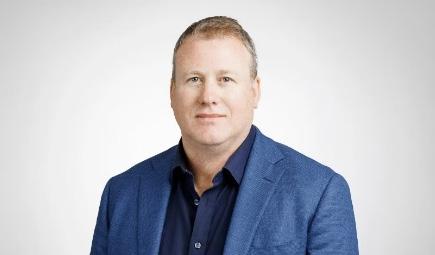
Travis Erridge, CEO and co-founder, TMX Transform


Global Supply Chains in a post-COVID World
Today’s supply chain leader in Australia faces more scrutiny and complexity than at any other time in history. Their most significant contribution to the success of a business is now to plan long-term and persuade the c-suite about the importance of investment in strategic transformation - being trapped in the tunnel-vision of short-term survival through cost reduction is the greater risk.
How did we get here?
Supply chains and freight are the circuitry of the Australian economy, accounting for 8.6 per cent of the country’s GDP1. Like the equivalent soldering in our iPhones, they were largely invisible to Australians, until the COVID-19 pandemic. The global shutdown wreaked havoc on supply chains. They became very ‘real’ to us alleverything from not being able to buy toilet paper to waiting two years for a new car.
Despite this elevation into our consciousness, over five years later leaders in this sector say they are underresourced and struggling to maintain their supply chains. Go back to 1975. There is no advanced computing. The internet is decades away. There is no e-commerce, let alone Amazon, let alone same-day delivery.
‘Customer experience’ was about relationships and interactions with salespeople inside bricks-andmortar stores and on factory floors. Many businesses ran onshore manufacturing operations and international trade moved slower. Australian supply chains were somewhat simple.
Return to 2025. Australia has been through social, political, technological, industrial, and economic change. Our population has doubled from 13.5 million in 1975 to 27.5 million today2. We are more globally connected than ever as a country and as individuals. The powerful computers in our pockets shape how we experience the world, learn, research, shop, and pay. And we are used to instant gratification, exacerbated by a 24-7 news and social media cycle.
In 1975, supply chains were slow, manual, and treated as an overhead cost – they had little, if anything, to do with the customer.
In 2023, the latest complete data, Australians spent $316 billion on retail goods, with online purchases accounting for 16.8 per cent3 of that expenditure. Within this, market disruptor Amazon (launched in Australia in 2017) claims about ten percent of online retail market share4 with Chinese-based retailers Temu and SHEIN not far behind.
The digitally enabled supply chain isn’t just about the purchase process, it includes automation, the Internet of Things (IoT)5, data, and artificial intelligence (AI).
On top of this trend, the cost of labour, energy, and operations has shifted manufacturing offshore6.
That means we live in a time when consumers have never been more demanding. Supply chains have never been more complex7 and arguably, given the unsettled geopolitical environment, outside of the pandemic, they have not been as vulnerable to disruption for over a generation.
In 2025, supply chains are fast, global, digital, data enabled – they can make or break the customer experience.
What does this mean for Australian supply chain leaders today?
In short, we have a cohort of supply chain leaders who are white knuckling through the complex and fastmoving environments in which they operate, while grappling with mandates to ‘transform, but not invest’.

Survey Results

Part I: Crippled by costs and complexity
Australian supply chains are underinvested. Our unique research shows that, instead of planning for the future, Australian businesses are focused on triaging and reducing costs. This makes businesses resistant and slow to adapt, and ultimately unable to respond to changing market and customer environments. This way of operating may be to the detriment of the business itself.
“The focus on cost-out measures has come at the expense of long-term supply chain transformation. We are now seeing that shift. Increasingly, our clients are factoring in network strategies as part of their future, not just for change, but for the cost of inaction – including lost revenue and competitive service gaps. In some cases, the delay has meant extending the life of outdated sites or launching manual operations where automation should have been embedded.” – Charlotte Jordan, TMX
Triple threat: the cost of labour, living, and the land
Australia is a unique environment for operating a supply chain.
Its size (the sixth largest country in the world) and the ‘tyranny of distance’ from the rest of the world and internally (Perth is the most remote capital in the world) makes logistics costs unavoidably high and at the mercy of global forces such as shipping rates and fuel. One in five supply chain leaders say rising external costs such as these are the key source of pressure on their supply chains – freight rates went from less than US$1000 a container preCOVID to a crisis level of US$10,000 and back but have now levelled out at around US$2000.
In addition, the minimum wage is $24.108 – one of the highest globally9. Labour cost has driven production and manufacturing offshore, and some organisations have automated frequent, repetitive tasks, theoretically freeing up the workforce for more complex and high value work.
However, there remains a significant demand for labour in the sector, particularly in supply chain logistics - e.g. freight and trucking.
Compounding this pressure is the high cost of living in general and the impact of the post-COVID change in interest rate settings10. Non-discretionary spending was depressed by the campaign of interest rises from essentially zero to 4.35 per cent, and it is yet to bounce back. This has hurt businesses, retail in particular.
Put simply, the past few years have been a more than usually challenging time to operate a cost-effective supply chain in Australia.
One in five (20%) supply chain leaders said rising external costs (shipping, freight, fuel etc.) are putting the most pressure on their supply chains.
Supply chain leaders ranked availability of staff and expertise (13%) as the second biggest internal threat to their supply chain, along with technological adoption (13%).
Less than one in ten (7%) of supply chain leaders prioritise end-to-end visibility – despite its ability to both reduce cost and deliver on customer experience.
Under pressure
So, supply chains are a key element of both business success (including competitive advantage) and cost. There has also been an unprecedented focus on them over the past five years thanks to the pandemic and other disruptions - yet our respondents ranked resilience as the third highest priority for their supply chain (13%). Despite this, our survey suggests that supply chains often are underfunded, and underestimated, by the businesses to which they belong.
It seems that the traditional view of supply chains as a cost centre still pervades.
The understanding that supply chains are a business enabler is seemingly still not fully embedded in the c-suite. TMX CEO Travis Erridge notes the role end-to-end visibility can play in both reducing costs and improving customer experience. “Delays originate within the company’s systems,” Travis says.
“Bad data causes inefficiencies and bottlenecks in order fulfilment. For example, a retailer must know where the stock or product is and whether they are fulfilling from a physical store or warehouse.”
More than a third (38%) of supply chain leaders said cost-related issues are the biggest challenges they face within their business.

“Costs are mangling the ability-to-serve. Market forces are working against the supply chain, but boards are demanding cost-effective operations that also deliver optimal customer experience – whether that is speed, convenience, or returns – all which pile on additional costs.”
– Travis Erridge, TMX
Even though data-driven systems, such as demand signaling (or predictive analytics) can improve this visibility, reduce the time to fulfil for the retailer and increase efficient delivery to the customer, less than one in ten survey respondents see this aspect as a priority11.
Fixed on lowering costs and improving customer outcomes, companies are not seeing an opportunity in front of them to do just that.
“No business leader should see their supply chain as an expensive pinch point. A supply chain, when given the strategic attention, can deliver remarkable competitive advantage, enabling strong business growth.”
– Tom Fitz-Walter, TMX

A turnback, or a turning point?
The data provides a grim snapshot of the status quo, but the trajectory from here is perhaps of most concern. Absolute focus on cost reduction diminishes the performance of a supply chain over time – if cost reduction remains the top priority for a fifth of leaders in the sector, and the top ‘wish’ for a quarter of them, the situation is likely downhill from here12.
TMX’s Executive Director of Supply Chain Charlotte Jordan highlights that there may be a way to ‘go around this wall’ – tactical, incremental improvement can help supply chain professionals make the case for bigger change.

One in four (26%) supply chain decision makers said if they could only improve one area of their supply chain, it would be to slash cost.
“Once company leadership see the benefits and outcomes of incremental changes, such as a supplier or sub-supplier risk assessment, it often fuels the business case for larger-scale projects, such as network planning.”
– Charlotte Jordan, TMX
Despite the emphasis on cost reduction in the research, TMX CEO Travis Erridge is also optimistic. He has seen a range of scenarios this year that could shift decision-makers from this short-term planning to a long-term, strategic focus – though perhaps not without some pain.
“This isn’t just that better inflation control and rate cuts will ease the cost of capital. The real pressure point is outdated, underperforming supply chains, those that resist transformation will feel the deepest pain. Some businesses may need a crisis to recognise the urgency, but the demand for smarter, faster supply chains is only intensifying. Customer expectations aren’t slowing; they’re evolving faster than ever.”
Cost reduction remains the top priority for the next two years (2025-2026) for one in five supply chain leaders (20%), with customer experience ranked second (15%)

Part II: The contradictory customer
Customer demands and experience are both a priority and challenge for supply chain leaders – modern consumers are hard to satisfy, ‘flighty’, and have contradictory expectations - for instance on sustainability vs availability and returns. Without investment in the supply chain these challenges cannot ever be met.
The customer is always right (now)
Customer experience (15%) is the second top priority for supply chain leaders – and their second largest area of focus in the next two years (15%).
Ironically, the digital transformation that enabled the competitive e-commerce space to grow, has also bred the new social norms that are ‘stressing’ retailers and their supply chains.
The modern consumer is digitally literate and used to streaming, smartphones, and ‘instant gratification’ - they want what they want, cheaply and quickly, and too often - return it.
Supply chain leaders rank consumer behaviour as the second highest external challenge (12%) after rising costs (20%), indicating the power is still always with the customer.
Amazon rode this wave, of meeting consumers’ every need to a market capitalisation of more than US$2.05 trillion (AU$3.2 trillion) today13. Founder Jeff Bezos famously advised businesses to focus on wide selection14, easeof-use, low prices, and data, saying: “If there’s one thing Amazon is about, it’s obsessive attention to the customer experience, end-to-end.”15
Amazon created a new generation of customer expectations and delivers them through its supply chain. For example, consumers now don’t see sameday or next-day delivery as a luxury – it is their expectation16. Paired with the constant pressure to keep costs down (that we saw in Part I), this ratchets up the complexity for the professionals attempting to operate a cost-effective, modern supply chain.
“Without a customer, you have nothing. In business cases, we see a lot of supply chain investment enabling growth. The supply chain is not just the backbone; it defines and leads the customer experience. It is the foundation of customer retention and long-term success. And if you lose your ability to serve the customer, you lose everything.”
– Tom Fitz-Walter, TMX
Hard to please and appease
Gen Xers (people in their 40s and 50s) are termed the ‘sandwich generation’, so named because they are caring for both children and aging family members17. But we could say supply chain leaders constitute their own ‘sandwich generation’ - caught between reporting lower costs upstream to their boards and delivering on downstream customer expectations.
Those expectations are not just low cost, fast delivery, and ease of returns. There is a growing cohort of ‘valuesdriven’ customers, who say they also want their products made, procured, and distributed ethically and sustainably – with almost half of Australian shoppers (46%) claiming that sustainability is an important consideration in their buying decisions18 However, it is evident that some Australian consumers say one thing and do another. In 2023, TMX research found two-thirds of brand-new clothing items in Australia – that’s 55 million pieces of clothing – ended up in landfill19.
Part of this is attributed to the ‘remote fitting room’ phenomenon, where consumers bulk-buy garments online in different sizes, and then return those that are ill-fitting. Putting returned garments back into warehouses and stores to be resold is hard and expensive, so many go to waste.
Only 7% of respondents said sustainability considerations threaten their supply chain – is this confidence in their practice, or because their customers don’t prioritise sustainability?
“Reverse logistics kills retailers if there is no strategy underpinning their process. Customers, in a cost-of-living crisis, do not pay for sustainability. They treat it as a ‘nice-to-have.”
– Travis Erridge, TMX
While sustainability might dominate headlines, it ranked low as a priority for supply chain leaders. Is this because organisations are confident in their sustainability practices and outlook; or is it because customers do not prioritise sustainability?
We will soon find out. While Australia is significantly behind Europe on environmental, social and governance (ESG) regulations20, regulatory change is underway. Since January this year, an amendment to Australia’s Corporations Act requires large Australian organisations to submit annual sustainability reports, including climate-related financial disclosures21. Supply chain leaders will now have real regulatory requirements that have to be balanced with customer expectations. Reassuringly, there are multiple initiatives aimed at creating a more sustainable and resilient supply chain network across Australia.
Regulatory compliance was the third highest external challenge (11%), showing that ESG and other factors are regardless complicating supply chains.
“Regulatory compliance has become a key aspect of business operations. Today’s greater focus on ESG extends beyond standard environment and social concerns, but spans cybersecurity, data protection, fraud, compliance and more, each representing supply chain risk.”
– Charlotte Jordan, TMX

Managing customer dynamics with digital
Digital transformation (14%) is the third supply chain priority across the next two years.
Limited to only one area of improvement in their supply chain, one in five (18%) supply chain leaders chose digital transformation.
Demand planning is affected by how consumers respond to external variables, such as how the cost-of-living crisis impacts their discretionary spending.
It is clear from our survey that the best supply chain leaders understand that digital optimisation and transformation can help bridge the gap between planning, cost efficiency, and customer experience in an uncertain world.
Intelligent supply chains, enabled by data and AI, are using predictive analytics to anticipate what customers will want before they know it themselves22, these data also then improve inventory management.
Even seemingly simple changes to customer preferences, such as the trend towards out-of-home (OOO) delivery23 needs digital capability in place, for instance so a customer can switch their delivery preference in real time.
“Customer experience should drive transformation across supply chains. What is a supply chain for – if not the end customer?”
– Tom Fitz-Walter, TMX
Part III: More strategy, less survival
Pressure to reduce costs (Part I) and deliver to increasingly demanding customers (Part II) is straining supply chain leaders. However, this triage-model of operating is unsustainable. Supply chains must move from short-term tactics to long-term strategies to help their businesses survive and thrive.
The myth of the ‘right time’
In an uncertain world short term tactics make sense. And we have certainly lived a lot of that - initially through the COVID-19 pandemic but maintained by the subsequent cost-of-living crisis, and the geopolitical upheaval of significant global conflicts and a second Trump presidency.
But that is five solid years. If companies keep delaying strategy and transformation, they will find themselves with enormous problems that cannot be solved quickly, such as outdated infrastructure, persistent labour shortages, or market share losses to a competitor. It’s no accident that Apple’s CEO Tim Cook came from the supply chain, having designed the company’s inventory management to ensure demand never outstripped supply24.
As a simple example, Australia Post’s 2025 e-commerce report found 56 per cent of Gen Z customers will switch retailers purely based on access to out-of-home collection points. It’s a simple message - if a business does not invest in delivery, today’s customers will walk, but not to the Post Office.
“How long do decision-makers think supply chain transformation takes? Quick fixes are not an operating model, and they are not the approach of a business that intends to grow.”
– Travis Erridge, TMX
Despite the fact that the largest and some of the fastest growing companies in the world highlight their supply chain as crucial to their success, our research found a significant portion of respondents don’t consider their supply chain as a potential competitive advantage.
Reactive tactics cloud business direction, draining competitive advantage and negatively impact customer experience. It is not a risk that can be taken forward from here.
One in five supply chain leaders (20%) is not convinced their supply chain can be a competitive advantage.
“Companies need to take a step back and map a holistic picture of their supply chain, understanding where the real pain points and opportunities lie to appropriately invest. A clear, end-toend view enables smarter decisions, better prioritization, and ultimately, a supply chain that drives competitive advantage.”
– Tom Fitz-Walter, TMX

The changing tide
Almost all respondents said they have a 5-10-year business strategy that aligns with their supply chain strategy (93%).
Three-quarters (75%) of respondents are confident in the ability of their company’s supply chain to withstand disruption. Is this confidence misplaced?
The World Economic Forum (WEF) said in May that global supply chains have never been more fragile, particularly in terms of end-to-end security. It urged organisations to ‘view cybersecurity as a business problem and make strategic choices to enhance resilience’25.
This statement epitomises a growing trend of businesses recognising the vulnerabilities concentrated at the heart of their operations. This started when they were starkly exposed during the pandemic. The ‘black swan’ event forced strategic reviews of many global supply chains at ‘tactical warp speed’26. And the escalating nature and extent of hacks is now putting data protection on the priority list.
Today, most supply chain leaders agree that preventing and preparing for disruptions is more effective than reacting and responding to disruptions after the fact27. Three-quarters of respondents said they were ‘confident’ their supply chain could withstand disruption. Additionally, almost all the respondents said they had a supply chain strategy that aligned to business strategy.
“Strategy is the fastest-moving part of our business. The best leaders in the supply chain understand that cost efficiency and customer experience is not a moonshot.”
– Travis Erridge, TMX
While it is encouraging that businesses are taking strategy in this area more seriously, there have been a number of high profile examples in the last few years that would suggest their confidence could be overblown –perhaps because implementation of the strategic work is not ‘done’ or properly embedded – the strategy is ‘propping the door open’ metaphorically or literally.
“Customer-centric supply chains, with a business that is investing in digital transformation, remain core pillars of future-focused strategies.”
– Charlotte Jordan, TMX
The leaders of the pack: Coles case study
Australian supermarket chain Coles Group has invested in its supply chain, embarking upon multi-year transformation projects, positioning itself to deliver excellent, and reliable, service for its customers. Its series of Automated Distribution Centres (ADCs) in Australia are the result of this strategic thinking. Coles first announced its investment into two ADCs in 2019, with the first facility in opening in 2023, in Redbank, Queensland. In 2024, Coles opened its second facility in Kemps Creek, New South Wales. They have also announced a further investment of $880 million in a third facility in Truganina, Victoria, which is currently under construction.
Coles is not the only business that is seeing strategic investment pay off, but it is an exemplary in the Australian market, and a case study of how strategic supply chain planning delivers benefits for the business and for customer experience.
Matt Swindells, Chief Operations & Supply Chain Officer:
“I’ve
always said that the supply chain exists to enable both efficiency and business growth. Automation gives us the efficiency, scale and density to be able to locate more products closer to our customers, delivering improvements in availability. So, our network has evolved through automation to deliver higher growth at a lower cost with a superior customer experience.”



Part IV Raw Data

Reveal supply chain strain and pain
Our national survey of 500+ senior supply chain and logistics decision makers examined the biggest problems, pains, and priorities facing Australian supply chains – according to the personnel responsible for running them. See Key Findings (p5).

1.Where is your supply chain primarily based?
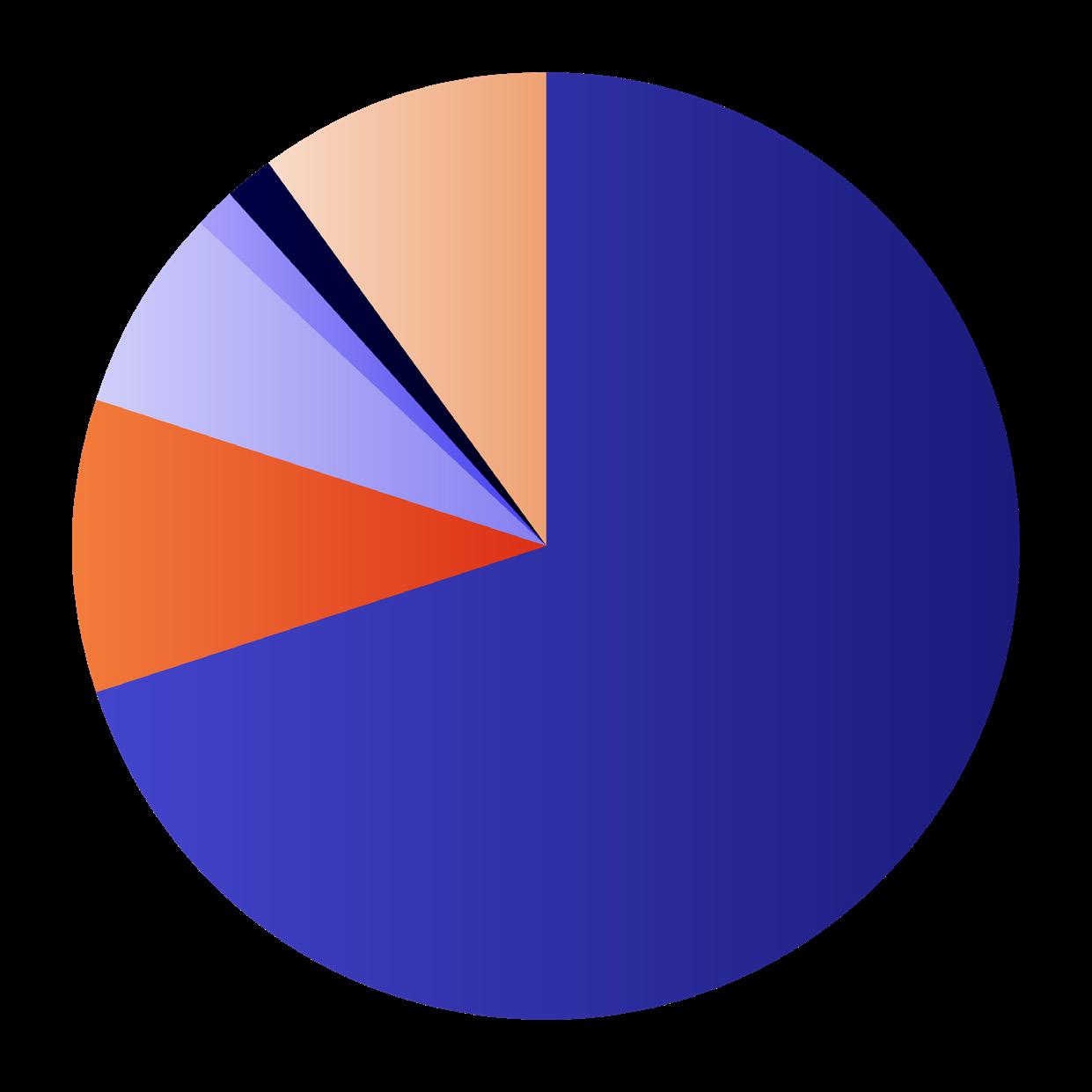
Asia Pacific (Includes Australia)
UK/ Europe
North America
Latin America
Africa
Other
2.What are the biggest challenges facing your supply chain, from within your company?

Budget
Cost-to-execute
Technology Adoption
Staffing
Sustainability
Inefficiencies
Communication
Data Inaccuracy
Executive Support & Buy-In
None
FIGURE
3. What are the biggest challenges facing your supply chain, from outside of your company?

Rising Costs (Shipping, Freight etc.)
Consumer Behaviour
Regulatory Compliance
Competition
Staffing
Inventory Management
Sustainability
Geopolitics
Property Availability and Cost
Inaccurate Data
None
4.Currently, what is your company’s top priority for its supply chain?

Cost Reduction
Customer Experience
Supply Chain Resilience
Digital Transformation
Sustainability
Physical Transformation (network planning, warehousing etc.)
Staffing
End-to-End Visibility
None
5.In the next two years, which area of your supply chain will receive the most focus?

Physical Transformation (network planning, warehousing etc.)
Visibility
6. If your business could improve only one area of its supply chain, what area would you focus on?

Visibility
7.Does your business have a clear 5-10-year business strategy?
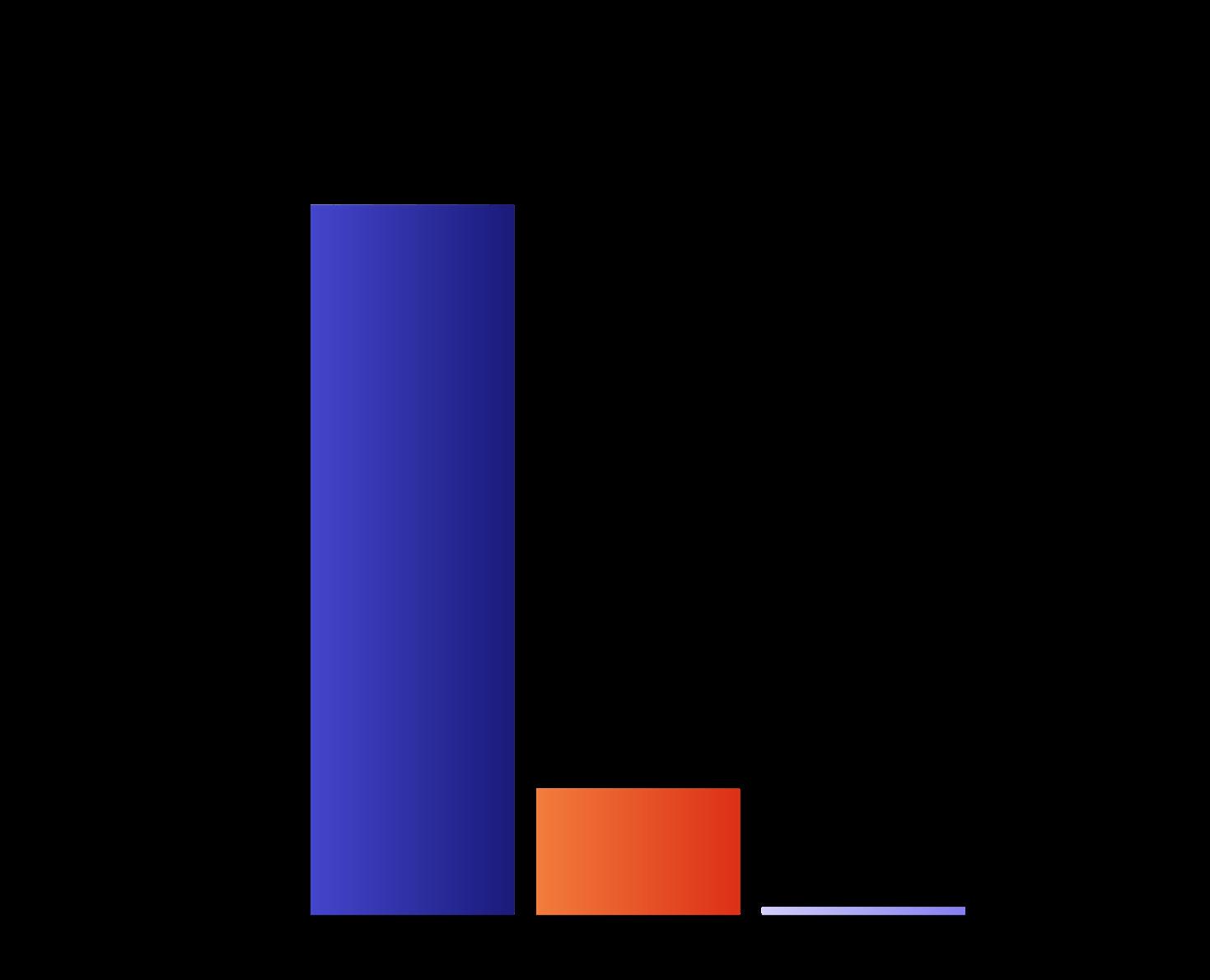
% of respondents
8.Is your business strategy aligned with your supply chain strategy?
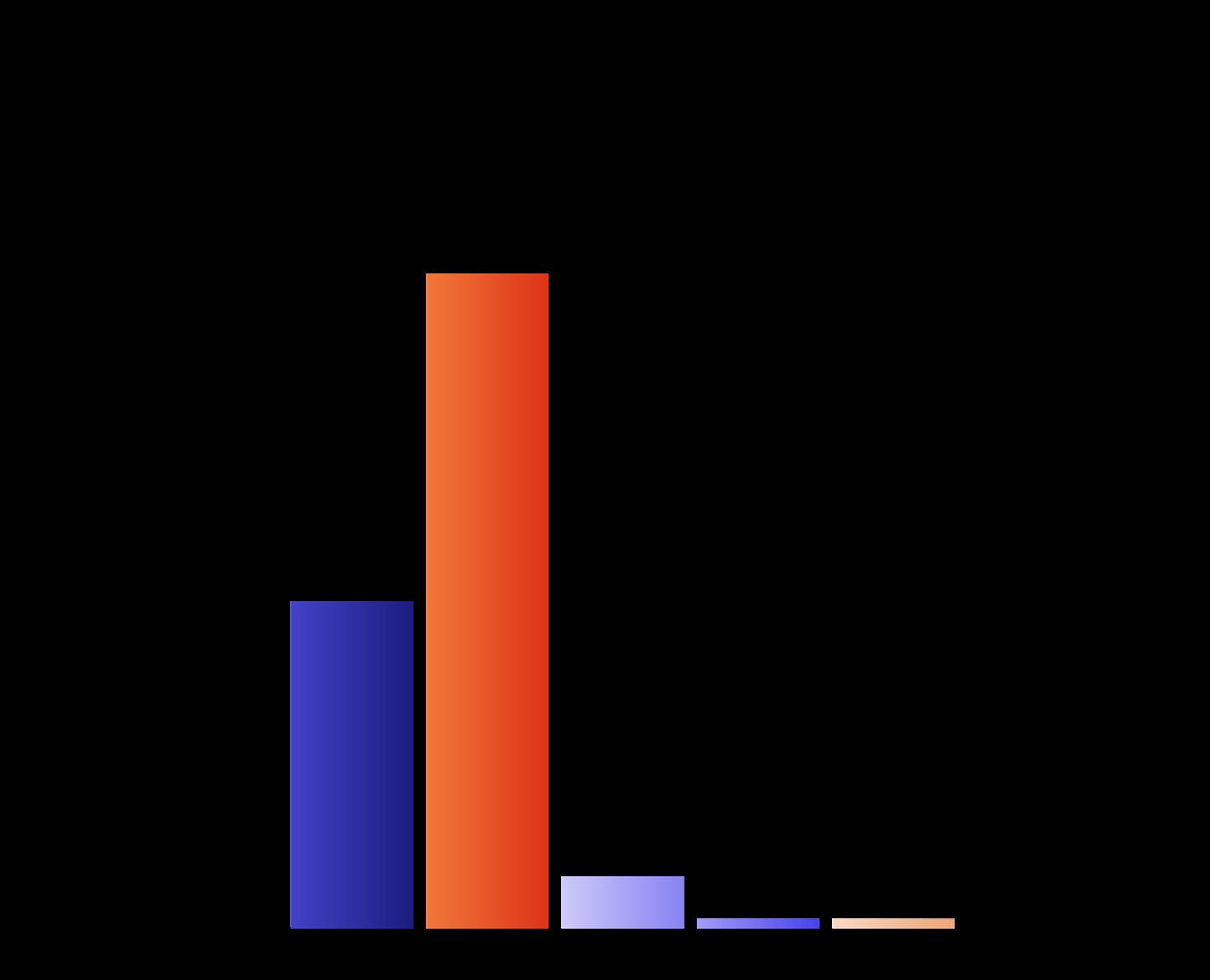
% of respondents
Completely
Mostly
they are not aligned
Supply Chain Strategy
Don’t Know
FIGURE
9.Do you believe your supply chain is, or could it become, your business’s competitive point of difference?
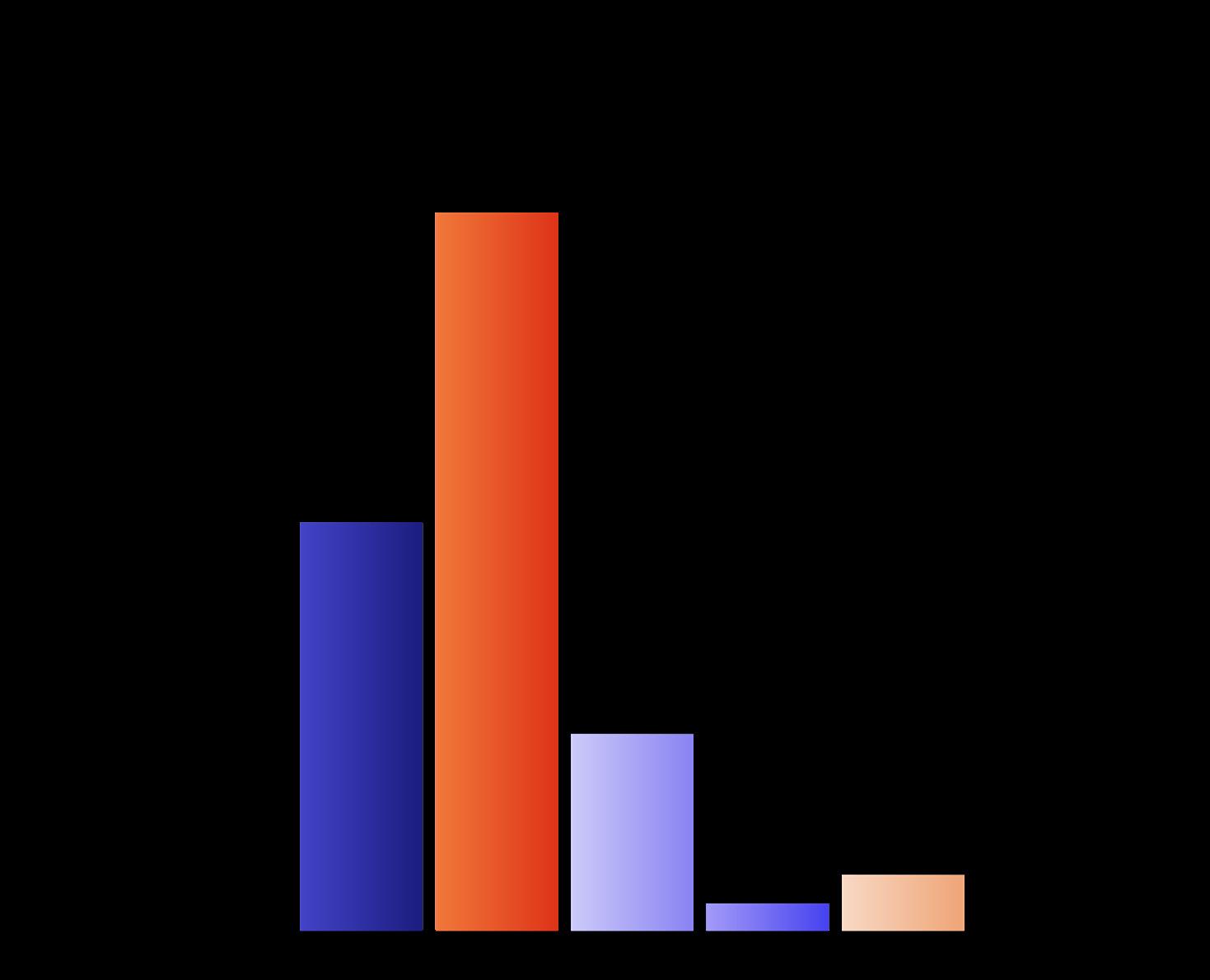
% of respondents

Yes, Definitely
Yes, Somewhat
No, I don’t think so
No, definitely not
I Don’t Know
FIGURE
10.How do you feel about your supply chain’s ability to withstand disruption?
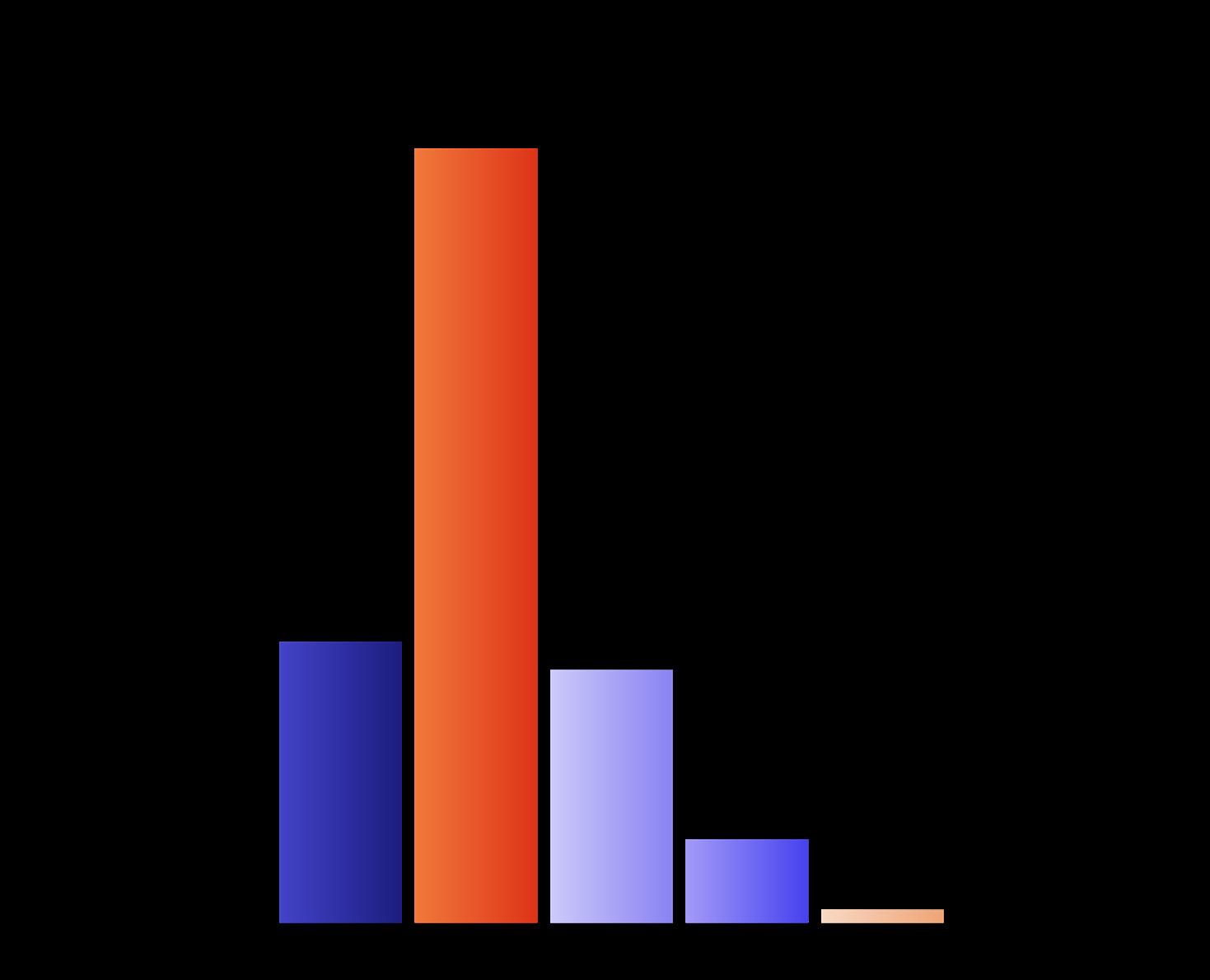
% of respondents

Somewhat confident
Somewhat worried
Neither confident nor worried Worried
FIGURE 11 : CONFIDENCE IN SUPPLY CHAINS – ANSWER BREAKDOWN
FIGURE 12 : CONFIDENCE IN SUPPLY CHAINS – OVERALL

Conclusion & Outlook
Where to from here?
There is good news for Australian supply chain leaders: if cost is the main factor preventing strategic action, there are reasons to be optimistic. Lower inflation and interest rates will ease this constraint for Australian businesses.
However, in the rush to cut costs, many businesses have sacrificed the foundations of longterm success. Strategic planning has slipped down the agenda, despite it being crucial to customer success. Innovation is being stifled and the investment needed to unlock true productivity gains are being deferred.
Yet, there is a growing cohort of supply chain leaders in Australia who are pushing the boundaries and recognise the importance of strategy. They understand that investment in supply chain is critical to business success, not just to control cost, but to deliver on customer expectations, regulatory requirements, and supply chain resilience long-term.
External factors like cost of capital, shipping, and fuel will continue to shift, so what matters is the ability to make decisions that keep up with changing customer behaviour. Customer behaviour dictates the competitive landscape, and the biggest barrier to adapting to it is a company’s willingness to invest.
The lessons from COVID should have triggered strategic reviews – good businesses asked the hard questions about building in flexibility, preparing for variation, and setting up for change. They diversified and learned how to pivot. The risk now is for those who choose not to invest strategically in their supply chains.
With the supply chain enabling both efficiency and business growth, there is an opportunity here to act.
About the survey
For this research, 501 senior supply chain and logistics professionals / decision makers in Australia were polled by Censuswide on behalf of TMX Transform. The data were collected in February 2025.
To ensure a broad cross-section of supply chain personnel, respondents represented the retail, grocery, e-commerce, fast-moving consumer goods (FMCG), consumer packaged goods (CPG), pharmaceutical and healthcare, manufacturing, automotive, food processing, and logistics, freight and parcel (or 3PL) industries.
Censuswide abides by and employs members of the Market Research Society and follows the MRS code of conduct and ESOMAR principles.