EMPOWER AND EQUIP
MISSION
We extend research-based knowledge to all North Carolinians, transforming science into everyday solutions that improve lives and grow our state.


FROM THE DIRECTOR
2025 tested us.
Leadership transitions reshaped our organization. Farmers navigated market volatility. Families stretched budgets further. Communities in western North Carolina continued rebuilding after Hurricane Helene. Young people asked hard questions about their futures.
But Extension showed up.
Since becoming director last August, I’ve seen firsthand how Extension responds in moments like these. From helping farmers apply research-based innovations to providing families with healthier choices, from building more resilient communities to equipping 4-H youth with career skills, we meet North Carolinians where they are — often in their most uncertain moments — with clarity, commitment and action.
$2.1B
Extension’s annual economic impact on N.C.
27–1 ROI
Economic return on government investments
That's what Extension does. We empower people with knowledge. We equip communities with tools. We turn research into resilience.
This work belongs to our 1,200-plus Extension experts, thousands of volunteers, and the local, state and federal partners who continue to invest in North Carolina's future.
I've spent my first months listening, learning and working alongside remarkable people doing essential work. The pages ahead show how we’re empowering and equipping North Carolinians for what comes next.

Trusted source for North Carolinians #1
David Monks Director, NC State Extension Associate Dean, College of Agriculture and Life Sciences
Extension Is Everywhere
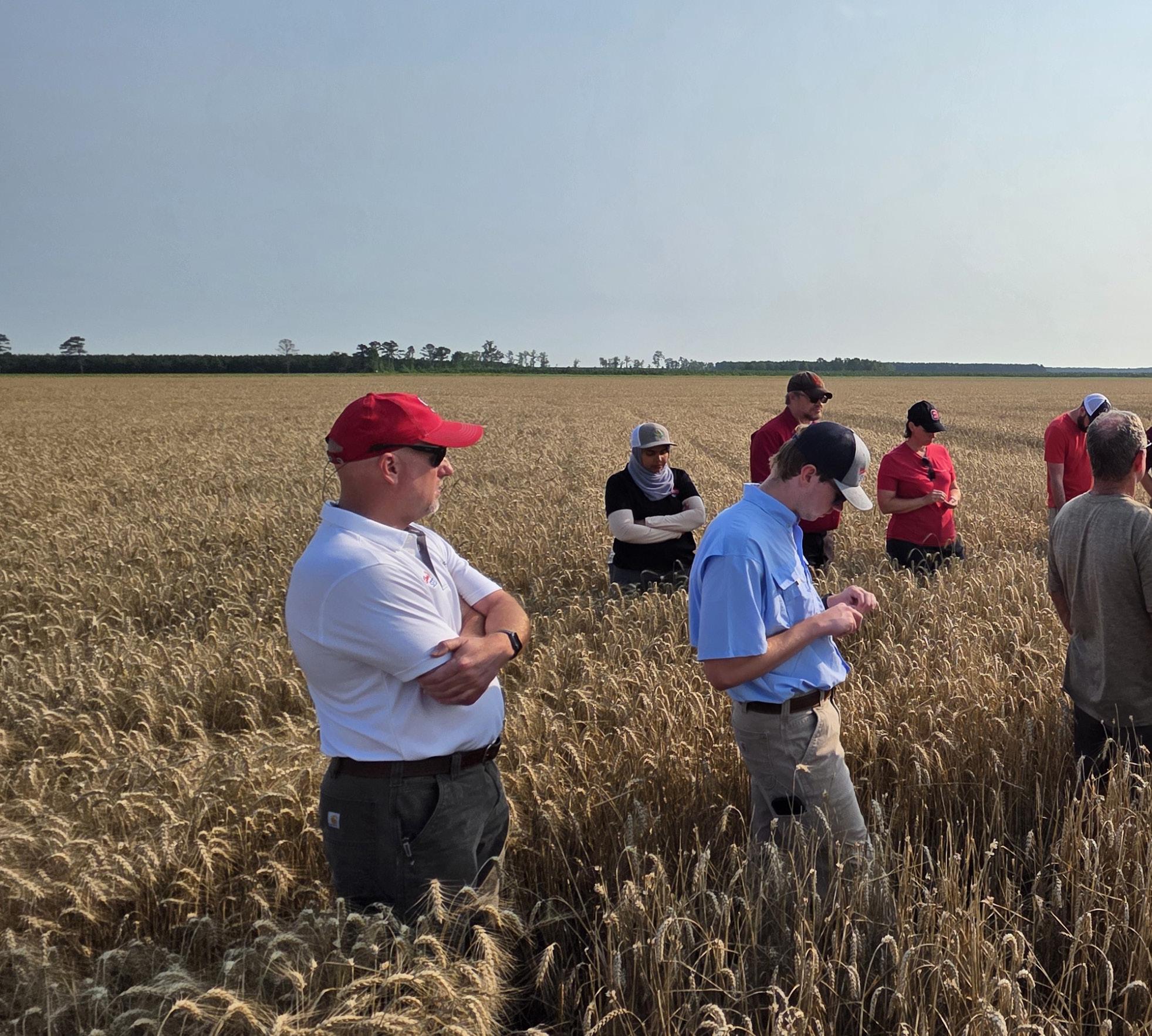
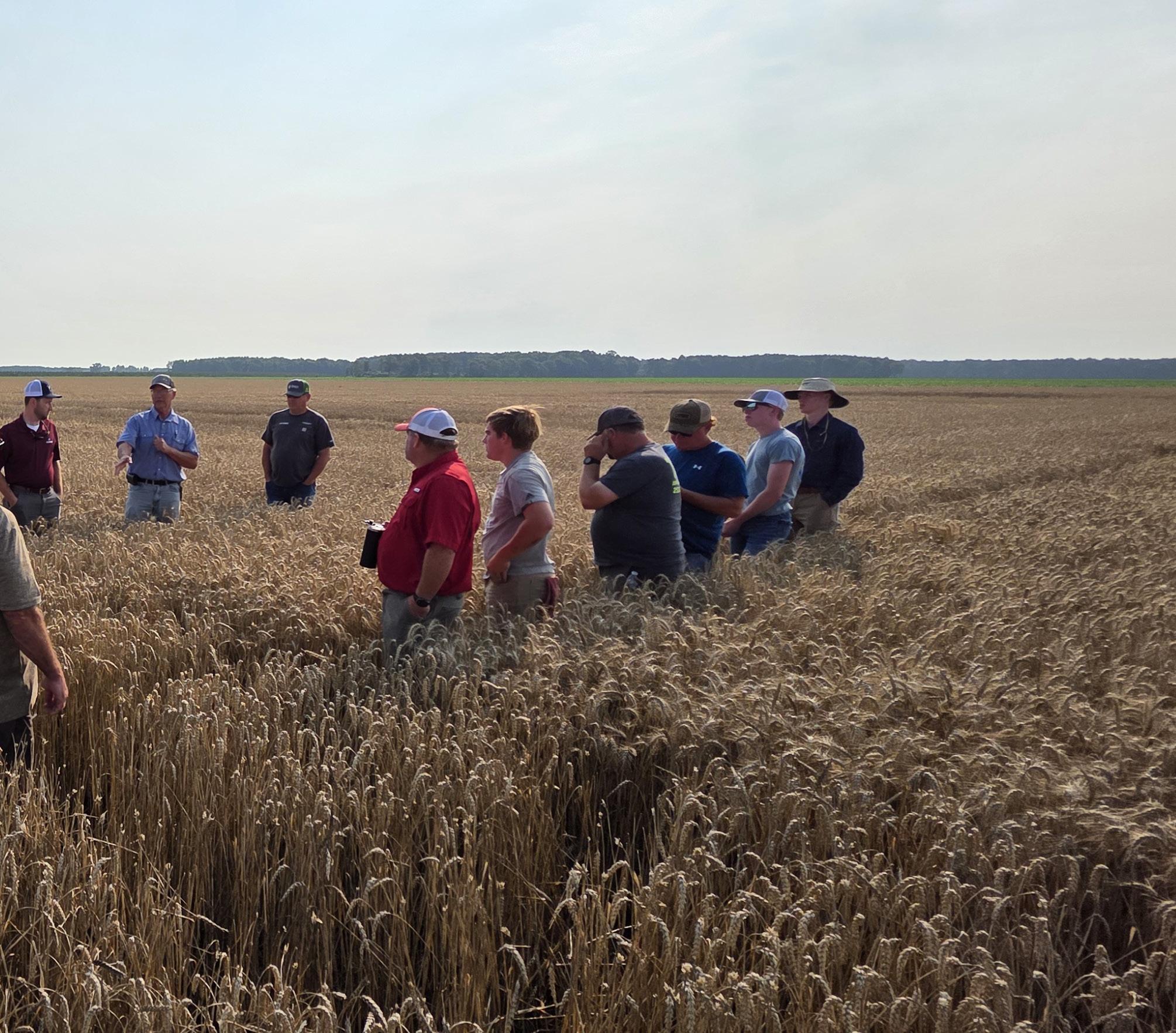
Extension is NC State University in your community, connecting North Carolinians with research-based solutions that address local challenges and create lasting impact.
78 Rural Counties*
Urban/Suburban Counties* 101 Extension Centers
18 Research Stations Partnered with NCDA&CS
4 NC State Field Labs
*Based on N.C. Rural Center definitions
A System of Solutions
Extension operates through a continuous cycle — listening to local needs, applying university expertise and sharing practical solutions — turning knowledge into action that strengthens families, businesses and communities across North Carolina.
PROTECTING FARMWORKERS
IDENTIFY ISSUES
Extension experts in every county engage with their communities to define local challenges
THE ISSUE
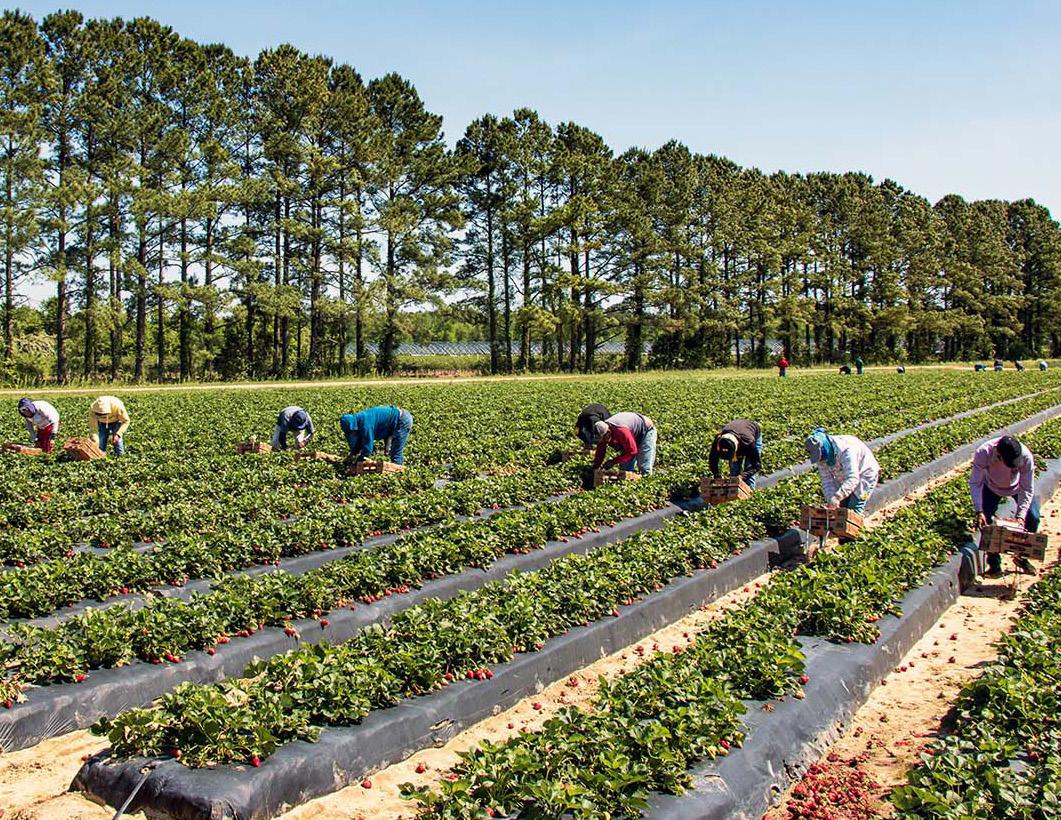
More than 100,000 farmworkers play a critical role in the success of North Carolina agriculture – a rapidly evolving industry sustaining communities statewide – underscoring the need for comprehensive, research-based training that protects workers and strengthens the industry.
RESEARCH SOLUTIONS
County- and campusbased experts collaborate to research and better understand the issues
THE SOLUTION
NC State Extension’s Farmworker Health and Safety Education Program partners with producers and community groups to deliver research-based training focused on injury prevention, heat safety and workplace health. Programs are tailored to real conditions in the field and delivered where farmworkers live and work.
ADMINISTRATION
David Monks, Ph.D. Director
Associate Dean, CALS dwm@ncsu.edu
Ben Chapman, Ph.D.
Interim Associate Director
State Program Leader, ANR/CRD bjchapma@ncsu.edu
Annie Hardison-Moody, Ph.D.
Associate Director
State Program Leader, FCS amhardis@ncsu.edu
Keith Walters
Interim Assistant Director
County Operations kbwalter@ncsu.edu
Mike Yoder, Ph.D. Associate Director
State Program Leader, 4-H mjyoder@ncsu.edu
TRANSFER RESULTS
Extension delivers research-based tools, training and guidance back to communities
THE RESULTS
Each year, the team reaches thousands of farmworkers statewide with training and resources that reduces risk, improves safety practices and supports a healthier agricultural workforce. Together, they strengthen the backbone of our state’s $100-plus billion agriculture industry — and the food systems we all rely on.
go.ncsu.edu/ AboutExtension
go.ncsu.edu/ProtectingFarmworkers
Growing a Stronger Agricultural Future
Extension equips producers to adapt, innovate and lead North Carolina agriculture into the future.
Drones at Work on the Farm
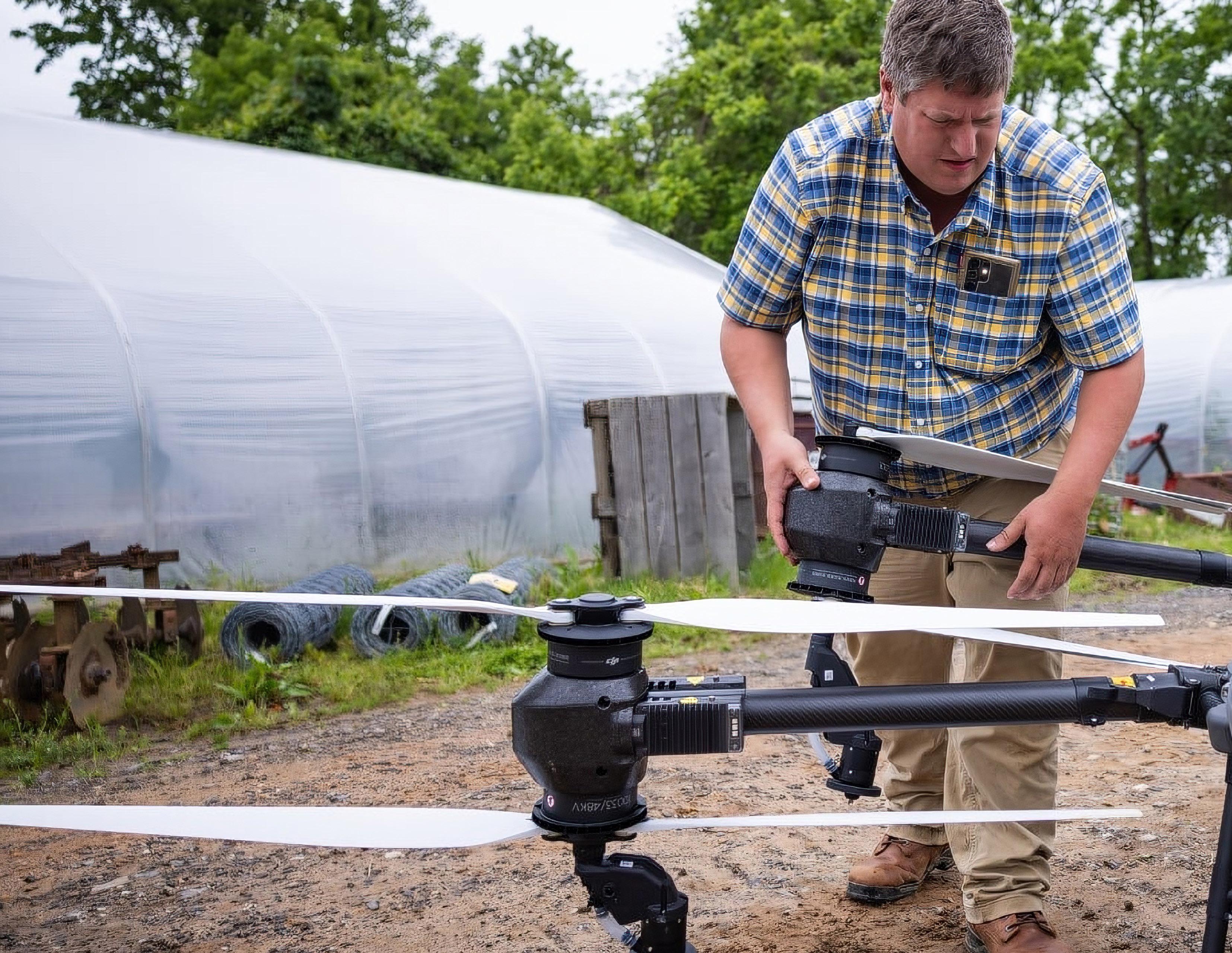
Sometimes the best way to solve problems on the ground is from the air. Extension experts use drones and aerial imaging to help farmers, land managers and communities spot issues early, respond faster and make smarter decisions — turning drone data into practical solutions that strengthen farming across North Carolina. go.ncsu.edu/HelpFromAbove
Preparing a New Generation of Ag Leaders
Nearly 1,000 Sampson County fourth-graders discovered that agriculture is more than farming — it’s a gateway to careers in science, business and technology. Through Extension’s Youth Pork Day, students met industry professionals and glimpsed how their curiosity and talent could shape North Carolina’s agricultural future. go.ncsu.edu/NextAgLeaders
Rooted in Tradition, Growing the Future
Tobacco helped build North Carolina and remains a cornerstone of our rural economy — but the industry faces significant challenges. Shifting markets, labor costs and environmental factors threaten farms that have sustained communities for generations. Extension delivers research-based solutions that honor this heritage while positioning growers for tomorrow. go.ncsu.edu/HeritagetoHighTech
N.C. AGRICULTURE SNAPSHOT
$102B Economic Impact
42,000+ Farms 965,000 Jobs
Top Counties by Ag Sales
Agriculture drives economic impact for communities statewide.
Leading the Flock: Extension Powers N.C. Poultry
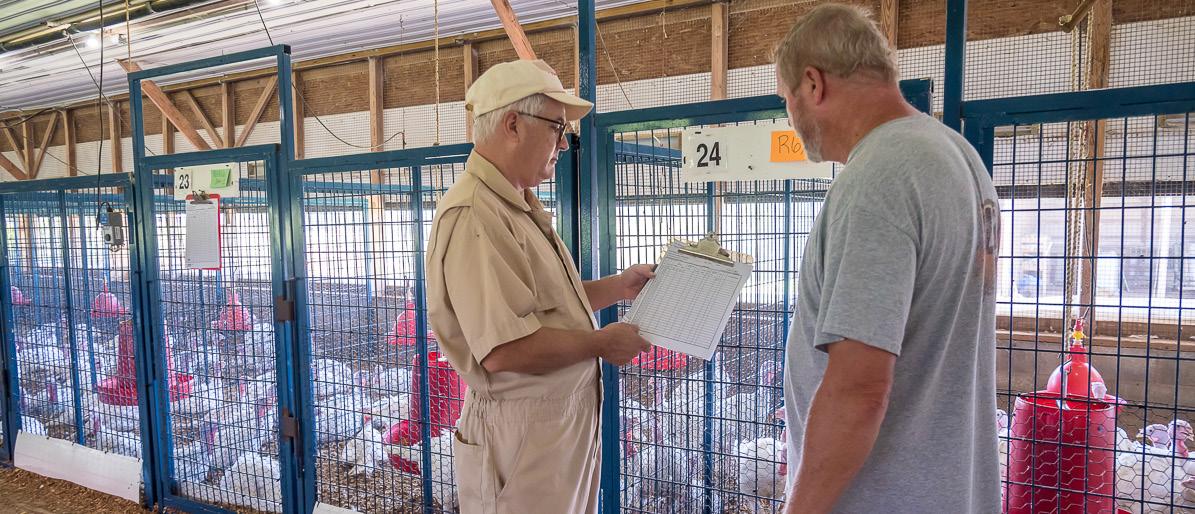
Two pardoned Thanksgiving turkeys made headlines. Thousands of North Carolina poultry farmers make a living — with Extension's help. Through cutting-edge research innovations on bird health, biosecurity and production, Extension ensures the state's largest agricultural sector remains resilient and competitive.
Two North Carolina turkeys were pardoned at the 2025 White House Thanksgiving ceremony, putting the state's poultry industry in the national spotlight. But Extension's work happens on research stations and farms statewide — helping thousands of producers protect flocks, boost efficiency and strengthen the state's $40 billion poultry industry.
When highly pathogenic avian influenza threatened producers statewide, Extension experts delivered rapid biosecurity training that helped producers
Extension experts help power North Carolina’s $40-billion poultry industry with science-based solutions that protect bird health and producer profitability.
protect their operations. When rising feed costs and shifting markets squeezed margins, Extension provided data-driven strategies farmers could implement immediately.
"Extension doesn't wait for problems to arrive — we help producers stay ahead of them," said Ken Anderson, Extension poultry specialist.
From disease prevention and production innovations to helping growers transition to cage-free systems, Extension ensures North Carolina's largest agricultural sector stays competitive and resilient.
"The industry evolves constantly," Anderson said. "Extension makes sure our producers lead that evolution — not just survive it."
go.ncsu.edu/LeadingtheFlock
Building Healthier Families and Communities
Extension equips families with nutrition knowledge, food safety skills and financial tools to make healthier choices and live better lives.
Cooking Up Resilience
Hurricane Helene swept through North Carolina’s mountain counties in late September 2024, knocking out power across the region. No power means no refrigeration, which soon results in ruined food.
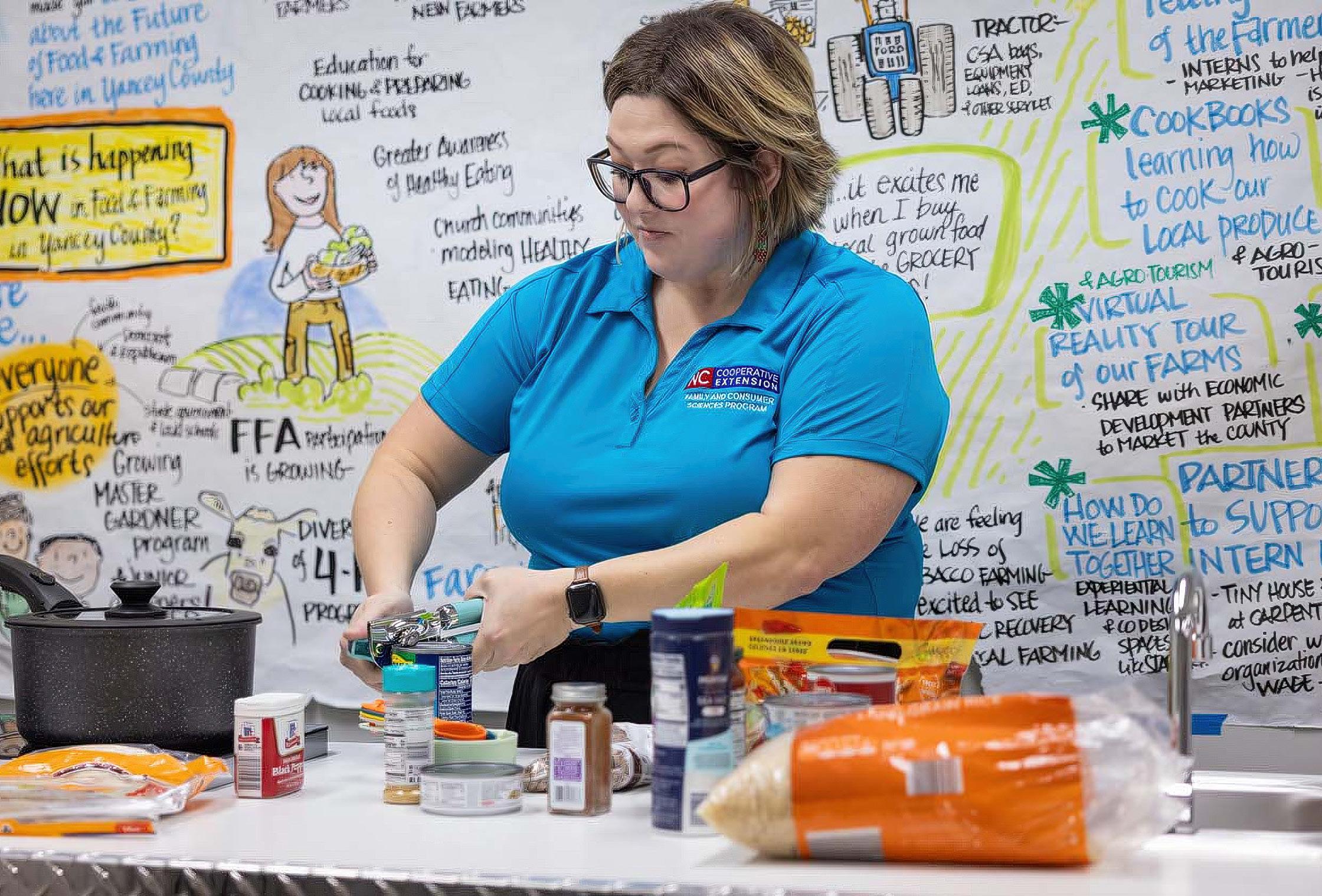
“Most of us were without power for at least two weeks,” said Niki Maness, Extension’s Family and Consumer Sciences agent in Yancey County. “At that point there's no saving anything.”
NC State Extension experts are adept at finding solutions to local issues. For Maness, it meant tailoring her programs to meet renewed interest in preserving food and preparing meals with shelf-stable goods.
She acquired a mobile kitchen, stocked it with the likes of beans, rice and tortillas, and went out into the community to give cooking lessons.
“I've got recipes that can be used with canned tuna and rice. You can add more seasonings and maybe add a starch to change the whole meal up,” she said.
The heightened interest in preserving and storing food prompted Maness to increase the number of canning classes.
“After people lost refrigeration for so long they wanted to learn how to preserve their food,” she said.
Niki Maness, Extension Family and Consumer Sciences agent in Yancey County, uses her mobile kitchen to help communities learn how to prepare nutritious meals with shelf-stable ingredients.
go.ncsu.edu/CookingUpResilience
SAFE AND HEALTHY FOOD CHOICES
Food Safety
The CDC estimates 48 million Americans get sick from foodborne diseases each year. Extension’s Safe Plates Food Safety Information Center equips families and food businesses with evidence-based information to help them make safer food choices.
30,002 social media followers 281 food managers trained
29 events/trainings statewide
Consumer Food Preparation and Preservation
Efforts like the Extension Master Food Volunteer program, Med Instead of Meds, Cook Smart, Eat Smart and others teach safe, healthy food preparation techniques in communities statewide.
21,720 participants increased knowledge of safe home food handling, preparation or preservation 14,770 participants intend to use local foods for cooking, preparing or preserving
EFNEP
The Expanded Food and Nutrition Education Program (EFNEP) helps limited-resource families make healthy choices that prevent chronic disease and reduce healthcare costs. 1,383 families enrolled
Steps to Health
NC State’s Steps to Health promotes nutrition education and improved access to healthy food and lifestyles for individuals and families facing economic constraints.
pantries completed healthy food access training
12,500+ hours contributed by Extension staff
120,000+ people reached through relief efforts
47,000+ hay bales distributed to farmers
Still here — supporting recovery in all 25 affected counties

From Recovery to Resilience
When Hurricane Helene devastated western North Carolina, Extension didn't wait for the water to recede. From emergency supply centers to flood-ravaged farms, our experts led recovery efforts that reached more than 120,000 people.
One year after Hurricane Helene, Extension is still here.
Extension remains part of these communities — reseeding pastures, testing soil, supporting mental health and working alongside neighbors to build a more resilient, prosperous future together.
“We all asked the same question: 'How can we help?' And then we got to work."
David
Davis, Extension Director, Yancey County

Developing the Leaders of Tomorrow
Extension’s 4-H program empowers young people with the skills, confidence and career readiness to lead and succeed for decades to come.
From Sheep to STEM: 4-H Prepares Youth for the Future
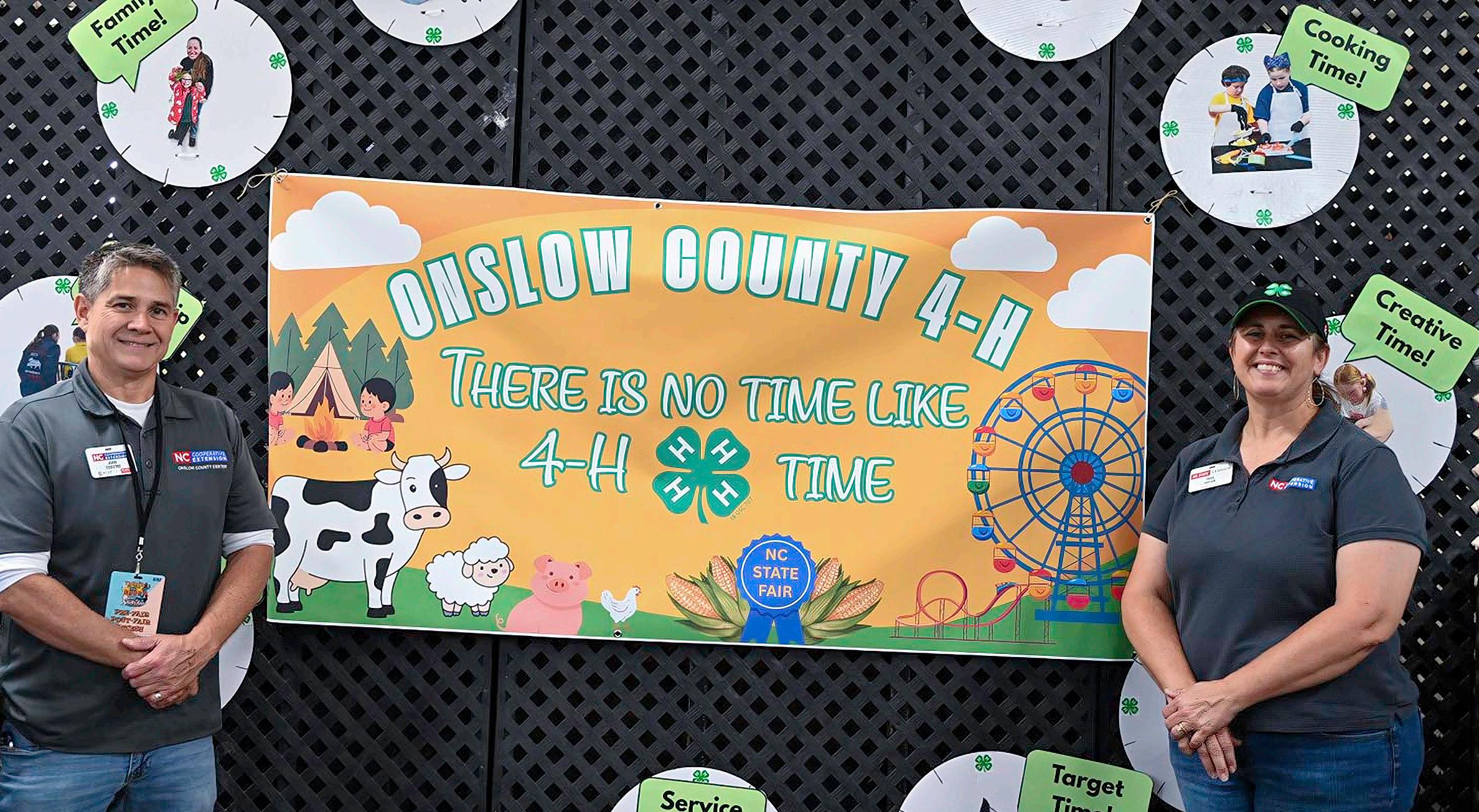
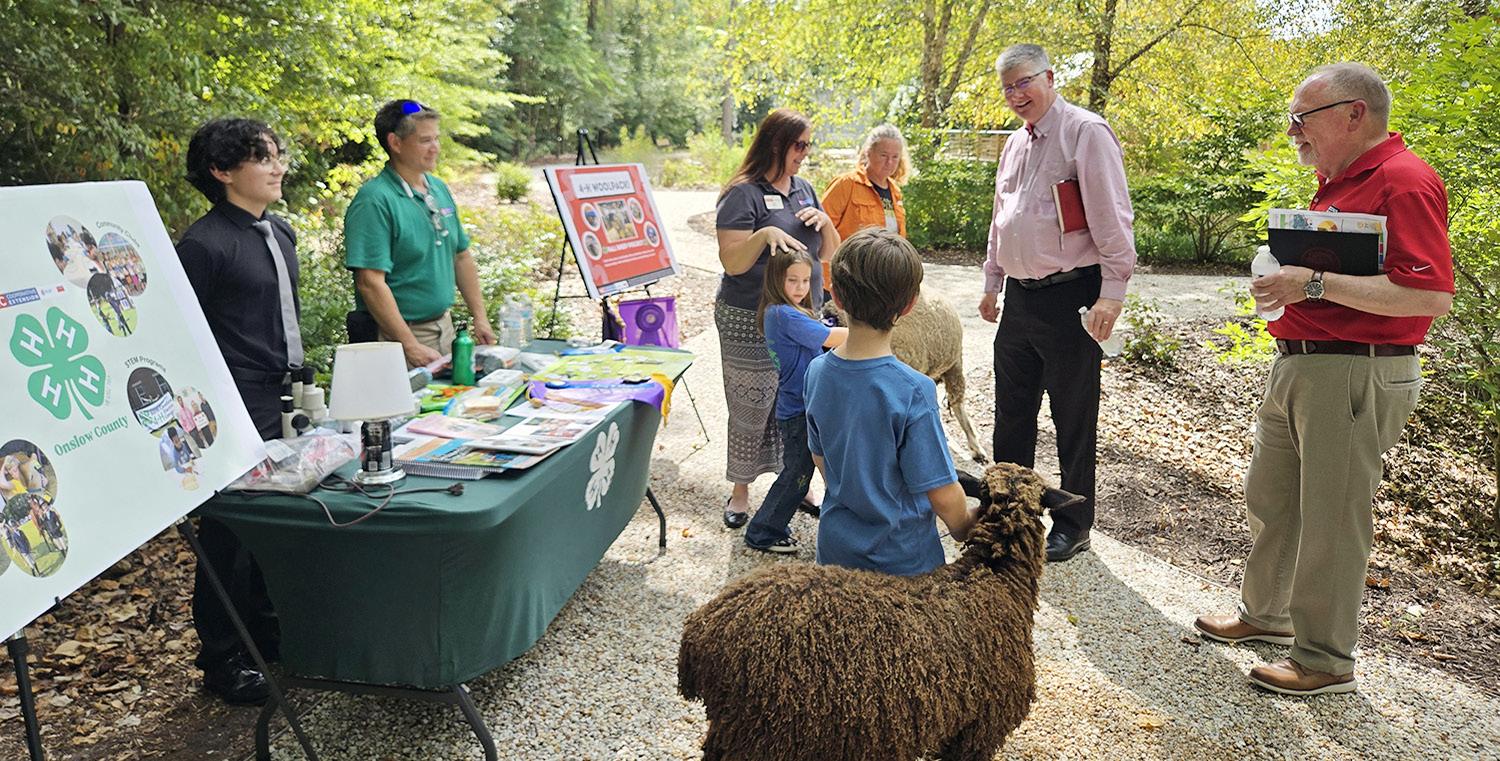
The 4-H’ers from Onslow County showing sheep at the 2025 State Fair were following a time-honored tradition. Generations of young people have exhibited livestock, doing their part to showcase and promote agriculture.
Across the fairgrounds, other 4-H’ers were showcasing different projects — crafts including artwork, basketry, bead jewelry, candle making, leather articles, needlework, pottery, quilts, soap making and woodworking, along with photography and entomology.
“4-H is more than livestock,” said Shannon McCollum, Extension statewide youth development specialist for NC 4-H. “It is STEM and Family and Consumer Science, citizenship and civic education, leadership
and plant science. Our slogan is ‘learn by doing’ and that's what you see in all our projects.”
“Anytime a young person is preparing a 4-H project, they are learning valuable life skills,” said Tara Taylor, 4-H agent in Onslow County. “They are learning to manage their time and be responsible. Through these opportunities our youth are finding their passion and what sparks their interest time and again.”
At the N.C. State Fair, Onslow County 4-H staff help spotlight how hands-on learning prepares young people to lead — from agriculture to STEM and beyond.
Showing livestock and showcasing arts and crafts might seem dissimilar, but they have important similarities. They teach core 4-H values, equipping today's youth for tomorrow’s workforce. go.ncsu.edu/SheeptoSTEM
4-H BY THE NUMBERS
From the youngest cloverbud to college-age students, 4-H provides learn-by-doing experiences based on youths' interests, guiding them as they develop their own pathways and passions.
> 273,016 participants in 4-H activities
> 25,616 participants in 4-H clubs and camps
> 15,182 volunteers supported 4-H
Preparing Youth for What's Next
Through hands-on programs in leadership, STEM, health, agriculture and career readiness, 4-H equips North Carolina youth with the skills to succeed in college, careers and life.
> 31,355 youth enhanced their knowledge of leadership and personal development
> 22,296 youth enhanced their knowledge of technology and engineering
> 24,123 youth enhanced their knowledge of civic engagement

2X more likely 2X more likely
to have the goal of being a leader to participate in community service to report living life with intentionality & purpose

Protecting Our Shared Environment
Extension experts deliver research-based solutions that protect natural resources and support North Carolina's $75-plus billion forest, wood products and tourism industries — while helping residents make informed decisions that strengthen environments, economies and communities.
Extension Forestry
HIGHLIGHTS
> $10.9M+ secured to advance forest health, recovery and long-term economic resilience
> 600K+ landowners, pros and residents educated on wildfire prevention, invasive species and sustainable management
> Elite forest and Christmas tree genetics advanced, boosting productivity, profitability and generational ownership
Wood Products Extension
> Targeted technical training improved lumber drying efficiency, product quality and manufacturing performance
> Knowledge gains of 65%–75% reported by participants, with drying throughput increases of up to 21%
> Research-based guidance shared statewide and beyond, reinforcing wood as a durable, sustainable building material
Tourism Extension
> 800+ participants engaged through agritourism and tourism workforce programs across North Carolina
> $500K secured to launch a new rural tourism leadership initiative supporting community resilience
> Global reach expanded, connecting 1,100+ agritourism professionals across 115 countries go.ncsu.edu/ExtensionCNR
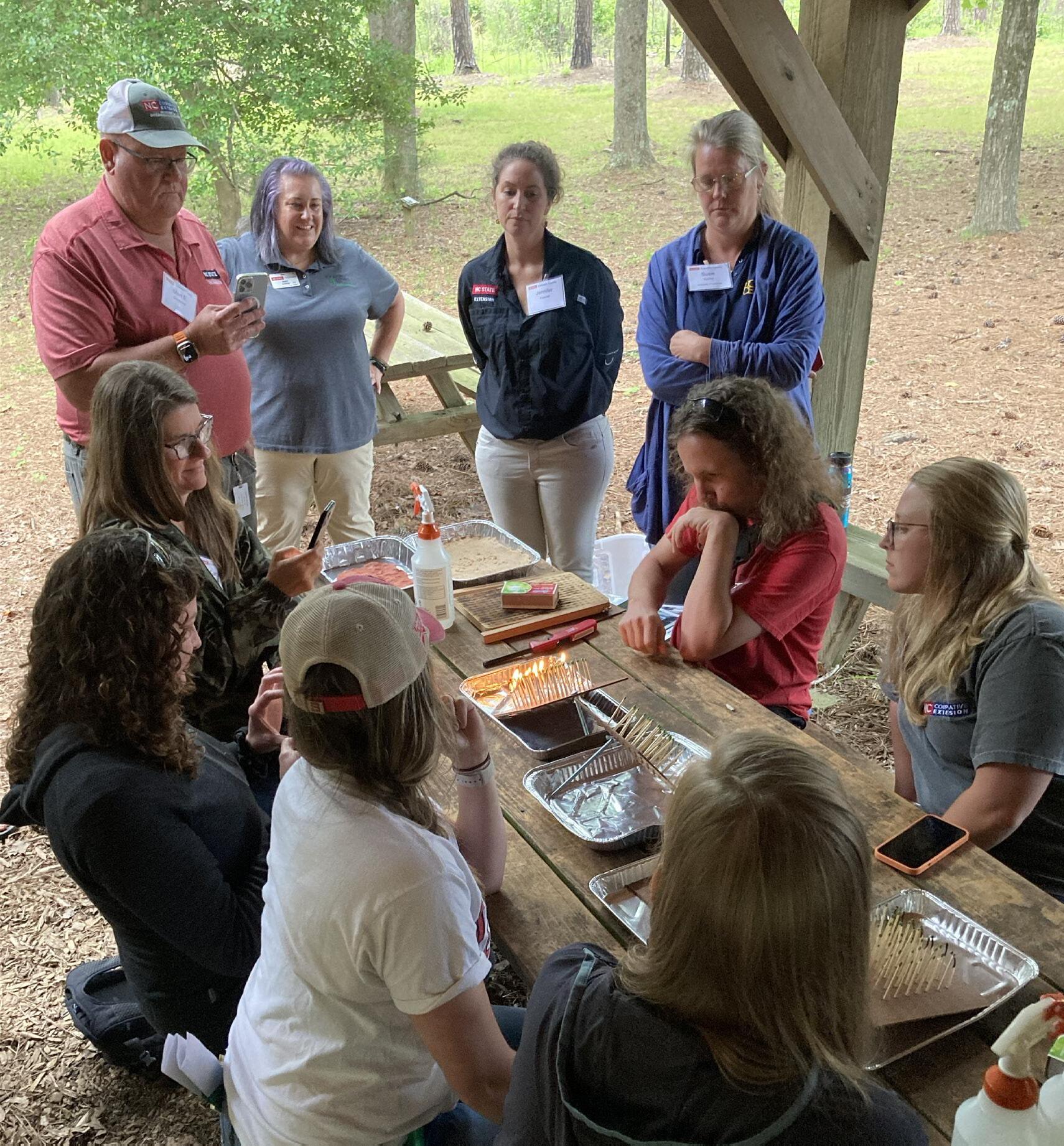
Extension experts from across the U.S., led by NC State’s Jennifer Fawcett, explore how topography and tree density influence wildland fires. Photo courtesy of Robert Bardon.
Where Water Flows, Quality Follows
As development replaces farms and forests, stormwater overwhelms streams and carries pollutants into waterways. Extension water quality expert Mitch Woodward leads handson workshops that train landowners, contractors and municipalities to repair streambanks — preventing erosion, filtering runoff and restoring habitat while protecting property. go.ncsu.edu/SavingStreams
From Trails to Tables: Growing Tourism
Tourism generates over $35 billion annually for North Carolina, but sustaining that growth requires strategy. Extension partners with state agencies and local communities to expand tourism, train hospitality professionals and promote natural resources and turn environmental assets into economic engines. go.ncsu.edu/SupportingTourism
When Trees and Farms Grow Together
Extension agroforestry experts teach producers how to integrate trees with crops or livestock to improve soil health, increase land value and diversify income. From silvopasture systems that provide shade for cattle to forest farming that yields specialty crops, Extension helps landowners make every acre work harder and smarter.
go.ncsu.edu/FarmwithForests
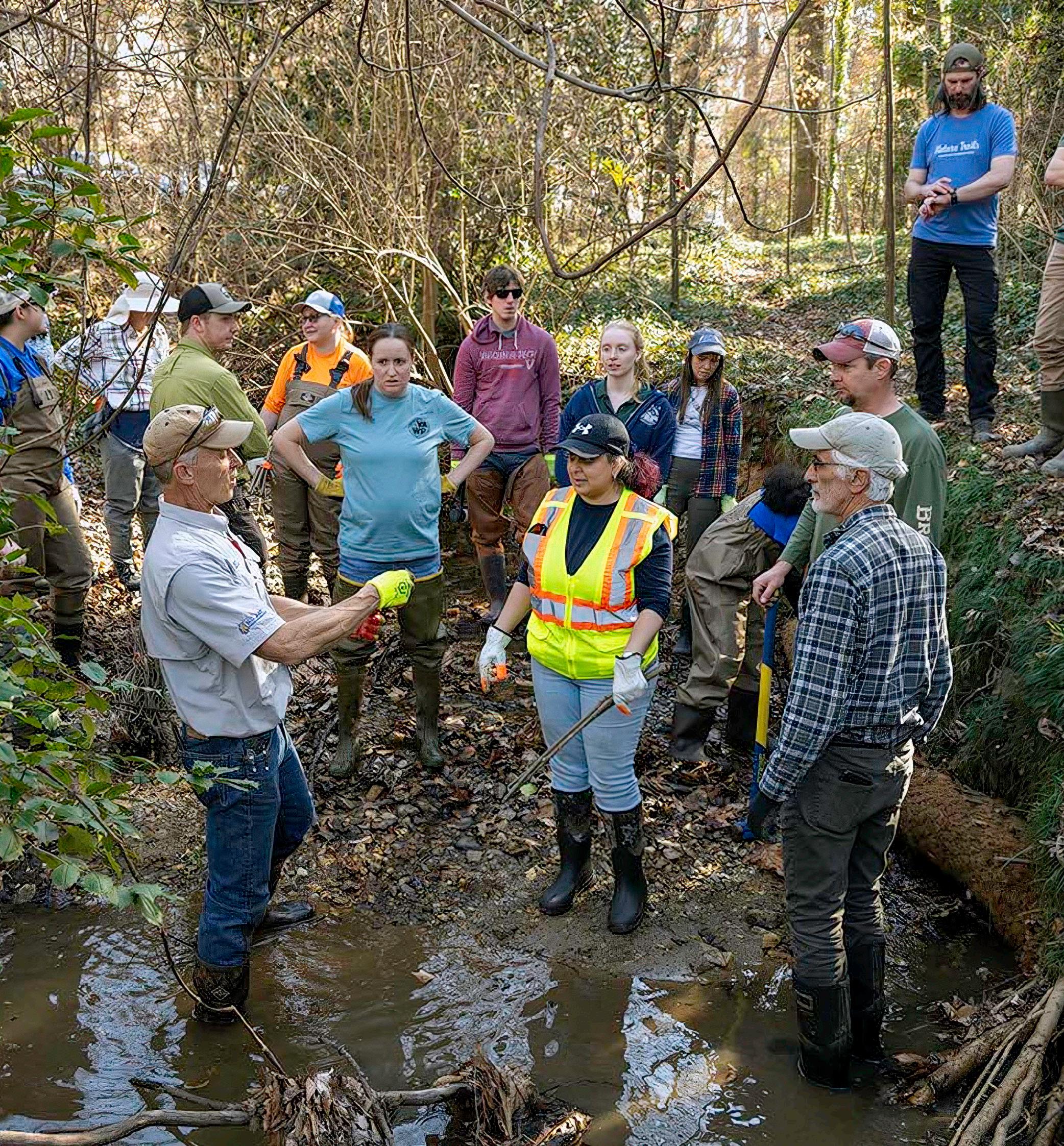
NC State Extension water quality expert Mitch Woodward guides hands-on streambank restoration workshops, helping landowners and communities protect water quality and strengthen the state’s ecosystems.
Investing In the Future
Local government partners invested over $10 million in 2025 to help build or update Extension centers in more than 25 counties, reflecting a shared commitment to local education and community impact.
Breaking New Ground in Camden County
With support from Camden County leaders, construction broke ground in Nov. 2025 on a new Extension center at a waterfront site that's hosted local programs for decades. The facility will expand 4-H youth development, environmental education, nutrition programming and agricultural training — demonstrating how strong local partnerships help Extension deliver impact and lasting value for communities. The new Extension center is scheduled to open in late 2026. go.ncsu.edu/NewCamdenCenter
Strengthening Extension from the Ground Up
Through Expedition Extension, NC State leaders visited all 101 Extension centers statewide, meeting directly with local teams and partners. The effort underscored leadership's focus on listening, learning and investing in local programs — strengthening infrastructure that will help Extension deliver responsive, community-driven solutions for years to come. go.ncsu.edu/ExpeditionExtension
Cultivating Careers Across North Carolina
A joint internship program between NC State Extension and the N.C. Plant Sciences Initiative embeds students from counties across North Carolina with Extension agents to tackle real-world agricultural challenges. Interns gain handson experience in pest management, precision agriculture and more — building the next generation of ag professionals and strengthening local expertise. go.ncsu.edu/CultivatingCareers
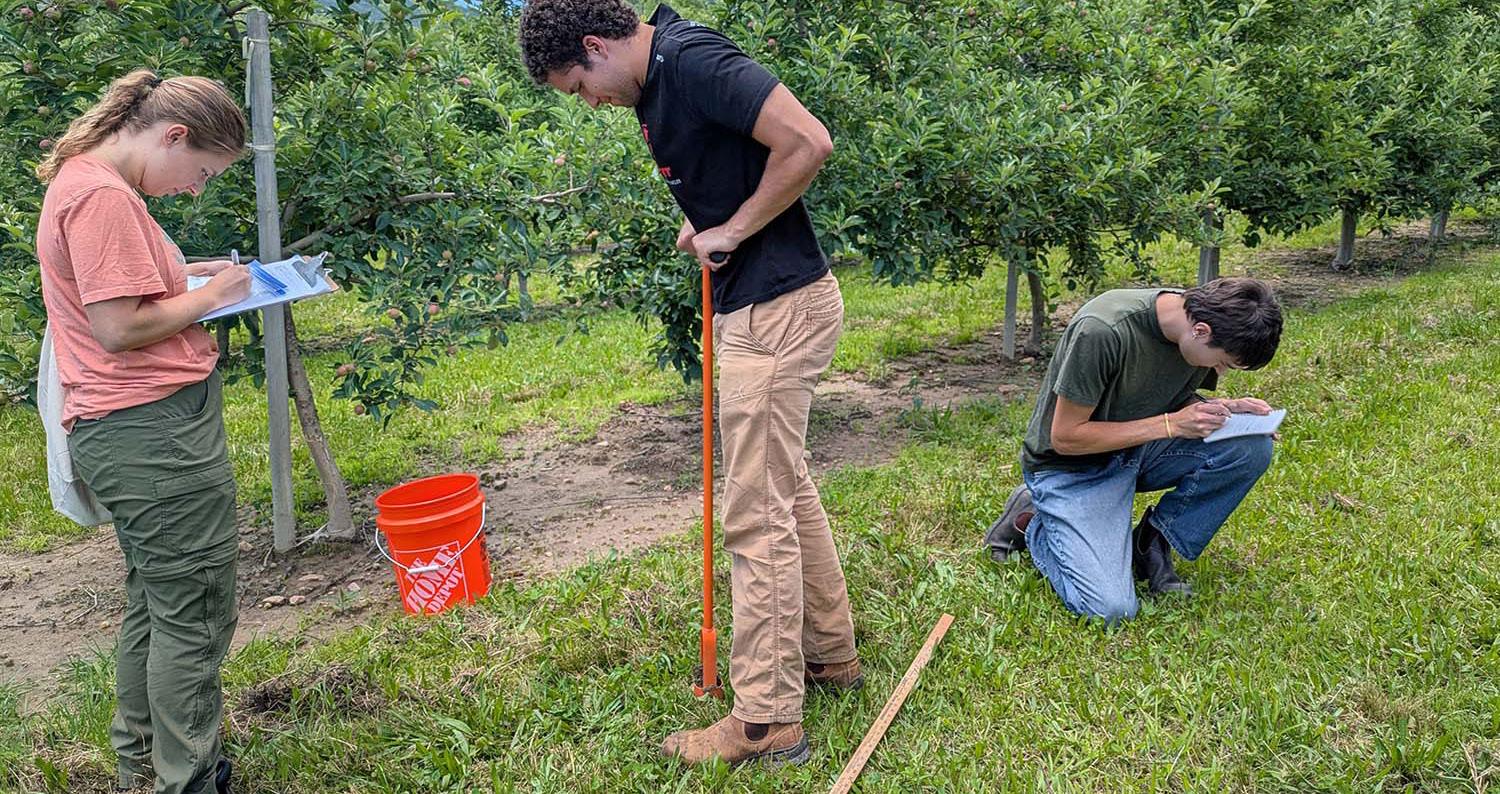
Interns experience the Extension and research system firsthand, building the skills needed to lead North Carolina agriculture into the future.
During Expedition Extension, CALS Dean Garey Fox and NC State Extension Director David Monks visited Extension teams statewide to discuss local needs and opportunities
When Communities Invest, Everyone Thrives
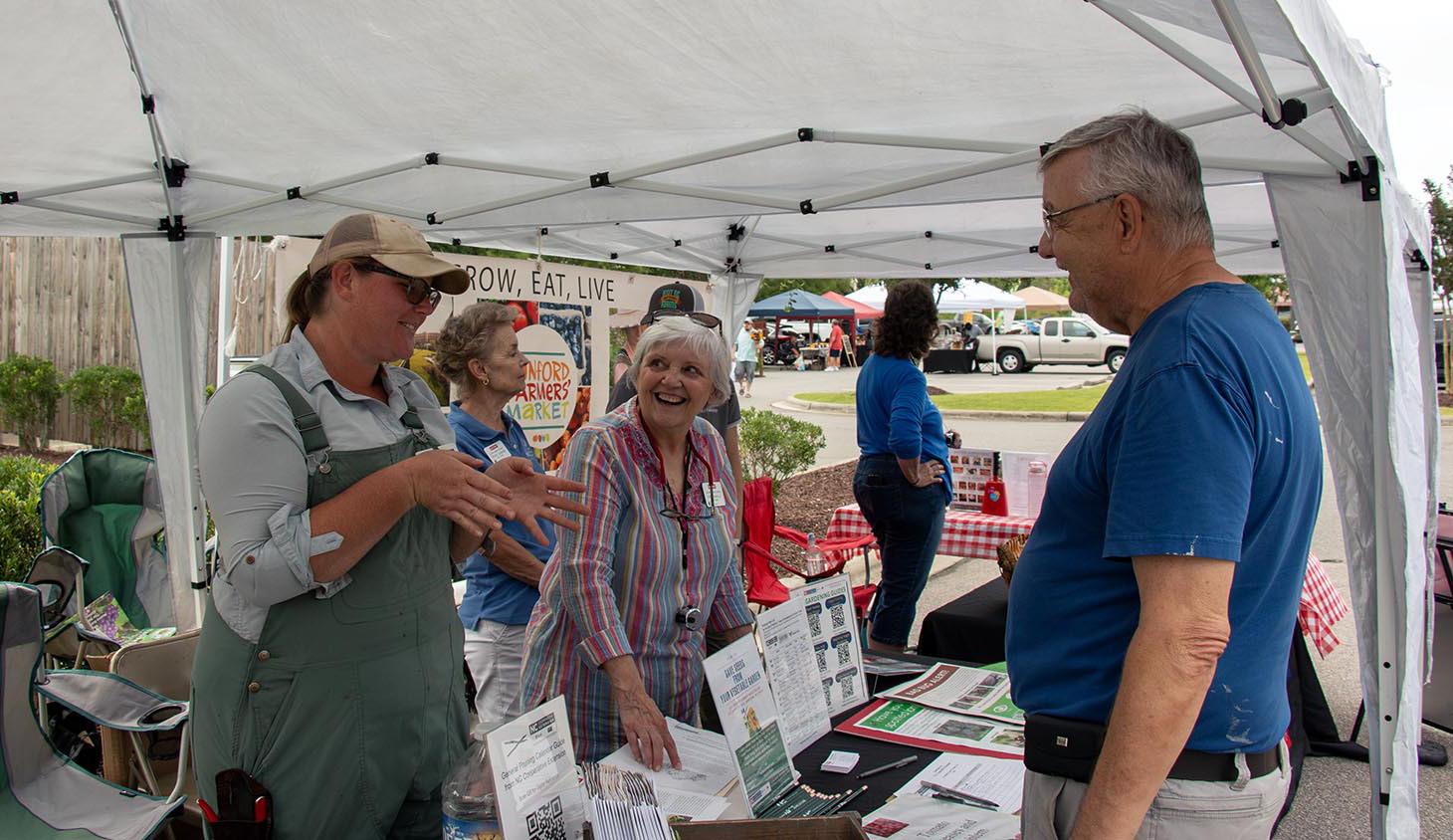
The Sanford Agricultural Marketplace didn't happen by accident. It took coordinated philanthropic support, county partnerships and Extension's trusted relationships to transform a vision into reality. Now farmers connect directly with families seeking fresh food, Sanford has a vibrant downtown hub, and the community celebrates its agricultural heritage while strengthening its economy.
It’s all possible when donors and partners work with Extension to address local needs with lasting solutions, turning trust into tangible impact — one market, one relationship, one community at a time.
"Without Extension, our communities wouldn’t be served, our farmers wouldn’t be helped and our businesses wouldn’t be as strong. Its impact in every county is extraordinary — and supporting that work is critical to North Carolina’s future.”
Howell Chancellor, NC State University
1,097 Donors Supporting Extension Efforts
1,538 Gifts and New Commitments $1.1M Value of Gifts and Commitments (FY25)
190 Extension Endowments
Support Extension efforts in communities like yours statewide: go.ncsu.edu/ CALSWaystoGive
Kevin
In Your Neighborhood
Partnering with federal, state and local governments, as well as N.C. A&T State University, we form a statewide network called N.C. Cooperative Extension.

Hometown Hero: Chasady Wudkwych

Hometown Hero: John Cothren
Experts
Chasady Wudkwych, Extension 4-H agent, says the best part of her job is making a positive difference in the lives of young people through her local 4-H programs. As a six-year veteran of Extension, she also makes a positive impact in her district by serving as a mentor for new agents.
When Wilkes County farmers needed equipment they couldn't afford, local Extension director John Cothren delivered — securing $250,000 in livestock and row crop equipment while championing a successful farmland preservation initiative that strengthens farm operations countywide.
I 597 NC State-funded employees, 121 county-funded personnel and 42 N.C. A&T staff
Meet five Extension experts — one from each of our districts — who go above and beyond to change lives and create brighter futures in their communities.
NORTHEAST DISTRICT
> Counties: 22
> Households: 755,234
> Food Insecurity: 12%
> Ag Cash Receipts: $2.2B
> Extension Employees: 165
> Educational Contacts: 3,765,748
NORTH CENTRAL DISTRICT
> Counties: 20
> Households: 1,019,376
> Food Insecurity: 14%
> Ag Cash Receipts: $1.4B
> Extension Employees: 176
> Educational Contacts: 470,391
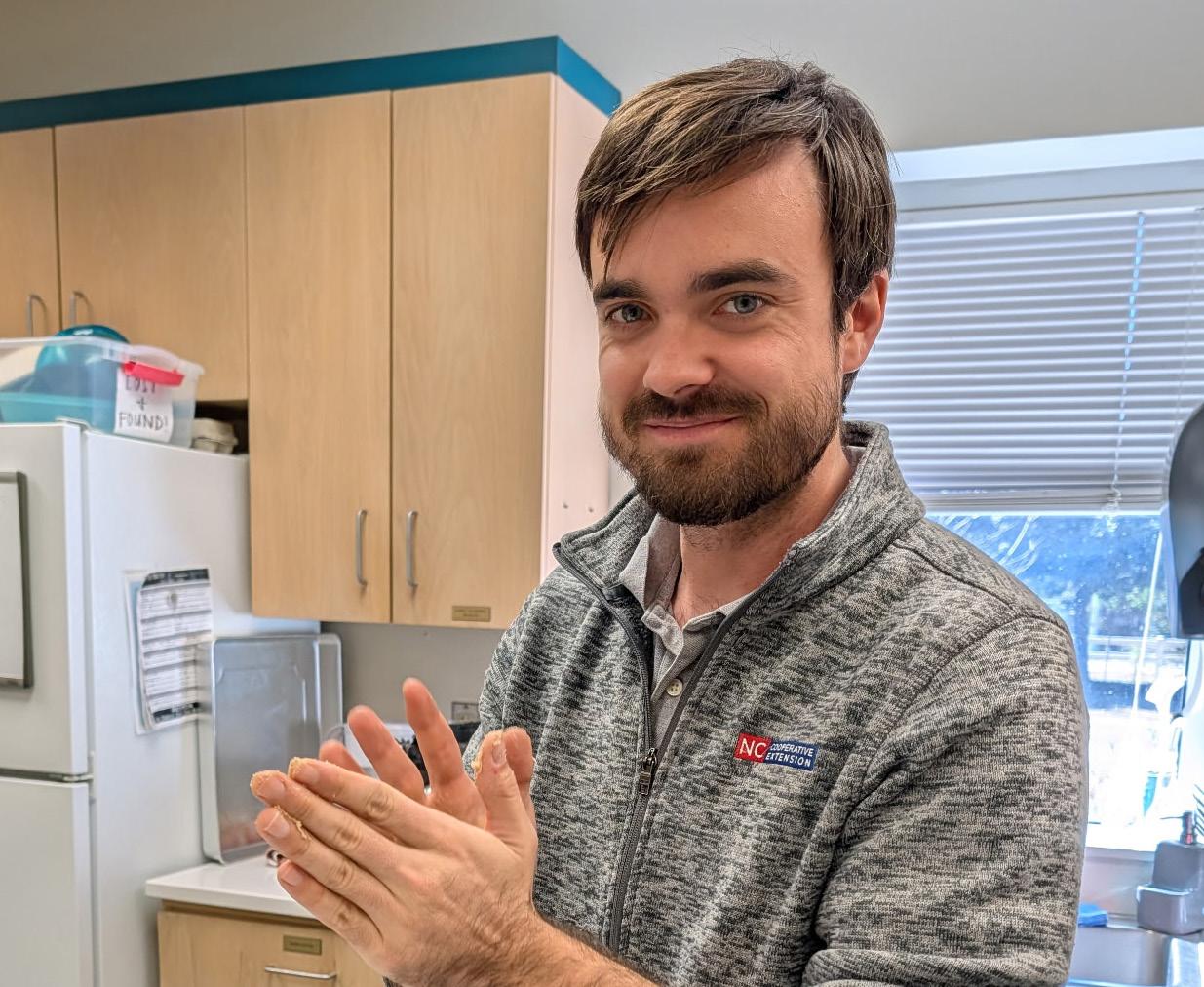
Hometown Hero: Avery Ashley
After going through Extension’s Med Instead of Meds program, participants asked about practical ways to use their knowledge. FCS agent Avery Ashley answered the call with his “Healthy Home Cooking” class, equipping families across the county with the tools to prepare nutritious meals and make healthier decisions every day.
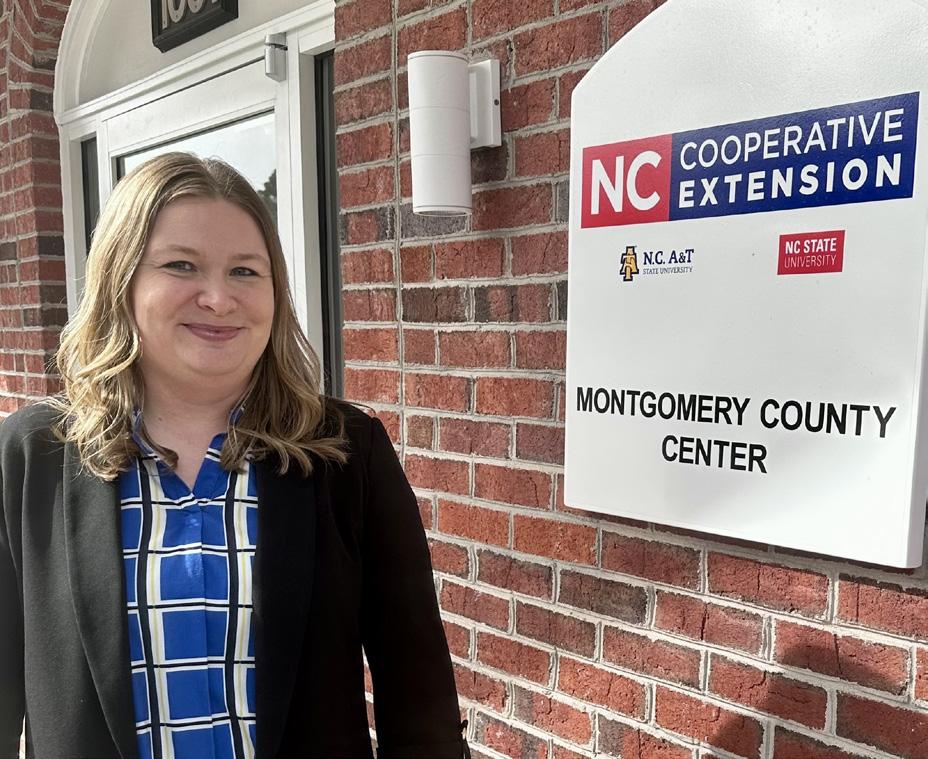
Hometown Hero: Chrissy Haynes
Working with county partners, local Extension director Chrissy Haynes helped procure a new facility to replace her team’s 87-yearold building. The 2.5-acre property provides modern spaces and outdoor learning areas — expanding Extension’s capacity to provide educational programming for the community’s farmers, families and youth.

Hometown Hero: Michelle South
After recovering from emergency surgery for a brain aneurysm, local agriculture agent Michelle South jumped back in to helping farmers recover from Hurricane Helene. She matched hay and fencing donors with producers still in need, and helped obtain funding for producers to repair pastures and vital infrastructure.
SOUTHEAST DISTRICT
> Counties: 18
> Households: 652,118
> Food Insecurity: 15%
> Ag Cash Receipts: $4.5B
> Extension Employees: 153
> Educational Contacts: 892,281
SOUTH CENTRAL DISTRICT
> Counties: 19
> Households: 1,291,891
> Food Insecurity: 13%
> Ag Cash Receipts: $2.4B
> Extension Employees: 139
> Educational Contacts: 869,170
WEST DISTRICT
> *Counties: 22
> Households: 468,305
> Food Insecurity: 16%
> Ag Cash Receipts: $599.1M
> Extension Employees: 127
> Educational Contacts: 664,639
*Includes Qualla Boundary (Eastern Band of Cherokee Indians)
Land-Grant In Action
From future-proofing our food system and strengthening local economies to promoting public health and protecting natural resources, NC State Extension experts turn science into real-world applications that help North Carolinians prosper.
Extension’s impact is powered by a statewide network of campus-based specialists and county experts who collaborate through formal program teams and day-to-day work. Together, they translate research into practical solutions that address local needs — ensuring communities reap the benefits of our land-grant mission.
RESEARCH TO REALITY: SOLVING LOCAL ISSUES STATEWIDE
Agronomic Crops
Leverages on-farm research, advanced training and targeted recovery efforts to help North Carolina farmers improve productivity, profitability and resilience.
Animal Agriculture
Equips livestock and poultry producers with science-based guidance that strengthens animal health, farm viability and the state’s largest agriculture sector.
Horticulture
Provides research-driven expertise that improves the performance, sustainability and economic value of plant, landscape and green industries statewide.
Local Foods
Strengthens local food systems by expanding market access, reducing food insecurity and helping communities turn local agriculture into economic opportunity.
Water Resources
Empowers communities to manage and safeguard their water resources through hands-on training and restoration that improves water quality statewide.
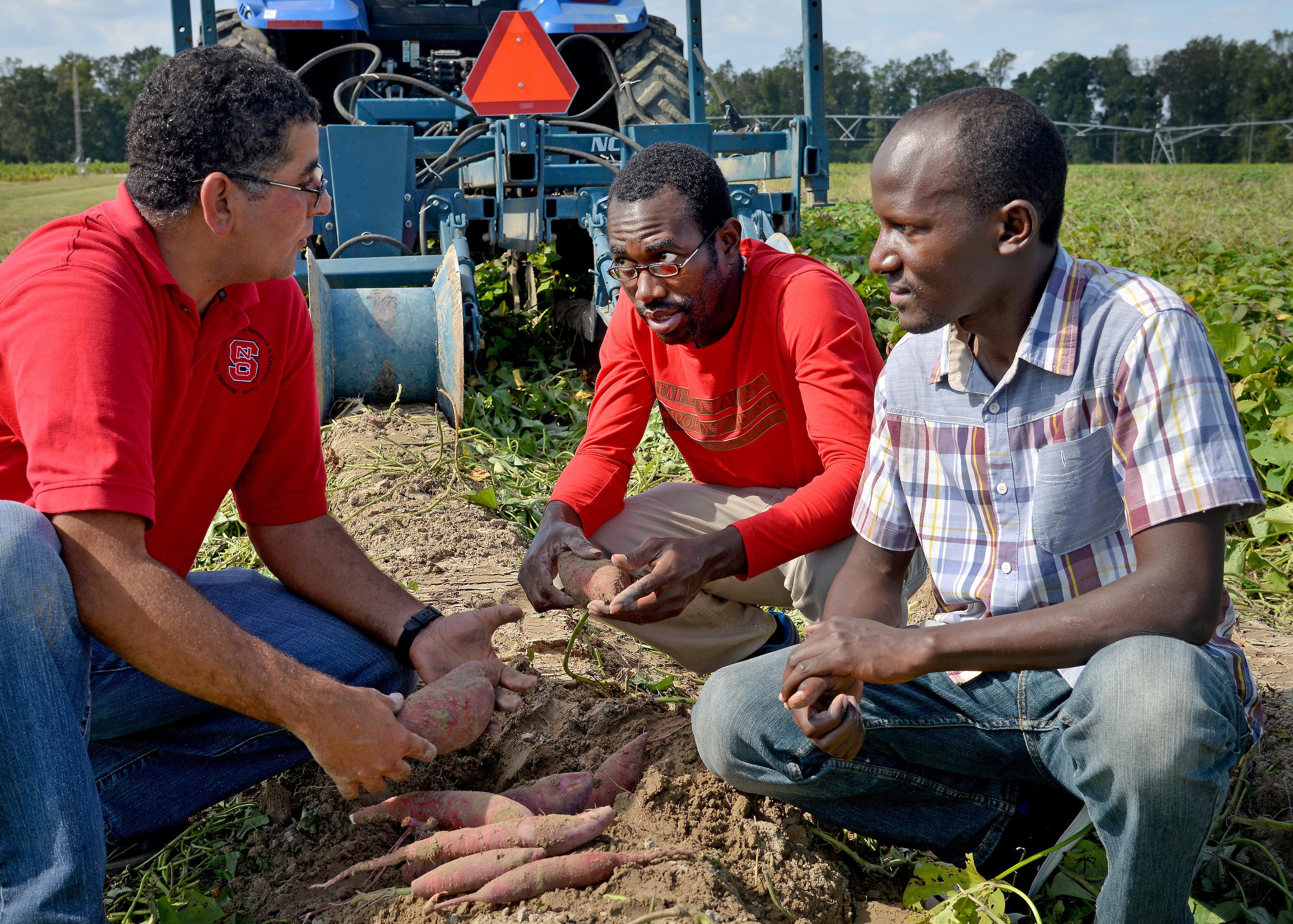
Discover how Extension works across North Carolina: