THE HIMALAYA SESSIONS PIANIST LOST:
THE GIFT TO BE SIMPLE
Peter Halstead

THE HIMALAYA SESSIONS
VOLUME V THE GIFT TO BE SIMPLE PIANIST LOST:
The pieces in this book were all written during World War II, which may have created in Copland a need to define what patriotism sounded like.
Aaron Copland: America in music. Old America, of the picket fences and county fairs, the square dances and rodeos. And as a person even, balanced, calm, tactful, warm, humble, kind. As his friend Diamond said, “He knows exactly what dignity means in the sense of how far you go emotionally.”
His music was like that. It was music you’d to invite to dinner. Only the most noble emotions would ever come up.
picket and calm, David dignity emotionally.”
want
9 tracks- total time:
1. Fanfare for the Common Man, B-Flat (originally C), arr. Roger Brison, “Very deliberately,” 1942 3:04
2. Saturday Night Waltz, from Rodeo, E-Flat, arr. by Aaron Copland, 1942 5:41
3. The Resting-place on the Hill, from the film score Our Town, E Minor, “Very deliberate,” 1940 4:26
4. Story of Our Town, from the film score Our Town, “Moderate, with calm,” G Major, 1940 4:01
5. Conversation at the Soda Fountain, from the film score Our Town, “With unhurried flowing movement,” A Major, 1940 4:02
Himalaya Sessions
PIANIST LOST: TO BE SIMPLE
time: 43:03 with wind.
6. In Evening Air, from the film score, The Cummington Story, B-Flat and G Major, 1974
“I see, in evening air, How slowly dark comes down on what we do.”
— Theodore Roethke 3:55
7. Midsummer Nocturne, “Slowly, poetically (and somewhat thoughtful),” A Major, 1947 2:18
8. Down a Country Lane, “Gently flowing, in a pastoral mood,” F Major and D-Flat, 1962 [5-channel version] 2:58
9. Variations on a Shaker Melody, “The Gift to Be Simple,” from Appalachian Spring, C Major, 1943, arr. StanleyHalstead (also includes the end of the Appalachian Spring Suite, which follows the Variations) 11:40 all Copland copyright by The Aaron Copland Fund for Music, Inc.
Fanfare Copland used it for the finale of Fanfare had been an obscure commission conductor Eugene Goossens which would be soon be forgotten.
He wrote the Third Symphony for Serge Koussevitzky, and included the Fanfare because, “I knew exactly the kind of music he enjoyed conducting and the sentiments he brought to it, and I knew the sound of his orchestra, so I had every reason to do my darndest to write a symphony in the grand manner.”
Arthur Berger writes that the entire symphony evokes the “general character of a glorified and expansive hymn—of prayer, of praise, of sorrow, of patriotic sentiment.”


Copland may have been thinking of Beethoven’s “Ode to Joy” when he introduced the Fanfare into the finale of the symphony.
Virgil Thomson saw the symphony as a conflict between the pastoral and the military, as the Fanfare is, the brash virtuosity of the horns versus the tranquility of the hymn as played by the strings.
Rodeo: Saturday Night Waltz Copland’s friendship with Mexican composer It was Chávez who finally convinced Copland four months in 1932, and regularly afterward.
The popular dance hall El Salón México especially place at five in the morning. In 1936 he wrote up of traditional huapangos. It became the movie Fiesta, which won an Academy Award
Waltz composer Carlos Chávez lasted 50 years. Copland to visit Mexico, which he did for afterward. especially intrigued him. He closed the wrote his España, El Salón México, made the soundtrack for the MGM Award because of it.
Copland admired Chávez for creating Mexican voice, and was determined the same with American cowboy
creating a determined to do cowboy tunes.
The ballet Rodeo: Ranch was commissioned Ballets Russes Agnes de Mille, at its début at Opera House calls. The “Waltz” fiddles tuning, launches into an Old Paint,” courts the Champion
18 Himalaya Sessions
Rodeo: The Courting at Burnt commissioned by the Russes de Monte Carlo and Mille, who danced the lead at the Metropolitan House in 1942. It had 22 curtain “Waltz” begins with the tuning, and then the oboe into the innocent song, “I Ride Paint,” with which the Cowgirl Champion Roper.
Copland: I felt it was worth the effort to see I had to say in the simplest possible terms. As born complex is not inherently better or worse born simple.
Three Pieces from the Our Town revised 1944
Thornton Wilder: I write a-musical plays….they homeliest aspects of our daily life.
This is just what Copland did: music as ordinary wrote the soundtrack for the film of Wilder’s
see if I couldn’t say what As I see it, music that is worse than music that is Town Suite, 1940, plays….they delight in the ordinary life. In 1940 he Wilder’s Our Town.
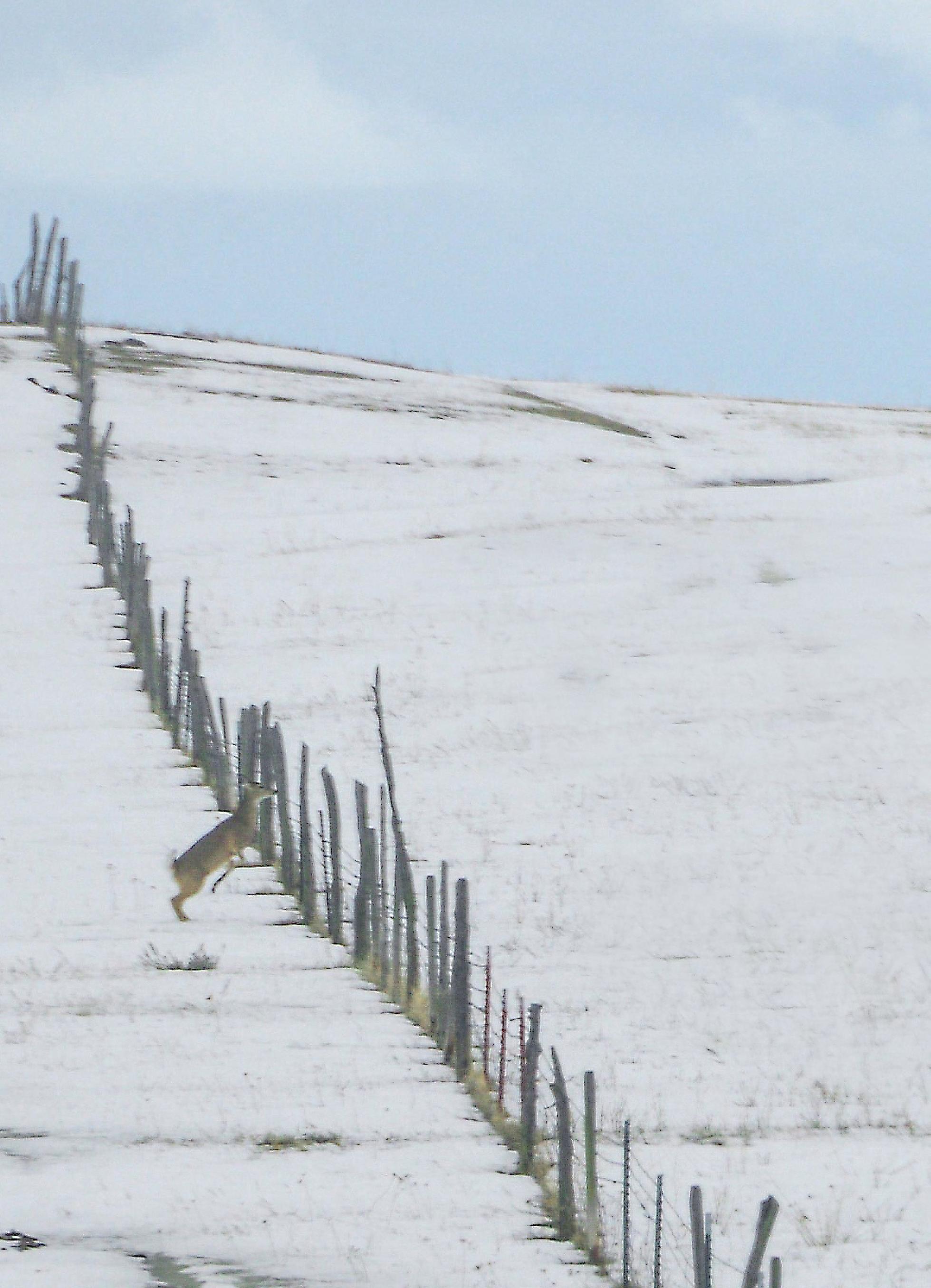
The Resting With its nostalgic hymns, this song draws dent portrait of simple Corners, New Hampshire. around the corner, to this sketch of more
22 Himalaya Sessions
Place on the Hill evocation of New England draws a nostalgic but transcensimple daily life in Grover’s Hampshire. The war was just which added a wistfulness more peaceful times.
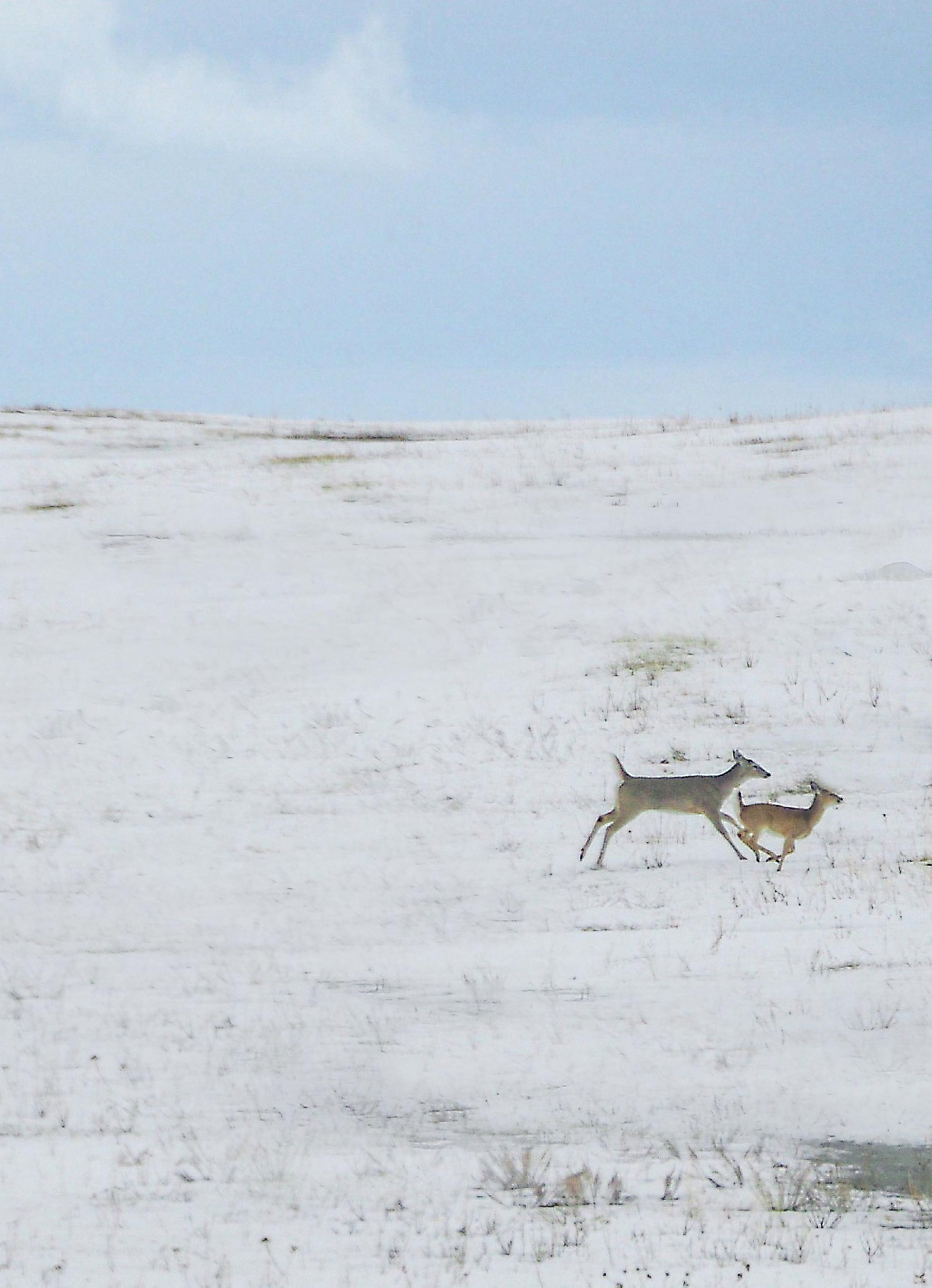
The Story of Our Town
Copland wrote at the piano, as did Stravinsky.
Copland: It’s more like using the piano as a you start to work, you know what it is you’re ahead of yourself all the time….You might thinking about how they go or where they go, at them, you get the impression that idea A curious way which you didn’t realize before thinking about them separately.

a large typewriter: the instant before you’re going to “type.” You’re one instant collect a series of ideas without go, but then, one fine day, looking and C and G go together in some before when you were

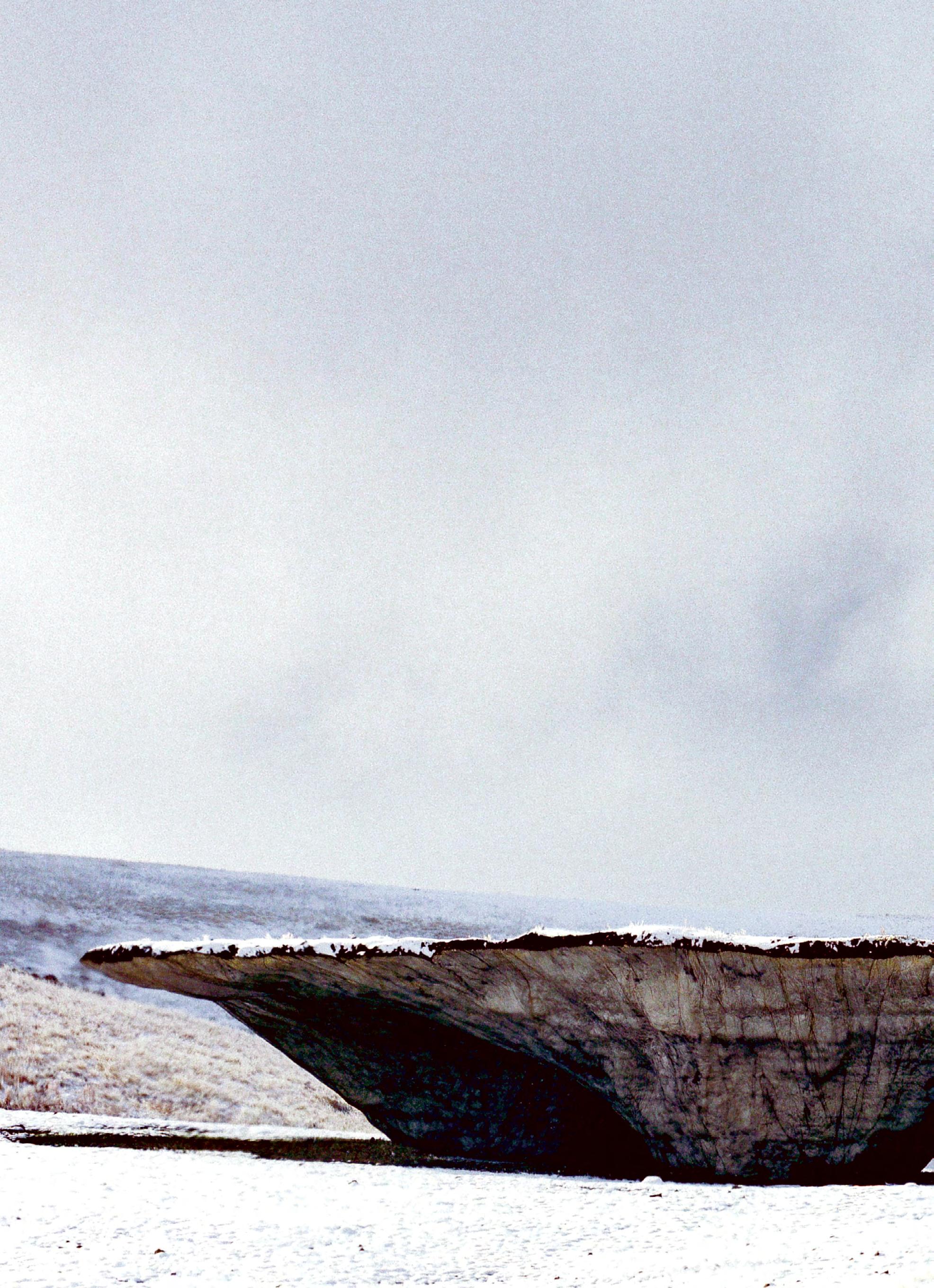
Conversation at the Soda Leonard Bernstein: “Plain, plain, Spring and Our Town, which I think No conspicuous consumption.” Here oracle, to hear no more than anyone
Soda Fountain
plain! It goes with Appalachian think of as a self-portrait of Aaron. Here you get to talk with the anyone would say at a soda fountain.
In Evening Air
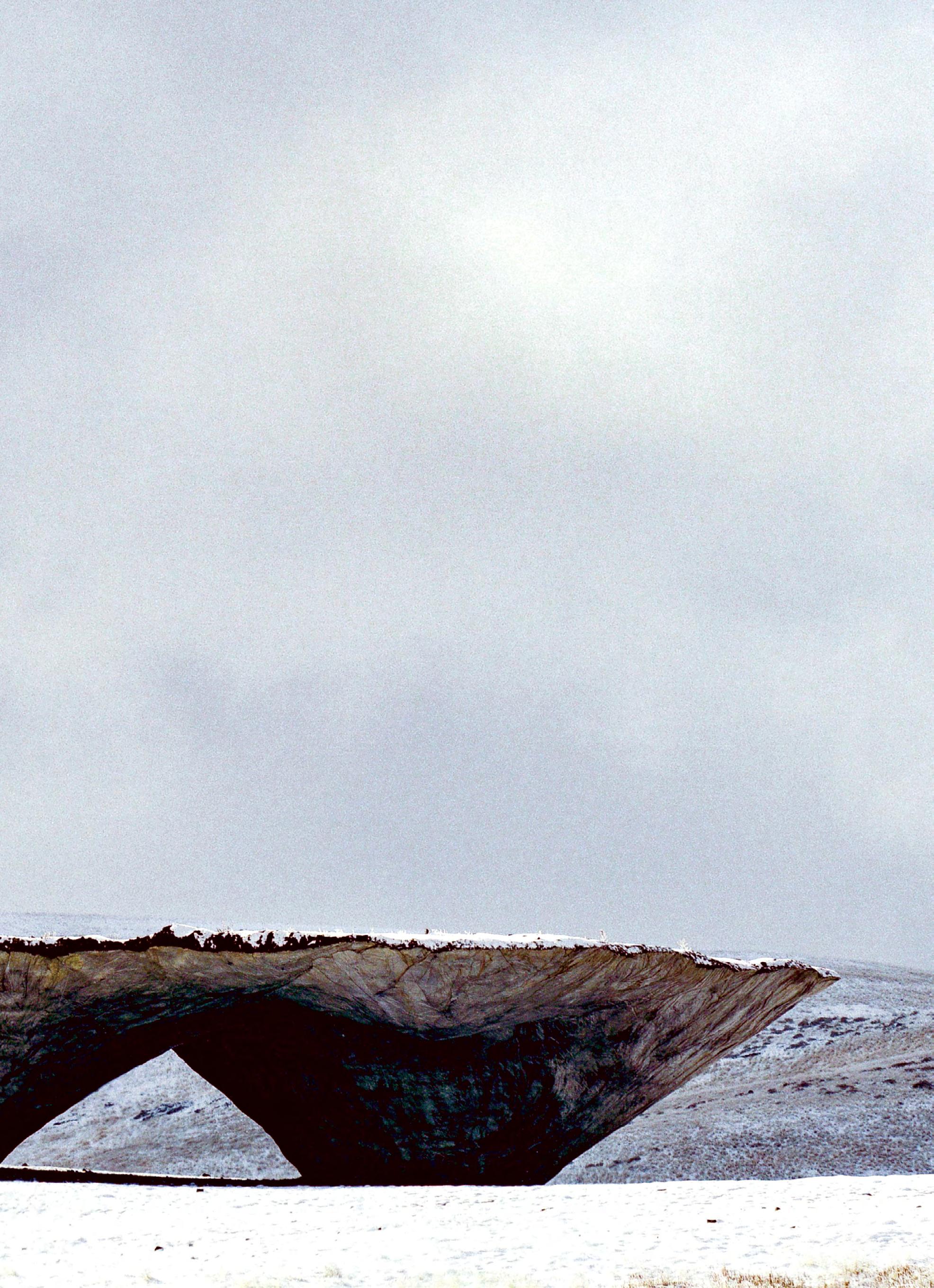
The refugee’s theme from The Cummington Story, where refugees resettled in a small Connecticut town and came to love it, and vice versa. The title came from a poem by Ted Roethke. Copland quoted the poem’s last two lines at its end: “I see, in evening air,
How slowly dark comes down on what
The Cummington Story
The tolling of bells was the theme for the church-centered town. You can hear this in the first few notes, variation on the bells.
Pollack: Strangeness between people breaks down they live and work and meet together as neighbors.
Himalaya Sessions
church-centered notes, and then a down when neighbors.
Down a Country Lane
Based on the Cummington theme and commissioned by Life magazine, where I first saw and played it.
Variations on a Shaker Melody
Commissioned by Martha Graham, who was thinking about Hart Crane’s poetic cycle The Bridge, which had in it a poem called “Appalachian Spring.” She just liked the title.
Himalaya Sessions
Copland: People come up to me after seeing the ballet on stage and say, “Mr. Copland, when I see that ballet and when I hear your music I can just see the Appalachians and just feel spring.”
By the end of 1945, everything sets by Noguchi, Martha Graham, Aaron Copland. For its 1987 gala danced the Husbandman and
about the ballet was famous:
Graham, Merce Cunningham, gala performance, Baryshnikov Nureyev danced the Revivalist.
Copland arranged a Suite from the end of the “Interlude” with the variations the main tune’s triumphant restatement The Suite was taken up by Bernstein, conductors and made both Copland
the ballet, joining the variations on “Simple Gifts” and restatement in “The Lord’s Day.” Bernstein, Ormandy, and many other Copland and Graham even more famous.
Copland: I have often admonished otherwise, not to get too sweet or Copland later preferred his version to think that the original instrumentation to my original conception than the
I
hope the most exposed version without too much fuss.
admonished orchestras, professional and or too sentimental with it. version for chamber group: I have come instrumentation has a clarity and is closer the opulent orchestrated version. of it, for piano, bares its soul
PETER HALSTEAD
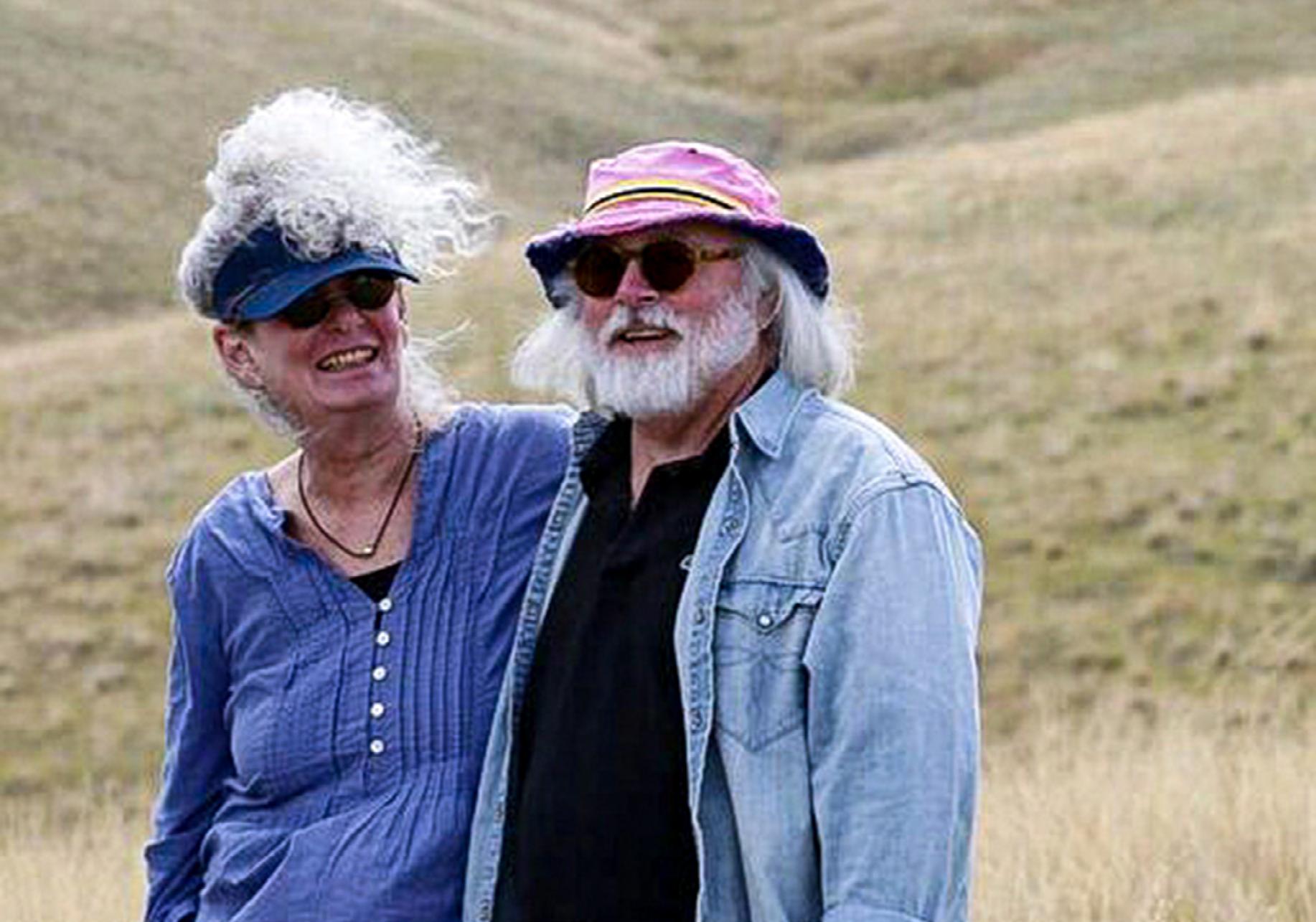
Peter Halstead is a pianist, photographer, novelist, and poet. He studied piano with Russell Sherman in Boston, Irma Wolpe in New York, and organ with Charles Courboin at St. Patrick’s Cathedral, New York.
Peter and his wife, Cathy, are trustees of the Sidney E.Frank Foundation, the Tippet Rise Foundation, and the Adrian Brinkerhoff Poetry Foundation. They are founders of the Sidney Frank Digital Studio in the Rockefeller Library at Brown University, and of Tippet Rise Art Center.
A partial list of publications: POETRY
Sea Sun
Sublimation
The World Luciferined
Paris Poems: I
Paris Poems: II
Eyes as Light as Light: Poems for Cathy
Fluorescence (Drawings by Mark Di Suvero)
Blinds
Poems of Earth
Face Your Dreams
Postcard Poems
Poems 2015 – 2017
Poems 2019 – 2022
42 Himalaya Sessions
Castaways
Sunrise at the Equinox: Poems 2023 – 2024
Organized Rhyme: Poems 2024- 2025
BrinkerhoffPoetry.org
BOOKS
Tippet Rise Beginnings (in two volumes)
Prisms in the Air, Grenfell Press
Fluorescence (with Mark di Suvero)
Tippet Rise (Princeton Architectural Press)
Into the Window
A Winter Ride
Bug the Great Window Dressing
MUSIC
The Tempest Moonlight (The Pianist Lost Series) pianistlost.com
Excesses and Excuses
Sunken Cathedrals
Boatsongs
Sehnsucht
The Gift To Be Simple
PETER HALSTEAD
FILM
The Yeti (Metronome, Zarathustra, Parnassus, Schumann’s Clara, Brahms’ Clara, Moonlight, Making of Yeti)?
eBOOKS
Fissures in the Snow
https://indd.adobe.com/view/fd8e3a47-96bc-436d-b295d5329e1239bd
Snows and Songs and Ghosts
https://indd.adobe.com/view/8832c77a-95bc-444e-94ff69d0aa9a80ba
Copyright 2026 by The Sidney E. Frank Foundation. Published
https://tippetrise.org/library/wind-around-the-stars
https://indd.adobe.com/view/92e9cb20-6ac2-4377-86ab342f97110040