TINNITUSTODAY
To Promote Relief, Help Prevent, and Find Cures for Tinnitus Vol. 51, No. 1, Spring 2026

To Promote Relief, Help Prevent, and Find Cures for Tinnitus Vol. 51, No. 1, Spring 2026





The Right Care at the Right Time
When Tinnitus and Dizziness Collide
Five Years, One Mission: Texas Roadhouse Fundraiser Hits $1.1 Million
Creating Spaces for Easier Listening






















































































































































































The American Tinnitus Association is making the largest research investment in its 55-year history.
The 2026 Innovative Tinnitus Research Grants and the newly inaugurated Fellowship Program expand ATA’s funding model to better reflect the real costs of modern science and to support investigators across the full continuum of discovery.
“Tinnitus exists on a spectrum, and everyone affected deserves better options,” said Patrick A. Lynch, ATA CEO. “Kent Taylor, founder of Texas Roadhouse, lived with severe tinnitus. His struggle is a powerful reminder of what is at stake. The commitment of Texas Roadhouse, combined with the generosity of our individual donors, is what makes this research possible. This is a community effort, and together we are determined to make a difference for the more than 50 million people living with this condition in the United States.”

• Foundational Research Grants Up to $100,000/ year for up to 2 years to investigate biological mechanisms and identify therapeutic targets
• Translational & Clinical Research Grants Up to $100,000/year for up to 2 years for human participant studies, including biomarker development and new treatment approaches
• U.S. Pilot Data Grants Up to $25,000 for 1 year to launch new tinnitus-focused research programs
first)
• Graduate Research Fellowship $40,000 for 1 year supporting doctoral students conducting tinnitus-focused research in the U.S.
• Music Audiology Fellowship $20,000 for 1 year for audiologists pursuing specialized training to work with music industry professionals in the U.S.





22| Promises Endure as Life Gets Bigger
Hearing Through the Heart: Navigating Family Life With Tinnitus and Hearing Loss
How One Audiologist’s Personal Journey Shaped a Whole-Person Model of Tinnitus Care
Moving Through the Noise

Research
Day, One Mission, One Record


I was working concessions at my daughter’s school and had one job: Keep fresh popcorn coming, turn the machine off when the timer chimes. The music was loud, the line was long, and my attention drifted. Then it hit me: that sharp, unmistakable smell of burnt popcorn.
Before I could even process it, the smoke alarm system kicked in. The PA blared: “May I have your attention please. A fire emergency has been reported. Please exit the building.” Fire doors automatically closed. People slowly headed toward exits. Within minutes we heard sirens, firefighters were in the hallways, and the mood shifted: Faces tightened, bodies moved faster, worry spread.
The next part is what stayed with me. The moment people realized it wasn’t a fire, the entire experience changed. The alarm was still loud. The announcement was still broadcasting. The disruption was still real, but the emotional meaning flipped. What had felt life-threatening became merely annoying, an inconvenience with a boring story (and embarrassment for me).
Tinnitus is a sound, but the suffering often comes from what the brain believes the sound means. When tinnitus is interpreted as danger: “Something is wrong,” “I’ll never sleep,” “I can’t live with this,” the nervous system reacts like it would to smoke in a crowded building. Attention locks on. The body tenses. The sound becomes bigger, not in volume, but in significance.
The most important question for tinnitus isn’t “How loud is it?” but “How are you reacting to it?” and “What is tinnitus taking from you right now: sleep, focus, calm, joy?”
A stepped-care approach starts by building safety and understanding, with evidence-based diagnostics, then the right supports: hearing care when indicated, education that reduces fear, and ways to retrain attention and the threat response.
Education isn’t optional in tinnitus care; it’s the switch that turns the alarm into background noise. Once we know that “This is not a fire,” the nervous system stands down. Attention lets go, quiet feels safe again, and tinnitus takes up less space in your day.
Remember this: With help, tinnitus gets better and ATA is here for you.
MANAGING EDITOR AND PUBLISHER
Joy Onozuka, MA
American Tinnitus Association
COPY EDITOR
Christina Palaia
Emerald Editorial Services
EDITOR-AT-LARGE
James A. Henry, PhD
Ears Gone Wrong®, LLC
Portland, OR
EDITORIAL ADVISORY PANEL
Marc Fagelson, PhD East Tennessee State University Johnson City, TN USA
Gail M. Whitelaw, PhD
Department of Speech and Hearing Science
The Ohio State University
DIGITAL DESIGN & PRODUCTION TEAM
JML Design, LLC
ATA BOARD OF DIRECTORS
Stelios Dokianakis, AuD, CH−TM, Holland, MI—Chair
Shahrzad Cohen, AuD, CH−TM, Sherman Oaks, CA—Vice Chair
Joseph Trevisani, New York, NY—Treasurer
David Hadley, MBA, San Francisco, CA—Assistant Treasurer
Erin Walborn-Sterantino, AuD, CH−TM, Rensselaer, NY—Secretary
Jeff Bingham, San Diego, CA
Travis Doster, Louisville, KY
Sara Downs, AuD, CH–TM, Duluth, MN
Marc Fagelson, PhD, Johnson City, TN
Emily McMahan, AuD, CH−TM, Anchorage, AK
Samantha Morehouse, AuD, CH−TM, Cincinnati, OH
Daniel Polley, PhD, Boston, MA
Julie Prutsman, AuD, Highlands Ranch, CO Jinsheng Zhang, PhD, Detroit, MI
HONORARY DIRECTOR
William Shatner, Los Angeles, CA
ATA HEADQUARTERS
American Tinnitus Association 8300 Boone Blvd., Suite 500 Vienna, VA 22182 USA
T: 800.634.8978 (Toll Free) www.ata.org
The American Tinnitus Association is a non-profit corporation, tax exempt under 501(c)(3) of the Internal Revenue Code, engaged in educational, charitable, and scientific activities. Tinnitus Today magazine is © copyrighted by the American Tinnitus Association.
ATA™ is a registered trademark of the American Tinnitus Association.
Marc Fagelson, PhD—Chair East Tennessee State University, Johnson City, TN
Carey D. Balaban, PhD University of Pittsburgh, PA
Jianxin Bao, PhD
Duke University, Durham, NC
Shaowen Bao, PhD
University of Arizona Tucson, AZ
Julia Campbell, AuD, PhD University of Texas at Austin, TX
Donald Caspary, PhD
Southern Illinois University School of Medicine, Springfield, IL
Christopher R. Cederroth, PhD University of Tübingen, Tübingen, Germany
Richard Gault, PhD
Queen’s University Belfast, Northern Ireland
Karah Gottschalk, AuD, PhD
Mountain Home VA, Johnson City, TN
Sylvie Hébert, PhD Université de Montréal, Canada
James Henry, PhD
Ears Gone Wrong®, LLC Portland, OR
Bruce Hubbard, PhD
CBT for Tinnitus, Morristown, NJ
Maria Kleinstaeuber, PhD
Utah State University, Logan, UT
Jose Antonio Lopez Escamez, MD, PhD University of Sydney, Australia
Don McFerran, MD, MA FRCS (Retired) Colchester Hospital, UK
Kenneth Morse, AuD, PhD
West Virginia University, Morgantown, WV
Arnaud Norena, AuD, PhD
National Center for Scientific Research (CNRS)
Aix-Marseille University, France
Jay Picciillo, MD
Washington University School of Medicine, Saint Louis, MO
Daniel Polley, PhD
Massachusetts Eye and Ear, Boston, MA
Josef Rauschecker, PhD
Georgetown University, Washington, DC
Tricia Scaglione, AuD
Holistic Hearing & Wellness, LLC, Fort Lauderdale, FL
William Sedley, PhD
Newcastle University Billingham, UK
LaGuinn Sherlock, AuD, CH–TM
Walter Reed National Military Medical Center Bethesda, MD
Paul Smith, PhD, DSc
University of Otago School of Biomedical Sciences University of Otago, Dunedin, New Zealand
Sarah Theodoroff, PhD
VA Portland Health Care System, Portland, OR
Pim van Dijk, PhD
University Medical Center Groningen, Netherlands
Sven Vanneste, PhD
Trinity College Dublin, Ireland
Florian Vogt, PhD, PsyD
University College London, UK
Nathan Weisz, PhD
University of Salzburg, Austria
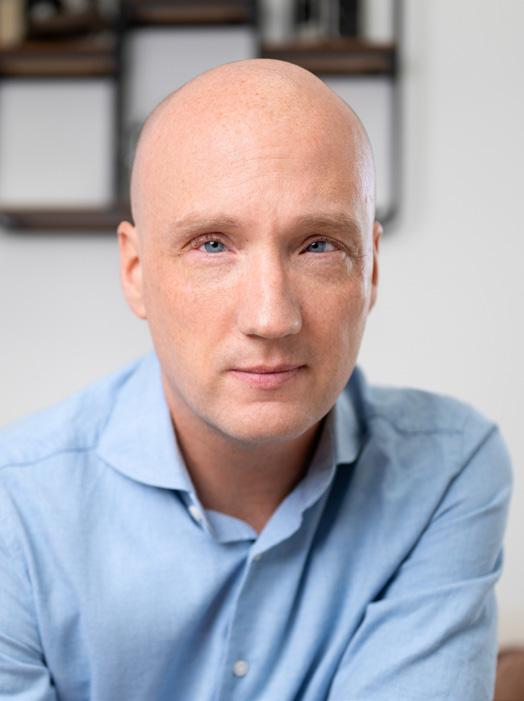
When I stepped into the role of CEO at the American Tinnitus Association in April 2024, I quickly realized that I was inheriting a rare opportunity to lead an organization that has a proud 55-year history. I also recognized that although tinnitus affects millions of people, the community working to solve it is still a fraction of what it needs to be. That realization has defined my sense of urgency during my first chapter with ATA.
Over the past two years, I have been energized by the momentum I have seen across our stakeholder community. We have strengthened ATA’s financial footing, expanded our staff, and increased the resources available to fund research, education, and support for individuals struggling with tinnitus.
Our partnerships with researchers, clinicians, advocates, and supporters continue to grow at home and abroad. Just as importantly, more people are beginning to recognize that tinnitus demands serious attention, investment, and collaboration to improve prevention, patient outcomes, and progress toward more effective treatments, and ultimately cures. I say “cures” because, like cancer, tinnitus isn’t a singular condition.
If there is one truth I have come to know about this field, it is that progress will not come from any one individual alone. It will come from a community working together with shared purpose.
That is why I often say that a rising tide lifts all boats. The more people who invest their time, talent, and resources into this work, the faster we will move the entire field forward. Whether you are a researcher, clinician, patient, advocate, or supporter, there is a role for you to play in helping ATA move our mission to silence tinnitus forward.
Imagine if everyone reading this column committed to one way they could contribute, whether through a financial gift, volunteer effort, or sharing their expertise. The future for tinnitus research, education, and treatment would be nothing short of extraordinary, and we would all be an active part of an exciting solution that steadily transforms the noisy world of tinnitus into one of common understanding, compassion, solutions, and the quiet we are all so desperately after.

Chief Executive Officer
ATA’s publication of corporate sponsored materials in any kind of media does not, in any way or manner, constitute or imply ATA’s approval or endorsement of any featured product or service. ATA does not favor or endorse any commercial product or service. ATA SCIENTIFIC

The opinions expressed by contributors to Tinnitus Today are not necessarily those of the publisher or the American Tinnitus Association. This publication provides a variety of topics related to tinnitus for informational purposes only.



By James A. Henry, PhD
year career. I have been humbled to realize how much I didn’t know and how much I still have to learn. This is a wide-open field with hundreds of peer-reviewed articles being published every year. In 2025 alone, 495 publications with “tinnitus” in the title are indexed in PubMed. (PubMed is a free, searchable bibliographic database that supports scientific and medical research.)


I worked as an auditory researcher for over 35 years. Most of my efforts involved studying and developing methods of clinical assessment and treatment of tinnitus. When I retired over three years ago, I continued those efforts by writing books about tinnitus. As a scientific writer, I try to back up any claims with citations from the literature. Each of my books has about 200 references cited. By digging through the scientific literature to write these books, I learned a great deal about tinnitus that I wasn’t aware of during my 35-

at least reduce its loudness (which would be a partial cure). Discovering a cure should be the number one goal of tinnitus research.









One would think that around 500 peer-reviewed publications each year focusing on tinnitus would show major improvements in clinical care. Unfortunately, that’s not the case. We may know more, but that knowledge does not benefit the majority of people who are significantly affected by tinnitus.
Further, we need research demonstrating the most effective method or methods of promoting habituation of persistent tinnitus. Habituation means being unaware of the tinnitus most of the time and, when aware of it, not having it cause sleep disturbance, trouble concentrating, or negative emotional reactions. Until we can cure tinnitus, the best we can do is provide treatment to promote habituation. How can we cure tinnitus? What treatment accomplishes habituation most effectively? That’s what we need to know.





















































We need to know how to cure tinnitus. A cure would be some means to safely and consistently eliminate the sensation of tinnitus, or
One of my books focuses on sound hypersensitivity disorders, commonly lumped under the umbrella term “hyperacusis.” Although this was not my field of study, I thought I knew enough about hyperacusis to write a











book. Digging through the scientific literature was a real eye-opener to me. There are actually five sound hypersensitivity disorders, and they are distinctly different.
As with tinnitus, we need to be able to cure hyperacusis. In some cases, tinnitus and loudness hyperacusis are thought to share a common mechanism. A cure for one might also cure the other. Relatively unknown to most people is pain hyperacusis, which may have a completely different mechanism than loudness hyperacusis. Pain hyperacusis can be completely debilitating and practically untreatable. Research to cure pain hyperacusis should be an absolute priority. Both forms of hyperacusis are manifested by physical discomfort or pain when exposed to everyday sounds. Other types of sound hypersensitivity disorders (misophonia and noise sensitivity) are manifested by emotional reactions to everyday sounds. Phonophobia is excessive fear that everyday sounds will be
uncomfortable, painful, or distressing.
All these sound hypersensitivity disorders need a cure and, in the meantime, treatments that are proven to be effective.


There are no standards for the assessment and treatment of tinnitus and sound hypersensitivity disorders. Relatively few graduate training programs provide adequate education in these areas. Clinicians are usually self-taught and they perform clinical services any way they choose—there is no oversight to ensure they are competent in providing these services. Different organizations in the United States and around the world are focusing on these auditory disorders and doing what they can to unify the field and ultimately to find cures. These organizations are generally underfunded and therefore limited in what they can accomplish. If nothing else, clinicians can join
“It’s well past time to conduct the needed research to ensure that high-quality, evidence-based, and consistent clinical services are widely available for everyone who is suffering from the effects of tinnitus and sound hypersensitivity disorders.”







































these organizations and contribute what they can to promoting consensual standards. People who experience tinnitus and sound hypersensitivity disorders are the best resource for knowing what’s needed by this population. They should be involved in any effort to achieve standardization of clinical services.











There’s so much to do to advance this field toward standardization. The proliferation of publications is paralleled by the hundreds of clinicians who are offering these services, which vary from clinician to clinician. It’s well past time to conduct the needed research to ensure that high-quality, evidence-based, and consistent clinical services are widely available for everyone who is suffering from the effects of tinnitus and sound hypersensitivity disorders.
James A. Henry, PhD, is an audiologist with a doctorate in behavioral neuroscience. He spent more than 35 years as an auditory researcher at the VA hospital in Portland, Oregon. His research focused mostly on clinical evaluation and treatment for individuals with bothersome tinnitus. Dr. Henry, who retired in 2022, continues to give lectures and training workshops, and serves as an educational consultant. His primary interest is writing books about tinnitus, sound hypersensitivity disorders, and hearing loss.

By James A. Henry, PhD
My interest in studying tinnitus started when I was a doctoral student (1988–1994) in the research lab of Drs. Jack Vernon and Mary Meikle at Oregon Hearing Research Center. Dr. Vernon had also started the Oregon Health & Science University (OHSU) Tinnitus Clinic—the world’s first clinic dedicated to providing tinnitus services exclusively.1
Dr. Vernon and his group were pioneers in developing comprehensive tinnitus services. Their approach, consisting of sound therapy (tinnitus masking) and counseling, has been a basic model audiologists use to deliver tinnitus services to their patients. In the late 1980s, Dr. Pawel Jastreboff introduced Tinnitus Retraining Therapy (TRT), which rapidly gained popularity. I attended TRT training in 1997 and soon thereafter conducted a controlled clinical trial to
compare the efficacy of TRT versus Vernon’s masking method.2,3 That study showed equivalent efficacy for the two methods through six months of treatment, and TRT showing greater efficacy through 18 months.
For the TRT-versus-masking study, I personally provided the TRT counseling to 66 participants.2,3 I later conducted another trial for which I provided the TRT counseling to 94 participants, who each attended four weekly 90-minute group counseling sessions.4 Conducting these trials gave me deep insight into every
aspect of TRT, and I have since authored three books about TRT.5–7
My role as a tinnitus researcher led me (and my research group) to rethink how different components of tinnitus masking and TRT could be combined in an efficient manner to meet the demands of busy audiology clinics at Veterans Affairs (VA) hospitals. It made sense to provide these services in a “progressive” manner so that patients received only the services they needed—no more and no less. We published this overall concept in 2005 as a method provided by audiologists.8
“The Tinnitus Stepped Care framework is designed to be maximally time-efficient for both patients and clinicians.”
Depending on symptoms, refer to:
• Otolaryngology
• Mental health
• Emergency care
• Audiology (default referral)
All patients complete:
• Medical history
• Hearing evaluation
Refer out if indicated by findings
• Screening for sound hypersensitivity
• Assessment of tinnitus-specific complaints
Hearing aid assessment and fitting (if indicated)
Additional measures if needed for a Step 4 method of counseling
• If Step 3 is scheduled, patient first completes a tinnitus questionnaire (baseline outcome measure)
Patient learns:
• Pertinent details about tinnitus
• How and why tinnitus can be a problem
• Different methods of evidence-based counseling (Step 4)
Patient completes outcome measures (tinnitus questionnaire and global-perception-of-change questions)
Patient decides if counseling (Step 4) is desired
for tinnitus using an evidence-based method
Cognitive behavioral therapy (CBT)
Tinnitus Retraining Therapy (TRT)
Tinnitus Activities Treatment (TAT)
Progressive Tinnitus Management (PTM)
Other (e.g., mindfulness; Acceptance & Commitment Therapy; bimodal stimulation; migraine-based treatment)
Complete outcome measures after treatment
If treatment is inadequate, Step 5 is offered
Audiologist
Psychologist
Other specialist
Patient decides if further treatment is desired; if so, a treatment plan (Step 6) is made
Extend/expand the Step 4 treatment
Complementary and alternative methods (e.g., acupuncture)
Experimental methods (strongly considering risk versus benefit)
Complete outcome measures after treatment
Figure 1. This flowchart shows the six steps of Tinnitus Stepped Care, starting with Step 1, Triage, and ending with Step 6, Expanded Treatment. Adapted from Tinnitus Stepped-Care: A Standardized Framework for Clinical Practice by James A. Henry, Plural Publishing, 2026.
Because cognitive behavioral therapy (CBT) had the most research evidence for tinnitus treatment, we incorporated CBT into the progressive protocol and named the method Progressive Tinnitus Management (PTM).9,10 We went on to conduct two randomized controlled trials that demonstrated the effectiveness of PTM.11,12 I recently authored a book that describes PTM in detail.13
Key aspects of PTM are that it is multidisciplinary (primarily audiologists, psychologists, and otolaryngologists) and conducted in a stepped-care (five levels) manner.14,15 PTM is the foundation for the development of the Tinnitus Stepped Care framework.16
The six steps of Tinnitus Stepped Care correspond roughly with the five levels of PTM.16 The five levels of PTM serve as an organizational structure for what is proposed here as a standardized protocol for evaluating and treating patients who complain of tinnitus.13 The overall advancement of patients to increasingly higher levels of care is essentially the same for both methods, with the exception of an additional level (Step 3, Tinnitus Education) for Tinnitus Stepped Care.
The Tinnitus Stepped Care framework is designed to be maximally time-efficient for both patients and clinicians.16 Step 2, Audiology Services, is sufficient to meet the needs of the majority of patients who complain of tinnitus. Some will advance to Step 3, Tinnitus Education, and a portion of those will desire Step 4, Tinnitus Counseling. Relatively few patients require the more intensive services offered in Steps 5 and 6. Using the steps in this order efficiently and effectively addresses the clinical needs of most patients who report tinnitus. The order of steps is of course flexible for
patients with more severe tinnitus who require more intensive services from the very beginning.
Brief summaries of each of the six steps in Tinnitus Stepped Care are provided below. Figure 1 shows a flowchart of the six steps along with suggestions for how procedures can vary within each step. The intent is for clinicians to have a consistent, logical, efficient framework for providing any type of tinnitus clinical services.
Step 1, Triage, corresponds with PTM Level 1, Referral. There is essentially no difference between the two methods in this initial step. The concern for both is that patients report the presence of tinnitus in various healthcare settings, including primary care clinics, specialty clinics, hospitals, rehabilitation facilities, care homes, and so forth. Healthcare personnel in these different settings typically don’t know what to tell these patients to guide them in receiving proper care. Step 1, Triage, provides these personnel with guidelines to triage patients for tinnitus assessment on the basis of their presenting symptoms. The Tinnitus Referral Guide was developed for this purpose with PTM.13
The Tinnitus Referral Guide (or a comparable referral guide) can be distributed to all healthcare settings. A short, simple guide facilitates easy access for healthcare workers to quickly determine where to refer a patient for a tinnitus assessment. If they aren’t sure, the guide directs them to refer the patient to audiology for a hearing assessment, to address any referral needs, and to determine whether tinnitus-specific services are
needed. Depending on symptoms, patients may need to be referred to an ear specialist physician, mental health clinician, or emergency care.
Two basic premises underlie Step 2, Audiology Services. First, audiologists are uniquely positioned to be the primary providers of clinical care for tinnitus.17,18 Second, because up to 90 percent of people who have tinnitus also have some degree of hearing loss,19–21 anyone with tinnitus should have their hearing evaluated by an audiologist.
Step 2, Audiology Services, is the natural starting point for the great majority of people who experience tinnitus.16 At this appointment, audiologists conduct a routine hearing evaluation (including a hearing aid evaluation if warranted), conduct a medical (including tinnitus) history interview, and screen for bothersome tinnitus and sound hypersensitivity disorders (hyperacusis, misophonia, etc.). This single appointment provides the essential information to determine whether hearing aids are needed, if further services for tinnitus are needed, if sound hypersensitivity is potentially a problem requiring a full evaluation, and whether a referral is needed to an ear specialist physician or some other specialty clinic.
If it’s determined from Step 2 that a patient needs tinnitus-specific services, then the patient is advised to participate in Step 3, Tinnitus Education. The education provided in Step 3 is considered treatment (it’s actually educational counseling). Any
“This [Tinnitus Stepped Care] framework offers the potential to make tinnitus clinical services more uniform among clinics. Clinicians can adapt their preferred methods of tinnitus assessment and treatment to fit within the different steps. The method is efficient for both clinicians and patients and ultimately should provide more effective services for patients overall.”
time treatment is provided to a patient, outcome measures are necessary to determine whether and how much the treatment resulted in benefit. If the patient agrees to participate, then a tinnitus outcome questionnaire should be completed prior to the educational counseling.
Step 3 can be delivered in different formats. Ideally, the audiologist offers tinnitus education classes on some routine schedule (such as monthly). The audiologist teaches pertinent details about tinnitus, describes how and why it can be a problem, and explains which evidence-based therapies are available. Plenty of time is allowed to answer patients’ questions.
Another good delivery format is to teach the tinnitus education class as an online face-to-face meeting. Meeting online is convenient for both clinicians and patients and is the next best thing to meeting in person. A less desirable format would be to provide a video, or link to a video, that covers the educational materials and answers common questions. Even less desirable (but better than nothing) is written materials developed by the
clinician—or a book about tinnitus. A video format or written materials are not as effective as a live class because patients are less likely to engage in the subject matter and have their questions answered. Consequently, they would receive less benefit.
Following the education, patients complete the same outcome questionnaire they completed before the education. Additionally, a “global perception of change” question is asked, such as, “Compared to before the education, my tinnitus problem is now: improved / the same / worse.”22 Determining outcomes of treatment is based on a combination of change from baseline on the questionnaire score and the response to the global perception of change question. After the patient completes the class and outcome assessment, the audiologist discusses options with the patient. Most importantly, by completing Step 3, the patient has become empowered to make an informed decision about receiving treatment. If it is desired, then Step 4, Tinnitus Counseling, is offered.
Patients who desire Step 4, Tinnitus Counseling, have undergone an audiology assessment, received hearing aids if indicated, been educated about tinnitus, and had their questions answered. Because of these prior procedures, any decision to receive the Step 4 treatment is a fully informed decision.
Step 4 offers any number of treatments that have been shown to be effective for reducing effects of tinnitus. The tinnitus counseling that is offered ideally involves an evidence-based method such as cognitive behavioral therapy (CBT), Acceptance and Commitment Therapy (ACT), mindfulness therapy, Tinnitus Retraining Therapy (TRT), Tinnitus Activities Treatment (TAT), or Progressive Tinnitus Management (PTM). Each of these methods is summarized briefly in chapter 10 of my book, Tinnitus Stepped-Care: A Standardized Framework for Clinical Practice, with references provided for further details.
Patients who receive CBT, ACT, or mindfulness therapy will most likely meet with a behavioral healthcare provider who has expertise in performing one of these methods specifically to treat effects of tinnitus. These methods are not highly structured; thus, there is considerable latitude in how they are administered. Using sound as therapy may or may not be recommended.
Treatment with TRT, TAT, and PTM involves a combination of counseling and sound therapy. Although the counseling and sound therapy procedures are distinctly different among the methods, they all involve structured protocols. If conducted
according to the protocol, these methods are performed with some consistency between clinicians. Audiologists provide the counseling and sound therapy for each of the methods. The sound therapy often involves the utilization of ear-level devices.
Newer treatments include bimodal stimulation and migraine-based treatment. These methods are offered by various companies and use very different approaches. The education received by patients should include descriptions of how these newer methods are thought to reduce effects of tinnitus.
Some audiologists offer generic sound therapy and educational counseling. They may use components of the different methods. Although not technically evidence-based, this more unstructured approach may provide benefit equal to one of the more structured methods. The reader is reminded about Jack Vernon’s masking method and the good results that were obtained in his clinic even though the counseling protocol was never exactly specified.
Any of these therapies—structured or unstructured—offered by a competent and caring clinician will generally be beneficial to patients with bothersome tinnitus. As with Step 3, patients complete outcome measures before and after treatment to assess whether and to what degree benefit was attained.
Patients reaching Step 5 are relatively uncommon. If Steps 2, 3, and 4 were conducted with good fidelity,
then Steps 5 and 6 are usually not needed. But some patients require further services for reasons that should be revealed during Step 5, Comprehensive Assessment.
Step 5 involves a comprehensive evaluation by a psychologist and an audiologist—both of whom are tinnitus specialists. One hour is allotted for each evaluation. The audiologist reviews results of all questionnaires that were completed prior to and following Steps 3 and 4. In addition, the audiologist completes an indepth interview to determine why the tinnitus is still so bothersome. Similarly, the psychologist reviews the Steps 3 and 4 questionnaires and administers a battery of questionnaires designed to assess for anxiety, depression, insomnia, and possibly other psychological conditions that might be the reason the previous services were not successful.
Following the evaluations, the audiologist and psychologist discuss the results and share any recommendations with the patient. If further treatment is the recommendation, then, depending on the patient’s concurrence, a plan for individualized and extended care (Step 6) is developed.
Step 6 can offer any number of tinnitus therapies—either extending a therapy provided in Step 4 or offering a completely different therapy. New tinnitus therapies for Step 6 can include complementary and alternative methods (e.g., acupuncture), and experimental methods such as electrical stimulation and repetitive transcranial magnetic stimulation
(rTMS)—while risk versus benefit is strongly considered.
At this stage of treatment, nothing is ruled out unless there is significant risk of side effects and/or the treatment is cost prohibitive. In some cases, a patient may believe a certain therapy will help, even though there is little or no evidence of its effectiveness. The clinician has the critical role of informing the patient which therapies would be considered options at this stage and explaining any risk and cost concerns, as well as the potential for the placebo effect.
This article provides a thumbnail sketch of the six steps available with Tinnitus Stepped Care.16 This framework offers the potential to make tinnitus clinical services more uniform among clinics. Clinicians can adapt their preferred methods of tinnitus assessment and treatment to fit within the different steps. The method is efficient for both clinicians and patients and ultimately should provide more effective services for patients overall.
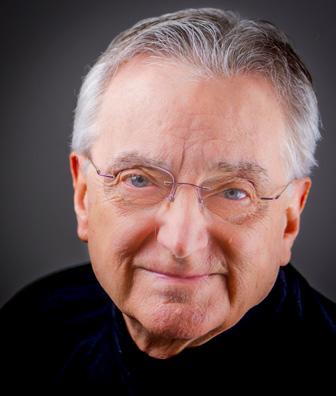
James A. Henry, PhD, is an audiologist with a doctorate in behavioral neuroscience. He spent more than 35 years as an auditory researcher at the VA hospital in Portland, Oregon. His research focused mostly on clinical evaluation and treatment for individuals with bothersome tinnitus. Dr. Henry, who retired in 2022, continues to give lectures and training workshops, and serves as an educational consultant. His primary interest is writing books about tinnitus, sound hypersensitivity disorders, and hearing loss.
Complete references can be found here

By Cheri R. Ribbe, AuD
Progressive Tinnitus Management (PTM) relies on several evidencebased guiding principles. Among them are the recommendations that tinnitus services are progressive, hearing should be assessed, tinnitus clinical significance should be measured, an interdisciplinary approach is needed for best outcomes, and tinnitus education should be provided to empower patients with tools and strategies that lead to the ultimate goal of self-management and care. If these principles are adhered to, the methodology used to meet the unique needs of the patient, the clinic, and the clinicians can be flexible.
The concept of “progressive” tinnitus management was first published in 2005 and was formally introduced in the VA in 2009, endorsed by the VA’s Central Office. However, the size of and services offered by VAs nationwide can vary drastically. Therefore, many VA clinics modify the delivery format of PTM to suit the capabilities of the clinic while still meeting Veterans’ needs. They might implement in-person groups, individual care, or a variety of telehealth platforms to reach Veterans in every
geographical corner of the VA system who may be suffering from tinnitus. The VA has always been a leader in telehealth services, which can be delivered to meet a variety of Veterans’ healthcare needs. Clinical Video Telehealth (CVT) is when a Veteran visits their local VA clinic and connects via video to a remote tinnitus care provider. VA Video Connect (VVC) is when a Veteran connects to the remote provider via video and audio from their home computer or smartphone.
Services for Veterans may be provided in a group or individual setting. Clinical Resource Hubs are being used to fill gaps in tinnitus support and allow tinnitus specialists anywhere in the region to provide care, regardless of which VA facility the Veteran is enrolled in. Studies that compare in-person versus telehealth delivery show that the outcomes are similar, and the skills learned are sustained throughout the Veteran’s daily life.
Clinics outside the VA system that wish to use the PTM approach must decide how to incorporate the guiding principles and methodology in their clinic and must establish a network of referral sources to form an interdisciplinary team. Providers must empower themselves with knowledge of PTM and develop their empathy, patience, and active listening skills to partner with tinnitus patients and help them
develop self-management skills.
Dr. Henry’s book, The Progressive Tinnitus Management Book, provides clinicians with the necessary tools to help the majority of tinnitus patients. Free online training for PTM is available for non-VA clinicians as well (see box below for details).
If you are struggling to manage your tinnitus, consider implementing the steps of PTM, as outlined in Dr. Henry’s book, or downloading patient materials available for free from the VA’s National Center for Rehabilitative Auditory Research’s website. And continue to seek reliable information from trusted sources like the American Tinnitus Association and professionals trained in PTM. By practicing the coping strategies and tools learned through PTM you can improve your quality of life and feel better while you are living with tinnitus.
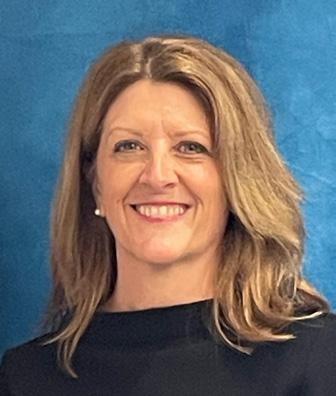
Cheri R. Ribbe, AuD, has been a clinical audiologist for 30 years, including 24 with the Veterans Health Administration, where she is currently the assistant chief of Audiology & Speech Pathology Service at VA Central Western Massachusetts (CWM). She ran the Progressive Tinnitus Management (PTM) program at VA Boston from 2009 to 2016 and continues the program at VA CWM. She served as a member and author for the 2015 Adult Tinnitus Management Clinical Practice Recommendations for VA providers.
She has been a guest presenter at national conferences as part of a panel of PTM subject matter experts, and in 2017 she coauthored the study “Progressive Tinnitus Management Level 3 Skills Education: A 5-Year Clinical Retrospective.” Serving our nation’s Veterans in their healthcare journey continues to be her greatest honor. She is a new member of the VA/DOD Tinnitus Work Group and recently joined the VA/ILEAD Tinnitus Work Group finalizing the updated Living Better with Tinnitus clinician presentations and materials for clinical application.
As part of their service, Veterans with tinnitus have access to evidence-based tinnitus care and hearing healthcare through the Veterans Health Administration. Progressive Tinnitus Management (PTM), which the stepped-care model on page 6 mirrors, is offered nationwide at VA facilities, in person, in groups, or via telehealth, ensuring Veterans in every region can receive coordinated, stepped care from audiologists and behavioral health providers. Because PTM was developed through VA research funded by U.S. taxpayers, its training
programs and patient materials are freely available to civilian clinicians and the general public.
A free, four-module online training series, developed by the VA’s National Center for Rehabilitative Auditory Research (NCRAR), is available to non-VA clinicians through VHA TRAIN. Modules cover tinnitus overview and management, assessment and basic care, clinical intervention, and a virtual practicum.
To access training, visit www.train. org/vha/course/1090587
NCRAR also offers free downloadable materials, including an abbreviated patient workbook, updated Living Better with Tinnitus, clinician presentations, and a sound tolerance handout, that anyone can use to help manage tinnitus using the PTM approach. Resources can be accessed at www.ncrar. research.va.gov/ClinicianResources/ IndexPTM.asp

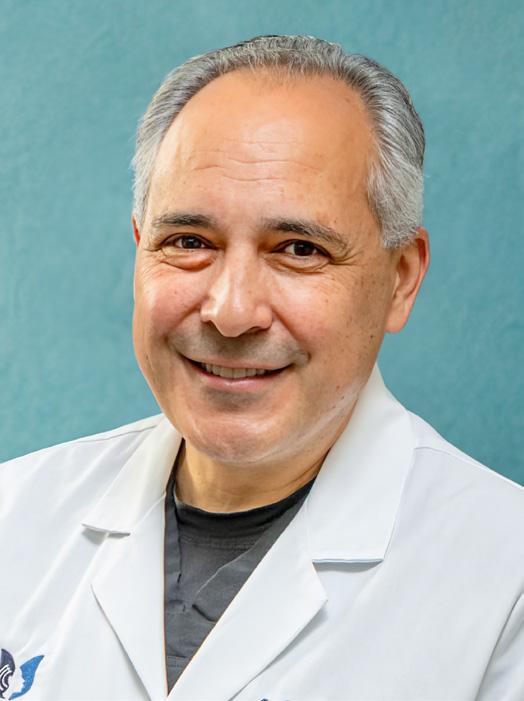
Stelios Dokianakis, AuD
Tinnitus begins as a sound. A ring, hiss, buzz, or hum that can become something heavier: a constant question mark.
Why is this happening? What did I do wrong? Will it get worse? Will I never have peace and quiet again? How can I sleep? In the space between those questions and real answers, the nervous system does what it was designed to do: It goes on high alert. The sound may be the “signal,” but emotions become the amplifier.
As an audiologist, almost every day I am asked, “What’s the best tinnitus treatment?”
Here’s my answer: The best tinnitus care is not built around a single device, a miracle drug, or a single coping strategy.
It’s built around the patient–provider relationship and a step-by-step model of care that meets people where they are and guides them forward, using science and compassion. We start with safety and clarity, and enhance care thoughtfully on the basis of what people actually need, not just what we have available for them.
In this article, I’d like to share what I have learned from countless hours of professional education and experience using stepped care with patients with mild to severe tinnitus.
Patients can raise tinnitus concerns with any healthcare provider, and the provider’s first responsibility is to triage for assessment and diagnosis. The condition may sound clinical, but for patients it’s deeply emotional. When tinnitus doesn’t fade, many people try to assess the situation by scanning their bodies for danger, while some may scan the internet searching for the worst-case scenario.
The right first step in caring for people with tinnitus is a reassuring one: Take a careful history, evaluate their auditory function in depth, screen for sound tolerance concerns, and understand the tinnitus-specific problems that are shaping this person’s day-to-day life.
Sometimes this first step reveals an urgent or medically significant condition or a rare but important
underlying condition. If red flags are present, we refer quickly and appropriately to otolaryngology, mental health, or even emergency care, when indicated.
But far more often, this initial step yields something patients desperately need: not a dramatic diagnosis of “loss,” not the despair of “we need to do more testing to make sure it’s not a brain tumor,” not a statement of “nothing can be done, live with it.” Words matter and negative counseling with inaccurate, catastrophic, and defeatist perspectives can exacerbate a patient’s distress rather than provide relief. People deserve a grounded explanation and a plan.
The stepped-care model moves next into audiology services as the default referral because tinnitus and hearing health are frequently linked in complex ways.
Even hearing changes that do not show up on standard tests like the puretone audiogram can increase listening effort and reduce the richness and clarity of everyday
sound. As the brain receives reduced input from the auditory system, it may compensate by adjusting the neural activity responsible for sound processing, and an unintended side effect of that adjustment may be the perception of tinnitus.
Assessing for normal hearing does not end with the patient passing a “whisper test” or when their hearing is at “normal” audiometric thresholds, 250 Hz to 8 kHz. Assessment of higher frequencies, speech-in-noise understanding, and objective tests such as Otoacoustic Emissions, can offer valuable insights.
Characterizing tinnitus in terms of frequency, loudness, and masking levels makes it more “real” for patients and can help clinicians better understand what a patient is hearing.
For some patients, hearing aids become a meaningful part of tinnitus management, not because they erase tinnitus but because they improve access to sound, reduce strain, and help the brain reengage with the world outside the tinnitus signal. When hearing improves, many patients describe a subtle but powerful shift as tinnitus stops being the loudest thing in the room.
Caution: Hearing aids are not the first or only approach to tinnitus care. Too often I see patients who try to mask their tinnitus with noise generated in their hearing aids. We can do better.
In stepped care, education is a distinct step for a reason. People deserve clear, accurate information about tinnitus: what it is, why it persists, and how it becomes a problem. Understanding of tinnitus, or its demystification, tends
to reduce the level of threat perception experienced by a patient. Tinnitus is typically least intrusive for those individuals who learn, and who are confident, that tinnitus is a neutral and nonthreatening sensation.
The education step is also where we do something that is both practical and empowering: We measure the baseline. Before proceeding with education, ask patients to complete tinnitus questionnaires so we’re not guessing about severity or progress later.
Tinnitus isn’t measured best by volume; it can be more meaningfully measured by impact on sleep, focus, mood, relationships, work, and enjoyment. When you measure impact, you can then treat what matters. Tinnitus can impact a patient’s emotional health, and assessing their anxiety and depression with selfreporting questionnaires can further guide our understanding and triaging.
Education, done well, gives patients language for what they’re experiencing. It replaces catastrophic uncertainty with workable understanding. It also prepares them for the most essential truth in tinnitus care, which is that management is not just about the sound but about their relationship to the sound.
“Extra” but the Heart of
If tinnitus care had a heartbeat, it would be counseling.
The stepped-care model explicitly places evidence-based counseling
before expanded or experimental interventions.
That isn’t accidental; it’s what best practice looks like. Tinnitus distress is rarely driven by the auditory signal alone. Usually, it is driven by what the signal means to the patient and by the way their brain and body respond to that meaning.
This is where we must be honest and deeply compassionate: Tinnitus can trigger grief, anxiety, irritability, hopelessness, panic, and a relentless sense of vigilance, especially early on. People can feel as if they’ve lost silence, lost rest, lost control, and sometimes lost the version of themselves that felt calm. If clinicians skip past counseling and go straight to “try this sound generator,” we’re missing the primary injury, which is our patients’ suffering.
A variety of counseling approaches are available, such as cognitive behavioral therapy (CBT), Tinnitus Retraining Therapy (TRT), Tinnitus Activities Treatment (TAT), Progressive Tinnitus Management (PTM), mindfulness, Acceptance and Commitment Therapy (ACT), and more.
These counseling methods may differ in structure, but they share a mission to reduce threat, reduce hypervigilance, restore function, and give patients a clear and accurate understanding of tinnitus mechanisms and its effects, ultimately helping them rebuild a life that is bigger than tinnitus.
Importantly, counseling isn’t “just talk.” It’s skill building. It’s teaching the patient to disengage from
“If tinnitus care had a heartbeat, it would be counseling.”
constant monitoring. It’s explaining how attention works, how stress physiology works, how sleep disruption loops back into tinnitus intrusiveness, and how they can respond in ways that retrain their brain toward a safety orientation.
Triaging means understanding when you are not the one best skilled to deliver that step of care and knowing when to refer.
Not everyone improves at the same rate. That is not failure but is information. The stepped-care model is designed for the reality if counseling does not bring relief, a comprehensive assessment and next steps by tinnitus specialists are warranted.
Often, that means taking an interdisciplinary approach. An audiologist and a psychologist, and sometimes other specialists, are involved because tinnitus distress can be intertwined with sleep disorders, mood disorders, trauma history, vestibular symptoms, pain syndromes, medication effects, and chronic stress.
This step is where nuance matters. Sometimes the sound is not the main driver of the patient’s tinnitus; sometimes the nervous system is. Sometimes the central goal isn’t to “make it quieter” but rather to “make days better” and “make sleep possible again.”
If further treatment is desired, stepped care moves into expanded options, with a crucial emphasis on delivering ethical care. Risk versus benefit must
“Counseling methods may differ in structure, but they share a mission to reduce threat, reduce hypervigilance, restore function, and give patients a clear and accurate understanding of tinnitus mechanisms and its effects, ultimately helping them rebuild a life that is bigger than tinnitus.”
be carefully weighed, especially when experimental methods are considered. Expanded treatment may include continuing evidence-based counseling, complementary approaches, use of commercial devices (including newer neuromodulation options), and investigational strategies.
The model then returns to measuring outcomes, as all good care does, and comparing against the baseline.
That loop—assessment, intervention, measurement—keeps tinnitus care grounded. It protects patients from chasing promises and protects clinicians from treating guesses.
If you’re living with tinnitus right now, I want you to picture your care as a path, not a maze.
You deserve clinicians who are competent, calm, structured, and optimistic. In over 25 years of helping
people with tinnitus, I have learned that optimism is warranted because people do improve. People adapt. People reclaim their sleep, their attention, their joy, their relationships, their work, their quiet confidence.
But that recovery tends to happen fastest when we stop treating tinnitus like a phantom sound and start treating it like what it often is: a whole-person experience. The sound is real. The emotional impact is real. And the way forward is real too.
Stepped care is a clinical framework that promises you will not be left alone with this. You and your clinician will start with what’s necessary, build on what works, and escalate thoughtfully when you need more.
The path in tinnitus care is not always linear or quick because the tinnitus journey can have twists, turns, and setbacks. The American Tinnitus Association is here so no one has to navigate their tinnitus alone.
The path forward exists. And with the right approach—steady, compassionate, evidence-based, and action-driven—tinnitus might remain present but without any impact.
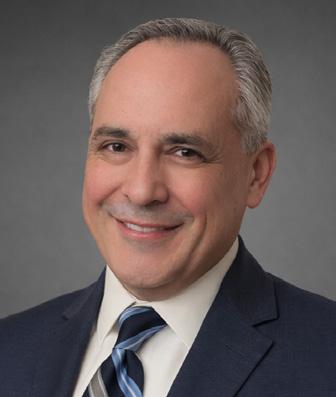
Stelios Dokianakis, AuD, CH–TM, is a board-certified audiologist whose academic foundation includes a biomedical engineering degree from Carnegie Mellon University and audiology training at the University of Wisconsin–Madison and A.T. Still University. He is the founder of Holland Doctors of Audiology in Holland, Michigan, where his clinical focus centers on patients with tinnitus, sound sensitivity, and high-frequency hearing loss.
Dr. Dokianakis chairs both the Michigan Board of Audiology and the American Tinnitus Association’s Board of Directors, a leadership role rooted in a connection that began in 2001, when he first met ATA co-founder Dr. Jack Vernon.

Answered by Becca Kane, AuD, ATA Tinnitus Advisor
Question: My tinnitus started six months ago. At first, it was intermittent, but recently it’s almost always there. Who should I see to figure out what is going on?
Your primary care provider, or PCP, can be a good place to start. If you don’t already have one, this would be an appropriate time to establish that relationship. Your initial visit with your primary care physician should include a review of your medical history, including any medications you are taking along with management of other medical conditions that may be associated with tinnitus.
Other health conditions are relevant because some, such as
hypothyroidism, high blood pressure, and various autoimmune disorders, can impact tinnitus.
Your tinnitus history should also be part of your workup, which includes family history of hearing loss and tinnitus, history of noise exposure, tinnitus onset, duration, and which ear or ears it is impacting.
Based on your medical history, the results of this workup, and any coexisting symptoms, such as hearing loss, ear drainage, ear pain, or dizziness, your primary care physician will determine next steps and refer you to the appropriate specialist.
Medical appointments can be stressful, often causing patients to forget vital information when sitting face to face with a provider. Hence,
prior to this initial appointment, it is often helpful to make notes about your tinnitus symptoms, as well as recent changes in your health, work, or private life.
Early in your tinnitus journey, you will likely be referred to an audiologist because tinnitus is often associated with hearing loss. If you have an audiologist and develop tinnitus, this is also a good place to start care.
An audiologist is a healthcare professional who provides comprehensive assessment and management of auditory and vestibular disorders along with hearing aid selection and fitting. This appointment may also be linked to a visit with an otolaryngologist, more
commonly referred to as an ear, nose, and throat specialist.
Your first appointment with an audiologist will include a comprehensive audiological evaluation. At a minimum, this evaluation should include an audiogram (hearing test) and tympanometry, which assesses middle ear function.
An ENT physician may order other testing, such as a CAT scan or MRI of the brain, to assess for rare abnormalities that may be contributing to tinnitus symptoms. These tests are not a routine part of assessments.
Once you’ve seen your primary care physician, audiologist, and ENT physician, the next step is evaluating the impact tinnitus is having on your daily life.
If you’re in the gray area between mild and moderate impact but would like to be proactive in your tinnitus management, then seeing a tinnitus specialist would also be appropriate.
In your first appointment with a tinnitus specialist, the provider will likely gather more detailed information about your tinnitus and its impact on your daily life in order to create a tinnitus management plan specific to your needs.
A key component of this evaluation is to determine tinnitus severity. Questionnaires should be completed to explore difficulty with tinnitus intrusiveness, sense of control, cognition, sleep and auditory difficulties, emotional distress, and overall impact on quality of life.
An audiologist specialized in tinnitus management will also
“In your first appointment with a tinnitus specialist, the provider will likely gather more detailed information about your tinnitus and its impact on your daily life in order to create a tinnitus management plan specific to your needs.”
review and discuss your most recent audiogram. If you’ve had recent audiograms, bring those with you to this appointment.
This appointment may include measurement of your tinnitus pitch and loudness, which can help determine which therapies may be best suited for you.
The specialist will create a tinnitus management plan based on the results of your tinnitus evaluation. A tinnitus management plan should always include basic tinnitus education and counseling. Whether more tailored recommendations are made depends on your tinnitus type, presence of hearing loss, and results of your questionnaires. Such recommendations may include using at-home sound enrichment, hearing aids with a tinnitus masking feature, or even a neuromodulation device.
A knowledgeable tinnitus provider may be available in your immediate or surrounding area. On its website,
ATA maintains a nationwide list of healthcare providers who work with tinnitus patients. You can also call ATA at 1-800-634-8978, ext. 3, to speak with a tinnitus advisor to explore options. This free 15-minute phone call is a valuable opportunity to ask nonmedical questions about your tinnitus and possible provider options. It’s worth noting that ATA does not endorse specific providers because patient outcomes vary and the lack of standardized care means we can’t predict what a tinnitus provider may offer or their degree of expertise.
Questions that can help discern a healthcare provider’s skill level and your compatibility are included on page 19.
Arguably, for those with severe tinnitus, one of the most important providers you may encounter is a behavioral health therapist. A therapist’s role is to address the
emotional impact of tinnitus on daily life.
Common techniques a behavioral health therapist may recommend to you include cognitive behavioral therapy (CBT), Acceptance and Commitment Therapy (ACT), and Mindfulness-Based Stress Reduction (MBSR).
Your primary care physician or audiologist specialized in tinnitus management may be able to recommend a local therapist in their network for patient support.
To recap, after you have undergone a medical evaluation and an initial audiological workup, if your tinnitus is greater than mild, a reasonable next step would be to
undergo a tinnitus evaluation with a tinnitus specialist. Then, depending on the level of your tinnitus distress, an appointment with a behavioral health specialist would also be recommended.
Admittedly, this information may feel overwhelming, and you may still feel unsure of where to start. Refer to the ATA’s Patient Navigator to help direct your next steps. Whatever you do, never accept a “learn to live with it” recommendation.
With the appropriate tools and a multidisciplinary team, you can return to a better quality of life, defined by the things and people you enjoy and value.
The content in Tinnitus Today magazine is intended to provide helpful health information for the general public. It is not intended as medical advice or for making an evaluation to pursue a particular course of action. It is made available with the understanding that the American Tinnitus Association (ATA) is not engaged in rendering medical, health, psychological, or any other kind of personal or professional services. The magazine content should not be considered complete and, therefore, does not cover all physical conditions
or their treatment as it relates to tinnitus and tinnitus management. ATA always recommends that you consult and work with a medical, healthcare, or other competent professional when considering the best course of tinnitus management. This begins with a medical examination to rule out possible underlying medical causes for tinnitus. If you’re interested in adopting guidance or suggestions made in the magazine, you should discuss this first with your medical provider before doing so.
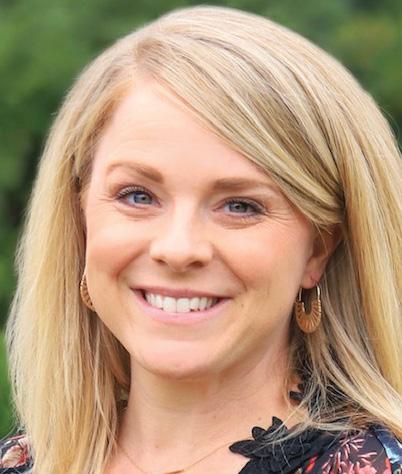
Rebecca Kane received her Doctor of Audiology (AuD) degree from James Madison University. She has advanced expertise in the evaluation and treatment of tinnitus, after nearly two decades of working with patients.
In 2007, she played an integral role in establishing the Duke Tinnitus Clinic, which is connected with Duke Medical Center in Durham, N.C. She has presented on electrophysiology, tinnitus, and hyperacusis at various local and national conferences. Her publications have focused on utilization of a multidisciplinary approach for tinnitus management.
As a Tinnitus Advisor for the American Tinnitus Association, she enjoys guiding individuals through the complexities of tinnitus and empowering patients to take control of their health.

Any information about drugs and supplements contained in the magazine is general in nature, and does not cover all possible uses, actions, precautions, side effects, or interactions of the medicines mentioned.
ATA and authors of articles in the magazine specifically disclaim all responsibility for any liability, loss, or risk, personal or otherwise, which is incurred as a consequence, directly or indirectly, of the use and application of any of the content in the magazine.
Finding the right healthcare provider to help you manage tinnitus is more than finding someone with the right credentials and training. Tinnitus is a chronic condition that can take time and meaningful support to adjust to, so it’s critical to find a healthcare professional whose approach, communication style, and treatment options align with your needs and interests. Treat your first appointment as a two-way conversation. The questions below can help you assess both a provider’s level of expertise and whether their philosophy, services, and bedside manner are a good fit for you.
• What kind of tinnitus training have you had, and do you pursue ongoing tinnitus-focused continuing education or attend professional conferences?
• Are you a member of any tinnitus-related professional organizations?
• How long have you worked with tinnitus patients?
• How many tinnitus evaluations do you do per month, and what percentage of your patients are tinnitus patients?
• What tinnitus management recommendations do you offer, and why?
• How do you personalize treatment, and what factors influence your recommendations?
• How do you address the emotional and psychological impact of tinnitus?
• Do you have a multidisciplinary approach to tinnitus management, and if so, who do you collaborate with?
• What should I expect from treatments you recommend?
• How long do most patients work with you before noticing meaningful improvement?
• What does success look like for your patients, and how do you measure it?
• What outcome measures do you use to track patient progress?
• What type of follow-up appointments are included?
• Do you teach management techniques I can use on my own between appointments?
• How do you recommend patients manage flare-ups, and when would you want me to reach out to you directly?
• What happens if the initial treatment doesn’t work?
• Do you offer additional resources such as support groups, educational materials, or referrals to mental health professionals?
Tinnitus may be associated with one or more of the following conditions. It is recommended that all providers check all conditions in this chart, even if a positive answer leads to a specific referral. Redirection to subsequent decisions is provided for those conditions that have common comorbidities. This process chart may require updates as new information becomes available.
Is tinnitus pulsatile?
Refer to dentist/ orthodontist for further evaluation and treatment of possible TMJ disorder.
Recent dental work or jaw pain?
History of head injury/TBI diagnosis?
Medical referral for evaluation of blood flow abnormalities in the head and neck. Refer to specialist for head injury. Refer for psychological/psychiatric management as indicated.
Refer for mental health counseling and treatment, as necessary, with provider offering cognitive behavioral therapy (CBT).
Refer to otology, audiology for assessment of middle ear, sinus, ear barotrauma.
No
Signs of PTSD, depression, anxiety, or other MHD?
Is tinnitus unilateral?
Recent flying or diving?
Is sleep disorder due to non-tinnitus factors, severe in nature, or sound therapy ineffective?
etiology or comorbidity?
Sleep disorder noted?
Sound tolerance problems?
Refer to neurootology for evaluation of central lesion, labyrinthine disease, or other otologic condition.
Refer to audiologist specializing in tinnitus.
Refer to audiologist for assessment and treatment, if indicated.
Finding effective care for tinnitus can be challenging. The condition has no definitive cure, its causes are varied, and its impact differs significantly from patient to patient. To help people move through the healthcare system with greater confidence and clarity, the American Tinnitus Association developed the Patient Navigator, a structured framework for identifying the most appropriate management approach. This resource is intended for individuals newly experiencing tinnitus as well as for those with an established history of the condition who are seeking more effective support.*
Tinnitus can be unsettling, particularly when it appears suddenly or without an obvious cause. In only rare instances is it associated with a serious medical condition, so taking a calm, measured approach is an important first step toward managing your symptoms effectively.
*If your tinnitus followed a traumatic physical event, such as a head or neck injury, blast exposure, or concussive trauma, seek immediate medical attention.
ATA encourages patients to research tinnitus management options at www.ATA.org and to be proactive participants in their own care. When meeting with a provider, consider asking:
• What tests do you recommend, and what will they reveal?
• What is your diagnosis?
If your tinnitus persists beyond one week, becomes bothersome, disrupts your sleep or concentration, or contributes to depression or anxiety, consult a trained healthcare professional. Your primary care provider (PCP) can rule out underlying causes, such as ear canal obstruction or sinus infection, and provide a referral to the appropriate specialist for further assessment. Because tinnitus is often associated with hearing loss, it’s important to see an audiologist to have a comprehensive hearing evaluation and discuss evidence-based tinnitus management options.
*See ATA’s Intake Process for Tinnitus flowchart at www.ATA.org for additional clinical guidance.
Some healthcare providers may say mistakenly that nothing can be done for tinnitus. While there is no cure for most cases, there is a wide range of evidencebased treatments that can reduce its impact on daily activities and improve overall quality of life.
If you are told that nothing can be done for tinnitus, seek help from a hearing healthcare professional with training and experience in tinnitus management.
• Are you able to rule out physical causes of tinnitus, such as TMJ dysfunction, head or neck trauma, or tumors?
• Can you explain current tinnitus management options?
• Which management approach is most appropriate for my situation, and do you offer it?
• What does your treatment plan involve? If you do not offer tinnitus management services, can you refer me to someone who does?
• What will treatment cost? How many visits are typically required? Is it covered by my insurance?
• Do you have additional resources or materials I can use?
• Is your guidance consistent with the American Academy of Otolaryngology’s Clinical Practice Guideline: Tinnitus?
Research indicates that 48–78% of patients with severe tinnitus experience depression, anxiety, or another behavioral health condition. A trained behavioral health therapist can help address the emotional impact of tinnitus and build effective coping strategies.
Structured programs, such as cognitive behavioral therapy (CBT) adapted for tinnitus, or Tinnitus Retraining Therapy (TRT), can be highly effective, as can general psychological support.
Patients can often reduce distress through wellness and relaxation practices: Relaxation Activities such as yoga, meditation, and listening to calming music can reduce the burden of tinnitus. Many patients report meaningful relief through regular, intentional relaxation practices.
Sleep Tinnitus frequently disrupts sleep. Maintaining a consistent sleep schedule and strategies, such as using a white noise machine, fan, or soft background sound to reduce tinnitus perception, can help. Reducing caffeine, alcohol, and other substances that interfere with sleep quality is also recommended.
Exercise Exercise is a natural stress reliever that can improve mood, promote better sleep, and help shift attention away from tinnitus over time.
Once you and your provider identify the most appropriate management strategy, commit to following through. Many of the most effective tinnitus therapies, including CBT, TRT, and mindfulness, require consistent, active participation over a 6–12 month period.
Sustained effort and consistent practice is often the critical factor in long-term success.
Patients who manage tinnitus effectively often have strong support networks that may include spouses, family members, or friends who understand the stress associated with intrusive tinnitus. ATA can help foster support through a community of peer volunteers with extensive lived experience. Depending on your needs and preferences, a group setting or one-on-one calls and email correspondence may be the right fit. Either way, ATA peer volunteers start by simply listening and understanding what you’re going through. Visit www. ATA.org to learn more about tinnitus support groups and peer volunteer opportunities.
* The ATA Patient Navigator is designed to apply to the broadest range of tinnitus cases. While most patients would be well served by this approach, tinnitus is unique to each individual, and some patients may require a different pathway. © 2018 (reviewed 2026) American Tinnitus Association — www.ATA.org

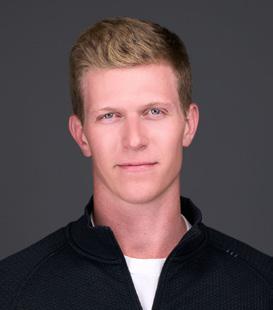
By Joy Onozuka
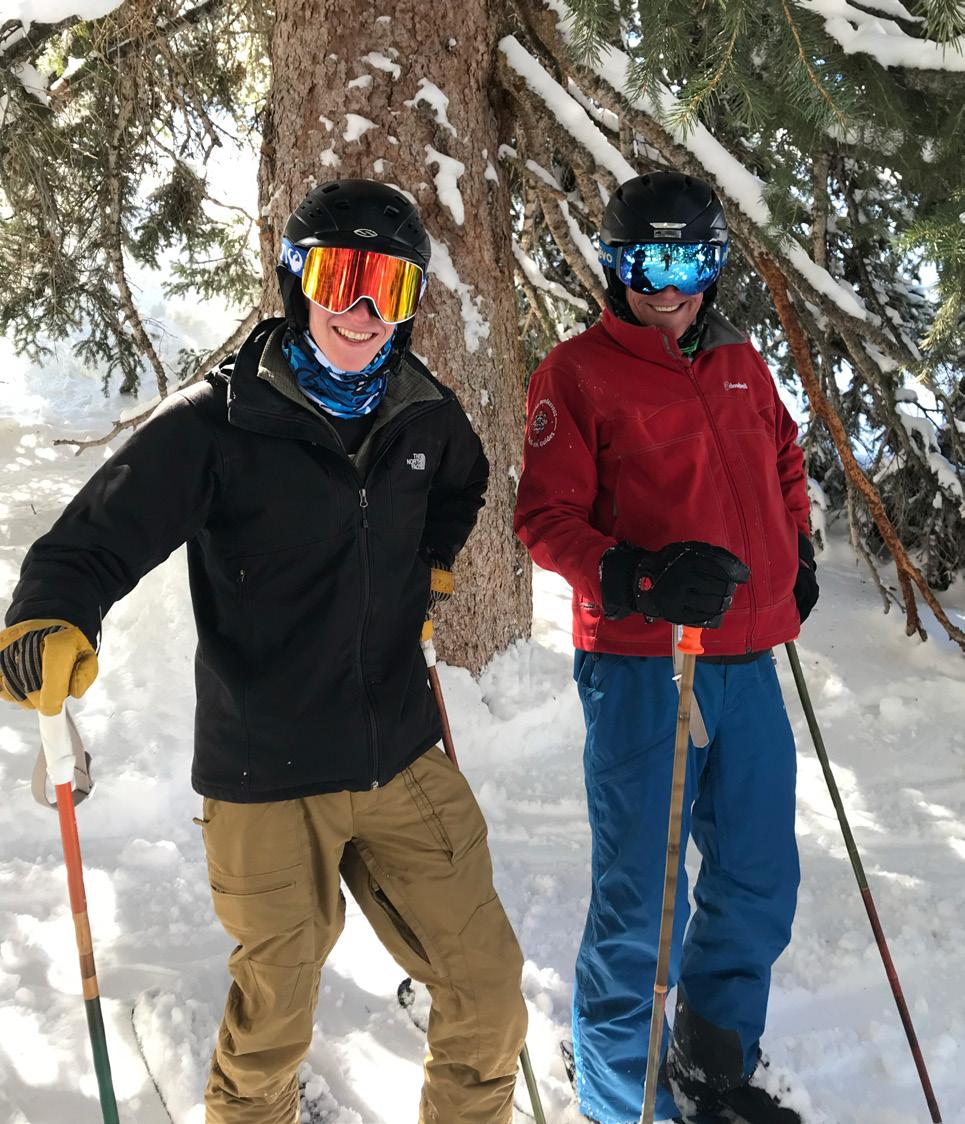
Max Taylor reflects on grief, growth, and his father’s legacy five years after a loss that changed everything.
Five years ago, Kent Taylor was in the headlines, grieved by tens of thousands of Roadies, and at the center of his son’s first steps to make sense of an unfathomable loss. The man who had built a restaurant dynasty from a napkin sketch and had run at 110 percent his entire life, until tinnitus made that impossible, was gone. Max was 25 and had just become the public face of a very public death. Like his father, he stepped into crisis management with clarity and strength, because that’s what the moment required.
In that first year, Max sat down with Tinnitus Today because talking about the loss of his father was part of surviving it. In that 2022 article, “Life Beyond Loss,” Max spoke about the promises he’d made to his dad
and to himself, and what it would mean to keep them. He talked about Buddhist and Stoic philosophy as a framework for making sense of the incomprehensible. He was, by his own description, just beginning to find his footing.
Today, Max is 30. That philosophical framework remains, but his relationship to his father’s absence has changed. “It’s less about the framework evolving,” he says, “and more the everyday practice of living with the loss. It’s like any type of skill or sport. Has my form changed? Not much,” he says. “But has my consistency gotten better? Yes, because now it’s not something I have to sit and think about. It’s just part of my rhythm.”
Grief, as the psychologist and author Rick Hanson has written, is not a problem to be solved. It’s
a process to move through, and perhaps more accurately, to grow around. The popular metaphor, developed by grief counselor Lois Tonkin and widely cited in bereavement literature, holds that grief itself doesn’t shrink over time. Instead, life grows around it. The loss stays the same size. You get bigger. That rings true for Max. “Just like any loss, it never goes away. It just gets better every day.” The devastating loss of 2021 has become something that comes in waves. Most days, life fills the foreground. Then February arrives. March marks the anniversary. Then September, when Texas Roadhouse celebrates Founder’s Day on Kent’s birthday. The waves return. “We kind of get hit twice a year,” Max says. “To look back at everything that’s happened in the past five years—all the personal
growth, the professional growth, the company growth, our family growth… It’s incredible to see.”
Today, Max works as a venture capitalist with technology entrepreneurs in the hospitality industry and with small and regional restaurant chains trying to do what his father once did: Build something meaningful and magical from an idea. He’s discovered that his greatest asset is his fluency in the restaurant industry. He speaks the language of the operator and understands the drive required for success. “It’s not necessarily the best product or service that wins the day,” he notes. “It’s who can communicate and tell the best story.”
Max saw that principle at work in the making of Texas Roadhouse.
“You can only have so many statues or plaques. The real impact going forward is helping people. And that’s what my dad always was about.”
His father lived in Texas for a time, conceived the restaurant idea while he was there, and then went back to Kentucky with a story about roadhouses and Texas hospitality. Kent started small and perfected every detail—the backdrop, the food, the culture—so that when a new restaurant opened, the story traveled with it.

One of the hardest things about losing a magnanimous figure is that their absence leaves a profound void. For the Taylor family, as for many families navigating this kind of loss, the work of the last five years has been learning to fill that space together rather than waiting for one person to step in and recenter family life.
“For us as a family trying to find our path through that; for all of us to rise up instead of someone just taking that void and filling it, I think has made us stronger as a family,” Max says. The same dynamic played out at Texas Roadhouse, where countless people stepped up to protect and advance Kent’s mission and legacy. “You look at the success of the company. It’s continued to succeed at heights my dad would be very proud of today.”
Shared grief, when met with presence and mutual support, rather than avoidance, can deepen bonds and build what researchers call post-traumatic growth, not despite the loss, but through it. As the Taylor family discovered, showing up for one another has fostered resilience.
What carries across all of it, Max says, is his father’s spirit. “The one thing we all share is this spirit that my dad left. And that’s a spirit that lives on not only in our family and in the company, but also in ATA and in so many other organizations that he was very involved in.”

Max has also found deep meaning in presenting the Kent Taylor Award at the Bluegrass Chapter of the Young Presidents’ Organization in Louisville, Kentucky. The award is given each year to someone who made a significant impact, echoing the spirit of Kent. “You can only have so many statues or plaques. The really impactful thing going forward is helping people. And that’s what my dad always was about.”
Ask Max what he wishes others understood about his father’s struggle with tinnitus, he stresses two points that relate not just to tinnitus but to suffering of all kinds.
First, tinnitus is not the same for everyone, and the assumption that it is may be one of the most damaging misconceptions surrounding the condition. Someone who is not bothered by tinnitus and someone in the grip of a severe case are not having the same experience, even if they share the same diagnosis and hear the same tinnitus sound. The gap between those two realities can be vast, and when it goes unacknowledged, people suffering at the more severe end of the spectrum can find themselves feeling more alone.
Max draws a parallel to grief. Two people can both know loss and still be living in entirely different worlds. The instinct to connect by saying “I know what you’re going through” comes from a good place. But when the experiences are vastly different, such statements can deepen isolation rather than relieve it.
In Hanson’s framework, the loss itself is the unavoidable first dart. But the suffering a person layers on top of it through their own reactions, which, in the case of tinnitus, may include the shame of not being able to cope better, the self-doubt that comes from being told it’s manageable, and the sense that their pain is somehow excessive become the second darts. This is why greater awareness of tinnitus and more conversations about the range of impact are so critical.
“When people are going through pain, lecturing them is not going to get them on your side. So just listen. Be there. Acknowledge that someone is suffering,” Max says. “You don’t need to do anything more than that.” He adds that his father used to say we have two ears and one mouth, so use them at that ratio.
The second point is shame. The fear that disclosing tinnitus, or any invisible and difficult-to-explain condition, will cost you professionally, socially, and reputationally. Kent navigated severe tinnitus as a CEO in the middle of a pandemic, trying to hold a large company steady while suffering from something no
“The grief comes more in waves these days. Back then it was like a crashing storm.”
one could see or hear. He never wanted to show weakness. He kept his treatment siloed, never giving any single approach enough time or continuity to work. He carried it largely alone.
“I wish he’d found that there were resources and people out there earlier. And I wish that people were talking about this stuff earlier,” Max says. Part of why Max chose to speak publicly was to signal to anyone who might be in that dark, solitary place that they were not alone, and that silence was not the only option. “Sharing the story would hopefully help others speak out.”
In 2022, Max set out to visit his father’s favorite ski resorts to spread some of his ashes there. Kent was a self-taught skier who had traveled the world with friends and family to ski. It was one of his greatest pleasures, his social glue, the thing tinnitus had taken from him before everything else was taken too.
Five years on, Max has made significant progress. Utah was an early destination that he made with his father’s friends. Ashes now rest on mountains in various continents. When Max returns to those slopes, he feels his father’s presence. He imagines the day when he’ll bring his own children to these slopes to share the memory of his father. He recently skied with his nieces who asked about Chief, which is how they refer to their grandfather, and Max shared stories. “It’s a great way to keep him alive,” he says.

Then there was Japan. Outside of Utah, Kent loved skiing on the powdery snow of Japan. On that sojourn, Max earmarked two ski resorts where he planned to leave ashes. “I am on the flight to Tokyo and I’m like, I forgot Dad,” he says with a laugh. “So I think I might have to forget Dad every time I go to Japan so I keep having a reason to go back.”
The forgetting confirms that life has grown around the loss. The thought of skiing in Japan was joyful enough, present enough, alive enough that it filled the emotional and mental space. The loss was still there, still waiting, still needing to be honored. The quest will continue, but it is not a race.
At 25, Max immersed himself in philosophy to help process his grief and reframe his life. At 30, philosophy continues to inform his thinking and the way he moves through the world.
Today, he keeps a written list of people who have been kind or helpful to him over the years. Every few months, he goes through it and sends someone a message. A hello, a happy birthday, a meme he thought they’d find funny, even if he hasn’t spoken to them in a year. Most people maintain close ties well, he observes, but let the loose ties go. Those loose ties, he’s found, matter. “You’re dropping little rays of sunshine out there into other people’s days because you don’t know how cloudy they are.”
Max likens his approach to being the monk in the marketplace, finding stillness and presence amid the intensity of building his career, hiring people, bringing on clients, hitting
his thirties with the intention of having a positive impact.
The practice looks different day to day, but it’s consistent. Some days he meditates for ten minutes. Some days he hikes for three hours. Being in nature strengthens his resolve. But whatever the day, he makes time for physical health, for reflection, for the people who matter, for gratitude.
“The most selfish thing you can do,” Max says, “would be to not take care of yourself. You cannot give what you do not have.” He watched his father give everything, always, to everyone. What his father could not give himself was time, stillness, or the willingness to let someone else quarterback his care when he needed it most. He needed to preserve control.

measure of what his father’s suffering has already helped prevent for others. ATA resources found sooner. Conversations had earlier. The stigma of severe tinnitus chipped away one candid story at a time.
Max is making different choices, not because he is wiser than his father, but because he saw what it cost him. “While I work in the industry and really enjoy it, I think what I’ve taken is a more holistic approach to life, knowing, because of what happened to him, that our time is limited.”
In February 2026, Texas Roadhouse raised $1.1 million for ATA during its Dine-to-Donate event held during Tinnitus Awareness Week, the fifth consecutive year the company and ATA have partnered, bringing the cumulative total to $4.7 million raised in Kent’s memory.
For Max, those numbers land differently than they might for someone else. They are, in part, a
In the 2022 article, Max said, “Even though he can’t fulfill his promise to me, I am fulfilling my promise to him, and that helps me sleep at night.” Five years later, that promise has expanded into something larger than either of them could have anticipated. Raising awareness of tinnitus, ATA support services and its funding of critical research have become a movement, a partnership, a way of turning one man’s last chapter into a reason for others to keep writing theirs.
The waves will continue to come in February, March, and September. But in between, there is work, there is laughter, there is powder snow in Utah and Japan again. There are nieces who want to know about Chief, and a future family who will one day know where to find him.
That is what endures.
Texas Roadhouse, Bubba’s 33, and Jaggers unite hundreds of thousands of guests, employees, and advocates to raise a record $1.1 million for the American Tinnitus Association—but that number tells only part of the story.
By Joy Onozuka

On February 2, 2026, hundreds of Roadies in the Texas Roadhouse family of restaurants began the day with chalk in hand, drawing ATA’s logo on the entry floor, announcing to guests that the day’s profits from every food and beverage order would benefit the American Tinnitus Association. This dine-to-donate campaign is legendary. It’s unusual. It’s changed the way many people think about tinnitus. It’s also transforming everything that ATA is able to do.
By the end of this fifth annual dineto-donate event, Texas Roadhouse, Bubba’s 33, and Jaggers had raised $1.1 million, surpassing last year’s record of $980,000, reinforcing the idea that this is one of the most powerful community fundraising events in the United States.
But the real story isn’t the number; it’s the people behind it.
Each year, the dine-to-donate event kicks off Tinnitus Awareness Week and pays tribute to Texas Roadhouse
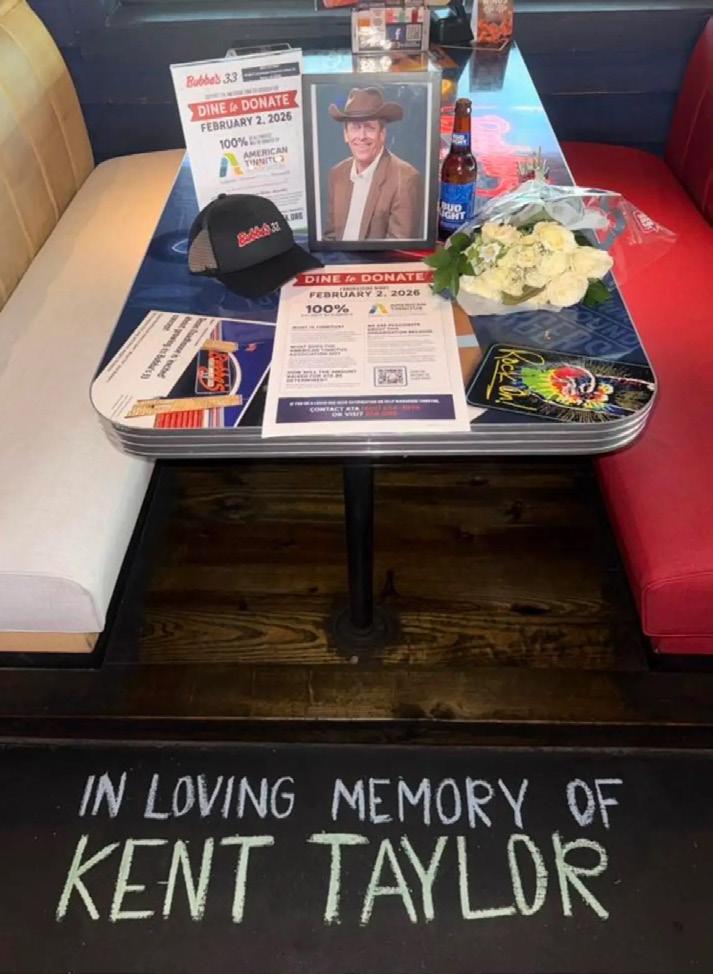
founder Kent Taylor, who lived with severe tinnitus. His family of restaurants reflects his vision of not only what a dining experience should entail but also how each person in that world can show up for one another. Kent understood what it meant to live with a sound that others could not hear. Few people without tinnitus, and even those with milder cases, can understand how it can upend your life.
“Kent Taylor’s story tells us what the statistics cannot,” said Patrick A. Lynch, CEO of the American Tinnitus Association.
“Tinnitus is complex, deeply personal, and for many, genuinely lifealtering. Our partnership with Texas Roadhouse fuels critical research, strengthens patient education, and ensures that those who are struggling know they are not alone.”
That spirit of purpose has shaped this partnership since its launch in 2021. Over five years, Texas Roadhouse and its family of brands have contributed an extraordinary $4.7 million to ATA’s mission. Opting not to simply write a check, Roadie Nation is using its nationwide network and enthusiastic culture of community engagement to involve every Roadie, legions of diners, and countless thousands of individuals with tinnitus and their families to come together to dine and make a difference.
Tinnitus, commonly described as ringing, buzzing, hissing, whistling, swooshing, or clicking in the ears,




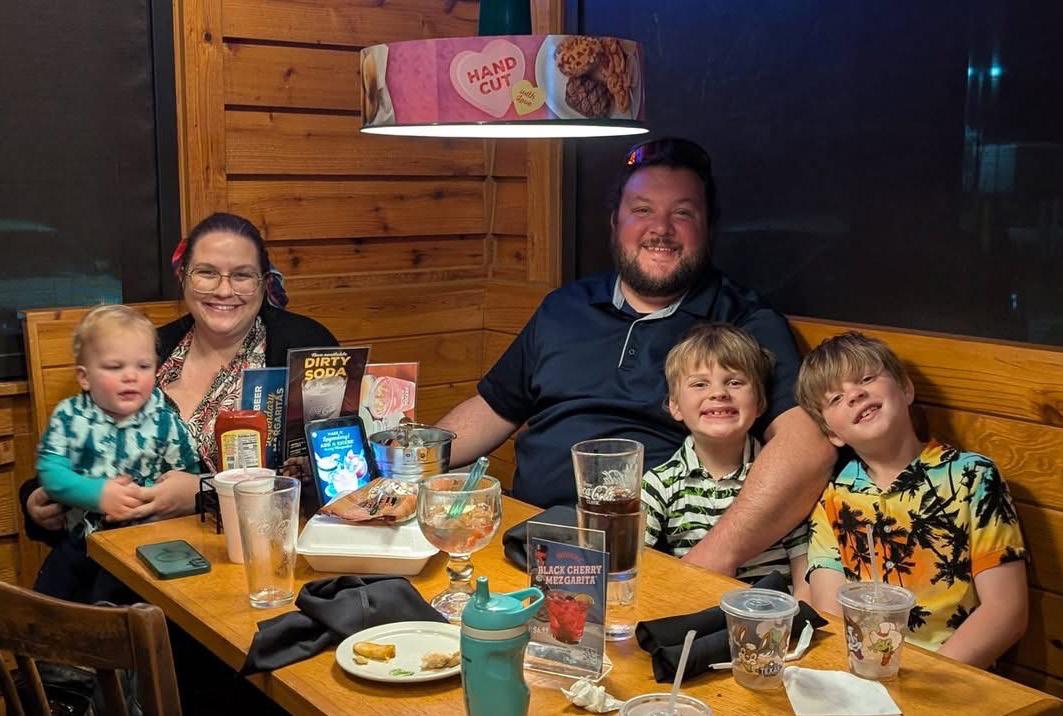
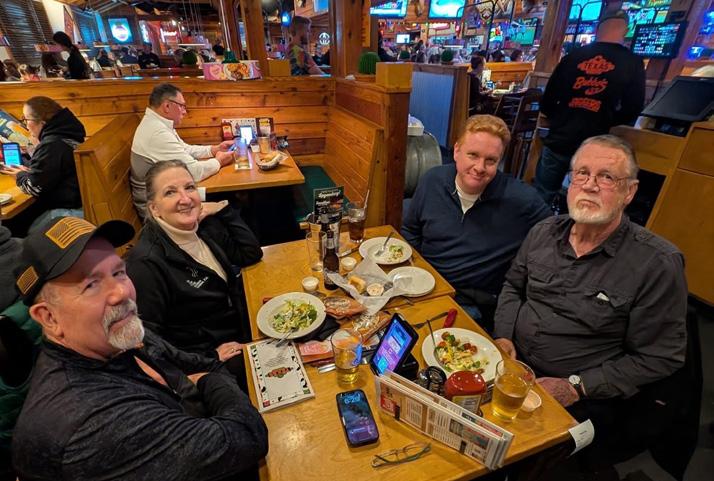
affects more than 50 million people in the United States. It is the perception of sound when no external source is present, and it can happen to anyone, from Veterans, musicians, factory workers, and teenagers to retirees. For roughly one in five of those affected, the condition is significantly disruptive to daily life.
Despite its prevalence, most forms of tinnitus cannot be cured, and an accepted standard of care remains elusive. This is something ATA is working to change so patients have a care framework that makes sense to them, is evidence-based, and helps.
Awareness of tinnitus among the public and healthcare providers,
including understanding how to prevent it and what evidence-based management looks like, is still one of the biggest obstacles patients face.
That’s part of what makes the dine-to-donate model powerful. It doesn’t just raise money. It starts conversations. A server mentions tinnitus to a curious guest. A family learns, over dinner, that the ringing in a loved one’s ears has a name and a community behind it. Awareness is not a side effect of this event; it is a core goal.
“Thank you to our Roadies and guests for banding together to raise
awareness and funds for tinnitus,” said Texas Roadhouse CEO Jerry Morgan. “Knowing that more than 50 million people in the United States live with this condition, we are proud that these efforts will make a meaningful impact. This is a powerful tribute to our founder, Kent Taylor, whose legacy of helping others continues to guide our purpose.”
The word Roadie carries real meaning in the Texas Roadhouse culture. It refers to a team member who shows up for others and for the communities they serve. Roadies—and the guests they serve—invest in the person next to them and in the entire experience of building community.
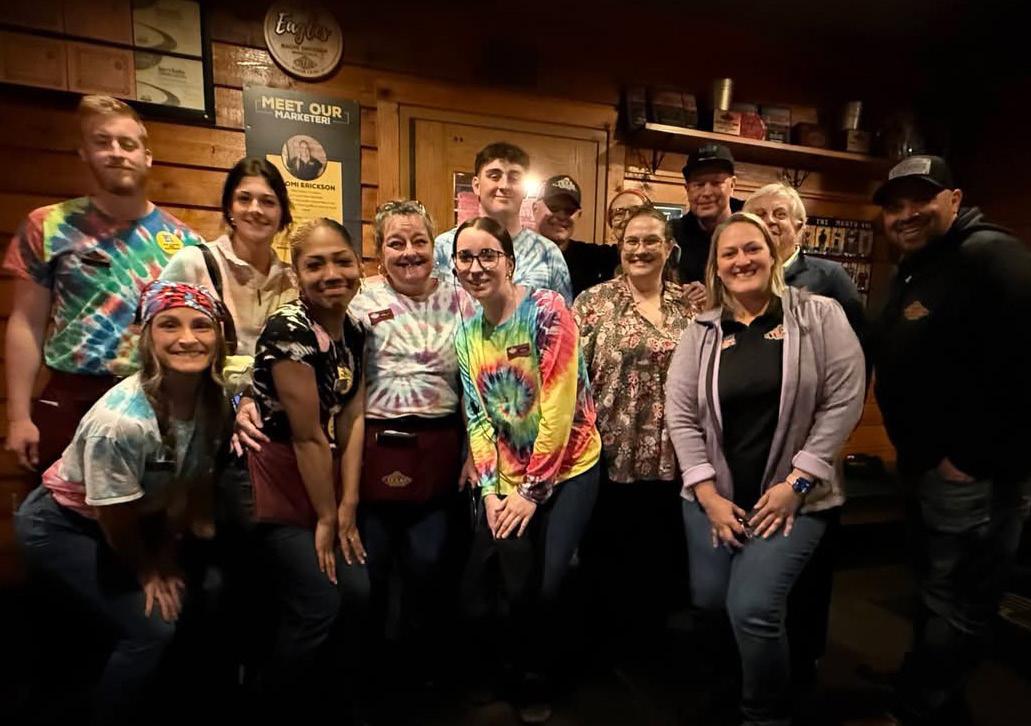

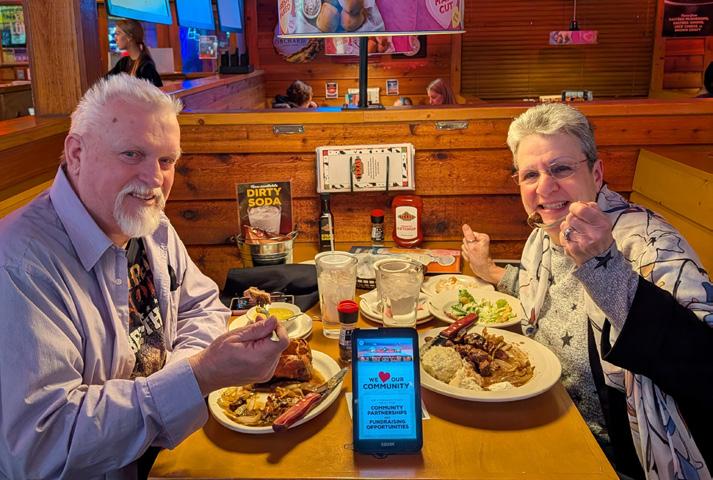


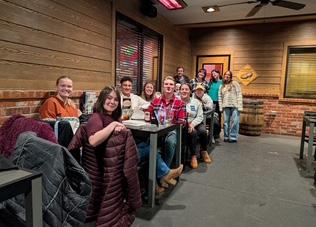


It’s what Texas Roadhouse means by serving “legendary food with legendary service.” That commitment to people and community has been reshaping the tinnitus community from the start of this partnership with ATA, which is built on raising awareness of tinnitus so that those with it can find more effective help and others can avoid it altogether.
Roadies can decide individually how to show up. As in years past, at every one of the more than 736 Texas Roadhouse locations, 54 Bubba’s 33 restaurants, and 16 Jaggers, employees and guests alike turned a legendary meal on February 2 into a legendary movement.
The $1.1 million raised will directly advance ATA’s work on three interconnected fronts. It will expand ATA’s Innovative Tinnitus Research Grants Program, which supports
scientists working to develop more effective treatments as well as understand underlying mechanisms to find cures for this heterogeneous condition. It will strengthen patient support services, ensuring that individuals newly diagnosed or long struggling with tinnitus have access to guidance, community, and evidencebased resources. And it will fund urgently needed educational initiatives to increase the number of skilled clinicians capable of working with patients struggling with moderate to severe tinnitus.
Gaps in clinical knowledge within the medical community mean that too many patients with tinnitus who visit their primary care physician or ear, nose, and throat specialist are told “learn to live with it.” They may be given no guidance or referral to tinnitus specialists who can help them with the process of habituation. And they may remain unaware of ATA,
which offers free nonmedical guidance and support six days a week. ATA is working to change this dynamic within the medical community, and events like dine-to-donate make such work possible.
For the tinnitus patient community, ATA’s partnership with the Texas Roadhouse family is a reminder that they are not forgotten. It matters that the entire Roadie Nation has chosen to stand with us. Their support and understanding hit home in a way that goes far beyond the extraordinary impact of the funds raised, which reinforce ATA’s ability to lead and transform tinnitus awareness in the United States. When someone finally “gets” tinnitus, that understanding is often the spark that fuels hope and healing.
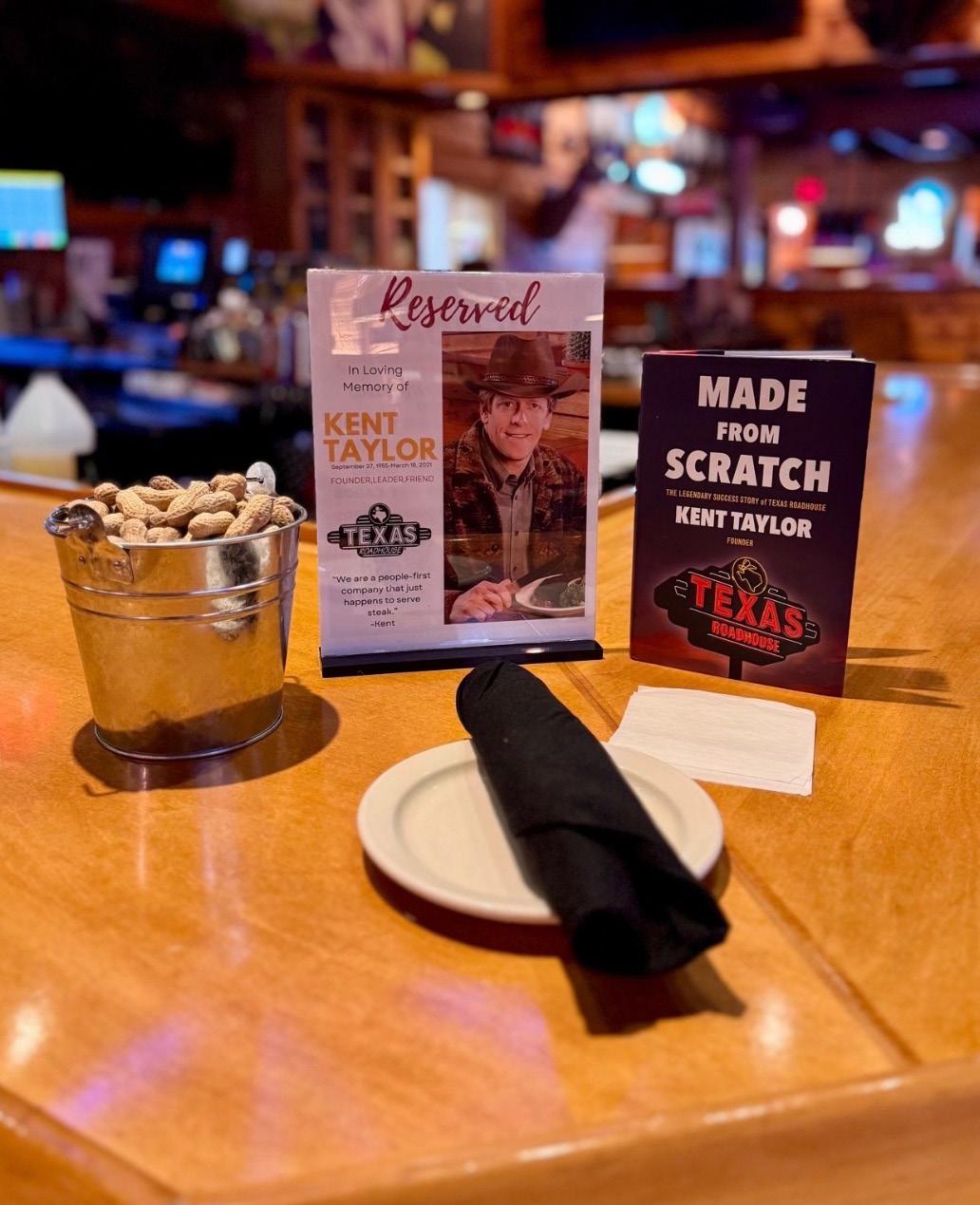
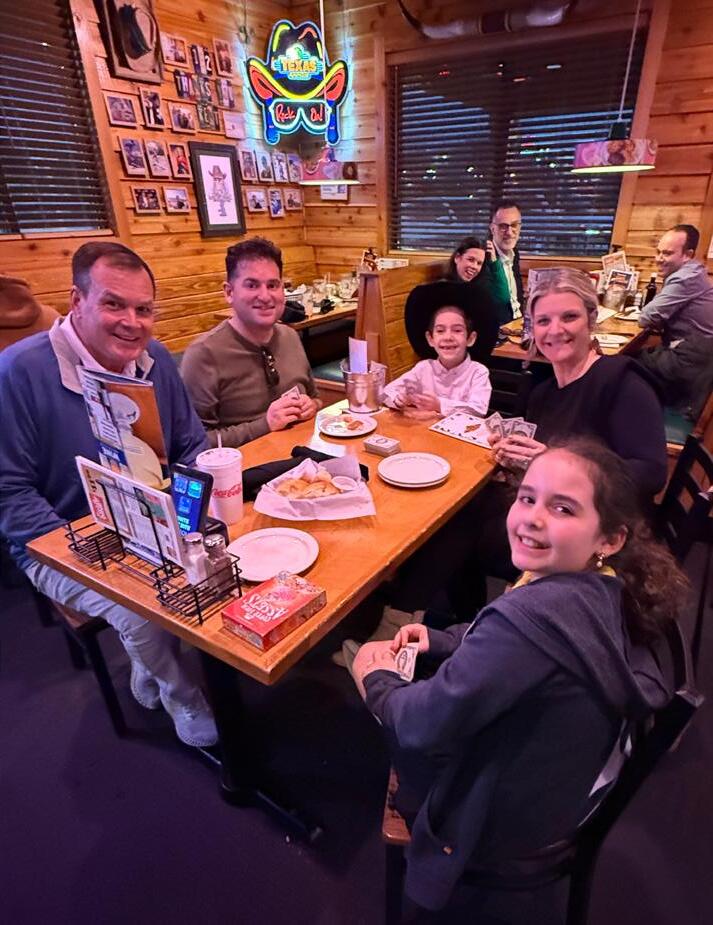
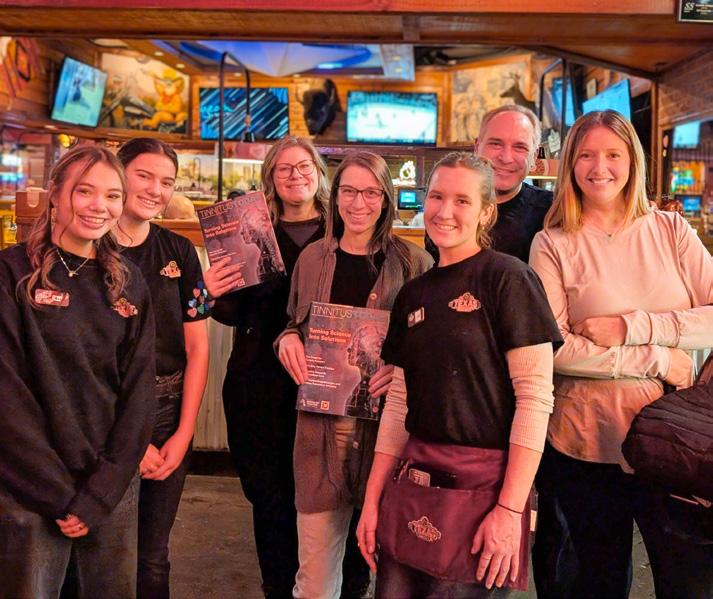
“Texas Roadhouse and Roadie Nation have once again demonstrated what legendary corporate citizenship can achieve.”
Patrick A. Lynch, CEO, American Tinnitus Association

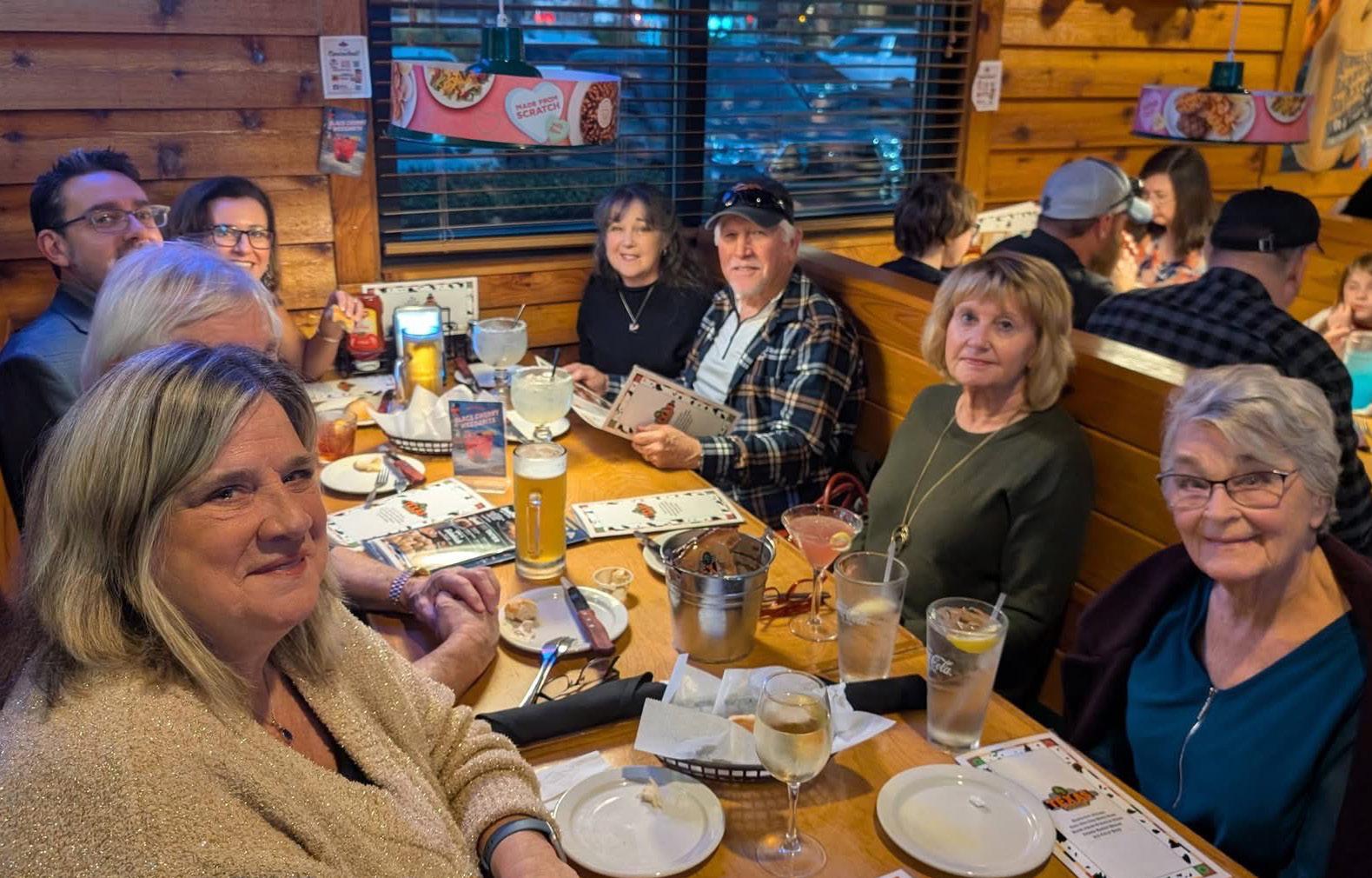

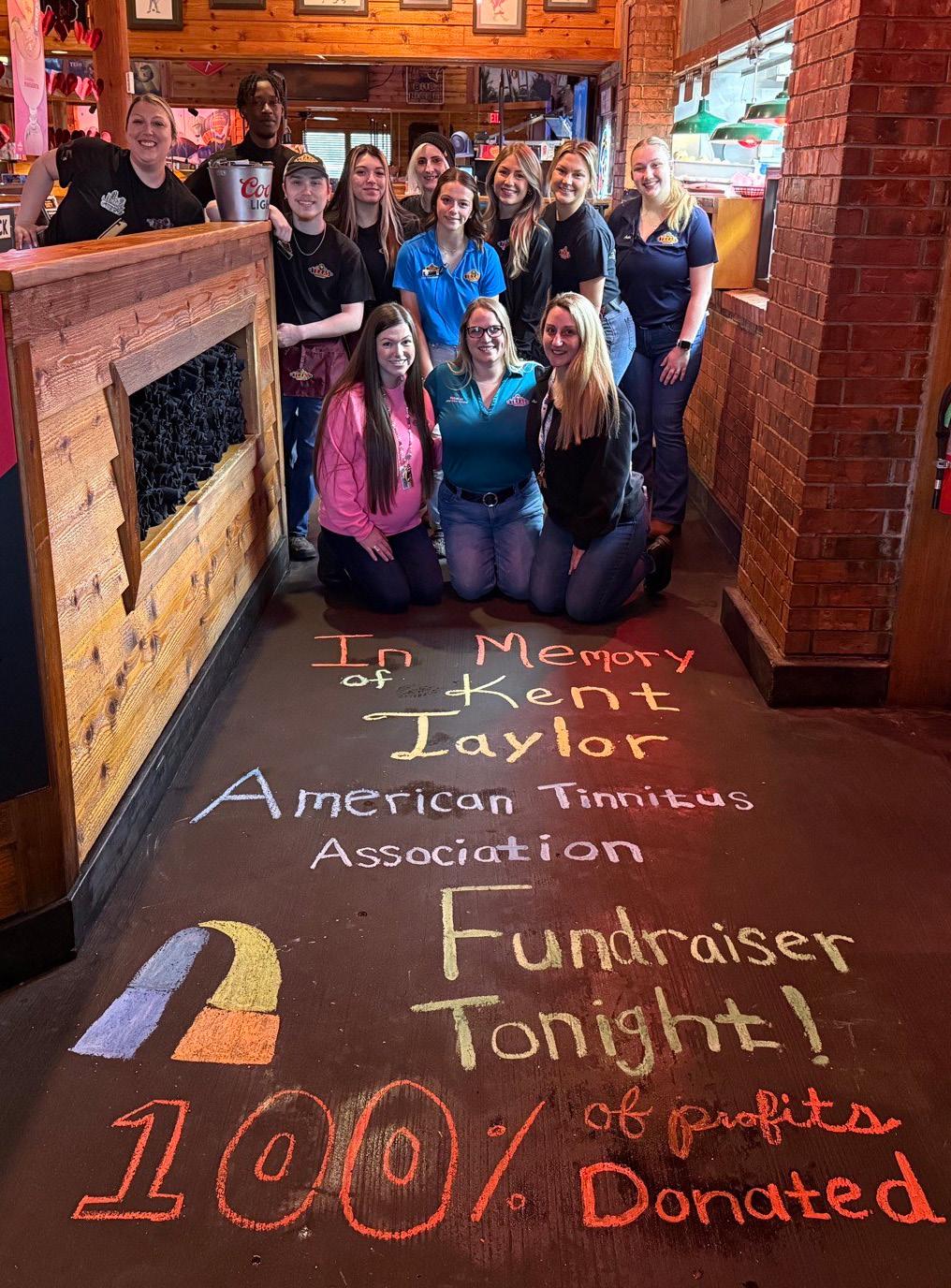
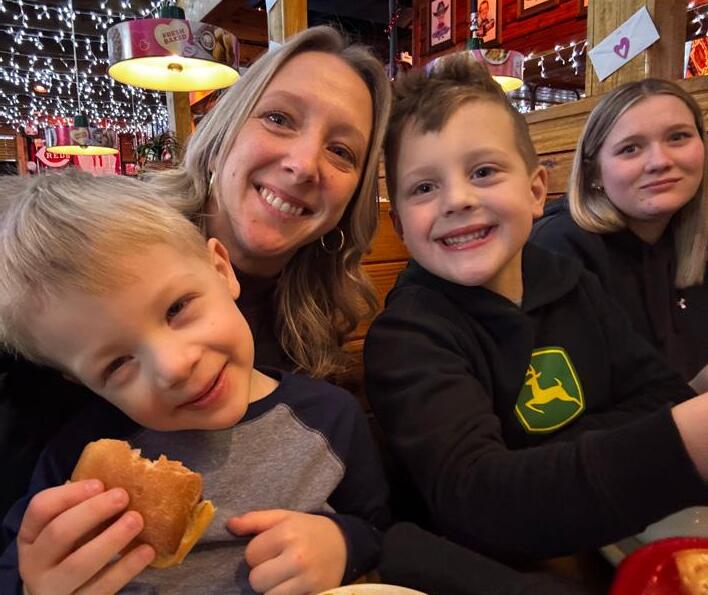



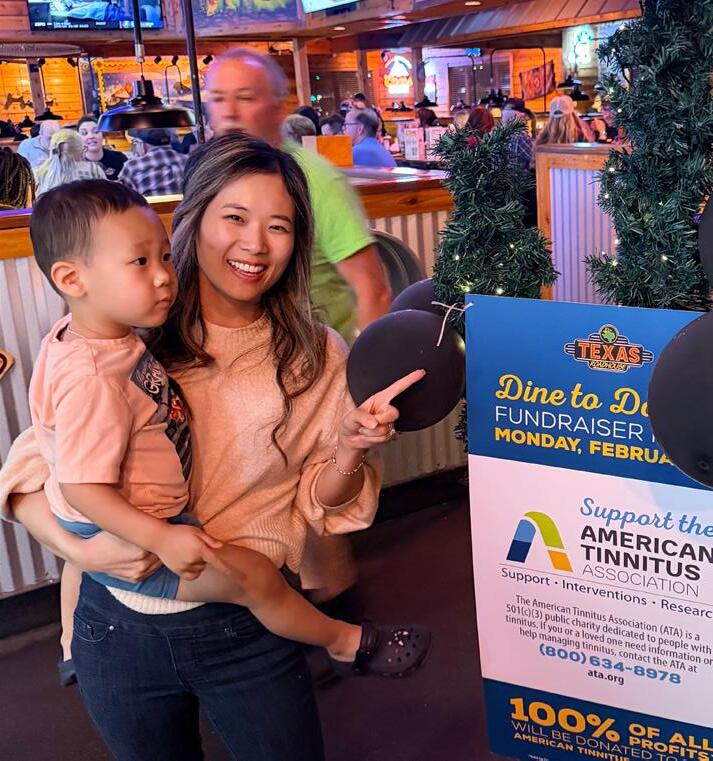

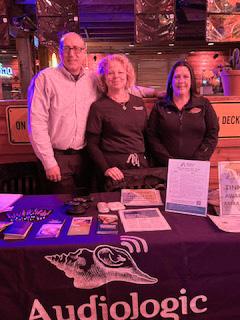


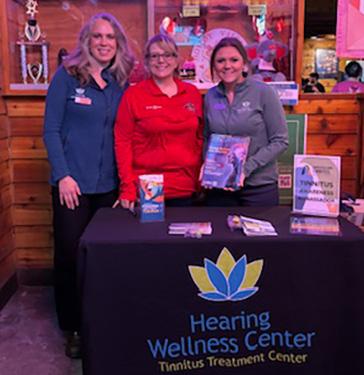


By Neil Valentino
My Monday night at the Texas Roadhouse fundraiser in Manchester, N.H., was truly special. When I approached the host, I asked if Chelsea, the bar manager, was working, and she replied, “Are you Neil?”
Surprised, I asked, “How did you know that?”
She smiled and explained that Chelsea had asked her to keep an eye out for me.
That small gesture made me feel like a VIP, and I knew this would be more than just another fundraiser for ATA. It was going to be a night of meaningful conversations, new relationships, and growing awareness of tinnitus in our community.
Having participated in this annual fundraiser three out of five years, it’s incredible to see the evolution. The host was pleased to tell me that some of the waitstaff was being asked about tinnitus. That statement was music to my ears. The fact that people are interested and curious enough to ask means we are increasing awareness, which is the goal of Tinnitus Awareness Week.
To help share the impact of last year’s fundraiser, I brought my Summer 2025 issue of Tinnitus Today with the article about ATA investing nearly $500,000 in new research. When I showed it to Chelsea, she expressed both her surprise and her pleasure that her employer was a major contributor to our mission. Every Roadie is now part of our mission to
“It’s easy to feel alone with tinnitus, but this fundraiser made me feel that I am part of something much bigger: momentum for change and unity in purpose. Thank you, Roadie Nation!”
raise awareness and find solutions for tinnitus.
The best moment of the night was when I was leaving and noticed a cookie table that the staff had set up. The young woman there told me that her grandfather, who’s a Veteran, has a hard time with tinnitus. She and her grandfather have talked about it more than once. As for me, tinnitus is personal for her. I bought three packages of delicious chocolate chip cookies and devoured most of them when I got home.
The next day, it dawned on me that I had been remiss in not tipping. Knowing the importance of recognizing extra effort, I returned to find the managing partner, Dani Ciampo, who fortunately was working. I handed her 3 five-dollar bills and explained it was a tip for those employees who made the cookies. She seemed happy about my gesture and I was happy to have fixed my oversight. We have to give back!
Thank you, Roadie Nation for a wonderful experience.
It’s easy to feel alone with tinnitus, but this fundraiser made me feel that I am part of something much bigger: momentum for change and unity in purpose. Thank you, Roadie Nation!

By Tom McCloud
Families are often defined by their traditions, quirks, and cherished moments, but for my family, our story is also shaped by the sounds we struggle to hear and the silences we try so hard to fill. When I look around our dinner table, I see not only the faces of my loved ones but also the distinct ways hearing loss and tinnitus have woven themselves into our lives. Sharing our story feels both daunting and necessary, because if even one reader finds comfort or understanding from reading of our experiences, then it’s worth every word.
My wife Amy has lived with tinnitus for as long as she can remember.
Imagine waking up to a ringing in your ears that never fades, then going about your day trying to distinguish voices, especially those with a certain pitch, that seem to blend together.
For Amy, simple conversations can become puzzles that often require her to expend extra effort just piecing together the meaning of what she heard and how to respond. I’ve watched her strain to catch the nuances in our children’s voices, and sometimes she mishears or misses sentences altogether.
Nights are the hardest. The relentless tones make settling into sleep nearly impossible; she describes bedtime as a battle between exhaustion and the noise inside her head.
Still, Amy meets each day with courage, determined to stay connected and present, despite the invisible obstacles tinnitus creates.
Our son Michael’s story began in the NICU, where he received lifesaving treatments that unfortunately included ototoxic medications. As the weeks passed, we learned he’d lost significant hearing, and this was a reality that changed our family forever.
The journey was marked by firsts: learning to communicate with sign language, adapting our routines, and facing the challenges that came with Michael’s unique special needs. Our home became a place where hand gestures spoke louder than words, and patience became our greatest tool.
Michael approached the world with quiet determination, never letting his hearing loss define him. His passing remains one of the hardest losses we’ve endured. Yet, even in grief, we hold onto the lessons he taught us

about resilience, love, and the power of understanding.
Our daughter Amanda served in the Army, a role that came with both honor and sacrifice of her hearing. Exposure to loud environments left her with damaged hearing, which particularly impacts her ability to pick up certain pitches. She is affected when speaking to someone with a soft voice or trying to understand some people over the phone.
Amanda often jokes that family events sound like a symphony of overlapping voices, each one fighting to be heard. This makes communication a sometimes-comical challenge, especially when Amy and Amanda, having similar voice pitch, struggle to communicate with each other. Often, they get frustrated, thinking they are being ignored, when in fact, unless Amy and Amanda are
“The more we talk about our experiences, the more we reduce stigma and build understanding. Research and advocacy pave the way for better treatments and prevention.”
looking directly at each other, they miss what the other says.
We’ve developed a habit of speaking more clearly and repeating ourselves, but misunderstandings are still part of our daily rhythm. Amanda’s determination to stay engaged is inspiring, and her adaptability echoes the resilience we’ve fostered as a family.
Amanda’s son is the exception in our family, a child blessed with excellent hearing. His ability to pick up even the faintest sounds is a constant source of awe and humor. He acts as our unofficial mascot, often hearing what others miss by quickly turning his head like an owl at sounds.
Watching him navigate our soundscape, I’m reminded of the value of clear communication and the hope that future generations may not bear the same burdens. Our grandson’s laughter and observations remind us that each family member’s journey with hearing is unique and that support can look different for everyone.
In our household, misunderstandings are as common as TV watching. With Amy and Amanda struggling to distinguish certain voices (and Michael relying on sign language while he was with us), the simplest

exchange can turn into a comedy of errors. There have been countless times when one person’s comment was attributed to another, leading to confusion and laughter.
We’ve learned to embrace these moments—humor is a powerful antidote to frustration. The dynamics of our family have taught us to listen with more than our ears: We pay attention to facial expressions, body language, and the intent behind words. Despite the challenges, our bonds have grown stronger, built on patience, empathy, and shared experience.
For families like ours, the American Tinnitus Association has been more than an organization—it’s been a lifeline. The ATA’s commitment to research, advocacy, and community support means hope for those living with tinnitus and hearing loss.
As my grandson grows, I’m deeply grateful for the work ATA does, from raising awareness to funding innovative studies and providing resources that empower individuals and families to prevent hearing loss. The ATA’s ongoing efforts have given us access to information, tools for communication, and the confidence that we are not alone on our journey. Supporting ATA is an investment in a future where hearing health is prioritized and every person feels understood.
Our family’s journey has been shaped by both the sounds we hear and those we miss. Having multiple family members living with tinnitus and hearing challenges has tested our patience, inspired creativity, and strengthened our connection.
If there’s one message I hope to share with readers of Tinnitus Today, it’s that awareness and community support are essential. The more
we talk about our experiences, the more we reduce stigma and build understanding. Research and advocacy pave the way for better treatments and prevention.
Together, we can create a world where hearing health is valued and families like mine find hope. I am grateful for the lessons learned and the support received, and I look forward to the day when every family can hear each other clearly—both in words and in heart.
Tom McCloud is president of ActGenix Holdings, where he manages operations and oversees subsidiary investments. Tom authored Riddles in Time and Secrets to Outsell Your Competition
Based in Houston, Tex., Tom and his family enjoy traveling. Travels include an African safari, meditation at the Caspian Sea, searching Loch Ness for Nessie, trekking the intercontinental divide between Europe and Asia, tracking polar bears inside the Arctic Circle, sailing on traditional junks in China, and exploring Mexico’s coast to find the best tacos and scuba diving spots.
When planning gatherings with guests living with tinnitus and/ or hearing loss, a few thoughtful adjustments can make conversation significantly easier for everyone.
Seat guests with hearing challenges with their backs to a solid wall. With the wall behind them—so they’re not surrounded by sound on all sides—they’ll be able to hear people across from them more easily. Also, since hearing aids and other assistive listening devices are designed to prioritize picking up sound in front of the listener, the seating arrangement supports the technology.
Round and horseshoe-shaped tables allow everyone to see each other’s faces, which is essential for those with hearing loss who rely on lipreading or visual cues for understanding. Long rectangular tables are the hardest shape for listening.
If you’re hosting a larger group, consider having a smaller room arranged to accommodate guests who would prefer to talk in a quieter setting or to take a break from the hustle and bustle of the main gathering room.
Although low lights and candles may create a calming effect, this type of lighting can be stressful for

guests with hearing loss who rely on facial expressions and lipreading to communicate. Make sure conversation areas, not just at the dining table, are well lit.
Hard floors, tall ceilings, and bare walls create echo and reverberation that make speech harder to distinguish. Rugs, tablecloths, curtains, and upholstered seating all absorb sound. Even a tablecloth makes a difference.
Background music, which feels like ambient sound to most guests, can be exhausting for someone already working hard to hear. Lower music during meals or turn it off while people are eating and talking.
Raising your voice can make speech harder to understand. Speak at a moderate pace, face the person directly, and if they miss something, try rephrasing rather than simply repeating the same words. Avoid speaking from another room or with your back turned to the person.
A quiet “Can you hear okay?” can help a guest feel welcomed and supported in a group setting. Be mindful that saying something in front of the group may cause embarrassment and withdrawal.
For more communication strategies, visit the Hearing Loss Association of America’s website: hearingloss.org/ understanding-hearing-loss/hearingloss-101/communication-tips
Technology to improve hearing and communication has moved well beyond hearing aids, which, despite greater accessibility, remain a tool that some people with tinnitus and hearing loss avoid because of stigma, cost, or a lack of awareness about how even mild hearing loss can impact communication, especially in group settings.
Here’s a practical look at other options and what to expect from each.
Pro 3
In a meaningful step to increase accessibility for individuals with hearing loss, Apple received FDA authorization to offer clinical-grade, over-the-counter hearing aid functionality in AirPods Pro 2, with the feature also included in the newer Pro 3.
Using an iPhone or iPad running current software, users take a builtin five-minute hearing test or upload an existing audiogram from their audiologist. The AirPods then calibrate automatically to the user’s hearing profile.
Key features include:
Conversation Boost: Directional microphones focus on the speaker directly in front of the listener, reducing noise from the sides and behind. Research from Australia’s National Acoustic Laboratories found that Conversation Boost, combined
with Ambient Noise Reduction, improved speech
understanding in background noise by roughly 7 decibels.
In the Pro 3, Conversation Boost activates automatically in noisy settings.

Transparency Mode With Amplification: This feature amplifies environmental sounds to a user’s preferred level, helping those with mild to moderate hearing loss hear more clearly.
Hearing Protection: This feature automatically reduces exposure to loud sounds in real time, assuming the AirPods tips are the correct size and therefore provide a proper seal.
Battery life is an important consideration since the Pro 2 lasts approximately four hours in hearing aid mode, and the Pro 3 lasts for roughly 10 hours. These devices are designed for mild to moderate hearing loss and are best understood as an accessible entry point, not a replacement for professionally fitted hearing aids.
Because AirPods are a product many people already use, some people may feel less self-conscious about wearing them and explaining that they function as hearing aids. Normalizing conversations about
communication difficulties and new technologies help remove stigma. To learn more about the AirPods Pro 3’s hearing features, see https://www. apple.com/airpods-pro/hearing-health/
Major hearing aid manufacturers may offer companion microphones. A remote microphone clips to a speaker’s clothes and transmits their voice directly to the listener’s hearing aids, cutting through distance and background noise. If you have hearing aids or are considering them, ask your audiologist about compatibility. A remote microphone is particularly useful at gatherings where a person speaks from a set location, such as at a wedding, workout class, conference, or classroom.
Several apps convert speech to onscreen text in real time, which can be helpful for catching missed words or topics during a conversation.
Ava app (iOS and Android):
Good option for group settings. Ava identifies individual speakers and labels who said what in real time. For full group functionality, other participants need to install the app on their smartphones. A free version is available, with sessions capped at 40 minutes; paid plans remove that limit and extend access. Visit ava.me for more information.

Google Live Transcribe (Android): Free app that supports 70+ languages with a type-back keyboard. Works well in quieter, smaller conversations.
Live Transcribe by Mighty Fine Apps (iOS): Similar to Google Live
Transcribe but for Apple devices, with adjustable text size and the ability to save conversation transcripts.
Real-time captioning works best when one person speaks at a time and the microphone is close to the speaker. In conversations with
overlapping voices and background noise, accuracy drops. It’s therefore best to think of these apps as a backup for catching what you may miss rather than as a primary way to follow a group discussion.
A useful tool for locating quieter venues, where it’s reliably easier to talk, is the free SoundPrint app for iOS and Android, which has been described as “Yelp for noise.”
Created by Gregory Scott, who has hearing loss, SoundPrint was born out of his frustration with venues listed as quiet online that turned out to be loud. The app works through crowdsourcing, with users taking a 15-second decibel readings at restaurants, bars, or cafés using their smartphone’s built-in microphone and submitting them to a shared database. Over time, each venue builds a noise profile based on multiple real-world measurements.
Before making reservations, you can search for a restaurant by name to see its average decibel rating and how it’s categorized. Categories include Quiet (below 70 dBA; ideal for conversation), Moderate (70–75 dBA; still manageable), Loud (75–80 dBA; conversation requires effort), and Very Loud (above 80 dBA; conversation is difficult and the sound level is potentially harmful with prolonged exposure).
The app and website also offer curated “Quiet Lists” for larger cities in the United States and abroad. Because measurements reflect actual sound levels at specific times and days of the week, the data is more
reliable than subjective online reviews. Importantly, the more people measure and submit loudness levels, the more accurate the database becomes, so using the app benefits others in your community.



By Sara Downs, Aud
Tinnitus isn’t just an auditory phenomenon. Under certain conditions, it’s a multisystem experience involving the auditory system, cognitive interpretations, and the autonomic nervous system’s state of arousal. When tinnitus becomes intrusive, all three systems are involved. Active Sound Therapy (AST) is a novel approach that integrates three evidence-based interventions— customized sound therapy, cognitive behavioral reframing, and bottom-up breathwork—to address all three systems in a coordinated effort with specific timing.
Intrusive tinnitus involves three interconnected systems:
The auditory system generates the tinnitus signal as a consequence of changes to pre-existing spontaneous neural activity that may increase the power, or produce abnormal synchrony
across nerve fibers, in the auditory pathway.1
The cognitive system interprets the tinnitus sound. This involves one’s beliefs about what the sound means, predictions about the progression of tinnitus, and catastrophic thoughts about its impact. Research has shown that cognitive processes shape emotional responses and that changing one’s thoughts about tinnitus—easier said than done—may reduce tinnitus distress.2
The autonomic nervous system contributes one’s physiological state and whether tinnitus is evaluated as threatening or safe. In other words, the sympathetic nervous system is your body’s fight-or-flight response, heightening alertness to perceived threats, while the parasympathetic nervous system is your “rest-anddigest” state, promoting calm and allowing the brain to deprioritize signals like tinnitus (see chart on page 41). Sympathetic activation narrows attention to threats, making tinnitus intrusive, whereas parasympathetic
engagement allows attention to broaden and tinnitus to fade from focus.3
These three systems interact continuously. The tinnitus signal, as with any other sound event, triggers cognitive interpretations, influences emotional state, shapes autonomic arousal, and affects attention to tinnitus, thus reinforcing the cycle. Interventions that fail to address the contributions of all three systems—for example, providing sound therapy without addressing a person’s thoughts and autonomic state or doing the cognitive work without enriching the auditory system or shaping the physiological response—may not produce the clinical outcomes possible when multiple pathways are addressed together at key moments.
AST emerged from twenty years of research, clinical observation, and
refinement in my clinic. In 2001, I was initially trained in Tinnitus Retraining Therapy (TRT) by Pawel and Margaret Jastreboff. TRT is effective, and substantial research supports it. However, achieving TRT’s intended outcome—habituation—depends upon patient commitment and adherence to the program over 6–12 months. In clinical practice, these requirements can become roadblocks to patient improvement.
I recognized that the neurophysiological model presented by Pawel Jastreboff could serve as a springboard for a new approach to achieving habituation that simultaneously addressed the other systems involved in tinnitus distress.
Searching for additional tools to facilitate habituation led me to explore the fields of psychology, neuroscience, and functional medicine. A turning point came when I was certified in Mind-Body Medicine (MBM) at the Center for Mind-Body Medicine, where I was introduced to the work of Stephen Porges. The MBM curriculum included techniques for nervous system regulation and self-care that I realized could be integrated into audiology practice.
The MBM approach emphasizes experiential exercises, such as breathwork, body awareness practices, and somatic techniques, that help patients directly influence their autonomic nervous system state.
This moment of consilience, when different fields of science linked together to create a new approach, led to the development of AST. AST maintains TRT’s neurophysiological foundation, integrates MBM’s experiential exercises, coordinating them with specific timing, and includes audiologic intervention and sound therapy.
“Active Sound Therapy is a novel approach that integrates three evidence-based interventions—customized sound therapy, cognitive behavioral reframing, and bottom-up breathwork—to address all three systems in a coordinated effort with specific timing.”
The hypothesis is that by using breathwork and body awareness practices to shift the body’s autonomic state while simultaneously providing counseling intended to demystify the tinnitus event along with sound therapy, we could help a patient’s nervous system reclassify tinnitus as a nonthreatening signal, thereby facilitating faster habituation.
AST integrates three approaches, each with a strong research foundation: Customized sound therapy addresses hearing and tinnitus characteristics, as well as the patient’s sound preferences.
Cognitive behavioral techniques address the cognitive system through education about neurophysiology, reframing unhelpful beliefs, and utilizing cognitive strategies. These approaches have the strongest research evidence for reducing tinnitus distress.2
Bottom-up breathwork and experiential exercises address the autonomic nervous system through slow diaphragmatic breathing with prolonged exhalation, body awareness
practices, and other MBM techniques that directly activate parasympathetic pathways, increase heart rate variability, and reduce stress markers.4
As a clinical audiologist, I find it important to make the point that for most people experiencing tinnitus, there is an underlying audiological condition. In these cases it is imperative that the underlying condition is addressed, most often with amplification that has been verified to stimulate the impacted areas of the auditory system.
Additionally, sound therapy programs in combination hearing devices should be customized to provide additional stimulation in the frequency region of tinnitus using sounds that the patient finds comforting and pleasant.
During a treatment session, minimum masking levels can serve as a guide to the type of sound presented and the level needed to achieve interaction with the tinnitus. None of these therapies is new. The novelty lies in how they’re combined and the timing of their application. Clinical observations over years of practice have revealed that when these three approaches are
Collapse • Immobility
Conservation of Energy
• Dissociation
• Numbness
• Depression
• Raised pain threshold
• Helplessness
Movement toward
• Rage
• Frustration
• Anger
Movement away
• Irritation • Panic
Riding the wave of the nervous system’s reaction to tinnitus
• Calmness in Connection
• Settled
• Grounded
Fear • Anxiety • Worry
Connection • Safety Oriented to the Environment
• Shame • Shutdown
• Hopelessness
• Preparation for death
• Trapped
Parasympathetic Nervous System
Dorsal Vagal Complex
Increases:
Fuel storage & insulin activity • Immobilization behavior (with fear)
Endorphins that help numb and raise the pain threshold
Conservation of metabolic resources
Decreases:
Heart rate • Blood pressure • Temperature • Muscle tone
Facial expressions & eye contact • Depth of breath • Social behavior
Attunement to human voice • Sexual responses • Immune response
• Curiosity/Openess
• Compassionate
• Mindful/Present
Freeze (Dorsal Vagal—Parasympathetic) When tinnitus feels overwhelming, the nervous system may shut down into this state, which is marked by numbness, hopelessness, and disconnection. The sound feels inescapable.
Fight or flight (Sympathetic) Intrusive tinnitus can trigger this defensive state, fueling anxiety, irritability, and hypervigilance. The nervous system has classified the sound as a threat, focusing attention on it.
Social engagement (Ventral Vagal—Parasympathetic) This is the target state to enter when tinnitus becomes intrusive, though it is not a state to live in permanently. The goal of Active Sound Therapy is learning to recognize your body’s signals indicating which state you’re in, then taking active steps to shift. Breathwork—slow, diaphragmatic, with a prolonged exhale—is an effective tool for making that shift, moving the body out of defensive arousal. It is through repeated practice of noticing sympathetic activation and using breathwork and sound therapy to change the state in the
Intrusive Tinnitu s
Sympathetic Nervous System
Increases:
Blood pressure • Heart rate • Fuel availability • Adrenaline
Oxygen circulation to vital organs • Blood clotting • Pupil size
Dilation of bronchi • Defensive responses
Decreases:
Fuel storage • Insulin activity • Digestion • Salivation
Relational ability • Immune response
Parasympathetic Nervous System
Ventral Vagal Complex
Increases:
Digestion • Intestinal motility • Resistance to infection
Immune response • Rest & recuperation • Health • Vitality
Circulation to non-vital organs (skin, extremeties)
Oxytocin (neuromodulator involved in social bonds that allows immobility without fear) • Ability to relate and connect • Movement in eyes and head turning • Vocal rhythm • Breath
Decreases:
Defensive responses
moment that teaches the nervous system to reclassify tinnitus as non-threatening, and that is what allows habituation to occur.
What about the parasympathetic nervous system? The parasympathetic nervous system has two distinct branches that produce opposite experiences. The dorsal vagal branch (top of chart) is the older, primitive branch that facilitates shutdown and collapse. The ventral vagal branch (bottom) is the newer, more evolved branch that facilitates calm, connection, and safety. Both are technically “rest” states, but it’s ventral vagal that supports healing and habituation. The chart can be thought as a ladder, with the goal of Active Sound Therapy helping a person spend more time at the bottom rung, where a person feels safe and socially engaged.
It should be noted that polyvagal theory, while widely applied in clinical and therapeutic settings, remains a subject of ongoing scientific debate, with some researchers questioning aspects of its neuroanatomical claims. It should thus be understood as a useful framework for thinking about nervous system states rather than a fully settled model.
coordinated and deployed at specific moments, such as when tinnitus becomes intrusive, habituation occurs more efficiently than when they’re applied separately or on rigid schedules disconnected from patients’ real-time experiences.
Neuroception is the nervous system’s automatic, subconscious process of evaluating sensory signals as safe or as threatening. In the case of intrusive tinnitus, neuroception classifies the sound as dangerous, which drives vigilance and increases a person’s distress, and both these responses impede habituation.
The concept of neuroception— the nervous system’s preconscious process of scanning for safety or danger cues—is central to the AST protocol.5 When neuroception detects danger, the body shifts into a defensive state, causing sympathetic activation, rapid shallow breathing, muscle tension, and narrowed attention fixated on the perceived threat. When it detects safety, parasympathetic pathways engage, allowing a relaxed body state, broadened flexible attention, and the fading of signals classified as safe without conscious effort.6
Habituation is the result of the nervous system learning that tinnitus is unimportant and safe to ignore. It is an active neurological process, not passive waiting.7 The learning happens more readily when signals occur in contexts of physiological safety.
Porges emphasizes that visceral feedback fundamentally shapes neuroception: “Visceral states color our perception of objects and others.”3
“Habituation is the result of the nervous learning that tinnitus is unimportant and safe to ignore. It is an active neurological process, not passive waiting.”
Our internal bodily state influences how our nervous system classifies everything, including tinnitus. Physiological safety promotes neutral classification; defensive activation makes the same sound an urgent threat signal.
This explains why you can’t simply think your way out of intrusive tinnitus. Cognitive understanding helps, but if your autonomic nervous system remains in defensive arousal, that physiological state overrides the ability to think oneself out of being distressed by tinnitus. The body’s state is primary.
MBM provides a toolkit of experiential exercises designed to directly influence the state of the autonomic nervous system. Slow, deep breathing with prolonged exhales directly stimulates the vagus nerve, which sends signals to activate parasympathetic pathways.8 Research shows that the breathwork’s effects can be measured as evidence of improved parasympathetic function.9 This process works regardless of thought. You can have anxious thoughts while diaphragmatic breathing shifts your physiology toward safety. This is bottom-up regulation, working directly with the
body to influence the nervous system. Beyond affecting heart rate and stress hormones, breathing changes neural communication from the respiratory system to brain regions that regulate behavior, emotion, and cognition.10
The MBM approach emphasizes teaching patients these techniques experientially. In clinical practice, patients don’t just hear about breathwork or read instructions. They practice during sessions until they can reliably shift into parasympathetic activation. They learn to recognize what it feels like in their body when the shift occurs. This handson training ensures patients have genuine capability, not just intellectual understanding.
AST’s distinctiveness lies not just in providing a multi-faceted threepronged intervention, but in deploying each intervention element at the right time, in a coordinated effort to address the three aforementioned tinnitus-related systems. The protocol trains the patient to use awareness of internal bodily signals, known as interoception, to identify when tinnitus shifts from background to intrusive. Shallow breathing, tense shoulders, and clenched jaw are
examples. These sensations signal neuroception is shifting toward threat and autonomic arousal is shifting toward a defensive state.
That moment is the cue to deploy the full AST protocol: Turn on customized sound therapy (activate the auditory system), engage in slow breathing with prolonged exhales (shift autonomic state), and draw on cognitive understanding (reframe the experience). The protocol addresses all three systems simultaneously, enriching the auditory environment while supporting the patient’s sense of physiological safety and enhancing their cognitive understanding of tinnitus and the intervention process.
Clinical observations showed that specific timing matters greatly. When patients deployed the protocol at random times or on rigid schedules disconnected from their actual tinnitus experience, habituation occured more slowly. For example, at follow-up visits when patients had only deployed one or two of the methods, they often felt that only a small change or no change in their tinnitus response had occurred.
Most often the part they were omitting was the breathwork. When they learned to identify the moment tinnitus was becoming intrusive and intervened right then with the full protocol, including the bottom-up breathwork, their treatment outcomes progressed. Through repeated practice at these specific moments, the nervous system learns a different response: The tinnitus signal becomes neutral and no longer triggers a defensive arousal.
As one patient put it, “I really didn’t think the breathing part mattered that much, so I just turned on the sound therapy when my tinnitus
was bothering me. It helped at the moment, but I was still noticing it a lot. But after coming back and learning again how the breath part shifted the nervous system, I started doing it. Reluctantly. But that’s when things really changed for me. I rarely notice my tinnitus now.”
AST is deliberately patient directed. Evidence shows empowering patients to actively manage chronic conditions improves outcomes.11 Patients learn to regulate their nervous system state, develop interoception, that knowing of when intervention is needed, and can deploy tools independently.
Empowering patients in this way addresses the feelings of lack of control that so many people report make tinnitus so distressing. Learning you have agency over your nervous system response, even if you can’t control the signal directly, shifts your relationship with the problem.12
AST facilitates habituation by directly addressing the autonomic state that enables or prevents the body’s perception of safety; it systematically creates conditions of physiological safety while tinnitus is present through breathwork-induced parasympathetic activation, enriched auditory input, and cognitive reframing.
This multisystem approach addresses the reality that tinnitus isn’t just auditory. The auditory system generates the signal, the cognitive system interprets its meaning, and the autonomic nervous system evaluates the threat. All three systems need to be engaged for effective habituation.
My clinical observations have shown that patients using AST
consistently report habituating to tinnitus more quickly than with other commonly used strategies. Last year, we had 50 practitioners complete AST training, and they are now offering it in their clinics. As more audiologists begin to implement AST, the protocol will be further refined and improved as we make clinical observations and share data through professional collaboration.
Over the past few years, I have been collecting clinical data about the outcomes of patients using AST in our clinic. Coauthor Marc Fagelson, PhD, and I are preparing a retrospective study that examines clinical data from patients who completed the AST protocol for submission. We look forward to sharing the outcomes and contributing to the growing body of evidence on multisystem approaches to tinnitus management.
Sara Downs, AuD, is an audiologist and president of the Hearing Wellness Center and Tinnitus Treatment Center, a multi-site practice in northern Minnesota. With more than two decades of specialized experience in tinnitus treatment, she also holds certification in MindBody Medicine, an integration that shapes her approach to patient care and informs the selfcare practices she teaches to both patients and colleagues.
She is the developer of the Active Sound Therapy protocol and recently completed a retrospective study examining its efficacy. Dr. Downs served as Interim Executive Director of the American Tinnitus Association from 2023 to 2024 and continues to serve on its board of directors. Outside the clinic, she can be found working as a roadie and running sound for her son’s band, or out on the trails, hiking or biking through the northern Minnesota woods.
Complete references can be found here

By Erin Walborn-Sterantino, AuD, CH–TM
I always felt fortunate that I knew what I wanted to do early in my life. In high school, when I told my guidance counselor that I loved sign language and helping people, he suggested studying communication disorders. That path led me to audiology, which I fell in love with. It was science-based, analytical, and always novel. Every patient presented as a unique puzzle. I wasn’t at a desk all day, and I could make an immediate difference in someone’s life.
Graduate school unexpectedly prepared me to run a business. I was chosen to manage the university clinic,
a position most students avoided because the supervising professor was demanding. He constantly said, “If you don’t know why you’re doing something, don’t do it.” That mindset stayed with me.
After graduation, I completed a full-time, unpaid externship, which was standard at the time and very stressful. I relied on family support to get through it. When the externship was completed, the practice hired me. Unfortunately, I had an issue with the office manager, which resulted in me being let go since I was the easier one to replace, in their view. I was suddenly an unemployed 25-year-
old with a passion and nowhere to channel it.
My father suggested I open my own practice. With guidance from the Small Business Administration and a $5,000 loan, I purchased essential equipment and began building from scratch while working part-time for a local ENT. Within a year, I was served with a lawsuit from my former employer. It was eventually dismissed, but the stress was enormous. Around that time, the migraines began.
The practice grew. I hired staff, got married, had children, and returned to school for my doctorate. From the outside, everything looked like a
smooth-running machine. Inside, I was running on adrenaline.
In 2009, at a health fair, I met a hypnotist who described herself as a stress management specialist. She told me my migraines would not improve until I “put my stress down.” I was skeptical but curious. During a guided relaxation session, for the first time, I experienced what it felt like for my body to truly relax. She introduced me to Emotional Freedom Techniques (EFT), or tapping. It was my first real glimpse into mind-body work.
Soon after, a patient suggested myofascial release therapy. During one session, the therapist asked me to “get into my arm.” I had no idea what she meant, which made me realize how disconnected I was from the sensations of my own body.
In 2010, I traveled to China and Tibet on a qigong tour. My children were young, and my husband thought I was slightly out of my mind, but something about the trip felt important. Immersed in the program, it took me nearly two
weeks just to learn how to breathe properly from my belly. That realization humbled me. It was dawning on me that even though I knew how to be successful, how to manage, how to be there for my patients and family, I wasn’t managing the stress well.
When I returned home, I introduced simple breathing exercises and mindfulness concepts into tinnitus care. In 2011, I presented a poster at the Tinnitus Research Initiative conference in Buffalo, showing how to integrate mindfulness practices into audiologic tinnitus management. At that time, very few professionals were discussing the mind-body connection to tinnitus distress. I knew from personal experience that dysregulation of the nervous system, which mindfulness practices seek to address, mattered.
Just before Christmas 2014, everything unraveled. At work one day, I developed central vertigo. I lost balance on my left side, developed double vision, and experienced hearing changes. I was hospitalized with what
“My role is not to dictate a solution but to help patients rediscover their own pathway to recovery. Sometimes that begins with sound therapy. Sometimes it begins with breath. Sometimes it begins with simply feeling heard.”
was thought to be a stroke. When that was ruled out, not one medical specialist could find the problem. I was discharged with a walker and a profound sense of being broken.
I was forced to stop.
At home, I felt vulnerable in a way I had never felt before. One afternoon, lying on the couch, unable to get myself a glass of water, I heard chirping in my left ear. It was unmistakably tinnitus.
My reaction surprised even me. Instead of fear, I felt something closer to acceptance. Because I understood tinnitus, it’s mechanisms and effects, I understood how it behaved. I chose not to fight it. Each time I heard the chirping, I responded with assurance that my body was talking to me. Oddly, I felt grateful, with no resistance to the sound. After three days, it faded.
What remained was insight. I understood the sensory sensation of tinnitus, and the staggering loss of control, fear, and isolation caused by a disability no one could fix.
After that health crisis, I forced myself to regroup. Energy work and meditation had helped me, but now I wanted an evidence-based framework. Around 2015, I enrolled in MindfulnessBased Stress Reduction (MBSR), developed by Jon Kabat-Zinn, PhD. The scientific rigor behind the program mattered to me. As a clinician, I needed both experience and data.
I took the course multiple times before pursuing teacher training. Meditation shifted from something I did occasionally to something woven into daily life. I began understanding
how to bring it “off the mat” and into the “real” world, where you often can’t control events and outcomes, which compounds stress.
Meanwhile, I had to confront another truth. I could not be my best as a clinician and be a fully engaged business owner. Managing staff and running operations were exhausting. After much reflection, I chose to sell the practice, not to a corporation but to another practitioner who shared my values. I stayed on as a clinician and focused on tinnitus care.
Today, my appointments with tinnitus patients last two to three hours. Education is still essential—hearing physiology, sound therapy, retraining principles—but it’s only part of the picture. We discuss the nervous system, stress responses, breathing patterns, sleep, and the emotional load. No two treatment plans are identical because no two people are identical.
Chronic conditions often erode a person’s sense of agency. My role is not to dictate a solution but to help patients rediscover their own pathway to recovery. Sometimes that begins with sound therapy. Sometimes it
begins with breath. Sometimes it begins with simply feeling heard.
I now divide my time between clinical audiology and teaching mindfulness-based programs. I also serve as secretary for the American Tinnitus Association, supporting broader advocacy and education efforts.
If someone calls me a holistic audiology practitioner, I accept that. We are not just ears attached to a brain. Tinnitus can activate our entire nervous system. When we address both mind and body together, change becomes possible.
Years ago, when I first heard that chirping as I lay confined to a couch, unable to do the most basic things for myself, I understood the conundrum of suffering. If we resist and rebel against what is happening, the suffering intensifies. When we steady ourselves by learning as much as we can and setting small goals, moments of relief reveal themselves, one steady step at a time.
When I sit with a patient whose tinnitus feels overwhelming, I understand the terrain. And although the theory and physiology behind the tinnitus are important for my patient to understand, I also know that the way through the turmoil comes one breath at a time.
Hear Dr. Walborn-Sterantino in conversation with two people living with tinnitus in our talk, “Shift Your Focus: Retraining Your Mind When Tinnitus Won’t Let Go.” Together, they share practical mindfulness techniques, including breathing exercises and awareness practices, that can lessen the impact of tinnitus on daily life. Listen now: https://www.youtube.com/watch?v=Dv-h0C1OGg8

Erin WalbornSterantino, AuD, has nearly three decades of clinical experience specializing in tinnitus management. Certified in Tinnitus Management (CH–TM), she integrates evidence-based audiologic care with mindfulness-informed strategies to support individuals living with tinnitus. Outside the clinic, she teaches Mindfulness-Based Stress Reduction (MBSR) at mbsrny.com
Dr. Walborn-Sterantino practices at Audiologic Solutions, with clinics in Rensselaer, Hudson, Saratoga, and Queensbury, NY; learn more at GreatHearingCare.com
Deeply committed to advocacy, education, and clinical advancement in the tinnitus field, she currently serves as secretary of the American Tinnitus Association Board of Directors.

A guide to navigating tinnitus and vertigo together

Answered by Gregory Hobbs, AuD
Question: I developed tinnitus about six months ago and periodically experience vertigo. Why is this happening, and what should I do?
This is a great question, and there are many ways to approach the answer. Most physicians, upon hearing “tinnitus and vertigo,” will immediately suspect an inner ear issue, and they’re not wrong to start there. Inner ear dysfunction can cause both symptoms, but other conditions may also be responsible for both symptoms
My advice is to address tinnitus and dizziness together and separately. Here’s what I mean.
Begin with a hearing test, and when you do, describe both symptoms thoroughly to the audiologist. (Depending on your insurance, you may need to go through your primary care provider first to obtain a referral.) If the results don’t point to something
and the dizziness persists, follow the dizziness thread on its own. Tinnitus counseling and management can continue separately with a specialist in the meantime.
Depending on your specific symptoms, the dizziness pathway will often lead to an ear, nose, and throat specialist or even a neurologist. Your hearing test results may also lead to an ear, nose, and throat specialist referral to investigate whether the inner ear is causing both the tinnitus and the dizziness.
If you still have questions following those appointments, ask for a videonystagmography (VNG) test, which can be administered by an audiologist. The VNG is the most standard diagnostic tool for dizziness, though it is typically part of a broader battery of tests. At that appointment, your tinnitus history will be taken into account.
It’s worth noting that sometimes no definitive cause* for dizziness is found, and the tinnitus may be incidental.
Even so, the path forward begins with letting your primary care provider know what you’re experiencing and getting a hearing test.
*When dizziness doesn’t have a clear cause, visit the Vestibular Disorders Association (VeDA) website at https://vestibular.org for guidance and support.
Gregory Hobbs, AuD, specializes in diagnostic audiology for adults and children, rehabilitation and amplification services, vestibular assessment, and tinnitus and hyperacusis counseling. He is committed to helping patients and their families understand the nature and effects of hearing loss and to developing practical strategies for managing tinnitus and hyperacusis.
Dr. Hobbs earned a bachelor’s degree in communication disorders from Brigham Young University and his doctorate degree through a joint program at San Diego State University and the University of California, San Diego. He completed his externship at UCSF’s department of audiology, where he currently serves as a senior audiologist.

Vertigo can be as simple as an inner ear problem or as serious as a stroke. Knowing which type you’re experiencing—and when to seek emergency care—is crucial.
Origin: Inner ear (vestibular system)
Common causes: BPPV (benign paroxysmal positional vertigo, which are brief episodes of spinning dizziness triggered by head movements), vestibular neuritis, Meniere’s disease, labyrinthitis
Typical symptoms: Spinning sensation, nausea, triggered by head movements
Severity: Usually not life-threatening
Who treats it: Audiologists, ENT specialists, physical therapists
Prognosis: Often resolves with treatment or time
Origin: Brain or central nervous system
Common causes: Stroke, TIA (transient ischemic attack), multiple sclerosis, brain tumors, vestibular migraine
Typical symptoms: Imbalance, difficulty walking, may include neurological symptoms (hearing loss on one side, facial weakness, slurred speech)
Severity: Can be life-threatening; requires immediate medical attention
Who treats it: Neurologists, emergency physicians
Prognosis: Depends on underlying cause
Symptoms requiring immediate emergency care include sudden severe vertigo with headache, double vision, difficulty speaking, facial drooping, weakness on one side, or sudden hearing loss.
How endurance training paved the way for a psychologist to live, not just cope, with tinnitus

By Phil Cromer, PhD
I remember the day the sound started very clearly and very unfortunately. It was early 2021. The pandemic was still tightening its grip on the world, and my own life was unraveling in quieter, more personal ways.
I was going through a divorce while still living under the same roof as my spouse. We owned and ran a business together, and I was carrying much of the operational responsibility while everything around us felt uncertain. At the same time, I joined the Mental Health Association in Indian River County as chief clinical officer, and not long after was asked to step into the role of chief executive officer
as the organization navigated an unprecedented public health crisis.
By day, I was focused on expanding access to mental healthcare for children, families, and adults. By evening, I was trying to hold both a business and a personal life together while the world felt increasingly unstable.
I was sleeping in a spare room as part of a temporary arrangement that was never meant to last. It was a period marked by disrupted sleep and emotional strain, and I remember thinking at the time that the lack of rest and stability were likely adding to my already high stress level. Looking back, my nervous system rarely felt settled during that time.
One evening, as I lay down, a high-pitched, piercing sound suddenly appeared in my left ear. At first, it flickered on and off, like an old radio searching for a station. The sound crackled, then vanished, then returned. Each time it came back, it stayed a little longer. I had no frame of reference for what was happening, and I was worried.
I did not know what it was. I wondered whether it was stress related, caused by the divorce, work demands, the pandemic, or lack of sleep. I did what many people do when something frightening happens and searched online for answers. That only made things worse.
That night, I called my brother and then my father. I asked if either of
them had ever experienced anything like this, such as ringing, buzzing, or hearing sounds that were not there. Neither had. I asked other relatives in the days that followed. No one had a history of anything similar.
The next morning after that first night, the sound was gone. I was flooded with relief. I told myself it had been stress and that my nervous system had simply misfired under too much pressure. I felt hopeful, almost euphoric. But the following evening, it returned. The same flicker. The same switch-like quality. On. Off. Then fully on. After that second night, it never went away.
It is the first thing I hear when I wake up and the last thing I hear when I lay my head on the pillow. It is constant and unforgiving. Silence, true silence, has not existed for me since. I have faced challenges in my life, but this has been one of the most difficult. Tinnitus is not just a sound. It is an intrusion that does not allow rest.
Around that same period, I had COVID-19 and received the Pfizer vaccination. I was hesitant at the time, but like many people, I made the decision in the context of uncertainty and practical concerns around work and travel. I cannot say with certainty what caused my tinnitus. There is no family history of auditory or neurological conditions, and my physician has noted the timing of onset as potentially relevant, though no definitive cause can be established. What I do know is that the onset followed shortly after this, during a time when my nervous system was already under extraordinary strain.
I have learned that dwelling too long on what might have been avoided can be emotionally dangerous. It invites regret without offering resolution. I acknowledge the timing, accept the
“Endurance teaches you how to stay present in discomfort, how to negotiate with pain, and how to keep moving forward when the finish line feels far away. Those lessons have translated directly into how I live with tinnitus.”
uncertainty, and focus instead on how I live with what is here now.
I describe my tinnitus using a scale of 1 to 10. One is barely noticeable. Ten is unbearable. I do not remember the last time I experienced a 1. On good days, the tinnitus settles into a 4 or 5. On stressful days, especially during meetings when I must track multiple conversations or make highstakes decisions, it can spike to a 7 or 8. There have been moments when it has reached a 10, moments when the sound felt so overwhelming that my body reacted before my mind could catch up.
In those moments, I rely heavily on what I teach to my patients. I am a licensed psychologist, and my work is grounded in evidence-based treatment, particularly cognitive behavioral therapy. When the thought is this is unbearable, the suffering increases. When I can reframe it to something more accurate, such as this is awful but survivable, my emotional response begins to shift. Not instantly and not completely, but enough to create space.
Over time, living with tinnitus has reshaped not only how I cope personally, but also how I understand resilience, meaning, and hope in the face of chronic health conditions.
What makes tinnitus particularly cruel is that it steals something deeply personal. For me, that loss was silence. I used to cherish it. I needed it. In graduate school, I spent countless hours in quiet libraries. I could not study with music playing or write with background noise. Even the smallest sound disrupted my concentration. Silence was my refuge. It was where I did my best thinking and my most demanding academic work. Now, I have had to learn how to live without it.
Ironically, the very thing I once avoided, noise, has become part of my coping. Music helps. Art helps. Laughter helps. Being with friends and family helps. And movement helps.
Endurance sports have always been part of my life. Over the years, I have run marathons in cities like New York, Palm Beach, and Chicago, and eventually qualified for and ran the Boston Marathon, a milestone I still hold close. As time went on, the distances I undertook grew longer. I ran a 50-mile ultramarathon in the Florida Keys, followed by a 100-mile race also in the Keys, and in 2025 I trained for and completed Ironman Florida, despite never having been much of a swimmer or cyclist. Next year I am aiming for 200 miles.
Running and ultra-endurance events have now become more than personal challenges for me. They are a way I can stay grounded in my body, and they provide a platform for mental health awareness and education. Endurance teaches you how to stay present in discomfort, how to negotiate with pain, and how to keep moving forward when the finish line feels far away. Those lessons have translated directly into how I live with tinnitus.
At 54, I found myself wondering what comes next. I have considered running another ultramarathon but feel drawn toward creating something of my own, a long-distance run that would extend beyond competition. When I shared the idea with my girlfriend, an accomplished endurance athlete, she asked a simple question: What is the purpose?
That question stayed with me and worked quietly in the background for months. Over time, the answer became clear.
The run would be about tinnitus. Not curing it and not fixing it but bringing awareness to what it is like
to live with a chronic condition that never turns off. It would be about helping others feel less alone and supporting research, education, and understanding.
In my professional life, I work with people who live with chronic pain, psychosis, and long-term mental health conditions. People who are hurting in ways that are often invisible. Tinnitus belongs in that same world.
The story of this run is also the beginning of a larger project. I am writing a book that weaves together life with tinnitus, mental health, and the long, quiet hours of training for my 200-mile tinnitus awareness run. It explores how endurance, structure, and movement are tools for managing the noise and for making sense of suffering as it reshapes my identity, values, and purpose.
This is my first real attempt at journaling. I often recommend journaling to others, but this practice is new for me. Writing, like running, has become another way of moving through the noise rather than away from it.
On February 1, 2027, Phil Cromer, PhD, will run 200 miles to raise awareness of tinnitus and raise funds to support ATA’s mission to find a cure. His run speaks to the urgency of prevention awareness and finding solutions for tinnitus beyond coping.
To support Phil’s run and ATA’s mission to fund tinnitus research and awareness, visit https://www.gofundme.com/f/support-americantinnitus-associations-vital-mission to make a gift today. To follow his training journey, see his YouTube channel https://www.youtube.com/ @thesearchforsilence
I still miss silence. I miss its simplicity and its emptiness. I am not trying to be poetic when I say that. Silence was once my anchor. Now, I anchor myself differently. I have learned slowly and imperfectly that the human brain is remarkably adaptable. I reframe. I adapt. I keep moving. I hope that by telling my story, someone else who lives with tinnitus, or any relentless condition, might find a measure of comfort in knowing they are not alone.
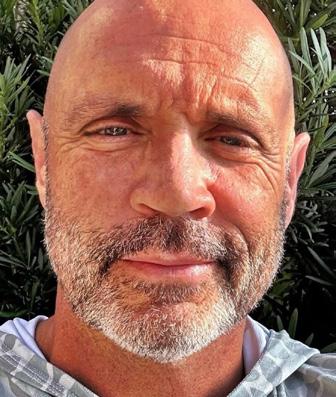
Phil Cromer, PhD, is a licensed Florida psychologist and the CEO of the Mental Health Association in Indian River County, where he leads community-based efforts to expand access to mental healthcare for children, families, and adults. He has lived with severe tinnitus since 2021, an experience that has shaped both his clinical perspective and his personal work around resilience and chronic conditions. He is a long-distance endurance athlete and is currently writing a book titled The Search for Silence


By Joy Onozuka
It’s been well over a decade since tinnitus entered my world, drastically altering my sense of sound and silence. In those first moments, I was terror-stricken. I already knew there was no cure, which intensified the feeling of being trapped. Loud, jarring sound is how we break people, I thought.
Within weeks, I was filled with anger, not fear, reflecting on the many concerts in high school, the loud clubs and parties throughout my twenties, the decades of gym classes that were somehow louder than dance clubs. Like termites slowly eating away wood unseen for years, these exhilaratingly loud recreational pastimes were steadily paving the way for tinnitus. No one had warned me that tinnitus wasn’t just a hangover from loud sound. It was an injury that, like my broken collar bone from youth, would
emerge as an echo of my past. I was mad at myself for not knowing. Getting my first audiogram, I felt oddly annoyed when I was told that my hearing loss was negligible, too little to even qualify for hearing aids. That biennial evaluation has remained the same the last decade. If my tinnitus is this loud, shouldn’t the hearing loss be greater? It doesn’t make sense.
How does one get used to it?
For a time, I focused on habituation because it offered a map for framing improvement. Over time, I understood “habituation” more as a game of chutes and ladders that I could not really “win.” My tinnitus wasn’t going anywhere, and every day, with its fluctuating loudness, it asked something different of me. It finally dawned on me that the sound served a purpose. Tinnitus, inexplicably, had become a daily barometer of my health.
Each of us builds our own approach to reclaiming our sense of wellness and ease with the sound, and I recognize mine differs from conventional approaches. Labels like “unimportant,” “nonthreatening,” or “benign” never resonated with me—not because I view tinnitus as bothersome, but because I learned to relate to it differently. Yes, I knew it wasn’t threatening since physicians found no underlying medical reason for it.
But how do you integrate the sound into your daily life? Background sound helped in those initial years, or on days when the loudness made it hard to think. But more sound often made me stressed. I needed less sound, even if tinnitus was the only sound I heard. Over time, I came to rely on the sound as a way to track my health, much like others track their heart rate or daily steps. I learned not to

catastrophize the changes in my tinnitus because its patterns became familiar and useful in planning my day. In this sense, it’s a purposeful dynamic. Yet there’s never been a day that tinnitus sounds “good.” And I’d love to be able to permanently switch it off.
couch at the end of the day in awe of how loud it is—never afraid, just amazed by its volume, knowing sleep will restore it to its normal level. I chose to ignore it earlier and it grew louder. That’s okay. There will always be days we skip what sustains our health. Loud tinnitus reminds me there’s a price for that.
Some mornings I wake to loud
“In my younger years, I didn’t know how to listen to temporary tinnitus. Now it’s my constant companion, providing real-time information about how well I’m managing stress, sleep, and self-care.”
In my younger years, I didn’t know how to listen to temporary tinnitus. Now it’s my constant companion, providing real-time information about how well I’m managing stress, sleep, and self-care.
Often, my tinnitus grows louder as the day progresses, signaling I’ve spent too long at my computer. That awareness prompts me to take a short break, spend more time cooking (which I love), take an evening yoga class, or walk on a nearby trail.
When I don’t “listen” to my tinnitus, I later reflect on the fluctuation in loudness. Sometimes I sit on the
tinnitus, which tells me I didn’t sleep well. No need for an Oura ring or other sleep tracking app! I plan my day more carefully. I step outside to expose my eyes to natural light, which shuts off production of melatonin to aid better sleep that evening. I eat well, exercise to tire myself out by day’s end, and seek out activities or people that bring calm or joy.
When I’m on the edge of catching a cold, my tinnitus amps up, telling me to slow down and rest more. When I’m ill, it stays annoyingly loud until my body heals. The drop in volume tells me when I’ve recovered. Does it make it hard to sleep? Not anymore. Tinnitus forced me early
on to enroll in a cognitive behavioral therapy program for insomnia, which involved defying my long-held beliefs and anxieties about sleep deprivation dating from my many sleepless nights throughout childhood. I also saw a sleep specialist and had two overnight polysomnography tests in a sleep clinic to check for underlying sleep disorders like sleep apnea, narcolepsy, or restless leg syndrome. All clear.
The irony that tinnitus led to better sleep isn’t lost on me. Many nights, I listen to my tinnitus—its constant highpitched purr—to fall asleep, the same way I imagine others listen to white noise or the sound of ocean waves. This relationship works because I came to understand and trust my tinnitus as a health barometer. It’s reliable. Staying attuned to it in the same way that I check the weather when planning my day has kept me attuned to my wellbeing in ways I might otherwise overlook. Yes, I’d love to permanently turn it down or switch it off, but until that’s possible, I’ll continue to listen to what it tells me.
My approach to living with tinnitus isn’t necessarily conventional, but it works for me. I’m genuinely curious about others who’ve found unexpected ways that tinnitus has helped shape their lives for the better or given them a completely different perspective on how to live well with it. If you’ve discovered something similar—or something entirely different— I’d love to hear from you. Email me at joy.onozuka@ata.org
People with tinnitus at every stage in their journey, from the first few days to many years later, can benefit from membership in a support group. Every tinnitus support group operates differently; but they all share a passion for providing meaningful discussion and a caring
environment where one can be understood through shared experience. Below is a list of groups and meeting dates, current at time of print. Each support group referenced here is independently operated and led by volunteers who wish to provide education and support to the tinnitus community.
The American Tinnitus Association (ATA) does not sponsor or endorse these activities and expressly disclaims any responsibility for the conduct of any independent support group or the information it may provide. ATA is not a healthcare provider and you should consult with a primary care physician or hearing healthcare professional for qualified medical advice on tinnitus and related disorders.
This is a partial listing of support groups and scheduled meetings. A complete list can be found at https:// www.ata.org/your-support-network/ find-a-support-group/. New groups continue to be added, so please check the website for updates periodically.
If you’re interested in forming a group, please contact Joy Onozuka at tinnitus@ata.org
If there isn’t a group in your area, ATA has an extensive network of peer volunteers who provide email and telephone support and educational information. To connect with a volunteer, see: https://www.ata.org/ your-support-network/telephonesupport/
Support group information in the magazine and on the ATA website is provided by group leaders and is subject to change. Please contact the support group leader directly to confirm meeting information.
The Palo Alto Tinnitus Support Group at Avenidas Blue Room of the Avenidas Senior Center 450 Bryant St. Palo Alto, CA 94301
Contact: Ken Adler
T: 650–839–1770
E: karmtac@aol.com
3rd Thursday of the month, 5:30–7:30 pm, PT
Colorado
Mesa County Tinnitus Support Group
Community Hospital, Legacy Room 1 2351 G Rd. Grand Junction, CO 81505
Contact: Elaine Conlon
T: 970–589–0305
E: conlonelaine@aol.com
3rd Wednesday of the month, 6:00 pm, MT
North Denver Tinnitus Support Group
Broomfield Community Center Overland Room
Contact: Melissa Golden
T: 303–506–9389
E: mbaycon@hotmail.com
Clermont Tinnitus Support Group
Citrus Hearing Clinic, LLC
835 Seventh Street, Ste. 2 Clermont, FL 34711
Contact: Laura Pratesi, AuD
T: 352–989–5123
E: office@citrushearing.com
E: drlaura@citrushearing.com
2nd Monday of the month, 1:00 pm, ET RSVP required
Tinnitus Support Group–
Manatee County
Trinity United Methodist Church 3200 Manatee Ave. West Bradenton, FL 34209
Contact: Lynette Dornton, AuD
E: support@tsgmanatee.com
Meets 2nd Saturday of the month, 10:00 am–12:00 pm, ET
Michigan
Holland Tinnitus Support Group
Holland Doctors of Audiology 399 E 32nd St. Holland, MI 49423
Contact: Stelios Dokianakis
T: 616–392–2222
E: info@holaud.com
Website: https://holaud.com/contact/ Meeting date and time TBD

Please email/call the point-of-contact person listed for information on upcoming meetings.
Beyond Borders
Hyperacusis and Other Sound Disorders
Discussion Group
Contact: Trudy Jabobson
E: trudyfromtucson@gmail.com
3rd Thursday of the month, 5:30 pm, PT
Arizona
Tucson Tinnitus Support Group
Contact: Trudy Jacobson
E: trudyfromtucson@gmail.com
4th Saturday of the month, 1:00 pm, MST Educational focus
California
Los Angeles/Orange County Tinnitus Support Group
Contact: Barry Goldberg
E: bargold06@yahoo.com
3rd Saturday/Sunday of the month, 10:00 am, PT
Sacramento Area Tinnitus Support
Contact: Pat Clark
E: sactinnitus@gmail.com
2nd Wednesday of the month, 6:30–8:00 pm, PT
San Diego Tinnitus & Hyperacusis Support Group
Contacts: Michael J. Fischer: michaeljohnfischer@hotmail.com
Loretta Marsh: lorettamarsh@hotmail.com
David Phaneuf: djphaneuf@yahoo.com
Tom Sutton: tomsutton63@gmail.com
1st Tuesday of the month, 6:00–7:30 pm, PT
California
The Palo Alto Tinnitus Support Group at Avenidas
Contact: Ken Adler
T: 650–839–1770
E: karmtac@aol.com
3rd Thursday of the month, 5:30–7:30 pm, PT
Iowa
University of Iowa Tinnitus Education and Support Group
Contact: Eun Kyung “Julie” Jeon, PhD
T: 319-335-8763
E: eunkyung-jeon@uiowa.edu
2nd Wednesday of the month, 9:00 am, CT
Colorado
Denver Tinnitus Support Group
Contact: Rich Marr
T: 303–875–5762
E: rmarr5275@gmail.com
2nd Monday of the month, 7:00–8:30 pm, MT
Illinois
Friends With Tinnitus
Contact: Spencer
E: friends.with.tinnitus@gmail.com
3rd Monday of the month, 8:00 pm, CT
Maryland
UMD Tinnitus & Hyperacusis Support Group
Contact: Christina Shields, AuD
T: 301–405–5562
E: shields3@umd.edu
Meets quarterly, date and time TBD
Maryland / Virginia / Washington, DC
National Capital Region
Tinnitus Support Group
Contacts: Joe Sipos, David Treworgy
E: joe.sipos12@gmail.com
E: david_treworgy@yahoo.com
Meets monthly, date and time posted on Facebook group
Missouri
St. Louis Tinnitus Support Group
Contact: Tim Busche
T: 636–734–4936
E: tbusche@stltinnitus.org
1st Wednesday of even months
Oklahoma
“Tinnitus Together” Support Group
Transforming Life Counseling Center 16301 Sonoma Park Dr. Edmond, OK 73013
Contact: Pam Timmons
E: ptimmons@houghear.org
1st and 3rd Monday of the month, 6:30 pm, CT
First-time attendees must register to receive the virtual link
Pennsylvania
Tinnitus Support Group of Northeastern Pennsylvania
The Wright Center
Main Street, Jermyn, PA
New York
Bronx Tinnitus Support Group
Contact: Dr. S. Karie Nabinet
T: 917–797–9065
E: kkwn12u@aol.com
1st Thursday of the month, 6:30 pm, ET Texas
Austin & San Antonio Tinnitus & Hyperacusis Support Group
Contact: Matthew Randal
T: 512–660–7276
E: atasg.satx@gmail.com
1st Saturday of the month, 10:00 am, CT
Dallas–Ft. Worth Tinnitus Support Group
Contact: John Ogrizovich
E: dfwtsg@yahoo.com
Saturday, every six weeks, 10:00 am, CT
Texas Tinnitus Together
Contact: Brandon Cyrus
T: 210–239–5995
E: drbrandon@acroaudiology
2nd Tuesday of the month, 6:00 pm, CT Wisconsin
Madison WI Tinnitus Support Group
Contact: Deb Holmen
T: 608–219–0277
E: dholmenihearu@gmail.com
Website: TinnitusWISupport.com
4th Wednesday of the month, 6:30–7:30 pm, CT
Contact: Kathleen Munley, PhD
T: 570–650–0007
E: munleyk@msm.com
1st Friday of the month, 2:00 pm, ET
Texas
Austin & San Antonio Tinnitus & Hyperacusis Support Group
UT Speech and Hearing Center
2504 Whitis Ave. a1100, Austin, TX 78712
Contact: Matthew Randal
T: 512–660–7276
E: atasg.satx@gmail.com
1st and 2nd Saturday of month, 11:00 am, CT

Professional Members
Listing current as March 21, 2026
When making an appointment, please mention that you learned of the provider from ATA, thereby ensuring that providers understand the importance of being a part of ATA’s professional provider network.
Purple: Audiology
Green: Medical practitioner
Blue: Hearing aid dispenser
Orange: Therapist
Pink: Complementary/ Alternative Medicine practitioner
Navy: Other
Suzanne Baggett, AuD Chelsea Audiology Clinic Chelsea, AL
Monica Boudreaux, AuD South Alabama Hearing & Tinnitus, LLC Foley, AL
Emily McMahan, AuD, CH-TM Alaska Hearing & Tinnitus Center Anchorage, AK
Kurtis Walton Alaska Neurofeedback, LLC Chugiak, AK
Lynn Callaway, HIS Affordable Hearing Solutions Green Valley, AZ
Judy Huch, AuD, CH-TM Oro Valley Audiology, Inc. Oro Valley, AZ
Steven Lopez, CCHT, MHC Awaking Healing, LLC Glendale, AZ
Katlynn Roldan, AuD HearingLife Scottsdale, AZ
Meg Safko, AuD, CH-TM Arizona Otolaryngology Consultants Phoenix, AZ
Gregory Swingle, AuD Arizona Hearing Specialists Tucson, AZ
Peter Vernezze, PhD, LCSW Therapist With Tinnitus Tucson, AZ
Rachael Zovko, AuD Hearing and Brain Centers of America Paradise Valley, AZ
Kristyn Wethington, AuD Southern Arkansas Audiology White Hall, AR
California
John Barrett, DAOM The Acupuncture Wellness Center, Inc. Los Angeles, CA
Randall Bartlett, MA Randall Bartlett, Audiologist Santa Clarita, CA
Victoria Beene, AuD, CH-TM Santa Rosa Hearing Santa Rosa, CA
Connie Campa, AuD Kaiser Permanente Fair Oaks, CA
Shahrzad Cohen, AuD, CH-TM Hearing Loss Solutions Sherman Oaks, CA
Amanda Duren, AuD Pacific Hearing Service Carlsbad, CA
Priscilla Giler, AuD San Francisco, CA
Jacob Hohsfield, AuD Pacific Hearing & Balance Center, Inc. Sherman Oaks, CA
Shannon Kim, AuD University of California San Diego Health San Diego, CA
Janine Newkirk, AuD, CH–TM Stanford Health Care Redwood City, CA
Marni Novick, AuD, CH–TM Silicon Valley Hearing, Inc Los Gatos, CA
Brook Raguskus, AuD, CH-TM Pacific Hearing Service San Jose, CA
Jane Shakyan, AuD The Hearing Doctor Culver City, CA
Sally Walsh South Pasadena, CA
Paige Andrade, AuD, CH-TM Sound Relief Hearing Center Wheat Ridge, CO
Sara Bengston, AuD Assistant Sound Relief Hearing Center Highlands Ranch, CO
Julie Eschenbrenner, AuD Flatirons Audiology, Inc. Lafayette, CO
Kaela Fasman, AuD, CH-TM Sound Relief Hearing Center Golden, CO
Gina Gates, AuD, CH-TM Sound Relief Hearing Center Denver, CO
Aniellia Grabowski, AuD Colorado Tinnitus & Hearing Center Englewood, CO
Emily Hensarling, AuD, CH-TM Seeds of Insight Coaching Parker, CO
Justine Hoffman, AuD Windsor Audiology Windsor, CO
Cassie Iliff, AuD Hearing Consultants of Colorado Springs, LLC. Colorado Springs, CO
Krisztina Johnson, AuD, CH-TM Hearing Associates, Inc Glenwood Springs, CO
Patricia Kalmbach, AuD Colorado Tinnitus & Hearing Center Englewood, CO
Abigail McMahon, AuD, CH-TM Sound Relief Hearing Center Fort Collins, CO
Amy Nelloms, AuD Kaiser Permanente Denver, CO
Julie Prutsman, AuD, CH-TM Sound Relief Hearing Center Littleton, CO
D’Anne Rudden, AuD
Longmont Hearing & Tinnitus Center Longmont, CO
Mandi Solat, AuD, CH-TM Audiology Services & Hearing Aid Center Lakewood, CO
Lucia Story, AuD Montezuma Hearing Clinic Cortez, CO
Robert Traynor, EdD, CH-TM Robert Traynor Audiology, LLC Fort Collins, CO
Stacy Sanders, AuD, CH–TM All About Audiology Dover, DE
Nimet Adam, AuD Hearing Partners of South Florida Delray Beach, FL
Melinda Alegria, AuD Sarasota Audiology Sarasota, FL
Kelly Breese, AuD, CH-TM Hearing Aids of Sarasota Sarasota, FL
Anne Carter, PhD, CH-TM Pasadena Hearing Care Saint Petersburg, FL
Sheila Case, AuD Intracoastal Hearing Center Vero Beach, FL
Maura Chippendale, AuD, CH-TM Chippendale Audiology Cape Coral, FL
Lynette Dornton, AuD Manatee Hearing & Balance Center Bradenton, FL
Elizabeth James, HIS Hear Again America Stuart, FL
Kimberly Lamb, AuD
Lake Medical Hearing Center Eustis, FL
Laura Pratesi, AuD
Citrus Hearing Clinic, LLC Clermont, FL
Alexis Riley, AuD
Trilogy Hearing and Audiology Vero Beach, FL
Cindy Simon, AuD
South Miami Audiology South Miami, FL
Laura Sullivan, AuD
Encore Hearing Care Port Orange, FL
Susan Terry, AuD
Broadwater Hearing Care St. Petersburg, FL
Alicia Bernstein, MS, CH-TM ENT of Georgia/Advanced Hearing LLC Alpharetta, GA
Elisa Bobbitt, AuD
Newtown Hearing Center Alpharetta, GA
William Dennison, HIS Dennison Hearing Solutions Dacula, GA
Avni Patankar, AuD
Maple Hearing Clinic Cumming, GA
Liz Minnette Ramos, AuD, CH-TM
Georgia State University Atlanta, GA
Melissa Wikoff, AuD, CH-TM Peachtree Hearing Marietta, GA
Tim Winstead, AuD Hearing Doctors of Georgia Fayetteville, GA
Bryn Witzman, AuD
Coweta Hearing and Balance Clinic Newnan, GA
Bob Jensen, AuD
Gem State ENT and Hearing Professionals Twin Falls, ID
Bailey Neuhaus, AuD, CH-TM Boise VA Medical Center Boise, ID
Courtney Baker, AuD Hearing Brain Audiology, PLLC Chicago, IL
Stephen Bonzak, MS, Lac Health Traditions Chicago, IL
Megan Bradshaw, AuD Revolution Hearing Naperville, IL
Emily Dudley, AuD Chicago Hearing Services Chicago, IL
Phillip Elbaum, LCSW Stritch School of Medicine Loyola University, Chicago Deerfield, IL
Victoria Frank, AuD Sertoma Speech & Hearing Association Palos Hills, IL
Ryland Gallagher, AuD Northwest Speech & Hearing Arlington Heights, IL
Jaclyn Jansen, AuD Sarah Bush Lincoln Effingham, IL
James Peck, HIS Life Hearing Health Centers Rockford, IL
Ann E. Perreau, PhD Augustana College Center for Speech, Language, and Hearing Rock Island, IL
Alyssa Seeman, AuD Illinois State University Normal, IL
Marie Vetter, AuD Chicago Hearing Services Chicago, IL
Laura Fragomeni, AuD Reid Hearing Center Indianapolis, IN
Lindsey Koble, AuD, CH-TM Audiology Always Auburn, IN
Mark Partain, AuD MPTinnitus Carmel, IN
Erica Person, AuD, CH-TM Flex Audiology Lawrenceburg, IN
Vasilike Rauch, AuD Professional Hearing Management Saint John, IN
Dr. Kelsie Tomlin, AuD Family Hearing Care Bluffton, IN
Sharon Zastrow, MA Elkhart Audiology Rehab Elkhart, IN
Eun Kyung Jeon, PhD University of Iowa Iowa City, IA
Heather Thatcher, HIS Hope Hearing & Tinnitus Center Hiawatha, IA
Megan Davidian, AuD Mosaic Life Care Leavenworth, KS
Belinda Gonzales, HIS NuSound Hearing & Tinnitus Center Topeka, KS
Bryne Gonzales, AuD NuSound Hearing & Tinnitus Center Topeka, KS
James Mangimelli, AuD Mosaic Life Care Atchison, KS
Susan Smittkamp, AuD Associated Audiologists Inc. Shawnee Mission, KS
Kentucky
Kara Cain, AuD Bluegrass Hearing Clinic Independence, KY
Dr. Virginia Dekanski, AuD Eastpointe Audiology Louisville, KY
Vanessa Ewert, AuD Bluegrass Hearing Clinic Lexington, KY
Stacy Garrard, AuD Kentucky Audiology & Tinnitus Services Bardstown, KY
Chase Sereno, AuD Heuser Hearing Institute Louisville, KY
Kari Wickstrom, AuD Bluegrass Hearing Clinic Nicholasville, KY
Kimberly Sanborn, AuD Premier Hearing and Balance Mandeville, LA
Maine
Kassander Thompson, AuD MaineHealth Norway, ME
Ashlee Vandiver, AuD Red Maple Audiology, LLC Turner, ME
Maryland
Katelyn Leitner, AuD, CH–TM Clarity Hearing Perry Hall, MD
Candice Ortiz-Hawkins, AuD Capital Institute of Hearing & Balance Silver Spring, MD
Yael Schonfeld, AuD
Chesapeake Ear Nose and Throat Baltimore, MD
LaGuinn Sherlock, AuD, CH-TM
Walter Reed National Military Medical Center Bethesda, MD
Christina Shields, AuD, CH-TM University of Maryland College Park College Park, MD
Jacob Stewart, AuD, CH–TM
Capital Institute of Hearing & Balance Chevy Chase, MD
Judith Bergeron, BC-HIS Beauport Hearing Care Gloucester, MA
Theresa Cullen, AuD, CH-TM
Cape Cod Hearing Center Hyannis, MA
Nancy Duncan, AuD, CH-TM Duncan Hearing Healthcare Fall River, MA
Peter Harakas, PhD Cognitive Behavior Therapy Insights, LLC Somerville, MA
Ally Mancuso, AuD Boston Children’s Hospital Holliston, MA
Sara Revtsov Reading, MA
Michigan
Stelios Dokianakis, AuD, CH-TM Holland Doctors of Audiolology Holland, MI
Skye Gregory-Hatch, AuD
West Shore ENT & Allergy Norton Shores, MI
Tiffany Inman, AuD, CH–TM Inman Audiology Troy, MI
Angie Lederman, MS, CH-TM
Hear Now Audiology & Tinnitus Center Clinton Twp, MI
Amy Letizio, HIS Higgens Hearing & Audiology Lake Ann, MI
Shannon Radgens, DO Memorial Healthcare Owosso, MI
Michelle Rankin, AuD Rankin Audiology and Hearing, LLC Chelsea, MI
Candice Tackett, AuD Higgens Hearing & Audiology Traverse City, MI
Minnesota
John Coverstone, AuD, CH-TM Audiology Ear Care New Brighton, MN
Sara Downs, AuD, CH-TM Hearing Wellness Center Duluth, MN
Mississippi
Kasi Saucier, AuD, CH-TM Renew Audiology Hearing Aid and Tinnitus Center Madison, MS
Missouri
Jessica Johnson, AuD Hearing and Balance Specialists of Kansas City Kansas City, MO
Jessie Lycans, AuD Hearing and Balance Specialists of Kansas City Lees Summit, MO
Lauren Mann, AuD University of Kansas Medical Center Kansas City, MO
Pamela Nelson, AuD, CH-TM Quality Hearing & Audiology Center St. Joseph, MO
Yasmin Battat, AuD Oracle Hearing Center Lawrenceville, NJ
Deanene Berry, AuD Northeast Occupational Audiology Associates Hackensack, NJ
Granville Brady Jr., AuD East Brunswick, NJ
Stephen Freifeld, MD Springfield, NJ
Bruce Hubbard, PhD CBT for Tinnitus, LLC Morristown, NJ
Shailashree Nanjundiah, AuD Audiopedics Phillipsburg, NJ
Rhee Nesson, AuD Hearing Doctors of New Jersey Livingston, NJ
Marion Rollings, PhD Holistic Health Counseling Center LLC Hillsborough Township, NJ
Ina Selita, AuD NeuroHear Red Bank, NJ
Dorothy McCurley, AuD McCurley Hearing Design Albuquerque, NM
Kaya Peterson, AuD
Southwestern Hearing & Balance Center Santa Fe, NM
Mary Sauvageau, AuD
Southwestern Hearing & Balance Center Santa Fe, NM
Nora Visscher-Simon, AuD, CH-TM
Presbyterian Ear Institute (PEI) Albuquerque, NM
Sujana Chandrasekhar, MD ENT and Allergy Associates, LLP New York, NY
Lois Cohen, LCSW, ACSW, BCD Tinnitus Distress & Relief Counseling Northport, NY
Natalie Crossland, AuD, CH-TM New York Hearing Doctors | Institute for Hearing & Balance New York, NY
Nancy Datino, AuD Audiology and Speech Solutions Rye, NY
Michele Distefano, AuD Center for Hearing and Communication New York, NY
Jessica Fehn, AuD
Brooklyn Audiology Associates Brooklyn, NY
Mary Margaret Griffin, AuD The Hearing Connection Massapequa, NY
Tonianne Larson, AuD Brooklyn Audiology Associates Brooklyn, NY
Max Rubin, AuD Brooklyn Audiology Associates Brooklyn, NY
Erin Walborn-Sterantino, AuD, CH-TM Audiologic Solutions Rensselaer, NY
Jennifer Auer, AuD, CH-TM Audiology Attention & Tinnitus Care, PLLC Concord, NC
Hannah Heet, AuD, CH-TM Duke Otolaryngology of Raleigh Raleigh, NC
Patricia Johnson, AuD, CH-TM UNC School of Medicine Chapel Hill, NC
Nancy McKenna, AuD, PhD
UNC Hearing & Communication Chapel Hill, NC
Sarah Curtis, AuD, CH-TM Sounds of Life Hearing Center, LLC Painesville, OH
Aura Elder, AuD UC Health West Chester Township, OH
Ryan Hill, AuD, CH-TM The Hill Hear Better Clinic Cincinnati, OH
Cathy Kooser, MSW, LISW Hillcrest Hearing & Balance Center Centerville, OH
Samantha Morehouse, AuD, CH-TM
Tinnitus Relief + Advanced Audiology Center Cincinnati, OH
Babette Verbsky, PhD, CH-TM Hearing Connections Audiology Lebanon, OH
Gail Whitelaw, PhD
The OSU Speech-LanguageHearing Clinic Columbus, OH
Suzanne Kimball, AuD University of Oklahoma Health Sciences Center Oklahoma City, OK
James A. Henry, PhD Ears Gone Wrong, LLC Portland, OR
Sarah Theodoroff, PhD VA Portland Health Care System Portland, OR
Colette Vossler-Welch, AuD Eugene Hearing Associates Eugene, OR
Gail Brenner, AuD
Tinnitus Treatment Center of Philadelphia Philadelphia, PA
Dr. Thomas Goyne, AuD Aberdeen Audiology Wayne, PA
Lauren Gromel, AuD The Hearing Place Wayne, PA
Jennifer Isayev, AuD Audiometrics, Inc. Bryn Mawr, PA
Brian Rafferty, HIS Doylestown, PA
Holly Puleo, AuD Gateway Hearing Solutions Warwick, RI
Khori Cioli, AuD
Elevate Audiology Hearing and Tinnitus Center Easley, SC
Lesley Kirby, AuD Lifetime Hearing Services, Inc. Florence, SC
Todd Tambling, BC-HIS Audibel Hearing Centers Indian Land, SC
Alex Tarvin, AuD
Elevate Audiology Hearing and Tinnitus Center Easley, SC
Tiffany Ahlberg, AuD Ahlberg Audiology & Hearing Aid Services Cleveland, TN
Kalyn Bradford, AuD Knox Audiology Knoxville, TN
Marc Fagelson, PhD East Tennessee State University Johnson City, TN
Elizabeth Welch, AuD Hear Tennessee Franklin, TN
Arica Black, AuD The Hearing Doctor Lubbock, TX
Tracey Castillo, AuD, CH-TM Houston Ear, Nose and Throat Houston, TX
Christina Corrales, AuD, CH-TM Cornerstone Audiology Lubbock, TX
Lynette Cumings, AuD Today’s Hearing Rosenberg, TX
Brandon Cyrus, AuD, CH-TM Acro Audiology San Antonio, TX
Heather Dean, AuD, CH-TM Burleson Audiology Clinic Burleson, TX
Andrea Gonzalez, AuD Fort Bend Hearing Houston, TX
Rachel Higginbotham, AuD, CH-TM Boerne Hearing and Tinnitus Boerne, TX
Christina Lobarinas, AuD UT Southwestern Medical Center Dallas, TX
Holly Pavlicek, AuD Hoffman Hearing Solutions Corpus Christi, TX
Lisa Redman, AuD Total Hearing Care Garland, TX
Michelle Saltarrelli, AuD Autumn Oak Friendswood, TX
Christie Spencer, AuD, CH-TM Fort Bend Hearing Sugar Land, TX
Candace Utranusorn, AuD
Cook Hearing & Balance Austin, TX
Kristyn Ward, AuD UT Southwestern Medical Center Fort Worth, TX
Amanda Zappler, AuD Austin Hearing Aid Center Austin, TX
Seth Austin, HIS Timpanogos Hearing & Tinnitus American Fork, UT
Layne Garrett, AuD, CH-TM Timpanogos Hearing American Fork, UT
Levi Lundquist, AuD, CH-TM Timpanogos Hearing American Fork, UT
Trista Ramsey, HIS Hearing and Brain Centers of America Ivins, UT
Julie Bier, AuD
Better Living Audiology South Burlington, VT
Theresa Bartlett, AuD Virginia Hearing Consultants Virginia Beach, VA
Julie Farrar-Hersch, PhD Augusta Audiology Associates, PC Fisherville, VA
Kimberly Fisher, MA Richmond Hearing Doctors Richmond, VA
Kristin Koch, AuD Evolution Hearing Charlottesville, VA
Antoinette Oliver, AuD Alexandria Hearing Studio Alexandria, VA
Ashley Al-Izzi, Aud Hearing Specialty Center Kirkland, WA
Thomas Armstrong, PhD, PLLC Walla Walla, WA
Chelsea Carter, AuD Simply Hear Bremerton, WA
Shannon Christen, AuD, CH-TH Eastside Audiology & Hearing Services Woodinville, WA
Michele Hillard, AuD Eastside Audiology & Hearing Services Issaquah, WA
Whitney Jacky, AuD, CH-TM Sound Audiology & Hearing Aids Walla Walla, WA
Anna Hiroka Mamiya, AuD PAC Audiology Bellevue, WA
Brittany Vlosich, AuD, CH-TM Eastside Audiology & Hearing Services Renton, WA
Paula Wolff, AuD Eastside Audiology Issaquah, WA
Sarah Drengler, HIS Professional Hearing Care Green Bay, WI
Hugo Guerrero, AuD, CH-TM Mayo Clinic Health System Onalaska, WI
Dan Malcore The Hyperacusis Network Green Bay, WI
Christina Milos, AuD, CH-TM Audiologic Wellness, LLC Pleasant Prairie, WI
Susana Dominguez, AuD Hospital Italiano de Bs.As,, Argentina Buenos Aires
Romina Serratto, AuD Peyrano
Allie Chipman BC-HIS Valley Hearing Healthcare Greenwood, NS
Sabrina Detoma, AuD Salus Hearing Centre Vaughan, ON
Patrick Dewarle, AuD, CH-TM Winnipeg Hearing Centres Winnipeg, MB
Carol Lau, MA Sound idEars Inc. Vancouver, BC
Lisa Macari, AuD Hearing Wellness Centre Tecumseh, ON
David Morris
InsightWell Elora, ON
Costa Rica
Silvia Bonilla, AuD Conservacion Auditiva Ocupacional y Comunitaria CAOC San Rafael
Ireland
Frank Mcgrath, FISHAA Kingscourt, Cavan
Israel
Noga Feiglin Galphone Ltd. Haifa, IL
Netherlands
Roel Van Gorkum Still Tinnitus Amsterdam New Zealand
Duncan Hann, AuD Hann Audiology Waikuku Beach
Switzerland
Maurice Starke Starke Physiothérapie La Tour-de-Peilz
United Kingdom
Lisa Caldwell, MA The Hearing Coach Glossop, UK
Please note that the American Tinnitus Association does not verify providers’ certifications and expertise in tinnitus treatment. The list is meant expressly for informational purposes and should not be construed as the ATA’s endorsement of the providers listed. ATA strongly advises anyone using the list to check practitioners’ websites and tinnitus services before scheduling appointments. Please note that the list includes hearing aid dispensers because hearing aids can be helpful to some people with hearing loss in the management of their tinnitus.
Tinnitus Today magazine is a print and electronic media magazine published in April, August, and November, and circulated to 25,000+ ATA contributors, donors, patients, supporters, researchers, and healthcare professionals.
The magazine editorial team empowers readers with information, including up-to-date medical and research news, feature articles on urgent tinnitus issues, questions and answers, self-help suggestions, and letters to the editor from others with tinnitus. Strong service journalism, compelling storytelling, first-person narrative, and profiles are presented in an inviting format to encourage readers to reflect, engage, and better understand a complex condition that affects millions.
Editorial Calendar is subject to change.
To advertise, contact: tinnitus@ata.org
The mission and core purpose of ATA are to promote relief, help prevent, and find cures for tinnitus evidenced by its core values of compassion, credibility, and responsibility.
Compassion: Evidenced in a spirit of hope reflected in the commitment to finding a cure, preventing the condition, and supporting those affected by the condition.
Credibility: Evidenced in accurate information from reliable sources, transparency in decisionmaking, and an earned reputation for trustworthiness.
Responsibility: Evidenced in patient-centered advocacy by a collaborative community of forward thinking leaders accountable to its mission and members.
www.ATA.org




1. J. A. Vernon, A. Schleuning, L. Odell, & F. Hughes. (1977). A tinnitus clinic. Ear Nose and Throat Journal, 56, 58–71.
2. J. A. Henry, M. A. Schechter, T. L. Zaugg et al. (2006). Outcomes of clinical trial: Tinnitus masking versus Tinnitus Retraining Therapy. Journal of the American Academy of Audiology, 17(2), 104–132. https://doi.org/10.3766/jaaa.17.2.4
3. J. A. Henry, M. A. Schechter, T. L. Zaugg et al. (2006). Clinical trial to compare tinnitus masking and Tinnitus Retraining Therapy. Acta Oto-Laryngologica Supplementum, 126 (Suppl. 556): 64–69. https://doi. org/10.1080/03655230600895556
4. J. A. Henry, C. Loovis, M. Montero et al. (2007). Randomized clinical trial: Group counseling based on Tinnitus Retraining Therapy. Journal of Rehabilitation Research and Development, 44(1), 21–32. https://doi.org/10.1682/jrrd.2006.02.0018
5. J. A. Henry. (2024). The Tinnitus Retraining Therapy book: Walking you through TRT. Ears Gone Wrong.
6. J. A. Henry, D. R. Trune, M. J. A. Robb, & P. J. Jastreboff. (2007). Tinnitus Retraining Therapy: Clinical guidelines. Plural Publishing.
7. J. A. Henry, D. R. Trune, M. J. A. Robb, & P. J. Jastreboff. (2007). Tinnitus Retraining Therapy: Patient counseling guide. Plural Publishing.
8. J. A. Henry, M. A. Schechter, C. L. Loovis, T. L. Zaugg, C. Kaelin, & M. Montero. (2005). Clinical management of tinnitus using a “progressive intervention” approach. Journal of Rehabilitation
Research and Development, 42(4 Suppl. 2): 95–116. https://doi.org/10.1682/jrrd.2005.01.0005
9. J. A. Henry, T. L. Zaugg, P. M. Myers, & C. J. Kendall. (2010). Progressive Tinnitus Management: Clinical handbook for audiologists. Plural Publishing.
10. J. A. Henry, T. L. Zaugg, P. M. Myers, & C. J. Kendall. (2010). Progressive Tinnitus Management: Counseling guide. Plural Publishing.
11. J. A. Henry, E. J. Thielman, T. L. Zaugg et al. (2017). Randomized controlled trial in clinical settings to evaluate effectiveness of coping skills education used with Progressive Tinnitus Management. Journal of Speech Language and Hearing Research, 60(5), 1378–1397. https://doi. org/10.1044/2016_JSLHR-H-16-0126
12. J. A. Henry, E. J. Thielman, T. L. Zaugg et al. (2019). Telephone-based Progressive Tinnitus Management for persons with and without traumatic brain injury: A randomized controlled trial. Ear and Hearing, 40(2), 227–242. https://doi. org/10.1097/AUD.0000000000000609
13. J. A. Henry. (2025). The Progressive Tinnitus Management book: Step-by-step through the five levels of PTM. Ears Gone Wrong.
14. G. C. Davison. (2000). Stepped care: Doing more with less? Journal of Consulting and Clinical Psychology, 68(4), 580–585.
15. J. A. Henry, L. McMillan, & C. Manning. (2019). Multidisciplinary tinnitus care. Journal for Nurse Practitioners, 15, 671–675.
Sound Therapy footnotes continued from page 43
1. T. L. Riffle, V. Mehdizade Gilani, R. S. Schlauch, P. D. Allen, & P. B. Nelson. (2021). Relating tinnitus pitch and maskability to hearing loss and speech-in-noise performance. Journal of Speech, Language, and Hearing Research, 64(3), 625–637.
2. T. Fuller, R. Cima, B. Langguth, B. Mazurek, J. W. S. Vlaeyen, & D. J. Hoare. (2020). Cognitive behavioural therapy for tinnitus. Cochrane Database of Systematic Reviews, 2020(1), CD012614.
3. S. W. Porges. (2009). The polyvagal theory: New insights into adaptive reactions of the autonomic nervous system. Cleveland Clinic Journal of Medicine, 76(Suppl. 2), S86–S90.
4. A. Zaccaro, A. Piarulli, M. Laurino, E. Garbella, D. Menicucci, B. Neri, & A. Gemignani. (2018). How breath-control can change your life: A systematic review on psycho-physiological correlates of slow breathing. Frontiers in Human Neuroscience, 12, 353.
5. S. W. Porges. (2004). Neuroception: A subconscious system for detecting threats and safety. Zero to Three, 24(5), 19–24.
6. S. W. Porges. (2021). Polyvagal theory: A biobehavioral journey to sociality. Comprehensive Psychoneuroendocrinology, 7, 100069.
7. R. S. Hallam, S. Rachman, & R. Hinchcliffe. (1988). Psychological aspects of tinnitus. In S. Rachman (Ed.), Contributions to medical psychology (Vol. 3, pp. 31–53). Pergamon Press.
8. S. I. Hopper, S. L. Murray, L. R. Ferrara, & J. K. Singleton. (2019). Effectiveness of diaphragmatic breathing for reducing physiological and psychological stress in adults: A quantitative systematic review. JBI Database of Systematic Reviews and Implementation Reports, 17(9), 1855–1876.
9. M. A. Russo, D. M. Santarelli, & D. O’Rourke. (2017). The physiological effects of slow breathing in the healthy human. Breathe, 13(4), 298–309.
16. J. A. Henry. (2024). Tinnitus Stepped Care: A model for standardizing clinical services for tinnitus. Seminars in Hearing, 45(3/4), 255–275. https://doi. org/10.1055/s-0045-1804509
17. J. A. Henry, M. Piskosz, A. Norena, & P. Fournier. (2019). Audiologists and tinnitus. American Journal of Audiology, 28(4), 1059–1064. https://doi. org/10.1044/2019_AJA-19-0070
18. J. A. Henry, A. Sonstroem, B. Smith, & L. Grush. (2021). Survey of audiology graduate programs: Training students in tinnitus management. American Journal of Audiology, 30(1), 22–27. https://doi.org/10.1044/2020_AJA-20-00140
19. D. K. Kim, S. N. Park, H. M. Kim et al. (2011). Prevalence and significance of high-frequency hearing loss in subjectively normal-hearing patients with tinnitus. Annals of Otology, Rhinolology, and Laryngology, 120(8), 523–538. https://doi. org/10.1177/000348941112000806
20. J. A. Vernon & M. B. Meikle. (2000). Tinnitus masking. In R. S. Tyler (Ed.), Tinnitus handbook (pp. 313–356). Singular.
21. J. A. Henry, K. M. Reavis, S. E. Griest et al. (2020). Tinnitus: An epidemiologic perspective. Otolaryngology Clinics of North America, 53(4), 481–499. https://doi.org/10.1016/j.otc.2020.03.002
22. J. A. Henry, E. J. Thielman, T. Zaugg, S. Griest, & B. J. Stewart. (2024). Assessing meaningful improvement: Focus on the Tinnitus Functional Index. Ear and Hearing, 45(3), 537–549. https://doi. org/10.1097/AUD.0000000000001456
10. C. Zelano, H. Jiang, G. Zhou, N. Arora, S. Schuele, J. Rosenow, & J. A. Gottfried. (2016). Nasal respiration entrains human limbic oscillations and modulates cognitive function. Journal of Neuroscience, 36(49), 12448–12467.
11. T. Bodenheimer, K. Lorig, H. Holman, & K. Grumbach. (2002). Patient self-management of chronic disease in primary care. JAMA, 288(19), 2469–2475.
12. N. Dauman. (2020). Insights from a qualitative study toward a positive shift in mindset for patients with chronic tinnitus: “Tinnitus, the journey from suffering to coping.” American Journal of Audiology, 29(3), 1502–1503.