How to prepare for severe weather throughout the year
June1–Nov.30
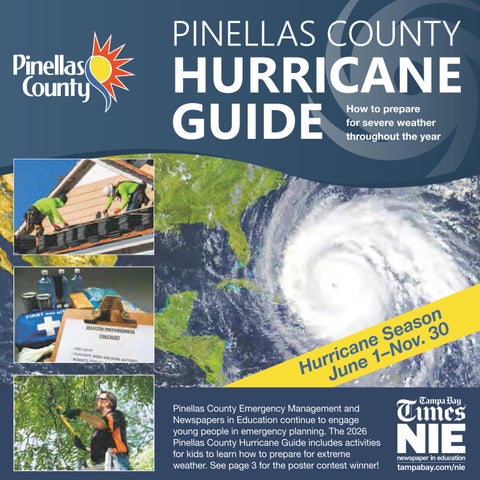
Pinellas County Emergency Management and Newspapers in Education continue to engage young people in emergency planning. The 2026 Pinellas County Hurricane Guide includes activities for kids to learn how to prepare for extreme weather. See page 3 for the poster contest winner!
Learning from personal experience or from others can help us be better prepared. Think about the lessons learned from Pinellas County residents on page 3. Discuss these ideas with your classmates. What lessons have you learned about hazardous weather conditions based on your past experiences? Next, find an article in the Tampa Bay Times that you believe provides a lesson for you or others. Write a fully developed paragraph about the article and what lessons can be learned. Share your thoughts with your class. Florida Standards: ELA.68.F.2.1; ELA.68.F.2.2; ELA.68.F.2.3; ELA.68.F.2.2; ELA.68.C.1.2; ELA.68.C.1.3; ELA.68.C.1.4; ELA.68.C.1.5; ELA.68.R.2.1; ELA.68.R.2.2; ELA.68.R.2.3; ELA.68.R.2.4; ELA.68.R.3.2; ELA.68.C.2.1; ELA.68.C.3.1; ELA.68.C.4.1; ELA.68.V.1.1; ELA.68.V.1.2; ELA.68.V.1.3; SC.6.E.7.7;
LESSONS LEARNED FROM EXTREME WEATHER
Because there’s no teacher like experience, we asked community members to share lessons learned in the past couple of years from hurricanes, tornadoes and other forms of extreme weather. Here are a few of the responses. Additional comments are posted at pinellas.gov/know-your-risk.
"What I wish I knew …”
When they say evacuate, evacuate. ... We all thought it was going to be a fun night and it certainly was not. It was one of the only times in my life that I was scared for my life, so my advice is to take evacuation notices seriously.
Stacey, Treasure Island
We learned after many storms. Over the years, we installed good windows, metal roof, whole-house generator and very sturdy metal covers for all windows.
Debbie, Dunedin
Stock up on bottled water and non-perishable food. Have flashlights charged in advance.
Scott, Oldsmar
Homeowners should install backflow devices so when the city shuts off power to the sewage treatment plant, you don’t get sewage backup in your house.
C., Clearwater
Maintain thorough, up-to-date documentation of all property, including as many photos as possible, detailing the condition of the structure and all of the contents before the event.
Nicole, St. Petersburg
Get a dehumidifier and fans, plus backup power.
Scott, Dunedin
Make sure you have money. Having cash available is huge and allows options when there are not many.
Sarah, Palm Harbor
Plan ahead where you will evacuate with your children and pets. Plan ahead with your needs like water, food, medical needs, etc., in advance.
Harmony,
Madeira Beach
Lack of electric, cable, internet and phone service need to be planned for, as it takes time to get these restored.
Tess, Largo
Put everything away, including trash cans. Trim trees if needed.
Anna, Unincorporated Pinellas County
Make sure all electronics are fully charged. Have extra batteries, money, clothes and a means of transportation.
Armetta, Clearwater
Always take your pets with you. Do not be under the ignorant impression that your pet can survive locked in a house.
Fran, Redington Beach
Definitely put anything you want to save up high. Find a reputable contractor.
Lee, Tarpon Springs
Don’t open the refrigerator until the power comes on. Freeze a container of water and put a penny on top of the frozen water; when the power returns, check the penny. If it has sunk to the bottom due to power outage, throw the food out.
Lee, Unincorporated Pinellas County
Bringing the lessons home
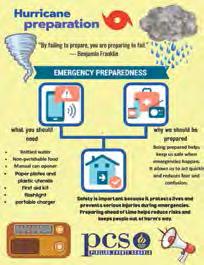
Jayden Usry, a student at Seminole Middle School, created this poster that won first place in the Hurricane Preparedness Poster Contest, open to all Pinellas middle schools. The winning posters are displayed in the Pinellas County Emergency Operations Center and the Pinellas County Courthouse in Clearwater. See pinellas.gov/ students-get-prepared. The winners were announced at a ceremony with their teachers, family members and guests at the Pinellas County Emergency Operations Center (EOC).
Are You Ready?
KNOW YOUR RISK
• Evacuation Zone: . See kyz.pinellas.gov.
• FEMA Flood Zone: . See floodmaps.pinellas.gov/pages/current-flood-zones.
• Other risks (if you live on a boat, near water, on a barrier island, in a mobile home, etc.):
• Have an updated emergency plan. Consider those with special needs and pets. See page 5.
MITIGATE/INSURE
• Know your home.
- “How Strong is My Home Against Disasters?” See flash.org.
- Pinellas County Property Appraiser “Quick Search” for properties. See pcpao.gov.
- Houses, condos, mobile homes and other structures have unique characteristics. Check with your property manager, board members or municipality for information.
• Do an annual policy review with your insurance professional to ensure you are adequately covered and have the recommended insurance policies in place.
• Damage from storm surge water is NOT covered by your homeowners policy. Ask your insurance professional about your options for flood insurance, even if it is not required by your mortgage company.
• Vet and register with a restoration contractor prior to hurricane season to take advantage of preferred client services and quick recovery time.
• For flood insurance, itemize the contents of your home prior to hurricane season, including name of the item, quantity, cost, and photos of higher-priced items. This information will be required to collect contents coverage on your flood policy.
• Insurance resources for Florida residents: United Policyholders. See uphelp.org
• My CFO Florida – Hurricane Resources. See myfloridacfo.com/ division/consumers
STUDENT ACTIVITY
Florida’s tropical atmosphere and sea breezes provide the perfect recipe for thunderstorms! Three ingredients are needed: 1) moisture, 2) an unstable atmosphere and 3) unstable air that is pushed upward. Thunderstorms are part of life in Florida. They are nature’s way of providing badly needed rainfall. Research the hydrologic cycle on the internet. Write a well-developed paragraph based on your research, discussing the importance of thunderstorms to Florida’s hydrologic cycle. Create a poster representing the hydrologic cycle and showing the importance of thunderstorms to the hydrologic cycle. Next, look for articles in the Tampa Bay Times focusing on weather events, especially thunder and lightning storms. Keep a chart of these events, noting how these storms have affected people and the region. Share what you have learned with your class and family.
Pets are an important part of your family. Making an emergency plan that includes them is part of providing them with the best care possible. If local officials tell you to evacuate, that means your pet should evacuate, too. It is important to remember that not all shelters will accept pets. Using the information in this publication and on Ready.gov/pets, create an advertisement encouraging people to have a pet emergency plan. Be sure to check out the Prepare Your Pets for Disasters brochure on the website. Using the advertisements in the Tampa Bay Times as models, create a fullpage advertisement persuading people to be prepared. Use images and words focusing on the three rhetorical appeals — logos, ethos and pathos – to enhance your message. Share your advertisement with your class.
Individuals of all ages who are dependent on electricity or have minimal medical needs may be eligible for the program. Some examples include:
• Requiring assistance with routine care and medications.
• Being dependent on oxygen or electricity for medical equipment.
• Requiring assistance with walking or getting out of bed.
• Requiring transportation assistance. This could include transportation to a general population or pet-friendly shelter.
WAYS TO REGISTER
• Ask your home health care provider.
• Register online at pinellas.gov/SpecialNeeds.
• Request a form. Call Pinellas County Emergency Management at 727-464-3800.
Note: Transportation and assistance resources are limited, so it is best to register long before a storm threatens. Once an evacuation is likely, registration can be done only by calling the County Information Center at 727-464-4333. Do not wait.
Pets are not allowed at special needs shelters. If you have no other option for your pet, Pinellas County Animal Services will care for them. You are responsible for providing all supplies during the hurricane. Your pet will be brought to you after you return home. Pets with chronic medical conditions cannot be cared for at the animal shelter.
Service animals are allowed at all public shelters.
Make a plan for your pets
• Plan for your pets, including whether they will be evacuating with you or will be cared for by friends, family or at a boarding facility.
• Microchip your pets and keep your contact information updated with the vendor.
• Make sure your pets’ vaccinations are up to date and that their county license is valid.
• Build a pet emergency kit. See page 19.
• Pinellas County has multiple pet-friendly shelters. After an evacuation is called, you can find the locations of the pet-friendly public shelters at disaster.pinellas.gov or by calling the County Information Center (during emergencies only) at 727-464-4300. See page 13.
Severe weather can happen any time during the year. Being aware of the risks and how to protect yourself is essential. Have an emergency weather radio, use a weather app on your phone and sign up for Alert Pinellas to receive emergency alerts. See page 20.
Wind
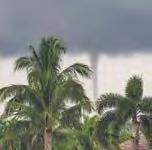
Tornadoes can happen at any time day or night. They occur when cold fronts move into the region and in the summer months during severe thunderstorms and tropical weather. When a tornado remains over water, it is referred to as a waterspout, which is dangerous for boaters.
WHAT TO DO:
• Prepare a safe place in your home: an interior room without windows. Have something to protect your head.
• When there’s a Tornado Watch, it means severe storms and tornadoes could form.
• When there’s a Tornado Warning, it means a tornado has been spotted or detected by weather radar, and there is imminent danger to life and property. Be ready to move to safety when a Warning is issued.
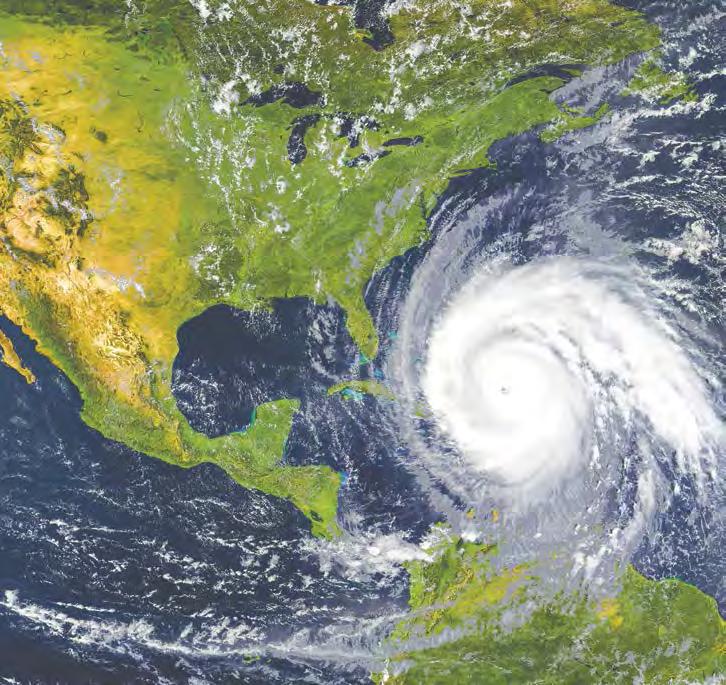
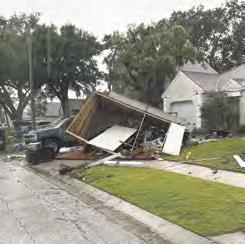
High winds can happen any time of year, with strong cold fronts, severe thunderstorms, tropical storms and hurricanes. A powerful Category 5 hurricane can bring sustained winds of 150 miles per hour or more.
WHAT TO DO:
Wind from cold fronts and storms: Prevent damage to property by securing loose items in your yard and on balconies and decks. Put potted plants in a safe area.
Wind from tropical storms/hurricanes: If a hurricane is expected, prepare for strong winds by taking steps such as shuttering windows, securing garage doors, or securing items in your yard that could become projectiles. Prepare ahead, get the supplies you need and be ready to act when needed.
Marine weather warnings: The National Weather Service issues marine weather warnings such as Small Craft Advisories to alert boaters to sustained winds and other conditions that might be dangerous to small boats.
Monitor:
• U.S. Coast Guard VHF Channel 9. For distress calls, use Channel 16.
• National Weather Service Tampa Bay website: weather.gov/ tbw/marinenew
Lightning
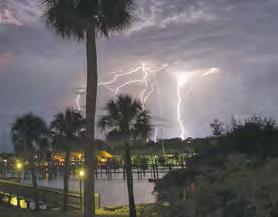
Lightning occurs throughout the year and is common during summer afternoon storms. During hurricanes, lightning is common in the weaker outer rainbands.
WHAT TO DO:
• Use an app with a lightning detector that alerts you when lightning is within 10 miles.
• When you hear thunder or are alerted, immediately move to safe shelter, such as a substantial building or vehicle.
• Stay in the safe shelter at least 30 minutes after you hear the last sound of thunder or you are informed that it is safe to resume outdoor activities.
• Use home surge protectors to protect electronics from power spikes.
• Avoid using sinks and showers as water is a conductor of electricity.
If you are caught outside with no safe shelter nearby:
• Stay off elevated areas, such as hills.
• Do not lie on the ground or go under a tree.
• Seek shelter in an enclosed building or vehicle.
• Get away from all bodies of water.
• Stay away from objects that conduct electricity (power lines, wire fences, etc.).
WHEN THUNDER ROARS, GO INDOORS.
GOING BEYOND THE TEXT: STUDENT ACTIVITY
Weather affects our lives in many ways. Checking the weather forecast in the Tampa Bay Times or online each day is good way to decide what to wear or which activities to plan. Keeping track of weather bulletins in the news and from Pinellas County by signing up for Alert Pinellas notifications is a great way to know when dangerous conditions might
Flood
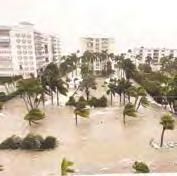
Flooding in Pinellas County can happen year-round, but it’s most common in the summer during thunderstorms, tropical storms and hurricanes. Every property in Pinellas County has the potential to flood for various reasons.
WHAT TO DO:
• Know your flood risk. See floodmaps.pinellas.gov. Click on My Flood Risk, enter the address and click on the pin to see information about your property.
• Purchase flood insurance.
• Elevate your air conditioner, water heater and electric panel.
• Install check valves in your sewer line to block sewage and floodwater from entering your home.
• Clear gutters, downspouts and nearby storm drains. Make sure the drainspouts carry the water away from your home.
• Purchase portable flood gates or flood barriers to place around doors and garages.
• Seal and waterproof openings in foundation, walls and around the windows and doors.
• Replace carpet with tile/vinyl and use water-resistant drywall.
arise and how to take precautions. Knowing when there are heat or cold advisories, storm watches and warnings, and riptide warnings is a good way of staying informed and prepared. During the next month, keep a notebook or journal of weather alerts and your thoughts about the weather’s effects on your life. Be sure to include how different weather conditions change your moods and affect your day-to-day plans. Use the
articles, photographs and weather information in the Tampa Bay Times as your primary source. Florida Standards: ELA.68.F.2.1; ELA.68.F.2.2; ELA.68.F.2.3; ELA.68.F.2.2; ELA.68.C.1.2; ELA.68.C.1.3; ELA.68.C.1.4; ELA.68.C.1.5; ELA.68.R.2.1; ELA.68.R.2.2; ELA.68.R.2.3; ELA.68.R.2.4; ELA.68.R.3.2; ELA.68.C.2.1; ELA.68.C.3.1; ELA.68.C.4.1; ELA.68.V.1.1; ELA.68.V.1.2; ELA.68.V.1.3; SC.6.E.7.7; SC.68.N.1.1
KNOW THE THREATS
Though the weather is generally mild in Pinellas County in the winter, there are times when the temperature dips into the 30s. When the National Weather Service expects the “feels like” temperature to hit 40 degrees or below, cold night shelters are opened for those with nowhere else to go to stay warm.
WHAT TO DO:
• Protect people, pets, pipes and plants. See weather.gov/safety/cold.
Fire safety
If using a space heater:
• Keep children away.
• Keep the heater at least 3 feet away from anything or anybody.
• Choose one with a thermostat and an automatic shut-off if it tips.
• Place it on a solid, flat surface.
• Keep it away from foot traffic. Never block an exit.
• Plug it into a wall outlet. Never use an extension cord.
• Turn it off and unplug it when leaving the room or going to bed.
SMOKE/CARBON MONOXIDE
Replace batteries in smoke detectors and carbon monoxide (CO) alarms on a regular basis. Use the time change in the spring and fall as a way to remember.
Heat
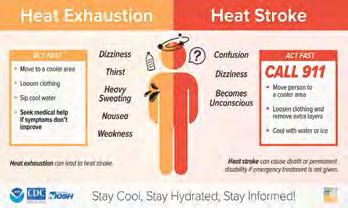
Extreme heat conditions can pose a serious risk to health, especially for the elderly, people who work outside, and those playing sports or exercising outside. The National Weather Service may issue a Heat Advisory, Extreme Heat Watch or Extreme Heat Warning based on the heat index, which takes both temperature and humidity into consideration.
WHAT TO DO:
• Stay hydrated with water, not sugary or alcoholic drinks.
• Seek air conditioning. If you don’t have AC, head to libraries, malls or public buildings to cool down.
• Check on others, especially the elderly, young children and pets.
• Cool your core: Take a cold shower, swim, or place a damp, frozen towel on your neck for relief.
• If there’s an Extreme Heat Watch or Warning, reschedule outdoor activities.
GOING BEYOND THE TEXT: STUDENT ACTIVITY
Check out the Disaster Dodgers videos to learn how to be prepared. This video teaches young people the difference between a disaster, emergency and hazard: youtu.be/TbzvomQYJpE. You will
learn what types of emergencies to prepare for and how to prepare for them. Watch the video series and then write down the main points the Dodgers share. Using the cartoons in the Tampa Bay Times as models, create a cartoon based on the information you have learned in the video. Share what you have learned with your class.
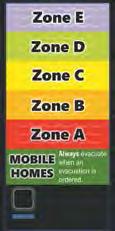
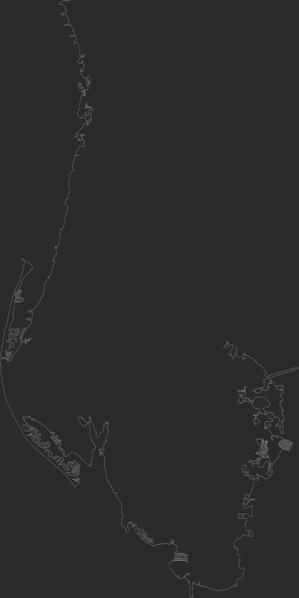
• Evacuation zones are based on storm surge risk. This map shows the areas where storm surge could happen.
• Storm surge occurs when strong winds from a tropical storm or hurricane rapidly push water onto land. It does not have to be a storm that hits Pinellas County directly. It could be a storm off the coast or one that makes landfall in another county.
• It can range in height and span the entire county.
• It impacts coastal areas first, then moves farther inland.
• It can follow rivers and creeks upstream, going inland for miles.
• It moves and rises quickly.
• It can destroy homes and wash out roads.
• Surge is life-threatening. The only way to protect yourself from storm surge is to evacuate.
• You need to be out of the evacuation areas before winds and/or storm surge arrive. See more about storm surge on page 10.
KNOW YOUR ZONE
There are several ways to find out if you live in an evacuation zone:
• disaster.pinellas.gov
• Ready Pinellas mobile app (Android, iOS)
• 727-464-3800
DON’T WAIT TO EVACUATE.
As a hurricane gets closer, weather conditions can quickly become dangerous. Roads flood, winds get stronger and traveling becomes unsafe. Buses no longer run, and emergency crews can no longer respond. You will be on your own.
If the weather forecast says surge height could be... 5-7 feet
• Roads are cars are in coastal and low-lying areas.
• Fast-moving storm surge may enter homes, with water rising above electrical outlets. This can cause
• Life-threatening conditions from storm surge.
• Mandatory evacuation zone: Zone A and mobile homes
12-15 feet
• Storm surge is up to house in Evacuation Zones A and B.
• Homes can be moved from their foundations.
• You are not likely to survive this.
• Mandatory evacuation zone: Zones A, B, C and mobile homes
26+ feet
• Homes in Zones A and B may be swept their foundations.
• Catastrophic damage along the coast.
• Extensive in all zones: inside homes, cars, on roads.
• You are not likely to survive this.
• Mandatory evacuation zone: Zones A, B, C, D, E and mobile homes
• Mobile home residents must always evacuate due to winds for all category hurricanes.
• Residents who rely on electricity for life-sustaining medical equipment must have a plan for backup power.
Watches and Warnings: The Countdown
The National Weather Service issues watches and warnings when there is a threat of dangerous weather conditions. It could be a hurricane, tornado, extreme heat or cold, or other severe weather.
KNOW WHEN TO GO
Hurricane Watch
Hurricane conditions are possible in the next 48 hours. Here are some actions you should take:
• Prepare your home and review your plan for evacuation.
• Consider traveling now if you are evacuating outside of the area, before roads become congested.
Hurricane Warning
Hurricane conditions are expected within 36 hours. It is time to complete your preparations.
• See Basic Emergency Supplies and information about how to prep your home, boat, etc., page 19.
• If you are going to a shelter, check on openings at disaster.pinellas.gov
• If you are staying in the county, prepare to travel to your safe shelter.
Time is the one thing you cannot get more
of:
When a storm is threatening the area:
• Connect with your host home or anyone who will be evacuating to your home.
• Identify where you will move your vehicle (especially electric vehicles) or any items powered by a rechargeable battery, including power tools, if they may get exposed to storm surge.
• Get cash and gather important documents and valuables.
• Once a State of Emergency is declared, residents can refill prescriptions early for up to a 30-day supply of medicine.
• See how to secure your home, page 14
• Get your emergency kit ready.
• See basic emergency supplies, page 19.
• If you are registered for special needs transportation assistance, expect a call from Pinellas County.
• If you need transportation assistance to a shelter as a storm is approaching and have not yet registered, do it now. Do not wait. Call 727-464-4333.
• Visit St. Pete-Clearwater posts information about available lodgings at visitstpeteclearwater.com.
• Know your evacuation zone and be prepared for an evacuation order to be issued at any time.
• See evacuation zone map, page 9
When an evacuation order is issued:
• Complete final preparations to secure your home.
Significant and life-threatening storm surge can occur even if hurricane-force winds are not expected in Pinellas County. There may be storm surge warnings and evacuations, even without a hurricane warning. Monitor the weather and the timing of impacts in your area. Stay informed, page 20.
• Evacuate if ordered to do so.
• Monitor for shelter openings.
• Be ready to leave if you are registered for special needs transportation assistance. You will be picked up during this time.
• If your plan is to travel out of the area, leave as soon as possible. We recommend you travel tens of miles, not hundreds of miles, to reduce likelihood of getting caught in heavy traffic.
• Use the 511 app or go to fl511.com for traffic updates.
• Turn off your utilities if you are leaving your home.
• Get updated emergency information at disaster.pinellas.gov.
PUBLIC SHELTERS
If you need somewhere safe to stay during a hurricane, you can go to one of Pinellas County’s public emergency shelters. When an evacuation is ordered, officials will announce which shelters are opening, and they will be posted on disaster.pinellas.gov.
What to expect at public shelters
• Shelters are outside of the evacuation zones. They are safe from storm surge and meet Florida building codes.
• They provide basic food and water.
• Special dietary foods are not provided. You can bring your own food.
How to get there
• Pinellas Suncoast Transit Authority (PSTA) provides free transportation to public shelters.
• Regular routes will be affected. Monitor updates at psta.net or via the Transit app.
• Pets are allowed on the bus: cats and small dogs in a crate; large dogs on a muzzle leash.
• If you plan to use a service like a taxi, Uber or Lyft, make arrangements early.
Timing
• Stay informed and know when dangerous winds are expected to arrive.
• Evacuation might take more time than you expect.
• Buses used for evacuations will stop running several hours before dangerous winds start.
• Emergency response vehicles will stop running when conditions are no longer safe due to wind.
Pinellas County has three types of shelters
Service animals are welcome at all public shelters.
GENERAL POPULATION SHELTERS
• Open to all individuals in Pinellas. Identification or other type of documentation is not required.
• There are no generators. Power may go out.
• There are no cots, chairs or bedding provided.
What to bring
• Air mattress, cot, padding and blankets/pillow.
• Clothing for a few days.
• Refillable water bottle.
• Medical items (medication, adult diapers, bandages, etc.).
• Specialty food items (for dietary restrictions or to supplement limited shelter food).
• See basic emergency supplies, page 19.
SPECIAL NEEDS SHELTERS
• For those who are dependent on oxygen or electricity for medical equipment or who need minimal medical assistance.
• Cots are not available for everyone. There are no chairs, air mattresses or bedding provided. You must bring your own.
• Pets are not allowed at the shelter. If there is no other option, Animal Services will bring the pets to the animal shelter to care for them there.
What to bring
• Everything that is needed in a general population shelter. See above.
• Any medical items you need for day-to-day living.
• Wheelchair, walker, cane, etc.
• Oxygen concentrator and other supplies.
• Written medical orders, doctors’ contact information and prescriptions.
• Caretaker and supplies for them.
• See basic emergency supplies, page 19.
PET-FRIENDLY SHELTERS
• Dogs and cats are kept in a separate location from owners, in a crate or carrier.
• Crates and carriers must be provided by the owner.
• The owner must stay at the shelter to feed and walk their pet.
• Pre-registration is not required.
What to bring
• Everything that is needed in a general population shelter. See above.
• A crate for each pet.
• Enough food for two weeks.
• Vaccine records.
• See basic emergency supplies list, page 19.
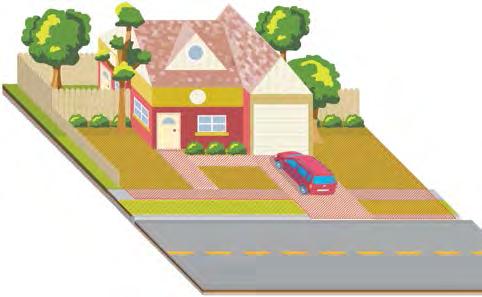
Secure your home
House
• Shut all doors.
• Shutter windows/doors.
• Lower/remove awnings.
• Elevate belongings.
• Place flood barriers/sandbags for minimal flooding from rain.
• Before you leave, shut off power and/or breakers.
Garage
• Reinforce doors with brace kit or use long steel or aluminum bars.
• Place flood barriers against the bottom of the door(s) to seal the gap.
• Lock the door.
• Elevate battery-powered tools in the garage/shed.
Boat
• Store your boat on land and secure to trailer.
• Secure loose items.
• Disconnect electric, water, fuel, other dock connections.
• See boat preparedness guidelines, pinellas.gov/ boatprep
GOING BEYOND THE TEXT: STUDENT ACTIVITY
Yard
• Take all yard items inside.
• Clear balconies, steps and porches.
• Pick up/secure loose debris.
• Super-chlorinate your pool and move pool chemicals indoors.
• Remove debris from your gutters and nearby storm drains if possible.
• Secure detached structures and items that could become windborne, including grills, pool furniture and propane tanks.
Vehicles
• Pack you car emergency kit.
• Move to a higher location if you expect flooding.
• Move all electric vehicles, including golf carts and e-bikes.
If you don’t have to evacuate
• Invite others who have to evacuate to stay with you.
• Prepare a safe room to stay in.
Pinellas County Emergency Management partners with the whole community to prepare for disasters, plan emergency response and work toward recovery for all Pinellas County residents. Learn more about what the Emergency Management team does by researching them on their website, pinellas.gov/department/emergencymanagement. In a small group, brainstorm the main points you and your classmates find about the Emergency Management department. What are the
Double-check
• Take photos/videos of home and belongings.
• Get your supplies ready.
• Charge all devices.
• Monitor the news for evacuation orders.
• Get set for the hurricane by sheltering outside of the evacuation zone.
department’s main goals for preparing individuals for storms? Next, read through the classified ads in the Tampa Bay Times and compete with classmates to see who can identify the most businesses and services that might be of use to a community that has experienced any of the following disasters: tornadoes, hurricanes, floods, extreme heat or cold. For example, you might select a business that sells items that would be important to residents to prepare for a hurricane. Or, you may find an ad for a disc jockey (DJ) who could entertain the volunteer workers and residents of a tent city set up to house those who lost their homes as a result of a
major hurricane. Think outside the box, be creative and be prepared to explain your selections. Create an infographic or PowerPoint presentation letting everyone know what services are available. Share what you have learned with your classmates. Florida Standards: SC.6.E.7.8; ELA.68.EE.1.1; ELA.68.EE.2.1; ELA.68.EE.3.1; ELA.68.EE.4.1; ELA.68.EE.5.1; ELA.68.EE.6.1; ELA.68.F.2.1; ELA.68.F.2.2; ELA.68.C.1.3; ELA.68.C.1.4; ELA.68.C.1.5; ELA.68.C.2.1; ELA.68.C.3.1; ELA.68.C.4.1; ELA.68.C.5.1; ELA.68.R.2.2; ELA.68.V.1.1; ELA.68.V.1.3 ELA.68.V.1.1; ELA.68.V.1.3; SC.6.E.7.8
When time has run out it’s no longer safe to leave; it’s time to shelter in place.
If your home is being damaged by strong winds/tornadoes:
• Close interior door(s) to reduce pressure in your home.
• Go to a safe room: an interior room, closet or hallway away from windows on the lowest level of your home.
• Lie on the floor under a table or other sturdy object, or in a bathtub, if you cannot make it to a safe room.
• Curl up and cover your head with a mattress, helmet or other protective item.
• Do not leave your safe room until you are sure the storm has completely passed.
• It will seem calm as the center, or eye, of the storm passes. Be ready for severe weather to return once the eye passes.
GOING BEYOND THE TEXT: STUDENT ACTIVITY
A storm is any disturbance of the atmosphere accompanied by winds. A storm may bring rain, hail, thunder and lightning. Depending on the temperature, storms can bring sleet and snow as well. Research how storms form using reliable Internet sources. You can start your research using the following sources:
• UCAR Center for Science Education: scied.ucar. edu/learning-zone/storms
• NOAA National Severe Storms Laboratory: nssl.noaa.gov/education/svrwx101/
If floodwater is rising in your home:
• Stay inside.
• Before you lose power, report your location to an emergency contact who is out of the area so they can help first responders locate you after the storm.
• Shut off water, gas service and electricity if possible.
• Move to the second floor or higher if needed.
• Stand on top of a counter or substantial piece of furniture to stay above the rising water.
• As a last resort, break a hole in your roof with an axe and climb onto the roof.
Wait until the storm has passed to tend to any damage.
• What causes a thunderstorm: youtube.com/ watch?v=pcZn3dGWQ-U&t=23s
• Four Storm Types Explained: youtube.com/ watch?v=DAM4EqwNlq8
Take notes while you are researching this topic that you will use to write an informative newspaper article explaining the process of how a storm forms as well as describing the different types of storms. Next, look for articles focusing on weather in the Tampa Bay Times. Using your research, explain what caused the weather incidents you read about in the Times. Finally, using the articles in the Times as models, write your newspaper article.
Be sure to include all the elements of a news story: Who, what, where, when, why and how. Share what you have learned with your class and family.
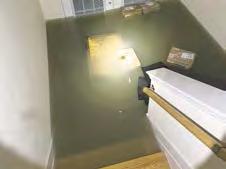
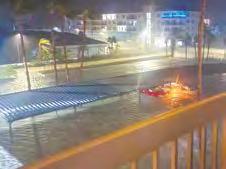
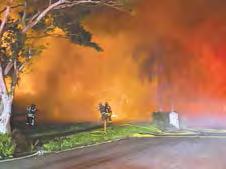
Water rises in a home on the barrier islands. Storm surge floods a condominium parking lot. A fire breaks out in a home during Hurricane Helene.
The days that follow a hurricane
In the days that follow a hurricane, expect normal services to be disrupted. Make sure you are signed up to receive text messages from Alert Pinellas so that you can be notified of resources that become available.
Safety
• Keep kids and pets with you.
• Water-damaged power outlets can cause fires. Keep your power off after home flooding until an electrician can take a look.
• Avoid downed power lines. Report them to the power company if you are able.
• Anything powered by a rechargeable lithium-ion battery can catch fire if it was exposed to saltwater. Move items to a safe, open area away from people and other flammable materials. Do not attempt to charge or operate them.
• Avoid flooded areas and standing water. Do not wade through flood water, which could harbor live power lines, sewage, wildlife and other dangerous objects.
• Dump standing water to prevent mosquitoes from breeding. Protect yourself from bug bites.
You will be on your own for the first few days
• Emergency responders may be delayed until roads are cleared.
• All bridges will remain closed until inspections are done and it is deemed safe to allow traffic.
• Comfort stations and meal/grocery distribution sites won’t be available until roads are cleared. It could take days or weeks.
• Stay home.
• Check on neighbors.
If you must drive
• Treat an intersection as a four-way stop sign if traffic lights are not working.
• Do not drive through standing water.
• Adjust your speed to road conditions.
• Maintain a safe distance from the car in front of you.
• Use caution around emergency and utility crews.
• Bridges could be damaged and closed for a long time.
• The Waze driving app includes information about road closures, provided by Pinellas County Public Works.
• Gasoline may be hard to come by for days or weeks following the storm.
Expect normal services to be disrupted
• Be prepared for loss of water, sewer, power, cell service and cable.
• Check for any boil water notices for your area from city or county officials. Follow instructions for safely disinfecting tap water if necessary. Use bottled water or water you put in containers prior to the hurricane.
• To prevent sewage backups, do not flush your toilet. You can shut off your water, flush once and line the toilet with a plastic bag. Or use a bucket with a garbage bag, portable toilet or other option. Use household bleach as a disinfectant.
• Use nonperishable food, such as canned goods.
• To continue using your mobile device, use a solar charger or car charger. Texting may work when other services do not. Pinellas County will send texts through Alert Pinellas to relay important information. Some AM radio stations will continue to transmit when other communications are down. See stay informed, page 20.
Generator safety
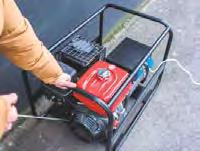
• Keep generators in well-ventilated locations outside, away from all doors, windows and vent openings.
• Never use a generator in a garage, even with the door open.
• Install carbon monoxide alarms in your home.
• Turn off generators and let them cool down before refueling.
• Store fuel for the generator in a container that is intended for that purpose and is correctly labeled as such. Store the containers outside of living areas.
Damage
• Do not enter a home that has major damage to the roof and/or walls.
• Contact your insurance agent and file your insurance claim as soon as possible.
• Claims adjusters look for a variety of photos, including wide shots of the affected area, closeup shots of the damage to your home and contents, and documentation of any temporary repairs done.
• Record your damage on the Resident Damage Reporting tool at disaster.pinellas.gov if you are able, or do it on the Ready Pinellas app.
• Do not do work on your home that is beyond your limitations.
• Beware of unlicensed or fraudulent contractors. Report suspected scams to 727-464-6200 or at Pinellas.gov/consumer. If you do not have phone or cell service at this time, document the information to report later.
• There may be volunteer disaster teams willing to help with cleanup of your home. Be wary if someone offers their help, asks you for personal information or requires a large down payment. Ask for identification and affiliation with recognized organizations. You can call 727-464-4333 to check on disaster teams working in the area.
Prevent and clean mold
• Use personal protective equipment (gloves, mask, goggles) to protect your eyes, nose, mouth and skin.
• Anything that was wet with floodwater and can’t be cleaned and dried out completely within 24 to 48 hours should be taken outside.
• Open all doors and windows when you are in the house and leave as many open as you safely can when you leave.
• When it’s safe to use electricity, use fans and dehumidifiers to remove moisture.
• Clean with water and detergent. Do not mix cleaning products together.
• Remove all mold you can see. Dry right away.
• Painting or caulking over mold will not prevent mold from growing. Fix the water problem completely and clean up all the mold before you paint or caulk.
GOING BEYOND THE TEXT: STUDENT ACTIVITY
The Tampa Bay Times is an excellent source for looking at current news as well as historical news about hurricanes. In addition to finding current articles about hurricanes in the newspaper, you can also search the archives on the electronic edition and go to tampabay.com/hurricane for more information. Read the following news articles:
Analyze these two articles by writing down the main ideas of the articles, noting the important points in each section of the article and what you have learned from reading these articles. Look for examples of cause and effect and compare the writing style and messages of both articles. Next, choose another article from the webpage and compare this article to the other two. Discuss with your class what you learned, what the main messages are and what the most effective ideas are.
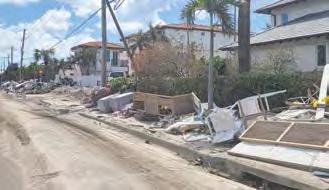
Debris lines both sides of Gulf Boulevard following Hurricane Helene.
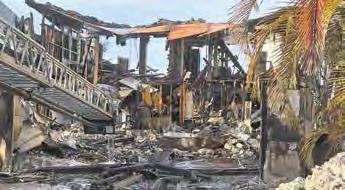
A beachfront home is left destroyed by a fire during a storm.
Disaster recovery takes time
Expect conditions to improve very slowly during the first few weeks.
Assistance
• After declared disasters, the Small Business Administration (SBA) offers assistance through lowinterest loans for disaster recovery, helping businesses and homeowners rebuild.
See SBA.gov/fundingprograms/disasterassistance.
• See what local assistance is available at disaster. pinellas.gov. Or call the County Information Center at 727-464-4333.
Permitting
Getting permits to do work on your house is a long process that can take months. In some cases, it can be a year before you can start working on your home. Stay in touch with your municipality for guidance. Find their website at Pinellas. gov/municipalities-andcities. Those who live in an unincorporated area of the county can get updates at disaster.pinellas.gov.
Storm Debris Pickup
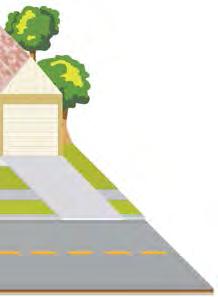
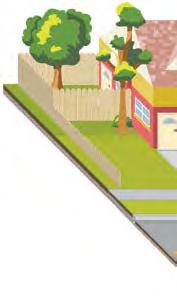
Organize storm debris into piles in the right-of-way. Mixed piles will not be collected. Place piles away from trees, mailboxes, hydrants, utility poles and meters, low-hanging obstructions and storm drains.
Place debris in three piles: Vegetation, Appliances, Demolition (including furniture & fencing). ONLY demolition debris may be bagged but must be in clear/transparent bags.
GOING BEYOND THE TEXT: STUDENT ACTIVITY
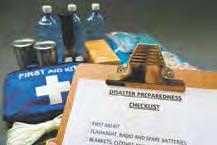
This Newspaper in Education publication and the Tampa Bay Times are good sources of information about hurricane safety and preparedness. The Pinellas County Emergency Management team reminds residents that if an evacuation order is in place, they must adhere to the warnings. With your class, brainstorm a list of items people will need if evacuation becomes necessary. Using
this publication and the Tampa Bay Times, look for items to add to your list. Print or cut out any articles and advertisements you find and paste them on a piece of paper to be handy with other checklists you have created. Checklists are a good way to make sure you and your family have everything you need to be prepared. Be as specific as possible. For example, how many people live in your home? How many flashlights do you need? What size batteries and how many batteries do you need? How many pet carriers, leashes and food
Pinellas.gov/debris
To find out which types of debris will be picked up, check with your municipality.
bowls do you need? How much food and water will you need? What about clothing, blankets, pillows and necessary medications? Share your checklists with your class.
❏ Water: One gallon per person per day, for at least seven days.
❏ Nonperishable food: at least a one-week supply.
❏ Non-electric can opener.
❏ Paper plates, plastic cups and utensils.
❏ Medications.
❏ Extra bottled oxygen if needed.
❏ First aid supplies.
❏ Wipes, hand sanitizer, soap, toilet paper, feminine supplies, diapers.
❏ Eyeglasses and extra contact lenses.
❏ Flashlight or lantern.
❏ Battery-operated or hand-crank radio.
❏ Extra batteries.
❏ Cellphone with charger, extra battery backup, solar charger.
❏ Cash, preferably small bills.
❏ Books, cards, board games.
❏ Paper and pencil.
❏ Whistle.
❏ Rain gear.
❏ Insect repellent.
❏ Sunscreen.
❏ Full tank of gas in vehicle.
❏ Repair kit for car tires.
❏ Extra gas cans.
❏ Refillable water bottle.
DOCUMENTS
❏ Driver’s license, passport, other ID cards.
❏ Proof of residency (a bill sent to your address).
❏ Social Security card.
❏ Birth certificate.
❏ Marriage license, wills, death certificates, military records and other hard-toreplace documents — not copies.
❏ Insurance policies for home, health, flood, auto, renters.
❏ Titles to house, vehicles, boats.
❏ Account numbers for bank, credit cards, savings and investments.
❏ Important numbers and emergency contacts.
❏ Medical records from pharmacy, doctors, blood type, vaccinations.
❏ Household inventory.
❏ Emergency access permit for barrier island residents and businesses.
BABIES
❏ Baby food.
❏ Formula.
❏ Sterilized bottles.
❏ Bottled water.
❏ Medications.
❏ Diapers.
❏ Wipes.
❏ Clothing.
❏ Thermometer.
❏ Pacifier.
❏ Blanket.
❏ Comfort items.
❏ Plastic trash bags for diapers.
SERVICE ANIMALS AND PETS
❏ Pet food/water for two weeks.
❏ Collar and leash.
❏ Size-appropriate crate for each pet.
❏ Newspaper or other lining.
❏ Identification/updated microchip.
❏ County license.
❏ Immunization records.
❏ Photo.
❏ Medications.
❏ Toys/blanket.
❏ Cat litter, pan, scoop.
❏ Plastic waste bags.
❏ Disinfectant.
❏ Paper towels.
HOST HOME OR HOTEL
In addition to general supplies:
❏ Pillow and blankets.
❏ Air mattress, sleeping bag, floor mat.
❏ Change of clothing for several days.
❏ Other supplies needed by host home.
PUBLIC SHELTER – GENERAL
In addition to general supplies:
❏ Blanket, pillow, cot, folding chair or twin-size air mattress.
❏ Change of clothing for several days.
❏ Special dietary items (sugar-free, low sodium, gluten-free, vegetarian/ vegan, etc.) with can opener, if required. Basic food/water is provided.
❏ Wearable medical alert tag.
❏ Ear plugs.
❏ Eye mask/covering.
PUBLIC SHELTER –SPECIAL NEEDS
In addition to general supplies:
❏ Wheelchair, walker, cane, other medical equipment.
❏ Oxygen concentrator.
❏ Nebulizer.
❏ Written instructions or orders regarding your care.
❏ Caretaker’s supplies.
HOME
In addition to general supplies (if you shelter in place or for when you return home):
❏ Ice, coolers.
❏ Tarps with rope or elastic cord, sheets of plastic.
❏ Wrench, utility knife, hammer, nails.
❏ Duct tape.
❏ Dust mask.
❏ Portable toilet or large bucket with lid.
❏ Large garbage bags.
❏ Disinfectant.
❏ Unscented bleach with medicine dropper.
❏ Matches or lighter.
❏ Outdoor grill and extra propane or charcoal.
Staying informed will help you stay safe during a disaster Where to get information
Sign up for Alert Pinellas
Free emergency notification system. Get alerts via email, phone and/or texts. Make sure you choose “texts” before a hurricane as texts often work when other communications do not.
Download the Ready Pinellas mobile app
Personalize emergency plans, use checklists, and save your insurance information, contacts, home inventory and more. Emergency notifications will be sent to your phone when possible. This app has a Spanish option.
Go to Disaster.pinellas.gov
Up-to-the-minute updates before, during and after a hurricane. Get general preparedness information throughout the year.
Newspaper in Education
The Tampa Bay Times Newspaper in Education program (NIE) is a cooperative effort between schools and the Times Publishing Co. to encourage the use of newspapers in print and electronic form as educational resources — a “living textbook.”
Our educational resources fall into the category of informational text, a type of nonfiction text. The primary purpose of informational text is to convey information about the natural or social world. NIE serves educators, students and families by providing schools with class sets of the Pulitzer Prize-winning Tampa Bay Times plus award-winning original educational publications, teacher guides, lesson plans, educator workshops and many more resources — all at no cost to schools, teachers or families.
Connect on social media
• Facebook: facebook.com/ PinellasGov
• Instagram: @PinellasGov
• X: @PinellasGov and @PinellasEM
• YouTube: @PinellasGov
Have an emergency weather radio
• Get automatic alerts from the National Weather Service (NWS).
• Configure alerts by using the Specific Area Message Encoding (SAME). The SAME code for Pinellas County is 012103.
• If the radio does not require a SAME, tune the frequency to 162.450.
During the 2024-2025 academic year, NIE provided almost 10 million digital newspaper licenses and 200,000 print newspapers to Tampa Bay classrooms. For more information about NIE, visit tampabay.com/nie, call 727-893-8138 or email ordernie@tampabay.com. Follow us on Facebook at facebook. com/TBTNIE.
NIE is a member of Florida Press Educational Services (FPES), a 501(c)(3) nonprofit organization of Florida newspaper professionals whose mission is to promote reading and critical thinking, particularly for young people.
Credits
Content written by Pinellas County Emergency Management staff
Activities written by Jodi Pushkin, Tampa Bay Times Newspaper in Education manager
Designed by Stacy Rector, Fluid Graphic Design, stacy@fluidgraphicdesign, fluidgraphicdesign.com