TIMBRE 80 80 TIMBRE 80

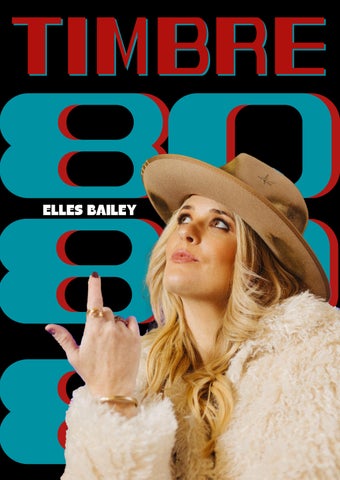
Elles Bailey
Elles Bailey

Welcome to Timbre, a space to explore the ideas, people and sounds shaping jazz right now. From rising UK talents to boundary-pushing global voices, we’re interested in what’s next—without losing sight of where it all comes from.
Jazz today looks and sounds different to how it did even a decade ago. It’s turned up in clubs, on TikTok, in tiny live sessions and massive cross-genre collabs. Artists are blending traditions, experimenting with production, and finding new ways to connect with audiences. That’s the version of jazz we’re here for - alive, evolving and unapologetically diverse.
In this issue, we’ve pulled together interviews, features and recommendations that reflect that energy. Whether you’re deep into the scene or just tuning in, we hope you find something here that surprises you (or makes you want to hear more).
This magazine is part of a wider conversation that’s happening throughout the festival and far beyond it. We’re glad you’re here for it. Enjoy the read, and enjoy the music.
trending this
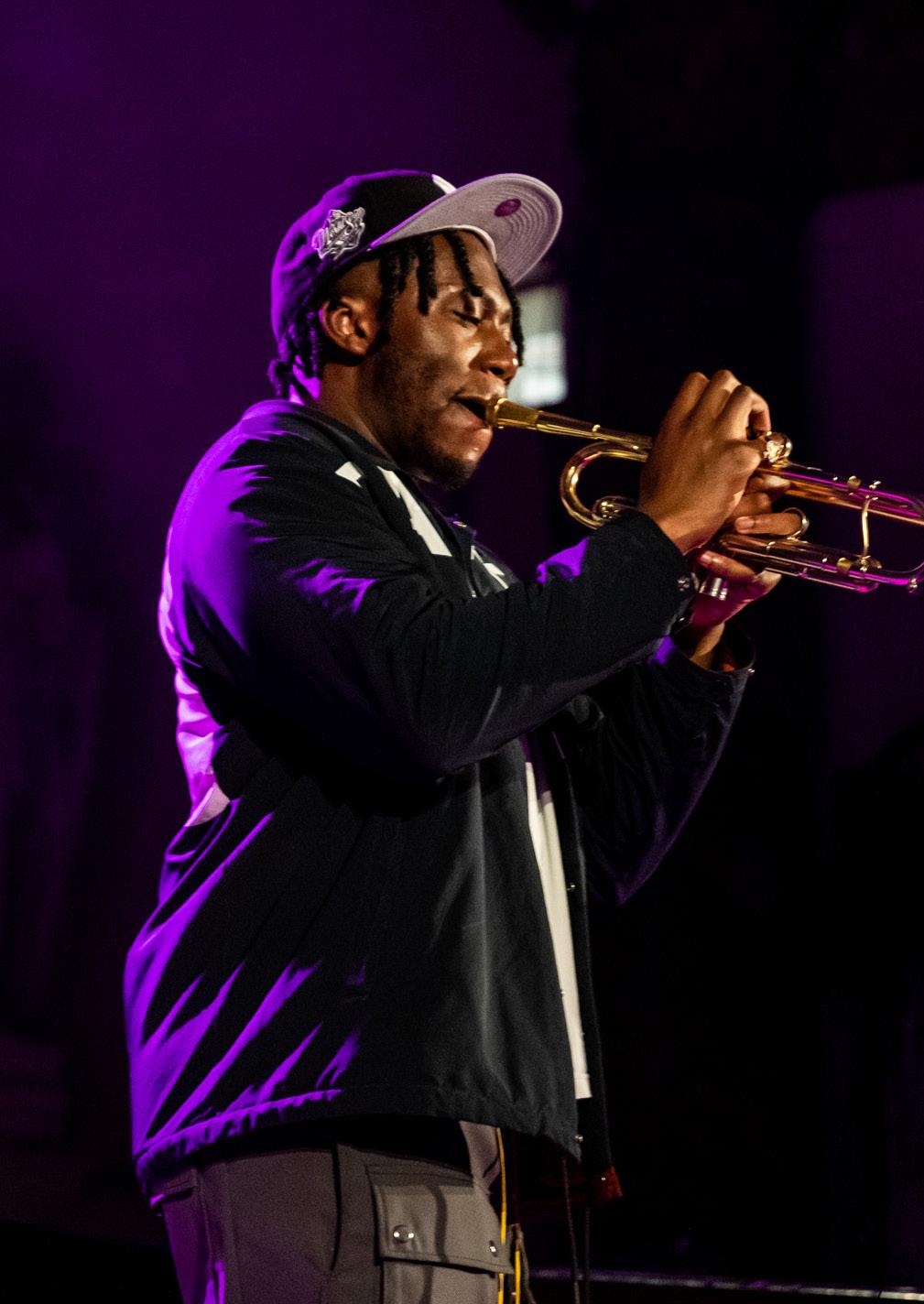
Timbre picks their favourite artists playing at the Big Top stage at the festival this year.
This year, the jazz festival celebrates new and smaller artists by giving them the opportunity to perform.
EXCLUSIVE:
Timbre sits down with Elles Bailey ahead of her peformamce, to talk all things blues. 28
The Cheltenham Music Festival celebrates its 80th birthday. Timbre goes back in time, revisiting its roots and talking to Co-CEO of the event to get an insider’s perspective.
From the original sounds of jazz to those with a modern twist, Timbre share their favourite songs.
36
We hear the heartwarming stories of two local residents.
1. Festival Village - GL50 1UL
2. Town Hall, Main Hall - GL50 1QA
3. Parabola Arts Centre - GL50 3AA
4. Hotel du Vin - GL50 3AH
5. Dunkertons Tap Room - GL52 6UT
6. John Lewis - GL50 1DQ
7. The Brewery Quarter - GL50 4FA
8. Bottle of Sauce - GL50 3LH
9. The Queens - GL50 1NN
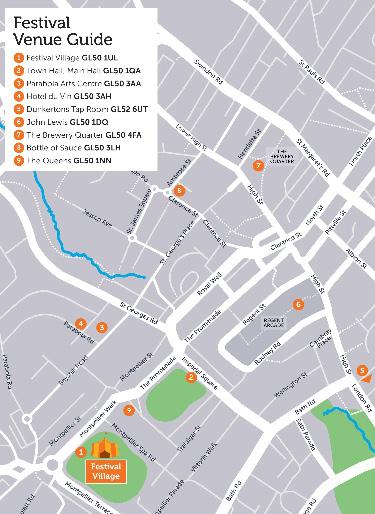

The Cheltenham Jazz Festival’s vibrant Festival Village, nestled in Montpellier Gardens, serves as the heart of the event. This village features the Big Top stage and the Jazz Arena, hosting a diverse lineup of performances. Attendees can enjoy a variety of street food vendors, festival bars, and familyfriendly activities, creating a lively and inclusive atmosphere.
The Cheltenham Jazz Festival is back, bringing an incredible lineup of world-class acts across various stages. At the heart of the festival is the iconic Big Top stage, hosting some of the most exciting performances. To help you make the most of the event, we’ve selected our top must-see acts for each day—so you won’t miss a beat!
WEdnesday
Appearing on the Big Top stage at 9pm, you may know her for her soulful sound in the global hit ‘Nine Million Bicycles.’ For a stressfree listen, Katie Melua will not disappoint.


Thursday
Hitting the Big Top stage at 9pm, you’ll know her for iconic tracks like ‘Shout’ and ‘To Sir With Love.’ For a singalong set full of soul and charm, Lulu’s got you covered.
On the Big Top stage at 9pm, Lisa Stansfield brings her iconic voice and soulful hits. Best known for ‘All Around the World,’ she’s guaranteed to get you moving.
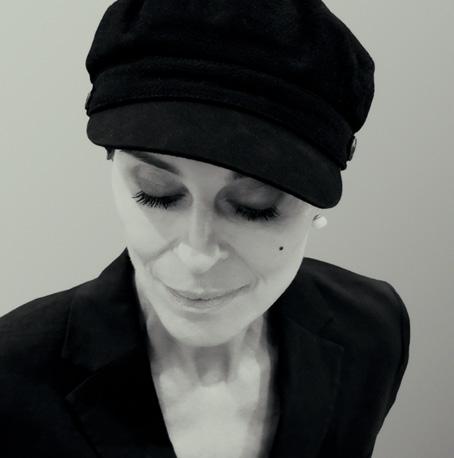
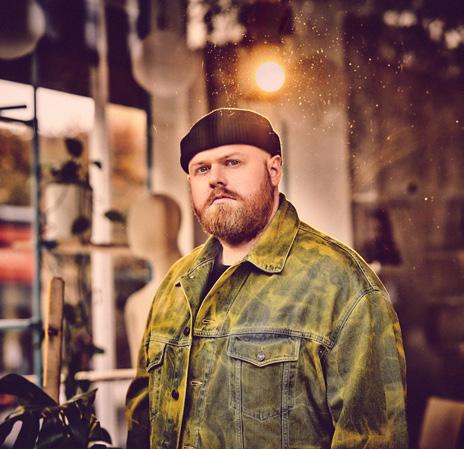
Tom Walker
Tom Walker brings his heartfelt lyrics and soulful voice to the Big Top stage, best known for hits like ‘Leave a Light On.’ Catch his powerful performance at 9pm.
Friday Saturday Sunday Monday
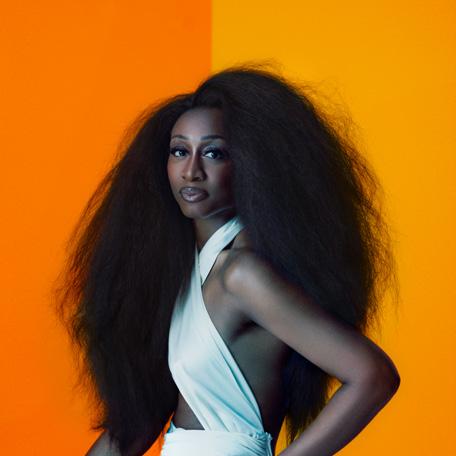
Beverley Knight brings her powerhouse vocals and soulful energy to the Big Top stage, known for hits like ‘Shoulda Woulda Coulda.’ With her dynamic stage presence and timeless sound, you’re in for an unforgettable performance at 6pm.
Macy Gray takes the Big Top stage with her distinctive voice and eclectic sound, best known for hits like ‘I Try.’ Don’t miss her unforgettable performance at 5pm, bringing a mix of soul, jazz, and R&B.
9
Cheltenham Jazz Festival has long been a celebration of jazz’s rich heritage, but it also provides a platform for the next wave of musical talent. This year, the festival is set to shine a spotlight on an exciting lineup of emerging artists who are pushing the boundaries of not only jazz, but music as a whole. From innovative takes on traditional sounds to genre-blending experiments, these rising stars are redefining the future of the genre. In this feature, we’ll introduce you to some of the most exciting upcoming acts that will be gracing the stages at this year’s festival, offering a glimpse into the next chapter of jazz. Whether you’re a seasoned jazz aficionado or a newcomer to the scene, these artists are sure to captivate and inspire.So, whilst the big stages are captivating to the eye, get these dates and times straight into your diary. Featured here are some of the artists that you may not have been compelled to see, or may have walked past due to lack of international fame - however, it is these acts that will occupy the main stages in years to come, as the fresh, new faces of jazz and beyond.
Hannah and Lily - Free Stage, 1/5/25, 17:45
Part of what makes jazz a unique genre is its ability to include a plethora of talented artists
that have been steered towards it from their own respective genres. A great example of this is the music from duo Hannah and Lily. After performing with each other for the last 3 years in their pop-rock/alternative band ‘Bittersweet’, the two are delivering a mellow, laid-back vibe, with subtle harmonies and melodies of their own, alongside some stripped back, tear-jerking covers that are sure to evoke plenty of emotion from all who listen. For all fans of RnB and jazz alike, these two are an absolute must-see.
Sasha and Bryony - Free Stage, 2/5/25, 13:30
Meeting each other at university in Cheltenham around 3 years ago, Sasha and Bryony give a refreshing perspective and sound to the term ‘RnB.’ Through contrasting vocal harmonies, soothing guitar and piano melodies and lyrics that tap into the most intimate parts of your experiences and memories, this duo are able to take you on a journey that transpires both jazz and RnB. Walking you through the pain of heartache, the joy of new love, and maybe even giving you a sing-along with 1 or 2 reimagined classics, not being a part of Sasha and Bryony’s set would be a real shame for anyone attending the festival.
Saint Senara - Brewery Quarter, 3/5/25, 17:15
The unique blend of country/rock and rollesque guitar and a real knack for painting a picture with vivid, story-like lyrics is part of what boosted Saint Senara to winning the title of Gloucestershire’s best band in 2023. Their captivating and entrancing live shows are part of what make their sound so appealing, the almost slightly unnerving edge to the music they create being a main focal point for audiences of all genres alike. If you want to be truly entranced by a live act, then Saint Senara should absolutely be on your bucket list for Cheltenham Jazz Festival this year.
Coja at the Prom - Bottle of Sauce, 3/5/25, 21:00
Looking for something different? Then look no further than this band recently formed in Cheltenham - in fact, they are incredibly new to the gigging lifestyle. I was lucky enough to catch their debut live set a few months ago, and I can wholeheartedly endorse what
“these rising stars are redefining the future of the genre”
these guys have got going on. Blending blues and jazz inspired melodies with selfproclaimed influences of Kendrick Lamar and Twenty-one Pilots, Coja at the Prom are one of the most interesting and ear-catching blends of genre that you could possibly come across. Go for the music, stay for the vibes. A late-night must-see, for sure.
Late Night Jam Sessions - Hotel Du Vin, 2/5/25 - 4/5/25, 23:00
One thing that jazz does like no other genre? Make you wanna dance until the morning light. And that is exactly what is going on at the Hotel Du Vin. For three nights in a row, you can catch some very late night sets, which are guaranteed to have surprises, collaborations galore, and even a famous face or two popping up from time to time. This is not one to miss, and a definite spark to light up your nighttime experience of both Cheltenham on the whole and the Jazz Festival.
Words by Matt Joiner
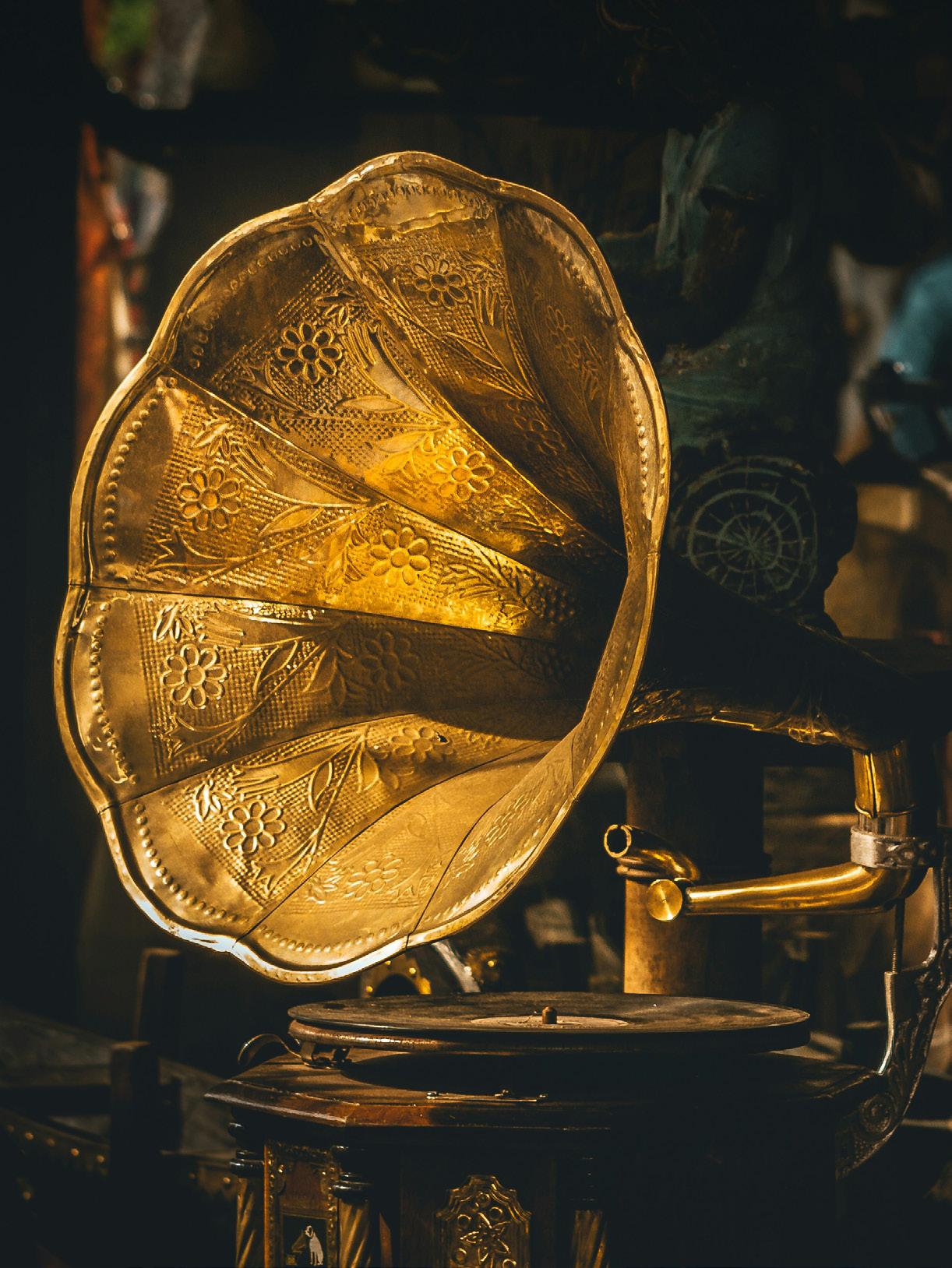
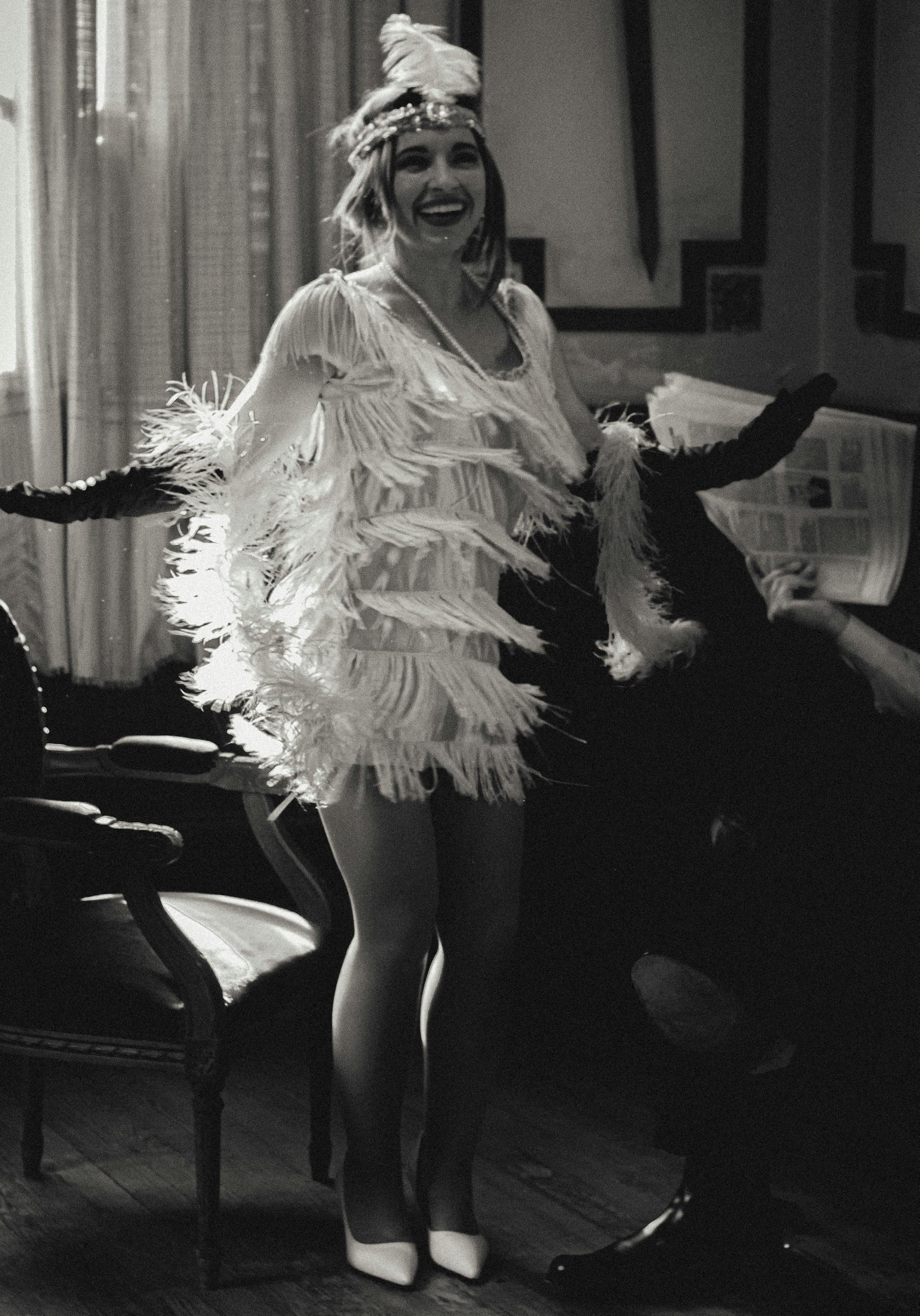
How fashion transitioned from retro to modern
Jazz – a genre of music which has always been closely intertwined with the fashion of its time. Over the decades, jazz fashion has transitioned from elegance and formality to a modern streetwear style. Let’s explore how the fashion has shifted over the years.
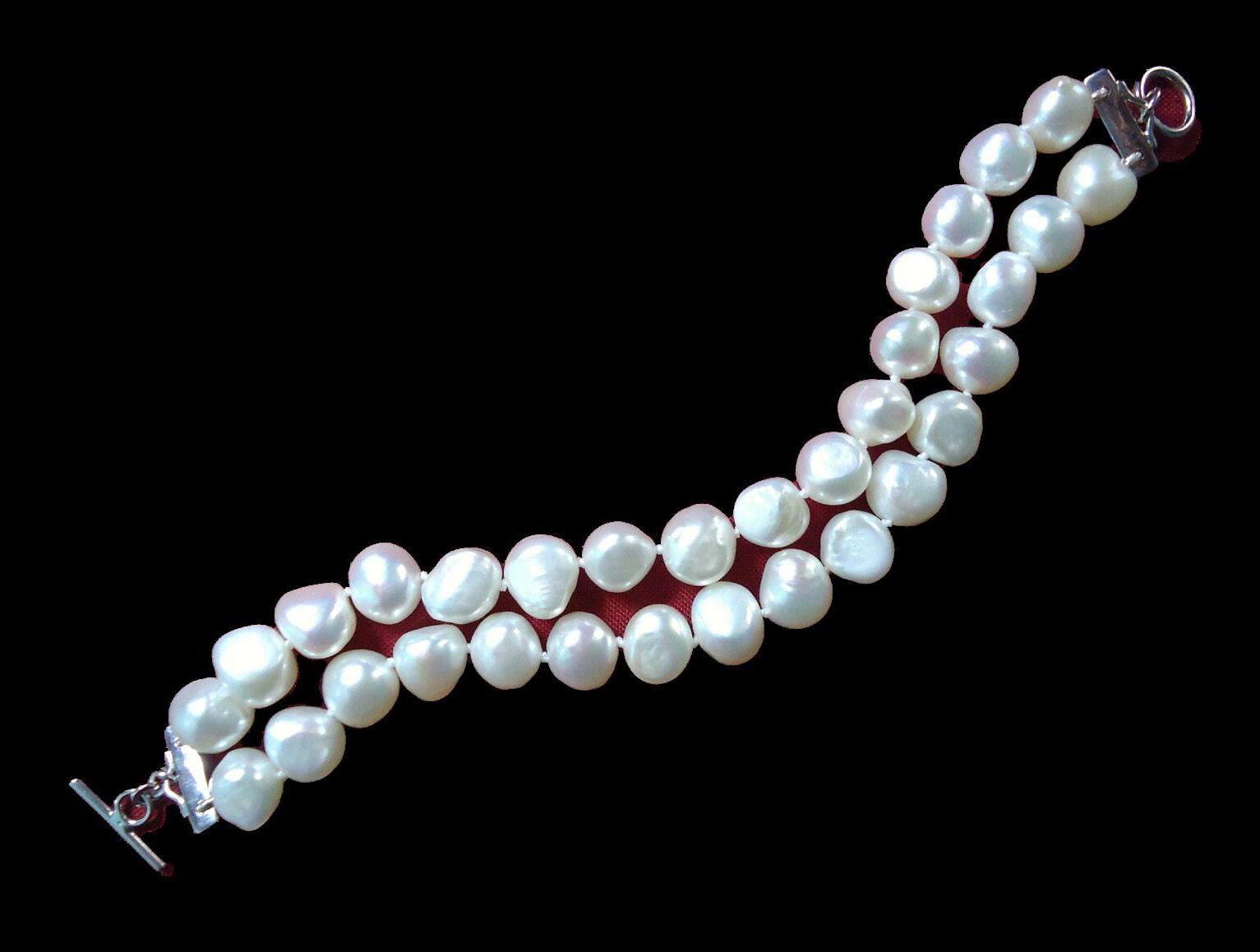
During the early years of jazz music, specifically the 1920s and 1930s, fashion was just as important as the music itself. In the roaring twenties, both men and women embraced extravagant and bold fashion choices. Women typically wore flapper dresses, cloche hats, fur coats, and bob hairstyles, accessorised with long pearl necklaces and stacked bangle bracelets. During this era, men wore sharp tailored suits with high-waist trousers, fedoras and accessorised with ties, cuff links, and belts to complete their smart look.
Jazz musicians like Duke Ellington, Louis Armstrong, and Bix Beiderbecke were style icons, renowned not only for their musical talent but also for their sophisticated clothing choices, which helped boost their popularity among a wide audience.
As jazz music moved forward towards the 1940s and 1950s, the fashion evolved too. The bebop era of music, which emerged in the early-to-mid 1940s, brought about a change in fashion towards a more elegant and structured style. The glamour of the 1920s gave way to a more feminine silhouette with cinched waists, elegant gowns, and pencil skirts. While the men’s suits become simpler with less fabric and narrower lapels. Fashion became more understated during these times due to the impact of The Great Depression and World War Two. People could no longer afford extravagant clothing items, and fabrics were rationed.
In the 1980s, jazz fashion became more experimental, blending retro styles with streetwear. Pop culture became popular, particularly hip-hop, which began to show in styles of jazz fashion. Musicians began to style casual items such as graphic tees and trainers. Popular artists, such as Wynston Marsalis and Herbie Hancock, were often seen in sharp suits and oversized blazers, accessorised with hats and scarves.
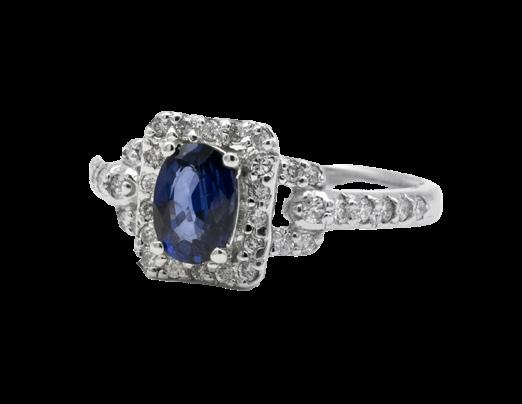
Today, Jazz fashion shows a mix of individuality, elegance and modernity. Musicians continue to mix old classic styles with contemporary trends, such as pairing sleek suits with trainers. Ralph Lauren, a modern designer, has incorporated elements of jazz styles into his collections, including fedoras and bow ties. This demonstrates the lasting impact that jazz music and its fashion have on contemporary fashion trends.
The shift in jazz fashion from the 1920s to today reflects broader cultural changes. From bold, extravagant looks to more minimalist styles, fashion has adapted alongside the
The Jazz Spotlight: Flight Club
Cheltenham
Welcome to The Jazz Spotlight, this is where we shine a light on a venue in Cheltenham (bars, pubs, clubs etc.) that embodies the spirit of jazz. This time we will be stepping into Flight Club, the home of social darts.As Cheltenham Festivals celebrates its 80th Anniversary, Flight Club is also celebrating a milestone, turning 10 years old in 2025.
At first glance, Flight Club might not seem like the obvious choice as a venue for jazz enthusiasts, but after five minutes inside its beautiful walls, you’ll see how it creates a blend of colour and elegance, just like jazz. The Cheltenham venue sits right in the heart of the bustling Brewery Quarter and boasts a wonderfully vintage style. The light carries a sense of warmth, the plush seating will make you want to stay forever and the overall classic aesthetic transports you into the roaring 20s, it’s as if you’re living in the golden age of jazz. The music of Flight Club often features soulful melodies and swing rhythms, setting theperfect mood for a social evening of elegance and vibrance.
One minute you’ll be tasting the fresh flavours of a Chilean merlot, before travelling across the world with a spicy Australian chardonnay. If beer is more your style, then Flight Club will have something for you as they serve a large variety of lagers, ales, and ciders. Their vibrant menu has a drink for everyone, and every occasion. Raise a toast and lose yourself to the sultry sounds and classy atmosphere.

No great jazz venue is complete without an exceptional drinks menu, and Flight Club certainly delivers. Their global wine menu is guaranteed to hit the hearts of jazz lovers, who tend to have a natural interest in all things intercontinental.
Flight Club was built from the ground up with their innovation in social darts. Their electronic, interactive dartboards provide endless hours of pure fun. It’s a perfect way to bond with your mates or even a first date. While playing, you will be full of energy and the vibes are immaculate. Win or lose, you’ll find yourself laughing the night away. The atmosphere it creates will transport you to the classic jazz nightlife.
The Perfect Night Out for Jazz Lovers
Flight Club offers something refreshingly different while still capturing the essence of a great jazz-inspired evening. Whether you’re unwinding after a long day, enjoying a sophisticated yet exciting date night, or celebrating with friends, the venue’s charm, ambience, and top tier service make it a standout spot in
If you’re a jazz lover looking for a venue that embodies the spirit of the genre in an unexpected yet perfect way, Flight Club should be on your radar. Check out their website and socials for more information at Flight Club Cheltenham, and be sure to visit their other venues across the UK. Head over to our Instagram for more Jazz Spotlight content!
Words by Merlin Pears

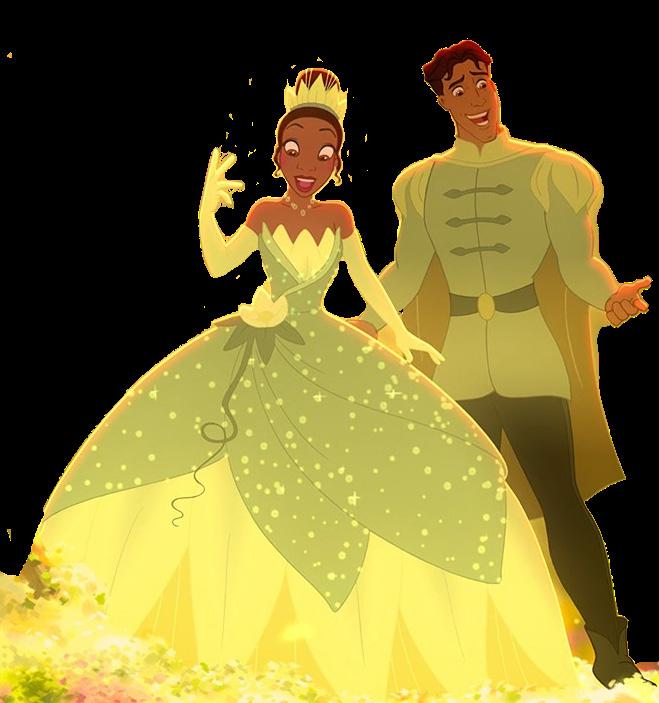
The Princess and the Frog isn’t just a regular Disney film, it brings the upbeat, soulful, quirkiness of jazz to life in New Orleans, the city’s rich musical heritage comes alive through swinging brass, soulful melodies, and dreamdriven rhythms. This animated classic is a love letter to jazz and the culture that shaped it.
In the vibrant streets of 1920s New Orleans, The Princess and the Frog brings to life a city full of colour, energy and non-stop music, whether it’s coming from a club, café, someone’s window, or a street parade. Jazz is not just the background music, it’s the heart and soul of the film. From the opening notes of “Down in New Orleans” sung by legendary musician Dr John, to the infectious big-band beats of “When We’re Human”. Each song transports you deeper into the world of New Orleans, where bold brass and toe-tapping beats become infectious, making it impossible not to bop along. The motherland of Jazz, New Orleans birthed a fusion of African rhythms, blues, ragtime, and spirituals. It emerged in the late 19th and early 20th centuries as a bold new form of musical expression. The famous American, composer, singer, songwriter, conductor, and orchestrator Randy Newman blends traditional jazz, zydeco, gospel, and blues into a soundtrack that feels authentic and deeply connected to the city’s musical roots.
The Princess and the Frog is a story about dreams, resilience, and the power of hard work, qualities Jazz itself represents. Tiana is no ordinary princess waiting for her happily ever after. She’s a determined, ambitious young woman with a clear vision to open her own restaurant and honour the legacy of her father.
Her journey throughout the film is anything but smooth. She gets transformed into a frog
and thrown into a world of magic and chaos; Tiana’s story reflects the improvisational nature of Jazz. Just as a musician riffs and adapts to the music, Tiana learns to navigate unexpected situations with creativity and courage.
“Almost There” is one of the most popular songs from the film. It recently has been trending on TikTok with people creating memes and life scenarios relating to the song.
“Almost There” is a perfect example of how it captures the jazz spirit with its upbeat tempo, colourful piano, and soaring vocals, it’s Tiana’s anthem of ambition. The scene is animated in an Art Deco style, reflecting the glamour and optimism of the Jazz Age. It shows how music and visuals can work together to create a story of hope and determination for Tiana.
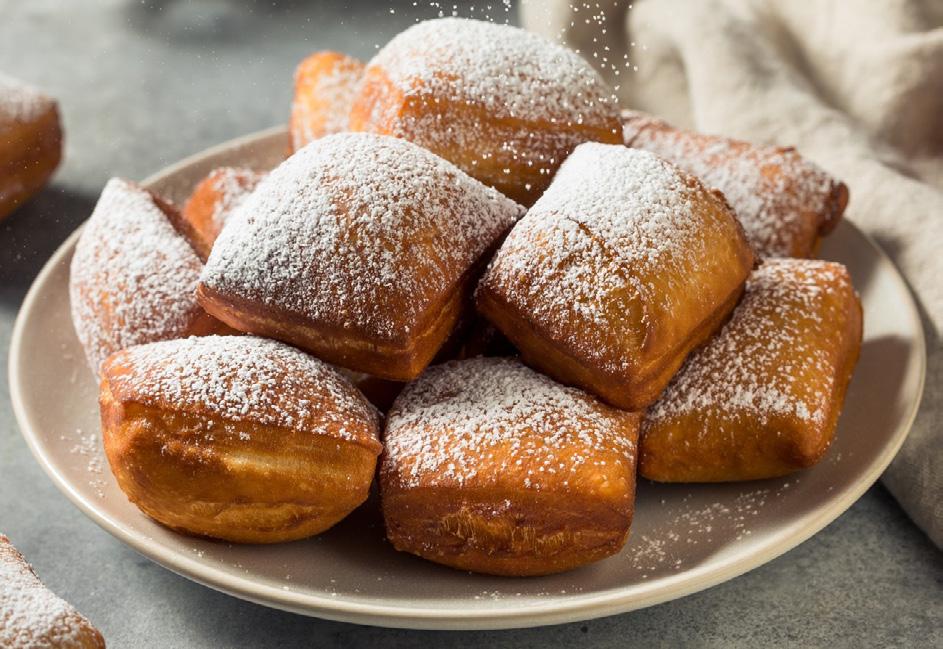
Music isn’t the only cultural treasure in The Princess and the Frog. Food is just as important to the story and New Orleans culture. Tiana has a passion for cooking and sharing traditional dishes with her community. Her father’s special stew inspires Tiana to dream big, and her signature dish, light fluffy beignets becomes a recognisable aspect of her passion and creativity. Beignets are square-shaped pieces of deep-fried dough, often dusted with icing sugar, a popular sweet treat in New Orleans.
The beignets feature at Duke’s Mardi Gras party, where they become a crowd pleaser. The representation of beignets in the movie shows her connection to home, family, and tradition. It’s easy to imagine the sweet scent of fried dough drifting throughout the film, interweaving with the sounds of brass bands playing around every corner.
So why not bring Tiana’s Beignets to your kitchen? Below is a recipe for classic New Orleans-style beignets. They are perfect for sharing with family, friends, or anyone who loves sweetness with their jazz.
Words by Caprice Hughes
• 1.5g active dry yeast
• 60g warm water
• 50g granulated sugar
• 240g warm evaporated milk
• 1 egg
• 57g unsalted butter, melted
• 9g salt
• 480g all-purpose flour
• Vegetable oil (for frying)
• Icing sugar
Step 1:


In a small bowl, dissolve the yeast in warm water and let it for 5 minutes until foamy.
Step 2:
In a large mixing bowl, combine the sugar, egg, melted butter, and evaporated milk. Add the yeast mixture and stir.
Step 3:
Mix in the flour and salt slowly until a soft dough forms.
Step 4:
Turn the dough onto a floured surface and knead gently for 5 minutes until smooth and elastic.
Step 5:
Place dough in a lightly oiled bowl, cover it with a clean cloth, and let it rise in a warm place for 1 to 2 hours, or until it’s doubled in size.
Step 6:
Roll out the dough on a floured surface to about ¼ inches of thickness. Cut into squares, roughly 2 inches wide.
Step 7:
Heat oil in a large saucepan to 175°C. Fry the beignets in batches, turning them over after about 1-2 minutes, until they puff up and turn golden brown.
Step 8:
Drain the beignets on paper towels, then dust them with icing sugar.

As many of you jazz lovers will know, it’s easy to get lost in the rhythm of a sultry saxophone or the sound of jaw-dropping vocals. Here is a list of some incredible jazz-centred true stories, insights, and fictional tales for you to get lost in and inspired from just as easily.
One of the most iconic voices in jazz, Billie Holiday tells her story in this raw and brilliant memoir. Co-written with journalist William Dufty, Lady Sings the Blues takes readers through Holiday’s turbulent life - her triumphs, struggles,and the pain that fueled her music. This is a must-read for anyone who wants to understand the story and heartache behind one of the most recognisable jazz singers of all time.
Miles Davis was a game-changer in jazz, and his autobiography captures his creative genius. Written with Quincy Troupe, this book is as bold and honest as Davis himself. It looks into his groundbreaking innovations, his encounters with jazz icons, and his pursuit of new sounds. It’s an essential read for jazz
lovers who want a firsthand account of how the genre evolved through the 20th century.
– Hanif Abdurraqib
Prize-winning Margo Jefferson weaves a memoir with cultural commentary in Constructing a Nervous System, reflecting on the jazz greatswho shaped her identity. With sharp prose and a critical eye, she looks at how figures like Ella Fitzgerald and Duke Ellington influenced not just music, but her own sense of self. This book is an insightful exploration of how jazz intertwines with personal history.
on the rooftop Margaret Wilkerson
Sexton Set in 1950s San Francisco, On the Rooftop follows a mother and her three daughters as they navigate ambition, race, and the changing landscape of jazz. As their vocal group gains recognition, tensions build between personal dreams and
Inspired by real events, this historical crime novel is set in 1919 New Orleans,a city renowned for the sounds of early jazz. The book follows a chilling murder investigation linked to a mysterious killer who claims to strike only when jazz is not playing. The Axeman’s Jazz is a thrilling and unique combination of music, mystery, and history that takes readers to the birthplace of jazz.
This tale of friendship, betrayal, and survival, Half Blood Blues moves between Nazi-occupied Paris and postwar Europe. The novel follows a group of musicians, including the brilliant but doomed trumpeter Hieronymus Falk, as they navigate the dangers of life during World War II. Edugyan’s wonderful writing captures both the power of jazz and the tensions of the time, making this novel an unforgettable read for music lovers.
Words by Merlin Pears

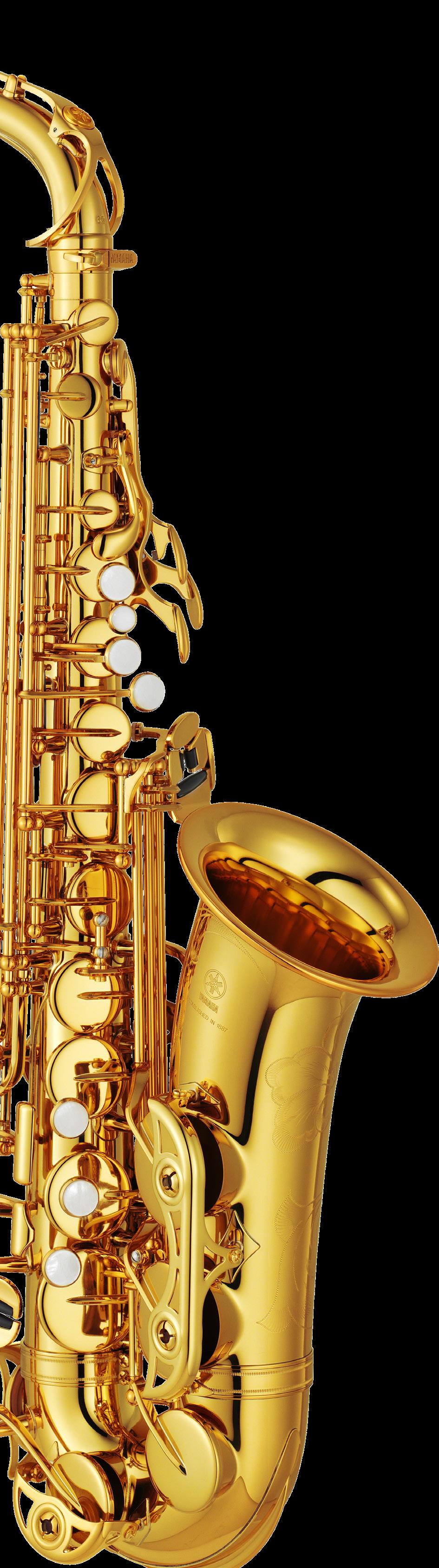
For six days each year, Cheltenham bursts to life with the rhythm and soul of jazz. From April 30th to May 5th, the Cheltenham Jazz Festival transforms the town into a vibrant hub of music, culture, and creativity. So, how can you make the most of your day out at Cheltenham Jazz Festival? Here are all the ways to have the perfect, jazz-filled day out.
Start your day with your preferred mode of transport. If you’re taking the bus, the 94, 94X, 97, and 10 routes all stop right across from Montpellier Gardens. For those coming from further away, Cheltenham Spa station is just a 20-minute walk to the festival hub.
For weekend festivalgoers, you have the option of an early start. If you want to fuel yourself for the day ahead, kick things off with a coffee in Montpellier, where a lineup of aromatic cafés awaits. Just a short stroll from the festival village, this charming area
is home to rich, indulgent pastries and expertly brewed coffee—the ideal way to ease into a day of incredible music.
After a beautiful walk to Montpellier Gardens, the beating heart of Cheltenham Jazz, immerse yourself in a world of music, delicious food, and non-stop fun. The beginning of this exciting festival week features a lineup of free events, including the lively Thrill Collins, alongside incredible performances on the ‘Big Top’ main stage, such as the talented Katie Melua.
From Friday to Sunday, the Cheltenham Jazz Festival truly comes alive, offering a dynamic mix of performances that keep the energy high throughout the weekend. Each day brings a new wave of talented artists, whether you’re venturing to the Big Top to experience the talent of Tom Walker or the iconic Beverley Knight. The weekend captures the very essence of jazz culture.
If you’re extending your jazz festival experience through to Monday, get ready for an unforgettable lineup of free events, including DJ Dan Cooper and Jazz Arena takeovers featuring Kim Cypher. Each day offers something for everyone, there’s always something exciting to enjoy.
The Cheltenham Jazz Festival isn’t just confined to the festival village—it spills into the heart of the town. Venues like Bottle of Sauce are hosting live music throughout the six days, bringing the rhythm to every corner of Cheltenham.
You can even immerse yourself in the artistry while shopping in Cheltenham’s town centre, with free performances at John Lewis. For those exploring different spots to
soak in jazz vibes, Dunkerton’s Tap Room offers live acts from Thursday to Sunday. If you’re making the Jazz Fest a memorable family outing there are exciting workshops, interactive sessions, and musical activities in the dedicated family tent. A fun-filled experience for all ages!
Your day doesn’t stop with the music, from sizzling street food stalls offering savoury bites and sweet treats to an endless array of restaurants along the route – there’s something to satisfy every craving. For those with a taste for adventure, wander down to the Brewery Quarter, home to a tempting mix of mouth-watering restaurants, just a 15-minute walk away.
If you’re a night owl who isn’t ready to call it a night just yet, Hotel du Vin is the perfect spot to keep the vibe alive. Soak in the intimate ambience and enjoy a latenight jam session brimming with smooth tunes and electrifying jazz. The party never ends at the Cheltenham Jazz Festival.
The Cheltenham Jazz Festival is your opportunity to seize the day and take advantage of all Cheltenham has to offer. Food, Music, Culture, your options are endless at this incredible six-day event.
Words by Emily Olive
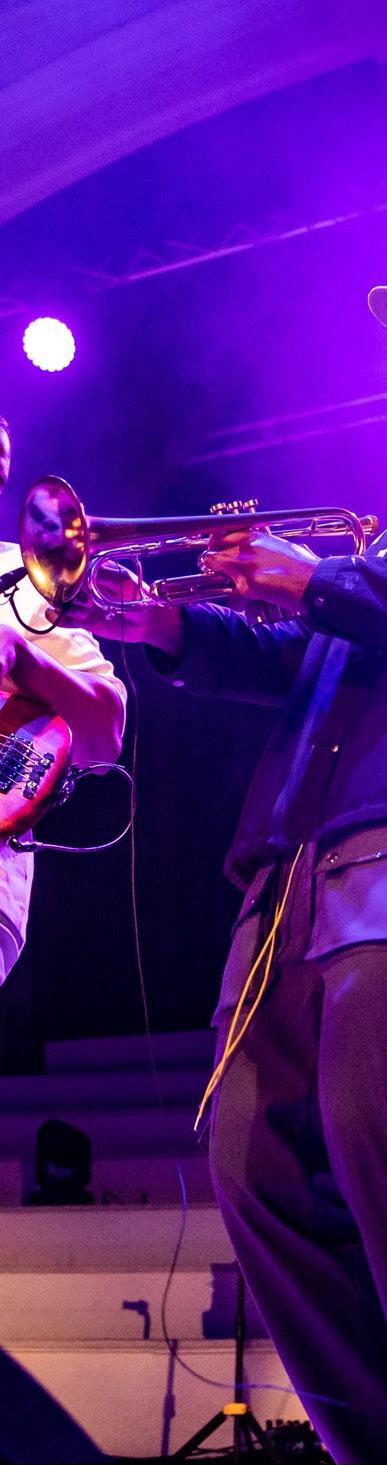
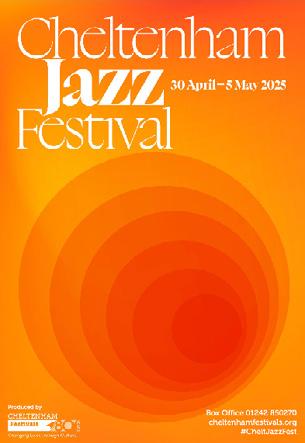
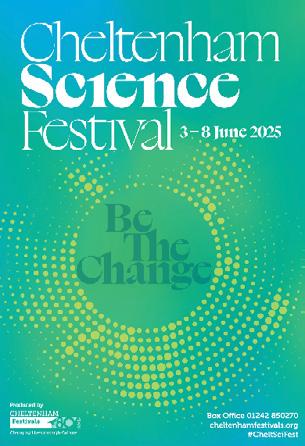



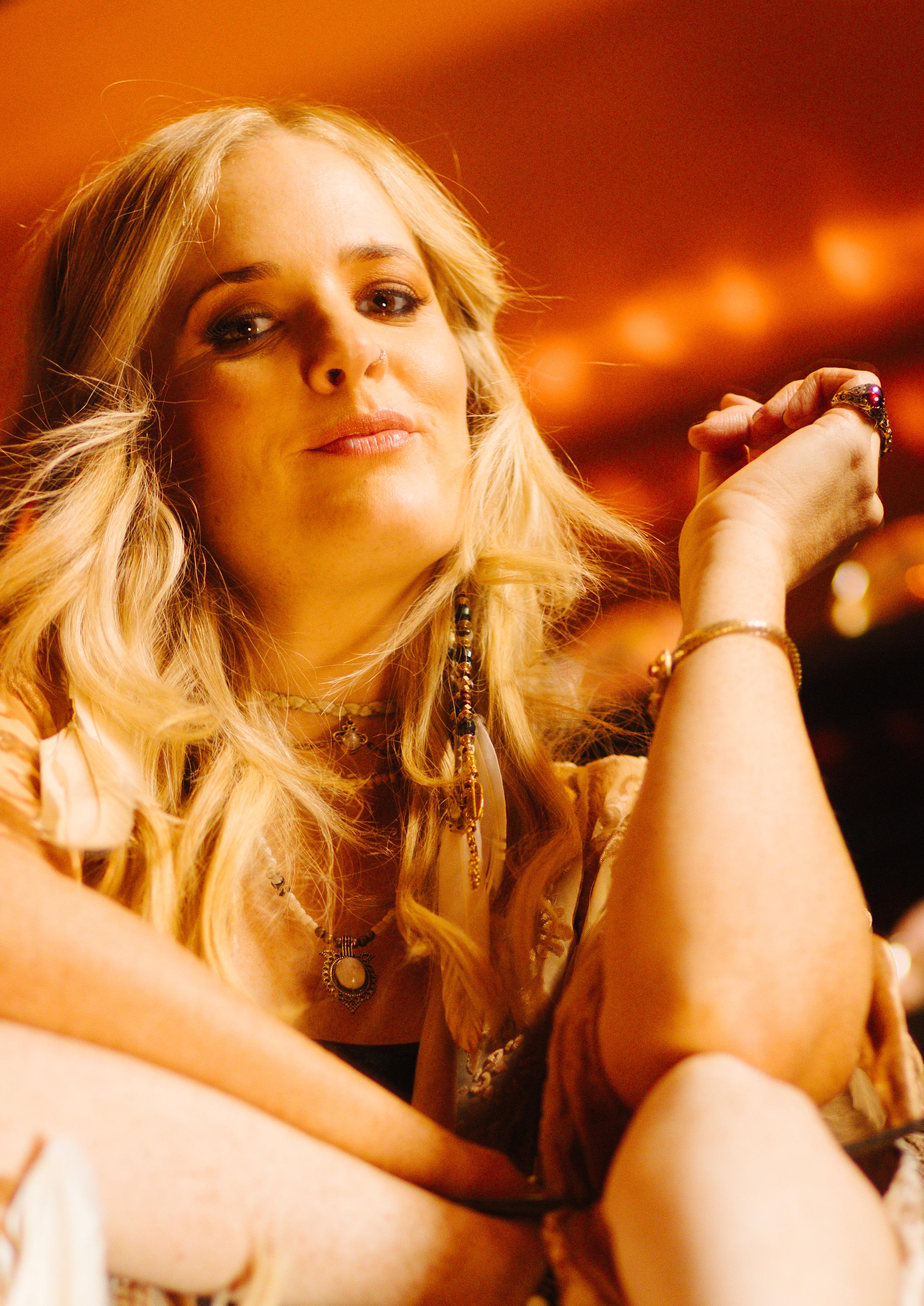
The blues, a genre so deeply rooted in African American history, has long been a creative outlet for storytelling, emotion and cultural expression. Whilst its traditional sound has been celebrated for decades, the modern music landscape is witnessing a rebirth. In this new era, artists incorporate contemporary elements into the blues, making their audiences connect and feel increasingly invested in the genre. At the forefront of this movement is Bristol-based singer-songwriter Elles Bailey, whose cuttingedge approach is closing the gap between the genre’s rich heritage and its ever-changing future.
“My dad’s record collection I think was the catalyst. It’s what I grew up listening to, stuff like the blues roots country. A lot of Southern American sound, and quite a lot of folk music like West Coast Cosby, Stills, Nash and Young and that kind of thing”. Elles first appears on my computer screen fresh-faced and smiling with a green headband and wearing a printed hoodie – already I’m having an insight into Elles and her unique style outside of the studio. Having grown up in South Gloucester, Cheltenham Jazz Festival holds many memories for the blues singer “I’m so excited. One because I grew up not too far away from Cheltenham, it’s local to me and it’s an incredible festival. It feels brilliant to be coming back, playing again like I played the introducing slot back in 2022 and also performing alongside Alice Armstrong, I’m a big fan of hers. she’s a talented artist. I’m big on supporting females in rock and blues music, so to be on stage with them and sharing the stage with Alice will be special”.
Elles reveals how she’s been influenced throughout her career by female artists who have altered Elle’s musical style. “I think later influences would include the likes of Bonnie Raitt, Beth Hart, and Imelda May, again, all strong females within the industry are all real trailblazers but also aren’t afraid to be confined by genres”. Keen to grow and deliver these early influences on younger audiences, it’s clear that Bailey wants to keep the longevity of these rich histories alive. With the industry forever adapting to society’s demand for modernity, it’s hard to picture where the direction of blues will head towards next. “I think it’s evolving, which is what music always does, and all modern pop music can be traced back to the very early Blues and jazz that we know. The younger people are coming into the genre, and I think that it’s really important. We need to make sure Blues and Root’s music appeals to a younger audience so that we can keep having long careers in this
music and keep on telling the stories and the influences and the amazing tapestry of this musical journey that Blues has taken over the last 120 years”.
Her last album Beneath the Neon Glow appeared at number 12 in the album chart in August last year, making it an exciting time for keeping the blues sound alive. “Everything about this record has looked and sounded so amazing. From start to finish from recording it to touring has been just an absolute creation of artwork”. Being pleased with your work is one thing, but delving into the complexities that provide the emotions to a song is another as Bailey begins to unveil “The writing of it was hard, At the time I was riding some epic highs, but also some deep depression so it’s been a real rollercoaster. This is the first album I’ve played where I properly smile on stage, I love what I do, but this album has taken the way I perform to the next level”.
Elles is back with a re-imagined version of Beneath the Neon Glow which is out now “So it’s the whole album just stripped back, it’s essentially stripping the songs back to an empty form, and seeing how they stand in that way, it was nice to
reimagine the album like that”. When it comes to playing, the audience is what makes the performance “Someone asked me about what my favourite venue is, but I don’t have a favourite venue, I have favourite audiences where I’ve played over the years. We played a show in Frankfurt, and that was amazing. The audience feeds the artist, and it just keeps building, it’s a real transfer of energy, it’s an indescribable experience”.
Looking ahead, Elles Bailey is committed to helping lift the genre to the next level, so what advice does the singer-songwriter have? “First of all, be prepared to work incredibly hard, understand that there is a beautiful scene both here in the UK and Europe. I always say, find your people who are going to champion you, shout about you, who are going to build you up both like as a band, both within the scenes. And yeah, there are people out there that can help emerging artists”.
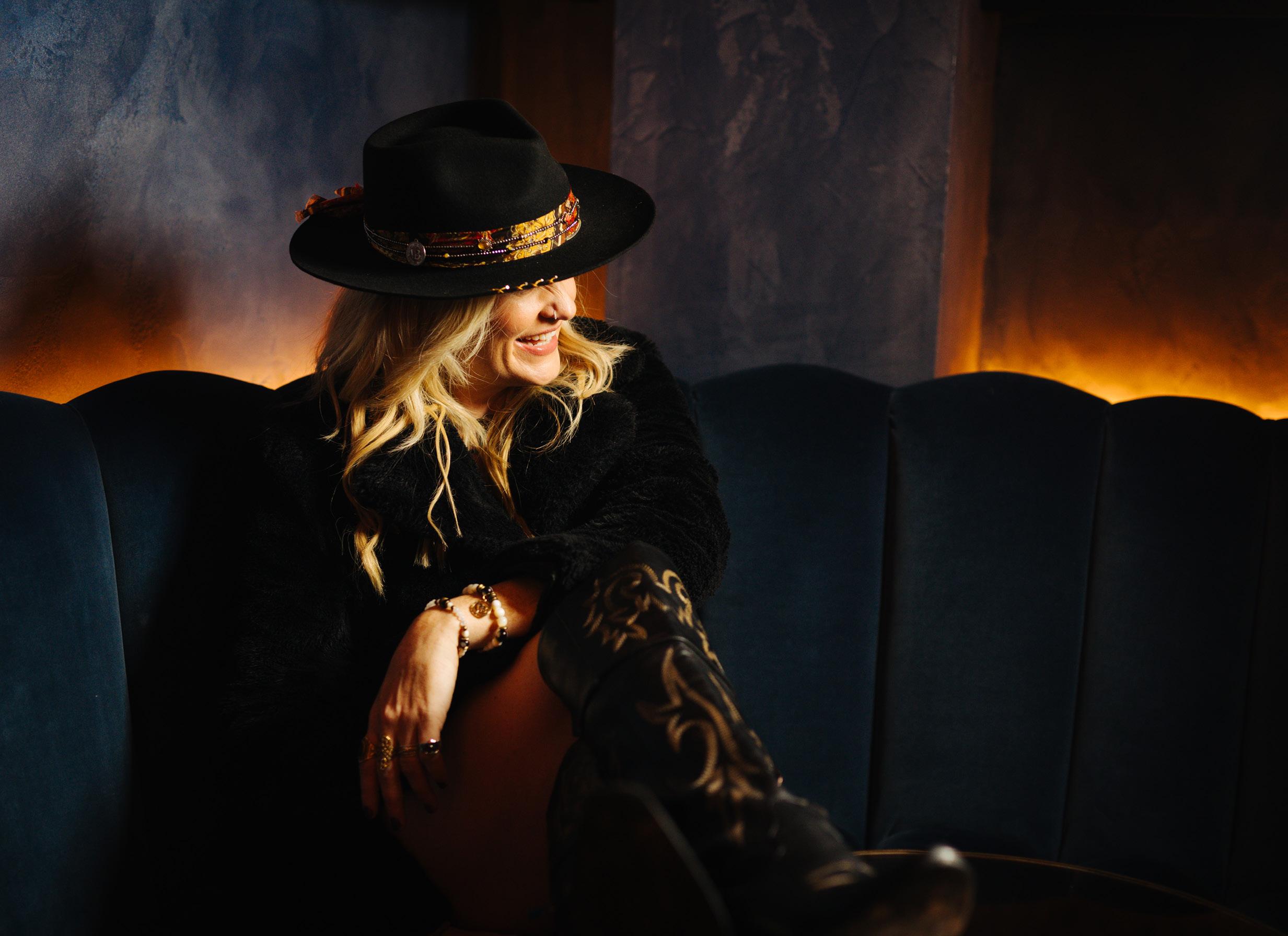
The blues genre is experiencing a vibrant revival and it’s thanks to artists like Elles who are redefining the blues sound for younger audiences. Through her soulful vocals and genuine songwriting, Bailey is not only preserving blues but ascending it into the future for generations to come.
Words by Ella Gardner
“We need to make sure Blues and Roots music appeals to a younger audience so that we can keep having long careers in this music”

Abustling street, the early evening sun beating down on your face, and the sound of saxophones, bass drums, and pianos floating on the breeze. It’s the early 1900s in New Orleans, and the jazz scene is taking off—a unique art form born from a blend of African and European musical traditions. But where did jazz music originate from, and how did it morph into modern jazz, which is bursting onto the music scene today?
Before jazz as we know it emerged a rich tapestry of musical traditions paved the way for its creation. By 1866, the Atlantic Slave Trade had seen nearly 400,000 Africans brought to North America, bringing rich culture and a deep routed love for music. There are many reports of slaves singing and creating rhythmic music to pass the time in their working days; call-andresponse, improvisation and complex rhythms can still be found in jazz today. Blues music, work songs and spirituality were key in shaping the jazz genre. Music born from the experiences of African Americans during the slave trade and the reconstruction of their lives thereafter made way for deep emotional expression and raw, meaningful performances. On the other hand, European musical influence brought harmonic structures and brass instrumental solos that now define the modern sounds of jazz.
By the late 19th century, the ragtime genre had begun to emerge, with musicians like Scott Joplin leading its creation. Ragtime featured lively piano melodies and syncopated rhythms, which have all influenced early jazz compositions. In the same era, blues began to

gain popularity, which added a deep, soulful quality to the American music landscape and further shaped the genre that would become jazz.
New Orleans is often credited as the birthplace of jazz, a unique city that was a melting pot of African, Creole, French, Spanish and Caribbean cultures, all creating a diverse musical environment. The City’s famous redlight district, Storyville, was known as a hub for musicians where a fusion of ragtime, blues and brass bands evolved into a new and modern sound: jazz. Jelly Roll Morton is one of the earliest figures to shape the jazz landscape, a pianist and composer who claimed to have invented the genre. Morton helped define the genre by blending the ragtime sounds with blues and improv to create a unique blend of sounds. At the same time, the young musician Louis Armstrong burst onto the scene with his cornet, revolutionising jazz with his improvisational skill and expressive tone. His recordings in the 1920s set the standard for jazz musicians and creativity.
The first major style of jazz, known as Dixieland, was made up of group improvisation, energetic rhythm and a distinct swing feel. As the jazz genre grew, it began to spread, in part due to the Great Migration, when African Americans moved north for better opportunities, taking jazz with them to Chicago and New York, creating new epicentres of jazz innovation. The roaring 20s, known as the Jazz Age, saw the genre’s popularity explode, particularly in the wake of prohibition. The rise of speakeasies and the underground club scene provided the perfect space for jazz to thrive, becoming the soundtrack of the rebellious generation. The Harlem Renaissance played a crucial role in furthering the popularity of the genre, as artists and intellectuals celebrated the African American culture and creativity. During this era, big bands began to emerge, leading the way to the Swing Era of the 1930s; orchestras brought jazz to mainstream audiences, adding infectious
rhythms and danceability to become a dominant form of entertainment across the U.S.
As jazz evolved, a new generation sought to push the boundaries and experiment through the 1940s. Bebop developed, with artists like Charlie Parker and Dizzy Gillespie experimenting with a fast-paced, complex style that shifted jazz from dance music to an intellectual art form. These musicians embraced intricate melodies, rapid cord changes and virtuosic improvisation. As the ’50s approached, jazz artists continued to innovate with the rise of cool jazz and modal jazz, led by Miles Davis and John Coltrane. These styles brought a more relaxed approach, allowing musicians greater freedom with solos. Jazz was no longer American music; it had become a global phenomenon influencing artists across the globe.
From the streets of New Orleans to venues around the world, jazz had remained a symbolic art form routed in freedom and innovation. Its African American origins blended diverse sounds with European traditions, making it one of history’s most enduring and transformative musical genres. Today artists continue to push the boundaries of jazz, with the development of house jazz and modern dance jazz, showing this art form is far from finished in its evolution.
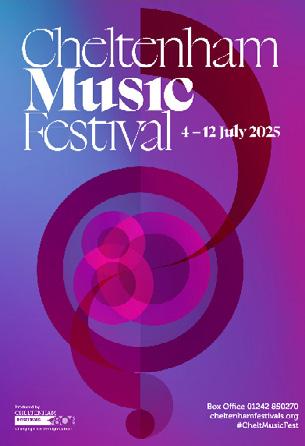
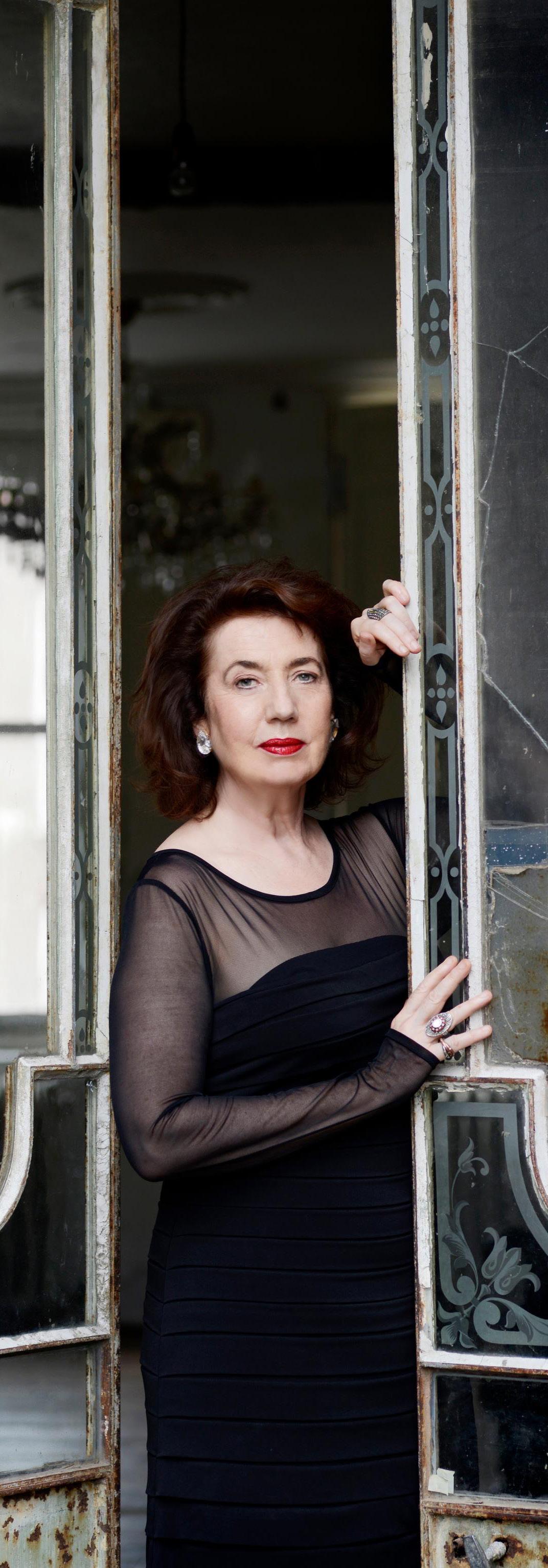
In the summer of 1945, as Britain emerged from the wreckage of war, there was a sense that recovery needed to be more than just practical. Bomb sites could be cleared, factories reopened, and supplies replenished, but something deeper also needed restoration. Amid this quiet reckoning, the town of Cheltenham took a leap of faith and launched a new classical music festival. It may not have looked momentous at the time, but that first Cheltenham Music Festival planted a cultural seed that would grow into one of the UK’s most respected and enduring arts events.
Eighty years on, the festival is no longer a modest post-war project but a centrepiece of the country’s musical calendar. From its earliest performances in Cheltenham Town Hall and the Pittville Pump Room, it has shaped the careers of composers, introduced new ideas to audiences, and helped turn this Regency town into a place where creativity is not only welcome but fundamental to the local identity.
That first summer in 1945, the programme leaned heavily on British composers. It made sense. In a country still reeling from loss and longing for meaning, figures like Ralph Vaughan Williams and Gloucestershire native Herbert Howells offered comfort and continuity. The festival’s founders understood that music
could provide more than entertainment — it could offer a sense of renewal. Those early concerts struck a chord that would echo through the decades to come.
What followed in the years after was a period of astonishing artistic energy. During the 1950s and 60s, Cheltenham became a place where boundaries were tested, and composers were encouraged to take risks. Benjamin Britten, Michael Tippett, Malcolm Arnold and Elizabeth Maconchy were among the many who chose Cheltenham to unveil new work. This appetite for the unfamiliar set the tone for a festival that would never settle for just replaying the past. Over its lifetime, Cheltenham has presented more than 250 world premieres, a record few festivals can match. From chamber pieces to orchestral commissions, the programming has consistently looked forward, not just back.
But its influence goes beyond the concert hall. The festival helped lay the foundations for Cheltenham’s transformation from a genteel spa town into a genuine cultural destination. Its early success inspired the creation of the Cheltenham Literature Festival in 1949, and later the Jazz and Science Festivals, launched in 1996 and 2002 respectively. Today, all four are part of the Cheltenham Festivals family, attracting global talent and tens of thousands of visitors each year. They have reshaped the town’s image and economy, turning it into a 28
hub for ideas, innovation and performance.
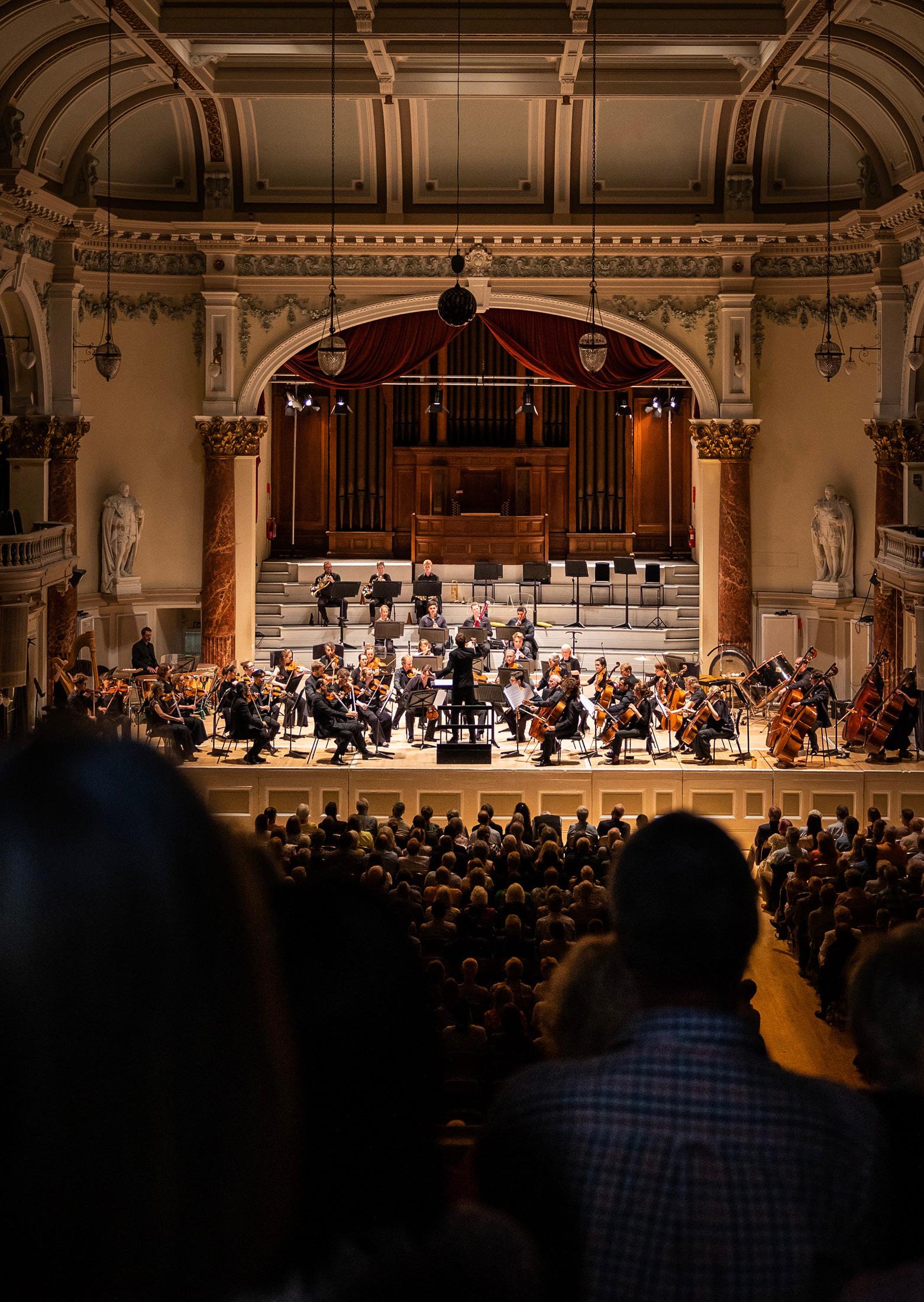
Yet music remains the heart of it all. Cheltenham’s blend of grandeur and intimacy makes it an ideal setting for live classical music. The elegant architecture of the Town Hall, the Georgian opulence of the Pump Room, and the spiritual quiet of Cheltenham College Chapel all offer distinctive atmospheres for listening. In recent years, the festival has expanded into open-air and pop-up venues too, bringing the music to new audiences and breaking down some of the traditional barriers to entry. Whether in a gilded auditorium or on a patch of lawn, the experience remains special — refined but never exclusive.
The list of highlights from the past eight decades reads like a mini history of modern classical music. In 1953, Britten’s “Gloriana” was given an early semi-staged performance in the wake of its controversial London premiere. In 1972, the festival debuted a major new work by Michael Tippett, demonstrating its commitment to contemporary voices even when they challenged expectations. In 1995, it celebrated its fiftieth anniversary with a broad retrospective of British music, affirming its role as both archivist and innovator. More recently, in 2020, the festival proved its adaptability during the pandemic by launching a digital edition, ensuring that music could continue to reach people even in isolation.
This willingness to adapt has been key to the festival’s longevity. Alongside its prestigious concerts and premieres, it now offers a range of initiatives aimed at developing the next generation of musical talent. The Composer Academy gives emerging voices space and guidance to experiment and grow. Outreach work in schools and community settings ensures that classical music reaches well beyond its traditional audience. Free performances in public spaces invite newcomers in and remind everyone that live music belongs to us all.
Cheltenham’s collaborative ethos has also helped it remain relevant. The Jazz Festival, though younger, shares the same spirit of innovation and openness. Together, the festivals create a cultural ecosystem where genres overlap, audiences mix, and creativity thrives. This cross-pollination reflects a wider truth that music is not fixed in time or genre — it evolves, responds, reinvents.
As Cheltenham Music Festival prepares to mark its 80th anniversary, it does so not as a museum piece, but as a living, breathing part of the UK’s cultural life. It honours tradition, yes, but it also asks what a classical music festival can and should be today. That means engaging with questions of diversity, sustainability, and accessibility. New commissions include voices and perspectives that would have been unheard in 1945, and the festival’s approach to programming reflects a broader view of what classical music can encompass.
In a time when public attention is fractured and society is under pressure, Cheltenham’s story is a reminder of the lasting power of live performance. Music may not solve our problems, but it offers a way to understand them — and each other, on a deeper level. It creates a shared space where people can feel, listen, reflect and be moved. That’s what Cheltenham has been offering for eight decades.
There’s something quietly radical about that first decision, in the shadow of war, to make room for beauty. The festival that began as a hopeful experiment in a battered nation has become a beacon for what the arts can achieve. Not just a celebration of music, but of connection, curiosity and community. Eighty years on, Cheltenham Music Festival remains as ambitious, open-hearted and inspiring as ever. It doesn’t just look back at its rich history — it invites all of us to help shape what comes next.
Listicle of the top defining moments of the festival over the years:
1. 1945 – The Very First Note
In a war-weary Britain, Cheltenham launched its inaugural Music Festival with a simple yet radical idea: that music could help heal and inspire. Held mainly in the Town Hall and Pittville Pump Room, the debut season focused on British composers and set the stage for 80 years of cultural legacy.
2. 1953 – Britten’s Gloriana Comes to Cheltenham
Fresh from its royal premiere in London, Benjamin Britten’s opera Gloriana received a semi-staged performance at the festival. It marked Cheltenham as a daring platform for new and sometimes divisive work, long before the term “festival premiere” became a badge of honour.
3. 1972 – Tippett’s Symphony No. 4 Premieres Michael Tippett’s fourth symphony, premiered at Cheltenham, solidified the festival’s reputation as a champion of cuttingedge orchestral music. The commission demonstrated a long-standing commitment to bold programming and serious musical innovation.
4. 2020 – Music Finds a Way Online
When lockdowns silenced live venues across the UK, Cheltenham didn’t skip a beat. Its online edition, Music Festival @ Home, streamed performances straight into people’s homes, proving that resilience and creativity are at the core of this enduring festival.
Words by Lily-May Broadhead
“On the occasion of our 80th birthday, with the support of local businesses, Festival-goers, Patrons and corporate Partners, we are looking to ensure that we can continue to inspire the next generation and to reach more children than ever before and enrich lives through culture. Here’s to the next 80 years of bringing joy to our communities and inspiring lasting and meaningful change.”
Co-CEO of Cheltenham of Festivals, Ali Mawle
K jazz is amid a resurgence. Unlike traditional Jazz, which focuses on aspects such as swing and improvisation, the UK has taken the genre and made a contemporary twist on the scene, pulling from a kaleidoscope of genres from hip-hop, R&B, soul, samba, house and world music – creating a unique sound that is multicultural and dynamic. This unique collation of sounds makes UK jazz not just a revival but an evolution, moving genres in ways not many others can.
Taking the lead is Ezra Collective, a South London group that embodies the genre’s infectious multicultural energy, which can be heard through upbeat, calypso, reggae, and hip-hop soul sounds which vibrate through their audience and have rewarded them with a Mercury Music Prize. Their 2024 single “God Gave Me Feet for Dancing” was chosen by Barack Obama for his list of his 25 favourite songs of the year. The group’s popularity is rapidly increasing, and their success has reiterated that Jazz is not just a sound of the past but the sound of now.
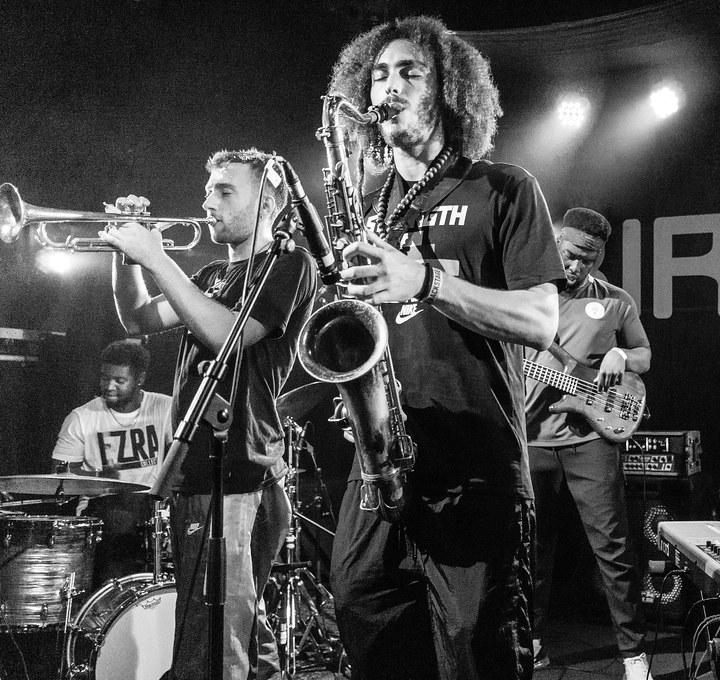
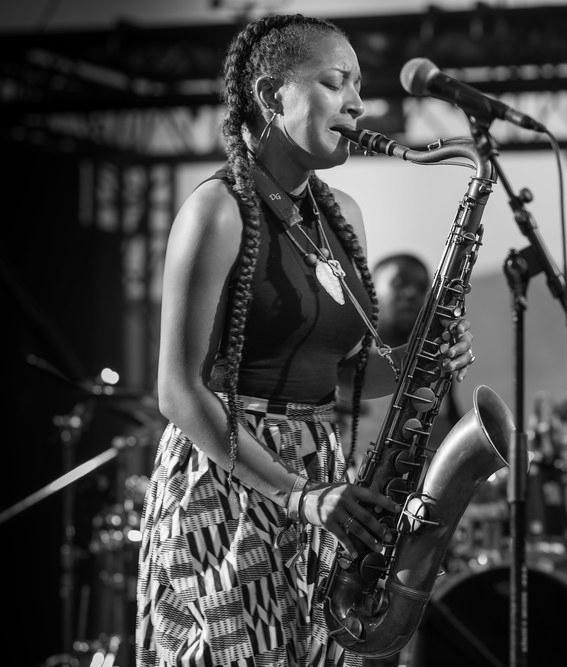
Another key figure within the UK jazz scene is Nubya Garcia. The saxophonedriven artist creates a unique blend of traditional and contemporary sounds such as harmonies and groovy pop beats, making it feel approachable to a new generation of listeners. Garcia’s sound covers genres from soul to classical jazz and R&B, which can be heard through her 2024 album Odyssey - dedicated to figuring out life and re-sparking her passion for musical composition. For an evening of laid-back, saxophone-filled tunes, Nubya Garcia provides the perfect atmosphere.
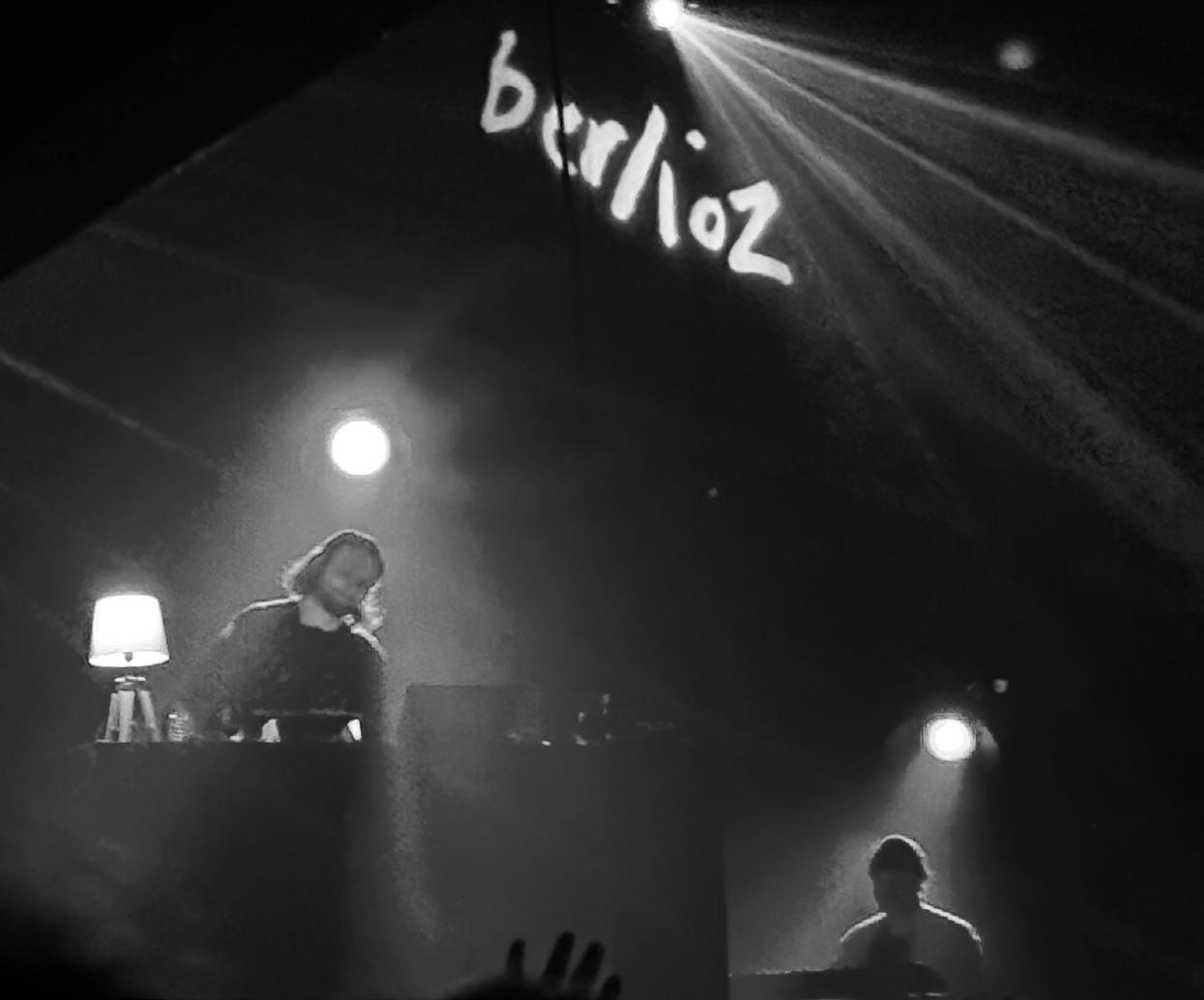
The genre’s transformation doesn’t stop there. Artists like Berlioz are experimenting with sounds in ways never done before – fusing jazz and house music to create a combination of danceable beats whilst incorporating instruments such as trumpets, trombones and saxophones. With a growing social media presence, Berlioz has won over his audience, proving that you don’t have to be confined to one genre. Mainstream and more experimental sounds can be widely embraced by music lovers.
Words by Ella Gardner

‘If Matisse made House Music’

Treacherous driving, torrential rain, and a never-ending queue—was this foreshadowing the night ahead? After silently praying that the rain would stop before making a mad dash to the concert line, I gave myself a brief pep talk, reminding myself why I was putting myself through this ordeal. After gaining access to the O2 Institute, I scurried in from outside and frantically find the main stage.
I was instructed to follow the old, winding staircase, where a swinging door frenzy welcomed me. This was it. I entered the dark, overcrowded room filled with eagerly awaiting fans and secured my spot for the evening. Suddenly, the house lights dimmed, and his name illuminated the stage. Berlioz. The familiar beat vibrated through the soles of my feet, racing to reach my

eardrums. All the pre-concert anxiety slowly evaporated from my body, just like the raindrops on my clothes. His rhythmic melodies whisked me away to a smoky 1920s jazz bar before transporting me back to the modern day with the energetic pulse of house music, all underscored by a beautifully powerful orchestra. Each track felt like an individual experience, as if I were the only one in the room—except I was surrounded by hundreds of others, all moving in unison to the sounds of Berlioz. But who is the man behind the music?
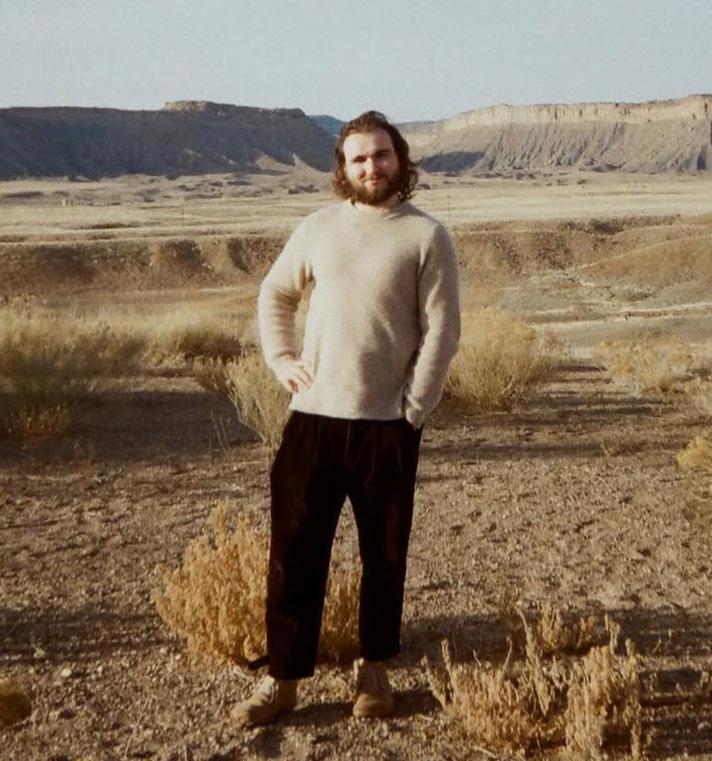
Jasper Attlee, better known as Berlioz, first stepped into the world of musicunder the alias Ted Jasper. At just 16, he began experimenting with artistic expression, eventually evolving into the remarkable talent he is today. For Attlee, Berlioz has always been more than just a name—he has described


media propelled the song to over 55 million streams on Spotify.
The success of his music doesn’t stop there— he has maintained 3.4 million monthly Spotify listeners, with his most popular track, Deep In It, amassing over 77 million streams. With high demand to hear the magic of Berlioz in action, the artist decided to embark on a world tour in 2025.
Having had the privilege of attending his Birmingham concert, I took the opportunity to speak with an attendee. Owen Wake, 21, said he was first introduced to Berlioz on TikTok in 2022. “I’m a fan of house and jazz, so it was something new and an easy way to introduce friends to the kind of music I already enjoyed.” Wake expressed his curiosity about the dynamic of the live experience. “I thought it would be a DJ set, to be honest. I’m always up for a gig either way. That said, I’ve never heard that kind of sound live, so I was curious to see how his music would translate to the setting.” He described his experience at the Birmingham concert: “Without the energy of other dance music, I thought a standing venue might not suit it best. I was proved very wrong. Mixing the preproduced and sampled sounds with live instruments worked well—it felt more like a jazz gig than a house gig.

All the memorable melodies came and went, with just the right amount of ‘danciness’ and plenty of moments that let the musicians improvise.”
Wake is familiar with the jazzhouse scene and shared some of his favourite artists in the genre: “Chaos In The CBD, Tour-Maubourg, Bellaire, and Loure are all in my listening rotation. Berlioz’s mastery is bringing jazz house to the masses.”
The appreciation for Berlioz’s music wasn’t only felt by Wake. As the final notes faded, the crowd roared in appreciation, making one thing clear—Berlioz isn’t just part of the house-jazz movement; he’s shaping its future.
Words by Emily Olive

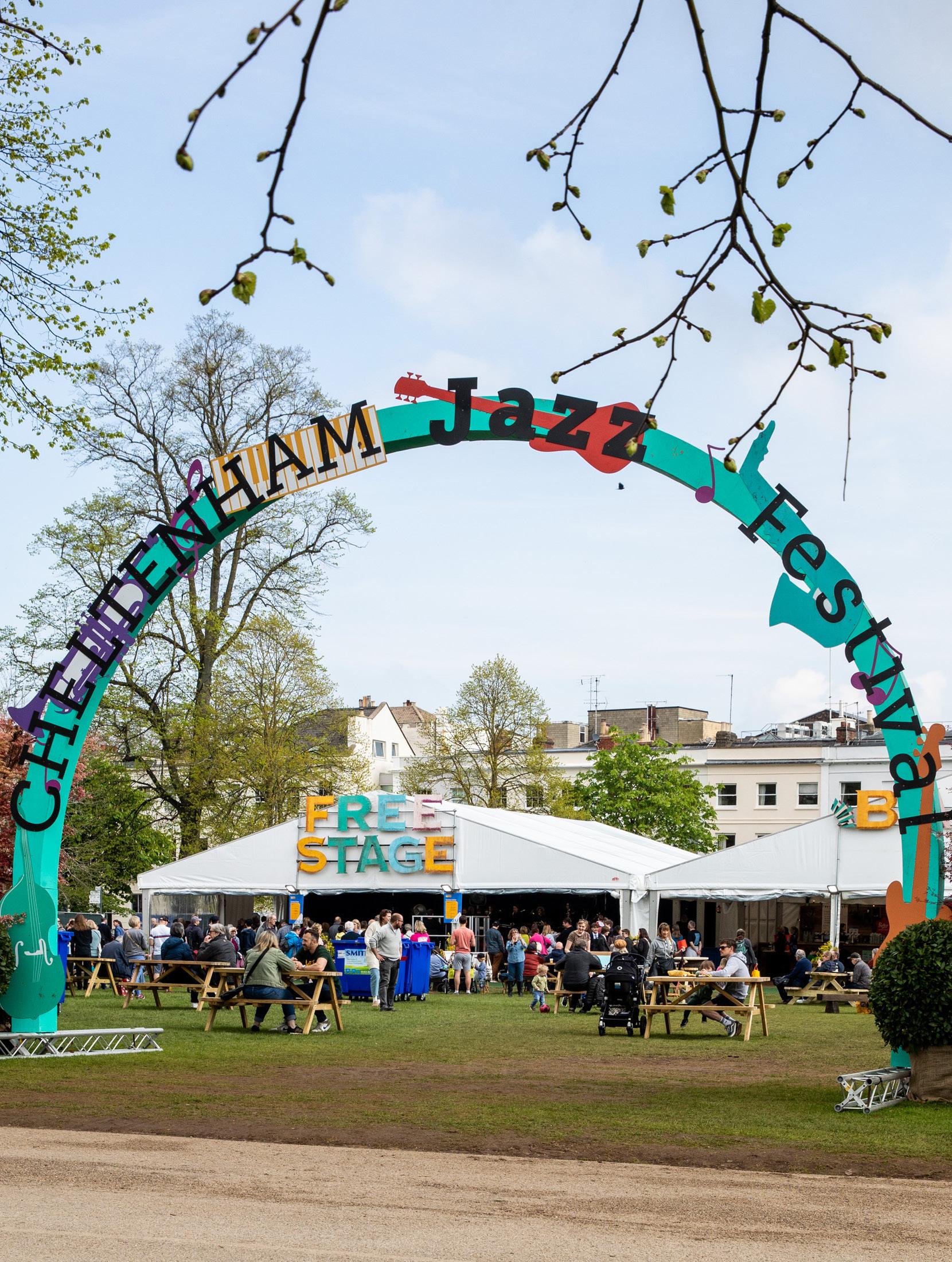
Festival fables : How Cheltenham Has Provided Memories and Joy for Generations Passed - and How it Will Shape the Future.
Cheltenham is known for its refined architecture, sweeping parks, and cultural calendar - but among its many festivals, the Jazz Festival holds a special, soulful place. It’s more than a week of live music, it’s a celebration of memory, connection, and the rhythms that tie communities together.
Out on the streets, I spoke to those who’ve been lucky enough to see the festival evolve over the years.
Robert, 63 Bishop’s Cleeve
Has been attending since he was a teenager. “It’s part of our DNA now,” he told me. “It wouldn’t feel like the same town without it.” He smiled, lost in his thoughts, as he shared a defining moment: “When I was 17, I saw a young man playing the saxophone in the town centre. That moment stayed with me. That Christmas, my mum bought me my first sax, and I’ve been playing ever since.” Decades later, he performed at his daughter’s wedding - an emotional full circle sparked by a teenage trip to the festival.
to see Robert Plant. She’s a huge Led Zeppelin fan. She cried after the performance and told me it was the best gift she’d ever received.” Margaret beamed as she added, “She called me ‘Grandma’ for the first time that day. I’m only her grandma through marriage, and before that, I was always just ‘Margaret.’” The festival, it seems, doesn’t just entertain people, it connects them. It binds generations together, brings strangers closer, and gives residents a sense of pride in their hometown. For some, it’s the spark that ignites lifelong passions.
For others, it’s the setting for unforgettable family moments. So what makes Cheltenham Jazz Festival so special? Is it the music, the setting, or something less tangible? Perhaps it’s the storiesthe ones already told, and the ones still being written each year. In the 80th year of Cheltenham Festivals, it’s clear that the magic isn’t just in the notes played on stage, but in the memories created off it.
Margaret, 77 Cheltenham
When asked about the festival, she welled up—not from sadness, but joy. “I took my granddaughter last year
As the town continues to grow and change, the festival remains a beating heart. It reminds us that music, especially jazz, isn’t just something we hear. It’s something we feel, remember, and share.
Words by Matt Joiner


TIMBRE?
Are you following