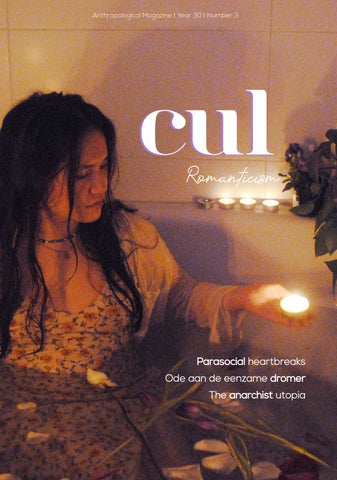
cul cul
Romanticism
Parasocial heartbreaks
Ode aan de eenzame dromer
The anarchist utopia
Anthropological Magazine | Year 30 | Number 3
Colofon
Independent anthropological magazine Cul is connected to the Cultural Anthropology and Development Sociology department at the University of Amsterdam.
Editor in Chief: Islay Kilgannon
Deputy Editor in Chief: Kyriaki Mallioglou
Graphic Design: Harriet Smith
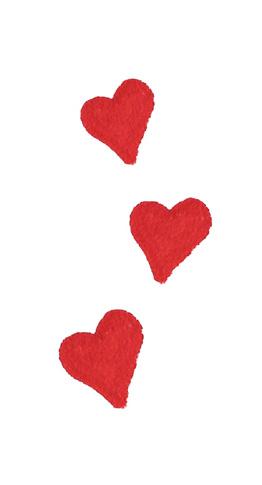
Image Editors: Evita Belegri
Lingli Crucq
Rachel Kok
Miranda Tate
Text Editors: Marc Burillo Micho
Isa Kistemaker
Inés Mittal Gros
Anna Scholder
Lieke van den Belt
Web editor: Dima Karara
Treasurer: Megan Masselink
Multimedia editors: Emilia Scharabi
Mark Speelman
Travel Coordinator: Siyang Dai
Cover: Harriet Smith
Lingli Crucq
Special thanks to: Naomi Hofman
Cul magazine is always searching for new aspiring writers. The editorial team maintains the right to shorten or deny articles. For more information on writing for the Cul or advertising possibilities, email cul.editorial@gmail.com
Printer: Ziezoprint
Prints: 250
Printed: April 2023
ISSN: 18760309
Cul Magazine
Nieuwe Achtergracht 166 1018 WV Amsterdam cul.editorial@gmail.com
Follow us on Facebook and Instagram and check out our website!
@culmagazine http://culmagazine.com
Editor’s note
Dear Readers,
Through a collection of heartfelt poems, analysis, and social commentary we lead you into the infinite world of romance. Romanticism encompasses not only love but longing, idealisation, and the multitude of ways we show our passion for the world around us. To be a romantic is to embrace emotion and imagination as our writers so expertly demonstrate this edition. More literal articles explore the influence of the Romanticism movement on culture and literature, as written by Miranda. Ines writes of the toxicity in young romance books and movies. Lieke writes about the history of queercoding and the significance of symbolism. At last we look forward, dreamy-eyed, and present to you the Romanticism Cul.
Yours sincerely,
Islay Kilgannon Editor in Chief
Kyriaki Mallioglou
Essay (ENG)
Marc Burillo Micho
Essay (ENG)
22 ‘Amor’, but make it ‘Poly’
Kyriaki Mallioglou
Image Report
24 I’m Feeling Like Myself These Days
Islay Kilgannon
Column (NL)
27 ‘Believe and be saved!’
Mark Speelman
In Depth (ENG)
Isa Kistemaker
28 Where love goes to die
Dima Karara
Story (ENG)
30 Full moon in my kitchen
Emilia Scharabi
Essay (ENG)
32 The anarchist’s dream
Evita Belegri
Rachel Kok In
Lieke
Miranda Tate
Conversation (NL)
34 Anders zijn is mooi
Lingli Crucq
Review (ENG)
36 Perfectly imperfect
Inés Mittal Gros
Column (ENG)
38 Seasons of love
Harriet Smith
Anna
Cul Magazine 3 contents
4 They Did What?!
In Depth (ENG)
6 Paris Megan Masselink Column (ENG)
8 Feminist pornography Siyang Dai In Depth (NL)
9 De beminde feminist
spend more time
you
Story (ENG) 12 I want to
with
pour
rêveurs´
Harriet Smith Review (NL) 14 ‘Les temps sont durs
les
Depth
Hints of
(ENG) 16
colour
van
den Belt
Essay (ENG) 18 Memento Mori
Column
Huilend op het hoogtepunt
(NL) 21
Scholder
They Did What?!
How To Get Over Parasocial Heartbreak In 6 Simple Steps
Hello, and welcome to the first edition of Surviving the Internet with Marc, your favourite corner of Cul magazine where I, Marc, will help you overcome all obstacles of modern life, on the internet. For this very first edition we have for you a very special article with a very special topic: parasocial heartbreak. Buckle up as I take you on a path of spiritual healing, away from bigoted opinions and into the realm of positive art consumption. Come on in!
It is fair to say that most people who have existed in today’s internet climate have faced the reality of being disappointed by a famous artist’s misstep. A tale as old as time: you like some art, follow the artist for a while, even get attached to them. When suddenly, one day out of nowhere they stab a dog or turn out to be part of a cult. You decide you like the art too much; you will not pay for it, you will consume it illegally as God intended, but it’s too late: the stench is everywhere, the crimes too upsetting or so obvious now that any attempt at enjoying the art just ruins it further.
The five steps of grief: the ever-ending cycle
It is easy to quickly fall into the five steps of grief while suffering from a case of parasocial heartbreak. Of course, denial comes first: ‘how could they?’, quickly followed by anger, ‘no, actually, how could I have fallen for it?’ Then comes bargaining: ‘I’m sure it’s not as bad as it looks, let’s look at the facts’, depression when it all sinks in: ‘why does listening to my favourite song now makes me feel terrible?’, and finally, acceptance: ‘actually, it’s okay, I’ll just find something else to enjoy!’. Even though any path of healing is to be embraced, for us, the seasoned heartbroken, this constant emotional rollercoaster can get quite exhausting. That is why I, your chronically online guru, have compiled six simple steps on how to overcome and break free from the Eldritchian nightmare that is twitter.com, therefore breaking the cycle of disappointment.
1 2
10 Things I Hate About Everyone
We start off by the root of the issue, the sanctification of artists as higher beings, locked in pedestals they don’t belong on. Listen, I too am unsure how we got here, but it is true that we tend to perceive certain groups of people as separated and superior from everyone else; at least better than us, the anonymous commoners. Repeat it to yourself as many times as you need to: artists and celebrities are simply people, and people tend to have terrible takes from time to time. People doing or saying awful things are everywhere, and while in some cases the platforms they have access to can become dangerous, most of the time the disappointment we feel is because we had expected them to be better than, well, everyone else.
50 First Faces
No, you were not crazy to not have noticed your favourite actor was homophobic, you simply did not know that about them. We are exposed to so many details of artists’ daily lives that it is easy to forget we are only seeing one side of their personalities, highly edited and thought through. How many times has a friend surprised you by acting completely different when that one person joins the conversation? Everyone acts differently when switching between social groups, sometimes becoming a radically different person. In the case of people in the spotlight this is further intensified, as they know they are being watched, scrutinised and judged, so the side of them we see is very limited. Wishing it to be a different way would not only be unrealistic, but invasive and hypocritical.
Essay
Text Marc Burillo Micho Image Evita Belegri
4 Cul Magazine
3 4
To All the Artists I've Loved Before
Following the same argument, we need to understand it is not the audience’s fault to have gotten invested in the carefully crafted vision of the artist that was shared with them; in fact, I would argue being highly invested serves as an indicator of the high quality work being done by the artist’s marketing team, as well as their social abilities. If you like someone and they do something that does not sit right with you, feeling disappointed is natural. Yet, that has nothing to do with you or the vision that you perceived. I know things have changed now that you know, but try to remember how you felt before knowing, and how you appreciated it then.
No Lies Attached
In order to properly break the cycle the first step is to reevaluate how we consume artists. Listen, I know they’re entertaining, but we really cannot keep watching Vogue’s Youtube videos asking every single celebrity to list their three favourite meals as our main source of entertainment: our focus needs to shift. You buy the art, not the artist, and everything else should remain as a side dish to the main course. When you consume a finished art piece there are no surprises, it can be reinterpreted, but it is enclosed within its medium. When you consume the artist, a human being, or alternatively a 10 minute interview of them talking about their dog, we consume them as if it were just like consuming their art. However, humans are not enclosed nor still, but constantly changing. To avoid disappointments we need to change how we consume and start seeing celebrities for what they are: human beings.
5
How To Lose Expectations in 10 Days

Now, I never said this would be easy. Similar to my previous point, you need to stop holding artists to a high moral standard. In fact, I would say there is arguably a very small number of people you should hold to a high moral ground, those being God(s), if you have any, and yourself. Perfection is nonexistent. Humans need growth, and unless you’re the one in charge of guiding them to become their best, a moral high ground is only limiting. Of course, we need to strive to be the best that we can, but we have no right to force our standards upon others: everyone should adjust their morals according to their priorities and limitations. You might still be surprised, but I guarantee the disappointment will fade.
6
My Best Friend's Local Art Exhibition
Finally, the last step and perhaps the easiest and hardest one on the list: it is time to find some art outside of your usual consumption patterns. That is, check some unknown local artists, go to a show or to a local painting class, see what is out there and close by. Try participating, and if that’s not your jam, try supporting the local scene so it keeps growing and developing. Get to know the people, have conversations, go to an open mic and have fun. Keep looking out into the world, but place importance on the small circles where you can participate and exert significant change in. Trust me when I say, if you properly follow this guide you will find parasocial heartbreak much more manageable next time around.
Essay
Cul Magazine 5
Paris
Lost in the City of Love
Paris, to some, is the most romantic city in the world. The French capital is a popular destination for enchanting getaways and Insta-worthy photos. It is also the setting of many films and series: stereotypes of French love work their way into media and literature, reproducing the vision of Paris as the City of Love. But once in Paris, you are often overtaken by reality: Il ne faut pas se fier aux apparences
Megan Masselink
Lingli Crucq
Paris has a long standing reputation for being the world centre of art and elegance. Starting in the 17th century, the court of Versailles was the epitome of glorious art and culture worldwide. Controlled by absolute monarchs such as Louis XIV, art was used as a tool to display the grand artistic ability and riches of the French state. A few centuries later, Paris became the stage of the World Exposition, an international exhibition organised in different countries every five years. Around the same time, different art styles emerged which contributed to the charming image of the city: Art Nouveau, Impressionism and, most importantly, Romanticism. With its focus on nature and beauty, Romantic art became symbolic for the deeper search of meaning and love, as it favours emotions over reason and the senses over the intellect. The theme of love is a red thread woven into the fabrics of Paris. The iconic Eiffel Tower has become a site which symbolises love. Every year, it is estimated that around 9.000 marriage proposals take place at the massive metal structure. Walking along the Seine, you see many couples and loved ones standing on the Pont des Arts, interlocking their love in an eternal material symbol. Further up North, in the 18th Arrondissement, there is Le Mur des je t’aime (the Wall of I Love You). Covering many blue tiles, the words ‘I love you’ are handwritten in over 250 languages. Place names such as Sacre Coeur (Sacred Heart) suggest the imagery of romance and a deep sense of longing for love.
The theme of love is a red thread…

L’amour à La Française
The idealisation of Paris as a romantic destination is linked to the concept of L’amour à La Française (‘Love the French way’). Social analyst Alice Cappelle explains how certain ideas about French love, passion and devotion are reproduced by stereotypes amplified in films and literature. Some stereotypes include French ‘looseness’, implying that infidelity, polyamory and public flirting are a common occurrence in the French dating culture.
These stereotypes accumulate in what is called the ‘French art of seduction’. The idea is that a man is in charge and leads by approaching a woman. He is straightforward in his advances; it is a very physical form of flirting. The French girl, another stereotype often portrayed in the media, will act playful in response, appearing just emancipated enough to maintain a certain form of sex appeal. This dynamic is often seen in classic French films such as Et Dieu... créa la femme (And God created the Woman) with Brigitte Bardot. Feminism has brought about great cultural change regarding these stereotypes. The emancipation of women is rooted in the principle of égalité: equal partnerships and love built on mutual interests and consent.
In a documentary by ParisianVibe, this same sentiment can be discovered in conversations with modernday Parisians. Two Parisian couples are interviewed about their views on marriage, love and French stereotypes. One woman emphasised that (French) women still dream of that same romance, whilst at the same time want to stay independent in their marriages, be financially established and build up their own careers. The stereotypes, for the obvious reason that they are stereotypes, did not reflect the reality of marriage, according to the second couple.
Paris Syndrome
It’s not only Parisians who question the stereotypes about French love and romance. Once tourists take off their rosecoloured glasses while walking around Paris, they start to notice things that do not meet their idyllic expectations as seen in the beautiful images on the internet. This can result in what has been named the Paris Syndrome
The ‘Paris Syndrome’ is a psychological form of
6 Cul Magazine In Depth
culture shock. It overcomes tourists who are faced with the reality of Paris which does not match the expectations they had in mind when they decided to visit the Capital of Love. The term ‘Paris Syndrome’ was coined by Japanese psychiatrist Dr. Hiroaki Ota. He accidentally stumbled upon the condition when he treated a Japanese patient with severe culture shock in a Parisian hospice. Although it is not formally recognized as a mental illness, the condition is often accompanied by many uncomfortable symptoms such as nausea, hallucinations, dizziness and an increased heart rate. Researchers at the University of the Pacific explain that such culture shock ‘comes from the natural contradiction between our accustomed patterns of behaviour and the psychological conflict of attempting to maintain them in the new cultural environment’.
In Depth
the French capital. When France24 did a news item on the dirtiness of Paris, natives had differing opinions. A younger man explained that ‘people are gross, that doesn’t change’, while an older man stated that many Parisians do not mind the dirtiness as much. Rather, they see it as something natural: a part of the big city life. The last statement aligns with the general sentiment Parisians have about their city. Paris is not just a fictional, idealised place like its Disney counterpart. Rather, it is a bustling metropolitan city with real history, real life, and real people.
Paris is not just a fictional, idealised place like its Disney counterpart
The City of Love
Once tourists take off their rose-coloured glasses…
Nowadays, not much is known about the phenomenon in terms of actual physical symptoms, but the disappointment about the reality of Paris echoes around social media. Videos showing garbage piles are posted by tourists who voice their discontent with the uncleanliness of
It seems that the reputation of Paris as the City of Love is multifaceted. It is material, because its rich history of art styles and influences has led to a vast offer of architectural sites and museums full of artefacts. It is also cultural, since French stereotypes of love and seduction have worked their way into the media’s portrayal of Paris as the most romantic city in the world. Contrastingly, for most Parisians, French love is nothing but an abstract cultural phenomenon. Apart from material and cultural aspects, it is also symbolic. Sites symbolising love such as the Eiffel Tower and Le Mur des je t’aime reinforce an idyllic atmosphere, making Paris a popular romantic getaway. Like any metropolitan city, however, dirt and garbage can accumulate in the streets as a result of actually living there. For many, dirty streets and crowded places are a natural part of city life. Nevertheless, as you look around this city and the accumulation of its history, traditions and symbolism, it is clear that Paris has its own unique concoction of love, resulting in its famed reputation.
Cul Magazine 7
Feminist pornography
Construction of the fantasy
Text Siyang Dai Image Lingli Crucq

Have you ever experienced searching twenty pages on Pornhub just to find porn that can make you come? It is easy to question morals when watching porn with themes of certain sexual fetishes that are against social norms. Maybe you just want to enjoy the glamorous physical and mental union of humans. Sex is portrayed in mainstream pornography as the direct combination of genitals; pure intercourse in which the camera moves quickly over the actors’ faces and lingers for a long time on the enlarged, hairless, clearly visible sex organs. What we hear is systematic dialogue, and we see are fancy positions for intercourse and settings that are against convention. We witness a false and exaggerated sexual pleasure that could hardly be practised in real life.
The pornography we watch not only educates our understanding of sex but also structures society and influences the relationships between people. The discourse that lies beneath sex may also be entwined with violence and crime. We should fight against that, and fulfil the need for a poetic kind of erotica that entangles the spark of humanity into a delightful dream. Feminist pornography, or in other words ethical pornography, could offer us an alternative that led to reflections on the current mainstream pornography in the aspects of filming techniques, film themes, and its cultural and political value.
From the point of view of the work itself, feminist pornography is considered soft and slow porn gives audiences more freedom while watching. In terms of camera language, the director pays more attention to aesthetic expression
during the shooting. Directors often take inspiration from artistic film and literature. Therefore, such products can be considered works of art. It is the imagination audiences engage in while watching that brings the charm of the work itself. I watched a five-minute short film about a random man receiving oral sex from a female sex worker. The camera was fixed on the man’s face for the whole time, and the director presented the audience with a focus on the changes in the man’s expression from meeting the sex worker, from nervousness, shyness, restraint, gradual enjoyment, and then finally ejaculation. I didn’t feel the film had been edited when I watched it, and this is where the authenticity of feminist pornography comes into play. Many of the works are also shot in the form of documentary narratives, such as following the lives of a couple. Isn’t romantic sex in everyday life also a kind of fantasy that we are aiming for?
As the name suggests, feminist pornography is not only feminist in its filming, it acts as a counter-movement against patriarchy which constructs every sector of our society. In addition to the change in shooting and editing approach, the contents also have high a high amount of diversity. Many directors devote themselves to producing queer pornos, aimed at audiences that are excluded from mainstream pornography. The pay-based platform also helps every agent involved in the production of the film to receive its revenue which reduces labour exploitation. A legitimate and profitable platform that reflects audiences’ support and social need is the basis for the construction of the fantasy.
8 Cul Magazine
Column
De beminde feminist
Liefde volgens Simone de Beauvoir
In 1983 publiceerde Simone de Beauvoir de brieven die haar geliefde Jean-Paul Sartre aan haar schreef. De schrijfster van onder andere het feministische handboek De Tweede Sekse (1949) en romans waaronder Uitgenodigd (1943) en De Mandarijnen (1954) geloofde tot aan haar dood, in 1986, dat de brieven die zij zelf aan hem schreef, verloren waren gegaan in het bombardement op Sartres huis.
Hetzelfde jaar nog vond haar geadopteerde dochter, Sylvie Le Bon de Beauvoir, de brieven van haar overleden moeder echter in een kast. Deze publiceerde zij vervolgens in het boek Lettres à Sartre. Meteen ontstond er grote ophef rondom de publicatie. Het boek zou door de persoonlijke inhoud een aanval zijn op een van de grootste feministen die de geschiedenis heeft gekend. In tegenstelling tot wat De Beauvoir beweert in haar autobiografieën, blijkt uit de liefdesbrieven een onverenigbaarheid tussen haar en Sartre. Niet alleen komt De Beauvoir naar voren als zelfstandig, autonoom en gepassioneerd maar ook als jaloers, manipulatief en kwetsbaar. “Ik mis je tot aan het punt van doodsangst. Ik wil je zien en je voor mijzelf hebben – helemaal voor mijzelf – voor heel, heel lang [vertaling, red.]”, schrijft Simone haar polyamoreuze partner. Je leest in tegenstelling tot dit verlangen in de brieven ook over de externe partners van zowel Simone als van Jean-Paul. Ingewikkelde liefdes-pentagonen gemengd met gevoelens van jaloezie en verlangen naar verificatie van elkaar, spinnen een web van misverstanden. De uitingen die de feministe doet in haar werk, vergeleken met de positie die zij zelf inneemt in de relatie met Sartre, doet twijfelen of de twee wel naast elkaar kunnen bestaan.
Van instituties leert zij dat de man het superieure gender is
Verschil in de betekenis van liefde tussen man en vrouw De Beauvoir definieert ‘echte liefde’ als een relatie die gebaseerd is op wederzijdse erkenning van elkaars vrijheid. Ze maakt een verschil tussen authentieke liefde en inauthentieke liefde en tussen wat het concept liefde betekent voor man en vrouw. In De Tweede Sekse schrijft De Beauvoir dat dit verschil in betekenis geven niet is ontstaan vanuit
een natuurwet maar wordt gevormd door de sociale positie en opvoeding van een vrouw. Hiermee wijst De Beauvoir gender-essentialisme – het natuurlijke bestaan van een nietlichamelijk verschil tussen man en vrouw – af.
“Je wordt niet als vrouw geboren, je wordt tot vrouw gemaakt”, luidt de feministe haar meest bekende citaat. Van de instituties om haar heen leert het meisje van jongs af aan dat de man het superieure gender is en hoe zij zich hiernaar moet gedragen. Zij moet zich binnen een relatie onderdanig opstellen, afwachten en haarzelf in dienst stellen van de man en het gezin. Met de titel van het boek De Tweede Sekse verwijst De Beauvoir naar het geloof dat de vrouw altijd in verhouding tot de man wordt gezien en niet als zelfstandig wezen in het leven staat. Hierdoor zal ze altijd de tweede sekse zijn. Wat betreft dit verschil in betekenis geven aan liefde is de schrijfster het eens met Nietzsche, die stelt dat liefde voor de man een op zichzelf staande factor is, terwijl het voor de vrouw invulling aan haar hele leven geeft. De vrouw blijft thuis, zorgt voor de kinderen en het huishouden. Hiermee geeft ze haar man de vrijheid om te doen wat hij wilt doordat hij zich geen zorgen hoeft te maken om de dagelijkse verzorgende taken. Aanvankelijk is het doel van het meisje om zich te identificeren met de man, schrijft De Beauvoir. Maar wanneer zij erachter komt dat dit niet mogelijk is, wordt het haar doel om door een van hen bemind te worden. Het gaat de vrouw dan ook niet om het individu van de partner die haar lief heeft, maar om het geliefd worden door een man
Cul Magazine 9 In Depth
Text Isa Kistemaker Image Miranda Tate
in het algemeen. Een stapje verder, de vrouw zou zelfs eerst en vooral de rechtvaardigheid en verheerlijking van haar ego verlangen van haar partner en vervolgens pas de liefde. De Beauvoir schrijft, na de lofzang voor de man, echter ook dat hij al snel van zijn voetstuk afvalt wanneer de vrouw erachter komt dat dit ‘superieure wezen’ slechts 'armzalig onbetekenend en aards' is. In tegendeel tot wat Nietzsche beweert, neemt de liefde uiteindelijk veel minder plaats in het leven van de vrouw in. Toch zit er een kern van waarheid in zijn ideeën wat betreft de ongelijkheden binnen het huwelijk volgens de schrijfster.
Een verbintenis waarin twee onafhankelijke individuen vrijwillig hebben toegestemd
Het huwelijk
Het huwelijk definieert De Beauvoir – vergelijkbaar met ‘liefde’ – als “een verbintenis waarin twee onafhankelijke individuen vrijwillig hebben toegestemd”. Het huwelijk betekent echter, net zoals de liefde, totaal iets anders voor de man als voor de vrouw. In De Tweede Sekse schrijft ze dat het doel van deze verbintenis is om de gemeenschap te voorzien van kinderen en om de seksuele en huishoudelijke behoeften van de man te bevredigen. De vrouw wordt een vazal, dienaar, ofwel een ondergeschikte aan haar partner.

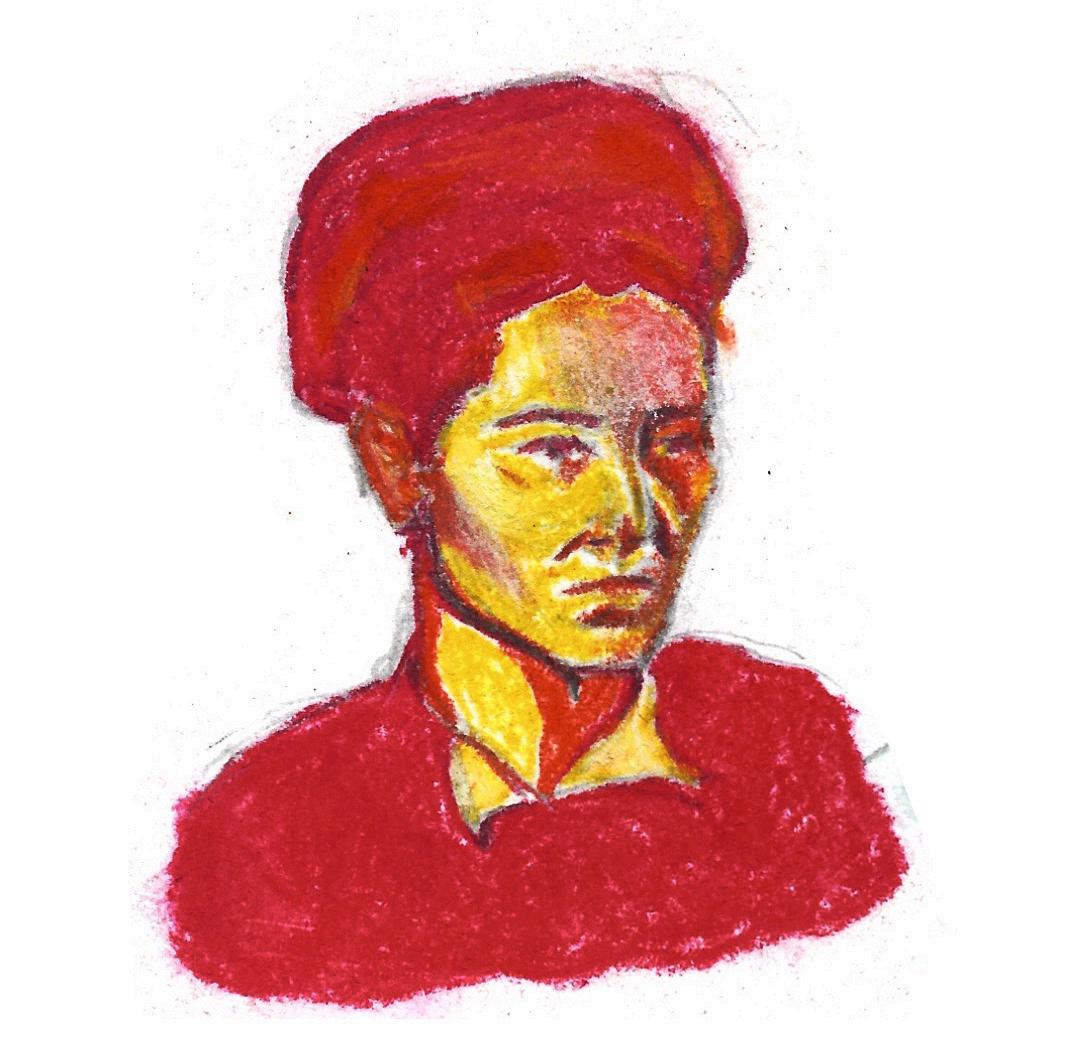
De Beauvoir schrijft dat het huwelijk dient te werken in de belangen van de gemeenschap, denk hierbij aan economische en seksuele verbintenissen. Persoonlijk geluk is niet van belang. Zelfs maar doen alsof een verbintenis door te trouwen liefde kan opwekken of voortbrengen, noemt De Beauvoir hypocriet. Het is volgens haar pure absurditeit om iemand te beloven dat je voor immer en altijd van diegene zal houden. Het hoogste doel van de menselijke liefde is om zich te identificeren met de ander. De incest theorie van Montaigne aanhalend, schrijft De Beauvoir echter dat
dit niet haalbaar is doordat erotiek een bewegen is naar de Ander toe. Wanneer het echtpaar zich identificeert met elkaar bewegen ze zich niet meer naar de Ander toe maar naar Zichzelf. Er ontstaat hierdoor een gevoel van schaamte tijdens seksuele handelingen. Een soort gemeenschappelijke masturbatie, noemt de schrijfster dit.
Authentieke liefde
In hetzelfde boek waarin staat dat er in het algemeen geen eeuwig ‘houden van’ kan bestaan, schrijft De Beauvoir over authentieke liefde – of ‘echte’ liefde. Authentieke liefde – in tegenstelling tot inauthentieke liefde – neemt de gebreken, beperkingen en eigenaardigheden van de ander zoals deze zijn. Authentieke liefde is gebaseerd op de vrijheid en autonomie van beide partijen en deze gunnen elkaar de vrijheid. Alleen wanneer de autonomie erkent en geaccepteerd wordt door de ander, kan authentieke liefde bestaan, schrijft De Beauvoir. Inauthentieke liefde is gebaseerd op de ongelijkheid tussen de seksen, waarbij de vrouw op de tweede plek staat. Volgens de schrijfster zorgt de verschillende betekenisgeving van de seksen aan het woord ‘liefde’ voor misverstanden en ongemakken. Vrouwen wijden zich masochistisch aan de man door zich compleet in dienst te stellen van het gezin waardoor zij zichzelf al het persoonlijke plezier ontneemt. Binnen deze ongelijkheid kan authentieke liefde nooit bestaan.
Anno nu
Alhoewel De Tweede Sekse nu ruim zeventig jaar geleden is geschreven, is het werk van Simone de Beauvoir nog steeds relevant. Vrouwen hebben wel degelijk door de feministische revoluties meer rechten vergaard sinds de tijd waarin De Beauvoir De Tweede Sekse schreef; toch blijven ongelijkheden in de behandeling van man en vrouw voortbestaan. In een onderzoek van de Zweedse universiteit Göteborgs is gebleken dat vrouwen die hun mannelijke partners professioneel of academisch voorbijstreven, een
10 Cul Magazine
In Depth
grotere kans hebben op een echtscheiding. Alhoewel vrouwen tegenwoordig hoger zijn opgeleid dan mannen, blijft maatschappelijk succes een mannelijk domein, schrijft Ine van Houdenhove voor de KU Leuven in 2018. Vrouwen met academisch of werk gerelateerd succes voeren thuis meer zorgtaken uit. Alsof ze boete doen voor hun “onfeminiene” gedrag. Uit recente cijfers van het CBS is af te lezen dat vrouwen in Nederland nog steeds twee keer zoveel tijd aan huishoudelijke taken besteden ten opzichte van mannen en 52 procent van deze vrouwen niet economisch zelfstandig is. Tegelijkertijd is er wel degelijk een vooruitgang in de economische zelfstandigheid van de vrouw. Hierdoor kan zij er nu ook voor kiezen om op zichzelf te leven in plaats van dat zij afhankelijk is van het inkomen van haar man. Ze heeft haar partner niet langer nodig voor haar levensonderhoud zoals in de tijd van De Beauvoir. Zo ook is het voor de vrouw nu veelal mogelijk om haar man te verlaten wanneer hij zich niet houdt aan de gemaakte afspraken. De tijd van consequentieloos vreemdgaan is voorbij. Hierbij moet wel genoteerd worden dat dit niet geldt voor elke vrouw in elk land. Nog steeds bestaan er grote maatschappelijke verschillen tussen de genders in de wereld. Gelijkheid is afhankelijk van de culturele en religieuze context. De zelfstandigheid die de atheïstische Nederlandse vrouw heeft, geldt niet voor iedereen en is ook niet wat elke vrouw ambieert.
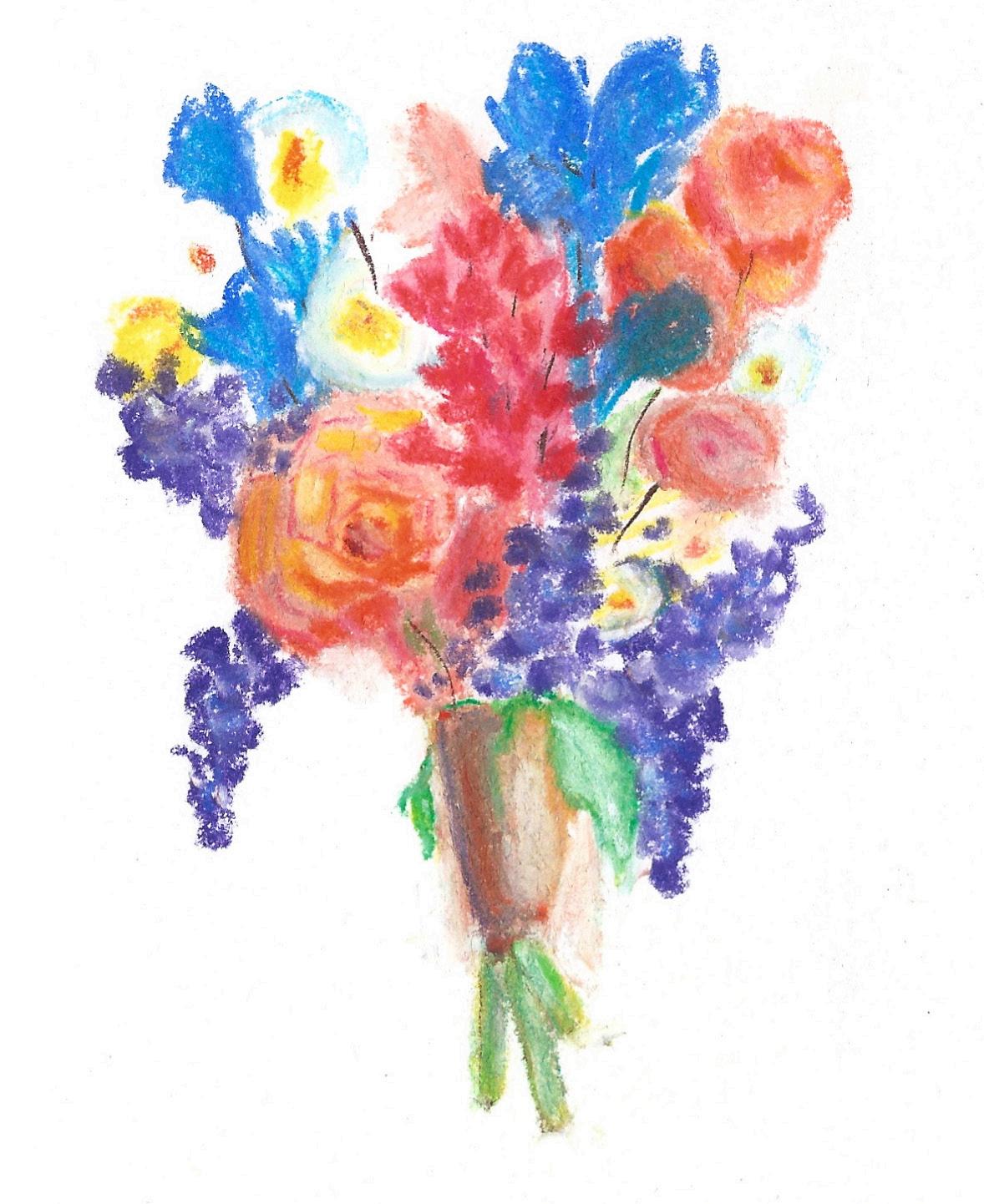
Toch gelooft Simone in het bestaan van ‘echte’ liefde
Kan authentieke liefde bestaan?
Gezien de genders nog steeds niet op gelijke voet staan, kan je stellen dat authentieke liefde niet mogelijk is wanneer je dit definieert als een samenkomst van twee vrije individuen. Toch, in tegenstelling tot Jean-Paul, geloofde Simone in het bestaan van ‘echte’ liefde. Hiermee valt niet te zeggen dat Jean-Paul niet evenveel van haar hield als zij van hem heeft gehouden. Wellicht is het juist de betekenis die we geven aan liefde iets waar we de touwtjes van moeten laten vieren.
Toen Jean-Paul Simone ten huwelijk vroeg, wees zij hem af om principiële redenen. Zoals zij schreef in De Tweede Sekse geloofde ze niet dat mensen kunnen voldoen aan de beloften die worden gemaakt bij het afsluiten van een huwelijk. Dat elk individu verandert door zijn leven heen, maakt het onrealistisch om elkaar ‘voor altijd’ te beloven.
In plaats van een wettelijke verbintenis kozen Simone en Jean-Paul voor een verbintenis die zij zelf als
tegenstrijdig met de burgerlijke hypocrisie zagen – tegen het patriarchale idee in dat de vrouw blind is voor het vreemdgaan van de man. De twee geliefden erkenden elkaars autonomie en hielden van elkaar in de vorm van vrije liefde. Ze gaven elkaar de vrijheid om zich te ontwikkelen onafhankelijk van elkaar en relaties met andere mensen te ontdekken. De enige afspraak die ze hadden was volledige eerlijkheid.
Gezien De Beauvoir stelt dat het ultieme geluk te vinden is in de identificatie met de ander, dat door deze identificatie seks samenkomt met een gevoel van schaamte en dat echte liefde alleen kan bestaan tussen twee autonome individuen, is, al deze factoren meegenomen, een open of polyamoureuze relatie de enige manier waarop authentieke liefde zou kunnen bestaan. Helaas contrasteert dit met het idee dat de mens volgens evolutiebiologen monogaam is en met het feit dat de instituties om ons heen gevormd zijn naar dit idee.
Zo lang als de mens nog bezig is met doorevolueren, moeten we buiten de bestaande seksistische structuren denken en de ideeën over hoe liefde eruit moet zien, loslaten. Als Simone zich had gedragen naar wat andere mensen van haar verwachtten, was De Tweede Sekse nooit geschreven en was de vrouw nog steeds een vazal van de man geweest.
Cul Magazine 11 In Depth
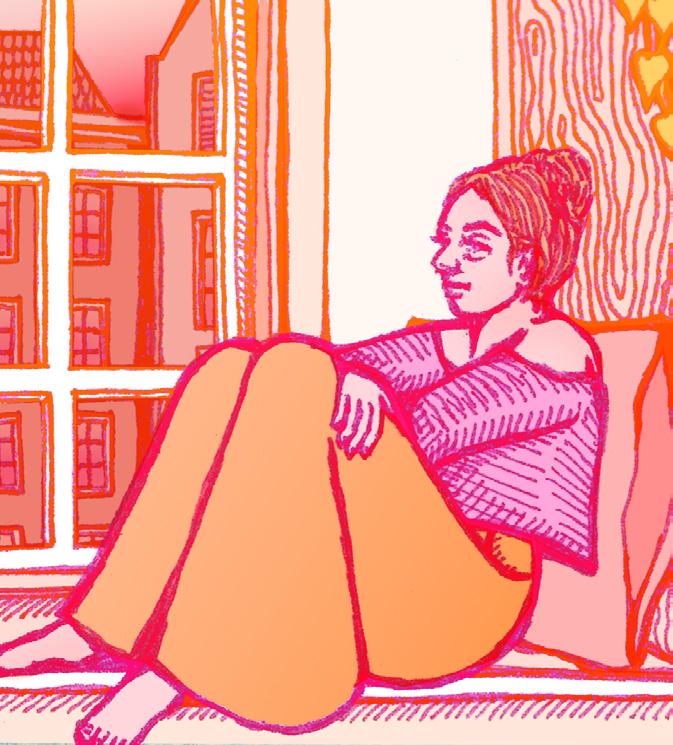
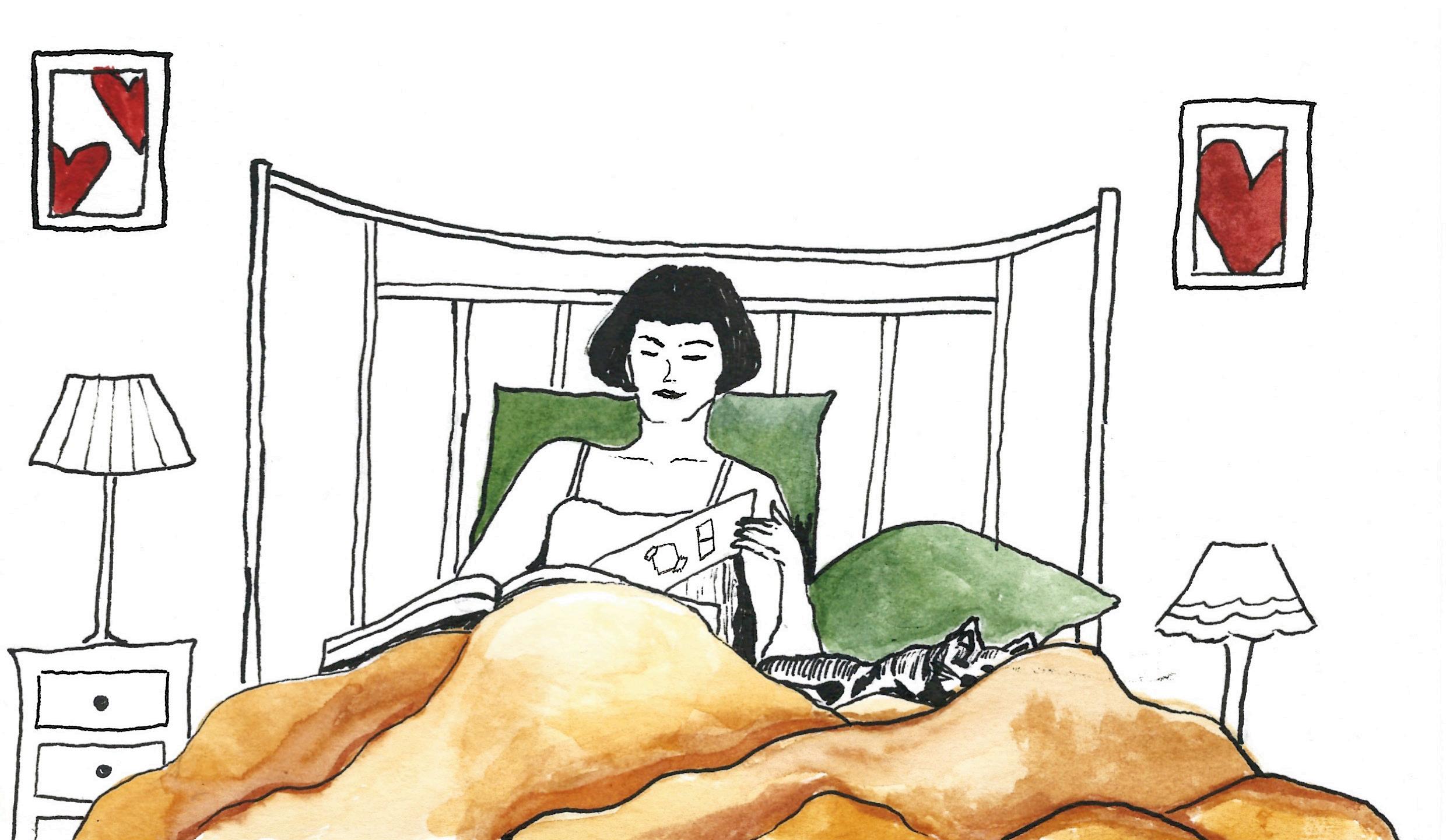
Around five years ago I moved from London to Amsterdam with my partner for his work. I was 25, fresh out of my second architecture degree with a sense it was no longer what I wanted to take up my waking life. I was frustrated with sexism and capitalism and the impacts of both within architecture. I didn't know anyone in this city except my partner. I needed a new life plan and new friends. But how do you make friends as an adult?
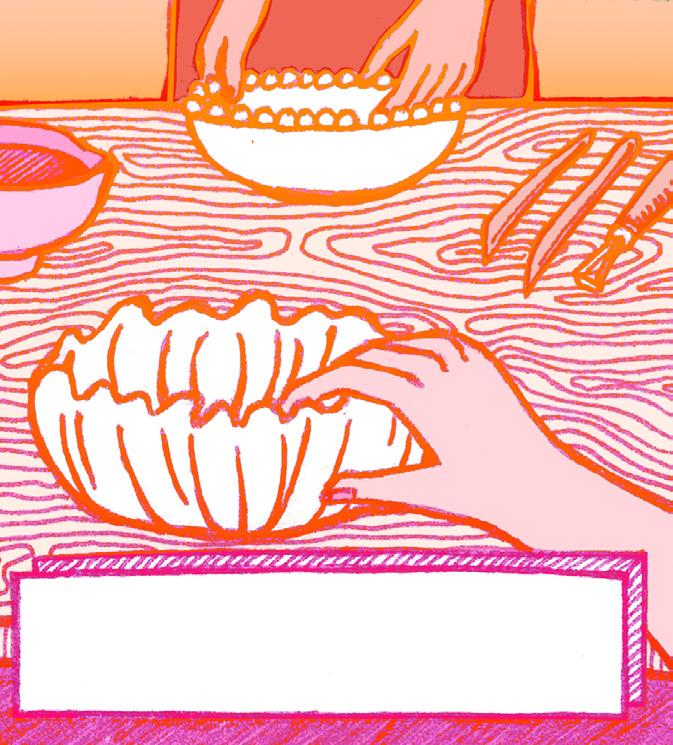
I began by following my interests and started a 6 week evening ceramics class.
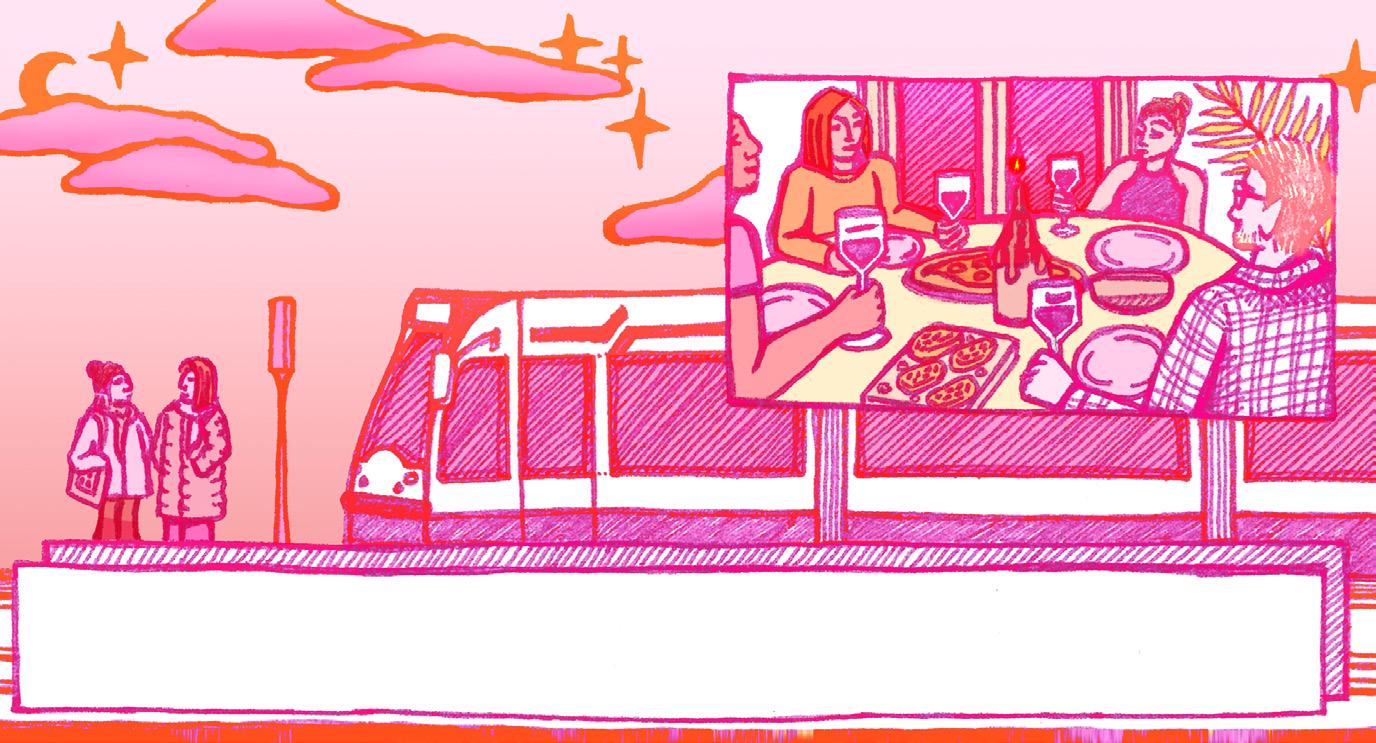
Here I met the person who is now my oldest friend in Amsterdam. We shared the tram ride home after class each week and eventually decided we should do a double dinner date.
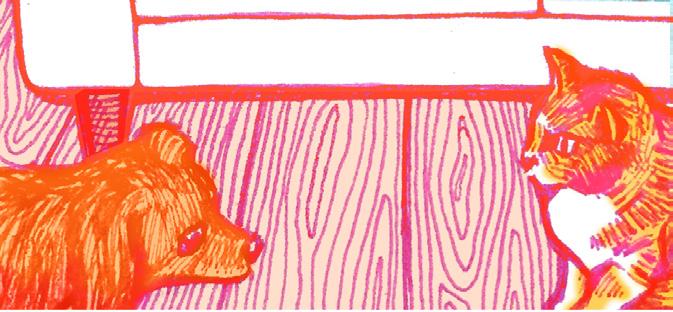
This was followed by coffee dates, more dinner dates, film nights, house parties, and celebrations of significant moments in ours (and our partners) lives. Even our animal companions are making friends now.
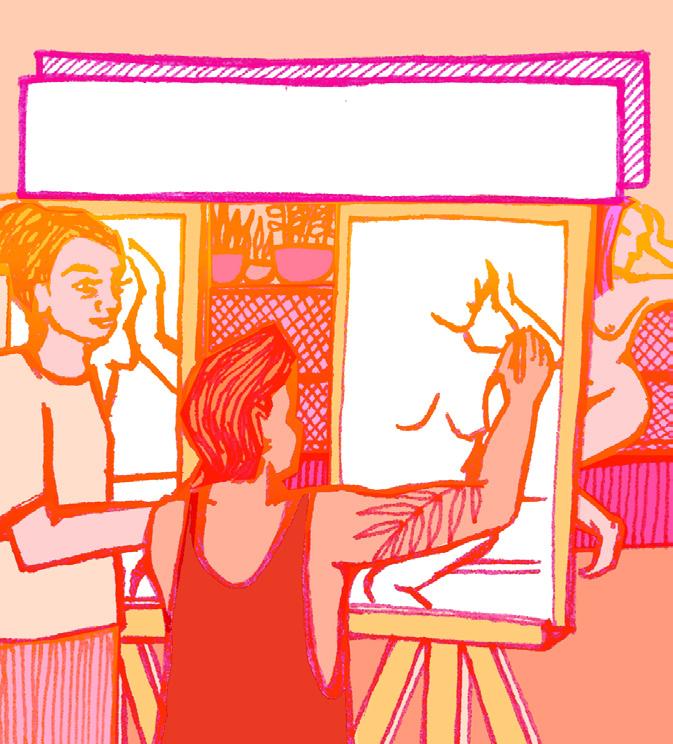
I went life drawing and drank wine in tiny Dutch pubs.
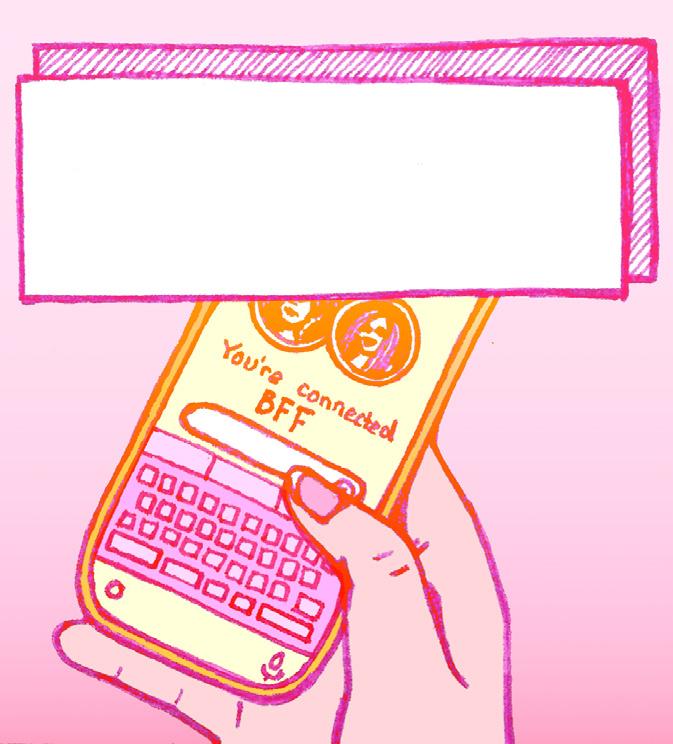
Finding friends through hobbies can be slow. So I looked for more options, and found Bumble BFF , a friend version of the dating app.
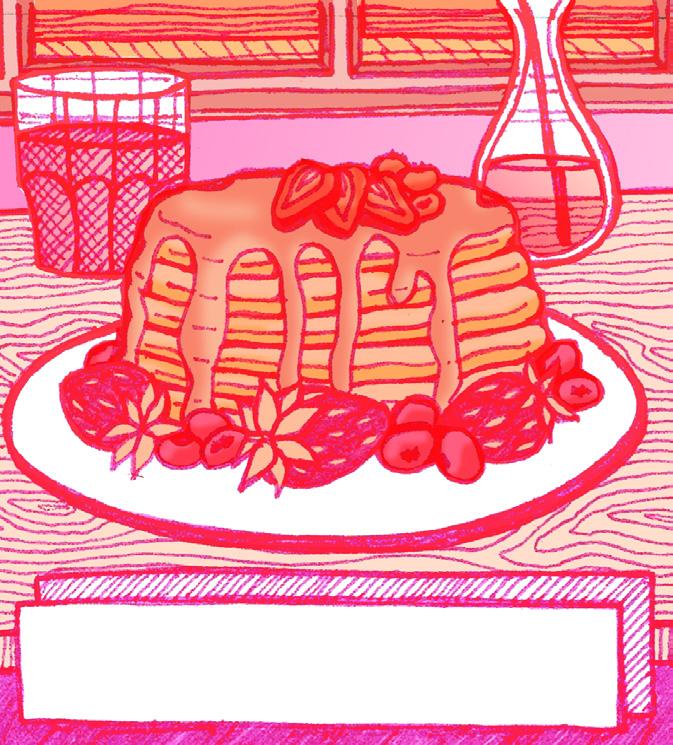
I went for pancakes and visited photography museums.
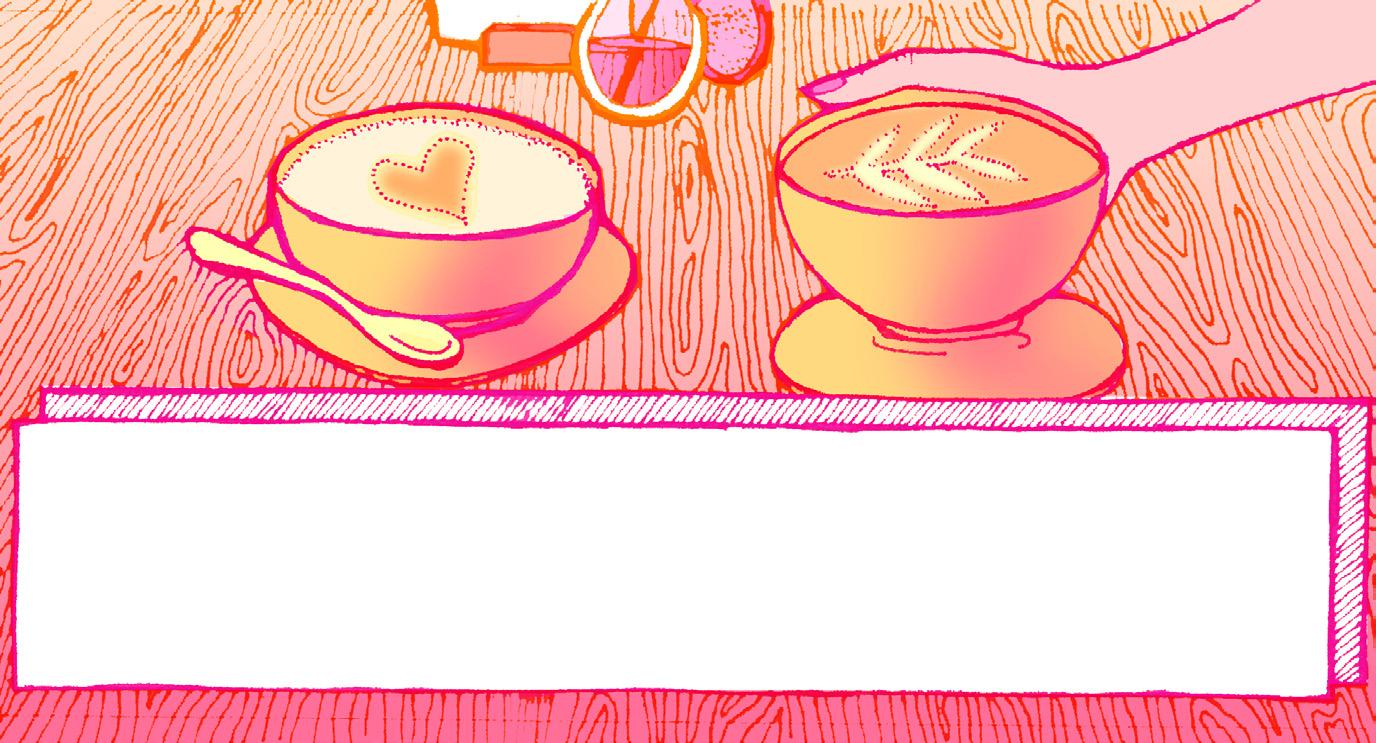
I had deep discussions about feminism over coffee and shared life stories over lunch. But, I didn't see everyone again, sometimes deep discussions never continued, or a lack of shared interests made for a slightly awkward evening. Finding new friends resembled dating, you have to create the possibility for new connections, but it doesn't always lead anywhere.
12 Cul Magazine Story
Text and image Harriet Smith
As I settled into life in Amsterdam I did a 3-month ceramics internship, followed by a six-month Dutch evening course and 10 months of waitressing, until the pandemic. People moved in and out of my life. I wasn't always surrounded by people, but I felt less isolated.
The pandemic changed many friendships. Care gained an elevated priority as we checked in on each another. Friendships became digital with new regular online catch ups and no friends visiting from abroad.

During the pandemic I started new freelance jobs, a new university study, and new volunteer roles. My world expanded even as I was mainly inside. The people in my life began to grow more organically, and I was less awkward and nervous to ask people if they wanted to spend some time together outside of work and studying.
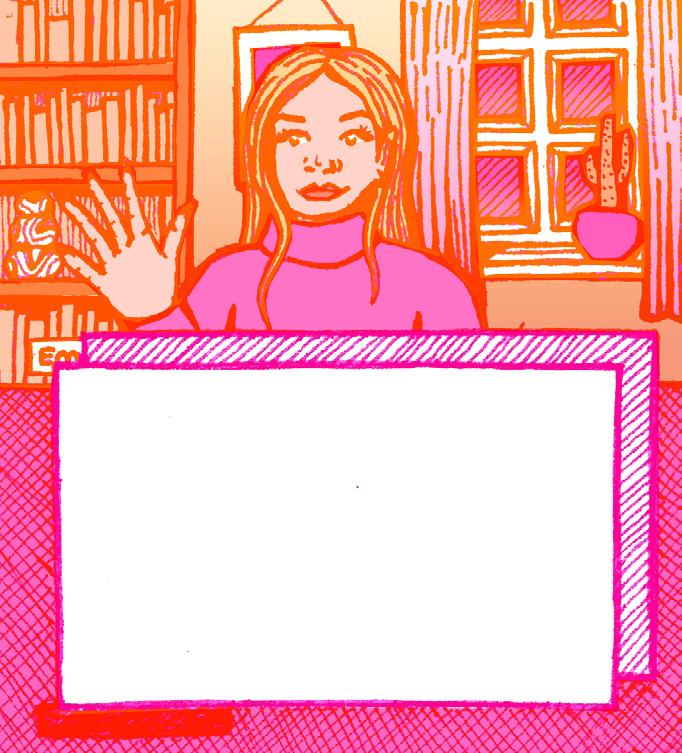
As lockdowns and curfews ensued, I had dinner with a small circle of friends in each other homes, taking care to test before seeing each other. There was a new level of intimacy.
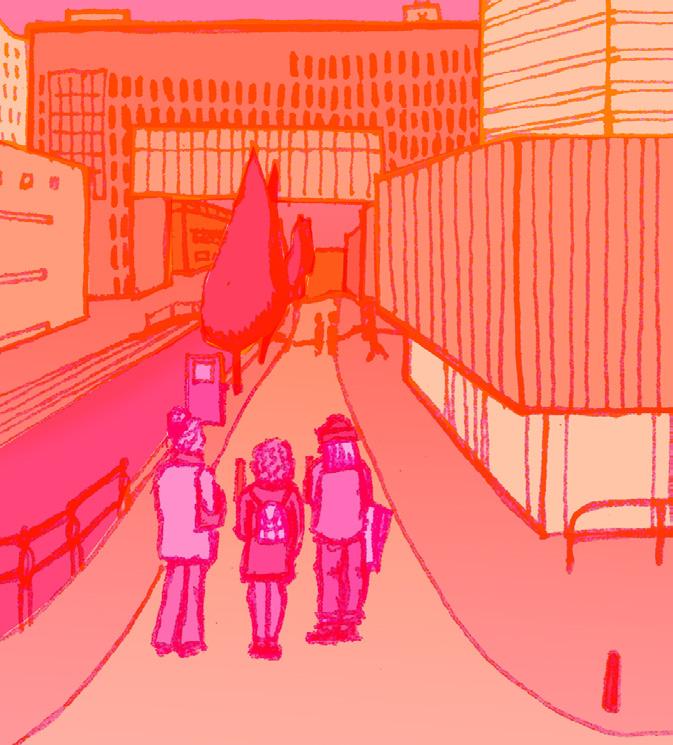
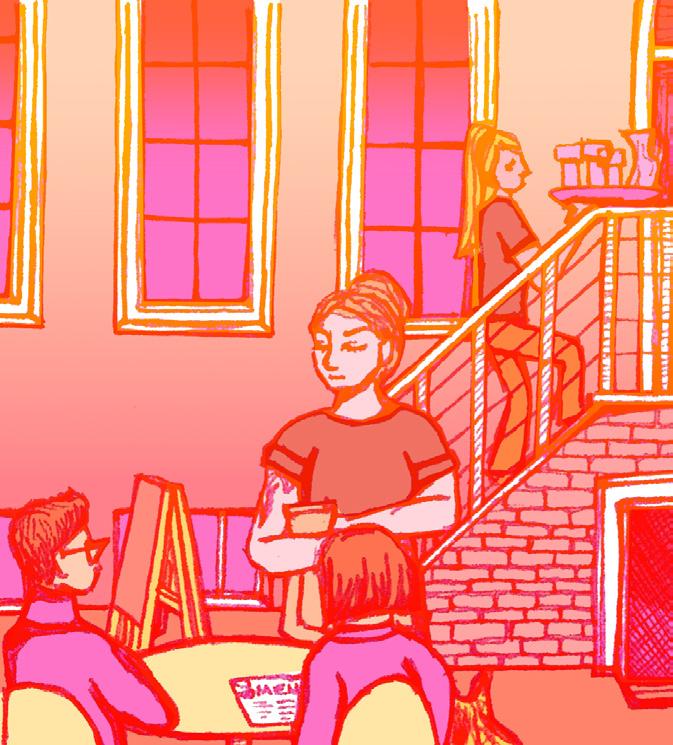
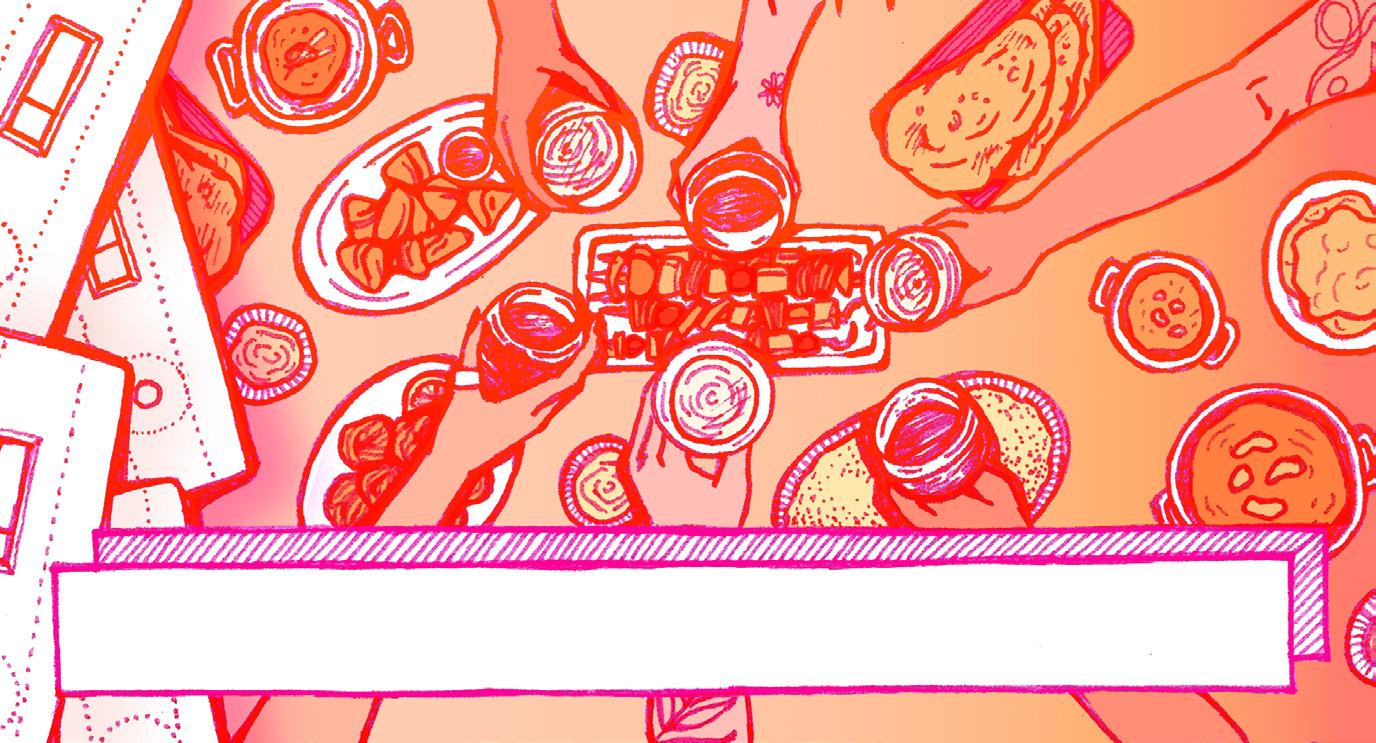
Making friends as an adult is different than when you can befriend your classmate sat next to you. You have to learn what you want in a friendship. How do you like to communicate? When and where do you want to spend time together? How often do you expect to see someone and how do you feel if it isn't balanced?
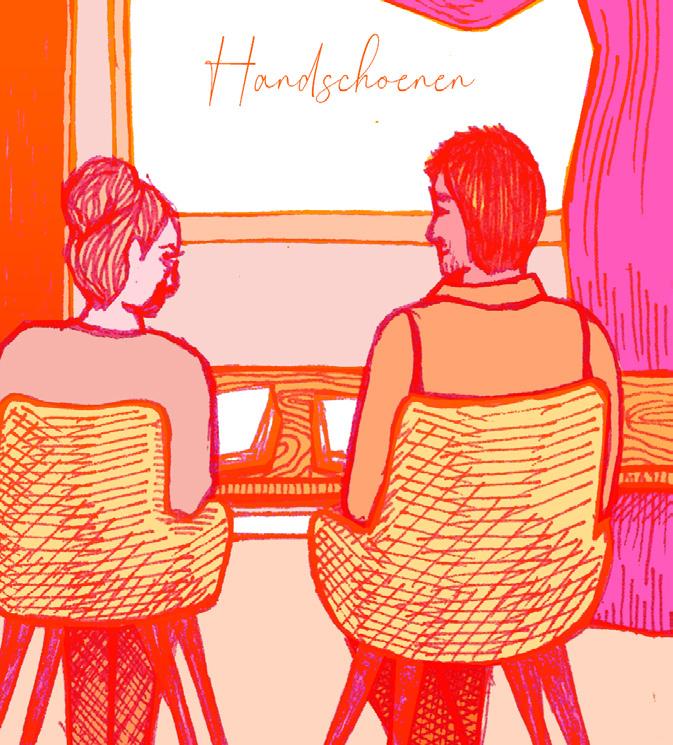
Telling someone you want to spend more time with them can feel vulnerable, but intimacy requires vulnerability, and intimacy is essential to deep social relationships.
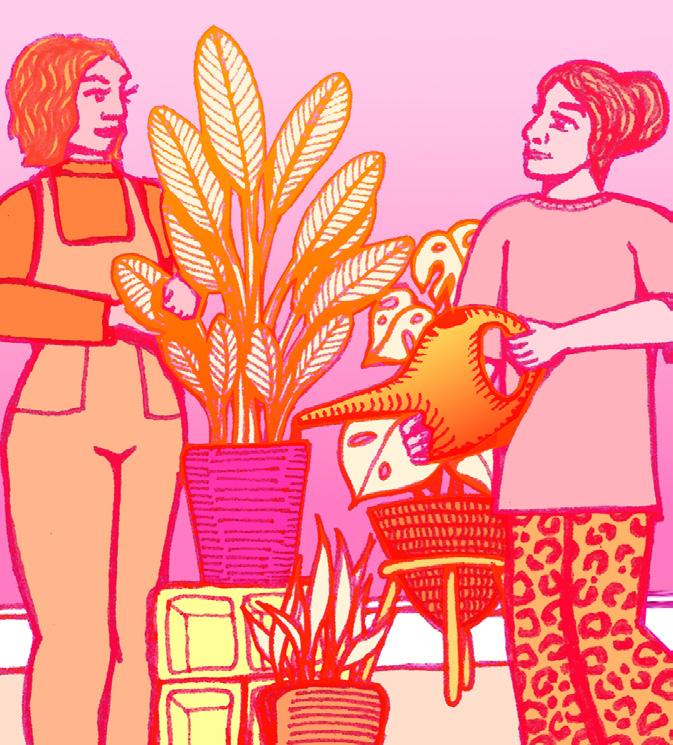
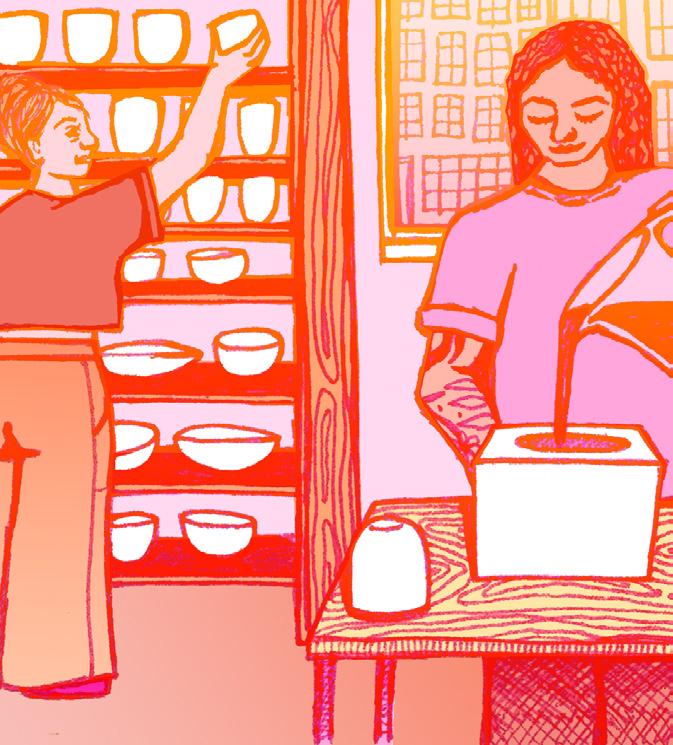
Life is short. Invite people you think are cool or funny or interesting to hang out with you and tell your friends you love them!
Cul Magazine 13 Story
‘Les temps sont durs pour les rêveurs’
Amélie als ode aan de eenzame dromer
Het moment waar de kijker al de hele film op heeft gewacht: Amélie is van plan haar geheime crush, Nino, te vertellen dat zij het was die hem al die tijd mysterieuze berichten heeft gestuurd. Haar hart begint te bonzen wanneer hij plaatsneemt in het café. Zou hij haar herkennen? Wat gaat ze zeggen? Misschien maar beter niets. Weet je wat; dit hoeft ook eigenlijk niet nu. Laat maar zitten. Amélie rent weg.
Tekst en beeld Rachel Kok
Voor wie bij de in 2001 door Jean-Pierre Jeunet geregisseerde film Les Fabuleux Destin d’Amélie Poulain alleen nog maar kan denken aan dat ene bekende pianodeuntje, is het wellicht tijd voor een opfrisser. Amélie Poulain, zo vertelt de droogkomisch Franse stem aan het begin van de film, groeit op met een labiele moeder en een kille vader. Doordat ze thuisonderwijs krijgt, heeft ze geen contact met andere kinderen. ‘Amélie kan enkel in haar fantasiewereld vluchten,’ aldus de verteller. Niet veel later verliest Amélie haar goudvis (tevens haar enige levende vriend), en sterft haar moeder
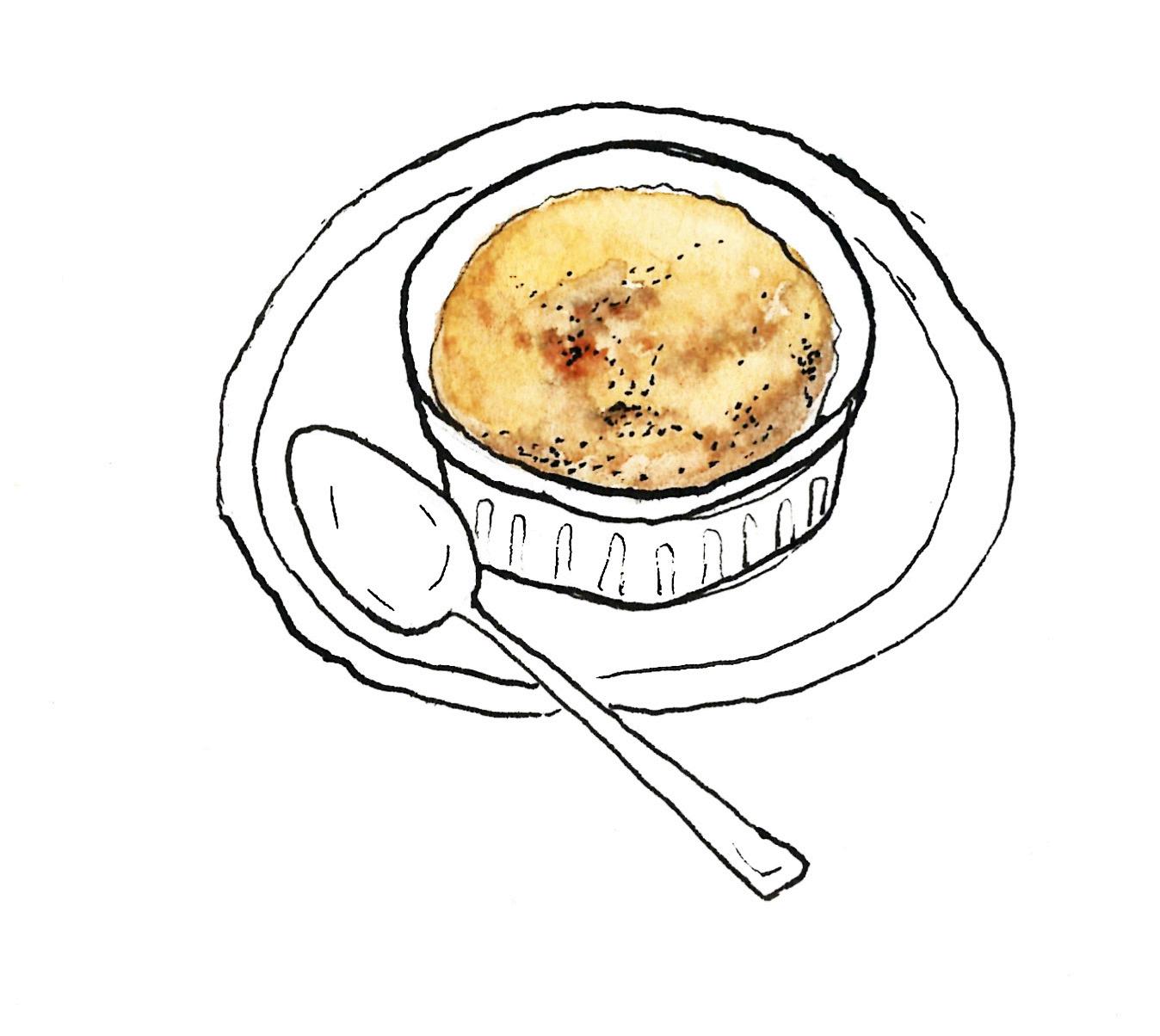
door een ongeluk, waarna Amélie achterblijft met haar afstandelijke vader. Na een sprong in de tijd leren we Amélie kennen als verlegen en dromerige twintiger. Ze werkt als serveerster in het Parijse café Les Deux Moulins. Haar geluk haalt ze uit de kleine dingen, zoals het doorprikken van een crème brûlée-korstje of het steken van haar hand in een zak bonen. Wanneer ze per toeval een oud speelgoeddoosje vindt in haar appartement, ontdekt ze nog een andere bron van blijdschap: het geluk van anderen. Ze besluit het doosje terug te brengen
Wat is een romantische film zonder de vereniging van twee geliefde
14 Cul Magazine Review
naar de eigenaar en zich voortaan met de levens van anderen te bemoeien. Amélie maakt van het leven een spelletje, waarin ze, zonder haar identiteit als guardian angel te onthullen, op creatieve wijze het leven van anderen een beetje mooier weet te maken. Een voorbeeld is de scène waarin ze de wereld om haar heen beschrijft aan een blinde man die ze helpt oversteken, waarna hij stralend van geluk achterblijft. In deze fantasierijke manier van leven toont zich ook iets van Amélie’s eenzaamheid. Ze spendeert haar dagen alleen, en haar onwil om zich als held te vertonen zou je kunnen lezen als een angst om gezien te worden. Amélie’s sociale ongemak wordt vooral zichtbaar wanneer ze Nino opmerkt: een excentrieke jongen die weggegooide foto’s verzamelt bij fotohokjes. Met een inventief kat-enmuisspel weet ze zijn aandacht vast te houden, maar zonder daadwerkelijk op hem af te stappen. Amélie houdt zich liever bezig met anderen dan dat ze haar eigen gevoelens confronteert.
Een hoogsensitief personage
Met de psychologische wetenschap van nu zouden we Amélie kunnen omschrijven als ‘hoogsensitief persoon’ (HSP). De term HSP verwijst naar een persoonlijkheidskenmerk waarbij er diepgaande informatieverwerking plaatsvindt in de hersenen. Samen met zo’n vijftien tot twintig procent van de wereldbevolking val ik ook in deze categorie, wat betekent dat ik meer prikkels opmerk, ze dieper verwerk, en er intenser op reageer dan anderen. Van de kenmerken die HSP-coach Maaike Kruijsen beschrijft op haar blog, kunnen Amélie en ik er beide een hoop afvinken: ‘je neemt veel details waar, je kunt originele oplossingen bedenken in complexe situaties, je bent gericht op anderen en hun behoeften, je voelt je anders dan anderen’.
Hoogsensitiviteit kan ook leiden tot verlegenheid en sociale angst. Zelf ervaar ik dat sociale situaties snel overweldigend zijn, waardoor ik eerder geneigd ben me terug te trekken. Die overweldiging heeft er mee te maken dat ik me vaak bewust ben van de aanwezigheid van anderen. Ik leef me automatisch in in hoe zij denken en mij waarnemen, wat mij vervolgens weer hyperbewust maakt van mezelf. Dit zou Amélie’s verlegenheid kunnen verklaren, gecombineerd met het feit dat ze als kind nooit contact had met leeftijdsgenoten. De manier waarop ze de wereld intenser waarneemt dan anderen kan haar onbegrepen en daardoor eenzaam laten voelen.
Dat Amélie extra met sociaal ongemak worstelt wanneer het op de liefde aankomt, is ook maar al te herkenbaar. Sociale situaties waarbij er expliciete verwachtingen in de lucht hangen (lees: dates) versterken mijn zelfbewustzijn, waardoor ik spontaan niet meer weet hoe ik mezelf moet zijn. Net als Amélie kom ik dan liever van een afstandje alles over iemand te weten, in plaats van dat ik mijn gevoelens kenbaar maak.
Van fantasie naar werkelijkheid
Dat brengt me bij mijn tegelijkertijd minst én meest favoriete scène uit de film. Nadat ze Nino heeft onderworpen aan een ingewikkelde speurtocht met posters, briefjes en foto’s, weet Amélie een afspraakje te plannen in Les Deux Moulins.
Amélie is een ode aan de eenzame dromer, de hoogsensitieve underdog
Daar zal ze dan eindelijk haar identiteit aan hem onthullen. Maar er gebeurt niet wat Amélie van tevoren had gepland: ze wordt bang en knijpt ertussenuit. Een frustrerend moment voor de kijker, maar tegelijkertijd voel ik me erdoor begrepen. Amélie heeft een uitvoerig plan bedacht om te krijgen wat ze wil, maar op het moment suprême neemt de angst het van haar over. Amélie moet de werkelijkheid confronteren en dat is eng. Vooral als je je hele leven in je comfortabele fantasiewereld hebt doorgebracht.
Happy end?
Aan het einde van de film komt het dan toch goed voor Amélie: net wanneer ze alle hoop op hereniging met Nino heeft opgegeven, klopt hij aan haar deur. Via een collega van Amélie heeft hij haar adres kunnen opsporen. Dit is waar de film mij even verloor wat betreft herkenbaarheid: in het echte leven staan de mensen die ik leuk vind niet opeens voor mijn deur. Toegegeven, Amélie moet haar angsten onder ogen komen voordat ze de deur voor hem open durft te doen. Maar dat de jongen die ze stiekem leuk vindt haar ook interessant genoeg vindt om achterna te gaan, voelt toch onrealistisch. Misschien is de boodschap dat ik de liefde dichtbij moet zoeken, en dus iemand moet vinden die net zo gevoelig en observerend is als ik. Of misschien heeft de film zo’n zoetsappige happy ending omdat de filmmakers nou eenmaal niet anders konden. Want wat is een romantische film zonder de vereniging van twee geliefden.
Ik denk dat er nog een andere les is die ik van Amélie kan leren. Door de manier waarop ze de mensen om haar heen helpt, brengt ze een beetje van haar romantische levensvisie aan hen over. Ze creëert een gedeelde werkelijkheid, in plaats van dat ze haar eigen fantasiewereld moet opgeven om mee te doen aan het ‘echte’ leven. Door haar levensvisie uit te dragen is het dan misschien niet zo gek dat een gevoelig iemand als Nino haar weet te vinden.
In een wereld die soms voelt alsof die gemaakt is voor extraverte mensen, is het een geruststelling dat een film met een introverte HSP’er in de hoofdrol het ook aan populariteit kan winnen. Amélie is een ode aan de eenzame dromer, de hoogsensitieve underdog. Het leert ons dat onze geromantiseerde versie van de werkelijkheid de moeite waard is - en juist nodig is - om met de wereld te delen.
Cul Magazine 15
Review
In Depth
Hints of colour
Queercoding through the ages
roses are red violets are blue these poems are gay and so are you
Do roses and violets have any special meaning to you? Would you think anything of it if someone wore a green carnation? Maybe you would not. Maybe to you a closet is just a space to hang your clothes. But for some it means a little more.
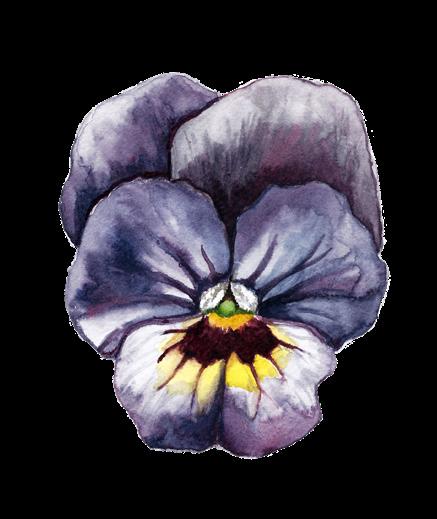
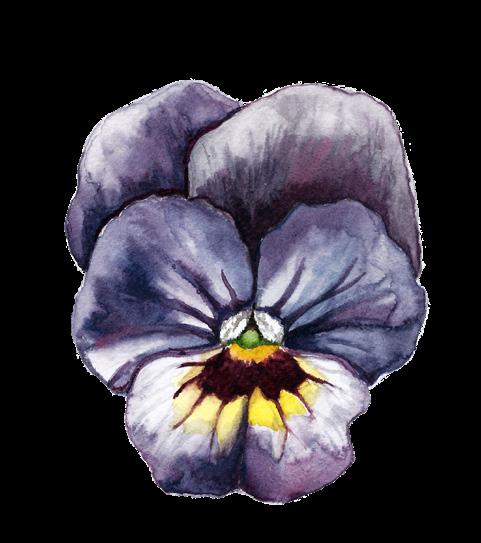
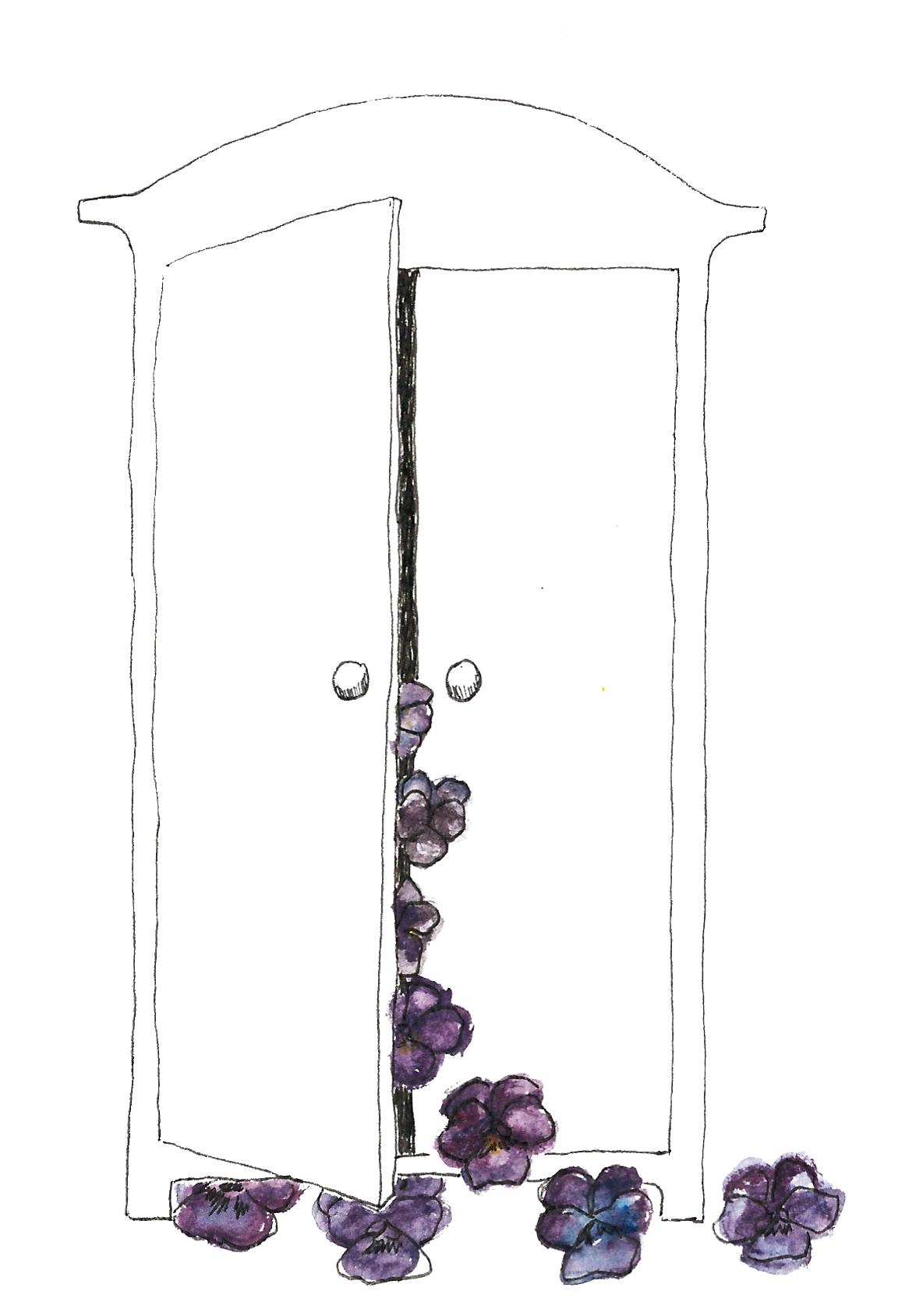
Queercoding is giving subtle hints that someone is queer, most often in artistic media such as films or literature, but people also use ‘queer codes’ to signify their queerness to others in their daily lives. One of the first examples of queercoding was in ancient Greece, six thousand years before the birth of Christ. There once was a poet, her name was Sappho and she lived on the island Lesbos. Thanks to her, we have the terms sapphic and lesbian for women and non-men loving one another. Sappho wrote many beautiful poems about flowers, but only one of these flowers became a very famous queercoded symbol: the violet. It is assumed that a possible lover of Sappho wore violets around her neck. In one of these poems she writes:
Many crowns of violets, roses and crocuses…together you set before more and many scented wreaths made from blossoms around your soft throat…with pure, sweet oil…you anointed me, and on a soft, gentle bed…you quenched your desire…no holy site…we left uncovered, no grove…
The violet became linked with female desire
In ancient Greece, violets and other purple flowers were associated with purity and were often worn by unmarried girls and women. The phrase ‘with violets in her lap’ often returns in Sappho’s poetry, to signify the unwedded status of the woman she is writing the poem about. There has been some speculation in academia about whether Sappho even was a lesbian, because she married a man, whose name roughly translates into ‘Big Dick from Man Island’. This, of course, could be his real name, it could also just be a very ancient version of a dick joke. Because she lived so long
ago and has been dead for many ages, there is no way to ask her if she was lesbian, bisexual or just straight and admired female beauty in a completely heterosexual way.
The colour purple
The image of the violet in Sappho’s poetry is an old image, one that survived in the fragments of her writing we still have, and became linked with female desire. Other female poets started using the image in their own poetry and the purple flower also became common as a gift between sapphic lovers. One example is Emily Dickinson, a poet from the 1800s. She wrote long, yearning letters with dried violets in the envelopes to her sister-in-law and ‘historically close’ best friend Sue. She also wrote multiple poems about Sue, in which she writes:
Still in her Eye
The Violets lie Mouldered this many May
At one point in time, in the late 1920s there was even a drop in sales of the violet in the United States, because of the (negative) connotation of the flower with lesbianism. During a 1926 play called ‘The Captive’, one female character sends another woman a bouquet of violets. This small, innocent gesture caused the public to demand censorship and the boycotting of the play. Purple has always been a magical colour, associated with luxury, wealth and magic. Kassia St. Clair, cultural historian of colours, writes how in the nineteenth century, people could start wearing purple clothing with the accidental invention of synthetic dye, but it was still quite an expensive colour, outside of the ordinary. At the end of the nineteenth century, the lovely shades of purple became connected to homosexuality once again. A new art movement came into

16 Cul Magazine
Text Lieke van den Belt Image Rachel Kok
existence in Europe, called Aestheticism. One of the leaders of these Aesthetes was the flamboyant author Oscar Wilde; it was their mission to pursue passion, beauty and ’art for art’s sake’. They stood against everything the Victorian age demanded of them, namely, heterosexuality and civilian life. The Aesthetes were seen by the general public as ‘effeminate’ men, and Oscar Wilde was criticised for his ‘purple hours’ with ‘his boys’. He also instructed his followers to wear green carnations on the opening night of one of his theatre plays, making yet another flower a queer symbol.
Purple has always been a magical colour

Scared of lavender
Although queercoding is a well-loved phenomenon by some, other people would like to see more out and proud representation, where queerness is clearly visible in the open. There is no need for being stuck inside a closet in society nowadays, everyone is okay with gayness, right? Wrong. To assume there is no need for closeting or coming out anymore takes away the fact that even nowadays, homosexuality is illegal in a lot of societies or seen as ‘morally wrong’. Without getting into the kind of laws that are being enforced on transgender and non-binary people in places such as Great Britain. It is not that long ago that our attitudes towards homosexuality started shifting. The year that the author of this article was born (2001), was the year that homosexual marriage was made legal in the Netherlands, the first country in the whole world to do so. Until 1973 homosexuality was a mental illness in the American version of the Diagnostic and Statistical Manual of Mental Disorders (DSM).
Another example of our shift in attitude from slightly longer ago is a phenomenon called the Lavender Scare in the United States, the nosy sibling of the Red Scare. The Red Scare was during the Cold War, mostly in the 1940s and 1950s. Under Senator McCarthy thousands of workers in the federal government were fired on suspicion of being communist spies. The Lavender Scare was another uproar in the period of 1950s until the late 1960s, about the fact that there were queer people (gasp!) working in the government. Queer people were seen as ‘sexual perverts’ and there was a fear of their collaboration with communists. It was thought that their homosexuality would make them easier to blackmail. In 1953, President Eisenhower signed Order 10450, whereafter thousands of queer indivudals were fired from their jobs in the federal government, which in some cases caused them to lose their housing.
True colours
Queercoding is almost like a metaphorical representation of what a lot of queer people have to go through in their lives until they come out. You try to hide yourself away in a closet, but cannot prevent the colours from spilling out. Although it can be scary to come out, it is also beautiful. Your colours will brighten the queer world waiting for you out there. The phrase ‘coming out’ used to mean exactly that, coming out into a ‘gay society’, in the same kind of sense that young girls used to ‘come out’ in a debutante ball as women eligible for marriage.
That is the power of art, and frankly, homosexuality
Young queer teens search for slivers of representation, of recognition and affirmation in media and amongst peers that they are not the only one. Someone wearing a rainbow bracelet or with dyed violet hair could be safe, an outlaw cowboy such as oneself. Asking if someone knows the music artists girl in red or Hayley Kiyoko may seem like a casual question to some, but for others it is a big deal, similar to asking if one was a ‘friend of Dorothy’ in the 1930s. An author or character does not even need to be queer themselves, you can read something as queer even if the author did not intend it to be - that is the power of art, and frankly, homosexuality.
Cul Magazine 17 In Depth
You cannot prevent the colours from spilling out
Memento Mori
Exploring the true meaning of Romanticism and the Gothic through historiography, philosophy, and literature
Having a look at the historical unfolding of western culture since antiquity reveals an interesting trend: popular cultural movements seem to oscillate between two ideals. These overarching ideals are juxtaposed against each other, with all given cultural shifts occurring in reaction to the previous norm. The ideals in trend establish what should be prioritised and how we should approach our internal and external worlds.
Text and image Miranda Tate
The ideals in vogue during a period in history will colour the societal consciousness and lend a general direction to life in terms of philosophy, culture, and the arts. The dichotomy alluded to above is the question of whether to approach life through the mind or the heart, through the lens of emotion, or empiricism. Every historic era has favoured one or the other, with Romanticism occupying a unique position of convergence by adopting elements of both. In Romaticism’s literary wing, the Gothic, and in its philosophical influences in the work of Nietzsche, a case can be made that the most fitting approach to life leaves space for subjective and objective analysis.
To approach life through the mind or the heart?
In terms of history, we see this question played out in the rhetoric and logic-based philosophy of Antiquity, then shifting towards the Middle Ages, which has become to be considered a time devoid of reason, particularly by the great thinkers of the next cultural shift: the Enlightenment. The Age of Enlightenment began in the 17th century and followed a transitionary period known as the Renaissance. It prioritised and placed above all else the empirical approach to life, the use of our senses and logic in addressing the world through a critical scientific lens to produce objective knowledge. European philosophers embraced a return to the ideals of antiquity. Therefore, they reflected on the Middle Ages with disdain, and labelled it with the pejorative term ‘Gothic’. The term Gothic was applied to the entirety of the cultural happenings of the roughly 1,000 years between the end of the Age of Antiquity with the Fall of Rome and the beginning of the Age of Reason, which drew Europe out of the Dark Ages.
The culture of the Middle Ages was one that was coloured by emotion, with religion as the ultimate societal structuring element. Death was normalised due to the Black
Plague and the religious atmosphere of the time. With the prevalence of Christianity, as a strict moral and social code that gave instructions on how to live to avoid the endless suffering of Hell, death was centred as a concept of daily life. As a theme, it was central to the arts, and the visual and literary language of this time illustrates the relationship the people of the Middle Ages had with death. Death was digested in an imaginative, superstitious way and became personified as a social actor. A popular genre of paintings and illustrations was called Danse Macabre (French for dance of death), an allegorical depiction of the universality of death. Memento Mori (Latin for remember that you too must die) was a genre of motifs that attached symbolic meaning to regular items to serve as reminders of the inevitability of death. This digestion and direct approach to death perhaps psychologically aided the people of the Middle Ages to integrate death as an element of their collective consciousness. By culturally addressing death, the ultimate unknowable, and normalising it, it took power and fear away from the concept.
18 Cul Magazine Essay
The Enlightenment prioritised the empiric mind as a tool for the production of knowledge. Ideals of this era formed the bedrock of modern western life. Logic, the empirical senses, and principles such as liberty, individualism, and the separation of church and state, were centred. In reaction to this, a new movement arose. Romanticism followed the philosophy of the Enlightenment as a natural foil to it. In contrast to empiricism, Romanticism emphasised a return to nature. By incorporating the Enlightenment’s ideal of individualism with this, Romanticism proclaimed the importance of the individual, subjective and emotional experience of life. It adopted what the Enlightenment had discarded, a subjective appreciation of beauty, the unknown, and phenomena unexplainable through empirical means.
Romanticism followed the philosophy of the Enlightenment as a natural foil to it
Pessimism of the Energetic
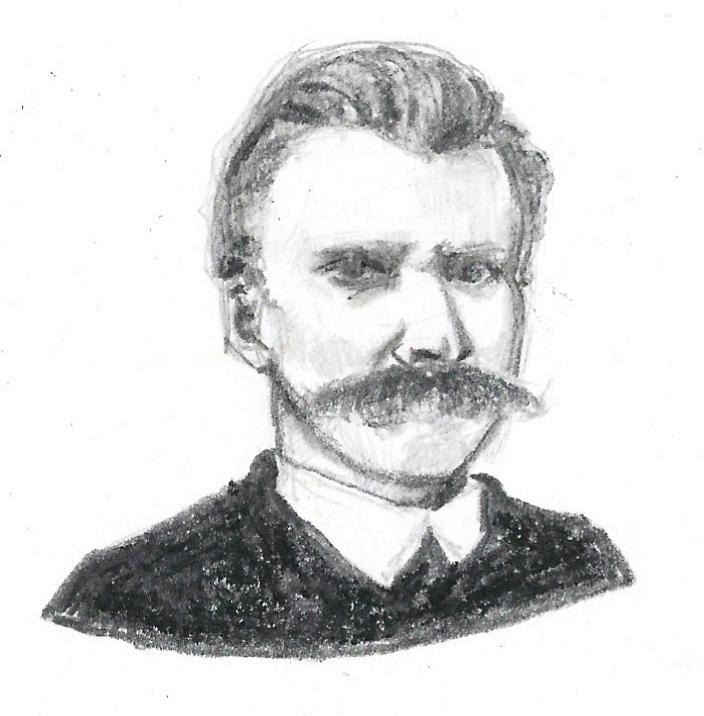
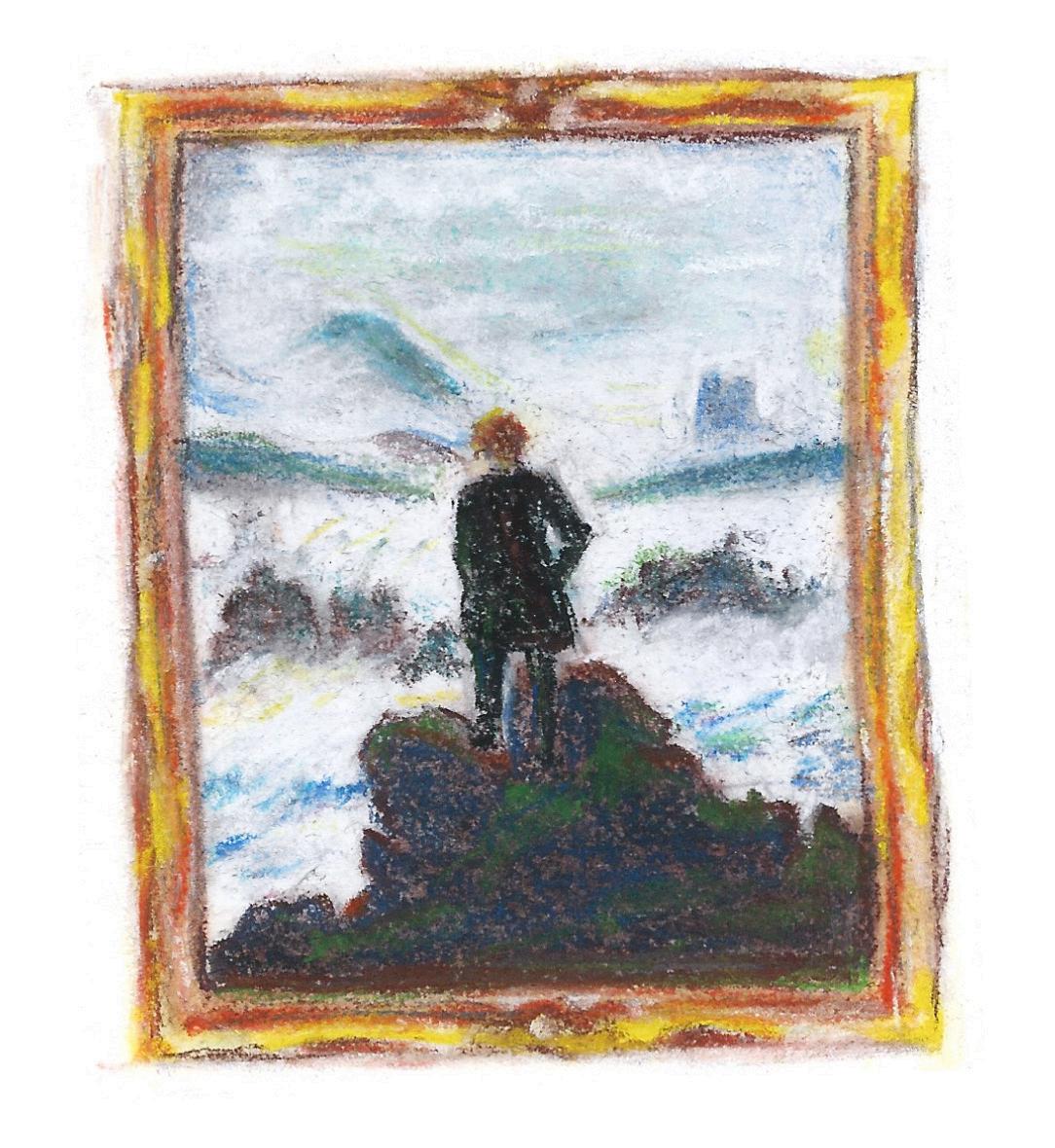
The subjective-objective dichotomy appears in the work of the philosopher Nietzsche. He was influenced by the philosophy of German Romanticism, particularly in his youth, a central concept within this philosophy being that of the sublime. The sublime is understood as the foil to the Enlightenment philosophy’s construction of beauty, which considered it as something that could be understood by being measured and quantified through concepts such as order and proportion. Romanticism thinkers appreciated the value of experiences and stimuli that inspired awe and perhaps even terror. The sublime encompassed the beauty of being met with the unknowable, the grand, a vastness that suggested unpredictability and endless possibility. In Romantic art, this appears as the image of a man turned away from the viewer, peering over a sprawling landscape, such as in the infamous painting by Casper David Friedrich titled Wanderer above the Sea Fog
Nietzsche wrote about the approach one should have with the sublime, the way one should meet the undeterminable, irrational elements of life that have the potential to cause terror and suffering. Nietzsche does not advocate fleeing these experiences, instead, he suggests a better approach, which is to learn to live with these experiences and develop the ability to find a path to gratitude. This concept is called the ‘Pessimism of the Energetic’; the idea that we can confront the difficulties of life and nonetheless draw fruit from them, through the task of redefining how we experience them. Nietzsche proposes that the skill of an open and flexible mindset will lead one to be able to integrate experiences of any nature. ‘Pessimism of the Energetic’ shows us that what is needed is a synthesis of the heart and mind, the ability to approach our lived experiences through empirical means as well as through the heart. To thrive we must be able to face the uncertainty of life and handle being unable to completely resolve or explain all our experiences through an empirical
approach. Nietzsche’s ‘Pessimism of the Energetic’ mirrors the Gothic approach to the sublime.
The Gothic
Within Romanticism, themes of death and the macabre of the Middle Ages were revisited in literature. This was the Gothic literary movement of the mid-late 19th century, first beginning in England before inspiring writers such as Nathaniel Hawthorne and Emily Dickinson in America. Perhaps the most well-known of the American Gothic writers is Edgar Allan Poe. In the Gothic, the sublime is approached in a unique way, with a darker tinge. The macabre influences the sublime to produce an atmosphere with a haunting, eerie tone that pervades the writing and builds narratives around the protagonist’s experience with extraordinary experiences. In the Gothic, the supernatural is addressed indirectly, focusing more on our fears towards it. The supernatural is alluded to, but the focus is on our experience, attitudes, and reaction towards it. Therefore, the Gothic provides an opportunity to acquaint ourselves and become comfortable with uncomfortableness, raising our tolerance for it while lessening our anxiety. Engaging with the Gothic, through literature and art, can serve as a tool to build the skills to engage more deeply with the uncomfortable aspects of life, excepting that not all things can be rationally understood. As an example, in Edgar Allan Poe’s short story The Fall of the House of Usher, it is shown to the reader that if one cannot handle the emotions that arise from encountering uncertainty, then one will be controlled by that uncertainty. In the story, an unnamed narrator visits a former childhood friend, Roderick, who with his twin sister, Madeline, are the sole occupants of their manor. Their vast estate enrobes the characters in a gloomy, decrepit atmosphere that haunts Roderick, who appears in an agitated mental state that
Cul Magazine 19
Essay
deteriorates quickly as he is plagued by a sense of inevitability of his own downfall. A counterpart to her brother, Madeline is physically ill and dies shortly after the narrator’s arrival. Roderick and the narrator entomb her in a vault within the walls of the house temporarily. Following her death, Roderick’s superstitions about the house grow and he enters a state of complete hysteria, roaming the house and staring into nothingness.
clawing her way out of her coffin, and casts herself upon Roderick, who dies of fear. The Fall of the House of Usher shows the reader that what harms us is not the unknown, which appears scary, but our inability to accept and address its discomfort. History and literature show us that we stand to benefit from sitting with the sublime, macabre, experiences that lie outside of a strictly empirical understanding so that they do not ultimately arrest us with fear.
Roderick is oppressed not by a physical illness or haunting perpetrator, but by an inner fear of the superstitions he holds. He is not threatened by the physical properties of the house, nor is he in mortal danger by the eerie nature of the house atmosphere, instead, he is arrested by his mental construction of the house. Therefore, it is not the fear, but the fear of the fear that leads to Roderick’s decay. In his preoccupation with the sense of inevitable downfall that is plaguing him, he outwardly affirms this, prematurely ruling Madeline dead and entombing her. By the end of the novel, as the narrator attempts to calm Roderick’s nerves by reading a book aloud, Madeline throws open the door, bloody from
If we must be able to empirically explain all phenomena and experiences then, in that narrow approach, we lose the nuance of understanding the thing itself, in our ability to engage with it, and in engaging with the full spectrum of lived experience. What is needed in our mindset is an openness that synthesises both mind and heart, the empirical with the emotional, and the arts with the sciences. As much of the human condition, that which separates us from robots and other animals is this chasm, the nuances and complexities that arise with no apparent objective truth to them. This is the space of moral and ethical dilemmas, interpersonal communication, major life decisions, love, and art. This is the space of all the choices and conundrums we meet where there is no objective truth that makes the decision for us. To address our internal turmoil, and interpersonal dependencies, and gain an understanding of ourselves in a vast world, we must consult both our mind and heart, ultimately finding a subjective truth fashioned from our synthesised values.
20 Cul Magazine
Essay
The sublime encompasses the beauty of being met with the unknowable
Huilend op het hoogtepunt
De spanning van een horrorfilm of een goede thriller heeft voor mij een ongelofelijke aantrekkingskracht. Maar iedereen die mij een beetje kent, weet dat ik niet gemaakt ben voor deze genres: zelfs onder een deken, met alle lichten aan op klaarlichte dag, omringd door vijf kussens, kom ik spannende scènes nauwelijks door. Al doe ik mijn ogen dicht om beelden de toegang tot mijn netvlies te weigeren. Mijn laatste ontdekking om deze films toch dragelijk te maken, kwam dan ook vrij onverwachts. De JBL-box van mijn toenmalige huisgenoot – waar mijn laptop aan verbonden was en vanwaar de gruwelklanken van de film zich een weg baanden tot mijn oren – was leeg. Opeens viel het geluid weg terwijl de film doorspeelde. En poef! De betovering was verbroken. De scène was zijn spanning verloren. Voor mij ging een nieuwe wereld open: de film verloor plotsklaps zijn magie.
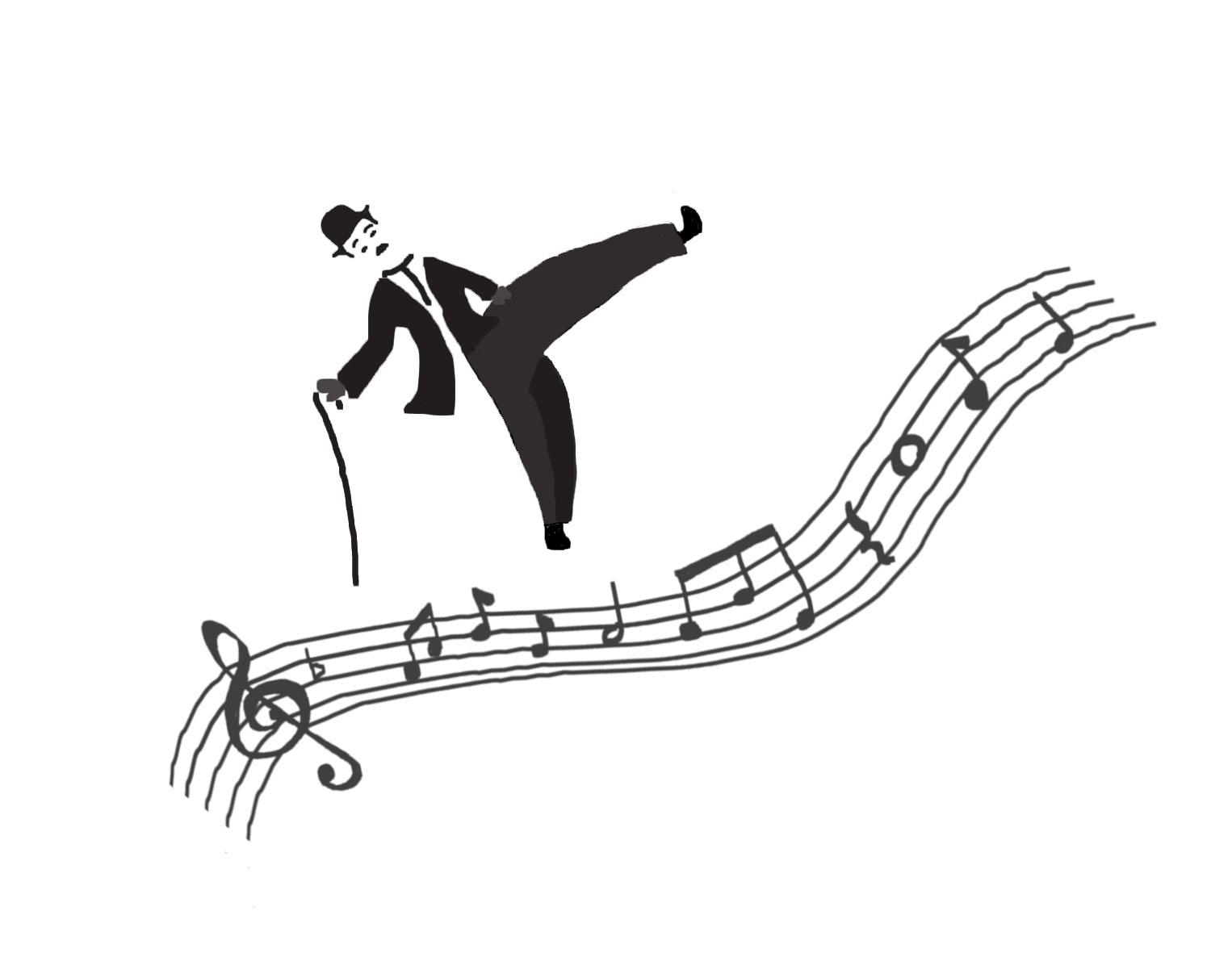
Ik kwam tot de realisatie dat de magie van een film vaak niet in de dialoog (die wellicht überhaupt bij horrorfilms enige diepgang mist) of in de soundeffects van mishandelde groentes zit. Stomme films, de zwart-witfilms van begin vorige eeuw met Charlie Chaplin als boegbeeld, onderbouwen dat muziek het belangrijkste geluid is voor een film. Zwart-witbeelden van acteurs, die met overdreven gebaren een boodschap of verhaal proberen over te brengen, worden ondersteund en gedragen door de klanken die een orkest produceert. Deze klanken maken het mogelijk om de gedachtes en gevoelens van de personages uit te drukken. Muziek zorgt voor een continuïteit in de film, een theatrale opbouw, een afsluiting en een zekere voldoening. De theatrale opbouw van de compositie staat niet alleen centraal in filmmuziek. Ook binnen het genre klassieke muziek weten componisten als Tsjaikovski, Chopin en Debussy te spelen met een veranderende melodielijn om gaandeweg een verhaal te vertellen. Zelfs zonder beeld bezit romantische muziek de kracht bij mij kippenvel en betraande ogen te ontlokken.
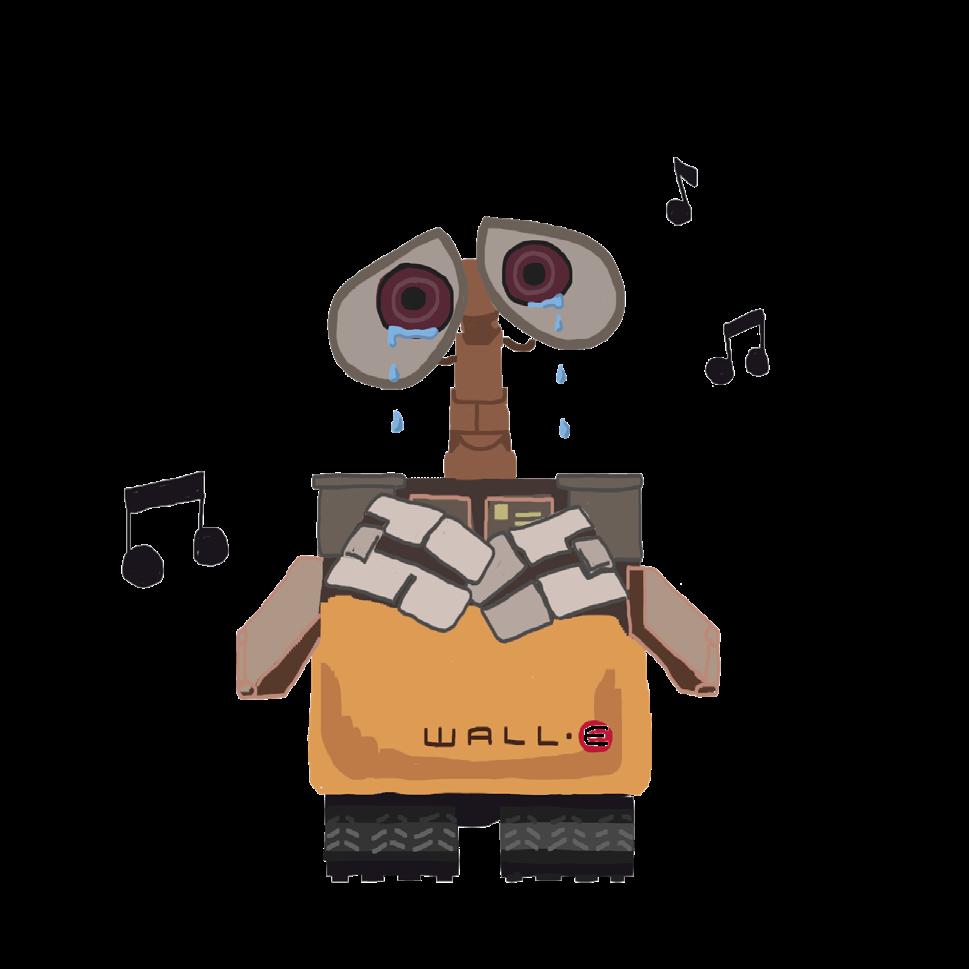
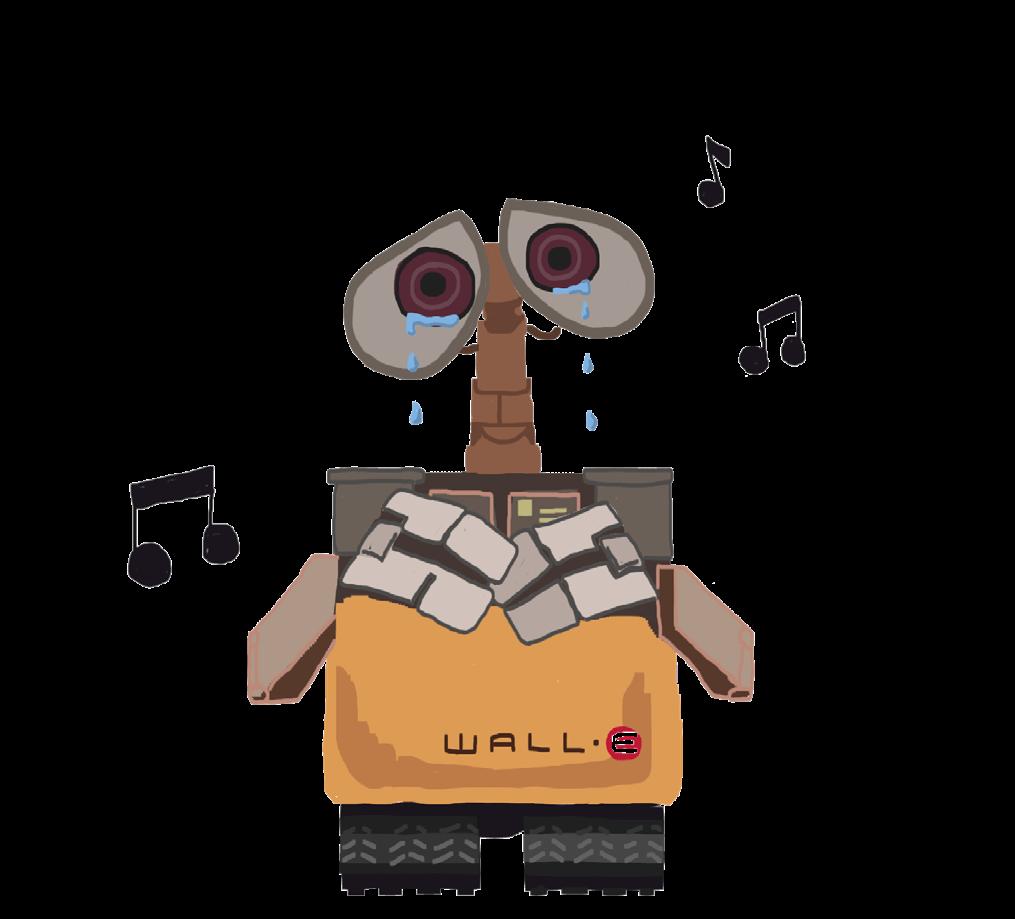
Filmmuziek zorgt er dus voor dat een kijker de aandacht erbij houdt: het sleurt je mee in het verhaal. En let maar eens goed op; met het thema – een belangrijke en herkenbare melodie – wordt gespeeld. De melodie kan in mineur of majeur worden gezet, versneld of vertraagd worden en dit alles beïnvloed het gevoel dat bij de kijker wordt opgeroepen. Een goed voorbeeld hiervan is de film Up uit 2009. Het muzikale thema van Carl en Ellie komt steeds terug op een net andere manier; bij hun eerste ontmoeting, de bruiloft, Ellie’s ziekte en dood en het waarmaken van hun gedeelde droom op het einde, is het thema te herkennen. Maar ook de film WALL-E, waar pas in de veertigste minuut een gesproken dialoog plaatsvindt, geeft de dragende rol van muziek weer. In beide films brengt het romantische thema van de melodie mij keer op keer bij het hoogtepunt van zachtjes huilen tot luid snikkend. Beeld en geluid zijn zelfs zo onlosmakelijk verbonden dat ik tegenwoordig een nummer als Pretty Woman niet meer kan loskoppelen van Julia Roberts, Dirty Dancing niets vind zonder Time of my voor altijd aan de vuist van John Bender (Judd Nelson) heb verbonden: en vergeten zit
Cul Magazine 21
Text Anna Scholder
Image Rachel Kok
Column
‘Amor’, but make it ‘Poly’
An argument for polyamory (from someone who’s never tried it)
Can we create loving relationships without the dogmatic confines of monogamy following in tow? The big question sweeping the current dating scene permeates through layers of societal constructs, shocking and readjusting the conceptions of boomers and social structures alike. The infamous statistic that half of all marriages (in the USA) end in divorce is one of the most pronounced reasons why people chose to pursue polyamorous relationships. Join me in finding out why.
Text Kyriaki Mallioglou Image Evita Belegri
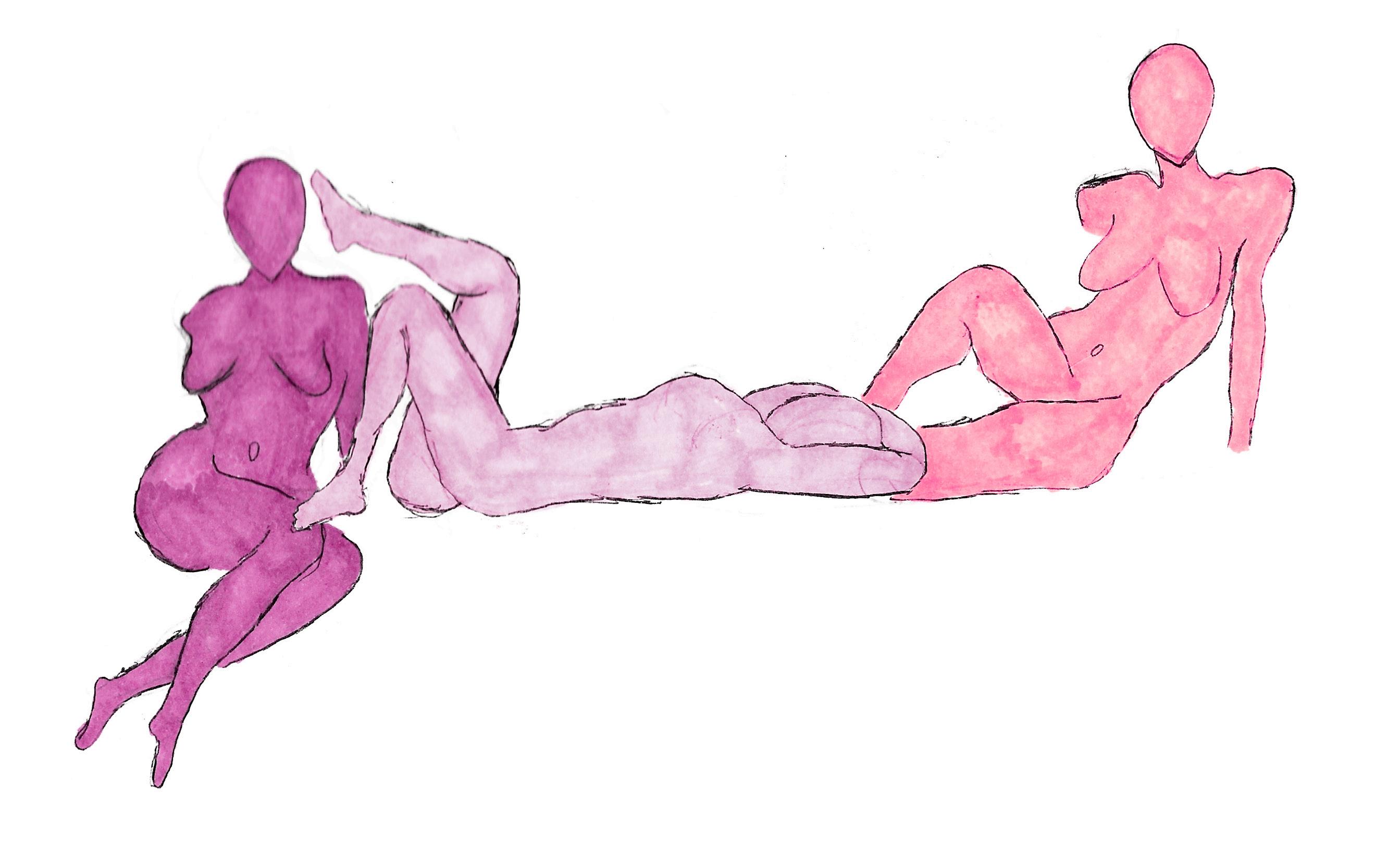
Consensual non-monogamy is a concept that derives from an alternative understanding of what it means to romantically love someone. It relies on agreements made by consensual adults, and refers to the idea that having multiple partners can help you fulfil your needs in many different sections of your life. This notion can also be referred to as polyamory (not to be confused with polygamy, as that refers to marriage with multiple people). The definition of monoamory, more widely referred to as monogamy, supposes that intimate love is always localised within the confines of one other individual. Here is where some polyamorous people suggest that this strict worldview sets people up for failure. It can be intensely demotivating to constantly be chasing the idea of ‘the one’, and in the long term, chasing after the societally approved and sterilised step of marriage. Monogamy works well for many people, yet others find that it poses a very real threat to a happy and fulfilled life.
Sharing is Caring
Whereas finite resources like time, effort, money and social battery can dry up, love is unlimited. Polyamorous ideals are built on sharing the most beautiful and pure part of
yourself with more than one person. This is something we already do, every day, when we invest the same amount of love into our relationships with family, and at times friends. However, splitting time and effort between partners can be a huge step when still learning what you value and search for in relationships. To combat these difficulties, especially within this community, communication is non-negotiable. The configuration of some polyamorous/non-monogamous relationships is a base with a primary partner taking the forefront, and secondary partners that are included in this sphere. Primary partners co-exist with secondary ones, oftentimes creating beautiful friendships based on trust and communication. Here, it is necessary I emphasise that not all poly relationships look like this, and that is part of the appeal. There is also contestation on ordering partners in the primary/secondary way, due to the simple fact that even this organisation stems from monogamous worldviews. Whatever the constellation of partners, polyamorous people have found a way to create a safe space in order to relearn what love and relationships look like. A fundamental factor of the polyamorous existence is the reconceptualisation of expecting one person to have all the qualities that you love. The qualities you are looking for can be spread across
22 Cul Magazine Essay
partners, dissolving pressure on people to be something they are not. Another important distinction to make is that every consensual non-monogamous relationship is built in a unique way that features different sets of boundaries and communication styles. They cannot be equated in the normative way that we equate exclusive monogamous relationships. Polyamory is basically creating your own conceptual manifestation of what you want a relationship to look like. Organically, this is what all relationships between humans should look like, regardless of the romantic aspects that I question on these pages. Mono-normativity should be questioned. We have ascribed a certain ‘traditionality’ and ‘naturality’ to something that is not necessarily that. Cultures around the world have existed within societies based on polyamorous love structures and it is important to not forget this when criticising the normative approaches we hold so dear.
Communication is non-negotiable
You, Me and the History of Polyamory
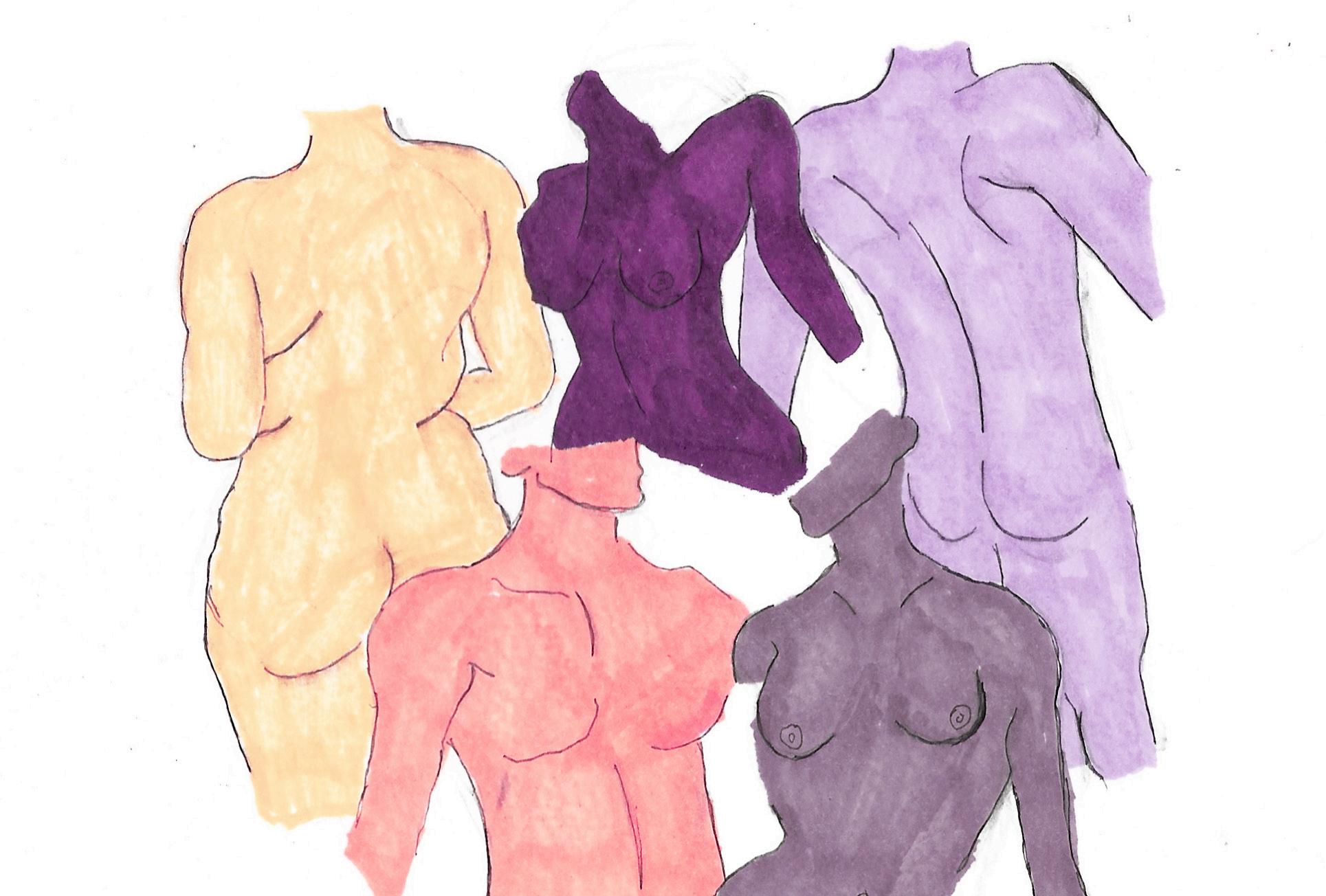
Critical thinking on normative approaches can sound easier said than done though. There are some assumptions that need to happen before we can dissect them. Let’s take the biological component first: the idea that humans are biologically monogamous is actually false. What is true is that some animals do have a monogamous drive in life, where they mate with their partners for life, think of swans or wolves or seahorses. Our closest link to the animal kingdom, the ape family, does not abide by monogamous rules, and neither do we. The traceability of paternal lineages was not
always possible. Therefore, I make the case that historically, relationships were much more unstructured. The way I see it, monogamy is quite a new concept deriving from conservative narratives and the laws created by our social construction of the ‘good life’. Find someone, get married, have kids, die? This morbid statement of societal expectations begs the point of who it really benefits. Like I mentioned in the beginning, many people can find happiness in lifelong relationships with one person, yet creating a mould that everyone is expected to fit into, should be questioned. The activist in me also kind of wants to blame it on the perverted capitalist mindset of “hustle must be the priority”. Creating a simpler relationship system that leaves many people unhappy, in turn, produces the perfect docile workforce that sucks the joy out of being alive. Hardly asking for what they want and always settling for less. However, upon further reflection, it might actually be deeper than that. I needn’t squint to see the socio-political influence on the way we ascribe success to modern relationships, but I maintain that what actually gets hidden is our increasing complacency with romantic dissatisfaction.
In a world of endless Tinder-swiping and quite recently the world population turning to eight billion, I would probably call someone out if they still thought they could find their one true soulmate. No offence. In my experience, people have stopped asking for what they want, especially when it comes to love. Certainly, there are roots of jealousy and possession that plant the idea of mono-normativity firmly in our minds and societies. Yet, I sympathise with souls who want to remove this fantastical fetishism from their lives and return to a more natural state of matters. A state where a sexual and romantic connection is not formulaic, but original.
Get married, have kids, die?
Cul Magazine 23
Essay
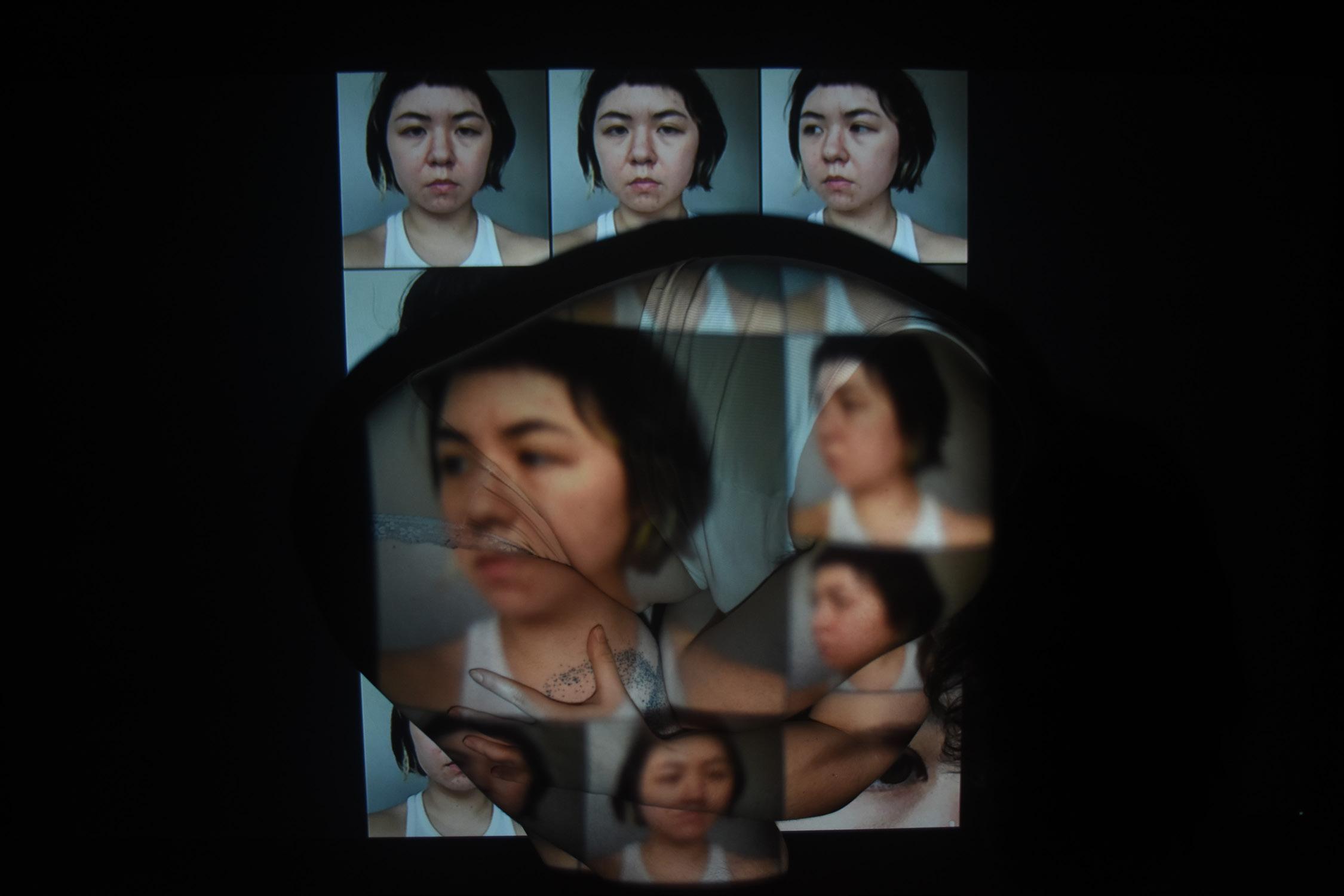
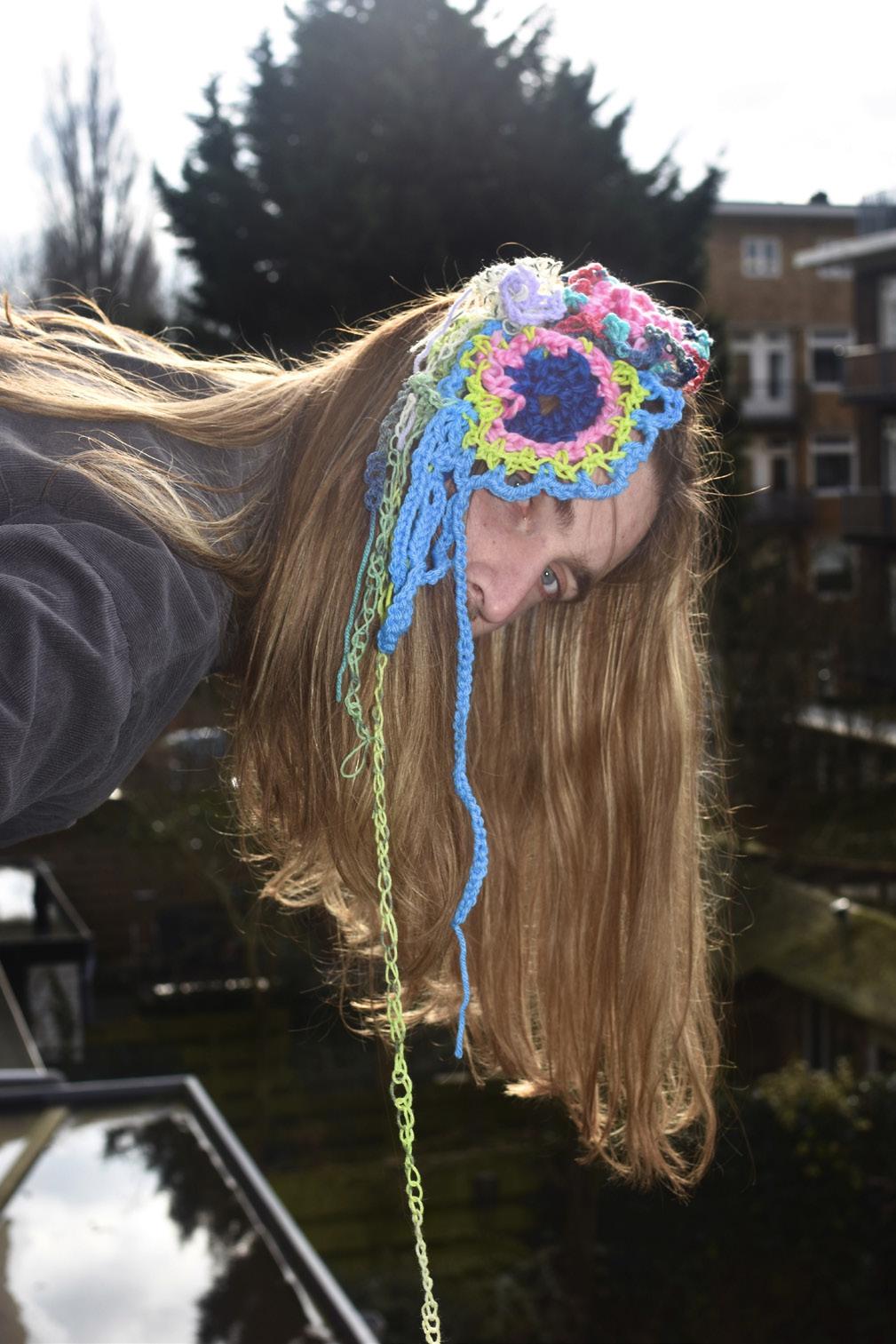
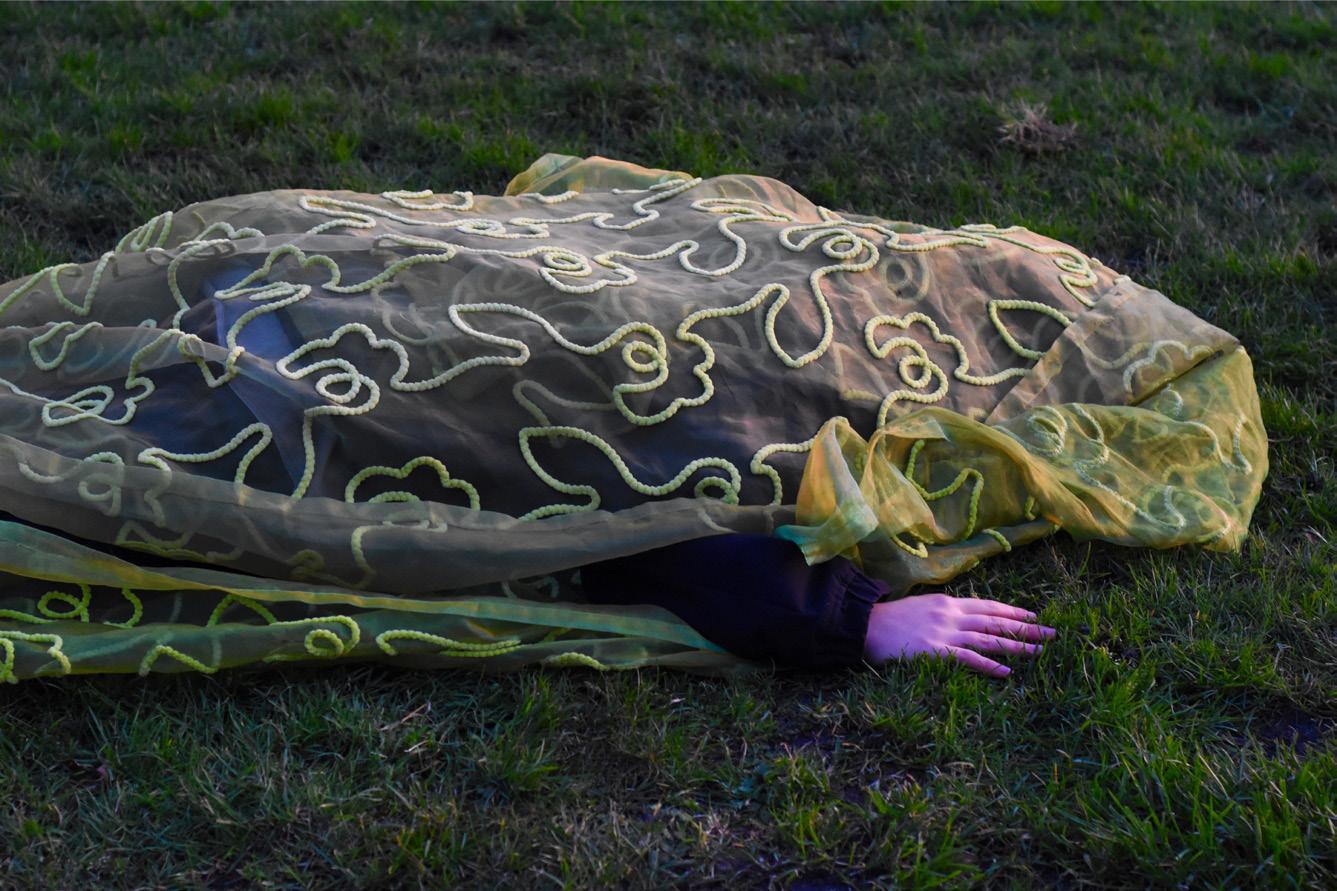
I’m feeling like myself these days
Portraits of the modern romantic Islay Kilgannon
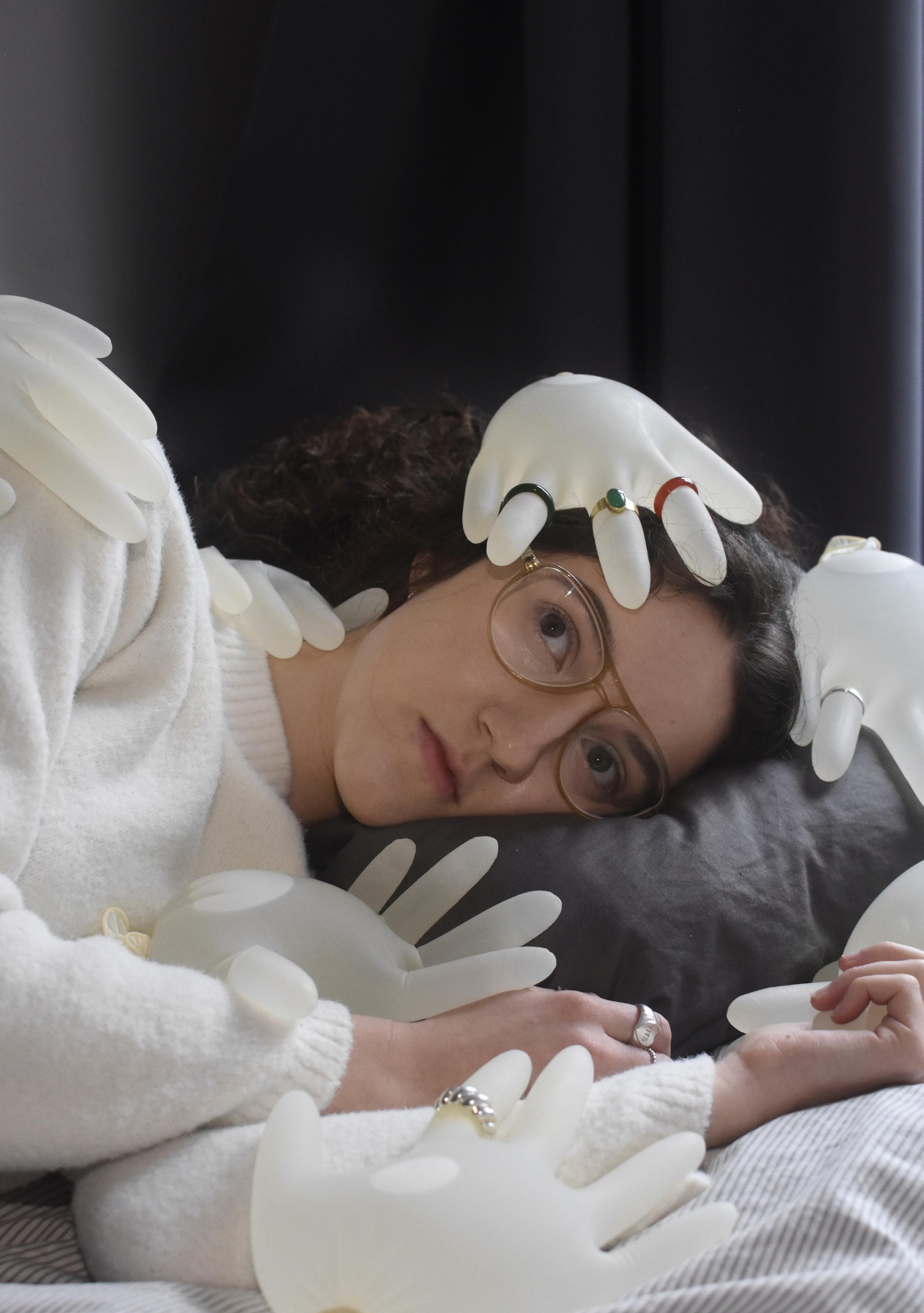
Image Report
24 Cul Magazine
Cul Magazine 25 Image Report
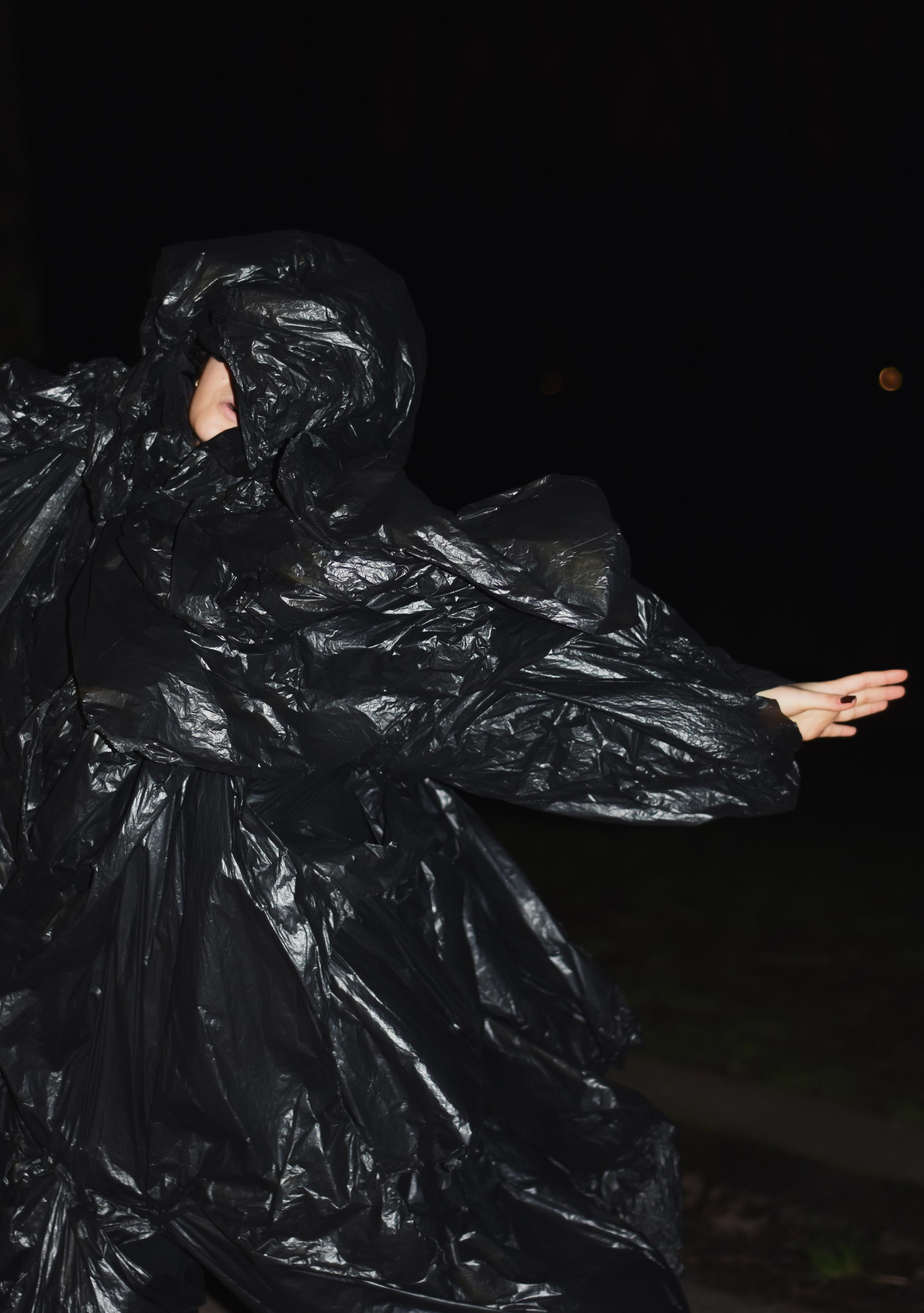
Image Report 26 Cul Magazine
‘Believe and be saved!’
Onder het raam van de hemel
Text Mark Speelman
Image Miranda Tate
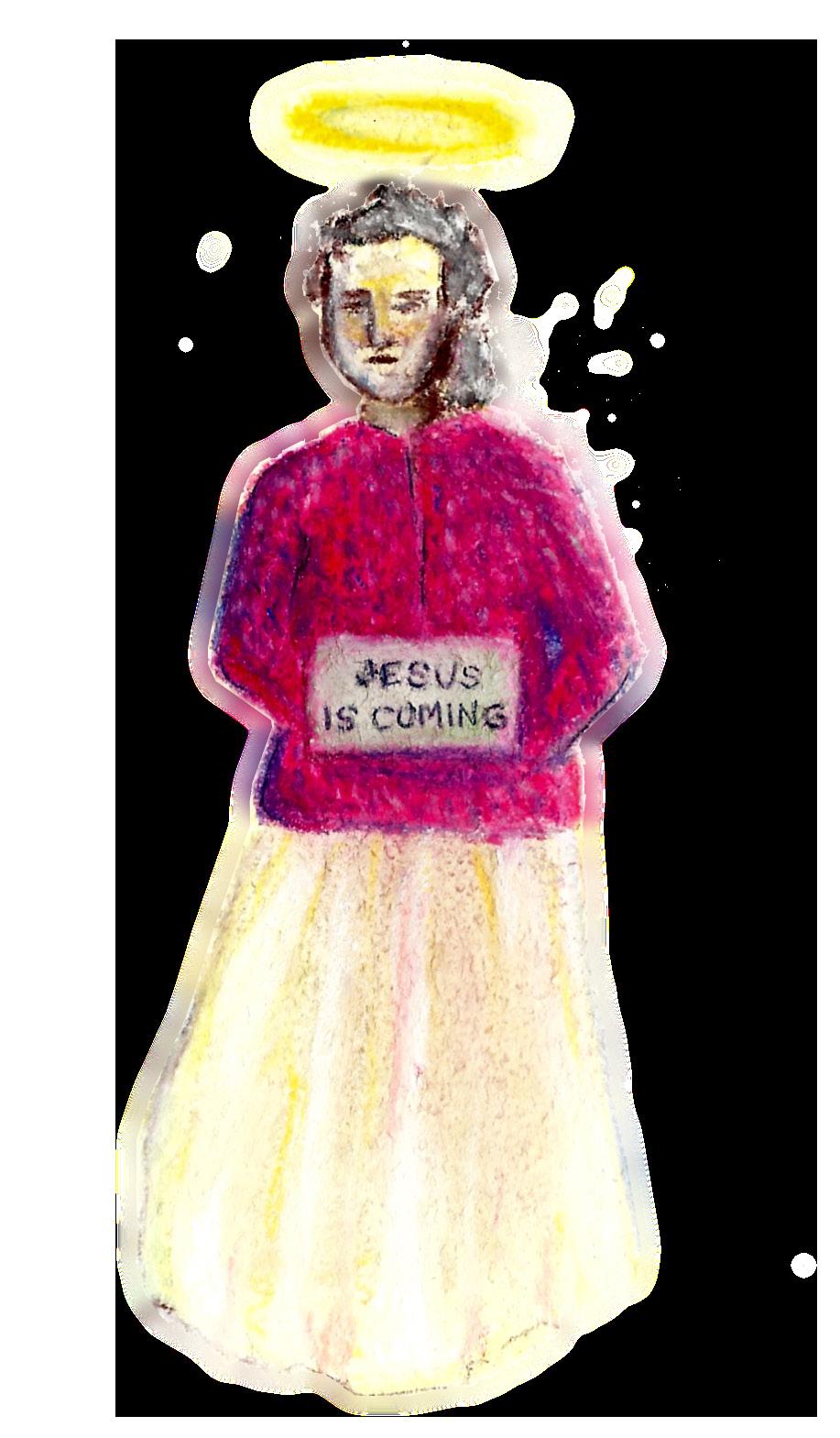
aar aanwezigheid galmt al over het plein lang voordat ik haar zie. Een vrouw van middelbare leeftijd met verwilderd peper- en zoutkleurig haar en altijd hetzelfde rode fleecejack. Tegen haar borst drukt ze een kartonnen bordje met daarop: ‘Jesus is coming! Believe and be saved!’ Om haar geschreven boodschap extra kracht bij te zetten, brengt ze geestelijke liederen ten gehore. Haar vaste plek, voor een met graffiti volgeklad betonnen blok, geeft haar een stoere uitstraling. Op een uitzondering na lijken de haastige reizigers van het Centraal Station niet gered te willen worden. De uitzondering kijkt vooral verbaasd naar de zingende rode verschijning. Zo begon het ook bij mij.
daar onbezonnen staat te zingen. Ze doet me denken aan de vele filmpersonages die in vol cliché een serenade brengen onder het raam van hun geliefde, in de hoop dat hij of zij daarna het raam voor hen opent. Alleen is dat waarschijnlijk haar doel niet. Jezus heeft zijn liefde al getoond aan haar, zij heeft geloofd en is gered. Toch, en misschien juist daarom, staat zij nog iedere dag aan het venster van de hemel en zingt zij uit volle borst. Zelf ben ik agnost; eerst zien, dan geloven. En alhoewel ik me niet zo interesseer over wie er komen zal, geloof ik wel in haar en de hartstocht waar zij voor staat. Hopelijk ben ook ik dan een beetje gered.
HDe meeste voorbijgangers die niet willen geloven, kijken haar raar aan. Haar eigenzinnige voorkomen en manier van doen maakt dat passanten haar zien als zonderling. Iemand die niet past in het door de norm geschetste plaatje. Maar is passie niet juist op zijn mooist als je het van de daken kan schreeuwen, voor iedereen om te horen? Zodat je frêle gevoelens al heen- en weerkaatsend hun weg door de harde stad vinden. Voor iemand die deze eigenschap niet van nature bezit, realiseer ik me steeds vaker dat in een leven zonder open en blote kwetsbare momenten bijzonderheden bijzonder schaars zijn. Zij heeft zich dat waarschijnlijk al lang beseft, zoals zij Ondertussen is ze voor mij meer dan slechts één van de vele stadsfenomenen die Amsterdam te bieden heeft. Voor mij symboliseert ze een bepaalde romantische verbetenheid die in onze huidige samenleving een anomalie lijkt. Niet zozeer omdat ik denk dat de romantiek uit de wereld is, maar vanwege haar totale toewijding aan haar affectie voor Jezus. Andere gelovigen bezitten ook een gelijksoortige genegenheid voor Jezus of een van zijn tegenhangers, maar er schuilt iets Shakespeariaans in haar constante optreden en de manier waarop zij door weer en wind haar onvoorwaardelijke liefde verkondigd.
Cul Magazine 27
Column
Where love goes to die
A (not so) comprehensive guide to the world of dating shows
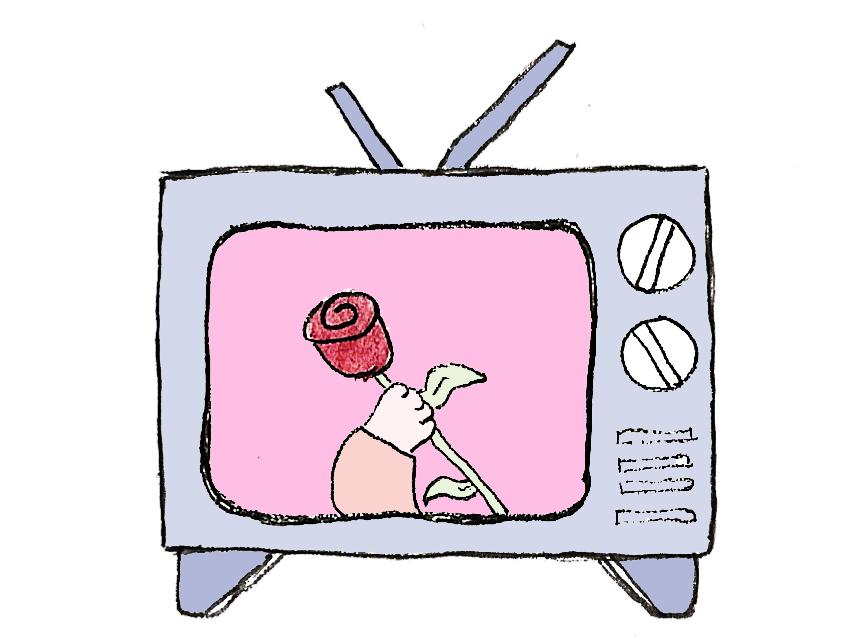
Drama, romance, and awkward conversations - reality dating shows have it all. The first one I remember watching was The Bachelor, a show that remains relevant over 20 years after its first episode was released. Despite its pioneer status and continued relevance, the genre is seemingly constantly reinventing itself, with something for every romantic out there.
The Dating Game was the first ever dating show, running from 1965 until 1974. One person comes on to the show and quickly speed-dates three other people. The show takes the idea of a blind date literally, only allowing the main person to ask the others questions with a curtain separating them. They can only see each other once the main person has chosen who they will go on a date with. The Dating Game got multiple spin-offs in later years; all of them focused on dates including no emotional investment in any of the contestants.
Hot people awkwardly flirting with each other
Renaissance
With the start of the new millennium, there was a boom in reality TV. Round-the-clock surveillance was hot, and psychological torture on people confined in one space was booming. For example: The Bachelor has remained one of the biggest and most recognizable reality dating shows. One bachelor meets around 25 women. He gets to know them through a series of dates and challenges and slowly eliminates them one by one. By the end, he chooses one to propose to. The bachelor just started its 27th season, having ten spin-offs without including the numerous international series.
MTV took a different approach: mass-producing short-form shows that were cheap and quick to make: less psychological torture, and more teenage fun. None of them ever lasted long enough to make as big of an impact as shows like The Bachelor did, but the genre as a whole was captivating. There was Dismissed (2001), Room Raiders (2003-2013), Date my Mom (2004-2006); and there’s a million more, each perhaps weirder and more intriguing than the last. The basic premise of all of them was having one main contestant try to date someone, but with a little twist on how. Although a few shows found massive success, the genre was still trying
to find its footing and audiences were still becoming familiar with it.
New Romantics
With the success of The Bachelor being apparent, shows focusing on love and real connection took hold in the 2010s, the most notable being Love Island. A UK-based production starting in 2015, the show represents 21st-century Orwellian surveillance and late-stage capitalism at its best. The basic premise of the show is simple: hot people get to know each other in a private villa in Spain with no connection to the outside world. New people get introduced, drama ensues, betrayal occurs, couples get together and break up and so on. In early seasons, contestants having sex was either recorded on camera or at least with a mic. The show attempts to focus on the emotional connection between the contestants and aims for them to be in stable long-term relationships by the end.
Are you the One? is a similar show, except that it functions on the basis that everyone in the villa is scientifically compatible, and the contestants are employed with pairing each other off for a chance to collectively win one million dollars. Despite the surge of shows focusing on love in this
28 Cul Magazine In Depth
Text Dima Karara Image Rachel Kok
era, gimmicky short-form shows still existed. Sexy Beasts goes the other route where the main contestant goes on three dates and picks one person to go on a second date with. The twist is that the three dates are made unrecognisable through heavy special effects makeup and their looks are only revealed after the decision is made.
Drama, romance, and awkward conversations
Contemporary Era
Today, reality dating shows seem to have found a new level of success. They have an ever-growing audience, a home on streaming platforms, and giants like Netflix funding multiple shows at once. Many shows have managed to hit the sweet spot of having an intriguing gimmick while still focusing on emotional connection. Love is Blind has people getting to know each other and proposing without ever seeing their potential partners. It was the first dating reality show to be nominated for an Emmy in the year of its release. Milf Manor, the newest instalment in the genre as of February 2023, captures the essence of this era. Mother and son duos stay in a villa in Mexico and try to find love with the other contestants. Its concept turns most people off, but it’s just enough of a dumpster fire to get you watching.
More and more shows focus on marriage and longterm commitment. Like most reality television: fights and scandals remain important, twists are constantly added and often drama is manufactured or pushed for by producers to add shock value. But sex is slightly less prevalent than it was in earlier years. Shows will often have contestants beating around the bush, only alluding to certain things and leaving the rest to the audience’s imagination. Only a few remain with the same raunchiness that can be seen in earlier shows. The reasoning behind this is two-fold. With their bigger
budgets, dating shows are made to appeal to the masses and garner more money. They have gained more legitimacy and are held to a higher standard, although it may not seem like it. Furthermore, these shows have been tamed because of backlash in previous years. Female contestants on Love Island would experience extraordinary amounts of backlash online when shown having sex on national television. This would negatively affect multiple contestants’ mental health leading the show to portray less sex, making contestants more careful and aware of their actions on the show. Although alcohol was previously used as an instigator, most shows nowadays limit or control their contestants’ alcohol intake to meet industry safety protocols that were not considered or implemented in the past. The limited alcohol use also contributes to the age appropriateness of the shows and the higher standards they are held up to, as it contributes to fewer expletives and less sex.
Just enough of a dumpster fire to get you watching
In the good old days
A lot of people talk about how much dating shows have changed, but they aren’t so different from what they used to be. The absurdity of Milf Manor isn’t so different from MTV’s Date my Mom, The Dating Game, Sexy Beasts, and Love is Blind are all just different imitations of the same basic idea. The core of dating shows has remained the same, hot people awkwardly flirting with each other. Maybe they’re not as horny and not as drunk - but perhaps that’s for the contestants’ own good. I hesitate to call the contemporary era the golden age because it has yet to really stand its ground. A lot of shows only last for one or two seasons, as showrunners continue to experiment with different ideas: we’re nearing the peak but we are not quite there yet.
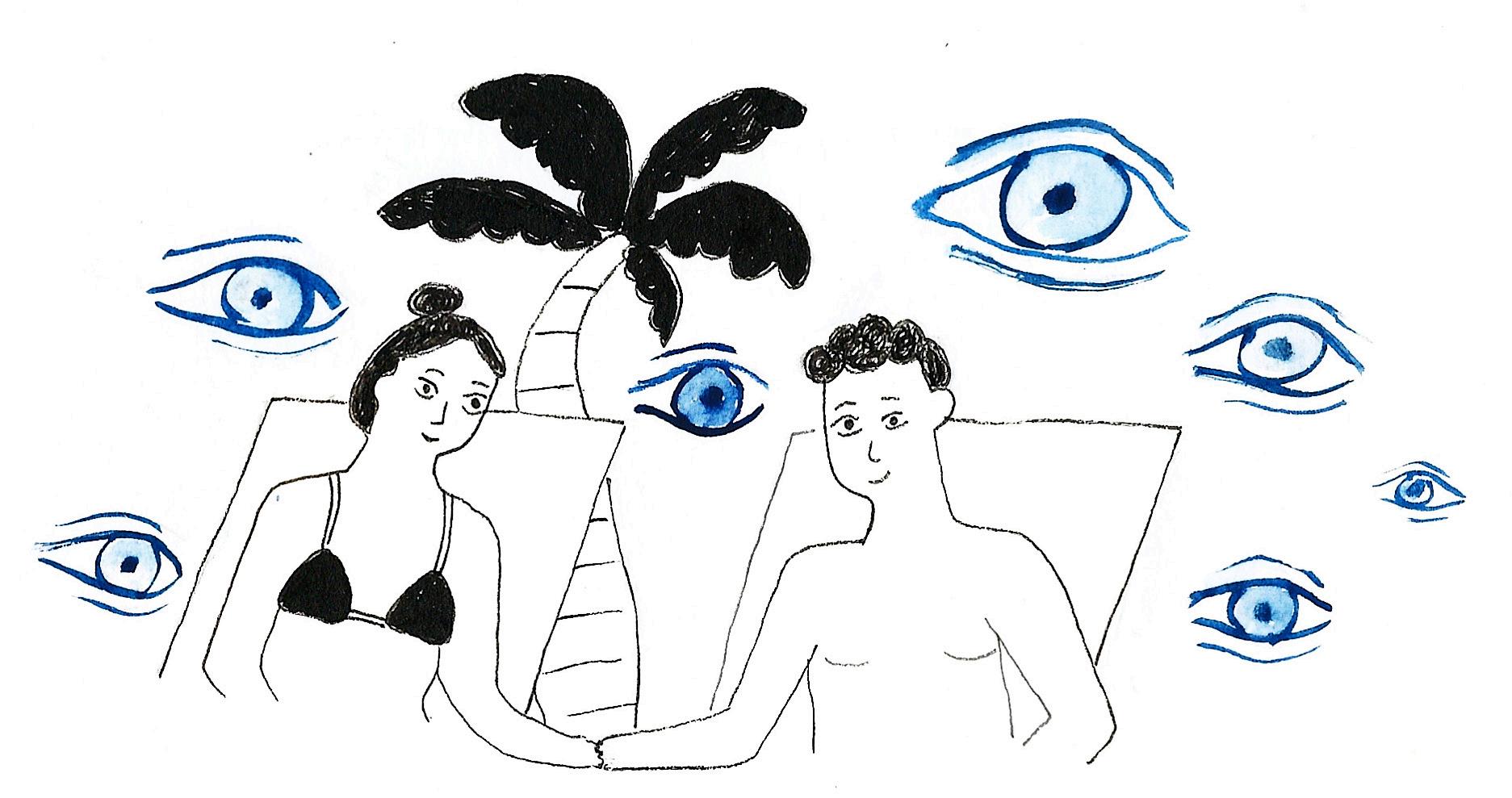
Cul Magazine 29 In Depth
Full moon in my kitchen
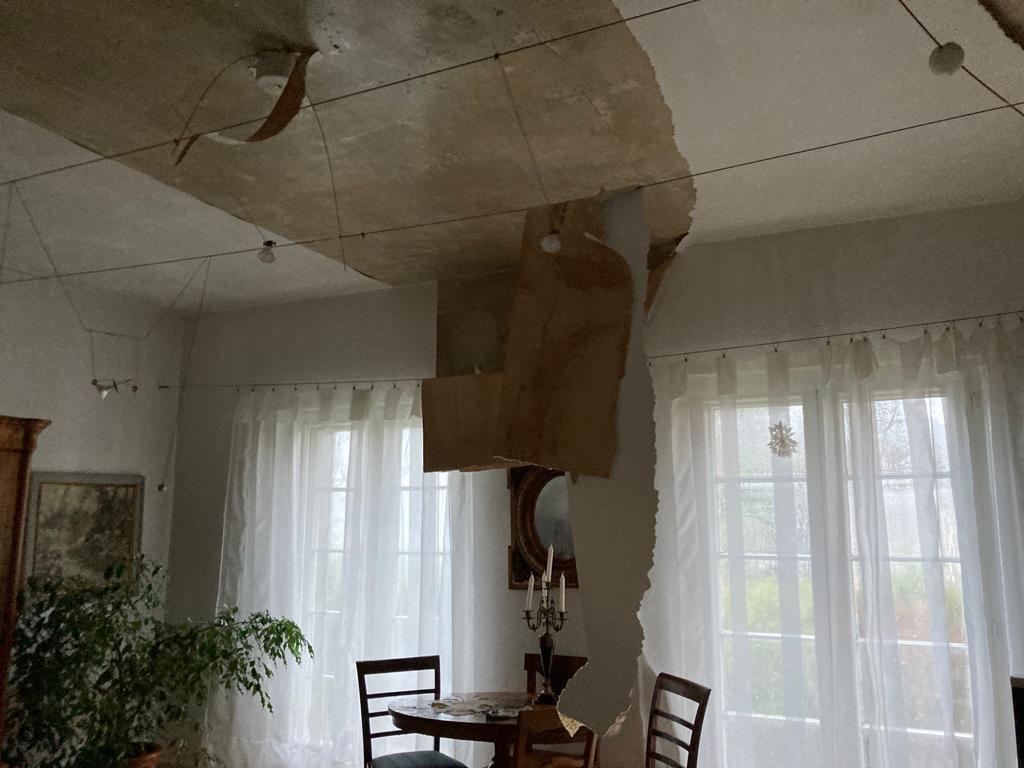
Poetic journey through time
On the doorstep
My heart expands and grasps the world so softly as you speak to me in rhymes and rhythms, pictures and poems verses and lines
we come together past the night into delight of daylight sparks from your curls into the lingering dark so gently broken. When I turn, to find half the moon in your palm.
30 Cul Magazine
30 Cul Magazine
Text and image Emilia Scharabi Story
my bedroom is it true that the love with you was just a short pleasure where did it leave me behind my closed curtain in a dark, I never chose, never dared to dream about on the mattress, where I lie day and night sometimes by light sometimes behind curtain and I lie when they ask me are you in love with life? and I dream so silently from the past of shared hearts reaching into the future with longing fingers of the child that I was.
transit kitchen
and now I am sitting here by the kitchen door on a chair too small to carry all my weight, feeling heavy dreams locked in the circle of the recycling bin painted my destiny onto your body while you were asleep and now, I flee for the night leaving my thoughts behind with you on my kitchen stool.
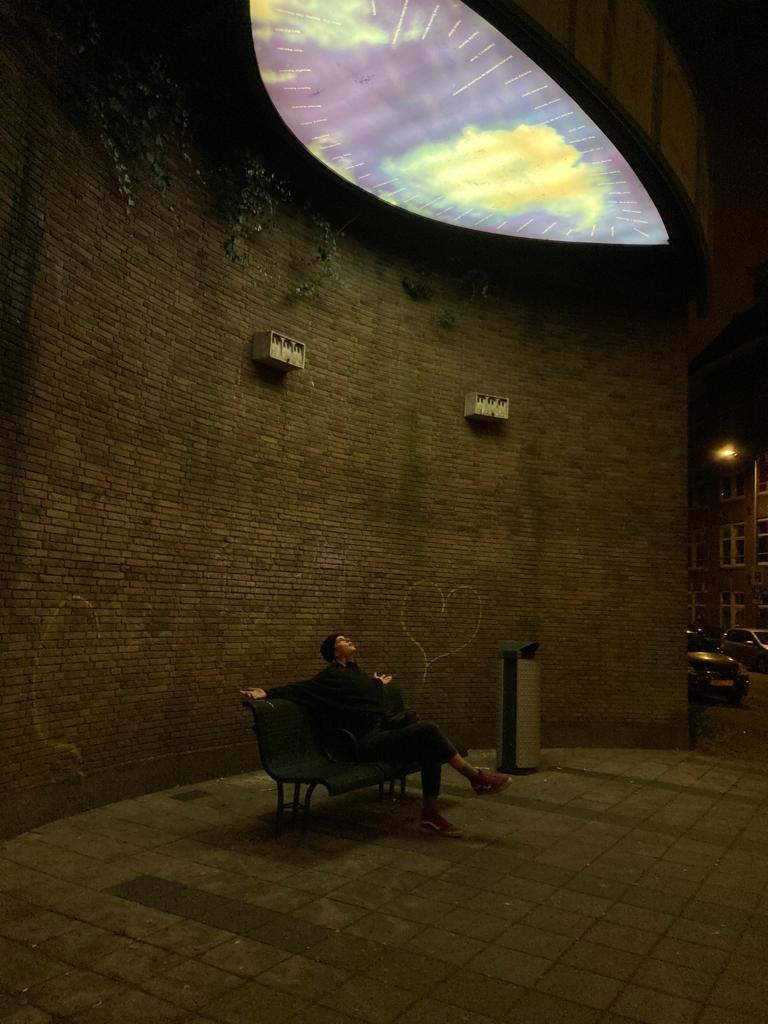
with your heart in my rucksack. Let me, go. Be free, stuck. Along the way. Meet you there. By the road. In the trenches of my coat, will you carry me home this time. Call it paradise – under the light of my kitchen bulb.
Cul Magazine 31 Story
yonder
The anarchist’s dream
A utopia or a possible reality?
The anarchist’s dream: the new land of promises. The era of collaboration between human -and other- beings who peacefully share their resources and coexist in harmony, with no state enforcing any rules. The sun will shine, the birds will chime, all life will smile in this utopian society of equality. Can this promise come true, or will it end up in chaos, violence, and the rule of the jungle where the fittest survives, just like the capitalist or the American dream?
So, what is this anarchist’s dream? It is mostly good faith in humans; the belief that they will be rational with each other and willing to collaborate without it being ordered. Imagine a functional and peaceful society where everyone naturally cooperates for the common good. However, the questions of how to facilitate cooperation shades all these dreams. The anarchist utopia is shattered by problems of resolving conflict, managing societies without fear of them getting attacked, or the need to develop a military. The answers to these questions are based on a hypothesis; speculating how humans were behaving with each other before any kind of political institution was invented - the state of nature.
The State of Nature; Are we evil or peaceful? Philosophers have never agreed on what the state of nature exactly looks like; each has their own theories. Hobbes viewed the state of nature as ‘solitary’, ‘poor’, ‘nasty’, ‘brutish’ and ‘short’, while humans always looked to satisfy their own self-interest and lived in constant fear as there was no institution to protect them. Seeking security, humans willingly exchanged their freedom with protection provided by political authority. The political institution’s part of the deal is to guard one’s property and survival, while the human’s part of the deal is to obey this authority at all costs. For Hobbes, any kind of institution is better than anarchy.
Capitalist societies activate different instincts than anarchist ones
Another famous political philosopher, Jean Jacques Rousseau, supported that the state of nature was a period of happiness, equality, and prosperity for humans. However, humanity ‘fell from grace’ when they started organising in societies with division of labour and developing tools to facilitate survival. This led to the creation of private property and more leisure time, giving people the chance to compare themselves with each other, becoming competitive. He summarised his point in his famous phrase: ‘man is born free but everywhere he is in chains’.
Yet, which of the two theories should we believe? Are humans naturally drawn to be peaceful and happy or are they naturally drawn to be self-interested and evil? Philosophical theories are substantiated with good argumentation, but they remain nothing but speculations.
Instead of theorising about the past and imaginary states of humanness, what we can do is look at the current reality and recognise what is the current system and what behaviours it brings out to humans. By tracing where they come from and evaluating them, we can possibly find a way
32 Cul Magazine Essay
Text and Image Evita Belegri
grafitti memorial to Loukaniko, a Greek riot dog
text?
Universal anarchy is not utopian, but dystopian to change what we are socialised into in the present and discover what behaviours the anarchist utopia may bring out of people, and assess whether they can work.
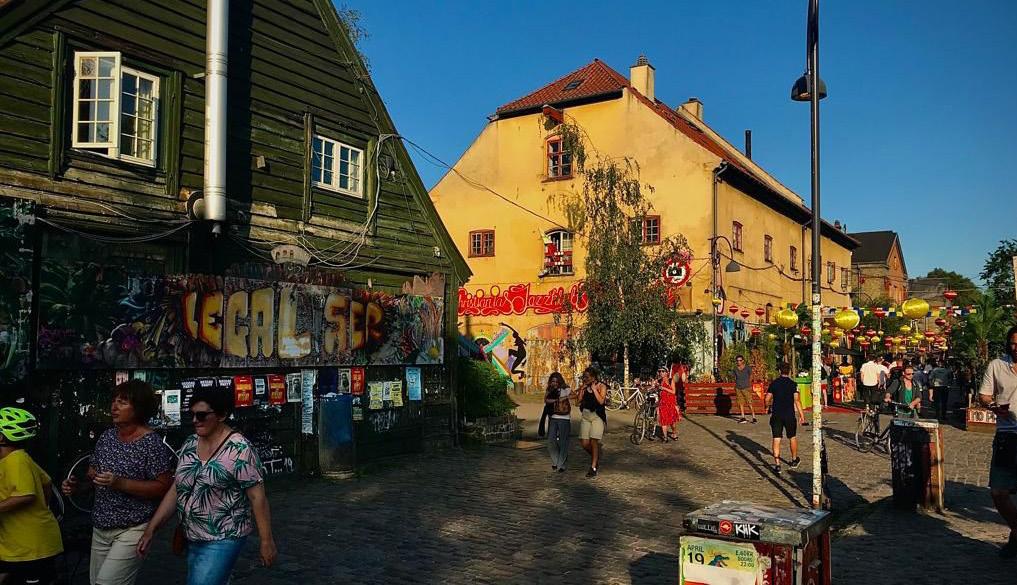
Instinct Competition.
I was encouraged to think about how our present behaviours derive from the capitalist system when in the curriculum of a course about Degrowth, Francis Merson gave a lecture on drives. He demonstrated that all people have certain instincts that come from living thousands of years with the survival-of-the-fittest logic. For example, hunger being one of the instincts meant that organisms capable of hunger were motivated to consume enough to sustain their energy levels, and thus were more likely to survive in contrast to those who did not have the capability for hunger. Drives are universal for everyone, but how people learn to satisfy them is social. Moreover, what drives are more dominant or prioritised and what drives are compromised are also societal as different drives are useful in different societies. Thus, a capitalist society would activate different instincts than an anarchist one.
According to Merson, capitalism stimulates the instincts of status climbing and knowledge or material acquisition
(seeking). Those two drives go hand in hand. More money means more stuff and more stuff means higher status. Hence, in this hierarchical society of capitalism, those who have no money have also very low status. Fear - of being excluded from social life and resources if you do not fulfil the previous two drives- is also one dominant trait activated in capitalism.
In contrast, Merson emphasised that a non-hierarchical and noncapitalist society which has abandoned the growth imperative and now is targeted towards human wellbeing, would have care, attachment, and play as primary instincts. That is because anarchy is based on collaboration rather than status. As people would not be focused on accumulating stuff or status - since in an anarchist society there would be no point in doing so- they would put more time and emphasis into connecting with others. To make partnerships more easily and to ensure the protection of one another, people would have to be socialised into caring for others by helping or teaching them. Play would add on these instincts as it is strongly involved with social bonding.
The hypothesis is that if people are socialised in fulfilling those drives instead of being socialised in the current hierarchical model based on fear, seeking and status type people would start being more cooperative and more peaceful with each other. Following this argument an anarchist utopia of collaboration is plausible.
Not so quick…
Naturally, socialisation is a major factor in one’s behaviour, but not all people have the same opinions or ways of behaving. Even with the best parenting or societal monitoring, people can grow to become greedy, violent, or selfish. Don’t forget as well that anarchy is about freedom; we should have the liberty to choose what we want or how we want to behave for ourselves.
If we want to move towards this imaginary anarchist utopia, we cannot do it in one way and in one go. To me, a big revolution where one universal form of anarchy will be applied to the world is not utopian but rather dystopian. A social system must be adjusted to the human’s needs and desires and not have humans adjust to it. Some anarchist plans will work, and some will not. I propose that anarchists should look at the demands of local society rather than have an ideal of how all societies should look like. As Scott advised in Seeing Like a State for every development project: take small reversible steps. There is not one single form of anarchy and if something does not work for a specific society, then it should be changed. We cannot know in a capitalist society if anarchy is indeed a utopia or a reality, but we will never change or know if it is applicable if we do not start slowly moving towards it.
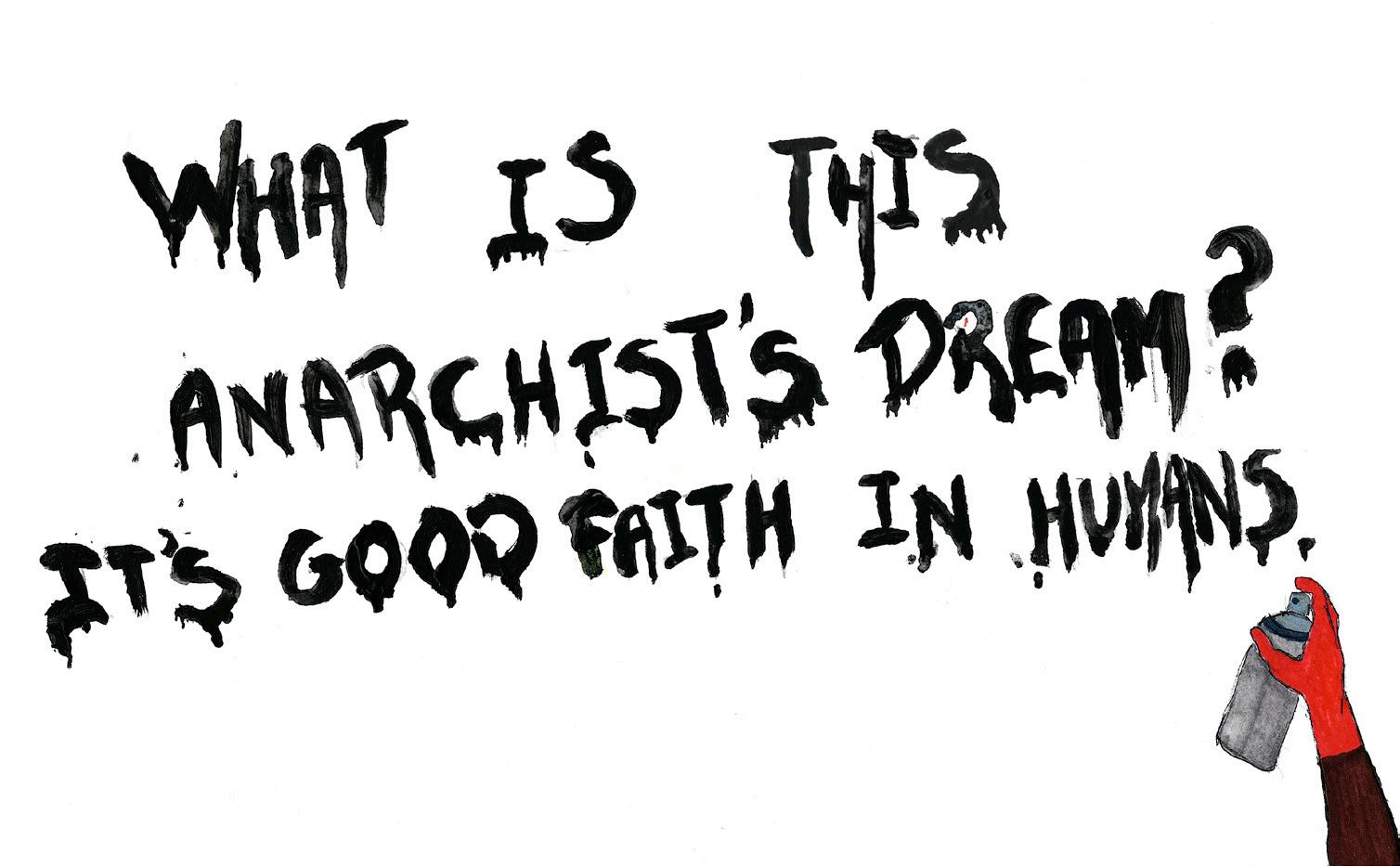
Essay
Christiania, anarchist community in Copenhagen, Denmark
Anders zijn is mooi
Een semi-biografische kijk op biculturaliteit
Rassen bestaan niet. We zijn allemaal één ras, namelijk de Homo Sapiens. Wat wel bestaat is huidskleur, variërend per persoon, bepaald door het pigment melanine. Hier wordt naar gekeken en helaas ook over geoordeeld. De maatschappij wordt zich echter steeds bewuster van deze problematiek, zelfs positief over de diversiteit van mensen met andere huidskleuren en culturen. Naomi (half Curaçaos) en ik (half Chinees), met allebei Nederlandse roots, spraken elkaar over de ervaringen van biraciale/biculturele mensen.
Tekst en Beeld Lingli Crucq
Nederland is ons land. We zijn er opgegroeid en behalve enkele culturele dingen die we niet meekregen (zoals andijviestamppot of hutspot), zijn we “echte Hollanders”. Liefde voor kaas, direct zijn en fietsen zit in ons. Naomi is de eerste biraciale persoon die ik ben tegen gekomen en beter heb leren kennen. Van huisgenoten naar vrienden; één van de dingen waar we altijd over kunnen bonden is onze biculturele identiteit. Naomi merkte op dat we veel ervaringen en visies delen, ook al komen we allebei uit aparte steden en zijn onze niet-witte helften van de andere kant van de wereld. Zij heeft mij aan het denken gezet om mijn identiteit verder te ontdekken en mijn Chinese kant meer te omarmen; iets waar ik altijd dankbaar om zal blijven.
Divers zijn is nu helemaal in
Pro-diversiteit
Divers zijn is nu helemaal ‘in’. Anders zijn dan wit zijn, zien als iets positiefs is nog helemaal niet zo lang een trend, iets wat mij beangstigd. Straks als de trend voorbij is moet ik gaan uitleggen waarom mijn amandelvormige ogen mooi zijn. Toen ik dit voorlegde aan Naomi dacht ze aan aspecten van culturen die de laatste tijd geromantiseerd werden, zoals de fox-eye trend, BBL’s (Brazillian Butt Lift) en cornrows. Dit zijn allemaal trends waarbij (witte) mensen die aspecten populair en ‘mooi’ maken, terwijl niet-witte mensen ze allang bij zich dragen. Dit is goed, zou je denken, het vieren van niet-witte kenmerken. Naomi merkte al op dat BBL’s steeds minder populair worden en het lijkt alsof dun worden meer in wordt (zie Kim Kardashian). Ze vraagt zich af of het zwarte curvy lichaamsfiguur dan weer gezien wordt als onaantrekkelijk.
Mensen die Naomi en ik spreken en zien hebben bepaalde ideeën over hoe het is om half-half te zijn: het beste van beide culturen meekrijgen en er spicy of exotisch
uitzien. Mij werd zelfs een paar keer verteld dat mijn baby’s wel cute zouden worden later omdat ik half-half ben. Naomi en ik krijgen echter zeker ook veel moois mee van onze beide culturen, zoals rijke cuisines uit Curaçao (guiambo en funchi) en mooie kleding- en haarstijlen uit China (hanfu en cheongsams). Ook hebben biraciale mensen unieke uiterlijke kenmerken die ons niet alleen mooi maar ook bijzonder maken en hebben we affiniteit met meer dan twee talen. Dit zorgt ervoor dat we open, creatief en out-of-the-box kunnen denken.
Niet genoeg Ondanks alle positieve dingen, willen Naomi en ik ook inzoomen op de minder mooie kanten van biraciaal zijn. Wat veel mensen niet doorhebben is dat we levenslang in een identiteitscrisis zullen zitten, dankzij de buitenwereld. We hebben vaak te maken met opmerkingen die eigenlijk pijnlijk zijn, maar voortkomen uit goede bedoelingen. Naomi hoort regelmatig, tot grote ergernis, dat ze niet zwart genoeg is of juist dat ze niet echt half zwart kan zijn omdat ze een te lichte huidskleur heeft. Ook komt voor dat ze op de werkvloer rondloopt met haar natuurlijke afro en dat mensen niet geloven dat dat haar echte haar is. Dat soort opmerkingen neemt onze identiteit van ons af; we hebben al moeite om ergens bij te horen en dan gaan mensen ook nog eens bepalen hoe we wel of niet moeten zijn. Ook worden we door beide culturen niet gezien als een van hen. Naomi wordt niet gezien als Antilliaans omdat ze culturele dingen mist
guiambo
34 Cul Magazine
Cul Magazine Conversation
hanfa
cheongsam
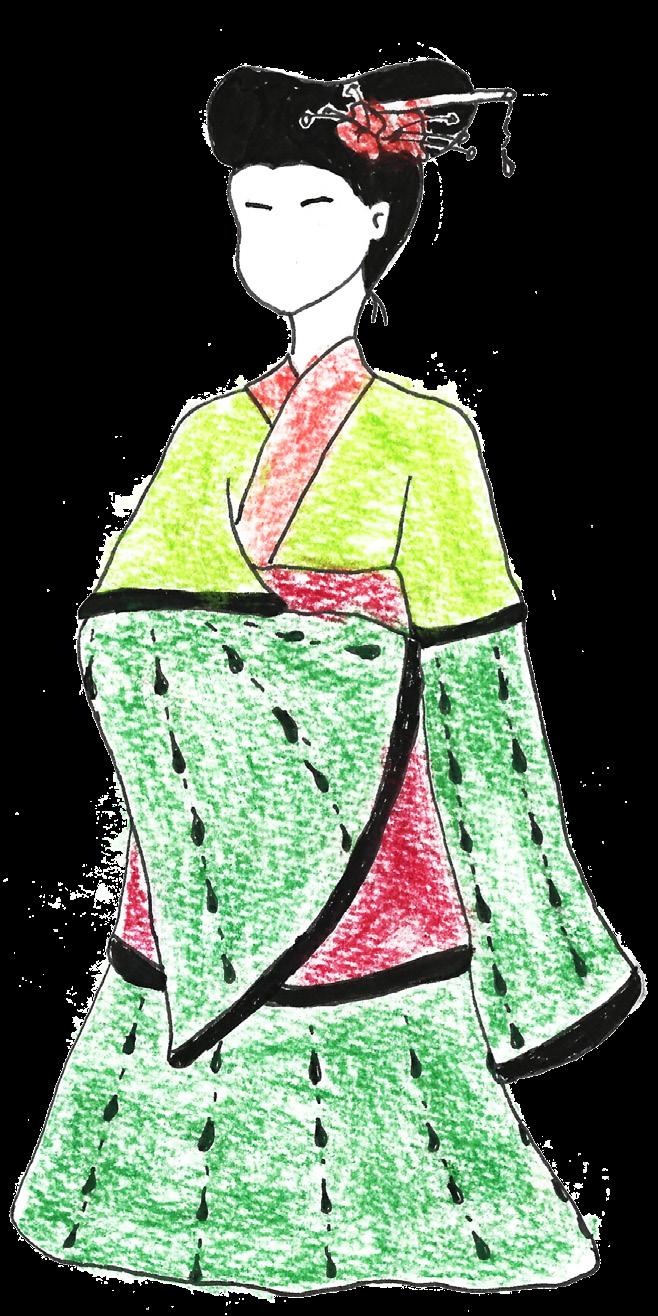
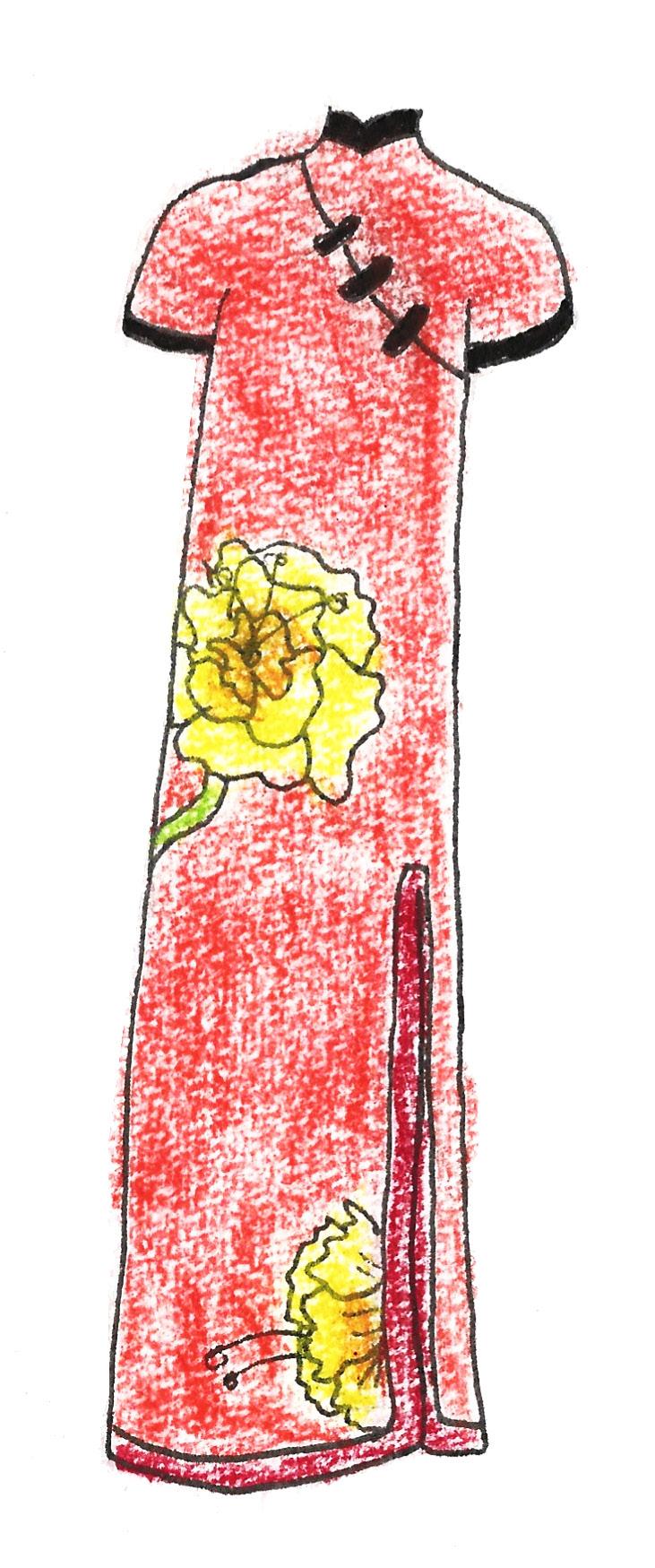
die je alleen meekrijgt als je in het land zelf bent opgegroeid; zoals houding, intonatie en of je Papiaments spreekt of niet. Ikzelf hoor niet bij China omdat ik de taal niet spreek, er te ‘Westers’ uit zie en ik niet dezelfde Chinese denkwijze heb.
Desondanks onze positie zijn wij trots op onze identiteit en zijn we veerkrachtig
Verwachtingen
We hebben ook te maken met té dromerige beelden die niet-witte mensen over ons hebben. Naomi en ik ervaren het verschil hoe witte en niet-witte mensen denken over hun partnerkeuze. Mensen met een niet-witte achtergrond hebben vaak het idee dat ze er financieel op vooruit gaan als ze met een wit persoon trouwen: dat het leidt tot meer privileges. Ze denken dat hun eigen situatie én dat van hun kinderen beter wordt, maar zijn wellicht niet voorbereid op het feit dat hun nieuwe thuisland hen misschien niet zo warm verwelkomd. Witte mensen daarentegen hebben het idee dat hun kinderen exotisch of spicy worden als ze met een niet-witte partner gaan. Dit is vanuit een specifiek beeld en natuurlijk niet voor iedereen zo, maar deze gedachtegoed komt zeker voor.
Een andere positieve verwachting die mensen uit niet-westerse landen kunnen hebben, is hoe goed we het hebben omdat we Nederlanders zijn en we in Nederland wonen. Tot op zekere hoogte hebben we inderdaad privileges, ook door onze lichtere huidskleur; ookwel colourism. Hoe lichter je bent, hoe beter je wordt behandeld of als mooi wordt gezien; beïnvloed door Westerse ideaalbeelden. Dit is zeker zo in Nederland, maar ik heb dit ook ervaren in China. Ik was een keer in een winkel waar een medewerker haar arm tegen de mijne aanhield en heel blij was dat wij dezelfde huidskleur hadden. In China heeft dat te maken met Westerse ideaalbeelden die ze hebben maar ook met hun geschiedenis. Als je donkerder van kleur was, betekende het vaak dat je op het land moest werken, dan was je niet rijk. Volgens Naomi gelden Westerse schoonheidsidealen ook in Curaçao, maar speelt huidskleur een andere rol. Hoe lichter de huidskleur, hoe meer privileges, dit komt door kolonialisme. Als je je echter niet Antilliaans gedraagt, hoor je er niet bij. Dan zien ze je daar als het ware als wit (ook al ben je gekleurd), als een Nederlander; iets wat Naomi ook ervaarde toen ze een tijd in Curaçao woonde. Desondanks onze gemarginaliseerde positie en negatieve aspecten die erbij komen kijken, houden we van onszelf, zijn wij trots op onze identiteit en zijn we veerkrachtig, net als onze voorouders in Curaçao en China. Ook al horen we niet helemaal ergens bij, we maken een plek voor onszelf. Omdat we nergens echt bij horen, wisselt onze positie, waarbij we onszelf soms als Nederlanders zien en soms niet. We kiezen wat bij onze identiteit hoort. Naomi en ik delen veel dezelfde ervaringen, waaronder de biraciale/ biculturele gemeenschap die steeds groter wordt en waarin we niet hoeven te kiezen tussen beide kanten maar we alles van onszelf kunnen omarmen. Wij kunnen de kloof verminderen tussen twee groepen en bemiddelaar zijn tussen culturen. Het andere deel van onze identiteit vinden we juist leuk om te delen met anderen en zo ‘anders zijn’ te normaliseren. De toekomst ligt bij een Nederlandse identiteit die het toelaat om veerkrachtig, divers en intersectioneel te kunnen zijn.
Cul Magazine 35
Conversation
funchi
Perfectly imperfect
An insight on the glorification of toxicity in ‘After’
Article, bxg, angst, toxic, abusive relationships, harm, relationships, romance, good girl x bad boy, unhealthy relationships, dark thoughts, hurt/comfort, hardin scott, torture, AAAA, tessa young, After, Anna Todd.
These are a few keywords that honestly sum up the popular fanfiction, later turned into the movie After. Young people falling in love for the first time are now feeling the ill effects of the book and its genre. But, it’s time to protect young love.
Toxicity is a crucial and essential theme in our modern day romance books. We live in a time where unhealthy book couples are often praised and glorified on the internet; the more problematic, the more popular they are. The agony, the waiting, the issues between the main characters; it’s all so sweet and angsty, an addictive feeling, keeping you on the edge of your seat. Such stories often cause readers to believe or even expect their connections with people to entail an abundance of conflict and problems, in order to find the rare fanfic level of ‘true love’.
Chapter 1
Once upon a time, in 2013, a fanfiction emerged on Wattpad that spread like wildfire. Within it, an emotionally abusive romantic relationship was born and romanticised to the extreme by many readers. While it is a universal fact that emotionally unhealthy and angsty stories written about celebrities like Harry Styles in Anna Todd’s fanfiction go perfectly hand in hand, what does this have to do with Anna Todd’s book now turned into pentalogy After? Simple: the novel is a textbook case of emotional abuse in the confines of a rose-coloured teen romance.
The book After revolves around two main characters, your typical shy, naive, smart, beautiful girl also known as Tessa Young. And the typical, closed off, ‘I hate everyone but you’ red flag of a man who’s considered the ‘bad boy’: Hardin Scott. College life, parties and various incidents during a turbulent time lead them to develop a liaison that various people at the ripe age of thirteen, including myself unfortunately, swallowed up. This duplicitous love story (yes, Taylor Swift would be proud of me right now) demonstrates how from the very beginning Hardin is shown to be disrespectful, not caring for boundaries, being frequently insulting and borderline manipulative. It is these- not so great -character traits that give more credit to his ‘bad boy’ persona.
To integrate the whole ordeal of toxicity in a better context, we can look at Hardin Scott as a walking black hole of misery, superficially inclined to only be ‘in love with Tessa’ when she’s completely, undeniably and unmistakably manipulated by his “dangerous and toxic” - her words not mine- way of being. It is funny how she perfectly knows what is going on and yet decides to stay in such a bad situation. But what is funnier is how Anna Todd really thought this would be okay for a bunch of 14 year olds to read. There seems to be a constant underlying justification to the severely misleading and flawed notion of Hessa -Hardin Scott and Tessa Young’s ship name- being great and role model material.
I will now present to you three -because I can’t do thirteen- reasons why I firmly believe After is a book that should be a caution tale instead of a fantasy teens should aspire to.
36 Cul Magazine Review
Chapter 2
Text Inés Mittal Gros Image Lingli Crucq
Evidence number one: ‘Hardin is like a drug; each time I take the tiniest bit of him, I crave more and more. He consumes my thoughts and invades my dreams’. While reading this book as a nineteen year old, my only thought was: really girl? The way she lets herself be stuck in a situation where someone like Hardin, who is clearly not ready for a committed relationship, screams at her for leaving after having sex for the first time because he mocked her inexperience. Really, really healthy. It baffles me how writers seem to love smart girls who turn stupid for a man just because he’s got a couple tattoos, a drinking problem, and serious mommy issues. I am not saying they’re bad, just that they should get a therapist instead of romantic relationships.
Evidence number two: ‘I have done nothing but cry since I met Hardin’. Quoting a wonderful piece of popular wisdom, I believe this situation begs for the following question; ‘Sometimes when you are crying you gotta ask yourself, am I dating a boy or an onion?’ But that’s not Hardin Scott. After all, he is a real boy. It is a popular belief that some tension and fighting is healthy for a relationship, but forcing your significant other in situations or doing certain things they do not want to do is something that After gets a bit too comfortable with.
Last but not least, evidence number three: I would like to redirect this onto Tessa Young: why does she allow herself to remain in such a bad situation? She calls him toxic multiple times and is aware of the horrible things he has done. Why is he given a pass for being abusive both physically and mentally? And not only by Tessa, but so many other people around them. Seemingly only one character Noah, my personal favourite in the book, seemed to be in his right mind, but got dismissed for simply being ‘a jealous ex boyfriend’.
The End
The book not only endorses and ticks off all the red flags that one should potentially never ever touch , but to an extent paints such a type of romance as something people should somehow crave and want. Why are we letting teenagers with
moldable minds read a book that promotes the idea of true love as being something abusive, frightening, and almost painful, especially when it comes at the expense of your happiness?
Well, after talking to a few friends and acquaintances, I have an answer that has come down to two basic things. First being that these sorts of connections are often entertaining. We’ve all fallen into the trap of idolising these relationships that have been shoved in our faces, or at least I have. What popular media represents as love is what you start believing love is. To wrap this all up in a pretty pink bow, I would like to say that perhaps it’s not toxicity that makes the liaison attractive to our generation but the fact that writers like Anna Todd, Colleen Hoover and Sarah J. Maas, notorious writers in the field of romance, have not been capable of mustering up a book that showed a true healthy relationship (like Gomez and Morticia) in a fashion that doesn’t show them as boring, consistent and mind numbing to a point where these relationships are almost avoided. It is disappointing, really. Sure Hardin did do and say an abundance of asinine things within the five books and movies, but I would like to end with probably the only thing he ever said that made sense:
‘We are all fools in love’
Review
Seasons of love
Self-exploration and pleasure prompts for each zodiac season


Text and Image Harriet Smith
My latest astrological writing offering is an unconventional horoscope. Rather than a prediction, I offer a suggestion for each zodiac season. A zodiac season is a time when the sun is in alignment with one of twelve constellations. Astrologers map the movement of the sun, moon, and planets in alignment with these constellations. The zodiac signs and planets are imbued with meanings and compared in relation to personal, interpersonal, and wider moments. While a lot of attention is placed on sun-sign (the location of the sun at your moment of birth), we all embody elements ascribed to all signs. Therefore I share a prompt for a relational activity as a potential to connect with a sun-charged energy. Take what resonates, leave what doesn’t.
Aries
(20th March - 19th April)
Aries is the beginning of the zodiac calendar, an initiator and a cardinal fire sign. It’s springtime in Amsterdam and a great time to plant some seeds, set intentions, and make an action plan. Getting active can be a great source of clarity. Explore movement through a new activity, maybe that’s kickboxing, wild swimming, aerial silks, or even capoeira? Be a beginner at something new, fun, and hopefully joyful and explore what feels good for your body.
Cancer
(21st june - 22nd july)
When the sun is in Cancer we might feel more grateful and sentimental. A cardinal water sign, it is associated with sensitivity and embodying emotions.. This season take time to curate a soundtrack to your day. Experience the feeling of live music on a hazy summer day and night. Find a festival or see a local artist at a cool venue. Make your own music and feel all your feelings.
Libra
(23rd september - 22nd october)
Libra seeks beautiful and equitable balance. This cardinal air sign is often associated with art and relationships. On a rainy morning explore one of Amsterdam’s many art galleries, wandering and contemplating what drives artistic creation and how best to express your human experience. Take a friend to discuss what you find beautiful and how it makes you feel, before creating your own artistic reflections in a form that feels good to you.
Capricorn
(22nd december - 19th january)
The soft and strong capricorn is a cardinal earth sign. Unfortunately for capricorns, you can’t schedule everything but you can plan a fun time with people you love. Winter is in the air and it’s cold outside, but just imagine how cosy you could be… Whether it is crafting, jamming, games night, or something else, there are so many excuses to gather your people round a candlelit table and enjoy each other’s company. Gezelligheid!
Taurus
(20th april - 20th may)
A season of grounded beginnings, Taurus is a fixed earth sign. Associated with home, it can feel good to develop your sanctuary, a space to feel grounded in. Make time for a deep clean followed by an aromatic smoke cleanse. Research your ancestry and locally available herbs to create your own herb bundle for smoke cleansing, a fragrant spiritual and grounding ritual. Curate the lighting, textural feeling, smells and sounds of your space.
Leo
(23rd july - 22nd august)
Leos can be unapologetically brave, a fixed fire sign. Embody Leo energy through fierce self belief and put a part of yourself out in the world. Humans are inherently creative with diverse passions. Share your photography, poetry, dance, comedy, art or other developing talent. It doesn’t have to be perfect. Be vulnerable with an audience and allow other people to see you. You never know what your courage will inspire.
Scorpio

(23rd october - 21st november)
A fixed water sign, Scorpio is associated with intensity, shape-shifting depths, and a sense of unknowability. It can be a season where we are aware of the power of the proximity between destruction and transformation, and feel untethered. Flow with the energy and dance till dawn or your feet beg you to stop. You are a mysterious sexy creative force, with powerful emotions and intuition. Allow yourself to explore your quirks and kinks.
Aquarius
(20th january - 17th february)
As the sun aligns with Aquarius, a cardinal air sign, we enter a time of visionary beginnings and original thinking. Dream big. It is winter but Aquarius season suggests you climb that ridiculous mountain or take that long hike for that spectacular view. Long journeys can be a great time to reflect, pause, and meditate. Deciding the direction can be more important than the endpoint, but be prepared for the challenges along the way.
Gemini
(21st may - 20th june)
A mutable air sign, it’s Gemini season and time to talk! Known for curiosity and communication, but who doesn’t love trying and discussing something new? Testing out a dramatic new recipe is a great excuse to hold a special dinner with friends as the long summer evenings begin. Talk till the sun is long gone, explore new cuisines, and share your stories, time, and food with people you love.
Virgo
(23rd august - 22nd september)
Earth signs often enjoy order and are great at detailed planning, but sometimes need to make time for playful exploration. Virgo is a mutable earth sign, a time of transition towards autumn. The change in season brings long warm days and ripening fruit, and Amsterdam has many forests and parks to explore. Finding seasonal food can add an extra sensual dimension. Forage for blackberries on slow woodland walks, but remember to leave some for others.
Sagittarius
(22nd november - 21st december)
If you feel the fire of the sun’s alignment with Sagittarius you might be drawn towards trying something new. This mutable fire sign loves spontaneous trips and exploring their many disparate passions. Make one of your passions a priority and plan a personal pilgrimage. What do you need to see, to touch, to hear, to taste, to smell? Allow yourself to be adventurous, and direct some of your fiery energy towards yourself.
Pisces
(18th february - 19th march)
Pisces is a mutable water sign, a flowing, intuitive, creative, dreamer. Water is essential for life. This season visit a nourishing water source. Take a trip to the ocean, plan a spa trip, or explore Amsterdam’s canals. Give an offering to the water, scatter handpicked flowers, write your dreams down and let them float away. Trust that you know the answers to your most important questions (or how to find out). You are capable and brilliant.
Column

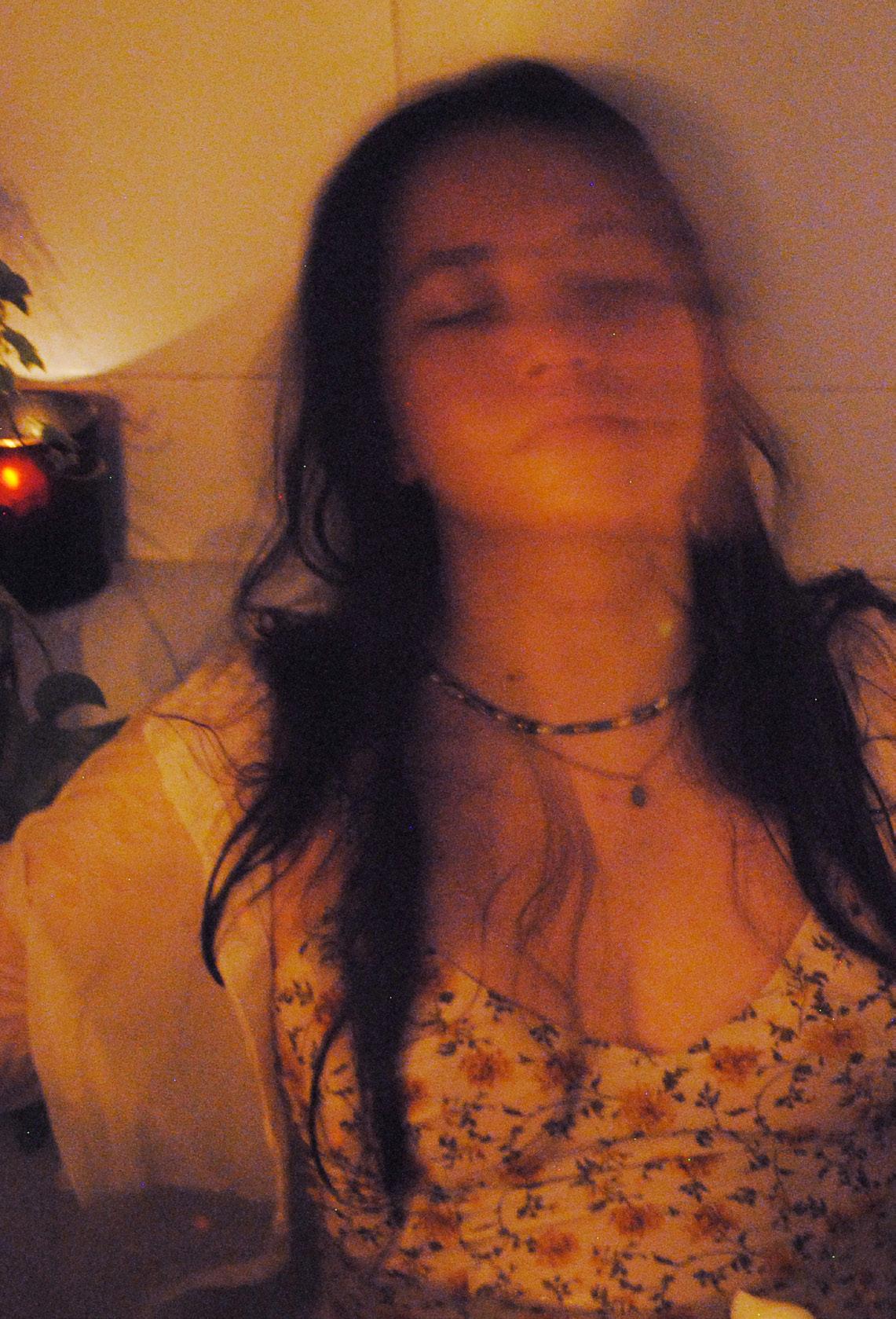
Cul wants you! Cul magazine is always looking for new external writers! Do you want to write a guest article for the website? Send an email to cul.editorial@gmail.com and perhaps your article will be published on our website soon! Want to receive all Cul editions at home? Visit our website to subscribe! www.culmagazine.com