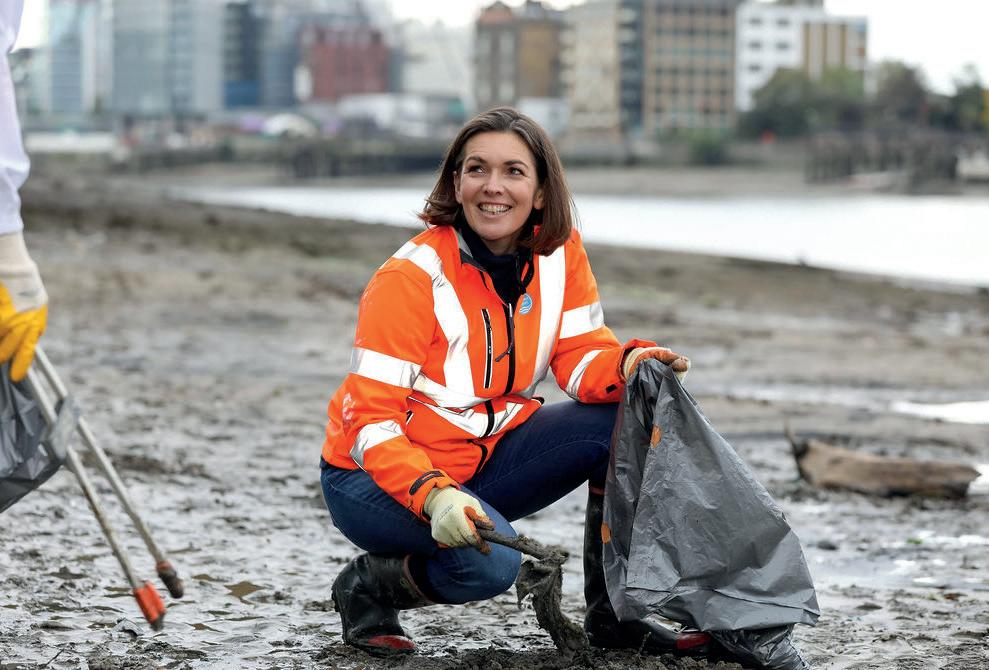
Reconnecting Londoners to the River Thames
Thames21 and Tideway’s partnership on Thames River Watch

Thames21 and Tideway’s partnership on Thames River Watch
Since we started funding this programme in the early stages of our project, Thames21 has engaged thousands of people along the tidal Thames, bringing them together to connect with the river and to tackle the problem of plastic pollution. The partnership has engaged our people, too, developing their skills and connecting them more closely with the river and with communities along the tunnel route. The Thames River Watch findings show that the tunnel is neededand that people’s behaviour needs to change in order to stop plastic entering the river in the first place.
Andy Mitchell CEO, Tideway
Tideway have brought real engagement, drive and flexibility to create a really great partnership, helping to steer the direction and improve the quality of Thames River Watch. Their support has been an excellent example for how we would like to work with corporates. As we enter a new phase through the work of Thames River Watch for All, we want all communities along the tidal Thames to be better informed about the issues facing the river, to be actively involved in improving the river and to benefit from its wide range of amenities.
Debbie Leach CEO, Thames21
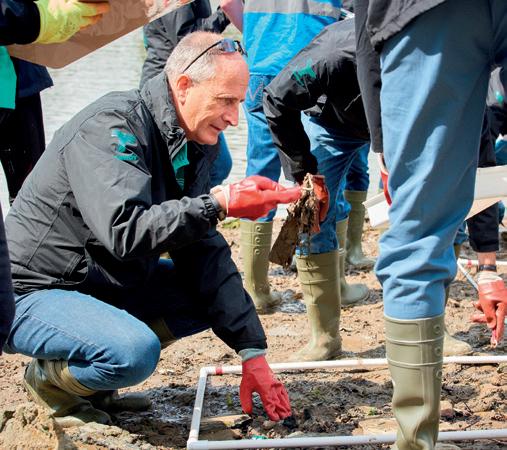
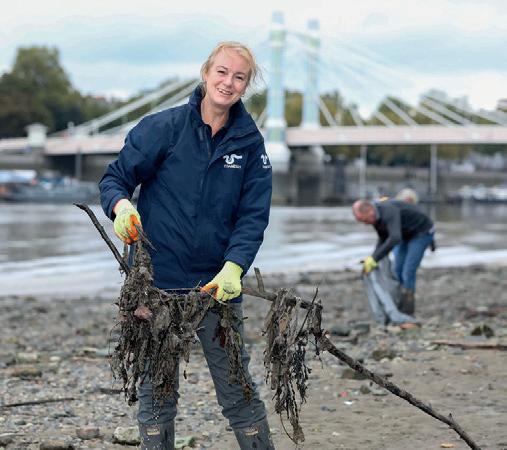
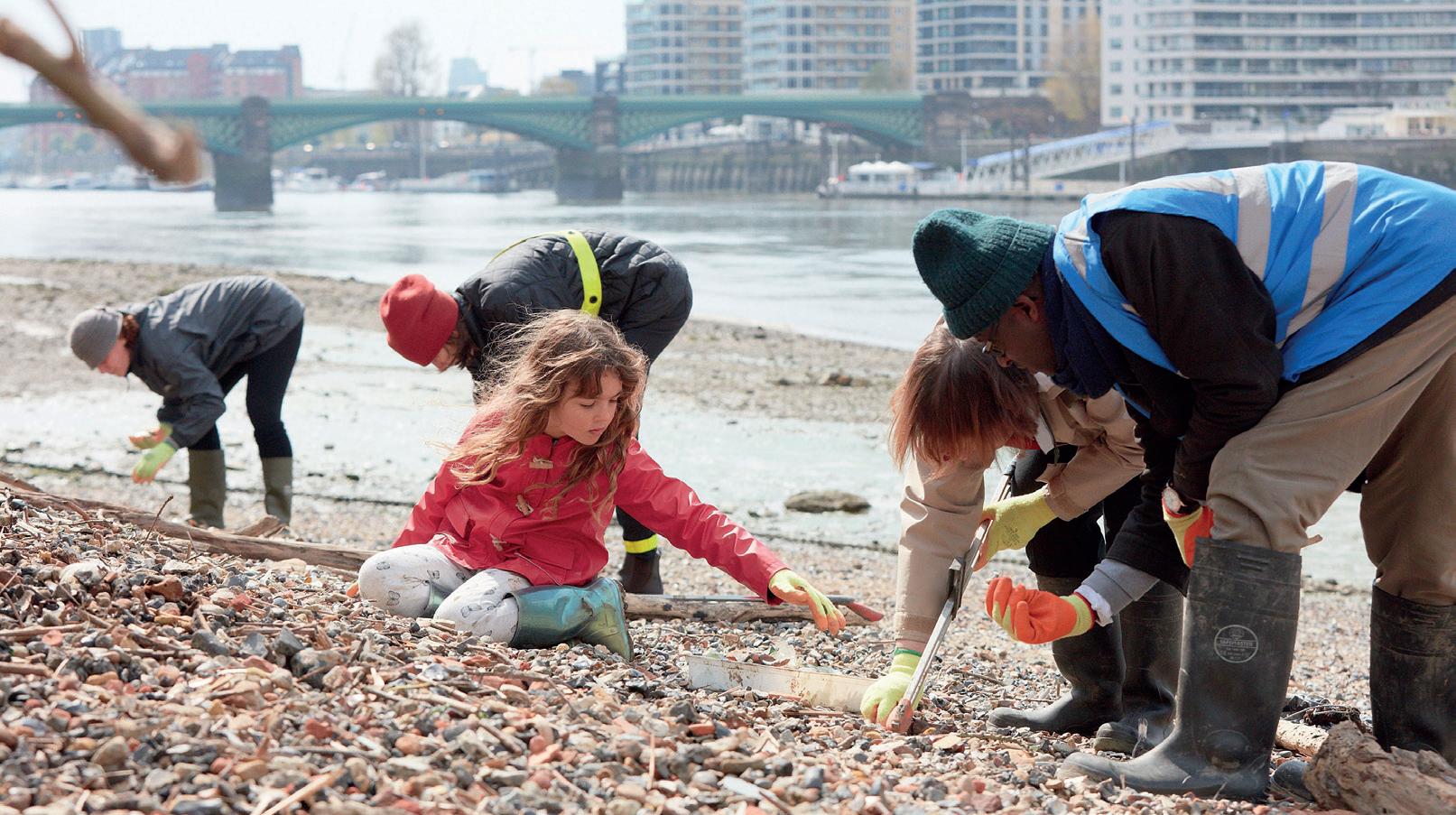
Thames21 has engaged thousands of people along the tidal Thames, bringing them together to connect with the river and to tackle the problem of plastic pollution.
In the last 40 years the Thames has experienced something of a remarkable recovery after being declared biologically dead in the 1950s as a result of heavy pollution. In fact, the river is now home to 115 species of fish, as well as seals, wading birds and more – in 2013, a pod of five harbour porpoises were spotted in the river. This recovery was highlighted by the 2021 ‘State of the Thames’ report from the Zoological Society of London. However, the ZSL report also highlights current threats to the health of the river - increases in nitrates from sewage and chemical pollution; an increase in water temperature due to global warming; and the growing threat of plastic waste.1
The extent of plastic pollution in the river is not known because there is no statutory responsibility to monitor it. What is known is the harm that it can cause to fish and wildlife, in the Thames and the oceans beyond. London’s iconic river, which represents its biggest open natural space, is also underutilised. The Tideway project, which will be completed in 2025, will intercept 95% of the current sewage spills into the tidal river. It also presents a much wider opportunity: to re-kindle the relationship between riverside communities and the Thameswhich was broken during the deterioration of the river in the 19th and 20th centuries - ensuring it is understood, enjoyed and conserved by Londoners for future generations.
Thames21 and the Tideway project launched Thames River Watch to create a network of citizen scientists that would collect essential data on the health of the river. The programme has three aims: to engage communities with their river; increase understanding of plastic pollution; and raise awareness of the issues to influence public policy. Eight years later, the programme is going strong and now has a joint funder in Thames Water. Local groups, from Barnes in west London to Grays in Essex, conduct regular river clean-ups to protect the river. The data generated has been published in scientific literature, has had extensive media coverage and has influenced the national policy debate. Partnerships with universities and peer organisations deepen the strength and impact of the work.
This report captures the key impacts of the programme to date, the reflections of volunteers who have delivered the work on the ground and the exciting ambitions for its next phase.
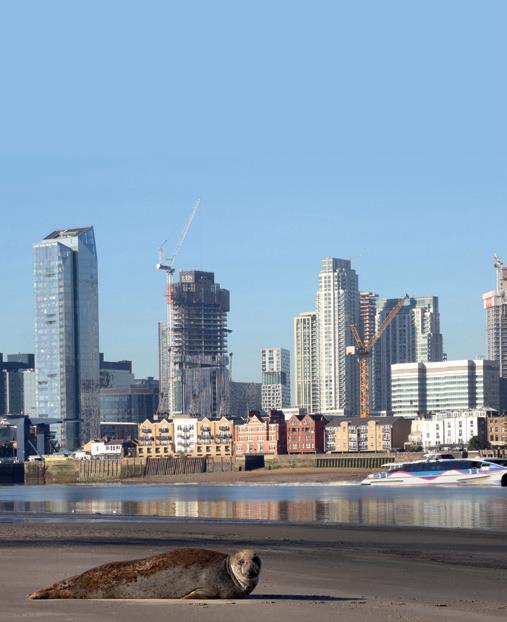
The river is now home to 115 species of fish as well as seals, wading birds
and more.
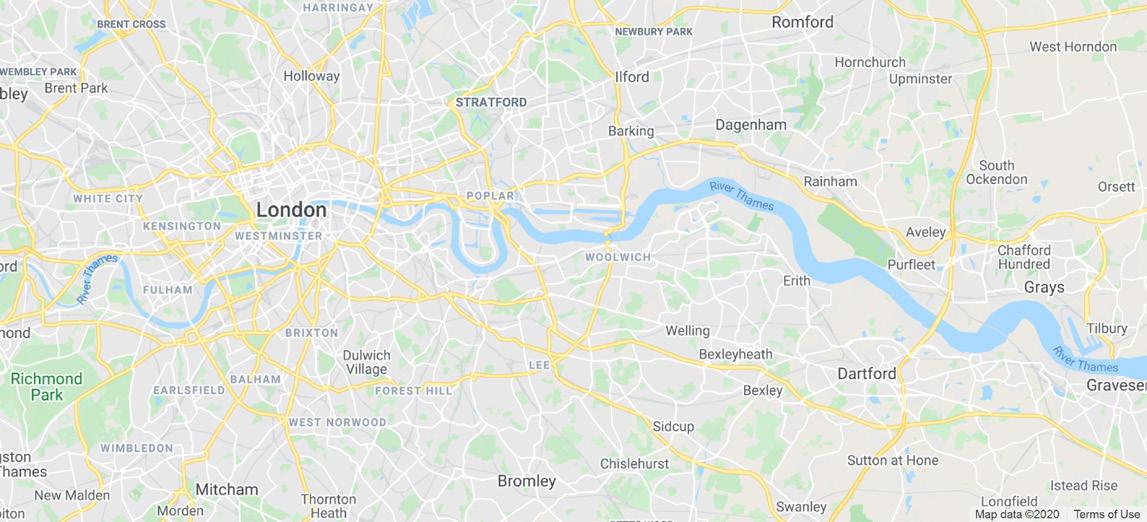
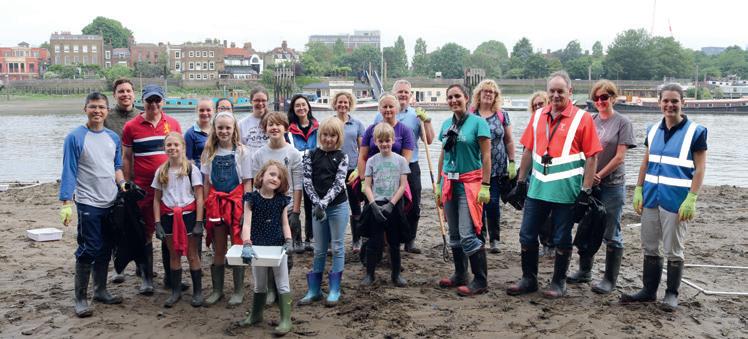
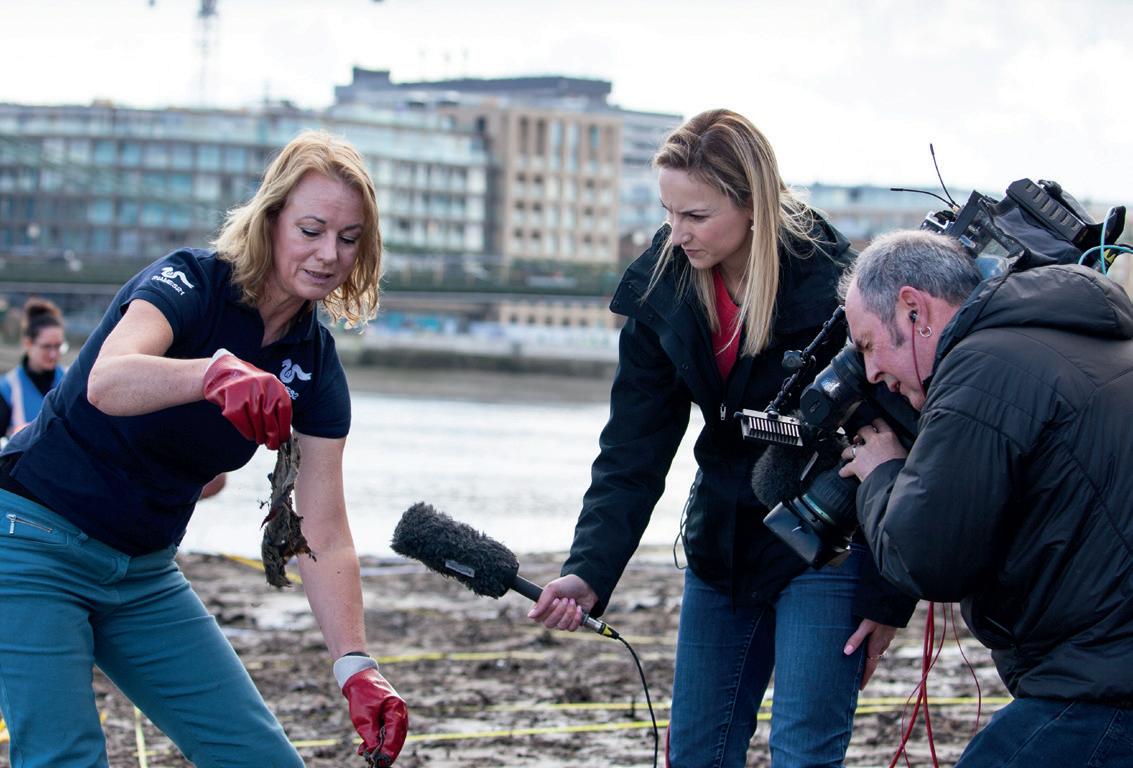
Bringing Londoners together in their local communities to collect data on the health of the river by training them to lead events, collect litter safely and record the data accurately and consistently has been key to the project’s success. A network of river action groups stretching from Barnes in west London to Grays in Essex has been created.
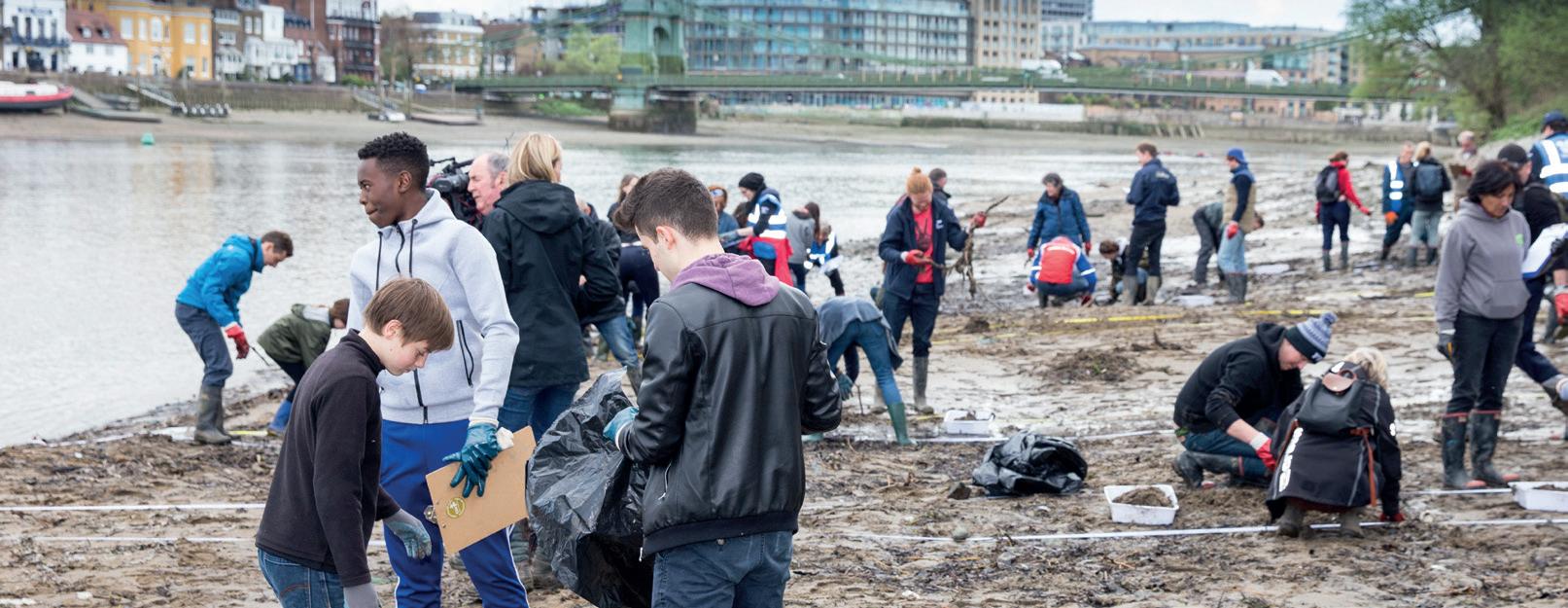
The volunteer groups meet regularly, setting out 1m2 quadrats on the foreshore and counting the key items within them, or doing walkover surveys to capture more approximate numbers of these items. Some
groups focus on items that particularly affect their sites, such as plastic bottles, plastic beer cups or nitrous oxide canisters.
There are network-wide foreshore events such as the Big Counts, where groups volunteer on the same day in order to get as big a picture as possible about specific items such as wet wipes and plastic bottles. These also provide media opportunities and attract new volunteers. Once a year the volunteers come together for a celebration of their work and an update on the programme findings.
1. Barnes Tidy Towpath
2. Hammersmith Hub
3. Putney Tidy Towpath
4. Oxo Tower Group
5. East Hub
6. Grays Beachcombers
Floating waste on slipways or beaches
Floating waste on saltmarsh or reedbeds
Wet wipe sinking site
Plastic bag sinking site
The groups are co-ordinated by extraordinary individuals who volunteer their time to organise and lead the events. Their enthusiasm and dedication is illustrated by the range of tasks they are happy to take on: recruiting volunteers, conducting risk assessments, providing equipment (often stored at home), leading the event itself, cleaning the equipment and uploading the event on our system and leading on publicity and community engagement.
The project could simply not run without these lead volunteers and we want to acknowledge their huge contribution.
“I was appalled at the litter saw and wanted to take concrete steps towards solving the problem. TRW is a perfect vehicle for this. From a personal development perspective it has also provided me a great opportunity to develop leadership and interpersonal skills that benefit other areas of life. Furthermore, seeing others out there doing this inspires others to get involved.”
Helen Stoddard, East Hub coordinator
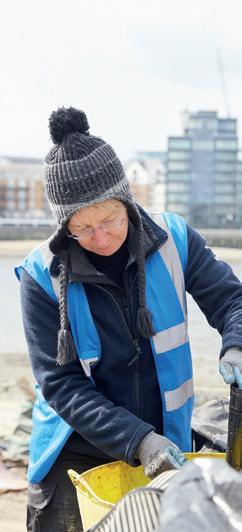
“I like being useful, being outdoors, working with a diverse group of interesting people, talking to passers-by about our work, getting compliments from passers-by and leaving a site looking a lot cleaner than it was when we started. Furthermore, aggregating data across multiple sites, dates, weather conditions, tidal conditions builds hard evidence for changes to policy and practice.”
Byrne, Hammersmith Hub Coordinator
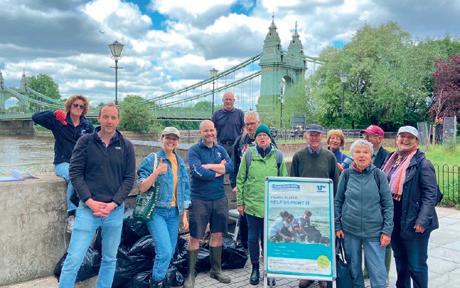
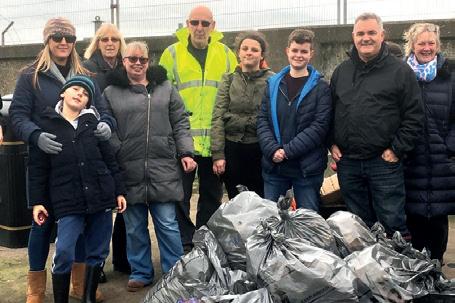
“I go back to the Fifties when childhood days were spent cockling, crabbing, swimming in the creeks at low tide and having picnics on the beach. Then, the beaches were clean and the water was dirty, so we avoided swimming on the outgoing tide. Now, the water is relatively clean and the beaches are littered, so have we really progressed?”
Clive Webster, Grays Hub
“I love getting outside with Thames21. Especially when we are mostly confined indoors, it’s a great way to get some air and make a positive impact. It also makes me more mindful of my consumption and plastic usage.”
Corrina Miller, Hammersmith hub volunteer
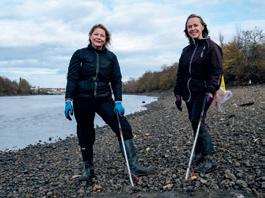
“Litter picking and related volunteering create a special bond with the local community and environment. Moreover, fresh air, good company and a sense of accomplishment are guaranteed. Knowing that Barnes Tidy Towpath facilitates this is tremendously rewarding.”
Ann Sullivan, Barnes Tidy Towpath
The ‘drumbeat’ of Thames River Watch events is the clean-ups organised and run by the local river action groups, by Thames21 staff for community groups and schools; and by corporate volunteer groups such as Tideway.
Tideway’s support for the programme has yielded 3383 volunteering hours since 2015.
The Big Count mass data collection events attracted over 1,000 people to the river event, many for the first time.
In total 688 foreshore events have been held, facilitating over 7,400 visits to the river.
Action Groups
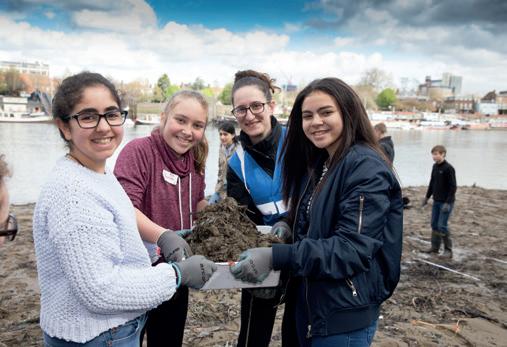
The programme has engaged more than 2,000 students.
In the first three years of the programme it also engaged communities in water quality testing, because no data was publicly available, a situation that changed around 2016. Volunteers conducted over 1,500 water quality surveys which demonstrated a river in relatively good health for wildlife but with an astonishing 91% of bacterial samples showing presence of faecal coliforms, indicating the presence of sewage and helping to educate the public about the reasons why the Thames Tideway Tunnel was needed.
The programme also reaches communities at foreshore events – an annual highlight is at TideFest, a one-day carnival celebration of the river at Kew Bridge, where the Thames21 team and partners have delivered river dipping sessions for a total of 586 people including 360 children.
The Thames21 team also goes into schools to educate young people about the river environment and the issues affecting its health, visiting 29 local schools and engaging more than 2,000 students through visits to the foreshore and sessions in classroom.
In 2017, the programme introduced a new type of volunteer - the Thames Ambassador. It was clear that passers-by took such an interest in volunteer cleanups that there was a great opportunity for them to be educated and inspire them about the Thames River Watch programme. The ambassadors are volunteers who are trained to speak to the public about the river, explaining Thames21’s work. They have collected 880 surveys on the public’s views about the health of the river. These show around 40% of Thames path users consider water quality to be poor all the time or most of the year – a clear barrier to them enjoying the real improvements in river health made. Only 20% reported knowing that seals live in the river and a further 30% judged the river by its colour highlighting the need for better communication about the river.
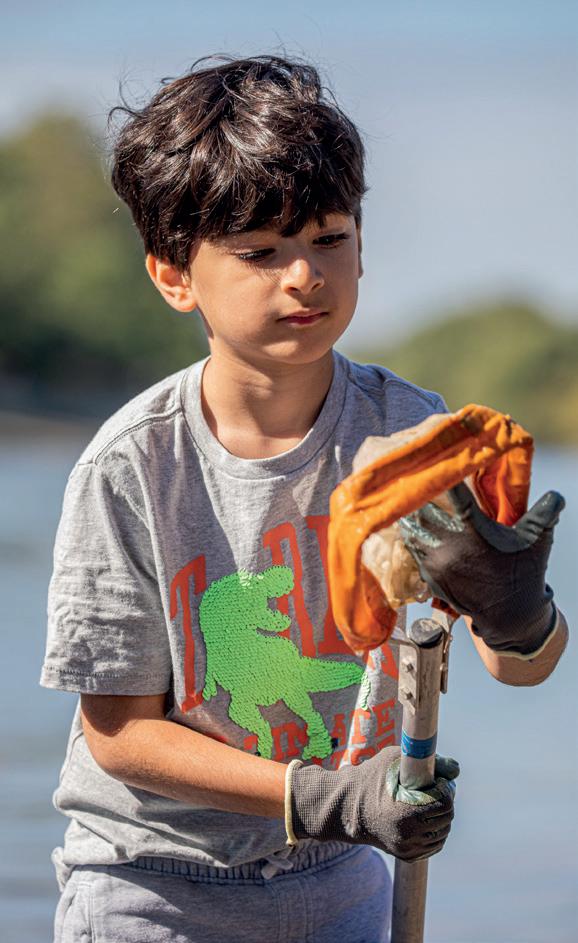
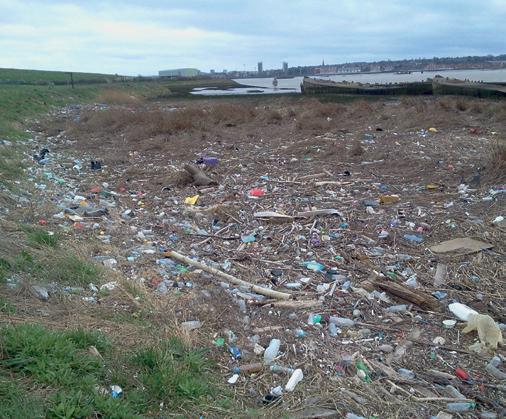
The programme’s data has shown the stark reality of plastic pollution in the Thames.
The flow dynamics of the river mean that these items are deposited in particular areas of foreshore with two main types noticed: sites that collect lightweight items which float on the surface of the water - such as food wrappers and drink bottles - and those that collect sinking items, such as wet wipe products.
Wet wipes most of which contain plastic, are by far the most common item found on the tidal Thames foreshore in London. These products are physically changing the shape and sediment type of the foreshore. This phenomenon is found on at least six sites inside river bends in west London and has only been observed since 2014.
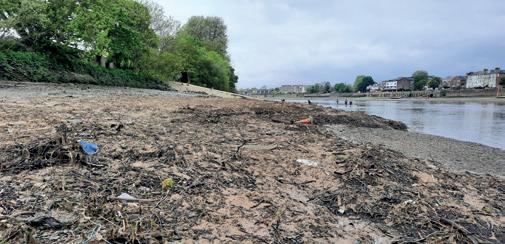
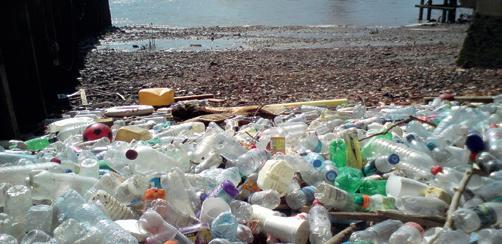
Wet wipe products occur in very large densities at these sites – typically between 50 and 200/m2 on the surface of the mounds.
In Barnes, a Tideway survey showed one mound has grown in height by about 1 metre between September 2014 and May 2021 and covers approximately 1,000m2 – the equivalent to about four tennis courts.
Single-use plastic items make up 83% of all counted items on the foreshore (excluding glass fragments).
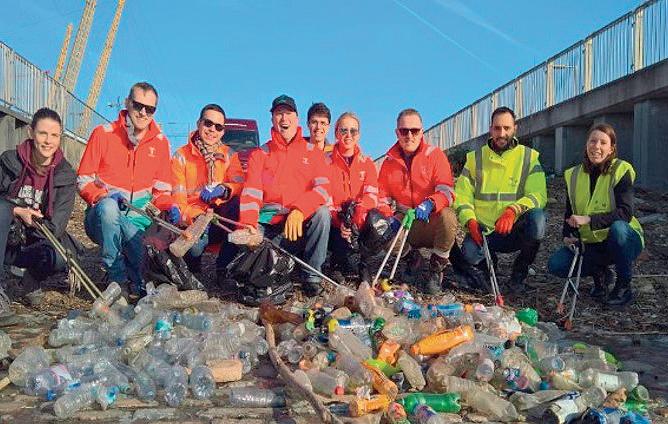
Just five items represent nearly two-thirds of all lightweight identifiable plastic found, more than 64% of the total. Preventing these items and wet wipe products from entering the river would significantly reduce river pollution.
In partnership with #OneLess and the North Thames Litter Pickers Alliance (a network of dedicated volunteers in Essex), we removed over 135,000 single-use plastic bottles between 2016 and 2021. Many more are removed by Southend Council and volunteers in Kent, which masks the true plastic burden on the river.
Microplastic fragments (less than 0.5cm) are widespread and common on the Thames. Of 21 sites surveyed, 20 reported the presence of microplastics at least once. This hidden plastic is difficult to remove via river clean-ups and is likely to persist in the tidal Thames. Some of these items are as manufactured, such as pre-production pellets; others originate from the breakdown of larger items.
Precious intertidal habitats to the east of London bear the brunt of lightweight plastic such as bottles and polystyrene. Of the total bottles recovered, 65% were found on saltmarsh and reedbed habitats outside the city, compared to 33% from slipways and beaches in London. These reedbed habitats are key nursery grounds for fish and already suffer from other pressures.
The distribution of total litter across the tidal Thames with a focus on bottles and wet wipes
Much more litter and bottles found in Essex than London (mainly on precious habitats)…
91,800 41,500 BOTTLES
12,500 4,600
but London remains the capital of wet wipes, which are literally changing the foreshore in west London
Essex clean-ups led by North Thames Litter Pickers Alliance which includes Thames21 River Action Groups. Bottles counted in partnership with #OneLess
The number of floating items on the river has been coming down since 2016. The reasons for
Thames River Watch has played an important role in the national awakening of the issue of plastics clogging waterways and threatening wildlife. Documentaries by major figures such as David Attenborough highlighted the growing problem across the world’s oceans and Thames21 brought the story home to the UK, demonstrating how consumer behaviour was damaging the Thames in London. Funding from Tideway enabled Thames21 to invest in dedicated communications resource and the investment began to paid dividends – the findings of Thames River Watch, and senior staff from Thames21, began regularly to appear on national and local TV and in news media, including the BBC, ITV News, Sky, the Guardian, the Daily Mail, the Evening Standard, and Time Out.
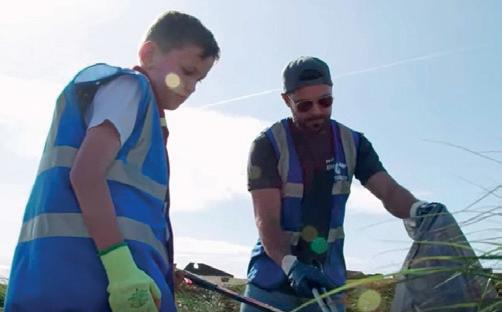
In 2019, Hollywood actor Zac Efron visited a plastic litter hotspot at Rainham for his Netflix environmental documentary Down To Earth, joining community volunteers in the clean-up. ‘It’s kind of impossible to stop,’ said the actor as he surveyed the single-use bottles, cotton buds and food containers that had washed up on the foreshore.

The
programme has received significant amounts of media coverage in London and the UK, as well as featuring in 13 countries around the world.
The programme continues to influence the political debate on single use plastic. In 2017 TRW data was submitted to the London Assembly’s Environment Committee. The Committee’s report said: “Plastic bottles make up 10 per cent of all litter found in the Thames. Specifically [Thames River Watch data showed that], single-use plastic water bottles now make up nearly half of all the plastic bottle waste collected in the Thames… the Mayor should address plastic bottle waste in the forthcoming Environment Strategy and develop policies to reduce it.” Mayor Sadiq Khan subsequently announced an investment in water fountains in 20 different communities.
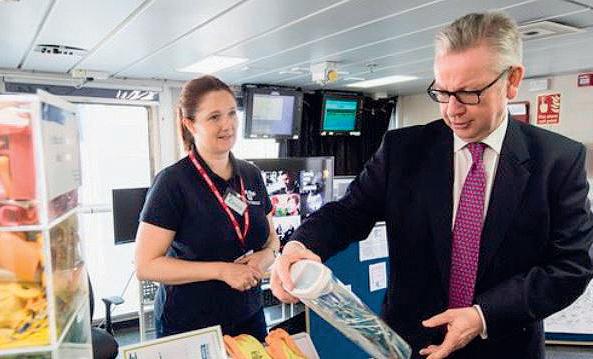
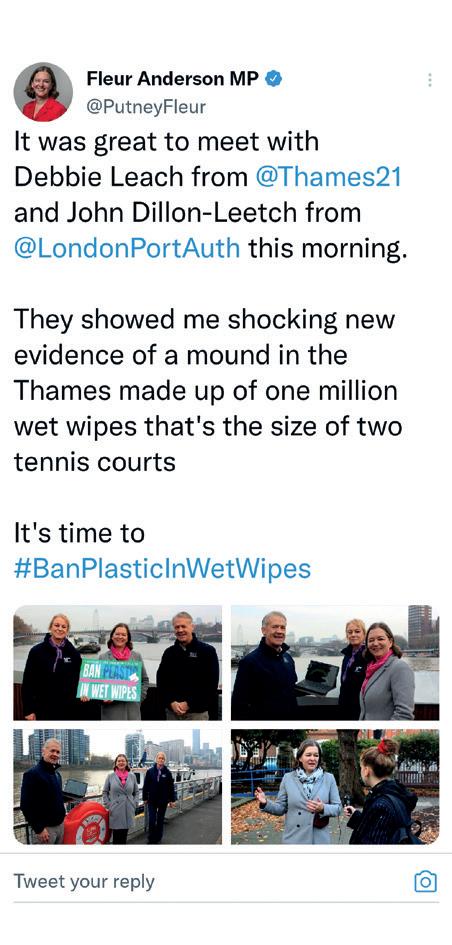
Minister Michael Gove quoted the programme’s findings in Parliament and in 2022 Putney MP Fleur Anderson used the programme’s information as she introduced a new Bill in Parliament banning plastic in wet wipes. Quoting the 2018 Big Wet Wipe Count, when more than 5,000 wet wipes were recovered at Barnes, and highlighting shocking images of the ‘wet wipe reef’ at the site, the MP said: “Flushing the odd wet wipe may not seem like a big deal but I don’t think people realise the scale of the problem. There will be thousands of people out there right now using wet wipes every day with no idea that they are using a single-use plastic and with no idea of the harm that it is doing to our water systems and our marine environments.” The Bill is currently going through Parliament and companies such as Tesco have since announced they are banning plastic in their wet wipe products.
Tideway and Thames21 are very strongly aligned. Thames21’s mission statement – ‘putting healthy rivers at the heart of communities’ – is close to Tideway’s own company vision ‘to reconnect Londoners with the River Thames’. Thames21’s core activities are based on volunteers and volunteering is central to Tideway’s legacy programme – one of its company values is ‘volunteer with passion’.
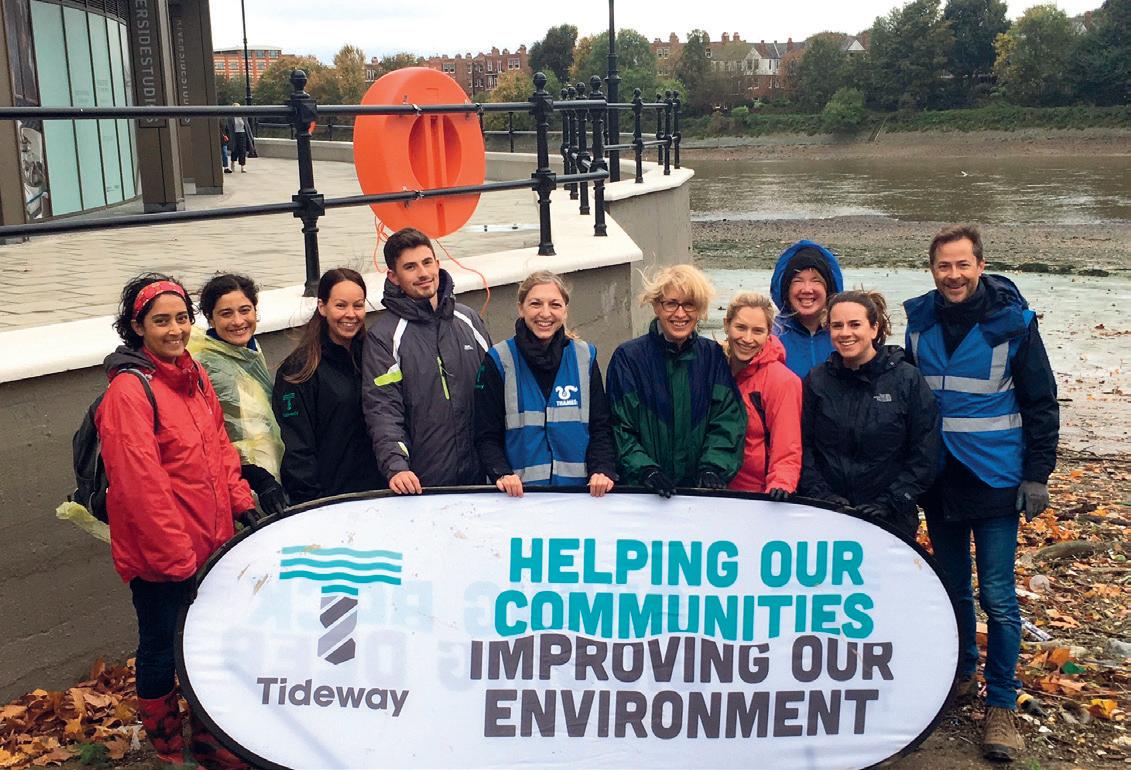
Tideway was not only committed to funding a longterm community programme that helped to deliver its reconnection vision but also to build a partnership at all levels. This begins on the foreshore, with project staff supporting events and training as waterway clean-up leads so that teams can run their own events and surveys. Tideway’s Main Works Contractors embraced the programme and this cohort of volunteers proved crucial for Thames21’s running of large events such as the Big Counts. They also often stepped in to do surveys when community volunteer capacity was reduced. More than 750 Tideway staff have completed 3,383 volunteering hours, with 27 staff trained to lead clean-ups or carry out surveys.
There have also been significant ‘behind the scenes’ support. Tideway’s Corporate Responsibility team also helped to steer the programme’s direction during each phase; senior staff joined the Thames21 Trustee Board and its Appeal Board, ensuring that the charity benefited from their experience and contacts; professional volunteering such as media training helped to develop Thames21 staff; and Tideway provided venues for meetings and volunteer celebration events and its contractor BMB funded equipment. Tideway also stepped up when the pandemic caused Thames21’s activities and fundraising to stop – it gave HR advice on staffing issues and accelerated and de-restricted its programme funding.
The partnership has been recognised with several prestigious awards
• In 2018 Tideway was named Corporate Citizen of the Year in the Evening Standard Business Awards for its work with Thames21
• In 2018 Thames21 won the community partnership of the year at the Lord Mayor’s Dragon Awards for Thames River watch
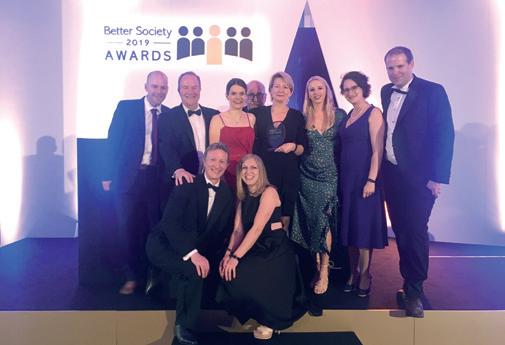
• In 2019 Tideway and Thames21 won the Commitment to the Local Community award at the Better Society Awards
• In 2021 Tideway won a Silver award at the Corporate Engagement Awards for the TRW partnership
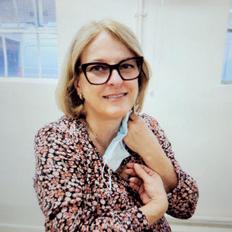
“It’s good to be involved in activities that are directly related to the legacy Tideway will leave behind.”
Liz
“I was shocked by the amount of litter saw in the Thames and on the banks. This was a great team building day that completely removed hierarchy. A nice ‘leveller’ where we all got our hands dirty!”
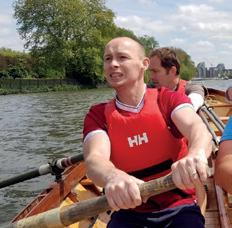
Paul Breslin, Health, Safety and Wellbeing team
The partnership has also increased the project’s positive engagement with local communities. Thames21 staff presented at Tideway’s Community Liaison Working Groups; they offered river dipping sessions at Tideway’s Foreshore Festivals in Putney and Shadwell; and featured in the project’s ‘River Times’ newsletter, distributed to thousands of homes.
As Thames River Watch developed, it attracted funding from other partners to increase its scale and effectiveness, including from London City Airport and Simple. The Thames River Watch programme also joined forces with the Zoological Society of London’s #OneLess campaign and the North Thames Litter Pickers Alliance to record plastic bottles in the Thames estuary. #OneLess went on to use the data to create high profile reports, work with the Mayor of London on the installation of 28 water fountains and produce resources for others to tackle plastic in waterways.
In 2021 Thames River Watch entered a new threeyear phase, re-setting priorities in a new postpandemic context and looking forward to a cleaner river with the completion of the Tideway project.
London’s lockdown has demonstrated how vital its green/blue spaces are for the health and wellbeing of its residents and highlighted inequalities of access to these resources. Increased use of single-use plastics and PPE has increased their occurrence in the Thames.
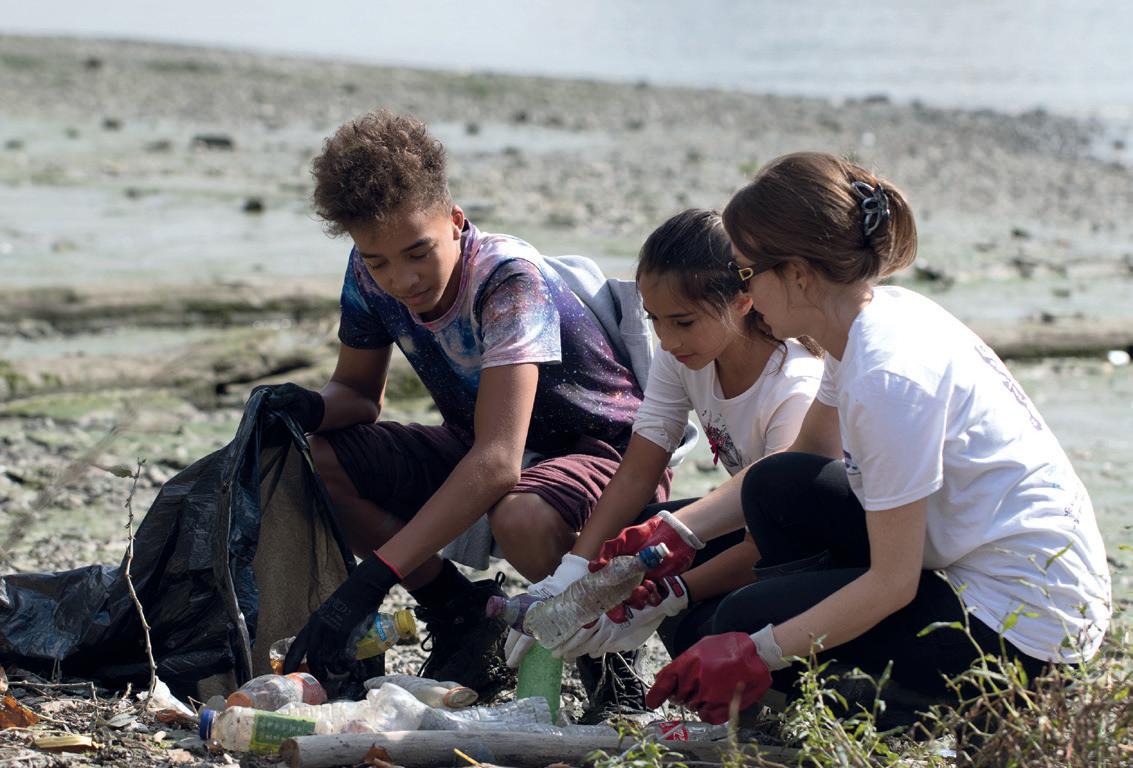
Funding
is being used to engage, develop and recruit volunteers from low-income and ethnically diverse communities.
Thames River Watch For All, funded jointly by Tideway and Thames Water, maintains an emphasis on tackling and measuring plastic pollution but with a new emphasis on ensuring that its volunteer base more closely reflects the areas it works in. Funding is being used to engage, develop and recruit volunteers from low-income and ethnically diverse communities.
The new phase of the programme also aims to:
• Use the data to set a baseline for sewagederived litter which can be used as the Thames Tideway Tunnel comes into operation in 2025 to demonstrate the project’s legacy benefits
• Deliver a programme of activities for primary schools focusing on how people impact the river and its wildlife
• Monitor the impact of the programme on participants’ health, wellbeing, connection to the river and sense of community cohesion
• Develop a certified training programme on leading family-friendly events (such as riverdipping and nature walks) for local leaders to deliver enriching activities that meet the needs of their community.
“The River Thames is the lifeblood of London. It’s an amazing natural environment to be
and protected. The