

•
•

•
•


















As we’ve seen from the World Cup being hosted in America, BBQ is a rite of passage and cooking it is truly an America sport. Men, and occasionally women, take pride in grilling the perfect meat. Discover some of the best BBQ in Southwest Louisiana and a locally-made BBQ sauce you can use at home.


by Matt Dye
With summer in full swing and America’s 250th birthday in the air, there’s nothing more American than sitting down and enjoying some smokey BBQ and fall-off-the-bone ribs. Luckily, in SWLA, there are options aplenty wherever you reside on the I-10 line.
If you were to throw a dart at a map, you’d be fortunate to be as lucky as Ms. Jeanne and Mr. Ken Rose, who did this very thing before driving their BBQ trailer to Westlake, and we are all better off for it. Still serving out of that trailer, Jeanne’s Bourbon St. BBQ is part restaurant, part Winchester Rifle Museum. Come in after 5:00 p.m. and try their stuffed pork chop, chargrilled, thick and full of flavor.
Right next door in Sulphur resides The Hut, which is just as it sounds. There are no bells or whistles to the place, beside the one that goes off when you use the drive-thru, as that’s the only way to get this fantastic BBQ. This is the perfect grab-and-go option if you’re looking to bring dinner home to the family. Slide in, order up and be on your way, though you may want to call in your order as they’ve been known to run out of things the later it gets into the day, which is what happens when you’re doing it fresh.

The hidden gem on this list is The Kitchen, located on the fringes of downtown Lake Charles. Don’t let the in-repair-from-the-hurricanes façade fool you. There’s amazing food behind those glass doors. Better known for their daily meat and sides menu, Thursday at The Kitchen is BBQ day, and the perfect excuse to give a try to what might become your new go-to lunch spot. From the ribs to the pork steak to the brisket, you’ll have a hard time picking a favorite among the choices.
Speaking of favorites to choose from, Famous Foods is another Lake Charles location that has you covered when it comes to BBQ. Drive-thru or walk in, Famous Foods always looks busy, but like a well-oiled machine. The wait’s never that bad, even when the line is long. From plate lunches and sandwiches to buying sustenance by the pound and taking it home, Famous Foods has it. Do yourself a favor and be sure to pick up some of their spicy “wet” cracklins while you’re there and enjoy heaven in a new form.
A little further down, off Exit 43 in Iowa, is where Cajun meets BBQ at In-Laws. While the menu does feature staples such as brisket and chicken in bulk, the actual lunch menu is more limited, to its advantage. Offering a daily BBQ pork steak special that isn’t to be missed, the smooth move is to pick up some of their fried ribs, which are thick and full of flavor and a nice change-up to the traditional smoked variety. And grabbing a pepper-jack boudin ball on the way out never hurt anyone.
by Katelynn Mouton


For many Southwest Louisiana residents, their first taste of Paul’s Rib Shack came from a food truck parked at a local festival. But according to Hannah Pettefer Sutherland, marketing leader for the family-owned restaurant and daughter of owner Paul Pettefer, the story began years before the business ever opened its doors.
"If you ask me, it started with Sunday rib tastings in the driveway of my childhood home," Hannah said. "All kinds of people would pull into the driveway to share in my dad's ribs and this makeshift community he started."
Those informal gatherings laid the foundation for Paul’s Rib Shack, which launched as a food truck in 2017 before opening its permanent Nelson Road location in 2019.
For Paul, barbecue became more than a hobby.




“I discovered that my new love of making the best barbecue merged perfectly with my primary love of making friends and helping people see Jesus more clearly. This is how the Rib List was born.”
The Sunday cookouts inspired a vision for a restaurant where guests could find more than a meal.
“Those Sunday afternoons spent sharing barbecue and connecting with people sparked the idea for a restaurant,” said Hannah. "A place where people could feel connected, enjoy some shade under our trees and share an experience together."
With the first two ingredients, ribs and connection, locked in, the business expanded from four meats and three sides to nine meats and nine sides with a variety of sandwiches, nachos and other entrees to choose from.
The growth did not come without challenges.
“In classic Pettefer fashion, we improvised, adapted and overcame to bring Rib Shack to life,” explained Paul. "We've faced food cost increases of more than 60 percent since opening, but necessity inspires creativity."
One of the greatest rewards has been the opportunity to build the business as a family. Today, Hannah oversees marketing while her sister,
Abigail, also contributes to communication efforts.
“It’s easy to work with family when they are rooted in the love of Christ and committed to relational health before business health,” Hannah said.
Paul calls working alongside his daughters a blessing.
“Since Hannah is in charge of communications, it’s great that she knows me and our story so well,” he said. “We have a shared mission, and I want nothing more than to spend time with my family.”
Looking ahead, the family continues to find new ways to serve customers. One of the restaurant’s most popular recent additions has been the 2026 Burger Passport, which features a new specialty burger each month.
While new menu items and future growth remain exciting, Hannah hopes the restaurant’s identity continues to evolve and believes that the restaurant’s greatest accomplishment may have little to do with what’s on the menu.
“Maybe when we get to heaven, we’ll realize how many people encounter hope because of my dad’s mission to cook ribs,” she said. “Until then, we keep sharing the love of Christ, one rack of ribs at a time.”
Paul Bertrand started making his Cajun Mop Sauce 15 years ago. At the beginning he just offered it for purchase at the local farmers’ market. Then people encouraged him to take business one step further by saying “you should be selling it in stores.” Betrand founded his company in March 2026. Now, with the sauce hitting store shelves, Bertrand has high hopes for the future.
Why barbecue sauce?
I was just being creative. I have so many other sauces, but I love barbecue sauce. I grew up like a lot of Louisiana natives. We didn’t go to Walmart. Our grandparents made everything. The sauce is nostalgic. It reminds people of growing up eating hamburgers at the football game. It’s similar to the barbecue sauce I grew up eating— Jack Miller’s, Southern. A lot of people miss Southern. Southern was out of Jennings and went out of business. It's so close to Southern, it's in three stores in Jennings.
What does your product line look like?
I make mayonnaise from scratch, which then I turn into sriracha mayo and several other mayo products. I also make several hot sauces, glazes and jellies. The Casian sauce will be the next item co-packed. It’s a sweet garlic chili sauce with crawfish boil in it. It's in four stores now and growing. I’m working on a mayo version of Casian ... similar to a bang bang sauce. I’ll make a spicy version mop sauce in the future with a scorpion/reaper blend.
What makes Bertrand’s Cajun Mop Sauce unique?
I haven’t had anybody tell me it gives them heartburn. Also, there are onions in it, which are ground, not chopped. The ingredients are fresh. It’s not too sweet. Smoked paprika and dark chili powder add a unique flavor to it.
What do you enjoy the most about making Bertrand’s Cajun Mop Sauce?
I enjoy feeding people. I love to watch people eat my cooking. I have shipped the mop sauce to South Carolina, Texas and several other states— the furthest being Washington state. Several
TikTok and Facebook creators have made videos with it already. Pat N da Pot is one of them.
Where do you sell Bertrand’s Cajun Mop Sauce?

I’m at the Farmers’ Market every Tuesday at the Brickhouse. Gabby's Creole Trap Kitchen food truck uses it on Rabideaux sausage po’boys .... Other places it’s sold include:
Dequincy - The Rustic Wren
Sulphur - S&M Meats, Cottage Co-op
Lake Charles - Bux Cajun Corner, Lake Charles Poultry, Lake Street Liquor, Lake Arthur Propane on McNeese Street
Iowa – Lazy K Meat Co., Roy’s Meat Market
Gillis - Gillis Meat Market
Jennings - Lyons Market, Cormier's Specialty Meats, Superfoods
Branch - The Postmaster General Store
Pineville - Pineville Farm Stand
Scott, Maurice, Youngsville, Milton and Broussard – NuNu's Cajun Market
Lafayette - Lyon's Market, Kevin Guidry's Produce
Breaux Bridge - Charlie-T's Opelousas – Benny's Supermarket, Shaggy's Smoke Shack
Henderson - Chicken on the Bayou
What is your hope for your brand in the future?
I'm currently working on getting more distributers—Brown's in Hackberry, all the
Champagne's, Stine, Rouses, Market Basket, HEB ... I hope to be in 100 stores by the end of 2026. I want to leave a legacy; I want to grow big enough to have something to leave to my grandchildren and children; I want people to know it’s a good sauce; and I want people to share it with their children and grandchildren.



Issues with getting health information online go far beyond self-diagnosing in WebMD rabbit holes.
By the numbers:
• Over 80% of people between the ages of 18 to 49 reported seeking health information on social media platforms (Journal of Medical Internet Research, April 2024).
• A recent study from Dublin City University reported that only 2% of the health and nutrition information posted on social media was accurate and true. The researchers conducted an analysis of 67,000 reels and determined that 98% of the content was either inaccurate, partially accurate or classified as uncertain due to a lack of support by scientific evidence.
• The same study also reported 87% of millennials and Gen Z TikTok users used the social media platform to gather nutrition and health advice, while 57% reported that they are influenced by or frequently adopt nutrition trends they've found on the platform.
Discerning accurate information from misinformation requires critical consumption, according to award-winning psychology researcher, educator and author Dr. Robyne Hanley-Dafoe. Here's how:
Step 1: Challenge the source. Question if this person is qualified or educated to be making the claims. Are they sharing the original source of the information? If you cannot find the actual reference to what they are claiming, that is an immediate "unfollow." You can also ask yourself, what are they selling or who are they affiliated with? Social media posts are largely an unregulated ecosystem of opinions.
Step 2: Curate a list of trusted sources. Take the time to do your own research on who is a credible account to follow. This is called your Brain Trust. You can depend on these people to share research-informed information that is accurate. And use this list and their insights for educational purposes only. Educate yourself enough to be able to ask the right questions to your own professionals. You should not take or follow any advice from social media without consulting with your own professionals. Even
in the best scientific practices, you still need to tailor any intervention based on your unique variables.
Step 3: Acknowledge and recognize the genuine human needs that social media can be manipulating. We have a biological drive to belong. Social media promises connection yet promotes competition and comparison. We are psychologically attuned to learning from one another. It is how our species has evolved, but we need to be careful about who we go to as teachers. We have a physical need to heal, so we seek solutions and remedies. Yet, we must be mindful of whose recommendations we follow.
• Step 4: Know that you are enough. Most of the health and nutrition advice being spewed on social media platforms is rooted in unhealthy, unrealistic, unnatural and even harmful views of the human body. It is a remarkable act of rebellion to not engage. It is also so freeing to walk away from the constant noise and negative messaging that you must fix yourself, change to fit in, or, worse, earn love. You are worthy of love and respect in every and any season of your life and shape.


Convenient cardiology care at multiple Memorial locations.
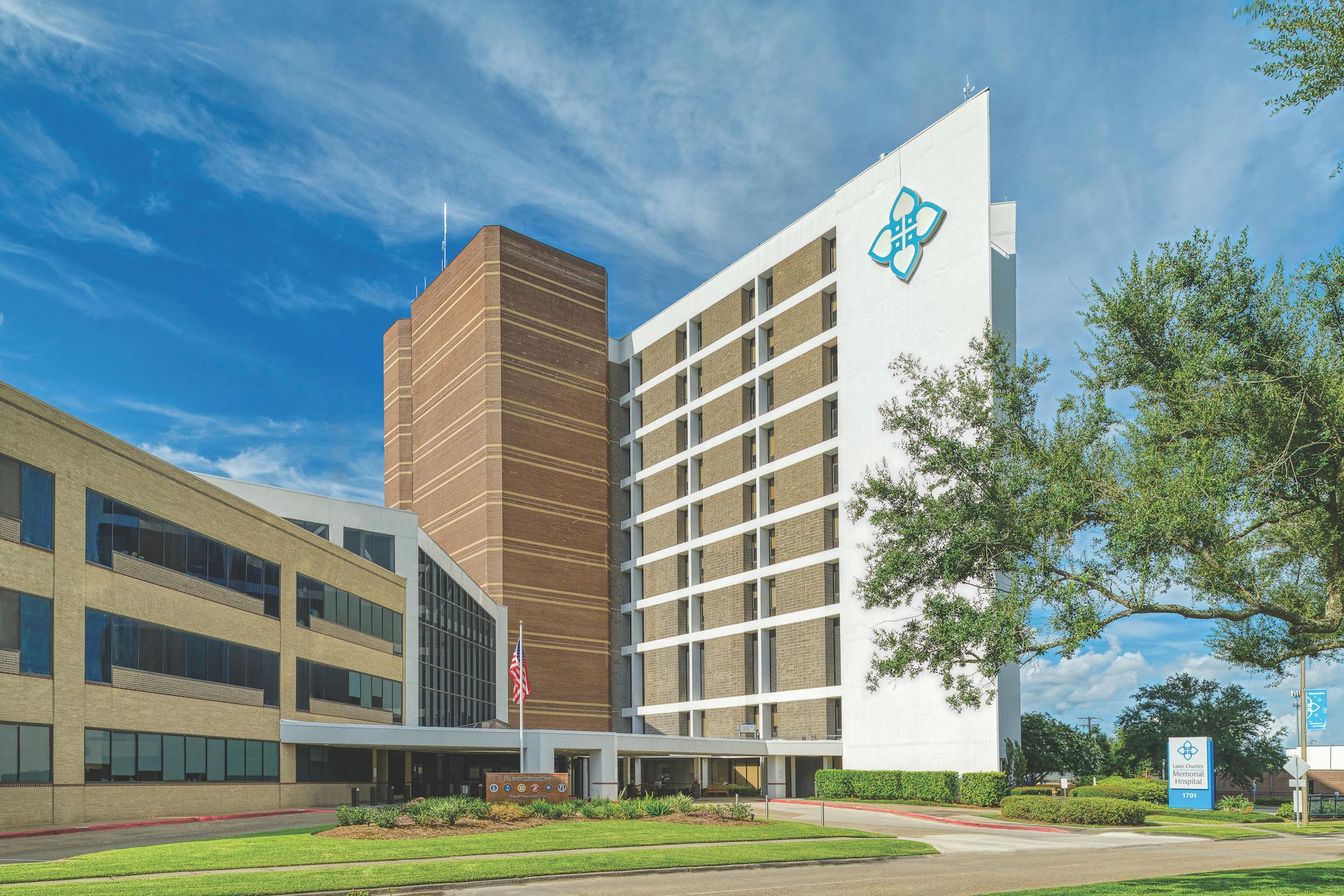
Memorial Heart & Vascular Center 1717 Oak Park Blvd., 2nd Floor Lake Charles, LA
Memorial Heart & Vascular CenterDeRidder 109 W 4th Street Deridder, LA
Memorial Heart & Vascular Center - Jennings 1322 Elton Road., Suite E Jennings, LA
Memorial Specialty Clinic 619 S. Huntington Street Sulphur, LA

by Kerri Cooke
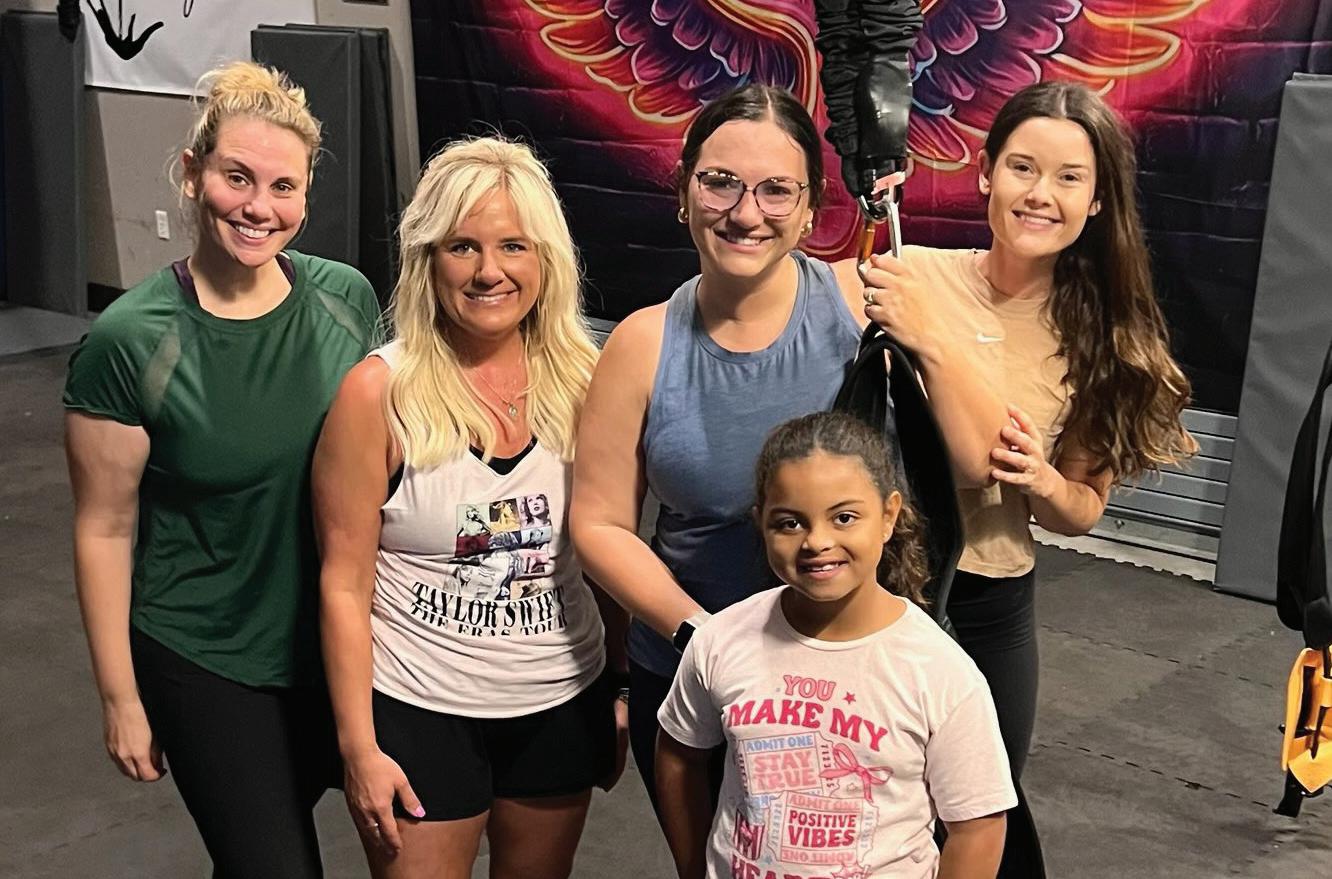
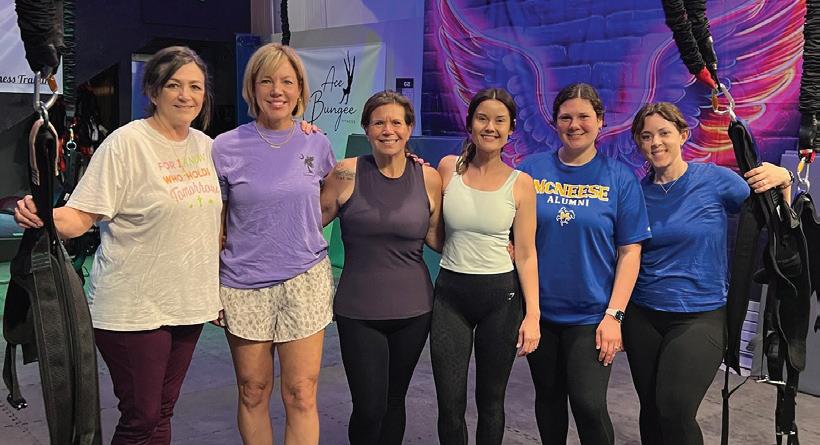
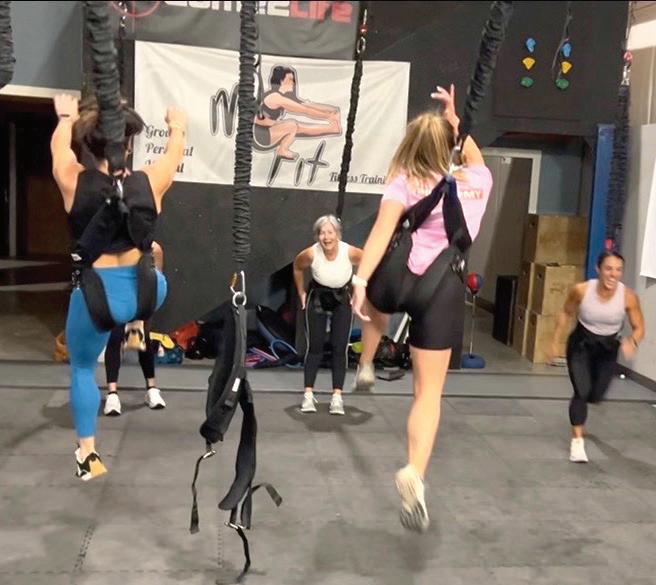
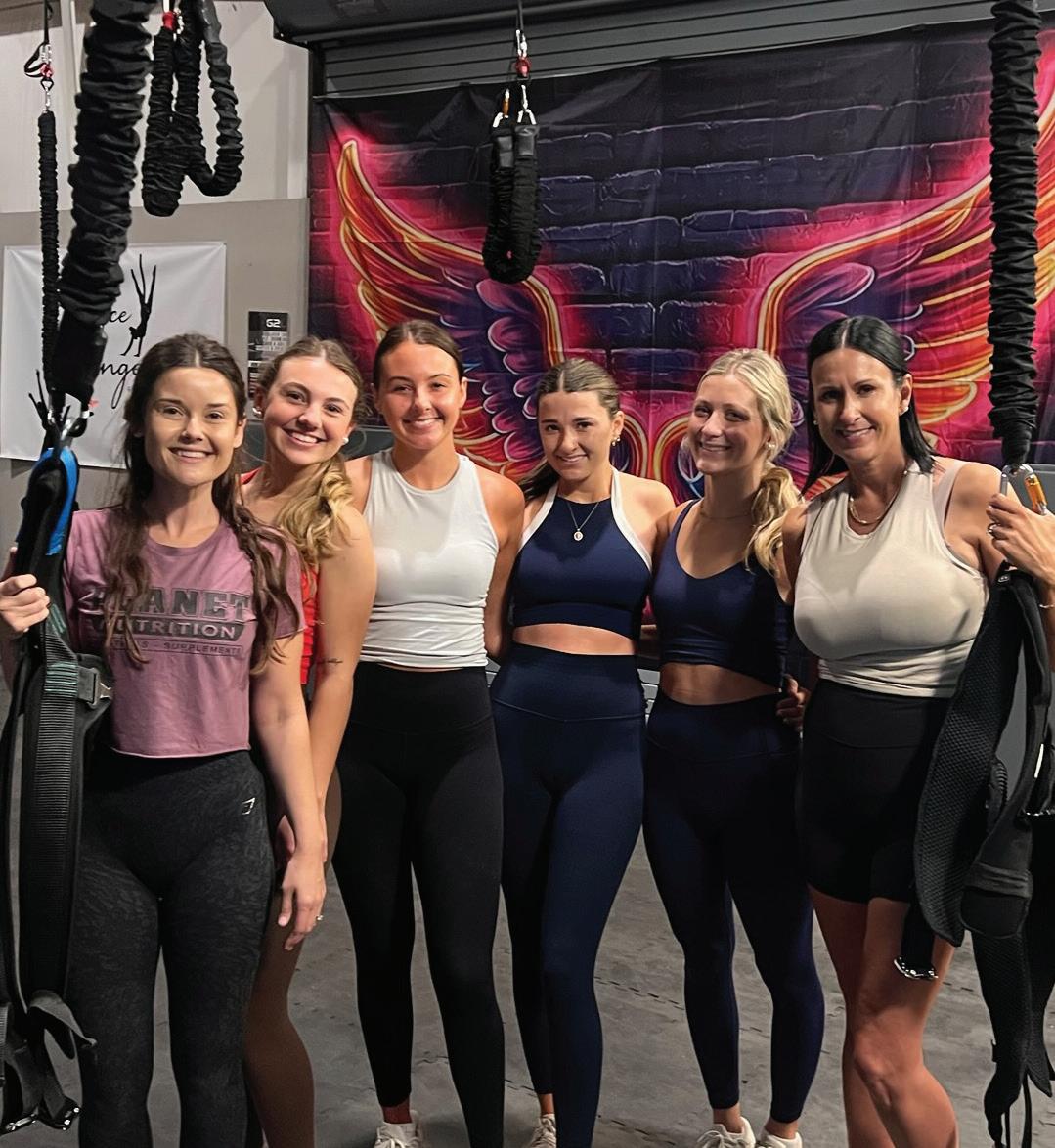
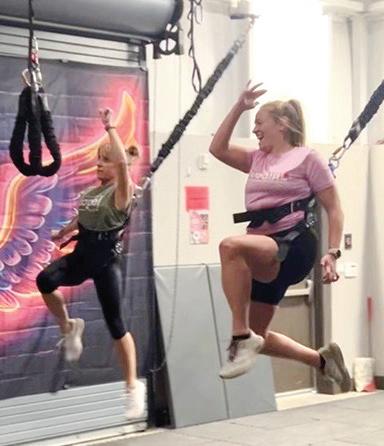
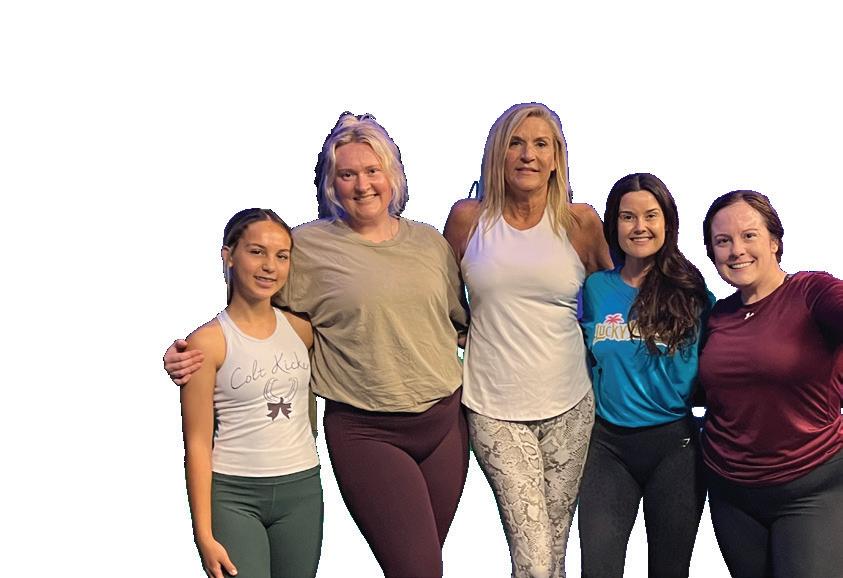
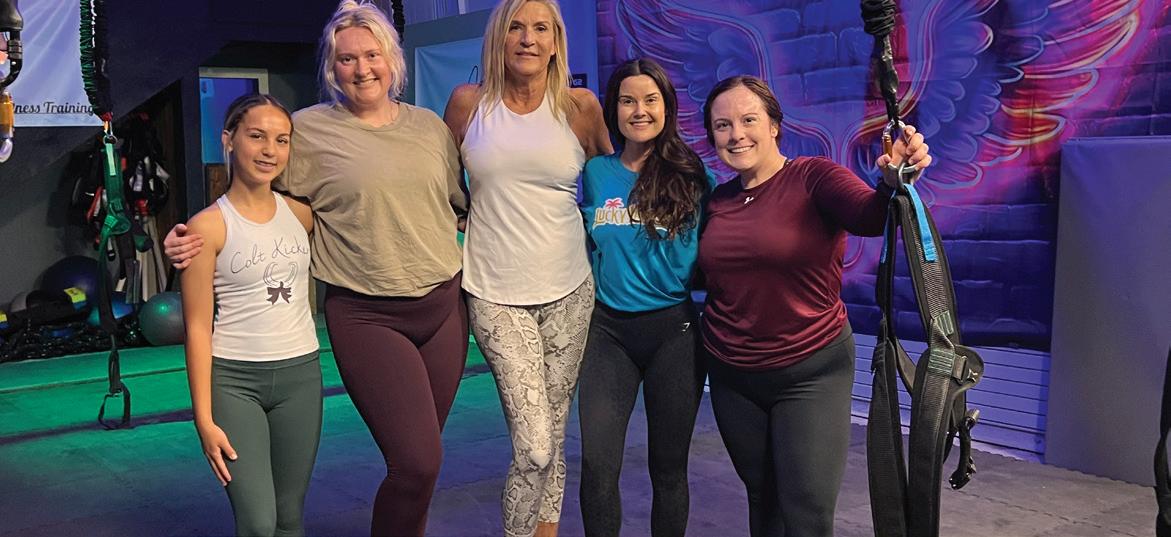
You’ve probably seen one of the hottest new exercise regimes—bungee fitness—on TikTok or Instagram. It’s not only fun, but it works multiple muscle groups and can burn hundreds of calories at a time. If you’re the adventurous type, bungee fitness feels like the adult version of exploring the McDonald’s playground in the ‘90s.
Christina McCord, owner and trainer at Ace Bungee Fitness, has brought this exercise opportunity to Lake Charles. The studio opened in January 2026 inside of Game2Life. An advantage of bungee fitness is it’s lower impact on your joints than if you were doing these exercises without resistance from above. Clients work against the bungee harness while the harness also takes strain off the body.
McCord says the studio offers “low-impact, bungee-assisted workouts for all fitness levels that combine cardio, strength, stability and fun.”
The “fun” part is a large part of the equation. In a world where we are very busy, enjoying a workout makes someone more likely to stay consistent. “
"My goal was to create a place where people enjoy exercising. I wanted to offer a workout that is fun, effective and accessible while helping people build confidence and improve their overall health. The name Ace is a tribute to a very special late client of mine, Brett ‘Ace’ Allen. He brought joy and a smile to everyone he met, and naming the studio after him was a way to honor his memory and the positivity he shared with others.”
The group atmosphere helps keep people consistent and builds relationships. “Working out with others creates accountability,
encouragement and support", McCord says. “People are increasingly drawn to group fitness because it provides both structure and social connection.” Group fitness is ideal for those who struggle to get their workouts in solo. And what can be more fun than hitting two birds with one stone while soaring through the air suspended from a bungee line?
There’s no doubt bungee fitness instructor is a cool job. McCord agrees and adds, “What makes my job so rewarding is that I get to help people discover that fitness can actually be fun. Every day, I watch people walk through the door feeling nervous or unsure of themselves and leave smiling, laughing and feeling accomplished. Bungee fitness is unique because it allows people to do things they never thought possible while reducing impact on their joints. Seeing people gain confidence, improve their health and build relationships all in one place is what makes this job truly special. It’s about much more than exercise—it’s about creating experiences and bringing people together.”
Ace Bungee Fitness offers daily group workouts and private parties six days a week. You must make a reservation at least four hours in advance. The easiest way to reserve your spot is to visit calendly.com/acebungeefitness.


by Kristy Como Armand
In today's fast-paced, technologydriven world, most people are more connected digitally than ever before, yet many feel increasingly disconnected from those around them.
Remote work, busy schedules, social media and fewer opportunities for face-to-face interaction have all contributed to a growing epidemic of loneliness and social isolation. In fact, the U.S. Surgeon General reports that about one in two adults experiences measurable levels of loneliness, while time spent socializing with friends has declined dramatically over the past two decades.
One of the most effective ways to reverse that trend may be surprisingly simple: volunteering.
Whether serving meals at a food pantry, mentoring a young person, assisting at community events or supporting a local nonprofit, volunteering creates opportunities for meaningful connection while making a positive impact in the community.
"Humans are wired for connection," says Keri Forbess-McCorquodale, MS, LPC-S, LMFT, CEAP, president of Solutions Counseling & EAP. "One of the greatest benefits of volunteering is it brings people together around a shared purpose.


Those relationships can help reduce feelings of isolation and increase a person's sense of belonging."
She explains that social wellness refers to the quality of our relationships and our ability to build supportive connections with others. According to the Surgeon General's Advisory on Social Connection, strong relationships are associated with better mental and physical health, while social isolation increases the risk of heart disease by 29%, stroke by 32% and premature death by nearly 30%.
For many adults, especially those balancing demanding careers and family responsibilities, opportunities to build new friendships can become increasingly limited. Volunteering offers a natural way to expand social circles while engaging in meaningful activities.
"When people volunteer, they're not focused on networking or making small talk," says Forbess-McCorquodale. "They're working side by side to accomplish something meaningful. That shared experience often leads to authentic relationships built on common values rather than convenience."
The benefits extend beyond friendships. Studies consistently show that volunteering can improve mood, increase self-esteem, reduce stress and foster a stronger sense of purpose.
Helping others shifts attention away from daily pressures while reminding us that we are part of something larger than ourselves.
Volunteering also strengthens entire communities. Nonprofit organizations depend on volunteers to provide essential services, respond to emergencies and improve quality of life. As people become more engaged, they develop a deeper connection to the communities where they live and work.
Fortunately, making a difference doesn't require a major time commitment. Research shows even a few hours each month can have a meaningful impact. Opportunities exist for virtually every interest and skill set, from coaching youth sports and serving on nonprofit boards to helping with community events or environmental projects.
"Many people begin volunteering because they want to make a difference for someone else," says Forbess-McCorquodale. "What they often discover is that they receive something equally valuable in return: friendships, purpose and a stronger connection to their community."
If feelings of loneliness or difficulty connecting with others are affecting your daily life, Solutions Counseling & EAP offers confidential counseling and resources. Call 337-310-2822 to schedule an appointment.



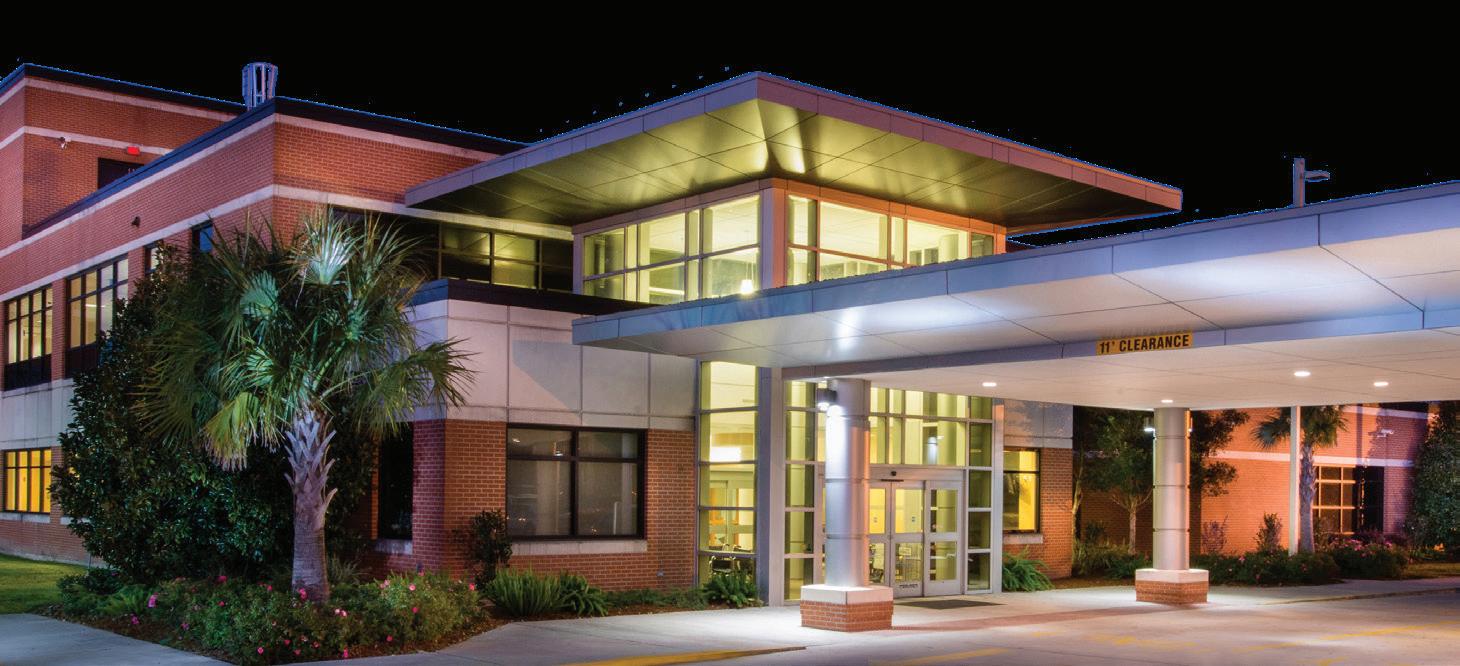
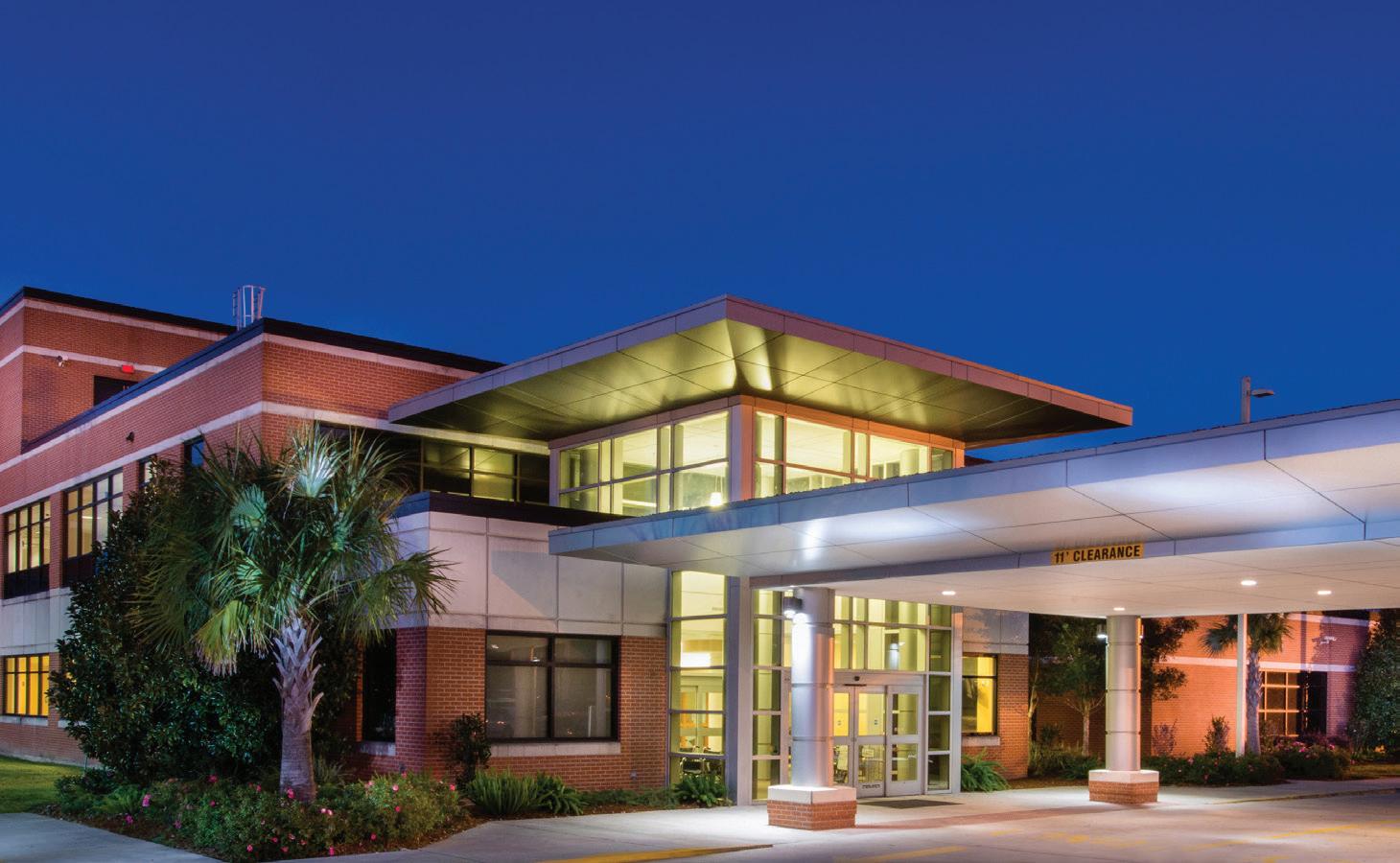
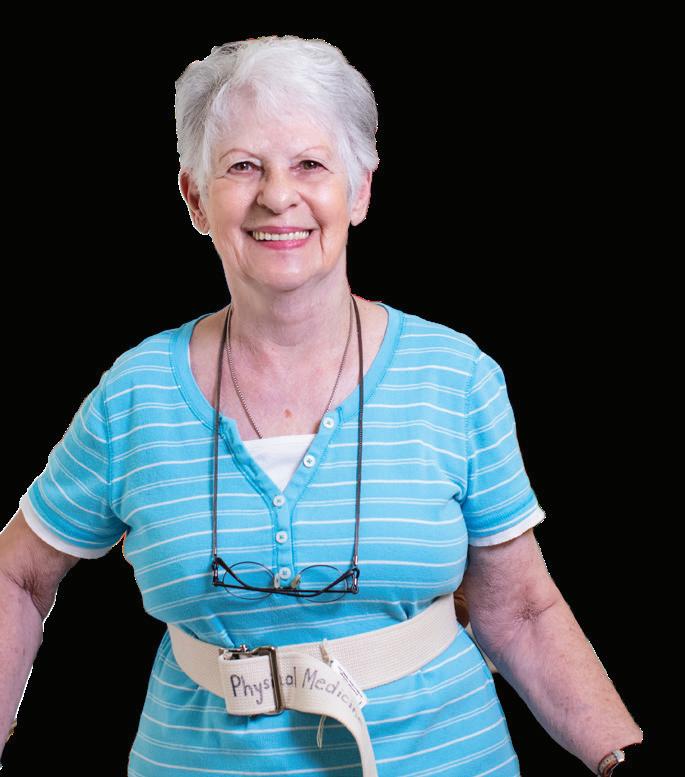

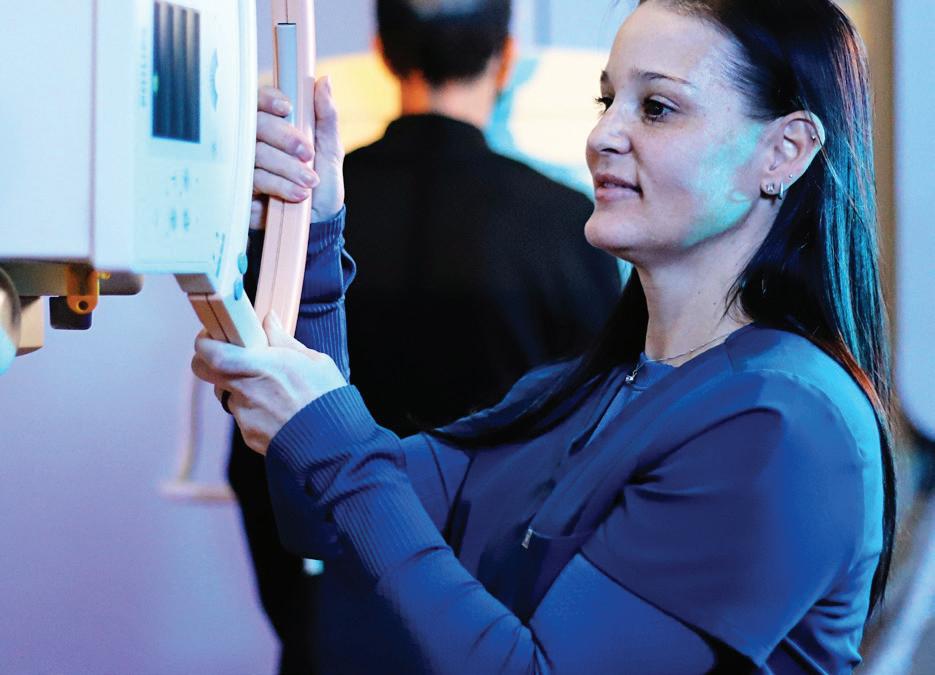
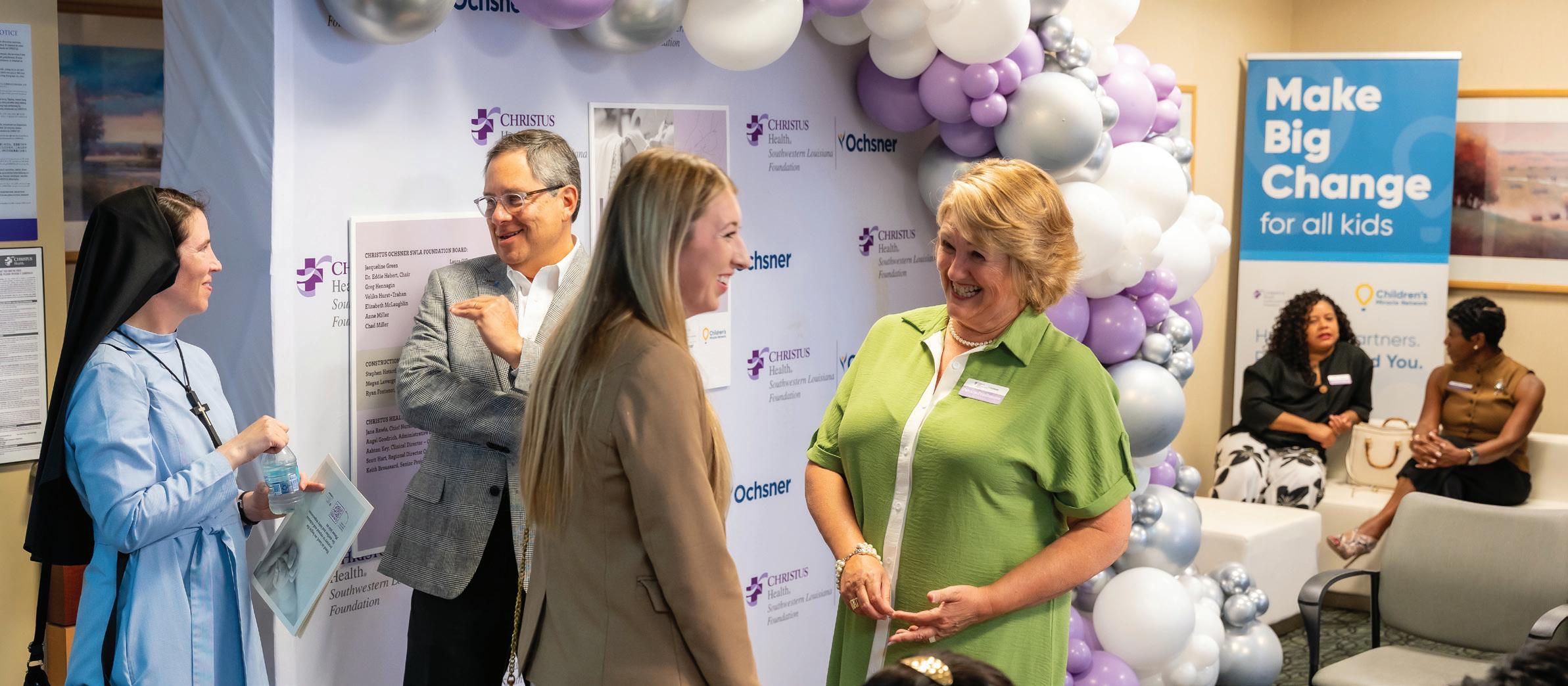
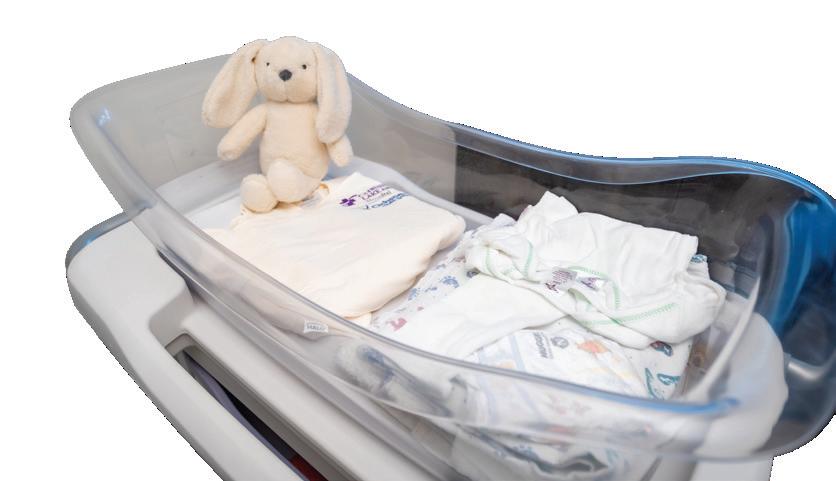
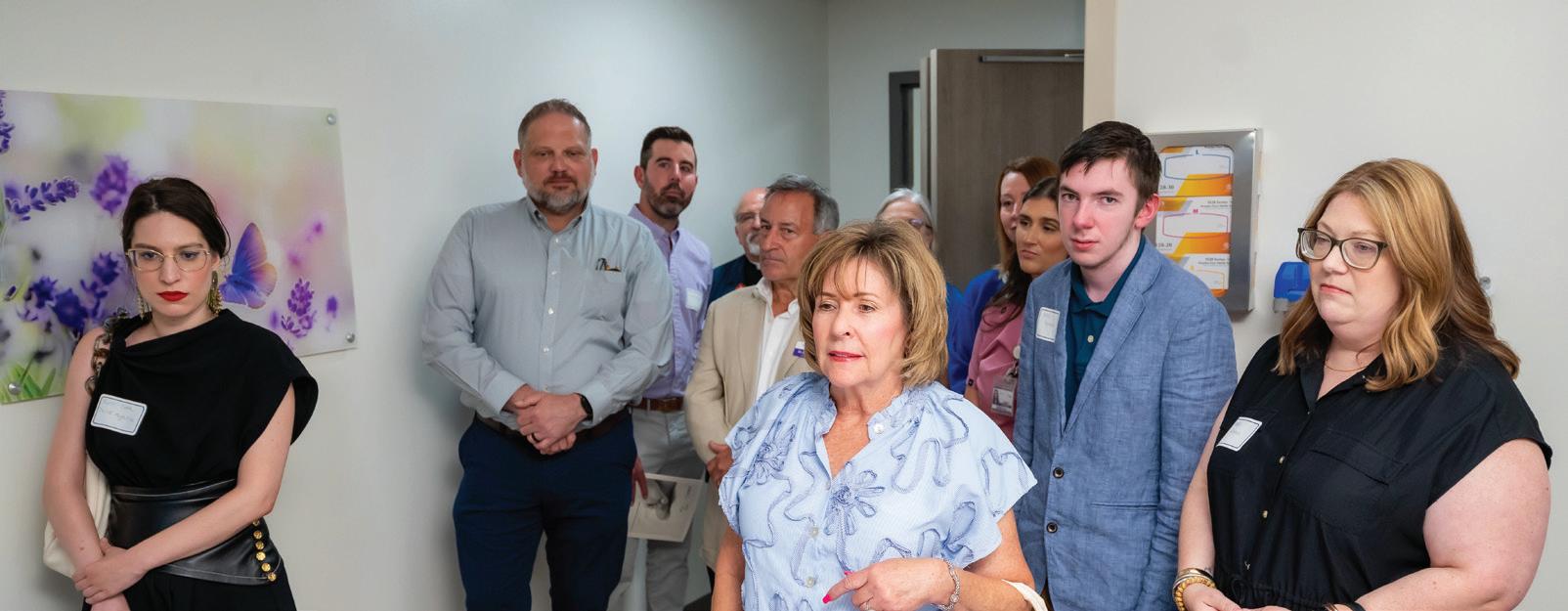
CHRISTUS Health welcomed community members and media to CHRISTUS Ochsner Lake Area Hospital for an exclusive preview of a new model maternal health room designed to transform care for mothers and babies across Southwest Louisiana.
The event highlighted an innovative approach to maternal and infant care that centers on reliable, personal and accessible support for every family. The room reflects CHRISTUS Health’s commitment to advancing maternal health outcomes while creating a welcoming, supportive environment tailored to patient needs.
During the tour, attendees experienced the space’s design and intent, shared feedback to refine the model and learned how community partnerships can help expand access to care throughout the region. The initiative aims to strengthen continuity of care, enhance patient experience and address barriers that too often limit access to high-quality maternal services.
The maternal health room serves as a prototype for future expansion, with plans to scale similar spaces and services across Southwest Louisiana. Through this effort, CHRISTUS seeks to ensure more families can access timely prenatal, delivery and postpartum care in an environment that supports their physical and emotional well-being. The preview aligns with the mission of the CHRISTUS Ochsner SWLA Foundation, which supports programs that improve health equity and access to care.
Together, CHRISTUS Health and its partners aim to reimagine what care looks like for mothers and babies across the region and to deliver a stronger, healthier future for Southwest Louisiana families.

Why a comprehensive eye exam may be the most important item on your back-to-school checklist
About one in four school-age children has a vision problem that can interfere with learning, yet many vision issues go undetected because children often don't realize they aren't seeing normally.
Even more concerning, school vision screenings can miss up to 75% of vision problems, making a comprehensive eye exam one of the best ways to help children succeed both in and out of the classroom.
Vision plays a critical role in learning. Experts estimate that about 80% of classroom learning is presented visually, making healthy eyesight essential for reading, writing, using digital devices and participating in classroom activities. When vision problems go undetected, children may struggle academically, have difficulty concentrating or even be mistakenly thought to have behavioral or attention issues.
Children should receive a comprehensive eye examination before starting school, ideally between ages three and five, when many vision problems can be detected and treated while the visual system is still developing.
The earlier a vision problem is detected, the better the outcome. Treating issues during a child's early developmental years can prevent long-term vision problems and help them enter school ready to learn.
Once children begin school, a comprehensive eye exam should be scheduled at least every two years, or more frequently if vision correction or other risk factors exist.
A school vision screening is not a substitute for a comprehensive eye exam. They’re designed to identify a limited number of vision issues. A comprehensive exam evaluates how the eyes work together, focusing ability, eye health and other visual skills that are essential for learning.
Parents and teachers should watch for these common warning signs of vision problems:
• Squinting or covering one eye
• Frequent eye rubbing or excessive blinking
• Holding books or devices very close
• Head tilting while reading
• Losing place or skipping words when reading
• Complaints of headaches or eye strain
• Avoiding reading or other close work
• Short attention span during visual tasks
• Poor coordination or excessive clumsiness
• Performing below academic potential
If you notice any of these signs, schedule a comprehensive eye exam quickly. A doctor can identify the cause, and, in many cases, a simple solution can make a remarkable difference in not only a child’s vision but also in their confidence and success in the classroom.
Schedule an appointment at any of The Eye Clinic locations in Lake Charles, Sulphur, Moss Bluff, DeRidder or Jennings. Visit theeyeclinic.net.




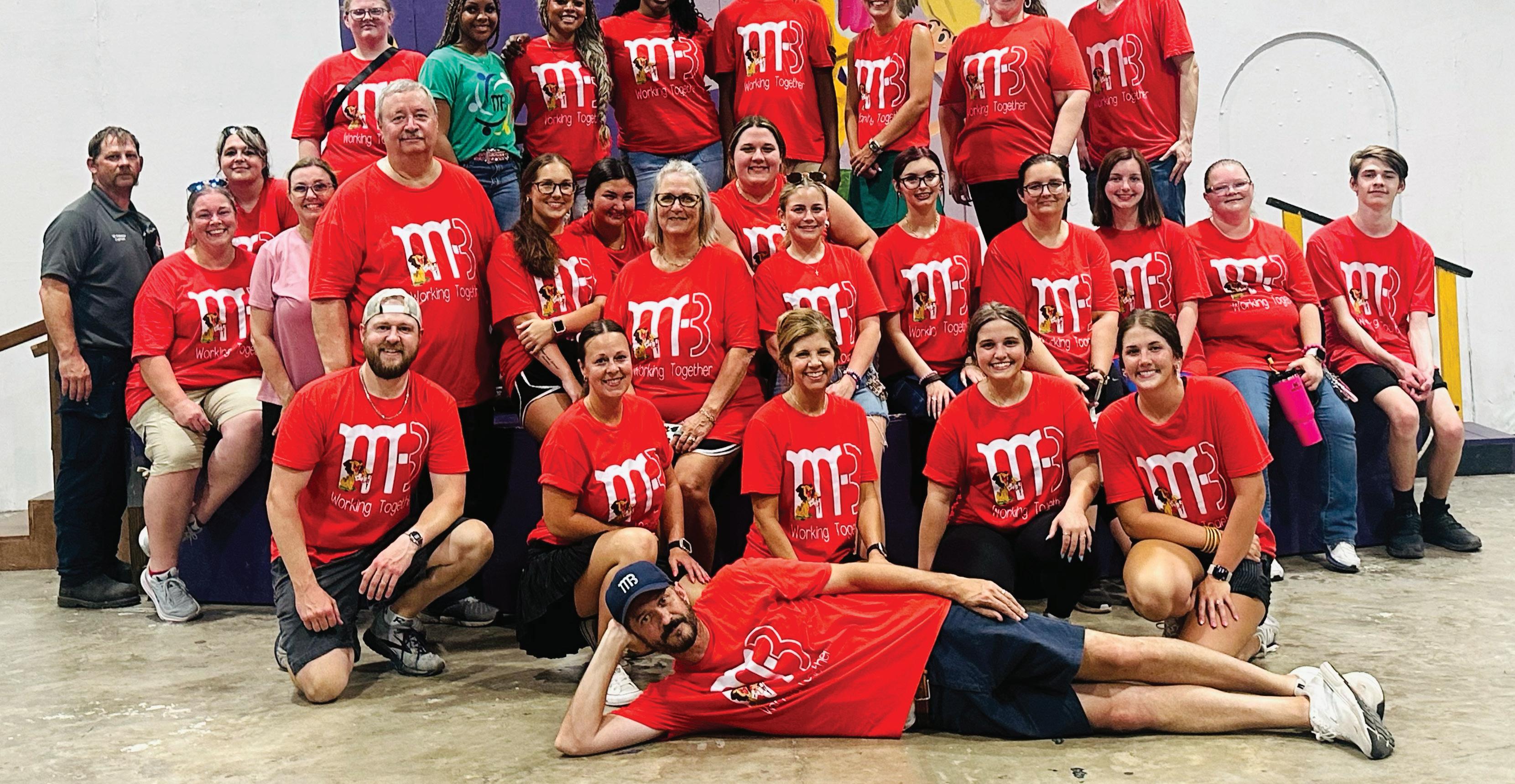
Merchants & Farmers Bank & Trust Company has been part of Southwest Louisiana since 1928, and that longstanding presence shapes the way they serve the communities today. They are not just a bank where people deposit checks or make loan payments; they are a hometown financial partner for residents, families, farmers, professionals and small business owners across Vernon and Calcasieu Parishes. For families, that means personal service, practical financial guidance and banking tools that make everyday life easier, from checking and savings to digital banking, debit card controls, lending and
financial literacy resources. For small businesses, it means having local bankers who understand the people, the economy and the needs of the area. They work with business owners who are building, expanding, hiring and investing right here at home.
Community impact is also about investing beyond the walls of the bank. Merchant & Farmers Bank is especially proud of their partnership with Vernon Parish Head Start and The Rapides Foundation to support Dolly Parton’s Imagination Library in Vernon Parish. Through this program, eligible children from birth to age five can receive free books delivered directly to their homes, helping encourage early literacy and a love of reading. Supporting children and families in this way reflects their belief that a stronger financial future begins with stronger communities.
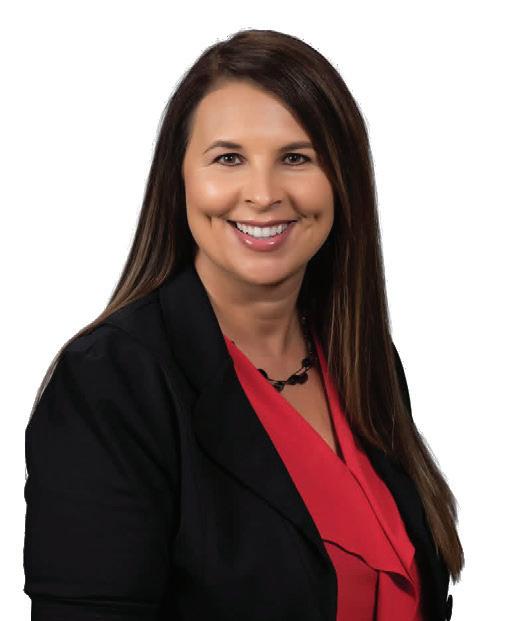
Wendy Lentz, vice president of marketing
At Merchants & Farmers, their mission is to help people reach their financial goals while also helping the region grow. When customers succeed, our communities succeed.
People should look for a banking advisor who is knowledgeable, accessible and genuinely invested in their success. A good advisor should take time to listen, explain options clearly and help customers make decisions that fit their goals, not just offer a one-size-fits-all solution. Trust is also essential. A strong banking advisor should be honest, responsive and committed to building a long-term relationship. Whether someone is opening their first checking account, buying a home, growing a business or preparing for the future, they deserve a banker who treats their goals with care and respect.
Local knowledge matters, too. In Southwest Louisiana, customers benefit from working with advisors who understand our communities, our

industries, our families and the challenges and opportunities unique to this region.
What sets Merchants & Farmers apart is the combination of hometown service and modern convenience. They have deep roots in Southwest Louisiana and continue to invest in products and technology that help customers bank securely and conveniently wherever they are. Their decisions are made with customers’ needs in mind. They know many of their customers by name and take pride in being approachable, dependable and responsive. That personal connection is difficult to duplicate at larger institutions.



They are also proud of their stability and history. For nearly a century, Merchants & Farmers has served generations of families and businesses. That continuity matters. Customers know they can come to the bank for friendly service, practical guidance and a team that is committed to this community for the long term.
One stellar employee is Wendy Lentz, vice president of marketing. Wendy helps connect Merchants & Farmers Bank with the communities they serve. Her responsibilities include supporting the bank’s marketing efforts, community outreach and public-facing initiatives that keep customers informed and engaged. She is often involved in partnerships and events that reflect the bank’s commitment to Southwest Louisiana.
Wendy is trusted because she represents the heart of community banking: professionalism, kindness, follow-through and a genuine desire to help. She understands that a bank’s reputation is built not only on financial products but on relationships, service and the way people feel when they walk through the door. Her work helps tell the story of Merchants & Farmers Bank as a local institution that cares deeply about its customers and its community.

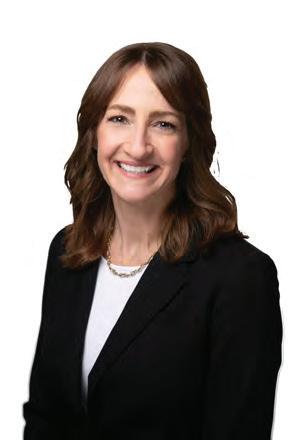
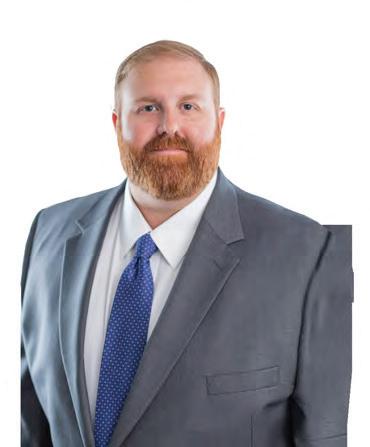
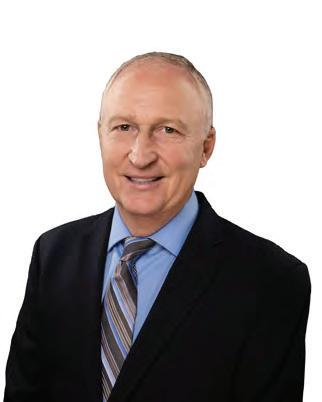


When your banker is also your daughter’s softball coach, there’s a particular kind of trust that is earned. It’s the trust that comes from knowing your bank isn’t just located in your community, but it’s also invested in it.
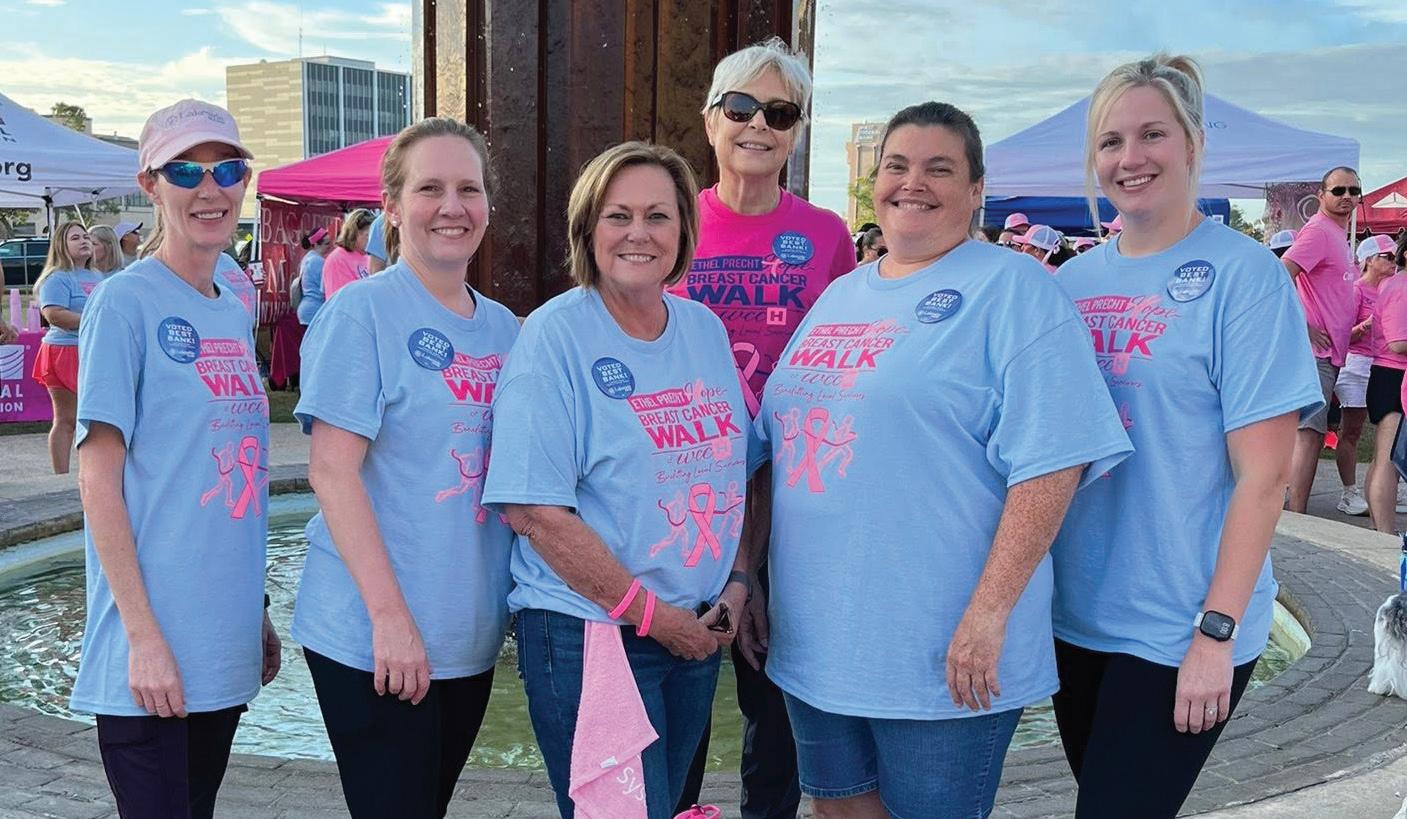
First Federal Bank of Louisiana has been part of Southwest Louisiana since 1949. Headquartered in Lake Charles with 16 branches spanning Southwest and Central Louisiana, the bank has watched towns grow, rebuild after storms and reinvent themselves more than once. What sets First Federal Bank of Louisiana apart isn’t just longevity. It’s an insistence on showing up in person.
When First Federal Bank of Louisiana supports a nonprofit or community event, the relationship rarely ends with a check being cut. The bank’s team helps design and fund billboards, shows up with volunteers and works alongside organizations to figure out what they actually need, from manpower to marketing.
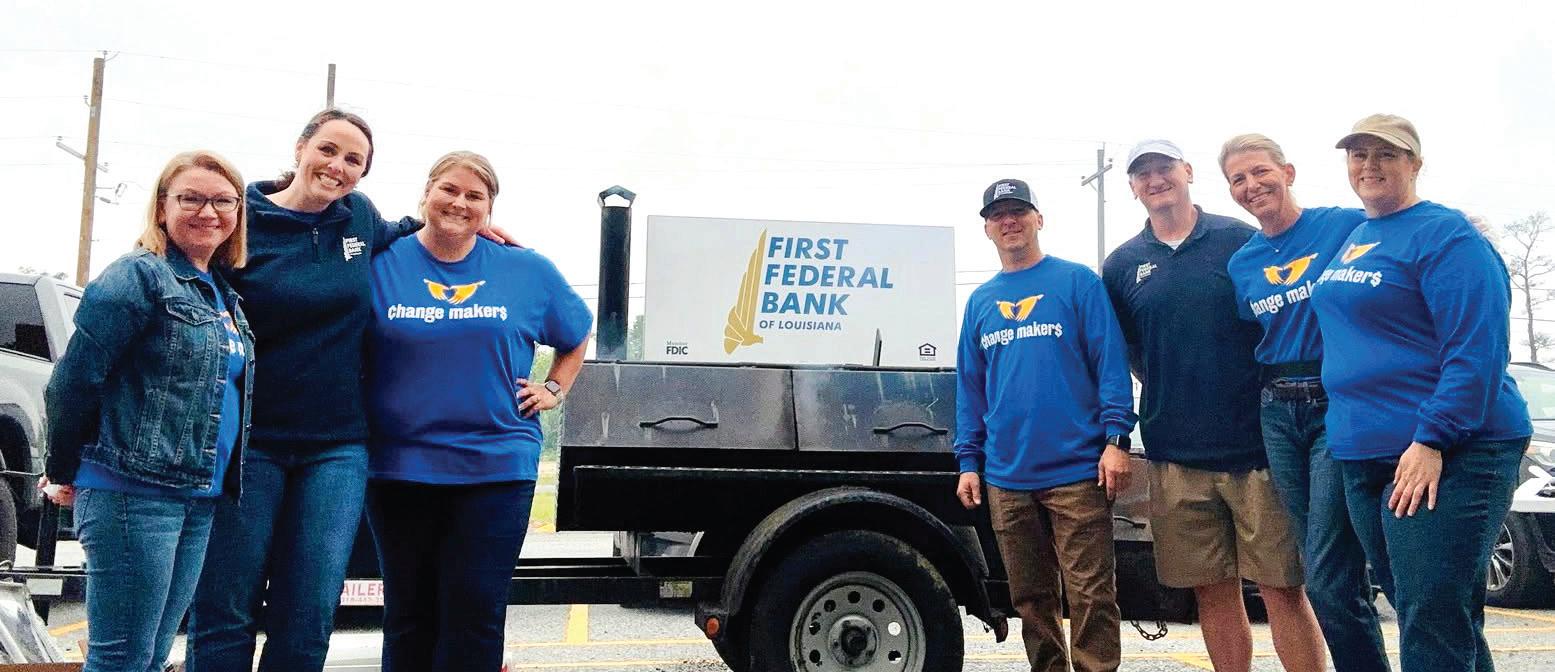
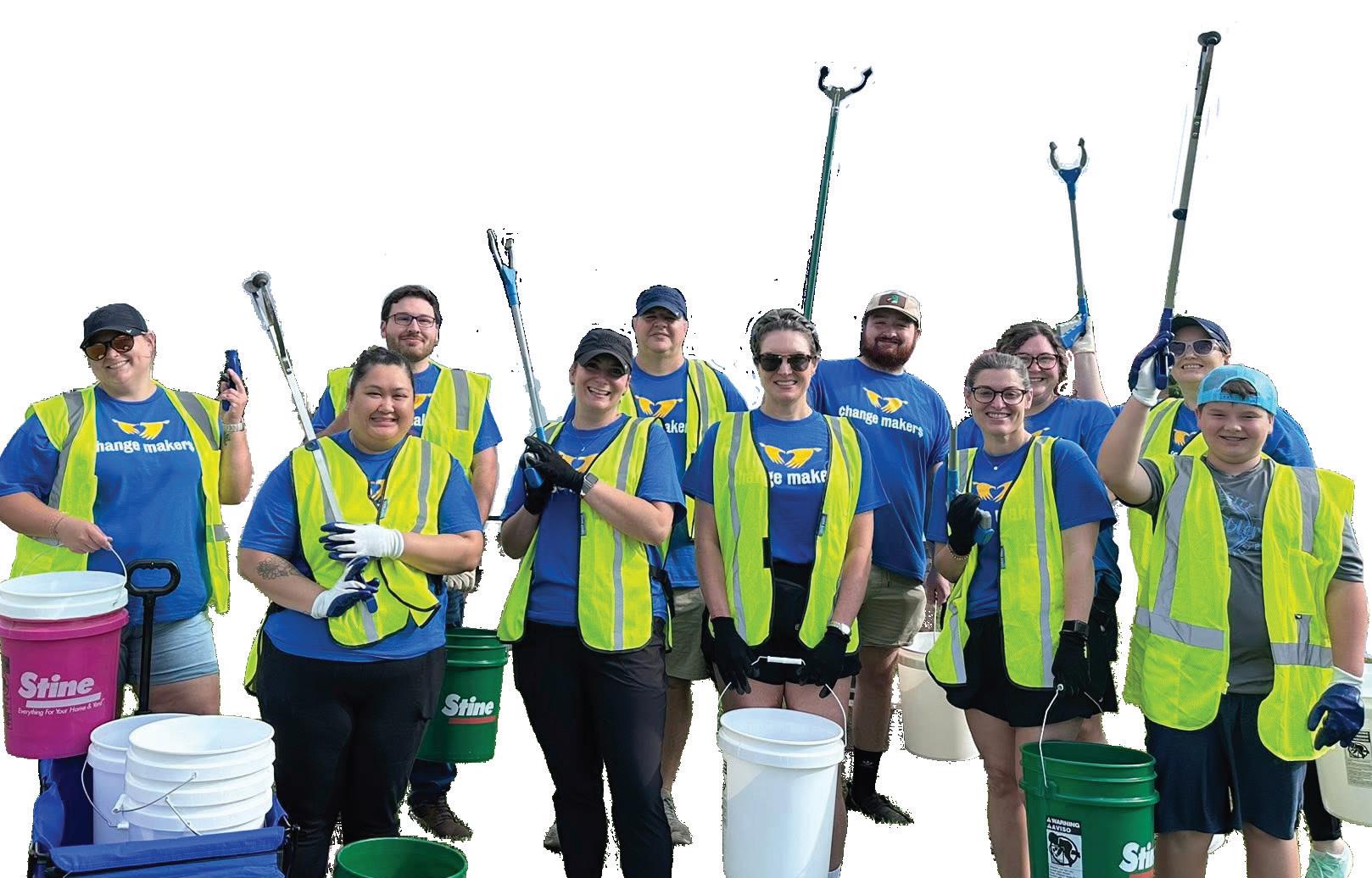
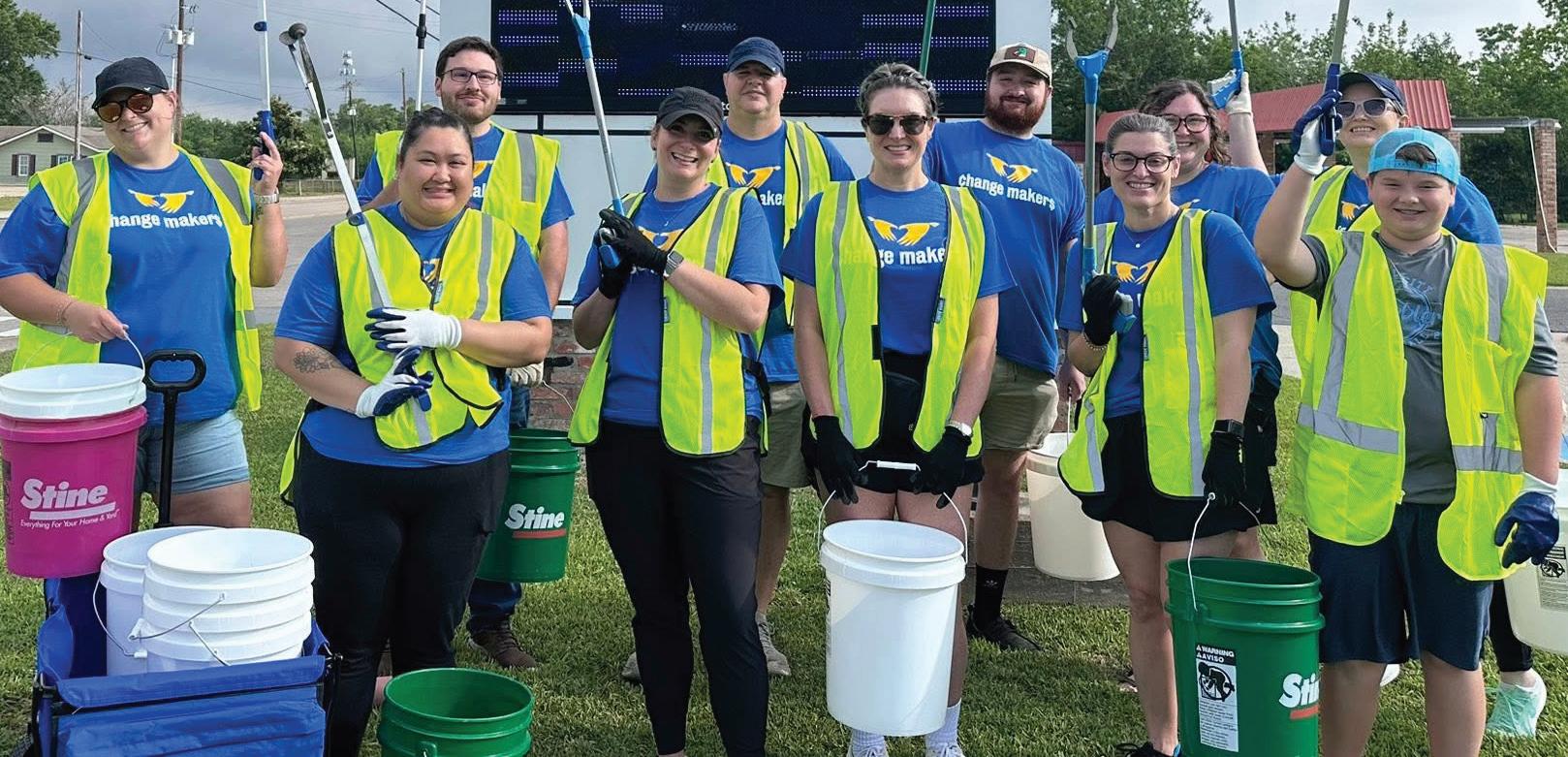
This philosophy lives most visibly in the Change Makers Volunteer Team, an employee-driven force now made up of most of the bank’s staff. The Change Makers are active
in every market the bank services. Employees are encouraged to become Eagle Ambassadors, which allows them to identify causes that matter personally to them and champion volunteers around it. The bank’s work in the community is grown organically from the people who live in these towns.
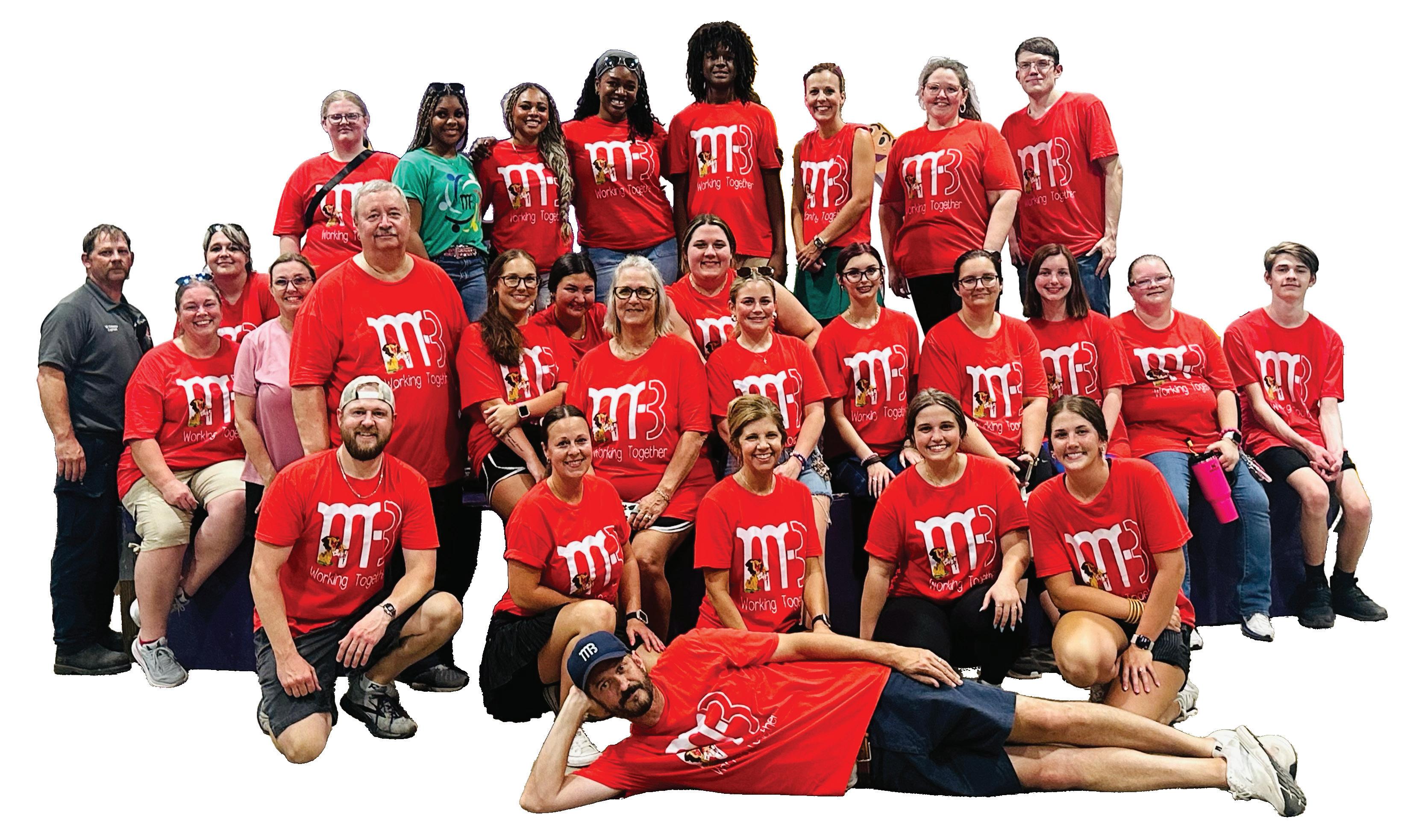
One of the clearest examples of that commitment is the bank’s annual school donation drive, which is now entering its third year. Partnering with Children’s Miracle Network and Westlake Chemical, First Federal Bank of Louisiana selects a school whose population comes mostly from low-income families and organizes a hygiene and food drive. The bank and its partners assemble hundreds of backpacks stocked with essentials for every child at the school, which helps them have a healthy start to the school year.
Underneath all of it is a simple advantage: First Federal Bank of Louisiana is truly local, which means
decisions are made down the hall and not across the state. Lenders and business bankers are partners who know the names, families and goals of the people they serve, and that’s true whether you’re working with a private banker on wealth management strategies or chatting with a teller at a neighborhood branch.
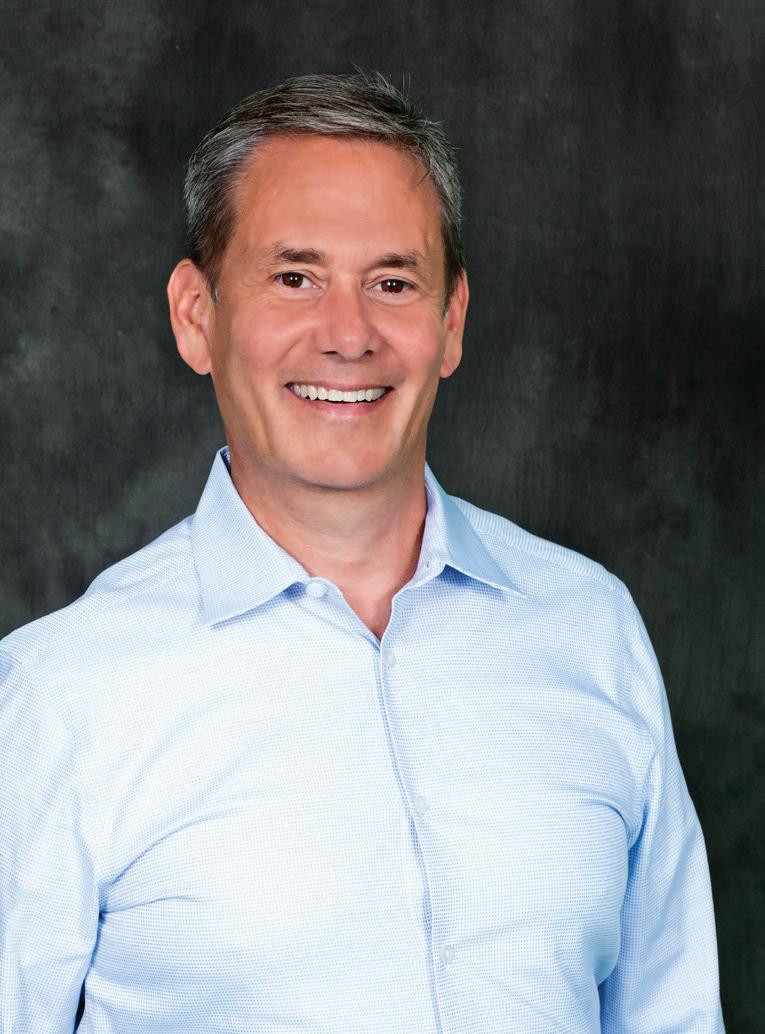
Take Debra Lewis, vice president and lender at the bank’s main office in Lake Charles. Debra has spent the last decade at First Federal Bank of Louisiana building on 20 years of banking and lending experience,
including 16 years as a HUD-certified counselor. Her background makes her a natural fit for leading financial literacy workshops throughout the community. For Debra, the appeal of the job isn’t complicated. “The true highlight of my professional journey is the daily gratification of helping people achieve their financial goals,” she says. That sentiment is repeated across many employees in many towns, and it shows that the real story of First Federal Bank of Louisiana isn’t just banking products and services, but it’s a habit of showing up.



For generations, community banks have been woven into the fabric of hometown life.
Long before online banking and mobile apps, they served as places where people gathered, relationships were built, local businesses found support and neighbors worked together to invest in the future of their communities. Technology may have transformed how people bank, but community banks continue to play an important role in strengthening the personal connections that help communities thrive.
While most people think of banks as places to deposit money, apply for loans or open accounts, community banks often play a much larger role. They serve as supporters of local causes and trusted partners invested in the success of the communities they call home.
"Community banking has always been about relationships," says Twenda Hanson, vice president – market mangersouth, with Lakeside Bank. "Our customers aren't account numbers. They're our neighbors, friends, local business owners and community leaders. We see them at school events, church functions and community fundraisers. Those relationships create a strong sense of connection and trust."
Unlike larger national financial institutions, community banks are committed to the areas they serve. Local decision-making allows them to better understand the unique needs of individuals, families and businesses. That local presence often extends far beyond the bank's walls.
Community banks frequently sponsor youth sports teams, support nonprofit organizations, participate in charitable events and invest in community improvement projects. Employees volunteer their time, serve on nonprofit boards and help lead civic organizations. These efforts create opportunities for people to connect, collaborate and work toward shared goals. "Those investments create opportunities for people to come together and build relationships,” adds Hanson.
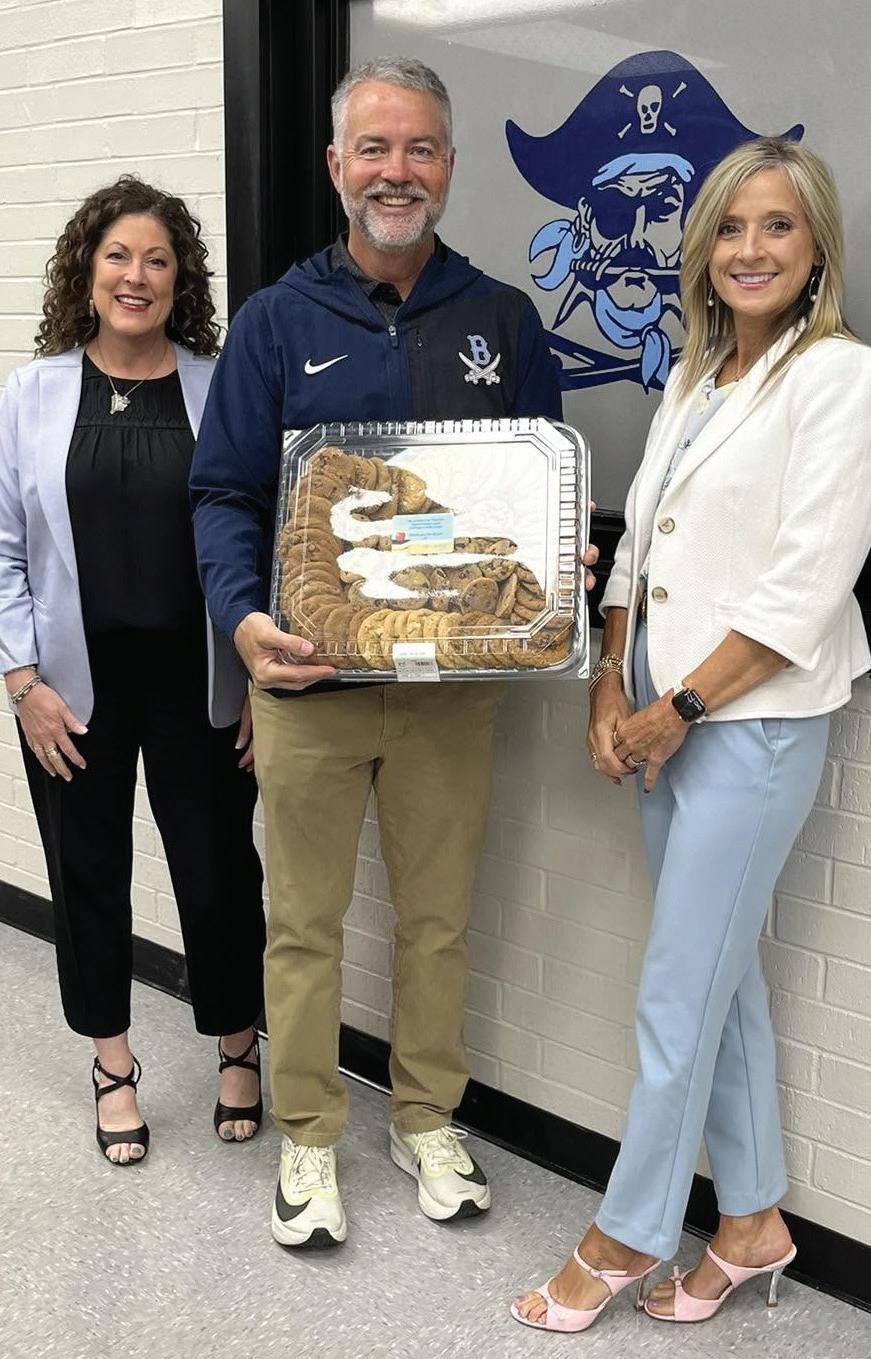
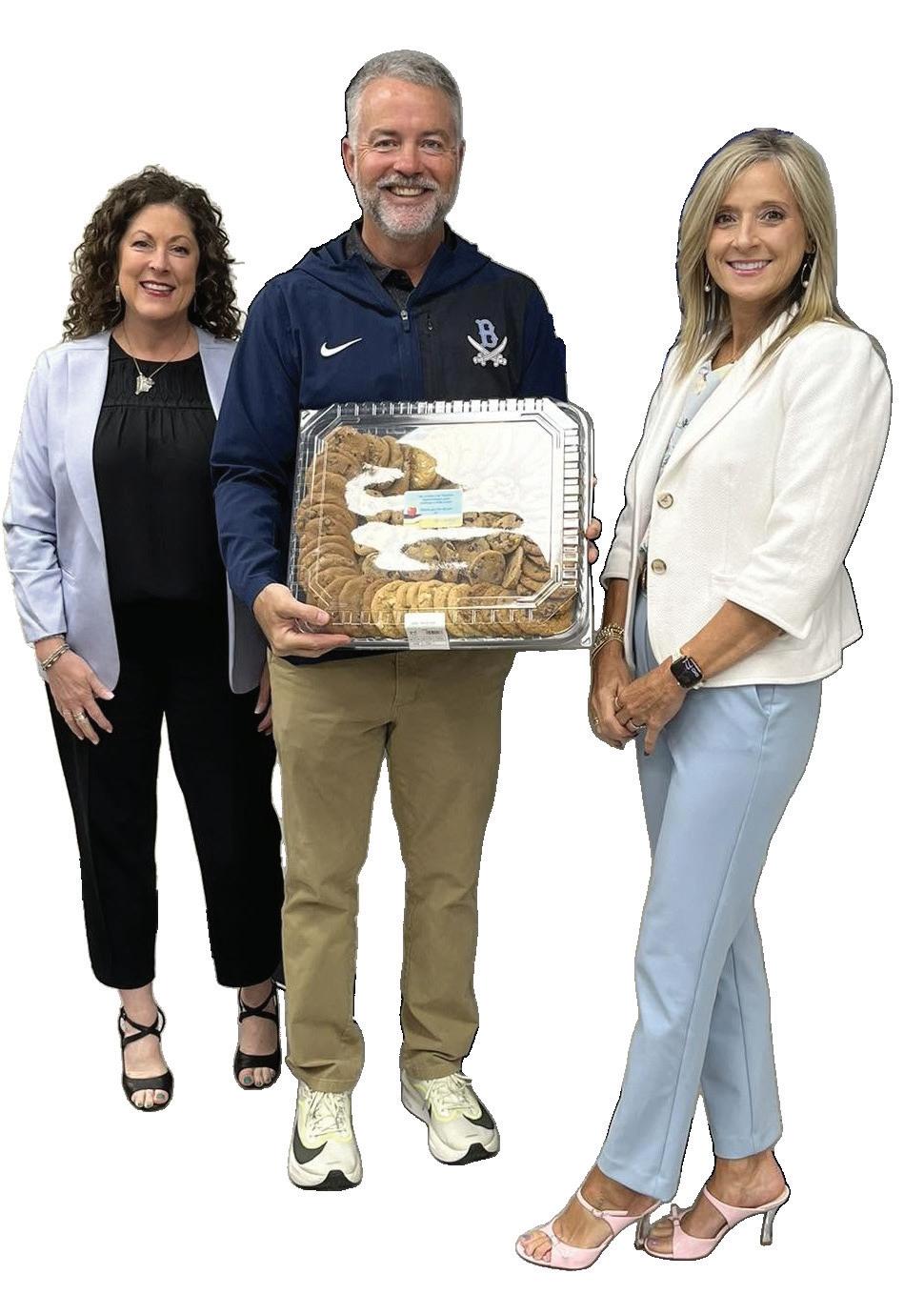
Small businesses also benefit from the connections community banks foster. Local bankers often serve as trusted advisors, introducing business owners to potential partners, customers and resources that help them succeed. These networks contribute to economic growth while strengthening the social ties that make communities thrive.
At a time when many interactions take place through screens, community banks continue to offer something increasingly valuable: personal relationships.
Whether it's greeting customers by name, supporting local initiatives or helping families achieve their financial goals, community banks help create the sense of belonging that turns a collection of people into a community.
"We understand that banking is about people," says Hanson. "When our community succeeds, we succeed. That's why investing in relationships will always be one of the most important things we do."
Learn more at www.mylksb.bank.



It’s already time to gear up and get your children ready for the 2026-2027 school year.
Hear from a former local student who has risen in the ranks to become the youngest bishop in the United States and make sure kids are staying healthy physically, mentally and emotionally before returning to the classroom. (That includes a dental check!) And check-in with recent graduates Reese Manuel, Luke Leger, Mila Alcantara, Alonnie Celestine, Jake Leger, Kyleigh Atkins and Cameron Lavergne.
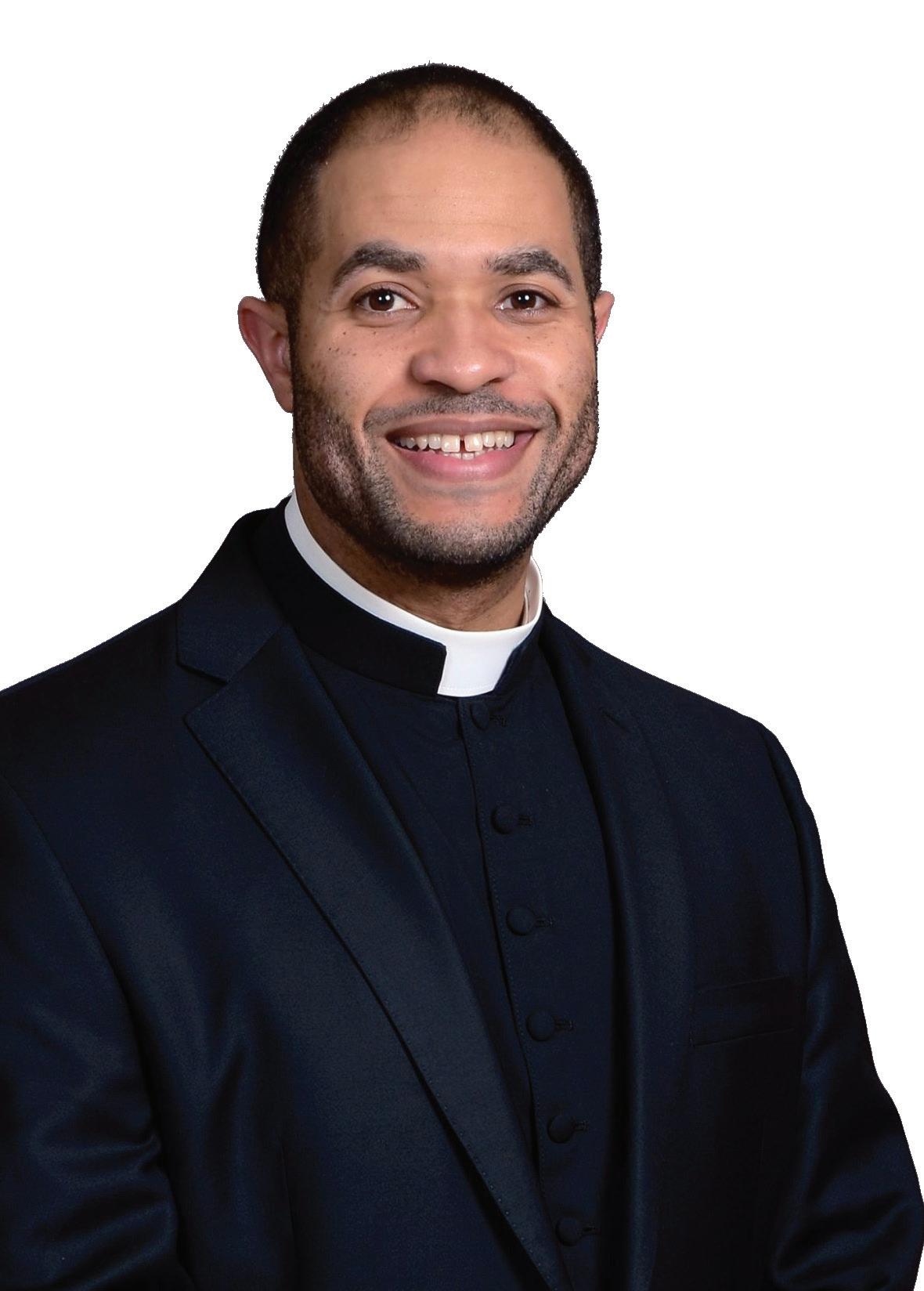
Southwest Louisiana hearts swell with pride when one of our own leaves the area and realizes success. Excited locals will bring up a story and proclaim, “He is from Sulphur,” or “She is from Jennings.” Father Robert Boxie III recently made the news for being appointed as auxiliary bishop for the Diocese of Washington by Pope Leo XIV. At 45, Father Boxie is set to become the youngest bishop in the United States.
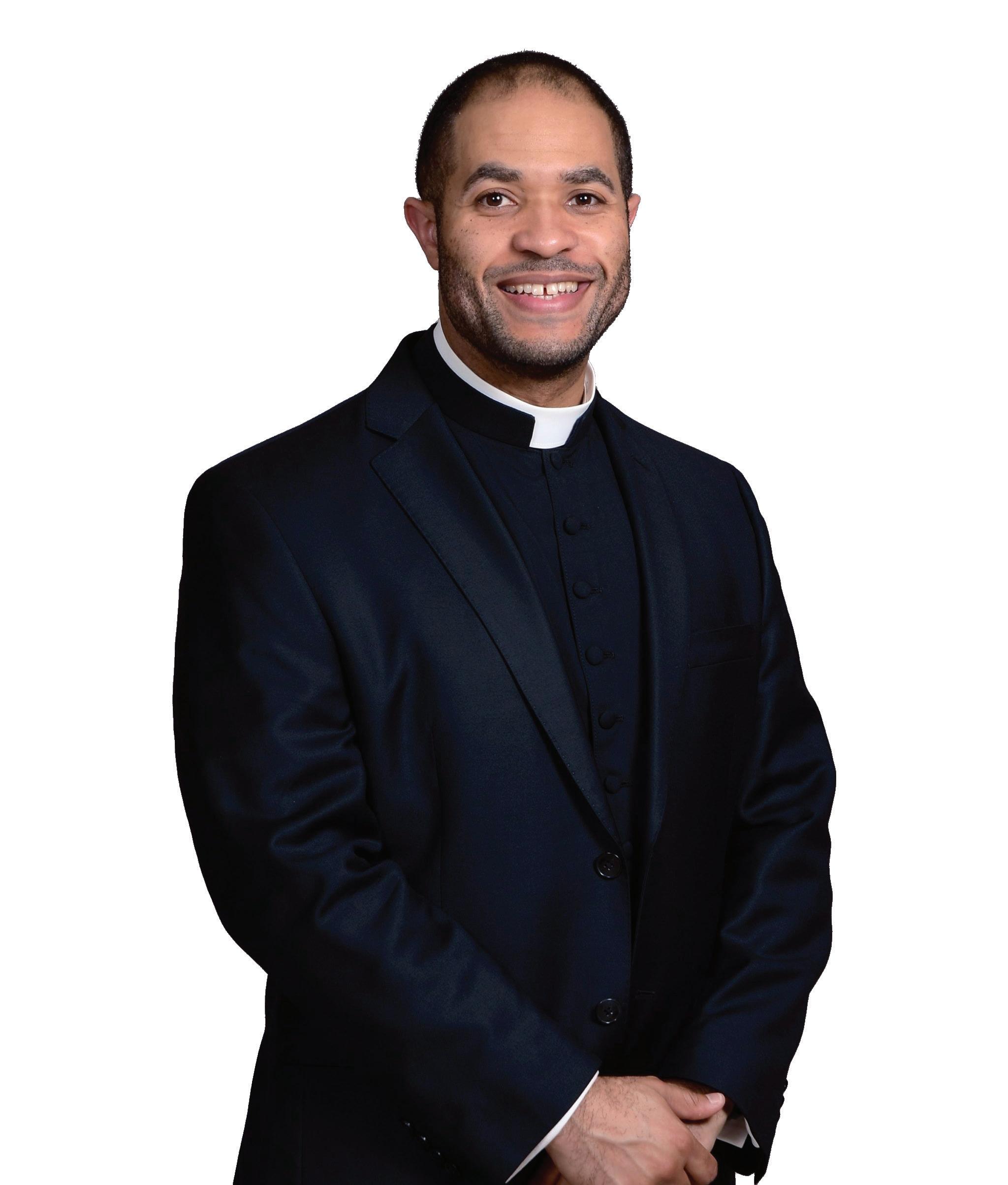
Father Boxie grew up in Lake Charles and attended Sacred Heart Catholic School and St. Louis Catholic High School. While his faith blossomed when he was young, he didn’t actively seek a role within the Catholic Church upon high school graduation.
Father Boxie studied chemical engineering and music at Vanderbilt, took a gap year in which he lived in France and obtained his Juris Doctor from Harvard Law School. After working in the law field for three years, he entered The Theological College at The Catholic University of America in Washington, D.C. He would later study at Pontifical Gregorian University in Rome.
Now, as bishop-elect for the Archdiocese of Washington, Father Boxie shares his thoughts on his faith journey.
Tell us a little about growing up in Lake Charles.
I had a great childhood and upbringing in Lake Charles. I grew up with a tight-knit family and extended family and friends in a neighborhood where everyone looked out for each other. I played sports, did a number of camps and programs, especially at McNeese State University, and had everything I needed to thrive and mature as a young person. Lake Charles, although a small town, was an ideal place to form solid moral values and learn the importance of family, faith, education, community and service.
I attended Sacred Heart Catholic School from kindergarten through eighth grade. It was a small parochial school, and we only had 10 people in my graduating grade class, and I was the only boy.
I really enjoyed my time at St. Louis Catholic High School. I was challenged in many ways but given the space to discover my interests, develop as a leader and excel.
St. Louis was much bigger and those who were my competitors in sports at the other feeder schools were now my classmates. I did well academically and played sports—cross country, track and tennis; participated in student government; was the accompanist for the school choir; and was involved in a host of other activities at the school.
You have quite the resume. What was your journey before deciding to become a priest?
After graduating from St. Louis, I went to Vanderbilt University in Nashville, Tennessee, and studied chemical
by Kerri Cooke
engineering with a second major in music. I studied music growing up (piano and oboe), but I primarily focused on oboe performance in college at the Blair School of Music. I had the opportunity to study abroad in Florence, Italy, during the summer after my junior year (2001), which was an incredible and lifechanging experience for me. That summer showed me that I had other interests outside of math and science. I became open to other career fields. With my chemical engineering degree, my original plan was to return to Lake Charles and work at one of the chemical plants or oil refineries. After the summer of 2001, I wanted to use my engineering degree in other ways. I decided to consider law since it could be useful in a wide range of fields. I also discovered that I had the travel bug and an interest in languages. After graduating from Vanderbilt, I applied to law school but deferred a year. During my gap year, I worked on campus at Vanderbilt for a research program and then took a position teaching English at a high school in Lyon, France. I was able to realize my desire to live abroad for an extended period of time, and it proved to be a wonderful experience where I traveled, visited sacred sites, met great friends and grew as a person.
After returning to the United States, I attended Harvard Law School and graduated in June 2007. After law school, I clerked for a federal judge in Greenbelt, Maryland, just outside Washington, D.C. After my clerkship year, I worked in the D.C. office of the Houston-based law firm, Vinson & Elkins, for two years before entering seminary at Theological College at The Catholic University of America in Washington, D.C.
What inspired you to shift to priesthood and what was the process?
The idea of priesthood came to me when I was in the third grade. We were learning about the saints and I played St. Francis Xavier in our All Saints’ Day Mass that year. After learning about these heroic men and women and their contributions, I wanted to be a saint like them. I soon realized, however, that it might be difficult to be a saint (i.e. leave my family, go to a far away country, and eat locusts and honey for the rest of my life…), so I decided instead to become a priest. But as any eight-year-old does, you change your mind, especially when you learn about new things that interest you. I wanted to be an astronaut, then a basketball player, etc.
While at the law firm in D.C., I started to ask myself deeper, bigger, harder questions— what’s my purpose, why did God create me and what is the meaning of life?
It became a genuine search for the truth. I thought I could find those answers in the law, but that was not to be the case. Law left me unfulfilled, though not unhappy.
Thoughts of priesthood returned, and I tried to brush it off as nostalgia. I soon realized I had to address those thoughts and deep desires in my heart. A spiritual director helped me discern where the Lord might be leading me. I went on a few retreats in the Archdiocese of Washington and also joined a discernment group. These experiences led me to apply to seminary.
How did you transition from a corporate career and how does it feel to become the youngest Catholic bishop?
I decided to apply to the seminary for the Archdiocese of Washington. I met a number of seminarians and priests and connected with the young adult Catholic scene in Washington, which was quite vibrant and active. I thought Washington would be a better fit for me long term than returning to my home diocese of Lake Charles, and that has proved true. I love my hometown—it is the place that formed me and introduced me to the faith—but I have been able to grow and be challenged in Washington and have had a number of unique experiences than I wouldn’t have had in Lake Charles.
I began my seminary formation at Theological College at CUA studying philosophy, and then I was sent to the Pontifical North American College (PNAC) in Rome to study theology at the Pontifical Gregorian University. I was privileged to study in the heart of the Church. I received two degrees in theology, a bachelor’s in theology and a license in Biblical Theology.
When I returned from Rome, I was assigned as the parochial vicar at St. Joseph Catholic Church in Largo, Maryland, for three years, and for the past six years, I have been the Catholic chaplain at Howard University in Washington, D.C. I really do have the best job in the Archdiocese of Washington and even the entire United States. It’s a very unique ministry and one that very few priests have done—being the Catholic chaplain at a Historically Black College and University (HBCU). There are about 110 HBCUs in the country, with about 10-12 of those having a Catholic ministry on campus. Of those 10-12, about six of them have a priest on campus. I was one of those six in the country. It is quite special to serve a young adult Black Catholic community on a college campus, especially at a place like Howard University—perhaps the premier HBCU in the country.
It is quite the position to be the youngest Catholic bishop in the United States. I like to say I am the disciple John of the group. Tradition tells us that he was the youngest of the apostles who was very close to Jesus and rested on his heart during the Last Supper. He was also known as the "Beloved Disciple". I hope to share my “youth” with the bishops and bring my perspective to conversations and interactions with them.
What will your duties be as auxiliary bishop?
As one of the new auxiliary bishops of Washington, I will assist the ordinary, Cardinal Robert McElroy, and help to carry out his vision as chief shepherd and pastor of the Archdiocese of Washington. I will help celebrate special masses, especially confirmations, and be present at other events and assist parishes around the archdiocese.
My official title is Vicar for Cultural Communities and Synodality, which encompasses a number of ministries around the archdiocese—cultural diversity, youth/young adult, special needs ministry, ecumenical and interfaith dialogue, among others. I will also be tasked with helping to address a plan to revive, staff and resource our Black parishes in the archdiocese.
I will be listening to the various groups and cultural communities to help foster unity throughout the archdiocese and address concerns that these communities may have in order that they may live out their call to holiness through the message of the Gospel.
What would you tell other students in Southwest Louisiana about the possibilities available to them after graduation?
I would tell them to take advantage of every opportunity that comes their way—that’s what I did. The world has so much to offer, and we can’t limit ourselves to what is directly in front of us.
I would also strongly encourage students to have a relationship with God, who will lead and direct their lives. This relationship is extremely important, especially when they leave home and enter the world. None of us can do it alone, and we need supernatural grace to grow in self-knowledge and self-awareness to discover the gifts that God has given us.
There’s recently been a surge of Catholic converts. What do you credit for the renewed interest in the faith?
I believe people, especially young people, are seeking more out of life than what the world offers them. They are seeking meaning, purpose, fulfillment and joy. The world fails to satisfy or fulfill our deepest desires, despite however enticing it may be. St. Augustine of Hippo famously said, “Our hearts are restless until they rest in You.” His restless heart sought peace and comfort in everything the world offered—philosophy, relationships, earthly pleasures, women, knowledge, success, money, etc.—but it failed to satisfy him until he had an encounter with God. As it was true for him, so it is also true for us. We will find true happiness, true joy, true fulfillment not in the world but only in God.
by Kerri Cooke
After a summer filled with sugary snacks and drinks that are usually reserved for special occasions during the school year, now is the perfect time to take kids to the dentist for exams and cleanings to both catch cavities and refresh their smiles while there’s still time before school starts.
“Summer is a great time to visit the dentist for preventative care,” Dr. Erin Moore Seale says. “Routine dental visits, which include exams, cleanings and x-rays, are a great way to get ahead of oral health problems. If we catch a problem early, the fix is easier.”
Cavities are the No. 1 issue children face in the United States when it comes to dental care. The CDC estimates that more than 34 million hours of school are lost due to dental issues that emerge with children during the school year. Dr. Seale says, “A small cavity in a baby tooth can be treated with a filling, but an abscess almost always requires an extraction and can necessitate a space maintainer as well.”
When it comes to a child gaining their permanent teeth, it is much better to prevent a cavity before it starts than to treat it later. There’s one recommended treatment that reduces the instances of cavities. “Dental sealants on permanent molars are a wonderful preventative treatment,” Dr. Seale says. “Sealants are comprised of a thin resin layer

that is applied quickly non-invasively on the chewing surface of the teeth. Studies show that molars without sealants are around three times more likely to have cavities than molars with sealants. First permanent molars erupt around age six, while second permanent molars erupt around age 12.”
The diet of a child can highly impact whether they develop a cavity. Dr. Seale says, “We offer oral hygiene instruction and basic nutritional counseling at routine visits. My suggestions include avoiding sugary beverages, sticky candies and starchy foods (such as goldfish) because particles remain in the grooves of the teeth.”
Also, ensuring children know how to best take care of their teeth is essential. “Ideal oral care includes brushing twice a day with the recommended amount of fluoride toothpaste as well as flossing any teeth that are touching,” Dr. Seale says. We demonstrate proper brushing techniques if we notice that improvements can be made.”
Schedule a routine visit today, so your child can confidently smile going into the 2026-2027 school year.
For more information on Seale Family Dentistry, visit sealefamilydentistry.com or call 337-474-0212.


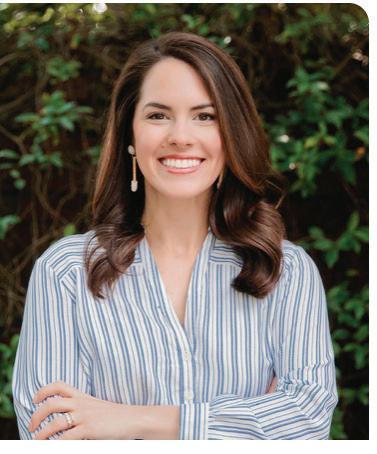

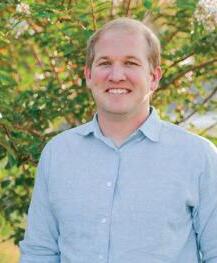


As
We
We





by Madelaine Brauner Landry
It seems like kids just got out of school for summer vacation, but in a blink, the bells will ring again for classes to start. Should parents or caregivers schedule a comprehensive physical exam to assess the overall health of their children before they return to the classroom in the fall? According to Dr. Bryan Karriker of the Children’s Clinic of SWLA, yearly check-ups are important at all ages. They afford both doctor and parents the opportunity to review things such as growth patterns, dietary habits, as well as other issues, like bathroom patterns.
“This is a chance to review developmental milestones as well as school performance and behavioral issues,” says Karriker. “These things are usually beyond the scope and time allotted for sick visits when we see ill children during the year. Well-checks in summer, when the sick visit volume is lower, allow extra time to address the above areas, gives us time to visit with families, and to interact with our kids to see how they are doing in all their activities of life. We can then implement plans for any concerns before starting the next academic year.”
Furthermore, Karriker encourages vision and hearing screens in the summer. While children and parents may claim that their vision and hearing is “fine,” unexpected results could be uncovered during screenings. “This gives us time to address concerns with a specialist before the next school year starts. Summer is also a good time for dental screenings for the same reason,” says Karriker.
“Personal hygiene is another area to stay on top of during the summer. Evening and bedtime cleaning is good for removing the grit and grim from the day’s activities, as well as any sunscreen or insect repellant applied during the day. Going to bed clean may make for a better night’s rest. Morning bathing is a good way to get alert and ready for the day in our kids who don’t get going so easily in the mornings.”
And finally, parents are concerned about vaccination requirements. The Children’s Clinic currently recommends the schedule advised by the American Academy of Pediatrics (AAP) and the Centers for Disease Control (CDC).
“We are not currently aware of any scientific studies or data that show direct evidence that would warrant altering the current vaccine schedule. However, I understand some parent’s desire to modify the grouping and timing of certain vaccines. However, complete vaccine
refusals are a real medical concern for both the child, as well as other children who could be exposed to an unvaccinated child’s illness. We are fortunate in this day and age that we currently do not see many of the illnesses prevented by vaccinations, as well as the potentially devastating impacts and outcomes caused by preventable infections. We certainly anticipate an increase in the future risk of exposure to these potentially life-altering illnesses as more of our population continues to be unvaccinated. Additionally, any specific state/school requirements, and their options regarding enrollment, would need to be discussed on an individual case basis with regard to the specific student and school.”
So, go ahead and schedule a wellness appointment for your child before the dog days of summer are gone and class is back in session. For more information, visit ccswla.com or call 337-478-6480.
to

A successful school year starts with a heathy nervous system- we help kids (and moms) thrive through every season of growth.


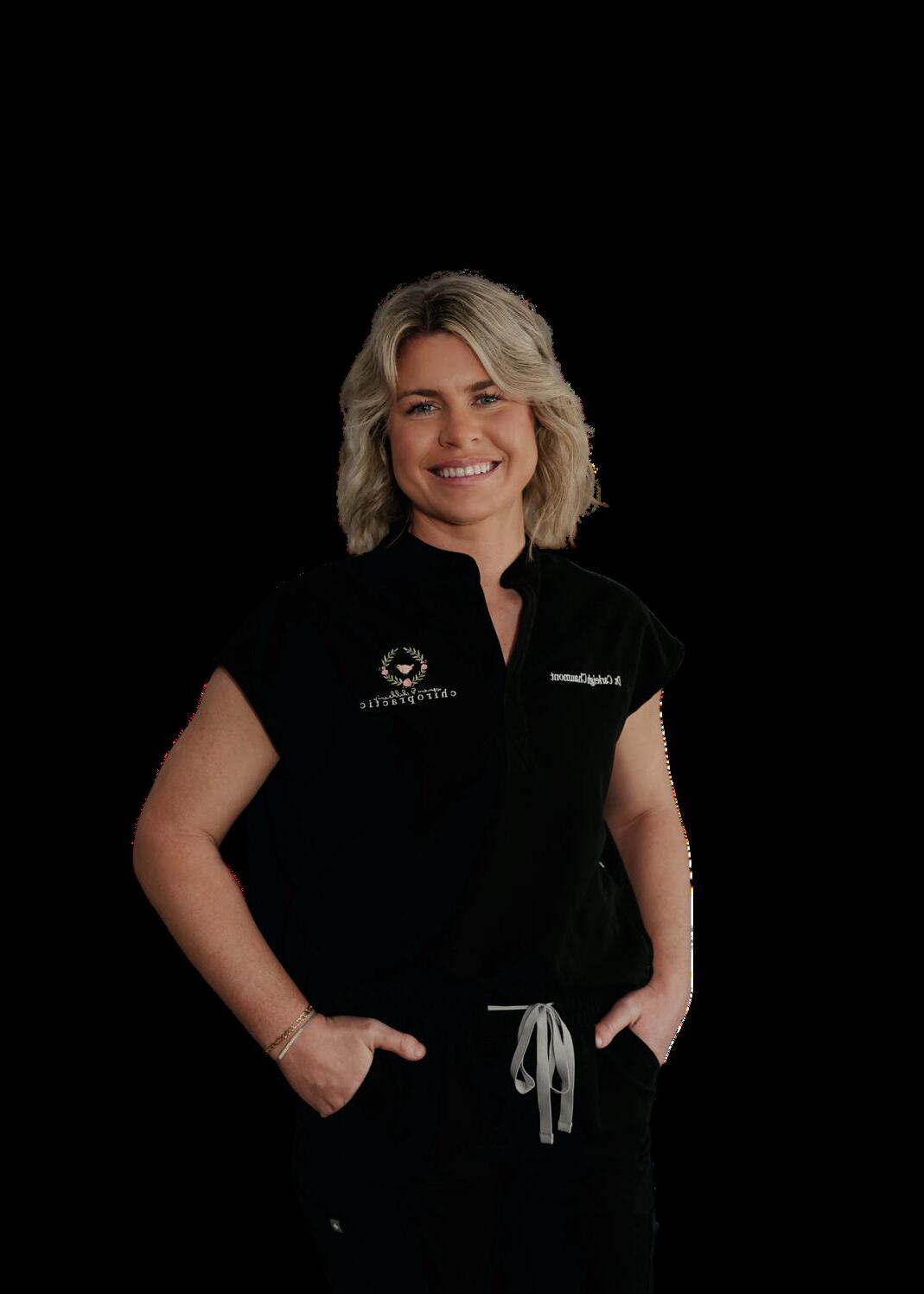
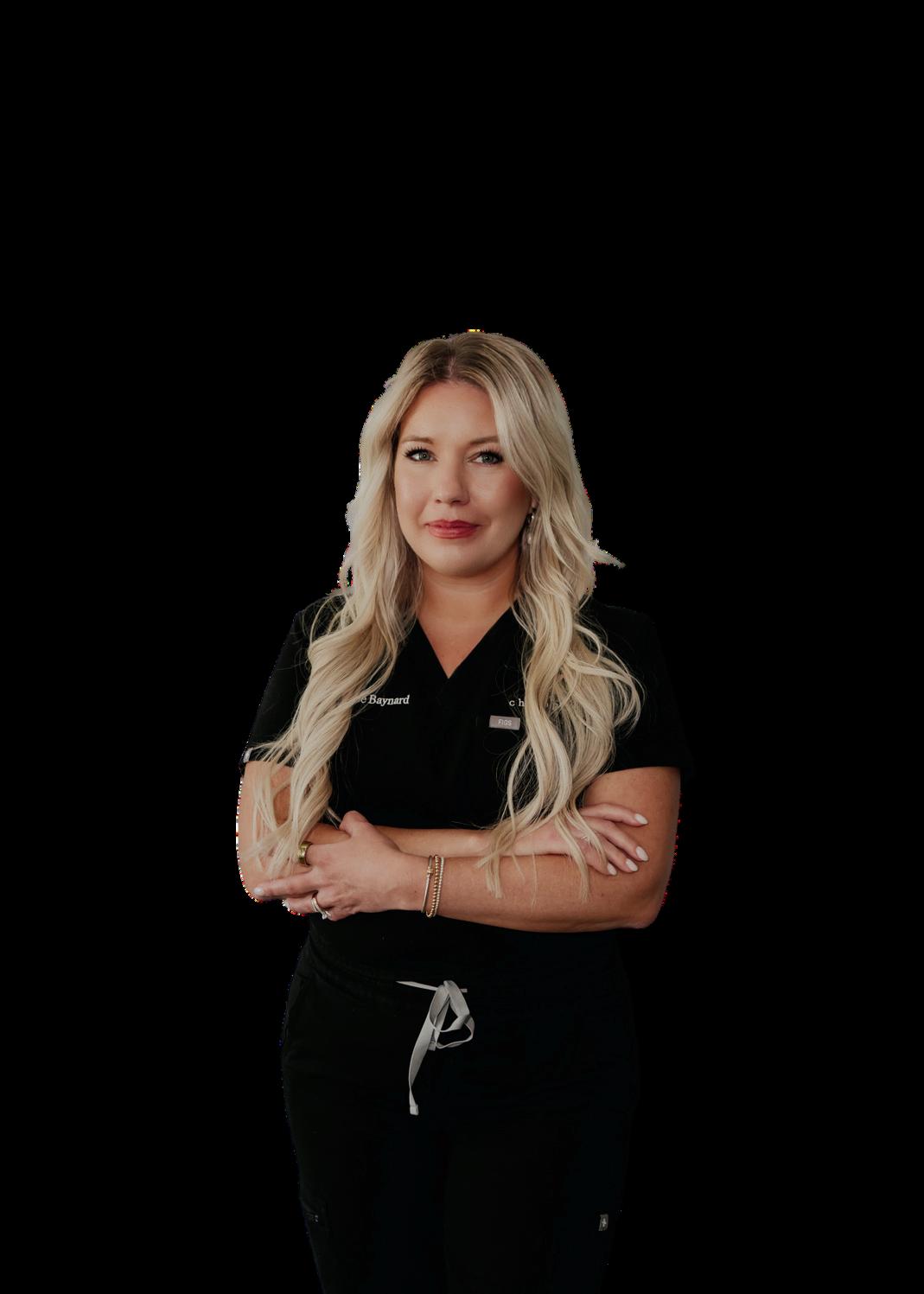
good. Dr. Carleigh Chaumont & Dr. Laurie Baynard 5656 Nelson Rd Ste A2 Lake
Pediatrics:
Bruce M. Thompson, MD
David R. Wallace, MD
Stuart G. Landry, MD
Nurse Practitioner: Beth Savoie, APRN, CPNP Erin Smith, FNP, PNHS
Bryan S. Karriker, MD
Deborah M. Decker, MD
Anatole J. Karpovs, MD
Kipp B. Ardoin, MD
Physician Assistant: Lauren Caraway, PAC
Lactation Consultant: Therese Deroche, RN, IBCLC
Stephanie M. Treme, MD
Katie E. Price, MD
R. Borden Wilson, MD
Katie H. Jones, MD
Dietitian: Tabitha Nicholas, MS, LDN, RDN
Counseling Services: Angela Lee, LCSW
Casey Simpson, LCSW Allison Jackson, LCSW




Stress management in school age children can be of concern to parents and caretakers.
Generally, children are more easily observed at play and rest while at home or on vacations. And although they are away from the demands of the classroom, it is a good idea to establish a consistent daily routine that provides stability and security. Asking your children for feedback about their activities allows parents to gain valuable insight. Does your child’s schedule of activities effectively help them blow off steam or does it stress them more?
Dr. Bryan Karriker, of the Children’s Clinic of SWLA, encourages balance in student lives in both academic and extracurricular activities. We should strive to not allow either to dominate their time, as too much of either shortchanges the other and can be stress-inducing. And consider timing. Some kids do better if they do their homework as soon as they get home, while things are fresh in their minds. They can relax or enjoy their extracurriculars when their academic responsibilities are complete. Others do better if they can play and blow off steam after a full day of school before they sit down and focus on their academics. Encouraging exercise or aerobic activity can also be helpful in releasing stress; it can take their minds off of their busy schedules or other stressful concerns.
by Madelaine Brauner Landry

“During the school year, but especially during the summer, it is important to monitor diet and activities in kids,” Karriker advises. Summer is certainly a time for kids to get outside and be more active, but they may prefer to be inside where it is cooler, which can lead to more sedentary lifestyles. This makes frequent snacking easier, especially of the less nutritious foods that kids like. Planning for snacking and grazing by making the better food choices more readily available.

“An activity goal would be to try and encourage at least 20-30 minutes per day of good physical activity and exertion. Breaking a little sweat and seeing their heart rate and breathing rate go up a little should suffice, as a minimum. Outdoor activity is a good way to raise our Vitamin D levels, which help with our overall energy and mood. But don’t forget how critical hydration and shade breaks are for this time of year.”
Additionally, Karriker notes, sleep patterns will often change during the summer. “Some kids will still be ‘early birds,’ those who wake early despite not really having activities that they need to be up early for. Other kids drift towards being ‘night owls,’ preferring to stay up late. While it’s nice to have some flexibility for that during the summer, it’s important to not go to the extremes. It’s okay for bedtimes or wake times to be a little later, but a specific bedtime/wake time should still be in place, as opposed to just staying up or sleeping as late as they want. Remember, whatever

pattern they move to during the summer has to change back to restart the school year. The more extreme the pattern, the more difficult the transition will likely be.”


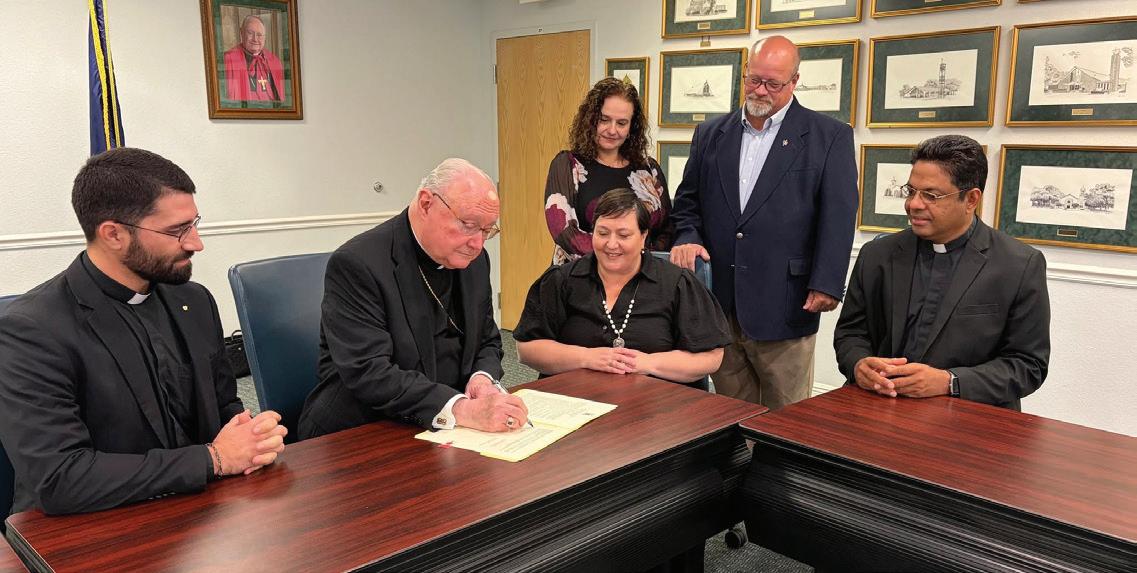
After years of success providing therapy and family support to children and families facing Autism and other developmental disabilities, we are eager to create a setting that truly caters to the unique gifts of children who learn differently. We want to offer a space where independence can be fostered and encouraged, while also providing the support students need to reach their fullest potential. Partnering with the Diocese of Lake Charles allows us to do this within a strong Catholic foundation that recognizes the inherent dignity of every child.

A
by Haley Armand Tarasiewicz
From college campuses to job sites to training programs, life after high school doesn’t follow one set path. For some SWLA graduates, it means packing up and moving hundreds of miles away. For others, it’s staying close to home and building something new right where they started. And for others still, it’s stepping straight into a career and learning as they go. Different directions, different timelines but all a part of figuring out what comes next!
For Reese Manuel, the transition from high school to Baldwin Wallace University in Ohio has been about much more than pursuing a degree in musical theatre. It has meant adapting to a completely different climate, living far from home and learning how to balance an intense schedule of classes and rehearsals. The weather was the first major adjustment. "I was surprised to find very few AC units in buildings," she laughs, noting the generally cold weather. But the move also gave her exactly what she was looking for: a chance to be closer to a thriving theatre community and immerse herself in her craft. Her days are packed with classes from 8:00 a.m. - 4:00 p.m., including music theory, dance, language studies and theatre workshops, before rehearsals begin, often running from 6:00 - 10 p.m. five nights a week. While the workload can be exhausting, it has taught her independence, discipline and time management. "Being far from home has led me to take on new

responsibilities without seeking guidance at every turn. Once you begin working for yourself and not to impress anyone else, the result becomes far more rewarding," she says. Looking back on her first year, Reese is most proud of her debut off-Broadway in New York City with the up-coming pitch for the original musical Star Machine
For Alonnie Celestine, choosing Xavier University of Louisiana meant becoming part of something unique. As the nation's only Catholic Historically Black College and University, Xavier offered a community that celebrated Black excellence while challenging students to become leaders in their fields. A public health major with a minor in political science, Alonnie was drawn to a career focused on improving lives and advocating for others. She describes her college experience as "a cultivating journey," one that pushed her academically while helping her grow personally. Along the way, she learned that success isn't just about achievements or checking boxes, it’s also about maintaining balance and protecting your wellbeing. One of her biggest lessons was learning to rest and avoid burnout, a challenge many high-achieving students face. Now a college graduate, Alonnie is already looking ahead to her next chapter. She plans to continue her education through an MBA program while preparing for the LSAT, with long-term goals that continue to blend leadership, advocacy and service. Her
advice to high school seniors is to resist the temptation to compare their path to anyone else's. "Success is based on personal goals and perspectives," she says. "Reflect on what you're passionate about and don't waver from that because someone else is or isn't doing it."
For twin brothers Jake and Luke Leger, the transition to LSU came with a built-in advantage: they had each other. After spending their entire lives sharing friends, sports and experiences, the pair decided to room together during their freshman year. Having a familiar face made the adjustment to college life easier, but it also highlighted how much they were beginning to grow as individuals. While they still share many friends through their fraternity, both have started building their own circles and experiences on campus. Jake, a finance major, says one of the biggest challenges was learning how to manage his time between classes, studying, work, fraternity commitments and everyday responsibilities. The solution was simple but effective—start the day earlier. Through it all, living together gave the brothers a support system few freshmen have, even if it also led to discoveries like just how cranky one of them can be in the mornings! As they head into their second year, they're looking forward to having more independence while continuing to make the most of the college experience.

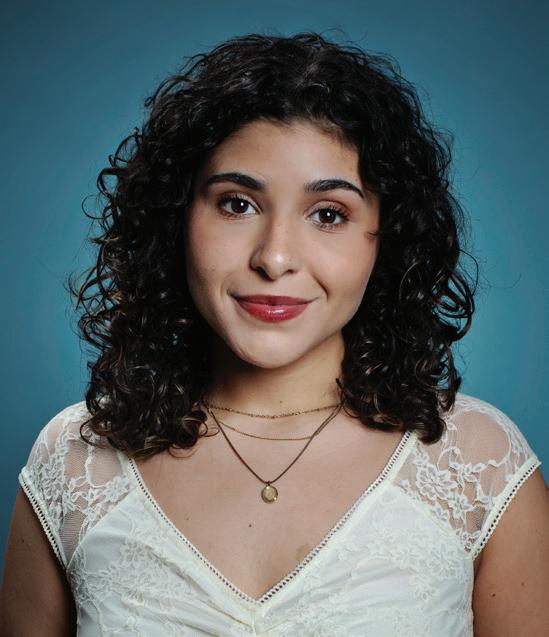
For Mila Alcantara, staying close to home didn't mean missing out on the college experience. The McNeese State University psychology major chose to attend school in her hometown because family is important to her. Between classes, two jobs, Phi Mu sorority, McNeese Choir and a full academic load, Mila has built a schedule that keeps her constantly on the move. Living on campus has allowed her to become deeply involved in student life, build new friendships and fully embrace the McNeese community. "Having a new home within my hometown that's just for me and my suitemates has given me a greater sense of independence that I wouldn't have developed otherwise," she says. Along the way, she's learned the importance of organization, communication and making time to rest—skills that helped her earn President's List honors in both the fall and spring semesters. Her advice to incoming freshmen is simple: get involved, step outside your comfort zone and remember "you'll never know unless you try."
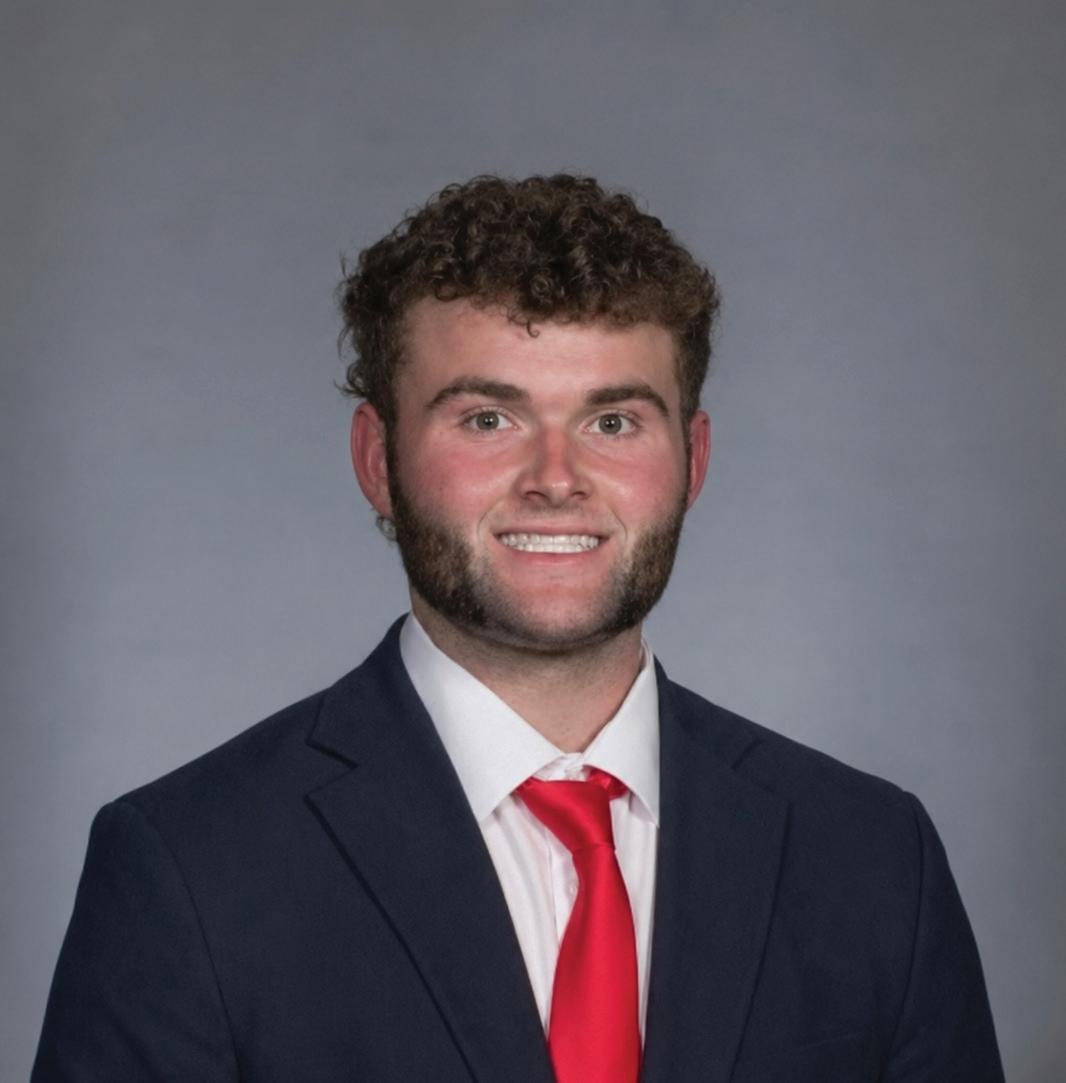
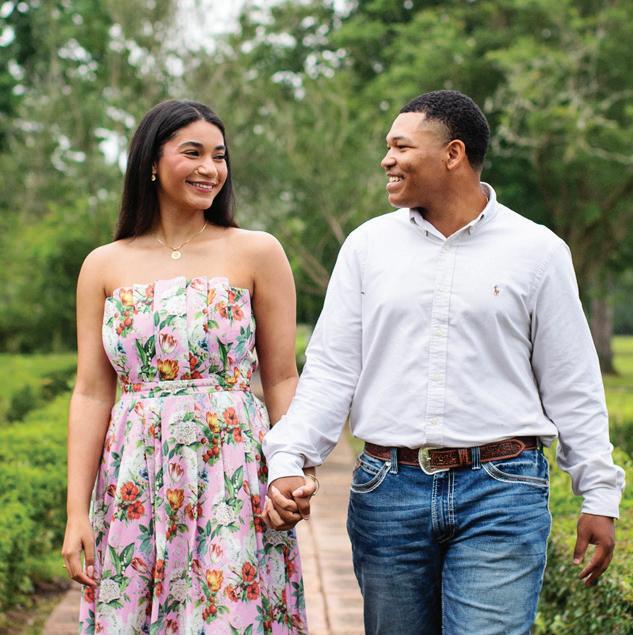
For Kyleigh Atkins and Cameron Lavergne, the years after high school have been filled with learning, growth and a few major milestones. Kyleigh turned her love of beauty into a career through Stage One Hair School, where long days
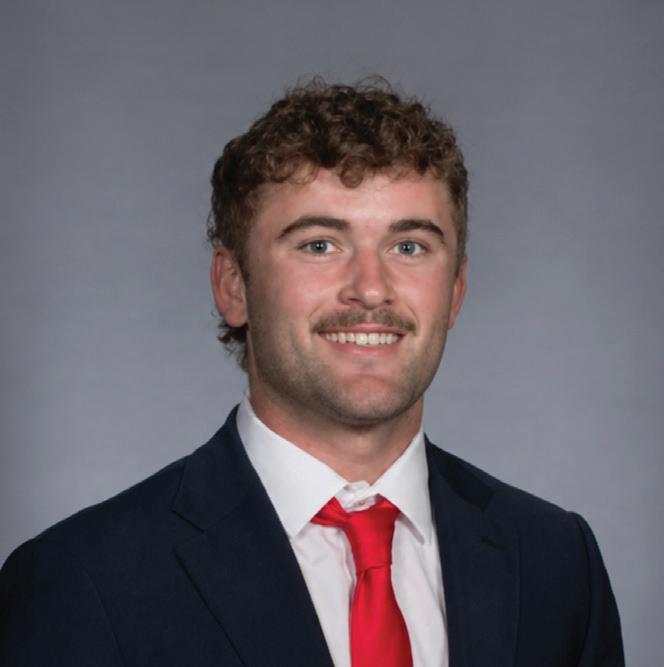
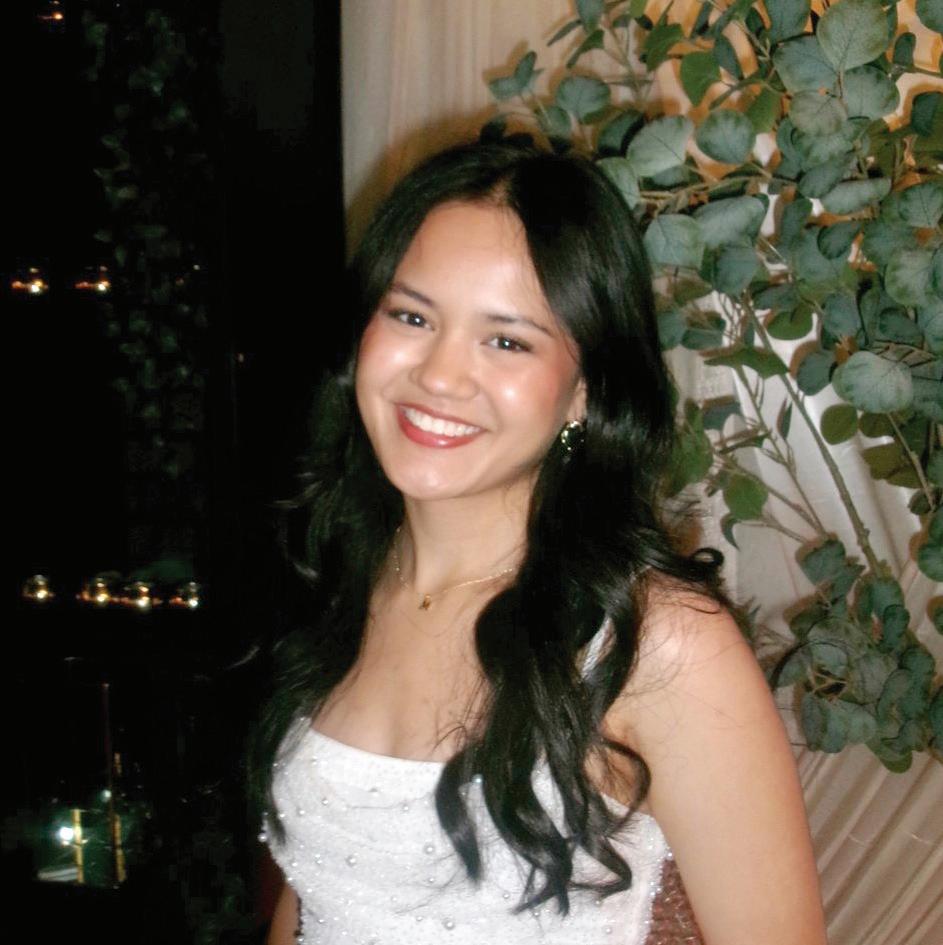

balancing classes and work taught her resilience and confidence in her craft. Today, she's a licensed cosmetologist focused on continuing to learn new styles, techniques, and trends that will help her better serve her clients. Cameron followed his interest in process technology to SOWELA Technical Community College and now works as a process operator at Phillips 66. Inspired by people he admired in the industry, he pushed through moments of self-doubt by studying hard, asking questions and taking advantage of every opportunity to learn. While both are building careers in very different fields, they share a common appreciation for hard work, lifelong learning and the support systems that helped them succeed. Now recently engaged, they’re looking ahead to their next chapter together—building on the careers they’ve worked hard for, starting a family, and finding ways to give back to the community they call home.
There isn’t one version of life after high school just a lot of different starts, detours and paths forward. Whether learning on college campuses, job sites or training programs, these graduates are all learning the same thing in different ways.
It’s been 50 years since there’s been a big anniversary marking the birth of the United States of America. But 250 years is extra special as we mark one-fourth of the way to a millennium. The official word for this is semiquincentennial.
Don’t be afraid to deck yourself out in red, white and blue. As usual, the City of Lake Charles will host a number of events on July 4, including their annual fireworks show.
But this celebration isn’t just about the present. Instead, it’s about the past and future. Dive into the story of our country’s constitution and hear words of hope from changemakers in Southwest Louisiana.



Get ready for the biggest Independence Day celebration in Southwest Louisiana! The City of Lake Charles will celebrate the return of Red, White, Blue & You on Saturday, July 4, which is a free, family-friendly festival packed with patriotic fun, live entertainment, delicious food, competitions and a fireworks finale over the lake. This year's celebration is extra special as Lake Charles commemorates the 250th Anniversary of the United States of America.
The celebration will begin at noon with the opening of the Crying Eagle Beach Club located at Crying Eagle Lakefront, where attendees can spend the day enjoying waterfront views, cold drinks, fresh oysters, family activities, live entertainment and plenty of ways to stay cool before the fireworks begin. The Crying Eagle Beach Club is free to attend, and attendees can upgrade their experience with VIP tickets for $100.
Festivalgoers can also enjoy a variety of local favorites, including food trucks, lemonade stands, ice cream vendors and the Crying Eagle Beer Garden at the Arcade Amphitheater. The Lakefront Shuttle will be available to shuttle attendees from the Arcade Amphitheater to Crying Eagle Lakefront from noon to 7:00 p.m.
At 2:00 p.m., the excitement heats up at the Arcade Amphitheater with the first ever Hot Dog Eating Contest sponsored by Lake Charles Toyota, where competitors will battle for bragging rights, trophies, a $500 cash prize and Lake Area Adventures gift cards.
Live entertainment takes center stage throughout the afternoon and evening at the Arcade Amphitheater, featuring:
3:00 p.m. – Rosedown Rockers
4:00 p.m. – Patriotic Boat Parade
5:00 p.m. – America250 program and concert by the Lake Charles Community Band
6:00 p.m. – Flamethrowers
7:30 p.m. – Pine Leaf Boys
The celebration will also include the announcement of the Mayor's Armed Forces Commission Queens, honoring local representatives and continuing a cherished community tradition. As the sun sets over the lake, attendees are encouraged to spread out their blankets and lawn chairs and prepare for the grand finale. At 9:15 p.m., the night sky will come alive with a breathtaking fireworks spectacular over the Lakefront. For an enhanced experience, the fireworks soundtrack will be simulcast live on KBYS 88.3
FM, allowing attendees to enjoy synchronized music from their vehicles or personal listening devices.
Guests are encouraged to bring lawn chairs and blankets. Please note that ice chests and glass containers are prohibited. In the event of inclement weather, festival programming will move indoors to the Event Center Coliseum.
The City of Lake Charles is also excited to announce the winner of its Red, White, Blue & You logo design contest. Sierra Greenwood, a student at SOWELA Technical Community College, was selected as this year’s winner. The logo design contest is a staple semester project under the direction of SOWELA instructor Darrell Buck.


by Arianna Brindle
After eight years of fighting, the war between England and the colonies was finished.
With the Declaration of Independence and the Articles of Confederation, America was ready to prosper. The years of death and war were not in vain. The freedom that so many proudly fought for was now ready to be acted upon.
The year was now 1787. In the center of Philadelphia rests the Pennsylvania State House (now known as Independence Hall).
Carriages rolled up to the door, dropping off men who would shape our nation. Founding fathers, alongside delegates from the colonies, would face a major flaw in our government. As the congregation gathered in the assembly room, questions began flooding
everyone's minds. Each delegate took his seat and waited patiently for the man at the center of the room. George Washington stood up from a wooden armchair and addressed the concern on everyone's mind: How do we stabilize the falling country?
For the past nine years, the Articles of Confederation was the blueprint to this new nation. Yet it lacked law enforcement, couldn’t stabilize any commerce or produce currency. Moreover, the colonies that fought England together were now arguing with one another. Each state was governing itself, and very rarely would they unite to conquer difficult situations. Riots like Shays’ rebellion were breaking out. At the rate the country was being managed, it was sure to collapse.

Proposals and rumors had been circulating, but the idea of writing a whole new framework of government, titled the Constitution, would slowly gain popularity. With key figures like Alexander Hamiliton, the convention would receive overall approval to proceed with creating the Constitution.
For the next three months, new structures were introduced, such as: government branches, the limitations of power within those branches and the roles of representatives. To set this constitution apart and enforce the freedom that we value, it was decided that representatives in the government would be chosen by the people.
During these assembly meetings, even more concerns arose on the floor. The Articles of Confederation clearly couldn’t stand on its own, but this Constitution could cause as much division as it could unity. The states were hurt by control of their past king, and for many years these same states got comfortable governing themselves. This new framework of government would require the majority vote of the states before it could be passed. Some states may see it as a
threat to their independence, while others could see the value in being united. Aside from this, the constitution still lacked in areas regarding citizen rights. Even with all the doubt, the convention kept moving forward.
Finally, after many months, George Washington addressed the assembly once more. The only thing left to do was sign the document and send it to the states. As he stood up from his wooden armchair, the keen eye of Benjamin Franklin noticed half a sun carved into the top of his chair. It was unclear to Franklin if the sun was setting or rising, but that question would soon be answered.
The constitution was signed and sent to each of the states. With a majority vote, the constitution was ratified in June of 1788. From that day forward, the United States of America would be a constitutional republic. As for the chair, Benjamin Franklin only had this to say, “Often and often … I have looked at that {sun} … But now at length I have the happiness to know that it is a rising and not a setting sun.”

compiled by Angie Kay Dilmore
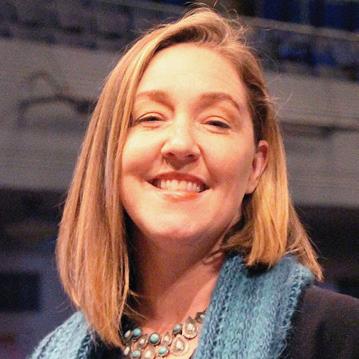
Brook Hanneman, Banners at McNeese: America’s 250th should make us pause and consider the magnitude of what we’re commemorating. On July 4, 1776, the Continental Congress voted that “these United Colonies are, and of right ought to be, free and independent States,” and they solemnly declared their independence. The promises they committed to parchment that day are more than just part of a historical document. They are ours to carry forward. So gather around your table and read it aloud with your friends. If ever there was an appropriate year to do so, this is it.
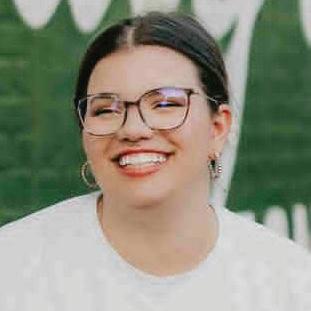
L. Grace Brady, McNeese student: My feelings about America can be summed up in a few small words: “This land was made for you and me.” America is a country built on ideals of freedom and opportunity, but also one that has not always lived up to those promises. Over the past 250 years, generations of people who never knew each other worked to widen the meaning of “you and me.” They actively strived to make the nation more inclusive, more just and more faithful to its founding principles. I see a country still learning, growing, still reaching toward its highest ideals.
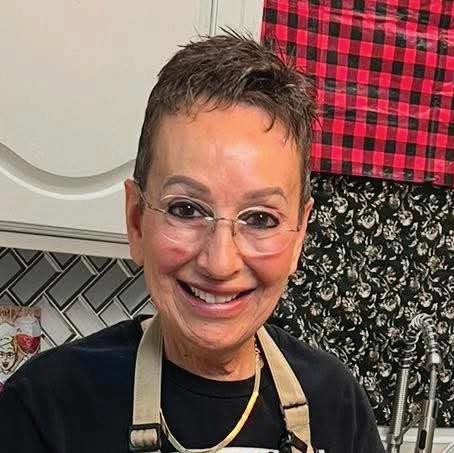
Pat Darbonne, chef and business owner: America 250 is a celebration of the people, traditions and stories passed down through generations. I grew up in Southwest Louisiana and learned that food is more than something we eat—it’s how we show love, bring people together and preserve our heritage. Through my cooking and Pat N da Pot Cajun Seasoning, I share the flavors and culture of Louisiana, honoring those who came before us while passing those traditions on to future generations.
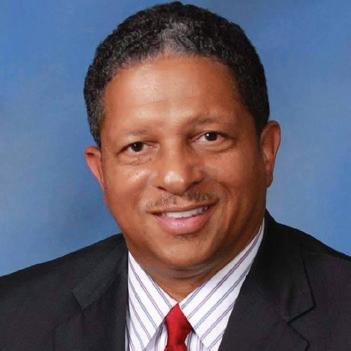
Marshall Simien, mayor, Lake Charles:
America 250 is an opportunity to reflect upon the ideals that truly unite us as Americans … faith, freedom, service, responsibility and respect for one another. We honor the past while looking toward the future with hope and determination, recognizing that the next chapter of America’s story is still to be written by those who come up from our communities with the confidence and determination that America’s promise will continue for generations to come.
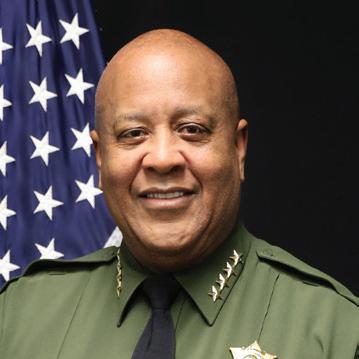
Gary “Stitch” Guillory, sheriff, Calcasieu Parish:
250 years means that our Country has survived ups and downs. Growth is not an easy process. The resiliency of America has brought us through many challenging events. That resiliency will keep America moving forward the next 250 years. We are a proud melting pot of races that will always change and challenge the world to be great.
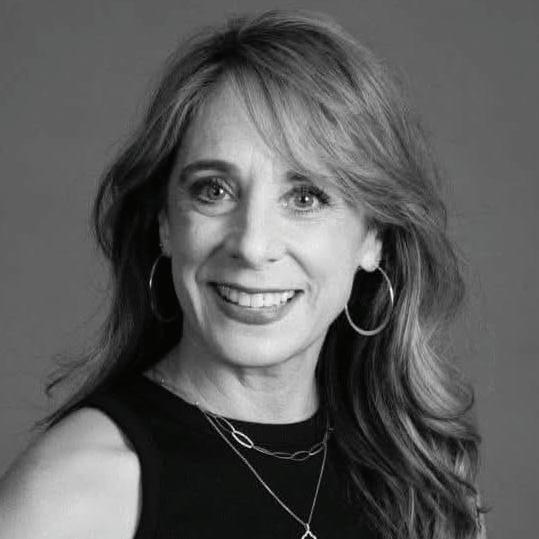
Colleen Benoit, ballet instructor, owner, LCDA:
America 250 means courage, vision and opportunity. It’s a time to pause, remember and honor those who signed our founding documents 250 years ago with the hope and promise of freedom and the opportunity for all Americans to pursue their dreams.
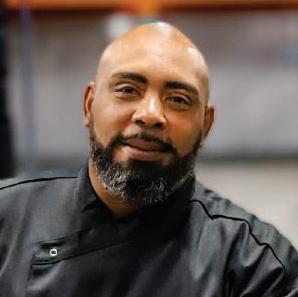

David Sickey, chairman, Coushatta Tribe of Louisiana:
America’s 250th birthday is a moment that calls on all Americans to reflect on the freedoms we share and the many traditions that together form the character of our great state and nation. We are proud to take our place within that larger American story.
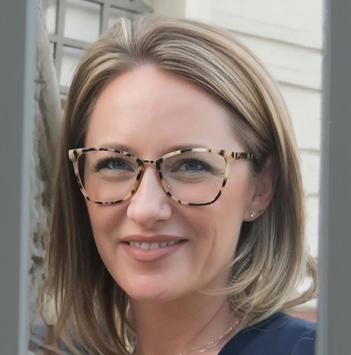
Kristin Paige Harris, NP, co-owner Access Primary Care:
Every generation has contributed something meaningful to help shape our country. I believe it's our responsibility to do the same for those who come after us. Southwest Louisiana has a strong sense of community. We’re a blend of cultures, traditions and experiences, yet we come together to support one another and work toward a common good. This gives me hope for the future.
Megan Hartman:
America 250 is about connecting the past, present and future. Through my work at Phillips 66, I'm proud to help foster meaningful community engagement, support our veterans, and invest in the strength and resilience of our community, especially through our Veterans Network. Staying engaged locally is one way I'm honored to contribute to something bigger than myself.
Lyle Broussard, executive chef, Crying Eagle Lake Front:
America 250 is about honoring our history, celebrating the people who helped shape our country and looking ahead with optimism for the future.

Candy Rodriguez, director of communications, Visit Lake Charles:
This is a time to celebrate how far we've come, honor those who helped get us here and look ahead to the future we want to create.

Jeremy Price, muralist:
Our forefathers saw their freedoms being squandered to benefit people who weren’t working in their favor. July 4th is about freedom, resilience, community and leaving a positive legacy for the next generation. I want to celebrate our shared history and help shape the future through the work I do and the values I pass on. I want to teach my son the importance of pursuing life and being thankful for every moment, praising God with every step.
Matt Young, sr. director of community engagement, Visit Lake Charles:
America 250 is a chance to celebrate the local stories and traditions that make our communities unique. Each town and city marks the occasion in their own ways. The common thread is the opportunity to come together and reflect on where we've been. It reminds us of what we can accomplish when we work together. In the end, we're all contributing to the same American story.
Adley Cormier, historian:
I was around for the Bicentennial and remember the national optimism and patriotism of those heady days. By contrast, today, we seem to be more aware of our capacity for change and of our ability to respond to that change. We are tied together by economic, social and geographic connections, as well as the shared real-world experiences and responses to that challenge. We’re more realistic today, but even with that, we can understand and shape our future.
In honor of America’s 250th anniversary, Thrive presents a choice of books based on American history. This list, while not comprehensive, seeks to give a diverse view of our country, but the list would have to be much longer to include all the demographics which make up America. From the founding of the U.S. colonies to the Civil War to the destruction of American Indian Tribes and the migration of Black Americans escaping the Jim Crow South to other areas of the country, all books are heavily researched nonfiction, and the one book which hasn’t won an award was adapted into a highly decorated movie.

by David McCullough
David McCullough, a Presidential Medal of Freedom award winner, tells the intensely human story of those who marched with General George Washington in the year of the Declaration of Independence when the whole American cause was riding on their success, without which all hope for independence would have been dashed and the noble ideals of the Declaration would have amounted to little more than words on paper.
Based on extensive research in both American and British archives, 1776 is a powerful drama written with extraordinary narrative vitality. It is the story of Americans in the ranks, men of every shape, size, and color, farmers, schoolteachers, shoemakers, no-accounts and mere boys turned soldiers. And it is the story of the
A Pulitzer Prize-winning book, James McPherson's narrative fully integrates the political, social and military events that crowded the two decades from the outbreak of one war in Mexico to the ending of another at Appomattox. Packed with drama and analytical insight, the book recounts the momentous episodes that preceded the Civil War—the Dred Scott decision, the Lincoln-Douglas debates, John Brown's raid on Harper's
King's men, the British commander, William Howe, and his highly disciplined redcoats who looked on their rebel foes with contempt and fought with a valor too little known.
At the center of the drama, with Washington, are two young American patriots, who, at first, knew no more of war than what they had read in books: Nathaniel Green, a Quaker who was made a general at thirty-three, and Henry Knox, a twenty-five-year-old bookseller who had the preposterous idea of hauling the guns of Fort Ticonderoga overland to Boston in the dead of Winter. But it is the American commander-in-chief who stands foremost, Washington, who had never before led an army in battle.
by James M. McPherson
Ferry—and then moves into a masterful chronicle of the war itself—the battles, the strategic maneuvering on both sides, the politics and the personalities. Particularly notable are McPherson's new views on such matters as the slavery expansion issue in the 1850s, the origins of the Republican Party, the causes of secession, internal dissent and anti-war opposition in the North and the South, and the reasons for the Union's victory.

by Dee Brown
Still a bestseller after it was republished in 2012, Bury My Heart at Wounded Knee is a frank and heartbreaking depiction of the systematic annihilation of American Indian tribes across the western frontier. Dee Brown focuses on the betrayals, battles and massacres

suffered by American Indians between 1860 and 1890. He tells of the many tribes and their renowned chiefs—from Geronimo to Red Cloud, Sitting Bull to Crazy Horse—who struggled to combat the destruction of their people and culture.
by Isabel Wilkerson
Considered one of the best books of the 21st century by Time Magazine and a work which won the National Book Critics Circle Award for Nonfiction, the Heartland Prize for Nonfiction, the Anisfield-Wolf Award for Nonfiction, the Lynton History Prize from Harvard and Columbia universities, and the Stephen Ambrose Oral History Prize, The Warmth of Other Suns is the account of one of the great untold stories of American history: the Great Migration of six million Black citizens who fled the

South for the North and West in search of a better life, from World War I to 1970.
Wilkerson tells this interwoven story through the lives of three protagonists: Ida Mae Gladney, a sharecropper’s wife, who in 1937 fled Mississippi for Chicago; sharp and quick-tempered George Starling, who in 1945 fled Florida for Harlem, and Robert Foster, a surgeon who left Louisiana in 1953 in hopes of making it in California. (Robert Foster was from Monroe, Louisiana.)

Our experienced team can create a custom design for your
If you’re a do-it-yourselfer, we can create a plan, help you choose your plants from our retail nursery, lay out your beds and guide you as you transform your yard from drab to dreamy.

by Kerri Cooke
It’s not uncommon for adults to still remember a special teacher they had in elementary, middle or high school. Their influence on us can last a lifetime and set us up for future success. Thrive highlights five teachers, one of whom was recently awarded a leadership role in the Calcasieu Parish school district, making a difference through every lesson inside the classroom and out. All five women say the same thing: teaching isn’t just about learning a subject, but it’s also about the relationships forged with students.
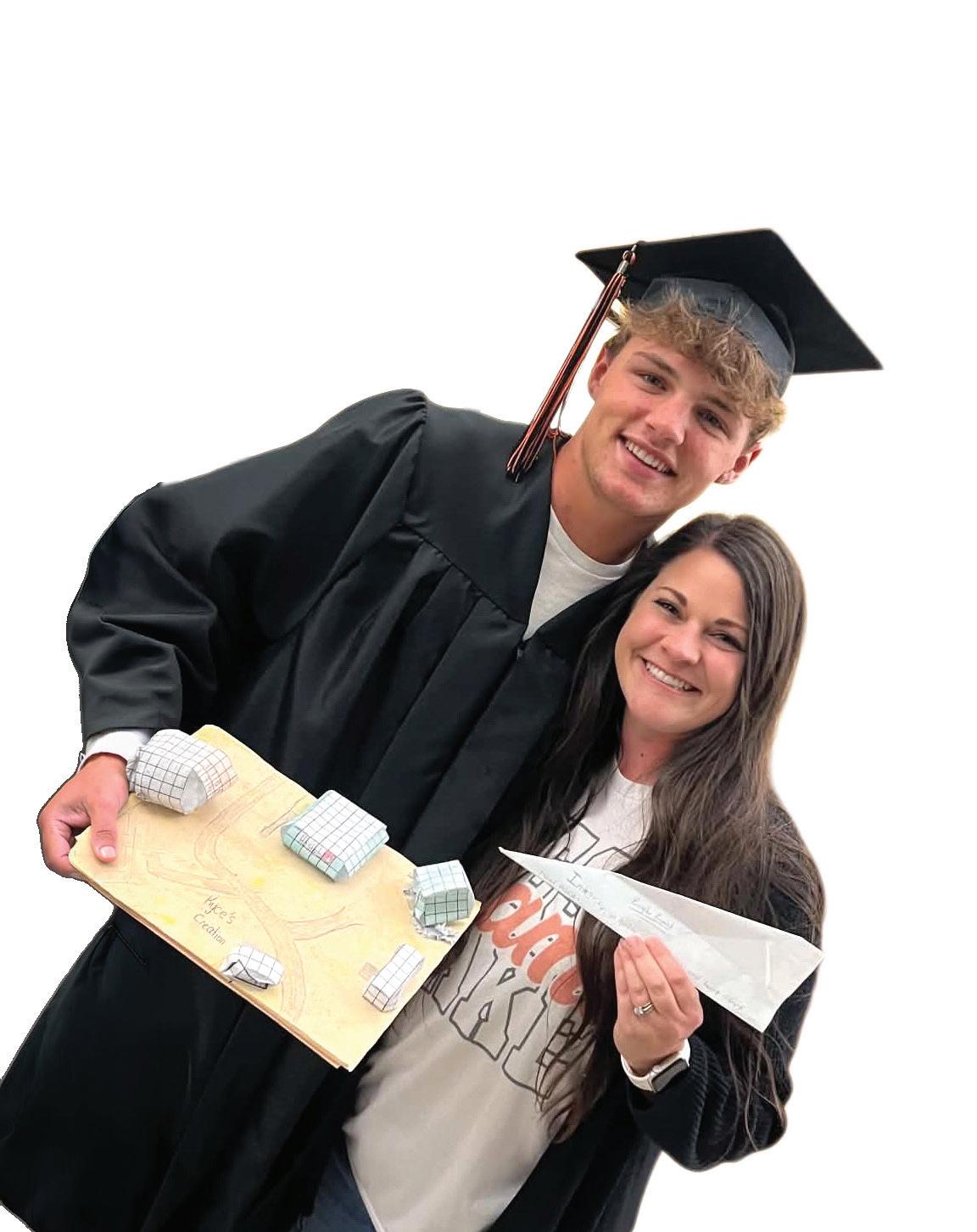
S.P. ARNETT MIDDLE SCHOOL
Sara Logan’s path to teaching didn’t start with a straightforward goal to educate. “I fell victim to being unsure of what I wanted to do post-graduation and switched my major multiple times,” she says. She would ultimately attain an associate degree in general studies, a bachelor’s degree in mass communication with a concentration in public relations and a master’s degree in instructional technology, all from McNeese State University. Logan attained her teaching certification after a career change in 2020.
For the last six years, Logan has taught seventh grade math, regular and advanced, at S.P. Arnett Middle School. She says one of her favorite aspects of teaching is “finding ways to connect what students are learning in class to the real world. Students frequently want to know why they are learning something, and that makes math meaningful.”
One of the lessons Logan has learned over her years of teaching is that the classroom environment is not always about teaching just math but life lessons as well. “I was naïve to think teaching would primarily involve standing in front of a classroom delivering instruction. In my first year of teaching, I had a class where paper airplanes were being thrown. I asked who was doing it and heard crickets. That math lesson took a vocabulary detour into the meaning of integrity. I have a picture of myself and one student from that class with my ‘integrity’ paper airplane—the definition was written on its side by another student. He always tells me
it is one thing he will never forget from my class, which is the importance of being honest and doing what is right.”
As far as daily impact on the future changemakers of America, Logan finds nothing more fulfilling than helping others. "I have the opportunity to continue watching students grow after they leave my classroom, especially as a Westlake resident and the wife of a Westlake High School teacher and football and baseball coach. Can I get a 'Go Rams?!'”
As recipient of the Middle School Teacher of the Year designation, Logan finds the honor humbling as she is surrounded by so many other teachers who she finds inspiring. What makes the recognition unforgettable is her former student was named Middle School Student of the Year alongside her.
Logan will begin her role as lead teacher in the upcoming school year. She is excited to see what the future holds for her upcoming and outgoing students. “The first class I taught just graduated high school in May, and I can’t wait to see what they accomplish in their next chapter.”
Despite her desire to become a teacher since childhood, Jaren Dubois spent her first three years at McNeese State University pursuing a nursing degree. After deciding she had pushed that part of herself away for too long, she changed her major and earned a degree in elementary education for grades one through eight.
Dubois has been teaching for two decades and has served as an educator at Our Lady Queen of Heaven School for the last 10 years. She loves her job and says, “Teaching at OLQHS has been the best decision I could have ever made for my teaching career. It has been a wonderful Christian environment in which both my children and I have thrived.”
Getting to know her students is Dubois’ favorite part of teaching. “I look back on the gift of all the students who have walked into my classroom over the years, and I am so thankful God has placed each one of them in my life. They are all a gift and teach me in many ways as well.”
Dubois also feels fulfilled when students tell her they have enjoyed the lesson. She hopes they receive confidence while under her instruction. “I want them to see what they can accomplish and learn when they put forth effort and hard work and thereby receive joy from looking at their own accomplishments. I see myself as a guide to show them all the
possibilities.”
As a middle school math and science teacher, Dubois says, “I didn’t realize how much I would love teaching middle school aged kids. I started out thinking I would only teach in elementary school. Middle school is such a unique stage of life. Students are beginning to discover who they are and develop a clearer understanding of their interests and values.”
Dubois gets great satisfaction out of teaching sixth grade math and science. “I get to be the teacher who introduces the topics they will continue to learn in depth over the next five years of their education. My favorite thing to teach is anything that involves a STEM project. A sixth-grade favorite is building a paper roller coaster. They get to be super creative, and each group member can see where they shine. I can always tell who my future engineers are during these projects.

Virginia Jessen’s teachers saw teaching potential in her long before she decided to pursue the field. A suggestion that began in high school and continued in college, Jessen didn’t pivot to teaching until she started earning her graduate degree at Centenary College. “I was initially reluctant to pursue the field. My original career path focused on editing and translation while I studied music and French literature. Upon discovering I could graduate a semester early, my academic advisor suggested enrolling in a few master’s level education courses. After completing my first class and observing at several schools, I realized education was my true calling.” She would later graduate with a Master of Arts in Teaching for French and music.
Teaching at Immaculate Conception Catholic School was Jessen’s first job after college, and she’s still there 14 years later. “Teaching in a Catholic environment allows me the privilege of supporting students’ spiritual growth by weaving faith into my lessons,” she says.
As a music and French teacher, drama director and liturgical service music director, Jessen has the privilege of catering to a wide age range of students in the school. “It allows me to witness the development of my students year after year,” she says. “It is rewarding to see several former students pursue music in college,
and I always appreciate the chance to watch them perform within the community. I also enjoy cultivating meaningful relationships and addressing the unique needs of every student.”
As an educator instilling knowledge in the future changemakers of America, Jessen says she aims to not just teach a subject but instill life skills as well. “My goal is for them to feel consistently supported, encouraged and appropriately challenged in a classroom environment that they recognize as a safe space for taking risks, making errors and growing. If students leave my classroom believing in their ability to learn, contribute and positively influence others, then I know I’ve helped shape not only their future but also the communities and generations they will impact.”
Catherine Schram grew up in Bridge City, Texas, where both of her parents worked in the school system. Their dedication to education had a significant influence on her and inspired her own career path. After graduating from high school, Schram moved to Lake Charles to attend McNeese State University. She has now been in education for 38 years.
For the past 31 years, she has served at St. Margaret Catholic School, where she has taught a variety of subjects in grades four through eight. In addition, she spent seven years at McNeese State University as both a teacher and assistant director of the ESLI Program. Currently, she teaches English to students in grades six through eight.
Schram’s favorite part of teaching is building relationships with students and encouraging them to reach their full potential—and often beyond what they think possible. “Over the years, I have found when students are treated with respect and are held to high expectations, they rise to meet those expectations,” she says. “Watching students grow in confidence, character and academic ability is one of the most rewarding aspects of my profession.”
Throughout her years at St. Margaret Catholic School, Schram has had the privilege of teaching students who have become outstanding members of our communities. “They have pursued successful careers, become leaders in their fields and made meaningful contributions to the lives of others,” she says. She believes much of their success is rooted in the values, virtues and strong faith foundation they received while attending St. Margaret. “One of the greatest compliments the school can receive is when former students choose to enroll their own children or return to education themselves,” she adds.
When Schram first entered the field of education, she had to adapt. Her college courses had focused on curriculum, lesson planning and classroom management. While those skills are important, she quickly learned the heart of teaching is building relationships. “Students need to know they are valued, respected and believed in,” she says. “Once that foundation of mutual respect is established, I discovered learning becomes much more meaningful and effective.”
Making an impact on future generations means helping young people discover their strengths, develop strong values and believe in their ability to make a difference in the world. “As educators, we may never fully realize the extent of our influence, but we have the opportunity every day to plant seeds that will continue to grow long after students leave our classrooms,” Schram says.
One of the greatest joys of Schram’s career is running into former students. “We are always excited to see one another and catch up on their lives,” she says. “Hearing about their accomplishments, their families and the paths they have chosen reminds me why I became an educator. Their lives are a testament not only to their own hard work and determination but also to the lasting impact that St. Margaret Catholic School has had on generations of students.”





St. Margaret extends warm wishes for a delightful summer break to all members of our Viking Krewe, both past, present, and future. If you’re interested in learning about grade level opportunities, we invite you to visit our website or get in touch with us via phone.
We look forward to seeing you in the Fall!


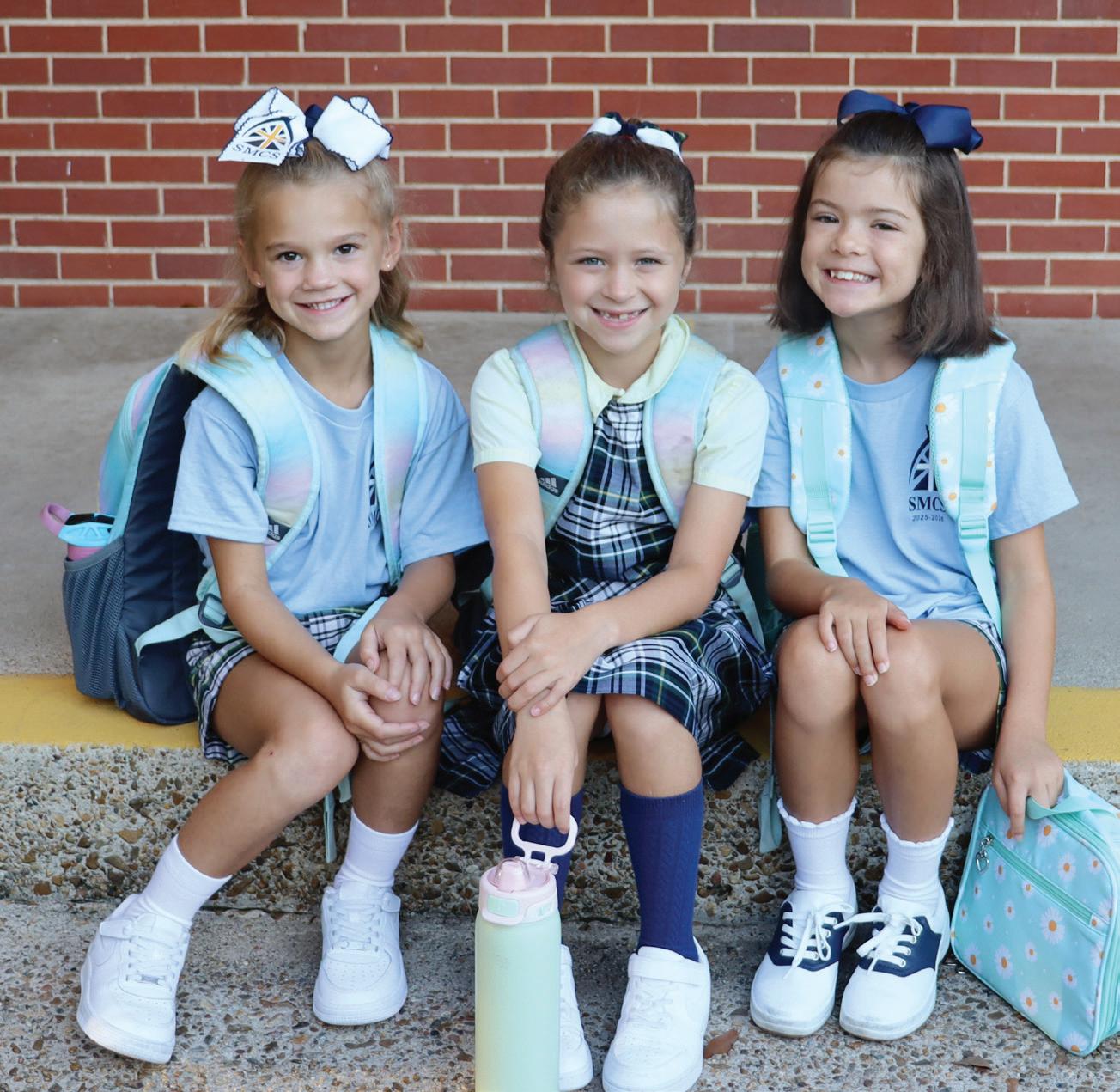
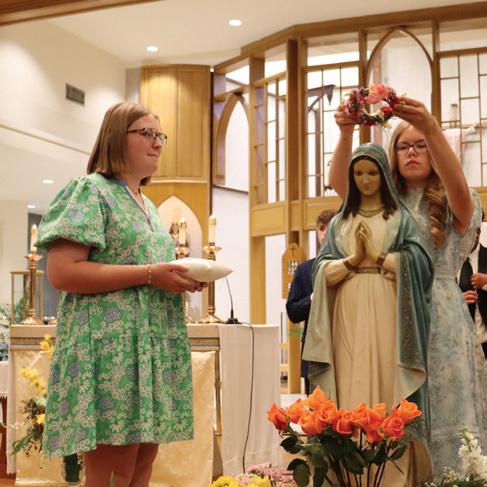
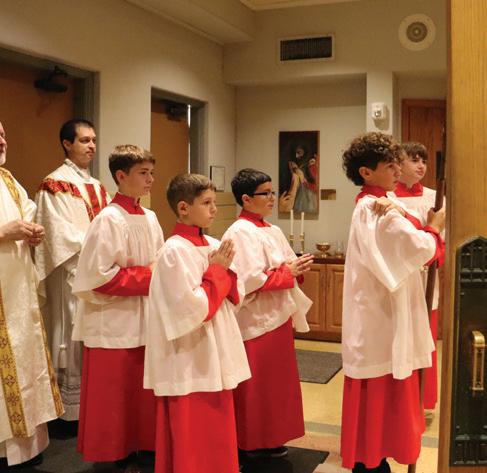
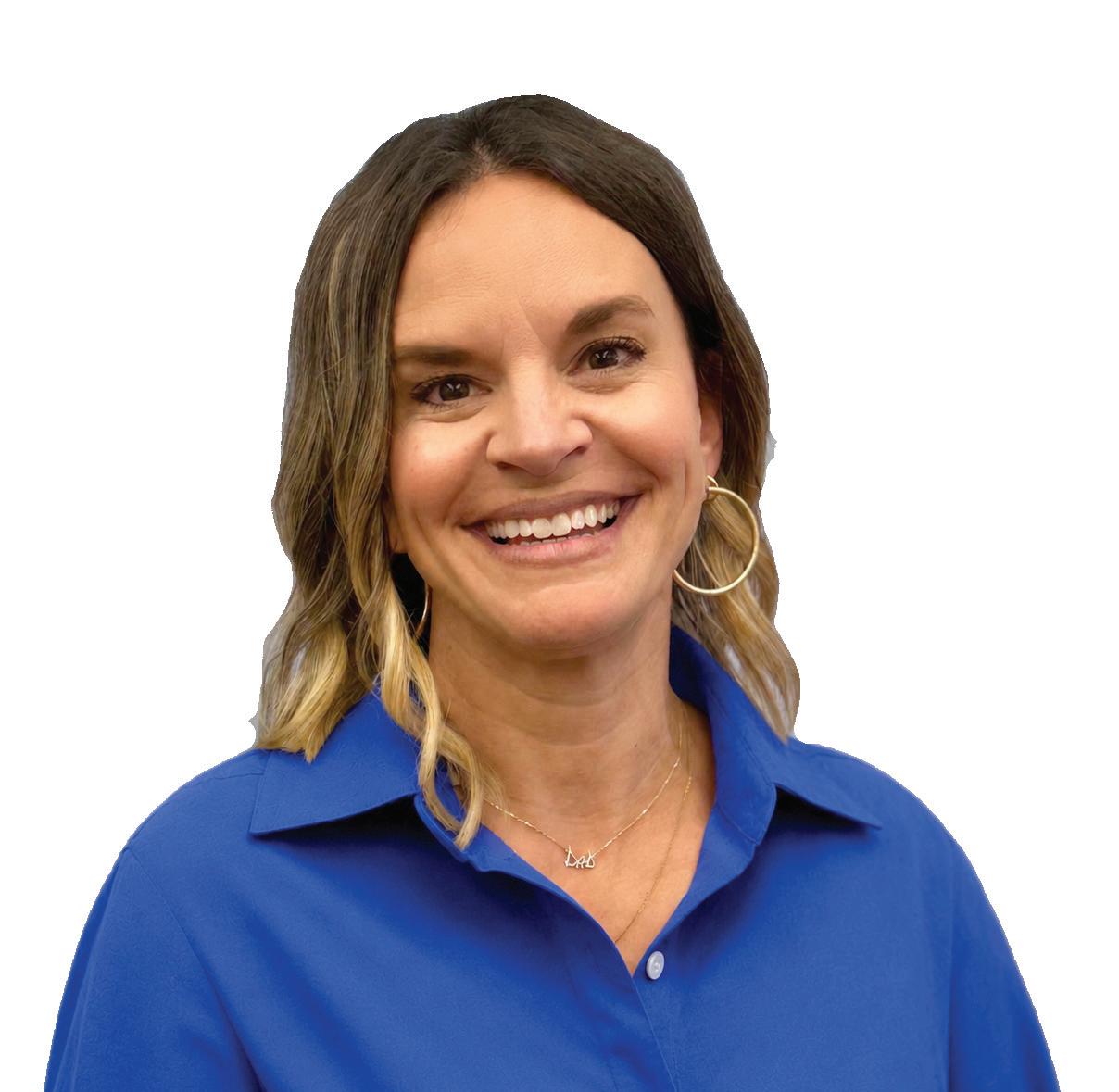
W.T. HENNING ELEMENTARY
Brandi Trahan recently changed positions from principal at W.T. Henning Elementary to coordinator of teacher and leader support for the Calcasieu Parish school district. Her years of classroom and leadership experience have uniquely positioned her to take on her new role. But how did arrive at this point?
Trahan says, “My journey into education was shaped by the teachers I had growing up—particularly my high school English teacher, whose passion for literature and genuine love of teaching were contagious. Seeing how she inspired students to fall in love with learning made me realize that education is about much more than curriculum; it’s about igniting curiosity in young minds.”
After earning her undergraduate degree from McNeese State University and her master’s from Lamar University, Trahan began teaching at Sulphur High School, where she would remain for 14 years. She then had the special opportunity to return to W.T. Henning, which she had attended as a child, to serve as assistant principal before being promoted to principal the next year.
What Trahan loved most about serving as principal was the ability to create “a positive school culture where both student and teachers can truly thrive. Leadership, for me, has always been about being a role model and inspiring others to dream big and achieve their goals. But honestly, the best part? It’s the simple moments—the smiles on my students’ faces and those unexpected hugs in the hallways. Those genuine connections are what make every single day worth it. They bright light and joy to everything I do.”
One of the most valuable lessons Trahan has learned over the years is simple but something that is discovered through experience.
“When you genuinely prioritize the wellbeing and growth of your students and staff—when you listen, support and celebrate them—the academic and professional success follow naturally,” she says.
Being an instrumental part of the education process come with responsibility and stewardship. If a counselor, teacher or principal does their job well, they are actively influencing the future for good. “Every decision I make, every student I support and every teacher I empower has ripple effects beyond what I can see,” Trahan says. “When we invest in our young people and create environments where they feel valued and inspired to learn, we’re not just changing their lives—we’re shaping the leaders, innovator and compassionate citizens our world needs.”
As she hits the ground running as coordinator of teacher and leader support, Trahan says she has been prepped for the job after being principal. “My seven years at W.T. Henning taught me what works on the ground level—the challenges teachers face, what students need to thrive and how strong leadership can transform a school culture. Now I have the opportunity to share those insights, support principals and teachers district-wide and help create the conditions for excellence in every school. I want to be a resource and advocate for our educators, because when teachers feel supported and empowered, students succeed.
Start your school year strong with your Library!
Access free online tools to help you improve grades, stay organized, and reduce stress—all from home. Visit calcasieulibrary.org and click Resources & Services to get started.


Tutoring, test prep, and career help for all ages. Use the Skills Center anytime; live tutors daily 10 AM–midnight. Some features need a free account.
Proud to support the students, educators, and families who shape our future.

Get book picks based on what you love. Browse similar titles, genres, awards, and view Lexile and Accelerated Reading levels. Click on Check the Library Catalog to find them at your library.

Safe, ad‑free encyclopedia for ages 4+. Explore articles, images, videos, maps, and more. Ask questions with ASK Britannica for instant, expert‑reviewed answers.




Since 1953, Bishop Noland Episcopal Day School (BNEDS) has been dedicated to providing an exceptional Christian education. Now spanning two thriving campuses serving students in Prek3 through 12th grade, BNEDS ignites a love of learning through high-quality, experiential programs and empowers students as one of only five private and independent schools in Louisiana that has earned an Advanced Placement Platinum designation.
Allison Schnake began working at BNEDS in 2014 and serves as the Director of Advancement. Below, learn what she has to say about the vision and goals at BNEDS.
What is the overall goal of Bishop Noland Episcopal Day School?
We provide an exceptional education to a diverse student body within a nurturing Christian environment. Our goal is to IGNITE creative passion, INSPIRE joyful faith, ENGAGE with our community, and EMPOWER tomorrow’s leaders.
What are your top three priorities at BNEDS?
My top three priorities in my role are to foster a culture of philanthropy across our school community, support the school’s long-term vision for excellence in academics, faith and community life, and advance the visibility and reputation of BNEDS through authentic narratives that inspire investment, enrollment, and pride in the Eagle community.
What is the everyday impact you see in the local community through BNEDS?
Our daily impact is about enhancing the quality of life across SWLA through dedicated service learning. Our students inspire me by participating in civic life at events such as Touch-A-Truck and This is Home Fest, and they lead the charge in environmental stewardship through coastal restoration projects, maritime research, annual Beach Sweeps, and campus recycling initiatives that encourage the broader community to support sustainable practices. Whether they are partnering with local nonprofits to combat food insecurity through canned food drives and packing snack sacks, or knitting and delivering warm hats to cancer patients at Lake Charles Memorial Hospital, we encourage our students to step out of the classroom to become compassionate leaders and caring citizens.
What do you wish people to know about your BNEDS that isn’t widely understood?
I wish more people understood how deeply committed we are to accessibility. There is often a misconception that an independent school education is out of reach, but we work tirelessly to make BNEDS a reality for families from a wide range of backgrounds. Our goal is never to be exclusive; rather, it is to build a vibrant, diverse, and welcoming community where every child can thrive
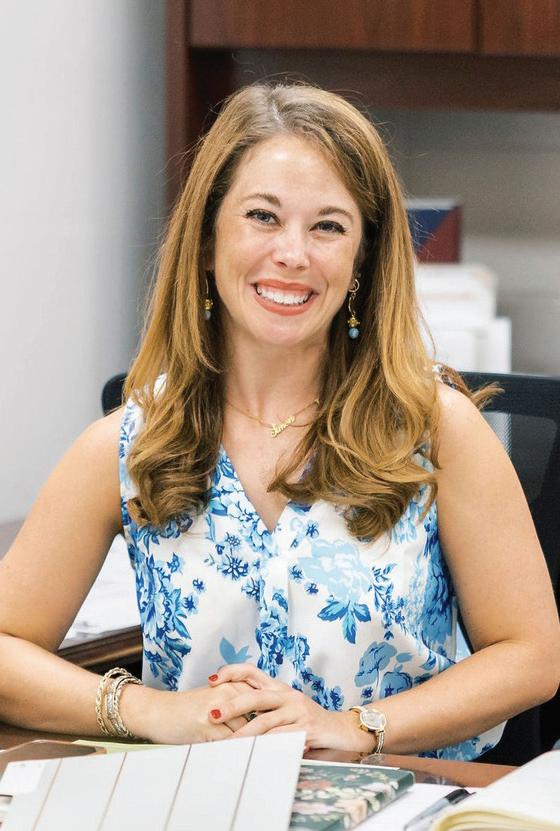
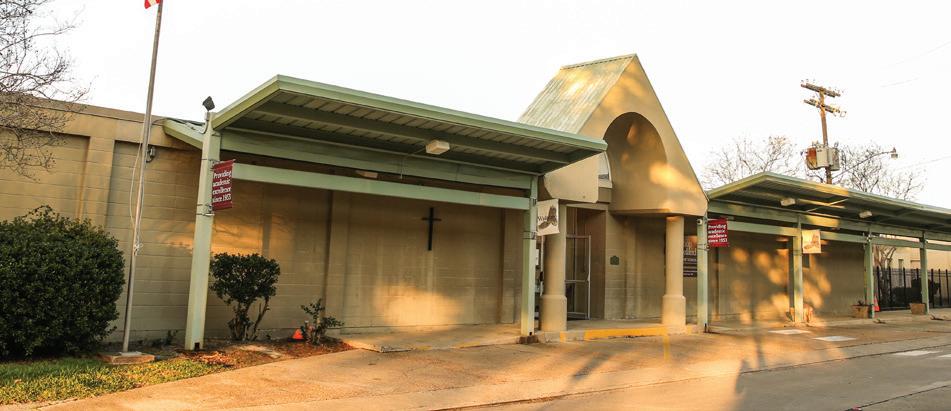
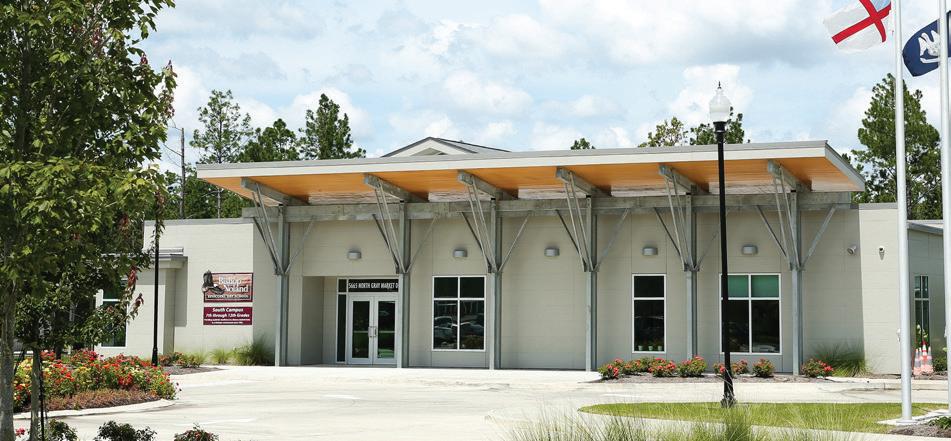
academically, spiritually, and personally. To help support this mission, we actively partner with local businesses and nonprofits. Through collaborative community events, like our Blessings and Bids Auction, Christmas on the Plaza, the annual Carnival, and our ongoing service projects, we ensure our doors remain open and connected to the broader SWLA community.
For more information, visit episcopaldayschool.org.



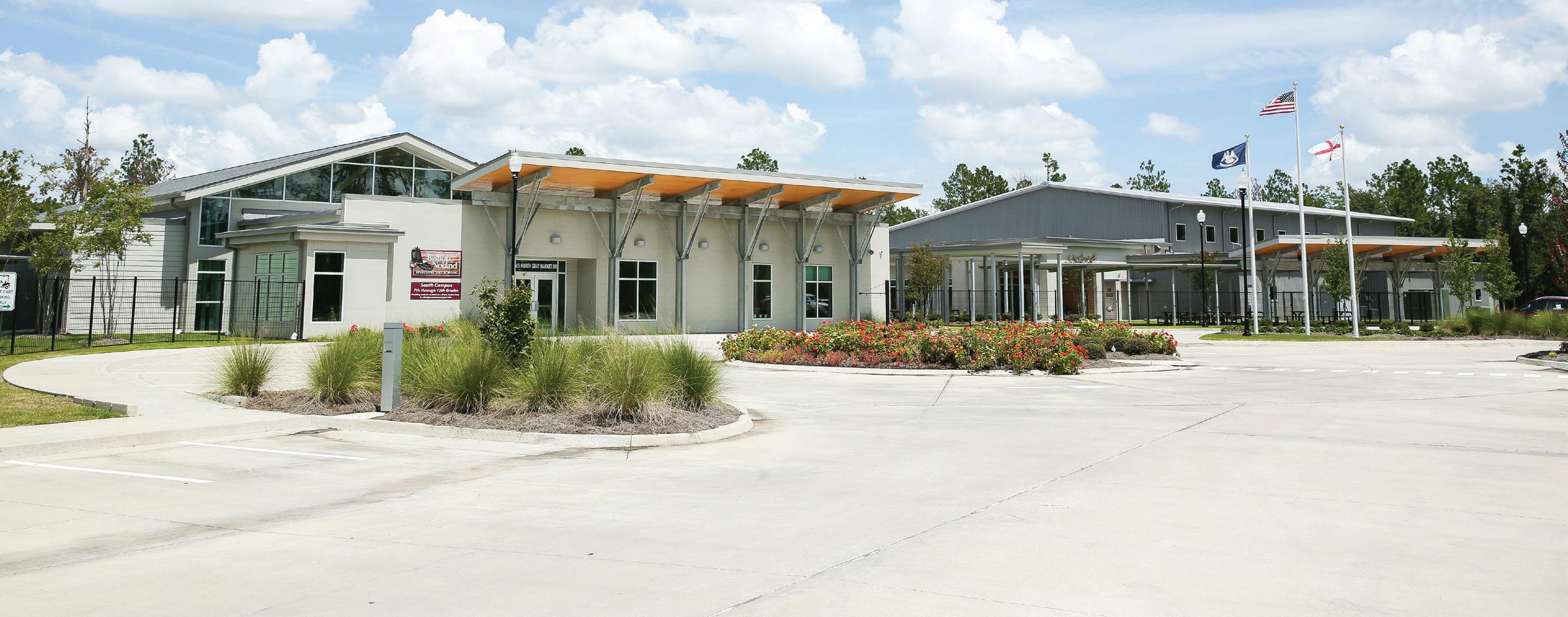


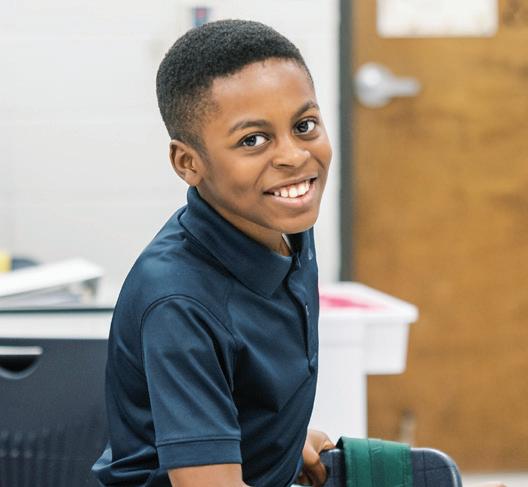
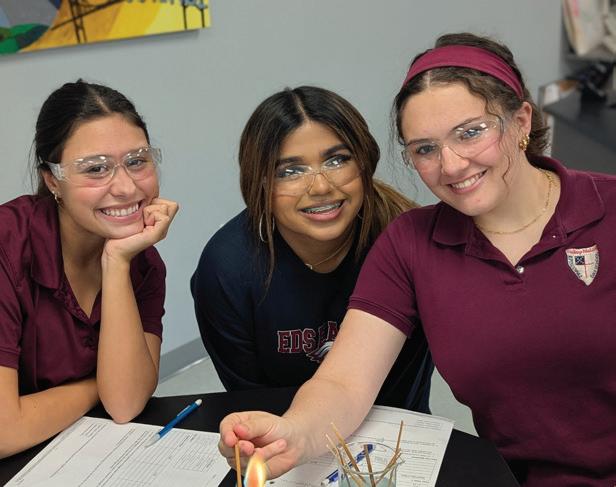
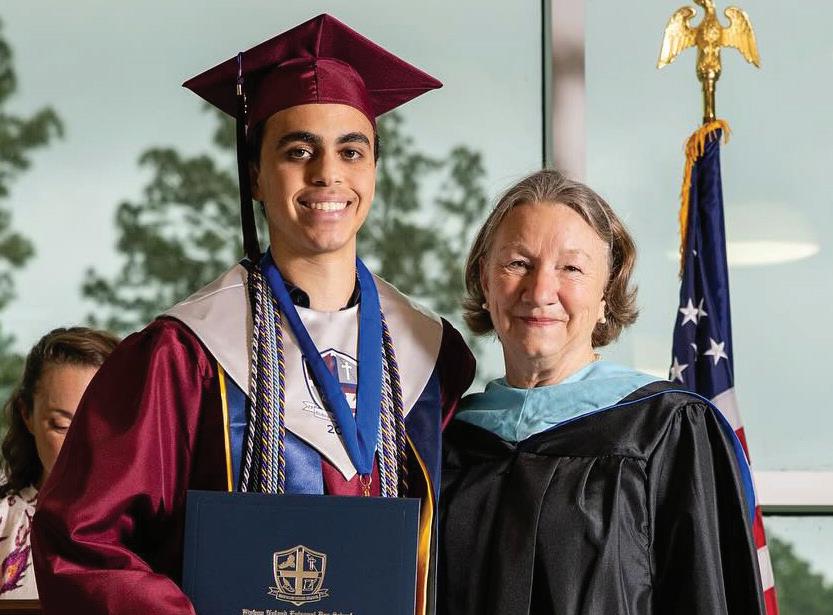

The future of Southwest Louisiana’s coast is taking root in Cameron Parish, where restoration happens one grass plug, one muddy step and one volunteer at a time.
This spring, volunteers stood knee-deep in shallow water, pressing spartina alterniflora into the mud. East of Calcasieu Lake, where Hurricanes Laura and Delta left behind significant land loss, each small planting became part of a larger effort to help the coast recover.
In May and June, the Coalition to Restore Coastal Louisiana (CRCL) brought volunteers into a stormimpacted marsh to plant 20,000 plugs of native grass across two acres of wetland. The goal was simple but significant—help stabilize the land, strengthen habitat and support a landscape still recovering from storm-driven loss.
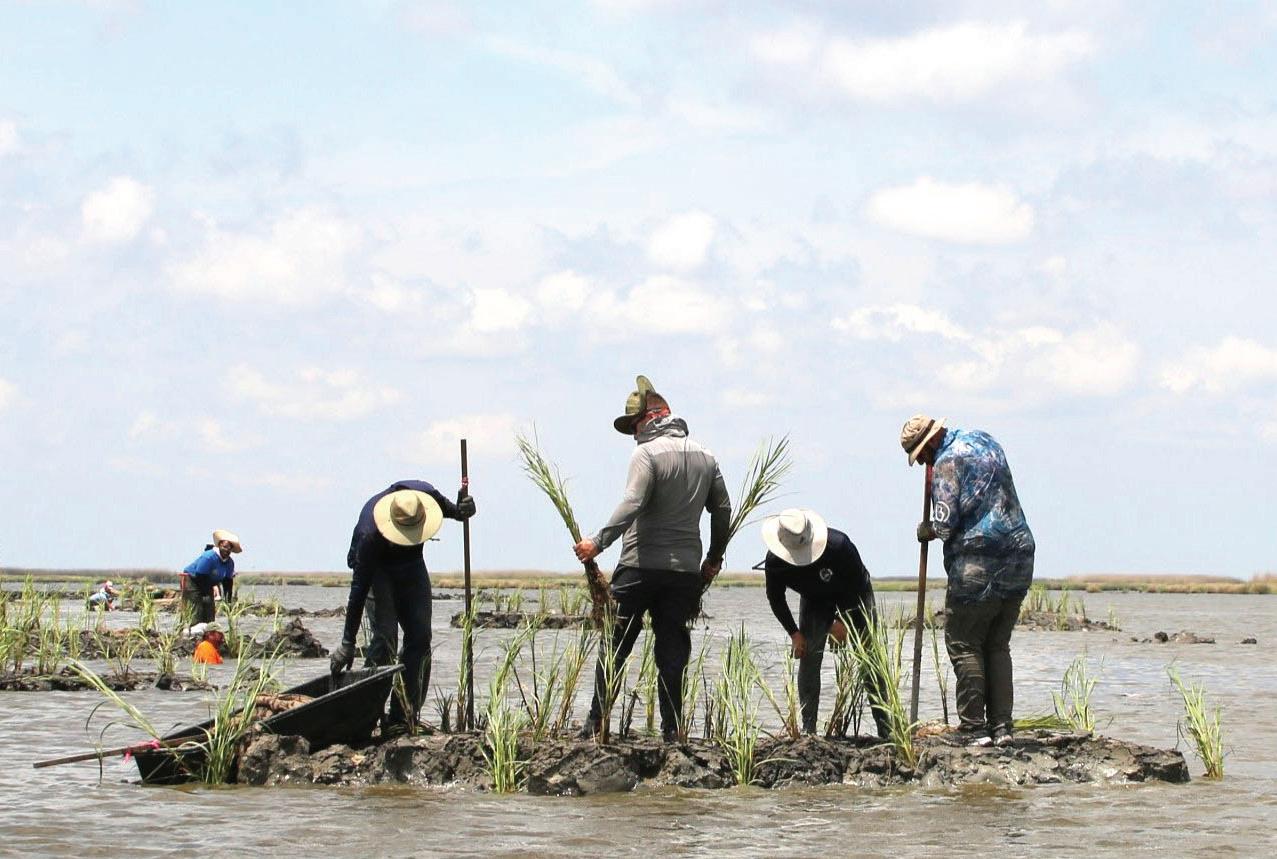
The planting site sits within the Cameron-Creole Freshwater
Introduction project, a freshwater diversion completed in 2022 that has helped reduce salinity levels and improve the overall health of the marsh. Planting native vegetation was the next step, giving roots to soil that had been slipping away and rebuilding habitat where plants, birds and wildlife thrive.
James Karst, director of communications for the Coalition to Restore Coastal Louisiana, said the impact begins underground.
“Our volunteer projects contribute to a brighter future for the Southwest Louisiana coast in a variety of ways. First and foremost, they create or strengthen habitat.
When we plant trees and grasses, they send roots down into the soil, giving the earth structure to help slow down the rate of land loss. You can think of the roots like rebar. This vegetation also makes places suitable for wildlife of every sort. Insects, reptiles, birds, various mammals—they all follow when you plant vegetation. Planting dune grasses in places like Rutherford Beach and Holly Beach similarly results in roots driving down into the sand, but they have an added benefit. Think of what happens when sand is blown by the wind. When it hits a blade of grass, it drops. This is how dunes are made. Planting is directly helping sand accumulate.”
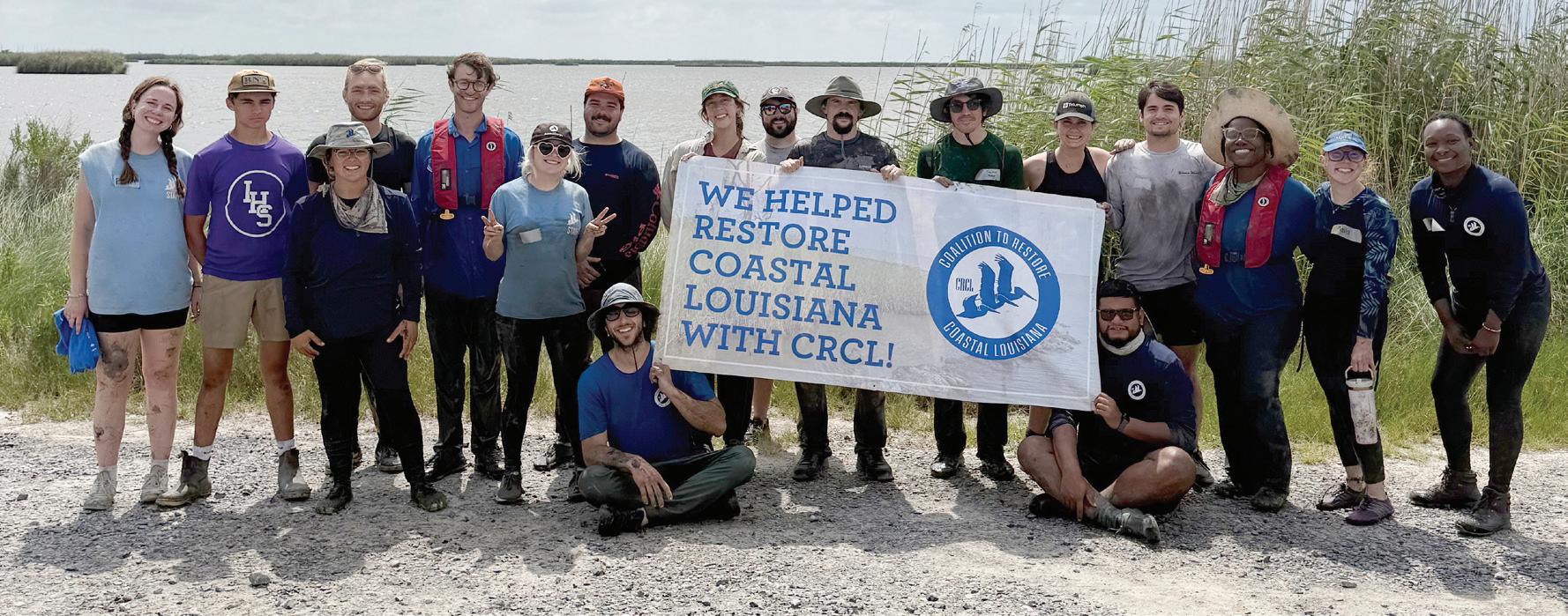
Just Imagine SWLA, the 50-year resilience master plan for Calcasieu and Cameron parishes, identifies Coastal Flood Risk Reduction as one of its catalytic projects, an effort to protect the Cameron Parish coast while shielding the region from future devastation.
For many Calcasieu Parish residents, the coastal impacts can feel like
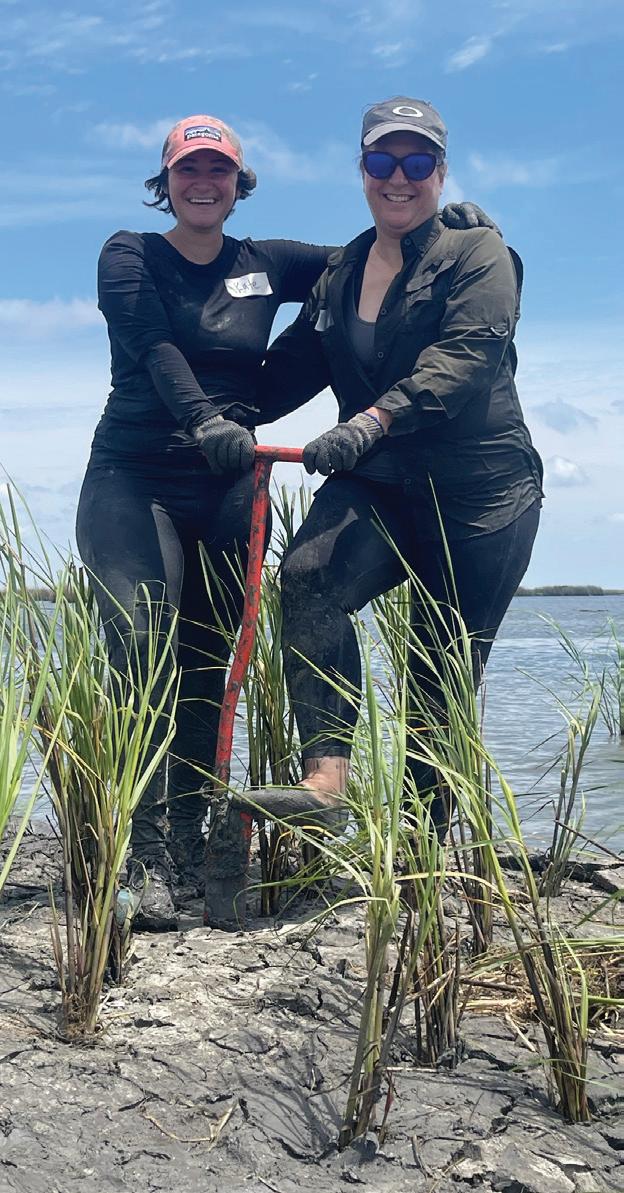
something that happens farther south, past the refineries and rice fields, out where land gives way to the Gulf. But the risks do not vanish. As Southwest Louisiana invests in jobs, infrastructure, housing and quality of life, coastal protection is part of protecting the region’s future.
For Cameron Parish, coastal protection means protecting residents, homes, businesses, the ship channel, the beaches and the natural landscape that defines the parish.
Devan Corbello, public relations director for Visit Lake Charles, was among the volunteers who showed up this spring, joining Jill Galmarini, Community Foundation of Southwest Louisiana’s director of civic initiatives, and Kate Sanchez Plassmeyer, the foundation’s marketing and communications consultant, in the water.
For Corbello, the experience showed how coastal restoration can bring people together around a shared purpose.
“Seeing different people come together to volunteer to protect and restore the coastal ecosystems is special and shows how this project impacts us all. It also shows people from different walks of life can have similar goals and interests.”
Karst hopes volunteers leave with more than mud on their boots.
“We hope people come away feeling as if they accomplished something important. Some people living in this special place may feel paralyzed into inaction because coastal land loss is happening so fast. It may seem like it’s too big for people like you and me to solve. But our projects should give people hope. They are lowscale, low-tech and even relatively low-cost. But they are making a big difference on the ground. We hope the people who joined us will want to do learn more and become more involved in the movement to restore as much of Louisiana’s coast as possible.”

October 10, 2026
Tickets go on sale to the public August 1, 2026
Event to be held in the McNeese Quad

banners.org/rouge-et-blanc
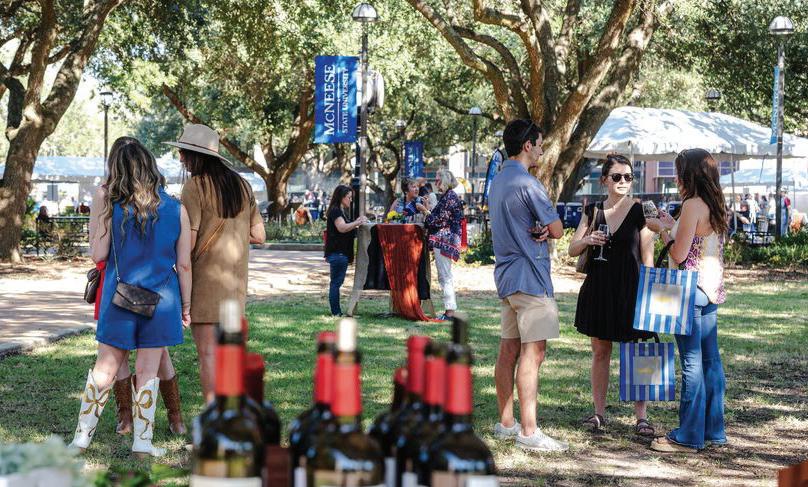

THURSDAY, OCTOBER 22
8:00am - 4:00pm
It is estimated that around one in every six children suffers from a developmental disability. The good news is Southwest Louisiana has extensive resources for children, and even adults, with special needs. There are many businesses where they can receive physical, occupational and speech therapy, among others. Special schools are available for children, as are a sensory-friendly salon and gym. There are even local grants for therapists and a McNeese program available for people with intellectual disabilities. Here’s to continuing to build a more inclusive community.


From first words to vocational skills, our team transforms the lives of children with Autism, delays, and disorders.
Saturday, October 10th at the Lake Charles Event Center Amphitheater



Online Registration will be open until 10pm on October 5, 2026 Register Here! Join a team or form your own! Register before 11:59pm on September 5th and receive a cool t-shirt!
The 2026 Step Up for Down Syndrome Walk is the primary fundraiser for The Down Syndrome Association of SWLA, which is committed to raising community awareness and understanding of the special ABILITIES of children and adults with Down syndrome.
P.E.D.I. Therapy Services is a pediatric private practice devoted to serving families in Southwest Louisiana. Led by Avery Miller, licensed Speech-Language Pathologist, we believe in therapy that encourages each child to play, explore, and discover novel skills. We specialize in treating speech, language, and feeding concerns for patients from infancy to 18 years of age. Therapy sessions are tailored to make an impact on life for both the client


The following stories are about bravery, resilience and hope.
The thing that binds five children together is one walker. The first four users have Down syndrome, but the latest little guy has brittle bone disease. The walker not just assists the children in taking steps but instills pride in parents and the community as the children have attended therapies, often extensively, to get where they are today. Let’s celebrate their wins together and continue cheering them on as they overcome new hurdles!
by Kerri Cooke


Porter, son of Lacey and Todd Armentor, started life in the NICU at Women’s Hospital Baton Rouge before going home to grow for four months before he had open heart surgery at six months at Texas Children’s Hospital. As a child with Down syndrome, he needed therapy not only within the hospital but as he continued to grow at home as well.
As a toddler, the usual milestones were harder to hit for Porter than other children, so he received physical, occupational, speech and feeding therapy for which he attended Hope Therapy for five years.
Alongside Hope Therapy, Porter was part of the Early Steps program, which is offered by the state for children from birth to three years old who need early intervention to thrive. At two years of age, Porter had yet to walk on his own, and while practice at therapy sessions was critical, Porter needed a little more help. “With Down syndrome comes low muscle tone, also called hypotonia,” Lacey says. “Because of this, our children often walk later than typical children. Porter worked hard multiple times a week through physical therapy, but he needed some added support as he learned the motions. He needed something to show him he was capable.”
To fill this need, Porter’s occupational therapist, Shannon Stevens, decided to ship him a walker she had in storage in Houma. “The walker put him in the proper position for him to learn the movements and create the ability,” Lacey says. “It also gave him the confidence he needed to reach that goal.”
Porter was able to walk on his own at two and a half, so Lacey asked Shannon if she could loan the walker to another child in need, Gabreyl “GG” Snow, who was having a similar difficulty to Porter. Shannon agreed and offered to leave the walker with Lacey to loan out as long as there is a child in need. The “traveling walker,” as it’s been dubbed, has now helped four children, including Porter, learn how to walk. It is currently in use by a fifth child.
Porter is excelling and now attends Bright Start Behavior Services, whose program has been able to replace all of Porter’s therapies. He is currently utilizing a special-needs tricycle that was gifted to the family. Lacey plans on passing it along next, saying, “Our kids are capable of anything given the right support and tools to succeed! It’s fascinating to bear witness to all of their accomplishments.”



Gabryel “GG”, daughter of Katie and Dr. Eric Snow, struggled for longer than Porter to walk and was also part of the EarlySteps program. Lacey extended the offer to lend the walker that helped Porter to GG.
“Lacey and I have become friends after bonding over being mothers of the same age Down syndrome kiddos,” Katie says.
GG’s list of therapies became extensive. She was a patient at Snow Holistic Health, Partners in Physical Therapy, MAXX Therapy of Lake Charles, NeuroSolution Center of Lake Charles, Magnolia Pediatric Therapy, Genesis Therapeutic Riding Center of WCCH, Cal-Cam Rehab, and St. Nicholas Center for Children, among others.
“We were at therapy EVERY SINGLE DAY, and it was exhausting,” Katie says. “But we didn’t give up. We worked and worked and finally she walked.” With the help of therapy and the “traveling walker,” GG finally walked at four years and one month old.
Townes, daughter of Courtney Wilks and Andy Gremillion, has been quite resilient despite her challenges. In January 2024, she had to have open heart surgery to repair two heart defects.
Courtney says, “Weeks after heart surgery, Townes started crawling and immediately after our therapists started her journey to walking. She was walking with the walker months later and was independently walking by November.”
Now three years old, Townes has done occupation therapy, speech therapy and physical therapy with various organizations including EarlySteps, Kids Team Pediatric Therapy, Beyond Speech Therapy and with her Individualized Education Program, IEP, through the Calcasieu Parish School Board. She now also attends Bright Start.
“These babies are all about determination and you will never see them give up,” Courtney says. “There’s so much Joy in watching them grow and learn new skills that most take for granted.”



At Partners in Physical Therapy, we are privileged to walk alongside families and community members, providing physical, occupational, and speech therapy services that support growth, independence, and meaningful participation in everyday life.
Our role is simple: Help people reach their goals and support families along the way.
Our pediatric physical therapy program emphasizes a team approach with respect to the evaluation and treatment of each child.
• Metabolic Disorders
• Neurological Conditions
• Orthopedic Conditions
• Autism
• Birth Defects
• Developmental Disorders
• Oncologic Diseases





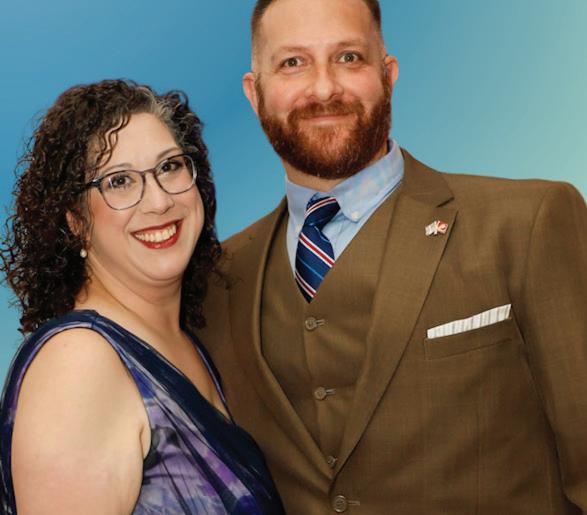
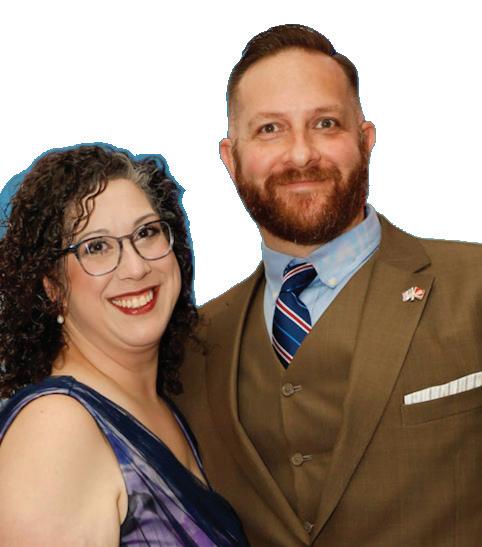


Barrett, son of Brooke and Seth Chapman, used the traveling walker after Townes. His challenges, according to Brooke, were figuring out how to balance and catch himself when he needed that balance.”
Barret has had feeding and speech therapy, physical therapy and occupational therapy from a very young age. Brooke emphasizes, “He has been resilient since he was a newborn—starting with a grueling heart surgery at four months. He started working with his physical therapist, Abby Bell with MAXX Kids, at just six weeks old two to three times a week. He also works with Savanna Tomassi at Beyond Speech Therapy. He has worked incredibly hard to get where he is at today and that is why we celebrate so hard when he hits milestones. It takes an incredible amount of effort from him, and we are just so proud.”
Barrett just began walking without assistance within the last few weeks and his family couldn’t be more thrilled!
Griffith, son of Sarah Bradley and Dalton Abshire, but also co-parented by their current partners Denton Lisenby and Victoria Cilia, is the first child to receive the traveling walker for reasons other than complications from Down syndrome. He was born with osteogenesis imperfect, also knowns as brittle bone disease, and was born with long, curved bones in his legs and arms.
At five years old, Griffith has had three surgeries to put rods in his legs to straighten the bones so he could walk easier. Sarah says he “stood up before the surgeries, but since before the first surgery to the last surgery on May 6, he hasn’t despite having therapies, including at places like PediaTrust, to help him.”
Sarah says Griffith’s therapists “were incredible, but the walker was the missing piece. He took his first steps last week.”
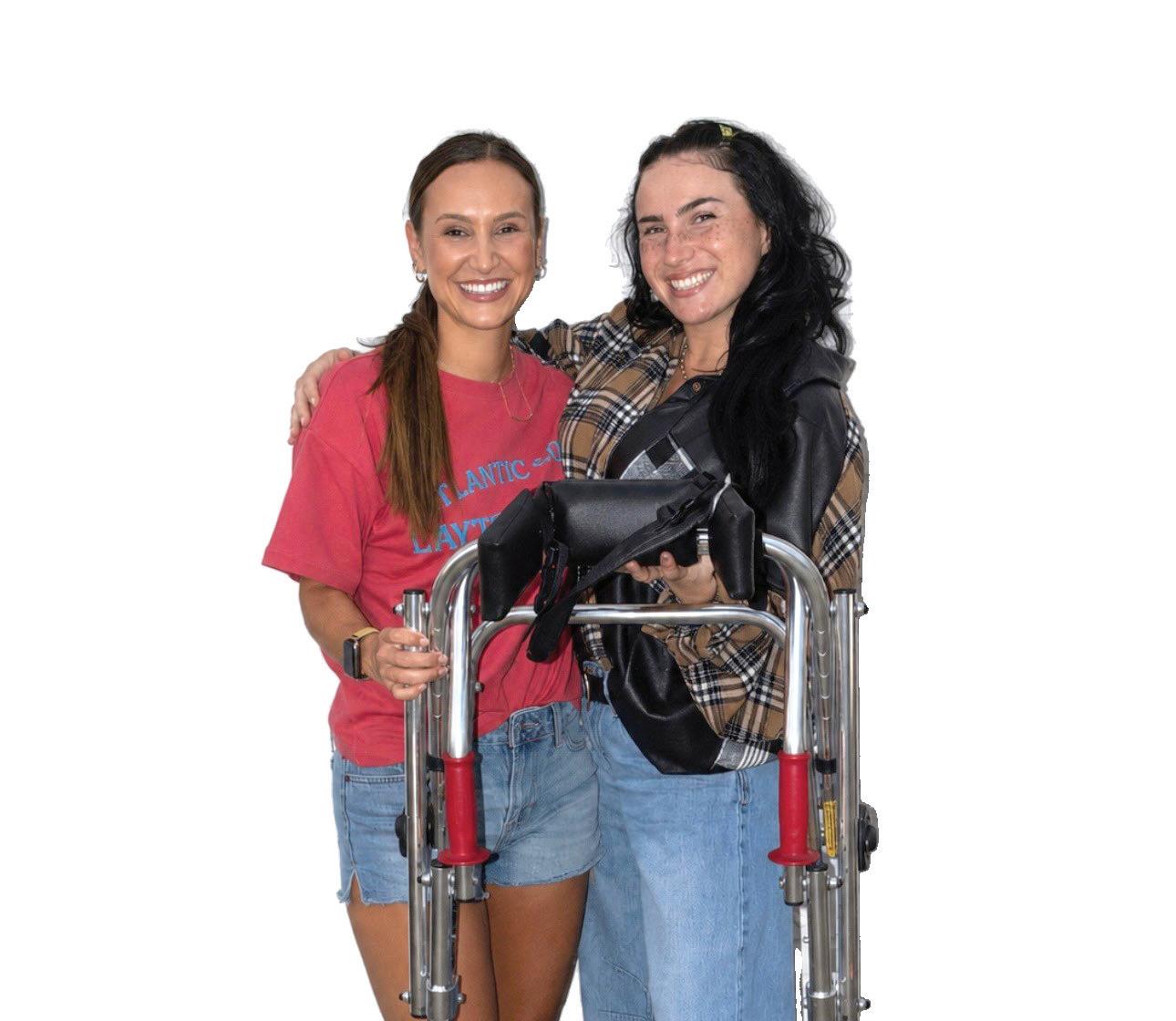


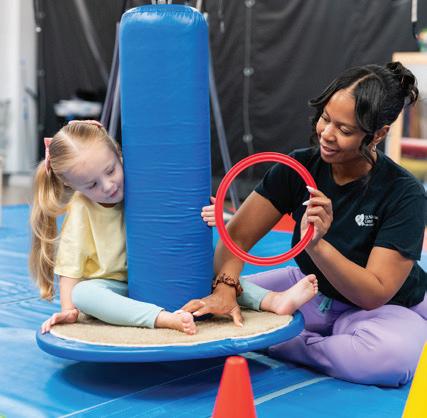


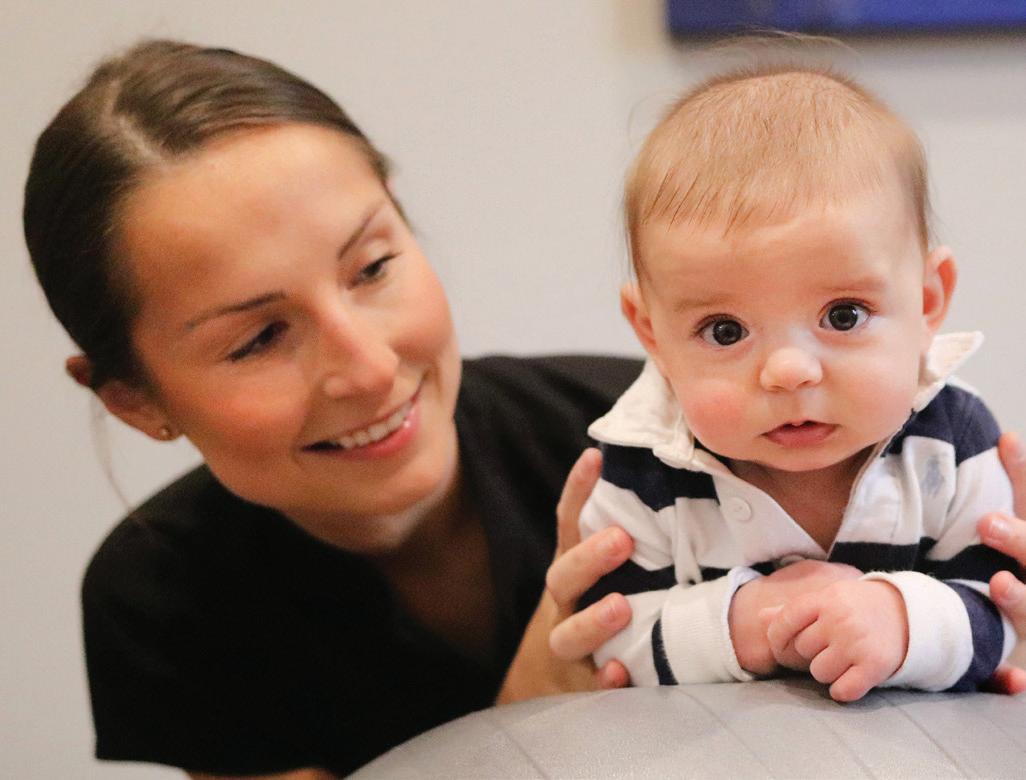

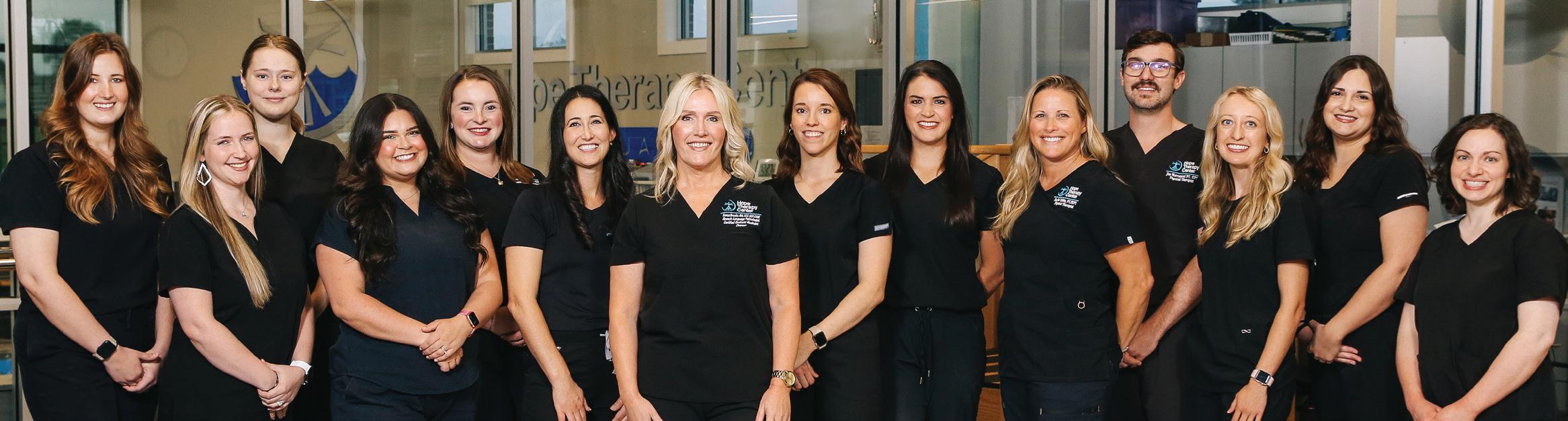

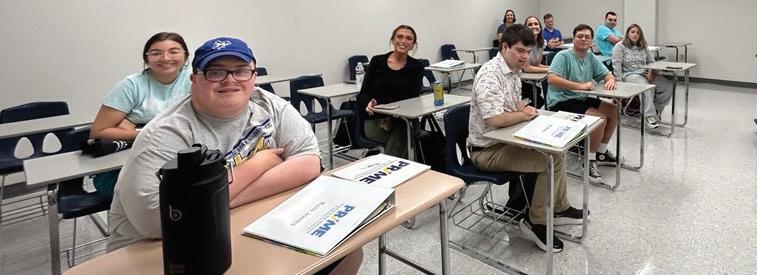
McNeese PRIME (Preparing for Real Independence and Motivating for Excellence) is a two-year college program for students with intellectual disabilities (ID), and it is one of 11 comprehensive postsecondary programs (CTP) in the state of Louisiana.
The journey to establish McNeese PRIME began in 2019, but it gained momentum in 2023. 2024 saw the launch pad that would bring McNeese PRIME to fruition. A committee was specifically formed to help clear the final hurdles of program establishment. The committee was comprised of the current McNeese PRIME Director, Lettie Goings, two committed parents of students with special needs, various professionals from Calcasieu Parish School Board, Jefferson Davis Parish School Board, the Diocese of Lake Charles Office of Catholic Schools, and other professionals and stakeholders from the community. This committee worked hard to ensure applications and approvals were submitted and received in order for McNeese PRIME to exist. (McNeese PRIME is an approved program through the U.S. Department of Education, and students enrolled in the program are able to apply for federal student aid. Additionally, the program is approved with Louisiana Rehabilitation Services, and students who qualify to receive these
services may receive funds to cover the costs of attending McNeese PRIME.)
McNeese PRIME welcomed its first cohort of seven students in August 2025 and is currently set to welcome a new cohort of 10 students in August 2026. The program focuses on providing a well-rounded college experience for students with ID, while also preparing them to be as independent as possible upon completion of the program. McNeese PRIME students audit university courses with their peers, and they also complete PRIME-specific coursework that focuses on independent living skills, employment skills, social skills, etc. McNeese PRIME is housed in the College of Liberal Arts, but students complete audited coursework across various colleges and departments within the university. In the second and final year of the program, PRIME students will complete supervised internships. Once students have completed all necessary components of McNeese PRIME, they will receive their certificate of completion at commencement with their peers!
In addition to serving students, McNeese PRIME aims to foster collaboration among the departments across campus, as well as make lasting connections with faculty/staff/peers. Fostering this collaboration will be instrumental in establishing the longevity of McNeese PRIME. McNeese PRIME also aims to leave these faculty/ staff/peers with a rewarding and fulfilling
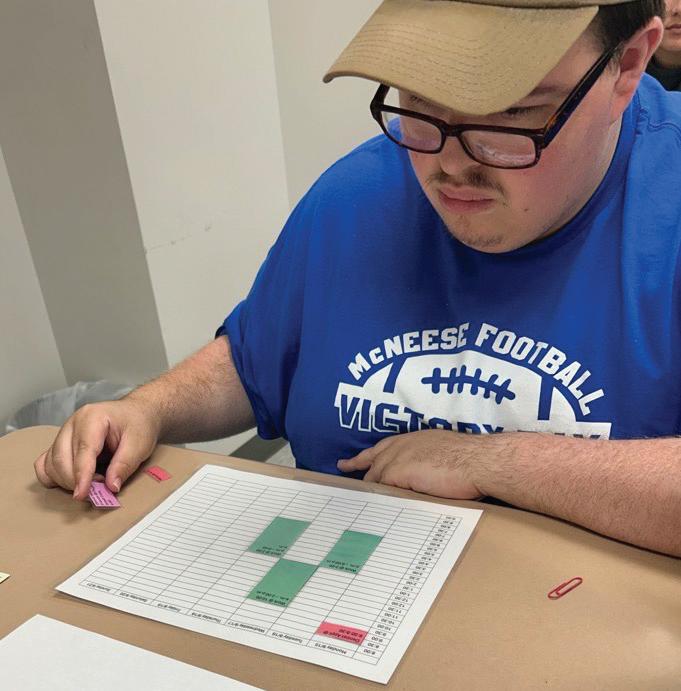
experience. It is no secret that McNeese PRIME students will gain critical knowledge and participate in fulfilling experiences while in this program, but the faculty/staff/peers who open their classrooms and organizations to the students will also benefit from providing those experiences to the PRIME students.
One of the critical pieces of the college experience for PRIME students is the social aspect. Currently, McNeese PRIME has one peer mentor who volunteers his time with the students in the program. I can’t say enough about this student—he comes to the PRIME classes and sits with the students and treats them like any other student! He jumps in ready to assist with class activities, and the students feel very comfortable interacting with him. Volunteer opportunities for students to be peer mentors for McNeese PRIME are available. Additionally, this first cohort of students is exploring the various campus student organizations that are available to them. Several students have identified student organizations that they are interested in and are actively seeking membership in those organizations.
For questions or for more information about McNeese PRIME, please contact Lettie Goings at lgoings@mcneese.edu or prime@mcneese.edu. Follow McNeese PRIME on Facebook and Instagram (mcneese_prime) to see what the students are up to!
Megan Gallien, PT, DPT
Families for Inclusion launched the B&G Hope Grant in 2024 with the goal of bringing specialized pediatric care to Southwest Louisiana.
The first B&G Hope Grant allowed therapists training in Dynamic Movement Intervention, DMI, with training in Non-Invasive Spinal Electrical Stimulation, NISE-Stim, the following year. I am honored to have received funding for continuing education in both DMI and NISE-Stim through Families for Inclusion. The way I approach goals, therapy sessions and family involvement in therapy sessions has changed since these opportunities. I am thankful for the support from Families for Inclusion, Children’s Miracle Network and other donors who invest in furthering therapeutic interventions in our community. From a therapist's standpoint, incorporating DMI and NISE-Stim into treatment sessions have accelerated gross motor skills in children who were previously

struggling in traditional therapy settings. Testimonials speak to the magnitude of what DMI and NISEStim have done for our children and families in Southwest Louisiana. One family shares:
“DMI therapy has been truly life-changing for our daughter. As a former 25-week preemie who has faced tremendous challenges, every milestone has been hard-earned. Through DMI, we have seen incredible improvements in her strength, balance, confidence and ability to move independently. What once seemed impossible is now becoming reality as she learns to walk and explore the world around her. DMI has not only helped her physically—it has given her greater independence, opened new opportunities for development and brought our family so much hope. We are beyond grateful for the impact this therapy has had on her journey.”
While it is exciting for me to see these kids meet gross motor milestones, it is even
more of a blessing for families to have the opportunity to stay local, continue their daily family routines, all while receiving quality care. Through training in DMI and NISE-Stim, I have also had the privilege of connecting with other clinicians across the United States who provide insight and wisdom
in enhancing the model of care provided in Southwest Louisiana. The best really is yet to come, and I am honored to walk alongside Families For Inclusion, local therapists and families as specialized pediatric care continues to take root in our community.
P r e s e n t s
r k L a k e C h a r l e s L A
$ 1 0 p e r p e r s o n
F r e e f o r C a r e t a k e r s a n d c h i l d r e n u n d e r 2
✨ A p l a c e w h e r e s t i m m i n g i s o k a y
✨ A p l a c e w h e r e m o b i l i t y d e v i c e s a r e w e l c o m e d
✨ A p l a c e w h e r e s e n s o r y n e e d s a r e c o n s i d e r e d
✨ A p l a c e w h e r e p a r e n t s a n d c a r e g i v e r s c a n
c o n n e c t w i t h o t h e r s w h o t r u l y u n d e r s t a n d
✨ A p l a c e w h e r e s i b l i n g s c a n h a v e f u n t o o
✨ A p l a c e w h e r e i n c l u s i o n i s n o t a n
a f t e r t h o u g h t i t ’ s t h e e n t i r e p u r p o s e



by Kerri Cooke
We Rock the Spectrum (WRTS) is a great place for all children to play, especially those with disabilities or sensory needs.
Amanda Gutherie, owner of the Lake Charles location says, “We Rock the Spectrum exists as a place that children of all abilities can play together. It was started when a mom in California recognized the need for a place that both her neurotypical daughter and autistic son could enjoy.”
Children can get their energy out and play in this gym that acts as a safe space for everyone. “Any child is welcome at WRTS,” Gutherie says. “Lots of our friends who visit are neurotypical; some have neurological or muscular conditions (e. g., autism, Down syndrome, cerebral palsy, muscular dystrophy).”
How is WRTS uniquely positioned to cater to those with unique needs? Gutherie says, “We have a variety of equipment that supports sensory integration such as swings, crash pads, monkey bars, climbing equipment, a trampoline and even a hamster wheel. The floors are cushioned to help prevent injuries. We also have a calming room where kids who are overstimulated can get away from everything to calm down.”
It's special to be part of a mission that not only helps children, but one in which the staff can witness growth over time. “I love watching our gym friends grow,” Gutherie says. “There are several children that I have been able to get to know and see come such a long way with the help of their various therapies and parents who support them. I also love seeing our friends in special education classes getting to enjoy field trips they can participate in. It’s also such a great feeling when a child who is scared of the zip line overcomes that fear. Once they go down it once, they usually don’t want to stop!”
WRTS can help children gain confidence and grow comfortable in a situation through repeated exposure. Gutherie says, “We have so many children who are so special to us. We have one child we got to see progress from getting overstimulated and crying very easily to playing and having fun with other kids. Unfortunately, they moved away and we miss them very much. We have another little friend that we’ve got to watch become so much more social and talkative. I think the gym has been great for my own son, who is on the autism spectrum to learn to play and share with other kids. His love of WRTS is the reason we now own it, as we couldn’t let a place he loved so


much close, and I wanted other moms to have a safe space to bring their little ones to play like I did when he was just a toddler.”
WRTS offers parents and children a comfortable, understanding and fun place in which to expand children’s comfort zone. Go check what all the fuss is about today!
For most people, a trip to the salon is routine. However, for individuals with autism, sensory processing challenges, ADHD, and other neurodivergent conditions, a haircut can be an overwhelming experience filled with unfamiliar sounds, bright lights, physical touch and anxiety.
Recognizing that need within the community, Tracy Young, owner of Revive Salon Studios in Lake Charles, has dedicated her career to creating a more inclusive salon experience—one that prioritizes trust, patience and understanding.
Young is one of only four Pro Certified Sensory Safe Stylists in the state of Louisiana through Sensory Safe Solutions, making her services a valuable resource for families throughout Southwest Louisiana. Through specialized training and years of experience working with neurodivergent individuals, she has developed an approach that focuses on meeting clients where they are rather than expecting them to fit into a traditional salon environment.
Her signature program, Quiet Sundays, offers sensory-friendly appointments one to two Sundays each month in a calm, low-stimulation setting. During these appointments, clients
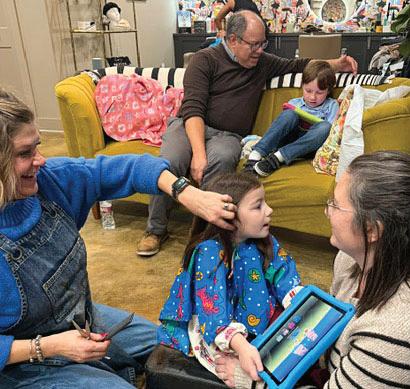

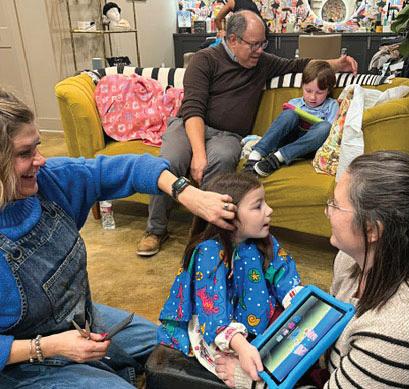
are given the time, flexibility and accommodations they need to feel safe and successful.
“For many families, the goal isn’t just a haircut,” Young explains. “It’s building trust and creating a positive experience that makes the next visit easier.”
While Quiet Sundays have become an important resource for local families, Young quickly realized that the demand exceeds what one stylist can provide.
“One or two Sundays a month isn’t enough,” she says. “And one certified sensory-safe stylist in Lake Charles isn’t enough either.”
This realization inspired Young’s next mission, which is becoming an educator through Sensory Safe Solutions to help train and certify additional beauty professionals throughout Louisiana. Her goal is to make sensory-safe services more accessible and ensure families have options closer to home.
Young is also working toward creating a more dedicated sensory-focused space within her salon environment. The vision includes additional sensory tools, accommodations and resources designed specifically
for neurodivergent clients and their families. As a self-employed entrepreneur, she is actively seeking fundraising opportunities and community partnerships to help bring that vision to life while pursuing her educator certification.
For Young, the work is about much more than hair. It is about ensuring that every individual—regardless of their sensory needs—has access to services that respect their unique way of experiencing the world.
“My dream is bigger than my chair,” Young says. “I want to help create a community where neurodivergent individuals and their families have options, feel understood and know they belong.”
Through her work as a stylist, salon owner, advocate and future educator, Tracy Young is helping make that vision a reality—one client, one family and one haircut at a time.
Revive Salon Studios is located at 4344 Lake St., Ste. A. You can schedule an appointment at Styleseat.com/tracybadgett, or by texting 337-570-9225.
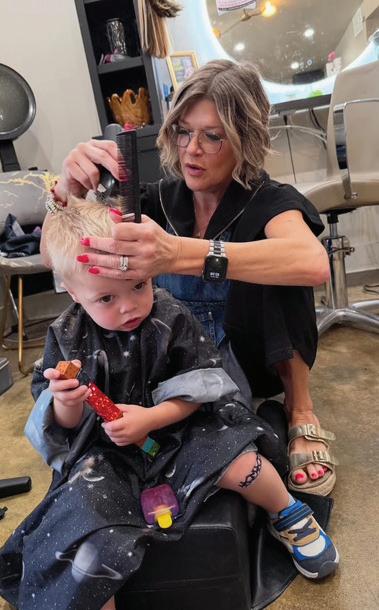
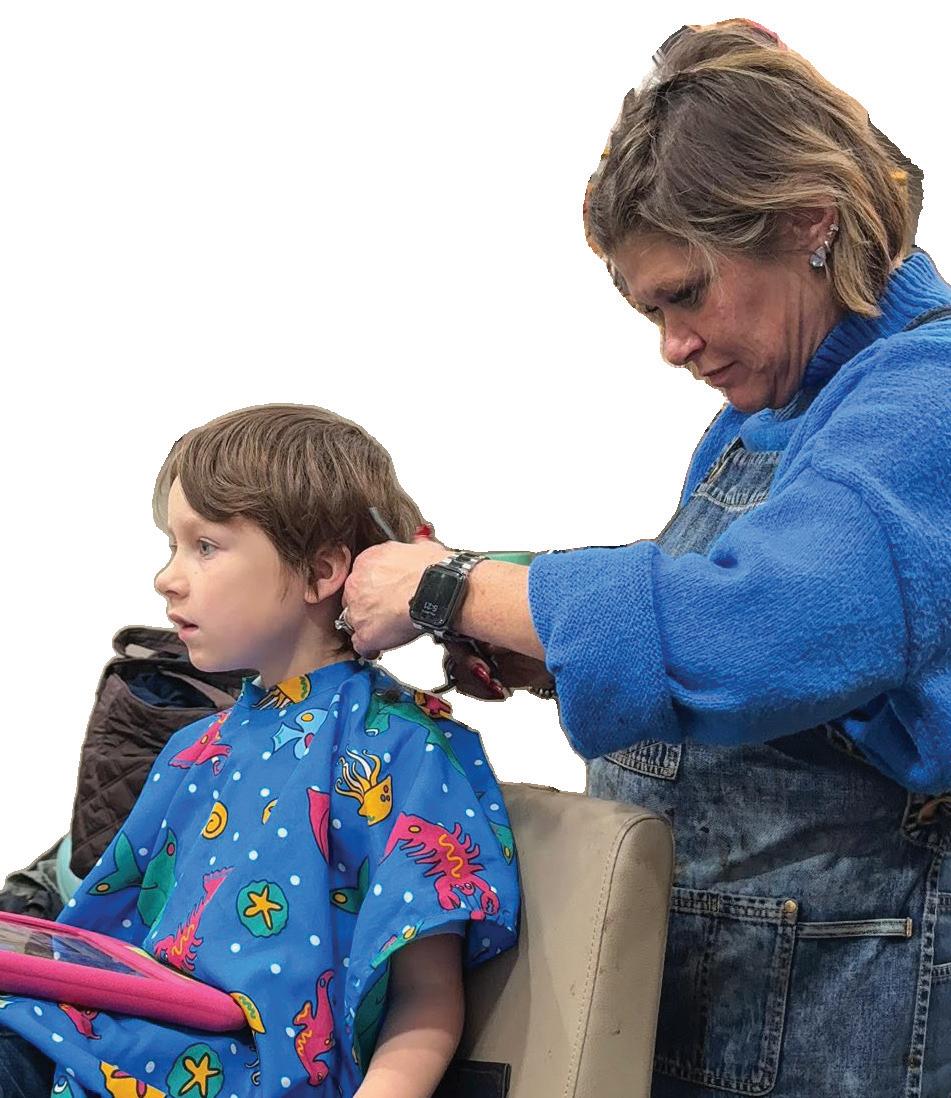
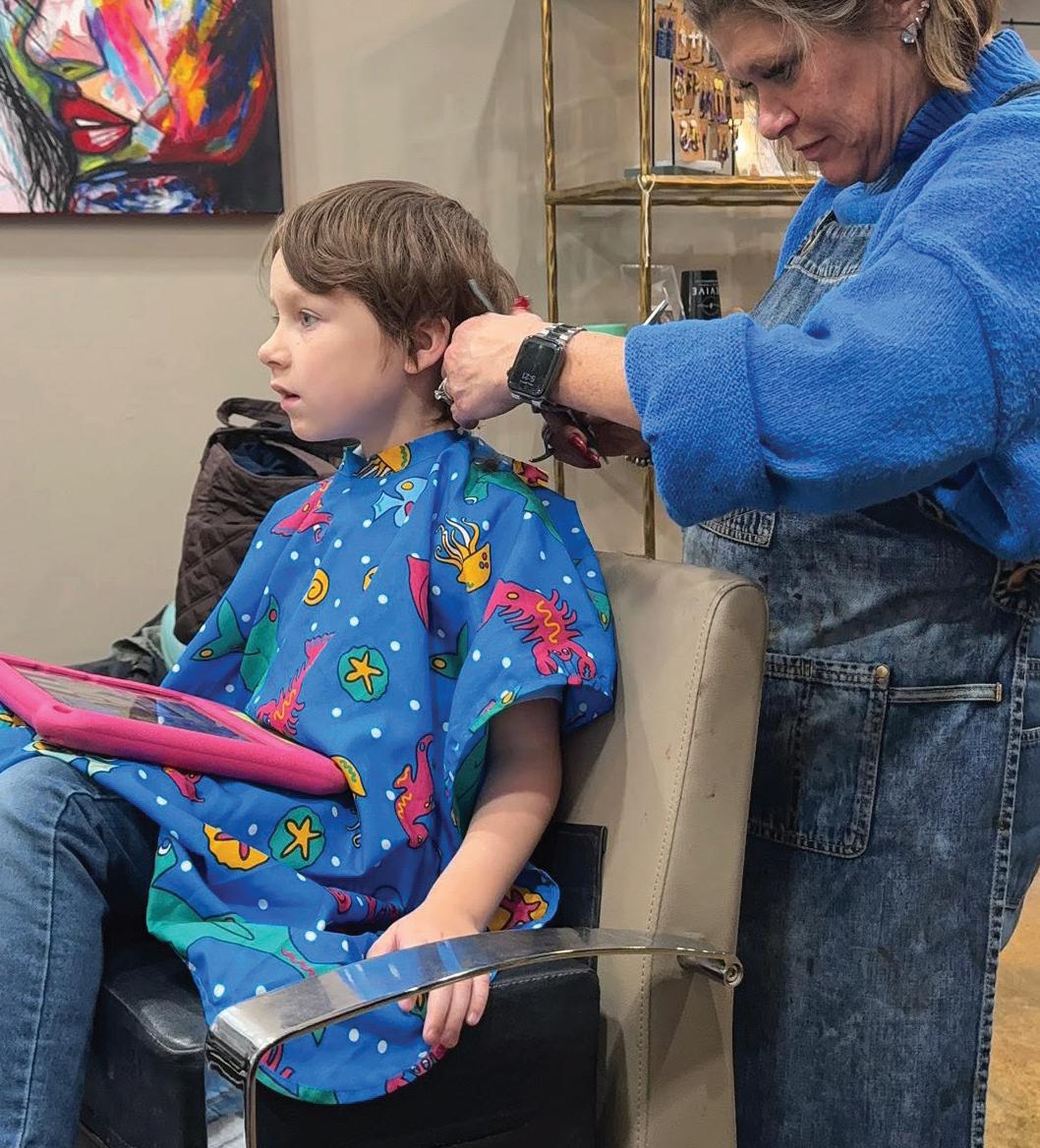
by Haley Armand Tarasiewicz
Industries have been in Southwest Louisiana since the 1940s and are a considerable driving force for our economy and quality of life. Their impact extends beyond jobs, payrolls and economic investment.
Every year, employees of Lake Area Industry Alliance’s (LAIA) 29 member companies contribute more than 25,000 volunteer hours to countless organizations and initiatives that strengthen the region. From recycling events and conservation efforts to educational programs such as Partners in Education, Chem Expo, Educators' Institute and SWLA Women in Industry, industry employees are investing their time and talents to improve the communities they call home.
“Our partnerships with local education leaders and nonprofit organizations are invaluable, fostering a collaborative environment that enhances educational programs, ensures workforce readiness and strengthens the region’s economic and social fabric,” said Jim Rock, executive director of LAIA. Behind those volunteer hours are individuals who continually answer the call when community needs arise. Two examples are Jerry Chaumont, industrial account executive with Entergy Louisiana, and Floyd Mitchell, manager of employee health and safety with Waste Management (WM).
For Jerry Chaumont, the call to serve came during a LAIA board meeting. A representative from SOWELA Technical Community College shared an emerging challenge: enrollment in technical programs was growing, but the college needed qualified instructors to help prepare students for careers in industry. For Chaumont, whose parents
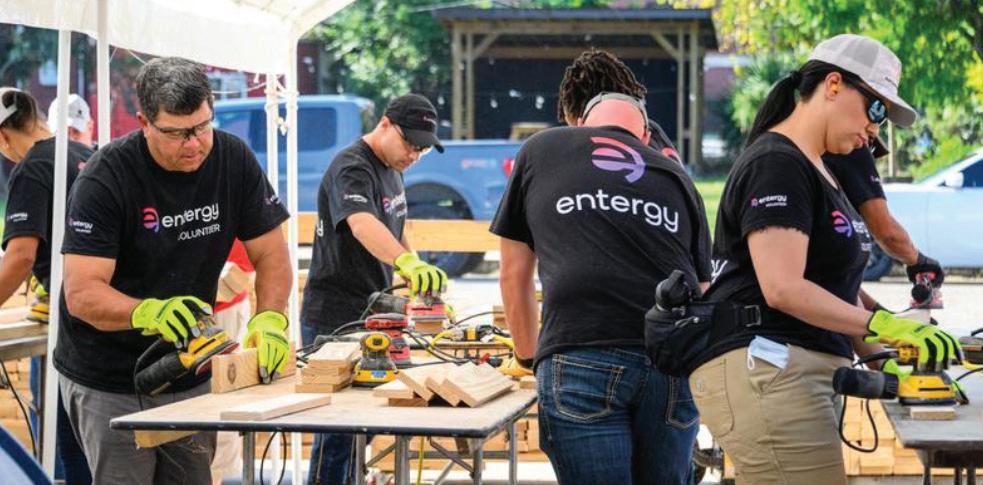
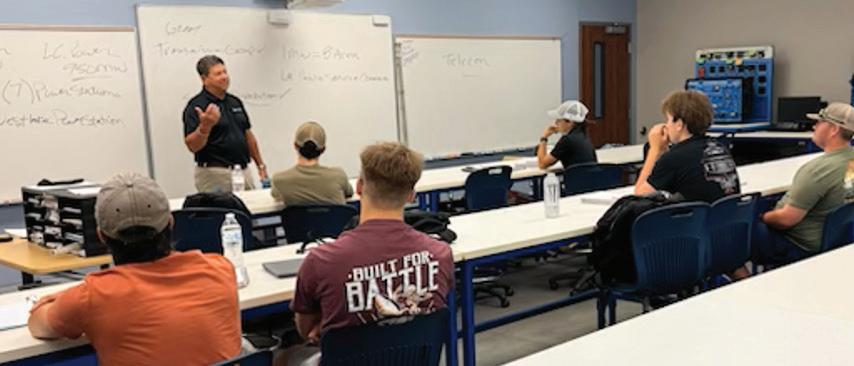
both worked in education, the message resonated. "Right then I knew it was time to answer the call," said Chaumont.
Chaumont recently completed two semesters serving as an adjunct instructor in SOWELA’s instrumentation program, while continuing his work with Entergy Louisiana. By bringing current industry knowledge into the classroom, he helps students bridge the gap between technical education and real-world careers. His students gain exposure not only to classroom instruction, but also to firsthand industry experiences, including field trips that showcase the area’s electrical grid. Chaumont is confirmed to teach the course again for the fall 2026 and spring 2027 semesters.
"The experience has been very rewarding and gratifying, and from the student surveys it seems they have enjoyed it too,” said Chaumont. "I've had students reach out to ask if they can use me as a reference, and seeing them gain confidence and begin building their own futures is the ultimate reward.”
While Chaumont answered a specific workforce need, Floyd Mitchell’s commitment to service has been shaped by a lifetime of mentorship, particularly through his more than 20-year involvement with Big Brothers Big Sisters of Southwest Louisiana.
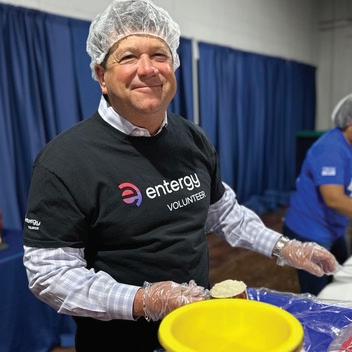
Through that commitment, he has helped guide young people as they navigate challenges, build confidence and work toward personal and professional goals. “It’s about being consistent and showing up for them,” said Mitchell.
One of his most meaningful mentoring relationships began with a young man who was still finding his direction. Over time, that mentee grew into a successful health and safety professional at a hospital while continuing to pursue advanced degrees.
“That experience stands as a clear example of the lasting impact mentorship can have when it is built on trust, stability and care,” adds Mitchell.
His guiding philosophy is simple: “One kid at a time; we can make a difference!”
The stories of Chaumont and Mitchell are different, but the motivation behind them is the same: recognizing a need and choosing to act.
Thousands of employees from LAIA member companies demonstrate that same commitment each year. While they are often recognized for their economic impact, industry’s investment in people and places is equally significant.
To learn more about LAIA, visit www.laia.com.
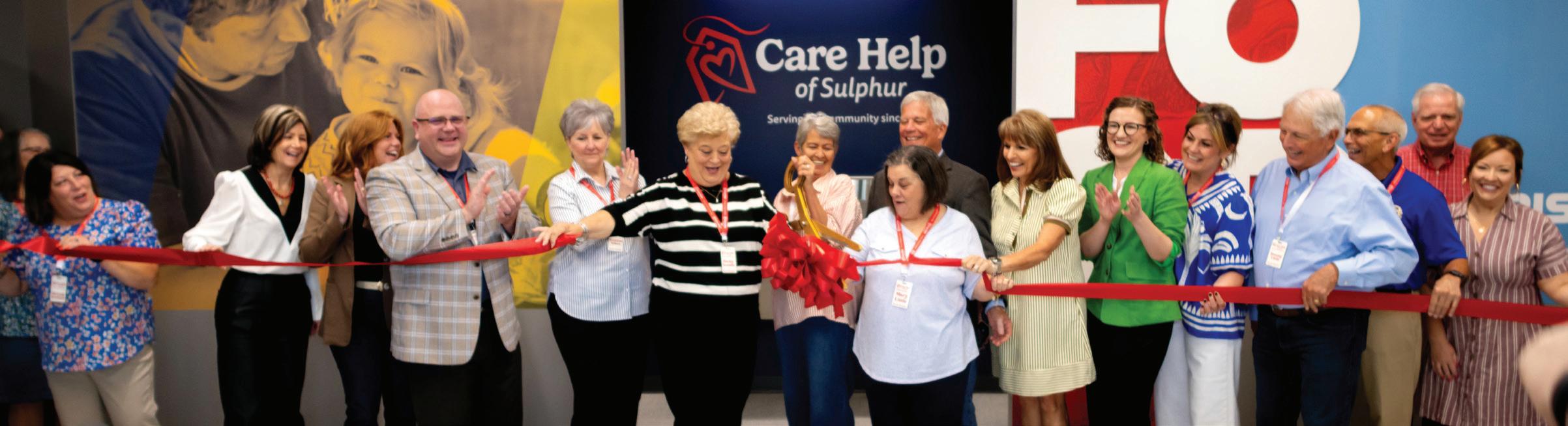
Care Help of Sulphur celebrated the grand opening of its new food pantry last month, marking a significant milestone in the organization's mission to combat food insecurity throughout West Calcasieu and Cameron Parishes.
For 42 years, Care Help has served families facing difficult seasons of life. “The opening of the food pantry and assistance office is a continuation of a mission built on compassion, faith, dignity and hope for our neighbors in need,” says Jody Farnum, Care Help executive director. “Food insecurity affects more families than many people realize, and we want every person in our area to know that help is available and that no one has to face hunger alone.”
Farnum says every month, Care Help helps feed more than 450 households in their community— families, seniors, veterans, single parents and individuals who are working hard but struggling to put food on the table. During the school year, Care Help sends home more than 20,000 Backpack Blessing bags to students facing food insecurity on weekends, to make sure children have something to eat when school cafeterias are closed. “These numbers are important,” she says, “but it’s more important to recognize that behind every number is a person. A child,

a parent, a family who are trying to make it through another week. That’s why we are here. This building delivers hope.”
She says the food pantry was built because the need in the community continues to grow. It replaces a much smaller food pantry that was only 800 square feet. The new facility encompasses 8000 square feet and includes a large food pantry with commercial refrigerators and freezers where individuals can choose their own food, an assistance office, a Backpack Blessings workroom, a small computer lab and a large storage warehouse with delivery bay.
“It truly was a leap of faith for us to commit to borrowing money to make this a reality, but it was needed,” says Farnum. “It’s took four years of overcoming obstacles to reach this day, and we appreciate everyone who helped us along the way, starting with state funding that Representative Les Farnum helped us secure, and continuing with contributions from individuals, business and industry partners, including Woodside Energy, who today, announced a $20,000 contribution to help stock our food pantry shelves.”
“At Woodside, we believe strong communities are built when neighbors support one another, and that’s why we have been proud to support the work Care Help does for several years,” says Kate Grenier, community affairs representative
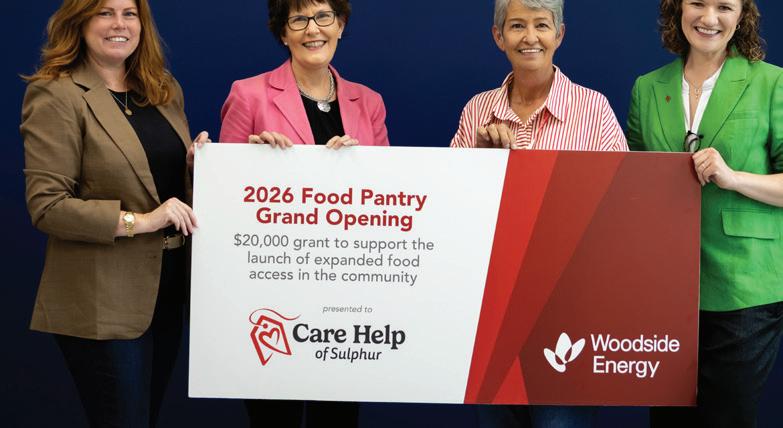
with Woodside Energy. “We are thrilled to make this contribution to their new food pantry to help expand access to nutritious food for those who need it most in our community.”
The Care Help Food Pantry distributes nonperishable food items, fresh produce, dairy, meat and other essential goods to qualified residents. Qualifying families can visit the Food Pantry once per month.
"Today marks a tremendous milestone for Care Help and those we serve,” adds Farnum. “This facility represents our commitment to being here for our community for generations to come.”
The food pantry is located behind the Care Help Thrift Store at 200 N. Huntington Street in Sulphur. Those wishing to support the pantry through food donations or volunteer service are also welcome to reach out.
Call 337-528-2273 for more information.


Woodside Energy announced a $5 million investment in a comprehensive, multiyear initiative to restore biodiversity and strengthen the environmental resilience of Sam Houston Jones State Park.
The project will be delivered in partnership with the Louisiana Office of State Parks under the leadership of Lieutenant Governor Bill Nungesser, along with RES and McNeese State University (MSU).
This unique partnership brings together expertise in conservation, habitat restoration and environmental research to support the long-term recovery of the park’s native ecosystems. Woodside, a global energy company, is exclusively funding the project, committing $5 million
over six years to restore more than 800 acres of forest habitat within the park. This contribution marks the largest corporate donation ever received by a state park in Louisiana and will facilitate the development of sustainable future conditions for the park’s distinctive longleaf pine, cypress tupelo swamps and hardwood forests.
Woodside Executive Vice President and Chief Operating Officer International Daniel Kalms emphasized the importance of the investment in Southwest Louisiana and its relevance to the company’s longstanding presence in the state. “With more than 17 years of operations in Louisiana, Woodside is honored to participate in this collaborative public-private partnership, investing in the preservation of Louisiana’s valuable natural legacy. The initiative is another
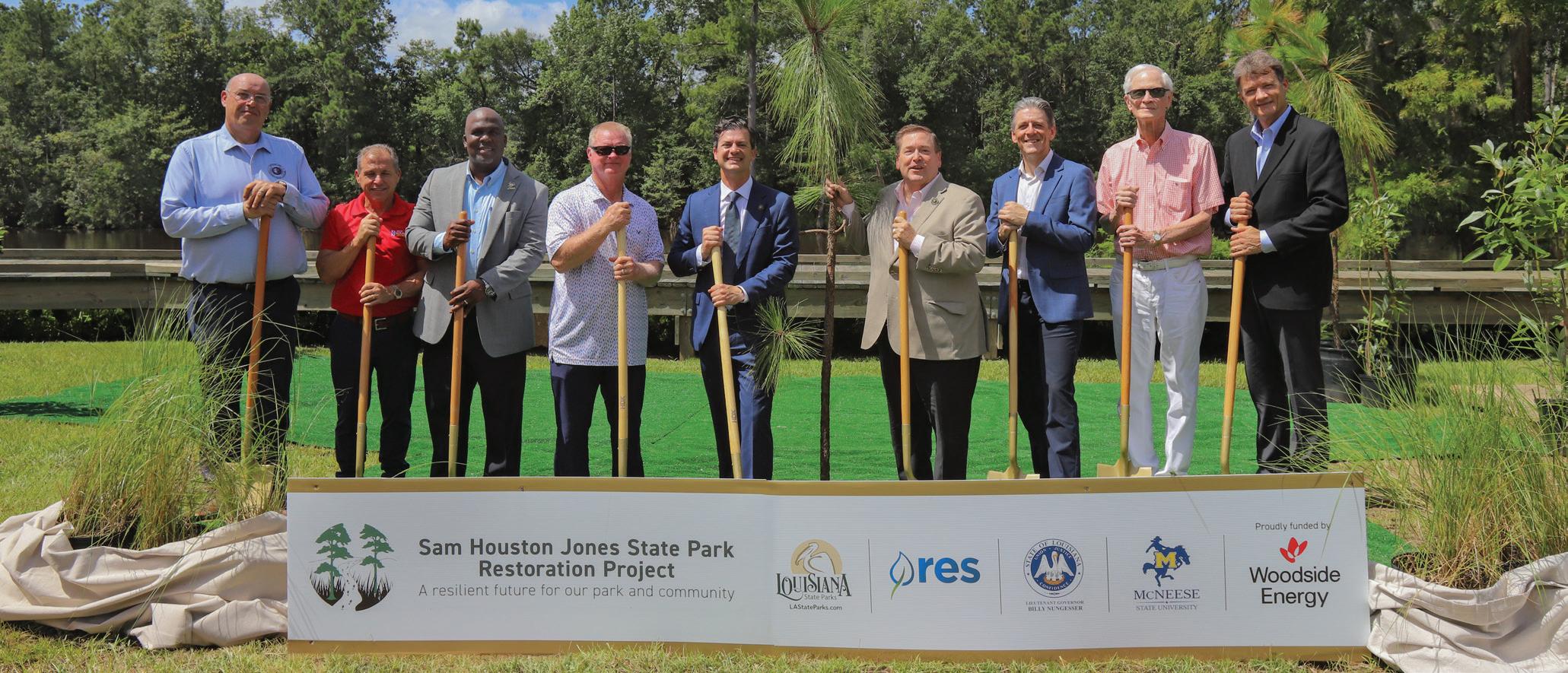
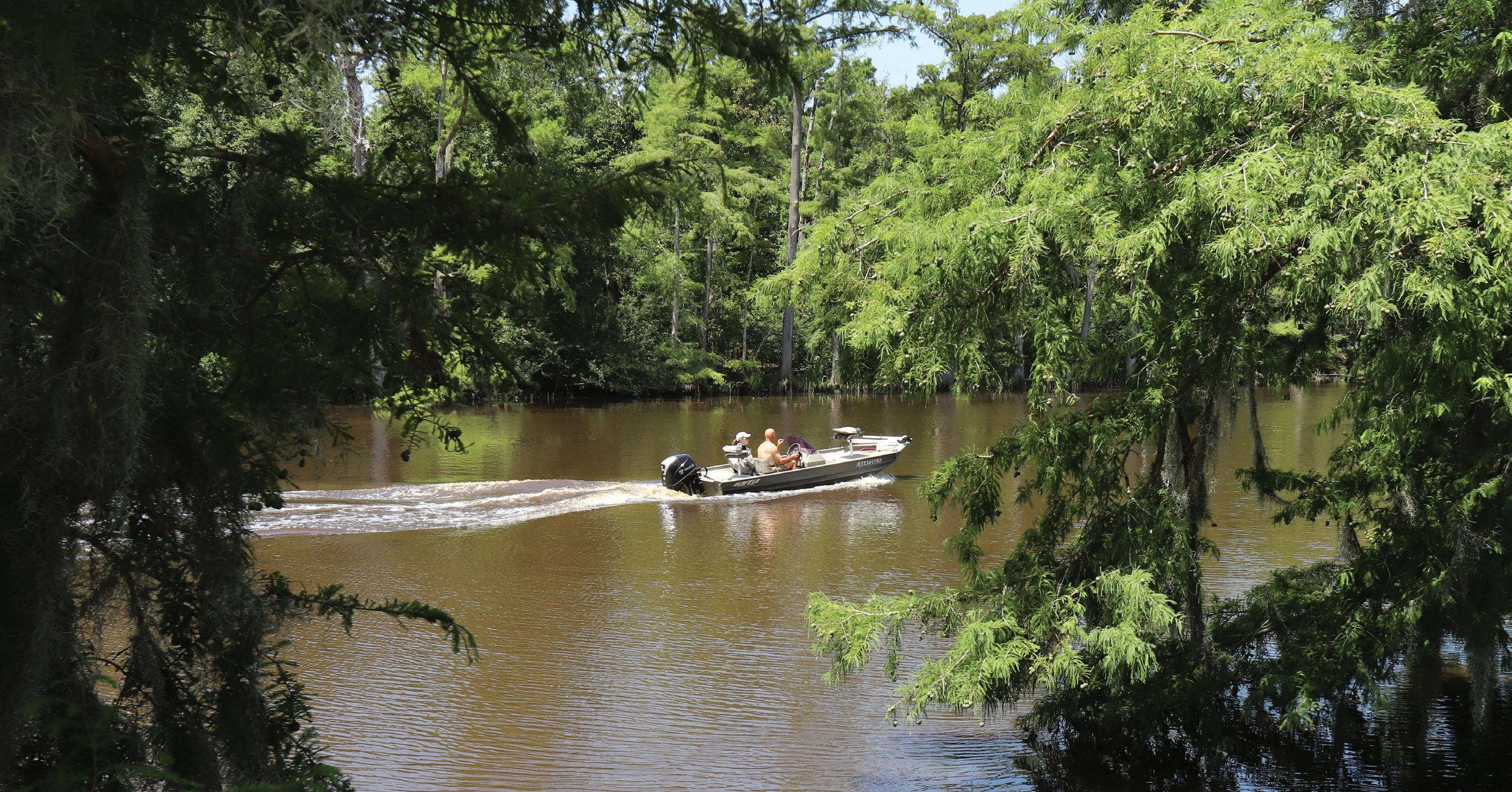
significant step forward for our ongoing investment in Southwest Louisiana, where Woodside and its partners are committing $17.5 billion to the Louisiana LNG Project in Calcasieu Parish.
“I’ve always said some of Louisiana’s greatest treasures are not found inside four walls, they are found in places like Sam Houston Jones State Park. This historic investment will help ensure it remains a place families can enjoy for generations to come,” said Lieutenant Governor Billy Nungesser. “By restoring more than 800 acres of native habitat, we are enhancing the visitor experience while protecting the natural beauty that makes Louisiana's State Parks so special. We are grateful to Woodside Energy and our partners for helping us create a healthier, more resilient landscape, improve access for visitors, and make the park an even greater destination for campers, hikers, birdwatchers, and outdoor enthusiasts from across Louisiana and beyond.”
RES, a nationally acclaimed ecological restoration organization originating in Louisiana, is responsible for designing and implementing the project. Activities will include site preparation, extensive tree planting, eradication of invasive plant species and prescribed burns vital for longleaf pine regeneration. Restoration efforts are supported by a robust research and monitoring program focused on forest habitats and keystone wildlife, conducted by RES ecologists in collaboration with MSU.
“Sam Houston Jones State Park is one of Southwest Louisiana's most treasured natural and recreational resources, and RES is honored to help restore its forests and wetlands for future generations,” said Frank Cuccio, general manager, Gulf Coast for RES. “This project represents the best of what ecological restoration can achieve—bringing together public agencies, private
investment, academic research and local communities to create lasting environmental benefits.”
"This project offers significant research opportunities for McNeese State University," commented Dr. Kedrick Nicholas, interim president of MSU. “The restoration not only enhances the Park’s value as a community asset but also establishes a living laboratory for university-led research and ongoing ecological stewardship."
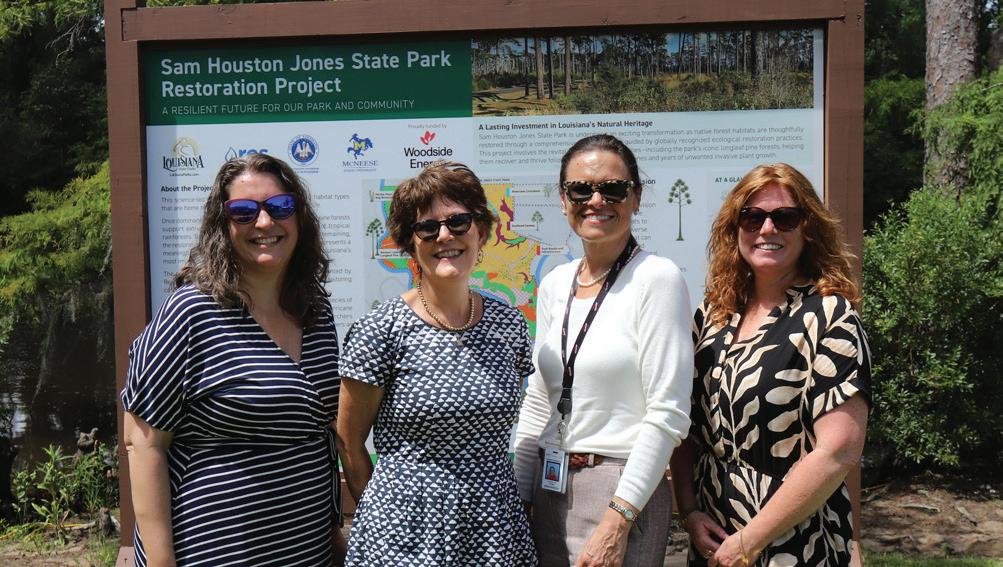
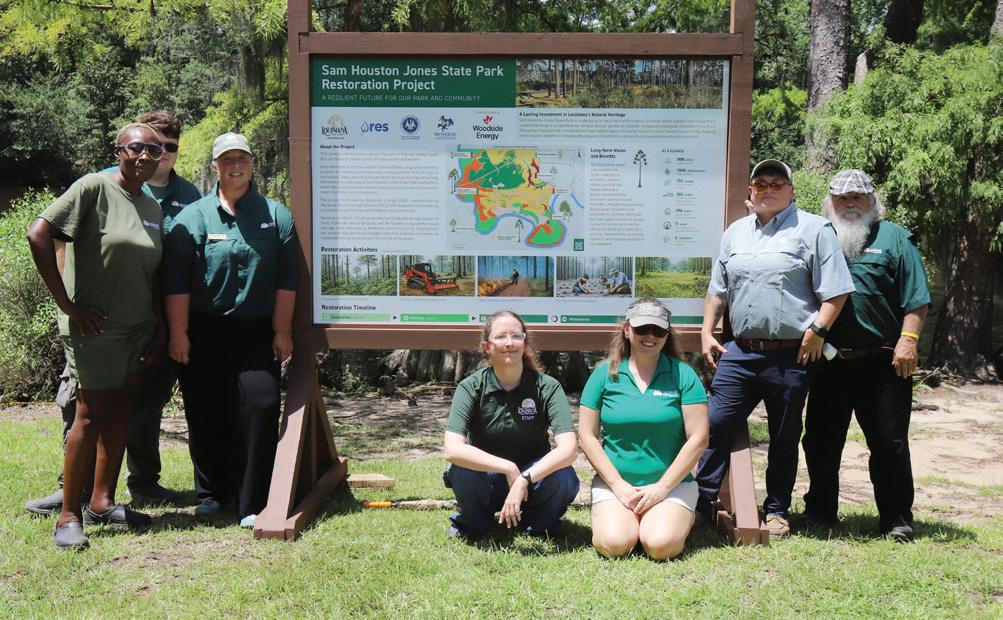


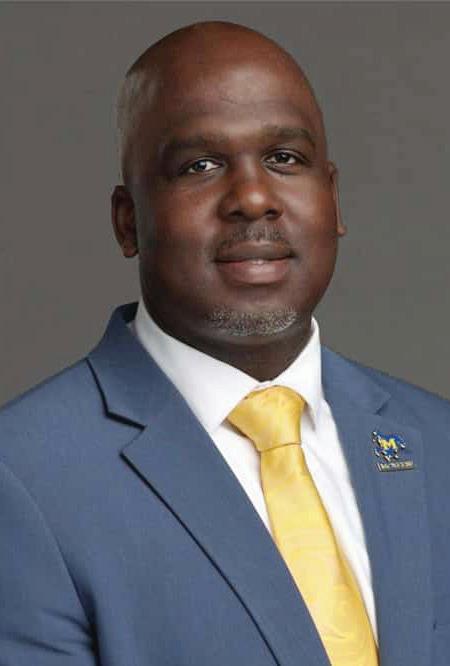
We celebrated 675 students who earned the ability to call themselves McNeese graduates during our 166th commencement ceremony. It is an honor to award their degrees because we know the hard work and dedication required to finish our academic programs. Thank you to the faculty and staff who poured into these students to make graduation possible.
During the ceremony the university conferred an honorary Doctor of Humane Letters degree on Captain Lee Jackson, founder and chief executive officer of Jackson Offshore Operators, LLC, a marine transportation company out of New Orleans. Jackson also serves as a member of the University of Louisiana System Board of Supervisors.
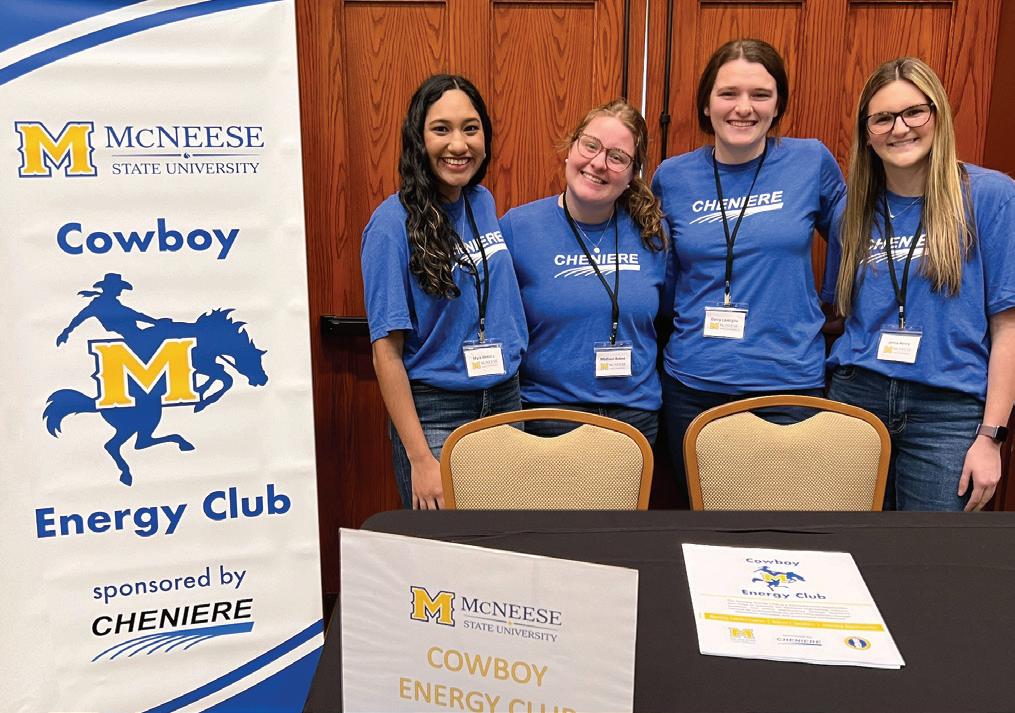

This is the highest honor that the university can bestow upon an individual. Captain Jackson represents the maritime industry with distinction and his substantial professional achievements. His passion for service and his ardent support for higher education in Louisiana clearly warrant the granting of the honorary doctorate.
Jackson serves as chairman of the Louisiana River Pilot Review and Oversight Board, where he plays a vital role in safeguarding public trust and maritime integrity by overseeing pilot conduct, accidents and safety matters affecting the Mississippi and Calcasieu Rivers.
While my time as interim president is nearing its end, I assure you that it has been the honor of a lifetime

to sit in the seat and serve in this capacity. Thank you for the constant support and encouragement. I am a better leader because of the experience and the special people I have had the opportunity to work with along the way.
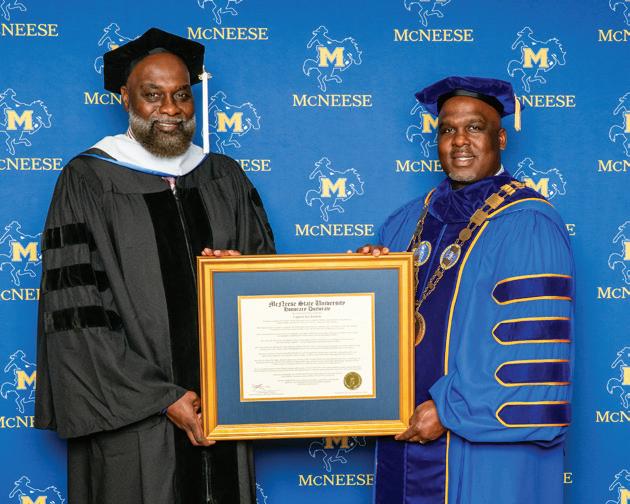


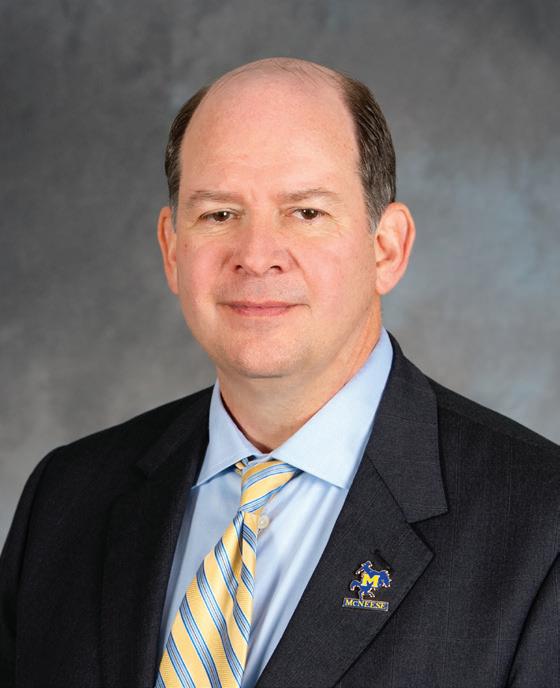
The University of Louisiana System Board of Supervisors named Senator Mike Reese as the ninth president of McNeese, selecting a longtime public servant, business executive and regional leader to guide the institution into its next chapter.
Senator Reese brings more than three decades of leadership experience across government, business,
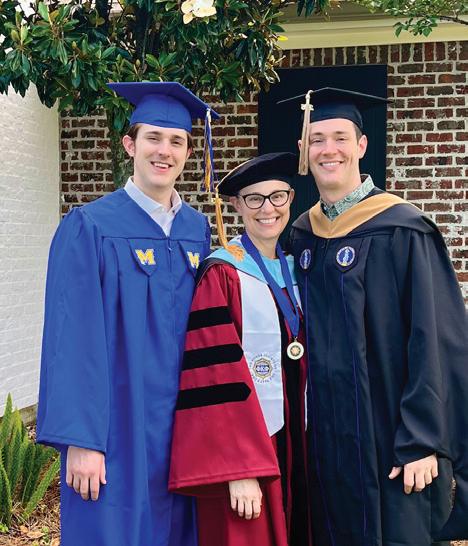
For Daniel and John Benoit, brothers from Westlake, McNeese’s spring commencement was a family event.
Daniel, a 2025 McNeese graduate with a bachelor’s in management, graduated with a master’s in business administration. John graduated with a bachelor’s degree in general business administration. Their mom, Dr. Lori Benoit, an assistant professor in McNeese’s Burton College of Education, cheered them on from the faculty section.
Dr. Benoit received a bachelor’s in secondary English education and master’s degree in English from McNeese and a doctorate degree from the University of Louisiana at Monroe. She says she loved teaching so much that she wanted to help others prepare for their teaching careers.
John, a manager at Chick-Fil-A, found his path to a business degree when he participated in the College Prep program as a senior in high school. Daniel works in the insurance industry. Daniel hopes to someday pursue a career in finance while John hopes to become a Chick-Fil-A operator.
economic development, finance, logistics and higher education policy. As a Louisiana State Senator, he has held key leadership roles in statewide governance and been widely recognized for advancing fiscal policy, economic competitiveness, workforce alignment and regional development initiatives.
Alongside his public service, Senator
McNeese students Erik Roy and Kayla Warner were named the overall McNeese Outstanding Graduates for spring 2026.
Reese is managing partner and CEO of the Reese Companies, a diversified group operating in transportation, logistics, aviation and commercial real estate. His previous service on the Louisiana Board of Regents and the Louisiana Student Financial Assistance Commission provides him with substantial experience in higher education policy, funding and governance.
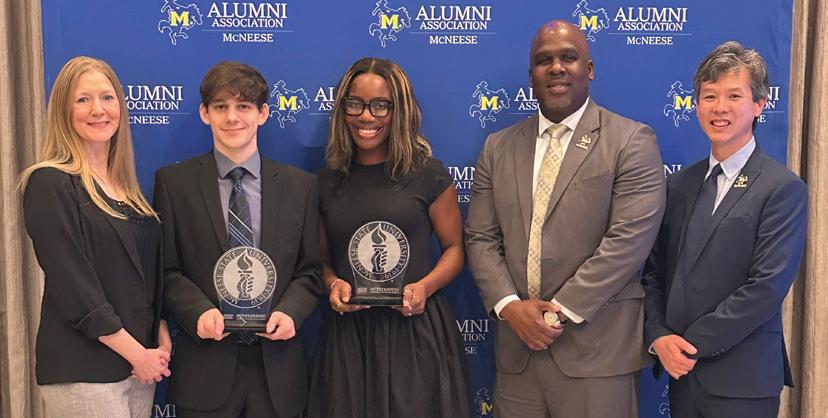
Roy, an undergraduate student in the College of Engineering and Sciences, is earning his degree in biological science with a concentration in pre-medicine. He is the vice president and co-founder of the Students to Serve McNeese and is a member of the McNeese Concert Chorale Choir, biology club, American Chemical Society, McNeese Pre-Medical/Pre-Dental Society and the McNeese Honors College. Roy participated in tardigrade research and presented at the International Symposium on Tardigrada in Japan, at the Louisiana Capitol, at the Louisiana Academy of Sciences and the McNeese Undergraduate Research Symposium. He plans to attend medical school and pursue a career as a physician.
Warner, a graduate student in Burton College of Education, will earn a master’s degree in kinesiology with a concentration in sports performance. While she was earning her degrees at McNeese, she engaged in research and shadowed professionals in orthopedics and gastroenterology. Warner was involved with Order of Omega, Student Government Association, NAACP, McNeese Black Alumni Chapter, Second Harvest Food Bank and the Etta Pete Sickle Cell Anemia Walk. Her plans include attending medical school and becoming a physician who prioritizes preventative care and embraces a holistic, patient-centered approach.
The other outstanding graduate nominees are Lucy Bellon, Isabella Bradley, Mark Hoag, Keyon Jolivette, Victoria Lantz, Darcy Lavergne, Shaun-Lee Peynado and Gwenyth Wheat.



Both skin and hair need special care in winter and summer.
In this hot weather, don’t skimp on your treatments and appropriate skincare to keep you looking radiant. There are ways to protect the hair as well from environmental stressors and chlorine. And don’t forget to shop local for some tropical outfits, even if you have to take a staycation instead of a beach vacation.


by Kerry Andersen
Southwest Louisiana summers don’t go easy on your hair. With triple-digit heat indexes, relentless humidity and chlorine, your strands and scalp take a beating.
Sarah Kennison, master stylist and owner of Bauhaus Salon + Spa in Lake Charles, says the biggest mistake is waiting until damage shows up. She advises, “Treat your hair and scalp as you would any other part of your body exposed to summer elements. Start before the sun’s rays take their toll.”
It's important to understanding what humidity actually does to our strands. Hair is porous by nature, and porous hair absorbs moisture like a sponge. When it does, the bonds holding your style in place break down, the hair shaft swells and strands stop lying smoothly together. The result is dreaded frizz and lost shine. Curly and wavy textures especially tend to expand and lose definition. Fine hair goes flat, and chemically treated or lightened hair, which is already more porous, absorbs the most quickly and aggressively.



Months of UV, heat, chlorine and salt water can weaken hair’s protein structure, leading to dryness, faded color and breakage. At Bauhaus, repair always starts with an assessment of both hair and scalp prior to any treatment recommendation. Some clients need hydration and a product maintenance plan. For chlorine and mineral buildup, a deep chelating treatment is often the answer, especially before getting a color service because clean hair takes dye better and holds it longer.
If you love the pool, be aware that chlorine is harder on hair than the salt water that soaks your tresses during a dip in the ocean. Salt water mostly dehydrates and leaves mineral deposits, but chlorine is an oxidizer that breaks down protein bonds inside the hair shaft, which is exactly how you end up with tangles or that dreaded green tint. Sarah’s fix is a simple routine she calls WARP:
• Wet hair with clean water before swimming, so it has less room to absorb chlorine or salt water.
• Apply a leave-in conditioner or barrier cream to damp hair as a protective shield.
• Rinse immediately after swimming; don’t let chlorine or saltwater dry into the hair shaft.
• Protect scalp and strands with SPF and a UV/heat protectant.
“Two minutes of effort before and after your swim can make a noticeable difference in your hair’s health all summer,” Sarah says.
Color-treated hair needs extra care. Sarah recommends color-safe shampoo and conditioner with UV protectants, daily use of a UV/thermal spray (not just poolside), and a wide-brimmed hat during peak sun.
When it comes to products, there’s no universal fix, but Sarah points clients toward UV protectants and antioxidants like vitamin C. Don’t forget your scalp. It’s one of the most sun-exposed and overlooked areas of the body. Bauhaus recommends a mineral-based SPF (Sarah loves Colorscience’s powder SPF you can easily brush onto your part line). Lastly, stay away from drying alcohols and DIY kitchen-oil treatments, which can backfire depending on hair type.
Bauhaus Salon + Spa is located at 4212 Lake Street in Lake Charles. Open Tuesday through Friday. Call or text 337-474-4000 or visit bauhaussalon.com. Mention the code THRIVE for 15% off summer hair products in July.
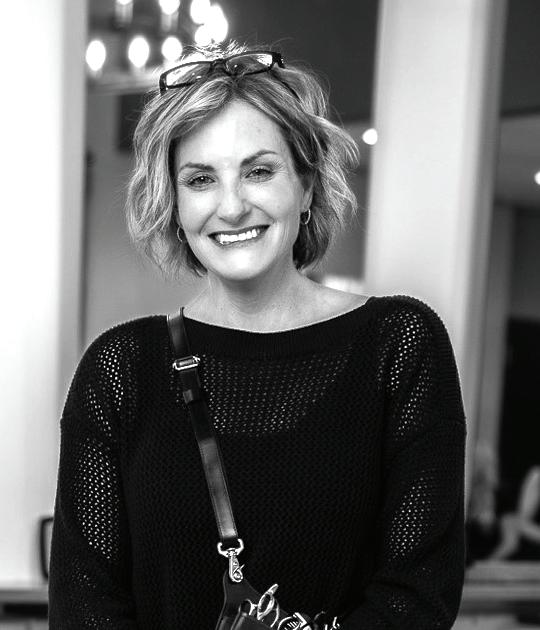
Sarah Kennison, master stylist and owner of Bauhaus Salon + Spa



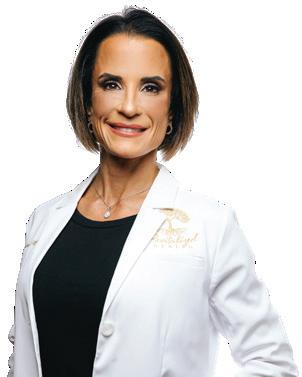




Summer in Lake Charles means heat, humidity, strong sunshine and plenty of time spent enjoying life outdoors. For many patients, the question isn’t whether they should continue aesthetic treatments during the summer. It’s determining which treatments are safe, effective and appropriate for the season. According to Hannah Grogan, APRN, FNP-C, founder and lead aesthetic injector at The Sculptry, the best summer-safe treatment depends on the patient’s goals, lifestyle and commitment to protecting their skin.
“Summer is typically when we avoid more aggressive laser procedures because freshly treated skin can be more vulnerable to sun exposure,” says Grogan. “But that doesn’t mean patients have to stop working toward healthier, more youthful-looking skin. There are several treatments that can safely improve skin quality, stimulate collagen and support healthy aging throughout the summer.”
Microneedling is one of the most versatile treatments available for improving overall skin health. Using a device that creates thousands of tiny microchannels in the skin, the treatment stimulates the body’s natural healing response and encourages collagen production. Because microneedling does not rely on heat or remove significant layers of skin, it can typically be performed throughout the summer when patients follow proper aftercare instructions and use diligent sun protection.
“Microneedling helps improve texture, fine lines, acne scars and overall skin quality,” says Grogan. “It’s one of my favorite treatments because it works with the body’s natural collagen-building process.”

RF Microneedling combines traditional microneedling with radiofrequency energy to stimulate deeper collagen production. The treatment can improve texture, mild skin laxity, acne scars and signs of aging while supporting long-term skin rejuvenation. Unlike many laser treatments, RF Microneedling targets tissue beneath the skin’s surface rather than creating significant injury to the outer layer, making it a popular option during the summer months.
“For patients looking to tighten, smooth and strengthen their skin, RF Microneedling is an excellent choice,” Grogan explains. “You’re improving skin quality today while building collagen for the future.”


Many people assume that all chemical peels should be avoided during the summer, but that isn’t necessarily true. While deeper resurfacing peels are often reserved for cooler weather, many superficial and mediumdepth peels can safely be performed year-round. Chemical peels work by removing damaged skin cells, improving cellular turnover and revealing healthierlooking skin beneath the surface.
“The key is choosing the right peel for the season and being diligent about sunscreen afterward,” says Hannah. “When performed appropriately, chemical peels can be a wonderful way to refresh the skin during the summer.”
Summer can be particularly challenging for the skin. Increased sweat, sunscreen use, humidity and environmental exposure can contribute to congestion, dehydration, and dullness.
HydraFacials and customized medical-grade facials help cleanse, exfoliate, hydrate and nourish the skin while supporting a healthy skin barrier. These treatments can be tailored to address a variety of concerns, including dehydration, acne, sensitivity and signs of aging.
"Many patients notice their skin feels more balanced and refreshed after a facial treatment," says Grogan. "It's a great way to keep your skin healthy, hydrate and glowing throughout the summer."

No summer skincare plan is complete without a strong at-home routine.
Medical-grade skincare products contain higher concentrations of active ingredients than many over-the-counter alternatives and are designed to address concerns such as sun damage, pigmentation, fine lines, hydration and skin barrier health.


“Professional treatments are important, but what you do at home every day matters just as much,” says Grogan. “Medical-grade skincare helps protect your investment and keeps your skin functioning at its best.”

Injectables remain one of the most popular aesthetic treatments yearround because they are unaffected by sun exposure and require little to no downtime. Whether the goal is softening wrinkles with neurotoxins, restoring volume with dermal fillers or stimulating collagen with biostimulators, injectables help patients maintain a refreshed, natural appearance throughout the summer. Because these treatments work beneath the skin's surface and do not create sun sensitivity, they are an excellent option for patients looking to continue their aesthetic journey during the warmer months.
"My goal is always natural-looking results," says Grogan. "Injectables give us the ability to make subtle improvements that help patients look like the best version of themselves."
For Grogan, the message is simple: healthy skin doesn’t have to be seasonal.
by Jordan Smith

Few things compare to the stress-free, laid-back feeling of a vacation. While most people aren’t boarding a plane every weekend, their wardrobes tell a different story. This season, women are dressing like they’re on vacation, even when at home. Thrive spoke with Lauren Monroe, owner of Mimosa Boutique, for tips on how to channel that getaway mindset through everyday style.
Resort wear is no longer reserved for beach trips. Shoppers are gravitating toward lightweight fabrics, playful prints and throw-on-and-go looks for summer. “A breezy maxi or midi dress is a must-have this season,” Monroe says. “Because you’re not having to match a top with a bottom, it takes most of the thinking out of getting dressed. A flowy, printed dress gives the impression that you put extra effort into your look, even if you just threw it on.” Try styling a maxi dress with sneakers for school dropoff and daytime errands, then switching to platform sandals for dinner or evening plans. The versatility is hard to beat.
Matching short and skort sets offer another easy option for achieving a resort-inspired look. Monroe says customers consistently reach for matching sets in her store. “Matching sets are a no-brainer and do all the heavy lifting. You can even separate the top and bottom to create more outfit options.” From stripes and polka dots to seasonal florals, printed sets feel balanced and styled without the need to overaccessorize. Look for lightweight linen styles to beat the heat while maintaining a getaway feel.
When prints take a back seat, accessories can elevate an everyday outfit. This summer, chunky beaded necklaces are trending, while delicate gold chains are less prominent. Printed scarves are also gaining popularity. Tie one around your neck, wrap it on a purse strap or wear it in your hair for an instant out-of-town feel. “Don’t be afraid
to mix accessories this summer. At Mimosa, we love to add a beaded necklace on top of a neck scarf for a bright, layered look,” Monroe says. Stick to simple hoop or stud earrings and let your other accessories take center stage.
As trends evolve, summer footwear is shifting from chunky, thick-strapped sandals to minimal, strappy styles. While sandals with buckles and metal embellishments remain popular, thinner straps, neutral tones and barelythere silhouettes are gaining traction. Styles from last year still work, but sleeker profiles feel more current. In addition to strappy sandals, natural textures like raffia, shells and beads are making their way into footwear. These details lean into the resortwear aesthetic and pair easily with both neutral and bold looks.
A vacation state of mind doesn’t require a destination. It can be woven into everyday routines through thoughtful wardrobe choices. Whether it’s a quick lunch date or a full day of errands, reaching for seasonal pieces can shift not just how you look but how you feel. This summer, vacation dressing is less about where you are going and



FROM LAKE CHARLES TO DUBAI.
For over 15 years, Dr. Kyle Daigle has built an international reputation helping patients and families from around the world through advanced neurological rehabilitation, multidisciplinary clinical care, human performance optimization, and innovative healthcare technologies.
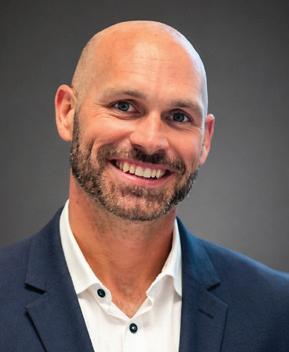
Pictured: Charly Bradford, MDA Director of Project Management, Corp. Partnerships; Missy Amidon, CITGO Public Affairs Manager; Jose Quezada, CITGO MDA Ambassador; Sterling Neblett, CITGO Vice President & General Manager
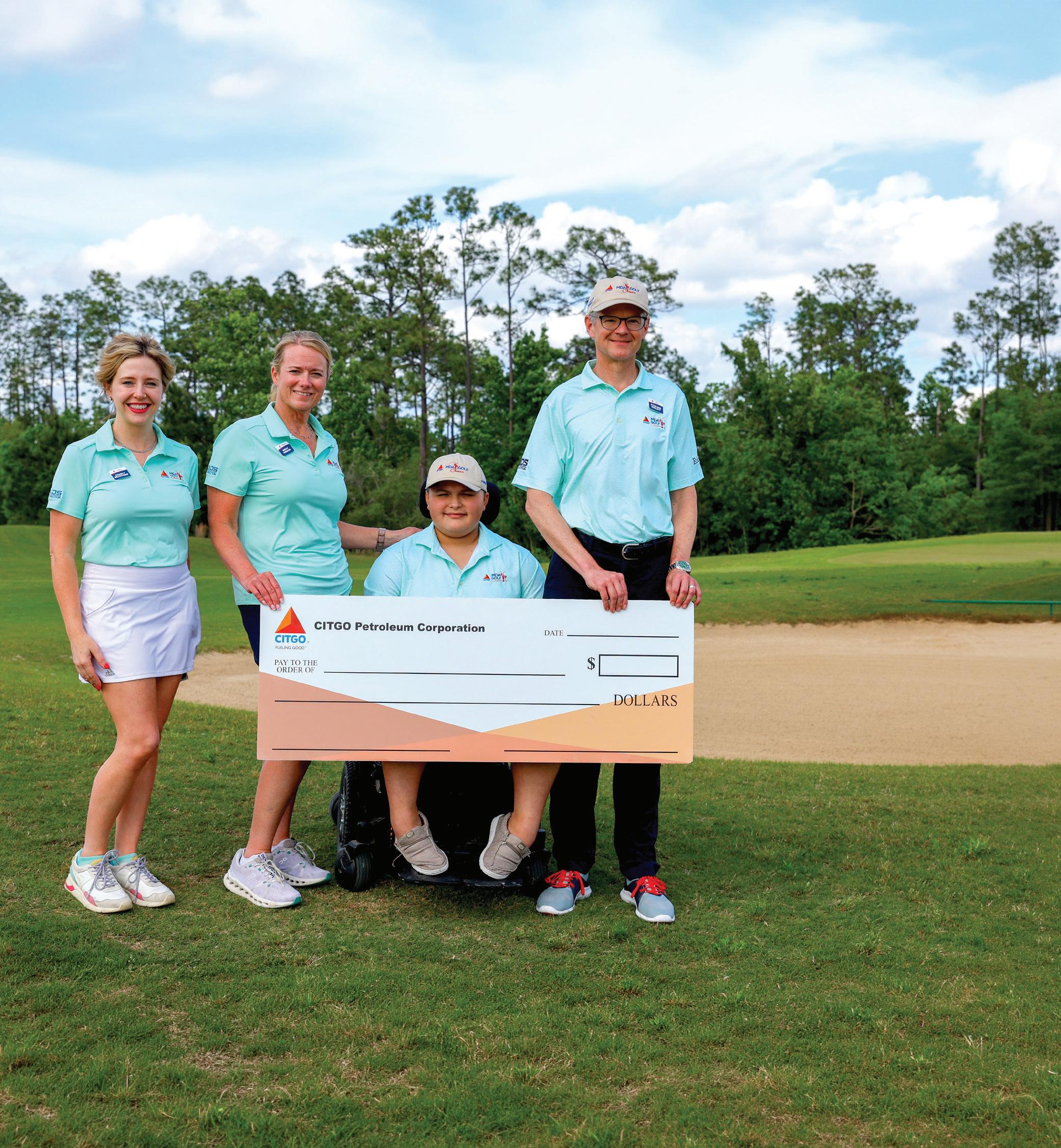
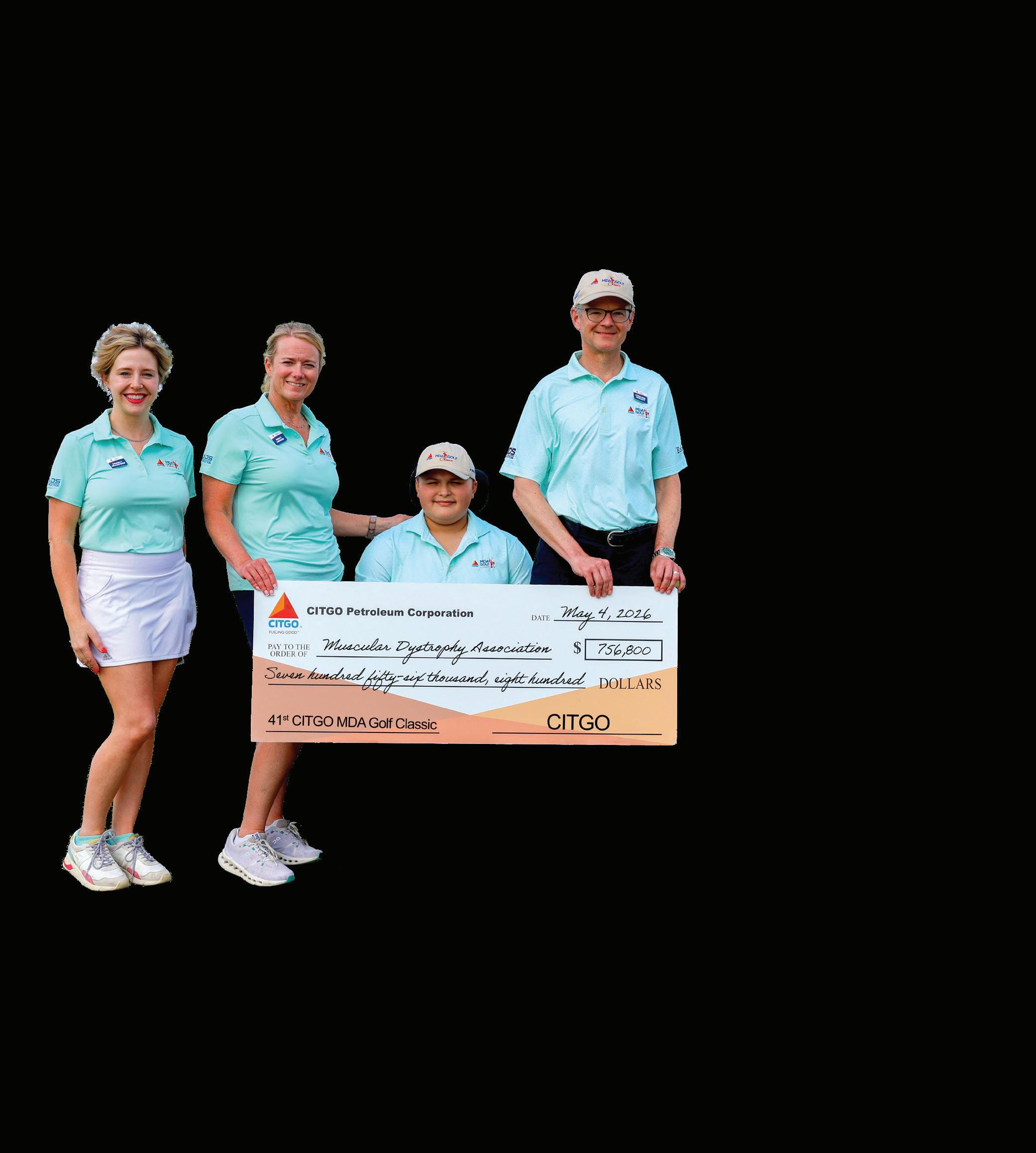
The CITGO Lake Charles Refinery hosted the 41st Annual CITGO MDA Golf Classic in support of the Muscular Dystrophy Association (MDA) on May 4 at the National
The tournament and other fundraising efforts raised to support research and services for those affected by neuromuscular diseases.
Fifteen-year-old Jose Quezada of Sulphur is proud to serve as the 2026 CITGO MDA Ambassador.
Diagnosed with muscular dystrophy at age four, Jose is using his voice to raise awareness and show that strength and joy can go hand in hand.