
林子大了,什么鸟都有
The characteristic of often changing and being different
Proverbs: Variety is the spice of life. It takes all sorts to make a world. Different strokes for different folks.
People of HU3, and friends beyond, we’ve said it before. There’s something in the docklands water here that breeds fabulous variety and, as the great Maya Angelou said, ‘in variety there is beauty and there is strength’. That there is.
Variety is key to HU3’s strength. Did you know that different peoples, with different backgrounds of all kinds, become happy being alongside each other via an apparent psychological process? It starts with tolerance…a kind of ‘I can live with this, though I may not like it’, which then moves to acceptance…’I see who you are and accept it.’ After that we get appreciation… ‘what is distinctive and special about you has value to me, and I want to learn more’, and that leads to integration, where the differences become woven into our mindset, and our community. So where is HU3 and its people in that process?
I suppose we can’t really say, and we know it’s not perfect or without challenges, but what we can see through this edition of EofUs, is that there are lots of people in daily exchanges,
sharing the products of our great variety…through our business, education, spiritual and social lives. This supports this process, whether we know it or not. We find ourselves side by side, we become exposed to what we each offer, we enjoy what we sample and experience, it becomes part of who we are…and so on.
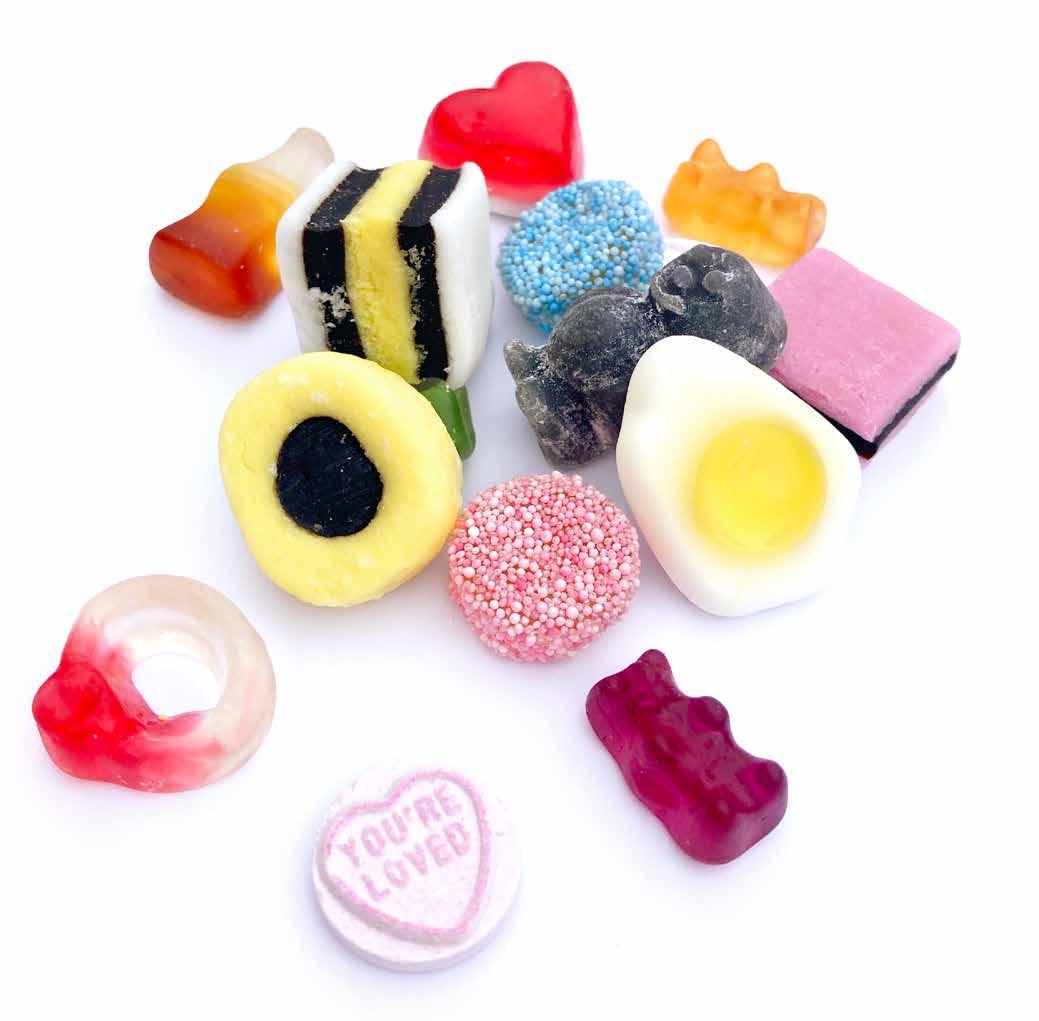
It may seem simple but the traditional British chip shop run by Turkish Muslims, is more important than you might think. They say that ‘whilst some people come in with a stereotype of who we might be…their judgement drops when we serve the goods’. Likewise, we enjoy the sweet treats on our streets… from traditional English oldie but goodies, to Polish, Turkish, Kurdish, Nigerian, Ghanian…and more. What we enjoy and savour, stays with us, helps sustain us and without knowing it, builds appreciation.
In this issue we can see how that happens. From one of the first Sikh families in Hull, to the Beit Ha-Olam (House of the World) Jewish cemetery. From the HU3 drag and queer
RICE IS ALWAYS RICE; IT IS THE SAUCE THAT CHANGES.
TEN PEOPLE, TEN COLOURS
EVERY FLOWER HAS ITS OWN FRAGRANCE
performance scene of the 80’s and 90’s, to neurodivergent powered businesses. From 100 years of support to the Deaf community, to an artist turning experiences of war-torn Ukraine into beautiful art works. Whether it’s a retiring truck salesman, reuse and reimagine experts, travellers returning home, the voices of young people, climbing bears and an animal trail…or the last remaining ornamental plaster casters in the region… here are people doing their unique, varied, rare, skilled, determined, ordinary or extraordinary things. Things that we might not all get. In the beginning we might each think some of its odd, unfamiliar, quirky, a bit uncomfortable, not typical or even a bit weird. Well, in the words of Paul McCartney, ‘I used to think that anyone doing anything weird was weird. I suddenly realized that anyone doing anything weird wasn't weird at all and it was the people saying they were weird that were weird." Cheers to that HU3. If weird is the ultimate engine of variety, as it deviates from established norms, then for goodness’ sake, stay weird.

GET INVOLVED!
One way or another we want to hear from you. So whether you contact us or we find you, we look forward to meeting you
»Website: eofus.co.uk
»Find us on Facebook, Twitter, Instagram: @EofUsHU3
»Email: hello@eofus.co.uk
»Don't do technology? Drop your thoughts in at Top Color, Hessle Rd
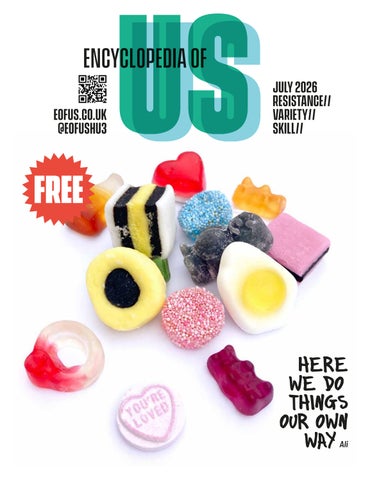
This is the sixth issue of Encyclopedia of Us, which focuses on Resistance, Variety and Skill. EofUs is a newspaper like no other. What makes this newspaper so different? EofUs is written and produced by people living in HU3. We invite everyone to be part of it.
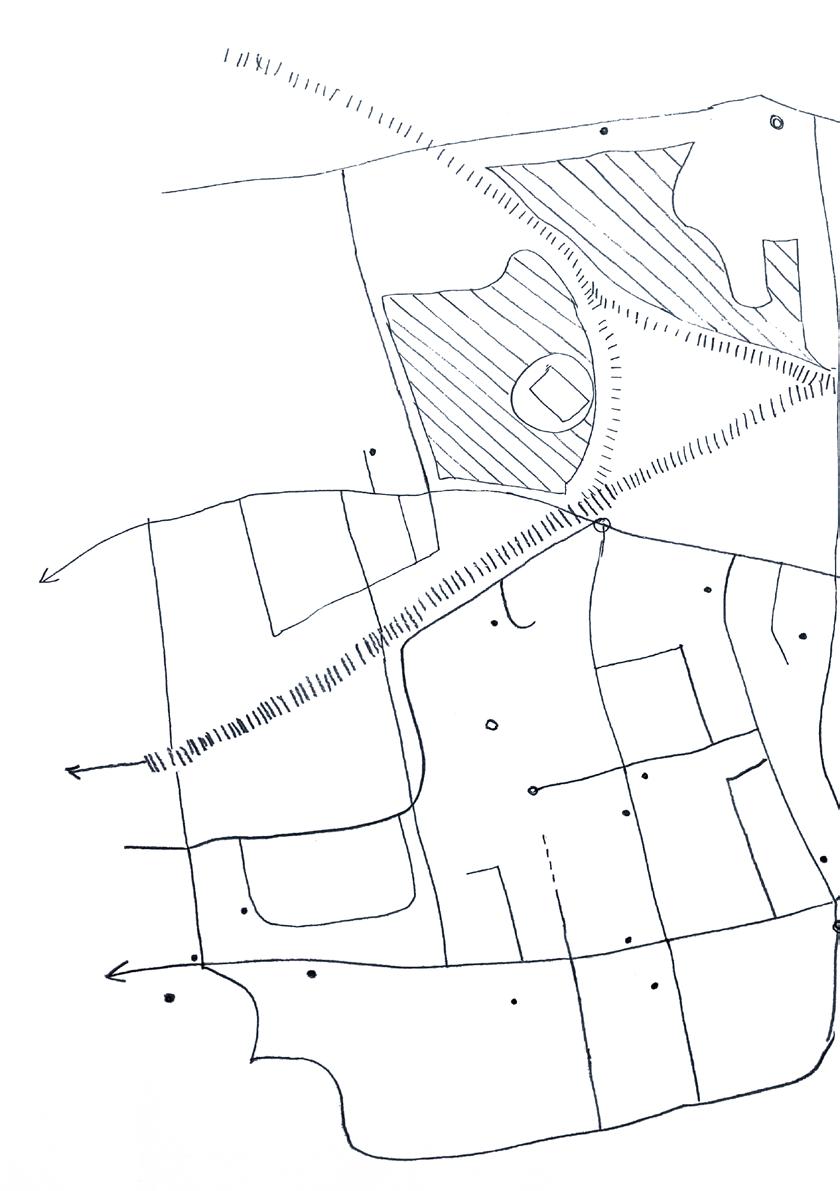
The map on the next page locates the source of the articles. Almost every article is accompanied by an invitation to act, be it a small act for you and your family to enjoy, or a bigger act that contributes to this community. These are called a You Can, so keep an eye out.
Also you’ll also see signs for a You Did, and these show some of the things that happen because of the conversations, activities and connections that take place in the making of this paper.
Helping to do all this is...
Kate Genever. Some of you will have already met her… and others surely will. She has a knack of seeing what's hidden, interesting, challenging and beautiful and she is out and about on the streets.
Three Ways East an arts and culture company that provides the backup support and does the fundraising.
The Editorial Advisory Group [EAG]. This changes every time, to involve the people contributing to each paper. If you would like to join the EAG get in touch. You don’t have to have done anything like this before and we will find a way to make it work for you.
THE EAG FOR THIS EDITION IS:
Kate Genever, Deborah Munt, Clare Huby, Amanda Rigby, Paper Rhino, Thomas Robinson, Layla Jabbari, Alex Costin, Jim Greenhalgh, Rikki Lea, Onyx Ocean. The Scene But not heard Advisory Group: Grae, Theo, Meg, Courtney, J, George Norris, Tony Ward, Bobby Mandrell, Dreamgirls, Rachel Waterhouse, Hayley at Heritage Fisheries, Grace, Tommy and Graham the Florists, Lisa Grieg and Chiltern Primary School, Karen, Jodi and Groundwork crew, Paul at Amazing Fantasy, Dave and Stronghold crew, Alim and Aiyse, Sarah Reagan, Guljar Singh Gola, David Lewis, Maria Moiseenko, Alan and John, Gareth Sleightholme, Fiona and Ben, Omar and Mryama, Zana and Mohamad, Ali and Becca, Tim Robinson, OAT Productions, Deb Skalli

DATA PROTECTION STATEMENT
Contributions of thoughts, ideas and creative works are always welcome and are accepted as being the original work of the person supplying them. If you are contributing things on behalf of someone else, or work created by someone else, please make sure you have their permission and let us know how they wish to be credited. We only record and process personal information in order to credit contributions to the EofUs and keep you up to date with the project (if you wish). We do not share any of your personal information with third parties without your permission.
LN9 6JR
Kindly supported by: JF Brignall Charitable Trust




Learn

Pullout
Gareth
The
Find out what's happening in The
History of the House of the World cemetery
Ukrainian artist shares her paintings
Find out about Hull and East Yorkshire Centre for the
Alim and Asiye fry up chippy
Tim reflects on his truck career
Highlights and reviews of recent exhibitions and a taste of what's to come
Stories of people getting involved with EofUs
Rikki Lea on why it's funny coming home
Throughout the paper look out for the lovely FREE You Cans on offer. Here are few of the highlights.
A huge thank you to the generosity of HU3 people who have contributed. Why not join in?
FREE! Book by emailing hello@eofus.co.uk or message
Kate on 07713 647 715
Test screening of Queen of Hessle Road film about Bobby Mandrell with a Q&A and discussion.
»When: Saturday 8 August, 4-6pm
»Where: St Mathews Church
Explore the new and growing archive of drag and gay performance at Sceneheard.co.uk
Be inspired by the archive and work with artists Layla Jabbari and Alex Costin to design and print your own.
»When: Saturday 8 August, 10.30am-12.30
»Where: Western Library
25
Gareth Sleightholme shares more about his work
»When: Thursday 8 October
»Where: Stronghold Games 190 Hessle Rd, Hull, HU3 3BE
47 WALK & TALK
Walk, talk and take photos at Hull Fair
»When: Friday 9 October at 9am

»Where: Chiltern School
37 TREE OF LIFE PRINT
Design and print your own Tree of Life Tree
»When: Saturday 10 October, 10.30 to 12.30
»Where: HuFree Gallery, Western library.
19 JOIN US FOR BREAKFAST
At Chat and Choose with the SEVA community
»When: 22 October, 8.45 - 10.30am
»Where: Chiltern School Community Hub 12 SWEET ENOUGH
Follow our guide for a sweet sensation of HU3 and try the recipe for a homemade sweet treat 26 PULL-OUT COMIC
Pull out the specially created comic about the animals and history of Spring Bank

WANNA #MAKECOMICS?
Make your own comic using the instructions Gareth has designed for EofUs
Deb Skalli leads us on a tour to discover the animal artworks of Spring Bank
»When: Friday 19 March
»Where: Chiltern School, 9.30am
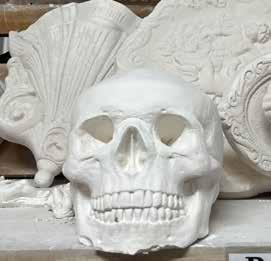
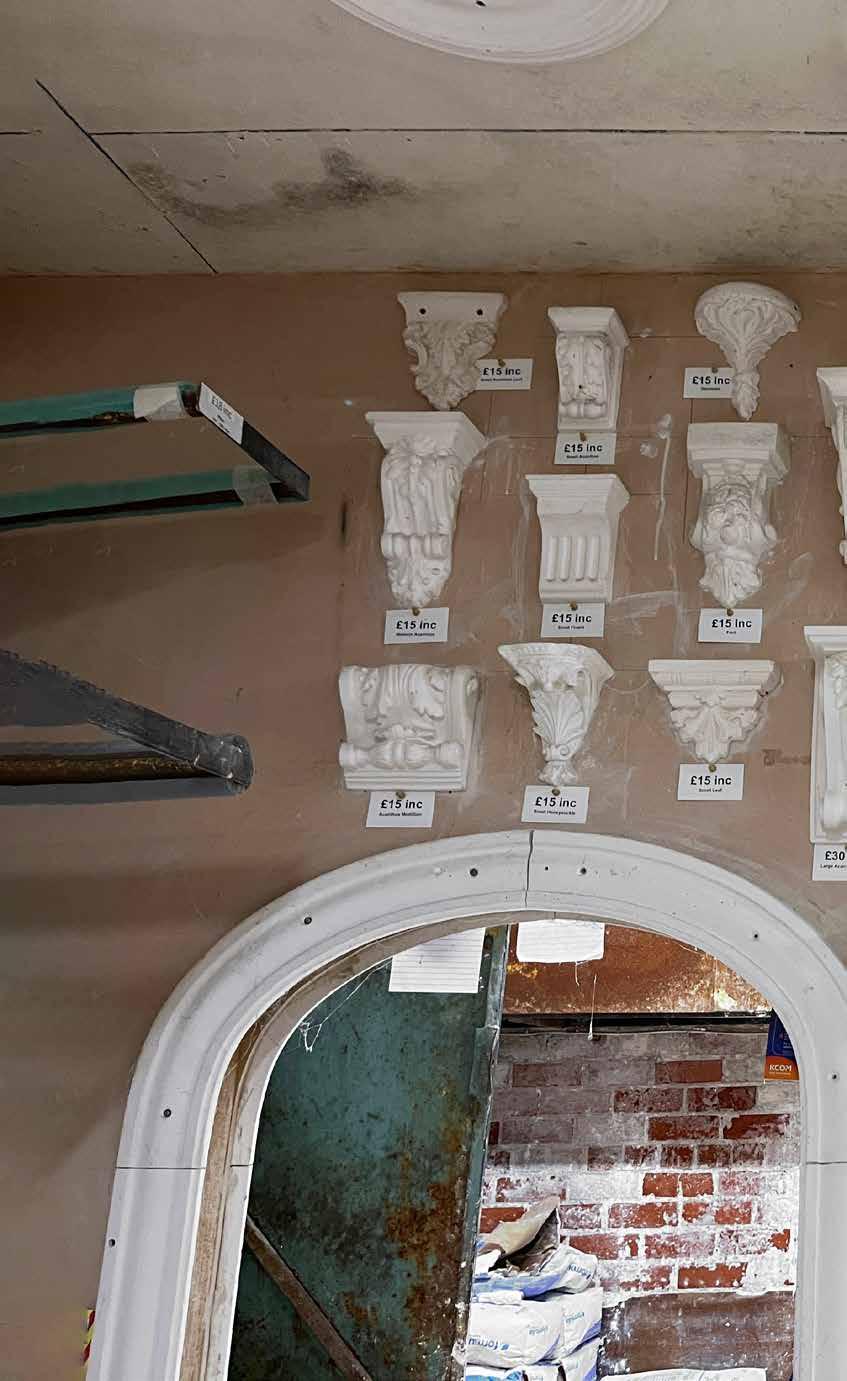
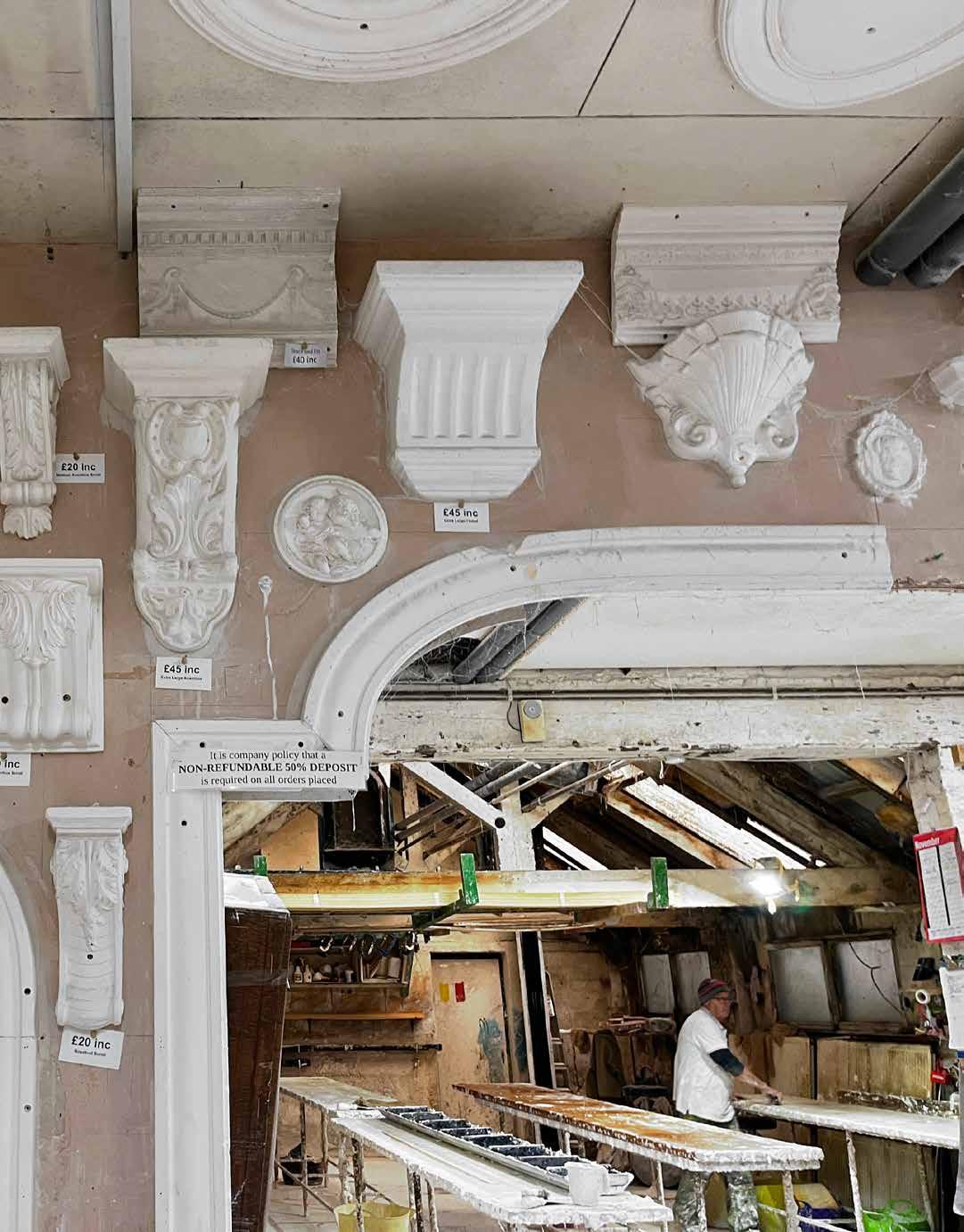
HU3 is lucky to be home to the last remaining ornamental plastercasters in the region. EofuS went to meet Alan and John, who daily with skill, hard work and miles of walking, create beautiful plaster casts which get installed in some of our homes, and the country's finest buildings. Read on to find out more.
»23 Saner St, Hull HU3 2TR
»01482 320536
»Monday to Friday 8-4, Saturdays 8 -12
Alan can you tell us how it all began?
Alan: I started work as an electrician down DeGrey Street when I was 12. I was kicked out of school by the time I was 14. I became a sparky full time. Me Dad had been an engineer and a carpenter and he had always encouraged me to make things. We used to go into the garage - he showed me how to use a tenon saw for example. I can do anything with these hands. I don't have good vocabulary but show me something you want making!
I worked at an electricians on Bev Road, doing a job for an antiques dealer in York. He wanted a chandelier taken down and cleaned. Which we did, but after that he wanted a ceiling rose fitting so I did it. There was a shop in York that imported the plaster pieces from Italy. That's when it started - I was about 16. There was a man called John, he drank pints of tea, he was the Caster and I was the fitter. He’d make the profile and I’d run it - pour the plaster. After a while I had had enough and left. I became a builder and had a family.
Then in 1993 I took over here and we’ve just kept going. I’ve taught myself, but actually John has taught me lots. John’s been with me all the time.
We work hard. We know how to work together, we know each others work. We are not poor, we’ve got enough. We are not money motivated really. We are lucky we’ve bought our own houses but that's enough. We do everything, we cast and fit this and we sell it to other fitters and suppliers. I like doing my own thing. It's not like working in a factory, it's like pleasure!
We’re the last ones left, people have for all sorts of reasons for not being able to keep going. The recession, different times, it's hard cold work. But I wasn’t brought up with heating, it was the 70’s! We’ve tried to find people and teach them, but people are less and less interested. They seem to not want to do this type of work and get their hands dirty. We just plod on, up and down. Me 11 year comes now, and he’s a natural. So maybe he’ll carry it on, which would be good.
John: I've been here with Alan for 15-20 years on and off, but I've always been working with plaster. I am what they call a Fibrous Plaster Technicianbasically I cast plaster.
I was born and grew up in HU3 on Carrington Street and at 16, after school, joined a Youth Opportunity Scheme. At the time there was no work and limited opportunities in Hull. Unemployment was high. There was no money. I had a paper round and I’d give me Dad the money. Thatcher had done her worst. The place we went for the scheme was off Wellstead St - a big old building. There were about ten different courses like woodwork, pottery and things like that. I did pottery and then went to a plaster casting firm on Bev Road called House of Elegance. It had been

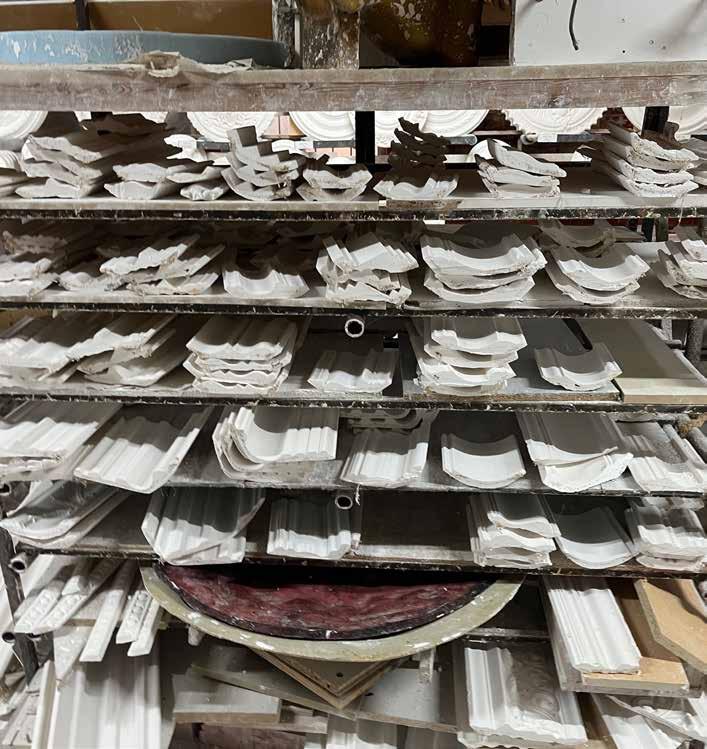
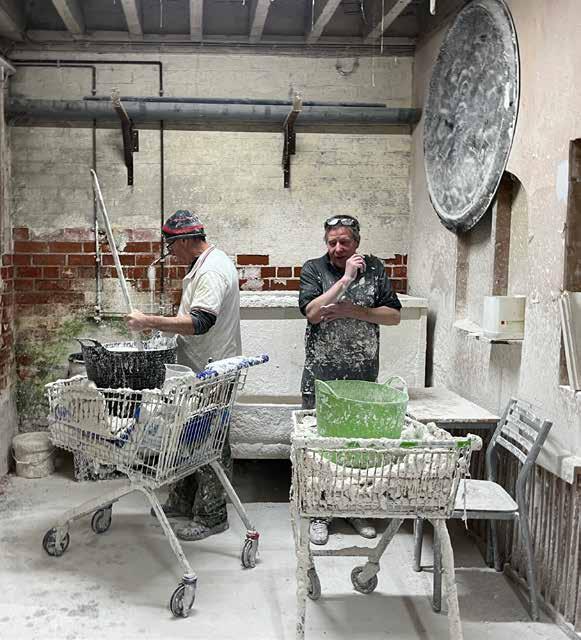
set up by a kid called Terry King, a Cockney, and he trained us up and he made the molds we used. There were lots of firms doing this then in Hull. Gradually they've closed and we’ve accumulated their molds and stuff. And now we’re the last. This is a Large London - it's a cornice. You can get it in small, medium or large. It’s for large rooms with high ceilings like on Coltman or the Aves. Everyone's made 10ft long because most rooms are 10ft. It's expensive and not for everyone. We send these to churches and pubs and historic buildings. They also go to France for buildings there. We make corbels and niches too, but things change with fashion. It's interesting work. I can go to peoples houses, pubs, and clubs and say I’ve made that. People say anyone can do this but it's skillful, it takes years of experience and understanding. I was watching a program about Versaille and all the castings and thought ooh I wouldn't mind going there and doing a job.
I’m a grafter. You have to be work fit to do this. I can’t run but I can do this hour after hour. I don't need to go to the gym! I’ve been going up and down for 40 years now. I wouldn’t like to say how many miles I've walked. I once worked out it's about a marathon a week! Plus I walk here, which is another 20 minutes each way. People don't realise.
But we plod along. In winter my hands split. I've got hand cream here and I wear gloves too. The plaster and water kills you. My feet are knackered and I’ve got a bad back from having to work at a side angle all the time. It's 9 hours on your feet and non stop. Plaster doesn't wait.
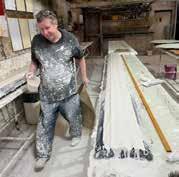
You start with your mold on the bench, it’s made of fibre glass. You spray it with WD40 and wipe it up and down with the brush to create a barrier so it's easy to get the set plaster out. We used to use a combo of paraffin and lard and you had to melt it - oof it was smelly. We mix the plaster in the tubs, we measure the water and scoops. Then you pour some along the length, then add hessian scrim to give it strength, then some more plaster. We then lay in soaked Wawa wood lathes, which we wrap in the scrim and then add more plaster and then sort of form it as it sets. You knock it gently so the air bubbles rise up and don't ruin the surface. After it sets you take it out and put it in the drying room for 24hrs. When dry we store them over there, but if it's cold or damp they start to absorb the moisture and bend so they have to go back to the drying room. In the summer it's easier.
THERE'S A CHEMICAL REACTION HAPPENING AND THEY ALL WARM UP. I CAN TOUCH THEM AND TELL YOU ITS NOT QUITE SET.
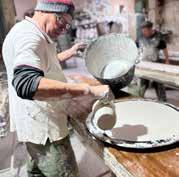
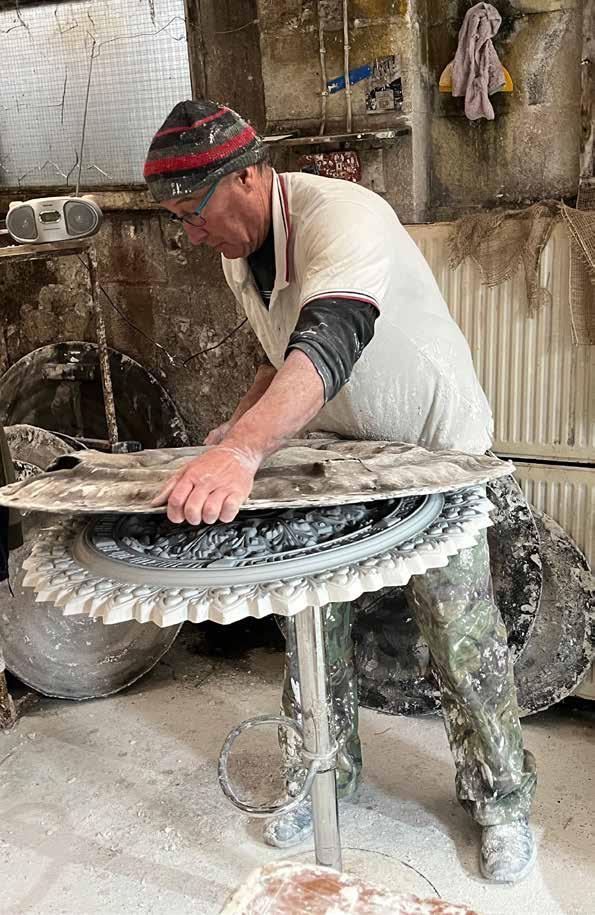
I choose the right sized bucketall our buckets are for different jobs - and put in the measure of water. For roses it's the biggest one, smaller for cornices. Then I sprinkle the right amount of plaster in - it's fine casting plaster - and let it soak until it stops bubbling. If you move it now the mix goes off faster, but if you leave it too long it starts to set and makes the product go weak. It’s all about experience. I normally make coffee now. I slide the ‘knocker’ stick in and mix it till it gets like Yorkshire Pudding mix. Then using a jug I part fill the molds. For this amount I make two large and four smaller roses. I wiggle the table to let the air bubbles rise. Then I go round again and fill to the top. I push some scrim into the large ones for added strength, but you have to be careful to not push it through onto the surface. At this point you hope you’ve mixed enough plaster. It's going off already. You don’t get long, about 15-20 minutes, you can see it starting to come away at the edges. I rub it all with my hand and then use a scraper and straight edge to make the backs flat, easier for installing i guess. I never put my name in. We used to see ones, the old ones that had names in, like you see on stone work, where I guess people were doing it for piece work. There's a chemical reaction happening and they all warm up. I can touch them and tell you its not quite set. The thin smaller ones finish first, so I get my bar stool, turn them over, lay one on it, and then tap the mold edges underneath. It sounds right when it is right. I lift and they release. They then go on the shelves in the drying room.

»Plaster casting is considered a Master Craft, which blends physical labour with the sculptor's eye. Follow the QR code to find out more.
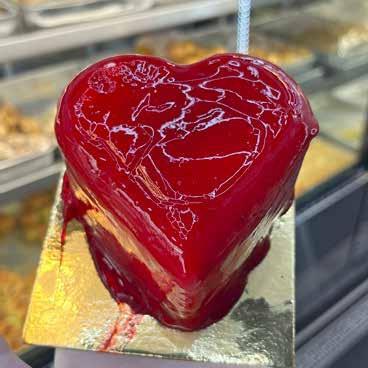
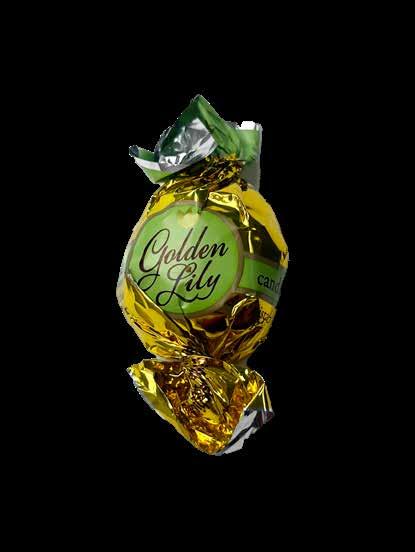
There's so many delicious foods to be tried in HU3. In our area you can eat fantastic breakfasts, dinners, teas, and suppers all created by independent producers and suppliers from across the world. In past issues we’ve shared the wide array of breads made and eaten here: Naan, Polish Rye, artisan Sourdoughs or a Jackson's white sliced… This time, lucky for us, it's the sweet treats. Read on to find out more and ponder... What’s your favourite?
202 Hessle Road
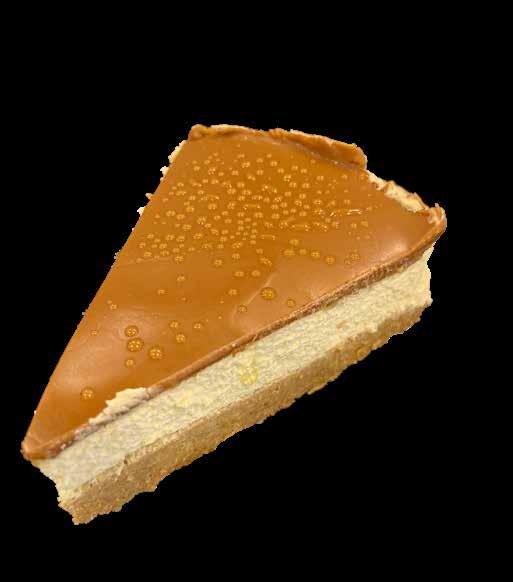
Ali, with the help of Becca, makes cheese cakes in the shop daily. “They are very good sellers, we have lots of Eastern Europe customers. Blueberry and Cherry is Polish favourite. But everyone wants them. So we also do Hessle Road versions - Biscoff and Oreo. We do things our own way. I’ve taught Becca the secret recipe!
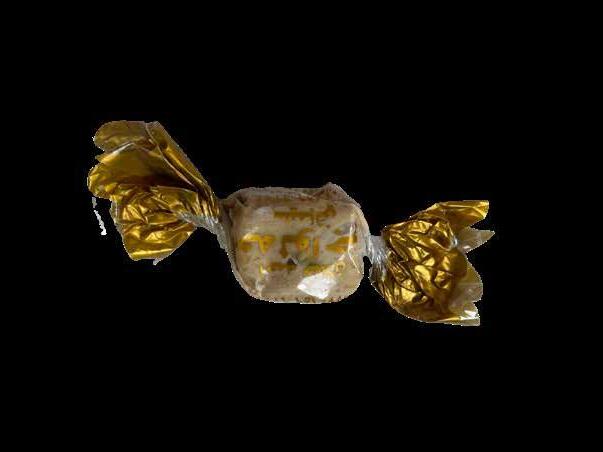
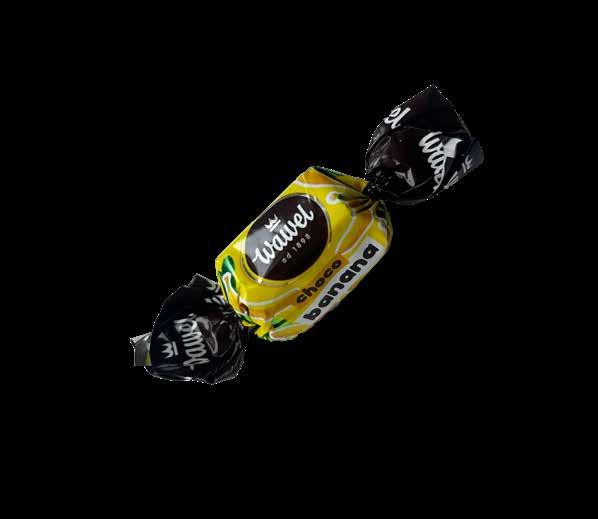
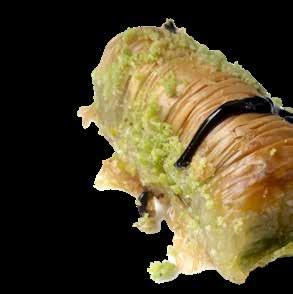
These are called Puff Puffs. These are versatile staple snacks from Nigeria and Ghana.They are normally eaten as a pudding fresh and warm or with sugar, chocolate or vanilla sauce. Or with ice cream or custard for simple breakfast. They are made from flour, yeast, sugar and nutmeg. We don’t use milk because of allergies so water
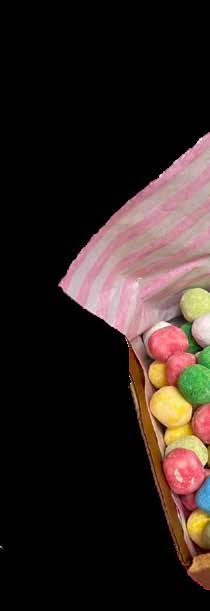
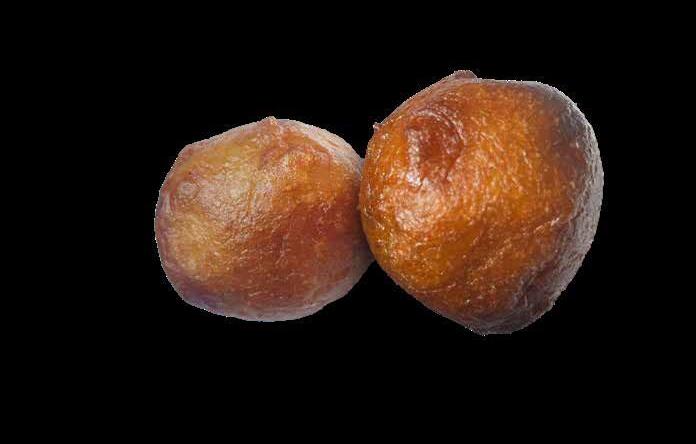
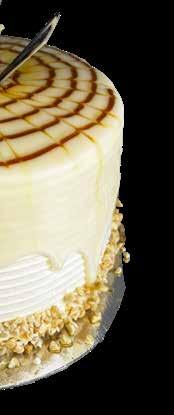

Owned and run by father and son Zana and Mohamad, Cake and Sweets seems a paradise of homemade and locally sourced sweet treats. Mohamad,a football fan too, tells us:
“I work here part time. I'm lucky not many people get to work in a shop that looks like this… my dad built it, we had a shop further down before.”
EofUs couldn't agree more, it's beautiful and exotic and full of delicious fragrance. And with that Zana rushes in with incredible trays of cakes that go straight into the fridges.
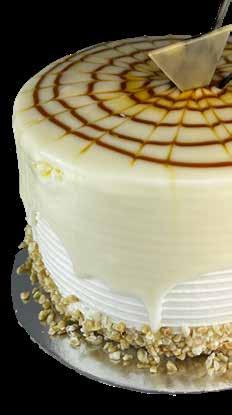
What's them? Caramel Cake or Milk cake: Trileçe, a Turkish/Kurdish speciality which is made of a spongy cake, soaked in a mixture of three milks, then topped off with whipped cream and a final layer of sweet and buttery caramel.
Wow! Yes, we sell lots of that and also ice cream, to young people and Baklava to their parents. We serve coffee for them too. We have cakes for birthdays and Turkish Delight for treats. There’s fruits and nuts and Halva for breaking fast aswell.”
What’s your favorite? Ha, I try not to eat them, but I love them. When we first opened I couldn't stop but then because you're here a lot you get used to them and plus I’m trying to be good to myself and get fit. If I do eat any, it's the walnut and date Kurdish pastries - the Kulicha - they are good for you and taste so good. We get them from Rozh, just down the road. But I also like the sour almonds, we call all the nut snacks Çerez. You eat them with tea after food.
84-86 Anlaby Road
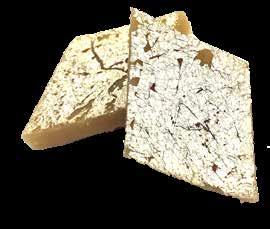
IN SRI LANKA AND INDIA PEOPLE LOVE SUGAR OR AS WE SAY JAGGERY. WE HAVE MANY SWEETS AND CAKES. WE EAT THEM AS SNACKS OR AT TEA TIME WITH CHAI OR TEA. I LOVE THE CASHEW FUDGE ONE, THEY ARE DELICIOUS!
Rajee.
396 Hessle Road, Hull
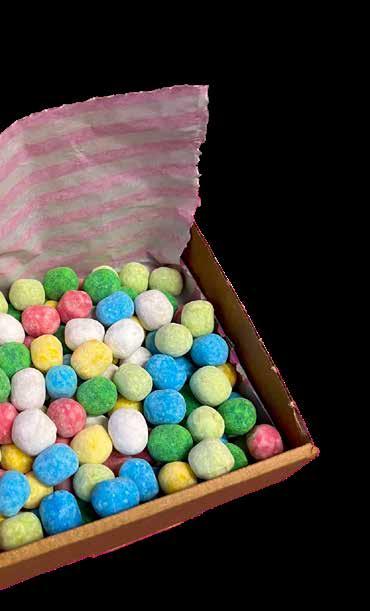
Hessle Road just got a little bit sweeter. Right there next to Heritage Fisheries is the new Graces Sweets Treats - a pink explosion of sugar! Yes, it's a treasure trove that has the power to transport you back to your youth by way of bonbons. rhubarb and custards, sour pips and chocolate limes. Graces are not stuck in the past as there's lots of new sweets. Plus you can watch all about them on their own Tik Tok channel.
Set up by Hayley and Grace, who both saw an opportunity.
“There was nothing else like it and we noticed when people came for Fish and Chips, they’d bob off to the supermarket while we fried. So we thought we’d help them by having the shop next door. We are a one stop Friday night sweet spot!” FRESH MARKET
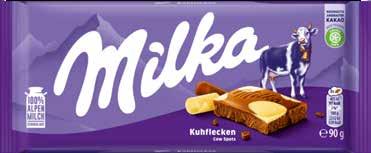
PEOPLE SEEM NOW TO WANT TO EAT THOSE KIT KATS, BUT REALLY MILKA IS THE BEST. WE SELL THEM LOTS Alec
43 Spring Bank
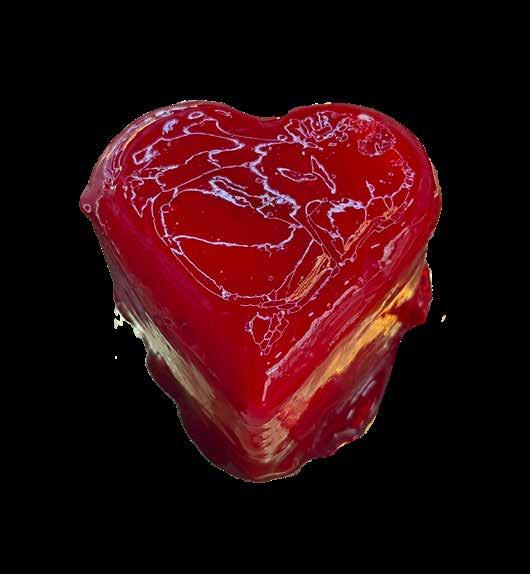
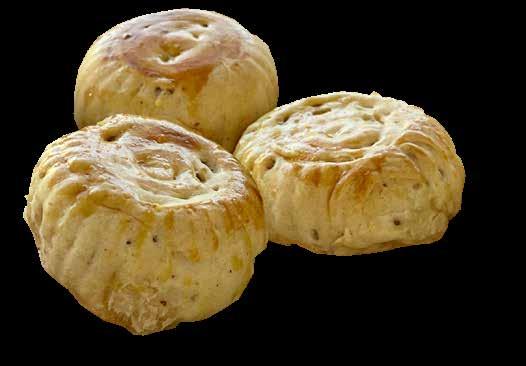
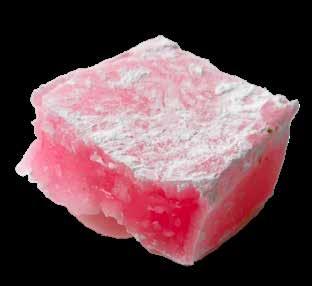
Set up early 2025 by Kurdish husband and wife team Omar and Mryama - Rozh - makes daily paqlaway bamya, kadayif, kulicha and baklava using a giant copper mixer that came all the way from Kurdistan. These pastry based specialities feature pistachio, walnuts, honey, spices and dates. The pair, raised by families of bakers, also craft fresh lokam or Turkish delight using apricots, pomegranates and raisins, nuts and coconut all on site.
SJ CONVENIENCE STORE
263 Analaby Road
WE SELL KOREAN FOODS, THAT CULTURE DOESN'T REALLY HAVE LOTS OF SUGAR, BUT THEY DO LIKE ICE CREAMS - ALL MADE WITH LOTS OF FRUIT.

Buy direct from the shop, by weight, and served in beautiful boxes for a coffee time pick me up, or in bulk for parties and celebrations. We bought a mixed box of everything! And yes we can guarantee they will all melt in your mouth.
You can find all these shops on the map on page 4 TELL US YOUR FAVOURITE
Try somthing new and let us know what you think: hello@eofus.co.uk
(65 pieces)
Dough
1 tablespoon instant yeast
1 cup warm water
435g plain flour
1 teaspoon salt
1 1/2 tablespoons ground cardamom
118ml vegetable oil, or olive oil
118ml melted unsalted butter
Date Filling
1 kg dates - chopped into quarters
2 tablespoons unsalted butter
3-4 tablespoons of water
1/2 cup ground cinnamon
Yes you can buy this from ROZH and Cakes and Sweets but why not try making your own?
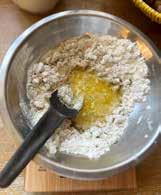
Mix the warm water and yeast and allow the yeast to activate for a few minutes. In a separate large bowl combine flour, salt, and cardamom. Add the butter and oil and mix until all incorporated and the mixture resembles wet sand.
Add the water and yeast mixture and knead the dough for at least 5 to 7 minutes. You’ll know it's ready when the walls of the bowl are clean and the dough comes together in one large ball.
Cover with a towel and allow to rise for 1 hour.
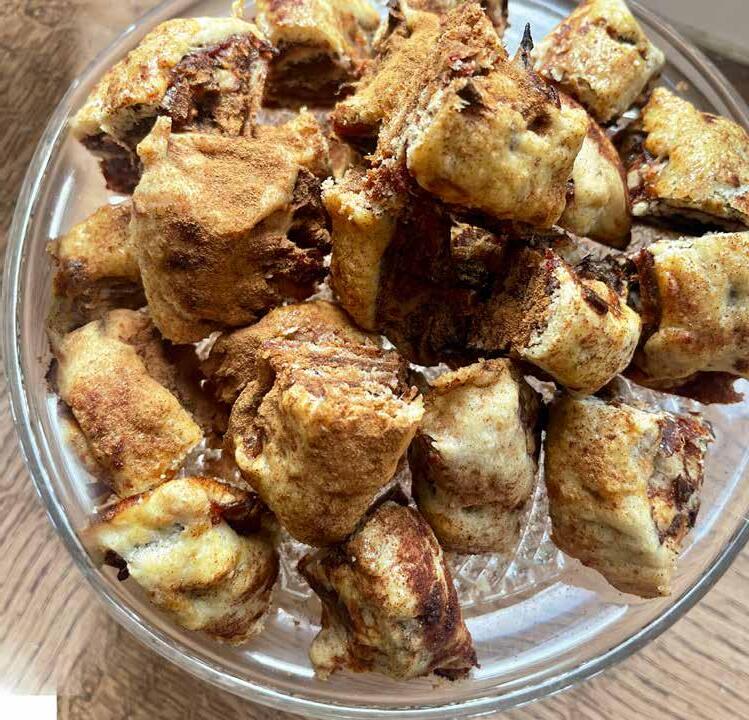
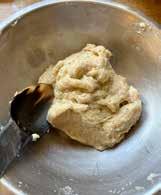
Start by caramelizing the dates with the butter and water in a pan on medium heat. It will be sticky but continue to mix it with the butter. Remove from the heat and allow it to cool.
Place paste on a large piece of parchment paper and sprinkle it with 3/4 of the cinnamon. Use your hands to knead the cinnamon in, which will make it less sticky. Gather the paste into a disc and place a large parchment paper on top of it. Use a rolling pin and roll out the paste into a thin layer, approximately 1/8 inch thick.
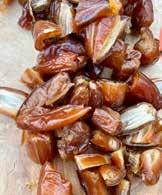
Preheat the oven to 220°C (425°F)
On a nearby clean surface roll out the dough into a large thin layer, 1/8 inch thick. The dough should be easy to roll out.
Use your hands to break up small pieces of the date paste and place it on top of the dough. Sprinkle the surface with the remaining cinnamon. Make a cut along the width of the dough to divide it into two equal pieces.
Start rolling each piece from the inside up onto itself so that the date paste is inside and the dough is
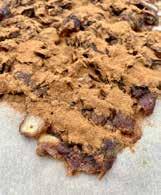
on the outside. Create two long logs which you can cut to make 4 shorter logs. Use a rolling pin to slightly flatten each of the logs. Using a sharp knife to cut the logs into small pieces roughly 3/4 inch in width. Make two small holes in each piece, pressing only half way through, not all the way. Grease a large sheet pan with oil and place the Kleicha on top, side by side, leaving roughly 1/4 of an inch of space between them.
Brush with the egg wash and bake at 220°C (425°F) on the bottom rack for 15-18 minutes until golden brown.
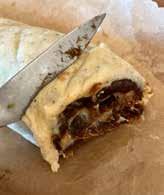
Remove the kleicha from the oven and place on a large tray and cover with a towel to avoid drying them out.


»www.hungrypaprikas. com/iraqi-kleicha/
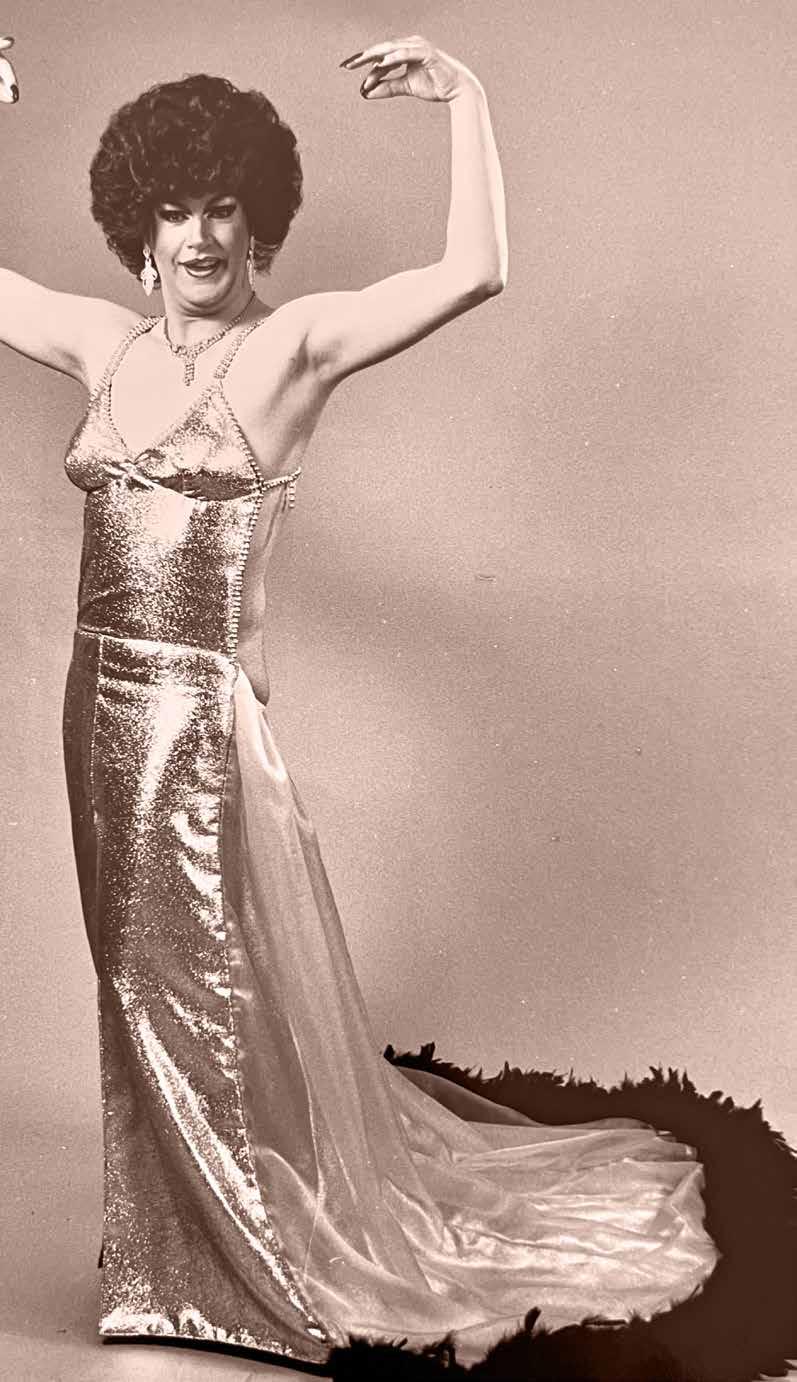
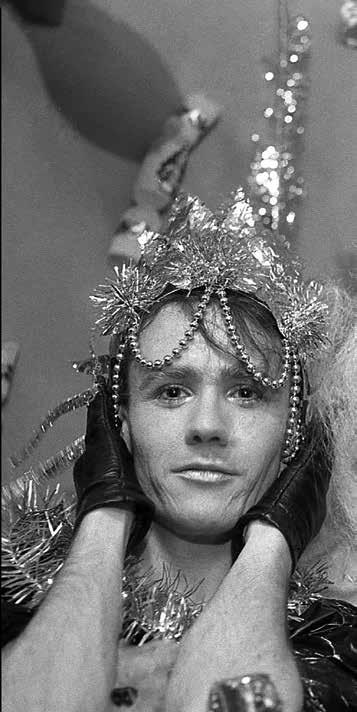
Perhaps there was something in the working-class docklands water of HU3, in the 70’s, 80’s and 90’s, that made it the perfect place for a rich and vibrant drag performance scene to emerge. A scene that rivalled Manchesters. With performers, musicians, pub and club owners creating unforgettable nights. What we’ve also discovered is that the finds and stories seem to raise more questions than they answer. Here we reveal some of the photographs and pair them with a question. We wonder how
Home grown and visiting performers, like Kandy Lee Barry/Bobby Mandrell, Dreamgirls and The GiGi Girls, took their duty to entertain very seriously. They were supported by a cast of costume makers, musicians and pub and club landladies and lords, who created big nights out for thirsty audiences looking for a laugh and a good time.
Behind the scenes, photographers and audiences quietly captured it all. Unbeknownst to each other, several commercial, student, amateur and professional photographers took an interest. They have since gone on to various careers while their drag photographs sat, largely unseen, in their private vaults. Over the last year we have been rooting in people's photo albums and inviting them to re-find safely stored posters, diaries and scrap books.
As a result we’ve found amazing things…that, along with recorded histories, will become a new, important and publicly accessible archive that will be hosted at the Hull History Centre, and the Bishopsgate Institute in London.
Here we reveal some of the photographs and pair them with a question. They have been selected by the project's advisory group, Western Librarians and the wider Scene But Not Heard team. We think they make interesting provocations.
I’D LOVE TO KNOW THE STORY BEHIND THE SERIES... WHAT HAPPENED AFTER THESE PHOTOS WERE TAKEN?
Selected
by Meg
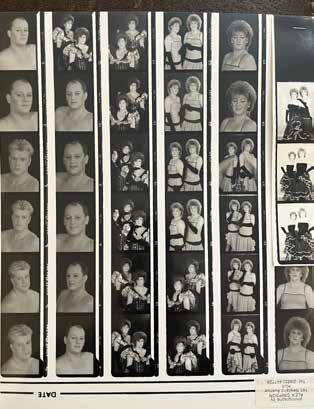
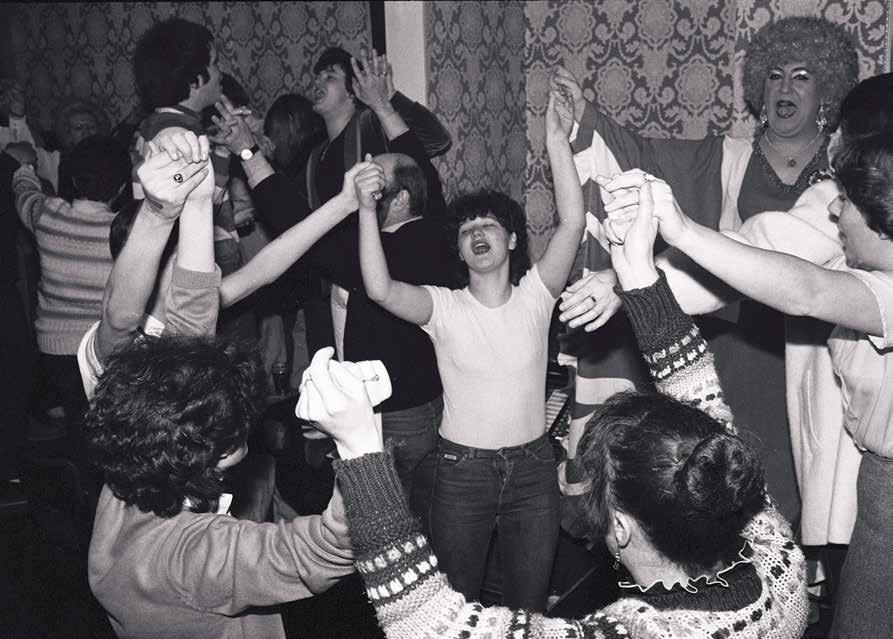
PEOPLE SINGING, ARMS RAISED, HOLDING HANDSI WANT TO ASK WHAT THEY'RE SINGING, WHAT THEY'RE CELEBRATING SO JOYFULLY?
Selected by Catherine
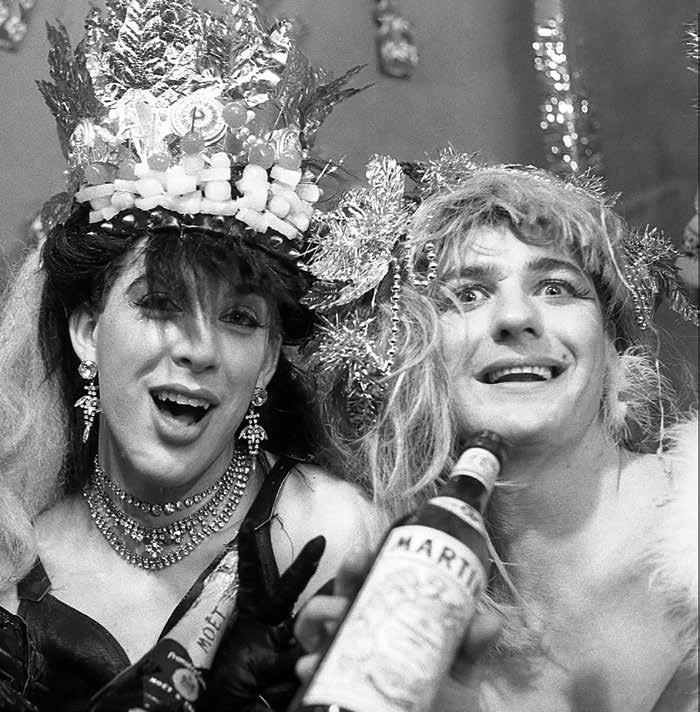
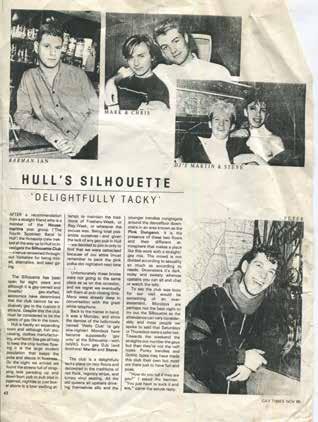
WAS HU3 A COMMUNITY TRULY EMBRACING AND MAKING SPACE FOR EVERYONE?
Selected by EofUs
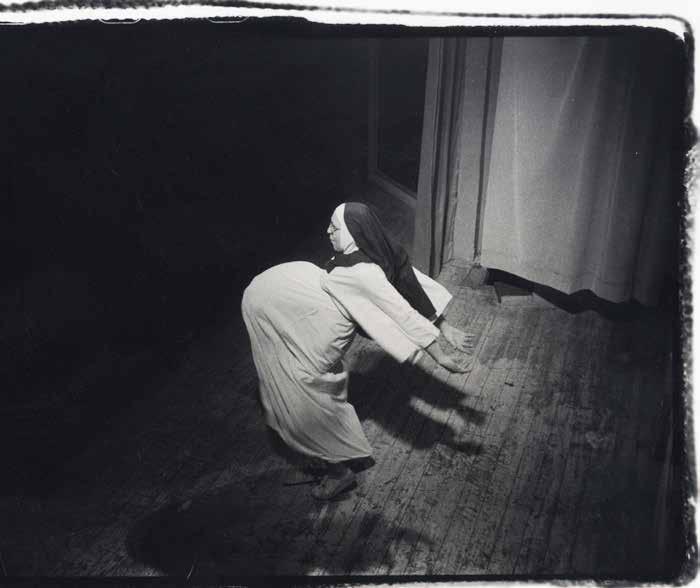
WHAT DID THE NUN SAY TO THE FELLA AT THE BACK?
WHO WROTE THIS ARTICLE, AND DID THEY EXPLORE THE WORLD OF HULL DRAG EVEN MORE AFTER THEIR EXPERIENCE?
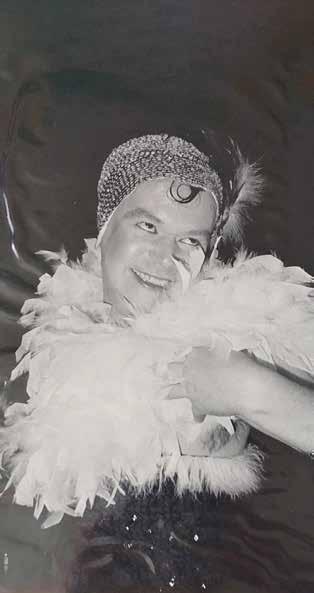
WAS IT ALL LIPSTICK AND LASHES?
Selected by EofUs
Thank you to all the performers, photographers, audiences and community members, including our LGBTQIA+ advisory group, who have contributed to this project so far. Your generosity, wisdom, experience and knowledge is greatly appreciated.
Scene But Not Heard is made possible with The National Lottery Heritage Fund. Thanks to National Lottery players, we have been able to discover and showcase this important archive.
Scene But not Heard is funded by Historic England as part of Historic England’s Everyday Heritage grant programme. The programme celebrates working class histories and seeks to explore untold stories and celebrate the people and places at the heart of our history. This funding has supported over 100 projects across England, which seek to tell the stories of our nation’s working-class heritage projects are all community-led and peoplefocused and aim to further the nation’s collective understanding of the past; the grant programme was launched in 2022.
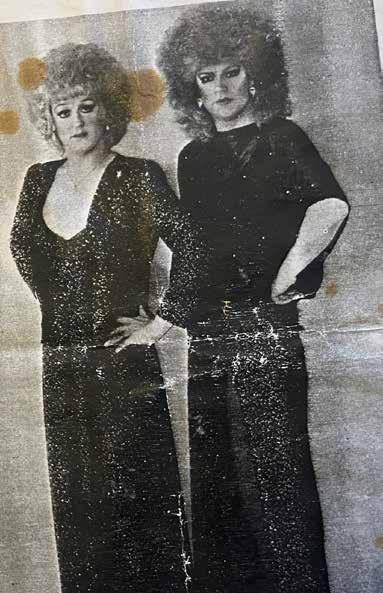
HOW DID THEY LEARN TO DESIGN AND MAKE COSTUMES AND CREATE ACTS/NUMBERS?
Selected by Onyx
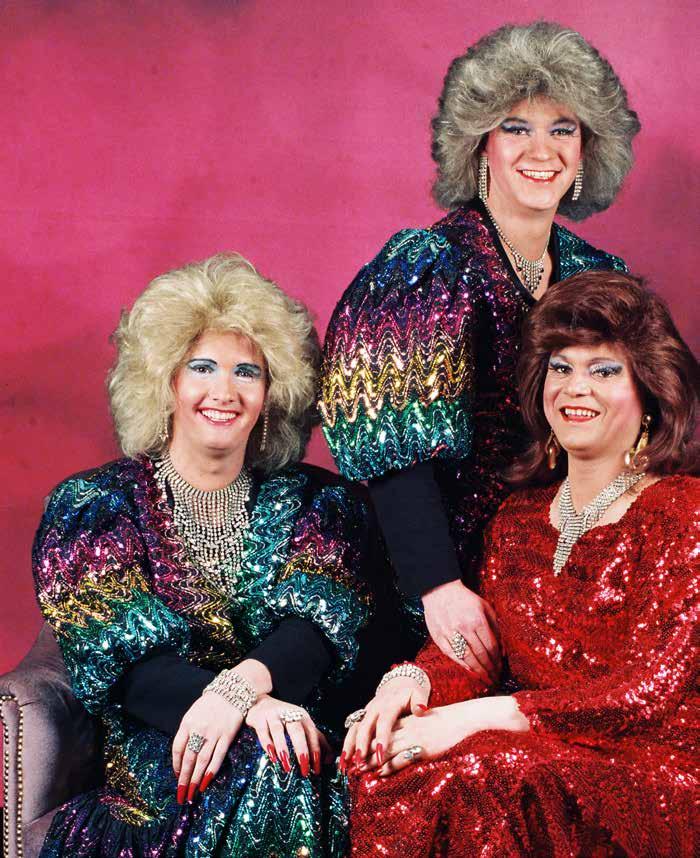
Selected by Western Librarians
I REALLY WANT TO STUDY ALL OF THOSE PORTRAITS. I WONDER WHAT THEY ALL SANG?
Selected by Jason
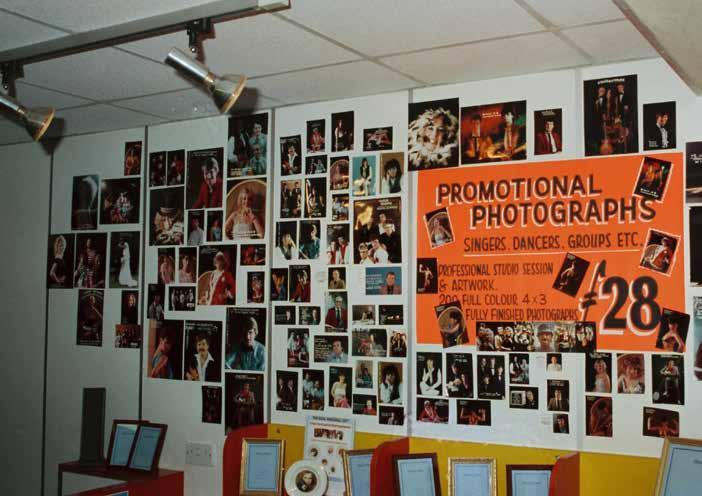

Selected by Courtney
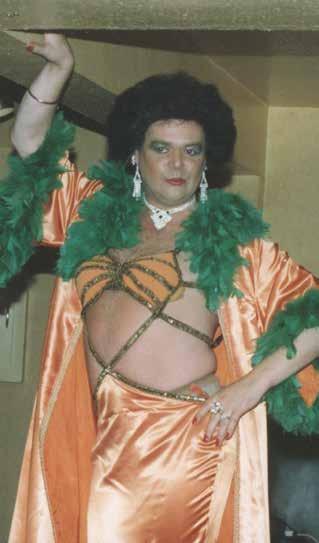
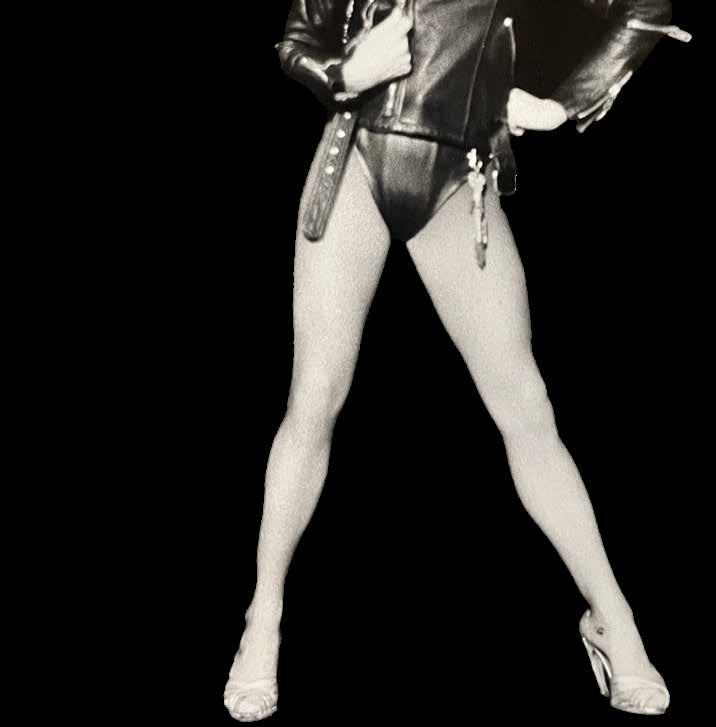
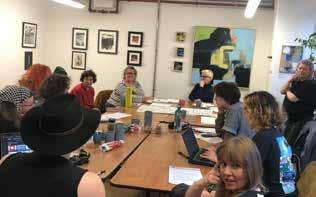
Scene But not Heard has an advisory group made up of individuals (Jason, Catherine, Grae, Rowan, J, Onyx, Megan, Theo and Courtney) from within the current LGBTQIA+ scene. The group meets regularly and alongside the project team collectively makes decisions about how the project should best respond to the archive materials being unearthed.
The responses include commissions to date including a new film by OAT productions of Bobby Mandrell’s last performance and the co-curated exhibition in HuFree Gallery
Join us for a Test Screening of Queen of Hessle Road with a Q&A, discussion and cinema based snacks. Queen of Hessle Road is a short documentary film, created by HU3's own OAT Productions. It explore the life and career of drag artist Bobby Mandrell. The film unravels the amazing journey Ray has been on over the years and closes the curtain on one of Hull's most talented and inspiring entertainers.

»Saturday 8 August, 4-6pm, St Mathews Church
»To book, visit IG: @EofUsHU3

Visit the exhibition at HUFree Gallery, Western Library until 6 Sept 2026.
»Be inspired by T-shirts worn by people featured in the archive. Work with artists Layla Jabbari and Alex Costin to design and print your own.
»Saturday 8 August, 10.30am-12.30. HuFree Gallery, Western library
»To book a place, email hello@ eofus.co.uk
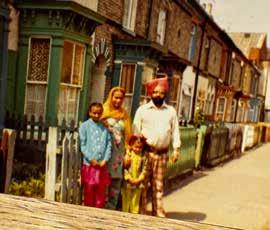
Interview with Guljar Singh Gola about his family history in HU3 and the legacy the Sikh community are creating in his father’s name.
You are the son of important, brave parents who, despite incredible odds, made a good stable life in HU3. Can you tell us more?
The family originated in Gavlitiva in Pakistan, but during Partition in 1947 they moved to Amritsar. The memories I have heard of this upheaval are of violence, of walking through streets stained with blood. Families tried to remain in groups and people piled onto trains. Trains got bombed. Dad used to say, “God is one” kept us alive. He didn't speak much about this time. It was a terrible time.
Years later, in 1957, some of the family took another significant journey, travelling from Bombay to Liverpool. Dad, who was born in 1938, came with his mother and his younger brother. After Liverpool he moved to London to work at a Chemical Supply Company around the 1960s, as a labourer. In 1962 he also married my Mum, Roshan Kaur. They moved to Doncaster after getting married, to find work. He got a job at Micklewaite and Co, ironfounders in Rotherham, and then at a steel works in Sheffield. He travelled daily to that job without a car — on a bus. The company found out as he kept being late, but they were so impressed by his determination they didn't dock his pay. Instead, they asked one of the blokes and, from then on, they shared a lift.
In 1969 he moved to International
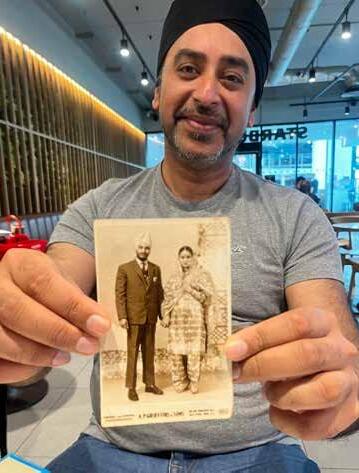
Harvester in Doncaster. All he wanted to do was support his family and give his kids support.
Are your family the first Sikhs in Hull? We are one of the first Sikh families in Hull, along with two other families who arrived around the same time, although my father was the first to remain true to his faith. When moving to Hull in the early 70s my family always lived in the HU3 area, firstly down Walliker Street in the early 70s and then later on Sandringham Street in the 80s, where we still live.
I am one of seven. I have two brothers and four sisters. I am the youngest and was born in Hull. My father, like me, experienced hardship and acceptance for sure. Settling for him was not easy. Language barriers, unfamiliar customs, and limited employment opportunities made everyday life difficult. For Dad these challenges were often heightened by the fact that he visibly stood out, proudly maintaining his Sikh identity by wearing a turban. Despite this, he remained determined to succeed. He began work as a travelling peddler, particularly around the docks, selling shirts and items being imported from India.
It must have been important to gather to keep their faith and support one another? These few people went on to set up the first Sikh temple, or
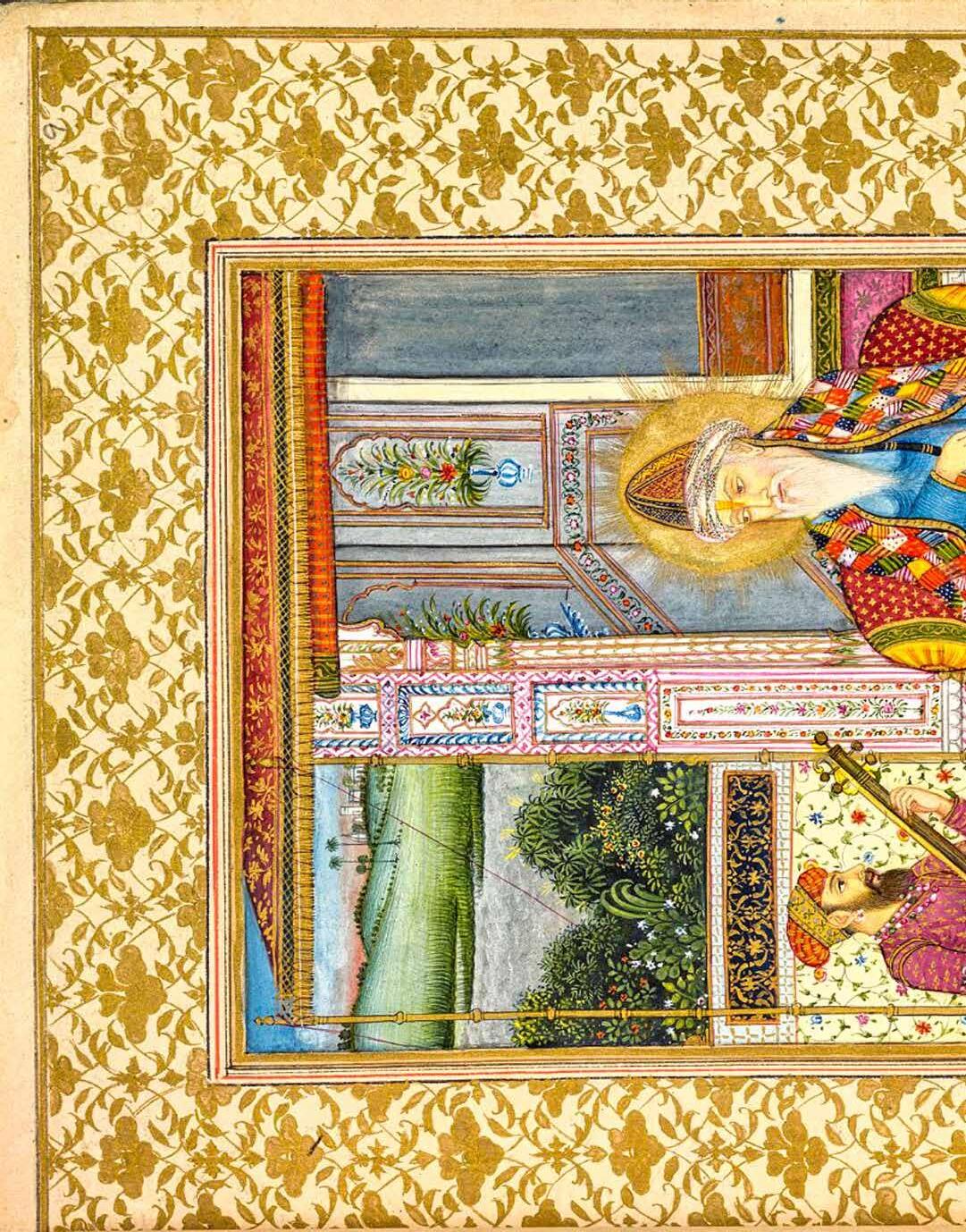
Gurdwara, in a house on 35 St George Road around 1974. It had about 15 members, including my family. Between 1978 and 1983 the community grew and there were about 50 people meeting in an old telephone exchange building in Summers Street, which they later had to leave.
After that Hull didn't have a temple and we would travel to Doncaster weekly. Since 1992 we have had the temple on Parkfield Drive. It was an old synagogue. There are about 400 of us who attend the temple. We are also developing a new beautiful purpose-built one with lots of parking down Wheeler Street, which is currently under construction. Sikhism is about equality, humanity and diversity. Even our most sacred place of worship, the Golden Temple, has four doors symbolising that anyone from any of the four corners of the world is welcome with open arms. Everyone is seated together with no differences, and our holy book, the Guru Granth Sahib, is raised on a platform, stating God is greater.
We also offer a free kitchen and provide food to everyone. Apart from the normal prayers, there is also religious singing and music called kirtan. My dad showed us the path. It was his influence on who I am. He always pushed me to be musical. I have played tabla since I was seven years old
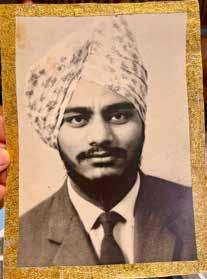
A SIKH MAN ALWAYS HAS SINGH IN HIS NAME — SO MY DAD WAS SEWA SINGH GOLA, I’M GULJAR SINGH GOLA. SINGH MEANS LION. A WOMAN ALWAYS HAS KAUR IN HER NAME. KAUR MEANS LIONESS.
and sang kirtan from a young age. He sounds very influential, your dad? Yes! Dad passed in 2024. I regret not sitting and listening to his stories or trying to understand more. But life goes fast. I reflect and I can see the hardship he and others went through coming over. Dad’s appearance meant he stood out. The UK wasn't accepting then. Now we are more multicultural and accepting of being different. But back then there was pressure within the Sikh community to blend into society. My dad stayed true to his faith. That strength he had, that belief in “who I am”, pushed him forward. That's impacted me. I'm not ashamed of my background, where I came from or the traditions. Looking back through the history, I can see how committed Dad was to his faith in hard circumstances. I am like him. I wear a turban, which means “Crown”. It’s a marker of self-respect.
I remember at primary school kids being kids — they were not judgemental. But their parents would say, “You don't want to be playing with Guljar.” When I was at school there wasn't RE studies, now that is normal. People got curious, I suppose. My older brother, Nirmal Singh Gola, was definitely the first Sikh to wear a turban in school within Hull.
These are my dad’s father, grandfather
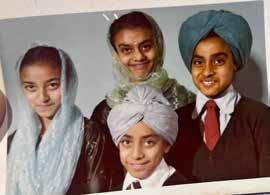
and uncle. They had first come to England in approximately 1925, to Liverpool from Bombay. The majority of Sikhs back then found it hard getting jobs and so tried going elsewhere, like Manchester, to work in factories. That’s why there was, and still is, a large Sikh community in Manchester even now.
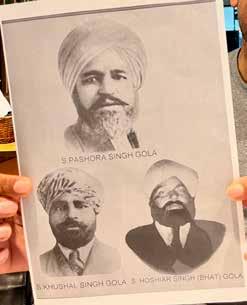
In 1931 the elders went home because life was tough and they had left family behind. They also stayed for some time in Glasgow. They were bringing clothing and ties from India and selling them in the UK.
Gukjar and the comunity are developing a charity called SEVA, in remembrance of my Dad, inspired by the Sikh values of humanity, diversity and equality. Seva is derived from Sanskrit and Punjabi and means selfless service. We provide for our community on a voluntary basis and offer food and help to the elderly and those in need. We aim to create fusion between differences and promote understanding
»Chat and Choose for breakfast with the SEVA community 22 October, 8.45 - 10.30am

»To hear more from people with direct experiences of Partition and migration, watch this film by Let's Go Yorkshire
»Sikh means learner. Guru means teacher who leads you to God. Sikhs believe in equality, diversity and humanity as one.
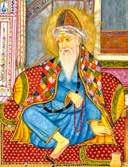
»The founder of the Sikh tradition, Guru Nanak, was born in the region of Punjab, South Asia, in 1469 CE. He lived a life of spirituality, service and honesty, and the disciples who began to follow his teachings came to be known as Sikhs. The Sikh community grew under the guidance of ten religious leaders — gurus — the last of whom passed away in 1708 CE.
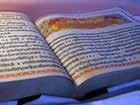
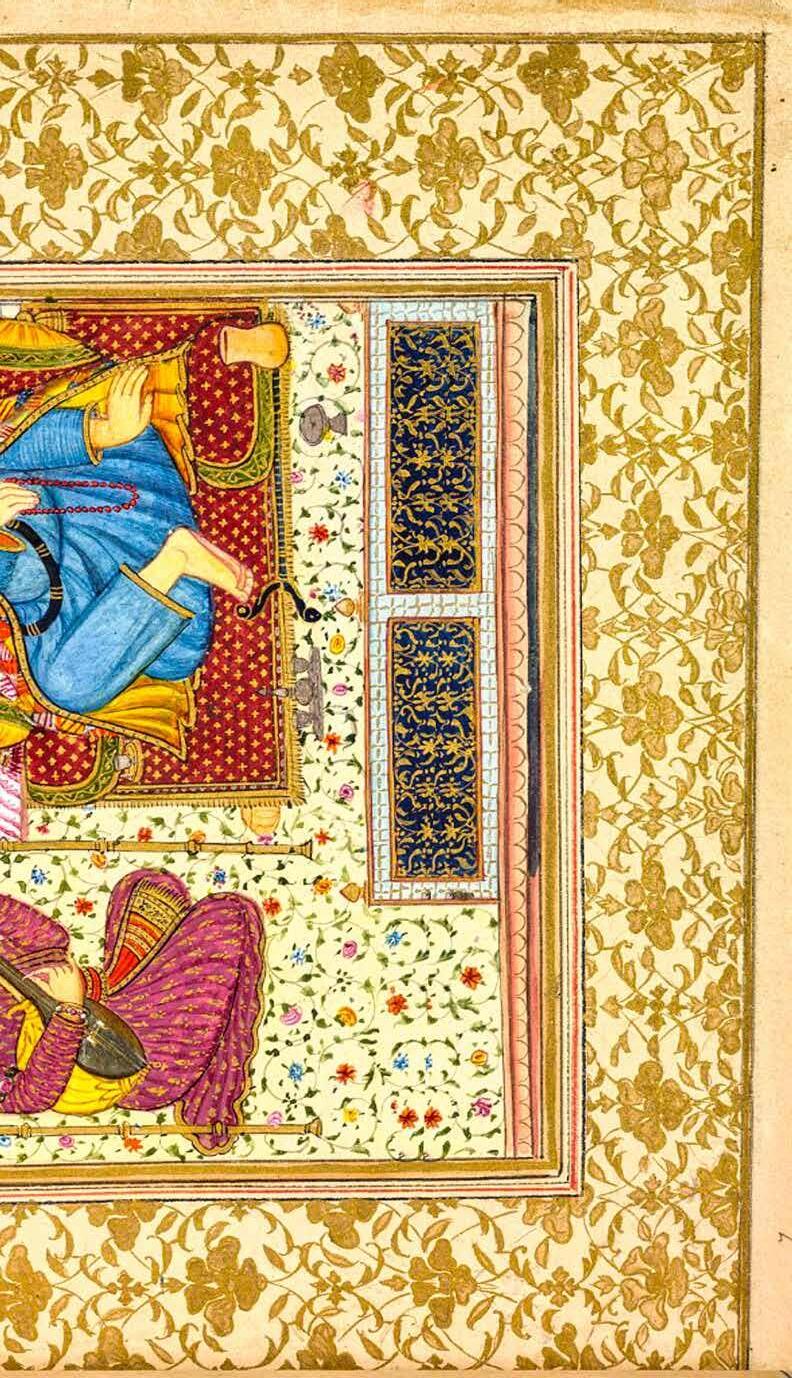
»The authority of the community today rests with two entities — the Sikh scriptural text known as the Guru Granth Sahib - a revered text. It plays a central role in Sikh devotional and ceremonial life. And the community of initiated Sikhs, known as the Guru Khalsa Panth.
»The Khanda consists of four intertwined weapons that symbolise the balance between spiritual and worldly life, justice and the oneness of God.
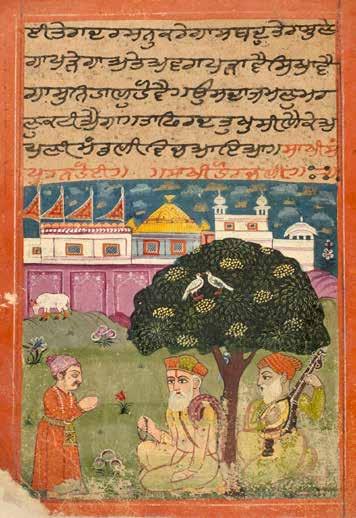



»There are hundreds of Gurdwaras, or places of worship, across the UK. These serve as community hubs and offer langar — a completely free, vegetarian community kitchen and meal open to all, regardless of faith or background.
»One of the most important dates in the Sikh calendar is Vaisakhi and is celebrated in April. It includes public processions known as Nagar Kirtans.
»Sikhs are the fourth-largest religious group in the UK, with over 535,000 adherents (roughly 0.9% of the population).
»The Partition of India in 1947 ended of over 300 years of control by the British Raj in India. It saw ‘British India’ divided into two: the Union of India and the Dominion of Pakistan. The British intervention displaced between 12 and 20 million people along religious lines, creating overwhelming refugee crisis, mass migration and population transfer. There was large-scale violence, and an estimate of between 200k and 2 million deaths.
There's a small sign at the end of Gillet Street that says, ‘Hot Food’. The sign leads to a tucked away sandwich van. EofUs called in on the lookout for good food. And to our surprise what we found led us to a whole lot more.
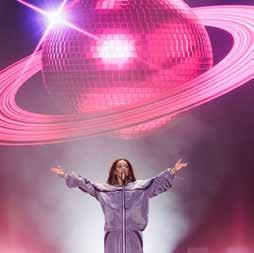
This article is not about food. Whilst we highly recommend the cheese and onion bap, the conversation in the queue with a woman covered in paint is what we're really here to talk about. Turns out she was from Ox Event House, which just happens to be Europe's (maybe even the western world's) largest experts in stage set and prop manufacture. Hiding in plain sight, deep in HU3, in four huge warehouses, is a world class company. An organisation who employs dozens of skilled makers, designers, chippies and stagehands… who recently made a 40m wide giant bat, a flying eagle and the mirrored wall Harry Styles danced under on his recent tour. Excited at the discovery, EofUs requested an interview, which on arrival became a full tour of the site and great reflections on the superpowers of neurodiversity and family businesses. Read on to discover what Directors Fiona and Ben and the friendliest team ever had to tell us.
So, what do you do and how did you get into doing this?
What we say is: “We are market leading experts in stage set and prop manufacture; taking a client's vision from concept right through to the stage and audience. We produce sets and props for world-class concerts, festivals, TV programs, award ceremonies, theatre productions. We design, plan, do project management and tour everything too”. We have workshops with staging and props in. We fabricate everything here and work with people locally and regionally to get things done. We have lots of folks out on the road setting up and taking things down. We got into it because Ben’s Dad was a sound engineer and in bands, he set up Production North with Kieren’s (Technical Design Manager) Dad, and they worked with bands like Bananarama and Nik Kershaw back in the 80s and so on. Ben worked for them doing audio and techproduction. We were based in Leeds. Ben is amazing at building stuff, creating ideas for sets. He learnt on the job and had this incredible knowledge, born of experience. Which means he can see the whole thing. Plus, people like working with him. This whole industry runs on who you know and who you can trust.
We set up formally in 2017, alongside other things, when Covid hit, we had six months off and quite liked it! Then in 2019 we started as us, and tv and filming started to open up and we began making those divider screens so actors and crew could work. Then we just kept getting calls. We did the MOBO awards and a set for Little Mix. We were doing this on our driveway in Hessle! One day I said, “we need a warehouse, this is mad!” So we went to Clough Road but outgrew it fast! Then we came to Flinton Street. Our first warehouse was the old studio of Anne Carlton who made the
bespoke chess pieces. It's funny, like her we started in an old fish smoking house!
Fiona, this is a huge business you've built - have you always had this as an ambition?
No! I loved being a stay-at-home mum. It was all consuming in a good way. I've got four kids Bella, Callum, Fraser and Masen. Being there for the kids, as Ben worked long hours as a production manager, was good. I was not desperate to be a career woman. I have a degree in Marketing, and I had worked as an accounts manager, but when Masen was 8, this all started to grow. I said I'll just pop in and help, but the phone didn’t stop. Ben kept saying yes to jobs and we just got busier and busier. We don't even advertise! I've adapted. I've learnt on the job how to run a multimillion-pound company! Lots of family and mates are employed here. Esther is my sister-in-law. That's my sister over there. My brother-in-law does the legal things. But ha, I’m like a Mum to them all! We are a massive family and this whole place is built on team effort. We couldn't do it alone.
Who and how many people work here now?
Well, we have Kieren who, with Ben, is a very gifted designer and thinker. Like many of us he is Neurodivergent. It's a superpower in our industry. People who can think and work fast, who are driven, can focus on multiple things. Kieren has a technical, creative mind; he understands the whole gig. He’s self-taught from working with his dad. He blows other designers out the water. He sorts things out for them fast. We are very lucky to have him.
We also have women over there building a giant basket out of pipe insulation for a Toy Story event, there's guys here painting, others making staging. There’s 25 fixed staff and then 100s of subcontractors who are out on tour putting up stages all over the
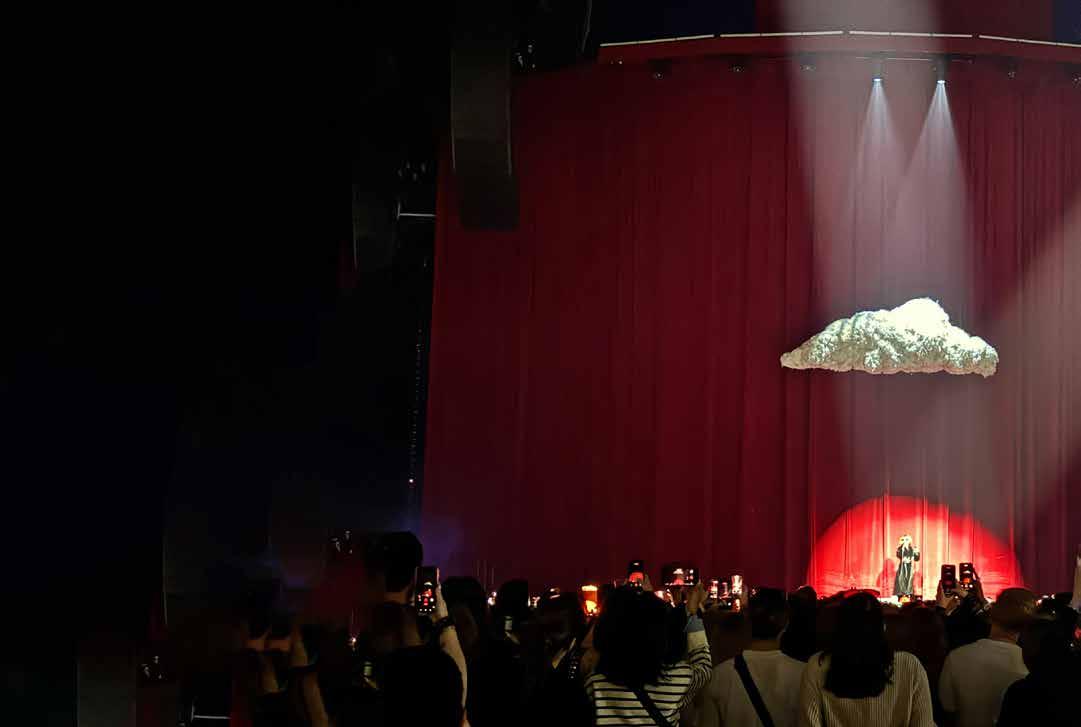
world. They get paid well, get all their washing done and are being fed and love it. We get people skilled up and then they want to go on tour. It's a problem for us because it means we are always looking for good, practical, skilled, hardworking people who like the fast pace and can think on their feet. They are hard to find but we would be happy to hear from people who want to try.
I bet you get lots of free tickets!
Ha yes, we do, but we don't often go now. We’ve had enough of it by the time the performances happen. My kids laugh that we’ve spoiled it for them too! They don't want to go because all they hear is us talking about it, or they say, "You're doing every artist but no one we wanna watch!” They didn’t mind when we did Travis Scott or Gunner. Mostly we try to go home and be quiet.
Quiet, yes this pace you're all working at is incredible? Do you sleep?
There's so many plates spinning - that's a neurodivergent skill set too! The job comes first. We’ve worked 18 hour days for what seems like forever. But we keep much better hours now than at the beginning. Finishing the job on time and delivering it comes first. If we need to, I help in the warehouse - even the kids get dragged in to help load trucks! Everything has to happen now, turn arounds are so fast. From drawing to building, to tour. Nowadays we have more staff and help. But lots of people want Ben because he understands and can imagine instant solutions. We have to train clients to know we have built a brand where other members of the team are also great.
I sleep, but Ben doesn't so much. He woke up the other night panicking the mirrored wall we made for Harry Styles was going to fall on his head!
WE
Pool work/life balance then?
We are also very involved with our Church, we are Christians - Latter Day Saints / Mormons. We are very committed to it, we don't just say it, we live it. We believe in helping where we can. We volunteer a lot. My son is on a mission currently too. Doing this beyond work is important though.
Why Hull or more importantly why HU3?
Being here in HU3 is really good. We have been able to expand across these buildings. Plus, we are close to the ferry for international tours. We hire people from the area, and some come from further afield because the road links are good. Our van delivery driver Mo is local. He came one day to drop off, we liked him and we just use his services many times a day usually.
Incredible! I hope in ten years you'll be able to look back and think “Wow we did all that for the industry, the family, this area - yourselves?
Yes, I hope so too. We have just been working, looking forward. Ben occasionally looks around and asks if we need a single big warehouse? But no, we like it here. We like walking between sites, getting the air. We like that the hot food folks stay because of us. We know we’ve created this amazing thing - here in HU3. And yes, we are starting to reap the benefits of all our graft. But it is still mad, we’ve done all this in five years!
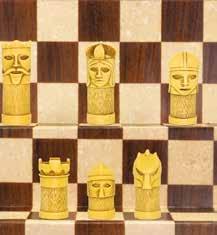
Studio Anne Carlton dates back to 1969 when Anne Finestein created her first chess set for architect husband David, an avid chess player. It was greatly admired and requests for copies came in from all over the country. In fact, the demand was such that Anne moved her factory from a small garden shed into an old fish smoking house on Flinton Street, HU3.
THERE'S SO MANY PLATES SPINNING... THE JOB COMES FIRST. BUT WE ARE NOW LOOKING AT WHAT WE’VE ACHIEVED. WE’VE WORKED 18 HOUR DAYS FOR WHAT SEEMS LIKE FOREVER.
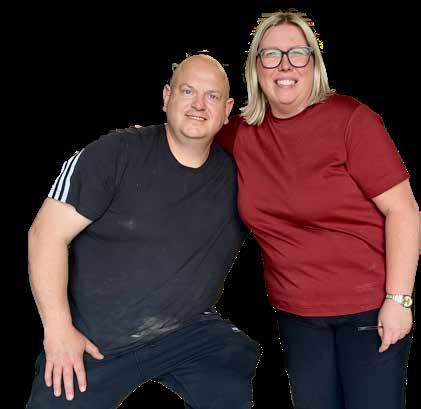

By 1979 Studio Anne Carlton Ltd had become a major force in the games industry, with many innovative products and ideas. In the early 1980s, the company was acquired by Clayhithe Plc. A 22,000 sq ft factory was built on the Hull site.
In 2003 the company was sold to Traditional Games and most of their manufacturing was moved to China with the UK factory being closed but all design and development remained in the UK. In 2014 Ancestors’ Group acquired the rights to manufacture and distribute the SAC range of decorative sets and classic games and moved production to their own UK
FIND OUT MORE »studioanne carltongames. com
»If you like board games, turn to page 22 to read all about gaming in HU3 YOU CAN
Stronghold Games is fast becoming a Hessle Road institution.
All the while adding its own safe and creative approach, to the seemingly huge offer of table top game across Hull. We went along to the large green shop on the corner to find out more.
Dave Bradburn is the owner. We’ve been here 10 years! I started it because I was into this stuff. I've always loved Transformers and Games Workshop. My mum bought me first things when I was 4. I've been playing Magic Gathering since I was 12. I saw an opportunity to start a business when I lived in Sheffield. I thought I can do this, as I visited the shops in that city such as Patriot Games. At the time there was very little over here in Hull. So I did my research and found this building. It was a good price. I own the whole building. I lived upstairs in the flat for years too.
What's important about Stronghold ?
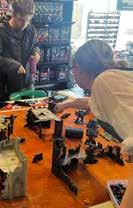
I believe in being more than a faceless business. Yes you can buy these things online, and of course, you can play some games online but we believe in sitting together and building and playing. We like to be nice and chilled here! My staff were customers and customers want to be staff!
We also believe in building and painting and the long term value of that hobby. We know it can be an expensive hobby but we also say once you've bought the brushes and paints you can keep using them as you grow your collection. We have people here who just paint and build, others who just play.
I know we help with people's enjoyment, but also their mental health and wellbeing. We are a space for all and we recognise people come here who might not feel they fit in other places. People who feel isolated or are non-neurotypical. So we welcome all people here and they don't need to worry about being judged. We have people who come here who have been pushed from other things, and who 3 years ago wouldn't speak to us, and now they are chatting away like there is no tomorrow. I know that my customers, staff and me are from a long line of folks who sat and looked and got fixated at places like Stonehenge or the stars and saw the same patterns come up!
I COME 4 TIMES A WEEK, I ONLY LIVE 10 MINUTES AWAY. MY EX-BOYFRIEND GOT ME INTO IT, AND NOW I'M HOOKED. BUT HA HE’S GONE AWAY! Lana
EVERYONE IS ACCEPTED. YOU CAN COME HERE AND START A HOBBY AND ONCE YOU FIND THIS FAMILY YOU FIND LOADS OF PEOPLE...STRONGHOLD IS LIKE A HUB. Ryan
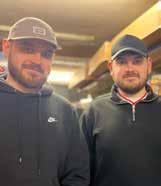
Nathan Brown has worked here 3 years and was a volunteer for 7 before that.
What are you playing?
We are playing 40K “good” against evil. This is a table top game and we are playing a casual game. Two staff and eight customers. It's number based and it’s all maths! We have lots of dice and we are trying to take objectives on the board. It’s good to play alongside all the community here as we help each other learn.
Dave Wright has worked in Stronghold Games for nearly three years and generously gave EofUs a tour of the place - well lets be honest it was more than a tour as we know next to nothing about Dungeon and Dragon, Magic Gathering role play gaming and War Hammer worlds! We have two rooms upstairs and all this space down here in the shop. All are free for people to use for D&D gaming and other board games. We just ask for a fiver deposit to secure it. 30 plus people come in the evenings. We have a good reputation. We like to think of it being a safe space, we welcome everyone. And people here mostly know us by word of mouth. For us it's about community and enabling people to interact with others for laughs and painting and crafting and being social.
I guess people might start with trading cards like Pokemon, building a collection, buying and selling. Then you might get into the models, to play with them or paint them. We often say it’s Plastic Crack - as in it's super addictive!
How did you get into this I’m from a family who played board games. I was intrigued as a kid by fantasy books. All the Terry Pratchett stories and Tolkien's The Hobbit. I also loved Frank Herbert's Dune series. My Mum was into Anne McCaffrey, Dragonriders of Pern. Of course Mary Shelly wrote Frankenstein not far from here too. It used to be that people thought we were nerds, we were outcasts. But it got more and more popular and post Covid the scene exploded. People craved things to be social with. Working here has done me the world of good. It's a way to let your emotions out in a positive creative way. It's constructive, not destructive. Every model
I think is a reflection of the parts we lock away!
Warhammer 40,000 (40K) consists of popular, grim dark tabletop wargames and various video games set in either the scifi universe or the high-fantasy. Players collect, paint, and battle with miniatures, or play video game adaptations.
Magic Gathering is a trading card game where players summon incredible creatures and cast powerful spells to defeat their foes. The game has thousands of cards so you can always find a way to express yourself on the battlefield.
Dungeons and Dragons (D&D) is a cooperative, imaginative tabletop role-playing game where players form a party of adventurers to explore fantasy worlds, fight monsters, and complete quests. One person acts as the Dungeon Master (DM) to narrate the story and adjudicate rules, while others use dice (notably d20) to determine the success of actions.
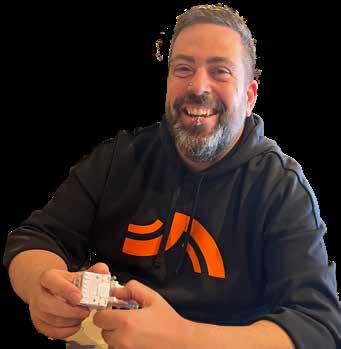
Hear Gareth talk about his artworks at Stronghold Games, Free, 190 Hessle Rd, Hull, HU3 3BE, Thurs 8 October, 6.30pm
I LIKE THEM BECAUSE THERE’S ALWAYS AN UNDERDOG AND I WANT THEM TO WIN.
I'VE BEEN IN A SUBMARINE FOR SEVEN MONTHS READING THEM ONLINE. IT'S SO GREAT TO COME HERE AND GET A PHYSICAL THING, A PAPER AND PRINT VERSION THAT YOU CAN HOLD. Toby
»19 Anlaby Rd, Hull HU1 2PJ
»01482 219530
»amazing-fantasy. co.uk/shop
»Tues - Sat 10am -4pm
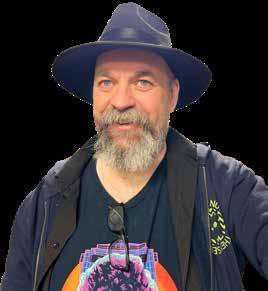
Paul Eke has been selling comics and graphic novels on or near Anlaby Road since 2002. EofUs reckons that officially makes him an expert...and your go to if you want comic history, a discussion on who's the best superhero, or where to start if you're a comic virgin!
He’s learnt all this through years of research and developing the shops enormous amount of stock. “There’s probably over twenty thousand items in the shop...that's what happens when you have a place for 20 years! You just keep getting more and the publishers keep releasing things and so yep I've got a lot of stock! In the shop I've got titles for £1 up to really expensive box sets. There’s something for everyone.
Tell us more…
I was unemployed before I got a shop. I saw a gap in the market for comics in Hull and plus I needed something to do. So I got some money together, bought some stock and then a small shop four doors down from this one came up. It was all done on a shoestring at first! It worked though, as eventually I ran out of space and wanted to expand so I took this. It was Norman’s Records before me. People come and find me. I get a lot of different customers and now I sell online too. The name of the shop is taken from the comic where SpiderMan first appeared in 1962.
I was a young alternative kid and I liked to read comics. I then left them for a while but drifted back later. It was just a coincidence when I refound them. I was about 16 and I picked up an
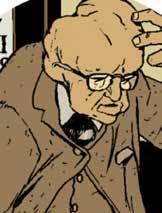
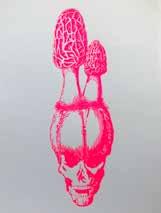
A long history creating indie/autobiographical and other comic
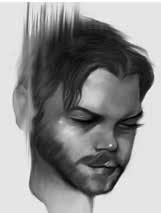
Worked on Pat Mill’s Spacewarp, and its latest spinoff “Hellbreaker”.
X-Men in the newsagents shortly after my dad died and I got hooked. It’s full of superheroes. Plus there’d been the Batman movie with Micheal Keaton in 1989. I love how comics can do serious storytelling and show people what’s possible. Some people think they are for children or humour. This is a limited idea because it's all sorts of stories for all sorts of people. There's so many comics converted for TV and cinema with people from all walks of life.
So where should I start? It’s difficult to say my favourite or what I would recommend… but I guess V for Vendetta is really good and important. It looks amazing, it’s beautiful, the story has real meaning and it gets more relevant over time. It’s full of the ramifications of politics gone mad.

Young indie creative (aka skaromedia) posting their work online.


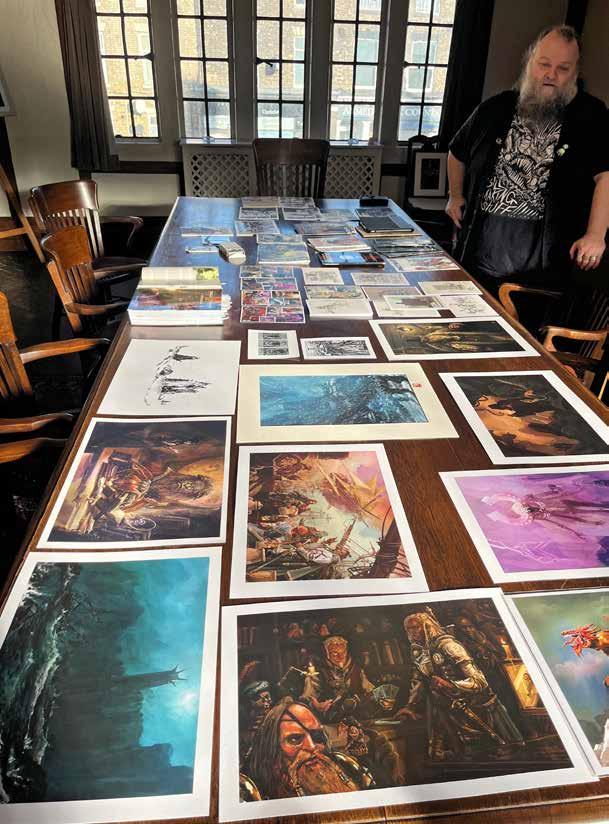
Gareth Sleightholme’s comics are a long way from The Beano or The Dandy! Instead he’s a man who melds heritage, myth and incredible drawing together, to create stories that explore the history under our feet. EofUs went to his home on Spring Bank to find out more…
“I grew up in Withensea, with a career advisor who said “You’ll never earn a living doing art, get better at maths and go work in a bank.” He was a maths teacher so that might explain that! I ignored him. At about 18 I got on a training scheme and started at Humber Archeology Services. I used to draw finds. It felt as if almost no one saw my drawings back then as they were mostly archived with the objects. But we also got to work on pamphlets that the service produced. These were illustrated with historical scenes containing the objects that were being uncovered. The booklets were used as part of information displays and educational materials. I loved it! It was my first time working with other people who drew, and it was a formative creative experience. And yes you can see the link between what I was doing then and what I do now.
I was encouraged by the Archaeology service to go back to college and did my Btec in Hull, and from there to Norwich Art School to study animation. After that I freelanced for a short amount of time before I applied for a job for a firm that turned out to be a theme park company (Attraction Projects Worldwide). I developed designs from concept sketch through to final workshop drawings (the sets were built both on site and at our studio/workshops). I built scale models and learnt to present work to clients, and led my first design teams. Through this I got to travel a fair amount in Europe. As well as the Dungeons in York, Edinburgh, London and Hamburg, we also did a lot of work for Sealife Centres in the UK as well as in Europe, plus casinos in the Netherlands and Belgium, and even produced work for Santapark in Rovenemi in Finland, amongst other projects.
After the company closed I worked for the Norfolk Museum Services doing historical illustration and some small theme park work, but quickly took a role as designer for a corporate exhibitions and themed events company, becoming Creative Director. But the work was very much focussed on the bottom line and not creative ideas. Then my sister passed away around this time and I just thought “I’ve had enough” and moved back to Hull. Where I started teaching at Park Street and after a short while, moved to HSAD. While teaching on the Games Design Degree there, I helped set up the Animation Degree and stayed until 2018. I then started visiting Comic Cons again. I knew little about the scene in the UK, but I got the bug. I joined a Facebook group that was filled with UK indie comic art creatives and immersed myself in what was, and is, an amazing community. And through that I’ve not only met some great people, but got to work with them too. Now not only self-publishing my own comics work, but getting to work on other people's books and making work for museums like Hull Maritime. Add to that the roleplaying fantasy illustration work I get to work on and it’s like being a 14 year old kid again. History, mythology and drawing are my passions. To make fantastical things believable in a drawing it has to be based in reality. So I do a lot of research. I might even go back to my old themepark design methods, and build models to get things right, some physical, some using 3D software. I still make my drawings on paper, transferring them to the digital drawing app Procreate. More recently I've done more and more
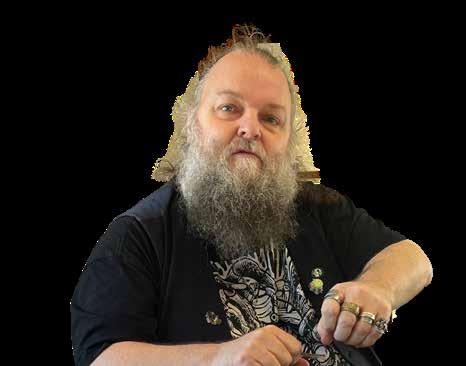
I make illustrations, draw comics and even the odd artwork for a local rock band.
Can you tell us more about Comics?
It's a medium for telling stories, and one that’s considered older than both film and animation. In lots of countries like France, elsewhere in Europe and Japan, comics have become central to printed culture. But here in the UK and the US they became somewhat infantilised, mostly due to a dark period in US history where they were vilified as a corrupting influence on the young, mostly through the work of one man, Fredric Wertham. He instigated the inception of a “comics code” that meant comics had to be certified safe for children. Those attitudes slowly were deconstructed and these days comics are much more accepted. Not by everyone, there is still a lot of snobbery around the notion of them, whether as art or literature. But their influence in popular culture can’t be denied. Beyond the rise in superhero films and series of the last few decades, many people don't realise it’s a medium from which many films are also based on. Films like Road to Perdition, Tamara Drew, Snowpiercer, A History of Violence, Scott Pilgrim vs The World, The Death of Stalin etc. Not that comics need to transition to film to have value. But it just shows the ability of the medium to support the telling of stories beyond those expected of it.
Here in the UK it’s still not really seen as the path to a career, parents and teachers steering kids away from drawing comics towards other subjects because there's little understanding of the ability to build a career in, or alongside the making of them. But the worlds associated with comics are growing, particularly as streaming channels look for more and more content, and as with any industry, if it’s to continue, it will need new talent. Comic Cons are more popular than ever, they are
I GREW UP IN WITHENSEA, WITH A CAREER ADVISOR WHO SAID 'YOU’LL NEVER EARN A LIVING DOING ART, GET BETTER AT MATHS AND GO WORK IN A BANK'...I IGNORED HIM.
great places to see amazing art, meet independent writers, illustrators and other creatives, and to buy comics or artworks, putting into context the notion that those flimsy comics that you pick up at the shop, or the few remaining indie comic shops, are actually drawn by real people. I’ve had people stand in front of me at events where I sell my work, utterly convinced that “comics are surely made by robots or AI these days”, or not understanding why an adult would want to draw comics, as “they are really for children aren’t they?” Which is such an odd notion, as if anything for kids has to be made by other kids. It’s frustrating.
Did you think you’d ever become such a creative person?
I’ve only ever felt confident in myself in terms of my creative output (even then I suffer with imposter syndrome). My creative career has often felt like a series of chance occurrences, meeting the right people, almost stumbling into certain jobs. But I've definitely made my own luck too, putting myself out there and of course I practice drawing, a lot. I was lucky, my family encouraged me to draw when I was young and regularly bought me pens and gave me rolls of lining paper to draw on.
In terms of difficulty, sometimes early on when you are setting out learning a skill, there are humps when you are not enjoying it anymore or don't feel like you're getting better. Drawing like many other skills that require continual practice, involves a lot of failure. And some people just give up. It’s rarely about talent, and more about being willing to fail, and learn and move on.
But I'm stubborn and I'm curious. Dealing with fear of failure as a creative is hard, a even as an adult. Good adult influences can encourage kids. I guess I got enough good feedback when I was younger, and that allowed me to persevere.
I guess I recognised and felt a connection to the undergroundness of comics in a way. I was one of 3 or 4 kids who had long hair out of 1300 kids at my school. I didn't enjoy school. I was a little kid with glasses and I suffered. But you find places. I found drawing and through reading, found fantasy illustration. It was like I found my home. These days playing roleplaying games is important to me, not only because I work in the industry, but because it pressures me to find time to sit down with my friends.
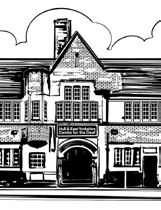
A history of Hull’s Deaf Community and the Hull & East Riding Deaf Institute
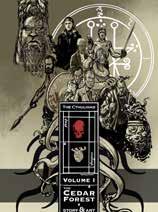
Anthology of selfpublished comics.
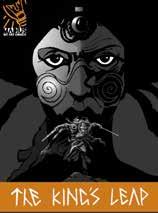
The King’s Leap got some favourable reviews even from non-fantasy comics fans.
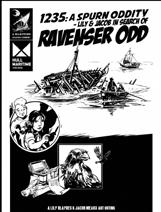
Third of a series of comic books produced for the Maritime Hull project, highlighting local heritage.
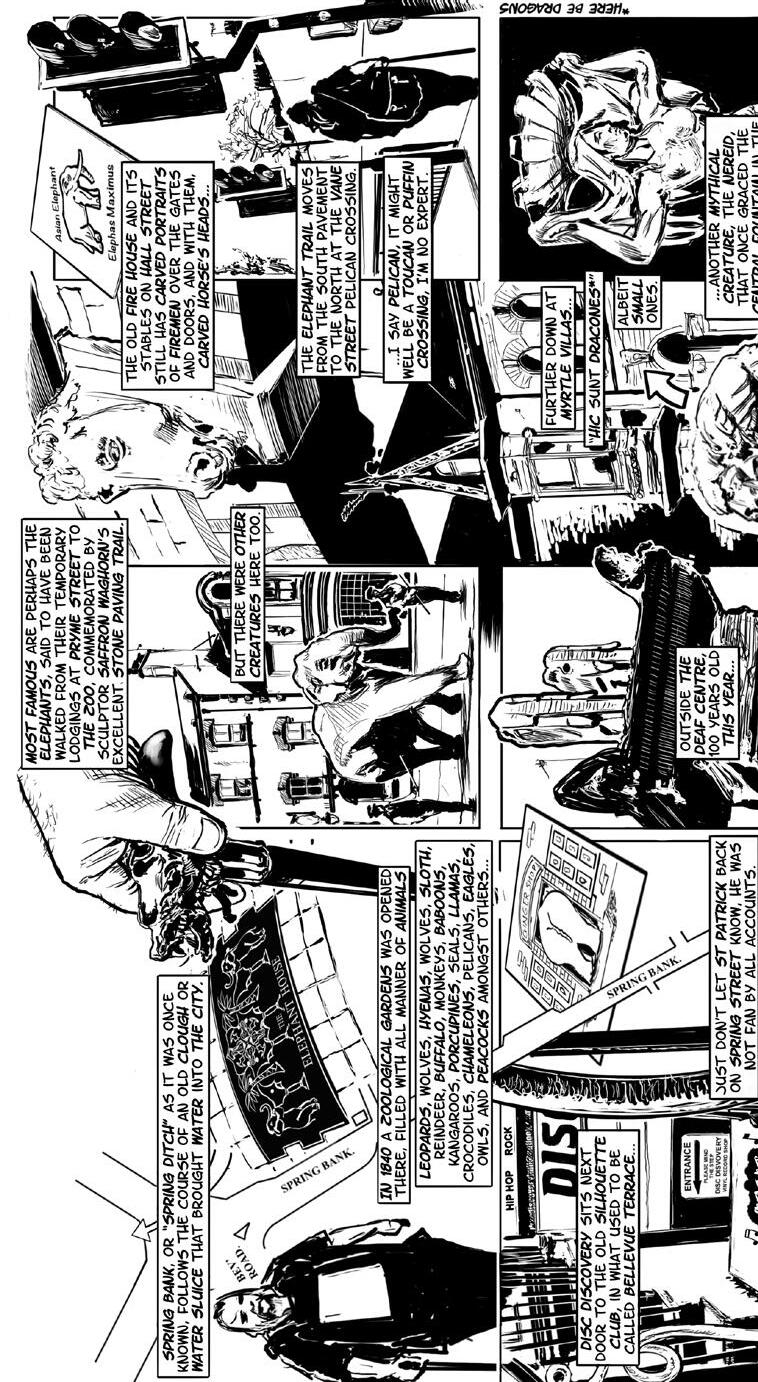
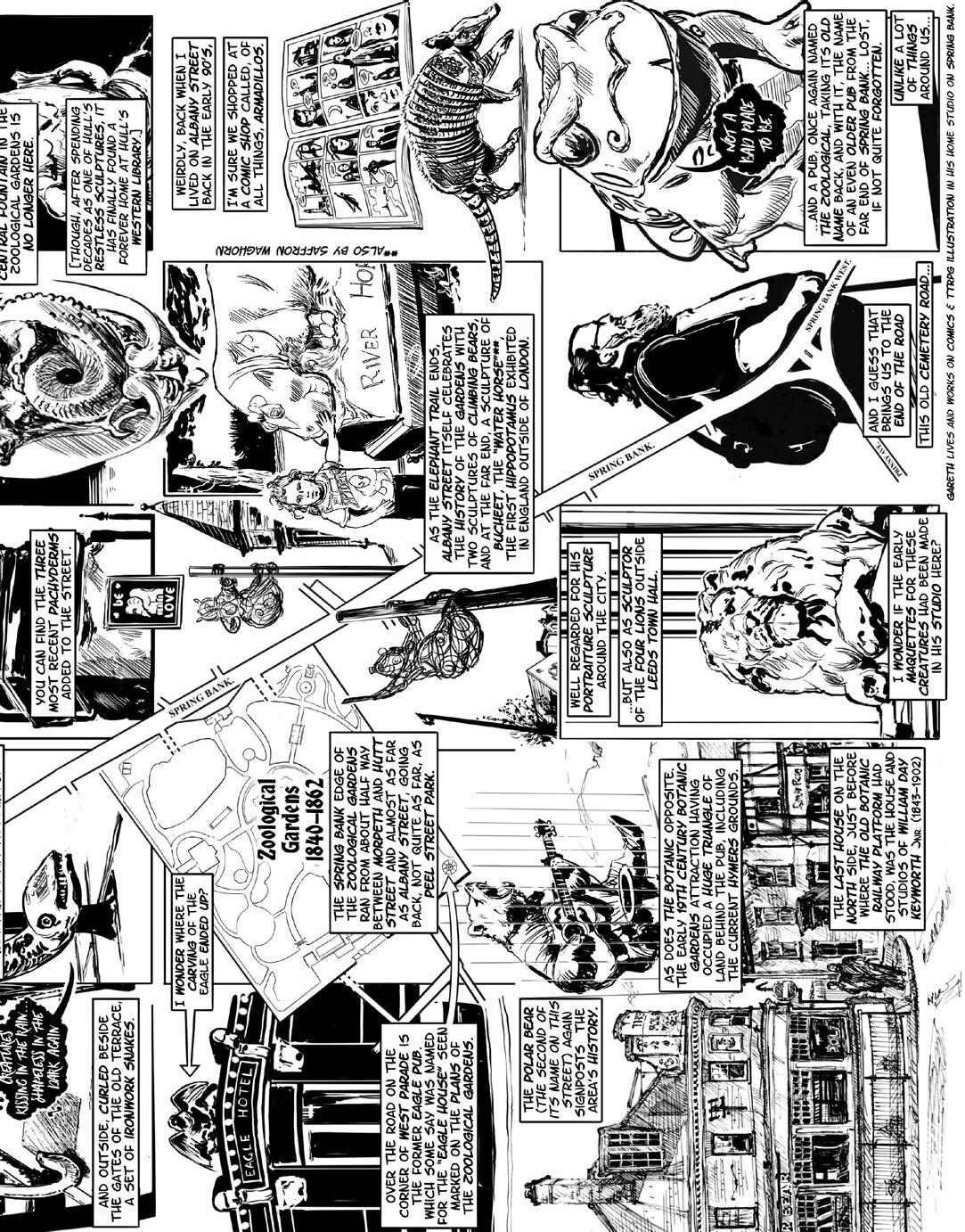
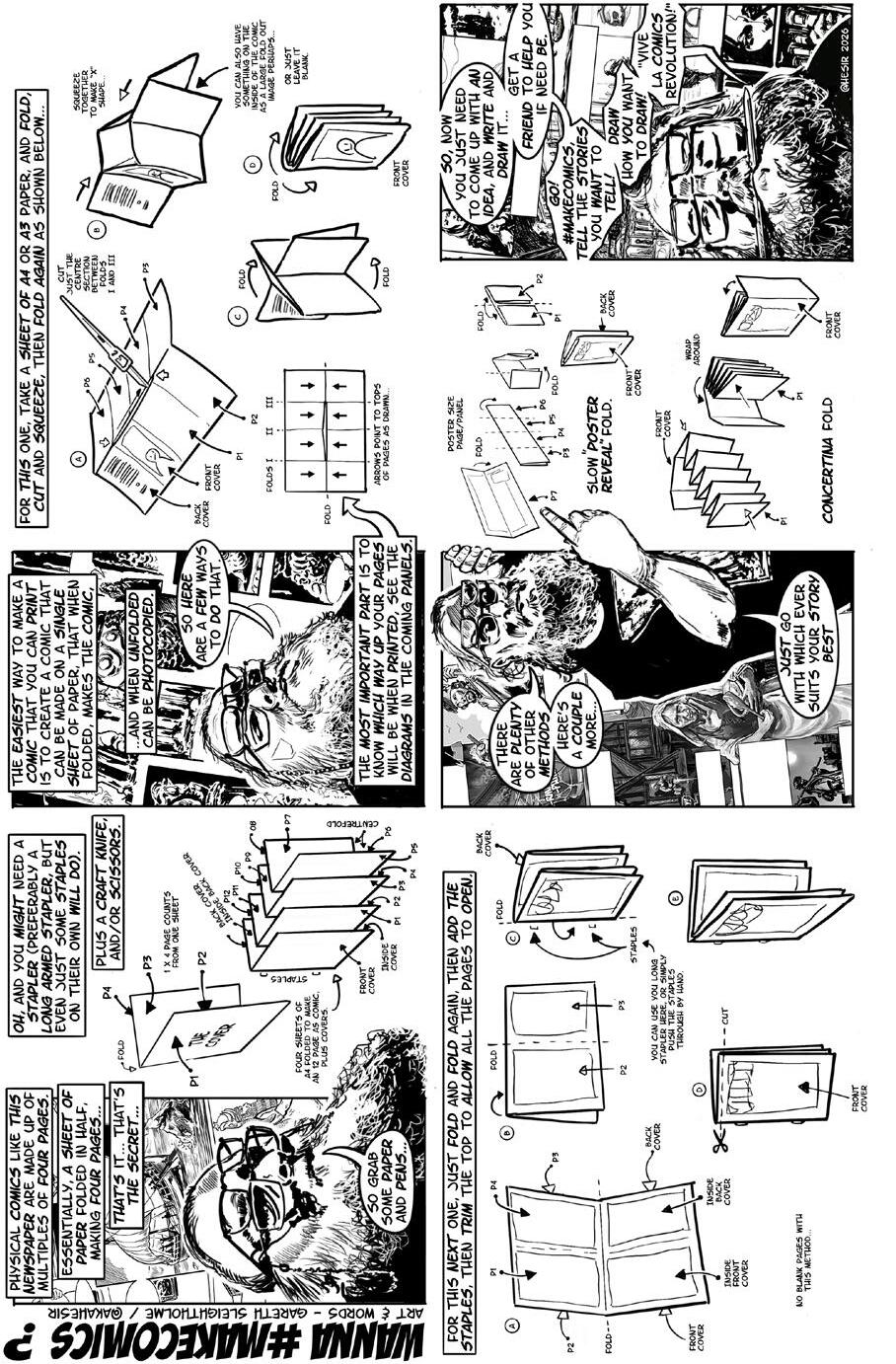
FOLD
Gareth Sleightholme explains how to cut out the paper template below and fold it into your own

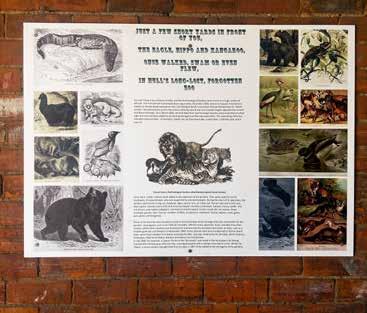
At the end of Albany Street, under the climbing bears, EofUs met Deb Skalli to find out more about the animals she and fellow residents Lesley and Andrew Shimmin and Andrea Davison, drew attention to back in the early 2000s. Read on to explore with us...
I think the community has changed alot since you researched and celebrated the Zoological history of the Spring Bank area. Nowadays we might not notice or at best wonder at all the animals represented. Can you tell us more?
Ha yes, Hull’s Zoo took over my life in the early 2000’s. I did a local history course at Park Street College, as part of some staff development. Once I started, I couldn't believe what I found out and I couldn't stop. It was so exotic. I discovered here, where I lived, a place that is now long gone, a place for education and learning about the world.
The Zoological Gardens opened to the public in 1840 and were like a modern-day theme park. This was a place on the edge of the city that people could visit, although it wasn't for everyone. It was for the better-off folks of Hull. But it was a special place to come. Then, all that was here in this now residential part of town were the Georgian houses that are still opposite, fields and this amazing garden full of animals and birds.
If you stand on Spring Bank where the HiQ garage is, that was the Eastern corner of the park. Its western border was where the back gardens of Albany Street join the back gardens of Peel Street. The Gardens ran almost to Peel Street Park at the back. If you walk up that street or Hutt Street there’s a kink in the road and that’s where the rear boundary was. There is even a house that some people think might have been the entrance building
on that street too. If so, it must have been moved. In total, the Zoo covered a massive 7 acres.
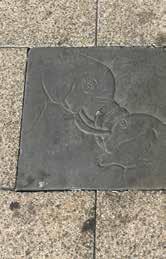
The forecourt of the HiQ garage is the only bit of the original gardens that has never been built on. It’s there that the elephant house was. At the far end was the polar bear enclosure. When the Zoo opened, the elephant’s enclosure was not quite ready so they would walk her along Spring Bank daily from her temporary home and one day she tried to steal Gingerbread from a shop! The newspaper of the day covered the story and she was quite a celebrity. Inside the Zoo there was a birdhouse and aviaries of rare eagles. Along the back wall was a huge menagerie that had lynx, hyenas, leopards, lions and even a black Persian cat in it!
When I did the research things just grew. I was part of a community who wanted to get things done. We had children or were interested and loved the history of the place. The research coincided with a community application for funding to turn Albany Street into a home zone, a European idea where the cars are removed, trees are planted and it's sort of turned over to the community for recreation. As part of that we commissioned sculptures. We applied for funding to create the Spring Bank Elephant Trail inspired by the walk the elephant did every day. We wrote a booklet and did tours. Kids got involved, and the youth theatre. From the start of my research until the project's end took 10 years! A lot of work by a lot of people, but it's a legacy of beautiful things.
1
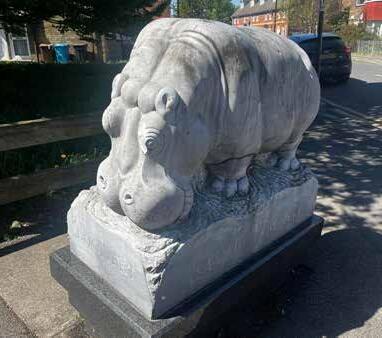
I’m very proud to have been part of that. If you walk the trail today you can see the carved elephant pavement slabs that start outside the Travelodge, right at one end, that go down Spring Bank to the bears on their poles. Saffron Wagstaff carved them from designs by the community. She also created the Buchett Water Hippo sculpture on the corner of Cranbourne St. Buchett was brought in by the zoo near to its closure in 1860 to whip up interest and get more visitors. She was only meant to come for 10 days but stayed two months. She’d been brought from Sudan and was owned by a showman family in Liverpool.
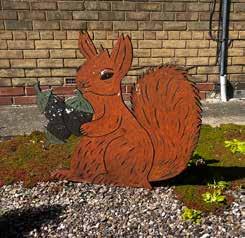
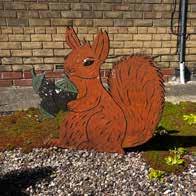
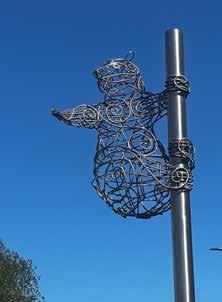
There are also the bears on poles on the entrance to Albany Street, representing the bears at the Zoo who used to climb up poles in their enclosure in a similar way. I often think when people go past on the bus if they wonder, is it a bear? If you walk around this small area there are so many artwork animals and creatures to find. Frogs, squirrels, snakes, even a dinosaur. I really like the elephant sculpture balancing on its trunk in a raised border half way up the street too hidden in the trees. Martin Heron did that, it says, “Inertia overcome with persistence” on the post. I love that. I love how we all got involved. It’s such a fascinating area.
2
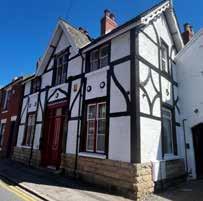
Below is some of what we’ve found - can you spot them too?
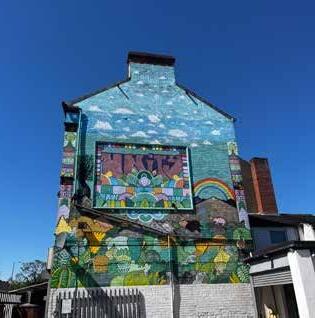
1 Mural - Collingwood St
2 Zoo Keeper Yard - Hutt St
3 Old Entrance - Peel St
4 Steel Bears - Albany St
5 Elephants - Spring Bank
6 Squirrel - Albany St
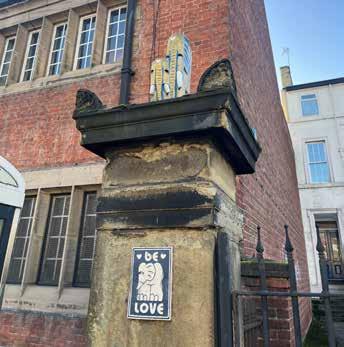
7 Mural - Spring Bank
8 Elephant trail pavers - Spring Bank
9 Buchett - Cranbourne St
»Share what you find at @eofushu
6
3 5
4
7
9
8
»Read Gareth's Comic and follow his trail - a modern-day homage to the history and animals of the area artworks
»Join a walking tour to discover all the art works with Deb and EofUs Friday 19 March. Join us at Chiltern School 9.30am
»Pick up a leaflet from Western and the Avenues Library to learn more about the park and trail
»Visit the Zookeeper's House - a small but great exhibition of the Zoological Gardens history in the entrance to 45-46 Hutt Street

WORKED ON THE CMPUTER TOGETHER TO MAKE THIS IMAGE OF US IN THE WORKSHOP.
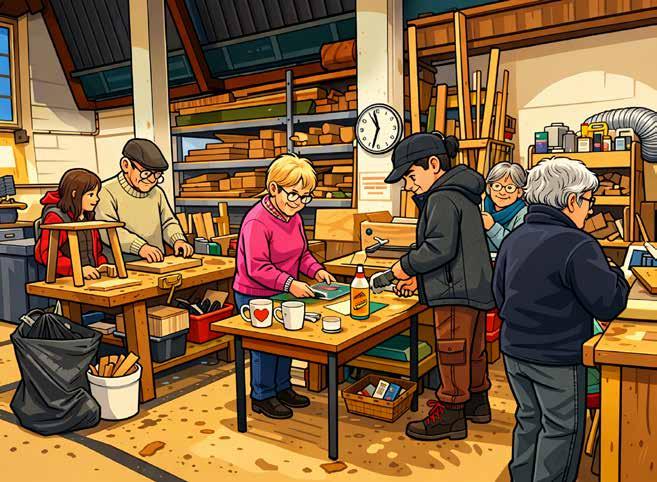
THE SHED
»108a West Doc Ave. HU3 4JR
»hull@groundwork. org.uk
»07963 028560
»Monday to Friday 9.30 - 3
Walking into the building on the corner of West Doc Ave under the Repaint sign is like walking into an Aladdin’s cave. A special place of the salvaged, saved and specially collected. Every space, upstairs and down, stores materials and tools to help people re-use, re-purpose and re-imagine. EofUs went exploring at The Shed.
What do potential visitors like to know?
Lisa: This is made out of scrap, in fact so is that, and this and all of those things too! We’ve made planters, garden ornaments, crocheted toys, tables, you name it we make it. We help people try things, too either through our once a month special taster sessions or via the drop ins where people can work on their own project. Anyone can come and learn, we don’t discriminate, be it woodwork, sewing, paint effects, upcycling, decoupage.
Lisa, like Jodi, works at The Shed supporting people to be creative and recognise their skills. Both have incredible crafting skills that they want to share but also importantly, they are also keen to learn from others too.
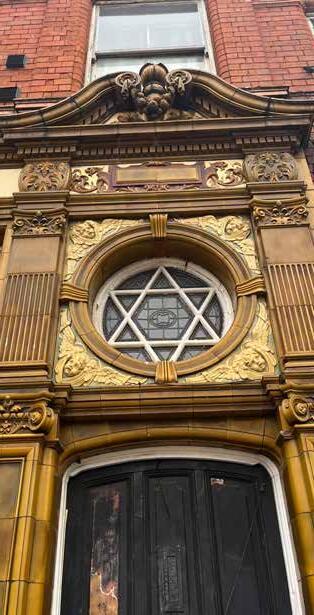
Hiding in plain sight on Hessle Road, shielded by high railings and in the shadow of the Alexandra pub, is some important Jewish history. EofUs met historian Dr David Lewis whose in-depth research has revealed the people that fill the cemetery, and their unique stories. Read on to find out more.
We stand together, looking out across the many broken headstones, all now leaning up at the side. Feeling the vibrations of passing trucks, I wonder how David came to be the expert on this Jewish Cemetery?
“I saw it by chance one day in 2003. I saw the Star of David on the pub windows and then the railings. I was on the grass area opposite. I didn't know it was here. It’s hidden and that’s good in many ways”. During the 19th Century Hull was home to a large, organised Jewish community. People came to get kosher meat or have a kosher wedding or burial. Which is why in this small graveyard there are people from as far afield as Scarborough, Sheffield and south to the Wash. At the time, and in line with Jewish rules, the burial ground was outside of the
town limits in an area of mostly fields. A cemetery is called a Beit Olam ‘House of Eternity’ because Jews believe in the resurrection of the dead.
“I’ve spent hours trying to work out who’s here and what their stones say. I can read Hebrew, but many are eroded by the weather. I’ve researched city registers and the few remaining relevant documents in the community’s archive. Sarah Alexander is here, her stone is in flowery language which is unusual. It begins ‘Stand passerby, this stone cries and seeks the tears of your eyes.‘ Then there is Sampson Alexander, the husband of Sarah. He died in the year 5588, which converts in our system to 1828. So far we have discovered 37 graves and know about the people on 21 of the stones.
There are people here who originated from Europe and further afield. Jewish people were coming here to work but also to escape persecution in the East. There are more men than women, maybe because they came as individuals but sadly died young before their families could join them. At the top of a stone are two Hebrew letters ‘pay nun’ and sometimes for a lady ‘pay tet’. Both mean ‘here lies’. Apparently unique to Hull is that some of the children’s graves have ‘hay hay’ which means ‘here is’."
David explained there are people from Sephardic and Ashkenazi sects buried here. Sephardic Jews would have originated in Spain, Portugal or the Arab countries. Abraham Hassan, Abigail Marks nee Garcia and 2 children of the Toledano family
Jodi: Yes, I like how everyone helps each other out. We are a chosen family often. Everyone, I believe, has got something they're good at. One person is good at one thing and another at something else. When we talk and share life experiences, we also share tips about how to make things and deal with life. Through this people build friendships. We all come to understand what our ability is, and we all find our strength.
Lisa: Yes, I love seeing people evolve. The folks, who come from all over Hull, many come in thinking one thing and leave knowing they have helped each other as well as themselves. Here yes, you can learn, create, paint and make friends. Most people start coming here through the taster sessions and then return and grow lots of confidence. People turn up and before they know it they are contributing skills aswell, and collecting knowledge.
Karen who leads the project is keen for people to understand:
Karen: People can use any of the materials, like wood or whatever for free. We only charge for the consumables like screws and that - nothing much but it helps us keep going. So, whether you want to get creative or try your hand at something new The Shed can help, all while being a social safe, warm space too. People come to be creative and build social connections. People think they're not that creative and then the spark goes off, and they realise they are and they get the bug. We are upcycling from all this scrap and through that people get a deep sense of
pride, both because they’ve done something good for the planet, but also they can say 'I made that!' So yes we are rethinking what’s waste and our impact on the environment. We think the project helps with long term health too...with things like depression and grief. People feel supported and getting busy, working with hands, helps.
Lisa: I am dyslexic but I'm creative, and I started here as a volunteer as I love to make things, and I wanted to do something in the community. I now can sort the paint, run sessions. I love helping people, that's it. I don't want anything more. Paint? What Paint?
So, we sell paint that is good and viable that has been donated. We sell it mostly for £2 a litre. It's really good value. When it gets donated, I check the tins and attach a label and seal it and put it on the shelf. There's so much different paint here. Gloss, Matt, Eggshell, Floor and Masonry - all in so many colours. You can just call in and we can help.
I've been volunteering for just over 3 years. I came to drop some paint off that I wasn't using and I'm still here! I was a project manager at Thompson Plastics before I retired. I was an engineer by training. Here I help maintain the tools and equipment like the pillar drill, circular saw and power tools. I help people if they are struggling with some tasks, I help with training and inductions. I do repairs and generally keep myself occupied for a couple of days a week. I use my knowledge for good. I guess I feel I'm adding something to the community. I’m helping a project that’s doing useful work.
»Unsupported Crafting, where participants work on their own crafts Monday 9.30am – 2.30pm
»Daily supported Crafting Sessions every Tuesday, Wednesdays and Thursday 9.30am – 2.30pm
»Taster sessions: First Wednesday of every month

(from Toledo in Spain) are here. The Ashkenazi sect moved west from Poland and Russia. Israel Jacobs, a lay leader of the congregation could be one of them. Perhaps also Elias Hart? He hailed from Glasgow, an umbrella maker. He changed to be a jeweller which was more in keeping when he also became a lay leader. Abraham Samuels also called Samuel Abrahams died in Scarborough on Friday 23 July 1830 at 2 am. According to Jewish law the burial should be as soon as possible, so his friends, knowing he was ‘of the tribe of Israel’ put him in a box and booked him in at the coach station (as a clock!) for the coach to Hull. The minister would have to be informed, the body brought to the cemetery and prepared for burial, the grave dug and a quorum of 10 men assembled for the service, which had to be finished before the start of the Sabbath – about 8 pm. A newspaper report said it was all done ‘without loss of time’. The story was widely reported in the regional press. As a jeweller it’s fitting that his last journey was as a clock! Since it closed in 1857, the cemetery has suffered vandalism and was used as a Victorian dump. In 1891 sixteen feet was shaved off the front when highways straightened Hessle Road, and for some unknown reason, soil and stones were added, which caused the graves to be buried. It’s clearly a vulnerable place with locked gates and high railings and as we leave I ask David if he’d like it restored? No. I’m happy for it to be left alone. It’s part of my Jewish heritage. The Hull Orthodox community, of which I’m part of, is down to 80 members compared to 330 on the 1851 census. We are literally dying and this place stands testament to that loss”.

»Donate paint or other useful materials. We accept paint, wood, things for sewing and craft materials.
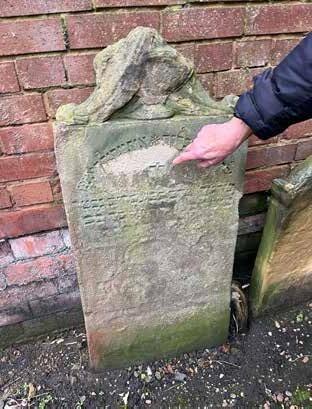
THIS ONE SAYS 'STAND HERE AND CONSIDER', IT’S RIGHT, WE SHOULD.
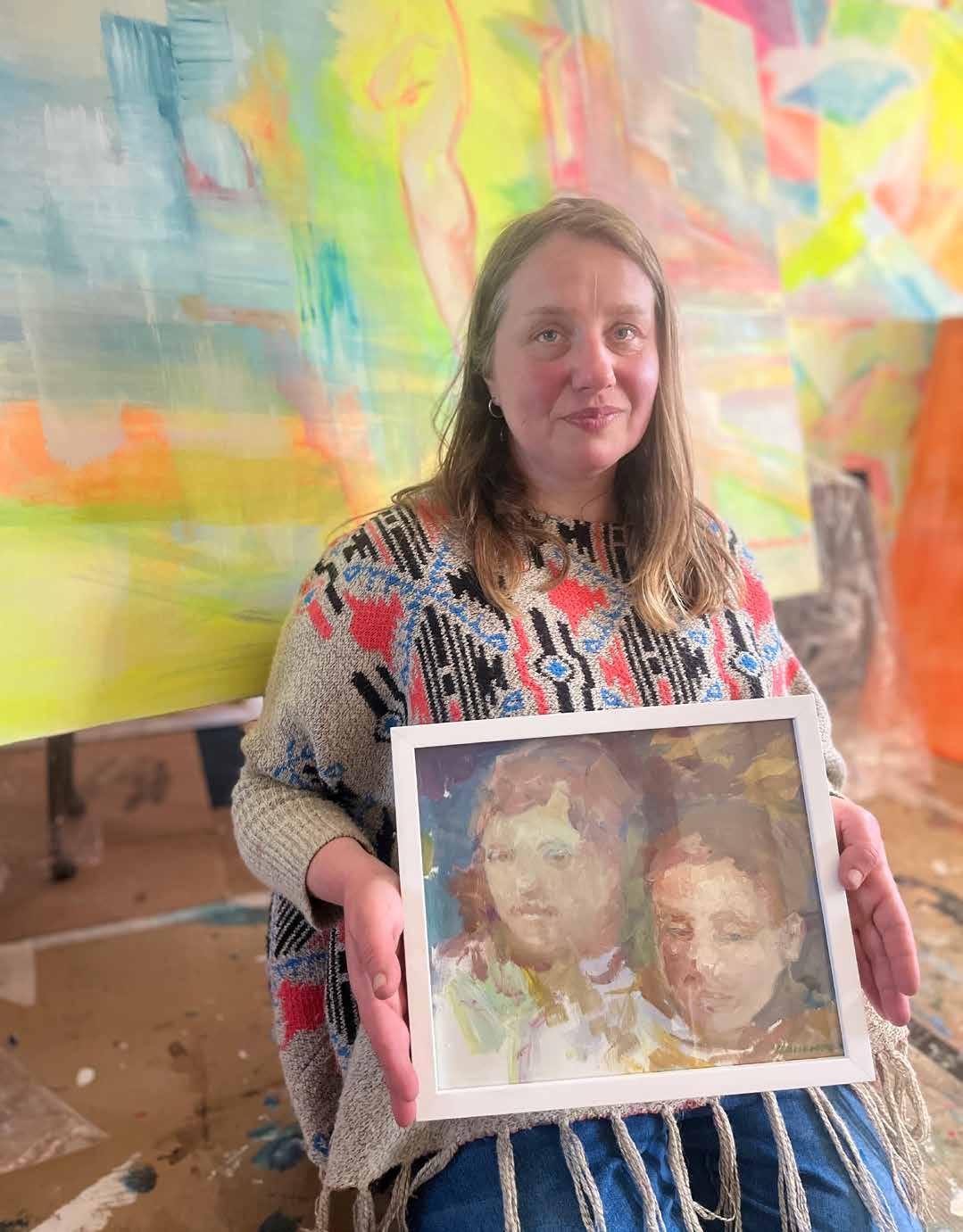
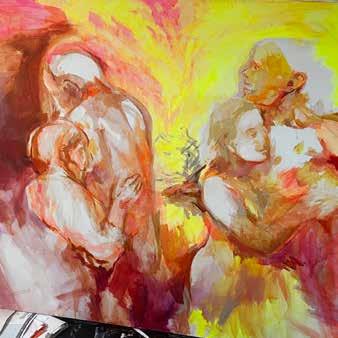
Mariia has just completed her MA in Creative Practice in Leeds and has been selling work from her studio which is part of Hull's Feral Art School group.
My name is Mariia Moiseenko, and I'm an artist from Ukraine. For the past four years, I've lived in Hull, England. My focus is on the human being. I often paint faces and eyes—a gaze turned inward. I've seen this gaze in both adults and children, and over time, it has become an important point of observation and understanding for me. My works about Ukraine are based on personal experience.
I paint with acrylics. Some of my paintings resemble faded photographs. This stems from my desire to convey the light of the homemade candles we used in the basement. They were made from tin cans filled with sunflower oil, with a simple fabric wick. My son and I lived through the occupation in Gostomel. It's a strange existence between two realities. From the outside, everything may look almost familiar: the same streets, the same houses, the same trees. But inside, everything becomes a choice: to speak or to remain silent, to trust or to withdraw, to maintain dignity or simply to survive. These small decisions became more important to me than any dramatic events. The perception of time changes. The future shrinks to the next hour, sometimes to the next step. The past becomes both a support and a source of pain.
When a mirror appeared in our basement, I noticed how people's attitudes toward themselves changed. It was a small but significant moment. You still have a reflection in the mirror. I brought Ray Bradbury's books to the basement—"The Martian Chronicles" and "Dandelion Wine." My neighbor read them to her two daughters, sitting on a mattress under an old sleeping bag. The basement was under fire. And even there, I saw how people continued to search for meaning, warmth, and closeness. We dreamed that one day it would all end and people would come to this basement as if to a museum of memory—to look at the mirror, the clock, the candles, the books, and the icon. This experience directly influenced my painting. Life under occupation is not only suffering. It is also the preservation of language, memory, culture, and caring for one another.
I remember one episode especially clearly. In early March, the power had been out for about a week. One day, a neighbour came into the basement with a bag and a broad smile: "Who wants ice cream?" She'd found it in a destroyed store. The ice cream was already melting, but the taste wasn't the issue. What mattered was the feeling that we could still indulge in joy.
Animals often appear in my work. They, too, became hostages of the war. We shared the basement with dogs and a bird. An English bulldog named Bravo, whom his owner affectionately called "vase" because of his thin waist; two peach-colored miniature poodles; several people had Yorkshire terriers, and one had a canary. When the fierce fighting began, a large dog on a chain appeared along with the new inhabitants of the basement.“We called him ‘Genocide’ — a dark, almost unbearable name born from those days, when language itself became distorted by war.” He left through the green corridor when it opened. He simply decided to join the great white river... people with white bands on their sleeves indicating they were civilians. Later, during the evacuation, a Jagdterrier named Grad went with us. We were able to find him a new home in Lviv.
I know and love the film "The Thin Red Line". Not because it's about war, but because it tells the story of a person facing death. The characters' internal monologues, their doubts and questions, were surprisingly close to what I observed in reality. I also witnessed the internal conflicts of people who had power over us. It made me rethink human nature. War shows that humans are capable of both cruelty and compassion. In the face of death, people become different. Sometimes better. Sometimes worse. But almost always, they were more real.
This experience also changed my attitude toward painting. Over time, I became less interested in the war itself and more interested in the internal changes that occur within a person. That's why faces, eyes, and moments of silence so often appear in my works. Painting helps me speak not only about pain but also about hope.
For example, in a work dedicated to women and children in a basement, a thought that has become important to me became especially clear. Children are capable of smiling and finding joy even
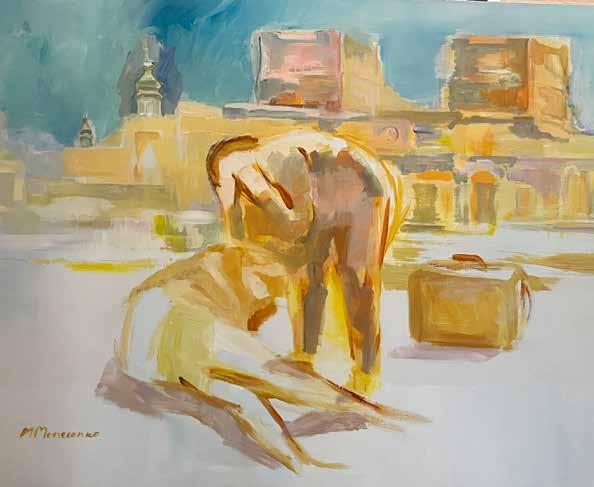
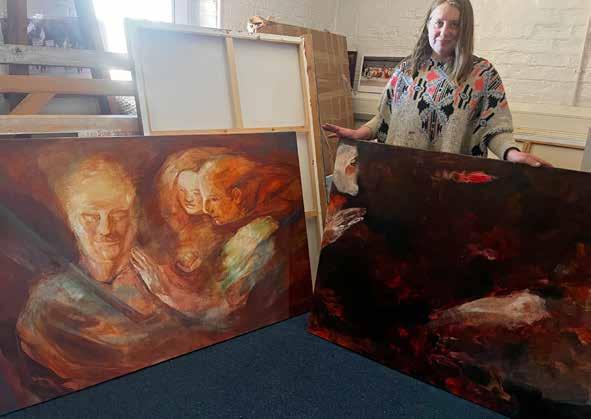
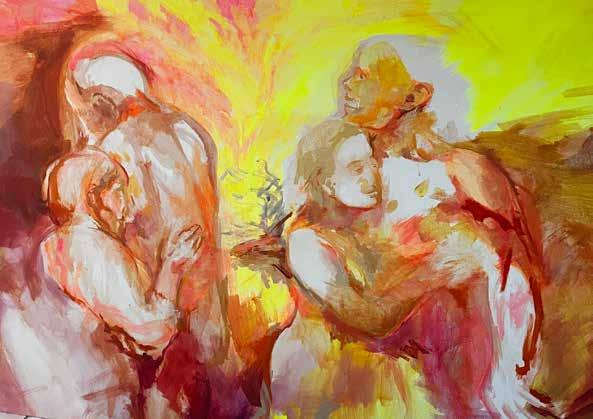
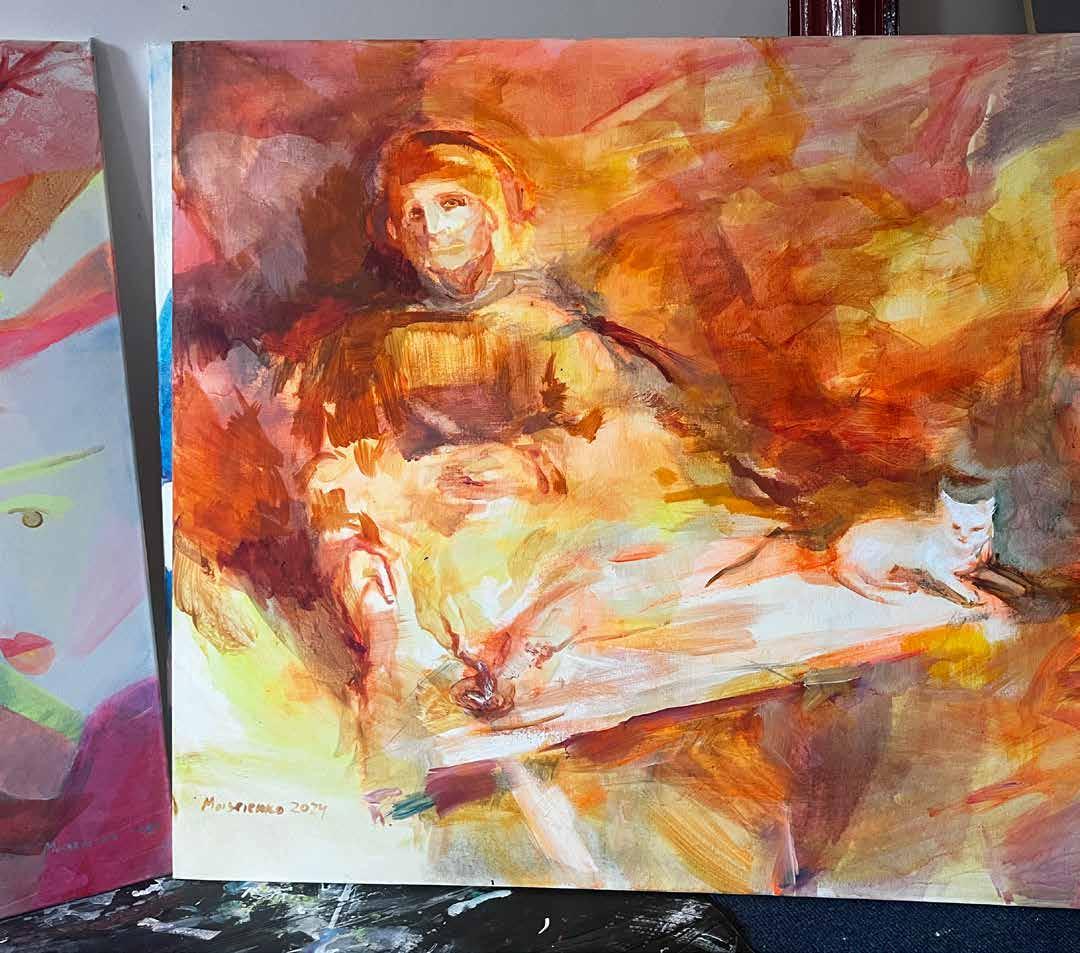
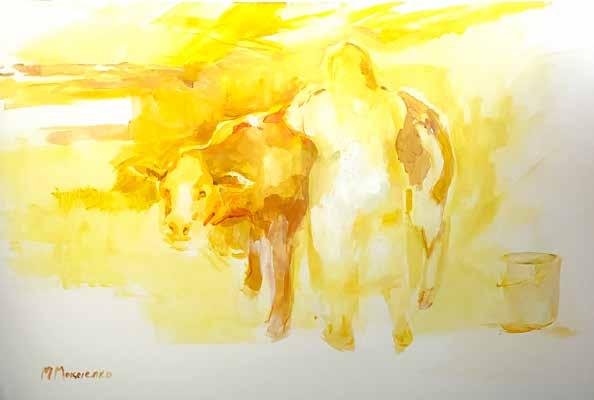
in confined spaces, whereas adults often create their own forms of captivity through fear or the desire for power. Only the body can remain in captivity due to external circumstances. Hope, dignity, memory, dreams, and ideas belong to the individual. That is why they cannot be completely taken away. And what Ukrainians are doing today, defending their country, culture, and right to their own future, confirms this thought. Ukraine appears less in the news, but the war is not over. People die every day. Missiles and drones destroy hospitals and schools, markets and churches, film studios, theatres, museums, universities, libraries and businesses. We cannot turn a blind eye to this. We all depend on circumstances, but we are united by something very simple: we were born, and one day we will die. For me, it is important to preserve humanity, memory, and the ability to care.
I write less about the war now than I used to, but this experience remains part of my work. I'd be delighted if you could see my paintings and read the short stories that accompany them. My exhibition dedicated to Ukraine will be held at Cafe Brew and marks Ukraine's Independence Day - 35 years of independence.
Thank you to England and the English people for their patience, as well as to Feral Art School and Wykeland for providing me with a studio that made my development as an artist possible.
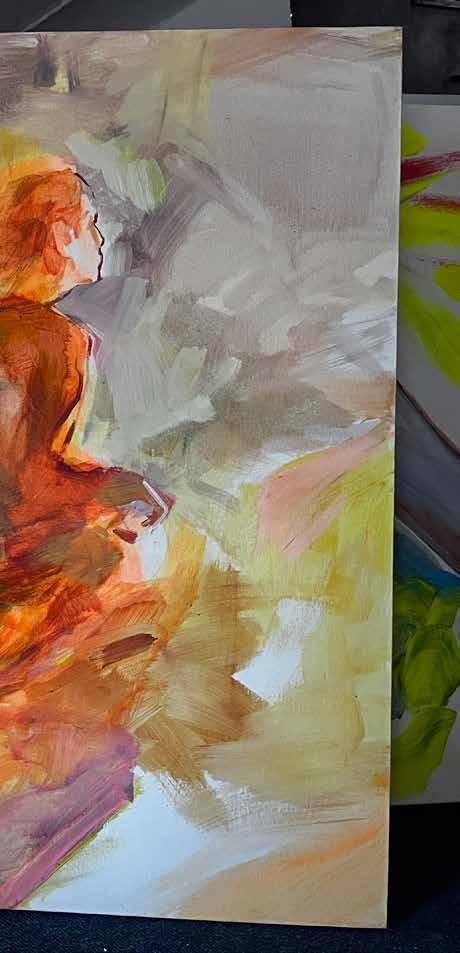
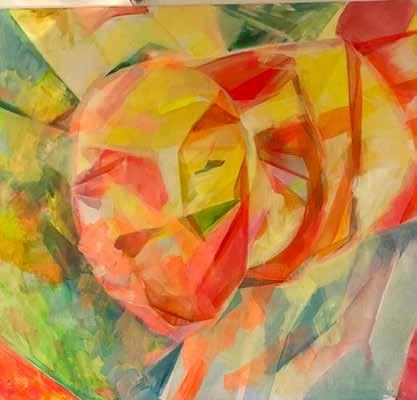
The Tree of Life demonstrates the realities of human existence, combining the universe, the tribal community - a symbol of man as a kind of battlefield between good and evil. We are a people who believe in symbolism and metaphors, this has been an integral part of our nation since ancient times. It reflects the worldview of ancestors; a paradise, a bridge between worlds, where everything and everyone is in their right place. Usually, the tree of life is always full of spelendo and blooming with different size and shape flowers. Some flowers are small, those that have just blossomed, and there are those that are already blooming - just like the life of each person. The fruit represents the human actions and achievements and at the very top you can see a single flower the "Fire of Life" which is guarded by two angels or birds.
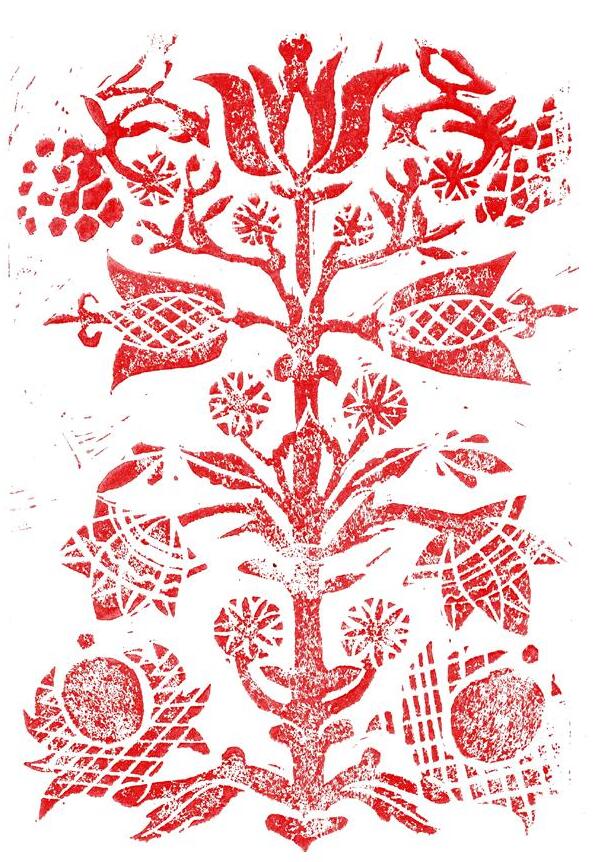

MAKE YOUR OWN


»Read more about the tree of life
»Learn more about the history of Ukraine. ukraine. ua/explore/ origins-historyof-ukraine/
VISIT
»Tree of life - print workshop, 10 October, HuFree Gallery, Western library. Book a place via hello@eofus.co.uk
»See the exhibition at Cafe Brew in Hull City Centre, 7-29 August, 2026
Sarah Regan, the Manager of the Hull & East Yorkshire Centre for the Deaf, invited us to discover more about the charity's work and their building on Spring Bank, which celebrates its centenary this year. What we found was an inspiring organisation assisting, empowering and providing inclusivity to the Deaf community of Hull and East Yorkshire.
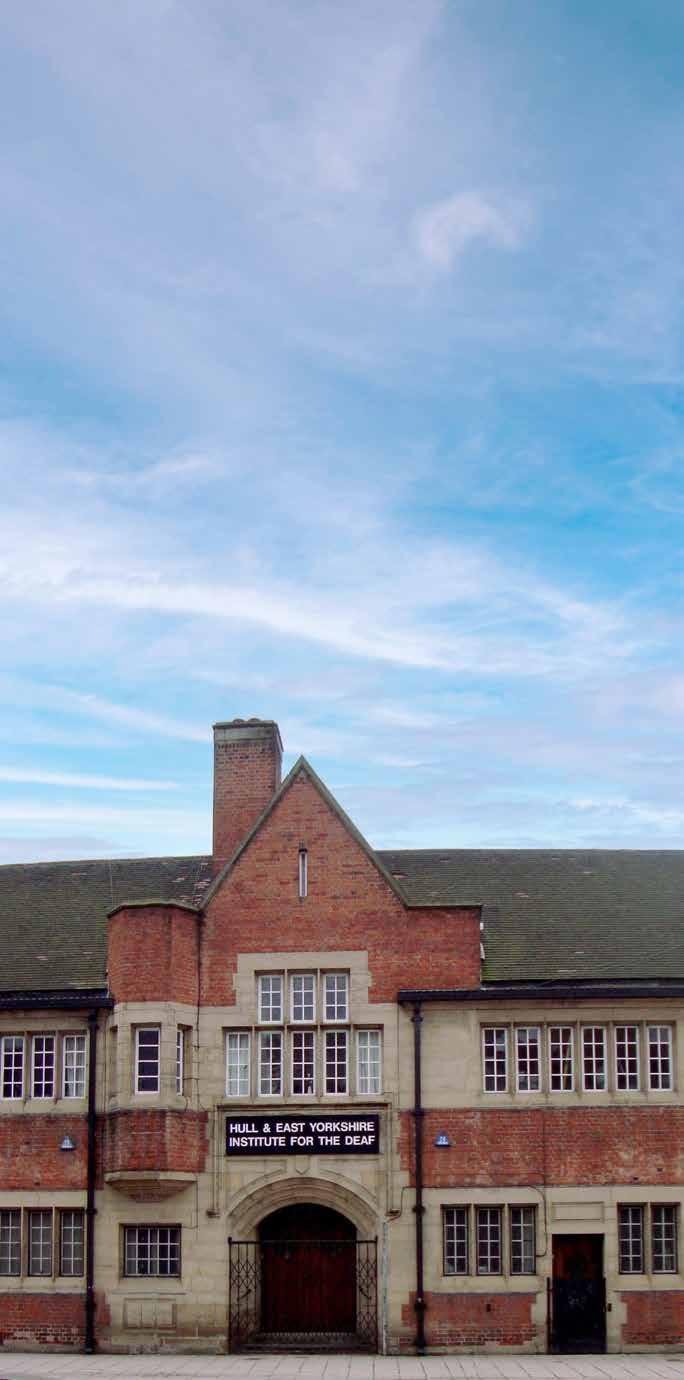
Tell us how you ended up doing this work?
I’ve been here for 11 years. I hadn't intended to even be in the job! I was working here on an educational project about Deaf Awareness, I was just renting a room, providing spaces for BSL students to polish up their BSL skills in a structured environment. Then the manager role came up and they encouraged me to apply. I am a CODA (Child of Deaf Adult) which means I am hearing, my dad is deaf, so I have always been around the deaf community, and was raised deaf aware with signed language incorporated. It also means I have a good underpinning knowledge. It seemed I had a lot to offer. The centre manager's accommodation is upstairs next to the board room too - seems I live above the shop!
Can you tell us something about your beautiful building - it’s got a bar, a function room and even a billiards room with 2 full size tables! Its so distinct on Spring Bank.
Yes, isn't it great? We’re celebrating 100 years this year and amazingly we had a visit from the Princess Royal. Our building was purpose built for the deaf community. Before then we had a space where Disc Discovery is now - the Deaf and Dumb Institute. Of course deaf people have always found a way to meet and communicate. In Hull before these spaces existed, they used to meet under a lantern on High Street, not too far away from William Wilberforce house, so they could see to sign. Then a cobbler called Thomas Haller leased a space in a pub and charged “subs”. The money grew and donations came in, leading to renting a space on Dock Street off High Street, this was run predominantly as a residential school for deaf children from 1870 to approximately 1882 – even recovering from the tragedy of a murder by one of the headmasters, Charles Sleight who ended up in Broadmoor for murdering the housekeeper. So is it the same now?
Yes but also so much more. We are a charity who offer community. Deafness can be isolating so we support with social and recreation activity. Which means this can range from bingo, to billiards or our Visual Choir… and we have a great sensory garden at the back too. We also welcome other deaf groups from across the country here too and likewise we go and visit them. For example on Tuesdays we have a social group and we get 35-50 people joining this. We do seated exercise followed by a meal on every 2nd Wednesday. Over the winter we do this every Wednesday. At
»Follow the diagrams shown right to learn the BSL alphabet.
»A signing adult choir aimed at bringing the Deaf and hearing community together that uses a mixture of British Sign Language and artistic license to make beautiful songs accessible to the Deaf people who have never experienced the power of song.
»Contact Sarah: info@hulldeafcentre.com
»Visit the exhibition about the Deaf Institute at Street Life Museum, October 2026 to January 2027

»Watch a new film about Hull & East Yorkshire Centre for the Deaf by Nova Studios
I KNOW THE DEAF COMMUNITY WHO USE THE DEAF CENTRE ARE CAPABLE OF GREAT THINGS COLLECTIVELY AND INDIVIDUALLY. I AM VERY PROUD TO BE A LITTLE PART IN THEIR HISTORY AND TO BE ABLE TO CELEBRATE THEIR CENTENARY WITH THEM.
everything there's an interpreter and communication access. Of course there’s just the bar for people to hang out. Everyone who is a member has to pay just £1 on entry and this goes towards maintaining the building and keeping the lights on.
We also welcome in other community groups who hire our hall, the NHS rent rooms regularly for training days and we have an Afghanistan women's group who come once a week. Anyone can hire the hall. We welcome everyone.
I guess your job is also to raise awareness about the Deaf community and empower your members to live full and active lives?
Yes, that's a big part of my job. We have 150 members not including children, and we welcome families of deaf people too. Did you know 1 in 4 children born every day in the UK is deaf. We assist families to get the support and answers they need.
We would never turn anyone away who reached out to us for advice or support and if we cannot help them, we would signpost them to an organisation that does. As we are a privately funded charity, we are not tied to invisible constraints like some organisations are. So we are not answerable or restricted by local councils or governments. In basic terms we don’t care what your postcode is – we are there for all deaf.
For our centenary the community has made a documentary, with funding we received from Lottery Heritage. This documentary is a history of the community and its journey across Hull to the home we established 100 years ago on Spring Bank – they talk about the changes they have made, the prejudices they have suffered, but mostly about the community they have founded together, and that has nothing to do with any staff members here alive or dead.


»Hull & East Yorkshire Centre for the Deaf offers social support in Hull and East Yorkshire: hulldeafcentre.com/
»Royal National Institute for the Deaf are a national charity supporting people in the UK: rnid.org.uk
»The Hull Sensory team offer support to children and adults and can arrange for specialist sensory assessments: hullsendlocaloffer.org.uk
»British Deaf Association (BDA) is the UK’s leading membership organisation run by deaf people for deaf people: bda.org.uk
Email: webbbsl@hotmail.com
Facebook: Webb British Sign Language
Instagram: webbbsl2022
Website: www.webbbsl.co.uk

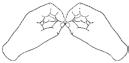

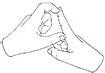







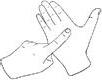







Webb BSL Ltd
Mobile: 07778403528 (SMS only)





Email: webbbsl@hotmail.com
Facebook: Webb British Sign Language
Instagram: webbbsl2022
Website: www.webbbsl.co.uk








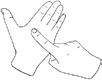




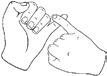
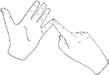

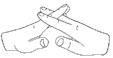




Alim has been frying up goodness at Crisp 'N Fry on Spring Bank for 23 years. His daughter Asiye has been working alongside for over 15 years, fitting in school and university. When EofUs visits they both speak of life not being your own, the physical labour of lugging potato sacks and the good community that they are part of. A community that they've watched grow...and that has seen them grow in return.
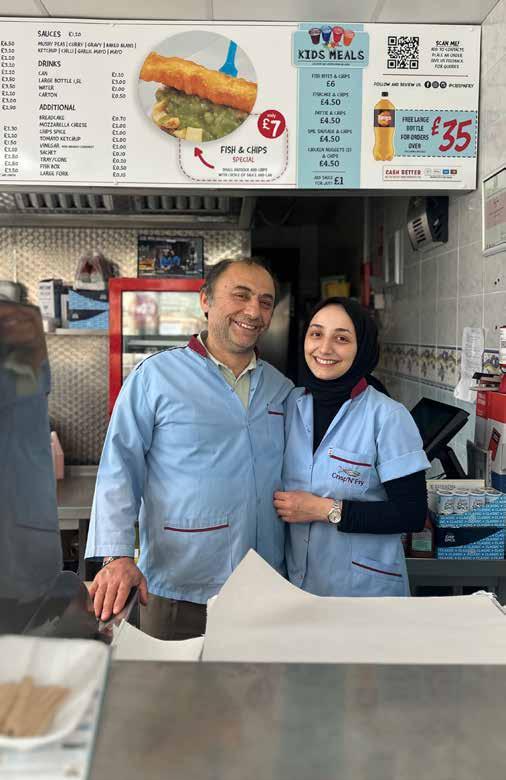
Can you tell us more about you and your family business?
Asiye: I started helping out in secondary school and have continued ever since, balancing the business alongside college and later studying Digital Design at Hull University. I’m the second oldest of my siblings who are either married or studying. Although it can be challenging at times, I enjoy being part of the family business and take pride in supporting my family. The interactions I have with customers is one of the best parts; the conversations, laughs, the banter, debates, our relationship is more like a big family feeling than just a business. We have two types of customers; those who are our regulars and those who become regulars. One of the most rewarding parts of being here for over 23 years is seeing customers we’ve known since they were young grow up, start families, and bring their own children through our doors. It really shows how connected we are to the community that I grew up being a part of.
Although we were initially in fish and chips in Leicester too, for me I met with fish and chips here in Hull. With vinegar, Hull's chip spice, including patties and mushy peas that we make ourselves, are just so delicious. We make our own peas and the Patty is our recipe too, and will be adding patty bites to the menu, with cheese in the middle. Stay alert. The baps are Bread Buns from a local supplier. The fish we buy are local too. Our potatoes are from the same supplier my dad started with over 20 years ago - all local to Hull. We went to see where and how they grow them. We have an attention to detail in the prep before we even open the shop. Chopping all our own chips as we check every potato for eyes too. It's hard work but we have commitment.
Alim: It was Viking Fisheries before Crisp N Fry and before that a furniture shop and at some point it was like this old photo. It’s been a chippy since the mid 90s.
Can you tell us the secret recipe?
Alim: Now that's a special secret!
Asiye:My dad was in fish and chips before he came to Hull. we explored and experimented to find the right recipe for our customers. We make them fresh everyday.
How have things changed over the 23 years?
Alim: Back then everything was so much cheaper compared to now. Unfortunately the prices today are expensive but we have to adapt. In 2001 the oil was £6-8, now it's £30-32! Also the shops have changed, and some locals. We’ve noticed an increase in homelessness over the years.
sausages, sauces. Everyone loves the sausages although it's not pork and have said there's no difference...in fact it’s ‘banging’. When new customers ask what we fry in, they’re relieved when we tell them it’s vegetable oil.
One thing that hasn’t changed is the relationships we’ve built with our customers. Many of our regulars have been coming to us for years, and we’ve shared important moments in their lives. We’ve celebrated happy occasions with them and supported them through difficult times. Our business is about much more than serving fish and chips. It’s about being part of the community and caring for the people who walk through our doors.
Being Turkish Muslims you are not what most people would think of as a traditional chippy owner?
Asiye: No, we’re not. We challenge stereotypes every day. Some people come in with a stereotype of who we might be. It feels like they look down on us - until we talk English- with a Hull accent - and especially our customer service. But their judgement drops when we serve the goods then they're more than satisfied. It’s one of the best things.
You can see it in the change of vibe and facial expressions even before we’ve served the food. If someone walks in with low energy, I can confidently say they usually walk out with a smile. One of the best parts of the job is seeing that shift—knowing we’ve changed perceptions and shown people a different side to what they expected.
SOME PEOPLE COME IN WITH A STEREOTYPE OF WHO WE MIGHT BE. IT FEELS LIKE THEY LOOK DOWN ON US...THEIR JUDGEMENT DROPS WHEN WE SERVE THE GOODS.
I didn't wear a Hijab when I started and it felt like some people were different. It's their stereotype. My dad has gone through much more. People do get aggressive and shout verbal abuse - go back to your country - this is my country. Our doors are open to everyone but we won't tolerate racism, hate or abuse. I was nervous when I was younger but I've built my confidence. I understand that we break the expectations, as a chip shop is the British traditional dish, and has been ours too for over 23 years.
CRISP 'N FRY
»129a Spring Bank, Hull, HU3 1BL
»@crispnfry IG
»07399 415151
»Monday to Friday 11:30 - 22:00, Saturday and Sunday 12:0021:00
Asiye: Over the last 23 years, we’ve seen a lot of change. Customers we’ve known for years have grown up, started families, moved away and, return to visit us again. The local community has changed too, with new faces arriving while others have moved to a different city. When we first started we weren’t Halal, until years later we changed it to Halal. We were the first Halal chippy in Hull. Although it has had an effect, people love what we do: our fish, chips,
People say they don’t feel safe on Spring Bank but you know we have such a good community around us. During the riots, they came and warned us and another pulled our shutters down and said to go home - another invited us to their home, to protect us. The community makes me feel incredibly valued.
What’s the best and worst thing about being a chip shop owner?
I’m glad people appreciate that quality is worth the wait. Some, however, want quality and become impatient even within a few minutes. I always say, good things take time.
We don’t bulk fry our food. After opening, we keep quantities to a minimum and cook fresh batches throughout the day. Our fish is always fried to order because we believe it’s best enjoyed fresh, hot, and crispy. With varying portion sizes and unpredictable busy periods, we’d rather make you wait a few extra minutes than compromise on quality. Increasing expenses are a major problem for a small business, as although we try to maintain lower prices, rising costs make it increasingly difficult to do so.
The hardest part of being here for so long is hearing that a customer has passed away or is going through something tragic. You remember the last conversation you had with them and the years of memories built up over time. If we haven’t seen a customer past their regular visit, especially elderly customers, I become concerned and have an urge to contact them.
I love cooking, but not when I burn myself—which I seem to do quite often! One of the secret ingredients in all my recipes is the reason people keep coming back. The end of day cleaning after isn’t always fun, but we make it fun as it has to be done everyday. I do a lot of steps during the day! I've stopped counting. I'm used to standing. I get spontaneous time off, our main break is summer holidays, going back home for family visits! I look forward to Christmas day because it's a guaranteed day off. Besides, I love the season and imagine sitting inside with hot chocolate reading a book.
I also love people watching through our large windows but realised I’m watching my life go by… most of the time I'm here! I always smile out of the window because it’s contagious, and a smile back makes it even better; I don’t like seeing people upset.
It’s difficult at times owning a family business because work doesn’t stay at work. On special occasions or family times and events we usually miss out. On Friday’s my dad goes to the Mosque for the Friday prayer. Running a fish and chip shop while fasting during Ramadan can be challenging, especially during longer hot summer days, but it’s a routine we’ve adapted to over the years. One of the good things is working as a family is fun is unlimited. EAT CHIPS

»Sample the goods. Frying daily on Spring Bank
Tim Robinson has been a truck salesman for his entire adult life. As he retires, EofUs met him in his yard off West Dock Ave to reflect on his achievements…
Shall we start at the beginning?
I’ve been selling trucks from this yard as Robinson Commercials for sixteen and a half years. I had first started the business in 1993 on Dalton Street then Freightliner Road (HU3) then a yard on Gillett Street (HU3) between 1995 and 2001. In between 2001 and 2009 I worked for other companies. My first job after leaving school at 18 years old, back in the late ‘70’s, was as a Trainee Commercial Vehicle Salesman for Kennings Group at a depot in HU3. However, now's the time to do other things, the end of an era perhaps? But yes I would do it all again!
How did it all start?
I went to the job centre originally and saw this trainee job that was advertised at Kennings. As that trainee I delivered vans, I learnt to quote, register vehicles and do invoicing. I would deliver a van and then make my way back either by train or thumb a lift. I loved it.
I learnt how to approach people and talk to them. I had always liked cars and machinery. I liked how there are rational, factual features on a truck - the payload, the economy, its performance. By the time I was 20 I was working with tractor units and larger trucks and got a company car!
Was your family into trucks or was this an interest out the blue?
My ancestors had been egg distributors, we started in Hartlepool importing eggs from 1863, moving to Hull in 1904. But the company was sold out and closed by the mid 1960’s. So yes I guess it was in the blood. I think it's an important history of how we moved goods from the docks here all around the country by sea, train and then of course trucks.
Do you drive the trucks too?
Yes, I have my HGV class 1. You really have to have it to be a truck salesman. But I'm not a natural truck driver.
I’ve been a fairly competitive person which I guess is why I've ended up working for myself. To be

independent is important...to make things happen for myself and my family. I've enjoyed being the ‘lone wolf’. I know I'm not the best team player. If people tried to control me too much in a job then I wasn't as productive. If I was given my own space and was trusted then I could sell trucks. I once said to a boss – as long as I can pick them - then I can sell them. Normally you have to sell what they've bought if you work for a company.
Will you miss the selling?
I pride myself on my work, the buying and selling of good quality vehicles. To get the deal is always a buzz but I also wanted to sell good products. My favourite memory of selling is ‘cold calling’ a truck operator and leaving with a full order for a new truck. This happened twice whilst working for two different employers. That's what I will miss. I liked working with the trucks and the people in the industry - the comradeship. And I like the challenge of selling. I'm never pushy, I always give people time for questions and thinking and space to trust me. You have to be able to trust the products and the buyers/sellers. That’s how you build a reputation. Reputation is everything.
You are clearly a specialist and you've been successful. What advice would you give a young person starting out?
Ooh, it's a changed world, I'm old school. I worked hard and learnt my product, focused on certain things. Now lots more things are online so it's different. Advice… you have to be thick skinned and not get knocked down by not selling. But always be determined. I think it’s important to find your own flair or specific interest. For selling - let things grow through a conversation, importantly you must listen, pull questions out and let people ask questions, build trust, watch your P’s and Q’s. Importantly you should never sell to or at people –set your stall out properly and customers will buy off you - and that's the difference.
Developed by EofUs alongside the HU3 community and Western Library HuFree Gallery goes from strength to strength. Over the last year we have displayed some incredible work made by locals young and old. Read on to discover more about those exhibitions and find out about upcoming shows.
HuFree Gallery emerged, like all the work we at EofUs co-create, from the area's unique ideas and incredible interests. Over time we noticed and then understood the important and rich seam of photography in and about the area. Alongside residents and Hull Libraries we created a beautiful space that celebrates working class Hull photographers, photography, film and print in HU3 and Hull.
All the exhibitions take a closer look at the HU3 people and their lives, past and present,
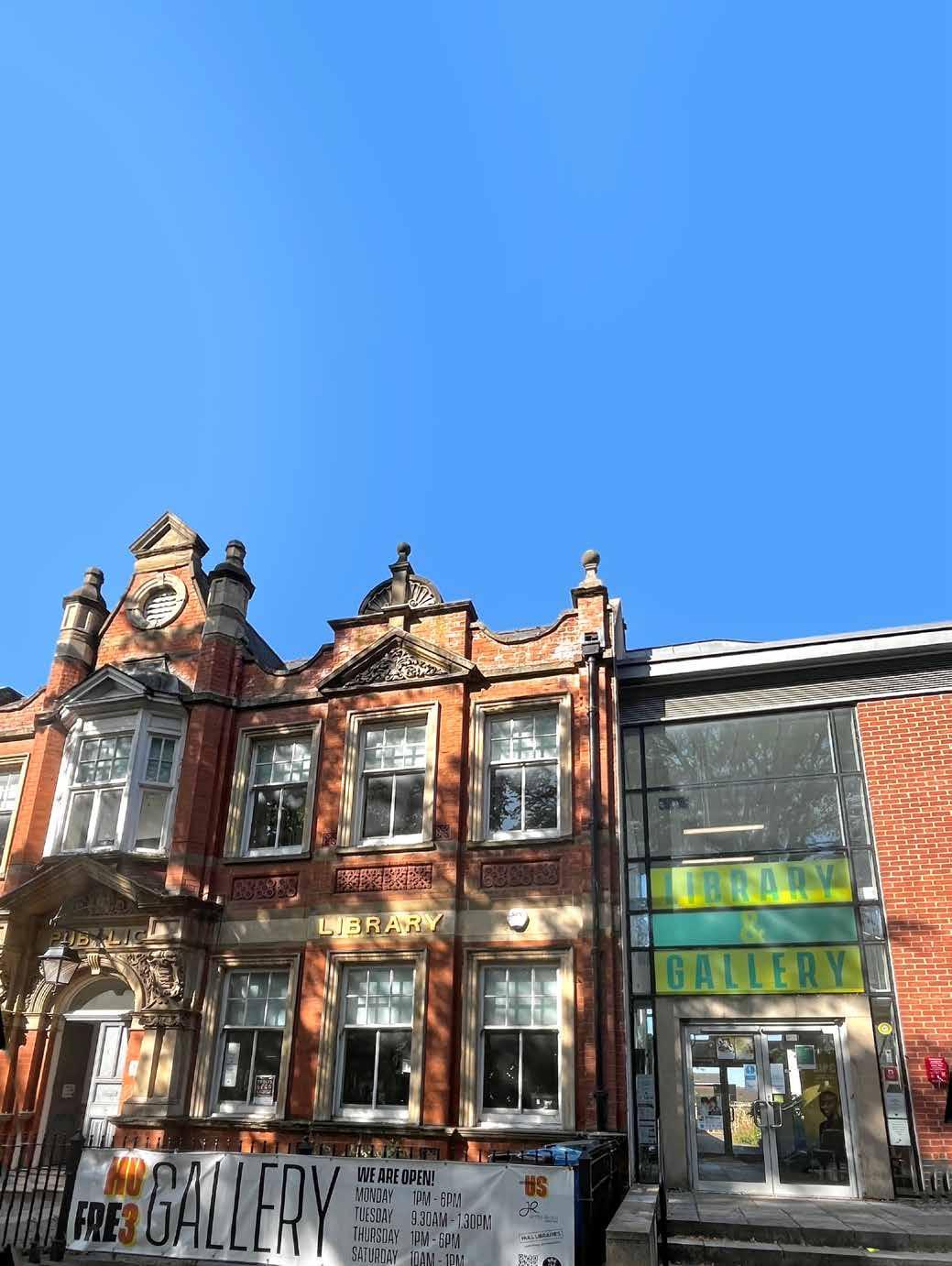
that are often hidden or paid scant attention. Everything is programmed with, by and for HU3 residents, creatives, groups, business and schools and we welcome visitors from everywhere. We want to reflect our beautifully diverse HU3 community so there will be lots of new and changing displays and a programme of talks, tours and workshops to get involved in. Artworks are displayed in the main entrance, the downstairs library and the upstairs roomwhich if needed people can get to via the lift.

VISIT HUFREE GALLERY Western Library, 262-264 Boulevard, Hull, HU3 3ED Monday 1pm - 6pm
Tuesday 9.30am - 1.30pm
Thursday 1pm - 6pm
Saturday 10am - 1pm »eofus.co.uk/hu3gallery
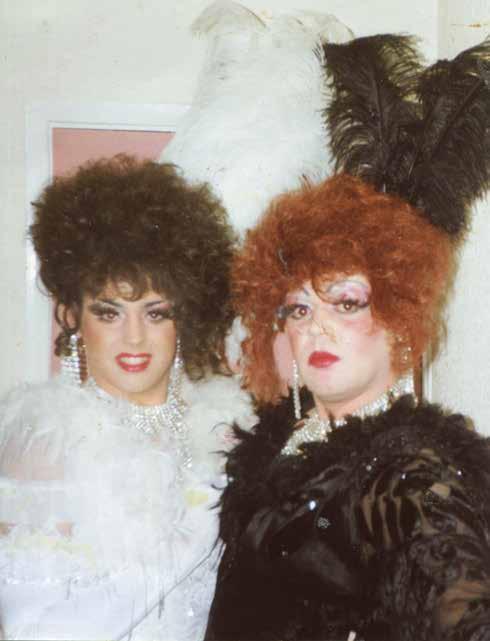
Carmena Ripolles, Ian Trowells & locals October - November 2026.
Carmena has been documenting the fair and its visitors for the last few years in full glorious technicolour. Ian has been collecting images and histories of the fair for the National Fairground Archive. This joint exhibition showcases their work and also invites you to join in.
Murray Clarke
December 2026 - February 2027
This exhibition will reveal photos taken at the height of the 1990s rave scene. Murray, born in HU3, documented his friends and ravers enjoying nights and we share them for the first time at HUFree Gallery.
Bobby Mandrell
Did you know that HU3 pubs and clubs in the 70’s, 80’s and 90’s, had a drag and queer performance scene that held a top spot in the north of England, alongside Manchester?
Having noticed that several photographers, operating at the time, had images that documented this scene in their private collections, the Encyclopedia of Us team wanted to know more. This exhibition is part of our investigation and kickstarts the creation of a new, publicly accessible archive that will be hosted at the Hull History Centre, and the Bishopsgate Institute in London. It brings together some uncovered photographs, alongside historical finds and stories which seem to raise more questions than they answer…. We wonder what questions it brings up for you?
When I was younger I was told I would never grow up to do or make anything with my life, let alone become a household name in my home city. To help so many people and charities, makes me very proud to become a part of Hull's history in so many ways. Bobby Mandrell

»Visit exhibitions until Sept 6th
»See more on website www. sceneheard.co.uk
»see more about the film on page 17
Ross Williams
March 2027 - June 2027
As a student, Ross visited the Tower most weekends in 1983. He documented the variety of shows, events and clubs that made use of this iconic building. Expect to see wrestling, drag, pigeons, hen dos and more!
Future exhbitions currently being programmed. Keep checking in to find out more.
»Do you have a favourite photo you’ve taken at the fair? Send it to us, we will include it in the exhibition: hello@uofus.co.uk
PHOTO WALK
»Walk to Hull Fair, take photos for the exhibition. Meet Friday 9 October at 9am Chiltern School.
In the last year HUFree has created opportunities for a young perspective. Tom Robinson reflects on their ideas and skills in these two reviews.
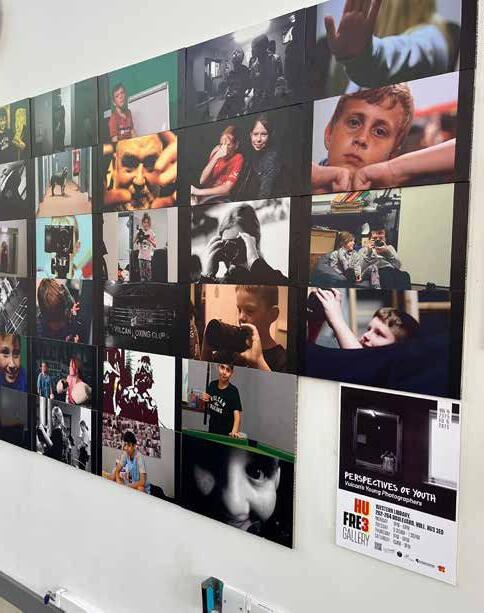
A display of photos taken and selected by young people at Vulcan Centre.
We live in a world of photographs. Around 5 billion are made every day!
Young people spend their time either being recorded or making recordings of themselves, and social media is used to share these images quickly. We know that social media is not always the best influence for us. And pictures are a huge part of this - with body confidence and self-image a struggle for many.
Here at the Vulcan Centre we have turned this on its headpun intended :).
Not all digital is a struggle though. At the Vulcan Centre young people are handed professional digital cameras and a couple of quick instructions. They are encouraged to move around the building, spotting images to make. They not only have a good time but are taking control of the imagery in their lives. The camera becomes a power tool in their hands - pointing at each other, themselves, grown-ups, parents and staff, freezing us in their gaze. Sometimes they direct us in where to stand and what to do, and if they start video recording then we are suddenly being interviewed as well! Power and identity are reclaimed by youngsters in this digital age. Mal Williamson. Vulcan Centre.
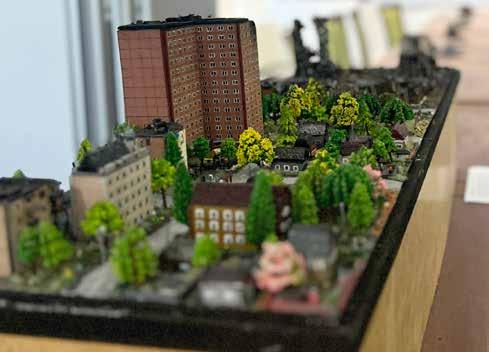
Yesennia Serdiuk Review by
Tom Robinson HUFree Gallery Co-ordinator
This show featured small models of scenes from war and the memory of war and reporting of war. The models sit on a table that looks like the long table of a boardroom were people might meet and make decisions that lead to wars. On the wall is a big map of Ukraine showing Nikopol, where Yeseniia is from, and the frontline. Along with the models are bits of paper from the artists studio - drawings, studies, photos - source material that help us to see the way recent memories stick or become jumbled and scattered, especially when you have to leave at such a speed - they also help us to see the process that an artist goes through. Then there are photos and videos of the models that might lead us to think about the way that we see the experience of war from the outside - on the newsor in the newspaper.
Read some of the comments left in the book in the exhibition...
“Powerful, harrowing and depressingly necessary. War should not be glorified and this exhibition helps show us why.”
“I feel completely sick to the stomach as a witness to mans barbarism and inhumanity to man. Don’t stop creatingthe world needs creatives like you to give a voice to the voiceless.”
“To respond to such inhumanity with such humanity is a great strength and truly the value of artists.”
Lastly, there are found photographs from long before Russia invaded Ukraine. We overheard a visitor say that they looked like Hull. Could we ever imagine these scenes


»Listen to Yeseniia in conversation with Isaac
The work centres around Chris Tansey's upbringing in the high rise flats of Anlaby Road and the lasting impact of that location on his practice. Adding to the new work that Chris made in response, Tarik Skalli produced a short documentary film about Chris's work, Karim Skalli used photography to tell a visual story of the character and history of the place, and Bill Tansey made sound recordings of the site - including places where some buildings are now not there.
Let’s think about the quote that Chris selected for the exhibition: "Most of our childhood is stored not in photos, but in certain biscuits, lights of day, smells, textures" by
Alain de Botton. Our childhood is also stored in the way we tell stories about that period of our lives. Those stories can be spoken, they can be sounds, and they can be visual. They stack up like the storeys of a building.
In some of the photos we can see details revealed whilst other bits are painted over. We can see shapes appearing, simplified in black and white paint. We can see clusters of bright colours. We might not have seen these things in this way before. In the same way we might not have imagined what it’s like to grow up, or to live, in a tower block.
Tom Robinson, HUFree Gallery Co-ordinator
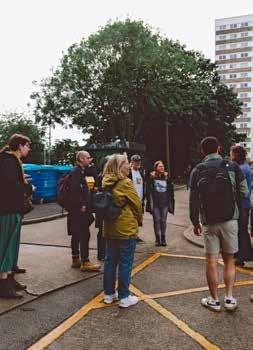
»From Sunrise to Highrise: We want to hear from you if you have photos taken of or around or from the towers. We’d like to beam them up for all to see at a second projection event in October. »hello@eofus.co.uk
»IG / FB @eofushu3

»Watch Karim and Tariks drone film of Concrete Stories project

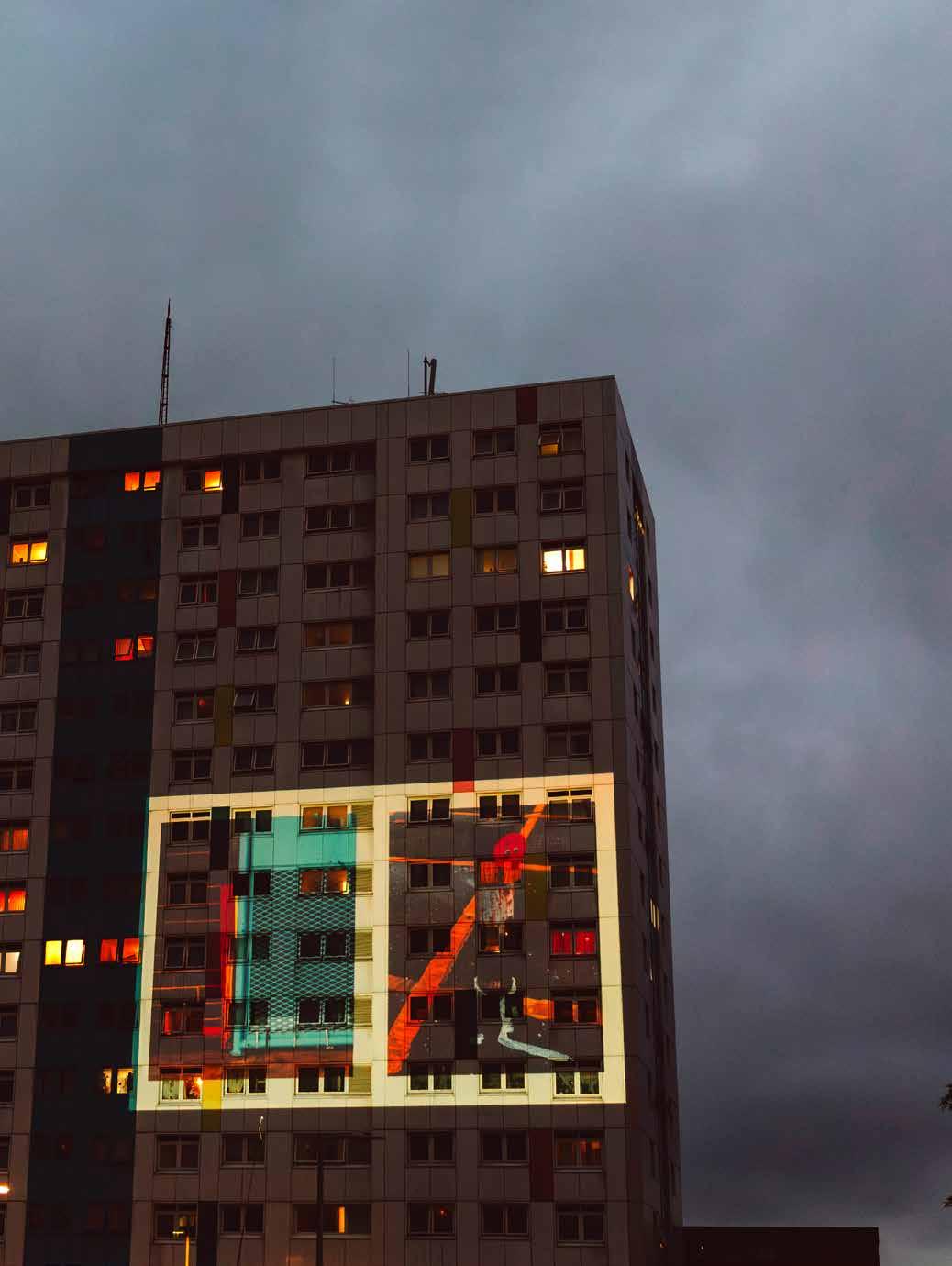
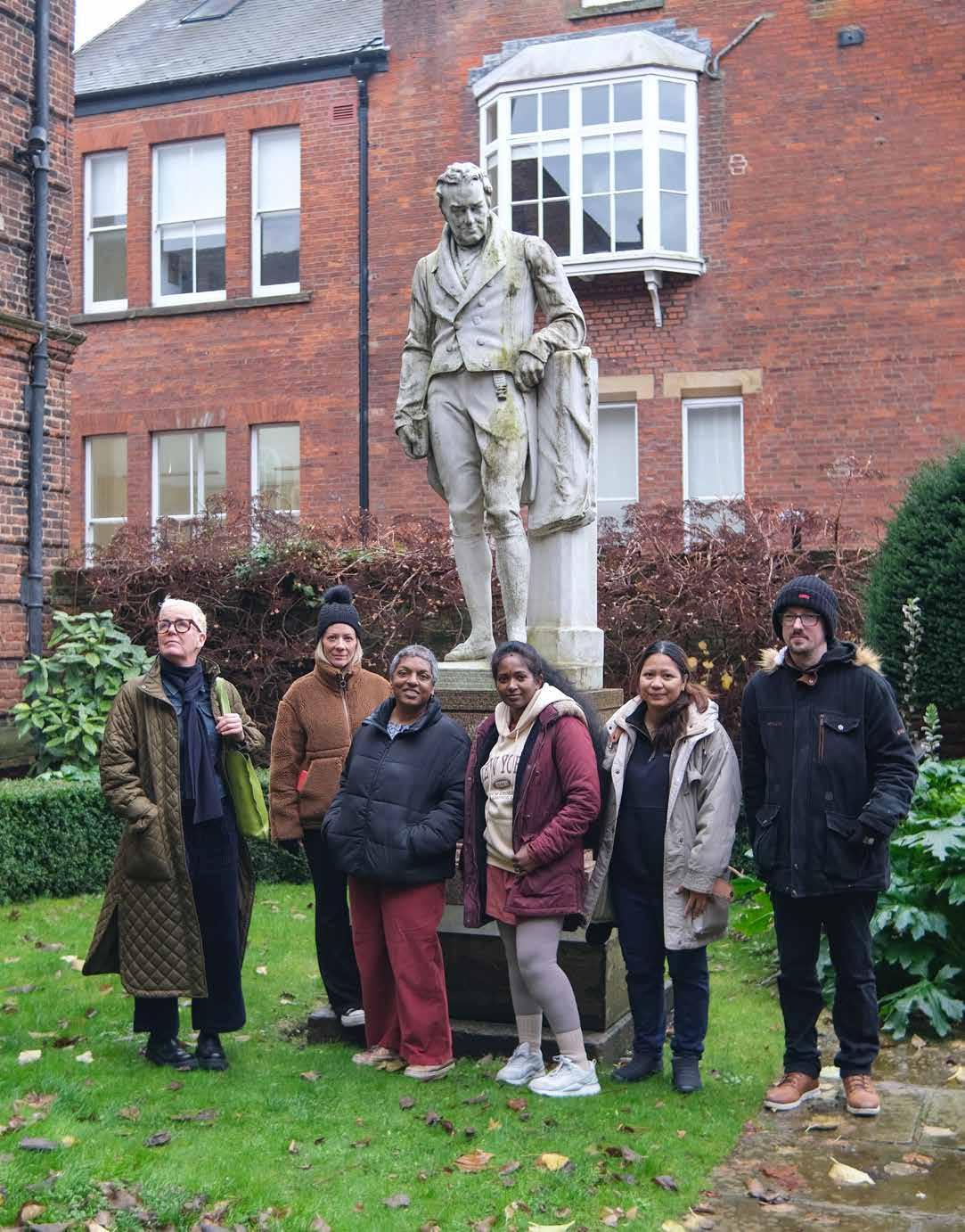
Over the year Walk/Talk has ventured near and far. Together from Chilltern Primary we walked to HuFree Gallery at Western Library to see Alex Kalogeraki's paintings and see the Mermaid/Nymph who watches over the garden. We’ve drunk good coffee in cafes, talked politics, life, ancestors and things that make us happy and inspired by a trip to Wilberforce House. We became angels on Whitefriargate and then did a return visit to HUFree Gallery to check out the portraits in the We Believe in Love Not Luck exhibition held there.
Excitingly our Walk/Talks have grown to include photography. We now, as part of our journeying, each use a disposable camera to capture something we like on route. There is no theme, no stress. We just make photos we like - simple. Our ambition is to have our own exhibition and share what we see.
Thank you Miss Greig for your continued support.
Central to EofUs newspaper are the lovely You Cans - bespoke offers to get involved in. In the last issue poetry, pattern making and pots were just some of the things available to try. Read on to find out more.
EofuS is always grateful to the HU3 people and businesses who make You Cans possible.
The magnificent Flower Club, led by the kind, creative and hard working Tommy Harrison continued to take place at Rayners with Pat, Lisa, Jessica, Lynne, Teigan, Bryony, Mandy and Becky all working hard to match Tommy's skills. At one we created a hand tied bouquets in bright citrus colours to brighten the February gloom.
EofUs is proud of Flower Club which is a clever mix that makes learning fun. It also brings seemingly unrelated businesses together to showcase their skill and assets while they give back to their customers.
Since this session Landlady Rachel has left Rayners, leaving us with a quandary. Rachel was instrumental in the setting up of Flower Club due to her interest in offering customers opportunities to brighten days. EofUs and Tommy are keen to keep sharing skills so we continue to look for an appropriate venue that offers space and a relaxed atmosphere. We will keep you posted.
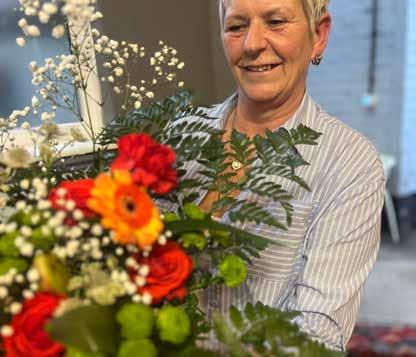
EofUs takes this opportunity to wish Rachel our best in her next venture.
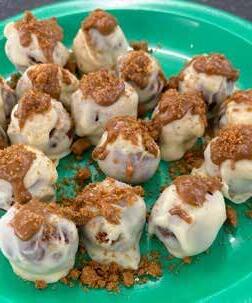
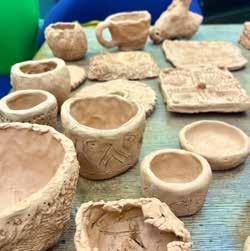
“Made with love shared with joy” was what Jacqui said as she tucked into a delicious bowl of Pilau. And we couldn't agree more.
Cook and Share at Chiltern Primary is straight forward - everyone who joins cooks something they enjoy and then we all eat together as a shared lunch. It’s gorgeous and interesting, enabling us to try good food that perhaps we wouldn't cook while also learning about world cultures in a safe place where we can ask questions of our neighbours.
So what's not to love about trying Ruta’s Lithuanian Kepta duona su cesnaku, Keptas varskes suris and Bandeles
su spirguciais, Rihanna’s Syrian rice pudding, Nirmala’s Coconut milk pilau, Lisa’s Biscoff truffles, Jackie’s Choc chip cookies, Kate’s Banana bread, David’s Eton Mess and a huge Romanian pasta salad?
“It's been so cool to meet Mike and learn some techniques and try to get better. I like how he did that design”
Boulevard students, from all year groups, enthusiastically joined Graf artist Mike Sprout in this accessible and supportive drawing workshop. Mike started the session by sharing images of important graffiti and design, explaining the art form throughout history and how even way back we made marks, vandalised and embellished where we live with things that mattered.
During the sessions students were encouraged to think first of their graf name - it's harder than you think! And then use different techniques to design a tag. We tried shadows, adding texture, warping perspective and pattern. We shared what we made and laughed at how hard it was. We also spoke of good graf we’d seen in the city and how Hull has a distinct style that Mike was part of developing.
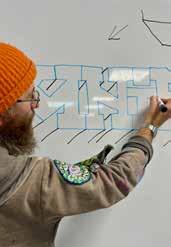
Thank you to all staff and students in The Art Department. Boulevard Academy.
"I've been so excited for this workshop. The time seemed to pass so quickly. I have learnt so much today, connected with lovely, amazing, like minded individuals. Thanks so much - I appreciate events like this so much!"
Potter Ziv Murphy supported by artist Layla Jabbari led a diverse group in a hands-on session using terracotta clay. With the HUFree Gallery as a backdrop, everyone explored the natural forms Ziv had found in the cliffs and coasts of East Yorkshire. These and the ceramic pots Ziv makes were an inspiration to get people started on their own thumb pots covered in texture and pattern. Once dry these pots were fired letting everyone remember the day via a new mantle piece ornament! Thanks Lyz, Leone, David, David's mum, Dabek, Julika, Louise, Ann, Olga and her children for getting messy! Thank you Hull Libraries for ongoing support.
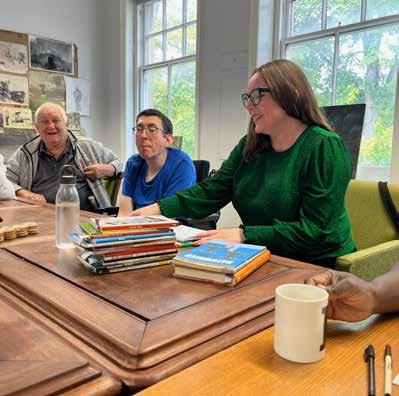
On a warm autumn afternoon in HuFee Gallery, within Western Library, Isaac, Mark, Ralph, Jill, Julie, Elizabeth, Lawrence, Michele, Alison, Ellie, Anne and Lyz gathered to be guided by Hull poet Vicky Foster. Taking Carla Mellor’s “Sunshire poem [published on back page of the last issue] as inspiration, people were asked to think about what makes them smile. We then were encouraged to use Carla's poem structure to help us create our own poem. Vicky told us “I often use someone else's poem to get out of being stuck - I use their structure and the ideas held within…” Here’s some of the group's beautiful poems. “I loved working with E of Us and meeting all the lovely participants who came along to the beautiful Western Library. We spent a couple of hours reading, writing and sharing poetry and they created some gorgeous work - some of them writing poetry for the very first time!” Vicky Foster
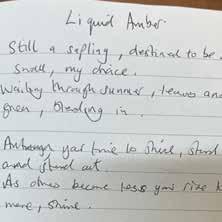
»Walk to Hull Fair, take photos for the exhibition. Meet Friday 9 October at 9am Chiltern School.
»Join a walking tour to discover all the art works with Deb and EofUs 9th, 10th September Join us at Chiltern School 9.30am
»Follow us on on FB and Instagram to find out about upcoming events and news. Search: EofUsHU3
It’s funny coming home. I lost my accent, apart from my nerr’s. A question I get a lot is, where you from? And that's the same everywhere you go. From the Outback to on road, humans are curious. Who are you and what are you doing here? Well, my name is Rikki Lea and I am back in my home city because there’s no place like Hull.
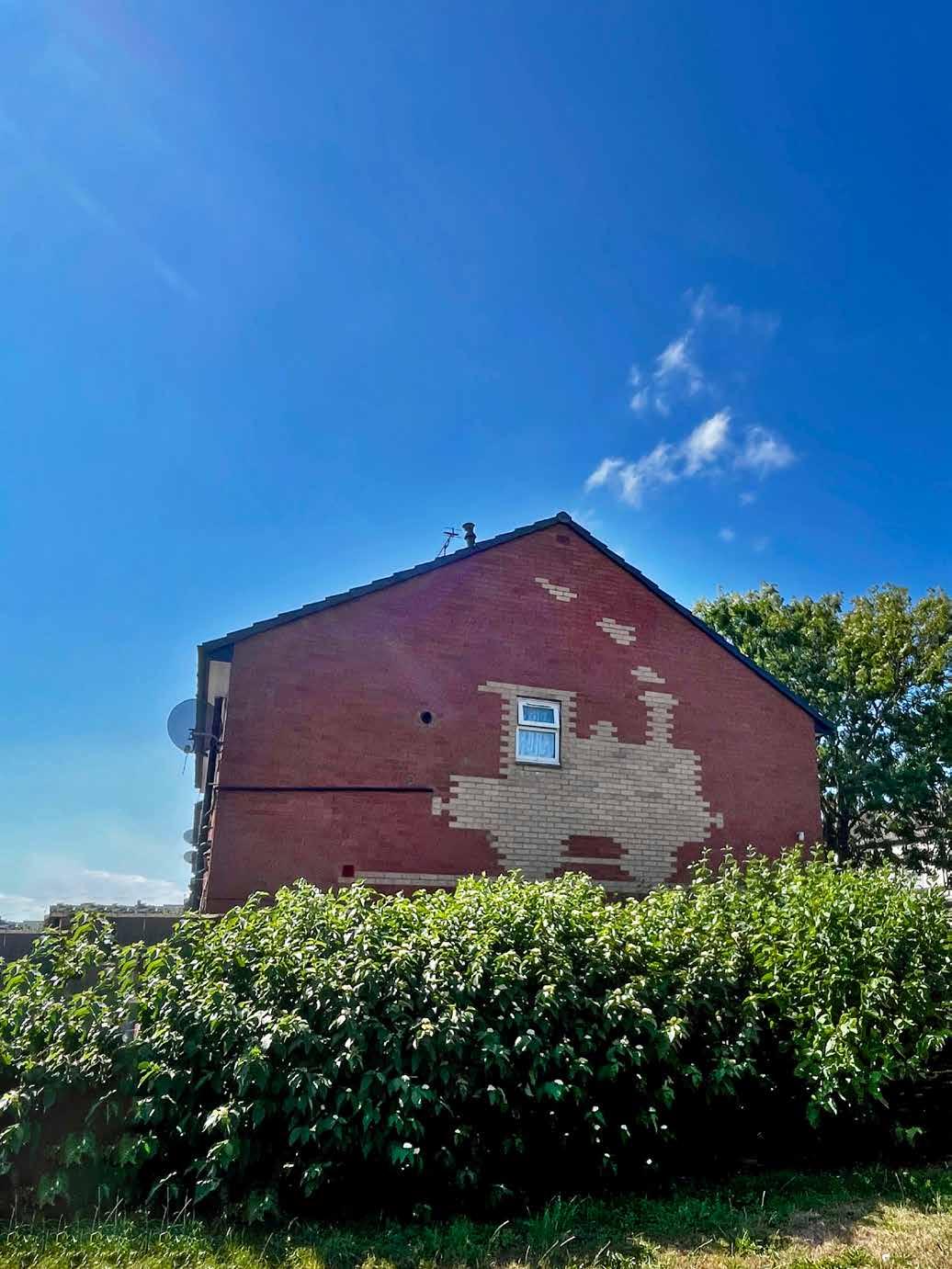
You could be anywhere else. Aye, true enough, so could everyone. I have lived in five different countries, lost count of shared houses, let alone towns and cities. I’ve been here and there and I always find my way back to this city. There’s nothing quite like that train coming in and being greeted by the concrete towers of Humber Bridge and, as it edges closer past Dunston Shipyard, Aunt Bessies factory, the brickwork house patterns of rugby, boxing, a train on Selby Street, past the Boulevard and Hull Royal, to the end of the line at Paragon Station.
I love seeing old wonky Larkin as I come out of the exit. He knew. The poetry of this place, the characters of every day. Just take yoursen for a walk around Hull and you can meet everyone from all walks of life. Stopping for a pattie buttie or an odd bob from Boyes, you’ll find more than what you’re looking for, especially down HU3.
It's hard to come back and make a go of it, but I’m also very lucky to return to a place I’ve called back on so many times. In all honesty, when I returned from Australia in December, I was not planning
on staying in Hull, I wanted to return to Bristol and pick up my old life again. I went to view some houses and see friends I hadn’t seen for a year and just had the realisation whilst out on a walk. I actually don’t think its right. I don’t want to spend £750 on a room in a house share, excluding bills. I came back home and stayed on my mam’s couch for a bit. I Googled the cheapest place to live in the UK, and in the top 3 is none other than Hull. And I thought, alright, why not. I’ve given everywhere else a go, why not my home city for a minute. What draws me back isn’t just the fact that it’s cheap or that I can get chipspice on my chips. I think Hull gives me the freedom to take life slower and enjoy that time. What’s the rush anyhow? And the question I get now is, how long are you staying for? And I have to pause when I answer because I have no idea really, something else might crop up and I’ll be back at the station to head somewhere else. Or Hull might just surprise me and convince me to knock about for a while. Either way, it is groovy to be here.