INTRODUCTION
Introduction
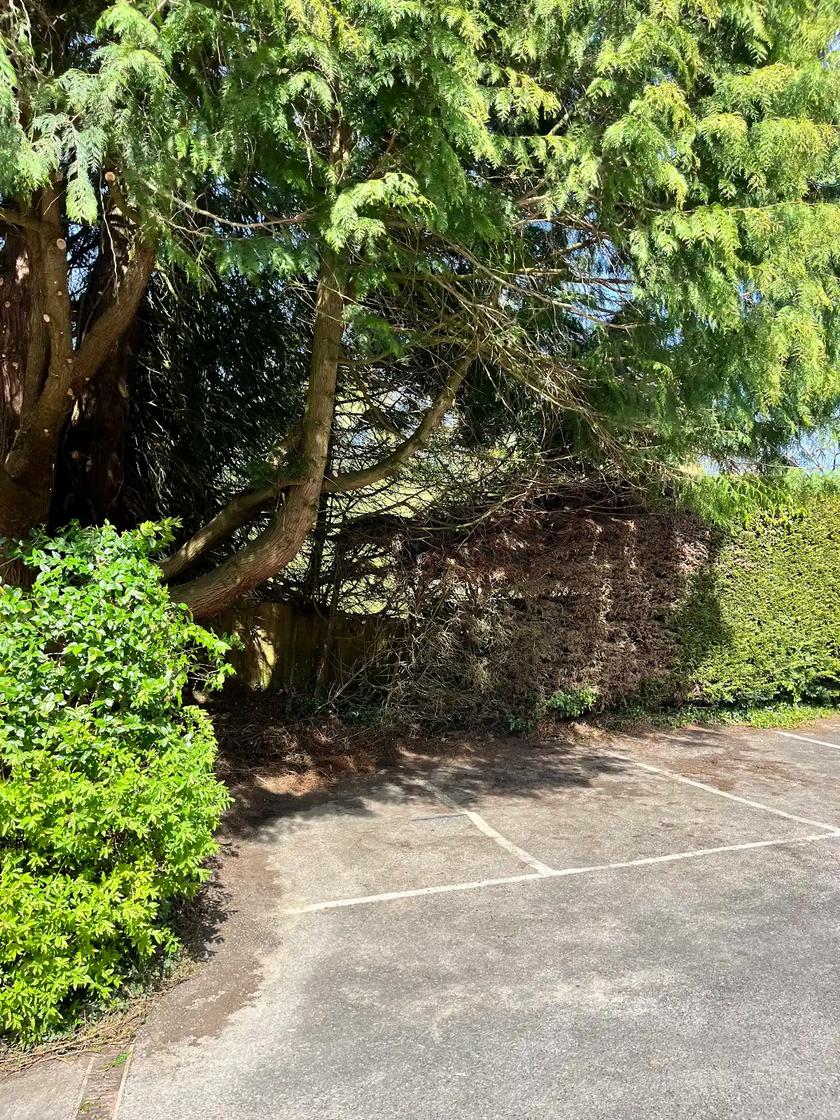
There comes a point in every mature garden where a tree starts working against the space rather than for it. The lower branches drop closer to the ground each season. The area underneath becomes difficult to use Light stops reaching the garden properly Access gets restricted in ways that creep up slowly until one day it becomes genuinely inconvenient. Crown lifting is the professional solution to exactly this problem, and it is one of the most effective tree surgery services available to homeowners across Surrey, Hampshire, Berkshire and surrounding areas
This guide covers everything you need to know before booking a crown lifting service, from what the process actually involves to when it is the right call and what to expect from a professional team
What is Crown Lifting?
Crown lifting is a targeted tree surgery technique that involves removing the lower branches of a tree to raise the base of the canopy to an agreed height The work focuses entirely on the lower portion of the tree The upper canopy, the overall height and the mature character of the tree all remain completely untouched
Many homeowners assume that any significant tree work will change the appearance of the tree dramatically. A well-executed crown lift tree service does the opposite. From a distance, the tree looks exactly as it did before, just with open space beneath it where previously there was none
The process is carried out by cutting back to secondary branches rather than removing limbs directly from the main stem. This keeps the wounds small, reduces the risk of disease entering the tree and produces a far cleaner and more natural result than cutting flush against the trunk
When Does a Tree Need Crown Lifting?
There are several situations where crown lifting becomes the right course of action, and they are more common than most homeowners realise

Blocked access and restricted visibility over driveways, pathways or garden entrances
Light restriction causing lawns to thin and plants to underperform
Legal and neighbourly obligations around overhanging boundaries and footpaths
Branches sitting close to roofs, outbuildings or fences causing gradual structural damage