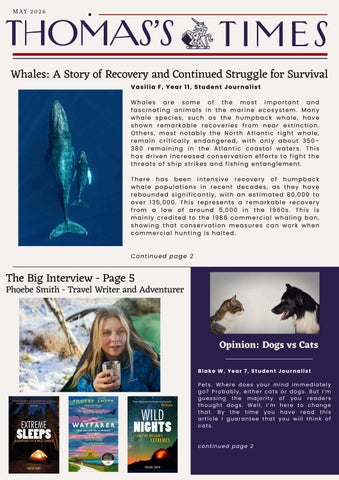
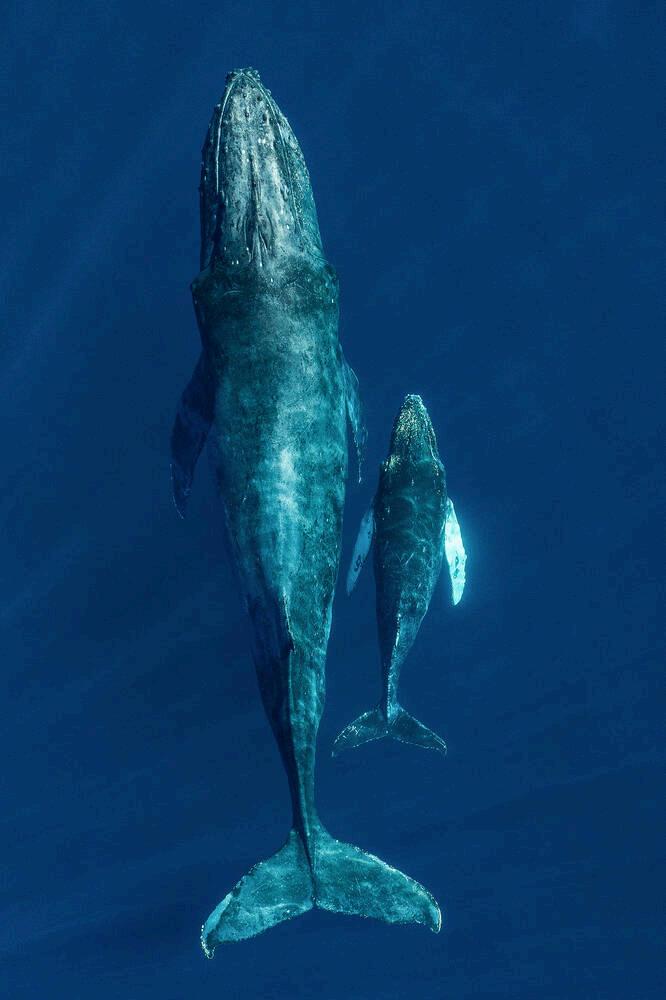
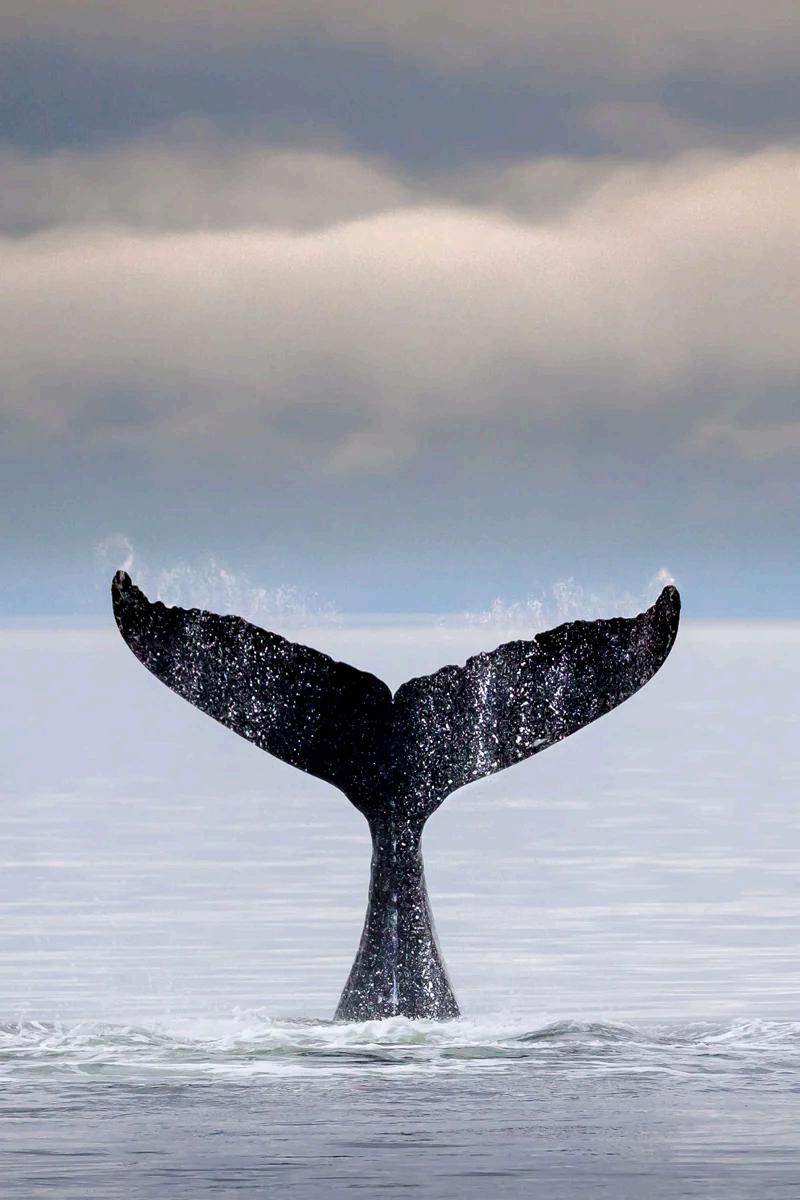
Whales are some of the most important and fascinating animals in the marine ecosystem Many whale species, such as the humpback whale, have shown remarkable recoveries from near extinction Others, most notably the North Atlantic right whale, remain critically endangered, with only about 350–380 remaining in the Atlantic coastal waters. This has driven increased conservation efforts to fight the threats of ship strikes and fishing entanglement.
There has been intensive recovery of humpback whale populations in recent decades, as they have rebounded significantly, with an estimated 80,000 to over 135,000. This represents a remarkable recovery from a low of around 5,000 in the 1960s. This is mainly credited to the 1986 commercial whaling ban, showing that conservation measures can work when commercial hunting is halted.
Continued page 2
Blake W, Year 7, Student Journalist
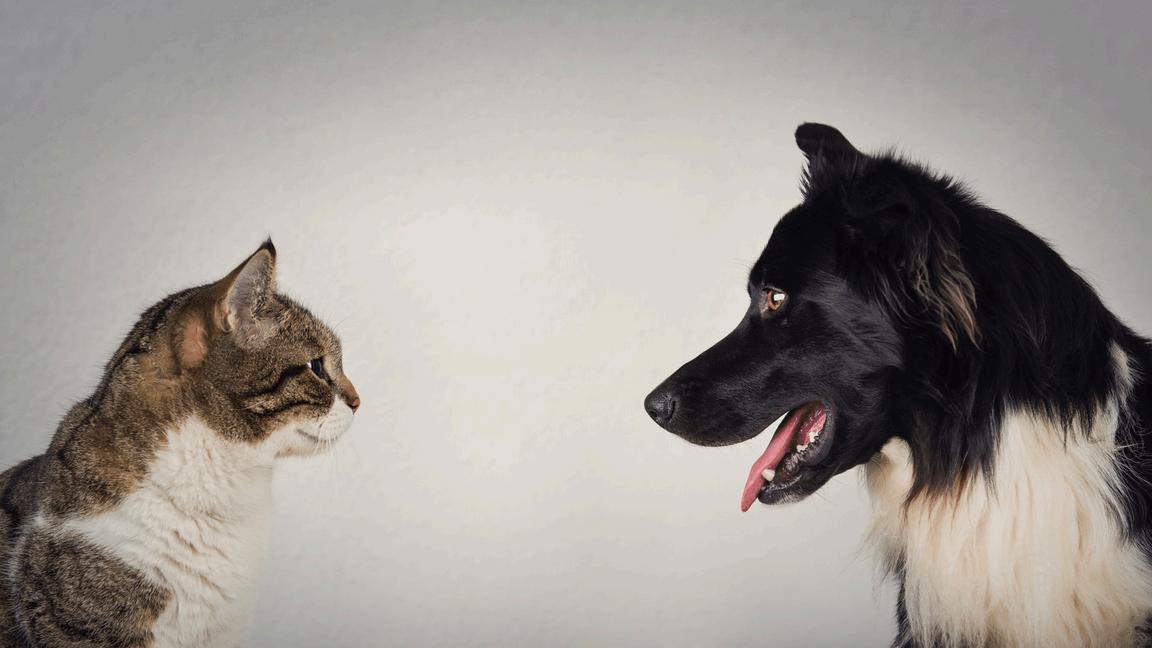
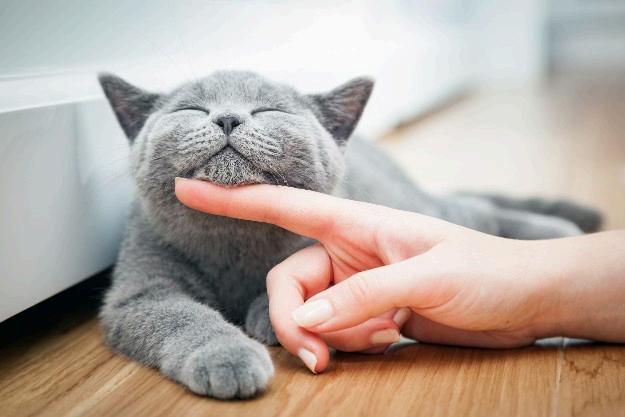
Pets. Where does your mind immediately go? Probably, either cats or dogs But I’m guessing the majority of you readers thought dogs Well, I’m here to change that. By the time you have read this article I guarantee that you will think of cats
continued page 2
Whales:AStoryofRecoveryandContinued
However, this is not the case for all populations, with many listedascriticallyendangeredbytheInternationalUnionfor Conservation of Nature (IUCN) Red List, including the North Atlanticrightwhale.Itspopulationhasshownslightsignsof recovery, with a small increase of roughly 20 individuals, totalling less than 380, but they face new challenges regarding the timing of increased support and protection initiatives Major dangers facing these endangered populations include entanglement in fishing gear, ship strikes, ocean noise, and habitat changes due to rising temperaturescausedbyclimatechange
Whatisbeingdonetocontinuesupportingthesespecies?
Organizations like Whale and Dolphin Conservation (WDC), Sea Shepherd, and ORCA are actively patrolling to stop illegal whaling, while other groups such as Oceana and the InternationalFundforAnimalWelfareadvocateforreducing ship speeds and developing “ropeless” fishing gear Personally, we can all play our part in reducing our carbon footprint by walking and using public transport more often, and also reducing our consumption by utilising recycling bins around school and shopping at the second-hand uniform shop. But this truly goes beyond us, as the protection of whales is crucial for the marine ecosystem; whales help combat climate change by supporting phytoplankton that trap carbon, making it even more importanttoprotectthissignificantpartofmarinelife.
DogsvsCats
Cats are perfectly content to be alone for long stretches of the day These animals are solitary and independent by nature, meaning that you can go to school, run errands, live your life and return home without worrying if your pet has suffered a meltdown in the meantime Not to mention, there’s no need to worrythatyou’llhavetodashbacktoletthedogout to use the bathroom as cats can independently use thelittertrayorwalkoutsideandgothereallontheir own
Owning a cat is also more affordable as over the courseoftheirlifetimes Whilebuyingaspecificbreed of cat can be expensive, generally, adoption fees are lowerforkittensandcatsthantheyareforpuppiesor dogs and the cost of food and insurance for cats is generallylowerthanthatofdogs
Dogscan'thaveanindoors-onlylifestyle,theyneeda lotofexerciseandalotofwalks,andingeneral,alot oftimespentoutdoorstolivehappyandhealthylives But if you don't have a garden or access to parks or have limited mobility, this may present a major challenge whereascatscanstayindoorsifyouwant a fuzzy companion to accompany you and keep you company Or, if you are out for school or work or just wantyourcataroundsomeofthetime,thenyoucan just open their cat-flap and they are free to go wheneverandwherevertheywish
Arecatsgoodforyourmentalhealth?Answermethis, haveyoueverheardacatpurringandsuddenlyfelta sense of calm? Studies have shown that cats purring can reduce stress in humans, lower blood pressure and even help with dementia and to heal human musclesandbones
Another reason why cats make better pets is that theyoftenlivelongerthandogs.Anypetownerknows that losing your pet is the hardest part about having one,andwhiletheaveragecatlifespanis12years,it’s commonforthemtolivewellintotheirhighteensand early twenties. And even though no pet will last forever, having a cat for those extra years is a huge comfortformanypetowners
So, pets. Where does your mind immediately go to now?
FilmReviews
ProjectHailMary
Jack G, Year 7, Student Journalist
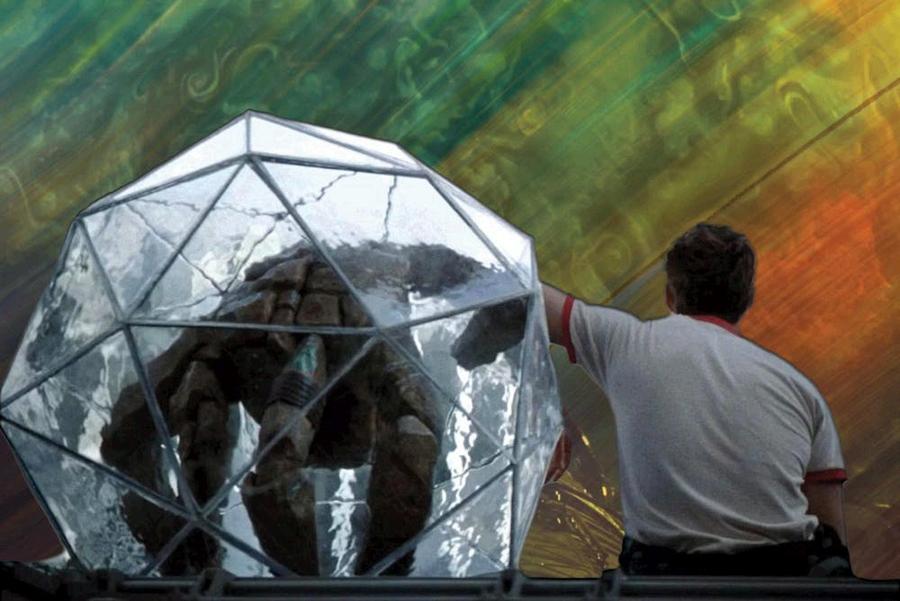
Who knew you could feel so deeply for a rock-shaped puppet?
From the poster and trailer Project Hail Mary looks like it's going to be a pretty average space thriller –but it’s so much more than that It’s interesting, intense, and at times deeply moving There are tender moments alongside laughs and like all the best films, the journey is both literal and emotional
It’s centred around Ryan Gosling (whose performance felt unforced and genuine) and there’s an excellent cast to enjoy throughout It also features Rocky, a puppet, who stole the entire film by being both unusual and weirdly loveable.
Project Hail Mary balances the big scale/ high stakes sci-fi story with intimate humour and heart. Warning: if you have a pulse, you will find yourself feeling emotional during this film!
Aside from a questionable Harry Styles karaoke moment (with the formidable Sandra Hüller) which felt a bit awkward- it was an amazing film
A thoroughly enjoyable watch!
Rating – 8/10
TheMagicFarawayTree
MayaB,Year10,StudentJournalist
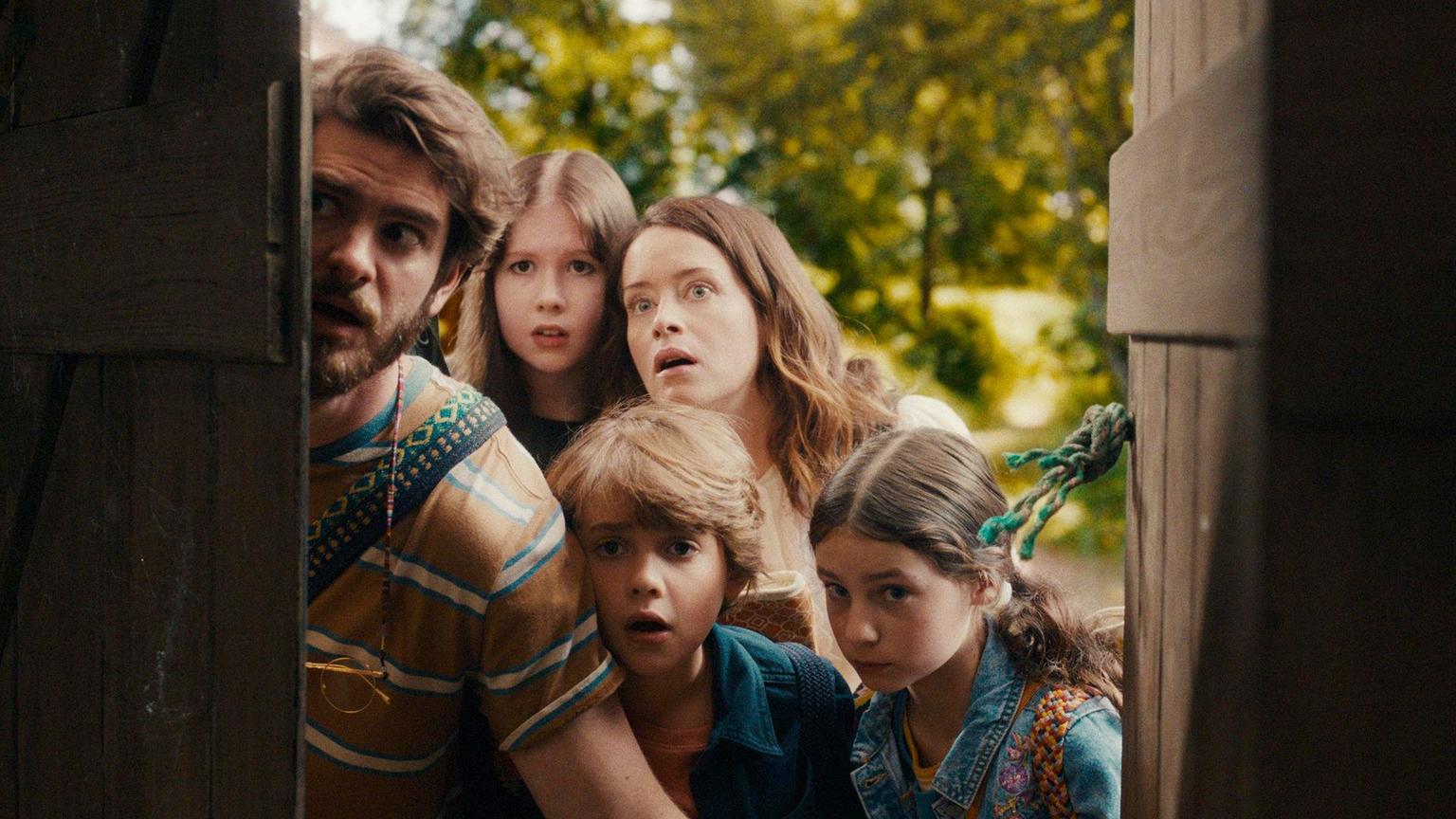
The Magic Faraway Tree has received a new movie adaptation. I’m sure the book needs little introduction but for the sake of housekeeping I’ll give a small plot summary The book follows a trio of siblings, Beth, Joe and Frannie, who discover a magic free in the enchanted forest near their new home. They meet all kinds of fantastical creatures and people, such as a fairy named Silky, Moon-face and a man covered in saucepans, appropriately named Saucepan Man. The children climb the tree frequently to see their friends and the magic lands that rotate place every hour, putting the children on a timerduringtheiradventures,lesstheywanttogetstuckinthe treeforever.Theyalsomustavoiddangersontheiradventures, suchastheAngryPixie’swindowandDameWashalot’shabitof dumpingdirtylaundrywateraround.
The Magic Faraway Tree book is full of whimsy, which is what concernedmegoingintothemovie,asfromwatchingtrailers,it was made apparent that the movie was going to attempt to blend modern day issues, such as electronic addiction in children, into the movie My main concern was that this was going to take away from the whimsy that the book had I also was worried that the movie may not be able to portray the issuesitwantedtotouchoninafairmanner,manyothertimes that I’ve seen adults deal or write about electronic addiction it fails to account for the many moving parts that influence the use of electronic devices by children, such as wanting to fit in with friends who use electronic devices, using it to play with friendsandhowitchangeshowchildreninteractwiththeworld aroundthem
As with any movie review of a movie that is based on a book, my first point of critique will be comparing the movie to the book The movie departs quite a bit from the source material, withcharactersandthemes.TheonecharacterthatIfelttooka complete shift was Beth. Beth in the movie is a stereotype that irritated me while watching. She wore black, rolled her eyes, crossed her arms and had a phone addiction, a clear stereotypeofateenagegirl.Frankly,thisannoyedme,Ithought we had left this stereotype behind and realised that not all teenage girls are like that. The addition of her phone addiction madeitseemashermoodinesswasduetoherphone,whichis acommonscapegoatforparentsandadultswhentheyhavea teenthat’sirritatedatthem,whichasitcanbetrue,isn’talways thefullstory.Whensheistakenfromherphoneandgoesoutto themagictreewithhersiblings,shealmostinstantlyseems
FilmReviews
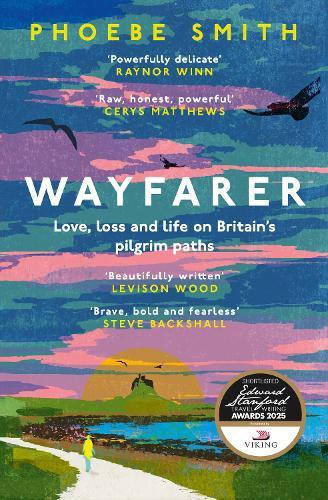
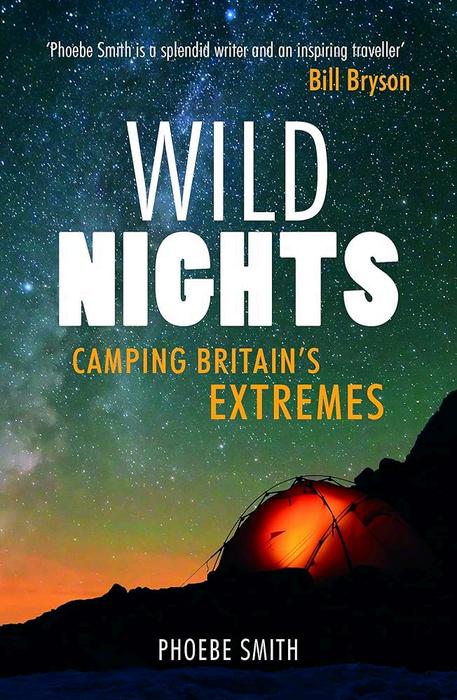
TheBigInterview:PhoebeSmith,Adventurer
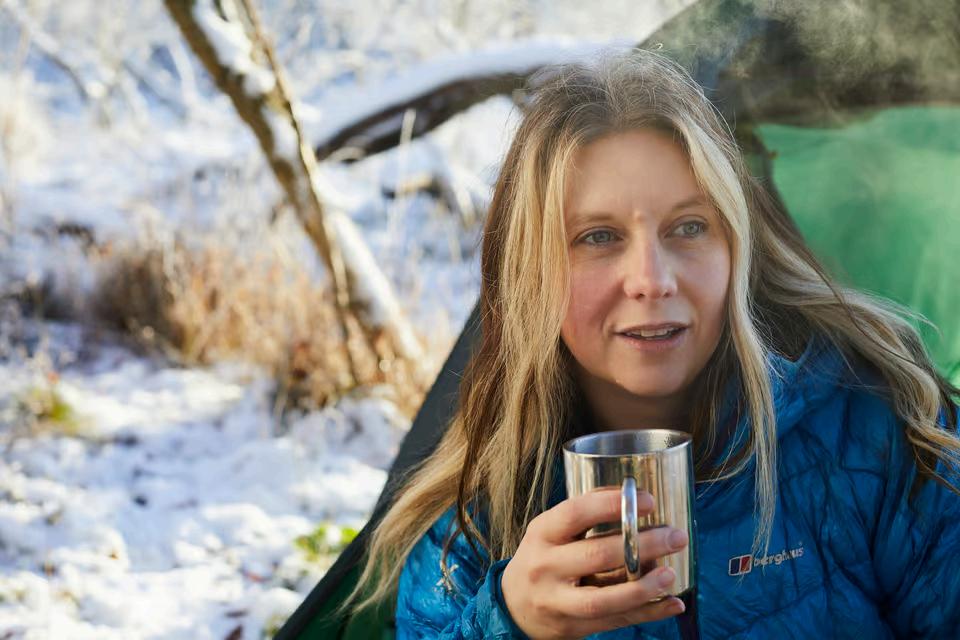
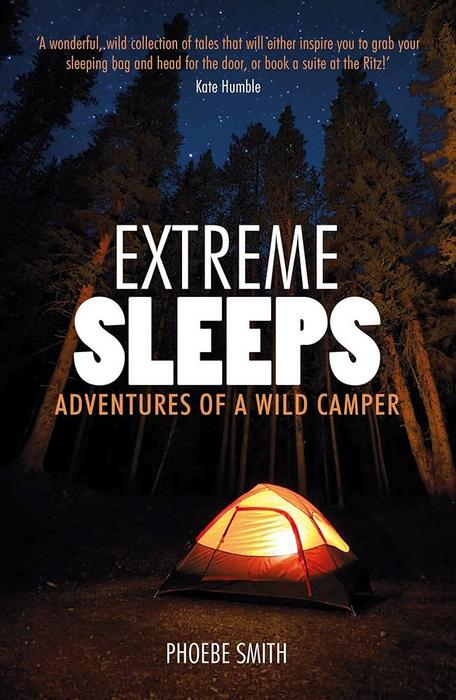
In early May, we sat down with Phoebe Smith, a renowned adventurer and travel writer, following a seriesoftalksshehadgiventhatmorningabouther adventuresandlifeasanexplorer.
We wanted to find out how she went from a young girl who was being constantly told ‘no’, to a nationallyfamousauthorandadventurer.
Whichhasbeenyourfavouriteplacetotravelto?
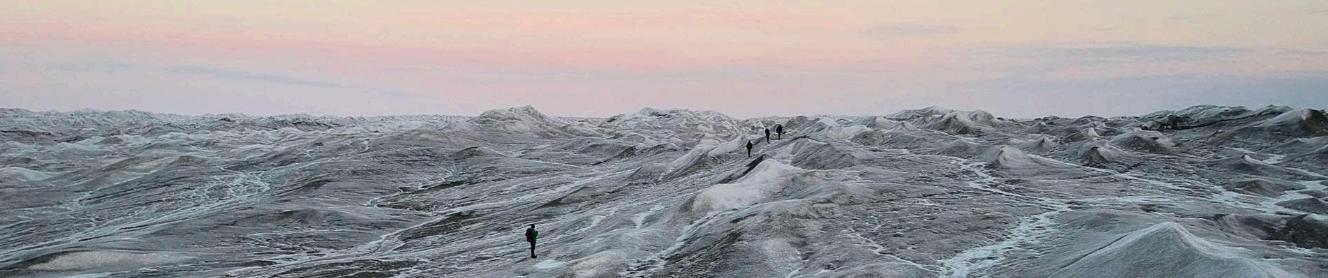
When asked this question, Phoebe Smith immediately litup.Inherearliertalks,shehadbeenveryexpressive onhowmuchshelovedadventuringincold,beautiful, desolate places, and Antarctica was the perfect fit She emphasised just how beautiful the sights were, describingitas‘wildernessonascaleyourbraincan’t compute’Shealsomentionedhowshelovedtheidea thatifyouwerewalkinginAntarctica,itwaslikelythat you had just stepped foot where no one had ever beenbefore,andthatwasatrulymagicalfeeling
Whatwasyourmostchallengingadventure?
Surprisingly, Smith’s answer to this was not - for example - sleeping in an iceberg, or climbing the Three Peaks Instead, she said her hardest challenge has been walking the length of mainland Britain from true north to true south The weather was cruel and challenging, in comparison to the predictable Antarctic weather, and she found it disheartening to see people warm and enjoying Christmas while she wasoutsidewalkinginthebittercold.Thejourneywas messyanddifficult,andshehadtolugaroundheavy wheelbarrows. At times, Smith recalled, it was hard to motivateherself.
Whatisthehardestmomentyou’vefaced?
On every trip, Smith said, the hardest moment was putting her tent away, since it would either be really muddyorfrozensolid.
Whatkeepsyougoinginchallengingmoments?
Smith told us that there were three key things that keep her going when things are tough: having a teammate, incentivising herself with food or treats, and reminding herself that in time, this ordeal will makeareallygoodstory
What made you start adventuring? How did you choose thiscareerpath?
WewereamazedtohearthatSmithwasn’toutdoorsyata youngerage Shewasoftentoldtravellingwasnotforher, simply because she was a girl As an adult, though, Smith went to Australia and worked for a travel magazine who senthertosleepintheoutbackforastory
Smith recalls being really scared - the guide began the safety briefing by listing all the terrifying wildlife that lived there! But more importantly, she added, she remembers being stunned by stars and sunrise and birdsong and wildlife,allofwhichsheloved.Itstruckherthatwhileshe’d seen Australia, she’d never really explored the UK, so she made it her mission to explore Britain, her homeland. Now she’saddictedtoexploring!
Whatwasyourscariestadventure?
Smith’s eyes widened as she recounted an incident that tookplaceinScotland,whereshewaswritingabookabout a bothy: a basic, remote mountain shelter, typically found in the Scottish Highlands While she was there, it rained so much that the bridge was taken out She had to cross the river on foot, and was freezing and cold and almost drowning Luckily she reached the other side, where she gatecrashedastagparty,andthementakingpartlooked afterher:warmingherupandgivinghernicefood
What’sthemostamazinganimalyou’veencountered?
ThisquestionwaseasyforSmithtoanswer Sheabsolutely loved swimming with humpback whales in Western Australia, especially hearing them and feeling the sound vibratingthroughthewater Shewas,shetoldusexcitedly, completely in awe The feeling of connecting with another specieswas,shesaid,‘verycool’
What advice would you give to aspiring young adventurers?
Smith left us with the brilliant advice that anyone can be an adventurer in any situation, and urged that everyone should try and do one wild thing, even if it’s something as simpleaswalkingbarefoot. EstherPandJackG,Year7,StudentJournalists
Remember,if you got the correct answers, go collect some house pointsfrom Miss Mills!
Are you a budding student journalist, writer, puzzle-maker, photographer, or cartoonist?
Join the school newspaper club and contribute to next half-term’s edition.
Email Miss Mills (lmills@thomas-s.co.uk) to sign up.