A MODERN CITY CENTRE
SINN FÉIN'S BLUE PRINT FOR CORK CITY CENTRE
SINN FÉIN'S BLUE PRINT FOR CORK CITY CENTRE
Introduction
Cork City Centre is the third largest city on this island and is steeped in some of our proudest history. With a distinct island-setting, the city centre has the potential to be an exciting place to live, work and play. Our vision is that no matter when you visit the city centre, you find yourself surrounded by families and people engaging in everyday life – shopping, commuting, sightseeing, socialising and learning.
We believe that there are four key ingredients needed to unlock Cork city centre’s potential and make the city a vibrant, safe, thriving and bustling city. This document will outline how a Sinn Féin government would address dereliction and vacancy, revitalise our local businesses and economy, resource our Gardaí and, make our city welcoming for all.
A vibrant city centre
Commercial vacancy in the city centre is, we believe, the most obvious, and fixable, issue that is preventing an attractive and enticing environment. Cork’s average commercial vacancy rate is 12.4% but this rises to 13.6% in the city. This represents 745 vacant commercial properties across the city. We know that there are many more derelict or unregistered commercial buildings in the city centre. When we look at buildings, such as the former Debenhams building, sitting idle in our city centre for 4 years we have to recognise that there is a problem there.
We fully understand that there is a need for short-term vacancy to ensure a vibrant local economy. This allows businesses to evolve and new businesses to move into areas. It keeps the offering exciting. Unfortunately, right now though the levels of commercial vacancy in Cork city are far above what is acceptable and many of these properties are left vacant for years on end.
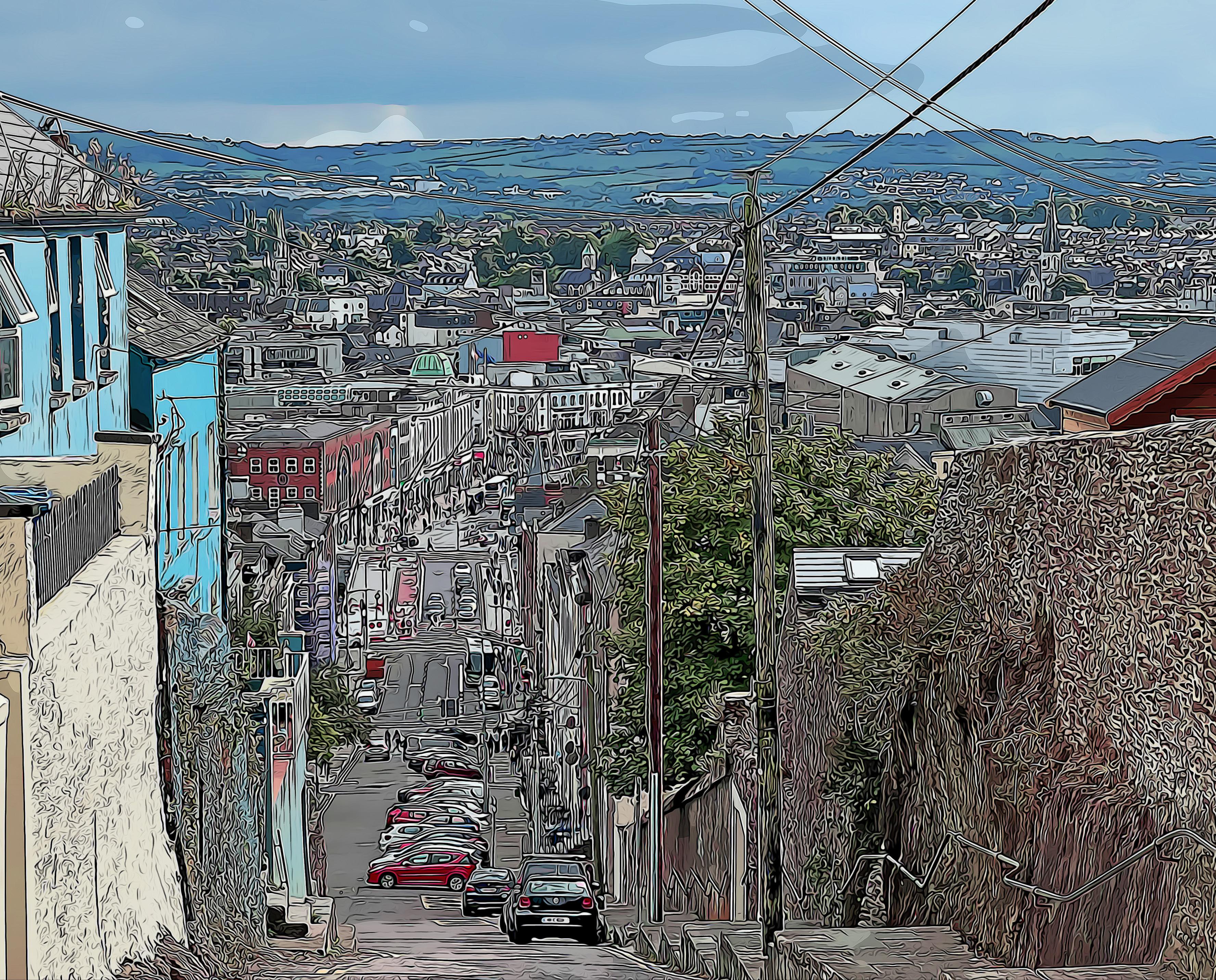
You just need to walk down Patrick Street or Oliver Plunkett Street to see the consequences of this. Empty shopfronts send a bad message, and they reduce the feeling of safety on these streets. A thriving economy is one that is open, bustling and alive. We need to bring that back to Cork city centre and to our towns and villages.
We recognise that there are some commercial buildings that will never be brought back into use. That is why, under Sinn Féin’s ‘A Home of Your Own’ plan, we would introduce a Compact Site Development Support Grant to bring these into use as homes and a new CPO programme for owners who refuse to do so. We are ambitious and radical because it is what our cities, towns and villages deserve.
Sinn Féin believe that Cork city can be a thriving local economy. We believe this needs ambition and innovation. We want to see meanwhile use projects1 that allow empty buildings to be used temporarily by community organisations or start-ups while leaving buildings empty would not be incentivised. We would support the creation of a forum whereby social enterprises and community groups can make contact with those in possession of vacant commercial buildings, particularly in the City Centre.
We are ambitious about our local economy. We believe that Cork can thrive and we are putting forward exciting solutions to unlock our city’s potential.
While there needs to be incentives for businesses to operate and bring commercial buildings back to use, there also needs to be penalties for those who leave them empty. There are people speculating and hoarding buildings in the heart of our city, damaging our economy and restricting businesses who want to open. These companies must be penalised for this. Our plan would recognise that a small level of commercial vacancy is acceptable but would increase penalties for every year that a business is left idle.
Above the shop residential vacancy in the City Centre must become a viable housing option. For some people, living in the heart of Cork city is ideal. This should be encouraged. We would prioritise amendments to the Planning and Development Act to address issues of vacancy and dereliction and introduce a one stop shop to assist the development of over the shop and other commercial premises for residential use in Cork city.
We believe that dereliction and vacancy through the main spine of the city, along North Main Street and Barrack Street particularly, is having a detrimental impact on the rejuvenation of the area post-Covid. Cork City Council are currently owed almost €5 million in unpaid Derelict Sites Levies from land hoarders and speculators. In Government Sinn Féin would transfer responsibility for the Derelict Sites Levy to Revenue. The new Vacant Sites Tax would be set at 7% in year one after the transfer and increase by 50% for each year the site was left vacant. This would be a tax with teeth that would mean those who speculate in our city are penalised properly.
In Government, Sinn Féin would introduce a comprehensive reform of the Compulsory Purchase Order process. The current process is based on legislation passed before the foundation of the state and is universally recognised as too slow and too expensive. In Cork City, we have seen this first hand with the derelict buildings on North Main Street that have been stuck in the CPO process for several years now. These changes along with the introduction of Existing Use Value CPOs will make it easier for Local Authorities and others to acquire vacant and derelict homes and commercial properties to bring them back into use. It also mitigates against the risk of injury to pedestrians from
3
falling debris from unstable derelict structures.
We are also very ambitious for the development of the Docklands, an area that can deliver a high density of housing, potentially accommodating 25,000 people as well as key community infrastructure provided it is planned correctly. However, discussion of development of the Docklands has been going on for many years, with only the edges of the docklands being developed thus far. Similarly the development of Tivoli has been under discussion for far too long. With the potential to deliver thousands of homes and jobs, Sinn Féin believe it is time to move forward with these plans.
In government we would support the movement of Strategic Development Zones (SDZs) into Priority Urban Development Zones. This would include the Docklands. This is because we believe that the current SDZ process needs review and reform to ensure that development proceeds at pace.
This prioritisation would lead to greater resource allocation and inter agency coordination ensuring delivery in a timelier fashion. The aim would be to accelerate the delivery of residential and other development on the Docklands and Tivoli.
A safe city centre
People have spoken clearly in recent months and weeks that they no longer feel safe in Cork city. It has become a hub of anti-social behaviour. In the lifetime of the last government, the Cork city community police force was halved and the number of Gardaí based in Anglesea street, and the Bridewell has reduced by at least 50. In Cork city over the last 4 years, more than 2 Gardaí left the force for every single Garda that was assigned to the city. Over the last 4 years, only 13 Probationer Gardaí have been assigned to Anglesea street. Of the 126 gardaí who came out of Templemore in 2022, just one came to Cork. Of the 237 new Gardaí in part of 2023, only four were to be allocated to Cork. That highlights a trend that has continued into 2024. According to Eurostat, the EU average for police officers per capita is in the region of 333 officers per 100,000 across a three-year average between 2018 and 20202. Cork falls short of this average, with the 2024 figure of just 218 available officers per 100,000 population3. This is below the national average of 274 per 100,000. Cork, as the third largest city on the island needs more gardaí. Sinn Féin is determined to address this critical need.
Sinn Féin have developed proposals which outline how the crisis in recruitment and retention can finally be ended by reforming Templemore’s training process-
es. Recruitment and retention of Gardaí is at the heart of restoring safe Gardaí numbers and it is a key priority for a Sinn Féin government. We would open a second Garda training college, establish a Taskforce on Recruitment and Retention and reduce the bureaucratic role of some Gardaí.
Sinn Féin is also proposing to conduct a survey of serving members, and those who have recently left to identify the factors which may lead, or have already led to, these resignations.
Furthermore, we believe that any government serious about getting to grips with these crucial issues would prioritise extensive and continued engagement with both the Garda Representative Association and the Association of Garda Sergeants and Inspectors to identify why so many rank-and-file Gardaí are resigning, as well as those in more senior positions. The purpose of this survey and engagement will be to provide practical solutions to stem the flow of resignations in a meaningful way by hearing from those who know these issues best as they live them every day.
We believe that to achieve improved recruitment figures, it is also crucial to prioritise a recruitment campaign targeting those from backgrounds and communities currently underrepresented, as well as offering improved access to the competency-based driving courses which some Gardaí have little access to due to cutbacks enforced by previous governments.
Increased use of civilian staff must be prioritised to free up uniformed gardaí where possible. This could also facilitate opening of Garda stations for longer and at busier and peak times to strengthen relationships and build trust. There are currently 19 Gardaí, 9 Sergeants and 2 Inspectors based in the Anglesea Street Control Centre. Where possible, these Gardaí should be based on the beat and on our city centre streets with civilians working in the Control Centre.
Crime does not take place in a vacuum. Sinn Féin believes strongly that public safety is a whole of government responsibility. The victims of crime must be assured that justice will be done and be seen to be done, and that penalties and rehabilitation operate in tandem. Accordingly, Sinn Féin would significantly invest in services and initiatives to improve the functioning of elements of the Justice system.
We do also believe that increasing residential presence in the city centre will provide a level of passive supervision that is vital to making people feel safe. Empty streets do not feel safe. We must inject energy and vibrancy into the city centre to create a presence on our streets. This will only happen with increased Garda numbers and increased investment in the city centre.
A thriving city centre
Our local economy and city centre offering are declining. The Geo-directories found that 48 Cork food and accommodation businesses closed in the 12 months to June 2024. We know that this figure is higher now and that the vast majority of these are food and drink businesses. When we speak to these businesses, they are telling us that crippling costs are forcing them to close. A Sinn Féin government would reintroduce the 9% VAT for those businesses that need it in 2025. We have allocated over €600m for this purpose in our manifesto. As the last five years have shown, the pressures on businesses can fluctuate severely. Sinn Féin has heard very clearly the calls from the hospitality sector, including the 600 restaurants that were forced to close since the Fine Gael government withdrew their reduced rate of VAT and that is why half measures simply are not enough. Small business owners and the hospitality sector need VAT to be cut to 9% and they need that now. Alongside this, we would introduce a PRSI Tax Rebate to be delivered by Revenue directly to businesses without the current levels of bureaucracy and red tape associated with government schemes.
Sinn Féin is proposing that the current Local Enterprise Office structure, be transformed into a new Irish Enterprise Agency, with the scale and ambition to assist established Irish businesses and start-ups. Local Enterprise Office staff have done excellent work to date with the resources they have been given, and we believe an opportunity now exists to build on their experience and knowledge by creating a larger, more ambitious state body focused solely on indigenous Irish businesses. Our aim is to ensure Irish firms can have access, throughout their development, to support and finance giving them the opportunity to grow, instead of being acquired by a multinational corporation while the business is still in its infancy. We want to see an agency that will support established retailers on our main streets and promote workers’ rights in addition to giving business support, and work with the government to bring forward solutions for existing problems such as high insurance costs, unpredictable commercial rates and access to credit.
Community wealth building has emerged as a powerful approach to local economic development. Through this approach local and regional economies are reorganised to ensure that wealth is not extracted from towns and counties but retained and recirculated. This development model aims to leverage existing local resources to meet local needs while promoting values of equity and sustainability.
Community wealth building is about creating a better and more sustainable economy that strengthens our communities through local job creation, sustainable development and local business networks. It builds on local talents, capacities and institutions, rebuilding capital to strengthen and create locally owned and community owned businesses that are anchored in place, that aren’t mov-
ing. If traditional economic development tends to be about attracting industry to a community, this strategy is instead about resourcing under-utilized local assets to make a community more vibrant. It’s about developing assets in such a way that the wealth in added to a community and not simply extracted. This model aims to empower ordinary families, workers and communities in order to control their own economic development.
Pedestrianisation has played a huge role in retaining a night-time economy in Cork city and boosted the hospitality sector during an economically difficult time. We believe that pedestrianisation of core city centre streets should be explored further as we see interventions to reduce car dependency. We would however emphasise that no public realm change can happen that places barriers in the way of those with disabilities or mobility issues. We believe that when the city centre can be fully accessed by the most vulnerable person, it can be fully accessed by everyone. In government, we would amend the Planning and Development Act to increase responsibility on planning authorities to consider those with disabilities particularly when making changes to our public realm.
A bustling city centre
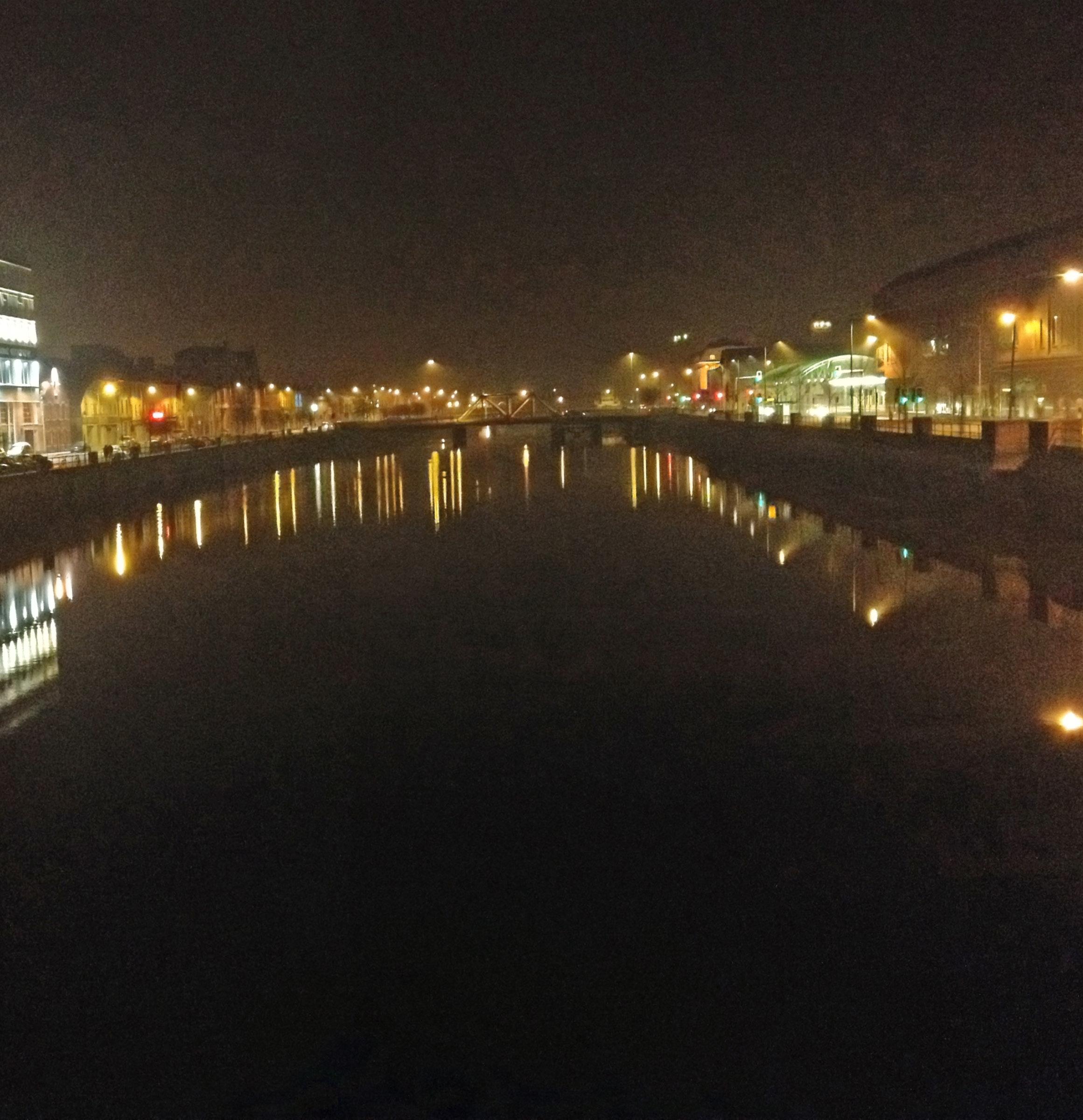
Making Cork city an active city requires creating places for activity and creating access to this activity. We recognise the renovation of Bishop Lucey Park and we believe this could be an important asset to the city centre. However, we believe that more amenities are needed. Placemaking along the Quays, similar to that which is currently happening along Pope’s Quay, could create recreational environments that people enjoy and travel to. The historic character of the city should be amplified through well-placed amenities that improve the overall environment and recognise the rich history of Cork. Building on this, and enhancing these offerings, will allow a deeper sense of ownership over the city centre for all residents and improve their perception of the area.
We believe Cork City Council should consider vacant spaces for an interactive, dynamic museum exploring this history and recognising the important role Cork has played in shaping the dynamic on this island. We recognise the proposal for an Events Centre in Cork city centre and would call for this to be progressed. We would call for the redevelopment of the Shandon area to recognise its cultural heritage and redevelop the Butter Exchange. We believe there is need for a plan to reduce street clutter with an initial phase focused on unused telephone boxes in the city centre. These are an eyesore that provide no meaningful function.
We believe Cork City Council should consider investing in “Free Walking Tours” in the city, these have proved very successful in other European cities. Cork has a rich and interesting history. We believe “free walking tours” would provide a great opportunity to showcase our city to visiting tourists and locals alike. This
could also be complemented with QR codes for ‘living history’ tours throughout the city that people could do independently with an interactive tour guide. We believe that QR codes throughout the city sharing public information, tourist information updates and community events would also be a great asset to the city and its people.
Consideration should also be given to providing more seating in the city centre. Action must be taken to address what is becoming a stark imbalance in the provision of opportunities to relax, to rest and to enjoy the city centre. The clustering of private, commodified seating on public footpaths not only decreases the affordability of the city centre but ultimately decreases the accessibility. Introducing barriers to people with particular vulnerabilities, including disabilities and older people, should be combatted through specific planning interventions.
The City Centre is comprised of a number of key routes and walkways. To enable pedestrian usage of the Core Retail centre and to make a reality the accessible city envisaged by the City Council, the City Council will adhere to the guidance provided by Age Friendly Ireland in their 2021 Age Friendly Seating Guide. This indicates that no frequently travelled pedestrian route should be without rest opportunities at the midway point and at the top and bottom of inclines. Seating should be 450mm high with a 500mm depth and a raised armrest. The City Council should map all frequently travelled pedestrian routes in the Core Retail Centre as a priority and make these interventions. The city’s amenities should meet the needs of all age groups. It should be an age friendly city environment. Vital to this is also the provision of adequate public restrooms throughout the city. There must be adequate access to non-commodified public resources for everybody.
The current crisis in the Bus Service is preventing people from accessing the city centre without cars. Having held a series of public meetings with bus users and met with SIPTU, the NBRU, Bus Éireann and the NTA, we believe that there is an urgent need to invest in Cork city’s bus network and review a number of policies that are impacting on the ability to deliver the premium service the people of the city need and deserve. We would immediately reverse the cuts to Cork’s bus service.
This investment comes as Cork city sits on the footstep of transformative intervention in our bus networks. We have engaged with BusConnects at every stage and worked with communities to hopefully deliver a plan that works for everyone in Cork city.
However, we believe that people cannot wait until 2025 for improvements to their bus network. They need reliable, frequent buses now. This is particularly important during peak hours when commuters and school students rely on buses. Nobody should be forced to regularly miss work, or medical appointments, or pay for a taxi because of buses being late or cancelled.
Sinn Féin’s plan has been developed in consultation with key stakeholders. It is a frontloading of current expenditure ahead of the capital investment that will see BusConnects delivered. It will give Cork city a modern, proactive public bus service now and into the future.
While others insist the issues with the bus service are a lack of drivers, the reality is that this isn’t the only problem. The current timetables couldn’t be delivered by any bus driver and the current conditions for drivers are causing them to leave in huge numbers. The key measures we believe are needed, alongside recruitment, include a review of the timetable, the reintroduction of spare drivers and a reform of the fines system.
We also need to expedite the delivery of light Rail. As things stand, this proposal is proceeding at a glacial pace, and it is hard to see it beginning this decade. It isn’t included in the Governments National Development Plan. This has huge potential to serve the communities along this corridor, but also crucially making the City Centre an easier and more attractive place to work, socialise and live. In our view this needs to be fast tracked, the consultation needs to begin, and it needs to be included in the National Development Plan.
Conclusion
This is an exciting time for Cork city. Cork City Council will soon appoint a Director of the City Centre and this Director needs the resource of national government to support their work. Only Sinn Féin has a real, comprehensive vision for Cork city built on a credible, deliverable policy platform that we have developed over the last number of years.
We have met with businesses, residents, community groups, trade unions, workers and families. We have heard what they want, and we have explored how we can deliver that. A Sinn Féin government is Cork’s best chance at a vibrant, thriving, safe and bustling city.

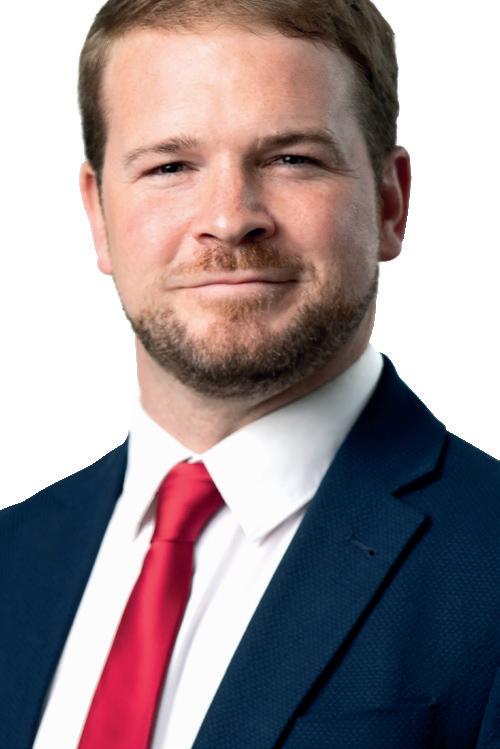


Thomas Gould TD
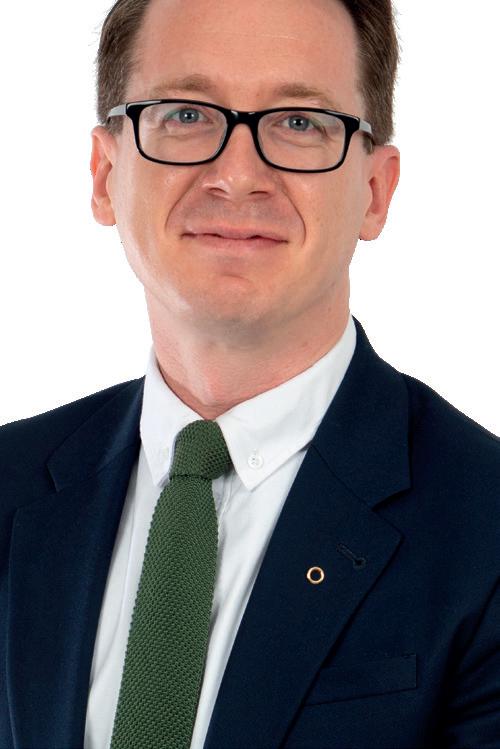
Cllr. Joe Lynch
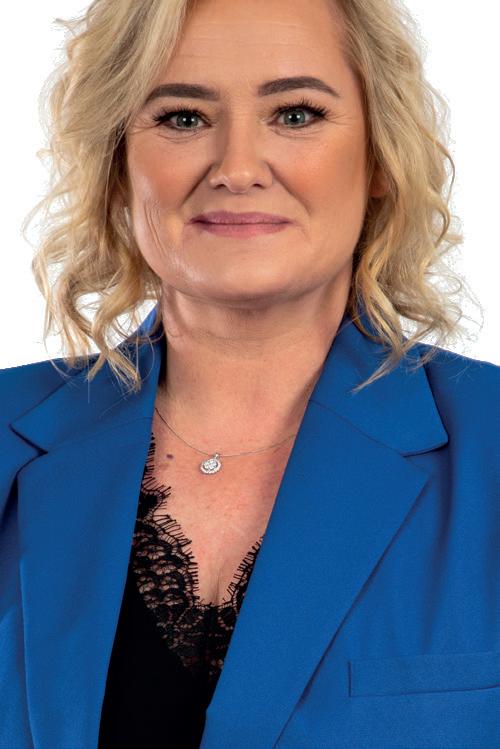
Michelle Cowhey Shahid
Donnchadh Ó Laoghaire TD