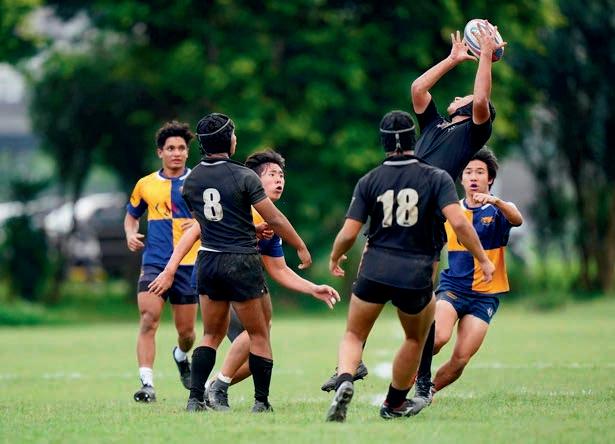
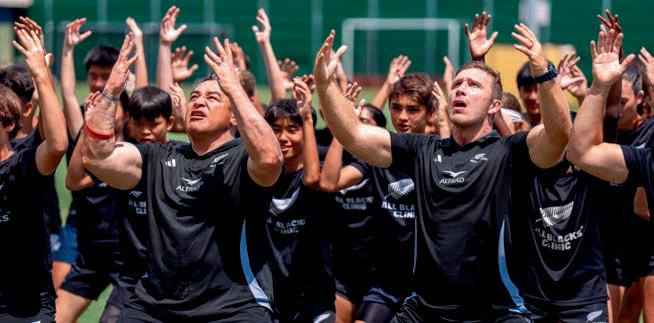
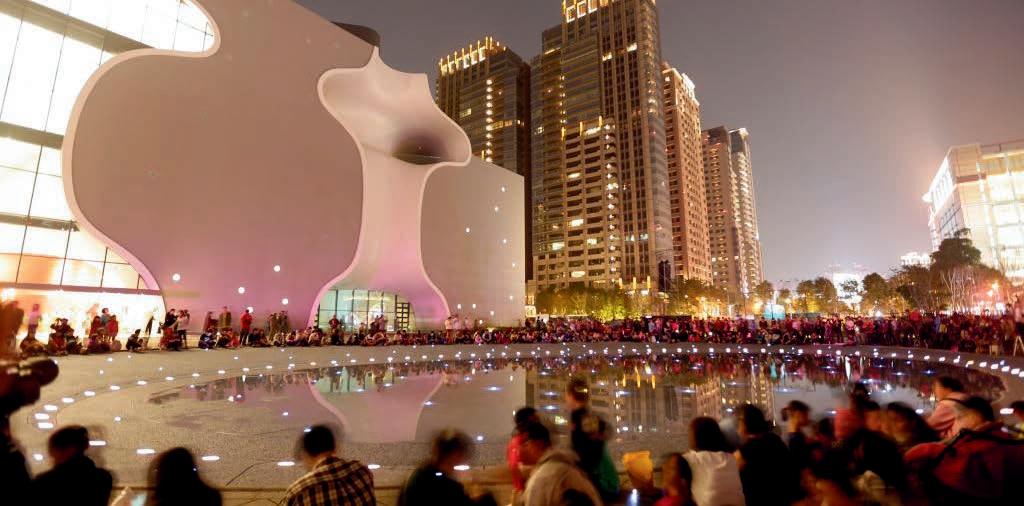
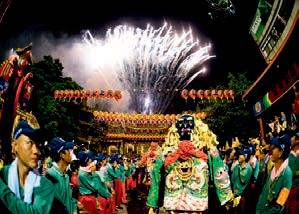
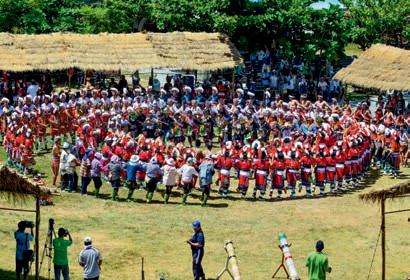
Did you know that the Māori people of New Zealand and the indigenous tribes ofTaiwanshareacommonAustronesian ancestry? When the All Blacks perform theHaka,theyaren'tjustpreparingfora match—they are honoring a warrior spiritthattracesitsrootsbacktothese very shores. This isn't just a sports exchange;itisaculturalhomecoming.
The"Black Jersey"Philosophy Rugby is New Zealand’s greatest export, not because of the physical game, but because of the values it builds: Whanaungatanga (family/connection) and extreme humility. A famous "unknown fact" of the All Blacksisthatthey"sweepthe sheds"—meaning the world’s best players clean their own lockerroomaftereverygame. No one is too big to do the smallthings.
Coming this August
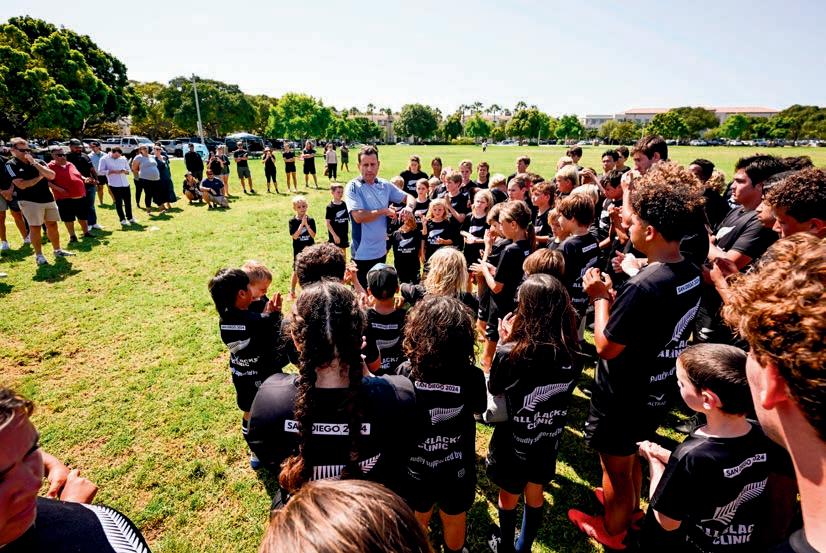
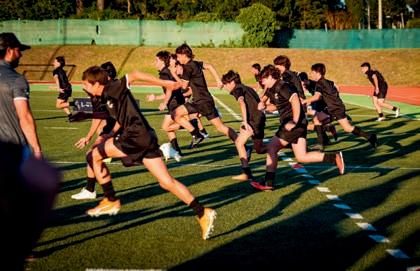
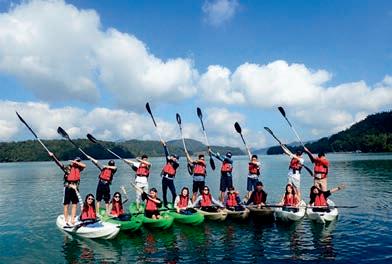
Inmid-August2026,thisheritagecomestolife. Asia Concept Enterprises (ACE),inpartnership with New Zealand Rugby, will host the Elite AcademyandAllBlacksClinicsacrossTaiwan.
This landmark event offers local youth the chance to train with the world's most iconic sports brand, blending elite athletic performance with a celebration of our shared Austronesianhistory.
For further information about the event, pleasecontactACEfounder,BernieMoore,at bernie.m@asiaconceptenterprises.com
Add: 11 F.-17, No. 57, Sec. 1, Chongqing S. Rd., Zhongzheng Dist., Taipei City ,Taiwan
台北市中正區重慶南路一段57號11樓之17
Tel: +886-2-7701-5568 Fax: +886-2-2375-1400
+ History Walking Tour
of Taiwan: Tamsui Tales & Traditional Dress
in Taiwan
● Private Tours
● Culture & Heritage
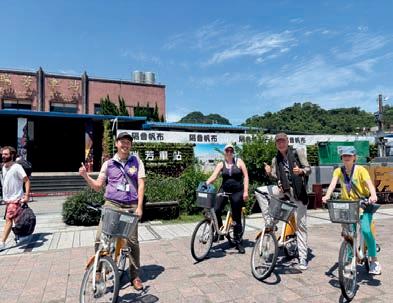
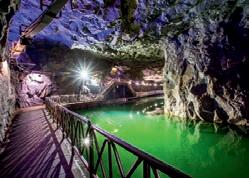
Ruifang Houtong Mining Road Bicycle Tour
Yuanshan Walking Tour
● Farm to Table Tours
Traditional Shiding Tea Culture Day Tour From Ashes to Abundance: Yangmingshan Eco- Trail
● Outdoor Activities
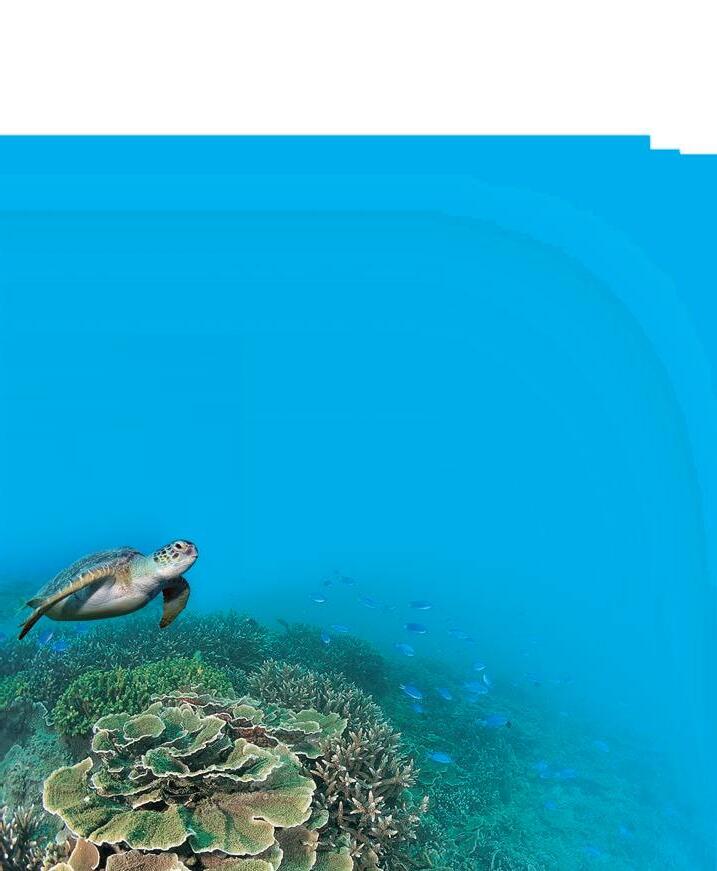
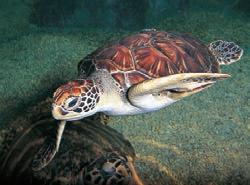
Swim with Turtles: An Eco Island Escape in Xiaoliuqiu 2D
Penghu Island Hopping: A Deep Dive into Culture and Nature
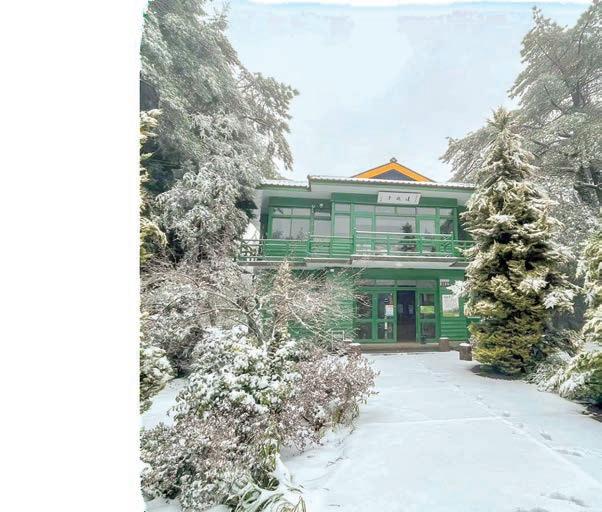
Sunrise Above the Clouds: Explore Alishan’s Forests, Coffee & Tea
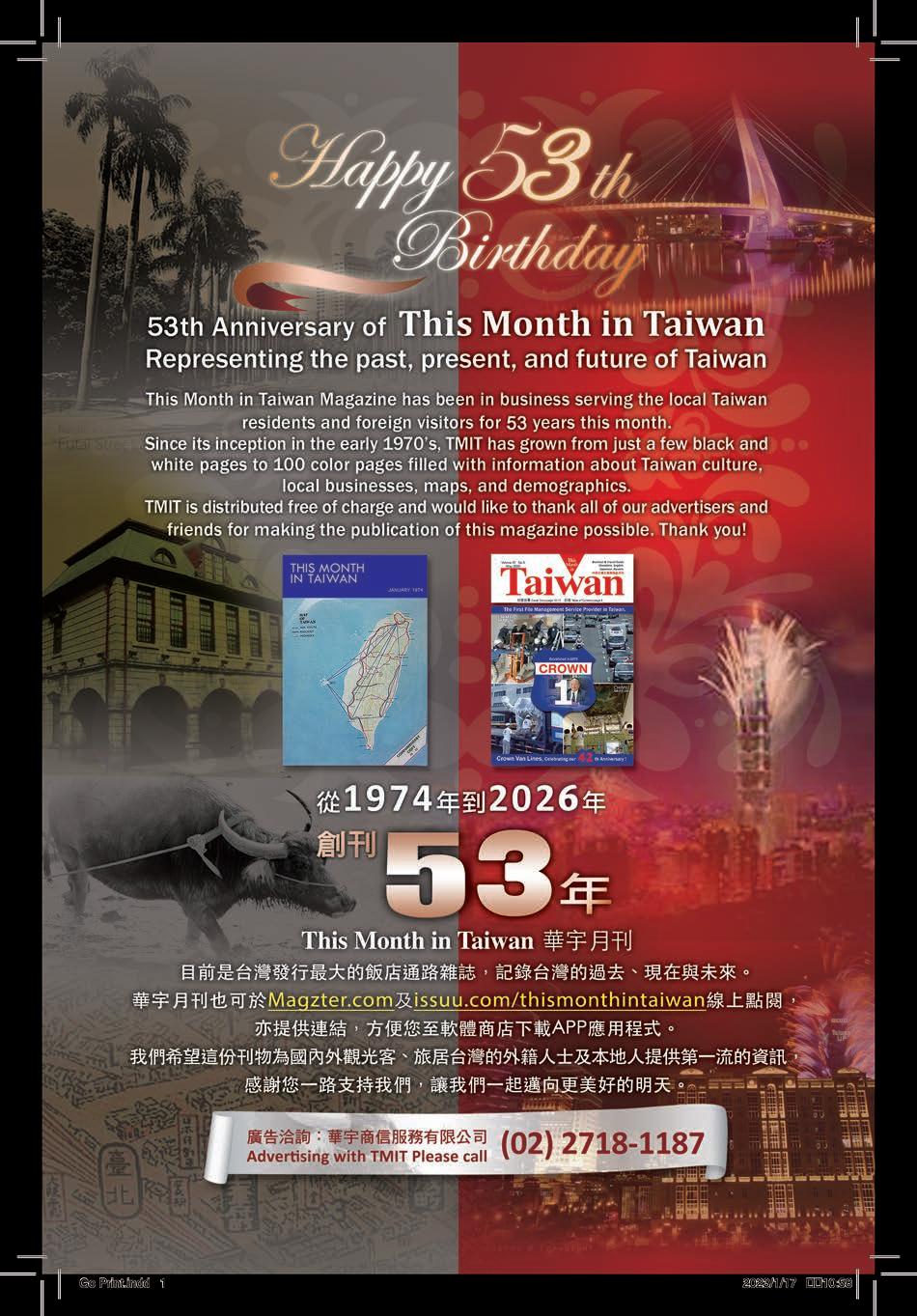
This Month in Taiwan is available throughout the island of Taiwan and is distributed free of charge at all public venues, travel spots, major hotels and restaurants. Our advertisers make the publication of this guide to Taiwan possible, and it is valued by business travellers, tourists, as well as residents of the island. We wish to extend our heartfelt thanks to our readers and friends for their love and support over the last 50 years.
華宇商信服務股份有限公司 China Commercial Service Inc. Tel: (02) 2718-1187 Fax: (02) 2718-1087
Magzter.com: global audience in 175 countries with 28 million readership. www.magzter.com/TW/China-Commercial-Service-lnc./This-Month-in-Taiwan/ Business
Issuu: https://issuu.com/thismonthintaiwan
2026 2026
02/14~02/22Chinese
Those of you traveling to the Far East on a regular basis would be well-advised to take special note of the holidays in the country you will be visiting. This will avoid considerable frustration on your part while at the same time allowing others their freedom from conflicting obligations plus time to respect and honor their own customs and traditions. When coming to the Republic of China, be sure of confirmed reservations during the Lunar New Year -a 10 day period usually falling during the first two weeks of February, and Double Tenth Day. Those are the two major holidays generally celebrated by the closing of most business and independent restaurant operations.
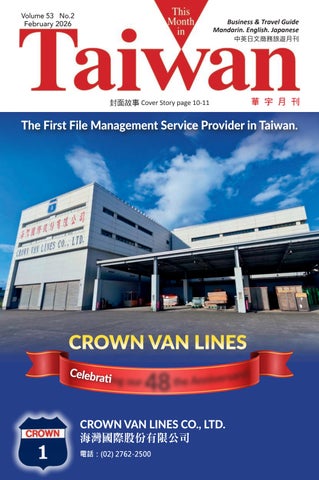
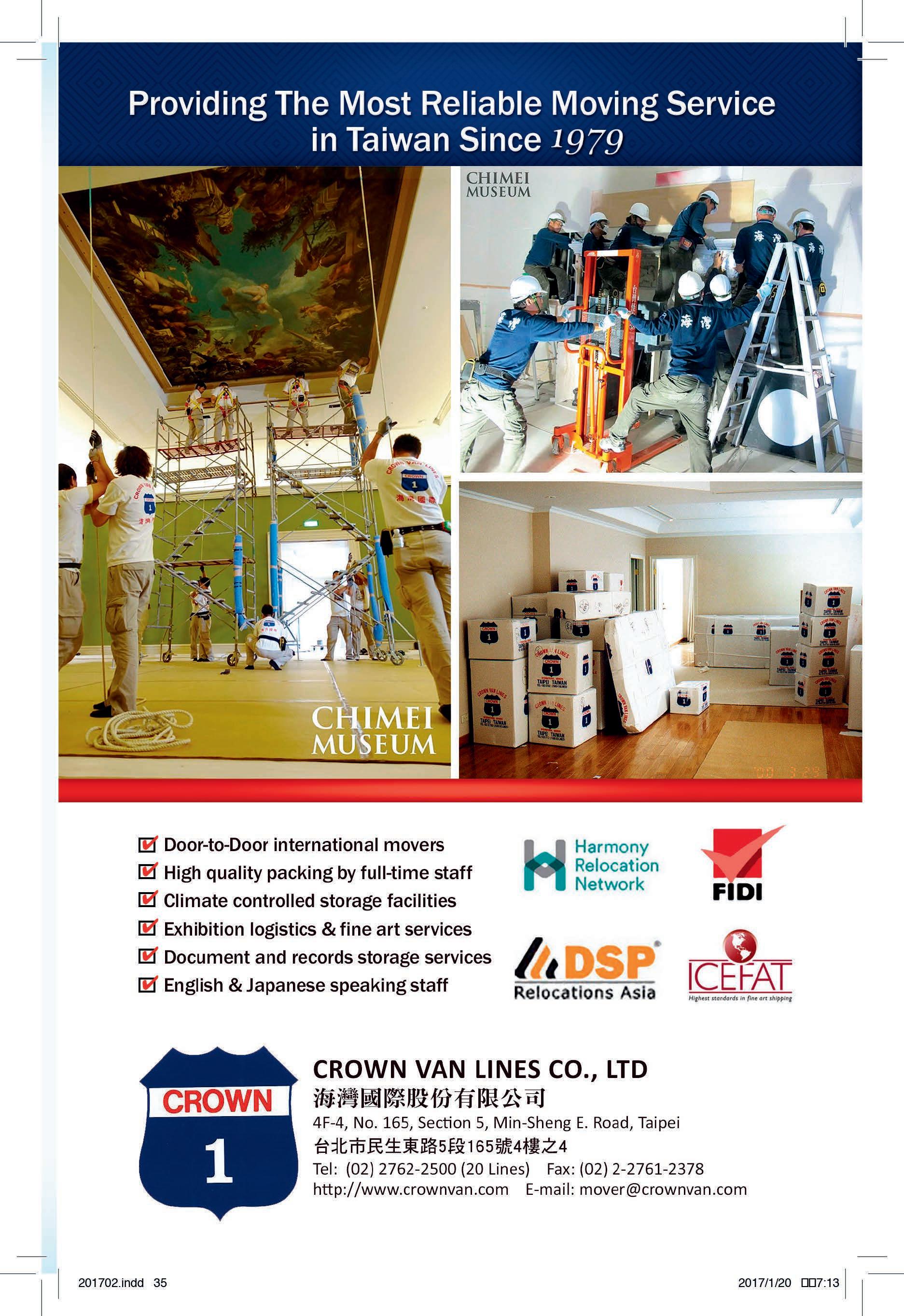
If you need further inquiries, are getting ready to make a move, please contact Crown Van Lines Co., Ltd.:
CROWN VAN LINES CO., LTD. International Movers Document Management & Storage Service
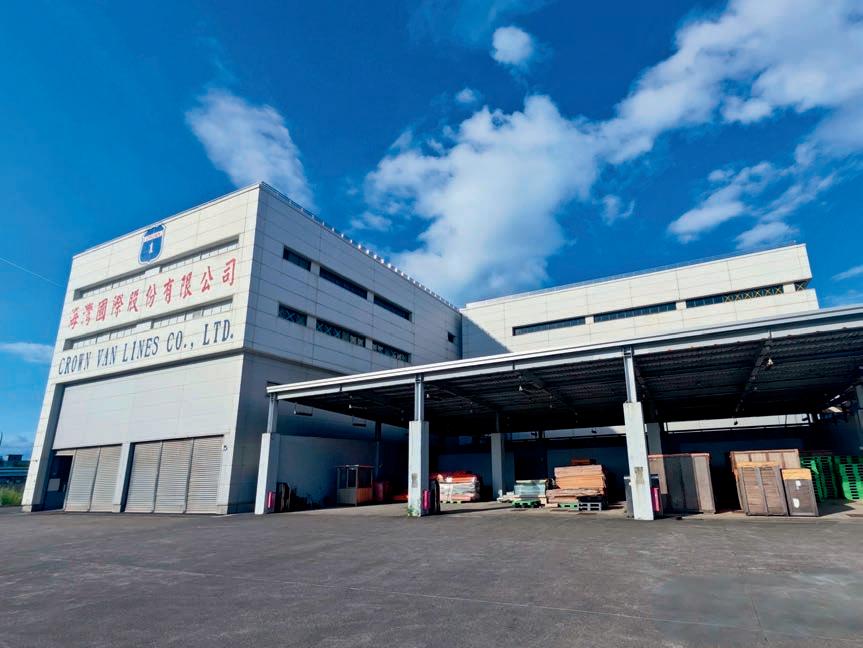
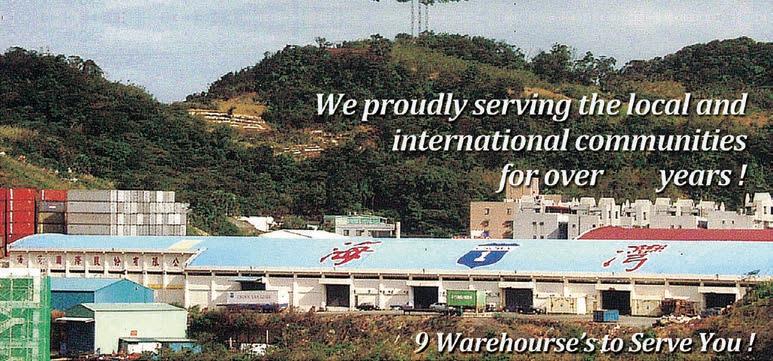
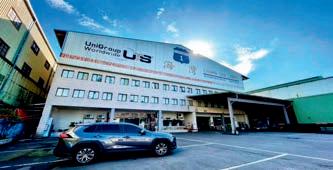
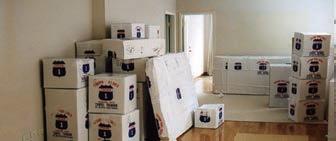
Since its establishment in 1979, Crown Van Lines Co., Ltd. has been Taiwan’s leading international and domestic moving company. It provides comprehensive, reliable and standardized professional moving services with global reach. Crown Van Lines Co., Ltd. is your best choice whether you are moving within the city or overseas.
In addition to providing local and international moving services, Crown Van Lines Co., Ltd. also offers electronic media storage services for large businesses such as computer floppy disks, CD and DVD. It uses a dedicated warehouses equipped with inert gas fire suppression systems and connected to a Central Fire Alarm Monitoring System to protect your valuable from fire, theft or natural disasters.
Crown Van Lines Co., Ltd. also provides fine art transportation for exhibitions. It employs professional art handlers using the latest packaging materials for either gallery or museum standard custom designing packing crates for any various types of artwork. It has also complied with International Standard
for Phytosanitary and Fumigation Services (ISPM15) and has got through for quality / standard audit for highest standard of fine art transport.
Crown Van Lines Co., Ltd. provides longterm relocation services assisting clients in smoothly relocating to new work assignments. Services include children’s education, housing rentals, restaurant recommendations and transportation. Whatever you needs, Crown Van Lines Co., Ltd. can help.
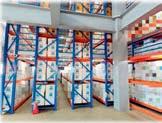
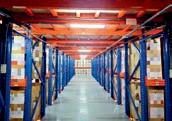
Crown Van Lines Co., Ltd. also provides documents and records storage services for larger companies to help businesses free up space, improve office sufficiency and create a clean and organized work environment. It uses the latest computer tracking technology to ensure the secure and reliable retrieval of documents and records. Companies can store their old invoices, accounting books, financial reports, loan and credit card documents, commercial documents and drawings.
Crown Van Lines Co., Ltd. has multiple convenient warehouses in Neihu, Keelung, Taichung, Tainan and newly acquired 24,500 sq.m (7,313 Pings) located in Ylan County. These warehouses are dedicated to serving you.
Crown Van Lines Co., Ltd. documents and records warehouse features a fire detector (gas and powder) alarm system connected to loacal fire station, a high-tech security system, security guards, a 24-hour monitoring system, temperature and humidity control, an emergency back-up generators and ultrasonic pest control devices.
從土地出發, 為旅人重新定義
台灣待客之道
Starting from the Land: Redefining Taiwanese Hospitality An Interview with LeaLea Hotels & Resorts Chairperson, Louisa Yang.
As competition in Taiwan’s hospitality market intensifies, LeaLea Hotels & Resorts is redefining its brand with a younger, clearer, and more lifestylefocused vision. Chairperson Louisa Yang—one of the few female leaders in the industry to hold internationally certified “Golden Key” concierge credentials—brings both global standards and a deep respect for local culture. Under her leadership, the company is building a hospitality language rooted in Taiwan’s land and everyday life. Yang observes that post-pandemic travel habits have changed significantly. Traditional multi-day vacations are increasingly being replaced by short, frequent trips focused on meaningful experiences. “Many travelers now come for just one day,” she explains. “They may enjoy one special meal or one unique activity, but they want it to leave a strong impression.”
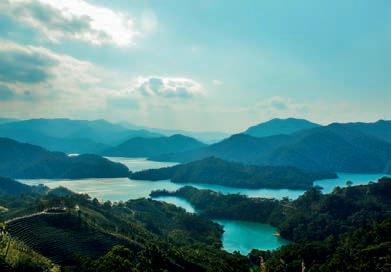
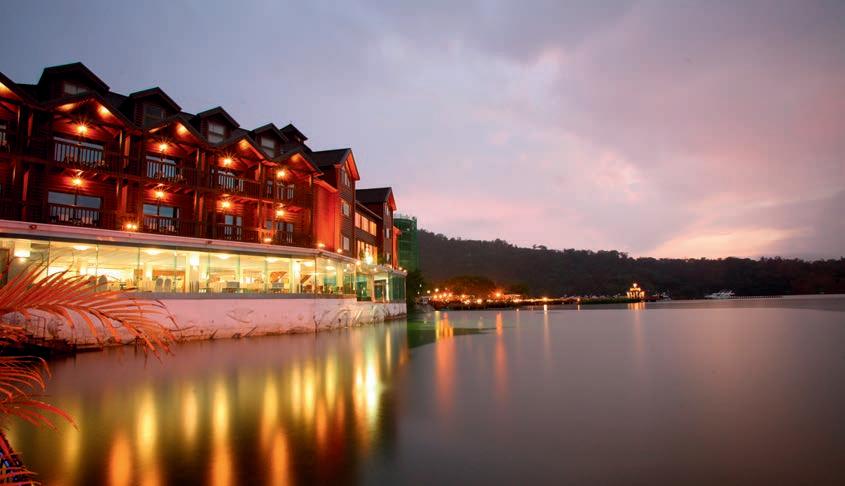
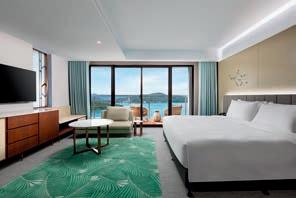
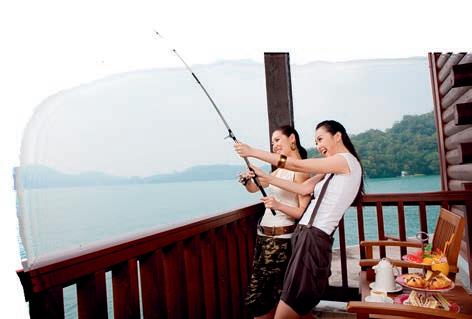
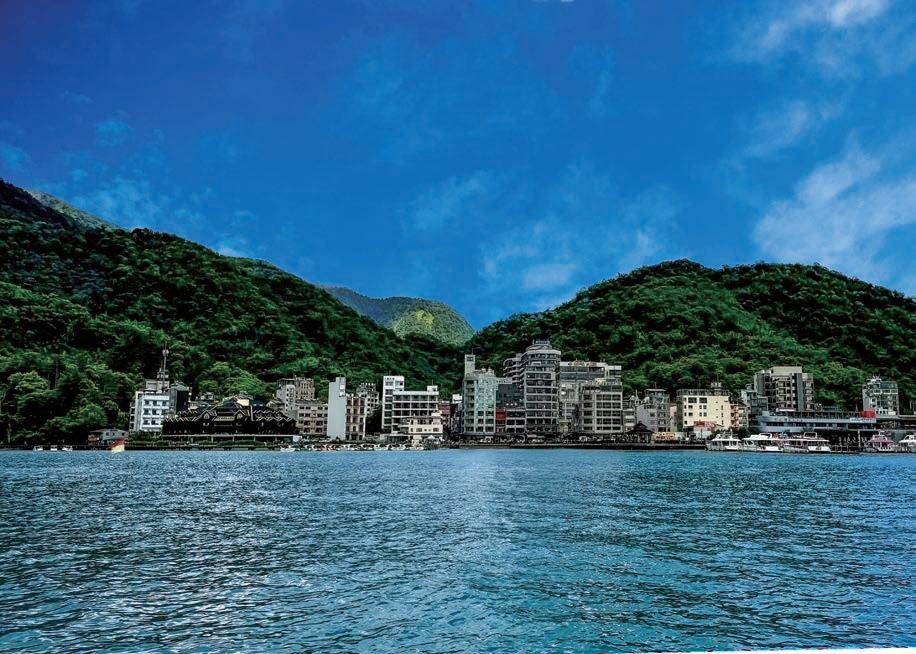
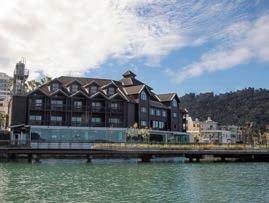
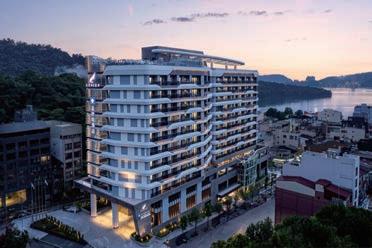
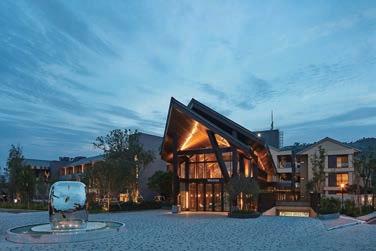
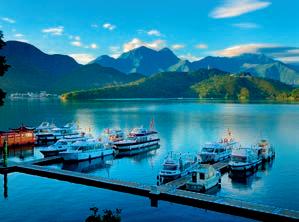
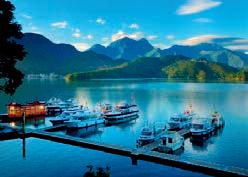
In response, LeaLea Hotels & Resorts has moved beyond providing accommodation alone. The company now designs one-day journeys, themed experiences, and cultural programs that allow guests to truly connect with their surroundings. These include tea ceremonies, Taiwanese hand-brewed coffee tastings, collaborations with renowned percussion performance groups, sound-healing sessions, and classical music concerts by Sun Moon Lake. Each experience is designed to be seen, heard, and felt—turning travel into a personal memory. The main destinations of LeaLea Hotels & Resorts are Sun Moon Lake and Yilan, two locations that best represent Taiwan to international visitors. At Sun Moon Lake, the company’s hotels are situated in prime lake-view areas, within walking distance of cable cars, cultural attractions, and scenic trails. Guests can easily enjoy cycling routes recognized by CNN as among the world’s most beautiful, as well as indigenous cuisine and high-quality local dining—all without complex planning.
In Yilan, LeaLea Hotels & Resorts focuses on music, hands-on crafts, and agricultural experiences that transform local culture into lasting memories. Rather than simply visiting a destination, travelers are invited to experience daily life and gain a deeper understanding of Taiwan to take home with them.
As a certified “Golden Key General Manager Member,” Yang emphasizes that true hospitality combines standardized systems with human warmth.
In the coming year, LeaLea Hotels & Resorts will continue to integrate personalized service with clear operational standards, while upgrading staff training so every team member can confidently share the brand’s story.
Sustainability is another key focus. Supported by the LeaLea group’s expertise in green energy and engineering, LeaLea Hotels & Resorts has become the first hotel company in Taiwan to introduce energy storage systems into hotel operations.
LeaLea Hotels & Resorts also promotes lowcarbon transportation, energy-saving amenities, and sustainable lodging practices, making sustainability a natural part of the guest experience.
The newly launched LeaLea Premium Club membership reflects the brand’s long-term vision. Loyal guests are not only travelers, but partners who share the company’s lifestyle values. “We want our service to go beyond the hotel,” Yang says. “It should become part of our guests’ lives.” Yang also notes that many international travelers stay in Taiwan for more than ten days, seeking authentic lifestyle experiences rather than just famous sights. By connecting lakeside paths, traditional streets, family-friendly restaurants, art activities, and hotels, LeaLea Hotels & Resorts invites travelers not only to admire the scenery, but to truly live within it.
Conclusion
LeaLea Hotels & Resorts is more than a local hotel brand—it represents a new direction for Taiwanese hospitality. As Louisa Yang concludes, “Taiwan is beautiful, and it deserves to be shared with the world in better ways.” Through cultural experiences, scenic resorts, international service standards, and genuine local warmth, LeaLea Hotels & Resorts is redefining what it means to travel in Taiwan—helping guests see the land, meet its people, and take home authentic Taiwanese stories.
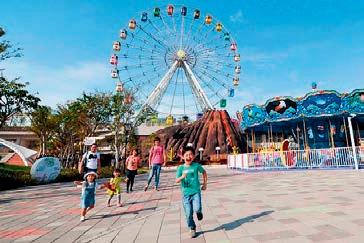
Taipei Children's Amusement Park
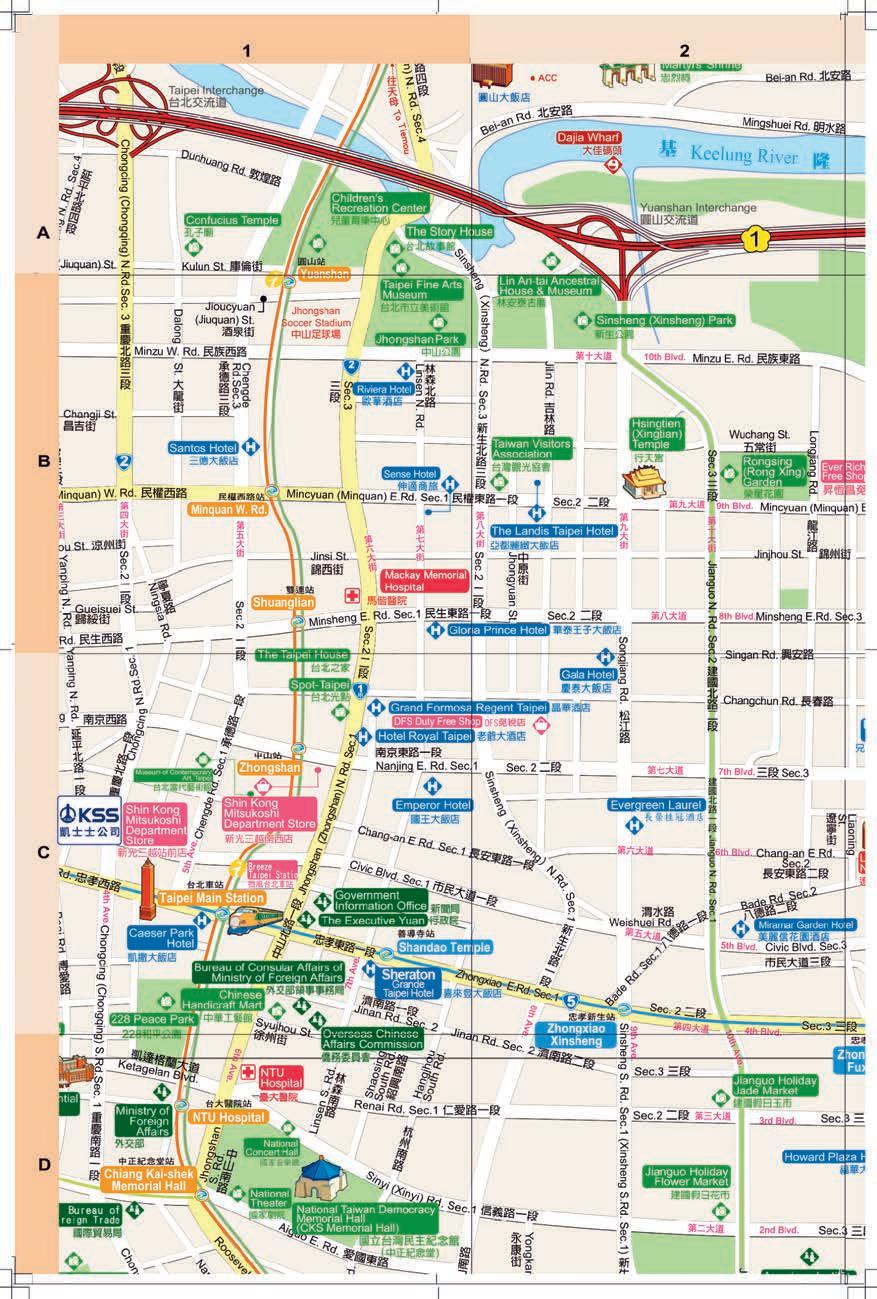
Near Jiantan Station and in close to Taipei Astonomic Museum, the National Taiwan Science Education Center, Meilun Park and Shuangxi waterways. Over 10 fun facilities for all age children and the person with wheelchair. More info please check www.tcap.taipei
西門站6號出口 Ximen Exit 6
Zhongshan Exit 6
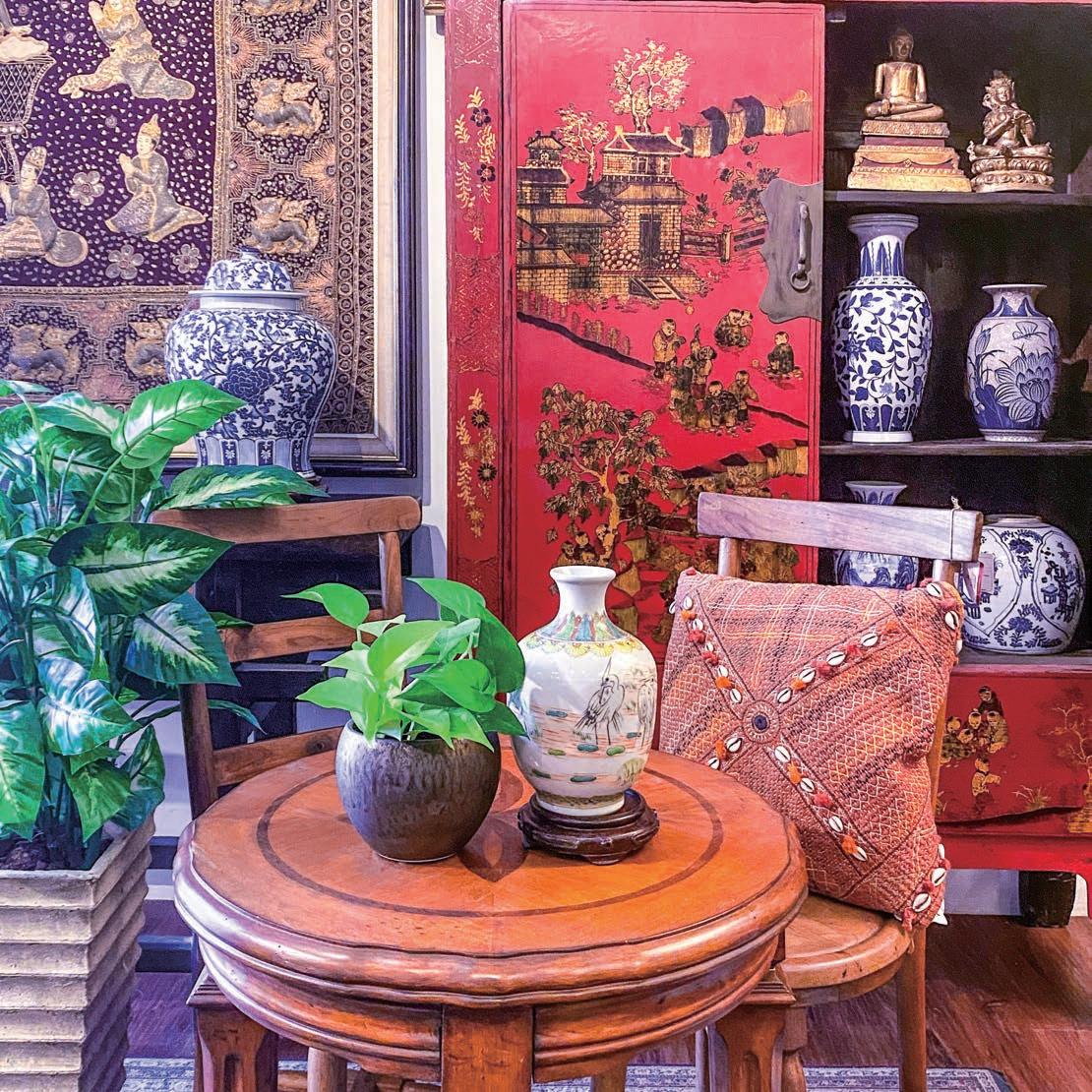
Best Antique Furniture Shop In Taipei Since 1976 The Best Antique Furniture Shop In Taipei Since 1976 百韻古今家具文物飾品 Bai-win Collection
405巷2號 #2 Lane 405, Chungshan N.Road Sec.6, Taipei
Happy Chinese New Year
馬年行大運
走對路、吃對味,把好運走進生活裡 十二生肖開運指南 × 台灣旅遊與餐食提案
Good Fortune in the Year of the Horse: Choose the Right Path, Savor the Right Flavors, and Walk Luck into Everyday Life A Twelve-Zodiac Guide to Auspicious Living × Taiwan Travel & Dining Suggestions
馬年象徵行動力、自由與突破, 是適合重新出發、調整生活節奏 的一年。不同生肖在馬年的能量
走向各異,若能搭配合適的旅行 方式與飲食選擇,將更容易把好 運落實到日常之中。
The Year of the Horse symbolizes action, freedom, and breakthrough. It is a year well suited for fresh starts and recalibrating the rhythm of life. Each zodiac sign resonates differently with the Horse’s energy. By pairing the right travel style with mindful food choices, good fortune can be more easily woven into everyday living.
動中求穩 | Finding Stability Through Movement 鼠 Rat
宜蘭溫泉、礁溪慢旅最能沉澱身心;蔬食、燉湯等清爽料理, 為一年打好基礎。
Yilan hot springs and slow travel in Jiaoxi help calm both body and mind. Light, nourishing dishes such as vegetarian cuisine and simmered soups lay a healthy foundation for the year.
回歸土地 | Returning to the Land 牛 Ox
台東縱谷、池上稻浪帶來安定力量;在地米食與原民料理補 足內在穩定感。
The Taitung Rift Valley and the rolling rice fields of Chishang offer grounding, stabilizing energy. Local rice dishes and indigenous cuisine restore inner balance.
虎 Tiger
舞台展現
| Stepping Into the Spotlight
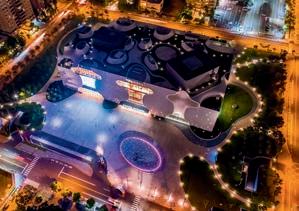
探索台北藝術聚落、台中歌劇院;創意料理或無菜單餐廳激 發行動與靈感。
Explore Taipei’s art districts or Taichung National Theater. Creative cuisine or chef’s-table, no-menu dining experiences spark inspiration and decisive action.
兔 Rabbit
情緒修復
| Emotional Renewal
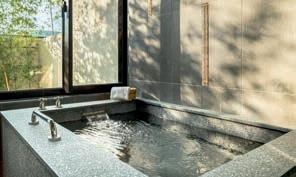
日月潭、埔里小鎮以湖光山色療癒人心;溫潤家常菜與茶料 理最相配。
Sun Moon Lake and the small town of Puli soothe the heart with lake and mountain scenery. Warm home-style dishes and tea-based cuisine are the perfect companions.
Dragon
| Restructuring and Renewal
走訪台南古城、老屋文化;傳統台菜與辦桌文化喚醒根源能量。
Walk through Tainan’s historic streets and heritage houses. Traditional Taiwanese dishes and classic banquet culture awaken a sense of roots and inner strength.
傾聽直覺 | Listening to Intuition 蛇 Snake
適合獨旅與靜心行程,花蓮海岸、靜謐民宿最宜;日式定食與原味料理讓心安靜。
Ideal for solo travel or mindfulness retreats, such as the Hualien coast or a quiet, secluded guesthouse. Japanese set meals and simple, ingredient-focused dishes bring calm and clarity.
節奏平衡 | Finding Balance in Rhythm 馬 Horse
短天數、多次小旅行,如淡水河岸、新北山海線;選擇熟悉安心的 餐食,避免過度刺激。
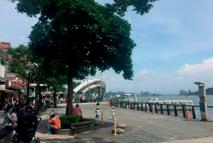
Short, frequent trips—like walks along the Tamsui River or New Taipei’s mountain-and-sea routes—are most suitable. Choose familiar, comforting foods and avoid excessive stimulation.
貴人相伴 | Supported by Helpful Allies 羊 Goat
阿里山、森林鐵道適合結伴同行;合菜、鍋物增進情感連結。
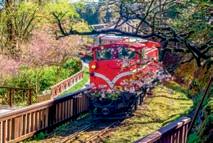
Alishan and its forest railway are perfect for traveling with companions. Shared dishes and hot pots strengthen emotional bonds.
創意流動 | Creative Flow 猴 Monkey
高雄港都、駁二藝術特區充滿靈感;街頭小吃與創意甜點喚醒玩心。
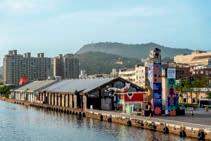
Kaohsiung’s harbor area and the Pier-2 Art Center are rich in inspiration. Street food and creative desserts awaken playfulness and curiosity.
回歸純粹 | Returning to Simplicity 雞 Rooster
苗栗山城、客庄慢活放下完美主義;家鄉味與客家料理最能安定 內心。
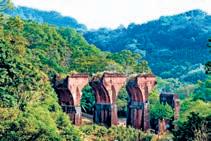
Slow travel in Miaoli’s mountain towns or Hakka villages helps release perfectionism. Comforting hometown flavors and traditional Hakka cuisine bring reassurance.
重新信任 | Rebuilding Trust 狗 Dog
澎湖與離島之旅感受海的包容;海鮮、清蒸料理補運又安心。
Trips to Penghu and other offshore islands invite the embrace of the sea. Fresh seafood and lightly steamed dishes best support good fortune.
享受生活 | Enjoying Life Fully 豬 Pig
台中生活美學之旅,美食與休閒並重;精緻早午餐與甜點時光為日常加分。
A lifestyle-focused journey in Taichung balances leisure and gastronomy. Refined brunches and leisurely dessert moments add sweetness to daily life.
馬年,不只是向前奔跑的一年,更是學會選對方向、走得剛剛好的開始。
The Year of the Horse is not only about running forward—it is also about choosing the right direction and learning to move at a pace that feels just right.
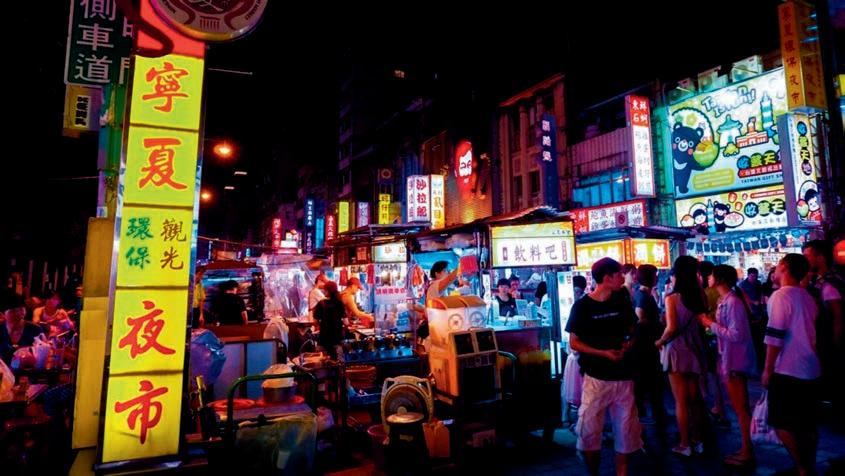
寧夏夜市專題報導一條夜市的韌性與進化 寧夏夜市,如何成為外國旅人眼中的「台北必訪風景」
Ningxia Night Market Special Report
The Evolution of a Night Market: A Must-Visit Taipei Experience
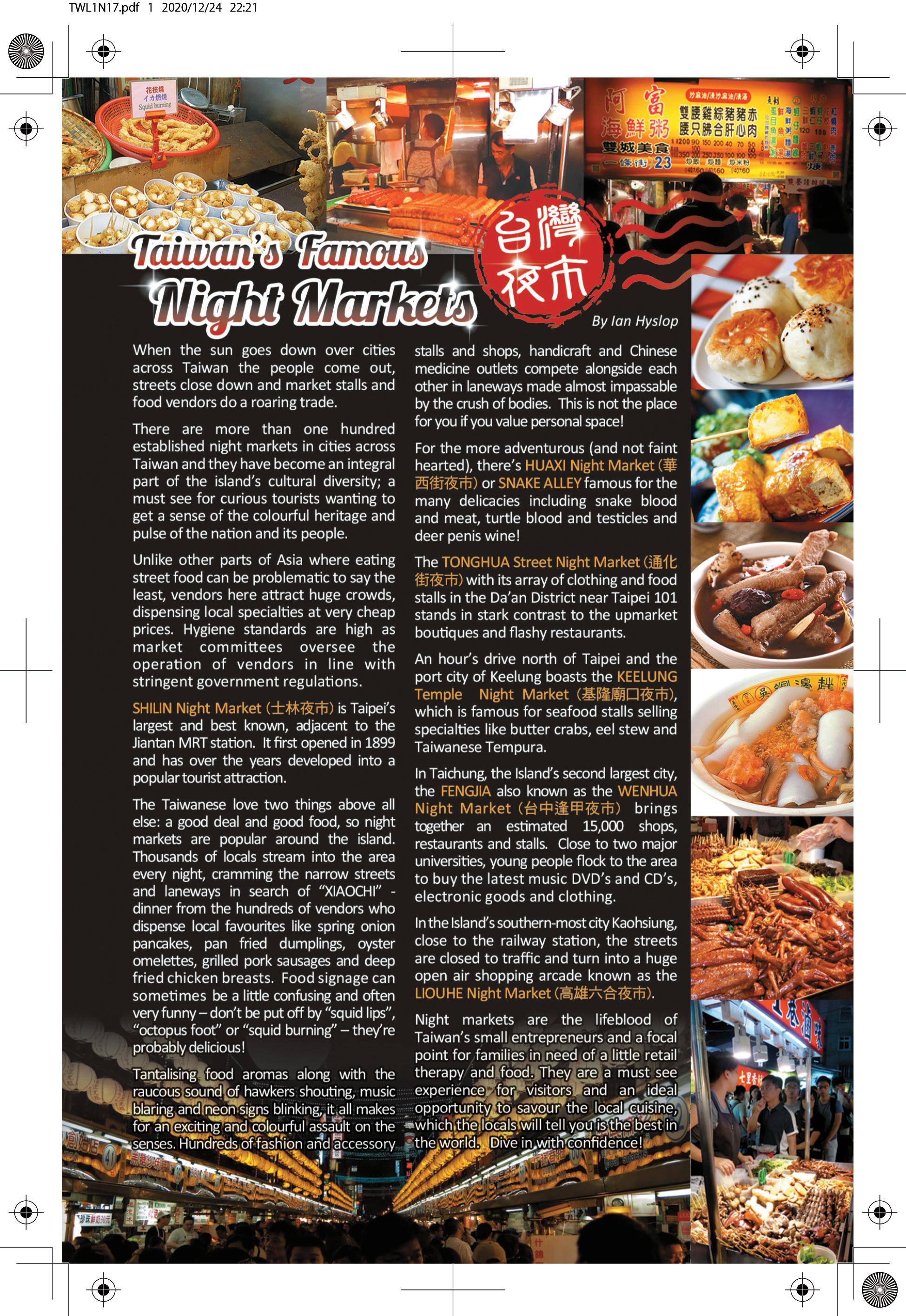
Night markets are often the most honest expression of a city. For first-time visitors seeking to understand Taipei quickly, locals usually offer the same advice: visit a night market. These markets embody daily life, urban order, and traditions passed down through generations. They may seem chaotic, yet they operate with their own rhythm— ordinary, but irreplaceable.
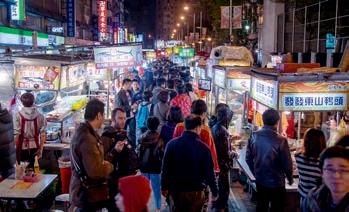
Among Taipei’s many night markets, Ningxia Night Market holds a distinctive place. It does not rely on size or flashy presentation, yet it consistently appears in international travel guides. This 300-meter stretch is not just about food; it tells the story of how Taiwan’s night markets have evolved from being questioned to being respected.
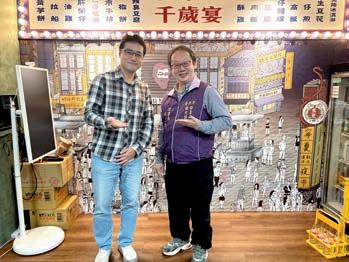
For this feature, Hua Yu Monthly interviewed Lin Ding-Wei, Chairman of the Ningxia Night Market Tourist Association, and Huang DaChang, its Secretary-General, to explore how the market has navigated urban renewal, tourism growth, and long-term survival. Ningxia Night Market is not run like a company, but as a community of more than 180 vendors. Operating as a cooperative, all major decisions are made transparently, with finances openly reviewed. Because of this structure, transformation requires patience, trust, and collective agreement—it is never merely a slogan.
More than 30 years ago, Ningxia Night Market faced potential relocation due to sanitation and safety concerns. Instead of resisting change, the association worked with the city government to launch the “Ningxia Revival Project,” Taiwan’s first comprehensive environmental upgrade
for a night market. Roads were rebuilt to install underground grease traps, sewage systems, and safer electrical wiring. Vendors suspended business for months, demonstrating a shared commitment to coexist with the city. Chairman Lin recalls this as not just a construction effort, but a shift in mindset.
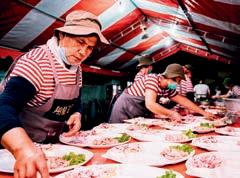
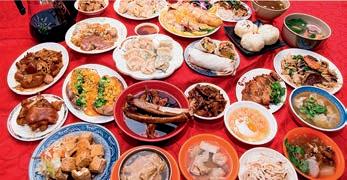
One of the market’s most iconic initiatives is the “Centennial Banquet,” Taiwan’s only night-market-style banquet. Featuring over 20 signature dishes from different stalls served at one table, it offers international visitors a curated way to experience night market culture. Overseas Taiwanese and foreign guests often book months in advance. More than a dining event, it translates the vibrant energy of the market into an accessible cultural experience.
When asked which stalls to recommend, both leaders give the same answer: “Follow the lines.” After decades of natural selection, each remaining vendor represents years of craftsmanship and trust. There are few disappointments, and every visit offers something new.
For the association, the market’s greatest asset is its people. Each stall reflects a family’s livelihood, generational challenges, and resilience through events such as the pandemic. Increasingly, Ningxia Night Market is recognized not just for its food, but as a living example of how cities can preserve everyday culture.
In recent years, study groups from Japan, Korea, Hong Kong, mainland China, and Southeast Asia have visited Ningxia to learn from its self-governance and infrastructure. For international travelers, Ningxia Night Market offers more than great food—it provides a genuine glimpse into everyday Taiwanese life. For Taipei, it proves that tradition can evolve while remaining a vital part of the city’s memory.
Taiwan is a territory currently under the administration of the Republic of China government after it lost the Chinese Civil War and retreated to Taiwan in 1949. The territory comprises the main island of Taiwan and the outlying islands of Penghu, Kinmen, and Matsu. The country is usually known to the world simply as "Taiwan". The island has a complex geology and topography, with mountains, streams, canyons, hills, basins, plains, tableland, and coastlines. Located at the Tropic of Cancer, with many mountains reaching close to 4,000m, it features tropical, subtropical and temperate vegetation and ecology, creating a beautiful natural landscape. According to legend, when Portuguese sailors spotted this emerald island during their voyages in the 16th century, they called it Ihla Formosa (beautiful island), and Taiwan was known as Formosa to Westerners for centuries.
台北 Taipei
桃園 Taoyuan
新竹 Hsinchu
苗栗 Miaoli
台中 Taichung
基隆 Keelung
新北市 New Taipei City
宜蘭 Yilan
彰化 Changhua 南投 Nantou 花蓮 Hualien
雲林 Yunlin
嘉義 Chiayi
澎湖 Penghu
台南 Tainan
金門 Kinmen
高雄 Kaohsiung
台東 Taitung
屏東 Pingtung
小琉球 Little Liuqiu
綠島 Green Island
蘭嶼 Orchid Island
龜山島 Guishan Island
Taiwan Fact Sheet
Taiwan Island is located in the seismically active volcanic seismic belt of the Pacific Rim, at the center of the Western fringes of East Asian Island Arc. It is an island that rose from the collision of the Eurasian and Philippine plates about 10 million years ago. Shaped like a sweet potato, the island has dense mountains distributed in the center of the island. There are 268 mountain peaks that are over 3,000 meters, with Yushan, the highest peak, measuring at an elevation of 3952 meters. Taiwan is the fourth highest island in the world.
Geography
Area: total 35,980 sq km (32,260 sq km land and 3,720 sq km water). The Kinmen, Matsu, and Penghu are the three main outlying islands in the Taiwan Strait.
Climate: subtropical, varies from tropical climate in the southwest to a climate in the north and mountain areas, typhoon season between June to August.
Terrain: two thirds of the land in Taiwan is alpine forest. Ninety-five percent of the population is distributed in the western regions of the island. This forms a north-south metropolis connected by several airports a High Speed Rail system, railroads and two freeways. Taipei City, the capital of Taiwan is the political, economic, cultural center, and also a major tourist destination in Asia.
People
Population: 23,614,200
Taipei: 2,642,877
New Taipei City: 4,010,657
Kaoshiung: 2,774,571
Taichung: 2,815,704
Tainan: 1,880,216
Keelung: 397,515
Hsinchu: 564,296
Ethnic Groups:
Han Chinese 97.5% (major groups: Hokkien, Hakka)
Indigenous 2.5% (16 official tribes from the Austronesian belt).
Religions: mix of Buddhist Confucian and Taoism 75%
Christian 5% and other 5%.
Languages: Mandarin
Chinese (official), Taiwanese (minority), Hakka dialects.
Economy (2019)
Per capita GDP:
US$ 25,909
Export: US$ 329 billion
Import: US$ 286 billion
Population below poverty line: 1%
Labor force by occupation: agriculture 8%, industry 35% and service 57%.
Elevation extremes: lowest point; South China Sea 0 m, highest point Yu Shan 3,952 m.
Natural resources: small deposits of coal, natural gas, limestone, marble and asbestos.
Natural hazards: Earthquakes and typhoons. Ports and harbors: Kaohsiung, Taichung, Hualien and Keelung.
Industries: electronics, petroleum refining, armaments, chemicals, textiles, iron and steel, machinery, cement, food processing, vehicles, consumer products and pharmaceuticals. Agriculture products: rice, corn, fruit, vegetables, tea, poultry, beef, milk and fish. Export commodities: computer products and electrical equipment, metal, textiles, plastic and rubber products and chemicals Import commodities: machinery and electrical equipment, minerals and precision instruments.
For additional information regarding all destinations please consult the Taiwan Tourism Bureau website; https://eng.taiwan.net.tw/
Northern Taiwan includes the three direct municipalities of Taipei City, New Taipei City, and Taoyuan City, including Keelung City, Hsinchu City, Hsinchu County, and Yilan County. Although Northern Taiwan only makes up one-fifth of the island of Taiwan, its current population exceeds 10 million, accounting for almost half of the population of the country. It is the key urban hub for Taiwan's socio-economic development.
Taipei City is the capital of Taiwan and the nation’s administrative, commercial and cultural center; Taoyuan International Airport is the main international gateway, with as many as 50 million inbound and outbound passengers in 2019; Keelung Port is Taiwan’s second largest international commercial port and will gradually develop into a major Asian home port of cruise ships; Hsinchu Science Park is the base of Taiwan's high-tech industry, the global semiconductor manufacturing center, and is known as Asia's Silicon Valley.
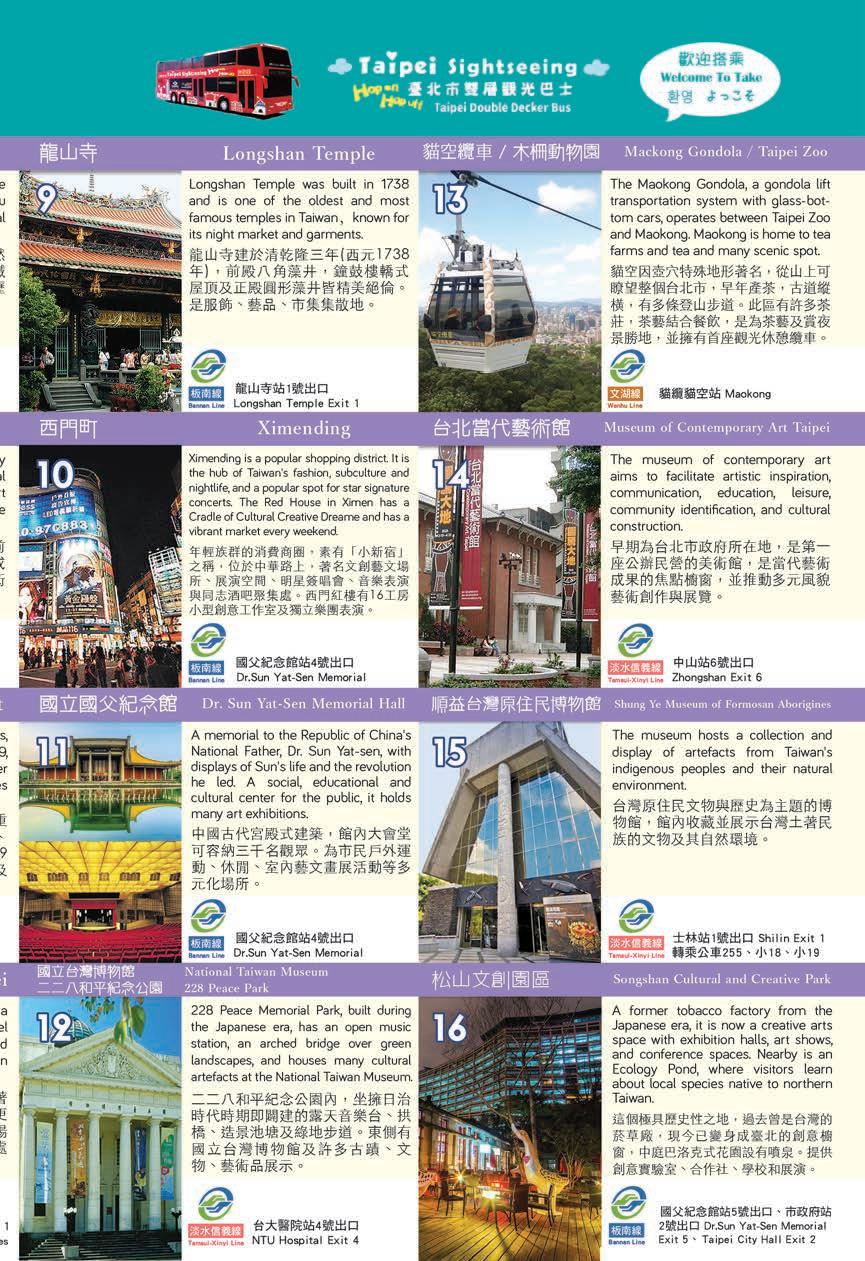
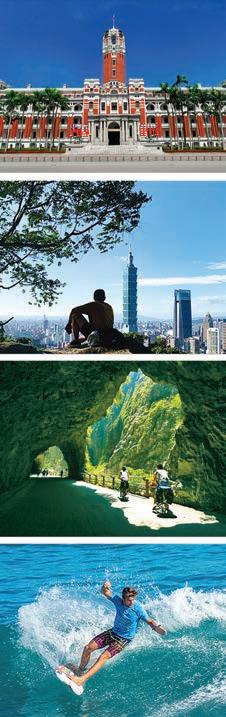
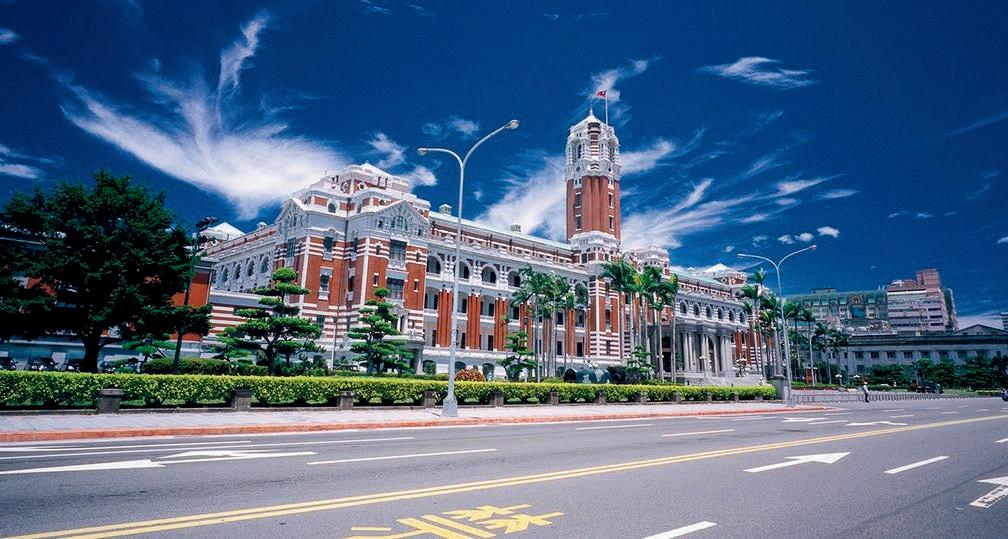
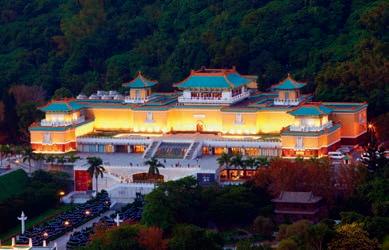
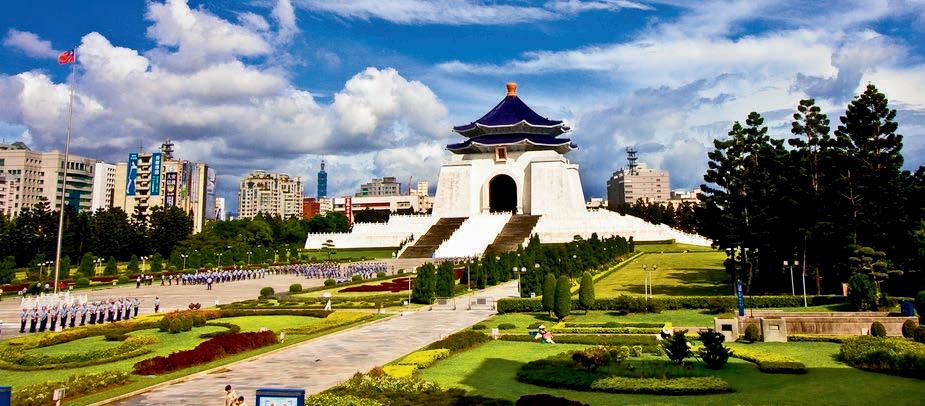
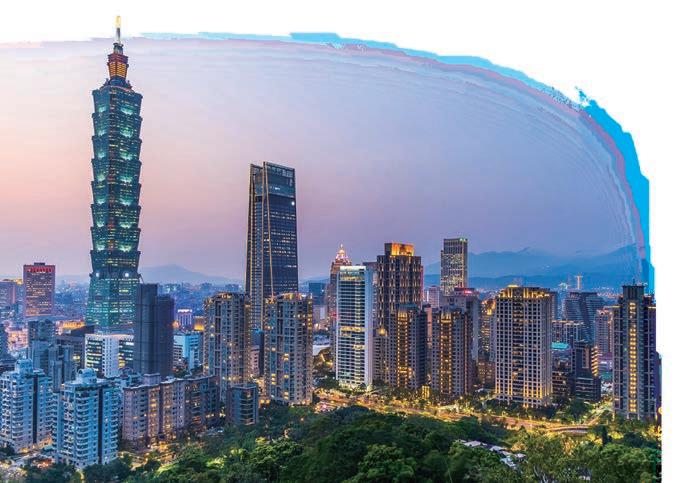
Northern Taiwan is also an international tourist attraction. Taipei is a city where Chinese and Western cultures blend. It has rich and diverse cultural tourist attractions and historical buildings. Taipei 101, Taipei Palace Museum and Night Market are must-visit attractions for foreign tourists. Yangmingshan National Park, North Coast and Northeast Coast National Scenic Areas, Wulai and Neidong National Forest Recreation Areas in the suburbs of Taipei are good places to appreciate the natural beauty of Taiwan’s mountains and coastlines.
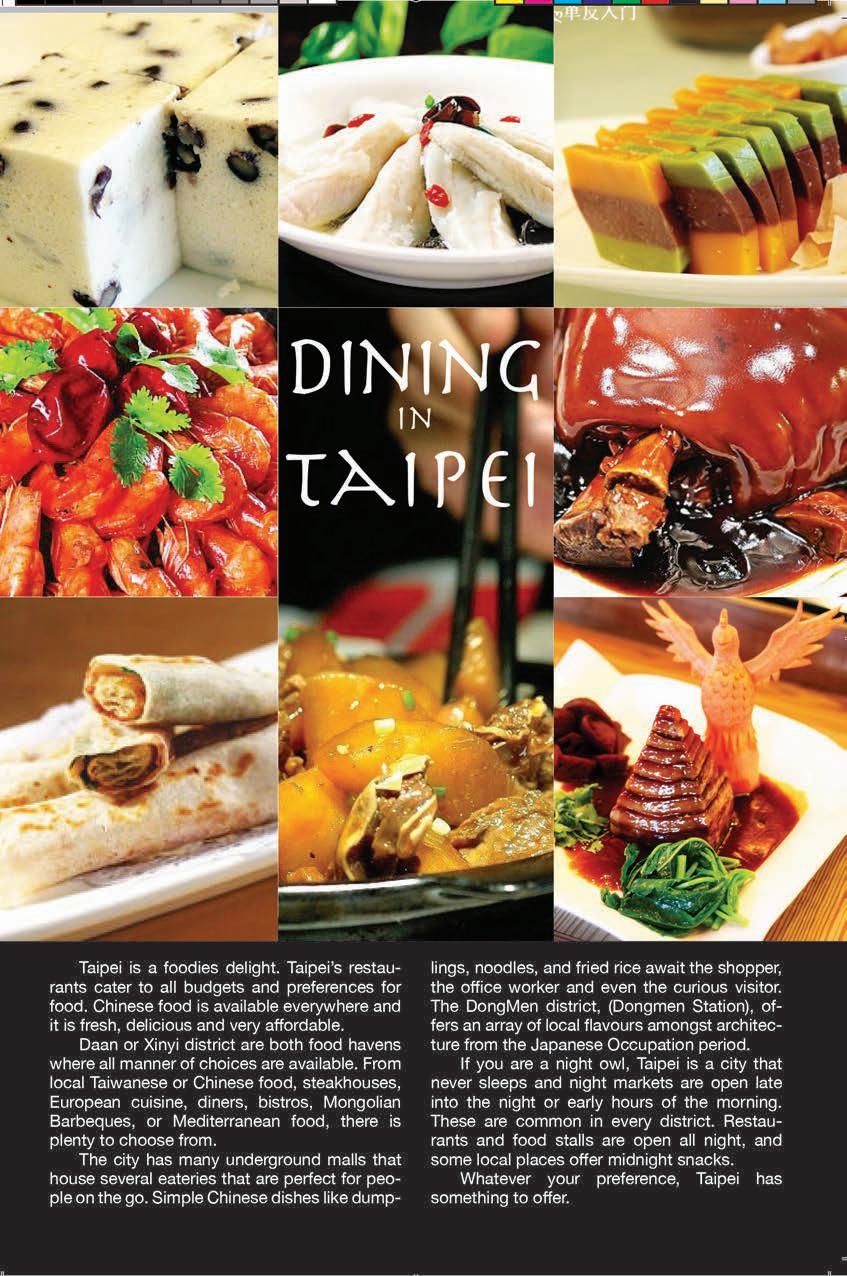
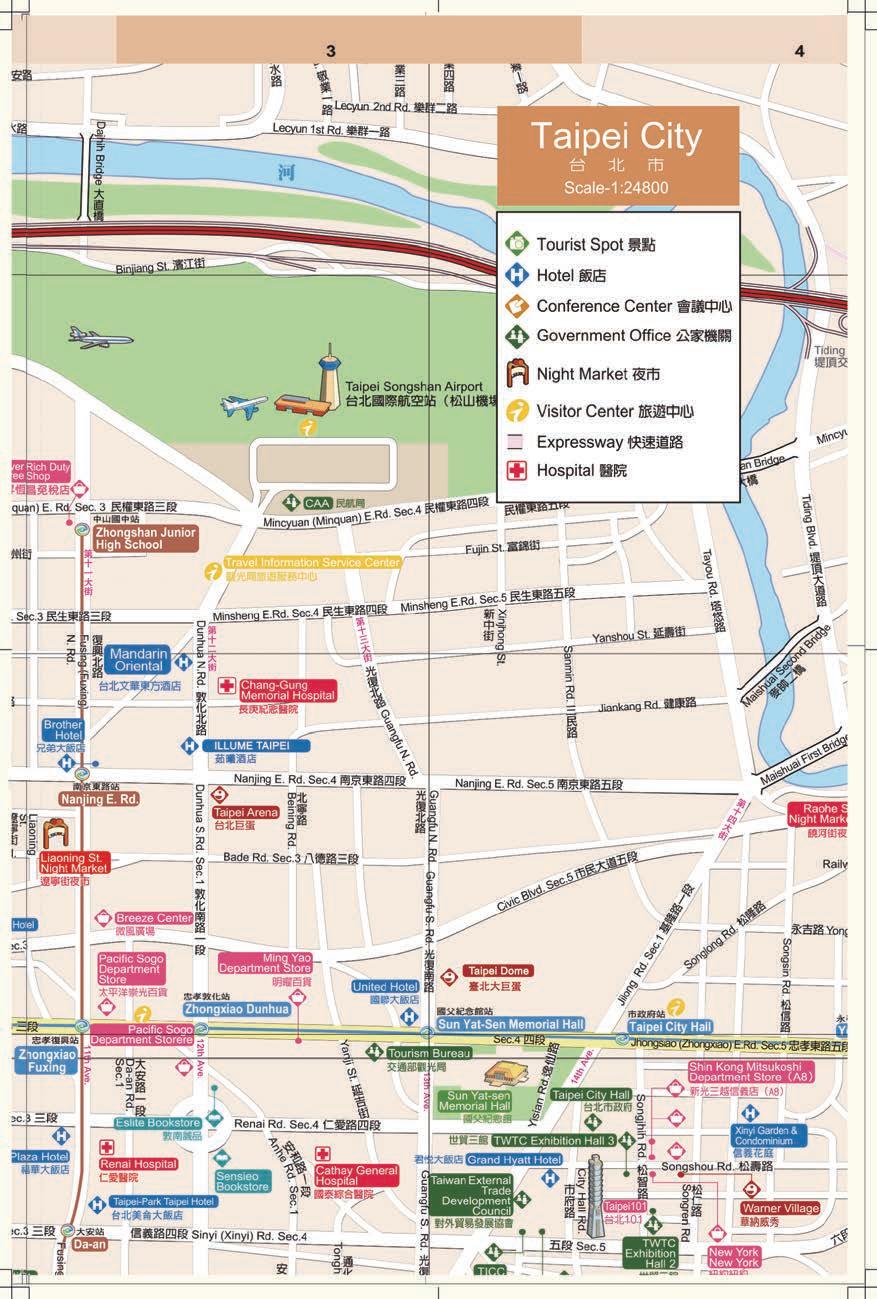
Taipei is Taiwan's largest city as well as its economic, political, and cultural center. It is a modern cosmopolitan metropolis with a lively and diversified face, filled with exuberance. From the world's tallest building (2004~2010) to the biggest collection of Chinese art, Taipei invites you into a world of fascinating contrasts - a mix of the modern and traditional, with a generous dash of energy and friendly smiles to make this one of your most memorable trips to Asia. The cultural kaleidoscope of Taiwan's capital city pulses wherever you go. Incense - veiled temples dating back to dynastic times blend seamlessly with a neon street life of a decidedly more modern era. Taipei has dozens of world - class restaurants where gourmets can sample the best regional Chinese cuisine; and for the gourmand, there are plenty of night markets serving up scrumptious evening snacks in an environment of chaotic excitement and fun. The polarities of Taipei are vividly present as well in the joining of the urban and natural. Just a few minutes from the heart of the city you can soak away the cares of the world in mineral - rich hot springs nestled in the lush mountain foothills ringing the Taipei Basin. And throughout the city there are plenty of trails, parks and other oases of tranquility to lift and invigorate your spirits. Whether you're just stopping over en route to another Asian destination, or planning a longer stay, Taipei is a many-faceted treasure that will call you back again and again. Discover the heart of Asia in beautiful Taipei!
Central Taiwan includes the city of Taichung and four counties of Miaoli, Changhua, Nantou, and Yunlin.
Taichung City is the key industrial and commercial city of Central Taiwan, with a population of over 2.8 million. Its population ranks second among the six direct municipalities, after New Taipei City.
Taichung Metropolitan Area is a major hub of Taiwan's precision machinery industry, and the world-famous Giant bicycles are produced here. After the Central Taiwan Science Park was launched at the beginning of this century, high-tech industries have gradually become one of the core industries of Central Taiwan. However, agriculture in the three counties of Changhua, Yunlin, and Chiayi still plays an important role in Taiwan.
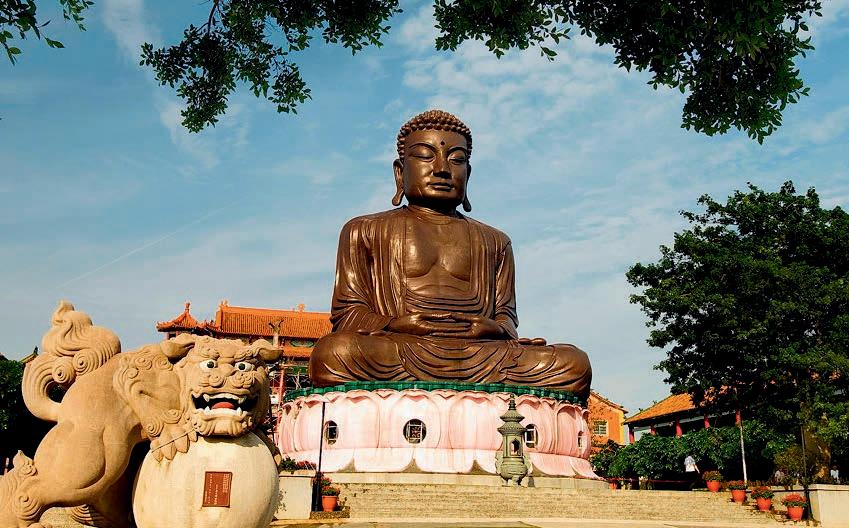
There are also many tourist attractions in Central Taiwan: Sun Moon Lake and Alishan National Scenic Area are internationally famous tourist attractions; Lugang is an ancient town with a history of more than 300 years and rich in cultural heritage and historical sites; Qingjing, Lishan, and Wuling are Taiwan’s main mountain resort areas and a popular hotspot for domestic tourism.
Taiwan's second largest city; Taichung enjoys a mild year-round climate with an average temperature of 22.4 degrees centigrade. It also has a highly developed industrial and commercial base, thriving cultural scene, friendly people, and beautiful scenery, all of which contribute to its status as an internationalclass city. Centrally located in the western half of Taiwan, Taichung welcomes visitors with a pleasant climate throughout the year. The city first rose as a major political, economic, transportation, and cultural hub during the Japanese occupation period, due highway, railway and shipping port development during that time. Through dedicated preservation efforts, Taichung has saved many of the city's historic sites and retains the original "chessboard" street plan from the Japanese era. Among the many sites of interest in the city are the 200-year-old Lecheng Temple, the ornate and much-visited Chenghuang Temple, and the three-hall style Wanhe Temple. The Chang Liao Family Shrine as well as the 200-plus-year-old Zhenlan Temple in Dajia further add to Taichung's yesteryear charms. In addition to historic attractions, Taichung also offers plenty to satisfy one's thirst for the arts, culture and learning, including the National Taiwan Museum of Fine Arts, and Taichung City Cultural Affairs Bureau. There are also a number of department stores and distinctive shopping areas and boutiques. The European-style Jingming Shopping District and Fenglin Restaurant at the Art Garden impart Taichung with a fashionable elegance that recalls the Champs Elysees in Paris.
Southern Taiwan includes the two direct municipalities of Kaohsiung and Tainan, and three counties and cities including Chiayi City, Chiayi County and Pingtung County. Kaohsiung City is the key center of Taiwan's heavy industries such as oil refining, steel, petrochemical, and shipbuilding. It is also the international gateway to southern Taiwan. Kaohsiung Port is Taiwan’s largest international commercial port, and ranked third in the world in terms of cargo in 2000. In 2018, it remained within the top 20, ranking as the 15th busiest container port in the world. This region is also Taiwan’s main agricultural production area. Key products include rice, tropical fruits, aquaculture, fisheries, and animal husbandry. The "Pingtung Agricultural Biotechnology Park" located in Pingtung County is Taiwan's only agricultural biotechnology industry cluster, with a total area of 400 hectares. The Southern Taiwan Science Park is one of three high-tech industrial bases in Taiwan. The Tainan Science Park covers an area of 1,000 hectares and the Kaohsiung Science Park is about 600 hectares. In the future, it will become the world's largest semiconductor industry cluster. Tainan City is the ancient capital of Taiwan, with more than 400 years of history. In the 16th century, the Dutch used Anping Harbor in Tainan as a base to dominate southern Taiwan for nearly 40 years (1624-1662), opening the door to Taiwan's modern development. Tainan and Kaohsiung are the main tourist cities in southern Taiwan, while Kenting on the Hengchun Peninsula is a popular tropical tourist resort. 南台灣包括高雄、台南兩個院轄市 及嘉義市、嘉義縣、屏東縣等三個 省級縣市。高雄市是台灣煉油、鋼 鐵、石化、造船等重工業的發展中 心,也是台灣南部的國際門戶,高 雄港是台灣最大國際商港,2000 年時貨運吞吐量居全球第三位, 2018年是世界排名第十五名的貨 櫃港。
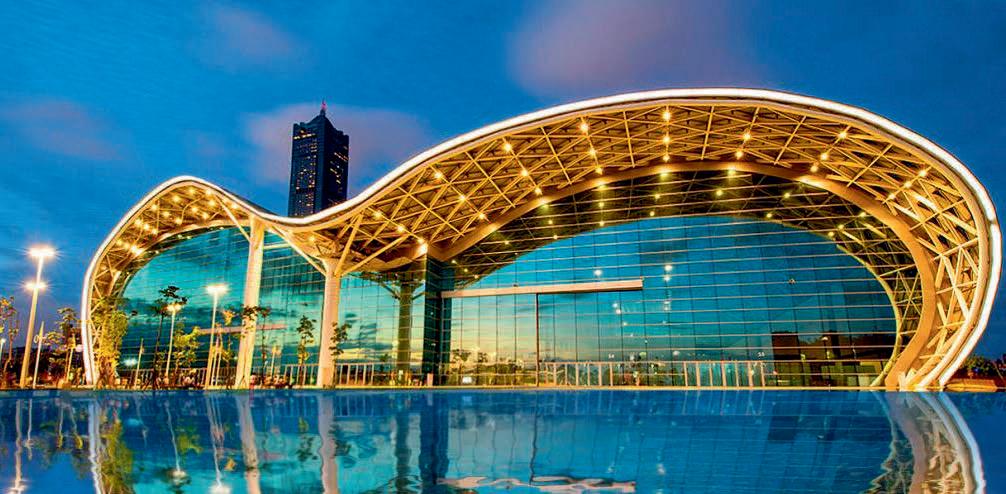
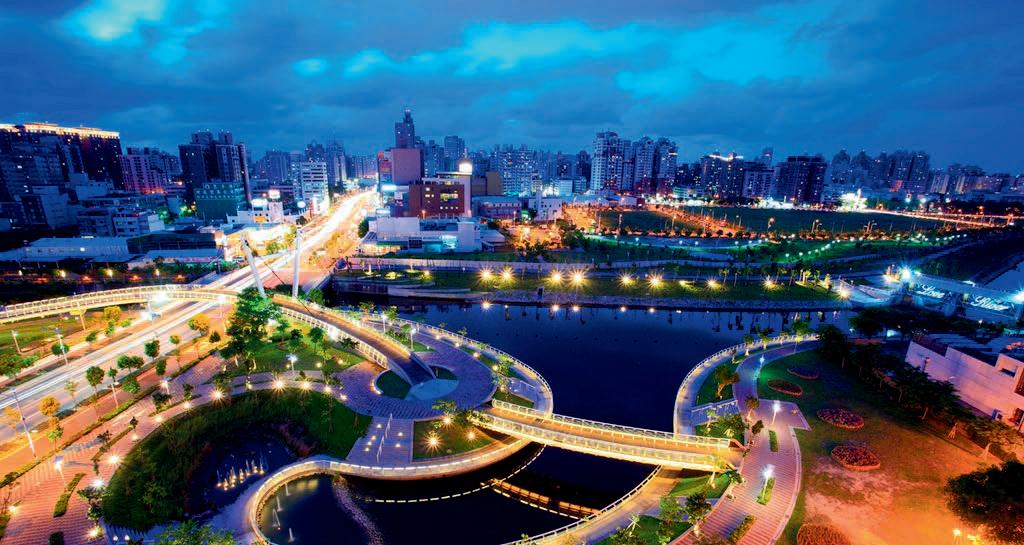
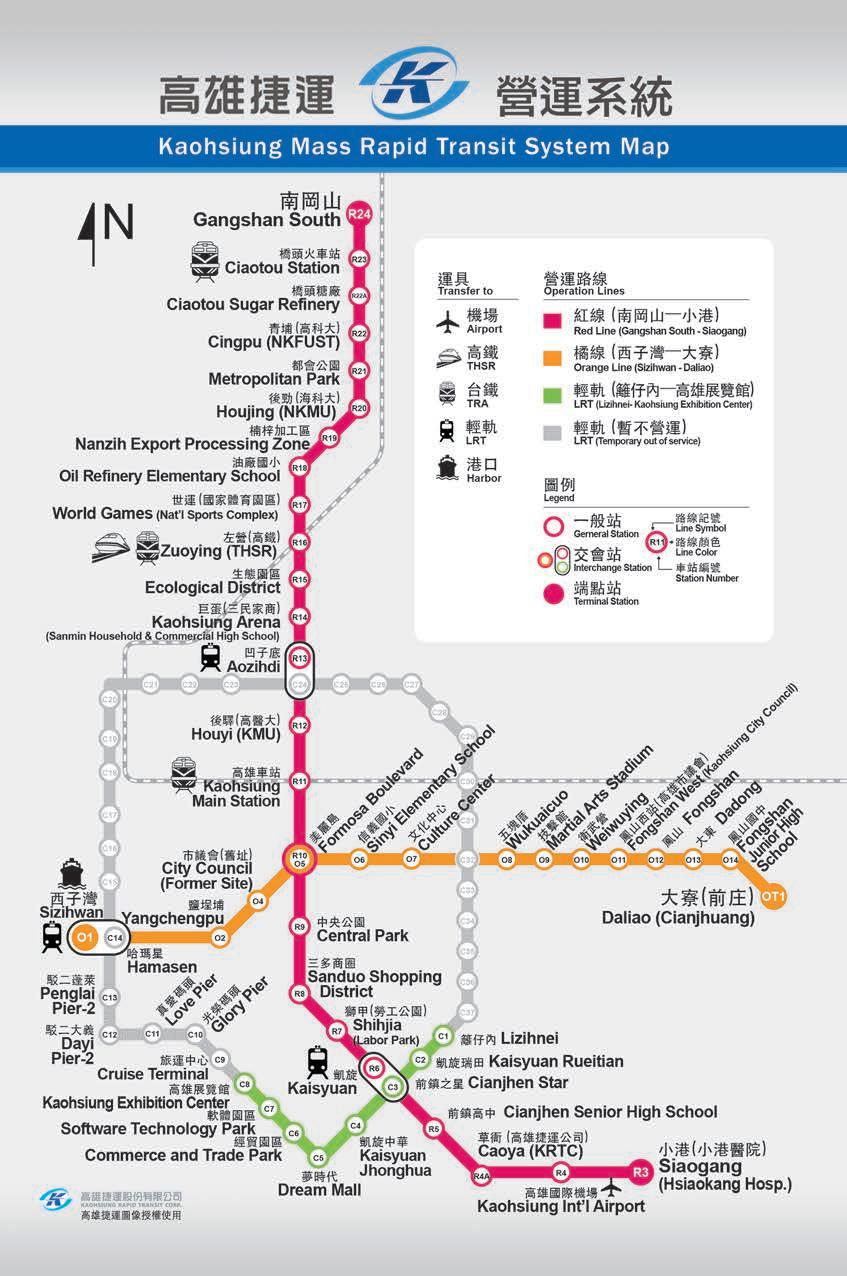
Located in the southern part of Taiwan, the city of Kaohsiung is the island's largest industrial center. A thriving international metropolis at the southern tip of Taiwan, Kaohsiung was the host city for the 2009 World Games. Due to the regulating effects of the marine climate, Kaohsiung is generally sunny and enjoys pleasant weather year-round. Known as "Taiwan's Maritime Capital," the city has worked hard in recent years to develop its tourism industry, including through beautification of the urban landscape. Kaohsiung is home to several popular visitor sites, including the Love River, Shoushan (Mt. Shou), Xiziwan Bay, Lotus Pond, Qijin, and the Old City of Zuoying. It also is an ethnic melting pot, joining Hokkien and Hakka communities, the Pingpu, Tsou, Rukai, Bunun, and Paiwan indigenous tribes, and a military community culture. Kaohsiung also offers scenic mountains, ocean views, and rivers, as well as port, cultural, and historic attractions. Visitors to the city can experience the beauty of nature and savor fine cuisine, or head to the nearby Hakka village of Meinong to experience traditional oil paper umbrella art. The Neimen Songjiang Battle Array and the Fo Guang Shan Buddhist monastery in Dashu further add to the ethnic richness of Kaohsiung. Taiwan's biggest mall and well-known night markets complete the scene for a thoroughly satisfying trip.
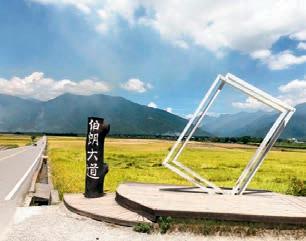
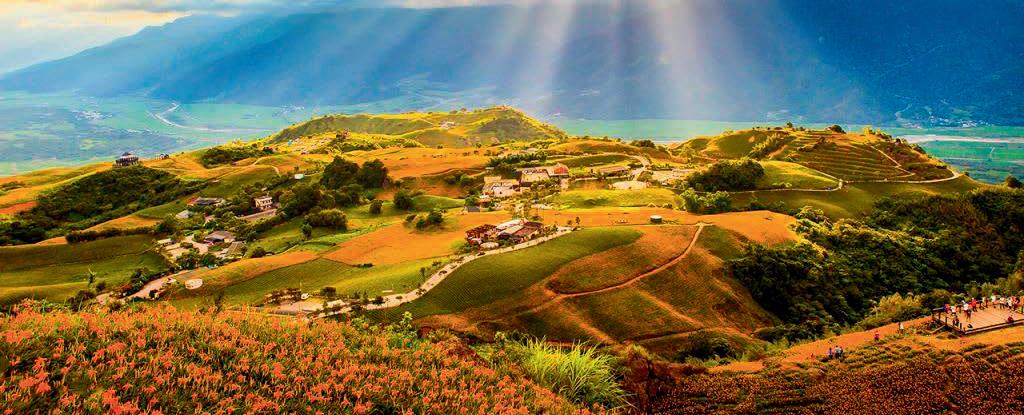
Eastern Taiwan includes Hualien County and Taitung County. Yilan County, located on the east of Taiwan Island, is usually not regarded as Eastern Taiwan. Eastern Taiwan is blocked from the West by the imposing Central Mountain Range, and as a result, features different levels of social and economic development from that of Western Taiwan. The whole area accounts for about one-fifth of Taiwan, but the population is less than 600,000. This region one can still experience a simple rustic lifestyle, and is often regarded as the “back garden” of Taiwan.
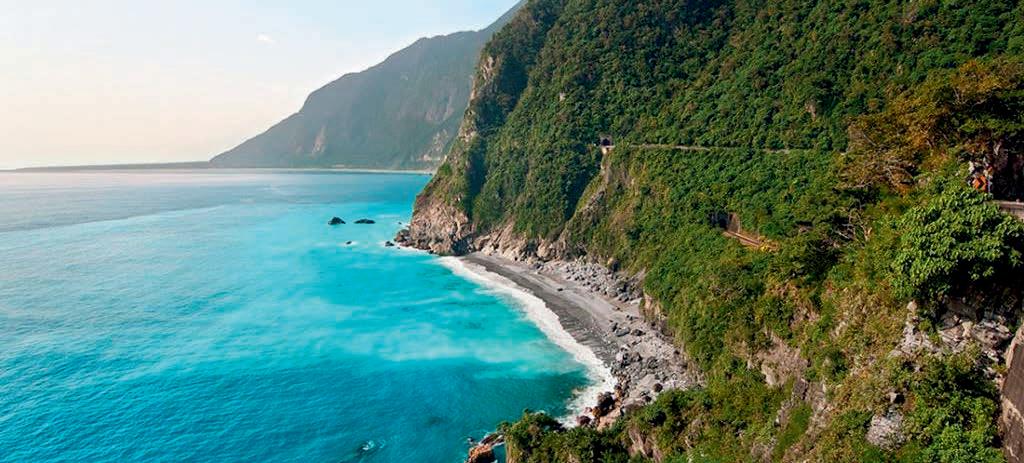
The geographical environment of Eastern Taiwan is quite diverse and unique. The Huadong Rift Valley, also known as East Rift Valley, is a suture zone between the Eurasian plate and the Philippine plate. The coastal mountains and the two outlying islands of Green Island and Lanyu (Orchid Island) geographically belong to the Philippine plate. The Taroko Gorge is a U-shaped valley cut by Liwu Creek, extending more than 20 kilometers in a magnificent mountain valley. The Qingshui Cliff facing the Pacific Ocean and Huadong Coast feature some of the most beautiful coastlines in Taiwan. The economy of Eastern Taiwan is mainly supported by agriculture and tourism. The main tourist attractions are located in the east coast, the East Rift Valley and the Taroko National Park. In recent years, there has been a large increase in tourist resort hotels and B&Bs.
Hualien is the meeting point of the Central Cross-Island Highway, Suao-Hualien Highway, and highways leading south to Taitung. Hualien County is home to several world-class scenic attractions. In 1590, Portuguese sailors passed by the eastern coast of Taiwan and were so moved by the grandeur of what they saw that they named this land "Formosa," the beautiful island. Since that time, the majestic views of Hualien have come to represent Taiwan. Formerly known as Qilai, Hualien's current name derives from the phrase "huilan" (eddying water), a reference to the swirling currents of the Hualien River where it meets the sea. Hualien is Taiwan's biggest county, with an area of about 4,628 square kilometers and a population of 350,000. The county borders the Pacific Ocean to the east and is hemmed in by the Central Range to the west. With its towering peaks, azure skies, vast seas, scenic valleys, cultural diversity, and friendly kindhearted people, Hualien has become one of Taiwan's first-choice travel destinations for local and international visitors alike. With all of its natural beauty, most of Hualien is a national scenic area. Visitors to the county can enjoy the impressive gorges at Taroko National Park, the magnificence of Yushan National Park, the stunning natural landscapes of the East Coast National Scenic Area, and the rustic charms of the East Rift Valley National Scenic Area. Wherever you go in Hualien, nature is there to greet you.
Penghu, Kinmen, and Matsu on the Taiwan Strait are outlying islands of three county-level administrative regions.
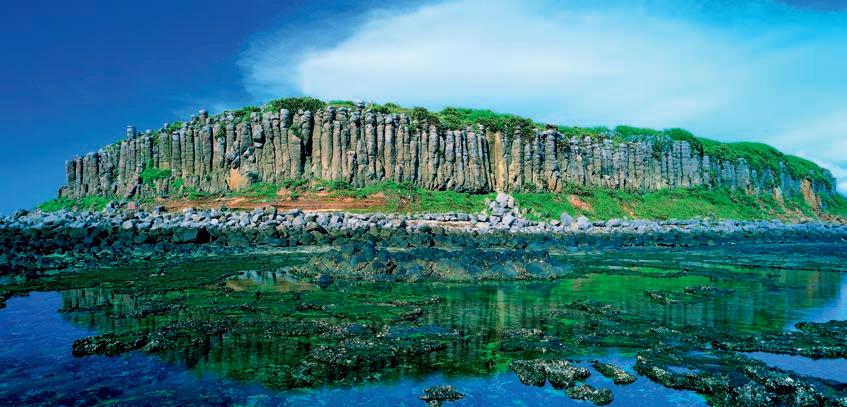
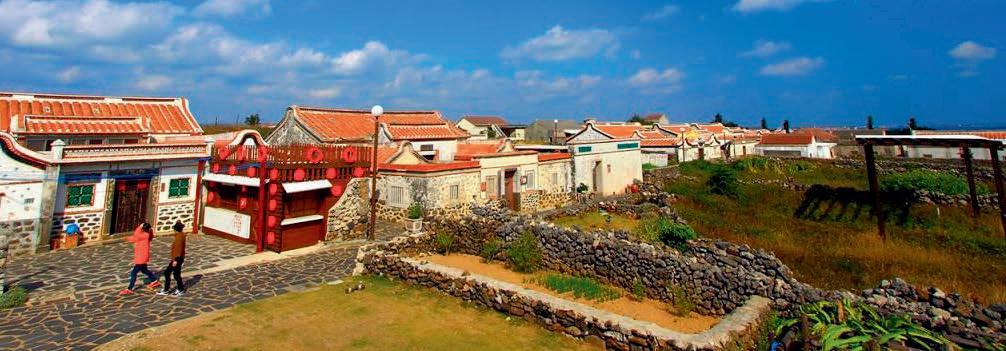
Penghu (also known as the Pescadores) is an archipelago comprising 90 large and small islands, most of which are formed by volcanic lava. The basalt geological landscape is unique and meets the conditions for a world natural heritage site. The Penghu Islands have a total area of about 130 square kilometers and a registered population of about 100,000. Traditionally, most residents relied on fishing for their livelihood. Since the government developed the tourism industry, it has gradually replaced fisheries, and most residents are engaged in the tourism industry today.
Kinmen covers an area of about 153 square kilometers and is separated by water from Xiamen in Fujian Province. At the nearest point the distance between the two is about 2,000 meters.
Matsu is an archipelago composed of five small islands, with a total area of about 30 square kilometers, and is about ten kilometers away from the mainland.
Kinmen and Matsu used to be the front lines of defense for Taiwan, but now they are mostly tourist spots. Tourism is one of the main sources of income for the local economy. 台灣海峽上的澎湖、金門、馬祖是 三個縣級行政區的離島。澎湖是 擁有九十個大小島嶼構成的群島 (Pescadors),大部分為火山熔岩 所形成,玄武岩地質景觀是它最獨 特的地景,具有登錄世界自然遺產 的條件。澎湖群島總面積約130平 方公里,戶籍人口約10萬人,傳 統上居民大都以漁業為生,但政府 大力發展觀光之後,觀光產業已逐 漸取代漁業,居民多數從事觀光產 業的工作。
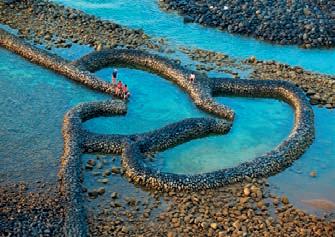
The Penghu Islands are located to the southwest of the main island of Taiwan. More than 90 islands, large and small, scattered across this archipelago are like pearls in the Taiwan Strait. Historically, Penghu was a springboard for travel and exchanges between Mainland China and Taiwan and thus had always played an important strategic position. There are many historical and cultural heritage and military relics to be found on the island, including six recognized as national monuments. The ever-changing basaltic geological landscape of the Penghu Islands is a masterpiece of nature, like a stone sculpture park carved out by the sea. The waters of Penghu are rich in marine life, which are a key resource of the traditional fisheries economy of the islands, and now play a pivotal role in its tourism and leisure industries. The Penghu Islands were designated as a National Scenic Area in 1995. Under the careful planning and infrastructure development undertaken by the Tourism Bureau of the Ministry of Transportation and Communications, it has developed into a world-class tourist attraction. In addition, the seas around the Four Islands of Southern Penghu and the surrounding islands hold precious and diverse marine ecological resources and were designated as the “South Penghu Marine National Park” in 2014. The Park is managed by the Marine National Park Headquarters of the Ministry of the Interior. Tourism activities offered on the Penghu Islands are very diverse, and it is recommended that a stay of at least three days and two nights should be arranged to truly enjoy the essence of its natural beauty and local culture. Must-see attractions include: Penghu Tianhou Temple (a national monument originally constructed in 1604), Magong Old Street, Erkan Historical Village, Twin Hearts Stone Weir, and the 300-year Tongliang Great Banyan Tree, as well as many other cultural landmarks. Key natural attractions include the basalt columns on Tongpan Island and flocks of migratory terns that inhabit and breed in the summer months on the islands.
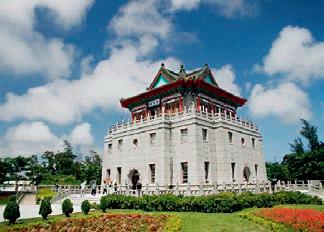
Kinmen was at the forefront of fierce confrontations between the communist and democratic camps during the Cold War as well as the frontlines of Taiwan’s defense. The Battle of Guningtou took place in 1949, and the August 23rd Artillery Bombardment broke out in 1958. Martial law was lifted in Kinmen in 1992, returning the island to civilian rule and opening it up to tourism. In 1995, in recognition of Kinmen’s historical sites, traditional settlements, battlefield memorials and important natural ecological areas, the Ministry of the Interior established the Kinmen National Park and established an office for management and conservation.
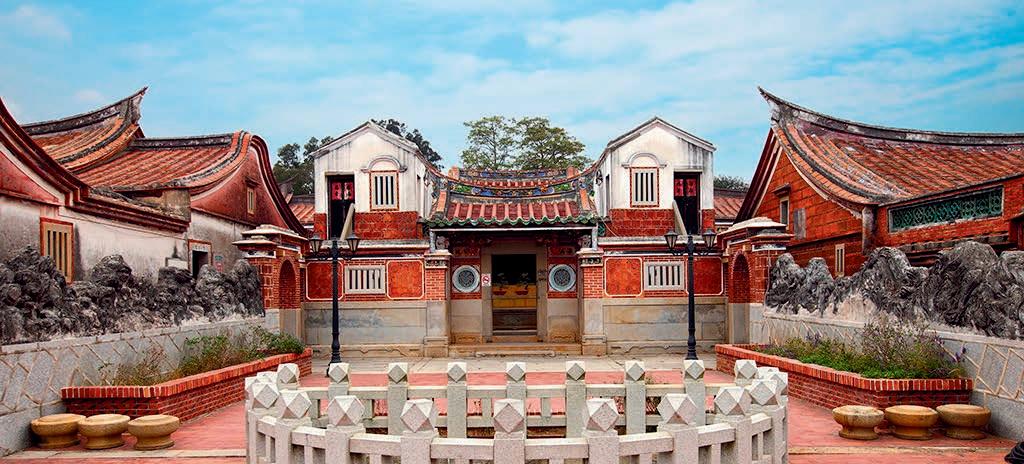
Kinmen is rich in cultural assets and is noted for its Minnan (Hokkien) architecture, traditional settlements, and historic battle sites. The county has 8 national monuments and 66 countydesignated monuments. Must-visit attractions include Shanhou Folk Culture Village, Shuitou Village, Kinmen Old Street (Jincheng Old Street), Guningtou Battle Museum, Zhaishan Tunnel, and Taiwu Mountain.
Kinmen is an important habitat for migratory birds and a good destination for birdwatching. The most unique of the migratory visitors is the blue-tailed bee-eater that comes to build nests in the summer. In winter, the sight of thousands of great cormorants returning from the sea at dusk is a truly unforgettable experience. In addition, there are two rare protected species in Kinmen: Horseshoe crabs, also called “living fossils,” and Eurasian otters. They are a rare sight in the wilderness nowadays.
Kinmen also boasts many local delicacies and products. The most popular and must-buy souvenirs for tourists include “Gong tang” sticky peanut candies and the famed Kinmen “Gaoliang” sorghum liquor. In addition, knives made from shells leftover from past artillery strikes are a unique local product not found anywhere else and a very popular souvenir snapped up by Mainland Chinese tourists.
The Matsu Islands are made up of the Nangang, Beigang, Dongying, Dongju, and Xiju Islands (with a combined land area of only around 30 sq km). The Matsu name derives from the legend that the sea goddess Mazu drifted to Nangang after her death and was buried on the island.
Matsu’s administrative and military status is similar to that of Kinmen. The islands are administratively part of Fujian Province under the jurisdiction of the Republic of China. They are critical to Taiwan’s frontline defense and military facilities can be seen everywhere. However, no battle has ever occurred on Matsu, in contrast to Kinmen. In 1992, martial law was also lifted on Matsu, and tourism development subsequently began. In 1999, the Matsu Islands were designated as a national scenic area. The Tourism Bureau of the Ministry of Transportation and Communications established a management office to take charge of tourism infrastructure development.
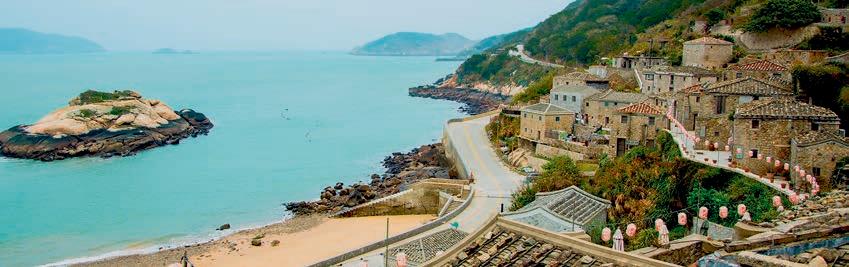
The charms of Matsu Islands lie in its characteristic Mindong architecture, traditional settlements and military tunnel facilities. The famous scenic spots include Qinbi Village, Jinsha Village, Beihai Tunnel, and 88 Tunnel, etc. Two national monuments: Dongju Lighthouse (built in 1872) and Tung Chung Lighthouse (built in 1904) are also worth a visit.
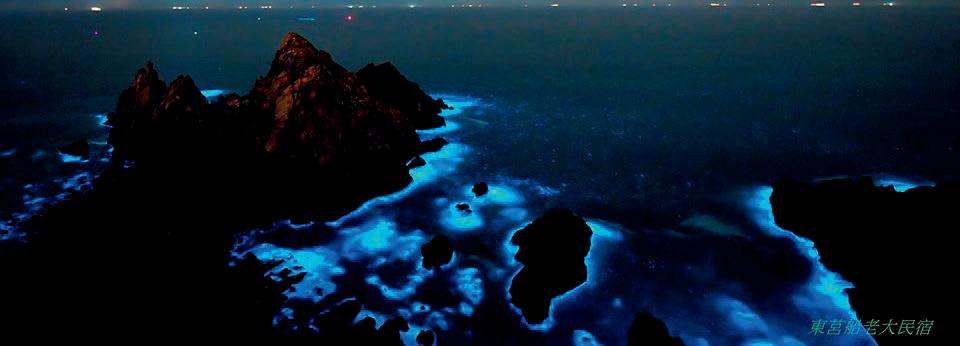
In 2000, photographers on Matsu captured images of the Chinese crested tern, which had not been seen previously for half a century and were believed to be extinct. This discovery brought global attention to Matsu and attracted many international birdwatchers to visit the islands during the migratory season. In recent years, bioluminescent algae (Noctiluca scintillans ) found along Matsu’s coastline during summer, dubbed locally as “blue tears,” has attracted a large number of tourists across the nation to visit Matsu and marvel at this wonder of marine ecology.
Hsin Nian Kuai Le 新年快樂 May the New Year
by Bob Lane
Happy New Year
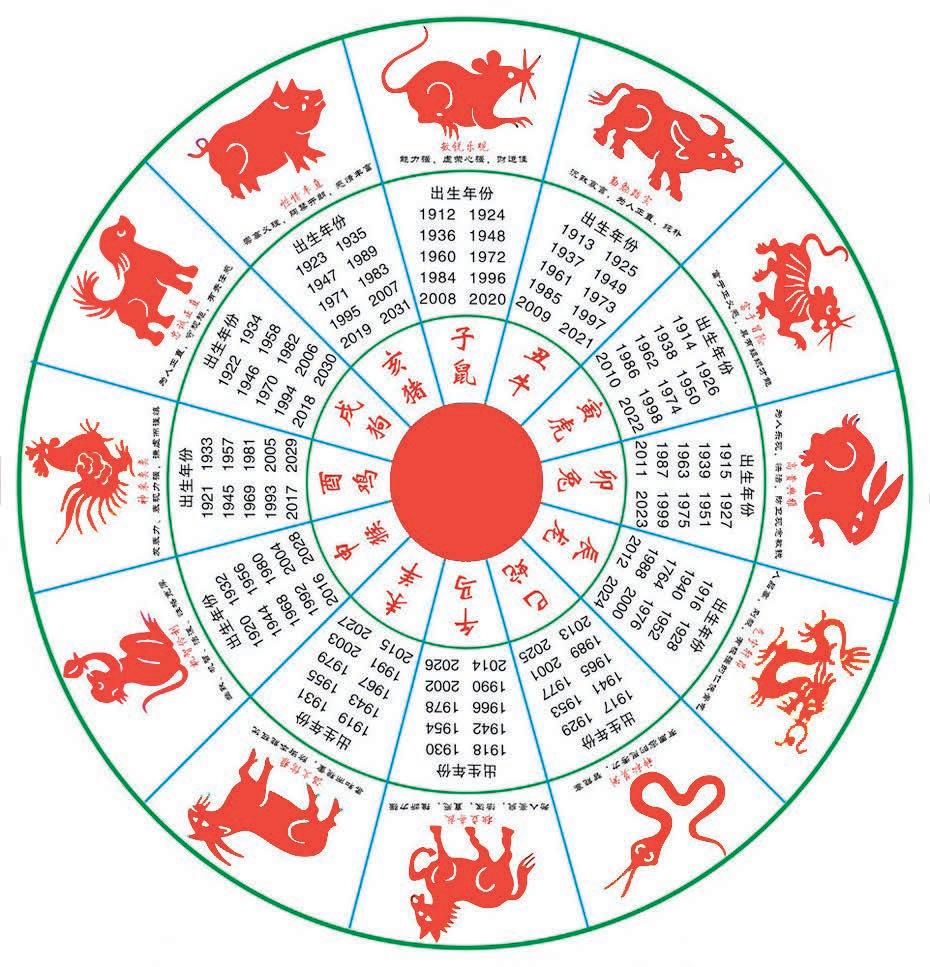
According to Chinese mythology, Buddha once called on all the beasts to appear before him. The, only twelve different beasts responded, rat, ox, tiger, rabbit, dragon, snake, horse, sheep, monkey, rooster, dog, and the pig. Buddha then named a year for each of them, which accounts for the twelve-year cycle in the Chinese calendar. Each creature reigns for a one-year period. A person’s traits, characteristics, and fortune are said to have come from the creature reigning during the year of his birth.
Chinese Lunar New Year’s Traditions and Activities
This year the Chinese New Year arrives on Saturday, 14 February 2026 and ends on Sunday, 22 February 2026 and is based on the lunar calendar, rather than the western calendar. Specifically, it is the first day of the first month of the lunar calendar, a calendar which is tied to the 15-day cycles of the moon. These cycles are important in an agricultural society like traditional China. In fact, they are still used today.
Preparations
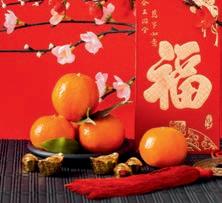
The Chinese New Year is the most important holiday to Chinese people and is full of its own special traditions. In general, it is a time for reunion and renewal; families get together, friends visit each other, the house is thoroughly cleaned and decorated, and everyone wears bright new clothing. Chinese people use the time before New Year to prepare special cakes called Nian-Gao ( 年糕 ) “year-cakes”. Nian-Gao symbolizes getting a lot of promotions, because the name is also short for the phrase Nian-Nian Gao-Sheng ( 年年高陞 ) “to get promoted higher every year”.
Wei-ya
In olden times, businessmen usually made general inventory during wei-ya ( 尾
牙 ) and also threw banquets to reward their employees. During the banquet, if the person in charge directed the head of the chicken on the menu toward an employee, it meant that the person’s term would not be renewed and that he was under advise to seek greener pasture in other places. In this last offering of the lunar year, steamed cake, biscuits, and auspicious sounding fruits are also used in addition to the usual half-cooked animal sacrifices. Fruits such as pineapple, persimmon, and mandarin oranges are offered to attract wealth and prosperity. Traditionally, lands in real estate transactions are turned over officially during wei-ya to let the previous owner obtain the last harvest and show the generosity of the new owner.
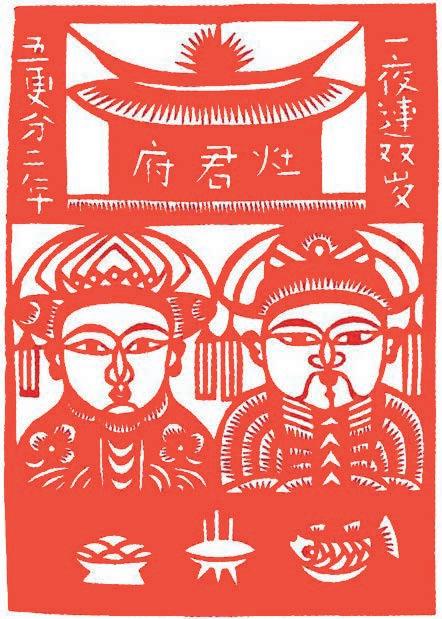
Song-shen
Many people misunderstood song-shen ( 送神 ) as the day for sending off all gods to
bring you prosperity
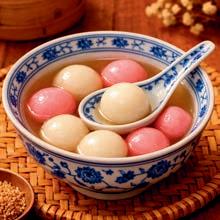
heaven, but there are actually celestial and terrestrial gods. Terrestrial gods like Machu, Kai-c-chang Sheng-wang, Kwang-che Chunwang are mortals turned into gods who dwell with the secular. Only celestial gods such as the oven god and and Cheng-huang Ye are sent off to heaven during song-shen to make annual report. The occasion also means the oven god is on vacation. Since mortals are imperfect, people are afraid that, in returning to heaven and making factual report, the oven god will bring punishment onto them. Therefore, they are especially concerned with song-shen and the offerings made are unique. There are malt candies, rock candies, and glutinous balls served in soup to stop the oven god from talking. Another practice is to offer wine to make the oven god drunk and render him absurd to the celestial emperor. The food offerings to the oven god are placed in the kitchen, and they include halfcooked animal sacrifices, sweets, glutinous balls, and wine. The rite is completed with the burning of spiritual money and paper horses to take the oven god back to heaven. After half of the spiritual money is burnt, the old sign of the oven god is taken off and also burnt to symbolize that the entity has gone to heaven.
A new sign is posted on the return of the oven god from heaven. A windy song-shen rite is perceived as an auspicious sign. As the saying goes: Windy during the sending off, and rainy during the return of the oven god. When there is rain during the return of the oven god, it symbolizes the showering of grace on the land. There is also a saying: Wending the oven god to heaven earlier, and receiving him on a very late date. The longer the vacation, the happier is the oven god. After sending off the oven god on the 24th of the last lunar month (2026/02/11), do remember to welcome him back on the 4th day of the first lunar month (2026/02/20).
Shopping for New Year Goods
Long before the holiday, street vendors
have already begun to seek out the best sites to display their New Year goods. Shopping for Chinese New Year’s fare begins early and is still one of the holiday’s most characteristic activities in Taiwan. Familiar songs and traditional Chinese music associated with Chinese New Year are broadcast through loudspeakers in department stores, many of which hold year-end sales to attract wage earners, whose pockets are weighted down by the traditional annual bonus that is always paid at this time of year.
Spring Couplets
On Chinese New Year’s Eve, almost every Chinese family posts Spring Couplets ( 春聯 ) on their front door to express the feeling of life’s renewal and the return of spring. Usually spring couplets refer to a pair of vertical couplets. Which one pasted on the left and which one pasted on the right, depends on their last characters tones. There are four tones in classical Chinese phonetics; they are level tone (Ping; the first and second tones in Mandarin Phonetic Symbols), rising tone (Shang), falling tone (Chu; the third and fourth tones in Mandarin Phonetic Symbols), and entering tone (Ju). The couplet with the ping tone as its last word would be pasted on the left. The one’s last character with the rest of the three tones should be pasted on the right. Please note that the way to distinguish words with a Ju tone is to pronounce them in Taiwanese. If the tone is short and stressed, it should be a Ju tone word. When the pair of spring couplets last words, happen to be Ping tone words, you should try to pronounce each of them in Taiwanese to see if they are Ju tone words.
Chinese New Year’s Eve
The New Year’s Eve dinner is a time for all members of the family, even for those who live far away, to gather together. The dinner is frequently called Wei-lu ( 圍爐 ) “surrounding the fire stove”. The meal itself consists of ten to twelve courses which are not only
Year of the Horse
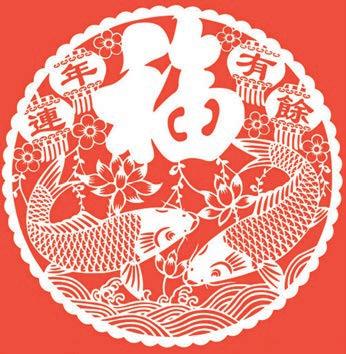
delicate and tasty, but also rife with symbolic meaning. There are dishes to symbolize health, wealth and good fortune, and like homophones with lucky words. For instance, ) sounds the same as the word for
surplus ( ) in Chinese. The mustard green, which is known as Chang-Nian-Tsai ( ) “long-year vegetable” in some dialects, naturally symbolizes longevity. Dishes made with turnips, Chi-Tou ( ), also means “good luck” in some dialects.
age according to the lunar new year, so all the children will become older overnight! Some adults also give the red envelopes to their parents to wish them health and good fortune in the new year.
New Year
countries, Chinese usually stay up late or even go without sleep on New Year’s Eve. This is called Shou-Shwei ( ) “keep the children are allowed to stay up as late as parents will live longer if they stay awake
The New Year
Fables tell of a monster who always comes
away the monster. Now these have become the signs for an auspicious and happy New Year!
ritual homage to the ancestors and the gods.
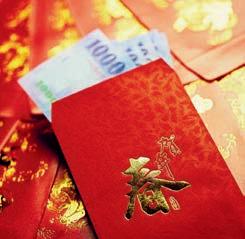
receive red envelopes with money from their parents and adult and friends. The money in the red envelopes is known as Ya-Shwei-Chian ( ) “suppress-age-
Gong Hsi ( Hsi Fa Tsai (
with cheerful people, and here and there one sees the performance of the dragon businesses and schools are back to normal, th
month. All in all, the Chinese Lunar New Year is a jubilant occasion for the Chinese people, whether they live in China, Taiwan or abroad. Happy Chinese New Year!
Find Your Sign
MAY ALL YOUR WISHES COME TRUE MAY THERE BE PEACE ALL YEAR ROUND MAY TREASURES FILL YOUR HOME
The team at This Month in Taiwan wishes you prosperity in the Year of the Horse