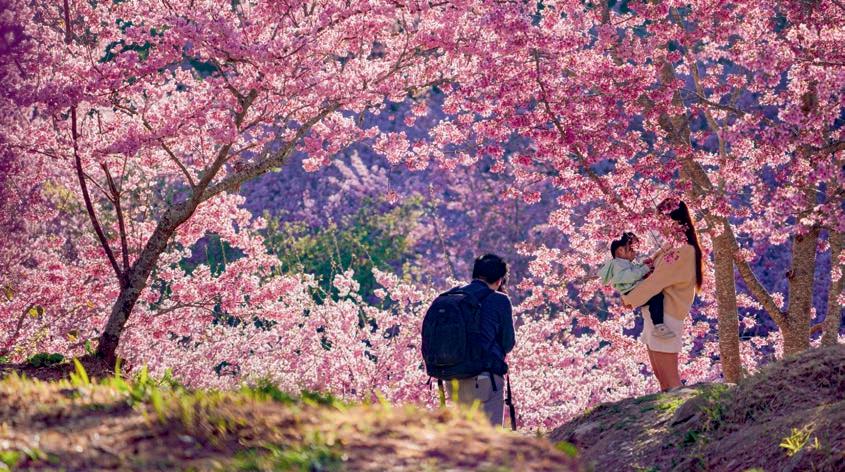
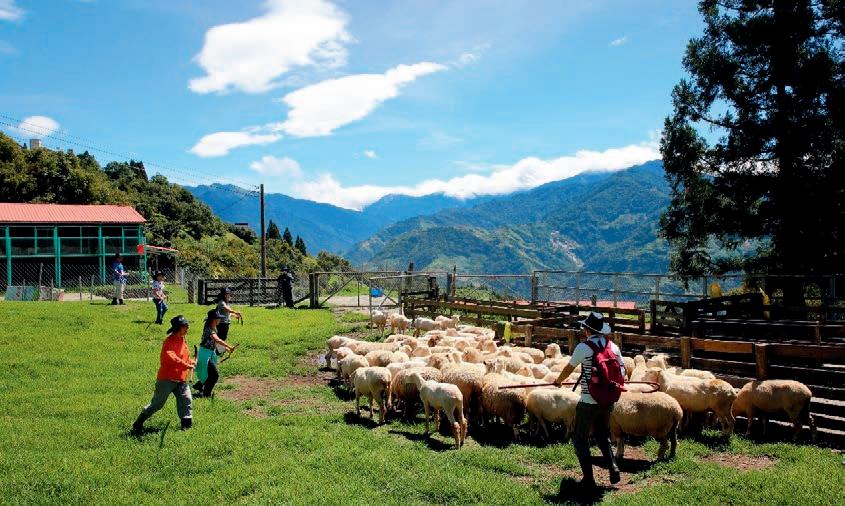
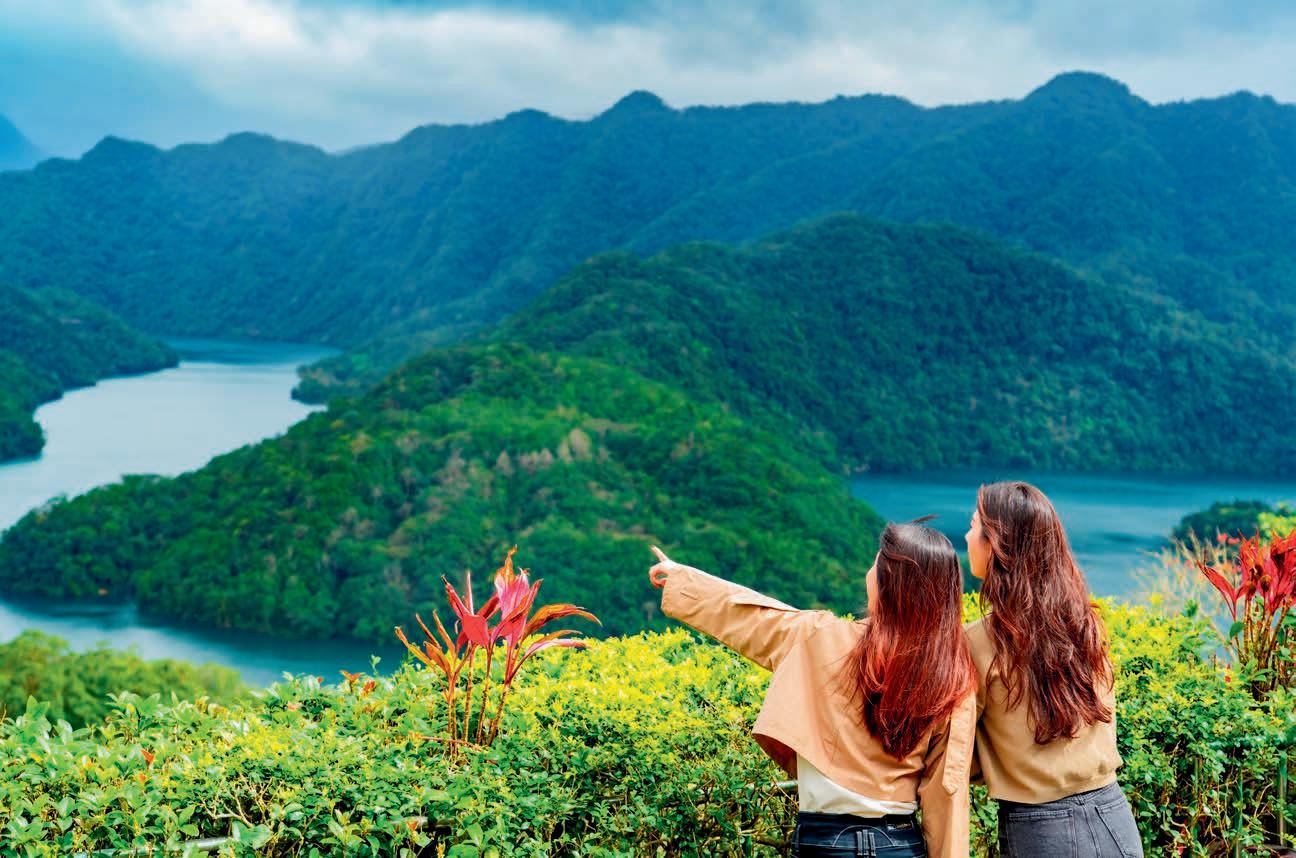
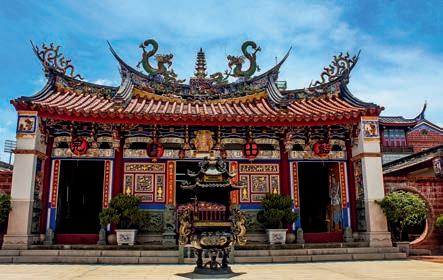
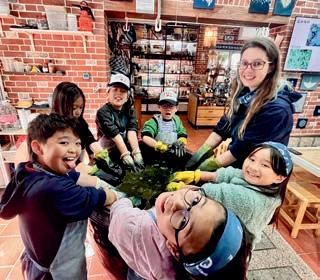
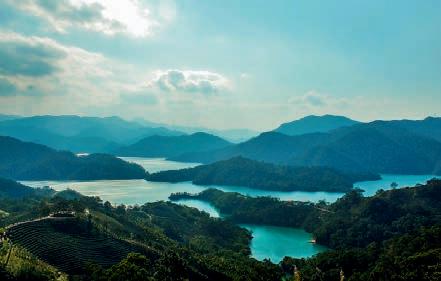
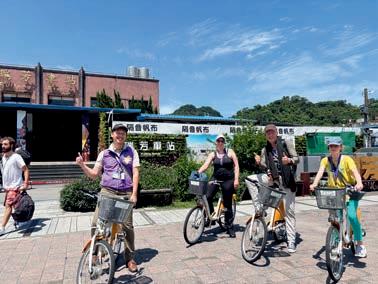
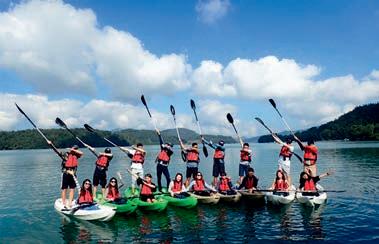
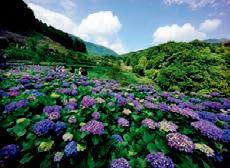
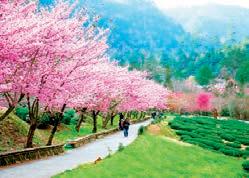
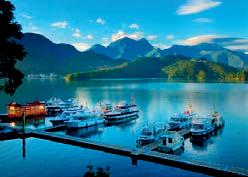
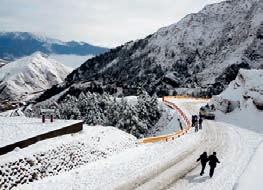
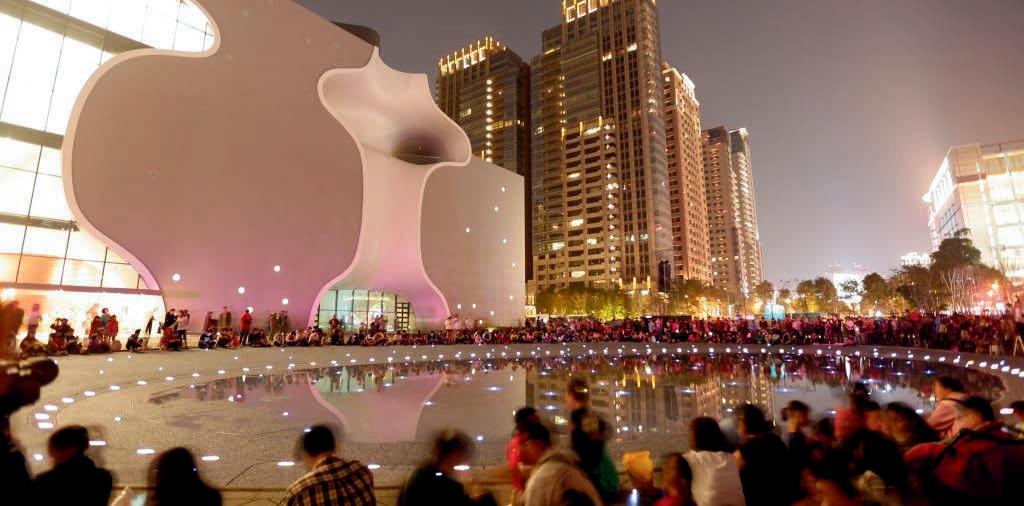
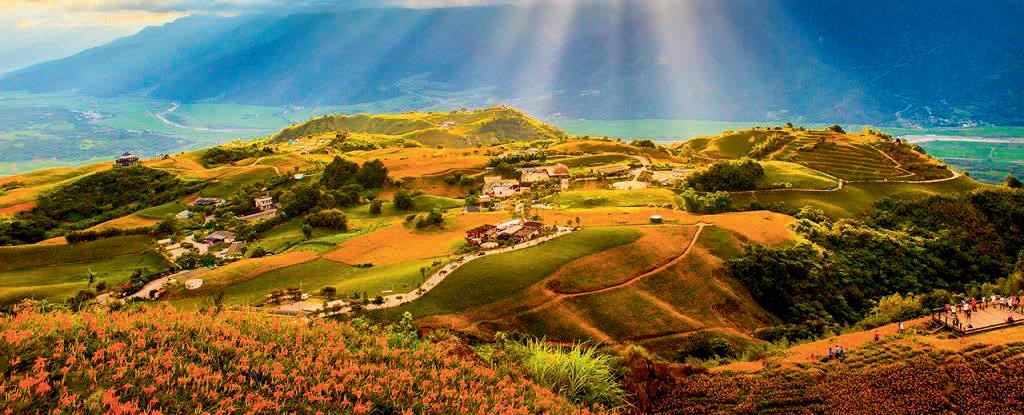
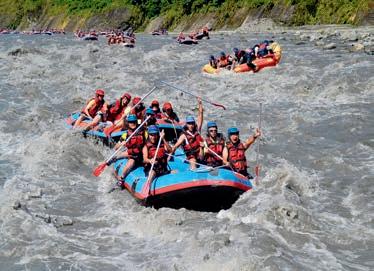
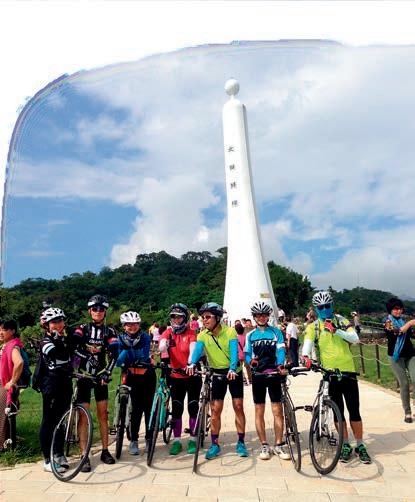
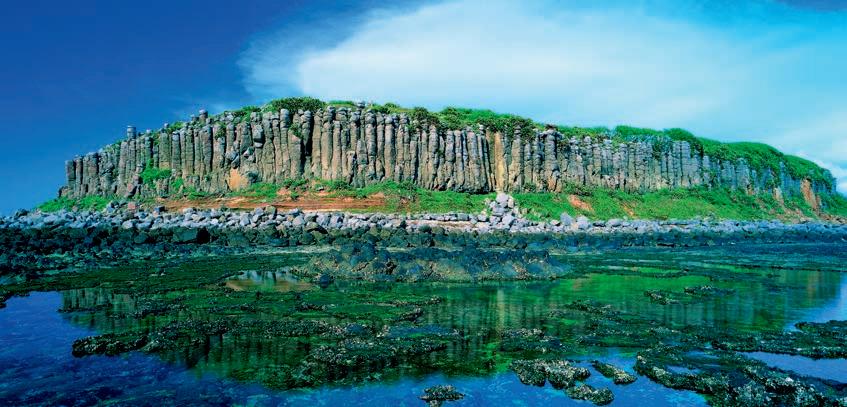
Explore the beauty of Taiwan’s nature and farm life at the stunning farms and forest recreation areas managed by the ROC Veterans Affairs Council, including Wuling Farm, Fushoushan Farm, Cingjing Farm, Qilan Forest Recreation Area, and Mingchi Forest Recreation Area. Nestled among majestic mountains, these peaceful destinations offer breathtaking views, seasonal landscapes, and abundant natural beauty, making them popular spots for eco-tourism, farm experiences, and family trips for both local and international visitors.
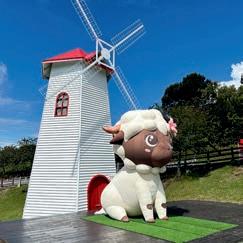
Each farm hosts seasonal events that celebrate the region’s flora and culture, such as the Sheep Show and Equestrian Show at Cingjing, the Cherry Blossom Festival and Highland Concert at Wuling, and the Maple Apple Season at Fushoushan.
Whether you choose to hike through lush landscapes, stargaze under clear skies, or enjoy vibrant live music in nature, these farms offer a perfect escape. Immerse yourself in farm life, discover sustainable farming practices, and experience Taiwan’s natural wonders firsthand.
Fushoushan Farm is nestled in a picturesque valley between the Central Mountain Range and the Xueshan Mountain Range, with elevations ranging from 2,100 to 2,614 meters. Surrounded by stunning mountains, the farm offers breathtaking panoramic views that showcase four unique highland landscapes of lush fields and vast plains.
清境農場 Qingjing
Farm
南投縣仁愛鄉仁和路 186-1 號 5 號
地處海拔 1,750 公尺,空氣清新、林木蒼鬱、綠草如茵。
徜徉在寬闊草原與景觀步道,令人流連忘返!
Perched at 1,750 meters, Cingjing Farm offers fresh, crisp air, lush forests, and vibrant meadows. A leisurely stroll through its expansive grasslands and scenic pathways invites you to immerse yourself in a rejuvenating experience that delights the senses.
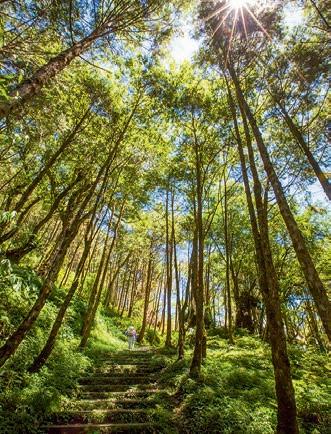
This park offers a variety of scenic trails, including the Little Tai Shan Forest Bathing Trail, which meanders through lush broadleaf forests; the Sakura and Apricot Blossom Trail, which bursts with vibrant flowers and trees in spring; and the Plum and Peach Blossom Trail, ideal for forest bathing. These trails immerse visitors in the natural beauty of the landscape while offering a chance to explore the rich local flora and fauna. Often called one of the twin jewels of the Lan Yang Bei Heng region, the park, alongside Ming Lake, is a must-visit destination to experience the calming and restorative benefits of nature.
Add: 11 F.-17, No. 57, Sec. 1, Chongqing S. Rd., Zhongzheng Dist., Taipei City ,Taiwan
台北市中正區重慶南路一段57號11樓之17
Tel: +886-2-7701-5568 Fax: +886-2-2375-1400
+ History Walking Tour
of Taiwan: Tamsui Tales & Traditional Dress
in Taiwan
● Farm to Table Tours
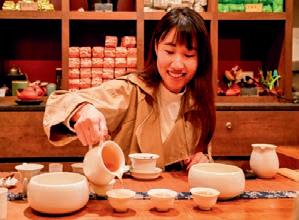
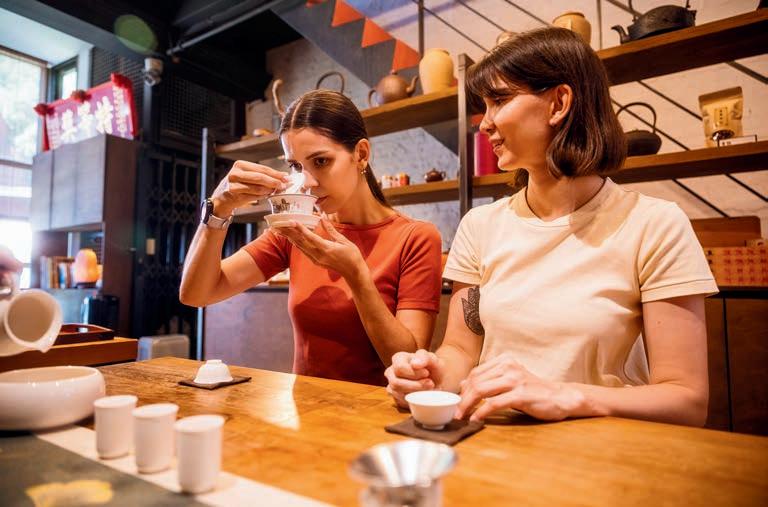
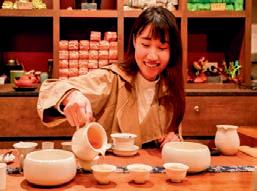
Traditional Shiding Tea Culture Day Tour
From Ashes to Abundance: Yangmingshan Eco-Trail
● Culture & Heritage
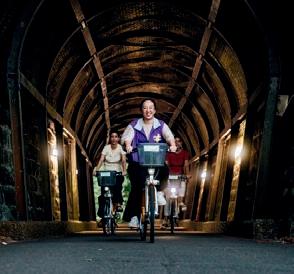
Ruifang Houtong Mining Road Bicycle Tour
Yuanshan Walking Tour
● Outdoor Activities
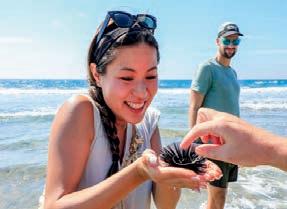
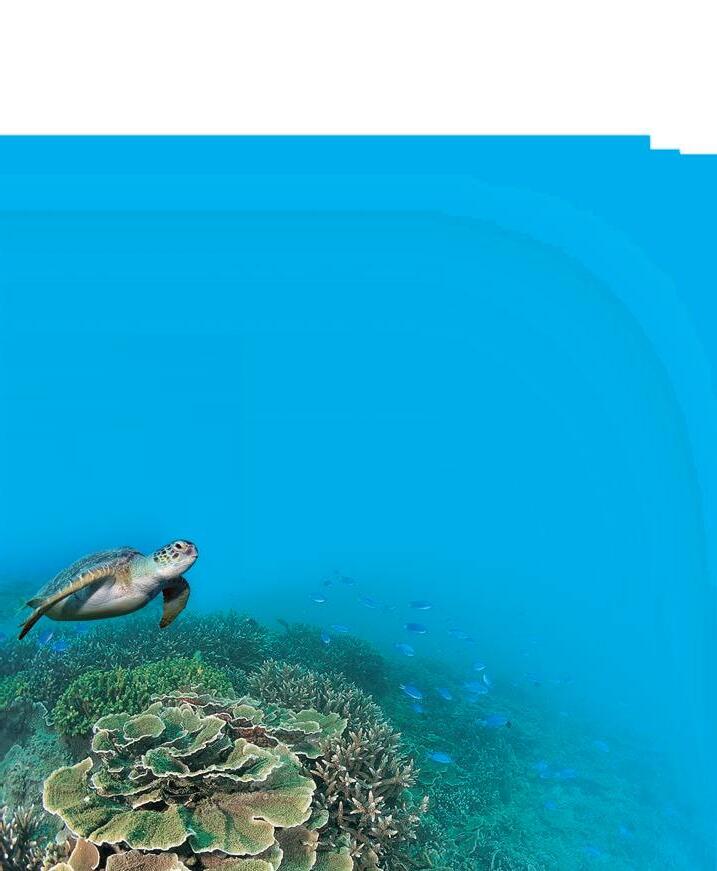
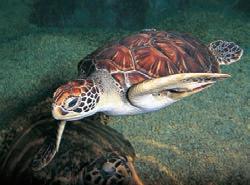
Swim with Turtles: An Eco Island Escape in Xiaoliuqiu 2D
Penghu Island Hopping:
A Deep Dive into Culture and Nature
Sunrise Above the Clouds: Explore Alishan’s Forests, Coffee & Tea
Magzter.com: global audience in 175 countries with 28 million readership. www.magzter.com/TW/China-Commercial-Service-lnc./This-Month-in-Taiwan/ Business
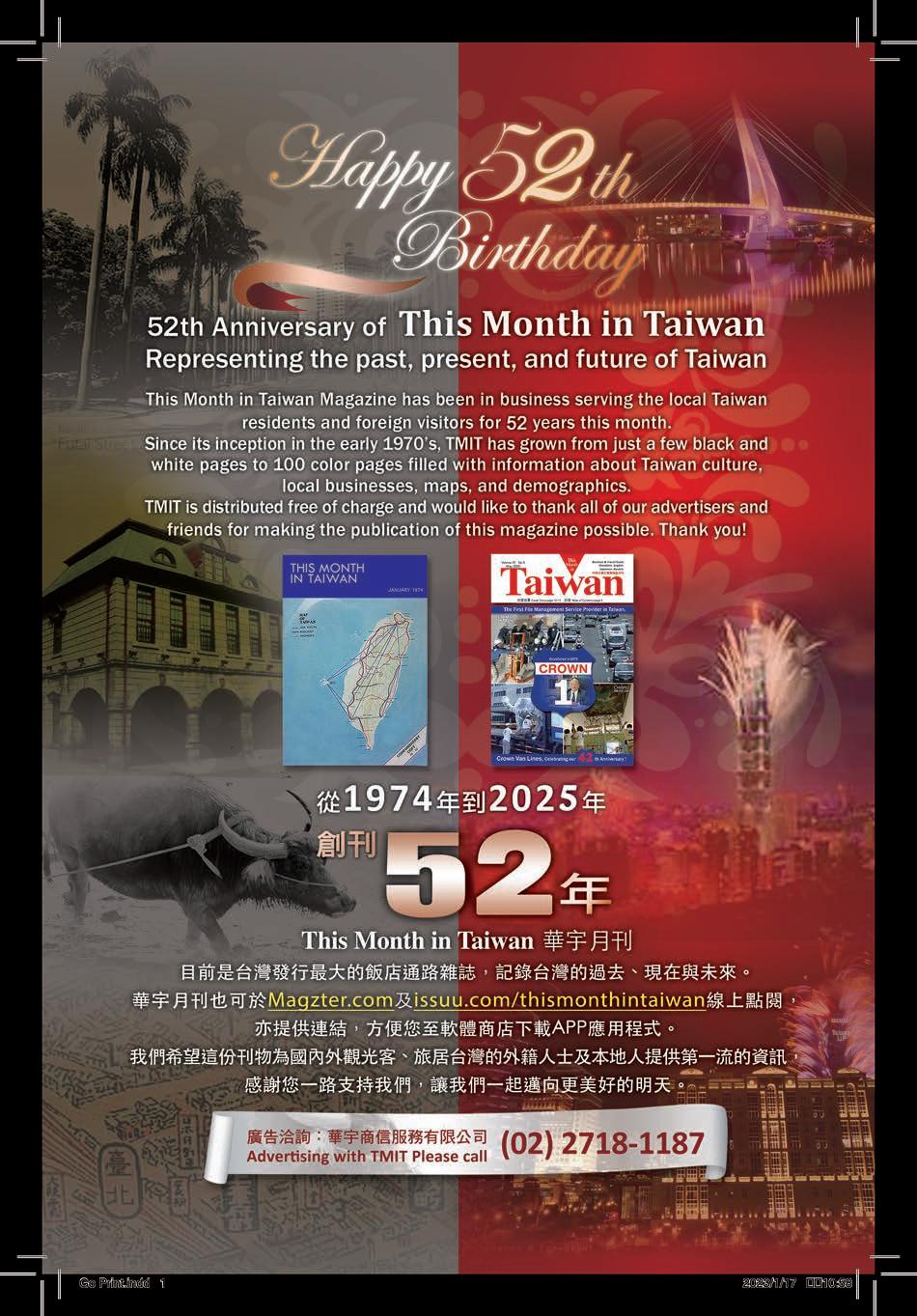
This Month in Taiwan is available throughout the island of Taiwan and is distributed free of charge at all public venues, travel spots, major hotels and restaurants. Our advertisers make the publication of this guide to Taiwan possible, and it is valued by business travellers, tourists, as well as residents of the island. We wish to extend our heartfelt thanks to our readers and friends for their love and support over the last 50 years.
華宇商信服務股份有限公司 China Commercial Service Inc. Tel: (02) 2718-1187 Fax: (02) 2718-1087
Stepping into Stunning Taiwan Travel, one does not first see travel products or promotional posters, but a simple belief displayed prominently:
“Let Taiwan be seen through culture.”
For the team, this is not a slogan but a commitment practiced for more than eleven years. Since their first guided walking route in a quiet mountain town, Stunning Taiwan Travel has steadily transformed travel from superficial sightseeing into a journey into everyday life—a cultural conversation rather than a checklist tour.
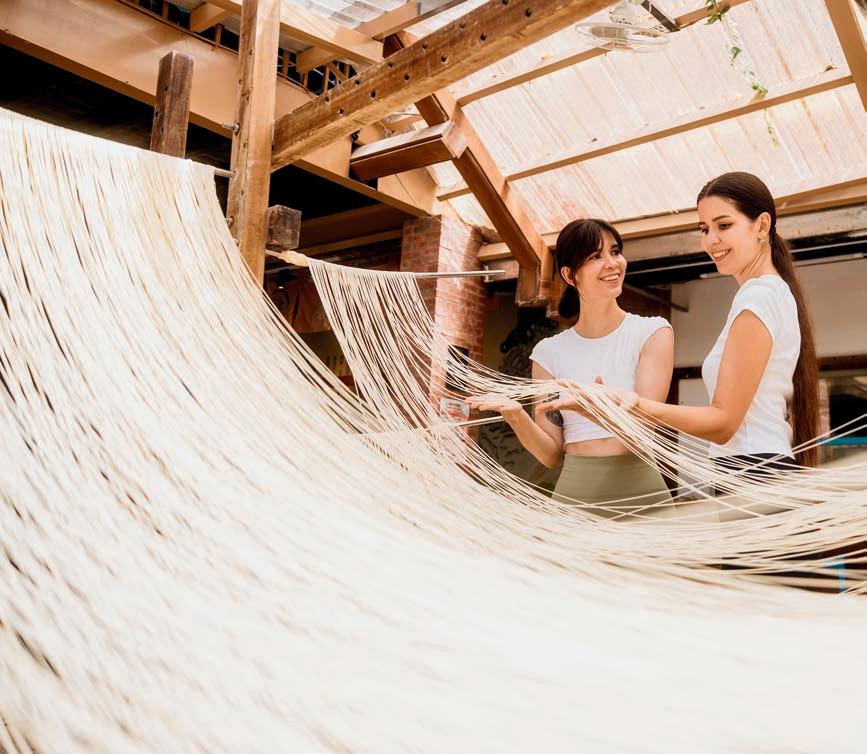
Unlike traditional groups focused on moving large numbers of tourists, Stunning Taiwan Travel is dedicated to deep cultural travel, helping visitors encounter the real rhythms of Taiwan—its daily lives, terroir of the land, and the warmth of its people. Their services are not extravagant, but grounded and real:
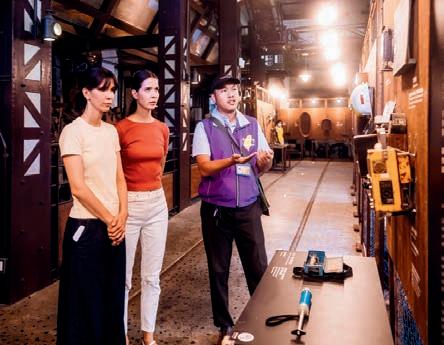
"Visit local regions to understand culture as a living practice, not merely a static exhibit. Explore endangered traditional industries and converse with the craftsmen behind them. Through professional guides, local elders, and master artisans, travelers move beyond passive listening to interact directly with the creators of local culture."
Cultural Exchange for International Students in Taiwan
"More and more international students are stepping into Taiwan—not as tourists, but as learners seeking to truly understand the land. With Stunning Taiwan Travel’s curation, what they see goes far beyond scenic spots. They encounter the authentic spirit of the region, participating in a journey of personal experience and community support."
Eco-Tours & Environmental Sustainability
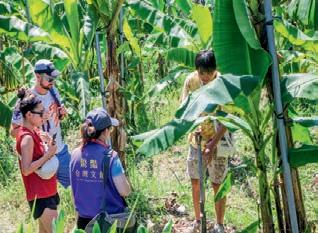
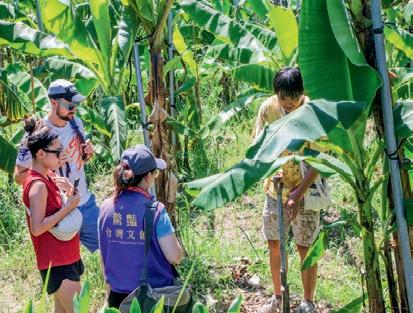
"Through collaboration and dialogue with local farmers, we guide international travelers directly into the fields. By partnering with farmers dedicated to green conservation, we share the philosophy of eco-friendly farming and provide in-depth food and agriculture education."
Bespoke Travel: Ultimate Flexibility & Privacy
"Our exclusive, tailor-made itineraries provide clients with superior flexibility and complete privacy. Whether for a family vacation, a getaway with close friends, or high-level VIP concierge services, our team of dedicated travel consultants is ready to curate the perfect experience for you."
A Team Rooted in Local Knowledge and International Vision
With backgrounds in Destination Management , foreignlanguage tour guiding, and global tour development, the Stunning Taiwan Travel team is committed to crafting journeys that balance free exploration and cultural depth, elevating authentic travel into lasting memory.
Brand Spirit – Show the World a Different Taiwan Through Sustainable Travel
Stunning Taiwan Travel believes that travel is not just scenery—it is entering communities, meeting people, and discovering stories.
Every itinerary emphasizes:
• authentic cultural interpretation
• meaningful dialogue with masters and local creators
• collaboration with regional brands allowing foreign guests to witness a deeper Taiwan while advocating for sustainable travel. What travelers gain is not simply a “destination,” but a genuine experience of Taiwan.
In a small Taipei alley, people line up daily for its iconic millefeuille egg tart. Layered pastry, silky custard, and soft cream melt gently on the tongue. With high average spending and festival pre-orders sold out, people see it not as a dessert, but a moment of happiness worth waiting for.
In an age of inflation and stagnant wages, people are not afraid to spend—so long as it feels worth it. It’s not about luxury, but about satisfaction: a perfect egg tart, a steaming basket of dumplings, a quiet afternoon surrounded by books, or a cart full of Costco treasures. These stores don’t just do business; they turn consumption into an experience. 2
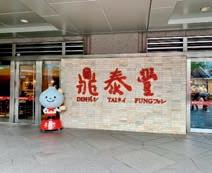
Thirty minutes in line, twenty minutes of dining—no complaints. Every dumpling is thin-skinned and filled with broth, every table spotless, every server warm and precise. Din Tai Fung sells not just food, but the guarantee of a flawless experience.
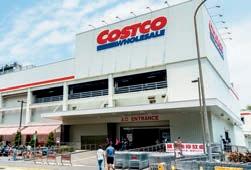
Taiwan’s Taichung Nantun branch is the top-grossing Costco in the world, and among the global top 10 stores, four are in Taiwan. Altogether, the island’s 14 Costcos generate over NT$100 billion in annual revenue!
People read, sip coffee, attend exhibitions, or simply sit and observe. Here, spending is not about buying things, but buying time, atmosphere, and emotional space. It is a vote for a better-quality life.
5
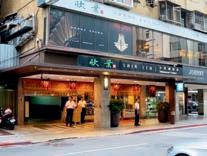
欣葉|中山本店單店營收已破新台幣2億元 NAGOMI by Shin Yeh – The Zhongshan single-store revenue has surpassed NT$200 million
A softly opened door, a warm towel, the first elegant appetizer—every gesture says, “Thank you for being here.” High-end dining isn’t about fullness, but about feeling respected and genuinely hosted.
Libreadry knows our desire to treat ourselves. Din Tai Fung delivers reliability. Costco offers excitement and security. Eslite provides emotional breathing space. NAGOMI turns spending into grace and appreciation. In the end, we’re not just paying money—we’re investing in how we want to feel.
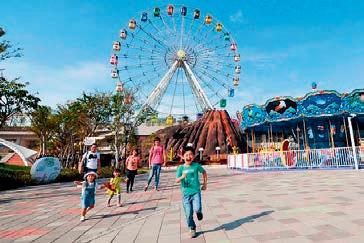
兒童新樂園
Taipei Children's Amusement Park
Near Jiantan Station and in close to Taipei Astonomic Museum, the National Taiwan Science Education Center, Meilun Park and Shuangxi waterways. Over 10 fun facilities for all age children and the person with wheelchair. More info please check www.tcap.taipei
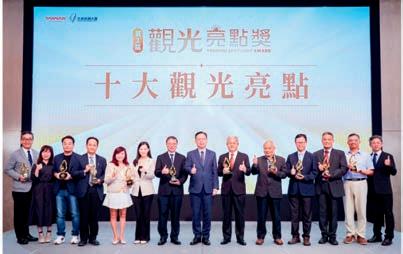
The Tourism Administration, Ministry of Transportation and Communications, held the 2nd Taiwan Tourism Spotlight Awards ceremony today (Nov. 11) at the Shangri-La Far Eastern, Taipei. In partnership with 52 central ministries, local governments, and public-interest organizations, the event showcased the joint efforts of the public and private sectors in advancing sustainable tourism development.
the Tourism Administration
十大觀光亮點獎
Top 10 Tourism Highlights Awards
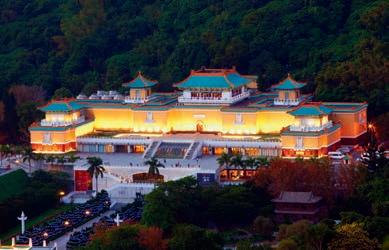
國立故宮博物院(臺北市)
National Palace Museum, Taipei
收藏超過70萬件中華藝術珍寶,融合文化典藏與 數位導覽體驗,成為國際旅客必訪的文化地標。
北投溫泉(臺北市)
Beitou Hot Springs, Taipei
以天然白磺泉聞名,是結合日式歷史風情與現代養 生概念的溫泉勝地。
武陵農場(臺中市)
Wuling Farm, Taichung
以四季花卉、楓紅與高山自然景觀著稱,是賞櫻與 避暑的熱門勝地。
二延平步道(嘉義縣/阿里山)
Er Yanping Trail, Alishan, Chiayi 擁有壯麗雲海與竹林步道,被譽為「雲的故鄉」, 展現阿里山的人文與自然之美。
日月潭月牙灣(南投縣)
Crescent Bay, Sun Moon Lake, Nantou 湖光山色如畫,結合單車道與生態導覽,是國際旅 客心中的浪漫象徵。
曾文水庫漂流木提琴村(嘉義縣)
Zengwen Reservoir Driftwood Violin Village, Chiayi 以環保再生藝術著稱,將漂流木化為提琴藝術品, 展現永續工藝創新精神。
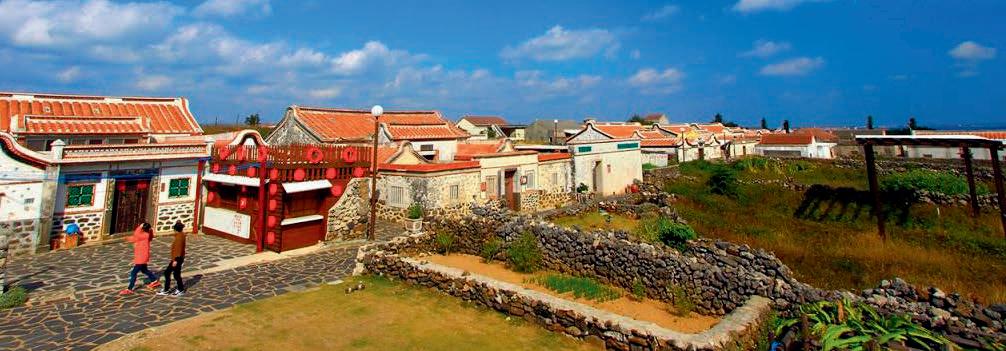
芹壁聚落(連江縣/馬祖)
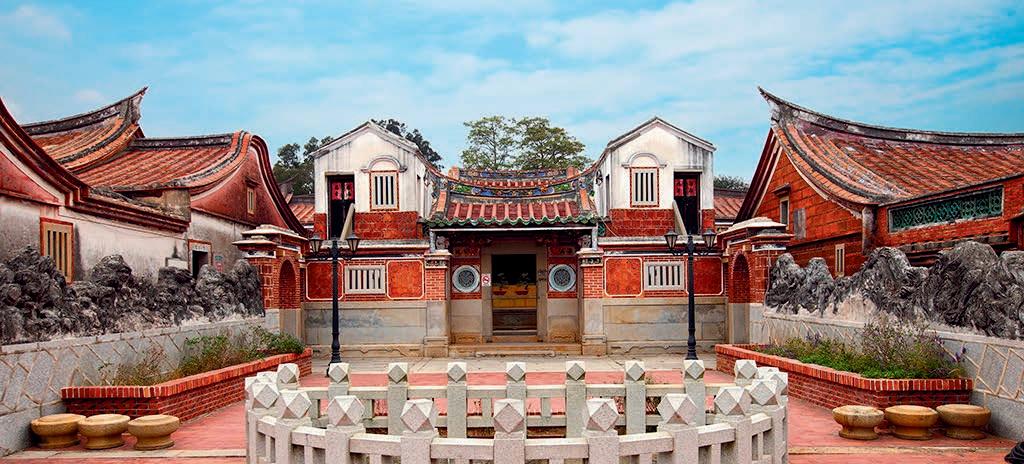
Qinbi Village, Matsu Islands (Lienchiang County) 保留完整閩東石屋聚落,被譽為「地中海風情的馬 祖小村」,極具文化與觀光魅力。
國立自然科學博物館(臺中市)
National Museum of Natural Science, Taichung 集自然史、天文與科技於一體,是全齡教育與探索 知識的最佳場域。
金酒經武酒窖(金門縣)
Kinmen Distiller y Jingwu Cellar, Kinmen 結合酒文化與工藝導覽,展現地方產業升級 與觀光創意。
七美嶼(澎湖縣)
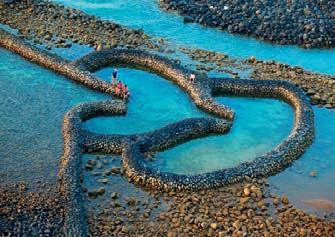
Qimei Island, Penghu 以「雙心石滬」聞名,湛藍海 色與自然海岸線構成夢幻島嶼 風景,象徵愛與浪漫。
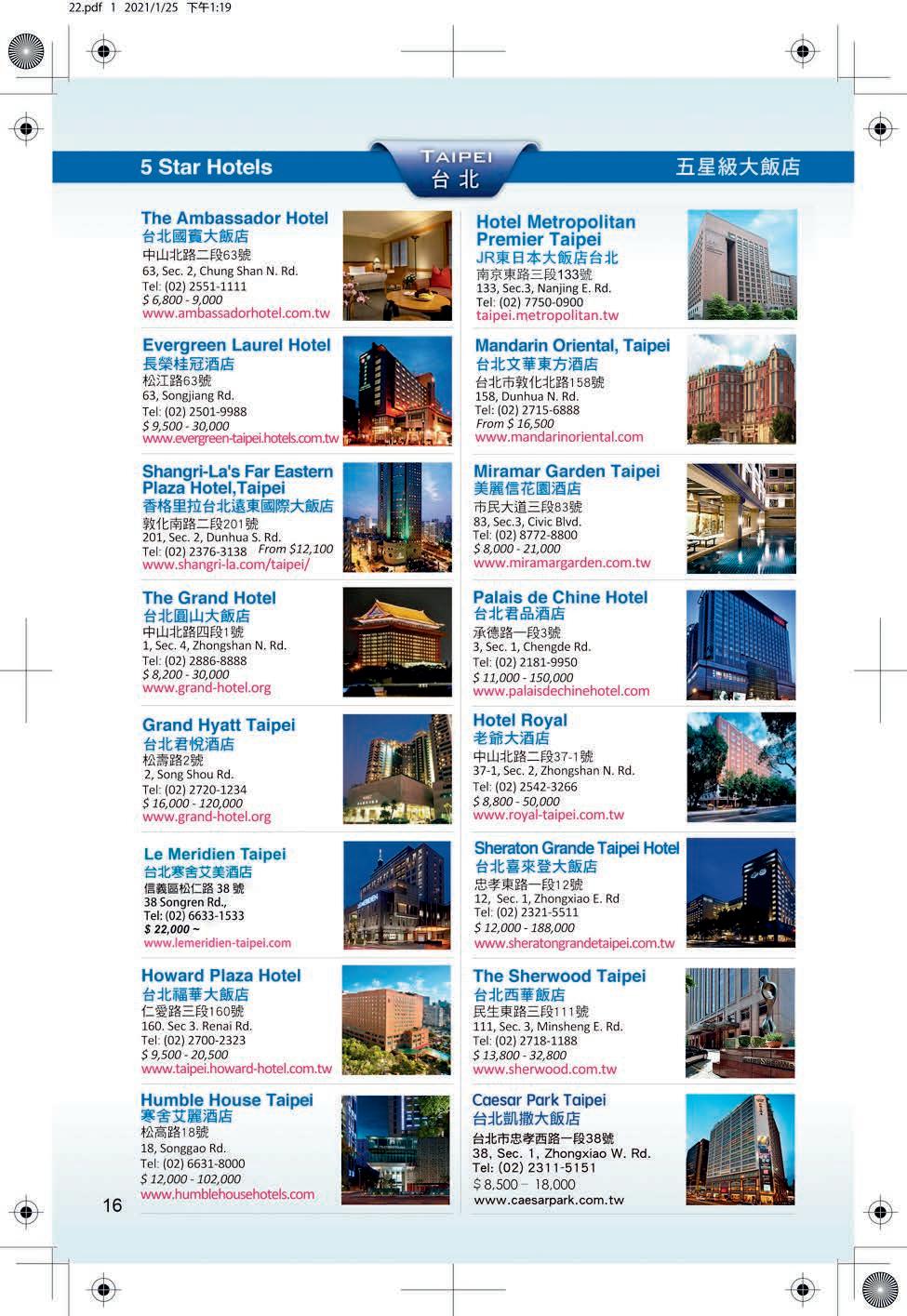
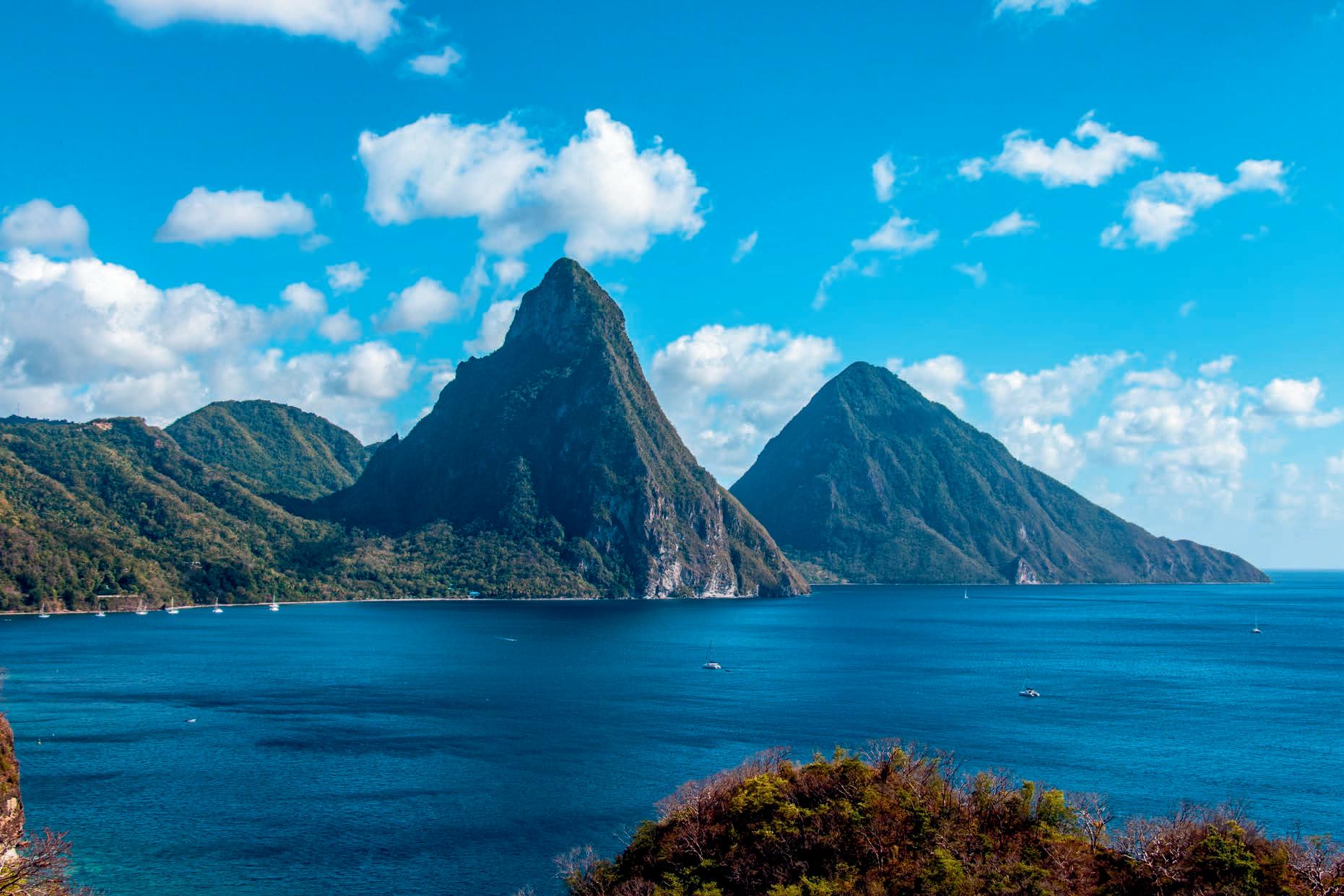
Skål International Taipei A Christmas Voyage to SAINT LUCIA
Sunday
December 14
B2 Banquet Hall I The Howard Plaza Hotel Taipei
18:00 to 22:00 No. 160, Section 3, Renai Road, Daan District
Organized in Partnership with the Embassy of Saint Lucia in the Republic of China (Taiwan)
Special Appearance by Keril Victor Saint Lucian Singer
“A Christmas Voyage to Saint Lucia”
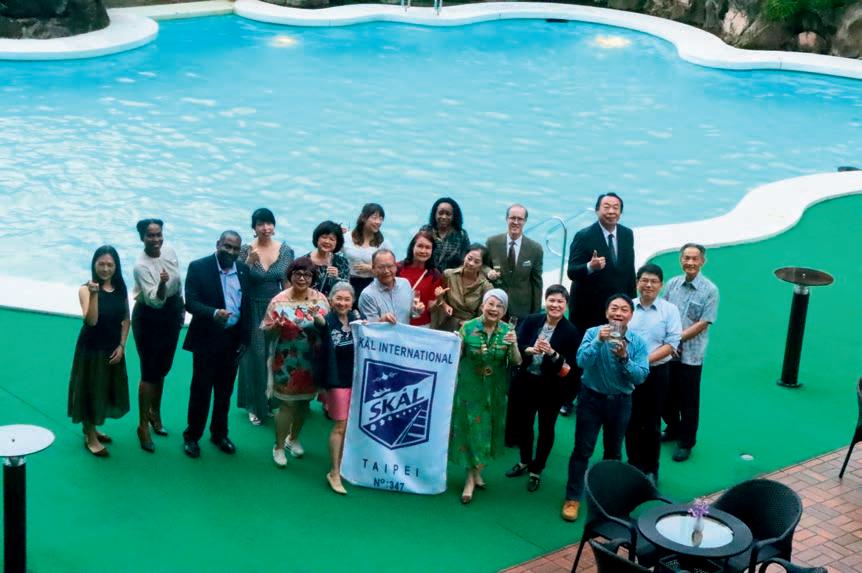
Hosted by Skål
International Taipei
As the festive season approaches, Skål International Taipei warmly invites friends and partners in the travel industry to one of its most joyful events of the year — our annual Christmas celebration!
In special collaboration with the Embassy of Saint Lucia, this year’s theme, “A Christmas Voyage to Saint Lucia,” promises an evening of friendship, cultural exchange, and Caribbean charm — right here in Taipei.
Enjoy a Saint Lucian-inspired menu, a captivating live performance by renowned singer Keril Victor, exciting raffle prizes, and more delightful surprises throughout the night.
More than just a dinner, this will be an evening of music, elegance, and genuine connections — a true celebration of the Skål spirit!
Date: Sunday, December 14, 2025
Time: 18:00 – 22:00
Venue: Banquet Hall I, B2, The Howard Plaza Hotel Taipei
Guest Fee: NT$3,000 per person
RSVP by December 5 to skalinternationaltaipei@gmail.com
Join us for an unforgettable evening of friendship, culture, and Christmas joy — the Caribbean way!
Founded in 1934, Skål International unites all sectors of the travel and tourism industry, promoting business and friendship worldwide. With 12,500 members across 294 clubs in 75 countries, Skål continues to champion professionalism, collaboration, and goodwill. Skål International Taipei, established in 1970, proudly carries this legacy forward.
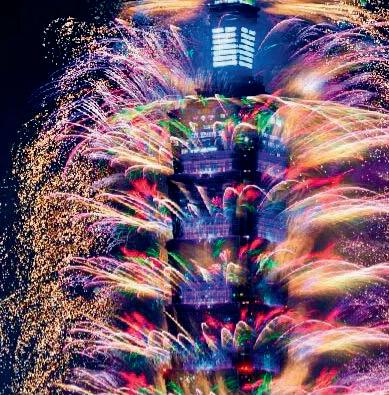
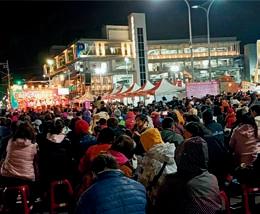
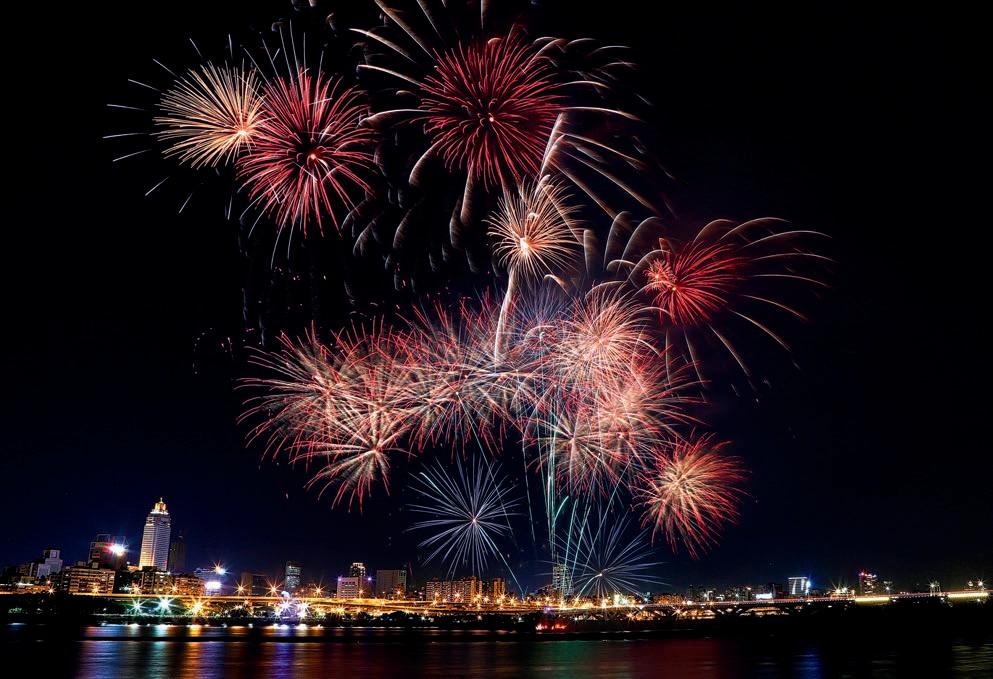
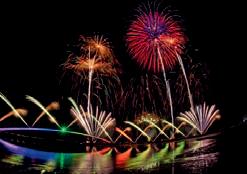
The Taipei City Hall New Year’s Eve concert features Bii, Blue Bear, OSN, Wang ADEN, and U:NUS, paired with Taipei 101 fireworks and light show. Can’t attend in person? Watch the live broadcast.
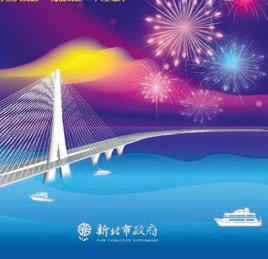
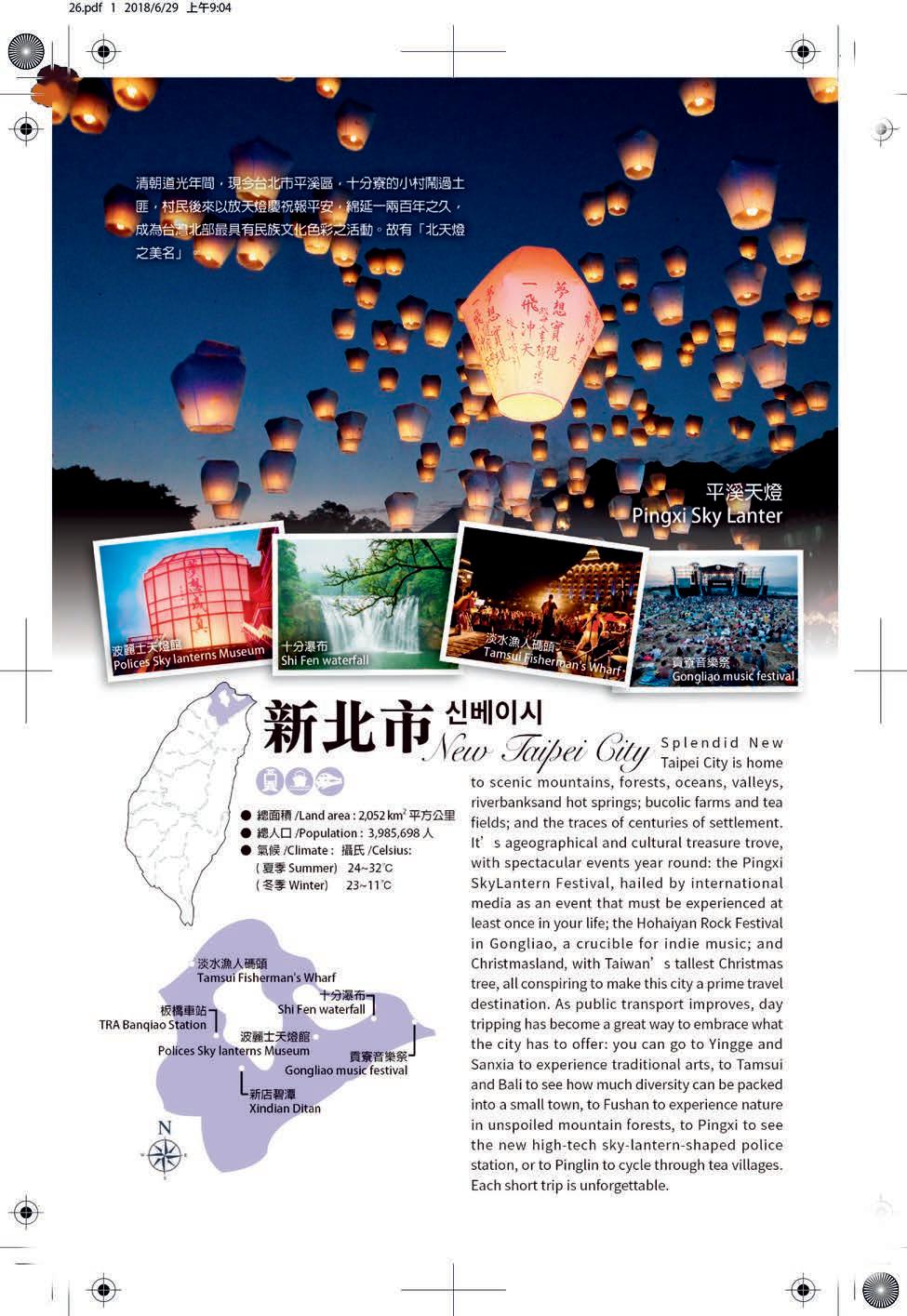
新北 New Taipei
歡樂耶誕城延續到跨年
Christmasland Extended to New Year
板橋耶誕城燈區延續至跨年夜,市民廣場安排演唱會與倒數煙 火。夢幻光廊、巨型聖誕樹與舞台表演,讓跨年充滿節慶氛圍。 Banqiao Christmasland lights stay on through New Year’s Eve. Concerts, countdown fireworks, dazzling light tunnels, and giant Christmas trees make the night magical.
新竹 Hsinchu
城市光影+古城音樂夜 City Lights & Old Town Music Night
市府前廣場跨年演唱會,結合城隍廟商圈燈光、特色市集與在地 美食,文青風十足的跨年夜不可錯過。
Front square hosts concerts with local bands, combined with City God Temple lights, night markets, and local snacks for a chic, festive night.
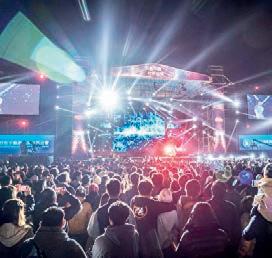
Mayday returns to Taichung at Intercontinental Baseball Stadium. City hall stages feature music, lights, and fireworks for a lively countdown.
Taiwan New Year’s Eve 2026 Guide
From Taipei to Kaohsiung
As 2026 approaches, cities across Taiwan are ready to welcome the new year with fireworks, music, and festive vibes. Here’s a guide to nine must-visit countdown events.
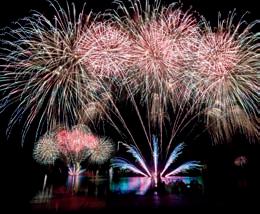
Countdown at Shui She or Ita Thao, with bands performing to midnight. Fireworks reflect on the lake, creating one of Taiwan’s most romantic New Year’s scenes.
彰化 Changhua
八卦山夜景下的倒數舞台
Bagua Mountain Night View Countdown
彰化市區與八卦山舉辦跨年晚會,歌手、舞團演出搭配中彰夜 景,成為中部人氣選擇。
Concerts and dance performances atop Bagua Mountain with city lights below offer a stunning central Taiwan experience.
雲林 Yunlin
劍湖山跨年煙火秀
Jianhushan Fireworks Show
劍湖山世界施放摩天輪煙火與樂園倒數,親子同樂首選。
Fireworks from the Ferris wheel and amusement park countdown make it a perfect family-friendly event.
台南 Tainan
古都音樂+文化跨年夜
Historic City Music & Culture Night
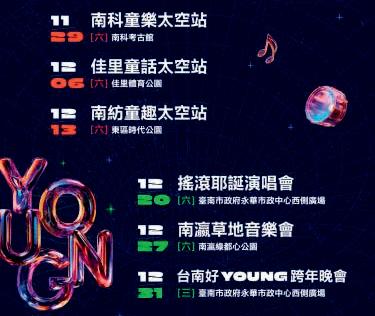
高鐵特區或永華市政中心舉辦跨年晚會,結合在地小吃、市集與 藝文表演,古都在音樂與煙火中迎接新年。
High-speed rail zone or Yonghua City Hall hosts performances, local snacks, and cultural exhibitions, blending tradition with celebration.
Hosted by Chen Handian, Aben, and Mumu with Lulu joining for surprises. Harbor views and sea fireworks make it the most romantic countdown in southern Taiwan.
Taiwan is a territory currently under the administration of the Republic of China government after it lost the Chinese Civil War and retreated to Taiwan in 1949. The territory comprises the main island of Taiwan and the outlying islands of Penghu, Kinmen, and Matsu. The country is usually known to the world simply as "Taiwan". The island has a complex geology and topography, with mountains, streams, canyons, hills, basins, plains, tableland, and coastlines. Located at the Tropic of Cancer, with many mountains reaching close to 4,000m, it features tropical, subtropical and temperate vegetation and ecology, creating a beautiful natural landscape. According to legend, when Portuguese sailors spotted this emerald island during their voyages in the 16th century, they called it Ihla Formosa (beautiful island), and Taiwan was known as Formosa to Westerners for centuries.
台北 Taipei
桃園 Taoyuan
新竹 Hsinchu
苗栗 Miaoli
台中 Taichung
基隆 Keelung
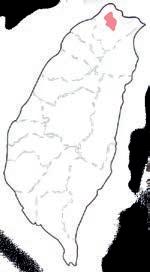
新北市 New Taipei City
宜蘭 Yilan
彰化 Changhua 南投 Nantou 花蓮 Hualien
雲林 Yunlin
嘉義 Chiayi
澎湖 Penghu
台南 Tainan
金門 Kinmen
高雄 Kaohsiung
台東 Taitung
屏東 Pingtung
小琉球 Little Liuqiu
綠島 Green Island
蘭嶼 Orchid Island
龜山島 Guishan Island
Taiwan Fact Sheet
Taiwan Island is located in the seismically active volcanic seismic belt of the Pacific Rim, at the center of the Western fringes of East Asian Island Arc. It is an island that rose from the collision of the Eurasian and Philippine plates about 10 million years ago. Shaped like a sweet potato, the island has dense mountains distributed in the center of the island. There are 268 mountain peaks that are over 3,000 meters, with Yushan, the highest peak, measuring at an elevation of 3952 meters. Taiwan is the fourth highest island in the world.
Geography
Area: total 35,980 sq km (32,260 sq km land and 3,720 sq km water). The Kinmen, Matsu, and Penghu are the three main outlying islands in the Taiwan Strait.
Climate: subtropical, varies from tropical climate in the southwest to a climate in the north and mountain areas, typhoon season between June to August.
Terrain: two thirds of the land in Taiwan is alpine forest. Ninety-five percent of the population is distributed in the western regions of the island. This forms a north-south metropolis connected by several airports a High Speed Rail system, railroads and two freeways. Taipei City, the capital of Taiwan is the political, economic, cultural center, and also a major tourist destination in Asia.
People
Population: 23,614,200
Taipei: 2,642,877
New Taipei City: 4,010,657
Kaoshiung: 2,774,571
Taichung: 2,815,704
Tainan: 1,880,216
Keelung: 397,515
Hsinchu: 564,296
Ethnic Groups:
Han Chinese 97.5% (major groups: Hokkien, Hakka)
Indigenous 2.5% (16 official tribes from the Austronesian belt).
Religions: mix of Buddhist Confucian and Taoism 75%
Christian 5% and other 5%.
Languages: Mandarin
Chinese (official), Taiwanese (minority), Hakka dialects.
Economy (2019)
Per capita GDP:
US$ 25,909
Export: US$ 329 billion
Import: US$ 286 billion
Population below poverty line: 1%
Labor force by occupation: agriculture 8%, industry 35% and service 57%.
Elevation extremes: lowest point; South China Sea 0 m, highest point Yu Shan 3,952 m.
Natural resources: small deposits of coal, natural gas, limestone, marble and asbestos.
Natural hazards: Earthquakes and typhoons. Ports and harbors: Kaohsiung, Taichung, Hualien and Keelung.
Industries: electronics, petroleum refining, armaments, chemicals, textiles, iron and steel, machinery, cement, food processing, vehicles, consumer products and pharmaceuticals. Agriculture products: rice, corn, fruit, vegetables, tea, poultry, beef, milk and fish. Export commodities: computer products and electrical equipment, metal, textiles, plastic and rubber products and chemicals Import commodities: machinery and electrical equipment, minerals and precision instruments.
For additional information regarding all destinations please consult the Taiwan Tourism Bureau website; https://eng.taiwan.net.tw/
Northern Taiwan includes the three direct municipalities of Taipei City, New Taipei City, and Taoyuan City, including Keelung City, Hsinchu City, Hsinchu County, and Yilan County. Although Northern Taiwan only makes up one-fifth of the island of Taiwan, its current population exceeds 10 million, accounting for almost half of the population of the country. It is the key urban hub for Taiwan's socio-economic development.
Taipei City is the capital of Taiwan and the nation’s administrative, commercial and cultural center; Taoyuan International Airport is the main international gateway, with as many as 50 million inbound and outbound passengers in 2019; Keelung Port is Taiwan’s second largest international commercial port and will gradually develop into a major Asian home port of cruise ships; Hsinchu Science Park is the base of Taiwan's high-tech industry, the global semiconductor manufacturing center, and is known as Asia's Silicon Valley.
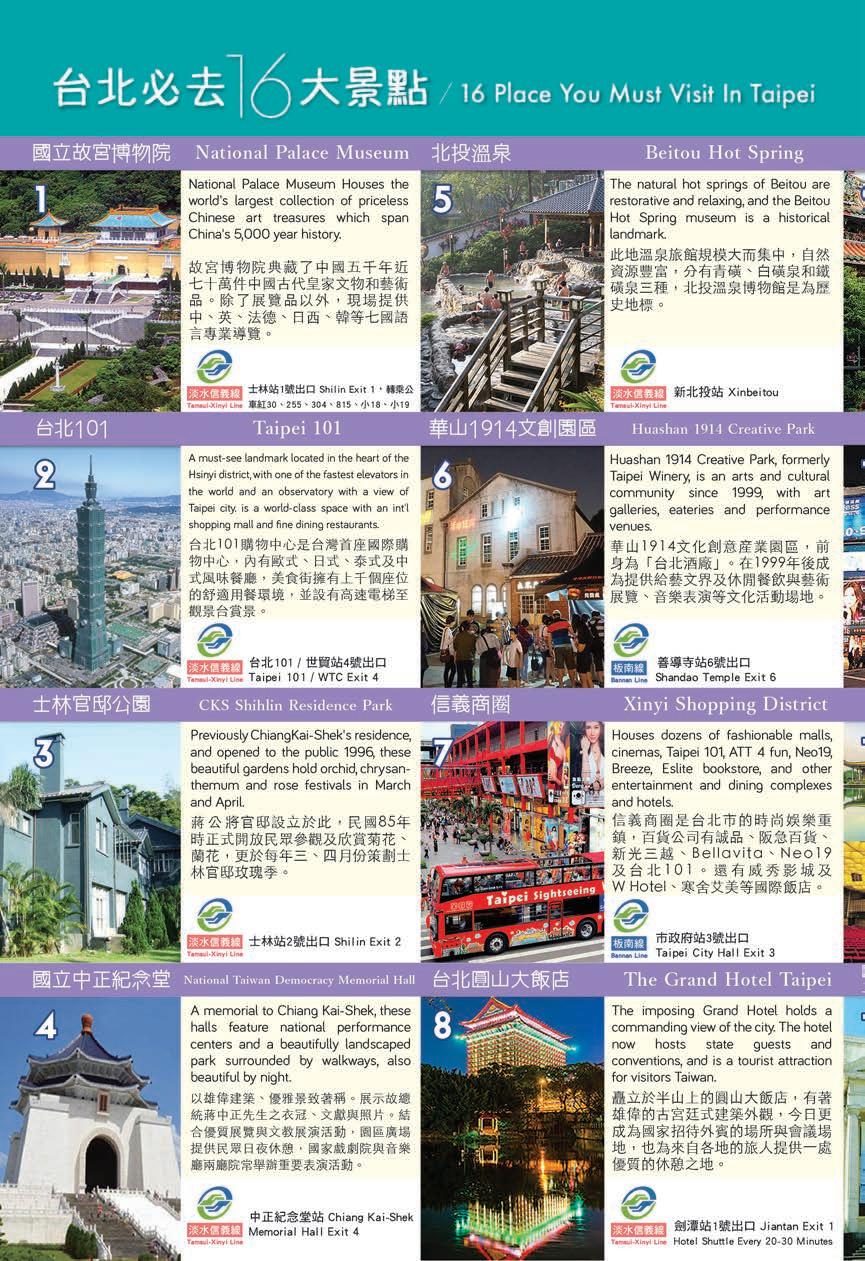
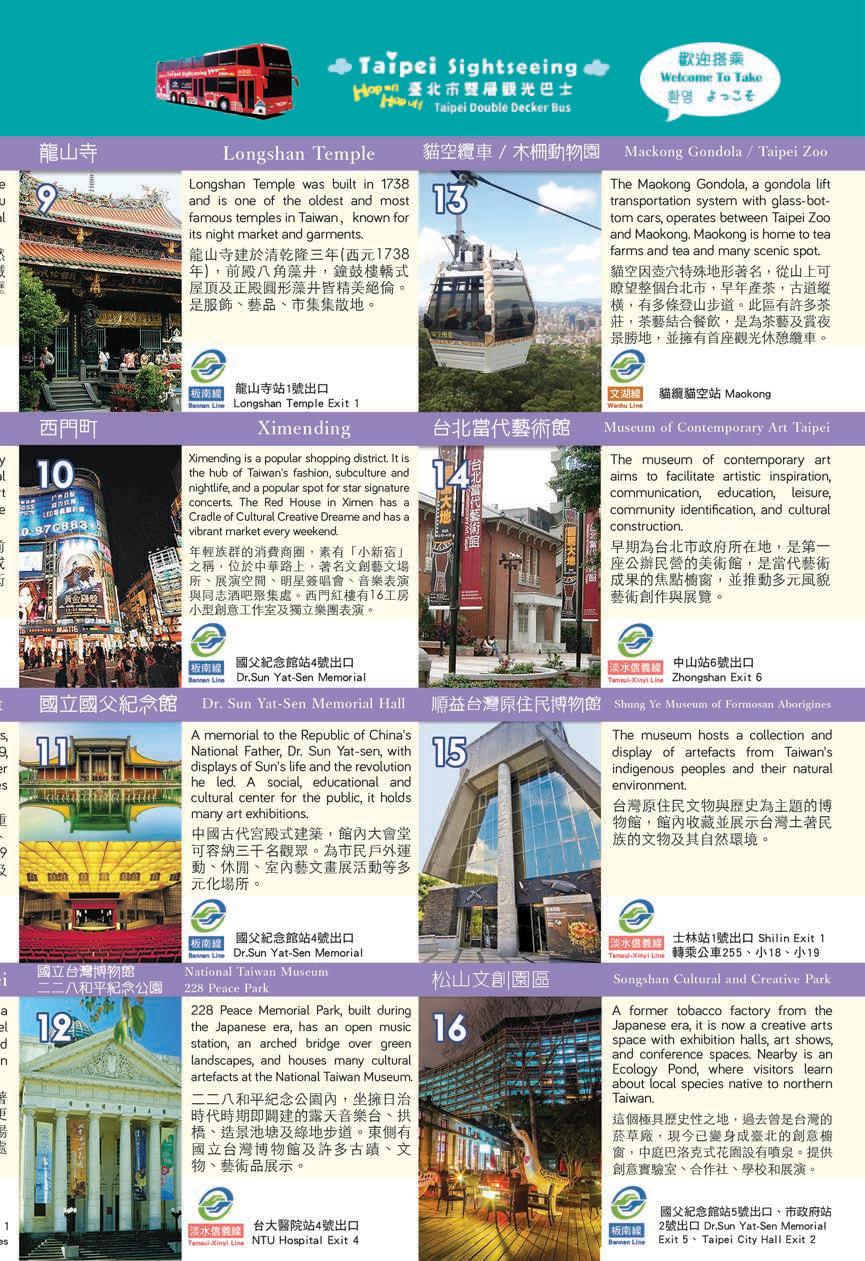
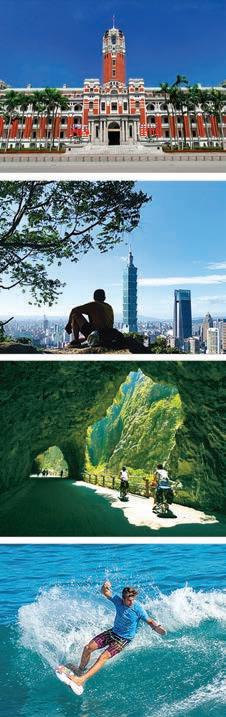
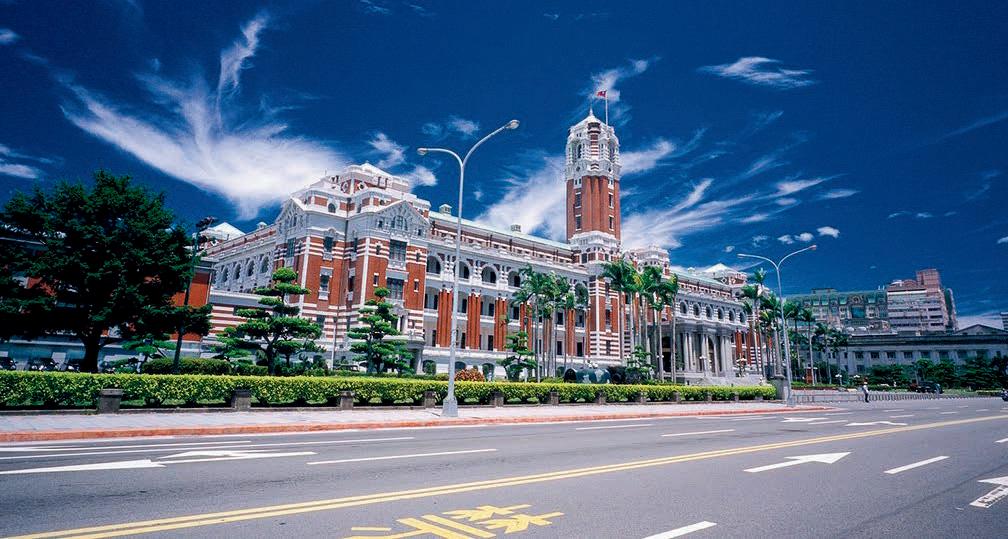
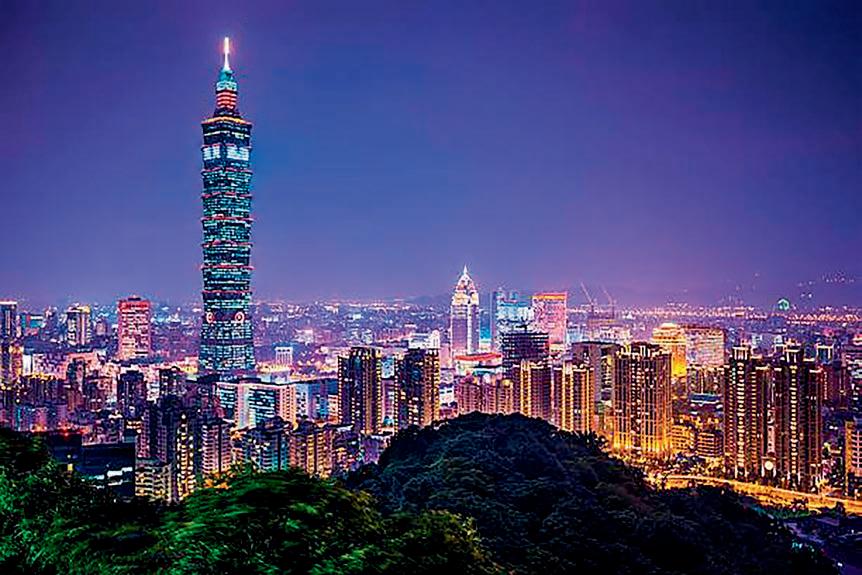
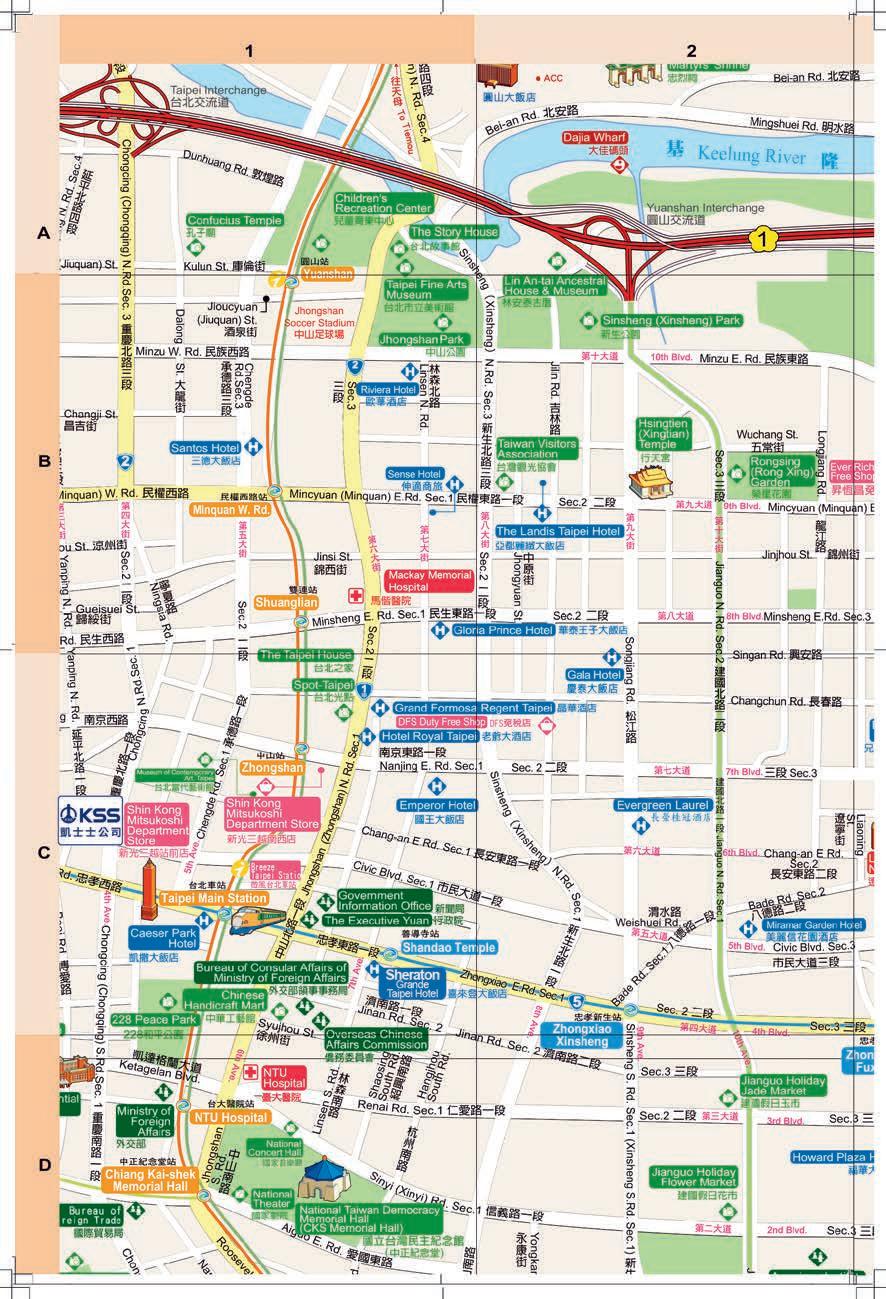
Northern Taiwan is also an international tourist attraction. Taipei is a city where Chinese and Western cultures blend. It has rich and diverse cultural tourist attractions and historical buildings. Taipei 101, Taipei Palace Museum and Night Market are must-visit attractions for foreign tourists. Yangmingshan National Park, North Coast and Northeast Coast National Scenic Areas, Wulai and Neidong National Forest Recreation Areas in the suburbs of Taipei are good places to appreciate the natural beauty of Taiwan’s mountains and coastlines.
National Palace Museum
Taipei 101
早期的台北市經歷過荷蘭、鄭成功、日據時代,
如今宜古宜今的多樣化風情,讓人時而慵懶時而 熱情洋溢的城市,不經意地就會愛上這裡。
大稻埕 Dadaocheng
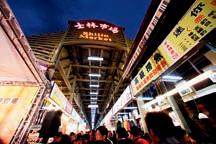
士林夜市
Shilin Night Mark
大稻埕 Dadaocheng
타 이베이는
Taipei City
● 總面積 / Land area:271.8km 平方公里
● 總人口 / Population:2,705,000人
● 氣候 / Climate:攝氏 / Celsius: (夏季 Summer ) 25~28 °C (冬季 Summer ) 15~18 °C 2
Having witnessed several ethnic amalgamation, abundant historical relics and diverse city view can be seen in Taipei. Taiwan has gone through five eras. Pingpu aboriginals, Ketangalan dominated the initial era. Then came the Spanish and Dutch development, Qing dynasty rule, Japanese colonial rule and Nationalists retreat to Taiwan. Roaming in the streets and alleys in Taipei, the changes tell of the story of Taipei’s historical development. Taipei's diversity and beauty is part of its citizens' everyday lives. From the bustling city center down into its quiet lanes and alleys, within these ordinary daily sceneries one discovers splendid creativity, designs, and aesthetics, in turn shaping Taipei's unique cultural landscape. Endless wonders wait to be discovered by the urban wanderers.
Central Taiwan includes the city of Taichung and four counties of Miaoli, Changhua, Nantou, and Yunlin.
Taichung City is the key industrial and commercial city of Central Taiwan, with a population of over 2.8 million. Its population ranks second among the six direct municipalities, after New Taipei City.
Taichung Metropolitan Area is a major hub of Taiwan's precision machinery industry, and the world-famous Giant bicycles are produced here. After the Central Taiwan Science Park was launched at the beginning of this century, high-tech industries have gradually become one of the core industries of Central Taiwan. However, agriculture in the three counties of Changhua, Yunlin, and Chiayi still plays an important role in Taiwan.
There are also many tourist attractions in Central Taiwan: Sun Moon Lake and Alishan National Scenic Area are internationally famous tourist attractions; Lugang is an ancient town with a history of more than 300 years and rich in cultural heritage and historical sites; Qingjing, Lishan, and Wuling are Taiwan’s main mountain resort areas and a popular hotspot for domestic tourism.
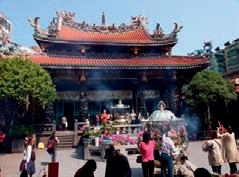
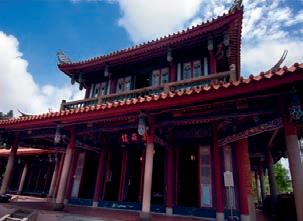
Taiwan's second largest city; Taichung enjoys a mild year-round climate with an average temperature of 22.4 degrees centigrade. It also has a highly developed industrial and commercial base, thriving cultural scene, friendly people, and beautiful scenery, all of which contribute to its status as an internationalclass city. Centrally located in the western half of Taiwan, Taichung welcomes visitors with a pleasant climate throughout the year. The city first rose as a major political, economic, transportation, and cultural hub during the Japanese occupation period, due highway, railway and shipping port development during that time. Through dedicated preservation efforts, Taichung has saved many of the city's historic sites and retains the original "chessboard" street plan from the Japanese era. Among the many sites of interest in the city are the 200-year-old Lecheng Temple, the ornate and much-visited Chenghuang Temple, and the three-hall style Wanhe Temple. The Chang Liao Family Shrine as well as the 200-plus-year-old Zhenlan Temple in Dajia further add to Taichung's yesteryear charms. In addition to historic attractions, Taichung also offers plenty to satisfy one's thirst for the arts, culture and learning, including the National Taiwan Museum of Fine Arts, and Taichung City Cultural Affairs Bureau. There are also a number of department stores and distinctive shopping areas and boutiques. The European-style Jingming Shopping District and Fenglin Restaurant at the Art Garden impart Taichung with a fashionable elegance that recalls the Champs Elysees in Paris.
Southern Taiwan includes the two direct municipalities of Kaohsiung and Tainan, and three counties and cities including Chiayi City, Chiayi County and Pingtung County. Kaohsiung City is the key center of Taiwan's heavy industries such as oil refining, steel, petrochemical, and shipbuilding. It is also the international gateway to southern Taiwan. Kaohsiung Port is Taiwan’s largest international commercial port, and ranked third in the world in terms of cargo in 2000. In 2018, it remained within the top 20, ranking as the 15th busiest container port in the world. This region is also Taiwan’s main agricultural production area. Key products include rice, tropical fruits, aquaculture, fisheries, and animal husbandry. The "Pingtung Agricultural Biotechnology Park" located in Pingtung County is Taiwan's only agricultural biotechnology industry cluster, with a total area of 400 hectares. The Southern Taiwan Science Park is one of three high-tech industrial bases in Taiwan. The Tainan Science Park covers an area of 1,000 hectares and the Kaohsiung Science Park is about 600 hectares. In the future, it will become the world's largest semiconductor industry cluster. Tainan City is the ancient capital of Taiwan, with more than 400 years of history. In the 16th century, the Dutch used Anping Harbor in Tainan as a base to dominate southern Taiwan for nearly 40 years (1624-1662), opening the door to Taiwan's modern development. Tainan and Kaohsiung are the main tourist cities in southern Taiwan, while Kenting on the Hengchun Peninsula is a popular tropical tourist resort. 南台灣包括高雄、台南兩個院轄市 及嘉義市、嘉義縣、屏東縣等三個 省級縣市。高雄市是台灣煉油、鋼 鐵、石化、造船等重工業的發展中 心,也是台灣南部的國際門戶,高 雄港是台灣最大國際商港,2000 年時貨運吞吐量居全球第三位, 2018年是世界排名第十五名的貨 櫃港。
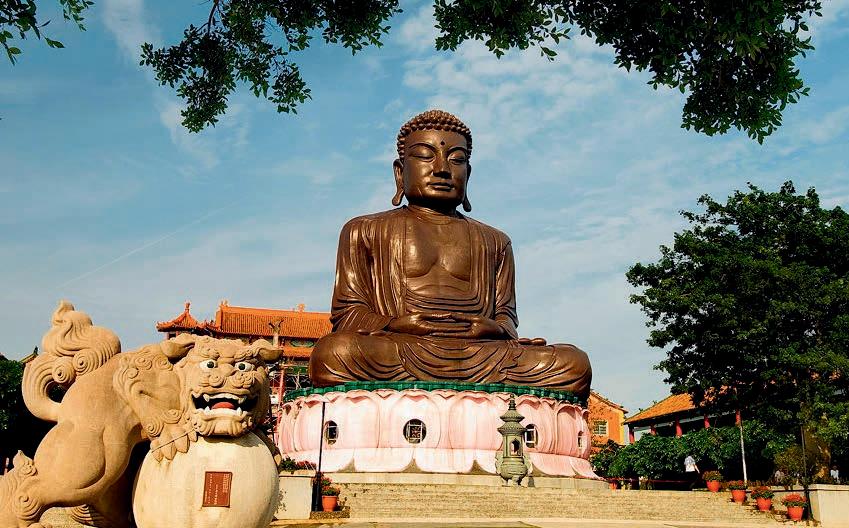
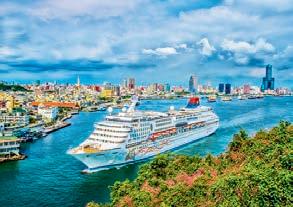
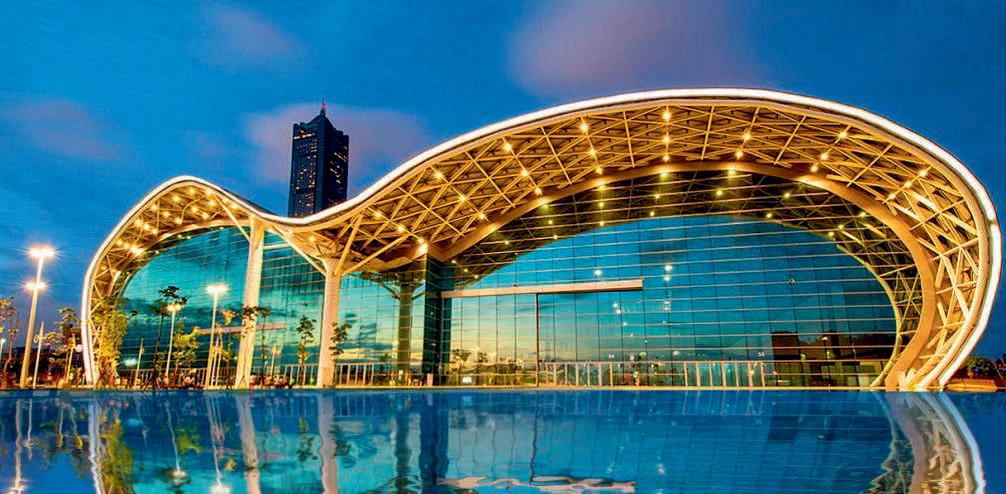
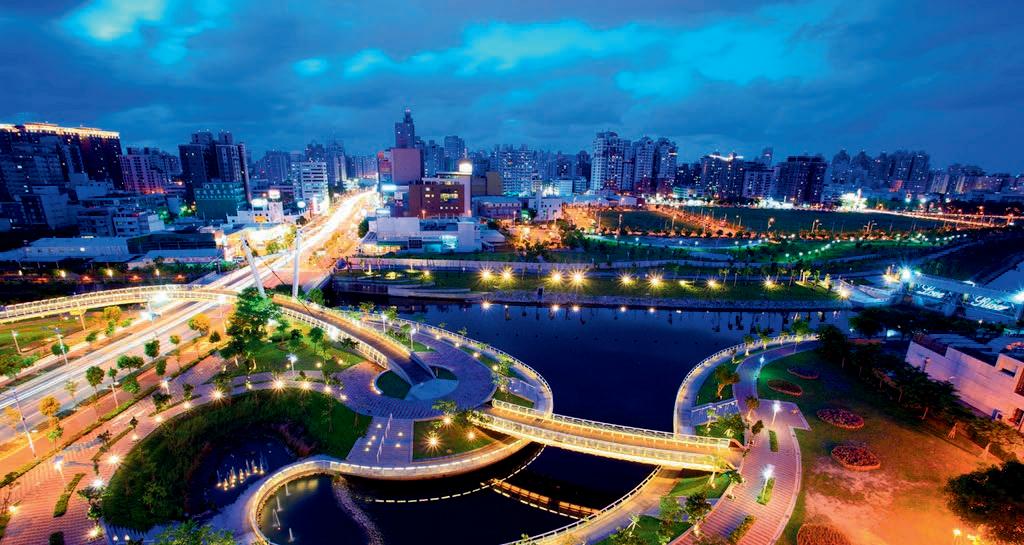
Located in the southern part of Taiwan, the city of Kaohsiung is the island's largest industrial center. A thriving international metropolis at the southern tip of Taiwan, Kaohsiung was the host city for the 2009 World Games. Due to the regulating effects of the marine climate, Kaohsiung is generally sunny and enjoys pleasant weather year-round. Known as "Taiwan's Maritime Capital," the city has worked hard in recent years to develop its tourism industry, including through beautification of the urban landscape. Kaohsiung is home to several popular visitor sites, including the Love River, Shoushan (Mt. Shou), Xiziwan Bay, Lotus Pond, Qijin, and the Old City of Zuoying. It also is an ethnic melting pot, joining Hokkien and Hakka communities, the Pingpu, Tsou, Rukai, Bunun, and Paiwan indigenous tribes, and a military community culture. Kaohsiung also offers scenic mountains, ocean views, and rivers, as well as port, cultural, and historic attractions. Visitors to the city can experience the beauty of nature and savor fine cuisine, or head to the nearby Hakka village of Meinong to experience traditional oil paper umbrella art. The Neimen Songjiang Battle Array and the Fo Guang Shan Buddhist monastery in Dashu further add to the ethnic richness of Kaohsiung. Taiwan's biggest mall and well-known night markets complete the scene for a thoroughly satisfying trip.
Eastern Taiwan includes Hualien County and Taitung County. Yilan County, located on the east of Taiwan Island, is usually not regarded as Eastern Taiwan. Eastern Taiwan is blocked from the West by the imposing Central Mountain Range, and as a result, features different levels of social and economic development from that of Western Taiwan. The whole area accounts for about one-fifth of Taiwan, but the population is less than 600,000. This region one can still experience a simple rustic lifestyle, and is often regarded as the “back garden” of Taiwan.
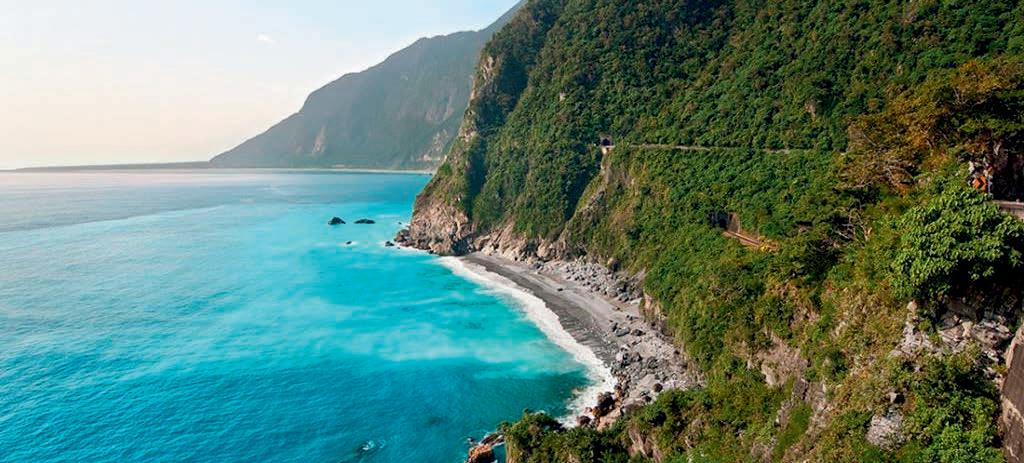
The geographical environment of Eastern Taiwan is quite diverse and unique. The Huadong Rift Valley, also known as East Rift Valley, is a suture zone between the Eurasian plate and the Philippine plate. The coastal mountains and the two outlying islands of Green Island and Lanyu (Orchid Island) geographically belong to the Philippine plate. The Taroko Gorge is a U-shaped valley cut by Liwu Creek, extending more than 20 kilometers in a magnificent mountain valley. The Qingshui Cliff facing the Pacific Ocean and Huadong Coast feature some of the most beautiful coastlines in Taiwan. The economy of Eastern Taiwan is mainly supported by agriculture and tourism. The main tourist attractions are located in the east coast, the East Rift Valley and the Taroko National Park. In recent years, there has been a large increase in tourist resort hotels and B&Bs.
Hualien is the meeting point of the Central Cross-Island Highway, Suao-Hualien Highway, and highways leading south to Taitung. Hualien County is home to several world-class scenic attractions. In 1590, Portuguese sailors passed by the eastern coast of Taiwan and were so moved by the grandeur of what they saw that they named this land "Formosa," the beautiful island. Since that time, the majestic views of Hualien have come to represent Taiwan. Formerly known as Qilai, Hualien's current name derives from the phrase "huilan" (eddying water), a reference to the swirling currents of the Hualien River where it meets the sea. Hualien is Taiwan's biggest county, with an area of about 4,628 square kilometers and a population of 350,000. The county borders the Pacific Ocean to the east and is hemmed in by the Central Range to the west. With its towering peaks, azure skies, vast seas, scenic valleys, cultural diversity, and friendly kindhearted people, Hualien has become one of Taiwan's first-choice travel destinations for local and international visitors alike. With all of its natural beauty, most of Hualien is a national scenic area. Visitors to the county can enjoy the impressive gorges at Taroko National Park, the magnificence of Yushan National Park, the stunning natural landscapes of the East Coast National Scenic Area, and the rustic charms of the East Rift Valley National Scenic Area. Wherever you go in Hualien, nature is there to greet you.
Penghu, Kinmen, and Matsu on the Taiwan Strait are outlying islands of three county-level administrative regions.
Penghu (also known as the Pescadores) is an archipelago comprising 90 large and small islands, most of which are formed by volcanic lava. The basalt geological landscape is unique and meets the conditions for a world natural heritage site. The Penghu Islands have a total area of about 130 square kilometers and a registered population of about 100,000. Traditionally, most residents relied on fishing for their livelihood. Since the government developed the tourism industry, it has gradually replaced fisheries, and most residents are engaged in the tourism industry today.
Kinmen covers an area of about 153 square kilometers and is separated by water from Xiamen in Fujian Province. At the nearest point the distance between the two is about 2,000 meters.
Matsu is an archipelago composed of five small islands, with a total area of about 30 square kilometers, and is about ten kilometers away from the mainland.
Kinmen and Matsu used to be the front lines of defense for Taiwan, but now they are mostly tourist spots. Tourism is one of the main sources of income for the local economy. 台灣海峽上的澎湖、金門、馬祖是 三個縣級行政區的離島。澎湖是 擁有九十個大小島嶼構成的群島 (Pescadors),大部分為火山熔岩 所形成,玄武岩地質景觀是它最獨 特的地景,具有登錄世界自然遺產 的條件。澎湖群島總面積約130平 方公里,戶籍人口約10萬人,傳 統上居民大都以漁業為生,但政府 大力發展觀光之後,觀光產業已逐 漸取代漁業,居民多數從事觀光產 業的工作。
The Penghu Islands are located to the southwest of the main island of Taiwan. More than 90 islands, large and small, scattered across this archipelago are like pearls in the Taiwan Strait. Historically, Penghu was a springboard for travel and exchanges between Mainland China and Taiwan and thus had always played an important strategic position. There are many historical and cultural heritage and military relics to be found on the island, including six recognized as national monuments. The ever-changing basaltic geological landscape of the Penghu Islands is a masterpiece of nature, like a stone sculpture park carved out by the sea. The waters of Penghu are rich in marine life, which are a key resource of the traditional fisheries economy of the islands, and now play a pivotal role in its tourism and leisure industries. The Penghu Islands were designated as a National Scenic Area in 1995. Under the careful planning and infrastructure development undertaken by the Tourism Bureau of the Ministry of Transportation and Communications, it has developed into a world-class tourist attraction. In addition, the seas around the Four Islands of Southern Penghu and the surrounding islands hold precious and diverse marine ecological resources and were designated as the “South Penghu Marine National Park” in 2014. The Park is managed by the Marine National Park Headquarters of the Ministry of the Interior. Tourism activities offered on the Penghu Islands are very diverse, and it is recommended that a stay of at least three days and two nights should be arranged to truly enjoy the essence of its natural beauty and local culture. Must-see attractions include: Penghu Tianhou Temple (a national monument originally constructed in 1604), Magong Old Street, Erkan Historical Village, Twin Hearts Stone Weir, and the 300-year Tongliang Great Banyan Tree, as well as many other cultural landmarks. Key natural attractions include the basalt columns on Tongpan Island and flocks of migratory terns that inhabit and breed in the summer months on the islands.
Kinmen was at the forefront of fierce confrontations between the communist and democratic camps during the Cold War as well as the frontlines of Taiwan’s defense. The Battle of Guningtou took place in 1949, and the August 23rd Artillery Bombardment broke out in 1958. Martial law was lifted in Kinmen in 1992, returning the island to civilian rule and opening it up to tourism. In 1995, in recognition of Kinmen’s historical sites, traditional settlements, battlefield memorials and important natural ecological areas, the Ministry of the Interior established the Kinmen National Park and established an office for management and conservation.
Kinmen is rich in cultural assets and is noted for its Minnan (Hokkien) architecture, traditional settlements, and historic battle sites. The county has 8 national monuments and 66 countydesignated monuments. Must-visit attractions include Shanhou Folk Culture Village, Shuitou Village, Kinmen Old Street (Jincheng Old Street), Guningtou Battle Museum, Zhaishan Tunnel, and Taiwu Mountain.
Kinmen is an important habitat for migratory birds and a good destination for birdwatching. The most unique of the migratory visitors is the blue-tailed bee-eater that comes to build nests in the summer. In winter, the sight of thousands of great cormorants returning from the sea at dusk is a truly unforgettable experience. In addition, there are two rare protected species in Kinmen: Horseshoe crabs, also called “living fossils,” and Eurasian otters. They are a rare sight in the wilderness nowadays.
Kinmen also boasts many local delicacies and products. The most popular and must-buy souvenirs for tourists include “Gong tang” sticky peanut candies and the famed Kinmen “Gaoliang” sorghum liquor. In addition, knives made from shells leftover from past artillery strikes are a unique local product not found anywhere else and a very popular souvenir snapped up by Mainland Chinese tourists.
The Matsu Islands are made up of the Nangang, Beigang, Dongying, Dongju, and Xiju Islands (with a combined land area of only around 30 sq km). The Matsu name derives from the legend that the sea goddess Mazu drifted to Nangang after her death and was buried on the island.
Matsu’s administrative and military status is similar to that of Kinmen. The islands are administratively part of Fujian Province under the jurisdiction of the Republic of China. They are critical to Taiwan’s frontline defense and military facilities can be seen everywhere. However, no battle has ever occurred on Matsu, in contrast to Kinmen. In 1992, martial law was also lifted on Matsu, and tourism development subsequently began. In 1999, the Matsu Islands were designated as a national scenic area. The Tourism Bureau of the Ministry of Transportation and Communications established a management office to take charge of tourism infrastructure development.
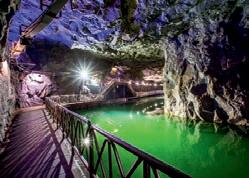
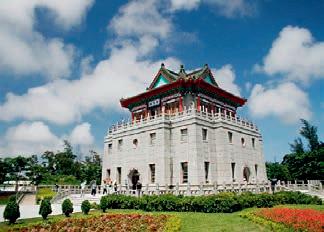
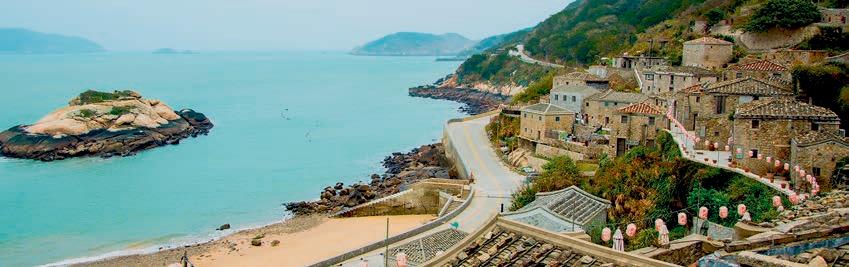
The charms of Matsu Islands lie in its characteristic Mindong architecture, traditional settlements and military tunnel facilities. The famous scenic spots include Qinbi Village, Jinsha Village, Beihai Tunnel, and 88 Tunnel, etc. Two national monuments: Dongju Lighthouse (built in 1872) and Tung Chung Lighthouse (built in 1904) are also worth a visit.
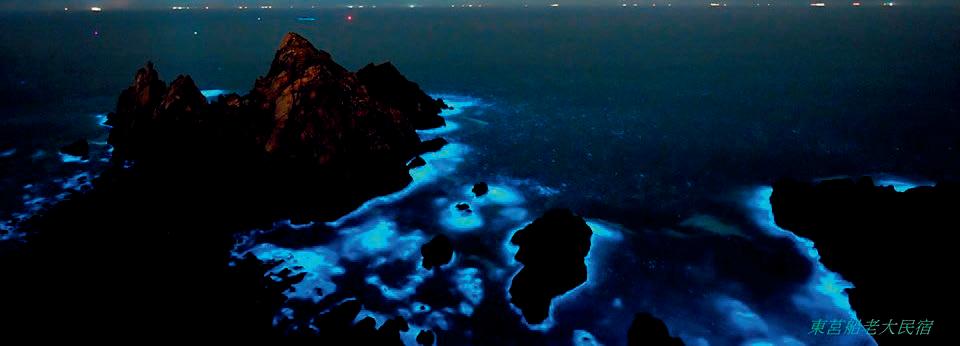
In 2000, photographers on Matsu captured images of the Chinese crested tern, which had not been seen previously for half a century and were believed to be extinct. This discovery brought global attention to Matsu and attracted many international birdwatchers to visit the islands during the migratory season. In recent years, bioluminescent algae (Noctiluca scintillans ) found along Matsu’s coastline during summer, dubbed locally as “blue tears,” has attracted a large number of tourists across the nation to visit Matsu and marvel at this wonder of marine ecology.
A Journey Through Time on Dihua Street
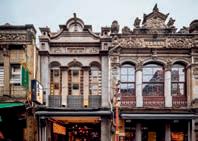
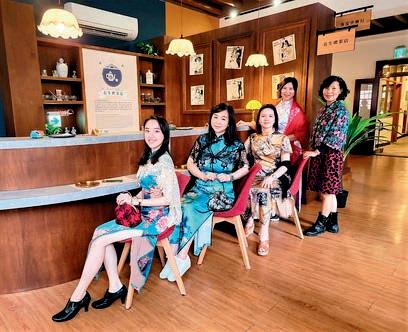
Located in the heart of Dadaocheng, Dihua Street is the oldest street in Taipei and one of the city’s most atmospheric historic districts. Its beautifully preserved shophouses andrichculturalheritagemakeitthe perfect place to experience Taipei’s vibrant past. Many of the area’s restaurants and stores have been thoughtfullyrenovated—modernized for comfort while still retaining their original19th-centurycharm.
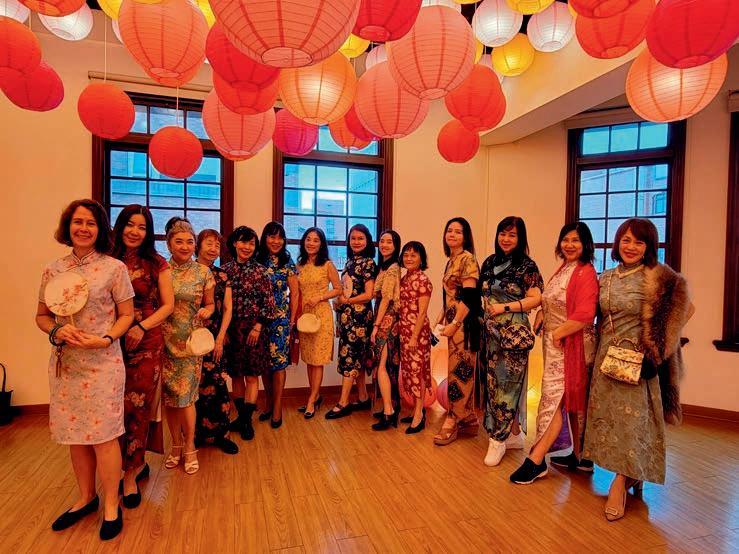
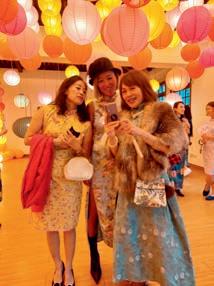
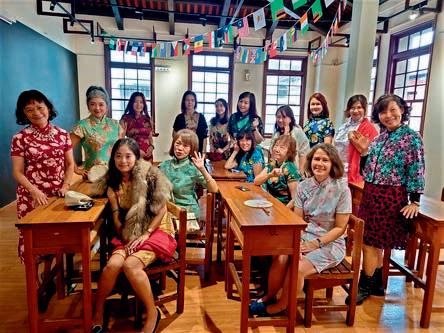
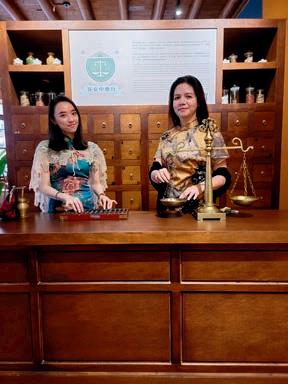
TheladiesoftheTaipeiInternational Women’sClub(TIWC)spentadelightful afternoon here, immersing themselves in the timeless spirit of old Taipei.
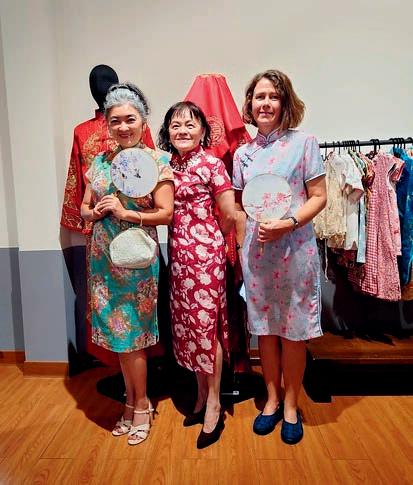
ThehighlightofthevisitwastheChi-
nese costume dress-up experience, a unique activity offered by the Dadaocheng Tourist Visitor Center. Visitors can freely rent vintage-style Chinese clothing and accessories for women, men, and children—and to everyone’ssurprise,theentireservice iscompletelyfree!
QipaoExperienceInformation
Venue: Dadaocheng Tourist Visitor Center
Address: No. 44, Sec. 1, Dihua Street 44
Tel:02-2559-6802
It’srecommendedcallingaheadtomakea reservation,astheremaybeadailyquota to ensure a pleasant and comfortable experienceforallparticipants.
Wearing traditional attire is a fun culturalexperience,andfortheTIWC members, it was another wonderful way to bond and deepen our sisterhood.
We highly recommend the experiencetoallvisitors!
服務項目:
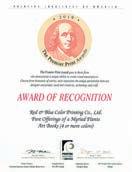
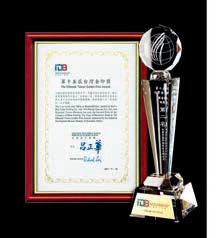
Red & Blue Color Printing Co., Ltd.
Red & Blue Colour Printing is a company dedicated to the printing arts, providing a full range of services with a focus on rigorous quality control and product integrity.
Founded in 1965, Red & Blue has positioned itself as a leading printer in Taiwan. We specialize in stochastic printing that can be as high as 480 lines per inch in resolution. We believe that every customer's work is a masterpiece of its own and has to be handled with great care and appreciation. Our philosophy has been to constantly seek improvement and sustainable development. Over the years,
we have been selected for various awards in print and media. Red & Blue was awarded ISO 9001 certification in 2008. Since then we undergo a third party audit every six months to comply with the certification. We educate our entire staff with ISO 9001 philosophy to elevate our competiveness. Red & Blue emphasizes on the spirit of “Customers First”, “Process Orientation” and “Efficiency Management”. Our ultimate goal is to form strong bonding with clients by providing outstanding services and quality to ensure success.