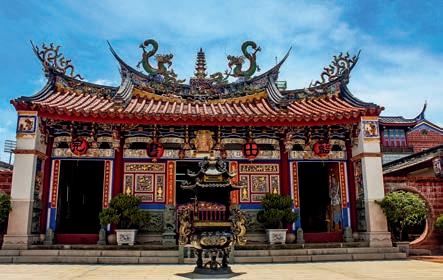
Taiwan is well known for its rich and harmonious blend of religions. Many temples combine elements of Buddhism, Taoism, and traditional folk beliefs, creating a unique spiritual culture. Among the many deities worshipped, Mazu, the Goddess of the Sea, is the most beloved. She is widely revered as a protector of sailors, travelers, and coastal communities.
as one of the largest religious gatherings in the world.
For visitors, the pilgrimage offers a rare and immersive cultural experience.
The tradition of Mazu worship in Taiwan dates back to the 17th century, when immigrants from Fujian, China, crossed the treacherous Taiwan Strait—once known as the “Black Water Ditch.” They carried sacred incense ashes from Mazu temples to pray for protection during their journey. After settling in Taiwan, they built temples to continue their devotion. Today, there are more than 1,000 Mazu temples across the island. The oldest is the Tianhou Temple in Penghu (an offshore island group located in the Taiwan Strait), established in 1604. The Chaotian Temple in Beigang, Yunlin County attracts around six million visitors annually. However, the most famous religious event is the pilgrimage organized by Jenn Lann Temple in Dajia, Taichung.
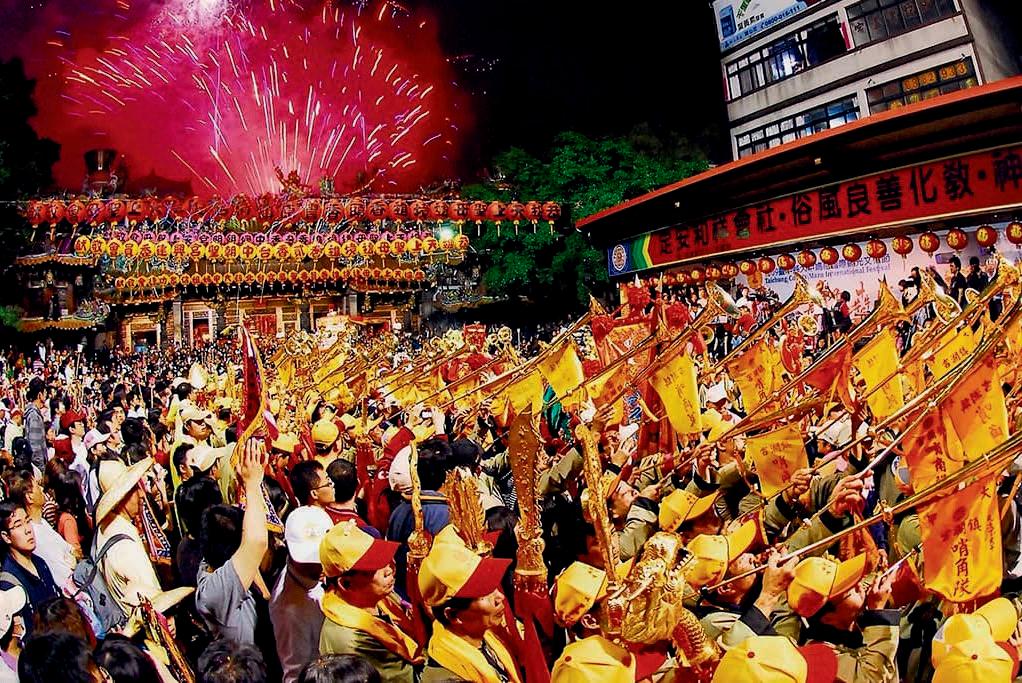
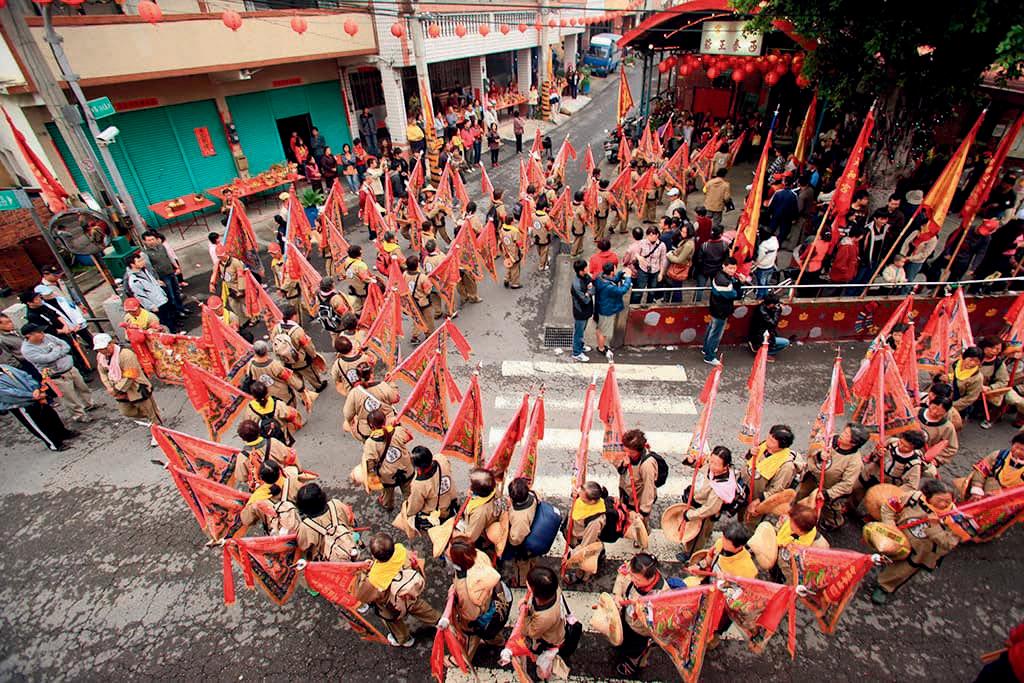
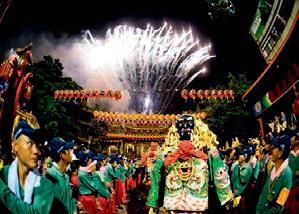
The Dajia Mazu Pilgrimage is one of Taiwan’s most iconic cultural and religious events, held every spring, usually in April. Lasting 9 days and 8 nights, the pilgrimage covers over 340 kilometers on foot, traveling from Dajia in Taichung to Fengtian Temple in Xingang, Chiayi, and back. With more than one million participants each year, it is often described
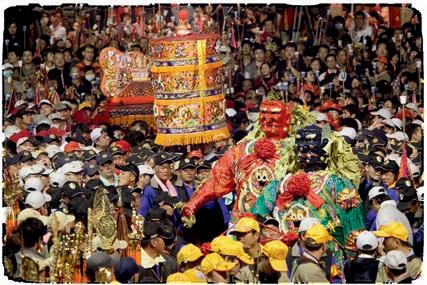
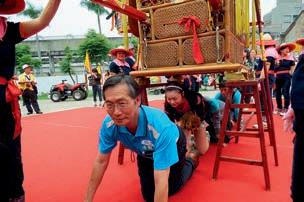
Along the route, you will see lively processions featuring traditional performers, ceremonial banners, musicians, and the richly decorated Mazu palanquin. A unique ritual allows devotees to pass beneath the palanquin for blessings and protection. Equally memorable is the hospitality of local communities, who set up free roadside food stations offering snacks and drinks to pilgrims, creating a welcoming and festive atmosphere. International travelers are warmly invited to take part in this extraordinary event. You can witness the spectacular departure and return ceremonies at Jenn Lann Temple in Dajia, Taichung, or join the pilgrimage for a day to experience the energy, devotion, and community spirit that define this remarkable journey. This phenomenon is often described locally as “Crazy for Mazu,” reflecting the deep enthusiasm and collective devotion of the people.
Travel Tip: Check the official pilgrimage dates in advance (https://www.dajiamazu.org. tw/), wear comfortable walking shoes, and be prepared for large crowds. Even a short participation will leave you with unforgettable memories of Taiwan’s living traditions.
Add: 11 F.-17, No. 57, Sec. 1, Chongqing S. Rd., Zhongzheng Dist., Taipei City ,Taiwan
台北市中正區重慶南路一段57號11樓之17
Tel: +886-2-7701-5568 Fax: +886-2-2375-1400
+ History Walking Tour
of Taiwan: Tamsui Tales & Traditional Dress
in Taiwan
● Farm to Table Tours
Traditional Shiding Tea Culture Day Tour
From Ashes to Abundance: Yangmingshan Eco-Trail
● Culture & Heritage
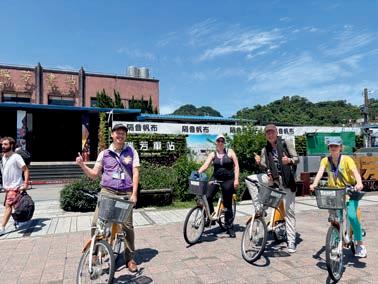
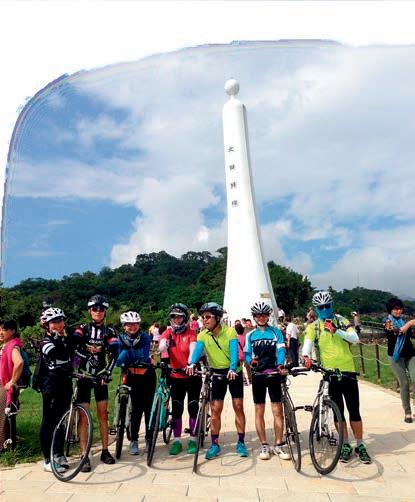
Ruifang Houtong Mining Road Bicycle Tour
Yuanshan Walking Tour
● Outdoor Activities
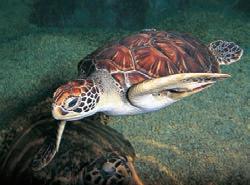
Swim with Turtles: An Eco Island Escape in Xiaoliuqiu 2D
Penghu Island Hopping:
A Deep Dive into Culture and Nature
Sunrise Above the Clouds: Explore Alishan’s Forests, Coffee & Tea
Magzter.com: global audience in 175 countries with 28 million readership. www.magzter.com/TW/China-Commercial-Service-lnc./This-Month-in-Taiwan/ Business
This Month in Taiwan is available throughout the island of Taiwan and is distributed free of charge at all public venues, travel spots, major hotels and restaurants. Our advertisers make the publication of this guide to Taiwan possible, and it is valued by business travellers, tourists, as well as residents of the island. We wish to extend our heartfelt thanks to our readers and friends for their love and support over the last 50 years.
華宇商信服務股份有限公司 China Commercial Service Inc. Tel: (02) 2718-1187 Fax: (02) 2718-1087
Facebook: This Month in Taiwan 華宇月刊 TMIT is
Issuu: https://issuu.com/thismonthintaiwan
Best Antique Furniture Shop In Taipei Since 1976 The Best Antique Furniture Shop In Taipei Since 1976 百韻古今家具文物飾品 Bai-win Collection
405巷2號 #2 Lane 405, Chungshan N.Road Sec.6, Taipei
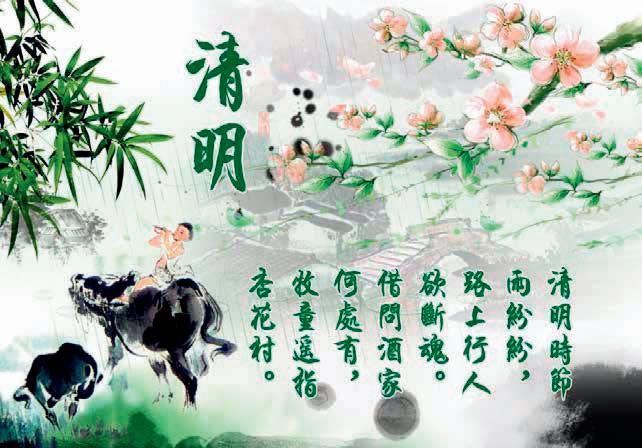
清 明 節
Tomb Sweeping Festival
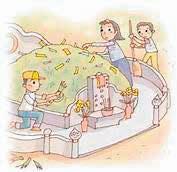
Qing Ming (清明) Festival, or Tomb Sweeping, falls on the 15th day after the Spring Equinox. This year it falls on April 5th, when the Chinese respect for filial piety and careful attention to funeral rites is visibly manifested in the custom of ancestor worship and tomb sweeping. In 1935, the Taiwan government designated Qing Ming as Chinese Tomb Sweeping Day and declared it a national holiday.
falls on the 15th day after the Spring Equinox. This year it falls on April 5th, whenthe Chinese respect for filial and careful to custom of ancestor worship and tomb sweeping. In 1935, the Taiwan government designated Qing Ming as Chinese Tomb Sweeping Day and declared it a national holiday.
One of the stories about the origin of Qing Ming is of the founder of the Han dynasty, Liu Pang 劉邦 (Emperor Han Kao Tsu 皇帝漢高 祖), who went back to his hometown to clean his parents’ graves. The graveyard was ravaged due to war and h e could not locate pieces of paper in the air, and declared that wherever they fell and remained unmoving, he would consider that spot his parents’ grave. The tradition of hanging implies that the tomb has been swept.
One of the stories about the origin of Qing Ming is of the founder of the Han dynasty, Liu Pang 劉邦 (Emperor Han Kao Tsu 皇帝漢高 祖), who went back to his hometown to clean his parents’ graves. The graveyard was ravaged due to war and hecould not locate pieces of paper in the air, and declared that wherever they fell and remained unmoving, he would consider that spot his parents’ grave. The tradition of hanging implies that the tomb has been swept.
In ancient times, the day for eating cold food was called“ Cold Food Day” when fire building was forbidden. This custom gradually merged withQingMing traditions.The family burns spirit money and paper eplicas of material goods such as cars, homes, phones and paper servants. Then family members take turns to kowtow before the tomb of the ancestors. replicas of material goods such as cars, homes, phones and paper servants. Then family members take turns to kowtow before the tomb of the ancestors.
In ancient times, the day for eating cold food was called“ Cold Food Day” when fire building was forbidden. This custom gradually merged with Qing Ming traditions.The family burns spirit money and paper eplicas of material goods such as cars, homes, phones and paper servants. Then family members take turns to kowtow before the tomb of the ancestors. replicas of material goods such as cars, homes, phones and paper servants. Then family members take turns to kowtow before the tomb of the ancestors.
Twelve foods including leek, squid, spring dry, beet, sweet potato, fleshy, sauerkraut, lotus seeds, dates, bamboo shoots, pig intestines,cockscomb are offered. Wine is sprinkled and eggs are cracked on the grave.
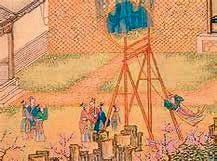
During the Tang Dynasty the Emperor Xuanzong ( 皇帝唐玄 宗) called swing “half cents of the play”, later knownas “Swing Festival”.
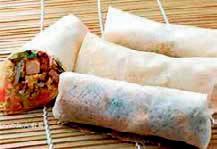
蔔絲、筍絲及 肉絲、豆干絲 及蛋皮,灑上花生糖粉,捲成 圓筒實用,滿指留香。
Run cake is a flour pancake, stuffed with bean sprouts, carrots, bamboo shoots and pork, dried beans and egg skin, sprinkled with peanut sugar powder, rolled into a cylinder.
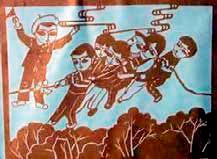
拔河Tug of wAR
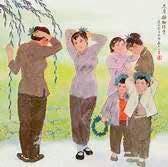
插柳 eRupTeD :
During the Tang Dynasty the Emperor Xuanzong ( 皇帝唐玄 宗) called swing “half cents of the play”, later known as “Swing Festival”. : into
祭墓踏青,往往折帶柳枝回家, 插在門楣,或編成柳帽戴,具有 辟邪的功用。
Willow branches are carried or placed on gates to help ward off the evil spirits that wander on Qing Ming
Tang Dynasty Emperor Xuanzong(唐玄宗) held a large-scale tug of war during the Tomb Sweeping Festival and since then it has become a tradition.
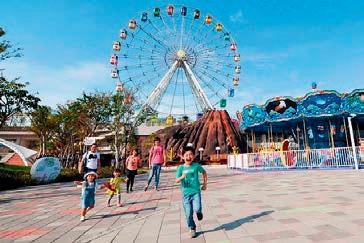
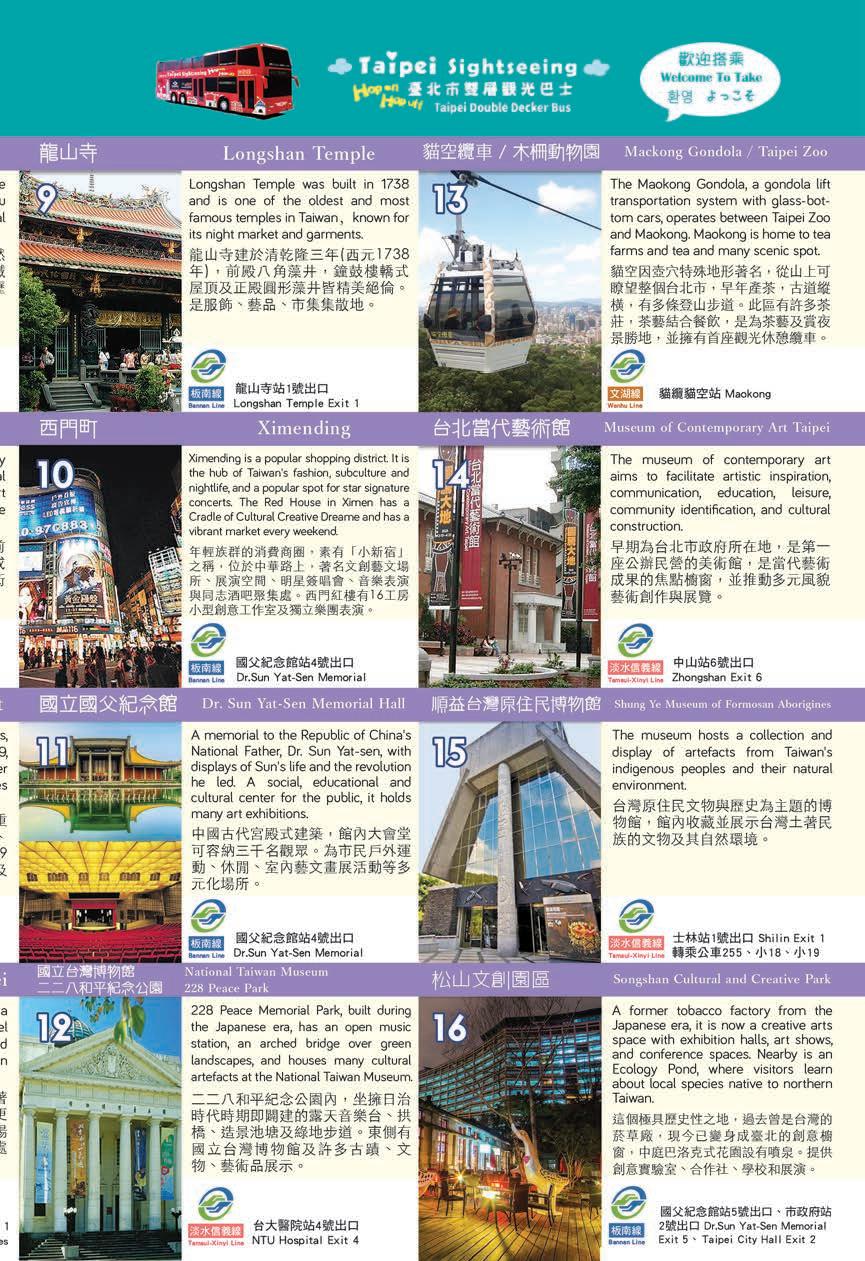
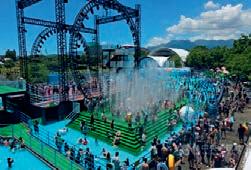
Near Jiantan Station and in close to Taipei Astonomic Museum, the National Taiwan Science Education Center, Meilun Park and Shuangxi waterways. Over 10 fun facilities for all age children and the person with wheelchair. More info please check www.tcap.taipei
西門站6號出口 Ximen Exit 6
Zhongshan Exit 6
Celebrating Earth Day: A Collective Commitment to Sustainability
As EarthDay approaches, the international community is demonstrating how local action can drive global impact. Across the island, social and corporate clubs are embedding sustainability into their core values—transforming awareness into meaningful,tangibleaction.
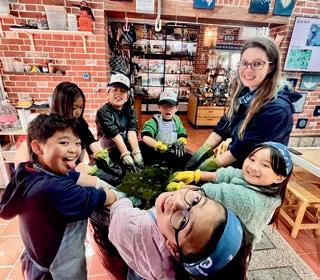
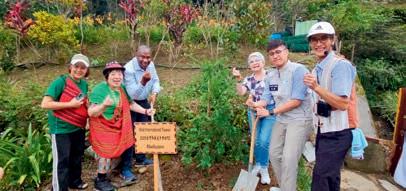
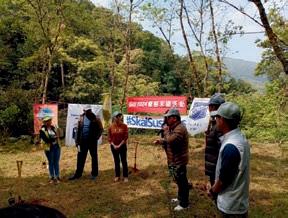
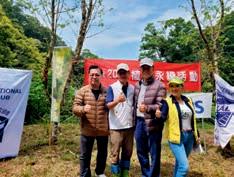
Skål International Taipei—an international travel and tourism association uniting professionals across theindustry—hastakenaleadingrole in promoting sustainability through initiatives such as tree planting and thoughtfully curated visits to sites showcasing Taiwan’s advanced green technologies, eco-friendly hotels, and innovative environmental practices. These hands-on experiences educate participants and inspire meaningful industrycontributions,reinforcingthe organization’s strong commitment to globalsustainability.
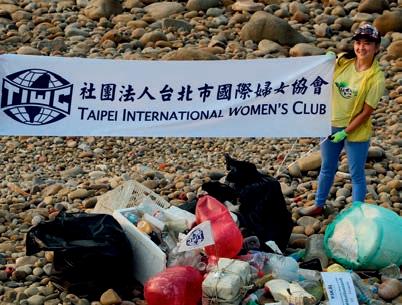
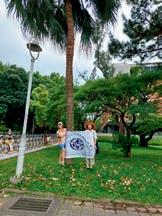
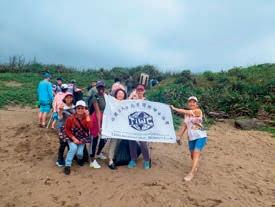
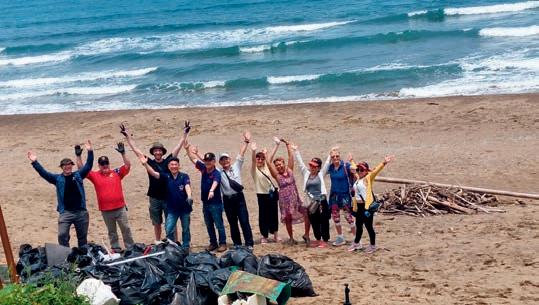
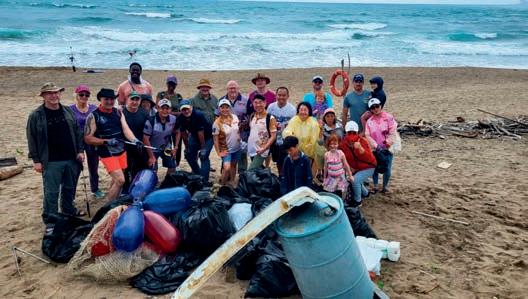
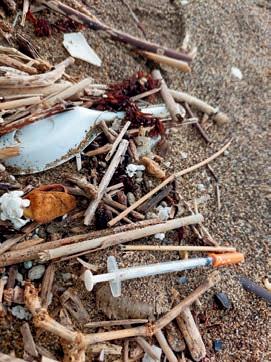
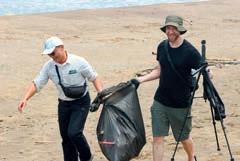
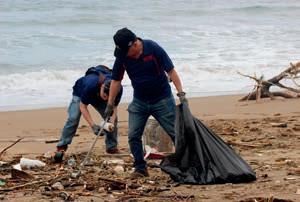
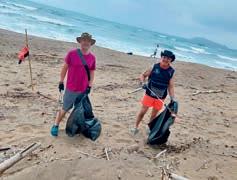
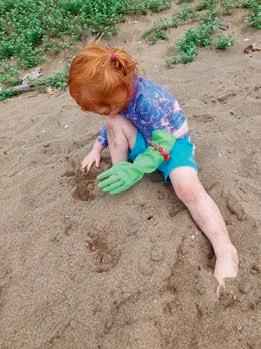
At the same time, the TaipeiInternational Women’s Club, one of Taipei’s most prominent non-profit organizations for women,hasstrengtheneditsenvironmental commitment by introducing a dedicated sustainability portfolio within its annual calendar.Activitiesrangefrombeachcleanups to eco-focused excursions. The club alsosponsorsatreeplantedonthegrounds of National Taipei University (NTU), supportingthecareandpreservationofthe campus’streeprogram.
Complementing these efforts, the U.S. Veterans of Foreign Wars post in Taiwan brings together American veterans andvolunteerstosupportcommunity initiatives, including beach clean-ups—fostering a sharedsenseofenvironmental responsibility.
Together, these international organizations show that when communitiesunitewithshared love, purpose, and genuine commitment, sustainability becomes more than just an ideal—ittransformsintoaway of life that leaves a lasting impactforthosewhofollow.
Taiwan is a territory currently under the administration of the Republic of China government after it lost the Chinese Civil War and retreated to Taiwan in 1949. The territory comprises the main island of Taiwan and the outlying islands of Penghu, Kinmen, and Matsu. The country is usually known to the world simply as "Taiwan". The island has a complex geology and topography, with mountains, streams, canyons, hills, basins, plains, tableland, and coastlines. Located at the Tropic of Cancer, with many mountains reaching close to 4,000m, it features tropical, subtropical and temperate vegetation and ecology, creating a beautiful natural landscape. According to legend, when Portuguese sailors spotted this emerald island during their voyages in the 16th century, they called it Ihla Formosa (beautiful island), and Taiwan was known as Formosa to Westerners for centuries.
台北 Taipei
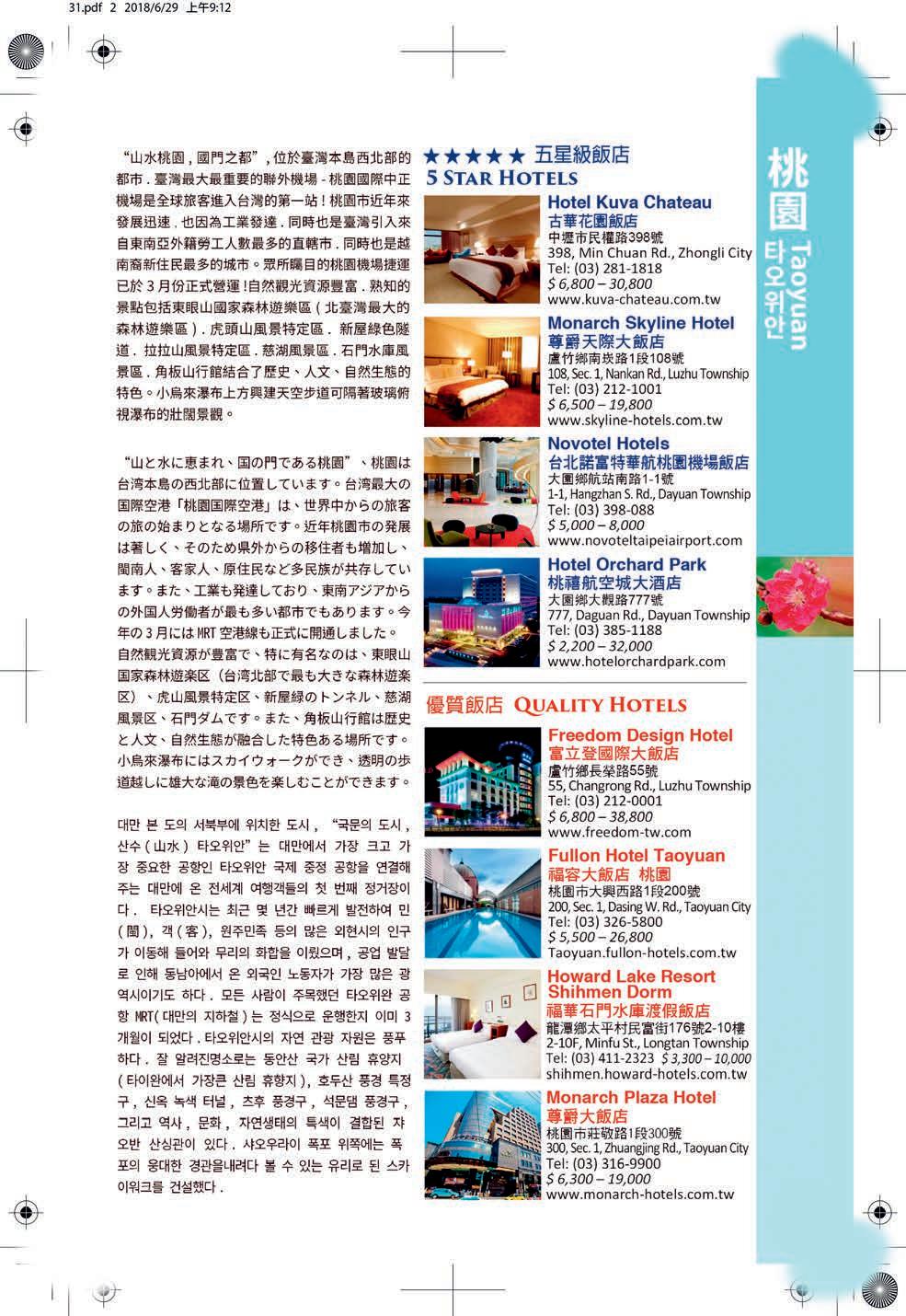
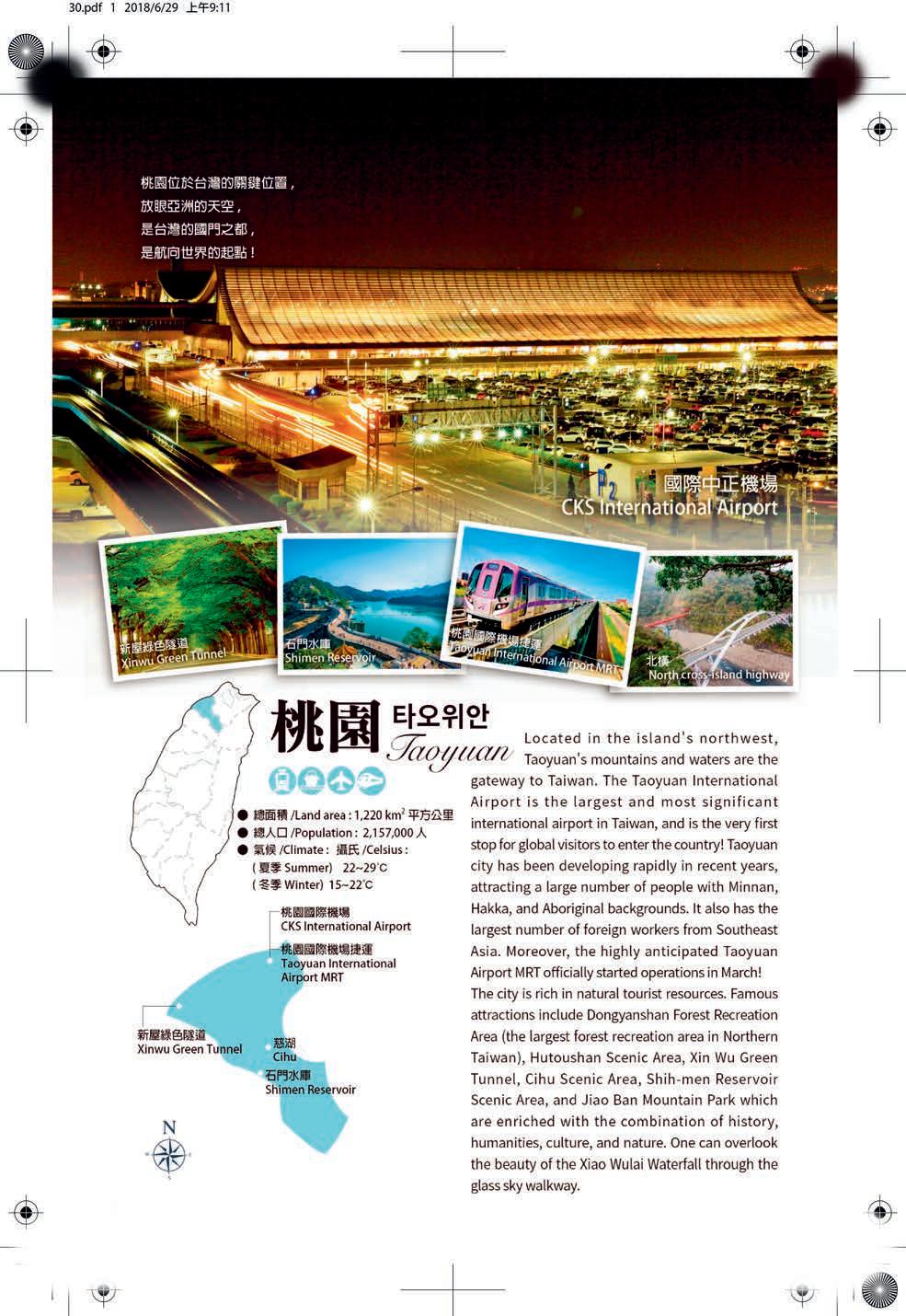
桃園 Taoyuan
新竹 Hsinchu
苗栗 Miaoli
台中 Taichung
基隆 Keelung
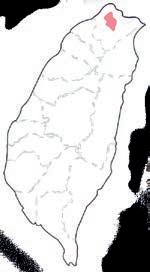
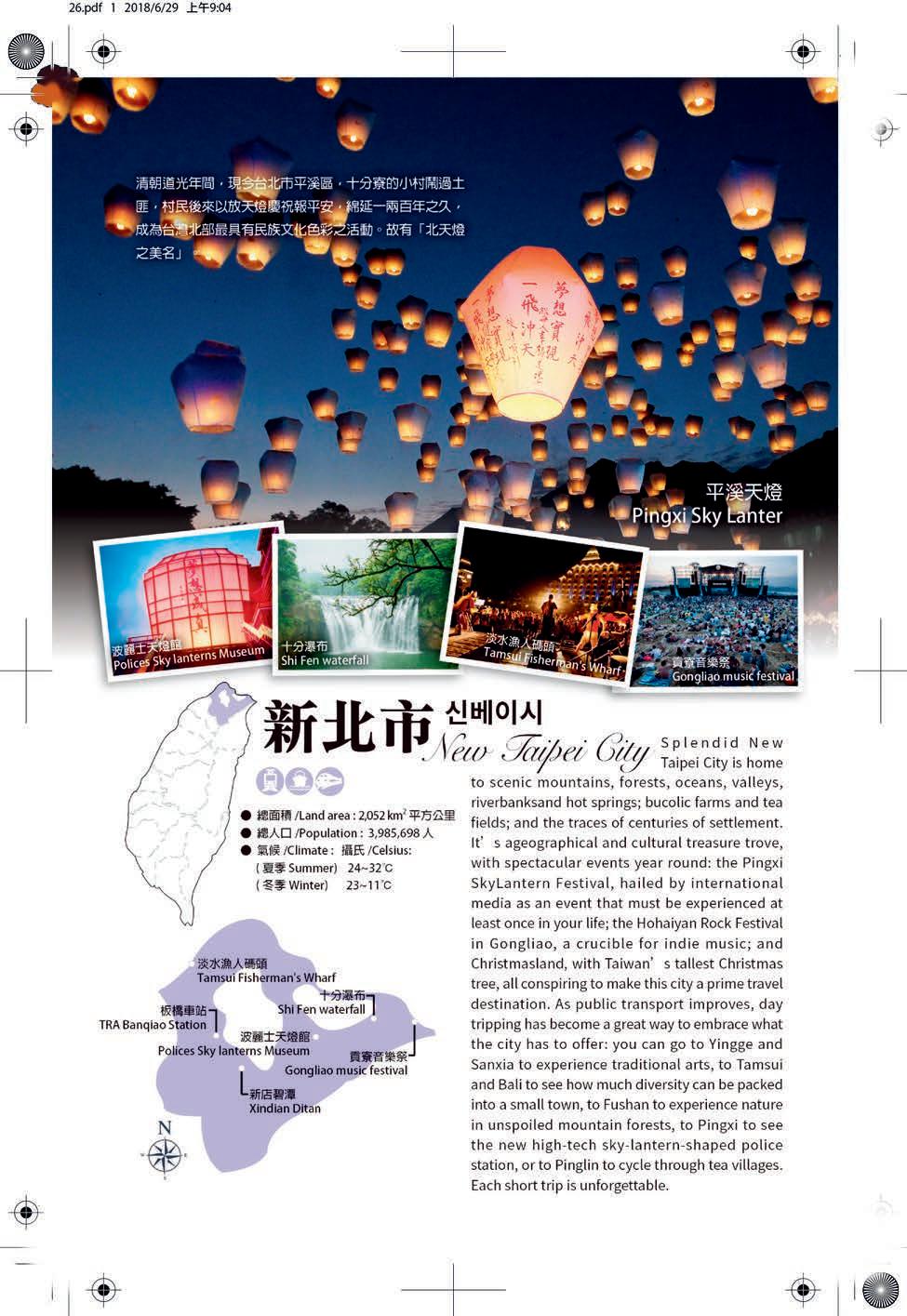
新北市 New Taipei City
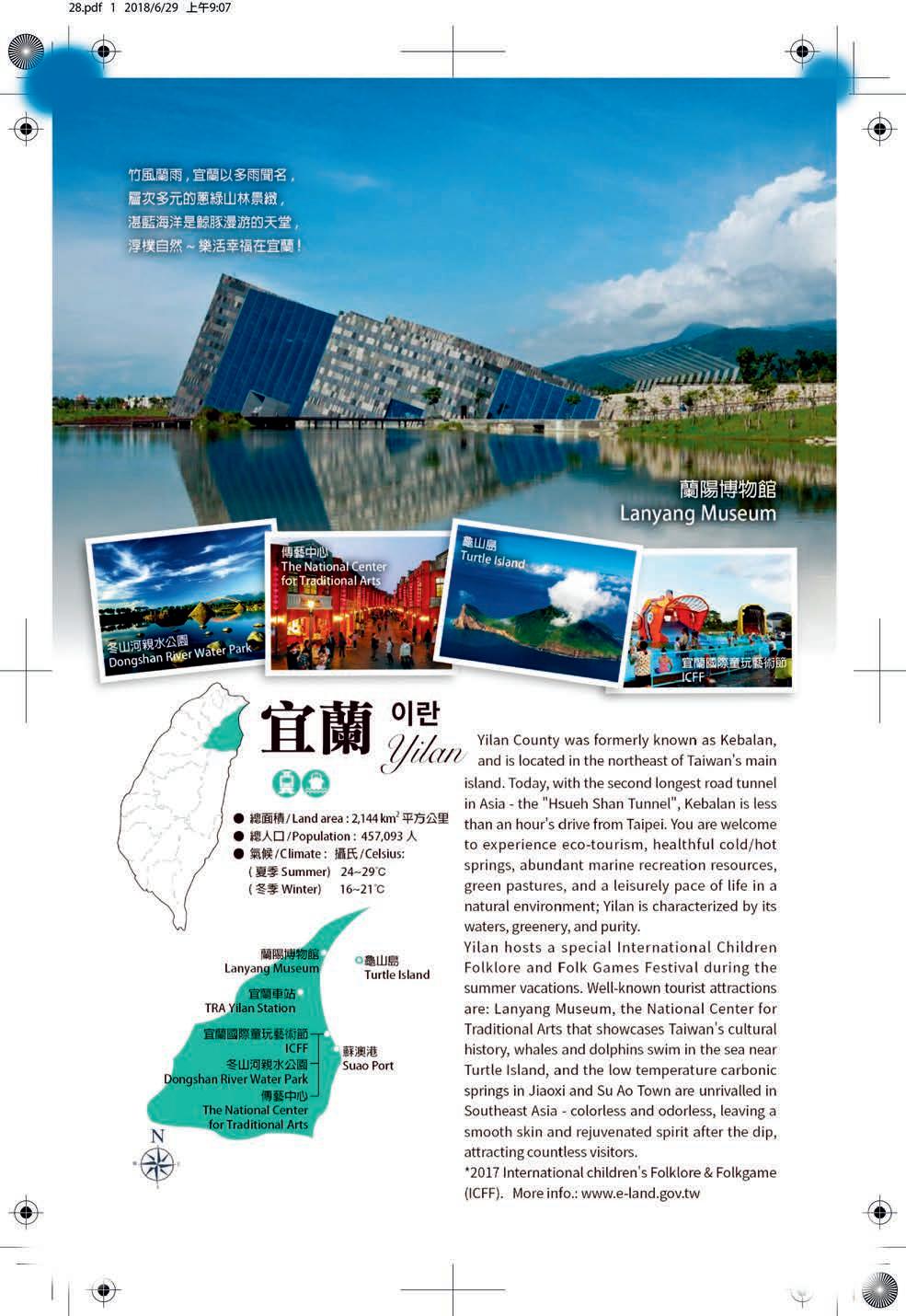
宜蘭 Yilan
彰化 Changhua 南投 Nantou 花蓮 Hualien
雲林 Yunlin
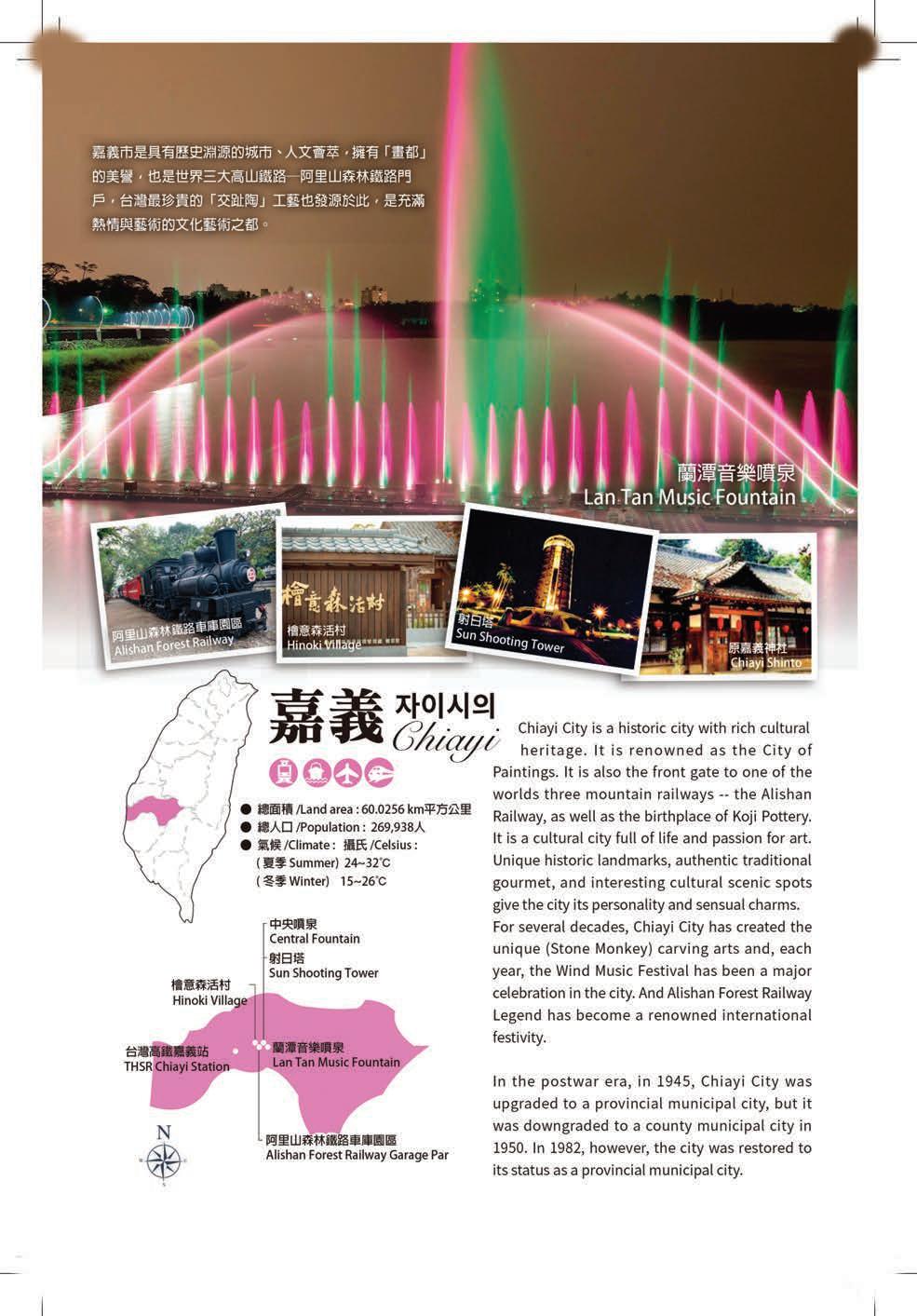
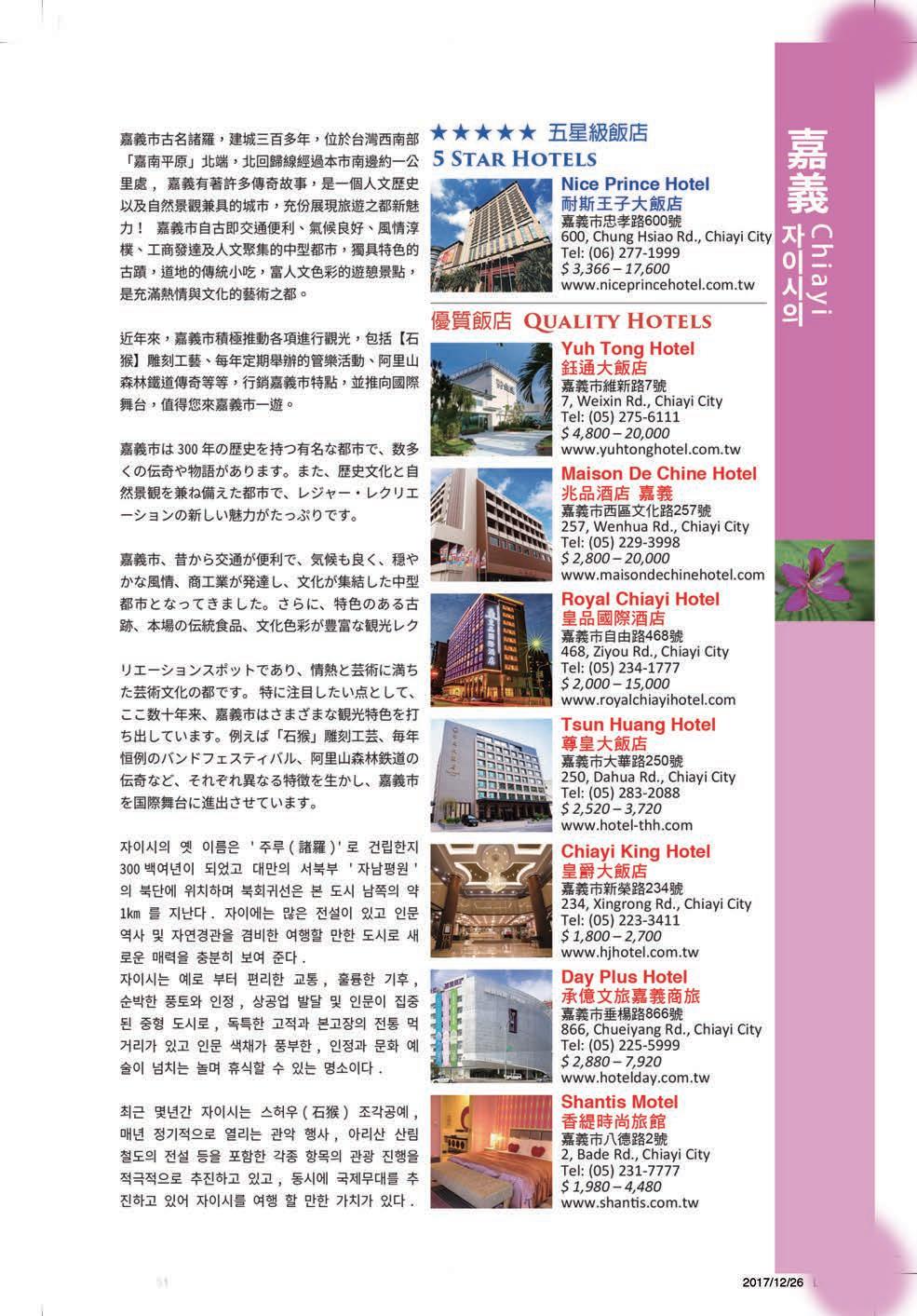
嘉義 Chiayi
澎湖 Penghu
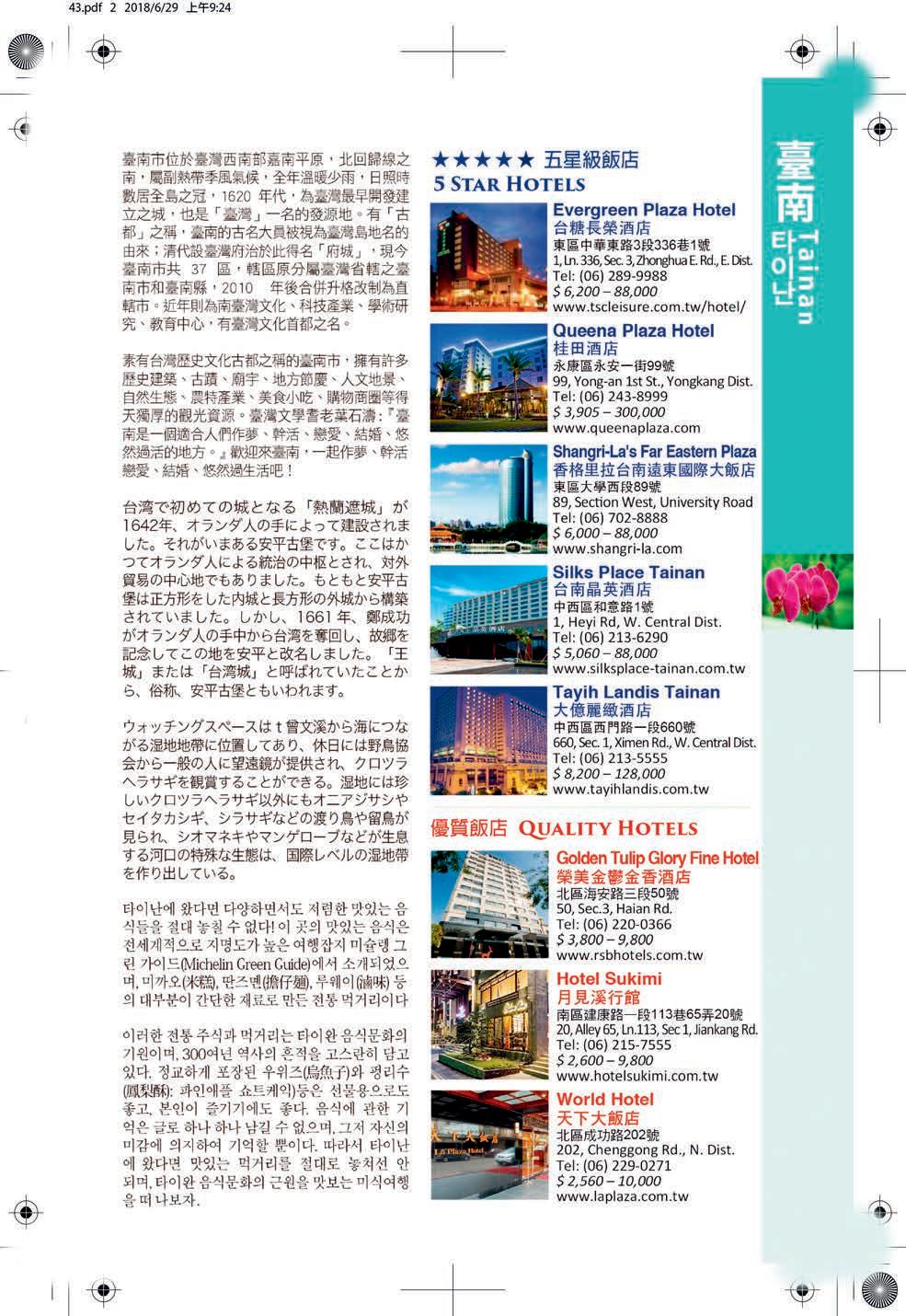
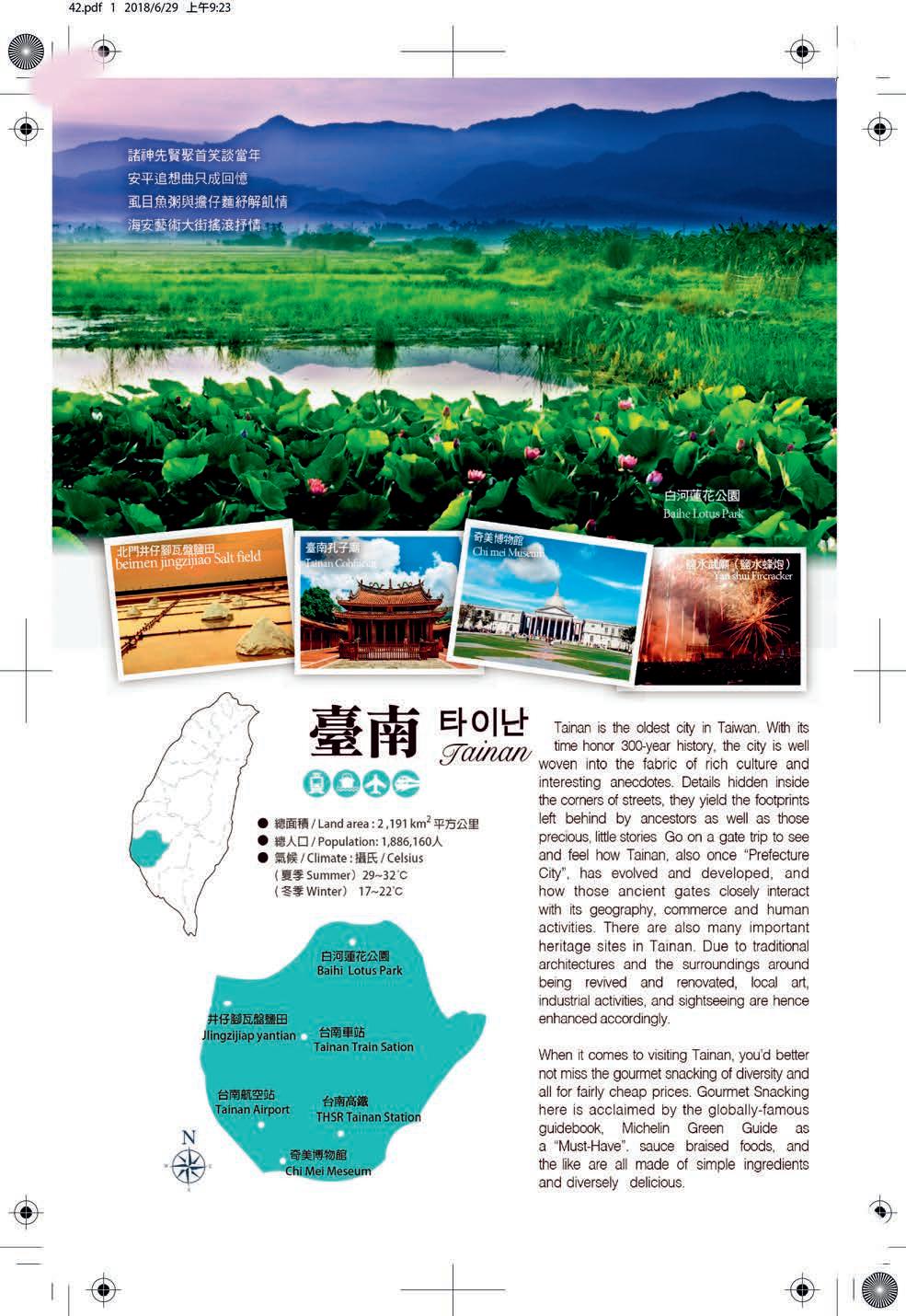
台南 Tainan
金門 Kinmen
高雄 Kaohsiung
台東 Taitung
屏東 Pingtung
小琉球 Little Liuqiu
綠島 Green Island
蘭嶼 Orchid Island
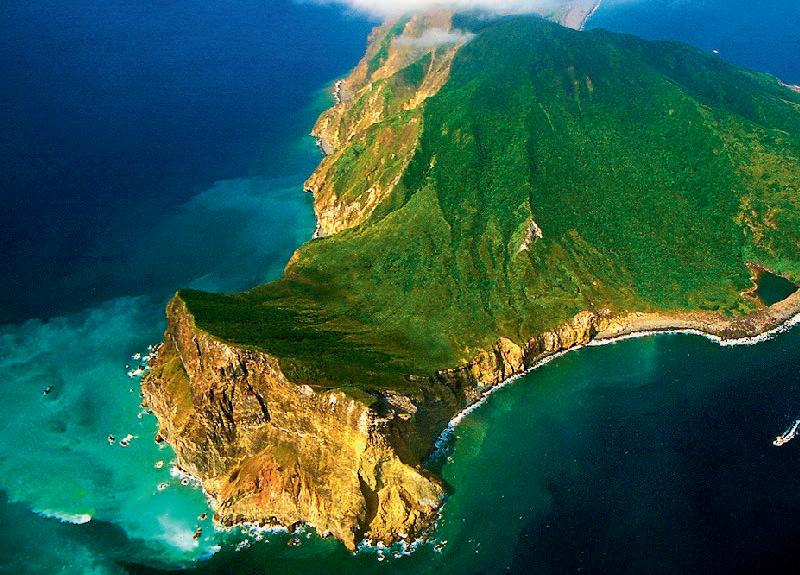
龜山島 Guishan Island
Taiwan Fact Sheet
Taiwan Island is located in the seismically active volcanic seismic belt of the Pacific Rim, at the center of the Western fringes of East Asian Island Arc. It is an island that rose from the collision of the Eurasian and Philippine plates about 10 million years ago. Shaped like a sweet potato, the island has dense mountains distributed in the center of the island. There are 268 mountain peaks that are over 3,000 meters, with Yushan, the highest peak, measuring at an elevation of 3952 meters. Taiwan is the fourth highest island in the world.
Geography
Area: total 35,980 sq km (32,260 sq km land and 3,720 sq km water). The Kinmen, Matsu, and Penghu are the three main outlying islands in the Taiwan Strait.
Climate: subtropical, varies from tropical climate in the southwest to a climate in the north and mountain areas, typhoon season between June to August.
Terrain: two thirds of the land in Taiwan is alpine forest. Ninety-five percent of the population is distributed in the western regions of the island. This forms a north-south metropolis connected by several airports a High Speed Rail system, railroads and two freeways. Taipei City, the capital of Taiwan is the political, economic, cultural center, and also a major tourist destination in Asia.
People
Population: 23,614,200
Taipei: 2,642,877
New Taipei City: 4,010,657
Kaoshiung: 2,774,571
Taichung: 2,815,704
Tainan: 1,880,216
Keelung: 397,515
Hsinchu: 564,296
Ethnic Groups:
Han Chinese 97.5% (major groups: Hokkien, Hakka)
Indigenous 2.5% (16 official tribes from the Austronesian belt).
Religions: mix of Buddhist Confucian and Taoism 75%
Christian 5% and other 5%.
Languages: Mandarin
Chinese (official), Taiwanese (minority), Hakka dialects.
Economy (2019)
Per capita GDP:
US$ 25,909
Export: US$ 329 billion
Import: US$ 286 billion
Population below poverty line: 1%
Labor force by occupation: agriculture 8%, industry 35% and service 57%.
Elevation extremes: lowest point; South China Sea 0 m, highest point Yu Shan 3,952 m.
Natural resources: small deposits of coal, natural gas, limestone, marble and asbestos.
Natural hazards: Earthquakes and typhoons. Ports and harbors: Kaohsiung, Taichung, Hualien and Keelung.
Industries: electronics, petroleum refining, armaments, chemicals, textiles, iron and steel, machinery, cement, food processing, vehicles, consumer products and pharmaceuticals. Agriculture products: rice, corn, fruit, vegetables, tea, poultry, beef, milk and fish. Export commodities: computer products and electrical equipment, metal, textiles, plastic and rubber products and chemicals Import commodities: machinery and electrical equipment, minerals and precision instruments.
For additional information regarding all destinations please consult the Taiwan Tourism Bureau website; https://eng.taiwan.net.tw/
Northern Taiwan includes the three direct municipalities of Taipei City, New Taipei City, and Taoyuan City, including Keelung City, Hsinchu City, Hsinchu County, and Yilan County. Although Northern Taiwan only makes up one-fifth of the island of Taiwan, its current population exceeds 10 million, accounting for almost half of the population of the country. It is the key urban hub for Taiwan's socio-economic development.
Taipei City is the capital of Taiwan and the nation’s administrative, commercial and cultural center; Taoyuan International Airport is the main international gateway, with as many as 50 million inbound and outbound passengers in 2019; Keelung Port is Taiwan’s second largest international commercial port and will gradually develop into a major Asian home port of cruise ships; Hsinchu Science Park is the base of Taiwan's high-tech industry, the global semiconductor manufacturing center, and is known as Asia's Silicon Valley.
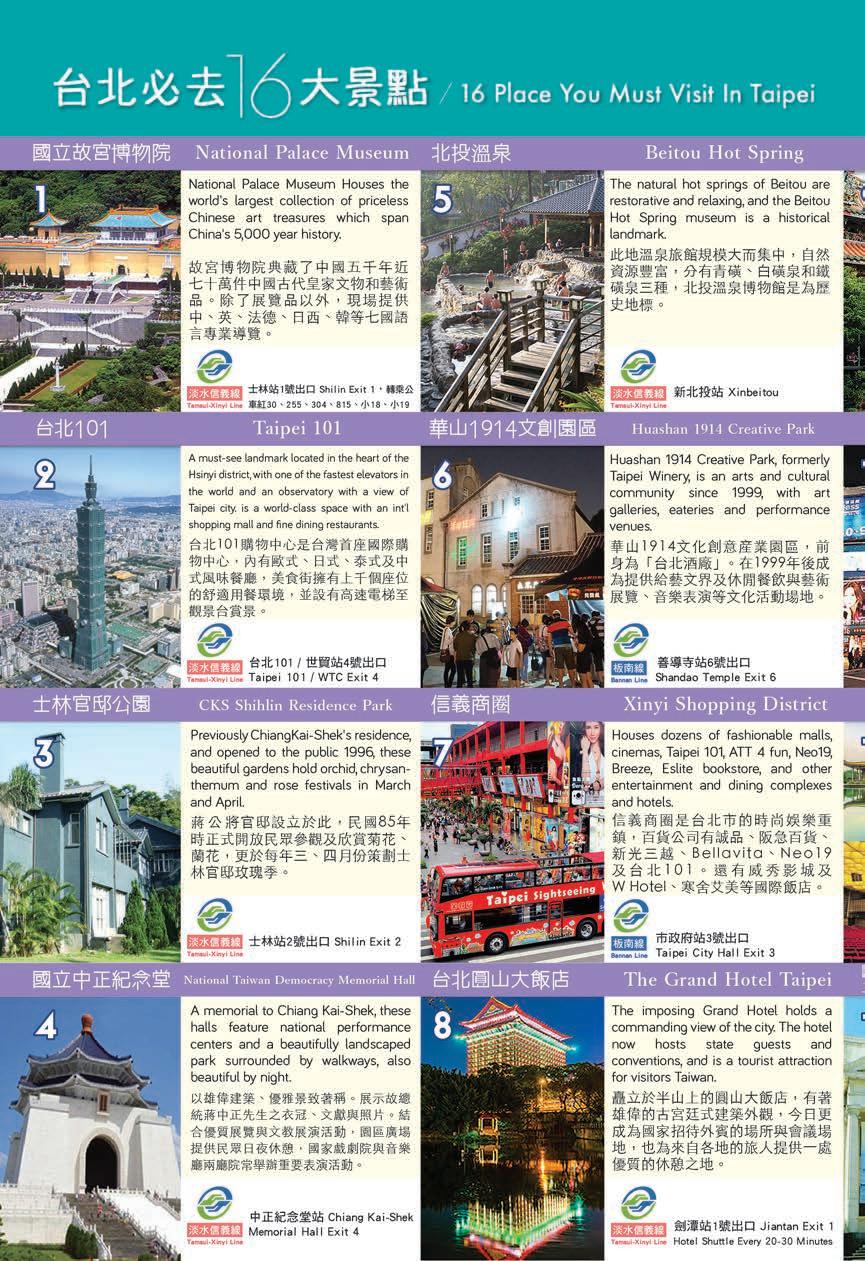
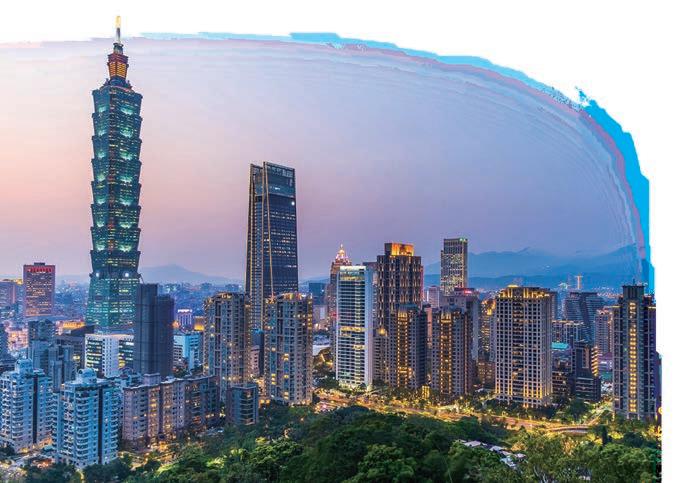
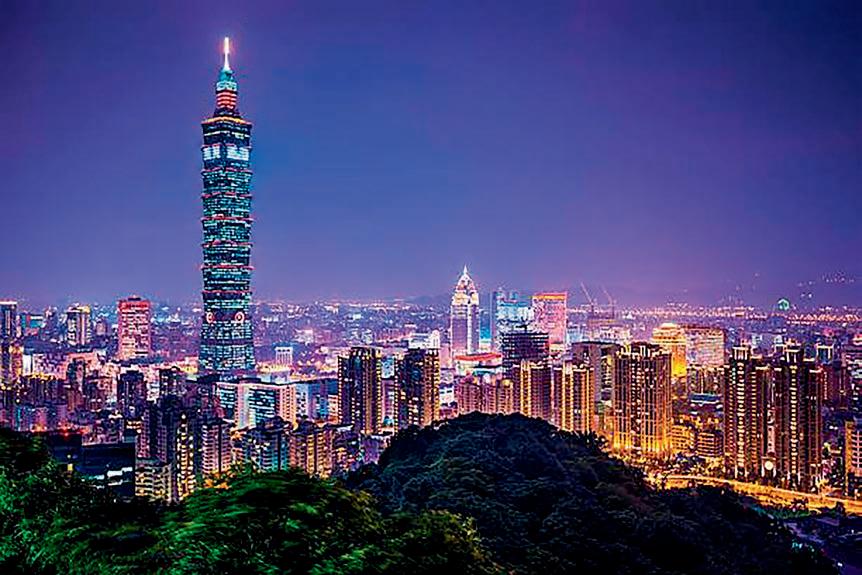
Northern Taiwan is also an international tourist attraction. Taipei is a city where Chinese and Western cultures blend. It has rich and diverse cultural tourist attractions and historical buildings. Taipei 101, Taipei Palace Museum and Night Market are must-visit attractions for foreign tourists. Yangmingshan National Park, North Coast and Northeast Coast National Scenic Areas, Wulai and Neidong National Forest Recreation Areas in the suburbs of Taipei are good places to appreciate the natural beauty of Taiwan’s mountains and coastlines.
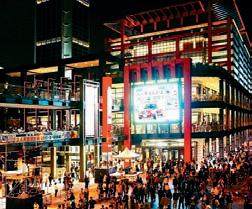
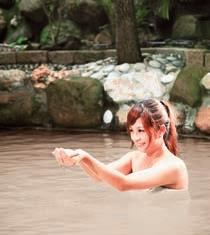
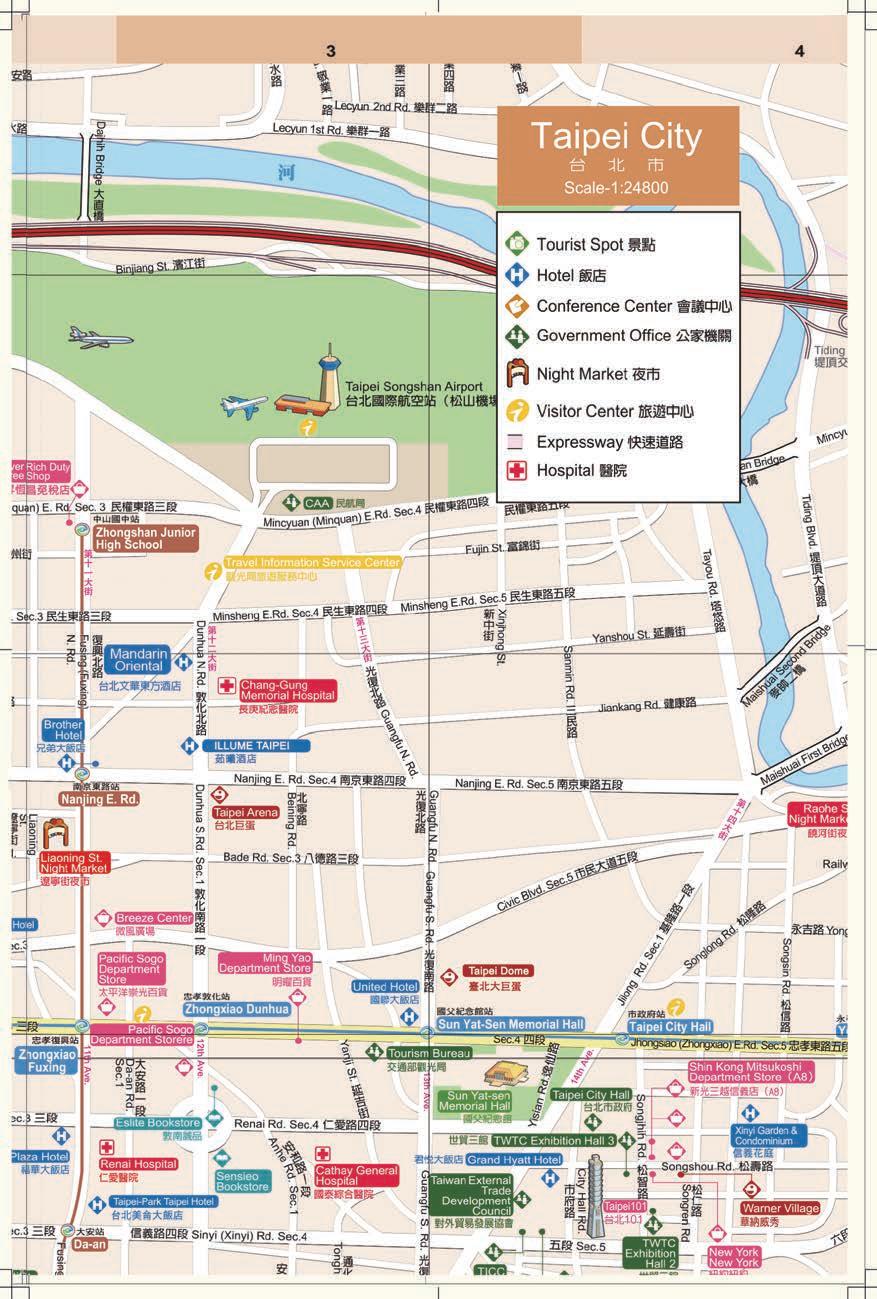
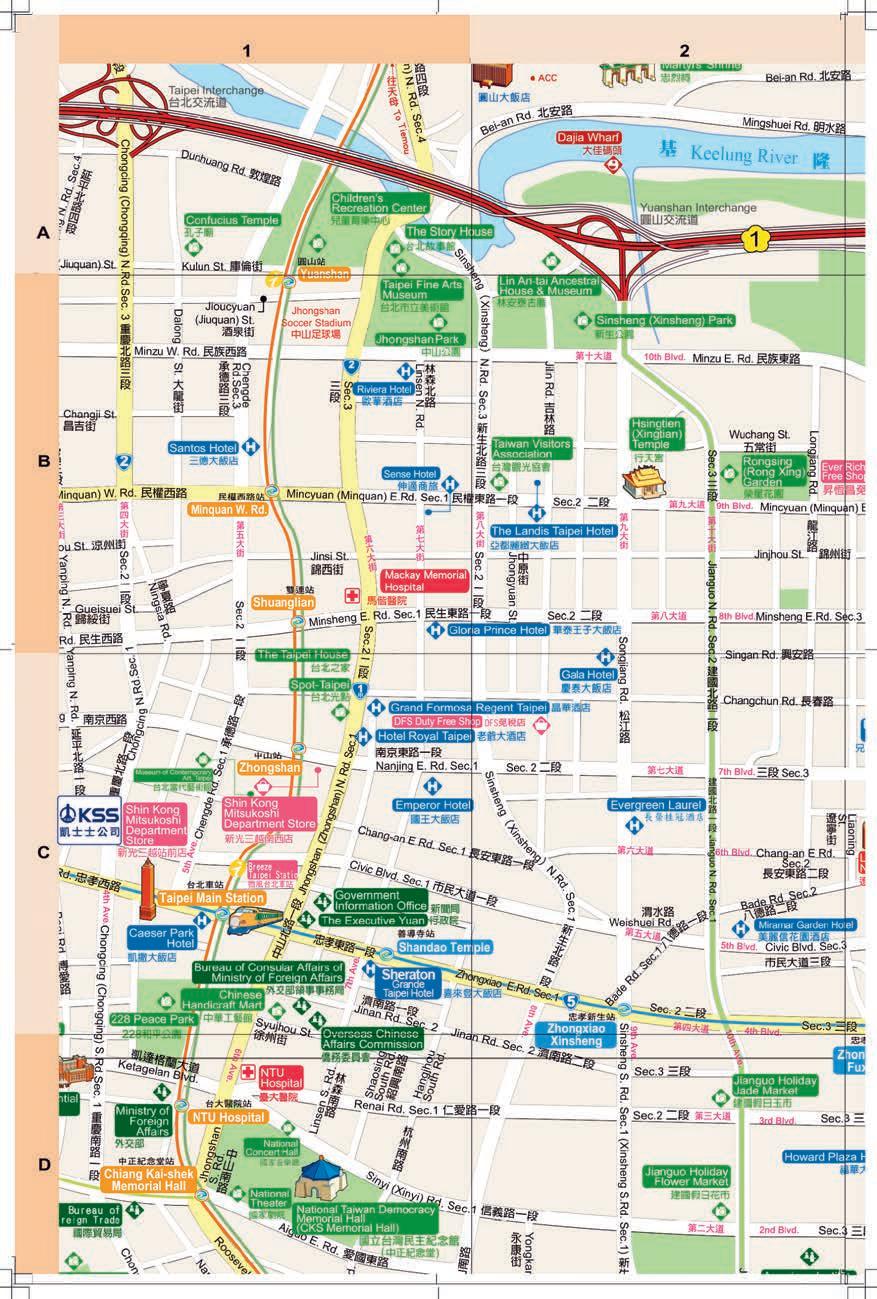
Taipei is Taiwan's largest city as well as its economic, political, and cultural center. It is a modern cosmopolitan metropolis with a lively and diversified face, filled with exuberance. From the world's tallest building (2004~2010) to the biggest collection of Chinese art, Taipei invites you into a world of fascinating contrasts - a mix of the modern and traditional, with a generous dash of energy and friendly smiles to make this one of your most memorable trips to Asia. The cultural kaleidoscope of Taiwan's capital city pulses wherever you go. Incense - veiled temples dating back to dynastic times blend seamlessly with a neon street life of a decidedly more modern era. Taipei has dozens of world - class restaurants where gourmets can sample the best regional Chinese cuisine; and for the gourmand, there are plenty of night markets serving up scrumptious evening snacks in an environment of chaotic excitement and fun. The polarities of Taipei are vividly present as well in the joining of the urban and natural. Just a few minutes from the heart of the city you can soak away the cares of the world in mineral - rich hot springs nestled in the lush mountain foothills ringing the Taipei Basin. And throughout the city there are plenty of trails, parks and other oases of tranquility to lift and invigorate your spirits. Whether you're just stopping over en route to another Asian destination, or planning a longer stay, Taipei is a many-faceted treasure that will call you back again and again. Discover the heart of Asia in beautiful Taipei!
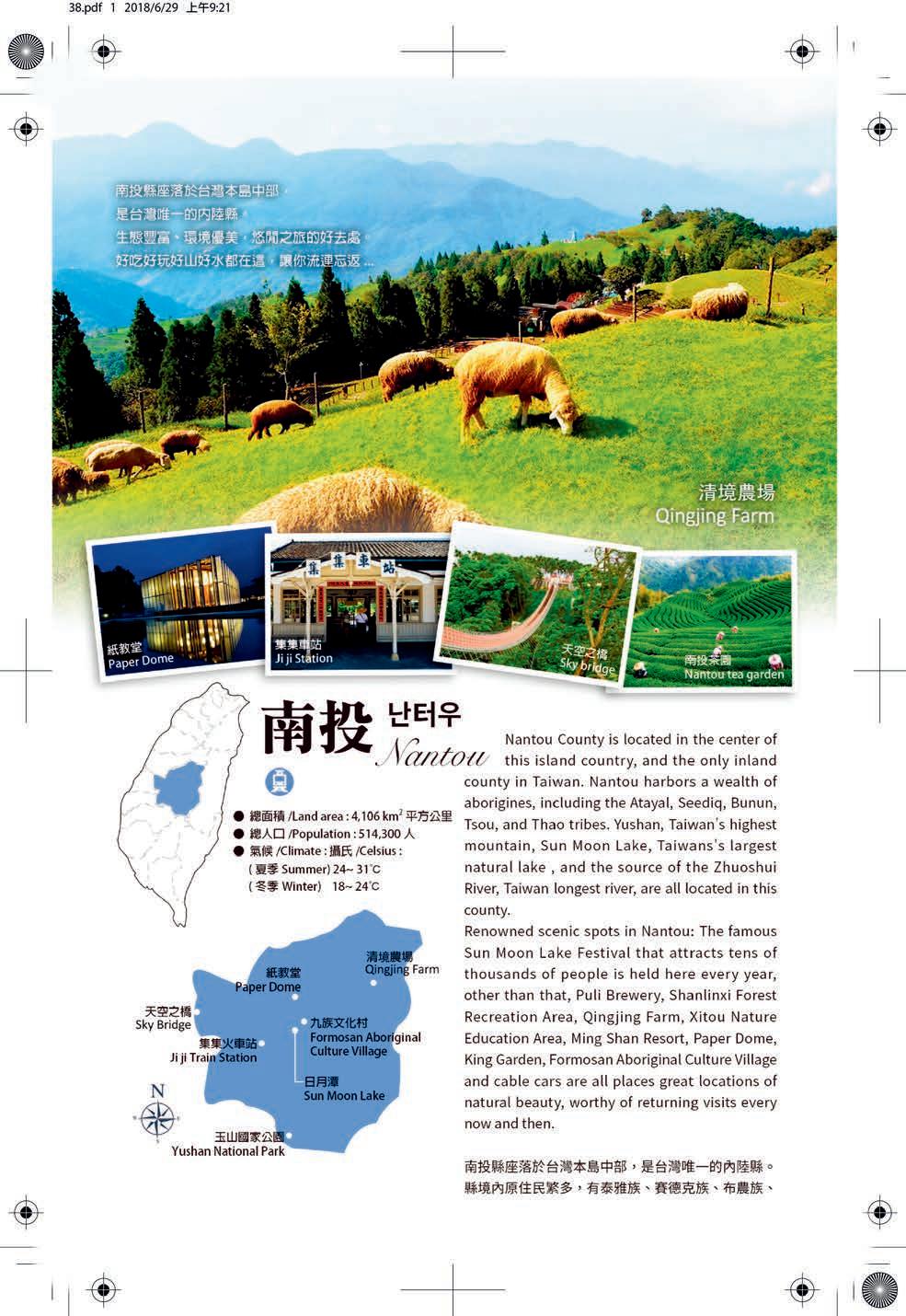
Central Taiwan includes the city of Taichung and four counties of Miaoli, Changhua, Nantou, and Yunlin.
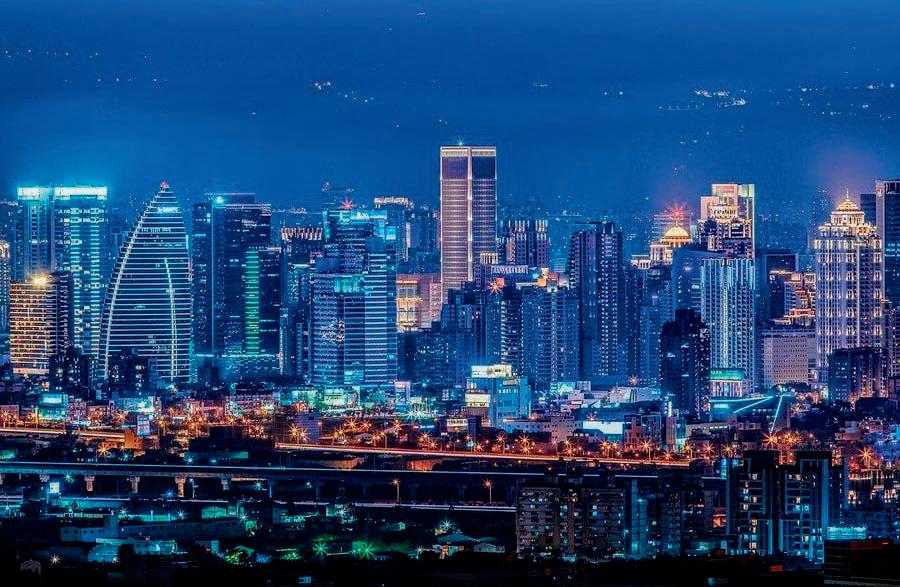
Taichung City is the key industrial and commercial city of Central Taiwan, with a population of over 2.8 million. Its population ranks second among the six direct municipalities, after New Taipei City.
Taichung Metropolitan Area is a major hub of Taiwan's precision machinery industry, and the world-famous Giant bicycles are produced here. After the Central Taiwan Science Park was launched at the beginning of this century, high-tech industries have gradually become one of the core industries of Central Taiwan. However, agriculture in the three counties of Changhua, Yunlin, and Chiayi still plays an important role in Taiwan.
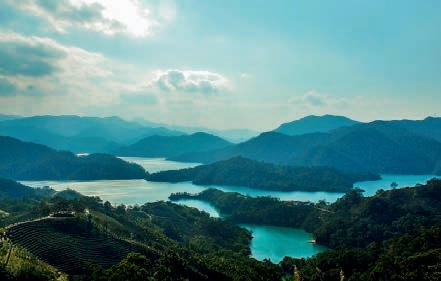
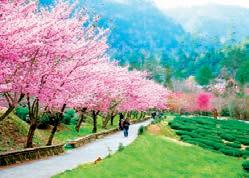
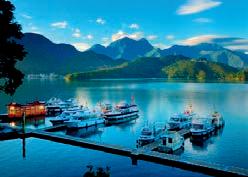
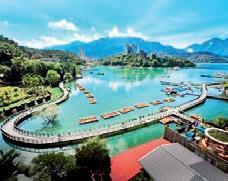
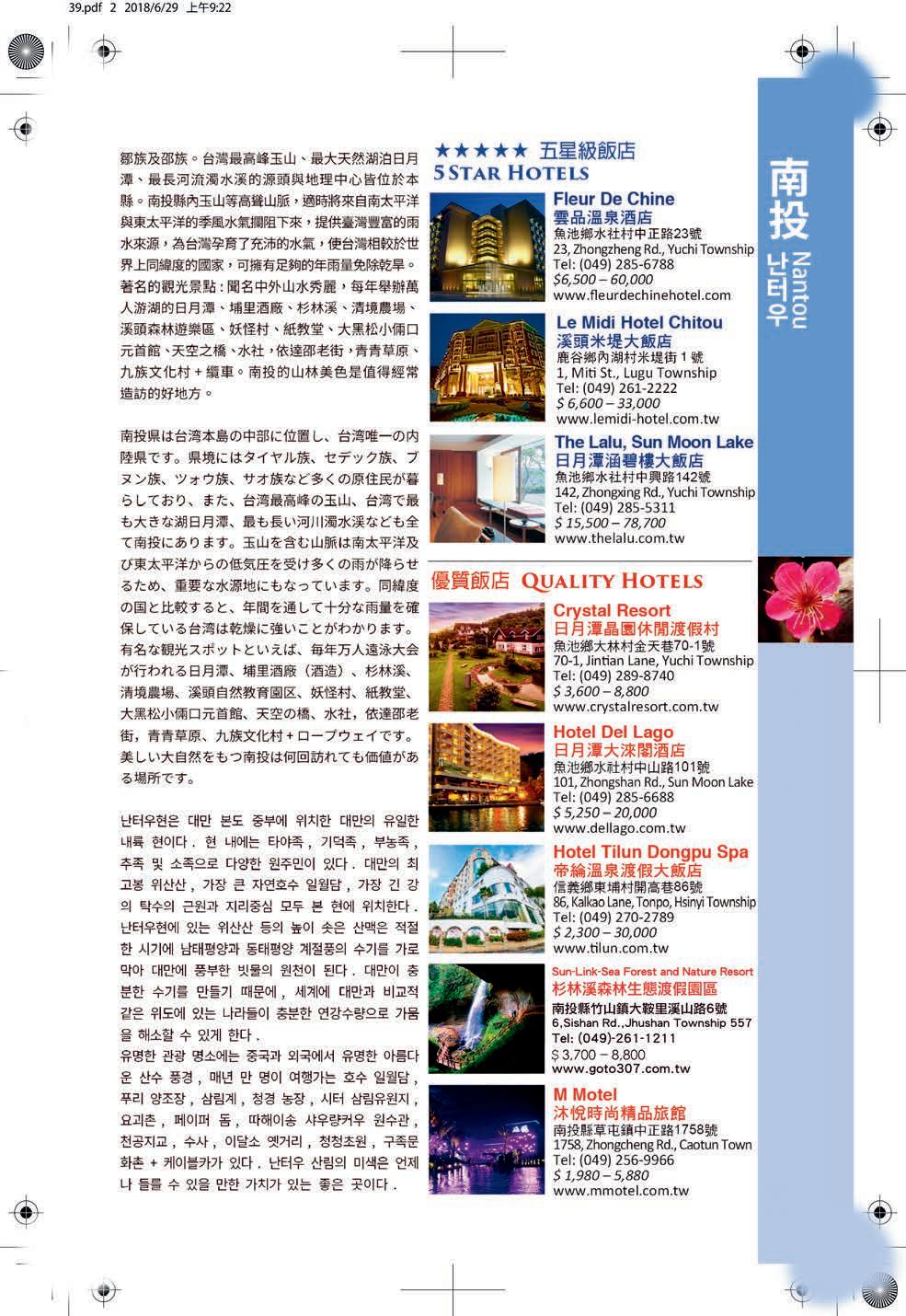
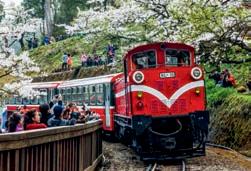
There are also many tourist attractions in Central Taiwan: Sun Moon Lake and Alishan National Scenic Area are internationally famous tourist attractions; Lugang is an ancient town with a history of more than 300 years and rich in cultural heritage and historical sites; Qingjing, Lishan, and Wuling are Taiwan’s main mountain resort areas and a popular hotspot for domestic tourism.
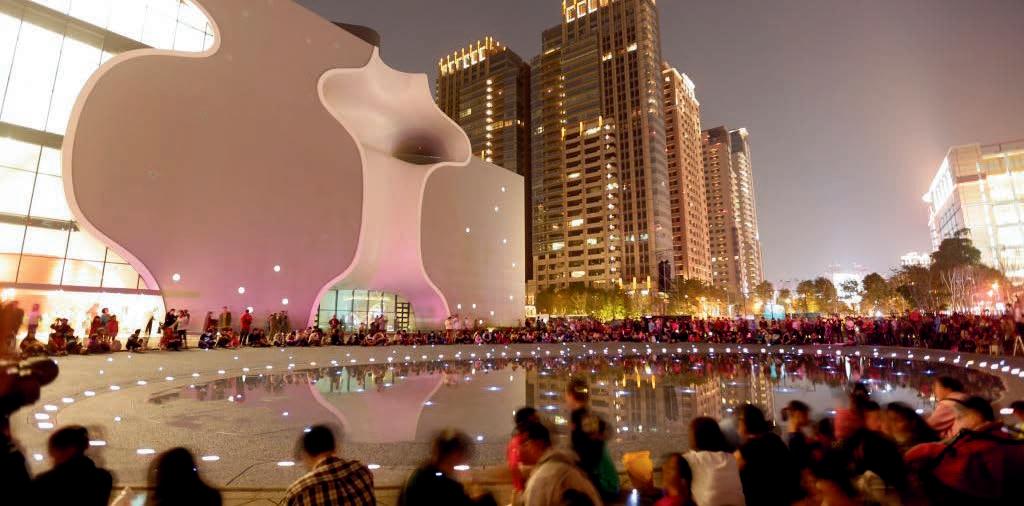
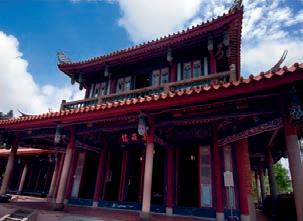
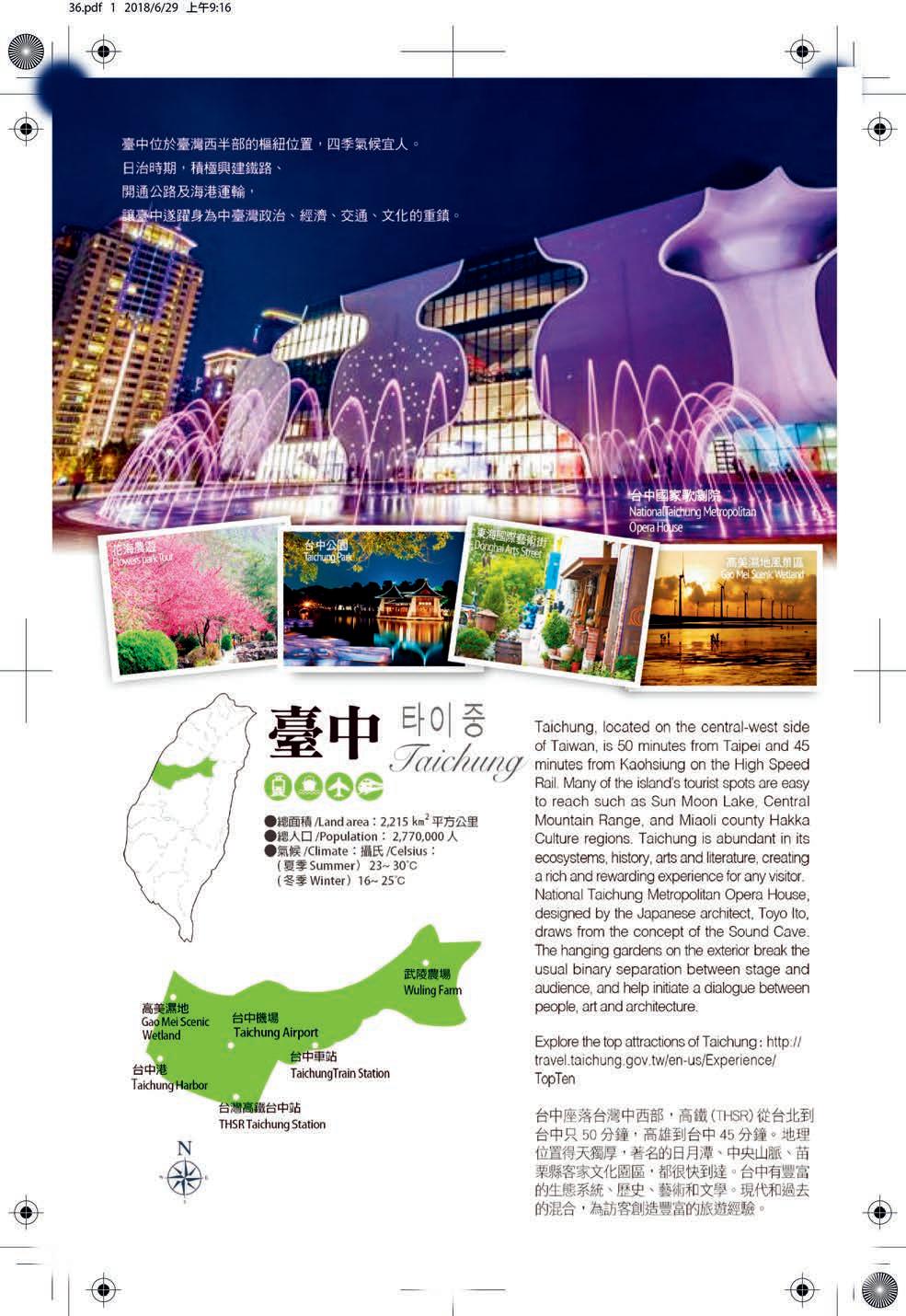
Taiwan's second largest city; Taichung enjoys a mild year-round climate with an average temperature of 22.4 degrees centigrade. It also has a highly developed industrial and commercial base, thriving cultural scene, friendly people, and beautiful scenery, all of which contribute to its status as an internationalclass city. Centrally located in the western half of Taiwan, Taichung welcomes visitors with a pleasant climate throughout the year. The city first rose as a major political, economic, transportation, and cultural hub during the Japanese occupation period, due highway, railway and shipping port development during that time. Through dedicated preservation efforts, Taichung has saved many of the city's historic sites and retains the original "chessboard" street plan from the Japanese era. Among the many sites of interest in the city are the 200-year-old Lecheng Temple, the ornate and much-visited Chenghuang Temple, and the three-hall style Wanhe Temple. The Chang Liao Family Shrine as well as the 200-plus-year-old Zhenlan Temple in Dajia further add to Taichung's yesteryear charms. In addition to historic attractions, Taichung also offers plenty to satisfy one's thirst for the arts, culture and learning, including the National Taiwan Museum of Fine Arts, and Taichung City Cultural Affairs Bureau. There are also a number of department stores and distinctive shopping areas and boutiques. The European-style Jingming Shopping District and Fenglin Restaurant at the Art Garden impart Taichung with a fashionable elegance that recalls the Champs Elysees in Paris.
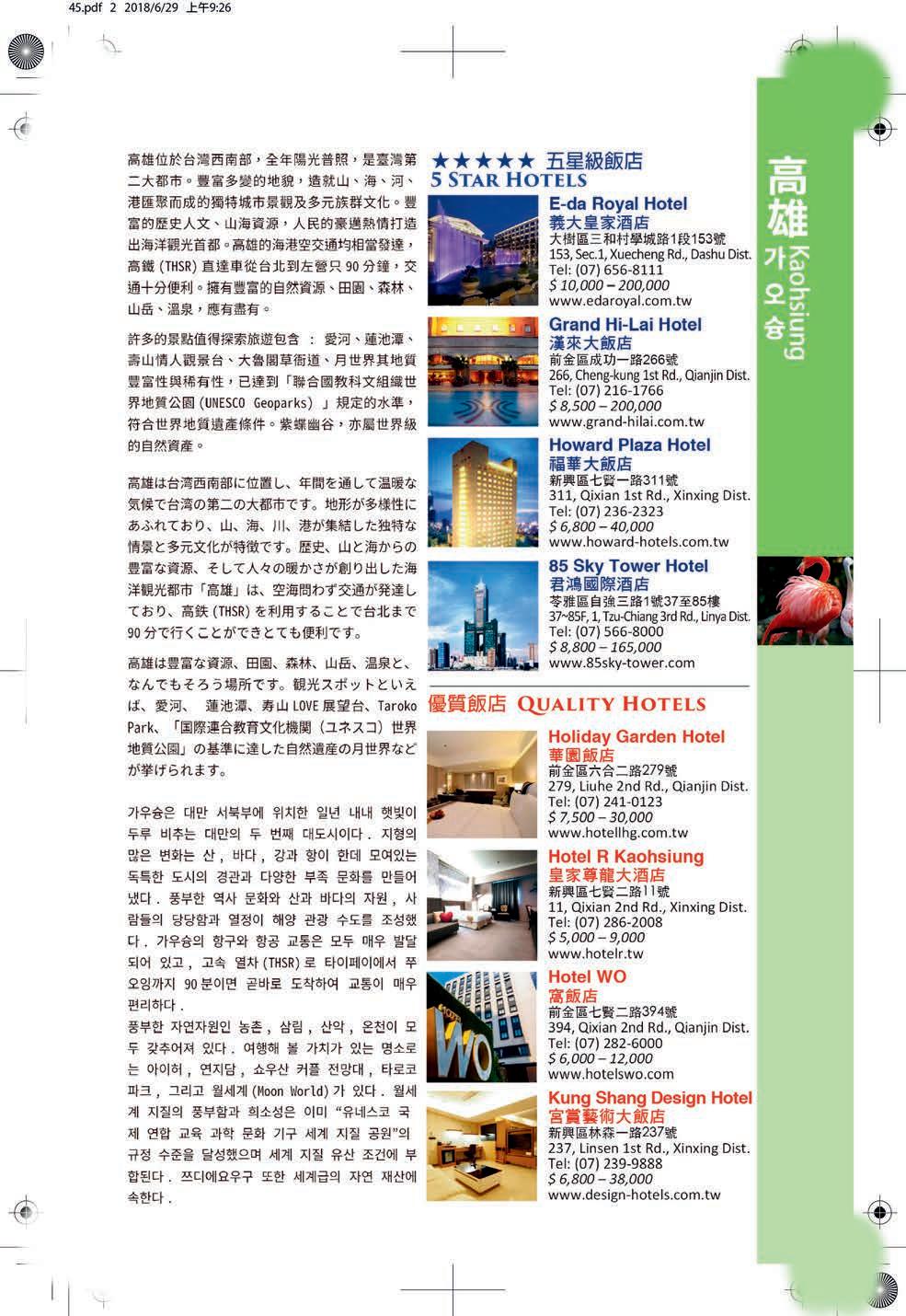
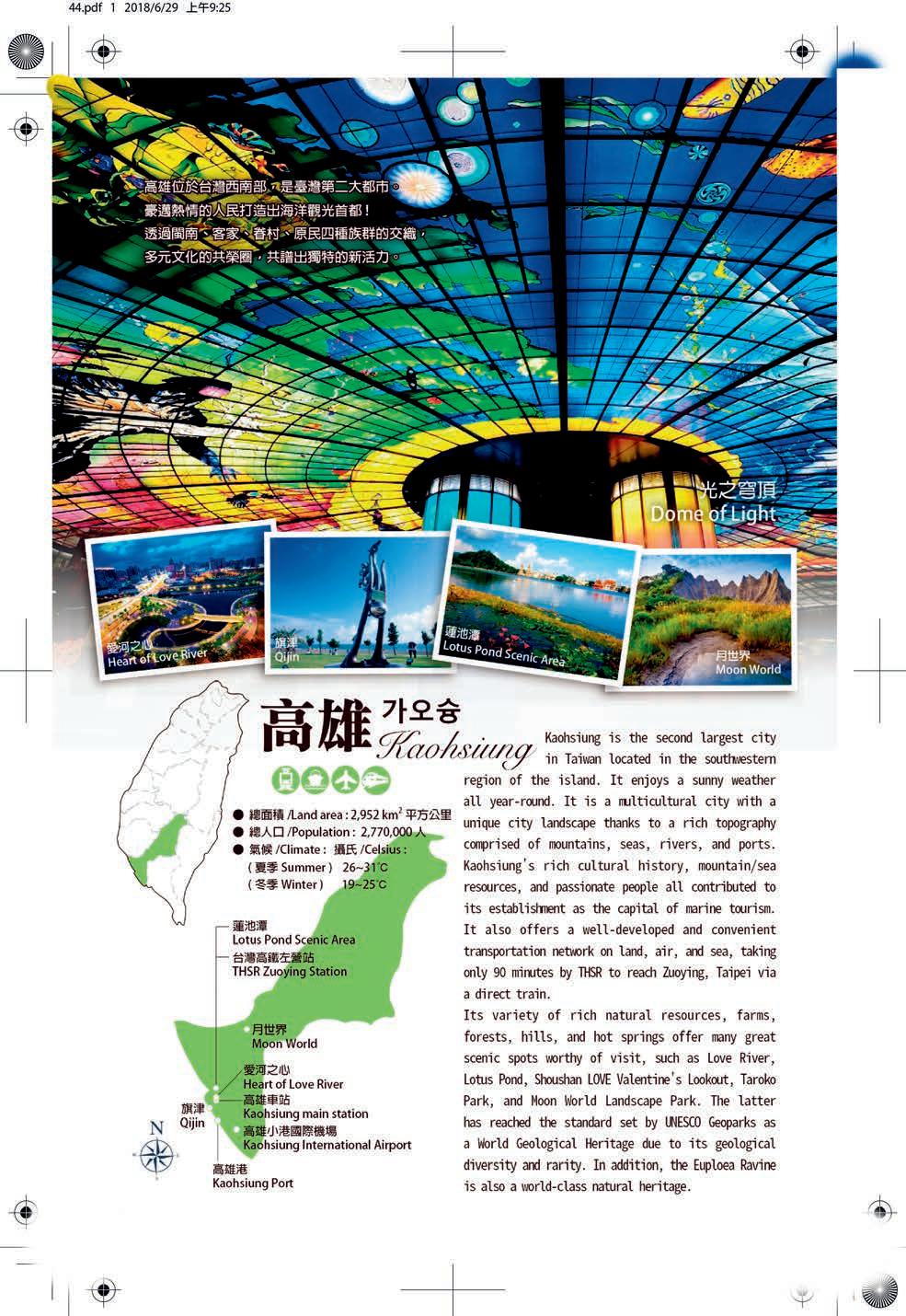
Southern Taiwan includes the two direct municipalities of Kaohsiung and Tainan, and three counties and cities including Chiayi City, Chiayi County and Pingtung County. Kaohsiung City is the key center of Taiwan's heavy industries such as oil refining, steel, petrochemical, and shipbuilding. It is also the international gateway to southern Taiwan. Kaohsiung Port is Taiwan’s largest international commercial port, and ranked third in the world in terms of cargo in 2000. In 2018, it remained within the top 20, ranking as the 15th busiest container port in the world. This region is also Taiwan’s main agricultural production area. Key products include rice, tropical fruits, aquaculture, fisheries, and animal husbandry. The "Pingtung Agricultural Biotechnology Park" located in Pingtung County is Taiwan's only agricultural biotechnology industry cluster, with a total area of 400 hectares. The Southern Taiwan Science Park is one of three high-tech industrial bases in Taiwan. The Tainan Science Park covers an area of 1,000 hectares and the Kaohsiung Science Park is about 600 hectares. In the future, it will become the world's largest semiconductor industry cluster. Tainan City is the ancient capital of Taiwan, with more than 400 years of history. In the 16th century, the Dutch used Anping Harbor in Tainan as a base to dominate southern Taiwan for nearly 40 years (1624-1662), opening the door to Taiwan's modern development. Tainan and Kaohsiung are the main tourist cities in southern Taiwan, while Kenting on the Hengchun Peninsula is a popular tropical tourist resort. 南台灣包括高雄、台南兩個院轄市 及嘉義市、嘉義縣、屏東縣等三個 省級縣市。高雄市是台灣煉油、鋼 鐵、石化、造船等重工業的發展中 心,也是台灣南部的國際門戶,高 雄港是台灣最大國際商港,2000 年時貨運吞吐量居全球第三位, 2018年是世界排名第十五名的貨 櫃港。
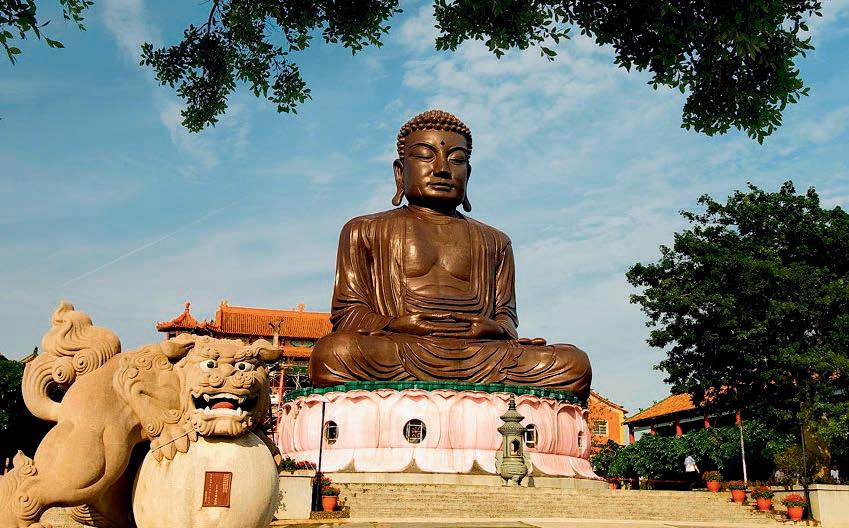
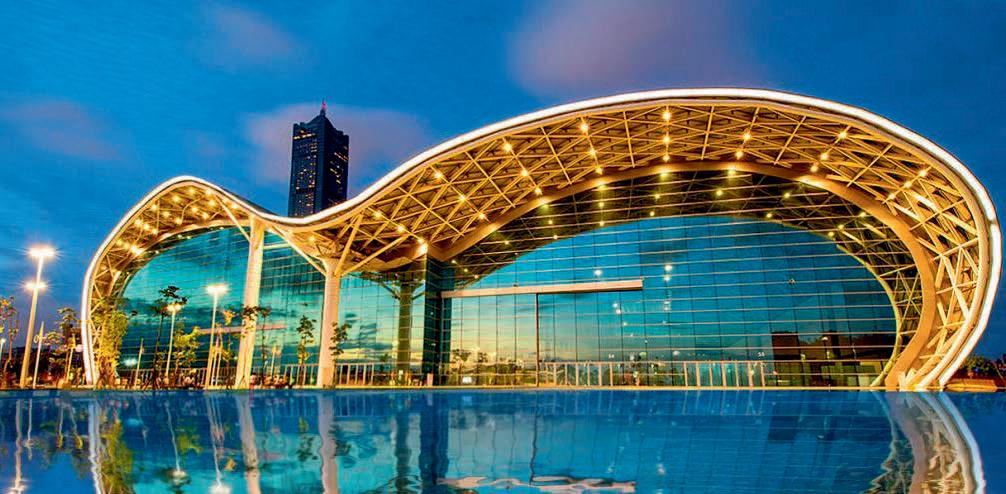
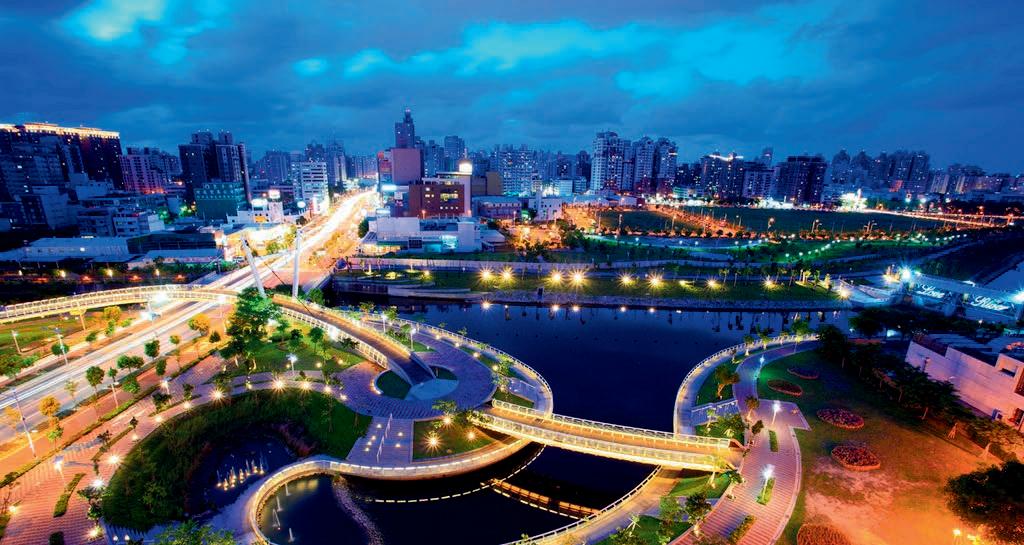
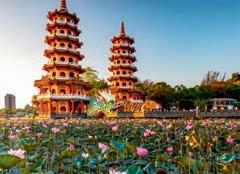
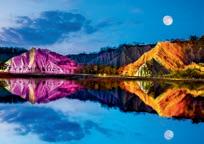
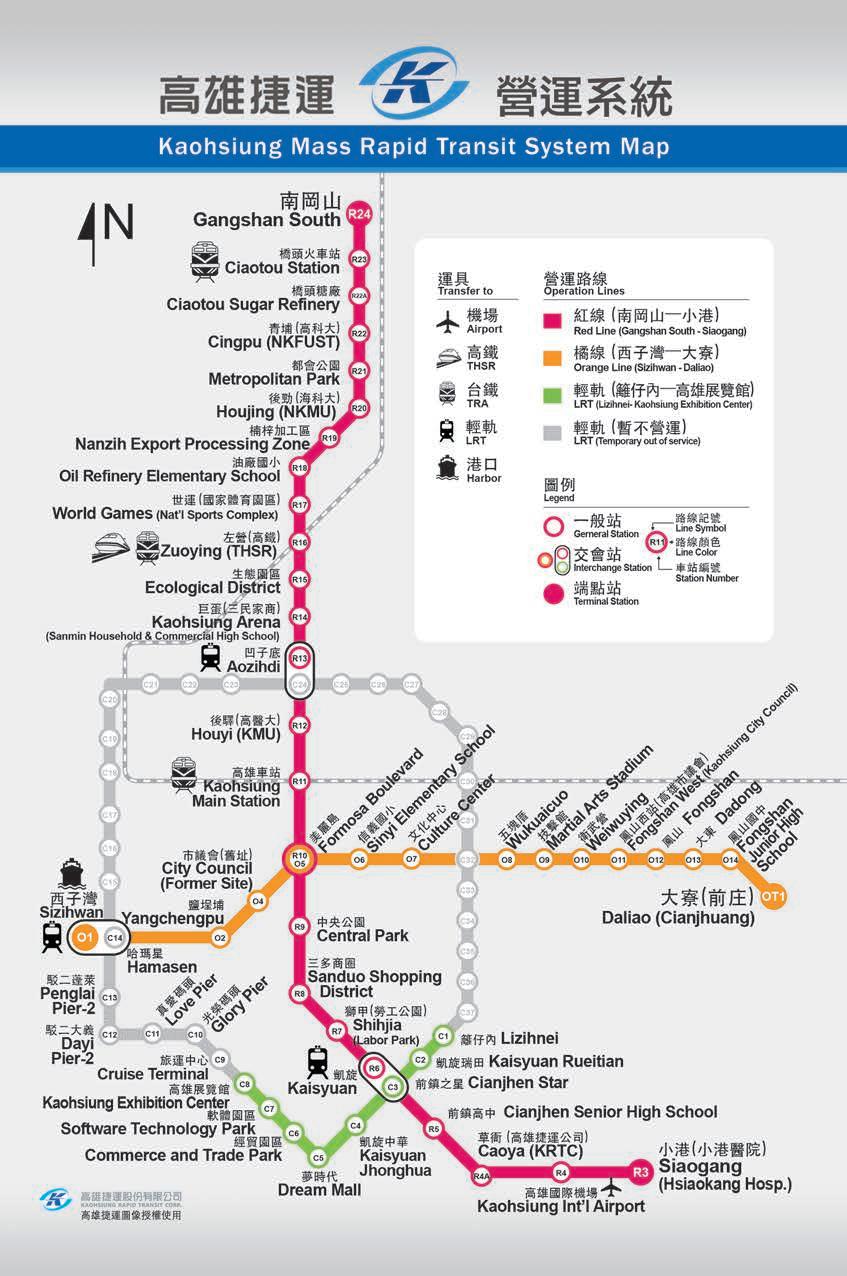
Located in the southern part of Taiwan, the city of Kaohsiung is the island's largest industrial center. A thriving international metropolis at the southern tip of Taiwan, Kaohsiung was the host city for the 2009 World Games. Due to the regulating effects of the marine climate, Kaohsiung is generally sunny and enjoys pleasant weather year-round. Known as "Taiwan's Maritime Capital," the city has worked hard in recent years to develop its tourism industry, including through beautification of the urban landscape. Kaohsiung is home to several popular visitor sites, including the Love River, Shoushan (Mt. Shou), Xiziwan Bay, Lotus Pond, Qijin, and the Old City of Zuoying. It also is an ethnic melting pot, joining Hokkien and Hakka communities, the Pingpu, Tsou, Rukai, Bunun, and Paiwan indigenous tribes, and a military community culture. Kaohsiung also offers scenic mountains, ocean views, and rivers, as well as port, cultural, and historic attractions. Visitors to the city can experience the beauty of nature and savor fine cuisine, or head to the nearby Hakka village of Meinong to experience traditional oil paper umbrella art. The Neimen Songjiang Battle Array and the Fo Guang Shan Buddhist monastery in Dashu further add to the ethnic richness of Kaohsiung. Taiwan's biggest mall and well-known night markets complete the scene for a thoroughly satisfying trip.
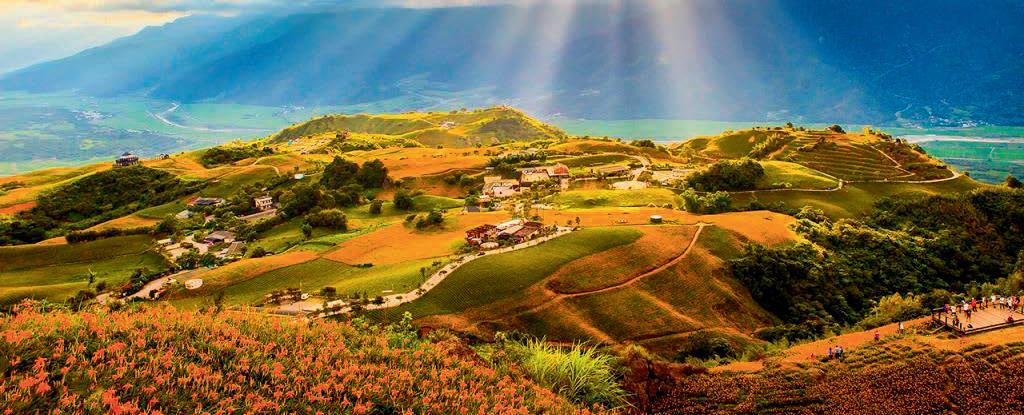
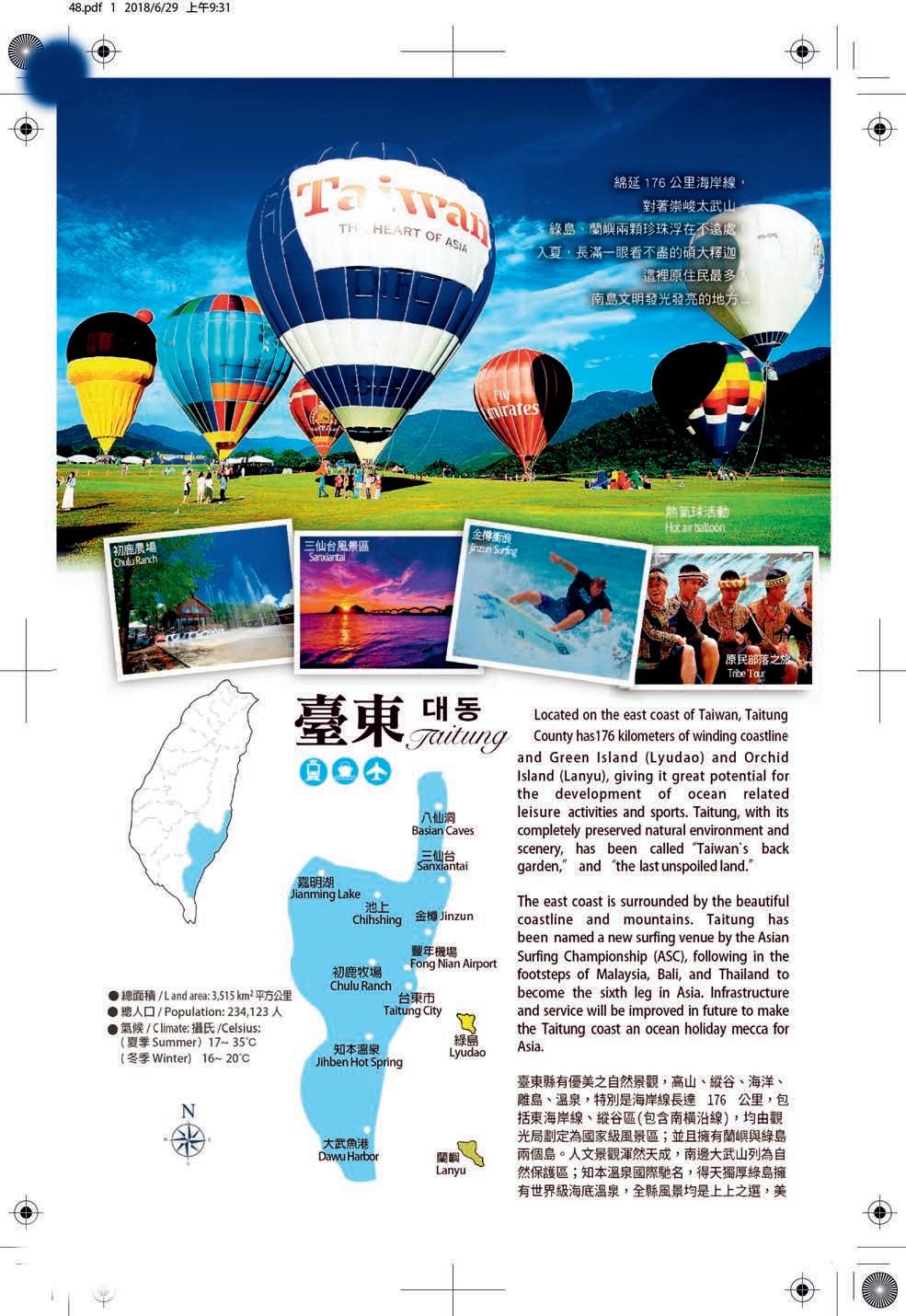
Eastern Taiwan includes Hualien County and Taitung County. Yilan County, located on the east of Taiwan Island, is usually not regarded as Eastern Taiwan. Eastern Taiwan is blocked from the West by the imposing Central Mountain Range, and as a result, features different levels of social and economic development from that of Western Taiwan. The whole area accounts for about one-fifth of Taiwan, but the population is less than 600,000. This region one can still experience a simple rustic lifestyle, and is often regarded as the “back garden” of Taiwan.
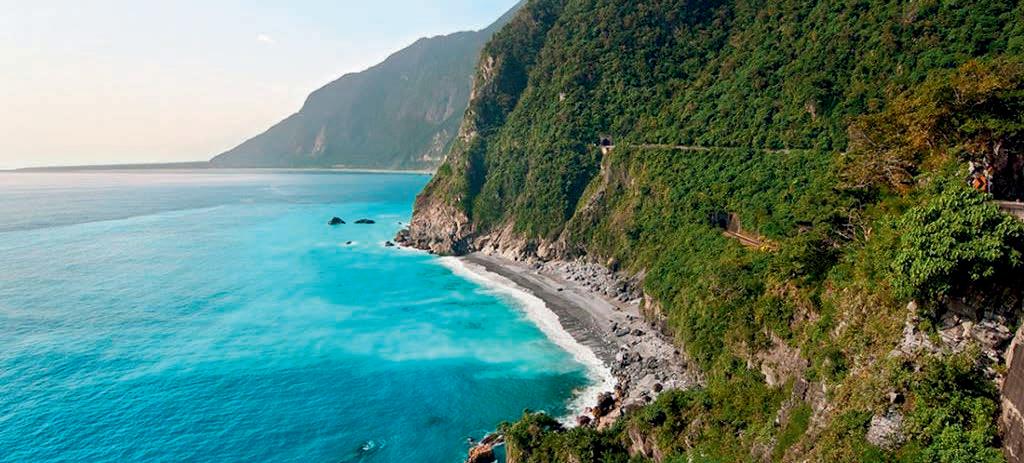
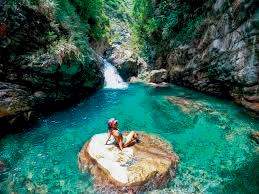
The geographical environment of Eastern Taiwan is quite diverse and unique. The Huadong Rift Valley, also known as East Rift Valley, is a suture zone between the Eurasian plate and the Philippine plate. The coastal mountains and the two outlying islands of Green Island and Lanyu (Orchid Island) geographically belong to the Philippine plate. The Taroko Gorge is a U-shaped valley cut by Liwu Creek, extending more than 20 kilometers in a magnificent mountain valley. The Qingshui Cliff facing the Pacific Ocean and Huadong Coast feature some of the most beautiful coastlines in Taiwan. The economy of Eastern Taiwan is mainly supported by agriculture and tourism. The main tourist attractions are located in the east coast, the East Rift Valley and the Taroko National Park. In recent years, there has been a large increase in tourist resort hotels and B&Bs.
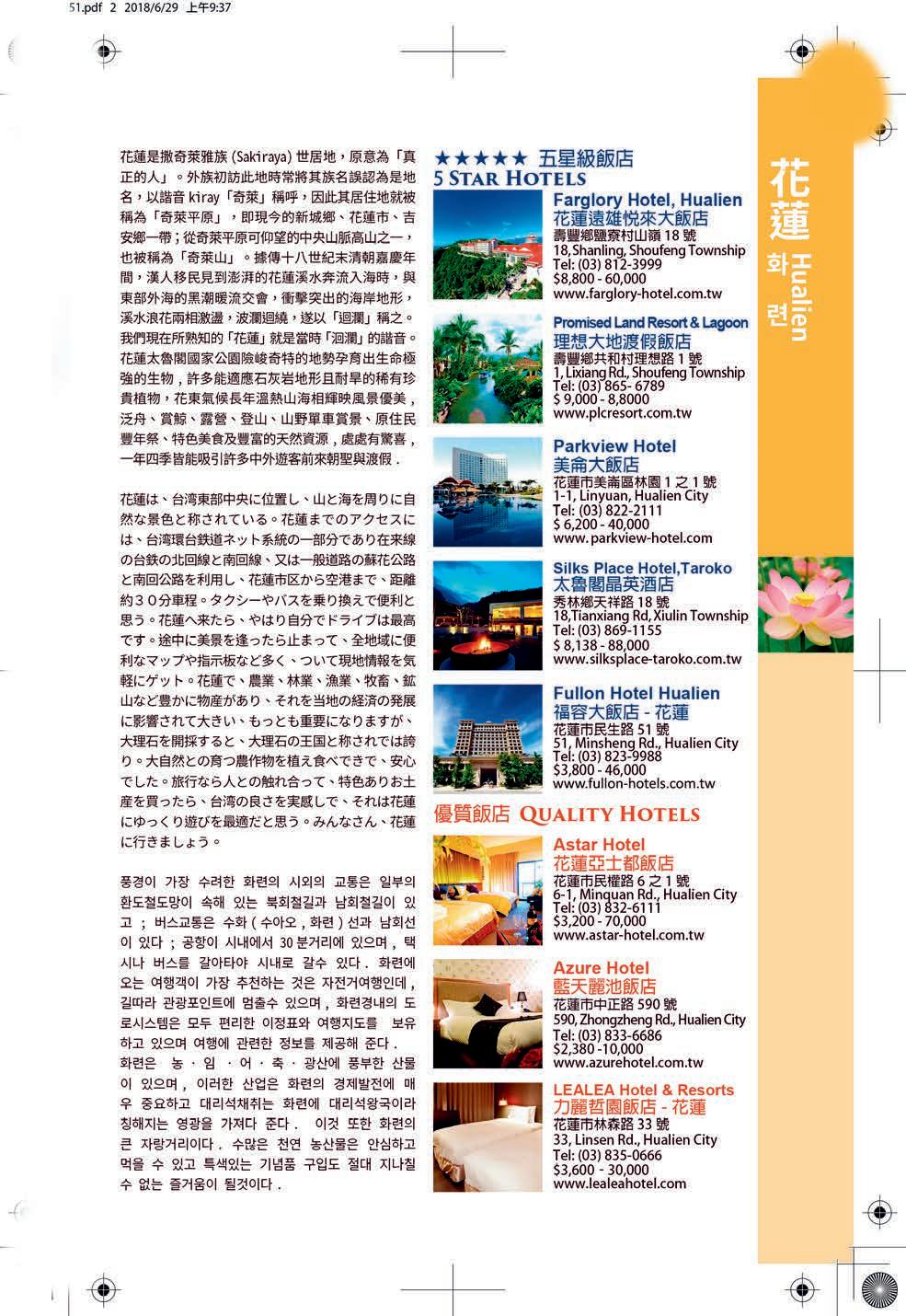
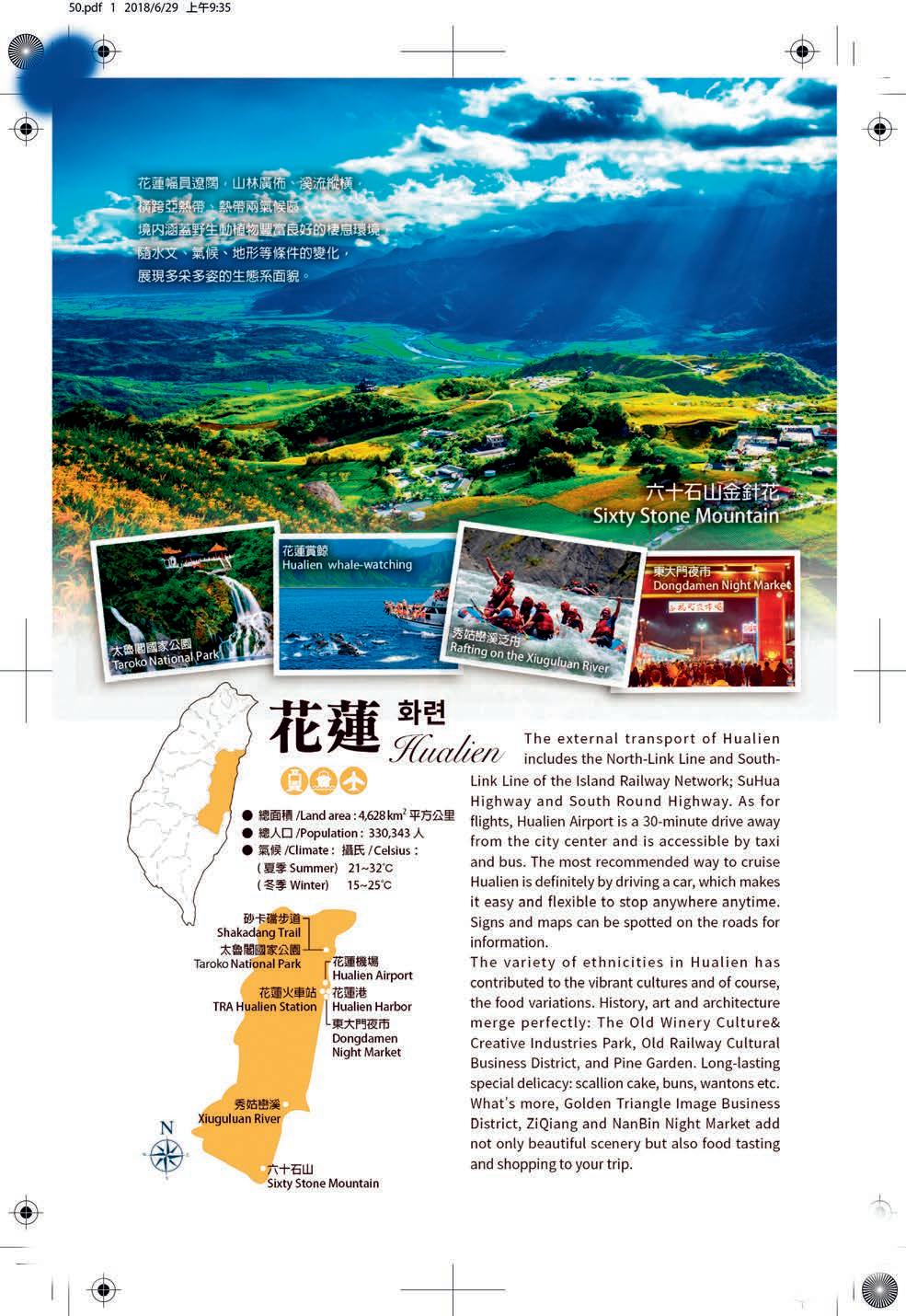
Hualien is the meeting point of the Central Cross-Island Highway, Suao-Hualien Highway, and highways leading south to Taitung. Hualien County is home to several world-class scenic attractions. In 1590, Portuguese sailors passed by the eastern coast of Taiwan and were so moved by the grandeur of what they saw that they named this land "Formosa," the beautiful island. Since that time, the majestic views of Hualien have come to represent Taiwan. Formerly known as Qilai, Hualien's current name derives from the phrase "huilan" (eddying water), a reference to the swirling currents of the Hualien River where it meets the sea. Hualien is Taiwan's biggest county, with an area of about 4,628 square kilometers and a population of 350,000. The county borders the Pacific Ocean to the east and is hemmed in by the Central Range to the west. With its towering peaks, azure skies, vast seas, scenic valleys, cultural diversity, and friendly kindhearted people, Hualien has become one of Taiwan's first-choice travel destinations for local and international visitors alike. With all of its natural beauty, most of Hualien is a national scenic area. Visitors to the county can enjoy the impressive gorges at Taroko National Park, the magnificence of Yushan National Park, the stunning natural landscapes of the East Coast National Scenic Area, and the rustic charms of the East Rift Valley National Scenic Area. Wherever you go in Hualien, nature is there to greet you.
Penghu, Kinmen, and Matsu on the Taiwan Strait are outlying islands of three county-level administrative regions.
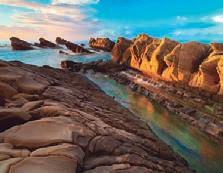
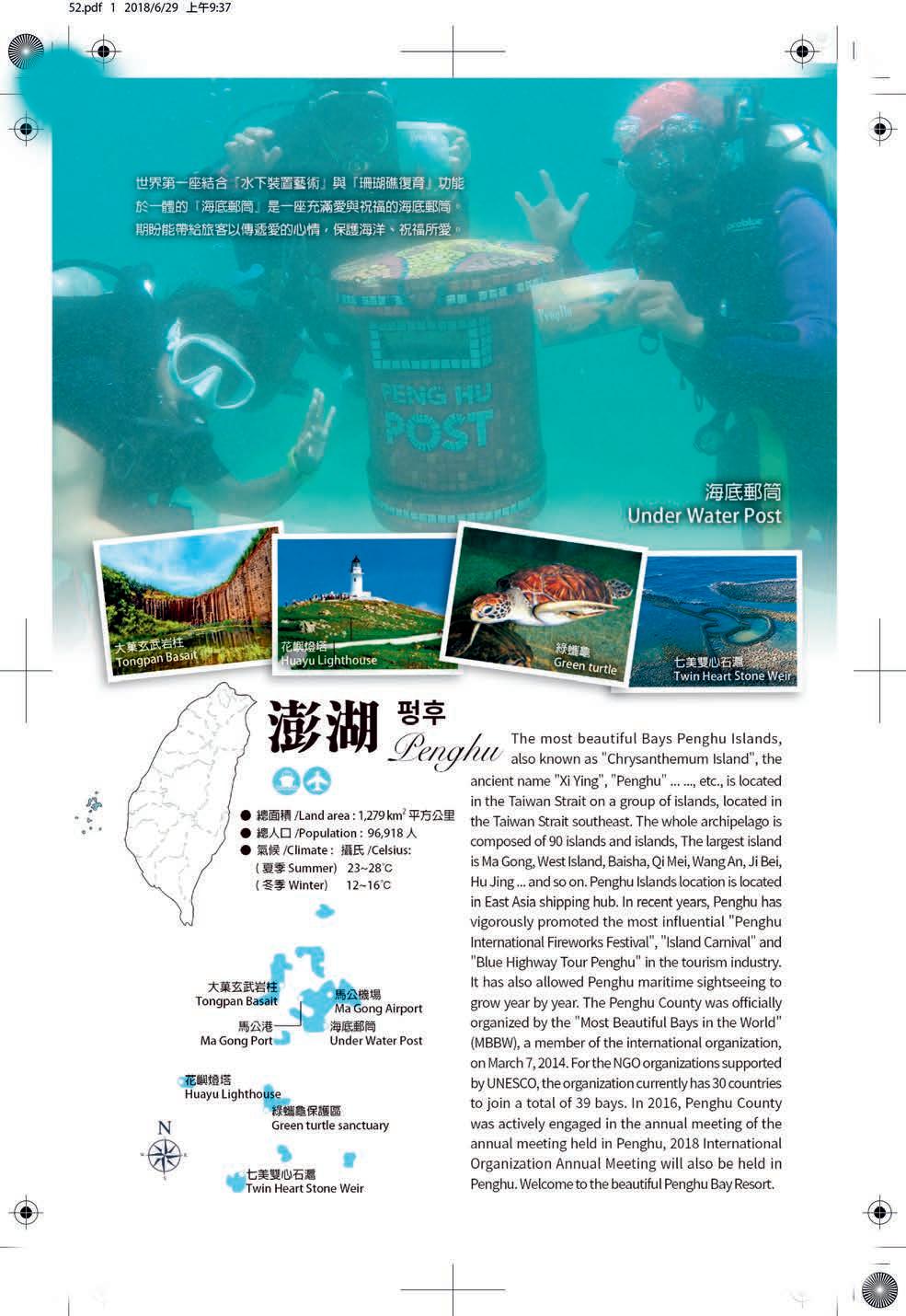
Penghu (also known as the Pescadores) is an archipelago comprising 90 large and small islands, most of which are formed by volcanic lava. The basalt geological landscape is unique and meets the conditions for a world natural heritage site. The Penghu Islands have a total area of about 130 square kilometers and a registered population of about 100,000. Traditionally, most residents relied on fishing for their livelihood. Since the government developed the tourism industry, it has gradually replaced fisheries, and most residents are engaged in the tourism industry today.
Kinmen covers an area of about 153 square kilometers and is separated by water from Xiamen in Fujian Province. At the nearest point the distance between the two is about 2,000 meters.
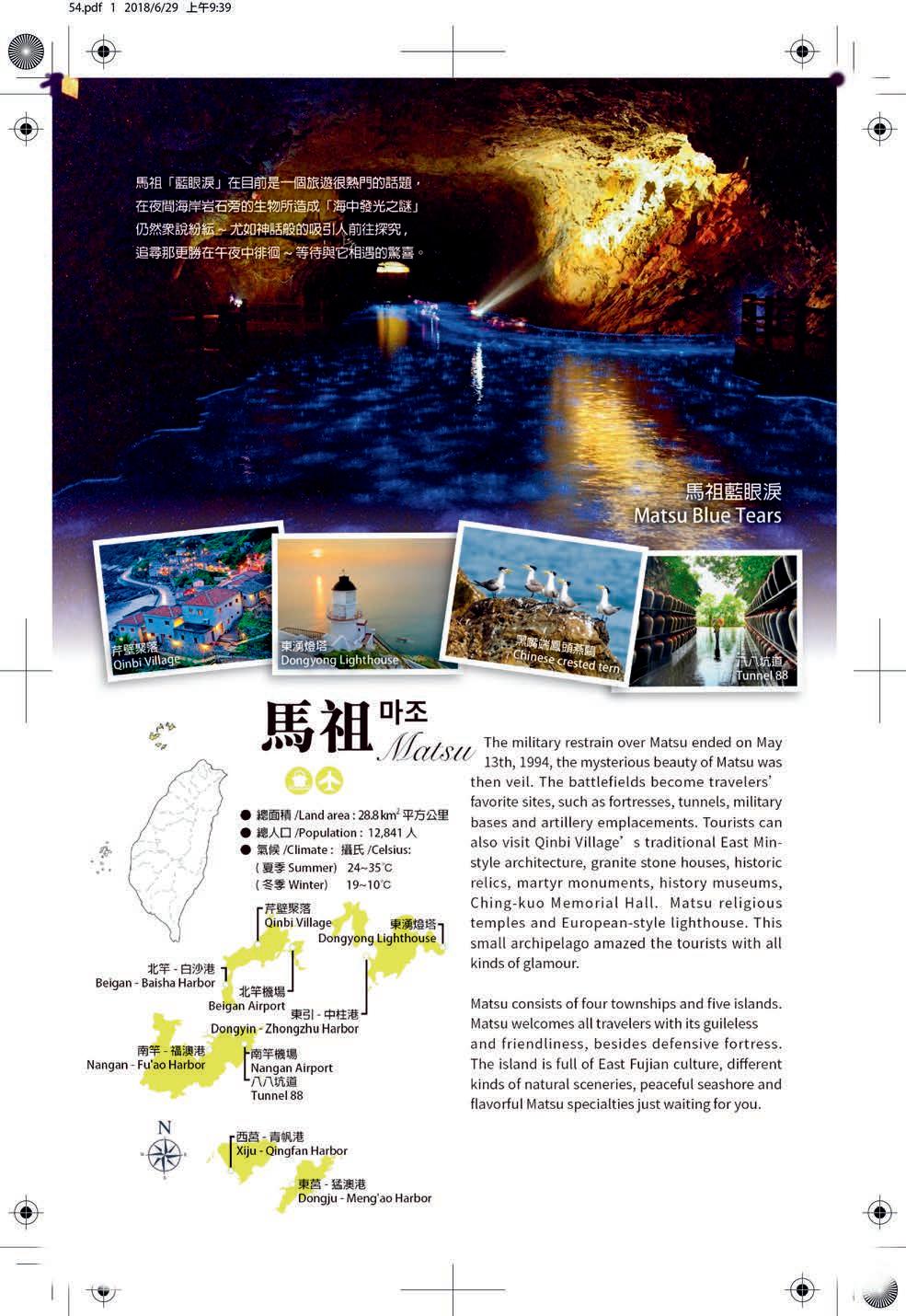
Matsu is an archipelago composed of five small islands, with a total area of about 30 square kilometers, and is about ten kilometers away from the mainland.
Kinmen and Matsu used to be the front lines of defense for Taiwan, but now they are mostly tourist spots. Tourism is one of the main sources of income for the local economy. 台灣海峽上的澎湖、金門、馬祖是 三個縣級行政區的離島。澎湖是 擁有九十個大小島嶼構成的群島 (Pescadors),大部分為火山熔岩 所形成,玄武岩地質景觀是它最獨 特的地景,具有登錄世界自然遺產 的條件。澎湖群島總面積約130平 方公里,戶籍人口約10萬人,傳 統上居民大都以漁業為生,但政府 大力發展觀光之後,觀光產業已逐 漸取代漁業,居民多數從事觀光產 業的工作。
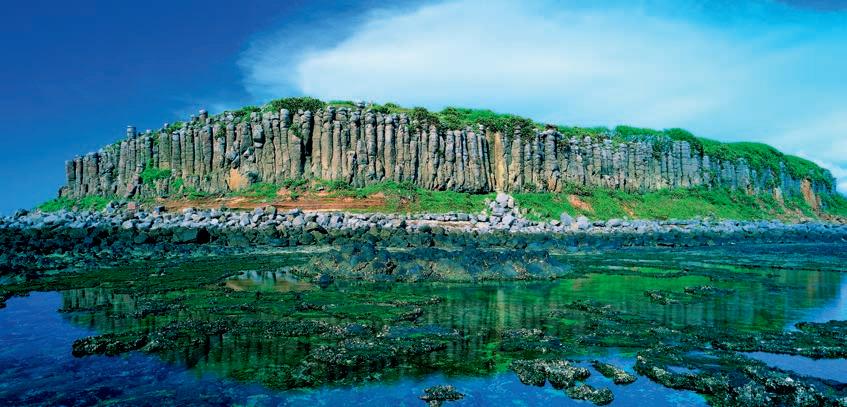
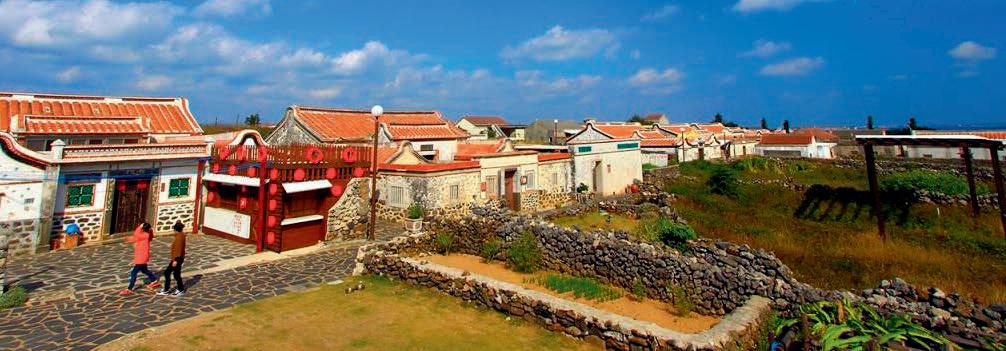
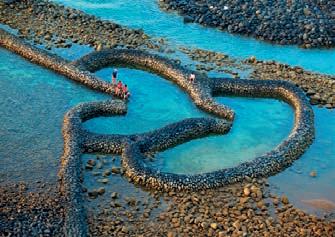
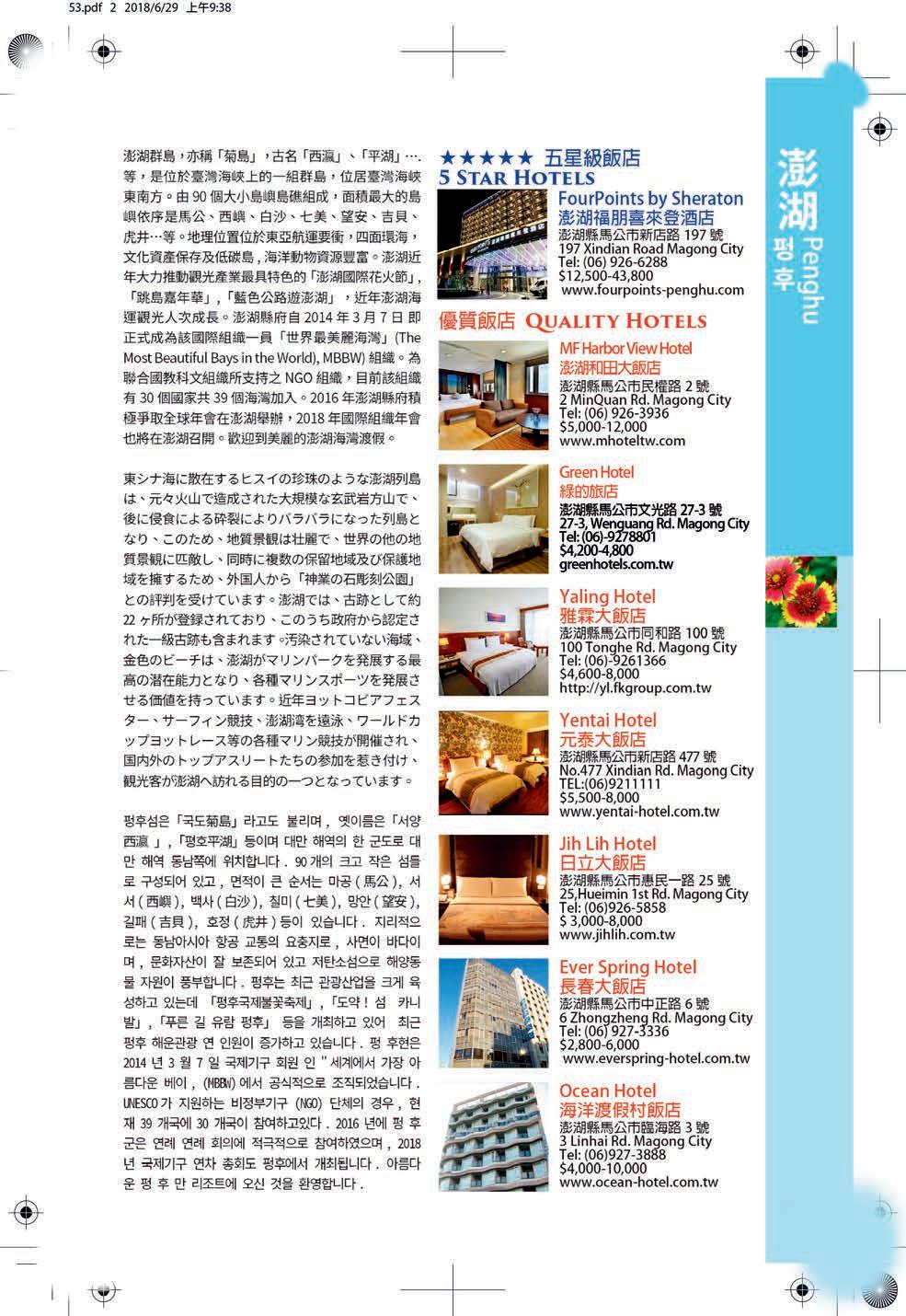
The Penghu Islands are located to the southwest of the main island of Taiwan. More than 90 islands, large and small, scattered across this archipelago are like pearls in the Taiwan Strait. Historically, Penghu was a springboard for travel and exchanges between Mainland China and Taiwan and thus had always played an important strategic position. There are many historical and cultural heritage and military relics to be found on the island, including six recognized as national monuments. The ever-changing basaltic geological landscape of the Penghu Islands is a masterpiece of nature, like a stone sculpture park carved out by the sea. The waters of Penghu are rich in marine life, which are a key resource of the traditional fisheries economy of the islands, and now play a pivotal role in its tourism and leisure industries. The Penghu Islands were designated as a National Scenic Area in 1995. Under the careful planning and infrastructure development undertaken by the Tourism Bureau of the Ministry of Transportation and Communications, it has developed into a world-class tourist attraction. In addition, the seas around the Four Islands of Southern Penghu and the surrounding islands hold precious and diverse marine ecological resources and were designated as the “South Penghu Marine National Park” in 2014. The Park is managed by the Marine National Park Headquarters of the Ministry of the Interior. Tourism activities offered on the Penghu Islands are very diverse, and it is recommended that a stay of at least three days and two nights should be arranged to truly enjoy the essence of its natural beauty and local culture. Must-see attractions include: Penghu Tianhou Temple (a national monument originally constructed in 1604), Magong Old Street, Erkan Historical Village, Twin Hearts Stone Weir, and the 300-year Tongliang Great Banyan Tree, as well as many other cultural landmarks. Key natural attractions include the basalt columns on Tongpan Island and flocks of migratory terns that inhabit and breed in the summer months on the islands.
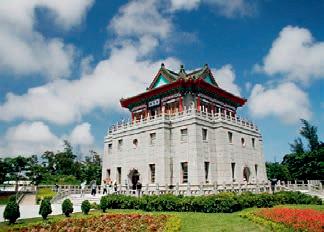
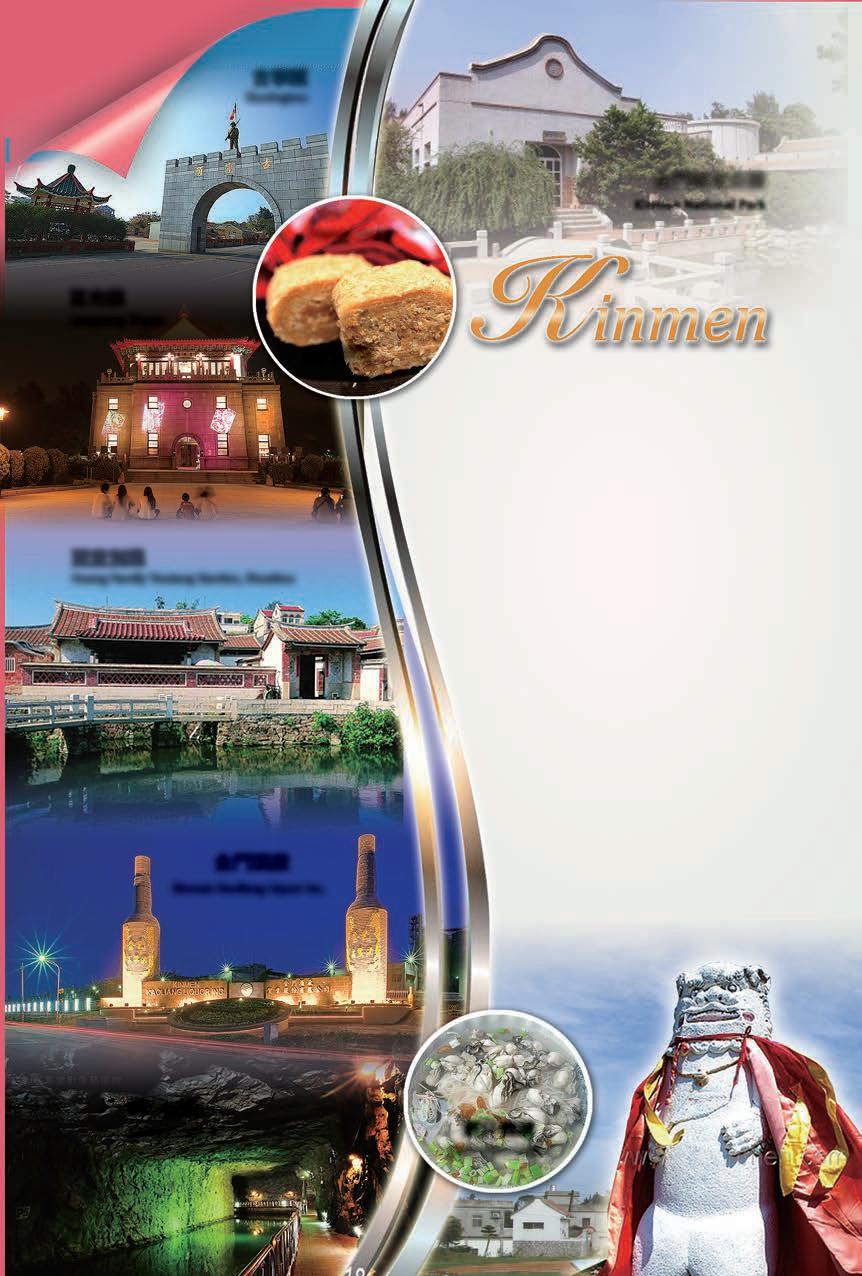
Kinmen was at the forefront of fierce confrontations between the communist and democratic camps during the Cold War as well as the frontlines of Taiwan’s defense. The Battle of Guningtou took place in 1949, and the August 23rd Artillery Bombardment broke out in 1958. Martial law was lifted in Kinmen in 1992, returning the island to civilian rule and opening it up to tourism. In 1995, in recognition of Kinmen’s historical sites, traditional settlements, battlefield memorials and important natural ecological areas, the Ministry of the Interior established the Kinmen National Park and established an office for management and conservation.
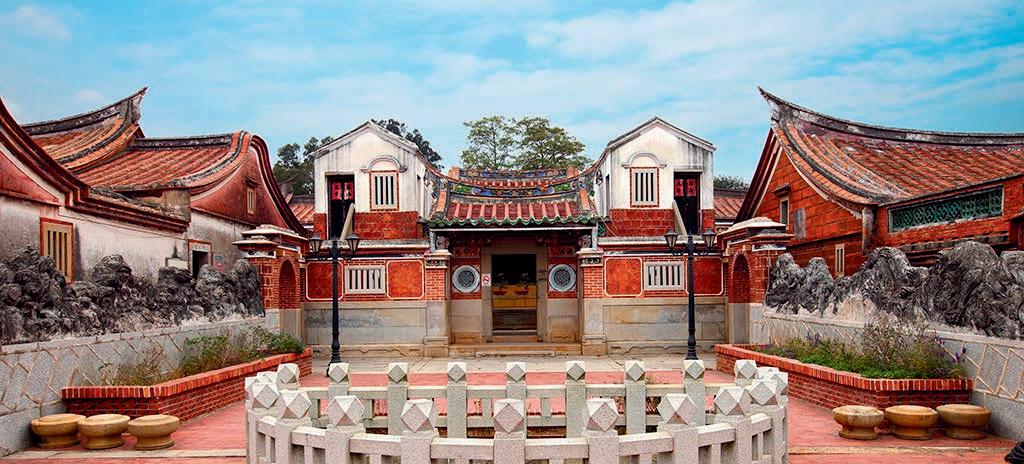
Kinmen is rich in cultural assets and is noted for its Minnan (Hokkien) architecture, traditional settlements, and historic battle sites. The county has 8 national monuments and 66 countydesignated monuments. Must-visit attractions include Shanhou Folk Culture Village, Shuitou Village, Kinmen Old Street (Jincheng Old Street), Guningtou Battle Museum, Zhaishan Tunnel, and Taiwu Mountain.
Kinmen is an important habitat for migratory birds and a good destination for birdwatching. The most unique of the migratory visitors is the blue-tailed bee-eater that comes to build nests in the summer. In winter, the sight of thousands of great cormorants returning from the sea at dusk is a truly unforgettable experience. In addition, there are two rare protected species in Kinmen: Horseshoe crabs, also called “living fossils,” and Eurasian otters. They are a rare sight in the wilderness nowadays.
Kinmen also boasts many local delicacies and products. The most popular and must-buy souvenirs for tourists include “Gong tang” sticky peanut candies and the famed Kinmen “Gaoliang” sorghum liquor. In addition, knives made from shells leftover from past artillery strikes are a unique local product not found anywhere else and a very popular souvenir snapped up by Mainland Chinese tourists.
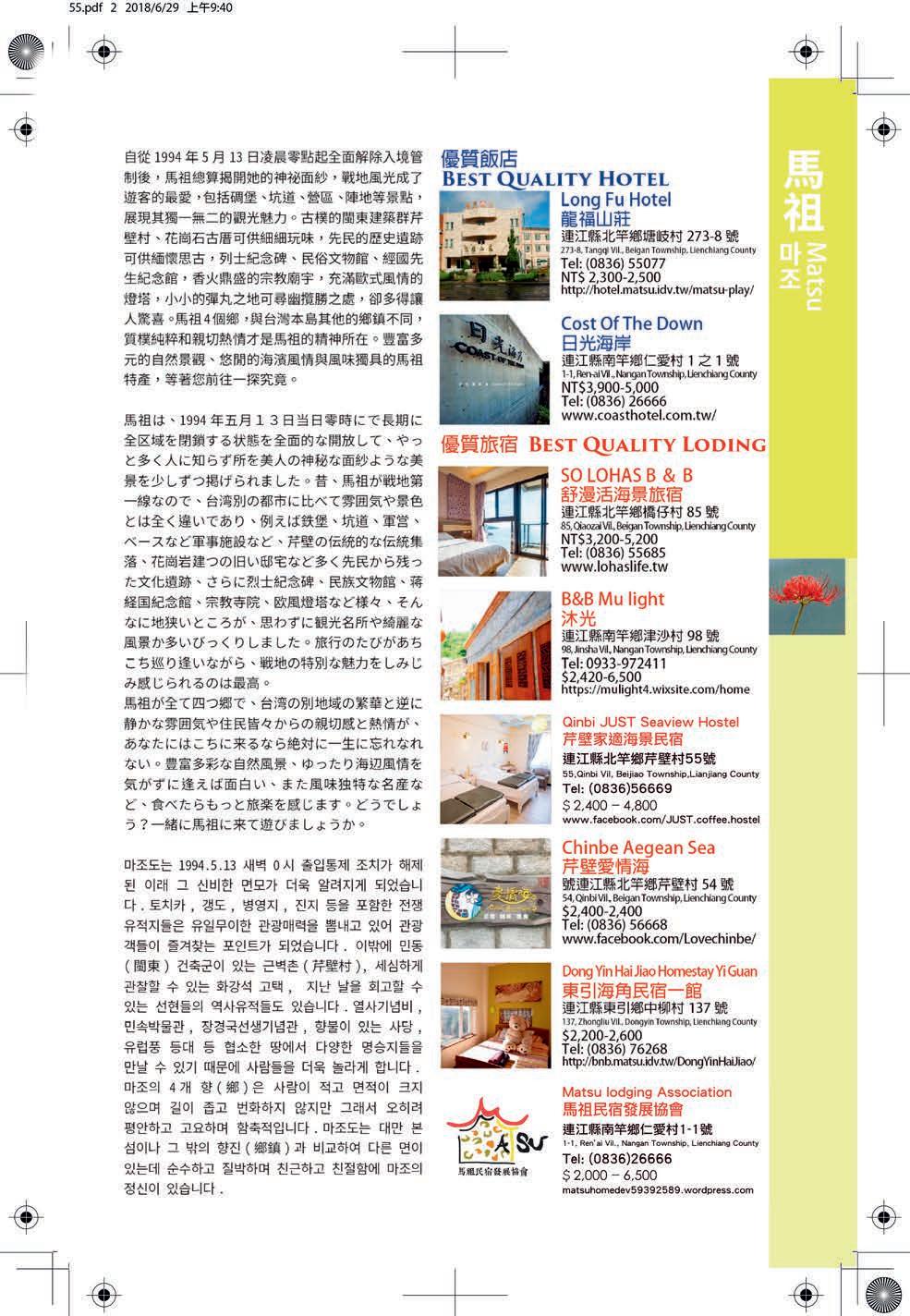
The Matsu Islands are made up of the Nangang, Beigang, Dongying, Dongju, and Xiju Islands (with a combined land area of only around 30 sq km). The Matsu name derives from the legend that the sea goddess Mazu drifted to Nangang after her death and was buried on the island.
Matsu’s administrative and military status is similar to that of Kinmen. The islands are administratively part of Fujian Province under the jurisdiction of the Republic of China. They are critical to Taiwan’s frontline defense and military facilities can be seen everywhere. However, no battle has ever occurred on Matsu, in contrast to Kinmen. In 1992, martial law was also lifted on Matsu, and tourism development subsequently began. In 1999, the Matsu Islands were designated as a national scenic area. The Tourism Bureau of the Ministry of Transportation and Communications established a management office to take charge of tourism infrastructure development.
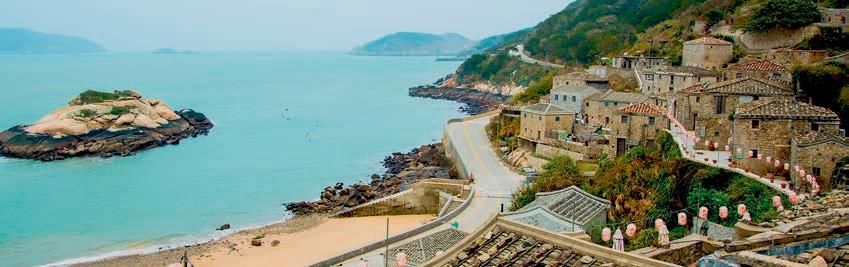
The charms of Matsu Islands lie in its characteristic Mindong architecture, traditional settlements and military tunnel facilities. The famous scenic spots include Qinbi Village, Jinsha Village, Beihai Tunnel, and 88 Tunnel, etc. Two national monuments: Dongju Lighthouse (built in 1872) and Tung Chung Lighthouse (built in 1904) are also worth a visit.
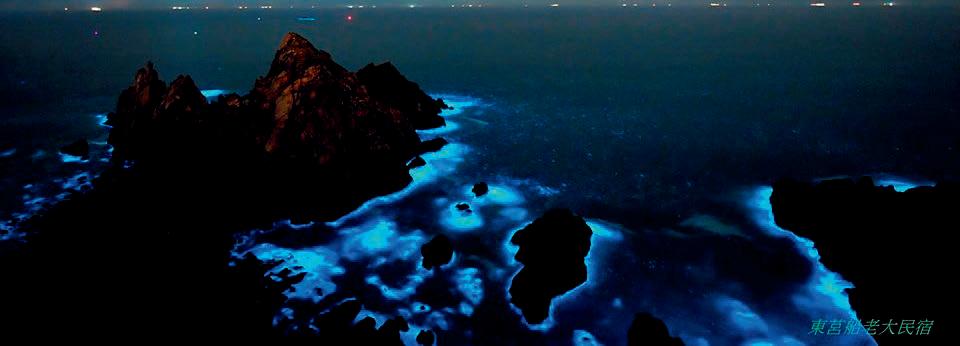
In 2000, photographers on Matsu captured images of the Chinese crested tern, which had not been seen previously for half a century and were believed to be extinct. This discovery brought global attention to Matsu and attracted many international birdwatchers to visit the islands during the migratory season. In recent years, bioluminescent algae (Noctiluca scintillans ) found along Matsu’s coastline during summer, dubbed locally as “blue tears,” has attracted a large number of tourists across the nation to visit Matsu and marvel at this wonder of marine ecology.
● 氣候 / Climate:攝氏 / Celsius: (夏季 Summer ) 25~28 °C (冬季 Summer ) 15~18 °C 2
陽明山
Yangming Mountain
台北松山機場
Taipei Songshan Airport
台北燈節
Taipei Festival of Lights
台北車站
Taipei Raiway Station
101大樓
龍山寺 Longshan Temple
Taipei 101
Having witnessed several ethnic amalgamation, abundant historical relics and diverse city view can be seen in Taipei. Taiwan has gone through five eras. Pingpu aboriginals, Ketangalan dominated the initial era. Then came the Spanish and Dutch development, Qing dynasty rule, Japanese colonial rule and Nationalists retreat to Taiwan. Roaming in the streets and alleys in Taipei, the changes tell of the story of Taipei’s historical development. Taipei's diversity and beauty is part of its citizens' everyday lives. From the bustling city center down into its quiet lanes and alleys, within these ordinary daily sceneries one discovers splendid creativity, designs, and aesthetics, in turn shaping Taipei's unique cultural landscape. Endless wonders wait to be discovered by the urban wanderers.
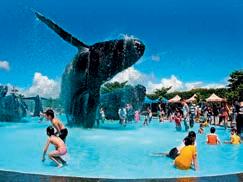
Turtle Island
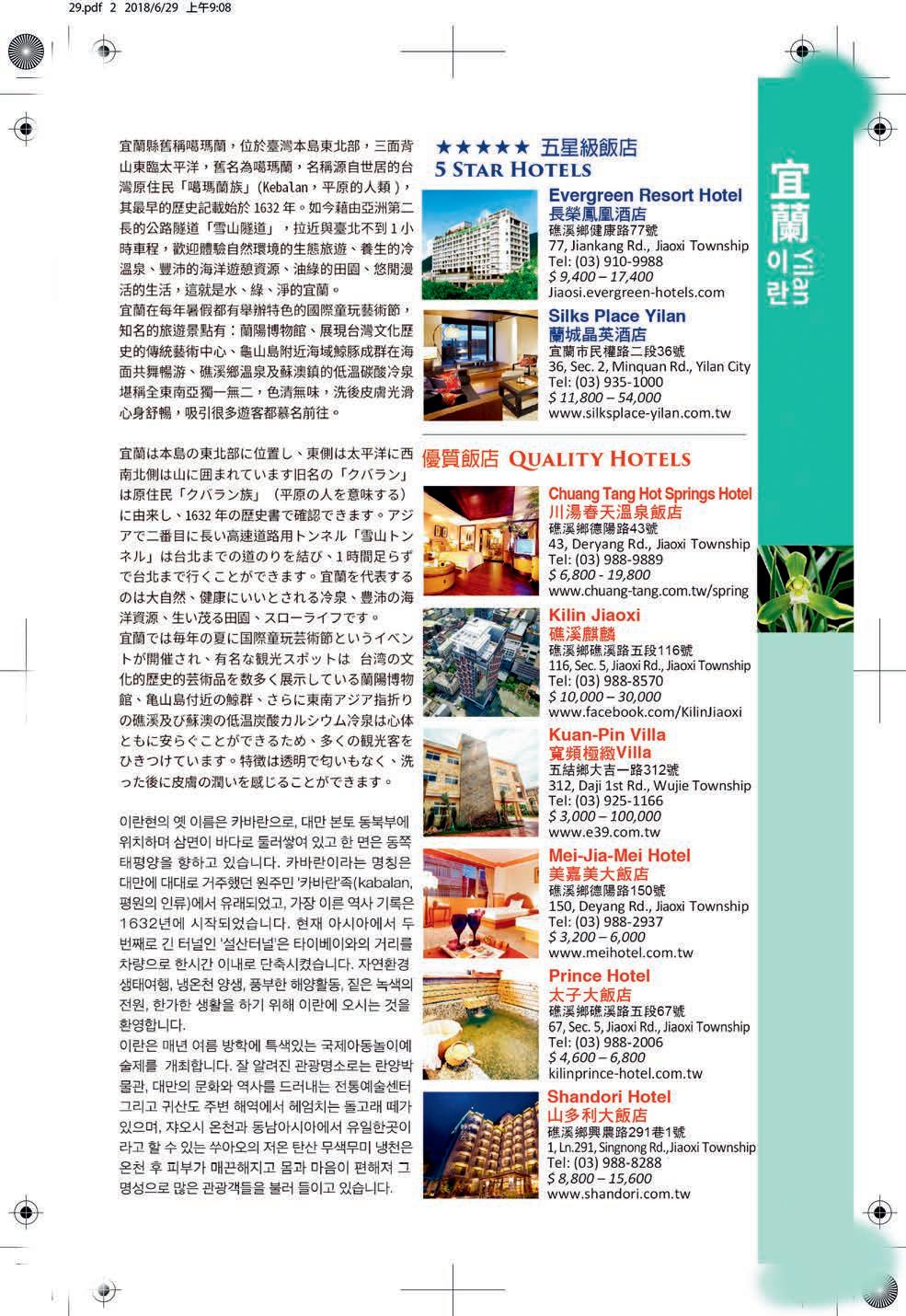
竹風蘭雨,宜蘭以多雨聞名,層次多元
的蔥綠山林景緻,湛藍海洋是鯨豚漫遊 的天堂,純樸自然~樂活幸福在宜蘭!
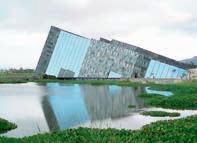
蘭陽博物館 Lanyang Museum
冬山河清水公園 Dong Shan River Park.
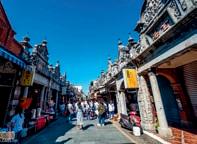
大溪老街
Daxi Old St.
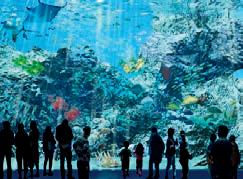
Xpark
新竹
신주
Hsinchu
Hsinchu is located in northwestern Taiwan, surrounded by mountains on three
南寮漁港
Hsinchu Fish Harbor
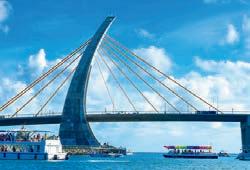
香山豎琴橋
Hsinchu Xiangshan
Harp Bridge
● 總面積/Land area : 1,428 km2 平方公里
●總面積/Land km
●總人口/Population : 547,800人
●氣候/Climate : 攝氏/Celsius : (夏季Summer ) 22~ 29℃
(冬季Winter ) 15~ 22℃
台灣高鐵新竹站 THSR Hsinchu Station
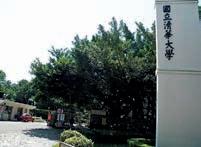
清華大學 National Tsing Hua University
新竹科學園區 Science Theme Park
玻璃博物館 Hsinchu City Glass Museum
新竹火車站 Hsinchu Train Station
sides and facing the ocean on the west. During winter, northeastern and southwestern monsoons are specially strong; hence the nickname "Windy City." Hsinchu City was originally called Zhuqie, home to the Taiwanese aborigines. It is also a top high-tech city and the birthplace of Hsinchu Science and Industrial Park that gave rise to many technology firms, earning it the title of the Silicon Valley in Taiwan.
Popular scenic spots of Hsinchu includes the 17-Kilometer Coastline Scenic Area, Beipu Street, Smangus Giant Ancient Trees, Hsinchu Museum of Military Dependents Village, New Moon Bay, Neiwan Old Street, Hexing Station, Green Grass Lake, Leofoo Village Theme Park, Little Ding-Dong Science Theme Park, Green World Ecological Farm, Former Residence of Zhang Xueliang.
Those of you traveling to the Far East on a regular basis would be well-advised to take special note of the holidays in the country you will be visiting. This will avoid considerable frustration on your part while at the same time allowing others their freedom from conflicting obligations plus time to respect and honor their own customs and traditions. When coming to the Republic of China, be sure of confirmed reservations during the Lunar New Year -a 10 day period usually falling during the first two weeks of February, and Double Tenth Day. Those are the two major holidays generally celebrated by the closing of most business and independent restaurant operations.
Please email us service@e-tmit.com if there is any change of address or contact info, so we may update our page.
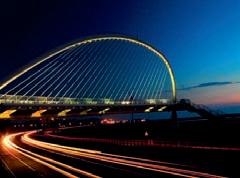
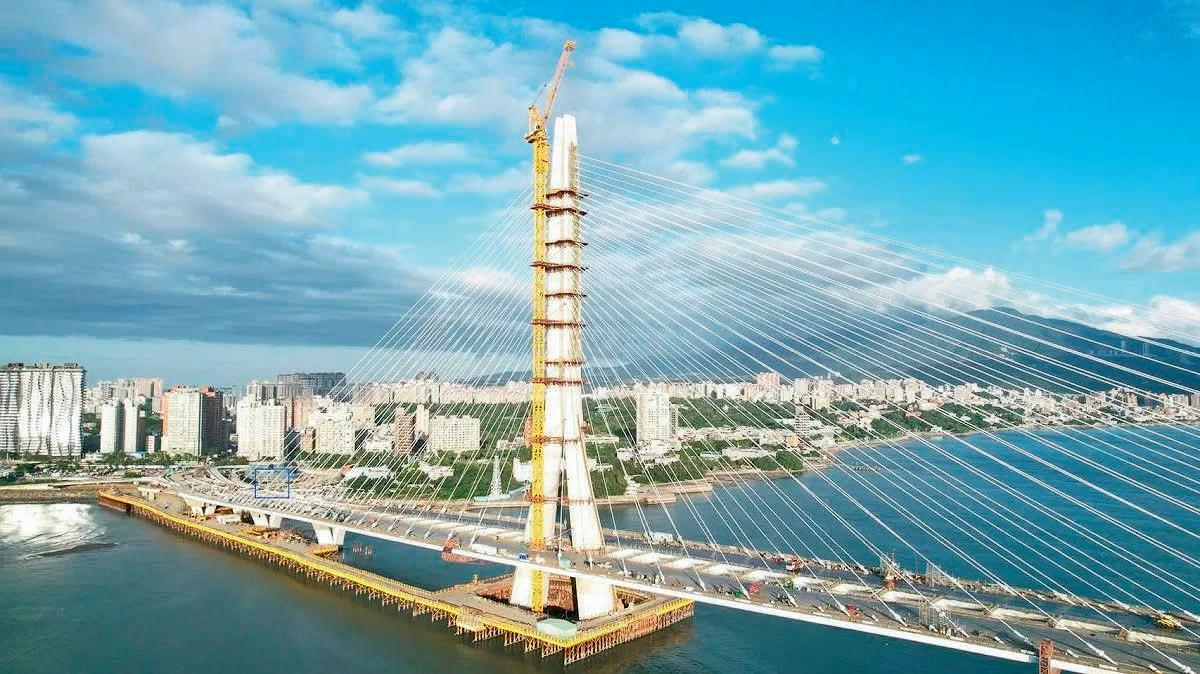
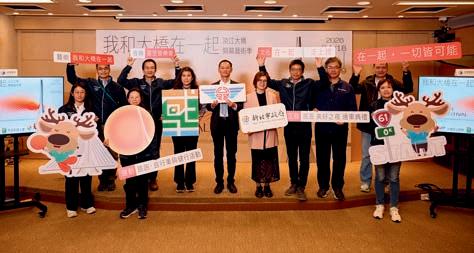
淡江大橋預計2026年5月通車,新北市府規劃系列 「通車體驗活動」,優先開放八里與淡水居民參與。
The Tamsui–Jiang Bridge is scheduled to open to traffic in May 2026. The New Taipei City Government has planned a series of “opening experience events,” with priority given to residents of Bali and Tamsui.
Here are the key details and highlights of the events:
∙ 4月17日:在地居民專屬體驗。
∙4月17日:在地居民專屬體驗。
∙ 4月18日:淡江大橋通車系列路跑。
∙4月18日:淡江大橋通車系列路跑。
∙ 4月19日:自行車活動(含雙向體驗大橋)。
∙4月19日:自行車活動(含雙向體驗大橋)。
∙
4 月25日-26日:〈好朋友一起來瞧橋〉 健行活動與大遊行。
∙ 5月3日:野餐、躺平活動。
∙ 5月9日:正式通車典禮暨雲門舞集演出。
Priority experience for local residents: The theme of the event is “Together with the Bridge.” On April 17, residents of Bali and Tamsui will be given priority access to walk onto the bridge and experience it.
Key event schedule:
• April 17: Exclusive experience for local residents.
• April 18: Danjiang Bridge opening series road run.
• April 19: Cycling event (including a two-way bridge experience).
• April 25–26: “Friends, Come Check Out the Bridge” walking event and parade.
• May 3: Picnic and relaxation event.
• May 9: Official opening ceremony and performance by Cloud Gate Dance Theatre.