Eyesan Highlights Infrastructure, Asset Integrity as Key Constraints in Oil Industry
Emmanuel Addeh in Abuja The Commission Chief Executive of
NUPRC, NRS deepen collaboration to boost revenue collection Gas minister backs Nigerian-led African petroleum regulators forum the Nigerian Upstream Petroleum Regulatory Commission (NUPRC), Oritsemeyiwa Eyesan, yesterday
and
of
www.thisdaylive.com
New Governor for Ekiti State June 20
UK Court Clears Ex-Minister, AlisonMadueke, of All Graft Charges
Decade of unrelenting, unjust vilification finally concluded, says former minister Pledges to address matter in detail, share intentions for the future Jury arrived at decision after 46-hour deliberation
I am profoundly relieved. My name has been cleared, and this ordeal has come to an end. This, however, is not the final chapter. In due course, I shall address this difficult period in greater detail and share my intentions for the future. For now, I intend to embrace the freedom that has been unjustly denied me for many years.
Continued on page 8 against her by the UK’s National Crime Agency in 2023, effectively closing an investigation that began over a decade ago. Alison-Madueke, 65, was charged
Mrs Diezani Alison-Madueke
Adedayo Akinwale in Abuja
Emmanuel Addeh in Abuja and Wale Igbintade in Lagos
Nigeria’s former Minister of Petroleum, Diezani Alison-Madueke, was yesterday found ‘not guilty’ of the six bribery charges brought
FINANCIAL INSTITUTIONS INFORMATION SECURITY OFFICERS CONFAB...
L-R: Vice Chairman, Committee of Chief Information Security Officers of Nigerian Financial Institutions (CCISONFI), Dr. Favour Femi-Oyewole; Chairman, CCISONFI, Festus Amede; Deputy Governor, Enugu State, Ifeanyi Ossai; Chairman, INTERPOL African Working Group on Cybercrime, AIG Uche Ifeanyi Henry; and Chairman, Committee of e-Business Industry Heads (CeBIH)/Chief Partnership Officer, Wema Bank Plc, Ajibade Laolu-Adewale, at the annual conference of CCISONFI in Enugu... recently
Nutrition 774 Initiative Strategy Board Adopts Domestic Financing Model for Nigeria
As Shettima asks 27 states to inaugurate state nutrition councils Says Tinubu places human capital devt at centre of nation’s devt trajectory
Deji Elumoye in Abuja
Nutrition 774 Initiative Strategy Board has adopted a domestic financing model as the sustainable foundation for nutrition investment in Nigeria. This comes as Chairman of the board, Vice President Kashim Shettima, charged the remaining 27 states that have not inaugurated their State Councils on Nutrition to close the gap by doing so.
The board also mandated the Federal Ministry of Finance and other critical partners to embark on a robust stakeholder engagement programme in order to activate existing financing instruments, including Presidential Nutrition Intervention Fund (PNIF) and Sugar-Sweetened Beverage (SSB) levy ring-fence.
Those were the high points of decisions taken on Wednesday during the Second High-Level Strategic Board meeting of the Nutrition 774 Initiative presided by the vice president at State House, Abuja.
On the milestones achieved in the operationalisation of the initiative, the board highlighted the importance of the Nutrition 774 Initiative as the primary governance vehicle for delivering nutrition outcomes at scale across all 774 Local Government Areas (LGAs) in Nigeria.
Addressing the meeting, Shettima, who doubles as Chairman of the National Council on Nutrition, stated that at the subnational level, the state governments and Nigeria Governors’ Forum (NGF) must help complete the state-level architecture.
The vice president urged NGF and Association of Local Governments of Nigeria (ALGON) to ensure the inauguration of the remaining 26 State Councils on Nutrition and the establishment of the Local Government Committees on Food and Nutrition (LGCFNs) in the remaining 304 local government areas across the country.
On the proposed National Nutrition Bill, Shettima urged the secretariat to liaise with critical
stakeholders in the National Assembly, subnational governments, and other partners in the nutrition sector with a view to getting valuable inputs from them before formally transmitting same to the National Assembly.
He called for the activation of domestic financing architecture, warning that as donor financing for nutrition declines across the world, Nigeria can no longer plan on the assumption of indefinite external support.
According to the vice president, “The domestic financing architecture must be activated now, in this administration, within this governance cycle, and under the accountability of this Board.
“At the same time, the first 1,000
days of a child’s life do not wait for memos, circulars, or budget negotiations. While we deliberate, children across this country are within a window of growth that cannot be recovered once lost.
“This is why every constituency in this room must see its role in precise terms. The Federal Ministries here represented have nutrition obligations beyond the Ministry of Health. Agriculture determines the diversity, quality, and quantity of food available to households.”
Shettima explained, “Finance, Budget, and Economic Planning hold the appropriation-release-expenditure chain, and funds appropriated for nutrition that are never released do not feed children. Education carries the responsibility of knowledge and
behaviour change. WASH, Women Affairs, Humanitarian Affairs, and Social Protection each hold a key to prevention, resilience, and access.”
Shettima maintained that the legislature must give nutrition the legal backing and enforceability it required, while development partners “must align investments with the N-774 rail”.
He stated, “Civil society must hold up the mirror of truth. The private sector must recognise nutrition as an economic issue, because productivity begins with a healthy body and a capable mind.”
The vice president said the N500 billion financing gap must be closed, saying every serious government eventually reaches the point where intentions must face instruments.
According to him, “The N500 billion financing gap before us must move from a figure in a presentation to a funded programme on the ground. The National Nutrition Bill must move from zero draft to the National Assembly.
“The remaining State Councils and LGA Committees must be activated. The reports before us are decision-enabling reports, and our duty is to decide.”
Shettima stated that the Nutrition 774 High-level Strategic Board was created to serve as a governance and accountability structure for the N-774 Initiative because every member of the NCN had a defined responsibility in the delivery chain.
According to him, the Renewed Hope Agenda of the Tinubu
administration “places human capital development at the centre of Nigeria’s development trajectory, and nutrition is the foundation of that human capital.
“A malnourished child cannot become the engineer who builds our roads, the teacher who shapes our classrooms, the scientist who expands our frontiers, or the leader who carries our national burden. They deserve dignity in their aspiration to be what they desire.”
The vice president said President Bola Tinubu understood the crucial role of nutrition in a child’s growth “with the urgency of a reformer and the patience of a builder,” and his “commitment to nutrition is a governance directive,” which the board exists to operationalise.
Trump Signs Iran MoU, Sets 60-day Nuclear Talks
Emmanuel Addeh in Abuja
U.S President, Donald Trump, yesterday signed a Memorandum of Understanding (MoU) with Iran at Versailles, setting a 60-day window for nuclear negotiations and the reopening of the Strait of Hormuz, according to multiple U.S. officials and news reports.
Trump told reporters that he signed the document during a dinner with French President Emmanuel Macron at the Palace of Versailles, marking a major milestone in efforts to end a conflict that began in late February 2026.
The MoU is a 14-point agreement that will be formally signed Friday in Geneva, with Vice President JD Vance, Middle East envoy Steve Witkoff, and Jared Kushner attending on the U.S. side, according to the Council on Foreign Relations. Pakistan’s Prime Minister Shehbaz Sharif, who mediated the talks, announced the signing would take place in Switzerland
The agreement addresses several
core issues. Iran will reopen the Strait of Hormuz—a critical chokepoint through which nearly one-fifth of the world’s oil and natural gas supply flows—and guarantee toll-free passage for 60 days, ECIKS.org, an independent media, reported.
The U.S. will remove its naval blockade within 30 days of signing, and both sides commit to negotiating a final deal within the 60-day window that covers Iran’s nuclear programme and sanctions relief.
On Iran’s nuclear programme, the MoU commits both sides to negotiate the disposition of Iran’s enriched urani-um stockpile. Iran reaffirms it will not procure or develop nuclear weapons, while the U.S. agrees not to impose new sanctions or deploy additional forces in the region during the interim period. However, the CFR notes that disagreements remain over the length of any moratorium on enrichment—the U.S. reportedly seeks 20 years, while Iran has indicated it won’t accept more than 10 years.
The deal also includes a $300 billion reconstruction fund for Iran’s economy, with implementation details to be finalized in the final agreement. The U.S. Treasury will issue waivers allowing Iran to export crude oil and petro-leum products immediately. Access to approximately $24 billion in frozen Iranian assets will be made available upon implementation of the MOU, though the specific timeline remains under negotiation.
Steven Cook, a senior fellow for Middle East studies at the Council on Foreign Relations, cautioned that major challenges lie ahead. “We have been here before only to discover the parties cannot bridge the remaining gaps,” Cook said. “Negotiations on the outstanding issues, especially on Iran’s nuclear program, will be long and difficult.”
The conflict that preceded the deal lasted over three months and sent shockwaves through global energy mar-kets. The Iranian blockade of the Strait of Hormuz caused oil prices to surge and affected global
growth projec-tions. Following the announcement of the deal framework on June 14, oil prices fell to their lowest level in three months as markets reacted positively to the prospect of restored energy supply.
The agreement also covered military operations across multiple fronts, including Lebanon, where Hezbollah—an Iranian-backed militant group—has been in conflict with Israel. Both sides committed to an “immediate and permanent termination of military operations on all fronts.”
However, Israel is not a party to the agreement, and Israeli officials have expressed concerns.
Defense Minis-ter Israel Katz said Israeli forces will not withdraw from southern Lebanon and will respond with force if Iran acts aggressively.
Elisa Ewers, another senior fellow for Middle East studies at CFR, warned that the reopening of the Strait of Hormuz will require careful management. “Getting as close as possible to status quo ante will be important for global commerce, for
allies to avoid setting dangerous precedents for other waterways, and for regional part-ners,” Ewers said. She added that clearing mines from the waterway alone could take weeks before normal shipping traffic resumes.
The MoU does not address Iran’s ballistic missile programme in detail, an issue the U.S. and Israel have sought to include. Some analysts believe this demand has quietly diminished as negotiations progressed, even though U.S. intelligence estimates Iran retains approximately 70 per cent of its prewar missile stockpile. Trump had celebrated the agreement on social media, posting “Ships of the World, start your engines. Let the oil flow!”
The 60-day negotiation period will test whether both sides can resolve the nuclear, sanctions, and military is-sues that have divided them, with the agreement’s success hinging on whether Iran and the U.S. can bridge gaps that have eluded them in previous rounds of talks.
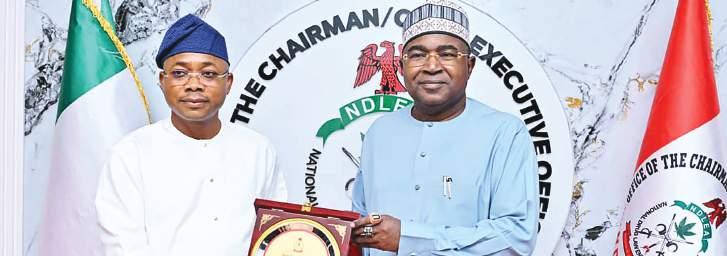
COURTESY VISIT TO ENUGU GOVERNOR...
Chairman/ Chief Executive Officer, Office of the Tax Ombud, Nigeria, Dr. John
Mbah,
Adeniyi Moves to Institutionalise Customs-Business Dialogue, Deepen Trade Ties with U.S. Firms
Initiative aims to clear bottlenecks to trade facilitation, others
James Emejo in Abuja
Adeniyi disclosed the initiative during a quarterly meeting between NCS and American Business Council (ABC) held at the Service Headquarters in Abuja.
Both sides also reaffirmed their commitment to deepening collabo-
Comptroller-General of Customs (CGC), Mr. Adewale Adeniyi, has moved to institutionalise regular engagement between Nigeria Customs Service (NCS) and the business community as part of efforts to address trade bottlenecks, improve cargo clearance processes, and strengthen economic relations between Nigeria and the United States.
ration aimed at enhancing trade facilitation, boosting operational efficiency, and improving the ease of doing business.
The customs boss said the service would make stakeholder consultations a permanent feature of its operations, stressing that sustained dialogue remains critical to identifying challenges confronting
businesses and developing practical solutions to support trade and investment.
He said, “It is our intention that we will institutionalise this as a permanent feature of the customs calendar because of the importance we attach to this kind of engagement.”
Adeniyi used the forum to
Nigeria, Cameroon Deepen Defence Ties to Secure Shared Southern Border
Nigeria and Cameroon have strengthened their defence partnership with the signing of a Memorandum of Understanding (MoU) aimed at enhancing security along their shared southern border, in a significant move to bolster regional stability and address evolving security threats across both land and maritime domains.
The agreement was signed on Tuesday in Yaoundé by Nigeria’s Minister of Defence, General Christopher Musa (rtd), and Cameroon’s Minister Delegate at the Presidency in Charge of Defence, Mr Joseph
OGTAN
Emmanuel Addeh in Abuja
Beti Assomo.
The signing ceremony marked the culmination of two days of intensive deliberations involving defence and security experts from both countries.
According to a statement by Special Adviser to the Minister of Defence on Media, Leah KatungBabatunde, the agreement provides a modernised framework for tackling emerging security challenges while reinforcing the longstanding defence relationship between Nigeria and Cameroon.
The MoU establishes a renewed framework for cooperation in securing the terrestrial and maritime domains
along the Nigeria–Cameroon southern border and further strengthens existing mechanisms for bilateral defence collaboration.
During the engagements, both countries identified several priority areas for cooperation, including enhanced operational coordination, intelligence sharing, logistics support, joint military training, personnel exchange programmes, and improved collective responses to emerging security threats.
Speaking at the signing ceremony, Musa stated that the MoU would provide a structured framework for military cooperation and operations
between the two countries, while further institutionalising collaboration in addressing shared security concerns.
The discussions also underscored the need to operationalise the recently established Combined Maritime Joint Task Force as a strategic platform for strengthening maritime security and protecting both economic and security interests within the Gulf of Guinea, where Nigeria and Cameroon remain key stakeholders.
On defence industrial cooperation, the minister reiterated Nigeria’s readiness to deepen collaboration in defence technology and innovation.
brief members of the council on ongoing customs reforms designed to modernise trade procedures and facilitate faster cargo movement across the country’s ports and borders.
He highlighted progress made on key initiatives, including Advance Ruling system, Authorised Economic Operator (AEO) Programme, Post Clearance Audit, and B’Odogwu platform, all of which were aimed at improving transparency, predictability, and efficiency in customs operations.
According to him, the service is also making improvements in scanning integration and cargo clearance procedures to reduce delays and enhance trade facilitation.
The reforms form part of broader efforts by the customs service to streamline processes, strengthen compliance, and create a more predictable operating environment for legitimate businesses.
The meeting further underscored growing cooperation between NCS and the organised private sector, as both worked to remove impediments to trade, strengthen commercial relations, and support economic growth through a more efficient and predictable trading environment.
The session focused on measures to strengthen trade relations between Nigeria and the United States, improve security, and address operational constraints affecting businesses.
The ABC members welcomed the reforms and commended the customs leadership for maintaining constructive engagement with the private sector.
Members urged NCS to accelerate mechanisms for resolving outstanding operational issues affecting businesses, stating that prompt responses to trade-related concerns would further improve investor confidence.
President of the council, Mrs. Nneka Enwereji, described the session as productive and praised the service for its commitment to improving the business environment.
Enwereji said the engagement reflected custom’s determination to promote ease of doing business and foster stronger collaboration with investors.
Enwereji said, “This session has been phenomenal and demonstrates your commitment to improving ease of doing business. You have raised the bar, and there is a lot that can be learned from this.”
Set to Boost Oil, Gas Sector Skills Base, Plans Trainers’ Fair
Oil and Gas Trainers Association of Nigeria (OGTAN) yesterday unveiled plans to strengthen human capacity development in the country’s petroleum industry through its 2026 Human Capacity Development (HCD) Conference and Trainers’ Fair.
The association stated that the move was aimed at preparing a new generation of professionals to drive the sector’s future growth and competitiveness.
Speaking during a media briefing in Abuja, President of OGTAN, Chris Osarumwense, said the conference, scheduled to hold from August 25 to 27 at the Petroleum Training Institute (PTI), Effurun, Warri, Delta State,
would serve as a strategic platform for addressing workforce development challenges in Nigeria’s oil and gas industry.
Osarumwense said the event, themed, “Empowering People, Driving Performance, Shaping the Future of the Oil & Gas Industry,” was expected to bring together industry leaders, policymakers, regulators, operators, service providers, training institutions, academics, and young professionals to deliberate on the future of workforce development in the sector.
Osarumwense stressed that while Nigeria’s oil and gas resources remained critical to the economy, the industry’s long-term sustainability would depend largely on the quality of its workforce.
He stated, “The oil and gas industry remains a critical pillar of Nigeria’s economy. However, the future competitiveness and sustainability of our industry will be determined not merely by the resources beneath our soil, but by the quality, competence, innovation and adaptability of our people.”
According to him, rapid changes in the global energy landscape have heightened the need for highly skilled professionals capable of leveraging technology, improving operational performance, and delivering sustainable value.
Osarumwense said, “As the global energy landscape continues to evolve, the demand for highly skilled professionals capable of leveraging technology, driving
operational excellence and delivering sustainable value has never been greater. Human capital development is therefore no longer optional; it is a strategic imperative.”
The OGTAN president stated that the conference would feature high-level policy dialogues and strategic discussions focused on emerging workforce challenges, skills gaps, leadership development, talent retention, digital transformation, and the future of work in the energy industry.
He said a major highlight of the event will be the Trainers’ Fair and Technology Showcase, which will provide exhibitors with an opportunity to demonstrate emerging learning technologies, including artificial intelligence-powered training
solutions, virtual and augmented reality simulators, competency management systems and other innovations shaping workforce development globally.
The conference will also place significant emphasis on youth engagement through innovation challenges, career development sessions, mentorship opportunities and networking programmes designed to prepare young Nigerians for careers in the oil and gas industry.
Osarumwense stated that investment in people must remain central to Nigeria’s growth strategy as the country sought to maximise the benefits of its energy resources, while adapting to global industry changes.
“This conference is more than
an industry event. It is a strategic intervention aimed at strengthening the foundation upon which the future of our industry rests,” he stated.
According to him, OGTAN intends to fill the gap left by the International Oil Companies (IOCs) by working closely with operators, service providers, and academic institutions to ensure the continued development of highly skilled Nigerian professionals.
“That is where we come in, to ensure that the next generation of engineers can get more or better training,” Osarumwense said.
“We are going to be collaborating with the operators, the service providers and academia to ensure that we properly groom and develop the next generation of engineers,” he added.
Nwabueze (left) and Executive Governor of Enugu State, His Excellency Dr. Peter Ndubuisi
during the Ombud audience with the Governor at the Government House, Enugu on Tuesday
Linus Aleke in Abuja
GLOBUS BANK EXECUTIVES’ COURTESY VISIT TO PINNACLE OIL & GAS...
L-R: Head, Sales and Marketing, Pinnacle Oil and Gas, Mrs. Nnenna Mbaoma; Managing Director/Chief Executive Officer, Globus
Mr.
Chief Financial Officer, Pinnacle Oil and Gas, Dr. Sunday Anyango; and Zonal
to the corporate headquarters of Pinnacle Oil and Gas in
NCDMB, SNEPCo, LADOL Unveil Human Capacity Development Programme for Supply Base Services
Nigerian Content Development and Monitoring Board (NCDMB), in partnership with Shell Nigeria Exploration and Production Company (SNEPCo) and Lagos Deep Offshore Logistics (LADOL), has commenced a 12-month Human Capacity Development (HCD) programme aimed at equipping young Nigerians with critical competencies required to support supply base operations within the oil and gas industry.
The programme, which kicked off yesterday at the LADOL free zone, Apapa, Lagos, will train 12 beneficiaries through a structured combination of classroom learning and practical industry exposure in specialised areas that support logistics, trade, procurement, and supply chain operations.
Speaking at the ceremony, Executive Secretary of NCDMB, Mr. Felix Ogbe, represented by General Manager, Human Capacity Development, Ms. Alexis Emelle, described the initiative as more than a training programme, describing it as an investment in people and the future of Nigeria’s energy industry.
A statement signed by General Manager, Corporate Communications Division, NCDMB, Dr Obinna Ezeobi, quoted Ogbe as stating that
the programme reflected the board’s commitment to building a skilled workforce capable of meeting the evolving needs of the industry and creating opportunities for young Nigerians to thrive in specialised fields.
He reminded the trainees that their selection for the programme came with responsibility and urged them to approach the training with discipline, commitment, and a willingness to learn.
According to the executive secretary, the industry requires professionals who are dependable, adaptable, and solution-oriented.
He added that every assignment, lesson, and practical experience should be seen as an opportunity to build competence and character.
Speaking on behalf of SNEPCo, the company’s Nigerian Content Manager, Mr. Obiajulu Onochie, described human capital development as a key component of operational excellence.
Onochie stated that the success of Nigerian content was closely linked to the work of NCDMB and commended the board for establishing itself as one of the most professional institutions driving capacity development in the industry.
Onochie added that SNEPCo was passionate about developing Nigerian talent and had implemented several
training initiatives this year in areas, including cybersecurity, NEBOSH, block-chain architecture, and subsea disciplines.
He reiterated the company’s commitment to local content development, stressing that investing in people is essential to building a sustainable energy industry.
In her remarks, a representative of LADOL underscored the significance of Nigerian Content to indigenous
businesses, stating that without local content, “LADOL would not exist in its present form”.
The representative added that the organisation remained committed to supporting initiatives that strengthened local capacity and prepared young Nigerians for meaningful careers within the sector.
Picked after a rigorous two-stage selection process, the 12 beneficiaries will undergo training designed to
equip them with practical skills required to support supply base operations and strengthen Nigeria’s local content capacity.
Speaking on behalf of the trainees, Mr. Olaniye Sodiq expressed appreciation to NCDMB, SNEPCo, LADOL, and all the training partners for investing resources in their development.
Sodiq said the beneficiaries were eager to learn and looked forward to
contributing meaningfully to LADOL and the wider oil and gas industry upon completion of the programme.
The human capacity development initiative reinforces NCDMB’s commitment to building sustainable local capacity by aligning training programmes with industry needs and creating pathways for young Nigerians to access high-value career opportunities within the energy sector.
Shell Appoints Ex-SNEPCo MD, Elohor, Country Chair Nigeria
Marno bows out after more than 6 years
Peter Uzoho
Shell has appointed former Managing Director of Shell Nigeria Exploration and Production Company Limited (SNEPCo), Elohor Aiboni, as its Executive Vice President and Country Chair Nigeria.
Elohor, who is currently on assignment as Asset Director at Brunei Shell Petroleum, takes over from Marno de Jong, who would be leaving the multinational oil
Senate Committee on SEDC Urged to Allow Commission Execute Mandate Without Distraction
The Senate Committe on the South East Development Commission (SEDC) has been urged to give the management of the development agency a breathing space to execute its mandate effectively.
Leader of a socio-political organisation, the Igbo Agenda, Chief Chekwas Okorie, made the appeal Wednesday at a press conference in Enugu, saying that “it is too early” to start making unfounded allegations against the management.
The Chairman of the Senate Committee on SEDC, Senator Orji
Uzor Kalu had last week alleged that the SEDC management led by Mark Okoye had engaged in frivolous spending of funds meant for development projects.
He cited alleged renting of one room office at Abuja for N153 million and awarding of irrelevant and wasteful contracts to consultants.
But Okorie, who said he was speaking as a concerned Igbo elder, upbraided the members of the Senate Committee on SEDC for putting up “a public show as part of its oversight function of the Commission”. He said that he “watched the show thoroughly bewildered and alarmed”, adding that his own
investigation showed that “the so-called one room office space was indeed a furnished and equipped office complex in Maitama, Abuja. Okorie also stated that there was nothing wrong if the Commission found it necessary to award contracts to consultants in order to do the necessary groundworks before embarking on any project. He argued that “it is common knowledge that necessary studies must be conducted by experts or consultants in specific areas of interest if the Commission must approach investors or financial institutions both in Nigeria and abroad for investment in the Southeast geopolitical zone”.
company to pursue an opportunity elsewhere, after a 34-year career with Shell.
The new appointment takes effect August 1, 2026, according to a statement signed by Shell’s Country Communications Manager in Nigeria, Gladys Afam-Anadu.
The outgoing country chair, Marno, was appointed Senior Vice President Nigeria in 2020 and later became Executive Vice President, in addition to the role of Country Chair, overseeing all Shell’s operations in Nigeria.
He joined Shell in 1992 as a Project Engineer at the start of a career that had seen him serve across Project
Delivery, Engineering, Commercial, and Upstream Development in the United Kingdom, Venezuela, Nigeria, Australia, the United States, the Netherlands, Malaysia, and Indonesia.
Under his leadership, Nigeria’s flagship Bonga asset delivered strong performance, sustaining high availability well above target, while he had also been instrumental in advancing key investment decisions, including the HI offshore gas project and the Bonga North development.
Marno said, “I’m grateful for the support I have enjoyed since my time in Nigeria which has enabled us to achieve progress on many fronts.
“I leave with fond memories of warm friendships and strong support from colleagues in Shell and our partners. I’m confident that Shell operations in Nigeria will continue to deliver value and growth under Elohor, given the strong leadership credentials she brings to the roles and wish Shell Nigeria every success.” Elohor is the first Nigerian to take up the combined role of Executive Vice President and Country Chair Nigeria, bringing over 24 years’ experience within Shell across Nigeria’s offshore, shallow water, and onshore businesses with international assignments in Kazakhstan and Brunei.
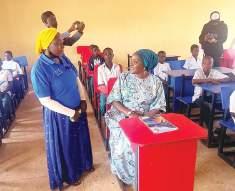
Basic Education: AltBank Rolls Out Free POS, Ed-Tech Funding for Schools in 19 States
Kuni Tyessi in Abuja
In support of basic education, the Alternative Bank has unveiled free payment terminals and financing tools for early-grade learning tools. It has also outlined three pillars through which it is strengthening the educational ecosystem by deploying innovative technology to improve reading and numeracy outcomes in the early grades
through empowering educators to deliver inclusive and experiential 21st-century learning, while promoting literacy and knowledge access across communities
In his goodwill message at the maiden All Northern Schools Conference 2026, Executive Director, Commercial and Institutional Banking (Middle, South, and East) at The Alternative Bank, Garba Mohammed, who spoke under the theme, “Repositioning Northern
Schools for Innovation, Sustainability and Impact”, pledged the Bank’s commitment to expanding access to formal education so that every child is equipped for the future.
Represented by Regional Business Executive for Commercial and Institutional Banking (NorthWest 1) Muhammad Danbichi, he said northern schools must go beyond speeches by repositioning and embracing technology.
Bank,
Elias Igbinakenzua;
Head, Lagos, Globus Bank, Mrs. Ifeyinwa Omenukwa, during a courtesy visit by the bank’s executives
Lagos... recently
Peter Uzoho
Emmanuel Ugwu-Nwogo in Umuahia
FG: No Plan to Introduce New Telecoms, Fuel Taxes
Insists VAT waiver on petroluem products has not been withdrawn
Ndubuisi Francis in Abuja
The federal government yesterday dismissed reports suggesting that it has adopted or is considering new taxes on telecommunications services and petroleum products as recommended in the International Monetary Fund (IMF) Article IV Consultation Report on Nigeria.
In a statement released by the Head, Information and Public Relations Unit, Federal Ministry of Finance, Efe Ovuakporie, the government said the reports
misrepresented the content of the IMF report and do not reflect its policy direction.
“The IMF Article IV Consultation Report contains the Fund’s assessment of Nigeria’s economy as well as recommendations for consideration by the authorities. Those recommendations do not amount to government policy and are not binding on Nigeria.
“Decisions on tax matters are taken through established constitutional and legislative processes and are guided by national priorities and
prevailing economic realities,” the statement stated.
The government clarified that the Value Added Tax (VAT) waiver on petroleum products remains in place and has not been withdrawn.
It also noted that although existing legislation provides for a fuel surcharge, such a measure can only take effect through a ministerial order and publication in the Official Gazette, adding that no such process was under consideration.
The continued suspension of these charges, it stressed, has helped
cushion the effect of global energy price fluctuations on households and businesses while keeping domestic fuel prices relatively stable.
On telecommunications excise duty introduced before 2023, the government further clarified that it has been repealed under the new tax laws and is therefore no longer applicable.
“Against this backdrop, reports claiming that new taxes are being planned for telecommunications services or petroleum products are not factual and should be disregarded.
“The federal government remains focused on reforms that promote economic growth, improve revenue administration and create a more competitive environment for investment and job creation.
“The emphasis remains on expanding economic activity, plugging leakages and improving efficiency rather than placing additional tax burdens on citizens.
“Any future tax measures will be announced through official channels and implemented in line with the law,” the statement concluded.
UK COURT CLEARS EX-MINISTER, ALISON-MADUEKE, OF ALL GRAFT CHARGES
by the agency over allegations that she took cash as well as accepted flights on private jets, chauffeur driven cars and luxury goods from Louis Vuitton and Harrods as Nigeria’s oil minister.
But in her defence, the first female president of the Organisation of Petroleum Exporting Countries (OPEC), said that in some cases, there was a culture of gift giving in Nigeria that explained some of the services and items she was bought by executives.
Besides, the jury was told that the former minister was the subject of a “major smear campaign” during her time in office by people who opposed reforms designed to increase competition in the sector.
Alison-Madueke said she never took any bribes and that she had no real influence over the awarding of lucrative government contracts. The jury came to the decision after 46 hours of deliberation, THISDAY learnt.
“At no time did I ask, take or seek a bribe,” Alison-Madueke said during her testimony. “I always
sought to act impartially in all that I did,” she maintained.
Similarly, Alison-Madueke’s brother, Doye Agama, was found not guilty of one-count of conspiracy to commit bribery, while Olatimbo Ayinde, a Nigerian oil industry executive, was discharged and acquitted of two bribery counts.
The UK prosecutors said the charges were linked to the awarding of oil and gas contracts during her tenure as petroleum minister between 2010 and 2015.
Alison-Madueke relocated to the United Kingdom after the defeat of then President Goodluck Jonathan in Nigeria’s 2015 presidential election. However, she still faces multiple corruption cases in Nigeria, some of which have stalled due to her absence.
In a statement following the verdict, Alison-Madueke described the ruling as a full vindication after years of what she called “unrelenting and unjust vilification.”
She said the judgment had finally restored her reputation after more than a decade of legal
proceedings that placed significant strain on her and her family. She expressed profound relief at the outcome, insisting that the case had come to a definitive end with her “name cleared.”
She also thanked her legal team for their diligence and acknowledged the support of her family and friends throughout the lengthy trial.
The former minister added that the judgment marked not the end of her story, hinting that she may in due course speak more extensively about her experience during the prolonged proceedings.
She said she now intends to embrace the freedom she believes was taken from her during years of investigation and prosecution, signalling a possible return to public commentary after more than a decade of legal uncertainty.
Earlier during the proceedings, prosecutors alleged that she lived a “life of luxury” funded by busi- nessmen with interests in the oil industry, including luxury travel, furniture, handbags, and other high-value benefits.
However, she consistently denied all allegations throughout the trial, insisting she neither received bribes nor used her office to favour any individual or company.
In her testimony, she told the court that she did not solicit meetings with oil executives and maintained that many of the interactions and travel arrangements cited by prosecutors were initiated by others, not herself.
She also stated that she was undergoing cancer treatment during parts of the period under review, adding that her health affected her memory of certain events.
Alison-Madueke further told the court that she was not responsible for logistical arrangements such as travel and accommodation, which she said were handled by government agencies, particularly the Nigerian National Petroleum Corporation (NNPC). “I was not the logistics person for any of these trips,” she said.
She also rejected claims that gifts she allegedly received amounted to bribes, arguing that such items
INEC: 1,059,360 REGISTERED VOTERS TO ELECT NEW GOVERNOR FOR EKITI STATE JUNE 20
in 2023, representing a collection rate of 97 per cent, to 1,028,929 in 2026, representing 97.1 per cent of registered voters.
Haruna stated, “The Independent National Electoral Commission (INEC) is pleased to announce the successful conclusion of the collection of Permanent Voters’ Cards (PVCs) ahead of the Ekiti State governorship election scheduled to hold on Saturday, 20th June 2026.
“Following the suspension of the Continuous Voter Registration (CVR) exercise in the state on Thursday, 15th May 2026, and the subsequent clean-up of the voters’ register, the number of registered voters in the state has increased from 987,647 in 2023 to 1,059,360 in 2026.
“Similarly, the number of PVCs collected has risen from 958,052 in 2023, representing a collection rate of 97.0 per cent, to 1,028,929 in 2026, representing 97.1 per cent of registered voters.
“You will recall that the PVC collection exercise, originally scheduled to end on 11th June 2026, was extended to 14th June 2026, following consultations with stakeholders at a meeting held in Ado-Ekiti.”
Haruna added that the option of a downloadable copy of the lost, damaged or defaced voter cards could not be implemented in this election because the necessary technology and infrastructure were yet to be completed.
He said, “With regards to Section 18(1) of the Electoral Act 2026, which requires the commission
to make available to registered voters replacement PVCs in the event of the loss, damage or defacement of their original PVC, 14,406 applications were received within the stipulated time and all 14,406 replacement PVCs were printed most of which have been collected.
“The option of a downloadable copy of the lost, damaged or defaced Voter Cards could not be implemented in this election because the necessary technology infrastructure for this is yet to be
completed.
“The option would be available to voters in subsequent elections, especially the Osun governorship election in August 2026 and the 2027 General Election.”
The national commissioner said the commission appreciated the support of stakeholders, including traditional rulers, community leaders, civil society organisations, political parties and the media, in mobilising citizens to collect their PVCs and prepare for the
forthcoming election.
For the Ekiti State governorship election, Haruna explained that all the PVCs were printed and made available to all eligible applicants, including those who requested a transfer, or applied for the replacement of lost, damaged or defaced cards.
He stated that a detailed breakdown of PVC collection by Local Government Area (LGA) had been uploaded on the commission’s website and social media platforms.
could not have influenced her official duties.
During the trial, she dismissed allegations that she demanded luxury assets such as yachts or properties, describing them as misinterpreta- tions of casual conversations about business practices and perceptions in the oil industry.
Her defence team argued that she had no direct role in the award of oil contracts and was widely regarded within government circles as “Madame Due Process” because of her insistence on procedural compliance.
Lead defence counsel, Jonathan Laidlaw KC, challenged the prosecution’s case, accusing investigators of depending on unreliable evidence and failing to preserve key materials. He also questioned what he described as “selective prosecution,” noting that several oil executives allegedly linked to the bribery scheme were never charged.
The defence has also named businessmen Kola Aluko, Jide Omokore, Benedict Peters, Igho Sanomi, and Kevin Okyere, arguing that although they were central to the allegations, they had not faced prosecution.
“It is an absurd situation where those alleged to have paid bribes are free, while the accused has faced years of prosecution,” Laidlaw told the court. He further raised concerns about gaps in the investigation, including a 2015 search of AlisonMadueke’s Abuja residence, which the defence said was not properly documented.
Besides, the counsel had argued that key documents supporting her defence, including reimbursement and official records, were missing
from the prosecution’s case file. “If the position were not so serious, it would be laughable,” he added.
Laidlaw also accused prosecutors of inconsistency in their reliance on evidence from Nigeria’s Economic and Financial Crimes Commission (EFCC), arguing that they accepted EFCC material when it supported the prosecution but rejected it when it favoured a co-defendant.
Following the verdict, her legal team said she was relieved and grateful to the jury, adding that she had endured an “ordeal” lasting more than a decade and could now return to private life with her reputation restored.
The full statement signed by one Bolouefe Opukiri on behalf of Alison-Madueke read: “Today, at Southwark Crown Court, I was acquitted of all charges brought against me. For eleven arduous years, this matter has weighed heavily upon me and my family. Today, a decade of unrelenting and unjust vilification, condemnation, and scrutiny has finally concluded.
“I give thanks to Almighty God for His faithfulness and for the complete vindication I have received. I am grateful to my legal counsel for their diligence, and to my family and friends for their steadfast support and encouragement throughout this period.
“I am profoundly relieved. My name has been cleared, and this ordeal has come to an end.
“This, however, is not the final chapter. In due course, I shall address this difficult period in greater detail and share my intentions for the future. For now, I intend to embrace the freedom that has been unjustly denied me for many years.”
EYESAN HIGHLIGHTS INFRASTRUCTURE, ASSET INTEGRITY AS KEY CONSTRAINTS IN OIL INDUSTRY
that the country has the potential to produce 1.9 million barrels per day, having hit a peak production of 1.86 million bpd in May.
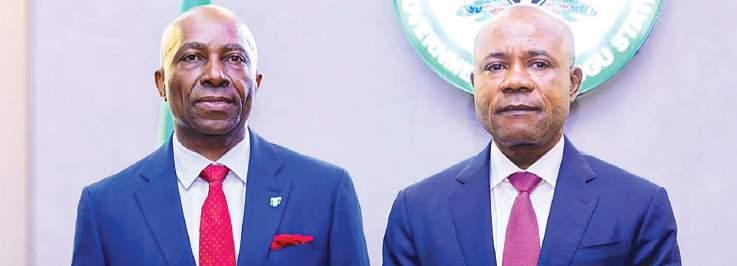
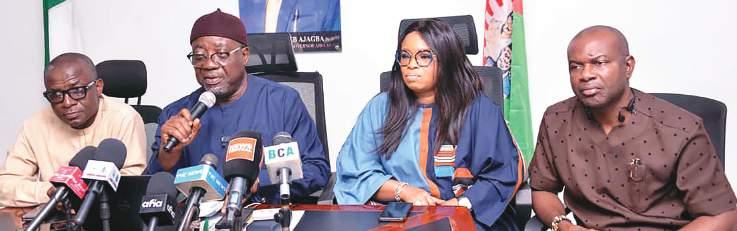
Eyesan spoke during a meeting with the Chairman of the Nigeria Revenue Service (NRS), Dr. Zacch Adedeji, in Abuja, where both organisations agreed to deepen their collaboration to promote transparency and accountability in the collection of oil and gas revenue.
The NUPRC chief highlighted the commission’s efforts to create an enabling environment for operators in the oil and gas industry, pointing out the need to grow the country’s capacity to meet rising industry demands.
“We are here to enable them (industry players), enable their businesses, ensure that they survive, and that they succeed. And we want to grow the pie because when you
grow the pie, everybody benefits. We are back to production. We are ramping up now, and we want to continue working.
“We still recognise the constraints. Infrastructure and asset integrity are major constraints, but we will work on these. Even, the human capacity in the industry, we see that because if we want to grow, we must also grow that capacity to meet the demands,” Eyesan said.
Eyesan commended the NRS chairman for driving reforms that culminated in the enactment of the NRS Act, explaining that on the transfer of revenue collection responsibilities, the process had been seamless.
The NUPRC chief executive also disclosed that one of the key targets upon assuming office was the digitisation of NUPRC’s operations, a goal she said has largely been achieved.
In his response, the NRS chairman, Adedeji, praised the commission for its dynamism, professionalism and transparency and pledged continued collaboration with the commission, particularly on matters relating to the transfer of revenue collection functions under the new Act.
He said: “It is in the interest of Nigeria that we work together to grow revenue for the country in a transparent manner for the good of Nigerians. So, there is no way we would do something to jeopardise the progress or sustainability of another agency.
“I collect revenue. I don’t generate revenue. Wherever revenue is, I work on it and keep an account for you. So, I’m helping you to collect your royalties.”
He promised that the NRS would continue to support the commission in order to achieve
its shared objective of increasing government revenues in a fair, transparent and sustainable manner.
Meanwhile, the Minister of State for Petroleum Resources (Gas), Ekperikpe Ekpo, has expressed support for the African Petroleum Regulators Forum (AFRIPERF), a unified continental platform designed to harmonise oil and gas regulations and boost investment in Africa’s energy sector.
This comes as the Chairperson for AFRIPERF, Eyesan, sought for an expanded membership of the Forum.
Speaking at a meeting with the minister at the Federal Ministry of Petroleum Resources, Eyesan said membership of AFRIPERF has continued to grow.
Aside from Nigeria, Ghana, Somalia, The Gambia, Madagascar, Sudan, Guinea, and Togo are among the countries that have signed onto
the charter, with several more in the process of doing so, she said.
“We’ve been working to sensitise other regulators within the continent and today we are happy that quite a number of countries have indicated interest,” Eyesan said. In his remarks, the minister acknowledged Nigeria’s leading role in global gas diplomacy, pointing to the country’s recent success in securing the Secretary General position at the Gas Exporting Countries Forum (GECF) as a symbol of Africa’s rising voice in international energy conversations. He also underscored the importance of Africa speaking with greater coherence in global energy transition discussions and shaping policies, expressing full support for AFRIPERF’s mandate and affirming the government’s commitment to using Nigeria’s regulatory depth to advance the Forum’s goals.
Taiwo Oyedele
EMPOWERMENT OF 1,000 WOMEN PETTY TRADERS IN BENUE...
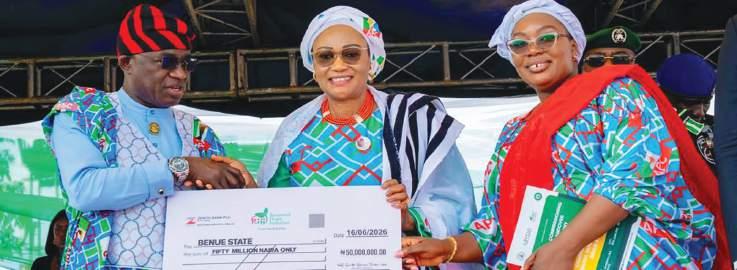
L-R: Benue State Governor, Rev. Father Hyacinth Alia; First Lady of Nigeria, Senator Oluremi Tinubu; and the Benue State RHI Coordinator, Mrs. Scholastica Ben-Sur, during the presentation of the N50 million cheque by the First Lady for the empowerment of 1,000 women petty traders in the state on the sidelines of her visit to inaugurate road projects and a community ICT centre, on Tuesday
Tinubu Unveils Ambitious Blue Economy Plan, Targets 5m Ocean Jobs by 2035
Michael Olugbode in Abuja
President Bola Tinubu has unveiled an ambitious maritime development agenda aimed at creating five million ocean-based jobs by 2035, while positioning Nigeria as a leading force in Africa’s blue economy and ocean governance.
Speaking through Minister of State for Foreign Affairs, Sola Enikanolaiye, at the opening of the 11th Our Ocean Conference in Mombasa, Kenya, Tinubu said Nigeria was committed to transforming its vast marine resources into engines of economic growth, employment, and environmental sustainability.
The president disclosed that his administration had launched a National Blue Economy Action Plan focused on expanding fisheries, shipping, maritime tourism, and renewable energy, with the goal of generating millions of jobs, particularly for youths and women.
“Nigeria has launched a National
Blue Economy Action Plan to harness fisheries, shipping, maritime tourism and renewable energy as drivers of inclusive growth,” the president said.
He added that the country was committed to creating “five million new ocean-based jobs by 2035”.
Tinubu stated that Nigeria’s 853-kilometre coastline and strategic
China Demands Global Governance Reform, Seeks Bigger Role for Nigeria, other Developing Nations
China has unveiled a major policy document calling for a fundamental overhaul of global governance structures, arguing that developing countries deserve a greater role in shaping international decisions amid growing geopolitical and economic uncertainties.
The white paper, titled, “More Just and Equitable Global Governance: China’s Principles, Proposals and Actions,” was released on Wednesday by the State Council Information Office, outlining Beijing’s vision for a fairer international order and a stronger voice for countries of the Global South.
The document comes at a time of increasing global tensions, economic fragmentation, climate challenges, and security crises, which China says have exposed weaknesses in existing international institutions.
NOA
Chinese Foreign Minister Wang Yi said the world was undergoing profound transformations unseen in a century, making it imperative for global governance systems to evolve in order to address emerging realities.
According to the white paper, developing nations, particularly those in Africa, Asia and Latin America, remain underrepresented in major international decision-making bodies, despite accounting for a significant share of the world’s population and economic growth.
China stated that global governance should no longer be dominated by a few powerful countries but should, instead, reflect the interests and aspirations of all nations.
The document advocates strengthening multilateralism, safeguarding the authority of the United Nations, and promoting equal participation by all countries, regardless of size, economic
strength or political influence.
It also calls for reforms in international institutions to make them more representative, effective, and responsive to the concerns of developing economies.
“Countries should jointly promote a more just and equitable global governance system and ensure that the fruits of development are shared by all,” the white paper stated.
Analysts say the initiative reflects
China’s growing effort to position itself as a leading voice for the Global South and an advocate of reforms aimed at rebalancing international power structures.
For African countries, including Nigeria, the proposals could resonate strongly amid longstanding calls for greater representation in global institutions, such as the United Nations Security Council, international financial organisations, and global trade bodies.
position in the Gulf of Guinea placed the country at the heart of Africa’s maritime future, stressing that ocean resources are critical to food security, trade, energy supply, and livelihoods.
He said the establishment of the Federal Ministry of Marine and Blue Economy shortly after he assumed office in 2023 underscored the administration’s determination to unlock the economic potential of the country’s waters.
The president also pledged stronger action against illegal, unreported, and unregulated fishing, describing it as a major threat to food security and economic stability across Africa.
He called for deeper continental cooperation, improved maritime surveillance, and enhanced enforcement mechanisms to protect African waters.
On climate action, Tinubu announced Nigeria’s commitment to expand marine protected areas by 2030, restore half of the country’s degraded mangroves, and champion a continent-wide campaign against single-use plastics.
He urged greater international support to tackle marine pollution, warning that coastal communities remain highly vulnerable to environmental degradation.
Highlighting Nigeria’s role in regional security, the president said the country had strengthened maritime safety in the Gulf of Guinea through modern technology and enhanced naval capabilities, leading to a significant reduction in piracy incidents that once threatened commercial shipping and regional trade.
Tinubu called for stronger partnerships among African coastal states, development finance institutions, private sector actors, and civil society groups to mobilise sustainable financing for ocean-related projects.
Delivering what he described as Nigeria’s message to the international community, the president declared, “Our ocean is our common heritage.” He urged nations to work together to guarantee maritime security, environmental protection, and shared prosperity for future generations.
IsDB 2026: President Tinubu Govt’s Focusing on Developing Halal Ecosystem to Grow Economy, Says Chief of Staff, Hadejia
Commends IsDB’s non-interest financing
Sunday Okobi in Baku, Azerbaijan
As part of its economic policies and
Canvasses Implementation of Law on Discrimination against People Living with HIV
Felix Omoh-Asun in Benin
The Edo State Director of the National Orientation Agency (NOA), Barr. Osahon Woghiren, has called for the full implementation of the law on discrimination against people living with HIV and other communicable diseases. Woghiren, who stated this in Benin, during an advocacy visit by members of Access to Health and Right Initiatives (AHRDI/
CLM), noted that enforcement of the law will curb stigmatization.
The team was represented by Mr. Kackah Alex (AHRDI Program Officer), Mrs. Ngozi Ekweage (NEPWHAN PO/M&E), Mr. Israel Orekha (Edo State TB Network Coordinator).
The visit sought to leverage NOA’s extensive grassroots infrastructure and civic education mandate to strengthen communitylevel messaging on AIDS, TB,
and Malaria (ATM) prevention, anti-stigma advocacy, patient rights awareness, and GBV response in Edo State.
Woghiren, who expressed regret that people continue to be stigmatized on the basis of their health status, noted that some families have lost their loved ones to the human immunodeficiency syndrome (HIV), tuberculosis and other communicable diseases, resulting from stigmatization.
reforms, the President Bola Tinubu administration is now focusing strategically on developing the Halal ecosystem to boost the economy, the Deputy Chief of Staff to the President (Office of the Vice President), Senator Ibrahim Hassan Hadejia, has said.
Hadejia exclusively told THISDAY yesterday at the sidelines of the Islamic Development Bank (IsDB) Group Annual Meeting taking place in Baku, Azerbaijan, that barely a year ago, the Tinubu administration inaugurated a process of developing and creating a Halal ecosystem for Nigeria to key into the fastest-growing sector of the global economy.
The Halal economy (also referred to as the Islamic economy) is a global economic sector structured around products and services that comply with Islamic law (Sharia).
While traditionally associated
with dietary laws, specifically meat prepared according to Islamic laws, the modern Halal economy has expanded far beyond food and now represents a lifestyle-driven market rooted in ethical, health, and safety standards that appeal not only to the world’s Muslim population but also to non-Muslim consumers looking for organic, ethical, or cruelty-free options.
According to the presidential aide, “After, of course, the advent of the private sector doing it alone, the government has to come in because Nigeria, without any effort, is the seventh largest Halal consumer country on earth and the second largest in Africa.
“So, with the government now coming in to develop the ecosystem, helping with certification and infrastructure, we want to tap into
the fastest-growing sector of the global economy.” He noted that it used to be a niche, in which it was perceived as a religious thing, “but now, it has exploded in economic growth, and it’s heading toward seven trillion dollars, and it has nothing to do with religion.
Among the ten largest Halal economies in the world, I believe it’s only one, Turkey, which is number nine, that would be said to have some religious affiliation to the Halal ecosystem.
The rest are all, you know, including Australia, New Zealand, Brazil, the United States, and others.
“It’s simply economy, and we believe that Nigeria needs to move in and tap into that very fast-growing sector because we have the numerical advantage.
Michael Olugbode in Abuja
INVEST LAGOS 3...
L-R: Deputy Chief of Staff to Lagos State Governor, Mr. Sam Egube; Minister of Humanitarian Affairs and Poverty Reduction, Dr. Bernard Doro; Lagos State Commissioner for Tourism, Arts and Culture, Mrs. Toke Benson-Awoyinka; and Lagos State Commissioner for Commerce, Cooperatives, Trade and Investment, Mrs. Folashade Ambrose-Medebem, at Invest Lagos 3.0, organised by the Lagos State Ministry of Commerce, Cooperatives, Trade and Investment in collaboration with the Commonwealth Enterprise and Investment Council, held at Victoria Island, Lagos... recently
Tinubu: True Judicial Independence Tied
to Dignity,
Welfare of Officers
Says judges can’t effectively dispense justice without basic comfort, security Atiku: Judiciary has opportunity to redeem itself, Lifu is a misfit HURIWA warns against judicial overreach in party deregistration case
Deji Elumoye, Chuks Okocha and Olawale Ajimotokan in Abuja
President Bola Tinubu yesterday stressed that true judicial independence is built on the dignity and welfare of judicial officers, insisting that protecting the dignity of judges keeps the justice system shielded from manipulation and compromise.
He noted that while a well-supported judiciary is indispensable to good governance, his administration has driven comprehensive reforms to ensure the justice sector operates without hindrance.
Speaking while inaugurating the newly built 10 housing units judicial quarters for judges of the Federal High Court in Katampe District, Abuja, the President who was represented by Vice President Kashim Shettima, noted that he was not just inaugurating buildings, but fortifying a vital pillar of the Nigeria’s democracy: the Judiciary.
“True judicial independence is built on the dignity of our judicial officers. By providing these state-of-the-art residential quarters, we are ensuring that our Federal High Court Judges operate from a place of security, comfort, and utmost dignity.
“This project is a deliberate shield against vulnerability, a statement that Nigeria values those who interpret her laws,” Tinubu declared.
The President averred that providing judges with secure accommodation and conducive environments is not a privilege, but a national imperative, just as he said judges can’t be expected “to dispense justice without fear or favour if their basic comfort, security, and peace of mind are left to chance.”
Tinubu recalled that when his administration embarked on the ‘Renewed Hope Agenda’, he made a sacred covenant with the Nigerian people, promising “to rebuild institutional trust, secure our nation, and ensure that the rule of law is neither compromised nor delayed.
“Today, with the official commissioning of these 10 housing units for Judges of the Federal High Court, we are taking a definitive, physical step toward fulfilling that promise.
For too long, we have talked about the independence of the judiciary in abstract terms. But independent thought requires an independent and secure environment,” he added.
He charged the judges to speedily dispense justice, saying the country is looking up to them.
His words: “The Renewed Hope Agenda is anchored on equity and justice. As we provide the infrastructure to make your lives easier, we ask in return for an unwavering commitment to the swift, fair, and transparent dispensation of justice.
“Let these homes be centres of deep reflection, integrity, and honour. Let the judgments that emanate from your minds continue to strengthen the fabric of our democracy.”
The President commended the Minister of the FCT, Nyesom Wike, for demonstrating that performance is the only currency that matters in public service, describing him as tireless, dynamic, and unapologetically focused.
He stated: “When I gave Minister Wike the assignment to transform Abuja into a world-class capital city, I knew his capacity for delivery. Nyesom Wike, you have not disappointed.
“From fixing critical road networks to ensuring the timely completion of projects like this judges’ quarters, you have proven that performance is the only currency that matters in public service.”
Earlier, Wike, said the completion of the project within the scheduled time was a reflection of Tinubu’s commitment to the independence of the judiciary and sustenance of the rule of law in Nigeria.
While appealing to the beneficiaries of the project to ensure the maintenance of the buildings and environment, the Minister said the entire section of the Katampe District, where the quarters was located, has been secured for the provision of residential accommodation for judges and senior officials of the nation’s judiciary resident in the FCT.
In his remarks, the Chief Judge of the Federal High Court, Justice John Tsoho, said the long-standing accommodation challenges facing judges had been a matter of deep concern for decades,
noting that the steps to address them were met with mixed reactions in the media.
He commended Tinubu and Wike for the bold steps taken to provide befitting accommodation for judges and improve the welfare of judicial officers, in spite of media condemnation.
“As judges, while we shape the legal direction of society on a daily basis through the pronouncements we make in the courtroom, we seldom have the occasion to speak publicly without courting controversy or being misunderstood.
“It is deeply encouraging and gives immense hope to the judiciary and the nation at large to see that the welfare of career professionals is being taken seriously. This commitment allows our judicial officers to find peace and stability in their vital roles,” Tsoho said.
Atiku Advises Judiciary to Redeem Itself, Attacks Justice Lifu
Presidential candidate of the African Democratic Congress (ADC), Atiku Abubakar, yesterday said Nigeria’s judiciary still has an opportunity to
redeem itself.
Atiku reacted to an order of the Court of Appeal that restrained the implementation of the Justice Peter Lifu order. Atiku, who took to his X space said that any attempt to undermine Nigeria’s hard-won democracy through judicial manipulation remains a grave danger to the Republic.
“If our democracy suffers further injury, history will demand accountability from those entrusted with dispensing justice. The judiciary still has an opportunity to redeem itself by standing firmly on the side of the Constitution, the rule of law, and the Nigerian people.” Atiku stated
According to Atiku’s media aide, Paul Ibe: “The morning after, it should be crystal clear to all Nigerians irrespective of party affiliations that Justice Peter Lifu is a threat to our Democracy. Apart from being saddled with the contrived cases against the ADC, he is also presiding over the cases of NDC and APM all aimed at deregistering the opposition parties.”
He stated that any government that abhors opposition parties is
intentionally creating room for chaos and anarchy. “Like the Court of Appeal said yesterday, Justice Lifu is a misfit to the judiciary and is not qualified to sit at a beer parlour bench!”, he added.
He welcomed the Court of Appeal’s decision to stay the execution of the Federal High Court judgment seeking the deregistration of the ADC, and four other political parties, stressing that it is particularly significant that INEC itself initiated the application for the stay.
“The disturbing spectacle of judicial contradictions and politically charged rulings playing out in our courts has placed the judiciary under intense public scrutiny. As ADC National Chairman, Senator David Mark, rightly observed, the judiciary itself is now on trial,” he stated.
HURIWA Warns Against Judicial Overreach
Meanwhile, the Human Rights Writers Association of Nigeria (HURIWA), has commended the Abuja Division of the Court of Appeal for what it described as a timely and decisive intervention that has restored confidence
in judicial discipline and safeguarded Nigeria’s democratic order in the unfolding dispute over the deregistration of five political parties.
In a statement by its National Coordinator, Emmanuel Onwubiko, HURIWA praised the appellate court for halting the enforcement of the Federal High Court judgment and granting a stay of execution on the ruling that sought to deregister the ADC, Accord Party, Action Alliance (AA), Action Peoples Party (APP), and Zenith Labour Party (ZLP).
The group said the Court of Appeal’s intervention has not only preserved the status quo but also prevented what it described as a potentially destabilising precedent in Nigeria’s electoral jurisprudence, particularly at a sensitive moment ahead of the 2027 general election. HURIWA further noted that the appellate court’s observations raised serious concerns about procedural compliance and respect for judicial hierarchy, particularly in relation to the conduct of proceedings at the Federal High Court, Abuja.
2026: Governor Adeleke Asks Osun People to Rise, Defend Their Democratic Rights
Cracks, fear, dissolution grips APC as Omisore’s soldiers, brother quit party
Yinka Kolawole in Osogbo
Osun State Governor, Ademola Adeleke, yesterday, asked the people of the state to rise and defend their democratic rights in the forthcoming governorship election.
The governor, who spoke at the at the official launch of the campaign for his re-election at Freedom Park, Osogbo, said the people of the state could not be intimidated in the exercise of their voting rights.
He stated, “This is our state, the cradle of Yoruba nation, by God’s grace, and the people’s support, continuity shall prevail.
“We reject violence and we declare our readiness to protect and defend our rights and our people.”
Adeleke told the people, “Let me start by assuring you all – Accord will be on the ballot. Your votes will count and I will be re-elected as your governor on August 15th.
“All lawful means are being deployed to sustain and retain our rights to vote and be voted for. We will not bow to dark forces; we remain courageous and we shall again be victorious by the special grace of God.”
He said, “I charge you to hold your head high. There should be no
dull moment. From this assembly for democracy, the light of good governance must continue to spread to all corners of Osun state.
“Go out to all voting units, mobilise for the Accord. Our party remains a duly registered political party in this country. Rule of law must prevail. Democracy must survive. “
Cracks, Fear, Dissolution Grips Osun APC as Omisore’s Soldiers, Brother Quit Party
Palpable fear enveloped All Progressives Congress (APC) in Osun State as the younger brother of
the party’s former national secretary, Senator Iyiola Omisore, Akinsore Omisore, and former Commissioner for Youth and Sports, Lawal Olayemi, resigned their membership of the party. In recent time, hundreds of Omisore’s supporters had resigned their membership of APC, throwing stakeholders into a state of confusion. Akinsore ‘s resignation letter was dated June 15, 2026, and addressed to the APC chairman of Moore Ward, Ife East Local Government Area, Ile-Ife. Akinsore stated that his decision was based on personal convictions after careful consideration.
Acting Group Politics Editor DEJI ELUMOYE
Email: deji.elumoye@thisdaylive.com
08033025611 sms only
Bamidele: Electoral Act Won’t Be Amended Before 2027 Polls
Senate Leader, Senator Opeyemi Bamidele, in this interview speaks on matters affecting the 10th National assembly and other pressing national issues. sunday Aborisade brings excerpts.
Amid rising insecurity nationwide, why did the Senate refuse to investigate the defence and security spending?
The issue of insecurity is one about which no serious public official can pretend any longer. It is a major issue. People may argue about whether the situation is getting worse or better. For me, the more important question is not simply to categorise it one way or the other. Sometimes, things get worse before they get better. Let me explain it in the context of what happened on the floor of the Senate last week. The motion in question sought to establish a national committee to probe all financial releases made to the military in the prosecution of the war on banditry, kidnapping and terror.
We did not think that was the right approach, and we will not pretend otherwise. In the first instance, our military institutions are giving their best under extraordinarily difficult circumstances. Let us remind ourselves that this is not conventional warfare. This same military faced Boko Haram terrorists in battle and dislodged them. There was a time when these terrorists had their flags flying over communities they had captured. Some local governments in this country had become no-go areas under their control. When they sought to advance further, our military confronted them, defeated them in battle and reclaimed those territories. At that point, rather than continue engaging our forces in open combat, the terrorists dissolved into cells and adopted guerrilla tactics.
For the first time in our nation’s history, a military trained for conventional warfare was suddenly required to fight an unconventional enemy. Nobody had envisaged this, neither the nation nor the military itself. But they did not give up. They have sustained the fight at great sacrifice, especially our officers and soldiers who are losing their lives, families of the victims who have been killed or kidnapped as well as a government that must manage highly sensitive information while remaining accountable to the public.
When that motion came before the Senate, the question before us was whether we wanted to put our own military on trial in the middle of a war. That would have been the most unpatriotic course of action — out of order, out of tune, and a dangerous mismanagement of a sensitive national security situation. It is an established principle that you do not interrogate the cost of waging a war until the war is over. You do not pause in the middle of a conflict to ask: how much have I given you, how much have you spent, and how did you spend it? Priorities must be clearly understood, and our priority at this moment cannot be to probe our military. To be clear, we were not suggesting that the military should spend money without accountability. We have standing committees - Army, Air Force, Navy and Defence that are specifically charged with oversighting our Armed Forces. They approve budgets, conduct oversight, and carry out both scheduled and unscheduled inspections. Members of the committees have travelled with service chiefs abroad to inspect military equipment procured on behalf of Nigeria, because much of what we are using to prosecute this war is off-the-shelf. Some items are ordered today, but may not be manufactured until the next three months. Before shipment, security consultants and committee members from both chambers conduct physical inspections. The same rigour applies on arrival at our ports and airports. We cannot, as a nation, announce every drone that arrives or detail its specifications and operational range.
You cannot wage a war that way. A great deal is happening that cannot be debated openly on the floor of the Senate or the House of Representatives. Given that reality, agreeing to a motion to publicly probe the military would have been a dangerous diversion, and that is not where Nigeria’s focus should be today. What I can tell the public is that we are making significant progress by the grace of God. I know that is difficult for many Nigerians to
accept, especially those living through the agony of this crisis. But the increased tempo of attacks in various parts of the country is, in part, an expression of the frustration of our enemies. They are taking casualties at a scale they have not experienced before. Much is happening — through our own military operations and through the fruits of international counter-terrorism collaboration. We are fighting guerrillas who, for every member they lose, feel compelled to strike in retaliation — partly to wage a psychological war, partly to erode public confidence in the military, and partly to turn Nigerians against their own armed forces. We must not allow their plan to come through. We must not allow political opponents who seek to weaponise this situation to deter us from sustaining the ongoing onslaught against terrorism.
Some senators lost their return tickets recently. At the plenary last week, the President of the Senate claimed that the leadership had been handling their cases. Does the mandate of the leadership extend to such an intervention?
I will address this directly. During our plenary, we moved briefly into a closed-door session before returning to the plenary for the President of the Senate to report progress. In both settings, it was entirely normal for the President of the Senate, on behalf of the leadership, to congratulate those who emerged as winners in the primary elections. It is equally normal for the leadership to take note of complaints from senators and members of the House of Representatives regarding
irregularities they may have witnessed during the primaries. The best we can do is to engage the party’s leadership structure — the National Working Committee, the governors of the relevant states, and where necessary, Mr. President as the party’s national leader — to reflect those concerns. For my part, by the grace of God and the support of my constituents in Ekiti Central, no one ran against me. I was returned unopposed. The same was true of the President of the Senate and the Deputy President of the Senate. So, this was not a personal matter for any of us in leadership. It was part of what we owe our colleagues. In truth, some members were calling us even as their primary elections were underway. Some sent written petitions to the party and copied the leadership. There was no way we could have convened the first sitting of the Senate and pretended that these concerns did not exist. The statement of the President of the Senate was therefore appropriate — and entirely consistent with parliamentary practice and procedure globally. The party’s appeal committee has since sat, heard from all complainants and relevant stakeholders, and made its recommendations to the National Working Committee. That process will determine the final outcome. Whatever the President of the Senate said, he was not speaking personally — he was speaking on behalf of the leadership, and I have now explained the basis on which we acted.
How do you respond to the characterisation of the National Assembly as a rubber stamp?
We have worked collaboratively with the executive arm of government over the past three years. Some of our colleagues were labelled rubber stamps for doing so.
But let me be clear: we knew we were not a rubber stamp Senate. The difference between
I was not going to participate in amending an electoral law as the l eader of the s enate days before primaries or months before a general election, in the middle of an atmosphere where every party is accusing the other of manipulating the process and I n EC is under enormous pressure from all sides.
the 10th National Assembly and previous assemblies is that we chose to resolve our disagreements privately rather than publicly. We held numerous meetings with the National Working Committee of the APC, with Mr. President, with ministers, Chairman, Nigeria Revenue Service, and with relevant agencies — meetings during which we raised objections, pushed back, and reached agreement — before bills ever came to the floor. This happened with the four critical tax reform bills, among others.
There were occasions when names submitted for screening were returned to Mr. President before we even read the covering letters into the record, because we identified eligibility issues or concerns that would have made confirmation impossible. The president would direct that the list be revised, a corrected list would be resubmitted and the matter would proceed without public controversy. If we had engaged in that process and then staged a dramatic rejection on the floor, what would that have served — other than satisfying those who equate noise with independence? We were not doing this to impress anyone or to avoid criticism.
We were convinced it was the right approach for a period of unusual national challenge. Our position has always been that genuine collaboration between the arms of government — where it serves the overriding public interest — is not weakness. It is statesmanship. Does the leadership of the Senate have the capacity to speak for senators across party lines?
We have that standing, and I will explain why. We always say — and mean — that when you enter the hallowed chamber of the Senate, you remove whatever party uniform you wore to get there. You enter as a Senator of the Federal Republic of Nigeria.
So much has been said about the establishment of state police. But the process has not started despite the rising spate of insecurity. What are the reasons for the delay?
A - Our position on state police is very clear. We stand with Nigerians on this issue. A crosssection of the public has made it abundantly clear that there cannot be a better time to establish state police than now — and that is where we stand. Our role as the elected representatives of the people is to translate this popular desire into law. You can sing about it, debate it, or wish for it — but until it is legislated, it does not happen.
That is where Parliament comes in. We have reached a firm conclusion that we will pass the constitutional amendment to make provision for state police. I can tell you today that this will come to fruition. There is no reason for further delay.
I should also speak to the work that has gone into this. There have been a series of intensive meetings involving the National Assembly led by Chairman, Senate Committee on the Review of the 1999 Constitution, Senator Barau I. Jibrin and Chairman, House of Representatives Committee on the Review of the 1999 Constitution, Rt Hon. Benjamin Kalu. The meetings have involved the Office of the Attorney-General, the Chief of Staff to the President, the Inspector General of Police, and other key stakeholders. The consultations over the past week alone have been substantial. That is the basis of my confidence in speaking to you today. What we have resolved to do is to isolate the state police amendment from the broader constitutional review agenda so that we can vote on it as quickly as possible and transmit the bill to the 36 state Houses of Assembly. As you know, we require the approval of two-thirds of the state assemblies before the bill can proceed to Mr. President for assent. The President is fully aligned with us on this matter. The majority of our governors are also in support, and their respective assemblies are waiting for the bill to arrive.
Bamidele
FEaturEs Tribute to My Dear Brother, Alexx Ekubo (Ikuku)
Francis Mune Nwaogwugwu
Today, with a heavy heart yet with gratitude to God for a life well lived, I pay tribute to my dear friend and brother, Alexx Ekubo Ikuku.
Writing these words is one of the most difficult things I have ever had to do because your departure was sudden, unexpected, and deeply painful.
It is still hard to accept that you are no longer physically with us. There are moments when I still find myself expecting to hear your voice, receive your call, or share another conversation with you.
The reality of your absence remains one of the greatest challenges I have had to face. Alex, you were more than a friend. You were a brother in every sense of the word. You were someone I could rely on, confide in, laugh with, and learn from. Your friendship was genuine, selfless, and unwavering.
In a world where true friendship has become increasingly rare, you stood out as a man whose loyalty and sincerity could never be questioned. You had a remarkable way of making people feel valued and appreciated, and anyone privileged to know you can testify to the warmth, kindness, and positivity you carried everywhere you went.
One of the things I will miss most about you is your sense of humor and the joy you brought into every gathering. You had an incredible ability to lighten difficult moments with your laughter and wit. No matter how stressful life became, spending time with you always brought relief and renewed energy.
The countless memories we shared together continue to replay in my mind, reminding me of the bond we built over the years. Those moments are treasures that time can never erase.
I smile through my tears whenever I remember some of your familiar expressions. I can still hear you saying, “Nwachi, take care of your health ooo!” You would say it with so much concern and sincerity that it always reminded me how much you cared.
Then there were those moments when you would laugh and say, “Nwachi, we need to detoxify ooo; we have taken too much whiskey this period.” Those simple conversations, which at the time seemed ordinary, have now become precious memories that I hold close to my heart. They remind me not only of your humor but also of your genuine concern for the wellbeing of those around you.
Alex, you possessed a rare gift for building relationships. You connected with people effortlessly and treated everyone with respect and dignity. It did not matter a
person's status, background, or circumstances; you always approached people with kindness and understanding.
You were generous with your time, your advice, and your resources. Many people benefited from your support, encouragement, and friendship, often without seeking recognition or praise. You simply believed in helping others because that was who you were.
What made your life even more remarkable was your deep faith in God. Your love for Christ Jesus was evident in the way you spoke, lived, and interacted with people. You never hid your faith or your convictions.
You spoke boldly about God's goodness and constantly encouraged others to trust Him. Whether in moments of celebration or seasons of difficulty, your confidence in God's promises remained unwavering. Your faith was not merely something you professed; it was something you lived daily.
My family and I were particularly inspired by
your commitment to Christ. Your spiritual encouragement, prayers, and testimonies strengthened many people around you.
You consistently pointed others toward God, reminding us that life is meaningful only when it is anchored in Him. In a world filled with distractions and uncertainties, your faith served as a shining example of what it means to trust God wholeheartedly.
The news of your passing came as a devastating shock. It was one of those moments that leaves a person speechless. There are losses that prepare us gradually, but yours was not one of them. Your departure felt unreal because you were full of life, dreams, and aspirations.
It seemed as though there was still so much ahead of you, so much more to accomplish, and so many more lives to touch.
The suddenness of your passing left many of us struggling to understand why such a good man had to leave so soon.
Yet, even amid the pain and unanswered questions, I choose to focus on the beautiful legacy you left behind. The measure of a person's life is not found merely in the number of years lived but in the impact made on others. By that
measure, Alex, your life was truly significant. You touched countless lives through your kindness, generosity, faith, and friendship. The seeds of goodness you planted in the hearts of people will continue to bear fruit for generations to come.
As I reflect on your life, I realize that some people leave footprints on the sands of time, while others leave permanent marks on the hearts of those they encounter. You belong to the latter category. Your influence cannot be erased because it lives on in the memories, values, and lessons you shared with all of us. The love you gave, the wisdom you imparted, and the joy you spread continue to speak even in your absence.
Although grief has its difficult moments, I remain grateful for the privilege of having known you. I am grateful for every conversation we had, every journey we shared, every laugh we enjoyed, and every lesson I learned from you.
I am grateful that our paths crossed and that God allowed us to build a friendship that became a brotherhood. While I wish we had more time together, I choose to thank God for the years we did have.
The pain of losing you may never completely disappear, but neither will the memories. Every time I remember your kindness, your laughter, your words of encouragement, and your unwavering faith, I am reminded that your life was a blessing.
Though you are gone from our sight, you will never be gone from our hearts. Your memory will continue to inspire us to live with purpose, cherish our loved ones, and place our trust in God.
The Bible teaches us not to grieve as those who have no hope. As believers, we understand that death is not the end. While my heart mourns your absence, my spirit is comforted by the assurance that you are resting in the presence of the Lord.
This hope gives me strength and peace even in the midst of sorrow. I believe that one day, according to God's promise, we shall meet again on that glorious resurrection morning when Christ returns.
Until that day comes, I will continue to honor your memory and celebrate the incredible life you lived. I will remember your friendship, your faith, your laughter, your generosity, and your love. I will carry those memories with me for the rest of my life.
Rest peacefully, my dear friend and brother. Rest peacefully, Ikuku. Your earthly journey may have ended, but your legacy lives on. You are loved beyond words, missed beyond measure, and remembered beyond time.
Farewell, Alexx Ekubo.
Until we meet again in glory. O'bara m.
Late Alexx Ekubo
What Nigeria's Oil Industry Can Teach Corporate Nigeria About ESG
Obodo e jiro
For decades, if there was any sector in Nigeria where Environmental, Social and Governance (ESG) considerations mattered, it was the oil and gas industry.
Long before ESG became a boardroom buzzword, operators in the upstream sector were already grappling with issues that today sit at the heart of ESG frameworks: environmental stewardship, host community relations, worker safety, governance, and stakeholder engagement.
Even then, the consequences of getting these issues wrong were often immediate and costly. Community unrest, operational disruptions, environmental incidents, regulatory sanctions, and reputational damage demonstrated that profitability could not be separated from responsible business practices.
In many ways, the industry provided Nigeria's earliest lessons on the importance of balancing commercial success with social responsibility and environmental accountability.
Today, those expectations have spread to other sectors. Banks, manufacturers, telecommunications companies, logistics firms, technology companies, and consumer goods businesses are now being judged not only by the profits they generate, but also by how responsibly they operate.
Customers, investors, regulators, employees, and host communities increasingly expect greater transparency, stronger governance, measurable social impact, and clearer environmental commitments.
This slow but steady shift reflects a broader transformation in the way business success is measured. For much of the past century, revenue growth, profit margins, and market share were the dominant indicators of corporate performance. Today, a different set of questions is shaping investment decisions, corporate reputation, and long-term competitiveness.
Interestingly, these questions sit at the heart of ESG principles—a framework that is rapidly becoming one of the most important determinants of corporate success, especially in more developed countries.
Even in Nigeria, where businesses are navigating economic uncertainty, heightened investor scrutiny, and evolving regulatory expectations, ESG is no longer a peripheral issue reserved for sustainability reports. It is becoming a core business imperative.
ESG Is Risk Management
One of the most important lessons Nigeria's oil and gas industry offers is that ESG is fundamentally about risk management. For years, operators have understood that environmental incidents, governance failures, and stakeholder conflicts can threaten business continuity just as much as market conditions or operational challenges.
The Niger Delta provides a powerful example. Decades of environmental disputes, community tensions, and stakeholder conflicts repeatedly disrupted operations, resulting in production losses, legal disputes, project delays, and reputational damage. These experiences demonstrated that organisations ignore ESG issues at their peril.
The lesson extends beyond oil and gas. Weak governance increases exposure to undesrirable outcomes, and operational failures. Poor stakeholder relations can trigger public backlash and regulatory scrutiny. Environmental negligence can result in sanctions, remediation costs, and reputational harm.
History offers broader examples. The collapse of Enron remains one of the most cited examples of governance failure. Once regarded as one of the world's most innovative companies, it collapsed under the weight of accounting fraud, weak oversight, and ethical failures, destroying billions of dollars in shareholder value.
For Corporate Nigeria, the message is clear: ESG is not merely about corporate image.
It is about protecting enterprise value, strengthening resilience, and managing risk before it becomes a crisis.
Stakeholder Engagement Is a Business Necessity
Perhaps no sector in Nigeria understands stakeholder engagement better than oil and gas.
For decades, operators have had to build and maintain relationships with host communities, regulators, government agencies, traditional institutions, investors, employees, contractors, and civil society groups. Experience has shown that operational success depends not only on technical capability but also on maintaining trust among diverse stakeholder groups.
Many of the industry's challenges have stemmed from stakeholder concerns that were not adequately addressed. Conversely, some of its greatest successes have been achieved where engagement, dialogue, and collaboration were prioritised. In more recent years, the indigenous oil companies have done a good job at this.
This lesson is increasingly relevant across industries. Financial institutions, manufacturers, logistics companies, and technology firms are discovering that stakeholder expectations are changing rapidly. Customers expect transparency. Employees want purpose-driven workplaces. Regulators demand accountability. Communities expect responsible corporate behaviour.
Organisations that engage stakeholders proactively are often better positioned to anticipate risks, identify opportunities, and sustain long-term growth. Stakeholder engagement is therefore no longer a communications function alone; it is a strategic business capability.
Capital Increasingly Follows Sustainability
Another lesson from the oil and gas industry is that access to capital is becoming increasingly linked to sustainability performance.
Investors around the world are paying closer attention to environmental risks, governance structures, and social impact. Sustainable investment assets have grown significantly over the
safety outcomes depend not only on procedures but also on communication, trust, and culture. Employees must feel empowered to report concerns, raise issues, and challenge unsafe practices without fear.
This lesson applies across all sectors. The future of workplace safety will be defined as much by culture as by compliance. Organisations that invest in employee wellbeing, trust, and inclusive leadership are likely to experience stronger engagement, higher productivity, and better operational outcomes.
ESG Works Best When Embedded Across the Business
Perhaps the most important lesson from the oil and gas industry is that ESG cannot exist in isolation.
Across leading organisations, ESG responsibilities are increasingly shared across sustainability teams, risk management functions, legal departments, compliance units, corporate affairs teams, and executive leadership.
What were once separate responsibilities are becoming integrated components of a broader organisational framework designed to improve accountability, strengthen governance, manage risk, and support long-term business sustainability.
past decade, making ESG considerations an increasingly important factor in capital allocation decisions.
This shift carries important implications for Africa. The continent requires substantial investment to address infrastructure deficits, energy needs, and climate adaptation challenges. However, access to that capital increasingly depends on demonstrating credible sustainability strategies, transparent governance systems, and measurable outcomes.
Nigeria has already recognised this trend through the adoption of international sustainability reporting standards and increasing emphasis on corporate disclosures. Investors are looking beyond financial performance alone. They want assurance that organisations can manage risk, adapt to change, and create long-term value.
Additionally, in more recent times, the conversation around international buyers prioritizing crude that was produced with ESG considerations is growing.
The implication for Corporate Nigeria is straightforward. ESG performance is increasingly influencing investor confidence, financing opportunities, and market competitiveness. Organisations that embed sustainability into strategy are likely to be better positioned to attract investment and business partners in the years ahead.
Safety Is About Culture, Not Just Compliance
The oil and gas industry's long-standing focus on safety offers another important lesson.
Traditionally, workplace safety was viewed primarily through a physical lens. Companies invested heavily in procedures, protective equipment, engineering controls, and safety systems designed to reduce accidents and injuries.
These investments remain essential. However, global thinking about safety has evolved. Increasing attention is now being paid to psychological wellbeing, workplace culture, leadership behaviour, and employee trust.
The World Health Organisation estimates that depression and anxiety cost the global economy hundreds of billions of dollars in lost productivity annually. More organisations are recognising that psychological safety and employee wellbeing are not separate from business performance; they are central to it.
In high-risk sectors such as oil and gas,
This convergence reflects a growing recognition that sustainability risks are often governance risks, while governance failures frequently create environmental and social consequences. As a result, many organisations are moving towards integrated ESG oversight structures at both management and board levels.
At Pinnacle Oil and Gas Limited, ESG is viewed not as a reporting obligation but as a core business principle that informs operational and strategic decision-making. The company maintains a comprehensive ESG policy that provides direction on environmental stewardship, stakeholder engagement, workforce wellbeing, governance standards, and sustainable business growth.
The policy influences multiple aspects of business operations, from stakeholder engagement and workforce practices to customer interactions and decision-making processes. This approach reflects a broader truth: ESG creates value when it is embedded in the way an organisation operates rather than treated as a standalone initiative.
Back to the Future
There is a Yoruba proverb that says: “A kì í jogún ilé kí a pa á tán” which is interpreted “one does not inherit a house and destroy it.” Long before ESG became part of global business vocabulary, African societies understood the importance of stewardship, responsibility, and sustainability. Today, those principles are being reinforced by market realities.
The future of ESG in Nigeria will not be determined solely by multinational corporations or regulatory directives. It will be shaped by how effectively businesses integrate sustainability into everyday decisions, operational processes, governance systems, and workplace culture.
For organisations that make that transition successfully, ESG will become more than a compliance framework. It will become a source of resilience, investment attractiveness, and long-term competitiveness.
The question facing Nigerian businesses is no longer whether ESG matters. Investors, regulators, employees, customers, and communities have already answered that question. The real challenge is whether organisations can move quickly enough to embed ESG into the way they operate before the market demands it as a condition for doing business.
The oil and gas industry has spent decades learning these lessons. Corporate Nigeria would do well to pay attention.
•jiro is the Corporate Communications Manager at Pinnacle Oil and Gas.
e jiro
BUSINESS WORLD
RATES AS AT J UNE 17,2026
Telecoms Operators to Invest $1.38bn in Network Upgrade, Despite Operational Challenges
Stories by emma Okonji
The Telecom Sector has recorded tremendous growth from an initial investment of $500 million in 2001 when the sector was fully liberalised to over $75.6 billion as at 2025, with a planned investment of over $1.38 billion in network capacity upgrades in 2026 that will enhance resilience, boost coverage and improve quality of service for subscribers.
This was revealed by a NEC member, and Coordinator, Telephone Operators from the
Association of Telecoms Companies of Nigeria (ATCON), Mr. Chidi Ibisi, during a stakeholders’ forum organised by NCC in Lagos.
According to him, the planned investment for network upgrades is in line with the recent 50 per cent tariff hike in telecoms, which he explained, helped the operators to raise revenue for further investments across networks.
He however said operators decided to make such huge investments in order to protect the gains recorded in the telecoms sector in the past, despite the current
operational challenges faced by the telecoms operators.
He listed some of the challenges to include: High Interest Rates of over 33 per cent; High Foreign Exchange Rates; High Rate of Inflation; High Cost of imported network equipment; High cost of diesel, transportation and Local inputs and services; High Cost of repair of damaged fiber optic cables due to road construction and vandalism; Cost of replacement of stolen generators, batteries and other vital Base Station equipment at tower sites; High cost of Right of Way
(RoW) and multiple taxation imposed on telecoms operators by agencies of government across several states.
“The listed challenges significantly impact the capital and operating expenses of our members and their ability to maintain the high levels of investment required in the telecoms sector to drive the new digital economy,” Ibisi said. He advised governments across all levels to support the growth of telecoms operators in their states, in order to attract more investments from the
operators in the states where they have strong presence.
He also listed some measures, which government and the telecoms industry regulator must take in order to support telecoms growth and investments in the country.
According to him, “To ensure the sustainability of the telecom sector, which underpins every sector of the economy and propel the economy to a $1trillion by 2030, we need cost reflective Mobile Termination Rates (MTR). To ensure the participation and sustainability of new entrants and smaller
telecom operators with less than 10 per cent market share, we respectfully recommend the retention of the current structure of Asymmetric Mobile Termination Rates.”
Listing some of the achievements in the telecoms sector, Ibisi said as of March 2026 Nigeria had over 185.7 million mobile subscribers, 153.15 million internet subscribers, with internet data usage of over 1,422,764.54 Terabytes of data, a Teledensity of 85.67 per cent with 8.12 per cent contribution to GDP in Q4, 2025.
The story continues online on www.thisdaylive.com
Visa: AI Shopping in Nigeria Increases as Shoppers Battle with Trust Issues
Visa, a world leader in digital payments has released its annual ‘Stay Secure’ study in Nigeria, which assessed consumer awareness and behaviours around digital commerce and fraud.
This year’s edition, conducted by Wakefield Research, highlighted how AI enabled shopping and social commerce were changing consumer behavior of
Nigeria, even as expectations around trust and protection remained firmly in place.
According to the study, consumers are embracing Artificial Intelligence (AI) as part of their shopping journeys. The report said 88 per cent of shoppers in Nigeria have used AI tools to assist with shopping, including comparing prices 54 per cent, finding gift ideas 53 per cent, and checking reviews or product
ratings 56 per cent.
From the study, “97 per cent feel new technologies, including AI-powered tools, are making online shopping faster and easier than before. AI is also influencing discovery, with 68 per cent typically discovering new brands or retailers while shopping online. However, consumers remain more cautious when it comes to AI handling transactions on their behalf. Today,
only 34 per cent will trust AI agents to complete checkout, reinforcing the importance of earning consumer trust in the age of agentic commerce.”
As AI adoption grows, consumers increasingly view the technology as part of the solution to fraud. 76 per cent feel AI has made scams easier to recognise today and 89 per cent believe AI will play a critical role in protecting
consumers from fraud in the future, the report added.
The report also highlighted how social commerce is growing along scam risks shopping through social platforms and has become mainstream, with 83 per cent of consumers in Nigeria having purchased products directly through social media platforms.
“As commerce expands across new channels, fraud risks continue to follow
Market data a s at Wednesday, June 17, 2026
consumers online. 51 per cent have experienced a financial scam in the past 12 months. Among those who have experienced a scam, 57 per cent report the incident occurred on social media, more than those who encounter scams on other platforms such as websites, online marketplaces, or shopping apps,” the report said.
L–R: Director, Governance and Economic Reforms Department, African Development Bank, Abdoulaye Coulibaly; Executive Director, International Monetary Fund, Regis N’Sonde; Executive Secretary of the United Nations Economic Commission for Africa (UNECA), Claver Gatete; CEO, Sterling One Foundation, Olapeju Ibekwe; Junior Minister of Agro-Industry, Food Security, Blue Economy and Fisheries, Mauritius, Gilles Fabrice David and Principal Adviser, Department of Economic Development, Trade, Tourism, Industry and Minerals, African Union Commission, Dr.Jean Bertrand Azapmo at the 12th African Regional Forum on Sustainable Development organised by ECA, AU and AFDB in Addis Ababa, Ethiopia… recently
CPPE: Nigeria’s Manufacturing Sector
Trapped in Low Growth Equilibrium
The Centre for the Promotion of Democracy (CPPE) has described Nigeria’s 26 years of democratic rule as a period when Nigeria’s manufacturing sector remained largely trapped in a low-growth equilibrium.
The CPPE stated this in its assessment of the outcomes of Nigeria’s 26 years of uninterrupted democracy in a press statement titled “Manufacturing Under Democracy: A Story of Resilience Amid Structural Adversity,” where it said that the sector has moved
“from industrial promise to industrial erosion.”
It outlined that government’s petroleum refineries, tyre manufacturing, textile and battery industries declined significantly and in some cases vanished away in the past 26 years.
According to the Chief Executive Officer of CPPE, Dr. Muda Yusuf, “Nigeria’s democratic journey has delivered only modest industrial outcomes, leaving the economy heavily dependent on primary commodities and imports.”
Yusuf said that the fact that manufacturing
Coys to Unlock Pan-African Payments for Merchants
Yuno, the global financial infrastructure platform, has announced a strategic partnership with Onafriq, the leading Pan-African payments network, to bring Africa’s most expansive payments infrastructure to merchants worldwide.
Through the integration, Yuno’s clients gain instant access to Onafriq’s network spanning 43 African markets,
nearly one billion mobile wallets, 500 million bank accounts, and 2,000 crossborder payment corridors, all through Yuno’s single, developer-friendly API.
sector’s contribution to GDP has hovered between 9.0 and10 per cent for most of the
period, underscored the absence of a decisive industrial transformation despite successive policy
pronouncements and reform initiatives.
He said: “One of the defining features of the
democratic era has been the progressive erosion of industrial capacity across several sectors.
Stories by Emma Okonji
The Nigerian Communications Commission (NCC) has commenced the review of the determination of Mobile Termination Rates (MTR) for the telecoms sector, a development that will shape
the pricing model for voice communication.
The review will enable NCC to actualise its plans of releasing a new MTR structure for the telecoms sector in the next four months when the review is expected to be concluded by KPMG.
Speaking during a stakeholder consultative forum organised by NCC in Lagos, the Head, Competition and Tariff Unit at NCC, Omotayo Mohammed, said the forum would help to formally engage stakeholders on the consultancy study for the determination of Mobile Termination Rates (MTR) in Nigeria and to also present the study’s approach, methodology, and timelines for the data-gathering phase of the exercise.
Group Business Editor
Eromosele Abiodun
Deputy Business Editor
Chinedu Eze
Comms/e-Business Editor
Emma Okonji
Asst. Editor, Energy
Emmanuel Addeh
Asst. Editor, Money Market
Nume Ekeghe
Correspondents
KayodeTokede(CapitalMarkets)
James Emejo (Finance)
Ebere Nwoji (Insurance)
Reporter Peter Uzoho (Energy)
“Africa represents one of the most exciting growth opportunities in global commerce, and yet too many merchants are still locked out by payment infrastructure that wasn’t built for scale. Our partnership with Onafriq changes that. By bringing their unmatched African network into our infrastructure layer, we’re giving our clients a single path to a continentwide ecosystem with the reliability, compliance, and local depth they need to grow with confidence.” Co-Founder and CEO at Yuno, Juan Pablo Ortega, said in a statement. CEO, Onafriq, Dare Okoudjou, said: “Africa’s payment landscape has never lacked ambition or momentum, what it needed is the right infrastructure that matches its pace. Our partnership with Yuno changes the equation for global merchants who want to be part of this growth story.”
In commemoration of the 15th anniversary of the International Girls in ICT Day, the International Telecommunications Union (ITU) and Women Technology Empowerment Centre (W.TEC) in Nigeria have called for more representation of women and girls in the study of Science, Technology, Engineering and Mathematics (STEM) education in Nigeria and the rest of the world.
Speaking at this year’s International Girls in ICT Day celebration, Themed: ‘AI for Development-Girls Shaping the Digital Future’, organised by W.TEC in partnership with
Interswitch, the leading African technology company focused on creating solutions that enable individuals and communities prosper, has unveiled its tailored Digital Forecourt suite, an integrated digital retail ecosystem designed to seamlessly connect payments, operations, and customer experiences within modern fuel retail environments.
The unveiling took place at the NNPC Retail Business Transformation Summit held at the Petroleum Technology Development Fund (PTDF), Abuja, where Interswitch participated as Headline Technology Partner.
Speaking at the event, Managing Director, Industry Ecosystems, Interswitch,
Oracle, which held at the Lagos City College, Sabo, Yaba, the ITU Secretary General, Doreen Bogdan-Martin, stressed the need for more girls representation in STEM education, to enable them compete favourably with their male counterparts.
Bogdan-Martin, who was
Chinyere Don-Okhuofu, emphasised the importance of building intelligent digital infrastructure to support longterm business transformation.
“True business transformation is not simply about adopting technology; it is about creating connected ecosystems that drive efficiency, improve experiences, and unlock new opportunities
represented by a senior official from the United Nations Information Centre in Abuja, Mrs. Bolanle Olumekor, said women representation in STEM Education and Quantum information technologies that are poised to reach high possibilities, remained globally low.
for growth. As industries continue to evolve, businesses must rethink how they engage customers, optimise operations, and deliver value at scale. At Interswitch, we are focused on enabling this shift through payment and commerce solutions that are secure, seamless, and built for the realities of modern business,” Don-Okhuofu said.
Medlitics Limited has officially launched Medlitics, an innovative digital health platform designed to transform the landscape of chronic disease care across Africa.
By seamlessly connecting patients, doctors, hospitals, and insurance providers into a single, intelligent ecosystem, the platform transitions chronic care from a reactive model to a proactive, continuous experience.
Speaking about the innovation, Founder of Medlitics, Michael Fasere,
said: “Our goal is to build healthcare that truly works for everyone, moving beyond the walls of traditional waiting rooms. Chronic diseases require daily attention, not just quarterly checkups. By bridging the gap between everyday life and clinical
oversight, we are enabling doctors to see health trends as they happen and step in before minor fluctuations turn into medical emergencies. We are putting proactive health management directly into the hands of the people who need it most.”
Dike Onwuamaeze
NSCCIMA Seeks N1bnTrust Fund to Spur Growth in Nsukka Economic Zone
Emmanuel UgwuNwogo in Enugu
The Nsukka Chamber of Commerce, Industry, Mines, and Agriculture (NSCCIMA) has proposed the establishment of N1 billion Enterprise Development Programme Fund (EDPF) for stimulation of economic growth in the Nsukka Economic Zone, Enugu State.
President of NSCCIMA, Sam Otoboeze disclosed this during his address at the statewide townhall and stakeholders engagement of the Presidential Enabling Business Environment Council(PEBEC) held in Enugu.
He described Nsukka Economic Zone as “one of the commercially viable and strategically positioned growth corridors in Nigeria” hence the urgent need for “catalytic
intervention” to develop the huge economic potentials of the zone.
“With the intellectual advantage of the University of Nigeria, Nsukka, extensive agricultural resources and a vibrant hoith population, Nsukka possesses enormous potential for agroindustrialisation, SME expansion, food processing, innovationdriven enterprises, and export-oriented production,” he said.
According to him, the proposed intervention fund, which should be managed by NSCCIMA, would be used to support SMEs, youth entrepreneurship, women-led enterprises, agro-processing cooperatives, and enterprise incubation initiatives within the Nsukka Economic Zone.
Otoboeze stated that a conservative projection indicates that within the first 12 months,
the Fund would be able to support between 1,200 and 1,500 SMEs and small traders, and empower over 1,000 youth and women enterprises.
Within the same period, the Fund would also generate between 2,500 and 3,500 direct jobs, stimulate 7,000 to 10,000 indirect economic opportunities, strengthen agroprocessing and rural production value chains, and enhance youth economic engagement and community stability.
The NSCCIMA President commended Governor Peter Mbah for the deliberate policy initiatives of his administration, which has improved the investment climate of Enugu State as well as “laying the foundation for inclusive economic growth and longterm enterprise sustainability across the state”.
Polaris Bank Strengthens Financial Literacy Campaign, Trains Students in Katsina
Nume Ekeghe
Polaris Bank Limited has reinforced its commitment to youth empowerment and financial inclusion with a financial literacy training programme for students of Community Day Secondary School, Tsaski Yan’albasa, in Charanchi Local Government Area of Katsina State.
The initiative, held on June 9, 2026, formed part of the bank’s activities marking Global Money Week (GMW) and underscored its efforts to equip young Nigerians with the knowledge and skills required to make informed financial decisions.
The interactive session reached and impacted 90
students and 10 teachers, providing practical insights into savings, budgeting, responsible spending, banking essentials, financial goal-setting, peer influence, and informed decision-making from an early age.
In a statement, the Managing Director/ CEO of Polaris Bank, Mr. Kayode Lawal, emphasised the strategic importance of these initiatives: “At Polaris Bank, we believe financial literacy is one of the most important foundations for building a responsible and economically empowered generation. When young people understand the value of savings, budgeting and responsible financial choices early in life, they are better positioned to manage opportunities,
avoid poor money decisions and contribute meaningfully to the economy.” Representing the Polaris Bank MD/CEO at the advocacy outreach, Mr. Dahiru Tukur, Group Head, Kano Group, Polaris Bank, delivered regulatory insights in simple and accessible terms. He also led an interactive “Smart Money Talk” session to reinforce the key lessons from the day.
“The decisions you make with money today, no matter how small, can shape your future. Learning how to save, spend wisely and avoid negative financial pressure is a major step toward becoming responsible and independent adults. Polaris Bank is proud to be part of this journey with you,” he said.
Stakeholders Seek Policy Reforms on Climate Change on Rural Communities
Hammed Shittu in Ilorin
Researchers, policymakers, development practitioners and community stakeholders at the weekend called for urgent policy reforms that would strengthen climate resilience, food security and livelihood protection among the rural dwellers in Kwara State and the nation in general.
This, they said would go a long of addressing food shortage in the country and thereby boosting the socio-economic growth of the populace.
The discussion tagged, “Strengthening Climate Resilience, Food Systems, and Livelihood
Security in Kwara State through EvidenceInformed Policy Action,” provided opportunity to develop research policy adaptation and sustainable socioeconomic livelihood for the rural dwellers in the state.
Speaking at the event, a lead Researcher from the Nigeria Institute of Social and Economic Research(NISER) from Ibadan, Oyo State, Professor Andrew Onwuemele said that, findings from the PALM-TREEs Project had revealed increasing vulnerability of rural communities to droughts, flooding, food insecurity, weak climate information systems, declining
agricultural productivity, and livelihood disruptions.
He stated that, “The study also found that access to early warning information among vulnerable communities remained very low, limiting preparedness and response to climate shocks.”
Onwuemele said that one of the findings for the study was that the flooding in Kwara state is a result of two main factors.
He noted, “One is the overflow of River Niger into the communities. And secondly, there was the issue of the release of excess water from Kanji Dam and the Jebba Dam into the community.”
Rabi Light (Gabon), Iran Heavy (Islamic Republic
Iran), Basrah Medium (Iraq), Kuwait Export (Kuwait), Es Sider (Libya), Bonny Light (Nigeria), Arab Light (Saudi Arabia), Murban (UAE) and Merey (Venezuela).
Stock Market Down N2.5trn in Three Days on Weak Sentiment
Kayode Tokede
The Nigerian stock market closed lower yesterday taking the losing streak to N2.5trillion in three days as investors maintain a cautious approach.
At close of trafes market capitalisation of listed companies closed at N154.445 trillion, dropping by
1.6 per cent or N2.5 trillion from N156.97 trillion it closed for trading last week.
The declined was mostly fuelled by profit taking in Aradel Holdings Plc and sell-offs in Guaranty Trust Holding Company (GTCO), Zenith Bank, Dangote Sugar Refinery and Nigerian Exchange Group, among others.
As at the close of trading
yesterday, the market capitalisation depreciated by N758.2 billion on surge profit taking in Zenith Bank Plc and 50 others.
Consequently, the Nigerian Exchange Limited All-Share Index (NGX ASI) opened for trading at 244,738.74 basis points this week, down significantly by 1.6 per cent or 3,936.02 basis points to close for trading at 240,802.72
basis points.
The downward trend brings the NGX ASI to 54.7 per cent or 85,189.69 basis points in its Year-till-Date (YtD) performance from 155,613.03 basis points it closed for trading in 2025 to 240,802.72basis points.
Speaking on market outlook for the week, a group of analysts at Cordros Securities Limited said, “looking ahead,
trading activity is likely to remain volatile as investors balance profit taking with selective bargain hunting. Market participants will also monitor the May inflation report expected next week, which could influence expectations for future interest rate decisions.”
Allso, Cowry Assets Management Limited stated that “the Nigerian
equities market is expected to maintain a cautiously positive tone in the near term, supported by sustained investor interest in fundamentally strong stocks and ongoing portfolio repositioning. “However, intermittent profit-taking may trigger short-term volatility and reinforce a stock-selective trading environment.
PRICES FOR SECURITIES TRADED AS OF JUNE 17/26
IBPLC CHEERS TO BARS X FIFA WORLD CUP VIEWING PARTY...
L-R: Trade Marketing Rep, International Breweries Plc, (IBPLC), Mgbede Ochiola; Managing Director, Oja Trading Nigeria Limited, Jude Adani; Admin Officer, Federal Ministry of Health, Musa Mohammed; Sales Manager, IBPLC, Chijioke Amah; Director General Manufacturer Association of Nigeria (MAN), Segun Ajayi-Kadir, and Director, Chemical and Non-Petrochemical and Industrial Development Department, Federal Ministry of Industry, Trade and Industry and Investment, John Opaluwa, at the Cheers to Bars-Budweiser FIFA World Cup Watch Party in Abuja...recently
Gov Mbah: Tinubu’s Increased Allocation to States Driving Enugu Infrastructure Growth
President has not ignored any section of Nigeria, says Onanuga
Governor Peter Mbah of Enugu State has said increased financial support to subnational governments under the administration of President Bola Tinubu has been responsible for the remarkable infrastructure development in the state.
Mbah made the revelation on Tuesday when he received members of the Renewed Hope Ambassadors on a media tour of the South-east.
The team was jointly led by Bayo Onanuga, Special Adviser to the President on Information and Strategy and Sunday Dare, the Special Adviser on Media and Public Communication.
A statement by the Director of Media & Publicity, Renewed Hope Ambassadors, Tunde Rahman, yes-
terday stated that the the media tour, which aims to showcase key federal and state government projects across the South-east geopolitical zone, is the initiative of the National Coordinator of the Renewed Hope Ambassadors, Governor Hope Uzodimma of Imo State.
The governor commended Tinubu’s interventions, particularly in security, education, healthcare, agriculture, and road infrastructure, describing them as critical enablers of the state’s ambitious development agenda.
He said: “It would have been impossible, to say the least, for us as a state to have done things at a scale we did without some of the bold and courageous policies of Mr President. First of all, what the policies
of Mr President did for subnationals is largely to free up resources.
“So, I think there is a clear intention. I think Mr President has been very intentional about how this trillion-dollar economy is to be achieved. He strongly believes this won’t come from the top down; it ‘ll come from the periphery. To achieve that, you have to strengthen the periphery both in terms of responsibility and in terms of providing them with the finances.
“I think if you just cast your mind back, even having a conversation with my predecessor, he would tell you what they went through. Sometimes, they struggled from the moment they returned from FAAC to pay salaries; immediately after salaries were paid, nothing was left
for capital expenditure.
“So, what we are seeing in Enugu today and at the scale these things are happening is only possible because we now have more funds coming from the Federation Account and there is quite a lot of support from the centre to the subnationals and for us is to make good use of that opportunity and that’s essentially what we’re doing.”
The governor noted that the improved fiscal environment created by the federal government has enabled Enugu State to accelerate the implementation of transformative projects aimed at improving citizens’ quality of life and stimulating economic growth.
“So, whether you want to look at it from the removal of the subsidies,
FG Launches Digital Switch Over
Olawale Ajimotokan in Abuja
After over a decade of lapsed deadlines, Nigeria has officially transited to Digital Switch Over (DSO) platform.
Deputy Speaker Rt. Hon Benjamin Kalu, was the special dignitary at the launch held yesterday at the Nigerian Communications Satellite Limited (NIGCOMSAT) headquarters in Abuja.
Minister of Information and National Orientation Mohammed Idris, expressed optimism that the new platform would unlock new revenue streams for broadcasters and content creators, as well as boost jobs and catalyse the creative industry and the broader economy.
“A fully implemented DSO ecosystem will stimulate local manufacturing, expand audience reach, strengthen content production, increase advertising opportunities, and unlock new revenue streams for broadcasters and content creators,” Idris said.
He described the launch as a major milestone in Nigeria’s broadcasting history that reflected the commitment of President Bola Tinubu’s administration to digital transformation, economic growth, innovation, and the development of critical national infrastructure.
According to him, the exercise was
not merely a broadcasting milestone, but a critical step towards modernising the country’s broadcasting industry.
He disclosed that before the launch, extensive consultations were held with stakeholders across the broadcasting value chain, including broadcasters, signal distributors, set-top box manufacturers, content producers, NIGCOMSAT, DigiTeam, Broadcasting Organisations of Nigeria (BON), Advertising Regulatory Council of Nigeria (ARCON), and other industry players, where they recommitted to the successful implementation of the programme despite differing views on some aspects of execution.
He assuaged the concerns regarding the implementation of the DSO, stating the initiative would expand access and embrace innovation across multiple delivery platforms.
“Digital Terrestrial Television remains an integral component of Nigeria’s digital broadcasting framework. What we are pursuing is a hybrid broadcasting model that combines DTT, Direct-to-Home satellite delivery, and digital application-based platforms,” the minister stated.
He reiterated the government’s commitment to promoting indigenous technology, supporting Nigerian manufacturers, and ensuring that local creativity remains at the centre of the broadcasting ecosystem.
Also speaking at the launch, the Minister of Communications, Innovation and Digital Economy, Dr Bosun Tijani, described the Digital Switch Over (DSO) as a major milestone in Nigeria’s digital transformation
journey.
He said the initiative underlined President Tinubu’s commitment to investing in critical digital infrastructure that will drive long-term economic growth.
the unification of the exchange rates, the forex, if you look at the reform, the tax sector, and you know, quite a whole lot of great initiatives. If you look at the NELFund policy, this is something we’re excited about because, typically, the list of scholarships you get, the applications, and the applicants you get every year to fund are almost unimaginable.
“But today we encourage them, our students, to access NELFund, and that again frees up funds for us to do other things. So the impact is invaluable, and we thank Mr President for all that,” he said.
On security, the state’s investment in security architecture, he said, has strengthened intelligence gathering, surveillance systems, and rapid response mechanisms across urban and rural communities, thereby creating a conducive environment for businesses and investments to thrive.
The governor also showcased the ongoing construction of the state-ofthe-art Enugu International Specialist Hospital, which is expected to provide advanced medical services, reduce medical tourism, and strengthen healthcare delivery within the state and beyond.
Onanuga, who spoke after
inspecting several ongoing and completed federal and state government projects across Enugu State, commended the governor for his developmental strides. He noted that the collaboration between the federal government and state governments is producing visible results that are directly impacting the lives of Nigerians.
“President Bola Ahmed Tinubu has not ignored any section of Nigeria. Everywhere has been taken care of. And as the engineer from the project site just explained to us, people are going to feel the impact of the road work going on in many parts of the country,” he said. The projects inspected included the ongoing construction of the Flyover Interchange Bridge at Abakpa Junction in Enugu, the ongoing reconstruction of the 38.6-kilometre Enugu–Onitsha–Port Harcourt concrete pavement road, and the dualisation of the 21.5-kilometre Enugu International Airport Road extending to the Ebonyi State border. The team also inspected the ongoing dualisation of a 40-kilometre Owo–Ubahu–Amankanu–Umualo–Ekem road, the Enugu State Tractors Assembling Plant, among others.
Pursue Your Dreams Despite Challenges, Senate Urges African Children
Promises improved water, sanitation facilities in schools nationwide As NAPTIP laments growing rate of modern children slavery in Africa
Sunday Aborisade in Abuja
The Senate yesterday, urged African children not to allow prevailing social and economic challenges across the continent to derail their ambitions, assuring them that the National Assembly would continue to support initiatives aimed at improving their learning environment and overall well-being.
The assurance came as the National Agency for the Prohibition of Trafficking in Persons (NAPTIP) raised concerns over the growing vulnerability of children in Africa, disclosing that they account for about 75 per cent of victims of modern slavery on the continent.
Both positions were made known during the 2026 International Day of
the African Child celebration held at the National Assembly in Abuja.
Chairman of the Senate Committee on Women Affairs, Senator Ireti Kingibe, while addressing students drawn from secondary schools across the six Area Councils of the Federal Capital Territory (FCT), encouraged them to remain focused on their aspirations despite the difficulties confronting many African societies.
Describing children as natural dreamers whose aspirations could be realised through determination, hard work and societal support, Kingibe urged them not to lose hope.
“Hold on to your dreams of greatness. Don’t let anything or anyone stop you,” she told the students.
The senator assured the children that the National Assembly would continue to champion programmes and policies designed to improve conditions in schools, particularly through the provision of water, sanitation and hygiene facilities.
She said, “As envisioned by the theme of this year’s Day of the African Child, which focuses on ensuring universal access to water, sanitation and hygiene for every child in Africa, your learning environments shall be improved through the provision of basic amenities, particularly water, which is life itself.
“Water, toilets and clean, safe learning environments that you deserve shall be provided at all levels for the actualisation of your dreams.”
Kingibe noted that access to clean water and sanitation should not be viewed merely as a social service but as a fundamental requirement for quality education, good health and the overall development of children.
Earlier, NAPTIP’s Director of Training and Manpower Development, Dr. Ebele Ulasi, painted a grim picture of the challenges facing children across Africa, warning that millions remain exposed to poverty, disease, human trafficking, child labour, child marriage and inadequate access to education. She revealed that children constitute about 75 per cent of victims of modern slavery on the continent, describing the situation as alarming and requiring urgent intervention.
Emmanuel Addeh in Abuja
JOINT POST-EXCO MEDIA BRIEFING...
L-R: Commissioner for Transport, Dr. Chimezie Ukaegbu; Commissioner for Information, Prince Okey Kanu; Commissioner for Poverty Alleviation and Social Protection,
Felix and Special Adviser to Governor (of Abia State) on Media and Publicity, Mr. Ferdinand
Nigeria Reaffirms Commitment to UN Charter Ahead of 81st General Assembly
Rally global support for peace as IGP honours fallen peacekeepers
Michael Olugbode in Abuja
Nigeria has renewed its commitment to the principles and objectives of the United Nations Charter, reaffirming support for multilateralism, global peace, international cooperation and the ongoing reform of the world body ahead of the 81st Session of the United Nations General Assembly (UNGA).
The recommitment was formally endorsed in New York on Wednesday by Nigeria’s Permanent Representative to the United Nations, Ambassador Jimoh Ibrahim, who signed the declaration on behalf of President Bola Ahmed Tinubu.
In a related development, the UN and the Nigeria Police Force have called for greater investment in peacebuilding as the world confronts rising conflicts, insecurity and humanitarian crises.
The call was made on Wednesday during the commemoration of the 2026 International Day of United Nations Peacekeepers in Abuja, where the United Nations Resident Coordinator in Nigeria, Mohammed Fall and the Inspector-General of Police (IGP), Olatunji Disu, paid tribute to peacekeepers who have served and died in missions across the world.
Meanwhile, Nigeria’s recommitment comes as member states prepare for the 81st UN General Assembly, where debates on global security, climate change, sustainable development, financing for development, peacekeeping reforms and the future of multilateral institutions are expected to dominate discussions.
Speaking after the signing ceremony, Ambassador Ibrahim said Nigeria remained steadfast in its commitment to peace, stability and international cooperation, stressing the country would continue to support efforts aimed at strengthening the United Nations and promoting a rules-based international order.
He noted that Nigeria’s endorsement of the recommitment declaration reflects its dedication to both domestic peace and the stability of the wider global community, while aligning with the objectives of the UN80 reform initiative designed to make the organisation more effective, accountable and responsive to
emerging global challenges.
The recommitment comes at a time when the United Nations is facing increasing pressure to reform its institutions amid growing geopolitical tensions, armed conflicts, humanitarian crises, economic uncertainties and concerns over the effectiveness of multilateral mechanisms established after the Second World War.
The UN80 initiative, launched as part of preparations for the organisation’s 80th anniversary, seeks to modernise the United Nations system, improve efficiency, strengthen transparency and enhance the capacity of the institution to address contemporary global challenges, including climate change, terrorism, cyber threats, migration and widening development gaps.
For Nigeria, the recommitment carries added significance given the country’s longstanding role in international diplomacy and peacekeeping operations.
Since joining the United Nations on October 7, 1960, shortly after attaining independence, Nigeria has remained one of Africa’s most active contributors to UN peacekeeping missions and multilateral initiatives.
The country has participated in numerous peace support operations across Africa and beyond, including missions in Liberia, Sierra Leone, Sudan, Mali and the Democratic Republic of Congo.
Nigeria has also consistently advocated reforms of the UN Security Council, particularly the inclusion of Africa as a permanent member to reflect contemporary geopolitical realities.
Analysts say Nigeria’s renewed pledge reinforces its aspiration to remain a leading voice for Africa within the international system at a time when developing countries are seeking greater representation in global decision-making structures.
The recommitment also underscores the Tinubu administration’s efforts to deepen international engagement and position Nigeria as a key stakeholder in discussions on global governance, peacebuilding and sustainable development.
Ambassador Ibrahim’s role in the United Nations further highlights Nigeria’s growing visibility within
the organisation.
He currently serves as Chairman of the Budget, Appropriations and Administration Committee, popularly known as the Fifth Committee, one of the most influential committees of the General Assembly responsible for overseeing the UN’s administrative and budgetary affairs.
Diplomatic observers believe Nigeria’s latest action sends a strong signal of support for collective global action at a time
when the international community is grappling with multiple crises that transcend national borders and require coordinated responses.
As preparations intensify for the 81st UN General Assembly, Nigeria’s recommitment is expected to strengthen its voice in ongoing conversations about the future of the United Nations and the reforms needed to make the institution more responsive to the demands of the 21st century.
Meanwhile, the UN and the Nigeria Police Force have called for greater investment in peacebuilding as the world confronts rising conflicts, insecurity and humanitarian crises.
Held under the theme “Invest in Peace,” the event brought together government officials, diplomats, security agencies, development partners and serving peacekeepers to celebrate the sacrifices and achievements of men and women deployed under the United Nations flag.
The United Nations described peacekeeping as one of the most enduring symbols of international solidarity, stressing that peace remains the foundation of sustainable development and human progress.
Speaking at the ceremony, the UN Resident Coordinator said peace was built not only through security interventions but also through investments in education, justice, social cohesion, youth empowerment and inclusive development.
NAF Airlifts Sensitive Electoral Materials for INEC Ahead Ekiti, Other By-Elections
673,446 voters set for Ondo South poll
Nigerian Air Force (NAF) has carried out the airlift of sensitive electoral materials for the Ekiti State governorship election and a series of senatorial and federal constituency by-elections scheduled for June 20.
NAF said the airlift reaffirmed its commitment to supporting democratic governance through Aid to Civil Authority operations.
According to a statement by Director of Public Relations and Information, Nigerian Air Force, Air Commodore Ehimen Ejodame, the operation, conducted between June 15 and 16, was undertaken at the request of the Independent National Electoral Commission (INEC) to ensure the secure and timely movement of sensitive electoral materials from Abuja to designated locations across the country.
The airlift covered preparations for the Ekiti State governorship election, senatorial by-elections in Enugu North Senatorial District (Enugu State), Nasarawa North Senatorial District (Nasarawa State), and Rivers South East Senatorial District (Rivers State), as well as federal constituency by-elections in Dawakin Kudu/Warawa Federal Constituency of Kano State and Zuru/Shanga Federal Constituency of Kebbi State.
Leveraging its strategic airlift capability, NAF transported the
sensitive materials from Nnamdi Azikiwe International Airport, Abuja, to designated airports in Enugu, Rivers, and Kano states, ensuring INEC received them within the stipulated timeline ahead of the elections.
Chief of the Air Staff (CAS), Air Marshal Sunday Aneke, com- mended the professionalism and dedication of personnel involved in the operation, stating that the successful airlift underscores the service’s unwavering commitment to supporting democratic institutions and national development.
Aneke reaffirmed NAF’s readiness to continue to provide timely and ef- fective support to civil authorities in the discharge of their constitutional responsibilities, while maintaining a high level of operational readiness in defence of the country.
The successful completion of the mission highlighted NAF’s critical role in strengthening democratic processes and supporting national institutions.
It also underscored the longstand- ing partnership between NAF and INEC in safeguarding the integrity of Nigeria’s electoral system, where timely delivery of sensitive materi- als remained essential to credible elections and public confidence in democratic governance.
As part of its constitutional mandate, Aid to Civil Authority operations enable NAF to contribute meaningfully to national develop- ment, governance and stability.
The operation further demon-
strated the versatility of air power in advancing critical national objectives, while sustaining ongoing security commitments across multiple theatres in defence of the country.
673,446 Voters Set for Ondo South Poll
INEC, yesterday, commenced the distribution of sensitive election materials for the Ondo South Senatorial District bye-election.
The exercise, held at the premises of the Central Bank of Nigeria (CBN) in Akure, was witnessed by security agencies, political party representatives, and electoral officials, who monitored the deployment of ballot papers, result sheets, and other sensitive materials to designated locations across the senatorial district.
The bye-election, scheduled for June 20, is being conducted to fill the vacant seat left by Jimoh Ibrahim following his appointment by President Bola Tinubu as Nigeria’s Permanent Representative to the United Nations.
Speaking during the distribution exercise, Resident Electoral Commissioner (REC) in Ondo State, Mr. Mutiu Agboke, said the commission had concluded all logistical arrangements necessary for the successful conduct of the election.
Agboke said non-sensitive materials had already been distributed, while the deployment of sensitive materials was being carried out under the watch of party agents
and security personnel to guarantee transparency.
He disclosed that all Bimodal Voter Accreditation System (BVAS) devices designated for the election had been tested and certified, with additional backup machines provided to address any unforeseen technical challenges.
He stated that 673,446 registered voters were expected to participate in the bye-election across 1,354 polling units and 66 registration areas spread across Okitipupa, Irele, Ilaje, Ese-Odo, Odigbo and Ile-Oluji/ Oke-Igbo local government areas.
The REC further stated that only four political parties —All Progressives Congress (APC), Allied Peoples’ Movement (APM), Action Peoples Party (APP), and Boot Party (BP) — would be participating in the election.
While assuring residents of a credible electoral process, Agboke urged all stakeholders to embrace transparency and peaceful conduct before, during and after the election. He stated, “Nothing will determine the winner of any election in Ondo State other than the votes of the people. If you are asking INEC about transparency, also ask the stakeholders, particularly political parties, to be transparent.
“If you bring money to buy votes, you are not transparent. If you unleash violence, harass election officials or create problems in the electoral space, you are not transparent.
Mrs. Ngozi
Ekeoma, during the joint post-EXCO media briefing ... yesterday
Linus Aleke in Abuja and Fidelis David in Akure
18TH EFFICIENCY AWARD FOR EXCELLENCE EAE...
L-R: Awardee and Mmilinaezeolura of Nnewi, Royal Chief Ifeanyichukwu Asianya; Awardee, Dr. Chioma Ruth Agwunuobi; Publisher, City People Magazine, Dr.
Mr. Okey Nwosu; SSA to Lagos State Governor on Housing, Hon. Ayodeji Abdulakeem
and Barr. Ogah Bulus; and Founder, Efficiency Award for Excellence (EAE), at the 18th Efficiency Award for Excellence EAE 2026,
CEO,
Kwara Drags Saraki to Court over Alleged Defamatory Remarks against AbdulRazaq
Urges judge to issue bench warrant against former senate president
Governor using courts to harass opposition leaders, Saraki alleges
The Kwara State Government yesterday dragged former Senate President, Dr. Bukola Saraki, before a state high court in Ilorin, for alleged defamatory comments against Governor AbdulRahman AbdulRazaq.
The charge sheet containing the one-count charge was signed by the state Attorney General and Commissioner for Justice, Ibrahim Sulyman; the Director of Public Prosecution (DPP), Ayoola Akande, and Assistant Chief state Counsel, Ministry of Justice, B.L. Abdulsalam.
But Saraki, in a statement, argued that he was only expressing his freedom of speech, contending that the governor was deploying the courts to harass and intimidate the leaders of opposition in the state any time they make any comment against the policies and actions of his administration.
However, according to the Kwara government, Saraki committed an illegal act for allegedly publishing and sharing the statement, which contained insulting, derogatory and abusive language on or about April 17, 2026 on social media and in the newspapers.
According to the government, Saraki alleged that AbdulRazaq is not educated up to secondary school education, a statement he knew or ought to have known to be false, but intentionally published in a manner to insult or provoke the governor.
The prosecution told the court that this was done in a manner likely to cause breakdown of public peace and that the defendant thereby committed an offence punishable under Section 399 of the Penal Code, CAP. P4, Laws of Kwara State, 2006.
During the court proceedings on Wednesday, the prosecution
UN, EU: 3.5m IDPs Can’t Live on Relief Forever, Push Durable Solutions for Northern Nigeria
Michael Olugbode in Abuja
The United Nations, European Union, federal and state govern- ments have called for a decisive shift from emergency humanitarian assistance to long-term development interventions for an estimated 3.5 million internally displaced persons (IDPs) in Northern Nigeria, warning that prolonged dependence on relief aid is unsustainable.
The call was made at the inaugural Project Steering Committee meeting of the “Sustainable Urban Integration of Displaced Populations in Adamawa, Yobe, and Kano States (SIDPIN)” and the “EU Support for Protection, Assistance, and Durable Solutions in Sokoto (SPADS)” programmes held at the UN House in Abuja.
The high-level meeting brought together representatives of government, development partners and humanitarian organisations to review progress, address implementation challenges and strengthen coordination in efforts to provide durable solutions for displaced populations and their host communities.
Speaking at the event, the United Nations Resident and Humanitarian Coordinator in Nigeria, Mohammed Fall, said the scale and duration of
displacement in Northern Nigeria demand a new approach that goes beyond humanitarian relief.
“With approximately 3.5 million internally displaced persons in the region covered by IOM Nigeria, displacement is no longer solely a humanitarian issue,” Fall said.
“It is a development issue, a peace issue, and a human rights issue.”
He stressed the international community must move beyond crisis management.
“As the UN Secretary-General has reminded us constantly, we must move from managing crises to solving them, from short-term relief to long-term solutions rooted in dignity and in human rights,” he said.
Highlighting achievements under the UN Common Programme in 2025, Fall disclosed that nearly 200,000 children received education and skills training, about 150,000 people were supported with sustainable livelihood opportunities, while 40,000 individuals regained access to critical legal documentation.
He however maintained that humanitarian assistance alone cannot resolve the crisis.
“Durable solutions are not achieved by one sector alone. They are built when humanitarian action
meets development planning, when government leadership aligns with community voices, and when our collective investments are sustained over time,” he said.
He added: “Durable solutions are not only about ending displacement. They are about beginning the future.”
In what appeared to be a challenge to conventional development programming, the Ambassador and Head of the European Union Delegation to Nigeria and ECOWAS, Gautier Mignot, urged stakeholders to rethink existing intervention models and focus on scalable investments capable of creating lasting impact.
“I personally don’t think that livelihood assistance is part of our mission,” Mignot said.
Calling for a comprehensive review of current interventions, he added: “Let’s review all our livelihood intervention and development projects to see how they can contribute to the purposes of durable solutions.”
The EU envoy argued that while donor-funded programmes had helped stabilise communities affected by conflict and displacement, stakeholders must now embrace more ambitious development strategies.
counsel R.O Balogun, prayed the court to issue a bench warrant against Saraki to make him appear before the court.
“The defendant’s counsel is in court appearing for him and he should be here. We’re the prosecution and we should be in charge. He’s been duly served. The case should commence. There is no reason proffered by his counsel for his absence. We pray this court to issue a bench warrant against the defendant in line with section 138,” Balogun argued.
But in his counter argument, the defendant’s counsel, Mr. Jimoh Mumeen (SAN), challenged the jurisdiction of the court, saying that the federal high court has jurisdiction over the matter and not the state high court.
“The defendant brought the matter here for reasons best known to them”, he said, adding that his client was not properly served, “We challenge the service,” he added.
The court presided over by Justice M. O. Folorunso, thereafter
adjourned the matter for preliminary objection and arraignment till July 3, 2026
However, Abdulkadir Abdulganiy, Press Officer on Local Matters to Saraki, in the statement quoted Saraki’s lawyers as contending that the court process was improperly filed by the prosecution and that the high court lacked jurisdiction to hear the matter, the essence of which goes to the root of the entire case.
They argued that Saraki’s post on Facebook and X (formerly Twitter) being complained of, was a mere exercise of his freedom of speech and right of reply, as the leader of the opposition to Abdulrazaq’s political party.
“We note that it is a recurring decimal for the Kwara Governor to seek to use the courts to harass and intimidate the leaders of opposition in the state any time they make any comment against the policies and actions of his administration. We believe that like his earlier efforts to abuse the judicial process to silence the
opposition, this case will fall like a pack of badly arranged cards.
“We note that the Kwara State government believes the alleged defamatory social media post deserves more attention than the issue of acute insecurity plaguing the state in which two of the three senatorial districts in the state have become a den of kidnappers, bandits, and insurgents.
“Also, the case of 176 people kidnapped from Woro community in the northern part of the state who have been in captivity since early February is taking a back seat behind the issue of a social media post which the governor’s handlers believed was unpleasant to him,” the statement added.
The statement said that Saraki mentioned these more sensitive alternatives that require the attention of Abdulrazaq and his government instead of dissipating resources on the impact of words that he exchanged with the opposition leader in the state to demonstrate that the court case is just another diversionary tactic.
The Lagos State Government has officially launched the Monthly Biometric Staff Verification Exercise under the Biometric Staff Audit System (BSAS) as part of its ongoing efforts to enhance accountability, transparency, and efficiency in the management of the state’s workforce. This is contained in a statement issued by the Head, Public Affairs, Office of Internal Audit, Lagos State, Mrs. Tosin Martins.
At the official launch, the Special Adviser to the Governor on Internal Audit, Dr. Oyeyemi Ayoola, stated the initiative would be instrumental in eradicating ghost workers, adding the state government would ensure strict compliance with data integrity and data privacy standards.
Dr. Ayoola urged auditors who
will serve as drivers of the new initiative not to compromise the system, stressing that its functionality and success depend largely on effective internal controls, collective support, and strict adherence to professional ethics.
The special adviser also emphasised the importance of the wellbeing, mental health, and emotional balance of auditors, noting that these are critical for optimal performance. She further encouraged auditors to align with global best practices and uphold the highest standards of professionalism.
In her remarks, the Permanent Secretary, Office of Internal Audit, Mrs. Monsurat Titilope Alaka, said the Biometric Staff Verification Exercise under the BSAS would make staff verification faster, easier, and more efficient.
She noted that the new system is critical to eliminating payroll fraud, ghost workers, and identity fraud, while also strengthening internal control systems across the public service.
Mrs. Alaka further explained the exercise would ensure that only active, legitimate, and duly verified employees of the Lagos State Government remain on the payroll, thereby helping to identify and eliminate irregularities such as ghost workers.
Also, the Head of Service, Mr. Olabode Agoro, who was represented by the Accountant-General and Permanent Secretary, State Treasury Office, Dr. Muyiwa John Adetola, emphasised that biometric verification has become central to modern identity management and was long overdue in the Lagos State Public Service.
Seye Kehinde;
Key Media Nigeria Limited,
Amodu-Ejalonibu; Chairman of the Occasion, Sir Steve Omojafor; Awardees, Omooba Olutayo Orekoya, Dr. Eunice Efole
held at Golden Gate Paradise, Ikoyi, Lagos... recently
Hammed Shittu in Ilorin
PRESENTATION OF GLOWFUX 2025 APPRECIATION CERTIFICATE TO THISDAY...
Secondus: APC Wants Coronation, Afraid of Poll
Former National Chairman of Peoples Democratic Party (PDP), Uche Secondus, has accused the ruling All Progressives Congress (APC) of using the judiciary to destroy democracy, while working frantically to institute a one-party system, which eliminates effective opposition to its candidates.
Secondus warned that such judicial rascality might lead to a one-party system and undermine democracy in Nigeria if unchecked.
Reacting to the recent Federal High Court ruling by Justice Peter Lifu deregistering some political parties, including African Democratic Congress (ADC), Secondus expressed disappointment and deep concern over the development midway through the political cycle, after the parties had completed their primary elections, with their candidates ready for the campaign process.
The former PDP chairman said, in a statement in Abuja, that the
decision was not just a setback for the affected parties but a dangerous assault on the foundational principles of multi-party democracy, citizen participation, and the rule of law.
Secondus accused the federal
government of deliberately destroying opposition parties to achieve one-party rule.
“They are afraid of the election; they want a coronation,” he said.
Secondus stated, “To deregister the parties midway effectively
disenfranchises voters, creates political instability, and narrows the democratic space, especially when a crisis has been deliberately injected into other parties.
“It’s judicial rascality to endorse political exclusion by dissolving
parties midway through a cycle.
This obvious disruption creates unnecessary vacuums and chills the competitive spirit necessary for a healthy democracy.
“A robust democracy requires a low barrier to entry for alternative
ideas. By dismantling smaller or emerging parties mid-cycle, the system heavily favours the entrenched political establishment and locks out grassroots movements needed for a robust democracy.”
House Minority Caucus Accuses Tinubu Govt of Prioritising Politics over Security
Says Gen. Rabe’s killing, Oyo school kidnap, judicial controversies signal deepening national crisis
Juliet Akoje in Abuja
The Minority Caucus in the House of Representatives, yesterday, launched a blistering attack on the federal government, declaring that Nigeria is sliding into a dangerous state of insecurity, judicial uncertainty, and economic hardship as political actors allegedly focused on the 2027 elections rather than
addressing the country’s mounting security challenges.
Addressing journalists at the National Assembly Complex in Abuja, Minority Leader, Hon. Fred Agbedi, said the country was “bleeding” under the weight of worsening insecurity, widespread kidnappings, economic distress, and what he described as attempts to weaken opposition parties ahead
of the next general election. Agbedi expressed outrage over the killing of Major General Rabe Abubakar, who reportedly died while in terrorist captivity in Katsina State after being abducted alongside his wife.
Describing the incident as a “national shame” and a reflection of a failing security architecture, the lawmakers said the death
Alex Otti to Renewed Hope Projects Media Tour Team: Why We Welcome Scrutiny
Boniface Okoro in Umuahia
Abia State Governor, Alex Otti, yesterday, said he welcomed the federal government-initiated Renewed Hope Projects Media Tour because progress should be visible and measurable.
Welcoming members of the Renewed Hope Projects Media Tour team, who landed in Umuahia, Tuesday evening, to a reception at the Michael Okpara Auditorium, Otti said: “We welcome scrutiny because we believe that genuine progress should be seen, assessed and reported objectively.”
Otti, represented by his Deputy, Ikechukwu Emetu, told the visitors to go beyond projects inspection and feel free to visit the cities, communities and institutions to interact with stakeholders, adding
that in the past three years, his administration has remained committed to promoting good governance.
“Over the past three years, our administration has remained committed to rebuilding public trust through transparent governance, improving infrastructure, enhancing security, revitalization of education and healthcare sectors, supporting businesses and creating an enabling environment for economic growth and investment.
“The progress being recorded is not merely reflected in statistics, it is visible in the renewed confidence of our people and the ongoing transformation of communities across the state, which reflects the renewed hope agenda.
“Therefore go beyond projects
inspection and interact freely with residents, visit the cities, engage stakeholders and witness firsthand the developments that have taken place under our administration.”
The governor noted that the tour would promote transparency, accountability and create awareness about achievements of governments across the country.
He said the public depended for information on the media and charged the team not to merely report events, but provide context, balance and truth; and equally “remain steadfast on the principle of professionalism, objectivity, fairness and accuracy,” while shunning misinformation.
Speaking on behalf of the Renewed Hope Media Tour team, their leader, Chief Bayo Onanuga, said the media tour would provide
participants with the opportunity to inspect key federal and state projects objectively as well as see the developmental strides being recorded across the country.
Onanuga highlighted the importance of collaboration between the Federal and State Governments in driving national development and praised the cordial relationship between the two levels of governments.
According to him, economic reforms of President Bola. Tinubu had increased resources available to states for development projects.
“The federal and state governments are working together for the progress of Nigerians. The resources now available to states are enabling them to undertake projects that improve the lives of citizens,” Onanuga stressed.
of a senior military officer, who once commanded troops against insurgents, underscored the extent of insecurity across the country.
The caucus said the murder raised troubling questions about the safety of ordinary Nigerians when even highly placed military officers and traditional rulers were increasingly becoming targets of kidnappers and bandits.
While extending condolences to the family of the late general and the Nigerian Army, the lawmakers insisted that sympathy alone was insufficient and called on President Bola Tinubu to demonstrate leadership by articulating and implementing a clear strategy to tackle insecurity.
The caucus stated that the country had previously recorded significant gains against insurgents but lamented that the current security situation appeared to be deteriorating, with bandits expanding their operations across several states without effective resistance.
The lawmakers expressed concern over the continued captivity of schoolchildren and teachers abducted in Oyo State, describing the incident as evidence of the growing normalisation of mass abductions in Nigeria.
They said innocent children should not be subjected to such traumatic experiences simply for attending school, and called for an immediate, coordinated rescue operation to secure their release.
The caucus warned that every
additional hour spent in captivity by the victims represented a setback for the country’s future and demanded urgent government action without resorting to ransom payments.
On the political front, the opposition lawmakers criticised a recent Federal High Court judgement ordering the Independent National Electoral Commission (INEC) to deregister five political parties. They stated that the ruling, delivered by Justice Peter Lifu, had the potential to create confusion within the electoral system and could be interpreted as an attempt to weaken opposition forces ahead of the 2027 elections.
The caucus questioned the basis for the judgement, stating that INEC has, reportedly, informed the court that the affected political parties have previously met legal requirements by winning elective offices.
The lawmakers alleged that recent developments, including difficulties surrounding the registration of new political parties and challenges facing emerging political alliances, suggested a broader effort to limit political competition before the next presidential election.
While welcoming the intervention of the Court of Appeal, which halted the implementation of the judgement, the caucus urged defenders of democracy to remain vigilant against any actions capable of undermining political pluralism and electoral fairness.
L-R: Members, Glowfux Charity Concert Team, Romeo Micheal Ogbonnaya, Abimbola Adebambo and Damilola Balogun; Team Lead, Glowfux Charity Concert, Mr. Olubode Mac. Oserinde; and Team Member, Chisom Oparaugo, during a courtesy visit and presentation of the Glowfux 2025 Appreciation Certificate to THISDAY Newspapers in Ikoyi, Lagos, yesterday
PHOTO: ETOP UKUTT
Chuks Okocha in Abuja
dELTa sTaTE sECURiTy sUMMiT…
Delta State Governor, Rt. Hon. Sheriff Oborevwori (9th left); the Commander, 63 Brigade, Nigeria Army, Brigadier General Moronfolu Shonibare (8th left); Chief of Civil-Military Relations, Nigeria Air Force, Air Vice Marshal Edward Gabkwet (7th right); Commissioner for Police, Delta State Command, CP Yemi Oyeniyi (6th right) among other heads of security agencies, traditional rulers and top government functionaries during the maiden Delta State Security Summit in Asaba…yesterday
Insecurity: President Tinubu Urged to Declare State of Emergency in 19 Northern States
Nine killed, 11 injured in attack on Kaduna community
Linus aleke inabujaandyemi KosokoinJos
Northern media professionals yesterday called on President Bola Ahmed Tinubu to declare a state of emergency on security across the 19 Northern states with immediate effect.
According to the media professionals, under the umbrella of the Arewa Broadcast Media Practitioners Forum (ABMPF),
insecurity has been on an upward trajectory since the dawn of 2026, with daily killings and abductions of defenceless Nigerians in their villages by armed bandits and terrorists, particularly in Northern Nigeria.
Addressing a press conference in Abuja, the Chairman of ABMPF, Alhaji Abdullahi Yelwa, lamented that it had become increasingly evident that institutional, material and
Reckitt Nigeria Appoints NonExecutive Directors to Drive Operations
Reckitt Nigeria (Reckitt Benckiser Nigeria Limited) has appointed Mrs. Toyin Ojora Saraki and Prince Abimbola Olashore as independent non-executive directors.
The appointment is to further strengthen the company’s board to continually advance its strategic priorities across Nigeria.
The appointments follow the passing of the company’s Board Chairman, the late Chief Michael Olumuyiwa Falomo, whose leadership and stewardship contributed significantly to the growth and governance of Reckitt Nigeria over several decades. The company said it acknowledged his enduring legacy and service
to the organisation.
Mrs Toyin Ojora Saraki is the Founder-President of The Wellbeing Foundation Africa and a globally recognised advocate for women’s and children’s health, with over two decades of leadership spanning maternal, newborn, and child health, gender equity, and community wellbeing. She serves as Inaugural Global Health Ambassador for the WHO Foundation and holds advisory and leadership roles across global institutions including the World Health Organisation, World Economic Forum, AstraZeneca Global Breast Cancer Care Council, and Bayer Sustainability Council.
Rights Activist Asks Senate to Pass State Police Bill
sylvester idowuinWarri
A rights activist, Comrade Olu Pessu, has lauded the passage of the state police bill as part of efforts to tackle the growing spate of insecurity plaguing the nation.
Pessu, who doubles as the Chairman of the Olu Pessu Foundation, therefore, urged the Senate to urgently follow suit by urgently passing the bill sponsored by its Leader, Senator Bamidele Opeyemi.
The bill seeks to alter the constitution of the Federal Republic of Nigeria to provide
for the establishment of the State Police.
Pessu, in a statement issued yesterday, said he aligned with the United States Congressman Representative, Riley Moore in welcoming the passage of the Nigerian State Police bill.
“I am Olu Pessu, a human rights activist and Chairman of Olu Pessu Foundation, a Nigerian philanthropic organisation, I join the US Congressman, Reps Riley Moore in welcome the State Policing Bill passed by the Nigerian House of Representatives.
strategic interventions deployed to tackle insecurity had failed to stem the tide or reverse its worsening trajectory.
He said: “Recent national uproar over the abduction of pupils and teachers in Oyo State and the death of Major General Abubakar Rabe in bandits’ captivity has once again
refocused national attention on the scourge of insecurity, which has been on an upward trajectory since the beginning of 2026.
“Over the years, we have become accustomed to the devastating consequences of terrorism and banditry to the extent that our human sensibilities have been numbed by the
regularity and intensity of the mayhem. There are regular kidnappings, raiding and plundering of communities, squalor in IDP camps, and the spectacle of fleeing populations as once-thriving rural settlements turn into ghost towns.
“As media practitioners in the North, we have seen it all. Our reporters daily cover the heinous atrocities of bandits and terrorists. We witness communities gripped by fear, with people fleeing into forests or, in desperation, into rivers for safety. We also see death, squalor and despair in IDP camps, where families are starved and children die of hunger and malnutrition.”
El-Rufai’s Backers Take Nigeria’s Rule of Law Battle to Washington
Michael Olugbode in abuja
Supporters of former Kaduna State Governor Nasir El-Rufai have escalated their campaign against his continued detention by taking the battle to Washington, engaging a United States-based advocacy firm to press Nigeria’s case before the White House, Congress and international democratic institutions.
The El-Rufai Support Group Association (ERSGA) announced yesterday that it had retained Vanguard Africa, a Washington DC-based international advocacy organisation, to lead a coordinated campaign highlighting what it described as a worsening rule of law crisis and abuse of due process in Nigeria.
The move marks a significant internationalisation of the
controversy surrounding El-Rufai’s detention by the Independent Corrupt Practices and Other Related Offences Commission (ICPC), with his supporters portraying the case as a critical test of Nigeria’s democratic credentials ahead of the 2027 general elections.
According to details contained in a regulatory filing with the United States Department of State, Vanguard Africa has been
engaged to undertake outreach to officials of the US Administration, members of Congress, federal agencies, pro-democracy institutions and multilateral stakeholders on behalf of the association.
ERSGA maintained that the former governor, who served as Minister of the Federal Capital Territory and later governed Kaduna State for eight years, is being subjected to unjust treatment and prolonged detention.
Oborevwori Rallies Stakeholders to Tackle Insecurity in Delta
Delta State Governor, Rt. Hon. Sheriff Oborevwori, yesterday rallied stakeholders across the state to unite against terrorism, kidnapping and other forms of criminality, declaring that security remains a collective responsibility that requires the active participation of government,
PDP Chides
George OkohinMakurdi
The Benue State chapter of the Peoples Democratic Party(PDP) has chided Governor Hyacinth Alia’s decision to inaugurate a Task Force for the University of Agriculture, Science and Technology, Ihugh, describing it as a distraction from the “worsening crisis” at Moses Orshio Adasu University Makurdi(MOAUM).
In a statement issued
security agencies, traditional institutions, community leaders and citizens.
The governor made the call while delivering his keynote address at the Delta State Security Summit 2026 in Asaba, with the theme, “Security: A Collective Responsibility.”
The summit brought together heads of security agencies, local government chairmen, traditional rulers,
community leaders, civil society groups, youth and women organizations, and members of the business community to deliberate on strategies for strengthening peace and security across the state.
The governor said that the security of lives and property remains fundamental to sustainable development, noting that no society can prosper in an atmosphere
of fear and instability. Oborevwori said: “Security remains the foundation of every prosperous society. Without peace and stability, economic growth slows, investments decline and communities struggle to thrive. This is why the protection of lives and property remains one of the most important responsibilities of government.
Alia over New University in His Home Town
yesterday by its State Publicity Secretary, Bright Yima Antyo, the PDP said it is not against expanding educational opportunities but questioned why the administration is “rushing to establish a new university when the existing state university is battling for survival.”
The opposition party listed inadequate funding, unresolved welfare issues, and recurring industrial disputes as problems
crippling MOAUM, the state’s premier university. Antyo argued that a responsible government should first restore stability to the institution before embarking on “another expensive venture.”
“The inauguration of a Task Force cannot conceal the harsh realities confronting thousands of students whose academic progress has been disrupted by strikes and uncertainty,” the statement read. “It cannot erase
the frustration of lecturers and university workers who have repeatedly raised concerns over welfare and institutional funding.”
The PDP accused the Alia administration of being “more interested in inaugurating projects and making grand announcements than in sustaining and strengthening the institutions already entrusted to its care.”
Omon-Julius Onabu in asaba
KIDNAPPINGS INCORPORATED: A SEQUEL
to the National Bureau of Statistics (NBS) Crime Experience and Security Perception Survey 2024, between May 2023 and April 2024, an estimated 2.2 million Nigerians were abducted, and approximately 600,000 killed across the country with about N1.42 trillion paid in ransoms. Between July 2024 and June 2025, SBM Intelligence also recorded at least 4,722 kidnappings across 997 incidents nationwide. The Armed Conflict Location and Event Data Project reported that Nigeria accounted for 58 percent of all abductions in West Africa between 2019 and 2023.
These are the statistics of a country that has, in large part, already ceded territory, economy, and daily life to organised criminal enterprise. No fewer than 140 police officers died from violent attacks, accidents, and other duty-related incidents within a one-year period in the Federal Capital Territory (FCT) alone, the Inspector General of Police (IGP) Olatunji Disu, told Nigerians two weeks ago. And now, even retired army generals are no longer beyond the reach of kidnappers. In February 2025, former NYSC Director-General, Major General Maharazu Tsiga (rtd.) was abducted from his hometown in Bakori, Katsina State, alongside at least nine other civilians. Even traditional rulers are now abducted right in their palaces.
Five years ago, I highlighted the Zamfara State
committee’s recommendations. I am not aware that anybody has addressed the systemic rot the committee identified—fake mobile subscriber registrations, release of criminal kingpins by compromised courts, and political abandonment of unemployed youth who had served as thugs. What I am aware of is that the industry has continued to expand across the country because the conditions that produced it were never dismantled.
Now, let me address one important issue here. There is an argument some will make that the insecurity crisis is the product of decades of government neglect, poverty, corruption etc. I do not dispute that argument which I have written about many times. But that argument cannot be allowed to become a comfortable alibi for the criminal. Because there are now operators in this enterprise who are not the product of poverty alone. They are the product of impunity. They have drawn the rational conclusion that abduction is a low-risk, high-reward business. The industry has attracted investment. It has attracted structure. It has attracted, according to multiple security analyses, the interest of opportunistic networks who see kidnapping for ransom as both a revenue stream and a political tool. That is the challenge we must confront as a country.
In January 2022, then Kaduna State Governor
POLITY
Nasir el-Rufai, advocated a radical solution to the menace. “I have always believed that we should carpet-bomb the forests; we can replant the trees after,” El Rufai said in what many considered a scary proposition at the time. “Let’s carpet-bomb the forests and bomb all of them. There will be collateral damage, but it’s better to wipe them out and get people back to our communities.”
With the manner in which these criminals have converted the forests into ‘campuses’ for stolen school children, not a few people are beginning to think that something must give.
We must confront this existential threat, most especially to the education of our children. The script remains the same: the dawn raid on motor cycles by gunmen who herd innocent children into the bush, release of videos by the criminals, the promise that “no stone will be left unturned,” and then the national amnesia until the next set of school children is abducted. Amnesty International has documented at least 17 separate mass abductions from Nigerian schools since Chibok in April 2014, with no fewer than 1,700 children as victims. Other tallies run higher.
To end this menace, we must find the resolve and resources to dismantle the criminal enterprise entirely. And we must begin by clearing the forests of the violent ‘landlords’. Then we must follow the
money, prosecute the collaborators, and refuse to negotiate on terms that make the next abduction more likely than the last. I understand the unbearable trauma of having loved ones held captive by some animals, and I will not stand in judgment over any family that does what it must to bring their abducted people back home. But as a matter of state policy, the ransom economy is the engine of this entire enterprise. Every payment is a business plan for the next abduction.
Now that these criminal gangs have opened a flank in the Southwest, President Bola Tinubu needs nobody to interpret for him the Yoruba adage I used for the late President Muhammadu Buhari when his state of Katsina was being taken over by bandits: ‘Eni tí yóò ya’ni l’áso, t’orùn re lá á ko wò’. Crudely translated, it means before you take seriously someone who promises to robe you in a beautiful apparel, you will first check out what the person is wearing!
As I have repeatedly argued on this page, the connecting thread for the variants of violence we are witnessing across Nigeria is the loss of what Max Weber described as “the legitimate use of physical force” to criminal cartels. Therefore, authorities (at all levels) must muster the requisite capacity and political will to effectively confront those who trouble the peace and security of Nigeria.
Of Kwara State’s Next Guber Ticket –My Take
By Oloriewe Raheem Adedoyin
For Kwara and possibly a few other Nigerian states, the 2027 election has many implications. In the All Progressives Congress (APC), we are looking to consolidate the gains of the last few years after the bloodless Otoge revolution. I was a part of the Otoge Movement that consummated the revolution. In-fact, I hosted at my residence, in Ilorin, the crucial meeting that produced Hon. Bashir Omolaja Bo-larinwa ( BOB), Ph.D, as APC State Chairman.
Claims that nothing has been achieved are typical political rhetoric; the administration of Governor Ab-dulRahman AbdulRazaq has few peers in the history of this state, and I say this with the benefit of ex-perience as a former commissioner and senior citizen.
In building on these achievements, however, we should do more than merely win another election. Through the 2027 poll, we should further strengthen the fabric of our society and leave to the next generation a state that is not only competitive in development indices but also more equitable, fair, and sustainably peaceful. History teaches that success without social justice amounts to little.
As a journalist, statesman, and party stakeholder, I believe I am qualified to speak on the current de-bate about where the next Governor should come from. My position has consistently been that Kwara North should produce the next Governor. I believe going South or Central is less strategic for the ruling party for several reasons.
First, it would show insufficient appreciation for a region that has remained loyal to the party since 2019. Consistently, Kwara North has delivered bloc votes for the APC. For instance, of the votes polled by Governor AbdulRazaq in 2019, 31.8% of the APC votes came from Kwara North. In 2023, the Gov-ernor/APC again secured 34.3% of its victory figures from the region, even when the main opposition party picked its gubernatorial flag bearer from there. The same pattern was evident in the presidential elections of both cycles.
Neither Kwara Central nor South has much to prove again in gubernatorial politics. By 2027, Central would have governed the state for 20 years, while South occupied the seat between 2011 and 2019 — eight years. Kwara North has had no opportunity.
Quite frankly, I am concerned by narratives that
Kwara North lacks the numbers or competent candi-dates. Such claims are weak and unverified in light of available electoral data. More importantly, they risk turning one leg of the state’s tripod into a permanent political underclass. That is not how harmoni-ous societies are built. As the Yoruba say, ajoje odun b’enikan oni — we should avoid monopolies that breed bitterness.
Second, picking our candidate outside Kwara North could create the impression that our leaders have scant regard for social justice. No society thrives that way, and we must tread carefully. Third, we risk alienating the entire region. That, in my view, could hand the opposition a near-irreversible advantage in the next election. As a party administrator and strategist, I do not agree that retaining the ticket in the North is a bad strategy. Nothing concrete supports that conclusion.
Matter-of-factly, I do not dispute claims that
Kwara Central has the largest voting strength today. How-ever, a closer analysis reveals that these votes do not belong to ethnic Ilorin alone. Ilorin is the most ur-banised part of Kwara, owing to its status as the capital and to population inflows driven partly by inse-curity in other parts of the country, including the hinterlands of Kwara itself.
This is not an indictment of anyone; it is a social reality across Nigeria. For instance, much of Ilorin South’s population is not made up solely of indigenous Ilorin people. Many densely populated areas are inhabited by Kwarans from the South, North, and non-Kwarans. The same is true of parts of Ilorin West, the state’s most populous local government, and to some extent Ilorin East. Any assessment of Ilorin’s voting strength must, therefore, account for these demographic realities while acknowledging the admirable tradition of Ilorin people investing in and building their community.
This demographic mix differs from what obtains in Kwara North and, to a lesser extent, Kwara South. I say “to a lesser extent” because the most ethnically contiguous region in Kwara is the North, dominated by the Baruba/Bokobaru and Nupe peoples. That may be connected to their longstanding focus on agri-culture and related vocations. Finally, the region with the greatest thirst for the Office of Governor is Kwara North. I believe it will de-liver maximally for the APC as the ticket has been ceded to the region. Taking it away could trigger an-ger and protest votes. Do we really want such a shift from our most dependable region? Some may ask whom I personally prefer. That is a moot point at this stage. I may have had other choic-es. But primaries have been held, as elsewhere in the country, and winners have emerged in line with APC guidelines. The primaries in Kwara are no less credible than those conducted in Lagos or else-where. Claims that no primaries took place are merely attempts to discredit candidate Salihu Yakubu Danladi and others. This does not help our party, the President, or the Governor. The Speaker, though young, is as competent as any aspirant and has led the House successfully for seven years.
Rather than campaigning to reverse the outcome of the primaries, I urge party leaders to bury the hatchet, embrace genuine reconciliation, seek fair accommodation, and work for victory once again. I believe the candidate himself recognises this necessity and has already begun reconciliation efforts. As I told him when he visited me shortly after his emergence as our flagbearer, he must continue engaging those who wish to hear from him. The Governor and the party leadership at the highest levels must seek to cool tempers. Further alteration of the current arrangement will only deepen divisions and re-duce our chances of success. I do not believe that is the intention of the protesting leaders, and I there-fore plead that we let sleeping dogs lie.
If we fail to speak up for what is fair and just, providence may not give us another opportunity to re-deem ourselves. Our children may someday ask what role we played in building a better society. For equity, cohesion, and long-term stability, Kwara North deserves a shot at Ahmadu Bello House now. There can hardly be a more auspicious time. I wish our party the very best.
•Oloriewe Raheem Adedoyin is former Commissioner for Information in Kwara State
Kwara State APC Governorship Candidate Engr. Salihu Yakubu Danladi
Messi Crushes Algeria with Hat Trick, Matches Klose’s 16-goal Record
Legendary Lionel Messi scored a stunning hat-trick against Argentina yesterday to give Argentina the perfect start to their World Cup title defence in Kansas.
The 38-year-old Argentina captain who plays his club football with Inter Miami, rolled back the years with a superb display on the biggest stage of the game to announce that he still has something to offer.
It was a perfect reminder of why he is regarded as one of the greatest footballers of all time.
Messi hit target in the 17th, 60th and 76th minutes to now match the 16-goal World Cup record held by Miroslav Klose of Germany.
Now, only Kylian Mbappe of France will be his main rival as he is just two goals behind just like Gerd Muller (Germany) of blessed memory, while Ronaldo of Brazil has 15 goals across his own World Cup appearances before hanging his boots.
Messi who has overcome an injury doubt leading up this match, will be expected to set a new record at this World Cup.
The first of Messi’s three goals was a stunning effort as he received a pass from Rodrigo De Paul before firing an unstoppable shot past Algeria goalkeeper, Luca Zidane. The Algerian shot-stopper, son of France’s legend Zinedine, could have done much better with the second goal, parrying a strike from Alexis Mac Allister into the path of the former Barcelona forward, who
calmly rolled the ball into the net. The third goal was another trademark finish, after he received the ball on the edge of the box before curling a superb effort into the corner
to complete his hat-trick and seal the victory.
Elsewhere, Austria made a 3-1 victorious return to the FIFA World Cup after 28 years absence, winning
Group J clash with Jordan on their debut.
Jordan carved out the first opportunity inside two minutes, as a quick counter-attack resulted in Ehsan Haddad hitting the side netting. They also sat back to stifle the Austrian threat and hit them on the fast break.
Lionel Messi scored all three goals against Algeria as the Argentine matches German Miroslav Klose’s all-time 16-goal record
Osimhen Laments Nigeria’s Absence in North America
With the World Cup frenzy gradually creeping in on football aficionados, Super Eagles stars are now rueing Nigeria’s back-to-back absence from the Mundial.
Star boy of the Super Eagles, Victor Osimhen in a social media chat yesterday, admitted he was feeling the absence of the three-time African champions in North America evening the country having direct nine slots plus tone from the intercontinental playoffs.
Speaking during a social media livestream, the Galatasaray point man, said, ““I feel bad not playing at the World Cup. This is the second time in a row. I was talking with the other guys and they feel the same way, but we move,” observed Osimhen who will be around 32 years at the next World Cup in 2030.
After a sloppy start to Nigeria’s World Cup qualification campaign that saw Nigeria trailing the likes of South Africa, Benin Republic and even Rwanda with only miserable three points from a possible 12, Super Eagles fought back to finish second in the group. Nigeria entered the continental playoffs but were ultimately eliminated by DR Congo who battled Portugal with Cristiano Ronaldo to a standstill last night. Osimhen however acknowledged that many members of the squad share the same frustration as the World Cup group stage matches are ongoing in the tournament in the United States, Canada and Mexico.
Despite the setback, he remains possible to play a key role as the Super Eagles begin rebuilding for future international competitions.
Impressive DR Congo Hold Portugal in Opening Game
El-Kanemi Warriors, Ikorodu
City to Play Federation Cup Final
Three-time champions El-Kanemi Warriors of Maiduguri will lock horns with giant-killers Ikorodu City in the men’s Final of this year’s President Federation Cup competition.
Benin City’s Samuel Ogbemudia Stadium again proved the hoodoo for Nasarawa United, as they lost 2-4 after penalty shootout after both teams had been stalemated at 1-1 in regulation time.
Five years ago, Nasarawa United and Bayelsa United battled to a 2-2 draw in that year’s Final, before the latter prevailed 5-4 on penalties against the ‘Solid Miners’.
In Katsina, there was no such close contest as the 1991, 1992 and 2024 champions El-Kanemi Warriors trounced Wikki Tourists 3-1 to reach their second Final in two years.
The women’s competition hits the quarter-final stage on Thursday with two matches holding at the Samuel Ogbemudia Stadium in Benin City.
Sunshine Queens of Akure will
be up against Confluence Queens of Lokoja in the earlier encounter starting at 1pm, before multi-titlists Rivers Angels take on FC Robo Queens
from 4pm.
In Aba, Heartland Queens of Owerri will tango with Ibom Angels from Uyo, while Nasarawa Amazons
will be at war with vastly-improved Edo Queens in Anyigba.
Men’s S’Final Results
El-Kanemi 3-1 Wikki Tourists Nasarawa 1-1 Ikorodu City (*Ikorodu City win 4-2 on penalties)
Portugal were held to a disappointing 1-1 draw by an impressive DR Congo side in their opening game of the World Cup.
Midfielder Joao Neves headed them into a sixth-minute lead, but Roberto Martinez’s side failed to convert their dominance of possession into attempts on goal.
And they were punished in the fifth minute of first-half stoppage time when Newcastle striker Yoane Wissa was left unmarked to meet Arthur Masuaku’s cross from six yards to head home DR Congo’s first World Cup goal.
Prof Adegbesan to Review Ikpeme’s Book at Public Presentation Today
A renowned psychologist , Professor Olufemi Adegbesan, will serve as book reviewer today at the public presentation of Dr. Emmanuel Edem Ikpeme’s new book, organisers confirmed. The event holds at the VIP Lounge, Moshood Abiola National Stadium, Abuja, with the programme starting at 12 noon. Adegbesan, immediate past Dean of the Faculty of Education at the University of Ibadan and an adjunct professor at the Pan African University, was appointed professor in 2012. He has worked on the African Union’s sports development framework under Agenda 2063 and
helped design a sports management postgraduate curriculum in Zambia. He is national president of the Sport Psychology Association of Nigeria and has published over 90 peer-reviewed articles, including in the British Journal of Sports Medicine. Meanwhile, legendary youth coach, Manu Garba, described Ikpeme as “an amazing psychologist, hardworking and straightforward man,” and “a detribalised and complete Nigerian,” crediting him as one of the NFF administrative staff who secured Cross River State Government backing for the 2013 U-17 team’s
camping, qualifiers and pre-departure preparations in Calabar.
Garba said the arrangement “contributed immensely” to wins over Niger, Guinea and Mali in qualifying, before the team went on to set the record for the highest-scoring side in FIFA U-17 World Cup history, netting 25 goals in seven matches and conceding four en route to the UAE title.
He credited the squad’s success to “the good working relationship” among the technical and administrative team, naming assistant coaches Emmanuel Amuneke and Nduka Ugbade, goalkeeping coach
Emeka Amadi, team doctor Deji Olarinoye, physiotherapist, team secretary Tayo Egbaiyelo, media officer Morakinyo Abodunrin, team coordinator Suleiman Abubakar, the Musa Muhammad-led squad, and prompt bonus payments under the Aminu Maigari-led NFF board.
Garba noted that a 2013 pledge of houses for the squad by the Cross River State Government under Senator Liyel Imoke remains outstanding, adding documentation of such episodes by administrators offers a useful record for how Nigeria manages its sporting heritage.
In their only previous appearance in 1974, the nation - then known as Zaire - lost all three matches by an aggregate score of 14-0. But DR Congo, ranked 46th in the world, appear a much tougher proposition for opponents 52 years on and were good value for their point - defending well and threatening on the counter-attack.
Cedric Bakambu hit the post with a close-range shot, although it might not have counted had he scored as the referee blew up for an earlier foul, and fired another effort wide.
Portugal captain Cristiano Ronaldo matched Argentina’s Lionel Messi by playing in a sixth finals, but the 41-year-old was made to wait as he bids to become the first player to score in six different World Cups. The Al-Nassr striker’s two best chances came in quick succession midway through the second half when he twice got on the end of low cut-backs by substitute Francisco Conceicao, but shot just wide on both occasions.
For all their talent, they were Portugal’s third and fourth shots of the match respectively, with their only attempt on target in the entire match being Neves’ headed finish from Pedro Neto’s left-wing cross.
DR Congo players celebrating their famous draw with Portugal yesterday
England Survive Sloppy Defending to Hammer Croatia for Maximum Points
An electric second half ensured England made a winning start to their 2026 FIFA World Cup campaign, with Thomas Tuchel’s side showing their attacking excellence in a 4-2 victory over Croatia.
In a reversal of the Gareth Southgate story at Euro 2024, when England’s defence was solid and their attack dependent on individual moments of inspiration, in Texas last night, they were nervous and jittery
Access Bank, UNICEF
and Fifth Chukker Polo Boost Education,
Community Devt in Kaduna
The partnership between Access Bank, UNICEF and Fifth Chukker Polo Resort continues to transform lives across Kaduna State, demonstrating how strategic collaboration can drive sustainable development, expand educational opportunities and empower vulnerable communities.
This commitment was highlighted during the 2026 Access Bank/UNICEF Charity Shield Polo Tournament, held from May 30 to June 7 at Fifth Chukker Resort, Kaduna.
Beyond the excitement of world-class polo, the annual charity initiative serves as a platform for raising funds and mobilizing support for education and community development projects in underserved communities.
Over the years, the partnership has become one of Nigeria’s most impactful private-sector-led social intervention programmes, delivering lasting benefits in education, economic empowerment, access to clean water and rural development.
One of the initiative’s major achievements is the Access Bank/ Fifth Chukker School Complex in Maraban Jos, Kaduna State. Proceeds from the charity platform have funded the construction of 120 classroom blocks, improving access to quality education for thousands of children and contributing to a significant rise in school enrolment.
The impact was evident during this year’s Children’s Day celebration, where more than 1,000 pupils from the school showcased cultural performances, drama presentations and artwork focused on child rights, education and social inclusion.
Chairman of Access Bank Plc, Mrs. Ifeyinwa Osime, who led the Bank’s delegation to the event, reaffirmed the institution’s commitment to creating opportunities for disadvantaged children through education.
“We remain committed to promoting sustainable development through quality
education and initiatives that positively impact lives and communities,” she stated.
Speaking on the broader significance of the partnership, Access Bank’s Managing Director/CEO, Roosevelt Ogbonna, said the initiative aligns with the Bank’s vision of expanding access to education and creating pathways for future generations.
“Nigeria faces a profound challenge, with millions of children out of school, particularly in Northern Nigeria. Through initiatives such as this, we are working with our partners to transform challenges into opportunities and give every child the chance to learn, grow and thrive,” he said.
Beyond education, the partnership has delivered projects that improve living conditions in rural communities.
Beneficiaries across Kaduna State have gained access to clean water through borehole projects, vocational training and empowerment programmes, cooperative support schemes and other livelihood-enhancing initiatives designed to promote long-term economic growth.
The programme has also supported critical social infrastructure, including water supply systems, electricity projects and employment opportunities, positively impacting thousands of residents across multiple local government areas.
The Kaduna State Government has repeatedly commended the initiative for advancing child welfare, poverty reduction and community development.
According to the Deputy Governor of Kaduna State, Dr. Hadiza Sabuwa Balarabe, the long-standing partnership between Access Bank, UNICEF and Fifth Chukker remains a model for impactful private-sector intervention.
“The government and people of Kaduna State appreciate Access Bank and its partners for sustaining this important campaign, which addresses the needs of children while contributing significantly to the development of rural communities across the state,” she said.
at the back but relentless on the front foot.
The highlights reel will give England fans plenty to revel in before their next Group L game with Ghana on Tuesday night. Some clips of their defending will give Tuchel sleepless nights.
Captain Harry Kane’s importance to England’s prospects was underlined by his first-half
double, which featured a retaken penalty and an expert header from Declan Rice’s fine corner.
But Croatia twice pegged England back, scoring from their first two shots on target with the centre-back selection of John Stones and Ezri Konsa in the spotlight.
Martin Baturina’s hit was a bolt from the blue after a Stones
slip and England dropped too deep for Peta Musa’s wellworked second, with Konsa unable to prevent Ivan Perisic nodding a chipped pass to the goal-scorer.
After the interval, though, England were a different beast; intense as they battered the Croatian goal after the restart.
Jude Bellingham drove down
the
S’Africa’s Midfielder, Themba Zwane, Slammed with Three-match Suspension
Ahead of South Africa’s second Group
A match against Czech Republic tonight in the ongoing 2026 World Cup, Bafana Bafana were dealt a big blow yesterday by FIFA as midfielder, Themba Zwane, was slammed with a three-match suspension following his red card in the 2-0 defeat by Mexico.
Zwane was dismissed in the 84th minute of Bafana’s Group A opener at the Azteca Stadium after a VAR review ruled he had raised his arm in an incident involving Mexico forward Roberto Alvarado. Although the 36-year-old initially protested his innocence, the FIFA Disciplinary Committee deemed the challenge to constitute serious foul play.
In its ruling, FIFA confirmed a “3-match suspension for breach under article 14 paragraph 1 e) of the FIFA Disciplinary Code,” adding that the decision remains subject to appeal. While a straight red card typically results in a one-match ban, officials opted to increase the punishment by two additional games due to the nature of the incident.
The decision means Zwane will miss South Africa’s remaining Group
A fixtures against Czechia and South Korea, and could also be unavailable for a potential round of 32 clash should Bafana Bafana progress.
The incident came during a chaotic match in which South Africa were reduced to nine men. Earlier,
Siphephelo Sithole was sent off for a professional foul, a decision head coach Hugo Broos accepted, though he was far less convinced by Zwane’s dismissal.
“The second (red card), we can discuss,” Broos said after the match.
“It was the Mexican player who was blocking my player. It’s the position of the referee, and we have to accept it also, but I don’t think it was a red. It was too soft to give that as a red card.”
Mexico also ended the match with 10 men after Cesar Montes was dismissed in stoppage time, but by then the damage had already been done to South Africa’s opening campaign.
Zwane, who earned his first FIFA World Cup appearance in the fixture, now faces the prospect of watching the rest of the group stage from the stands as Bafana attempt to revive their tournament hopes against Czechia in Atlanta on Thursday, followed by a clash with South Korea on 24 June.
Tonight, so much will be as stake as both teams battle for the three points at stake. Bafana in particular need this game to avoid going back home early. The Czech too lost their opening game to a South Korea and will be hoping to take all three points to stay on course to progressing to the Round of 32.
right, into the box and then fired into the far corner just two minutes into the second half to restore England’s lead.
Goalkeeper Dominik Livakovic’s heroics somehow kept Croatia in it but subs Bukayo Saka and Marcus Rashford combined late on for the latter to score the fourth and reflect England’s dominance.
England’s Jude Bellingham celebrates with Noni Madueke, Harry Kane and Anthony Gordon after scoring Three Lions third goal against Croatia...last night
South Africa’s Themba Zwane ...slammed with three-match ban
Chairman of Access Bank, Ifeyinwa Osime (seated ) in one of the classrooms of the Access Bank/ Fifth Chukker Primary School at Maraban-Jos, Kaduna, interacting with one of the teachers in the school during the Children’s Day Celebration of the 2026 Access Bank/UNICEF Charity Shield Polo Tournament in Kaduna...recently
GOVERNOR ODODO’S COURTESY VISIT TO NDLEA...
Chairman/Chief Executive Officer of the National Drug Law Enforcement Agency (NDLEA), Brig. Gen. Mohamed Buba Marwa Rtd (R), presenting souvenirs to the Governor of Kogi State, Alhaji Ahmed Usman Ododo, when the governor paid him a courtesy visit at the Agency’s National Headquarters in Abuja... yesterday
OLUSEGUN ADENIYI
Kidnappings Incorporated: A Sequel
In my column of 17 March 2021, ‘Kidnappings Incorporated!’, I shared the story of Nuhu Tanko, a gardener at the Shehu Musa Yar’Adua Centre in Abuja, whose two brothers were abducted on New Year’s Eve 2020 while on the road from Dakunu village in Chukum Local Government of Kaduna State. The masked abductors were more than 50 in number, all on motorcycles and armed with at least two guns each. In the Katarimape forest where the brothers were held along with three other captives, they were tied hand and foot, given a cup of water each day, and some scraps to share. Their families were told to produce ten million naira or prepare their graves. Following three weeks of negotiation, the sum of N450,000 was raised for each of the five victims, totalling N2.25 million. The ransom was dropped at a location in the forest as directed by the kidnappers. “It’s like bandits have taken over our village and the surrounding communities,” Immani Tanko recounted after regaining freedom. “They kidnap people, kill and rape women, even if the women are pregnant.”
In that same column, I also shared the story of Mallam Iliya Gwaram who was in captivity at the time the abducted Jangebe schoolgirls in Zamfara State were brought to the kidnappers’ camp. He recognised his daughter but they had to pretend not knowing each other. He recounted his ordeal after the girls were eventually taken away: “I never cried in the whole of my life like I cried that day because I felt it was the last time I would see my daughter.” I also shared, in that column, the chilling report of the Zamfara State committee on banditry whose members included a retired Inspector General of Police. The pauperisation of local government, abandonment of political thugs after elections, collusion of rogue security officers with bandits, and the ease with which court orders freed arrested criminal kingpins were some of their findings. The committee recommended that ten military officers be court-martialled for what it called “dirty involvement in escalating the menace of armed banditry, mismanagement of recovered livestock, and unholy relationship with criminals.”
I chose to title that column ‘Kidnappings Incorporated’ because, even in 2021, the evidence was already clear: Abduction for ransom had ceased to be a crime of desperation. It had become an industry. Structured. Profitable. Scalable. And protected, including by those who were supposed to be fighting it. Sadly, what I described as an emerging industry five years ago has metastasised into a fully operational enterprise.
On 30 May 2026, armed bandits ambushed a vehicle on the Karaduwa–Matazu Road in Katsina State. Inside the vehicle were Major General Rabe Abubakar (rtd), who served as Director of Defence Information from 2015 to 2017, and his wife, Hajiya Amina Abubakar. Their driver was shot and barely escaped with his life. Two weeks into their captivity, the bandits released a video. It showed Abubakar, his wife with him, visibly frail, apparently injured in the leg, surrounded by armed men, while appealing directly to the Katsina State Government to meet the kidnappers’ demands: release three detained fighters and return livestock allegedly seized during military operations. It was one of the most humiliating images this country has been made to absorb in recent memory. At the end, the General died in captivity. Then the Katsina State Government informed the public that the late General died of “natural causes”.
When a man is kidnapped, held against his will, denied access to medical care, paraded before a camera to deliver his captors’ political ultimatum, and dies before the state can secure his release, calling that death “natural causes” is a moral evasion. Diabetes and hypertension may well have been part of the General’s medical history. But what created the conditions in which those ailments became fatal? Kidnapping. Captivity. Trauma. The systematic removal of access to whatever medications and care a 61-year-old man with such diagnoses would have required. Therefore, the bandits did not need a gun to finish the General. They simply placed him in an environment where his pre-existing conditions could do the work for them. And then comes the detail that should make every Nigerian stop and ask a very hard question. Within 48 hours of
the announcement of the General’s death, troops located Hajiya Amina, engaged the bandits and rescued her. At least that is what Nigerians have been told.
Forty-eight hours!
The General was in that forest for two weeks. And yet the same help that could not reach him in 14 days reached his wife in two. I do not raise this point to diminish the bravery of the soldiers who conducted that operation, or to ignore the complexities of jungle rescue. I raise it because the Nigerian public deserves an honest accounting of what “concerted efforts” actually looked like in practice, and whether the urgency that characterised the rescue of Hajiya Amina was present from day one. And talking about accountability, in the plea video of the Abubakars from the forest, there were evidently other captives. What happened to them?
But let’s go back to the statement. If the Katsina
State Government had said, ‘We are devastated by the death of a gallant officer. We will not rest until his wife is brought home alive,’ that would still have been inadequate. But it would at least have acknowledged that what occurred was a crime, not a medical episode. Instead, what we received was the administrative equivalent of a death certificate, as if an autopsy was performed on the corpse by bandits. But let us not allow the specific outrage of one lousy statement to distract us from the broader catastrophe that produced it. Because the death of Abubakar is not a stand-alone tragedy. It is a data point in a crisis that has been compounding for years.
In that 2021 column, I described kidnapping as an industry. Five years on, the industry has filed its returns, and they are staggering. According
Sandra Adio at 50
The CEO of Metro Bakery and Restaurant, Mrs Sandra Adio was 50 on Tuesday and she chose to mark the day with the children of my wife’s Not Forgotten Initiative (NFI) School which provides free and purpose-driven education (with one meal a day) to children from underserved communities in Abuja. For the past eight years, Metro has provided meals for the children (now about 140) once every week. Meanwhile, what I find remarkable about Sandra is the beautiful balance she strikes between being an exemplary wife and mother, and a formidable entrepreneur in her own right. She has been to my friend, Waziri Adio, a helpmate in the truest sense of the word and a worthy partner in building a home filled with love and values. But Sandra is far more than what happens within her home. She is also a woman who dared to dream, and more importantly, dared to turn those dreams into reality. The Metro story is one I have had the privilege to witness from its humble beginnings. I remember that Saturday in December 2014, when I had the honour of offering the opening prayer at what was then just a small bakery. At the time, Metro had three staff members. Today, that number has grown to about 80 workers, creating in the process more than a hundred other indirect jobs. From a space where she baked bread in Lugbe, Sandra has built a thriving enterprise with three distinct arms in multiple locations: bakery, pastry line, and restaurant. This happened because Sandra combined her Godgiven talent (learned at the feet of her enterprising late mother, Mrs. Kate Odigue) with training, hard
Sandra Adio
work, and an openness to innovation. And she has built this impressive empire without losing herself. She remains warm, humble, and accessible.
At 50, I celebrate Sandra Adio’s legacy of excellence, entrepreneurial courage, and beautiful humanity. I celebrate a woman who proves that it is possible to be an excellent wife and mother while also building something significant outside the home. I celebrate a life that inspires, encourages, and shows others, especially young women, that with faith, hard work, and determination, anything is possible. Here is to you, ‘Madam Metro’, five decades of grace and grit. May your second half be even more remarkable than your first. And may you continue to be a blessing to your family, community, and all whose lives you touch.