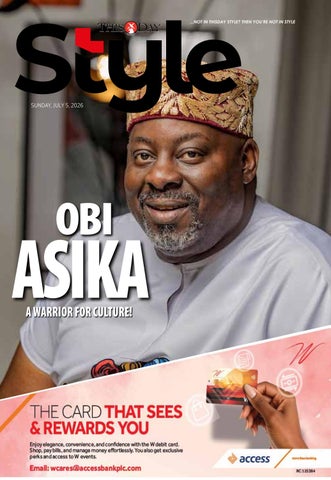
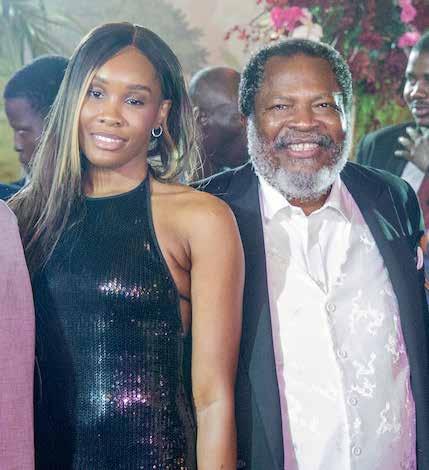
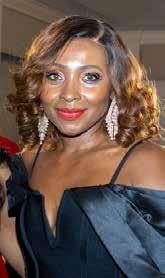
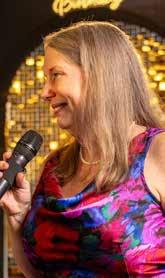
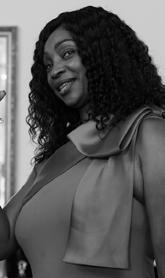
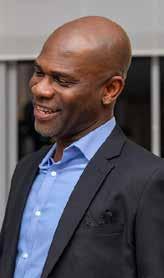
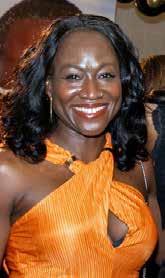
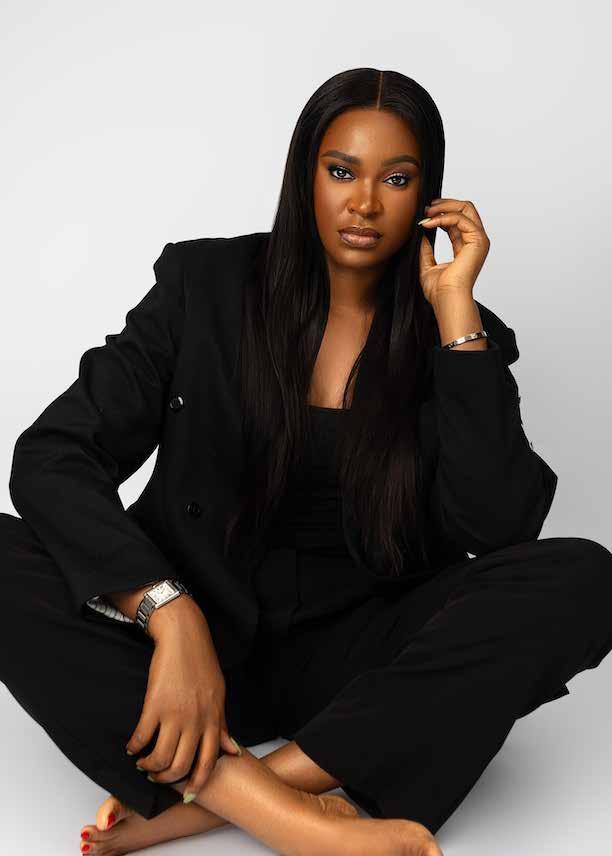
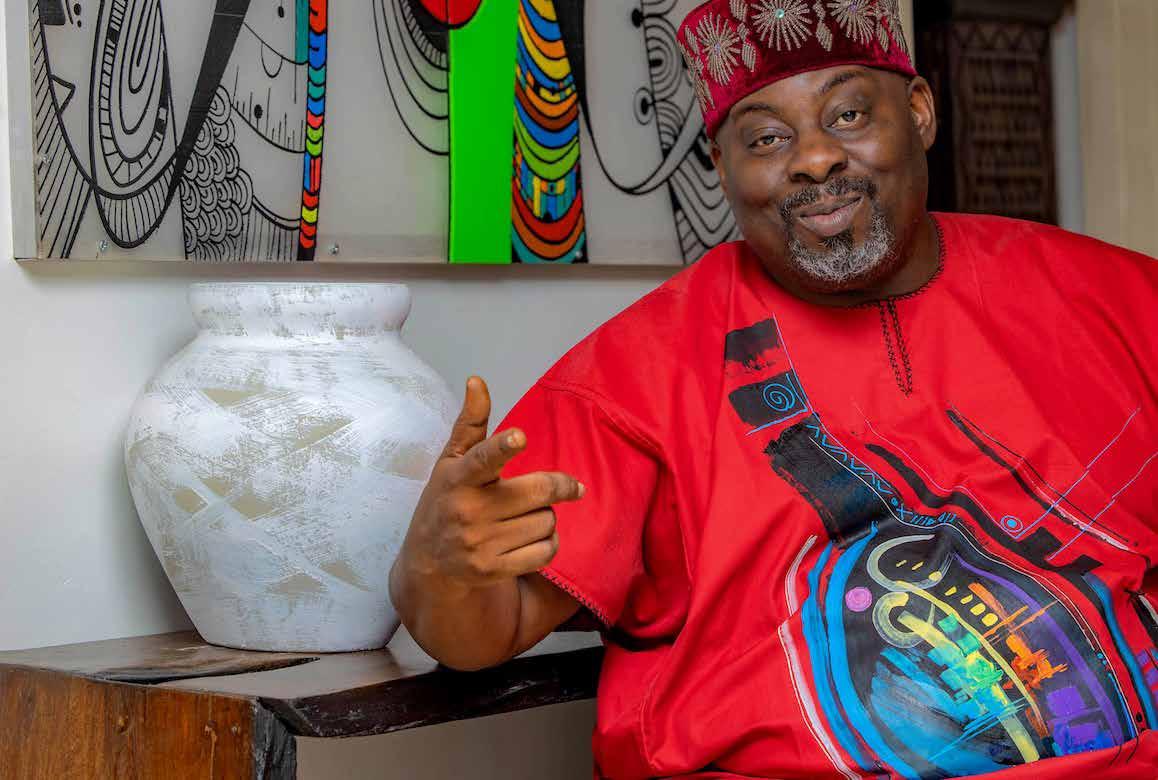
here are few people whose fingerprints can be found across as many chapters of Nigeria’s creative story as Obi Asika. Long before Afrobeats became a global phenomenon and the creative economy emerged as one of the country’s biggest opportunities, he was helping to build the platforms, businesses and talent pipelines that would shape it. Born in Lagos on October 3, 1968, Asika hails from Onitsha, Anambra State. He is the only son of the late Anthony Ukpabi Asika, who served as administrator of East Central State during the military administration of General Yakubu Gowon.
Lifestyle & Fashion
EDITOR’S LETTER
f you’ve spent any time on Nigerian social media over the past week, chances are you’ve come across the phrase “olodo uprising.”
Ever since rapper Ycee used it while sharing his thoughts on a podcast, the internet has been doing what it does best. Everyone has an opinion. Some people think the phrase perfectly captures the state of social media today. Others believe it is elitist and simply another catchy expression that will soon disappear from our timelines. Whatever side you fall on, one thing is certain: it has become one of the country’s biggest conversations. Naturally, have an opinion too.
For me, the phrase raises a much bigger question than the debate itself. Is there really an “olodo uprising,” or are we using two convenient words to explain a much more complicated shift in how we consume content, reward attention, and define success? don’t think the answer is nearly as straightforward as social media has made it seem, and that’s exactly what explore in my opinion piece, The ‘Olodo Uprising’ Isn’t Happening. Something More Complicated Is. I’d love to know where you stand after you’ve read it. Send me a message. While the internet has been busy analysing strangers, couldn’t help thinking about another conversation many of us don’t have nearly enough.
The one with the person we love.
We are usually very good at checking in on our health, our finances and even our careers, but not always our relationships. We assume everything is fine because nobody has complained, when sometimes all a relationship needs is an honest conversation before little misunderstandings quietly become bigger ones. In The Relationship Check-In Every Couple Needs, we look at why regularly asking questions like “How are we doing?” can be just as important as saying, “I love you.” After all, the healthiest relationships are rarely the ones without problems. They’re usually the ones where people keep talking.
And just like that, it’s July.
Welcome to a brand-new month and the second half of the year. know January gets all the attention, but I’ve always thought July deserves a little credit too. It gives us permission to pause, take stock, celebrate how far we’ve come and make adjustments where we need to. If the first half of the year didn’t go exactly as planned, don’t write off the rest of it just yet. There is still plenty of time for new ideas, unexpected opportunities and happy surprises.
As always, thank you for letting us be part of your week. hope you’re doing well. hope you’re taking care of yourself. And I hope July is kind to you in all the ways that matter.
Have a wonderful month... and remember, we’re only at halftime. The second half can still steal the show.
ONE BOLD ACCESSORY IS ALL YOUR OUTFIT NEEDS
more personal feel. The goal is not perfect coordination but thoughtful contrast. The slight mismatch is exactly what makes it interesting.
One Statement Is Enough
The biggest mistake people make with statement accessories is assuming that bold means wearing everything at once. It does not.
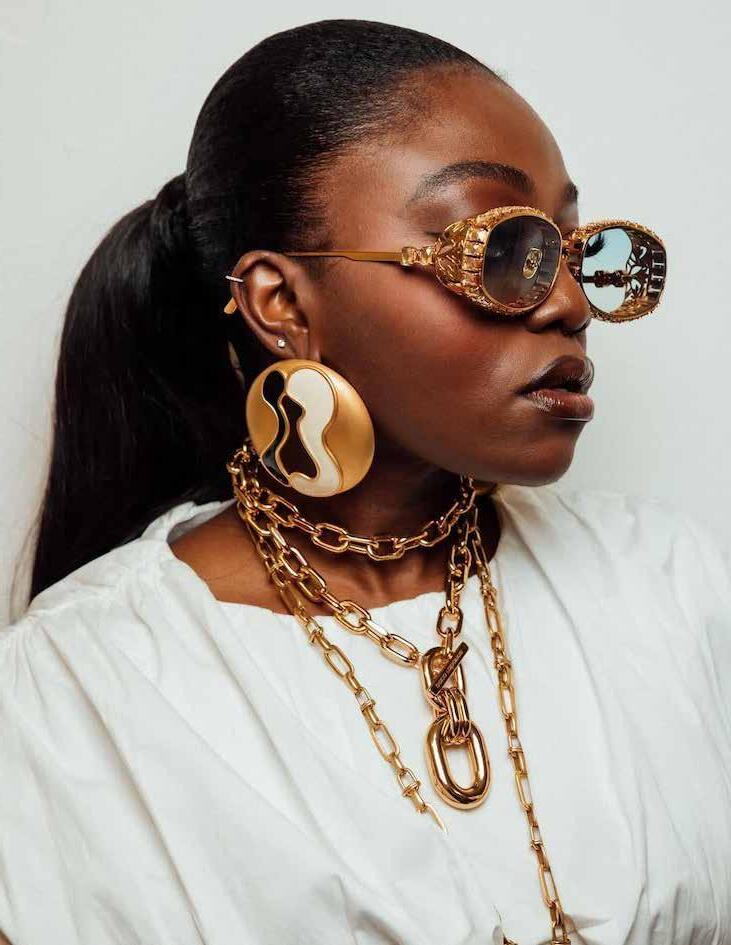
If your earrings are dramatic, skip the chunky necklace. If your necklace is commanding attention, keep your wrists simple. If your bag is colourful and sculptural, let your shoes play a quieter role. It is also worth paying attention to proportion. Bigger jewellery does not mean wearing more jewellery. One oversized necklace paired with statement earrings, stacked bangles and an embellished handbag quickly becomes distracting. Leave some breathing room. Every statement piece deserves its moment.
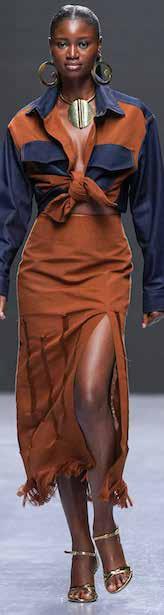
Statement jewellery is making a confident comeback, and it could not have arrived at a better time. After years of delicate chains, tiny hoops and barely-there bracelets dominating jewellery boxes, fashion is embracing pieces with a little more personality. Think oversized earrings, chunky necklaces, sculptural cuffs and cocktail rings that refuse to blend into the background. The appeal goes beyond following another trend. One bold accessory can completely transform an outfit you already own. A crisp white shirt suddenly feels polished. A simple black dress becomes evening-ready. Even the most understated look gains a fresh sense of style with the right finishing touch. The secret is not wearing more. It is choosing one piece that does all the talking. Here are the statement accessories proving that sometimes bigger really is better.
Let Your Earrings Do the Talking
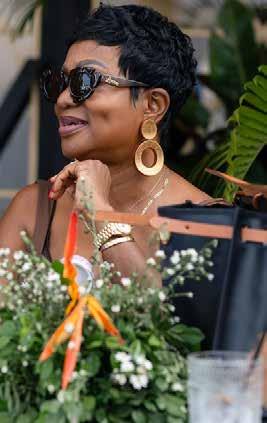
There are few styling tricks more effective than a great pair of oversized earrings. Whether they are chunky hoops, sculptural gold drops or dramatic resin designs, they instantly draw attention to the face and make an outfit feel intentional. They are especially useful on days when you are wearing wardrobe basics. A crisp white shirt, a little black dress or even jeans and a T-shirt can suddenly feel fashionforward with the right earrings. Pull your hair into a sleek bun or ponytail and let them become the star of the show. Sometimes that is all an outfit needs.
Forget Delicate. Think Big
For years, jewellery trends were all about barely noticeable layers. Now fashion is embracing necklaces that refuse to blend into the background. Think oversized gold links, sculptural pendants, chunky beads, and bold resin designs, worn over crisp shirts, linen dresses, and simple knitwear. Designers are
Why One Cuff Beats Five Bracelets
There is something incredibly chic about restraint. Instead of stacking wrist after wrist with delicate bracelets, fashion insiders are reaching for one sculptural cuff or chunky bangle.
A polished gold cuff instantly elevates a sleeveless dress, while a brushed silver design gives tailoring a contemporary edge. The beauty of these pieces is their versatility. They look just as striking with tailored trousers and a crisp shirt as they do with a flowing kaftan, an elegant boubou or a beautifully tied iro and buba. It proves that elegance is not always about adding more.
The
Return of the Cocktail Ring
For a while, statement rings seemed to disappear as minimalist jewellery took over. They are making a welcome comeback.
An oversized gemstone, a sculptural metal design or an abstract ring adds character without overwhelming your outfit. It is one of the easiest trends to wear because it works with almost everything, from office looks to evening dresses.
Gold or Silver? Why Not Both?
For years, women were told to choose between gold and silver. Today, fashion is happily ignoring that rule.
Mixing metals has become one of the easiest ways to make jewellery feel modern. A chunky gold cuff paired with silver hoops or a necklace that combines both tones creates depth and gives an outfit a
EXECUTIVE EDITOR
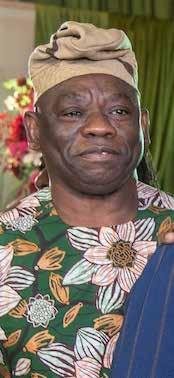
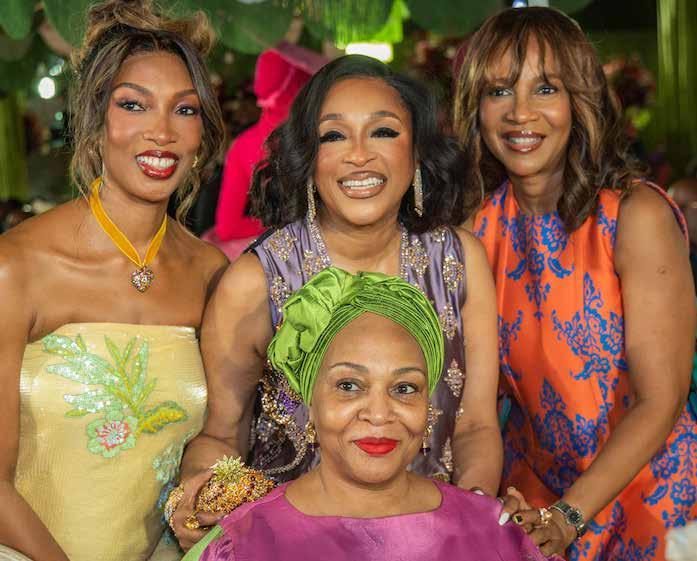
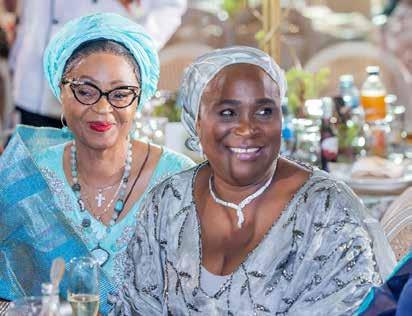
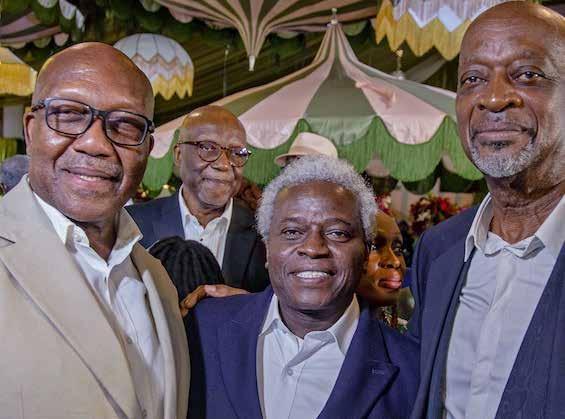
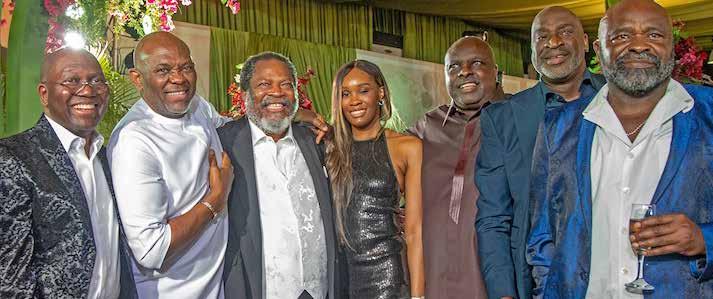
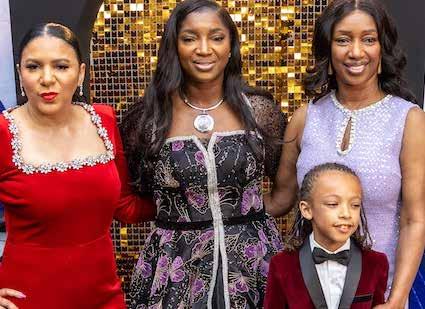
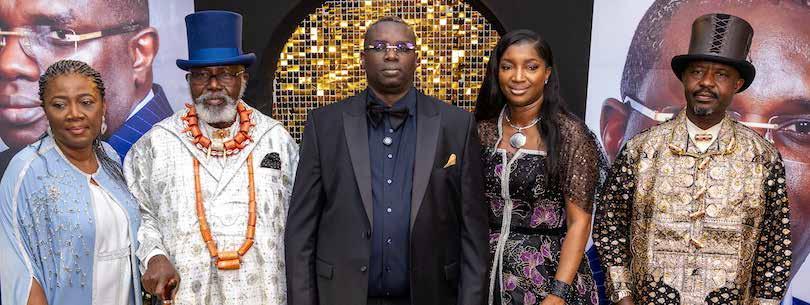
CHIEF YOMI EDU CELEBRATES 80TH BIRTHDAY IN LAGOS
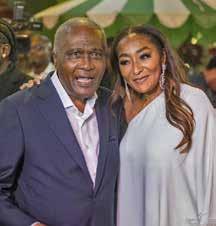
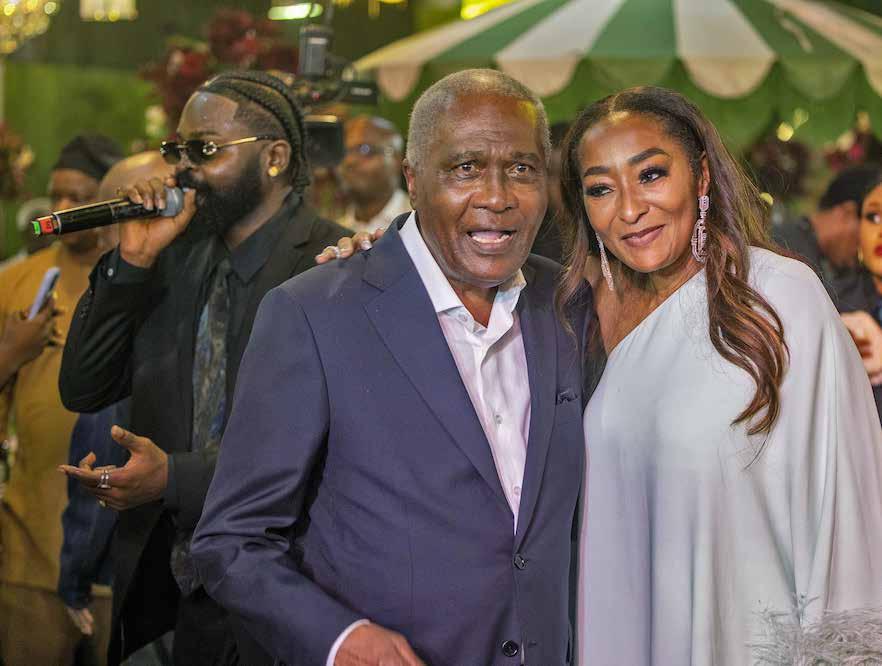
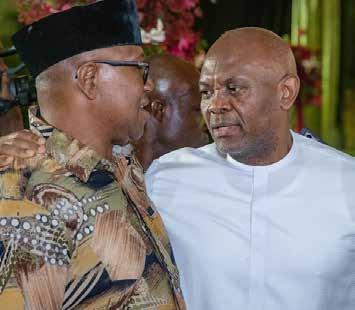
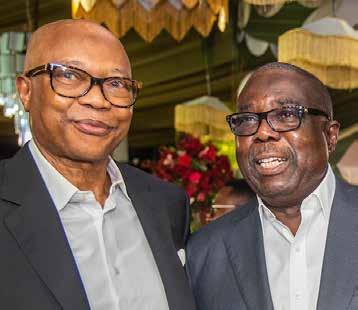
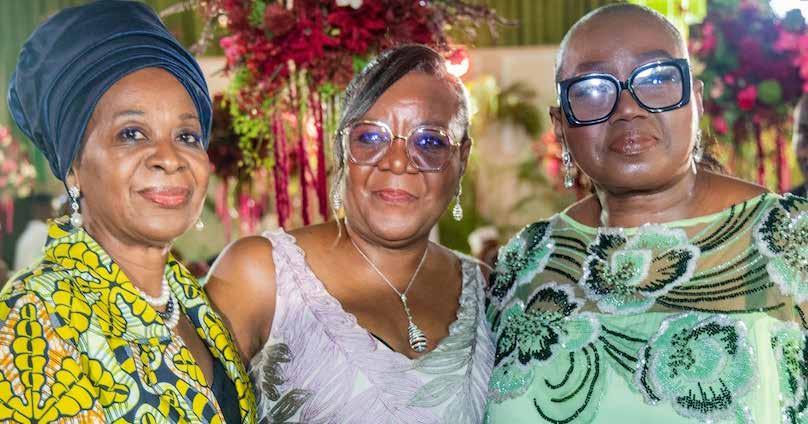
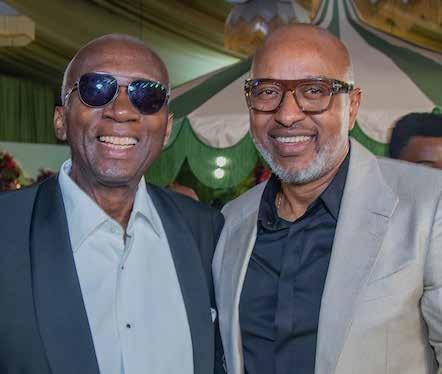
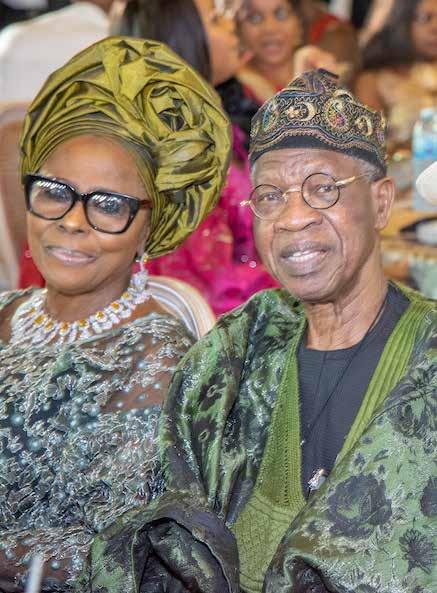
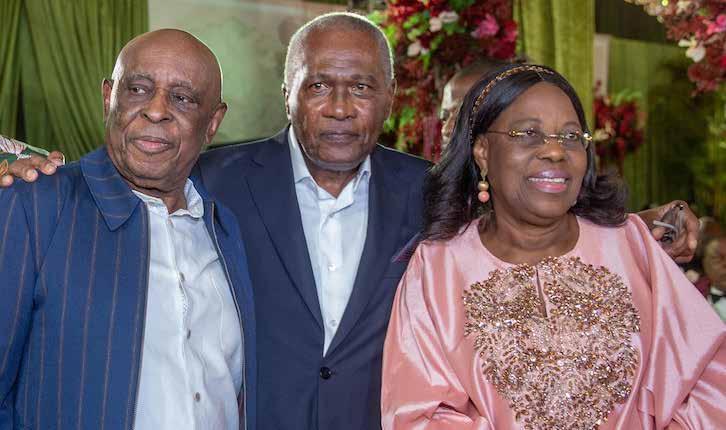
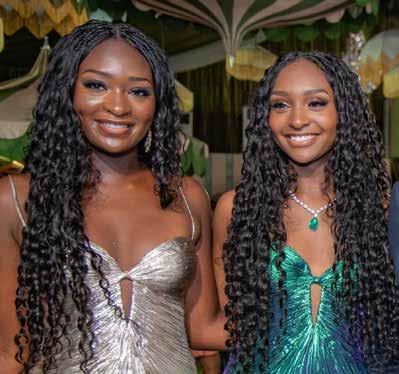
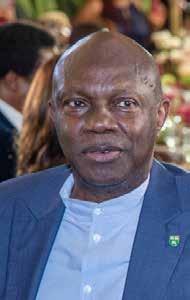
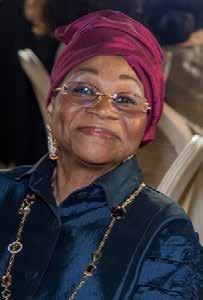
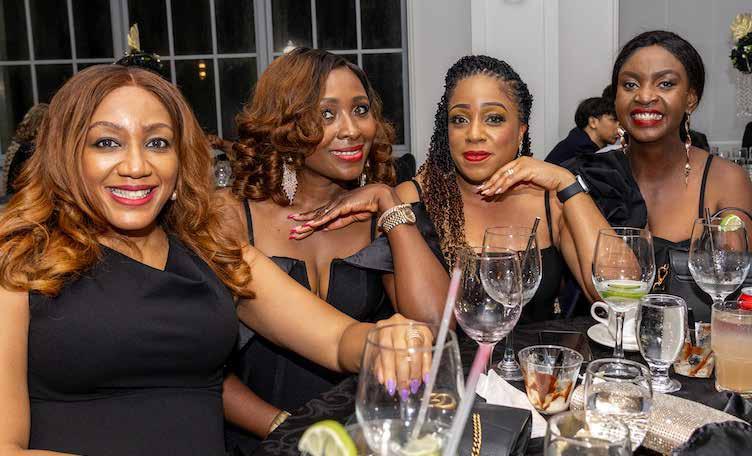
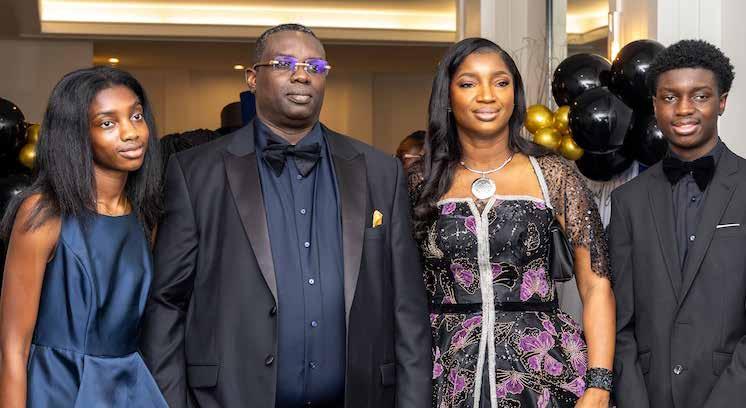
Chief Yomi Edu, elder statesman, politician and former Minister of Special Duties, celebrated his 80th birthday at Harbour Point, Victoria Island, Lagos, with family, friends, political associates, business leaders and other distinguished guests gathering to honour his life of service and leadership.
The elegant celebration was marked by heartfelt tributes, with speakers reflecting on Edu’s contributions to public service, his commitment to national development and his enduring influence across political and business circles. Guests also celebrated his legacy as a respected voice in governance and statesmanship while wishing him continued good health and many more years of impact.
PHOTOS: Kunle Ogunfuyi
AYODELE
KOLA ABIOLA
AKINRELE
ADEDOLAPO
SAMUEL DIMINAS
AT 50: A GOLDEN CELEBRATION OF LIFE, LEGACY AND GRATITUDE
Family, friends and wellwishers gathered in grand style to celebrate a remarkable milestone as Samuel Diminas marked his 50th birthday with an elegant evening of thanksgiving, fellowship and celebration.
The event, held recently at the prestigious Sweet Water Country Club, Sugar Land, Texas, provided a fitting setting for an unforgettable golden jubilee.
Surrounded by loved ones and distinguished guests, Samuel Diminas reflected on five decades of God’s faithfulness, personal accomplishments, enduring friendships and the impact he has made in the lives of many. The celebration was not only a birthday party but also a tribute to a life defined by resilience, service, family values and gratitude.
Against a backdrop of black and gold elegance, guests enjoyed an evening filled with warm conversations, laughter, heartfelt tributes and cherished memories, all in honour of a man whose journey has inspired many.
As he turns 50, Samuel Diminas embraces a new chapter with renewed purpose and optimism, celebrating the blessings of the past while looking forward to even greater accomplishments in the years ahead.
Happy 50th Birthday to Samuel Diminas — may the next season be filled with good health, peace, prosperity and continued impact.
WENIKE
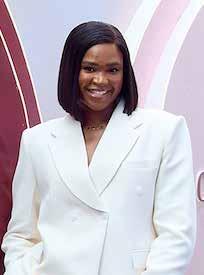
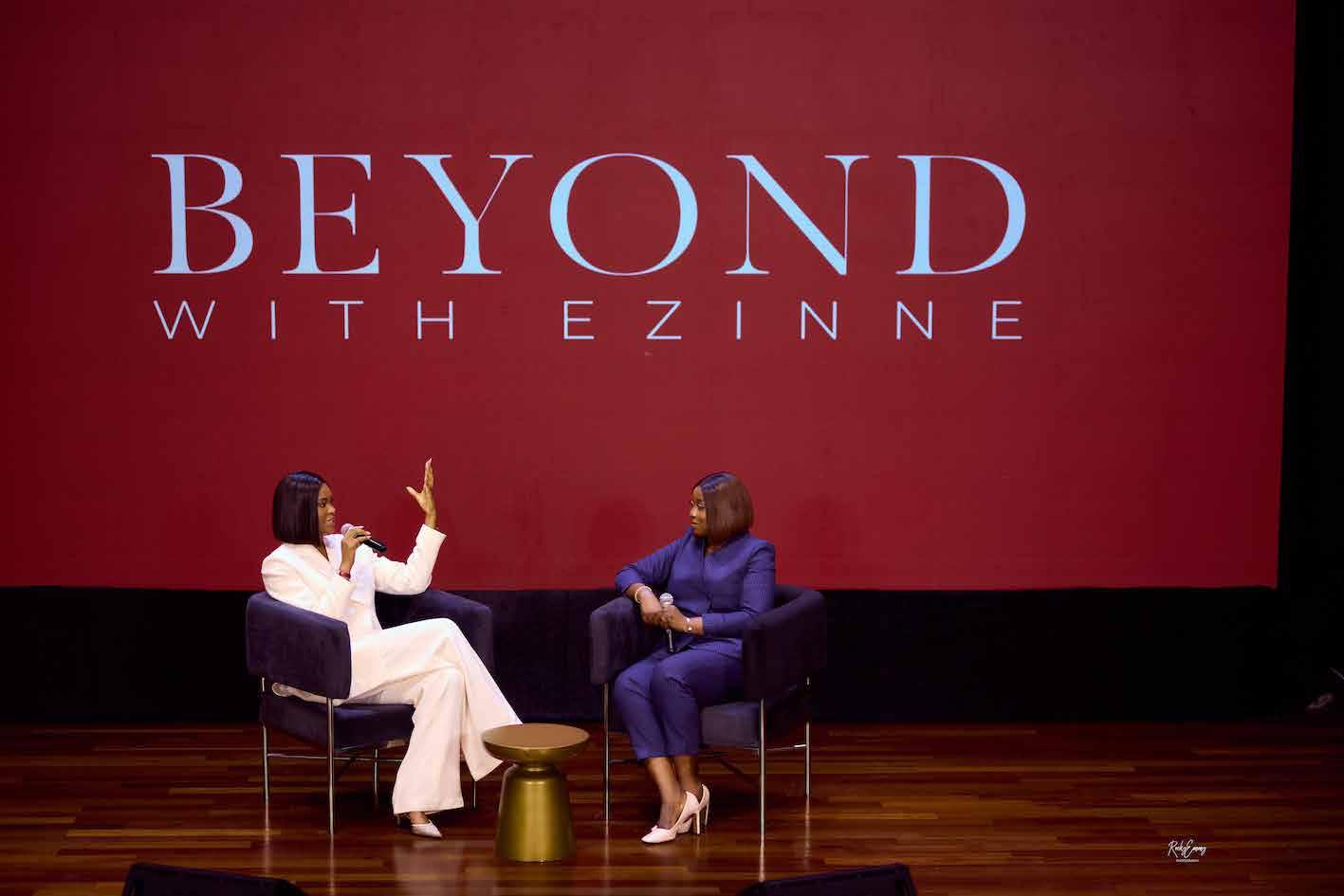
Some women move through life with a rare, quiet power a magnetism that doesn’t demand attention, but commands it through pure intentionality. Ezinne Akudo is one of them. More than a decade after she was crowned the 38th Miss Nigeria, Ezinne has meticulously dismantled the expectation that a single title should define her. She is a lawyer who understands the weight of the law, an entrepreneur building lifestyle brands with soul, and a storyteller who has found her most potent voice yet. Through her hit podcast, BEYOND WITH EZINNE, she has created a masterfully curated sanctuary for those navigating what she calls the “in-between.” It is a profound exploration of that raw, often unaddressed space where people find themselves after leaving who they were but haven’t quite arrived at who they are becoming. With this platform, Ezinne extends an unapologetic invitation to ask the sacred questions, embrace the discomfort of personal growth, and dismantle the facade of perfection. Following the successful launch of the highly anticipated second season (now available everywhere people get podcasts), we had a chat with her to talk about the courage required to champion vulnerability in the digital age, the evolution of her global lifestyle, and why, in a world obsessed with the destination, she is helping an entire generation fall in love with the journey.
You’ve spent over a decade in the public eye, moving from the stage of Miss Nigeria to the boardroom as the CEO of Nkassi, and now to the podcast studio. What has been the most challenging part of reinventing yourself in public?
I think the most challenging part of reinventing yourself in public is that people often become attached to a particular version of you.
Many people still see me as “Miss Nigeria,” and I’m incredibly proud of that chapter because it opened so many doors and shaped so much of who I am. But human beings are meant to grow. We’re meant to evolve, explore new interests, and step into new seasons of our lives.
The difficult part is doing that growth while people are watching. Every time you pivot, there’s a tendency for people to question it. “Why is she doing this now?” “Doesn’t she already have enough going on?”“Shouldn’t she stay in the lane we
know her for?” But I’ve learned that if you spend your life trying to meet everyone’s expectations of who you should be, you’ll never become who you’re actually meant to be.
For me, the journey from pageantry to entrepreneurship, and now to podcasting, hasn’t really been about reinvention as much as about revelation.
Each chapter has revealed a different part of who I already was. The common thread has always been storytelling, impact, and creating spaces that empower people. The platforms have changed, but the purpose hasn’t.
You’ve described your podcast Beyond with Ezinne as a “haven” for those in the “in-between” phases of life. Why do you think modern society, specifically in Nigeria, is so uncomfortable with the seasons of life where we haven’t “arrived” yet?
I think we’re uncomfortable with the “in-between” because we’ve become obsessed with outcomes.
We celebrate the promotion, the wedding, the business success, the award, the big announcement. But we rarely talk about the uncertainty, the waiting, the setbacks, the moments when you’re not quite where you used to be, but you’re not yet where you’re trying to go. Yet that’s where most people actually live.
In Nigeria, especially, there’s a lot of pressure to have it all figured out. By a certain age, people expect you to have achieved specific milestones, such as career success, marriage, and financial stability. And when you’re in a season where things are still unfolding, it can feel like you’re behind, even when you’re exactly where you need to be.
The truth is that life is not lived in the arrival moments. Life should be lived in the process. It’s lived in the questions, the transitions, the mistakes, the detours, and the lessons that shape us along the way.
One of the reasons created Beyond with Ezinne was because wanted people to see that even the people we admire are still becoming. They are still figuring things out. They still have moments of uncertainty, loss, reinvention, and growth. We often see the highlight reel, but we don’t see the journey that produced it.
I think if we became more comfortable with the idea that not knowing is a part of living, we would be kinder to ourselves. We would stop measuring our lives against other people’s timelines and start appreciating our own process.
Sometimes the most important thing happening in your life isn’t what you’ve achieved, it’s who you’re becoming while you’re waiting. That’s the conversation hope Beyond creates space for.
You’ve mentioned that Season One proved people are hungry for vulnerability. When you sit down to record, how do you balance
ON THE ART OF THE “IN-BETWEEN”
beneath the surface.
For me, a conversation that matters is one where people feel safe enough to be real. It’s the kind of conversation that leaves you thinking long after you’ve heard it. It challenges you, comforts you, stretches your perspective, or helps you feel seen in a way you didn’t before.
In 2026, we’re surrounded by content, but we’re often starved of connection. We know what people are doing, where they’re travelling, what they’re wearing, and what they’ve achieved, but we don’t always know what they’re carrying, what they’ve survived, what they’re questioning, or what they’ve learned along the way.
That’s what I’m interested in exploring. Not just what happened, but what it meant. Not just the success story, but the human story behind it.
You are a lawyer by training. A profession built on logic, evidence, and structure. How does that analytical side of your personality play into how you curate the often messy, emotional, and non-linear topics of healing and growth?
actually think being a lawyer has helped me more than people realise. Law teaches you to listen carefully, ask better questions, and look beyond what’s being said to understand what’s really happening underneath. It teaches you that every story has context, nuance, and multiple perspectives. I’ve found that those skills are incredibly valuable when you’re having conversations about healing, growth, faith, relationships, or identity.
AKUDO
… AND WHY SHE’S CHAMPIONING CONVERSATIONS THAT MATTER ezinne
maintaining your own boundaries while creating a space that feels safe enough for your guests and your listeners to be truly honest?
I think vulnerability and boundaries are often treated as opposites, but I’ve learned that the healthiest vulnerability actually requires boundaries.
For me, creating a safe space doesn’t mean asking people to reveal everything. It means creating an environment where they feel free to share what they’re comfortable sharing without feeling judged, pressured, or exploited for content. Before every conversation, remind myself that my job is not to get a headline. My job is to understand the human being sitting across from me. When people feel genuinely seen and respected, they often share more than they initially intended to, because they feel safe.
As for my own boundaries, I’ve become comfortable with the fact that don’t have to tell every story to be authentic. There are parts of my life that I share openly, and others that I choose to process privately. Both can exist at the same time. Authenticity isn’t about telling people everything; it’s about being honest about what you choose to share.
One thing Season One taught me is that people aren’t necessarily looking for perfection. They’re looking for truth. Sometimes that truth comes in a deeply personal story, and sometimes it comes in simply admitting, “I don’t have all the answers.”
The theme of your launch was “Conversations That Matter.” In a digital age saturated with noise, soundbites, and superficial content, what does a “conversation that matters” look like to you in 2026?
A conversation that matters is one that changes something in you after it’s over.
In a world where we’re constantly scrolling, reacting, and consuming content in seconds, think meaningful conversations are becoming increasingly rare. Not because people have nothing to say, but because very few spaces allow us to go
Because the truth is, human experiences are rarely neat. They’re messy, emotional, and often contradictory. People can be grateful and grieving at the same time. They can be healing and still hurting. They can be confident in one area of life and deeply uncertain in another. My legal training helps me resist the urge to oversimplify those experiences.
It also reminds me to stay curious. As a lawyer, you don’t begin with conclusions -you begin with questions. I approach my guests the same way. I’m less interested in proving a point and more interested in understanding how they arrived at the beliefs, decisions, or experiences they’re sharing.
At the same time, podcasting has taught me something that law didn’t: not every question has a clear answer. Sometimes growth isn’t linear. Sometimes healing doesn’t make sense on paper. Sometimes people are simply doing the best they can with the information and tools they have.
So I think the analytical and emotional sides of me work together. One helps me bring structure to the conversation, and the other helps me leave room for the humanity within it. The result is a space where people can explore complex topics honestly, without feeling like they have to package their lives into perfect, tidy conclusions.
Because life rarely works that way. Most of us are still making sense of our stories as we live them. And I think there’s something powerful about creating room for that truth.
Season Two promises to dive deeper into the complexities of identity, grief, and healing. Was there a specific moment during the production of this season that caught you off guard or changed your own perspective on your journey?
Yes, absolutely.
One thing that caught me off guard during Season Two was realising just how universal some of our struggles are. Sitting across from people with very different backgrounds and life experiences, kept hearing versions of the same themes, like loss, uncertainty, reinvention, heartbreak, faith, and the search for meaning. It reminded me that no matter how different our stories look on the surface, we’re often asking the same questions beneath it all.
I also found myself reflecting on my own journey, particularly around grief and identity. Losing my father changed me in ways I’m still discovering, and some of the conversations this season forced me to confront parts of that experience hadn’t fully processed.
What surprised me most was that even as the host, wasn’t just facilitating conversations; they were transforming me. walked away from several recordings with a new perspective, a challenge to my thinking, or a deeper sense of gratitude for my own journey.
You’ve built a community that values honesty and reflection. Looking toward the future, what is your ultimate legacy for Beyond with Ezinne? When a listener hits “stop” on the final episode of this season, what do you want them to feel?
My hope is that Beyond with Ezinne becomes more than a podcast. I hope it becomes a companion for people navigating life’s transitions -the moments when they’re questioning, growing, grieving, healing, or simply trying to make sense of where they are.
If there’s a legacy I want to leave, it’s creating a space where people feel seen. A space that reminds them that they don’t have to have everything figured out to keep moving forward.
And when someone listens to the final episode of the season, I hope they walk away feeling a little lighter, a little more hopeful, and a little more connected, to themselves and to others. hope they’re reminded that they’re not alone, that their story is still unfolding, and that there’s beauty and purpose even in the chapters that don’t yet make sense.
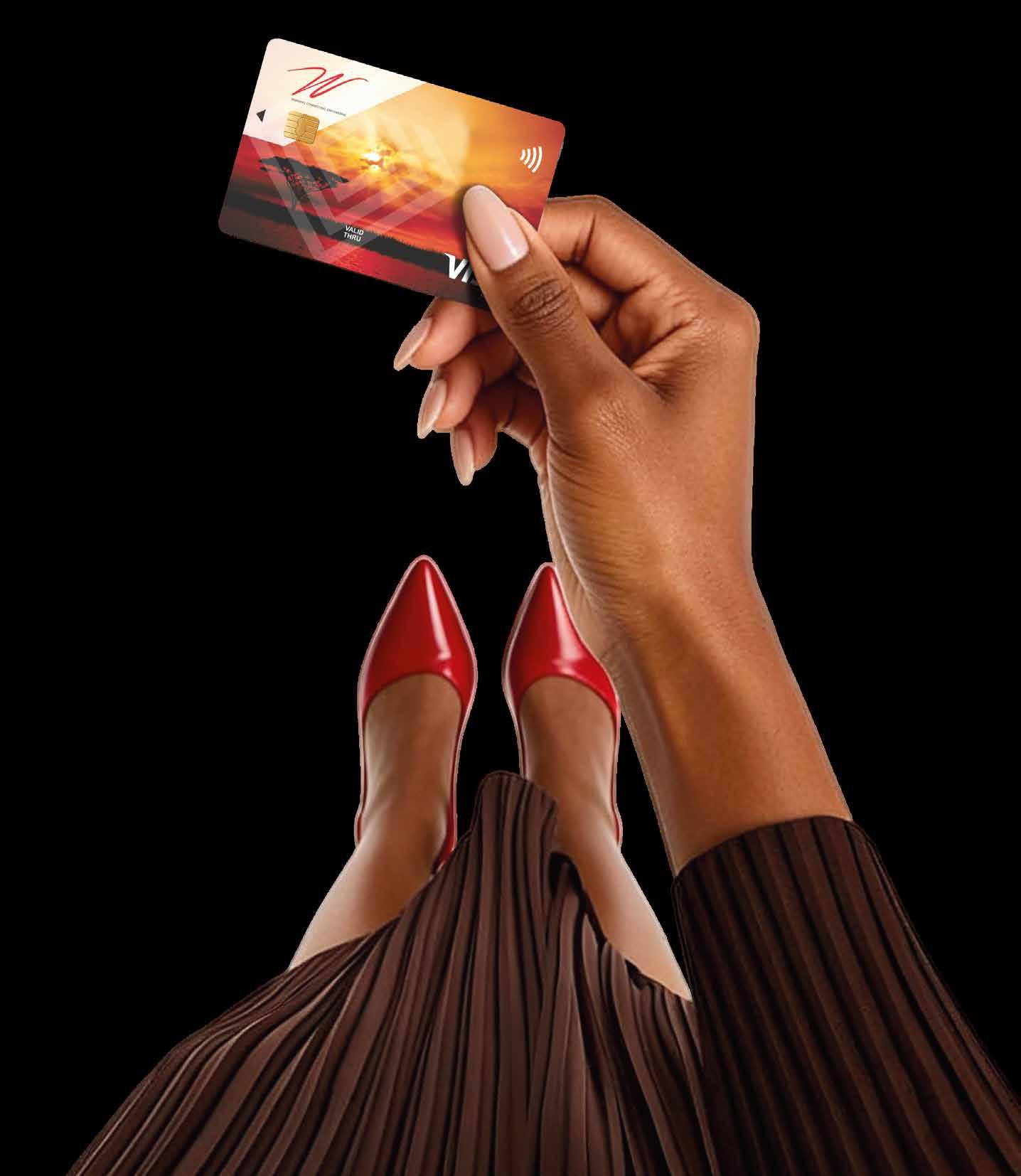
Enjoy elegance, convenience and confidence with the W debit card. Shop, pay bills and manage money effortlessly. You also get exclusive perks and access to W events
ASIKA
A WARRIOR FOR CULTURE!
BY YINKA OLATUNBOSUN
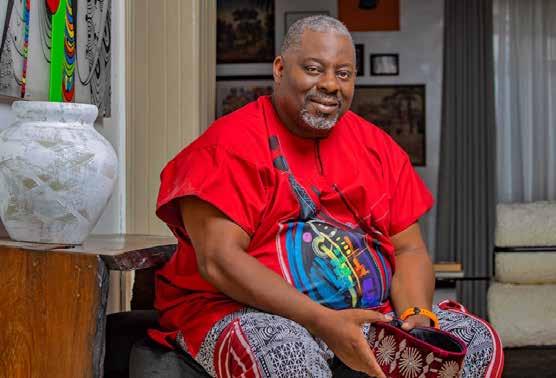
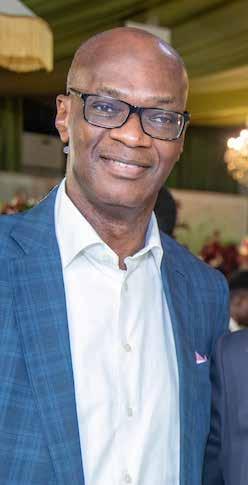
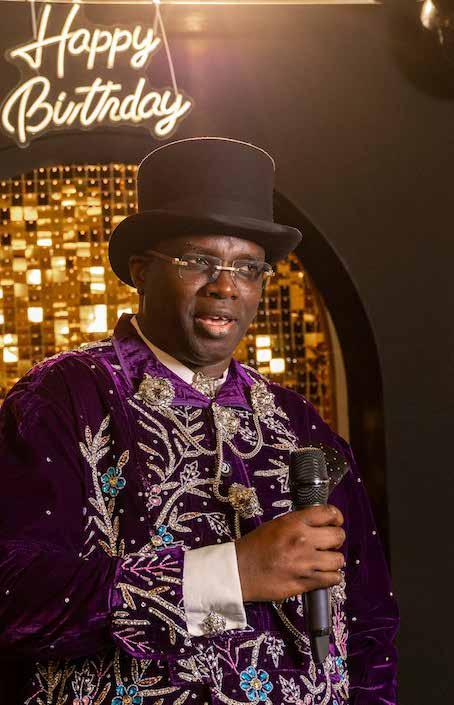
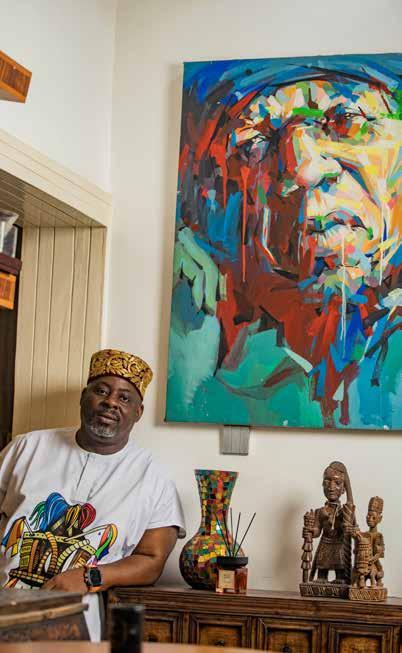
There are few people whose fingerprints can be found across as many chapters of Nigeria’s creative story as Obi Asika. Long before Afrobeats became a global phenomenon and the creative economy emerged as one of the country’s biggest opportunities, he was helping to build the platforms, businesses and talent pipelines that would shape it.
Born in Lagos on October 3, 1968, Asika hails from Onitsha, Anambra State. He is the only son of the late Anthony Ukpabi Asika, who served as administrator of East Central State during the military administration of General Yakubu Gowon. He attended Ekulu Primary School in Enugu before moving to the United Kingdom at the age of nine, where he studied at Ashdown House and later Eton College, before earning an LLB (Hons) from the University of Warwick in 1990. Growing up between Nigeria and the UK fostered a deep appreciation for Nigerian identity, culture and storytelling that continues to shape his outlook. Over the past three decades, Asika has focused on creating opportunities for creative talent while pushing against the challenges that have long constrained the industry, from piracy and inadequate infrastructure to policy and funding gaps. As founder of Storm 360, he helped nurture early stars including Jazzman Olofin, Darey Art Alade, Naeto C, Ikechukwu and Sasha P, while his work with Dragon Africa and OutSource Media brought major television franchises such as Big Brother Nigeria and The Apprentice Africa to audiences across the continent.
Appointed by Bola Ahmed Tinubu as Director-General and Chief Executive Officer of the National Council for Arts and Culture in January 2024, Asika has brought that same entrepreneurial drive into public service. In this conversation with YINKA OLATUNBOSUN, he reflects on leadership, culture, fashion and the future of Nigeria’s creative economy.
Seeing Afrobeats stars on the FIFA World Cup Stage signals a major shift in global music. As a key contributor to the Nigerian music space right from Storm Records years till now, how does it make you feel?
Seeing Afrobeats on the FIFA World Cup stage fills me with enormous pride and quiet joy. For those of us who have given decades to nurturing this industry, it feels like a deeply personal validation. I recall being gently questioned by friends and family over the years for the time invested in artists and in the music — wondering why gave so much attention to that world. I never doubted for a moment that it was the right path, and watching where we are today makes me very glad. trusted that instinct and always listened to the talent. It is a real privilege to have lived this journey, contributed in whatever way I could, and still be here, still part of it. Many of my Storm alumni remain fully active in the industry, and I stay in constant conversation with most of them.
Do you think we are currently optimising the value of Nigerian music creators or are we still in the “validation” phase of the industry?
We have long moved past the validation phase. We are now institutionalising our music industry to make it truly sustainable and immune to trends or cycles. Our music is one of the most influential genres on the planet — it has grown by over 5,000% in global streams over the past five years, and today three of the top ten streaming artists in the world are Nigerian. That is extraordinary. Yes, our artists fill arenas and stadia worldwide, and we have produced the biggest touring artists from the
continent, and we are permanently live on all charts, clubs and bars everywhere.
However, we still have key investments to make as a nation to fully capture the benefits of this growth at home. The music is global, but the infrastructure for monetisation, collection and domestic revenue generation has too many gaps. According to the most recent data, in 2027 alone, Nigeria risks losing approximately USD 220 million to avoidable structural weaknesses in the system. Closing those gaps and strengthening domestic monetisation is our immediate priority. The value gap is large and fixable, and the clear growth opportunity is at home and in West Africa. Global markets are well regulated and our talent get their earnings but we also need to sort collections locally and globally by upping registrations and ensuring that all Nigerian talent have options.
Since your appointment in 2024, what are some of the revolutionary ideas you have infused into the creative sector?
First, I must say what an immense privilege it is to serve Nigeria in this role. I am deeply grateful to President Bola Tinubu and to our visionary Minister, Hannatu Musa Musawa, for the confidence they have placed in me. There can be no higher honour than being asked to serve your nation and your culture, and I do not take it lightly for a single day.
would not be so bold as to call anything have done revolutionary — that is for others to assess. What can say is that we have worked hard to reposition the institution and make NCAC more visible, more active and more relevant to the industry we serve.
We have published two landmark reports: the first Nigeria Creator Economy report in partnership with Communique, and the first Nigeria Music Intelligence Report in partnership with Regent Stone Capital. Later this year, we will publish sector playbooks across the creative economy, designed as practical guides for investors, operators, and players in the Nigerian ecosystem. We have also developed a strategy for unified digital platforms in partnership with the private sector to help activate and scale Nigerian talent more effectively.
NCAC is working through its staff and management to become a true cultural intelligence Organisation which delivers credible reports and insights that banks and dfi’s and govt policy and the sector can rely on for growth and expansion.
The most important work now, though, is implementation — closing the policy lag and delivering tangible, felt benefits for creatives at scale. For a true assessment of what has changed, you would really need to speak with those we work with across the sector. What do hope is that people now know we are present, we are engaged, and we are genuinely willing to partner for positive outcomes.
Which sector of the creative economy do you think is currently the most “under-valued” or under-capitalised in Nigeria, and why?
There are several sectors that feel underreported and perhaps do not receive the same attention in public conversation. Creatives in Literature, Theatre and the Performing Arts have legitimate cause to feel this way, as do visual arts, living heritage and our antiquities tradition. These are sectors that tend to be more intellectual in nature and require deeper market reframing and investor education to move forward — and that is work NCAC is actively doing through our sector playbooks.
In Nigeria, Afrobeats and Nollywood understandably dominate the cultural conversation, and events like Art X Lagos and the Ake Book Festival do brilliant work shining a light on the art and literature scenes. But we need many more of these platforms, and critically, we need them distributed nationally — not concentrated only in Lagos and Abuja. There are several other segments that show huge promise, and I would consider to be like challenger brands, and in this category lies Nigerian gastronomy, Nigerian hair and beauty, fashion, and lifestyle. These are growing massively and not waiting for anyone, but part of our work is to try and give balanced attention to the entire ecosystem.
Are we effectively using data to map the true economic contribution of our creative industries to the Nigerian GDP?
Yes, and the data landscape is genuinely improving. Our Minister, working with the support of Big Win Philanthropy, has conducted the most extensive mapping of the sector to date. was fully involved in that process, and it provides a significant baseline for development finance institutions, government, investors, financial institutions, academics and sector players alike. NCAC has also published two first-of-their-kind reports — the Nigeria Creator Economy Report with Communique and the Nigeria Music Industry Report, Basslines to Billions, with Regent Stone Capital. There is now a meaningful body of evidence, and we are also engaging the National Bureau of Statistics on arriving at an agreed, official position on the sector’s true contribution to GDP. That work will strengthen the sector considerably in the short to medium term.
What is the biggest misconception that policymakers have about the creative economy?
The biggest misconception is that the creative economy is a vocation rather than a serious occupation — something people do because they love it, rather than a major economic driver deserving of structured policy and public investment.
This is the imagination and attention economy, and it has an enormous global footprint. Nigeria is already a world leader in it. What we need is for policymakers
across every tier to prioritise the sector with serious funding. This industry can employ millions of Nigerians, deliver skills across every age group and deliver significant revenue for the country. All we need to do is invest in ourselves — because our content is already more than enough for the world.
Your fashion taste lately reflects your appreciation for indigenous fabrics. Why is it important for you to lead by example in this regard?
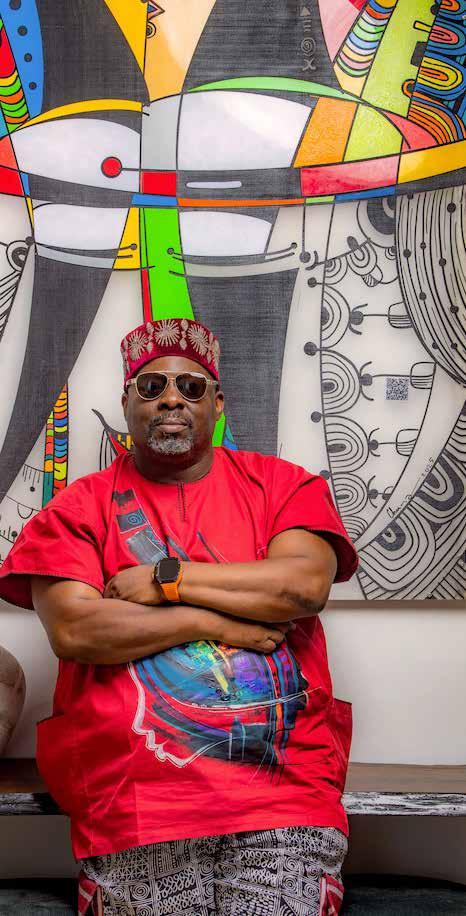
I represent the nation’s lead cultural agency, and that comes with a responsibility to embody what am advocating for. I also carry a personal identity that runs deep — am a titled man, having joined the ancient Agbalanze Ozo Society of Onitsha in April 1994, and my title name is Ojinnaka. The Ozo cap is something wear with great pride. I have always worn clothes, shoes and accessories made by Nigerians — long before came into this appointment. Today, for instance, was gifted a beautiful pair of snakeskin loafers from Kano. These are the small joys of living in full connection with our culture.
I think we are incredibly blessed to be able to wear and live our culture — not simply observe it as something static behind glass in a museum. This is not to say I don’t wear western clothes at all, but these days listen to my management who believe should always be in trad as we call it lol.
Many think that artists should get government funding and subsidies to grow the sector. Do you agree?
It is a valid and important debate, and I do believe there is a strong case for it. In all the funding interventions that have been designed and are now coming to life, grant elements are present — and rightly so. The iDICE facility, anchored by the African Development Bank and situated at the Bank of Industry, and the Creative Economy Development Fund both reflect a growing consensus on this. We are also working with the Minister to bring the National Endowment Fund for the Arts to life, and that will be one of the core mandates we seek to fulfil. We must find effective ways to stimulate arts education, support artists, and embed artistic practice meaningfully in both academia and society at large.
How do you stay agile in an industry that is constantly evolving? It is fundamentally a state of mind. I am naturally curious and always seeking out new knowledge — and I think that is the most important thing anyone in this space can cultivate. Technology and its immersive capabilities are changing everything, often faster than institutions can keep pace with. The possibilities are expanding every day, which is why we speak of this as the imagination economy. In many ways, your imagination is your only real constraint in this age — and that is an extraordinary thing.
How can the creative industry be more effectively leveraged as a tool for improving our international relations and image abroad? Nigerian creative industries have been doing this heavy lifting for well over a decade. Our culture is present everywhere, daily — in music, film, literature, art, comedy, cuisine, design, and so much more. The challenge now is to be intentional and coordinated about it.
We have effectively built Nigeria Everywhere as a cultural reality — but we need the budget and the partnerships to sustain and amplify it. We are actively seeking strategic alignment and partnerships with the Nigerian advertising sector, because our stories, our talent and our content are already going viral every day, and that sector has both the resources and the skills to help us build on it strategically.
This World Cup is a perfect example. The Super Eagles may not be present, but between our large and brilliantly talented diaspora representing other nations and our Afrobeats superstars commanding the biggest stages, Nigeria is very much live and present. All we need to do is lean into what we are already doing naturally — and fund the platforms we have built — so that all of us, as a nation, can benefit from the goodwill our soft power earns for us every single day.
Your time invested in sports development, entrepreneurship and as an advisory committee member at the Smithsonian’s National Museum of African Art in Washington, DC, says a lot about your personal drive. What motivates you and keeps you humble and focused amidst so many professional commitments?
What motivates me is the sheer scale of what is still possible. I genuinely believe we are only just beginning, and the thing I feel most acutely is the preciousness of time. This nation-building work is a long journey, and the creative sector we are building is one that believe can reimagine Nigeria — not only in how the world sees us, but in how we see ourselves. Nigerian sports are much like our country; blessed with natural talent but still seeking the best frameworks to fully exploit and develop sustainable domestic leagues across all our sports. As we seek to build sustainable domestic touring, it’s the same with sports at tertiary, professional, and even amateur levels. Yes, we have talent, but we need the right plans and the right funding and to be agile enough to change course and fix it.
My deepest hope is that we can mobilise the full capacity of Nigeria’s talent, because the ability and potential are there, and frankly,, the world needs a strong, unified, purposeful Nigeria operating at full capacity now more than ever. That is what gets me up every morning — and it is what am committed to giving everything I have in service of, alongside my team and all the extraordinary partners we are privileged to work with.
THE
By the middle of the year, even the best wardrobes can start to feel... familiar.
The dress you couldn’t wait to wear has lost some of its excitement. You find yourself reaching for the same handful of outfits while everything else sits quietly on its hanger, untouched. Before you know it, you’re convinced you have nothing to wear, despite a wardrobe that’s anything but empty.
The good news? You probably don’t need a shopping spree. Sometimes, your wardrobe simply needs a fresh perspective. A few styling tweaks, a little creativity and one or two thoughtful additions can completely change how you feel about the clothes you already own. Consider this your midyear fashion check-in and a few easy ways to make
your wardrobe feel exciting again.
Start Wearing What You’ve Been Saving
We all have them: the beautiful dress that’s “too special,” the designer handbag waiting for the perfect occasion, the statement earrings you’ve been saving for a wedding that hasn’t arrived yet. Half the year has already passed. Fashion is meant to be worn, not preserved. The longer you save your favourite pieces for some imaginary future event, the fewer opportunities they actually get. Your life today is reason enough to wear the clothes you love.
Shop Your Own Wardrobe First
Before you open another shopping app, spend an afternoon with your own wardrobe.
Pull out pieces you haven’t worn in months. Chances are you’ll rediscover a blazer you forgot about, a skirt you once loved or a handbag that somehow
disappeared behind everything else. The funny thing about clothes is that time can make them feel new again. Something that didn’t excite you a few months ago might suddenly feel exactly right now.
Style Your Clothes Differently
Most of us don’t actually repeat clothes. We repeat outfits. That white shirt you’ve always worn with tailored trousers? Try it over a slip dress, tied at the waist with denim or layered under a sleeveless dress. Belt pieces you’ve never belted before. Roll your sleeves differently. Mix textures and proportions you wouldn’t normally put together.
Let Accessories Do the Heavy Lifting
If clothes are the foundation of an outfit, accessories are the personality. A colourful silk scarf can breathe life into an all-white look. A sculptural pair of earrings can elevate the simplest black
dress. Stackable bangles, layered necklaces, bold sunglasses, a statement belt or a different handbag can make an outfit you’ve worn countless times feel entirely new.
Shoes deserve the same attention.
Swap your everyday sandals for pointed-toe flats. Replace your usual heels with loafers or sleek mules. Even changing the colour or texture of your bag can shift the mood of an outfit.
Find Your Outfit Formula
Every stylish woman has one, whether she realises it or not.
Perhaps yours is wide-leg trousers with a fitted tank, a shirt dress with sandals, matching sets, or jeans paired with an oversized shirt and loafers.
Knowing your formula doesn’t make your style boring. It gives you a reliable foundation that you can update with different colours, accessories and layers. Getting dressed becomes quicker, and somehow, more stylish too.
Give Your Wardrobe a Little TLC
Not every wardrobe reset involves buying something.
Steam the dresses that have been sitting crumpled in the corner. Polish your leather bags. Replace worn heel tips. Repair loose buttons. Dry-clean jackets you’ve neglected and finally take those trousers to the tailor.
Well-maintained clothes almost always look more expensive than neglected new ones.
Revisit the Basics
Sometimes it isn’t the statement pieces letting your wardrobe down. It’s the essentials. A fresh white T-shirt, a crisp cotton shirt, well-fitting jeans, a great camisole, or perfectly cut black trousers can make every blazer, skirt and accessory in your wardrobe work harder.
Before buying another statement dress, make sure your basics are doing their job.
Get Dressed for No Reason
Some of your best outfits shouldn’t be reserved for birthdays, weddings or special occasions.
Wear the silk blouse to lunch. Carry the beautiful handbag to work. Put on the statement earrings for dinner with friends. Fashion should bring joy to everyday life, not just milestone moments.
You’ll often discover that the more you wear your favourite pieces, the more confident they make you feel.
Buy With Purpose
Eventually, you may decide there are genuine gaps worth filling, but resist buying simply because you’re bored. Instead, ask yourself what would genuinely make your wardrobe work harder. Perhaps it’s quality jewellery you can wear every day, a structured handbag, metallic sandals that elevate everything, a lightweight blazer or a beautifully cut linen shirt.
Before you head to the checkout, ask yourself one simple question: Can I wear this at least five different ways with what I already own? If the answer is yes, it’s probably worth bringing home.
LTHE
RELATIONSHIP
CHECK-IN EVERY COUPLE NEEDS
Relationships rarely fall apart overnight. More often, they change so gradually that neither person notices it happening. Conversations that once stretched late into the night become reminders about electricity bills, school runs, work meetings and whose turn it is to buy groceries. You still love each other, but somewhere between managing life and surviving it, you stop checking in on the one thing holding everything together: the relationship itself. The truth is that most couples spend more time planning holidays, weddings and birthdays than they do asking, “How are we doing?” Yet that simple conversation can be the difference between growing together and quietly growing apart. A relationship check-in isn’t reserved for couples in crisis. It’s for couples who want to stay connected long before resentment, routine, or distance begin to creep in. Here are the conversations every couple should be making time for.
Start With What Is Going Right
It is tempting to begin with everything that needs fixing, but relationships thrive when appreciation is spoken out loud. Before discussing frustrations, talk about what your partner has been getting right. What have they done recently that made you feel seen, supported or loved? What do you appreciate about them today that perhaps you have forgotten to say?
Feeling appreciated doesn’t solve every problem, but it creates the kind of emotional safety that makes honest conversations much easier.
Do You Still Feel Loved?
Notice the question is not, “Do you still love me?” Those are two very different things.
Someone can love you deeply and still feel lonely in the relationship. They may need more affection, more quality time or simply more attention than they have been receiving. Perhaps your idea of showing love is working extra hours to provide, while theirs is having uninterrupted conversations without either of you scrolling through your phone.
BY KONYE CHELSEA NWABOGOR
eave it to Nigerians to turn two words into a national conversation.
When rapper Ycee described what he was seeing online as an “olodo uprising” during an appearance on the Afropolitan Podcast, the phrase spread almost instantly. Every Nigerian who has ever sat in a classroom knows exactly what “olodo” means. It is the insult reserved for the student who never seemed to have the answer, the child everyone assumed would never amount to much.
The phrase struck a nerve because it appeared to explain something many people had been feeling for a while. Spend enough time online, and it can seem as though thoughtful conversations are competing with livestream fights, relationship drama, staged pranks, gossip blogs, manufactured outrage, deliberately vulgar skits and creators whose greatest skill is finding new ways to keep people watching. The algorithm does not distinguish between what is useful and what is merely irresistible. It rewards attention.
That shift is real.
But calling it an “olodo uprising” suggests Nigeria has suddenly become a country that celebrates ignorance. That is far too simple an explanation. The real story is that the relationship between intelligence, education and opportunity has become increasingly unreliable.
tells platforms to serve us more of the same. The internet has become remarkably efficient at giving society exactly what society rewards. Those changing incentives have reshaped how success itself is understood.
The first story is familiar enough. It involves educated Nigerians who deliberately pivoted into content creation, entertainment or digital media because those industries offered opportunities their degrees did not. Many are highly intelligent professionals responding to economic reality. The second story is not about creators at all. It is about the audience watching them.
For the first time, an entire generation is growing up seeing visibility convert directly into wealth. Whether through entertainment, social media or entrepreneurship, success increasingly appears detached from the traditional markers their parents believed in. The lesson many absorb is not that education has no value, but that it no longer determines who gets ahead.
If you are nineteen and trying to map out your future, that is an incredibly powerful message. The conclusion many young people reach is not that education is difficult. It is that education no longer appears to be the deciding factor.
Money has become part of the story too.
Somewhere along the way, we stopped admiring excellence and started admiring outcomes.
THE ‘OLODO UPRISING’ ISN’T HAPPENING SOMETHING MORE COMPLICATED IS.
Talk About Stress Before It Becomes Distance
Not every change in a relationship is caused by the relationship itself. Sometimes work is overwhelming. Money is tight.
Family responsibilities are piling up. One partner is struggling with anxiety, career uncertainty or simply exhaustion.
When couples don’t talk about these pressures, they often mistake stress for emotional withdrawal.
Asking, “What’s been weighing on you lately?” can reveal far more than assuming someone has become distant. Sometimes the greatest act of love is listening without immediately trying to solve the problem.
Check In on Physical Intimacy
Sex is often either avoided completely or discussed only when there’s already a problem. A healthy relationship check-in makes room for the conversation before frustration builds.
Love isn’t only about what you intend to give. It’s also about what the other person actually receives.
This isn’t just about how often you’re having sex. It is also about affection, desire and closeness. Do you still
kiss each other for no reason? Do you hug long enough to actually feel connected? Do you make time for intimacy, or has it become another thing squeezed into an already busy schedule?
Physical intimacy should never feel like an awkward topic between two people building a life together.
Is There Anything You’re Afraid to Tell Me?
Every relationship has conversations waiting to happen.
Perhaps it’s about finances, a difficult in-law, career plans, parenting, sex or a growing feeling that life has become too predictable. Many people avoid these discussions because they fear conflict, but avoiding difficult conversations rarely protects a relationship. It usually postpones the disagreement until emotions are much bigger than the issue itself.
A relationship check-in works best when both people agree that honesty is welcome and defensiveness can wait.
Are We Still Having Fun?
One of the quietest warning signs in a relationship is when everything becomes practical. You discuss fuel prices, school fees,
appointments and errands, but you stop flirting. You stop laughing until your stomach hurts. You stop making new memories together because life always seems too busy. Fun doesn’t have to involve expensive holidays or elaborate surprises. It could be trying a new restaurant, taking a latenight drive, watching a terrible movie together, cooking dinner as a team, or simply putting both phones away for an evening.
Shared joy is one of the strongest forms of connection.
Are We Making Space for Each Other’s Growth?
People change, and healthy relationships make room for that change. The person you met years ago may have different ambitions today. They may have discovered new passions, developed new fears or started dreaming about a different future. Instead of assuming you already know everything about your partner, remain curious. Ask what excites them now. Ask what they’re worried about. Ask how you can support the person they’re becoming rather than only celebrating the person they used to be.
For decades, Nigerian families believed in a bargain that felt almost unquestionable: study hard, get the degree, find a good job and build a better life. It was never perfect, but it was trusted enough for parents to sacrifice everything they had to send their children to university.
Education was not simply about knowledge; it was the safest investment a family could make.
Today, that promise feels far less certain.
Every year, thousands of graduates leave university only to encounter unemployment, underemployment or careers that bear little resemblance to what they trained for. At the same time, an entirely different economy has emerged online where visibility itself has become valuable.
There is nothing wrong with that in itself. Social media has created genuine opportunities for talented filmmakers, writers, comedians, educators, entrepreneurs and creators whose work deserves every audience they have built.
But that is only one side of the story.
Alongside genuinely talented creators is another category of internet celebrity whose business model is spectacle. They build audiences through public feuds, livestream chaos, increasingly crude and vulgar content, staged controversies, reckless behaviour and saying the most outrageous thing they can think of because outrage travels faster than insight. The quality of the content often becomes almost irrelevant. Attention is the business.
And it works, not because algorithms decided it should, but because millions of people keep rewarding it. We say we are tired of the content, yet we make it trend. We complain about the vulgarity, then repost it into WhatsApp groups. We criticise it on X before discussing it on Instagram. Every click, comment and share
Flash the mansion in Lekki, the luxury SUV, the designer wardrobe, the private jet or a screenshot of a bank alert, and admiration often arrives long before curiosity. We celebrate the lifestyle before we ask about the process. The wealth becomes the qualification. Young people notice that. They see society applaud results far more enthusiastically than effort. They rarely hear people asking, “What does this person know?” More often, the question is, “How did they blow?” or “Who’s the plug?”
The internet did not invent that culture. It merely exposed it and accelerated it.The same pattern extends beyond social media. Educational qualifications have repeatedly become subjects of public debate during Nigerian election cycles, while appointments and opportunities are often perceived to depend as much on influence and connections as competence. Whether those perceptions are entirely fair is almost beside the point. Young people absorb incentives far more quickly than speeches. They watch what society rewards, then organise their ambitions accordingly.
That is why reducing everything to an “olodo uprising” misses something important.
Nigerians have not suddenly become anti-intellectual. Families still sacrifice to send children to university. Professional qualifications continue to command respect. Nigerians pursue master’s degrees, specialist certifications and postgraduate education at remarkable rates. The appetite for learning has not disappeared.
Confidence in what learning guarantees has.
The real challenge is not persuading young people that knowledge matters. Most already know it does. The challenge is rebuilding a society where knowledge consistently creates opportunity, where competence is rewarded visibly enough to compete with spectacle, and where success once again looks connected to expertise rather than simply attention. Until then, lectures about values will continue to lose to economics.
THE NEW RULES OF EVERYDAY MAKEUP
There was a time when everyday makeup meant following the same routine every morning: full-coverage foundation, carved brows, heavy powder and enough products to fill an entire makeup bag. Not anymore. Beauty has become smarter, lighter and far more practical. Most women are no longer trying to look heavily made up. They simply want to look polished, rested and put together. Makeup still matters, but how we wear it has changed. Here are the new rules quietly shaping everyday beauty routines.
Skin Comes Before Foundation
The biggest beauty shift has very little to do with makeup itself.
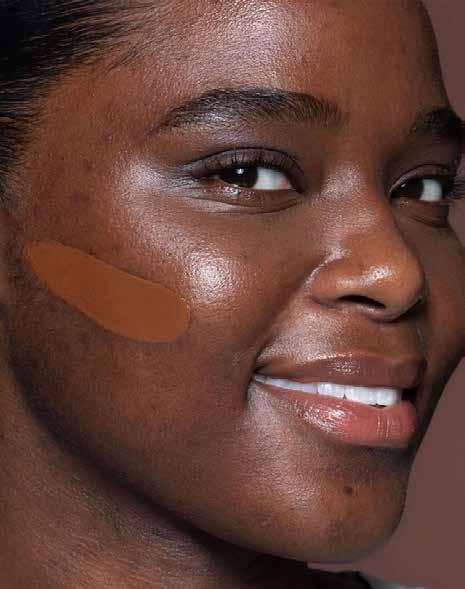
Women are investing more time in skincare because healthy skin makes every makeup product perform better. A well-moisturised face, daily sunscreen and products that actually suit your skin type often mean you need far less foundation than you once did. Instead of trying to cover every mark or uneven patch, many women are focusing on improving their skin over time. The better your skin looks underneath, the less work your makeup has to do.
Coverage Is Strategic
One of the biggest mistakes people still make is assuming foundation
the overall effect is polished rather than dramatic. You should notice the person’s face before you notice their eyebrows.
Cream Products Are Taking Over
Cream blushes, bronzers and highlighters have become staples for one simple reason: they look more like skin.
Unlike some powder formulas that can sit on the surface, cream products blend into the complexion, creating a healthy-looking glow instead of a flat finish.
They are also forgiving. Whether you use a brush, sponge or your fingertips, they are usually easier to blend, making them ideal for busy mornings.
Powder Has a New Job
belongs all over the face. Today’s makeup artists often apply coverage only where it is needed: around the nose, under the eyes, over blemishes or areas of redness.
The rest of the skin is left to show through naturally.
The result is fresher, more believable and much more flattering in daylight. It also wears better through long workdays, traffic, humidity and everything else real life throws at you.
Brows Should Look Like Brows
The era of sharply outlined Instagram brows has quietly taken a back seat. Modern brows still have shape, but they also have softness. Individual hairs remain visible, and
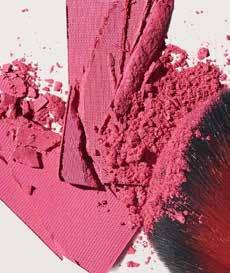
Foundation naturally removes some of the colour from the face. Blush brings it back. A soft peach, berry, coral or rosy pink instantly makes the complexion look healthier, brighter and more awake. It is often the difference between looking finished and looking slightly washed out.
Setting Spray Has Become the Real Finishing Step
For years, powder was expected to keep makeup in place all day. Today, many makeup artists reach for setting spray instead. A good setting spray helps melt products together, softens any powdery finish and improves wear without making the skin look heavy. It leaves makeup looking more natural while helping it survive busy schedules, changing weather and long days.
There was a time when every inch of the face was covered in powder until every trace of shine disappeared. Not anymore. Today, powder is used with far more intention. Most people apply it only where oil tends to appear, usually the forehead, nose and chin, while allowing the rest of the skin to keep its natural dimension. Healthy skin should not look completely matte. A little radiance makes the face appear fresher and more youthful.
Blush Is No Longer Optional
If there is one product that has quietly earned permanent status in everyday makeup bags, it is blush.
Think of it as the final step that makes everything else look better.
Makeup Should Still Look Like You
Perhaps the biggest change of all is that makeup is no longer about transformation. The goal is not to contour yourself into someone else’s face or hide every freckle, line or pore. It is to enhance what is already there. When someone says you look well rested, asks what skincare you are using or tells you that you look beautiful without immediately noticing your foundation, chances are your makeup has done exactly what it was supposed to do.
EVERYONE WANTS A PIXIE CUT AGAIN. HERE’S HOW TO MAKE IT
WORK
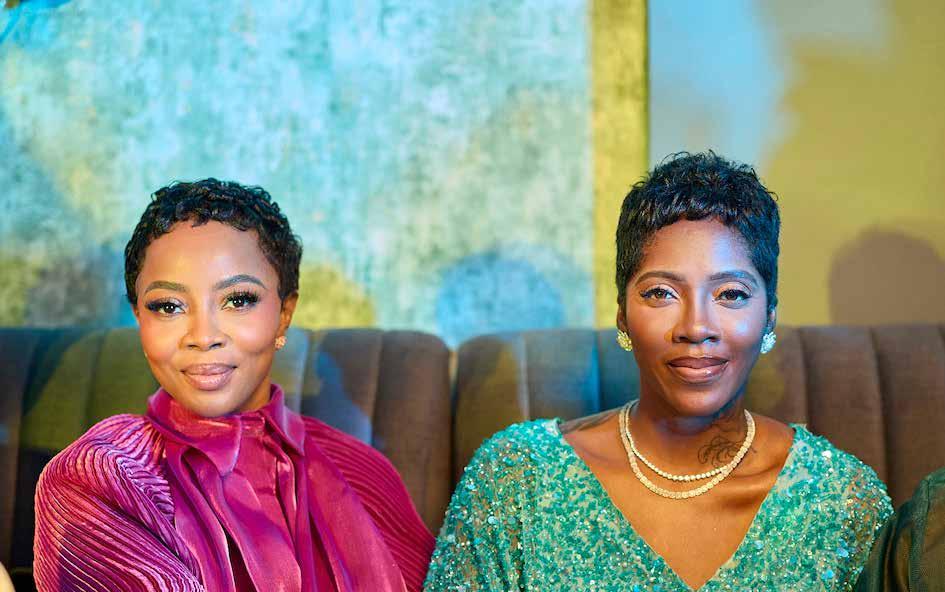
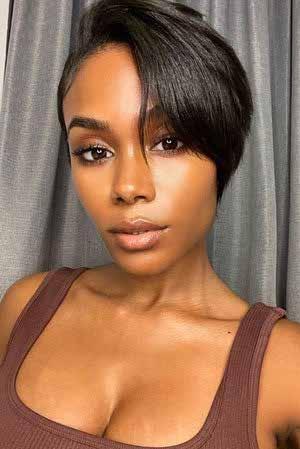
Long hair will always have its place, but this year, the pixie cut is stealing the spotlight. After seasons dominated by waist-length extensions, knotless braids and flowing waves, women are embracing something lighter, fresher and far more daring.
The modern pixie no longer feels like the haircut you get after a breakup or during a dramatic life reset. It has become a style choice in its own right.
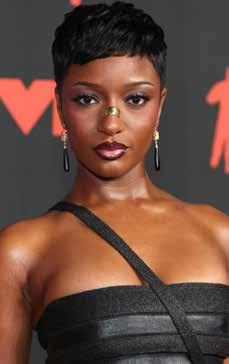
From red carpets to fashion campaigns and everyday salons, short hair is making a confident return, proving that sometimes the boldest beauty statement is knowing what to take away rather than what to add.
Thinking of making the chop? Here are seven reasons the pixie is back, and how to wear it well.
Choose the Right Pixie, Not Just Any Pixie
The biggest misconception about pixie cuts is that there is only one version. In reality, today’s pixie comes in countless interpretations. There are soft, feminine cuts with sweeping fringes, textured pixies full of movement, tapered natural styles, closely cropped curls and longer versions that can still be styled in different ways.
The secret is choosing a cut that suits your hair texture, face shape and lifestyle rather than copying someone else’s. A great stylist will tailor the shape to highlight your best features instead of forcing you into a trend.
Let Your Accessories Do More
One of the first things women notice after cutting their hair is how much more visible everything else becomes.
Statement earrings suddenly command attention. Sunglasses look sharper. Necklaces stand out. Even a simple white shirt or black blazer feels more polished when it is not competing with lots of hair.
A pixie naturally shifts the focus to your face, making accessories an even bigger part of your overall style.
Make Your Makeup Work Harder
Short hair has a way of making beauty details more noticeable.
A bold red lipstick, perfectly groomed brows, or glowing skin suddenly becomes a focal point.
That does not mean wearing heavier makeup. In fact, many women find they wear less because their features already feel more defined.
The pixie has a way of highlighting your eyes, cheekbones and jawline, making even the simplest beauty routine look intentional.
Keep It Fresh With Regular Trims
A pixie may be low-maintenance, but it is not maintenance-free.
Unlike longer hairstyles that can go weeks without obvious changes, short cuts lose their shape more quickly. Scheduling regular trims every four to six weeks keeps the style looking
polished and prevents it from growing into an awkward inbetween phase.
The good news is that daily styling is often much faster. Wash days become easier, drying takes less time and getting ready each morning feels refreshingly simple.
Dress for the Haircut
A pixie changes the way clothes sit on your body.
High necklines, sharp tailoring, off-the-shoulder tops, structured dresses and oversized shirts often look even more striking with short hair because the neckline is fully visible.
That does not mean replacing your wardrobe. It simply means seeing familiar pieces differently.
Many women discover they fall back in love with clothes they already own after making the chop.
Don’t Be Afraid to Embrace Your Texture
One of the reasons the pixie feels so current is that it works beautifully across different hair textures.
Natural coils, soft curls, relaxed hair and sleek straight styles all bring something different to the haircut. In Nigeria, especially, where more women are embracing their natural hair, tapered cuts have become one of the most stylish ways to celebrate texture rather than hide it.
The goal is not to make every pixie look identical. It is to let your own hair bring personality to the style.