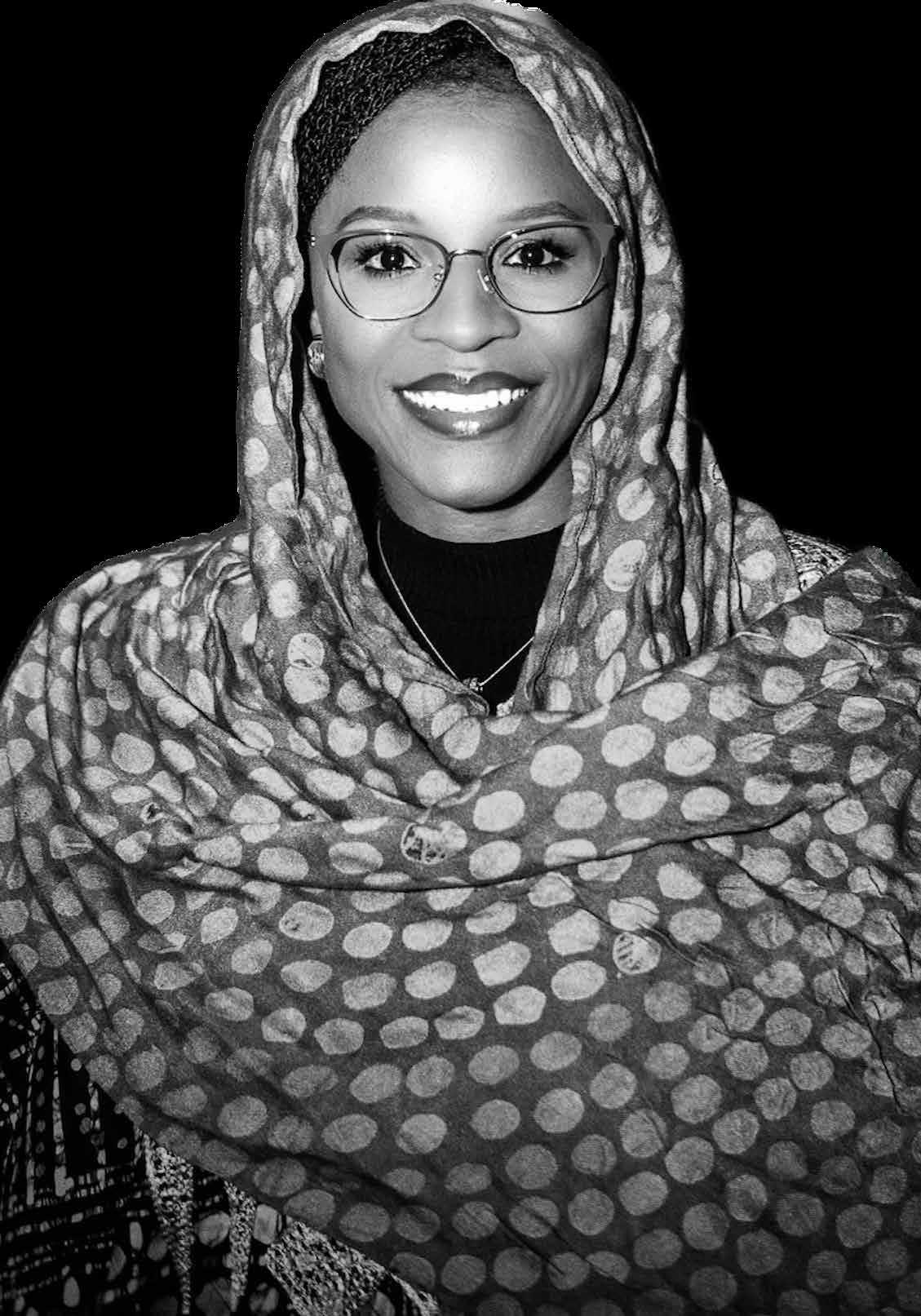
ew people move between creativity, culture, and public service with the kind of intentionality Aisha Augie brings to her work. For nearly two decades, she has built a career that refuses to sit neatly in one lane, moving with rare fluidity between photography, communications strategy, advocacy, governance, and cultural storytelling. Internationally recognised for her work as a photographer and creative artist, Augie has also
Lifestyle & Fashion
EDITOR’S LETTER
has been one of those weeks where life feels split between joy and heaviness. This past week brought both Eid al-Adha and Children’s Day, and there was something beautiful about both celebrations existing side by side. Eid always carries a certain warmth with it, family gatherings, prayers, visits, food, and that feeling of togetherness that holidays tend to create. And then Children’s Day, a day set aside to celebrate how much light children bring into the world.
And honestly, in a country like ours, moments like this matter. Especially right now.
Because these days it feels like Nigerians are constantly carrying something. Stress. Fear. Bills. Anxiety. Uncertainty. Bad news. Exhaustion. Yet somehow people still find reasons to celebrate, laugh loudly, cook too much food, travel home, and show up for one another. think that resilience is one of the things keeping this country emotionally afloat. And I really love it. But even in the middle of a celebration, some realities are impossible to ignore.
As many people celebrated this past week, several families across the country continued to live with the fear and pain that insecurity has forced into their everyday lives. Our thoughts and prayers, especially, go to the children and teachers kidnapped in Oyo State. No parent should have to live in fear every time their child leaves home. No one should be taken forcefully from their family, their future, or their safety.
And beyond this particular situation are many other Nigerians currently carrying fear, uncertainty, grief, and anxiety quietly in their hearts. Insecurity is not an isolated problem affecting “other people somewhere else.” It affects all of us eventually. It changes how people travel, where they live, how businesses operate, and how safe people feel existing in their own country. We cannot afford to become numb to it, and we should continue to lend our voices to the fight against insecurity because no one should live this way.
On a much lighter note, how are you all doing, really? hope the holiday was kind to you. I hope you rested, ate good food, slept properly, and ignored a few emails. Because somehow, unbelievably, we are already walking into June. Mid-year already. genuinely feel like this year started three weeks ago.
Life feels like it is moving very fast for everyone, and think what really matters now is intentionality. Being intentional with work, rest, peace, happiness, relationships, and your mental and physical health. And of course, intentional about keeping God at the centre of it all because honestly, some days faith is the only thing making any of this make sense. Speaking of intentionality, really want you to read The Wellness Treatments Worth Every Penny. This was such an interesting read for me because am genuinely very big on self-care. do not compromise on it, and neither should you. And no, self-care is not always expensive facials and luxury spa memberships. Sometimes it is rest, therapy, saying no, slowing down, and taking your body seriously before burnout forces you to. also really want you to read Love Is Not Enough And Other Hard Relationship Truths. People do not like to accept that truth, but adulthood eventually teaches you that relationships require much more than feelings and chemistry alone. Facts. Anyway, as we step into June, genuinely wish you peace of mind,
and moments that remind you
in the middle of everything else.
FOR THE WOMAN WHO WANTS TO BE MINIMALIST DRESSING
Less is not less. Less is
Minimalist dressing has a branding problem. Somewhere along the way, it became associated with women who only wear beige, own suspiciously identical knit sets, and appear to have sworn a personal oath against joy. But true minimalism has never been about deprivation or dressing like a luxury apartment. At its best, it is one of the smartest ways to dress because it is rooted in precision. Nothing is accidental. Nothing is there for filler. Every piece earns its place. And contrary to what fashion’s louder corners might suggest, being memorable has very little to do with wearing the most. The women whose style lingers are often not the ones in the most dramatic outfits. They are the ones who understand that a perfectly cut blazer can be more striking than sequins, that a crisp white shirt worn well can say more than an aggressively trend-driven dress, and that confidence looks infinitely better when it is not fighting with the outfit.
Start With Fit, Because Minimalism Is Unforgiving
If maximalist dressing can sometimes hide a multitude of sins, minimalist dressing absolutely cannot.
A simple black dress in the wrong fit looks disappointing immediately.
Trousers that bunch awkwardly at the ankle or a blazer with confused shoulders will undo the entire look, no matter how expensive the label. When your wardrobe relies on clean lines and simplicity, tailoring becomes less of a luxury and more of a requirement.
The women who consistently look polished are rarely just shopping better. They are altering better.
Choose Fabrics That Look Expensive Even When They Aren’t
Minimalism asks simple clothes to do a lot of work, so fabric becomes part of the conversation.
Pick Colours That Actually Love Your Skin Tone
Fashion’s obsession with “quiet luxury” has convinced many people that minimalist dressing must live exclusively in shades of cream, stone, ivory, and expensive porridge. Not true. For darker skin tones, especially, richer neutrals often create a far stronger effect. Black remains undefeated. Chocolate brown, navy, olive, terracotta, warm camel, and crisp white can look extraordinary while maintaining the clean sophistication that minimalism is known for. Minimalism should enhance you, not wash you out in the name of trend obedience.
Remember That Grooming Is Part of the Look
is clarity.
SEYITAN ATIGARIN
LOLA OGUNNAIKE
JOSELYN DUMAS
ZAINAB BALOGUN
LAGOS STYLE: WHAT PEOPLE ARE ACTUALLY WEARING RIGHT NOW
If you want to know what is happening in Lagos style right now, do not ask Instagram first. Go outside. Sit at a restaurant in Victoria Island for an hour. Attend a birthday dinner in Lekki. Stop by a coffee shop where everyone looks like they either work in tech, fashion, or own a skincare business that is somehow thriving. Even traffic can be a fashion observation in this city. Lagos has always taken dressing seriously. Looking good here is not just about vanity; it is about social currency, cultural language, and, occasionally, competitive sport. But something has shifted. We are no longer entirely in that era when every outfit screamed for validation or every outing felt like a red-carpet audition. People still care deeply; this is Lagos, after all, but style feels more intentional now. Slightly more polished. A little less chaotic. Here is what people are actually wearing.
The Soft Luxury Girls Are Winning No, not necessarily actual old-money luxury. Let us remain grounded.
But the aesthetic? Absolutely. Clean tailoring, crisp white shirts, elegant monochrome dressing, neutral co-ords, polished sandals, discreet jewellery, structured handbags, expensive-looking hair, and makeup that suggests effortless beauty. Yes, that’s the look. Women are leaning into a softer, more refined approach to dressing. Less obvious logos. Less trying to prove something. More composure. The overall message is clear: polished, put-together, and probably headed somewhere with a reservation.
Matching Sets Are Still Doing Heavy Lifting
Few things have worked harder for Lagos wardrobes than the matching set.
Linen shirt-and-short combinations, tailored waistcoat-and-trouser pairings, knitted skirt sets, monochrome co-ords that make getting dressed feel suspiciously easy. The appeal is obvious.
Matching sets do the thinking for you while still making it look like you made an effort. In a city where many people are juggling work, traffic, social plans, and the occasional spontaneous outing, fashion efficiency matters.
And yes, they photograph beautifully, which certainly does not hurt.
Women Are Dressing More Grown
This shift is noticeable.
The aggressively complicated era appears to be cooling off.
Fewer outfits that look structurally confusing. Less fashion chaos disguised as creativity. More women
are embracing silhouettes that rely on fit, tailoring, and restraint rather than sheer drama.
Before anyone assumes Lagos has suddenly become a minimalist city, let us be serious.
Night-time dressing remains deeply committed to spectacle.
Feathers. Metallics. Corsetry. Sculptural sleeves. Dresses that require logistical planning before entering vehicles.
There is still a specific kind of Lagos woman who believes dinner should be treated like performance art, and frankly, she deserves respect. Some cities dress for practicality. Lagos occasionally dresses for applause.
Denim Has Grown Up
The chaotic skinny-jean years seem to be quietly losing influence.
Denim now feels cleaner, smarter, and far more intentional. Relaxed straight-leg cuts, wide-leg jeans, darker structured denim, vintageinspired washes paired with oversized shirts, polished blazers, statement flats, or sleek heels.
One of Lagos’s strongest style formulas right now is also one of the simplest: excellent jeans, a crisp white shirt, sharp accessories, and confidence. Effortless, but never careless.
The Practical Bag Is Making a Comeback
Yes, the tiny bag girls remain.
The ones carrying handbags barely large enough for lip gloss and optimism.
But reality is creeping back in. Lagos days are long, unpredictable,
hot, and often involve multiple stops, endless traffic, and beauty emergencies. Women are increasingly carrying proper handbags again, the kind that fit hand sanitiser, portable perfume, oil blotting sheets, chargers, cards, tissues, and perhaps emergency snacks.
Practicality eventually humbles everybody.
Athleisure Refuses to Leave
Matching activewear sets continue to dominate, including among people with absolutely no immediate plans to exercise.
But the styling has become sharper. Sleek trainers paired with oversized shirts, polished basics with leggings, elevated loungewear finished with designer sunglasses and clean accessories.
In Lagos, casual rarely means careless. Looking effortless still requires strategy.
Lagos Men Are Dressing Better
And yes, it is noticeable.
There is less dependence on giant logos and painfully tight clothing, and more appreciation for fit, grooming, texture, and proportion.
Today’s stylish Lagos man is leaning into relaxed tailoring, crisp trousers, knit polos, linen co-ords, loafers, clean sneakers, elevated native wear, and fragrance that enters the room before he does.
Then there are the fashion boys experimenting with vintage references, layering, unconventional accessories, and more directional styling.
The range has expanded.
Native Wear Remains Untouchable
Traditional fashion is still one of Lagos’s strongest style languages, but it is evolving beautifully. Cleaner agbadas. Sharper tailoring. Softer luxe fabrics. Contemporary kaftans. Women reworking iro and buba with sculptural blouses, fresh styling, and geles that deserve structural engineering recognition. Lagos understands something many fashion capitals forget: heritage and style can absolutely coexist.
Gen
Z Is Playing Its Own Game
You can spot them immediately. Baggy trousers, layered jewellery, graphic tees, streetwear influences, tiny sunglasses, Alté references, experimental sneakers that appear intentionally ugly.
Lagos Gen Z has borrowed freely from global street culture, TikTok styling, and pure fearless experimentation. Not every outfit works. That is hardly the point. Confidence has always been one of this city’s strongest accessories.
CHAKE, MEET
AKANO DIAMONDS’
NEW EVERYDAY
FINE JEWELLERY COLLECTION
By Funke Babs-Kufeji
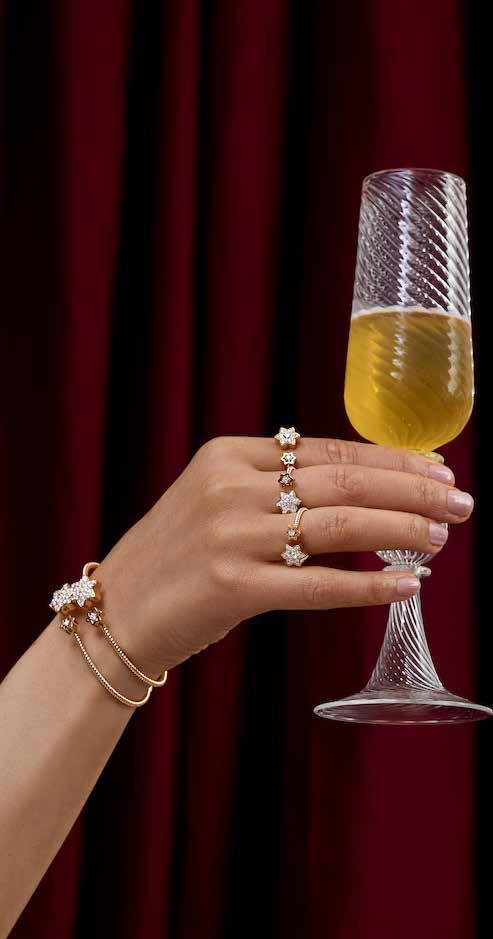
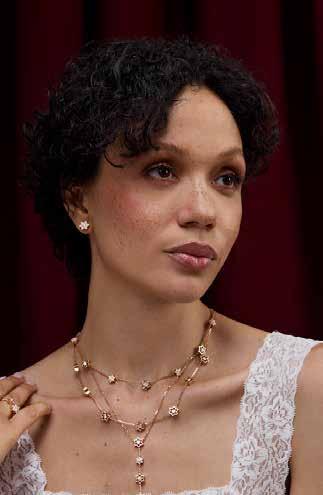
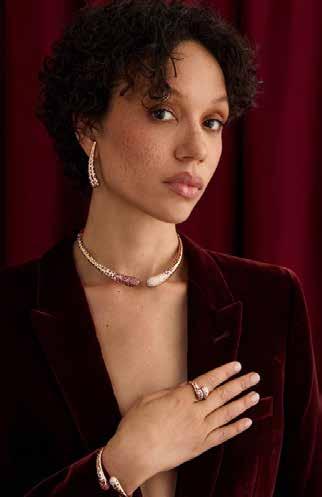
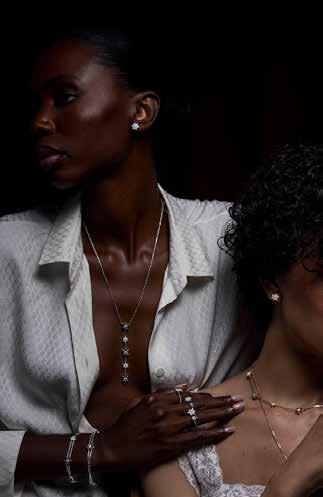
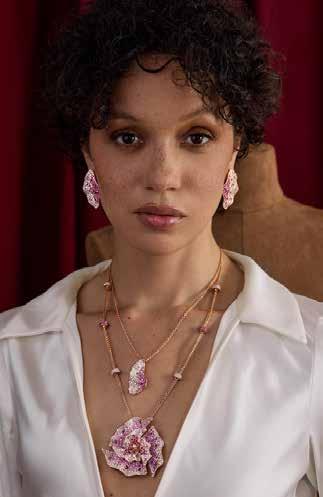
Thoughtfully created as an everyday fine jewelry collection, Chake reflects a growing desire for pieces that feel luxurious without being reserved for special occasions. The kind of jewelry you do not save for someday but instinctively reach for every day. Delicate enough to feel effortless, yet substantial enough to stand the test of time.
For Akano Diamonds, Chake is more than simply a new collection. It is a personal expression of what modern luxury can look like. Rooted in timelessness, the line was born from a passion for jewellery that balances beauty with wearability, pieces designed not just to be admired, but truly lived in. Gold and diamond staples that move seamlessly through the rhythm of daily life, from busy mornings to evening dinners, without ever feeling out of place. The collection also marks a thoughtful evolution for the brand. Designed as a more accessible entry point into the world of Akano Diamonds, Chake offers enduring gold and diamond pieces at a softer price point, while maintaining the quality, beauty, and weight the brand is known for. It is an invitation for a wider audience to experience fine jewelry in a way that feels attainable, yet still deeply considered.
With Chake, Akano Diamonds makes a compelling case for investment pieces that do not remain tucked away, waiting for the “right moment.” Instead, the collection embraces the idea that the right moment can simply be today. After all, some things are made to sparkle occasionally. Others are made to shine every day.
WHAT YOUR SKIN IS TRYING TO TELL YOU
Your skin has terrible timing. It breaks out before weddings, flares up during stressful work weeks, becomes inexplicably dull when life gets chaotic, and somehow chooses the exact week you have plans to remind you that surviving on poor sleep, caffeine, and vibes has consequences. Annoying? Yes. Random? Rarely. For all the ways we treat skin as something purely cosmetic, it is often one of the most honest reflections of what is happening internally. Hormones, stress, sleep, inflammation, weather, even your slightly overenthusiastic relationship with exfoliating acids all tend to show up on your face sooner or later. Here are some of the most common things your skin may be trying to tell you.
Your Jawline Breakouts May Be Hormonal
Those deep, painful spots that seem to set up camp along the chin and jawline are often linked to hormones, particularly in women. If they appear around the same time each month, your menstrual cycle may be the obvious explanation. Stress can also contribute, thanks to cortisol’s unhelpful influence on inflammation and oil production. This is not always the kind of breakout a random spot treatment magically fixes. Sometimes the issue is internal, not topical.
Your Forehead Might Hate Your Hair Products
Not every breakout is a sign of emotional distress. Sometimes your edge control is the villain. Forehead congestion is often caused by sweat, styling creams, hair oils, friction from scarves, or product buildup sitting along the hairline. If your skincare routine is pristine but your forehead keeps protesting, the answer may be in your beauty drawer.
Your Cheeks May Be Calling Out Your Hygiene Habits
Phone screens. Pillowcases. Makeup brushes. Hands constantly touching your face.
Cheek breakouts are often less mysterious than people think. There is something humbling about
investing in expensive skincare while using a makeup brush that has seen more months than it should.
Dull Skin Is Usually a Lifestyle Exposure
You know the look. No breakout, no obvious irritation, just skin that looks tired, flat, and mildly disappointed. This is often where lifestyle enters the conversation. Poor sleep, dehydration, stress, inconsistent eating habits, too much alcohol, and not enough rest. Skin has very little interest in protecting your secrets.
Luxury skincare helps, certainly. But even the best serum performs better on a face that has actually slept.
Sensitive Skin May Actually Be Overworked Skin
If everything suddenly burns, cleanser, moisturiser, even products that used to work beautifully, there is a fair chance you have damaged your skin barrier. Which is skincare’s polite way of saying: you did too much. Too much exfoliation. Too many active ingredients. Too much experimenting in pursuit of an overnight transformation. Skin that feels constantly irritated is rarely asking for another acid. It is asking for peace.
Hyperpigmentation Is
Often the Aftermath
For melanin-rich skin, this matters.
LOVE IS NOT ENOUGH – AND OTHER HARD RELATIONSHIP TRUTHS
Nobody
wants
to hear
this. Everyone probably needs to.
We have all, at some point, bought into the idea that love is the most important thing in a relationship. That if two people care deeply enough about each other, the rest will somehow sort itself out. It is a lovely belief, helped generously by films, music, and the kind of stories that make emotional chaos look romantic.
But adulthood has a way of interrupting fantasy. Because while love absolutely matters, it is not a cure-all. Love does not automatically make people emotionally mature. It does not fix poor communication, erase incompatible values, or transform someone into the partner you wish they could be. In fact, one of the harder truths about relationships is that sometimes love is present, but the relationship still does not work.That is not cynicism. That is reality.
Dark marks are often what remain after inflammation, breakouts, irritation, picking, burns, and harsh treatments. And darker skin tends to hold onto those reminders longer. Which is why aggressive skincare can backfire badly. Over-exfoliating, misusing strong actives, or skipping sunscreen while chasing brighter skin can create the exact problem you are trying to solve.
Yes, sunscreen again.
Persistent Dryness May Be Bigger Than Moisturiser
Dry skin is common. But skin that remains persistently dry despite decent moisturising may be worth paying closer attention to.
Sometimes it is environmental — air conditioning, weather, harsh cleansers. Sometimes it can signal broader health or nutritional issues worth checking.
Your skin is not diagnosing you. But it can nudge you.
Stress Is Absolutely Showing on Your Face
Perhaps the most offensive truth. Stress rarely stays internal. It shows up through inflammation, sensitivity, breakouts, slower healing, dullness, and general chaos. Which explains why you can follow every skincare rule faithfully and still look vaguely betrayed during emotionally difficult periods.
Sometimes the problem is not your skincare routine. Sometimes it is your life.
because it sounds like an excuse. Sometimes, admittedly, it is. But sometimes timing is painfully real.
A person can genuinely care about you and still not be in the right place to sustain a healthy relationship. Emotional baggage, unresolved heartbreak, personal instability, family pressures, or simple emotional immaturity can all make partnership difficult, regardless of how sincere the feelings may be.
Yes, people grow. Yes, people evolve. But entering a relationship based on who someone might eventually become is often a deeply frustrating mistake.
If he becomes more emotionally available. If she eventually learns how to communicate better. If they finally become serious about commitment.
These thoughts feel hopeful, but they are not solid foundations for partnership. Relationships
Love Alone Does Not Mean You Are Compatible
One of the most misleading assumptions people make is believing strong feelings automatically mean two people belong together. Compatibility is far less romantic than chemistry, which is probably why people pay less attention to it at the beginning. But it matters enormously. You can be deeply attracted to someone, enjoy their company immensely, and still discover that your ways of living are fundamentally at odds. One person may be emotionally expressive, while the other shuts down the moment conflict appears. One may be financially disciplined and future-focused, while the other believes money should be enjoyed as quickly as it arrives. One may crave consistency and structure, while the other thrives on unpredictability. These things may seem manageable in the early stages, but relationships are ultimately lived in ordinary daily life, not in curated romantic moments.
The Right Person at the Wrong Time Can Still Be Wrong
Timing is one of those relationship truths people often dismiss
Love does not create readiness. And unfortunately, no amount of patience or emotional effort from one person can force another into becoming available before they are actually prepared to be.
Grand Gestures Matter Less Than Consistent Effort
A surprise holiday is lovely. So are expensive gifts, beautifully planned date nights, and dramatic declarations after an argument. But those things are not what sustain relationships. The real test is consistency. Who shows up when life becomes inconvenient? Who communicates instead of disappearing? Who remembers the details that matter, not because it earns points, but because attentiveness has become part of how they love?
Anyone can create an impressive moment. What matters far more is the version of someone that shows up repeatedly, especially when there is no audience and nothing particularly glamorous happening.
You Cannot Build a Relationship on Potential
Many people have spent far too long in relationships with the imagined version of someone rather than the person standing directly in front of them.
function best when built on present reality, not speculative future upgrades.
Love Cannot Fix Poor Communication
There is almost no faster route to relationship exhaustion than poor communication.
No matter how much affection exists, if two people cannot discuss disappointment honestly, apologise sincerely, resolve conflict maturely, or express needs clearly, problems tend to accumulate quietly.
Resentment rarely arrives dramatically. It builds slowly, conversation by conversation, misunderstanding by misunderstanding, until affection begins to feel weighed down by frustration.
Love may create connection, but communication determines whether that connection remains healthy.
Being Loved Is Not the Same as Being Respected
This is a truth many people resist because it sounds emotionally contradictory.
But someone can absolutely love you and still treat you poorly.
They may enjoy your company, crave your presence, or genuinely fear losing you, while still dismissing your boundaries, minimising your feelings, or repeatedly making choices that
place their comfort above your wellbeing.
Love without respect eventually becomes exhausting because affection alone cannot compensate for being consistently undervalued.
Chemistry Can Be Deeply Misleading
Chemistry has convinced many intelligent people to make terrible relationship decisions.
The attraction is strong. Conversation feels effortless.
The emotional highs are intoxicating enough to make everything seem significant.
But chemistry is not proof of long-term compatibility or emotional health.
Some of the most chaotic relationships come with extraordinary chemistry precisely because emotional unpredictability can feel thrilling. That excitement, however, should not be confused with stability, maturity, or actual suitability.
Healthy Relationships Are Often Less Dramatic Than You Think
Modern dating culture has done an impressive job of making emotional turbulence look exciting.
The mixed signals, dramatic reconciliations, uncertainty, and emotional highs and lows are often framed as passion.
But healthy relationships are usually much calmer than that. They tend to involve less confusion, fewer emotional games, and significantly less anxiety. For people accustomed to chaos, this can initially feel unfamiliar, even boring. But peace is not boring. Peace is what emotional security often looks like.
Not Everyone Who Loves You Is Right for You
Perhaps the hardest truth of all is accepting that love does not automatically mean permanence. Sometimes two decent people simply are not a good fit. Their values differ. Their emotional needs clash. Their visions for life move in different directions. No betrayal. No villain. No dramatic scandal.
Just incompatibility.
And perhaps one of the clearest signs of emotional maturity is understanding that love can be entirely real and still not enough.
THE RICH UNCLE STYLE CODE
And Why It Keeps Working
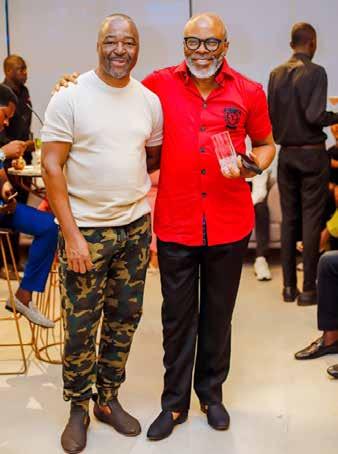
There is a particular kind of Nigerian man whose arrival shifts the mood of a room. He is not necessarily the loudest dresser, nor is he always wearing the most obviously expensive clothes, but something about him suggests ease, confidence, and a life that appears remarkably free of unnecessary stress. You have seen him at weddings in a perfectly tailored agbada, looking like he knows the family personally. You have spotted him at Sunday lunch in Ikoyi wearing linen, loafers, and sunglasses that imply he has opinions about oil prices. You have likely seen younger men trying, with varying levels of success, to replicate the aesthetic. The Nigerian rich uncle look has become its own fashion language, and the reason it keeps working is because it is not really about age, and it is not entirely about wealth either. It is about a very specific formula of style choices that communicate taste, comfort, and selfassurance. Whether the man in question is genuinely wealthy or simply understands the visual language of wealth is almost irrelevant. Here is what this style code consistently gets right.
1. Linen Is Practically Uniform
If one fabric defines this aesthetic, it is linen.
A crisp white linen shirt, relaxed beige trousers, or a beautifully tailored neutral kaftan immediately suggest leisure and understated affluence. Linen works particularly well in Nigeria because it makes practical sense in the climate while still looking elegant. Of course, quality matters. Good linen looks relaxed and expensive. Poor linen looks tired, crumpled, and vaguely defeated. The men who wear this aesthetic well understand the difference between looking intentionally effortless and simply looking dishevelled.
2. Footwear Is Taken Seriously
Nothing ruins an otherwise polished look faster than poor shoes. The Nigerian rich uncle understands that footwear matters, which is why loafers dominate this aesthetic. They are elegant without feeling stiff, polished without trying too hard, and versatile enough to move from brunch to business meetings to weddings to airport lounges. Even traditional looks follow the same principle. Quality sandals or beautifully maintained formal shoes reinforce the same message: this man pays attention. Dusty or neglected shoes, however, are immediate sabotage.
3. Accessories Whisper Rather Than Shout
The best versions of this aesthetic are rarely drowning in visible branding. Instead, the details do the talking. A beautiful watch. Tasteful sunglasses. Perhaps a discreet bracelet or ring. The emphasis is less on proving wealth and more on suggesting discernment. This is where many people get the look wrong. They assume expensive dressing means obvious logos and visual noise. But what makes this aesthetic compelling is restraint. The accessories feel considered, not desperate for attention.
4. Grooming Is NonNegotiable
No one successfully looks expensive while appearing visibly unkempt. Fresh haircuts, neat facial
hair, clean nails, moisturised skin, and overall polish are essential to the entire effect. The illusion of effortless sophistication depends heavily on maintenance. What makes this style convincing is that nothing feels neglected. Even when the outfit itself is simple, the man wearing it looks as though he takes care of himself.
5. Traditional Wear Is Treated Like a Power Statement
One of the strongest things about Nigerian menswear is the elegance of traditional fashion, and this aesthetic knows exactly how to use it.
A sharply tailored agbada, a beautifully cut kaftan, luxurious aso oke, and fabrics with real structure can create extraordinary style moments. When done properly, traditional dressing communicates heritage, confidence, and status without saying a word.
The difference, as always, is execution. Tailoring matters. Fabric choice matters. Fit matters. Rich uncle style is not about wearing the loudest traditional look in the room. It is about wearing the right one.
6. Fragrance Is Part of the Presentation
The stylish Nigerian rich uncle does not merely look polished. He smells polished, too. Fragrance is part of the aesthetic because personal style is never entirely visual. A well-chosen scent leaves an impression that clothing alone cannot. The most effective choices tend to feel warm, refined, and memorable rather than aggressively overwhelming.
There is a clear difference between smelling sophisticated and announcing your arrival from several metres away.
7. The Secret Ingredient Is Complete Ease
This may be the most important part of the formula.
The Nigerian rich uncle aesthetic works because of attitude as much as wardrobe.
The relaxed posture. The unhurried movement. The visible comfort in one’s own skin. The sense that this man is entirely unbothered by anything happening around him.
That energy changes how clothes land.
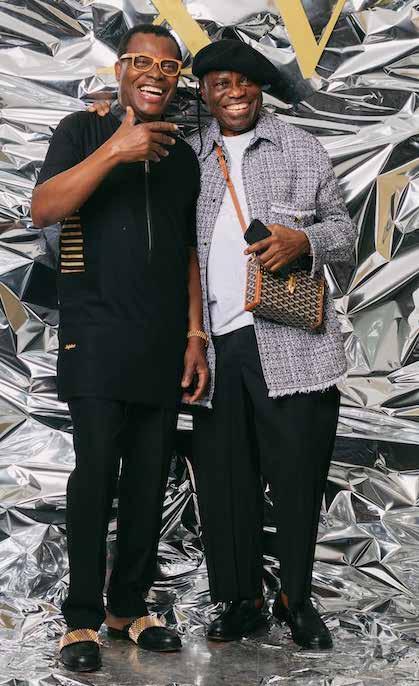
LANRE OGUNLESI AND JOHN OBAYUWANA
Enjoy elegance, convenience and confidence with the W debit card. Shop, pay bills and manage money effortlessly. You also get exclusive perks and access to W events
Bureaucracy is not the enemy of creativity, we find it a different language. I’ve learned to translate artistic ambition into administrative frameworks, (timelines, memos, procurement plans) so that the vision can actually move. Inside rigid systems, the creatives who succeed are the ones who understand the system well enough to reshape it from within.
AUGIE AISHA ADAMU
ADVANCING CULTURE
BY FUNKE BABS-KUFEJI
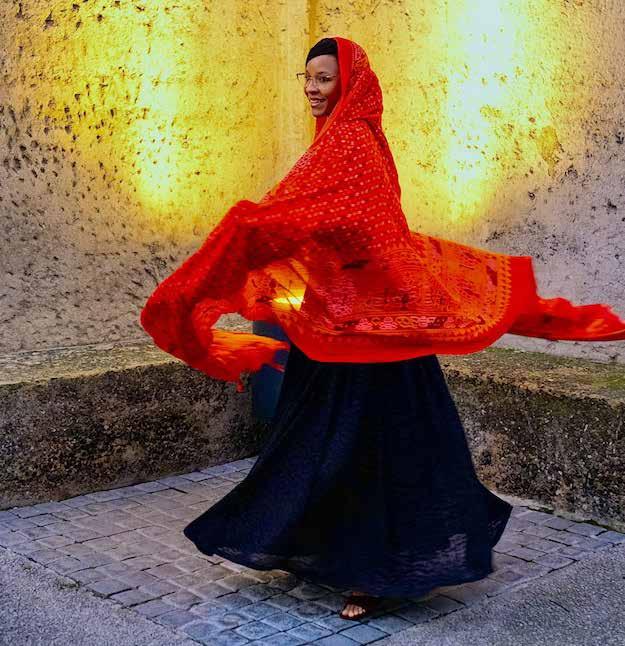
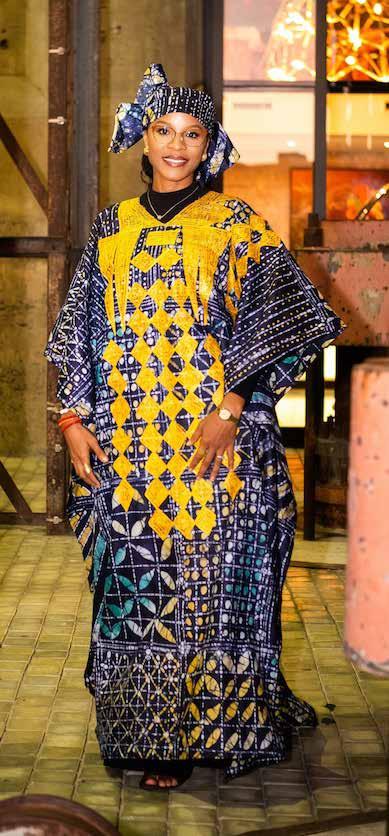
Few people move between creativity, culture, and public service with the kind of intentionality Aisha Augie brings to her work. For nearly two decades, she has built a career that refuses to sit neatly in one lane, moving with rare fluidity between photography, communications strategy, advocacy, governance, and cultural storytelling. Internationally recognised for her work as a photographer and creative artist, Augie has also held significant public roles, consistently using her platform to drive meaningful impact, particularly for young people, women, and the wider cultural and creative sectors across Africa. Now leading the Centre for Black and African Arts and Civilisation (CBAAC) as Director General, she carries the responsibility of preserving one of Africa’s most important cultural institutions while finding ways to make that legacy resonate with a new generation. But beyond the titles and appointments is someone deeply interested in visibility, identity, and the power of narrative; in who gets seen, whose histories are preserved, and how culture continues to shape collective memory. Measured yet warm, thoughtful yet assured, Augie brings both creative instinct and institutional discipline to her work. In this interview with Funke Babs-Kufeji, she reflects on leadership, cultural preservation, women’s empowerment, the realities of navigating public institutions, and the sense of purpose that has quietly shaped her journey.
You wear many hats: artist,
you
I’ve come to understand that these aren’t separate hats as they are on the same head. The artist in me sees a story; the strategist asks how to tell it in a way that moves people; the public servant asks who it serves; and the storyteller makes sure it’s remembered. What keeps me balanced is remembering that every role I hold is ultimately about the same thing, using what I have to contribute meaningfully to the world around me. When feel pulled, I return to that centre: purpose before title.
What was the defining moment when you knew your art could go beyond aesthetics and actually drive social change?
There was a moment early in my career when a photograph I took of a soldier wearing his khakis on a farm in Kebbi State travelled further than ever expected. He mentioned how he had moved his service to the nation from orders to farming. He felt he could make a difference by feeding people, especially given his experiences travelling across Nigeria while in the army. People stopped me to ask about him and what happened afterwards. That’s when I understood that a camera in the right hands can be a witness. From that moment on, I stopped asking “is this beautifully composed?” and started asking “does this matter?”.
How do your Northern Nigerian roots influence your art and your voice in the national cultural space?
Northern Nigeria is often spoken about but rarely spoken from. grew up surrounded by layered beauty, our architecture, art, textiles and the quiet and almost never seen strength of women, faith and community. travelled a lot with
strategist, public servant, and storyteller. How do
keep all these sides of yourself in balance?
my family and have lived in various states across Nigeria. My work carries a sense of responsibility to make sure our stories are not flattened into a single narrative in our national cultural conversation. We are complex, modern, ancestral, and creative all at once. My roots are both my compass and my contribution. Many are also unaware that I have Igbo roots in Uturu, Abia State, and that have cousins in most geopolitical zones and around the world. I consider myself Nigerian first before any other identity, but when I began storytelling with my background as a journalist, I realised the North was severely underrepresented, so I focused more on Northern Nigerian stories.
As someone who uses photography as a tool for advocacy, what stories have moved you the most to capture?
The stories of women & children and how generations interact with each other, passing down information from one generation to the next. particularly connected to a community in the Tillaberry Region of Niger Republic. was commissioned by an agency as part of advocacy efforts on Water, Sanitation and Hygiene (WASH) for a documentary. That was one of the cleanest rural villages had ever experienced. WASH was part of their culture, but beyond that, they had figured out ways to beautify the walls of their homes with amazing, long-lasting motifs. I love women who teach and keep families together against odds most people cannot imagine. I’ve also been deeply moved by artisans and craftspeople whose work holds centuries of knowledge but who live with almost no recognition. Documenting them feels like returning something that was already theirs.
You’ve worked across traditional and digital mediums. How do you see technology shaping the future of African art and storytelling?
For someone like me who has experienced life with analog cameras and darkrooms, without the internet or mobile phones, I feel like technology has finally given African creatives a microphone we don’t have to ask permission to use. For the first time, our stories can travel without needing to be validated by gatekeepers outside the continent. AI, immersive media, the blockchain, digital archives are infrastructure for cultural sovereignty. My hope is that we build with intention so that the next chapter of African storytelling is authored by Africans, not just consumed as content, we are already seeing the value addition so I’m excited about the future for us all.
You are the Director General of the Centre for Black and African Arts & Civilisation (CBAAC), a major role in preserving and promoting African culture. What new energy or perspective are you bringing to the institution?
I’m bringing the energy of a practitioner, someone who has actually made art and earned from it, navigated the cultural & creative economy as an entrepreneur, and worked with young talent across the continent. My advocacy and advisory roles within the development and public sector spaces also prepared me. My team and I at CBAAC are working hard to make our centre feel alive, visible, and useful to everyday Nigerians, Africans on the continent and in the diaspora, not locked behind institutional walls in archaic formats. As mandated through KPIs assigned to us by President Bola Ahmed Tinubu and the Minister of Arts, Culture, Tourism and the Creative Economy, Barr. Hannatu Musawa, we have already commenced activities connecting cultural exchange and diplomacy to job creation, learning and development amongst other activities. I’m also bringing a data and digital-first mindset because a civilisation as rich as ours deserves to be experienced, archived, and shared in ways that can meet people where they already are.
You previously served as Special Adviser on Digital Communications to the Minister of Finance. How did that experience shape your understanding of communication in governance?
It was an honour to learn from a hardworking woman in one of the highest decision-making roles in Nigeria. The job taught me that policy without stakeholder engagements, collaboration and communication is noise. The Government and civil servants do a great deal of meaningful work that the public never sees, and that gap erodes trust. learned first hand about behavioral science and how to translate complex fiscal and economic decisions into language that respects the intelligence of ordinary citizens. also learned that credibility is earned consistently, not announced. Those lessons travel with me into every role will take on.
What are some of your key goals for the Centre for Black and African Arts and Civilization as its Director General?
Three things sit at the top of my list. First, to digitise and expand access to CBAAC’s archives so our scholarly and cultural memory is available globally. Second, to reposition the Centre as a living, programming-rich hub (exhibitions, merchandising, residencies, youth initiatives, partnerships) with creatives across Africa and the diaspora to deepen and expand on our pan-African mandate. Third, to deepen CBAAC’s role in cultural diplomacy and policy conversations especially about the cultural and creative economy, because culture to me is an economic and diplomatic force.
With almost 50 years of our African history from around 59 nations kept in trust with CBAAC as the repository of FESTAC77, a global Pan-African festival hosted by Nigeria in 1977, these include art and artefacts, historical books in the library and archive, thousands of audiovisual documentation, ongoing research and publications (126 publications so far) and many more being prepared for the world to experience. We intend to be a strong advocate for Africa and Africans to build and reform global policies that matter, to collaborate in building the Africa we want/need and to use the stakeholder engagements on the Road to FESTAC77@50 to deepen cultural diplomacy, trade and exchange.
Public institutions often face funding or implementation gaps. How are you ensuring that creative and cultural projects don’t just remain on paper?
By being honest about the constraints and creative about the solutions, this is one of the reasons continue to be an advocate for the Cultural and Creative Industries (CCIs) in Africa. I did not enter the job with delusions. I already knew that our sector is undervalued. Not every project requires a large budget but I believe that some require the right partnerships. I’m building collaborations with the private sector, development partners, and cultural institutions so that our work is resourced sustainably. We are already collaborating with 17 countries and counting. also believe in small wins executed well; a finished pilot teaches more and unlocks more funding than a grand plan left uunrealised We may be underfunded but our pilot projects like the Pan African Indigenous Skills Development Program (PAID) and our Creative Coalition for example, will ensure that we convince stakeholders of the need to support based on our value addition. We dream big but start small. Being a creative agency, the same as most creatives, the world is yet to catch up on our potential. As an individual, was elated when our Ministry was created to focus on the creative economy and I am super glad that can contribute to the policies that will lead to a properly funded sector for those who come after us.
The CBAAC has a rich legacy. What are your priorities in reimagining its role for a new generation?
The legacy gives us credibility; the new generation gives us relevance. My priority is to honour both. That means making CBAAC a place where young Africans can see and reinvent themselves through grassroots hubs and programming that speaks to contemporary creative practice, fellowships and research opportunities, and through digital experiences that extend the Centre far beyond its physical walls.
The CBAAC of the future should feel like a bridge between where we’ve been and where we’re going.
How do you navigate the intersection of creativity and bureaucracy bringing innovation into government spaces that are often rigid? Patience, paired with persistence oh. Bureaucracy is not the enemy of creativity, we find it a different language. I’ve learned to translate artistic ambition into administrative frameworks, (timelines, memos, procurement plans) so that the vision can actually move. Inside rigid systems, the creatives who succeed are the ones who understand the system well enough to reshape it from within. My hope is to continue to add value during policy creation and engagement sessions of which I have already participated in various ones since 2015 both on the State and Federal level.
You’ve been a visible advocate for women and youth empowerment. What progress excites you most, and what still needs urgent attention?
What excites me is the sheer number of young people and women joining politics, building businesses, telling stories, and entering spaces that were closed to their parents, especially in the North
of Nigeria. What still needs urgent attention is the structural work: policy implementation, education, safety, access to capital, representation in decisionmaking rooms. Visibility is a beginning, we owe the next generation systems not tokenism.
You’ve transitioned between the private, public, and nonprofit sectors seamlessly. What has each space taught you about leadership? The private sector taught me discipline and accountability to outcomes. The nonprofit sector taught me that mission without sustainability is fragile. The public sector taught me scale, that decisions made well can touch millions of lives. Together, they taught me that great leadership is less about where you sit and more about how clearly you see the people you’re meant to serve.
Through your podcast, I Love Your Work, you’ve had conversations with creatives across continents. What insights have those exchanges revealed about the African creative spirit?
It has been a while since I recorded on that platform. What I keep hearing is that African creatives are not waiting for permission anymore. There’s a confidence emerging, one that draws from heritage without being trapped by it, and engages the world without feeling inferior to it. I’ve also learned that the creative spirit across the continent is deeply collaborative, even across borders and languages. We are each other’s biggest audience and sharpest collaborators, and that solidarity is the future.
You’ve received countless recognitions over the years. Which one felt most personal and why? Honestly, the ones that move me most aren’t always the ones on stage. got an award from my child’s classmates when he was in El-Amin, felt that in my chest and another was a young girl (Halima from Kebbi), who told me that she picked up a camera because of me and that her dad; who was against that as a career, started supporting her after he watched me in an interview with Cyril Stober on NTA, that’s the kind of recognition carry differently. Awards validated the work in the beginning but after you’ve received many of them, it is moments like that of Halima that validate the purpose. If I’ve made it easier for anyone to imagine themselves in whatever way they want and they commit to that by going for it, that’s what hold closest.
From the girl who started taking pictures in Kebbi to the woman leading national cultural conversations, what would you say to your younger self?
I’d tell her: trust the path even when it doesn’t look like anyone else’s, the world will catch up. The very things you’re worried about make you different, your roots, faith, softness and ambition are the exact things that will carry you. Don’t shrink to fit rooms you were meant to expand. And keep taking the pictures, even when no one is watching. They will matter more than you know. Lastly, NEVER stop asking questions, questions lead to paths you may never discover, if you did not ask them in the first place. Story of my life.
Finally, how do you define fulfilment now as an artist, a public servant, and a woman living purposefully?
Fulfilment, for me, is alignment. It’s when what do, what I believe, and who I am are pointing in the same direction. This is where feel am today. In retrospect, all my experiences have come together for my greater good. It’s not the absence of hard days (many days are very hard) but it is when feel the presence of meaning in them. It helps me get up each day. I feel fulfilled when my work opens a door for someone else, when my family feels my presence, when I’ve created something honest and long-lasting. That is the life I’m building, it may not be perfect, but it is purposeful.
WELLNESS THE TREATMENTS WORTH EVERY PENNY
The ones that genuinely make a difference.
Wellness can be a confusing place to spend money. For every treatment that delivers real results, there are at least five others built on hype, clever branding, and the hope that if something is expensive enough, it must be working. But some treatments do justify the cost. Not because they are trendy or Instagramfriendly, but because they consistently deliver visible, physical, or emotional benefits that people genuinely return for. If you are going to spend on wellness, these are some of the treatments actually worth considering.
Professional Deep Tissue Massage For stress, tension, and the aches of modern life
A proper deep tissue massage is far more than a spa indulgence. If you spend long hours at a desk, carry stress in your neck and shoulders, or deal with recurring muscle tightness, it can make a significant difference. A skilled therapist can help release chronic tension, improve circulation, ease headaches, and even improve sleep. While the occasional massage is nice, the real benefits come with consistency. If your body constantly feels tight, stiff, or quietly irritated, this is money well spent.
Dermatologist-Led Chemical Peels For hyperpigmentation, texture, acne scars, and dull skin
Some skin concerns need more than serums and wishful thinking. Professionally administered chemical peels can be incredibly effective for
stubborn pigmentation, acne scarring, uneven texture, and dullness. They work by accelerating skin renewal, revealing clearer, smoother skin over time. The important thing here is expertise. A good peel in the right hands can be transformative; a bad one can be disastrous. This is not the treatment to bargain-hunt for.
Therapy For your mind, relationships, and emotional well-being
Not all wellness treatments involve lying on a treatment bed.
Therapy remains one of the most valuable investments a person can make, even though many still think of it as something reserved for crisis. In reality, therapy can help you manage stress, improve communication, process difficult experiences, understand unhealthy patterns, and function more clearly in everyday life. The benefits are not always immediately visible, but they often show up in better relationships, healthier boundaries, improved confidence, and a calmer mind. That absolutely counts as wellness.
Lymphatic Drainage Massage For puffiness, bloating, and travel recovery
Social media has probably overpromised what lymphatic drainage can do, but that does not mean it is useless. A proper session can help reduce temporary fluid retention, ease puffiness, and leave you feeling lighter, particularly after travel, hormonal bloating, or those periods when your body simply feels sluggish. It is not a miracle bodysculpting treatment, nor is it a permanent fix. But when approached with realistic expectations, it can be genuinely effective for shortterm relief.
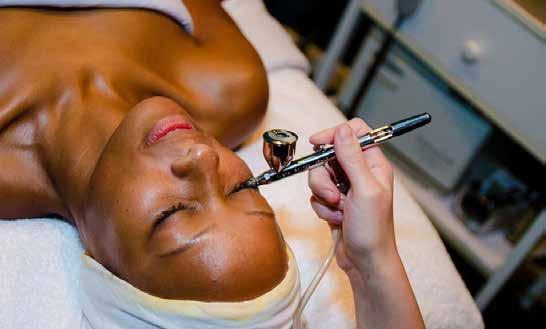
Clinical Facials
For maintenance, hydration, and skin upkeep
Not every facial deserves your money, but the right one certainly can. Clinical facials that focus on hydration, extractions, LED therapy, or barrier repair can make a real difference, especially if your
skin is stressed, congested, or dehydrated. Good skin is often less about dramatic transformations and more about consistent maintenance. A properly executed facial can help keep your skin balanced, healthy, and functioning well. The keyword, again, is proper.
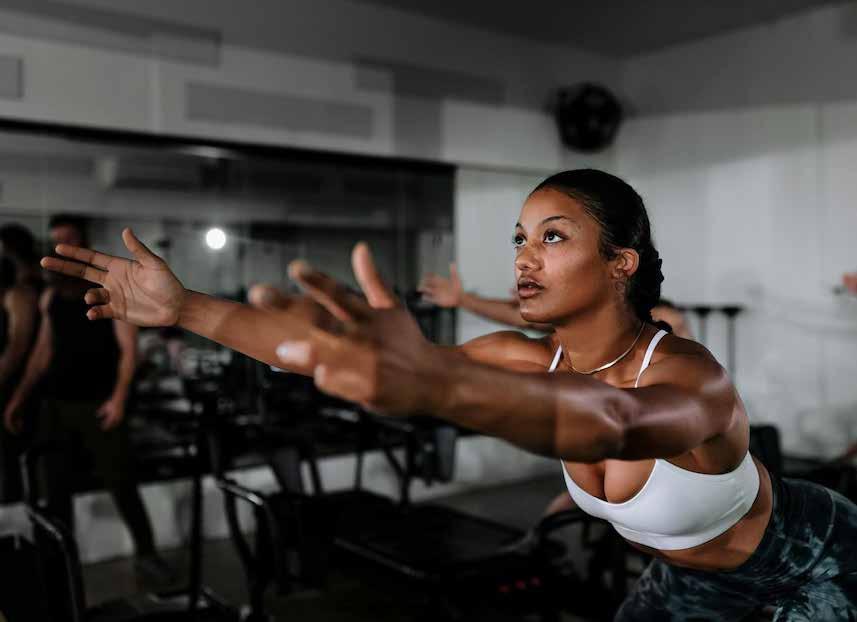
Pilates or Professional Movement Therapy For
posture, strength, and ageing well
If your lifestyle involves long hours sitting, poor posture, and very little intentional movement, this may be one of the smartest wellness investments you can make. Pilates and movement therapy help improve strength, flexibility, posture, mobility, and overall body awareness. The benefits are practical and long-term: less pain, better movement, improved balance, and a body that feels more capable rather than increasingly stiff. It may not feel glamorous, but few wellness treatments offer this kind of lasting return.
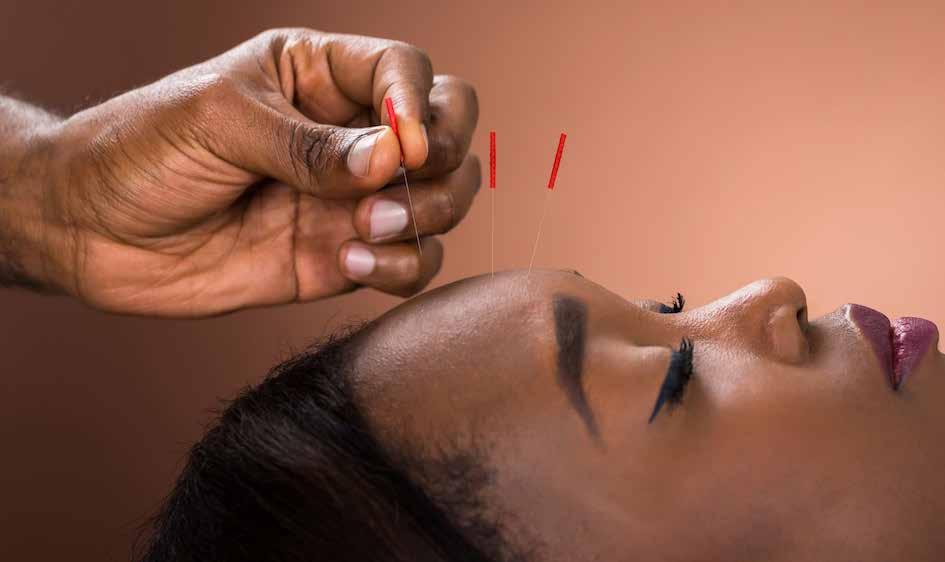
Acupuncture
For stress, headaches, pain, and sleep support
Acupuncture still feels slightly mysterious to some people until they try it.
For many, it becomes one of the treatments they swear by. It is often used to help with chronic pain, muscular tension, headaches, poor sleep, and stress regulation. While results vary, its continued popularity suggests there is real value there. For anyone whose nervous system feels permanently overstimulated, it may be worth exploring. image– Acupuncture
Laser Treatments For serious skin concerns
When skincare products are no longer enough, laser treatments can offer solutions that topical products often cannot.
For concerns like stubborn pigmentation, acne scars, redness, uneven texture, and certain signs of ageing, professionally administered laser treatments can deliver genuinely impressive results. They are expensive, and they absolutely require experienced practitioners, but for the right person, they can be worth every penny. This is less about indulgence and more about effective intervention.
Acupuncture
Pilates or Professional Movement Therapy
1. Fix Your Lighting First
Nothing cheapens a room faster than harsh overhead lighting.
Even beautiful furniture can look underwhelming under cold, clinical light.
The easiest upgrade is layering your lighting. Add a floor lamp in a corner, a table lamp on a console, or bedside lamps that create warmth instead of interrogation-room energy. Warm bulbs instantly make a room feel softer, cosier, and more refined.
Good lighting changes everything.
It flatters your furniture, improves ambience, and makes your home feel far more intentional.
2. Declutter Ruthlessly
Luxury spaces rarely feel chaotic.
One of the quickest ways to make a home feel less polished is visual clutter. Random papers on tables, tangled chargers, too many decorative objects, products left out everywhere, furniture squeezed into every corner.
A well-styled home feels edited, not overcrowded.
This does not mean your house should look unlived in. It simply means being selective about what stays visible. Clear surfaces, organise properly, and remove anything that adds noise rather than beauty.
Sometimes, expensive is just another word for less but better.
3. Upgrade Your Soft Furnishings
Cheap fabrics tend to tell on themselves.
Flat cushions, tired bedding, curtains that are too short, and throws that have clearly seen emotional damage can drag an entire room down.
The good news is that soft furnishings are one of the easiest
HOW TO MAKE YOUR HOME LOOK MORE EXPENSIVE THAN IT IS
Because great taste has never been entirely about money.
There is a certain kind of home that instantly feels elevated. Not necessarily bigger. Not filled with absurdly expensive furniture. Just thoughtfully put together in a way that makes everything feel polished, calm, and intentional. The good news is that creating that feeling is often less about spending wildly and more about making smarter styling decisions. Luxury, at its most convincing, is not about excess. It is about editing, detail, and knowing what actually makes a difference. If your space needs a refresh but your budget would rather not be traumatised, here are eight smart ways to make your home look far more expensive than it actually is
upgrades. Better cushion covers, fuller inserts, textured throws, crisp bedding, and properly hung curtains can instantly make a space feel more sophisticated. Comfort is part of luxury. A home should look inviting, not like nobody actually enjoys being there.
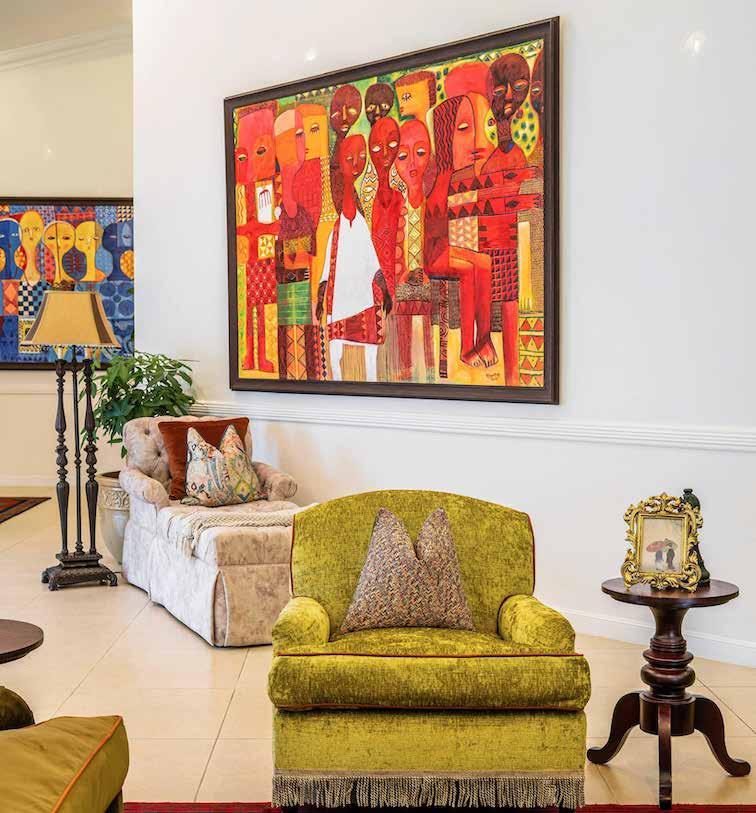
4. Add One Statement Piece
Every beautiful room needs one thing with presence.
Not ten competing decorative items. One strong focal point. It could be an oversized mirror, a striking artwork, a sculptural lamp, an elegant coffee table, or a beautiful accent chair. Something that catches attention and gives the room character.
People often make the mistake of buying lots of small filler pieces instead of one genuinely impactful
item. A statement piece instantly makes a room feel more curated and more expensive.
5. Style Your Surfaces Properly
Coffee tables are not where random things go to die. Neither are consoles or shelves.
Well-styled homes look polished because visible surfaces feel intentional. A tray can instantly make scattered items look organised. Beautiful books, a candle, a decorative object, or fresh flowers add sophistication without trying too hard. The trick is restraint. You want styled, not cluttered. Chic, not chaotic.
A few thoughtful objects will always look better than a collection of things with no visual relationship to each other.
6. Upgrade the Small Details
People notice details, even when they do not realise they are noticing them.
Old cabinet handles. Scratched bathroom fittings. Worn switch plates. Cheap-looking hardware. These are small things, but they can quietly make an otherwise lovely home feel unfinished. Replacing cabinet handles, updating taps, changing outdated light fixtures, or even refreshing bathroom accessories can make a surprising difference. Luxury often lives in the details people touch every day.
7. Bring Nature Indoors
A home almost always looks better with something alive in it. Fresh flowers instantly elevate a room. Green plants add warmth and freshness. Natural textures like wood, stone, linen, and woven accents create softness and depth. Even minimalist spaces benefit from organic elements because they stop rooms from feeling cold or overly staged. And yes, a good fake plant can work if it is genuinely convincing. Let us all be honest about our plant-parent limitations.
8. Make It Smell Expensive
A beautiful home that smells questionable sends very mixed signals. Luxury is sensory. It is not just what people see, but what they experience the moment they walk in. Candles, diffusers, subtle room sprays, fresh linen scents, soft woody notes, or fresh florals can completely shift the mood of a space. A well-scented home feels polished, inviting, and thoughtfully cared for. Because sometimes the difference between ordinary and expensive looking is not money. It is attention to detail.
GOOD FOOD, BAD SERVICE
There is a very specific kind of disappointment that comes with eating an excellent meal in a restaurant that leaves you with no desire to ever return. It is the sort of experience that feels particularly frustrating because, technically, the hardest part has already been done well. The food is good. Sometimes, it is genuinely exceptional. The flavours are balanced, the ingredients fresh, the presentation thoughtful, and for a brief moment, you are reminded why dining out can be such a pleasure. But then the memory of everything surrounding that meal comes rushing back. The long stretch of time before anyone even acknowledged your table. The repeated attempts to get someone’s attention. The drink that never arrived until you reminded them twice. The request for something simple that somehow became a complicated ordeal. And suddenly, what should have been a satisfying dining experience becomes something else entirely.
In Lagos, dining out is no longer simply about food. Restaurants have become extensions of our social lives. They are where birthdays are celebrated, business deals are discussed, friendships are maintained, relationships are tested, and increasingly, where people go simply to exhale after particularly demanding weeks. A dinner reservation today is often as much about atmosphere and experience as it is about what appears on the plate. People are paying not just for ingredients and labour, but for service, ambience, comfort, efficiency, and the emotional experience of being in that space. Which is why poor service tends to feel like such a glaring betrayal, especially when everything else appears to have been so carefully considered.
There is something almost fascinating about the disconnect that exists in some restaurants. You walk into a beautifully designed space with carefully curated interiors, flattering lighting, expensive furniture, polished branding, and a menu that clearly took time to put together. Sometimes the prices themselves are enough to establish expectation before the first order is even placed. Everything about the setting communicates a certain promise. And then a member of staff approaches your table and immediately begins to dismantle that illusion.
Perhaps they seem visibly uninterested in being there. Perhaps they answer questions vaguely, without any real knowledge of the menu they are supposed to represent. Perhaps there is an unmistakable impatience in the way they respond, as though your presence has somehow created an inconvenience. Sometimes the issue is not outright rudeness but a kind of detached indifference that can be just as frustrating. The waiter who disappears for long stretches after taking your order. The staff member who notices you trying to get attention and deliberately looks away. The plates that arrive so unevenly that one person begins eating while everyone else waits awkwardly. The bill that takes an eternity to arrive, even after you have clearly indicated you are ready to leave.
Individually, some of these may seem like minor irritations. Together, they shape the entire emotional memory of the meal.
What many restaurants fail to fully appreciate is that service is not separate from the dining experience. It is part of the product itself. People do not mentally isolate the food from the feeling of being in the restaurant. The two become inseparable. You can serve an outstanding meal, but if the experience surrounding it leaves a customer feeling ignored, dismissed, or mildly irritated, that emotional residue becomes part of the story they tell about your establishment.
How often have you heard someone say, “The food was actually really nice, but I did not like how they handled things there”? That sentence alone can kill repeat business. It can also quietly damage reputation in a city where recommendations, casual conversation, and increasingly social media, shape where people choose to spend their money.
And the truth is, the issue often goes beyond one difficult interaction or one bad day. In many cases, it reflects a deeper hospitality problem.
A noticeable number of restaurants across Lagos, and frankly across Nigeria, appear to invest significantly more in aesthetics and visibility than in actual service culture. Social media campaigns are polished. Influencers are invited. Interiors are beautifully photographed. Menus are carefully branded. But
when it comes to the people who directly interact with paying customers, there often seems to be a troubling gap in training and operational consistency. Hospitality is a profession. Good service is not something people instinctively know how to provide simply because they have been hired into a restaurant. Staff should understand menu details. They should know how to explain dishes, answer ingredient questions, make recommendations, and communicate delays clearly. They should understand timing, tone, customer awareness, and the basic etiquette of making guests feel welcome rather than burdensome.
Yet too often, what customers encounter feels improvised.
This is not to ignore the realities of hospitality work. Anyone living in Lagos understands how exhausting daily life can be. Long commutes, difficult working conditions, demanding customers, understaffed shifts, operational pressure, and the general stress of urban life can wear anyone down. Hospitality work is emotionally demanding because it requires patience, composure, and attentiveness even on difficult days.
But this is exactly why strong systems matter.
The solution cannot simply be to excuse poor service because staff are tired. Customers are tired too. Many are arriving after equally stressful days, paying significant amounts of money for a few hours of comfort or enjoyment. Good hospitality training exists precisely to help staff navigate pressure professionally without transferring frustration onto guests.
Interestingly, diners are often far more understanding than restaurants assume. Most people do not expect perfection. Kitchens get overwhelmed. Mistakes happen. Orders can delay. Drinks get forgotten. What people usually want is not flawless execution but basic communication and a sense that someone actually notices what is happening.
A simple apology can change the tone of an entire evening. A brief explanation about kitchen delays can immediately reduce frustration. A staff member checking in thoughtfully rather than disappearing entirely can make customers far more patient.
What people struggle with most is silence. Feeling ignored. Feeling invisible. Feeling like their presence is an inconvenience rather than the very reason the business exists.
And then, of course, there are the exceptional hospitality professionals who remind you what good service actually feels like. The staff member who remembers what you asked for without being prompted. The one who makes genuinely helpful recommendations because they know the menu inside out. The person who notices an issue before you even have to mention it and quietly resolves it.
Those experiences stay with people too.
Interestingly, the restaurants that inspire loyalty are not always the most expensive or trendiest. Often, they are simply the ones where people feel looked after. The places where service feels warm, attentive, and consistent. Where staff make customers feel welcome rather than tolerated. Because if we are being honest, most diners are not necessarily looking for luxury. They are looking for competence, courtesy, and respect.
And in today’s world, where one poor dining experience can instantly become public conversation through Instagram stories, TikTok reviews, X threads, or endless WhatsApp group discussions, service standards matter even more than they once did.
Restaurants spend considerable energy creating visually appealing spaces because they understand the value of first impressions. But first impressions are only part of the equation. A beautiful restaurant may attract curiosity once. It is service that determines whether customers ever return.
Because at the end of the day, no matter how memorable the food may be, people rarely remember only what they ate. They remember how they were treated while eating it.
Spice, Smoke and Story is a food column by Funke Babs-Kufeji, telling her love story for cooking and food in Nigeria, while exploring everything from restaurant reviews and recipes to fine dining, hosting, and the culture that shapes how we eat.
New York does not do one style. It does all of them at once.
Fashion here is fast, expressive, ambitious, and occasionally chaotic, much like the city itself. In one day, you might see old-money elegance on the Upper East Side, downtown cool in SoHo, fashion editors speed-walking in black, and someone dressed like performance art on the subway. That unpredictability is part of the magic. Beyond shopping, New York offers museums, galleries, Broadway, iconic restaurants, and endless energy. It is impossible not to leave creatively overstimulated. And frankly, nowhere does fashion people-watching quite like New York.
When people talk about fashion capitals, the conversation usually begins and ends with what to buy. Which boutiques to visit. Which designer stores to queue for. Which vintage market hides the kind of find you casually mention for the next five years. But the most stylish cities offer far more than shopping bags and impulse purchases. Fashion, at its best, is culture. It is architecture, attitude, food, nightlife, street style, people-watching, history, and that delicious sense that everyone around you somehow understood the assignment. The truth is, some cities dress well because fashion lives in their DNA. Others are interesting because style exists in the details, not just on the runways. If you love fashion, these are the places worth visiting not simply to spend money, but to soak up inspiration.
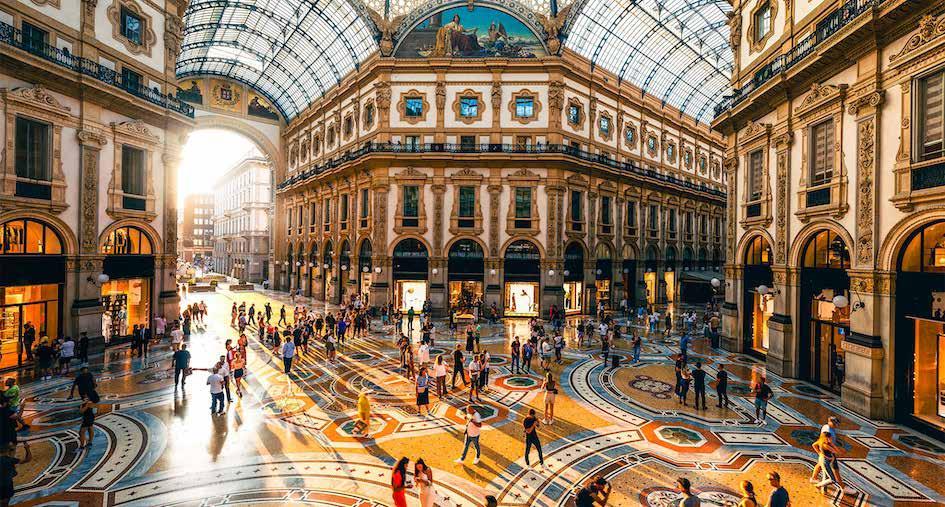
MILAN
If Paris is romance, Milan is precision.
This is the city of immaculate tailoring, polished shoes, perfect handbags, and people who somehow make monochrome look intimidating.
But beyond the shopping districts, Milan offers a rich design culture that fashion lovers will appreciate. The city breathes craftsmanship. From furniture design to architecture to beautifully curated cafés, there is a discipline to aesthetics here that is deeply inspiring.
And the aperitivo culture? Worth the flight alone.
Fashion lovers should time a visit around Milan Fashion Week if possible, but even outside that madness, the city delivers style in a way that feels serious, expensive, and very grown up.
LAGOS
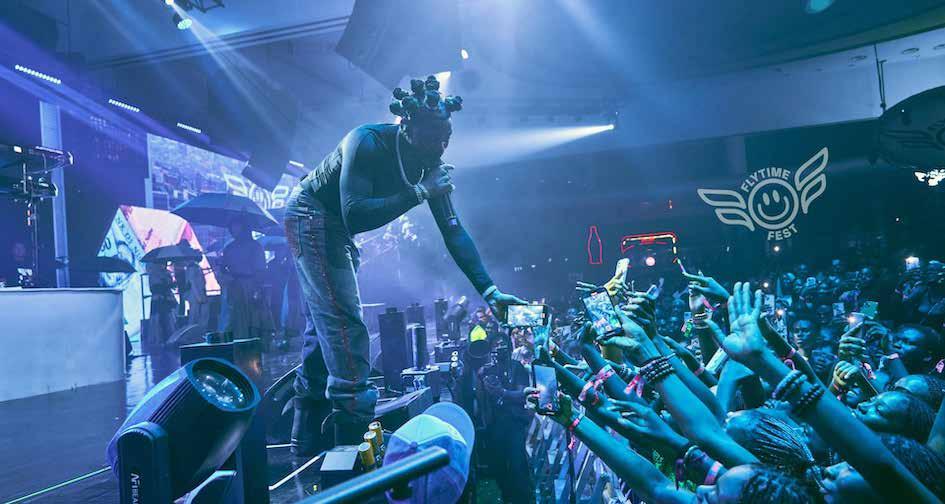
Of course, Lagos belongs here. Not because it has the biggest luxury shopping scene, but because style in Lagos is alive. This city dresses with confidence. With joy. With drama when necessary. Fashion here is not quiet. It arrives. From impeccably dressed brunch crowds in Victoria Island to owambe guests treating aso-ebi like competitive sport, Lagos understands fashion as performance, identity, and cultural language. And beyond clothes, Lagos offers music, nightlife, art, food, design, and a kind of creative energy that cannot be manufactured. Visit during Detty December, Lagos Fashion Week, Art X, or honestly any weekend when someone important is getting married. Because in Lagos, fashion is rarely just about what you wear. It is about how you enter the room. And really, isn’t that the whole point?
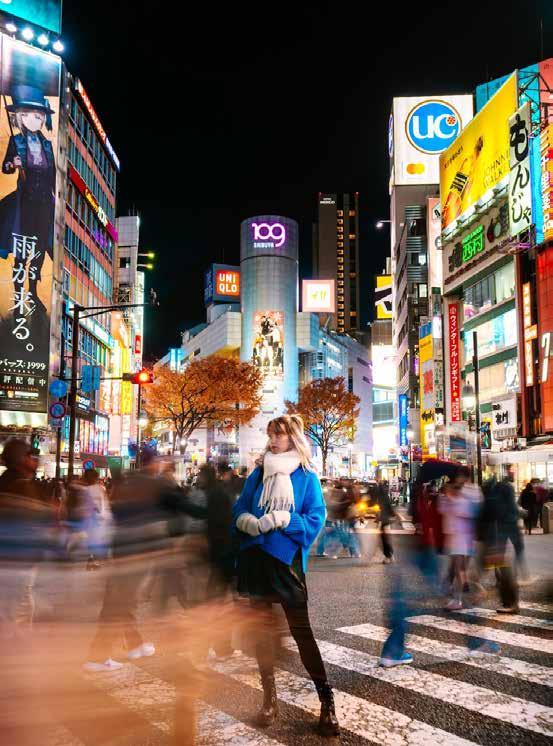
TOKYO
Tokyo is where fashion gets playful, experimental, and wonderfully weird. Few cities embrace personal style with the same fearless energy. One corner gives you razor-sharp minimalism. Another gives you maximalist streetwear that looks like it belongs in a futuristic anime. Harajuku remains iconic, but Tokyo’s appeal goes far beyond youth culture. There is an incredible appreciation for craftsmanship, denim, fabric innovation, and detail. Even the simplest stores can feel like design experiences. And then there is the city itself, spotless, efficient, visually fascinating, and endlessly inspiring. Come for the fashion. Stay because suddenly you are obsessed with stationery, matcha, and impeccably wrapped everything.
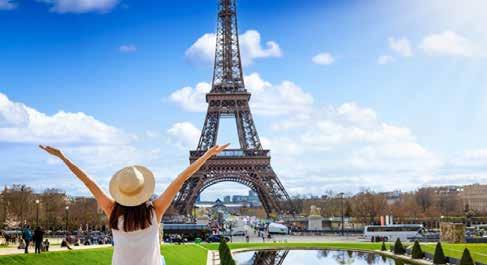
PARIS
Yes, it is obvious. Yes, it deserves to be here. Paris remains fashion’s ultimate main character, but what makes it special is not just the luxury stores lining Avenue Montaigne. It is the mood. The effortless women in oversized blazers and ballet flats. The cafés where everyone somehow looks intentionally undone. The architecture that makes even your morning coffee feel editorial. Fashion in Paris is less about screaming labels and more about restraint. Good tailoring. Excellent coats. A suspiciously strong relationship with neutral colours. Beyond shopping, visit the exhibitions at Palais Galliera, wander through Le Marais for independent designers, sit at a café and do absolutely nothing but people-watch. Honestly, half the appeal of Paris is pretending you are in a perfume campaign.
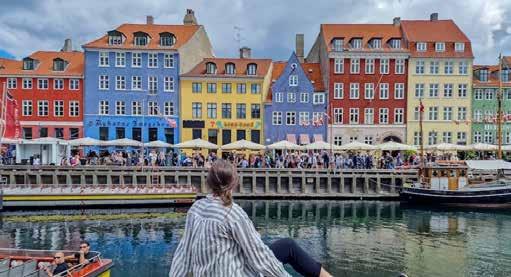
COPENHAGEN
If your aesthetic mood board currently contains words like effortless, clean, oversized, sustainable, and quiet luxury, Copenhagen is calling. The Danish capital has become one of fashion’s most influential style destinations, thanks to its streetstyle stars and a refreshingly wearable approach to dressing. People here actually look comfortable. Chic, yes. But comfortable. Cycling in tailored coats? Somehow normal. Beyond fashion, Copenhagen offers incredible food, thoughtful design, beautiful waterfronts, and a lifestyle that feels aspirational without being exhausting. It is stylish without trying too hard, which may actually be the ultimate flex.