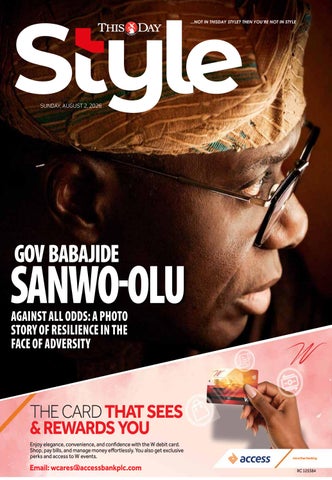
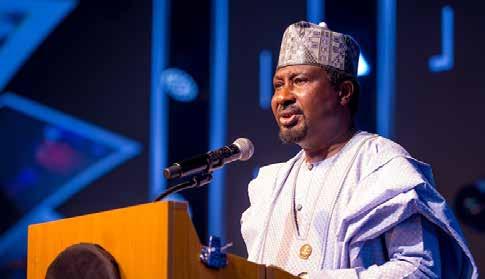
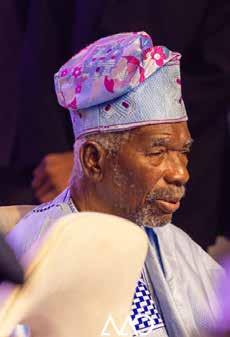
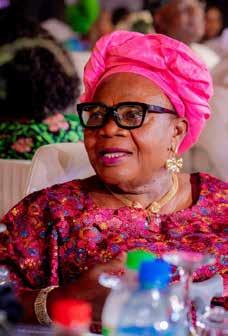
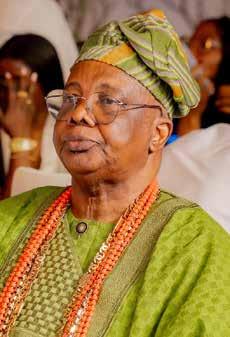
SANWO-OLU GOV BABAJIDE
AGAINST ALL ODDS: A PHOTO STORY OF RESILIENCE IN THE FACE OF ADVERSITY
BY KONYE CHELSEA NWABOGOR
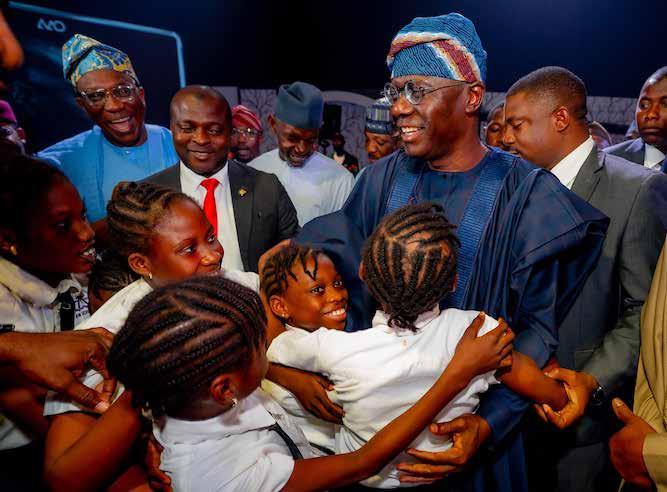
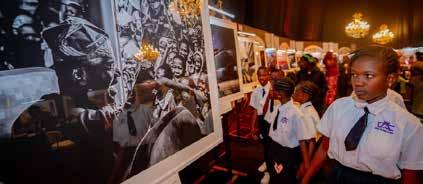
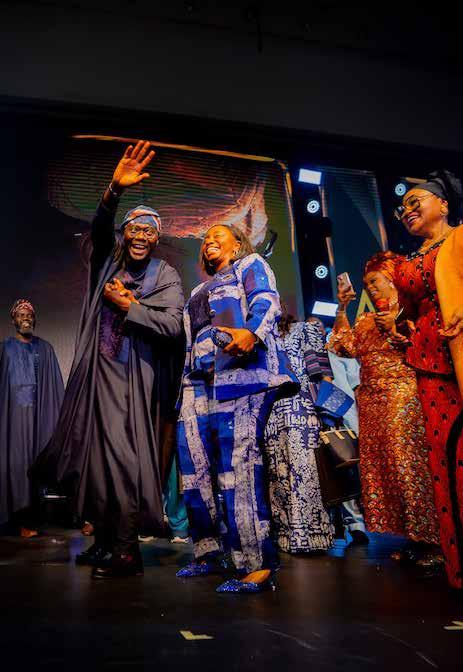
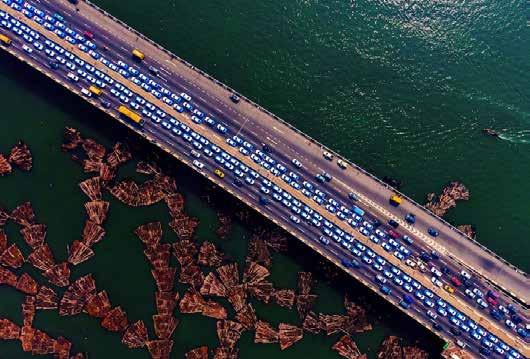
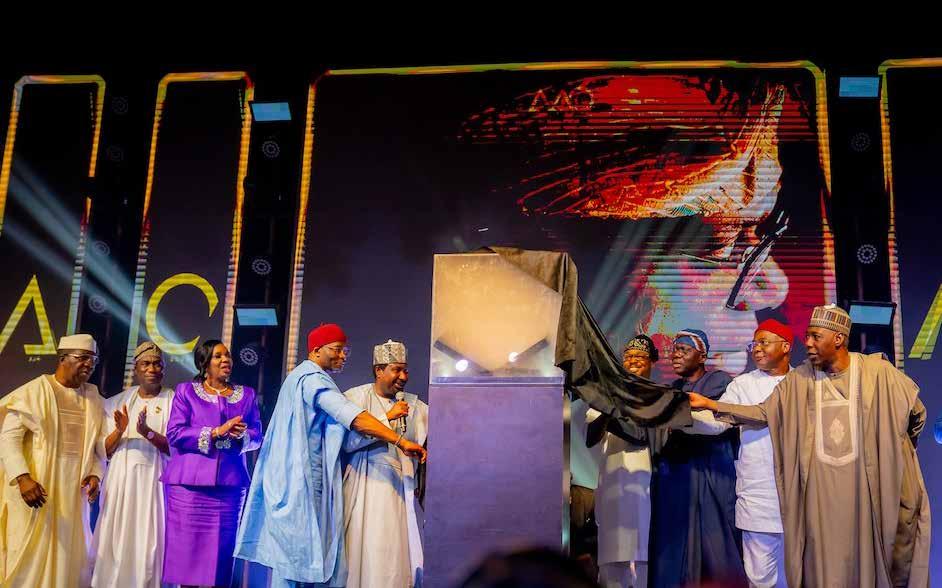
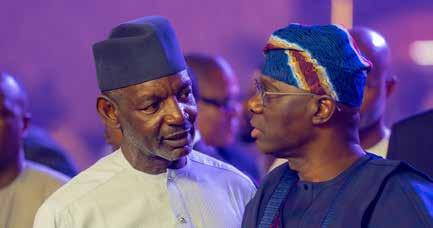
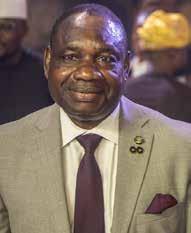
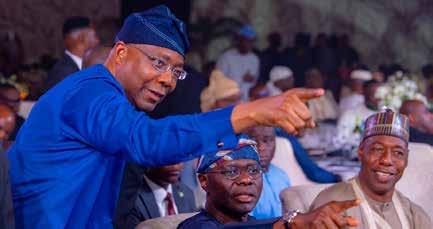
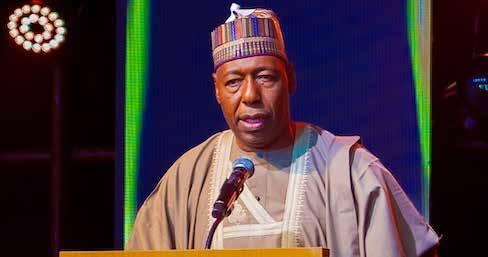
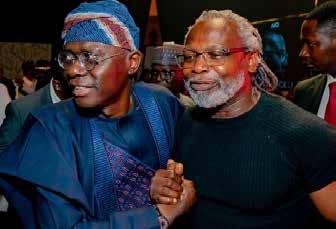
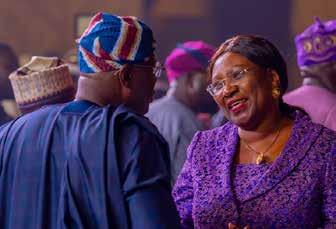
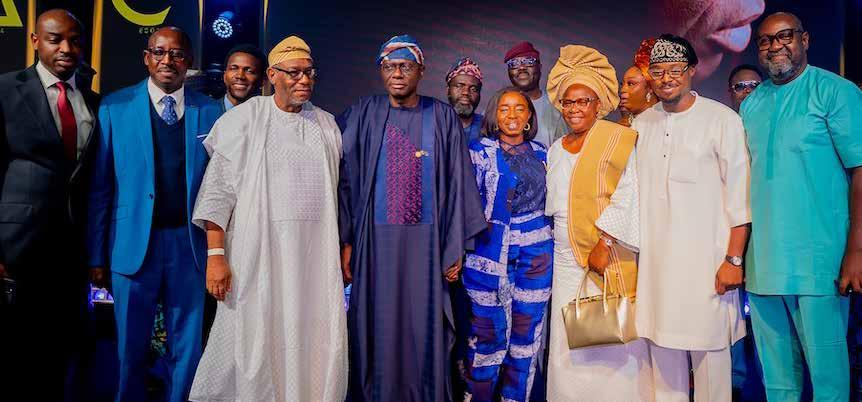
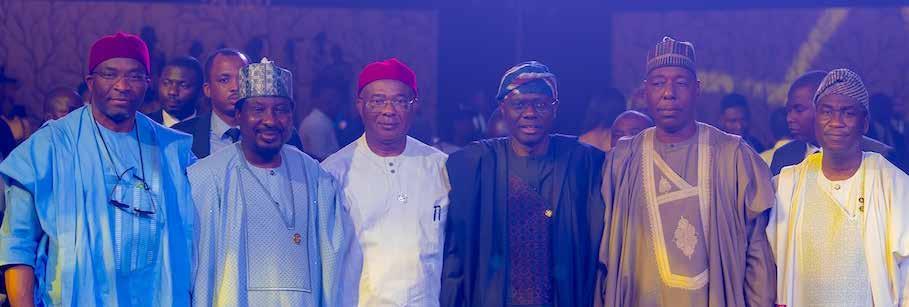
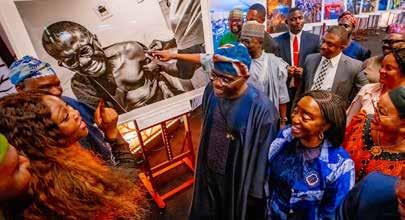
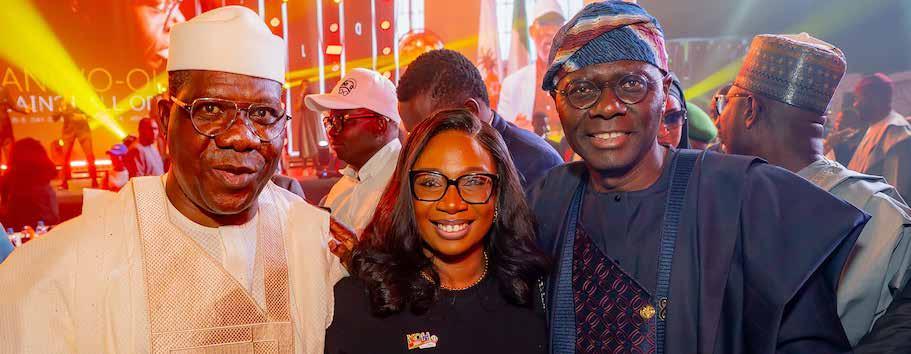
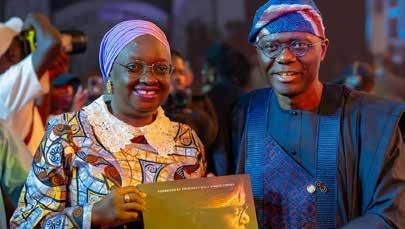
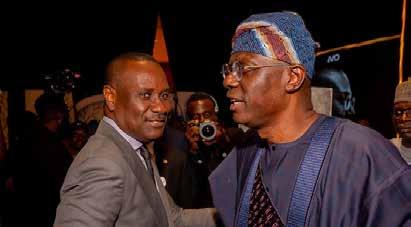
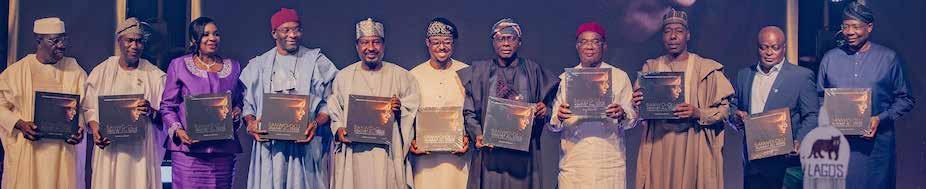
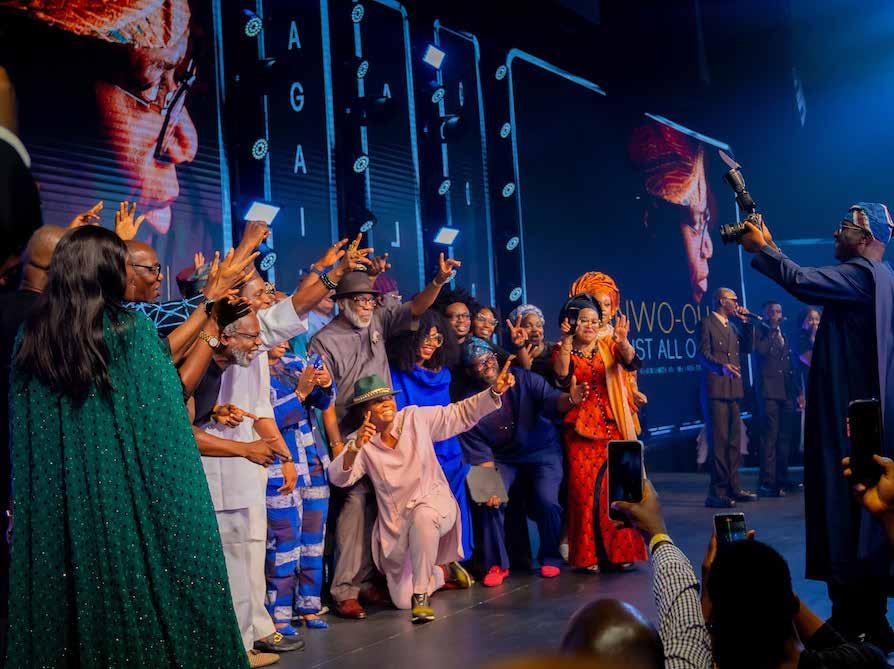
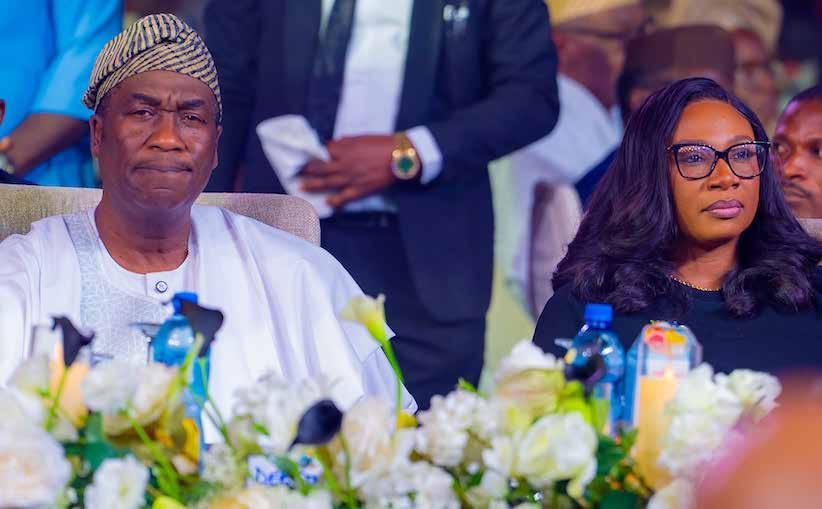
Guests arriving at the Grand Ballroom of Eko Hotel & Suites last Thursday were first greeted by an exhibition of framed photographs previewing Sanwo-Olu: Against All Odds – A Photo Story of Resilience in the Face of Adversity, the coffee-table book at the centre of the evening’s programme. The display offered guests an early look at the publication before its official unveiling.
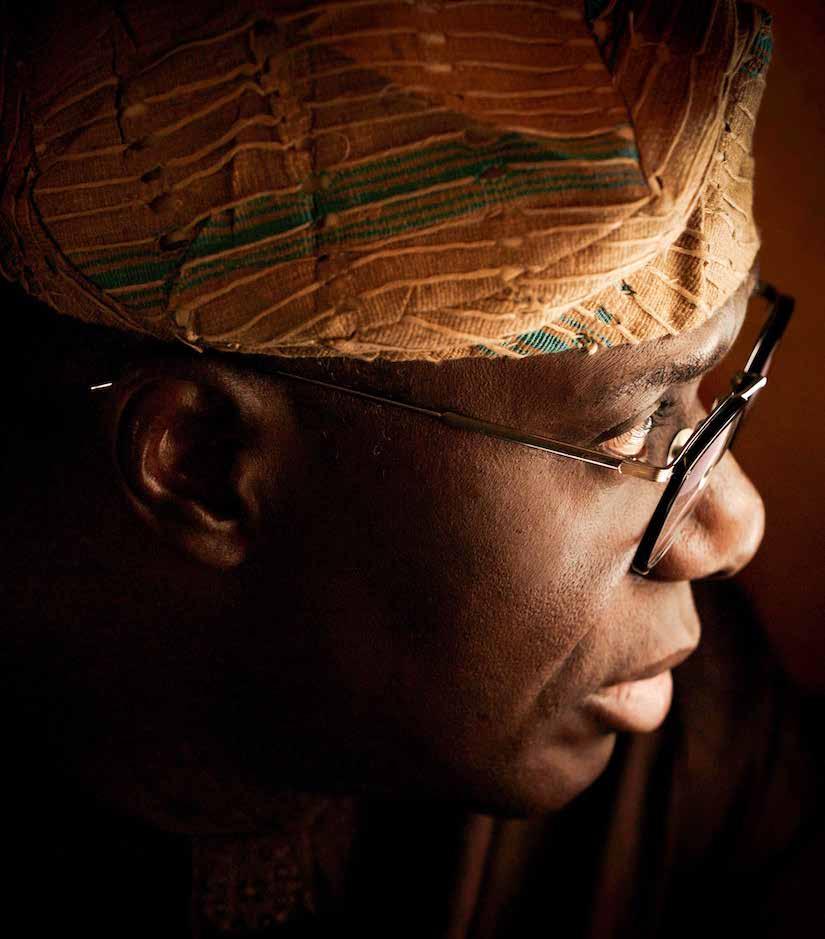
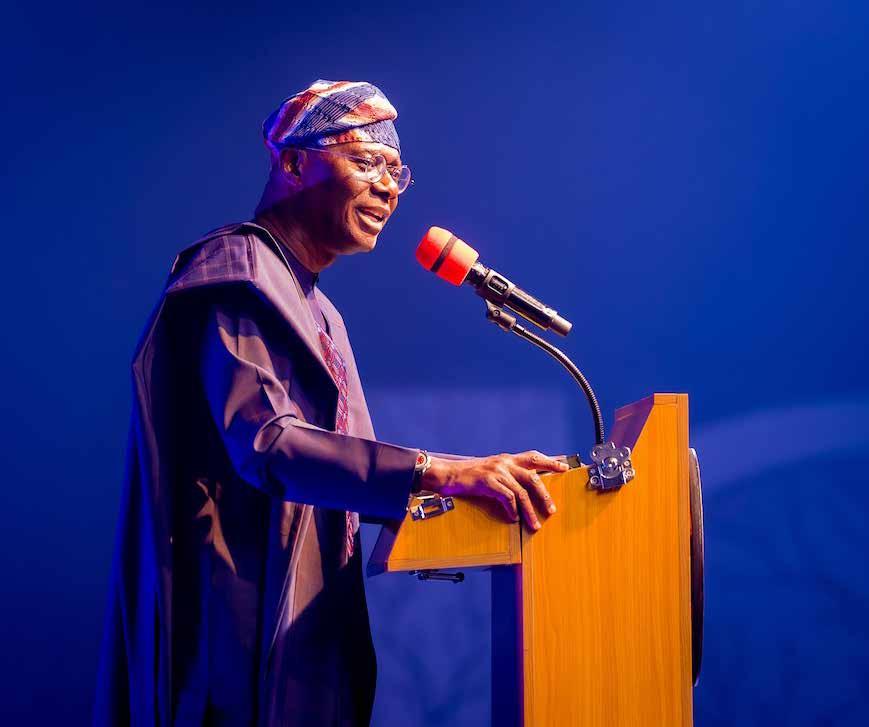
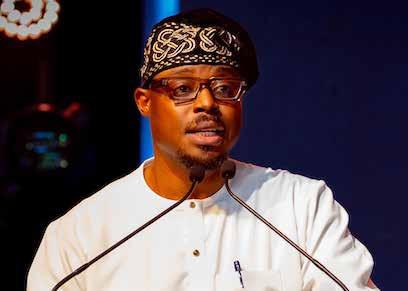
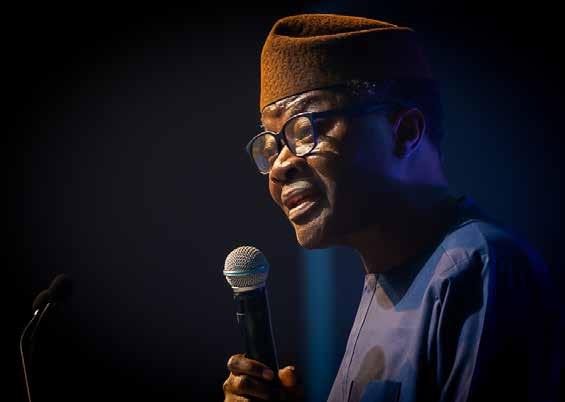
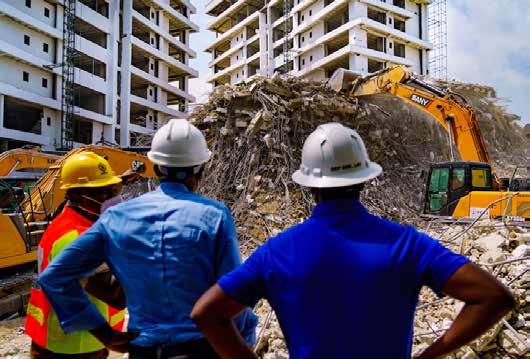
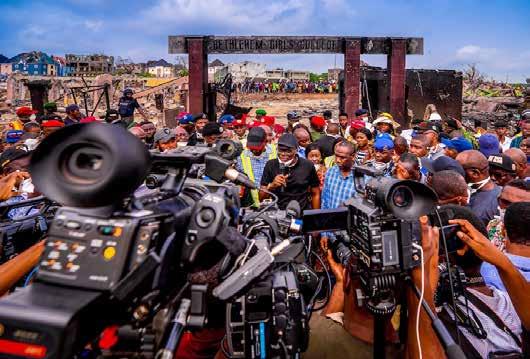
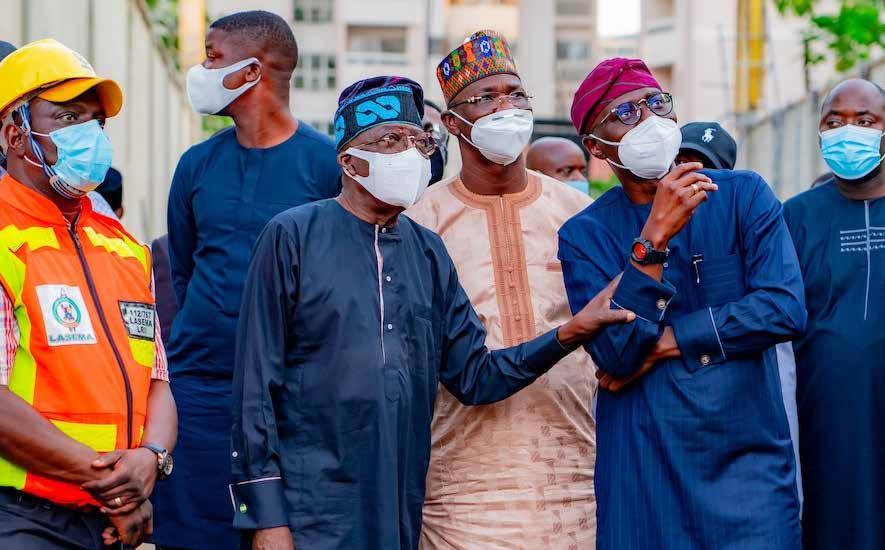
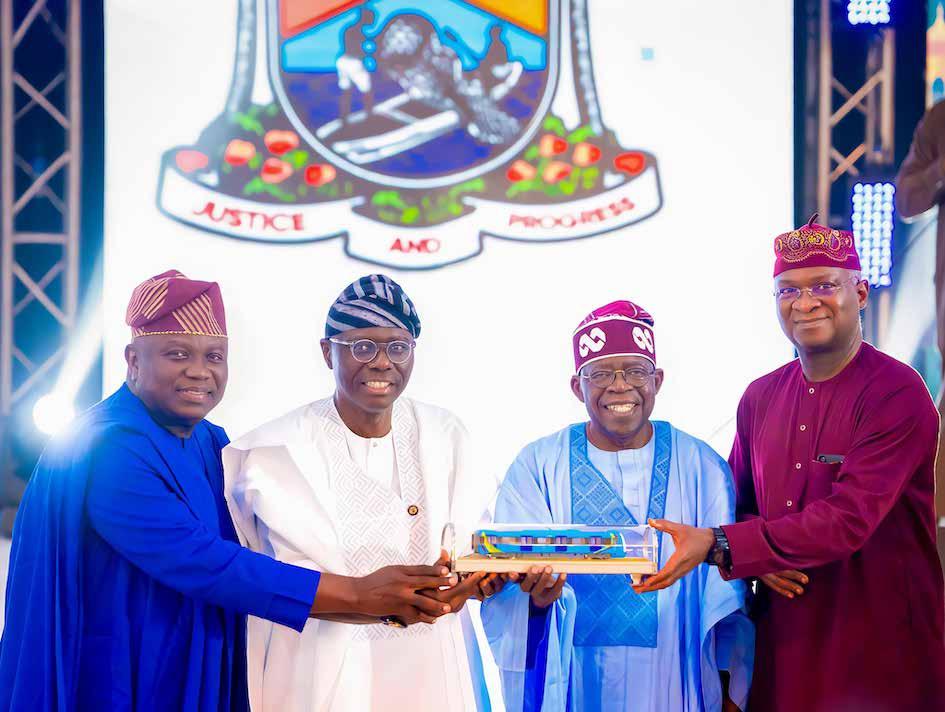
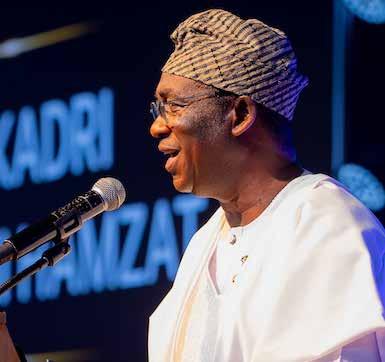
Authored by Governor Babajide Sanwo-Olu’s Executive Assistant and official photographer, Ademola Olaniran, the publication documents some of the defining moments of the administration, tracing its journey through the COVID-19 pandemic, the EndSARS protests, infrastructure development, economic reforms and social interventions. Describing the work as a visual account of resilience, leadership, continuity and the enduring spirit of Lagos, Sanwo-Olu said the publication tells a story that extends far beyond the office of the governor. “I find myself in an unusual position because books about leaders are usually written when the story has ended, when the man has left the stage and history has had time to render its verdict. This one is different, and deliberately so,” he said. While his name appears on the cover, Sanwo-Olu said the real subject of the book is Lagos itself. “Look closely, and you will find the true subject of this book — Lagos itself. The market woman rebuilding her store, the nurse who had not seen her family for weeks during the pandemic, the young person demanding to be heard, the engineer on a bridge project, the school child walking into a classroom that did not exist a year before. This is the Lagos story.” The publication revisits many of the defining episodes of the administration, including the COVID-19 pandemic, the Abule-Ado explosion, recurring building collapses and the EndSARS protests, while also documenting major milestones such as the Blue Line and Red Line rail projects, the Lekki Deep Sea Port and a range of social intervention programmes. Among the governor’s favourite photographs in the collection is an image showing President Bola Ahmed Tinubu alongside former Lagos State Governors Babatunde Raji Fashola, Akinwunmi Ambode, and himself holding a model of the Lagos Rail Mass Transit project. “Four administrations. One dream. Eight hands,” he remarked, describing the image as a powerful reflection of continuity in governance. Gov Sanwo-Olu also acknowledged the contributions of President Tinubu, Fashola and Ambode, describing them as key architects of modern Lagos. He reserved some of his warmest remarks for Ademola Olaniran, whose lens documented both the public milestones and the quieter, more difficult moments of governance. “No photograph can capture what I owe you. Ademola Olaniran has walked beside me through rain and shine, dawn and dusk, across thousands of miles — into rooms of triumph and rooms of grief, and moments I would not myself have chosen to be seen. He has been generous enough to call me his chief encourager.”
Speaking about the project, Olaniran described the book as the product of years spent documenting an administration through moments of celebration, crisis and routine governance. He said the photographs were intended to preserve a visual record of events that shaped Lagos over the past several years, while acknowledging the trust placed in him by Governor Sanwo-Olu and the access granted by the First Family, members of the State Executive Council and colleagues who contributed to the project. In his review of the publication, veteran journalist and Executive Director of TheNEWS/PM NEWS, Mr Kunle Ajibade, said Against All Odds stands apart because it relies on photography to tell the story of governance. Rather than functioning as a conventional political memoir, he argued, the collection allows readers to revisit defining moments through images captured as events unfolded.
Alongside photographs of landmark projects and official engagements are quieter moments captured through Olaniran’s lens - a visibly weary governor inside a crisis response centre in the early hours of the morning, a conversation with an engineer on a rain-soaked bridge construction site, and other scenes that offer a rare glimpse into the realities of leadership during some of Lagos’ most defining moments.
ASIWAJU
L-R
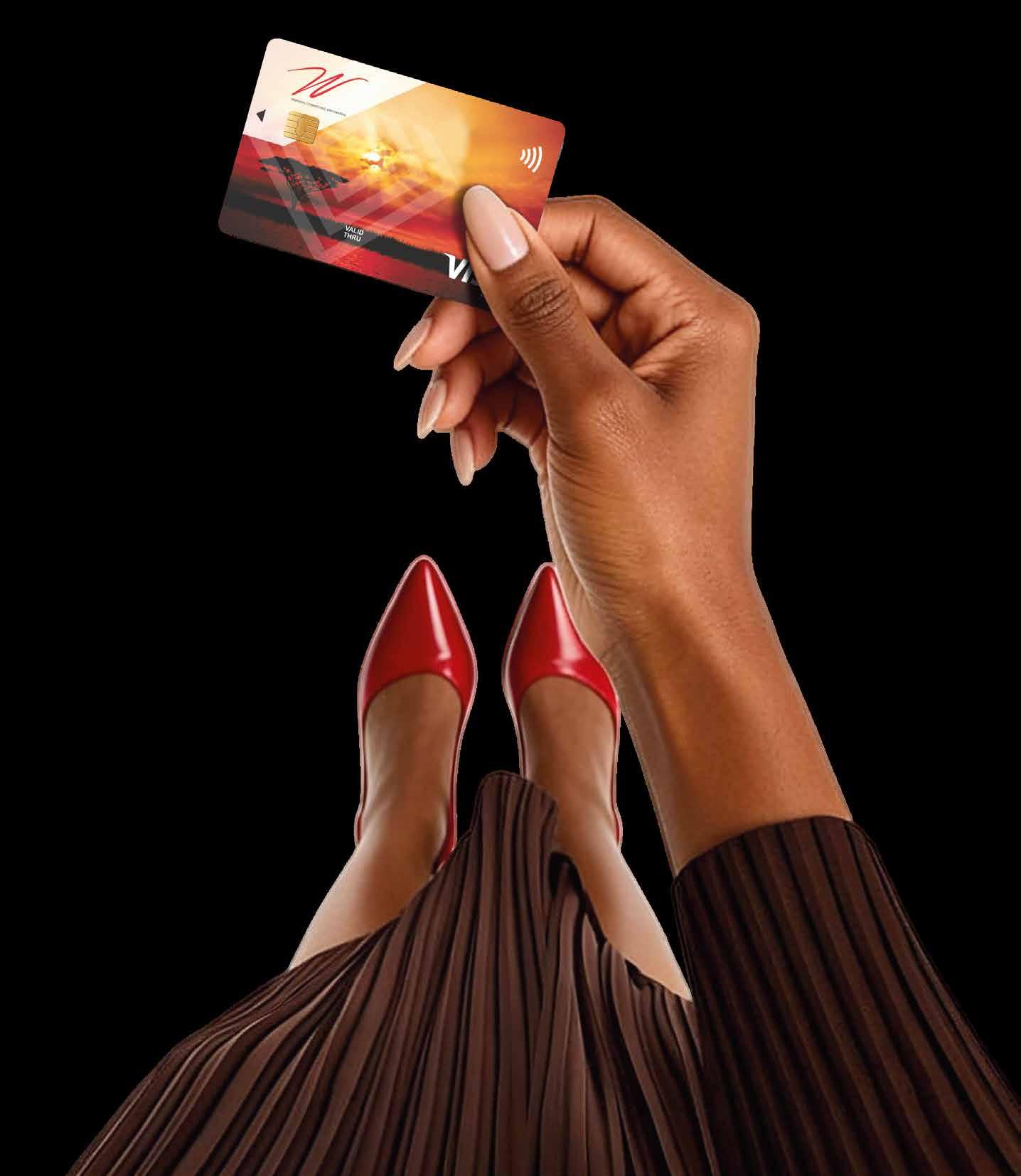
Enjoy elegance, convenience and confidence with the W debit card. Shop, pay bills and manage money effortlessly. You also get exclusive perks and access to W events
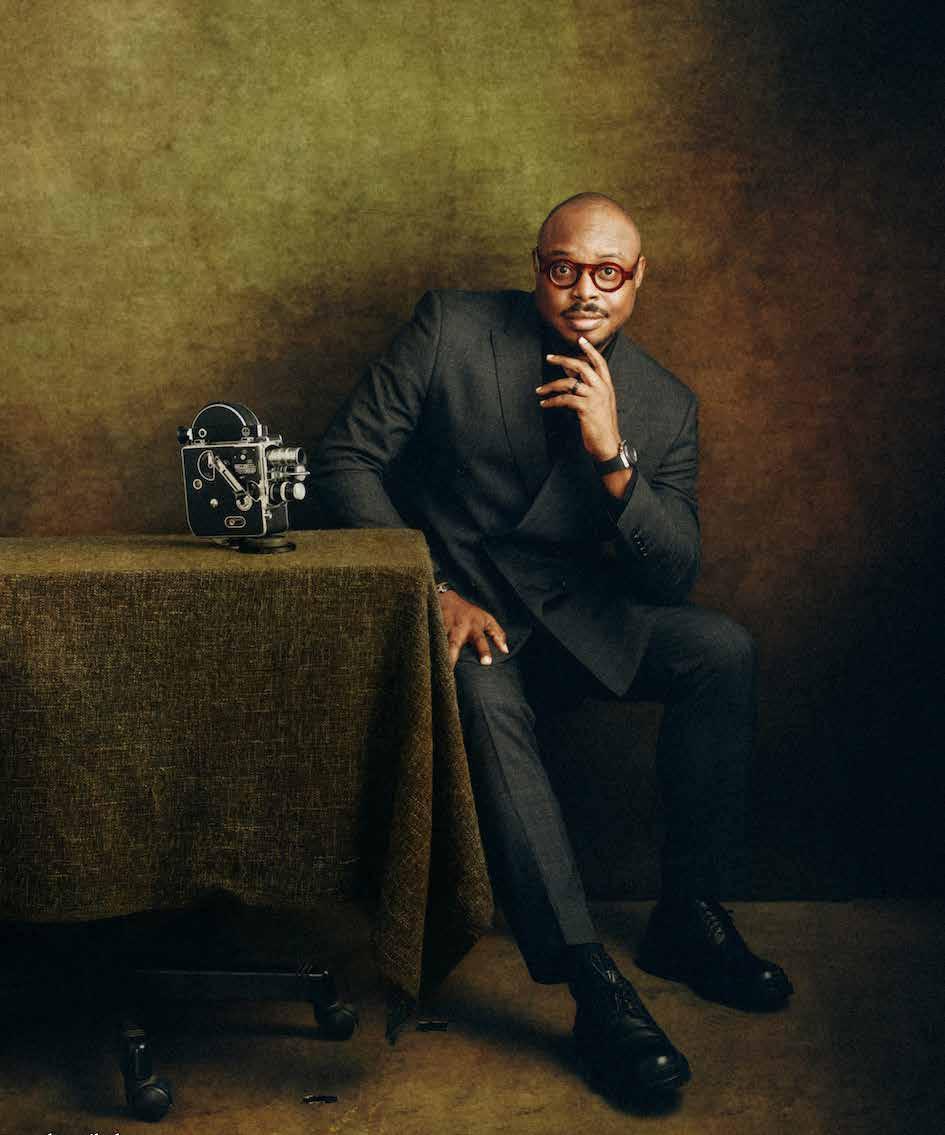
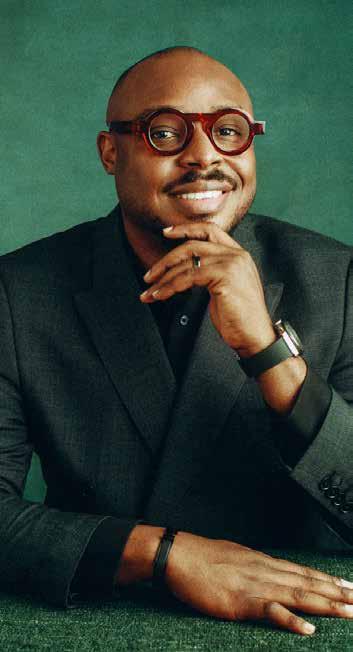
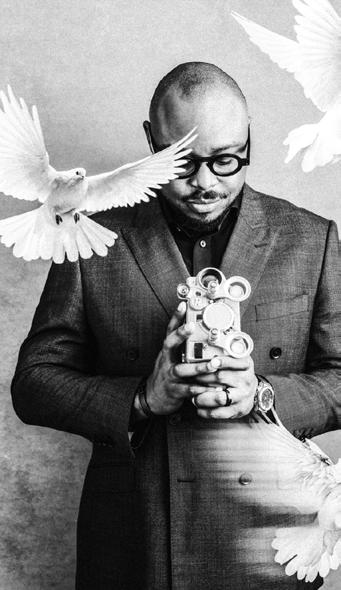
OLANIRAN ADEMOLA DOCUMENTING HISTORY
BY YINKA OLATUBOSUN
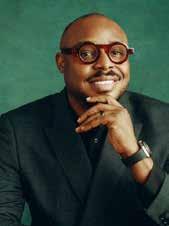
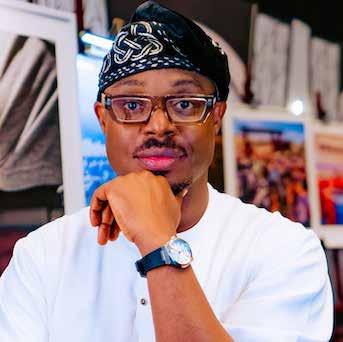
As the official photographer to Governor Babajide Sanwo-Olu, Ademola Olaniran has spent years documenting some of the state’s most defining moments, quietly building one of the most extensive visual archives of an administration in recent history. His photographs have captured everything from policy announcements and infrastructure milestones to fleeting, unscripted moments that rarely make headlines but often reveal the human side of public office.
His latest project, Against All Odds, transforms that archive into a striking coffee-table book, offering a visual narrative of Governor Sanwo-Olu’s years in office through the eyes of the man who stood behind the lens. More than a collection of photographs, it is a carefully curated record of leadership, resilience and the evolving story of Lagos.
Long before this, however, Olaniran’s own story took an unexpected turn. Trained in Human Physiology and with a career in banking already underway, he made the uncommon decision to pursue photography full-time, a choice that has since earned him recognition as one of Nigeria’s leading documentary photographers.
In this conversation with Yinka Olatunbosun, he reflects on the journey that led him behind the camera, the responsibility of documenting history in real time, the making of Against All Odds, and what it takes to create images that endure long after the moment has passed.
You began your professional life in banking before eventually finding your calling behind the camera. Looking back, what convinced you that photography wasn’t simply a passion but the work you were meant to do?
It actually started way before that. First, I started out as a Medical student, but I discontinued in my 2nd year. Transitioning from Banking to professional photography was instinctive. One day at the office, I suddenly realised that my future wasn’t in banking, where the essence of my being was being judged by some targeted performance metrics. Growing up as a child, I had a natural flair for the arts, painting and creative imaging. While pondering my fate in the banking sector, I got a camera, which basically played with and experimented with, taking pictures, trying angles and exposure, dreaming of my shots being on the front pages of National Geographic magazine and so on. Soon, I started photographing events of my colleagues at the office, and gradually discovered that it was not just photography that set my heart on fire, it was the rare ability of creating lively images from fleeting moments around me that many would almost never anticipate or recognise. This gift of art was now a purpose for which the camera, and, most importantly, my mind’s eye, became tools. Instinctively, upon my resignation from banking, my ED, Kudi Badmus got me connected, and I got the rare opportunity of being mentored by one of the legends of photography in Nigeria – Mr Dayo Adedayo. In 2011 my photograph “Atupa mi” won the prize for best still life photography at the Nigeria Photography Awards NIPHA. From then on, the rest they say is history.
As Governor Babajide Sanwo-Olu’s official photographer, you’ve had a front-row seat to some of Lagos’ most defining moments over the past several years. Has the job changed the way you see leadership or public service?
Yes. For me, I strongly believe that the responsibility of photographers covering politics and government has deepened, the responsibility of bridging the trust deficit
between Leaders and followers rests heavily on our shoulders. Leaders want citizens to see what they have been doing, and also, citizens want answers to their many questions. As storytellers, we owe it to them to provide dispassionate, evidence-based answers to these questions. As for leadership, I have always believed that it is critical to be objective and strategic in decision-making, at both the personal and corporate levels. Sometimes, in emergencies, tough decisions have to be made in the moment for the greater good, and that’s where the vulnerability of a leader gets tried & tested. On public service, especially in the age of artificial intelligence, social media and the rise of fake news, misinformation & disinformation, I have learnt that the perspectives of the populace can be shaped in time by the narratives that echoes through the media. Leadership must be intentional about owning the right narrative about events and the critical moments that influence people’s lives.
Your coffee-table book, Against All Odds, tells the story of Governor Sanwo-Olu’s administration almost entirely through photographs. When you first conceived the project, what story did you feel had not yet been told?
complex uncertainty. Some may call him “Superman” but we all know that kryptonite do exist. My lens sometimes beholds the face of a man in a pensive mood. Why? Cos, the next best decision for the moment might just be stillness.
Governments are constantly scrutinised, particularly in the age of social media. How has instant public reaction changed the way official moments are documented and communicated?
We are in the age of speed, AI and fake news. There is some form of autonomy in social media which allows individuals, groups or organisations to post their content about a public outcome, political moment or significant event on the internet. However, the State Government’s narrative on such occurrences remains legitimate regardless of prevailing opinions on social media. In light of these, we have upped the ante in our speed of communication post events as the voice that seems to echo mostly are usually those that make the first impression on the perspective of social media users and influencers.
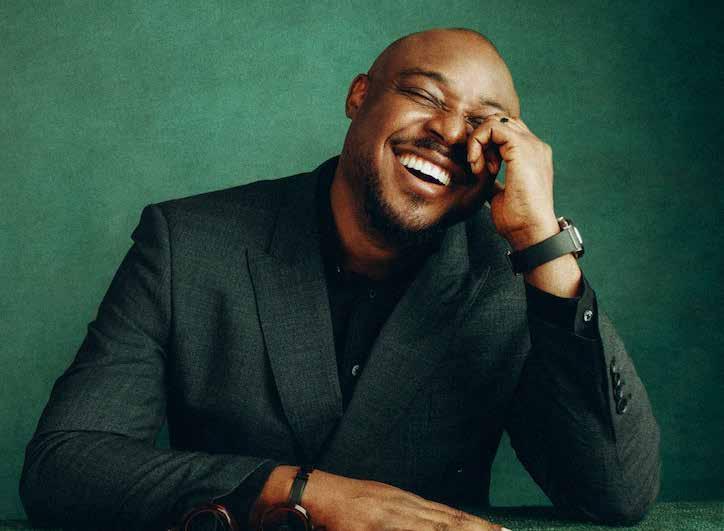
It was the story of the resilience of a people and their leader in the face of adversity. Yes, the book, SANWO-OLU: Against All Odds, is about the major challenges and milestones during the administration of Governor Babajide Sanwo-Olu’s first term in office, but it is also about the breakthrough spirit of Lagosians and how the city rebounds stronger after various shockwaves. For me, this was a rare privilege, and thankfully I became a fly on the wall during these times – a leverage I had to capture significant moments that would be a great part of the history of Lagos in no distant time.
Selecting images for a book like Against All Odds must have meant leaving out hundreds of memorable photographs. What guided your choices, and were there any images that were particularly difficult to exclude?
The T.H.E.M.E.S Agenda was a guide. The book had to cover the Governor’s candidacy, the primaries, and his victory at the polls. Thankfully, led the photography documentation of his pre-election campaign, so there was some consistency in the content and style of the event imagery as it transitioned into the Governor’s inauguration and first term in office. In each theme – Traffic Management & Transportation, Health & Environment, Education & Technology, Making Lagos a 21st Century Economy, Entertainment & Tourism, Security & Governance –images that depicted more of the essence of the agenda were selected. I worked with a very experienced and effective team comprising of some of my colleagues on the media team Mr Atobatele, Gawat, Wale and also Dr Toni Olatunji and Mr Kolade both seasoned writers and curators. We all did the difficult job of sifting through a whole lot of great photographs that had to be cut down to make the final selection.
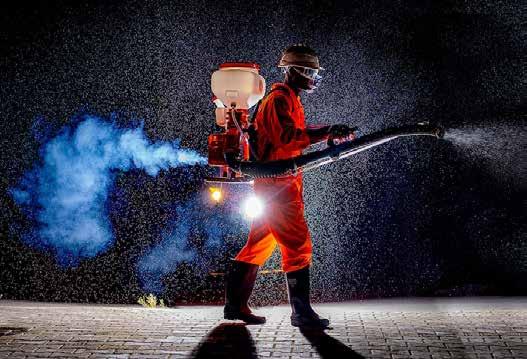
The shockwave images were critical – COVID-19, the Abule Ado Explosion, the EndSARS protest, and the Ikoyi building collapse. They couldn’t be excluded despite their innate potential to relive traumatic memories in those who witnessed and experienced the painful events.
Many people see the finished photographs but never the work behind them. What did producing Against All Odds teach you about visual storytelling that years of daily photography hadn’t?
The work behind the scenes of Against All Odds has taught me about the power of a matrix team, of which I was privileged to curate one. In visual storytelling (especially when it has political undertones), the ability to harness the perspectives of every member of the matrix team is essential to creating a balance for readers and reviewers. It took us two years of hard work and sleepless nights to get here, and must thank the team for a great job done.
After spending years documenting Governor Sanwo-Olu’s administration, what is one side of him that the public rarely gets to see, but your camera has witnessed repeatedly? His authenticity in moments of vulnerability during times of volatile and
You’ve built one of the country’s most recognisable documentary photography portfolios. Looking back through your archive, is there one image that still feels especially significant to you—not because of who is in it, but because of what it represents?
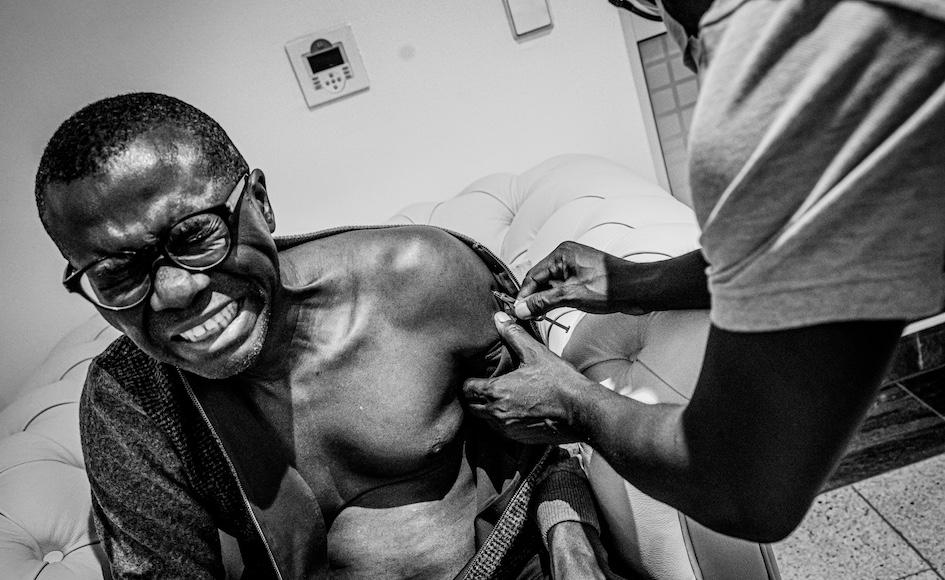
The shot of Governor Babajide Sanwo-Olu shirtless recieving an injection shot. All see is THE VULNERABILITY OF POWER. This image I consider my favourite from the book “SANWO-OLU Against All Odds”
Some images tell a single story, others tell a thousand more, but this is one of those that tell a million more. This is what it looks like when power strips itself of its armour and just for a second, it bravely dares to acknowledge its own vulnerability. Behind every heavy curtain of authority, a frail humanity is hidden. And once in a while, even the regality of power allows us to behold it as he is… here, Mr Gov got COVID-19, and, like every human, his body gave in.
Like every single one of us… power is tested by fragility, it winces in pain, it submits itself to the whims of a physicians needle… it feels, it forbears, and most beautifully, it lets its guard down and let’s us all in. As flies on the wall in such distinguished rooms, our lenses find their home in the very soul of the space, melting seamlessly into the scenery until they are all but forgotten. It is in this quiet anonymity that principals are liberated from the impulse to perform, leaving only stories so raw and unguarded that truth needs no censorship. After all, the fly needs no permission to perch upon the King’s table. strongly believe that the artist does not create only for the riveting moments of governance… The true artist? He also lives for the fleeting yet eloquent moments like this, when even kings are unafraid to share the deepest, truest parts of themselves with a people bound to see them only as a distant picture of greatness.
You’ve credited photographers such as Dayo Adedayo, Donald Barber, TY Bello, and Kelechi Amadi-Obi as important influences. What’s one lesson from a mentor that continues to shape the way you approach your work? Being relentless in what sets your heart on fire - that is how choose to summarise Passion, which is the common denominator amongst them all.
Away from official assignments, who is Ademola Olaniran? How would you describe your personal style, your interests outside photography and the things that help you switch off after documenting the lives of others?
am a lover of music, a collector of art, and vintage items. am intentional about mentorship as have been a huge beneficiary of it. I love watching football. I support Arsenal and was very glad to see the boys do a good job of lifting the 2025/26 English Premier League title. Best of all, like to spend time seeing museum exhibitions with my wife, Liz.
There is one photograph in this book that I treasure above all the others. It shows four Governors of this State the twelfth, the thirteenth, the fourteenth, and the fifteenth, jointly holding aloft a single model of a single train. Four administrations. One dream. Eight hands. That image is the deepest secret of the Lagos success story, and it is called continuity.
–GovernorBabajideSanwo-Olu
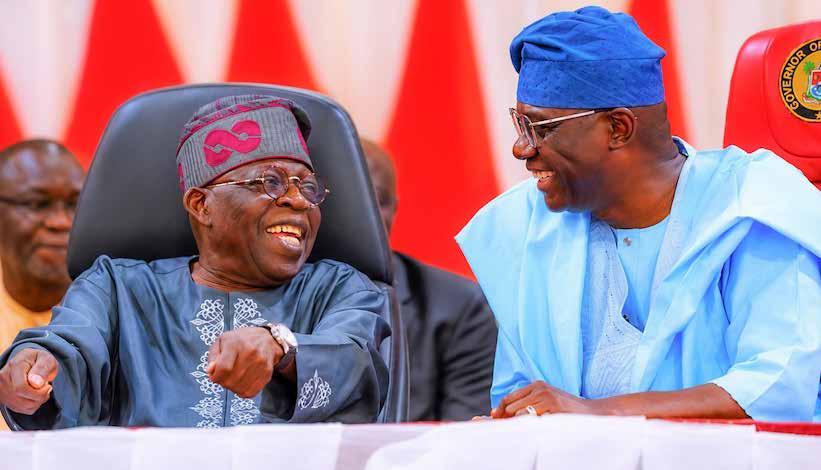
The photographic documentary you are about to delve into is a worthy compendium which deftly captures the grit and humility of Lagos state’s ‘Mr Governor’. Even more profound is the calm demeanour, firm resolve and focused determination displayed across these pages. Governor Sanwo-Olu wears his unwavering passion for Lagos proudly on his sleeves. He is pragmatic and humble. Unlike those who vainly declare in words what their hearts know to be untrue, Babajide Sanwo-Olu conceives the talk and walks the talk. I have been particularly delighted to witness the Lagos Light Rail projects come to life under his sturdy administration. You will find in the pages of this book, several testaments to Mr Governor’s empathy, brilliance, doggedness, and accountability in the face of those daunting challenges. am proud of his achievements and pleased to endorse each of these encomiums.When the weighty cap of leadership is thrust upon any man, it often becomes the only lens through which he is viewed and ultimately, judged. The true value of this book is in its ability to take its readers beneath the surface, beyond the trappings of office, and deep into the humanity of a simple man; a man driven by uncommon patriotism and a burning desire to help build a greater Lagos.
While the limitations of book pages cannot allow for a full account, the pictorial evidence of several of these projects reminds us of how far this administration has gone in building the Lagos of our dreams through a thorough implementation of the THEMES Agenda. I am proud to say that the Lagos of our dreams is gradually and assuredly emerging under Governor Sanwo-Olu’s watch
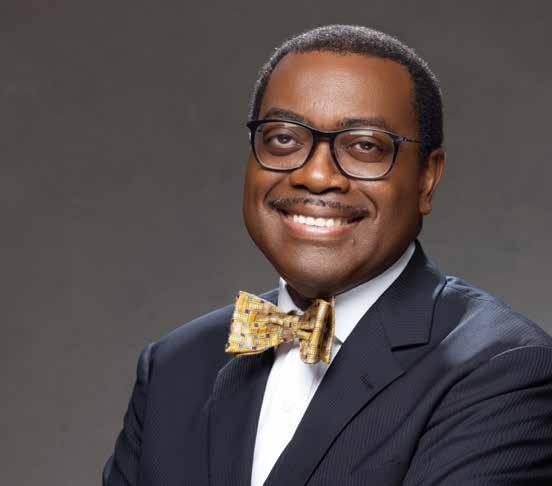
This book, Sanwo-Olu: Against All Odds is more than an album of photographs. This narrative captures the essence of Governor Sanwo-Olu’s leadership and his unwavering commitment to impact and change. Ademola’s images are the conduit through which we are offered a glimpse into the Governor’s heart and mind. They strip away the layers of formality and power, revealing the human side of leadership; the vulnerabilities and aspirations of a man tasked with steering West Africa’s largest city through challenges and triumphs
–Dr.AkinwumiA.Adesina,Con ImmediatePastPresident,African DevelopmentBankGroup
As you trail the pages of this book to its very end, you will also find a truly powerful image symbolizing the potency of a shared dream built by great minds and hands in sync, as it goes from conception to realization! I speak of none other than the iconic and historically eloquent shot of the immediate past 3 Governors of Lagos state and the incumbent, as they hold up the blue line model train as if to say, “Yes, a vision delivered!” Yet another expression of the depth of Demola’s thought behind the lens
–GbengaOmotoso
CommissionerinchargeoftheLagosState MinistryofInformationandStrategy
I have worked with Governor Babajide SanwoOlu as his official photographer for five years, and in that period, l’ve been privileged to watch him weather unusual storms with dignity and quiet resilience. Indeed, there are two possible attitudes when facing a giant. One is to say, ‘It’s so big, there’s nothing I can do.’ The other is to say, “It’s so big, I can’t miss!” As you will come to appreciate in the pages ahead, governing the commercial nerve centre of the most populous black nation in the world is no mean feat, but Mr Gov certainly wears it well
–AdemolaOlaniran
AuthorandExecutiveAssistanttotheGovernor onMediaandVisualCommunications
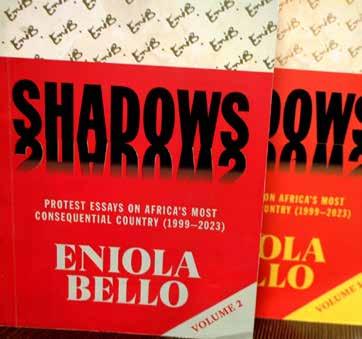
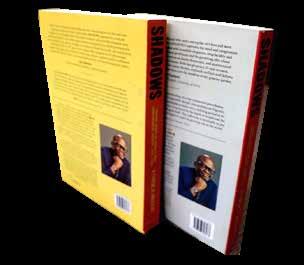
ABUJA HOSTS LAUNCH OF ENIOLA BELLO’S SHADOWS
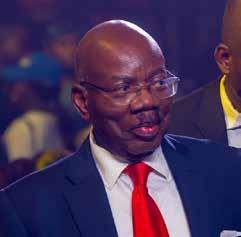
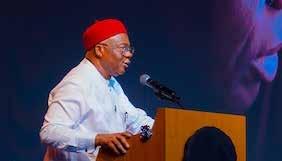
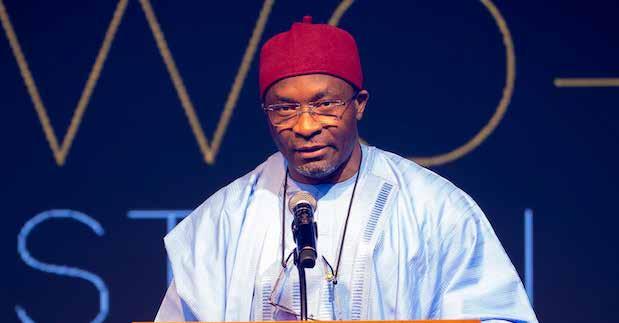
It was a festival of ideas at the Shehu Musa Yar’Adua Centre, Abuja, last Thursday as politicians, public officials, scholars and senior media executives gathered for the launch of Shadows: Protest Essays on Africa’s Most Consequential Country (1999-2023) by THISDAY GROUP OF NEWSPAPERS’ Managing Director, Eniola Bello. Delivering the keynote address, Strengthening Electoral Institutions: Pathways to Free, Fair and Peaceful Elections in 2027, Chairman of the Independent National Electoral Commission (INEC), Prof. Joash Amupitan, advocated financial autonomy for the electoral body. Vice President Kashim Shettima, whose address, “A Country and Its Shadows,” was delivered by his Special Adviser, Aliyu Modibbo Umar, said nations are held together by the stories they are brave enough to tell themselves, adding that trust flourishes when citizens feel seen, heard, valued and protected. Chairman of the occasion and TETFund Chairman, Rt. Hon. Aminu Bello Masari, underscored the importance of constructive criticism in strengthening democratic governance.
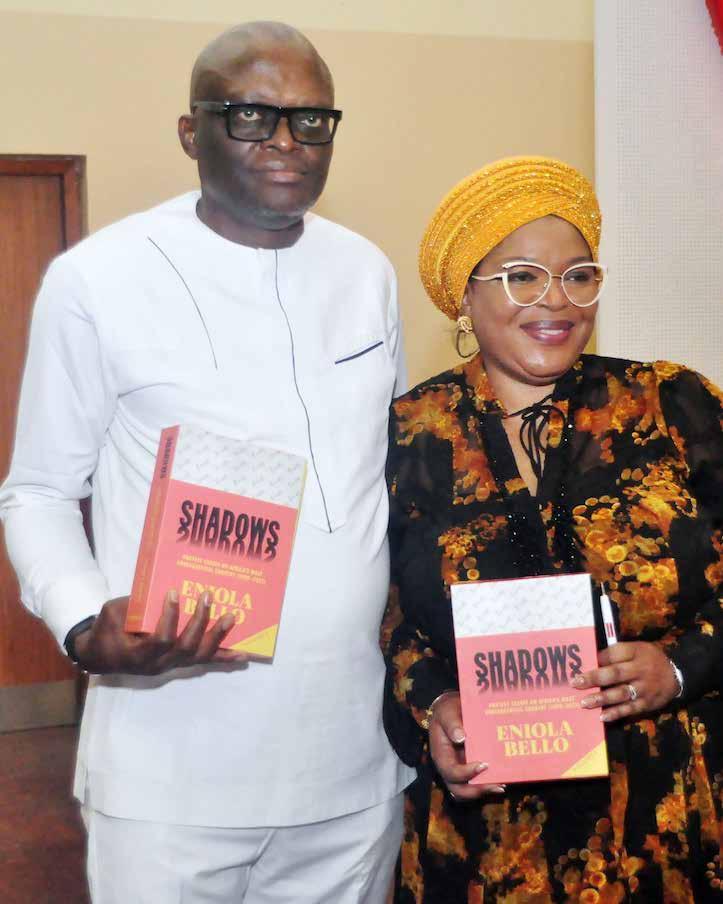
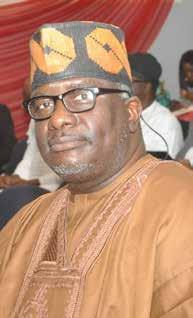
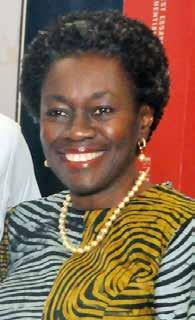
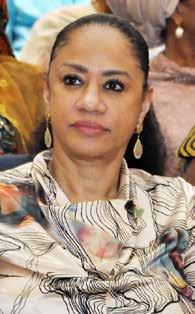
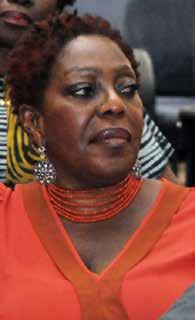
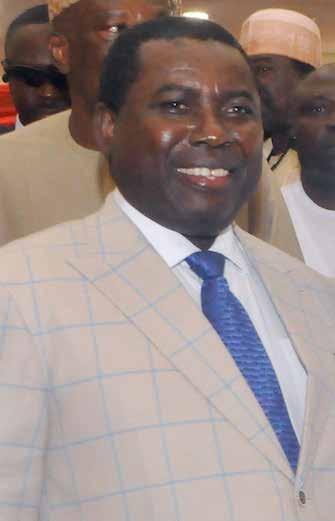
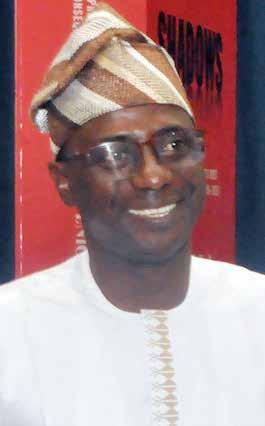
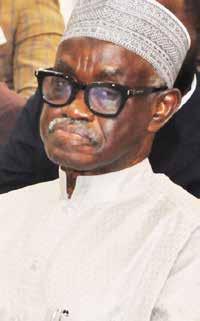
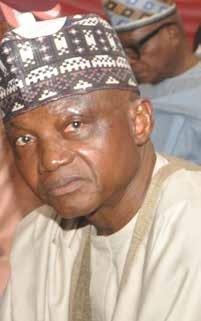
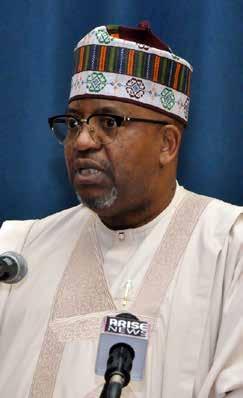
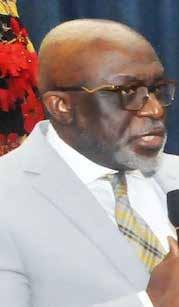
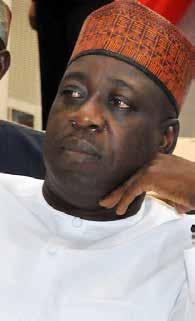
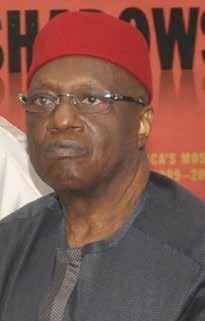
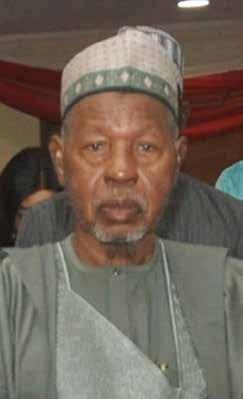
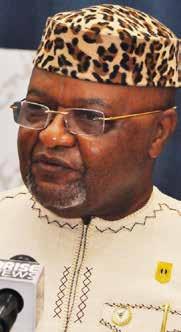
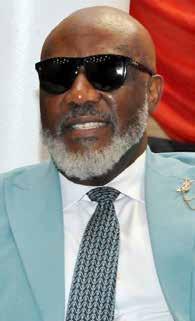
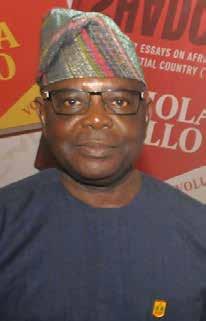
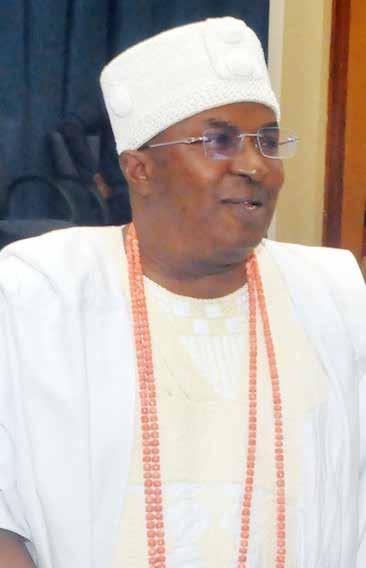
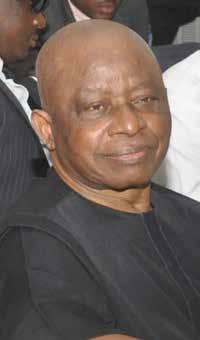
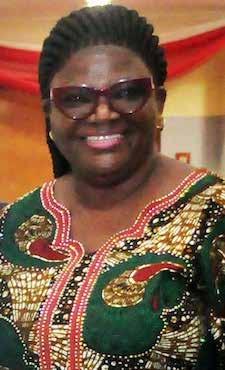
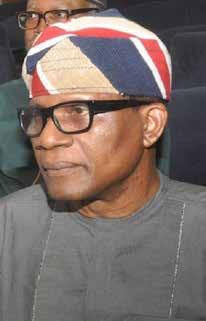
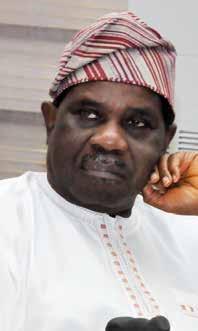
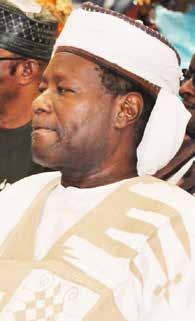
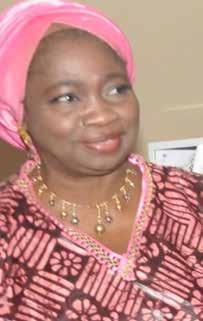
PHOTO CREDIT: Godwin Omoigui and Julius Atoi
ENIOLA BELLO & WIFE, AYOBAMI
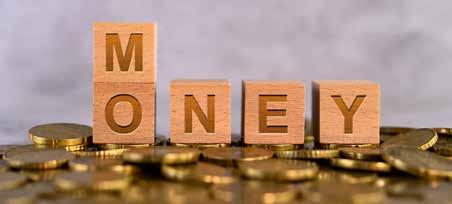
YOUR MID-YEAR MONEY CHECK: 7 MONEY MOVES TO MAKE BEFORE THE YEAR ENDS
July is the perfect time to check in on your finances. The year isn’t over, but enough time has passed to see what’s working, what isn’t and where your money has really been going. Whether you’ve stayed faithful to the financial goals you set in January or abandoned them sometime around February, there’s still plenty of time to get back on track. A mid-year money check isn’t about feeling guilty. It’s about making smarter decisions so you can finish the year in a stronger financial position than you started it.
1. Review Where Your Money Has Really Been Going
Before you make any changes, you need to know exactly where your money is going. Spend an hour going through your bank statements from the last three months. You might be surprised by what you find. Those daily coffee runs, food deliveries, ride-hailing trips, online shopping purchases and forgotten subscriptions may not seem significant individually, but together they can quietly eat into your income. The goal isn’t to stop enjoying life. It’s to make sure your spending reflects what actually matters to you.
If you’ve been saving for a holiday, a home, a new business or simply greater financial security, your bank statement should tell the same story.
2. Update Your Budget to Match Reality
The budget you created in January may no longer make sense. Prices change. Circumstances change. Salaries increase, businesses slow down, and unexpected expenses come up. A budget should evolve with your life, not stay frozen in time. If groceries now cost more than you planned for, adjust the figures.
If you’ve started earning more, decide where that extra income should go before lifestyle inflation
quietly absorbs it. A realistic budget is far more useful than an ambitious one you abandoned months ago.
3. Save Consistently, Not Perfectly
One of the biggest financial mistakes people make is giving up because they can’t save as much as they originally planned.
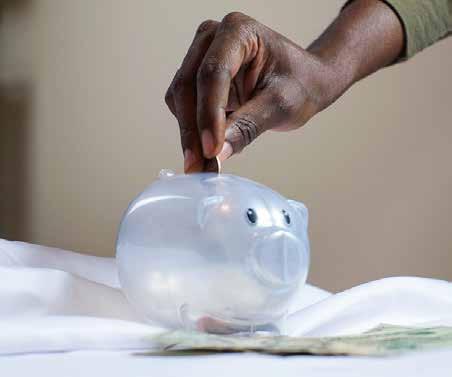
If your January goal was to save ₦100,000 every month but you can only manage ₦40,000 today, keep saving the ₦40,000. Consistency almost always beats perfection. Small amounts saved regularly build stronger financial habits than occasional large deposits made only when money feels abundant.
Treat your savings like any other essential bill. Move the money as soon as you’re paid, then organise the rest of your spending around what remains.
4.
Look for Ways to Increase Your Income
There’s only so much you can cut from your spending. Eventually, the conversation has to shift from saving more to earning more. Ask yourself what opportunities exist right now. Could you negotiate a salary review? Raise your prices if you’re a business owner? Offer freelance services?
Monetise a skill? Turn a hobby into an additional source of income?
Many people focus so much on reducing expenses that they forget income has room to grow, too.
Even one extra stream of income can make a meaningful difference over time.
5.
Rebuild Your Emergency Fund
If you’ve dipped into your emergency savings this year, you’re certainly not alone. Unexpected expenses have a way of arriving without warning. The important thing now is to start rebuilding. Your emergency fund isn’t there for holidays or impulse purchases. It exists to protect you when life throws something expensive your way, whether it’s a medical bill, car repairs, job loss or an urgent
family responsibility. You don’t have to replenish it overnight. Start with whatever you can afford and build from there.
6. Review Your Investments
Saving is important, but money sitting idle for too long gradually loses value, particularly during periods of rising inflation. Take time to review your investments. Are they still aligned with your financial goals? Are you taking advantage of options such as mutual funds, treasury bills, retirement savings, or other investments that align with your risk appetite? If you haven’t started investing yet, this is a good time to learn. You don’t need to begin with millions. What
matters is understanding your options and developing the habit of putting your money to work.
7. Set Three Financial Goals for December Forget making a list of twenty financial resolutions. Instead, choose three goals you genuinely want to achieve before the end of the year. Perhaps you want to clear a specific debt. Build a six-month emergency fund. Save for a holiday. Invest a certain amount. Launch a side business or finally stop living from payday to payday. The more specific your goals are, the easier they become to measure and achieve. Vague intentions rarely change financial outcomes.
KOLA OLOGBONDIYAN
OMOLARA POPOOLA MOSES
RICHARD AKANMODE
ZAINAB