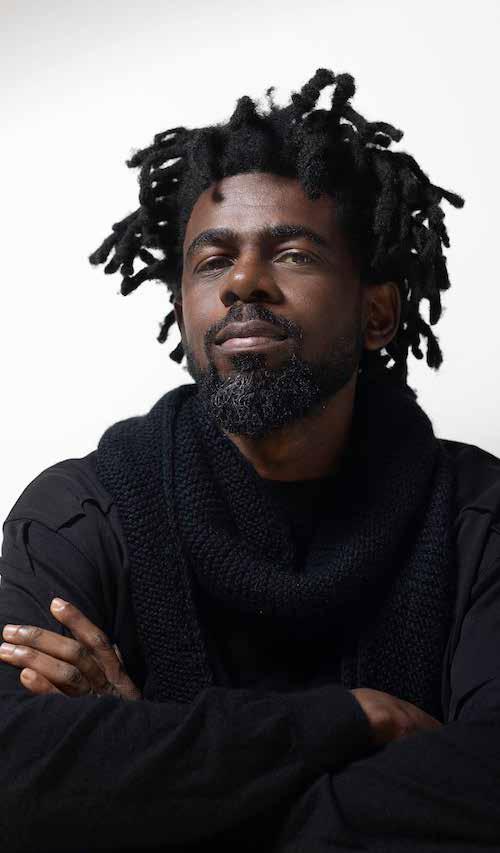
oel “Kachi” Benson is having the kind of run filmmakers dream about. From making history as the first African filmmaker to win the Venice Lion for Best Immersive Story with Daughters of Chibok, to earning Emmy recognition for co-directing Disney+ documentary Madu, the Nigerian visual storyteller has steadily built a reputation for emotionally intelligent, globally resonant nonfiction storytelling. But beyond the accolades, Benson’s work is defined by something deeper: a commitment to
with
innovation, and unusual patience.
Lifestyle & Fashion
Some weeks pass quietly. Others feel like they were curated by a particularly chaotic social media manager. This week? A lot.
Political drama. The usual outrage cycles. Insecurity stories that were genuinely upsetting. Entertainment industry wahala that had everyone suddenly becoming investigators, judges, and unofficial publicists. Relationship debates. Social commentary. Hot takes layered on hotter takes.
It really was the kind of week where opening one app for “just five minutes” somehow became a full emotional commitment. And it makes you wonder whether many of us, especially young Nigerians, have become far too accustomed to living inside the chaos.
Because what starts as checking the news has become something else entirely.
You wake up and instinctively reach for your phone. Before your feet even touch the floor, you have already absorbed political commentary, watched strangers argue, seen disturbing headlines, consumed gossip you did not ask for, and somehow ended up emotionally invested in conversations that have nothing to do with your actual life.
It really is exhausting.
Doomscrolling has become one of those habits we joke about because admitting how unhealthy it can be feels a little too real. But endless exposure to bad news, outrage, violence, digital conflict, and social comparison does something to the mind. It quietly raises anxiety, affects mood, shortens attention spans, and leaves you emotionally depleted without fully understanding why.
And the scary part? How normal this now feels.
For many young Nigerians, the phone is no longer just a device. It is alarm clock, workplace, entertainment, distraction, social circle, gossip source, and emotional rollercoaster all packed into one glowing rectangle we cannot seem to put down. Which is exactly why this week’s feature, How to Stop Doomscrolling Your Way Through Life, feels especially timely. Because while logging off sounds simple in theory, anyone who has found themselves refreshing X, Instagram, TikTok, and the blogs in rotation knows it is rarely that straightforward.
But we really do have to try.
Also, because the internet rarely focuses on one thing at a time, somewhere among all the drama, there was a random conversation about age, love, and relationships. Age-gap relationships have become one of those debates everyone suddenly has strong opinions about.
For some, the argument is simple: two consenting adults should be free to make their choices.
For others, the concern is less about age itself and more about power, emotional maturity, life stages, and intention. Which makes Love Has No Age — Or Does It? worth a read if you found yourself quietly choosing sides. Anyway, beyond all the noise, how are you doing? May is Mental Health Awareness Month, which feels like the right time to ask whether you are taking care of your mind amid all this digital chaos.
Are you resting? Sleeping properly? Taking breaks? Are you winning? hope you are.
STYLING HABITS TO LEAVE BEHIND
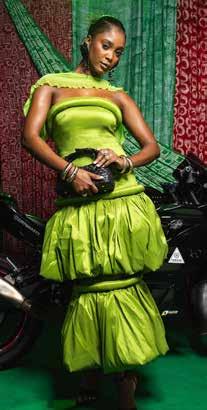
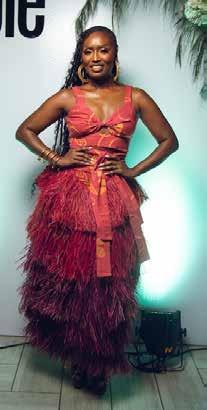
Style should feel like an extension of who you are, not something that quietly adds years you never asked for. Yet sometimes, without realising it, our clothes begin to look dated, heavy, or simply disconnected from who we are now. Fashion has no age limit, but it does require evolution. What worked beautifully five years ago may not serve you the same way today. Your body may have changed, your taste may have shifted, and your lifestyle may now demand something more relaxed, refined, or modern. That is growth. Here are a few styling habits worth leaving behind if you want your wardrobe to feel current, flattering, and fully yours.
By Funke Babs-Kufeji
Holding On To Safe Silhouettes
Wearing
Ignoring Fit
Nothing
Dressing Too Matchy-Matchy
There
element stand out and allow the rest of the look to support it.
Playing It Too Safe With Colour
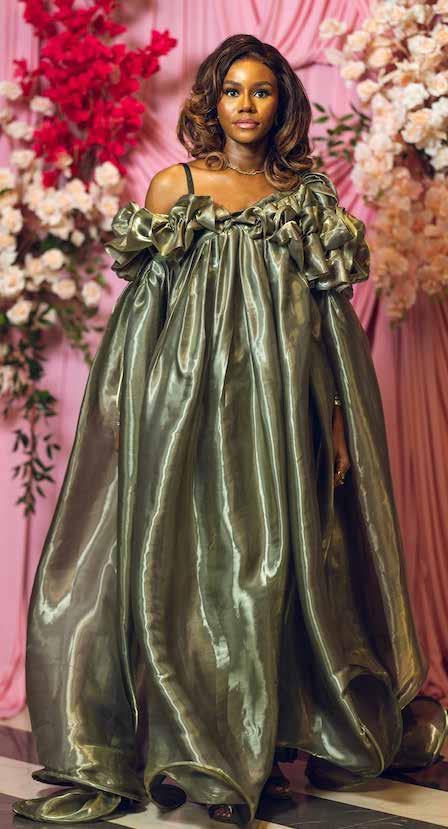
Neutrals will always have their place, but relying only on black, beige, brown, or navy can sometimes make a wardrobe feel flat. A touch of colour, whether soft green, rich burgundy, warm pink, or even a striking blue, can brighten your complexion and make your clothes feel more alive. The point is not to be loud. It is to avoid looking dull.
Overdoing Trends Or Avoiding Them Completely
Wearing every trend at once can make you look desperate, but avoiding trends altogether can make your style feel stuck in another era. The secret is balance. Pick the modern details that suit you, whether it is a new shoe shape, a fresh bag style, an updated trouser cut, or a different way of layering. You do not have to chase fashion, but you should not ignore it completely either.
Keeping Worn-Out Basics
And if not, hope you are at least protecting your peace where you can.
A tired black handbag, faded T-shirts, stretched camisoles, weak leggings, and overwashed shirts can quietly ruin an otherwise decent outfit. Basics are the foundation of your wardrobe, so they should look clean, fresh, and intentional. Once they lose shape, colour, or quality, they stop helping your style.
Saving Your Best Pieces For Occasions
If your most stylish clothes only come out for weddings, birthdays, or big events, your everyday wardrobe will always feel neglected. Style should not exist only for special occasions. Wear the beautiful blouse. Bring out the good earrings. Use the nice bag. Looking good on an ordinary day is one of fashion’s simplest pleasures.
Ignoring Accessories
Sometimes, it is not the outfit that feels dated. It is the styling. The right bag, shoe, belt, sunglasses, or jewellery can completely modernise a simple look. Accessories are not afterthoughts; they are often what give an outfit personality.
Dressing For Who You Used To Be
Perhaps the biggest mistake is holding on too tightly to an old version of yourself. Life changes. Bodies change. Taste changes. Your wardrobe should be allowed to change, too. Ageless style is not about clinging to the past or chasing youth. It is about dressing for the woman you are now, with confidence, ease, and just enough curiosity to keep things interesting.
THE LOOK:
THE RICH AUNTY STYLE GET
FORMULA THAT WORKS
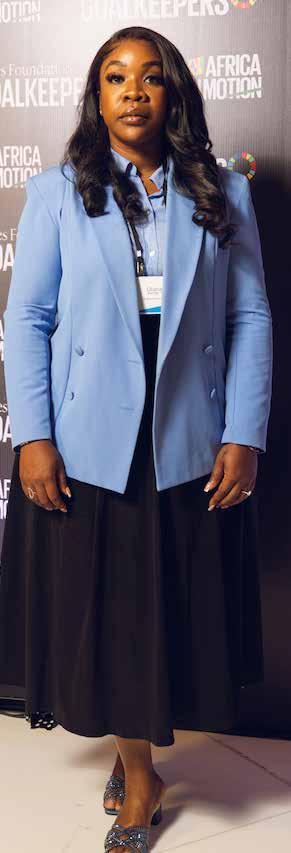
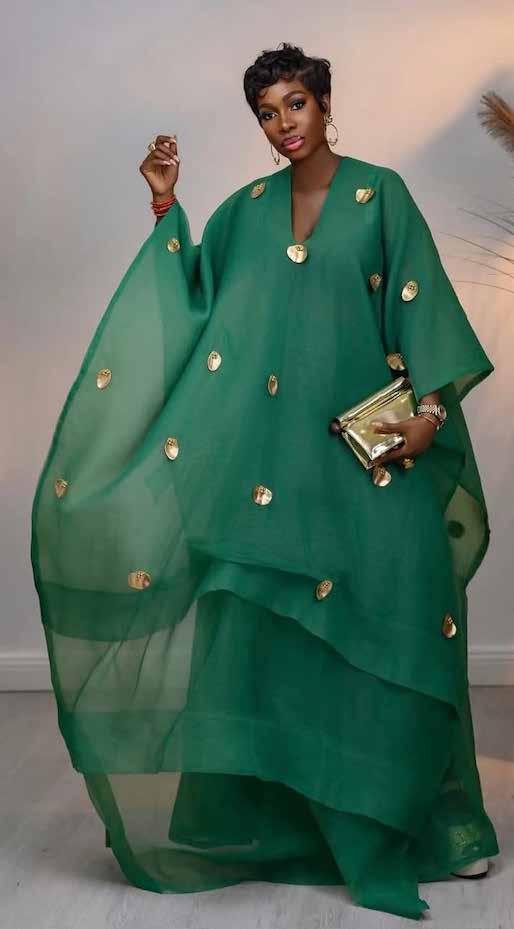
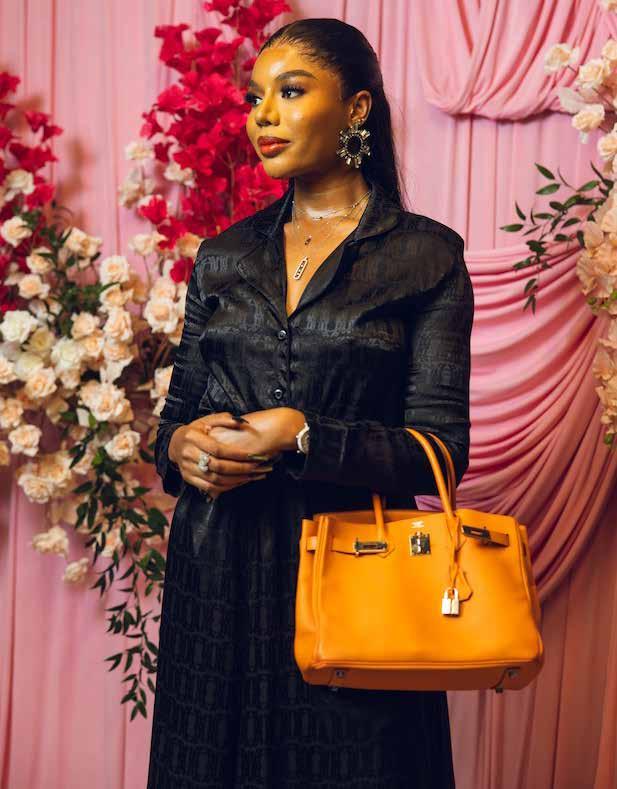
You know the woman instantly. She walks into a room and somehow looks polished without appearing like she tried too hard. Nothing is screaming for attention, yet everything works. Her outfit feels intentional. Her hair is neat. Her perfume lingers softly. Even in the simplest kaftan or monochrome set, she somehow gives wealth, ease and confidence.Interestingly, the women people often describe as having “rich aunty style” are not always the ones wearing the most expensive labels. Looking chic has surprisingly little to do with owning endless designer pieces or chasing every trend online. In fact, truly stylish women tend to understand something many people miss: elegance is usually found in restraint, consistency and knowing yourself. The rich aunty aesthetic is less about showing off and more about mastering the art of looking effortlessly put together. Good fit, thoughtful grooming, quality over excess and the confidence to understand what works for you matter far more than endless spending. Because often, the women who look the chicest are not necessarily buying the most expensive things, they simply know themselves well enough to make style look effortless.
Fit Comes Before Fashion
Stylish women understand that fit changes everything. Even the most beautiful outfit loses impact when it is too tight, too loose or poorly structured. Tailoring is often the quiet difference between looking ordinary and looking expensive.
They Choose Quality Over Quantity
The rich aunty wardrobe is rarely overflowing with trend pieces. Instead, it is built around reliable staples, good fabrics, classic handbags, elegant shoes and clothes that can be reworn effortlessly. Stylish women understand that buying less often looks better.
Grooming Is Non-Negotiable
Hair, skin, nails and fragrance matter. Looking chic is rarely just about clothes. The women who always look polished understand that presentation is part of style. Fresh hair, neat nails and healthy-looking skin quietly elevate everything else.
They Understand the Power of Simplicity
The most stylish women rarely do too much at once. If the outfit is dramatic, the accessories are softer. If the jewellery stands out, the clothing stays understated. Looking expensive often comes from knowing when to stop.
Signature Style Matters
Stylish women are not constantly reinventing themselves. They know what works and repeat it confidently. Maybe it is neutral colours, structured dresses, beautiful kaftans or effortless tailoring. Personal style often looks better than trend chasing.
Accessories Are Chosen Carefully
The right handbag, elegant jewellery, sunglasses or shoes can quietly transform an outfit. But stylish women know accessories should complement, not compete. The goal is polish, not overload.
They Dress for Their Lifestyle, Not Trends
True style feels authentic. Rich aunty style works because it reflects ease and confidence. Stylish women dress for who they actually are, not who social media says they should become.
Confidence Pulls Everything Together
Perhaps the biggest secret of all is confidence. Stylish women wear clothes with ease. They are comfortable in their choices, understand what flatters them and move with quiet self-assurance. Confidence has a way of making even simple clothes feel luxurious.
CHIOMA
SIMPLE STYLE UPGRADES EVERY MAN SHOULD KNOW
Looking stylish as a man does not have to be complicated. The bestdressed men are rarely the ones with overflowing wardrobes or endless trend pieces. More often, they simply understand what works and stick to it. If your goal is to look sharper, more refined, and consistently puttogether, these are the style essentials that make the difference.
Start With Colours That Always Work
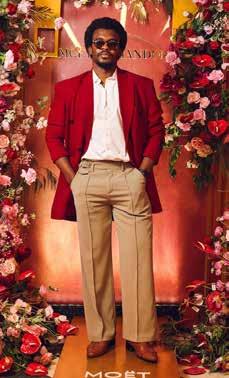
The easiest way to look put-together is to remove the possibility of clashing altogether. Navy, charcoal, black, cream, olive; these are the colours that carry a wardrobe. They move easily between work and social settings, between day and evening, without feeling out of place. You can build entire weeks of outfits from just these tones without ever looking repetitive.
Get the Structure Right
There’s a reason a good blazer does so much of the work. An unstructured navy or charcoal jacket sharpens almost anything, tailored trousers, dark denim, even a simple polo. It adds shape without stiffness, which is what makes it so versatile. You don’t look overdressed, just considered.
The same goes for trousers. A clean, well-cut pair will always elevate your look, even when everything else is simple.
Let Fabric Do the Work
When you’re not relying on loud colours or heavy prints, fabric becomes the difference. A crisp cotton shirt reads clean and precise, the kind of piece that works in almost any setting. A knitted polo carries more weight than a basic T-shirt—it feels deliberate, even when worn casually. Silk, when done right, brings in a softer, more relaxed energy that works well for evenings without trying too hard.
Keep Outerwear Simple
The first thing people notice isn’t always the full outfit; it’s what’s on top. A well-cut jacket or coat that sits comfortably between formal and relaxed will take you further than anything overly styled. Whether it’s a lightweight coat, a structured overshirt, or a minimal jacket, it should feel like a natural extension of your outfit. Nothing too loud, nothing that competes. It should complete the look, not interrupt it.
Pay Attention to the Details
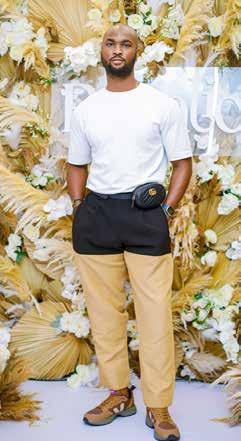
This is where refinement really shows. Good leather shoes—loafers or clean, minimal sneakers—will carry you through most settings without effort. A belt that matches your shoes creates a sense of cohesion, even if no one can quite explain why everything looks right. A simple watch, whether leather-strapped or stainless steel, adds just enough polish without feeling excessive.
Fit Is the Whole Point
You can get everything else right and still miss it here. Trousers that fall properly, just at the right break. Sleeves that stop exactly where they should. Shirts that follow your frame without pulling or hanging awkwardly. These are small adjustments, but they make the biggest difference. It doesn’t have to be expensive. It just has to look like it was made with you in mind. A good tailor will do more for your wardrobe than another shopping trip ever will.
ABY KONYE CHELSEA NWABOGOR
re relationship age gaps still a big deal in modern Nigeria?
By the time Adaeze turned 28, she had heard the question so many times it had stopped offending her. Why are you dating someone that young?
Her boyfriend was 24. Four years younger. In many parts of the world, that would barely qualify as an age gap. In Lagos, it was enough to trigger concern, commentary, and the kind of unsolicited family intervention usually reserved for actual emergencies.
Because for all our talk about modern love, some old relationship rules remain stubbornly intact.
In Nigeria, romance has never existed in isolation. Relationships arrive with family expectations, religious considerations, tribal preferences, social class realities, and, of course, public opinion from people who were never consulted in the first place. Somewhere in that crowded mix sits age, often treated not just as a number, but as a signifier of seriousness, compatibility, and sometimes even morality.
For decades, the formula was simple: the man should be older. Preferably much older.
Older meant stability. Experience. Financial security. It suggested a man who had figured life out, someone ready to provide, lead, and settle down properly. Women, meanwhile, were expected to be younger, softer, less experienced, and, if we are being brutally honest, easier to mould.
Because everyone else does.
The younger man is often viewed with suspicion. Is he unserious? Looking for support? Avoiding responsibility? Being “kept”?
The older woman gets her own assumptions. Desperate. Controlling. Unable to “find her mate.”
Meanwhile, a significantly older man dating a woman young enough to have watched his university graduation on VHS is often treated with amusement or admiration.
The double standard practically introduces itself.
Still, attitudes are shifting. Quietly.
More men are openly admitting that older women can bring emotional clarity, stronger communication, less drama, and a clearer sense of self. Which, in a dating landscape fuelled by mixed signals, breadcrumbing, and strategic delayed replies, is understandably appealing.
But not every age-gap conversation belongs in the same basket.
A five-year difference between two financially independent adults in their thirties is one thing.
A 19-year-old dating a 52-year-old is another conversation entirely.
LOVE HAS NO AGE – OR DOES IT?
And while tradition likes to dress itself in romance, much of this arrangement was rooted in practicality. In a society where women historically had fewer routes to financial independence, an older, established husband often represented security. Age was not just about attraction. It was part of the transaction.
But that script is changing.
Today’s Nigerian woman is far more likely to be educated, financially independent, professionally ambitious, and far less interested in relationships that feel like strategic mergers disguised as love.
Which changes the dating equation.
Take Chioma, 34, a Lagos-based product manager, who has been dating a 29-year-old man for two years. She laughs at the suggestion that she deliberately went looking for a younger partner.
“I was not looking for a younger man,” she says. “I was just looking for someone I genuinely enjoyed being with.”
That distinction says everything.
For many women, the question is no longer Can he provide? but Do we actually work? Can we talk? Do we enjoy each other? Does he respect my ambition?
Is this a partnership, or am I being cast in some outdated role never signed up for?
And for some women, younger men are proving to be a surprisingly refreshing answer. Not because younger automatically means better. Let us remain sensible. But because some younger men seem less attached to traditional entitlement. Less of the idea that financial contribution automatically equals authority. Less of the assumption that masculinity must come with dominance.
But before we start handing out awards for emotional evolution, there is another side to this conversation. Because while society has long normalised older men dating younger women, the reverse still carries a strange social tension. Ask a Nigerian man in his twenties how he feels about dating an older woman, and you may get an answer wrapped in hesitation.
Not necessarily because he minds.
Because when age gaps become extreme, the issue often stops being romance and starts becoming about power.
Nigeria has long normalised relationships between wealthy older men and significantly younger women, often wrapping the arrangement in humour and social shorthand.
The big man. The Alhaji. The Aristo. But behind the labels sits a harder truth.
For some young women, especially those navigating financial hardship, these relationships are not always purely romantic choices. They may be practical, strategic, or shaped by limited options.
That does not mean every large age-gap relationship is exploitative. Life is rarely that neat.
But pretending power dynamics do not matter would be dishonest.
Because when one person controls the money, lifestyle, opportunities, or emotional terms of engagement, genuine choice becomes far more complicated.
And perhaps that is where the real conversation should sit.
Not simply Who is older?
But What exactly is happening here?
Are these two adults making informed, free choices? Or is one person operating from vulnerability while the other holds all the cards?
That is a far more useful question than the simplistic outrage age gaps usually attract.
So, does love have an age?
Well, yes and no.
Age matters when it creates an imbalance. It matters when one person lacks agency. It matters when life stages are so dramatically different that one person is discussing retirement while the other is still borrowing data.
But outside of that, perhaps our obsession with numbers says more about society than it does about the couples involved.
Because over here, people will talk regardless.
Date younger, they will talk.
Date older, they will talk.
Stay single too long, and they will organise a symposium.
At some point, the most mature relationship decision may simply be dating whoever makes sense and allowing everybody else the freedom to mind their own exceptionally busy business.
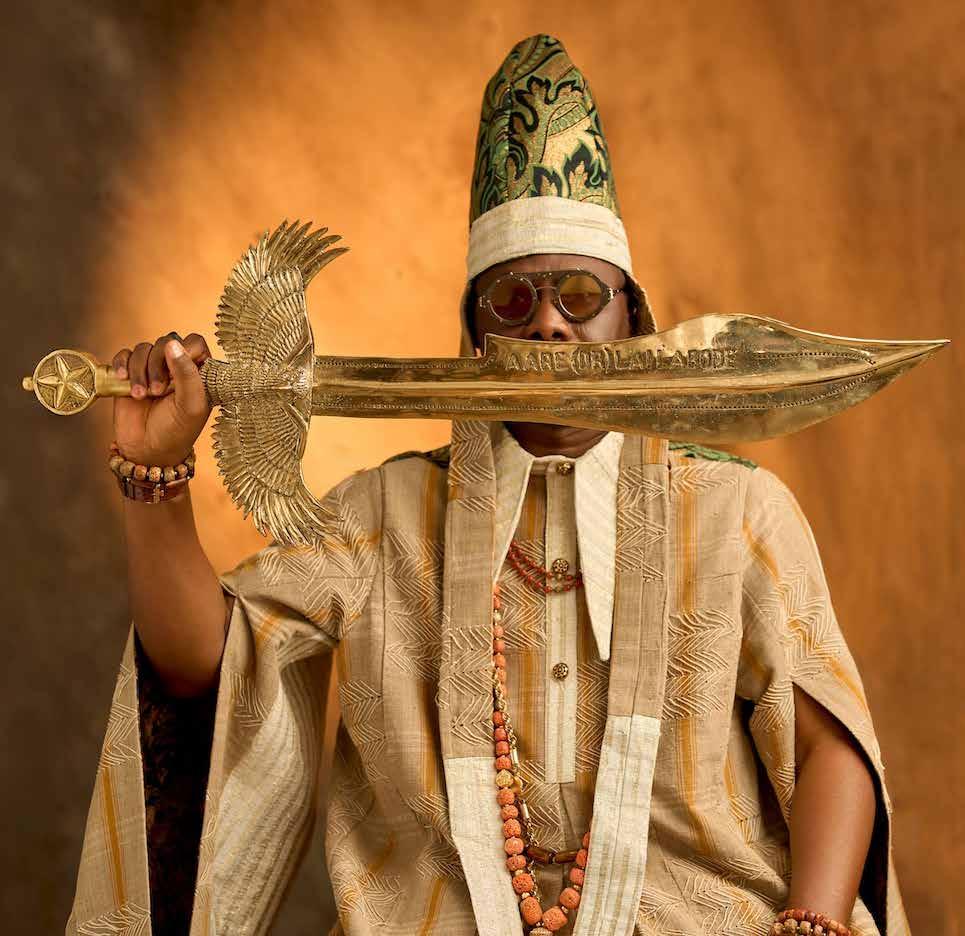
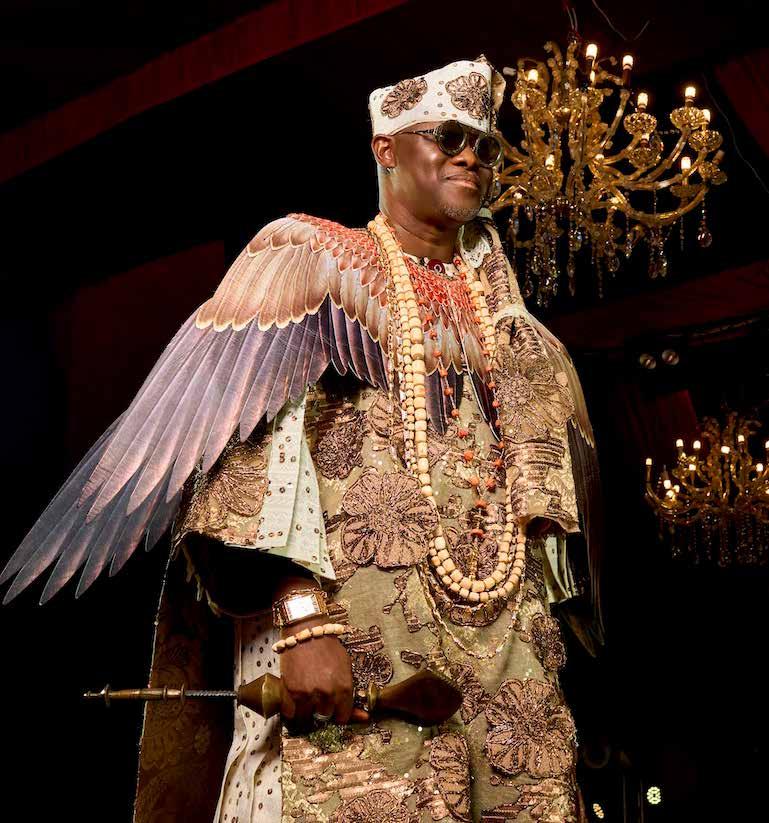
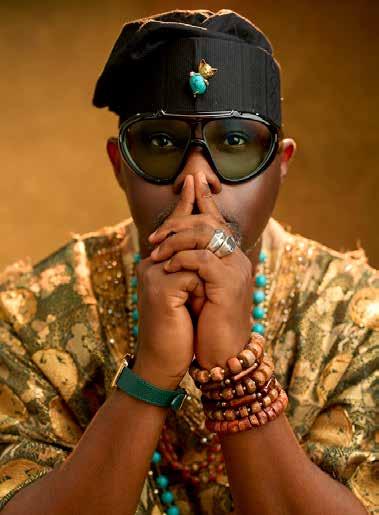
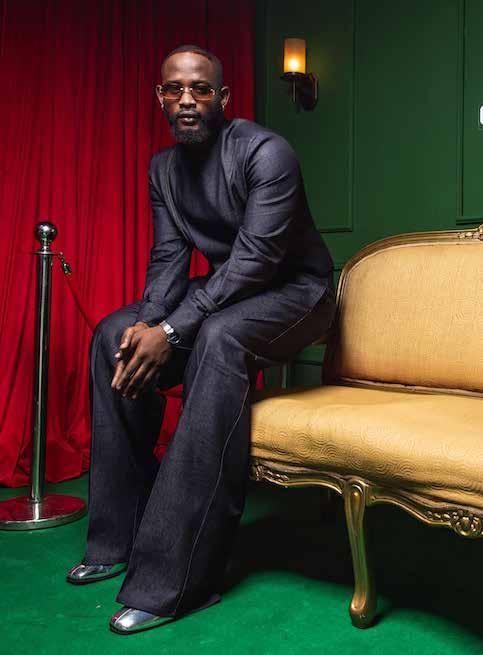
Businessman, cultural advocate, traditional leader, and unmistakably one of the more stylish men in the room, Dr. Balogun Lai Labode, the Kurumi of Ijaye and current Aare of Egbaland, has built a public identity that comfortably straddles enterprise, heritage, and fashion. As CEO of CashToken Rewards Africa, his work has played in the business and innovation space, while his cultural interests have taken on a life of their own through platforms like Afroliganza and the broader vision for Egbaland as a destination for culture, creativity, and commerce. But beyond the titles and achievements is also a man with a clear appreciation for presentation. His fashion choices have become part of his signature, rooted in culture, confidence, and a sense of occasion that feels increasingly rare in a world of safe dressing.
As he marks this milestone birthday, Dr Lai Labode speaks about life at 50, personal evolution, business, heritage, style, and the legacy he hopes to leave behind.
Fifty is a major milestone. When you look at the journey from ambitious young entrepreneur to cultural leader, businessman, and style icon, what feels most significant to you about this chapter?
At fifty, see myself as a bridge between enterprise and ceremony, between craft and commerce, between youthful audacity and purposeful stewardship. What feels most significant at this stage is not simply success, but responsibility, the responsibility to preserve culture with intention, transform creativity into sustainable industry, and create pathways for the next generation to rise confidently onto the global stage.
You are widely recognised for your striking and intentional fashion choices, but behind that public image is Lai Labode Couture. At what point did you realise that your style had become part of your public language, and how much of what you wear is personal expression versus a deliberate cultural statement?
The tipping point was when strangers stopped complimenting the cut and started asking about lineage, craft, and maker. A woman at a market once tapped my sleeve and said, “Who taught your cloth to whisper stories?” laughed and then realised my clothes were doing the talking sometimes forgot to do.
There is no tidy split between personal expression and cultural statement. Every outfit is a sentence that mixes autobiography with history. Sometimes dress to comfort an ancestor; sometimes dress to spark curiosity for heritage storytelling. The couture is as much a conversation as it is clothing.
As the youngest Aare ever appointed in Egbaland, your emergence symbolised a generational shift in traditional leadership. What responsibility comes with carrying both heritage and modern expectations on your shoulders?
Leadership today requires balancing tradition with modern relevance. It means protecting heritage while creating pathways for innovation, growth, and cultural continuity for younger generations. True leadership is about stewardship, responsibility, and ensuring culture evolves without losing its essence.
Speaking of Lisabi Egbaliganza 2026, there was a lot of conversation around the helmet. Can you explain its significance in Egba culture, and what do you want the world to understand about the Egba people through symbols like this and through the wider Egbaliganza movement?
The helmet is a signifier of duty, courage, and ancestral continuity, a compact history worn into the present. Through the helmet and Egbaliganza, I want the world to see that Egba identity is not museum-piece nostalgia but living virtue: resilience, pride, artistry, and a readiness to meet the world on equal terms. It was also an opportunity to teach the world about
our history. Many wondered if it was Spartacus. I had an opportunity to tell the history behind it.
From CashToken Rewards to Afroliganza and now Egbaliganza, your work sits at the intersection of commerce, culture, and innovation. What achievement are you personally most proud of, and why?
The connecting thread is value creation from culture: building platforms that convert heritage into livelihoods and markets. What I’m most proud of is creating systems and conversations that allow culture to become both identity and opportunity for people across Africa.
You have consistently spoken about culture and fashion as instruments of diplomacy. How did you arrive at that conclusion long before many others began having that conversation? I observed how nations project soft power through culture elsewhere and recognised untapped value at home: skills, narratives, and networks that could be translated into influence and income. That understanding shaped my commitment to building institutions and platforms around African culture and fashion.
Your 50th celebration included strong diplomatic representation and Professor P. L. O. Lumumba’s review of your book, Constellation of Thoughts, Vol. 1. It became a statement about heritage, diplomacy, fashion, thought leadership, and Africa’s global voice. Was this intentional, and what did that moment mean to you personally and diplomatically? It was entirely intentional. I wanted a moment where intellect, ceremony, and craft convene. Diplomatically, it signalled that African heritage can be a platform for policy and partnership. Personally, it affirmed that a life of ideas, culture, and institution-building can produce occasions that matter beyond the individual.
You are frequently described as a leading cultural and fashion ambassador in Africa. How do you respond to those descriptions, and what does that recognition mean for your work?
If people call me Africa’s leading cultural and fashion ambassador or the best-dressed African, accept the compliment with measured humility and a small grin. But the work is never mine alone. It belongs to the tailors, weavers, artisans, designers, and cultural custodians who keep our traditions alive and push them forward. That recognition matters because it opens doors to spaces where culture can be translated into trade, policy, and partnerships. It also creates leverage to spotlight institutions like CAFA, the African Global Fashion Games, and Egbaliganza. Praise, for me, is a platform, not a prize. And if anyone insists I’m the best-dressed, then my tailor deserves the medal.
Beyond the titles, the business success, and the public recognition, what kind of legacy do you hope people will associate with the name Lai Labode decades from now?
I want institutional legacies: sustainable craft-value chains, design incubators, educational programmes, and structures that professionalise creative careers. I hope to be remembered as someone who transformed culture and creativity into sustainable opportunities for future generations.
If your life at 50 were captured as a fashion collection, what would the theme be and what story would it tell?
Collection theme: Continuum of Craft. The story would reflect layered encounters of past and future, handwoven textiles in modern cuts, and ceremonial motifs translated for global contexts, celebrating tradition remade for tomorrow.
Enjoy elegance, convenience and confidence with the W debit card. Shop, pay bills and manage money effortlessly. You also get exclusive perks and access to W events
I intentionally chose to take my Chibok project beyond just the screen because telling the story isn’t enough if the people in it remain trapped in the same conditions. I didn’t want the film to be another moment where the world watches and moves on. As I spent time with the mothers, I saw that their resistance was practical:
BENSON
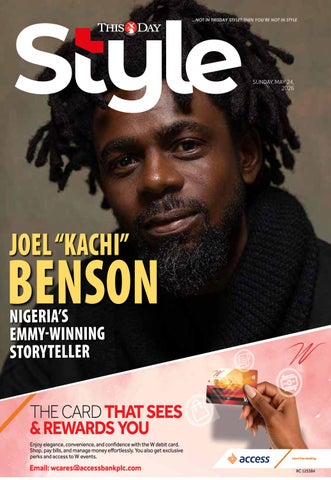
NIGERIA’S EMMY-WINNING STORYTELLER
BY YINKA OLATUNBOSUN
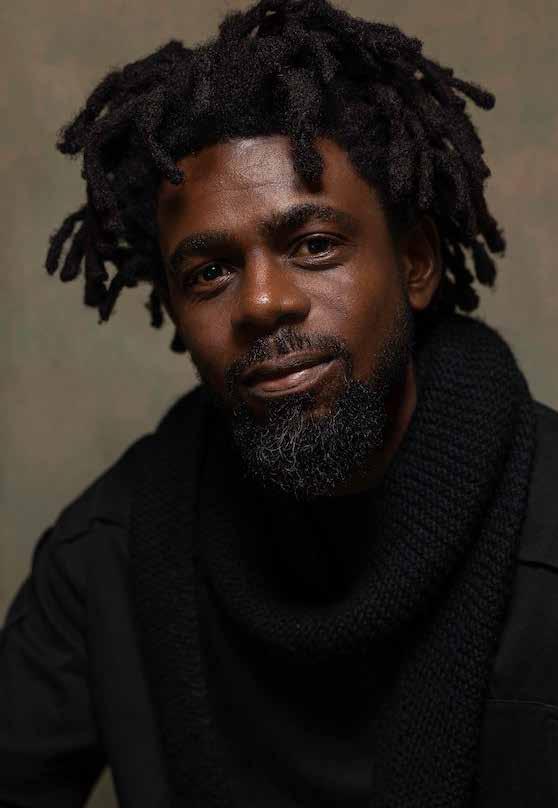
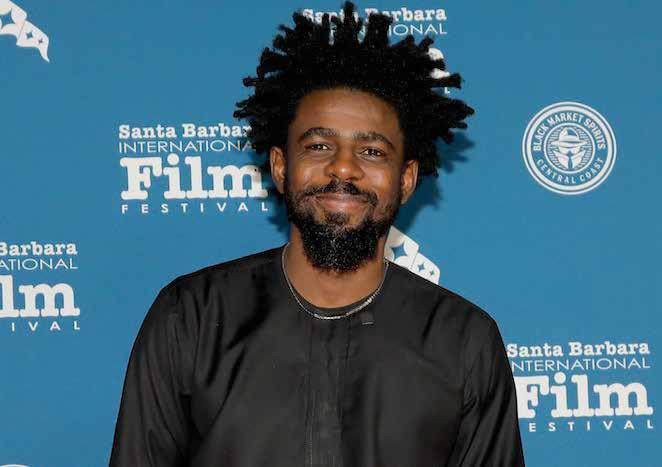
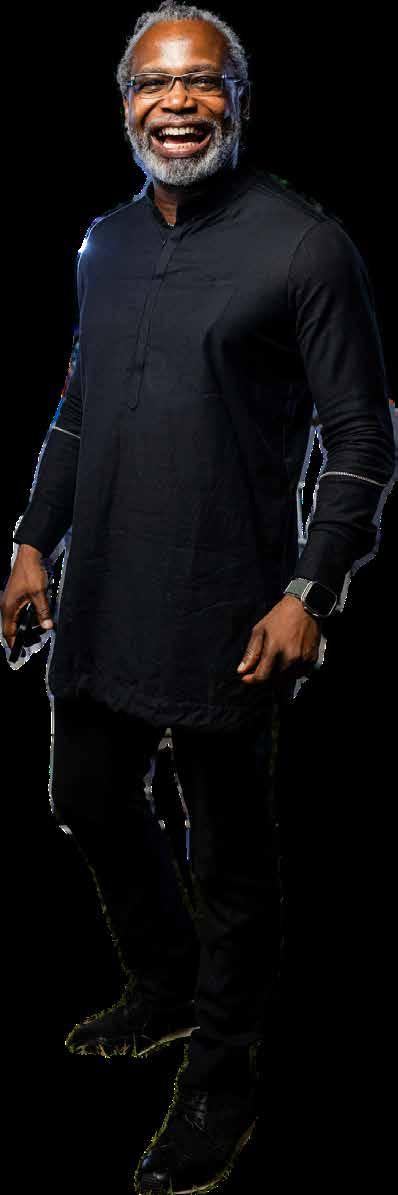
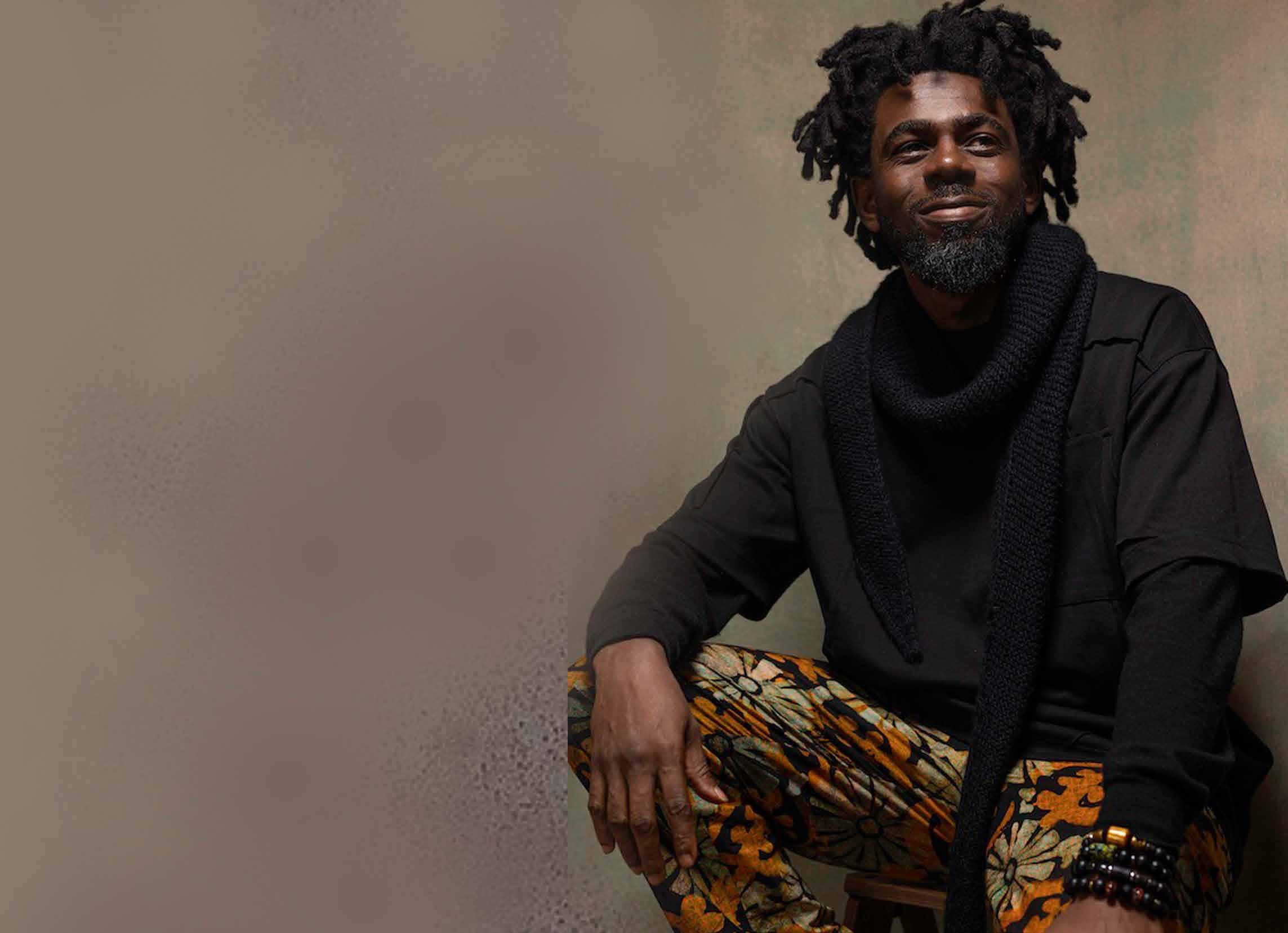
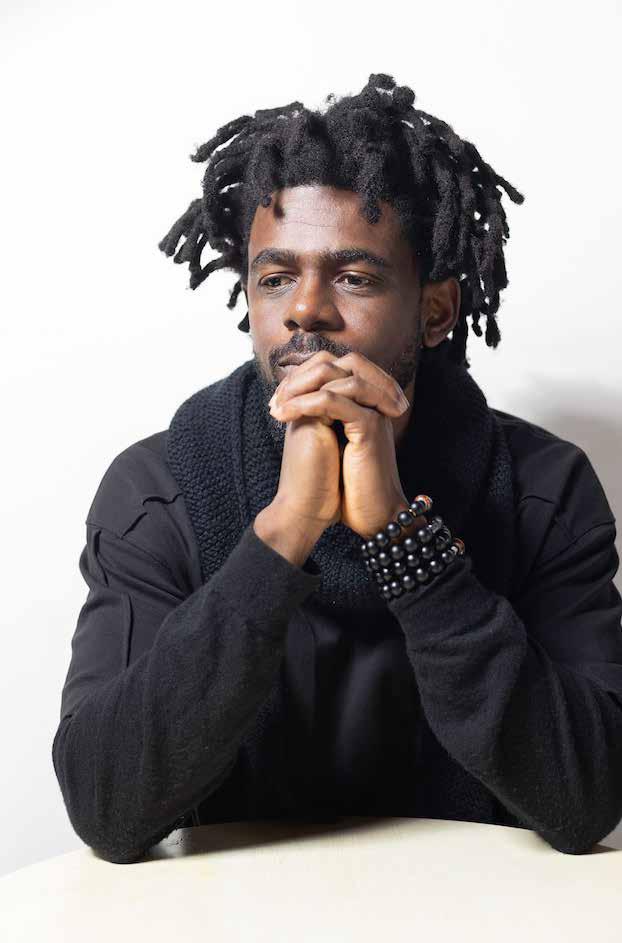
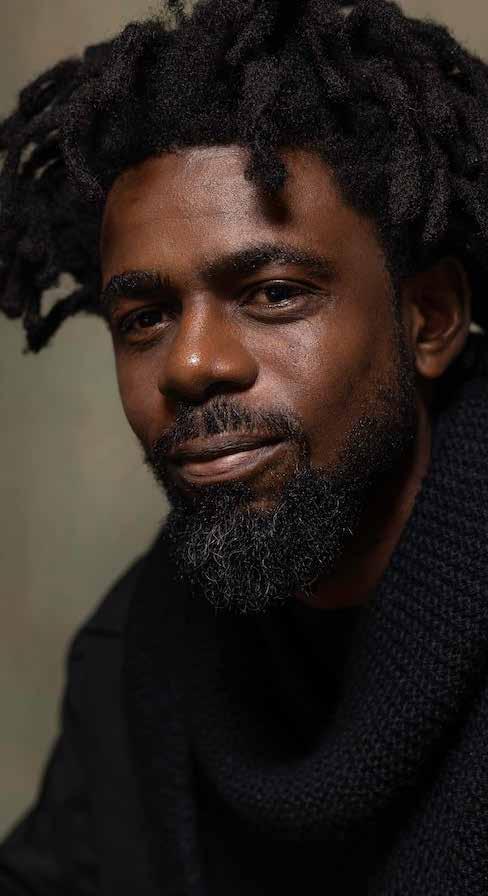
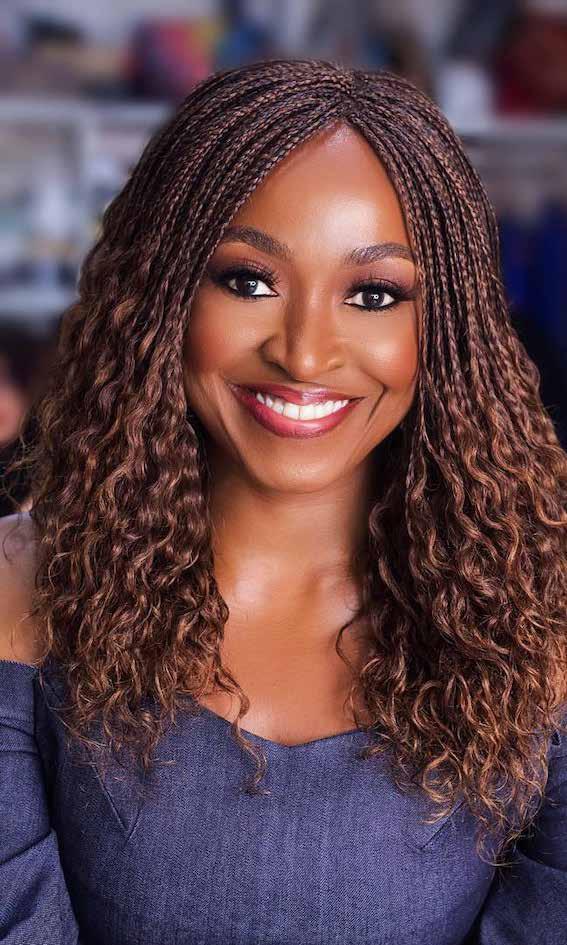
Joel “Kachi” Benson is having the kind of run filmmakers dream about. From making history as the first African filmmaker to win the Venice Lion for Best Immersive Story with Daughters of Chibok, to earning Emmy recognition for co-directing Disney+ documentary Madu, the Nigerian visual storyteller has steadily built a reputation for emotionally intelligent, globally resonant nonfiction storytelling. But beyond the accolades, Benson’s work is defined by something deeper: a commitment to telling difficult human stories with dignity, innovation, and unusual patience. His latest documentary, Mothers of Chibok, continues that trajectory, shifting the lens from tragedy to resilience, enterprise, and rebuilding. In this conversation with Yinka Olatunbosun, he reflects on storytelling, technology, ethics, and the future of African documentary filmmaking.
Your documentary Madu recently won an Emmy for Outstanding Arts and Culture Documentary. Looking back at the 44-second viral clip that started it all, what was the specific “truth” you saw in Anthony’s story that you felt a short video couldn’t capture?
That clip had a spark the world immediately recognised: discipline, talent, and a kind of freedom that felt impossible in the rain and the concrete. But what I saw was a deeper truth the internet couldn’t hold in 44 seconds - what it costs a child to keep choosing beauty in a world that doesn’t make it easy. wanted to understand the life around the moment: the family, the sacrifices, the training, the distance between viral attention and real opportunity. The short video was a snapshot moment; the film gave the world a wider view and deeper perspective about this unique story.
You’ve made history as the first Nigerian filmmaker to win an Emmy for directing a documentary and the first African filmmaker to win a Venice Lion for Best VR Story.
In what ways do you hope this win shifts the global industry’s “gatekeeping” of African stories? hope these wins shift the assumption that African stories need permission to matter. Gatekeeping often shows up as tastewhat gets funded, what gets distributed, what gets reviewed as “universal.” Wins like mine don’t end gatekeeping, but they widen the door. They make it harder to ignore craft and ambition coming from here, and they give younger filmmakers proof that you can tell a story rooted in Africa and still be taken seriously on the biggest stages.
You often allow your audience time to take in moments in your movies. What determines the pace in your work?
The pace is determined by the people, not by my impatience. Real life doesn’t reveal itself in soundbites. Sometimes, you need quiet to understand what someone is carrying. I’m always asking: What rhythm does this world have? What is the natural tempo of work, waiting, prayer, learning, farming, and practice?
When the pace is right, the audience stops consuming and starts witnessing.
You are a pioneer in using Virtual Reality (VR) in Africa with Daughters of Chibok. Why did you feel VR was the necessary medium for that specific story, rather than traditional 2D film?
chose to use immersive technology for Daughters of Chibok because the world had become numb to the headline. VR gave me a way to restore proximity, to put viewers “in the room” with the mothers, so they can’t look away, can’t scroll past, can’t reduce them to statistics. For a story like Chibok, where distance had become a kind of forgetting, immersion wasn’t a “cool tool”; it was a moral choice.
There is often a fear that “high-tech” filmmaking can feel clinical or gimmicky. How do you ensure the technology enhances the empathy of the viewer rather than distracting from the subject’s humanity? treat technology as a language, not a message. The story must still be human, and the camera must still behave with dignity. If the tech draws attention to itself, I’ve failed. So, I endeavour to strip everything back to presence: respectful framing, honest sound, and enough time for the audience to feel. The question keep asking is simple: does this tool bring you closer to the person, or does it just make you admire the tool?
As VR and AI continue to evolve, where do you see the future of Nigerian documentary filmmaking heading?
Are we moving toward more “immersive” news and history?
think we’re moving toward multiple forms of living side by side. VR will continue to deepen certain kinds of witnessing - history, memory, places we can’t access safely. AI is already changing post-production, research, and translation, but it will also create new ethical challenges around truth and consent.
For Nigerian documentaries, the opportunity is huge. Yes, we can leapfrog with tools, but we must stay anchored in integrity, clear authorship, transparent methods, and the protection of real people.
Recently, you taught a group of young aspiring filmmakers in Lagos how to shoot with their phones. Why is it important to democratise the medium of obtaining footage?
Talent is everywhere, but access isn’t. A phone can’t replace
craft, but it can remove the first barrier: waiting for permission, waiting for gear, waiting for funding before you begin. When young people learn to tell stories with what they have, they build confidence, discipline, and a point of view. And that’s how new industries grow - from many voices, not a few gatekeepers.
Daughters of Chibok was about the loss of the children, while Mothers of Chibok focuses on the endurance of the parents. How did your own relationship with the subjects evolve from the initial apprehension to a place of mutual trust?
Trust came through time and return. At first, there was naturally apprehension, because this is a community that has been watched, spoken about, and often misunderstood. I earned trust by showing up consistently, listening more than directing, and letting them see that my goal wasn’t to extract tragedy but to honour their full lives. Over time, we moved from “filmmaker and subject” to something closer to partnership, where they understood what was trying to protect and why.
You’ve spoken about storytelling as a “catalyst for change.” When you are in the middle of a difficult shoot, perhaps in a conflict zone or a high-pressure environment, how do you maintain the boundary between being a filmmaker and being a human advocate for your subjects?
I don’t believe you can be present and not be human. The boundary for me is about consent, safety, and respect, never putting the story above the person. I’m careful not to confuse filming with helping; sometimes the most responsible thing is to stop rolling, or to slow down. And when advocacy is needed, separate it: I don’t perform it on camera. I build it into what happens after, through partners, pathways, and practical support that outlives the shoot.
Documentary filmmaking in Nigeria faces unique distribution challenges. With Mothers of Chibok in cinemas, do you believe the “theatrical route” is a sustainable blueprint for other Nigerian documentarians who usually rely on festivals?
I think it can be part of the blueprint, especially if we treat documentaries as cinema-worthy, not as “content” that only belongs on streaming or at festivals. Theatrical releases create communal viewing, conversation, and cultural weight. But sustainability will require more than one film: we need distributors willing to take the risk, audiences trained to show up, and filmmakers building stories that can carry a room. I hope this release proves there is demand and encourages a wider ecosystem to back nonfiction in cinemas.
Why did you look beyond extracting visual stories from Chibok to finding beauty and potential enterprise?
I intentionally chose to take my Chibok project beyond just the screen because telling the story isn’t enough if the people in it remain trapped in the same conditions. didn’t want the film to be another moment where the world watches and moves on.
As spent time with the mothers, saw that their resistance was practical: they farm to fund education. That’s enterprise already. It just needed structure, market access, and dignity-driven support. This is what we are currently working with the women on, to build and bring to life.
What informed your collaboration with the veteran actor Joke Silva in Mothers of Chibok?
Auntie Joke, as I fondly call her, understands the weight of culture and the responsibility of storytelling. She’s not only a respected actor; she’s an educator and a bridge between audiences, generations, and institutions. Her decision to come on board as Executive Producer felt like alignment: she recognised that the film was trying to restore humanity and keep memory alive, and her support continues to help the film travel further and land deeper.
What is your big dream for African storytelling?
My dream is that African stories become normal at the centre; not special, not “emerging,” not treated as a genre. want us to own our narrative infrastructure: funding, distribution, criticism, archives, and global partnerships on equal terms. And I want our stories to be as varied as our lives - quiet films, big films, experimental films, commercial films. Ultimately, I want storytelling that not only moves people emotionally but also helps build systems that let communities thrive.
THE UPDATED GUIDE THE UPDATED GUIDE
TO GROOMING TO GROOMING MEN’S
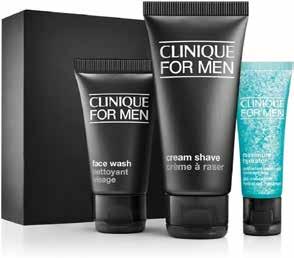
There was a time when men’s grooming began and ended with a haircut, a shave, and whatever cologne happened to be within reach. Anything beyond that was often dismissed as unnecessary. That conversation has changed.
Today, grooming is less about vanity and more about self-awareness. Looking well put together is no longer optional for the modern man; it is part of how he presents himself to the world. But the new standard is not about perfection or looking overly polished. It is about looking intentional. Groomed, not overdone.
By Funke Babs-Kufeji
Skin Is No Longer Optional
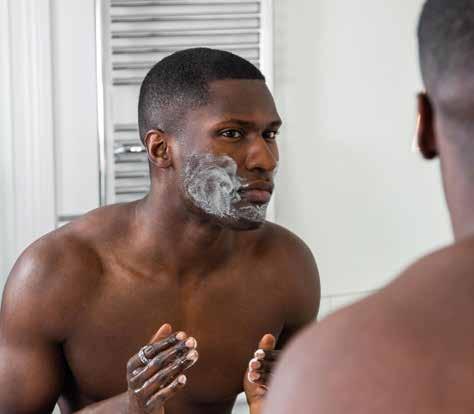
You do not need a ten-step skincare routine, but ignoring your skin completely no longer works. Healthy skin instantly makes you look fresher, more rested, and better put together. A simple routine, cleanser, moisturiser, and sunscreen, is enough for most men. The goal is maintenance, not obsession. Looking permanently exhausted is not a personality trait.
Hair Should Look Maintained, Not Accidental
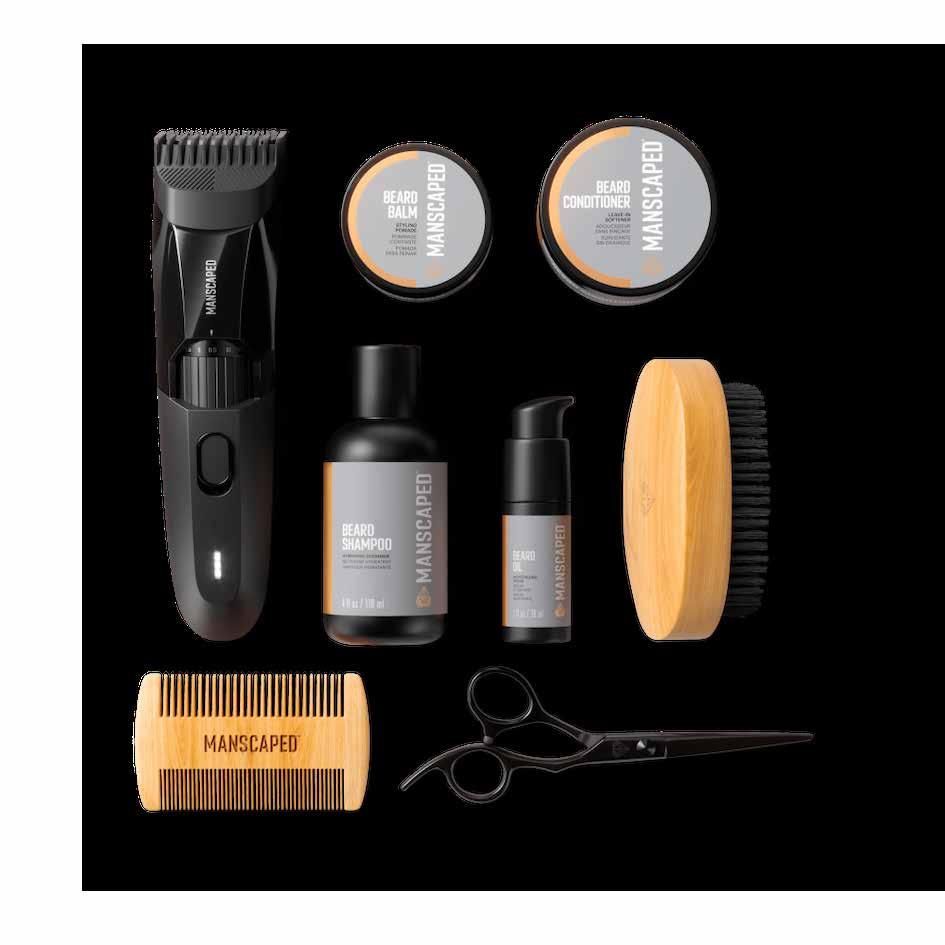
Nothing sharpens a man’s appearance faster than a good haircut. Whether your style is a clean fade, curls, locs, a low cut, or something classic, consistency matters. Hair that looks deliberately maintained always elevates your appearance. The same rule applies to facial hair. A beard can look great, but only if it feels intentional. Scruffy is not the same as rugged.
Fragrance Should Whisper, Not Announce
A good scent is one of the most memorable parts of grooming, but restraint matters. Your fragrance should not enter the room before you do. It should sit close enough to be noticed, not broadcasted. The best scents become part of your identity, familiar, subtle, and unmistakably yours. Too much cologne is less confidence and more confusion.
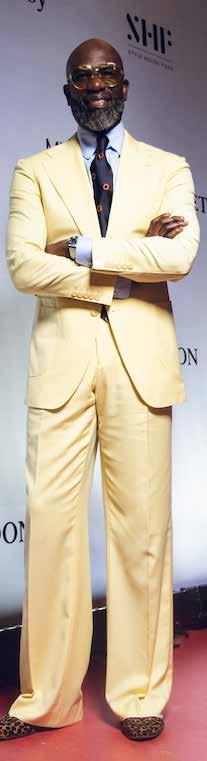
Fit Beats Flash Every Time
The new grooming conversation extends beyond skincare and hair. Clothes matter too. A man in a simple, well-fitted outfit will almost always look better than one drowning in logos or wearing expensive pieces that fit poorly. Trousers that pool awkwardly, shirts pulling at the buttons, oversized blazers pretending to be relaxed tailoring, these things instantly ruin the effect. Looking expensive and looking polished are not always the same thing.
The Small Details Are Doing More Work Than You Think
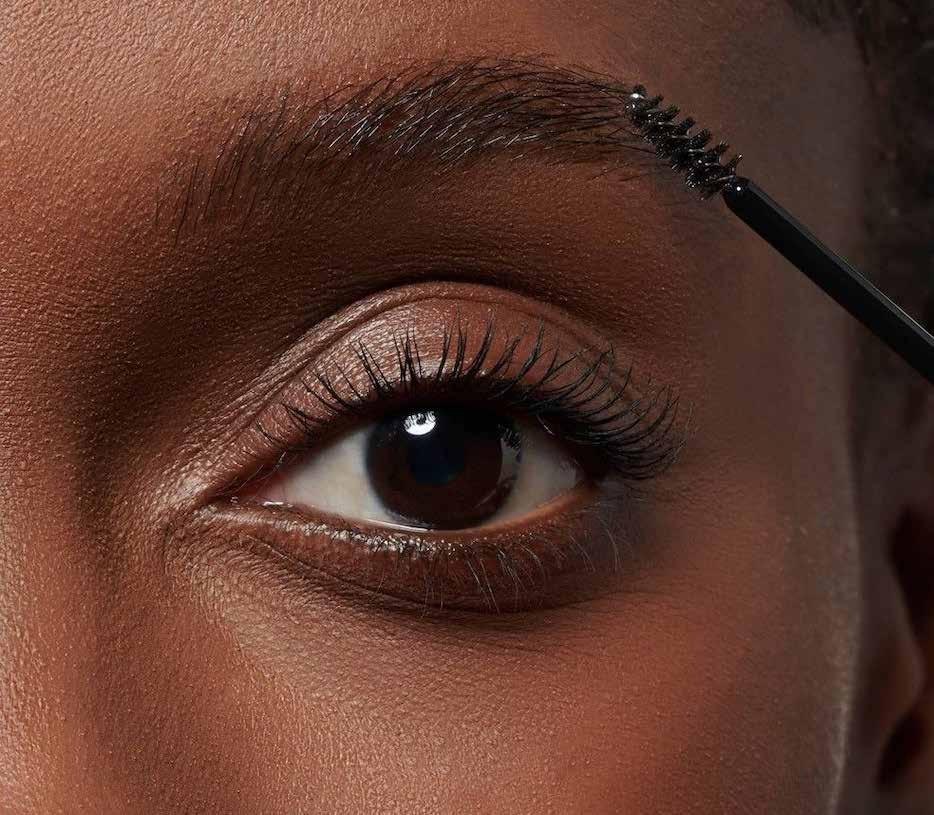
Clean shoes. Trimmed nails. Fresh breath. Wellmaintained teeth. A neat watch strap. Groomed brows that do not take over your face. These are the details many men overlook, but they often make the biggest difference. People notice care, even when they cannot immediately explain why someone looks particularly put together.
Less Effort, Better Results
The best-groomed men rarely look as though they spent hours trying to perfect themselves. That is the point. Hair looks neat. Skin looks healthy. Clothes fit properly. Shoes are clean. Fragrance is subtle. Nothing feels forced or overly curated. The goal is effort that does not look like effort. That balance is what separates polished from trying too hard.
Presence Still Matters Most
Good grooming gets attention, but presence completes the picture.
Confidence, self-awareness, good manners, posture, and how a man carries himself still shape first impressions just as much as appearance does. A perfectly dressed man with poor energy will never outshine a reasonably dressed man with genuine confidence. Because at the end of the day, grooming is not really about products or haircuts. It is about how intentionally you show up.
HOW TO STOP DOOMSCROLLING YOUR WAY THROUGH LIFE
You opened Instagram to check one photo. Forty-five minutes later, you’re watching a stranger’s flood-damaged living room in a country you’ve never visited, your chest tight, your dinner cold.
Sound familiar? Welcome to doomscrolling, the compulsive habit of consuming an endless stream of negative news and content, even when it’s making you feel genuinely awful. It’s not a character flaw. It’s not laziness. It’s a trap that some of the most sophisticated engineering minds on the planet have spent billions of dollars designing specifically for you. Here’s how to climb out of it.
First, Understand What You’re Up Against
The feed isn’t neutral. Every major social platform runs on engagement algorithms, and here’s the uncomfortable truth: fear, outrage, and sadness drive more engagement than joy. A photo of a sunset gets a few likes. A video of a city being swallowed by wildfires gets shared 40,000 times before breakfast.
Your brain, wired by evolution to monitor threats, finds the danger content impossible to ignore. And every time you pause, scroll back, or re-watch something distressing, the algorithm notes it and serves you more. You’re not weak for falling for this. You’re human. But you can be a strategic human.
Recognise the Loop Before You’re In It
Doomscrolling rarely announces itself. It starts with a reasonable impulse — I just want to know what’s going on — and escalates into a dissociative hour you can’t quite account for. The warning signs are subtle: you’re scrolling faster than you’re reading, nothing satisfies, but you can’t stop, and you feel vaguely worse with every minute, yet somehow can’t put the phone down. That last part is the key signal. If consuming information is making you more anxious without making you more informed or capable, you’re no longer reading the news. You’re just punishing yourself with it.
Replace the Habit, Don’t Just Remove It
The classic mistake is trying to quit cold turkey, deleting apps, swearing off your phone, and making grand declarations. It works for about four days. The reason it fails is that doomscrolling fills real psychological needs: stimulation, the illusion of staying informed, and a strange kind of company in shared collective dread. If you take it away without replacing those things, you’ll be back by Friday. What actually works is substitution. Put something in the gap. A book on your nightstand instead of a phone
charger. A five-minute voice note to a friend instead of opening Twitter. A short walk instead of the morning news spiral. You’re not fighting willpower; you’re redesigning the environment so that the easier path is the healthier one.
Set Boundaries That Have Teeth
Vague intentions don’t work. I’ll spend less time online is not a plan. What does work: charging your phone outside the bedroom, using app timers that actually lock you out (not just send a gentle notification you immediately dismiss), and designating two specific windows during the day for news, say, twenty minutes after lunch and twenty minutes after dinner. Outside those windows, the news doesn’t exist for you. This isn’t avoidance. The world’s problems don’t get solved because you read about them at 2am in a state of helpless anxiety. You staying informed and functional is more useful to the people around you than you staying informed and paralysed.
Do Something With What You Know
A lot of doomscrolling is displacement energy. We read about problems because action feels impossible, and reading feels like doing something. Break that cycle deliberately: pick one issue you care about and attach a real-world action to it. Donate. Volunteer. Call someone. Write something. The moment engagement becomes action, even small action, the frantic quality of the scrolling starts to lose its grip.
The Bigger Reframe
Your attention is not infinite. Every hour spent consuming content that leaves you feeling helpless is an hour not spent on the things that make your life feel worth living. The news will always be there. So will the algorithm, waiting patiently, infinitely scrollable.
For now, put the phone down. The world can wait twenty minutes while you eat a warm meal.
THE TREATMENTS WORTH KEEPING ON YOUR CALENDAR BEAUTY MAINTENANCE:
improving skin texture, tone, and overall brightness when used with care. They help address dullness, uneven skin, and minor imperfections, but they are not meant to be overdone. Spacing treatments appropriately and working with a professional ensures your skin benefits without damage. Consistency and moderation are what make the difference here.
Laser and Advanced Treatments
Facials That Do More Than Relax
A good facial goes beyond a one-time glow. When done regularly, it helps maintain skin clarity, hydration, and balance over time. Rather than waiting for breakouts or dullness, consistent facials keep your skin in check. The focus should be on a schedule that suits your skin, not occasional indulgence. It is less about luxury and more about upkeep.
Chemical Peels, Used Properly
Chemical peels can be effective for
For more targeted concerns like pigmentation, fine lines, or uneven texture, advanced treatments such as laser or microneedling can deliver noticeable results. However, they work best as part of a long-term plan rather than quick fixes. Proper consultation and timing are key. When approached correctly, these treatments support gradual, lasting improvement rather than temporary change.
Hair Maintenance Is NonNegotiable
Healthy hair requires consistent
care, not occasional attention. Regular trims prevent breakage, while treatments help maintain strength and shine. Whether your hair is natural, relaxed, or styled, a steady routine makes the difference. Neglect shows quickly, but so does proper care. Keeping up with appointments ensures your hair always looks intentional and well managed.
Brows and Lashes, Kept
Clean
Brows and lashes frame the face in a subtle but powerful way. Keeping them shaped and maintained on a schedule reduces the need for daily effort. Whether through threading, waxing, or simple grooming, consistency keeps your look polished. It is a small detail, but one that quietly enhances your overall appearance.
Manicures and Pedicures
There is a difference between trying everything and maintaining what works. Beauty today can feel like a constant cycle of new products, new treatments, new promises. But the people who always look put together are not doing the most, they are doing the right things, consistently. Real results come from maintenance, not experimentation.
Consistency Over Trends
Not every new treatment is necessary, and constantly trying different options can do more harm than good. The key is identifying what works for your skin and sticking to it. Trends come and go, but consistent routines deliver lasting results. A simple, steady approach often proves more effective than chasing every new beauty solution.
Well-kept hands and feet contribute to an overall polished look. Regular manicures and pedicures, even without bold polish, keep nails clean, shaped, and presentable. It is not about constant colour changes, but about maintaining neatness. These details are often noticed in close interactions and can elevate your overall presentation. Body Care Beyond the Surface Body care is often overlooked, but it plays a key role in overall appearance. Regular exfoliation and moisturising help maintain smooth, even skin. Occasional treatments like body scrubs or massages can improve texture and circulation. Taking care of your skin beyond the face ensures a more complete and consistent approach to beauty.
YOUR SKIN CHANGES, SO SHOULD YOUR ROUTINE:
A DECADE-BY-
DECADE GUIDE
One of the biggest skincare mistakes people make is staying loyal to a routine that no longer serves them. What worked beautifully at 25 may suddenly feel ineffective at 35. What seemed unnecessary at 30 might become essential by 45. Skin is not static. It changes with age, hormones, stress, lifestyle, environment, and sometimes for no obvious reason at all. The goal is not to fight ageing like it is a personal enemy. It is to understand what your skin needs at different stages and adjust accordingly. Here is what that looks like, decade by decade.
By Funke Babs-Kufeji
IN YOUR 20s:
Build Good Habits, Not Product Addiction
Your twenties are often when skin still feels forgiving, which is exactly why bad habits tend to form. Breakouts, oiliness, clogged pores, and uneven texture are common, but this is also the decade where consistency matters most. You do not need an overflowing bathroom shelf or every trending serum TikTok has discovered. A gentle cleanser, moisturiser, sunscreen, and a targeted treatment if you are dealing with acne or pigmentation is often enough. The biggest mistake in your twenties is overcomplicating everything. Too many actives. Too much experimenting. Too much impatience.
IN YOUR 30s:
Shift From Correction to Maintenance
By your thirties, skin often starts changing in quieter ways.
You may notice dullness that did not exist before, a little less bounce, uneven tone, fine lines around the eyes, or skin that simply looks more tired than it used to. This is where intention becomes important.
Hydration matters more. Sunscreen should be non-negotiable by now. Ingredients like vitamin C, hyaluronic acid, peptides, or retinol may become useful depending on your skin’s needs. This decade is less about chasing “glass skin” and more about protecting what you already have.
IN YOUR 40s:
Support
the Skin Barrier
Your forties often bring more noticeable changes.
Skin may feel drier, less firm, or more reactive than before.
Hormonal shifts can introduce unexpected breakouts, sensitivity, or pigmentation, which feels deeply unfair, frankly.
This is not the decade for stripping your skin with aggressive exfoliation or harsh products in pursuit of youth. Focus instead on nourishment, barrier repair, hydration, and ingredients that support collagen production.
For some people, this is also when professional treatments begin to make sense, but thoughtful treatments, not random procedures, because social media said so.
IN YOUR 50s AND BEYOND:
Comfort, Strength, and Hydration
As skin matures, moisture loss tends to happen faster, elasticity naturally declines, and skin may become thinner or more delicate. The focus here shifts from correction to support. Richer moisturisers, gentle cleansing, nourishing serums, and ingredients that strengthen the skin barrier tend to work better than aggressive anti-ageing routines that promise miracles. The goal is not to look 28 again. The goal is skin that feels healthy, comfortable, and cared for.
Sometimes It Is Not About Age At All
Not every skin change is about getting older.
Pregnancy, stress, menopause, medication, health conditions, travel, weather changes, and even poor sleep can completely alter how your skin behaves. Sudden breakouts, dryness, sensitivity, or pigmentation are not unusual.
The smartest skincare move is adjusting when your skin changes instead of stubbornly forcing an old routine to keep working.
Lifestyle Also Shows Up
Skincare can only do so much if your lifestyle is working against you. Sleep, hydration, stress, diet, sun exposure, alcohol, hormones, and general health all show up eventually. The most expensive serum in the world cannot consistently outwork chronic stress and three hours of sleep.
Products matter. Professional Treatments Too
Facials, peels, laser treatments, microneedling, and other professional options absolutely have their place when chosen well.
But they should support a solid routine, not replace one. Good skin is usually less about dramatic interventions and more about consistent care over time.
Stop Comparing Your Skin to Everyone Else’s
Perhaps the biggest skincare lesson of all is that skin does not age on a universal schedule. Genetics matter. Lifestyle matters. Hormones matter. Environment matters. Someone else’s face is not your benchmark.
The real goal is not perfect skin. It is understanding your own skin well enough to care for it properly at every stage.