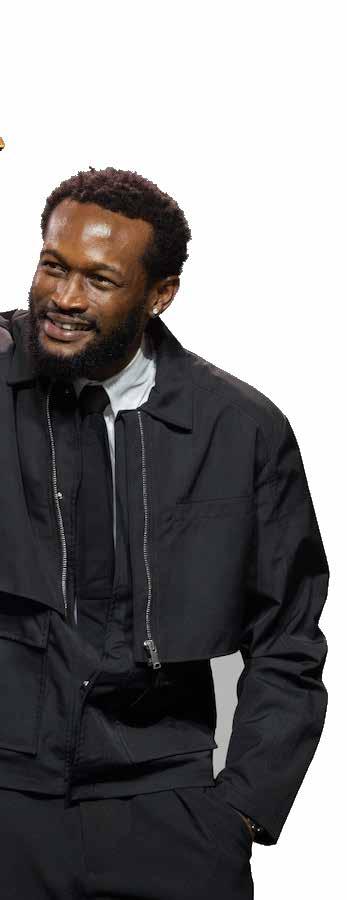
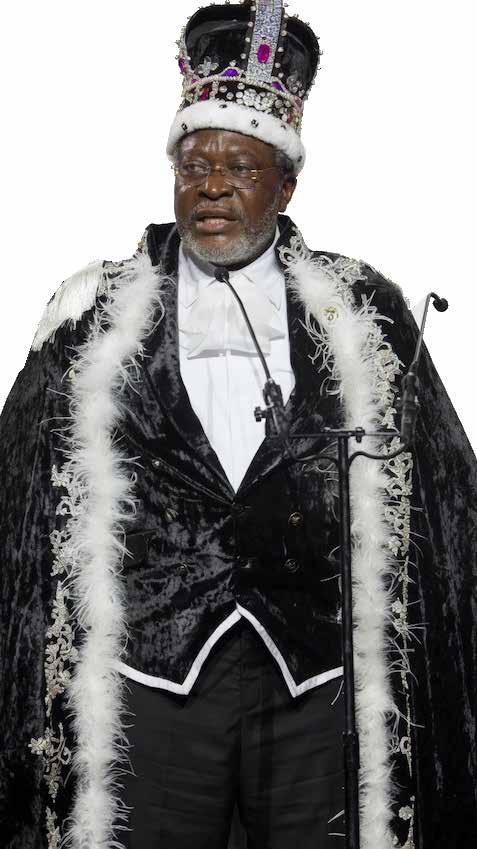
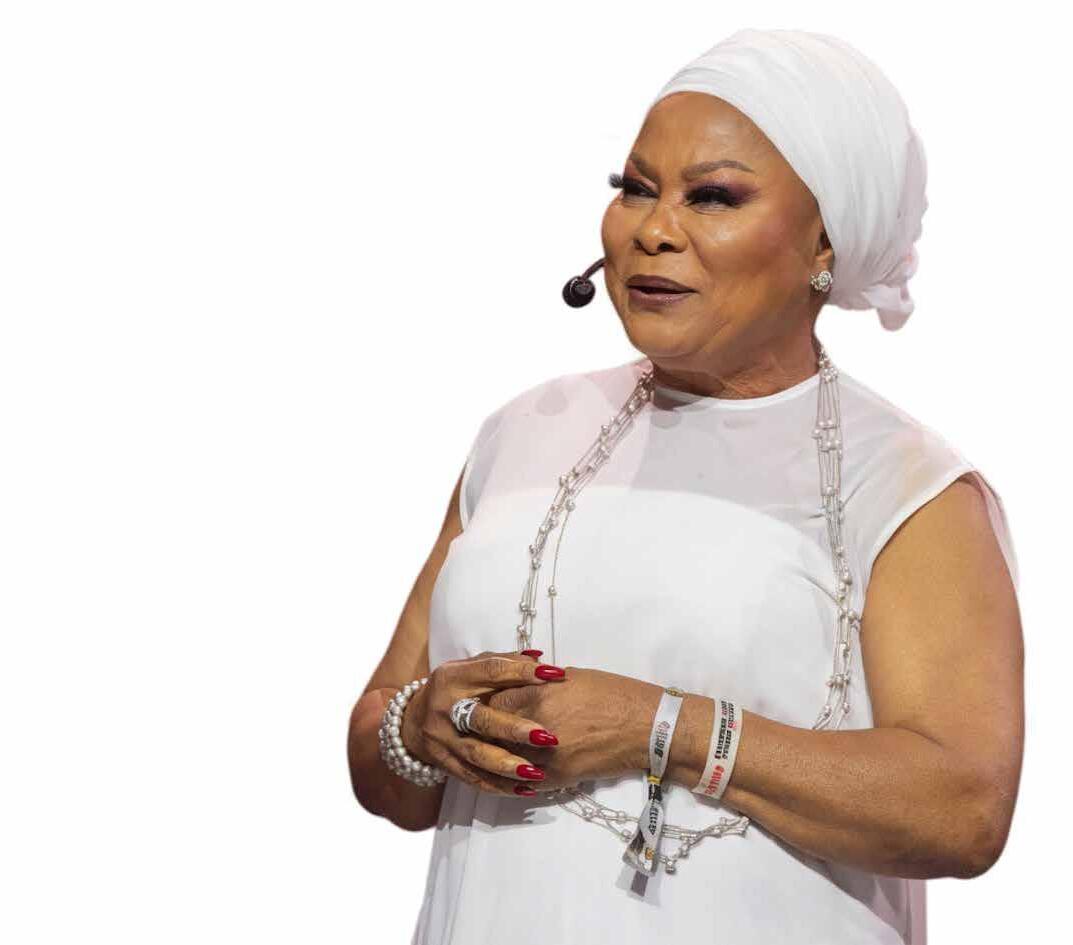
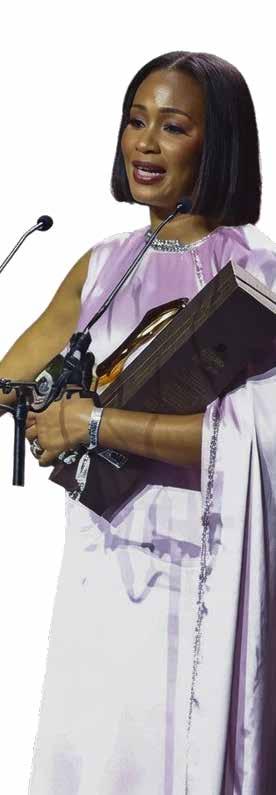
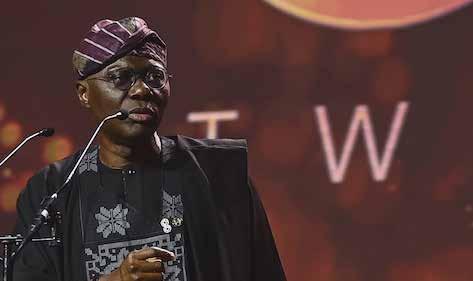
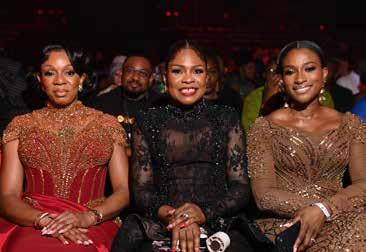
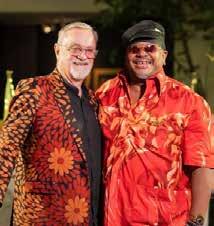
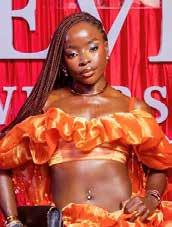
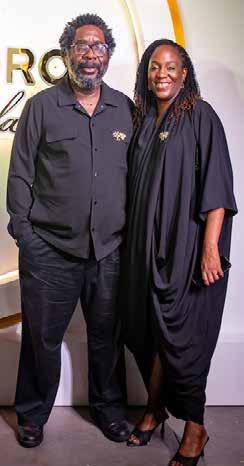
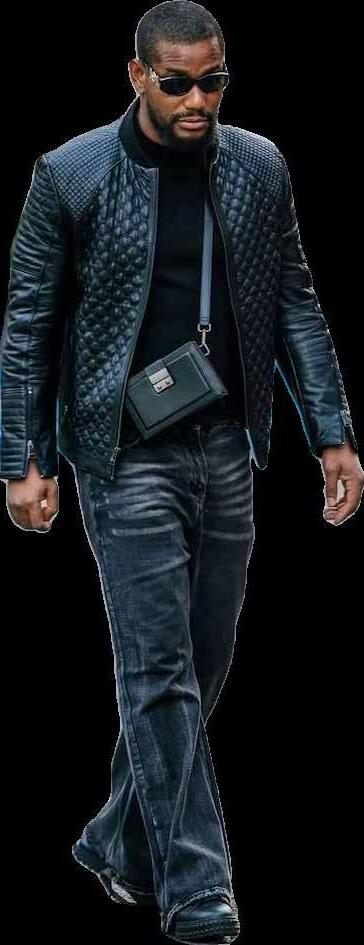
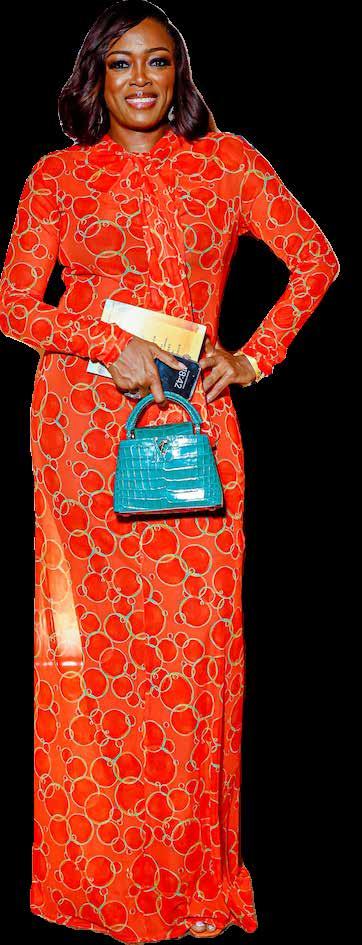
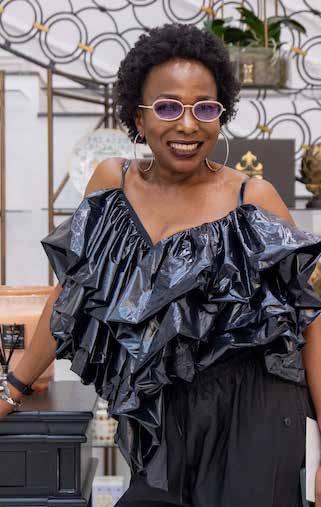
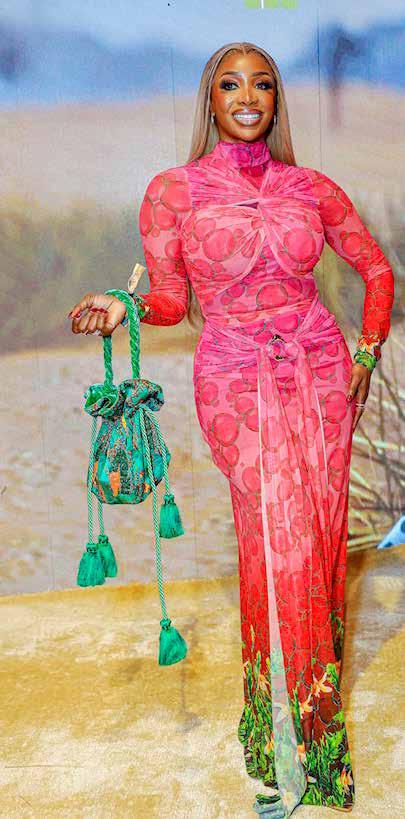
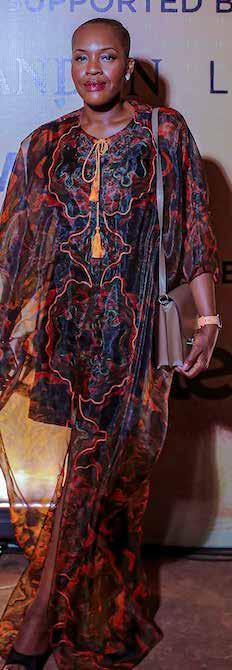
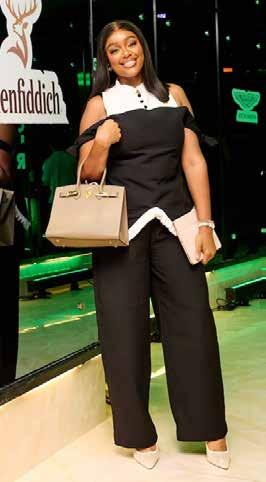
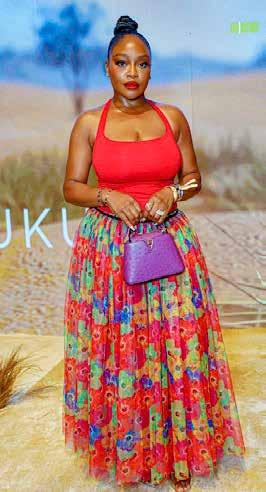
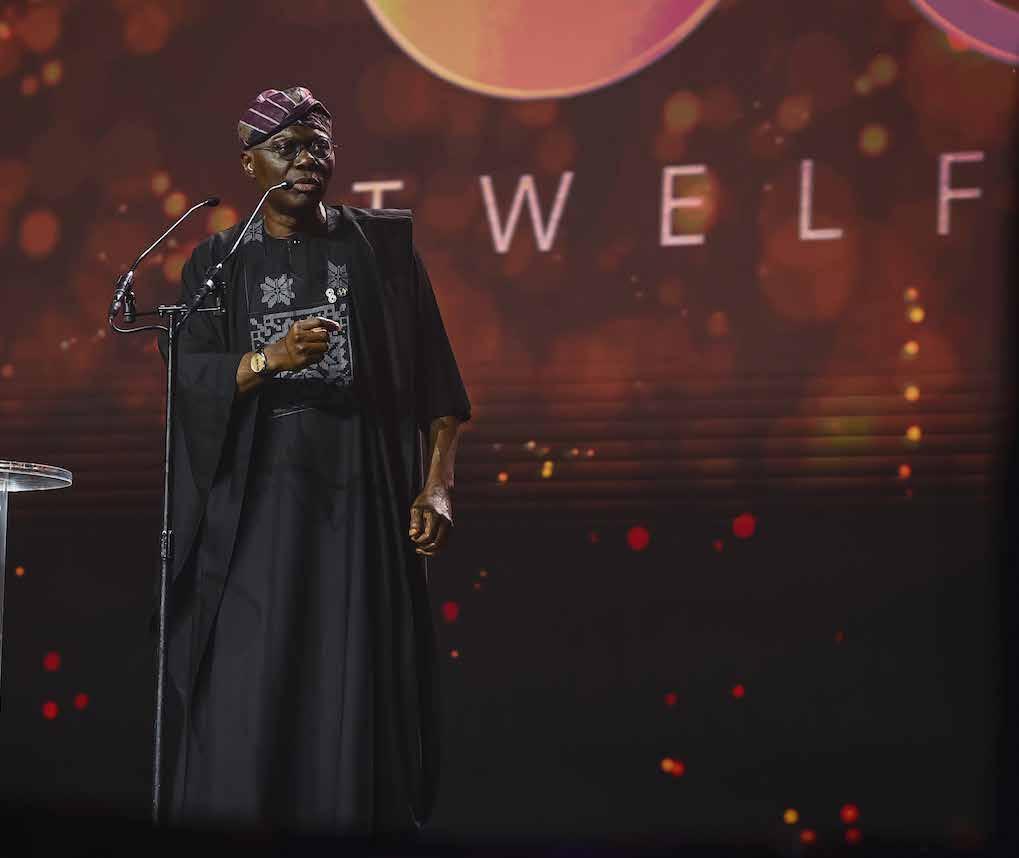
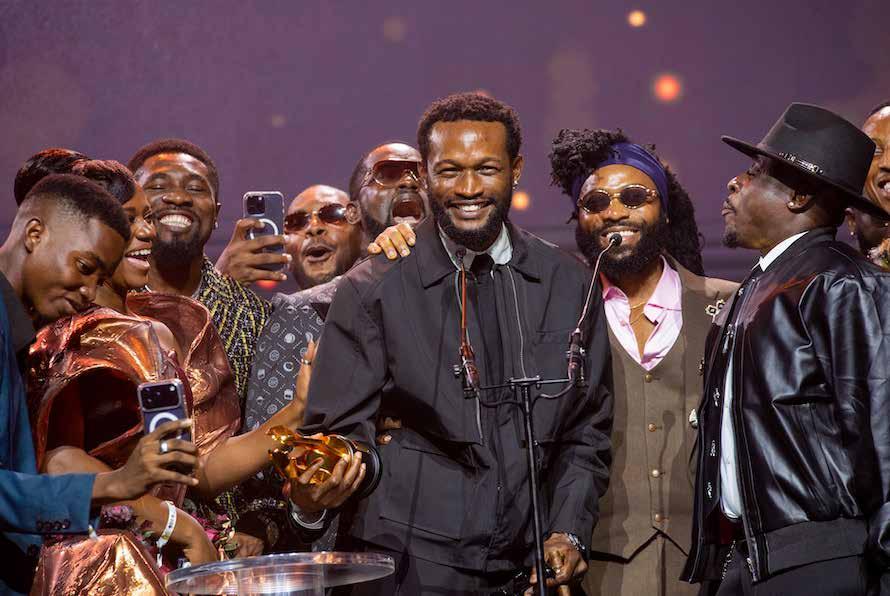
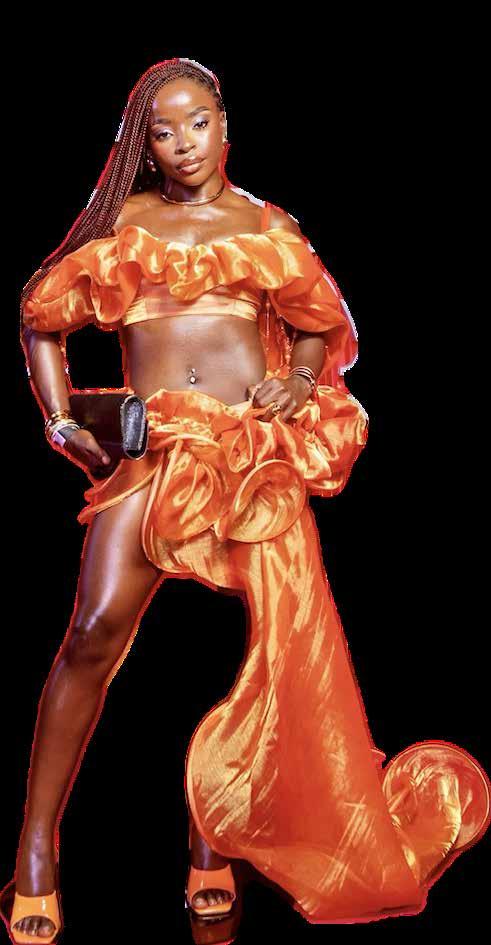
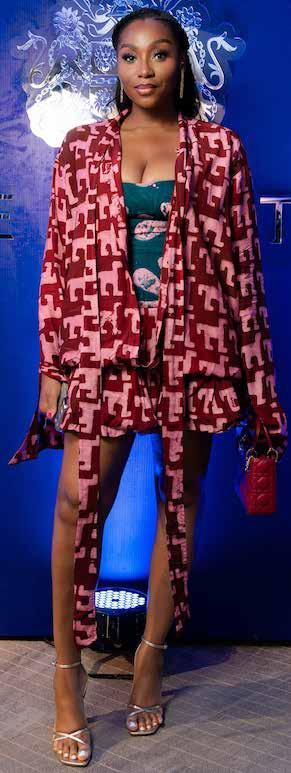
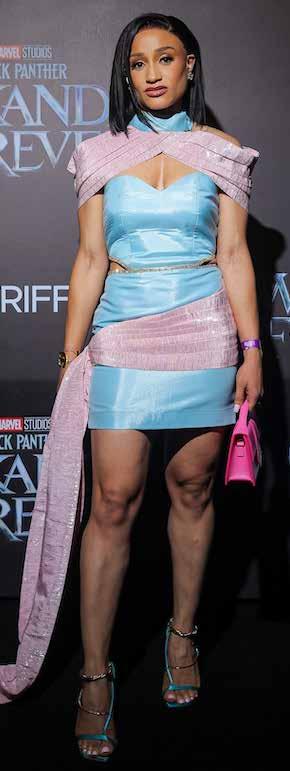
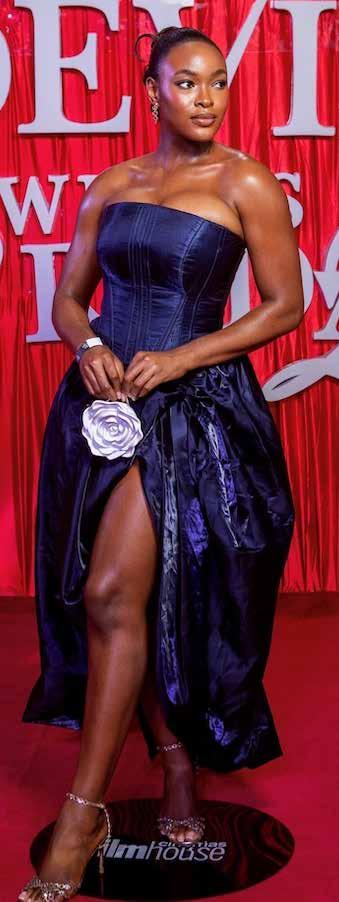
The 12th edition of the Africa Magic Viewers’ Choice Awards delivered the glamour, emotional wins, and defining career moments audiences have come to expect from Nollywood’s biggest night, while once again proving that the red carpet remains one of the event’s most talked-about attractions. Held at Eko Hotel and Suites in Lagos, the evening opened with remarks from Kemi Owatemi Omotosho, Chief Executive Officer of MultiChoice Nigeria, who reflected on the continued growth of African storytelling and the importance of platforms that celebrate and amplify creative excellence across the continent. The Lagos State Governor Babajide Sanwo-Olu also addressed attendees,
Lifestyle & Fashion
The emotional range this week has been rather extraordinary.
Just days ago, timelines were consumed by the spectacle that is the AMVCA red carpet, now firmly established as one of the most culturally significant nights on the fashion and entertainment calendar.
And what a red carpet it was.
The gowns were dramatic, the tailoring sharp, the beauty looks heavily dissected, and social media did what it does best, turning every entrance into an instant public debate.
Beyond the glamour, the AMVCA remains an important marker for Nollywood itself, a reminder of how far the industry has come in visibility, ambition, production value, and influence. If you missed any of the defining moments, our 10 Things That Defined AMVCA 12 offers the perfect catch-up.
Then came the kind of news that instantly changes the emotional temperature of a week.
The passing of Alex Ekubo.
And suddenly, all the sequins and celebration felt distant. Alex, fondly known as Ikuku, was one of those actors who felt deeply familiar. There was an ease to him. A warmth.
The kind of charisma that never felt forced. Which is perhaps why the news has landed so heavily.
Forty is still an age of plans, possibilities, unfinished conversations, and things people assume there will be time for. So when someone, seemingly still full of life, exits at this age, it unsettles in a very particular way.
Weeks like this have a way of forcing perspective.
One moment, we are debating red carpet looks and celebrating wins. The next, we are reading tributes and being reminded, once again, just how fragile life can be. Which is perhaps the quiet nudge here.
To pay attention.
To ourselves, certainly. The appointments we keep postponing. The exhaustion we have normalised. The symptoms we dismiss because there always seems to be something more urgent.
But also to one another.
Because not every difficult season announces itself loudly, sometimes the people who seem brightest are simply carrying things quietly.
If you have not yet read The Ikuku: The Life, Light and Final Curtain Call of Alex Ekubo, it is a moving tribute worth your time.
And while we are here, how exactly is May treating everyone? Kindly? Financially aggressive? Soft and romantic? Slightly chaotic? Confusing but survivable?
However it’s going, I hope you are finding small reasons to laugh. hope you are checking in on your people. I hope you are being gentler with yourself than the world often allows.
We are only halfway into the month. That means there is still room for better news, softer days, unexpected wins, and maybe even some actual rest.
If this week has taught us anything, it is that life remains deeply unpredictable, so wear the good outfit, make the call, book the check-up, and when in doubt, choose kindness.
Cincoro Tequila Makes Stylish Lagos Debut with Star-Studded Luxury Launch
CINCORO TEQUILA MAKES STYLISH LAGOS DEBUT WITH STAR-STUDDED LUXURY LAUNCH
By Yinka Olatunbosun
It was a beautiful celebration of love, culture, and family as Joanna and Tolu traditionally tied the knot in a colourful ceremony held at The Hall Event Centre on Musa Yar’Adua, Victoria Island, Lagos. Friends, family members, and loved ones turned out in style to celebrate with the couple on their special day. From the moment guests arrived, the atmosphere was filled with excitement, laughter, music, and heartfelt joy, setting the tone for a memorable occasion.
Dressed elegantly in stunning traditional attire, Joanna and Tolu looked every bit the happy couple as they honoured cultural traditions and shared beautiful moments together. One of the highlights of the ceremony was the coming together of both families, who officially met, exchanged pleasantries, prayers, and goodwill in celebration of the union. The reception was lively and energetic, with guests dancing happily to a mix of traditional and contemporary music. The dance floor remained full throughout the event as friends and family joined the couple in celebration. Guests were also treated to an abundance of food and drinks, with a rich spread that kept everyone entertained and satisfied as conversations and laughter flowed across the beautifully decorated venue.
From the colourful fashion statements to the warmth shared between family and friends, Joanna and Tolu’s traditional wedding was a truly memorable celebration, one filled with love, happiness, and the joyful union of two families.
Dorcas Dio Ebiyekon
ome actors become famous. Some become familiar. And then there are the few who somehow become part of the cultural furniture, faces so recognisable, personalities so warm, that it feels strange to imagine the industry without Alexx Ekubo was one of
CHIEF IKUKU: THE LIFE, LIGHT AND FINAL CURTAIN CALL OF
ALEX EKUBO
The news of his passing at 40 has landed with the kind of heaviness reserved for people who felt larger than the roles they played. Across social media, colleagues, friends, and fans have shared memories not just of an actor, but of a man described repeatedly in the same language: kind, cheerful, deeply warm, full of life. In an industry often defined by spectacle, Alex seemed to possess something quieter but no less magnetic, an ease that made people feel they knew him.
Fondly called
Chief Ikuku, Alex’s death after a prolonged battle with cancer marks the end of a life that, while painfully brief, was rich in visibility, impact, and
But long before the red carpets, the polished photoshoots, the blockbuster film appearances, and the celebrity status, Alex was simply a young Nigerian man with ambition, charisma, and perhaps no idea just how far life would take him. And then there was the presence. Tall, strikingly handsome, with the kind of charisma cameras naturally gravitate toward, Alex had all the ingredients of stardom before he became one.
But good looks alone do not sustain relevance in entertainment.
Born Alexx Ekubo-Okwaraeke on April 10, 1986, in Port Harcourt, Rivers State, he hailed from Arochukwu in Abia State. He was the second of four children and, by every visible account, deeply rooted in family. Anyone who followed his public life would have noticed it, the warmth in his family posts, the teasing affection, the easy camaraderie. Fame never seemed to strip him of that softness. He attended Federal Government
College, Daura, before going on to study Law at the University of Calabar. He later earned a degree in Mass Communication from Calabar Polytechnic, an interesting duality for someone who would eventually build a career that required both performance and public communication. In 2021, he received an honorary degree in Arts and Culture from ISCG University in Cotonou, Republic of Benin, recognition of how much his influence had grown beyond acting alone.
His first brush with mainstream attention came not through film, but through pageantry. In 2010, Alex emerged as the first runner-up in the Mr Nigeria competition, a platform that introduced him to a wider audience and quietly changed the trajectory of his life. Like many entertainment careers, his did not explode overnight. The glamour came later.
His earliest screen appearance dates back to 2003 in Sinners in the House, where he played a minor role in a film by veteran filmmaker Lancelot Oduwa Imasuen. But it was 2012’s Weekend Getaway that truly shifted things.
That was the moment many people began to notice him. From there, Alex carved out a distinct place for himself in Nollywood, particularly in romantic dramas and glossy contemporary productions where his combination of charm, elegance, and emotional accessibility made him an easy fit as the leading man.
He starred in films including Lagos Cougars, In the Cupboard, Dream Walker, Hire a Woman, Sugar Rush, Merry Men: The Real Yoruba Demons, and Fate of Alakada, among others.
What made Alex interesting was that he understood his lane, but did not feel trapped by it.
Yes, he had the face for romance. Yes, audiences loved him as the polished love interest. But beneath the obvious appeal was an actor who understood screen chemistry, timing, restraint, and presence. Some actors perform loudly. Alex often didn’t need to. He knew how to occupy a frame.
And Nollywood rewarded that consistency.
Over the years, he picked up multiple recognitions, including honours from the BEFFTA Awards, Screen Nation Awards, Best of Nollywood Awards, and other international film platforms. But perhaps his
greatest achievement was becoming one of those actors whose name alone immediately sparked recognition. He was stylish without trying too hard. Social but not chaotic. Successful without appearing inaccessible. He embodied a version of modern Nigerian celebrity that felt polished, but still approachable. Then, quietly, he seemed to retreat.
For the last couple of years, his reduced social media presence became noticeable. In today’s hyper-visible celebrity culture, silence often invites speculation. But few could have anticipated that behind that absence was a deeply personal health battle. Reports indicate he died following complications from liver cancer.
And suddenly, so many small things now make tragic sense. Beyond entertainment, he was involved in humanitarian work, supporting causes focused on children, youth development, and social impact.
His contributions earned him recognition among the Most Influential People of African Descent and the Top 100 Under 40 Hall of Fame, affirming that his influence extended beyond cinema.
He was also open about his faith.
In an era where spirituality is often either heavily curated or entirely hidden, Alex’s relationship with God seemed sincere and uncomplicated. It was simply part of who he was. And perhaps that is why the tributes feel especially emotional.
People are not only mourning an actor. They are mourning energy. Warmth. Familiarity. Potential. The future roles he would have played. The interviews he would have given. Forty feels painfully young, particularly for someone who still seemed to have so much left to do. But perhaps that is what makes certain losses hit differently, not just what was, but what could have been.
For Nollywood, this is the loss of a recognisable star. For fans, the loss of someone who felt strangely familiar. For those who knew him personally, something far more intimate.
And for the rest of us, a quiet reminder that even the brightest public lives can carry unseen battles.
Alexx Ekubo may have taken his final bow, but The Ikuku remains, in film frames, in laughter-filled memories, in the tributes pouring in, and in that unmistakable presence that once made a generation pause and say, there he is. Rest well, Alex.
AGEING, WITHOUT THE APOLOGY: 5 NEW RULES FOR LOOKING GOOD AT ANY AGE
There’s a quiet shift happening in how we think about ageing. Not dramatic, not announced, just a gradual pulling away from the idea that growing older is something to fix. For years, the messaging was clear: stay young, look younger, do whatever it takes to not look your age. Entire routines were built around reversing, correcting, freezing. And most of us, at some point, bought into it. Not necessarily out of vanity, but because it felt like the standard.
But lately, that urgency is softening.
Not because people suddenly don’t care about how they look, but because the definition of “looking good” is changing. It’s less about chasing a past version of yourself, and more about showing up well in the present. So if the old rules were about antiageing, these are the new ones.
By Yinka Olatunbosun
1. Stop trying to look younger.
Start trying to look better. There’s a difference, and it’s more obvious than we admit. Trying to look younger often leads to overdoing too much product, too many treatments, too much adjustment. And instead of looking refreshed, you end up looking slightly disconnected from yourself. Looking better, on the other hand, is quieter. It’s good skin, not perfect skin. It’s energy. Its presence. You’re not aiming for 25 again; you’re aiming to look like a very good version of your current age. And that always reads better.
2. Your skin doesn’t need correcting. It needs support. The language around skincare has done a lot of damage. Words like repair, reverse, fight as if your face is something that’s gone wrong.
By Funke Babs-Kufeji
But skin isn’t a mistake. It changes because you live. The shift now is toward maintenance, not correction.
Hydration. Barrier care. Sun protection. Treatments that work with your skin instead of aggressively trying to “fix” it. It’s less dramatic, but far more effective. And over time, it shows.
3. You don’t have to dress your age.
You just have to dress well. For a long time, style came with quiet restrictions. No long hair after a certain age. No bold colours. No “trendy” pieces. All of that is slowly becoming irrelevant.
What works now is personal.
If it fits well, if it feels right, if it reflects you, it works. Age doesn’t cancel out style; it refines it. You know more. You edit better. You wear things with more intention.
And that confidence does more than any rule ever could.
4. If you choose treatments, let them look like you.
There’s nothing new about people investing in dermatology or aesthetic treatments. What’s changing is the intention behind it. The overly filled, overly smooth look is losing appeal. In its place is something more subtle, tweaks that maintain movement, not erase it. Adjustments that refresh, not transform.
The goal is no longer to look untouched by time. It’s to look like yourself, just slightly more rested.
And when it’s done well, no one notices the work. They just notice you look good.
5. Stop treating ageing like a problem to solve.
This is really the core of it. The moment you label something “anti-ageing,” you turn it into a battle. And it’s one you can’t win, no matter how much you spend or how consistent you are.
Letting go of that mindset doesn’t mean you stop caring. It just means you stop approaching your reflection with pressure.
You take care of yourself. You invest in what works. You show up well. But you’re not trying to outpace time or undo it. You’re just moving with it.
Makeup should not feel like a mask. At its best, it simply helps you look like a more rested, even version of yourself. The right products and techniques can soften shadows, define your features and give your skin a healthy, natural brightness. It is the difference between looking overly done and looking like you on a really good day.
That is what a good routine does. But small missteps can undo all of that. Most makeup mistakes are not obvious. They are the kind you barely notice, a shade that is slightly off, too much product in one area, or placement that is not quite right. These details can make the skin look dull, emphasise lines and throw off the balance of your face. The good part is they are easy to fix once you know what to pay attention to.
Here are some common mistakes that can quietly add years to your look.
Skipping Skin Prep
Makeup sits best on skin that has been properly cared for. When skin is dry or uneven, foundation and concealer tend to cling to texture and fine lines. This can make even good products look flat and tired. A simple routine, cleansing and applying a moisturiser, can make a noticeable difference. Wellhydrated skin reflects light better and gives makeup a smoother, fresher finish.
Blush Placed Too Low
Where you place your blush matters more than the colour itself. When it sits too low on the cheeks, it can pull your face downward and make features look heavier. Placing it slightly higher
on the cheekbones helps lift the face and creates a more natural flush. It brings back some light and structure in a subtle way.
Ignoring Brows
Brows frame your face, and when they are neglected, your features can look less defined. Sparse or overplucked brows can make the face appear tired. At the same time, filling them in too heavily can look harsh. The goal is soft definition. Light, natural strokes that follow your brow shape tend to give a cleaner and more balanced look.
Over-Concealing Under the Eyes
THE MAKEUP MISTAKES THAT ADD YEARS TO YOUR FACE
Too much concealer under the eyes can do the opposite of what you want. Heavy layers or shades that are too light tend to crease and highlight fine lines. Instead of brightening the area, they draw attention to it. Using a small amount and choosing a shade close to your skin tone gives a smoother and more natural result.
Too
Much Powder
Powder is helpful, but too much of it can make the skin look dry and flat. It often settles into lines around the eyes and mouth, which can age the face. It can also take away any natural glow your skin has. Using a light hand helps set your makeup while still allowing your skin to look like skin.
Not Updating Your Makeup
Using the same products and techniques for years can make your look feel dated. As your skin changes, your makeup should adjust with it. New formulas and finishes often sit better on the skin and look more natural. Updating your routine from time to time keeps your look fresh without needing a complete overhaul.
Skipping Skin Prep
Blush Placed Too Low
HANDBAGS
THAT NEVER GO OUT OF STYLE
There are trend bags, and then there are the ones that seem immune to fashion’s mood swings. The kind you spot in an old photograph and still want immediately.
A bag your mother carried twenty years ago that somehow looks just as relevant today. The one that survives wardrobe clear-outs, shifting personal styles, and all those dramatic declarations about “only dressing differently now.” Because while fashion loves novelty, true style has a long memory. The handbags that last are rarely the ones trying the hardest. They are not built around a fleeting TikTok obsession or some oddly specific trend that will feel dated by next season. They endure because the design makes sense. The shape works. The craftsmanship holds up. And they know exactly what they are. These are the forever bags.
By Funke Babs-Kufeji
The Fabric Bag
Not every forever bag needs to be leather.
Some of fashion’s most enduring handbags come in tweed, canvas, raffia, jacquard, and beautifully textured fabrics that feel both relaxed and luxurious.
Think Chanel’s iconic tweed bags. Classic monogram canvas pieces. Woven summer bags that somehow return every warm-weather season without ever feeling tired.
Fabric bags bring softness and texture in a way leather sometimes cannot. The key, as always, is quality.
A poorly made fabric bag can look tired very quickly. A beautifully crafted one becomes part of your wardrobe language.
The Statement Bag
Timeless does not have to mean quiet.
A statement bag, when chosen well, can stay relevant for years. The mistake people make is confusing statement with gimmick. They are not the same thing.
A handbag shaped like an animal, a telephone, or something fashion will collectively pretend was genius for three months? Less convincing.
A great statement bag brings personality to your wardrobe without becoming the punchline of your old photos.
The Classic Shoulder Bag
Every few years, fashion likes to announce the return of the shoulder bag as though it had disappeared into witness protection. It never left. The shoulder bag has always been one of the most reliable silhouettes because it sits so comfortably between polished and relaxed. Not as formal as a top-handle. Not as casual as something overly slouchy. Just effortlessly wearable. Whether it is a sleek leather baguette, a softly curved hobo, or a clean minimalist design, the shoulder bag works because it adapts. Office. Dinner. Weekend lunch. Airport run. It just gets on with it.
The Structured Top-Handle
Few things communicate polish quite like a structured top-handle bag.
There is something about a bag that holds its shape, sits upright, and looks impossibly composed, even when your actual life is anything but. It has presence without being loud. It instantly makes an outfit feel more intentional. The Hermès Kelly and Birkin may be the obvious reference points, but timelessness is not about a particular label. It is about silhouette. A beautifully structured top-handle in black, tan, cream, oxblood, or navy will always feel sophisticated.
It is the handbag equivalent of excellent posture.
The Mini Bag Yes, the mini bag deserves its place here.
Despite endless debates about practicality and annual declarations that tiny bags are over, the truth is simple: a chic mini bag always works. Not because it carries your life. Clearly, it does not.
But because fashion has always made room for pieces that exist as much for style as function.
A sleek little top-handle mini, a tiny shoulder bag, a compact crossbody—these pieces add instant polish without overwhelming an outfit. The trick is choosing clean design over novelty.
Tiny but tasteful will always outlive tiny and ridiculous.
The Evening Clutch
Some accessories simply understand glamour. The clutch is one of them.
Even in an age where oversized bags and practical dressing dominate, the evening clutch remains a staple because elegance often requires editing. No receipts. No random chargers. No carrying half your bathroom.
Just the essentials.
A sleek leather envelope clutch, a satin box bag, a metallic minaudière—these pieces continue to work because occasion dressing still exists, and some looks deserve a cleaner finish.
A good clutch never fights the outfit. It completes it.
CHIOMA IKOKWU
EFE OBAIGBENA PRECIOUS OMOREGIE
EMELDA RUFAI
VANESSA AZAR
PROT ECTIVE STYLING,DO NE RIGHT
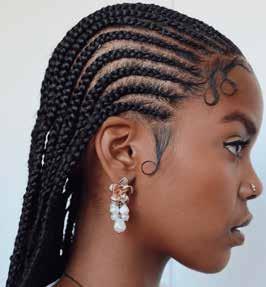
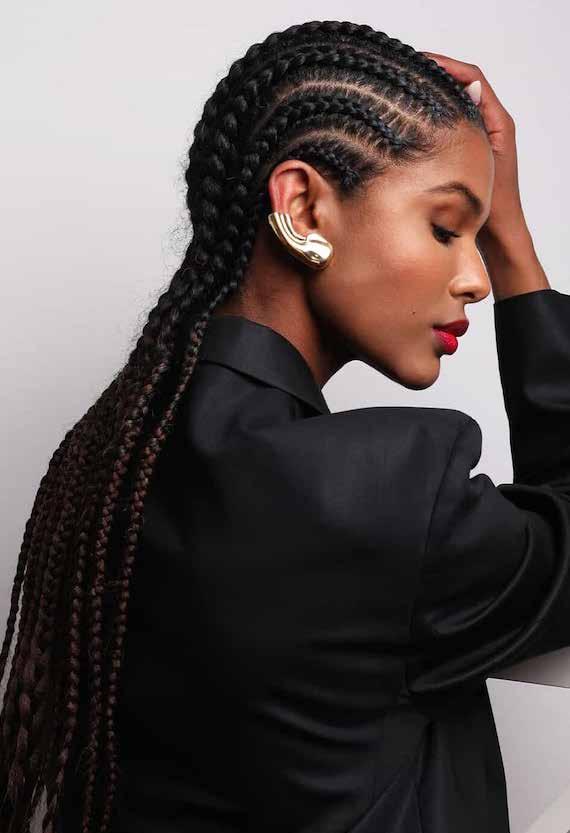
Protective styles have become more than just a beauty choice. For many women, they are part of a healthy hair routine, a time-saver, and sometimes the only thing standing between their hair and complete exhaustion from daily styling. But despite the popularity of wigs, braids, and twists, one thing is becoming increasingly clear: not every style that looks good is actually protecting your hair. Real protective styling is supposed to reduce manipulation, retain moisture, protect your ends, and give your hair room to rest and grow. The problem is many people now mistake tension for neatness and discomfort for durability. If your hairstyle leaves your scalp sore for days or your edges fighting for survival, something has already gone wrong
Knotless Braids Are Popular, But Not Always Innocent
Knotless braids became popular because they looked more natural and felt less painful than traditional braids.
But somewhere along the line, the styles became longer, heavier, and far more excessive.
Extra-long knotless braids packed with attachments may photograph beautifully,
but the weight can quietly strain the roots and edges over time.
Many women now complain about breakage and thinning after repeatedly wearing very heavy braids for months at a stretch.
The issue is not always the style itself but how it is installed. Tight tension, excessive weight, and keeping braids in for too long can all damage the hair.
Twists Are Having a Quiet Comeback
Passion twists, Senegalese twists, Marley twists, and mini twists are becoming favourites again, and honestly, it makes sense. Twists tend to place less tension on the scalp, feel lighter, and age better than most braided styles. Mini twists on natural hair,
especially, have become a go-to for women trying to retain length while still keeping styling stress low. They also make it easier to moisturise your actual hair, which is something many fully covered styles make difficult.
And unlike some braids that begin to look tired after a few weeks, twists somehow manage to become softer and more effortless with time.
Wigs Only Work If You Care for the Hair Underneath
Wigs have completely changed modern hair culture. They offer versatility, convenience, and the freedom to switch looks constantly without repeatedly styling your natural hair.
But wigs are only protective when the hair underneath is healthy.
Too many people install wigs over dry cornrows, neglect their scalp for weeks, and then wonder why their hair feels weak after take-down day. Protective styling without actual hair care is just good packaging. Keeping your hair moisturised underneath, cleaning your scalp regularly, and avoiding overly tight wig installations can make a huge difference. Your natural hair still needs attention even when nobody can see it.
Cornrows Deserve More Credit
Cornrows are one of the most underrated protective styles. They are simple, low-maintenance, and far healthier than many complicated installations people force themselves to endure.
Styles like stitch braids, neat straight-backs, and creative cornrow
patterns have made them stylish again, but beyond aesthetics, they genuinely allow the scalp to breathe while protecting the hair.
A clean cornrow style paired with glowing skin and good accessories will always work.
Sometimes simplicity looks the most expensive.
Your Scalp Matters Too
People focus so much on hair growth that they forget healthy hair starts with a healthy scalp.
Excessive gel, product build-up, sweat, dirt, and tension can all create irritation and weaken the roots over time. Protective styles should not feel itchy, inflamed, or painful throughout their lifespan.
Simple habits like oiling your scalp occasionally, using lightweight products, and wrapping your hair properly at night can completely change
how your hair responds to longterm styling.
Stop Keeping Styles for Too Long
This is the conversation many people avoid.
That install that has survived multiple weekends, events, and mood swings is probably no longer helping your hair. Leaving styles in for too long can lead to dryness, tangling, breakage, and matting underneath.
There is also a point where a hairstyle stops looking lived-in and starts looking emotionally stressful.
Your scalp usually tells you when it has had enough. The itching increases. The roots become overgrown. The style feels heavy instead of convenient. Listen to your hair before damage starts, forcing the conversation for you.
Sometimes Your Hair Needs a Break From Protective Styles Too
Not every season requires wigs, braids, or extensions. Sometimes, the healthiest thing for your hair is reducing tension completely and wearing simple, low-manipulation styles instead.
Constantly moving from one install to another without allowing your scalp to rest can leave hair fragile over time. More women are now embracing softer styles, textured buns, puffs, flat twists, and simpler routines that prioritise hair health over perfection. And honestly, healthy edges are beginning to look more luxurious than overly dramatic hairstyles anyway. Because at the end of the day, the best protective style is not the one that hurts the most or lasts the longest. It is the one that allows your hair to remain healthy long after the appointment is over.
Enjoy elegance, convenience and confidence with the W debit card. Shop, pay bills and manage money effortlessly. You also get exclusive perks and access to W events
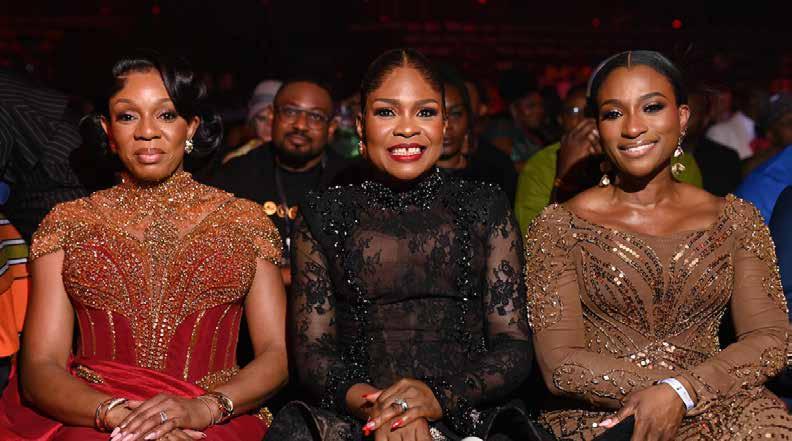
KEMI OMOTOSHO, CEO MULTICHOICE NIGERIA; ATINUKE NGOZI BABATUNDE, EXECUTIVE HEAD, CONTENT AND CHANNELS WEST AFRICA, MULTICHOICE; & DR BUSOLA TEJUMOLA, EXECUTIVE HEAD, GENERAL ENTERTAINMENT CHANNELS, MULTICHOICE GROUP
AMVCA 2026
NOLLYWOOD’S BIGGEST NIGHT
The 12th edition of the Africa Magic Viewers’ Choice Awards delivered the glamour, emotional wins, and defining career moments audiences have come to expect from Nollywood’s biggest night, while once again proving that the red carpet remains one of the event’s most talked-about attractions.
Held at Eko Hotel and Suites in Lagos, the just-concluded ceremony brought together some of the biggest names in African film, television, and entertainment for a night that celebrated storytelling, talent, and the growing influence of the continent’s creative industries.
The evening opened with remarks from Kemi Owatemi Omotosho, Chief Executive Officer of MultiChoice Nigeria, who reflected on the continued growth of African storytelling and the importance of platforms that celebrate and amplify creative excellence across the continent.
The Lagos State Governor Babajide Sanwo-Olu also addressed attendees, acknowledging the impact of the creative industry on culture and economic growth, while reaffirming the importance of continued support for the sector.
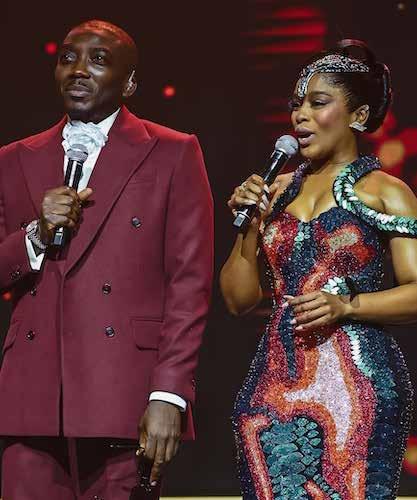
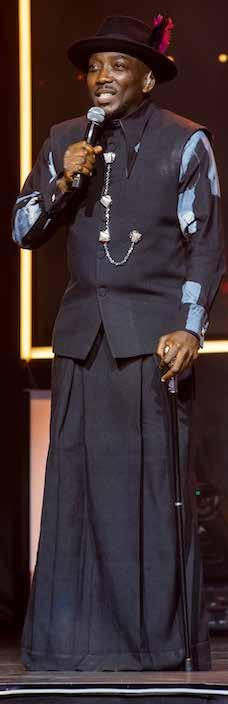
This year also marked a notable shift in hosting, with comedian Bovi Ugboma and South African actress Nomzamo Mbatha taking over presenting duties following the absence of longtime host IK Osakioduwa, whose presence had become closely associated with the awards over the years.
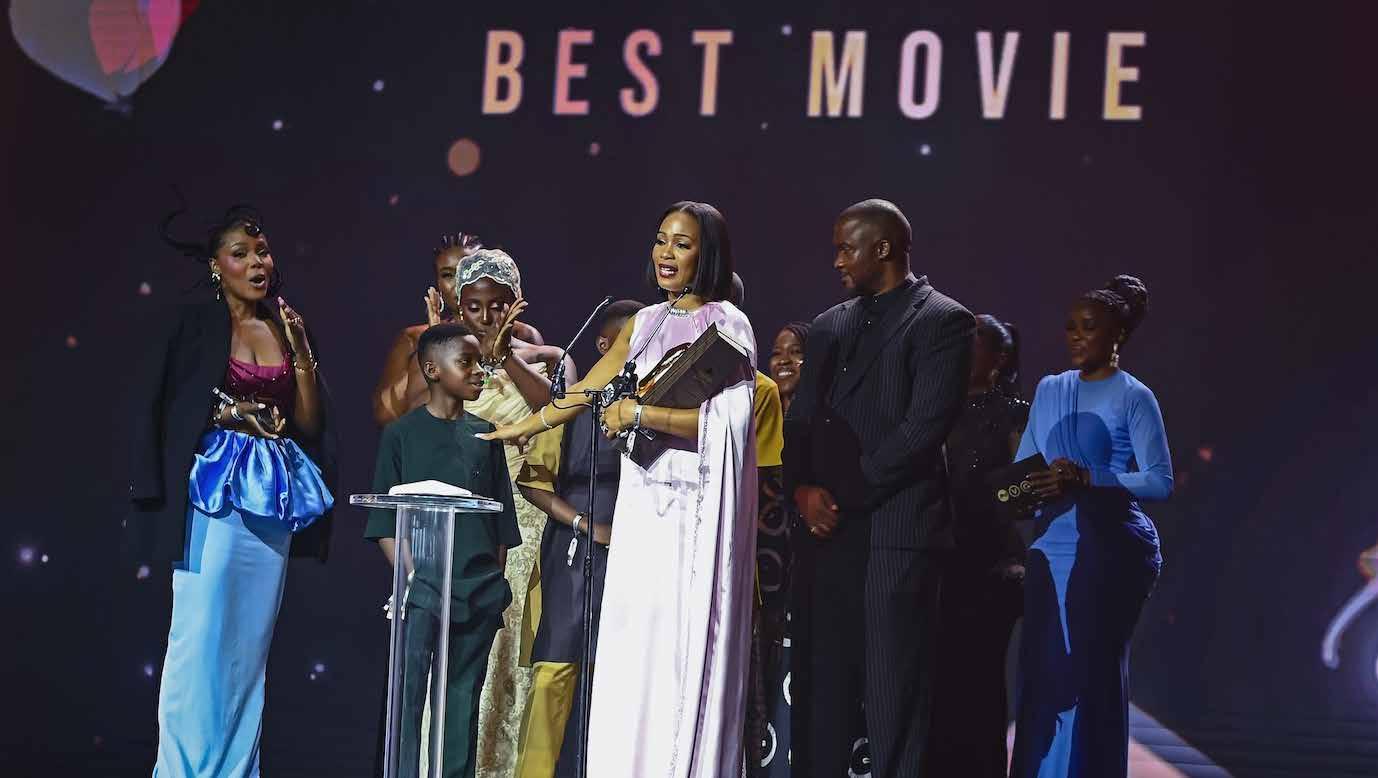
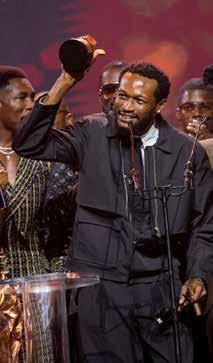
The night’s biggest winner was My Father’s Shadow, the critically acclaimed film by Akinola Davies Jr., which emerged with five major awards, including Best Movie, Best Director, Best Writing in a Movie, Best Score/Music, and Best Sound Design.
Linda Ejiofor-Suleiman also made AMVCA history, becoming the first actor to win both Best Lead Actress and Best Supporting Actress in the same night, one of the evening’s standout moments.
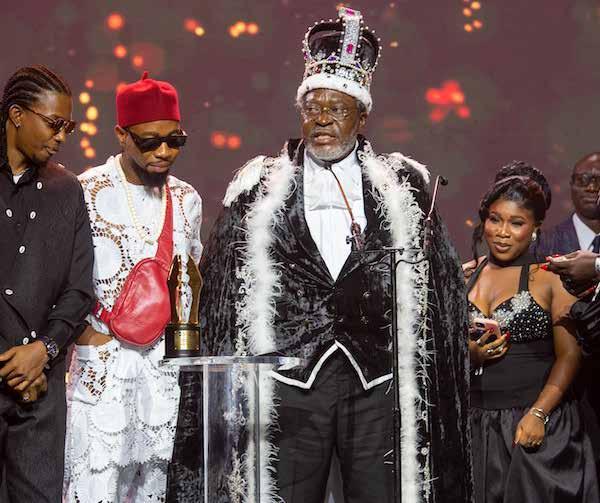
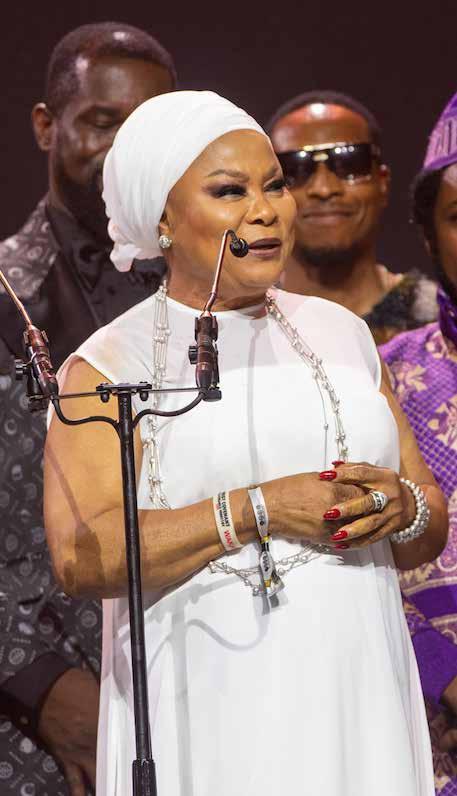
Other major wins included Uzor Arukwe for Best Lead Actor, Bucci Franklin for Best Supporting Actor, while veterans Kanayo O. Kanayo and Sola Sobowale were honoured with Industry Merit Awards in recognition of their immense contributions to Nollywood. Uche Montana also received the Trailblazer Award, marking another major career milestone.
The ceremony also reinforced the AMVCA’s continental reach, with recognition extending beyond Nigeria and reflecting the broader African entertainment landscape the awards continue to champion.
But while the awards celebrated cinematic excellence, another familiar narrative unfolded outside the hall.
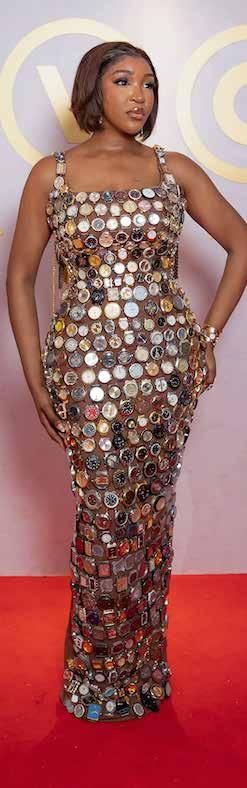
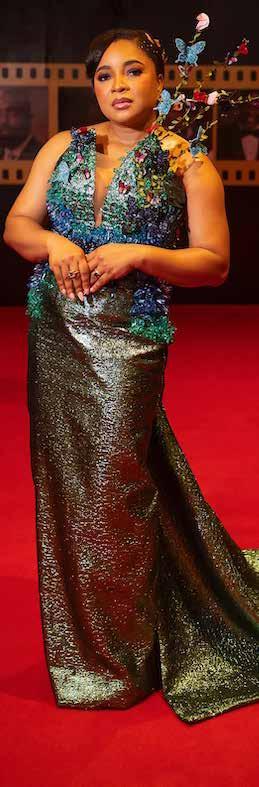
Over the years, the AMVCA red carpet has grown from a celebrity arrival moment into a spectacle of its own, becoming one of the most anticipated parts of the annual event.
This year’s theme, Honouring Craft, Celebrating Culture, gave attendees room for interpretation, and many embraced it fully.
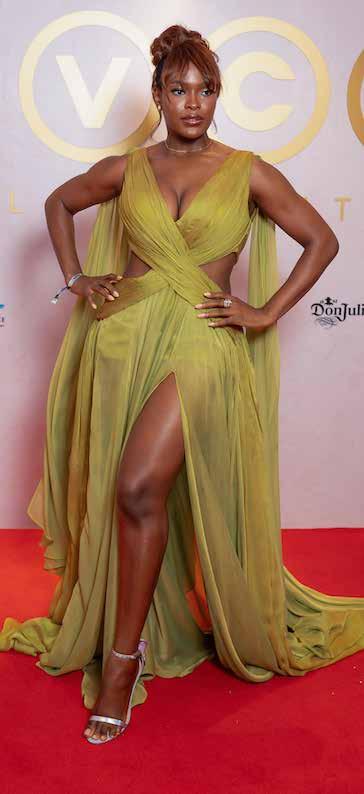
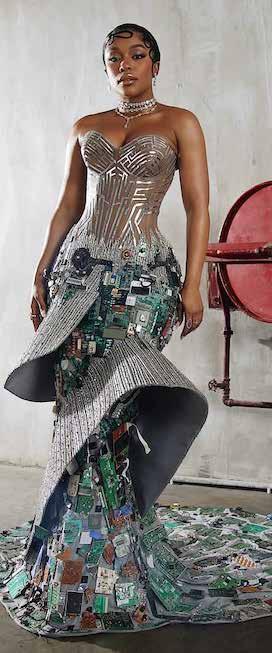
The carpet delivered everything audiences now expect — elegance, drama, experimental fashion, sculptural silhouettes, theatrical embellishments, and the kind of bold looks designed to spark conversation. Some outfits were instantly celebrated. Others divided opinion. A few left social media in full debate.
And that has become part of the AMVCA experience.
The red carpet is no longer simply about who wore what. It has evolved into a major cultural showcase for fashion, styling, beauty, and creative expression, running almost parallel to the awards themselves.
This year was no different.
While the ceremony delivered historic wins, emotional milestones, and a strong showing for African storytelling, the fashion once again proved impossible to ignore — from striking couture moments to bold experimental looks that kept social media talking.
Twelve editions in, the AMVCA has firmly established itself not just as Nollywood’s biggest awards night, but as one of Africa’s most significant entertainment and style events.
GOV BABAJIDE SANWO OLU BY KONYE CHELSEA NWABOGOR
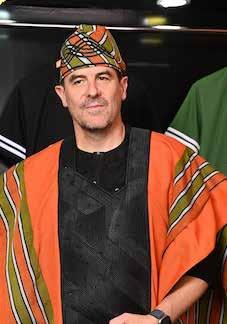
DAVID MIGNOT, AFRICA CEO CANAL+
DARE AND DEOLA ART ALADE
HOSTS BOVI UGBOMA AND NOMZAMO MBATHA
ANGEL ANOSIKE
OSAS IGHODARO SUNSHINE ROSMAN
LINDA EJIOFOR
10 THINGS THAT DEFINED AMVCA 12
By Ayo Lawal
COVER COVER
MY FATHER’S SHADOW COMPLETELY DOMINATED
THE NIGHT
If there was one film that truly owned AMVCA 12, it was My Father’s Shadow. Akinola Davies Jr.’s bold and poetic debut didn’t just win awards—it swept through the night with five major wins, including Best Movie, Best Director, Best Writing, Best Score, and Best Sound Design. And honestly? What makes the film so powerful is how intimate it feels despite existing against the backdrop of political unrest. But beyond politics, the heart of the story is really about fatherhood, connection, masculinity, survival, and memory. It’s layered. Emotional. Quietly devastating in parts. And seeing a film like that dominate the AMVCAs honestly felt important. It’s proof that there’s room for softer, more reflective storytelling within Nollywood’s mainstream conversation. Earlier in the year, the film had already earned international recognition with a BAFTA win, but there was something especially emotional about seeing it triumph at home. Wale Davies even posted, “This stew is sweeter at home,” and honestly, you could feel that sentiment throughout the moment. As huge as global recognition is, there’s something deeply personal about being celebrated by your own industry, in your own country, by people who fully understand the cultural texture of the story you’re telling. The AMVCA wins didn’t just feel prestigious — they felt personal.
The curtains have officially closed on the 12th edition of the Africa Magic Viewers’ Choice Awards, but like every AMVCA before it, the conversations are far from over. From emotional wins and career-defining moments to fashion that practically demanded its own category, AMVCA 12 gave us a lot to unpack. I’ve attended the AMVCA consistently for at least six years now, so for the first time in a long while, I decided to experience it differently this year. No rushing through traffic. No backstage chaos. No red carpet madness. No, trying to figure out where exactly your seat is while someone’s stylist blocks the entire aisle with a dress train. This year, I watched from home. And honestly? It was kind of refreshing. There’s something about watching from the comfort of your house that lets you notice things differently. You catch the little moments. The awkward pauses. The audience reactions. The performances. The details that sometimes get lost when you’re physically in the middle of the madness. And while I definitely missed the energy that comes with being in the room, watching AMVCA 12 from my couch somehow made the night feel even more interesting. Here are the moments, observations, hot takes, and things I simply cannot stop thinking about from the night.
TWO CERTIFIED LEGENDS FINALLY GIVEN THEIR FLOWERS
One of the most beautiful moments of the night was watching Nollywood veterans Sola Sobowale and Kanayo O. Kanayo receive the Industry Merit Award. And honestly? About time.
These are actors who have been in the industry longer than some of us have been alive. Generations have grown up watching them completely disappear into roles, carry films on their backs, and sacrifice endlessly for the craft (pun intended).
Sola Sobowale brings intensity to every role like her life depends on it. Kanayo O. Kanayo has mastered screen presence to the point where sometimes all he has to do is stare, and the entire scene changes. These are legends.
Bovi Had Big Shoes to Fill, And He Did It Well!
For the first time in 11 years, the AMVCA stage had a different male host standing at the centre of it all.
No IK Osakioduwa. No familiar “welcome to the AMVCAs” voice, we’ve basically associated with the show for over a decade. Instead, it was Bovi Ugboma. And let me just say this: he held his own. Replacing someone who has hosted an award show for over a decade is not small pressure. IK had become part of the AMVCA identity itself. But Bovi stepped into that role with confidence, humour, ease, and enough personality to make the role feel fresh without trying too hard to imitate what came before him. Bovi brought warmth to the stage, and honestly? The transition into this new AMVCA era was smoother than many people expected.
Image - Bovi Ugboma
Nomzamo Mbatha and Dahmola? What a Team.
Can we just talk about Nomzamo Mbatha’s fashion run this year because wow. Five looks.FIVE.
And not one miss. Styled by Dahmola, Nomzamo delivered glamour, structure, drama, elegance, and red-carpet perfection throughout the night. At this point, Dahmola handling an AMVCA host almost feels like tradition because every time he’s called upon, he delivers. And this year proved exactly why he remains one of the first names people think about for major fashion moments like this. Every outfit felt intentional. Nothing looked rushed. Nothing felt like “wearing fashion for fashion’s sake.” It was polished, cinematic, and exactly what a host of Africa’s biggest film award show should look like. Honestly, one thing AMVCA consistently gets right is making its hosts look expensive.
image - Nomzamo Mbatha
UCHE MONTANA HAD THE BEST FEMALE LOOK OF THE NIGHT, AND A CAREERDEFINING WIN
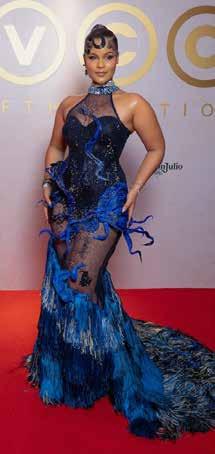
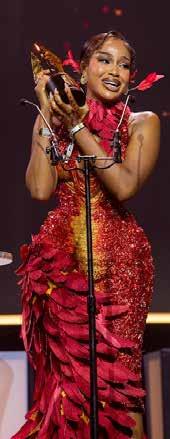
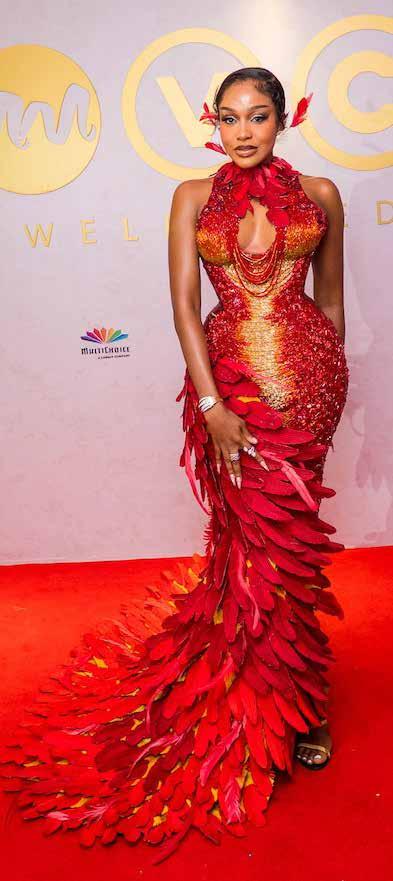
Now let’s talk about Uche Montana because she had herself a night. Styled by Dahmola (again) and dressed in Tubo, Uche stepped onto the AMVCA carpet looking like a walking sculpture.
The feather-inspired dress was dramatic without being chaotic, glamorous without trying too hard, and honestly just the perfect amount of “main character energy.” It moved beautifully. It photographed beautifully. It looked expensive. Everything worked. And then she topped the night off by taking home the Trailblazer Award for 2026. Honestly, it feels deserved. Over the past few years, Uche has quietly built a very solid film career for herself. Consistent performances. Consistent visibility. Consistent growth. And this felt like the industry officially saying, “We see you.”
BUCCI FRANKLIN’S WIN FELT LIKE A COLLECTIVE VICTORY
Brotherly…Every AMVCA has that one category where there’s a person the audience desperately wants to win. This year? It was Bucci Franklin. The moment his name was announced as Best Supporting Actor for his portrayal of Oboz in Netflix’s To Kill A Monkey, the crowd erupted. And I mean erupted. You could genuinely feel how badly people wanted that win for him. And honestly, deserved. Bucci gave one of the most talkedabout performances of the past year, and what made the moment even more emotional was his dedication of the award to his late mother. Suddenly, the entire thing became bigger than just an award win. It became personal. Those are the moments that make award shows matter. Also, a side note: if you still haven’t seen our interview with Bucci Franklin, what exactly are you waiting for?
KANAGA JNR WAS THE BEST DRESSED MAN OF THE NIGHT
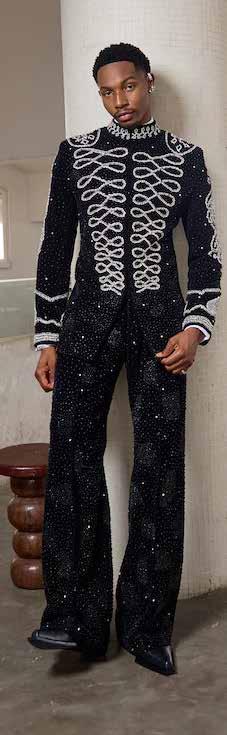
Yeah, I said it. Kanaga Jnr absolutely cleared the men’s category this year. Styled by Yomo Daj and dressed by Rogue NG, the reality star and actor stepped onto the AMVCA carpet looking like a modern-day pop star military prince with heavy Michael Jackson inspiration woven into the look. And the thing about references like that is they can go wrong very quickly. It can easily become costume territory. But this? This was sharp. Structured. Clean. The Swarovski crystal embellishments and jewellery elevated everything beautifully without making the outfit feel too loud. It photographed incredibly well, too, which matters more than people think on a carpet like AMVCA. And to crown the night? He also walked away with the award for Best Digital Content Creator alongside Sophia Chisom. Fashion and a win? We love efficiency.
UZOR ARUKWE CANNOT STOP WINNING RIGHT NOW
Some people just enter a season where everything starts aligning at once. That’s Uzor Arukwe right now. Ever since Love In Every Word came out, this man has genuinely been on a roll. Bigger visibility. Bigger conversations. More movie roles. More endorsements. More momentum. And now? Best Lead Actor at the AMVCA. What a run. And maybe this is why the win made me smile a little extra: I remember AMVCA 7 when was working behind the scenes creating content, and Uzor was genuinely one of the nicest people interacted with that night. We had a full conversation. No attitude. No superstar behaviour. Just kind and present. So watching someone like that continue to rise and have his moment publicly is always nice to see.
BNXN AND TIWA SAVAGE PERFORMED LIKE RENT WAS DUE
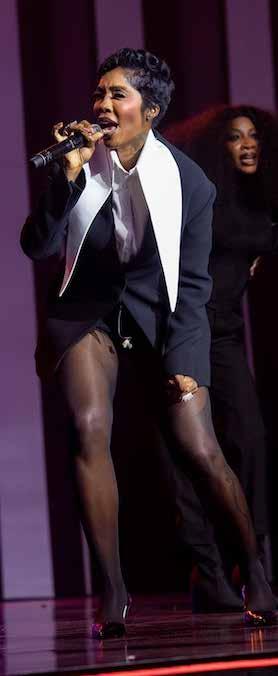
Listen… music and film will always go hand in hand. And BNXN and Tiwa Savage absolutely understood the assignment. Both performances brought energy back into the room at exactly the right moments. It didn’t feel lazy or obligatory. It felt like actual performers taking the stage to perform. Tiwa especially moves like someone who understands the power of presence. Even when she’s standing still, your eyes somehow remain glued to her. And BNXN? Fully locked in. Fave? Literally a voice like no other. At some point, it genuinely started feeling like they wanted to win AMVCA awards for Best Performance while they were at it. And honestly? We would have handed them trophies, too.
Image - BNXN and Tiwa
Now, let’s talk about Linda Ejiofor, because winning an acting category at the AMVCA is already a huge deal. But winning two major acting categories in the same night? That’s history-making stuff. Linda walked away with both Best Lead Actress and Best Supporting Actress, and honestly, that’s the kind of AMVCA stat people will still be referencing years from now. What makes it even more impressive is how difficult both categories are. These aren’t “show up and collect your plaque” categories. These are competitive rooms filled with some of the strongest performances across African film and television over the past year. To dominate both at the same award show says a lot about the kind of range, consistency, and screen presence she brought this year. And the thing about Linda Ejiofor is that she has always been a solid actress. Always believable. Always emotionally present. Always committed to the role. So seeing her have a night this massive honestly felt like watching years of good work finally collide into one unforgettable moment. History made. Simple.
LINDA EJIOFOR JUST DID SOMETHING TRULY WILD
THE STYLISH
WOMAN’S GUIDE TO SHOWING
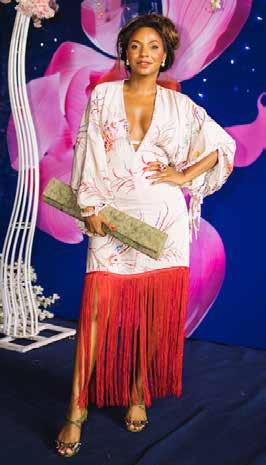
There was a time when showing skin in fashion automatically meant being labelled daring. Now, it is everywhere. Cut-outs at weddings. Sheer dresses at brunch. Tiny tops paired with oversized sunglasses and confidence. Skin has become part of everyday dressing, not just red carpets or vacation wardrobes. But as with most things in fashion, the difference is never really in what you wear. It is in how you wear it. Because showing skin stylishly is an art. One that has less to do with revealing your body and more to do with balance, confidence, styling, and knowing when to stop. The most fashionable women rarely wear the most revealing outfits in the room. They simply know how to make exposure feel intentional instead of excessive.
Leave Something to the Imagination
Fashion has always loved mystery. Sometimes the most attractive thing about an outfit is what it does not fully reveal. A slightly open back. A shoulder peeking through an oversized shirt. A slit that only becomes visible when you walk. Those details often feel more elegant than outfits that try to show everything at once.
Balance Is Everything
One of the oldest styling tricks in fashion is proportion. If one part of
the outfit is doing a lot, another part should calm things down. A micro mini suddenly feels more sophisticated with long sleeves. A plunging neckline works better when the silhouette itself is clean and structured. A fitted crop top paired with oversized trousers almost always looks chicer than wearing everything tight at the same time.
Fit Can Make or Break the Look
Nothing ruins an outfit faster than discomfort. You can usually tell when someone is pulling at a hemline every few minutes or adjusting a top all evening. Tasteful skin-baring starts with fit. Clothes should sit properly on the body, not squeeze the life out of it. Tailoring matters more than trends here. Even the simplest revealing dress can look luxurious when it fits beautifully.
Fabric Changes the Entire Mood
People underestimate how much fabric affects an outfit.
SKIN
Silk, chiffon, mesh, satin, soft knits, and quality cotton tend to move beautifully and soften the overall look. They make exposed skin feel effortless and refined. Cheap or stiff fabrics, on the other hand, can make an outfit feel overly aggressive very quickly.
Dress for the Room, Not Just the Mirror
Not every outfit works everywhere, and part of good style is understanding context. The same cut-out dress that feels perfect for a beach dinner may feel completely out of place at a formal wedding or work event. Truly stylish people know how to adjust without losing themselves. They understand that tasteful dressing is also about reading the room.
Confidence Is the Real Styling Trick
The women who carry revealing outfits best are usually not the ones trying hardest to look sexy. They are simply comfortable in themselves. That ease changes everything.
Fashion becomes awkward when someone looks like they are wearing the outfit for approval instead of for themselves. Style works best when the person inside the clothes still feels visible.
Skin Should Complement the Outfit, Not Be the Entire Outfit
The best way to judge whether a look works is simple: if the exposed skin was removed, would the outfit still be stylish? If the answer is yes, then the styling is probably strong. Because truly fashionable dressing is never just about exposure. It is about silhouette, attitude, detail, and restraint. It is knowing that sensuality does not always need to scream to be noticed.
EVERYDAY HABITS THAT MAKE YOU UNFORGETTABLE
Dear Reader,
SURVIV R
BY DR. KEMI DASILVA-IBRU AND GLORIA JOACQUIM
WARIF SURVIVOR STORIES
Welcome to the WARIF Survivor Stories Series, a monthly feature where stories of survivors of rape and sexual violence are shared to motivate and encourage survivors to speak their truth without the fear of judgment or stigmatisation and to educate the public on the sheer magnitude of this problem in our society. The Women at Risk International Foundation (WARIF) is a non-profit organisation set up in response to the extremely high incidence of rape, sexual violence, and human trafficking of young girls and women in our society. WARIF is tackling this issue through a holistic approach that covers health, education, and community service initiatives.
WARIF aids survivors of rape and sexual violence through the WARIF Centre a haven where trained professionals are present full-time, 6 days a week, including public holidays, to offer immediate medical care, forensic medical examinations, psychosocial counselling, and welfare services which include shelter, legal aid, and vocational skills training. These services are provided FREE of charge to any survivor who walks into the Centre.
AISHA’S STORY: SEEKING SAFETY, HEALING, AND JUSTICE
My name is Aisha. I am 28 years old. was referred to the WARIF Centre for medical assessment, treatment, and counselling after reporting a case of sexual assault to the police.
I had recently moved into a new neighbourhood in Lagos when my phone developed a fault. While searching for a repair shop, met a man who later introduced himself as Jacob. He assisted me in locating the shop and even contacted the repairer on my behalf, as the shop owner was not available at the time. Following that encounter, he asked that be in a relationship with him, but I declined. Shortly after, he began calling me persistently. confronted him and firmly asked him to stop contacting me. On another occasion, he saw me on the road and threatened to harm me for rejecting him. At the time, I did not take his threat seriously, unaware that he had begun stalking me and had discovered where lived.
A few months later, while I was at home, heard a knock on my door. When asked who it was, there was no response. As soon as opened the door, I saw Jacob. He forced his way inside, grabbed me by the neck, and raped me. I was unable to call for help.
In severe pain and distress, I contacted a friend who came to assist me. With her support, I reported the incident to the police. The police then referred me to the WARIF Centre for care and support.
At WARIF, received immediate medical care, laboratory tests, and psychosocial
counselling free of charge. My counsellor provided a safe space for me to share my experience and reassured me that the assault was not my fault. was taught coping strategies to manage my fear, anxiety, and emotional distress. was also supported through counselling sessions that helped me understand the impact of trauma and begin my healing journey. joined the Group Therapy Sessions held at the Centre, which helped me develop a sense of belonging with other survivors and furthered my healing journey. In the past, used to experience fear and worry, but have now regained a sense of safety and emotional stability. All things to the counselling sessions with my counsellor. The police arrested Jacob, and the case was charged in court. The last hearing was eventful and very progressive. am grateful for the care and support received at WARIF. am hopeful that justice will be served and committed to my healing journey.
Thank you to the staff and team at WARIF Centre for their compassion, professionalism and unwavering support to survivors. Your work restores hope, strength and dignity to so many lives.
* Real name of the Survivor changed for confidentiality Dear Survivor, please know that you are not alone, and it is not your fault. Help is available. If you have been raped or know someone who has, please visit us at:
The WARIF Centre 6, Turton Street, off Thorburn Avenue, Sabo, Yaba, or call our 24-hour confidential helpline on 0800-9210-0009.
TOPI NION‘
BY FUNKE BABS-KUFEJI
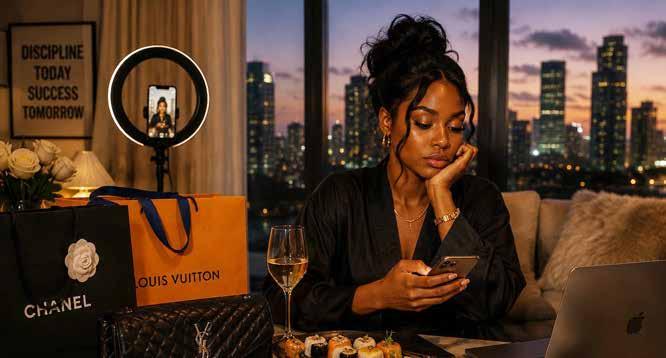
here is a certain kind of confidence Lagos expects from you, whether you can afford it or not. You see it everywhere. In the girl stepping out of a ride-share in heels, she absolutely cannot walk in properly, but somehow still looks fantastic. In the man ordering expensive whiskey with the seriousness of somebody signing a peace treaty. In the birthday dinners with sparklers, photographers, custom menus, and coordinated outfits, all happening in an economy where everybody simultaneously claims to be broke.
Lagos is a city built on energy, ambition, hustle, and presentation. Heavy on presentation. And lately, it feels like everybody is performing wealth. Scroll through social media for ten minutes, and you will start questioning your entire financial existence. Somebody is vacationing in Santorini “spontaneously.” Somebody else is posting luxury perfumes lined up like a duty-free store. A twenty-six-year-old is casually showing us a “quiet weekend” that somehow includes brunch, Pilates, sushi, cocktails, and a staycation at a hotel where one night costs more than some people’s monthly salary.
Meanwhile, in actual reality, people are pricing tomatoes like stockbrokers.
Everybody has a fuel complaint.
Rent is causing spiritual warfare.
Full-grown adults are moving money between accounts, hoping one debit alert will somehow delay another.
But online?
Everybody looks soft, moisturised, unbothered, and financially blessed.
And perhaps that is the real Lagos talent.
Packaging.
for “soft life” but returning to panic over exchange rates and unpaid bills. And honestly? Sometimes the performance works.
That is the uncomfortable truth nobody admits openly. Packaging opens doors in Lagos. Looking polished creates assumptions. Assumptions create opportunities. There are people whose entire careers, businesses, and social circles improved because they mastered aspirational presentation before they fully achieved financial comfort.
But there is also a darker side to it.
Because the pressure to constantly look okay, no, not even okay, but prosperous is becoming exhausting.
People are spending for optics instead of joy. Enjoyment is becoming content before it even becomes experience. There are dinners people cannot afford, vacations financed in instalments, luxury purchases made primarily to avoid feeling left behind. Some people no longer ask themselves, “Do I even want this?” The real question has become, “How will my life look if I don’t have it?”
And social media has made it worse because it quietly distorts reality.
ARE WE ALL PRETENDING TO BE RICH?
Not necessarily lying. Not exactly scamming. Just… strategic presentation.
The truth is, Nigerians have always cared about appearance. Looking neat and presentable has long been tied to pride and dignity. Even growing up, there was that mentality that no matter how difficult things were, you must “look good outside.” Your mother could be managing twenty different problems and still appear at an event looking immaculate enough to silence rumours before they even started.
But somewhere along the line, looking good evolved into looking wealthy. And now the line between actual wealth and aesthetic wealth has become incredibly blurry.
Today, people are no longer simply dressing nicely or enjoying occasional luxury. They are curating lifestyles. Entire personal brands built around the appearance of ease. Soft life has become a visual culture. If your life does not look aspirational online, it almost feels like you are failing publicly.
That pressure is hard to escape in Lagos because this is a city where perception genuinely matters. Looking successful can change how people treat you. It affects dating, networking, business, social access, and sometimes even basic respect. People respond differently when they think you are “doing well.”
So naturally, people adapt.
You see designer items carefully mixed with high-street fashion to create the illusion of effortless luxury. People reserving tables mainly because the lighting is good for content. Friends organising entire outings around aesthetics first and enjoyment second. Someone buying the newest iPhone while owing money to three people. Another person flying abroad
Everybody is seeing everybody’s highlight reel at the same time. Nobody is posting overdraft anxiety. Nobody is uploading the conversation where they begged their landlord for extra time.
Nobody is tweeting, “Hey guys, actually cannot afford this lifestyle anymore.” What we see instead are curated fragments presented as normal life.
And somehow, everybody is participating while simultaneously complaining about the economy.
At this point, financial anxiety and soft life are practically roommates. Still, not everybody is pretending. Lagos genuinely has real
wealth. Serious wealth. Old money. Tech money. Oil money. Family money.
Quiet billionaires driving unremarkable cars. People who can afford every luxury they display without blinking once at the bill.
The problem is that social media has flattened everybody into the same visual language. The truly wealthy person and the person surviving on vibes, credit, and careful budgeting can now look almost identical online.
One owns the apartment. The other booked it for content creation.
One bought the designer bag comfortably. The other plans to recover financially by August.
But Instagram rarely explains these details.
And maybe that is why this conversation feels so layered. Because not everybody is trying to deceive people. Sometimes it is aspiration. Sometimes it is branding. Sometimes it is escapism. Sometimes it is survival. Sometimes, after weeks of stress and bad news, people simply want to feel beautiful, successful, and temporarily removed from the chaos around them.
Can you really blame them?
Then again, perhaps that is exactly how the cycle continues. Because somewhere between aspiration and performance, Lagos accidentally created a culture where looking rich now feels almost mandatory. Nobody wants to look left behind. Nobody wants to appear stagnant. Nobody wants to be the only person not “enjoying.”
So the performance continues.
The dinners get louder. The outfits get pricier. The captions become more effortless. Everybody keeps curating, posting, editing, and packaging. And honestly, in this Lagos economy, even pretending to be rich is starting to look expensive.