


Welcome to the Healthy Maternal Opiate Medical Support (MOMS) Program Toolkit. This toolkit provides resources and support for health care providers and programs seeking to establish initiatives that assist mothers in recovery from addiction.
The Healthy MOMS Program is a vital grassroots initiative that originated from the
Pennsylvania Opioid Use Disorder Centers of Excellence and the Pennsylvania Center for Medicare Administrative Contractor programs. It was developed in response to needs identified by The Wright Center for Community Health, an essential community provider that has since achieved Federally Qualified Health Center (FQHC) Look-Alike designation. This initiative aligns with the state’s efforts to address the national opioid use disorder (OUD) crisis,
particularly concerning the prevalence of pregnancy among patients with OUD.
The Healthy MOMS Program is funded in part by grants from the Pennsylvania Department of Drug and Alcohol Programs and the All One Foundation. It is made possible through the engagement of community partners in the health care, social services, education, and legal sectors. Through each organization’s engagement, moms-to-be have access to a full spectrum of services to help them jumpstart their lives in recovery and deliver happy, healthy babies.
Launched in September 2018, the program is a collaborative effort by The Wright Center for Community Health and dozens of community partners to help pregnant women and new mothers overcome addiction and embrace a life in recovery.
This initiative offers comprehensive prenatal, perinatal, and postpartum care, including outpatient medication-assisted treatment (MAT) for pregnant women managing substance use disorders (SUD). The program aims to engage participants in recovery support services for about two years.
The primary goal of the Healthy MOMS Program is to decrease overdose deaths among mothers and reduce the incidence and severity of neonatal abstinence syndrome (NAS) and other adverse health outcomes in infants. The program extends its support across nine counties in Northeastern Pennsylvania, including Lackawanna, Luzerne, Susquehanna, Wayne, Pike, Monroe, Carbon, Wyoming, and Schuylkill
counties. It is designed to assist pregnant women and new mothers with SUD. Our main aim is to empower these mothers in their recovery, enabling them to lead healthy, fulfilling lives while nurturing their children. By offering this support, we promote the overall well-being of both mother and child, fostering a brighter future together.
Since its inception, the program has proudly welcomed 323 infants and provided dedicated services to 577 mothers (as of March 2026). We understand the complexities of recovery, and this program provides crucial support to mothers and infants navigating the path of healing from OUD.
To encourage participation in medical appointments, the Mommy Dollars Program offers financial incentives that recognize mothers’ commitment to their health and that of their children. Additionally, our Empowering Moms’ Independence initiative features a series of weekly sessions designed to teach essential life skills, such as household management and meal preparation using WIC-approved items, empowering mothers with the knowledge and confidence to succeed.
We recognize that community support is crucial during this journey. That’s why our certified recovery specialists lead virtual Healthy MOMS recovery groups, where mothers can share experiences and strategies in a safe and supportive environment. This collaborative space not only enhances resilience but also fosters a strong sense of belonging among all participants, reminding them they are not alone in their challenges.
Prepare to embark on an exciting journey with an incredible toolkit designed to support you at every stage of developing a dynamic community program! Whether you’re in the initial brainstorming phase or entirely engaged in implementation, you’ll discover a wealth of invaluable resources at your fingertips. From comprehensive checklists that ensure nothing is overlooked to customizable templates that save you time and effort, this toolkit includes user-friendly guides that lead you through each step. With these practical tools integrated into your workflow, you can approach your community initiatives with confidence and creativity, making a lasting, positive impact.
This document is your go-to guide to our initiatives, packed with valuable insights and practical advice. It kicks off with an Introduction that clearly outlines the toolkit’s purpose and objectives, setting the stage for what’s to come.
Next, we offer a user-friendly guide to How to Use the Toolkit, designed to help you navigate our diverse resources with ease and confidence. We then turn to building Collaborative Partnerships, sharing practical strategies for fostering strong, aligned relationships among stakeholders.
The Healthy MOMS Entry Points section outlines key touch points for connecting with mothers. At the same time, the Dimensions of Care Tool provides a structured approach to assessing participants’ multifaceted needs, ensuring everyone receives the proper support.
Our Healthy MOMS Workflow for Data Collection clearly explains the processes needed for gathering essential information, making it straightforward for users. Additionally, the Contingency Management: Mommy Dollars section introduces innovative strategies for resource allocation and support, enhancing our support for families.
We’re particularly enthusiastic about our Life Skills section, which emphasizes the vital skills that foster personal growth and resilience. The Recovery Meeting segment underscores the importance of community and support networks throughout the recovery journey, weaving a rich tapestry of connection and encouragement.
Healthy MOMS is thrilled to introduce our Doula Program, designed to provide emotional and physical support during and after pregnancy.
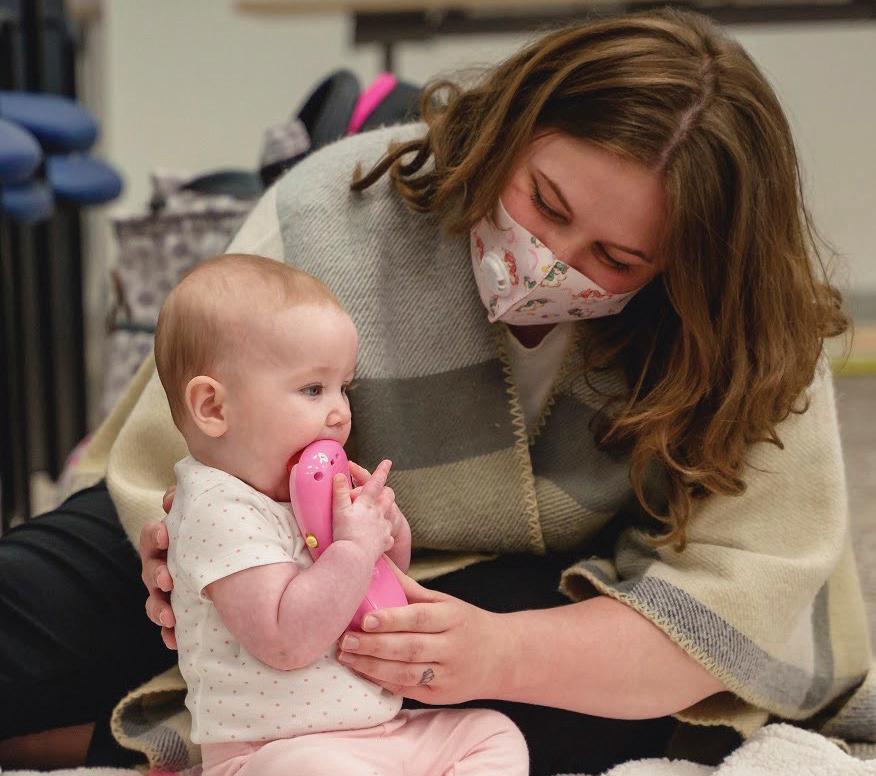
We’ve also incorporated our dedicated licensed professional counselor, specializing in postpartum depression, to ensure new mothers have access to essential mental health support.
Moreover, our Fourth-Trimester Pamphlet, developed in collaboration with Maternal and Family Health Services, offers must-have information for expectant mothers. To further assist,
we’ve included a comprehensive Resources section and a Frequently Asked Questions section that provide an overview of the Healthy MOMS Program.
This toolkit is designed to be an indispensable resource for anyone supporting mothers through this vital transition. Together, we can make a positive impact.
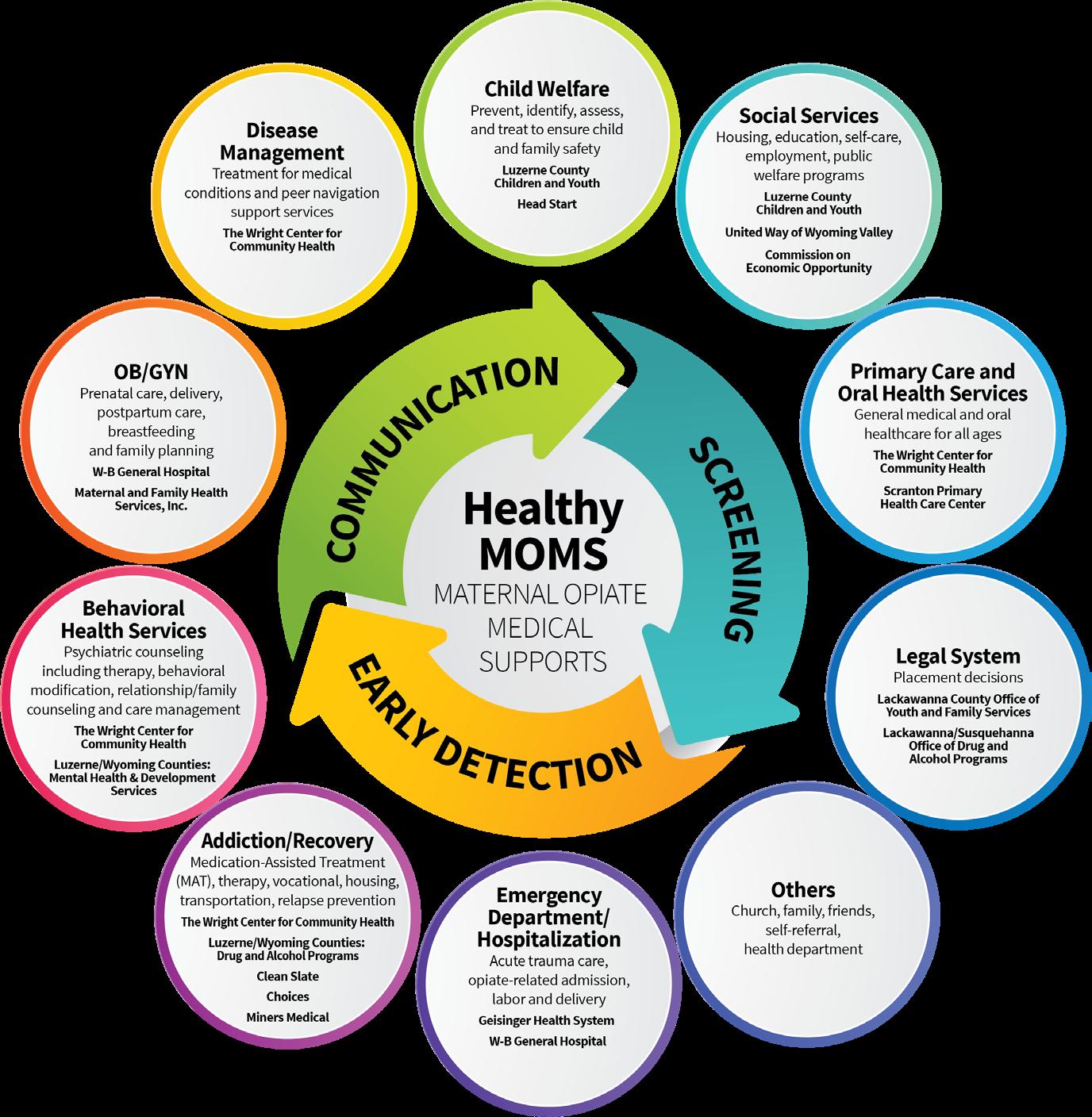
Building a collaborative network of like-minded providers and agencies, as illustrated below, is critical to launching any successful program.
The Healthy MOMS Program took a proactive approach, convening a series of targeted meetings to break down silos and address barriers that can limit effective care for this population.
These conversations revealed that many programs were asking the same questions, highlighting an opportunity to improve consistency
and efficiency. In response, we developed a comprehensive initial assessment tool to streamline intake and better align efforts across partners.
To further strengthen support for mothers, we introduced a “warm handoff” approach, ensuring seamless transitions at the start of their care journey. This strategy helps build trust while creating a more coordinated, user-friendly experience as participants connect with available resources.



To ensure all collaborative partners are actively engaged in each patient’s care, the Healthy MOMS Program has established a policy requiring that every case involving mothers be meticulously reviewed with these partners. This collaborative approach aims to provide the highest standard of care for participants. Each case will be assessed using the established Dimensions of Care Tool, which provides a comprehensive framework for patient-centered care and individual well-being
To facilitate this process, a clinical meeting is scheduled monthly. During these meetings, Healthy MOMS case managers present detailed case studies of participants, highlighting their individual needs and progress to date. This presentation showcases the current status of each mother’s care and encourages open dialogue and collaboration with members of the Healthy MOMS clinical team.
The Dimensions of Care will be a vital tool in these discussions, guiding the evaluation of care processes and outcomes within the program. By incorporating the insights and expertise of all collaborative partners, the Healthy MOMS Program aims to enhance the quality of care delivered to each mother and her child.
The Dimensions of Care Tool was created to align partners around a shared framework for assessment and care. It evaluates needs across
multiple domains, including medication-assisted treatment, psychiatric care, emotional and behavioral health, Adverse Childhood Experiences (ACEs), physical health, access to medical services, and substance use treatment.
Additional areas of focus include professional supports – such as certified recovery specialists – readiness for change, relapse risk, and access to public assistance programs, including WIC, CHIP, and LIHEAP. The tool also considers essential needs, including clothing, food, housing, transportation, social support, and parenting education.
Healthy MOMS case managers present participants’ cases to the clinical team to review needs, assess progress, and apply the Dimension of Care framework to score the program process. These stage-based scores help guide the collaborative team in identifying appropriate treatment plans and determining next steps to support each mother’s recovery.
In the Healthy MOMS Program, each stage is assigned points based on level of care, with one point per level (e.g., Level 5 = 5 points and Level 0 = 0 points). Program phases are defined as follows: Phase A (Intake) includes fewer than 30 points; Phase B includes 30 points or more during the prenatal period; Phase C includes 45 points or more during the postpartum period; and Phase D indicates that Healthy MOMS services are no longer required and the participant may be successfully discharged from the program.
Continued on next page →
MedicationAssisted
Medicat on-A ssisted Treatment (MAT)
Careg ver has been referred but not yet begun treatment
Caregiver has completed ntake and is rece v ng high eve of ntervention
Psychiatr c Services
A) Caregiver has been referred but not yet begun treatment
B) Caregiver refuses services
Physica Health Careg ver has had no med cal care for condition(s) that requ re attention
Caregiver has comp eted ntake
A) Weekly/ biweekly meetings with case manager and/or doctor
B) If Ur ne Drug Screen (UDS) are available, caregiver has not failed a urine test within 3 to 6 months
A) Caregiver has shown short term success in treatment
B) Caregiver is noncompliant regarding treatment
Med cal care has been establ shed
Medical Access Fam ly has no access to routine medica care
A) Fam ly has nadequate nsurance
B) Fam ly has adequate nsurance but has no primary care provider or spec alty doctor
Drug and Alcohol Treatment Services (D&AS)
Caregiver is rece ving care and has severe med cal problems or med cal problems that need active mon toring
Family has nadequate nsurance and access to only primary care
A) Biweekly/ monthly meetings with case manager and/or doctor
B) If UDS are ava lable, caregiver has not fa led a urine with n 6 months to 12 months
Caregiver is actively part c pating in mental health services and has been compliant with treatment plan for 3 to 6 months
Caregiver has been receiving continued care and is in stable condition
A) Biweekly/monthly meetings w th case manager and/or doctor with a ong record of consistent engagement
B) If UDS are avai ab e, careg ver has not failed a urine test for over 12 months
A) Successful y completed treatment or d scharged under pos tive conditions
B) Caregiver is not a part of a MAT program
Caregiver is will ng y engaged in treatment, has shown a long-term pattern of being a compliant and active participant in their own mental health
Caregiver has been receiving care for any condition that is not detrimental to daily activities
A) Successful y completed treatment or d scharged under pos tive conditions
B) Psychiatric services are not necessary
Caregiver has no physical complications
Family has inadequate insurance and access to both primary care and specialty care
Family has adequate insurance and access to any medica care but may be lim ted by circumstance (high cost of care, lack of availability of services inab lity to take time off work)
Fami y has access to any necessary medical care without any undue burdens
Careg ver has been referred but not yet begun treatment
Caregiver has comp eted ntake
A) Caregiver has been nconsistently comp iant
B) Caregiver is noncompliant regarding treatment
Professional Support (Certified Recovery Spec alists)
Readiness to Change
Careg ver needs peer support and is not receiving aid
Caregiver has been informed of support services
A) Caregiver has infrequent y utilized support
B) Caregiver has just begun utilizing support services
Careg ver is in the precontemp ation stage
Relapse Potent al Careg ver has shown a pattern of re apse
Caregiver s n the contemplation stage
A) Caregiver has recently relapsed
B) Caregiver is at high risk of relapse
Public Ass stance Programs (WIC, CHIP, LIHEAP, etc )
Careg ver needs aid and is not enro led n any publ c assistance programs
Clothing Careg ver is unable to adequately provide clothing
Caregiver has comp eted the process of applying for public assistance programs
Caregiver s unable to adequately prov de
Caregiver is in the preparation stage
A) Caregiver has not relapsed within the past 3 to 6 months
B) Caregiver is at medium - high risk of relapse
Caregiver has begun to uti ize public assistance programs
Caregiver is unable to adequately prov de clothing
A) Caregiver has mostly or wholly been compliant with treatment plan for 6 to 12 months
B) Caregiver has been 100% comp iant with treatment plan for less than 6 months
Caregiver has been rout ne y ut lizing support services and is able to cope with daily ife with a moderate degree of difficulty
Caregiver is n the action stage
A) Caregiver has not relapsed with n the past 6 to 12 months
B) Caregiver is at medium - low risk of relapse
Caregiver is reliant on pub ic assistance programs for day-to-day iving
Caregiver is reliant on aid to provide c othing for
A) Caregiver has mostly or wholly been compliant with treatment p an for over 12 months
B) Caregiver has been 100% compliant with treatment p an for less than 12 months
Caregiver has support and is able to cope with daily life with mi d/low levels of d fficulty
A) Successful y completed treatment or d scharged under pos tive conditions
B) Caregiver does not need D&AS services
Caregiver has a supportive env ronment or s ab e to cope with current support levels
Caregiver is in the maintenance stage
A) Caregiver has not relapsed in over 1 year
B) Caregiver s at low risk of relapse
Caregiver is able to cover expenses and s currently util zing public assistance programs
Caregiver is receiving aid and is able to adequate y provide clothing for themselves and their child
Caregiver has embraced the action stage
Caregiver has no or min mal risk of relapse
Caregiver no longer needs publ c assistance programs
Caregiver no longer needs services
ic Ass stance Programs (WIC CHIP LIHEAP, etc )
Careg ver needs aid and is not enrolled in any public assistance programs
Careg ver has completed the process of applying for public assistance programs
Caregiver has begun to utilize public assistance programs
Caregiver is reliant on public assistance programs for day-to-day living
Caregiver s able to cover expenses and is currently util zing public assistance programs
Caregiver no longer needs public assistance programs
Caregiver no longer needs services Dimens ons of Care
Medicat on-A ssisted Treatment (MAT)
Clothing Careg ver is unable to adequately provide clothing
Caregiver has been referred but not yet begun treatment
for themselves or their child and is not receiv ng support
Careg ver is unable to adequately provide
Caregiver has completed intake and is receiving high level of intervention
clothing for themselves or their child and has been referred to support programs
Psychiatric Services A) Caregiver has been referred but not yet begun treatment
B) Caregiver refuses services
Food Careg ver is unable to adequately provide food for themselves or their child and is not receiv ng support
Housing Careg ver is at immediate risk of homelessness and is not receiving assistance finding shelter
Transportation
Access to transportation Careg ver has no access to any means of transportation and no abi ity to get a license
Social Support Careg ver has no familial or formal social support and is not attending groups
Parenting Education Careg ver needs education regarding child care
Employment and Education
Employment and Educat on
Caregiver is unemployed and not seeking employment or education
Caregiver is unemployed and not seeking employment or education
Healthy MOMS Program stages
Healthy MOMS Program stages
Caregiver is unable to adequately provide food for themselves or their child and has been referred to aid programs
Caregiver is in a temporary housing situation or is on a month-to-mont h basis
A) Caregiver has no transportation but has the ab lity to get a license
A) Weekly/ biweekly meetings with case manager and/or doctor
Caregiver is unable to adequately provide clothing
for themselves or their child and is receiving aid
B) If Urine Drug Screen (UDS) are available, caregiver has not failed a ur ne test within 3 to 6 months
Caregiver is receiving aid and is still unable to adequately provide food for themselves or their child
Caregiver has completed intake A) Caregiver has shown short term success n treatment
B) Caregiver is noncompliant regarding treatment
Caregiver is receiving aid and has been in a stable housing situat on for more than 3 months
B) Patient has a license but Caregiver is relying on outside aid (bus cards, paid taxis) and either has a license or the ability to get one
no access to transportation
Caregiver has been informed of groups
Careg ver has begun to attend groups
A) Caregiver has been given educational materials for parental competency ski ls
B) Caregiver refuses to participate in parental education
A) Caregiver is unemployed and has been referred to educational or job resources
A) Caregiver is unemployed and has been referred to educational or job resources
B) Caregiver is unwilling to utilize advancement resources
B) Caregiver is unwilling to utilize advancement resources
A) Caregiver has recently begun to utilize educational materials
B) Caregiver has implemented very little of the suggested changes
Caregiver has begun vocational training, education, or seeking a job
Caregiver has begun vocational training education or seeking a ob
1 point per level of care: Level 5 is worth 5 points, Level 0 is worth 0 points
Phase A) Intake phase less than 32 points
1 point per level of care: Level 5 is worth 5 points Level 0 is worth 0 points
Caregiver is reliant on aid to prov de clothing for
A) Biweekly/ monthly meetings with case manager and/or doctor
themselves or their child
B) If UDS are available, caregiver has not failed a urine within 6 months to 12 months
Careg ver is reliant on aid to adequately provide food for themselves and their child
Caregiver is actively participating in mental health services and has been compliant with treatment plan for 3 to 6 months
Caregiver is receiving aid and has been in a stable housing situation for more than 6 months
Careg ver has a means of transportation that rel es on family/friends and either has a l cense or the ability to get one
Caregiver has developed a social support foundation and has been routine y attending groups
Caregiver has been actively participating in improving parenta competency skills and has implemented some of the suggested changes
A) Caregiver has had interviews for jobs or begun volunteering
A) Caregiver has had interviews for jobs or begun volunteering
B) Caregiver has made progress in their vocational training or education
B) Caregiver has made progress in their vocationa training or education
Caregiver s receiving aid and is able to adequately provide clothing for themselves and their child
A) B weekly/month y meetings w th case manager and/or doctor with a long record of consistent engagement
B) If UDS are available, caregiver has not failed a urine test for over 12 months
Caregiver is receiving aid and able to adequately provide food for themse ves and their child without a d
Caregiver is wil ingly engaged in treatment, has shown a long-term pattern of being a compliant and active participant in their own mental health
Caregiver is receiving aid and has been in a stable housing s tuation for more than12 months
Caregiver has a license but not consistent access to a vehicle
A) Successfully completed treatment or discharged under positive conditions
B) Caregiver is not a part of a MAT program
Caregiver does not need food aid and is not receiving aid
A) Successfully completed treatment or discharged under positive conditions
B) Psychiatr c services are not necessary
Caregiver no longer needs aid
Phase B) Minimum requirements: Equal to or above 32 points and prenatal
Phase C) Minimum requirements: Equal to or above 50 points and postpartum
Phase A) Intake phase less than 32 points
Phase D) Healthy MOMS services no longer required
Phase B) Minimum requirements: Equal to or above 32 points and prenatal
Phase C) Minimum requirements: Equal to or above 50 points and postpartum
Phase D) Healthy MOMS services no longer required
Caregiver has a stable social support system and is attending groups
Caregiver has been actively participating in improving parental competency skills and has successfully mp emented most suggested changes
A) Caregiver has secured a job and has begun work
A) Caregiver has secured a job and has begun work
B) Caregiver has made significant progress towards completion of their vocational training or education
B) Caregiver has made significant progress towards completion of their vocational training or educat on
Caregiver is autonomous and can travel without barriers
Caregiver has a stable social support system and no longer attends groups
Caregiver has adequately demonstrated all parental competency skills and is able to take care of the child
A) Caregiver is on disability or has a long-term stable job
A) Caregiver s on disability or has a long-term stable job
B) Caregiver has found a job or completed their educational goals
B) Caregiver has found a job or completed their educational goals
Women interested in joining the Healthy MOMS Program can connect with any member of our amazing team, any of our partners, or reach out through our phone line or website.
We genuinely believe there’s “no wrong door” to becoming part of Healthy MOMS, and we’re
excited to welcome you on this journey!
For more information, please visit www. HealthyMOMS.org or call 570-955-7821.
The program aims to ensure women feel welcome, regardless of which “door” they enter through.
The Healthy MOMS Program proudly hosts a Steering Committee dedicated to advancing our mission to support pregnant moms and their babies and to promote a sober lifestyle.
This vibrant group of professionals brings valuable expertise in program development,
policy crafting, marketing strategies, and data analysis. Their insights foster collaboration and ensure our stakeholders and partners are actively engaged in shaping every aspect of our program. Together, we’re creating a brighter future filled with care, support, and positive outcomes for families.
The Healthy MOMS Program uses Contingency Management, a behavioral strategy commonly used in substance use treatment, to promote positive change. The program reinforces treatment goals – such as abstinence – when they are achieved and withholds reinforcement when desired behaviors are not met.
The Contingency Management initiative is designed to empower mothers by providing incentives that encourage active participation in recovery services, prenatal care, and activities that support maternal and child health.
Furthermore, mothers can select from a thoughtfully curated catalog known as the “Mommy Dollars” catalog, which features a wide array of items that address the common requests of moms in the program, ranging from baby supplies to hygiene products.
Mothers earn these funds for attending:
• Medication-Assisted Treatment (MAT) Appointments
• MAT Case Management
• Drug and Alcohol Counseling
• Mental Health Counseling
• Self-Help Groups
• OB-GYN Appointments
• WIC Appointments
• Pediatrician Appointments
• Primary Care Provider Appointments for the Mother
• Return to Work for Three Months Postpartum
The Healthy MOMS team truly values the opportunity to highlight our results and identify opportunities to enhance our programs. We’re excited to share the initial data we’ve gathered, and we look forward to learning and growing together for even better outcomes.
During the first visit for individuals interested in enrolling in the Healthy MOMS Collaborative Program and experiencing opioid dependence, we ask that they refrain from using opioids for 12 to 24 hours prior to the appointment.
This initial meeting is an essential step in their journey, during which we’ll complete all required information releases for program enrollment. This includes agreeing to share vital information with health care providers such as the OB-GYN, the hospital (for labor and delivery), legal systems, substance use specialists, mental health professionals, and other key support members.
We also establish a chart in the electronic medical record (EMR) system for both the mother and her newborn, ensuring the infant’s first wellness appointment is booked. In our comprehensive evaluation, we positively assess whether a mother could gain valuable support from medication-assisted treatment (MAT) while also embracing a recovery model focused on abstinence.
By collaborating closely with mothers, we aim to support their unique journey toward health and well-being. Each new prospective patient signs the collaborative release of information for the program and all team members. The release will follow HIPAA’s confidentiality requirements.
During this initial visit, a dedicated case manager completes a thorough EMR Patient Intake Questionnaire and comprehensive Bio-Social Assessment to gather all pertinent details about the participant. Additionally, we document key aspects of the participant’s journey in a Healthy MOMS progress note and conduct assessments, including Social and Environmental Determinants of Health (SEDH) and Adverse Childhood Experiences (ACE). If applicable to Opioid Use Disorder Center of Excellence and/or MAT patients, we will also review the Prescription Drug Monitoring Program (PDMP) website to ensure we’re fully informed. Participants finalize their rights and responsibilities within the Healthy MOMS Program, along with any necessary release forms and labor and delivery documentation.
Our case manager is committed to providing personalized support, meeting with each participant biweekly, or more often if needed, to document progress and enhance the participant’s experience in the Healthy MOMS Program.
Continued on next page →
Referral is made to Healthy MOMS Program
Initial telephone call is made to the participant
During the first visit with the prospective participant, all releases of information are signed for the following Healthy MOMS Collaborative for enrollment into the program: OB-GYN, hospital (labor and delivery), legal system, drug/alcohol provider, mental health provider, Child & Youth Services, or any other pertinent/necessary parties to assist the Healthy MOMS patient in the program. Chart is created in Medent for mother - if mother enrolls at hospital, a chart is also created for the infant, with releases signed for the hospital and pediatrician, if not The Wright Center. Case manager to assist patient with scheduling of pediatrician appointment.
Case manager completes Center of Excellence (COE) - Intake Checklist in MEDENT and all documentation that is included in the checklist as well as ensuring that all releases are signed for necessary providers. The checklist includes Medent Comprehensive Questionnaire form and Bio-Social Assessment. SEDH, ACE, BARC-10, AUDIT, Mental Health Screenings, PDMP website (if COE/MAT patient) Healthy MOMS Rights & Responsibilities, HM release, and Healthy MOMS Labor and Delivery document if applicable based on time of enrollment.
Communication
• Introduce MOMS Care Team to participant and build rapport
• Ongoing communication with client and care providers clinical team meeting to ensure care plan is updated and client needs are met
• Track appointment attendance
• Make timely referrals
• Follow-up with referral providers
• Follow-up and share care plan as needed
Engage medical and other service providers/program partners
• Provide support and incentive Programs
• Build rapport and trust
• Establish partnership with client
• Implement incentive plan
Determine types of services needed (OB-GYN, Substance use disorder programming, MAT medical, behavioral health, child care, housing and other community social supports)
Revise/develop person centered care plan including plan for safe and stable environment for infant.
Ongoing Recovery Program
• Engage in the Healthy MOMS recovery groups and involvement with Certified Recovery Specialist for recovery-oriented services
• Engage in behavioral health services for treatment of behavioral health or trauma
• Program should include ongoing education/counseling outreach and care coordination.
• Treatment care plan for ongoing recovery and release education
Case manager meets with each Healthy MOMS participant on a regular basis. Appointments are determined according to the patient’s Dimensions of Care stage. For each encounter documentation is recorded in MEDENT under the COE-Contact Note, with the Healthy MOMS section filled out.
Once the Healthy MOMS participant has delivered her child, a chart will be created in MEDENT for the baby by HM case manager. Both the mother’s and infant’s MEDENT chart number will be placed in the alert area of the chart for referencing information. Follow Labor and Delivery workflow.
As part of the Assessment Process within the first visit, an evaluation of need for medication-assisted treatment (MAT) or if the participant is following an abstinence-based life style. Medical history and obstetrical history and exam if scheduled or records obtained.
Methadone
If the patient is in Methadone programming releases are signed, for treatment compliance, and monthly UDS updates are obtained through the provider offering care.
Buprenorphine
If the patient is receiving MAT programming outside of The Wright Center Community Health releases are signed, for treatment compliance and monthly UDS updates are obtained through the provider offering care.
Abstinence Based
Monthly UDS are obtained through by the Healthy MOMS case manager.
The following is completed during the first appointment with an MAT wavered provider at The Wright Center:
• Complete physical examination
• Confirmatory pregnancy testing (confirmation of gestational age) and assess fetal well-being
• Laboratory tests
• TB testing
• HIV testing
• Urine drug testing (or get results)
• STD testing (including syphilis testing - RPR or VDRL)
• Hepatitis testing
• (Hep. B surface antibody/surface antigen; Hep. C antibody followed by quantitative RNA if positive
• Liver function PNL
The MAT physician will meet with participants of the Healthy MOMS Program seeking MAT care. The pregnant patient is a priority population, every measure will be taken to provide services within the allotted time. The physician will follow the MAT process listed below:
1. The Induction Phase is the medically monitored start of buprenorphine treatment performed in a qualified physician’s office or certified OTP using approved buprenorphine products. The medication is administered when a person with an opioid dependency has abstained from using opioids for 12 to 24 hours and is in the early stages of opioid withdrawal. It is important to note that buprenorphine can bring on acute withdrawal for patients who are not in the early stages of withdrawal and who have other opioids in their bloodstream.
2. The Stabilization Phase begins after a patient has discontinued or greatly reduced their misuse of the problem drug, no longer has cravings, and experiences few, if any, side effects. The buprenorpine dose may need to be adjusted during this phase. Because of the long-acting agent of buprenorphine, once patients have been stabilized, they can sometimes switch to alternate-day dosing instead of dosing every day.
3. The Maintenance Phase occurs when a patient is doing well on a steady dose of burprenorphine. The length of time of the maintenance phase is tailored to each patient and could be indefinite. Once an individual is stabilized, an alternative approach would be to go into a medically supervised withdrawal, which makes the transition from a physically dependent state smoother. People then can engage in further rehabilitation - with or without MAT - to prevent a possible relapse.
Once the MAT process has begun the physician will review the pre-visit planning checklist (PVP-check list) completed by the case manager or medical assistant for the Healthy MOMS Program. The physician will meet with all participants in the Healthy MOMS Program despite involvement with other MAT or SUD care. During this appointment a medical and OB-GYN history will be reviewed. A urine screen will be obtained.
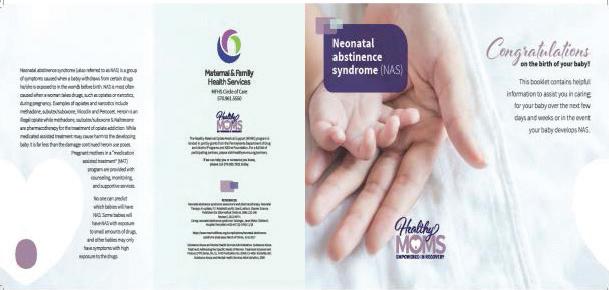
The staff at Maternal and Family Health Services compiled a booklet to educate new mothers about this phase of their care. The goal is to
offer additional information so the new mother in recovery has a better understanding of (NAS) Neonatal Abstinence Syndrome.
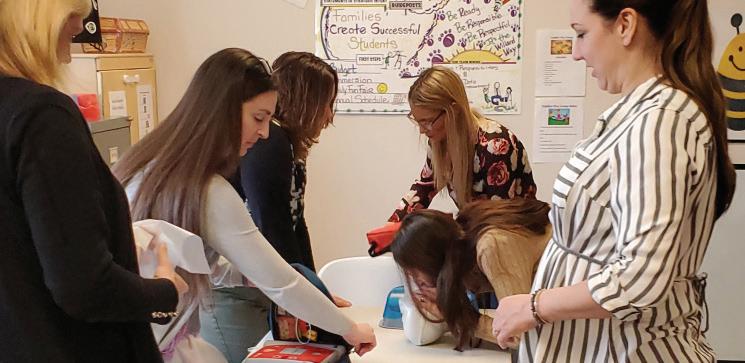
The Healthy MOMS Program provides participants with valuable resources and knowledge on essential daily activities, including safe practices for caring for newborns and effective strategies for managing stressors that may arise during the early stages of recovery. Through this program, mothers acquire essential skills and support to navigate the challenges of new parenthood while prioritizing their well-being and that of their child.
The Healthy MOMS team found that many mothers faced challenges acquiring essential life skills, particularly in cooking, cleaning, using WIC and SNAP benefits, and overall financial literacy. In response, we developed a Life Skills Program comprised of eight fundamental modules. This program is delivered through a workbook by a certified recovery specialist from Healthy MOMS. Educational classes are conducted in a group format via Zoom, and each session is documented in the participants’ charts to ensure comprehensive support and progress tracking.
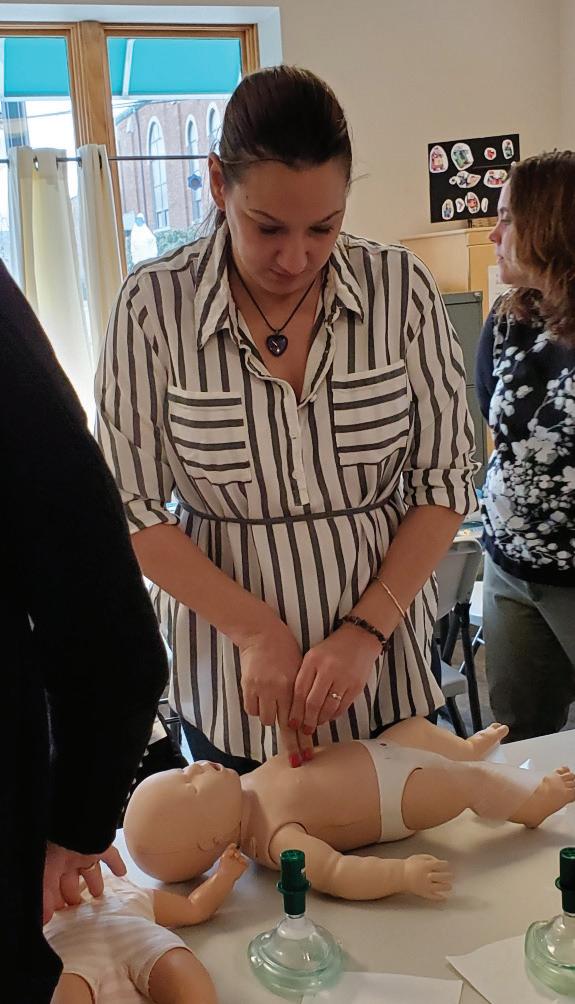
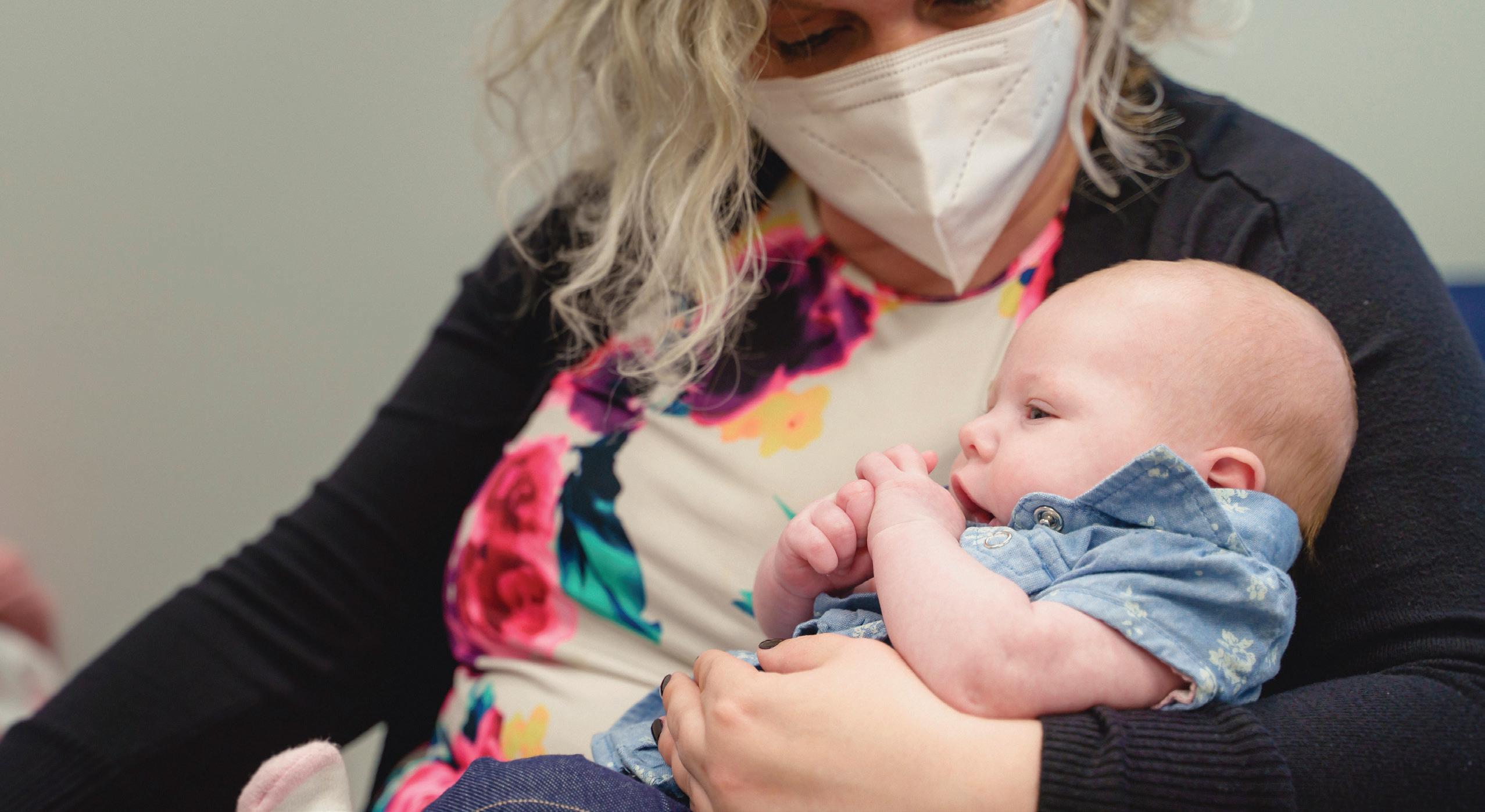
The Healthy MOMS Program provides participants with essential resources and support focused on daily activities, newborn safety, and managing stressors during early recovery. Meetings are facilitated by a certified recovery specialist (CRS) who brings personal life experiences and insights from their own recovery journey.
The CRS provides guidance on available recovery programs and community meetings and assists in creating personalized recovery plans to enhance each mother’s experience.
Recognizing that many new participants may arrive with preconceived notions or past experiences that lead to apprehension about engaging with the recovery community, Healthy MOMS addresses this by hosting recovery meetings on Zoom.
These meetings aim to build confidence in the recovery process, teach effective communication techniques, and foster relationship-building among mothers in the program. This supportive environment helps participants connect and strengthens their recovery journey.
The educational workshop topics are as follows:
• CPR for Infants
• Ages and Stages
• Nutritional Cooking with Special Supplemental Nutrition Program for Women, Infants, and Children (WIC) Products
• Relationships: Healthy vs. Unhealthy Communication
• Budgeting and Finances
• Breastfeeding
• Healthy Interaction with Your Child
The Healthy MOMS Program respects the importance of patients in the program who have little to no connection with a supportive family, or have lost ties to family as a result of their substance use disorder. The addition of our perinatal doula is a trained professional who provides emotional, physical, and informational support to pregnant people before, during, and after childbirth.
These professionals act as non-medical advocates and offer continuous support throughout the pregnancy and postpartum period, focusing on the birthing person’s needs and helping them navigate the process with informed choices and comfort measures.
workforce to include postpartum doulas can help mitigate that fear and improve maternal health outcomes through patient advocacy, emotional support, and individualized care.
Doulas provide culturally respectful, family-based services that emphasize emotional and physical care, infant feeding support, advocacy, referrals, and help with navigating parenthood and caring for a newborn. This support can increase parental self-efficacy and adherence to treatment for those experiencing SUD/OUD, leading to lower rates of postpartum depression and, subsequently, improved health outcomes.
‘Expanding the maternal care workforce to include postpartum doulas can help mitigate that fear and improve maternal health outcomes through patient advocacy, emotional support, and individualized care.’
Doulas do not perform clinical procedures like medical examinations or the delivery of babies, but instead focus on providing emotional and practical assistance to ensure a positive birthing experience. The mothers-to-be experiencing SUD/OUD also face substantial barriers to care perpetuated by stigma and fear of child protective services involvement and other legal repercussions. Not seeking and adhering to obstetric care increases the risk of postpartum complications. Expanding the maternal care
As part of our collaborative partnership, Healthy MOMS used grant funds to train staff from various agencies to provide postpartum doula services. Our perinatal doula begins by developing a birth plan with the expectant mother and continues to support her throughout the birth experience. Following birth, there is a seamless transition, or “warm handoff,” to our partner agency, which provides an additional 12 weeks of postpartum doula support. This ongoing support is designed to benefit the mother as she proceeds with the Healthy MOMS Program.
What if I am uninsured?
Healthy MOMS services are offered to patients at no cost, regardless of their insurance statuws or ability to pay.
If I disclose an addiction to my doctor, will Children and Youth try to take my baby away?
No. Our goal is to help pregnant women build healthy, sustainable lives in recovery so they can care for their baby.
We want to help women give birth to healthy babies, and we understand the importance of keeping families together whenever possible.
What does Medication-Assisted Treatment (MAT) mean, and what are the requirements of this program?
Medication-assisted treatment is the use of medications in combination with counseling and behavioral health services to provide
holistic, patient-centered care for those facing addiction. MAT is a treatment option for people who have substance use disorders and is primarily used for the treatment of addiction to opioids such as heroin, prescription painkillers, stimulants, and alcohol.
MAT can reduce cravings and withdrawal symptoms and allow the individual to focus on essential lifestyle modifications that are key to recovery.
Can pregnant women be in an MAT program?
Yes. Pregnant women can participate in the MAT program. Subutex is the medication used for pregnant women with substance use disorder.
The overarching goals of therapy for substance use disorders during pregnancy are to provide medical support to prevent withdrawal during pregnancy, minimize fetal exposure to harmful substances, and empower the mother to become a leader in her recovery.
Such engagement gives the mother access to medical and social support services that improve outcomes both during and after pregnancy.
Will I have to put my job or other family responsibilities on hold while I am in treatment?
No. You will not have to put your job or other family responsibilities on hold. As part of our program, you are required to attend weekly check-ins with our team and see a physician every two weeks.
Do I have to tell my partner or my family I’m in treatment?
No. You do not have to tell your partner or family that you are in treatment. Your treatment information is confidential. A sustainable recovery takes work, so a healthy support network is an integral part of therapy. What support is available after I deliver the baby?
The Healthy MOMS team is committed to your recovery, and we will continue to support you after you deliver. Mothers can continue to participate in the Healthy MOMS MAT Program, provided by The Wright Center for Community Health.
In addition, our team will help mothers schedule follow-up appointments and establish care for their babies with one of our local doctors. Through our “Mommy Dollars” Program, mothers can also earn points toward gift cards by keeping appointments and participating in services, including support groups, AA meetings, and parenting classes.
Will my baby need medication?
Treatment for babies born with Neonatal Abstinence Syndrome (NAS) is unique for each baby. Some babies may need medications to treat severe withdrawal symptoms and to help relieve the discomfort and problems of
withdrawal. Sometimes babies need extra fluids, administered intravenously, to prevent dehydration or high-calorie baby formula for those who need additional calories to support growth. Most babies with NAS who receive treatment recover within five to 30 days.
Will my baby remain with me in the hospital?
We understand how important it is for mothers to bond with their babies after birth. All babies will remain with their mothers whenever possible. Sometimes babies born to mothers with an opioid use disorder will need to spend time in the neonatal intensive care unit for close monitoring and/or treatment.
If I already had my baby, is it too late for me to join Healthy MOMS?
It’s definitely not too late to become part of our program. Healthy MOMS is dedicated to supporting mothers who are dealing with substance use disorders, and they welcome all mothers who are currently expecting or have given birth within the last two years.
Whether you’re seeking guidance, community, or resources, this program is here to help you navigate your journey to motherhood.
What is a Plan of Safe Care, and how can Healthy MOMS play a role?
Plans of Safe Care are essential under federal and state laws for newborns impacted by substance use or withdrawal symptoms from prenatal exposure. These plans, developed in collaboration with partners and the family, are designed to enhance the infant’s safety and foster healthy early development by connecting them to vital support services. We’re excited to share that Healthy MOMS has partnered with Local County Children and Youth Services
Continued on next page →

to create comprehensive Plans of Safe Care immediately following birth, ensuring a brighter, healthier future for every infant and their family!
Neonatal abstinence syndrome (NAS) is a term used to describe a group of problems a baby experiences when withdrawing from exposure to drugs. Pregnant women who are using hero-
in, opioids (e.g., prescription pain medications), and women undergoing MAT for opioid use disorders may give birth to babies born with NAS.
Common signs and symptoms of babies born with NAS include: Irritability (excessive crying), sleep problems, vomiting, diarrhea, dehydration, sweating, fever or unstable temperature, and tremors or seizures.
Need a screening tool or more general information on one of the maternal health services mentioned in the overview? Here are some recommended resources:
• Pennsylvania Perinatal Quality Collaborative (papqc.org)
• National Maternal Mental Health Hotline: 1-833-TLC-MAMA
• Pennsylvania Telephonic Psychiatric Consultation Service Program (TiPS):
• Children’s Community Pediatrics: Northwest | Southwest: 1-844-972-8477
• Children’s Hospital of Philadelphia: Southeast: 1-267-426-1776
• Penn State Children’s Hospital: Lehigh | Capital | NE: 1-800-233-4082, Press 3
• Social Service Agencies: pa.gov/agencies/dhs
• Local Single County Authorities: pa.gov/agencies/ddap/for-professionals/for-single-county-authorities
• Local Children & Youth Services: pa.gov/agencies/dhs/resources/keep-kids-safe
• USDA’s Special Supplemental Nutrition Program for Women, Infants, and Children (WIC) programming
• Alcohol Screening: CAGE questionnaire (4 questions); DSM-5 alcohol use disorder criteria (2+ symptoms in 12 months); Alcohol withdrawal symptoms/scale and medications for management (benzodiazepines); Maintenance treatment (naltrexone, disulfiram, acamprosate, topiramate, gabapentin); and AUDIT tool
• Pharmacist Toolkit
• SBIRT model (screening, brief interview, refer to treatment)
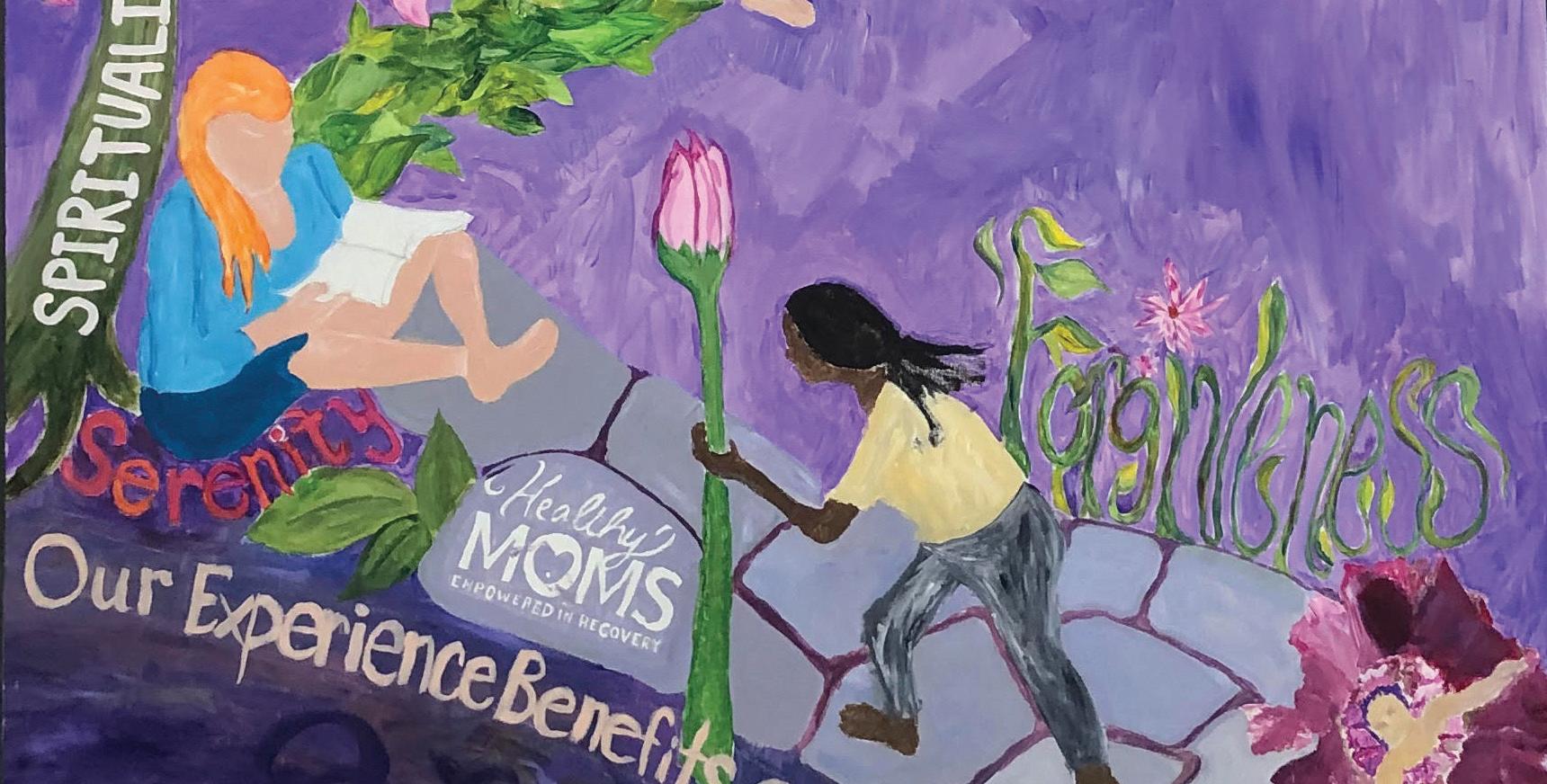
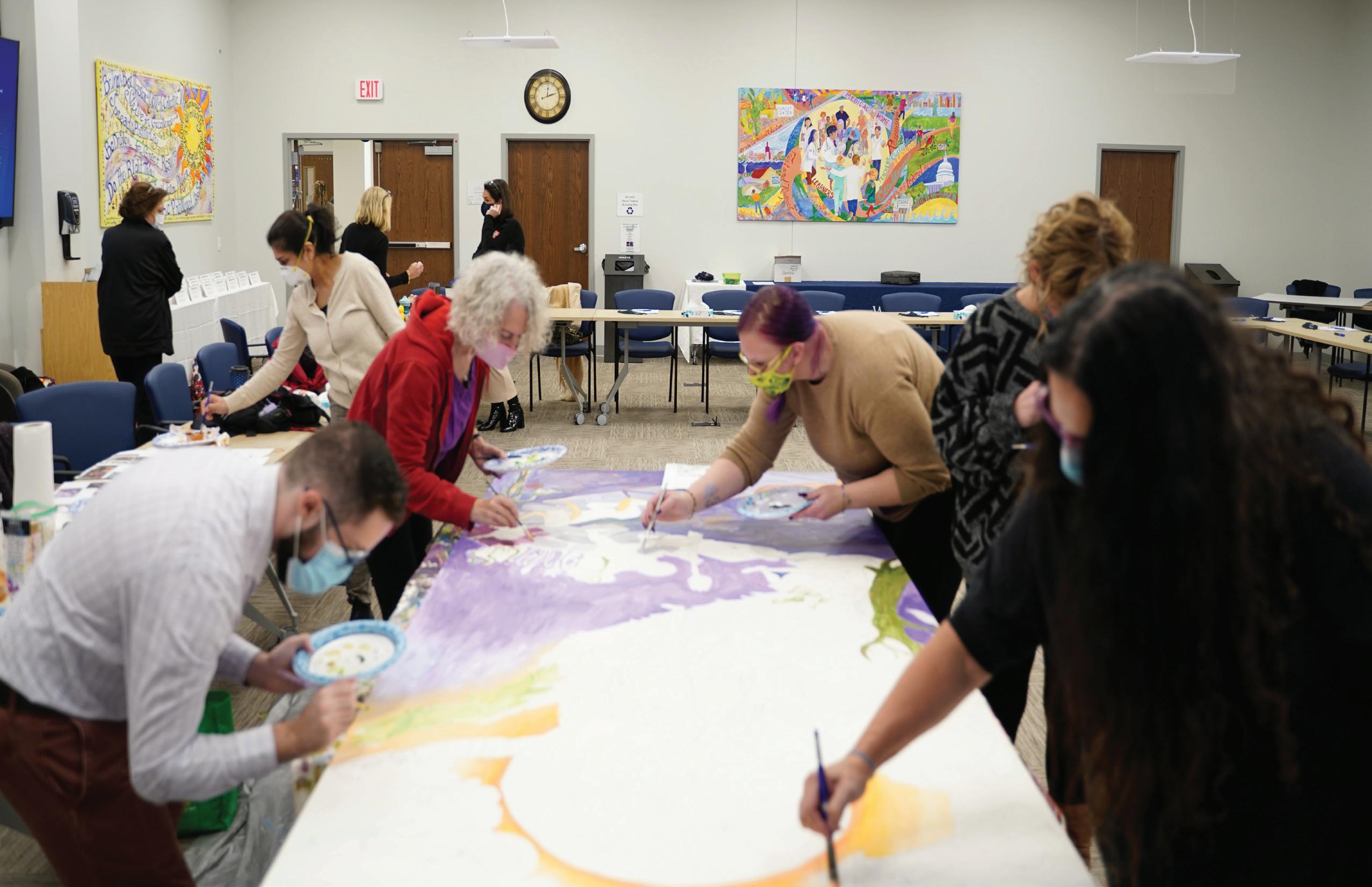
To improve the health and welfare of our communities through responsive, whole-person health services for all and the sustainable renewal of an inspired, competent workforce that is privileged to serve
For our Graduate Medical Education Safety-Net Consortium framework that integrates patient care delivery, workforce development, innovation, and empowered voice of communities to be the leading model of primary health care in America
Do the Wright thing
Be privileged to serve Be an exceptional team member Be driven for excellent results
Be trustworthy and accountable Spread optimism