

THE HEALERS
Meet the Africans Driving Health & Social Impact





EDITOR’S


APhoto: Kola Oshalusi @insignamedia Makeup: Zaron
s this generation of African changemakers continues to rise, one thing becomes clear: the future of healthcare and social impact on the continent is no longer a distant conversation; it is already unfolding in real time. And at the centre of it are passionate individuals who are proving that meaningful change can begin anywhere: in a clinic, through a phone app, during a community outreach, or even from a simple conversation that inspires hope.
What makes these stories so powerful is not just the achievements themselves, but the spirit behind them. There is an energy, confidence, and determination that feels impossible to ignore. These Africans are not waiting for permission to lead, innovate, or create solutions. They are stepping forward with bold ideas, fresh perspectives, and a deep understanding of the communities they serve.
Across the continent, they are changing what healthcare leadership looks like. It is becoming more relatable, more creative, and more connected to the realities of everyday people. They are showing that healing goes beyond medicine; it also lives in empathy, advocacy, awareness, technology, education, and access.
Read about the changemakers in the African healthcare sector on pages 8 to 10.
Many people avoid going to the gym because they think everyone there already knows exactly what they’re doing. You walk in, see people lifting heavy weights, moving confidently between machines, and suddenly you feel like you missed a class everyone else attended. But the truth is, almost everybody starts clueless, and you don’t need to be a gym expert to get active. Read our piece about this for tips on how to get active without going to the gym.
Until next week, enjoy your read.


@onahluciaa +2348033239132
AUSTYN OGANNAH
PUBLISHER/EDITOR-IN-CHIEF
Executive Editor: Onah Nwachukwu @onahluciaa
Writers: Johnson Chukwueke & Dorcas Akintoye
Design & Layout: Hogan Effiom
Digital Media: Oladimeji Balogun
Consulting Art Director: Sunny Hughes ‘SunZA’


The Ultimate Guide to
Untold Truths Once in a Blue Moon
Someone Else Had Answered

Boluwatife Adesina @bolugramm - Contributing Writer Boluwatife Adesina is a media writer and the helmer of the Downtown Review page. He’s probably in a cinema near you.

Sally Chiwuzie @unshakable.is.a.state.of.mind - Contributing Writer
Sally Chiwuzie is a non-practising barrister who owns the brand #Unshakable. She is the author of Silent Symphonies, a fictional love story, and the creator of the podcast Chronicles of #Unshakable Truths.

Ada Obiajunwa @aaddaahh - Contributing Writer
Ada Obiajunwa writes from Lagos about the big truths tucked inside ordinary moments — friendship, self-discovery, and the quiet revolutions of everyday life. She believes in the power of presence, good banter, and decoding the unsaid. Through her fragrance studio, WhiffWonders, she also crafts scents that weave memory and emotion into experiences that feel like home.
5 Tips For Decorating With Antiques at Home Travel With Purpose Trips That are More Than Just Sightseeing
People Get Tired Too The Importance of Personal
5 Refreshing Mocktails You Can Make at Home
Unforgettable Night What Your Skin Says About Your Internal Health
Mandalorian and Grogu


THE ULTIMATE GUIDE TO STYLING STILETTO HEELS
BY DORCAS AKINTOYE
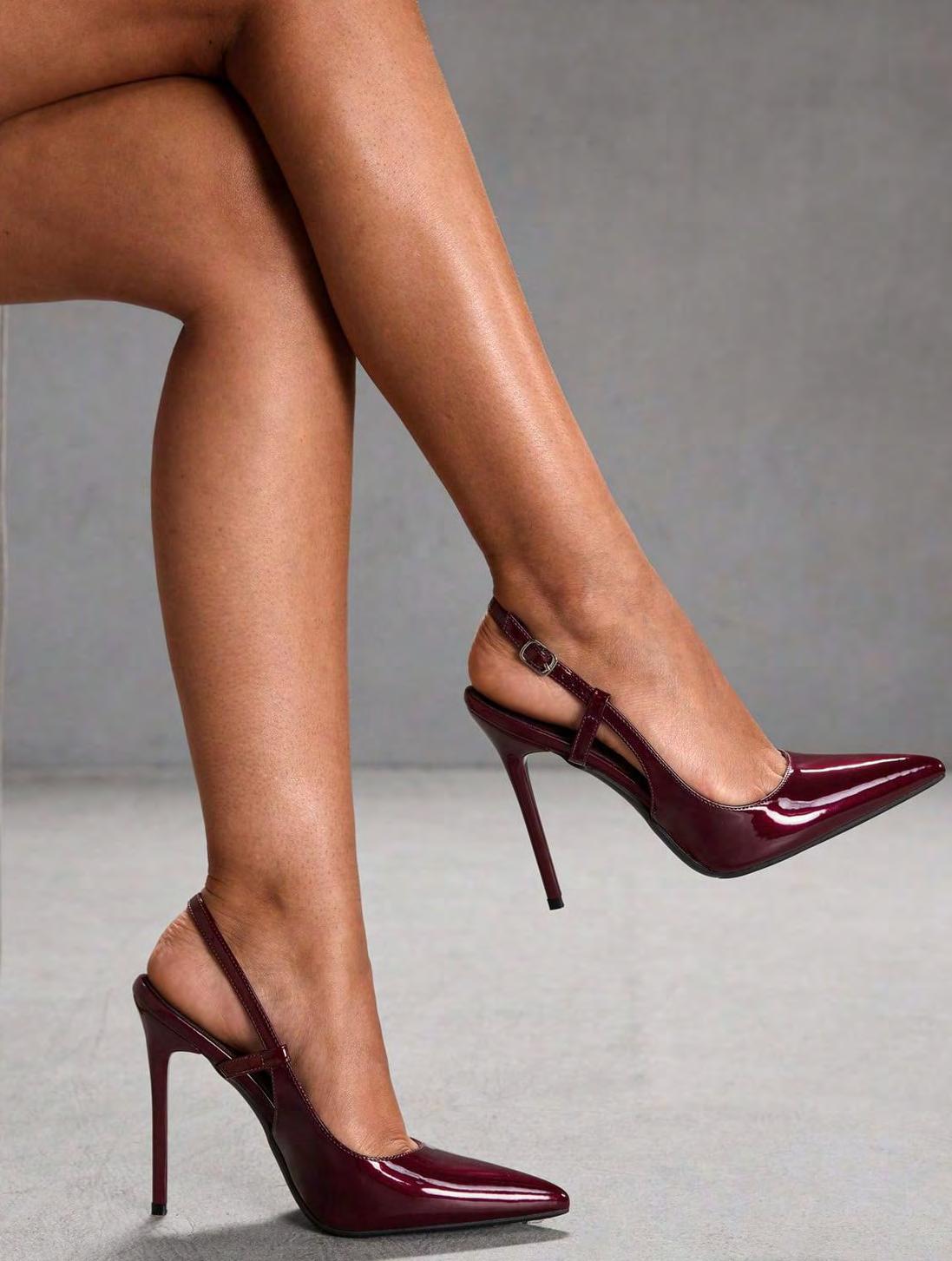
Stilettos are one of those fashion pieces that can instantly change your whole look. The moment you put them on, your posture improves, your steps become more confident, and your outfit feels more complete. But the truth is, wearing stilettos is not just about putting them on. How you style them matters a lot. The wrong pairing can make your outfit feel off, while the right one can make you look effortlessly stylish. Here are four easy and effective ways to style stiletto heels.
PAIR WITHSTILETTOS FITTED DRESSES
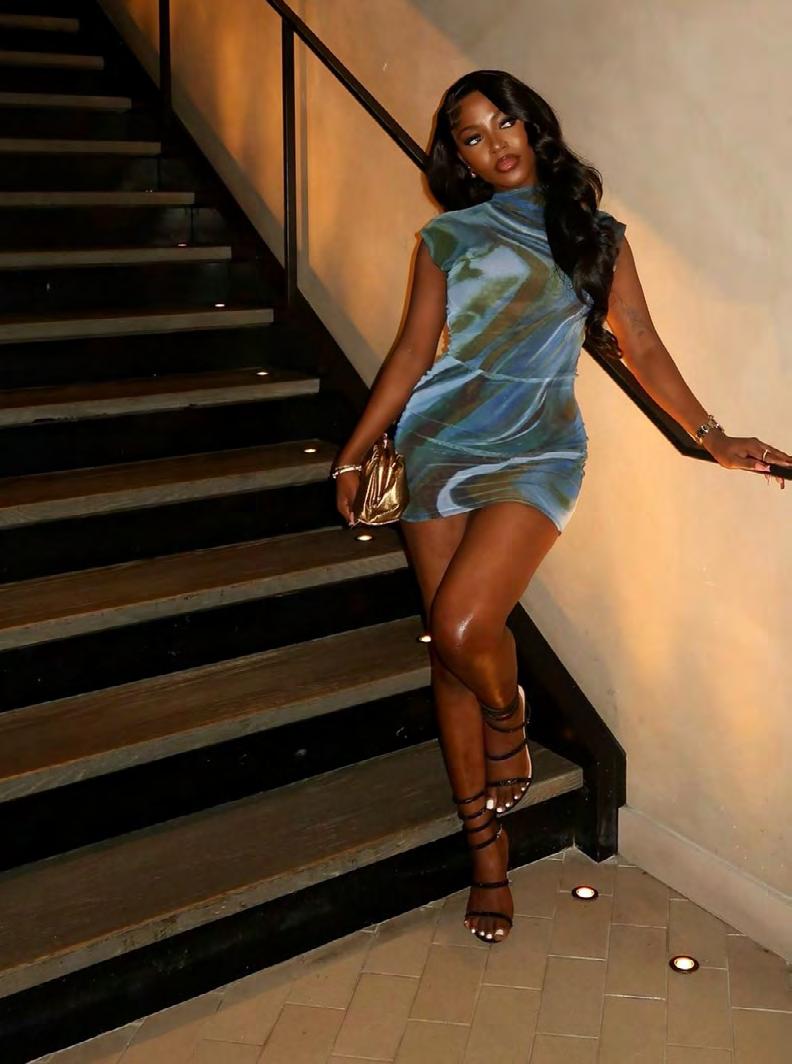
One of the easiest and most popular ways to style stiletto heels is with a fitted dress.This combination works because both pieces naturally complement each other. A fitted dress already follows the shape of your body, and stilettos help to enhance that shape by making your legs look longer and more defined. When you wear this look, try to keep things simple. You don’t need too many accessories. Let the dress and the heels do most of the talking.
MATCH STILETTOS WITH WIDE-LEG TROUSERS
Wide-leg trousers are very stylish, but they can sometimes hide your shoes.This is where stilettos come in.The height they add helps balance the trousers’ volume, making your overall look more flattering. When styling this, make sure your trousers are not too long.The tips of your stilettos should still be visible when you walk.This small detail makes a big difference because it allows the heels to stand out.


STYLE STILETTOS WITH JEANS WEAR STILETTOS WITH SKIRTS
A lot of people think stilettos are only for dressy outfits, but they actually work very well with jeans, too.This mix of casual and classy creates a balanced look that feels relaxed yet put-together. Skinny jeans or straight-leg jeans are the best options here because they show off the shape of the heels better.You can pair them with a simple top, blouse, or even a blazer if you want to look a bit more structured.
Skirts and stilettos are a natural match. They both bring a soft, feminine vibe, but you can still play around with different styles depending on your mood.The key is to choose a skirt that makes you feel comfortable and confident.You can also experiment with colours here. Bright heels can add life to a simple skirt, while neutral heels can tone down a bold outfit.
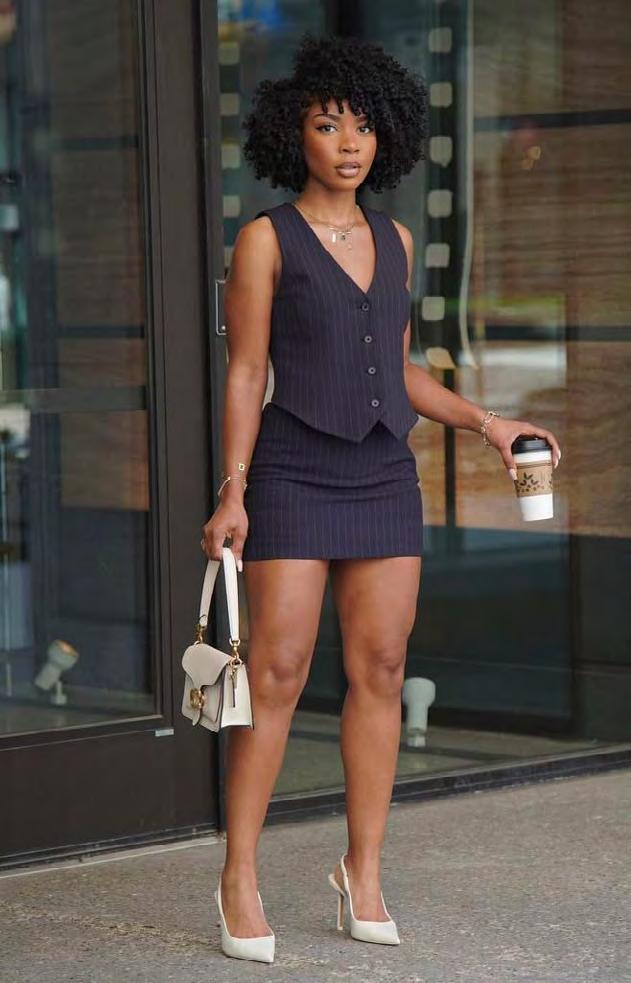
Styling stiletto heels doesn’t have to be complicated. The secret is to keep things balanced and choose combinations that feel natural to you. Whether you are dressing up or keeping it casual, stilettos can fit into your look in a way that feels easy and stylish.



SALLY CHIWUZIE @unshakable.is.a.state.of.mind
TRUTHS
UNTOLD TRUTHS
Once in a Blue Moon
Thereare miracles we have grown too familiar with to recognise.
The sun rises, without fail. We wake up, often without pause, and life continues. These things happen so often that we have learned to call them ordinary. Predictable. Expected. We move through them without reverence, forgetting that repetition does not diminish wonder.
Then there are the other kind.
The ones that do not arrive every morning. The ones that do not announce themselves with spectacle or ceremony. The ones that come once in a blue moon.
They rarely look like miracles when they arrive.
More often, they feel like a quiet disruption. A thought that unsettles your routine. A question that surfaces uninvited. A subtle pull within you that refuses to be ignored, even when it cannot be explained.
Most people ignore these moments, not because they do not feel them, but because they cannot explain them. We have been conditioned to trust only what can be justified, measured, or approved. Anything that arrives without logic is treated with suspicion, and so we return to what is familiar, even when familiarity no longer feels like peace.
in that direction. No plan, no explanation. Go right.
This time, it arrived with clarity.
Yet, every now and then, someone listens. It was the night of the full moon.
The thirty-first of May, one of those rare blue moons that quietly invite attention, asking you to notice what you would otherwise overlook.
Her evening had been planned with precision. Dinner at eight, home by ten, an early night. A controlled life.
That was who she had become: disciplined, predictable, safe.
She stood at the junction just outside the restaurant, her keys resting in her palm, her mind already drifting towards tomorrow.
Left would take her home.
Right would take her somewhere else.
There was no sign. Only a pause, and then a quiet interruption.
Go right.
It made no sense. There was nothing waiting for her
She looked up at the moon, then back at the road, unsettled by how simple the choice was.
Lives shift in moments like this, not through grand events, but through decisions that seem insignificant at the time.
She did not move.
Inside, a woman sat by the window, laughing with an ease that felt unfamiliar. She stepped in.
A simple question led to a conversation that began lightly and deepened without effort.
She heard herself speak truths she had not admitted, even in private: that she was tired of being sensible, that her life appeared full but felt constrained, that she could no longer tell whether she was being disciplined or simply afraid.
The woman listened without interruption, and in that space, something within her softened.
When she stepped back into the night, nothing tangible had changed. Her life remained exactly as it was.
Something within her had shifted.
The shift had not come from turning right; it had come from the moment she chose to listen.
That was the miracle.
It was not the café, the conversation, or even the moon that mattered. The miracle was the moment she stopped dismissing her own inner knowing simply because it arrived quietly.
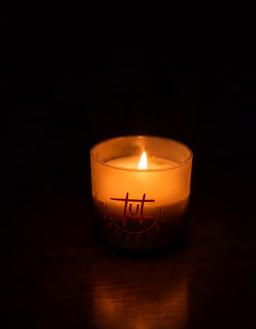
The real decision was not about direction, but about trust; it was whether she trusted herself enough to follow something she could not justify.
Her life had been built on reason, on choosing what could be explained. Beneath that structure lay a quieter truth: we do not always choose what is true; we choose what is easiest to explain.
She exhaled and turned right.
What followed was not dramatic.
Life rearranged itself in small ways. She noticed a café she had somehow never seen before.
We spend much of our lives waiting for clarity that removes the need for courage. We want certainty before movement, proof before action, guarantees before we trust ourselves.
Most turning points do not arrive like that.
They arrive as a nudge, a restlessness, a thought that refuses to leave.
If we are not careful, we mistake the absence of drama for the absence of meaning.
The next morning, the sun rose as it always does. It was another ordinary miracle.
This time, she noticed.
That was enough.
Perhaps the #Unshakable truth is this:
Not all miracles arrive with spectacle.
Some come quietly, as a thought, a nudge, or an inner voice that asks you to move in a direction you cannot yet explain.
Once in a blue moon, listening is enough to change the trajectory of your life.
‘See’ you next week.
COVER THE HEALERS Meet the Africans Driving Health & Social Impact
BY JOHNSON CHUKWUEKE
For years, conversations about Africa’s healthcare system have often been wrapped in statistics, shortages, and stories of struggle. But across the continent, a different story is unfolding, one driven by a new generation of Africans who are choosing not to wait for change, but to become the change themselves. From bustling cities to underserved rural communities, these innovators, doctors, advocates, researchers, and health entrepreneurs are quietly transforming lives in ways that feel both powerful and personal. Some are using technology to bridge healthcare gaps. Others are championing mental health awareness in societies where silence once dominated the conversation. Many are building community-driven solutions, creating safe spaces, improving access, and proving that impact does not always begin in large institutions; it can begin with one idea, one voice, and one determined individual. What makes this movement even more exciting is that it feels different. It is young. It is bold. It is deeply connected to the realities Africans face every day. These are not distant figures working behind closed doors; they are relatable, passionate people reshaping healthcare with empathy, creativity, and purpose.
The Healers is more than a celebration of medical excellence. It is a spotlight on a generation redefining what healing truly means in modern Africa. Beyond prescriptions and hospital walls, healing is now about awareness, accessibility, innovation, advocacy, and hope. Across Nigeria, Kenya, South Africa, Namibia, and beyond, these young leaders are building something bigger than careers; they are building trust, changing narratives, and inspiring a healthier future for the continent.
Unique Okewoye
Unique Okewoye is part of a new generation of young Africans changing the conversation around mental health and emotional wellbeing. Through her advocacy work and youth-focused initiatives, she has consistently pushed for greater awareness, education, and support systems for young people facing mental health challenges across Nigeria. As founder of the Health Impact for Youth Initiative, Okewoye has led campaigns, school outreaches, and community programs focused on breaking stigma and encouraging open conversations around mental wellness, an issue that remains deeply misunderstood in many African societies. Her work stands out for its relatability, empathy, and grassroots approach, particularly among young people navigating the pressures of modern life. In The Healers, Unique Okewoye represents a powerful shift in African healthcare advocacy, proving that healing is not limited to hospitals and medicine alone, but also includes emotional support, awareness, and the creation of safe spaces for people to be heard.
Prof. Christian Happi
Christian Happi is widely regarded as one of Africa’s most influential voices in infectious disease research and genomic science. The Nigerian molecular biologist gained global recognition for his groundbreaking work in tracking and studying deadly viruses such as Ebola, Lassa fever, and COVID-19, helping strengthen Africa’s response to major public health threats. As Director of the African Centre of Excellence for Genomics of Infectious Diseases (ACEGID), based in Nigeria, Prof Happi has championed African-led scientific research, training young scientists and building systems that allow the continent to detect and respond to outbreaks faster and more effectively. His work has not only advanced healthcare innovation in Africa but has also placed African research institutions at the centre of global scientific conversations.
In The Healers, Prof Happi represents a generation of African experts proving that world-class medical research, innovation, and life-saving solutions can be developed from within the continent itself.


Dr Esperance Luvindao
Esperance Luvindao is one of Africa’s rising voices in healthcare leadership and youth-driven public service. The Namibian medical doctor has built a reputation for combining medical expertise with advocacy focused on improving healthcare systems, public health awareness, and youth engagement in leadership. Passionate about accessible healthcare and community well-being, Dr Luvindao has consistently used her platform to champion conversations on health equity, education, and social development in Namibia and across the continent. Her ability to connect professional excellence with people-centred impact has made her an inspiring figure among young Africans looking to drive meaningful change in society.
In The Healers, Dr Luvindao represents a new era of African healthcare leadership, one that is youthful, compassionate, forwardthinking, and deeply committed to building stronger systems that serve communities more effectively.

Akproko Doctor
Dr Chinonso Egemba, popularly known as “Aproko Doctor,” is one of Nigeria’s most influential medical communicators in the digital space. A trained medical doctor, he has built a powerful platform using social media to simplify complex health information and make it accessible to everyday people. Through engaging videos, storytelling, and relatable explanations, he educates millions of young Africans on topics ranging from common illnesses and prevention to lifestyle choices and early symptom awareness. His approach blends medical accuracy with humour and simplicity, helping to break long-standing barriers between healthcare professionals and the public. Beyond content creation, he has also been involved in health advocacy campaigns aimed at improving health literacy and encouraging early medical action. In The Healers, Dr Egemba represents the intersection of medicine, media, and modern communication, showing how digital platforms can become powerful tools for public health education and social impact across Africa.
Dr AbioroImodoye


Imodoye Abioro is a Nigerian medical doctor, health-tech entrepreneur, and founder of Healthbotics Limited, a health innovation company focused on improving healthcare delivery systems across Africa. A graduate of the University of Ibadan, he represents a new generation of African doctors who are moving beyond traditional clinical practice into technology-driven solutions. He is best known for creating Lend An Arm, a smart blood bank and medical logistics platform that connects hospitals with blood supplies and donors in real time, and Mediverse, an AI-powered, blockchain-supported electronic medical records system that allows healthcare workers to input and retrieve patient data using voice commands—even in low-connectivity areas. His motivation for innovation was deeply personal, shaped by the loss of a close friend due to delays and gaps in emergency medical care. That experience pushed him to build systems that reduce preventable deaths caused by inefficiency in healthcare infrastructure.
In The Healers, Imodoye Abioro represents the intersection of medicine and technology—showing how young African innovators are not only diagnosing problems in the healthcare system but actively building scalable, tech-driven solutions to fix them across the continent.
John Mwangi
John Mwangi is a Kenyan public health and digital health innovator known for his work in advancing health communication and community-driven awareness initiatives. He is associated with Amref Health Africa youth and digital health engagement spaces, where he contributes to programs that use storytelling, media, and digital tools to improve health literacy among young people and underserved communities. His work focuses on simplifying complex medical and public health information into accessible formats that drive behaviour change and early health-seeking action. By blending public health knowledge with communication strategy, Mwangi represents a new generation of African health professionals who are expanding the definition of healthcare beyond clinics into digital and community spaces.
In The Healers, he reflects how innovation, partnerships, and youth-led initiatives are reshaping health awareness and access across Africa, especially through scalable, tech-enabled education and engagement models.
Dr
Ifeanyi Nsofor


Ifeanyi Nsofor is a Nigerian medical doctor, public health leader, and global health advocate whose work focuses on health equity, systems strengthening, and improving access to quality healthcare in underserved communities. He is the CEO of EpiAFRIC, a public health research and consulting organisation, and previously served as Director of Policy and Advocacy at Nigeria Health Watch, where he played a key role in shaping national health conversations around universal health coverage, maternal health, and epidemic preparedness. Over the years, Dr Nsofor has contributed to major health responses, including Ebola and COVID-19, particularly in the areas of risk communication and community engagement. He is also a widely published writer in global health, with work featured in The Lancet, BBC, NPR, and other international platforms. His perspective bridges local realities with global policy frameworks, making him a key voice in African health discourse and reform.
Dr Conrad Tankou Dr Cassandra Akinde
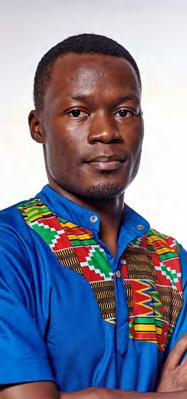
Conrad Tankou is a Cameroonian medical doctor, biomedical scientist, and health-tech entrepreneur whose work sits at the intersection of medicine, innovation, and access to care. He is the founder of GIC Space (Global Innovation and Creativity Space), a health innovation company focused on developing affordable, technology-driven solutions for underserved communities across Africa. His flagship innovation, GICMED, is a suite of med-tech tools designed to improve early detection and diagnosis of diseases such as breast and cervical cancer in rural and hard-to-reach areas. The platform combines telemedicine, digital microscopy, and portable diagnostic devices, enabling healthcare workers to screen patients even in low-resource environments. Before founding GIC Space, he also co-created GiftedMom, a mobile health platform that provides maternal and child health information through SMS, helping pregnant women and new mothers access vital healthcare guidance in remote areas. His work has earned multiple international recognitions, including the Africa Young Innovators for Health Award, highlighting his role in building scalable African solutions for healthcare delivery challenges. Through his innovations, he represents a shift toward practical, technology-led healthcare systems designed for African realities within Africa.
Dr Haileyesus Getahun
Haileyesus Getahun is an Ethiopian global health leader, physician, and health systems strategist whose work has shaped international policy on infectious diseases, antimicrobial resistance, and health equity. He is the Founder and CEO of the Global Centre for Health Diplomacy and Inclusion (CeHDI) and also leads the Health Development Partnership for Africa and the Caribbean (HeDPAC), both focused on strengthening cross-regional collaboration and advancing universal health coverage. Before his current roles, Dr Getahun spent over two decades at the World Health Organisation (WHO), where he held senior leadership positions, including leading global efforts on tuberculosis, HIV co-infection, and antimicrobial resistance. His work contributed to landmark global health policies and frameworks that improved disease detection, treatment access, and international coordination. A medical doctor by training with advanced degrees in public health and epidemiology, he represents a generation of African experts shaping global health systems from within international institutions while pushing for stronger African and Global South leadership in health governance.
Cassandra Akinde is a Nigerian public health physician, global health consultant, and social entrepreneur whose work focuses on health equity, child health, and system strengthening for underserved communities. She is the Executive Director of The Neo Child Initiative for Africa, a non-profit organisation dedicated to improving access to healthcare, nutrition, and health education for children across vulnerable communities in Nigeria. Her work spans maternal and child health, WASH (water, sanitation and hygiene), adolescent health, nutrition, and disease prevention, with projects that have reached tens of thousands of beneficiaries. She has also worked with global organisations such as Save the Children UK and the Royal Society of Tropical Medicine and Hygiene, contributing to evidence-based public health interventions and advocacy. Dr Akinde represents a new generation of African health leaders who blend clinical expertise with grassroots implementation and policy advocacy, ensuring that healthcare solutions are not only designed for communities but built with them in mind.


Perhaps the most exciting part of this movement is that it is only just beginning. Every year, more young Africans are entering spaces once considered inaccessible and turning challenges into opportunities for impact. They are building systems, sparking conversations, and inspiring others to believe that Africa’s solutions can come from Africans themselves. The Healers is ultimately a celebration of optimism, a reminder that even in the face of obstacles, there are people across Africa choosing to build, care, uplift, and transform.
And if these leaders are any indication of what lies ahead, the continent’s future is not only promising but also in very capable hands.

HLUXURY SILK
SOMEONE ELSE HAD ANSWERED
annah had not told her.
She found out on a Tuesday, in a changing room, tying her shoes on the bottom bench. Someone she didn't know well sat down beside her and said, lightly, "It's good Hannah has Sarah right now. She's been such a rock." She nodded.
She did not yet know what she was nodding at.
The acquaintance kept going. Something about Hannah's mother. Something about the hospital. Something about how Sarah had basically moved in for the first ten days. She listened the way you listen to a story you are supposed to already know. Offering small sounds at the right moments. Keeping her face arranged in a way that said: yes, I know, terrible, yes.
By the time she stood up to leave, she had understood enough.
Hannah's mother. Almost three weeks ago. Serious. Still serious.
She said something appropriate. She could not afterwards remember what.
After the acquaintance left, she stayed sitting on the bench a little longer than she needed to. Around her, lockers opened and shut. Someone laughed too loudly near the mirrors. A hairdryer started somewhere at the far end of the room. Two women were discussing dinner plans as though nothing in the world had changed.

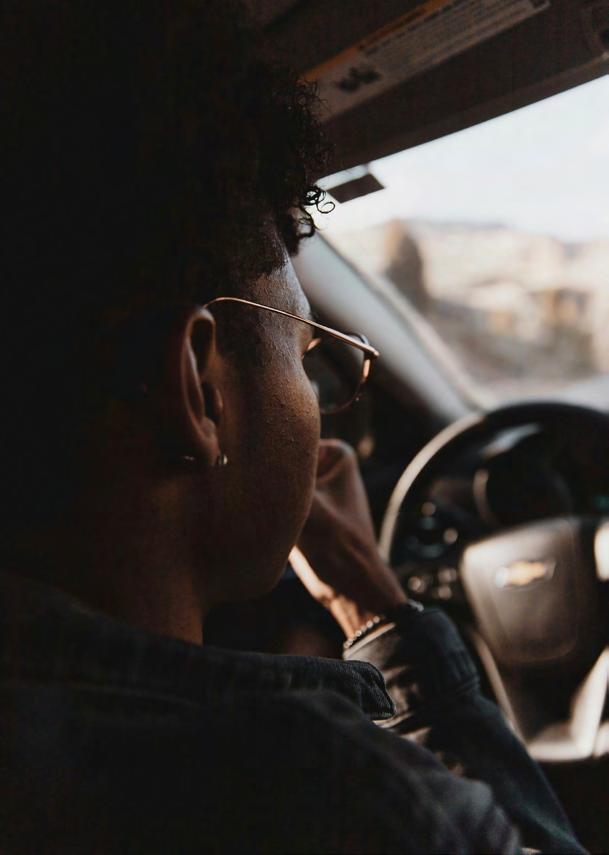
She had called Sarah.
Without thinking about it. Sarah's was the name that came first.
She kept driving.
She thought about how quickly it must have happened.
Eventually, she stood, picked up her bag, and walked out into the evening.
She drove home the long way.
Not because she needed more time exactly. More like she was not ready to arrive anywhere yet. The light was very long. The radio played something she didn't really hear. She passed the petrol station where she sometimes stopped, and didn't stop, and then she was past it.
Hannah had picked up her phone three weeks ago, in a hospital corridor at one in the morning, and she had not called.
Not the crisis itself. The order of names.
By the time she got home, the evening had darkened only slightly. Her partner was in the kitchen doing something at the sink. Something simmered quietly on the stove. He asked if class had been good. She said it had.
She went upstairs to change.
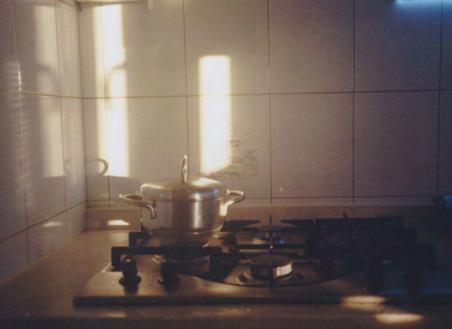
She sat on the edge of the bed for a moment with her phone in her hand.
She thought about calling Hannah. Worked through the shape of it. Hannah picking up. The slight pause before she explained. The conversation that would follow.
She thought about what she would say and found she didn't know how to begin.
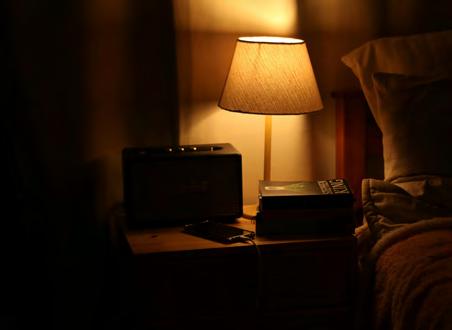
Hannah standing in fluorescent hospital light. Reaching for her phone automatically. One name appearing first because it had been appearing first for a while now.
She tried to locate anger somewhere and couldn't find it in the right shape. What was there instead was quieter and harder to name. Not betrayal. Not quite hurt.
More like realising the friendship had already adapted to her absence before she knew there was one.
There had been a time when she would have been one of the first names.
She would have heard it in Hannah's voice in the first sentence.
That was the thing that stayed with her through the drive.
Not because she was hurt. Or not only because of that.
Because somewhere in the three weeks she hadn't known about, the thing had already moved through its most urgent part. The crisis already had its shape. Its people. Its routines.
She imagined Sarah already knowing which doctor Hannah liked. Which cafeteria coffee she could tolerate. Which relatives needed updating, and which ones didn't. The small ecosystem that forms around difficult weeks after enough days have passed inside them.
She put the phone face down on the duvet. There was nothing wrong to say.
There was just nothing that would arrive at the right time anymore.
Downstairs, she heard a cupboard close. Water running briefly at the sink.
She went back down to dinner.
BEAUTY EVERYTHING YOU NEED TO KNOW ABOUT SPICULE SKINCARE
BY DORCAS AKINTOYE
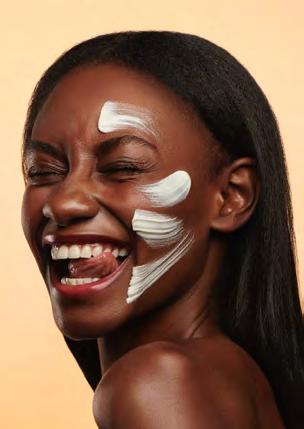
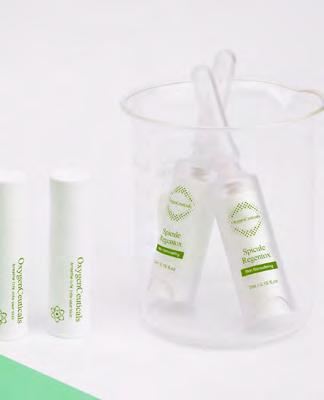
Spicule skincare might sound strange. You might even wonder, why would I want tiny needles in my skincare? But there’s no need to panic. Spicules are very tiny, natural needle-like structures, often taken from marine sponges. You can’t see them, but they play an important role in skincare. When you apply a product with spicules, they gently press into your skin's surface. This helps your skin absorb products more effectively and encourages it to repair itself. Let us show you how spicule skincare works.

IT HELPS PRODUCTS GO DEEPER INTO YOUR SKIN
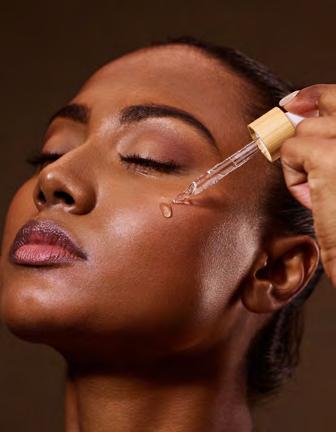
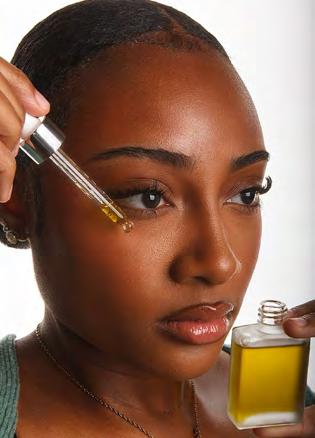
One major reason people don’t see results from skincare is that many products remain on the skin's surface. Spicule skincare helps to change that. When you apply a product that contains spicules, the tiny structures create very small openings on the top layer of your skin. These openings are not harmful, but they are sufficient to allow active ingredients such as serums and vitamins to pass through more easily. This means your skincare products don’t just sit on your face; they actually get to where they are needed.

IT GENTLY STIMULATES SKIN RENEWAL
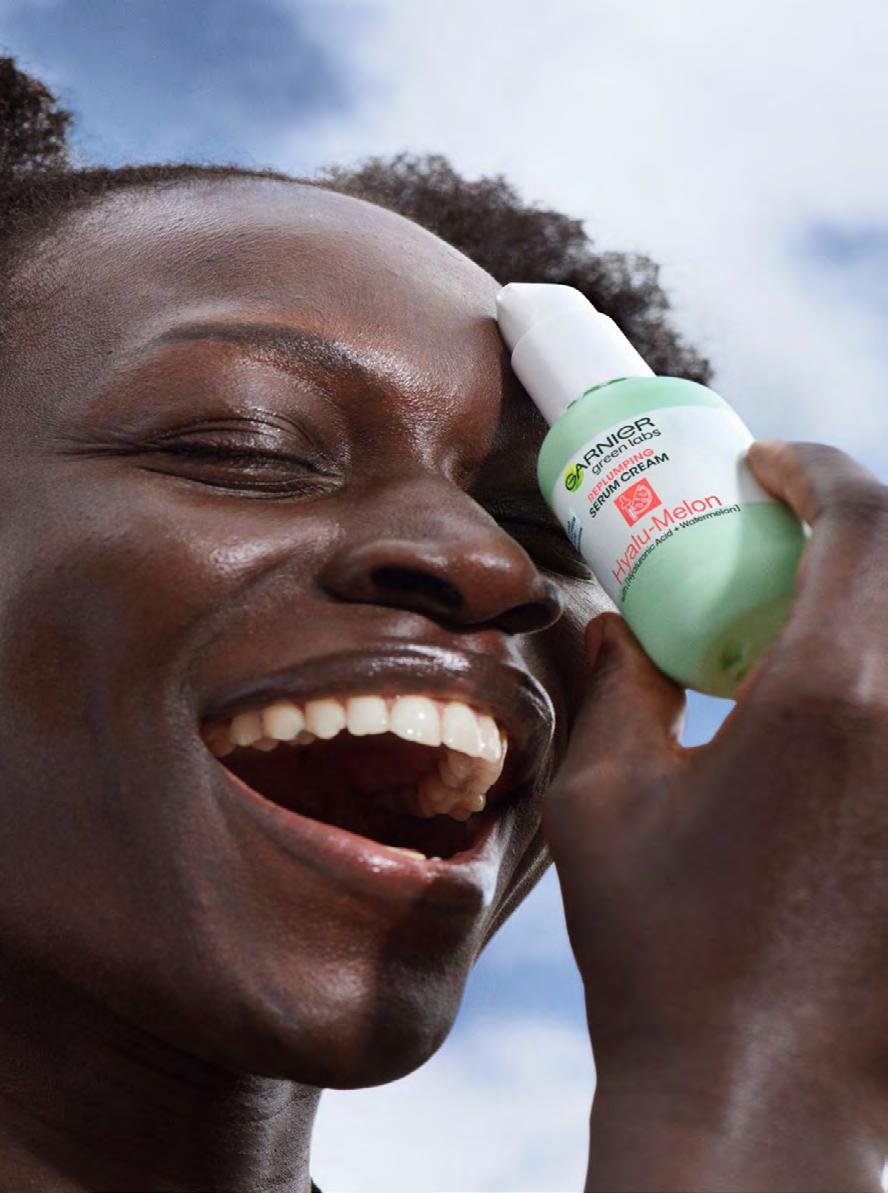
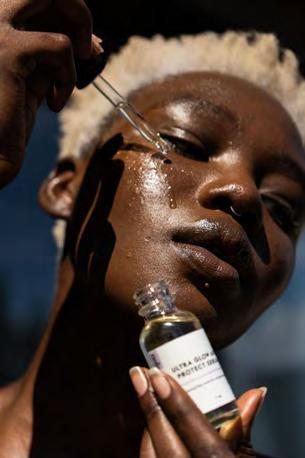
Your skin naturally renews itself, but this process can slow down due to stress, ageing, or environmental factors. When this happens, your skin may start to look dull or feel rough. Spicule skincare helps to gently wake your skin up. As the tiny spicules touch your skin, they create a mild stimulation that signals your skin to start repairing and renewing itself.

IT SUPPORTS COLLAGEN PRODUCTION

IT HELPS WITH ACNE AND SKIN TEXTURE
If you deal with acne or uneven skin texture, spicule skincare can be a helpful addition to your routine. Because it promotes skin renewal, it helps to remove dead skin cells that can block your pores and cause breakouts. At the same time, it improves how your skin heals after acne, which can reduce the appearance of marks and rough areas.
Collagen is an important protein that keeps your skin firm and smooth. As time goes on, your body produces less collagen, which can lead to fine lines and sagging skin. Spicule skincare can help support collagen production gently. The light stimulation caused by the spicules sends a signal to your skin to repair itself, and part of that repair process includes producing more collagen.

IT IMPROVES OVERALL SKIN GLOW
Everyone wants clear and glowing skin, and spicule skincare supports that goal in different ways. By helping your products absorb better, encouraging skin renewal, and supporting collagen production, it improves your skin from the inside out.
Spicule skincare is a simple but effective way to improve how your skin responds to products and repairs itself. It may feel slightly tingly when you use it, which is normal, but it should not be painful. The best approach is to start slowly and pay attention to how your skin reacts.
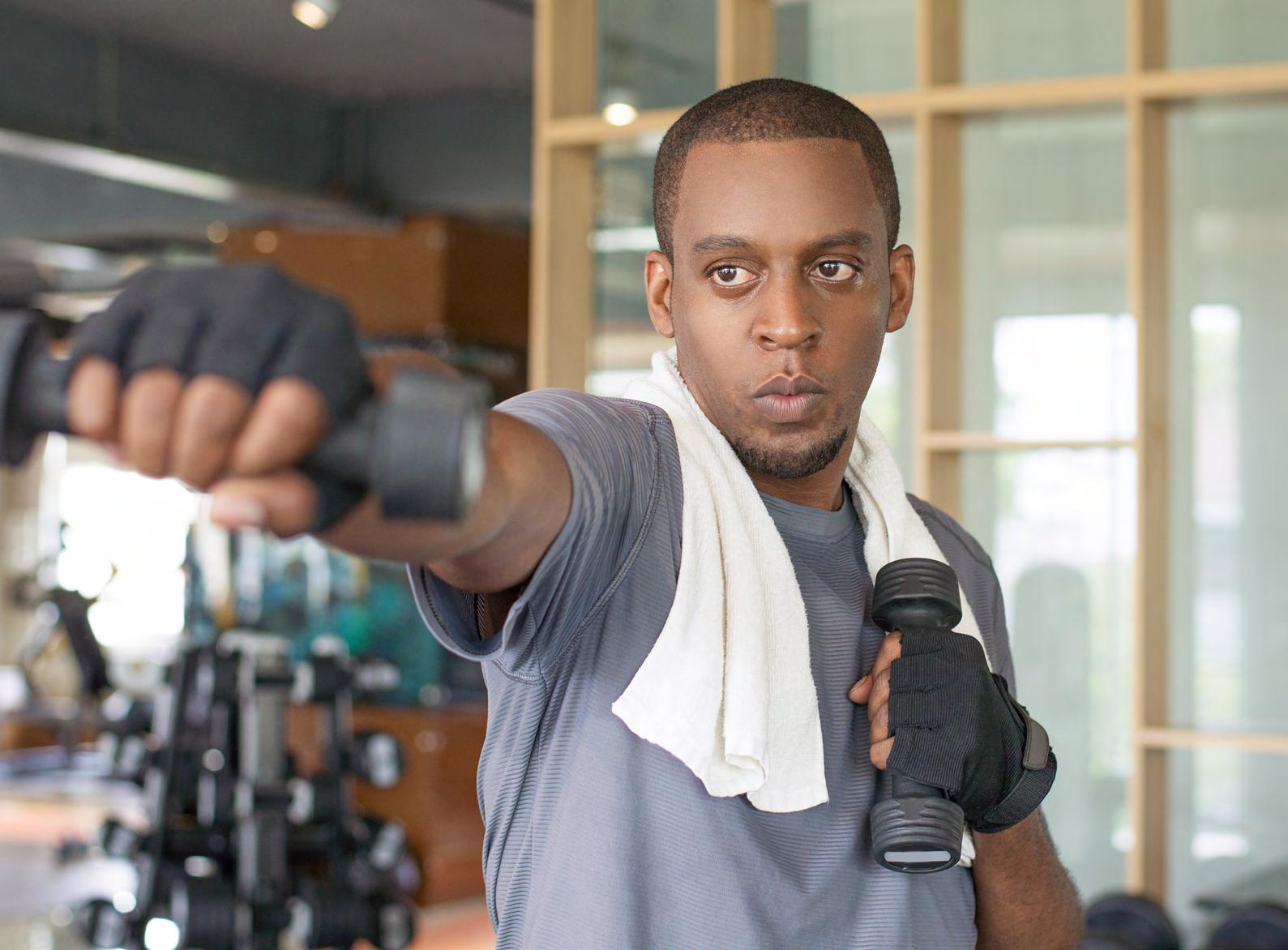
You Don’t Need to Be a ExpertGym to Get Active
BY NATO CHIMA
Alot of people avoid fitness because they think everybody in the gym already knows exactly what they’re doing. You walk in, see people lifting heavy weights, moving confidently between machines, and suddenly you feel like you missed a class everyone else attended. But the truth is, almost everybody starts clueless. Nobody enters the gym already knowing every exercise, every machine, or the perfect routine. Fitness is something people learn gradually, not something they magically understand overnight. The current generation spends so much time sitting, working, scrolling, watching content, answering messages, that movement now feels optional instead of necessary. But your body notices that lack of movement quickly. Low energy, stiffness, poor posture, tiredness, and even mood changes can all build up quietly over time. The good news is, you do not need an intense athletic lifestyle to improve how you feel.
START WITH SIMPLE MOVEMENTS
One of the biggest fitness mistakes beginners make is trying to do too much immediately. You don’t need complicated workouts on day one. Simple exercises like walking on a treadmill, bodyweight squats, light dumbbell exercises, stretching, or cycling are more than enough to begin building consistency. Fitness becomes easier when you stop trying to impress people and focus on simply moving your body properly.
EVERYBODY LOOKS CONFIDENT EVENTUALLY
The people confidently using machines today were once confused too. Most gym confidence comes from repetition. The more often you show up, the more familiar everything starts to feel. Over time, exercises that once looked intimidating become normal parts of your routine. Nobody becomes comfortable by avoiding the experience completely.

YOU DON’T NEED FANCY WORKOUTS
Social media has made fitness look overly complicated sometimes. One minute, somebody is flipping tyres, the next person is balancing upside down while lifting weights. While those workouts may look impressive, they are not necessary for staying active and healthy. Basic, consistent movement will always matter more than complicated routines you cannot maintain.

FITNESS IS PERSONAL
Not everybody wants the same thing from fitness. Some people want strength. Others want more energy, better posture, stress relief, flexibility, or simply a healthier routine. Once you stop comparing yourself to everyone around you, fitness starts feeling less intimidating and much more enjoyable. Your journey does not need to look like anybody else’s.

CONSISTENCY MATTERS MORE THAN PERFECTION
Missing one workout does not ruin your progress. Neither does starting slowly. The real goal is building a routine you can realistically maintain without constantly burning yourself out. Showing up regularly, even imperfectly, usually creates better long-term results than extreme motivation that disappears after two weeks.
You do not need expert-level knowledge, expensive gym wear, or a perfect fitness plan before getting active. Most people are learning as they go, one workout at a time. Because at the end of the day, fitness is not about looking like you know everything; it’s about taking care of your body enough to start somewhere.
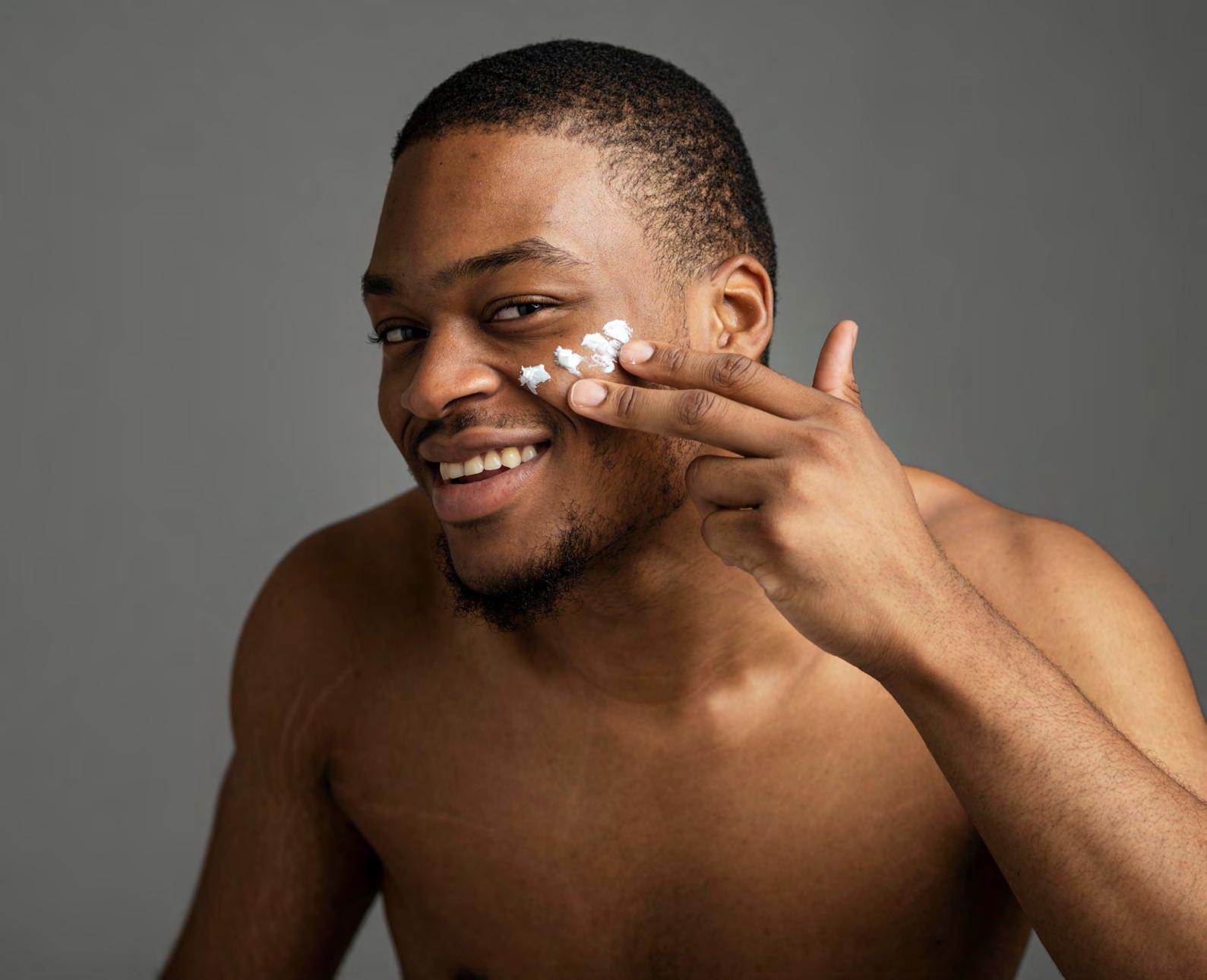
WHAT YOUR SKIN SAYS ABOUT YOUR INTERNAL HEALTH
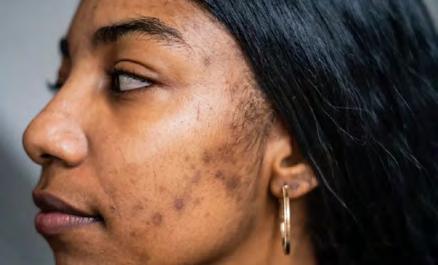
Breakouts and Hormonal Health
Recurring acne along the jawline or chin often points to hormonal fluctuations. Stress, irregular sleep, or conditions like Polyendocrine Metabolic Ovarian Syndrome (PMOS) may be the hidden culprits. Your skin might just be asking for better hormonal balance and stress management.
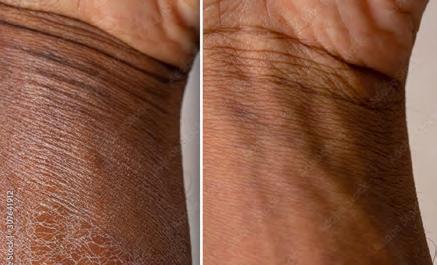
Dryness and Hydration Levels
When your skin feels tight and flaky, it’s not just about needing moisturiser. It could mean you’re dehydrated or lacking essential fatty acids. What you drink—and eat— directly affects your skin’s ability to stay supple and healthy.

Yellow or Pale Complexion
A sudden yellowish tint could indicate liver stress, while extreme paleness may point to anaemia or nutrient deficiencies. Your complexion is often the first red flag when something is off internally.
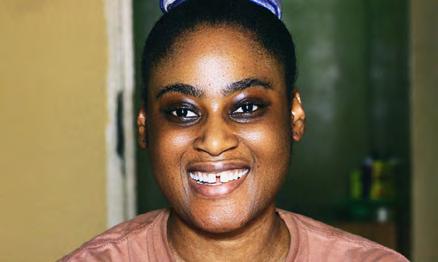
Dark Circles and Sleep Quality
While genetics play a role, dark undereye circles can also signal poor sleep, dehydration, or even allergies. Sometimes, it’s your body pleading for rest and balance.
BY JOHNSON CHUKWUEKE
We often see our skin as just a canvas for beauty—something to pamper with serums, lotions, and sunscreen. But your skin is more than just a surface; it’s your body’s largest organ and one of the most powerful storytellers of your internal health. From subtle changes in tone to sudden breakouts or dryness, your skin sends signals about what’s happening inside you. Paying attention can help you spot early signs of imbalance before they become bigger problems.

Rashes and Gut Health
Chronic rashes or conditions like eczema and psoriasis often stem from gut imbalances or immune system issues. Healthy digestion and balanced probiotics can reflect beautifully on your skin.
Your skin is a window into your overall health. Instead of just covering up blemishes or dryness, listen to the clues your skin is giving. Treat it as a messenger, not just a mirror—and you’ll discover that glowing skin is often a reflection of a well-nourished, well-balanced body.

TRAVEL WITH PURPOSE
Trips That are More Than Just Sightseeing

TRIPS THAT BREAK YOUR ROUTINE
Sometimes, the biggest reason to travel is simply to escape repetition. Waking up somewhere completely unfamiliar instantly changes your energy. Different food, new streets, unfamiliar sounds, and a fresh environment can make life feel exciting again. Purposeful trips often help people reset mentally because they interrupt routines that may have started feeling draining or predictable.

CULTURAL EXPERIENCES THAT OPEN YOUR MIND
One of the most rewarding parts of travelling is experiencing how other people live. Trying local dishes, visiting community markets, hearing different languages, and learning local customs can completely shift your perspective. You stop seeing places as “tourist spots” and start appreciating the people and stories behind them.

NATURE ESCAPES THAT HELP YOU RECHARGE
Not every trip needs loud activities or packed schedules. Sometimes, travelling to places surrounded by mountains, beaches, forests, or waterfalls gives your mind the break it has been begging for. Nature has a calming effect that helps people slow down, breathe properly, and reconnect with themselves away from constant digital noise.
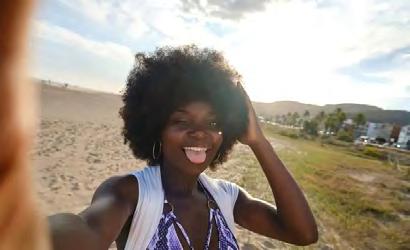
SOLO TRIPS THAT BUILD CONFIDENCE
Travelling alone teaches independence in a very real way. You learn how to make decisions, navigate unfamiliar environments, and enjoy your own company without relying on familiar comfort zones. Many people return from solo trips feeling more confident, aware, and mentally refreshed than before they left.
BY NATO CHIMA
Not every trip needs to be about luxury hotels, perfect pictures, or ticking another destination off your list. Sometimes, the best travel experiences are the ones that leave you with something deeper than photos, clarity, inspiration, perspective, or even a completely different mindset.
The current generation travels more than ever, but many people are beginning to realise that meaningful travel hits differently. It’s not always about how expensive the destination is; it’s about how the experience makes you feel while you’re there and even after you return home.
Here are some types of purposeful travel experiences that give you more than just beautiful views.

SIMPLE TRIPS THAT CREATE REAL MEMORIES
Not every meaningful travel experience needs luxury treatment or expensive resorts. Some of the best memories come from small towns, road trips, hidden gems, local festivals, or quiet destinations that aren’t constantly trending online. Purposeful travel is less about showing off and more about genuinely experiencing something real.
The best trips are not always the most glamorous ones. Sometimes, they are simply the journeys that leave you feeling lighter, wiser, calmer, or more inspired than before. Because purposeful travel gives you more than beautiful views—it gives you experiences that stay with you long after the trip ends.
5 Tips For Decorating With Antiques at Home
BY DORCAS AKINTOYE
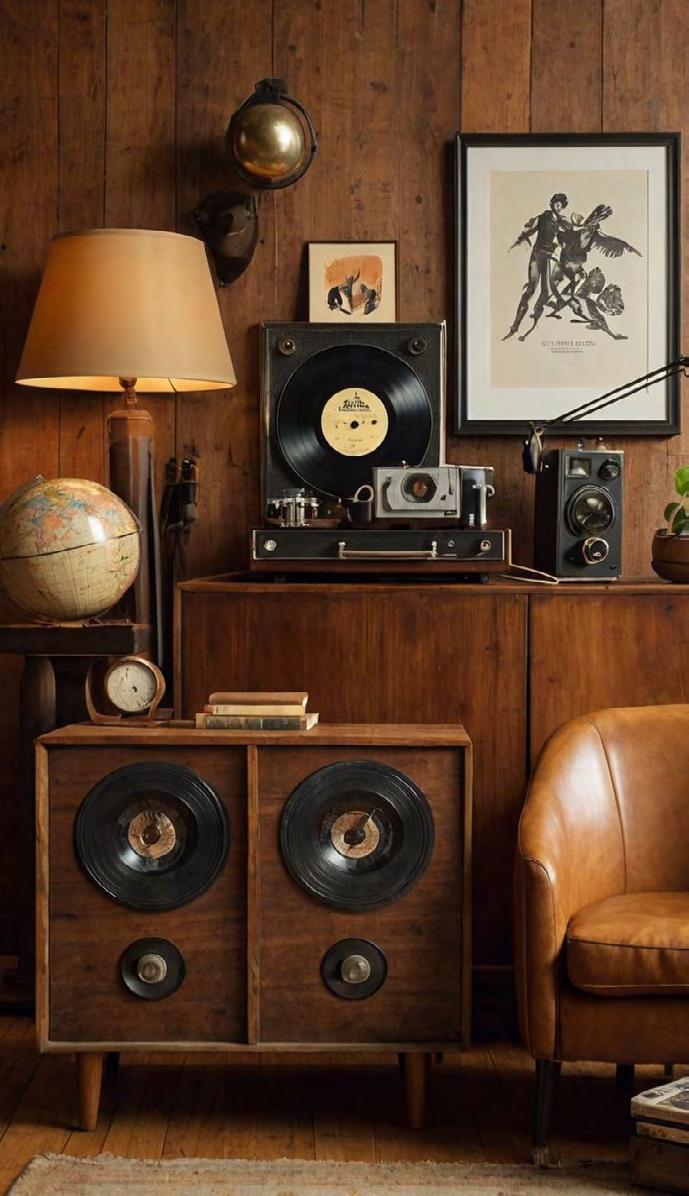
Decorating your home with antiques can make your space feel warm, unique, and full of character. Unlike modern items, antiques carry history. They tell stories and bring a special charm that you cannot easily find in new furniture or decor. But using antiques properly is important. If not done well, your space can feel old or crowded instead of stylish and inviting. Here, we will share tips for decorating your home with antiques.
KEEP THE SPACE SIMPLE
Antiques already have strong details and designs. If you add too many things around them, your space can feel messy. Keep your decor simple. Give your antique pieces enough space to shine. Avoid overcrowding shelves or corners.

MIX ANTIQUES WITH MODERN PIECES
One common mistake people make is filling a room with only antiques. This can make the space feel too heavy or outdated. Instead, mix antique items with modern furniture and decor. This mix creates balance. The modern items keep the space fresh, while the antiques add depth and personality.
CHOOSE ONE STATEMENT PIECE
You don’t need too many antique items to make an impact. Sometimes, one strong piece is enough. This could be an old cabinet, a vintage chair, or a unique clock. Let that piece stand out in the room. Build the rest of your decor around it. When you focus on one main item, it becomes a conversation piece. It draws attention and gives your space a clear style without making it feel crowded.
PAY ATTENTION TO THE CONDITION
Antiques are old, so it’s normal for them to have some wear. But there is a difference between “aged” and “damaged.” Before using an antique, check its condition. Make sure it is still strong and usable. A chair should be stable. A table should not wobble. If needed, you can restore or polish the item. This helps keep its beauty while making it safe and functional.
USE ANTIQUES IN UNEXPECTED WAYS
You don’t always have to use antiques for their original purpose. You can get creative. Using antiques in new ways makes your space more interesting. It also shows your creativity and helps your home feel more personal.


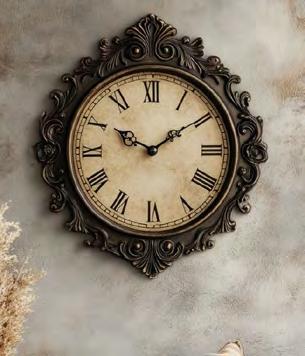

Decorating with antiques is a beautiful way to bring life and history into your home. You don’t need to do too much. Just mix them with modern items, choose your pieces wisely, and keep things simple. When done right, antiques can turn your home into a space that feels warm, unique, and truly yours.
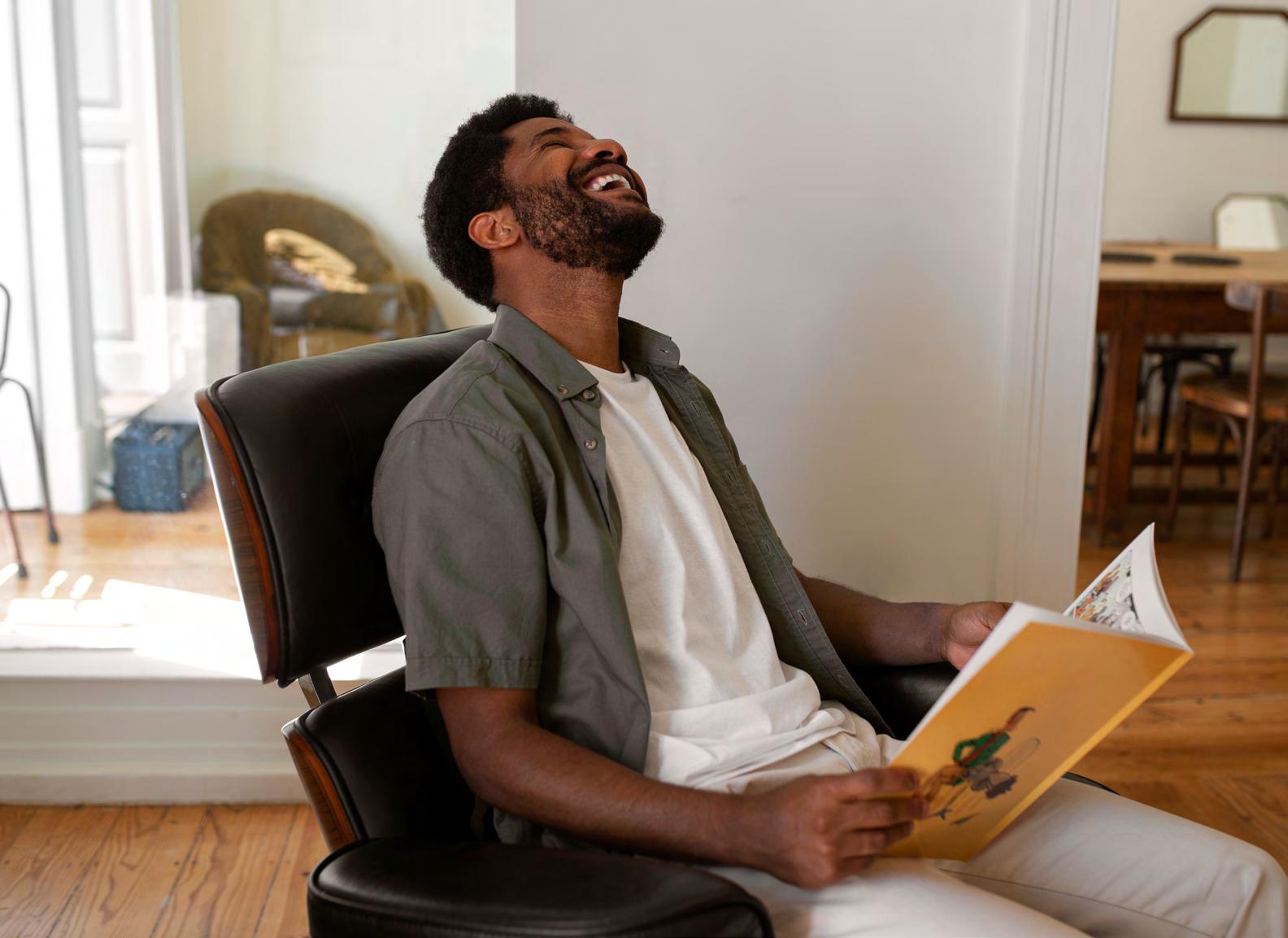
PEOPLE GET TIRED TOO
The Importance of Personal Space

YOU DON’T ALWAYS NEED TO BE AVAILABLE
One of the biggest pressures of modern life is the expectation of constant accessibility. If you don’t reply quickly, people assume something is wrong. If you take time offline, suddenly everybody is asking questions. But constantly being available can quietly drain your energy without you noticing. Sometimes, protecting your peace simply means stepping away from your phone for a while and allowing yourself to exist without immediately responding to everyone.

BEING
ALONE AND BEING LONELY ARE DIFFERENT THINGS
Many people fear solitude because they automatically associate it with loneliness. But spending time alone can actually be healthy. It gives you space to think clearly, process emotions properly, and reconnect with yourself without outside noise constantly influencing your mood or decisions. Some of the calmest moments in life happen when you finally allow yourself to slow down and enjoy your own company.

TOO MUCH SOCIAL ENERGY CAN BECOME DRAINING
Not every gathering, outing, or conversation needs your presence. As people grow older, many begin to realise that constantly socialising can become emotionally exhausting, especially when life already feels mentally heavy. Personal space allows you to recharge instead of constantly running on empty around others. Protecting your energy is not rude; it’s sometimes necessary.

YOUR ENVIRONMENT AFFECTS YOUR MOOD
Crowded spaces, noise, constant activity, and emotional tension can subtly affect how you feel each day. Having moments of calm, a quiet room, a peaceful evening, time away from stress, can make a bigger difference than people realise. Sometimes, what your mind needs most is simply less noise.
BY JOHNSON CHUKWUEKE
The older you get, the more you realise that being around people constantly can be exhausting. And no, it doesn’t mean you suddenly hate your friends, family, partner, or colleagues. It simply means you’re human.
The current generation lives in a world where everyone is constantly reachable. Messages come in all day, social media never really sleeps, and work follows people home. That’s why personal space matters more now than ever before.
Many people misunderstand personal space, immediately thinking it means isolation or pushing people away. But real personal space is simply giving yourself room to breathe mentally, emotionally, and physically without constantly carrying everybody else’s energy at once. Because honestly, people get tired too

HEALTHY RELATIONSHIPS RESPECT SPACE
One of the clearest signs of emotional maturity is understanding that people sometimes need space without it becoming personal. Real relationships, whether friendships, family connections, or romantic relationships, should allow room for individuality, rest, and personal breathing space without guilt or unnecessary pressure. People function better when they don’t feel emotionally overcrowded all the time.
Personal space is not selfish, dramatic, or unnecessary. It’s one of the healthiest ways people protect their mental and emotional balance in a world that constantly demands attention. Because sometimes, the best thing you can do for yourself is step back, breathe properly, and remember that you are allowed to rest from people, too.
5 REFRESHING MOCKTAILS YOU CAN MAKE AT HOME BON APPÉTIT
BY JOHNSON CHUKWUEKE
Not every good drink needs alcohol. Sometimes, all you want is something cold, refreshing, and a little bit special, something that feels like a treat without needing a reason. Mocktails do exactly that. They’re simple, colourful, and surprisingly easy to make. Whether you’re hosting friends, winding down after a long day, or just looking to switch things up, these drinks bring that “something extra” to the moment. The best part? You don’t need a full bar setup. Just a few ingredients, a glass, and a little creativity. Here are five mocktails you can easily make at home.
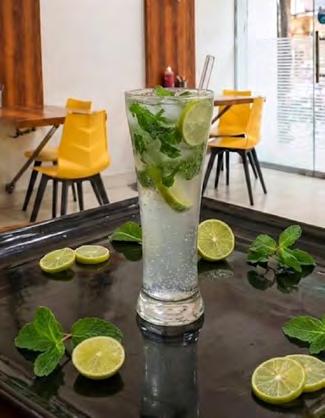
VIRGIN MOJITO (FRESH & CRISP)
What you need:
Fresh mint leaves, lime juice, sugar (or simple syrup), soda water, and ice.
How to make it:
Start by gently crushing the mint leaves with sugar and lime juice in a glass. This helps release that fresh, cool flavour. Add ice, pour in soda water, and give it a light stir.
Why it works:
It’s clean, refreshing, and perfect for when you just want something light that instantly wakes you up.
CHAPMAN (NIGERIAN CLASSIC TWIST)
What you need:
Fanta, Sprite, a splash of grenadine, cucumber slices, orange slices, bitters (optional), and ice.
How to make it:
Fill a glass with ice, pour equal parts Fanta and Sprite, then add a splash of grenadine. Toss in your fruit slices and stir gently.
Why it works:
It’s colourful, slightly fruity, and always a crowd favourite—especially when you want something familiar but still fun.
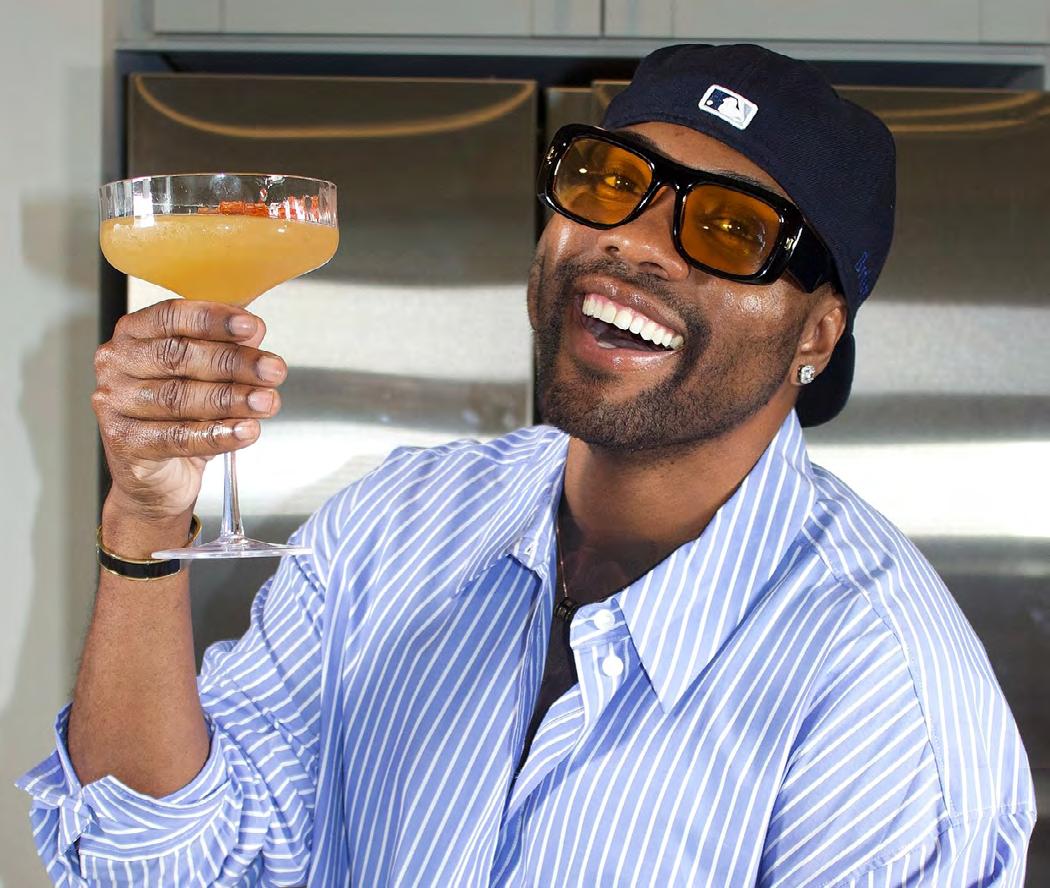
PINEAPPLE GINGER COOLER
What you need:

STRAWBERRY LEMONADE SPARKLER (BRIGHT & FRUITY)
What you need:
Fresh strawberries, lemon juice, sugar, soda water, and ice.
How to make it:
Blend or mash the strawberries, mix with lemon juice and sugar, then pour into a glass with ice. Top with soda water and stir.
Why it works:
Pineapple juice, fresh ginger (grated or juice), honey or sugar, soda water, and ice.
How to make it:
Mix pineapple juice with a bit of ginger and sweetener. Pour over ice and top with soda water. Stir lightly.
Why it works:
The sweetness of pineapple meets the sharpness of ginger; it’s refreshing with just a little edge.
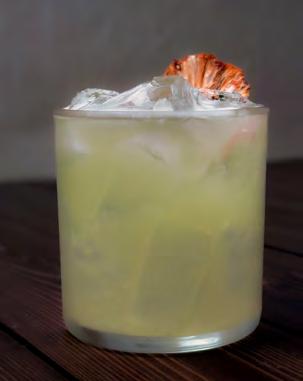
It’s vibrant, slightly tangy, and feels like a drink you’d have on a really good day.
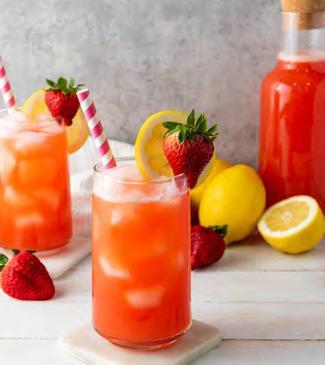
CUCUMBER MINT COOLER (LIGHT & CALM)
What you need:
Cucumber slices, mint leaves, lime juice, soda water, honey (optional), and ice. How to make it:
Muddle cucumber and mint together, add lime juice and a bit of honey, then pour over ice and top with soda water. Why it works:
It’s subtle, cooling, and perfect when you want something that feels easy and refreshing.
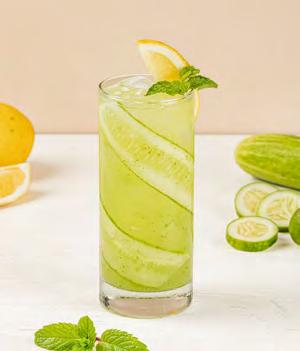
Good drinks don’t have to be complicated. Sometimes, it’s just about mixing a few simple ingredients and creating something that feels a little different from your usual routine. These mocktails are easy to make, easy to enjoy, and perfect for those moments when you want to slow down and sip something that actually feels good. Because every now and then, your regular drink deserves an upgrade.

cassy’s chronicles
UNFORGETTABLE NIGHT


Inever planned for that night to happen the way it did.
If anything, I only went because I was tired of staying indoors and overthinking my life. Work stress, family pressure, the constant feeling that everybody else had themselves figured out while I was still trying to breathe properly most days was overwhelming.
So, when my best friend insisted that I go with her to the small birthday hangout, I said yes.
That was where I met Daniel.
He wasn’t loud like the other guys. He stayed in the corner most of the night, laughing quietly, occasionally joining
conversations when someone pulled him in. I noticed him immediately, though I pretended not to.
And somehow, before the night ended, we were talking. Really talking.
Not the fake kind where people just wait for their turn to speak. The real kind.
The kind that makes you forget your phone exists.
Hours passed too quickly.
By midnight, most people had either left or fallen asleep in random corners of the apartment. Music still played softly in the background while rain tapped against the windows.
“You cold?” Daniel asked.
I shrugged even though I was freezing. He handed me his hoodie.
That simple act did something strange to my chest.
Nobody had been gentle with me in a long time. We sat close together on the couch, talking about everything and nothing.
Childhood memories. Bad relationships. Fears. Dreams we were embarrassed to admit out loud.
At some point, I stopped noticing the distance between us.
Then he touched my hand.
Just lightly. But it felt electric.
I looked at him, and for a second, neither of us spoke.
I had kissed people before. I had dated before. But this felt different. When he kissed me, my mind went completely blank.
The kind where your thoughts suddenly become feelings instead.
His hands were warm. Careful. Like he was asking permission without words.
And for the first time in a very long time, I didn’t feel pressured to pretend to be confident. I didn’t feel like I had to perform or act cooler than I really was.
Everything about the night felt unexpected after that.
The way my body reacted to him.
The way I suddenly became aware of every breath, every touch, every heartbeat.
And then it happened. A feeling rushed through me so suddenly that I pulled away in shock, covering my face immediately.
“Oh my God,” I whispered, completely embarrassed.
Daniel looked worried at first. “Are you okay?” I started laughing before I could stop myself.
Not because it was funny, but because I genuinely didn’t know what else to do.
“I think you just ruined my life,” I muttered jokingly.
That made him laugh, too.
And somehow, that laughter completely removed the awkwardness.
We stayed there for a while after that, forehead against forehead, smiling.
What surprised me most wasn’t what happened physically. It was how safe I felt.
Nobody talks enough about that part.
Sometimes intimacy isn’t about wild passion or perfect movie moments.
Sometimes it’s just about finally feeling comfortable enough to let your guard down around someone.
That was the part I remembered most about Daniel. Not the kiss.
BY BOLUWATIFE ADESINA
MOVIE REVIEW:
The Mandalorian and Grogu

Back when George Lucas returned to the Star Wars franchise in 1999 with The Phantom Menace, the first in his “prequel” trilogy, there was some scoffing over the idea that this $115 million production, financed by Lucasfilm Ltd. and merely distributed by 20th Century Fox, was the biggest independent movie ever made. It may technically be true, the thinking went, but the return of the greatest blockbuster phenomenon in history was not exactly the minnow some were making it out to be. When Disney forked over $4 billion to wrest control over the Star Wars universe from its creator in 2012, the prevailing hope was that Lucas’ world-building could be preserved while his evermore-glaring weaknesses for clunky dialogue and stilted performances might be ironed out.
The Mandalorian and Grogu feels like the right moment to reflect on where a Lucas-free Star Wars has gotten us and why the word “independent” doesn’t seem as laughable now as it did 27 years ago. Without Lucas managing the franchise down to the last pixel, to sometimes exasperating effect, Star Wars has turned into a synergistic content mill only a couple of filmmakers have managed to wrest from the grips of a multimedia integration strategy. And now we’re looking at a 2026 summer movie season kicked off by a film-esque project that’s built on three seasons of the Disney+ show The Mandalorian, plus assorted characters and bits of mythology from The Book of Boba Fett, Star Wars: The Clone Wars, The Rise of Skywalker, and so on. It is at once a patchwork and a plan so carefully devised by Disney’s creative managers that it doesn’t matter who directs it.
With a structure that feels like two expensive episodes of The Mandalorian smushed together, the film is all chorus, no verse, with nothing resembling a theme and only enough character work to bridge action sequences together. Since
the TV show already did the labour of establishing the relationship between Din Djarin (Pedro Pascal), a helmeted bounty hunter and alumnus of the Man with No Name school, and his adorable infant sidekick Grogu, The Mandalorian and Grogu can cut to the chase. In the unsettled period after the fall of the Galactic Empire, Mando gets plenty of work hunting down the Imperial warlords still causing trouble on the Outer Rim, but his mercenary role once again cannot suppress the nobility under the surface. His latest job for Col. Ward (Sigourney Weaver), a New Republic leader, turns into a much more consequential affair.
Originally sent on a mission to rescue Rotta the Hutt (voiced by Jeremy Allen White), the buff son of Jabba the Hutt, from captors who have turned him into a gladiator, Mando and Grogu instead find themselves engulfed in more pressing threats to the Republic. Though they succeed in freeing him, Rotta’s relatives, a pair of Hutts known as “The Twins,” have been scheming themselves into greater power, and they draw our heroes into a battle against multiple forces, not least a poisonous dragon-snake that sinks its jaws into Mando’s chest. That leaves the diminutive Grogu to caretake his caretaker until they can figure out a way to fight back.
Despite all the mythology that the show’s creators, Jon Favreau and Dave Filoni (who co-wrote the script here along with Noah Kloor, with Favreau directing), pour into The Mandalorian and Grogu, the appealing simplicity of the series carries over into the film, along with a hard sell to the younger set. On those limited terms, the basic formula of a bounty hunter and his lovable, Force-wielding companion delivers the goods, even if the setpieces tend to bleed into each other after a while. What’s missing is variety and soul, replaced by the dusty returns of Favreau and Filoni still playing around in someone else’s sandbox.
Rating:6/10
It feels like a season 3 episode more than a recapturing of season 1’s magic. This is not the Way.

Scan this with your camera or click to access the playlist (Youtube Music)


WATCH OF THE WEEK
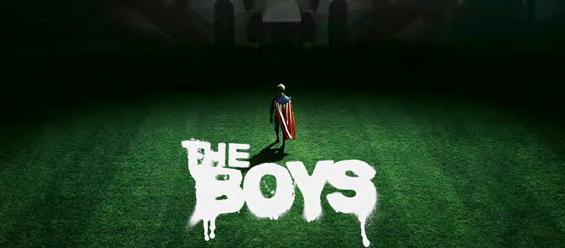
THE BOYS SEASON 5 (SERIES FINALE THOUGHTS)
WhenThe Boys premiered on Amazon Prime Video back in 2019, the crass superhero show felt like a comedian with its finger on the pulse, jabbing at everything that’s become an annoying trope in superhero media and giving it the middle finger as it did so. And now that The Boys is over, it’s hard not to feel like the joke turned on itself as its final season squeaked by, becoming what it once parodied.
The final season of The Boys had a lot riding on it. That pressure was felt not only by fans wondering how it would tie up all its loose ends after feeling like it’d been spinning its wheels for two of its five seasons and squandering its lowkey-key better spin-off before cancelling it mid-finale, but also by showrunner Eric Kripke, who admitted to living “in absolute terror of becoming the thing we’ve been satirising for five years.”
After four seasons, the fate of humanity was riding on a group of assholes who routinely wallow in their own misery, pitted against an egomaniacal manbaby draped in the American flag; both sides with genocide on their minds. Granted, the show was never going to be Avengers: Endgame. But The Boys promised to build up to something diabolical and wound up feeling like a spent firecracker by the grand finale.
It was around the third episode of The Boys season five that a creeping feeling settled in: the sense of gravitas and momentum leading up to its finale never felt urgent. If anything, it felt lopsided, as if it wasn’t aware that it only had a handful of episodes to get to that endpoint and become something truly epic.

Scan this with your camera or click to access the playlist (Spotify)




Throughout its eight-episode season five run, the show felt like it was getting long in the tooth with the elaborate setup for its jokes or letting it plop onto the floor and sit there. Granted, this season, more than ever, had its punchlines upended by the real-world politics it was parodying, outpacing the show, sometimes weeks ahead of its delivery. Still, the show’s jokes, the half-decent ones anyway, never felt phoned in and lazy. But it never quite felt prophetic like The Simpsons, either.
Of all the things The Boys annoyed me with, Jensen Ackles’ Soldier Boy was the well the show dipped into too often for a laugh, hijacking the show as a backdoor pilot for their already announced spin-off rather than telling the story to which it should have been the final chapter. Inversely, Marie Moreau (Jaz Sinclair) was the setup that The Boys forgot the punchline to, regressing its characters along the way with conversations we’ve already seen countless times before; this time, with cameos that weren’t worth the juice they squeezed as meta-reference fodder.
That isn’t to say there weren’t any highlights. Antony Starr as
Homelander (Emmy. NOW.) continued to be the most consistently entertaining part of a show full of eccentric Deadpool-like characters that never got grating. Valorie Curry as Firecracker gave a surprisingly moving performance in arguably the season’s standout episode. Even the throughline of Butcher and Hughie (Jack Quaid), although stretched a bit thin by its finale, managed to be moving. And sure enough, some of the meta humour parodying our own unreality garnered a chortle here and there, but The Boys never felt focused or timely enough to have them land as a full belly laugh. Just gross-out humour, sight gags, and pottymouthed quips.
Calling The Boys season five a series finale feels like a misnomer. If anything, the show feels like it parodied too close to the sun and became the thing it once wisecracked about, reverse-engineering a cinematic universe of its own, kitted out with spin-offs and franchise aspirations after the fact that are hard to feel excited about, given how badly it screwed the pooch (sorry, Terror) with its own finale.
Vince Staples - Blackberry Marmalade
GIVĒON - JEZEBEL
Amaarae - Princess Going Digital
Nitefreak - Gorah
Freddie Gibbs - Ensalada (feat. Anderson .Paak)
Nitefreak - VOM - Radio Edit
Directed by: Jon Favreau Runtime: 132 min