
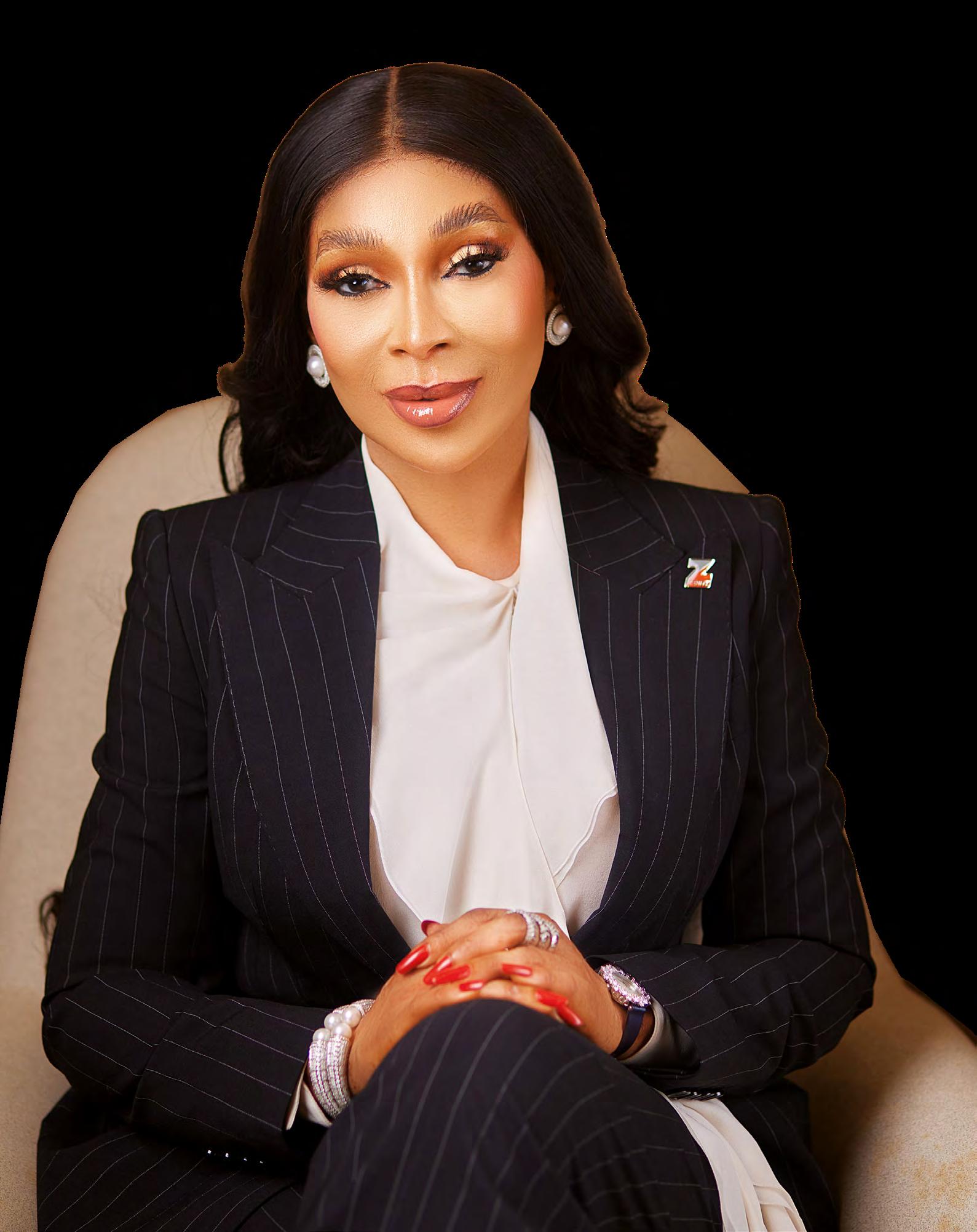

Leadership, Growth & Legacy



Photo: Kola Oshalusi @insignamedia Makeup: Zaron
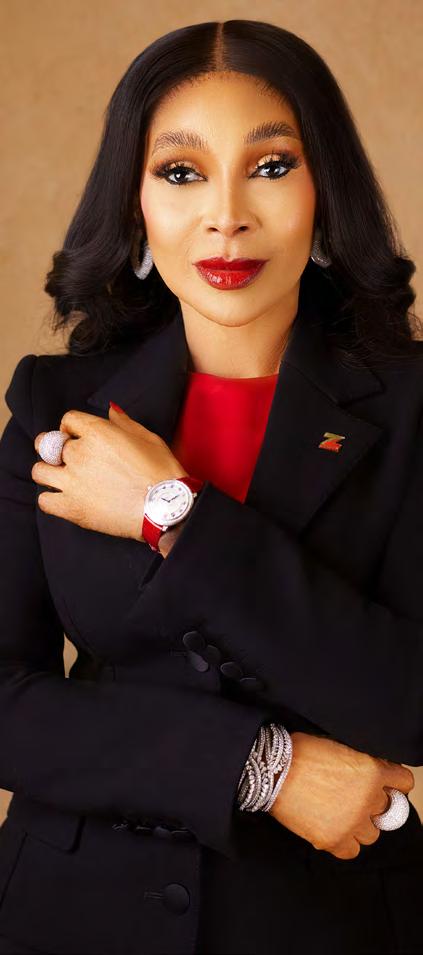
ame Adaora Umeoji helms the affairs of Zenith Bank Plc not just as Group Managing Director and Chief Executive Officer, but as the first woman to hold the position. Asked how conscious she is of the symbolic weight of her leadership and how it has affected her decision-making at the top, Umeoji said she is very conscious of it and that the role transcends her as an individual.
Her appointment as the first woman to lead Zenith Bank is not just a personal milestone; it makes a broader statement about what is possible inside the institution, the industry, and Nigeria. She said every young girl who sees her office occupied by a woman, and every female professional who aspires to the C-suite, will now do so with greater conviction. She carries that responsibility into every boardroom and into every decision she makes. It reminds her daily that excellence has to be visible, because representation without performance is hollow.
But that awareness shapes how she leads. It does not change the fundamentals. Umeoji says decisions at Zenith Bank remain anchored on sound corporate governance, prudent risk management, and sustainable value creation for all stakeholders. Those principles have defined them for over three decades.
Being the first female Group Managing Director and Chief Executive Officer simply means she has to be twice as deliberate: deliberate about building strong succession pipelines for both women and men; deliberate about meritocracy, so that no one ever doubts why anyone sits at the table; and deliberate about proving that diversity strengthens, rather than weakens, commercial outcomes.
Adaora Umeoji has made huge strides since assuming office; read about them on pages 8 to 10.
This current generation practically lives through screens. Phones wake us up, apps organise our schedules, and somehow there’s always another notification waiting for attention. Technology is now part of almost every moment of the day, but the funny thing is, many people still use it in ways that make life more chaotic, not easier. In our tech page, we highlight small tech habits that make your day easier.
Until next week, enjoy your read.


@onahluciaa +2348033239132

AUSTYN OGANNAH
PUBLISHER/EDITOR-IN-CHIEF
Executive Editor: Onah Nwachukwu @onahluciaa
Writers: Johnson Chukwueke & Dorcas Akintoye
Design & Layout: Hogan Effiom
Digital Media: Oladimeji Balogun
Consulting Art Director: Sunny Hughes ‘SunZA’



Boluwatife Adesina @bolugramm - Contributing Writer Boluwatife Adesina is a media writer and the helmer of the Downtown Review page. He’s probably in a cinema near you.

Sally Chiwuzie @unshakable.is.a.state.of.mind - Contributing Writer
Sally Chiwuzie is a non-practising barrister who owns the brand #Unshakable. She is the author of Silent Symphonies, a fictional love story, and the creator of the podcast Chronicles of #Unshakable Truths.

Ada Obiajunwa @aaddaahh - Contributing Writer
Ada Obiajunwa writes from Lagos about the big truths tucked inside ordinary moments — friendship, self-discovery, and the quiet revolutions of everyday life. She believes in the power of presence, good banter, and decoding the unsaid. Through her fragrance studio, WhiffWonders, she also crafts scents that weave memory and emotion into experiences that feel like home.
5 Rules to Arrange Your Living Room Furniture That Time of the Month Managing Your Cycle Without Stress Lost Spark Unusual Adventures for the Curious Traveller
Gemini Season The Sign That Never Stays Still



BY DORCAS AKINTOYE
Shopping for clothes can be fun, but it can also become a habit that leaves you with pieces you rarely wear. Many people buy clothes because they are trendy, cheap, or look good in the moment, only to realise later that those items do not truly fit their style or needs. Intentional shopping means being more thoughtful about what you buy, so your wardrobe becomes more useful, personal, and valuable. Instead of shopping just for the sake of it, intentional shopping allows you to make smarter choices that reflect your lifestyle and personal taste. Here are ways to shop for clothes more intentionally.
One of the best ways to shop intentionally is to understand your personal style.When you know what truly suits you, it becomes easier to avoid random purchases that do not match your wardrobe.Take time to notice the colours, cuts, and outfits you feel most confident in.Think about your lifestyle as well. If you mostly attend work, casual outings, or events, your wardrobe should reflect that reality.
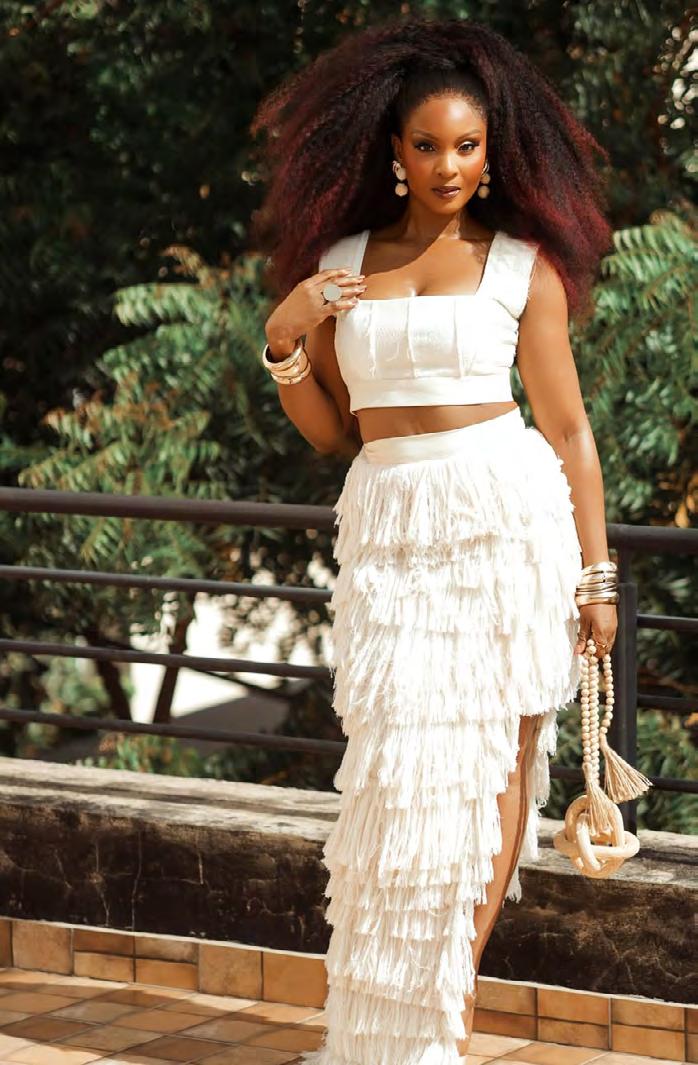
It can be tempting to buy many cheap items, especially during sales, but this often leads to clothes that wear out quickly or lose their appeal after a few uses. Shopping intentionally means paying attention to quality. Look for durable fabrics, proper stitching, and timeless designs that can last longer.While quality pieces may sometimes cost more, they often save money in the long run because they do not need to be replaced as often.

Before going shopping, check your closet and identify what is missing. This simple step can prevent spending.unnecessary Instead of buying another dress when you already own many, you may realise you actually need comfortable trousers, basic tops, or quality shoes. Shopping with a clear list keeps you focused and reduces impulse buying. It also helps you build a balanced wardrobe where every piece serves a purpose.


Many people shop when they are bored, stressed, or excited, which can lead them to buy clothes they do not truly need. Intentional shopping requires pausing before making a purchase and asking yourself whether the item genuinely fits your wardrobe, style, and lifestyle. Consider whether you can wear it in multiple ways or if it is simply an emotional purchase.



SALLY CHIWUZIE @unshakable.is.a.state.of.mind
Some friendships only work when you stay the same.
Comfort in friendship is often control in disguise.
The version of you someone is most comfortable with is usually the one that asks for the least.
You do not choose family, but you do choose your friends.
Someone meets you in the middle of an ordinary day and, for reasons neither of you can fully explain, something clicks — quietly, almost imperceptibly, but enough to make you feel seen; as if your spirit has been recognised without introduction.
At least, that is how it begins. What we do not talk about enough is what happens after the comfort settles.
Friendship is rarely perfect. It is missed calls and tired replies. It is seasons where one person disappears into survival mode while the other waits without turning absence into accusation. It is loving each other imperfectly and still choosing to stay. Sometimes, what feels like comfort is something else entirely.
The version of you they celebrate is the one that is softer, quieter, easier to hold. The version that does not challenge too much. The version that bends before it breaks.
For a while, you do not question it, because it feels like acceptance; it feels like home.
Sometimes the tension shows up simply: your cup is already full, but they still expect you to keep pouring. What once felt like generosity begins to feel like obligation.
That is, until you start to change.


Until you begin to speak more clearly. To set boundaries without apology. To outgrow the parts of yourself that once made you easier to love.
Then something shifts. The calls feel different. The pauses feel longer. The
longer right.
You are not being attacked, but you are no longer fully held.
So you start asking: Am I too much now?
Was I easier to love before?
Do I have to shrink to keep this?
This is the tension between growth and belonging.
And for many, this is where they fold. They soften their voice. They blur their boundaries.
They return to a version of themselves that feels more acceptable.
Because losing a friendship can feel like losing a part of your identity.

energy feels measured. The warmth is still there, but it hesitates.
“You’ve changed,” they say. They are not wrong. What they often mean is this:
You no longer fit the version of yourself I was comfortable with.
That is where many friendships quietly fracture. Not because of betrayal, but because growth introduces a version of you that requires adjustment — and not everyone is willing to do that work.
Some friendships rise to meet you. They stretch. They make space for the person you are becoming.
Others resist — not in ways you can easily name, but in small, unnoticeable ways.
A comment that lands differently.
A withdrawal you cannot explain.
A preference for the version of you that required less.
Nothing is obviously wrong, but something is no
But here is the truth we avoid.
Not every friendship is meant to survive your growth.
Some were only ever meant to meet you where you were. This does not make them bad.
It makes them complete. There is beauty in the friendships that held you when you needed holding. But there is also clarity in recognising when a friendship no longer has the capacity to meet you where you are now.
The most powerful friendships are not the ones that feel easy.
They are the ones that allow for expansion. That do not punish evolution.
That can sit with the unfamiliar version of you without trying to reshape it.
God bless the friends who understand that silence can mean exhaustion, not distance.
Who understand your sharp edges without trying to smooth them down.
Who let you arrive undone without making you feel like a burden.
The friends who read between your lines.
Who hear the sigh before the sentence.
Who notice when your laughter carries weight.
The friends who do not need you to stay the same in order to stay close.
There is something sacred about emotional safety. About being able to exhale around another human being.
About not having to edit yourself to earn softness. Perhaps the #Unshakable truth is this: Not everyone is meant to grow with you.
Some friendships are built on comfort.
The rare ones survive your freedom.
Learn the difference.
‘See’ you next week.

For decades, Nigeria’s banking sector has remained one of the strongest drivers of the country’s economy. From supporting businesses and investments to powering trade and digital payments, banks have played a major role in shaping modern Nigeria. Over the years, the industry has also evolved from a system once known for long queues, paperwork, and limited access to one now driven by technology, innovation, and global ambition. But while the sector has grown, leadership within the industry was, for a long time, dominated by men, with women often excluded from the highest decision-making positions. Today, that story has changed. More women are not only entering the banking industry but also breaking barriers, leading major financial institutions, and redefining what leadership looks like in corporate Nigeria.
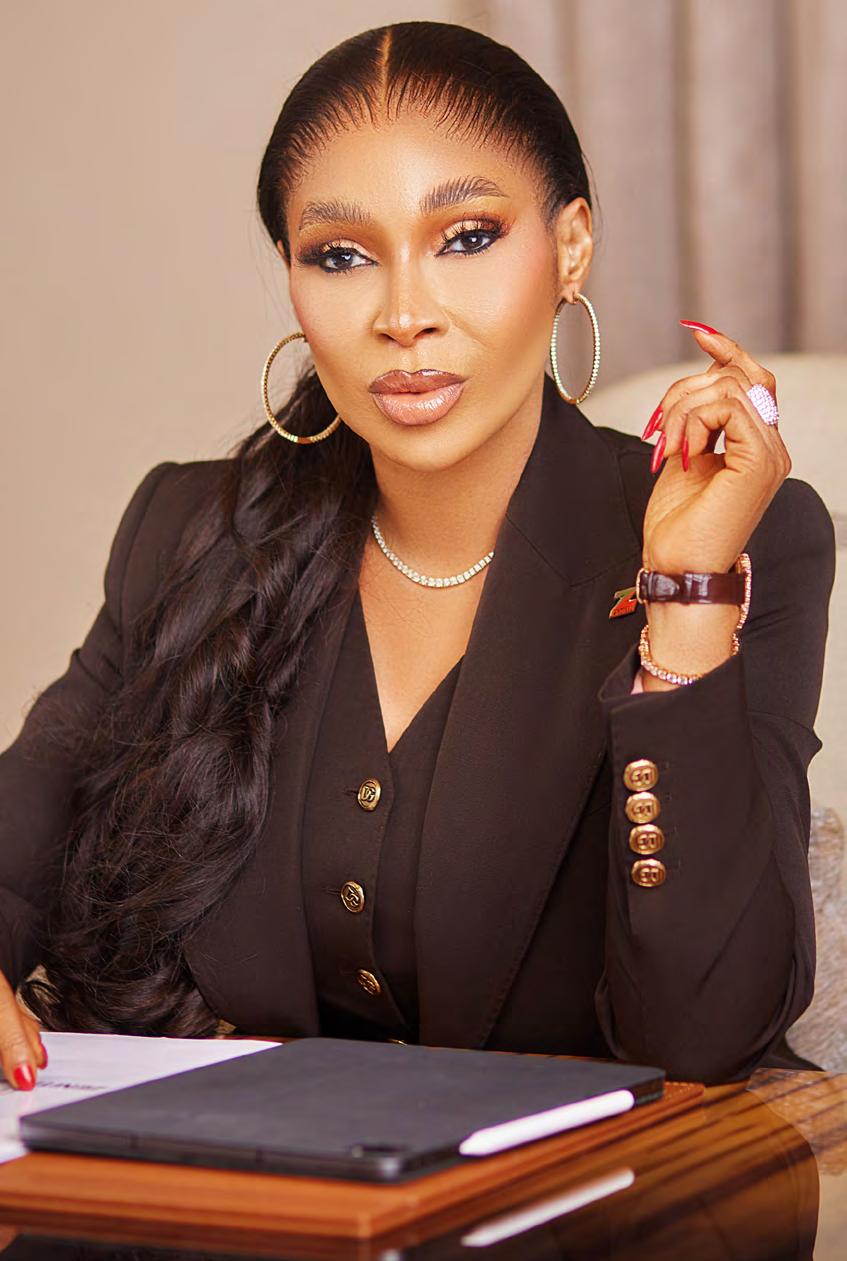
One of those women is Adaora Umeoji, the Group Managing Director and Chief Executive Officer of Zenith Bank Plc, and the first woman to lead the bank in its history. With nearly three decades of banking experience and more than twenty years spent within Zenith Bank, Dame Dr Adaora Umeoji has risen through the ranks to become one of the most influential figures in Nigeria’s financial sector. Under her leadership, Zenith Bank recorded a solid 6% growth in gross earnings to ₦4.19 trillion and a profit after tax of ₦1.04 trillion in 2025, despite a challenging economic environment. According to her, one of the key drivers behind that growth was the strategic expansion of the bank’s interest-earning assets and disciplined loan pricing aligned with market realities and risk conditions. Beyond the numbers, the bank is also pushing towards global expansion, with plans to open a new branch in Manchester as part of its broader international vision. Yet, for Adaora Umeoji, legacy goes beyond titles or milestones. She says she does not want her legacy to simply be about being the first woman to lead Zenith Bank, but about building a stronger, more resilient institution that reflects the society it serves and creates opportunities for many more people to rise after her.
In this interview with THEWILL DOWNTOWN’s Executive Editor, Onah Nwachukwu, Dame Dr Adaora Umeoji, OON discusses leadership, pressure, growth, the future of banking in Nigeria, Zenith Bank’s global ambitions, and the responsibility that comes with leading one of Africa’s biggest financial institutions at a defining moment in the industry.
You stepped into this role not just as a GMD/ CEO, but as the first woman to lead Zenith Bank Plc. How conscious are you of the symbolic weight of your leadership, and how has it influenced the way you make decisions at the top?
Yes, I am very conscious of it. This role transcends me as an individual. My appointment as the first woman to lead Zenith Bank is not just a personal milestone; it makes a broader statement about what is possible inside our institution, our industry, and our country. Every young girl who sees this office occupied by a woman, and every female professional who aspires to the C-suite, will now do so with greater conviction. I carry that responsibility into every boardroom and into every decision I make. It reminds me daily that excellence has to be visible, because representation without performance is hollow.
But that awareness shapes how I lead. It does not change the fundamentals. Decisions at Zenith Bank remain anchored on sound corporate governance, prudent risk management, and sustainable value creation for all stakeholders. Those principles have defined us for over three decades. Being first simply means I have to be twice as deliberate: deliberate about building strong succession pipelines for both women and men; deliberate about meritocracy, so that no one ever doubts why anyone sits at the table; and deliberate about proving that diversity strengthens, rather than weakens, commercial outcomes. Our Q1 2026 results speak to this. Gross earnings of ₦1 trillion, return on average equity of 24.9 per cent, and capital adequacy of 23.5 per cent. Inclusive leadership and financial performance are not in tension. They reinforce one another.
In the end, I lead as a chief executive entrusted with preserving and growing an institution built by our visionary Founder, Jim Ovia, CFR. The symbolic weight is real, and I honour it by keeping Zenith Bank ahead of the curve on innovation, integrity, and impact. My legacy will not be that I was the first. It will be that under my stewardship, Zenith Bank became stronger, more resilient, and more representative of the society it serves, opening the door for many more to follow.
Nigeria's banking sector is evolving rapidly amid economic uncertainty. What structural risks do you believe many banks are underestimating today, and how is Zenith positioning ahead of them?
Nigeria's banking sector is entering what I would call a post-stabilisation but pre-transformation phase. The macro picture is steadily improving. Headline inflation has eased to 15.38 per cent in March 2026, compared with 27.35 per cent a year earlier, and growth is projected at 4.4 per cent in 2026 by both the IMF and the World Bank. But beneath that calmer surface, I believe many banks are underestimating three structural risks that will define the next cycle.
The first is earnings structure risk. In recent years, the industry benefited from high interest rates and revaluation gains. As monetary policy begins a soft easing cycle, those margins will compress. Banks that still rely too heavily on interest income will face genuine earnings volatility. At Zenith, we have been positioning ahead of this by deliberately diversifying into transaction banking, digital payments, and fee-based income streams that are less sensitive to rate cycles. Our Q1 2026 numbers reflect that discipline. Even with margin pressure, we grew gross earnings to ₦1 trillion and held our returns because the revenue base is balanced.
The second is technology transformation and operational resilience. The conversation is often framed as banks versus fintechs, but the real issue runs deeper. Technology is simultaneously redefining cost structures, cybersecurity demands, and customer expectations. We are not just digitising for today. With our successful migration to a new core banking platform in 2024, we executed a comprehensive overhaul of our IT architecture to anticipate the banking models of tomorrow. Our investments in data analytics, automation, and next-generation digital infrastructure are guided by our long-standing mantra of people, technology and service. That gives us scalability, efficiency, and long-term
institutional resilience, not just better-looking apps.
The third is the changing nature of credit risk. The challenge is no longer just individual borrower risk. It is sectoral, environmental, and social risk that sits beyond the balance sheet. That is why our credit philosophy stays anchored on strong risk governance, diversified exposures, and deep sector intelligence. We have embedded environmental and social risk assessments into our credit evaluation framework, so lending decisions consider not only financial strength but also the broader impact of a borrower's operations. That protects portfolio resilience over the long term.
Zenith's approach is to refuse to be reactive. We are diversifying earnings, building technology for tomorrow's banking, and pricing risk through a wider lens. That is how we keep the trust of depositors, deliver for shareholders, and remain Africa's most respected banking institution as the sector transforms.
per ordinary share, made up of an interim dividend of ₦1.25 and a final dividend of ₦8.75, doubles the ₦5 paid for 2024. It is a clear statement of confidence in our liquidity and earnings power, and it reflects the strength of the underlying business, even in a difficult operating environment.
We can strike that balance because of how we manage our capital. Our Capital Adequacy Ratio closed 2025 at 25 per cent, our Liquidity Ratio at 71 per cent, and our cost-to-income ratio at 45.2 per cent, all comfortably above regulatory minimums. Strong internal capital generation, supported by retained earnings, lets us reward shareholders today without depleting the reserves we need for tomorrow.
"Zenith's approach is to refuse to be reactive. We are diversifying earnings, building technology for tomorrow's banking, and pricing risk through a wider lens."
Zenith Bank recorded a solid 6% growth in gross earnings to ₦4.19 trillion and a profit after tax of ₦1.04 trillion this past year. What were the key moves or strategies that made these possible? Our 2025 performance came down to deliberate balance sheet optimisation and disciplined execution. Gross earnings rose 6 per cent to ₦4.19 trillion, anchored by a 35 per cent jump in interest income to ₦3.7 trillion. Net interest income grew by 53 per cent to ₦2.6 trillion. That growth was made possible by the strategic expansion of our interestearning assets and disciplined loan pricing aligned to risk and market conditions. And it was achieved against a tough backdrop, with the Monetary Policy Rate at 27.5 per cent for most of the year before easing to 27 per cent in September, and the Cash Reserve Ratio at 50 per cent for Deposit Money Banks through most of the period.
Net interest margins were protected through an optimised deposit mix. Our substantial low-cost CASA base helped contain funding costs even under regulatory pressure, while stable deposit growth across our corporate and retail segments gave us a solid foundation for balance sheet expansion and recurring income.
Profit after tax came in at ₦1.04 trillion, broadly in line with the previous year, despite higher operating costs, impairments, and a deliberate decision to clean up our books. Following the Central Bank of Nigeria's directive on regulatory forbearance, effective 30 June 2025, we proactively wrote off over ₦1 trillion in non-performing loans tied to restructured facilities. That move did weigh on near-term profit, but it materially strengthened asset quality, reduced long-term credit risk, and improved our NPL ratio. Inflation and monetary tightening pushed up the costto-income ratio to 45.2 per cent, but strong revenue growth, scale, and disciplined cost management preserved profitability. Our Capital Adequacy Ratio closed the year at 25 per cent and our Liquidity Ratio at 71 per cent, both well above regulatory minimums.
We see the dividend not as a drain on resources but as a reinvestment in the trust that sustains our market valuation. Our capital position gives us the room to seize opportunities in digital banking and regional expansion as they arise, while still delivering immediate returns to shareholders. The principle is simple. Reward loyalty today, but never at the expense of the bank's long-term capacity to grow.
If you had to explain your 2025 performance to an average Nigerian who doesn't understand financial reports, what would you say Zenith Bank did right, and what could have been better? I would put it simply. Zenith Bank did what a good steward of people's money should do. We grew safely, we lent wisely, and we protected the trust placed in us. We grew our loans by 9 per cent to ₦12.04 trillion, supporting businesses in manufacturing, agriculture, and trade. Those are the sectors that create jobs for Nigerians. We kept depositors' money safe, with customer deposits at ₦24.47 trillion, and the bank itself remained very strong. Our Capital Adequacy Ratio closed 2025 at 25 per cent and our Liquidity Ratio at 71 per cent, both well above what regulators require. That strength is what allowed us to pay good returns to shareholders while still keeping the bank solid for depositors. Our Non-Performing Loan ratio also improved, which simply means more customers paid back their loans, because we were careful about who we lent to in the first place.
What could have been better? We always want to do more for our customers and for the country. While our profit grew, the pace was modest, partly because the operating environment was tough. High interest rates and inflation affected everyone, and we made a deliberate decision to clean up our loan book, which weighed on earnings in the short term. I also believe we can deepen our support for SMEs even further, because they are the heartbeat of Nigeria's economy. And we can make banking faster and simpler through digital innovation, so market women, students, and entrepreneurs feel Zenith Bank in their daily hustle. My commitment is straightforward. We will keep listening, keep improving, and keep building a bank that works for every Nigerian.
"We always want to do more for our customers and for the country. While our profit grew, the pace was modest, partly because the operating environment was tough."
Crossing the ₦1 trillion profit milestone for a second consecutive year reflected a balanced strategy: growing high-yield assets, mobilising stable low-cost deposits, tightening risk management, and keeping capital and liquidity strong enough to sustain longterm growth.
The proposed dividend doubling to ₦10 per share is a bold signal to shareholders. How do you balance rewarding investors today while preserving capital for future expansion? Our total dividend for the 2025 financial year of ₦10
Zenith Bank plans to list on the London Stock Exchange by 2027. Apart from raising money, what would make that move a real success for you?
Beyond the capital it brings in, a successful 2027 London listing would mark Zenith's evolution from a dominant domestic powerhouse into a genuinely global financial intermediary. The real victory, for me, lies in the rerating of our identity. It would mean aligning our governance and operational standards with leading global banking peers, while deepening our capacity to facilitate high-value trade between Africa and the United Kingdom.
By strengthening this UK-Africa corridor through our growing presence in cities like London and Manchester, we are not just listing a stock. We are building a strategic bridge that connects international investors to African opportunities. True
success will be measured by our ability to channel global capital into transformative projects across the continent, and to prove that a Nigerian-led institution can operate with the discipline, visibility, and influence required to shape the future of global finance.
The decision to open a branch in Manchester is interesting. What specific market gaps or diaspora opportunities is Zenith Bank looking to capture there? Manchester is a deliberate strategic choice. The city is one of the United Kingdom's most dynamic commercial centres, with a diverse economic base that spans manufacturing, engineering, logistics, technology, and consumer goods. Those sectors mirror Africa's growth priorities. Just as critically, Manchester is home to a significant and enterprising African diaspora, including Nigerians, Ghanaians, Sierra Leoneans, and Ivorians who are actively engaged in trade, investment, and remittance flows between the UK and our home markets.
We identified a clear gap. Businesses in Northern England seeking seamless, Africa-expert banking support for trade and investment have been underserved. Many of them rely on London-centric institutions that simply do not have the deep, on-the-ground understanding of African markets that Zenith brings to the table. The Manchester branch is designed to bridge that gap by connecting diaspora entrepreneurs, UK exporters, and African corporates to opportunities across our network. It is about facilitating two-way capital and trade flows, supporting SMEs scaling into Africa, and giving the diaspora trusted financial services anchored in their home continent.
How will the Manchester branch differ strategically from Zenith's existing international operations in terms of services, clientele, or innovation?
Our London operations have served us well as a gateway to global capital markets and regulatory engagement. Manchester will complement, not duplicate, that role. Strategically, the Manchester branch is positioned as a commercial and trade finance hub focused on the UK's industrial and SME heartland. While London handles wholesale banking and capital markets, Manchester will deepen our reach into corporate banking, structured trade finance, and treasury solutions for mid-sized businesses engaged in UK-Africa commerce. Particularly in manufacturing, engineering, and logistics, where the city has clear strength.
On the innovation side, Manchester's vibrant technology ecosystem gives us a useful base to pilot digital trade platforms and supply-chain finance solutions tailored for SMEs that operate across continents. The branch will work in close synergy with our London office and with our subsidiaries in Ghana, Sierra Leone, the Gambia, and Côte d'Ivoire to create an integrated corridor for clients. The vision is straightforward. To build a truly global African banking institution. Manchester takes us closer to the businesses that drive real economic exchange between the UK and Africa, and reinforces our commitment to connect markets, facilitate trade, and create stronger economic bridges.
As digital banking accelerates across Africa, what do you believe will define the next phase of competition: is it technology, trust, or ecosystem partnerships?
The next phase of competition in African digital banking will not be defined by technology alone. It will be defined by trust, amplified through technology and scaled through ecosystem partnerships.
Technology has become the baseline. Every serious institution today has invested in robust digital platforms, mobile apps, and payment rails. At Zenith, our foundation of people, technology and service has kept us at the forefront of digital innovation for decades. But technology without trust is simply a faster way to lose customer confidence. In a continent where financial inclusion is still expanding, where SMEs drive growth, and where cross-border trade is complex, customers choose institutions they believe will safeguard their funds, protect their data, and be present for the long term. Our 35-year-plus track record of year-onyear profitability, disciplined risk management, and a strong capital base is the foundation of trust that underpins every digital solution we deploy.
Trust and technology only reach their full potential through ecosystem partnerships. No single bank can own the entire value chain. The winners in this next phase will be those who integrate seamlessly with fintechs, telcos, logistics platforms, trade corridors, and government digital infrastructure to embed finance into the daily lives of businesses and individuals. That is precisely why our international expansion, from London to Manchester, to Paris, the UAE, China, and across West Africa, is strategic. We are building bridges that connect Africa's digital economy to

real opportunity to link UK SMEs and the African diaspora with Africa's rapidly expanding markets through trusted, technology-driven trade finance and treasury solutions.
So the answer is not one or the other. The next phase will be won by institutions that combine cutting-edge technology with the credibility of strong governance and consistent performance, delivered through partnerships that build real economic ecosystems. At Zenith, that has always been the approach.
Looking ahead, what is the one legacy-defining change you hope to imprint on Zenith Bank by the time your tenure is complete?
The change I most want to imprint on Zenith is to take us from being Africa's most respected banking institution to being a truly global African institution. The preferred bridge for trade, investment, and innovation between Africa and the world.
Beyond the financials, I want us remembered for embedding trust, technology, and partnerships so deeply into our DNA that every entrepreneur in Kano, Abidjan, Manchester, or Guangzhou feels Zenith Bank is present in their growth journey. I want us remembered for opening doors to prosperity across continents, and for ensuring that the next generation of African businesses, led by women and men alike, find in Zenith a partner for generations to come.

omeone introduced her to a person she had not met before.
It was that kind of evening. Rooftop. Drinks. People arriving in ones and twos, folding themselves into conversations already in progress. Someone was balancing two drinks in one hand. Somebody else was halfway through a story she had missed the beginning of. A group near the railing had restarted the same argument three times, like nobody remembered they had already settled it earlier. The kind of gathering with no fixed structure and no particular reason to leave early.
She had been in the middle of a different conversation when it happened.
"This is her," a friend said, turning slightly to bring the new person in. "She's quite reserved when you first meet her. But once you know her…"
The sentence trailed in the way sentences do at that kind of gathering. Finished by implication. Left open for the room to complete.
She heard it.
It had happened before, in different rooms, with different people. The slight misread. The description that landed beside her instead of on her. A version of herself assembled from someone else's impression, offered to the room before she could offer her own.
This time it was reserved.
Not wrong exactly. Not unkind. Just slightly off the way a photograph can be slightly off. Recognisable, but not quite the version she would have chosen.
She could already feel the correction forming. Natural, easy, the kind of light adjustment she had made a hundred times in a hundred versions of this same moment.


The opening was still there. The new person was smiling, waiting, genuinely interested. Nobody had interrupted her. Nobody had closed the space.
The sentence was right there.
And then it wasn't.
Not because she decided not to say it. Not because something stopped her. More like the mechanism that usually made the correction feel urgent simply did not fire the way it always had.
She smiled at the new person.
Asked them something about themselves.
should have offered to the room instead of the one that had arrived without her permission.
She knew the rhythm of it. Most people did.
She would have felt, faintly but distinctly, socially misfiled.

This time, she drove home thinking about something else entirely.
The misrecognition had passed through her and kept going.
She noticed this only later.
Not that evening. A day or two after, when she was doing something ordinary and the gathering came back to her briefly, the way small events sometimes do when the mind is between things.
Reserved.
The conversation moved.
The evening continued the way those evenings do. Glasses refilled. Groups rearranged.
Someone found music. Someone else announced they were leaving and then stayed another hour.
She moved through it easily.
Talking to people she knew. Half-meeting people she didn't. Saying goodbye to someone near the stairs and realising twenty minutes later they were still there, deep in another conversation.
She did not think about the introduction again that night.
This was the part that was different.
Earlier, she would have carried it home without meaning to. It would have resurfaced while brushing her teeth. While lying in bed. Somewhere between turning off the light and falling asleep. She would have found the right sentence in the dark, the one she should have said, the version of herself she
She turned it over once.
Still not quite right.
And then she set it down.
Not with effort. Not with decision.
The urgency that usually made it matter was no longer there.
The description was still slightly wrong.
But it no longer felt like something she needed to repair before the night could continue.
This was the quietest change of all.
Not louder. Not more visible. Not the version of herself she would have planned if she had been planning anything.
Just a slight misrecognition at a rooftop gathering that did not follow her home.
The sentence she didn't reach for.
And the night, continuing exactly as though nothing had shifted.
Even though something had.
BY DORCAS AKINTOYE
Keeping a nose piercing clean is very important, especially when it is still healing. A nose piercing may look small, but without proper care, it can easily get irritated or infected. Good cleaning habits help your piercing heal faster, reduce pain, and keep it looking good. Whether your piercing is new or already healed, proper maintenance is the key to avoiding problems. In this article, we will show you ways to keep your nose piercing healthy and comfortable.

One of the safest and most effective ways to clean a nose piercing is by using saline solution. Saline helps remove dirt, dried discharge, and bacteria without being too harsh on the skin. You can buy a saline wound wash or make a mild saltwater solution at home using warm water and non-iodized salt. Soak a clean cotton pad or gauze in the solution and gently clean around the piercing. This should be done twice a day, especially during the healing process. Avoid using alcohol, hydrogen peroxide, or strong antiseptics because they can dry out the skin and slow healing.


Your hands carry bacteria throughout the day, and touching your piercing with dirty hands can lead to infection. Before cleaning or adjusting your nose ring or stud, always wash your hands properly with soap and water. This simple habit can prevent unnecessary irritation and keep harmful germs away from the piercing site. It is also best to avoid touching your piercing too often unless necessary, as constant handling can cause swelling or delay healing.

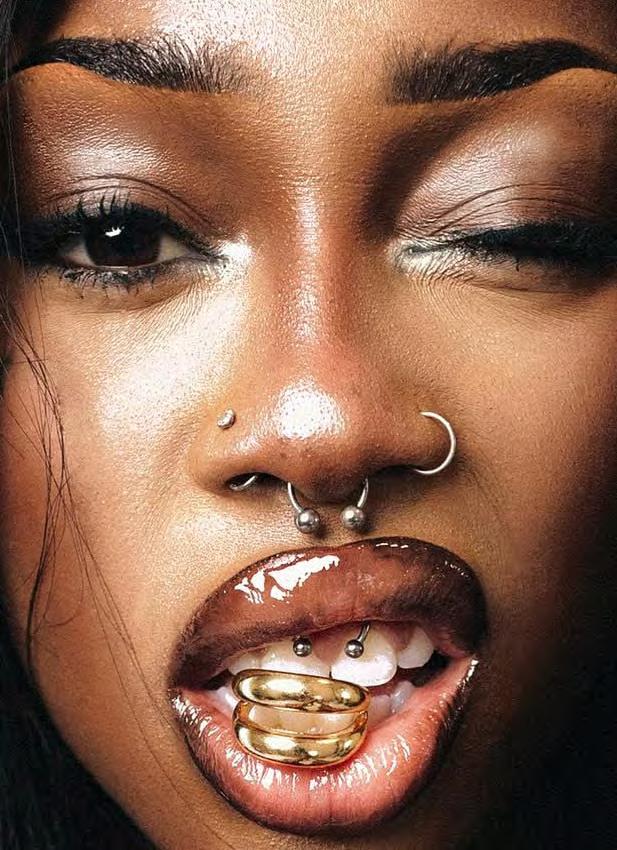
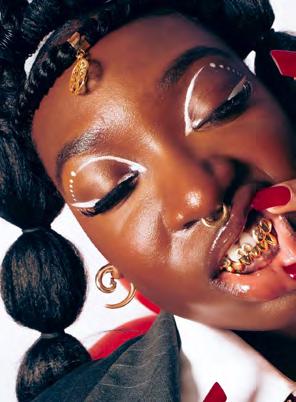

Products like foundation, powder, facial cleansers, and creams can irritate your nose piercing if they come into direct contact with it. These products may contain chemicals or bacteria that can cause bumps or slow healing. When applying makeup or skincare products, be gentle around the piercing area and avoid direct contact. Keeping the area clean and free from unnecessary products helps reduce irritation and supports faster healing.

It can be tempting to switch your nose jewellery for something new, but changing it before the piercing is fully healed can cause pain, irritation, or even infection. Nose piercings usually take several months to heal completely, depending on your body and how well you care for it. Removing or changing the jewellery too soon may damage the healing tissue. It is best to wait until your piercer confirms that it is safe to change it.


It is normal to have slight tenderness or mild swelling after getting a nose piercing, but severe pain, yellow or green discharge, excessive swelling, or a bad smell may be signs of infection. Paying attention to these warning signs can help you act quickly before the issue worsens. If you notice anything unusual, continue cleaning with saline and seek advice from a professional piercer or healthcare provider if needed.

A nose piercing can be a beautiful form of self-expression, but proper care is necessary to keep it healthy. By cleaning it regularly, avoiding unnecessary touching, being patient during jewellery changes, protecting it from irritating products, and watching for signs of infection, you can enjoy your piercing without problems.

BY NATO CHIMA
Somehow, being busy has become a personality trait. Everybody is “fully booked,” “back-to-back,” or “running on vibes and no sleep.” If your schedule isn’t packed, people almost act like you’re not trying hard enough. And honestly, it’s easy to fall into that mindset. The current generation lives in a world that never really slows down. There’s always something happening: work, social media, notifications. But somewhere in the middle of all that movement, many people are quietly exhausted. Not just physically tired, but mentally crowded. And the strange part is that many people have become so used to being overwhelmed that calm now feels unfamiliar.

BEING BUSY AND BEING PRODUCTIVE ARE NOT THE SAME THING
There’s a difference between having a full day and having a meaningful one. Sometimes, being constantly busy just means you never stop moving long enough to ask yourself whether the things filling your time actually matter. You answer emails, jump on calls, scroll endlessly, multitask everything, and at the end of the day, your brain still feels unfinished. Movement alone is not progress.

One of the biggest problems with modern life is that silence barely exists anymore. The moment things get quiet, most people reach for their phones. Music on. Video playing. Notifications buzzing. Something is always filling the space. But your mind needs moments when nothing demands your attention. That’s usually where clarity shows up. Not in the chaos, but in the pause between it.

Many people struggle to relax because they feel like they should be doing something else. Even during rest, there’s pressure. You sit down, but your mind is still racing through unfinished tasks. You take a break, but somehow feel lazy for doing it. Real wellness isn’t just about eating healthy or drinking water. Sometimes, it’s simply allowing yourself to slow down without feeling guilty about it.

One of the biggest pressures this generation faces is the feeling that every hobby, talent, or free moment must be productive. Do you like photography? Start a brand. Do you enjoy cooking? Open a page. You rest for one weekend? Suddenly, you feel “behind.” But not everything needs to become work. Some things are allowed to exist simply because they make you happy.

Social media makes it easy to feel like everybody else is constantly achieving something. Someone is travelling, launching something, making money, glowing up, or “winning” at life every five minutes. But constantly measuring your pace against everybody else’s is exhausting. Not every season of life has to look fast or loud. Some seasons are for resting, resetting, learning, or simply breathing properly again.
your


Bolivia’s Salar de Uyuni – A Mirror to the Sky
The world’s largest salt flat transforms into a surreal, reflective mirror during the rainy season. Walking across it feels like floating in the clouds. Adventurers can explore cactuscovered “islands,” abandoned trains, and lunar-like landscapes, all in one wild trip.

Japan’s Jigokudani Snow Monkey Park – Hot Springs with a Twist
Imagine trekking through snowy forests only to find wild monkeys soaking in steaming hot springs. It’s quirky, it’s serene, and it’s one of the most unique wildlife encounters on earth, tucked deep in the mountains of Nagano.

Morocco’s Chefchaouen –The Blue Maze City
This mountain town glows in shades of blue, from its doors to its alleyways. Wander through spice markets, climb to panoramic viewpoints, and immerse yourself in a city that feels like walking inside a dream.

Iceland’s Westfjords –Where Nature Stays Wild
While most tourists stick to the Golden Circle, the Westfjords offer dramatic cliffs, remote fishing villages, Arctic fox sightings, and hot springs overlooking the ocean. It’s Iceland at its rawest and most untouched.
BY JOHNSON CHUKWUEKE
Some people travel for comfort. Others travel for luxury. But then there are the curious ones, the explorers who crave a little wonder, a little mystery, and a whole lot of unforgettable stories. If you’re the kind of traveller who would trade a postcard skyline for a dusty backstreet bazaar or choose a remote mountain village over a packed tourist hotspot, this one’s for you.
Around the world, there are destinations that don’t scream for attention; they whisper. They offer experiences that linger in your memory long after the trip is over: surreal landscapes, ancient traditions, quirky markets, and encounters that feel as if they were waiting just for you. Whether you’re hunting for the world’s strangest salt flats or wandering through markets filled with spices you’ve never smelled, the world has more hidden gems than your passport can handle.
So let’s take you off the beaten path. These adventures aren’t about the perfect Instagram shot, though you’ll get plenty. They’re about stepping into places that challenge you, charm you, and maybe even change you a little. Here are five unusual trips to spark your wanderlust, from bustling alleyways to breathtaking peaks.

Vietnam’s Ha Giang Loop –Adventure on Two Wheels
A motorbike journey through towering limestone mountains, terraced rice fields, and ethnic villages. The Ha Giang Loop is thrilling, scenic, and culturally rich, a paradise for travellers who love the road less travelled.
Travel doesn’t have to follow the same guidebook everyone else is reading. Sometimes the best stories come from the unexpected, the quiet places, the hidden corners, and the destinations that most travellers never think to explore. From icy peaks to steaming springs, from blue-painted alleys to wide-open salt horizons, the world is full of surprises for those who know where to look. So pack your curiosity and go find your next great adventure.


One of the biggest mistakes many women make during their period is acting like their body isn’t asking for a slower pace. You may not always be able to cancel work or responsibilities, but giving yourself small moments of rest helps more than you think. Sleep a little earlier, avoid unnecessary stress where possible, and stop treating exhaustion like something to “push through.” Your body is already doing a lot internally. Let it breathe a little.

When cramps and bloating hit, water somehow becomes the last thing people think about. But staying hydrated can actually help reduce that heavy, sluggish feeling that periods sometimes bring. It doesn’t have to be fancy. Water, fruitinfused drinks, or warm teas can help your body feel a bit lighter and more balanced throughout the day.

EAT THINGS THAT ACTUALLY MAKE YOU FEEL GOOD
That intense craving for junk food during your period is very real, but balance matters. Foods rich in iron, such as fruits and vegetables, and lighter meals can better support your energy levels than constantly loading up on sugar and salty snacks. And honestly, your body usually feels the difference quickly. That said, if you want the chocolate, eat the chocolate. Just maybe not five bars at once.

Knowing your cycle makes a huge difference. Once you start paying attention to patterns, your energy levels, mood changes, cravings, or cramps, you stop feeling caught off guard every month. Period-tracking apps or even simple calendar reminders can help you better understand your body and prepare in advance.
BY NATO CHIMA
For many women, periods are just one of those things you learn to “deal with.”
The cramps come, your mood shifts, your energy disappears, and somehow life is still expected to go on as normal. Work doesn’t pause, messages still need replies, and responsibilities don’t suddenly become lighter just because your body feels heavier. The truth is, managing your cycle is not just about tracking dates on an app. It’s about understanding what your body needs during that time and giving yourself a little more care, rather than fighting through unnecessary discomfort. And no, it doesn’t have to become a dramatic wellness routine with twenty complicated steps. Sometimes, the small things make the biggest difference.

One of the reasons many women struggle silently is because period discomfort is often downplayed or treated like something embarrassing to discuss openly. But painful cramps, exhaustion, and hormonal changes are real experiences, and talking about them honestly helps remove some of the unnecessary shame around women’s health.
Managing your cycle isn’t about becoming obsessed with wellness routines or trying to control every symptom perfectly. It’s about paying attention to your body, responding with care, and making small choices that help you feel more comfortable during that time of the month. Because periods are already enough to deal with, stress doesn’t need to be added on top of it.
BY DORCAS AKINTOYE
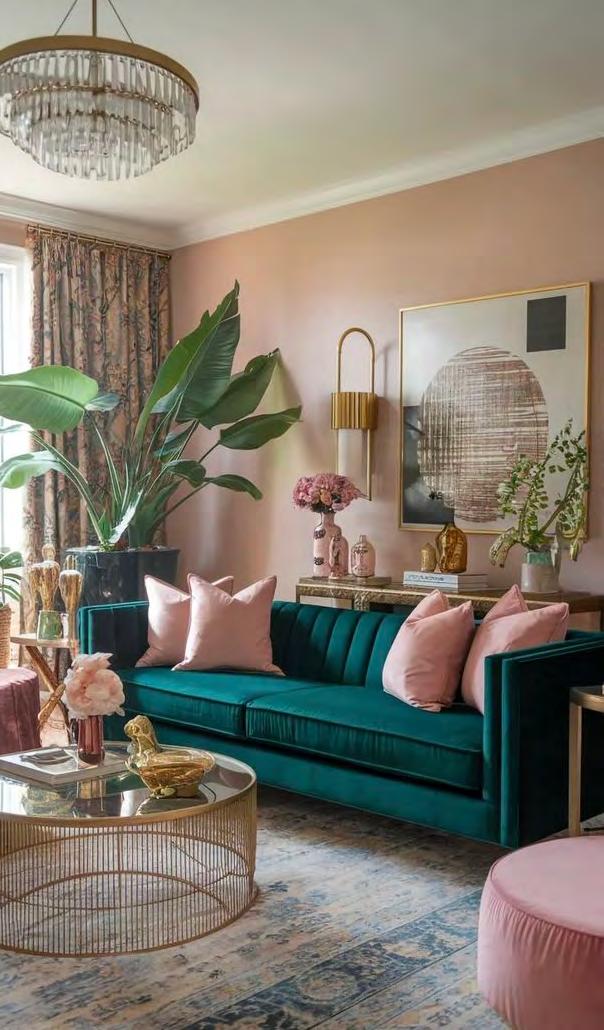
Your living room is the heart of your home; it’s where you relax, watch movies, host guests, and even spend quiet moments alone. But no matter how beautiful your furniture is, if it’s not arranged properly, the room can feel cramped, awkward, or unfinished. The right furniture arrangement can completely transform your space, making it feel more open, comfortable, and stylish. Here are some simple, practical rules to help you arrange your living room furniture like a pro.
While it’s great for your living room to look stylish, comfort should always come first. Arrange your furniture to suit your lifestyle and daily needs. The key is to make your living room both beautiful and livable, a space that feels like home, not just for show.

No one wants to squeeze between furniture or bump into a table when walking around. When arranging your furniture, make sure there’s enough space for easy movement. There should be clear pathways that allow people to walk comfortably without feeling blocked. Leave about 2 to 3 feet of space between large pieces of furniture, and avoid placing items directly in the way of doorways or main walkways.
Your living room should feel inviting and easy for people to talk without having to shout across the room. That’s why it’s important to arrange your seating to encourage conversation. Group your chairs and sofas so people can talk comfortably. A U-shaped or L-shaped arrangement usually works well. Even in a small space, try placing two chairs opposite your sofa with a coffee table in the middle; it instantly makes the room feel cosy and connected.
A well-arranged living room looks balanced, not too heavy on one side and empty on the other. To achieve this, mix and match the sizes and shapes of your furniture pieces evenly across the room. For instance, if you have a large sofa on one side, balance it with two chairs or a bookshelf on the other side. Also, mix tall items, like floor lamps or plants, with shorter ones, like coffee tables or stools.
Every living room needs a focal point, something that naturally draws attention and sets the tone of the space. It could be a TV, a large window, or even a statement wall. Once you identify your focal point, arrange your main furniture around it. This helps to create balance and gives the room a sense of order. Without a clear focal point, the room can feel scattered and confusing, as if everything is just thrown anywhere.




Arranging your living room furniture doesn’t have to be difficult. It’s all about balance, flow, and comfort. Start by finding a focal point, then plan the space around how you want it to feel and function. With these simple rules, your living room will not only look well put together but will also feel like a space you truly enjoy spending time in.


TURN OFF NOTIFICATIONS YOU DON’T
Not every app deserves your attention every five minutes. One unnecessary notification quickly turns into ten, and before you know it, your focus is gone. Social media alerts, random app updates, shopping reminders, it’s constant noise. Keeping only important notifications on can instantly make your phone feel less overwhelming. Your attention span will thank you for it.

Trying to remember everything at once is stressful. Instead of keeping random thoughts, tasks, and reminders in your head, dump them into your notes app immediately. Ideas, grocery lists, deadlines, random inspiration, put it somewhere. Your mind works better when it’s not trying to store everything at once.

It sounds simple, but waking up to a dead phone or 8% battery is a terrible way to start the day. Charging your essentials overnight saves you from the early-morning panic of searching for chargers while rushing out the door. Small habit, huge difference.
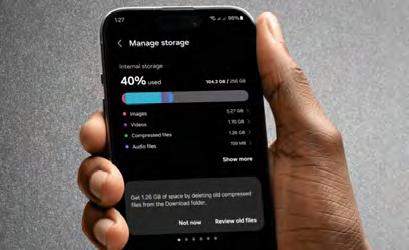
Half the stress on some phones comes from carrying things you no longer need. Old screenshots, blurry photos, unused apps, duplicate videos—everything piles up quietly until your device starts struggling. Taking a few minutes to clear unnecessary files can make your phone feel newer and run more smoothly.
BY JOHNSON CHUKWUEKE
Most people think technology only matters in big ways, such as new phones, flashy gadgets, and expensive setups. But honestly, some of the best tech changes are the small habits that quietly make everyday life less stressful. The current generation practically lives through screens. Phones wake us up, apps organise our schedules, and somehow there’s always another notification waiting for attention. Technology is now part of almost every moment of the day, but the funny thing is, many people still use it in ways that make life more chaotic, not easier. Sometimes, the problem isn’t that you need more technology. You just need to use the one you already have better. Small adjustments can save time, reduce stress, and make your day feel less scattered. Nothing dramatic, nothing too technical, just practical habits that actually help.

USE “DO NOT DISTURB” OFTEN
Not everyone needs access to you all the time. Using “Do Not Disturb” while resting or even watching a movie can help you focus without constant interruptions. It’s one of the easiest ways to create boundaries in a world where everybody expects instant replies. The only warning is to never overdo it and to make sure to return calls and messages during your resting time.
Technology is supposed to make life easier, not more stressful. And often, the difference comes down to small daily habits rather than expensive devices. A few simple changes can help you feel more organised, less distracted, and a little more in control of your day. Because sometimes, the smartest tech upgrade isn’t buying something new—it’s using what you already have better.
The Sign That Never Stays Still
MAY 21ST - JUNE 20

ELEMENT: AIR
RULING PLANET: MERCURY SYMBOL: THE TWINS FLOWER: LAVENDER BIRTHSTONES: PEARL


Beneath the outgoing personality, however, is someone constantly trying to balance emotion, excitement, and self-expression.
Geminis get bored very easily. Repetitive routines and predictable environments can quickly make them feel trapped. They enjoy experiences that challenge their minds, spark curiosity, or introduce them to something new. This is why many Geminis constantly switch interests, hobbies, or even moods—they enjoy movement and change.
Talking is one of Gemini’s strongest traits. Whether through humour, storytelling, deep conversations, or random observations, Geminis know how to connect with people easily. Their expressive nature
often makes them entertaining company, and they usually thrive in social environments where their personality can shine.
Geminis dislike feeling controlled or emotionally boxed in. They value flexibility, independence, and the ability to grow naturally without pressure. While they enjoy connection, they also need personal space and freedom to fully be themselves.
Geminis bring excitement, energy, and personality wherever they go. They are expressive, curious, and constantly evolving, which is exactly what makes them so interesting to be around. Life with a Gemini may not always be predictable, but it’s rarely boring.
Patoranking, May 27th
BY HATO CHIMA
If there’s one zodiac sign that knows how to keep life interesting, it’s Gemini. Born between May 21 and June 20, Geminis are known for their lively energy, sharp communication skills, and curious personalities. They are the people who can walk into a room and instantly shift the atmosphere with conversation, humour, or pure unpredictability.
Ruled by Mercury, the planet linked to communication and intelligence, Geminis naturally enjoy movement, mentally, socially, and emotionally. They love learning new things, meeting different people, and exploring experiences that keep life feeling fresh. While some people see them as restless, Geminis simply enjoy variety and freedom.

Kanye West, June 8th

June 20th



Ididn’t think it would end like that. Actually, I didn’t think much at all that night. It was one of those evenings that started normally. We talked and acted as if we were both not thinking the same thing.
He wasn’t a bad guy. Not at all. He was fine and a safe person to be with, and maybe that was the problem. Nothing about him scared me, but nothing pulled me either. I just didn’t notice it then.
One moment turned into another, and before I could properly think, the night had already changed shape. We had sex that night. I won’t go into details, because honestly, it’s not even the important part of the story.
What matters is what happened after.
The next morning felt different in a way I didn’t expect. The strangest part was that I couldn't even explain it.
There was no fight. No argument. No disappointment from him. He wasn't bad in bed either. Nothing dramatic that anyone would point at and say, “That’s why she left.”
It was just a feeling.
When I was leaving, and he asked if I was okay, I told him yes, even though I knew I wouldn’t be coming back.
Not to his space. Not to his calls. Not to whatever that was becoming.
It's funny how you can be that close to someone and still feel like a stranger the next morning.
Sometimes I think about him and wonder if he noticed. If he replayed that night and tried to find the exact moment things shifted. Or maybe for him, nothing shifted at all. But for me, it did.
And I’ve learned something from it, even if I can’t fully put it into perfect words. Sometimes the connection doesn’t fail loudly. Sometimes it just doesn’t exist in the way you hoped it would. And you only realise it after everything has already happened. That’s the part nobody really tells you.
BY BOLUWATIFE ADESINA

MortalKombat II is a sterling example of an action movie that starts out dumb but gradually becomes kind of awesome and a little bit smarter.
Simon McQuoid’s sequel to his 2021 adaptation of the popular video games will surely resonate more with fans of the fighting franchise, but casual moviegoers out for a night of big, blood-soaked action won’t be disappointed. As it evolves from mind-numbing worldbuilding, clunky dialogue and rudimentary wirework into a series of clever, diverse and artery-slashing beatdowns, the cast’s physical prowess becomes increasingly impressive. The movie nearly gives its two-dimensional characters’ fates real stakes.
True to its video game roots, the sequel is built around the Mortal Kombat tournament, where individual martial artists from the medieval Outworld dictatorship and the mystically infused Earthrealm fight one-on-one contests. Whichever side wins the most bouts claims control of the loser’s dimension.
There’s also something of a heist plot involving an amulet that can grant immortality. That’s a problem if Outworld’s wicked emperor Shao Kahn (the imposing British bodybuilder Martyn Ford, wearing a horned, skull-faced helmet throughout the movie) controls it.
Franchise devotees will be happy to see Johnny Cage in the mix. He’s played here by Karl Urban (The Boys), who cedes the movie’s vulgar comic relief to Josh Lawson’s eyeblaster Kano and portrays Johnny as a somewhat cowardly Hollywood phoney. He says “It’s showtime!” too
many times, but develops a gift of the gab that becomes an effective standin for the superpowers all the others possess.
The film’s funniest, most entertaining fight is an out-of-tournament knockabout between Johnny Cage and Baraka (Furiosa’s CJ Bloomfield), the dental nightmare leader of the feral Tarkatan species. The scene almost makes up for all of Johnny’s dopey pop culture references.
The most excitingly staged competition is between former monk brothers Liu Kang (Ludi Lin) and a necromancerresurrected Kung Lao (Max Huang, a Jackie Chan Stunt Team veteran). The former’s fireballs and the latter’s buzz-sawing, razor-brimmed hat add immense kineticism to the already impressive athleticism on display.
Shao Kahn’s showdown with his adopted daughter Kitana (Adeline Rudolph from Riverdale and Chilling Adventures of Sabrina) is the high point of emotional combat. He killed the steel fan-wielder’s father in a previous tournament, enslaved their kingdom and turned her mom into his zombie consort. Yet, as with her trainer and best frenemy Jade (Tati Gabrielle), Jeremy Slater’s script keeps Kitana’s true loyalties in question well past the point when her intentions are already clear.
Both of the formidable women warriors are always dressed in skintight leather bustiers, in case there was any doubt that these movies, like their source games, are aimed at boys.
Loads of other fighters, gods, wizards, wraiths, and actors from Shogun (Hiroyuki Sanada and Tadanobu Asano, reprising their roles as Scorpion and Raiden, respectively) collide amid Yôhei Taneda’s (Kill Bill) luscious production designs.
The result is overall a more lavish and satisfying affair than the previous, COVID-restricted picture. More often than not, stunt coordinator Kyle Gardiner’s (Ballerina) choreography recaptures the acrobatic speed of late 20th-century Hong Kong cinema, albeit with computer-generated assists and severed fingers.
As video game adaptations go, this one is decent enough for audiences with no attachment to the source material. Fans may have their quibbles about favourite characters getting shortchanged or killed off, but it’s a safe guess that there’s enough lore and gore here to slake their thirst as well.
Rating:6.8/10
Waaay better than the first one

Scan this with your camera or click to access the playlist (Youtube Music)


After a four-year absence that turned its cast into some of Hollywood’s biggest names, Sam Levinson’s HBO drama finally makes its return. Season 3 of Euphoria represents a major reinvention, swapping the neonlit hallways of East Highland High for a crime-driven world of young adulthood. The result is a season that looks stunning and occasionally recaptures the show’s old energy, but one that too often trades emotional depth for genre ambition.
The new season opens several years after the Season 2 finale, with the main cast scattered across very different lives. Rue (Zendaya), once a teenager fighting for sobriety, is now living a far more dangerous life, working as a drug mule to pay off a debt to the threatening crime figure Laurie (Martha Kelly), before getting pulled into the world of a powerful criminal named Alamo (Adewale Akinnuoye-Agbaje). The show has shifted sharply away from its coming-of-age roots toward something closer to a noir crime drama, with hints of the Western genre woven into its look and tone.
The rest of the cast has moved on into adulthood. Lexi (Maude Apatow) and Maddy (Alexa Demie) are building careers in the entertainment world. Nate (Jacob Elordi) has taken over his father’s construction business, only to find it far harder than expected. Cassie (Sydney Sweeney) is caught up in wedding planning and a storyline that, despite Sweeney’s clear talent, leans heavily on the kind of treatment the show has long drawn criticism for. Jules (Hunter Schafer) stays mostly on the sidelines of the early episodes, her once central role now reduced to a minor presence.

Scan this with your camera or click to access the playlist (Spotify)



From a technical standpoint, Euphoria continues to impress. The move to a widescreen visual format gives the season a rich, cinematic look, with wide open settings and a retro feel that marks a clear shift from the show’s earlier style. Levinson still has a strong eye for a striking image, and certain scenes carry the raw energy that made the first two seasons so compelling.
But looking good and telling a good story are not the same thing, and Season 3 makes that clear. The large ensemble, which once felt exciting, now feels more like a necessity, with storylines that rarely come together in a meaningful way. Several characters feel lost without clear direction, and the social commentary the show attempts, touching on online culture, money struggles, and political tension, comes across as more surface-level than thoughtful.
Zendaya remains the clear highlight of the season. Her take on an older, more worn-down Rue is layered and believable, showing a command of the role that has only grown over time. She keeps even the more far-fetched plot moments grounded in something real. Without her, the series would feel far more lost.
The core question Euphoria has always raised, whether it is genuinely bold or simply provocative for the sake of it, becomes harder to ignore in Season 3. Taking the story out of high school removes the structure that once gave the show’s more extreme moments a sense of purpose. In adulthood, those same moments feel more like routine than intention. The season’s bleak outlook, while understandable given the themes, can make it hard to stay connected to characters who seem to have given up on themselves.
There are still good moments here, strong performances, memorable images, and scenes that hit. But the emotional pull that held the first two seasons together is harder to find this time around.
Euphoria Season 3 is a show figuring itself out, and the episodes reflect that. It still has flashes of what made it great, but they are less frequent than before. Zendaya is outstanding, but even she can only do so much. Whether the rest of the season finds its footing remains to be seen.