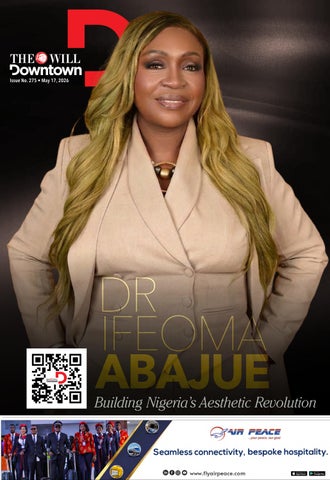

DR IFEOMA ABAJUE
Building Nigeria’s Aesthetic Revolution



EDITOR’S NOTE

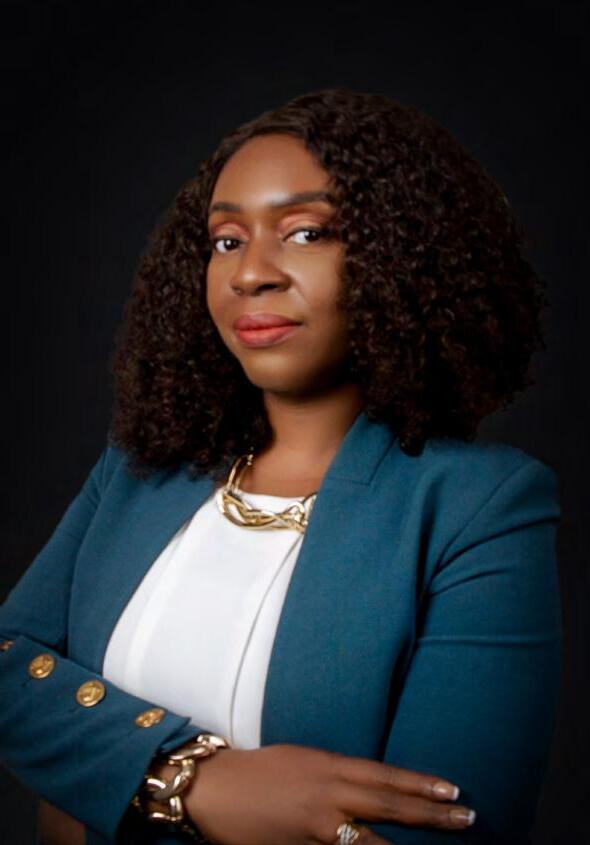
DPhoto: Kola Oshalusi @insignamedia Makeup: Zaron
r Ifeoma Abajue wasn’t always an aesthetic dermatologist; she initially trained as a doctor, but she saw a gap in aesthetics in Nigeria and decided to fill it. It all started when, after her medical studies, she decided to specialise in dermatology. She found that people, especially women, would come to the clinic after their skin disease had been treated, still not happy.
After they treated the disease, it left dark marks, or the skin just wasn’t glowing. So the good news was that the skin disease was gone, but the bad news was that the women were still not happy with the treatment's aftereffects—their skin wasn’t glowing. They'd go to the clinic and complain to her teachers or the main dermatologists.
That was when she discovered there was a field called aesthetics and decided to study it. So she did a diploma in cosmetic medicine and postgraduate studies in aesthetics. And that's how she got into aesthetics.
Read her story on pages 8 to 10.
Most workplaces run on more than job descriptions. Beyond the exterior is a flow of influence, how decisions are shaped, whose voices carry weight, and how opportunities are quietly distributed or as it’s called, office politics. For some, it feels uncomfortable or even unnecessary, but in reality, it’s part of how organisations function. The difference lies in how you approach it. Our career page discusses office politics and how to navigate it like a pro.
There’s a secret to staying fit, and it’s not willpower or hype. It’s habit. We’ve all been in that place where we promise ourselves we’ll start an exercise routine on a certain day, and even go as far as downloading a playlist, but suddenly the couch seems more like the place to be. Learn how to plan your exercise and stick to that plan on our fitness page.
Until next week, enjoy your read.


AUSTYN OGANNAH PUBLISHER/EDITOR-IN-CHIEF
Executive Editor: Onah Nwachukwu @onahluciaa
Writers: Johnson Chukwueke & Dorcas Akintoye
Design & Layout: Hogan Effiom
Digital Media: Oladimeji Balogun
Consulting Art Director: Sunny Hughes ‘SunZA’

How Habits Actually Keep You Fit
You’ve Been A Bit…
Office Politics Without the Drama How to Navigate Like a Pro
Make Time for What Matters Living Beyond Work Untold Truths Stop Watching the Seed 07 Our Favourite Looks at AMVCA 2026
Honouring Alexx EkuboOkwaraeke
COVER Dr Ifeoma Abajue Building Nigeria’s Aesthetic Revolution
5 Laser Treatments That Are Safe for Melanin-Rich Skin
The Charismatic Star Who Brought Style and Warmth to Nollywood
Broken Fantasy

Boluwatife Adesina @bolugramm - Contributing Writer
Boluwatife Adesina is a media writer and the helmer of the Downtown Review page. He’s probably in a cinema near you.

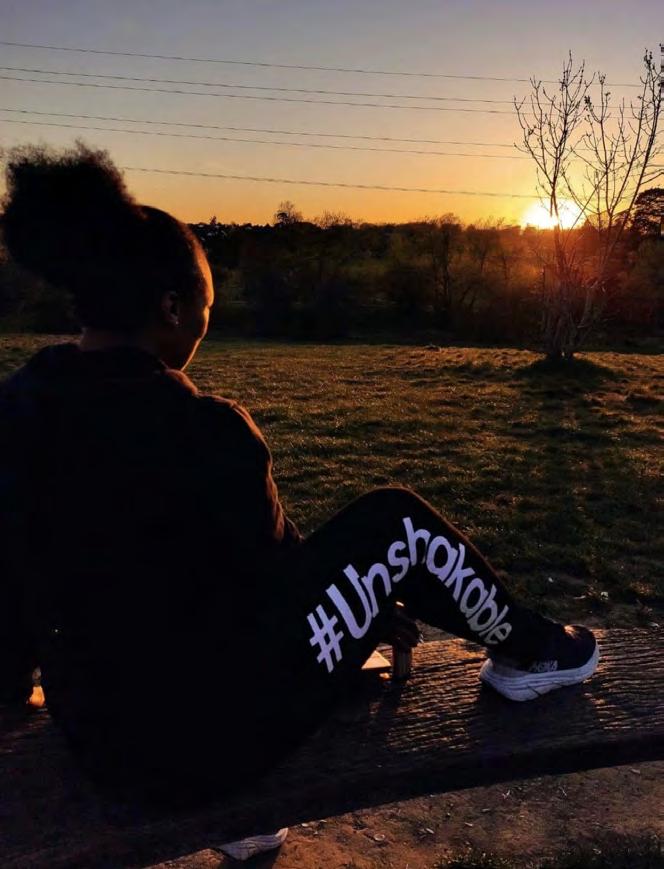
Sally Chiwuzie @unshakable.is.a.state.of.mind - Contributing Writer
Sally Chiwuzie is a non-practising barrister who owns the brand #Unshakable. She is the author of Silent Symphonies, a fictional love story, and the creator of the podcast Chronicles of #Unshakable Truths.

Ada Obiajunwa @aaddaahh - Contributing Writer
Ada Obiajunwa writes from Lagos about the big truths tucked inside ordinary moments — friendship, self-discovery, and the quiet revolutions of everyday life. She believes in the power of presence, good banter, and decoding the unsaid. Through her fragrance studio, WhiffWonders, she also crafts scents that weave memory and emotion into experiences that feel like home.


FASHION
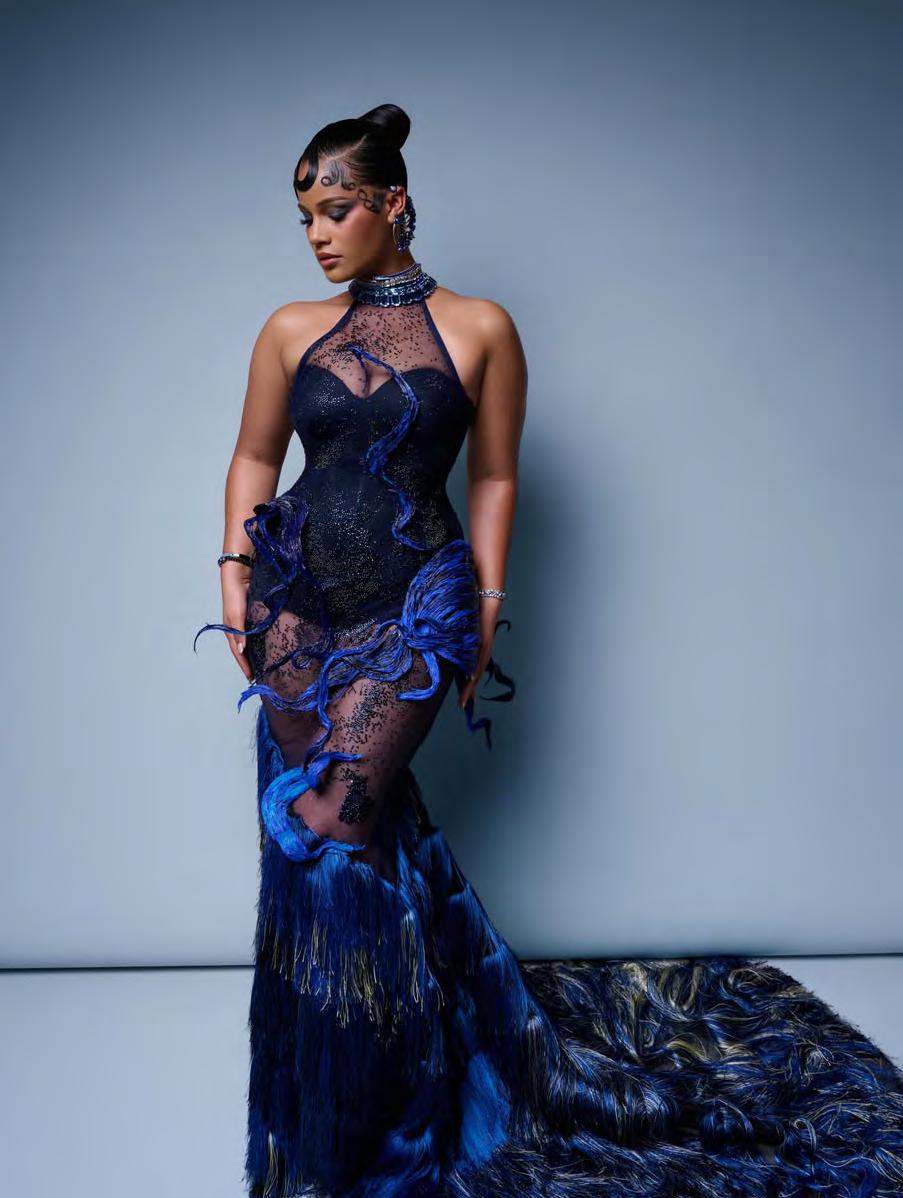
Our Favourite Looks From AMVCA 2026
SHINE ROSMAN
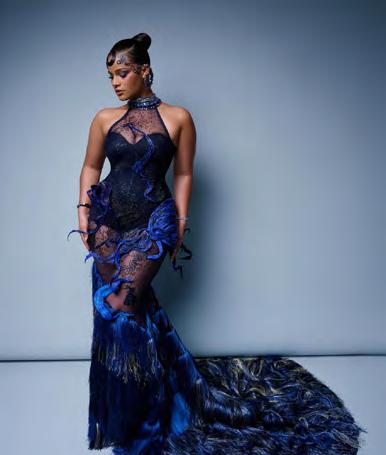
Shine Rosman delivered one of the night’s most daring fashion moments in a striking creation by Weiz Dhurm Franklyn. The sheer black-and-blue embellished gown, detailed with dramatic textures and a flowing train, perfectly balanced elegance with high-fashion drama.
The
2026 edition of the Africa Magic Viewer's Choice Awards once again proved that African cinema and fashion remain deeply intertwined. The prestigious award ceremony brought together the continent’s biggest stars, filmmakers, creatives, and style icons for a night that celebrated excellence both on screen and on the red carpet.
From dramatic silhouettes to bold cultural statements and meticulously crafted couture pieces, this year’s red carpet delivered unforgettable looks.
Here are THEWILL DOWNTOWN’s favourite looks from that night.
UTI NWACHUKWU
Uti Nwachukwu, who was also one of the red carpet hosts, stepped onto the AMVCA red carpet in a customised suit designed by Alan Cruzer Bespoke.

CHIOMA IKOKWU
Chioma Ikokwu turned heads at the AMVCA in a stunning gold dress designed by Amy Aghomi. The outfit was covered in beautiful gold details with dramatic designs that made her look elegant.

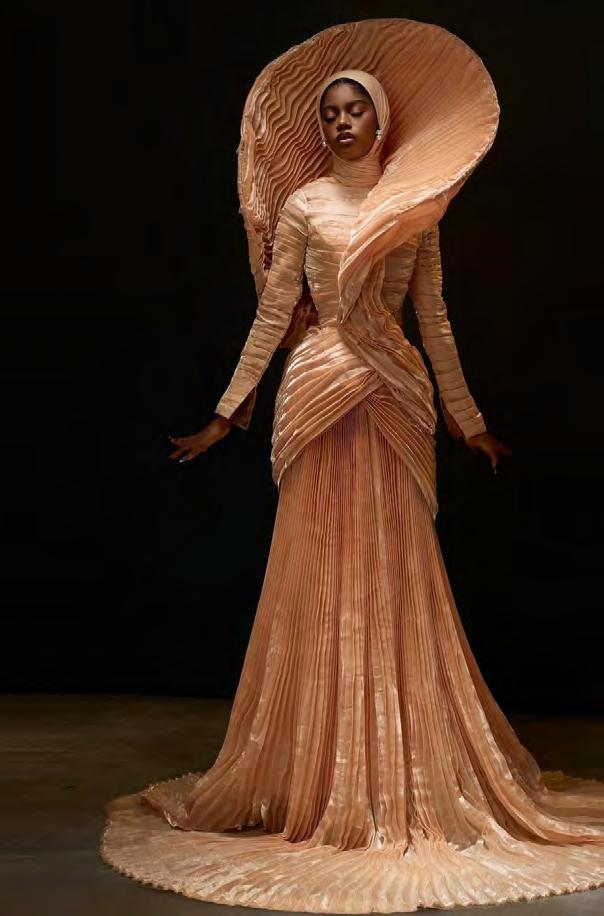
HUSSIEN FATHIA
Hussien Fathia had an ethereal look at the AMVCA 2026 in an outfit designed by Kiad Empire.
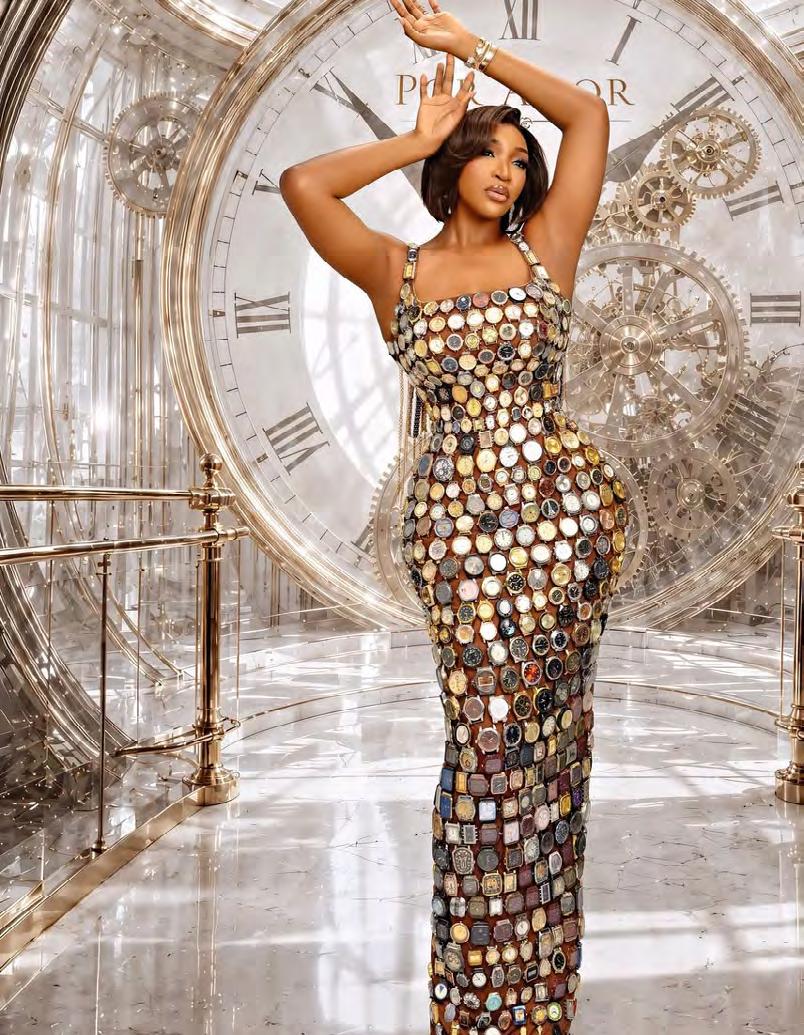
IDIA ASIEN
Idia Aisien made a bold statement at the AMVCA in a “timeless” look designed by Ambaosa.The gown, detailed with watches all around it, was impossible to miss.
FASHION
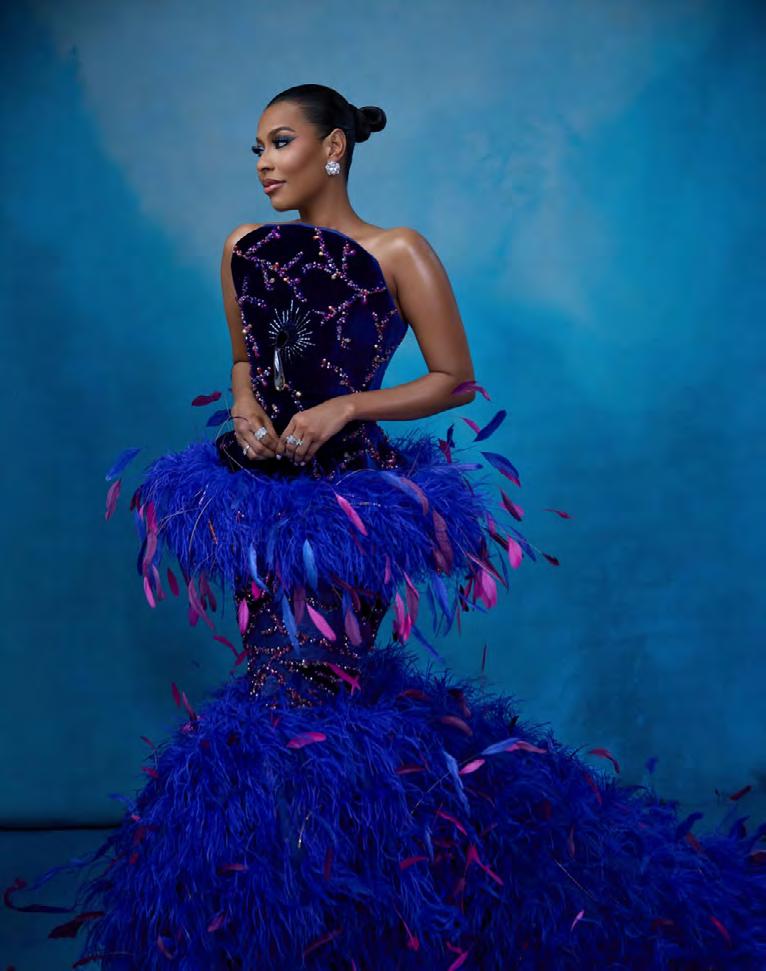
SINGH NINI
Nini was adorned in an outfit styled by Swazzi.
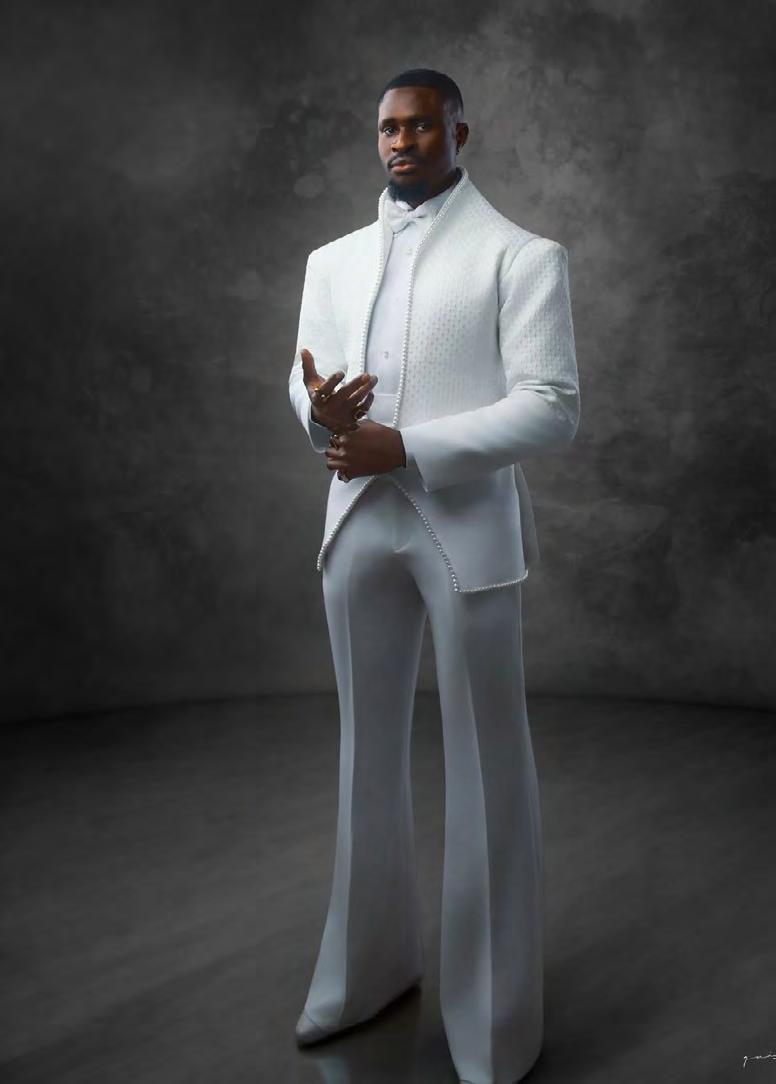
LARRY HECTOR
Larry Hector kept things sharp and classy in a stunning custom white suit designed by Ayoandstyles.
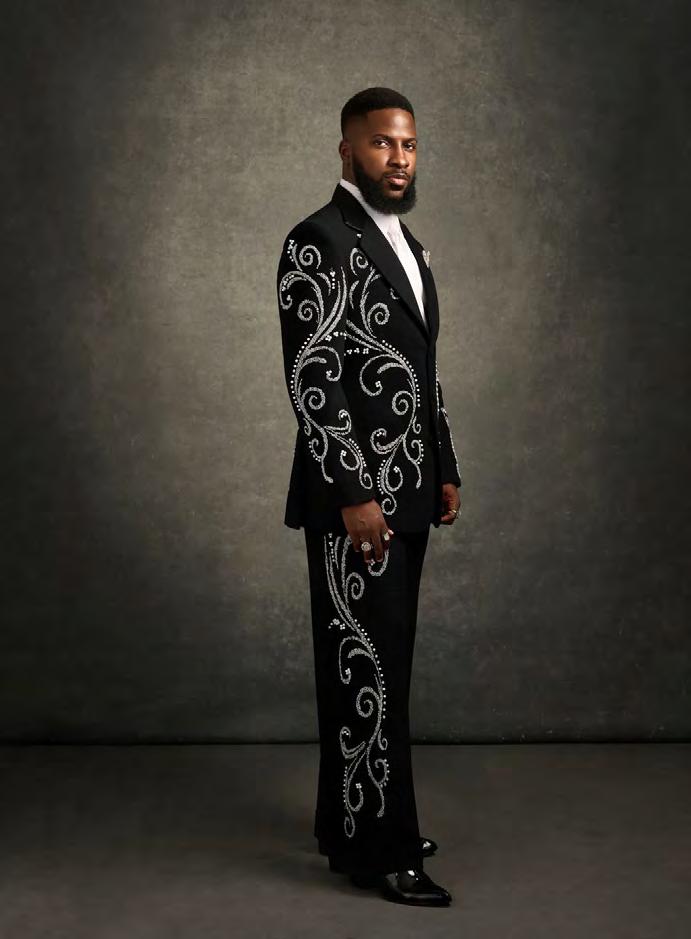
AKIN FAMINU
Akin Faminu at the AMVCA 2026 lived up to his reputation as one of Nigeria’s bestdressed men in an intricately detailed suit by Deji and Kola.
Akin Faminu at the AMVCA 2026 lived up to his reputation as one of Nigeria’s bestdressed men in an intricately detailed suit by Deji and Kola.
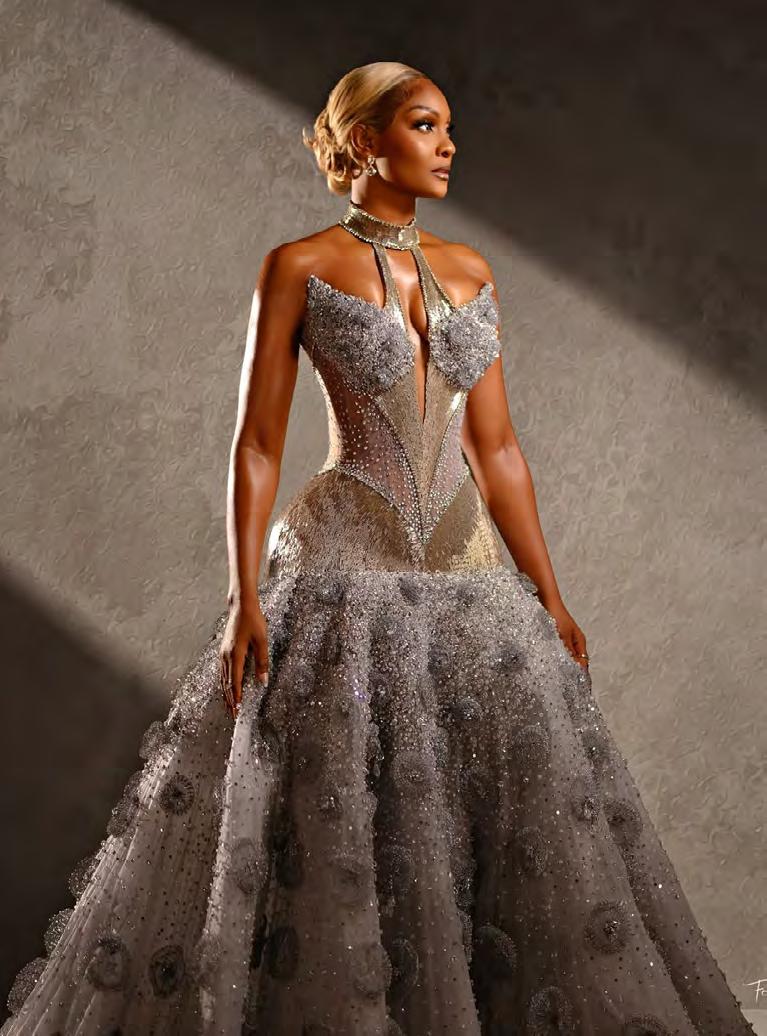
OSAS IGHODARO
Osas Ighodaro once again proved why she remains a red carpet favourite in a stunning outfit designed by Veekee James.
The AMVCA 2026 red carpet was more than just a display of beautiful outfits; it was a celebration of creativity and the growing influence of African fashion on the global stage.

SALLY CHIWUZIE @unshakable.is.a.state.of.mind
TRUTHS
UNTOLD TRUTHS
Ifell asleep to something mimicking white noise, somewhere between sound and a message I was meant to hear.
It was intentional. I often leave a gift for my subconscious to carry through the night, especially when the body is tired, but the mind is still negotiating with tomorrow. Somewhere between drifting and deciding, I found myself imagining a moment that has not yet happened with precision rather than wishful vagueness.
It was a celebratory dinner for something I am yet to experience but already recognise as mine, imagined in precise detail: what I was wearing, who was there, the rhythm of the laughter, and the ease that settled over the table before the food had even arrived. Champagne was poured, as it always is when something has been earned.
My sister and sisterin-law were there, along with a couple of girlfriends who leaned into the indulgence, while a couple of us, the whiskey drinkers, unapologetically poured whiskey into champagne glasses and toasted the moment on our own terms.
Stop Watching the
Seed
have planted, waiting for it to grow, checking on it, questioning it, and wondering whether it will take, all while interrupting the process I claim to trust.
You do not stand over a seed and demand proof. You plant it, you water it, and then you step back, not because you are passive, but because you understand that growth is not something you control minute by minute; it is something you allow. That shift stayed with me. Instead of stressing over whether something will happen, I returned to that dinner, to the laughter, the ease, and the quiet confidence of people who are not trying to prove anything because the moment itself is proof.
I am no longer imagining the seed. I am imagining the rose, fully formed, alive, and undeniable.
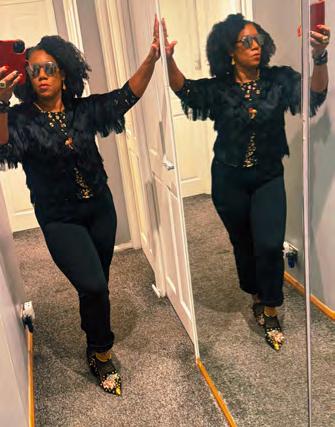
That is the detail I remember most, not because of the drink, but because of what it represented. It was not performance or the need to fit into the moment; it was alignment.
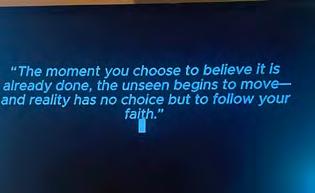
I fell asleep somewhere inside that scene and woke to the television still on. Before I had fully opened my eyes, a message on YouTube caught my attention: “The moment you choose to believe it is already done, the unseen begins to move, and reality has no choice but to follow your faith.”
I reached for my phone, recorded it, and pressed pause. I lay there and let it land, because it felt like an answer to a question I had not asked out loud.
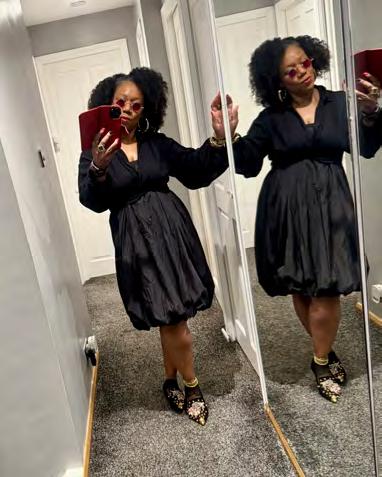
The thought followed me through the day. The day itself did not change. The same emails arrived, the same conversations unfolded, and the same small inconveniences showed up uninvited. What changed was how I moved through it.
There was a lightness to everything, not because everything was perfect, but because everything felt in motion. I noticed things I would normally rush past, responded instead of reacting, and felt less interested in forcing outcomes and more willing to let things unfold without interference.
Hope has a way of doing that. It does not remove the work; it changes the posture. At some point during the day, I realised something that felt both obvious and new. I have spent a lot of time watching what I
Belief is not just hope. It is the decision, made quietly but firmly, that it already has, not in a delusional sense, but in a grounded one.
Your actions begin to match the version of you who already knows. She moves as if it is done, speaks without over-explaining, and chooses without second-guessing. She no longer performs belief. She embodies it and behaves as though it has already worked.
The brand I have built, #Unshakable, has always been described as a state of mind, and I am starting to understand that more deeply. A state of mind is not about constant positivity; it is about certainty in the absence of evidence and the discipline to hold a vision steady long enough for reality to catch up.
Perhaps the #Unshakable truth is this: you do not watch the seed to see if it is growing, and you do not dig it up to check if it has taken. You plant it, you water it, and you trust it.
Become the version of you who trusts it, and the rest follows.
‘See’ you next week.
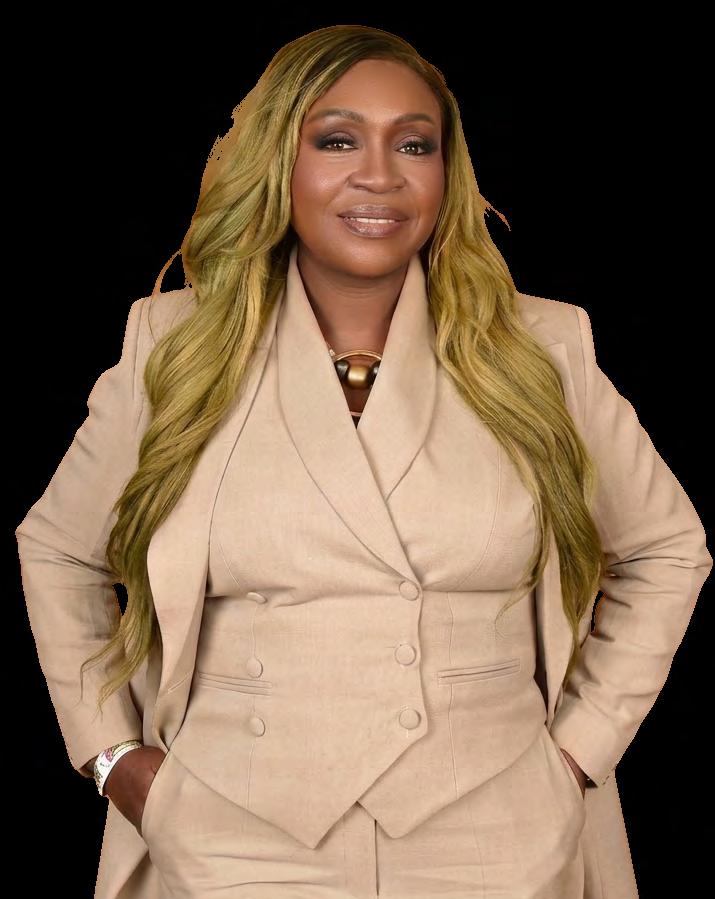
DR IFEOMA ABAJUE Building Nigeria’s Aesthetic Revolution
Before now, aesthetic skincare in Nigeria was barely understood. Apart from that, most Nigerians depended on imported products that were not created for African skin, while many people struggled silently with acne, hyperpigmentation, scarring, and damaged skin barriers. But over the past two decades, that story has changed completely. Today, Nigeria’s beauty industry is booming. More professionals are entering the space, more Nigerian skincare brands are emerging, and more people are beginning to understand that aesthetics is not just about vanity, but confidence, skin health, science, and selfcare. At the centre of that transformation are pioneers who saw the future long before the industry became mainstream.
One of those pioneers is Dr Ifeoma Abajue. With over 20 years of local and international experience, the medical doctor-turnedaesthetic dermatologist has become one of the leading voices shaping modern aesthetic medicine in Africa. After earning her medical degree and specialising in family medicine, she further trained in dermatology and advanced aesthetic medicine in the United Kingdom and the United States before returning to Nigeria with a vision far ahead of its time. Through The Aesthetic Clinic, she introduced science-led skincare and advanced aesthetic treatments tailored for melanin-rich skin, while her Beauty Therapy Institute helped raise a new generation of trained beauty professionals with international standards. From building
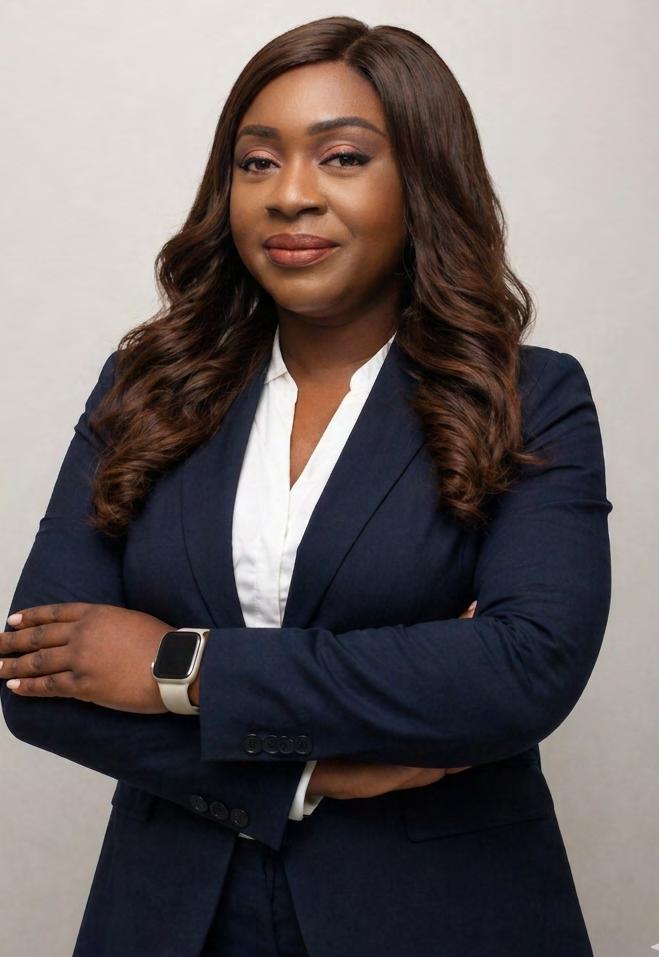
skincare products based on years of clinical research to expanding her brand into Canada, Dr Abajue has not only built businesses, but she has also helped build Nigeria’s aesthetic industry from the ground up while pushing African beauty into global conversations.
In this interview with THEWILL DOWNTOWN's Executive Editor, Onah Nwachukwu, Dr Ifeoma Abajue discusses her journey from medicine to aesthetic dermatology, the risks she took to build an industry from scratch, the science behind treating melanin-rich skin, and why African beauty brands must move from visibility to authority.
You started as a medical doctor before moving into aesthetic dermatology. What moment made you realise this was your true calling?
After my medical studies, I decided to specialise in dermatology. So I was doing a postgraduate course in dermatology, and what I found out was that when we had clinics, people would come, especially women, after their skin disease had been treated, and they were still not happy. For example, what we call skin diseases in dermatology are things like psoriasis. Acne is a skin disease, but it's more aesthetic. But now we're talking proper skin diseases that affect the skin colour, affect the texture of the skin really badly. So after we treat the disease, it will leave marks. Maybe dark marks, or the skin just won't look nice or glowing. So this disease is no longer there, but the women were still not happy that their skin was not glowing. So they'll come to the clinic, they'll complain to my teachers, or the main dermatologists. But the dermatologists will be like, “But we've treated your skin disease”. In terms of treating skin aesthetics, they were not very familiar with it. So I saw the gap there to say, people want their skin to glow, the disease is no longer there, but the skin is not skinning. So that's when I discovered there was a field called aesthetics. And I decided to go and study aesthetics. I did a diploma in cosmetic medicine. I can confirm the names of what I did, but basically, I went to do postgraduate studies in aesthetics. And that's how I got into it.
Over 20 years ago, aesthetics wasn’t mainstream in Nigeria. What did you see then that others didn’t?
When I decided to study aesthetics, I found out that it wasn't existent in Nigeria, even the practice of aesthetics wasn't existent, talk less of the school for aesthetics. There was no such thing, I think, because they saw it as frivolous. So, I had to go abroad to study because it wasn't available in Nigeria. And that's really what the vision was: to study and start offering those services in Nigeria. But while trying to offer services in Nigeria, I found I couldn't employ anyone. There was nobody to employ because people were not into aesthetics. The only people there were beauty therapists, so there's beauty therapy, and there's aesthetics. There's even cosmetology. These are all terms. Cosmetology is like everything that has to do with beauty, hair, nails, skin, and everything that has to do with beauty is very wide. Beauty therapy is more of a hairless experience, you know, but it contains manicure, pedicure and all that. Aesthetics is more advanced. You are now focusing on only the skin. You're not talking about nails or massage or anything. You're just focusing on skin, the science of skin, the aesthetics of skin. This is where medical aesthetics is coming in terms of facials, chemical peel, microneedling. So it's a more advanced form of beauty therapy. And then even in aesthetics, there's medical aesthetics where you're doing more medical-based treatments like the chemical peel, the microneedling, the lasers, that's more medical aesthetics. Anyway, so there was nothing like that in Nigeria, and I didn't want to have to start creating curriculums and things of things I didn't know which is why I started Beauty Therapy Institute. The Beauty Therapy Institute was a franchise. It was a South African woman who had a franchise and was willing to deploy it to Nigeria. She already had the curriculum. It was turnkey. She had the books, the textbooks, the curriculum, the methodology, the quality control, the quality management system, everything, everything. Because she had been in beauty therapy for over 20 years, she had the experience and she had put it into systems and protocols and everything. So that was what we decided to do, to just bring that into Nigeria; we have international standards in Nigeria.
Looking back, what was the single biggest risk that shaped your career?
It was a big risk. And let me tell you a story. So when we started Beauty Therapy Institute, because remember, if I want to practice in aesthetics, I have to create the people that will work. So it wasn't established locally, definitely not. And yes, there was no clear roadmap. We didn't know how people were going to take it. But it was necessary to create the culture of aesthetics. And what I mean by that is, for example, when we started Beauty Therapy Institute
(BTI), the first year we had only three students. For the whole year, only three students. We were running rent, paying a foreign-trained educator, because the Beauty Therapy Institute’s standards required the educator to be foreign-trained and must have the standards to be able to teach the students. We had to have the building in a certain way. It had to be at a standard. We had everything in place, the curriculum, uniforms, everything was in place except the students. The second year, I think we had seven students. It was by the third year that the numbers started growing as
"I saw the gap there to say, people want their skin to glow, the disease is no longer there, but the skin is not skinning. So that's when I discovered there was a field called aesthetics."
the awareness grew. And for the awareness to grow, what we did the first two years, (and when I say we, I actually had like a partner, Dr Jones. We were working together on it, even though I was the founder; she was a great support, so sometimes I call her my cofounder, because we started from scratch. We found the building together. She helped me set up and everything. So she has been there from the beginning). So what we were doing those first two years basically was trying to influence people. So we'll go for beauty programs. We handed out flyers to tell people about the school. And let me tell you the kind of response we used to get. People would pick up the flyer and say, "Oh, you have a beauty school?" Then, Oprah Benson was the beauty school of Nigeria. There were some beauty schools in Nigeria, Oprah Benson, Steve Meek, Elegant Twins. I don't know if you know about them, but they were very old-fashioned beauty schools that they had in Yaba then. And let me tell you, the kind of people that used to go there were like house helps, school dropouts, those kinds of things. So the impression that beauty therapy had in Nigeria then was that it was not a professional job, that it was for house helps, school dropouts, people that didn't know what to do with their lives, people that couldn't go to school. Those were the kind of people who were going to those schools. So when we're giving out the flyers, people used to be like, “Oh, okay, I think maybe send my house help to your school.” Oh, maybe I'll send my whatever to you. And we're like, no, madam, this flyer is for you, you, yes, you, graduate. And they were like, " Ah, I can't do this kind of thing now”. That's the kind of impression that we had to change. That's the kind of mindset we had to change to tell them, "Okay, we are doctors, and we are we are doing this beauty thing." So eventually, people started saying, "Ah, these doctors are even doing beauty therapy. Maybe it's worth looking at.” So, we had to keep educating people, talking to people, you know, and by the time we had three students, then they would tell a few people, then maybe one or two started their business. People started to perceive it differently. Maybe there's something in this aesthetic. So then, around that time, we started the aesthetic clinic. Now, mind you, I had a salon and spa before then, which I started in 2009 or 2010, but it wasn't an aesthetic clinic. It was more of a spa. So we rebranded it into an aesthetic clinic. And then that was the
advent. This was now 2017. We started Beauty Therapy Institute in 2015. That was when I signed the agreement with the franchisor. In 2017, we started the aesthetic clinic. Now, this is the rebranded Total Beauty. My business is called Total Beauty. We branded it as Aesthetic Clinic. And then Instagram started becoming popular, so we had someone then who was posting us on Instagram, creating awareness. And people started now, looking at aesthetics as, oh, okay, there's something here. And then, because of that, we started getting people who wanted to switch professions. Now, mind you, people who really wanted to do aesthetics used to travel abroad to go and study, but we brought it to Nigeria. They now understand that it is the thing people used to go abroad for that these people have brought to Nigeria. And that's how we started getting people, maybe even graduates who wanted to switch. And then even people that were already in the business in a local way now wanted to upgrade themselves and be more intentional and have international standards. So that's how we started growing in terms of having people that are serious, not ourselves or dropouts. Because let me tell you, the courses are not easy. We are talking of people coming to study anatomy and physiology, chemistry, cosmetic science, even physics. These are foundational courses that now lead into manual facials, manicure and pedicure, massage, you know. So you have to study those foundational courses and all that. And people used to be like, " Ah, this is like university.” Because the curriculum was very rich. So that's how the word started spreading. The schools started growing. Let me also mention that as a school, we also brought in international exams called ITEC and CIDESCO. CIDESCO is a Swiss exam. ITEC is a Britishbased exam. These are international qualifications. It's like when you go to school, study accounting, and then take the ICAN. That's what CIDESCO and ITEC are. It's like an extra layer of qualification that is understood anywhere in the world that you go to. So we were the first people to bring in ITEC, and we're the first people to bring CIDESCO into Nigeria.
"They now understand that it is the thing people used to go abroad for that these people have brought to Nigeria."
When you launched your clinic, how did you earn trust in an industry that struggled with credibility? You already answered it basically, and my story as well tells that. But yes, from a medical standpoint, because we saw medical doctors at the forefront of the aesthetic company that we opened, patients began to see that it was science-led care, and we had magnificent results. It was also easy to create the protocols and systems for the aesthetic clinic. It was mostly trial and error at the beginning, but we started to understand more and more what works for black skin, because remember, we now have people we can employ, but no products. So it's almost like we had to create the industry from scratch in those different aspects. So the products available were mainly things you had to import, all the Dermalogica, this one, that one, but you know, they don't really work for black skin, which now led us to say, ‘hey, we have to create skincare for black skin.’ What did we do? Based on all the different products we had carried, we identified certain products that worked very well for our clients. So our clients became our test study. So, for example, with Dermalogica, we identified that only one or two products out of their 50 to 100 range work very well for our clients. So we looked very closely into those two. What are the acids there? What are the products there? Or, what are the ingredients? Why does it work for black skin? We did this for most brands that we were able to identify and pick out what was working for our clients. And we built our product range based on that. The regular product line is based on research, testing, and trials. And that's why it's very successful because we had been selling different brands. We understood what works for clients, and we picked those out. So it wasn't really guesswork by the time we were ready to create our brand. We didn't want too many products, so we kept it simple and just picked the things that worked. And because of that, most times we have 80 to 90% success rates with our clients.
What were the most damaging misconceptions
COVER
about aesthetic dermatology you had to dismantle?
People thought it was either unsafe or for vanity. Interestingly, acne became a focus because even though it's a skin disease where the dermatologist used to reign, the post-care for acne became an issue for acne clients because it was killing their confidence. And yes, the psychological impact of acne has been studied extensively. There are books on it and all that. So it's not just about vanity, you know, it's actually skin health. Hyperpigmentation is seen as something that people want to just bleach, but it actually affects confidence, and it's actually a skin condition. So now let me explain something. There's skin disease, and there are skin conditions. So the dermatologist focuses on skin diseases, but aesthetics focuses more on skin conditions. Skin conditions include dehydration, hyperpigmentation, and acne. Sensitivity too. So sometimes people's skin becomes sensitised. They're not born like that, but it just happens. Yes, they're not diseases, but they're still conditions that can be treated. And don't forget, people are living longer due to technology and advancements in healthcare, and they want to look better as they age, because if you're going to live to 80, you want to start taking care of your skin on time so that when you're 80, you don't have to look like the grandma in the village, you understand? So it's not really vanity, it's preservation, it's skin health, you know, so that you can look better as you advance in age.
What makes treating melanin-rich skin fundamentally different in aesthetic medicine? Regarding the science of melanin skin, we've flogged and flogged this topic. But yes, even me, I can't lie to you. I used to think that skin na skin jor. I know that you have epidermis and dermis and a subcutaneous layer. But I still used to believe skin na skin, but it's not true. Melanated skin actually has its own issues. Number one is thicker. And then again, the way it reacts to things is different from the way Caucasian skin reacts to things. The way it reacts to the sun is different. It tends to melanate because we have more active melanin in our skin, so it reacts more in sunlight. It reacts more to products. It's different for black skin than for Caucasian skin. And we tend to scar. The Caucasian doesn't tend to scar. So treatments must be careful, tailored carefully to avoid those kinds of complications. And it's definitely not a one-size-fits-all approach. So, we have to understand how melanated skin works and what to do to treat conditions in melanated skin while being careful not to damage the barrier of the skin.
Are global aesthetic standards failing African patients, and if so, where exactly?
In terms of the industry blind spot, we are spot on. Pun Intended, (laughs). Historically, standards have overlooked darker skin tones, even in textbooks, and when you Google, you rarely see dark skin tones; it's only now that we are seeing more of them. So many treatment protocols didn't really understand black skin, and that is why there are gaps in safety and outcome. It is also our own fault because we don't document, even in dermatology; only a few professors have documented these skin diseases. We are not documenting, we are not taking pictures, we are documenting what we are doing to treat it. Because of that, products abroad are targeting anti-ageing. There’s rarely anything targeting hyperpigmentation, which is the number 1 problem of the African people.
Having trained and practised internationally, how does Nigeria compare to leading aesthetic markets today?
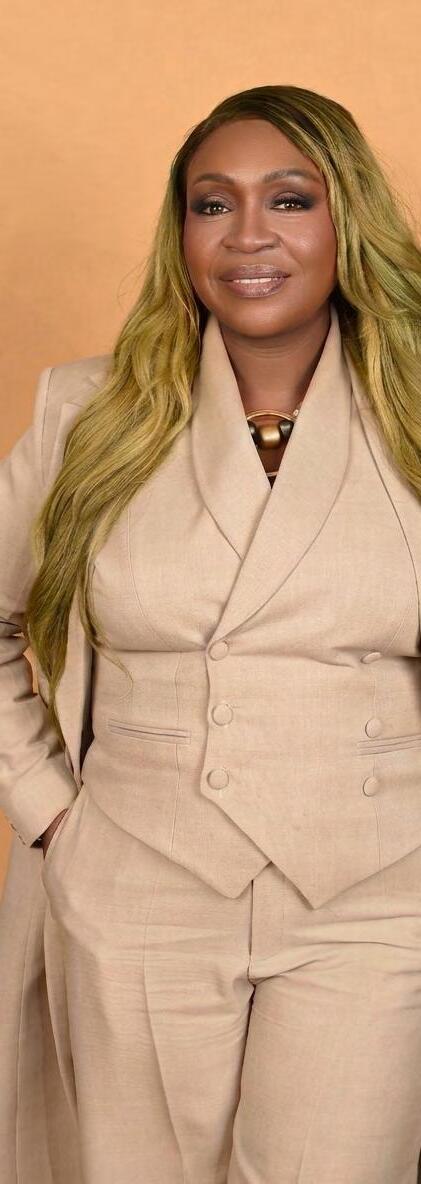
Nigeria has evolved. I agree with you that others had earlier access to technology, but we do now, too. Thank God for the internet, thank God for AI, which is able to gather all the information there is. We are getting more relevant, and we're now training people in aesthetics, which wasn't there before, and these people are also bringing out information, do you see? And now we're also making products, unlike before, where we were depending on importing products; now people are making products with better knowledge. And yes, this gives us, this gives Nigeria global relevance in treating melanated skin. So now we not only have
the technology and the knowledge, we also have the people who are interested in this. And because of that, there's a huge market for it, because even those small people are creating awareness.
What does it actually take to build a sustainable, scalable beauty business in Africa today?
Beauty as a business, structure, education, trust, systems, these are all things that we have gradually built over time, you know, to ensure that the quality remains the same as we scale. So yes, we are expanding, we're building branches, but mind you, all these expansions started only two years ago, whereas we have been in existence for almost 10 years. So all those years were spent in gaining the knowledge, the understanding, the experience, building structures, and that's why now that we are expanding, we are able to remain consistent in the quality that we give out.
In a saturated market, what truly sets your skincare line apart?
The fact that we have doctors and that it's clinically driven sets us apart. And yes, you got that spot on. The years of hands-on experience put us ahead as well, because we are not just trying out things. These are things we've seen over and over again. We have treated them over and over again. We have created products that target these problems. So yes, it's definitely not trend following, but more of a hands-on experience.
At a time when perception is as powerful as practice, what happens when aesthetic science and media storytelling intentionally merge, and are you, through this partnership, shaping the future of how African beauty is defined globally? So by aligning with the PR Lab, we are creating a system where African beauty brands are not just visible, but effective. So we are actually expanding some of our product lines as well to align with needs for the melanated skin. And we are also going to be producing for people, white labelling, so yes, this African beauty brand concept needs to be pushed. And of course, we are known for creating effective products. At a time when perception is as powerful as practice, this partnership is really about restoring credibility to African beauty. For a long time, our market has been rich in innovation but lacking in structured validation, and that has shaped consumer scepticism. What The PR Lab represents is a bridge between clinical truth and public perception. It allows us to not only treat and formulate, but to document, validate, and communicate results in a way that builds trust at scale. As an aesthetic practitioner, I’ve always believed that results speak, but in today’s world, results must also be seen, understood, and contextualised. By aligning with the PR Lab, we are creating a system where African beauty brands are not just visible, but verifiably effective. This is how we begin to shift the narrative, from aspiration to authority. And in doing so, we’re not just participating in the global beauty conversation; we’re helping to define its standards, grounded in our realities, our skin, and our science.



BEAUTY
5 Laser Treatments
That Are Safe for Melanin-Rich Skin
BY DORCAS AKINTOYE
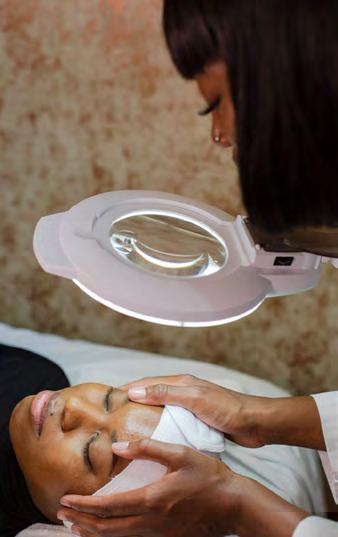
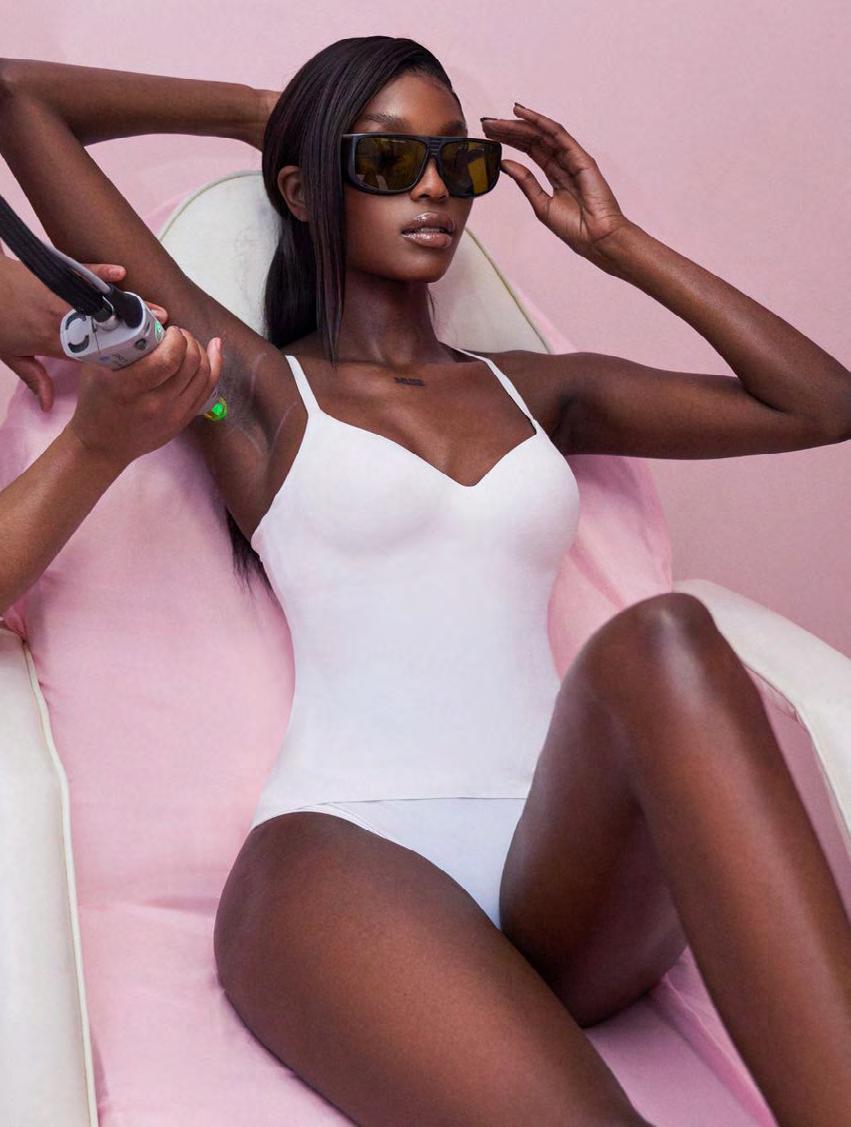
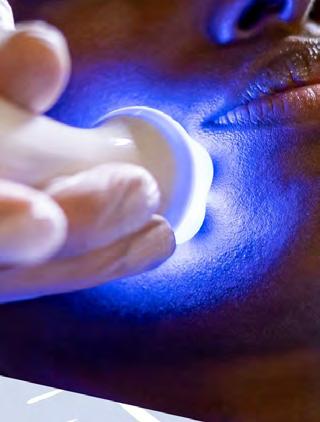
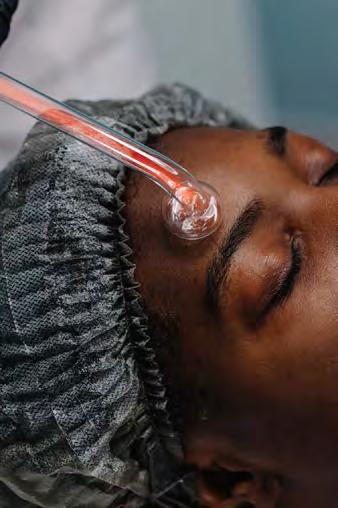
For a long time, people with darker skin tones were told to avoid laser treatments due to the fear of burns, dark patches, or uneven skin tone. Melanin-rich skin reacts differently to heat and light, so it needs devices that are designed to work carefully with that pigment, not against it. Today, advanced laser technology has made it possible for people with darker skin tones to receive safe and effective treatments for hair removal, acne scars, pigmentation, and skin rejuvenation. Here are five laser treatments widely considered safe for melanin-rich skin and commonly used in professional clinics.

ND:YAG LASER
The Nd:YAG laser is often considered the safest laser option for darker skin tones. This is mainly because its wavelength penetrates deeply into the skin. Instead of focusing on the surface, where most melanin is concentrated, it bypasses that top layer and targets deeper structures in the skin. This reduces the chance of the skin absorbing too much energy at once, which is what usually causes burns or dark patches.

DIODE LASER
The diode laser is one of the most commonly used lasers in clinics, including many aesthetic centres in Nigeria. It is widely used because it is effective for hair removal and works relatively well on different skin tones when used correctly. However, its safety on melanin-rich skin depends heavily on the settings used and the technician's experience. When properly adjusted and paired with cooling systems, the diode laser can safely treat darker skin without causing damage.

PICOSECOND LASER (PICO LASER)
The picosecond laser, commonly called pico laser, is one of the newer technologies in skincare treatment. It is especially popular for treating pigmentation issues like dark spots, melasma, and acne marks. What makes it different is that it does not rely heavily on heat like older lasers. Instead, it delivers extremely fast energy pulses that break pigment into tiny particles without overheating the skin. This makes it much safer for melaninrich skin because overheating is one of the main causes of post-laser dark spots.

Q-SWITCHED ND: YAG LASER
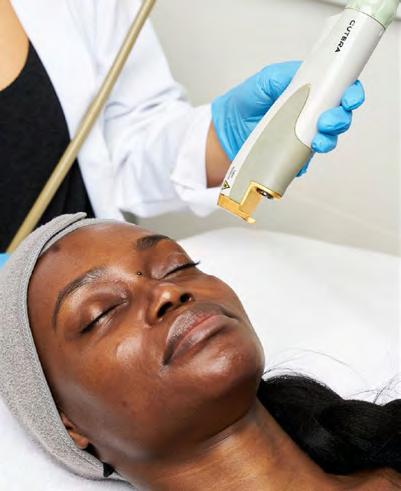
The Q-switched Nd:YAG laser is a variant of the Nd:YAG family, but it operates in very short, highintensity bursts. These short bursts allow it to target pigment very precisely without spreading heat across the surrounding skin. This precision makes it especially useful for treating stubborn pigmentation issues. It is commonly used for tattoo removal, dark spots, and uneven skin tone.

FRACTIONAL NONABLATIVE LASERS
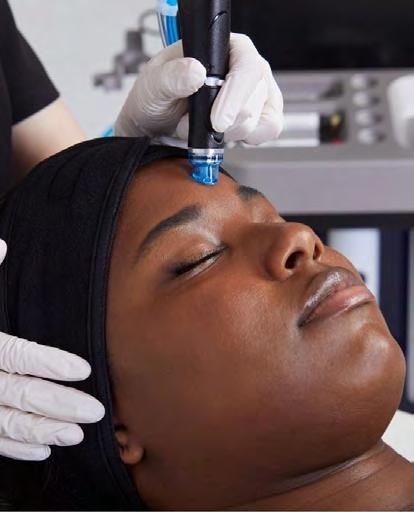
Fractional non-ablative lasers are designed to improve skin texture and tone without damaging the outer layer of the skin. Instead of treating the entire skin surface, they create tiny controlled treatment zones while leaving the surrounding skin untouched. This allows the skin to heal faster and reduces the chances of complications.
Laser treatments are not dangerous for melanin-rich skin when the right technology is used and the procedure is done correctly. The key is understanding that not all lasers are the same, and not all clinics are equally skilled or equipped. The most important step is always to choose a qualified clinic and ask the right questions before any treatment. With the right approach, laser treatments can be both safe and effective for darker skin tones.

How Habits Actually Keep You Fit
BY NATO CHIMA
Waiting to feel motivated before working out might be the biggest reason fitness never sticks. The real secret to staying fit isn’t hype or willpower, it’s habit. We’ve all been there. You promise yourself you’ll start working out on Monday, download a new playlist, maybe even buy new gym clothes, and then motivation disappears just as quickly as it came. Suddenly, the couch feels more inviting, and the workout can wait until “tomorrow.” The truth is, motivation is unreliable. It comes and goes based on mood, stress, energy levels, and life’s many distractions. Building a consistent fitness routine based on motivation alone is like waiting for the perfect weather before stepping outside; it rarely happens. What actually keeps people fit over time isn’t excitement or discipline; it’s habit. Habits remove the emotional debate. You don’t ask yourself if you should work out; you simply do, because it’s part of your routine. When fitness becomes automatic, progress becomes sustainable.

MOTIVATION IS EMOTIONAL, HABITS ARE PRACTICAL
Motivation depends on how you feel, and feelings change daily. Habits, on the other hand, don’t need emotional energy. Once exercise is built into your routine, like brushing your teeth, it no longer feels like a big decision. The less thinking you have to do, the more likely you are to show up

SMALL ACTIONS BUILD BIG CONSISTENCY
You don’t need long, intense workouts to form a habit. Starting small, a 10-minute walk, a short home workout, or stretching, lowers resistance. These small wins build confidence and make fitness feel achievable rather than overwhelming.

HABITS THRIVE ON STRUCTURE, NOT PRESSURE
Having a fixed time or trigger for movement makes fitness easier. Whether it’s exercising right after work or walking every morning, structure removes guesswork. When workouts are scheduled into your day, they no longer compete with everything else.

MATTERS MORE THAN RESULTS
When you see yourself as “someone who moves regularly,” fitness becomes part of who you are, not something you try to do occasionally. Habits stick when they align with identity. You’re not chasing quick results; you’re reinforcing a lifestyle. IDENTITY

PROGRESS COMES FROM SHOWING UP, NOT FEELING READY
The days you don’t feel like working out are often the most important ones. Habits teach you to show up imperfectly. Even a light session counts. Consistency beats intensity every time, especially in the long run.
Motivation will always fluctuate, and that’s okay. Fitness doesn’t require constant excitement; it requires consistency. When you focus on building habits instead of chasing motivation, movement becomes easier, less stressful, and more sustainable. The goal isn’t to feel inspired every day; it’s to show up anyway. Over time, habits quietly do what motivation never could: keep you fit for life.

ADA OBIAJUNWA
@aaddaahh
He said something she normally would have laughed at.
YOU’VE BEEN A BIT…
She heard it. She understood it. She even thought, briefly, that it was funny.
But the laugh didn’t come.
Not because she was unhappy. Not because she was somewhere else. She was right there, in the same kitchen, doing the same thing she always did at that hour.
The laugh just didn’t arrive.
He didn’t say anything immediately.
The moment passed the way small moments do when there is enough history in a room to absorb them. He moved on. She moved on. Something else was said. Something was handed from one person to another. A question about tomorrow. An answer. The ordinary business of a shared evening filling in around the small thing that had not happened.
The evening continued.
But she had felt it.
The small gap where the laugh should have been. The way she had stood inside the silence for just a beat longer than usual, instead of filling it with the sound he was used to hearing.
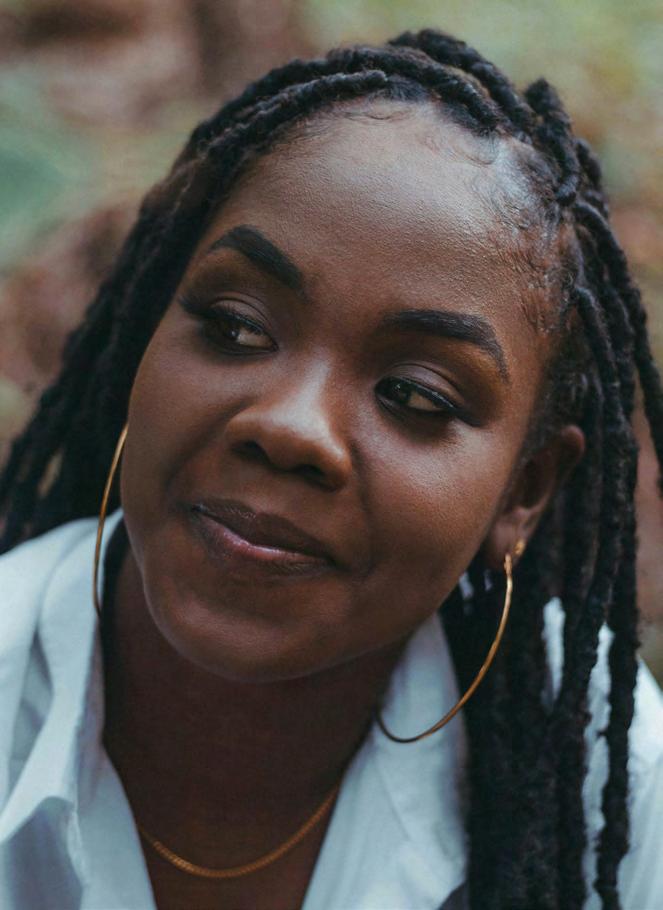
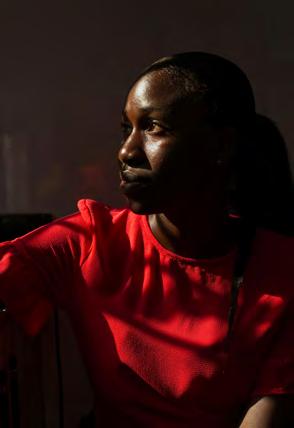
Six months ago, she would not have noticed the gap at all.
She would have already been laughing before she knew why.
Later, when the evening had mostly settled, he said it.
Not confrontationally. Not carefully.
The way people say things when they have been paying close enough attention to notice, and love someone enough to say so.
“You’ve been a bit…”
And then he stopped.
Not because he changed his mind. Because he couldn’t find what came next.
She waited.
He didn’t finish it.
And in the space where the sentence should have been, she understood something.
Not what he meant to say exactly. He was still finding it.
But somehow, the shift had been felt before either
She still did.
That hadn’t changed.
What had changed was harder to locate.
Not her feelings. Not the basic warmth between them. Not the fundamental ease of being in the same room, which had always been one of the quieter things she was grateful for without saying.
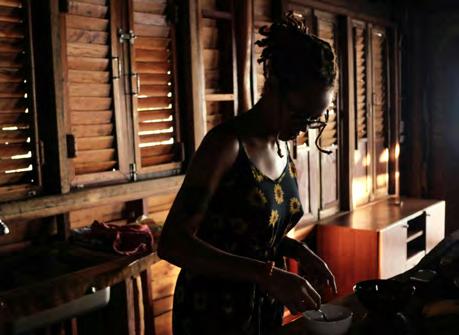
Something in their usual choreography had developed a small pause. A beat where there used to be seamless movement. Something that required, now, a fraction more intention than it once had.
The choreography had not broken. It was still running. They were still moving through the same evenings, the same kitchens, the same rhythms they had built across years of proximity.
But it was running slightly differently now. And both of them could feel it, but couldn't say exactly where the change had entered.
She thought about finishing his sentence for him.
of them had words for it. The relationship had been quietly adjusting around something neither of them fully understood yet, the way a room adjusts to a change in temperature before anyone thinks to check the weather.
This was not a complaint.
It was him paying attention.
He was not wrong to feel it.
She was not wrong for what had shifted.
Both things were true, and neither of them helped.
She almost said something.
Her hand moved first, the way it always had when something needed smoothing. Reaching toward the same easy resolution she had reached for so many times before.
And then it stopped.
Not a decision exactly. More like the gesture had started from habit and arrived somewhere it no longer quite knew what to do.
She left it where it was.
He didn’t push.
He rarely pushed. He noticed things, said what he could, and then let the room decide what happened next.
She had always found this easy to be around.
She knew enough versions of what he might have meant.
A bit quieter. A bit further away. A bit harder to reach on the first try.
She could have taken any of those and handed it back gently. Added something small to soften the edges. She had done it before, many times, in many versions of this same kitchen.
None of them felt wrong.
None of them felt complete either.
So she left his sentence where he had left it.
Unfinished. Open. Taking up space in the room, the way unfinished things do.
And she realised, sitting with it, that she didn’t have a better ending for it than he did.
Just a different feeling about the space it had opened.
He felt it as distance.
She felt it as the first time she had taken up exactly the amount of room she actually needed.
Both things were happening in the same kitchen.
CAREER

OFFICE POLITICS WITHOUT THE DRAMA
How to Navigate Like a Pro

Understand the Unwritten Rules
Beyond official policies, every workplace has a rhythm. There are patterns in communication, decision-making, and leadership preferences. Some teams value direct input, while others operate more subtly. Paying attention to these dynamics helps you move smarter. Notice how ideas are introduced and who influences final decisions. When you understand the system, you’re better equipped to contribute in ways that are heard and respected.

Build Relationships That Matter
Success at work isn’t built in isolation. It grows through connection. This doesn’t mean forming cliques or playing sides; it means being intentional about how you relate with people. Be professional, approachable, and consistent in your interactions. When people feel comfortable working with you, collaboration becomes easier, and your presence becomes valuable in key moments. Strong relationships often open doors before opportunities are even announced.

BY JOHNSON CHUKWUEKE
Your reputation is one of your strongest assets in any workplace. It’s shaped daily by your work ethic, attitude, and how you respond under pressure. Stay clear of gossip and unnecessary conflict. Maintain composure, even in challenging situations. Over time, being known as dependable and solutiondriven builds trust. And in professional spaces, trust carries influence.

Protect Your Reputation at All Times Speak With Purpose
Not every moment requires your voice, but the right moments do. The key is to be intentional. When you speak, be clear and thoughtful. Share ideas that are relevant and constructive. Over time, this builds credibility and positions you as someone whose input is valuable. It’s not about saying more, it’s about saying what matters.
Every workplace runs on more than job descriptions and KPIs. Beneath the surface, there’s a flow of influence, how decisions are shaped, whose voices carry weight, and how opportunities are quietly distributed. This is what many refer to as office politics. For some, it feels uncomfortable or even unnecessary. But in reality, it’s part of how organisations function. The difference lies in how you approach it. You don’t have to engage in manipulation or compromise your values. Instead, the goal is to understand the environment, read the room, and position yourself with clarity and intention.

Stay Grounded in Your Growth
Workplaces can be competitive, and it’s easy to get caught up in comparisons. Who is advancing? Who is being noticed? Who seems ahead? While awareness is important, your focus should remain on your own growth. Continue developing your skills, delivering quality work, and showing up consistently. Progress built on substance lasts longer than progress driven by perception.
Office politics doesn’t have to feel like a game you’re forced to play. When approached with awareness and professionalism, it becomes a tool, not a trap. By understanding your environment, building meaningful relationships, and staying grounded in your values, you can navigate your workplace with confidence and ease. Because at the end of the day, success isn’t just about what you do, it’s also about how you move.
Decor Ideas for People Who Love Elegant Spaces

BY DORCAS AKINTOYE
Creating an elegant space is not always about buying the most expensive furniture or filling your home with luxury items. True elegance comes from thoughtful choices, balance, and creating an environment that feels calm, beautiful, and timeless. An elegant home often looks polished, organised, and welcoming without feeling too crowded or overly decorated. Here are some decor ideas that can help you create an elegant space you will truly love.
CHOOSE NEUTRAL AND SOFT COLOUR PALETTES
One of the easiest ways to create an elegant home is to use neutral, soft colours. Shades like white, cream, beige, soft grey, and muted pastels often make spaces feel calm, fresh, and luxurious. Neutral colours also make it easier to mix different furniture pieces and decor items without making the room feel overwhelming. Instead of using too many bold or loud colours, keeping things simple often creates a more polished and graceful atmosphere.

INVEST IN STATEMENT LIGHTING
Lighting plays a major role in elegant decor. A beautiful chandelier, stylish pendant light, or modern floor lamp can instantly become the focal point of a room while adding sophistication. Elegant spaces often use lighting not just for brightness but also as a decorative feature. Layered lighting is also important. Combining ceiling lights with table lamps or wall sconces can create warmth and depth.
FOCUS ON QUALITY OVER QUANTITY
Elegant spaces are usually not overcrowded. Instead of filling every corner with furniture or decorations, focus on choosing fewer, more stylish, high-quality pieces. Decorating with quality pieces helps create a more organised and balanced look. It also allows each item to stand out without competing for attention. Adding carefully chosen accessories, such as decorative vases, framed artwork, or luxurious curtains, can enhance the room without making it feel busy.
INCORPORATE RICH TEXTURES AND SOPHISTICATED ACCESSORIES
Texture is essential when designing an elegant space because it adds depth and interest without needing excessive decoration. Materials like velvet cushions, silk curtains, marble surfaces, glass accents, and soft rugs can make a room feel more luxurious.
ADD ELEGANT WINDOW TREATMENTS
Window treatments can have a huge impact on how elegant a space feels. Beautiful curtains, drapes, or Roman shades can instantly make a room look more polished and sophisticated. They do more than provide privacy; they also add softness, height, and style to your home. Well-designed window treatments help control natural light, which is important for creating a warm and inviting atmosphere. By paying attention to your windows, you can enhance the beauty of your home while adding another layer of elegance that ties the entire space together.




Elegant spaces are created through thoughtful design, simplicity, and attention to detail. By choosing soft colour palettes, investing in statement lighting, focusing on quality pieces, and adding luxurious textures, you can design a home that feels stylish, peaceful, and timeless.

Make Time for What Matters
LIVING BEYOND WORK

Not Everything Important Feels Urgent
Work often feels urgent. It demands attention, response, and action. But the things that matter most, spending time with people, resting properly, even just doing nothing, rarely come with that same urgency. That’s why they’re easy to postpone. You tell yourself you’ll get to them later, when things are less busy. But “less busy” doesn’t always come unless you decide it does.

Small Moments Count More Than You Think
You don’t always need a full day off or a big plan to reconnect with life outside work. Sometimes, it’s the small things that shift your day. A proper conversation without distractions. A quiet walk. Sitting with your thoughts for a few minutes without reaching for your phone. These moments may seem minor, but they add up in ways that matter.

You Don’t Have to Earn Rest
There’s a subtle pressure many people carry, the feeling that rest has to be deserved. That you can only slow down after everything is done. But the reality is that everything is rarely done. Waiting for the perfect time to rest often means never truly resting at all. Taking a break doesn’t mean you’re falling behind; it means you’re giving yourself the space to keep going.

Boundaries Make Room For Life
Sometimes, making time for what matters isn’t about adding more; it’s about knowing when to stop. Closing your laptop when the day is over. Saying no when your plate is already full. Protecting your time, even in small ways. These boundaries don’t reduce your productivity; they protect your energy.
BY JOHNSON CHUKWUEKE
Somewhere between deadlines, meetings, and “just one more task,” it becomes easy to lose track of everything else. Days start to feel like a cycle: wake up, work, scroll a little, sleep, repeat. And before you realise it, life begins to feel more like something you manage than something you actually live. The truth is, there will always be more work. Another email, another project, another reason to stay busy. But the moments that actually make life feel meaningful don’t usually wait around like that. They need to be chosen intentionally.

Living Isn’t Something to Postpone
It’s easy to fall into the habit of saying, “I’ll enjoy life later.” Later, when things are more stable, more settled, less demanding. But life doesn’t always wait for that perfect moment. It happens in between the busy days, in the small pauses, in the time you decide to take for yourself, even when work is still there.
Making time for what matters isn’t about doing everything at once. It’s about choosing, again and again, not to let work take up all the space. Because at the end of it all, the things you remember won’t just be what you completed, they’ll be the moments you allowed yourself to live.
TRIBUTE
h o n o u r i n g
ALEXX EKUBO OKWARAEKE
The Charismatic Star Who Brought Style and Warmth to Nollywood

SBY NATO CHIMA
ome actors become famous for appearing in hit films. Others become memorable because of the feeling they leave behind whenever they appear on screen. Alexx Ekubo-Okwaraeke belonged to the latter category.
Born on April 10th 1986, in Arochukwu, Abia State, Alexx Ekubo-Okwaraeke first gained fame after emerging as the first runner-up at the 2010 edition of Mr Nigeria. Beyond modelling, Alexx Ekubo-Okwaraeke became one of Nollywood’s most recognisable faces over the years thanks to his calm confidence, effortless charm, and unmistakable screen presence.
Whether he was playing the romantic lead, the smooth-talking gentleman, or the stylish city guy, audiences loved watching him exude a natural ease that made his performances feel relatable and warm.
But beyond the looks and popularity was an actor who understood connection. He knew how to make audiences comfortable, bring lightness to scenes, and create characters people genuinely enjoyed spending time with. In many ways, Ekubo-Okwaraeke represented a softer, more modern side of Nollywood masculinity, stylish, expressive, confident, but still approachable.
His journey through Nollywood reflected consistency. From films like Weekend Getaway and Hire a Woman to larger productions such as The Bling Lagosians and Omo Ghetto: The Saga, he steadily built a career that blended mainstream appeal with cultural relevance. He became

part of a generation of actors who helped make contemporary Nollywood feel younger, fresher, and more globally visible.
Outside of film, Ekubo-Okwaraeke also carried himself like someone who understood the power of influence. Whether through fashion, public appearances, or humanitarian efforts, he remained connected to his audience in a way that felt genuine. In 2020, he was recognised by the United Nations as one of the most influential people of African descent. In 2021, he received an honorary degree in Arts and Culture from the Institut Supérieur de Communication et de Gestion (ISCG University) in Cotonou, Benin.
What makes stars like Alexx Ekubo-Okwaraeke special is not just the number of films they leave behind, but the atmosphere they create during their time in the spotlight. He made Nollywood feel vibrant, stylish, and entertaining, while also reminding audiences that charisma need not be loud to be impactful.
Alexx Ekubo-Okwaraeke unfortunately passed away on the 11th of May 2026 due to complications arising from advanced metastatic kidney cancer, and though every spotlight eventually dims, some presences remain unforgettable long after the screen fades to black.



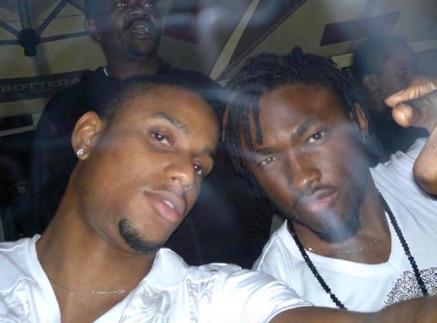



Alexx Ekubo
Alex Ekubo with Brayn Okwara
Alex Ekubo with Uti Nwachukwu & Lydia Forson
Alex Ekubo with Omoni Oboli.
Alex Ekubo with AY, Yomi Casual & Ik Ogbonna Alex Ekubo with Uti Nwachukwu
Alex Ekubo with Linda Ejiofor.
Alex Ekubo Mr Nigeria, 1st Runner Up
Alex Ekubo with Omoni Oboli.

cassy’s chronicles
BROKEN FANTASY


Ihad been watching Tunde for six months before he even knew my name.
Six months of stolen glances across the office, of laughing a little too loud at his jokes during team meetings, of mentally rehearsing conversations I never had the courage to start. My friend Sade called it an obsession. I called it appreciation. There is a difference.
Tunde was the kind of man who made you believe in God a little more. In my mind, he wasn't just a man; he was a force of nature. Every time he walked into a room, his presence filled the space, his broad
shoulders and thick, muscular chest commanding attention. Every girl in the office had a soft spot for him. I just had a softer one.
When he finally asked for my number, I nearly gave him my mother's by mistake.
We did the dinners, the late-night calls, the long drives to nowhere. He was charming in the way that men who know they are handsome are always charming, effortlessly, almost lazily. I told myself that was confidence. I told myself a lot of things.
Three months in, it happened.
I had prepared, genuinely prepared. Shaved, moisturised, picked an outfit just to take it off. I was ready to hand this man a piece of my soul. In my head, I had already written the version of this night I would whisper to Sade over the phone. The kind of story you tell with your hand over your chest.
My first shock was when he stepped out of his boxers. He was a titan of a man, but between his legs, the reality was jarringly modest. He wasn't tiny, but he was certainly not the monster I had hallucinated. He was... average. Perhaps even a bit below. The "big man" energy didn't extend to his groin.
I felt a momentary dip in my excitement, but I pushed it aside. "It’s about the skill", I told myself. He’s a winner in every other part of his life; surely he knows how to use what he has. But as soon as he pushed my legs back and slid inside me, I realised that confidence is not the same as competence.
The entry was underwhelming. As if that wasn't enough, he moved at a mechanical, frantic pace, pumping in and out with a blind intensity that lacked any real connection to my body.
I just lay there, my eyes tracing the patterns on the ceiling, feeling the sheer lack of friction. He was hitting nothing. He was too focused on his own rhythm, his own exertion, completely oblivious to the fact that I was barely feeling him.
It was like being poked by a lukewarm finger. Every thrust was a promise of pleasure that never arrived.
I tried to guide him, shifting my hips, arching my back to try and catch a glimmer of stimulation, but it was useless.
As he neared his peak, he began to breathe heavily, his muscles locking up, his face contorted in a mask of triumph. He gave one final, desperate shove as he came with a loud, guttural moan.
I knew the silence that followed would be deafening if I didn't do something. I couldn't bear the thought of the awkward conversation or the pity. So, I leaned into the lie.
I let out a long, shaky moan, arching my back and gripping his muscular shoulders, pretending my body was still vibrating from a peak I never reached. "Oh god... that was... wow," I breathed, my voice trembling with a fake intensity.
Tunde collapsed onto me, his heavy weight pinning me into the mattress. He pulled back just enough to look at me, and the expression on his face was pure, unadulterated smugness. He beamed at me with a wide, triumphant smile that radiated the absolute certainty that he had just delivered the performance of a lifetime.
"I told you," he whispered, kissing my forehead with a selfsatisfied chuckle. "I always take care of my woman."
I forced a smile back, feeling a cold wave of disappointment wash over me. I just kept staring at the man who was a giant in everything except the one thing I actually wanted.
BY BOLUWATIFE ADESINA
MICHAEL MOVIE REVIEW:

Director: Antoine Fuqua
Runtime: 2 hours, 7 minutes
If you’re craving an insightful look at Michael Jackson, one that goes beyond a simple Google search, look elsewhere. There’s nothing new, and there’s much that’s gone missing in Michael, a glossy, familysanctioned biopic that feels like it’s gone through many iterations.
John Logan’s unfussy screenplay hones in on Michael’s ascent from star child phenom in the Jackson 5 up to being on the cusp of becoming the King of Pop. The structure follows a standard biopic trajectory, tuning out just when Michael broke free from the evil clutches of his abusive, belt-wielding manager and dad Joseph, portrayed by Colman Domingo, going full tilt as a villain.
Even within that tighter framework, Michael skims and skips over a lot and barely makes Jackson’s other siblings breathing entities, just boosters of Michael’s. (Janet Jackson is nowhere to be seen, and reportedly didn’t want to be portrayed in the film.)
As a conventional stroll down memory lane and celebration of Jackson’s talents and unrivalled showmanship, it works. But it’s not the multi-layered, complex portrait that it needs to be.
The film’s greatest asset is Jaafar Jackson, Michael’s nephew. He nails a hard assignment and embodies his uncle’s personality to a T, right down to his soft-spoken intonation. Best of all, he masters those epic, incredible, choreographed dance moves that made fans scream and shout. It’s a breakout performance that deserves a better film. (Juliano Valdi is impressive as a younger Michael.)
Also good are a few crowd-pleasing moments that find Michael strategising on Thriller and Beat
It videos, and a couple of recreations of his electrifying, all-in onstage performances. They’ll have you tapping your toes and wanting to sing.
But they get overused and repetitive, serving as a substitute for dramatic substance and depth. The final act of Michael relies on the Jackson 5’s final concert, and that re-enactment runs way too long.
More often, those concert performances help pump up a flashy, superficial look at an enigmatic artist whose closest connections were of the animal variety (Bubbles the Monkey gets screen time; also a giraffe, a llama and a big snake).
What Michael sorely lacks is a concrete purpose and perspective, even a dramatic arc besides the breaking free from a bad dad one. It thinks that by leaning heavily on his music catalogue and scenes of him reading and rereading Peter Pan and his couch time spent with mom Katherine (Nia Long) while watching Singing In the Rain and The Three Stooges serve as real building blocks to who he was. Might well be. But once is enough; twice showing the same thing is overstating it and feels like you’re operating on narrative fumes.
It’s a woefully incomplete biopic that ends with a Marvel-like tagline: “The story continues.” Does that mean a sequel is coming? If it does, the hard stuff must be addressed and explored. But it’s even more problematic than just that. Given we know the scandals that ensue – his addictions, the sexual abuse charges and much more – it creates a rather false narrative, force-fitting what ended up being a tragically bittersweet tale into a “feel-good” movie.
As has been reported, the production itself was difficult and fraught, and it underwent expensive reshoots and changes. Fuqua does the most he can to pump up the scenes and does a fine job with what he’s been given, but just like the troubled Bohemian Rhapsody biopic on Freddie Mercury, there’s a sense that there was a lot of back and forth going on, and problems. As accounts have reported, part of that led to scrubbing out any mention of the sexual abuse cases.
Some might take umbrage at that absence; others might be content to just relive the music that moved them back then. Either way, there is no denying that Michael only scratches the surface of Michael the troubled person, even though it does a commendable job of showcasing Michael the star performer.
Rating:6/10
Not overly hyped for part 2, if we even get it.

Scan


WATCH OF THE WEEK
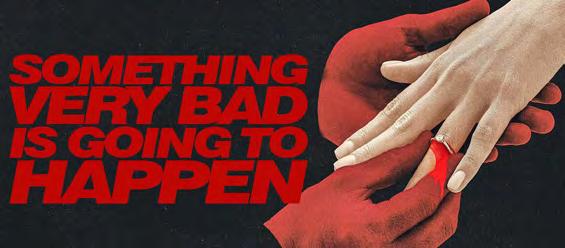
SOMETHING VERY BAD IS GOING TO HAPPEN
Whenyou marry someone, you often marry into their family. In Something Very Bad Is Going to Happen, writer Hailey Z. Boston mines the potential horror that can bring.
The eight-episode series, now streaming on Netflix, is unlike anything else in recent television. There’s eerie cinematography, a killer soundtrack and solid acting that keeps viewers on their toes. It opens with Rachel (Camila Morrone) and Nicky (Adam DiMarco) on a road trip to their wedding. In one week, they’ll marry at his family cabin in the woods, but first, she has to meet everyone.
Almost immediately, creepy things begin happening, from a true-crime podcast about a murderous frozen-custard shop owner to an abandoned baby in a car. Then there’s the foreshadowing of dead foxes and a mysterious note to Rachel, warning her not to marry Nicky. By the time the couple arrives at the cabin, it’s clear that Rachel’s overwhelming feeling that something very bad is going to happen isn’t just in her head, and that she should get the heck out of there.
Instead, she sticks around to meet Nicky’s privileged and out-of-touch family, including his sister Portia (Gus Birney), brother Jules (Jeff Wilbusch) and Jules’s wife, Nell (Karla Crome). Nicky’s parents, Boris (Ted Levine) and Victoria (Jennifer Jason Leigh), are also kicking around with mysterious vibes. With no one in her corner, Rachel is the outsider with a unique perspective, but viewers shouldn’t forget there’s something strange about her not having anyone there




to represent her on her big day.
The early episodes do an excellent job of building tension within the family as Rachel gets to know everyone. Eventually, she does what any sane person would do and flees. It’s then that new horrors emerge and the story twists on itself, blending different styles and tropes in an interesting commentary about soulmates, witchcraft and marriage.
Content-wise, it’s not a completely original premise, but it still feels like the next evolutionary step in the horror genre that includes similarly themed series, such as The Fall of the House of Usher. There is talk of family curses, the devil, paranoia and anxiety, and the pacing is built to make those themes tangible.
Something Very Bad Is Going to Happen is not flawless, however, and that pacing falls flat toward the middle of the series as certain characters have their moments together, or side stories pull focus. Red herrings are often introduced without follow-up, while the foreshadowing and parallels can be overdone.
There are a couple of good jump scares and even more gore; anyone
with an aversion to harmed animals should probably stay away.
By the end, things twist again, bringing the series full circle with a controversial ending that warns against the dangers of settling. It has also sparked debate online. No spoilers here, but the finale is open-ended enough that if Boston and her executive producing partners – the Duffer Brothers of Stranger Things fame –wanted to, they could probably concoct a second chapter.
The world of horror does sequels a little too often, though, and in this instance, the eight-episode offering is successful enough that to stretch it any further would ruin what makes it special. The biggest reason to watch isn’t the content itself; it’s the overall tension, emotional build, and stellar performances, particularly by Morrone.
In other words, if you like atmospheric horror that blends dark comedy and prefer shows that lead to further conversations about what the hell you just watched, this is the series to binge this weekend.
Amaarae - Sociopathic Dance Queen
KAYTRANADA - Seemingly
BNXN - Back Outside
NxWorries - FromHere (feat. Snoop Dogg & October London)
Wax Motif - You Forget (feat. Maeta)
Ayra Starr - Where Do We GoPeggy Gou Remix
this with your camera or click to access the playlist (Youtube Music)
Scan this with your camera or click to access the playlist (Spotify)