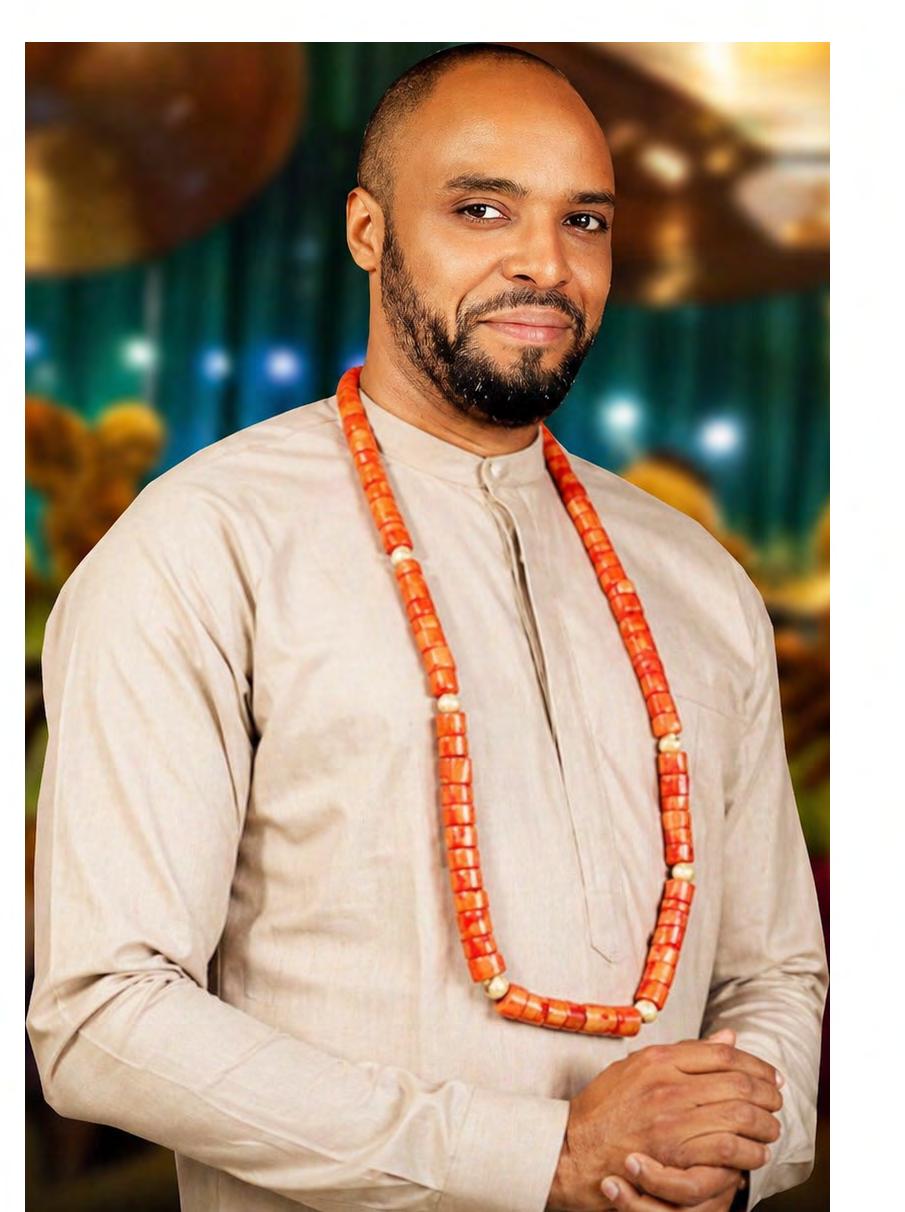

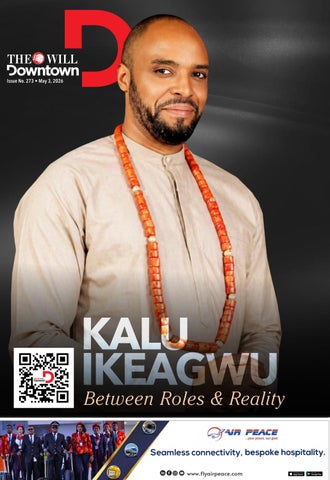




Kalu Ikeagwu is easily one of the most consistent and respected performers in Nollywood. With a career spanning almost two decades, Ikeagwu has carved a niche for himself in Nollywood, balancing charm, intellect and charisma.
Ikeagwu explains that his breakout projects were two shows: Mnet’s Doctor’s Quarters and Dominos, both of which were very popular in their time.
You might wonder how he chooses his scripts. Ikeagwu used to choose roles based on good scripts until an incident with his family. His mum had asked him to bring a film for the family to watch, and he chose a decent one, or so he thought, until it reached a kissing scene and his brothers started teasing him in front of his mum. That was a turning point for him. From then on, he has taken only roles that his mum can watch.
Ikeagwu says that beyond the glitz of the screen, people are unaware of how much work it takes to be an actor. He says you have to be highly educated and keep educating yourself. When they say jack of all trades, master of none, an actor has to be a master of all. You must know a bit of mathematics, engineering, medicine, and even a bit of a tout.
Read Kalu Ikeagwu’s story on pages 8 to 10.
When you ask many people why they are not active, the answer is simple: “I don’t have time”. Between work and other responsibilities, fitness can seem to require extra time to fit into your schedule. What you must bear in mind is that fitness doesn’t necessarily mean long hours at the gym. The goal is to find smarter ways to stay active without disrupting your routine, and we show you how on page 13.
Scroll to page 20 for our movie review and playlist; you’ll love both.
Until next week, enjoy your read.


AUSTYN OGANNAH
PUBLISHER/EDITOR-IN-CHIEF
Executive Editor: Onah Nwachukwu @onahluciaa
Writers: Johnson Chukwueke & Dorcas Akintoye
Design & Layout: Hogan Effiom
Digital Media: Oladimeji Balogun
Consulting Art Director: Sunny Hughes ‘SunZA’

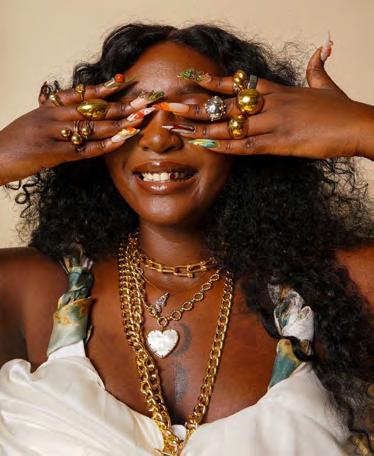
Everything You Need to Know About Styling Maximalist Jewellery
Untold Truths They Loved Each Other. The Logistics Didn’t.
No Time, No Problem Fitting Fitness Into a Packed Schedule
Culture Shocks to Expect When You Visit Another Country
Kalu Ikeagwu Between Roles and Reality A Beat Late
The Pressure to Be Online Is It Really Necessary?
Easy Ways to Improve Your Lifestyle Ruined Bonds
Micellar Water The Right Way to Use It

Boluwatife Adesina @bolugramm - Contributing Writer
Boluwatife Adesina is a media writer and the helmer of the Downtown Review page. He’s probably in a cinema near you.

Sally Chiwuzie @unshakable.is.a.state.of.mind - Contributing Writer
Sally Chiwuzie is a non-practising barrister who owns the brand #Unshakable. She is the author of Silent Symphonies, a fictional love story, and the creator of the podcast Chronicles of #Unshakable Truths.

Ada Obiajunwa @aaddaahh - Contributing Writer
Ada Obiajunwa writes from Lagos about the big truths tucked inside ordinary moments — friendship, self-discovery, and the quiet revolutions of everyday life. She believes in the power of presence, good banter, and decoding the unsaid. Through her fragrance studio, WhiffWonders, she also crafts scents that weave memory and emotion into experiences that feel like home.


BY DORCAS AKINTOYE
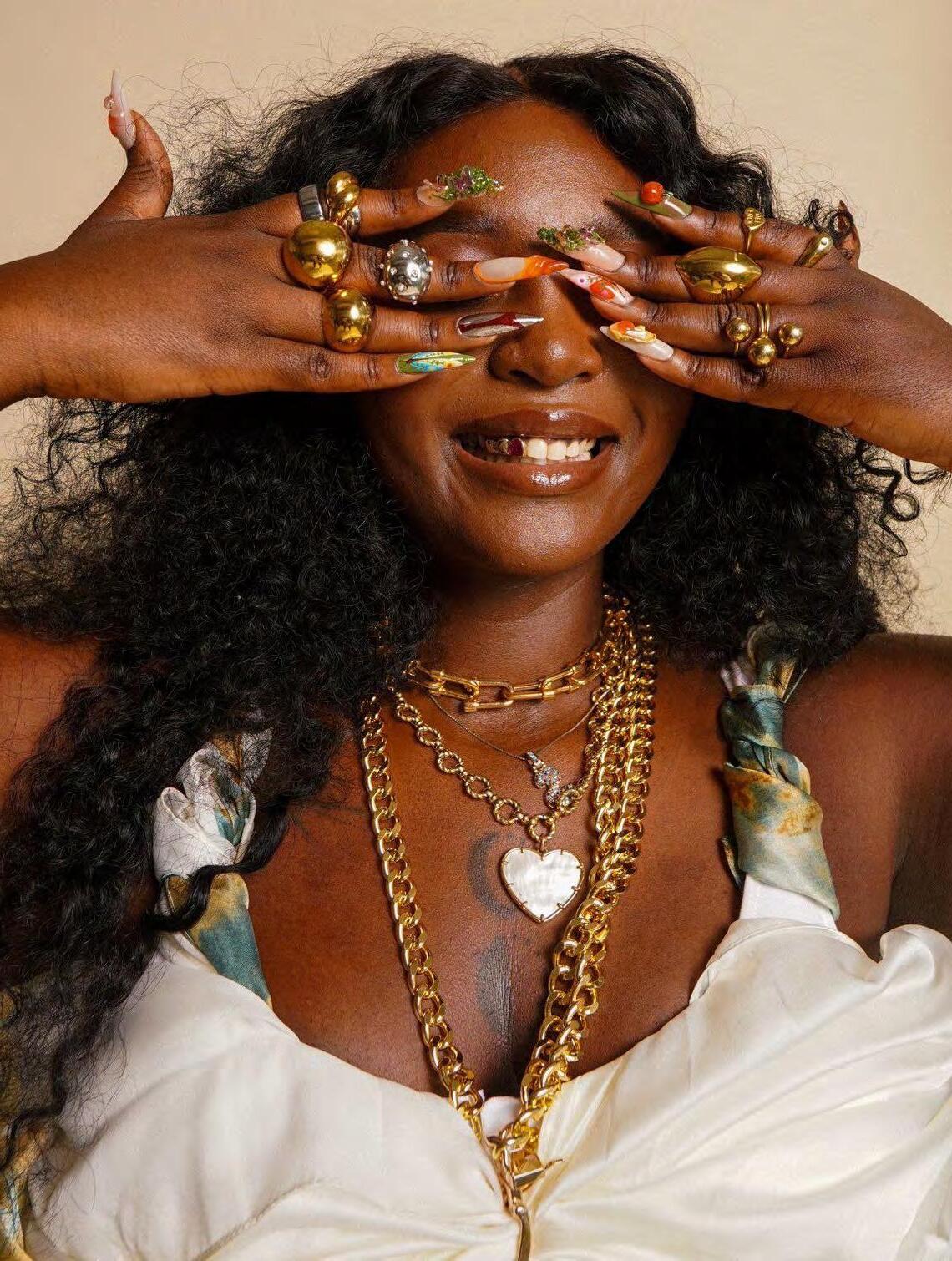
Maximalist jewellery is bold, expressive, and impossible to ignore. It goes against the idea of “less is more” and embraces the beauty of doing the most; layering pieces, mixing styles, and wearing jewellery that stands out. From chunky necklaces to stacked rings and oversized earrings, maximalist jewellery lets you show your personality in a loud, confident way. Here are some ways to style your maximalist jewellery.
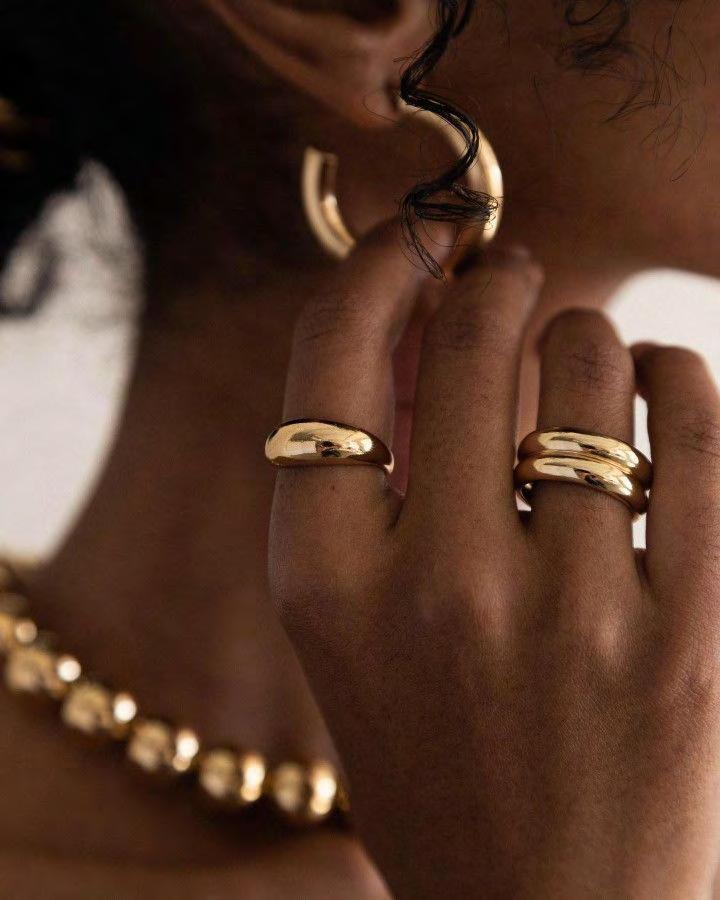
If you are new to maximalist jewellery, the best way to begin is to choose one strong statement piece and build your look around it.This could be a chunky necklace, oversized earrings, or a bold bracelet that naturally draws attention. By focusing on one standout item, you create a clear focal point that makes your outfit look intentional and well-thought-out.
One of the most exciting parts of maximalist jewellery is the freedom to mix different styles without worrying too much about matching perfectly.You can combine gold and silver, pair vintage pieces with modern designs, or wear colourful stones alongside plain metals.This mix creates contrast, which is what makes maximalist styling so eye-catching. Even though you are blending different elements, there should still be a sense of connection between your pieces, whether through colour, texture, or overall vibe.
Layering is at the heart of maximalist jewellery, giving the style its rich, full appearance. Instead of wearing just one necklace or ring, you combine multiple pieces in a way that feels stylish and balanced. For example, when layering necklaces, mixing different lengths helps each piece stand out rather than overlap awkwardly.The same idea applies to rings; you can stack them across different fingers, combining thin and thick bands to create variety.
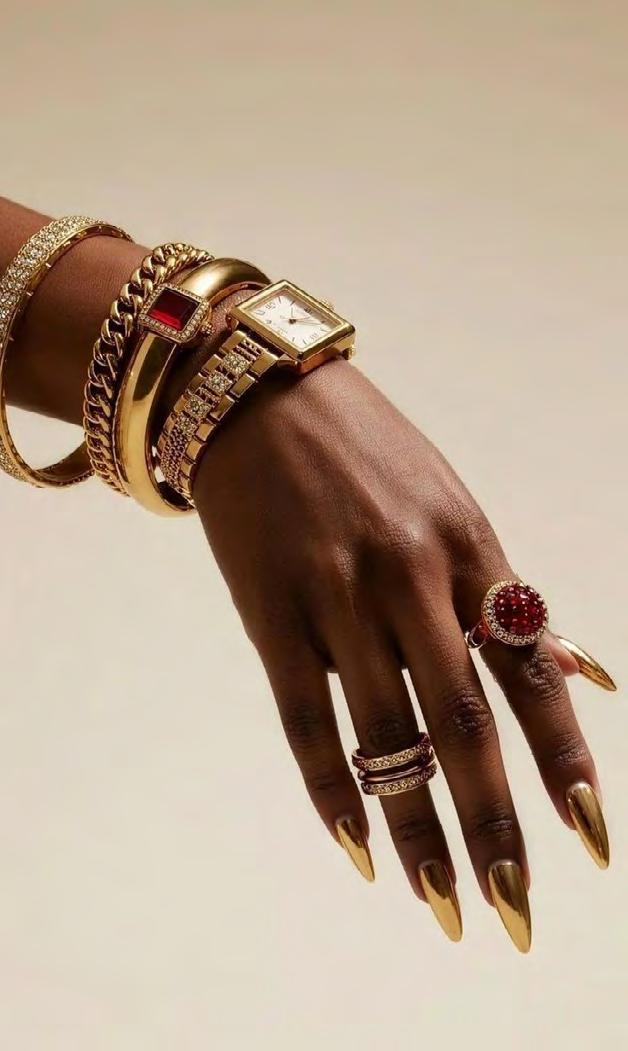
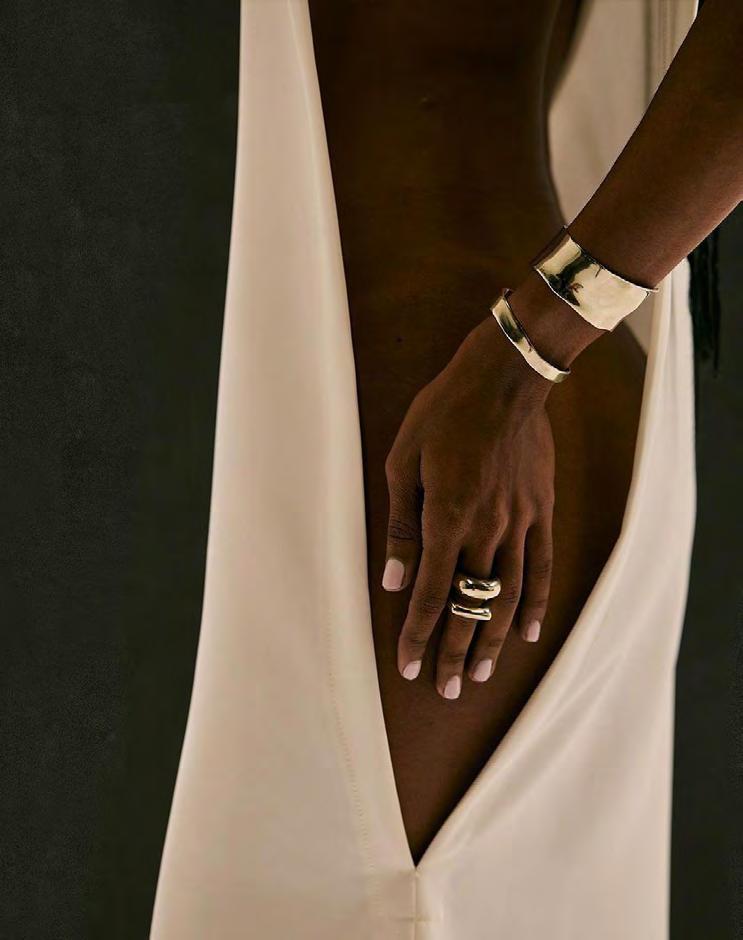
When your jewellery is bold and attention-grabbing, your outfit should take a step back.Wearing loud clothing together with heavy jewellery can make your overall look feel too busy and difficult to focus on. Instead, simple outfits with clean lines and neutral colours help balance everything out. Think of your clothing as a background that allows your jewellery to shine as the main focus. A plain dress or a simple top can instantly become stylish when paired with bold accessories.
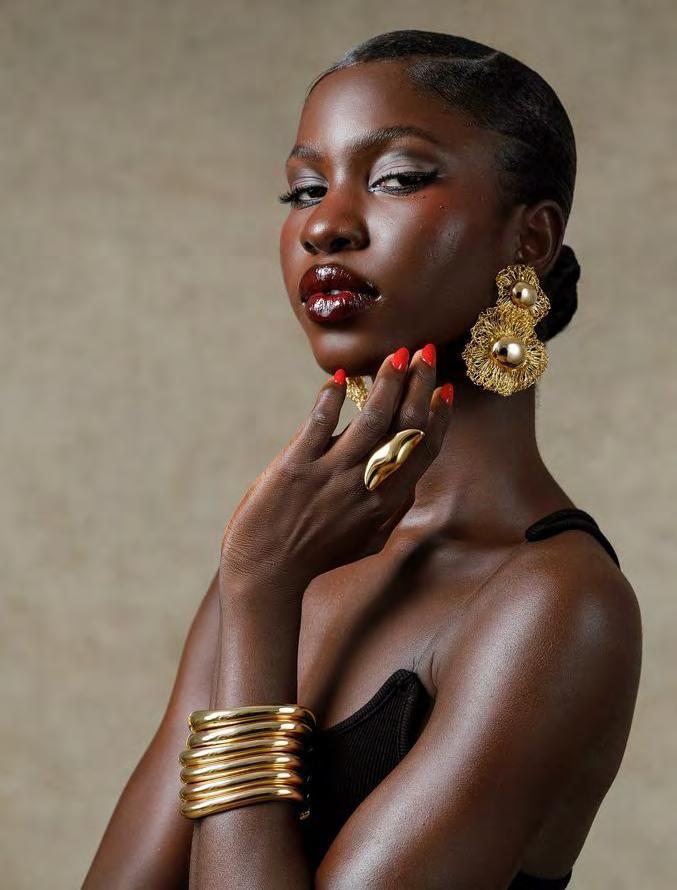
Maximalist jewellery is all about confidence and self-expression. It lets you step outside the usual rules and create bold, creative, and personality-packed looks. While it may seem overwhelming at first, understanding how to balance your pieces makes all the difference. And once you do, maximalist jewellery will not just be an accessory; it will become your signature.


SALLY CHIWUZIE
@unshakable.is.a.state.of.mind
They
He had been divorced. She had been divorced. When they met, it felt disarmingly simple. Two adults who had survived endings found each other at that stage of life where companionship feels less like fantasy and more like medicine. They were no longer chasing fireworks or fairy tales; they wanted steadiness, kindness, emotional literacy, and someone humbled enough by life to understand that love is not merely chemistry but character.
So they leaned in.
The early days were easy. There is a certain elegance to love that finds you later in life. No one is pretending to be mysterious, and nobody is waiting three days to reply to messages. Both know what loneliness tastes like, and neither wishes to order it again. They laughed often, travelled lightly, held hands in restaurants, and marvelled at how pleasant romance could feel once adolescent games had finally left the chat.
For a while, it was beautiful.
Then reality asked to join them for dinner, because second chances rarely come alone. They arrive carrying school bags, custody calendars, child maintenance arrangements, spousal maintenance arrangements, old wounds, exspouses, and children who did not request any of it.
When she later shared her version, it was not to condemn his, but to reveal something equally true. She had entered with hope. She loved him, wanted harmony, and had imagined a warm modern family stitched together by goodwill and Sunday lunches. Instead, she found herself navigating loyalties she did not understand and tensions she had never been trained to manage.
Both had come with good intentions. They spoke one language fluently when it came to loving each other, yet somewhere along the line, the practicalities became a dialect neither fully understood.
That, I suspect, is the untold truth of many second-chance romances. Falling in love is emotional, but blending families is operational. Romance speaks in feelings, while family life speaks in logistics. One asks whether you adore each other; the other asks who is collecting from football practice, whose rules apply in whose house, why your ex is calling at 10:48 p.m., and whether fairness can ever be divided equally among children carrying different histories.
Some blended families become miracles. Former spouses, new spouses, children, stepchildren and assorted relatives somehow unite like a cheerful football squad with reserves on the bench. It happens. We love those stories because they reassure us that maturity can prevail.
It does not always happen that way.
My friend explained this to me after the collapse of what he had once called his second attempt at forever. There had been no scandal, no affair, and no villain. There had simply been pressure, the sort so ordinary that nobody warns you about it.
There was the pressure of two households, each
with its own rhythm, being asked to dance to one song. There was the pressure of parenting styles colliding quietly in the kitchen. One believed in firmness; the other in freedom. One thought consequences built character; the other believed tenderness healed wounds. Both were certain, and neither was entirely wrong.

There was the pressure of children interpreting correction as rejection, of hearing, “Don’t speak to my child like that,” when the intention had been care rather than cruelty, and of watching one child receive discipline while another received excuses, because guilt is often the unofficial parent in blended homes.
There was also the pressure of ex-partners who remained present through text messages, last-minute changes, financial disputes, and emotional weather systems that rolled in uninvited. Divorce ends marriages more cleanly than it ends ecosystems.
Love can survive many things. It often struggles, however, with unmanaged admin. We speak often about finding the right person, as though partnership were the final destination. Yet for many adults, the person is only the beginning.
There are structures to build, boundaries to agree,
expectations to name, wounds to acknowledge, and children to protect without weaponising.
Chemistry may start a relationship, but infrastructure keeps it standing.
My friend was saddened but not bitter. She was saddened, too, though pride may never allow that sentence to be said aloud. Sometimes two people can love each other sincerely and still fail at the architecture required to hold that love.
Perhaps the #Unshakable truth is this: finding love again may feel like fate, but keeping it often reveals that love was never the hardest part.
‘See’ you next week.
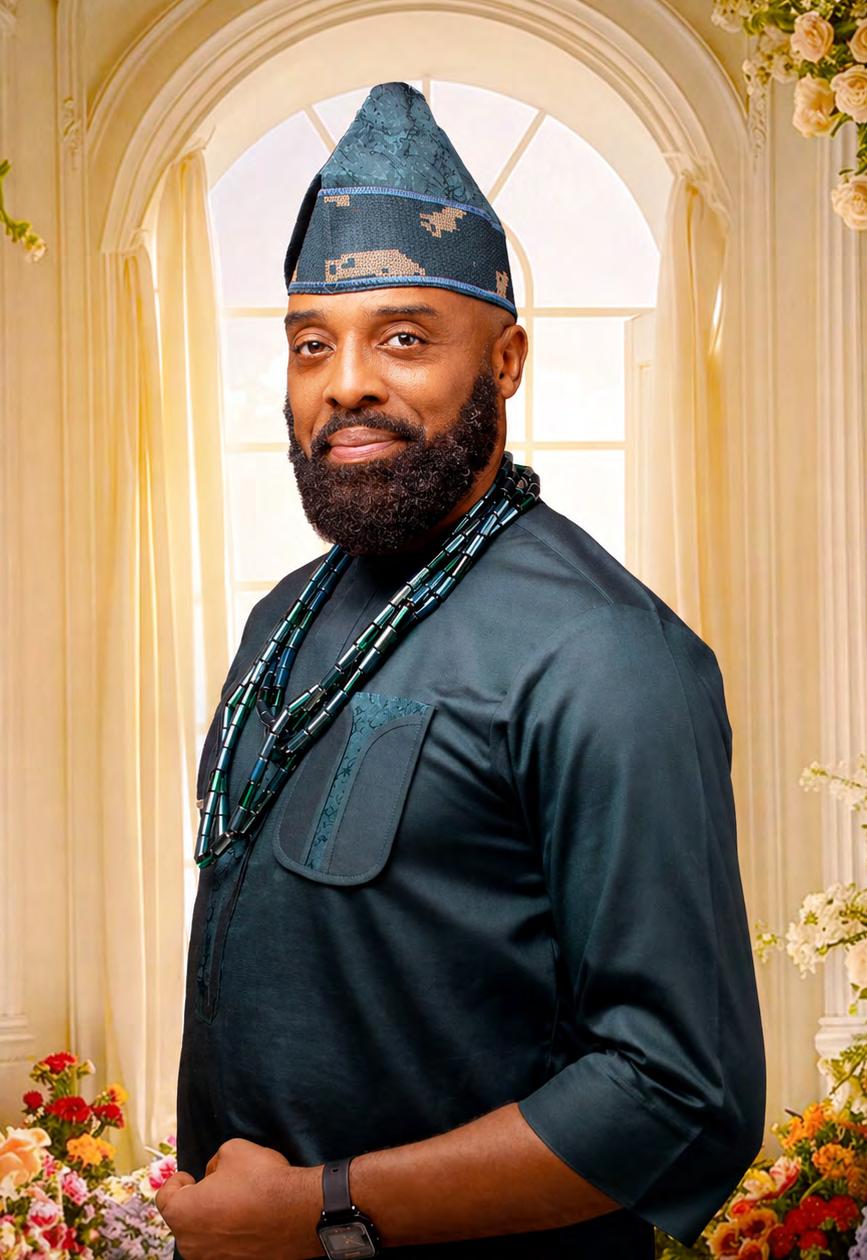
Credits: Cover and page 8 images from Kalu Ikeagwu's instagram page
When you think of the Nigerian film industry’s most consistent and compelling performers, Kalu Ikeagwu easily comes to mind. With a career spanning nearly two decades, Kalu has carved a niche for himself as one of Nollywood’s most respected actors, balancing intensity with charm, intellect with vulnerability, and professionalism with undeniable charisma. From his early days on Domino to unforgettable roles in For Real and Damage, Kalu has mastered the art of embodying layered characters that resonate deeply with audiences across generations. Yet, beyond the screen, there’s more to Kalu than meets the eye. He’s an articulate thinker, an artist who approaches storytelling with purpose and depth. His performances are not just about entertainment; they reflect his commitment to using cinema as a mirror for society, a tool for sparking dialogue and understanding human behaviour. It doesn’t matter the role he’s portraying; there’s always that authenticity that defines his work.
In this exclusive interview with THEWILL DOWNTOWN’s Johnson Chukwueke, Kalu opens up about his evolution in Nollywood, his approach to the craft, and how he navigates the balance between fame and personal growth. He also reflects on the changing landscape of Nigerian cinema, the rise of streaming platforms, and the responsibility that comes with influence in an ever-evolving industry. What emerges is a portrait of a man deeply committed to his art, yet refreshingly grounded, a storyteller in every sense, whose journey continues to inspire the next generation of creatives.
You’ve had such an interesting journey in Nollywood — what would you say your actual breakout project was?
I have done some earlier projects with Emem Isong, like For Real, and Darkest Nights with RMD and Segun Arinze. But I will say the real breakout I had was with MNet’s Doctor’s Quarters and Dominos. Dominos used to show every Sunday. They were popular at that time they aired, and those were my breakout projects.
How do you choose your roles? What makes you say “yes” to a script?
You know, I used to take roles for granted as long as it’s a good story, but an incident occurred a certain time with my mother because I used to shield them from what I did, even though they knew what I did, and I am the only artistic person in my family. So one day my mother came visiting, she saw the fans who came to take pictures, and had me sign autographs. She asked me to bring one of my works to have the family watch, and I tried my best to make sure I picked a very decent one for the family. However, I completely forgot about a particular kissing scene that the movie had, and as it drew closer while watching it, I became very nervous. You see, I come from a very strict family. Now the scene came, my brothers were laughing and teasing me, telling my mother to look at what her son was doing, and you know, moments like that. They laughed it all off; however, it did make me come to the decision that I won’t star in a movie that my
mother can not watch. So yeah, my upbringing guides me a lot in the roles I choose to play.
Ms. Kanyin has been getting attention for its storytelling and performances — what drew you to your role in the film?
The main thing that made Nollywood such a huge success is that a lot of black people identified with it; they could relate to the stories we told, and it was very original. At some point, when our success became very famous, some movie people started adopting Western themes. There are some directors who would pick up Hollywood themes, copy their stories, and then infuse them with ours, and this led to the stories losing their essence of what we are known for. When I read the script for Ms Kanyin, it resonated so well with me, especially having an elder sister who went to boarding school. Every girl who went to boarding school in the 70s, 80s, and 90s will be conversant with the story of Ms Kanyin; it was like an urban legend. So I read it, it was a good horror story which I could relate to, and it brings back the culture as well because it is something we are familiar with and we have gone through, and most importantly, it was African and authentic, that’s what drew me to it.
"When I read the script for Ms Kanyin, it resonated so well with me, especially having an elder sister who went to boarding school."
responsibilities. So I was very conversant with how the whole thing goes, especially knowing that I was flogged a lot of times by my own principals, so it resonated very well with me. Also, the school we shot in, I have forgotten the name, but it was in Offa. It reminded me of my own secondary school, like Government College, Umuahia, and Federal Government College, Enugu, which were elite schools with lots of traditions, and trees too. So those memories and experiences helped me embody my character and have this genuine love for my students, even though they were also actors. I just saw them as my students, so yeah, it was easy for me to transition into the role.
Beyond the glitz of the screen, what are some challenges actors in Nigeria still face that people might not realise?
"So those memories and experiences helped me embody my character and have this genuine love for my students, even though they were also actors."
You know, people are unaware of the amount of work it takes to be an actor. It is a lot of work, you have to be highly educated, and also educate yourself. You know, when they say jack of all trades, master of none, yeah, an actor has to be a master of all. You must know a bit of mathematics, engineering, medicine, and even a bit of a tout as well. So people are not aware of how much work goes into acting. It is also one of the most boring things you can get into because it is so technical. You have to be very creative, while at the same time repeating your lines up to 10 times. But that’s just how it is; we can’t complain because, truthfully, there’s no work that is easy. Having said that, we also don’t earn as much as people think we do, and it’s very stressful.
How did you prepare to embody your character in Ms. Kanyin? Were there any personal experiences or emotions you tapped into?
"I like travelling a lot, I like taking long drives, and I also like reading. I love research, and I do a lot of research as I am someone who also loves knowledge."
Preparation for the role was very simple, actually, you know, in the olden days, principals or headmasters of secondary schools took their positions very seriously. They were both the fathers and mothers of the students, as well as disciplinarians. We, as students back then, thought they hated us, and they were just being mean to us, but in hindsight, it was actually love, maybe tough love, but those were their
You have worked with both veterans and emerging filmmakers. How do you view this new wave of Nollywood talents?
You know, the veteran filmmakers traditionally grew up under the theatre, a lot of them are theatre-based, hence the reason they are highly professional and highly disciplined, and that’s what helped veterans a lot since they are majorly based on stage performance. The new crops are not so much theatre-based; however, a lot of them understand film and camera. Now, the camera is very different from the stage. The stage is more performative; you have to perform more, whereas film is a lot more subtle. You have to be deliberate about your actions because the camera sees into your soul; you can’t lie to the camera, you can’t fake it. The younger ones are more conversant and more versatile when it comes to acting for film; they understand that better. However, there are some who take it a lot higher and learn the discipline of the veterans because discipline matters a lot, discipline and consistency. So when they merge that with their understanding, and the business of film, they excel, and this is shown a lot of times. The new ones who have mastered the art of film and performance go a long way.
Nollywood is growing fast in terms of storytelling and global reach. What do you think still needs to improve for it to truly compete on the world stage?
I would say some challenges are the business aspects of the industry, distribution, and lack of support by the government. In most countries, the acting industry is heavily subsidised in terms of the government providing a lot of things like access to the airports, national places, which are very important in advertising the country, and bringing in investment. So when such things are limited or not accessed by producers, the standards of the production fall, which in turn affects the whole industry. So those are some things, and insurance as well, like work, and accident insurance, are some challenges that we need to improve on. Also, if you look at the other industries globally, they are carving a name for themselves with the stories they put out, like the Koreans, Chinese, and even Hollywood; you have to give them kudos for being relevant for over 100 years of their works. So what I am saying is this, Nigeria has to keep exploring more markets like the Carribeans, you will be surprised to know that a lot of our experiences, they can relate to it too, some of them are even namng their children Femi, Amaka, and so on, that’s the power we have, and eventually, this outreach brings in investment, tourism and all sorts of things into the country. We have great stories, and exporting them is very important.
When you’re not filming, what does a typical “ off day” look like?
I like travelling a lot, I like taking long drives, and I also like reading. I love research, and I do a lot of research as I am someone who also loves knowledge. I think acting and literature opened me up to expanding my horizons. There are a few hobbies that I like to indulge in, but don’t really have time to take on, like writing, farming, and other little projects that I do. Those are things I like to do on my off days.
Love and relationships often fascinate fans — how do you balance romance (or the idea of it) with a demanding career?
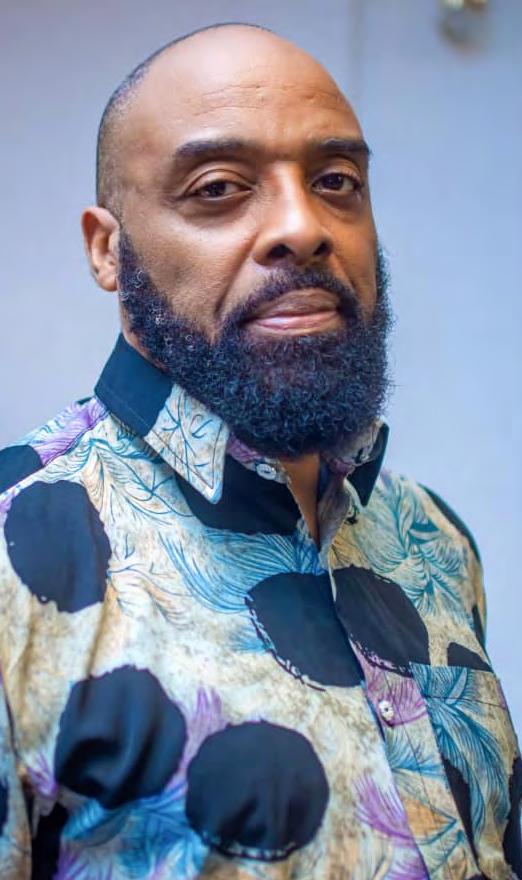

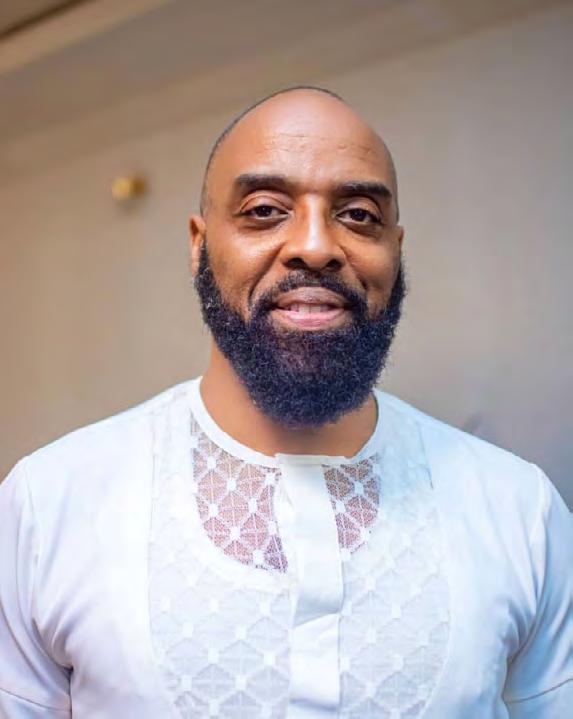
My career is one thing; I love my career, but you also have to make a choice on who to give more to. However, your career is your career; you have to feed it, and it shouldn’t interfere with your love life. There has to be a balance because both are very important. I have to make my significant other understand what my career is, and know that she has her own time in my life, and also appreciate her time in my life, and not to be intimidated as well, because there are times during movies where there are intimate moments, and these moments can look very real. So I have two parts of myself, one part of my soul and body is for my career, it doesn’t interfere with my life, there’s always a line drawn between them. I have my actor’s emotional side, which only comes up when I am on set, when the cameras are rolling. The minute I leave that set and the camera stops rolling, that part is dead, the other side of me comes in play. They are like oil and water; they never mix. That’s the best way to explain it.
Family is such an anchor for many. How has your family influenced your journey in the entertainment industry?
I thank God for the strict upbringing I had; it was very strong. My family is a very conservative one, and in the industry, you find people from all cadres of life; some are free, some are introverted, and then the extroverts as well. Sometimes you find people who party heavily, just different types of people. So that’s where family comes in; my upbringing never leaves me. There are times I have to say no, my values are more important, especially knowing I grew up in a Godly family, and that factor comes into play. Everything is based on family and Godly values. We aren’t saints, we stray a little, but we always make sure to come back, and that’s the beauty and importance of family. Family really shaped my life.
Looking ahead, what can we expect next from you — any exciting projects or new directions you’re exploring?
Yeah, I haven’t done stage plays in a while, so I have been asking around and should be doing at least 2, soon. It’s kind of a tragic kind of movie; it’s going to be draining for me emotionally, not one of the things I am fond of, but yeah. Then there are some projects of my own I will be taking up this year, 2026.


BY DORCAS AKINTOYE
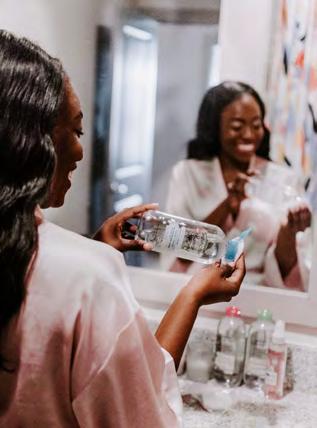
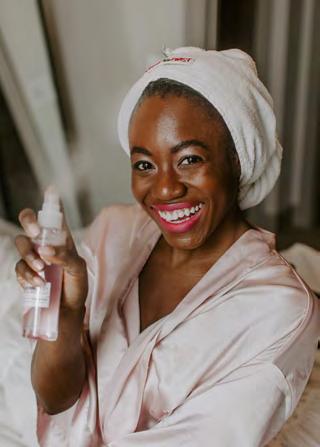
If you are trying to take better care of your skin without stress, micellar water is a good place to start. It is simple, gentle, and easy to use. Micellar water is made with tiny cleansing particles called micelles. These micelles act like small magnets. They pull dirt, oil, sweat, and makeup away from your skin without being harsh. That is why many people love it, especially if you have sensitive skin or you don’t like strong products. Here are five proper ways to use micellar water so your skin can truly enjoy it.

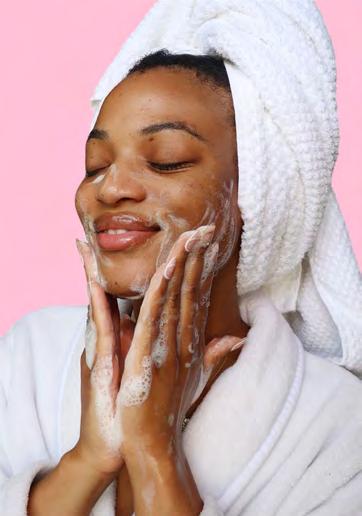
Micellar water should be the first thing you use on your face, especially after a long day. Pour it on a cotton pad and gently wipe your face. This removes sweat, oil, dust, and makeup that sit on your skin. But don’t stop there. After using it, wash your face with a mild cleanser. Micellar water cleans the surface, but it may not fully clean inside your pores. If you skip washing your face after, dirt can still remain and cause pimples or dull skin.

Don’t rush the process. When you place the cotton pad on your face, hold it there for a few seconds before wiping. For example, if you are removing makeup, press the pad gently on your skin and wait about 10–15 seconds. Then wipe softly. Letting it sit helps break down dirt and makeup.
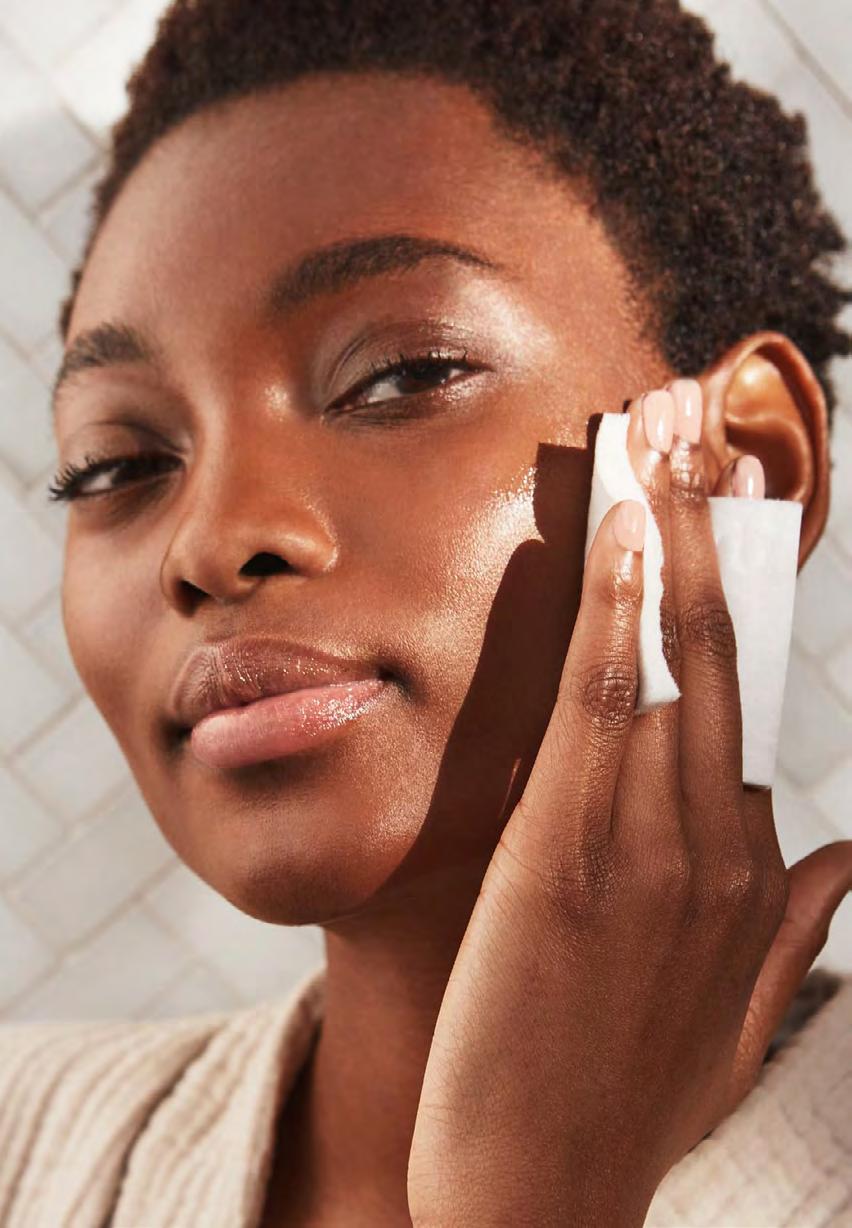
DO

USE ENOUGH COTTON PADS UNTIL YOUR SKIN IS CLEAN
One cotton pad is often not enough, especially if your face is very dirty or you are wearing makeup. After wiping once, check the pad. If it looks dirty, use another one. Keep going until the cotton pad comes out clean. If you keep using one dirty pad, you are just moving dirt around your face instead of removing it.
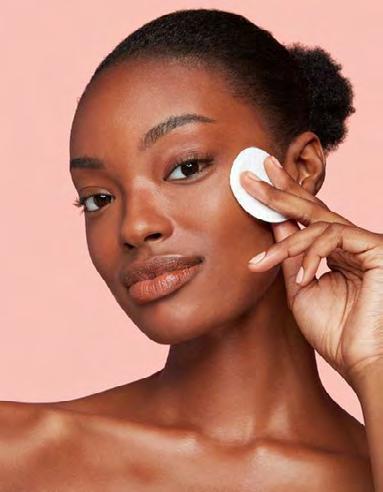

NOT SCRUB YOUR FACE
Micellar water is not meant for scrubbing. You don’t need to apply pressure. Always wipe gently. Let the product do the work for you. Scrubbing your face can cause irritation, small cuts, or redness. Over time, it can damage your skin and make it more sensitive.

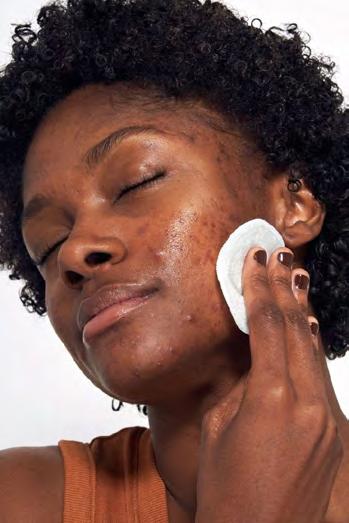
Some micellar waters say you don’t need to rinse your face after using them. But this depends on your skin. If your skin is sensitive, oily, or acne-prone, it is better to rinse your face or use a gentle face wash after. Sometimes, leaving micellar water on your skin can cause slight irritation or breakouts. It is always safer to pay attention to what your skin likes.
Micellar water is easy to use, but using it correctly makes a big difference. It is not just about cleaning your face; it is about doing it gently and correctly.

For many people, the biggest excuse for not staying active is simple: “I don’t have time.” Between work, responsibilities, and trying to have a life outside it all, fitness often feels like something that requires extra hours you just don’t have. But the truth is, staying active doesn’t always mean long gym sessions. Fitness is about movement, and movement can happen in ways that fit naturally into your day. The goal is not to create more pressure, but to find smarter, more flexible ways to stay active without disrupting your routine. When approached the right way, fitness becomes something you do with your life, not something you have to pause your life for.
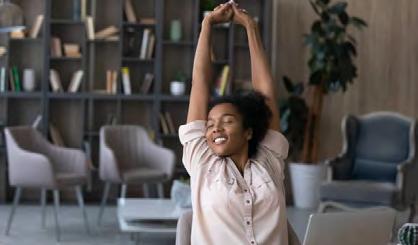
One of the biggest mindset shifts is understanding that exercise doesn’t have to look a certain way. It doesn’t always mean gym wear, heavy workouts, or fixed schedules. Walking, taking the stairs, stretching between tasks, or even doing quick body movements at home all count. When you stop limiting fitness to “formal workouts,” it becomes easier to stay consistent without feeling like you’re forcing it into your day.

You may not have one full hour, but you likely have small pockets of time throughout your day. Ten minutes in the morning, a few minutes in between tasks, or a short session in the evening can add up. Short bursts of movement, like a quick stretch, light exercises, or even dancing, can be surprisingly effective.

KEEP IT SIMPLE AND FLEXIBLE
Overcomplicating fitness is one of the fastest ways to avoid it. You don’t need a perfect plan, special equipment, or a strict routine to stay active. Simple movements, like squats, stretches, or light cardio, done consistently, are enough to make a difference. Keeping things flexible lets you adjust to your schedule without feeling like you’ve failed when plans change.

Instead of creating a separate fitness schedule, integrate movement into your existing routine. Stretch after waking up, walk while taking calls, or do light exercises before showering. When fitness becomes part of your routine, it feels less like an extra task and more like a natural part of your day.
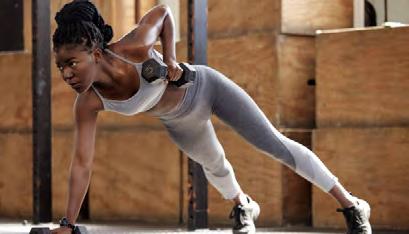
It’s easy to think that if you can’t do a long workout, it’s not worth doing anything at all. But consistency matters far more than duration. A few minutes of movement every day will always have a greater impact than one long workout once in a while. When you focus on showing up regularly, fitness becomes sustainable, and progress feels more natural over time.
Fitting fitness into a busy schedule is not about finding more time; it’s about using the time you already have differently. By rethinking what counts as exercise, using small moments, and keeping things simple, staying active becomes less of a challenge and more of a habit.


Greeting Styles Can Feel Completely Unfamiliar
One of the first things that can surprise you is how people greet each other. In your home country, you may be used to handshakes, hugs, or even just saying “hi” casually. But in another country, the rules can change completely. For example, in places like Japan, greetings are often done with a bow, and there are different levels of respect depending on who you are speaking to. In parts of Europe, it is common to greet with cheek kisses, even in professional or semi-formal settings. In some Western countries, a simple smile or short “hello” is enough, even between strangers.
Personal Space Works Very Differently
Another shock many travellers experience is the concept of personal space. This is about how close people stand when they talk, sit, or move around you. In some cultures, especially in parts of Africa, the Middle East, or South America, standing close during conversations is normal and even shows friendliness or attention. But in places like Northern Europe or some parts of Asia, people prefer more distance and may step back if you get too close.

Time is Not Treated The Same Everywhere
Time is something most travellers underestimate until they experience it firsthand. In some countries, punctuality is very strict. Being even five minutes late to a meeting or appointment is considered disrespectful. People plan their day carefully around exact times, and delays are taken seriously. But in other cultures, time is more flexible. Events may start later than scheduled, and people are not overly stressed about the exact timing. If someone says “I’m coming now,” it might still take a while before they arrive. This difference can be confusing for travellers. You might arrive early and wait a long time, or you might think others are late when they are actually following a normal local pattern. This is often called a “flexible time culture” versus a “fixed time culture.” Neither is right nor wrong. They are just different ways people organise life.
BY DORCAS AKINTOYE
Travelling to another country can feel exciting at first. You imagine new food, beautiful places, and interesting people. But what most people don’t talk about is how quickly small daily things can feel unfamiliar. Here are five culture shocks to expect when you visit another country.

Food is one of the strongest parts of culture, and it often causes the biggest shock for travellers. When you arrive in another country, you may find that meal times are completely different. In Spain, dinner can be served very late at night, whereas in other countries, people eat dinner early in the evening. Breakfast habits can also vary widely, from light pastries and coffee to heavy meals like rice, beans, or soup.
Culture shock is not something to fear. It is something to expect. It simply means you are stepping into a world where things are done differently. The more you travel, the more you realise that “normal” is not universal.

ADA OBIAJUNWA
@aaddaahh
Did you send it?” someone said.
She had.
She always had by that point in the day.
“Yes,” she said. But not immediately.
The answer was there. It always was. Already there before the question finished.
This time, it came the same way. She just didn’t take it.
Not straight away.
There was a small space where the answer should have been. Barely a pause. Not long enough for anyone to notice. Long enough that she felt it.
It didn’t stretch anything. It was just there. Then it wasn’t.
And then she said it.
“Yes.”
The same word. Almost the same.
It landed cleanly. The conversation moved on.
No one looked up. No one waited. No one asked her to repeat herself. Nothing in the room shifted. But something had.
done and were done.
She moved through them the same way she always did. Nothing broke. Nothing stalled. Nothing needed explaining.
From the outside, everything looked the same.
“Just checking this is done,” someone wrote.

She said yes.
Six months ago, she would have answered before the question was finished. Conversations didn’t hang. They moved through her and out the other side, finished.
She answered in full sentences, even when one word would have done. Added something small at the end without thinking. Closed gaps before they could be felt.
If someone hesitated, she didn’t. If something wasn’t clear, she fixed it. People didn’t have to repeat themselves around her. They didn’t have to check if she understood. They didn’t have to fill the space after a question.
If something needed saying, she had already said it. The answer was usually there before anyone had to ask for it.
It wasn’t something she thought about. It was just… normal.
There was a way things moved when she was in them. Questions came, and she met them.
Quickly. Completely. Nothing lingered long enough to take shape.
Now, the timing was off.
Not wrong. Just… not exact.
The answer still came. It still fit. But it didn’t come the way it always had.
She heard it as she said it.
Not the word itself. The way she got there. The space just before. That she had been in it.
The day carried on. There were other questions. Other answers. Things that needed to be
A message came in. She replied. Something needed confirming. She confirmed it.
“Can you send that through?” She said yes again.
The rhythm of the day stayed the same. No one noticed anything different. Nothing needed explaining. Nothing asked her to adjust.
There was no pause the next time. Or if there was, it passed too quickly to notice. The moment didn’t repeat itself in any clear way.
Nothing else stayed. But that one did.
Not because it mattered. Because it didn’t.
Because nothing in it asked to be held. Nothing in it needed attention.
It was the kind of moment that usually disappears as soon as it’s over. The kind you don’t go back to because there’s no reason to.
And still, she couldn’t quite leave it where it had happened.
It stayed with her, lightly. Not even as a full thought. Not something she could explain.
Just something she had been in. The space before the answer. That she had been in it. That she had noticed.
And maybe that is the Luxury Silk.
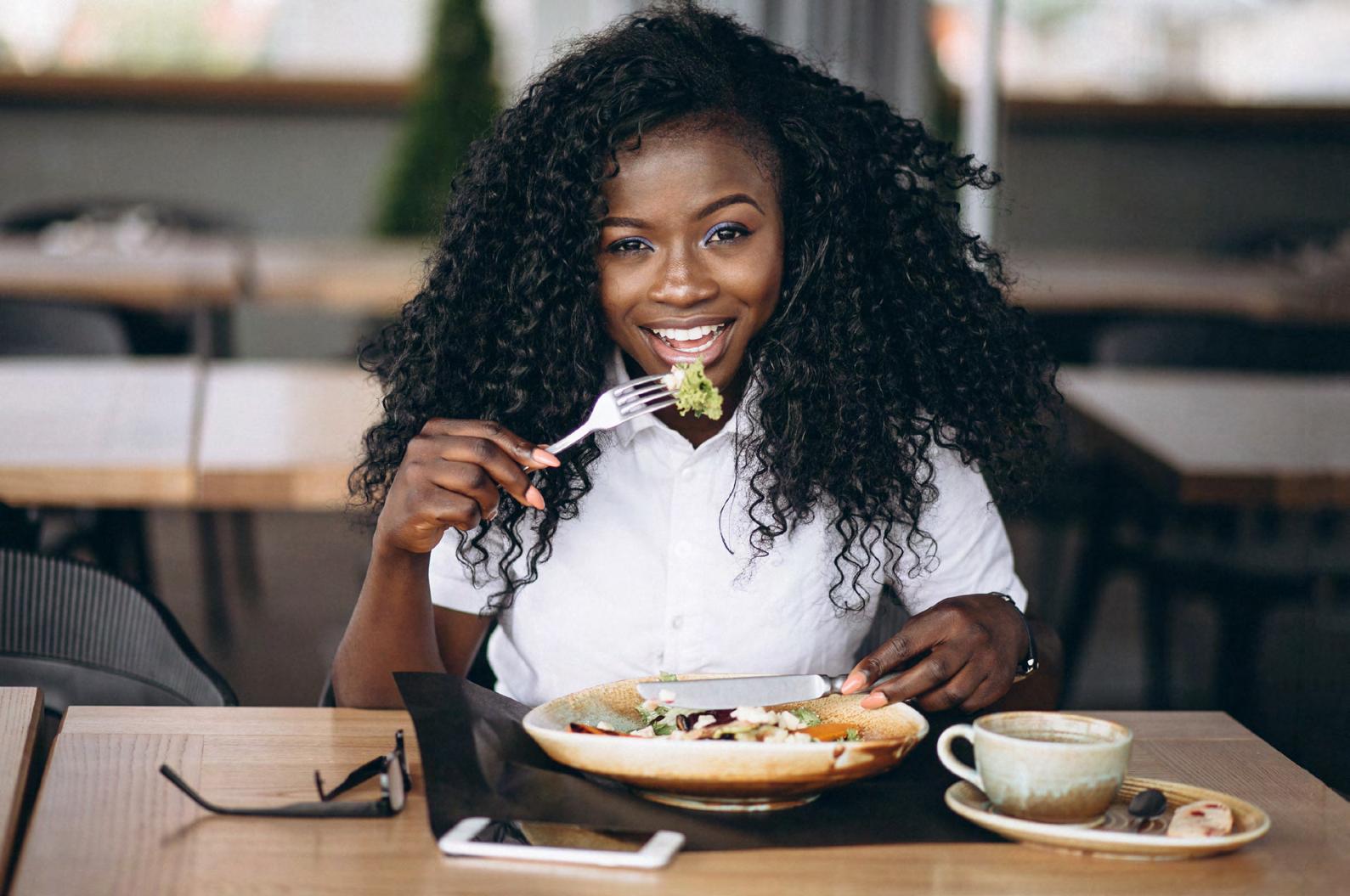
Skipping meals might feel like a shortcut, especially breakfast on busy days, but it often backfires. You end up overly hungry, reaching for anything quick, and eating more than you planned. Instead of skipping, focus on improving your meals. Even something simple, like adding fruits, vegetables, or protein to what you’re already eating, can make a difference. It’s not about changing everything, just improving what’s already there.

Life moves fast, and sometimes meals feel like just another task to get through. But eating too quickly makes it harder to actually enjoy your food or even notice when you’re full. Slowing down, even slightly, helps you feel more satisfied. It turns eating into a moment rather than a rush, and that small shift can change how you experience your meals.

Cutting out everything you enjoy rarely works in the long term. The smarter approach is balance. You can have your favourite foods, just not all the time or all at once. Adding healthier options alongside what you already love makes eating feel less like a sacrifice. It’s easier to maintain and far more realistic for everyday life.
Water is one of the simplest ways to feel better, yet it’s often overlooked. You don’t need a strict plan; just drink more water throughout your day. Keep it within reach, take small sips regularly, and you’ll naturally stay hydrated. It’s a small habit with noticeable effects on your energy and overall well-being.
BY JOHNSON CHUKWUEKE
Eating well often sounds like a serious commitment, strict diets, complicated meal plans, and a long list of things you “shouldn’t” eat. But it doesn’t have to feel that way. Good eating habits can be simple, flexible, and even enjoyable without turning every meal into a calculation. The goal isn’t perfection, it’s balance. It’s about making small, smarter choices that help you feel better without taking the joy out of food. Because at the end of the day, food is not just fuel; it’s also comfort, culture, and experience.
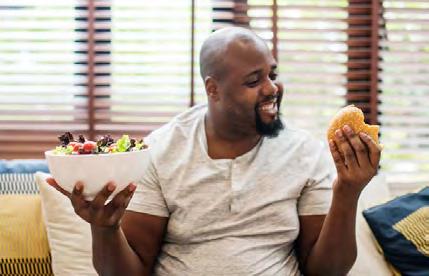
One of the easiest ways to eat smarter is to simply notice how your body responds to what you eat. Some meals leave you energised, while others make you feel heavy or tired. Paying attention to this helps you make better choices naturally. You start to choose foods not just because they’re available, but because you know how they make you feel.
Eating smart doesn’t have to be complicated or restrictive. It’s about making simple, thoughtful choices that fit into your everyday life. When you focus on balance, slow down a little, and pay attention to your body, food becomes something you enjoy while still taking care of yourself. And over time, those small habits add up, helping you feel better, one meal at a time.


Let’s clear something up: just because you’re online doesn’t mean you’re free. Being “active” doesn’t mean you’re ready to reply to messages, engage in conversations, or explain why you’re not in the mood. Sometimes you’re just there… scrolling, chilling, existing. And that’s okay. You don’t owe anyone instant replies. Not everything needs a “seen at 2:45pm” response.

IT’S NOT THAT DEEP)
Ever notice how once you open one app, you somehow end up opening five more? That’s not random, it’s design. Everything is built to keep your attention. But here’s the thing: you don’t have to fall for it every time. Closing an app after a few minutes is a small win. Not clicking on every notification? Also a win. You’re allowed to use your phone without letting it use you.

There’s this subtle pressure to keep updating your life, new post, new story, new content. But not every moment needs an audience. Some of the best experiences are the ones you don’t interrupt to get the “perfect shot.” You’re allowed to live fully without having to document everything. No one is keeping score, and if they are, that’s their problem.

There’s something underrated about disappearing a little. Not in a dramatic way, just quietly being less online. No constant notifications, no pressure to respond, no endless scrolling. Just doing your thing in peace. It’s calm, it’s refreshing, and honestly… it feels better than you’d expect. You don’t have to announce it either. Just do it.
At this point, being online feels like a fulltime job nobody officially applied for.
Wake up—check your phone. During the day, reply to messages, scroll a bit, maybe post something. At night, one last scroll that somehow turns into an hour.
It’s routine. It’s normal. It’s… a lot.
Somewhere along the way, being online stopped being optional and started feeling like a responsibility. If you don’t post, people assume you’re off. If you don’t reply, it’s “you’re ignoring me.” If you disappear for a bit, you might even feel like you’re missing out on something important. But are you really?

CURATE YOUR FEED LIKE YOUR LIFE DEPENDS ON IT
Your online space affects your mood more than you think. If your feed is full of things that stress you out, guess what, you’ll feel stressed. Unfollow, mute, block if needed. Follow content that makes you laugh, relax, or learn something new. Your feed should feel like a vibe, not pressure.
Being online is part of everyday life, but it doesn’t have to control how you live. You don’t need to be everywhere, respond to everything, or keep up with every trend. Sometimes, the real flex is logging off, minding your business, and enjoying your life without an audience. Because at the end of the day, your best moments don’t need WiFi to be real.
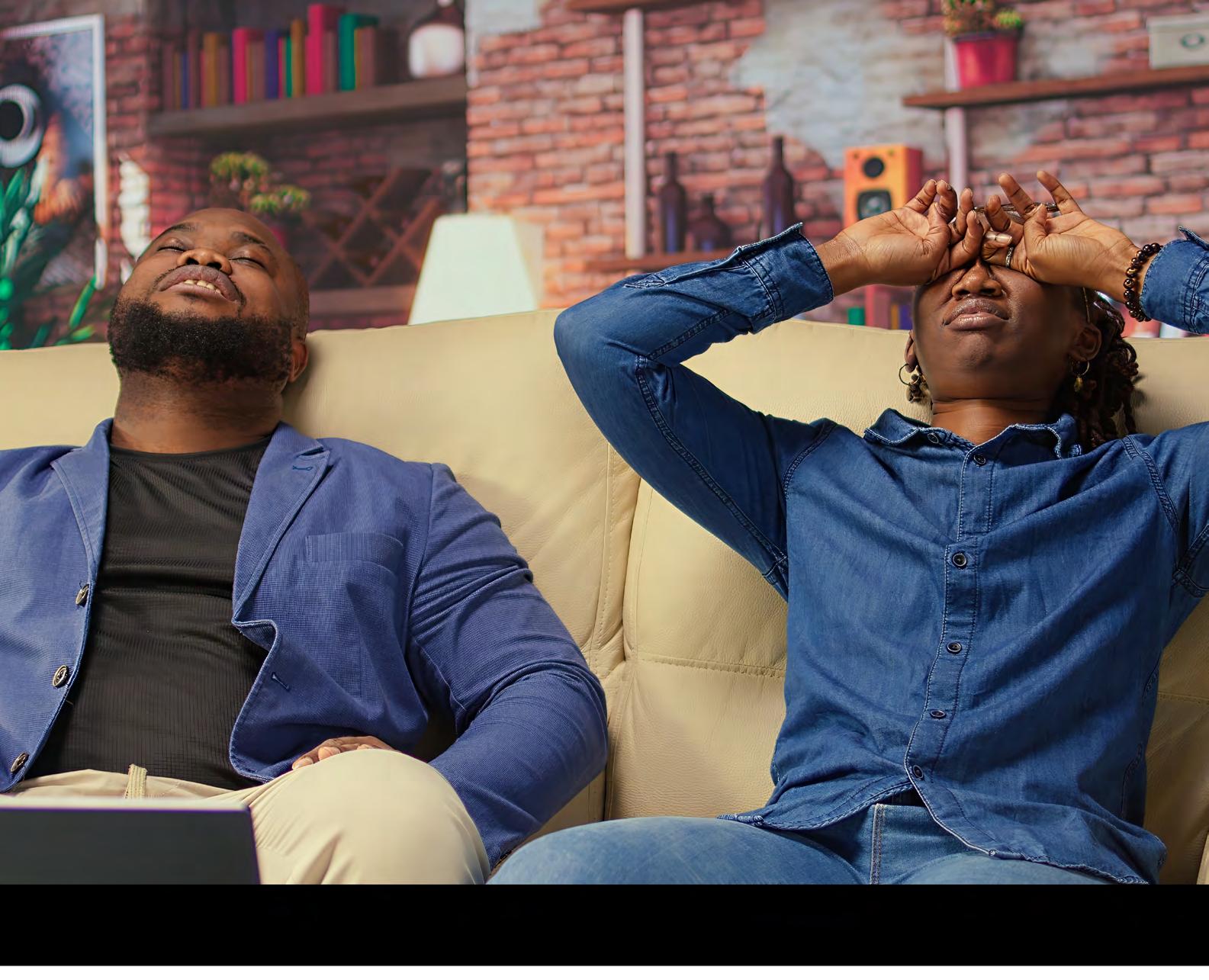
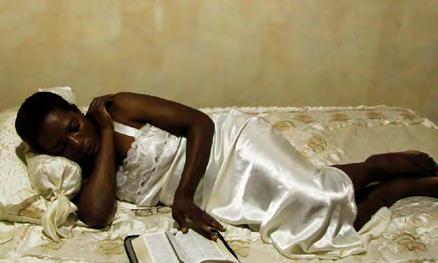
How you begin your day often sets the tone for everything that follows. Instead of rushing into tasks or reaching for your phone immediately, take a few minutes to ease into your morning. This could be as simple as stretching, sitting quietly, or planning your day. That small pause helps you feel more in control and less reactive, giving your day a clearer direction from the start.
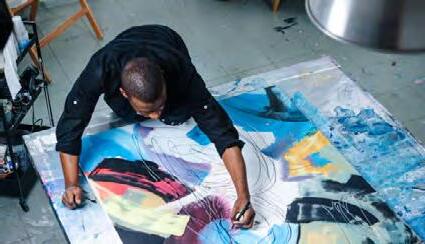
In the middle of responsibilities, it’s easy to forget the things that bring you joy. But making time for yourself is not a luxury; it’s necessary. Whether it’s listening to music, taking a walk, or doing something creative, these moments help you recharge. They remind you that life is not just about doing, but also about experiencing and enjoying.

Life can feel overwhelming when everything is cluttered, both physically and mentally. Simplifying your routine helps reduce that pressure. Focus on what truly matters and let go of unnecessary tasks or habits that drain your energy. Even small adjustments, like organising your space or planning your day ahead, can make things feel lighter and more manageable.

Being busy doesn’t always mean being productive. Paying attention to your energy levels can help you use your time better. Notice when you feel most active and when you need rest. Adjusting your schedule to your natural rhythm lets you get more done without feeling drained.
BY JOHNSON CHUKWUEKE
There’s a common belief that changing your life requires big moves, major decisions, dramatic routines, or an overnight transformation. But in reality, better days are often built on small, consistent actions. The little things you do daily shape how you feel, how you function, and ultimately, how your life unfolds. Improving your lifestyle doesn’t have to feel overwhelming. It’s not about doing everything at once or chasing perfection. It’s about making simple adjustments that fit into your everyday life, changes that are realistic, sustainable, and effective. When done consistently, these small shifts create noticeable results over time.

One of the biggest mistakes people make is trying to do everything perfectly. In reality, consistency matters far more than perfection. Small actions, done regularly, lead to lasting change. Whether it’s drinking more water, moving your body, or sticking to a simple routine, what you do consistently will always outweigh what you do occasionally. Be
Better days don’t come from doing everything at once; they come from doing the right things, little by little. By starting small, staying consistent, and focusing on what truly matters, you create a lifestyle that feels balanced, manageable, and fulfilling. Over time, those small changes add up, turning ordinary days into better ones, naturally and effortlessly.

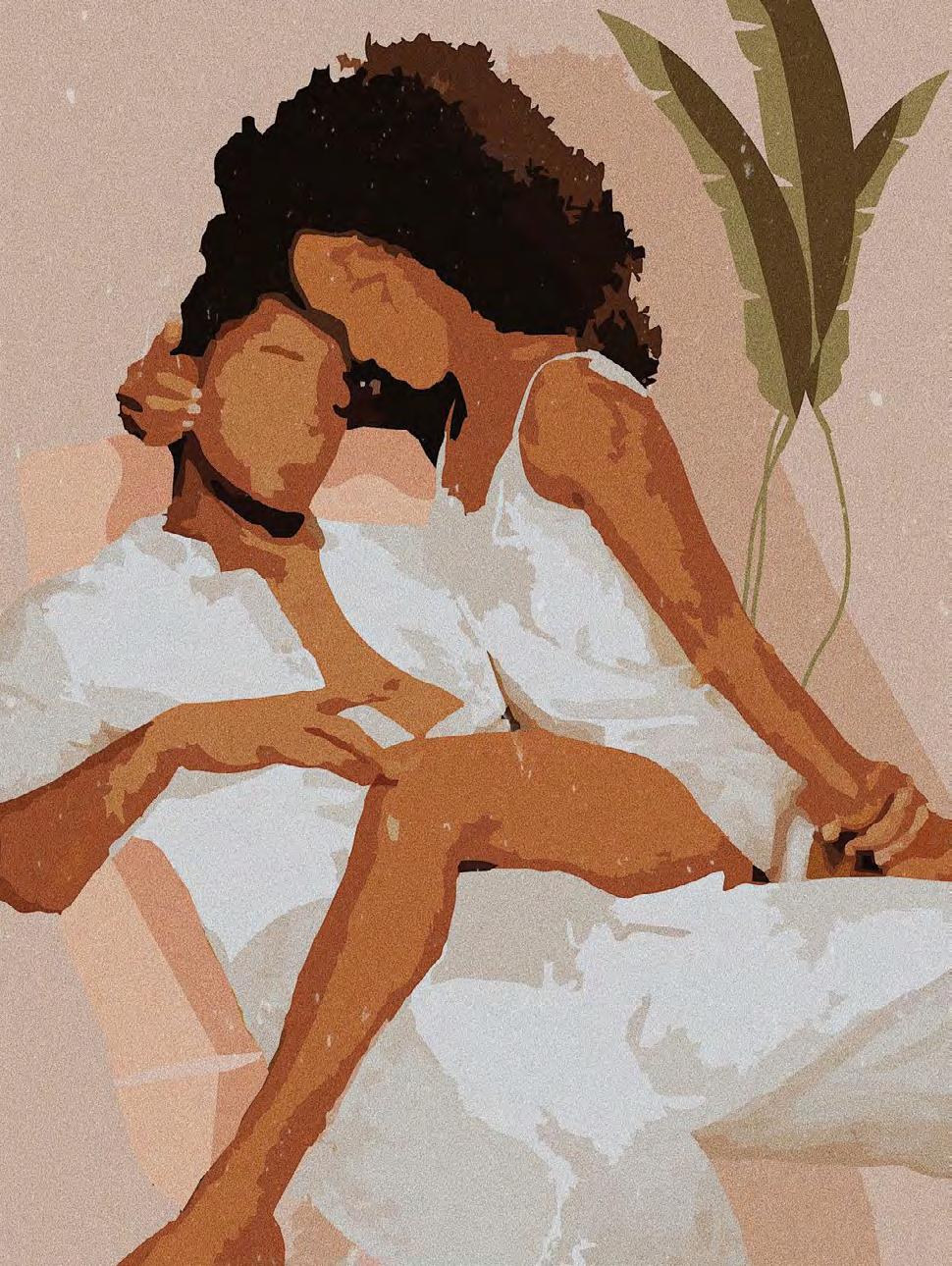
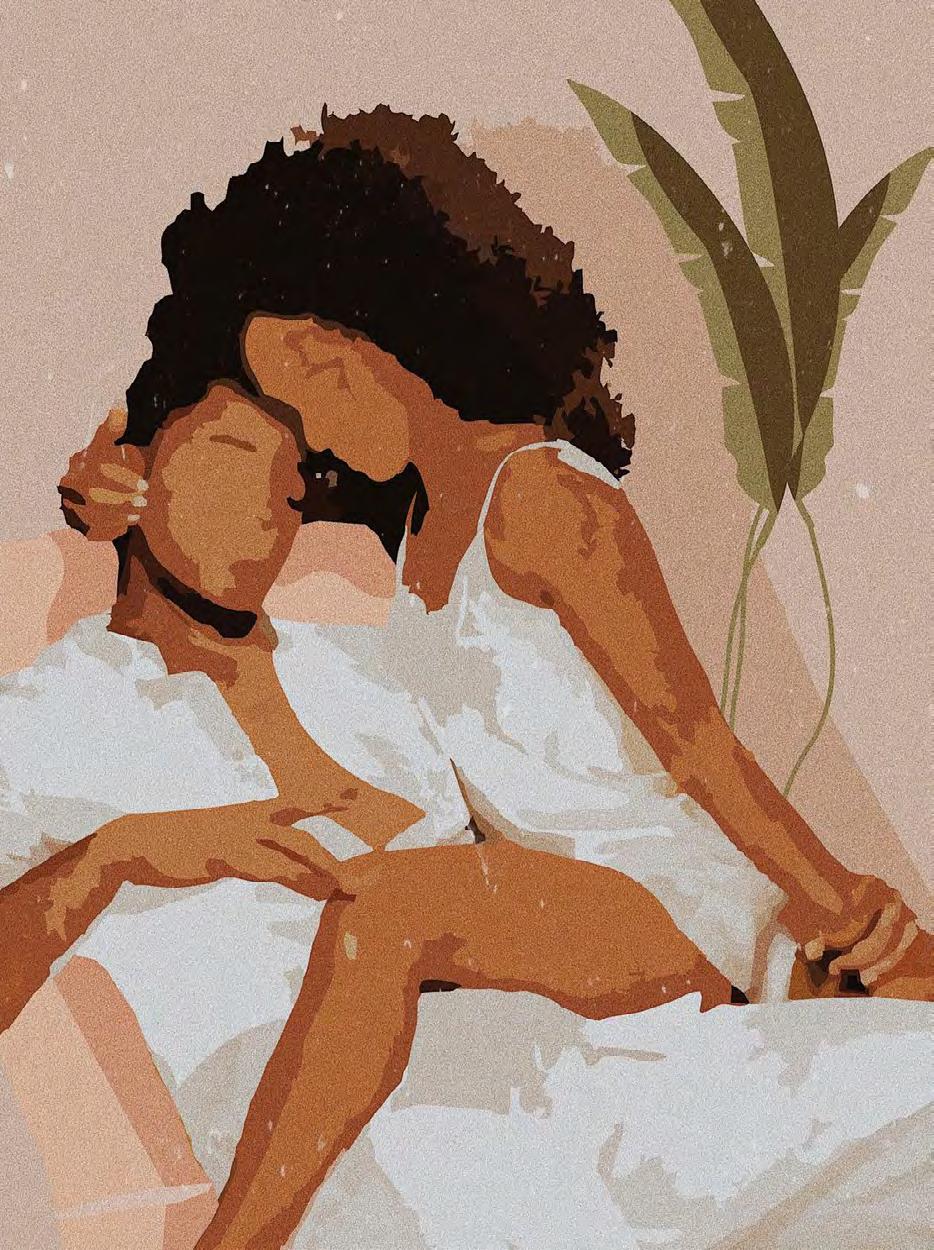
Iwasn’t supposed to be there that night. Even as I stood in front of my mirror, adjusting my dress for the third time, I knew I was already making a bad decision. My best friend had warned me. My conscience had warned me too. But sometimes, loneliness can sound louder than warning signs.
His name was Daniel. He wasn’t a stranger. That would have been
easier. He was someone I knew very well, someone I was never supposed to look at that way. He was older, charming, and completely off-limits. The kind of person you know could ruin things, but somehow, that danger becomes part of the attraction.
My sister’s ex-husband. Well… technically, he still was.
They were never legally divorced, but after she caught us together the first
time, she left. Packed her things, walked out of the house, and never came back. Their marriage had already been struggling, but I was the final wound that broke it open.
To this day, I can still remember the look on her face when she found out.
That should have been the end of it. It should have been enough to make me disappear from his life completely.
But life and weakness are rarely that simple. Months passed. Daniel and I stayed apart for a while, pretending guilt had finally done its job. Until recently, when we started talking. It started harmlessly enough. Just random check-ins and jokes that lasted too long.
The kind of tension that quietly builds until pretending feels pointless.
We were randomly talking that night when he texted, “You should come over”. I knew talking wouldn’t be all we’d do.
But I went anyway.
His place was quiet. My heart was beating so loudly I was sure he could hear it.
We sat close, too close.
I wish I could say I stopped it. I wish I could say I thought about consequences. But in that moment, I didn’t want to be the good girl. I didn’t want rules. I wasn’t thinking about my sister. I just wanted to feel wanted.
So, when he kissed me, I kissed him back. For those few hours, I let myself forget everything else. Who he was. Who I was supposed to be. Why it was wrong.
I just existed in the heat of bad choices and stolen moments. I let it happen once more. This time, it still wasn’t love. It wasn’t even passion in the beautiful sense. It was just a terrible decision wrapped in temporary comfort.
And afterwards, lying there in silence, I realised something painful: sometimes, the worst choices aren’t the ones you make by accident. They’re the ones you knowingly repeat. Because by then, innocence is gone. You can’t blame confusion. You can only face yourself.
I wish I could say that was the last time.
But some toxic connections don’t break easily. Even when they should.
I ruined the bond between my sister and me, not because of one night, but because of repeated betrayal. And that’s the hardest truth to live with.
I didn’t just cross a line once. I kept crossing it.
Sometimes, I wonder if she’ll ever forgive me. Honestly, she probably shouldn’t.
And no matter how badly I wish I could rewrite the story… I’m still the girl who hooked up with someone she was never supposed to want.
BY BOLUWATIFE ADESINA


“This is not a ghost story.”
Soproclaims Mother Mary, the new film from A Ghost Story, Pete’s Dragon, and The Green Knight filmmaker David Lowery. But ghosts do play a part. Ghosts of the past. Ghosts of the present. And, to complete the Dickensian trifecta, ghosts of an unwritten future.
“This is not a love story.”
Another declaration, also accompanied by several caveats. International pop star Mother Mary (Anne Hathaway) and world-renowned British fashion designer Sam Anselm (Michaela Coel) do share a complicated past. For over two decades, they were joined at the hip: The former a musician destined for superstardom; the latter her innovative costume designer who created the singer’s signature darkly angelic persona.
Mary and Sam’s reunion comes at a moment of internalised crisis for both women. The singer is days away from a comeback performance that will likely determine if she is physically and mentally capable of continuing her career. As for the designer, she is putting the finishing touches on her latest collection and is resigned to the belief that her latest haute couture fashions are far from her best, most innovative work.
Thus, appears Mary on Sam’s doorstep, pleading for her to design a new dress, practically overnight. That’s the story. This is the tale that Lowery is compelled to explore.
Or is it? What follows on from that simple setup is a supernaturally metaphorical tête-à-tête between two complex women with a difficult past, unhurriedly dancing around one another as they try to figure out why fate has brought them back together. Sam needs to know why Mary needs her, and only her, to design this dress. Mary needs Sam to, if not forgive her for leaving all those years prior, to at least understand why she felt it was necessary to do so.
It’s all exactly as Lowery intends it to be, and it’s impossible to say on a single viewing that every facet of this tale works as he likely intends it to. This is the type of creative effort that, like a great pop song, deserves

revisiting. Each layer, every image, each lyric or musical cue, they all lead to multiple readings of what is going on and why. The driving force behind every word Mary and Sam utter is a poem where the meaning shifts depending on the state of mind of each individual member of the audience.
The viewer becomes part of the overall presentation.
Hathaway and Coel are revelatory. Each gives a performance for the ages. They meticulously orbit around one another, at times like serpents closing in on their prey, while at others like mice searching for an escape route to avoid a feline adversary waiting for the perfect opportunity to pounce. Each actor makes a hearty meal of Lowery’s lyrical dialogue. Yet, they also have the wherewithal to become a fully transfixed silent observer when it’s the other’s turn to speak, whatever it is they are compelled to say. Neither, to my mind, has ever been better, Coel in particular.
The concert sequences are like something out of a hallucination. Hathaway owns the stage, the score from composer Daniel Hart) ebbs and flows like the tide crashing against a rocky shore, while the intricate songs written by Charli xcx, Jack Antonoff, and FKA twigs (who also has a small, pivotal role as a character who inadvertently helps lead Mary back to Sam) are marvellous. Director of Photography Andrew Droz Palermo (Thunderbolts*) has his camera slowly slink this way and that with fastidious resolve, his containing an audacious and haunting urgency that frequently stopped my breath cold.
Then there is the Red Dress. To say too much about it would be a spoiler. To also admit it struck an unexpected nerve deep inside of me from its first ominous appearance to its last elegant presentation is equally essential. It drives the painful, almost mournful fury lurking at the heart of Lowery’s narrative. It is the beast that reawakens the passionate, sensually ravenous yearning Mary and Sam still share. This dress is the key to unlocking the central mystery that keeps both women awake at night.
Not a ghost story. Not a love story. Maybe that’s true. Maybe it’s not. What is accurate is to say that Mother Mary is an impressively labyrinthine sojourn into creation, art, music, and interpersonal connection that eschew gender, sexuality, and societal norms to become something else entirely. Something new. Something mythic. Something almost certain to last forever.
Rating:7.7/10
It doesn’t take long to get the gist of Lee Sung Jin’s second season of Netflix’s Beef, which squeezes a number of themes from generational battles to marital issues to class warfare into an eight-episode run that began on April 16, and it’s positively brilliant.

Scan this with your camera or click to access the playlist (Youtube Music)

Scan this with your camera or click to access the

What makes it so? Through the exploration of the assorted inadequacies of two couples – one millennial, the other Gen Z – and their lives of sometimes quiet desperation.
But that’s not all, as the series progresses, an increasing number of layers peel away to reveal the sinister, manipulative nature of humanity – poor, middle class, wealthy – all of it.
It begins with a marital spat between Josh (Oscar Isaac) and his wife, Lindsay (Carey Mulligan). He’s the general manager of a country club, and she’s a housewife who assists him whenever and wherever she can.
Club employees Ashley (Cailee Spaeny) and Austin (Charles Melton), a Gen Z engaged couple, witness that spat and blackmail begins when Ashley, a beverage cart girl at the club who doesn’t have benefits, finds herself needing healthcare.
Josh buys her silence with a promotion to a position to which she’s not even remotely qualified. But blackmail is blackmail.
As for Josh and Lindsay, they’re pretenders. They mingle in the world of the
rich and famous – like Olympic swimmer Michael Phelps – but cannot afford to reside in it. Josh lives in a state of denial, while she is well aware of that fact.
Although those couples are central to the series, Beef goes well



beyond them, and to watch it unfold is a delicious experience with the subterfuge, backstabbing and the detailed look at human frailty and amorality in some cases.
Isaac and Mulligan, to little surprise, anchor it all, and Spaeny and Melton prove to be equally effective. But the beauty in Jin’s creation is that he brings along a host of supporting characters that more than move the proceedings and move the story forward.
Beef offers more than its share of surprises, proves to be razor sharp in its criticism of society, especially the flawed systems that cause harm in America, and is the type of compelling television that is eminently bingeable.