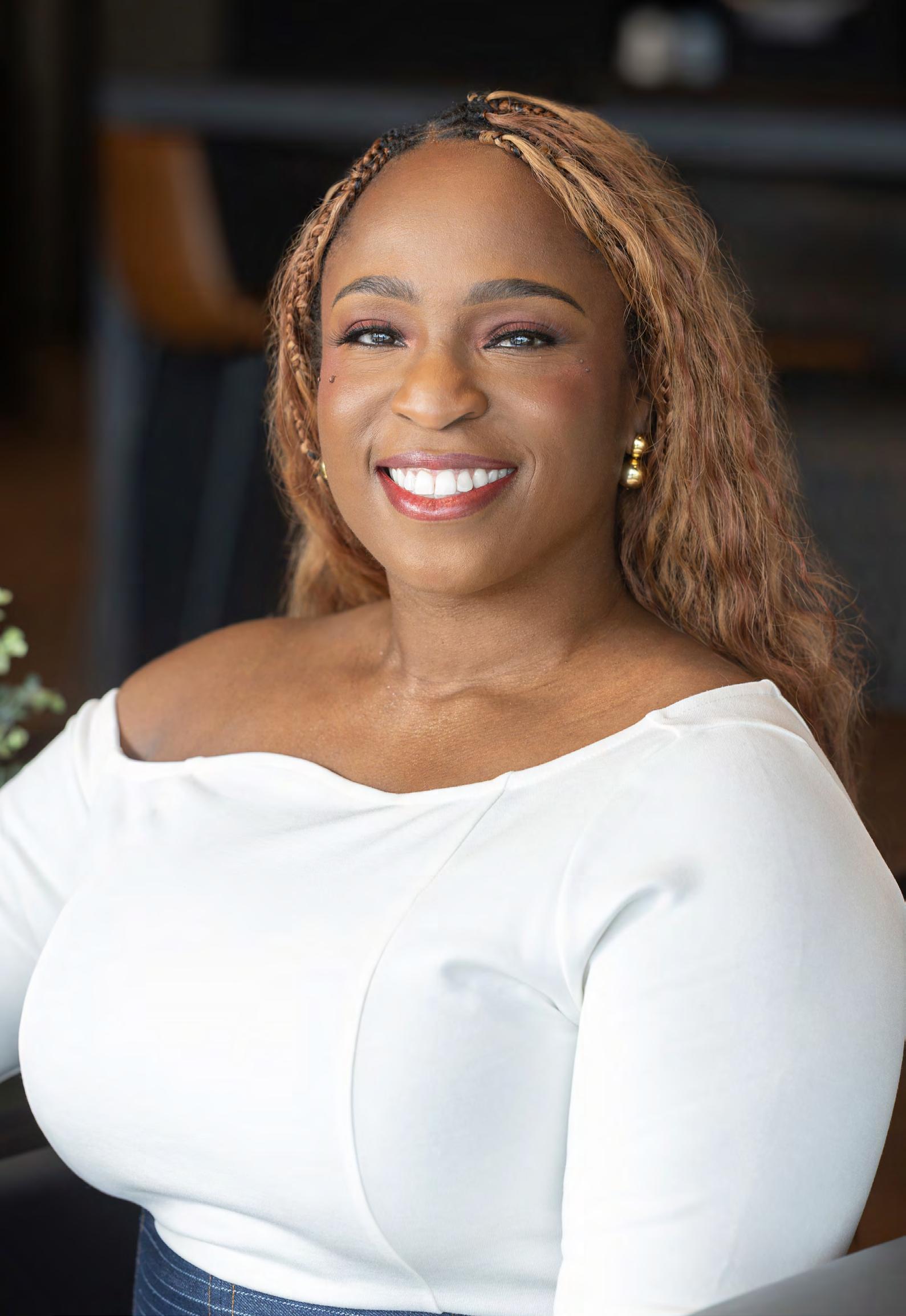
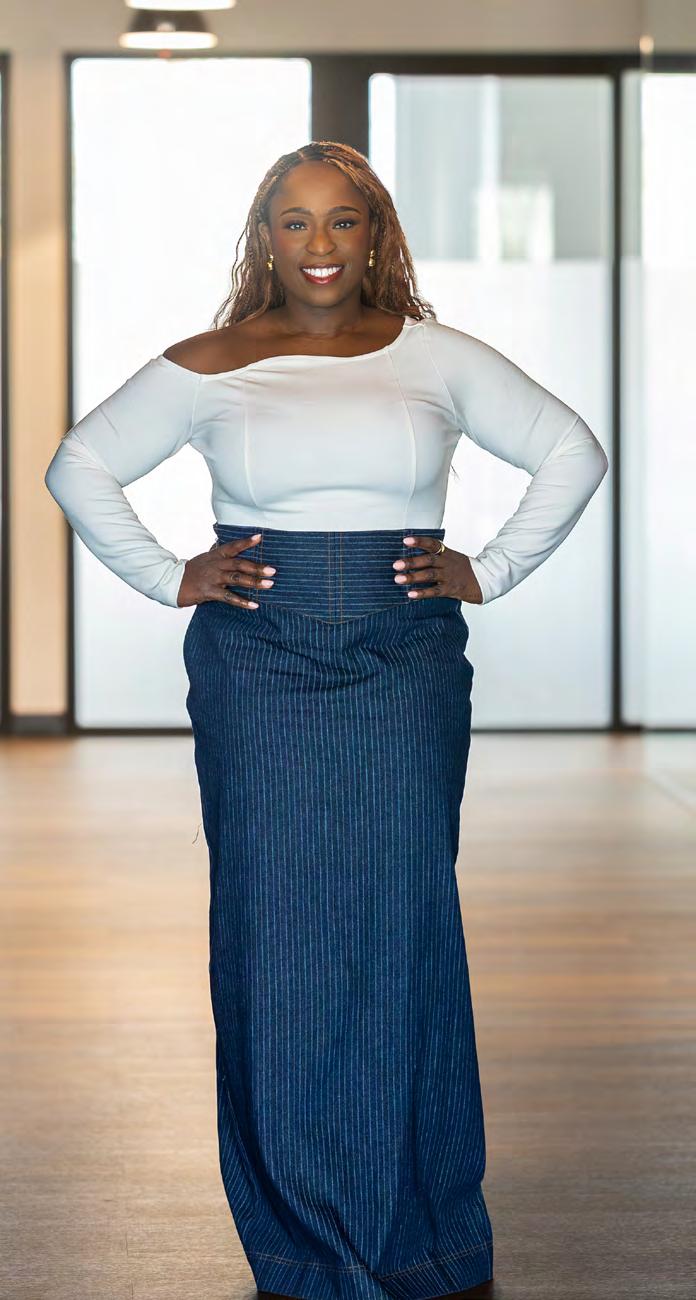
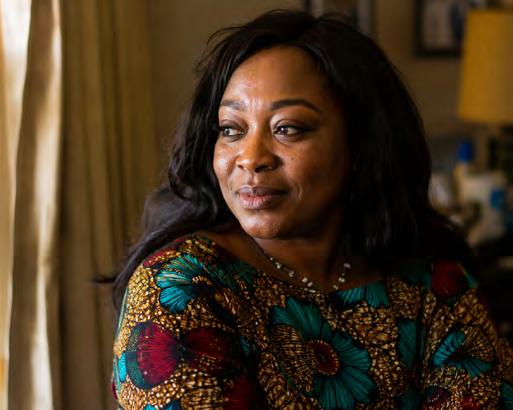
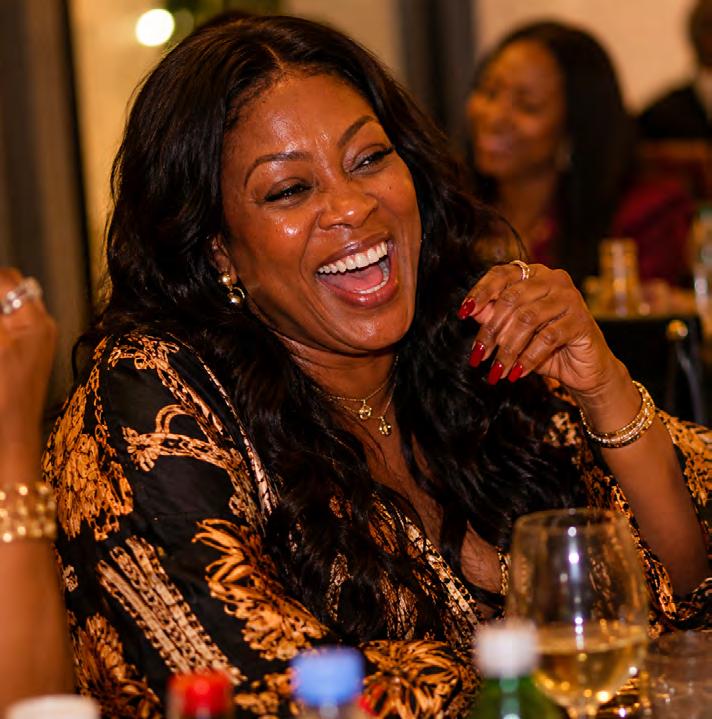
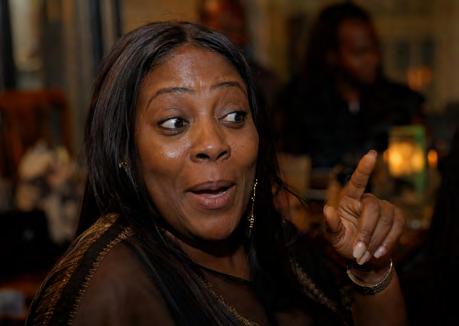
kunna Cook is the Founder and CEO of Next Narrative Africa Fund (NNAF), leading one of the most ambitious storytelling funds in the industry, blending serious capital with creative intent. Before venturing into the creative industry, Cook was a U.S. Foreign Service officer, posted across continents, China, Iraq, and South Africa. You might wonder what defining moment caused the shift from diplomacy to storytelling and media investment.
For Cook, there wasn’t a single defining moment; it was more a slow realisation over time, shaped by several factors. One of them is that she has been in the policymaking world, really focused on the well-being and economic outcomes for people of African descent throughout her entire career, and one of the things that she noticed in the different roles she has had is that the media portrayal of people of African descent was related to the economic outcomes. Because we come to know about people or places through the media, Akunna Cook believes it’s very important that media representation be accurate, whole and complete.
Read Akunna Cook’s story on pages 8 to 10.
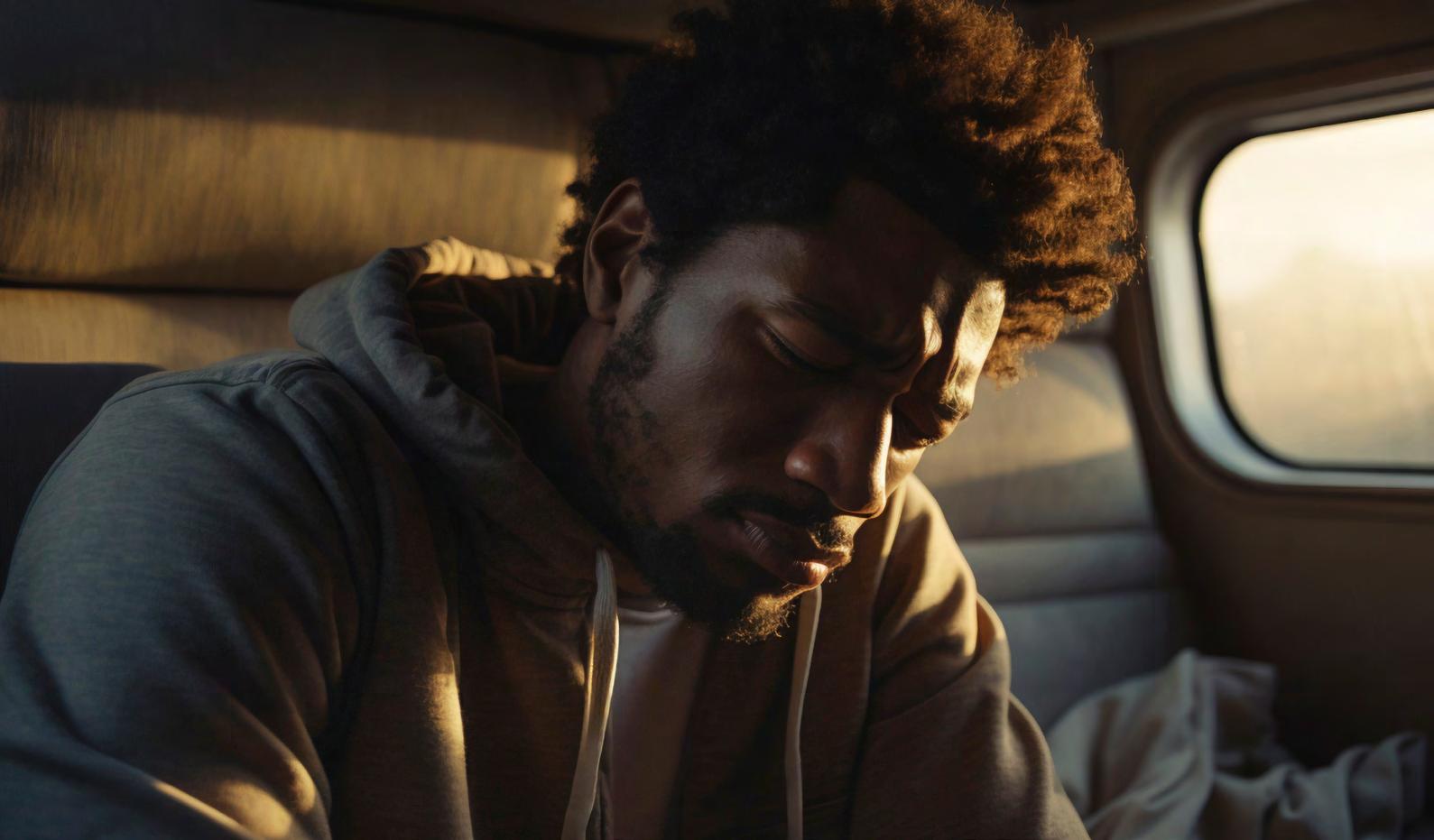
Nowadays, people are constantly tired; mentally, physically and emotionally drained. They wake up exhausted, surviving on little sleep and somehow, being constantly tired has been normalised in this generation. Being always tired isn’t something that should be ignored because it’s your body’s way of passing information. Read our piece on why this generation is constantly tired, on page 14.
This week, our movie review page spotlights Sheep Detectives , and our watch of the week is Apex . Both have great reviews, so I suggest you see them if you haven’t already. As always, we have a banging playlist just for you.
Until next week, enjoy your read.
4 Ways to Wear Blue and Look Effortlessly Stylish
Untold Truths The Next Season Requires Different Luggage
Akunna Cook Betting Big on African Storytelling
Before She Became Easy To Read
Wellness Doesn’t Have to Be Expensive
This Generation Is Constantly Tired What’s Really Going On?
5 Spots in Your Home You’re Forgetting to Declutter Looking Rich vs Living Well There’s a Difference
Workplace Courtesy Simple Habits People Notice
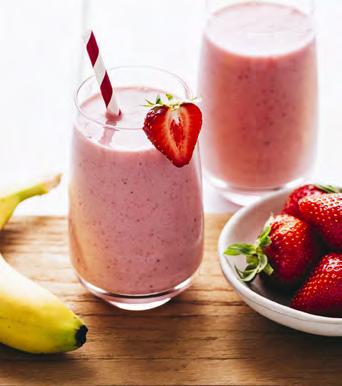
Easy Smoothie Recipes For Busy Mornings
The Sheep Detectives 8-10
5 Ways to Remove Makeup Without Makeup Remover or Wipes
Sally Chiwuzie is a non-practising barrister who owns the brand #Unshakable. She is the author of Silent Symphonies, a fictional love story, and the creator of the podcast Chronicles of #Unshakable Truths.
Steamy Windows
Ada Obiajunwa @aaddaahh - Contributing Writer
Ada Obiajunwa writes from Lagos about the big truths tucked inside ordinary moments — friendship, self-discovery, and the quiet revolutions of everyday life. She believes in the power of presence, good banter, and decoding the unsaid. Through her fragrance studio, WhiffWonders, she also crafts scents that weave memory and emotion into experiences that feel like home.
4 WAYS TO WEAR BLUE AND LOOK EFFORTLESSLY
BY DORCAS AKINTOYE
Blue is one of those colours that never really goes out of style. It is calm, clean, and easy to wear, but it can also be bold depending on how you style it. The good thing about blue is that it works for almost every skin tone and every occasion.You can wear it to work, on casual outings, at events, or even when you just want a relaxed yet neat look. Let us show you ways to wear blue without stress or confusion.
MONOCHROME BLUE OUTFIT
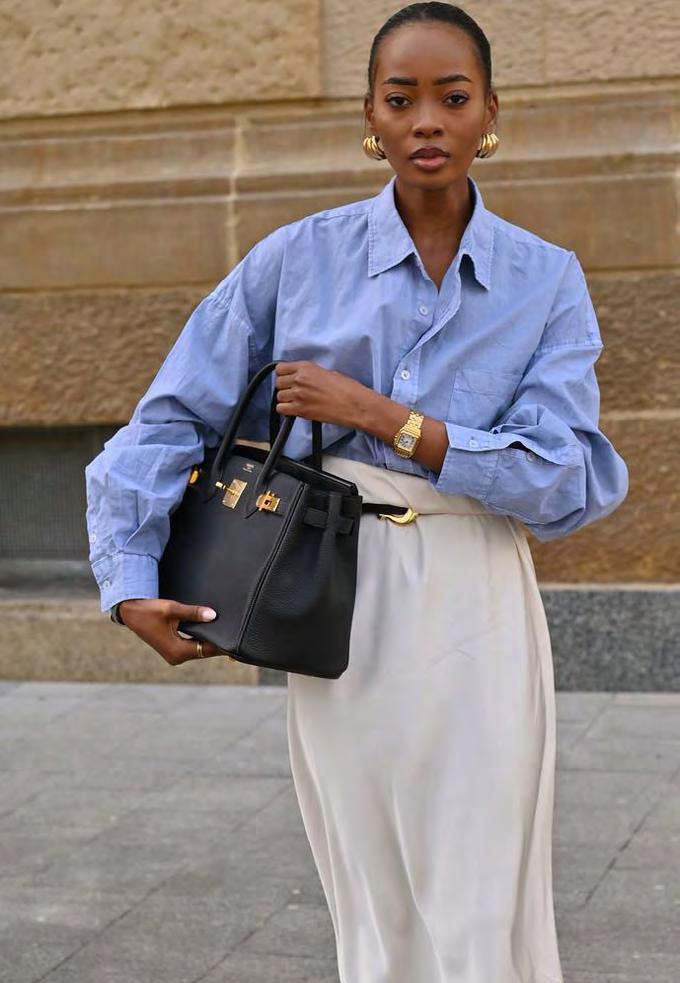
One of the easiest ways to look stylish in blue is to wear it from head to toe.This means choosing different shades of blue in one outfit.When you mix shades of the same colour, your outfit looks more thoughtful and put together. It also gives you a clean and elegant appearance without trying too hard. If you want to make it more interesting, you can add a small contrast like white shoes, a black bag, or silver accessories.This helps break the colour slightly while keeping the focus on blue.
BLUE STATEMENT PIECE
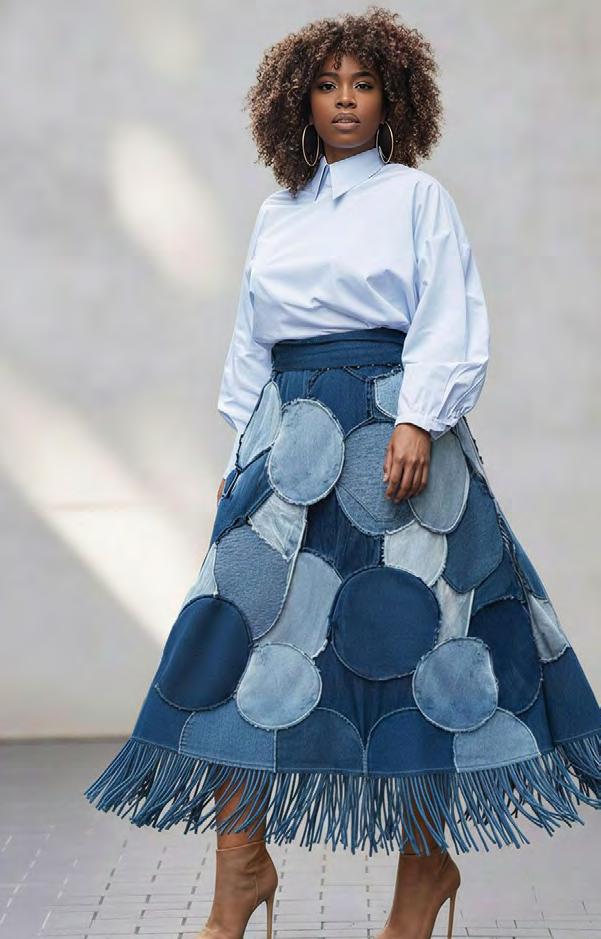
If you do not want to wear too much blue, you can choose one strong blue item and build your outfit around it.This could be a blue blazer, a blue dress, a blue jacket, or even a blue skirt.When you use blue as a statement piece, the rest of your outfit should be simple. Neutral colours like white, black, beige, or grey work best.This helps the blue stand out without competing with other colours.
BLUE JEANS AS A BASE PIECE
Blue jeans are among the most common fashion items, but they can still look very stylish when styled well.The secret is to treat them as a foundation, not just casual wear.You can pair blue jeans with a crisp white shirt for a simple, clean look.You can also wear them with a brightly coloured top, like yellow, pink, or green, for something more playful.
MIXING BLUE WITH NEUTRAL COLOURS
Blue works very well with neutral colours like white, black, beige, and grey.This combination is safe but still very stylish when done properly. This style is good for people who want something simple but still fashionable. It is also perfect for work settings or formal casual events where you do not want to overdo your outfit.
Blue is a very flexible colour that can be styled in many different ways. Whether you go for a full blue outfit, simple jeans, a statement piece, or neutral combinations, the key is balance and confidence. When you understand how to work with blue, it becomes one of the easiest colours to wear and still look effortlessly stylish.
SALLY CHIWUZIE
@unshakable.is.a.state.of.mind
#UNSHAKABLE TRUTHS
The Next Season Requires Different Luggage UNTOLD TRUTHS
Last week, under the rare blue moon, we explored the quiet miracles that arrive once in a while; the kind that arrive as a pause, a nudge, a thought that refuses to leave, or an inner voice asking us to move in a direction we cannot yet explain.
So, how has your week been?
Did anything shift, even quietly? Did you pause long enough to notice something you usually ignore?
Perhaps nothing dramatic happened. No stranger appeared with wisdom, no sign fell from the sky, and no road opened with cinematic clarity. Still, there may have been a moment that asked one simple question: what now?
That is where the real work begins.
It is one thing to notice a nudge. It is another thing to consider what the nudge might require of you. We often romanticise new seasons because we imagine them arriving with fresh air, better opportunities, softer mornings, clearer answers, and doors that finally open without resistance.
We ask what the next season will bring. We do not always ask what it will ask us to release. Every transition comes with a baggage allowance.
The next season of your life may not be asking you to carry more. It may be asking you to carry differently. It may be asking you to open the suitcase of your life and examine what has been folded neatly inside for years, not because it still serves you, but because you have become used to its weight.
This is where many of us become dishonest with ourselves. We want change, but we want to bring everything familiar into the change with us. We want peace, while keeping access to the chaos that made peace impossible. We want growth, while hoping every old relationship survives our becoming. We want freedom, while negotiating with cages we already know.
It does not work that way.
A new season requires discernment. It requires the courage to admit that some things were necessary for who you were, but unsuitable for who you are
becoming. It also requires the humility to understand that not everything you leave behind was bad. Some things were beautiful, but temporary. Some people were meaningful, but seasonal. Some identities protected you once, but now they restrict you.
The next season requires different luggage because the destination has changed. What kept you safe in one chapter may keep you small in the next. What made sense in survival may become suffocation in healing. What helped you belong before may now prevent you from becoming.
Perhaps this is the real pause moment. It is not the moon, the miracle, or even the nudge. It is the invitation to ask what you are still carrying because you are afraid of who you might become without it.
Are you calling fear loyalty? Are you calling avoidance patience? Are you calling selfabandonment duty? Are you calling silence humility because taking up space still feels too dangerous?
These questions are uncomfortable, but transition rarely begins with comfort. It begins with honesty; quiet, inconvenient, unglamorous honesty.
The life ahead may require less than you think. It may require less noise, less explanation, less performance, less guilt, and less attachment to people who only recognise you when you are useful, agreeable, or small.
Perhaps this week is not about chasing the next sign. It may be about preparing for the next season with cleaner hands and lighter bags. It may be about looking at your life with enough honesty to say: this can stay, this must go, this was once precious,
and this has become too heavy.
Releasing something is not always rejection. Sometimes, it is respect for the season that held you, the person you were, and the person you are becoming.
The blue moon gave us a chance to notice what only comes once in a while. This week, the invitation is different. It is asking us to notice what has overstayed.
The next season may bring love, opportunity, healing, clarity, courage, or peace. It may also bring decisions, endings, discomfort, and silence from people who preferred you with heavier bags.
Perhaps the #Unshakable truth is this: every new season offers possibility, but every new season also demands space.
You cannot carry everything forward and still call it transformation.
Sometimes, the life waiting for you does not require more. It requires less.
‘See’ you next week.
AKUNNA COOK
Betting Big on African Storytelling
Akunna Cook is not the kind of person you can easily place in a box, and that might be the point. One moment, she’s shaping U.S. foreign-policy conversations about Africa at the highest levels of government. The next, she’s sitting at the centre of a $50 million global film and television push, deciding which African stories are powerful enough to travel the world. Diplomacy. Law. Hollywood. Investment. She moves through them all with the kind of ease that makes you wonder if she has more than 24 hours in her day.
Before she became one of the most talked-about voices in African storytelling investment, Cook was a U.S. Foreign Service officer, posted across continents, China, Iraq, South Africa, absorbing the world from the inside out. That global lens never left her. Instead, it evolved into something sharper: a mission to reposition Africa not as a “market to watch,” but as a creative powerhouse already in motion.
Today, as Founder and CEO of Next Narrative Africa Fund(NNAF), she is leading one of the most ambitious storytelling funds in the industry, blending serious capital with even more serious creative intent. Backed by major industry names and global attention, the fund is quietly reshaping how African stories are developed, funded, and exported.
But beyond the titles and deals, there’s a bigger idea she seems to be chasing: that stories are not just entertainment, they are power, perception, and possibility rolled into one.
In this exclusive interview with THEWILL DOWNTOWN’s Johnson Chukwueke, Akunna Cook speaks on sitting right at the centre of that shift.
What was the defining moment that made you shift from diplomacy to storytelling and media investment?
I wouldn’t say there was just one defining moment; it was more like a slow realisation over time, looking at several different factors. So, for one, I have been in the policy-making world, really focused on the well-being and economic outcomes for people of African descent throughout my entire career, and one of the things that I noticed in the different roles I have had is that the media portrayal of people of African descent was related to the economic outcomes, and I think this is generally across the board. We come to know about people or places we are not familiar with through the media, and so it’s very important that media representation be accurate, whole and complete. Another factor that came in
was the rise of technology, including streaming platforms like Netflix and Amazon, entering new markets across the continent, including Nigeria and South Africa. So the realisation that you could change the kind of content that the world was seeing about Africa was a factor because you show the world stories that are written and produced by Africans. So when all those factors came into play, I realised this was a real opportunity to change the way content is financed, which means you could change who gets to tell a story and who can see it. So those factors came into play and made me decide to go from Policy Making & Diplomacy into Media Finance and storytelling.
"I
in the world, with an average age of 19. This is a continent full of creators as well as consumers, and the world has been slow to recognise Africa’s potential as well as reality because we are stuck in this old narrative about the continent. So when we talk about how investable the content coming out of Africa is, there are still individuals in power who are ignorant about Africa’s potential and reality.
saw that there were real problems and gaps in the way that stories were financed, therefore, in the way they were told and distributed as well."
You’ve worked across policy, law, and entertainment—how do these worlds influence how you build Next Narrative Africa Fund?
I see the storytelling and creative industries much like any other infrastructure that Africa needs to develop. There are industries lots of folks are familiar with, like agriculture, mining, or even digital technologies, but then lots of people overlook media and storytelling as a necessary infrastructure, but because I have a background in Law & Policy & Economic Development, I understand just how critical it is for a continent or people to be able to tell their story. Stories and media portrayals decide policy, it decides where financing goes, and it is an industry that’s often ignored in terms of how strategic it is.
Your fund blends grants and equity investment. Why was it important to structure it this way?
It was important to structure it in such a way that we can bring new forms of financing into the content creation space. More importantly the continent has been underinvested in, like currently, Africa receives less than 2% of global film financing, so I felt that if we wanted to tell stories coming from different voices and have impact around the world, it was important to have philantropy take a role to catalyze investments, I thought it was also important to have equity involved so it wouldnt just be about charity or pulling on heart strings, it would be about recognising there’s an industry here and there’s profit to be made. In the capitalist system we live in, we need to be able to invest and see the returns on our investment.
"I saw that there were real problems and gaps in the way that stories were financed, therefore, in the way they were told and distributed as well."
What gap in the global film industry were you most determined to fix when launching NNAF?
Yes, I had some things I was focused on. Firstly, I wanted to show the world that Africa can be a source of innovation in storytelling in a way that made an impact not just on Africans but the entire world. Secondly, in order to do that, I saw that there were real problems and gaps in the way that stories were financed, therefore, in the way they were told and distributed as well. The group of people who decide if stories are authentic and what stories get distributed was just a small group of people, so NNAF was launched as a way to try to democratise storytelling and to disrupt the way that stories are financed and distributed so that we can see more stories from different voices in the world.
"So when all those factors came into play, I realised this was a real opportunity to change the way content is financed, which means you could change who gets to tell a story and who can see it. So those factors came into play and made me decide to go from Policy Making & Diplomacy into Media Finance and storytelling."
Africa is often described as “emerging” in entertainment—what do you believe the world is still misunderstanding about this market?
I think, unfortunately, the world is still slow to understand just how big the continent of Africa is and how influential Africa and Africans will be. We know that Africa is the youngest continent
You’ve described African storytelling as an “undervalued asset class.” What evidence convinced you of that?
It’s like you said, Africa is still seen as an “Emerging Market”, so it’s not spoken about or celebrated as other content coming out of the world. Although I would say that narrative is changing, it is certainly not at the level it should be, so one of the things we are setting out to do is show investors that content from Africa is as valuable as content from any other part of the country, and that African content travels, it resonates with Africans as well as far beyond the African continent.
What role should global platforms like Hollywood play in shaping African narratives going forward?
Well, we obviously have to engage Hollywood and global platforms to get content out to the world, but I really think so much of it is outside the traditional Hollywood system. I think that change makers inside Hollywood and outside Hollywood should be taking a more proactive stance here in African stories, because, as I said, storytelling is a needed infrastructure, and people of African descent need to be represented. So while Hollywood can respond to what audiences are looking for, I believe the leadership and change have to come from people outside that system.
If you had to define the “Next Narrative Africa Fund” in one sentence, what would it be?
I would say we are building the infrastructure for Africa’s next narrative.
COVER
Outside of work, what does a perfect slow day look like for you?
I spend a lot of time with my family and friends, and I like to stay active and travel.
When you’re not building funds or shaping policy, what are you most curious about right now in your personal life?
I enjoy consuming content, so I love going to the movies, performances, concerts and all that. So when I am not working, I am consuming creativity.
Are there any books, films, or shows you return to for inspiration or comfort?
There are lots of shows that I turn to for inspiration and comfort, a lot of classic works I have been inspired by such as The Color Purple, I am also a big fan of Eddie Murphiy’s projects, and I love Michael Jackson as well. Artists and creators like Oprah Winfrey, then coming to Africa, I enjoy projects of creators like Genevieve Nnaji and Omotola Jalade Ekeinde. I am just continuously inspired by older projects in general.
Do you have any personal rituals or routines, morning or night, that keep you grounded?
Sure, I start every day with both personal and spiritual reflection. I also like to stay active through exercises, and then meditation, prayers, those are all the things that help give me a routine. I also think it is important to keep relationships with people who help you stay grounded. I am lucky to have siblings who also have children, who help me stay grounded.
TLUXURY SILK
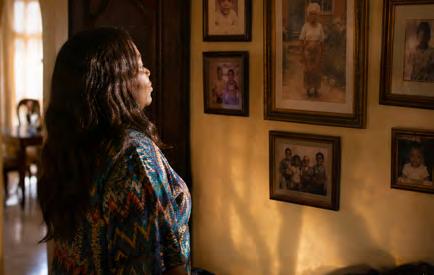
BEFORE SHE BECAME EASY TO READ
here is a photo from Amaka's birthday. The one from the year they rented out the restaurant upstairs, before Amaka moved to Abuja.
She is mid-sentence in it.
Her hand is up. She is making a point, disagreeing with something, or saying the wrong yes at the wrong moment across the table. Her face is doing too much. She looks like someone about to say something she hasn't fully decided on yet, and isn't concerned about this.
She doesn't recognise that face in the mirror anymore.
There was a time when she answered the phone while she was still laughing.
Whatever she had been doing before the call, she brought it with her. The conversation started in the middle of something. She didn't compose herself first.
She used to call people just because she thought of them. Not to catch up. Not with a reason prepared. Just because someone crossed her mind, and the distance between thinking of someone and reaching for them was very short then.
She didn't know warmth could disappear.
She would hang up, having said almost nothing useful.
And not notice.
She used to disagree out loud before she knew whether it was worth it.
Not rudely. Not looking for a fight.
The thought arrived, and the thought left her mouth, and the gap between those two things was not yet managed.
She said things that turned out to be wrong. She changed her mind in the middle of sentences.
She started stories she didn't yet know the endings to.
Ngozi used to say she was too much. Not as a verdict, the way you call someone too funny. A fact about volume. You are just so much. She had not found this uncomfortable then.
was supposed to be at.
Bisi laughed about it afterwards. It was a story people told for years.
She would not do this now.
She used to want things out loud.
Not quietly. Not after checking whether the wanting was reasonable. Just, she wanted something, and she said so.
And if it didn't happen, she was disappointed in a way that was
She sometimes made jokes that didn't land.
And didn't track it afterwards. Didn't replay the moment later. Didn't file the information away for next time.
The joke didn't land, and the evening continued, and she was already somewhere else by the time the silence passed.
She was not performing lightness then.
She just had it.
She was comfortable being misunderstood.
Not permanently. Not without caring.
But in the moment, when someone took her wrong or missed the point, she could let it sit. She didn't always reach in immediately to correct it. Sometimes she waited to see if the conversation found its own way back.
Sometimes it didn't. And she moved on anyway.
She had not yet learned how much smoother things became when you explained yourself early.
At Bisi's wedding, she spent an hour talking to the caterer's assistant, who had mentioned she was thinking about leaving the catering business. She found it genuinely more interesting than the table she
also visible. She didn't arrive at wanting something with an exit already prepared.
She wanted it. It showed.
She didn't know yet that wanting things openly was a kind of exposure.
The photo is still on Amaka's wall. She sees it every time she visits.
Amaka has never taken it down. She has never asked her to.
When she looks at it, she is not sure what she feels. It is not regret exactly. She said things that landed wrong sometimes. People sometimes looked relieved when she finally got distracted by something else.
And she knows it wasn't all loss.
But the face.
The face in that photo is doing something she hasn't seen her own face do in years.
It doesn't know yet that it's going to be read.
BEAUTY
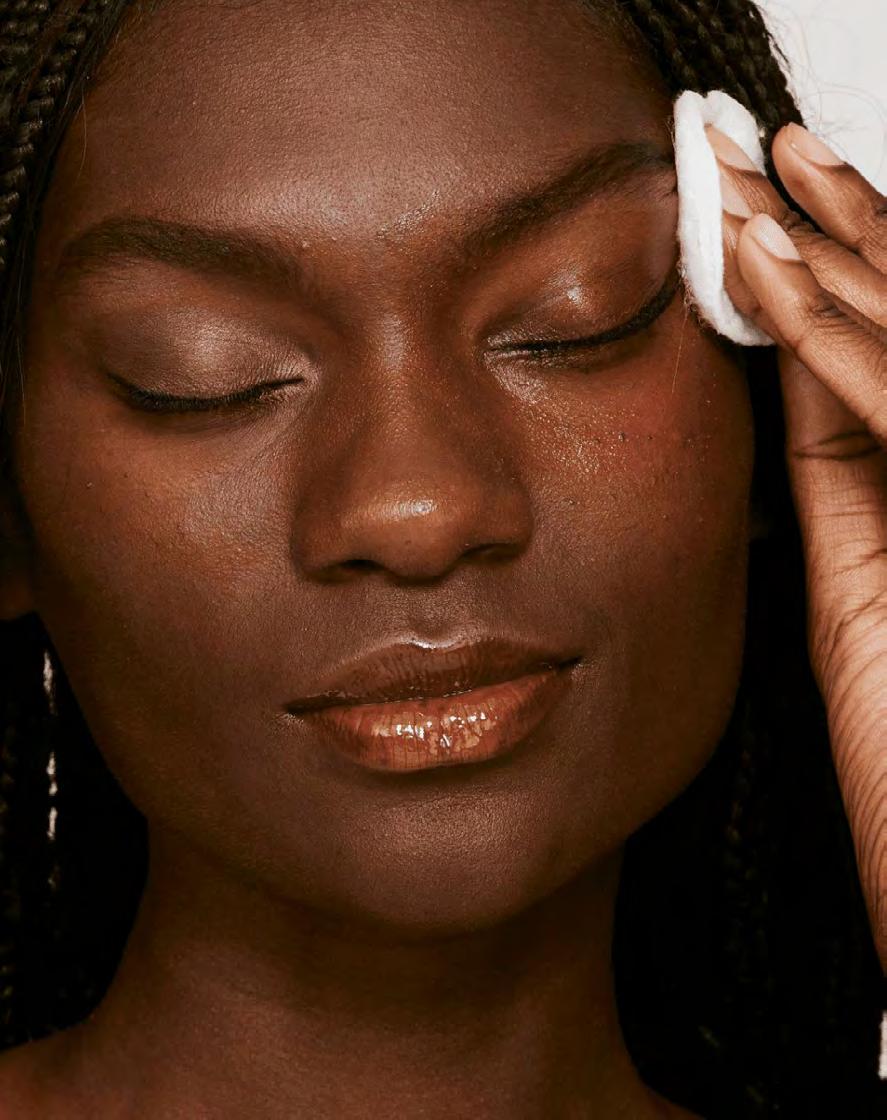
5 WAYS TO REMOVE MAKEUP WITHOUT MAKEUP REMOVER OR WIPES
BY DORCAS AKINTOYE
You don’t need special products to remove your makeup. Simple things you already have at home can do the job just fine. What matters is using them correctly so your skin stays clean, calm, and irritation-free. In this article, we will show you five easy ways to remove makeup without makeup remover or wipes.
COCONUT OIL (OR ANY NATURAL OILS YOU HAVE)
Coconut oil is one of the easiest ways to remove makeup because it melts everything down without stress. When you rub a small amount on your face, it helps break down foundation, powder, and even stubborn products like waterproof mascara. After massaging for a minute or two, wipe it off with a warm cloth, then rinse your face.
WARM WATER AND GENTLE FACE WASH
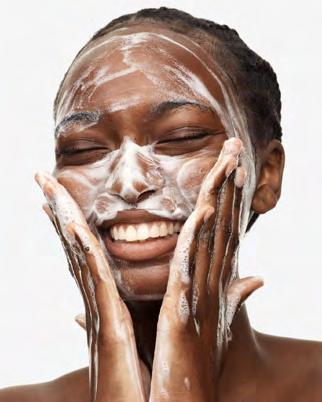
If your makeup is not too heavy, warm water and a gentle face wash can still do a good job. The warm water helps to soften the makeup on your face, making it easier to remove. Then the face wash works by breaking down makeup and washing it off your skin. When you massage your face slowly, especially around your nose, chin, and eyes, you help lift makeup off without damaging your skin. You might need to wash your face twice if you’re wearing more makeup than usual.
REGULAR MILK
Milk might sound surprising, but it actually works well for removing makeup. It contains natural fats and proteins that help loosen makeup from your skin while keeping your face soft. When you dip a cotton pad or cloth into milk and wipe your face, it gently lifts off makeup without drying your skin. After using it, rinse your face with clean water to keep your skin fresh and residue-free.
ALOE VERA GEL AND OIL MIX
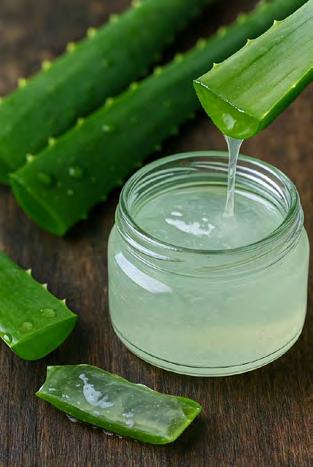
Aloe vera gel mixed with a little oil is a great option if you want something gentle on your skin. The oil helps break down makeup, while the aloe vera soothes and calms your skin. When you apply the mixture and massage it into your face, it slowly removes makeup without causing irritation.
STEAM AND CLOTH METHOD
Using steam is another simple way to remove makeup without any product. The heat from the steam helps to open your pores and soften the makeup on your skin, making it easier to wipe away. After sitting over steam for a few minutes, your makeup becomes loose, so you don’t need to scrub or struggle to remove it. You can then use a warm, damp cloth to gently wipe your face clean.
You don’t always need fancy products to take care of your skin. With simple things like oil, milk, or even just warm water, you can remove your makeup effectively and safely. The most important thing is to be gentle and consistent.
Wellness Doesn’t Have to Be Expensive
BY NATO CHIMA
Somewhere along the way, wellness began to look like a luxury lifestyle package. Suddenly, social media made it seem like taking care of yourself requires expensive gym memberships, fancy skincare routines, luxury retreats, imported smoothies, and aesthetically pleasing morning routines that look impossible to maintain in real life.
But real wellness is not about how expensive your habits look online. It’s about how well you genuinely feel mentally, physically, and emotionally in your everyday life.
The truth is, many of the things that actually improve your well-being are surprisingly simple—and sometimes completely free.
REST IS FREE, YET MOST PEOPLE AVOID IT
One of the most underrated forms of wellness is proper rest. Not just sleeping for a few hours while mentally stressed, but genuinely allowing your mind and body to slow down. The current generation often treats exhaustion as an achievement, constantly pushing through fatigue rather than recovering properly. Sometimes, your body isn’t asking for another productivity hack. It’s asking for rest.
MOVEMENT DOESN’T REQUIRE FANCY SETUPS
You do not need an expensive fitness routine before taking care of your body. Simple walks, stretching at home, dancing in your room, light workouts, or even spending less time sitting can significantly improve your mood and energy. Wellness becomes easier when you stop overcomplicating it. Consistency matters more than expensive equipment.
YOUR ENVIRONMENT AFFECTS YOUR WELLNESS
A clean, calm environment can genuinely improve how you feel mentally. Something as simple as opening your windows, reducing clutter, changing your bedsheets, or creating a peaceful corner in your room can make everyday life feel lighter. Wellness is often tied to comfort, peace, and how your surroundings affect your mind.
SMALL HEALTHY HABITS MATTER MORE THAN BIG PERFORMANCES
Drinking more water, going to bed earlier, taking breaks from screens, eating more balanced meals, and stepping outside for fresh air may sound basic, but these habits quietly improve your well-being over time. Not every healthy lifestyle needs to look dramatic to be effective.
PEACE OF MIND IS PART OF WELLNESS TOO
Real wellness is not only physical. Your emotional and mental state matter too. Protecting your peace, setting boundaries, avoiding unnecessary stress, and giving yourself space to breathe are all forms of selfcare, even if they don’t look glamorous online.
Wellness is not reserved for people with luxury lifestyles or endless money to spend. Some of the healthiest habits are simple, realistic, and accessible in everyday life. Because at the end of the day, wellness is less about appearances and more about creating a life where your mind and body genuinely feel better.
THIS GENERATION IS CONSTANTLY TIRED
What’s Really Going On?
SLEEP IS BEING TAKEN LESS SERIOUSLY
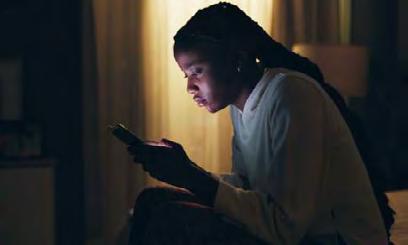
One major reason people constantly feel exhausted is poor sleep habits. Many people stay awake late into the night scrolling through their phones, working overtime, bingewatching content, or mentally overstimulating themselves long after their bodies need rest. Over time, poor sleep affects concentration, energy, mood, productivity, and even physical health. Your body cannot function properly without proper recovery.
STRESS IS AFFECTING PEOPLE PHYSICALLY
Stress is no longer just emotional; it now shows up physically, too. Headaches, body tension, fatigue, mood swings, burnout, and constant exhaustion are becoming more common because many people rarely allow themselves to fully relax mentally. The pressure to constantly “keep going” has made rest feel almost guilty for some people. But your body absorbs stress whether you acknowledge it or not.
LIFESTYLE HABITS ARE QUIETLY DRAINING ENERGY
Skipping meals, poor hydration, prolonged sitting, lack of movement, excessive caffeine intake, and unhealthy routines can all contribute to low energy levels. Many people want more energy while consistently maintaining habits that exhaust the body daily. Sometimes, small changes like better sleep, hydration, exercise, or balanced meals can improve energy more than expected.
HEALTH CHECKS MATTER MORE THAN PEOPLE THINK
Constant fatigue can sometimes point toward underlying health issues that people ignore for too long. Low iron levels, vitamin deficiencies, stressrelated conditions, hormonal imbalances, poor blood sugar control, and other health concerns may contribute to ongoing exhaustion. This is why regular health checks and paying attention to your body matter.
BY JOHNSON CHUKWUEKE
It feels like everybody is tired lately. Not just sleepy for a few hours, but genuinely drained, mentally, physically, and emotionally. People wake up exhausted, move through stressful days half-functioning, survive on caffeine and little sleep, then repeat the same cycle the next day. Somehow, constant tiredness has quietly become normalised within this generation.
But the truth is, always feeling tired is not something people should simply ignore. Sometimes, exhaustion is your body’s way of asking for attention.
Modern life moves fast. Between work pressure, social media, late nights, financial stress, screen time, poor eating habits, and the constant pressure to always stay productive, many people are pushing their bodies far beyond healthy limits without real recovery. And eventually, the body notices.
CONSTANT PRESSURE
This generation is living through constant pressure, overstimulation, and nonstop mental activity, which is quietly affecting both physical and emotional well-being. And while being busy has become part of modern culture, constantly feeling exhausted should never be treated as a personality trait.
Feeling tired all the time should not automatically become your “normal.” Sometimes, your body is simply asking you to slow down, rest properly, and pay closer attention to your health.
Looking Rich vs Living Well
There’s a Difference
AESTHETIC LIFESTYLES CAN BE MISLEADING
Social media only shows selected moments. People post vacations, outfits, luxury experiences, and exciting nights out, but nobody really posts the stress of maintaining appearances. Because of this, many people start comparing their real lives to carefully edited highlights online. But appearances are not always reality. Some people look wealthy online while quietly struggling with pressure, debt, exhaustion, or unhappiness behind the scenes.
LIVING WELL IS ABOUT COMFORT, NOT COMPETITION
Real quality of life is often much quieter than people expect. It’s having enough peace to sleep properly. It’s eating well, feeling mentally stable, having genuine relationships, and creating routines that actually support your wellbeing. Living well is less about constantly impressing others and more about building a life that genuinely feels good to you personally. Comfort is different from performance.
FINANCIAL PEACE MATTERS MORE THAN SHOWING OFF
Many people spend money trying to maintain lifestyles they cannot comfortably afford. Designer items, expensive outings, and luxury trends may create temporary excitement, but financial stress eventually catches up when everything becomes about appearances. Sometimes, the smartest lifestyle choice is simply living within your means while still enjoying life responsibly. Peace of mind is valuable, too.
SIMPLE JOYS STILL MATTER
Not every enjoyable experience needs to look luxurious online. Some of the best parts of life are surprisingly simple: good food, meaningful conversations, rest, personal growth, laughter, calm environments, and moments that make you feel emotionally fulfilled without needing validation from strangers online. Real enjoyment often feels quieter than social media makes it seem.
BY NATO CHIMA
Social media has made appearances feel more important than ever. Everybody seems to be chasing a certain image, luxury dinners, designer brands, expensive vacations, perfectly curated lifestyles, and the constant pressure to “look successful” online.
But somewhere in the middle of all that performance, many people have quietly forgotten something important: looking rich and living well are not always the same thing.
A flashy lifestyle may look impressive from the outside, but real comfort often comes from things people don’t immediately see: peace of mind, stability, rest, healthy relationships, financial balance, and the ability to genuinely enjoy your life without constantly trying to prove something. And honestly, there’s a huge difference between the two.
LUXURY MEANS DIFFERENT THINGS TO DIFFERENT PEOPLE
Drinking more water, going to bed earlier, taking breaks from screens, eating more balanced meals, and stepping outside for fresh air may sound basic, but these habits quietly improve your well-being over time. Not every healthy lifestyle needs to look dramatic to be effective.
There is nothing wrong with enjoying nice things. But there’s a difference between building a life that looks impressive and building one that genuinely feels healthy, peaceful, and sustainable. Because at the end of the day, living well is not always about what people see—it’s about how your life actually feels when nobody else is watching.
5 Spots in Your Home You’re Forgetting to Declutter
BY DORCAS AKINTOYE
Aclean home does not always mean an organised home. Sometimes, we focus so much on the obvious areas, like the living room or bedroom, that we forget the small spots that slowly become crowded. These hidden clutter zones may not look messy at first, but over time, they can make your home feel stressful and disorganised. In this article, we will show you five common areas inside your home that you are probably forgetting to declutter.
INSIDE KITCHEN CABINETS
Kitchen cabinets are one of the biggest hiding places for clutter. Because the doors are closed, it is easy to forget what is inside. Over time, you start stacking things without removing old or unused items. Take time to empty each cabinet one by one. Check expiry dates, remove broken items, and keep only what you truly use. Arrange things neatly so every item has a clear place.
WARDROBE CORNERS
Most people clean the main part of their wardrobe but ignore the corners, top shelves, or bottom areas. These hidden spaces slowly collect clothes you no longer wear. This makes your wardrobe feel full even when you feel like you have nothing to wear. Go through your wardrobe properly. Remove anything you haven’t worn in a long time. Fold or hang what you still use neatly.
UNDER THE SOFA AND CHAIR
This is one of the most ignored places in many homes. Things often fall under sofas and chairs, but most people don’t check there often. Over time, it becomes a hidden dumping ground. Apart from clutter, this area also collects a lot of dust, which can affect how fresh your home feels. Pull out your sofa cushions and check underneath. Remove everything that doesn’t belong there and clean the area properly.
BATHROOM STORAGE AREAS
Even when the bathroom looks clean, the storage areas often tell a different story. Shelves, drawers, and small cabinets usually become overcrowded with half-used products. You may find old soaps, nearly empty shampoo bottles, expired skincare products, and items you stopped using but never threw away. Go through your bathroom storage carefully. Throw away expired products and, where possible, combine what is left. Keep only what you actually use daily or weekly.
BEHIND DOORS AND WALL HOOKS
Behind doors and on wall hooks is another forgotten clutter zone. It looks like a convenient storage spot, so people keep adding things without thinking. Take everything down and ask yourself what you really use. Remove or store away what is not needed. Keep only essential items in these visible spots.
Most clutter in the home does not come from big messes. It comes from small, hidden areas we ignore for too long. When these spots fill up, the whole home starts to feel disorganised, even if it looks clean on the surface. Pick one hidden spot and clean it properly. Then move to the next. A clean home is not just neat on the outside. It is organised in the places no one normally thinks to check.
WORKPLACE COURTESY
Simple Habits People Notice
ACKNOWLEDGING PEOPLE —IT GOES A LONG WAY
A simple greeting in the morning, a quick nod, or even just saying “good afternoon” when you walk in might seem minor, but it sets the tone. People notice when you acknowledge their presence, and they also notice when you don’t. It’s not about being overly friendly; it's about being aware that you’re not working in isolation.
HOW
YOU SPEAK MATTERS MORE THAN YOU THINK
Tone can change everything. The same message can feel respectful or dismissive depending on how it’s delivered. Saying “please,” “thank you,” or even pausing before responding can make conversations smoother. It’s not about being formal, it’s about being considerate.
RESPECTING TIME— YOURS AND THEIRS
Being on time, responding when needed, and not leaving people waiting unnecessarily are all part of workplace courtesy. It shows that you value not just your own schedule, but other people’s as well. And in a work environment, that kind of respect quickly stands out.
CLEAN SPACES, CLEAR MIND
Whether it’s a shared desk, meeting room, or common area, how you leave a space says a lot. No one enjoys cleaning up after someone else. Keeping things in order isn’t just neatness; it’s respect for the next person who will use that space.
BY JOHNSON CHUKWUEKE
There are people everyone enjoys working with, and it’s not always because they’re the smartest in the room. Sometimes, it’s the little things. The way they speak, how they respond, how they carry themselves in shared spaces. Nothing dramatic, nothing forced, just simple habits that make working around them easier.
In most workplaces, technical skill might get you in the door, but how you relate with people often determines how comfortable, respected, and even remembered you are. And the interesting part is that the things people notice most are rarely complicated. They’re small, everyday actions that quietly shape how others experience you.
KNOWING WHEN TO GIVE SPACE
Not every moment calls for conversation. Sometimes, the best form of courtesy is knowing when to step back. Understanding when someone is focused, busy, or simply not in the mood to engage shows a level of awareness that people appreciate more than constant interaction.
Workplace courtesy isn’t about grand gestures or impressing anyone. It’s about small, consistent actions that make the environment better for everyone. Over time, these habits shape how people see you, not just as someone who does the job, but as someone who is easy to work with, respectful, and aware. And in any workplace, that kind of presence goes a long way.
EASY SMOOTHIE RECIPES FOR BUSY MORNINGS BON APPÉTIT
BY NATO CHIMA
Busy mornings can make it feel impossible to prepare proper meals sometimes. One minute you’re trying to get dressed, answer messages, prepare for work, or beat traffic, and suddenly breakfast becomes whatever is quickest, or skipped completely.
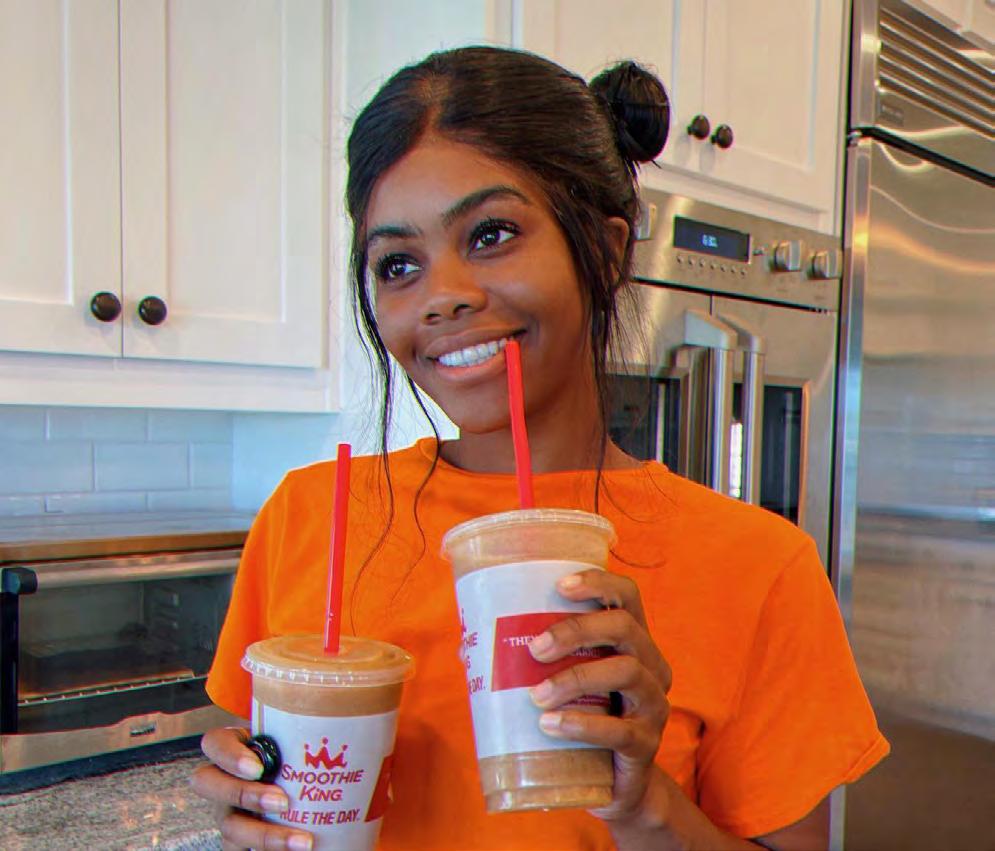
That’s where smoothies come in. They’re fast, refreshing, filling, and honestly, one of the easiest ways to start your day without too much stress. The best part is that you don’t need complicated ingredients or professional kitchen skills to make them taste good.
Whether you want something fruity, creamy, energising, or simply refreshing, these smoothie recipes are easy enough to fit into even the busiest mornings.
BANANA PEANUT BUTTER SMOOTHIE
If you want something creamy and filling, this works perfectly.
2 ripe bananas
2 tablespoons peanut butter
1 cup milk
Honey (optional)
Ice cubes
Blend everything together until smooth and creamy.
This smoothie feels rich and satisfying, and gives you enough energy to get through a long morning.
STRAWBERRY BANANA SMOOTHIE
A simple, refreshing, and always reliable beverage for adults and kids alike.
1 cup strawberries
1 banana
1 cup yogurt or milk
Ice cubes
Honey (optional)
Blend all ingredients until smooth. It’s fruity, light, and perfect for mornings when you want something refreshing without feeling too heavy afterwards.
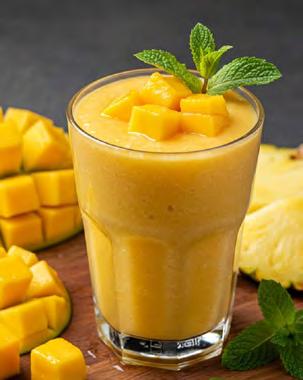
MANGO PINEAPPLE SMOOTHIE
This one tastes like vacation in a cup.
1 cup chopped mango
1 cup pineapple
1 cup orange juice
Ice cubes
Blend everything together until smooth and cold. The tropical flavour instantly makes mornings feel less stressful.
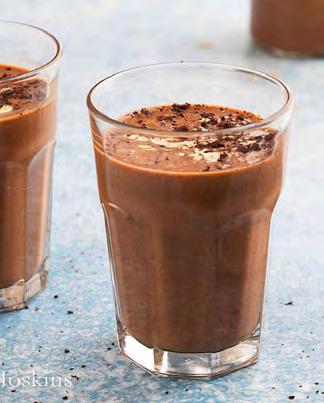
CHOCOLATE OAT SMOOTHIE
Perfect for people who want breakfast to feel a little more exciting.
1 banana
2 tablespoons oats
1 tablespoon cocoa powder
1 cup milk
Honey or dates for sweetness
Blend until smooth and thick. It feels indulgent yet practical enough for busy mornings.
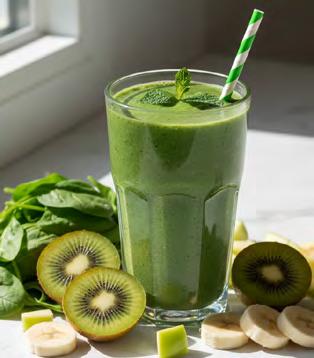
GREEN ENERGY SMOOTHIE
A simple way to add something fresh to your routine.
Handful of spinach
1 Kiwi
1 green apple
1 banana
1 cup water or coconut water
Ice cubes
Blend until smooth.
The banana balances the flavour nicely, making it refreshing and surprisingly easy to enjoy.
Smoothies are one of the easiest ways to make busy mornings feel a little more organised and refreshing. They’re quick, practical, and flexible enough to match different tastes and routines. These healthy options make it even more ideal for kids; while they will need sugar, they also need healthy options to keep them in good shape.
cassy’s chronicles
STEAMY WINDOWS
By the time I reached the airport, my palms were already sweaty from nervousness.
Not because I hated driving at night.
It was because Tobi was finally coming home.
One whole year. That was how long he had been away for his master’s degree in Canada. One year of video calls, sleepy voice notes, random fights caused by time difference, and those late-night conversations that tried to make up for physical closeness.
Long-distance relationships looked cute online until you were the one staring at your phone at 2 a.m., missing somebody so badly it physically hurt.
I adjusted myself in the driver’s seat and
checked my mirror again.
Then my phone buzzed.
“I’ve landed.”
My heart nearly jumped out of my chest.
The moment I saw him walking out with his box and backpack, I forgot every annoying thing he had ever done. I forgot the unanswered texts, the missed calls, the arguments.
I just missed him.
Tobi spotted me immediately and smiled. That smile. God.
I practically ran into his arms.
“You lost weight,” I said immediately after hugging him.
“Hello to you too,” he laughed.
“I’m serious.”
“And you’re still dramatic.”
I rolled my eyes, but I couldn’t stop smiling.
The drive started normally. He talked nonstop about Canada and how everybody there apologised too much. I told him about work gossip, my annoying landlord, and how NEPA nearly ruined my life last month.
Everything felt easy again. It was natural, like the distance had never happened.
But there was this tension between us, every accidental touch we had felt louder than it should have. At some point, he rested his hand on my thigh casually, and I almost forgot how to drive.
“You okay?” he asked, smiling slightly.
“Move your hand before both of us die.” He laughed loudly.
I parked briefly by a quiet roadside because my chest honestly needed a break. Tobi turned toward me slowly, his eyes softer now.
“I really missed you,” he said.
Before I could respond properly, he kissed me.
And suddenly, every lonely night came rushing back at once.
The kiss felt familiar and new at the same time. We kept laughing in between because we were both nervous and overwhelmed. At one point, my forehead rested against his while both of us tried to catch our breath.
“This is actually crazy,” I whispered.
“You’re the one who parked the car,” he replied.
I burst out laughing immediately.
Even after one year abroad, he still knew exactly how to make me laugh at the wrong moments.
We had sex in my car that night. By the time we finally calmed down, the windows had fogged slightly. My lipstick was ruined. His hair looked messy. Both of us looked completely unserious.
I stared at him and started laughing again.
“What?” he asked.
“We really could not behave ourselves for one night?”
He shook his head, smiling. “After one year? Impossible.”
I leaned back in my seat and looked outside at the moving Lagos traffic.
For months, I had worried that distance would change us. I worried we would become strangers pretending to still be in love.
But sitting beside him that night felt like proof that some people still find their way back to each other, no matter how far life takes them.
And honestly? That was all that mattered to me.
BY BOLUWATIFE ADESINA
MOVIE REVIEW:
The Sheep Detectives
Ilovethe thrill of a movie beating lowered expectations.
Unless you go into every film you see hoping that it’s going to be good, you’re probably not going to enjoy being a film critic very much. Yet most of the time, you can’t help but have some preconceived notions going in.
For instance, I went into The Sheep Detectives knowing that it was a movie in which live actors interact with CGI sheep. A crime occurs, and the sheep have to solve it. The CGI sheep. Who talk.
See what I mean? It’s got a great cast, including Hugh Jackman, Julia Louis-Dreyfus, Bryan Cranston, Emma Thompson, Brett Goldstein, Patrick Stewart and more, but come on. It sounds corny at best, unbearable at worst.
It’s neither of those things.
It is, in fact, a good movie, and not just a good-dumb kids’ movie, not a good guilty pleasure, nor any sort of faint praise like that. It’s just good, period, a perfectly pleasant way to spend a couple of hours that doesn’t insult children or adults, but entertains them.
I liked it. Quite a lot, actually.
George (Jackman) is a shepherd in the tiny town of Denbrook, England. He doesn’t like people, but he tends to his sheep with love and devotion, and every night he reads to them from detective novels. A letter he’s writing provides some exposition; he truly does care for these creatures, and they seem to love being read to, so he can almost pretend they understand.
Which, of course, they do. Lily (LouisDreyfus) is the brains of the flock and can always solve the crime, even before George finishes the books. The rest of the sheep aren’t as good at detective work, but that doesn’t hinder their confidence. Sir Richfield (Stewart) is a proper old chap. Cloud (Regina Hall) is the flock beauty. There is a dopey set of twins (both voiced by Brett Goldstein).
Aside from Lily, however, three sheep set themselves apart. One is Mopple (Chris O’Dowd), who possesses a rare power, though it’s not thought of that way. The rest of the sheep have the ability to willfully forget things. Not Mopple. While the other sheep think, for instance, that sheep don’t die, they just turn into clouds, Mopple knows some darker truths.
The Winter Lamb (Tommy Birchall) is ostracised because he wasn’t born in spring, like the rest of the sheep. All the sheep, even the smarter ones, will have nothing to do with him. And Sebastian (Cranston) is a proud loner, a literal black sheep with a secret.
All is well until one day the sheep find George lying dead on the ground.
Denbrook’s one police officer, the dim-witted Tim Derry (Nicholas Braun), arrives on the scene and clearly doesn’t have the brains to solve the case. So, driven by Lily, the sheep decide they will. It turns out to be harder in real life than in a book, but they’re nothing if not persistent.
George’s attorney (Thompson) arrives in town at the same time as his estranged American daughter, Rebecca (Molly Gordon). Rebecca was hoping to reestablish a relationship with her father, only to learn he’s been murdered. There’s a squirrely inkeeper (Hong Chau) and a visiting investigative journalist (Nicholas Galitzine) and assorted other variously loopy people, any of whom at one point or another look like a suspect.
Sometimes the film, directed by Kyle Balda (Minions) and based on the novel Three Bags Full by Leonie Swann, gets a little silly, but never stupid. LouisDreyfus is great as a sheep who doesn't know all that she thinks she does, but is willing to learn. All of the live-action actors called to interact with the CGI sheep do so with gusto and seeming glee. It’s not that everyone takes it all deadly seriously, if you’ll excuse the expression. It’s that they take it all as seriously as they should, which is just the right amount.
And make no mistake, it’s not all sheep antics. The comedy is smart, but there are, no question, some tough moments, involving death, sacrifice and heartbreak. How that will play with children is an interesting question, but I hope it doesn’t keep parents from taking them to the theatre.
What a nice surprise The Sheep Detectives is. It’s sweet, and it’s clever and well-acted (or voiced, depending on the character). But my favourite thing may be its utter disdain for finding a target audience.
In an algorithm-driven world in which every decision is made based on numbers, prediction markets or a desperate attempt to be all things to all people (especially the people not buying your product), hooray for this weird little movie that refuses to play that game. If it can’t always figure out quite what it wants to be, it’s all the better for it.
Rating: 8.5/10
Just a good, family-friendly, fun time at the movies.
Scan
WATCH OF THE WEEK
APEX
Rock climbing and other adventure sports films have been enjoying a moment recently, which must be as much a boon for drone videographers as for adrenaline fans. Once the domain of niche documentaries, extreme sports stories have surged since Free Solo, which won the Oscar for best documentary in 2019.
Theron is Sasha, an experienced climber who we first encounter scaling Europe’s tallest rock face, the Troll Wall in Norway, with her equally experienced partner Tommy (Eric Bana). They’re so seasoned that they can stop to make out halfway up the famous “big wall”. But their ascent doesn’t go to plan, and five months later, Sasha is in Australia and looking for some solace in nature. (Considering he’s not even featured in the film’s trailer, I don’t think it’s a spoiler to reveal that Sasha is grieving).
After dealing with some ornery men at the roadhouse, a more kindly local tells Sasha about an out-of-the-way camping spot, which can only be found using a paper map … you may well have an inkling where this is headed.
Sasha spends an awkward evening hiding in her van from the dodgy hunters from the roadhouse, who turn up at her idyllic camping spot, and then spends the following day white-water kayaking. But when she wakes up the following morning, her gear – including her food and mobile phone – has gone missing.
Taking back to the water, she runs into Ben (Egerton), the nice guy who told her about the spot. But after offering her breakfast, Ben quickly turns into something entirely different, revealing he has Sasha’s bag, which he’s restocked, and a challenge: she has until the end of the day to get as far away as possible, then he’s coming after her with his crossbow. Sasha takes off into the bush, barefoot, and the rest of the film is a classic hunter-and-prey chase through an Australian tourism brochure.
Egerton is suitably creepy as the skilled bushman (and he doesn’t do a bad Australian accent), making unnerving screeching and trilling noises as he pursues Sasha on land, over rapids and into caves. Theron is serviceable as the ultra-fit prey who gives as good as she gets.
Directed by Baltasar Kormakur, who’s become something of a specialist in nature/survival films such as Everest and Adrift, Apex looks great (some obvious CGI aside), and has a frenetic pace when Ben and Sasha are on the move.
But there are too many clichés and too few surprises. Both Sasha (steely resolve, tougher than she’s given credit for) and Ben (mummy issues, loner) feel flatter than the face of the Troll Wall. If you’re happy, though, with foothold-related tension and Solo Man-style kayak action, get your swim socks on and strap in.