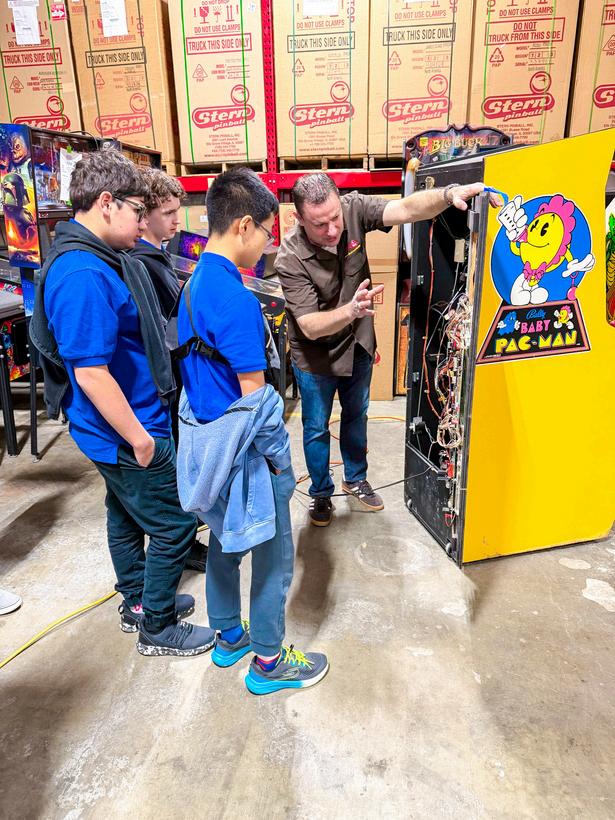
Guided by our mission, vision, and beliefs, The Westview School creates a learning environment where students with autism are supported, understood, and empowered to grow.
OUR MISSION
The Westview School provides a unique, specialized, and nurturing learning environment offering outstanding educational and social opportunities for children on the autism spectrum
OUR VISION
The vision of The Westview School is to provide a learning environment that is sensitive to the social, emotional, and academic needs of children with autism to ensure that they have opportunities to reach their full potential
OUR BELIEF
The Westview School believes that when children with autism are educated in a nurturing and supportive environment, they learn, grow, and develop a strong sense of self and an appreciation for others
Dear Prospective Families,
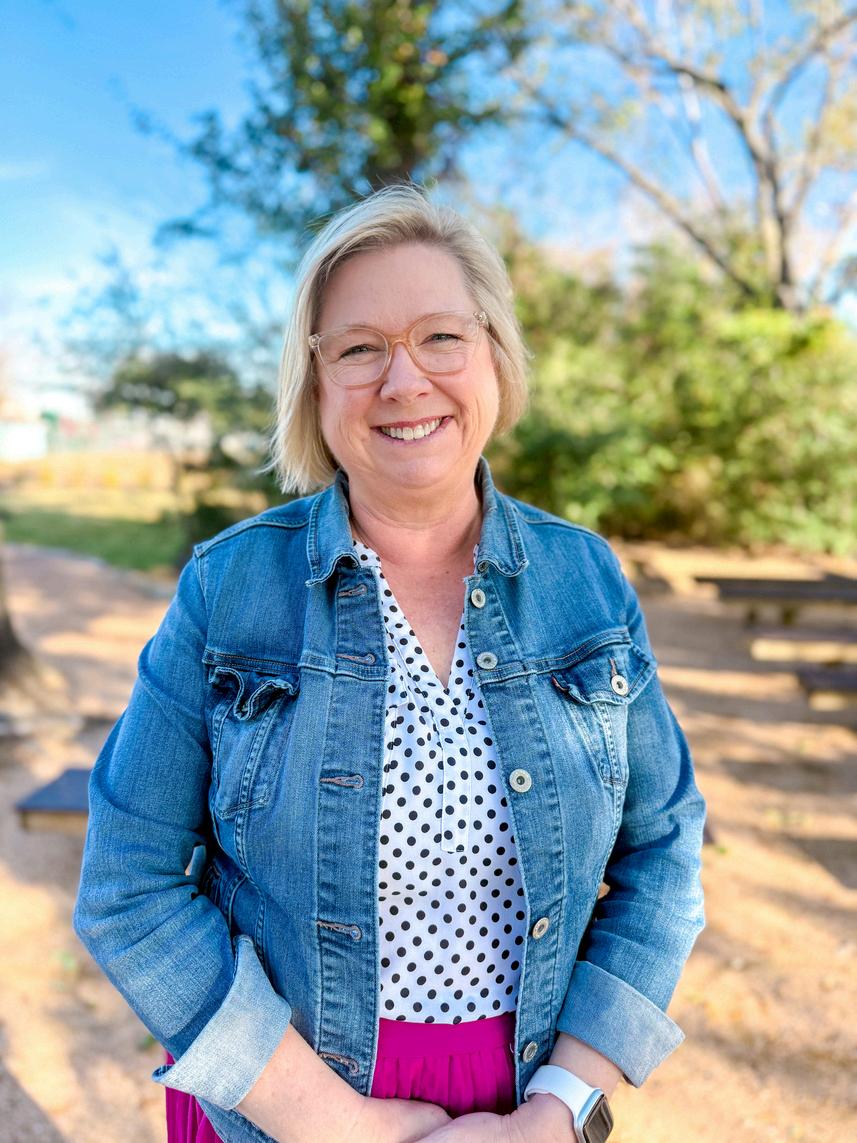
As the leading school in the greater Houston area dedicated to the education of academically capable children with autism, I would like to extend a warm welcome to you
At The Westview School, our goal is to build upon the strong foundation established by the visionary leaders who created a unique program known for meeting the academic, social, and emotional needs of children on the autism spectrum We are committed to continuing this important work and to strengthening our program in partnership with our students, faculty, staff, and families
When I first visited Westview, I was immediately struck by the deep passion and commitment shared by the community. Time and again, I heard stories of connection. These stories reflected the school’s deep commitment to meaningful, enduring relationships. That sense of belonging is at the heart of who we are.
MESSAGE FROM THE HEAD OF SCHOOL
When you enroll your child at Westview, you become part of more than a school You become part of a supportive and caring community As you review our admissions materials and learn more about our program, I hope you will come away with a clear understanding of the guiding principles that make The Westview School unique
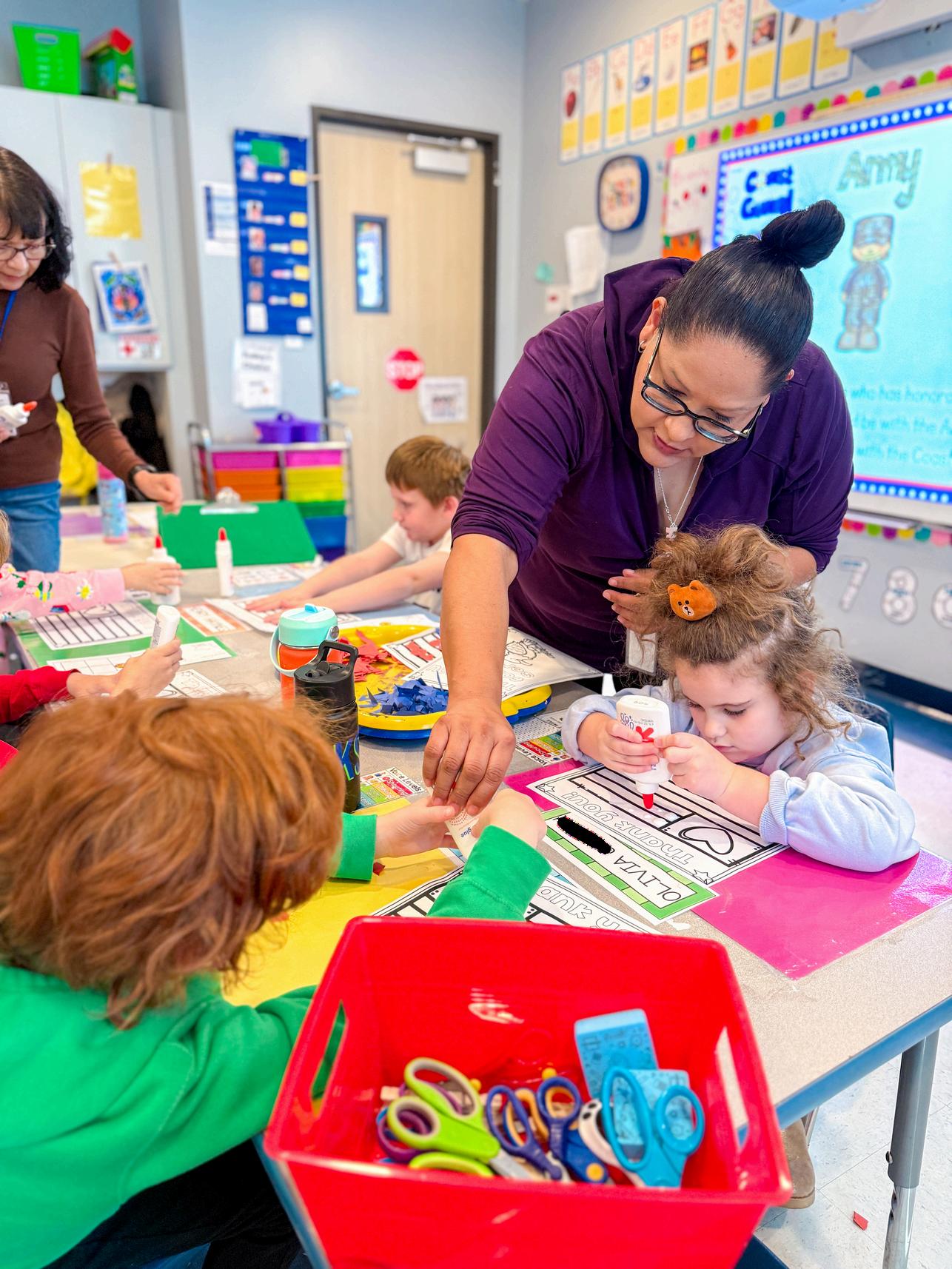
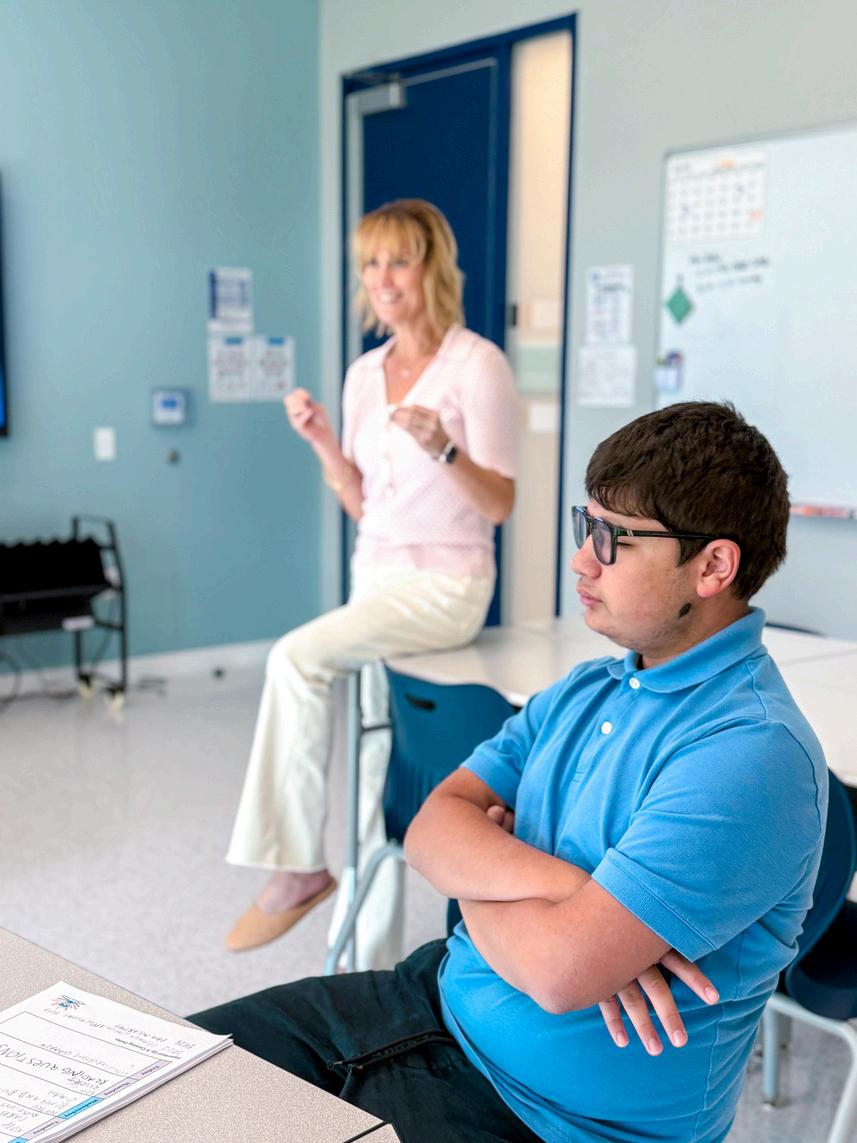
Our intentionally small learning environment allows teachers to provide attentive support, guide, nurture, and coach each student in the development of academic and social skills We celebrate every child for the interests, talents, and strengths they bring to our community, recognizing that education is a journey shaped by each student’s unique needs and abilities
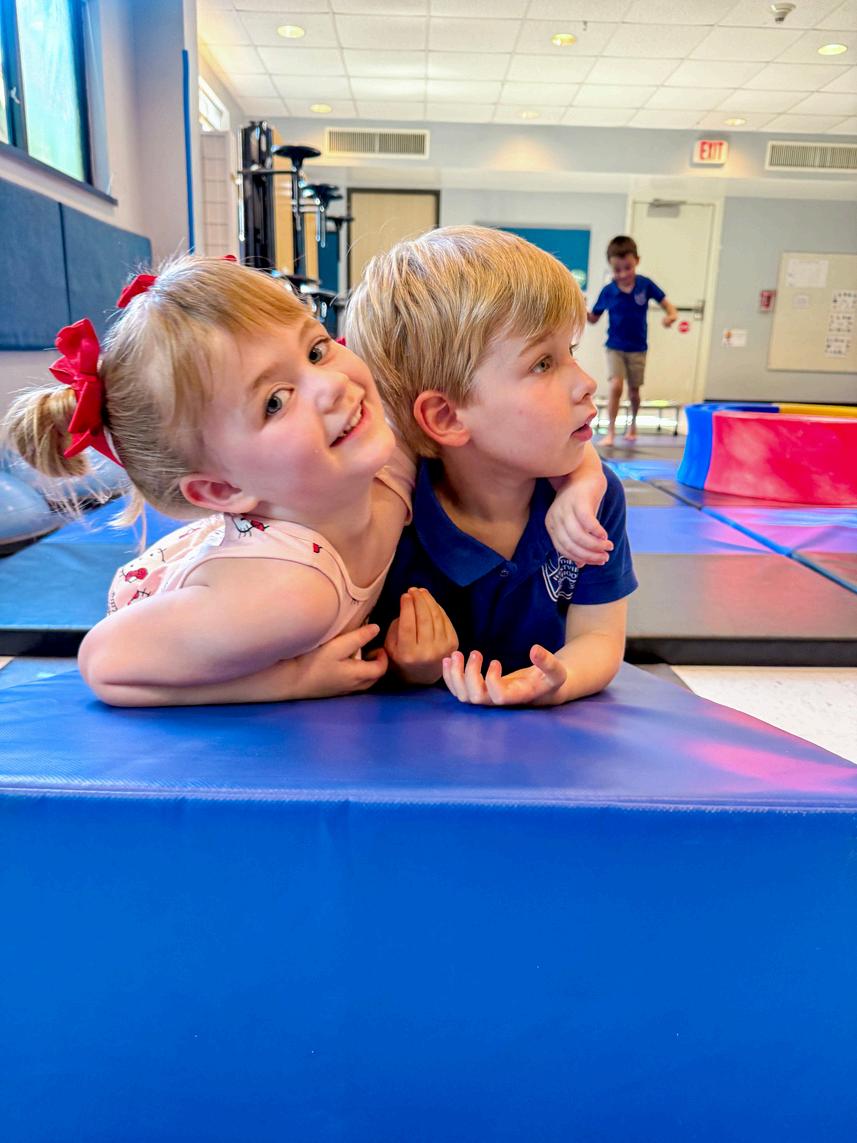
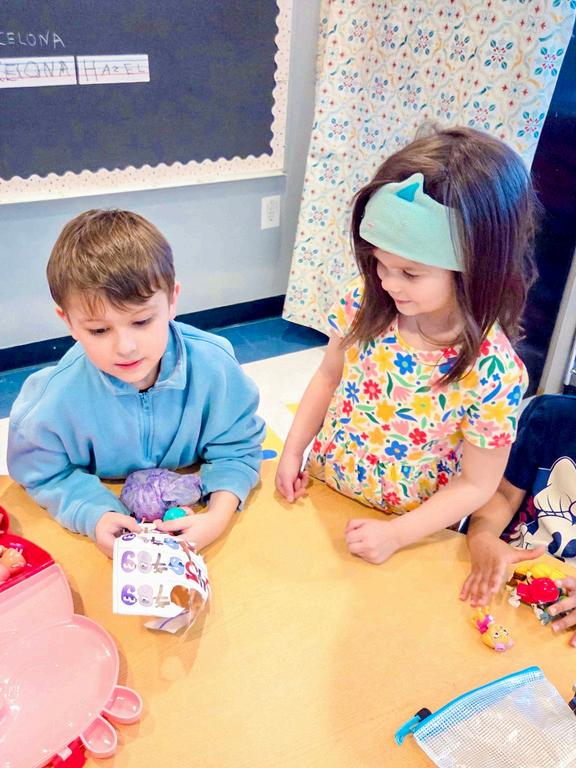
Our teachers create daily opportunities for students to practice interactions with peers and adults, supporting social development and language growth in meaningful, authentic ways. Students are encouraged to develop responsibility, empathy, and kindness as they build reciprocal relationships and learn what it means to be a friend.
Beyond the classroom, experiences such as field trips, art, music, and physical education allow students to explore a wide range of interests and discover their potential Active participation in these experiences helps make The Westview School a vibrant and engaging place to learn and grow
I encourage you to visit our campus and experience Westview firsthand While it is difficult to fully capture what makes this school so special on paper, we hope you will take the opportunity to meet our teachers, see our classrooms in action, and experience the program Jane Stewart created years ago
I look forward to welcoming you to The Westview School
Bevan Koch, Ed.D.
Head of School
“We believe academically capable children with autism deserve an education that challenges, supports, and truly understands them ”
WHY WESTVIEW?
Designed specifically for students with autism
An environment where students feel understood and truly belong
Social skills, communication, and independence are explicitly taught
Challenging academics paired with meaningful, whole-child experiences
A School Designed for Autism
Westview is intentionally designed for students on the autism spectrum Rather than expecting children to adapt to a traditional school model, our program is built around how our students learn, communicate, and connect This intentional design helps students feel understood, supported, and ready to grow
Belonging Comes First
Many students with autism deeply want to belong At Westview, students learn in an environment where they truly fit When children feel accepted and understood, anxiety is reduced and confidence grows, allowing meaningful learning and relationships to develop
Social Skills Are Intentionally Taught
Social communication and interaction are not assumed Teachers intentionally create opportunities for students to practice social skills, build friendships, and develop communication in real time Skills are taught, supported, and generalized across settings throughout the school day
A Whole-Child Educational Experience
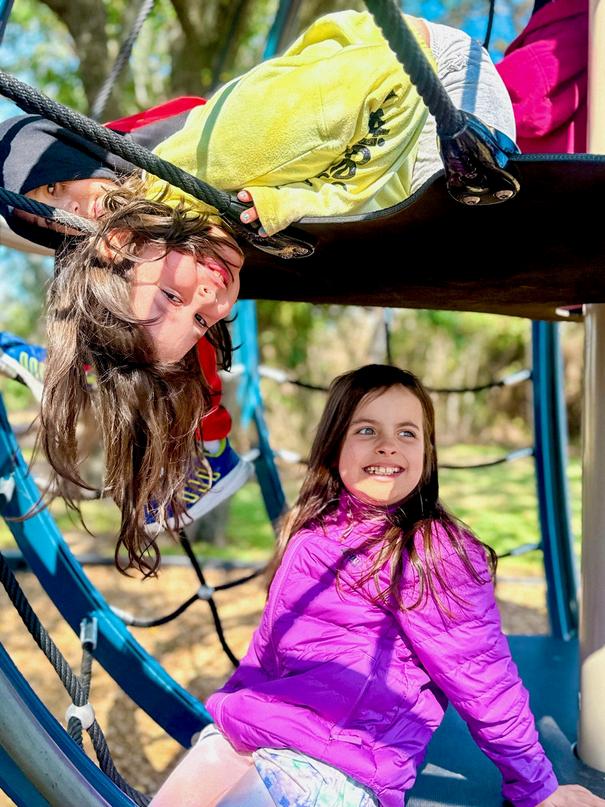
Westview offers a challenging academic program alongside rich opportunities in art, music, physical education, science, drama, outdoor play, and field trips These experiences allow students to explore interests, build skills, and engage fully in school life while developing confidence and independence
STUDENT PROFILE
WHO ARE OUR STUDENTS?
Students range in age from 2 through 18 years, spanning Early Childhood through High School
Students are academically capable and demonstrate clear strengths across academic areas
Many students benefit from intentional support in social communication and peer interaction
Instruction is appropriately challenging and aligned with state standards, with support tailored to individual needs
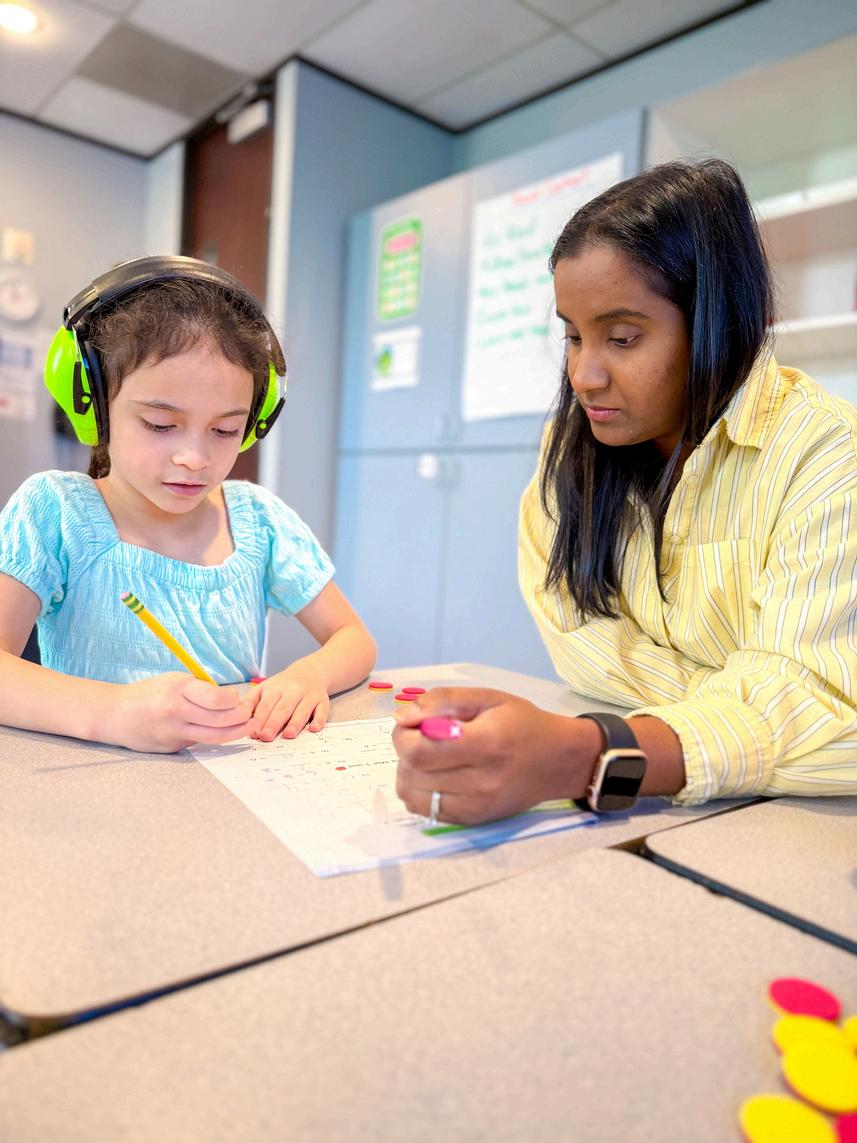
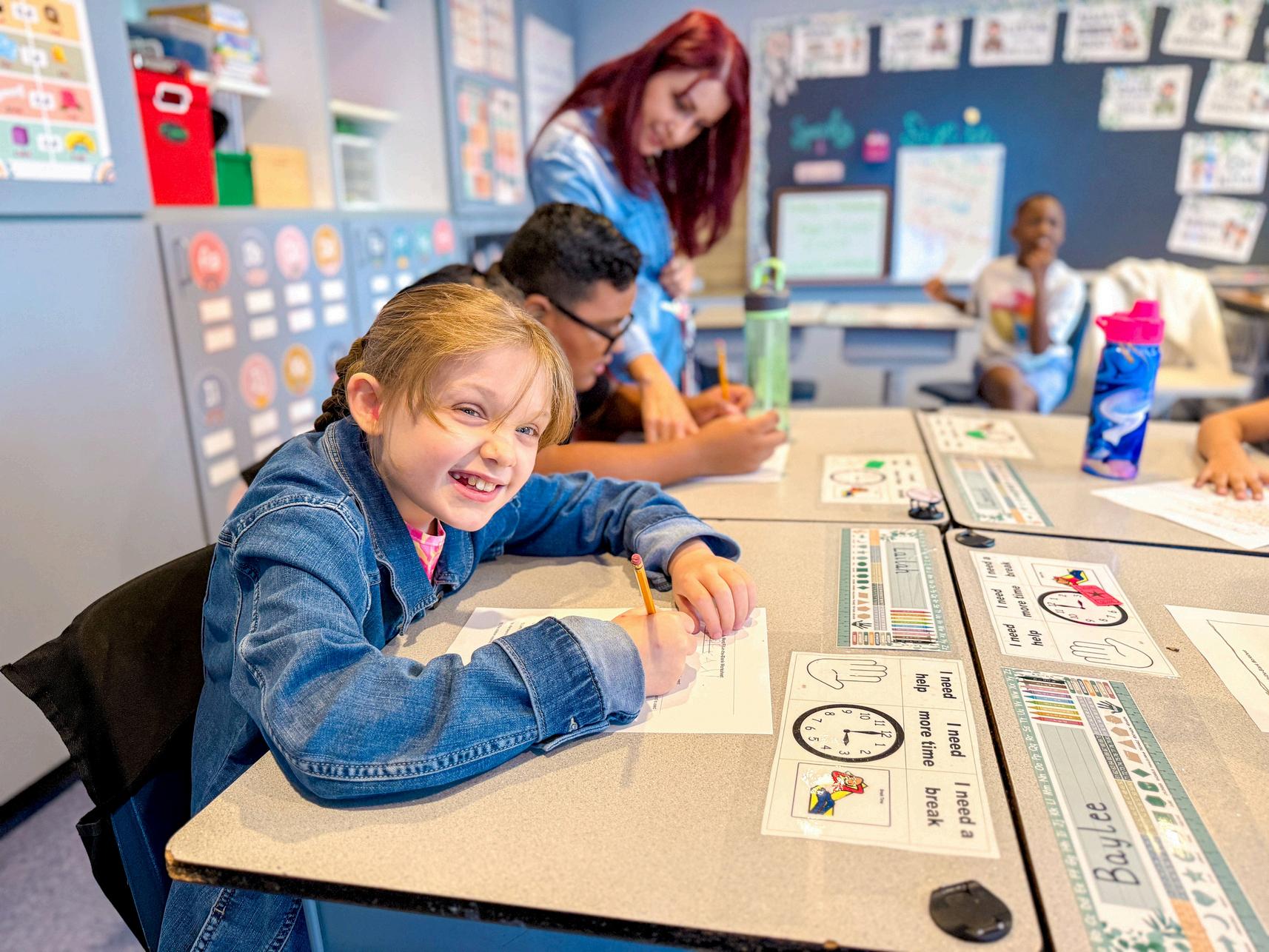
Small class sizes, typically five to eight students, with dedicated teachers and instructional assistants ensure individualized attention and flexible support
OUR PROGRAM
The Westview School’s program is built around two core components: Academics
Where children are known, supported, and prepared to grow
THOUGHTFULLY DESIGNED FOR INDIVIDUAL LEARNERS
At The Westview School, our Lower School program is designed for students who benefit from smaller class sizes, personalized instruction, and a supportive learning environment Through evidence-based teaching, strong relationships, and a focus on social and emotional development, we help each child build confidence, independence, and a love of learning
THE WESTVIEW DIFFERENCE
Small class sizes with consistent teacher and instructional assistant support
Research-based instruction tailored to developmental and learning needs
Emphasis on communication, independence, and social growth
A collaborative partnership between school and families
Our Lower School program includes Early Childhood Development, Pre-Kindergarten, Kindergarten, and Lower Elementary (Grades 1-3), each thoughtfully designed to support students at every stage of growth
EARLY CHILDHOOD DEVELOPMENT
Building Strong Foundations for Learning
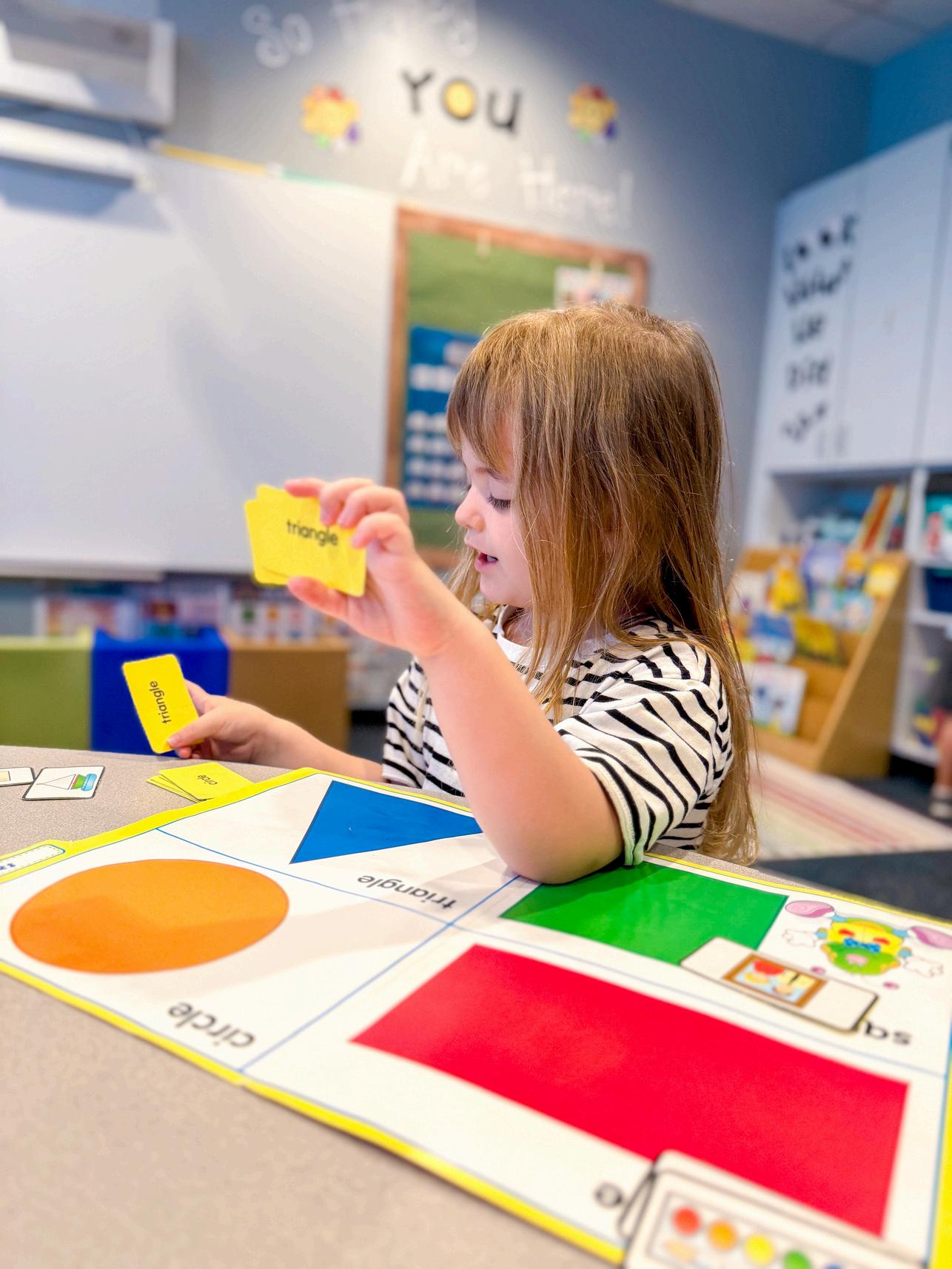
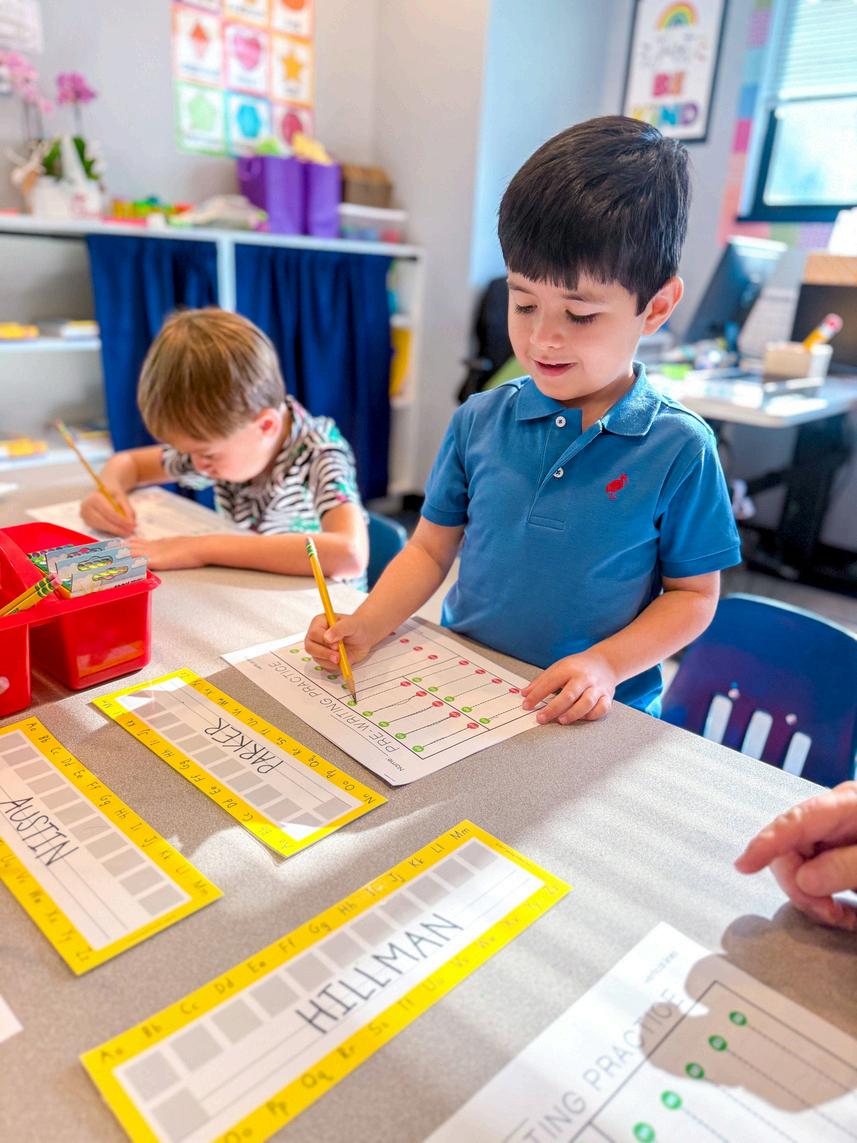
Our Early Childhood Development (ECD) classes serve our youngest students, typically ages 2 to 4. ECD classes generally include 5 to 6 children with a teacher and an assistant. The focus of the program includes pre-academic skills, language development, self-help skills, and foundational behaviors that support future learning, such as imitation, attending, joint attention, and self-regulation, along with the acquisition of age-appropriate developmental skills.
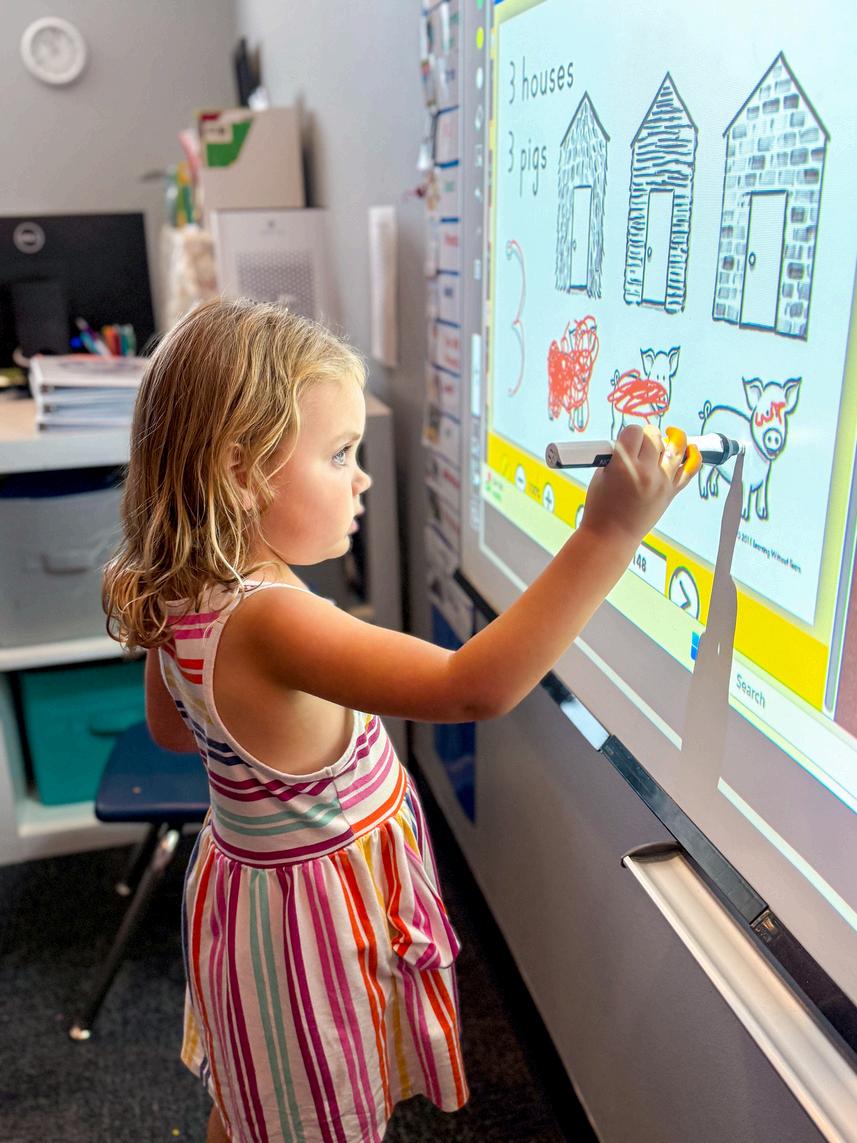
Classrooms are equipped with interactive whiteboards to enhance instruction and engagement Throughout the day, teachers provide coaching and support to help students interact successfully with peers and adults, strengthen communication skills, and develop independence Teachers remain attentive to each student’s needs as they grow in confidence and self-management
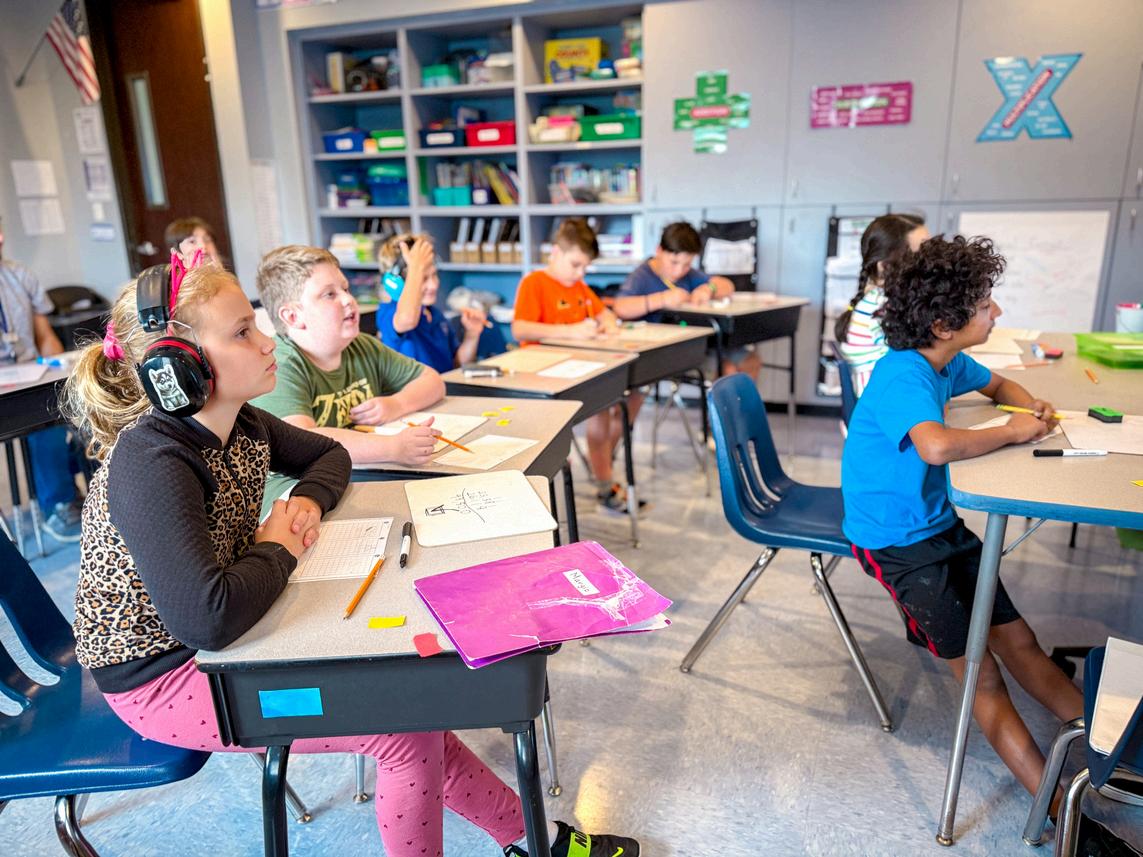
Lower Elementary classes, for grades 1, 2, and 3, are located in the Lower School building. Each class typically has up to eight students, supported by a teacher and an instructional assistant. Our program balances a challenging academic curriculum with attention to each student’s unique needs, while emphasizing social skills, independence, and effective communication.
In Lower Elementary, students learn, explore, and grow in a supportive, small-class environment that balances academic challenge with strong teacher support.
Small classes with up to eight students, allowing teachers to give close attention to each student
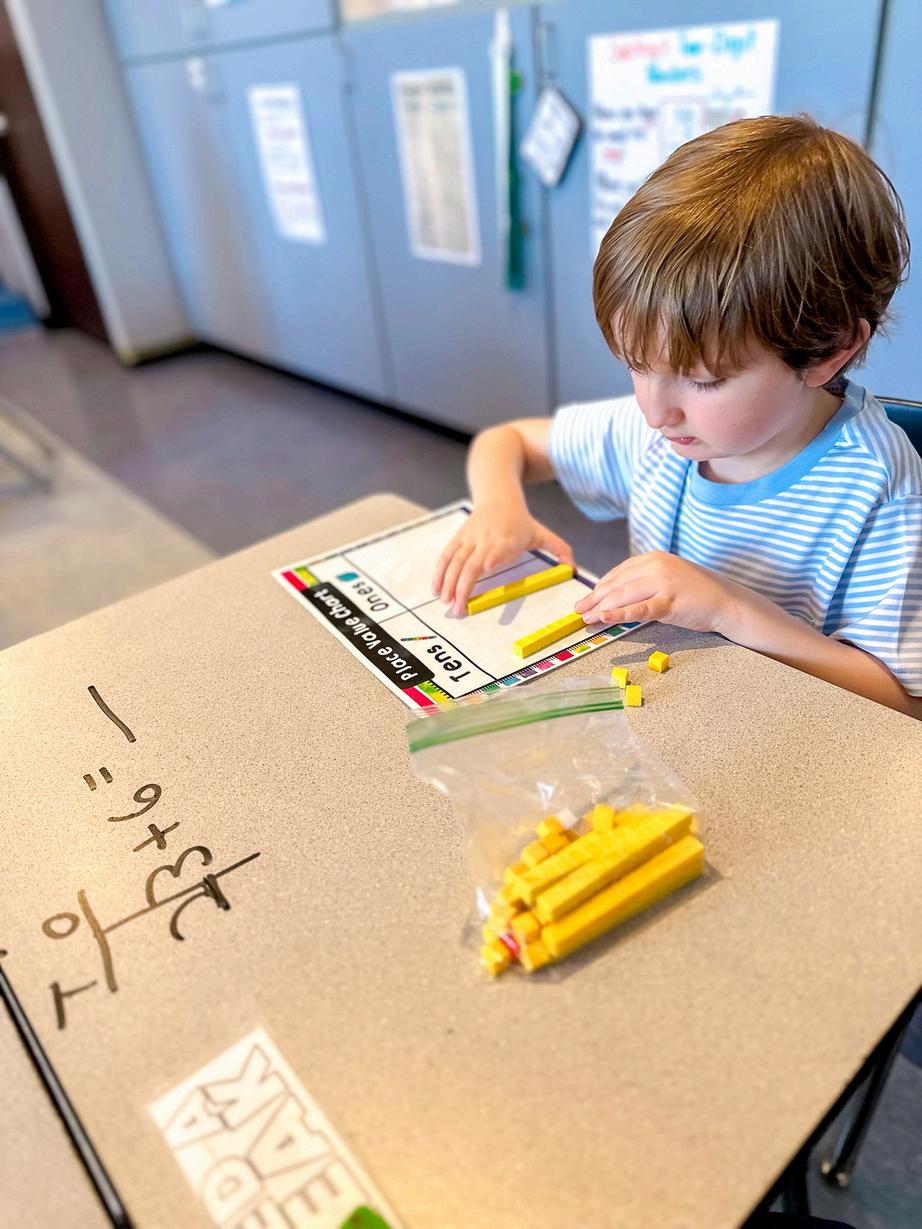
Hands-on learning in Math, Language Arts, Social Studies, and weekly Science labs
Fun and engaging Art, Music, PE, and Technology classes to explore new interests
TEKS-aligned curriculum enriched with additional activities to support each child’s growth
Daily focus on social skills, independence, communication, and building confidence
Core subjects, Math, Language Arts, and Social Studies, are taught by a certified teacher with support from the instructional assistant Science is taught twice a week in a lab setting by a specialized science teacher Ancillary classes include Art, Music, Physical Education, and Technology These classes allow students to explore new interests, practice transitions between activities, and learn to work with different teachers, skills that are essential for success in school and beyond
A collaborative partnership between school and families that supports increasing student independence
Small class sizes with consistent teacher and instructional assistant support as expectations grow
Research-based instruction responsive to developmental, academic, and social needs
An intentional emphasis on communication, independence, and skill development for real-world readiness
Our Upper School program includes Upper Elementary (Grades 4–5) and Middle School (Grades 6–8), with each level thoughtfully designed to support students as they take on greater responsibility, strengthen communication and executive functioning skills, and prepare for the transition to high school and beyond.
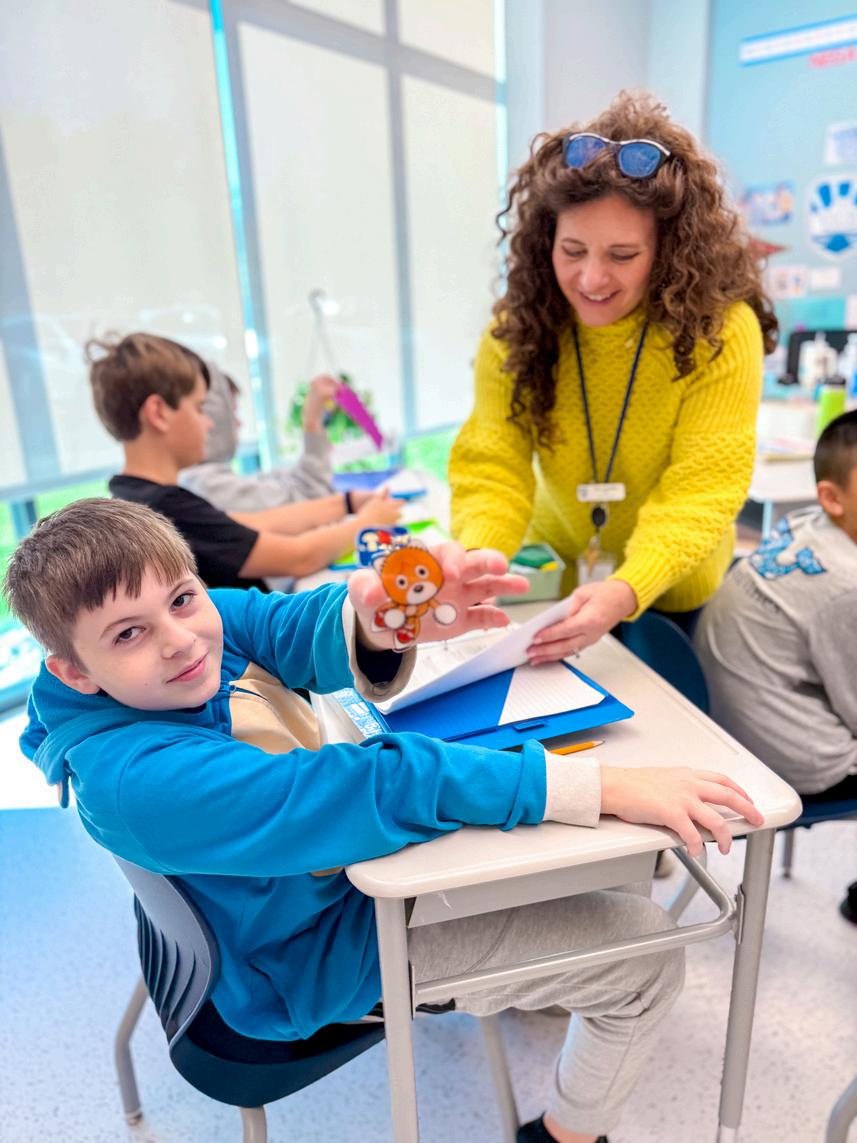
Throughout the day, students receive guidance and support in interacting appropriately with peers and adults to strengthen social skills and language development In addition to teacher-led instruction, students work in pairs or small groups and may combine with other Upper Elementary classes to build relationships and practice social communication Small class sizes allow for individualized attention, with a continued focus on building self-esteem and appropriate social behaviors As peer interactions become more complex, students receive ongoing support in communication, collaboration, and problem-solving with peers
Grades 4–5
to eight students per class Teacher and instructional assistant support
Opportunities to practice transitions and responsibility
Curriculum and Instructional Approach
The Upper Elementary curriculum aligns with the Texas Essential Knowledge and Skills (TEKS) and is supplemented with commercial resources and teacherdesigned activities Instruction is intentionally aligned to support progression from one grade level to the next Each classroom is equipped with an interactive whiteboard to enhance instruction through the use of technology
MIDDLE SCHOOL (GRADES 6-8)
Middle School classes include Math, Language Arts, Science, Social Studies, Technology, Social Skills, Life Fundamentals, Health, Drama, Music, Art, and Physical Education The curriculum is aligned to support progression from one level to the next, with particular attention given to age-appropriate social development. Instruction focuses on skills such as collaborative learning, conflict resolution, hygiene, peer pressure, and navigating peer relationships.
Studentshaveadifferentteacherforeachcontentarea,follow individualizedschedules,andareassignedlockers These expectationsbuildindependenceandstrengthenorganization, timemanagement,andpersonalresponsibilitythroughoutthe schoolday
MIDDLE SCHOOL AT A GLANCE
Grades 6–8
Departmentalized classes with multiple teachers
Individual schedules and lockers
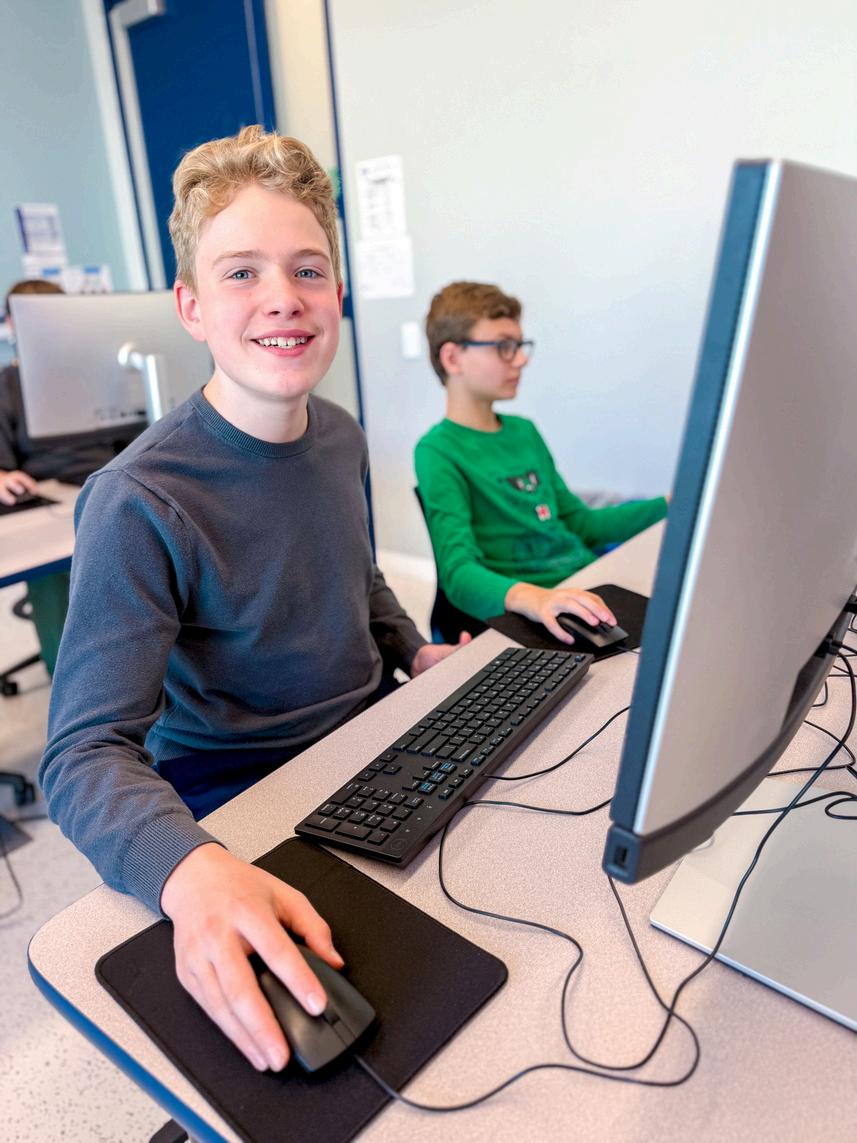
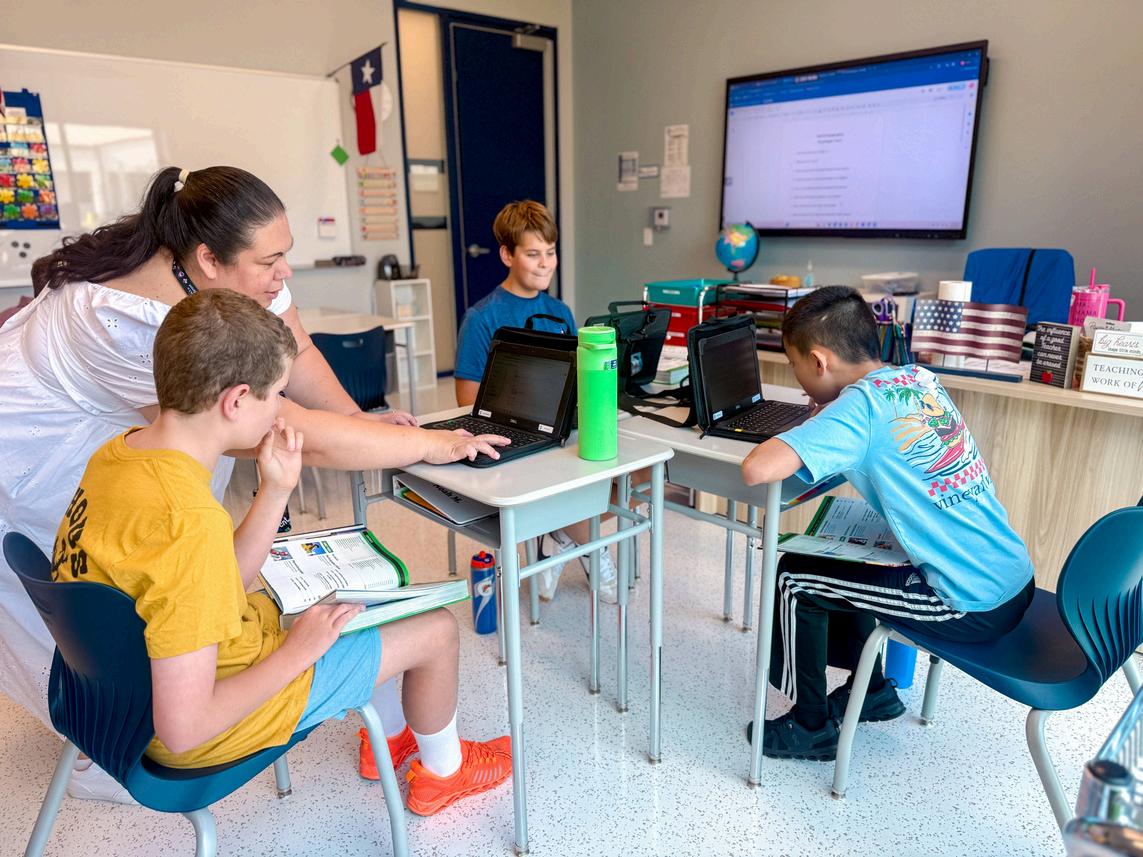
1:1 Chromebook program
Emphasis on independence, responsibility, and social development
As students move into Middle School, expectations increase while support remains consistent. Students are guided as they learn to manage schedules, transitions, and responsibilities, building independence in a structured, supportive environment that allows them to grow with confidence.
MiddleSchoolstudentsalsohaveopportunitiestoparticipatein schooldancesandStudentCouncil,supportingconfidence, connection,andleadershipdevelopmentwithintheschool community
Bytheendofeighthgrade,studentsarepreparedforthe increasedacademic,social,andorganizationaldemandsofhigh school
Where students discover their strengths and prepare for life beyond Westview
PREPARING FOR LIFE BEYOND GRADUATION
At The Westview School, our High School program is designed not only to prepare students for graduation but also for life beyond school Through a thoughtful balance of academics, career exploration, social development, and transition planning, students are supported in identifying their strengths, interests, and goals as they move toward adulthood
WHY WESTVIEW HIGH SCHOOL?
Designed specifically for students with autism
A fully accredited high school program aligned with State of Texas graduation requirements
Student interests and aptitudes guide learning and planning
Preparation for college, training, employment, or transition programs
Community partnerships that support life beyond Westview
Our High School program (Grades 9–12) is designed to support students as they build independence, strengthen executive functioning and self-advocacy skills, and prepare for meaningful post-secondary pathways, including college, vocational training, or employment.
THE WESTVIEW HIGH SCHOOL EXPERIENCE
Small classes with individualized support allow students to build independence while still receiving the structure and guidance they need Students are gradually given more responsibility in managing schedules and assignments while working closely with advisors who monitor academic and social progress
Structured support with increasing independence
Dedicated advisory and transition planning
Real-world application through work-based learning
Social opportunities in a supportive, autism-informed environment
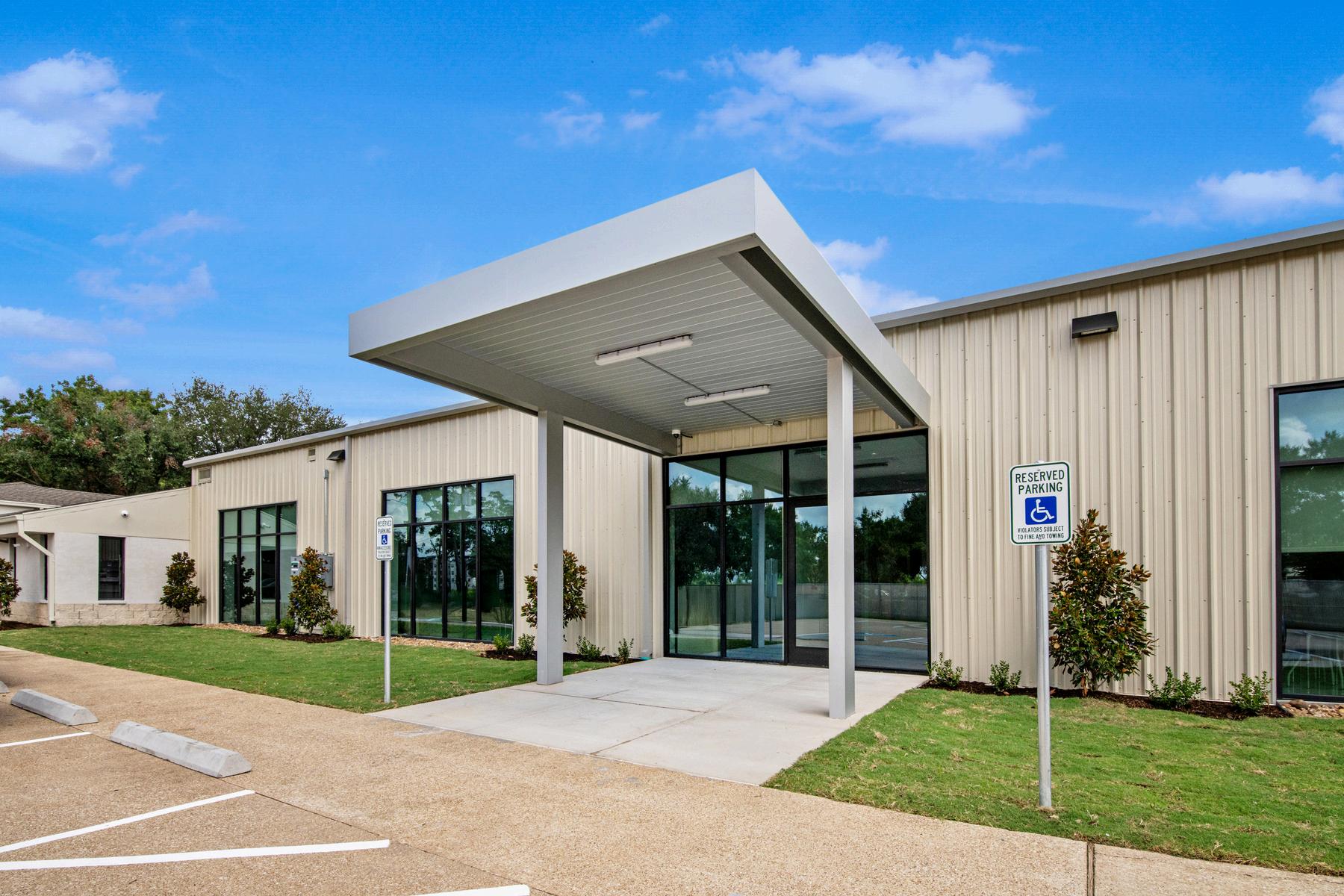
A campus designed to meet sensory and social needs
DISTINGUISHED DIPLOMA
A rigorous college-preparatory pathway requiring four credits each in math (including Algebra II) and science, plus a third year of foreign language.
FOUNDATIONS DIPLOMA
Meets Texas minimum graduation requirements and prepares students for community college or university through required coursework in English, math, science, social studies, foreign language, and electives
MODIFIED DIPLOMA
A personalized pathway for students who require reduced depth and complexity in coursework, supporting transition to employment, transitional programs, or community college.
PROGRAM OVERVIEW
ACADEMICS AND GRADUATION PATHWAYS
High school students complete coursework aligned with the graduation standards set by the State of Texas and work with advisors to ensure progress toward graduation Each pathway includes specific course requirements and opportunities for individualized accommodations related to sensory, communication, and social needs
Students work closely with their advisor or counselor to thoughtfully select courses and ensure progress toward the minimum 26 credits required for graduation during their time at The Westview School
CAREER EXPLORATION AND WORKBASED LEARNING
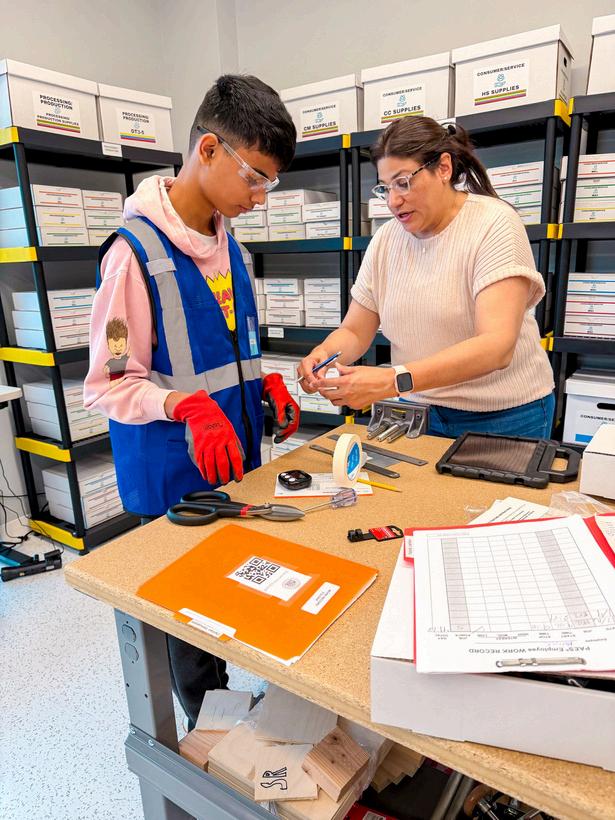
All students participate in career exploration through the PAES® (Practical Assessment Exploration System) Lab, a research-based assessment program that helps identify interests, aptitudes, functional skills, and work behaviors related to community-based employment Career exploration is required for all incoming freshmen and spans five major areas: Consumer and Service, Business and Marketing, Processing and Production, Construction and Industrial, and Computer and Technology
This process helps students better understand their strengths and informs future coursework, work-based learning opportunities, and transition planning
EXECUTIVE FUNCTIONING AND INDEPENDENCE
The High School program places a strong emphasis on developing executive functioning skills and independence Students receive support in areas such as organization, time management, planning, adapting to change, self-monitoring, working memory, self-regulation, collaboration, and study skills The high school schedule allows students to make choices, manage responsibilities, and choose whether to participate in social and extracurricular activities, helping prepare them for increased independence beyond graduation
SOCIAL SKILLS AND COMMUNICATION
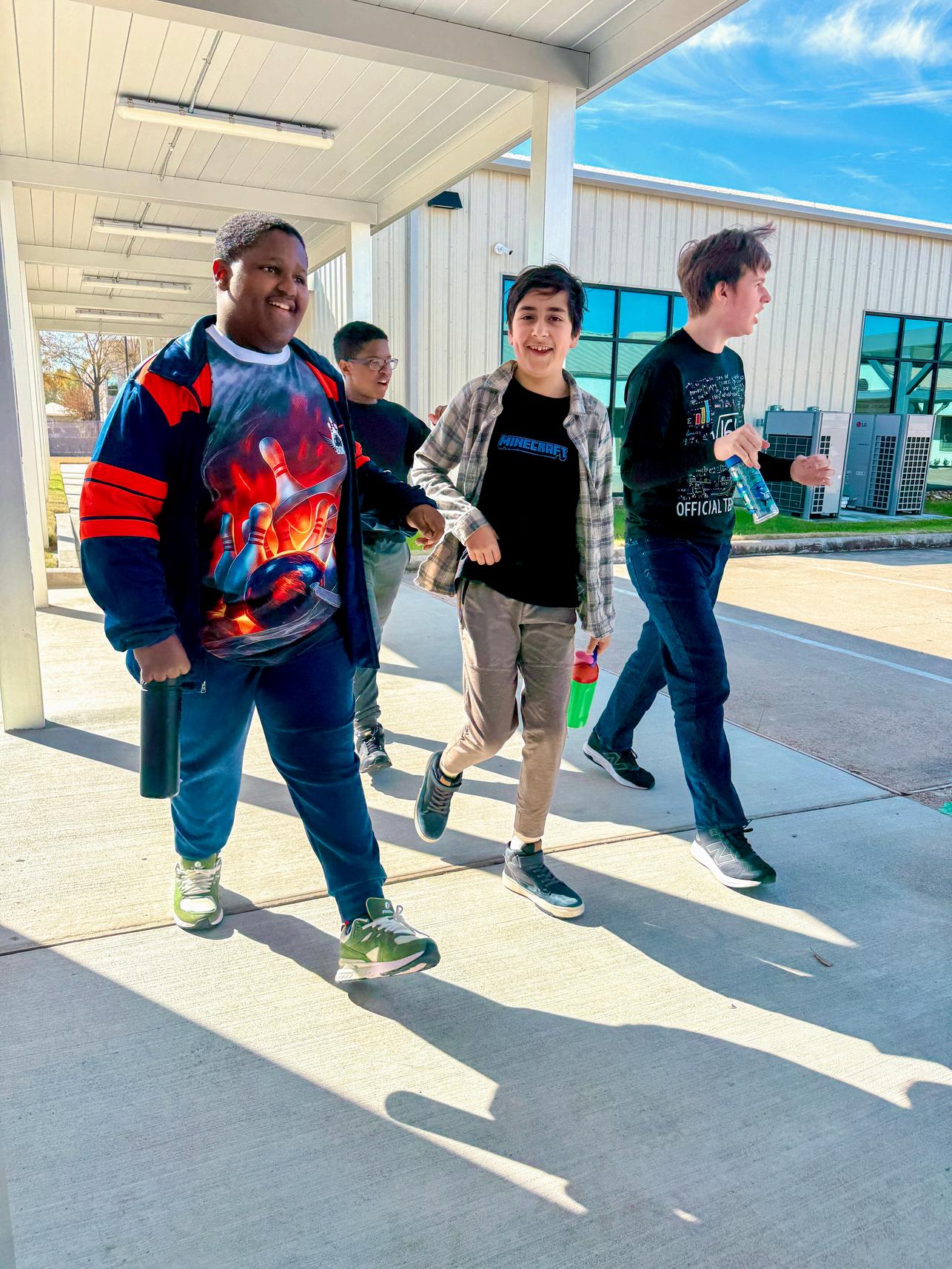
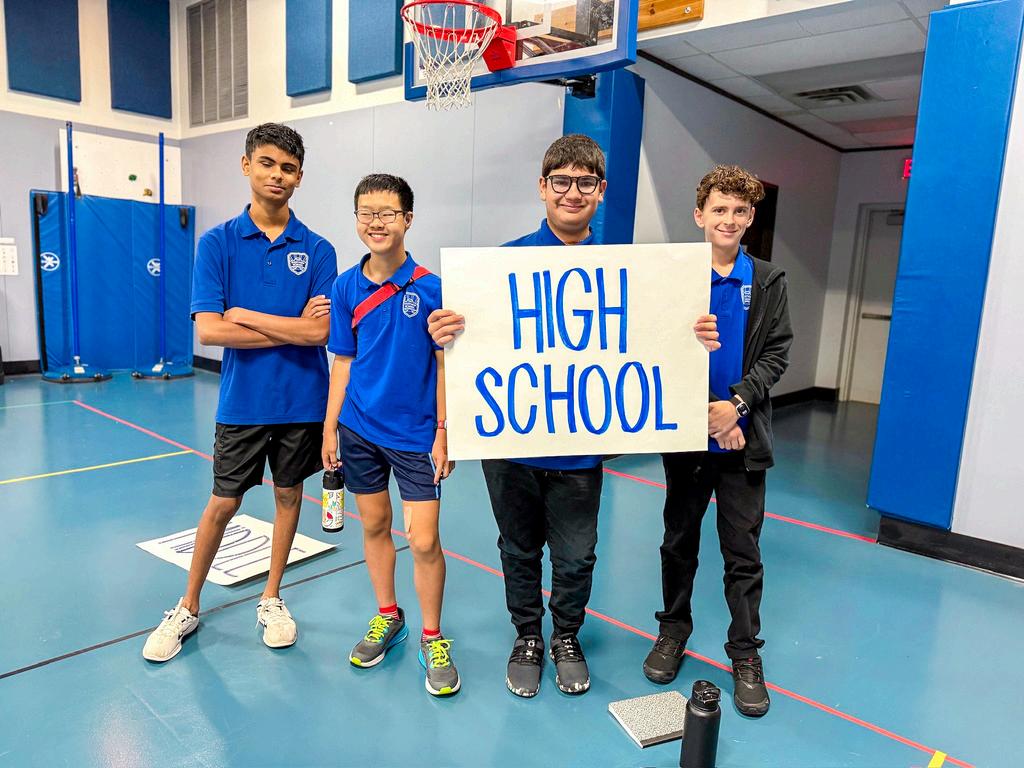
High school students are encouraged to engage in a wide range of social and extracurricular opportunities, including athletics, performing arts, dances, prom, student government, clubs, and school events These experiences provide meaningful opportunities for students to build relationships, practice communication skills, and develop confidence in social settings
TRANSITION PLANNING AND COMMUNITY PARTNERSHIPS
Westview partners closely with students and families to develop individualized transition plans that may include post-secondary education, vocational training, or employment Through intentional advising and collaboration with community partners, students are supported as they prepare for the next phase of their lives
Transition planning is integrated throughout the high school program through individualized advising and intentional community partnerships Westview partners with organizations such as the Texas Workforce Commission and Houston Community College to support students and families as they prepare for post-secondary education, vocational training, or employment These partnerships provide continuity of support as students move into adulthood
WHAT MAKES WESTVIEW HIGH SCHOOL DIFFERENT
Designed for Students with Autism
WestviewHighSchoolisintentionallydesignedfor studentswithautism Ratherthanadaptinga traditionalhighschoolmodel,theprogramisbuilt fromthegrounduptosupportcommunication, executivefunctioning,sensoryneeds,andsocial development
AtWestview,belongingremainscentral Students arepartofacommunitywheredifferencesare understood,friendshipsaresupported,andsocial opportunitiesarestructuredtopromotesuccess