
Women’s History Month: How It Started and Why It Matters
BY: CLAIRE MICHAUD
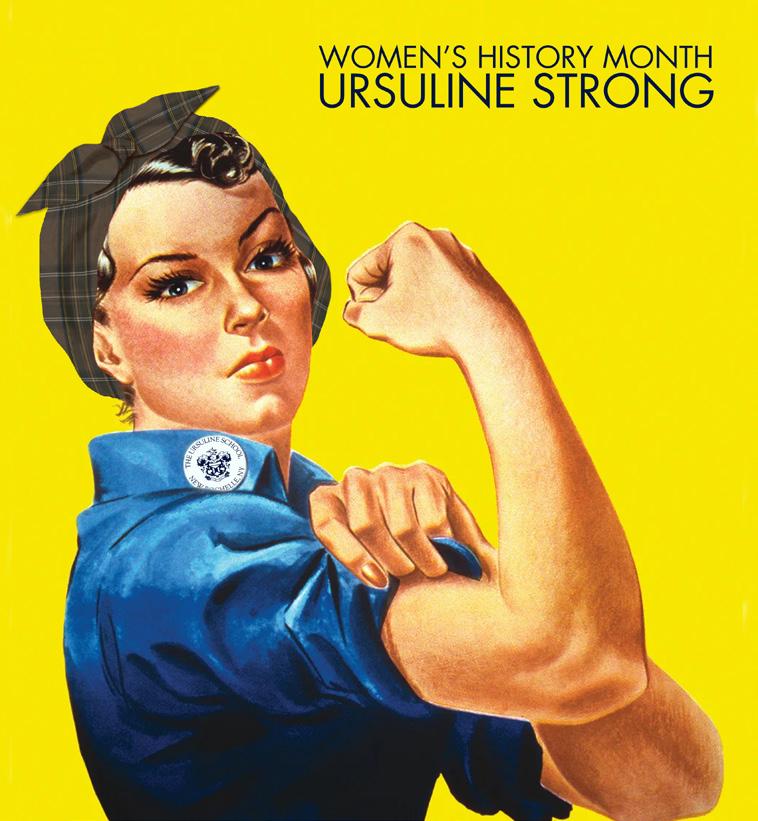
Women’s History Month started as a way to recognize and celebrate the contributions of women throughout history, which were often overlooked. It began with the creation of Women’s History Week in 1978, which
was chosen to coincide with International Women’s Day on March 8th. This week of celebration became popular, and in 1980, President Jimmy Carter declared the week of March 8th as National Women’s History Week. By 1987, Congress passed legislation designating the entire month of March as Women’s History Month, and has been celebrated ever since.
Women’s History Month is a month of empowerment and celebration nationwide. The month allows women to see themselves reflected in the stories of others who have shaped history. By highlighting the achievements of women in fields like science, politics, business, art, and activism, this celebration shows what women can achieve. It also helps people throughout the country understand women’s history more fully,
recognizing the contributions and struggles they have met and continue to go through.
Across the country, women’s achievements are celebrated in a variety of ways. Museums often host exhibits and events that highlight the contributions of women. These exhibits and events are very accessible and are an amazing way to visualize women’s achievements. There are also more tangible ways of celebrating, such as a festival in Los Angeles that is designed to support femaleowned culinary businesses.
Overall, Women’s History Month highlights the important contributions women have made over time and inspires future generations to pursue their goals. It celebrates women’s achievements, shows what is possible, and reminds us that there’s still work to do to truly achieve equality.
Science Olympiad Weekend
BY: ANNINA BULFAMANTE
On February 7th, the Science Olympiad team competed in their regional competition at Maria Regina High School, and it was a soaring success. It was a day-long competition that was created to challenge students’ knowledge in an enjoyable way!
Science Olympiad is a national competition, whose main goal is to bring students together who are interested in STEM through a series of rigorous competitions and standards-based challenges. Competitors study for months in order to prepare for the competition and the events range from biology, chemistry, and physics events. The teams compete in several competitions including Disease Detectives, Experimental Design, Astronomy, Microbe Mission, and many more! Our Science Olympiad team did amazingly well with Anusha Vaish ’28 and Brooke Szygiel ’28 placing 6th in Anatomy and Physiology. Also, President Anna Fahy ’26 and Honorary CoPresident Camille Montpelier ’26 placed 8th in Bungee drop and 9th
in Helicopter. We are so proud of their accomplishments!
In addition, on March 7th, the middle school competed at Scarsdale Middle School! This gave the younger students in the 6th to the 9th grade the opportunity to experience Science Olympiad events in a competitive setting. They competed in similar categories, including biology, earth science, and engineering, and got the privilege of gaining experience for the high school competition team.
The middle school division of the competition was equally successful, with Maya Kattapuram ’31 and Antoinetta Cuono ’30 placing 4th in the Solar System competition and Maya Kattapuram ’31 and Lily Armogan ’31 placing 10th in Potions and Poisons!
Overall, the competition was a tremendous success for both our high school and middle school teams! The Science Olympiad team continues to look forward to building on this momentum and representing The Ursuline School!
‘26
‘27
Celebrating the Success of Ursuline DECA
BY: SOPHIA GBADEBO ‘27
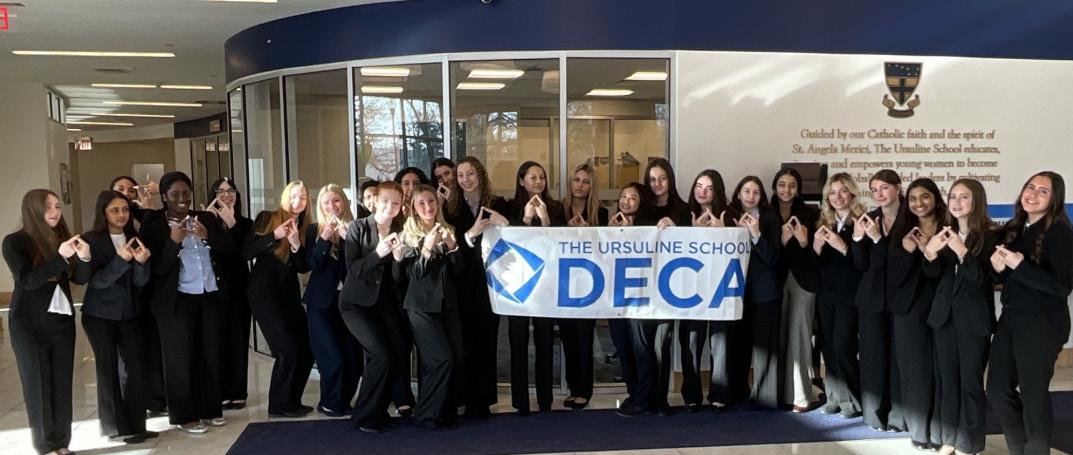
Distributive Education Club of America, better known as DECA, has only existed at Ursuline for two academic school years but is already making its mark as an award-winning program. Across New York state, there are over 11,000 DECA members and 150 chapters, with competitive events spanning finance, hospitality and tourism, marketing, law, and ethics.
At Ursuline, DECA is more than just a club; it is an opportunity for students to develop leadership skills and gain real-world business experience. At this year’s regional competition on January 7th at SUNY Rockland, we went home with two first-place awards in both an individual event and a team event. Ursuline competitors also earned two fourth-place awards, three third-places and two fifthplaces for both individual and team, two sixth-places, and finally, one seventh-place. In the end, we more than doubled our number of state competition qualifying members, going from eight to fifteen. This was a momentous achievement for not only the chapter, but Ursuline as a whole, signifying the impact members will make in their future careers as bright career women.
From March 4- 6, our team journeyed to Rochester, NY, to compete
at New York SCC (State Career Conference) for a chance to compete at ICDC, the international DECA competition. Long story short, it was a smashing success. Last year, eight members of Ursuline DECA went to SCC and we had one ICDC qualifier. This year, Ursuline had five. Four members got seventh-place state champion, including a team event, and one member received fifth-place state champion. These awards spanned various categories. Yet, there is more. Ursuline won fifth place for the Membership Growth Award for our chapter achieving over 100% growth in the last year. The chapter also received two Network Call awards for two members. Eight members, including myself, medaled at the competition for awards such as top ten test takers, top ten role plays, top ten overall, and the top seven ICDC qualifiers, winning the prized DECA glass. In addition to that, most medalists got two or more medals. Furthermore, an Ursuline member also ran the chapter’s first campaign for state office. After a day of campaigning, she was slated and made it to the finals.
Overall, this year was a milestone for Ursuline, showcasing the chapter’s rapid growth and hard work of members as they continue to build confidence and real-world business skills.
DECA Spotlight
DECA, Distributive Education Clubs of America, recently opened a chapter at Ursuline and has become increasingly popular among our koalas. DECA club meetings cover ways to become involved in service, research, communications and manuals, alternative competitions, and roleplay competitions. As a member of DECA, you have the opportunity to participate in competitions from the regional to international level through traditional competitions or manuals and research projects.
How Competitions Work:
The traditional competition comprises an exam and a role-play. Prior to the regional competition, which is the first of the year, members will take an exam based on the category of the competition registered for. This exam is ⅓ of your total score. At the regional competition, you will enter a prep room and evaluate a given prompt or situation for 10 minutes to then later present to a judge. This is when you will participate in the role-play portion, where you and the judge will assume roles such as a CEO or employee. During this role-play, you are given a problem to solve and asked questions by the judge. This makes up ⅓ of your score and is combined with your exam grade to total your final score. This final grade average is what you compete with against others for a chance to compete at the state level. However, the process to compete through manuals and research projects is a little different, as you will receive a prompt before your competition to prepare your project in the category you are competing in.
BY: EMMA DOMINGUEZ ‘27
in high school is that you get to take skills with you that you will further develop in college and then ultimately apply them to the real world.” Having the opportunities to learn about many different things is what allows one to understand the way everything ties together.
Their Future Plans & How DECA Has Influenced Them in Their Journeys:
Emilia plans on studying economics in college and becoming involved in corporate banking early in her career. Her long-term goal isn’t “just to get a job on Wall Street and manage someone else’s money,” but gaining the experience of how to manage money in high-pressure situations. After she has built a platform for herself through her career, she hopes to launch personal finance initiatives for people in America. She believes that a lack of financial literacy is a major problem in today’s world, not only for the youth, but also immigrants. She hopes to create resources for people to financially educate themselves as she stated “at the end of the day, money determines a lot in your life.”
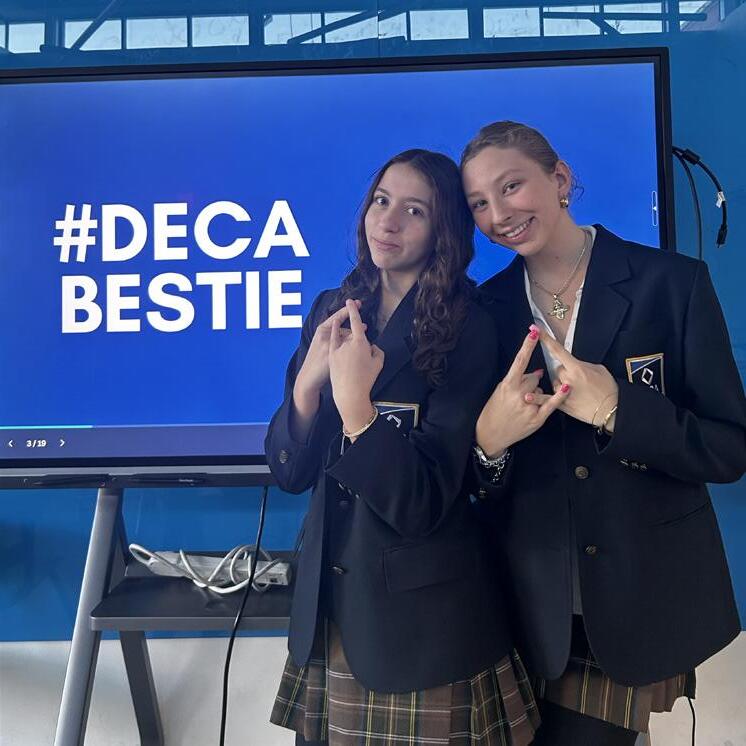
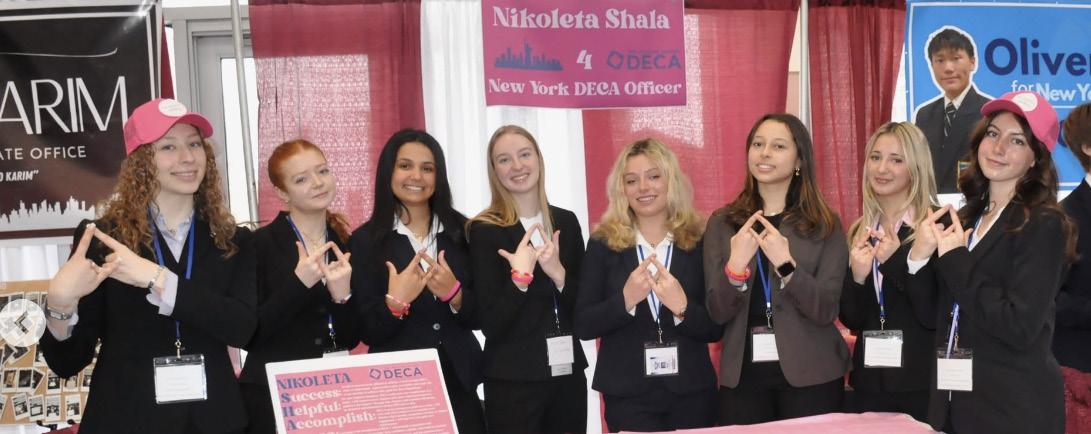
There is a misconception among people that DECA is simply a competition where you sign up to take exams and role-play, but it is truly deeper than that. Some with a brief understanding of DECA may simply assume that it is limited to finance and business, but there are a variety of categories available to compete in such as Hospitality & Tourism. Members of DECA agree that it is more than just competitions, but an opportunity to develop new interests and discover new aspects of yourself. Emilia Plawiak ‘27, Executive Vice President of Ursuline’s DECA Chapter, explains that, “DECA adapts to the person you are and what you want to make of it.” Emilia, along with Micaela Torres ’27, President of Ursuline’s Chapter, and Nikoleta Shala ’27, Vice President of Marketing, believes that DECA has taught them a tremendous amount – not only about their fields of interest, but also about how to present themselves and improve their communication skills. As Nikoleta explained, “DECA teaches you how to present yourself and talk to others.”
The fact that judges also consider any outside knowledge you’ve learned and decide to reference within your role-play reveals the depth and skillfulness required for DECA. Emilia explains that, “Whatever skills you’re gaining from an outside program, you can use to better your performance in DECA… there’s always a way to bring in your outside knowledge and experience… there is always an opportunity in DECA that aligns with it.” Certain fields are more complicated than they appear, such as entrepreneurship, which is the competition Micaela competes in. She explains that “it is a little bit of everything” as it balances finance, business, ethics, and moral character. She deeply believes in the importance of exposure to these opportunities and explains that “the point of getting involved with these while we’re
Micaela is interested in many paths such as studying economics and going into stock trade for large corporations or pharmaceuticals, where business crosses with the medical field. She is also interested in entrepreneurship, which is what she finds DECA to be so helpful for. She explains that DECA has given her a specialized skill set as even in the competitions for entrepreneurship, you still have to know more than just that topic. She says that, “Entrepreneurship takes knowledge from other fields as well. It takes a lot of skill to know how to present yourself and what connections you want to make.”
Nikoleta is interested in pursuing a career in business. She states that DECA has taught her everything from how to shake hands with someone to having the confidence to go into interviews without any worries. She says that DECA’s mission statement to “prepare emerging leaders and entrepreneurs in finance, marketing, management, and hospitality” already reveals the organization’s goal in preparing students for the real-life business world. She believes that the club has been extremely influential in guiding her towards that path, teaching her how to become “a leader who is willing to actually make a change and uplift its members.”
Honors & Awards:
Micaela and Emilia are both Bloomberg certified, while Nikoleta is currently working on her certification.
Emilia won second place in the Principles of Entrepreneurship at the Regional Championship. She was a top ten finalist at states, got a recognition award for top roleplay performance and top exam score performance.
Micaela got fifth place at Regionals last year, qualified for States, and received DECA Class sixth place. She also received recognition for top role-play score and went to Internationals (ICDC) in Orlando, Florida.
Last year, Nikoleta qualified for states and placed fourth. She has also received the DECA Scribes Award and the Networking Award. She was also a finalist for DECA New York State Officer and was chosen as best for Vice President of Communications by the National Committee of DECA.
The Sophomore Retreat
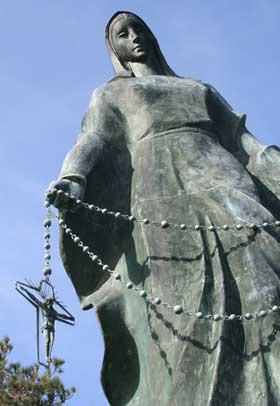
Sophomore year is a very tumultuous time in the lives of high schoolers. It is the last year in which they are considered underclassmen and the beginning of their inquiries into colleges, majors, minors, and their desired future careers. Sophomore year is usually the time many students take their first Advanced Placement classes. During these periods in life, in which we are at the beginning of a big transition, or preparing to enter an unfamiliar environment, we often lose sight of what is constant in our lives, what remains a lighthouse in the darkness and chaos of life’s many storms. Enter: The 2026 Ursuline Sophomore Retreat.
This year’s Sophomore Retreat took place at the Marian Shrine in Stony Point, in the same location as the Freshman Retreat the previous year. However, where the previous year was led by a priest, with a lecture as its focal point, this year’s retreat was peer-led, activity based, and revolved around a clear and widely applicable theme – weathering the storm. Personally, I found this retreat to be incredibly eye-opening and enjoyable, and I think a large part of that is due to the strong leadership of the peer ministers who directed the retreat. We began with Mass, and then moved into the room in which we participated in a quick icebreaker before breaking up for lunch. Then, we were sorted into small groups led by a peer minister, given pamphlets, and led through various activities ranging from meditations to prayers to listening to testimonies.
These activities fostered real connections among students that may not otherwise socialize with each other. In my small group, peer ministers led us through activities that encouraged open discussion, in which we shared our sophomore experiences and received real, helpful
BY: CHLOE STELLA ‘28
guidance from our upperclassmen. We saw how faith has shaped our fellow classmates’ lives, and we were able to hear the perspectives and experiences of the peer ministers about things that they had overcome and which we continue to struggle with as we navigate the various transitions involved in high school life.
Oftentimes, in periods of extreme change such as these, our interactions with our peers become tainted by our anxieties and agitation. We often begin to turn our stress inward, so that even our relationship with God seems incapable of assuaging our fears. In these times, it becomes easy to feel as though we have no agency in the direction our lives are heading in, that we are being pulled by strong winds to and fro, from one disastrous event to the next. Other times, we feel as though the torrential rain blocks our way, forcing us to bide our time in anxiety, as dark clouds blot out the sun and we lose sight of our improvements and advances as our progress grinds to a halt.
Worst of all, we fear that the storm will rock our very core, tear up our foundation and uproot our lives. Sometimes these fears may even come to pass. But these storms are always capable of being weathered with God’s help. As Jesus reassures us in the Gospel of Luke:
“I will show you what someone is like who comes to me, listens to my words, and acts on them. That one is like a person building a house, who dug deeply and laid the foundation on rock; when the flood came, the river burst against that house but could not shake it because it had been well built” (Luke 6:47-48).
This retreat was the perfect opportunity to truly listen to Jesus’s words, which we may often find hard to comprehend, because during this retreat, Jesus spoke through our peers. That, I believe, is the beauty of the community Ursuline fosters. Whenever we feel as though we can no longer hold our heads above the high waters of the unruly sea of life, when we feel as though we are lost in the storm and unable to see for ourselves, we know there is a community that is ready to lift us out of troubled waters and give us shelter to take refuge from the storm. That is the well executed goal of this retreat - to show us how to use the community we find through our faith to build a foundation that can outlast all of the storms of life, and that can shelter not only ourselves, but all who need a place of respite in the midst of their hectic lives, academic or personal.
The Freshmen Retreat
Freshman year is scary for most. New place, new people, no idea which direction to go, but the one thing that stays constant is God’s belief and trust in us.
On January 16th, the freshmen class had their retreat. Traveling up to Marian Shrine, the day was filled with excitement. The day started off with Mass, led by Fr. Manny, filled with reflection and many songs. The church, with its many beautiful aspects, including a large stained-glass window in the front, brought a peaceful atmosphere to this time of reflection. After Mass, the energy skyrocketed as we sang songs and danced with our friends. After the songs, we did crafts with groups. Two of the crafts included making a poster and paper flowers. The groups we were with had been designated beforehand, meaning everyone worked with people that maybe they didn’t know.
BY: EMMA DIBRA
This all stemmed from the main focus of the retreat - friendship. We also spoke about our relationship with God. Senior, Kaitlyn Horgan, shared her heart-touching story about her relationship with God, making all of us realize how lucky we are to have God in our lives. Overall, I really enjoyed the retreat. I had a fun time with my friends, all while making new friends in the process. Learning new things about each other not only helped us know each other better, but also become closer. Thank you to Dr. Gelpi, Ms. Marrero, the Peer Ministers, all of the teacher chaperones, and the staff at Marian Shrine for a great experience for all of the freshmen. And if you only take one thing away from the retreat, remember: “God is good all the time, and all the time God is good.”
‘29
Cabaret 2026
BY: CAMILA NAPOLEON ‘26
The 8th annual Cabaret came to a roaring success after audience members watched performers from the Ursuline school sing, act, and dance. With numbers from Beauty and the Beast to the musical Hadestown, this year there was a song for everyone. As my last performance came to an end, I couldn’t help but feel proud and honored to be a part of such a wonderful cast and crew.
This honored tradition celebrated not only the cast’s amazing talent, but all funds donated towards the performances were sent to a domestic abuse charity that helps men and women find a place back in the world after exiting an abusive relationship. This year, $3,256 was raised over the course of three shows, which set a record for the most raised for the charity performance in almost a decade. Each audience member had the chance to donate at their own discretion, so it was amazing to see the amount raised going to such a worthy cause. The cast, directors, and crew combined dedicated over 50 hours of their time towards Cabaret so that this show could be extremely successful.
The student directors, Emily Trezza ‘26, Mya Joseph ‘26, Erin O’Brien ‘27, Rose Cockburn ‘27, and Mikayla Eagan ‘27, picked the songs, choreographed dances, created harmonies and staged the lighting for all twenty songs. It was their first year being student directors after being passed down the honor by last year’s seniors. Faculty moderators, Mrs. Gentry and Mr. Falipou, helped in cutting the songs down and aided in all the technical aspects. The songs ranged from duos to entire cast numbers that each had their own unique costumes picked by Ella Herspring ‘26. Each person, including both the cast and crew, put their all into their numbers making it into their own piece. As a senior, with this being my last show and season of Cabaret,
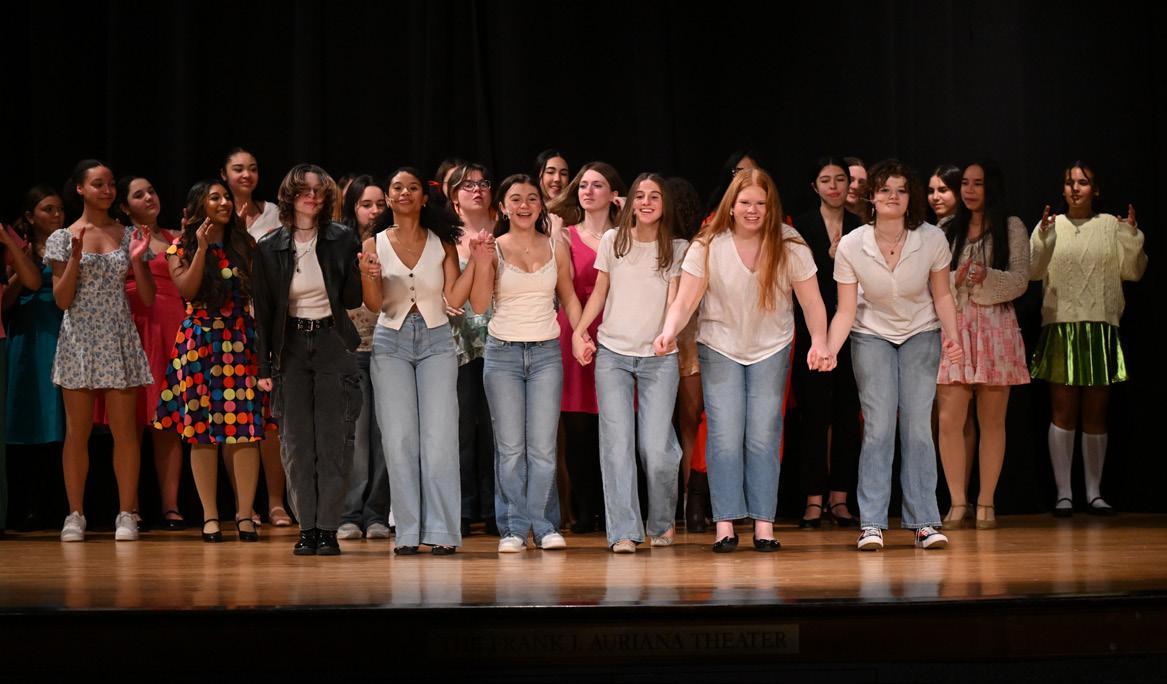
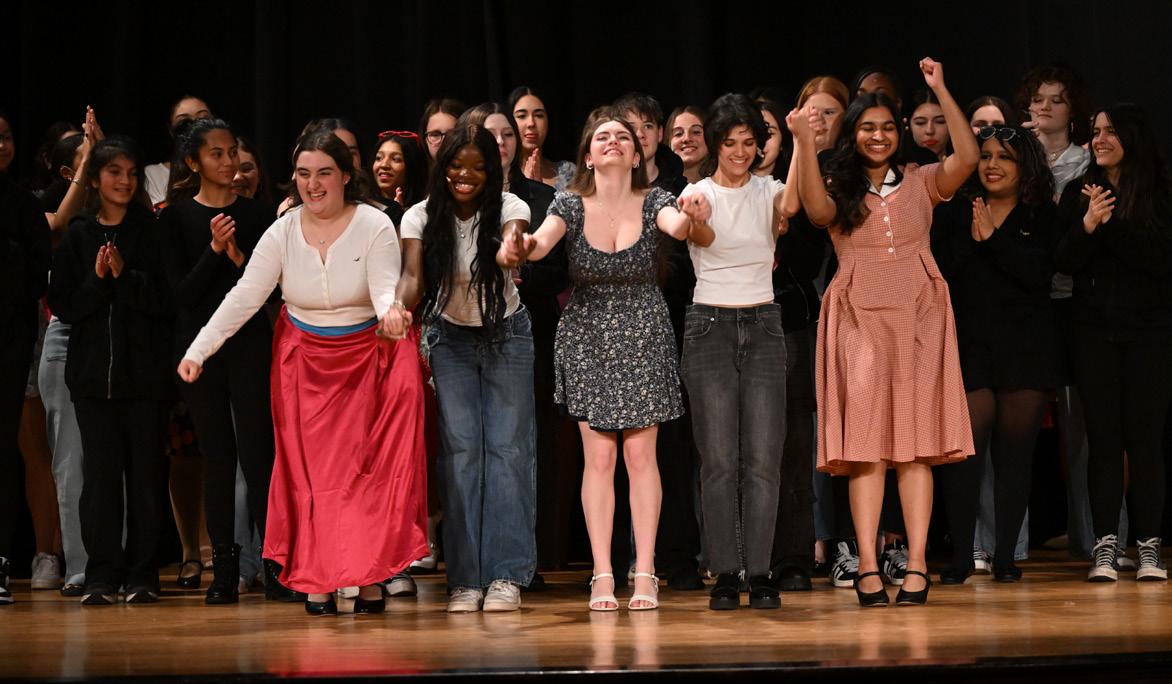
it was really special and bittersweet being able to be with the cast members, knowing it was the last time I would be able to perform. The amount of dedication and hard work everyone put into it gave me a lasting impression, making it unforgettable. Here’s to many more wonderful shows in the future at Ursuline, leaving a legacy combining performing arts and service.
Model UN - Boston Trip 2026
This year, the Model UN team has attended various conferences to showcase their diplomacy and their skills in the committee room, but none of these were as monumental as BOSMUN. BOSMUN is a large-scale Model UN conference that hosts thousands of delegates each year and strives to unite young leaders from around the world in global engagement. Twelve members of the team traveled to Boston for this conference, joining nearly 3,000 students from 150 schools worldwide for one of the most prestigious conferences of the year. The team was able to enjoy Boston for a bit before the committees started and participated in multiple team bonding activities. The team kicked off their trip with a night of bowling, where they were able to enjoy dinner and have fun with their teammates. They also took a visit to the Russell Museum of Medical History, where they explored the historic Ether Dome and learned about the first usage of anesthesia in surgery. They discovered many medical facts while exploring the museum and even tested their skills with a laparoscopic surgery simulator. The weekend was a great way for the delegates to improve their skills in diplomacy, beginning with an inspiring opening ceremony and keynote speakers Dr. Youssef Chahed, former Prime Minister of Tunisia, and Marley Rave from the organization No Kid Hungry. From there, the delegates moved into a series of sessions packed with intense debates ranging from the Ottoman Siege of Constantinople to INTERPOL art theft
investigations. Delegates worked towards solutions to their respective issues all throughout the day, engaging in meaningful conversations and writing multiple resolutions. Chloe Stineman ’28, participated in further debate within an eventful “Midnight Crisis”, which was an additional session to solve an emergency issue, like something that could happen in the actual United Nations. This went through the late hours of the night, and from midnight to 2 am, those in the committee diligently tried to solve the crisis. They returned the next morning after working through the night, showing their dedication throughout their attendance to this committee. For multiple members, this was their first overnight experience at a conference, so for them, all of this was new, and they hadn’t participated in a committee of this kind before. On the other hand, multiple seniors accompanied the team on this trip, and while this was their last time participating in a multi-day event like this with the team, it was ultimately quite memorable for them. Justine Dolan ’26 received an Honorable Mention for her work in her committee on the Philosopher’s Round Table and Mary Claire Sutterlin ’26 also received an Honorable Mention for all that she did in her committee on the Food and Agriculture Organization. Overall, the Ursuline Model UN team left Boston as winners, and each and every member of the team learned valuable lessons about teamwork, public speaking, and diplomacy.
BY: CHLOE STINEMAN ‘28
Spring Break Reads
There is no doubt that the stress and hustle of the school year can hinder a student’s ability to read for enjoyment and to do so consistently. With spring break approaching, I have curated a list to get everyone out of that winter reading slump and back into this relaxing activity. Many of these works have established or upcoming screen adaptations too.
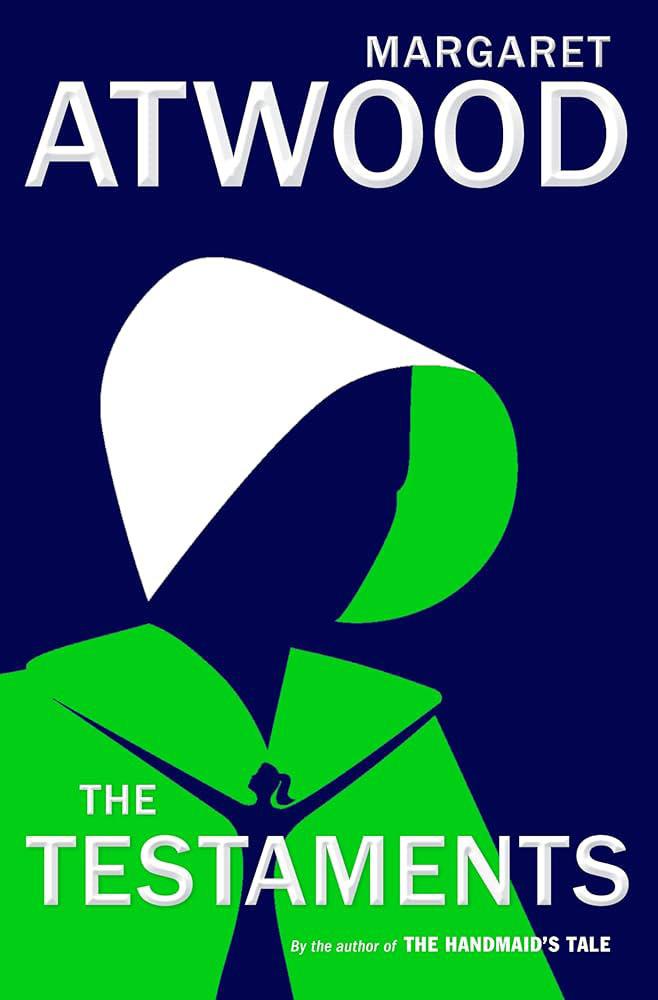
#1The Testaments by Margaret Atwood
Best-selling author Margaret Atwood delves back into her dystopian “Republic of Gilead” in this novel, written in 2019. It serves as a sequel to her most widely known work, The Handmaid’s Tale, written 35 years prior. What interested me about this novel was that though Atwood hadn’t taken a hiatus from writing in totality, her choice to resume a series nearly 40 years after its initial publication places it in a completely different world. The story follows three different women, Aunt Lydia, Agnes Jemima, and Nicole, as they navigate life in the repressive theocratic state of Gilead, set 15 years after the events of The Handmaid’s Tale. The book is also being adapted by Hulu in a series set to release in April of this year. Who doesn’t love a book to screen adaptation? I know I do!
#2
Beautiful World, Where Are You by Sally
Rooney
BY: MAGGIE HYLAND ‘26
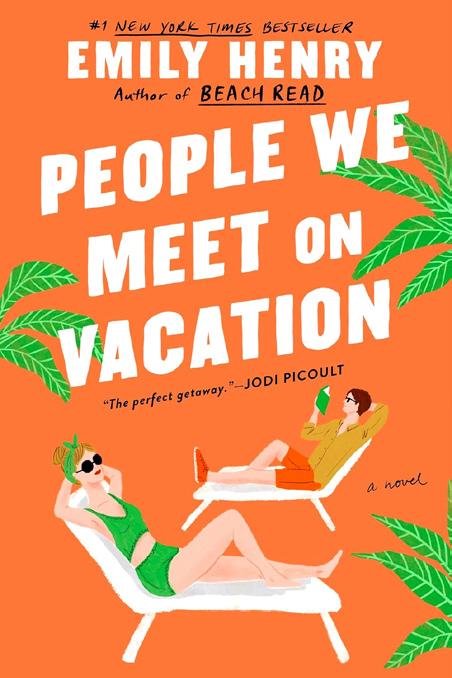
#3People We Meet on Vacation by Emily
Henry
Emily Henry is THE summer author of our time. With fun and flirty novels like Happy Place and Beach Read, her style provides digestible entertainment and the perfect fix for the Winter Blues. If you’ve perused Netflix lately, chances are you’ve seen the recent movie adaptation of this novel. People We Meet on Vacation follows Alex and Poppy, two college friends from Linfield, Ohio. Poppy is adventurous, with insatiable curiosity and wanderlust. Alex is sweet, reserved, and very committed to living out his days in Linfield. After meeting while attending the University of Chicago, the two agree to take a trip once a year for one week. This brings them closer together, and eventually further apart. The movie adaptation is clever and close to the book, so make sure to check it out after reading.
#4The Silent Patient by Alex Michaelides
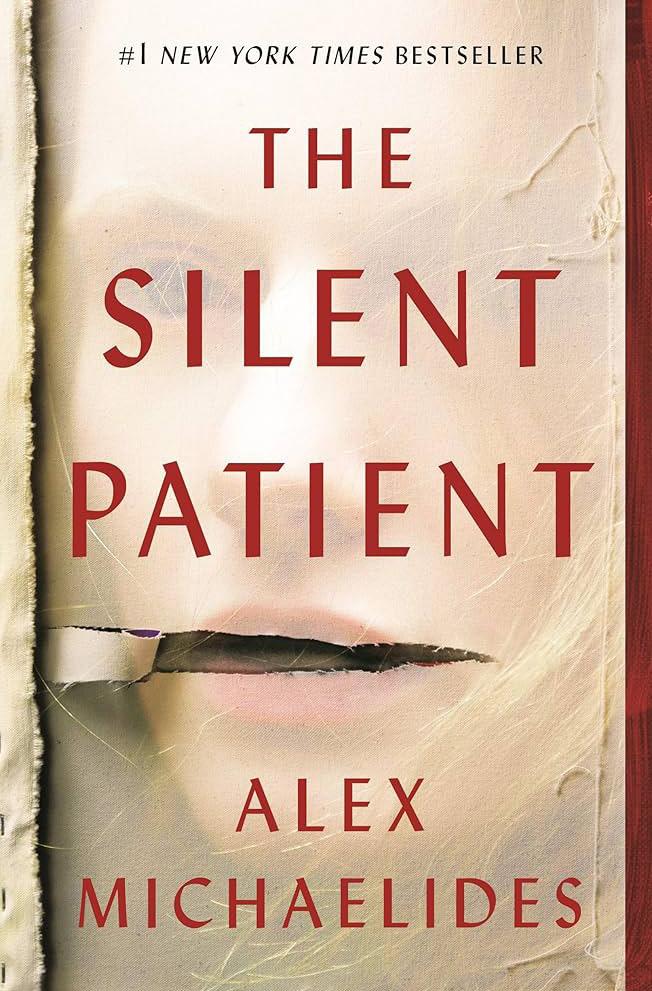
If you’re into thriller books, this one is a must-read. It follows Alicia Berenson, a woman living in a mental institution following the murder of her husband. She hasn’t spoken a word since. Her case gets picked up by Theo Faber, a criminal psychotherapist, determined to get her to speak and derive her motives. This book’s full of dramatic twists and turns, and not everyone is who they say that they are. One of my favorite books of all time, definitely worth reading.
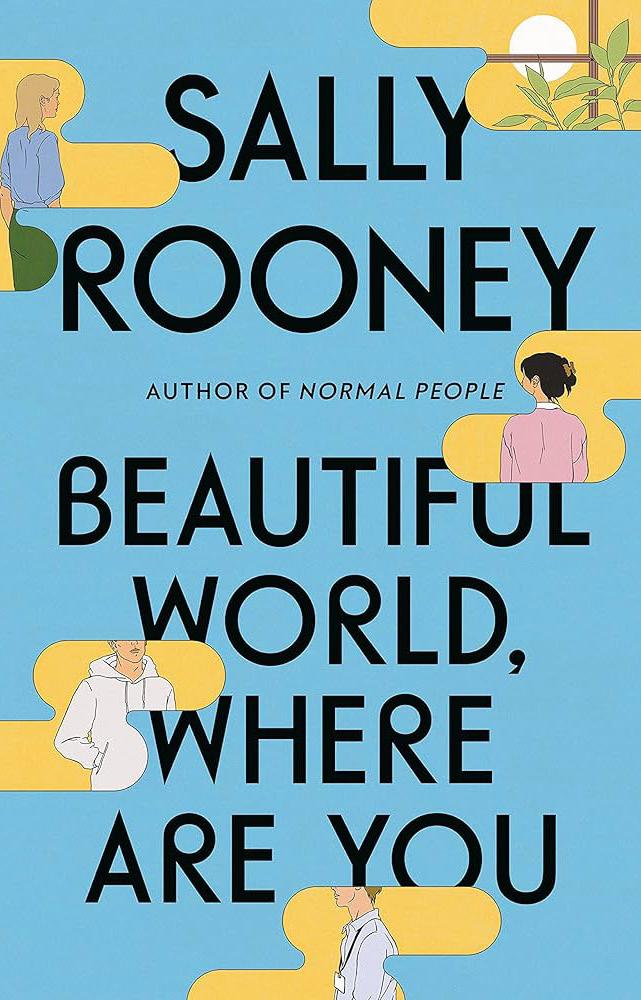
This novel was written in 2021 by Irish author Sally Rooney, and it follows two friends, Alice and Eileen, as they correspond via email. Alice is a best-selling author who is taking some time in the Irish countryside to recover from a mental breakdown that resulted from the pressures of fame and the expectations placed on her by the public and the creative world. Eileen, slightly less successful than her companion, works at a literary magazine in Dublin as an underpaid assistant. The novel deals with the themes of modern friendship, romantic love, and the search for beauty in a chaotic, disillusioned world. Rooney’s style is unique and interesting, seeing as she doesn’t use quotation marks, and most of her works have complex portrayals of capitalist society and mental health.
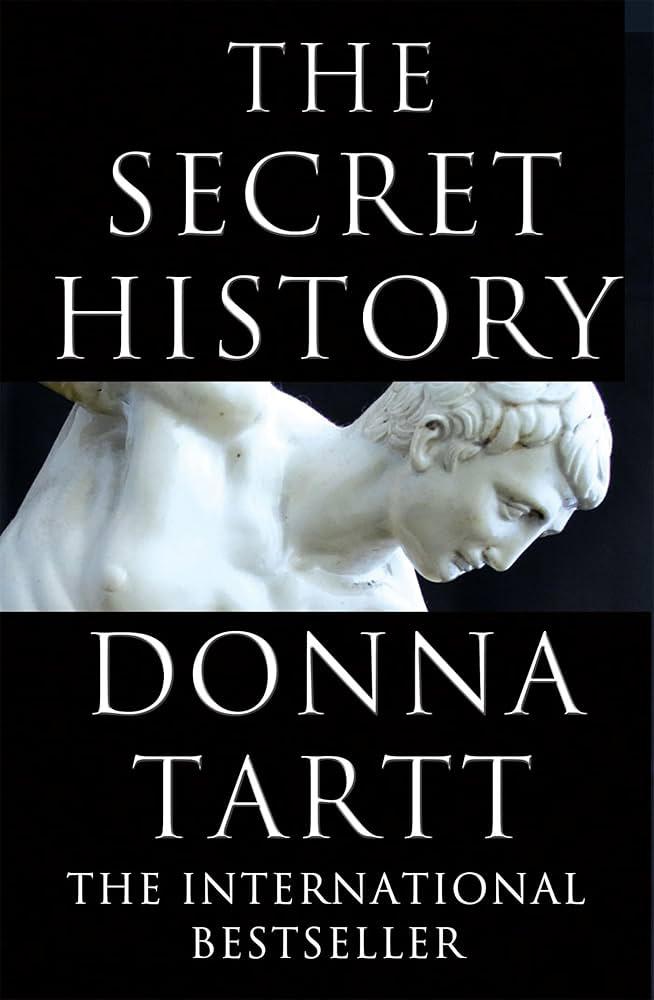
#5The Secret History by Donna Tartt
If you’re looking for a book that feels like a fever dream of Greek tragedy and high-stakes intellectualism, The Secret History is an absolute must-read. Donna Tartt perfectly captures the intoxicating, often dangerous allure of an elite inner circle, following six classics students who take their studies way too literally. It’s the ultimate dark academia blueprint—dripping with atmosphere, Vermont winter chills, and the slow-motion car crash of a murder you see coming but can’t look away from. Read it for the lush prose and the haunting psychological depth, but stay for the chilling reminder of what happens when aesthetic beauty is prioritized over morality.
13 Drivers’ Licenses
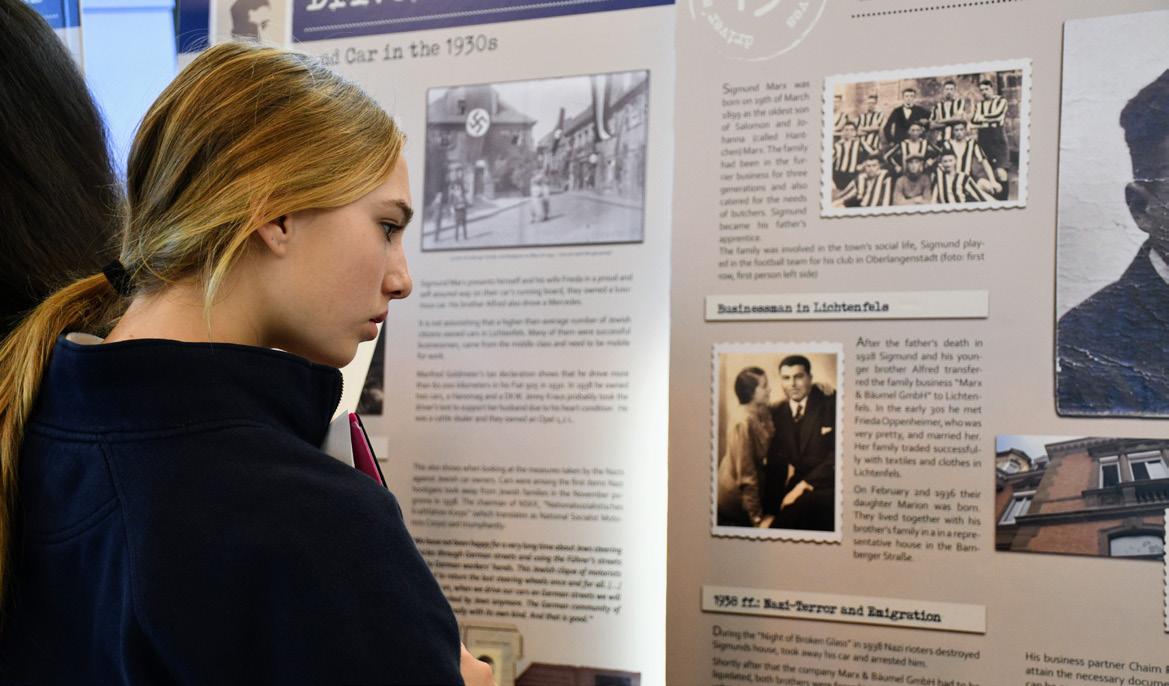
Eighty years after they were confiscated by the Nazis, thirteen Jewish drivers’ licenses lay in a brown folder in Lichtenfels, Germany, a town that wiped out its entire Jewish community during the Holocaust. Their owners’ lives were uprooted and torn apart, their stories nearly forgotten – until 2017, when the licenses were discovered and brought to public attention by a group of local high school students. The descendants of the license holders were contacted, beginning a journey to reclaim their family’s pasts and honor the memories of the dead. Among them was Lisa Salko. Working in collaboration with the Holocaust & Human Rights Education Center, Ms. Salko honored The Ursuline School on January 8, 2026 by sharing her family’s story of remembrance, loss, and survival. Those were not merely thirteen drivers’ licenses, but thirteen lives. She reminded us that “never again” has to mean more than just words and we all need to be “upstanders.”
Mrs. Barton, Director of Global Education at Ursuline, first heard Ms. Salko speak five years ago and was moved by her powerful story. Mrs. Barton continues to do her part to educate others on the importance of remembering the lessons of the Holocaust. She was now inspired to help share Mrs. Salko’s inspirational and personal story with Ursuline. Global Scholars students and eighth graders, alongside many other faculty, students, and staff, came together for the 13 Drivers’ Licenses presentation in the Auriana Theater. Mrs. Barton introduced the presentation by reminding the audience of the horrors of the Holocaust, the importance of Holocaust education, and the responsibility to be aware and not tolerate antisemitism in our community and world. Then, Ms. Salko rose to the podium and captivated the audience’s minds and hearts with the remarkable story of the 13 Jewish citizens, including her grandfather and two great uncles, whose licenses were seized by the Nazis during Kristallnacht (“Night of Broken Glass”) in 1938. Lichtenfels, Germany was once overflowing with Jewish culture and life, but after the Holocaust, their presence in the town was entirely wiped from history. Synagogues, as well as Jewish homes and businesses, ceased to operate, and only three out of one hundred and fifty Jewish headstones were left standing. In 1942, Ms. Salko’s family, the Oppenheimers, were forced to leave their homes in Lichtenfels and board a deportation train to Poland, where they were transported in cattle cars to an extermination camp. 180,000 Jewish people were brutally killed between 1942 and 1943. Fast forward to 2017: thirteen Jewish drivers’ licenses were recovered and instead of simply archiving the licenses, local educators were empowered to do the right thing. The local high school history teacher created a research project focusing on discovery, reflection, and reconciliation. Descendants of the license holders were contacted and connected to the German students. Salko reflected on the shock she
BY: ANNIE NUGENT ‘28 AND KATIE KELLY ‘28
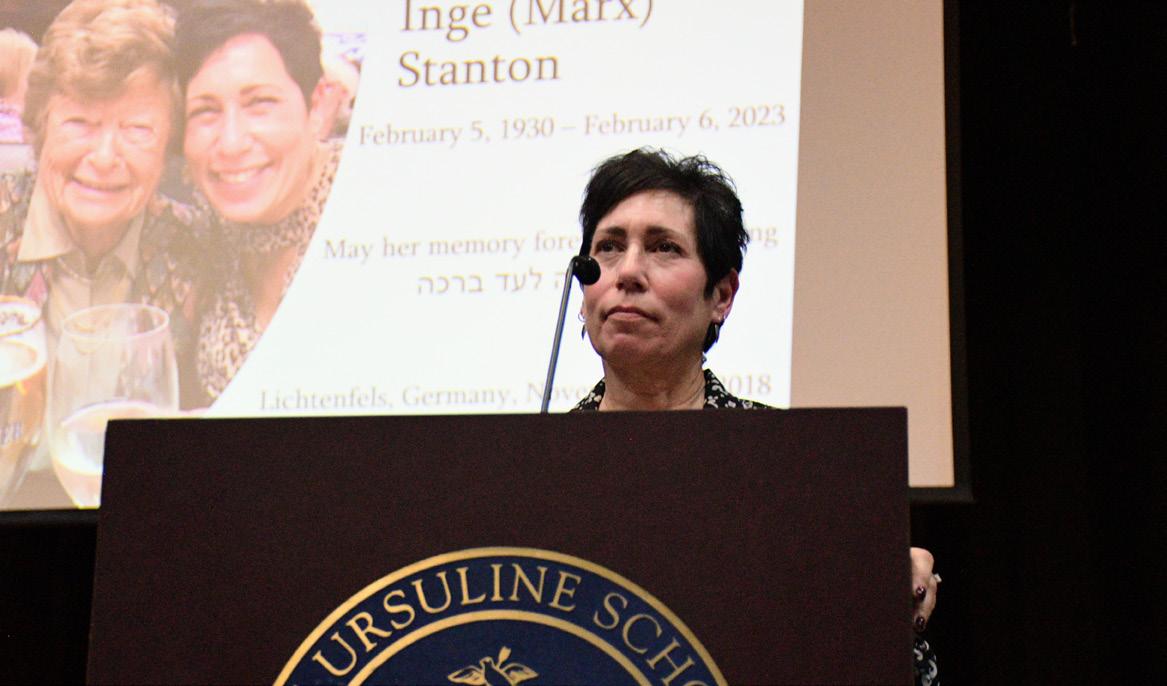
felt when receiving that phone call, beginning an incredible journey that reunited her with her family history. She learned a lot about her grandfather who had escaped the horrors of the Holocaust to England before migrating to the Boston area. Throughout her presentation, Salko emphasized that we are responsible for the memories of the dead as well as the living.
Salko expressed that a meaningful aspect of this experience was the town of Lichtenfels’ willingness to acknowledge its dark history. Often, society tends to want to disguise the uglier truths of the past. Salko found it particularly remarkable that the road to remembrance was led by the younger generation. She recounted how the German high school students, none of whom were Jewish (some of them had never even met a Jewish person), researched each name using archives, interviews, and even Facebook, restoring the pieces of their lives before they were torn apart by the Holocaust. Each case was treated not as a mystery to be solved, but as a life to be cherished and honored, a piece of someone’s family history. “In many ways, these students gave (Salko’s) family history back to her,” said Steve Goldberg, HHREC Director of Education. Without those students’ dedication, care, and thoughtful consideration, the 13 Drivers’ license project would not have been possible, and Salko never would have had the chance to share her experiences with the world.
The presentation was also accompanied by a travelling panel exhibit, courtesy of the Holocaust & Human Rights Education Center and its Director of Education, Steve Goldberg. The thoughtfully crafted display was available for viewing and education throughout the day at Ursuline, each banner telling the impactful story of each individual’s life. Salko’s own family members were among them, as her great uncles and grandfather were driver’s license holders. In November 2018, Salko and her sisters visited Lichtenfels, Germany to attend a public ceremony in which the driver’s licenses were returned to the family members. This unforgettable moment deeply impacted Salko. She finally felt justice for these thirteen people. They all had a story waiting to be told, and, thanks to her, the world was finally going to be able to hear it.
Throughout the presentation, Salko not only shared her remarkable story, but also inspired inward reflection. She challenged students to bear witness to the past and be upstanders to antisemitism, which unfortunately still exists today. She stressed that all of our voices are needed more than ever and asked for everyone to find within themselves the courage to speak up for what is right in a world where hatred is normalized. Salko’s impactful words stayed with all of us long after leaving the theater that day: “In a world full of darkness, we need to be the light.”
Rom-com Movie Watchlist
BY: MOTUNRAYO NUBI ‘28 AND LAURA LENIHAN ‘28
Everyone loves a good rom-com, whether it’s a cozy at-home viewing or new theater release, it’s a great way to relax with some lighthearted entertainment. Across the decades, many films under said genre remain classics with lasting popularity and impact. Movies on the watchlist take place in a range of settings, from schools and cities to vacation sites and wedding venues. There are plenty of options, and each movie is perfect for cozy evenings and weekends.
10 Things I Hate About You (1999):
An iconic teen film inspired by William Shakespeare’s Taming of the Shrew. The film follows high school bad boy, Patrick, and his attempt to woo anti-social “shrew,” Kat, after being paid to do so by a lowerclassman who is smitten with Kat’s popular younger sister, Bianca, who cannot date until her older sister does. This movie has remained popular through the years and is often cited as one of the best romantic comedies released.

To All the Boys I’ve Loved Before (2018):
An endearing movie based on Jenny Han’s book series detailing the life of shy high schooler, Lara Jean, after letters dedicated to five boys she once had strong feelings for are mailed out and delivered to each one. It has two subsequent films, and both the book and movie series are adored for its relatable protagonist and comforting tone.
Crazy Rich Asians (2018):

A fun, drama-filled movie praised for its Asian representation that follows Chinese-American Rachel, who travels to Singapore with her boyfriend, Nick, only to discover his family is one of the wealthiest in Singapore. Cultural differences and Nick’s family’s disapproval begin to threaten the pair’s relationship. It explores themes of tradition and identity while remaining witty and vibrant.
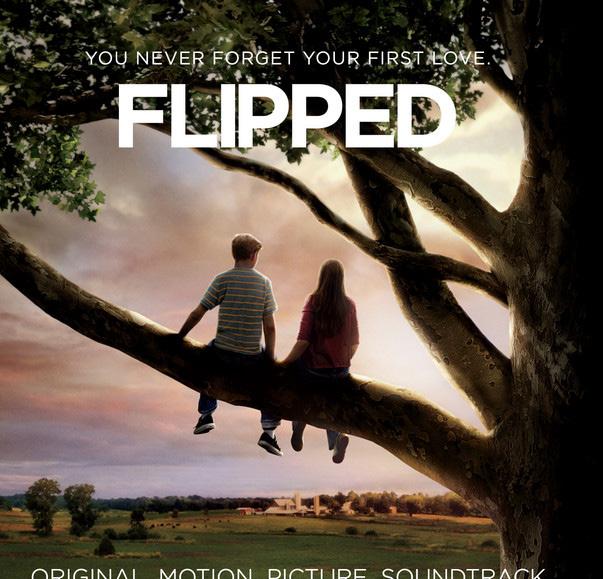

Flipped (2010):

A nostalgic, coming-of-age romance taking place in 1960s Michigan. It tells the story of middle-school neighbors, Juli and Bryce, whose feelings for each other are constantly “flipping.” Throughout the movie, the characters mature and ultimately learn to connect on a deeper level.
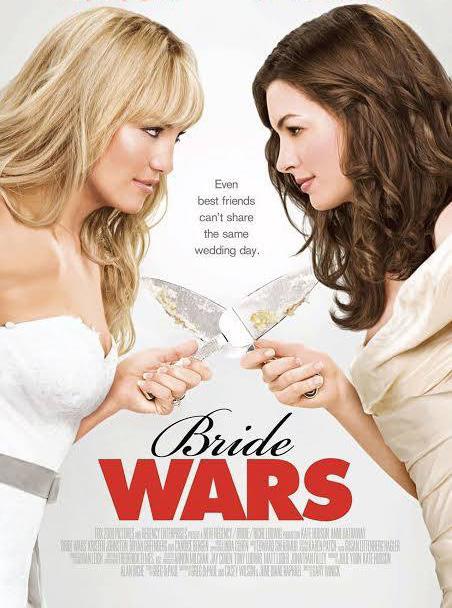
Bride Wars (2009):
A lighthearted movie revolving around lifelong friends who become rivals upon learning they have both scheduled their dream weddings on the same day at the same venue. They sabotage one another, engage in petty revenge tactics, and focus more on their desires for a “perfect” wedding rather than examining their partners. It is fun, comedic and explores the importance of love and friendship and life over material possessions
She’s the Man (2006):
This is a genuinely funny movie about Viola, who pretends to be her twin brother so she can play soccer on the boys team after the girls team is cut. She ends up living in the boys dorm dealing with a lot of awkward situations and accidentally falling for her roommate, Duke. This movie is filled with funny moments and keeps you rooting for Viola the whole time.
13 Going On 30 (2004):
Jenna, the main character, wakes up as her 30 year old self after wishing to be “thirty, flirty, and thriving” after her disastrous 13th birthday party. It’s interesting to see how she handles adult life with a teenager’s mindset. The film is lighthearted and clever, but also shows how important it is to keep your values and not change yourself to fit in.

A Cinderella Story (2004):

This is a modern version of the Cinderella fairy tale. Sam deals with an unfair stepfamily while trying to get into her dream college. She finds herself in an anonymous online relationship with a popular guy from school. The story is about not letting people’s opinions hold you back and staying true to yourself.
27 Dresses (2008):
Jane is always the bridesmaid, never the bride. She’s loyal, but sometimes that means putting her own happiness last. The movie is realistic about the ups and downs of relationships and friendships, and it has a good mix of comedy and heartfelt moments
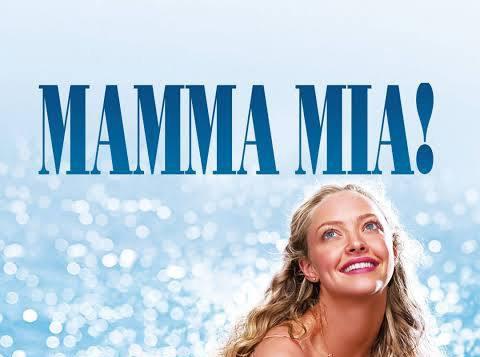
Mamma Mia (2008):
Set on a Greek island, this musical is about a young woman, Sophie, trying to figure out who her real dad is before her wedding. It’s upbeat and full of energy, with a lot of great music, but at its core, it’s about family and making your own choices.

Easter Traditions Around the World
BY: NATALIA KAUTZ ‘29
Many of us know typical American Easter traditions such as Easter Sunday Mass, family egg hunts, and visits from the Easter Bunny. But do you ever wonder about the history of these traditions? And if these traditions are celebrated worldwide?
Easter practices stem from two major cultural traditions, Christianity and Paganism. The Christian aspect is rooted in the Bible, specifically the New Testament. For those who practice Christianity, Easter celebrates the resurrection of Jesus Christ after his crucifixion for the sins of humanity. Easter also incorporates elements of Paganism, including the belief that the spring equinox marks a new beginning and the traditions that accompany it. These two aspects, along with other influences, have merged to create the modern-day holiday of Easter.
We all know how Easter is celebrated in America, typically Mass, egg decorating and hunts, as well as visits from the Easter bunny, but how did these traditions come to fruition? Well, the origin of many American, as well as other countries’, Easter traditions is a combination of various practices and events throughout the course of history. Throughout history, eggs have always been symbolic, from the Pagans to the Persians. Their circular shape, which has no beginning and no end, associates them with the circle of life, and many tales also describe the universe hatching from an egg. The practice of egg decorating is believed to have originated with the Persians as a Persian New Year tradition to celebrate rebirth and fertility. In addition to this, elaborate egg designs with dyes and wax called pysanky were done in places like Ukraine and Poland and were incorporated into the decorating practice after it became more widely spread. At some point in history, likely the Middle Ages, the Christians adopted the practice, partly due to influence from biblical stories. In one story, the Virgin Mary is depicted bringing a basket of eggs to the soldiers guarding Jesus, and her tears turn the eggs red. In another story, Mary Magdalene informs the Roman emperor that Jesus’ tomb is empty and that He has risen. The emperor requests that she leave eggs outside the tomb, and if they turn red, then he will believe her. When Mary leaves the eggs outside the tomb, they turn red. Due to these stories and some influence from early Persian culture, coloring eggs became a symbolic event for Christians. Every Easter, they began to paint eggs, especially red, to represent the blood that Jesus had shed. Over time, as many things do, egg decorating was commercialized, and the practice turned into the colorful dye tablets and wax crayons children know today.
Around the world, there are countless more unique Easter traditions across various cultures! I have selected some of my favorite fun, and sometimes strange, traditions to highlight!
Little Witches
Imagine hundreds of “Easter witches” roaming the streets! In Sweden, Halloween is celebrated in the springtime, and the Thursday before Easter, all the kids dress up like witches and go door to door for candy. The costumes are elaborate and completed with brooms and kettles, and the children offer decorated branches in return for the candy. In Swedish tradition, witches are said to have partied with the devil before Easter, which is why the children dress up like witches. On Easter Sunday, they have big bonfires to make sure no witches come back, at least not until next year!
In Luxemburg, the third Sunday in Lent is Pretzel Day. Boys give the girl they like a pretzel, and if the girl accepts, the following Sunday, he goes to her house on Easter Sunday, and she gives him an egg. If Pretzel Sunday occurs during a leap year, then the girls pass out pretzels, and the boys give the egg!
Flying High
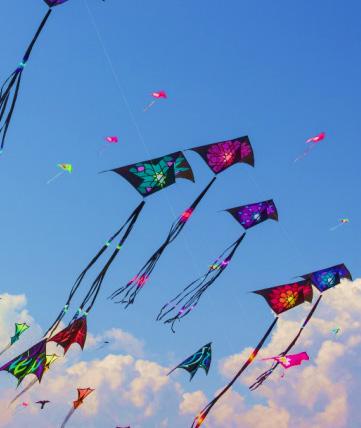
During Easter, people in Bermuda spend time making and decorating kites. They deck them out with all kinds of colors, designs, and even noisemakers! On Good Friday, everybody goes to the annual kite festival and sees the kites fly through the sky and make the familiar humming sound.
In France, during the Easter season, around one thousand people gather to eat a giant omelette. The omelette is made of around 4000 eggs and 100 pounds of egg topping, such as bacon, garlic, and onion. That must be a hard process to make!
In Hungary, for Easter, they get soaked! In Hungary, on Easter Monday, there are water fights all over. People use water guns, shampoo, bottles, buckets, pretty much anything that holds water, and douse each other. It started as bachelors dumping water on eligible love interests, but nowadays everybody gets wet!
Murder Mysteries
Similar to decorating, the Easter practice of egg hunting also has several cultural influences. The symbolism of the egg as a sign of fertility and the circle of life may have inspired the practice of egghunting. Various groups throughout history have held events similar to the modern-day egg hunts children know and love. The earliest believed egg hunt related practice was the searching of various birds’ nests to find eggs for food by ancient tribes, as members of these tribes would bring the most colorful eggs home to their children as a gift. Some historians also believe that Martin Luther created egg hunts for his congregation to evoke the excitement of finding Jesus’s empty tomb in the people. While historians are not exactly sure how or which cultural aspects had a direct effect on the process, these historical practices developed into the egg hunts of today.
I came across one of the coolest traditions while researching Easter customs: the Norwegian Easter tradition of murder mystery reading! During the Easter season, it is a tradition in Norway to watch and read things about crime and mysteries. There are special crime and mystery shows and radio shows produced, and even milk companies print mysteries on their cartons.
In conclusion, Easter is a blend of cultural and religious traditions that reflect a rich history, merging Christian and Pagan practices. While American customs like egg hunts and the Easter Bunny are widely recognized, unique celebrations around the world, such as Sweden’s Easter witches and Bermuda’s kite festival, showcase the holiday’s diversity. Ultimately, Easter represents a spirit of renewal and joy, inviting people around the globe to celebrate together and appreciate the various ways this holiday enriches our lives.
Global Symposium
BY: MINAHAL METLA ‘28
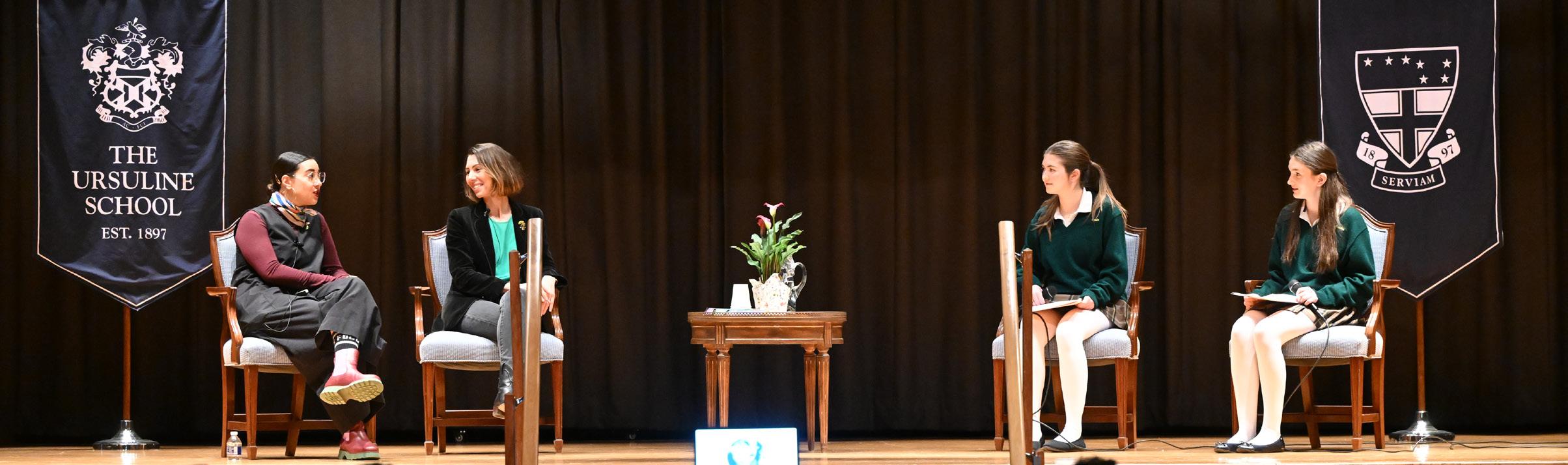
Honoring Ursuline’s tradition of Serviam and its commitment to preparing students with a global education, the school welcomed two culinary experts to discuss fair trade on March 5th. This highly anticipated event is an opportunity for all students, global scholars and guests from other schools to learn about diverse global issues, engage in meaningful dialogue, and reflect on their own roles in an interconnected world. With guest speakers Monica Rogan (CEO and co-founder of Goodnow Farms) and Paula Navarrete (cacao industry expert), this year’s symposium focused on the complex chocolate making process, while highlighting the importance of fair labor practices. In preparation for the event, the school hosted a tasting featuring three chocolates from Goodnow Farms. Students were able to learn about Goodnow Farm’s mission, the diversity and origin of their products, and what they do to support farmers. A major focus for the tasting was the true nourishment chocolate is meant to provide, and this is seen in their notable slogan, “Chocolate is a food, not a candy.” With each chocolate being made of cacao from vastly different regions, students were surprised at how unique the “universal cacao bean” could really be. The school participated in a survey afterwards to reflect on the experience, and Spanish classes prepared for the event, making presentations in Spanish about chocolate to highlight their excitement for the visit.
To start the assembly, Ms. Rogan introduced herself and talked a little about her own story. She connected with students, reminiscing on her own years at an all girls school in Maryland, and then talked about her frustration for lack of access to good quality chocolate available. Her travels around Latin America gave Ms. Rogan first-hand experience about the complex process of chocolate making, and she began to make it with her husband on weekends. Although she never planned for this hobby to turn into a business, she started to learn about how cacao beans from different areas could have strikingly different tastes and wanted to highlight these contrasting flavors in her chocolate. Ms. Rogan also had the chance to learn about the lives of the cacao farmers throughout her travels and realizing how underpaid and overworked these farmers were, she became committed to establishing fair wages for the farming cooperatives she partnered with.
Ms. Navarrete, on the other hand, found her love for making chocolate in search of ingredients for her restaurant. As an experienced Columbian chef with a newly opened restaurant, she wanted the very best chocolate for her menu and heard about a local “from
the bean” chocolate shop. After buying and learning more about the process, she too was instantly fascinated by the industry and origins of chocolate. Alongside Ms. Rogan, she came to appreciate what wholesome and ethically-produced chocolate really means. Together, they discussed how the choices all of us make today contribute to and shape the complex global food system.
Focusing on Goodnow Farms and its operations, Ms. Rogan began to explain more about how she prioritizes fair trade and fine flavor. Due to Africa and Latin America’s high temperature climates suitable for cacao beans, they grow most of the global supply. Although chocolate prices have been rising, she explained that this is due to droughts in Africa increasing inflationary costs, and this does not guarantee stable wages for cacao farmers. Ms. Rogan discussed the difference between her fair prices agreed for cacao beans versus mass market competitors. Overall, she made it clear that many cacao farmers are compromised by their buyers and unsubstantial wages. Because Goodnow Farms rigorously seeks consciously grown cacao beans and farming cooperatives that ensure transparency and optimal craftsmanship, they are able to pay a fair and stable price, unlike mass market competitors. Focusing on the product, Ms. Rogan specifically discussed her chocolate making process which includes conscious cacao sourcing, communication with farmers, cacao butter pressed onsite, and a careful tempering process. She also focuses on sustainability with testing out different compostable wrappers. Overall, Ms. Rogan was able to convey how strongly she felt about fair trade and also show the school what her business does for others, inviting all of us to support ethical companies.
After the keynote presentation, Justine Dolan ‘26 and Mary Claire Sutterlin ‘26 led a Q&A panel on stage with both Ms. Navarrete and Ms. Rogan. Following the assembly, Ms. Navarrete spent some time with students in Ursuline’s business program to enrich the class with her expertise in business. There was an engaging discussion that ranged from the chocolate industry to entrepreneurship struggles, as well as some personal reflections about how to balance your career and life.
Students across all grade levels gained insights from this event while reflecting on what unity can do. The symposium showed our global scholars how to approach international education with curiosity, open-mindedness, and nuance. In the end, the symposium left our community with a shared commitment to better understand global food and labor systems so we can achieve greater equity.
Galentine’s Day & the Modern Holiday
Not enough is said about 21st-century holidays. Traditional holidays, of course, have much richer histories and much more cultural permeance, not to mention better PR. There are more than a million songs about Christmas, and likely no more than a handful about Friendsgiving, Thanksgiving’s less family-centric millennial cousin. That being said, there are some truly fascinating nuances to be found in modern holidays. Galentine’s Day is no exception.
Galentine’s Day may feel like a very recent phenomenon, but fans of the American sitcom Parks and Recreation know that it is, in fact, 16 years old. In Episode 16 of Season 2, literally entitled “Galentine’s Day,” protagonist Leslie Knope hosts a get-together on February 13th, the day before Valentine’s Day, with her girlfriends and mother, giving them all their own personalized Galentine’s Day gifts. She calls the day a time for her and her friends to leave their significant others at home and spend time together. The term has since gained so much popularity, especially on social media, that celebrities like Kylie Jenner, Selena Gomez, and even Michelle Obama have hosted their own Galentine’s Day celebrations on the 13th. It even has its own offshoot version: “Palentine’s Day,” the gender-neutral version of Galentine’s Day.
Both share a very interesting similarity with Friendsgiving, the
BY OLIVIA STELLA ‘26
other most popular 21st-century holiday remix: at their core, they are intended to take the traditions of the holidays from which they originated - in this case, Valentine’s Day and Thanksgiving - and put them in an atmosphere focused almost exclusively on friendships. Considering that all three of the modern holidays listed here were popularized via the internet, it’s difficult to say why exactly they all share this specific connection. It is worth noting, however, that romantic and familial relationships have undergone drastic changes in popular culture over the last fifty years, especially with the advent of social media. The traditional models of families and couples upon which Thanksgiving and Valentine’s Day were originally built are very different from the versions seen in modern celebrations. Perhaps Galentine’s Day and its siblings are worth further investigation as manifestations of a cultural shift away from romantic or familial relationships, and towards friendships.
Valentine’s Day Traditions Around the World

BY: GIA LACAP ‘29
Across the world, Valentine’s Day is celebrated differently in each country. Although each country has their own unique traditions, February 14 is a day of love and friendship.
In Japan, women give different types of chocolates to men. For example, giri-choco is given to coworkers while honmei-choco would be given to romantic partners. A month later, on White Day, men return the favor by giving gifts on this day.
In South Korea, they practice both Valentine’s Day and White Day. However, they also celebrate Black Day, a day for individuals who did not receive gifts earlier. They gather with their friends to share jajangmyeon, noodles served with black bean sauce. This day acknowledges single life, and ensures people that they can still have fun without a romantic partner.
In Denmark, their people exchange mysterious love notes in which the sender would sign their name in dots that must be deciphered by the recipient. If the recipient gets the name correct, the sender rewards them with an Easter egg later in the year.
In Finland, there is a greater emphasis on friendships rather than romantic relationships. People exchange cards and small gifts with friends and family. This acknowledges the importance of spending time together and maintaining close relationships.
In Italy, people exchange love letters and eat a romantic dinner. Moreover, there is the belief that the first person you see on that morning is probably your future partner.
In the Philippines, mass weddings are sometimes organized by the government. This means that hundreds of couples could get married at the same ceremony.
The NYC St. Patrick’s Day Parade
BY: ASHLING DOHERTY ‘26
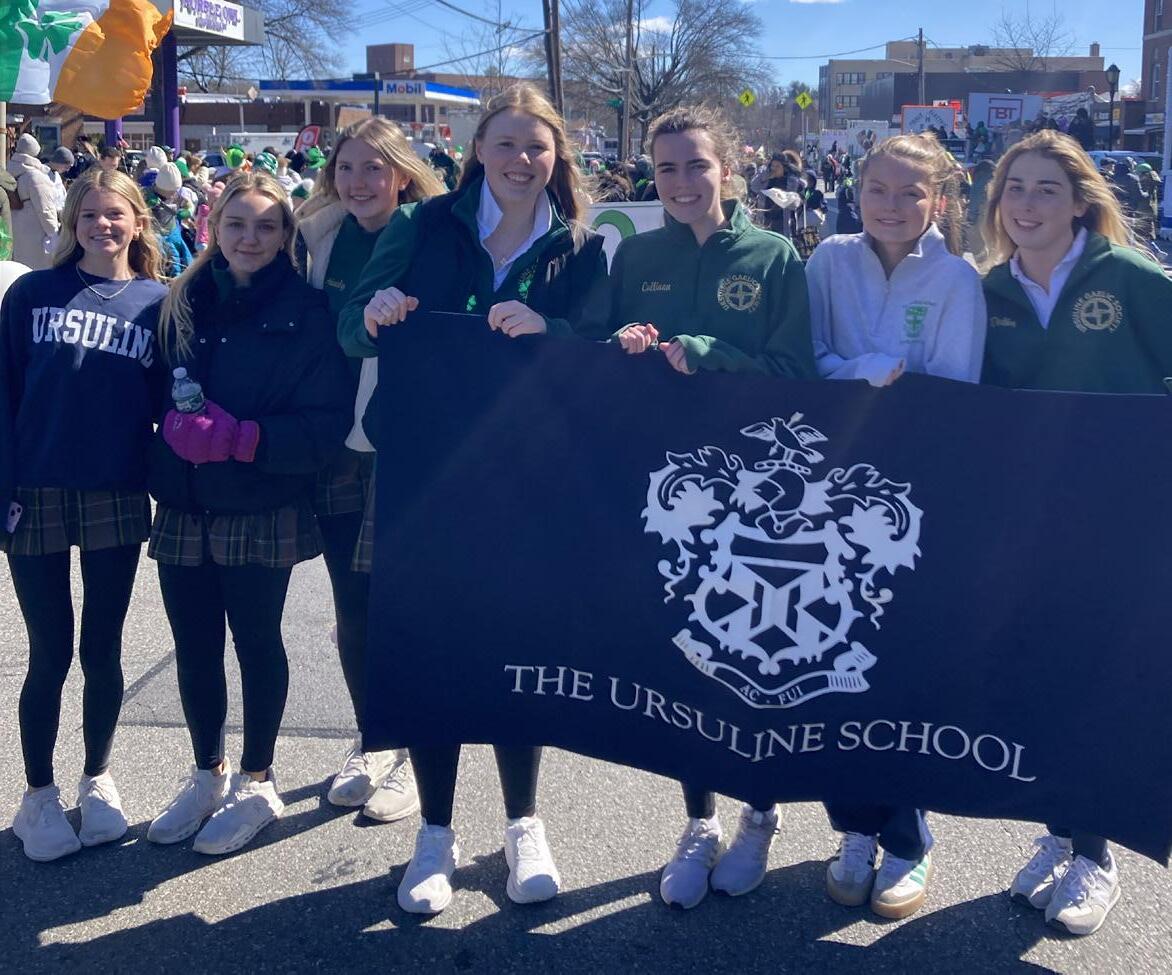
The New York City St. Patrick’s Day Parade is a highly anticipated and celebrated event that occurs every March 17th. However, what some people might not know is that this parade dates back all the way to before the American Revolution and is the oldest St. Patrick’s Day Parade in the world. With rich history and tradition, this parade is a fun and exciting way to celebrate St. Patrick’s Day, whether you are of Irish heritage or not!
The first New York City St. Patrick’s Day Parade took place on March 17th, 1762, just 14 years before the signing of the Declaration of Independence. The first parade consisted of Irish military service members in the British army who were serving in the colonies at the time. With pride for their country and remembrance of their inability to celebrate it back home due to British occupation, these homesick Irish soldiers processed through the streets, speaking Irish, wearing green (which was banned in Ireland at the time), and singing traditional Irish folk songs.
Over time, the parade has evolved and changed in many ways. Originally, the parade was organized by military units. However, after the War of 1812, Irish fraternal and beneficial societies took over the planning and hosting duties of the parade, with the Ancient Order of Hibernians becoming the official sponsor, and the individual societies merging under one Grand Marshal. However, one thing that
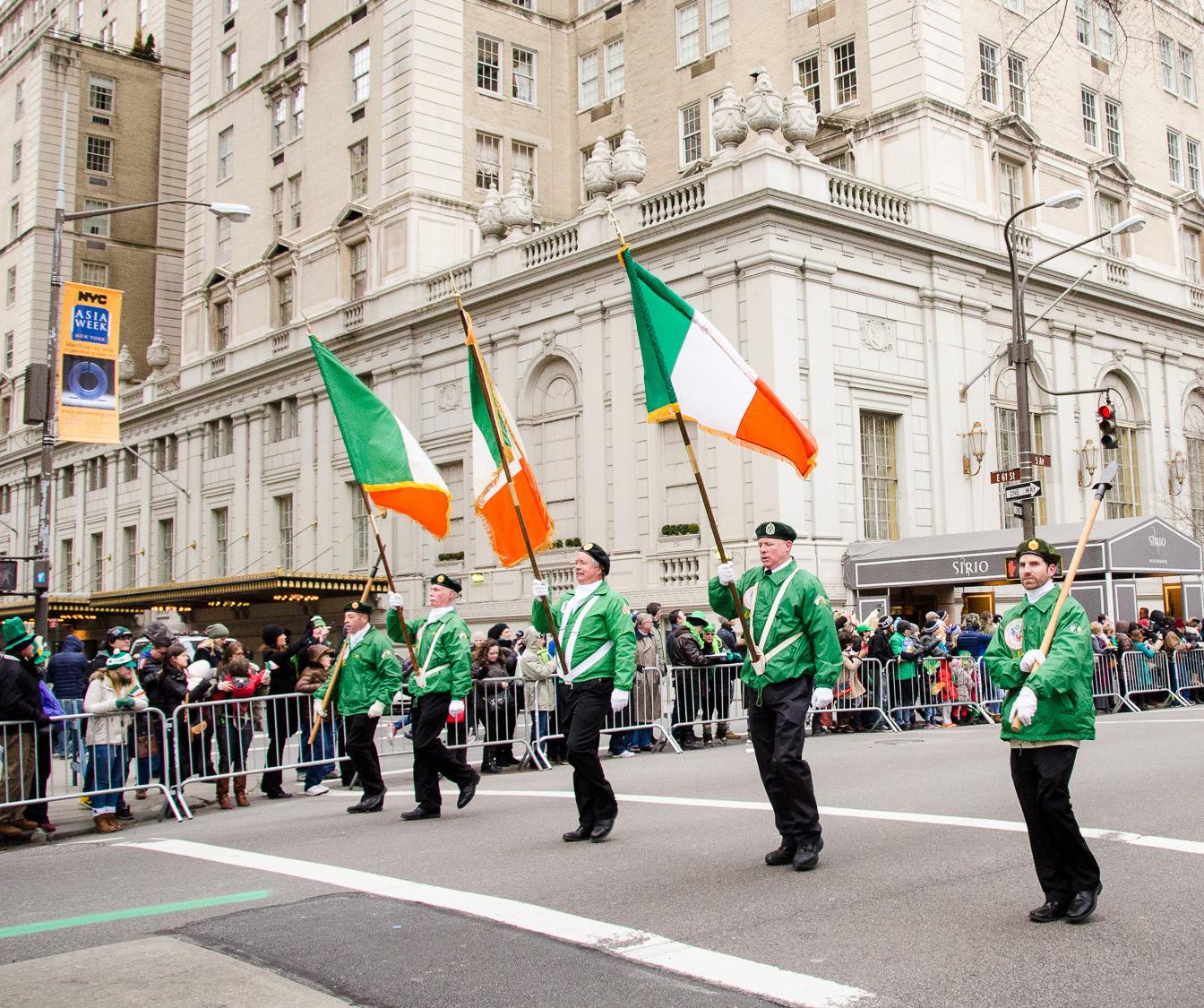
has always remained constant, with the exception of its address, is the procession past New York City’s beautiful and impressive St. Patrick’s Cathedral. So, although some things have changed, many things have endured. Now, under the direction of St. Patrick’s Day Parade, Inc., the parade is still the wonderful event it was 264 years ago.
While the New York City St. Patrick’s Day Parade is a fun and joyful celebration, it is so much more. First and foremost, it stands as a reminder of the resiliency of the Irish people that has stood the test of time. When told that they couldn’t have pride in their homeland and forced into an army of a country that was actively oppressing their people, the Irish soldiers who started it all found a way to keep their culture alive. What started as a procession of homesick Irish soldiers in 1762 has evolved into a gathering of around 150,000 marchers and over 2 million spectators every year. Irish pride remains incredibly strong today, especially among Irish-Americans, so much so that this March 17th, The Ursuline School Gaelic Society will be marching in the New York City St. Patrick’s Day Parade with their moderators, Mrs. Maureen Crowley and Ms. Aisling Clancy. These girls are extremely grateful to the Tuffy family for organizing their participation in this historic parade and are incredibly excited to not only show off their pride as Irish-Americans or celebrators of Irish culture, but also their pride as students at The Ursuline School. It was a fun event for all!