Challenges in Theory and Practice, Spring 2026, Vol. 25, No. 2
CHALLENGES in theory & practice
THE LEAHY COLLEGE OF HEALTH SCIENCES
VOL.25 NO.2 SPRING 2026
College Mission Statement
The Leahy College of Health Sciences (LCHS) maintains the highest academic and professional standards in preparing students for personal and professional success through intellectual inquiry, scholarship, service and professional practice. LCHS upholds the University of Scranton’s mission with an emphasis on academic excellence, cura personalis, social justice and ethical practice. We provide opportunities for our students, faculty and staff to promote the well-being of others through collaborative learning and innovative experiential opportunities that are responsive to community needs.
The Edward R. Leahy, Jr. Endowment was founded in 1995 by Edward and Patricia Leahy to honor the life and memory of their son, Edward R. Leahy, Jr., whose personal disabilities were attended to with compassion and skill by many health professionals over the course of his life. The Leahy Endowment provides financial resources to support theoretical and applied research, faculty development and support for programs that advance the cause of disabled persons who need long-term assistance. The endowment supports the work of persons practicing in physical and occupational therapy, nursing science and related health care areas, with particular interest in individuals and groups that approach their practice as scholars, teachers and practitioners. Primary recipients are University of Scranton faculty from the Leahy College of Health Sciences, consisting of the Departments of Counseling and Human Services, Health and Human Performance, Health Administration and Human Resources, Nursing, Occupational Therapy and Physical Therapy.
CHALLENGES CONTENTS
The endowment was established and is supported, in part, by the Leahy family and is enriched annually by gifts from corporations and individuals who wish to support the work of the Edward R. Leahy, Jr. Endowment. 3 Message from
• Spitz Foundation Awards Grant to University of Success
• CBL Student Fellow Supports Critical Needs of Newborn Babies and Their Parents
• Leahy Clinic Expands Access to Specialty Care
• Leahy Clinic Launches Early Detection and Screening Program
• $1 Million Grant Awarded to University of Scranton’s Clinical Rehabilitation Counseling Program
8 Core
• Interdisciplinary Public Health Immersion: LCHS Students in Uganda
• Interprofessional Education Event Focuses on Complex Interplay of Mental and Physical Health
• Master of Science in School Counseling
• Grant Funds Study of Sexual Health in Women Undergoing Total Neoadjuvant Treatment for Rectal Cancer
12 Commitment
• Compassionate Care Delivered at Leahy Low Vision Clinic
• Clinicians Return to Anatomy Lab for Hands-On Neuroanatomy Review
• Nursing Faculty Member Dr. Megan Ossont Demonstrates Cura Personalis in Nursing Practice and Scholarship
VOL.25 NO.2 SPRING 2026
CHALLENGES IN THEORY & PRACTICE
PUBLICATION COMMITTEE
Kristi Klien, Editor
Vikki Lawhon, Creative Services
LEAHY COLLEGE OF HEALTH SCIENCES
Victoria Castellanos, Ph.D., Dean
Christina Brundage, Ph.D., Assistant Dean, Director of Advising Center
William Cunningham, Ph.D., Associate Dean
Raymond Schwenk, M.S., Assistant Dean
Kristi Klien, Coordinator for LCHS Academic Affairs
COVER PHOTO:
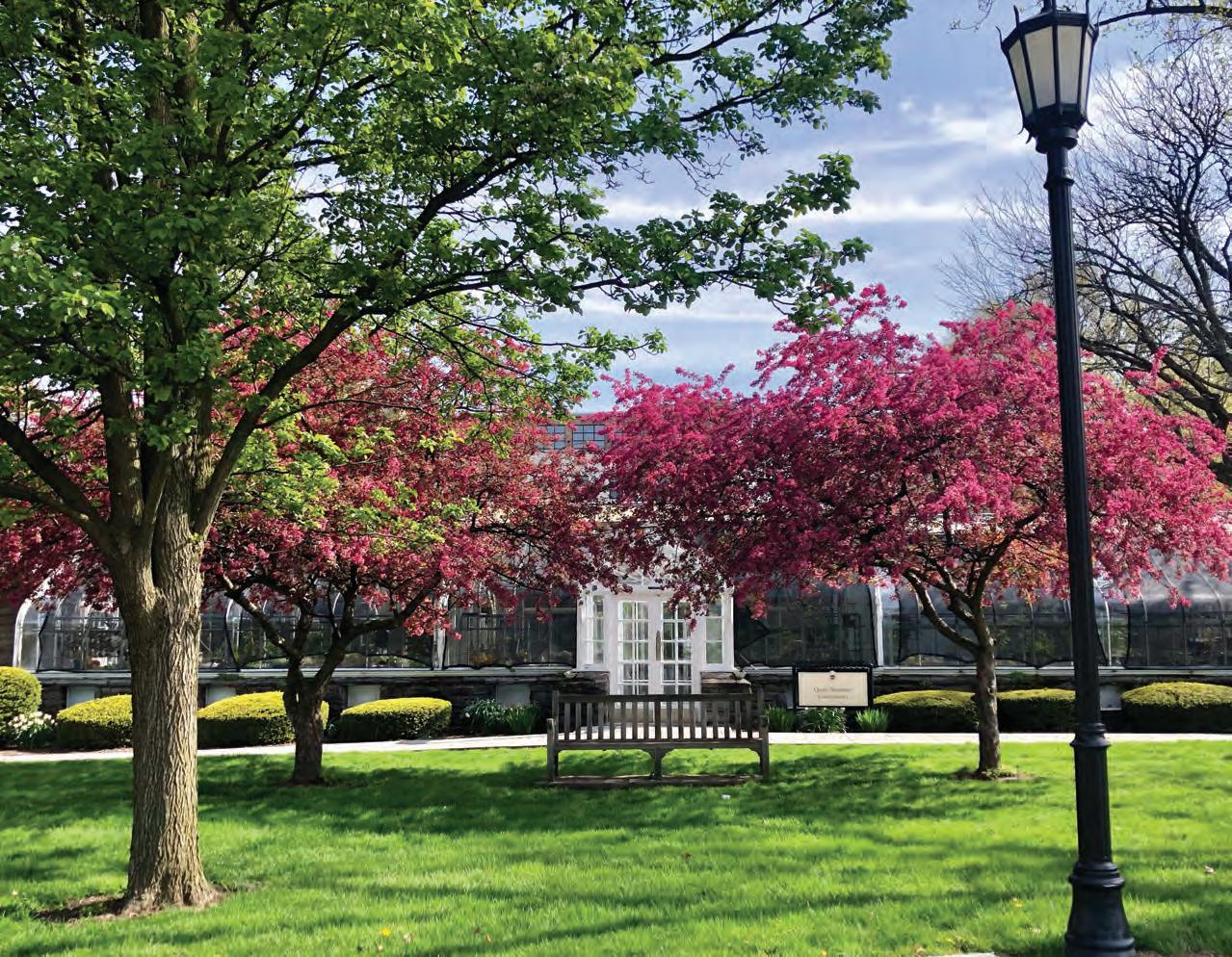
The University’s greenhouse, located between Scranton Hall and the Chapel of the Sacred Heart, in spring.
MESSAGE FROM THE DEAN
Dear Friends of LCHS,
I am taking this opportunity to share with you, on the front page of this issue of Challenges, the new Mission Statement of the Leahy College of Health Science (LCHS).
Anchored in the University of Scranton’s Jesuit mission, this statement affirms our unwavering commitment to the highest academic and professional standards in health sciences education. LCHS integrates academic rigor with cura personalis, ethical practice, and a deep concern for social justice. This values-driven approach ensures that our graduates are not only expertly prepared for their professions, but also equipped to lead with integrity, compassion, and intellectual depth in an increasingly complex healthcare landscape.
LCHS translates mission into meaningful impact by intentionally connecting education to service and community need. Through collaborative learning environments and innovative, experiential opportunities, our students, faculty, and staff actively promote the well-being of others while addressing real-world health challenges. This responsiveness to both evolving professional standards and the communities we serve positions LCHS as a trusted partner and leader in preparing health professionals who make a lasting difference in their communities.
It is truly a privilege for me to be a part of the Jesuit mission made manifest in LCHS!
Warmly,
Victoria H. Castellanos, Ph.D. Dean, The Leahy College of Health Sciences
The Edward R. Leahy, Jr. Endowment
SPITZ FOUNDATION AWARDS GRANT TO UNIVERSITY OF SUCCESS
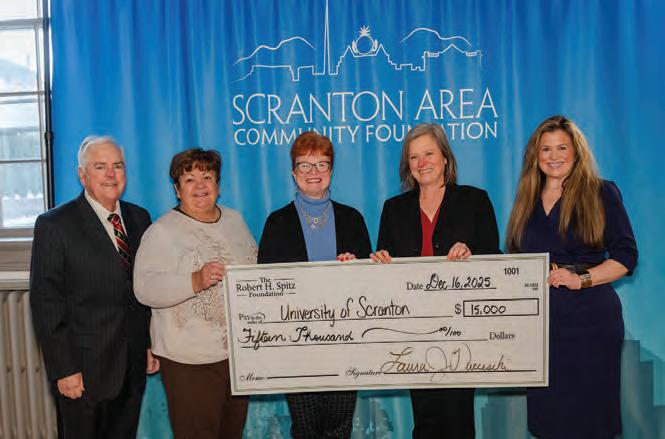
The University of Scranton’s University of Success program strives to improve long-term educational, economic, and social outcomes for promising high school students from economically disadvantaged households. This life-changing, four-year, pre-college program was recently awarded a $15,000 grant from the Robert H. Spitz Foundation that will help it continue to provide encouragement and academic, cultural and social enrichment to local teenagers who aspire to enroll in postsecondary education.
Created in 1996 and with its first full graduating class in 2001, the University of Success is supported by gifts and grants. The program, which is provided free of charge to select students beginning in Grade 9 and continuing through Grade 12, offers mentorship, skill development, assistance with college and financial aid applications, and developmental enrichment covering a wide range of topics. The University of Success staff and University of Scranton faculty work closely with program students to keep them on track as they develop skills and confidence and ultimately gain admission to their
chosen institutions of higher learning. The 17 University of Success graduates in the Class of 2025 matriculated at 11 colleges and universities, including five at The University of Scranton. Two graduates joined the military to further pursue their education.
CBL STUDENT FELLOW SUPPORTS CRITICAL NEEDS OF NEWBORN BABIES AND THEIR PARENTS
Community-Based Learning (CBL) is an academic experience that involves students collaborating with community partners — individuals, groups, and local organizations — in ways that meet community-defined needs. The CBL Student Fellowship Program aims to foster the professional and personal growth of students who are pursuing a CBL project alongside a faculty mentor. All projects are in collaboration with community partners and aim to improve or expand the services they provide.
Melissa Schweizer ’26 is a senior nursing student from Sparta, New Jersey. Along with her rigorous major, she also holds University Honors. For her project, Melissa is resuscitating a previously run program,
Nurses2Newborns, which focused on aiding expecting parents and women facing health disparities in our communities. Through this project, she is providing these populations with donations such as clothes, food, sanitary items, and other needed materials for babies.
Melissa aims to help people in the local community who face various social dilemmas feel supported during a critical point in their lives. By addressing basic needs, this program can alleviate some of the stress new parents encounter, while also encouraging healthier outcomes for both mothers and infants. Melissa bridges the gap between health care and community support, embodying Jesuit values of service, commitment, and empathy while promoting human dignity.
The Robert H. Spitz Foundation is managed by the Scranton Area Community Foundation (SACF) and supports initiatives and programs that benefit people in the local community.
Pictured, from left, are: Jerry Musheno, board member, SACF; Cathy Fitzpatrick, director of grants and scholarships, SACF; Meg Hambrose, director of corporate and foundation relations, The University of Scranton; Victoria Castellanos, Ph.D., dean of the Leahy College of Health Sciences; and Laura Ducceschi, CEO and president, SACF.
Edward R. Leahy Jr. Clinic for the Uninsured
LEAHY CLINIC EXPANDS ACCESS TO SPECIALTY CARE
The Edward R. Leahy Jr. Clinic for the Uninsured (Leahy Clinic) has a long history of providing high-quality primary care services to uninsured adult residents of Lackawanna County in a welcoming, respectful, and compassionate environment. We are now pleased to be able to offer our patients access to a variety of specialty providers as well.
Our patients now can schedule an appointment to see a cardiologist, pulmonologist, dermatologist, infectious disease specialist, general surgeon, and gynecologist on site at the Leahy Clinic in McGurrin Hall. Additionally, the Leahy Clinic recently welcomed Nursing Department faculty member Dr. Julianne Kane, family nurse practitioner, who brings extensive experience in the field of endocrinology, and residents from Geisinger Commonwealth School of Medicine who are specializing in psychiatry. Complementing our care team is a dietitian who provides nutrition counseling and a pharmacist who assists with patient education and dispenses ordered medication.
To support the work of our specialty providers, we offer EKGs, pulmonary function testing, pap smears,
LEAHY CLINIC
urine pregnancy tests, rapid strep, COVID-19 and flu testing, glucose monitoring, skin biopsies, skin cancer screenings, and minor procedures — all at no cost to our patients.
The students, volunteers, and staff at the Leahy Clinic are extremely grateful to these experienced specialists for the generous donation of their time and talents to serve our community. In doing so, the Leahy Clinic is able to expand the free, non-emergency services we provide to the uninsured Lackawanna County residents who may otherwise forgo health care due to cost or seek care in hospital emergency rooms.
LAUNCHES EARLY DETECTION
AND SCREENING
PROGRAM
The University of Scranton’s Edward R. Leahy Jr. Clinic for the Uninsured recently launched a vital initiative to provide patients with access to lifesaving and sightsaving health screenings at significantly reduced costs.
A new Early Detection and Screening program will allow the clinic to provide necessary health tests and screenings for uninsured patients at reduced and negotiated prices. Patients will receive services,
such as life-saving colonoscopies, mammograms and sight-saving retinal eye exams for patients with diabetes, at testing centers where decreased prices were negotiated, ensuring patients will comply with physician-recommended tests and follow-up exams.
The program was made possible through a grant from the Willary Foundation and the Scranton Area Community Foundation’s Community Needs Grant Cycle.
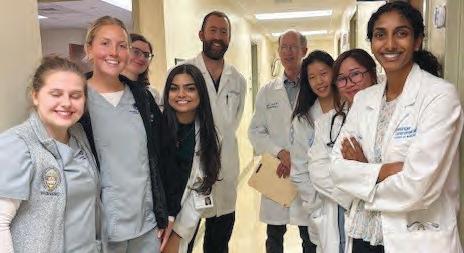
Dr. Hossler and Dr. Long (rear of photo) are dermatologists volunteering alongside students from The University of Scranton and Geisinger College of Health Sciences.
$1 MILLION GRANT AWARDED TO UNIVERSITY OF SCRANTON’S CLINICAL REHABILITATION COUNSELING PROGRAM
The University of Scranton’s Clinical Rehabilitation Counseling program has received a five-year grant totaling nearly $1 million from the U.S. Department of Education’s Rehabilitation Services Administration (RSA). The grant provides scholarships to graduate students at Scranton and will also broaden program accessibility through online and hybrid learning formats.
Clinical rehabilitation counseling practitioners are charged with helping individuals overcome developmental, emotional, mental and physical disabilities while also encouraging autonomy and removing the social and attitudinal barriers that restrict full participation for people with disabilities. The clinical rehabilitation counseling field offers strong employment rates and salaries, as well as opportunities to engage in meaningful, life-changing work.
“As a Catholic, Jesuit institution, The University of Scranton teaches our students and graduates to be ‘for and with others.’ We must not only serve others but stand in solidarity with them,” said Rev. Joseph G. Marina, S.J., University of Scranton president. “The clinical rehabilitation counseling field is a shining example of this Jesuit ideal. Our students are trained to treat — but even more importantly, accompany — individuals as they face emotional, physical, and psychological challenges. They work with the underserved and overlooked, treating them with the humanity and dignity they deserve and that ultimately helps them flourish.”
The grant will fund tuition scholarships and increase the pool of highly qualified, master’s-level rehabilitation counselors, thus addressing regional personnel shortages. The degree was previously offered only on
campus but will now also be offered entirely online or as an on-campus/online hybrid, making it accessible to more students.
Scranton’s nationally recognized rehabilitation counseling program, which offers a Master of Science, was established in 1965. It is the second oldest such program at a Catholic college
or university in the U.S. Since its inception, the program has prepared 976 graduates who have gone on to serve people with disabilities in both public and private settings. Data shows rehabilitation counselors are likely to serve 1,500 to 2,500 individual clients in a career, meaning Scranton’s graduates are estimated to have served about 1.5 million clients with disabilities.
In addition to the teaching rooted in Jesuit values and instruction coming from world-class educators, Scranton’s innovative program features state-of-the-art video tech-
nology at the David W. Hall Counselor Training Center, which enables students to record counseling sessions with hands-on supervision.
“We are very honored to have received this grant award, as it is a significant validation of the commitment to excellence of those who have built and sustained this program for over 60 years,” said Samantha Herrick, Ph.D., associate professor of counseling and human services and director of the University’s Clinical Rehabilitation Counseling program. “This grant will allow us to carry forward our mission into the future by increasing capacity and expanding access for qualified applicants with a passion for empowering others to reach their full potential.”
U.S. News & World Report recently ranked Scranton’s Clinical Rehabilitation Counseling program as No. 2 in Pennsylvania and in the top 50 in the U.S., reflecting its strong reputation across the nation.
“We must not only serve others but stand in solidarity with them.”
COMMUNITY
INTERDISCIPLINARY PUBLIC HEALTH IMMERSION: LCHS STUDENTS IN UGANDA
LCHS students had the opportunity to travel to Uganda as part of the Interdisciplinary Global Public Health course led by Dr. Jennifer Whittaker. The course offered a unique opportunity to explore public health and health justice in collaboration with international partners and an interdisciplinary team of University faculty and students. Course activities and assignments helped students to understand the value of learning from other cultural perspectives and understanding how their professional discipline can partner with others to create collaborative, interdisciplinary, ethical, and sustainable approaches to address complex health issues in a global context.
The immersive travel experience exposed health professions and pre-health students to a Global South and collectivist approach to public health. They had a chance to see how health is a product of complex interactions over time with social and physical environments, contexts, and entities outside the typical purview of
Uganda
medical professionals. Alessandra Cormican, senior counseling and human services major, reflected that the course “made me realize that health is about much more than hospitals or medicine. It also depends on whether people have clean water to drink, enough food to eat, and the ability to reach medical care when they need it.”
The course was developed in keeping with Pope Francis’s 2015 encyclical letter, “Laudato Si’: On Care
of Our Common Home,” and the perspective that nature, society, justice, and health are inextricably linked. The public health course traveled in tandem with Dr. Cyrus Olsen’s Christianity in Africa course and Dr. Marc Seid’s Environmental Ecology and Human Health course. Although each of the courses had its own focus, they shared the goal of responding to the cry of the Earth and cry of the poor by showing students how different disciplines can and must work together to care for our common home and support the common good.
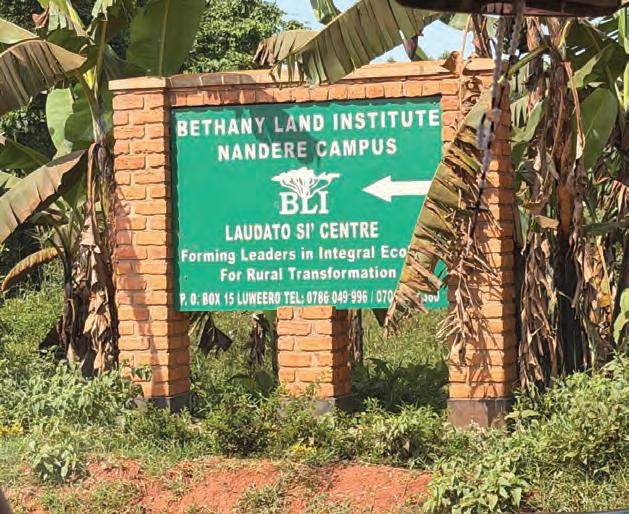
The trip began with a visit to the Bethany Land Institute in Nandere, Uganda, whose mission, inspired by “Laudato Si,’” seeks to empower rural community members, especially young people, to reduce poverty and environmental degradation in their communities and find belonging, economic security, and spiritual and physical health through education and sustainable forestry and agriculture. Other travel destinations included Ugandan and Indigenous spiritual sites, medical clinics, hospitals, community development programs, schools, and national parks and nature preserves. Students saw firsthand how culturally and linguistically
appropriate services have dramatically reduced poverty, morbidity, and mortality and how efforts to care for nature provide opportunities for people to be healthy.
Throughout the trip, students participated in a reciprocal exchange of ideas and communion with Ugandan and Indigenous community members, spending time with children with disabilities, building friendships, caring for nature, and learning traditional crafts and dance.
The public health course was developed with support from the Ethics Across the Curriculum Initiative.
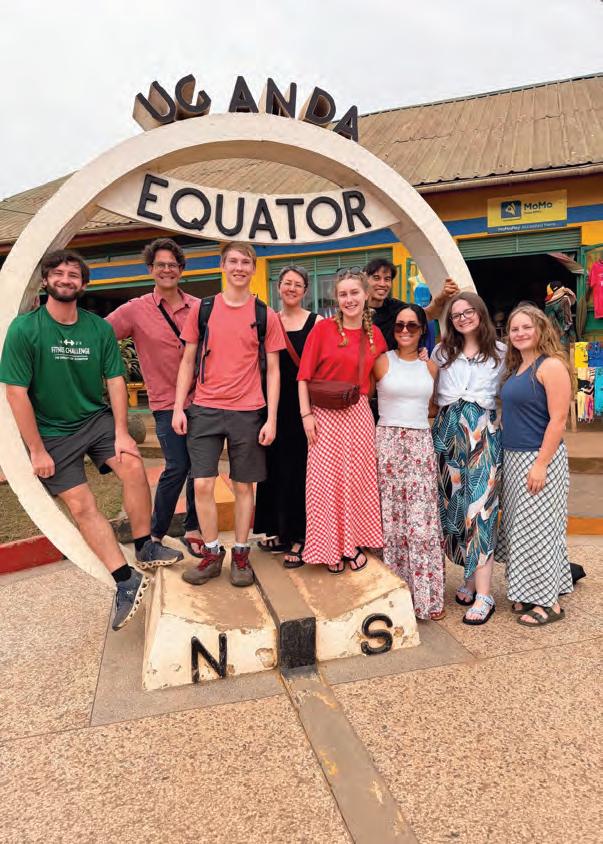
Students and faculty stop for a photo at the equator. Pictured are: Chris Conboy, Dr. Cyrus Olsen, Victor Kuehhas, Dr. Jennifer Whittaker, Ella Rehfield, Dr. Marc Seid, Alessandra Cormican, Quinn Williams-Meyer, and Maura Pivirotto.
Pictured is the Bethany Land Institute, where students learned about how caring for the Earth supports the health of communities.
INTERPROFESSIONAL EDUCATION EVENT FOCUSES ON COMPLEX INTERPLAY OF MENTAL AND PHYSICAL HEALTH
Health care fields are interconnected more than ever, collaborating to provide efficient and effective health care services for communities. Coupled with rising concerns about the mental health of individuals in our community, LCHS is leading the way to prepare students for interprofessional collaboration in practice. Faculty from four health care-related programs have established an annual mental health-focused interprofessional education event. This year’s Mental Health Interprofessional Education Event (IPE) was held on March 5, 2026, in the DeNaples Ballroom. Over 100 students from the Nursing, Occupational Therapy, Health Administration, and Counseling programs participated in a collaborative case-study exercise, where they learned about each other’s respective disciplines and how to work together to provide culturally responsive, holistic, person-centered care.
This year’s case study included a complex interplay of mental and physical health challenges, as well as significant financial barriers to accessing health care. Students collaborated to educate each other about what their roles would be within a health care team and how they would prioritize care for the patient. They found that learning, listening, and valuing the unique contributions of each person on the team was the most successful approach for collaboration. Notably, research from last year’s event demonstrated significant changes in students’ interprofessional collaboration competency and cultural awareness after they participated in the event.
Not only does interprofessional education provide opportunities for students to learn from each other, but it is also hands-on practice on how to embody Jesuit values when providing care for all persons. Cura personalis, or care for the whole person, was emphasized as students considered contextual factors of the client case, such as age, race, ethnicity, gender, socioeconomic status, and education level to respond to the patient with cultural humility and respect. Students practiced treating the case-study patient as a whole person whose needs extended beyond the care of one singular discipline. Students also engaged in experiential learning, practiced discernment in applying approaches to client care, and emphasized how social justice played a role in the patient’s experience and access to health care.
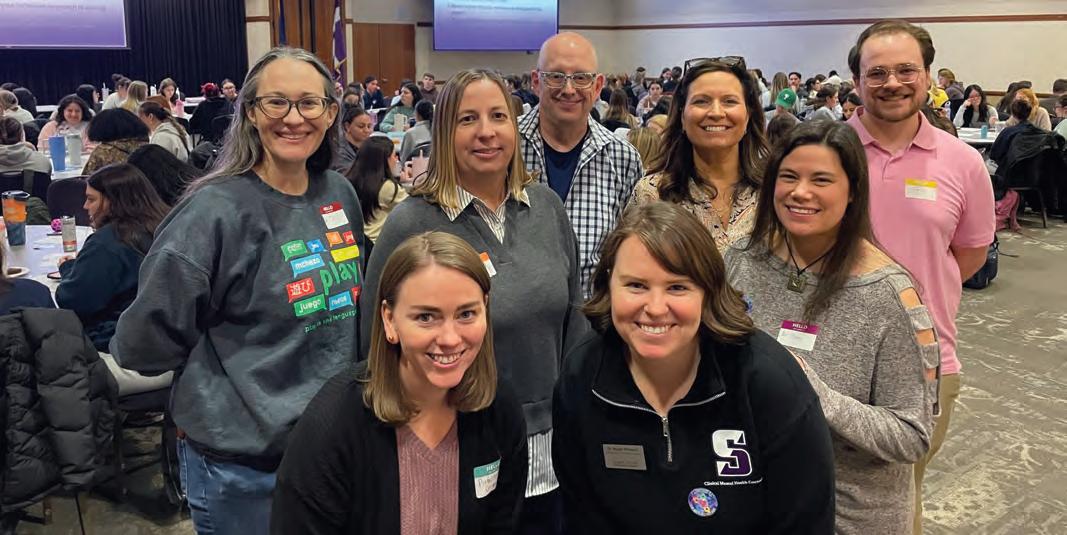
Faculty, staff, and student IPE team, back row (pictured from left to right): Dr. Krisy Elrod (CHS), Dr. Carrie Griffiths (OT), Dr. William Miller (Health Administration), Autumn Forgione (Nursing), Dr. Laura Skoronski Chavez (Nursing), Jack Merchant (CHS); front row (left to right): Anna Grippi (Nursing) and Dr. Megan Whitbeck (CHS).
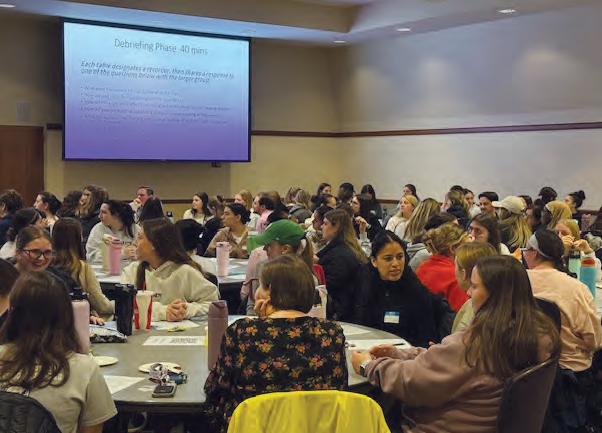
Students and faculty filled the DeNaples Ballroom for the 2026 Interprofessional Education Event.
MASTER OF SCIENCE IN SCHOOL COUNSELING
As part of the Pennsylvania Department of Education’s (PDE) mandated seven-year Major Program Review cycle, The University of Scranton’s Master of Science in School Counseling successfully completed a comprehensive outcomes-based review designed to assure program quality and professional educator competency.
The review required extensive evidence of compliance and continuous improvement, including documentation of program mission and design; a competency-aligned curriculum and assessments; field/ clinical preparation and supervision; candidate outcomes and progression data; and collaboration with external stakeholders such as local education agencies.
We are pleased to report that the program received favorable feedback and results from PDE, affirming the strength, rigor, and quality of our preparation of
professional school counselors. This successful review was spearheaded by Dr. Kevin Wilkerson, whose leadership and coordination were instrumental in compiling the required data and evidence and guiding the program through the process.
GRANT FUNDS STUDY OF SEXUAL HEALTH IN WOMEN
UNDERGOING
TOTAL NEOADJUVANT TREATMENT FOR RECTAL CANCER
Assistant Professor of Nursing Dr. Kelly Filchner and her colleague Andrea Porpiglia, M.D., an oncologic surgeon at Fox Chase Cancer Center, have received a grant to investigate sexual dysfunction among women undergoing total neoadjuvant treatment for rectal cancer. The study will explore women’s sexual health needs and expectations prior to treatment, examine how treatment affects sexual function, and assess health care providers’ comfort in discussing these concerns. The research will also identify barriers that may prevent patients from receiving appropriate support. Findings from this research will help guide future studies and support the development of educational resources and interventions to better address the sexual health needs of women undergoing treatment for rectal cancer. The research is funded by the Colon Cancer Coalition — Get Your Rear in Gear in Philadelphia.
Assistant Professor in the Nursing Department Dr. Kelly Filchner.
COMPASSIONATE CARE DELIVERED AT LEAHY LOW VISION CLINIC
Vision loss has many causes, comes in various forms, and progresses at unique rates. No matter what the diagnosis, however, it is almost always met with some combination of fear and uncertainty. That is where Julie Nastasi ’01, Sc.D., OTD, associate professor of occupational therapy (OT), enters with clinical experience and a compassionate bedside manner to relieve clients and restore their hope and independence. The OT Low Vision Clinic is part of the Edward R. Leahy Jr. Clinic for the Uninsured located on The University of Scranton campus. Marking its 10-
year anniversary, the Low Vision Clinic serves between a handful and a dozen clients each year.
“A lot of what we do in the clinic with the clients is explain to them their diagnosis,” Dr. Nastasi said. For instance, macular degeneration is the most common age-related eye condition. It is serious and life-changing, but also manageable. In explaining the condition, Dr. Nastasi balls up a fist and presses it against her forehead. “Look through your fist. You can’t see where you’re directly looking, but
everything on the outside? You’re still going to have that vision,” she said. “We’ll tell them, ‘Your whole world is not going to go to black.’ You can really alleviate their stress and anxiety just by explaining it.”
Dr. Nastasi previously worked in hospitals as an occupational therapist. She understands the pace at which doctors work. Sometimes, they simply do not have the time to fully explain a diagnosis. “We don’t bill here ... I don’t have the constraints of insurance or the demands of productivity and things like that,” she said. Referrals often come from
“We can’t fix their vision...However, I can teach them how to use their vision more effectively.”
Northeastern Eye Institute and Geisinger. Many clients are older and suffer from glaucoma, macular degeneration, diabetic retinopathy, a traumatic brain injury, or stroke.
Dr. Nastasi and her occupational therapy students — five of them this term — take the time to truly understand their clients. “We want to know: Is it affecting your reading? Is it affecting your writing? What are the activities you want to be able to do?” Dr. Nastasi said. “We can’t fix their vision because it is a central nervous system disorder. However, I can teach them how to use their vision more effectively.” The clinic treats clients with numerous pieces of specialized equipment, including closed-captioned televisions, digital and handheld magnifiers, screen readers, and text-to-speech tools. Even taking a few minutes to explain how to use accessibility tools on a smartphone can make a world of difference.
“I’m not a hugger,” Dr. Nastasi said. “But I get lots of hugs from the folks we help.”
Strong is one of those clients who repaid her clinician with an emotional embrace. “She’s been an angel, she really has,” Strong said.
Facilities offering low-vision services are rare, and Vision Center reports that financial and health care system barriers, as well as structural and social detriments, often prevent people from getting the services they need. The OT Low Vision Clinic sees uninsured patients by appointment only. For more information, please call 570-941-6112.
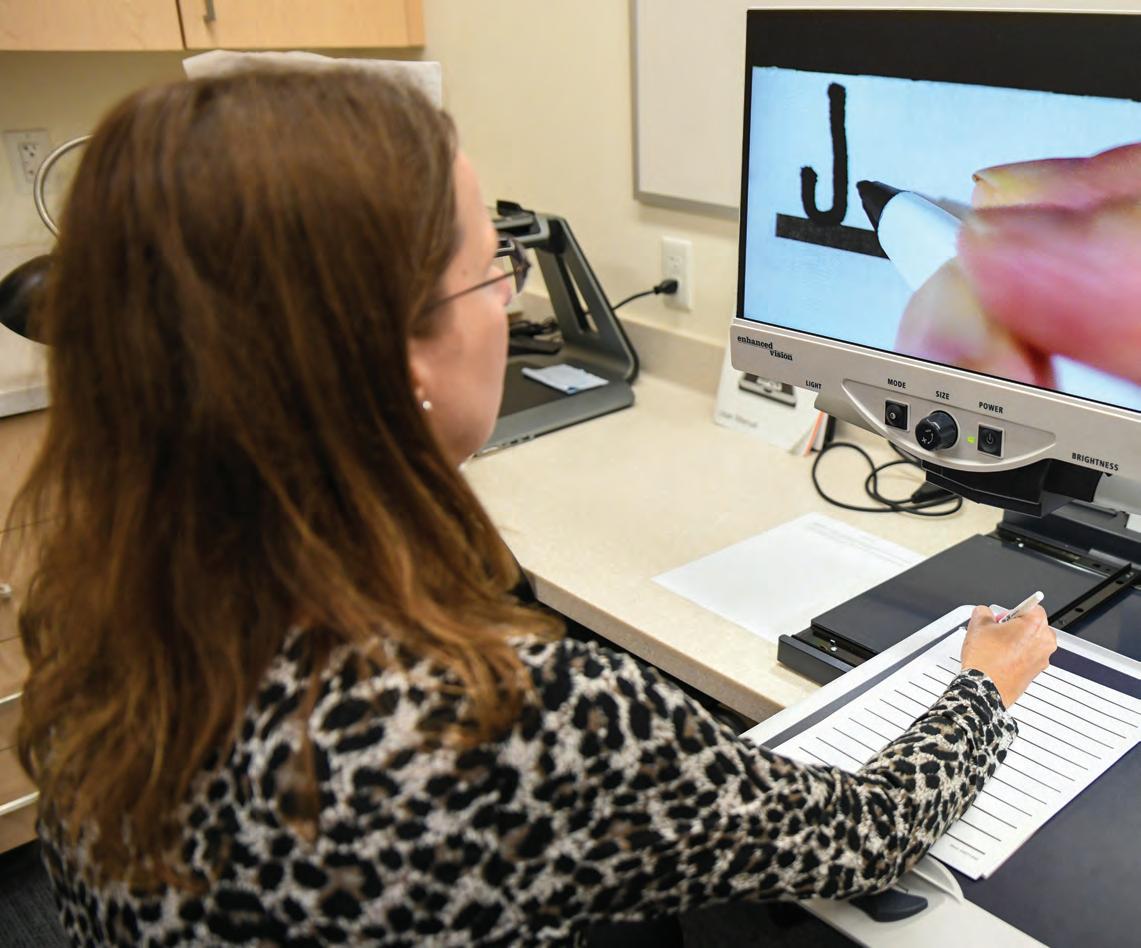
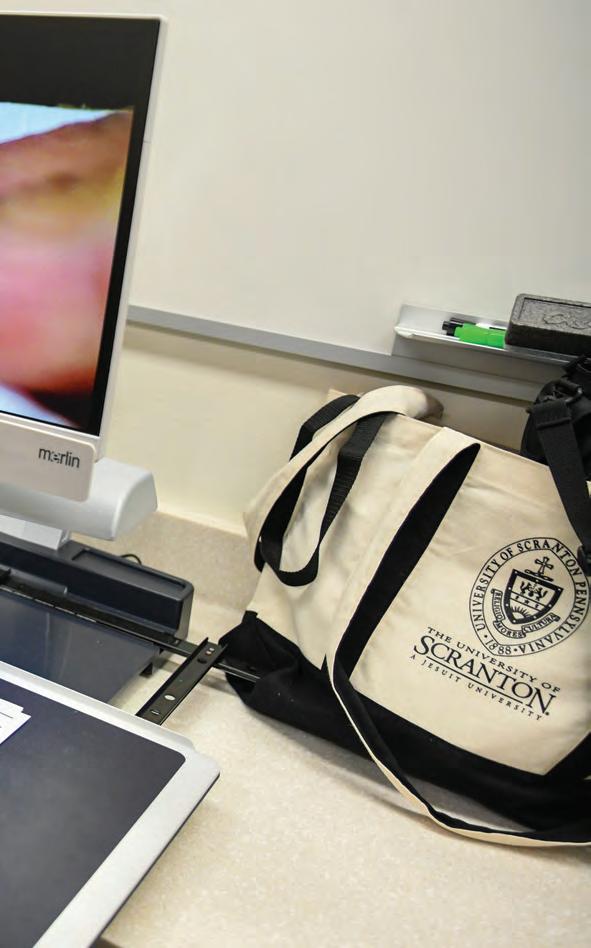
Dr. Julie Nastasi, associate professor in the Occupational Therapy Department, demonstrates the CCTV (closed-circuit television), which is used to enlarge images to magnifications larger than those of handheld magnifiers. It is used for reading, writing, and viewing images.
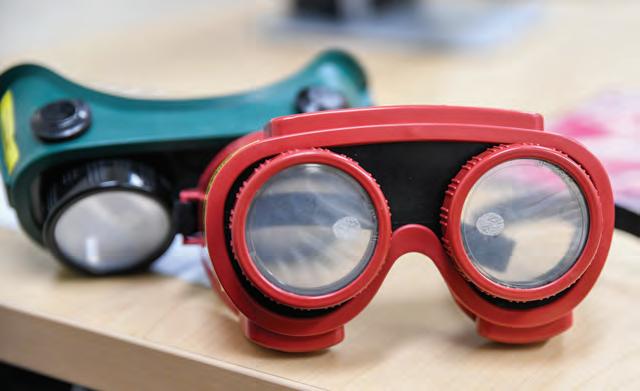
Goggles used to simulate low vision diagnoses.
CLINICIANS RETURN TO ANATOMY LAB FOR HANDS-ON NEUROANATOMY REVIEW
The Physical Therapy Department recently welcomed practicing clinicians back into the LCHS Human Anatomy Lab for “Neuroanatomy for the Practicing Clinician: A Case-Based Review,” a one-day program designed to help providers reconnect with essential neuroanatomy through practical, hands-on learning. Participants explored human donor specimens and revisited common presentations that arise when specific neurological structures are damaged, with an emphasis on differential diagnosis, prognosis, and expected outcomes.
The course was developed and instructed by Dr. Kristina Dorkoski, who designed the interactive format to blend anatomical review with clinical application. Ms. Cheryil Demkosky, LCHS Human Anatomy Lab director, provided expert guidance during the anatomical review, complementing Dr. Dorkoski’s teaching on
clinical relevance and case-based application. Two DPT students, Kaitlin Kremsky and Bella Czech, contributed as teaching assistants and supported participants throughout the exploration of nervous system and cardiopulmonary structures.
Participants expressed tremendous appreciation for the opportunity to return to the anatomy lab and were enthusiastic about recommending the course to others. Building on this success, Dr. Dorkoski and Ms. Demkosky welcome collaboration with faculty across LCHS who are interested in developing other continuing education programs or exploring new ways to integrate the Human Anatomy Lab into student instruction. Plans are already underway to offer an annual PT anatomy course and to expand interdisciplinary opportunities in 2026-27.
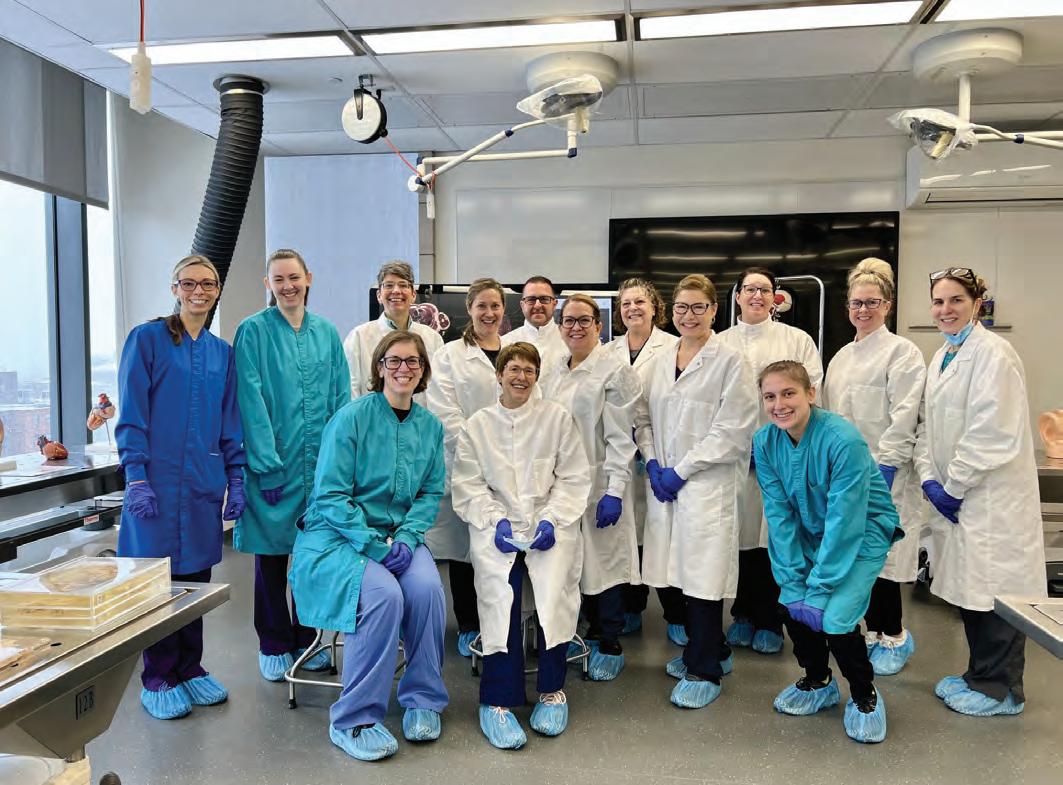
Pictured are physical therapy faculty Dr. Kristina Dorkoski and Dr. Janette Scardillo, third-year DPT students Kaitlin Kremsky and Bella Czeck, and conference participants.
Top row, left to right: Dr. Kristina Dorkoski, DPT student Kaitlin Kremsky, Meegan Murray, Renee Plamer, Michael Schlude, Heather Fritz, Leslie Ritter, Carin Dominick, and Gina Tomassoni.
Bottom Row: Dr. Janette Scardillo, Suzanne Jones, Roslyn Rowan, Maureen Boyd, and DPT student Bella Czeck.
NURSING FACULTY MEMBER DR. MEGAN OSSONT DEMONSTRATES CURA PERSONALIS IN NURSING PRACTICE AND SCHOLARSHIP
Psychiatric nurse practitioner Dr. Megan Walsh Ossont ’11 joined the Nursing Department this year as a faculty member and program director for the master’s and doctoral programs in Psychiatric Mental Health Nursing. Dr. Ossont describes the Jesuit core values as a key component of her educational and research pursuits. In particular, cura personalis, a Jesuit ideal emphasizing care of the whole person, has guided her clinical practice and now her scholarship. As a psychiatric nurse practitioner, she aims to understand mental health concerns within the context of the entire person and their needs. This includes not only their emotional needs, but also their physical, intellectual, spiritual, and social needs.
“A person’s health, which includes all aspects of wellbeing listed above, is shaped and impacted by factors known as social determinants of health. These are non-medical factors, often environmental, cultural, or societal, that have a meaningful or significant influence on the wellbeing of individuals. Understanding the context in which a person exists and the resources that they have or do not have available aids in a greater understanding of health, in all its dimensions,” Dr. Ossont said.
Dr. Ossont considers social media use to be an important variable to consider when assessing health in modern times. Social media use is not just for engaging with friends and relatives in an online space. People routinely use it in ways that have a direct impact on their health. Social media is a source of information, can influence behavioral change, and has the potential to impact mental health in positive and negative ways. Dr. Ossont and Dr. Hyun Kim, also an assistant professor of public health in LCHS, are conducting a survey-based study examining the impact of social media use on symptoms of anxiety and depression in adults ages 18-65.
“A greater understanding of the impact of social media use on mental health is crucial for several reasons,” Dr. Ossont said. “This knowledge can aid in appraising the risk of developing mental health disorders and serve as a target for interventions to improve mental health. Examination of social determinants of health, like social media, fosters a comprehensive contextual understanding of patients within the context of their environment and aligns with the concept of cura personalis. Learning about the Jesuit ideals and applying them to my teaching, practice, and scholarship has made me a stronger researcher, faculty member, and clinician.”
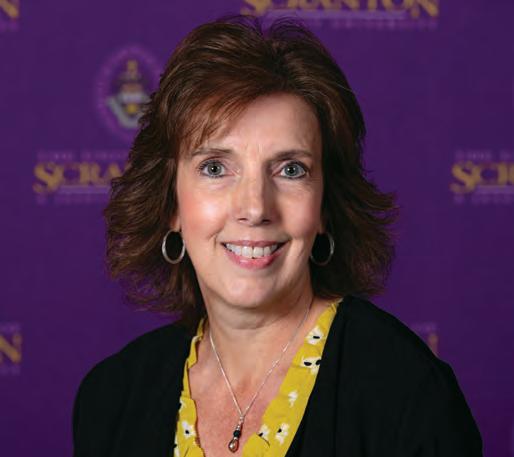
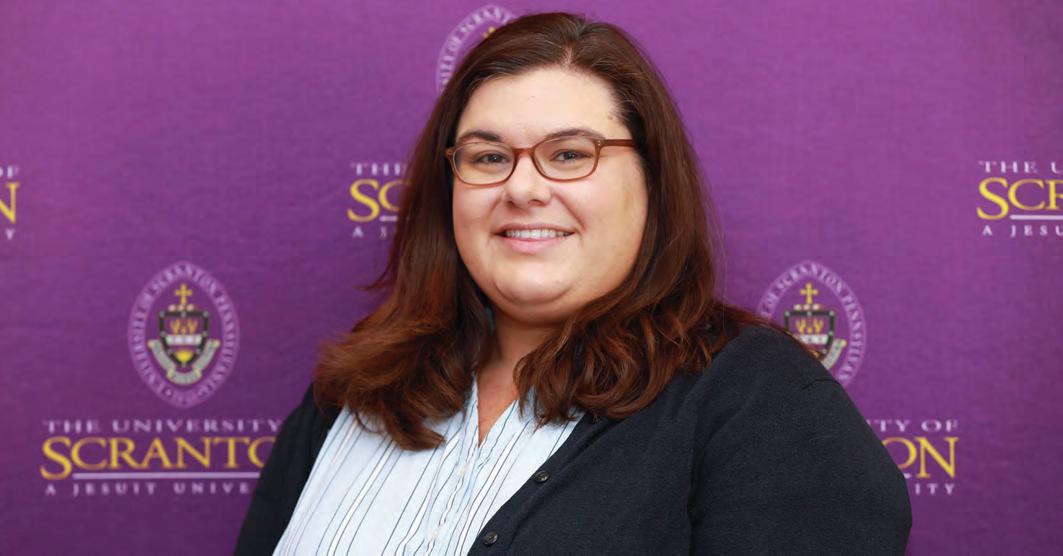
Assistant Professor in the Nursing Department Dr. Megan Ossont.