




• Nation in mourning as all passengers die in Independence Day crash
• AAIA officially launches investigation into fatal Flamingo Air accident
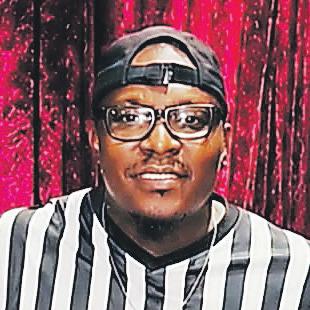
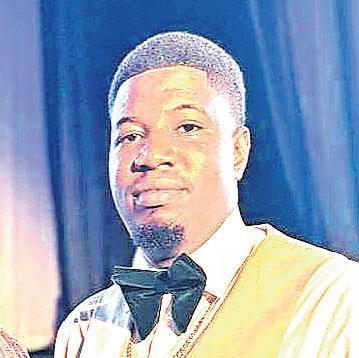
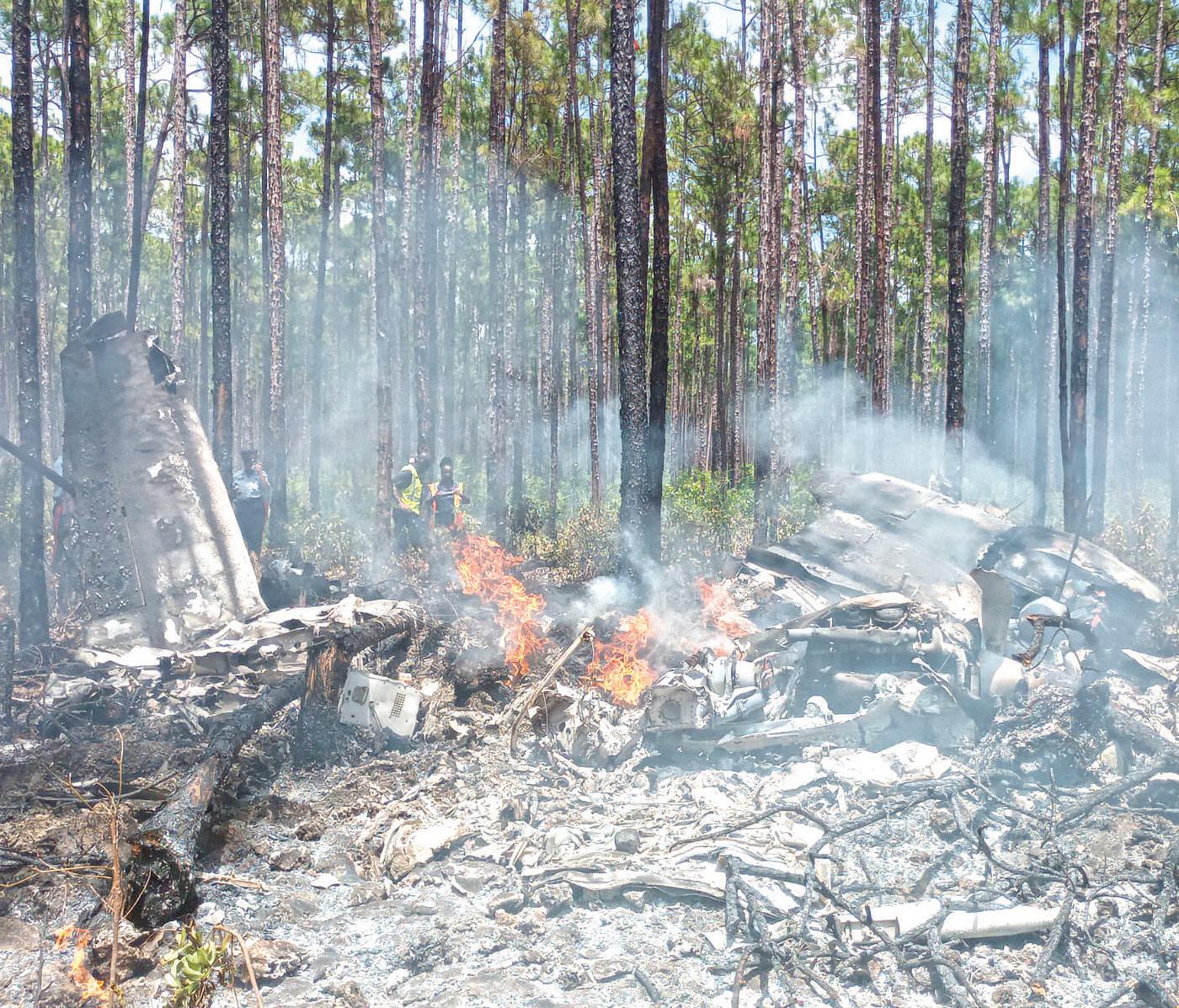
• Deadly air disaster leads to air operator’s temporary suspension
SEE PAGES 4, 5 & 7


By KEILE CAMPBELL Tribune Staff Reporter kcampbell@tribunemedia.net
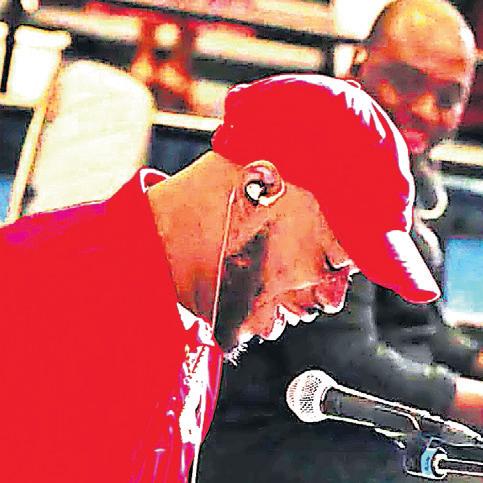
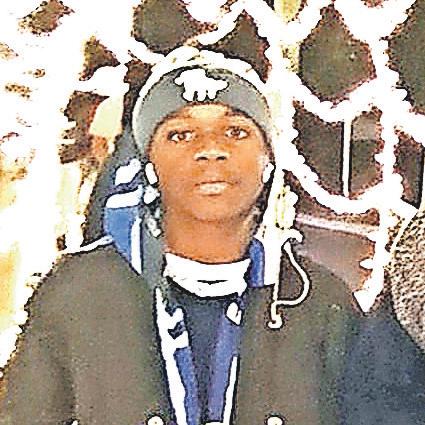
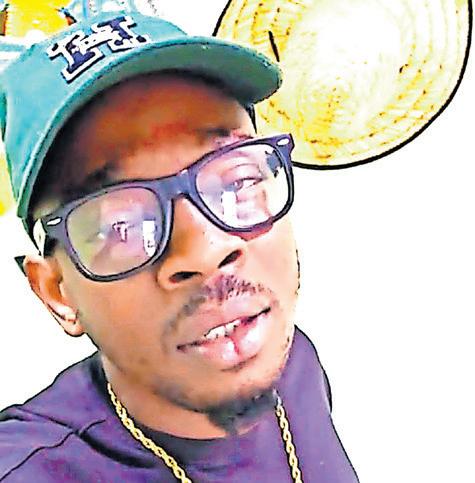
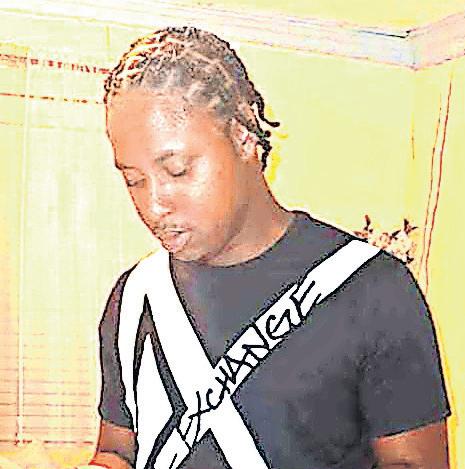
TWO men were killed and three females, including a 17-year-old girl, were injured in an Independence Day shooting in Bain Town as police searched for two gunmen. Police said ShotSpotter technology alerted them to gunfire in the Dumping Ground Corner area shortly after 9pm. Officers found five shooting victims at the scene: two men, aged 32 and 24, two 20-year-old women and a 17-year-old girl. One man was found
SHOOTING - SEE PAGE THREE

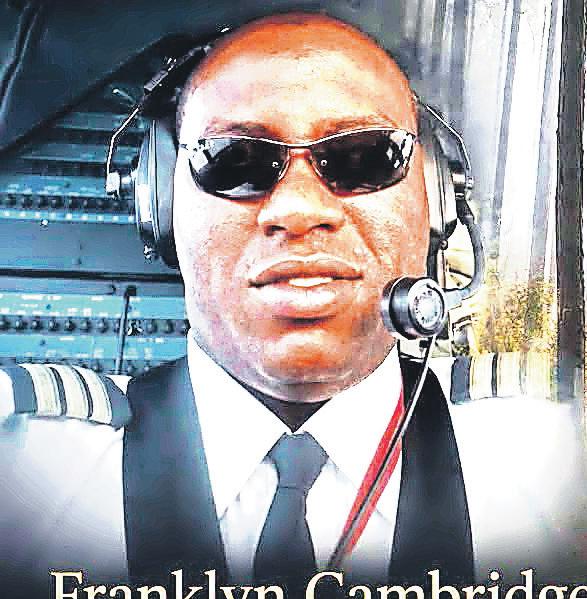
Union blasts plan to hire 300 Ghanaian teachers
By RASHAD ROLLE Tribune News Editor rrolle@tribunemedia.net
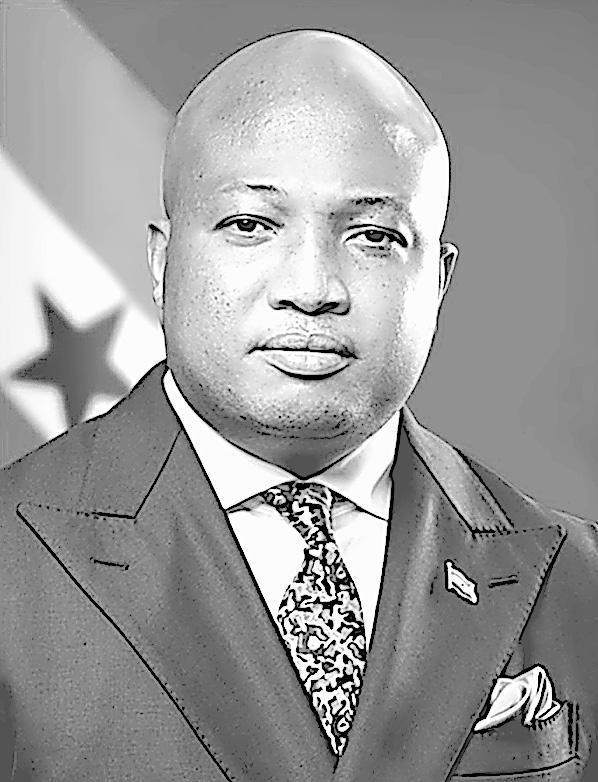
GHANA’S foreign affairs minister has announced that The Bahamas is ready to receive 300 Ghanaian teachers this year, prompting Bahamas Union of Teachers president Belinda Wilson to question how the government could negotiate their recruitment “in minutes” while failing after ten months of talks to secure salary increases for more than 2,000 Bahamian teachers. Samuel Okudzeto Ablakwa said on Facebook that the proposed
UNION - SEE PAGE THREE





deployment followed official negotiations during his visit to The Bahamas for the country’s 53rd Independence Anniversary celebrations.
“This will be the first phase of a new cooperation in education,” he said.
In a statement, Deputy Prime Minister and Minister of Education Chester Cooper described the proposal as a “generous offer of cooperation” from Ghana to assist with the recruitment of up to 300 teachers as the Ministry of Education grapples with a shortage of roughly the same number.
He said officials held direct discussions with Mr Ablakwa during the Independence celebrations to advance the initiative, but stressed that Bahamians would receive first priority for all vacancies.
The announcement drew a furious response from Bahamas Union of Teachers president Belinda Wilson, who questioned
why the union learnt of the proposed recruitment through a Ghanaian official.
“This is egregious and highly offensive to the

By LYNAIRE MUNNINGS
Staff Reporter
lmunnings@tribunemedia.net
THE government will break ground on New Providence's liquefied natural gas (LNG) terminal today, marking a major milestone in its plan to modernise the country's electricity system following last Sunday's island-wide power outage.
Energy, Utilities and Aviation Minister JoBeth Coleby-Davis announced the groundbreaking on Thursday, describing the project as a key part of broader reforms aimed at improving reliability, reducing fuel costs and lowering electricity bills. Her remarks came days after an island-wide blackout left New Providence without power, highlighting the challenges of operating an ageing electricity network while major upgrades are underway.
Mrs Coleby-Davis said LNG will provide a cleaner, less expensive fuel source for electricity generation.
"Simply put, LNG is natural gas cooled into liquid form so it can be transported safely to The Bahamas. Once it arrives, it is converted back into gas and used to generate
electricity," she said. The minister said natural gas burns cleaner than heavy fuel oil and diesel, produces fewer emissions and requires less maintenance. She said introducing LNG is expected to generate up to $100m in annual fuel savings, which should be reflected in the fuel component of consumers' electricity bills.
She added that LNG will also reduce Bahamas Power and Light's reliance on costly temporary rental generation, allowing the utility to invest more in permanent infrastructure.
Mrs Coleby-Davis said LNG will form part of a diversified energy mix that includes about 172 megawatts of LNG generation, utility-scale solar power, battery energy storage systems, upgraded substations and improved transmission infrastructure.
"This balanced energy portfolio gives us greater reliability, greater resilience, lower emissions and stronger energy security," she said.
She said utility-scale solar projects are progressing in New Providence, with land secured, construction advancing and the first solar-generated
hardworking, dedicated teachers of The Bahamas,” she said.
Mrs Wilson accused the government of moving more swiftly in talks over foreign teachers than in negotiations over salaries and outstanding payments for Bahamian educators.
She questioned how the prime minister and education minister could negotiate within minutes for 300 Ghanaian teachers while the union had been at the bargaining table since October 2025 without securing a salary increase for more than 2,000 teachers already in the system.
Mrs Wilson said hundreds of teachers were awaiting money owed to them, including rent allowances, while some people who graduated from the University of The Bahamas in 2025 were still waiting to be hired by the ministry.
“All we get are excuses,” she said, adding the government has ignored the union’s recommendations for addressing the teacher shortage.
Mr Cooper said the ministry faces a shortage of about 300 teachers, compounded by retirements, expiring contracts and the expansion of specialised subjects such as special education, technology, financial literacy, digital literacy and entrepreneurship studies.
He said a multi-agency task force was working to attract Bahamian educators, including recent graduates, recently retired teachers and former teachers interested in returning to the classroom.
The task force includes the ministries of Foreign Affairs and Public Service, the Department of Labour, the Royal Bahamas Police Force and the National Accreditation and Equivalency Council of The Bahamas.
Mr Cooper said officials had also engaged Kenya, the United States, the United Kingdom, the Philippines and other countries as they explored international cooperation to address the shortage.
He said any recruitment
would be subject to the ministry’s standard procedures, including rigorous vetting of qualifications and character, cultural sensitivity training, orientation and a six-month immersion programme.
“For decades, we have benefitted from strategic international recruitment of educators from partner nations,” Mr Cooper said. He stressed that international recruitment would be used only to fill vacancies that qualified Bahamians could not immediately take.
Mr Ablakwa said the proposed recruitment would extend labour mobility between the two countries beyond healthcare.
He said Bahamian authorities were impressed with the work ethic of Ghanaian nurses serving in The Bahamas under a similar agreement.
Mr Ablakwa also said Ghana and The Bahamas share an ancestral bond, with many Bahamians tracing their heritage to Ghana.
SHOOTING from page one
unresponsive outside a residence with gunshot wounds. Emergency Medical Services personnel pronounced him dead at the scene.
The other victims suffered injuries to the right ankle, right knee, right arm, left thigh and head. They were taken to hospital by ambulance and private vehicles.
The second man later
died while receiving treatment. The conditions of the three female victims were unknown up to press time.
Police said a group had gathered beneath a tree when a silver Kia Rio, licence plate DD9763, travelling south along Dumping Ground Corner stopped near the residence.
Two armed men got out and opened fire on the group before fleeing south along Dumping Ground Corner towards Ferguson
Street.
Acting on information, officers later recovered a silver Kia Rio abandoned off Hospital Lane. Police believe it was used as the getaway vehicle.
Further investigations revealed that the car had been reported stolen during an armed robbery on Market Street on Friday, July 3, 2026. Police are appealing to the public for help locating the two suspects.
electricity expected to come online in March 2027.
Upgrades to the transmission and distribution network are also continuing through the installation of new substations, intelligent switching technology and digital controls, with final system testing expected to be completed by the end of July.
"We are rebuilding our electricity system while continuing to provide electricity to an entire nation," Mrs Coleby-Davis said. "That is much like renovating your home while continuing to live in it. It is complex and challenging, but it is necessary."
She said Bahamians should begin seeing the benefits of the reforms by 2027 through lower fuel costs, cleaner energy generation and a more reliable electricity network.
The LNG terminal at Clifton Pier forms part of the government's wider energy reform programme, which also includes renewable energy and hybrid power projects across the Family Islands aimed at improving reliability and reducing electricity costs throughout the archipelago.

By AVA TURNQUEST Tribune Digital Editor aturnquest@tribunemedia.net
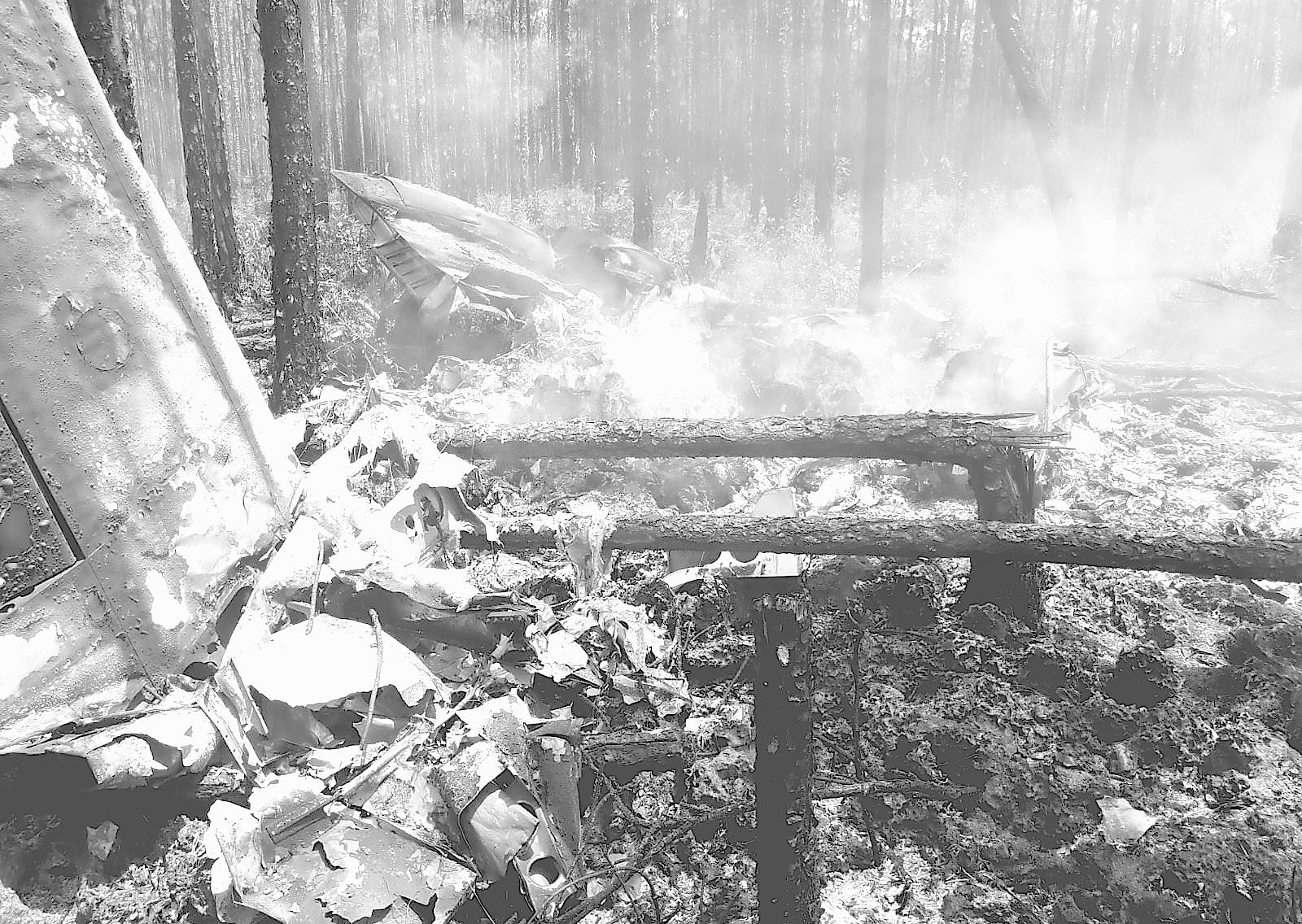
BAHAMIANS across the country and wider diaspora were united in grief on Friday as the country's 53rd Independence celebrations gave way to heartbreak after a Flamingo Air plane crashed while attempting to land in North Andros, killing all 10 people aboard.
The Cessna 402 departed Lynden Pindling International Airport shortly after 1pm on a scheduled flight to San Andros Airport carrying among its passengers several musicians of Da Pond Band, a CV Bethel student and other cherished loved ones.
It crashed in bushes near the airport leaving the nation grappling with one of its deadliest aviation disasters in decades; triggering an immediate search for survivors and the
temporary suspension of Flamingo Air's Air Operator Certificate.
Initial reports indicated that one man, Macaro Role, was found alive at the site of the crash but later succumbed to his injuries.
Addressing the nation on Friday evening, Prime Minister Philip Davis described the crash as a devastating tragedy and extended condolences to the families affected.
“This morning hundreds of thousands of Bahamians, here at home and across the world, paused to celebrate the 53rd anniversary of our independence,” Mr Davis said.
“It is a day that usually fills our hearts with pride, gratitude, and hope, instead we gather beneath a cloud of great sorrow.
"Once again a chapter in our nation's story has been marked by tragedy. Today is a day of celebration but it
has become a day of mourning. My wife Ann and I are heartbroken to every family that has received the devastating news that someone they love will not be coming home we offer our deepest condolences.
He continued: There are no words that can take away your pain, there are no words that can answer the questions that fill your minds today and tomorrow.”
Opposition Leader
Michael Pintard also expressed condolences, saying the tragedy had cast a shadow over the country's Independence Day celebrations. He committed the Free National Movement to fully supporting efforts to create a safer industry through the creation of a joint committee.
The tragedy cast a sombre mood over Independence observances across the country, particularly in Andros, where musicians from Da Pond Band were slated to perform at the North Andros regatta.

By RASHAD ROLLE Tribune News Editor rrolle@tribunemedia.net
FLAMINGO Air aircraft
were involved in at least 14 publicly recorded accidents and safety incidents over the two decades before Friday’s fatal crash near San Andros Airport, with many of the earlier occurrences involving landing-gear failures, runway excursions or emergency landings.
The crash, which killed the pilot and nine passengers, was the airline’s first publicly recorded fatal accident.
The government has
suspended Flamingo Air’s Air Operator Certificate as a precaution while authorities investigate the crash and a separate fire involving another of the airline’s aircraft earlier that day. Officials stressed that the suspension was not an adverse finding against the carrier.
Flamingo Air met relatives of the victims yesterday and said it would begin making and receiving calls today to arrange refunds for customers affected by the suspension. A review of aviation investigation records and contemporary news
reports found that none of the airline’s earlier publicly documented incidents resulted in a death, although several aircraft were substantially damaged and some occupants suffered minor injuries.
Investigators have not established that any previous occurrence was connected to Friday’s crash, whose cause remains under investigation.
The earliest accident identified in public records occurred on May 16, 2005, when a Flamingo Air Britten-Norman Islander ran
HISTORY - SEE PAGE SEVEN
At the regatta site that evening, Minister of Youth Sports and Culture Mario Bowleg said the day of celebration and thanksgiving had been overshadowed with "profound sorrow".
The bodies of the 10 people killed in Friday's North Andros plane crash were returned to New Providence on Friday night, where Christian Council president Mario Moxey led prayers on the airport tarmac for the victims and their grieving families.
Meanwhile, the Aircraft Accident Investigation Authority continued its investigation into the crash, urging the public not to speculate about its cause while investigators gather evidence.
In its first update since the accident, the AAIA
said investigators have secured and documented the crash site, preserved available evidence, begun collecting operational and technical information, and notified the appropriate national and international authorities.
The authority said investigators immediately began work under the Aircraft Accident Investigation Authority Act and international aviation protocols. Countries entitled to participate in the investigation have also been informed and may appoint accredited representatives to assist.
AAIA Chief Investigator Kendall Dorsett Jr has been appointed investigator-in-charge of the investigation. In a statement on Saturday, officials said investigators will examine all aspects of the occurrence, including the
aircraft, flight operations, maintenance records, meteorological information, air traffic services and any other relevant evidence.
“At this stage of the investigation, no determination has been made regarding the cause or contributing factors of the accident,” the AAIA said, adding that all information currently available is preliminary and subject to change as additional evidence is obtained and analysed.
The authority reiterated that the purpose of an aircraft accident investigation is to improve aviation safety, not to apportion blame or determine liability. It also appealed to anyone with photographs, videos or other information relevant to the crash to contact investigators directly.
By JADE RUSSELL Tribune Staff Reporter jrussell@tribunemedia.net
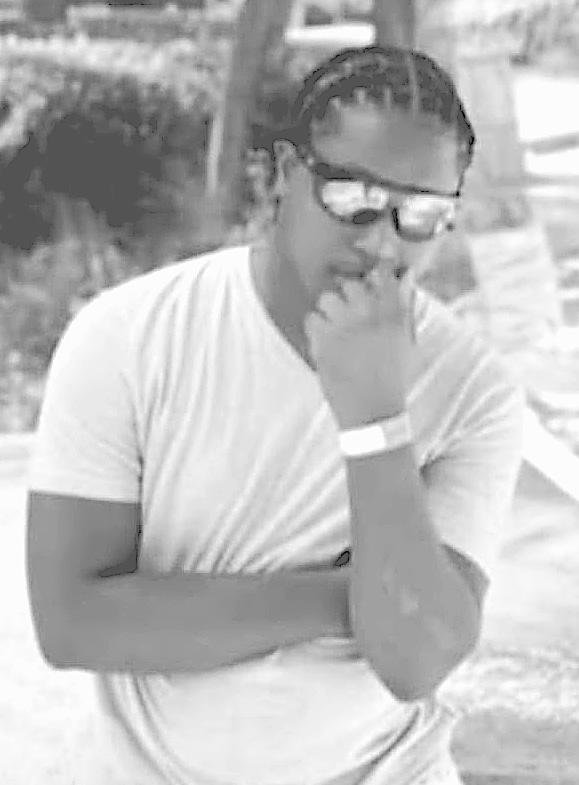
ANTHONY Rolle heard his badly burned brother pleading for help over the phone before the line went dead.
“Daddy, Daddy, please hurry up, come for me, Daddy. Y’all hurry up, come,” 24-year-old Macaro Rolle told his family from the wreckage of the Flamingo Air plane that crashed near San Andros Airport on Friday.
Macaro survived the initial impact and remained conscious long enough to direct relatives towards him. But his brother said blocked roads delayed the family’s arrival at the crash site for about two hours, while another twohour wait followed for an air ambulance.
Macaro died before he could be flown from North Andros for further treatment.
“They land after he already died,” Mr Rolle said. “We was carrying him to the clinic.”
Macaro, a certified lifeguard who worked at Ocean Cay, had not returned home to Andros in seven months. He had secured a break from work and was making the long journey back to his family, travelling by boat from Ocean Cay to Bimini, flying from Bimini to New Providence and then boarding the charter flight to Andros.
His father was waiting at San Andros Airport to collect him.
Mr Rolle was working opposite the airport when a man from their Nicholls Town settlement ran over and told him that a plane had crashed.
A second aircraft travelling behind the doomed plane confirmed who had been aboard, he said.
“He called one of them, my brother, that’s how I get to find out,” Mr Rolle said.
“Right after that me and my daddy and brother and my friend, we started the search.” Smoke from the wreckage rose near the end of the runway and was visible from where the family stood.
Before they could reach the scene, Macaro borrowed the phone of someone helping there and called his relatives.
Mr Rolle said his brother sounded strong.
“He called us before we could’ve reach through, and he was like, ‘Daddy, Daddy, please hurry up, come for me, Daddy. Y’all hurry up, come,’” he said.
Macaro remained on the phone as his family raced towards him.
“He was talking to us until we reach right there,” Mr Rolle said. “As soon as I say, ‘Caro, we can see y’all now, we coming now’, then the phone cut out.”
During the call, Macaro described the aircraft’s final moments.
“He tell us how the plane was shaking, start shaking fast, hard before they crashed,” Mr Rolle said. The family could see the smoke but could not immediately reach the wreckage because roads had been blocked, he said. By the time they arrived, Macaro could barely respond.
“When I reached there, he wasn’t talking,” Mr Rolle
said. “I said ‘Caro, we reach.’ Only thing he said, ‘Huh, uh huh.’ He wasn’t talking.” His brother found him with catastrophic burns.
“He was burned from head to toe,” Mr Rolle said. “All his clothes burned off him.”
“All the skin was burned,” he said, describing his brother’s body as pink.
The family carried Macaro from the bush in his father’s truck and took him directly to an ambulance.
“We was waiting on air ambulance to come,” he said, adding that the family waited about two hours for the aircraft.
He said Macaro fought until the end, but his brother could see that he was in pain. He said his brother died about 20 minutes before the air ambulance arrived.
He believes faster access to medical treatment on the island could have saved his brother, adding:
“The doctor tried all he could.”
Macaro’s death shattered a family that had been preparing to welcome him home after seven months away.
He was the third of four brothers. Mr Rolle said their parents were distraught. Macaro normally stayed at the family home when he visited Andros. This trip was supposed to be different.
He had been building his own three-bedroom house and was waiting for workers to finish installing its windows and doors.
He “never got to move in”, his brother said, remembering his brother as loving and deeply devoted to God. Prayer governed even the smallest parts of his daily life.
“Before Macaro eat or drink or answer his phone or leave outside, he have to pray before he do that,” he said.
“So if you can’t wait until he finish praying, you could leave him.”
His family is certain he prayed before boarding the flight.
By KEILE CAMPBELL and JADE RUSSELL Tribune Staff Reporters
BISHOP Elton Major had just finished leading an Independence Day deliverance service at Metropolitan Baptist Church when members of his congregation gathered outside his office and looked at him strangely. They had come with news that would shatter his family: a plane had crashed in North Andros, and Melvin Henfield — the son he had raised from the age of 13 — was believed to be aboard.
Bishop Major immediately called the 34-year-old musician and ordained minister, known throughout the entertainment industry as DJ Fresh.
There was no answer.
That silence alarmed him. Even when Henfield was performing or in a meeting, he would normally send a message promising to call back.
“When I realize I didn’t get a text back, I call his brother Ken because I know once one there, the next one, if those two would move together most of the time, and Ken would support him mostly. Most of the gigs, especially when it comes to Andros,” Bishop Major said.
At first, relatives believed Henfield had already reached Andros, briefly sparing Bishop Major from the possibility that he was among those aboard the Flamingo Air aircraft.
Then the family heard that one person may have survived.
That hope also collapsed.
“Then,” he said, “finally Ken called me and said ‘We lose Melvin’, I said ‘Jesus LORD’.”
The news left Bishop Major so numb that he injured his foot without realising it.
“I must’ve knocked my foot or something because I didn’t even know I was bleeding,” he said. “That’s how numb I was. I still have a problem coping with that.”
“I need to see something. It don’t feel real to me, but it’ll never be the same.”
Henfield was one of ten people killed in the Independence Day crash near San Andros Airport.
For Bishop Major, the disaster claimed far more than a prominent entertainer. It took the boy he had fed, schooled and guided into manhood — teaching him how to tie a necktie, how to drive and how to weigh the major decisions of his life.
Henfield’s mother
entrusted him to Bishop Major and another relative when he was 13. She died five years ago.
“To meet him, to know him, is to love him,” Bishop Major said. “Kind, caring, very compassionate, trusting. If he tell you something, he can do it. Might not do it right away, but he gonna get it done.”
Bishop Major said Henfield did not know his paternal father but became fully embedded in his family.
“You wouldn’t know he isn’t my paternal child because my family and everybody they love Melvin,” he said.
A relative of Henfield referred The Tribune to Christal “Peachy” Mackey, owner of the women-only Peach Fit Studios, who described herself as a special friend of Henfield and said they forged an exceptional bond during their two-year friendship.
Ms Mackey lost her father several years ago, while Henfield lost his mother. Mother’s Day and Father’s Day became occasions when they mourned together.
A few months ago, Ms Mackey was forced to jump from her moving car after it burst into flames. She said Henfield stood by her bedside
By JADE RUSSELL
Tribune Staff Reporter
jrussell@tribunemedia.net
RONELLA Hinsey’s final message from her 27-year-old son was one word: “Leaving.”
For years, Mateo Winder had followed a family ritual whenever he travelled. He told his mother when he was departing, then checked in after arriving safely.
But on Friday, as Winder boarded a plane for North Andros with fellow members of Da Pond Band, the message that once reassured his mother became his final farewell.
“His last words to me was, ‘leaving’, but I never thought it was leaving totally from this earth,” Ms Hinsey said.
Winder was among the ten people killed when a Flamingo Air aircraft crashed near San Andros Airport. He and other members of Da Pond Band were travelling to perform at a regatta.
As news of the crash spread, Ms Hinsey launched a desperate search for answers, repeatedly calling police stations, aviation officials, relatives and members of the band as she tried to determine whether her son had been aboard.
For a fleeting moment, she believed he had escaped the disaster after an aviation official checked a passenger manifest and told her his name was not listed.
“Okay, Lord, he’s not on it,” she recalled thinking.
That relief soon collapsed into dread as calls went unanswered and relatives near the crash site avoided telling her what had happened.
Ms Hinsey, a police inspector who had been stationed in Abaco for work, said her mother first called to tell her that a plane had crashed in Andros and that Winder may have been aboard.
She immediately sent her son a WhatsApp message asking him to confirm that he had landed safely.
The message did not go through.
“I called the police control room in Nassau to find out if they got any reports of any plane crash, and they said no,” she said. “So, I had to do a lot of calling.”
She contacted the Nicholls Town Police Station, where officers confirmed that a plane had

crashed. She then called a pilot at General Aviation in New Providence and asked him to check whether her son’s name appeared on the manifest.
“He went and he checked with the manifest, and he said his name was not on it,” she said.
Still unable to reach her son, Ms Hinsey called her brother in Andros. He was in Blanket Sound and began travelling towards North Andros.
She continued calling the police control room but was told officers were still trying to gather information. She then contacted the Fresh Creek Police Station, where a cousin worked, and was told authorities were unsure who had been aboard.
Her brother eventually reached the area of the crash but was prevented from approaching the site.
Then he stopped answering her calls.
“After a few minutes, I said no one is calling me back or anything,” Ms Hinsey said. “I kept calling my brother, and he refused to answer, and after he refused to answer, I knew what happened because he didn’t want to tell me.”
She called the aviation official who had helped her check the manifest, but he also stopped answering. A call to one of Da Pond Band’s managers went unanswered as well.
“I said, ‘Lord, I know my son was on that plane’ because I kept calling and calling and I didn’t get any answer,” she said.
Ms Hinsey travelled from Abaco to New Providence after learning of the crash. The grieving mother, who is also a gospel minister, said she had been troubled
throughout her recovery, reflecting the unconditional support that defined their relationship.
They also maintained a strict ritual whenever either travelled.
“Once we’re going on a plane, you have to say when you’re leaving, you have to make sure pray before you leave, and you have to say when you land,” she said.
Both feared flying, particularly aboard small aircraft.
They spoke by telephone as Henfield travelled to the airport.
“When he was about to board, he told me, ‘I’m about to board, make sure pray and I’ll call you as soon as I reach, but it shouldn’t be long because it’s just a 15 minute flight.’”
The call never came.
When Ms Mackey first heard that a plane had crashed on the way to Andros, she panicked after realising an earlier message she sent Mr Henfield had not gone through.
At first, she had not been alarmed because his work in entertainment sometimes kept him from responding for an hour or more.
But as reports spread, panic overwhelmed her.
“I remember I was on the road, and I felt like I wanted to throw up, so I pulled up by my sister’s establishment, which is before my home, because I couldn’t get there,” she said.
She sat on the porch and waited for her sister.
Then someone called.
“Peachy, people said it looks bad, and it doesn’t look like there are no survivors,”

she said.
The shock reopened the grief she had carried since losing her father.
“I felt the pain I feel like I felt six years ago because I’ve never really lost anyone other than my dad, and I never really learned how to grieve,” she said.
Another call then revived her hope. She was told there was one survivor and that the survivor was Henfield.
“I began to feel so happy, but the happy felt like it was with guilt,” she said. “Like I’m so happy, my person is that one person, but that means everyone else is not their person.”
She immediately began planning how she would care for him.
Friends reminded her that Henfield had stood beside her hospital bed every day after her car fire and told her to prepare to nurse him through a long recovery.
“I never been so excited to just cater to someone,” she said.
Reports suggested he had suffered burns, but she was undeterred.
“They say he has some burns, but what is burns to me? Absolutely nothing,” she said.
The hope collapsed moments later.
Ms Mackey said she heard her sister speaking softly from another room, trying to conceal the news.
“I heard y’all, they say
he didn’t make it,” she said, breaking into tears.
Henfield’s fear of flying has haunted her since the crash.
She recalled an earlier Bahamasair flight on which he demanded to be removed after hearing the aircraft had experienced difficulties before departure.
“The people told him, ‘We can’t open the door no more. We already ready for take-off. We’ll have to go through all type paperwork that’s against the rules.’” Henfield refused to remain aboard.
“He told them, ‘Call the boss. Call the head of department, Bahamasair and open this flight. I am not comfortable, and I am not leaving’.”
The entire aircraft was eventually emptied, she said.
“He caused everyone on that flight to have to come off for hours because they told them they couldn’t go right away because there were some difficulties,” she said.
Ms Mackey said Henfield simply did not like planes.
“We have some people that do not like plane, and he didn’t,” she said. “He did not like plane at all.”
She is certain, however, that he prayed before boarding Friday’s flight.
That belief has given her some peace.
She remembered him as an exceptional father, a loyal supporter, a man of faith and a presence that lit up a room.
throughout the week by visions of her son being hurt.
“All that week, I just kept hearing or seeing something happening to my son and him being hurt, and he actually died,” she said. “I started praying and cancelling what I saw, and pleading the blood of Jesus over him and reading God’s word that he should not die but live to declare the works of the Lord.”
Despite the depth of her loss, Ms Hinsey said she has not questioned God.
“I didn’t ask the Lord why, because I don’t want to question God, because He knows why everything happens,” she said. “Human understanding, we won’t understand it.”
Instead, she prayed that her son’s death would carry meaning.
“I told the Lord, I said, if that is your will, you know everything before it happens,” she said. “And I said, if that is your will, then so be it. But I want my son’s death, I want him to get glory out of it. I don’t want him to die in vain.”
Winder, who was never married and had no children, built his life around his faith, family and music.
His mother described him as loving, deeply committed to Christ and extraordinarily gifted.
He performed with Da Pond Band and the Grammy Award-winning Baha Men and could play the drums, keyboard, guitar, bass guitar and saxophone. He could also sing.
Isaiah Taylor, leader of Baha Men, said Winder was like a son to him and had recently performed with the
MATEO - SEE PAGE SEVEN

NULLIUS ADDICTUS JURARE IN VERBA MAGISTRI
“Being Bound to Swear to The Dogmas of No Master”
LEON E. H. DUPUCH,
Publisher/Editor 1903-1914
SIR ETIENNE DUPUCH, Kt., O.B.E., K.M., K.C.S.G., (Hon.) LL.D., D.Litt .
Publisher/Editor 1919-1972
Contributing Editor 1972-1991
RT HON EILEEN DUPUCH CARRON, C.M.G., M.S., B.A., LL.B.
Publisher/Editor 1972-
Published daily Monday to Friday Shirley & Deveaux Streets, Nassau, Bahamas N3207 TELEPHONES
News & General Information
(242) 502-2350
Advertising Manager (242) 502-2394
Circulation Department (242) 502-2386
Nassau fax (242) 328-2398
Freeport, Grand Bahama (242)-352-6608
Freeport fax (242) 352-9348
WEBSITE, TWITTER & FACEBOOK
www.tribune242.com @tribune242


THERE are moments when a nation must mourn. But even during this grief, we must examine the systems and institutions responsible for protecting citizens. The horrific plane crash in North Andros, which claimed ten lives on Independence Day, requires immediate scrutiny.
Families have lost sons, daughters, parents, relatives, and friends. The Bahamian entertainment community has lost talented men and women.
100 JAMZ mourns the loss of Melvin “Fresh International” Henfield, a talented DJ who brought happiness to countless people. We extend our heartfelt condolences to every family struggling with this grief. Words cannot capture the pain of losing a loved one who left home expecting to return.
The July 10, 2026, crash represents a cascade of systemic failures. A single error is rarely catastrophic on its own. Accidents occur when multiple flaws align with individual mistakes.
The upcoming investigation and its findings must form the basis for regulatory improvements, stricter enforcement, and better oversight of the domestic aviation sector.
Domestic operator Flamingo Air operated the aircraft that crashed. Earlier that same day, another aircraft registered to the same airline returned to Nassau after smoke appeared from one of its engines.
Two serious aviation incidents involving the same airline occurred on the same day. This requires careful scrutiny and cannot be dismissed as a coincidence. The public deserves to know whether the safety protocols functioned correctly.
This incident resembles two previous tragedies. The October 2010 crash of another Cessna 402C claimed nine lives. In 2001, R&B singer and actress Aaliyah died when the plane carrying her and eight others crashed after takeoff from Marsh Harbour, Abaco in 2001.
Investigators must examine this plane’s maintenance history, review operating logs, and document concerns raised by pilots, engineers, or employees. Determining why the aircraft crashed is just one part of the required examination. The public must demand more from the general aviation sector and support severe penalties for unauthorized air operators and companies that wilfully operate unfit and unsafe equipment.
Aviation safety begins long before an aircraft leaves the runway. It requires maintenance, inspections, reporting, and enforcement.
Minister Coleby-Davis must ensure the Civil Aviation Authority of The Bahamas is properly equipped, funded, and staffed with qualified experts, rather than political appointees, to carry out its mandate.
Does the CAAB conduct operational and maintenance audits or mandate the use of flight planning software capable of providing realtime meteorological conditions?
Police officers customarily approach aircraft to request a passenger’s name and date of birth upon landing at a Family Island aerodrome, a questionable practice given constitutional privacy rights.
Does the CAAB similarly demand carriers or pilots provide an inspector with a current copy of their license, maintenance records, insurance
certificate, evidence of recurrent training, or health certificates before flying passengers?
How many inspectors actually monitor aircraft operating throughout The Bahamas?
These are reasonable questions for an archipelagic nation heavily dependent on domestic aviation. Aviation is not a luxury in The Bahamas; it is essential infrastructure. Every day, Bahamians board small aircraft to travel between islands for work, education, medical appointments, and family events.
This tragedy has exposed another vulnerability. Many Family Islands lack adequate medical facilities and emergency personnel when a disaster strikes.
This is not a criticism of the police officers, firefighters, healthcare workers, or citizens who respond to emergencies. Many perform extraordinary work with limited resources. We must determine whether the governing systems provide these individuals with the training, equipment, information, and support necessary to respond effectively.
The conversation must now address difficult realities. Authorities must review the former Attorney General’s delay in signing the Memorandum of Understanding between the Ministry of Health and the Bahamas Aviation, Climate & Severe Weather Network. This agreement would facilitate the deployment of advanced aviation ambulances to the Family Islands. Instead, the vehicles and paramedics have sat idle in New Providence since December 2025.
Eventually, crews will remove the wreckage. Families will hold funerals, and the country’s attention will move elsewhere.
However, the responsibility of our institutions remains permanent. The investigation must determine exactly what happened. A wider examination must establish whether our regulatory systems could have detected problems before the accident.
Institutional failure rarely begins with one event. It develops quietly through a missed inspection, an incomplete report, an ignored concern, or a mechanical problem treated as an isolated incident. Over time, these gaps become standard practice until a tragedy forces us to see them.
While we do not yet know the exact sequence of events here, the investigation must establish the facts. If investigators identify weaknesses, the response must go beyond assigning individual blame. The government must strengthen the entire system. True reform does not happen at press conferences. It requires resources and experienced professionals. It demands a culture that treats regulation as the daily work of preventing catastrophe rather than a simple administrative exercise.
Ten people died in this crash. Their families and the nation need answers. The Bahamian people deserve confidence that the institutions responsible for protecting them recognize danger before tragedy strikes.
The most important measure of a system is whether it does everything in its power to prevent the loss of life, rather than how it responds after the fact.
EDITOR, The Tribune.
SHE could not speak. She could not call for help. All she could do was cry.
An 8-month-old puppy was found trapped inside an abandoned washing machine, its lid held shut by a heavy rock, preventing her from escaping. Alone, frightened, and left to die, she waited in the darkness, wondering if anyone would ever hear her. Thankfully, someone did.
It is difficult to imagine how anyone could treat a helpless animal with such cruelty. This puppy had never hurt anyone. She wanted what every dog longs for: food, safety, kindness, and someone to love her.
While I understand that everyone is not a “dog or animal person,” one does not have to be an animal lover to know that this is wrong. This level of premeditated animal cruelty is pure evil!
There is no justification for intentionally causing suffering to a defenceless animal. I can imagine that many other animals have suffered the same fate, or even worse, but were unfortunately not as lucky.
The question now is what will happen to the culprit or culprits? Will the person/ people responsible be identified and held accountable under the law, or will they walk away without consequences and possibly harm another innocent animal? What is the role of the Animal Protection Unit and Animal Protection Wardens in this case and others like it? Why aren’t the Animal Protection and Control Act being enforced? The Animal Protection and Control Act,
2010, states that an abused animal is any animal that is abused, neglected, beaten, cruelly teased, tormented, deprived of food, shelter, water, or trained for fighting. I was pleased to read that The Bahamas reported its first successful conviction under the Animal Protection Act in 2025, in which two individuals were fined $ 1,500 each for neglecting and chaining a dying dog and were legally banned from owning a dog for 5 years. That conviction is a step in the right direction, but it cannot be the final destination. Stronger enforcement, greater public awareness, more reporting of abuse, and a collective commitment to protecting vulnerable animals are still urgently needed. Every act of cruelty that goes unreported sends the wrong message, every successful conviction sends the right one- that animal lives matter and those who abuse them will be held accountable. Progress has begun, but there is still much more work to be done. We know that there is a stray animal problem in The Bahamas. Responsible pet ownership, including spaying and neutering, helps prevent unwanted litters and reduces the number of stray animals. This can ease the frustration many people feel when they see so many stray dogs roaming the streets. People should also remember that owning a pet is a choice and comes along with lifelong responsibilities. If you are not prepared to provide proper
care (shelter, food, water, vaccines, regular check-ups, flea, tick, and heartworm prevention, etc.), then it is better not to own a pet. It is now 2026, our country is now 53 years old, and The Bahamas continues its journey toward becoming a modern, developed nation. But we must ask ourselves: can we truly move forward while clinging to outdated beliefs that animal lives have little to no value and should be left to fend for themselves? Animals deserve compassion, proper veterinary care, and humane treatment, and it is our shared responsibility as Bahamian citizens and residents to create a community where they are treated with respect and dignity. Society is not measured solely by its economy or its infrastructure. It is also measured by how it treats its most vulnerable. When acts of cruelty are ignored, minimized, or excused, we send a message that compassion is optional and that animal suffering does not matter. If we aspire to be a firstworld nation, our values must reflect that ambition. That means recognizing that animals are sentient beings deserving of our protection, enforcing our animal welfare laws, and ensuring that those who commit acts of cruelty are held accountable. Real progress is about more than development- it is about building a society where empathy, responsibility, and justice extend to every living creature.
Sincerely,
DR TEJA K BAIN-GILL, Veterinarian Nassau July 9, 2026
EDITOR, The Tribune.
THE United States faces an extraordinary fiscal crisis, carrying $39.4 trillion in debt (122.1% of GDP) into a grueling $9.6 trillion “maturity wall” refinancing cycle. Simultaneously, Japan is liquidating US Treasuries (including a record ¥11.7 trillion intervention) to defend the Yen, collapsing the global carry trade and driving U.S. borrowing costs to unsustainable highs. Domestically, a depleted Strategic Petroleum Reserve (SPR) paired with unbudgeted military expenditures from the Iran conflict threatens a severe stag flationary shock. To survive the inevitable fallout, CARICOM nations must aggressively decouple from US economic dependence through immediate defensive policies. Because tourism accounts for over 50% of GDP for many member states, an impending US recession will immediately freeze American discretionary spending and crush regional revenue. CARICOM must execute an aggressive geographic pivot, immediately reallocating marketing budgets away from the US and toward Canada, Western Europe, and Latin America. Leaders should launch seamless multi-island visas and joint
itineraries (linking destinations like Jamaica, Barbados, St Vincent and the Grenadines and The Bahamas) to capture Asian and European markets, while shifting infrastructure investments from volatile luxury cruises into recession-resilient eco, medical, and sports tourism.
CARICOM currently imports $8.5 billion in food annually, leaving the region dangerously exposed to imported inflation, supply chain bottlenecks, and volatile shipping costs. To insulate local populations, the region must strictly enforce its mandate to slash food imports by 25%. This requires immediately funding and scaling large-scale agricultural and livestock production in resource-rich member states like Guyana, Suriname, and Belize. Governments must also harmonise and standardise regional sanitary and phytosanitary rules to allow the friction-free, tariff-free movement of local crops across island borders. Resumed hostilities with Iran are driving up global oil prices, creating an immediate inflationary tax on every sector of the Caribbean economy. CARICOM must aggressively accelerate regional solar, wind, and geothermal projects to permanently insulate domestic grids from global fossil fuel
shocks. In the short term, the region should establish defensive energy agreements, leveraging domestic oil and gas producers like Trinidad & Tobago and Guyana to secure discounted, stable intra-regional fuel supplies for vulnerable member states. As global growth forecasts face heavy downgrades and inflation rebounds, CARICOM must internalise Bob Marley’s warning: “The way things are going, anything can happen.” Preparing for the global economic storm by building aggressive regional self-reliance is no longer optional—it is the only path to economic survival. Ultimately, pursuing regional self-reliance serves as an invaluable structural upgrade. Even if the projected global downturn proves less severe than anticipated, a more self-sustaining CARICOM will remain permanently insulated against future external shocks, globally competitive, and economically sovereign. Household and national “prudence” is never wasted energy. Growing local food and diversifying income streams pays off in both good times and bad.
BRIAN ELLIS PLUMMER Nassau, July 8, 2026.
By JADE RUSSELL Tribune Staff Reporter jrussell@tribunemedia.net
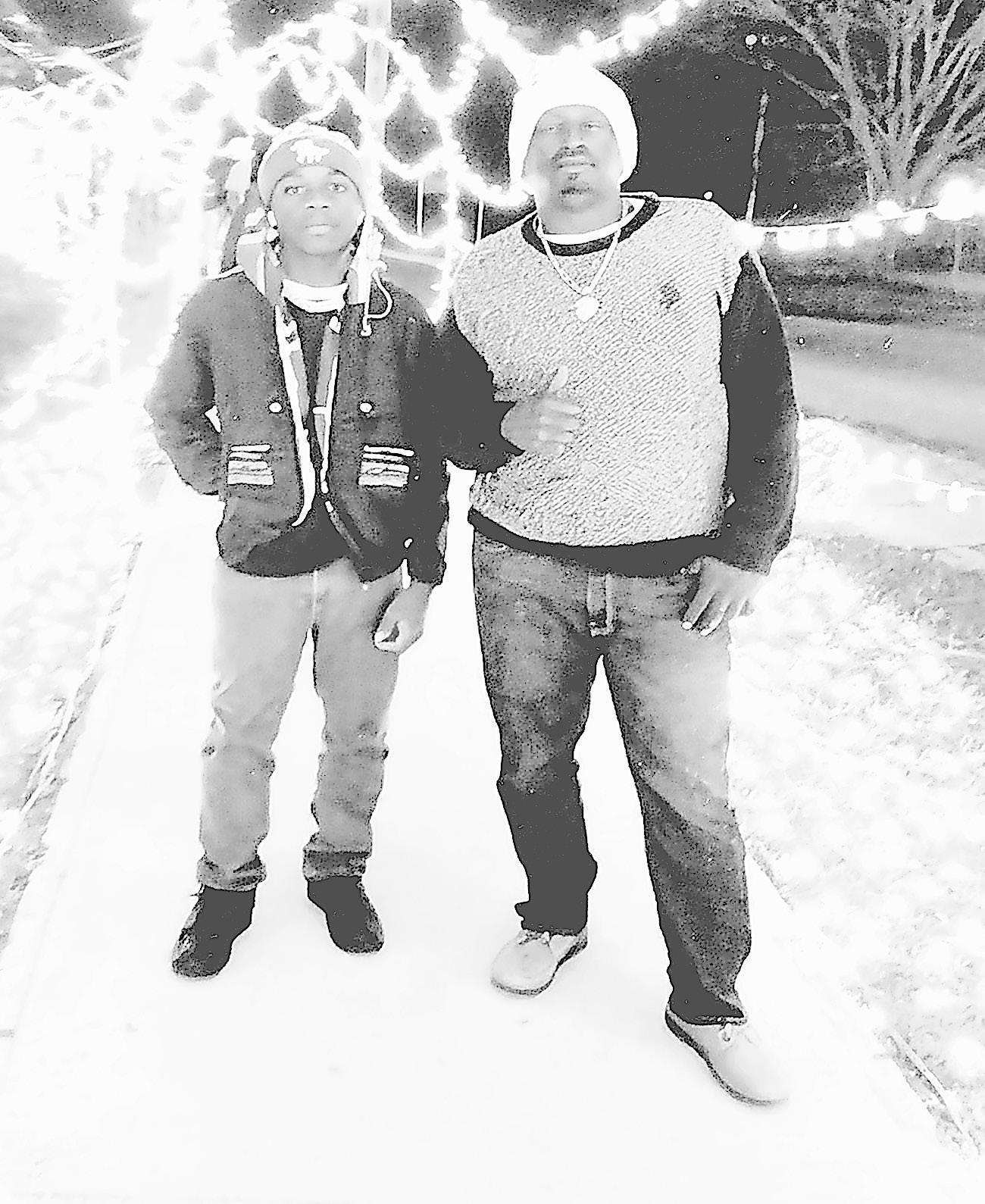
NICHOLAS Oliver Sr handed over $120 so his 16-year-old son could make the short flight to Andros and experience the regatta for the first time.
Hours later, the grieving father stood near the smouldering wreckage of the Flamingo Air aircraft and watched the bush burn around the place where his son died.
“I give him my $120 to kill my son,” Mr Oliver cried.
Nicholas Oliver Jr, a CV Bethel Senior High School student remembered as quiet, kind, mannerly and a gifted drummer, was among the ten people killed when the aircraft crashed near San Andros Airport on Independence Day.
He had been eager to spend the full regatta weekend in Andros, where he was supposed to reunite with his mother, sister and other relatives.
His father, a mechanic originally from Andros, had planned to travel by boat the following day and meet him there.
He never got the chance.
“Right now, I can’t explain how much pain I’m in,” Mr Oliver said.
Nicholas lived in New Providence with his mother, who relocated from Abaco after Hurricane Dorian.
Mr Oliver’s work takes him throughout the Family Islands, but he said he spent as much time as possible with his son whenever he was in New Providence.
Nicholas had initially been expected to travel with his father by boat. However, the teenager wanted to leave on Friday so he would not miss part of the regatta weekend.
“I only was trying to make sure my son was happy,” Mr Oliver said.
He explained that he
chose not to fly because transportation would have been limited once they reached Andros, but paid for his son to make the brief journey by air.
Mr Oliver said he handed the fare to a man at Flamingo Air who appeared to be dressed as a pilot. He was unsure of the man’s identity but believed he was also among those who died. Through tears, he struggled with the thought that the money he paid to send Nicholas safely to Andros instead placed his son aboard the doomed aircraft.
“Fifteen-minute flight, 10-minute flight,” he said.
“In the space of couple minutes you gone and take my money and gone kill my son, bro. Kill my baby.”
Mr Oliver also questioned why Nicholas’ name did not initially appear on the passenger manifest, saying he had watched a Flamingo Air employee write it on a list.
He said the confusion
compounded the agony as relatives tried to determine who had been aboard.
Nicholas was travelling ahead of his father to meet his mother, sister and extended family in Andros. The trip was supposed to give him his first full taste of the island’s regatta celebrations.
Instead, his father was left confronting images he cannot escape.
“I can’t sleep,” Mr Oliver said, weeping. “I seeing all the bush on fire in my flashes.”
He said he does not normally drink alcohol but had considered doing so because he could not quiet his mind long enough to rest.
“I got to try drink rum, get something to drink or something like that,” he said. The memories return whenever he closes his eyes.
“I was there, I see him burn,” he said tearfully. “They burn him up.”
MATEO from page five
group in Milwaukee as its keyboard player.
“This is absolutely a big blow,” Mr Taylor said. “It’s a big, big, big blow to the industry.”
He described the artists killed in the crash as vibrant people and urged musicians to put safety ahead of opportunities to earn money performing at Family Island events.
“I will warn all of these musicians: do not be comfortable to jump on these charters to go to regatta to make a couple of dollars,” he said. “Safety comes first. Make sure know what you’re flying, who you’re flying with.”
“You got to make sure.”
Mr Taylor said he had long been fearful of flying on small charter aircraft. He said his last such flight was
from New Providence to Andros in 1984 or 1985.
“The flight was good, but you couldn’t get me back on that plane because I was just paranoid of that plane, and I haven’t flown the charter since,” he said.
He also urged performers to consider the weight of their equipment when travelling on small aircraft.
“If you are doing it, don’t put no kind of equipment on the plane, the little plane that you’re flying on,” he said. “Because every piece of equipment that you would put on that plane also carries weight, and the plane can only lift with so much weight.”
Authorities have not said what caused the crash or indicated that the aircraft’s load played a role.
Music had gripped Winder almost from infancy.
“Mateo had started playing music from two and a
half years old,” Ms Hinsey said. “He would get my comb and my brush, and he would be at the foot of my bed, and he’d be beating on it.”
Winder later channelled that talent into both performance and business, operating a rental company in New Providence that supplied musical instruments and entertainment equipment.
His mother said his warmth matched his musical ability.
“He was always smiling and if anybody had a bad day, he would come there and he would make you laugh,” she said.
For Ms Hinsey, the routine exchange before every journey had always carried an expectation: her son would leave, arrive and call home.
This time, the message came.
The return call never did.

out of fuel while approaching Exuma.
The flight had originated in Freeport and stopped in South Bimini before continuing to Exuma. Both engines stopped near its destination, forcing the pilot to land in bushes about 5.5km northeast of Exuma International Airport. All three people aboard survived, but the aircraft was substantially damaged and written off. Investigators determined that fuel exhaustion caused the accident. They found that the pilot could not properly calculate the fuel required and exercised poor judgement by continuing to Exuma instead of returning to New Providence after first encountering a problem.
On July 31, 2012, four people survived after a Flamingo Air Piper Aztec developed mechanical problems shortly after leaving Grand Bahama International Airport and came down in mangroves east of the airport.
Less than three weeks later, on August 18, 2012, a Flamingo Air Cessna 402 carrying nine people struck bushes at Staniel Cay Airport after its crew attempted a go-around following touchdown on a wet runway. Several passengers were treated for minor injuries and discharged, while the aircraft sustained extensive damage. Investigators cited the decision to continue the approach to the short, wet runway and attempt a go-around without sufficient runway remaining. They also identified weather, pilot decision-making and unfamiliarity with the aircraft’s systems and performance as contributing factors.
In October 2013, a Flamingo Air Cessna 402 made an emergency landing at Mayaguana Airport after experiencing a landing problem. The aircraft was operating a charter flight with two pilots and no passengers. Neither pilot was injured.
Two landing accidents were publicly recorded in 2016. On June 3, passengers escaped without injury when the landing gear of a Flamingo Air aircraft failed to deploy properly as it landed at Staniel Cay. The aircraft came to rest on its underside. On August 15, a Flamingo Air Beechcraft 99 suffered a runway excursion at South Bimini Airport after its right main landing gear collapsed. No injuries were reported, but the aircraft sustained substantial damage.

Another Beechcraft 99 was substantially damaged at Black Point, Exuma, on December 1, 2019. The aircraft, carrying 14 people, touched down before the usable portion of the runway. Its right main landing gear entered a shallow depression and struck an exposed section of asphalt before collapsing. The disabled aircraft travelled more than 1,500ft, left the runway and stopped in bushes. Its right wing, propeller, landing gear and fuselage were damaged, but no one was injured. The accident prompted the Civil Aviation Authority to suspend the two pilots and require competency evaluations. They were later reinstated after demonstrating proficiency.
On February 12, 2020, the landing gear of a Flamingo Air Cessna 402 collapsed while the aircraft was taxiing at Leonard M Thompson International Airport in Marsh Harbour after arriving from Grand Bahama. Ten people were reportedly aboard and no injuries were recorded.
Four months later, on June 12, 2020, another Flamingo Air Beechcraft 99 experienced a nose-landing-gear problem while approaching Staniel Cay. The two pilots aborted the approach and returned to New Providence with five passengers aboard after receiving an unsafe nosegear indication. Attempts to extend the gear manually were unsuccessful. The nose gear collapsed during the landing roll at Lynden Pindling International Airport, damaging the aircraft’s nose, both propellers and landing gear. Investigators found that the nose-gear actuator could not extend far enough for the gear to lock safely, indicating a possible internal failure. No one was injured.
Another landing-gear collapse occurred at Black Point on October 18, 2022.
A Flamingo Air Beechcraft 99 suffered a failure of its left main landing gear, left or overran the runway and came to rest in
bushes. Eleven people were aboard and no injuries were reported.
Black Point was again the scene of an accident on August 24, 2023, when a Flamingo Air Beechcraft 99 made a gear-up landing. The pilot and nine passengers escaped without injury, although the aircraft was substantially damaged.
On October 2, 2023, the passenger door of another Beechcraft 99 opened shortly after the aircraft took off from Nassau for Staniel Cay. The aircraft returned safely to Lynden Pindling International Airport and no injuries were reported. Flamingo Air said the incident resulted from a failure to fasten the latch properly. It said an employee had been disciplined and staff would receive refresher training. The incident resulted in a temporary grounding while authorities examined whether the airline was complying with safety requirements.
Another door incident attracted attention in July 2024 after a video showed a Flamingo Air aircraft moving on the ground with an emergency exit open. The airline said a passenger opened the exit while the aircraft was taxiing after landing and that the pilot immediately stopped. No injuries were reported.
On April 9 this year, a Flamingo Air Beechcraft 99 arriving in New Providence suffered a collapse of its left main landing gear. Publicly available information about that accident remains limited, but no deaths were reported.
Another emergency unfolded on Friday morning, hours before the fatal crash. Energy, Utilities and Aviation Minister JoBeth Coleby-Davis said a Flamingo Air aircraft heading to Mayaguana returned to New Providence after the pilot reported a concern. The passengers left the aircraft safely before it caught fire on the ground. That incident is also under investigation.

By KEILE CAMPBELL Tribune Staff Reporter kcampbell@tribunemedia.net
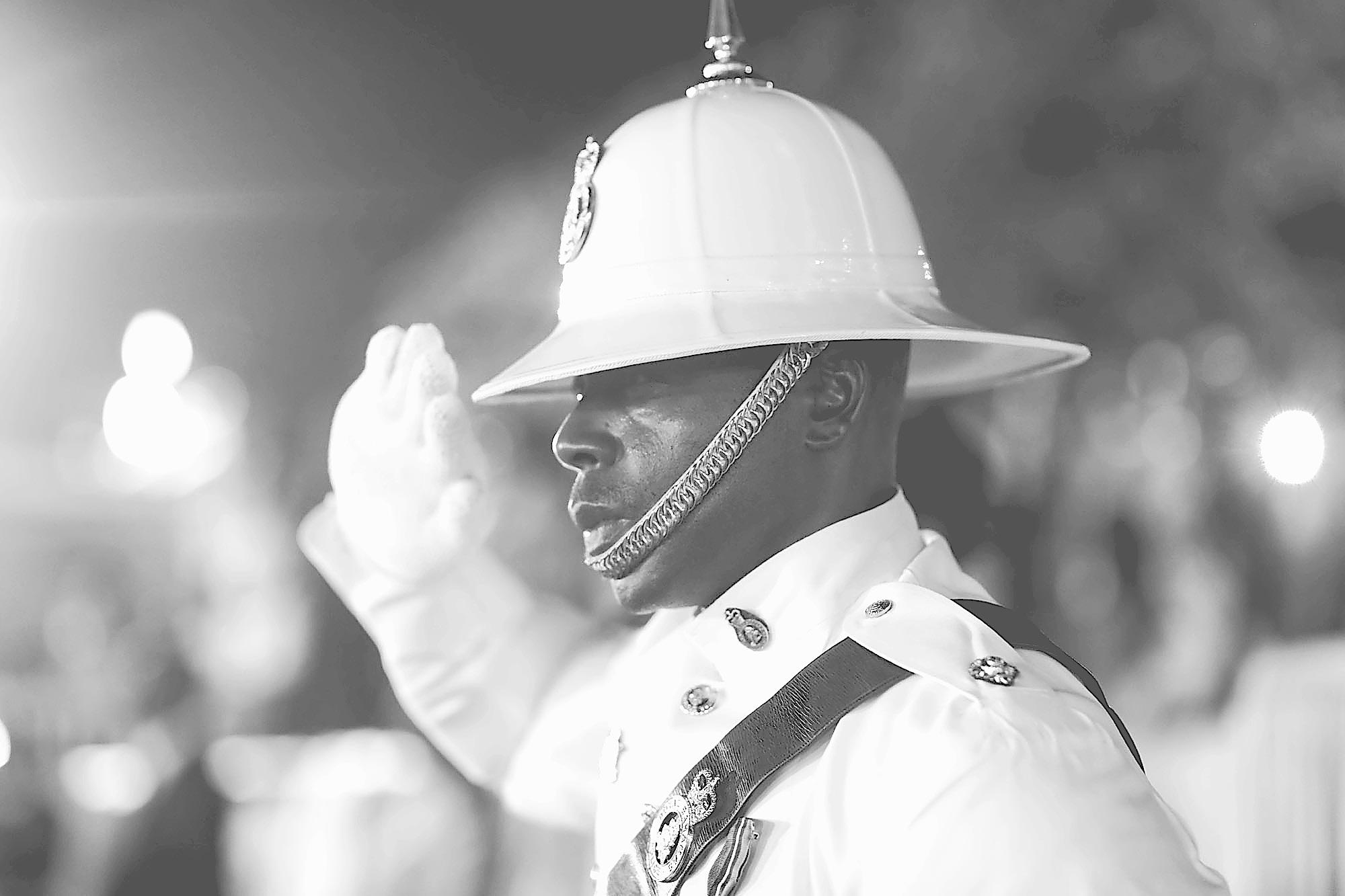
THE 53rd Independence celebrations began Thursday night with pageantry and fireworks. However, a fatal plane crash in North Andros jolted the nation on Friday, prompting organisers to turn Saturday’s planned Family Fun Day into a tribute for the ten victims, who included five members of Da Pond Band.
Thousands of Bahamians had packed Clifford Park on Thursday evening for the country’s 53rd Independence anniversary, filling the stone bleachers and spilling across the surrounding grounds as worship, culture, music and military tradition unfolded beneath the national colours.
Families began arriving before the scheduled 7pm start, many dressed in black, aquamarine and gold. By the cultural segment, spectators had crowded the stands and stretched towards the fort overlooking the park.
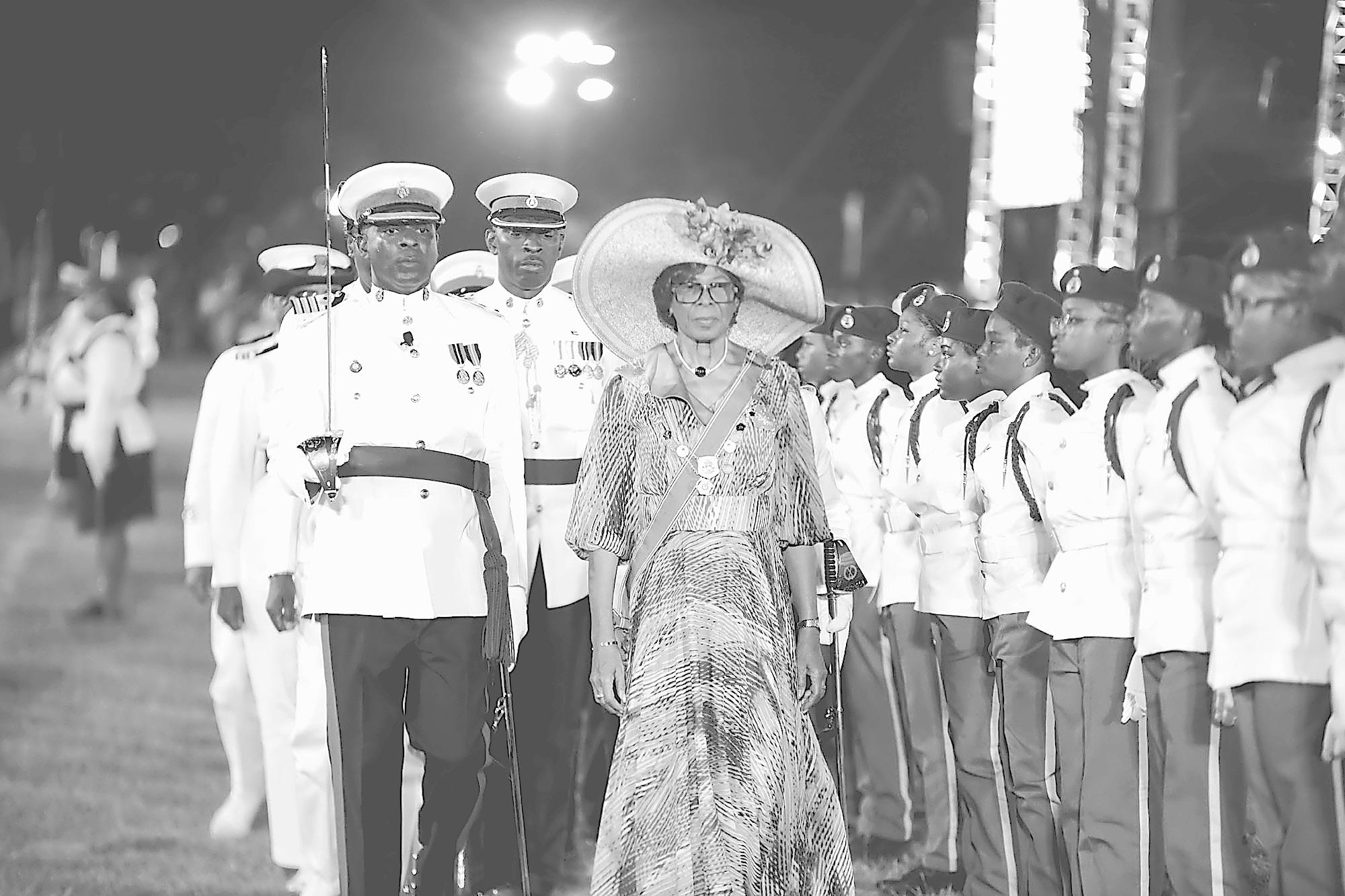
Prime Minister Philip Davis arrived around 7.30pm and greeted Governor General Dame Cynthia Pratt before joining senior Royal Bahamas Defence Force officers and other dignitaries.
A ceremonial flag crossed the field before the crowd rose for the national anthem.
The opening portion struck a solemn tone as religious leaders prayed for the
country and remembered the five young Bahamians killed in the June 28 traffic crash at Shirley Street and Church Street.
The programme then shifted into a sweeping cultural showcase featuring gospel music, dance, poetry, visual art and performances by scores of Bahamian entertainers.
The Essence Band and the Anatol Rodgers High School Pop Band opened the cultural segment, while artist Stefan Davis and his protégé Teran Davis completed a live painting.
The Bahamas Creative and Performing Arts School performed.
The programme also honoured Bahamian athletes, including the CARIFTA Swim Team, track athletes Tonique Williams and Darvinique Dean, basketball players Dexter Cambridge and Franco Miller, and sloop sailors Efferd Kemp and Christian Wells.
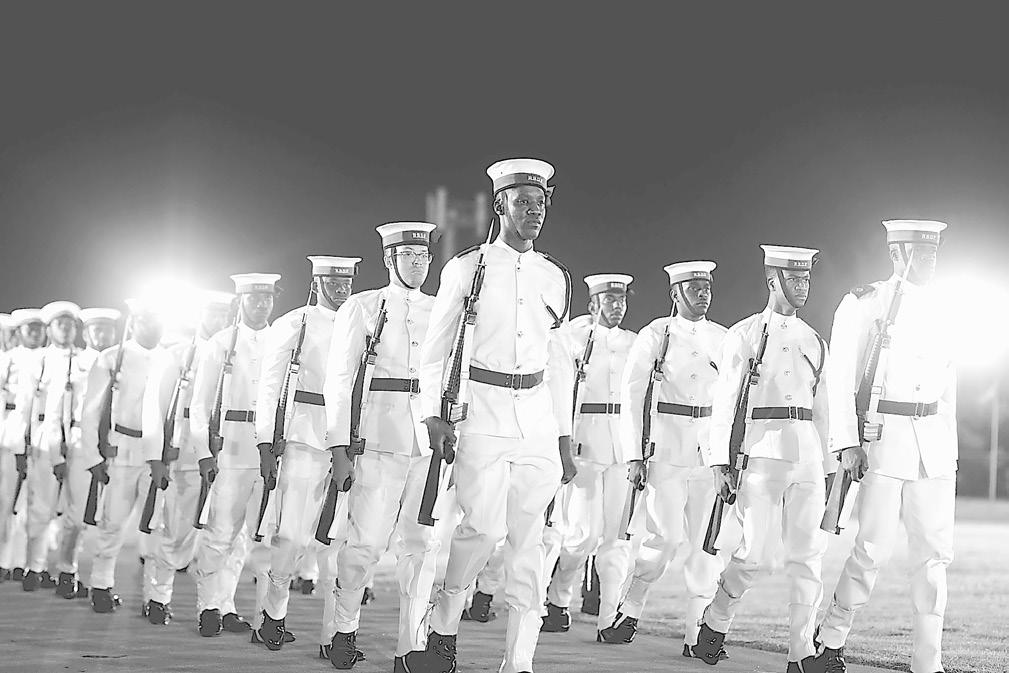
The ceremony later turned to military tradition as Dame Cynthia inspected the parade contingent while the Royal Bahamas Defence Force Band performed.
Members of the Royal Bahamas Police Force, Royal Bahamas Defence Force, Bahamas Department of Correctional Services, Bahamas Customs and Excise Department and Department of Immigration marched in formation across Clifford Park to applause from the crowd.
Fireworks lit the sky to
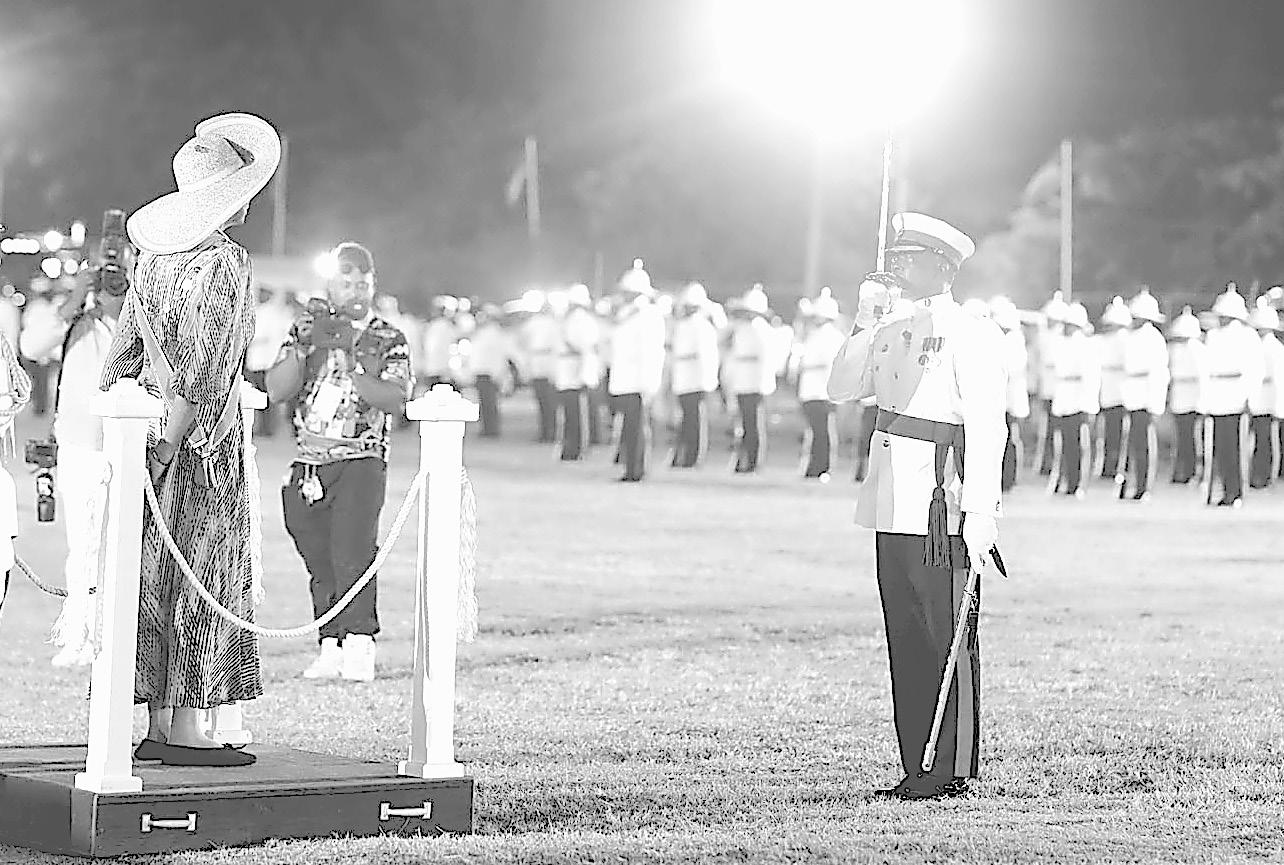
close the ceremony, but the celebration was soon eclipsed by news that a Flamingo Air aircraft had crashed in North Andros, killing all ten people aboard.
The disaster upended plans for the annual Family Fun Day at Clifford Park, prompting organisers and performers to recast the event as a tribute to those who died.
Producer Anthony Coakley said the Family Fun Day, now in its fourth year, was created during The Bahamas’ 50th Independence celebrations to provide a family-oriented daytime event after the official ceremonies and give local vendors another opportunity to earn income.
“We were expecting to have another really electric, fun-filled Bahamian-themed event featuring lots of our local artists from the rake-and-scrape part of the entertainment genre,” Mr Coakley told The Tribune.
He said the programme’s direction changed while surviving members of Da Pond Band were conducting a sound check.
“That’s when the drummer got the text message that said, ‘Hey, there’s been a plane crash, and we’re thinking that members of the band are on the plane,’” he said.
Members of the production team immediately began calling band members and people in Andros
as they scrambled to verify the reports. Confirmation eventually came that the aircraft had crashed.
Mr Coakley said Minister of Culture Leslia Miller-Brice then contacted him and said the programme could not continue in its original form.
“She said, ‘Hey, listen, I think we’re gonna have to change directions with the show because you know we can’t be out there jump up, jump up, and these entertainers have just died,’” he said.
Mrs Miller-Brice urged organisers to honour the victims and later attended the tribute before travelling to the airport with other government officials to receive their remains.
Mr Coakley said organisers met the production team and performers to decide whether the event should proceed. The performers unanimously agreed not to cancel. Instead, they volunteered to reshape their sets and transform the programme into a subdued tribute to their fallen colleagues.
“They said, ‘You know what? We want to do it as our tribute to our fallen colleagues, our friends. We will happily still go ahead, but as you’re suggesting, and as the minister had suggested, that we do it with more of a toned-down production and more solemn, and let’s make it a tribute,’” Mr Coakley said.
Artists incorporated gospel selections into their performances before the programme closed with a dedicated gospel segment coordinated by Bishop Denzel Rolle.
Mr Coakley described an emotional scene as Pastor Moxey called the crowd to prayer.
“Every person on that park stood there from the roughest-looking dude to grandma prayed,” he said.
He said an event conceived as a celebration ultimately became a display of national unity, grief and support for the victims’ families.
“The message became that we have to be one again, that we got to appreciate each other. We got to recognise that we do not take each other for granted and remember that we are one people.”
By LYNAIRE MUNNINGS
Tribune Staff Reporter
lmunnings@tribunemedia.net
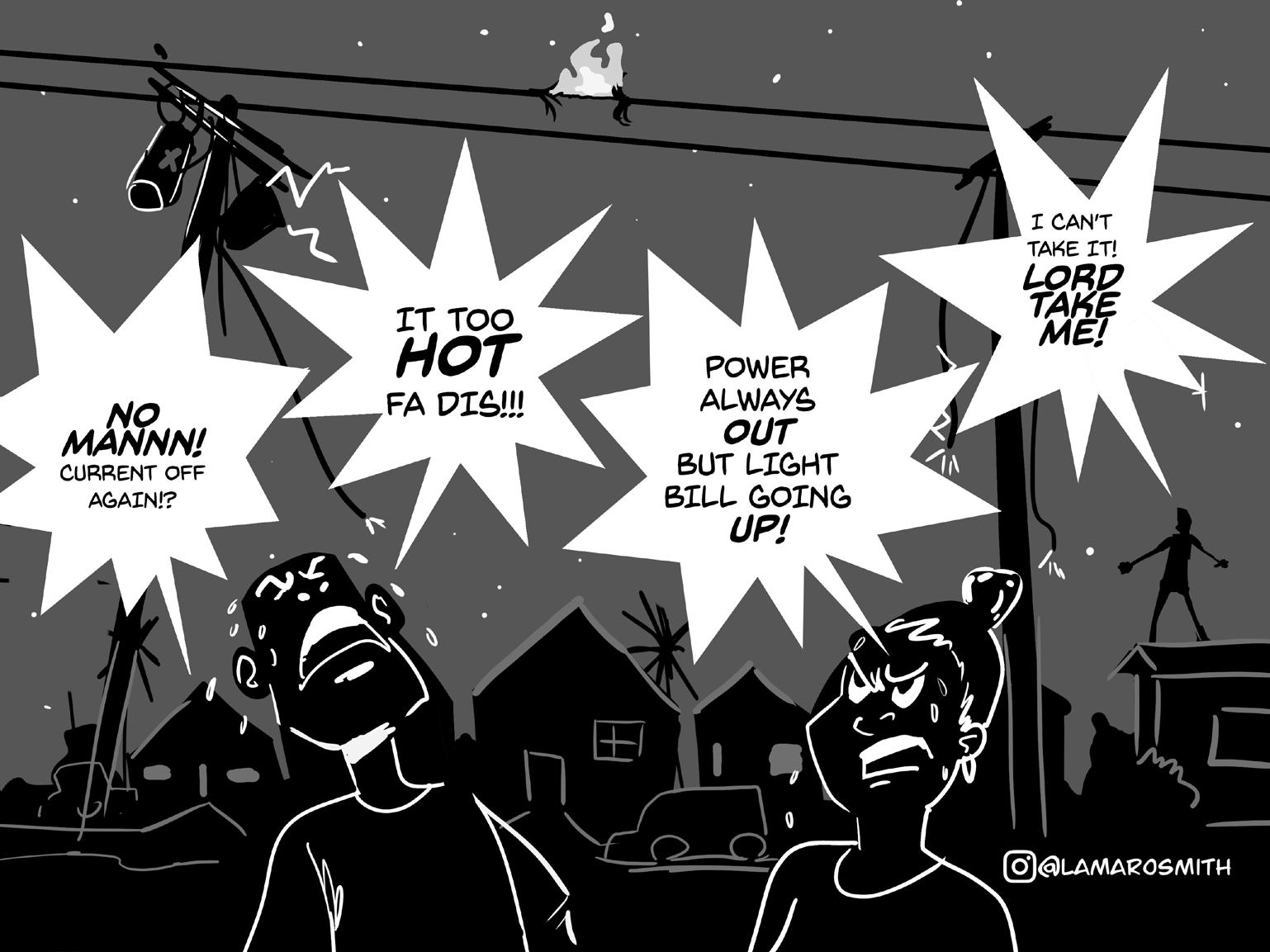
ENERGY, Utilities and Aviation Minister JoBeth Coleby-Davis says recent increases in electricity bills are largely the result of higher energy consumption during an unusually hot summer.
While acknowledging that the government and Bahamas Power and Light (BPL) continue to address the fallout from last week's island-wide power outage in New Providence, Mrs Coleby-Davis said many consumers mistakenly believe higher electricity bills mean BPL has increased its rates.
“Many people naturally assume that if their electricity bill has increased, BPL must have increased its rates, or the fuel cost has gone up. That is not what has happened,” she said.
“The base electricity rate has not changed and the fuel charge has remained stable.”
Mrs Coleby-Davis continued: “What has changed for numerous households is the amount of electricity being used during one of the hottest summers we have experienced in recent years. Last June, we experienced only a handful of days where temperatures exceeded 90 degrees. This year, we experienced nearly three weeks of temperatures above 90
degrees.”
She spoke about the government's ongoing energy reforms during a press conference at the Office of the Prime Minister on Thursday.
According to Mrs Coleby-Davis, the extreme heat arrived much earlier than expected, causing BPL to reach its annual system peak about three months ahead of its normal schedule.
“When temperatures rise, our homes absorb more heat. Air conditioners work longer. Refrigerators run more frequently. Deep freezers cycle more often. Every appliance that cools something must work harder.
"The hotter it is outside, the harder those appliances must work to remove heat from inside your home. The very definition of work is power times time. That means more electricity is consumed.
“This year, the extreme heat arrived so early that BPL recorded its annual system peak approximately three months earlier than it normally would.”
She said consumers can compare their current electricity usage with previous months by reviewing the consumption graph printed on their bills.
“When you look at your monthly bill, you will see a graph comparing this month's electricity usage to last month's or to the same
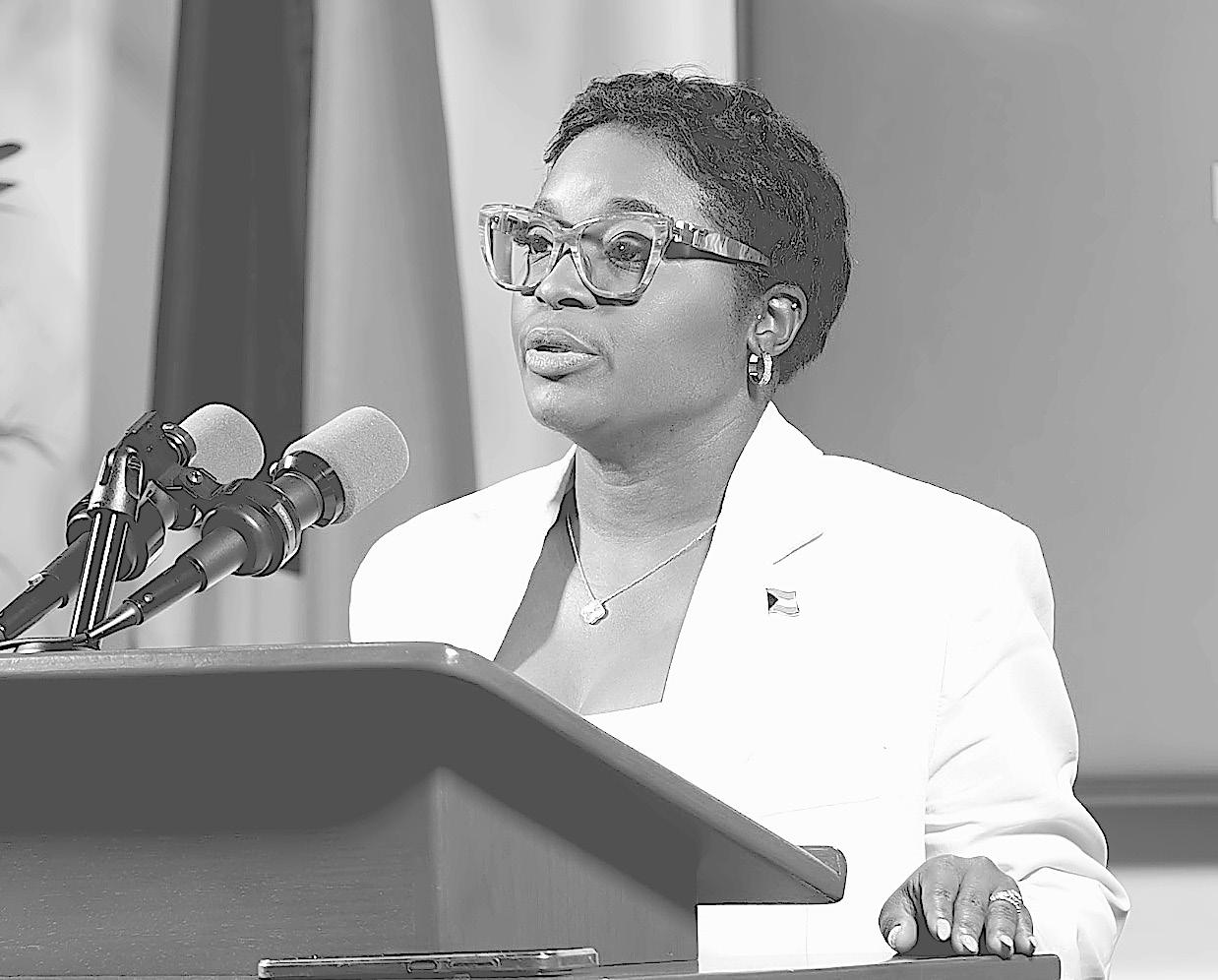
period last year. If that graph shows your household used 30 percent more electricity, there is a cost associated with that additional energy. That increase reflects consumption, not an increase in the price of electricity,” she said. The minister encouraged residents to clean air conditioner filters and refrigerator coils, keep freezers reasonably full, close curtains during the hottest parts of the day and

set thermostats to around 78 degrees rather than 68 degrees.
“And while consumers can reduce their electricity use, the government has a responsibility to lower the per-unit cost of electricity. That is exactly what our energy reforms are designed to achieve,” she added.
Mrs Coleby-Davis also addressed the recent power disruptions, saying BPL has been carrying
out a nationwide summer readiness programme since the beginning of the year.
She said some of the difficulties experienced in recent weeks occurred because the utility was undertaking major infrastructure work while dealing with unexpectedly high demand. Some circuits that would normally have been available were temporarily offline for maintenance and upgrades. She maintained that
BPL has sufficient generation capacity and said the greater challenge has been transmitting and distributing electricity across the network during the heatwave.
The minister's remarks came days after BPL experienced a power outage that disrupted electricity service across New Providence on July 5. The outage occurred after a fault on the transmission network triggered a system-wide shutdown, leaving homes, businesses, traffic signals and essential services without power.
The outage was followed by several other significant disruptions in the days that followed, including the East Hill Street substation failure that caused power losses along Bay Street and surrounding areas, as well as outages affecting Golden Gates I and II, Yamacraw, Twynam, Haven Road, Claridge Road, Abundant Life and St Martin Street. Against that backdrop, Mrs Coleby-Davis said the government remains committed to modernising the electricity sector and preparing the system for the introduction of liquefied natural gas (LNG), which officials say will reduce the long-term cost of electricity generation, strengthen energy security and improve the reliability of the country's power supply.
By KEILE CAMPBELL Tribune Staff Reporter kcampbell@tribunemedia.net
Monday, July 13, 2026
SUELLA Braverman is a former Conservative Party British government min ister who turned coat and is now a vocal member of the far‑right political party, Reform. She is the child of Indian parents from Mau ritius and Kenya, yet, like many other ultra‑ambitious British politicians, she has consistently distinguished herself by remarks that are unhelpful to immi grants and to developing countries.
Her latest claim is that Britain’s former colonies should pay reparations to Britain. It’s a claim that is historically illiter ate, morally offensive, and politically revealing.
It takes some nerve, in the year 2026, for a Brit ish politician to look at the Caribbean’s renewed call for reparations for slav ery and conclude that the obligation runs in reverse.
Yet Braverman has argued that, if the British govern ment is seriously thinking about reparations, then former colonies should pay Britain back for the “investment, effort and contribution” that laid the foundations for “many flourishing democracies today”, and that expecting twenty‑first century Britons to pay for eighteenth‑cen tury actions has no legal basis.
It’s a neat inversion that will flatter an audience that prefers imperial nostal gia to historical truth, but it collapses once we look honestly at the legacy of empire in the Caribbean.
As far back as 2013, in a debate with the late Lord Carrington, organised by the Institute of Common wealth Studies, I described that legacy as mixed –some aspects good, many

bad, and one in particu lar ugly. There are indeed “good” legacies. English has become the language of international commerce, and the English‑speaking Caribbean has benefitted from that in global trans actions. The institutional inheritance of legal and judicial systems, and of written constitutions based on the rule of law, has also had value, even though those institutions were originally designed to serve Britain’s interests rather than our own. Education is another positive element. Mission ary‑led basic education ensured early literacy in English, and in 1948, the University College of the West Indies was estab lished in Jamaica, widening opportunities for Carib bean nationals to take over from British colonial civil servants and preparing them for the challenges of independence. That narrow but solid education has helped a region of some five million people to pro duce Nobel laureates and to send its citizens into senior roles in international organisations entirely out of proportion to its size. These are genuine gains, even if they arrived late and were not matched by comparable investment in industry and infrastructure.
Yet it is when we turn to the “bad” and “ugly” lega cies that Braverman’s talk of British “investment” begins to sound like a grim joke. For 300 years Brit ain organised Caribbean economies around one crop – sugar – and later bananas, for the benefit of British conglomerates. Pro duction was based on low wages and poor conditions. While British companies enjoyed preferences in the United Kingdom and later Europe, Caribbean work ers remained trapped in poverty. In all that time, Britain did not bring devel opment to the Caribbean. It brought wealth extraction. Caribbean efforts after independence to diver sify their economies have been hobbled by missing infrastructure and poor transportation links. There are still no direct links between the Caribbean and Africa, and few to neighbouring Latin Amer ica, because the colonial model routed everything through Britain, with added costs that made trade difficult and expensive. Today’s shortages of pro ductive capital, structural unemployment, trade and
centuries. When slavery
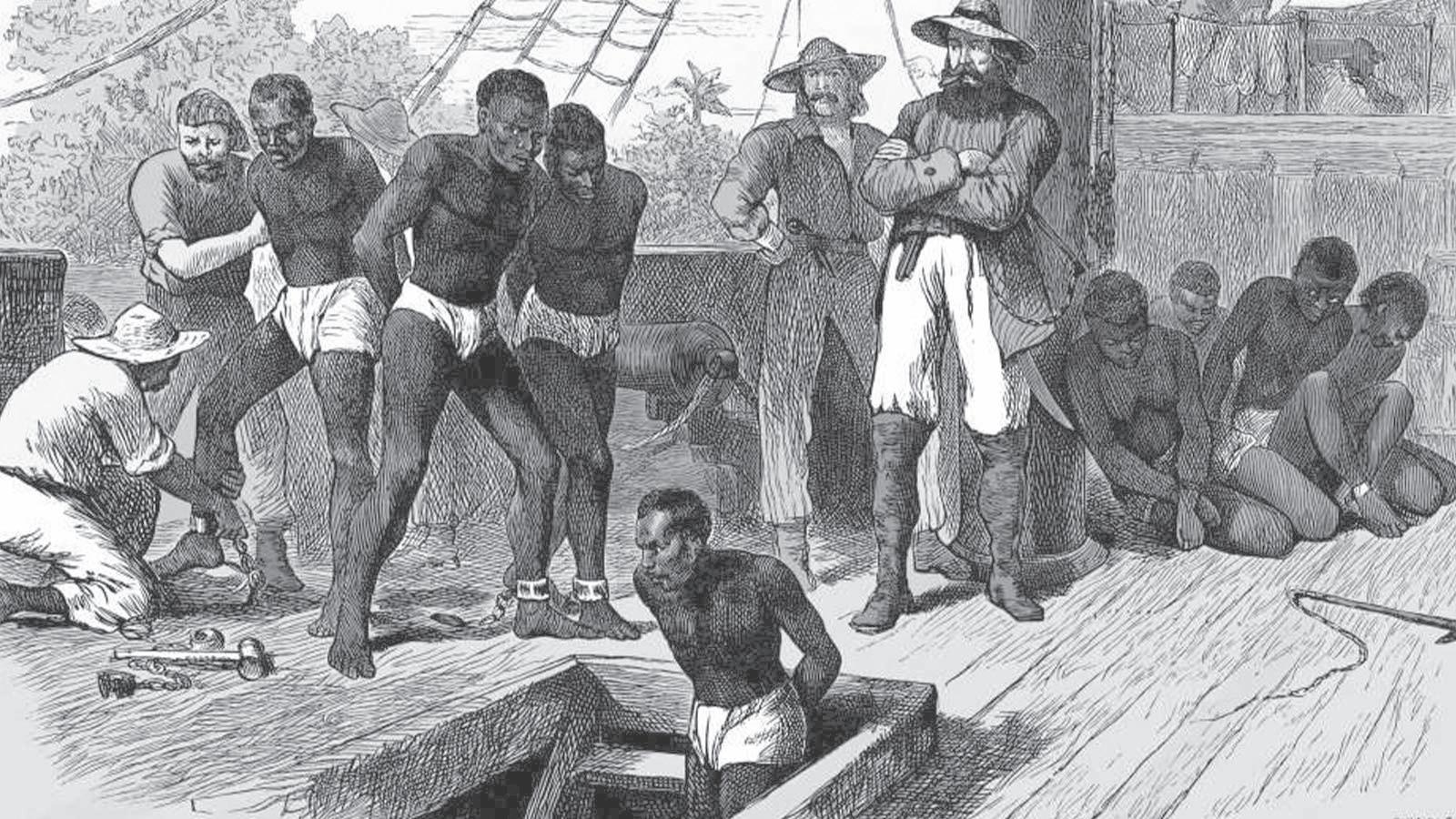
was abolished in the Eng lish‑speaking Caribbean in 1838, British slave owners were compensated lav ishly for the emancipation of their “property” – some 655,780 human beings of African descent. In today’s terms, that compensa tion runs into billions of pounds. The freed slaves received nothing for their dehumanisation, their cruel treatment, their stolen labour, and the plain injus tice of their enslavement.
Those payments are woven into the foundations of major banks such as Bar clays, Lloyds and the Royal Bank of Scotland, and into the fortunes of prominent British families. This was not “investment” in Carib bean development. It was investment in British power and British wealth.
Most remarkably, the British state decided that slave owners deserved compensation while the enslaved deserved nothing.
The government borrowed £20 million – about 40 per cent of national income at the time – to finance those payments, and the debt was only finally paid off in 2015. Generations of Brit ish taxpayers, including those of the twenty‑first century, have honoured the obligation to slave owners, yet Braverman insists that there is no legal basis for modern Britons to meet any obligation to the descend ants of the enslaved. That is not a serious legal argu ment. It’s a political choice
to recognise one kind of historical claim and to deny
The ugliness did not begin ery. Indentured servitude in places such as Guyana and Trinidad and Tobago bound Indian labourers to estates, deprived them of jected them to treatment that Hugh Tinker described ery.” When slavery ended, Africans received no land grants, no cash reparations, no promissory notes. They were left destitute, deprived and disadvantaged, while former owners drew down their compensation and Britain drew on the fruits of

pensation paid to slave owners had been directed to slavery’s victims and bean would today be much further along the road of social and economic development. For a British politician to answer that the victims’ descendants ought instead to compensate the beneficiaries is to mock history and stand it on its head.
It’s impossible to sepa rate Braverman’s statement from her political trajec tory. She championed a harsh anti‑immigration agenda, including a plan to deport asylum seekers to Rwanda. Now, as a member of Reform UK, she aligns herself with a party that has promised to stop issu ing visas to nationals of any country that seeks repara tions for the transatlantic trafficking and enslavement of Africans.
Her intervention sig nals a project to re‑centre Britain as victim and ben efactor in the story of empire, and to cast Carib bean demands for justice as impertinence. The Car ibbean cannot accept that script. Reparations are not about “punishing” modern Britons. They are about acknowledging that history created structural disad vantages that persist, and about designing measures to repair them. Until that truth is faced, talk of “investment, effort and contribution” is not his tory. It’s evasion.
(The writer is Antigua and Barbuda’s Ambassador to the US and the OAS. He is also Chancellor of the University of Guyana. The views expressed are his own)
By ROBERT J BLAINE , III, DMA President, University of The Bahamas
I REMEMBER standing before the musicians of the Jackson State University Chamber Orchestra as the conductor in Washington, D.C. in January 2009. It was just moments before we began one of our performances for the inauguration of President-elect Barack Obama. You could feel the history, the expectation, the pride.
I still see their eager faces, talented, yes, but more importantly, prepared to perform at their best. They had rehearsed, refined, and committed themselves to a standard that allowed them to rise to that extraordinary occasion.
As I lifted the baton, I understood that moments of significance do not leave room for guesswork. Excellence must already be in place. Standards must have already been met. That lesson has stayed with me and is a poignant reminder now in my role as President of University of The Bahamas (UB).
A university operates under the same principle. We are preparing students for extraordinary opportunities anywhere in the world, moments when they must perform, lead, adapt, and contribute at the highest levels. This responsibility guides our actions at UB and the quality and sustainability of our work. The University is in a new era of excellence and accountability for the benefit of our students and the nation we serve. We are implementing a framework to strengthen our core operations and support systems to drive student success that endures.
At its core, a university education is about trust.
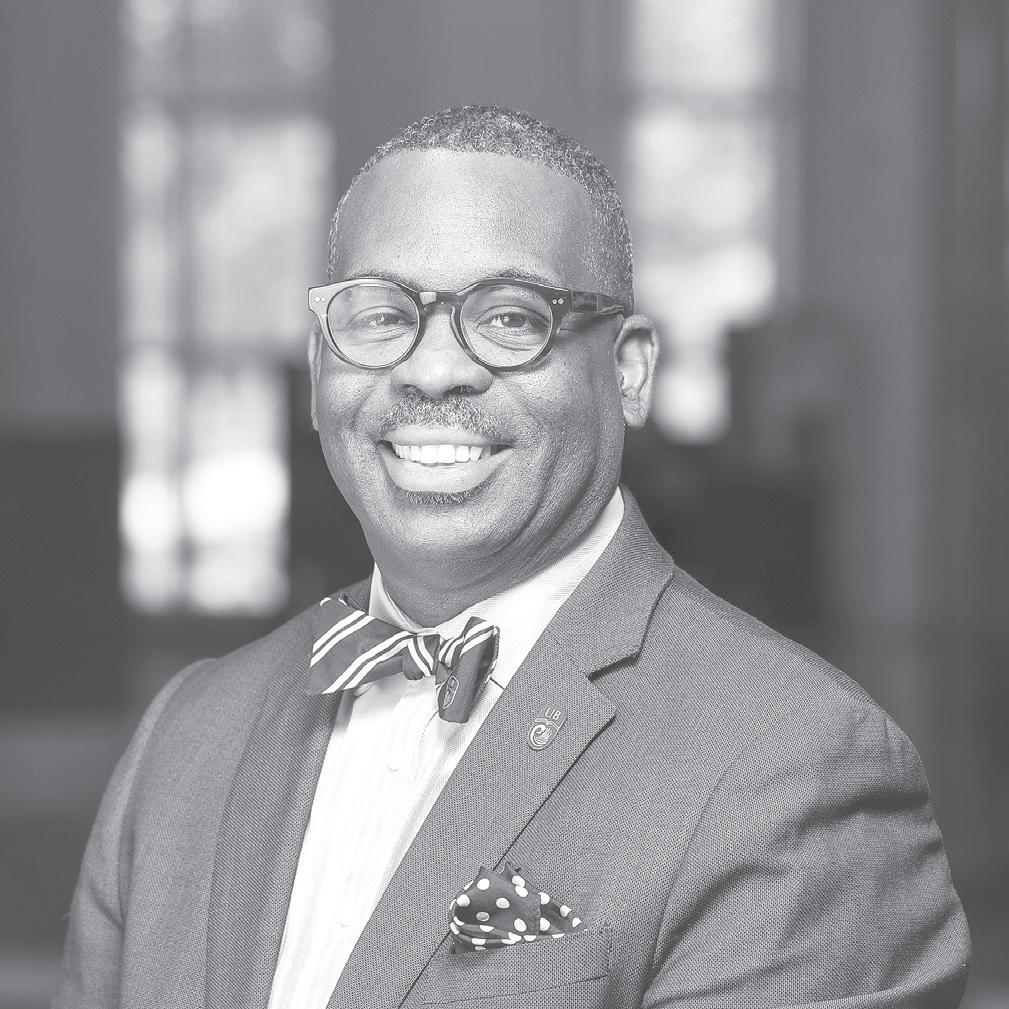
ROBERT J. BLAINE, III, DMA President, University of The Bahamas
That trust is enshrined in the UB mission: to advance and expand access to higher education, promote academic freedom, drive national development, and build character through teaching, learning, research, scholarship, and service. Our response to that trust is a commitment to our students, their families, and the nation. When a young person walks through our doors, they will receive an education that is rigorous. When working professionals become members of our academic community, they will benefit from an education that is relevant and recognised anywhere in the world. It is our promise that we will meet the standards of educational quality in every respect because each person’s dream matters. This resonated deeply when we recently conferred degrees, diplomas, and certificates upon 500 graduates, and they joined the ranks of UB’s more than 23,000 alumni.
The Organisation for Economic Co-operation and Development’s Education
at a Glance 20251 report has made it clear that supporting equitable access to tertiary education is the key to improving social and economic mobility, since educational achievement strongly influences success in the job market. The report on the state of education worldwide noted that simply expanding educational opportunities is not enough. Education systems must ensure that learners develop the skills they need to flourish, including technical competencies, theoretical knowledge, character development, and emotional intelligence. This is the essence of UB as an academic community, and we are even more excited about it as a candidate for accreditation with the Southern Association of Colleges and Schools Commission on Colleges (SACSCOC) working towards full accreditation. UB is also pursuing accreditation with the National Accreditation and Equivalency Council of The Bahamas.
UB is delivering knowledge for a dynamic world, cultivating cutting-edge skills, and giving imagination and innovation an environment to grow. This process began more than 50 years ago. Today, we continue to build on a strong foundation developed through the hard work of many people in academia and the nation.
Accreditation is an ongoing process of continuous improvement, a community aspiring to the highest standards that benefit our students, faculty, staff, and the country at large. Student success-focused excellence is our primary goal.
In Autumn 2025, our total student enrolment grew to 5,020 in New Providence and Grand Bahama, the second-highest enrolment in our history. Among them, 76% are enrolled on a fulltime basis, and an increasing number, 35%, are first-generation university students. This growth reflects something important: a belief in the power of higher learning to bring about transformation.
For parents sending their first child off to university, accreditation provides reassurance that every dollar saved and every prayer said will not be in vain. For a high school graduate stepping into adulthood, it is a guarantee that their education will create future opportunities.
We are preparing individuals who can adapt, learn, and thrive in a world defined by constant change.
In his work, the writer and thinker David Epstein reminds us that the future belongs to those who can connect ideas across fields, think critically, and adapt when circumstances demand it, rather than just specialists.
This is precisely the kind of graduate The Bahamas needs.

Who, then, is the UB graduate? What does that graduate look like in the 21st century? What are the thinking skills we expect every student to carry with them into their first job and throughout a lifetime of change? What sense of civic responsibility must be embedded so deeply that it shapes their achievements and their service? And what intellectual traits will allow them to navigate a world where they will change careers two, three, or even four times over the course of their lives? This is the graduate we are called to produce. We have begun to have these and other crucial conversations as we prepare for the UB Strategic Plan
2026-2031. In this process, we are actively engaging our faculty, staff, students, administrators, alumni, other stakeholders, and members of the public. Your feedback and perspectives are integral to responding to these questions and determining the plan for UB’s future. In a world where knowledge drives progress, we must keep pace.
Dr. Blaine’s tenure as President of University of The Bahamas (UB) began in July 2025. UB is a core infrastructure for nation-building, as it supports and drives national development through education, research, innovation, and service.
By PATRICK WHITTLE and TAMMY WEBBER Associated Press
A WIDESPREAD and dangerous heat wave was building across the US on Saturday, with triple-digit highs expected in the Southwest and Great Plains this weekend before spreading eastward under a dome of high pressure that meteorologists say could trap oppressive temperatures for a week or more.
Forecasters advised people to stay hydrated and find places to cool off, warning of temperatures 15 to 25 degrees Fahrenheit (8 to 14 degrees Celsius) warmer than normal in many areas, including at night — especially bad for people’s health because their bodies won’t have a chance to recover. The heat dome was expected to affect as much as twothirds of the continental United States.
“The heat doesn’t necessarily stop when it’s dark out,” said Josh Adam, a meteorologist with the National Weather Service in Bismarck, North Dakota, where temperatures will surpass 100 F (37 C) until Tuesday, a dramatic spike for a state where summer temperatures are typically in the 80s.
Tynika Smith of Bloomington, Minnesota, handed
out frozen towels and wash cloths along with battery-operated fans at encampments of homeless people in nearby St. Paul and will continue next week, when temperatures are forecast to climb into the mid- to high 90s. The residents put the ice packs around their necks and on their heads.
“They can’t get into a car with air conditioning or go into a house,” said
Smith, who also distributed water, freezer pops, food and hygiene supplies.
The encampments are so secluded that it’s difficult for the residents to walk or bicycle to cooling centres, she said. There also is little outside shade, while the temperature inside their tents gets even hotter than outdoors.
“I can only do so much,” Smith said, “but at least I can help them stay cool
for a little bit.”
Temperature records expected to be broken
The National Weather Service predicted that more than 90 US local temperature records will be tied or broken through Wednesday — with twothirds of those being overnight heat records.
Temperatures were not forecast to drop below 80 F (27 C) at night in
Fort Lauderdale, Florida; Miami; Tampa, Florida; Galveston, Texas; and Charleston, South Carolina.
The heat dome — formed when high pressure traps hot air while blocking cooling winds and rain — is one of the strongest to affect the Dakotas in 25 years, said Chad Merrill, a senior meteorologist with AccuWeather.
Record triple-digit highs were forecast for the weekend in Nevada, Utah, Colorado, Wyoming, Idaho, Montana and the Dakotas. In Helena, Montana, where temperatures were expected to creep above 95 F (35 C), Last Chance Splash Waterpark & Pool was holding a swim meet for hundreds of swimmers. The timing couldn’t be better, as it’s uncommon for Helena to get so hot, said Sean Swingley, assistant manager.
“It’s certainly a hot day, but the pool is nice and cool,” Swingley said.
“Usually in the summer we have a couple 95 degree days, but it mostly hovers around 85 to 90 in June and July.”
Nevada, a state accustomed to hot weather, was even hotter than normal, said Andrew Gorelow, a meteorologist with the National Weather Service in Las Vegas. The temperature there was expected
to hit 111 F (48 C) on Saturday, Gorelow said. Hydrating and finding cool spaces is critical, experts said.
They also warned that the heat could spike fire risk in some parts of the country that already are dry, including the Rockies, where Merrill said dry thunderstorms could develop.
Climate change is supercharging heat
Climate change from the burning of coal, oil and natural gas is causing more intense and longer-lasting heat waves that cover larger areas, scientists say.
This year’s temperatures also are expected to be affected by El Nino, a natural warming of the equatorial Pacific that alters weather patterns and spikes temperatures across the globe.
The current El Nino — which formed last month and is too young to have affected this heat wave much — is expected to rank as among the most intense since the weather service began tracking the phenomena in 1950, experts said. By fall it has an 81% chance of becoming “very strong” — the top category — according to the US National Oceanic and Atmospheric Administration.
By PAVEL BAILEY Tribune Staff Reporter pbailey@tribunemedia.net
A MAN was acquitted on Thursday for the alleged sexual assault of a woman he gave a ride to work in western New Providence in 2023, an act the defense called consensual “lovemaking”.
Kennedy Ingraham was found not guilty of rape in a 6-3 jury verdict before Justice Jeannine Weech-Gomez.
Justice Weech-Gomez informed Ingraham that he was free to go as long as he had no other matters before the court.
The visibly relieved defendant gave the Justice
a polite nod before leaving the court a free man.
Prosecutors alleged that Ingraham raped a 36-yearold woman, whose name is being withheld, after giving her a ride in western New Providence around 9am on March 20, 2023. The defendant was alleged to have taken the woman to a residence in Coral Harbour, where the assault allegedly occurred in his car.
Afterwards, he allegedly drove the woman to her job at a grocery store. The defence has claimed that the sex was consensual and transactional. It further claimed the complainant fabricated the allegation after Ingraham failed to pay
her the $250 they had allegedly agreed on beforehand.
During her closing address, defense attorney Sonia Timothy Knowles said that while sexual intercourse did occur, it was a consensual act of “lovemaking”.
The prosecution had claimed that the defendant had raped the complainant at gunpoint and choked her. They also claimed the defendant used an immigration uniform to intimidate the complainant, a Haitian national, prior to the alleged sexual assault.
Indiana Fitzgerald and Crystal Stuart also represented the accused.
Shaneka Carey and Betty Wilson prosecuted the case.
Man accused of stealing McDonald's cash register granted $5,000 bail
By PAVEL BAILEY Tribune Staff Reporter pbailey@tribunemedia.net
A MAN accused of stealing a cash register full of cash during a robbery at McDonald’s on Madeira Street last month was granted bail on Thursday. Prosecutors allege 18-year-old Treyvon
Colebrooke, along with an accomplice, stole a black cash register containing $1,747 in cash during a robbery of the fast food restaurant at 9.30pm on June 23.
Colebrooke pleaded not guilty to stealing before Senior Magistrate Algernon Allen Jr. The defendant’s bail was set at $5,000 with one
or two sureties. Under the terms of his bail, the accused must sign in at the Elizabeth Estates Police Station every Monday through Friday by 6pm.
The accused returns for trial on October 15.
Levan Johnson represented the accused, while Inspector Timothy Bain prosecuted the case.
American fined $20K for possession of marijuana and psilocybin at LPIA
By PAVEL BAILEY Tribune Staff Reporter pbailey@tribunemedia.net
AN AMERICAN who admitted to bringing $6,800 worth of marijuana and psilocybin into The Bahamas was fined $20,000 on Thursday.
By PAVEL BAILEY Tribune Staff Reporter pbailey@tribunemedia.net
A 20-YEAR-OLD man was granted bail on Thursday after he allegedly threatened the mother of his child with a gun and endangered their infant child by placing him on the road on West Street last week.
Prosecutors allege the young man sped off with his seven month old son on his motorcycle against the mother of the child’s wishes on July 4. The man’s name is being withheld to protect identity of complainants, The infant’s mother
allegedly followed the defendant to a residence on West Street, and an argument ensued between the two during which time the defendant allegedly placed the child on the road.
This resulted in a car having to come to an abrupt stop to avoid hitting the child.
When the child’s mother collected him from the road, the defendant allegedly threatened to kill her with a handgun.
The defendant pleaded not guilty to charges of cruelty to children, possession of a firearm with intent to put another in fear, and
threats of death before Senior Magistrate Algernon Allen Jr.
The defendant’s bail was set at $9,000 with one to three sureties.
The defendant was ordered to be fitted with a monitoring device and also warned not to interfere with any witnesses in this matter. He was advised that failure to comply with these conditions would result in his bail being revoked.
The accused returns for trial on October 15.
Karen Butler represented the accused, while Inspector Timothy Bain prosecuted the case.
Police say no evidence links officer to fatal hit-and-run
By KEILE CAMPBELL Tribune Staff Reporter kcampbell@tribunemedia.net
POLICE said there is no evidence that a serving officer was involved in the fatal hit-and-run in Nassau Village that claimed the life of a man on Thursday.
In a statement issued on Saturday responding to "online commentaries" suggesting an officer was the culprit, police said its investigation had uncovered no evidence to support such claims.
According to reports, officers were alerted to the traffic fatality shortly before midnight on Thursday,
where upon arrival to the scene they discovered an unresponsive male pedestrian suffering from serious injuries.
Emergency Medical Services personnel examined the victim and confirmed he showed no vital signs of life.
According to preliminary investigations, the victim was attempting to cross Taylor Street from east to west when he was struck by a grey Jeep fitted with large rims, however, the driver failed to remain at the scene and fled in an unknown direction.
Since the incident, police said no individual, whether a police officer or a member of the public, has come
forward to claim responsibility for the accident.
Police underlined that the investigation remained active and urged members of the public not to circulate unverified information.
"The Force remains committed to conducting a thorough, impartial, and transparent investigation and will provide further updates as appropriate," the statement said.
Police continue to appeal to anyone with information about the fatal collision to contact 911, 919, the nearest police station, the Traffic Division at 397-8050 or CRIME STOPPERS anonymously at 328-TIPS (8477).
John Paul Ramano, 35, of New York, was found with 3.2lbs of marijuana, THC infused cigarettes and vapes, as well as psilocybin in his luggage as he arrived at LPIA on July 8.
Raquel Whyms.
The defendant pleaded guilty to possession of dangerous drugs with intent to supply, two counts of importation of dangerous drugs, and five counts of possession of dangerous drugs before Senior Magistrate
The defendant claimed he was unaware marijuana was illegal in The Bahamas and that he has a medical card to possess the drugs. He expressed remorse and asked the court for leniency. Ramano was ordered to pay a fine of $20,000 or risk 10 months in prison.
Sergeant 2257 Wilkinson prosecuted the case.


Woman gets 15 years in prison for SUV attempted murder
By PAVEL BAILEY Tribune Staff Reporter pbailey@tribunemedia.net
A WOMAN who crippled her ex-boyfriend after intentionally ramming an SUV into him after he broke up with her in 2024 was sentenced to 15 years in prison last week. Antonice Clarke, 25, was sentenced for attempted murder before Justice Dale Fitzpatrick.
Clarke ran over Matthew Griffin with her vehicle after he told her it was over between them on April 10, 2024.
Mr Griffin had his right leg severed as a result of the attack.
Prosecutor Basil Cumberbatch had recommended a 18 to 30 year prison term, while defense attorney Calvin Seymour asked for a more lenient five year sentence with probation.
Clarke turned herself into police thinking she had killed the complainant and later pleaded guilty to a charge of attempted murder.